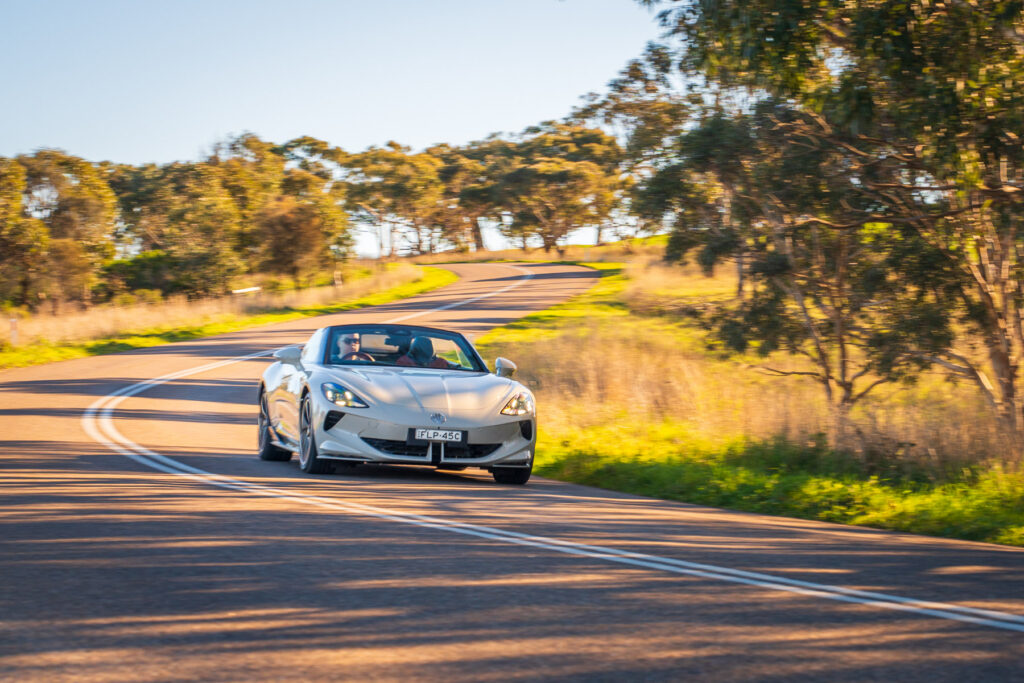

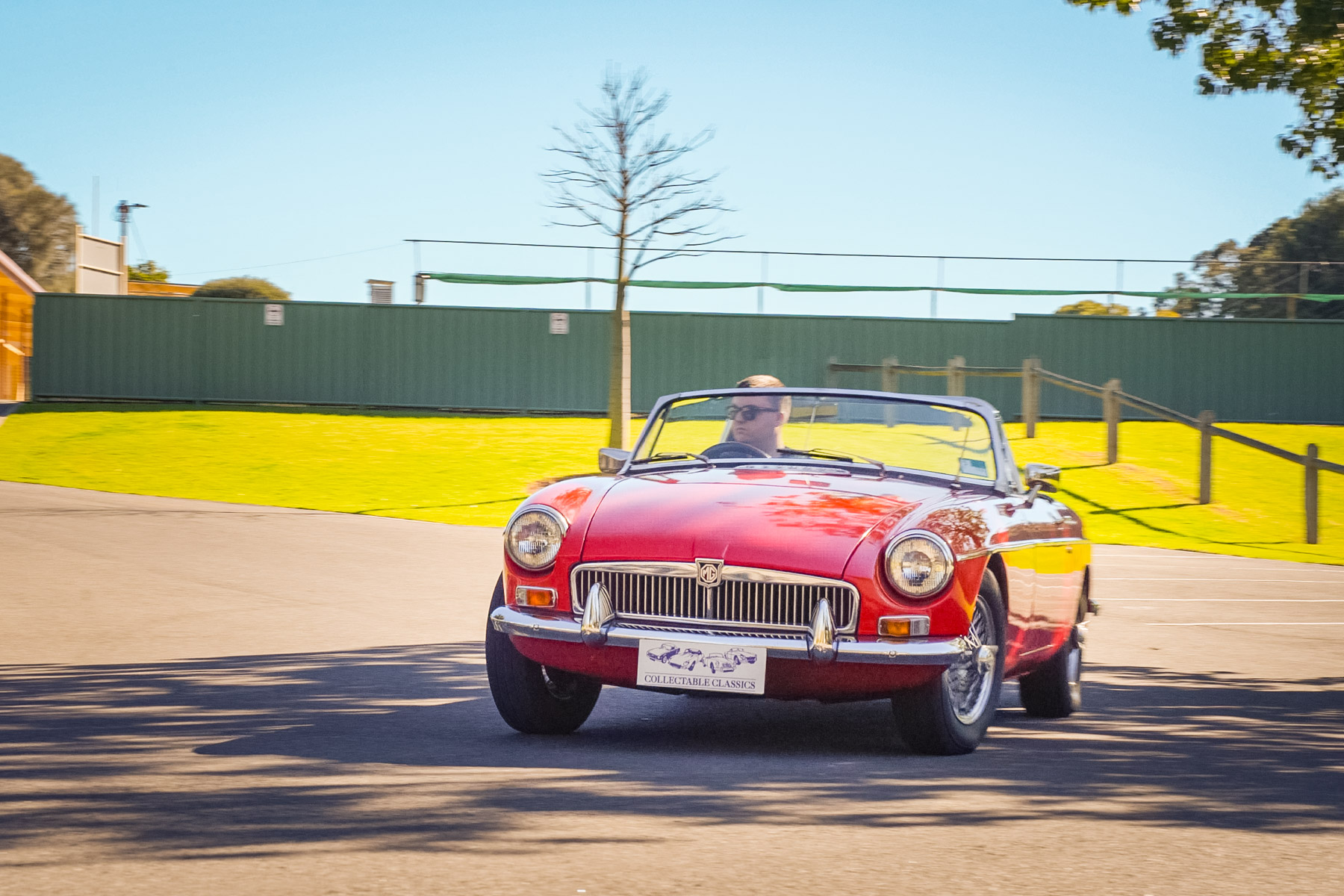
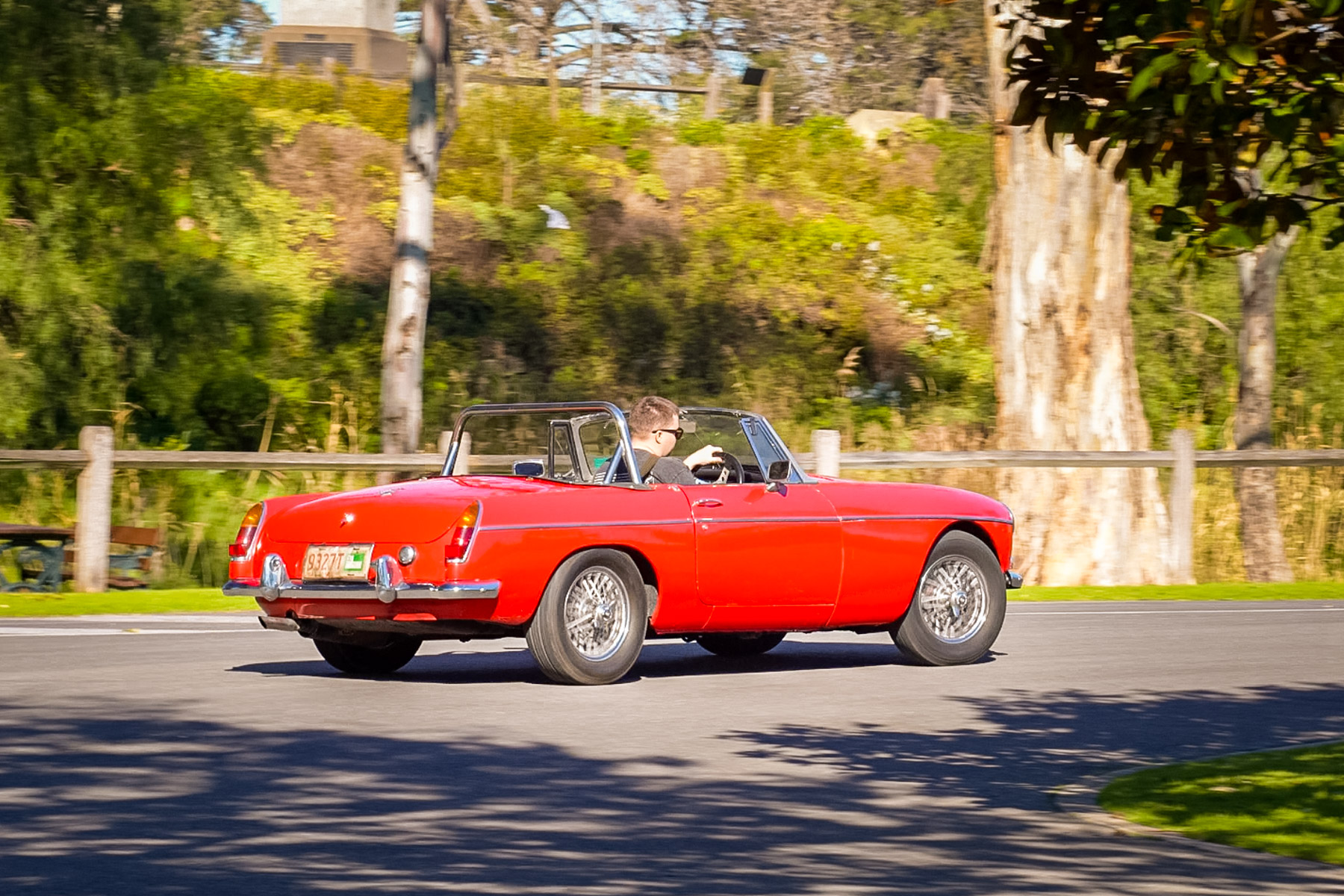
If most people were to hear the letters “MG” these days, odds are that the image of affordable, mid-sized SUVs will spring to mind. For enthusiasts, it’ll conjure up a very different mental model; an image of joyful, open-lid sports cars that stir the soul.
While the MG of today might in some respects be a far cry from the original Morris Garages founded in 1924, with the brand now owned by Chinese conglomerate SAIC Motor, it doesn’t mean the brand has abandoned sports cars altogether.
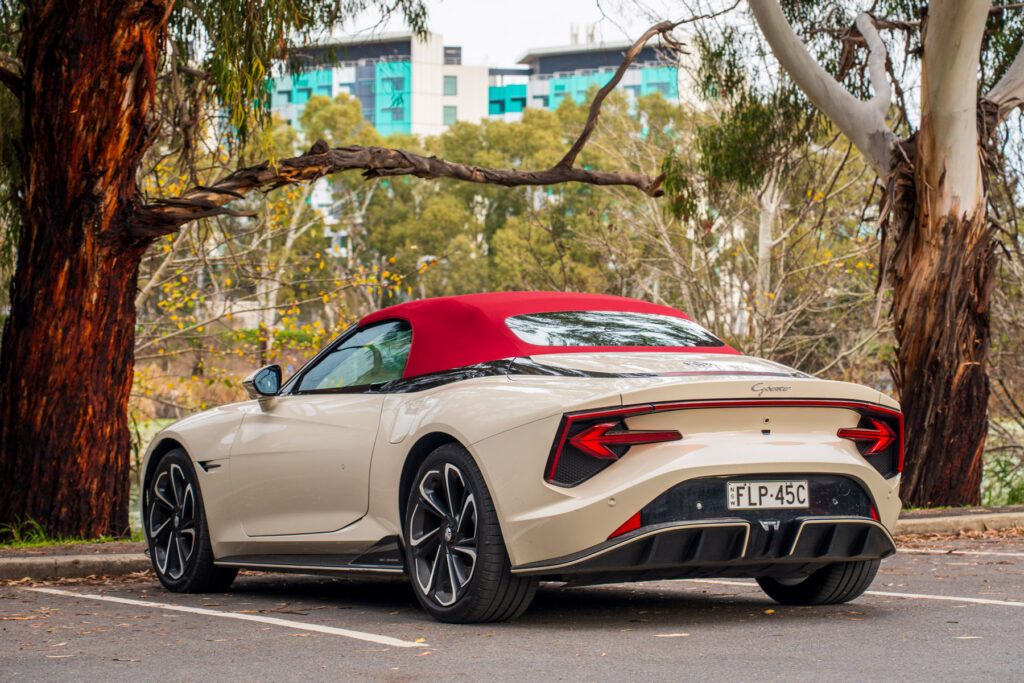
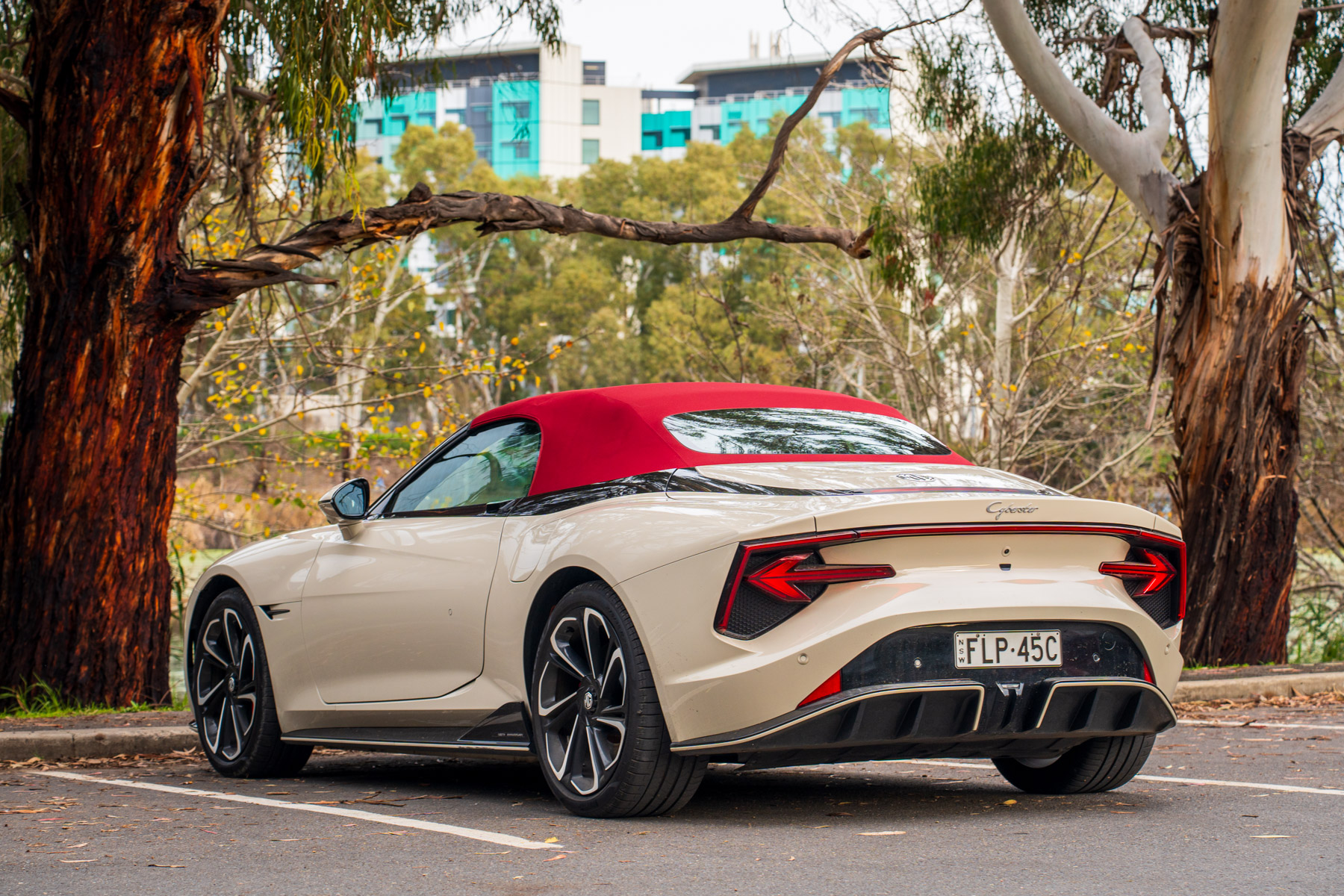
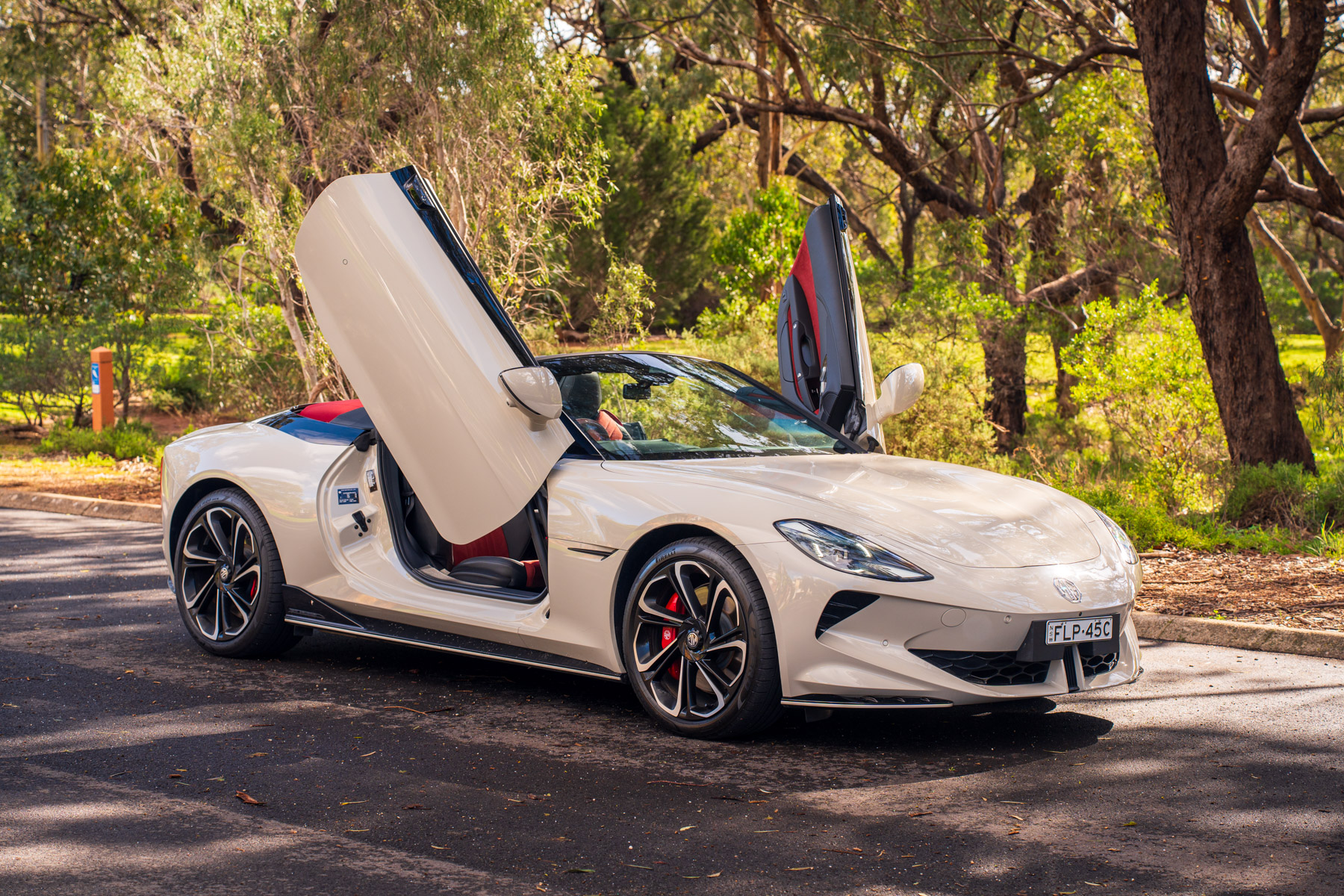
Rather, MG’s original two-seat, convertible sports car recipe has evolved into the 21st century equivalent. Its flagship performance car today is dubbed the Cyberster, which launched overseas in 2023 and serves up performance that can embarrass some last-gen supercars.
MG’s sports car recipe has changed
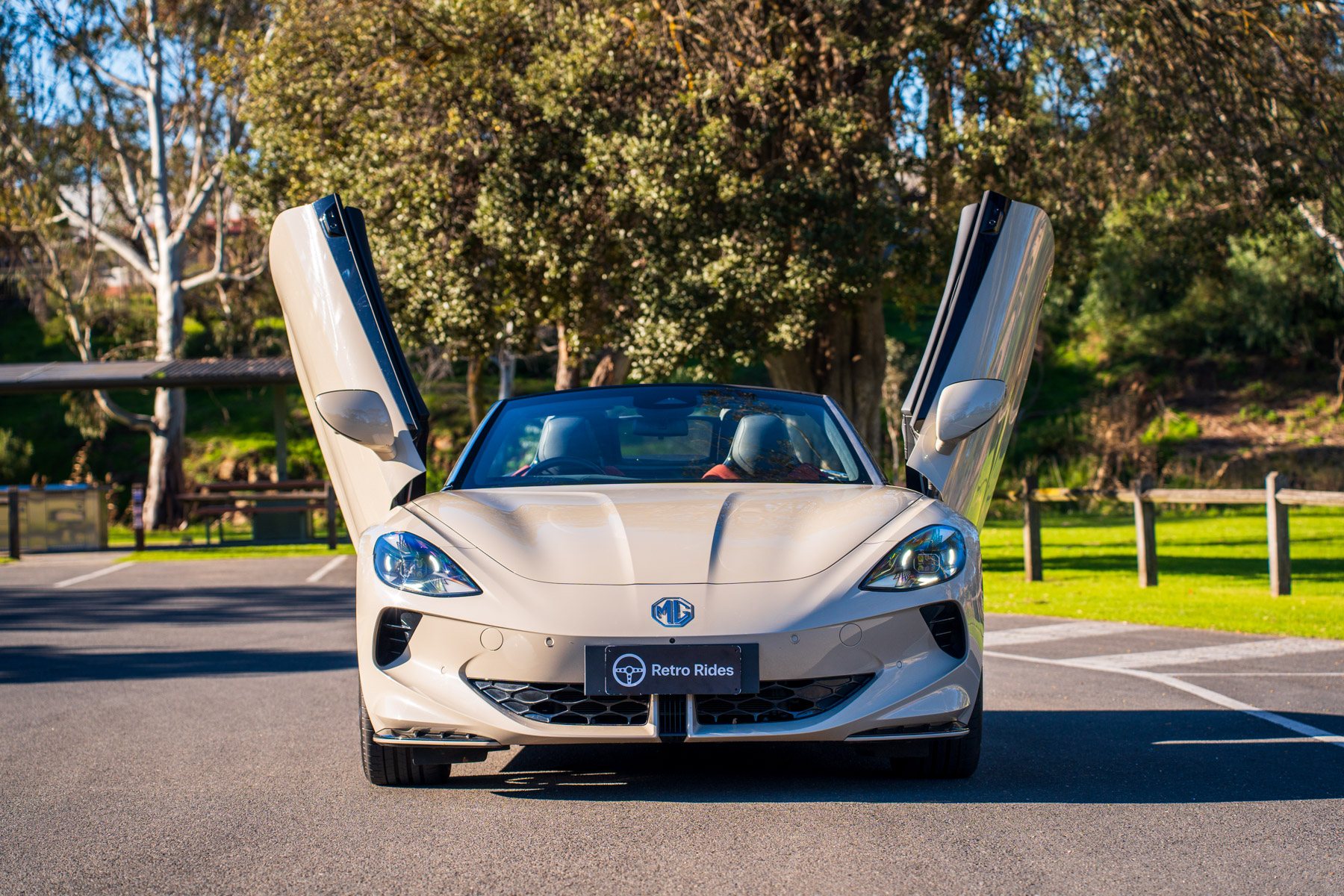
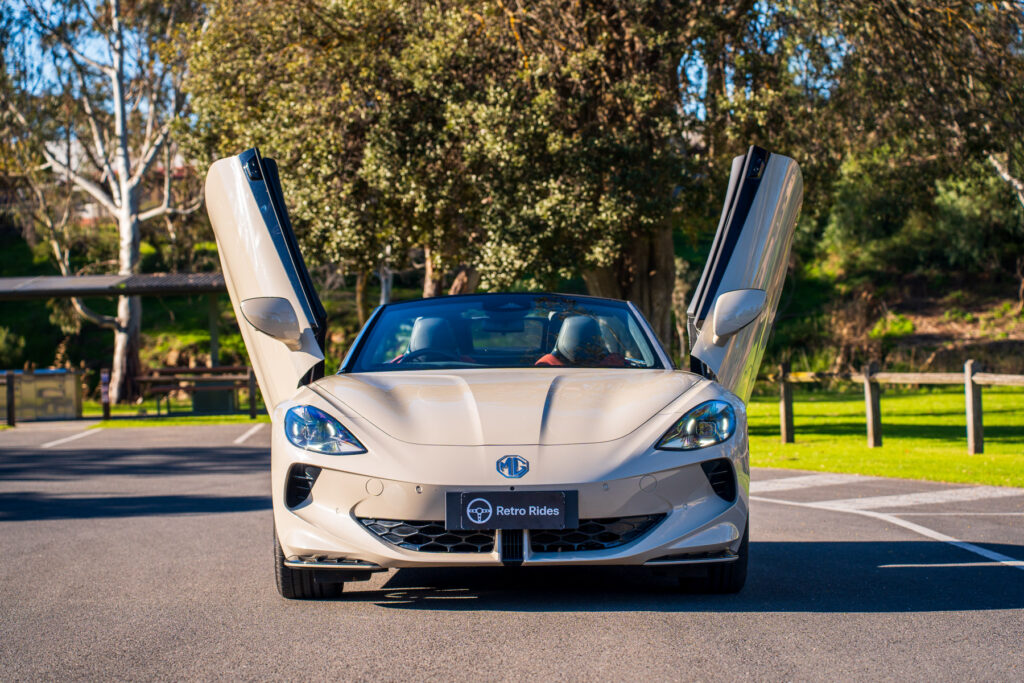
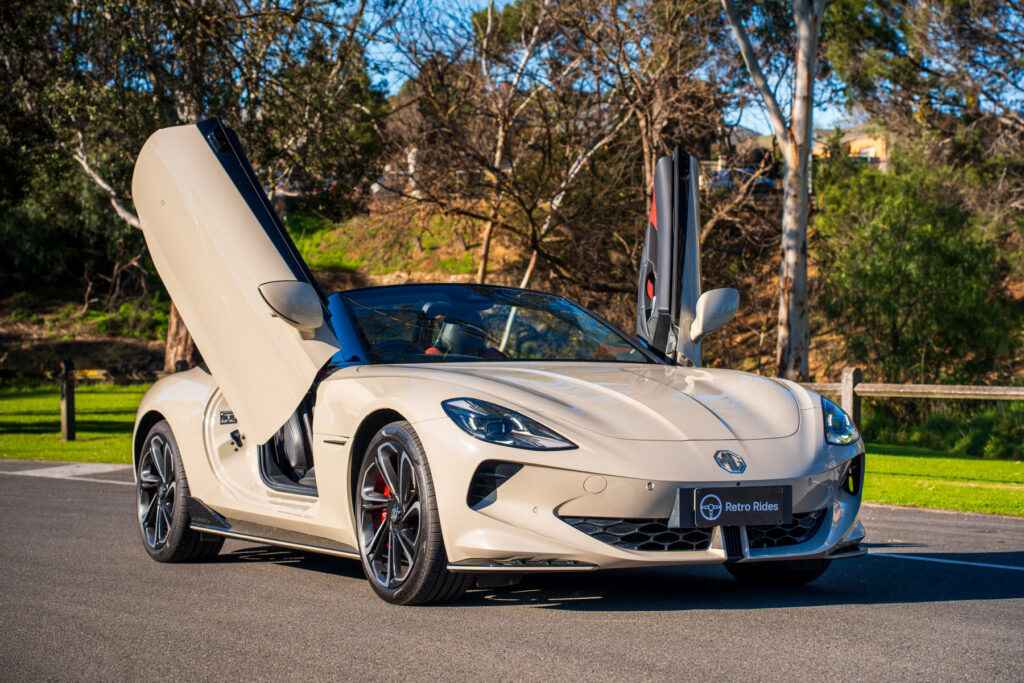
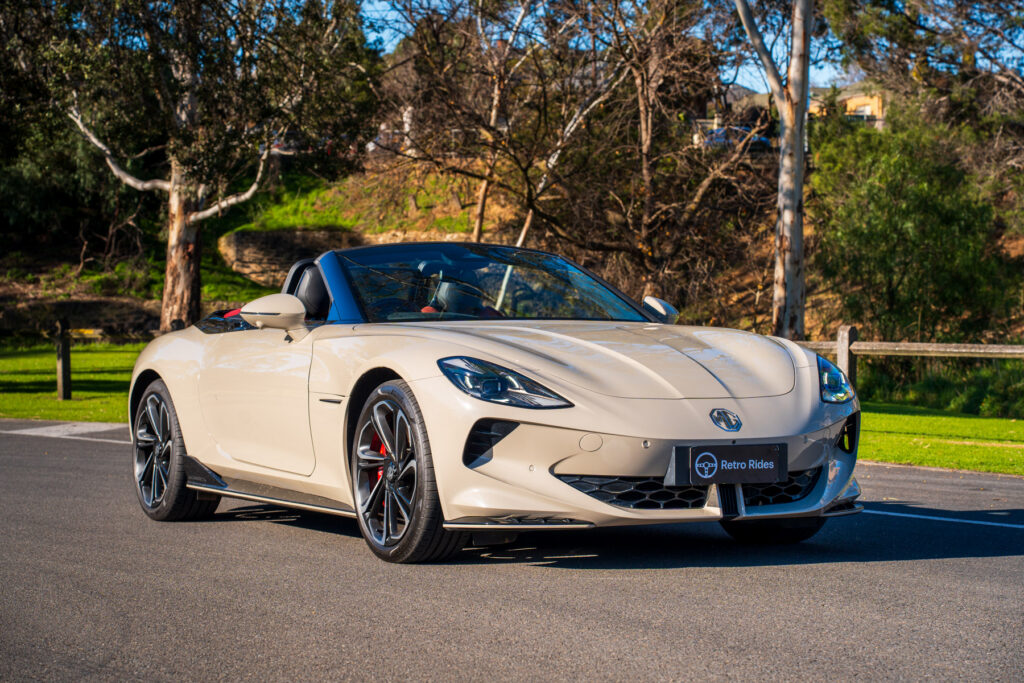
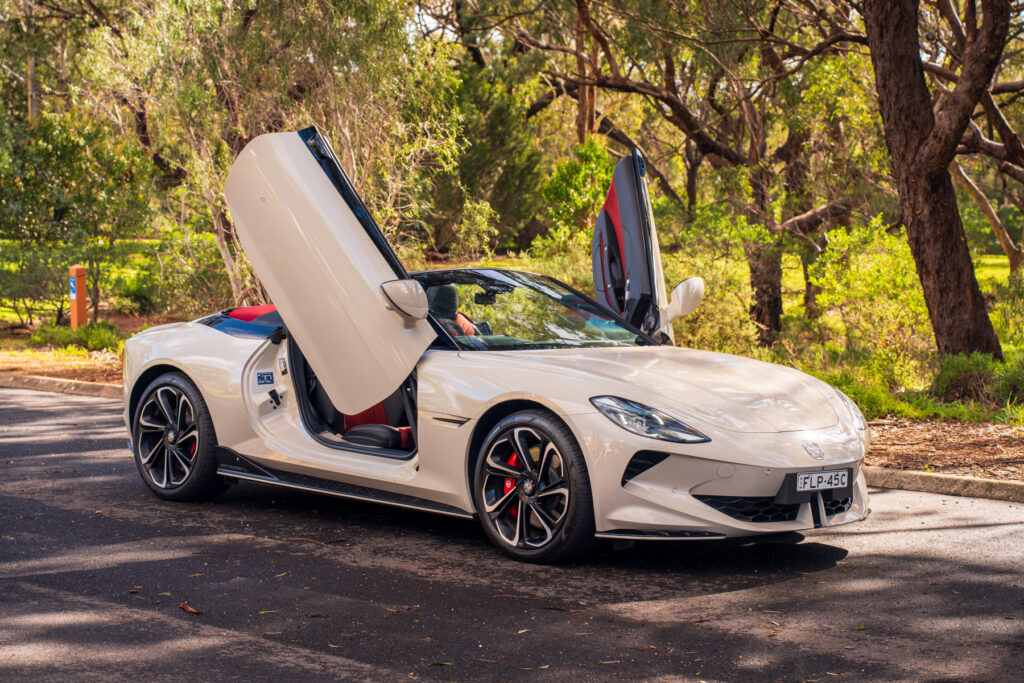
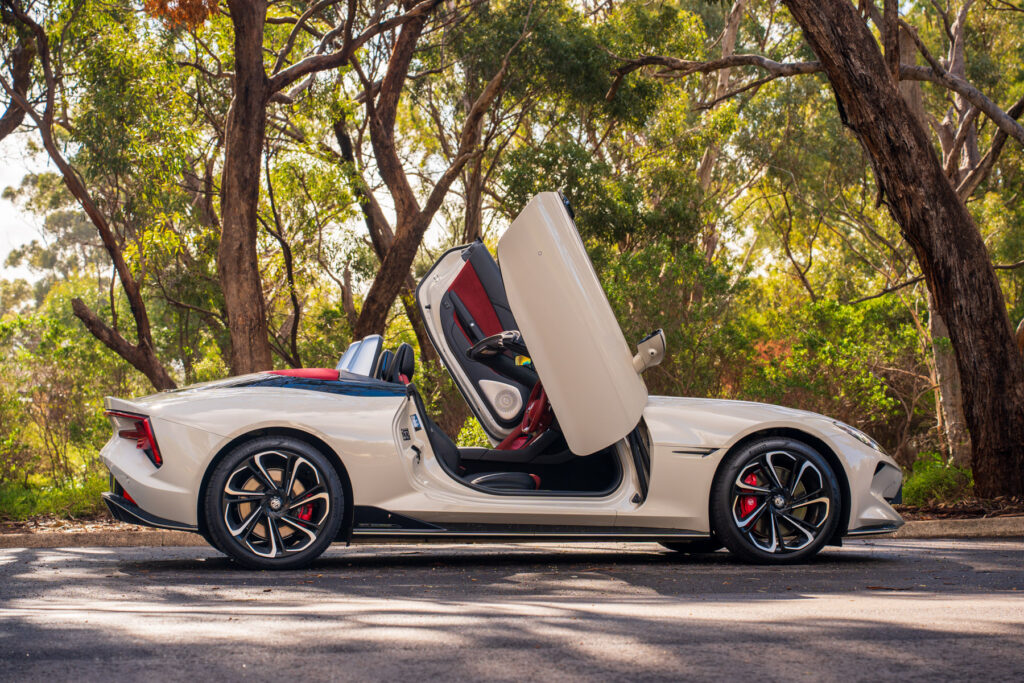
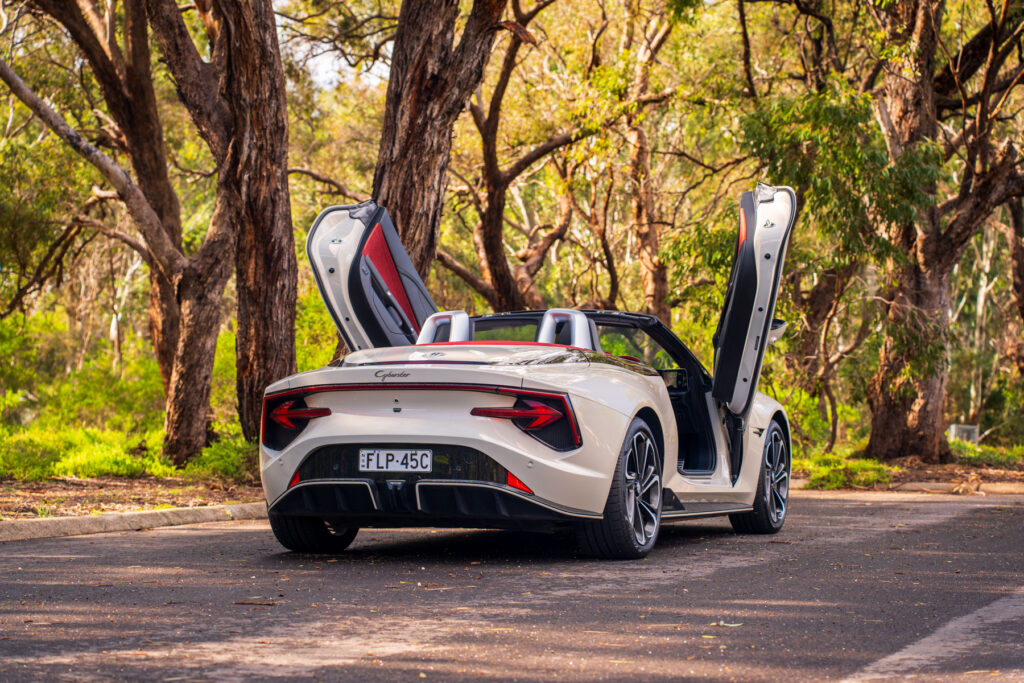
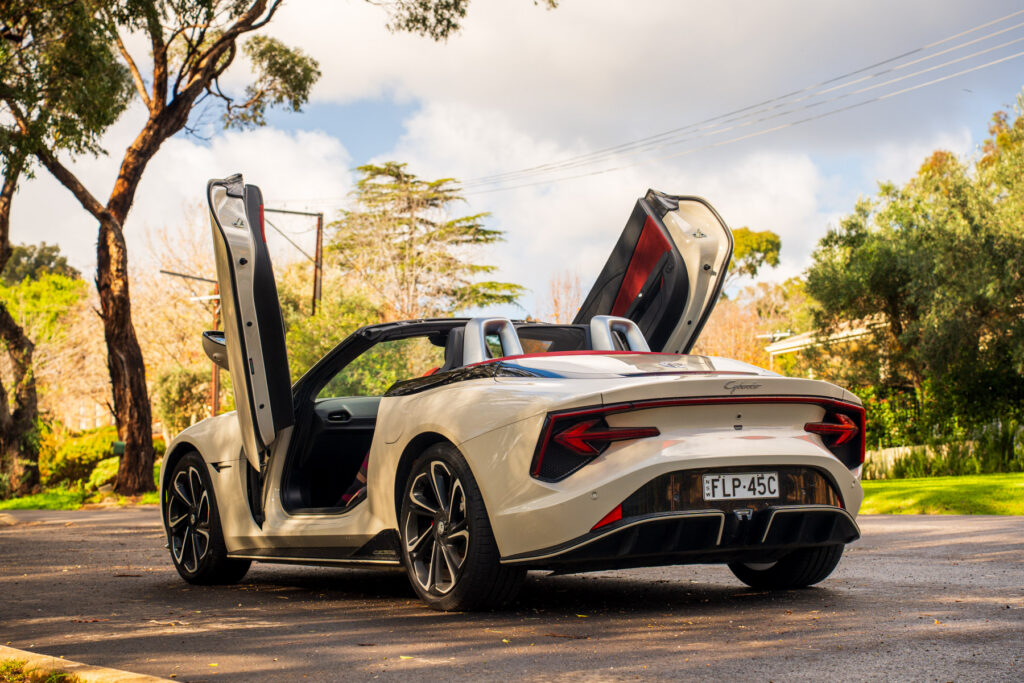
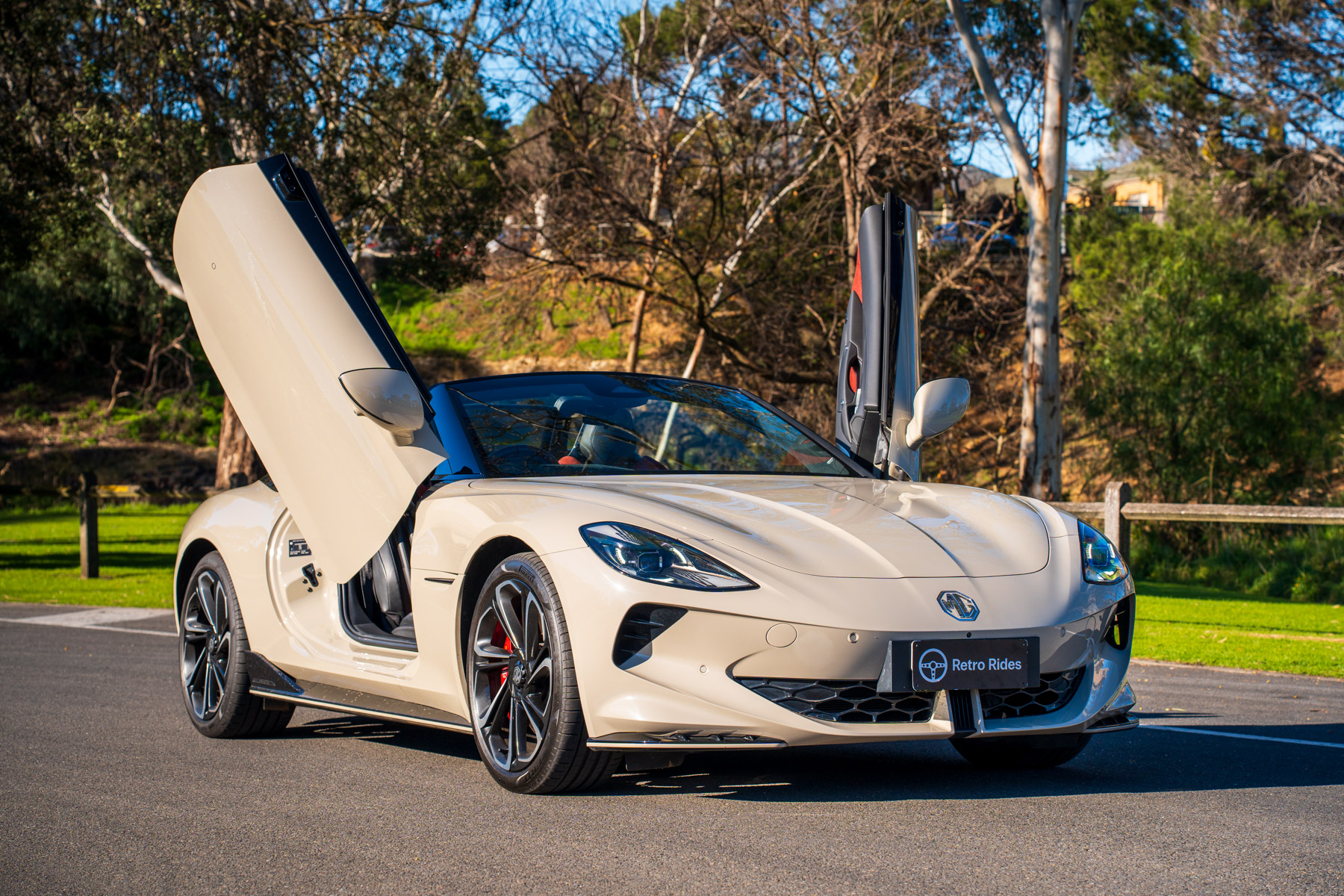
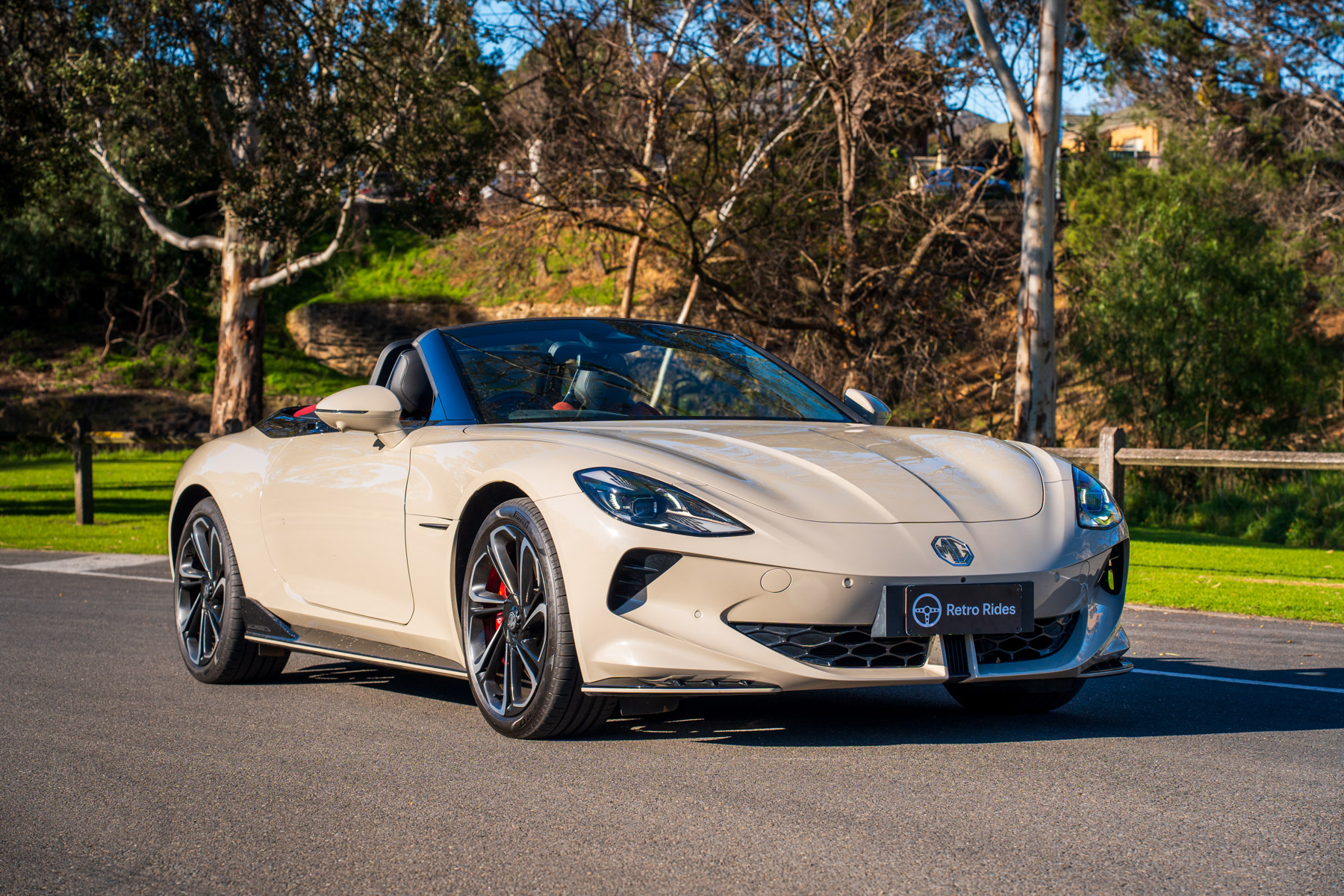
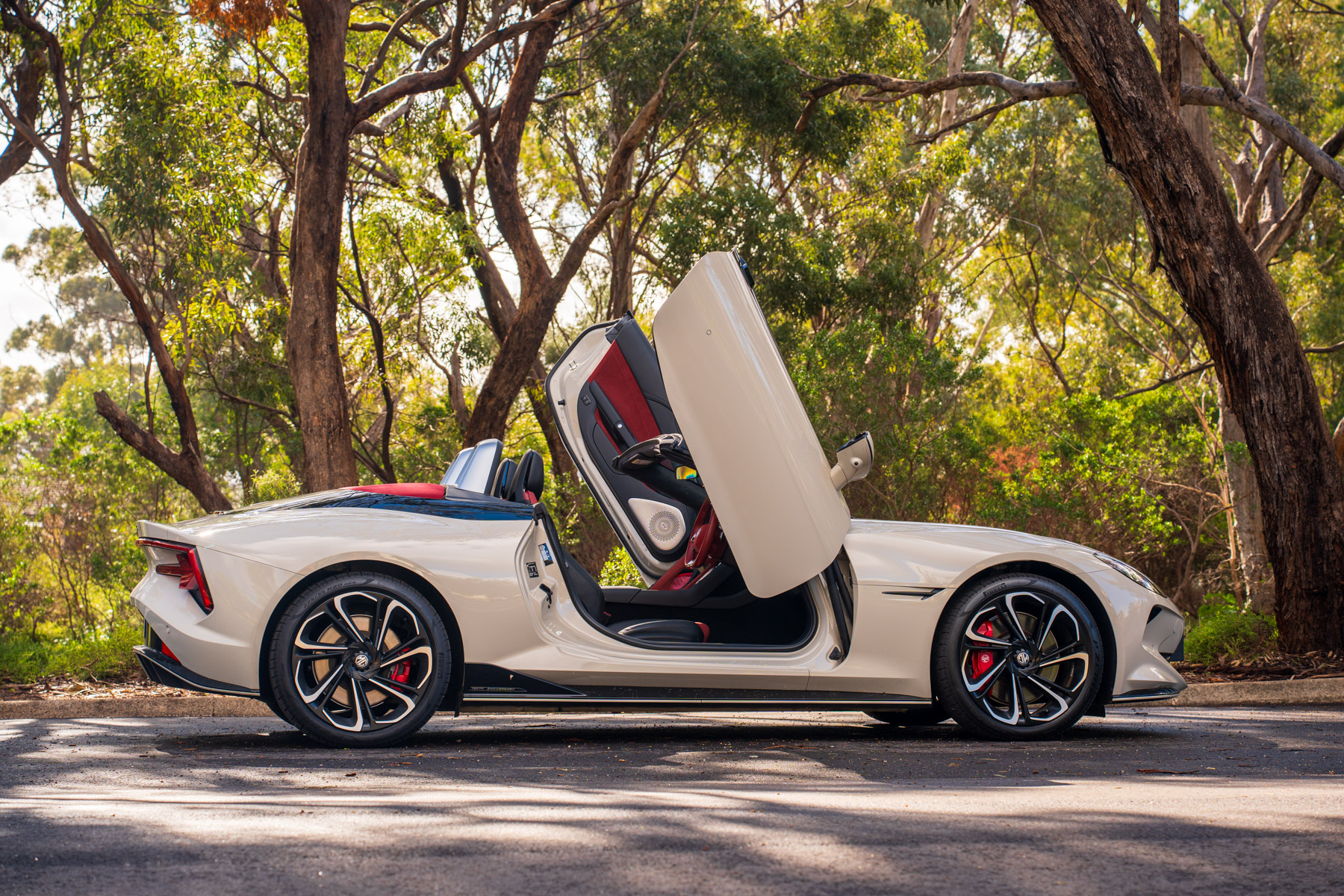
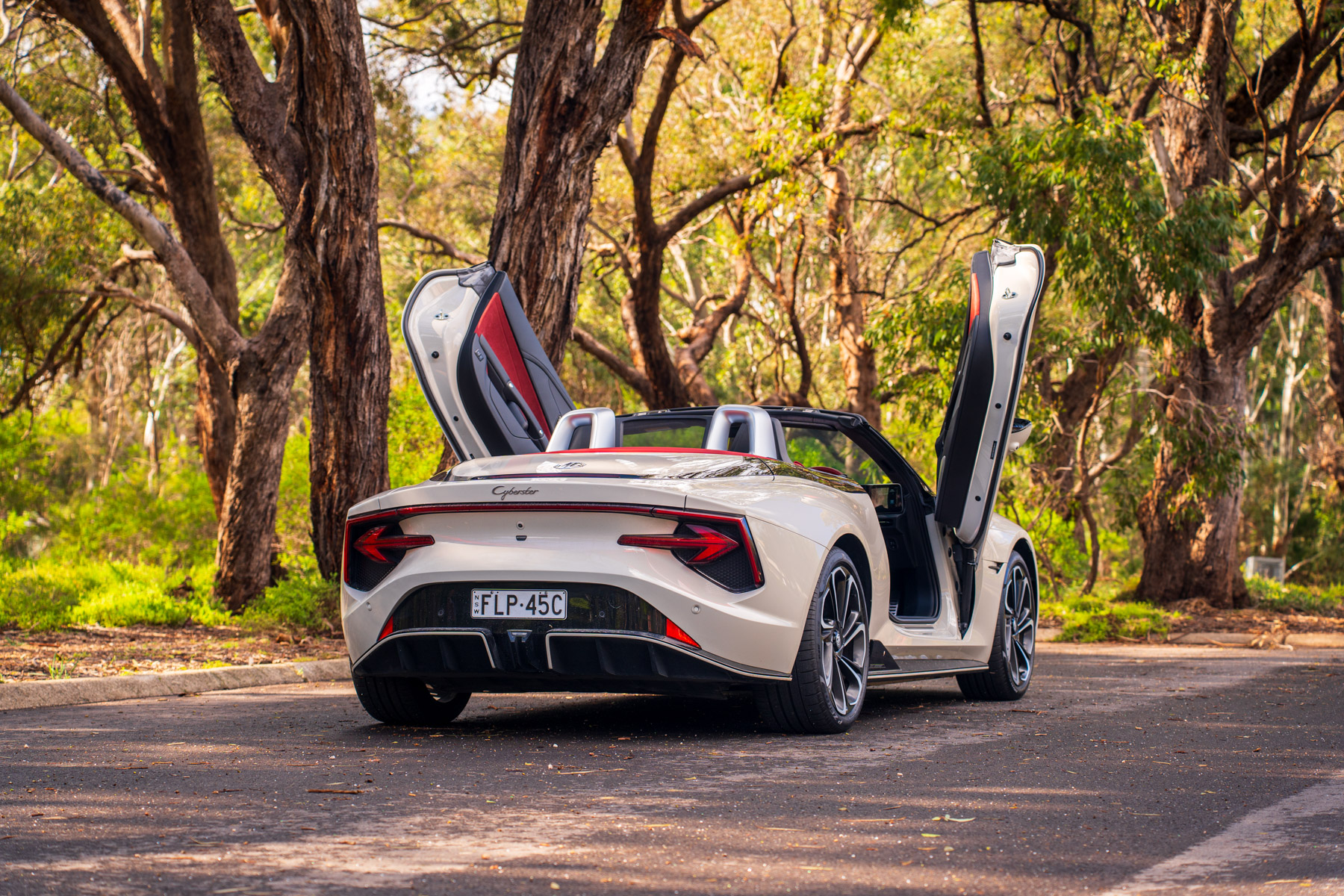
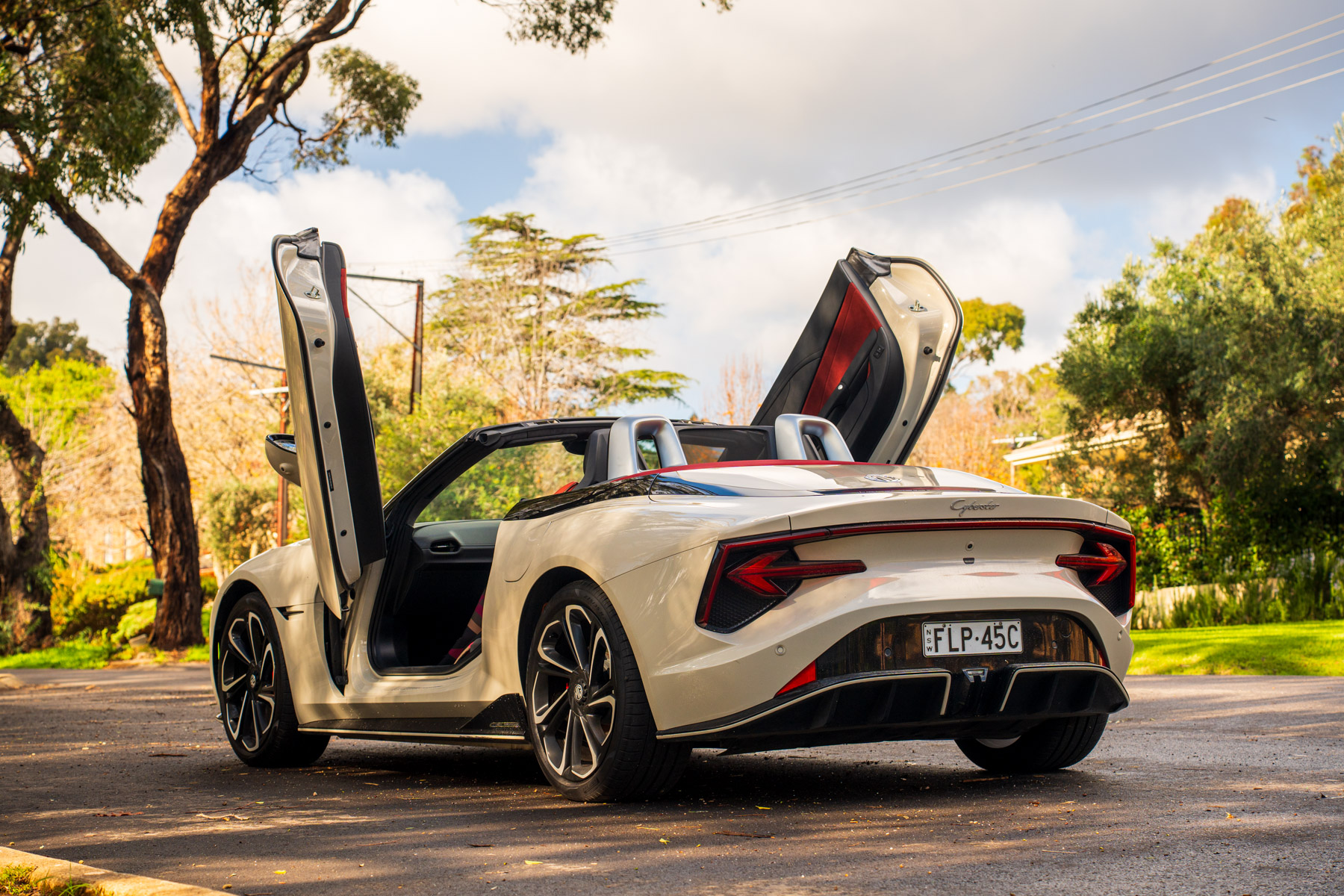
The catch is that the Cyberster eschews most of the classic MG sports car recipe. There’s no fizzy petrol engine and manual gearbox; it’s fully electric. It’s hardly subtle; Lamborghini-style scissor doors and 20-inch alloy wheels adorn its futuristic body.
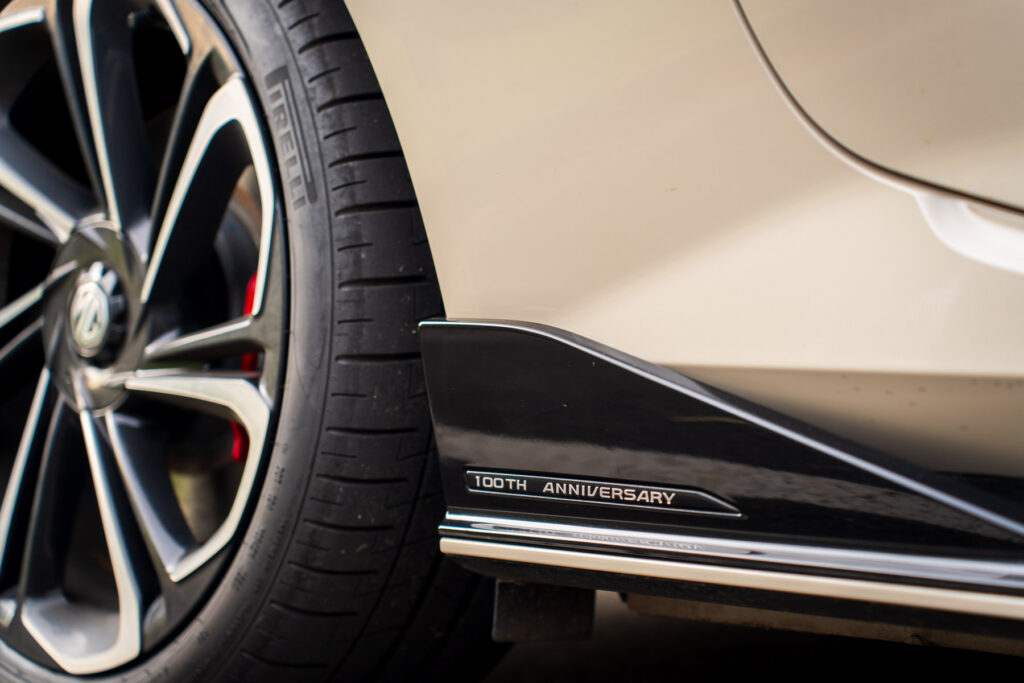
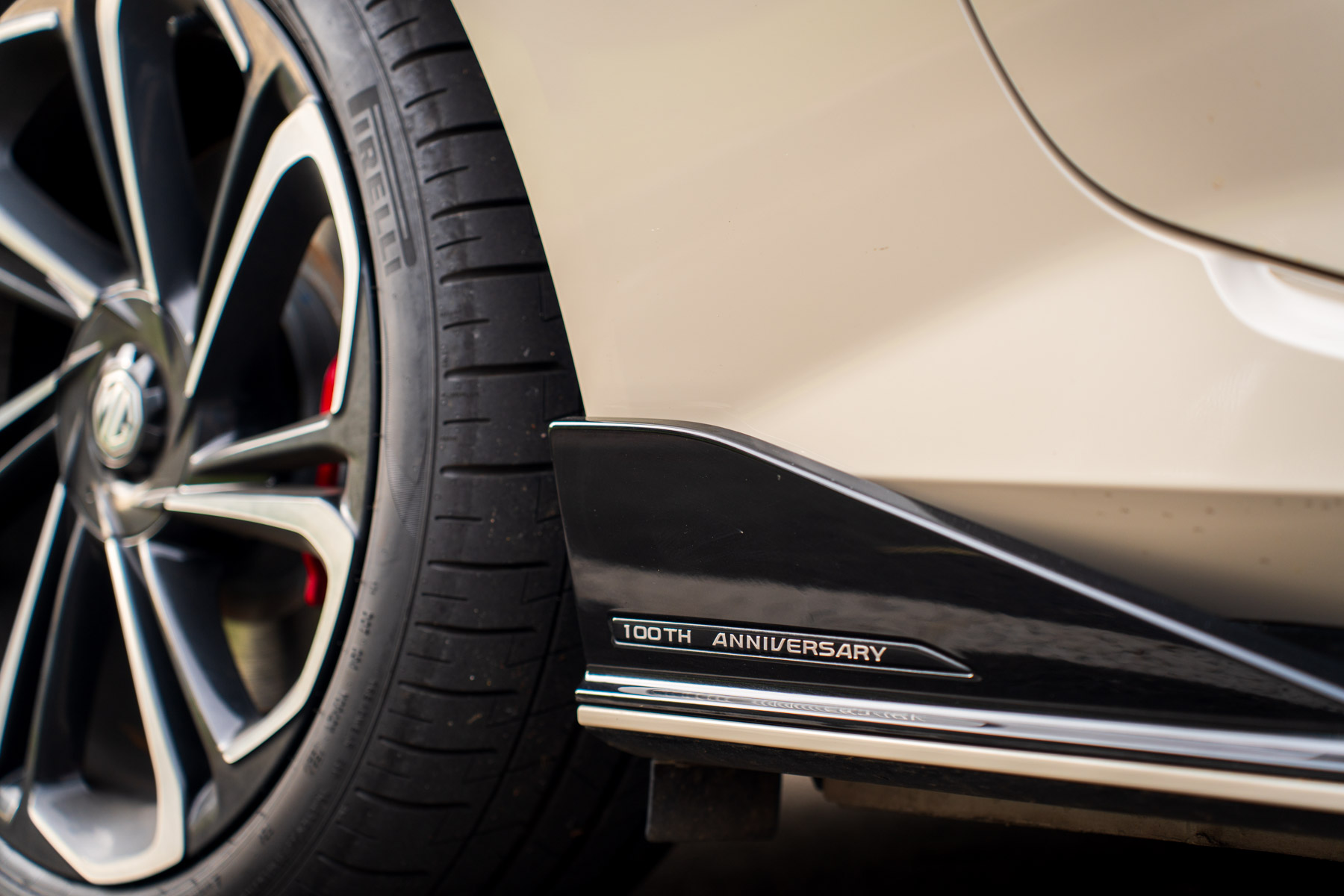
And forget a pedestrian price tag, as the top-rung 100th Anniversary Edition model you see here costs $115,000 before on-road costs. However, you do get plenty of bang for your buck when it comes to performance.
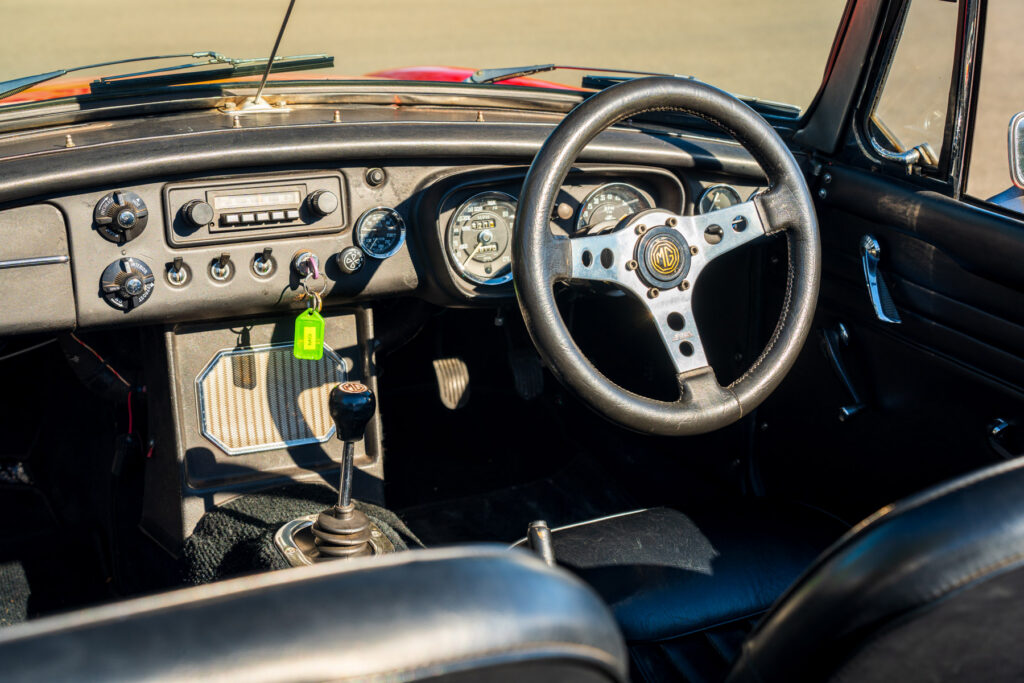
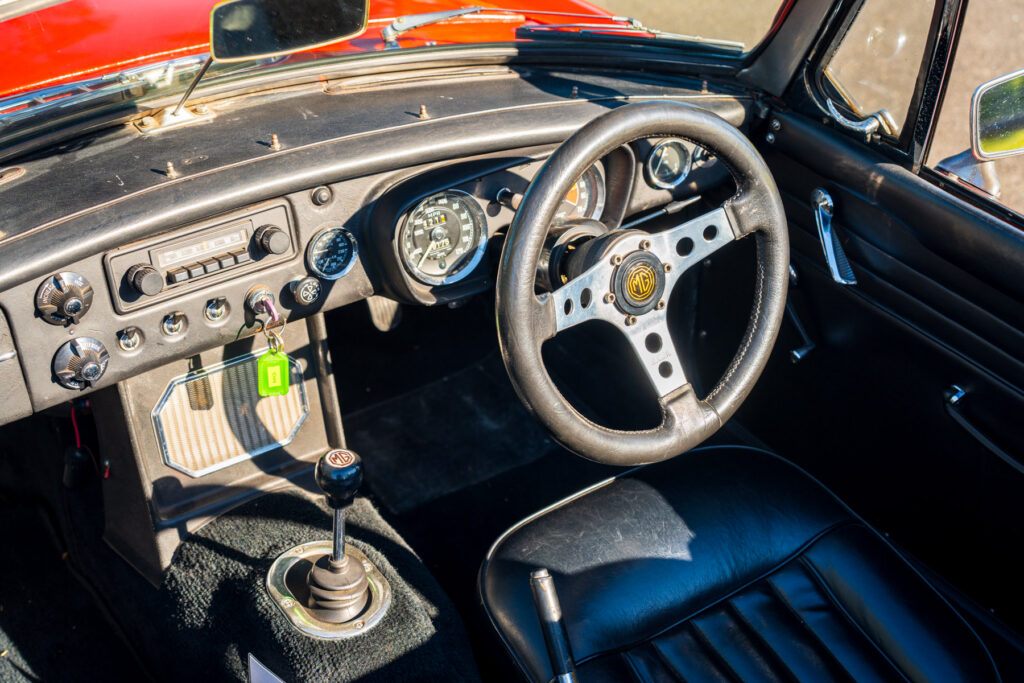
Outputs of 375kW and 725Nm for the dual-motor flagship enable a 0-100km/h sprint time of just 3.2 seconds. It’s a far cry from the likes of the iconic MGB, which only serves up 71kW from its 1.8-litre ‘B-series’ four-pot.
That left me wondering – despite how different the Cyberster is from your classic MG roadster, is there anything that does link these cars together?
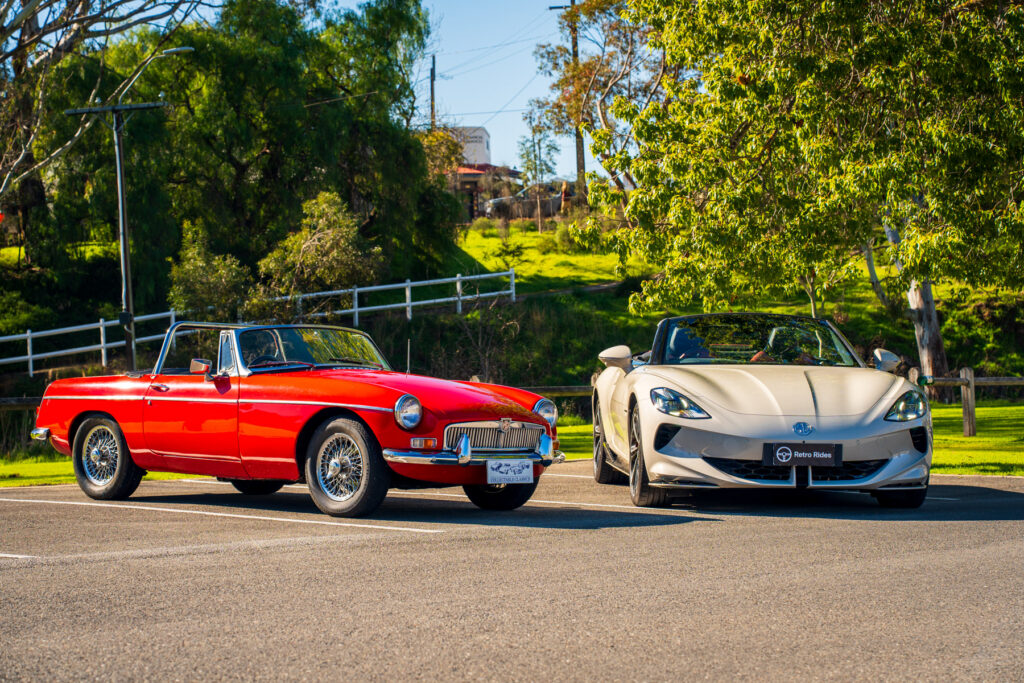
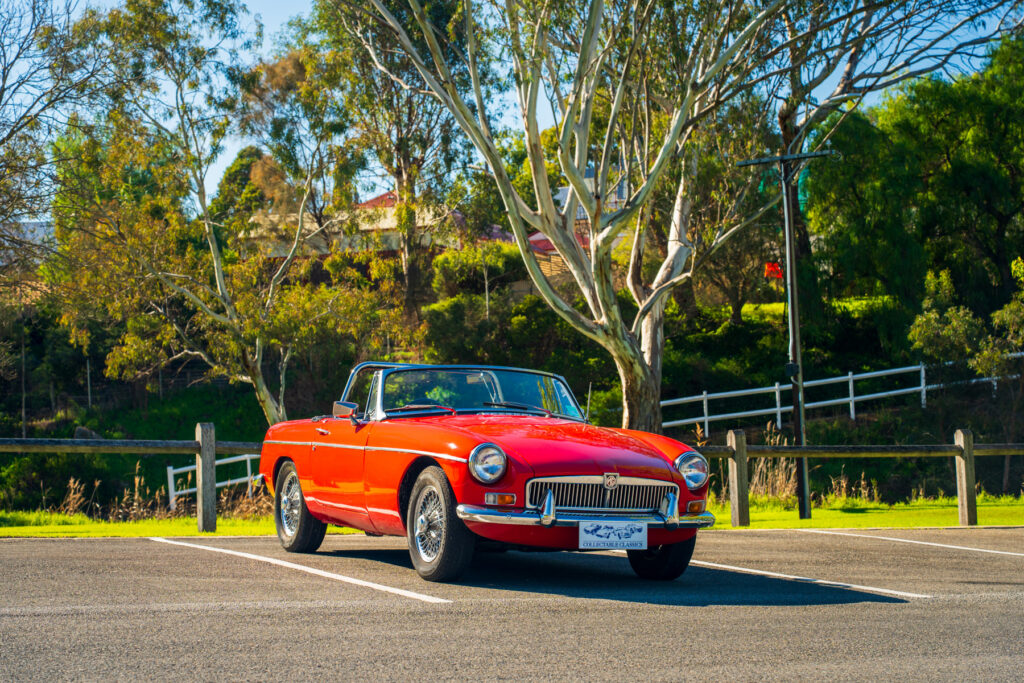
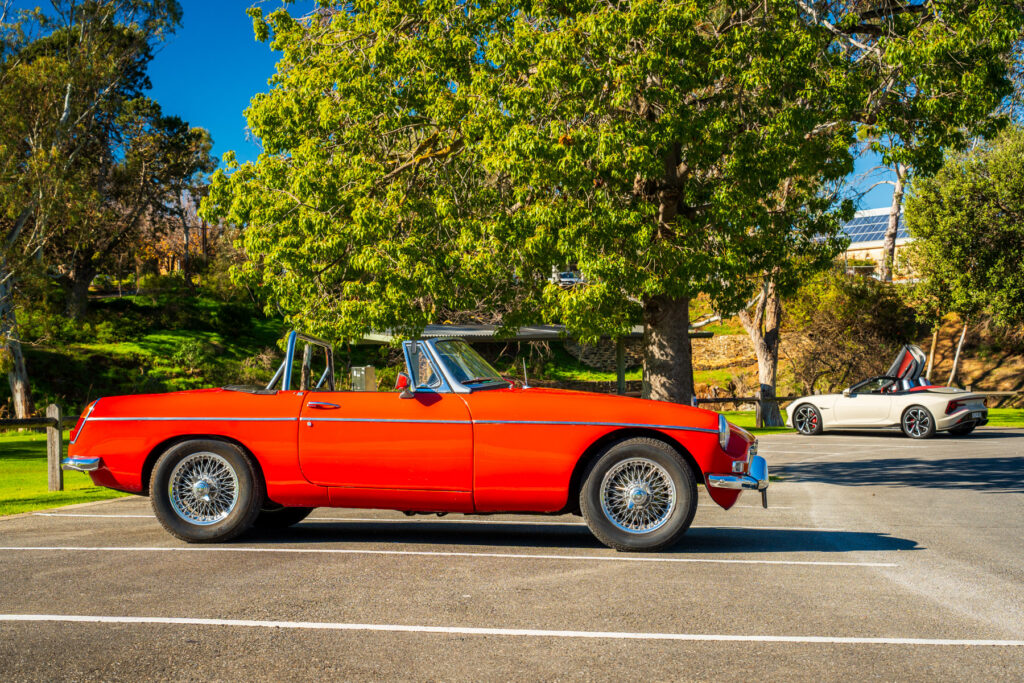
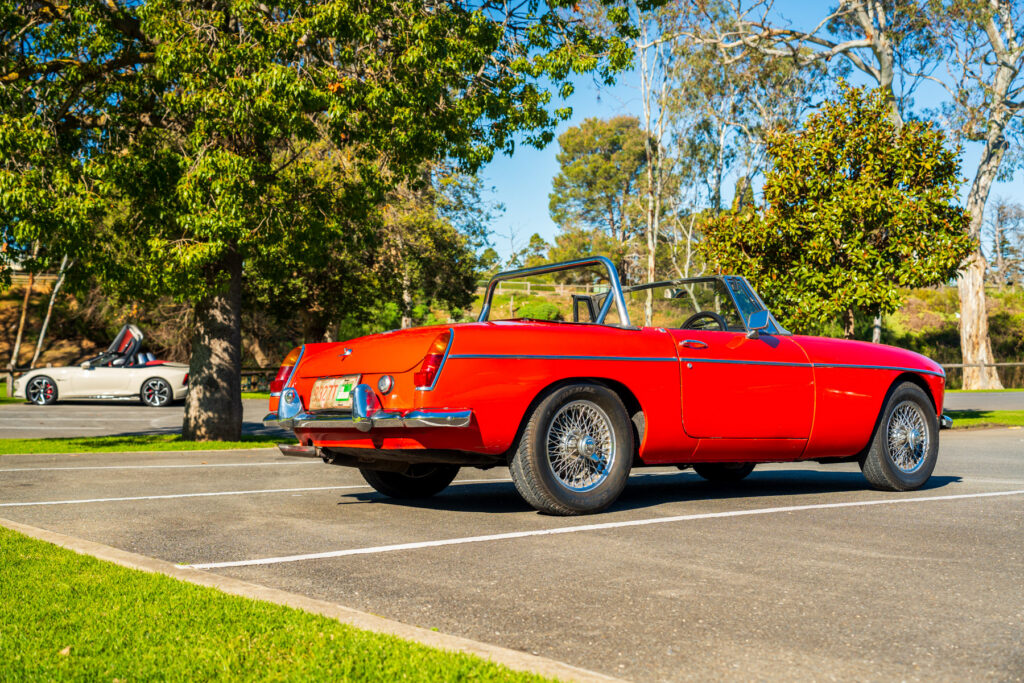
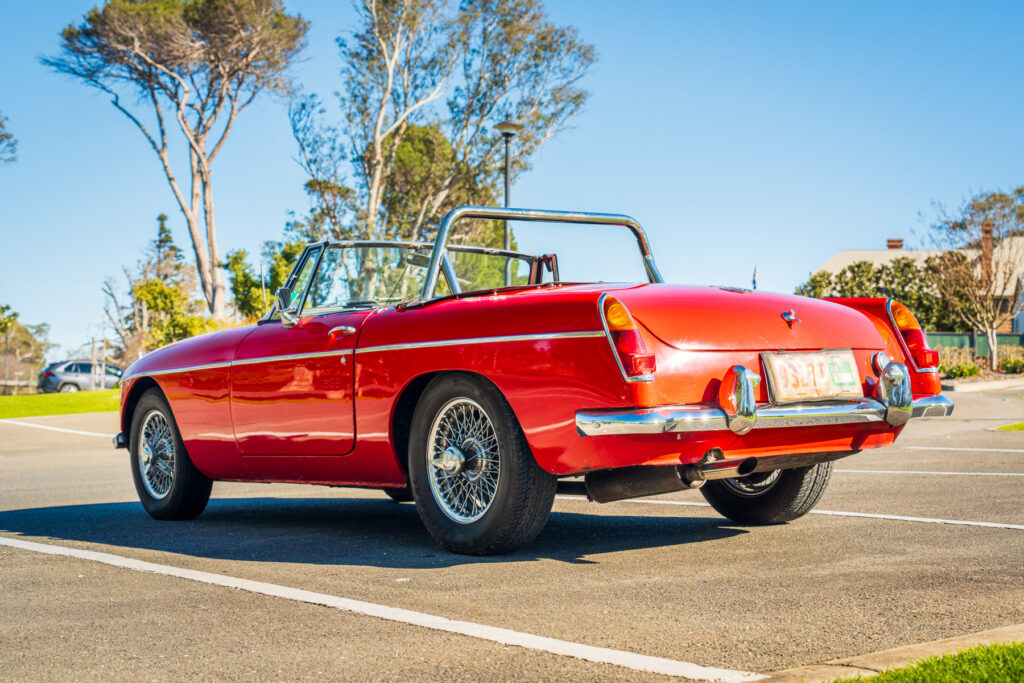
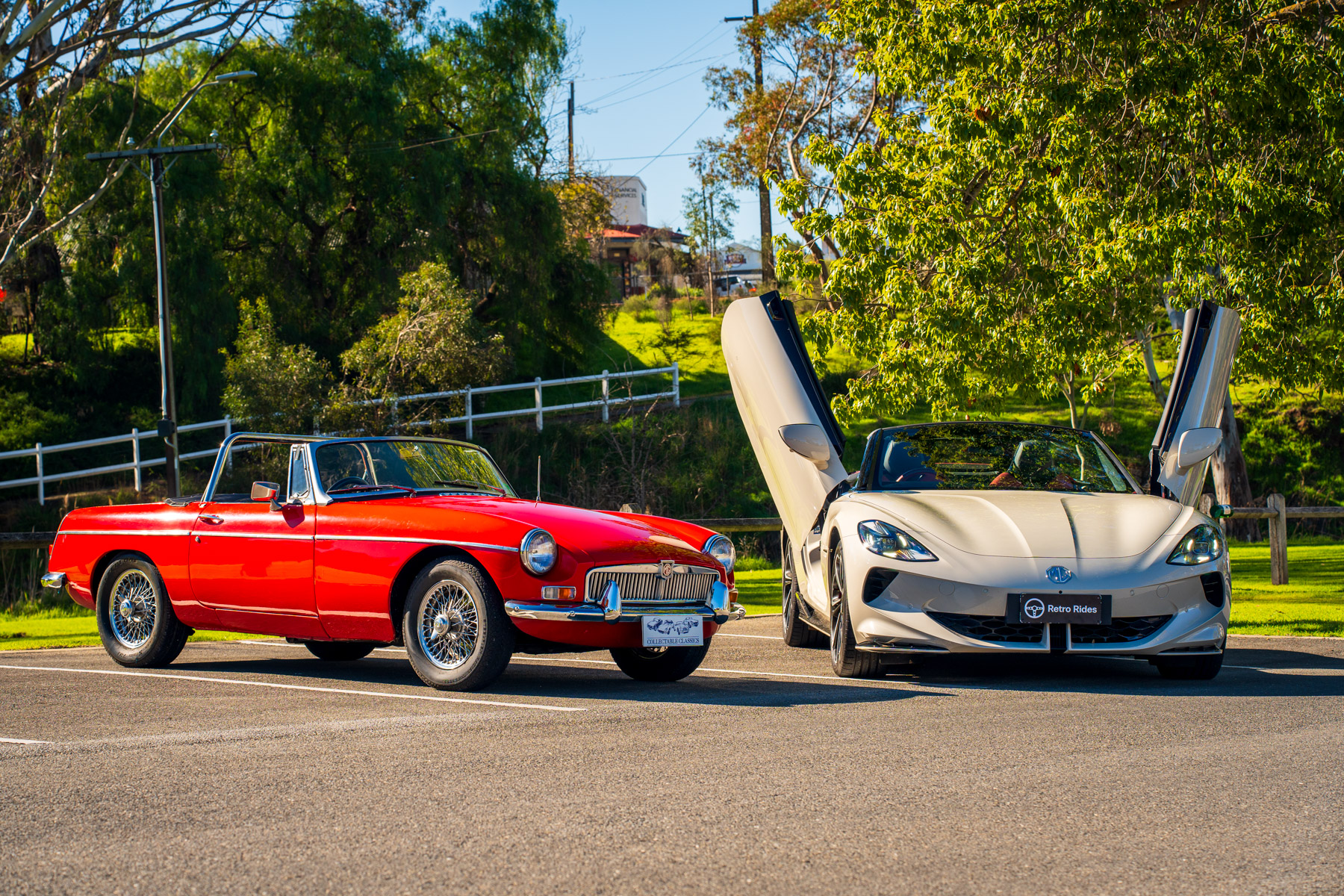
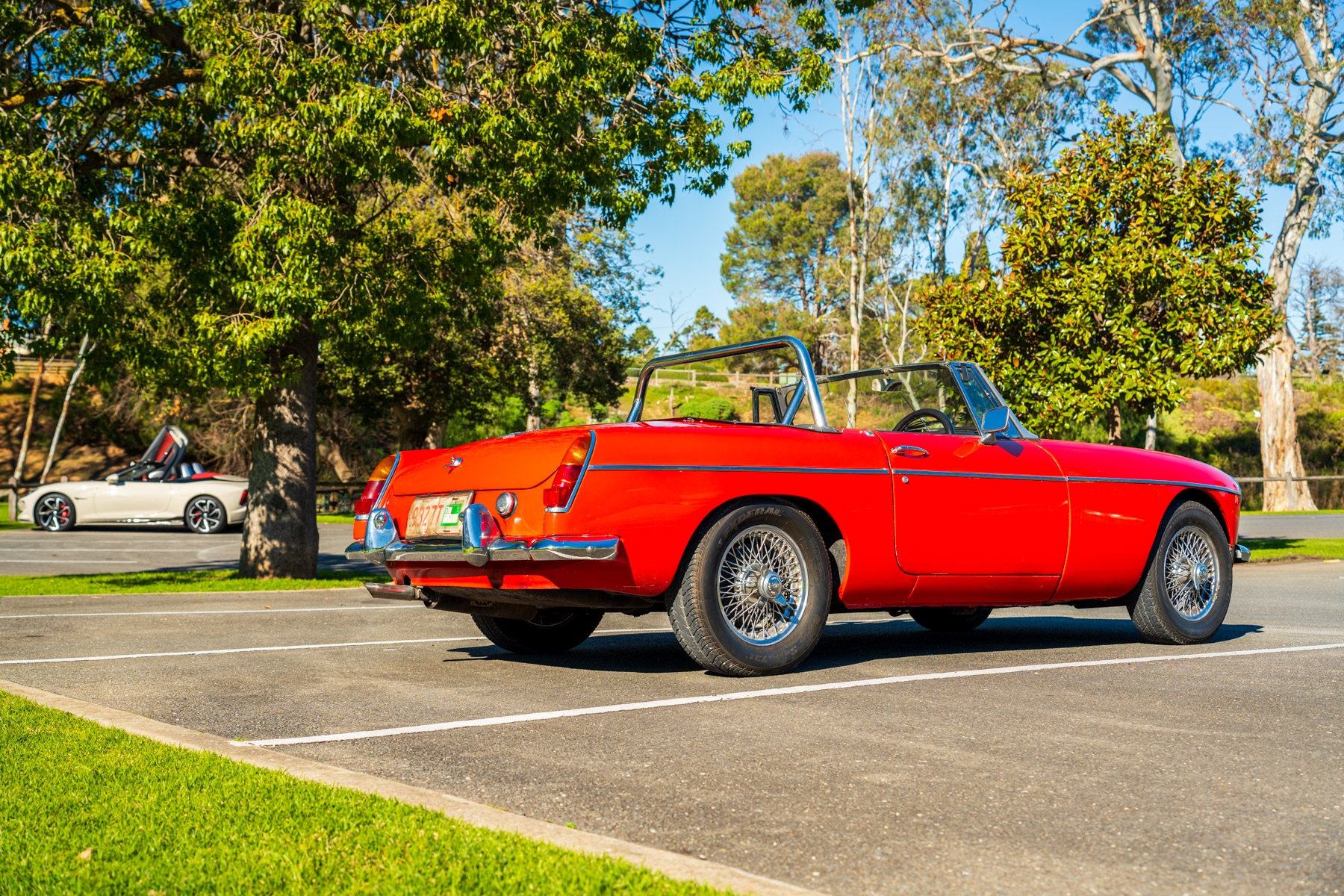
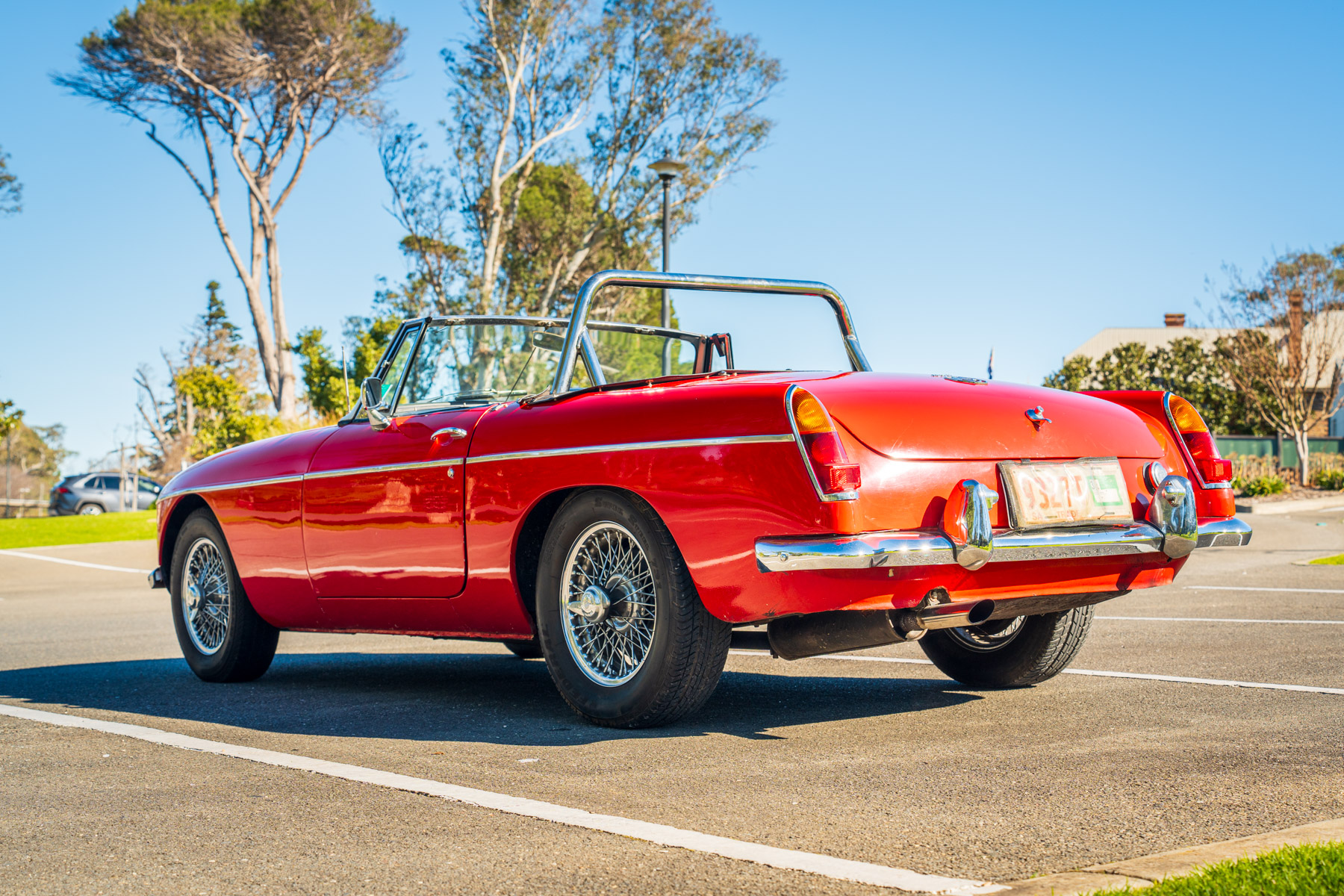
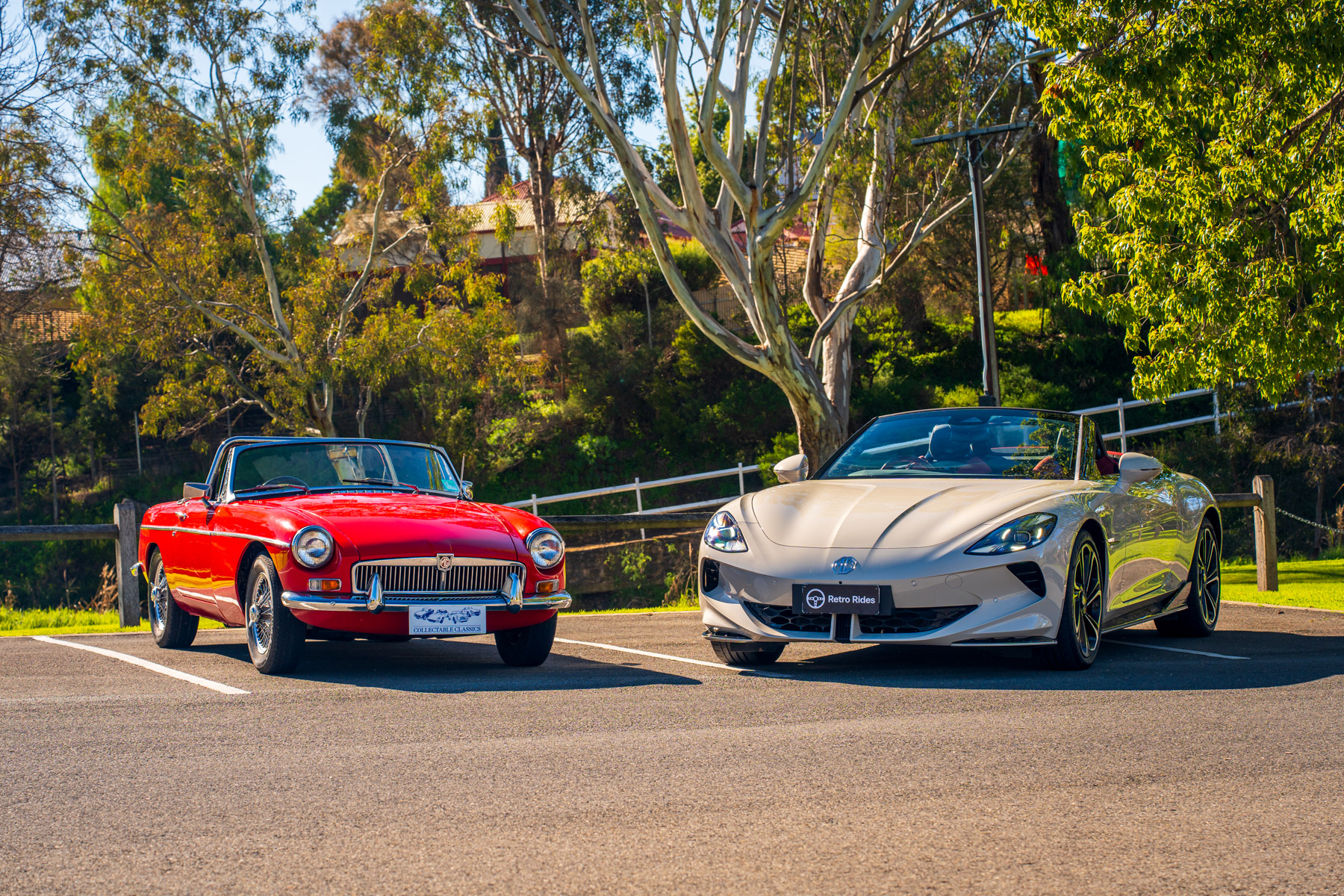
With a near-new 2025 Cyberster borrowed from MG, a 1968 MGB kindly loaned by the team at Collectable Classics, and a sunny Adelaide Hills day all at hand, I set about finding out just that.
Decades apart, but still recognisably MG
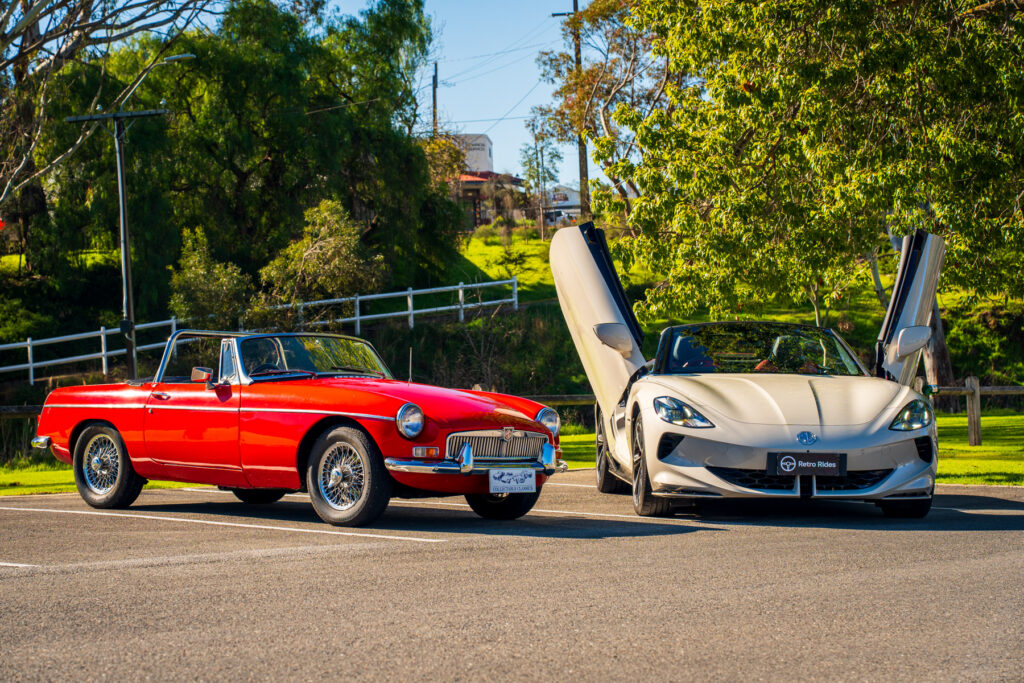
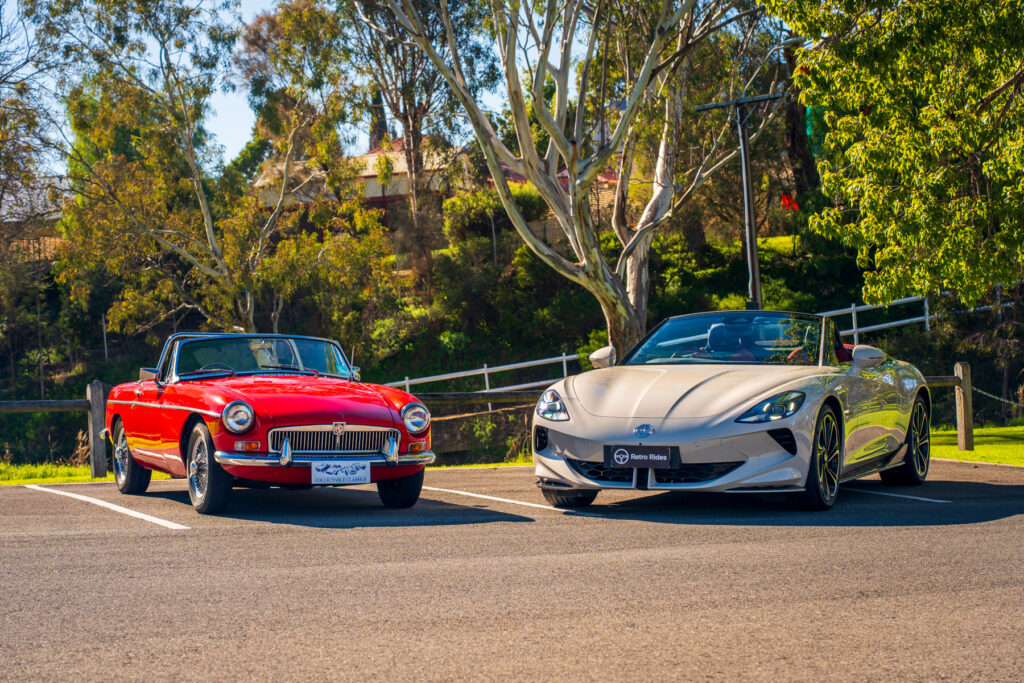
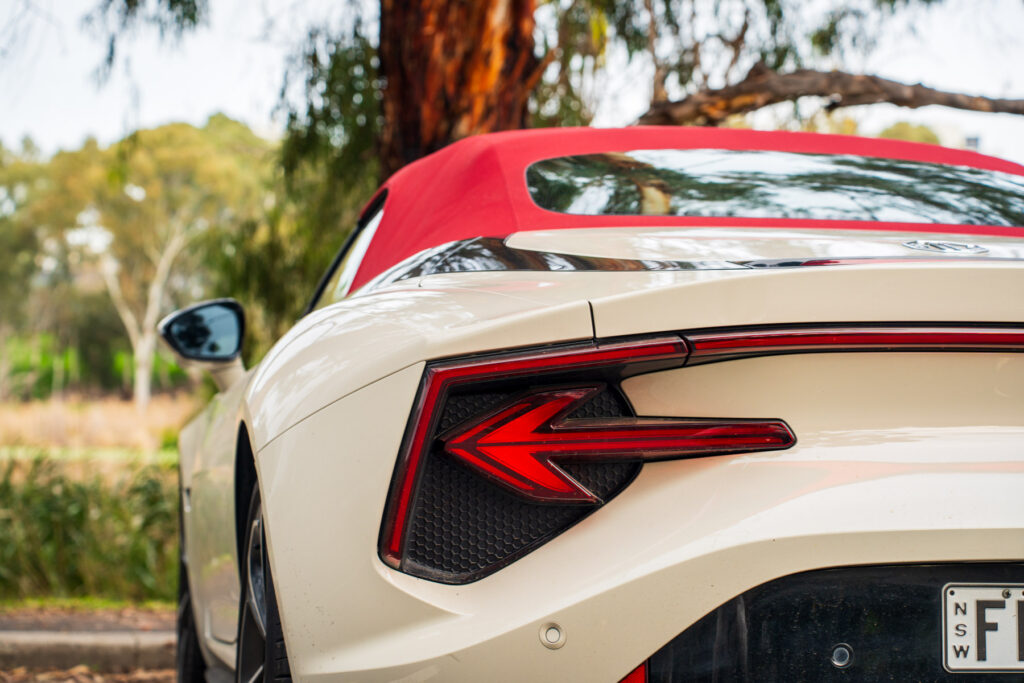
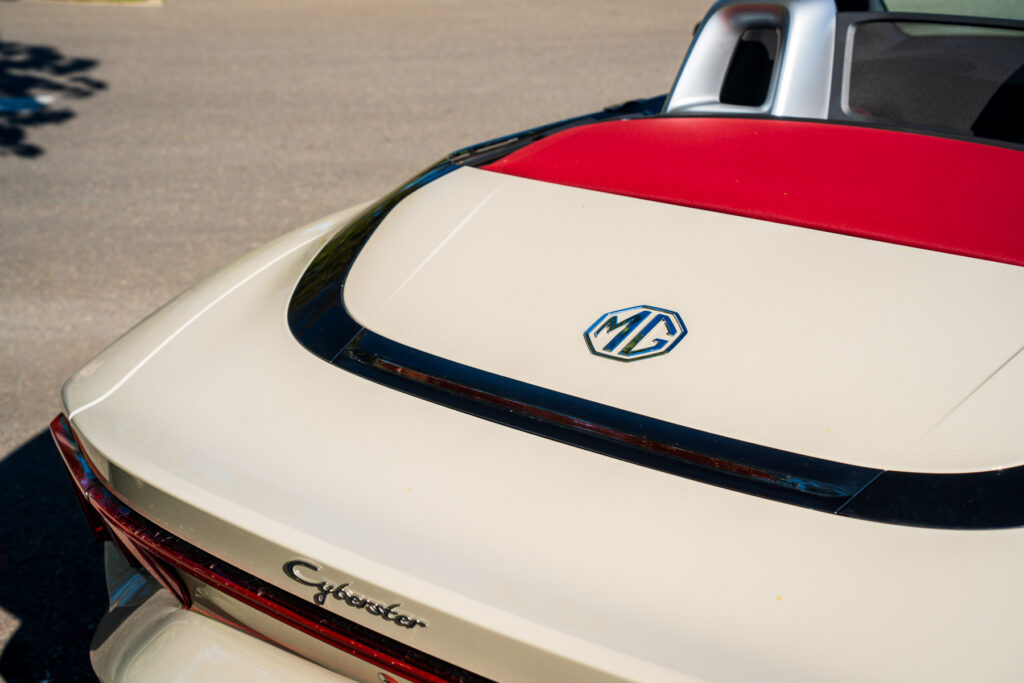
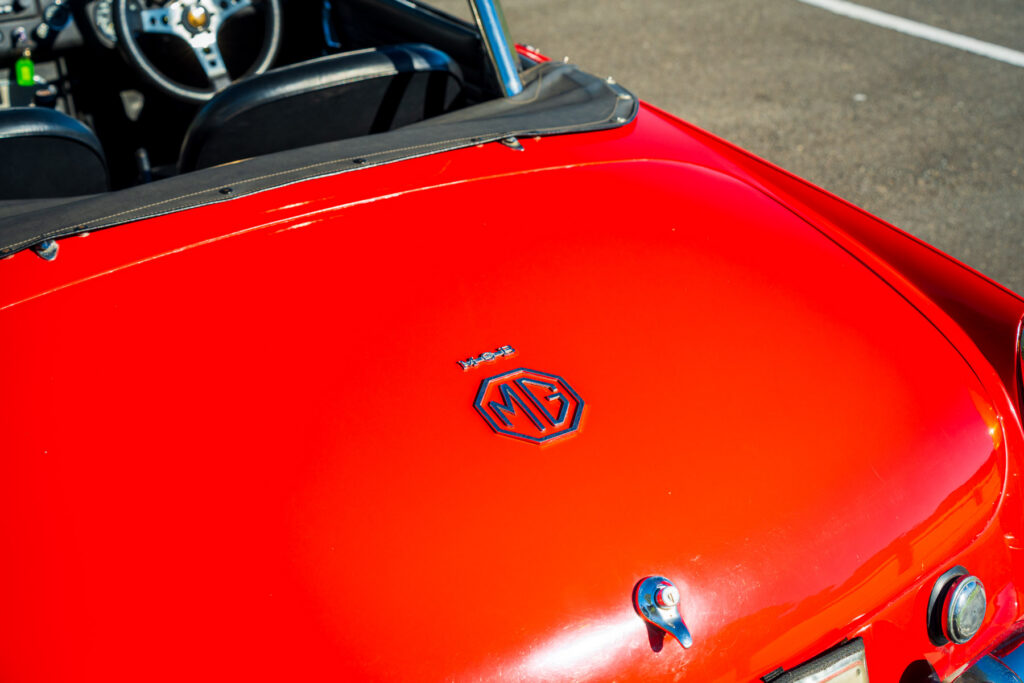
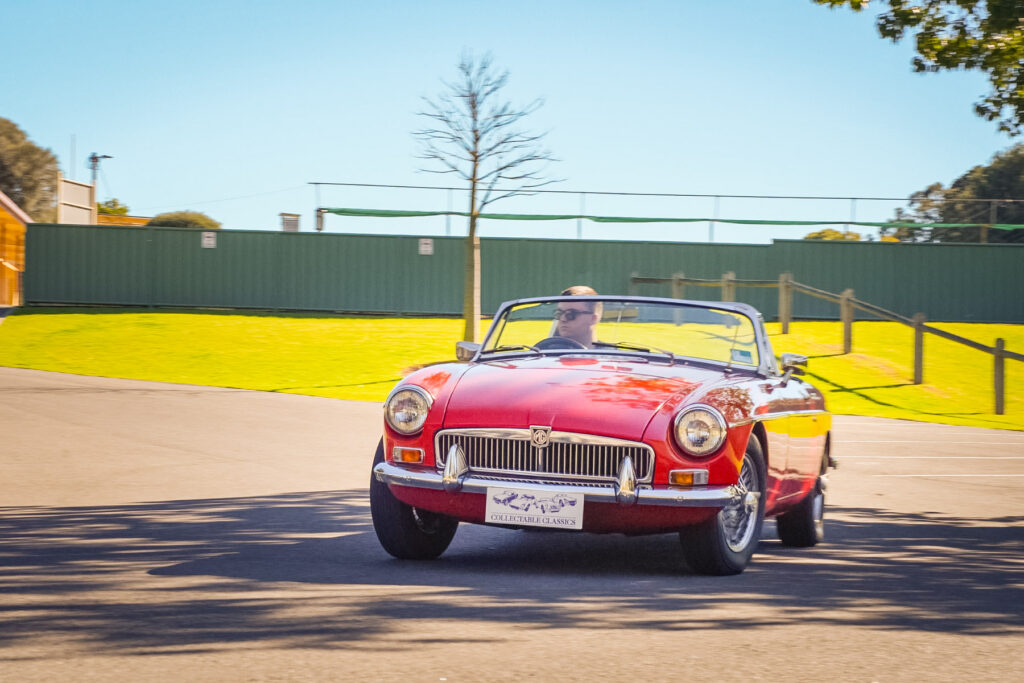
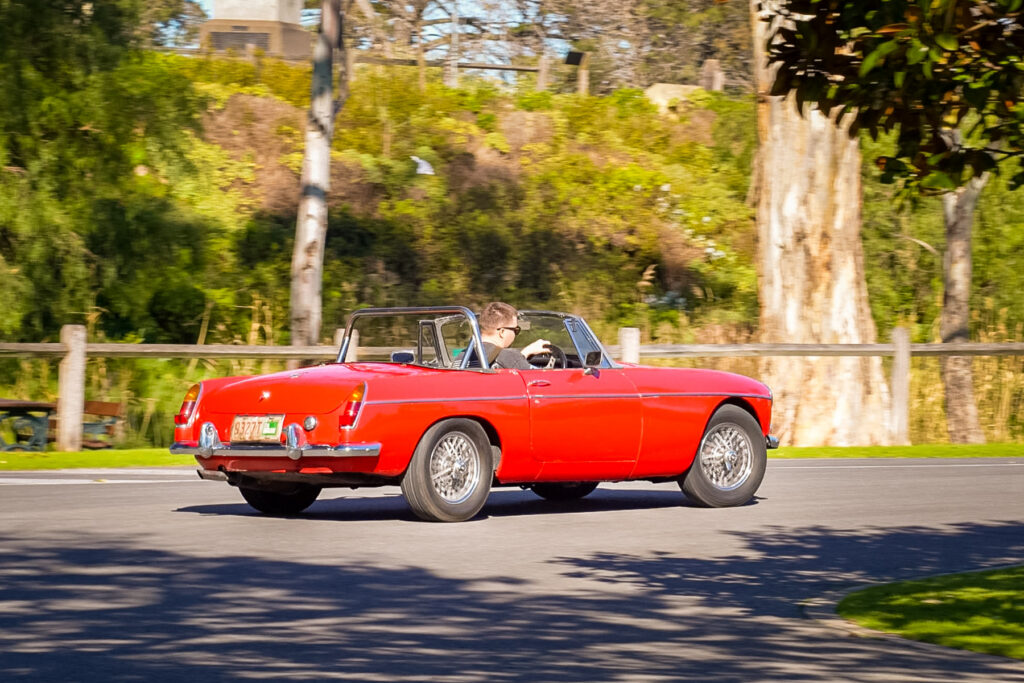
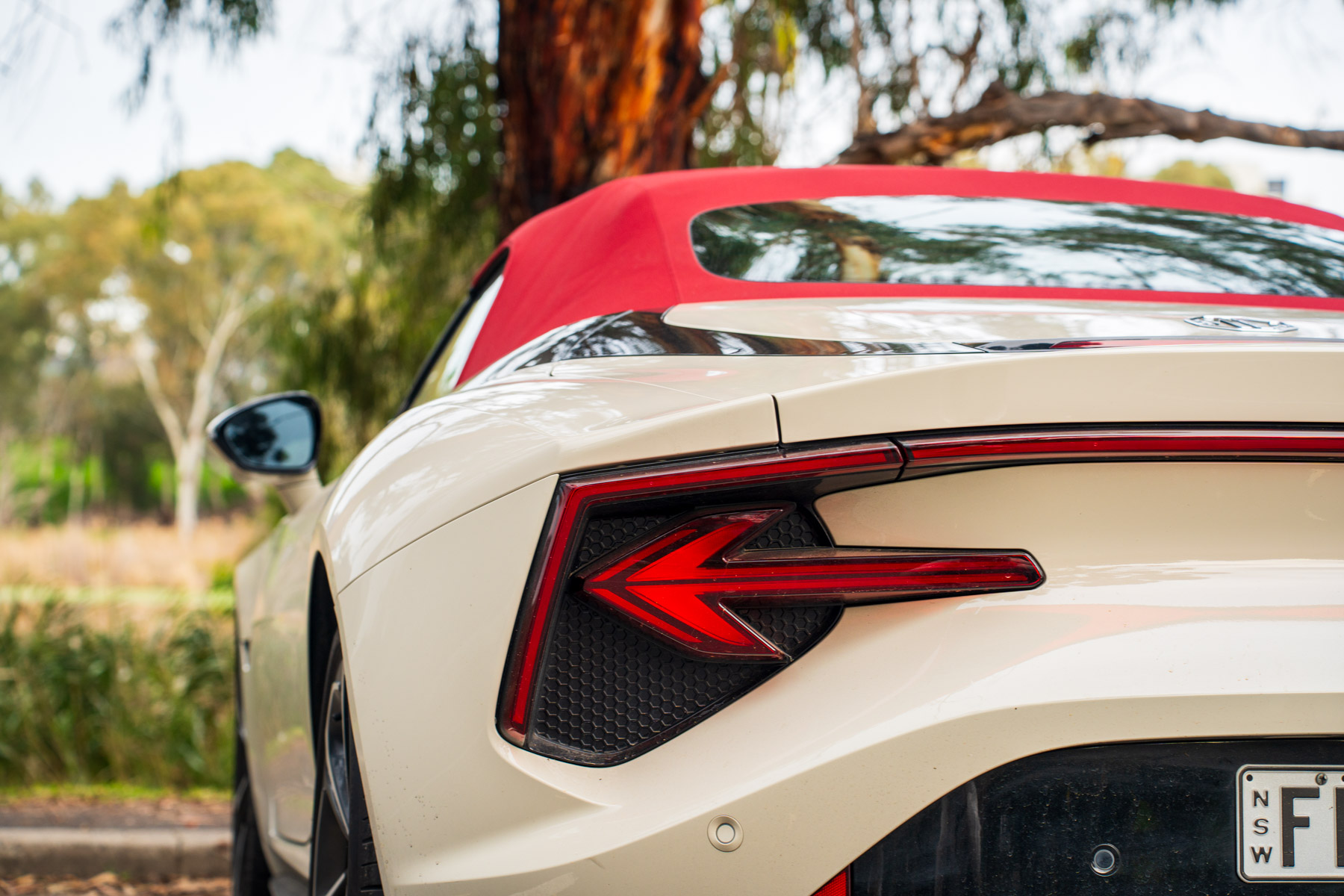
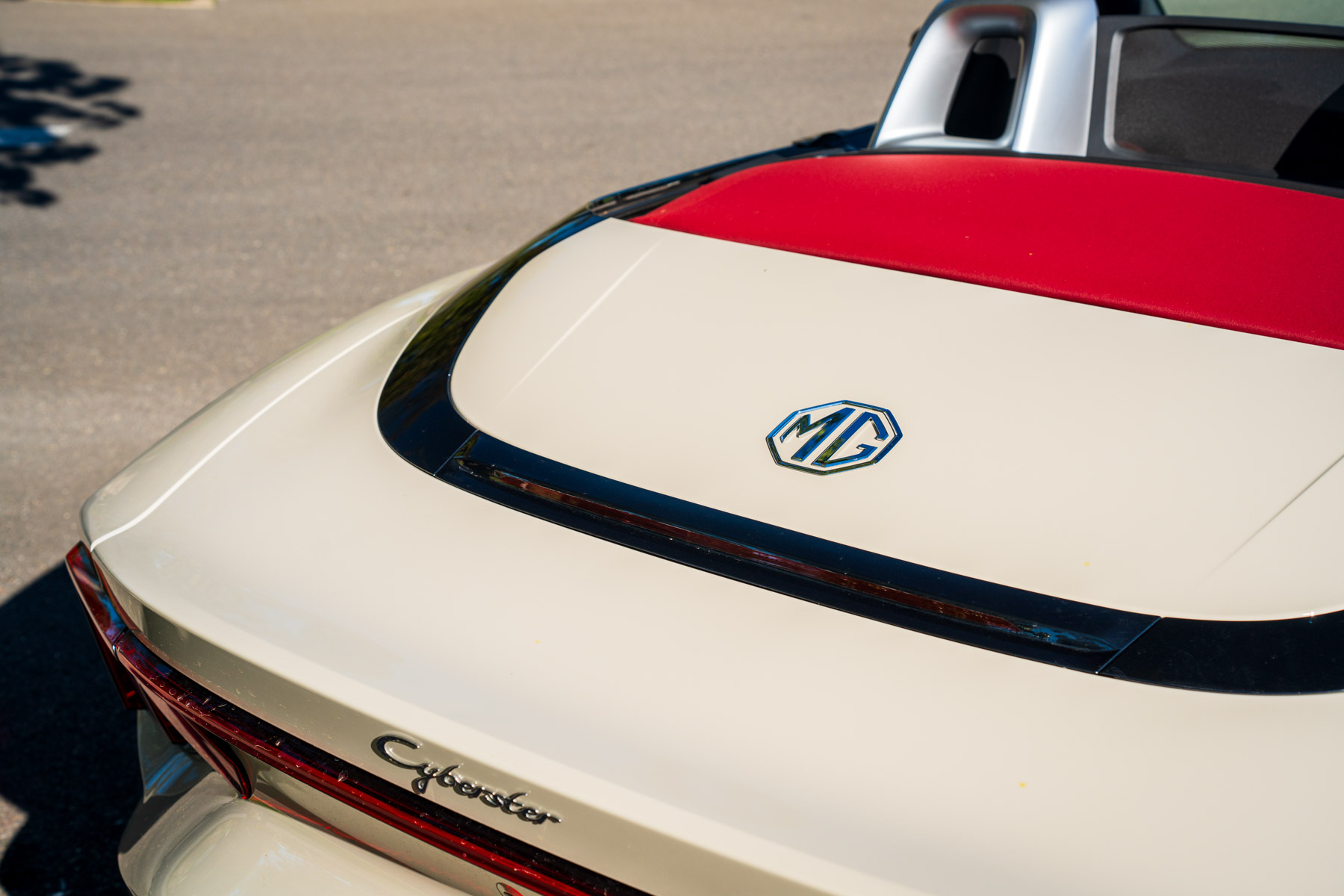
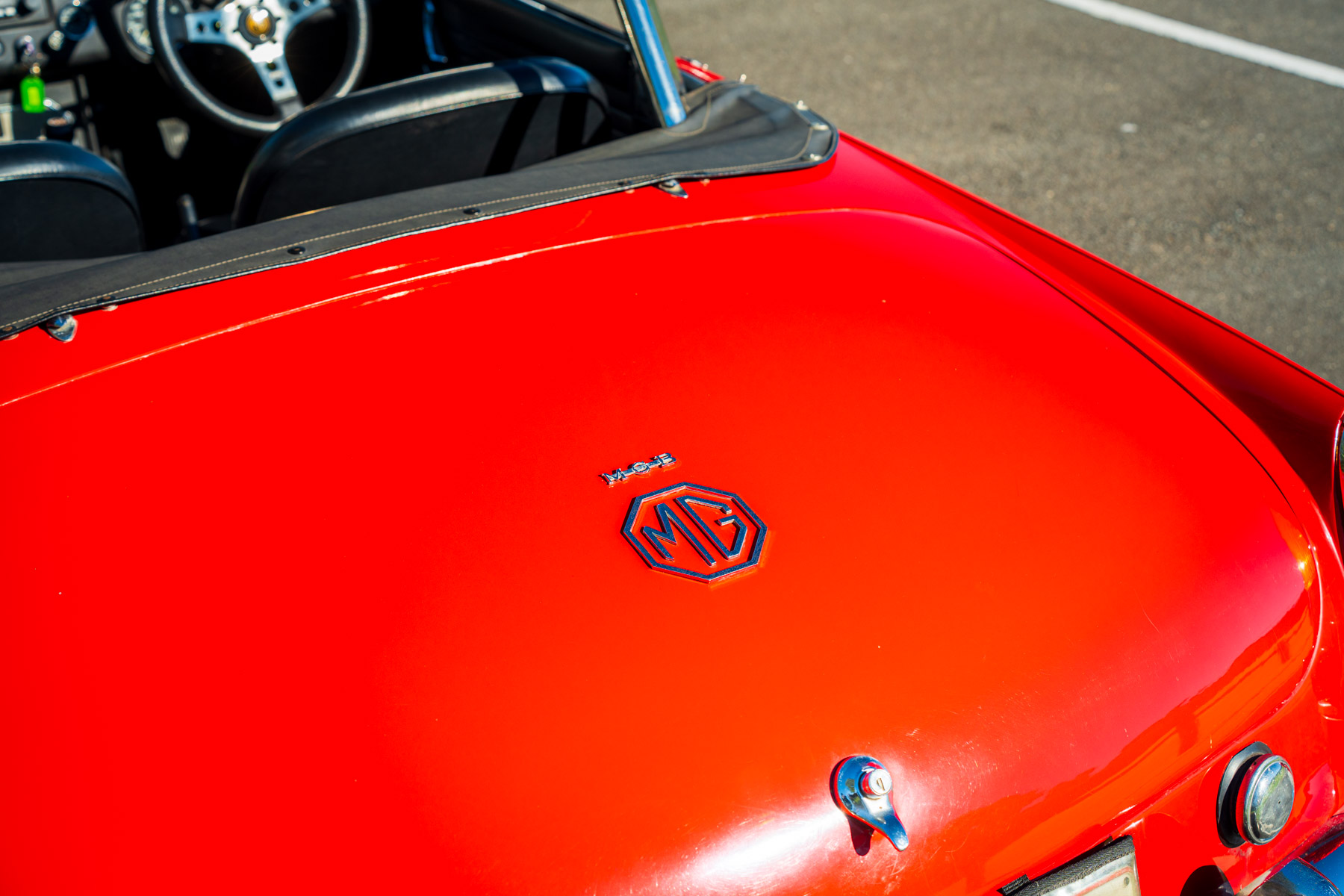
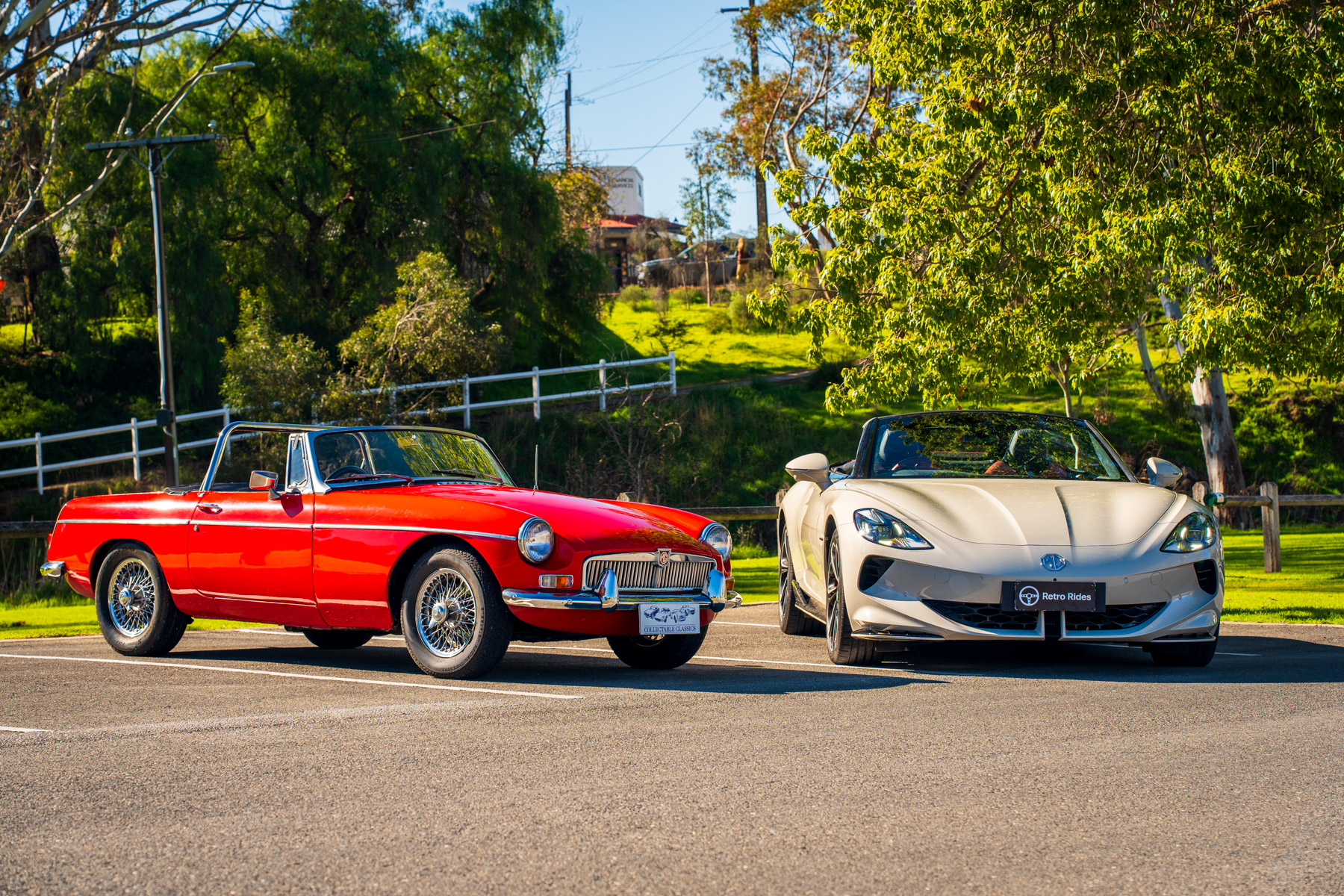
It might look at first as though the badge on the front is all that links these two cars, but closer inspection reveals some subtle lines that link the two designs. At the front of both cars, two contour lines flank the badge at either side, while the rear badging is located atop the deck lid in identical spots.
I’d also argue that the Cyberster’s friendly face is as close as you’d probably be able to get to the MGB using modern lines, granted with slightly more oval LED headlights rather than the classic round halogens. Those lower grilles even look a little bit like those on the later ‘rubber bumper’ MGB, although obviously far more attractive.
Beyond these superficial links, however, these designs are clearly separated by the 60 years between their respective launches. But despite this, it’s the effect both of these cars have on other people that is very clearly linked.
The MGB still has the magic
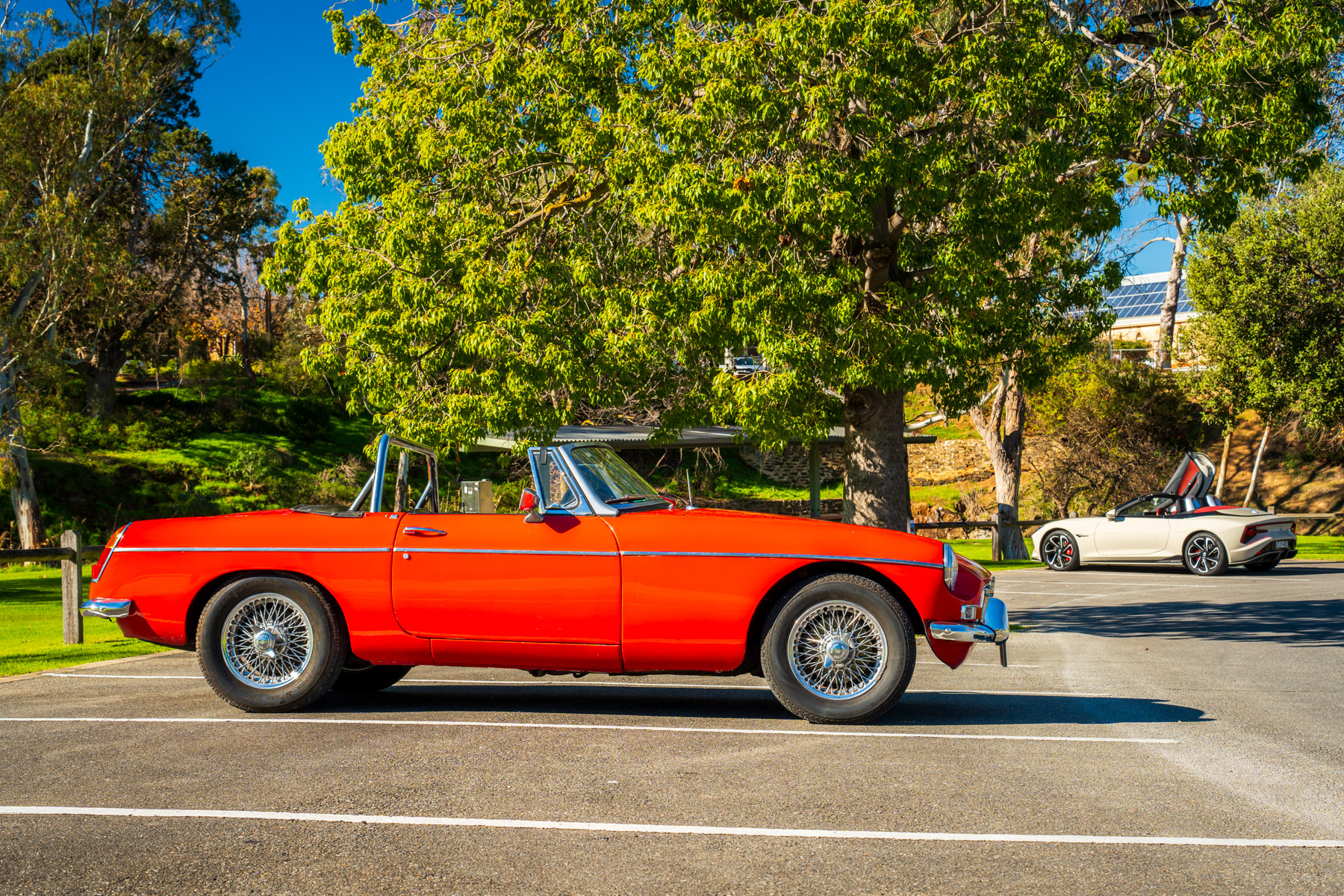
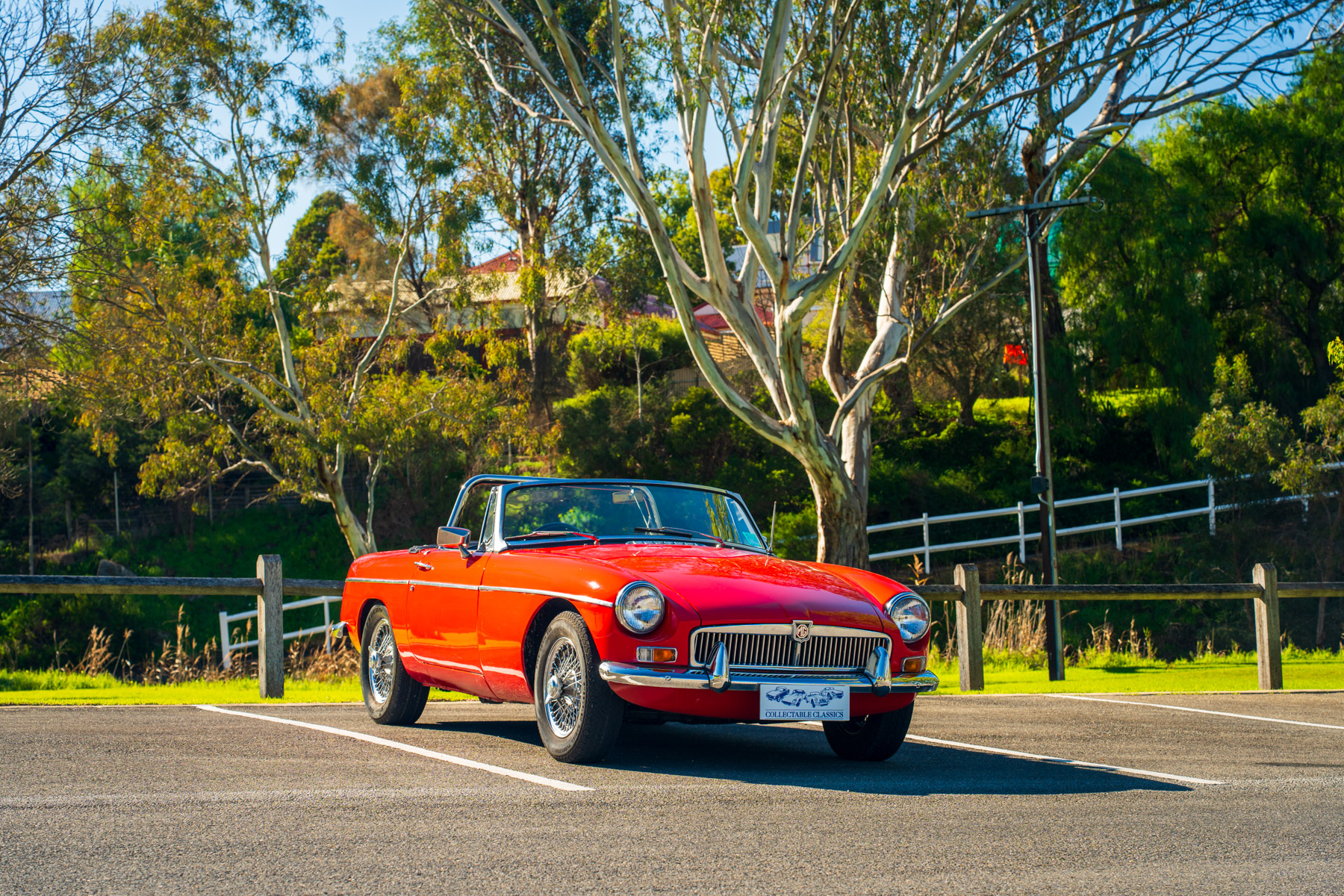
During my day with the MGB, pedestrians would stop and wave – that’s the kind of effortless cool this iconic roadster exudes. No wonder so many people love them; as an attainable classic, they have popularity with everyone from my fellow Millennials through to the likes of Shane Jacobson, whose MGB we sold on RR Auctions several months back.
It’s also worth highlighting the MGB’s Australian connection, with around 9000 examples assembled locally using complete knock down kits between 1963 and ’72, all of which were roadsters.
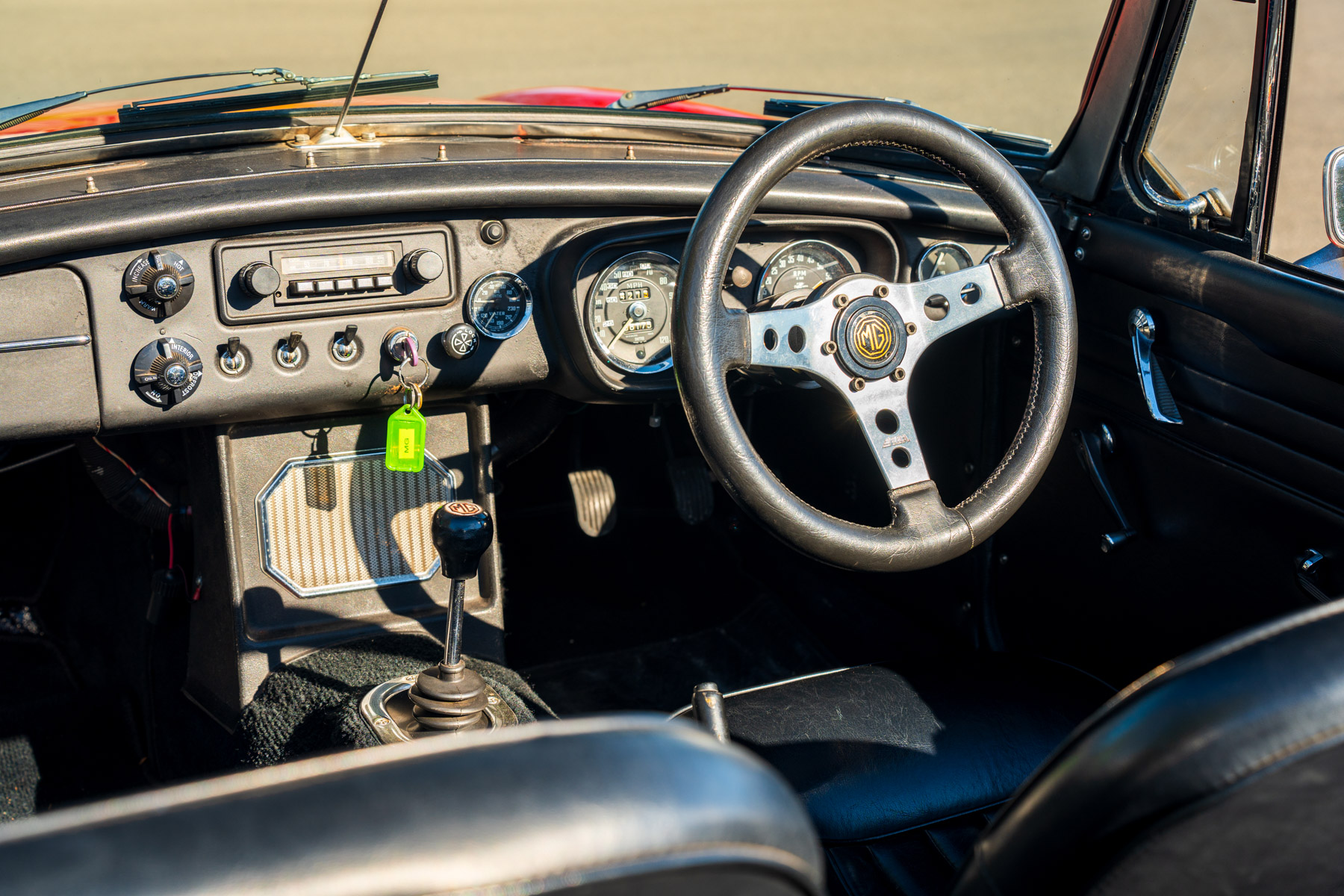
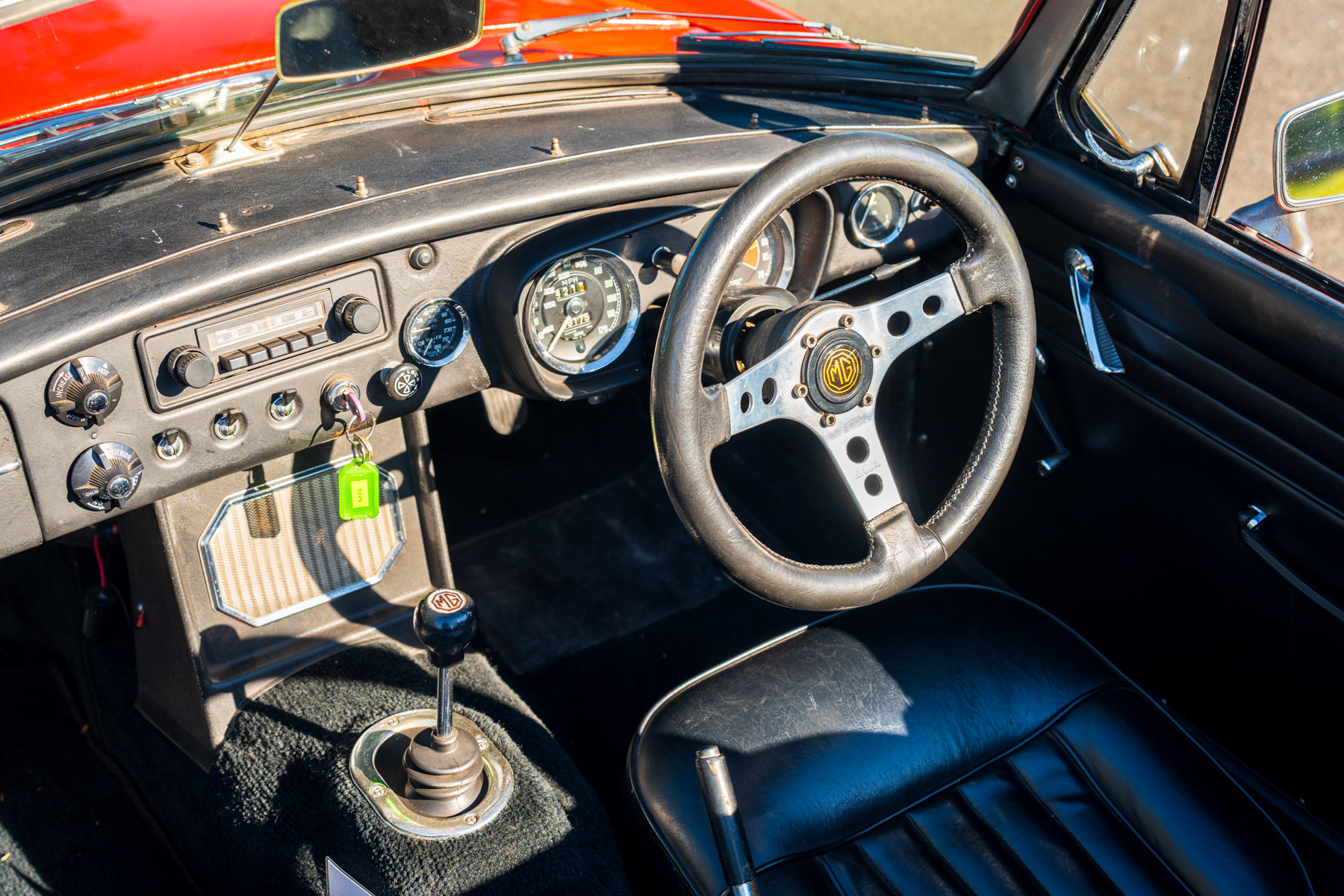
The MGB is obviously a lovely thing to drive, too. With weighty steering, a lovely four-speed ‘box, and a classic four-pot thrum from the exhaust, it’s quintessential classic motoring.
The MG Cyberster turns everything up to 11
But when it comes to attention, the Cyberster is on a completely different level. Over the course of my week with it, necks were being broken left and right – especially whenever those scissor doors went up.
Since I couldn’t go anywhere without entertaining at least one conversation as a result, it revealed that the popular opinion of the Cyberster was very positive. Even though most people had no idea what it was, they knew that they liked the look of it a lot.
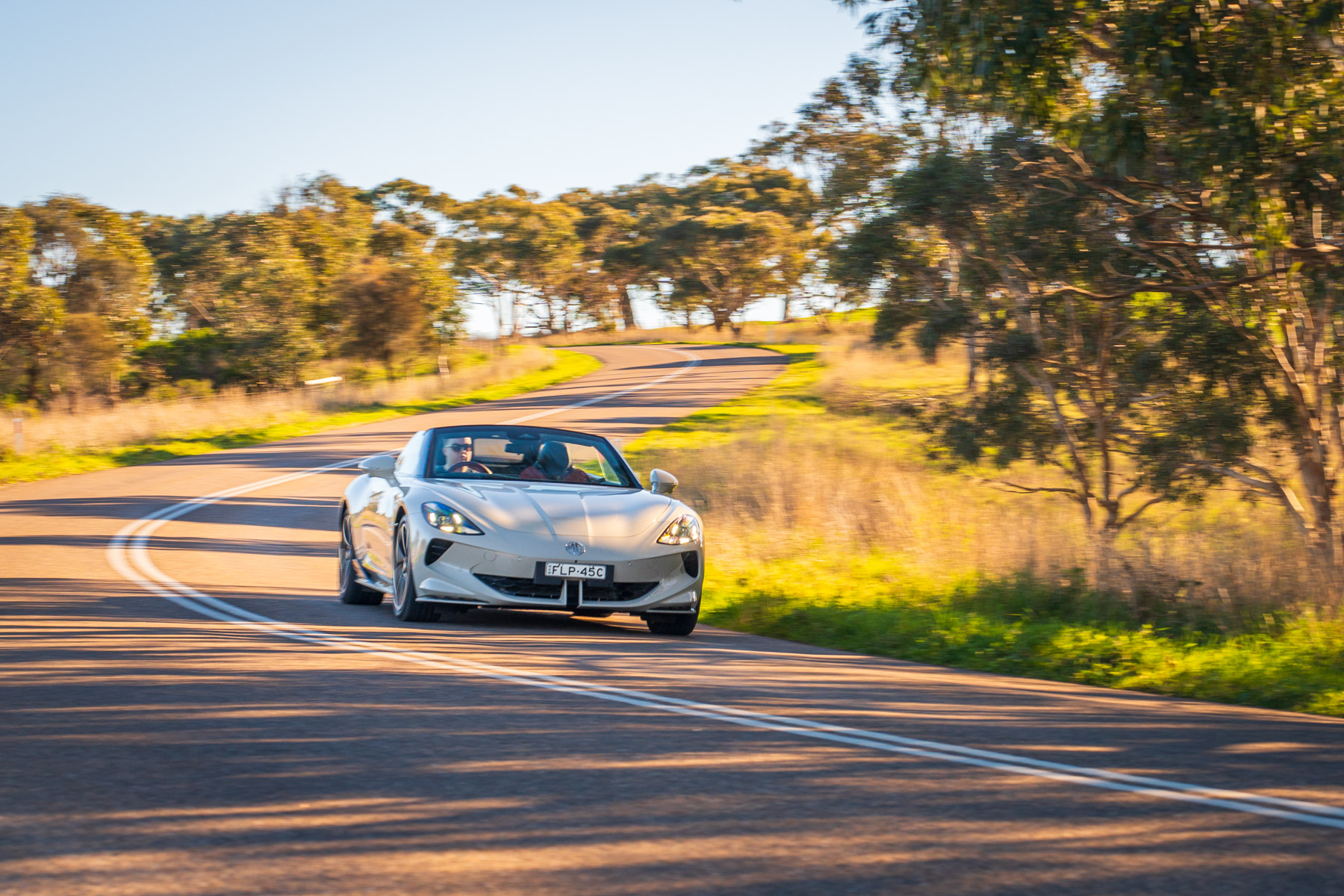
What I certainly liked from behind the wheel, however, was just how rapid this thing is. There are only two cars I’ve personally driven that feel this alarming off the line – a Tesla Model S P90D with ‘Ludicrous’ mode and the original launch control monster, the Nissan GT-R.
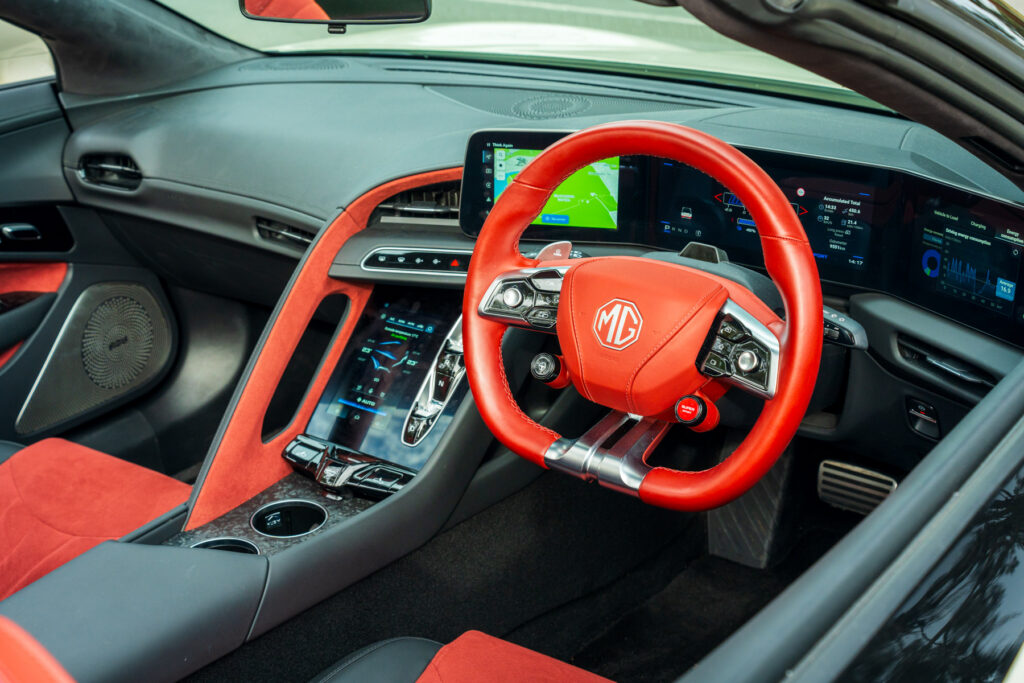
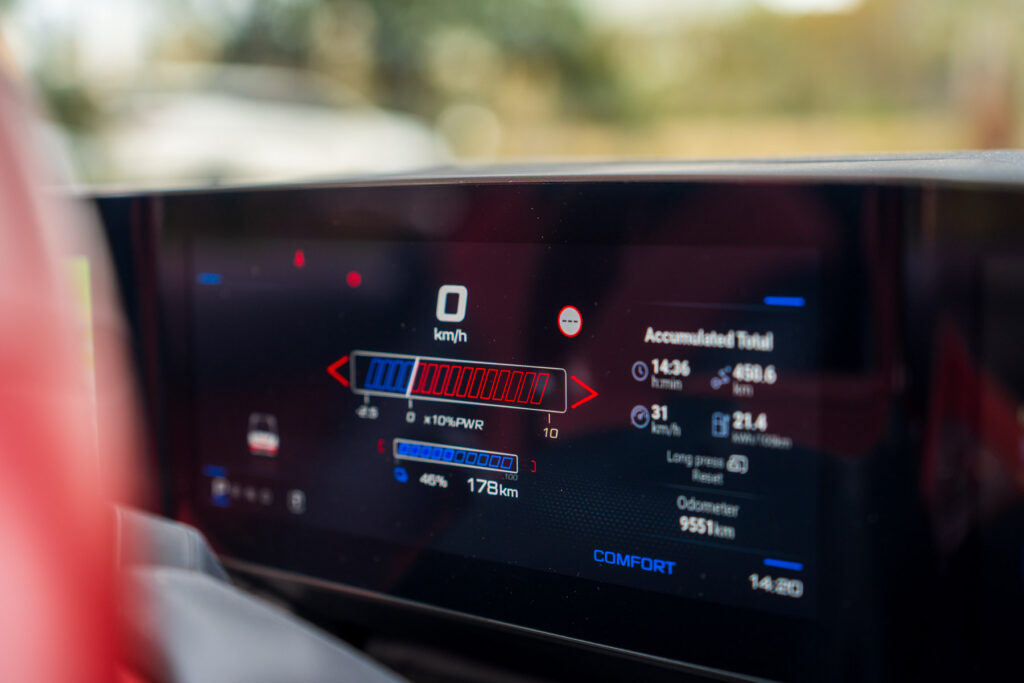
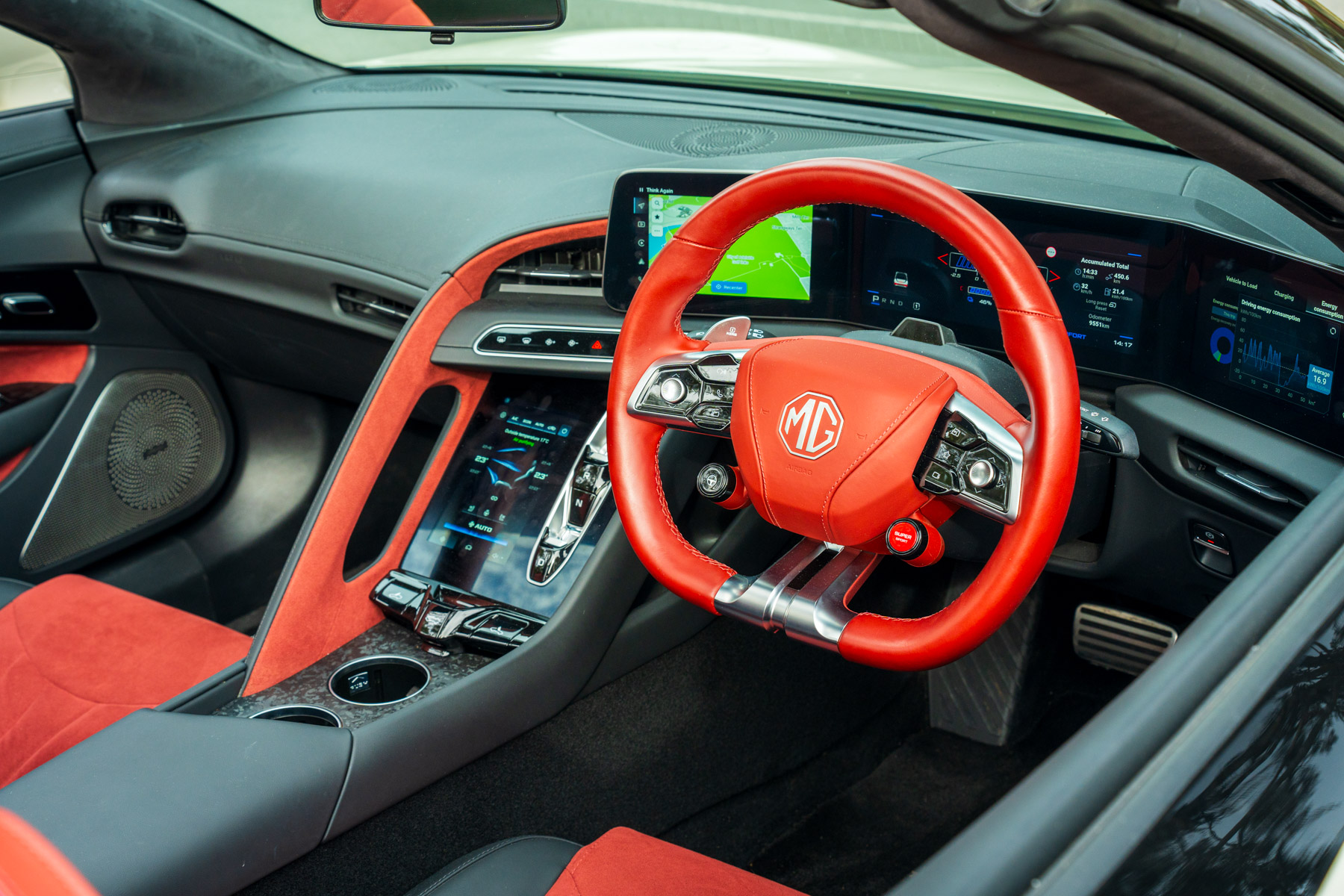
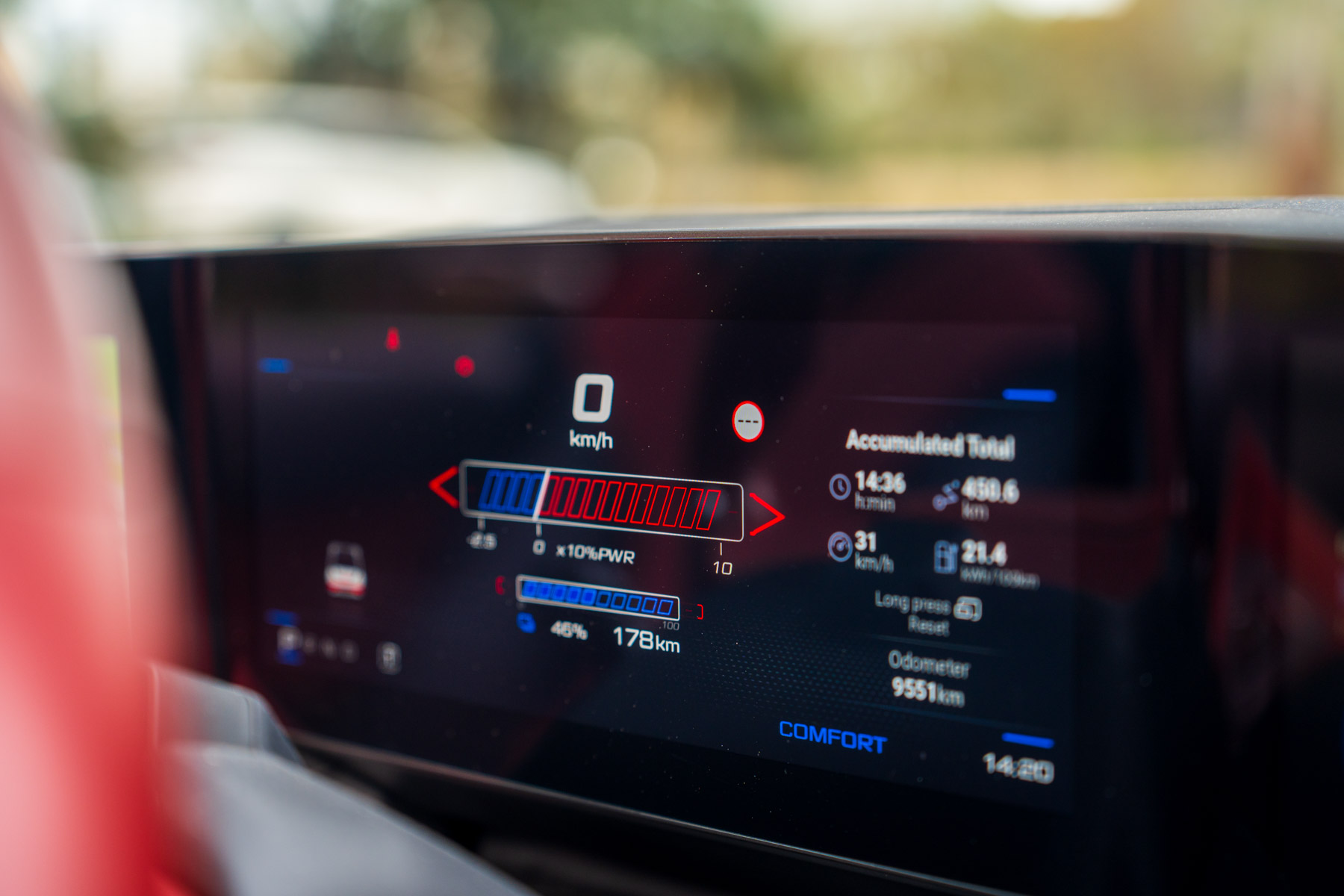
Off the line, this thing seriously shifts, complete with go-fast graphics around the speedo in front of you.
Some may rue its electric drivetrain, but the Cyberster is surprisingly fun to drive on the right road. It rides well despite the big rims, has plenty of grip thanks to its Pirelli P Zero rubber, and despite the instantaneous power at your right foot’s disposal, the power delivery is easy to modulate.
Just don’t expect it to be a honed-in sports car. It might steer nicely, but a kerb weight of roughly 1985kg means it’s around twice the weight of the classic. Think of it as more of a relaxed GT roadster, straight line speed aside, and it makes a lot of sense.
The problem isn’t that the Cyberster is electric
Although opinions differ on EVs in the Retro Rides office, I’m a bit of a fence-sitter as I believe all drivetrains have their place. What does frustrate me to no end about new cars, however, is unintuitive modern technology.
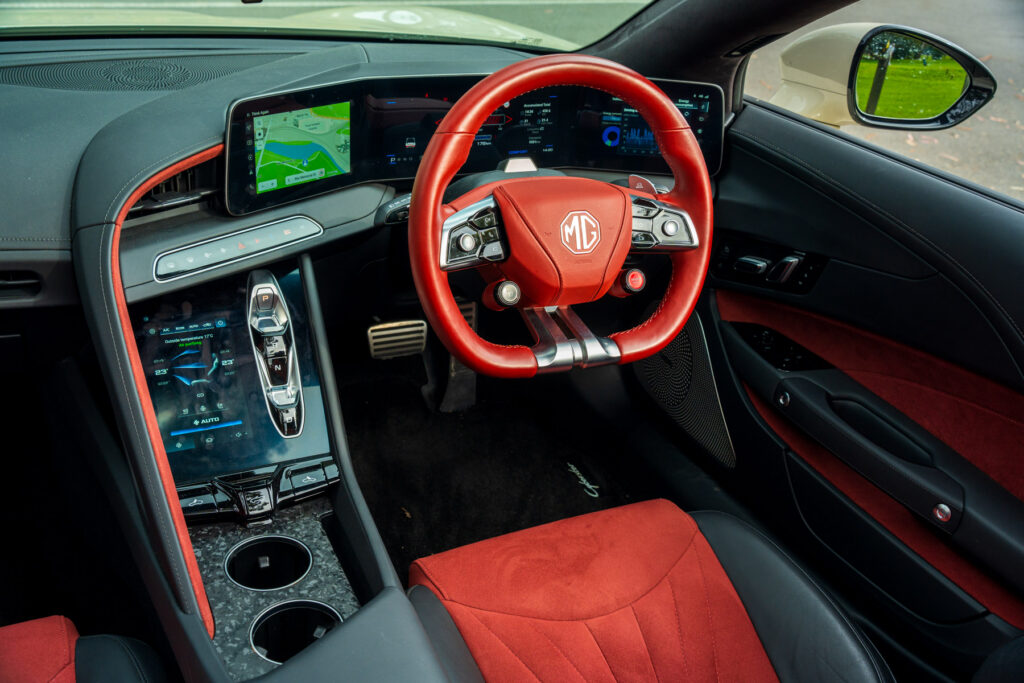
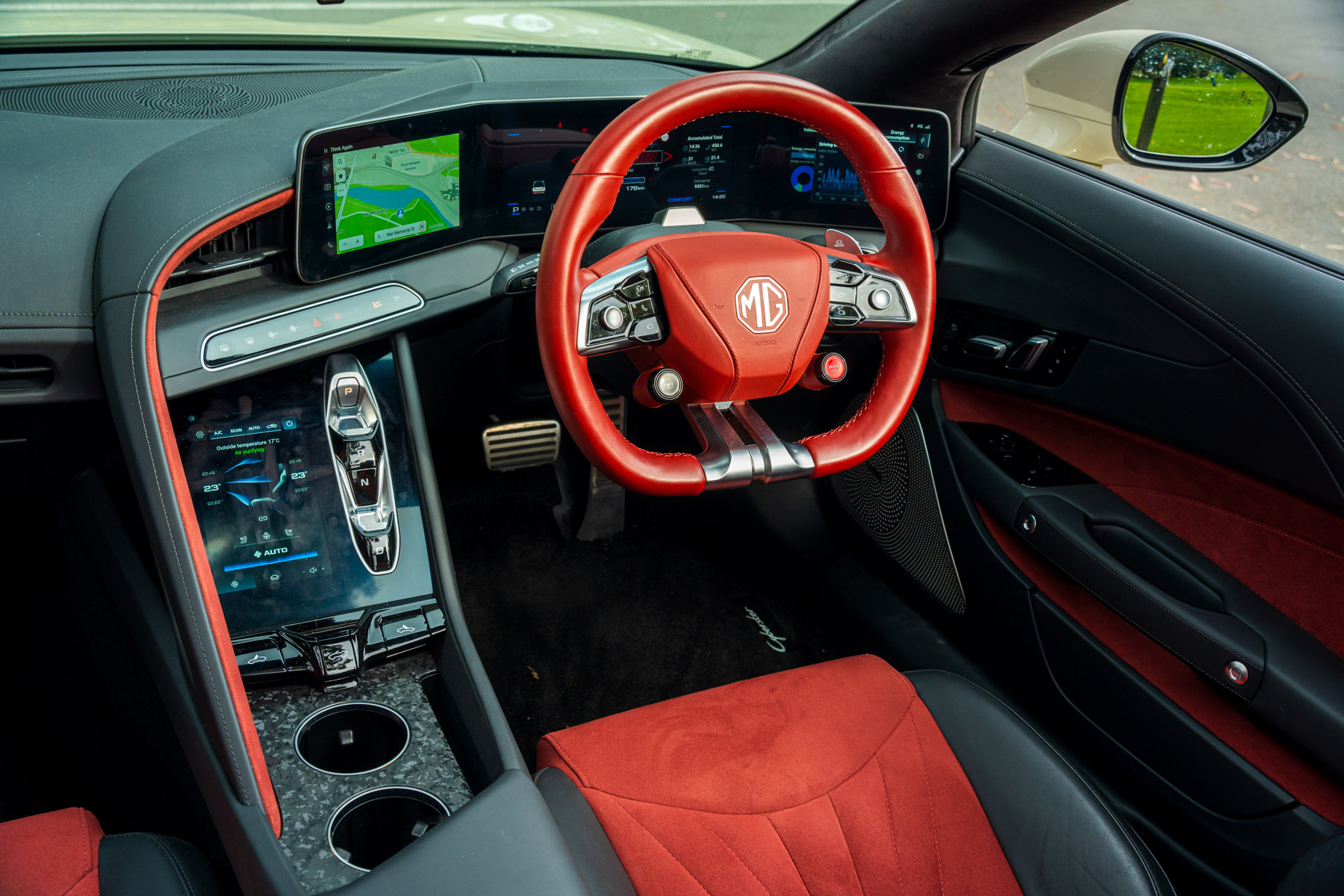
If there’s one mark against the Cyberster, it’s just that. Lane departure warning that panics within a foot of the lane lines, a sat nav system that thinks you’re two blocks the wrong way in the city, and Bluetooth that seemed to hang up every five minutes for no reason are all marks against modern motoring here.
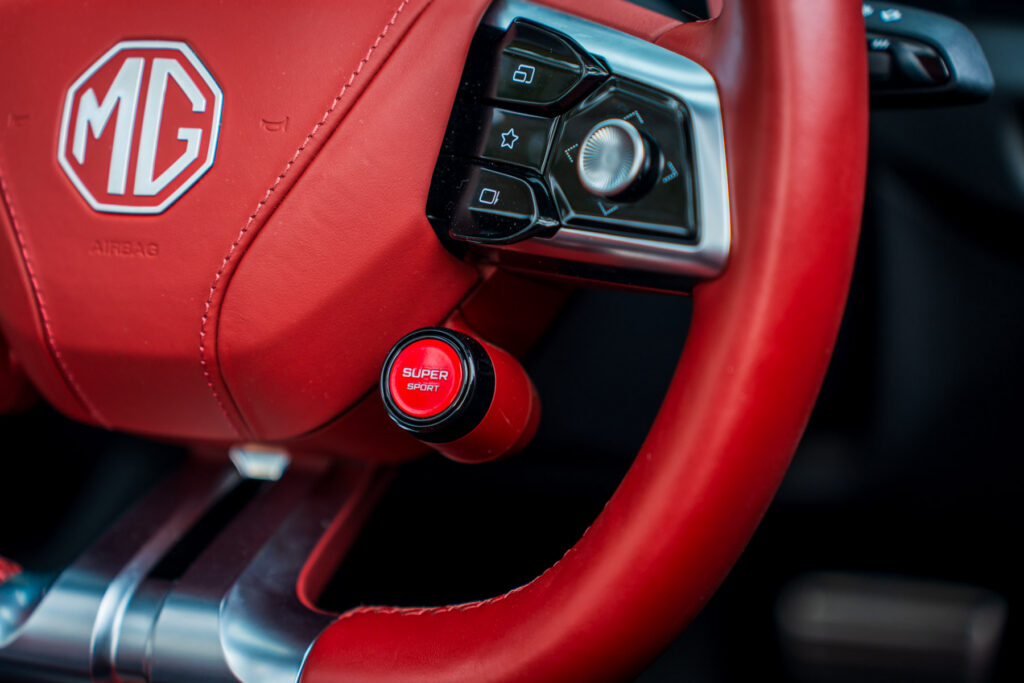
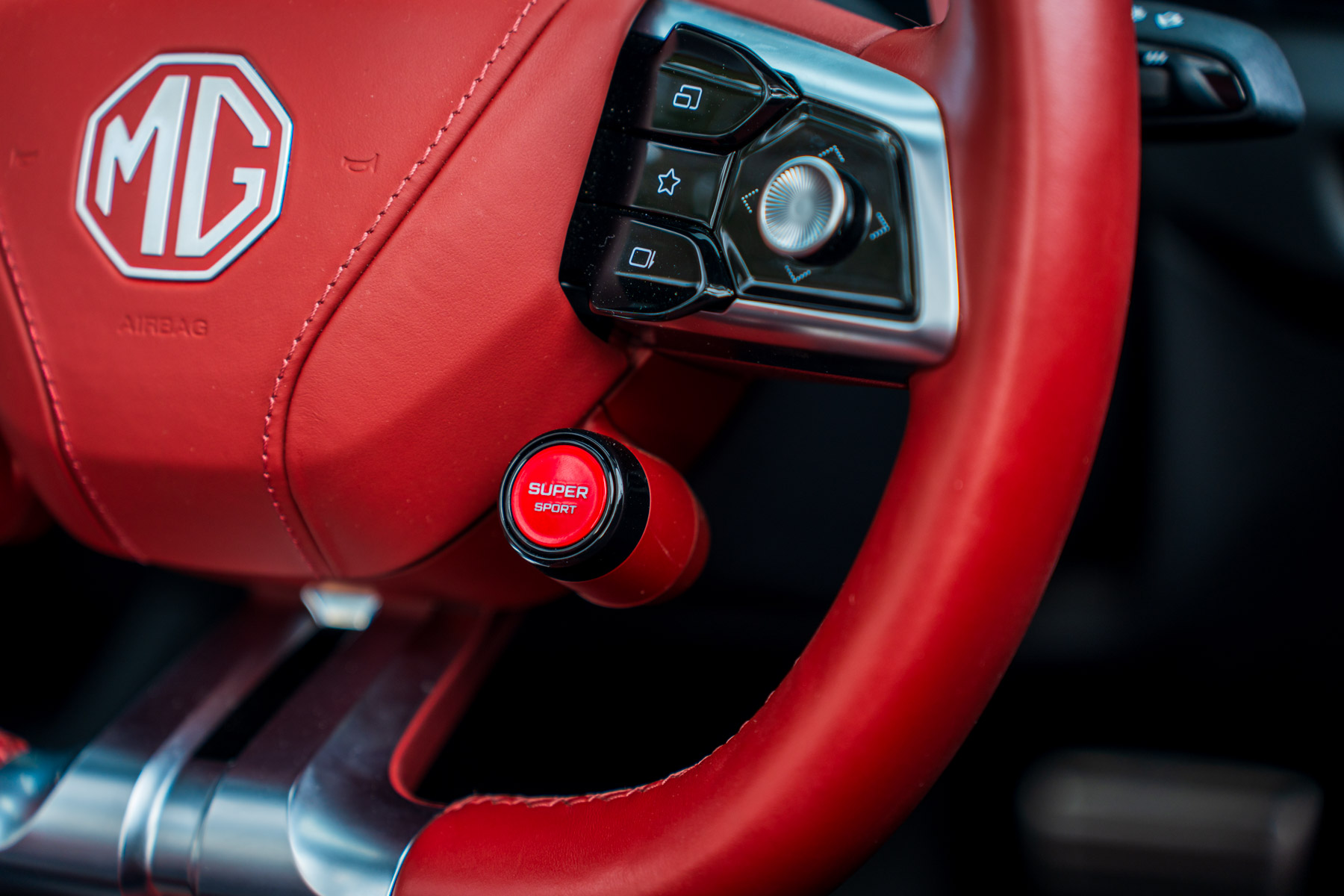
But who cares when you can turn it all off, click it into Sport mode, and plant your foot down and teleport into next week? Someone at MG clearly has a sense of humour, when you consider this car will be sitting alongside basic SUVs in showrooms, and I love it for that.
The spec sheet
| 1968 MGB Roadster | 2025 MG Cyberster 100th Anniversary Edition | |
| Engine | 1.8-litre four-cylinder | Dual electric motors |
| Transmission | 4-speed manual | 1-speed automatic |
| Drivetrain | Rear-wheel drive | All-wheel drive |
| Power | 71kW | 375kW |
| Torque | 144Nm | 725Nm |
| 0-100km/h | 11.2 seconds | 3.2 seconds |
| Kerb weight | 920kg | 1985kg |
| Price | $18,000 to $25,000 (market value depending on condition, 2026) | $115,000 (plus on-road costs) |