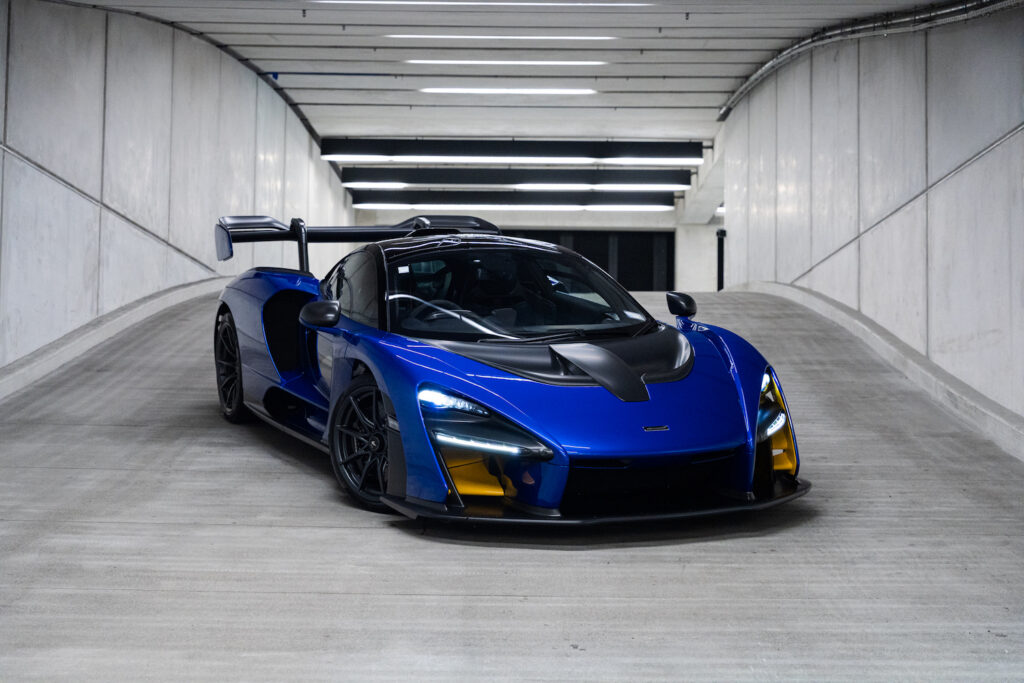
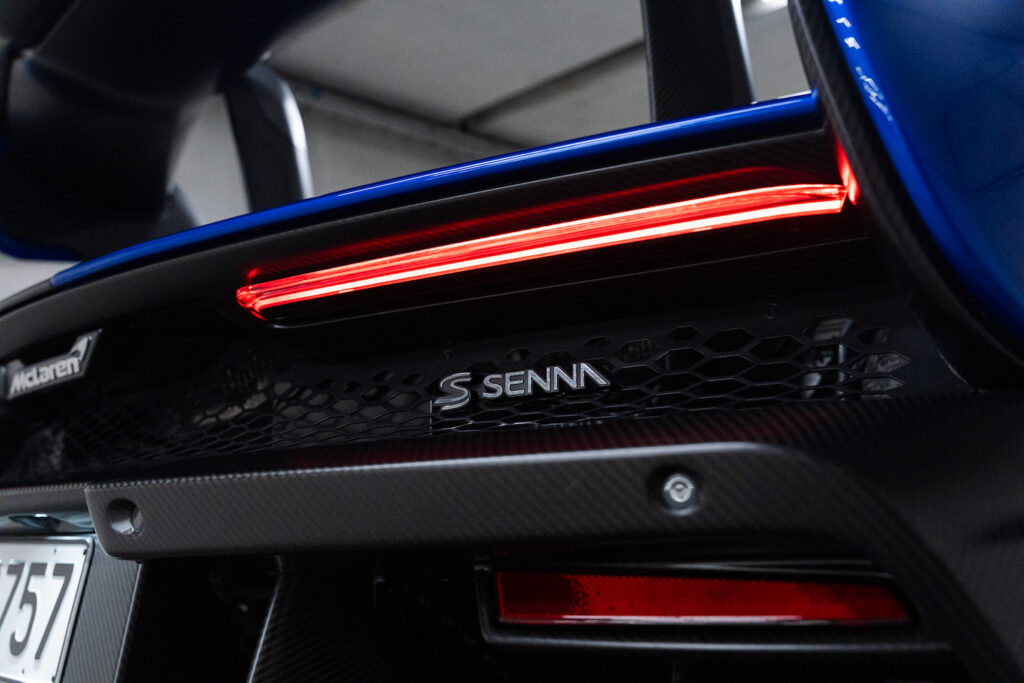

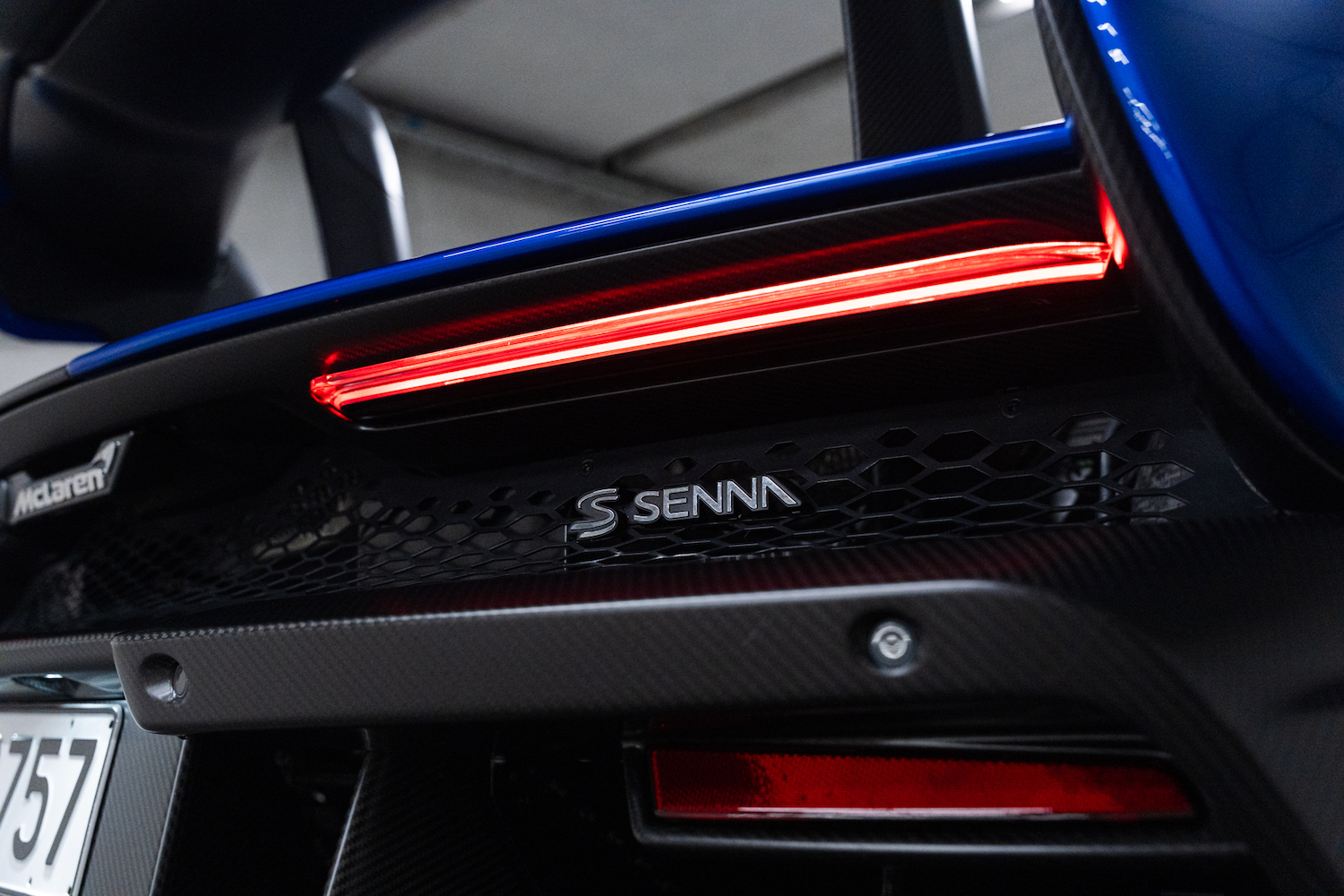
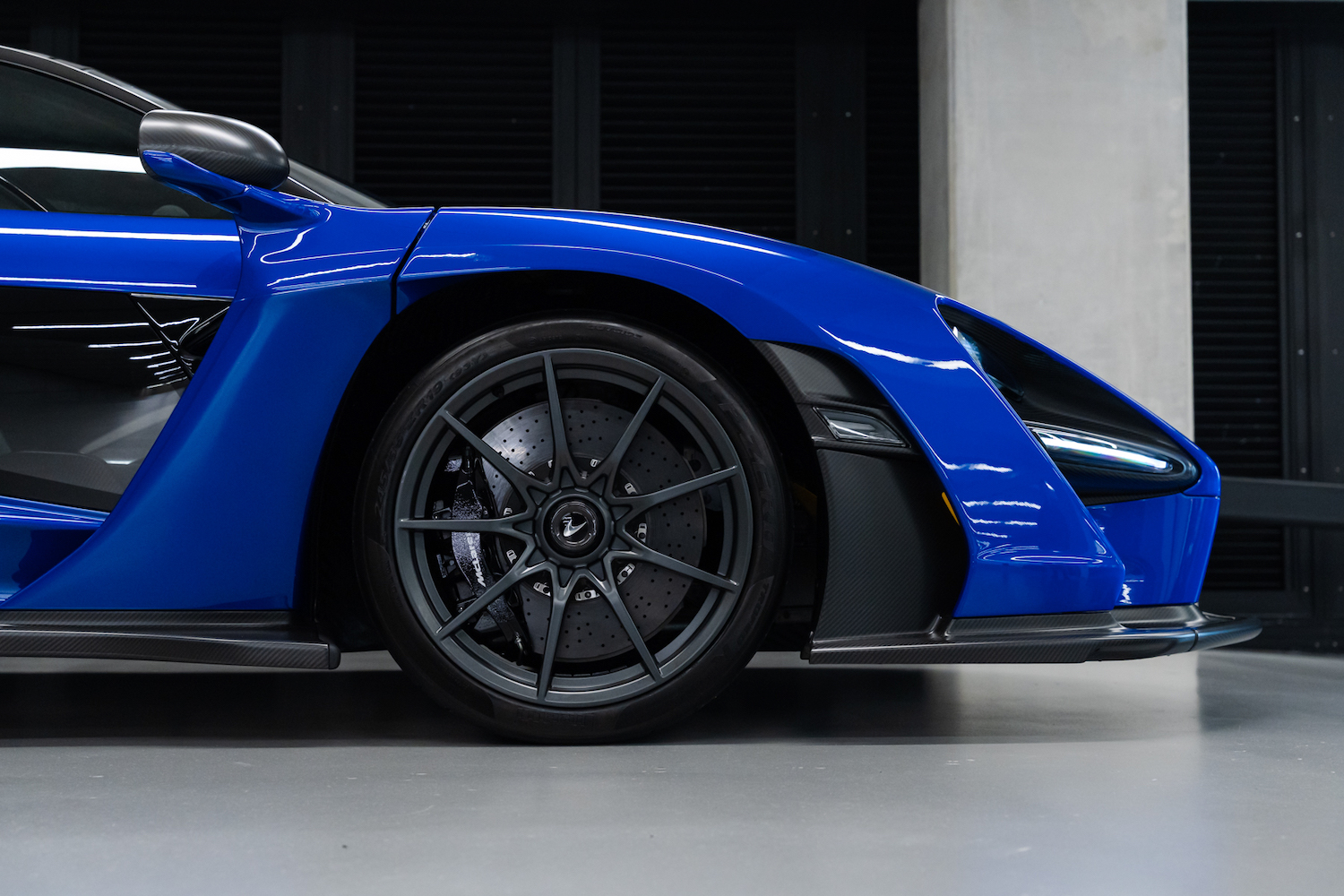
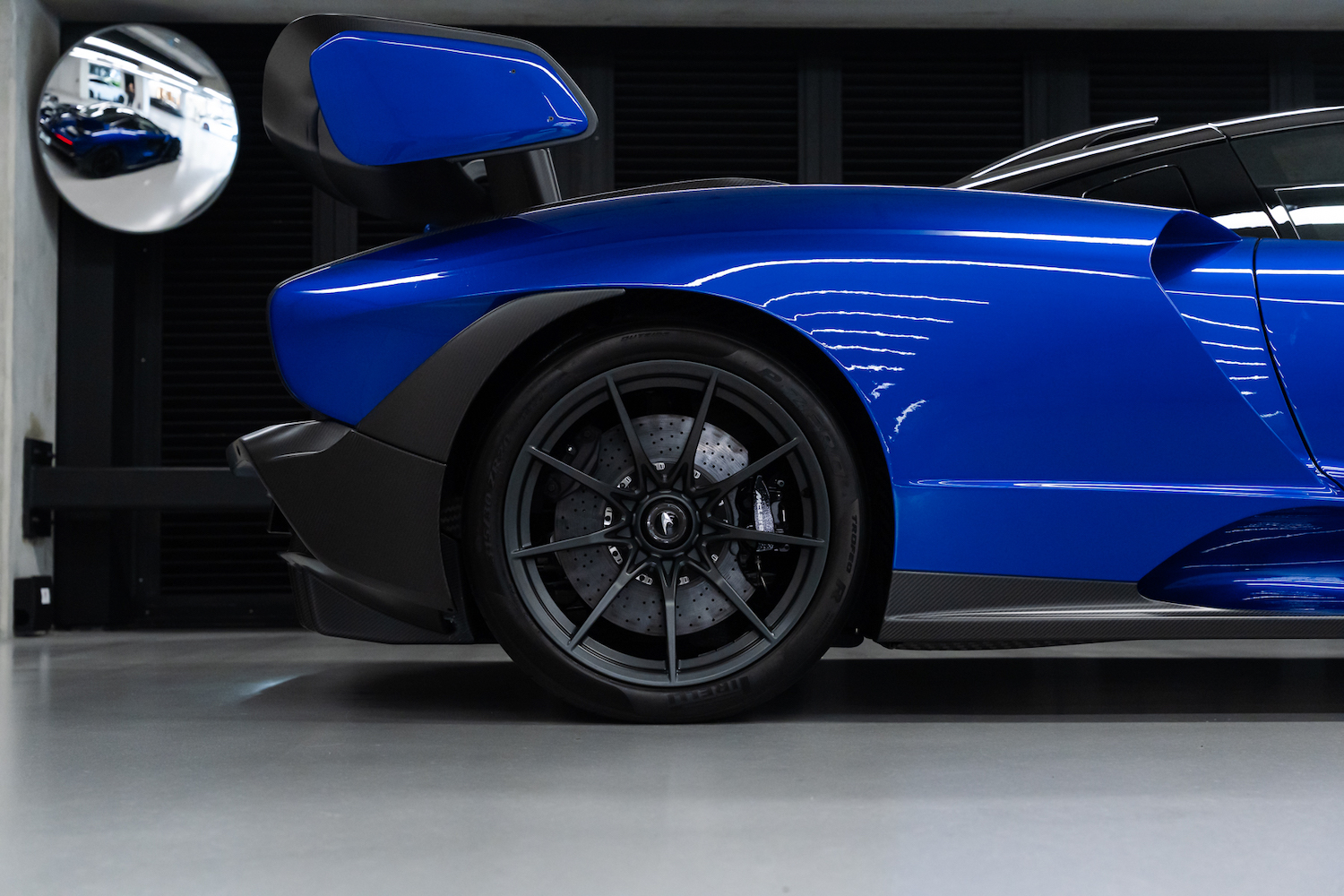
Naming your supercar after arguably the greatest racing driver who’s ever lived is either an act of extreme confidence or immense bravery. Or complete foolishness. It would be like calling your new restaurant ‘The Robuchon’ (31 Michelin stars, look him up) or your new film school ‘The Spielberg’. It implies a level of excellence that raises expectations to stratospheric levels.
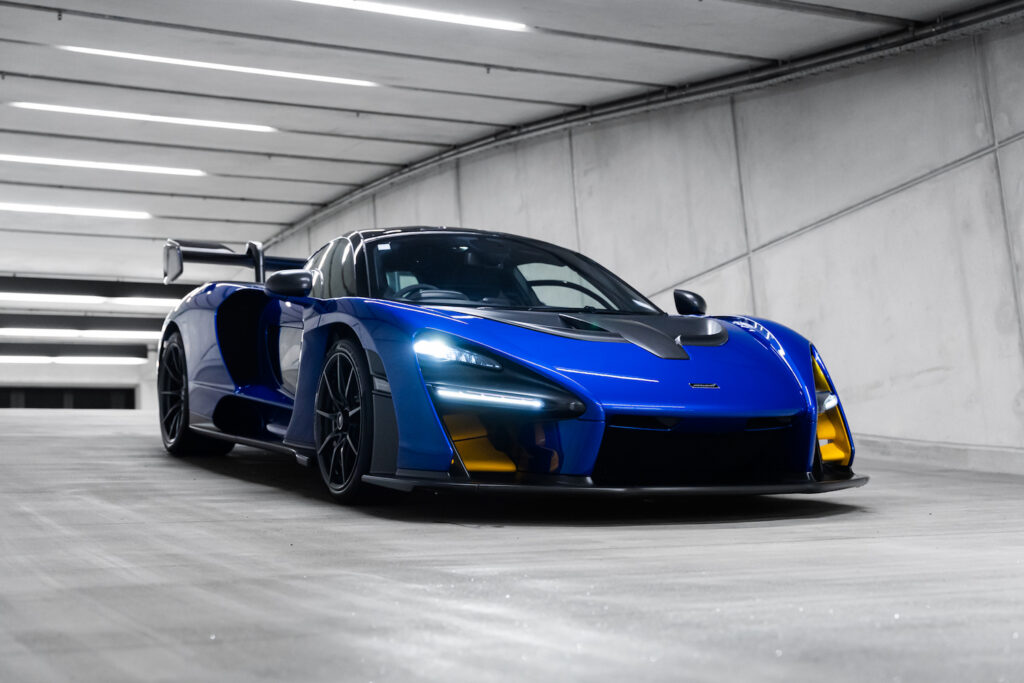
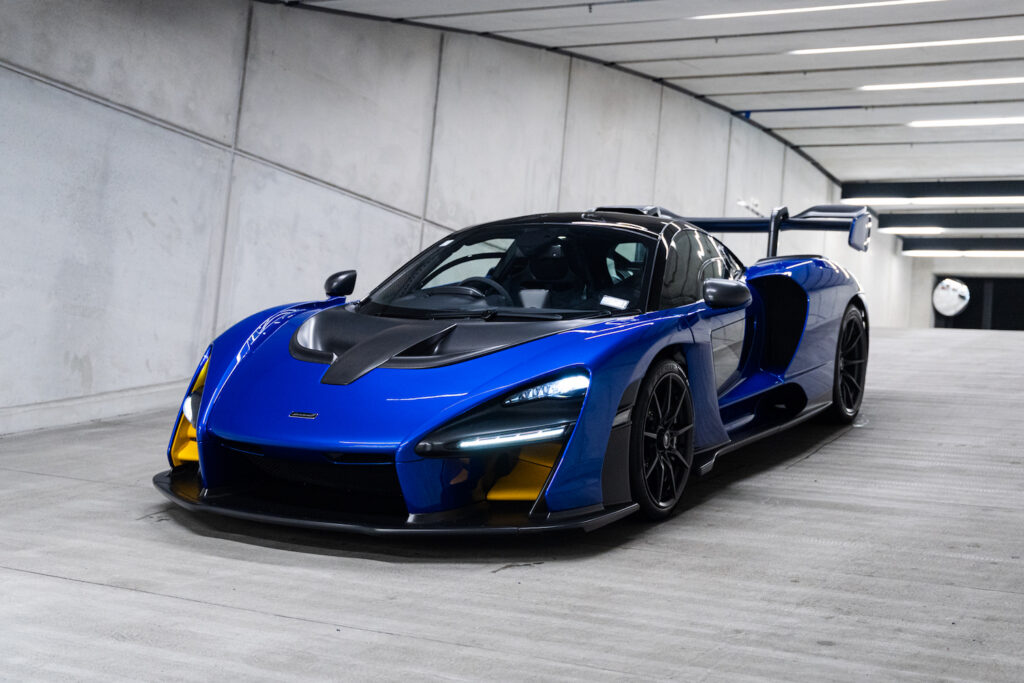
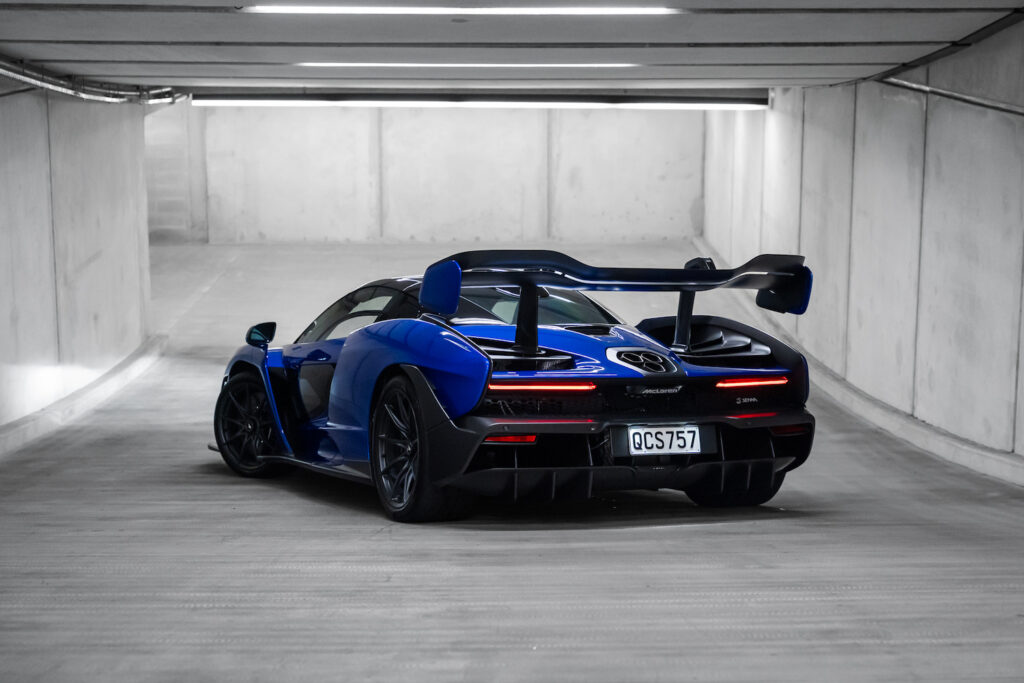
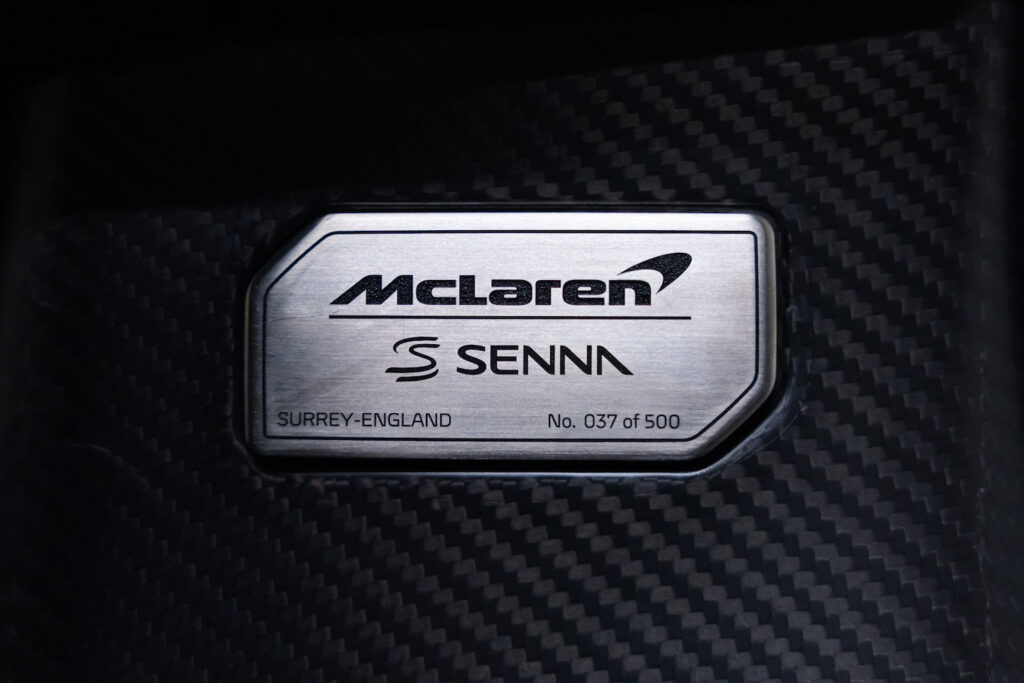
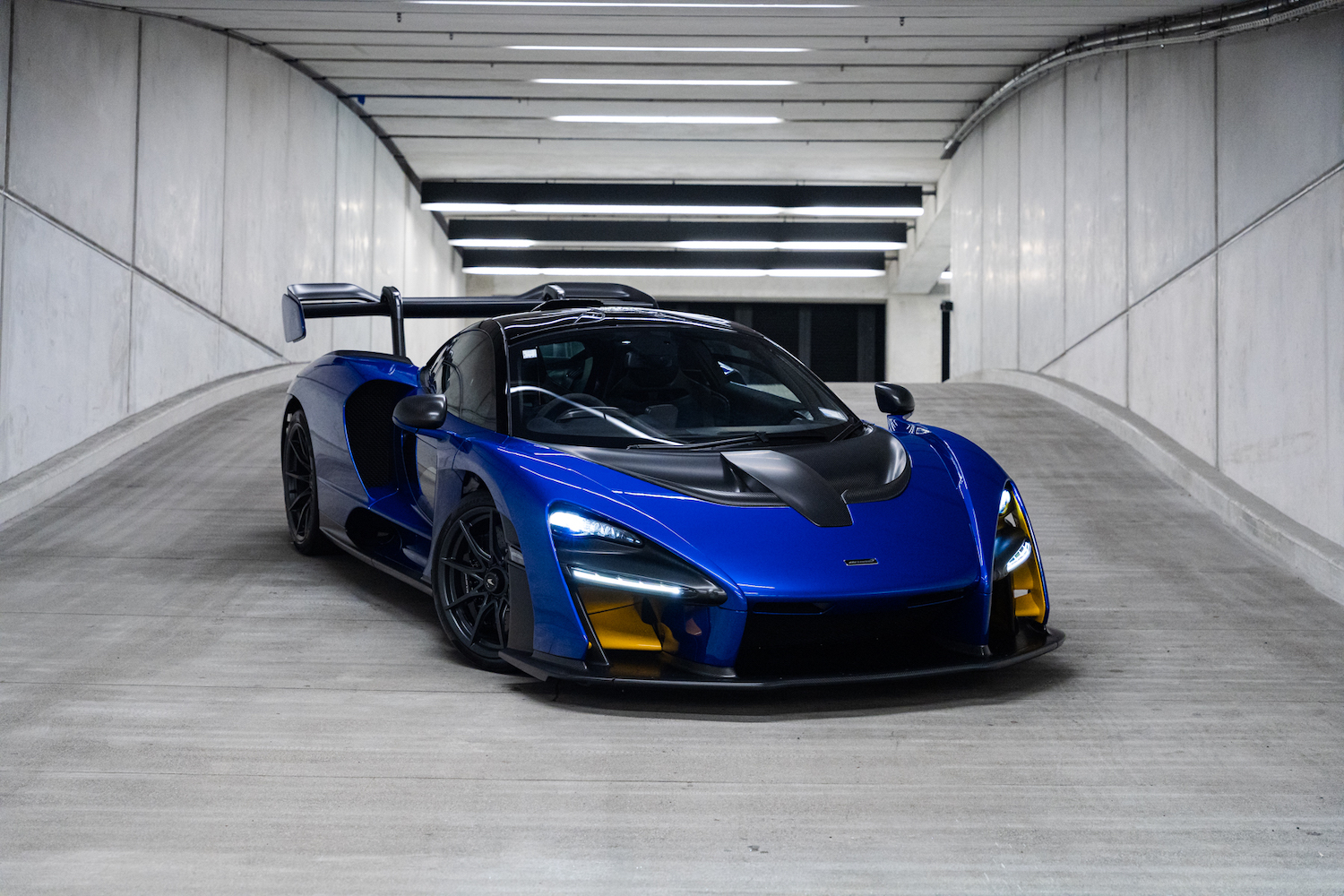
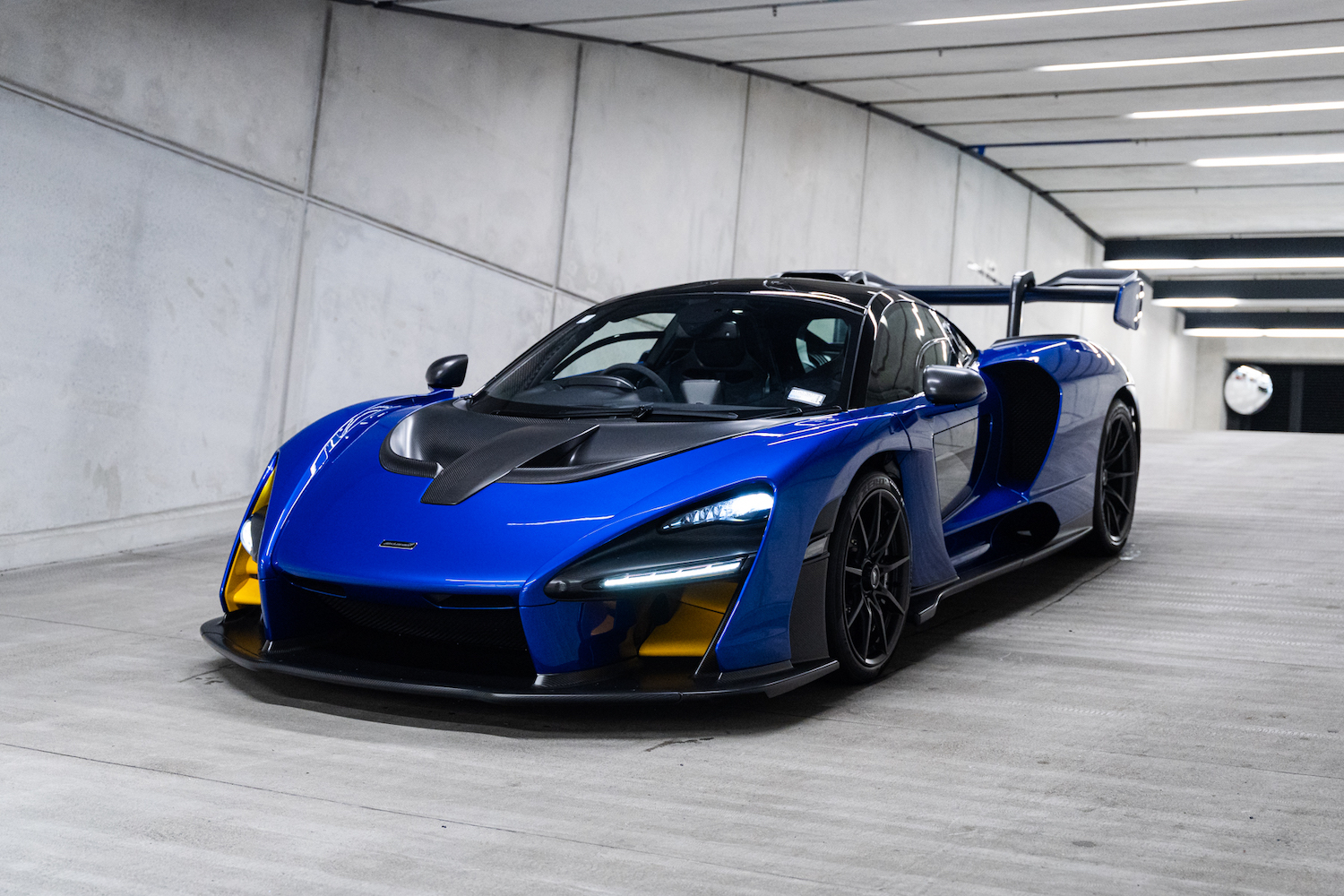
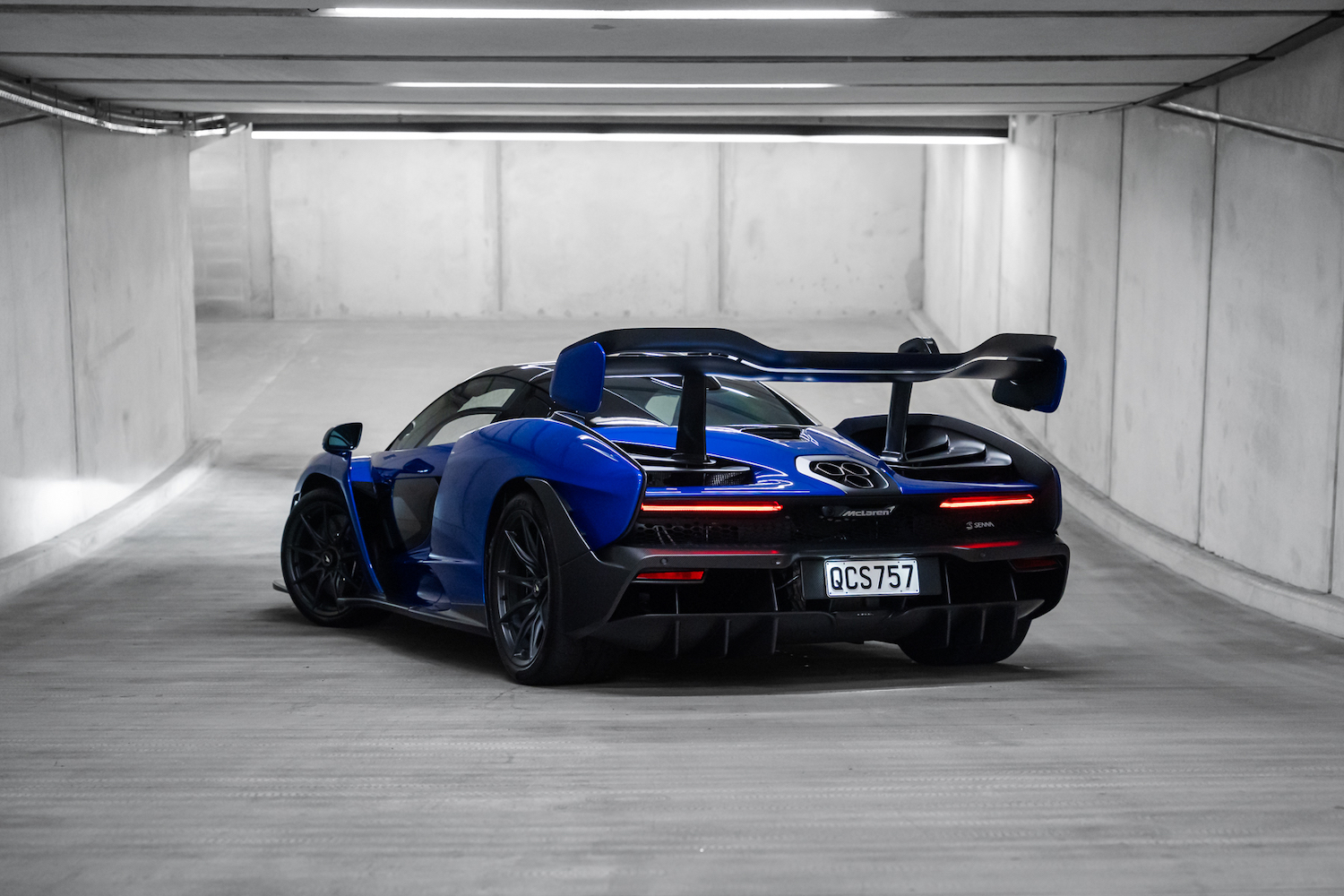
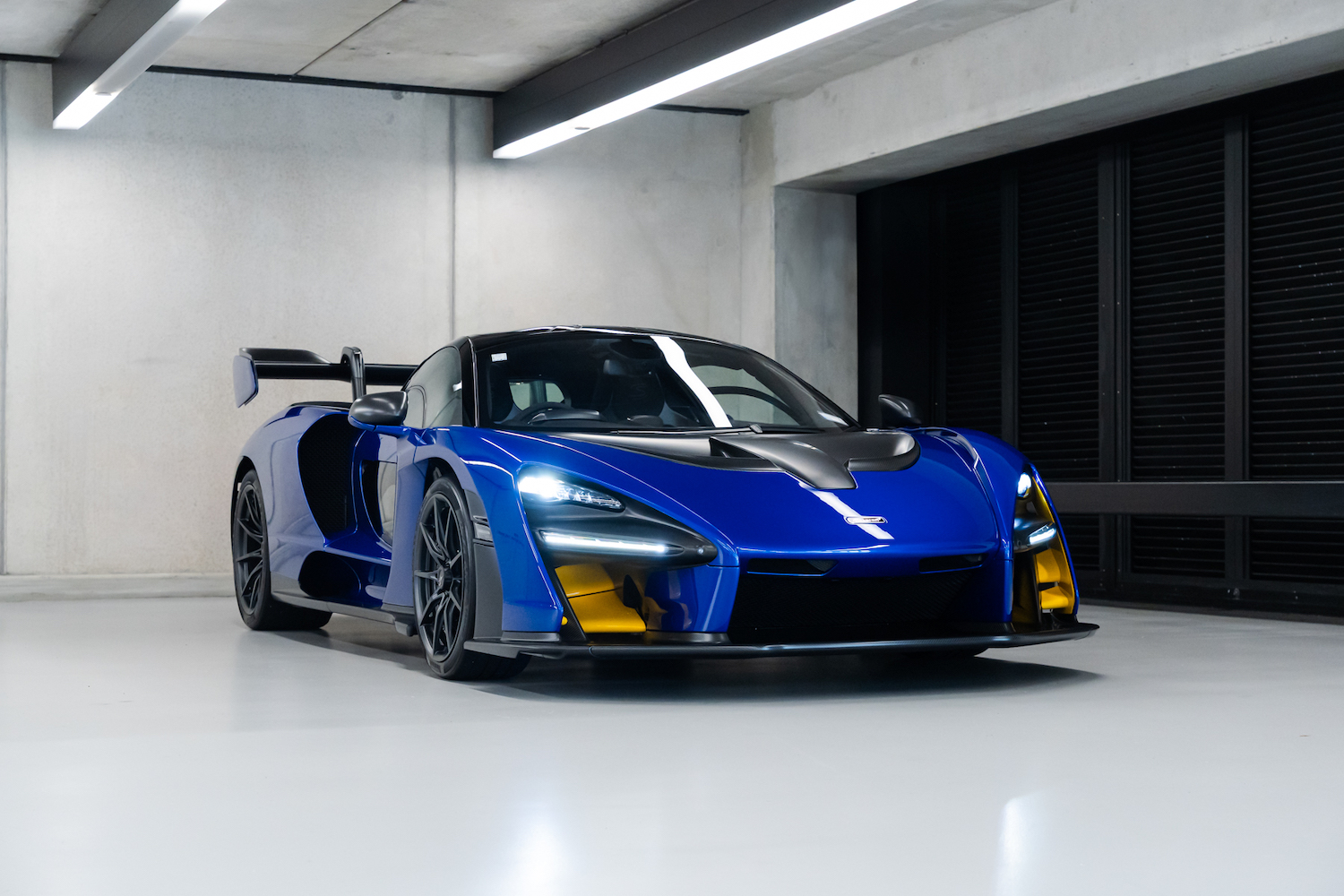
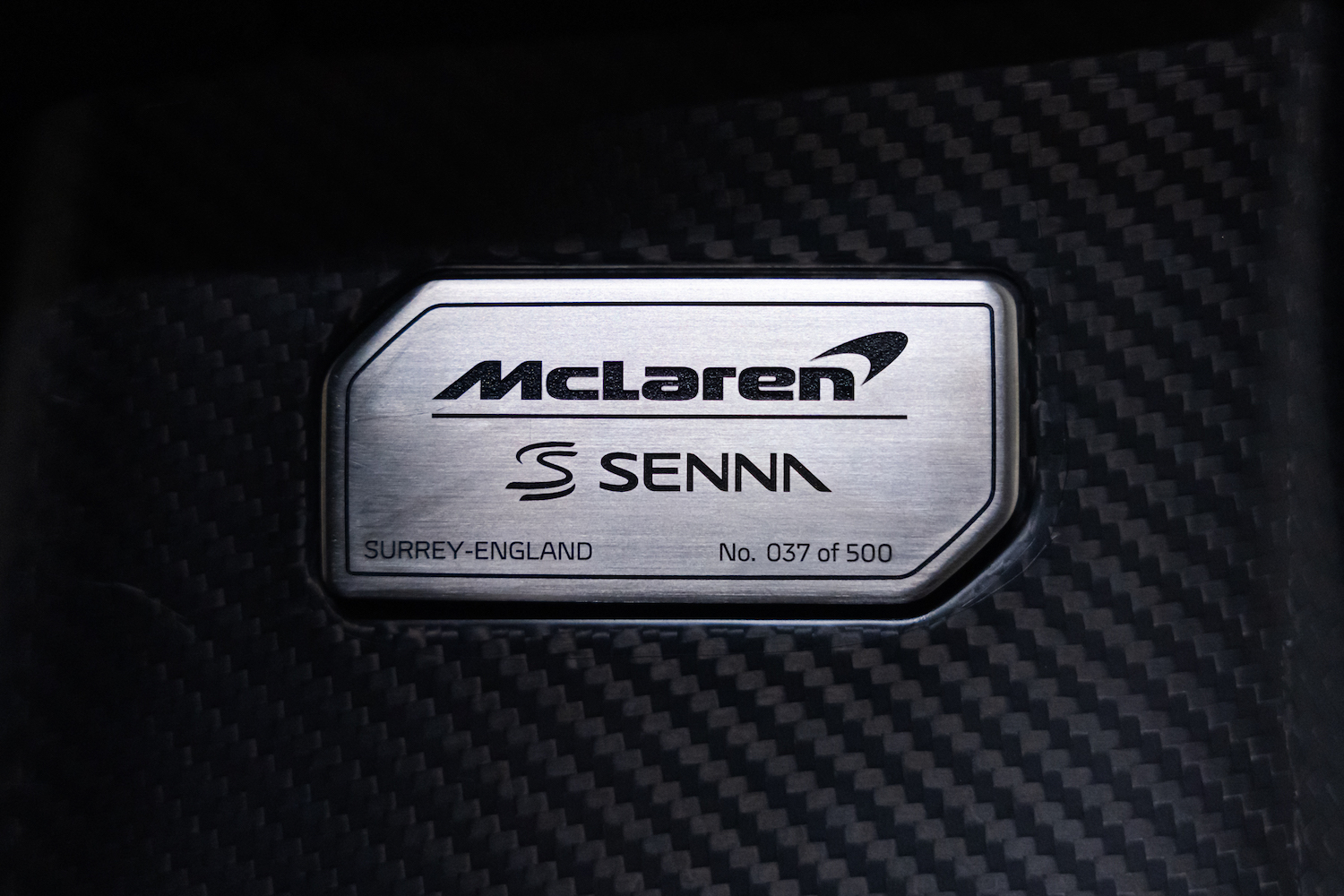
However, McLaren did exactly this with the second of its Ultimate Series, the Senna. Just 500 were built at a price of £750,000 each – though extensive personalisation options meant most cost a lot more – and all were pre-sold. Happily, if you missed out first time around, they do come up for sale occasionally including this machine at RRAuctions.com.au.
The Ultimate Series cars are limited-edition expressions of everything McLaren knows about performance, each tasked with pushing the boundaries of what’s possible on four wheels in a certain direction.
The P1 was a 674kW hybrid monster that redefined road-going performance; the Speedtail a 773kW missile capable of transporting three (short) people and their luggage at up to 403km/h; the Senna, as the name suggests, is all about getting from point A back round to point A again in the shortest possible time.
At this point we need a Rocky IV-style montage to explain how McLaren transformed the already awesome 720S into one of the wildest cars ever to wear number plates.
The first thing to make clear is that McLaren wasn’t simply cashing in on the legacy of one of its most famous former drivers. It had been in discussions with Ayrton’s sister Viviane about an appropriate project, but the brand didn’t want to apply the Senna name to a variant of an existing model.
It needed a new car, an extreme car, and to ensure it fit the bill Ayrton’s nephew, ex-F1 driver Bruno Senna, assisted with the development work.
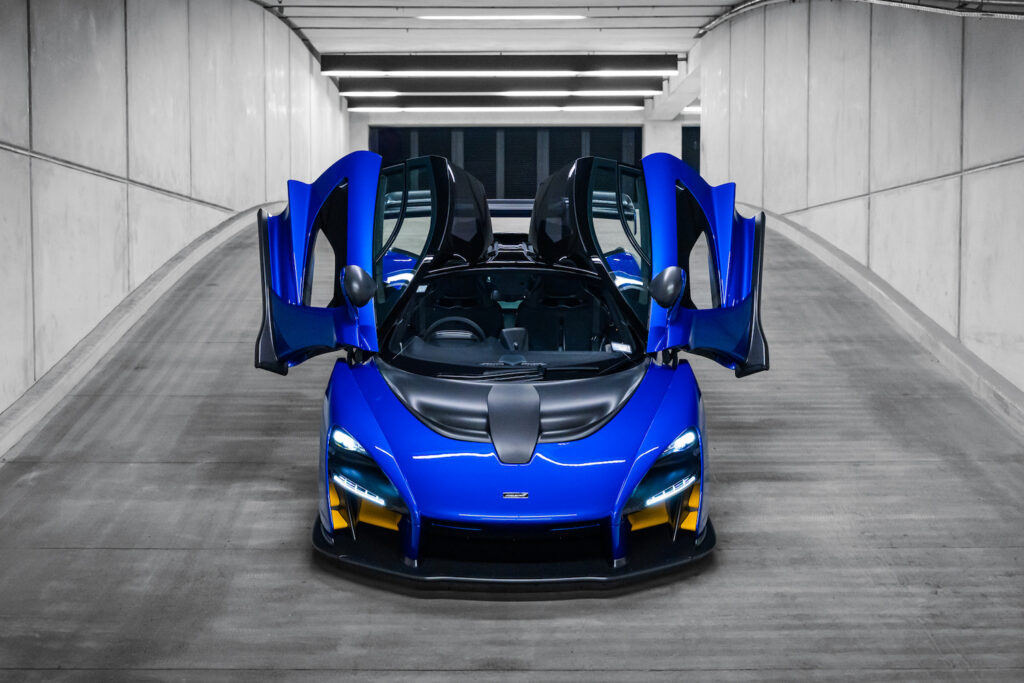
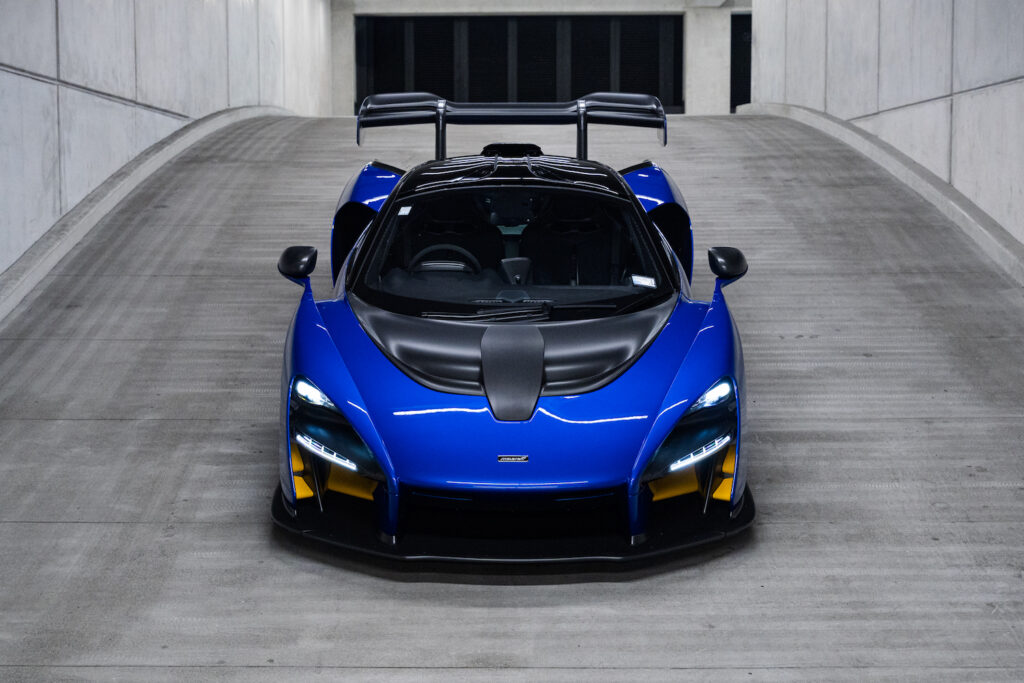
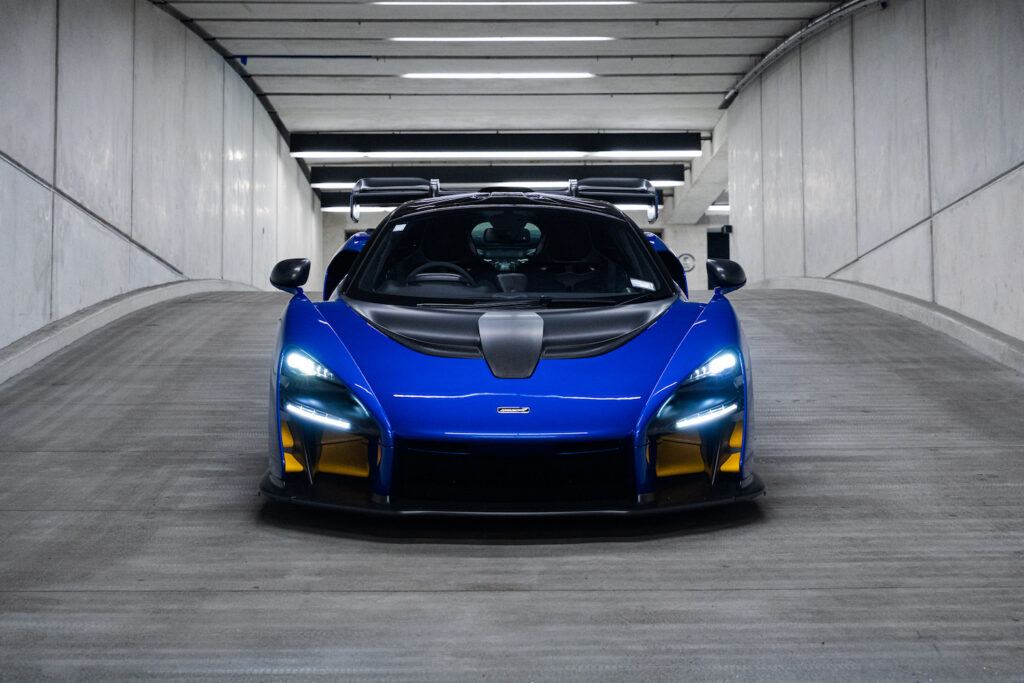
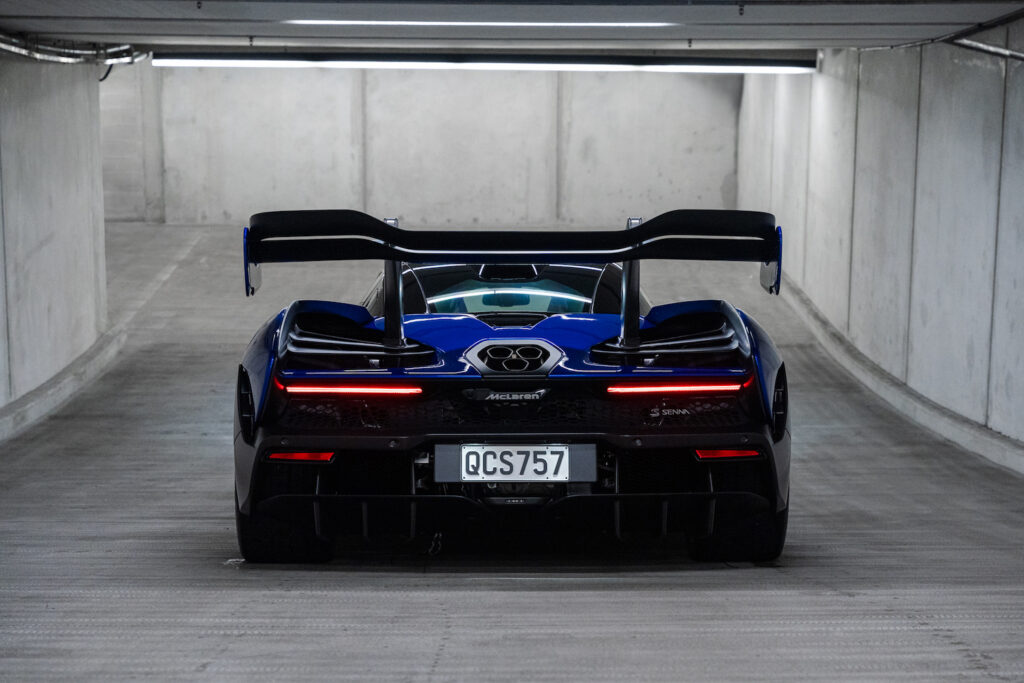
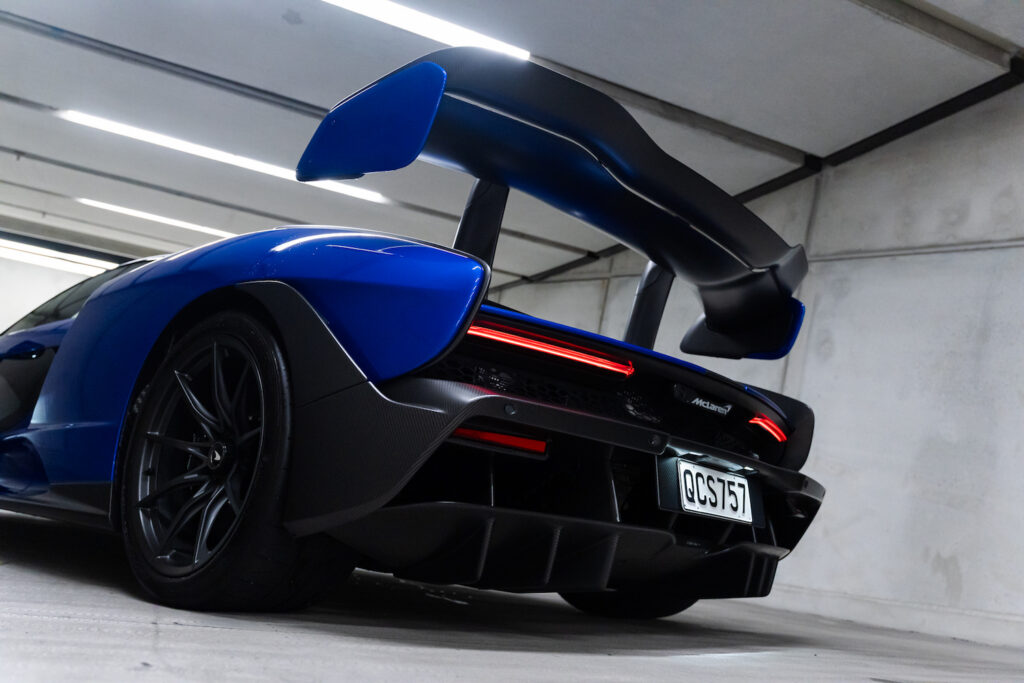
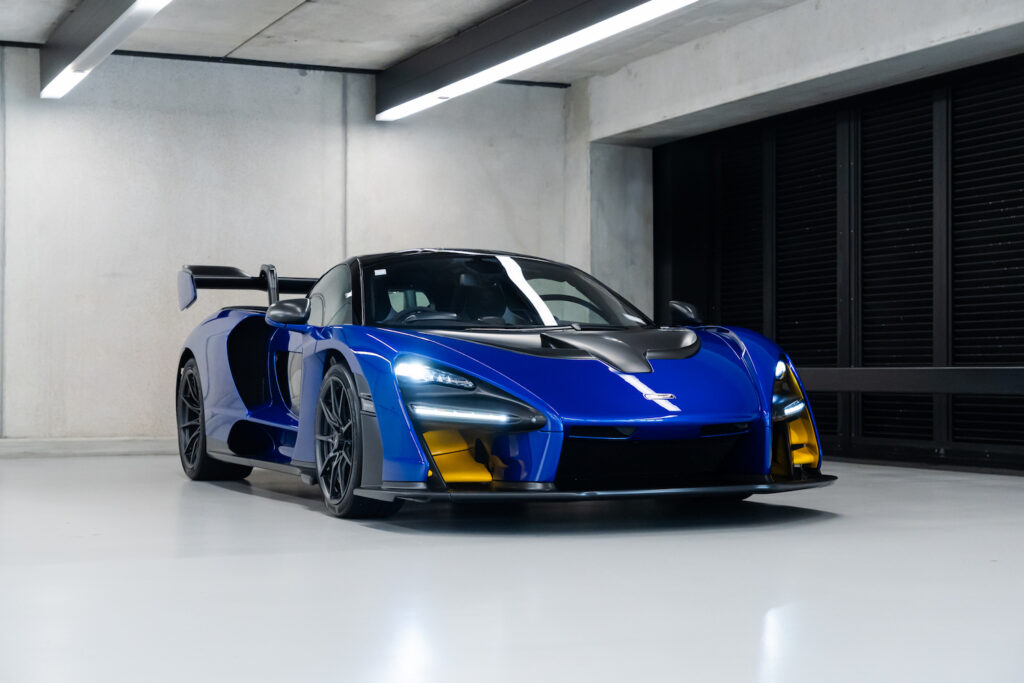
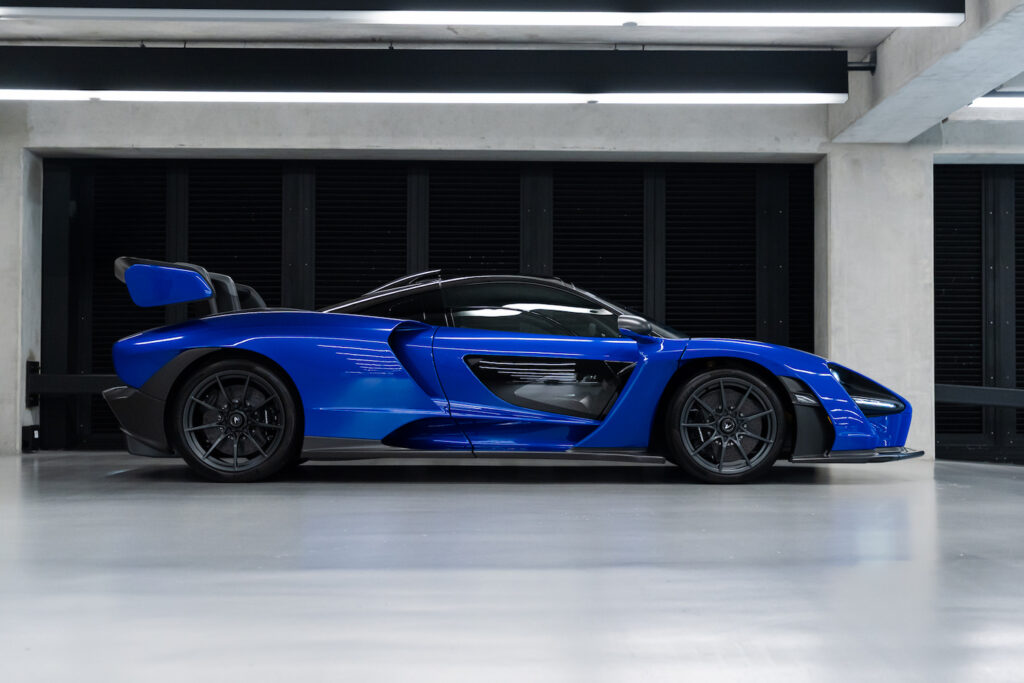
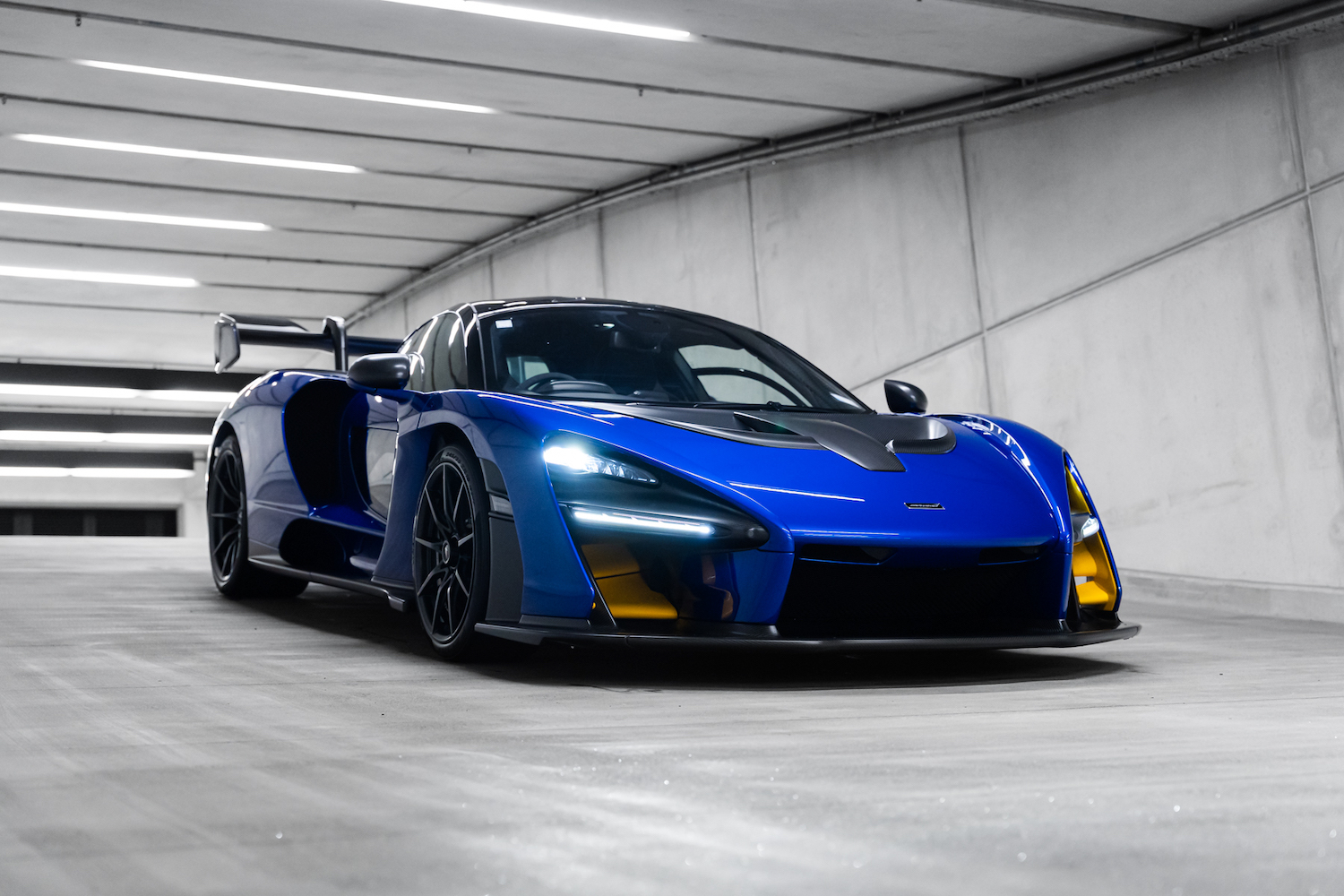
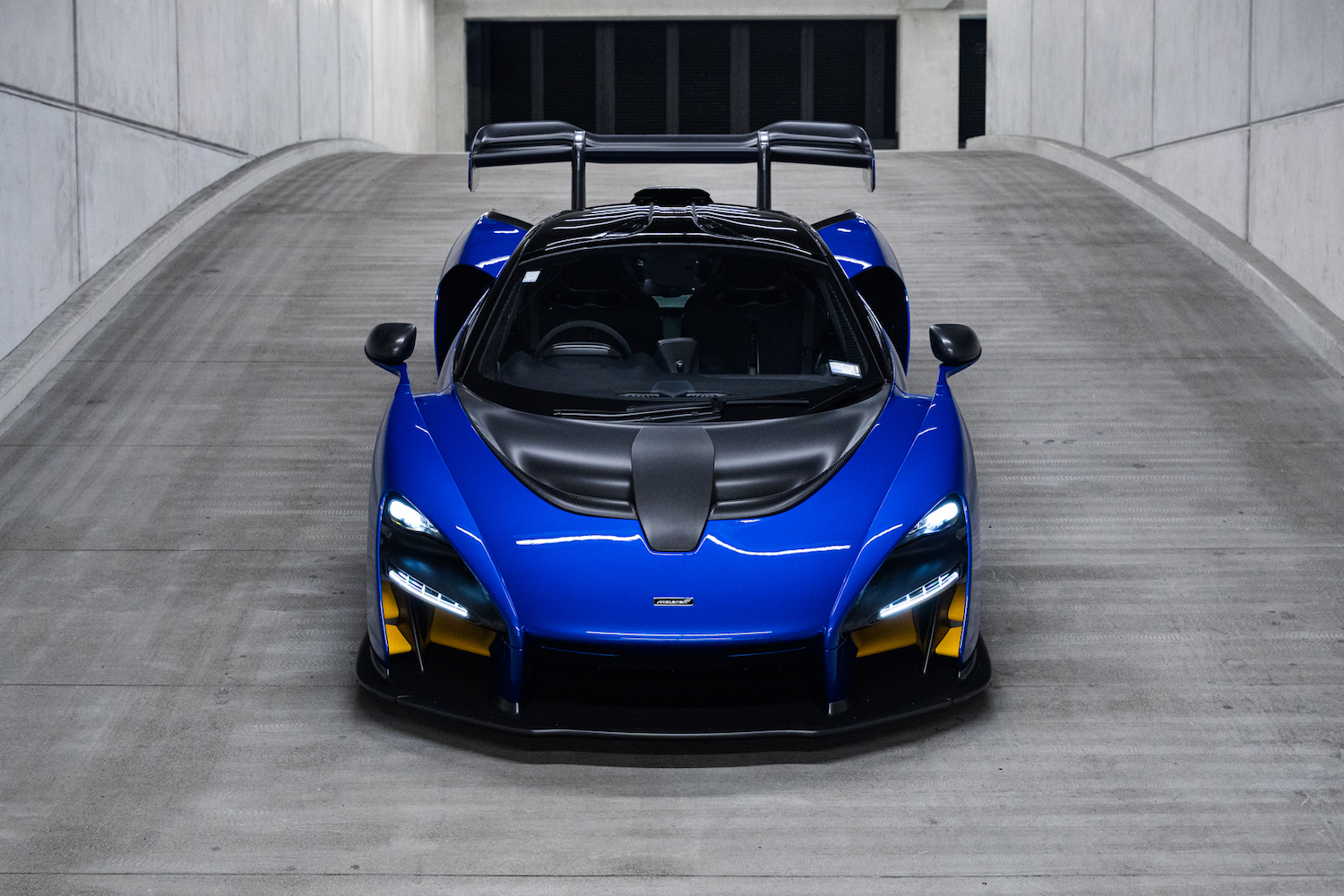
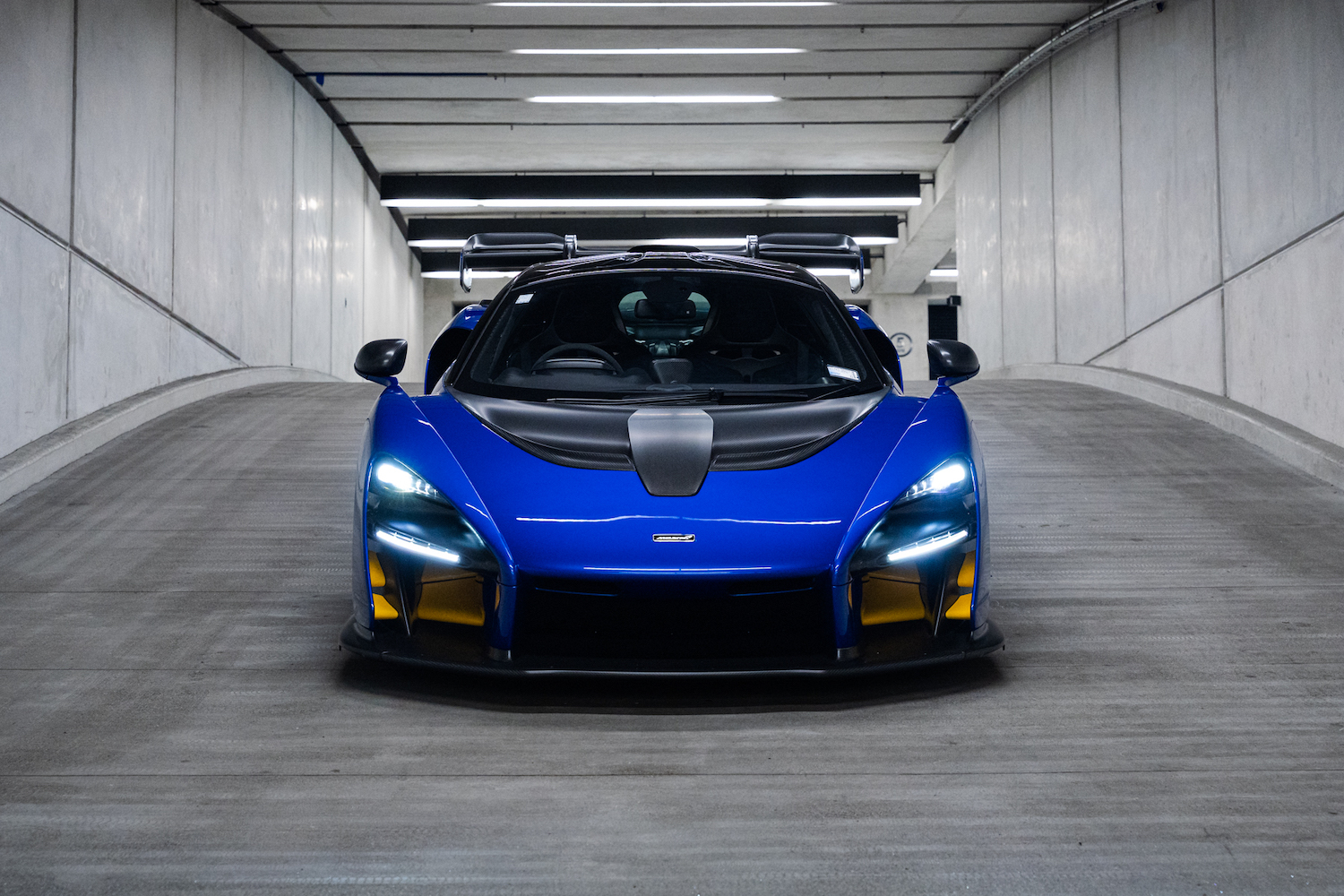
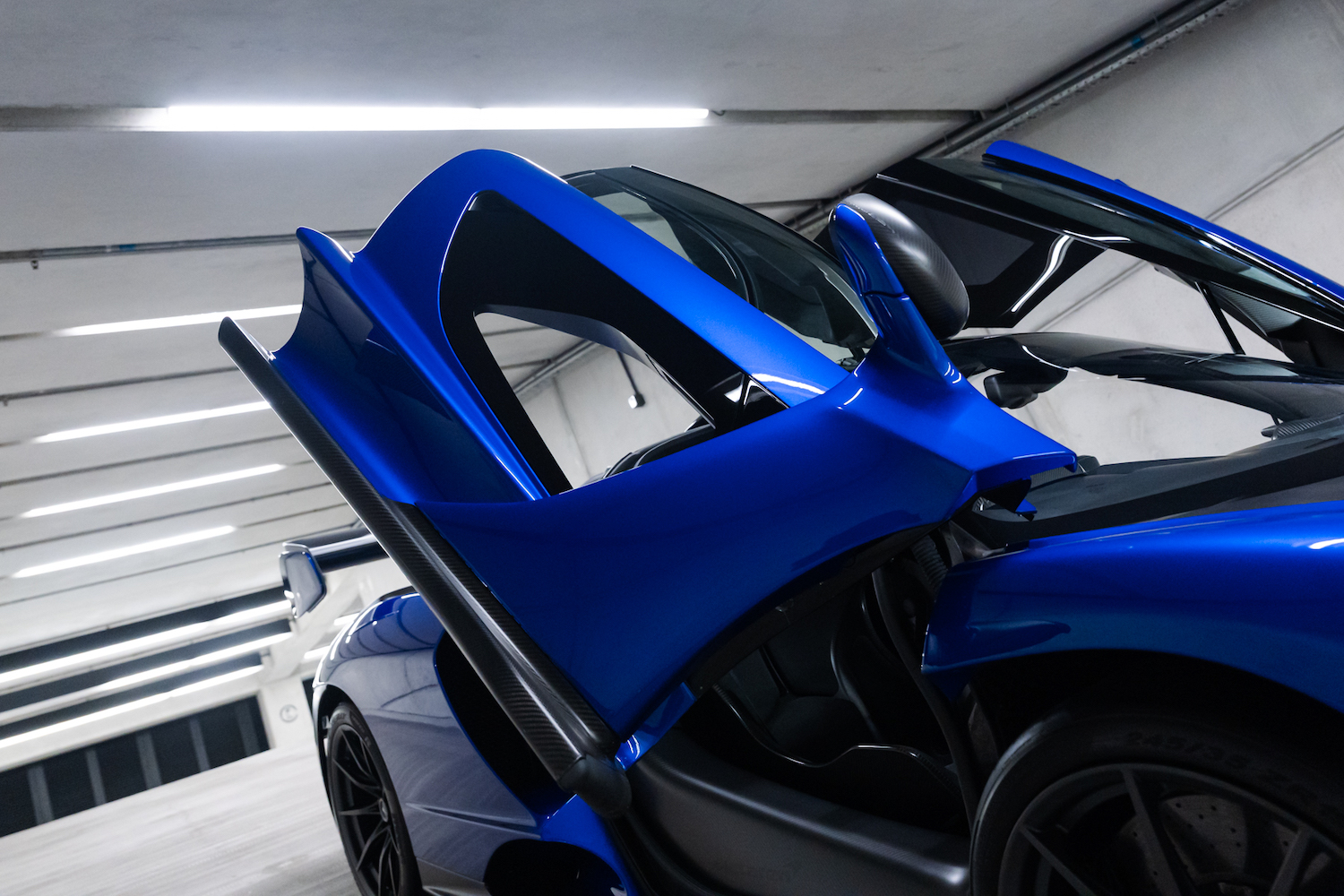
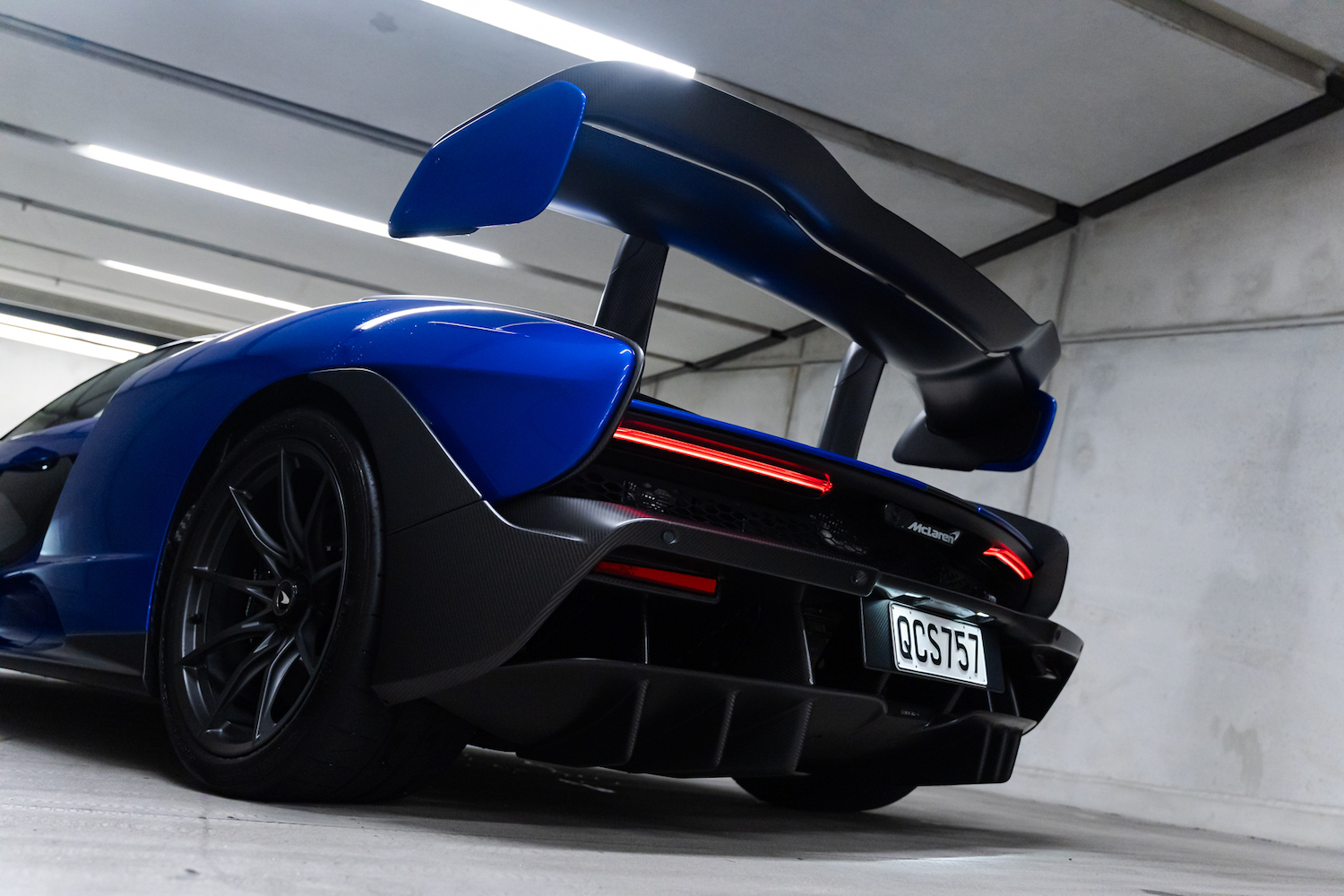
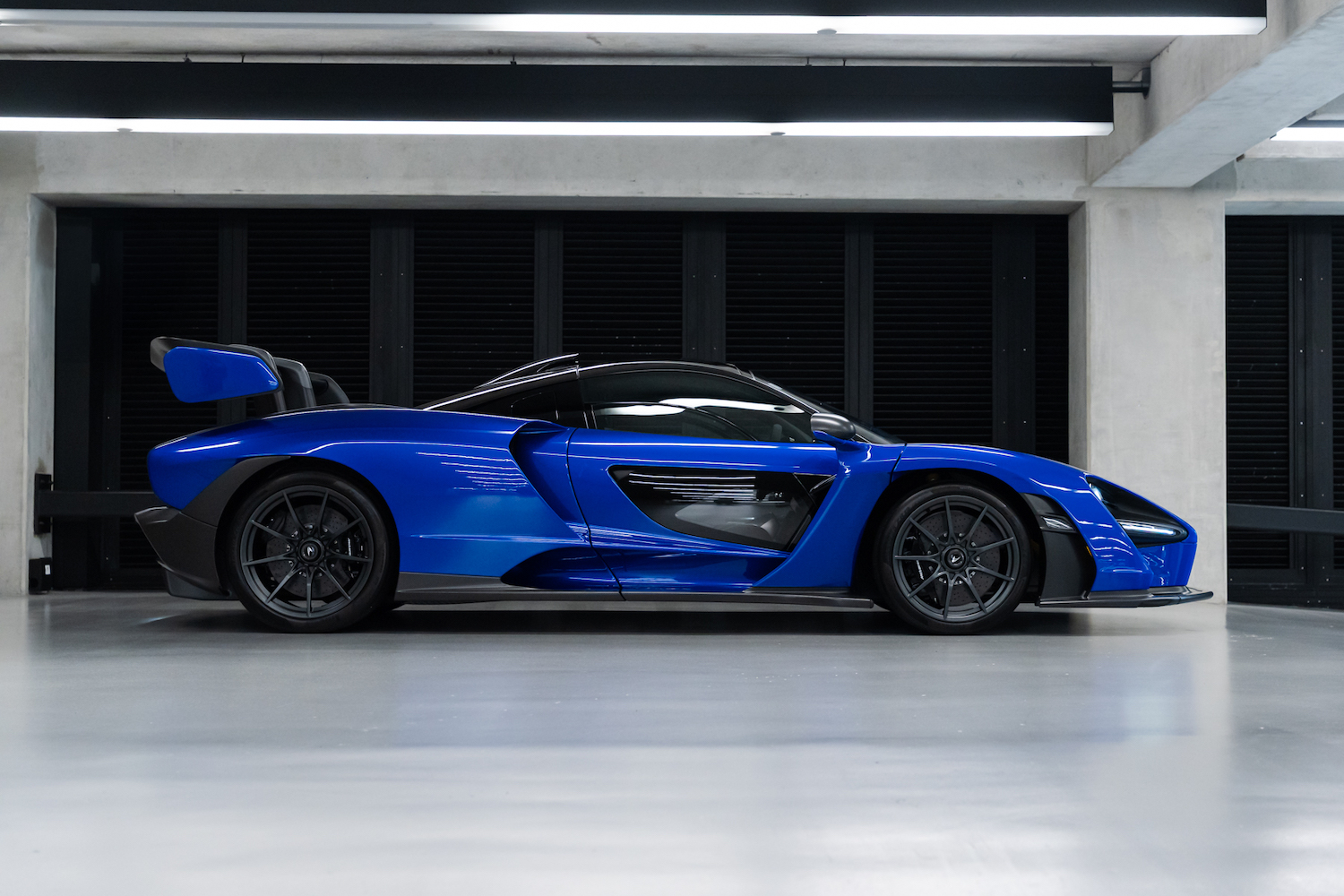
When the Senna first broke cover in early 2018, there was plenty of commentary about the way it looks. McLaren had many targets for its new hypercar, but beauty was not one of them. Just as a coastline is shaped by centuries of wind and rain, the Senna’s form is a consequence of function, the need to shape and guide air to press the car into the tarmac as firmly as possible.
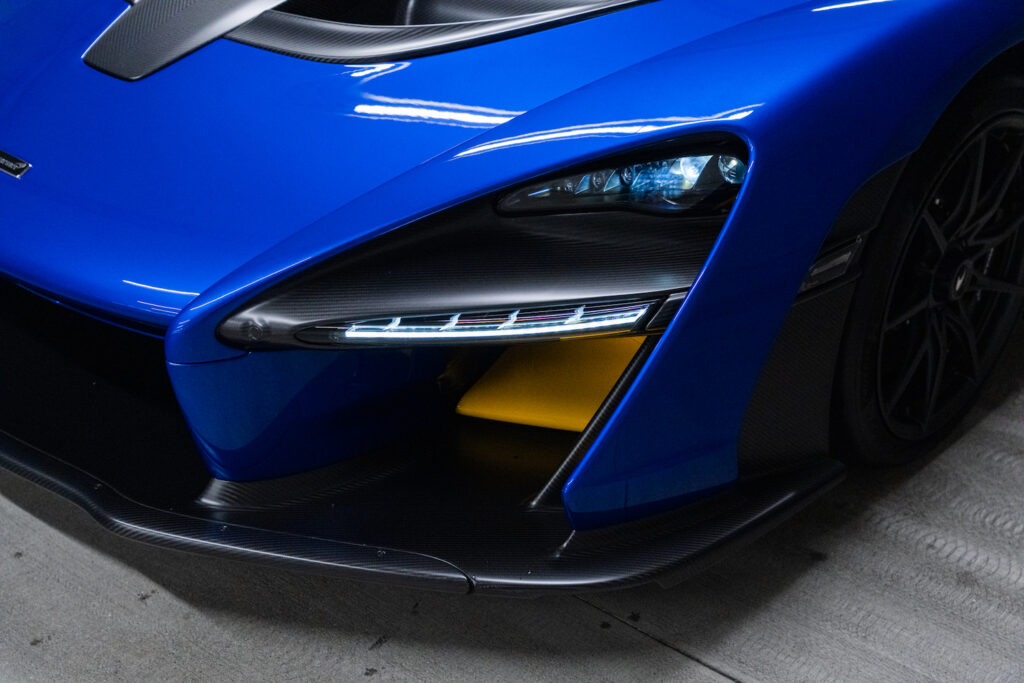
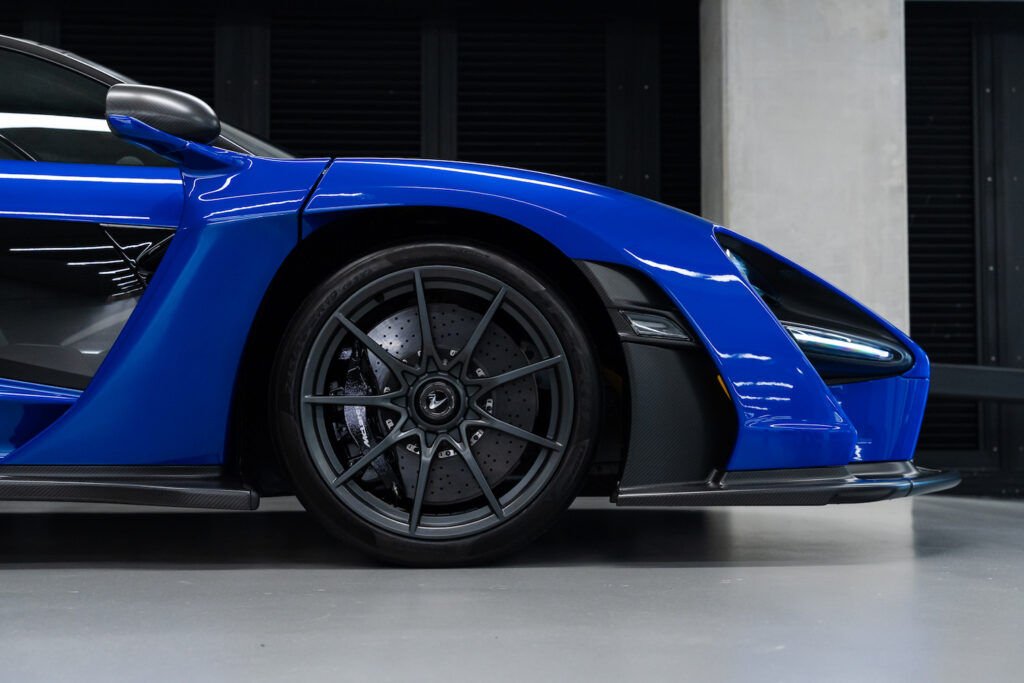
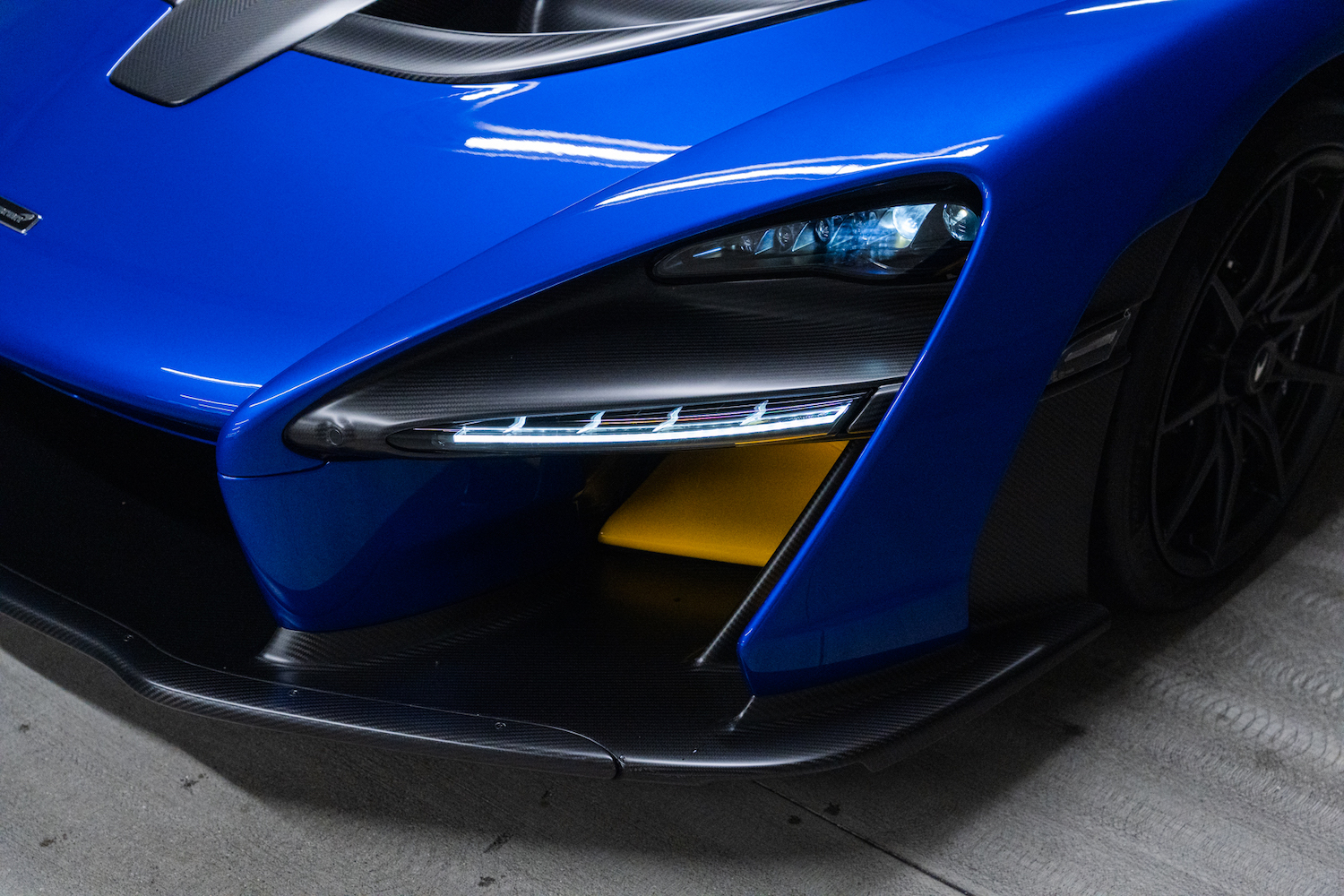
A couple of examples. The luggage space in the front was sacrificed at the altar of aerodynamics, a large central radiator replacing the twin side-mounted units of the 720S to not only improve cooling but send the air out of gaps in the bonnet to be put to work in other areas of the car. Turbulent air from the front wheel wells is also extracted and channeled along the sills to do double duty cooling the rear brakes before being fed into the giant diffuser.
To put its staggering levels of downforce into perspective, a contemporary of the Senna, the 991.2 GT2 RS – admittedly much cheaper, though equally track focused – produces 450kg of downforce with its wings in their most aggressive settings and at its 340km/h top speed.
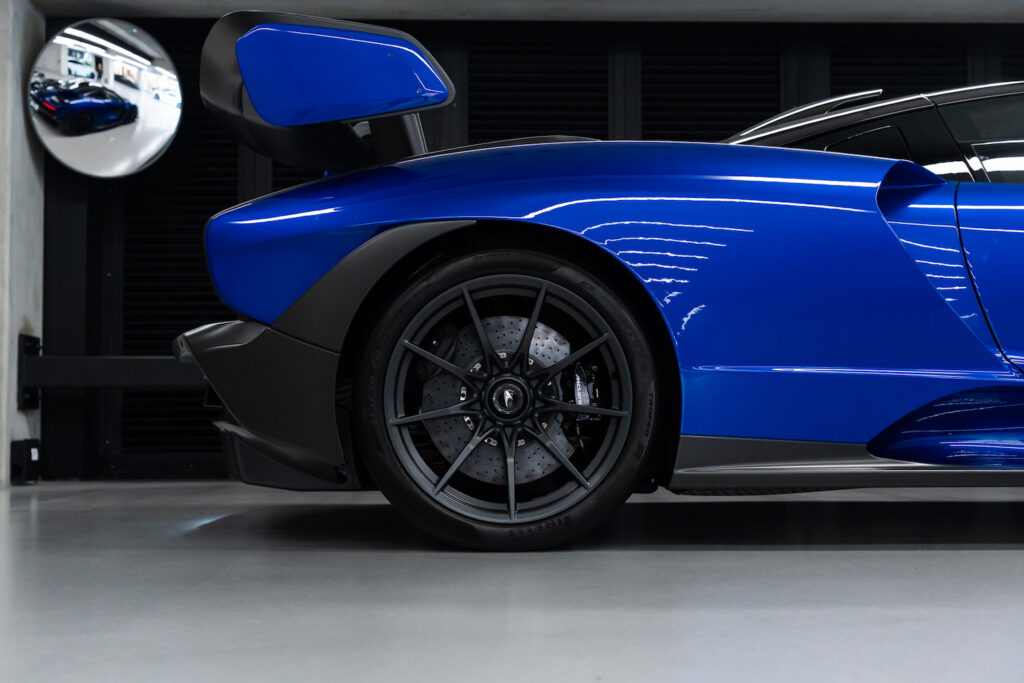
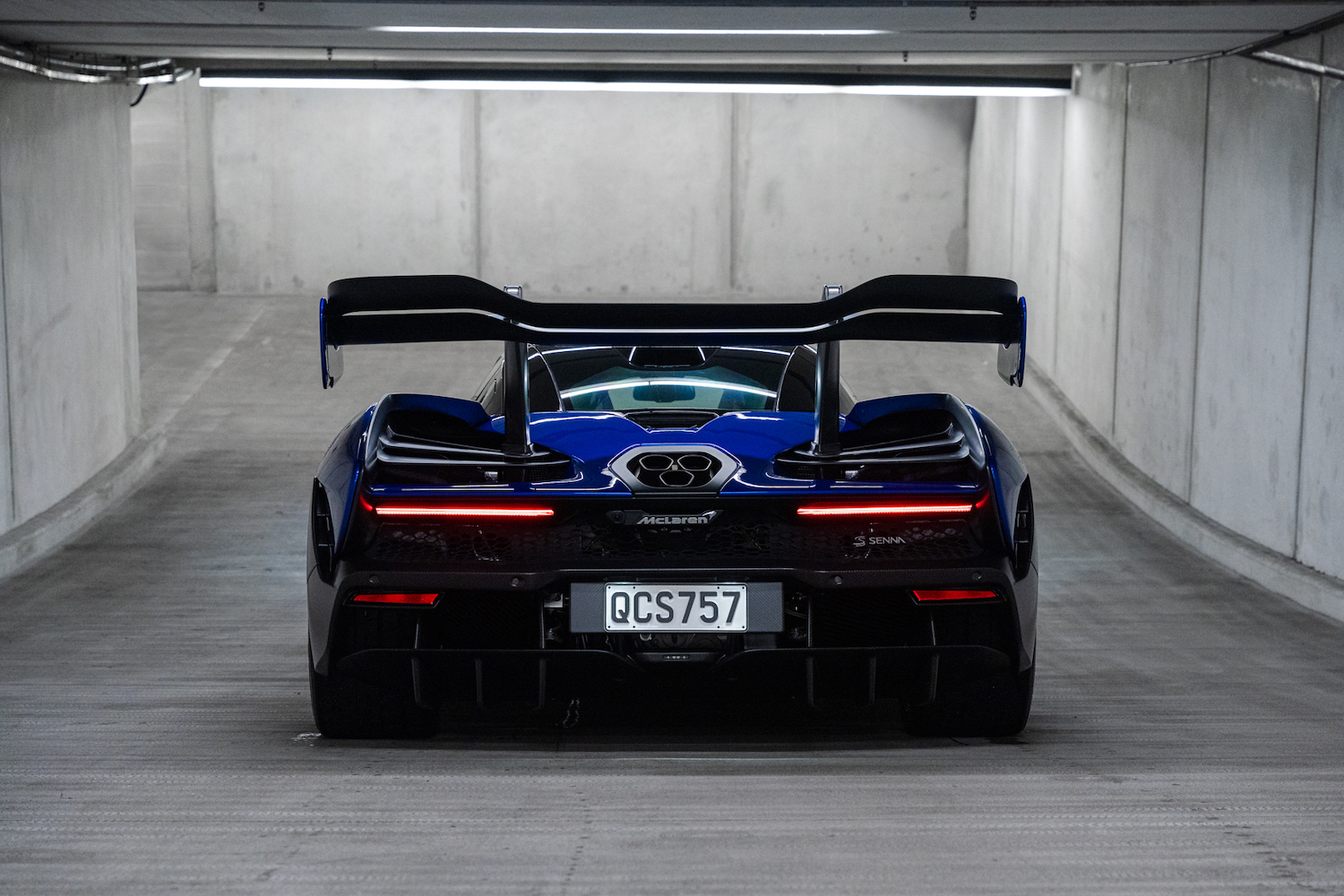
The Senna produces 800kg of downforce at 250km/h, at which point the active aerodynamics bleed off downforce to keep the tyres – road tyres, remember? Albeit Pirelli semi-slicks – within their safe operating window.
To achieve this, a pair of blades underneath each headlight adjust, along with the active rear wing, to not only control overall downforce levels but adjust the aerodynamic balance shift. This is quite extreme in a car that can brake from 200-0km/h in just 100 metres, 16 metres (or 16 per cent!) shorter than even the P1.
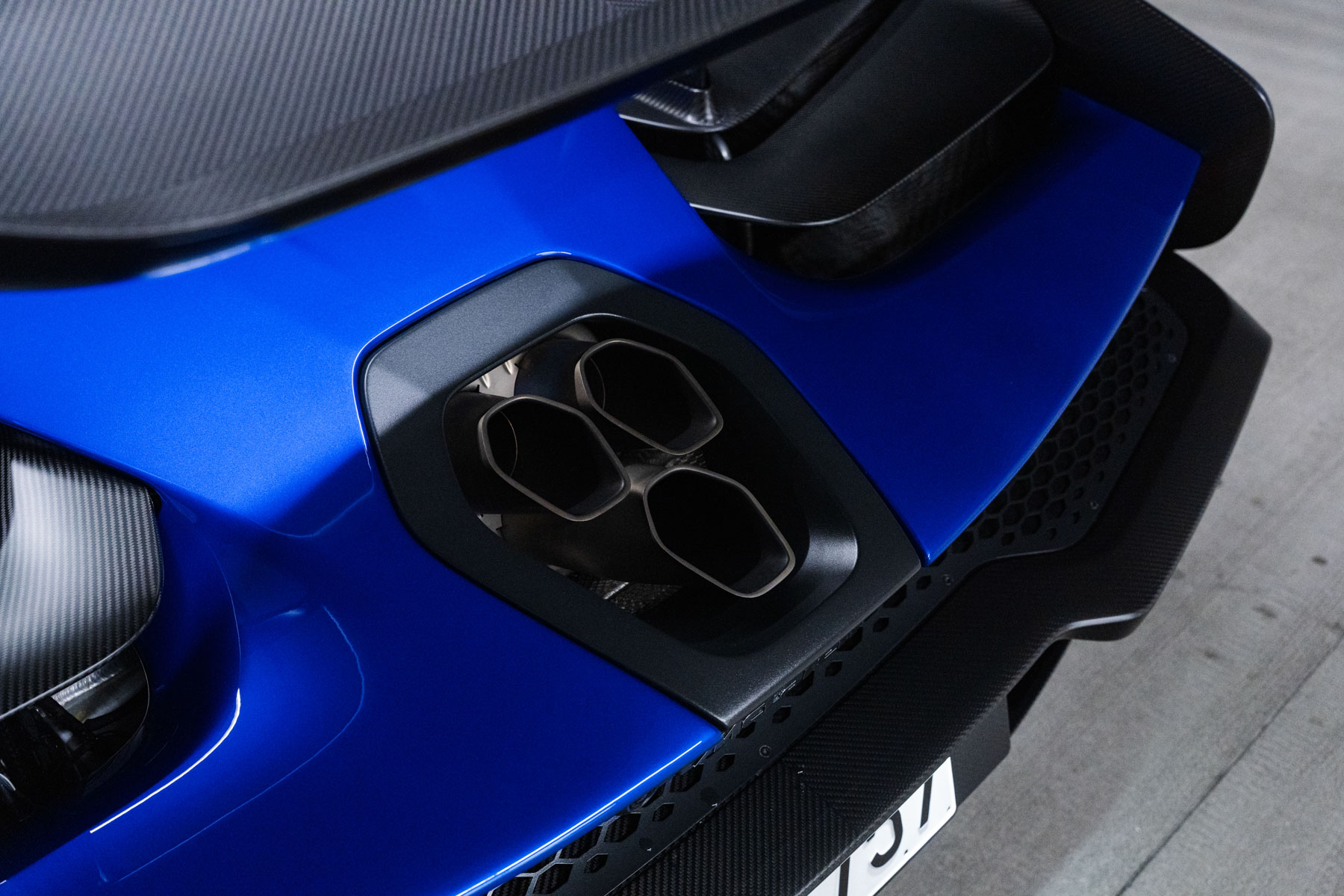
Eight-hundred is a bit of a theme for the Senna, as it also produces 800 metric horsepower (or 588kW or 789bhp) and 800Nm. The 4.0-litre flat-plane, twin-turbo V8 is a derivation of that in the 720S, but new cams, pistons, intake manifold and exhaust – made from an exotic cocktail of titanium and Inconel – improves outputs by 58kW and 30Nm.
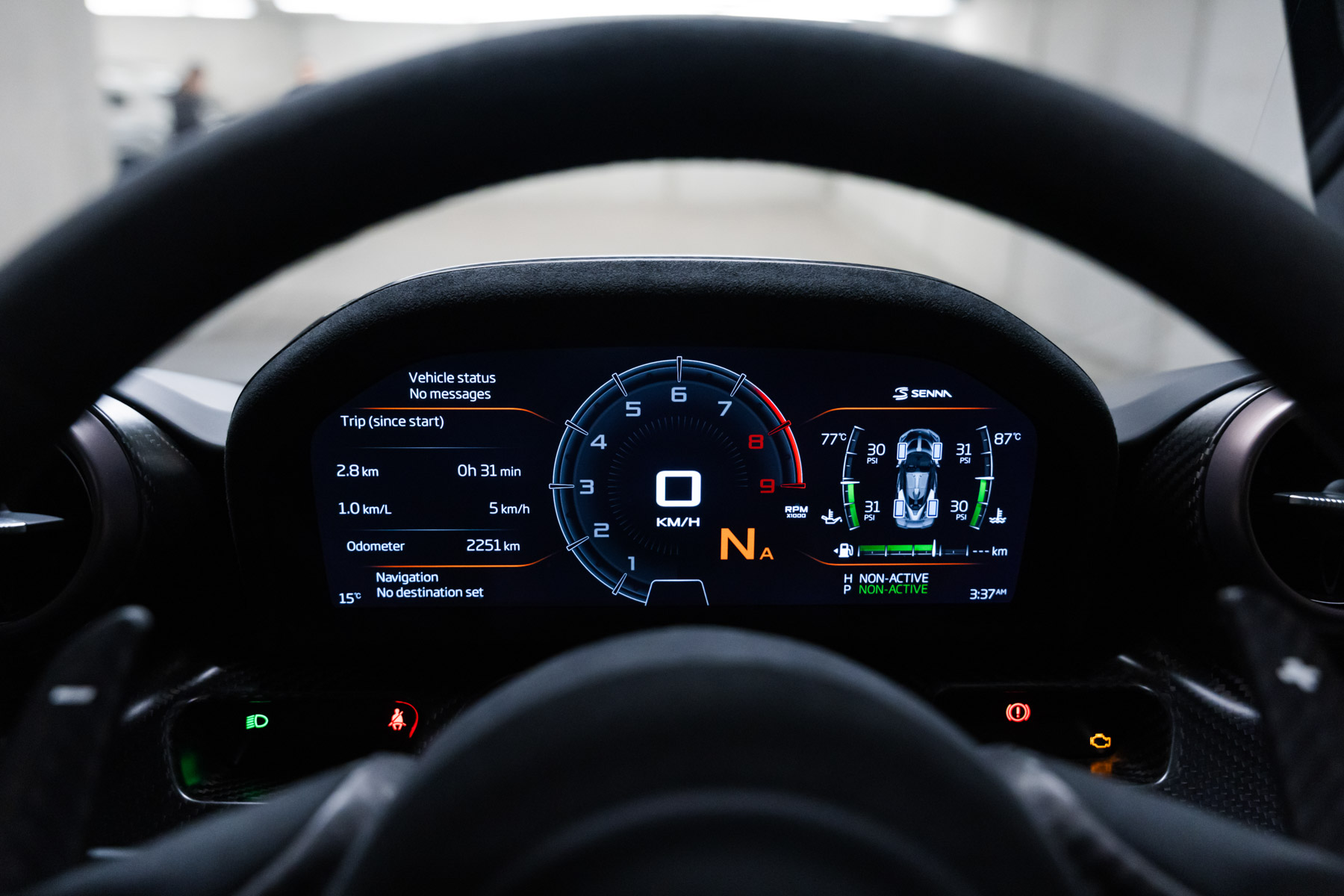
Straight-line performance may play second fiddle to cornering when it comes to the Senna’s priorities, but it’s far from lacking. The sprint to 100km/h takes 2.8sec, hitting 200km/h needs only another four seconds (6.8sec) and 300km/h only requires 17.5sec. For those more familiar with quarter-mile times, the Senna manages that in 9.9sec.
But if McLaren finessed the powertrain and focused on the aerodynamics, it was fanatical about saving weight. Word is that after the engineering team had finished their comprehensive lightweighting process, they were challenged to then find another five per cent.
At the Senna’s core is McLaren’s Monocage III carbon fibre monocoque, though with a double-walled carbon crash structure that negates the need for a rollcage. Aluminium subframes are attached front and rear to mount the powertrain and suspension and the carbon body panels weigh just 60kg.
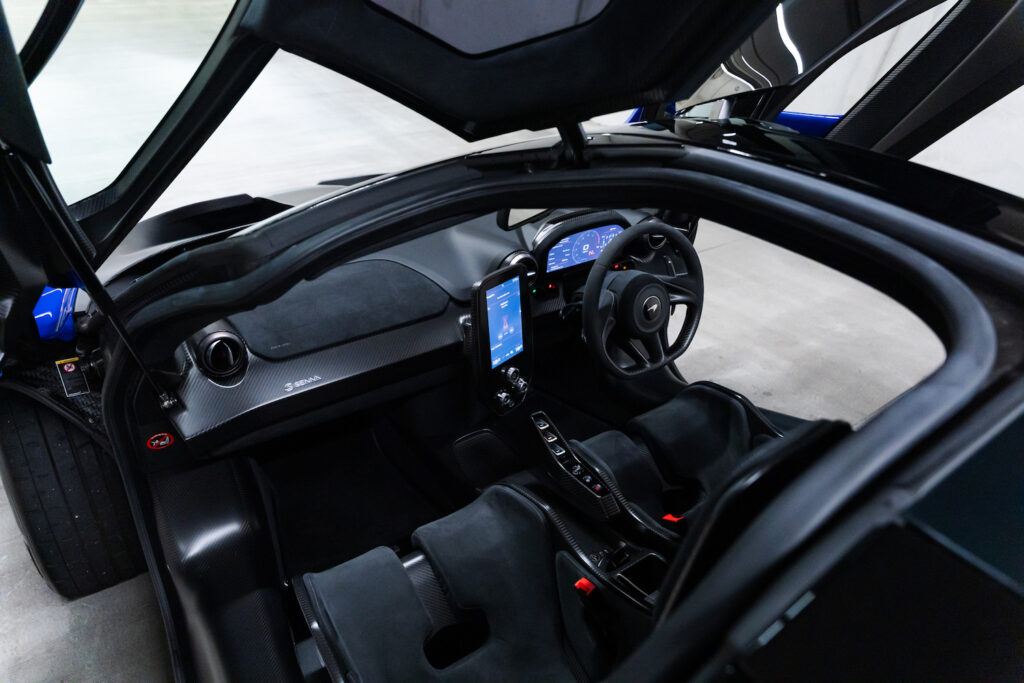
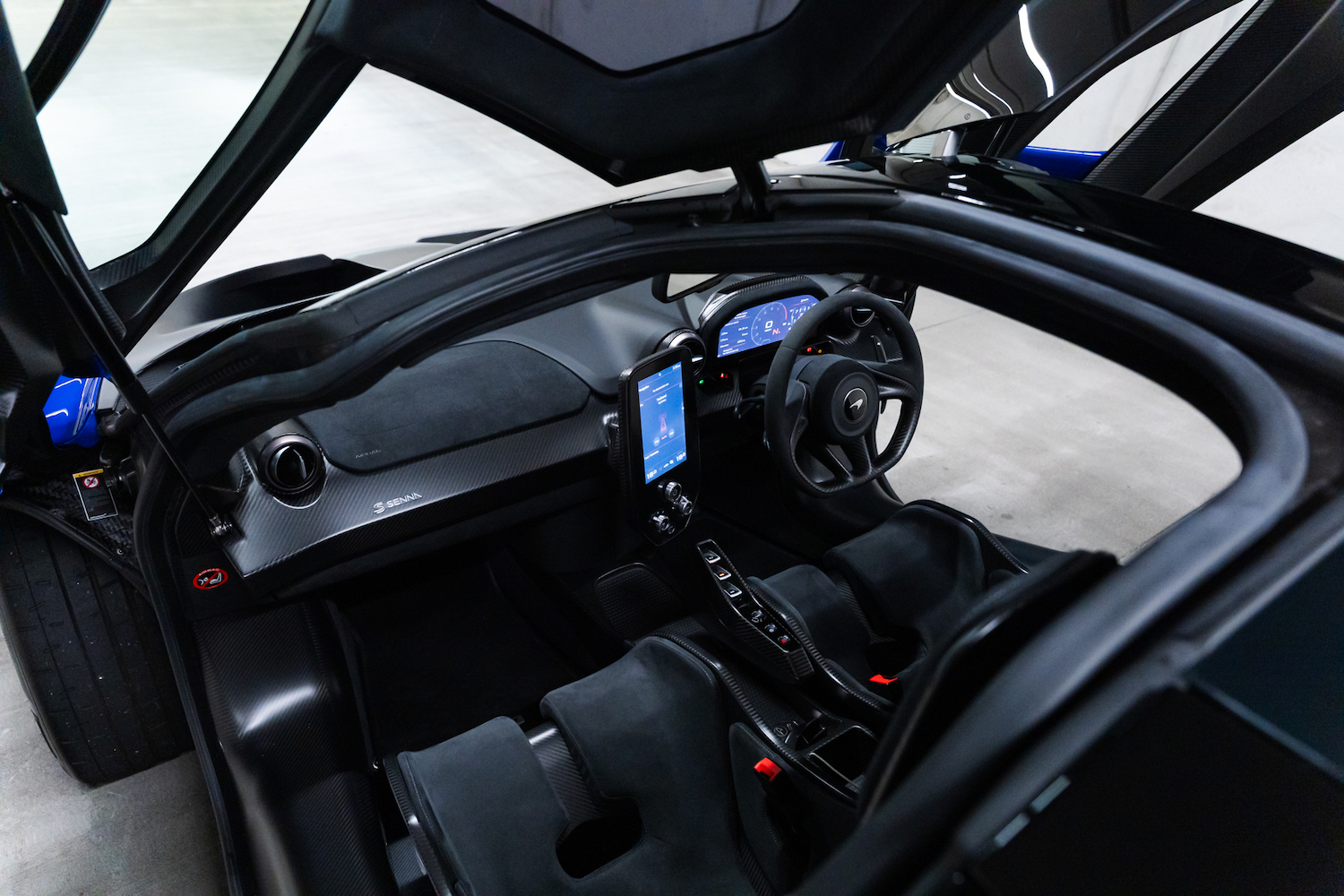
But this is all relatively obvious stuff; to hit its extreme targets, McLaren had to get nerdy. A change of bolt cut the weight of each by a third and the electrical system is 20 per cent lighter than that of the 720S thanks to moves like housing all the major interior controls in a central roof-mounted pod to save on wiring.
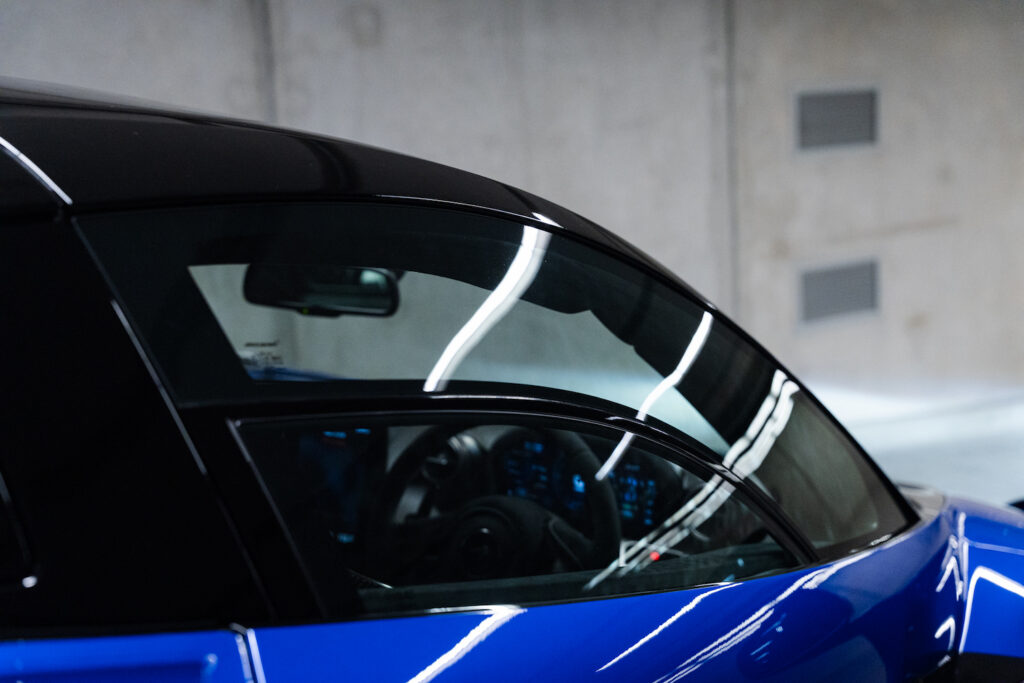
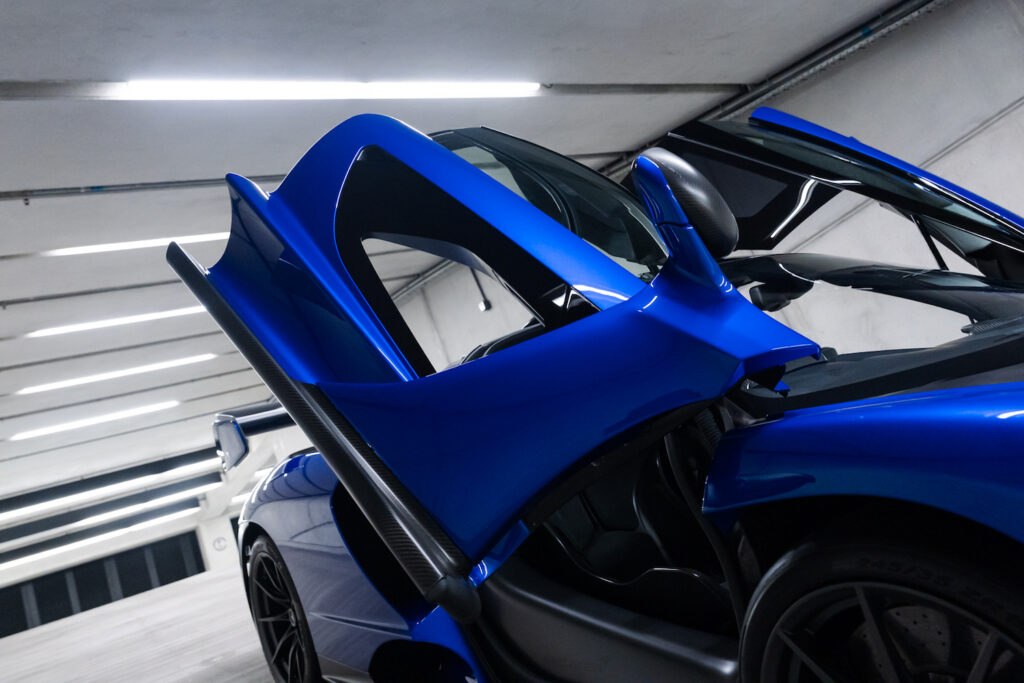
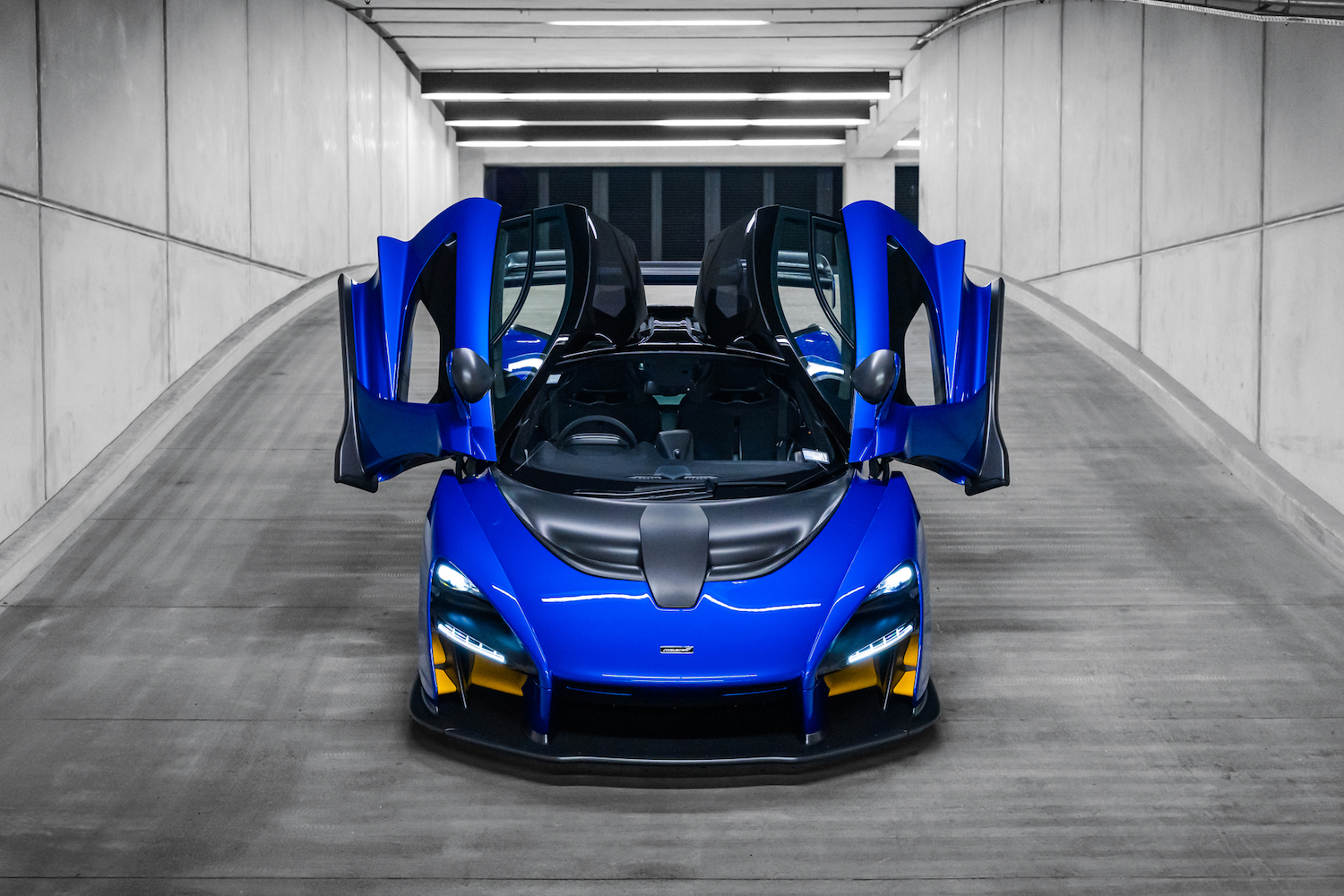
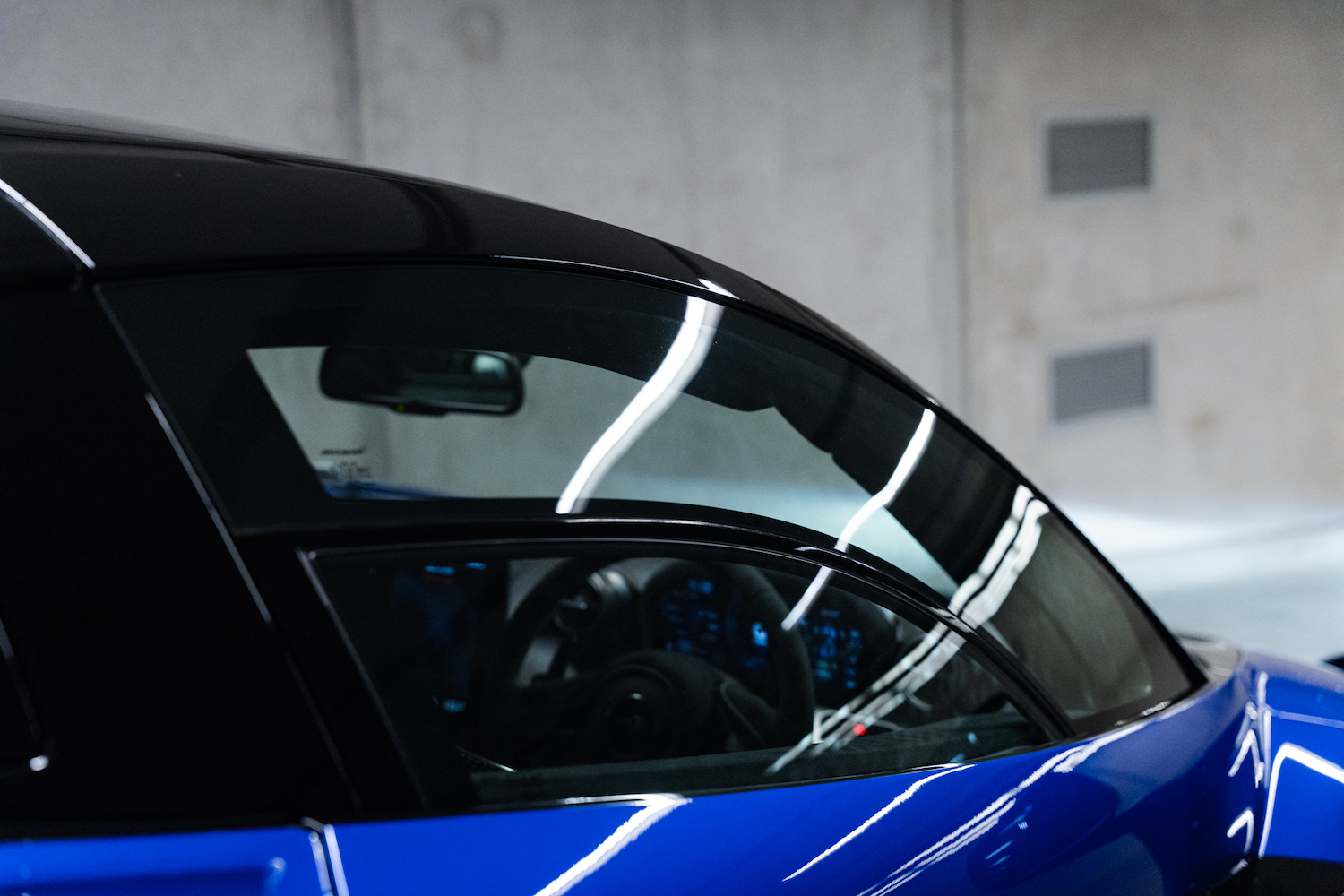
The windows only drop halfway, allowing thinner door skins and smaller electric motors to be used, as well as the installation of one of the Senna’s signature design elements, the clear panels in the base of the doors.
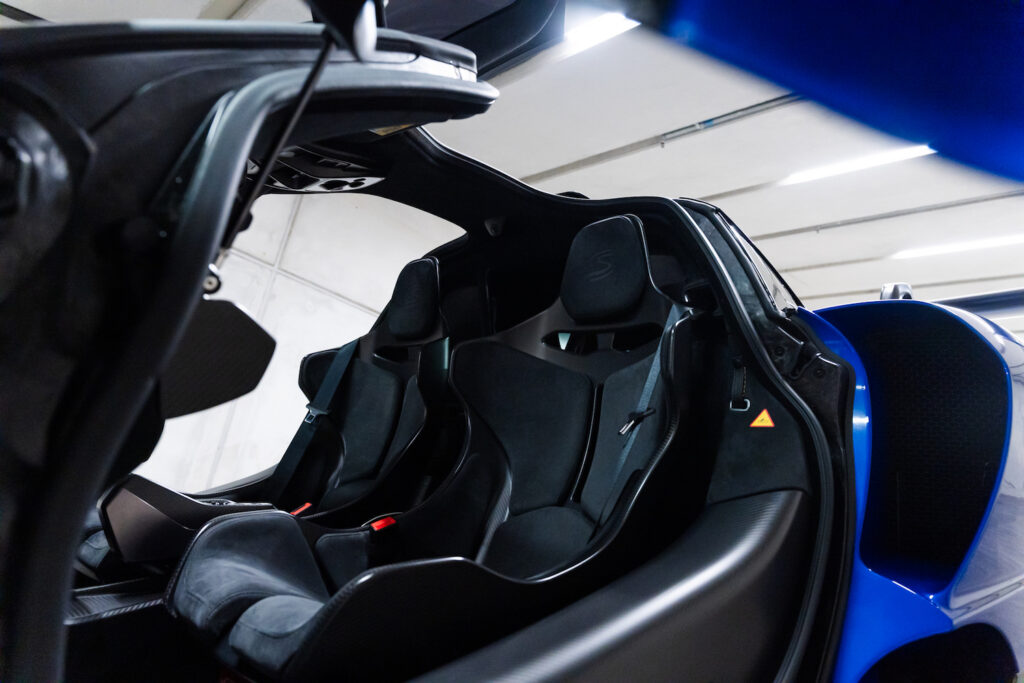
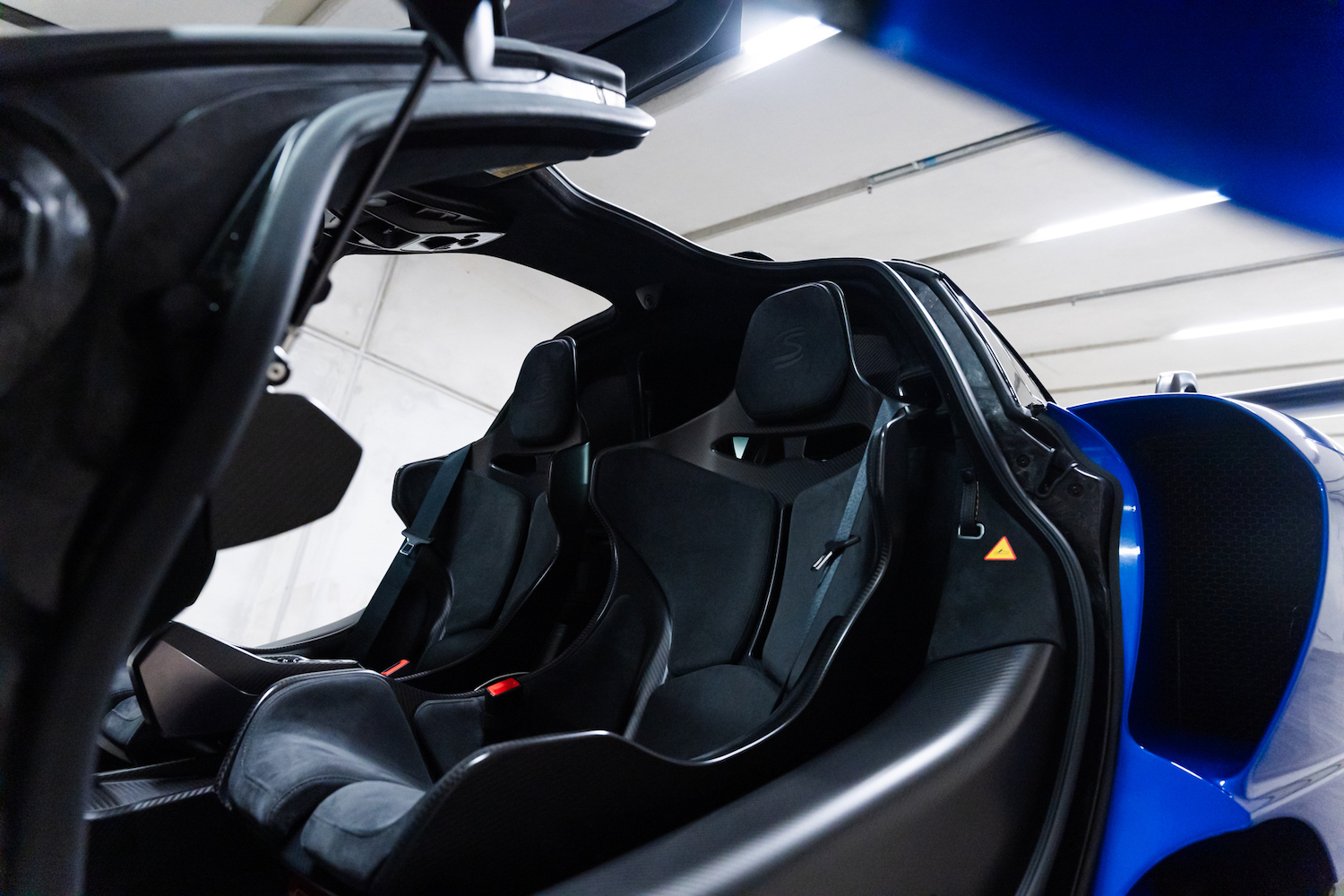
Each carbon seat bucket weighs just 3.35kg, the seats from the P1 being subjected to further structural analysis to allow for the removal of more material, while pressure sensing meant McLaren could get away with only putting padding where it was actually needed, saving 475g. The total result was an 85kg reduction over the already shredded 720S.
The final trick up the Senna’s, well, non-existent sleeves (they would be too heavy) is its suspension. There are conventional coil springs and dampers, but they don’t perform in a conventional way.
The former are just used to provide a static ride height, while the latter can adjust their stiffness through various drive modes. However, it’s the hydraulic system that links those dampers that really controls how the Senna behaves and does away with the need for anti-roll bars.
Each damper is connected hydraulically, with a pair of chambers that suppress heave (fore-aft movement) and roll (side to side). Put the car in Race mode and not only does the ride height drop by 39mm at the front and 30mm at the rear, working the underfloor aero harder, but the hydraulic spring rates increase by 100 per cent for heave and 150 per cent for roll.
The one chink in the Senna’s armour is the tyres. Not because there is anything wrong with the Pirelli P Zero Trofeo R rubber fitted, quite the opposite, simply that the loads created by the car are beyond what any road tyre can cope with.
It must be said that this won’t be a problem for mere mortals, but a couple of media outlets sent professional racing drivers to the launch and their feedback was the same: it’s a more powerful GT3 racing car but needs proper tyres.
Of course, if you’re the owner of a Senna, chances are having a spare set of wheels with slicks attached for track days isn’t a huge issue.McLaren itself also proffered a solution in the form of the Senna GTR, removing the standard car’s road usability in exchange for another 18kW, 10 fewer kilograms, suspension from the 720S GT3 racer and 1000kg of downforce. Just 75 were built.
It would have been easy for McLaren to look foolish with the Senna, but in the end its confidence was justified in the creation of one of the most potent and special hypercars ever made.Register to bid on RetroRides 2018 McLaren Senna here RRAuctions.com.au