
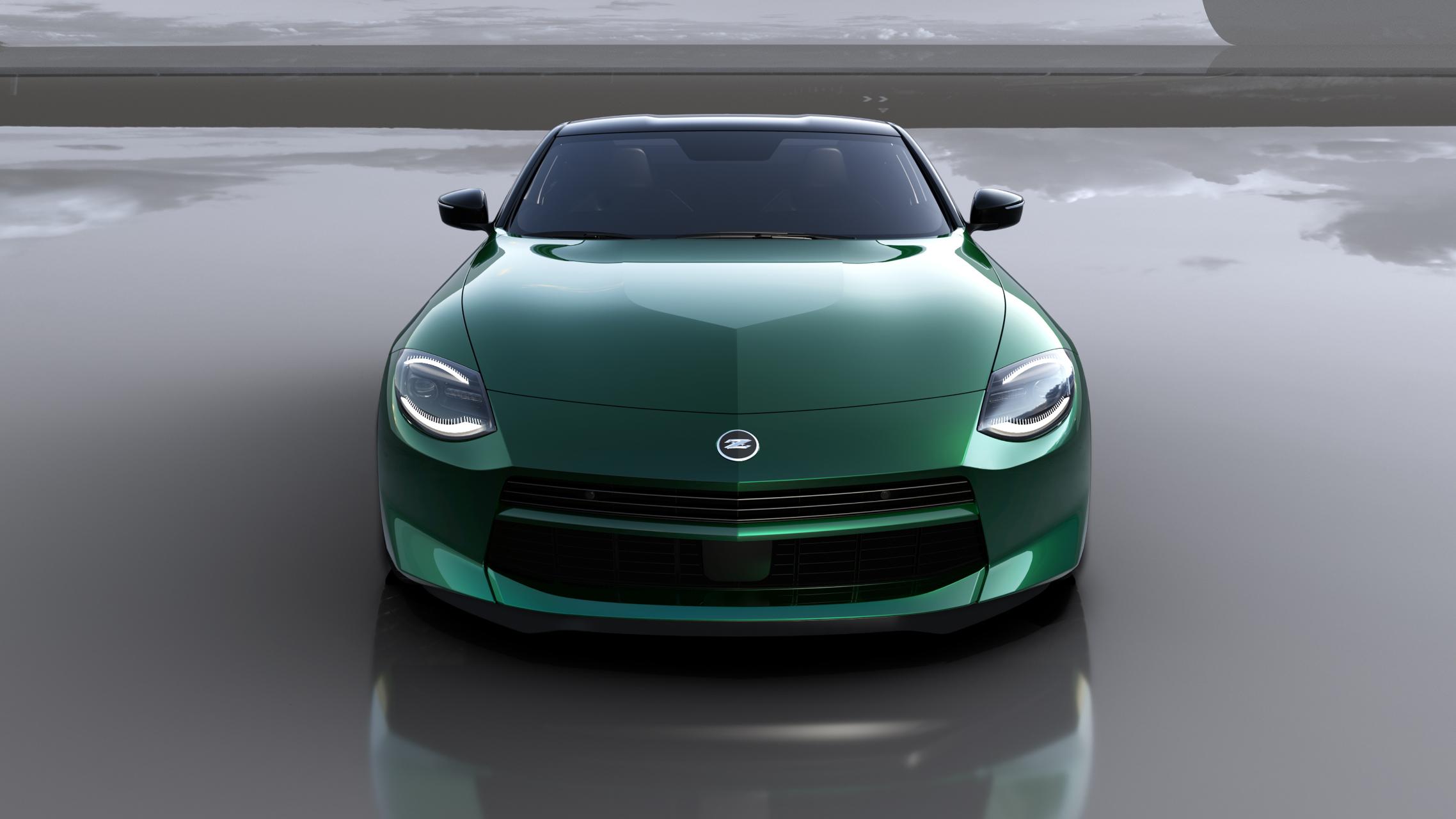
Seek and you shall find. Ask and you shall receive.
These biblical intonations were rattling around in the collective consciousness of the Retro Rides team recently when it dawned on us that we were just weeks out from the All-Japanese Auto Show and had nothing to wear!
In need of a reputable Japanese performance car that could hold its own amongst the expected fleet of Nissan GT-Rs, Mitsubishi Evos, Subaru WRXs and Toyota GRs, the redoubtable Quinlan suggested we give Nissan Australia a call and ask if they have a Nissan Z not turning a wheel.
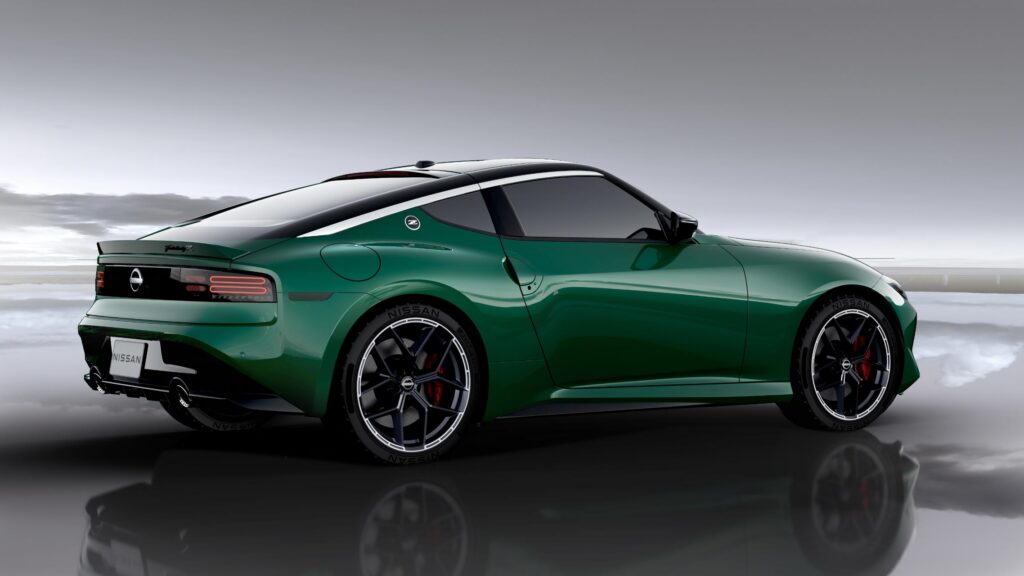
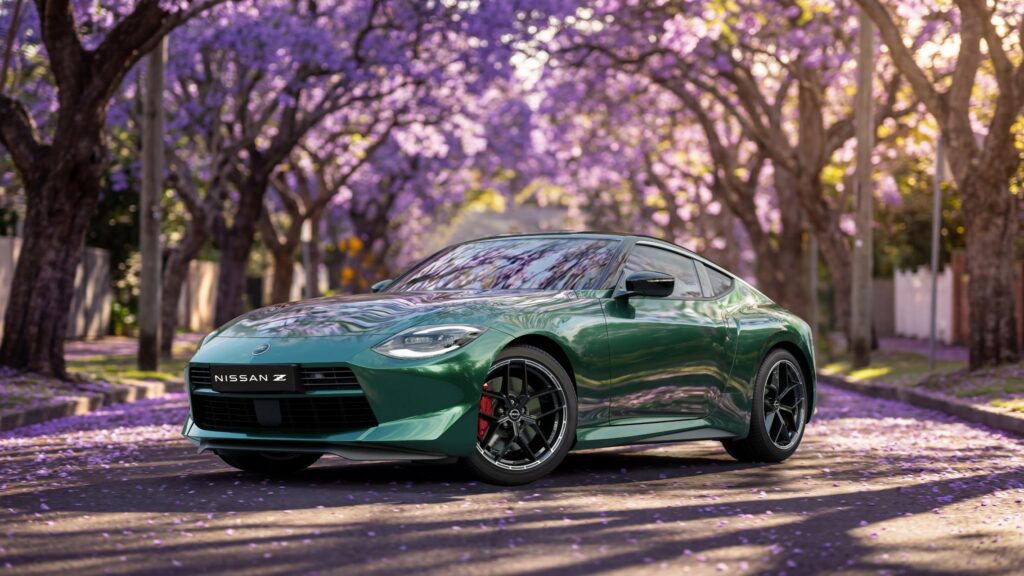
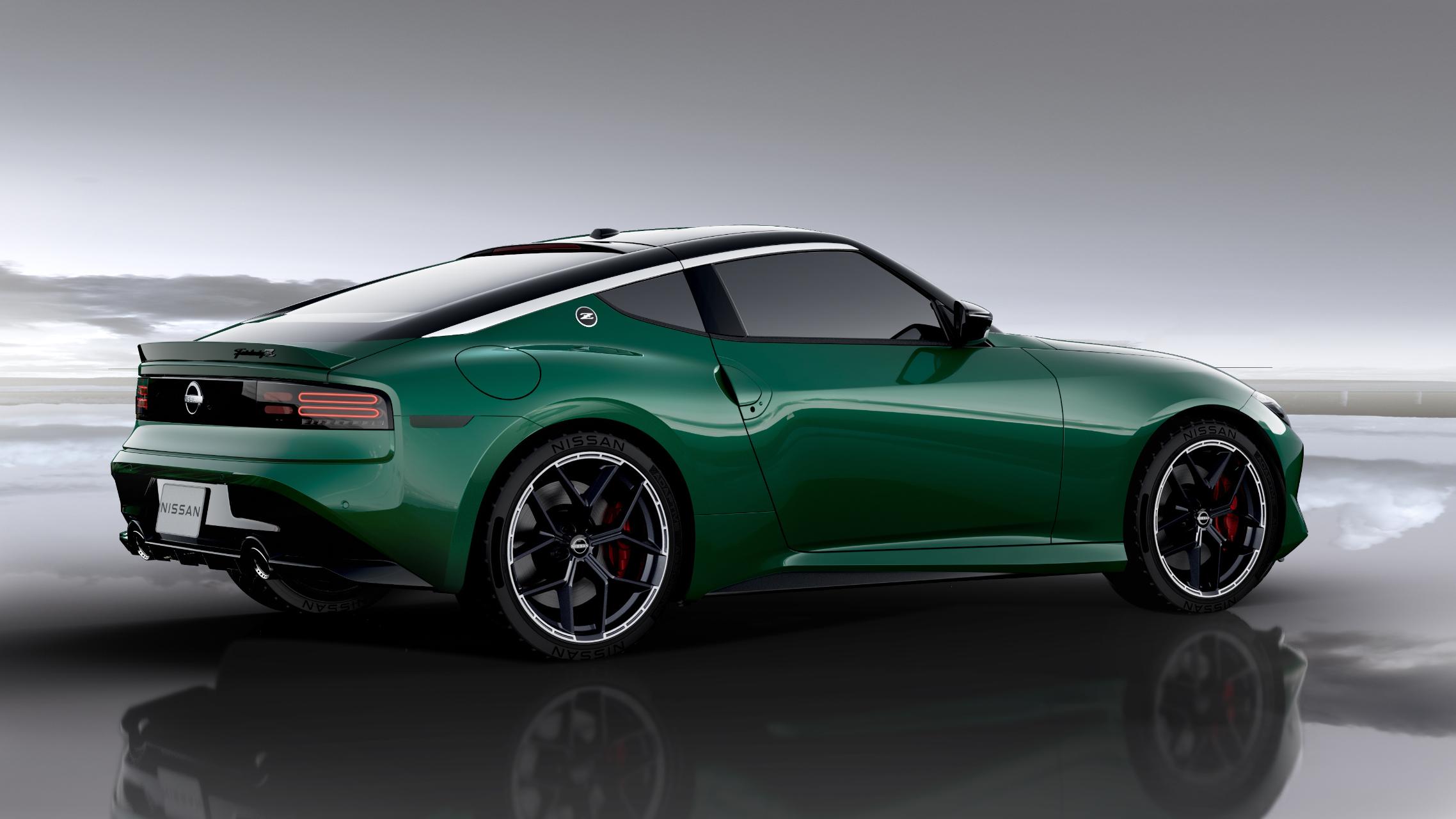
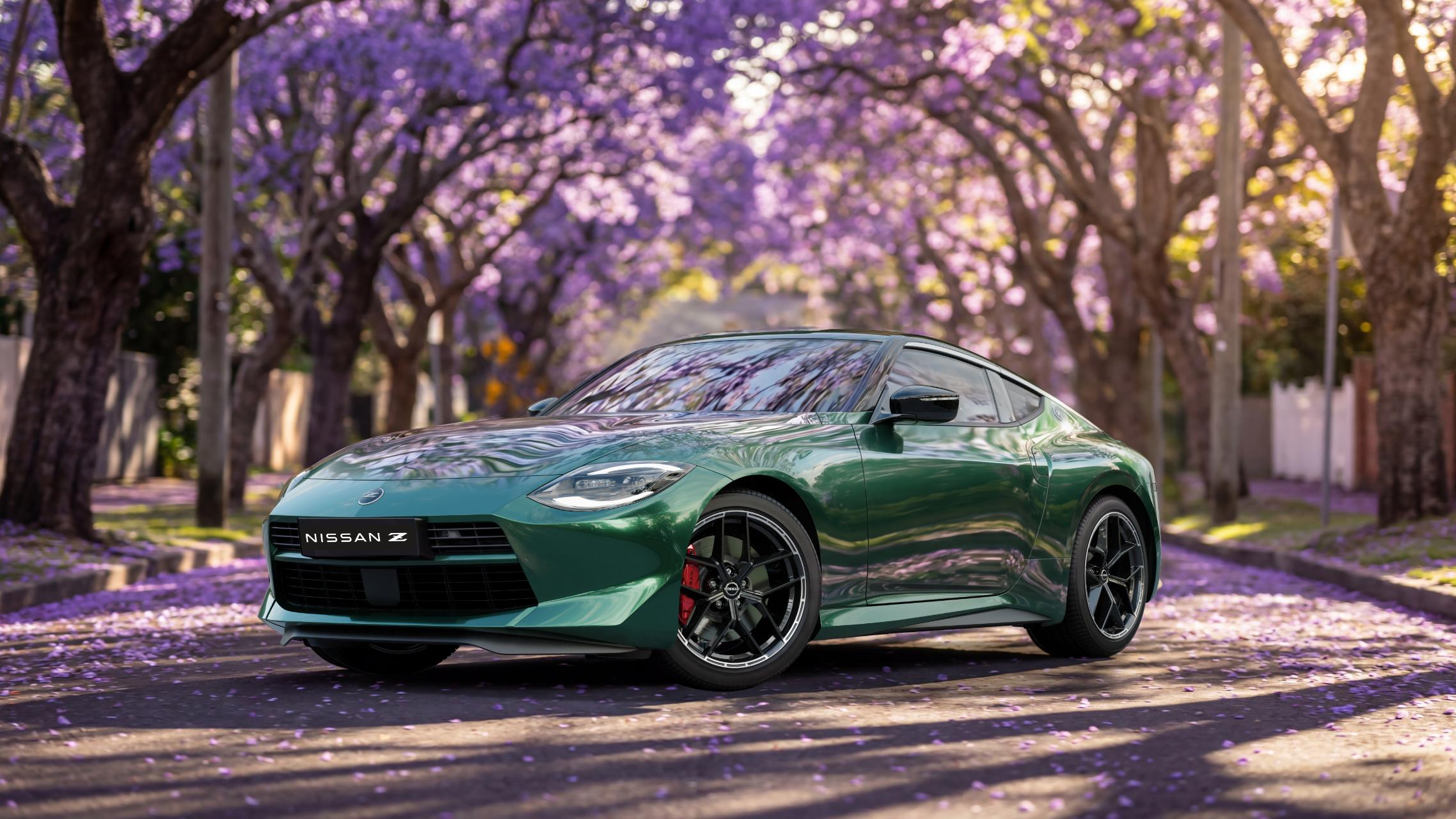
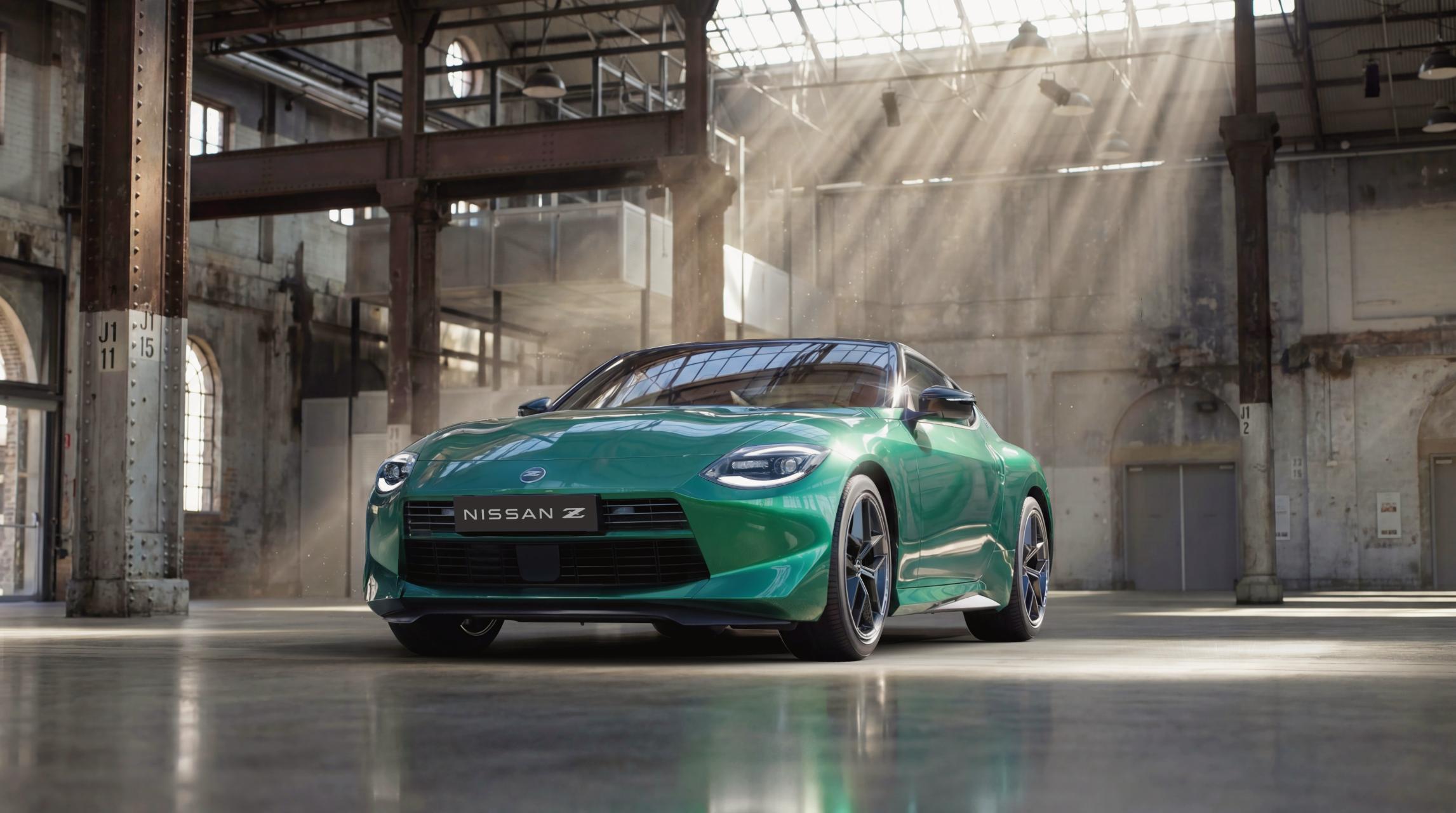
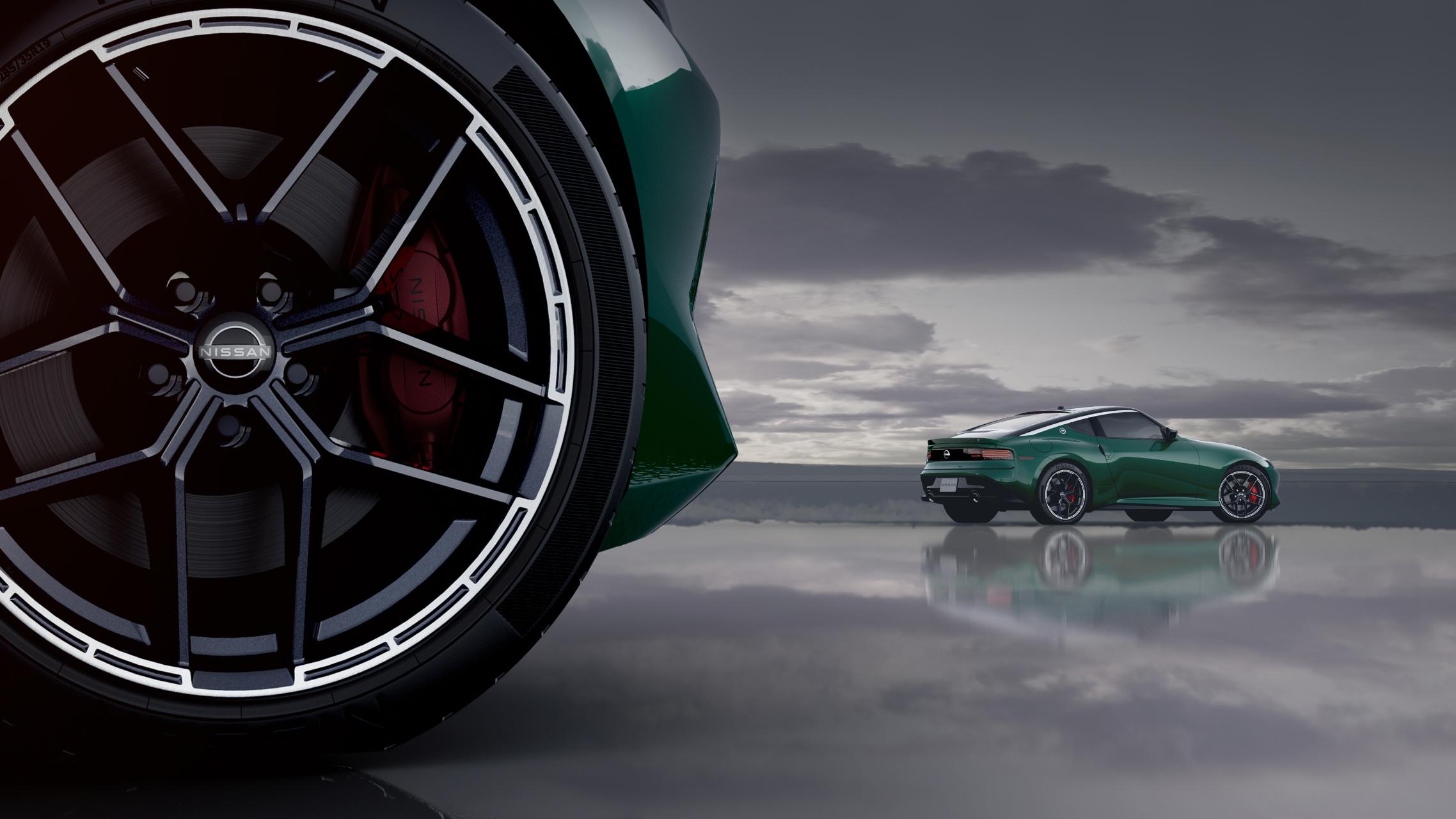
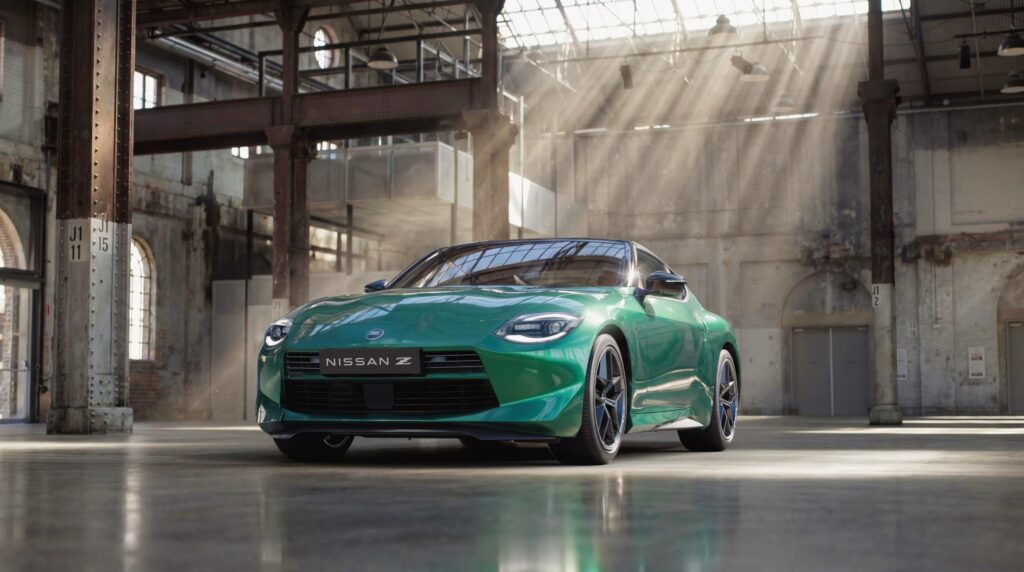
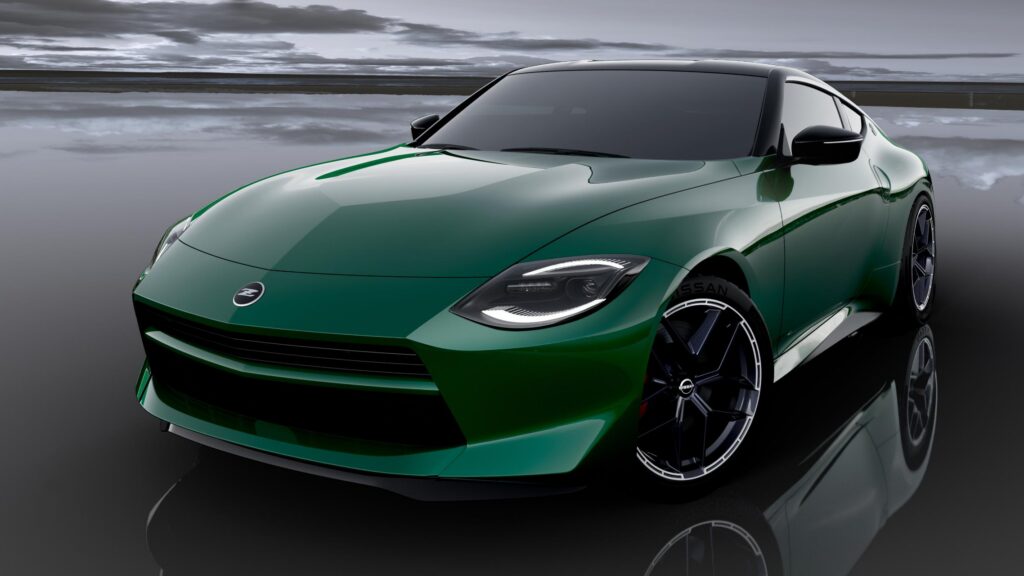
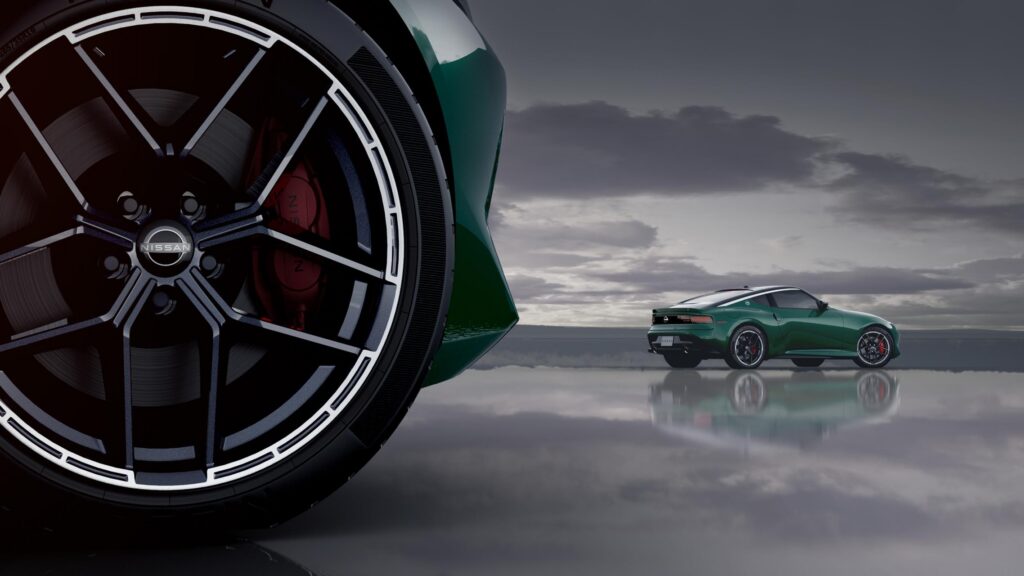
Fortune really did favour the bold in this instance, to continue with the well-worn idioms, as the team at Nissan came back toot suite with a brand-new Z showing less than 200km on the odometer, boasting the desirable six-speed manual gearbox, tasty black RAYS forged alloy 19-inch wheels, and in an attractive shade of green.
As solutions to work problems go, I’ve had worse.
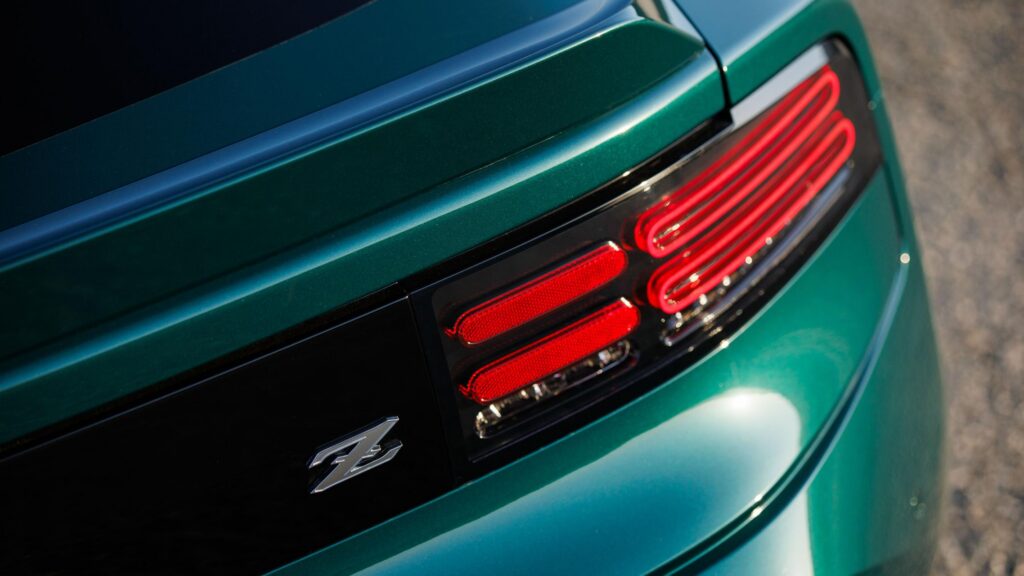
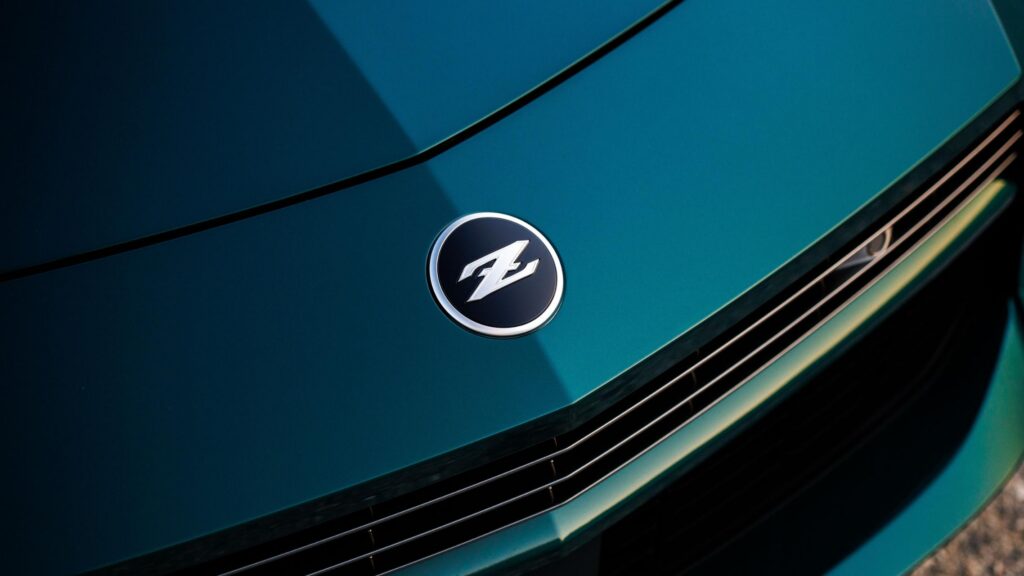
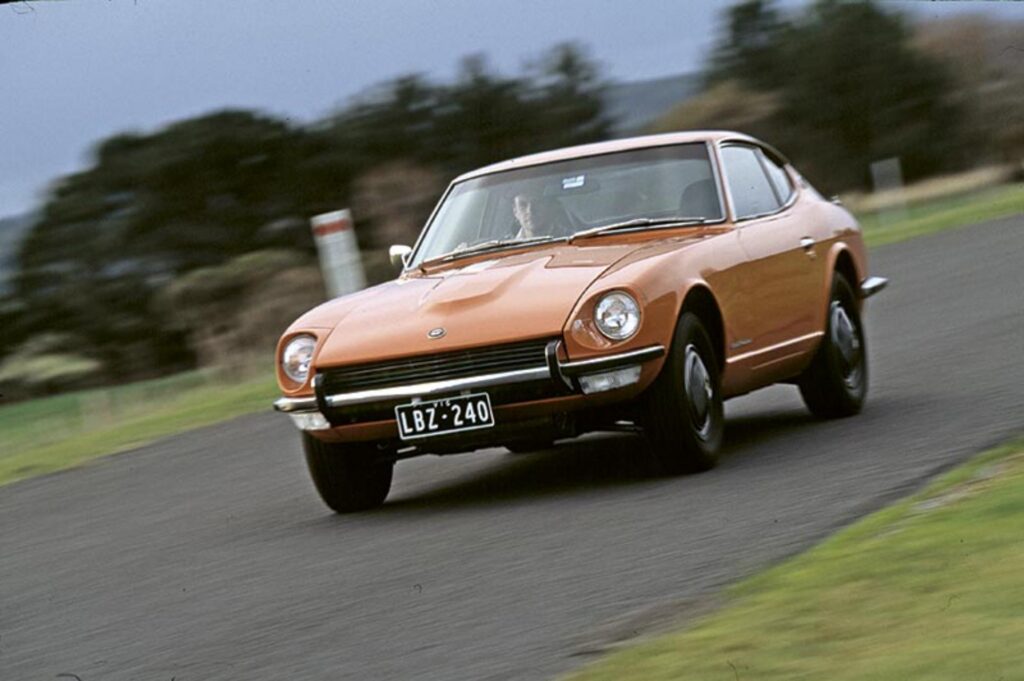
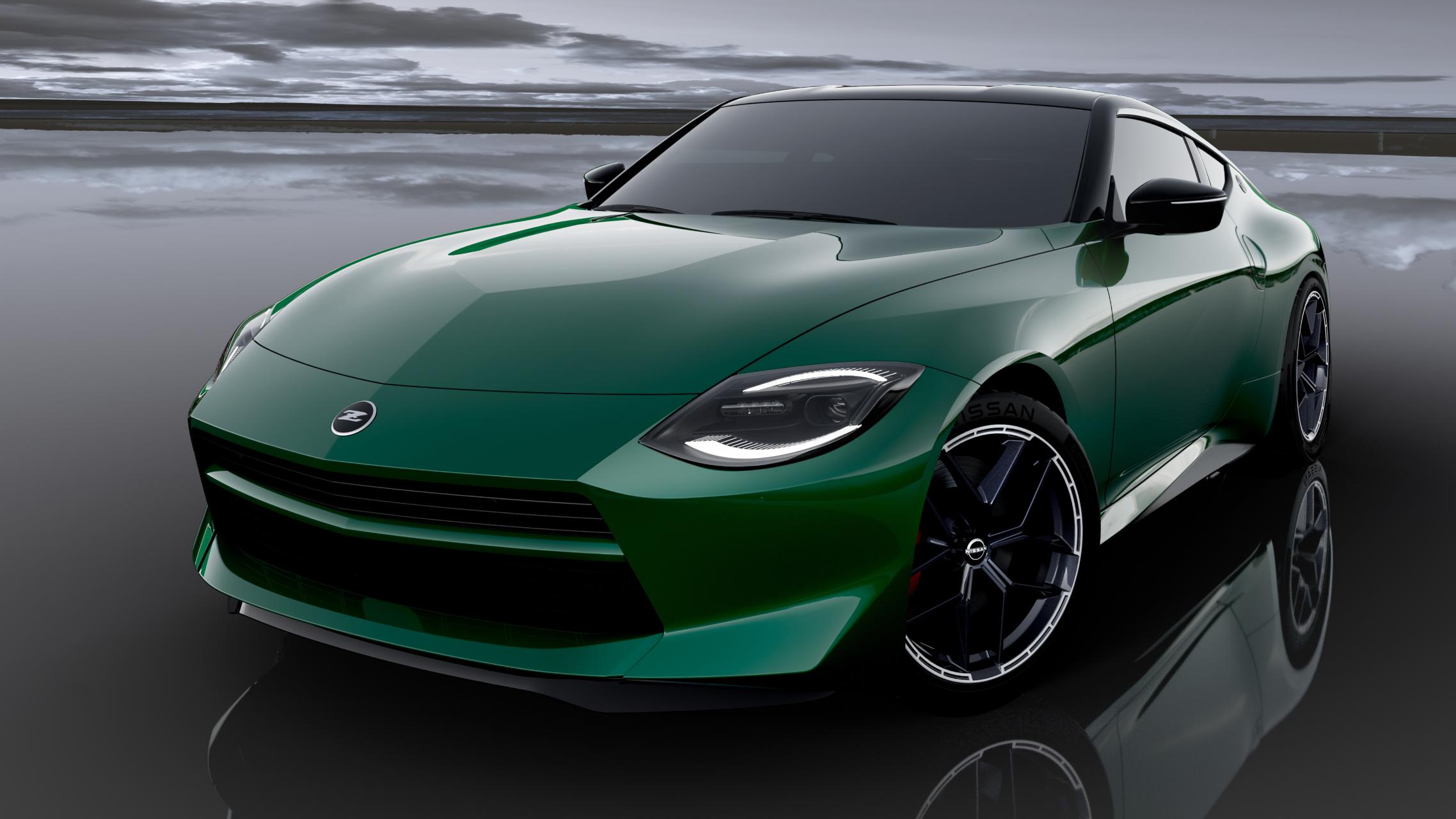
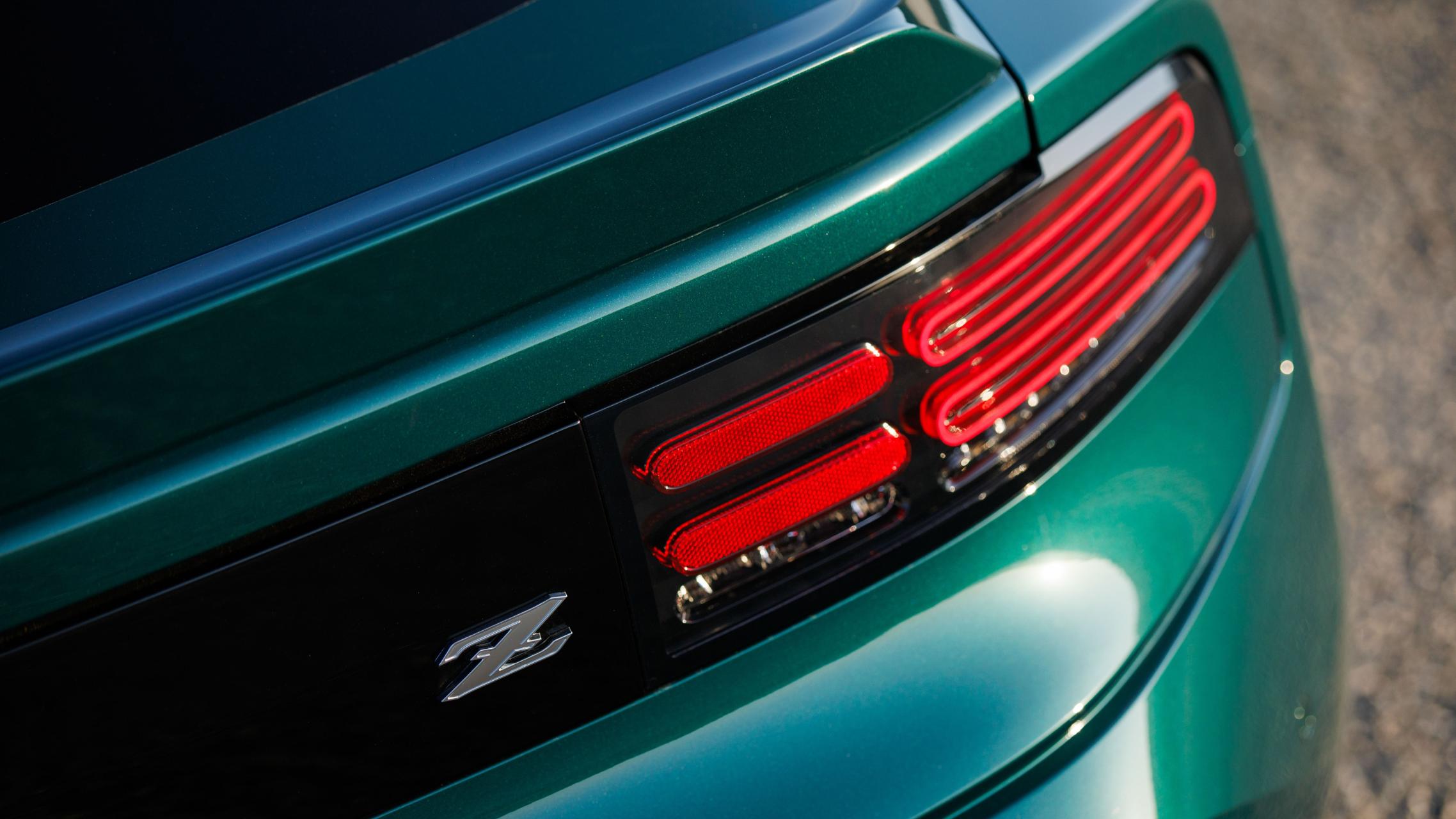
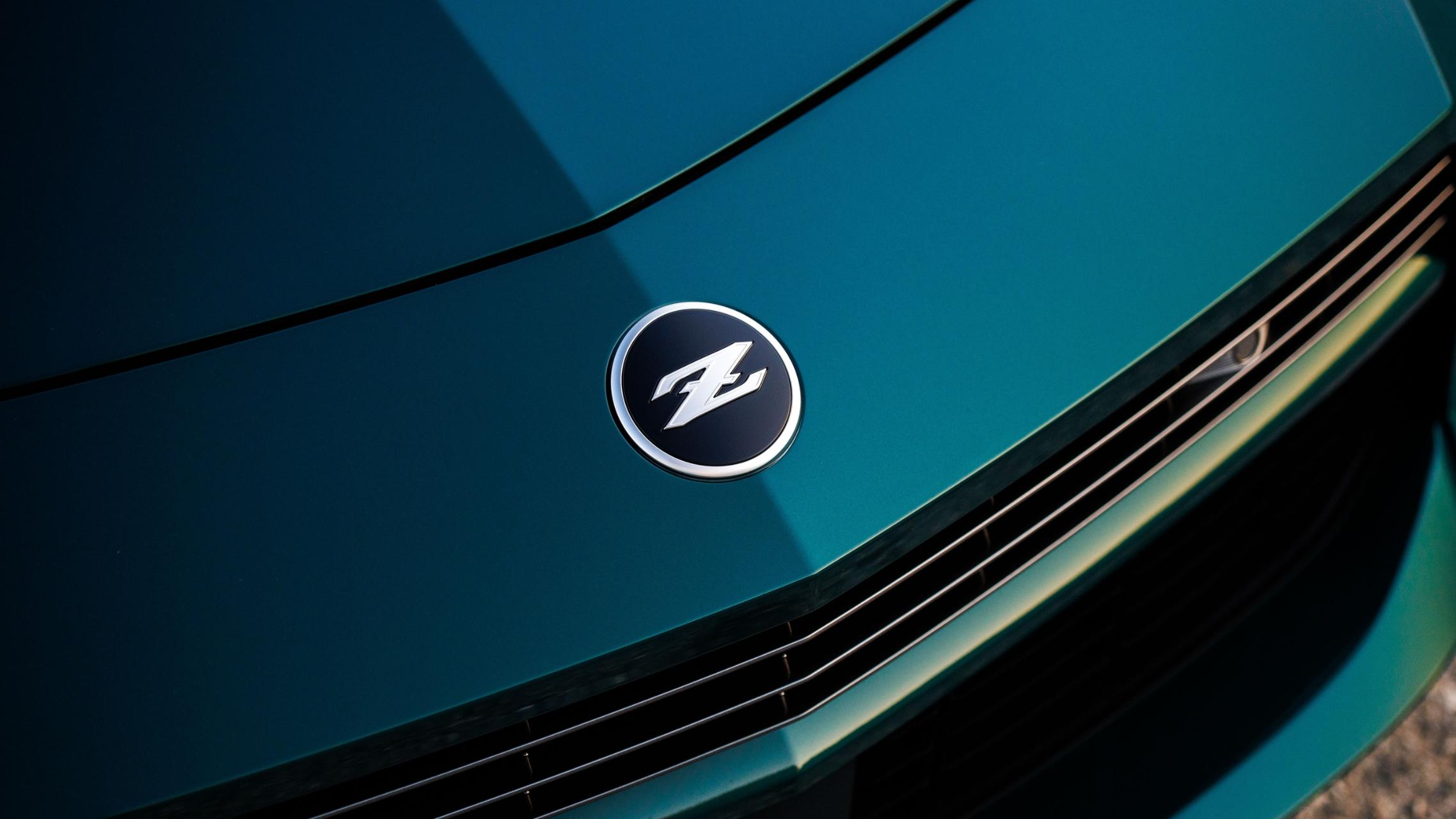
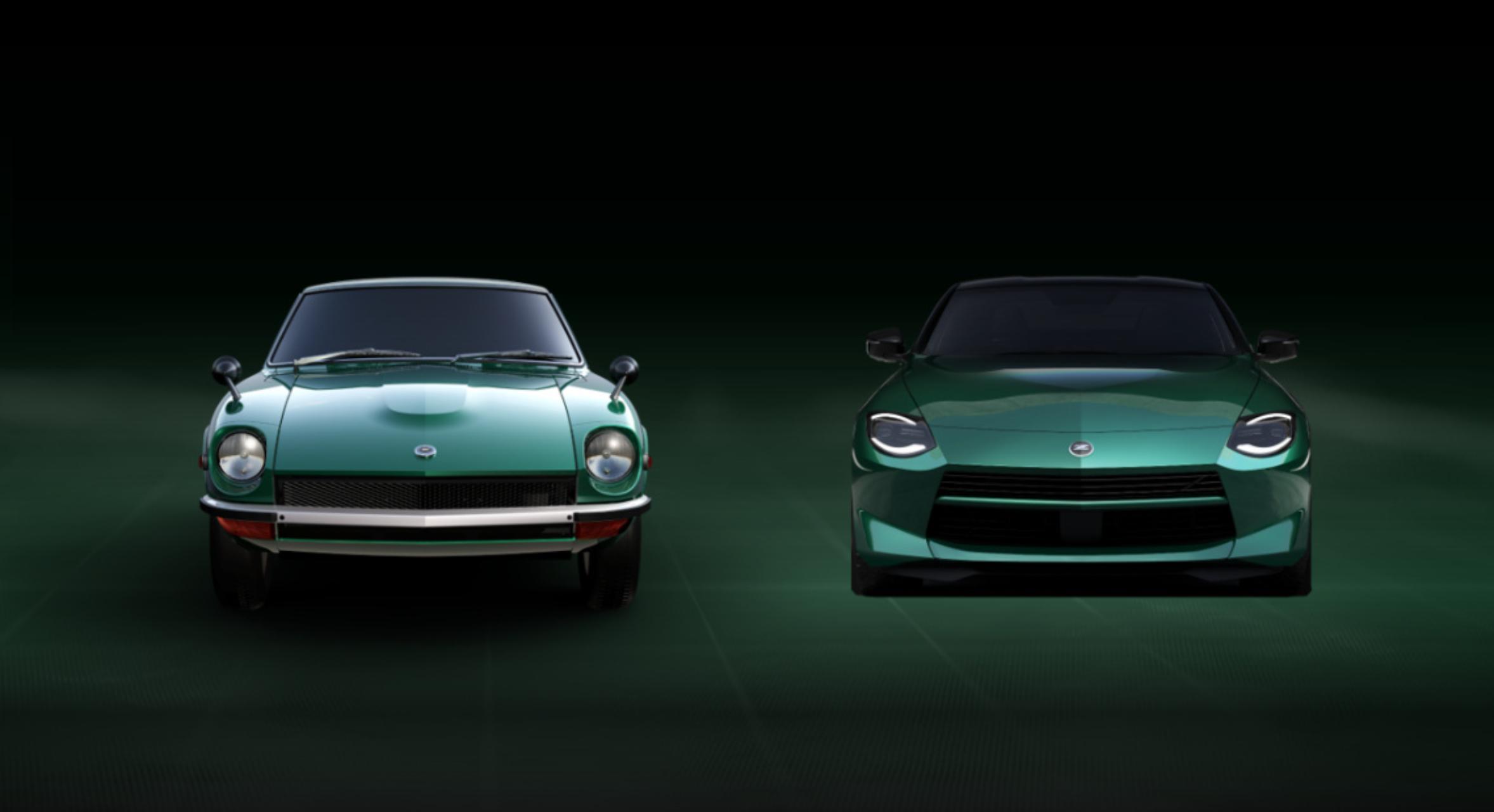
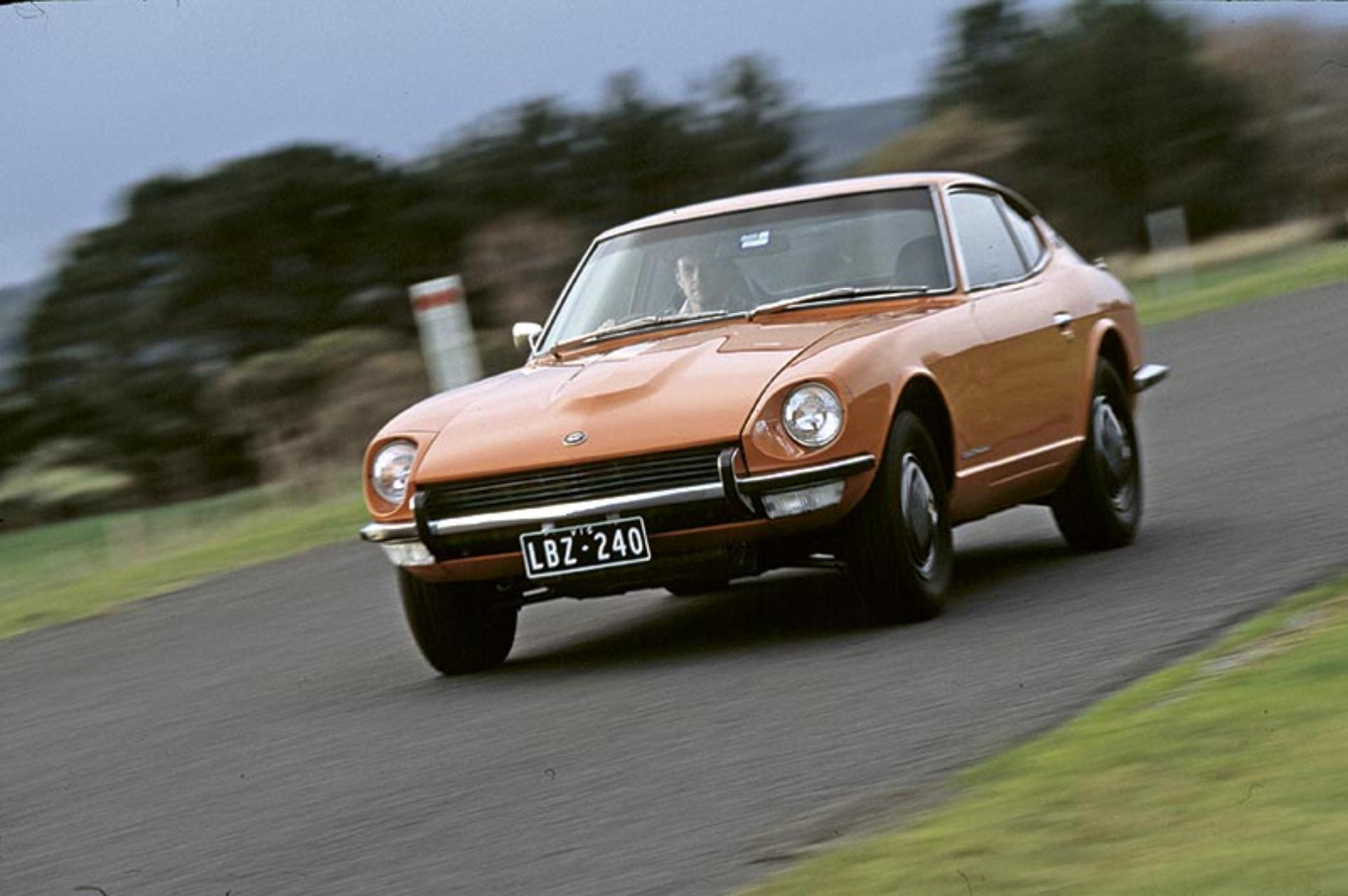
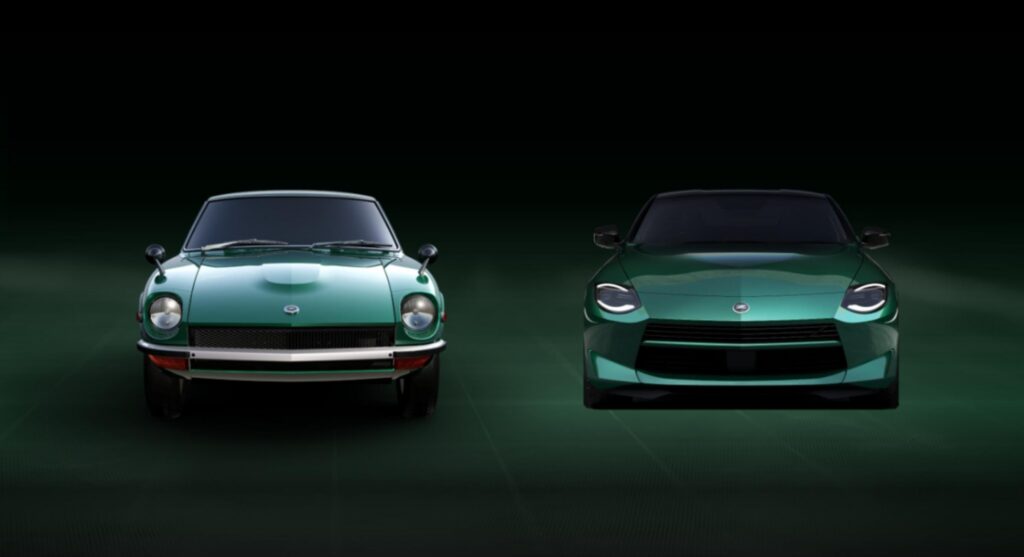
The paint colour is called Unryu Green – which translates to “dragon rising from the clouds” according to my fluent grasp of Japanese (aka Google translator) – and is described by Nissan as a heritage-inspired hero hue that pays homage to the classic 907 Grand Prix Green featured on the original 1970s S30-generation Datsun/Fairlady Z.
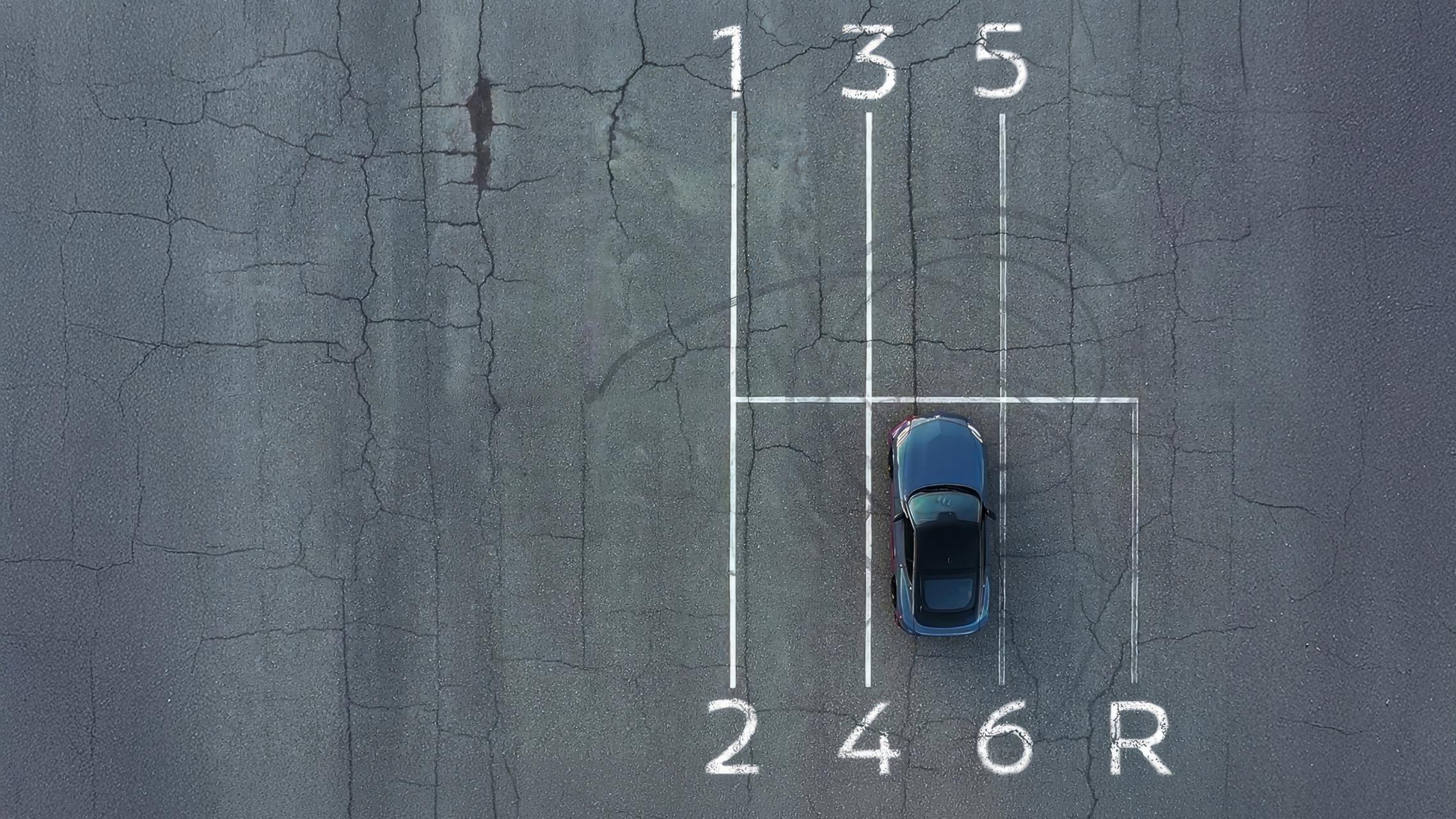
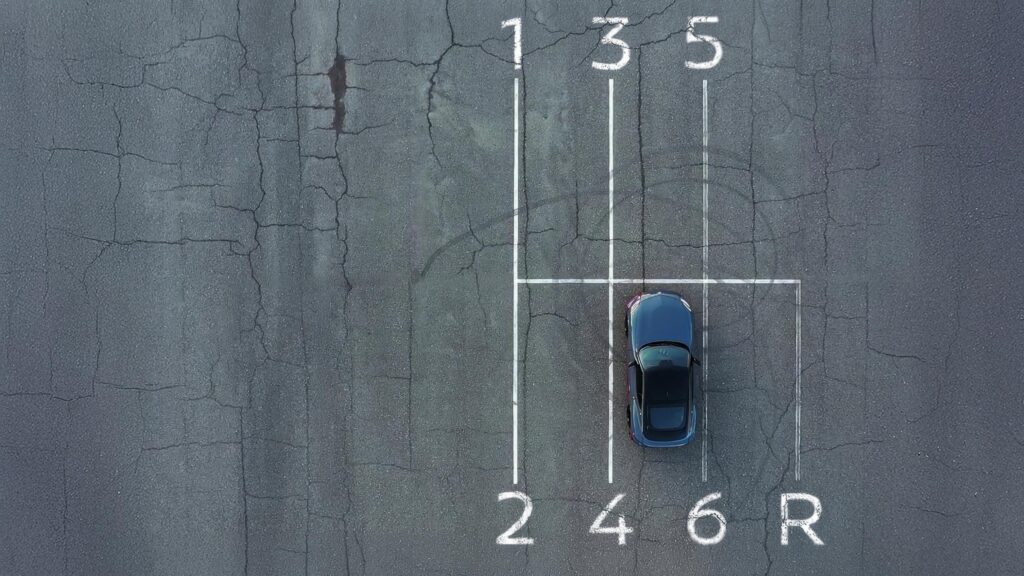
It would be the first box ticked if I was specifying my own Z, followed closely by the six-speed manual (designated FS6R31A, in case you’re wondering), which is an updated evolution of the FS6R31A manual family used in earlier Z models such as the 350Z and 370Z.
Frankly, the decision on the gearbox was probably never seriously in doubt, despite plenty of positive reviews about the nine-speed shift-by-wire automatic, but it became a lock somewhere between first and second gears on the way to the show.
Once at the Sydney Olympic Park venue it quickly became apparent that ‘our’ Z was a bit of a star, which is saying something when you consider that most folk are at such events to see the grandaddy’s of modern-day performance cars, such as an original Hachiroku (Toyota AE86) or Hakosuka (Nissan Skyline GT-R).
As it stood, it seemed like the entire history of Japanese cars, performance and otherwise, was on display, yet the contemporary Z still achieved cut-through, a feat I put down to the handsome design which channels attributes of its storied predecessors without looking obsessively retro. In fact, I’d wager you could park this seventh-generation Nissan Z alongside practically any of its predecessors and still be able to explain the family connection to an Amish farmer (Editor’s note: the author is not suggesting Amish farmers are daft, just that they are more in tune with horsepower of the grass-fed variety).
A Little Datsun DNA
I’ve always liked the proportions of the original Datsun 240Z: long bonnet, cabin set well back, a roof that sweeps down into a short tail. It’s a shape that suits a two-seater and more than half a century later it still does a fair bit of the heavy lifting for Nissan.
The current-generation Z arrived in 2022 and for this 2026 update Nissan has given its good-looking sports coupé a new front bumper and grille, redesigned 19-inch wheels, and a set of NISMO monotube dampers. The headline new elsewhere is that you can finally buy a manual NISMO, although our car was the regular Z Coupé, which costs $76,800 before on-road costs and premium paint.
As appealing as the NISMO badge and mods may be, having spent the weekend in the Coupé, I’d be quite content to pocket the $18k price difference.
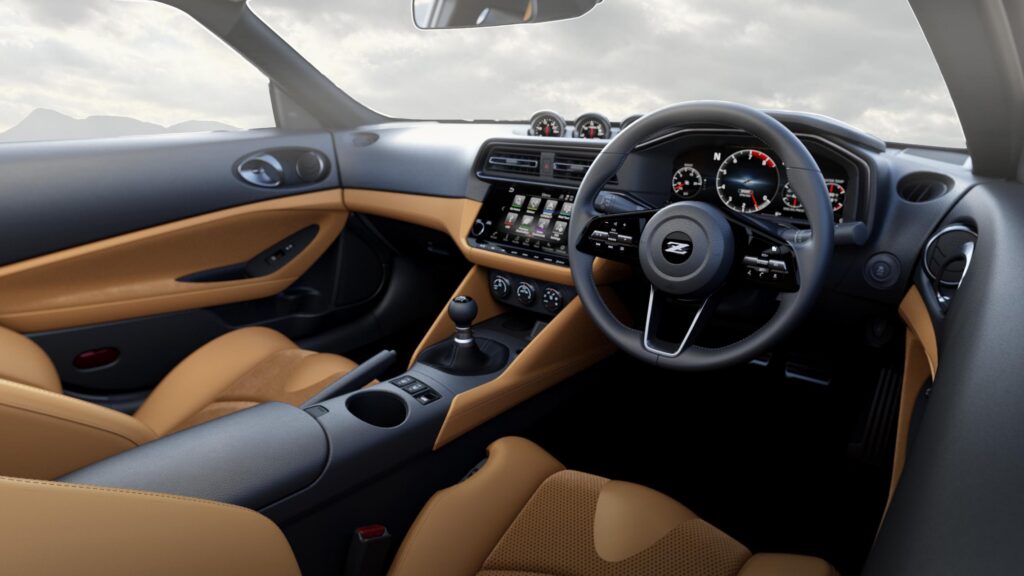
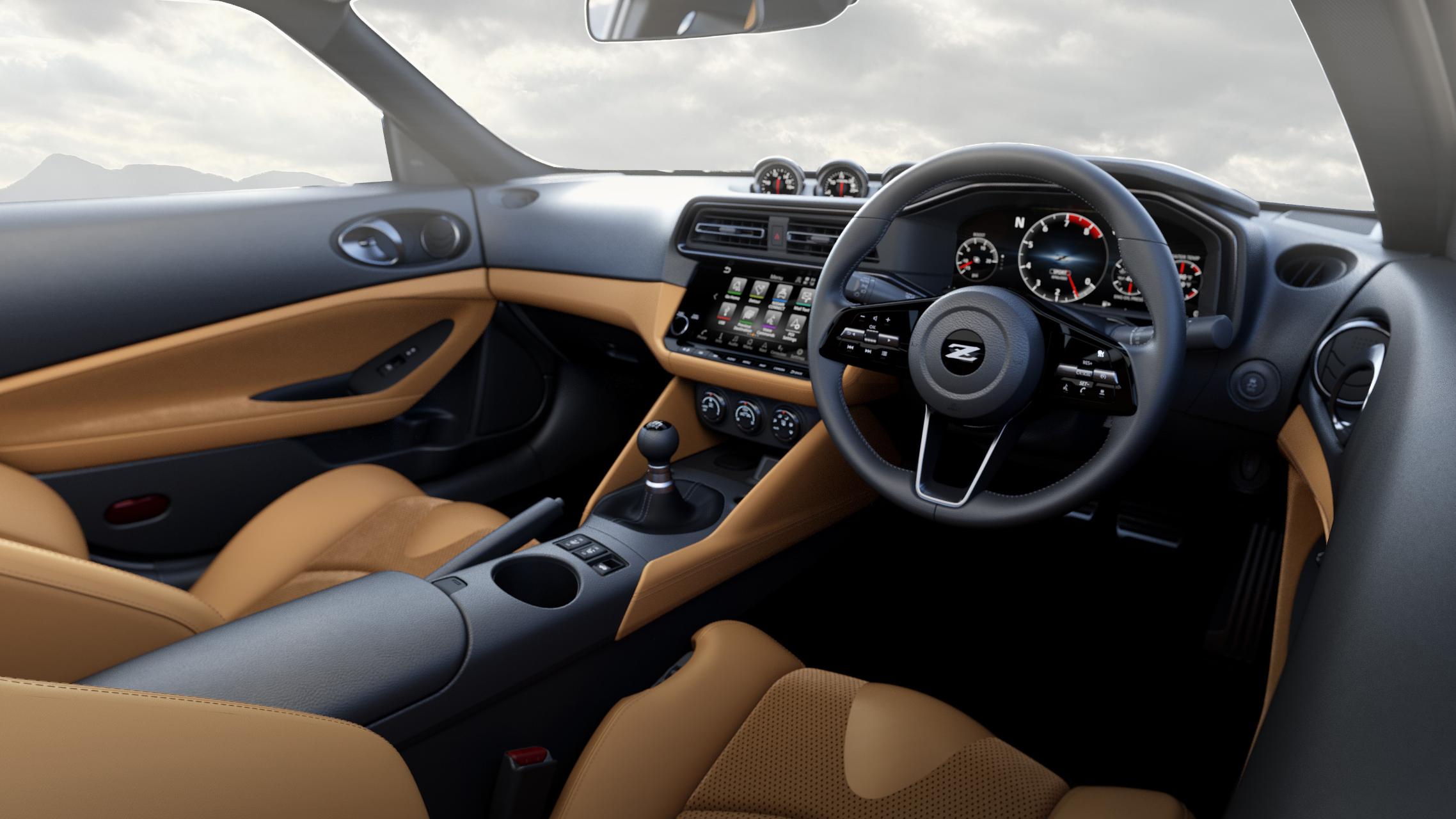
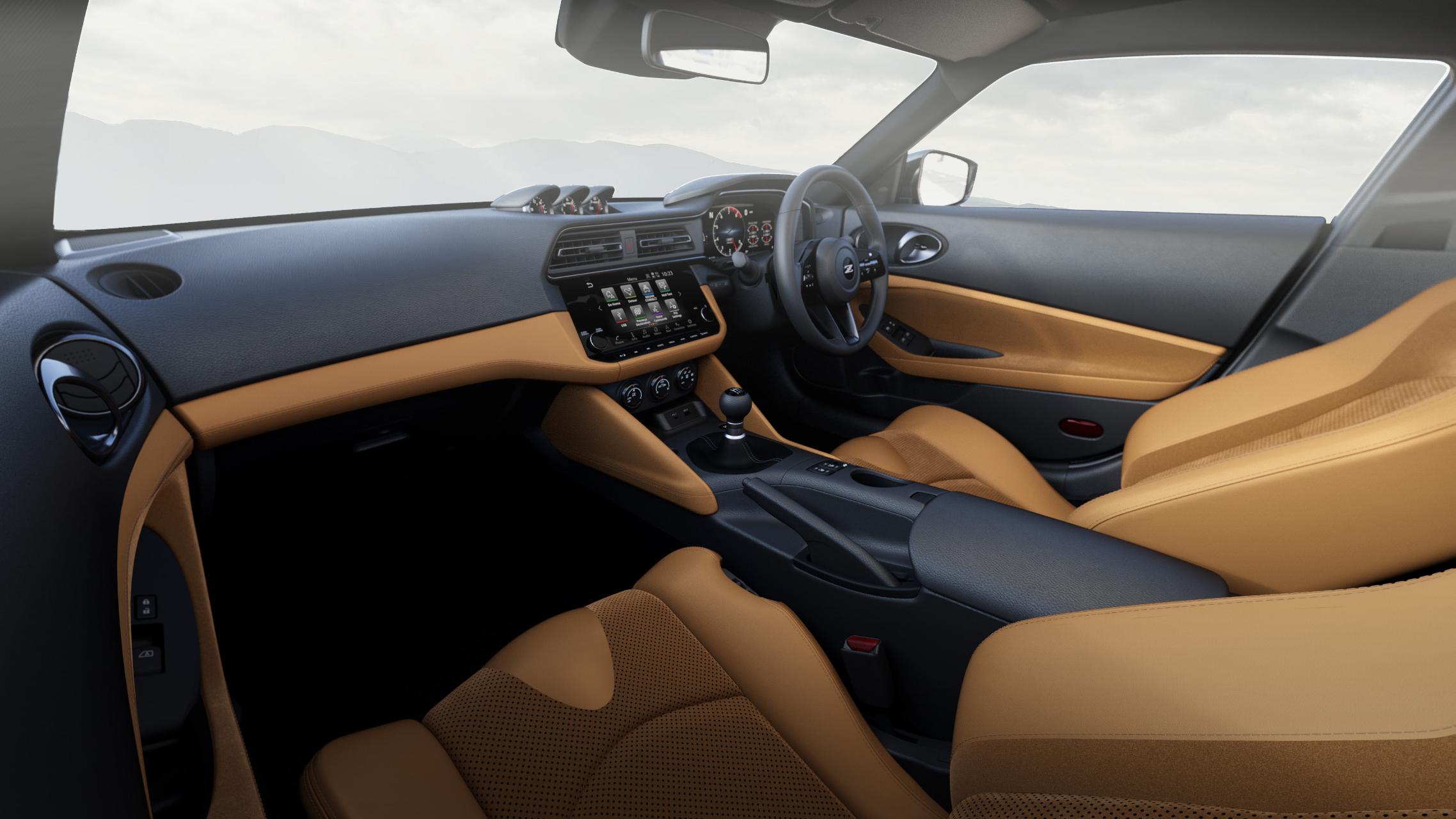
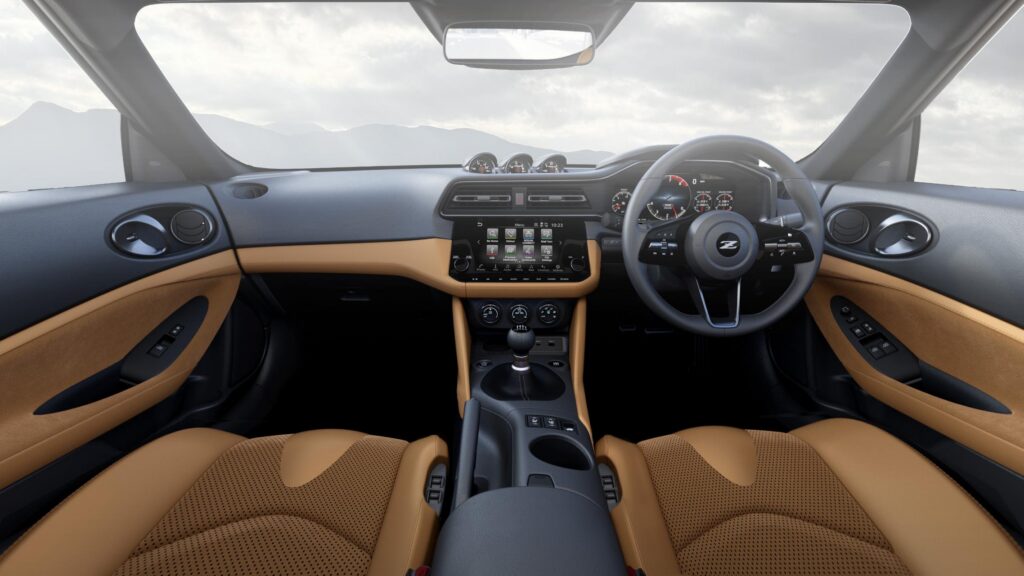
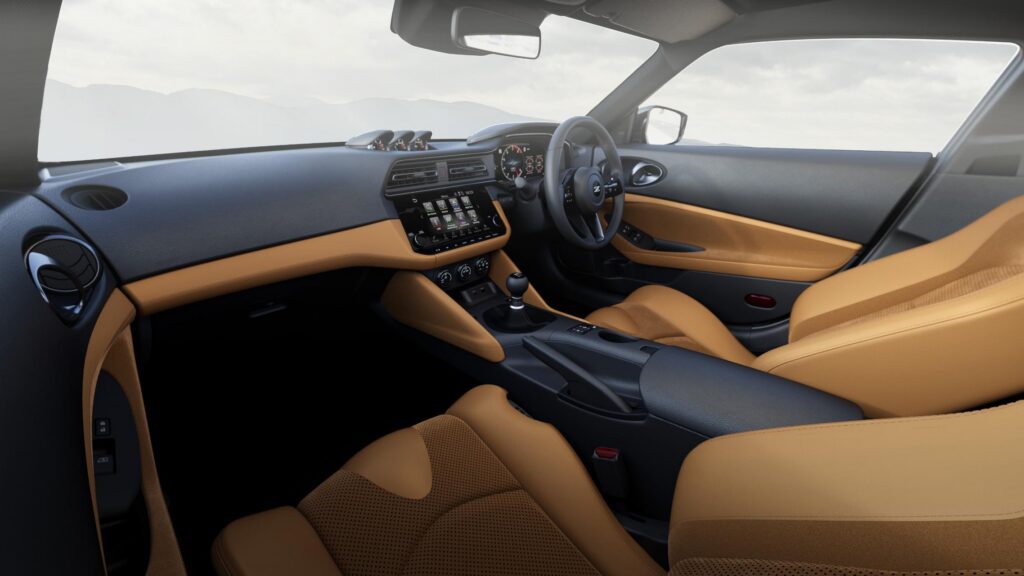
Inside, my favourite detail is the row of three analogue gauges perched on top of the dash for boost pressure, turbo speed and voltage. How often does one need to know how much boost their twin Garrett turbochargers are providing on a run across town, well you may ask? Fairly infrequently, as it turns out, but the setup adds to the sense of theatre inside the Z’s nicely crafted cabin and are another visual cue linking this to past models (in this case, the original 1969/70 240Z).
Three Pedals and a Good Reason to Use Them
Under the Z’s long bonnet sits a 3.0-litre twin-turbo V6 serving up a gutsy 298kW and 475Nm which is directed to the rear wheels via that slick six-speed manual. There’s heaps of go, as you’d reasonably expect, but what those power and torque figures can’t tell you is just how eager and energised this Z-car feels; or how much pleasure it serves up through the simple business of changing gears; or indeed the wonderful calibration of its clutch, throttle and shift mechanism.
The lever has a lovely short throw and a tight, precise action. The driving position is terrific; you sit low and the gearstick is right where your left hand falls. Then, on the way back down the box, the Z displays another characterful touch, automatically blipping the throttles to rev-match on downshifts. It’s a cool feature: the driver gets the satisfaction of choosing the gears themself, the passenger gets to marvel at the flawless heel-and-toe work, and both parties get to enjoy the sound of the lusty VR30DDTT V6 in action.
The steering is a highlight, too, nicely weighted and direct, it provides enough feedback to ensure you know where the font wheels are pointing, whether cruising or pushing a bit. The brakes (355mm front/350mm rear with four-piston front and two-piston rear calipers), feel well up for the task of staunchly hauling things down when you choose to give the V6 its head.
The Z feels lively and responsive across the rev range but the bit I kept coming back to was how much I liked driving it at ordinary speeds. No doubt the Z can acquit itself quite commendably on the track and at higher road speeds, but the fact it also delivers when just schlepping about town (aka the conditions most of us drive in most of the time), indicates what a well-rounded sports car it really is.
The Tall Timber Test
The Z was even cool enough to tempt my 21-year-old son to come for a run with his Old Man. At six-foot-five he’s tall enough to be playing for the Boomers which makes him a handy bloke to test the accommodation of our Japanese two-seater.
His verdict? “Plenty of room, dad. Now, give it a squirt.”
You take one look at the Z and expect it to be quick and engaging, but you don’t necessarily expect someone who’s above the 99th percentile in height to be comfortable in its low-slung cabin. The driving position is terrific, too, with plenty of adjustment for different body types and enough stowage, including a centre console, phone tray, glovebox, cup holders, door bins and a rear parcel box behind the seats for the bits and pieces we all carry around.
Another small kindness is the hill-start assist. Pull up at the lights on an incline, lift your foot off the brake and the Z holds for a moment while you feed in the clutch and throttle. Those of us who come from the school of hard knocks, where learning hill starts in a gutless pile with a sloppy handbrake was a rite of passage, can but mutter something about kids these days being spoilt. However, after a weekend of driving the Z manual around Sydney’s hilly northern ‘burbs, I’m happy to be spoilt.
Over the course of my long-weekend at the wheel I knocked over about 200km of mostly urban driving with average consumption of 12.5L/100km. Don’t take that figure to the bank, though, as there were plenty of quick getaways from the lights and some spirited driving thrown in, so anyone with an eye for economy could easily shave a litre or two off that.
About That Bloody Disclaimer!
The Z comes with a terrific eight-speaker Bose stereo system which sounds fabulous, but getting to enjoy it involves a small negotiation with the dashboard each and every time you step into the car. A disclaimer pops up on the 8-inch centre touchscreen when you start the car, asking for your approval to use the system. It’s novel the first time, but when it happens every time you step out of the car it gets a bit tedious. There’s probably a setting somewhere to disable the thing but I never found it.
Wired Apple CarPlay and Android Auto are standard, something I wish I knew before spending a frustrating few minutes trying to connect wirelessly. Note to Nissan engineers: In a car where you’ve gone to the trouble of providing a dedicated gauges to measure turbo boost, I’d quite like the car to connect effortlessly with the same phone it has already connected to, without another round of introductions.
These small gripes aside, I finished my weekend in the Z struggling to understand why sightings of this seventh-generation model aren’t much more common.Granted, at nearly $77,000 before on-road costs and with Australia being plum in the middle of a cost-of-living crisis, a two-seat sports coupe is always going to be a considered purchase.
But after seeing the reception the car got from seasoned car-watchers at the All-Japanese Auto Show, and experiencing how versatile, capable and, frankly, comfortable it is across a range of different driving conditions, I’m ready to call it as one of the great less-discovered gems of the contemporary performance car market.
As the recently departed Aussie legend Molly Meldrum often encouraged us to do with popular music, if you haven’t yet taken a Z for a test drive, then do yourself a favour and get down to a Nissan dealership, pronto.