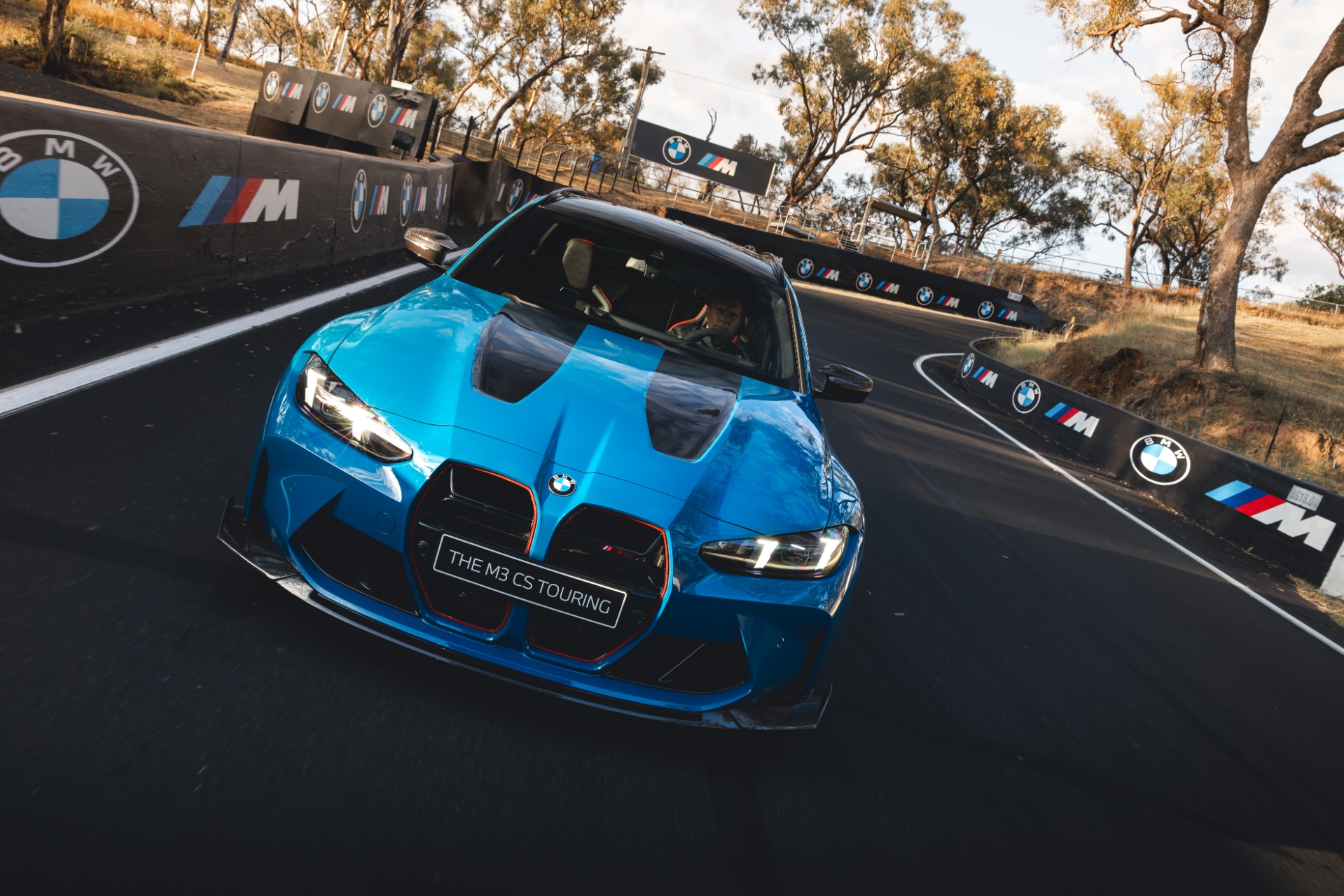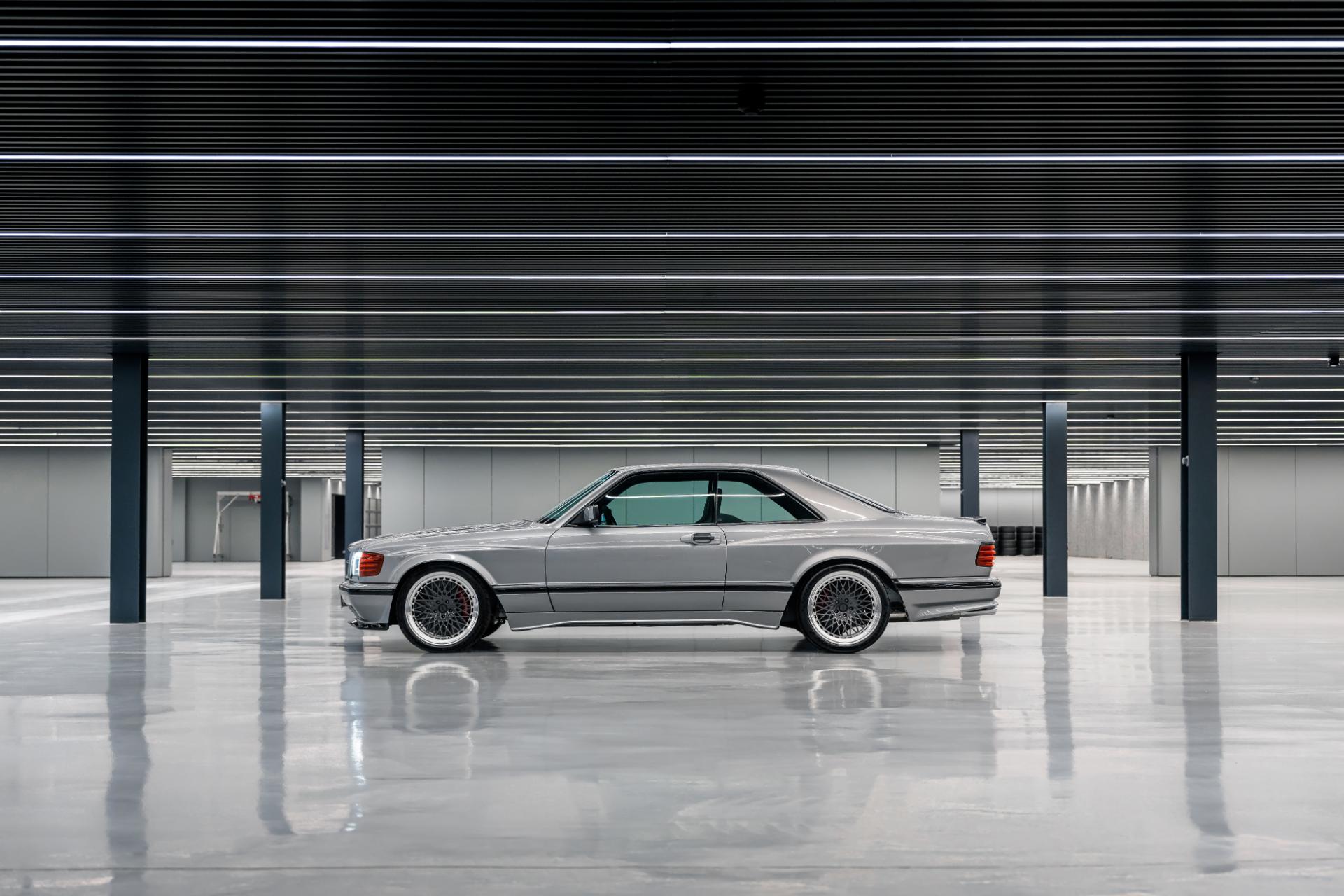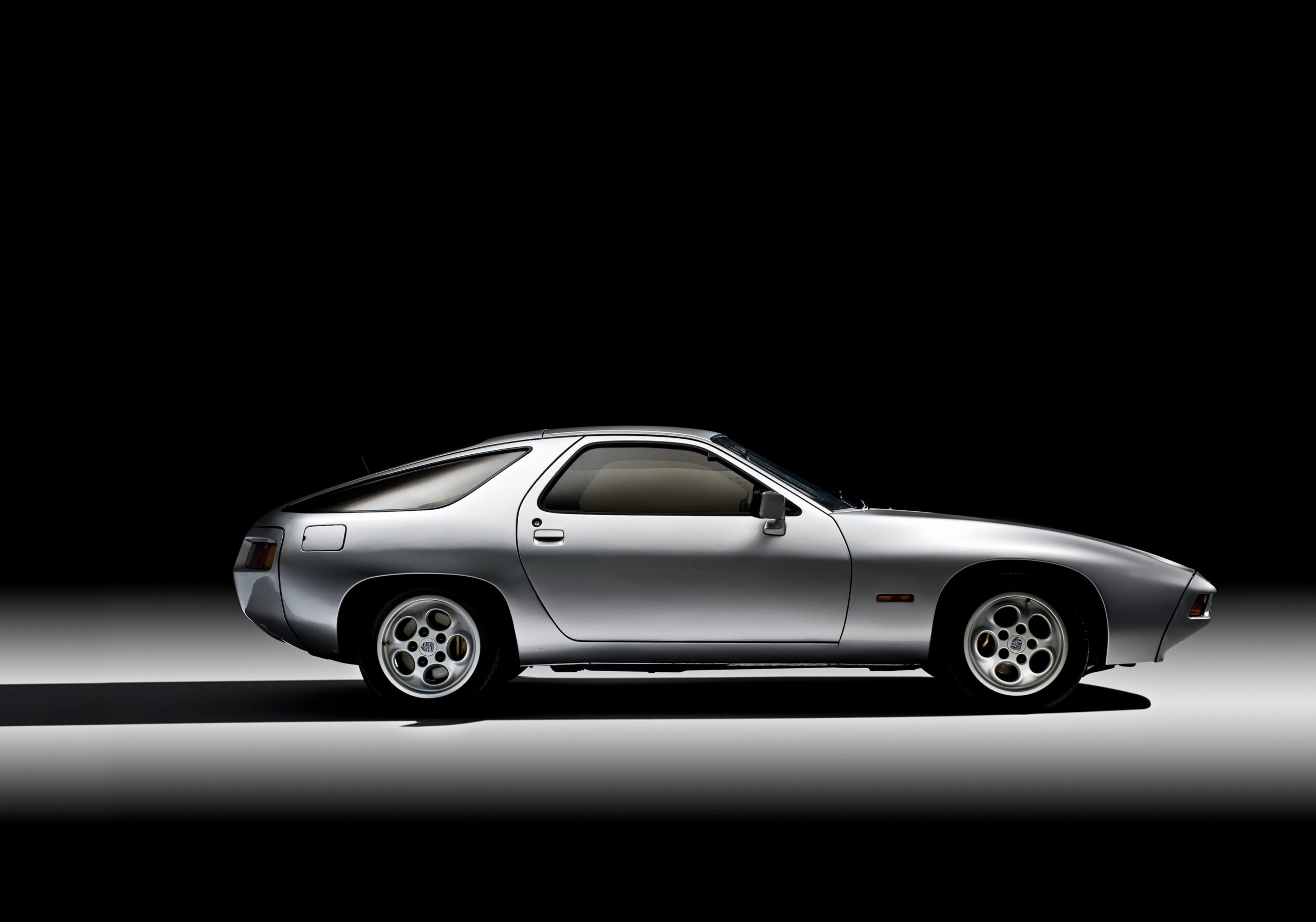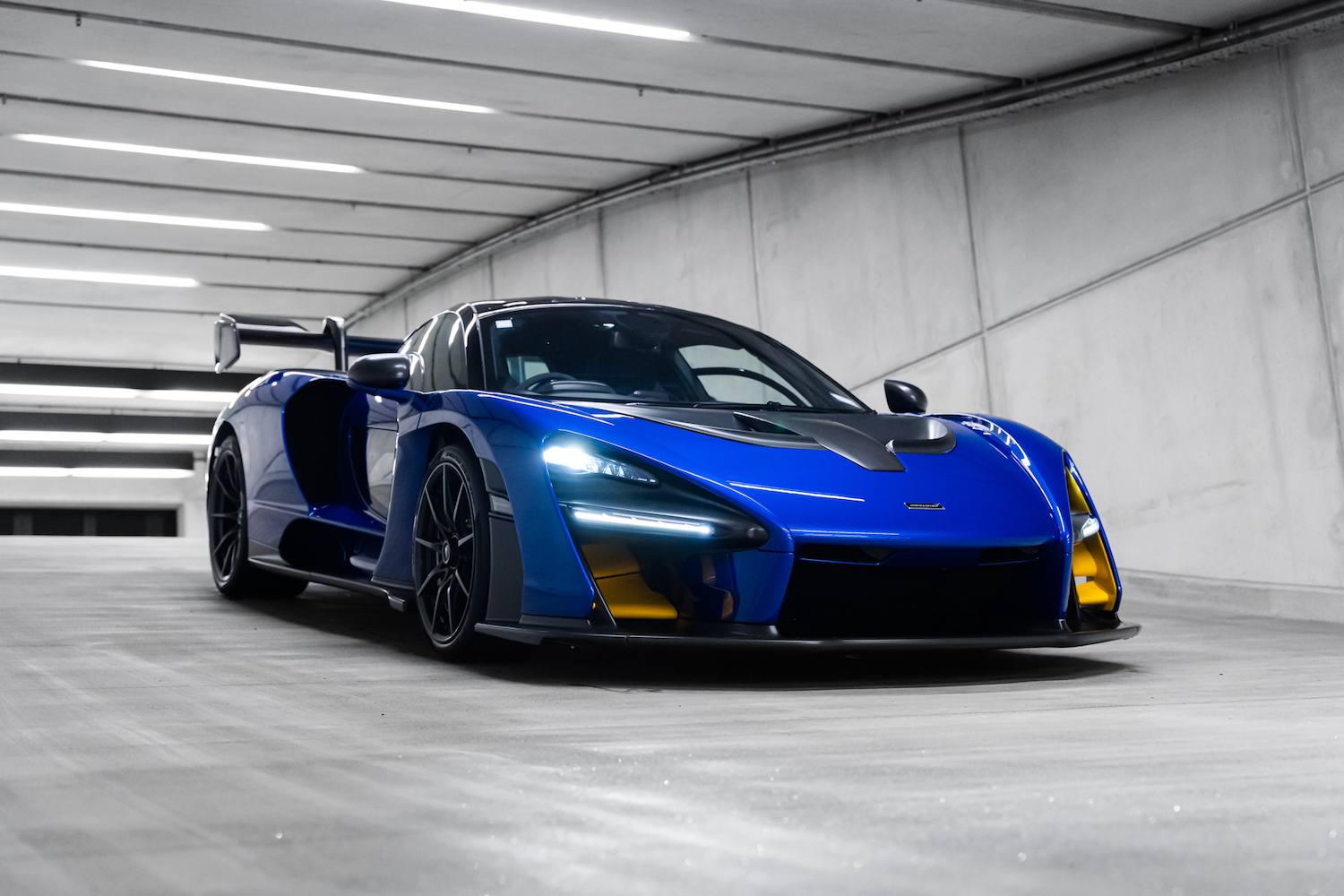

As a petrolhead it is easy to get caught up in narratives about the death of the sports car. We read about the ongoing arms race for evermore horsepower and the steady decline of the internal combustion engine. We hear about the government pushing us further towards electric cars and how manufacturers are losing faith in traditional sports cars as a profitable enterprise. But it’s important to remember that despite all that, no one is making us choose any type of car.
No one is forcing you to drive a heavy unwieldy modern ‘sports’ saloon. No one has a gun to your head making you put down a deposit on that two and a half ton EV. It’s still a choice just as it always has been.
We can all remember what it felt like as a kid to watch a fast and exotic car drive by. Whether in your era it was a Jaguar E-Type, an air-cooled Porsche 911, a Holden HT Monaro GTS 350, or more modern classics like the Nissan Skyline GT-R R34 and Ferrari 360. Whatever it was that floated your boat, we can all remember seeing and lusting after a car that made us want to drive one of our own someday.
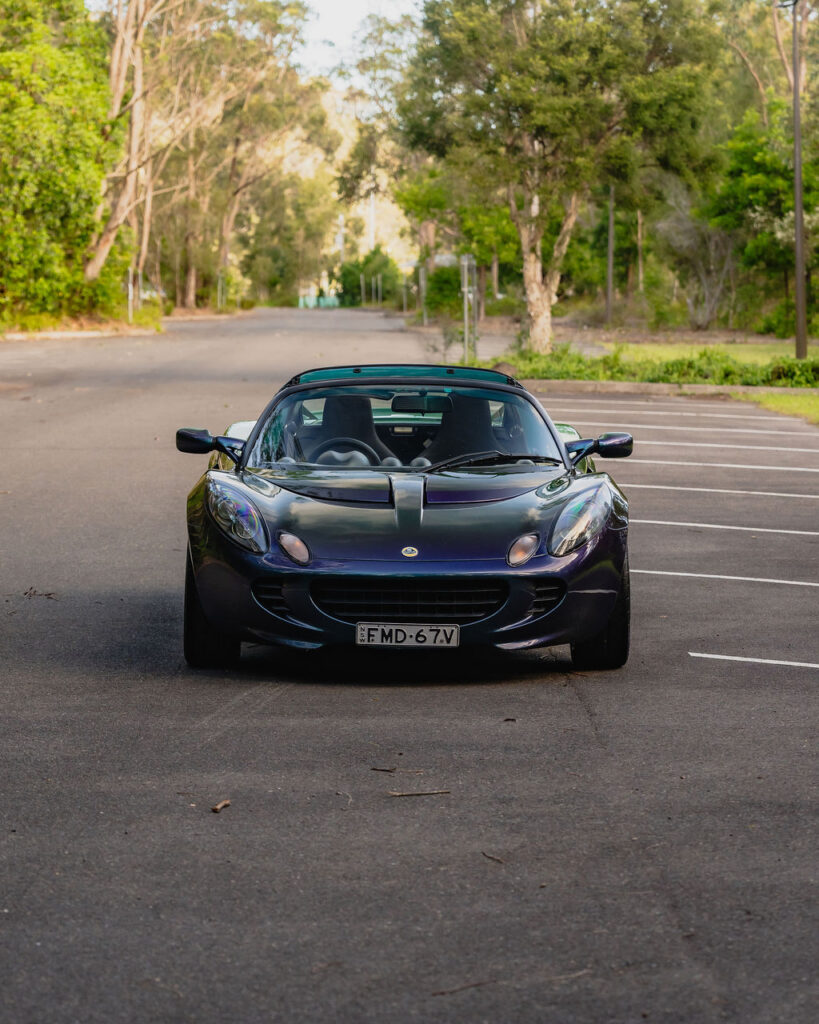
The Lotus Elise was one of those cars for me. Small, elegant, exotic, and fast. It cared not a jot for the impending horsepower arms race, and did not try to tick any other boxes but one; lightweight thrills! The Elise fixed so many of the problems other early 2000’s cars were faced with, because it didn’t try to be anything other than what it was.
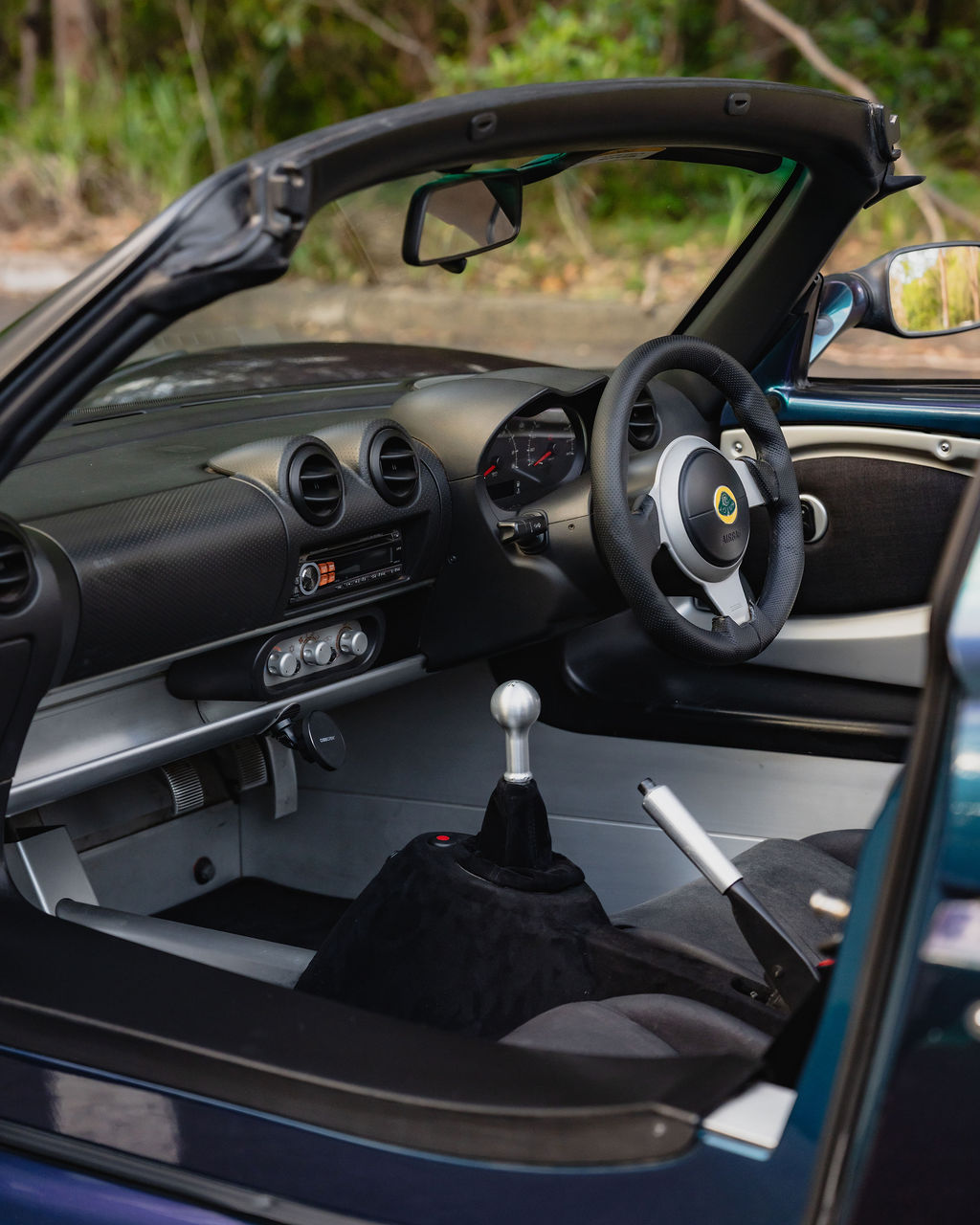
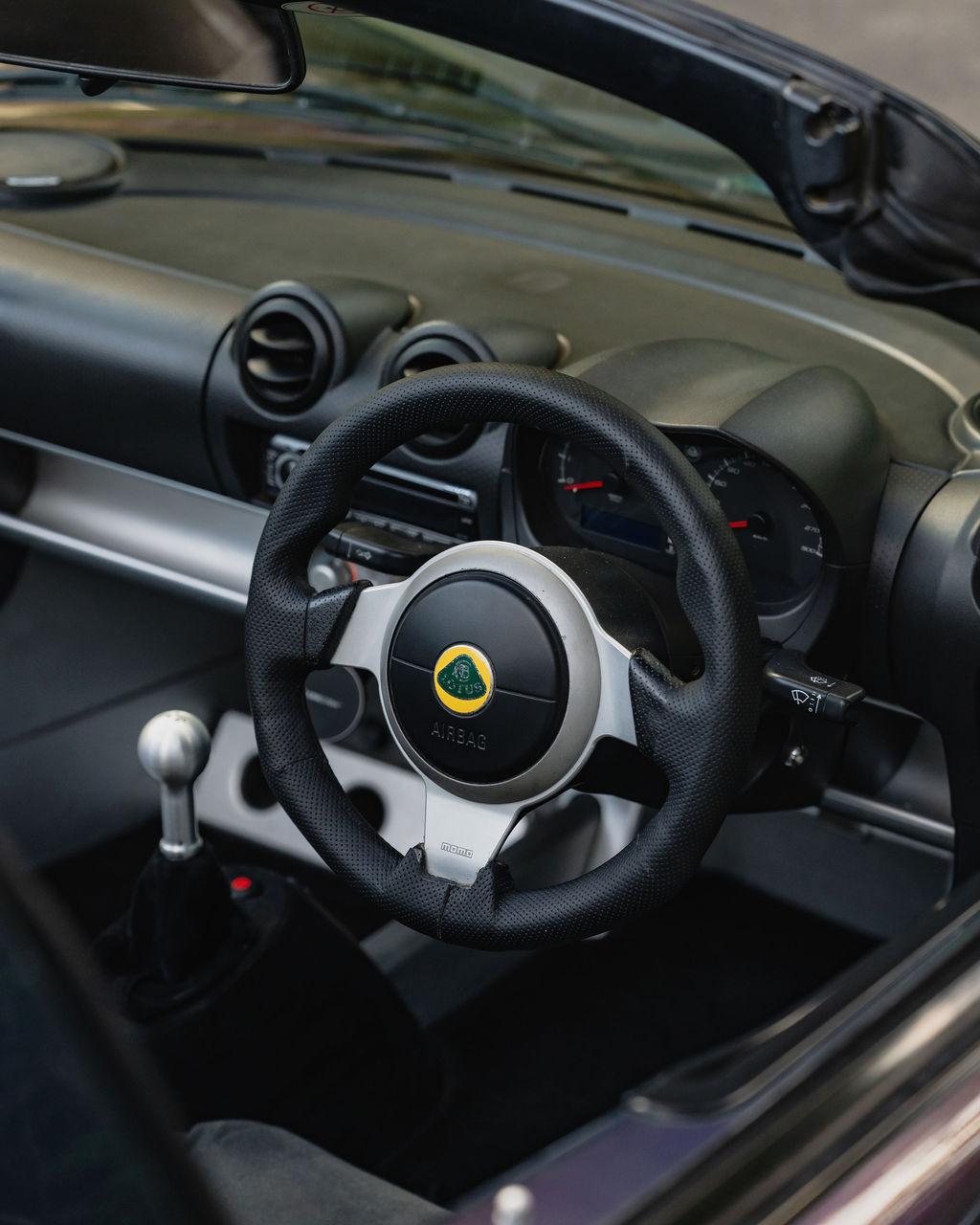
It was totally uncompromising, and as such it was not a car that many people could seriously entertain buying. To own one, you had to really want one. In the first Elise (S1) there was no luggage space. No carpet or comfy seats. No driver aids and no airbag. You had to make a choice… either you had practicality, safety, and comfort, OR you had a Lotus Elise. You could not have both.
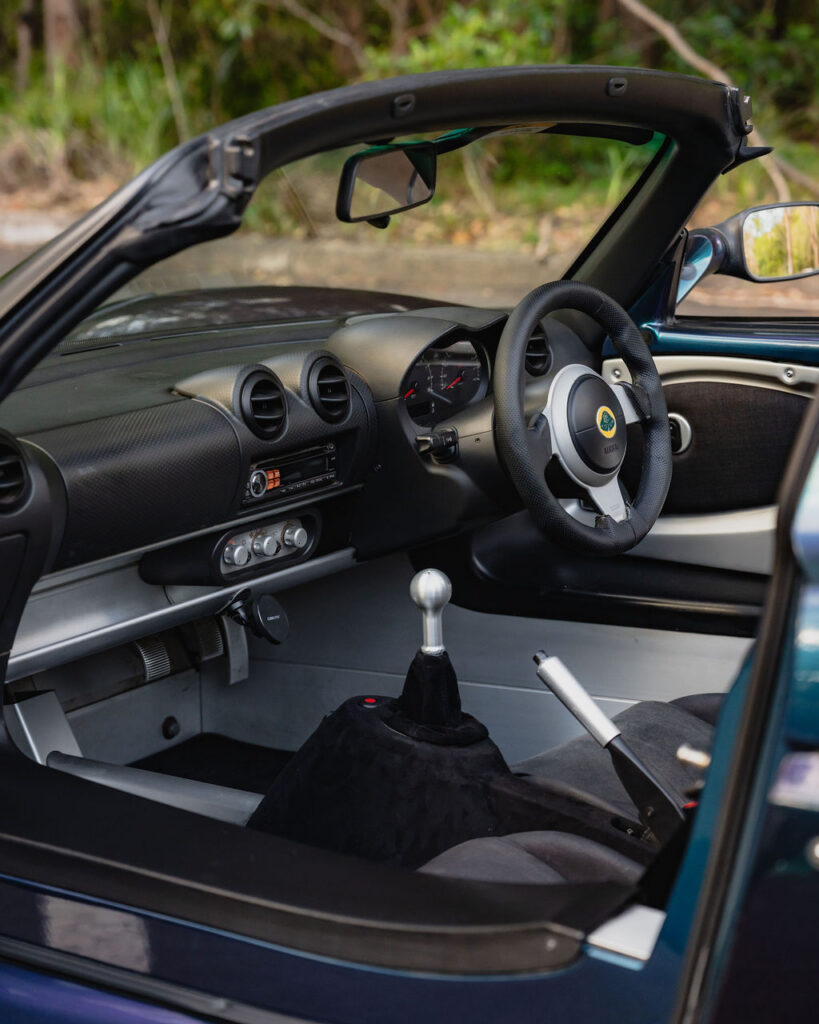
As car owners and drivers, we still have a choice today, just as we always have, about what cars we want to own and drive. The need for a daily driver with modern amenities, up-to-date safety features and compliance with ever changing regulations is of course a reality we all face. But we still have a choice, all that has changed over time is the criteria of that choice.
Whereas once a buyer had to choose between a car that delivered sharp looks, good handling and fast acceleration – or one that delivered practicality, better gas mileage, and abundant luggage space; buyers today have a different decision to make.
Now we are forced to choose between a car that ticks all the compliance boxes, is able to drive in more lanes and park in more dedicated spaces, costs us less in on-road taxes, and stacks up as a good economical choice for company car buying or incentivised new car purchase schemes – OR we can throw caution to the wind and buy a car that offers absolutely none of the above. Instead, we can opt for a car that delivers exactly the thrills we felt as a kid while watching that sports car drive by. It is a choice, just as it always has been.
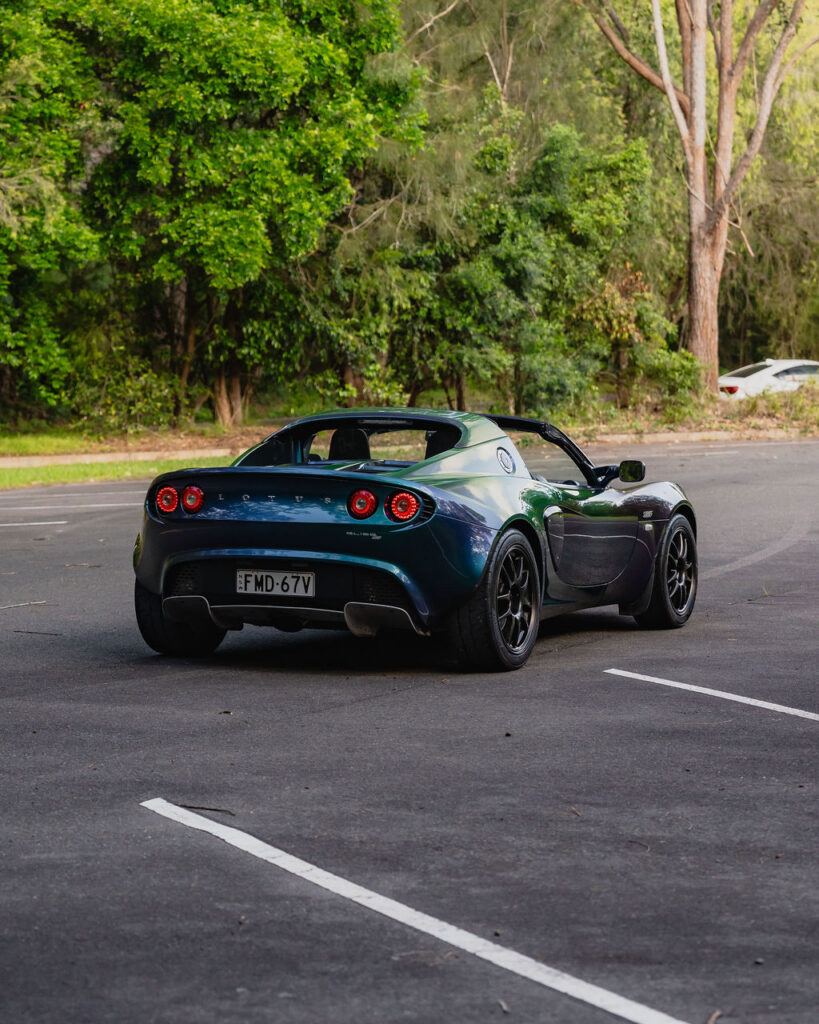
This is not an article bemoaning modern cars or the decline of traditional sports cars. It’s a reminder to those of us who seek old-school, lightweight, analogue thrills, that those things are still available in abundance in the classic and modern classic car market. Sports cars are not dead they are just ageing. Many of them are ageing gracefully and, like fine wine, some of them are going up in value too.
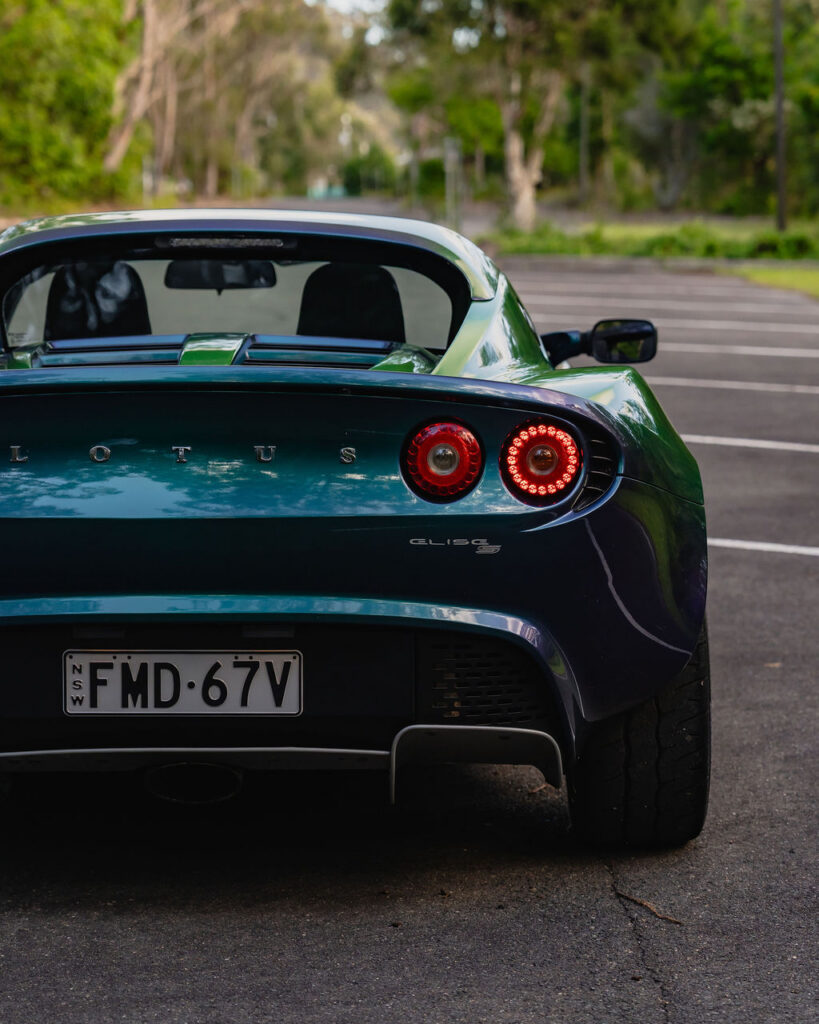
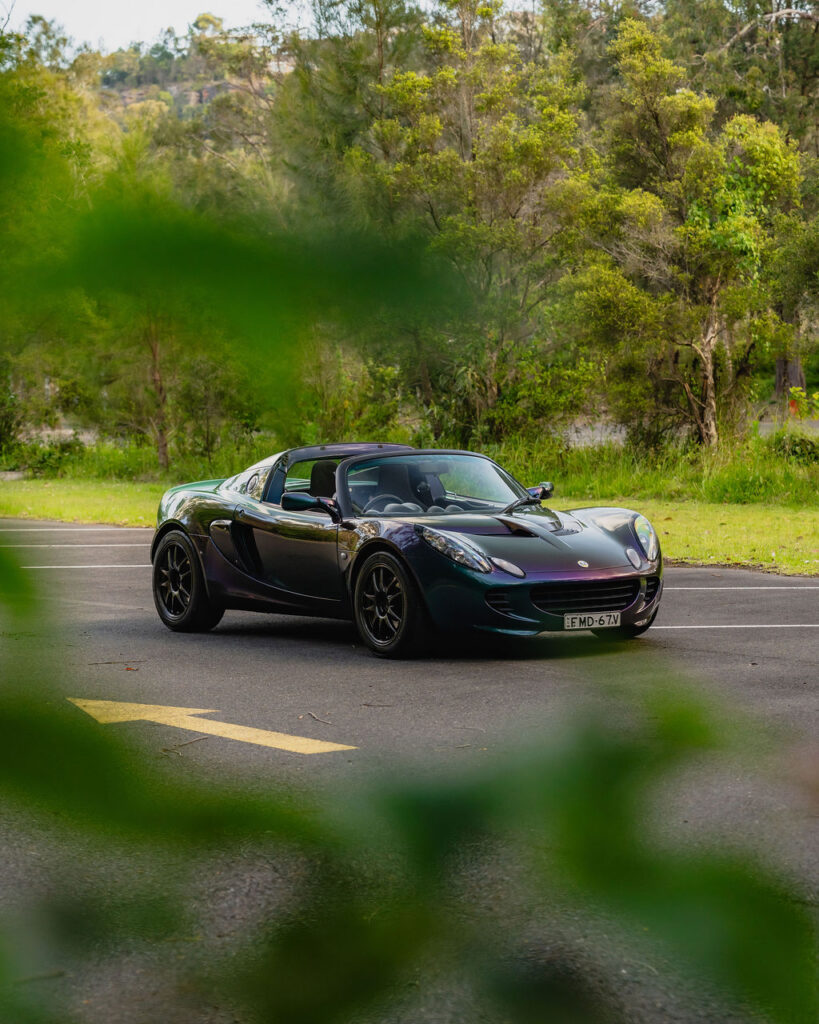
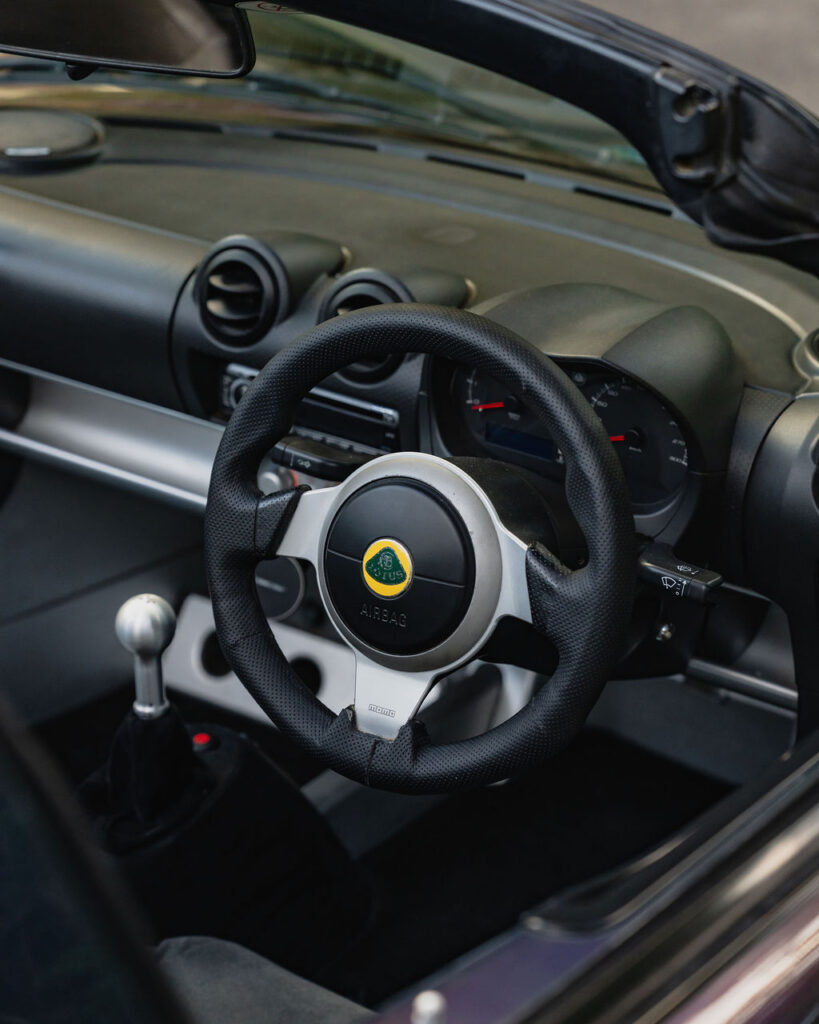
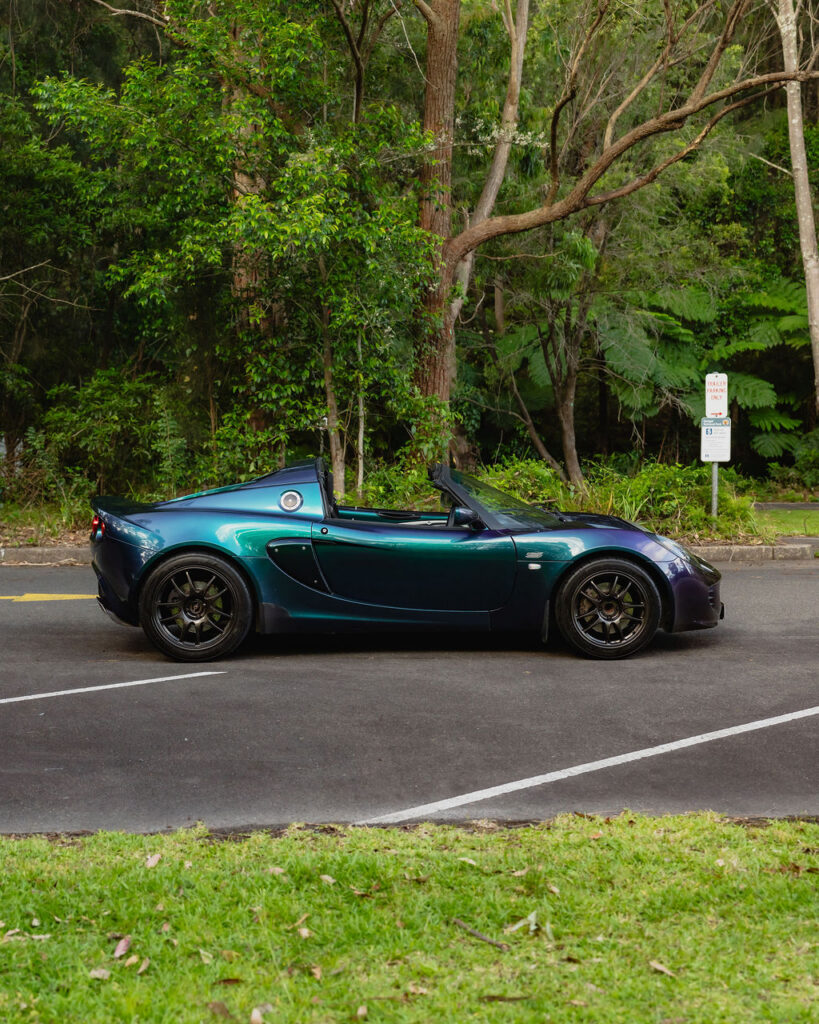
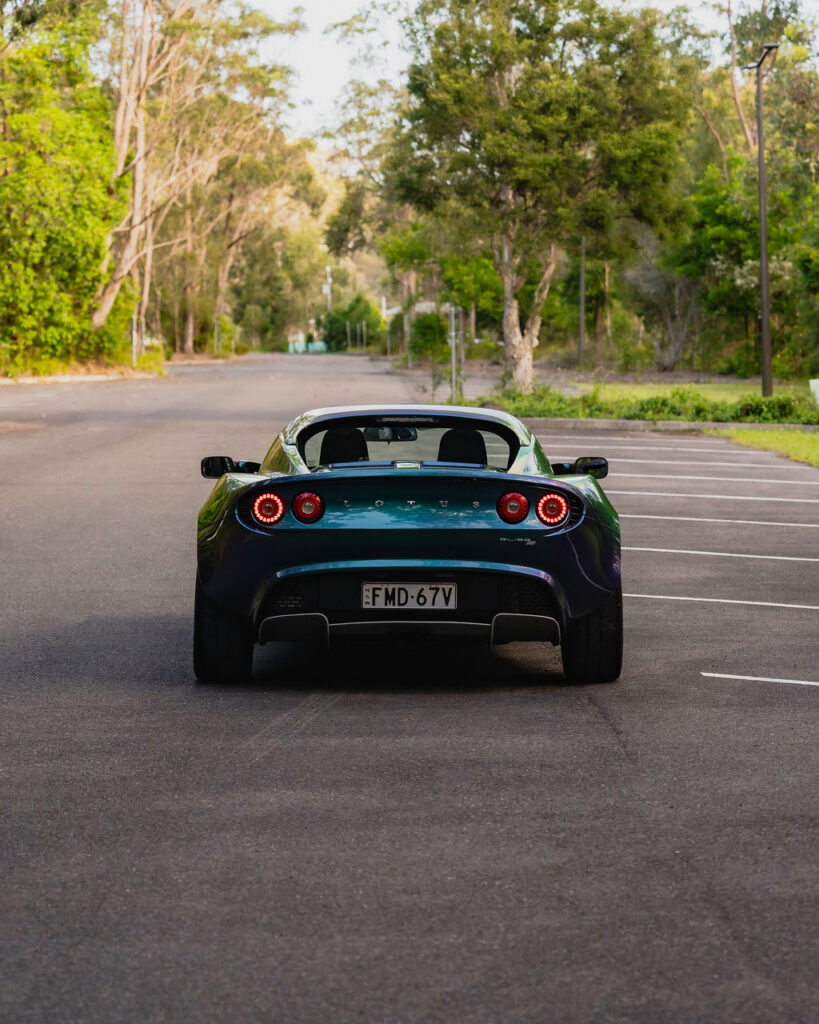
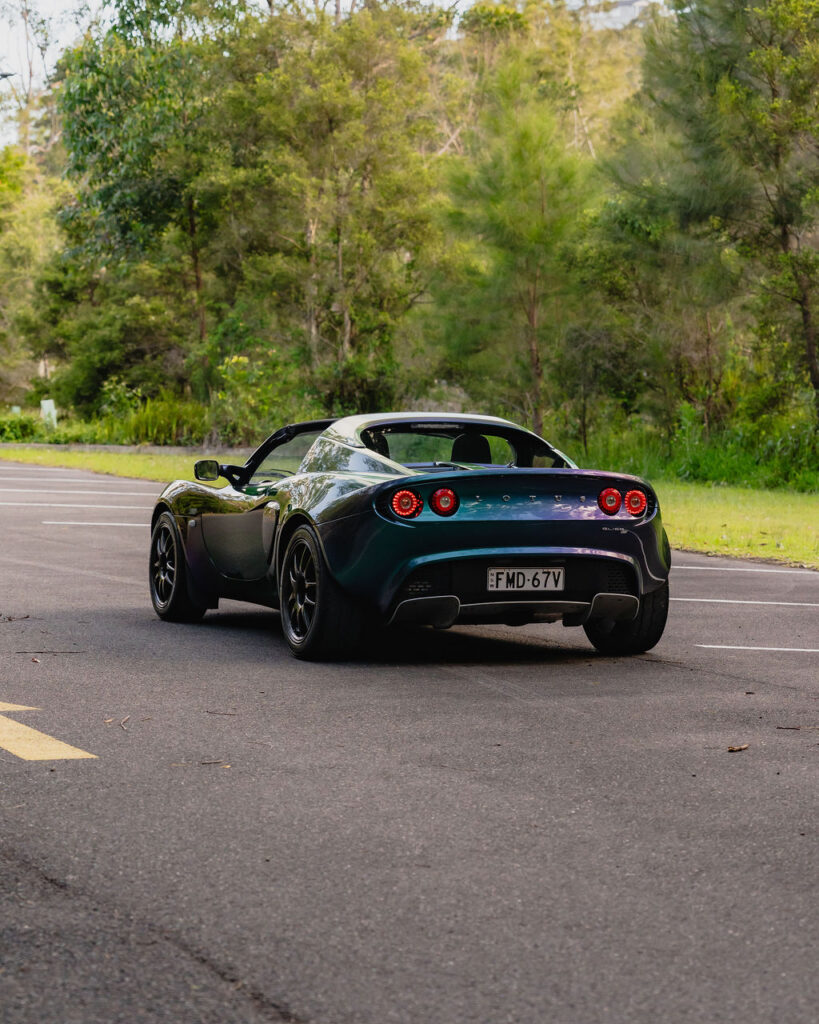
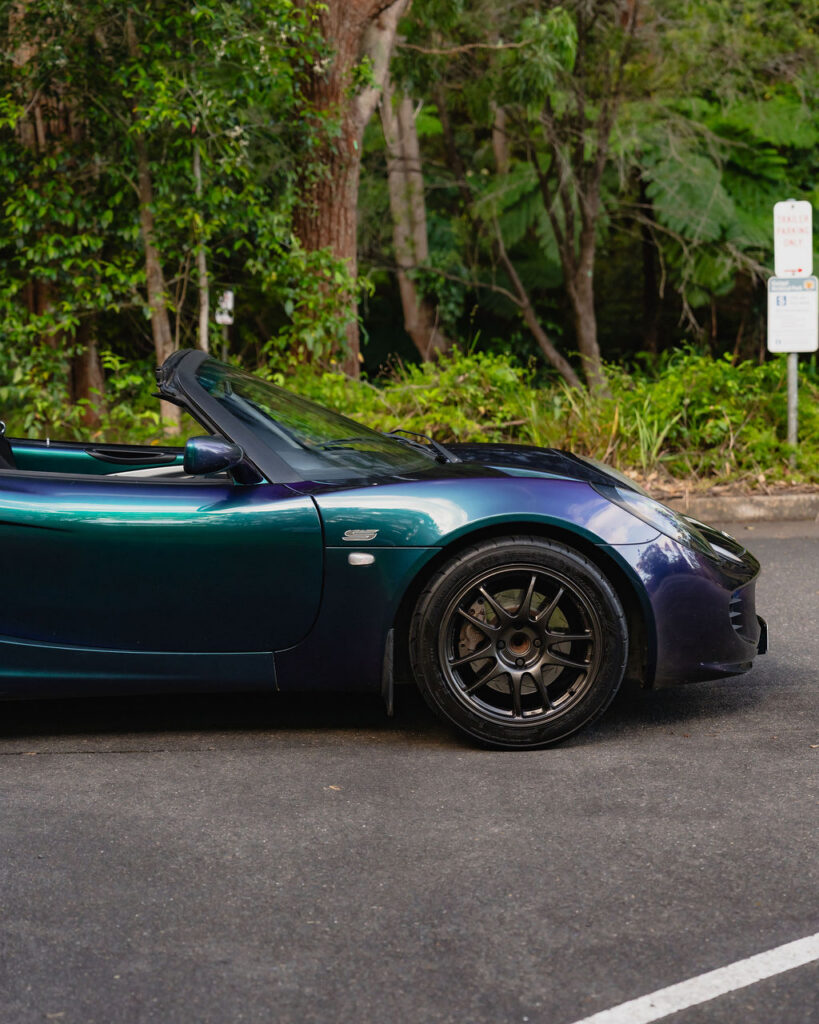
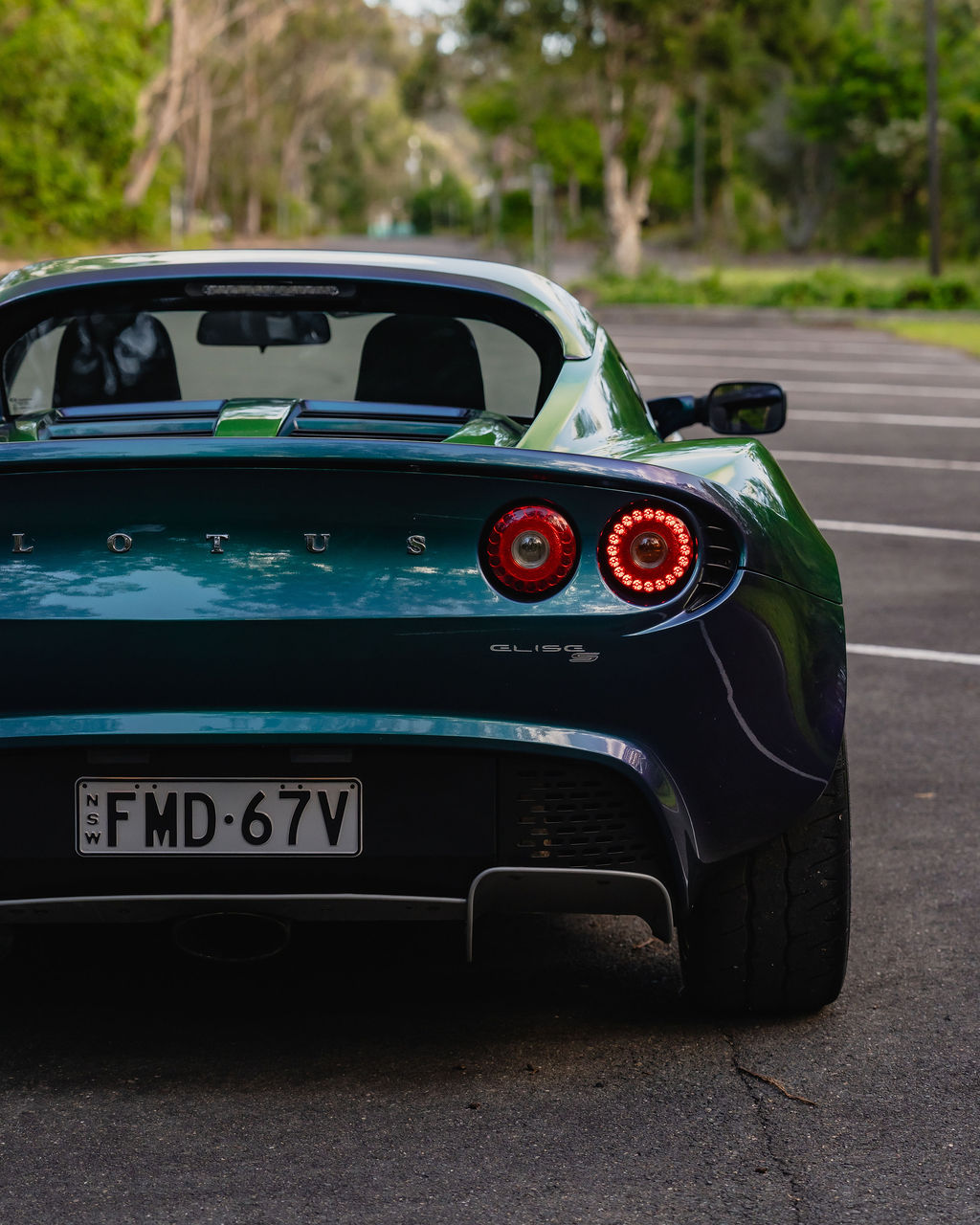
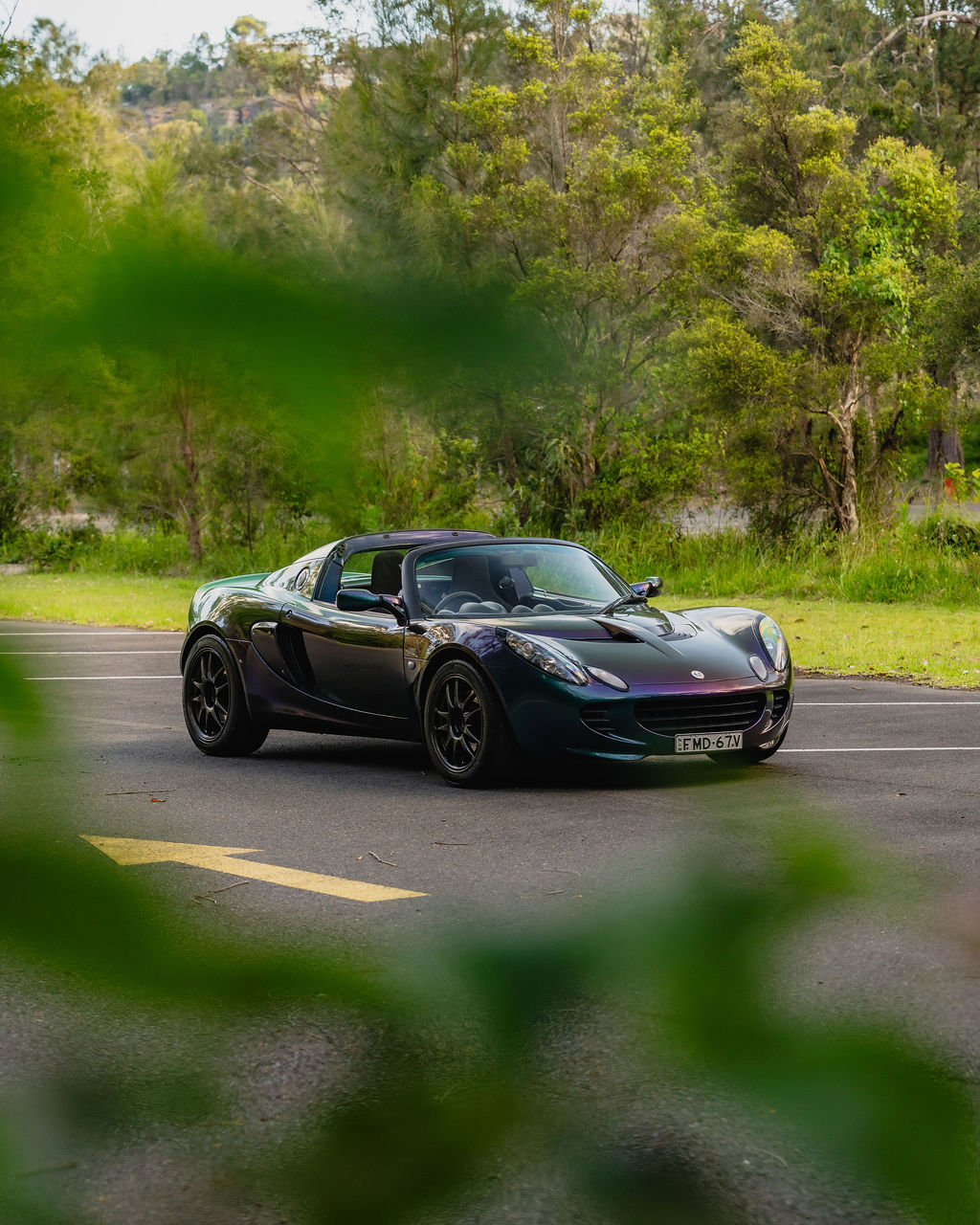
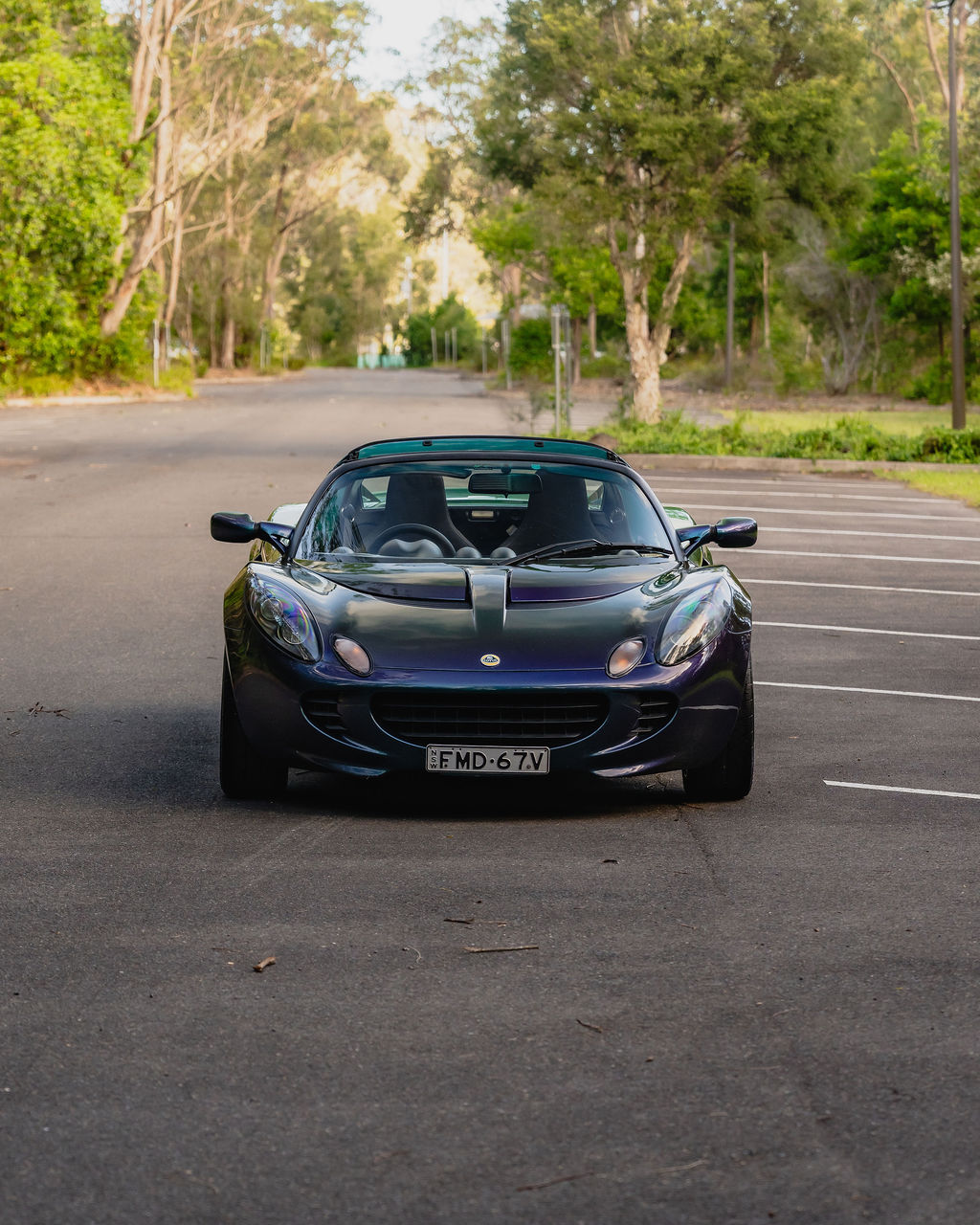
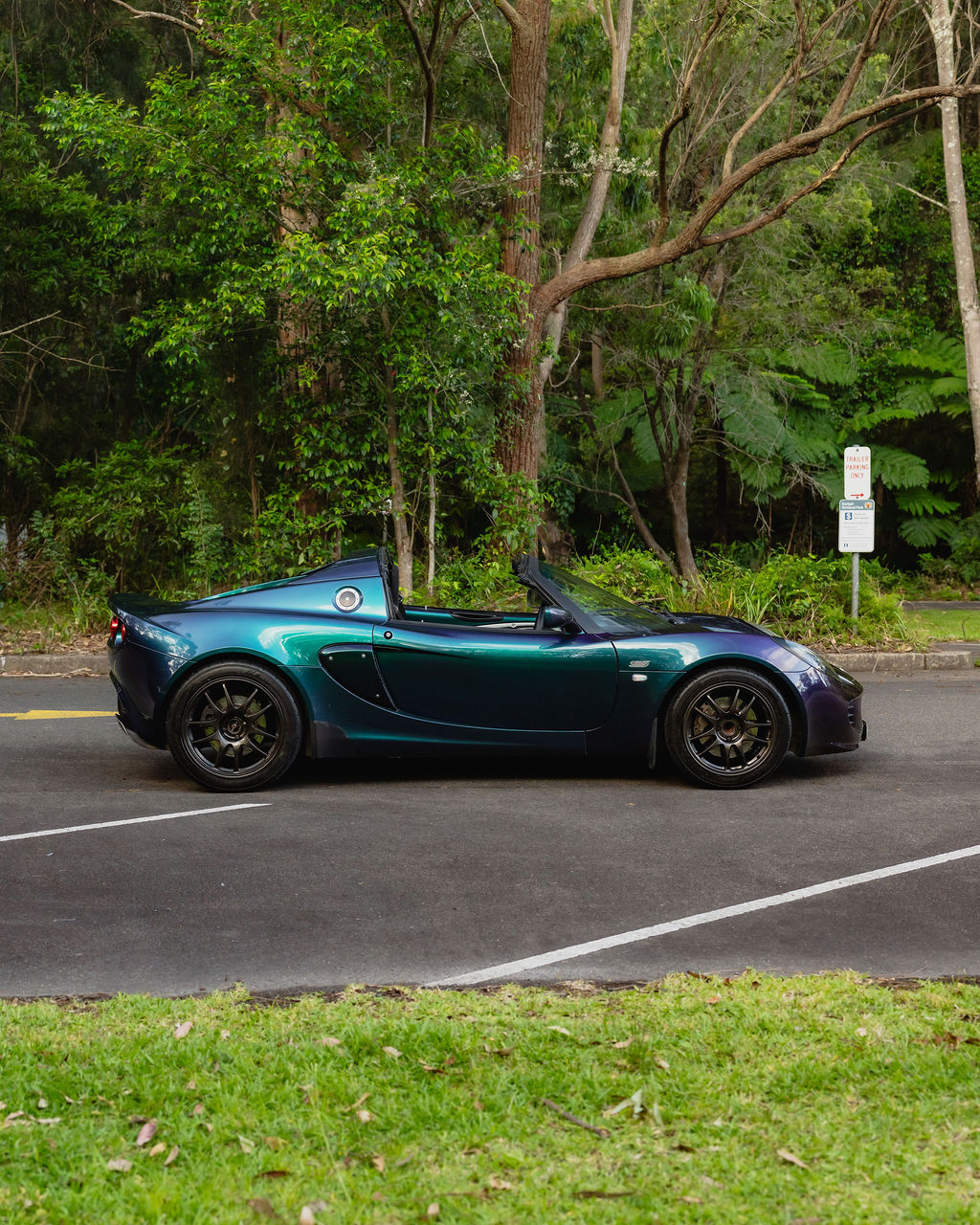
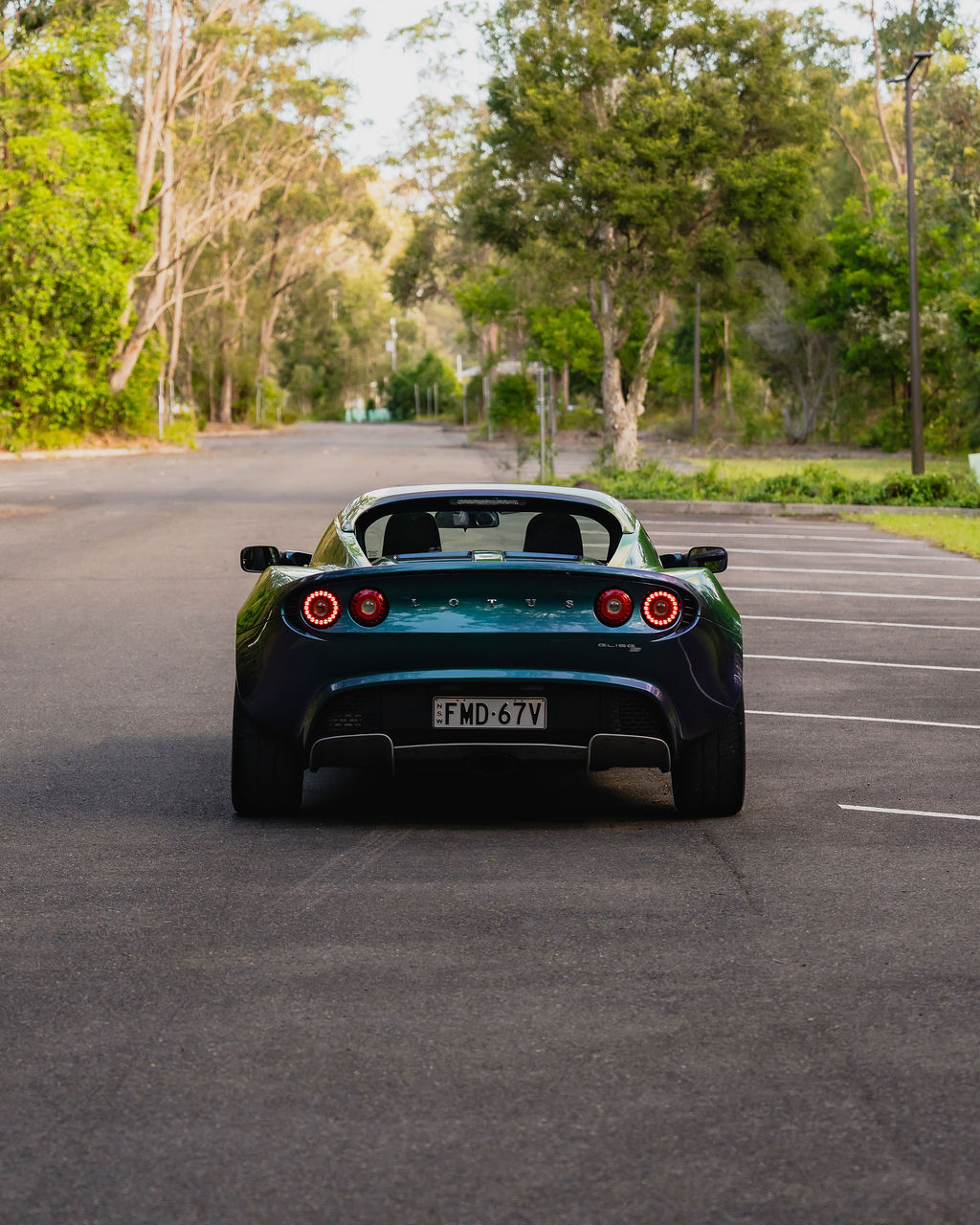
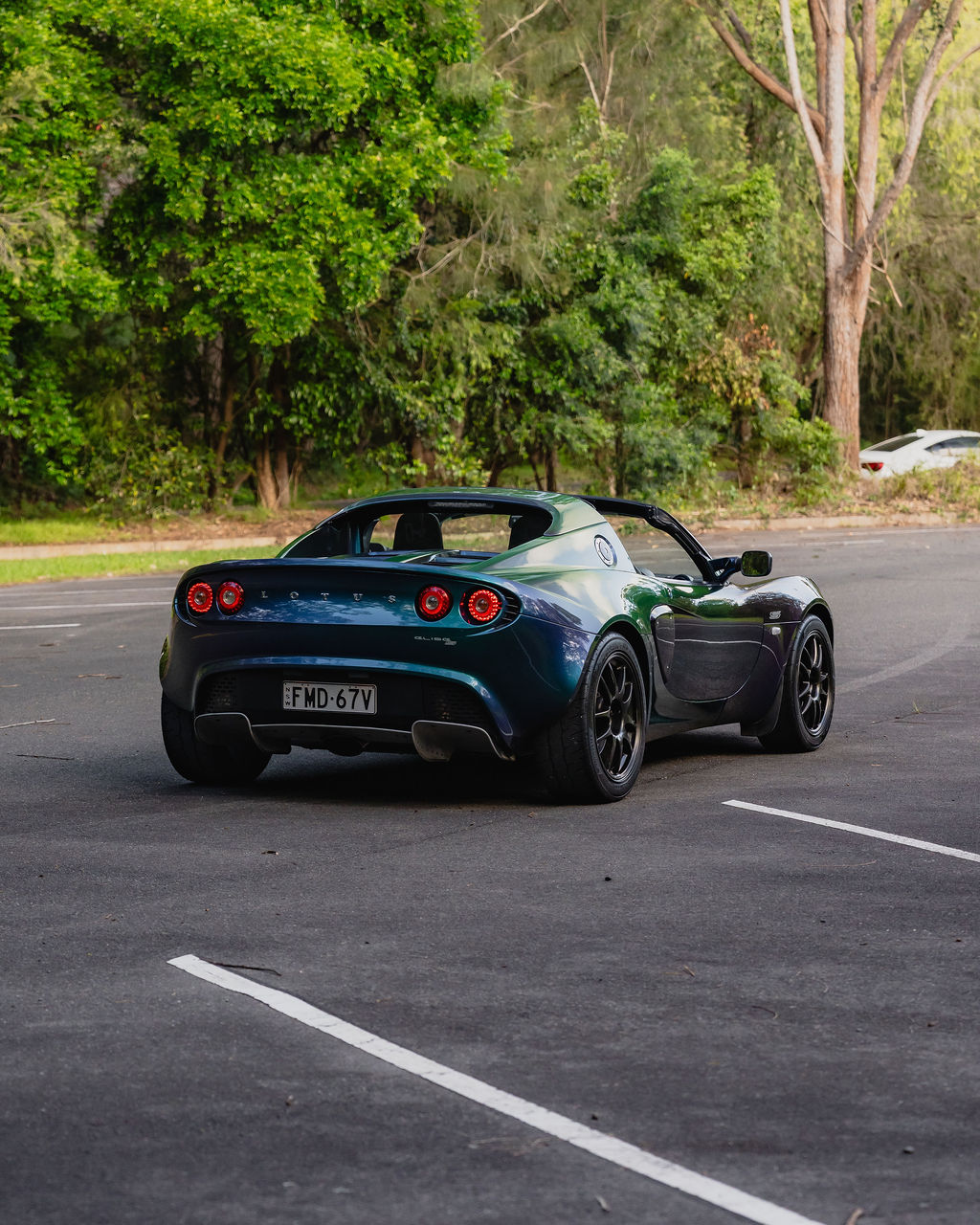
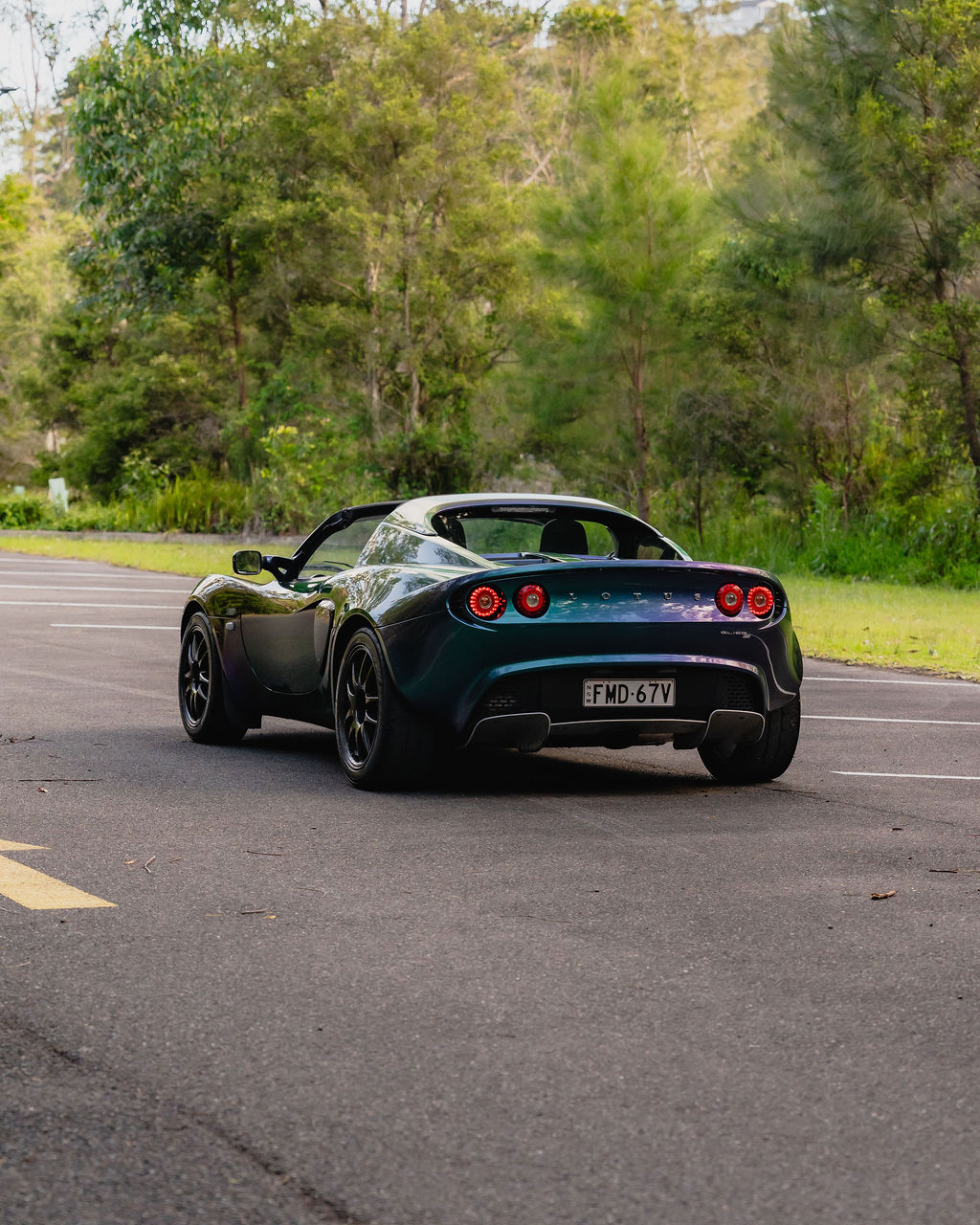
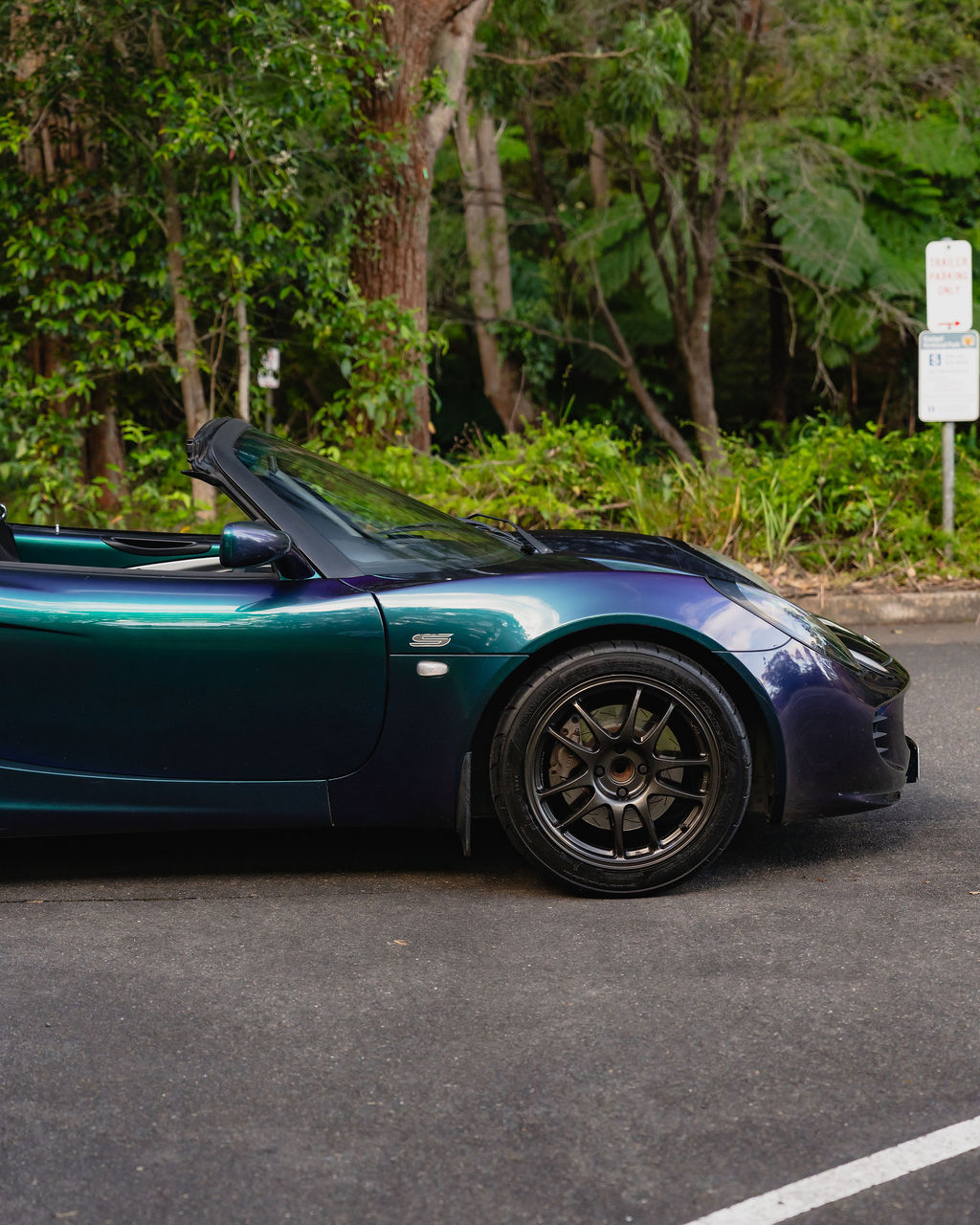
This 2008 Lotus Elise (S2) is up for sale on RR Auctions next week. With this car expected to cost the new owner around one fifth the price of a brand new 911, it seems like the perfect antidote to all that noise. Make your choice.