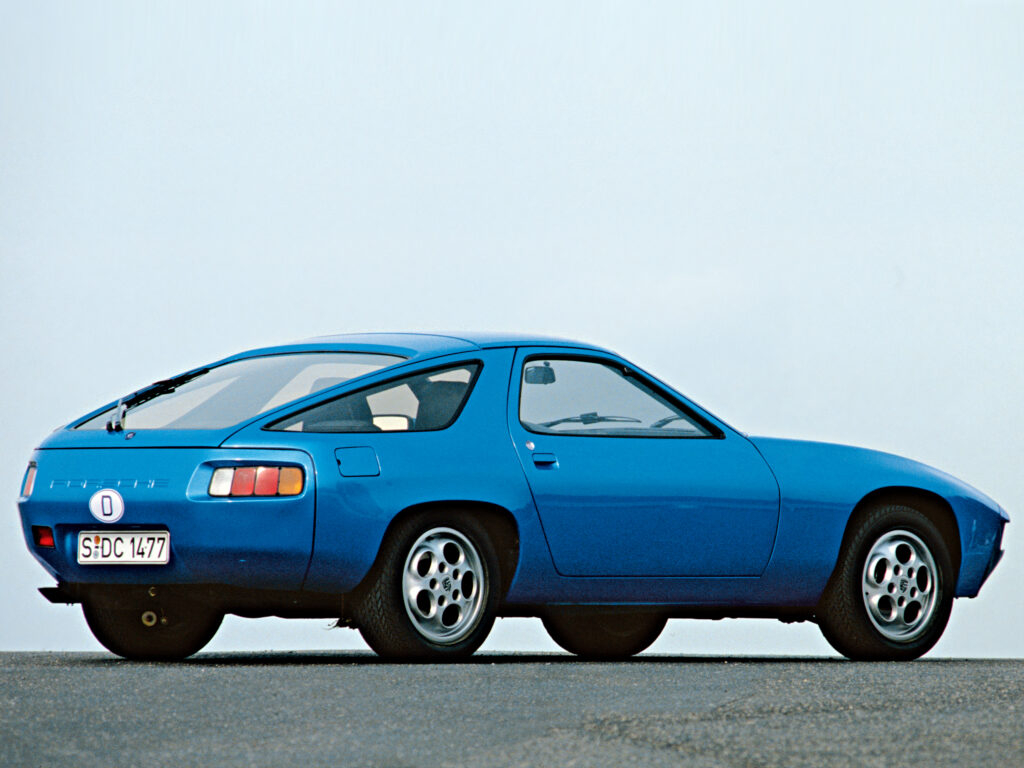

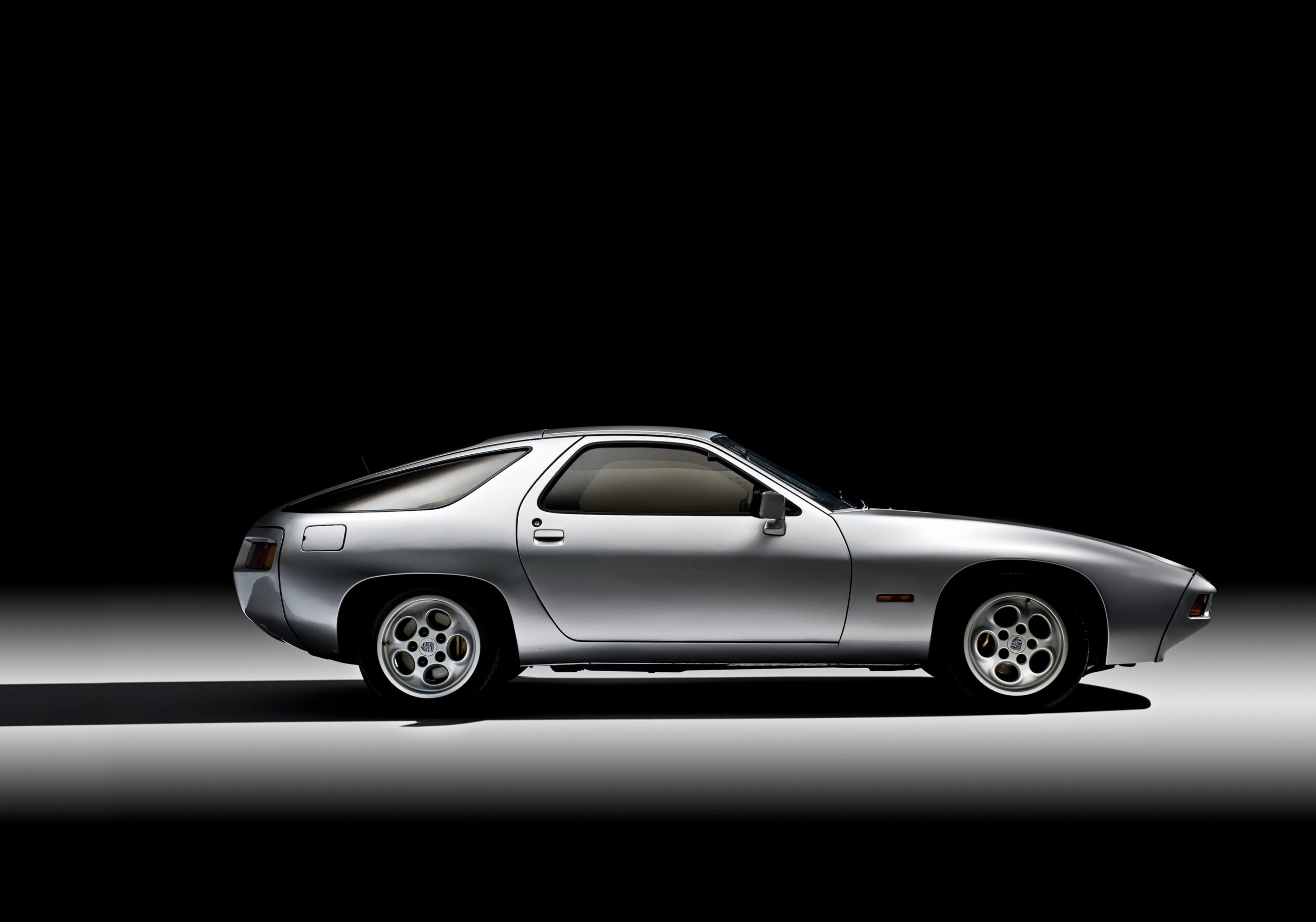
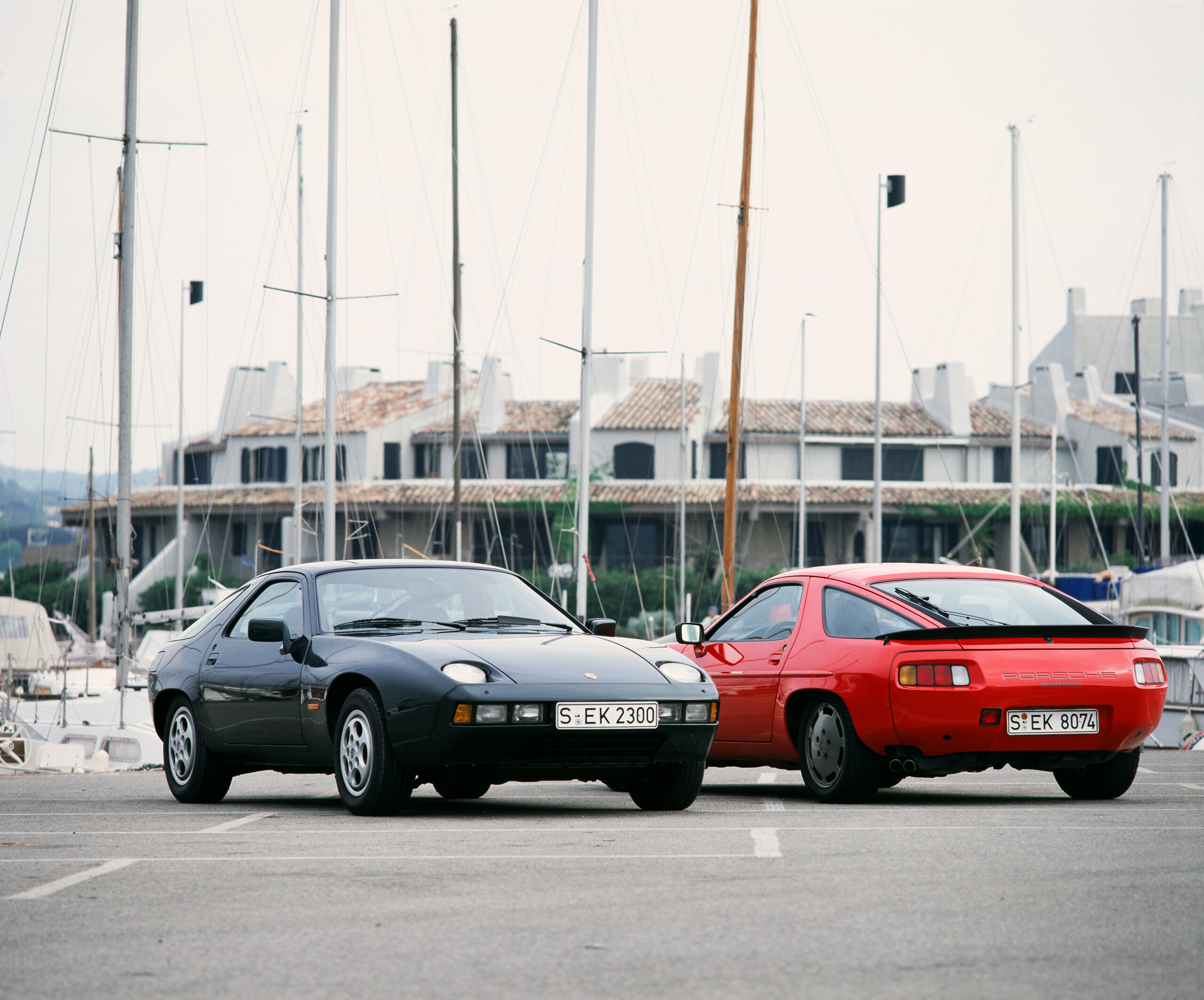
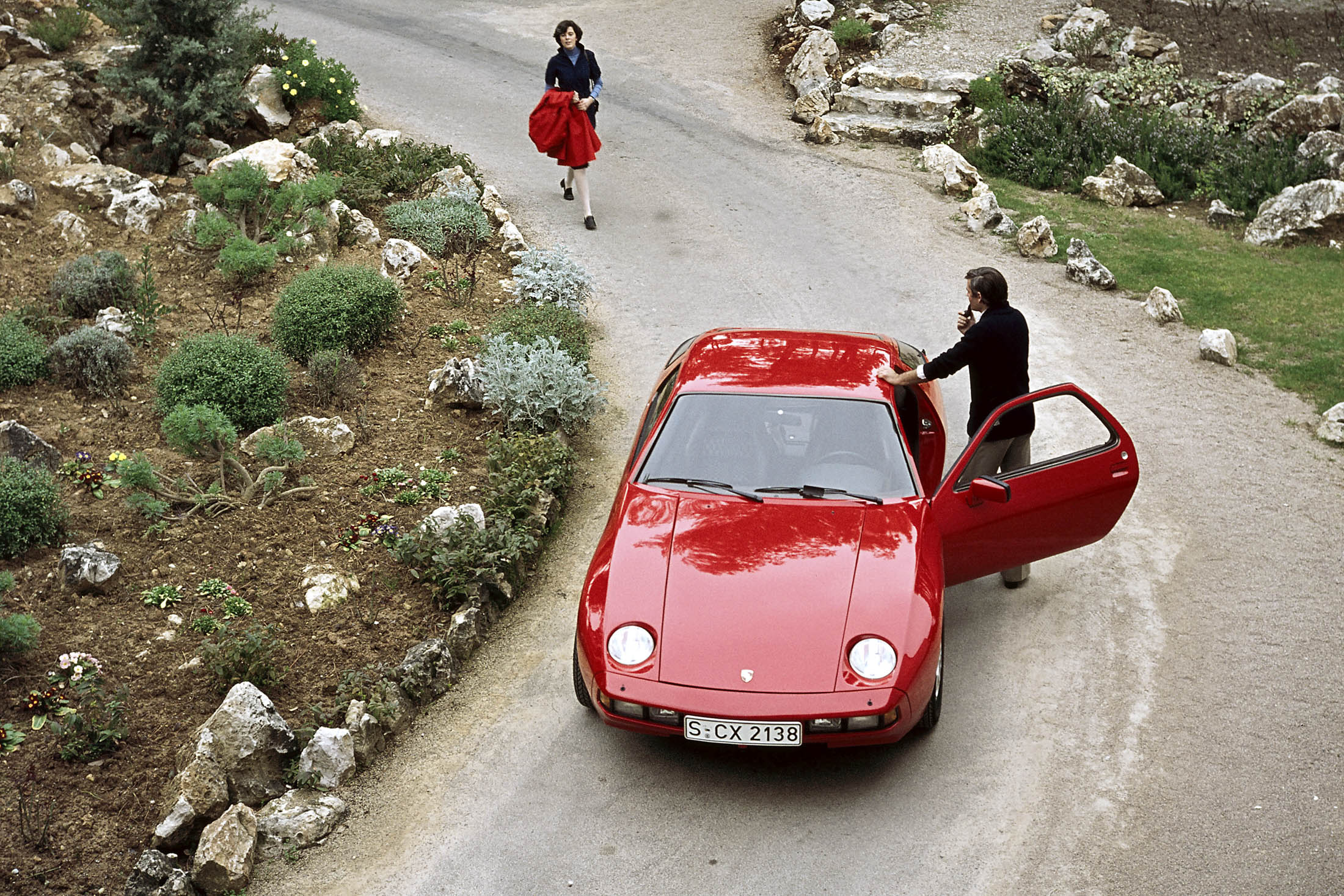
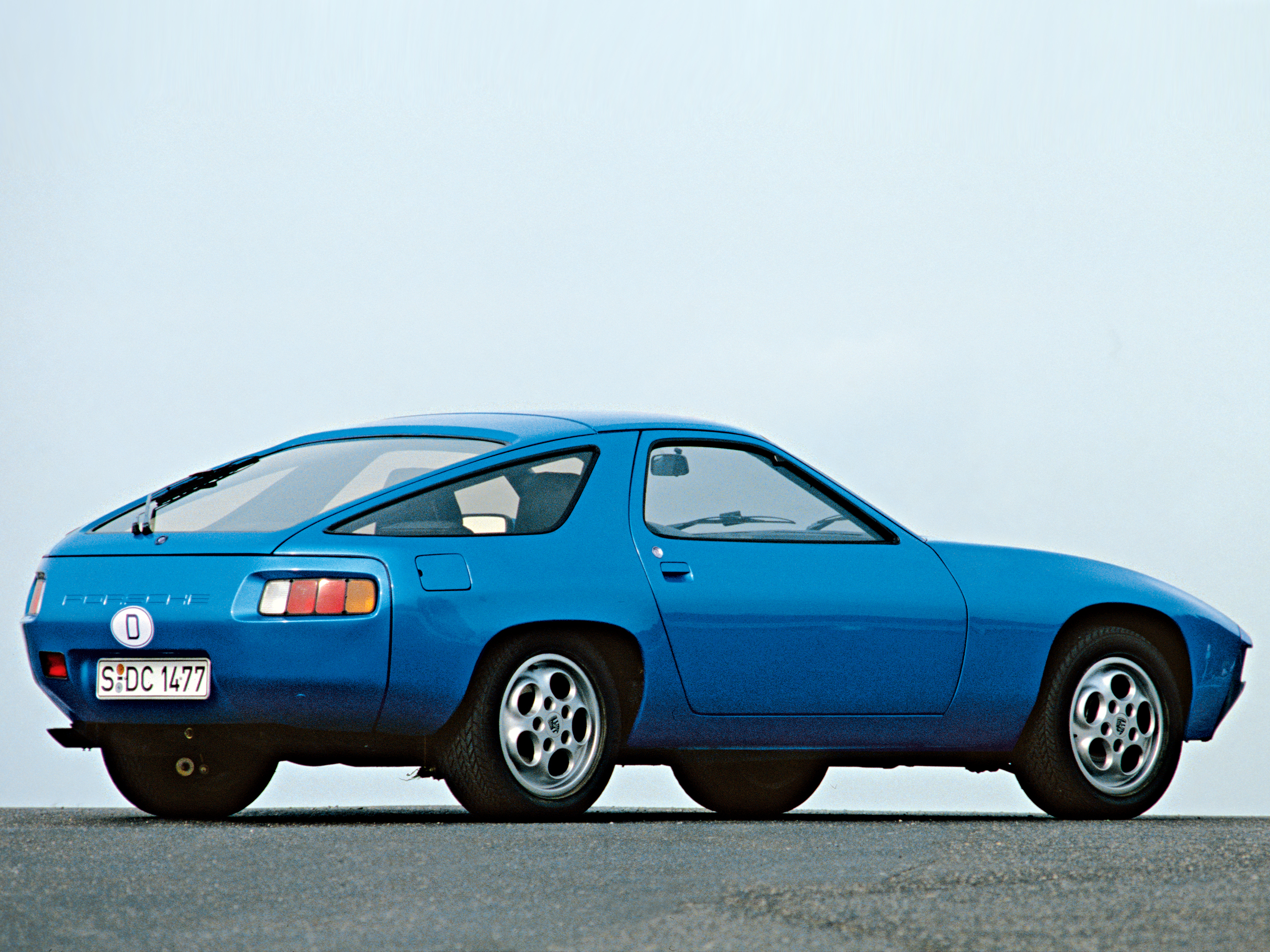
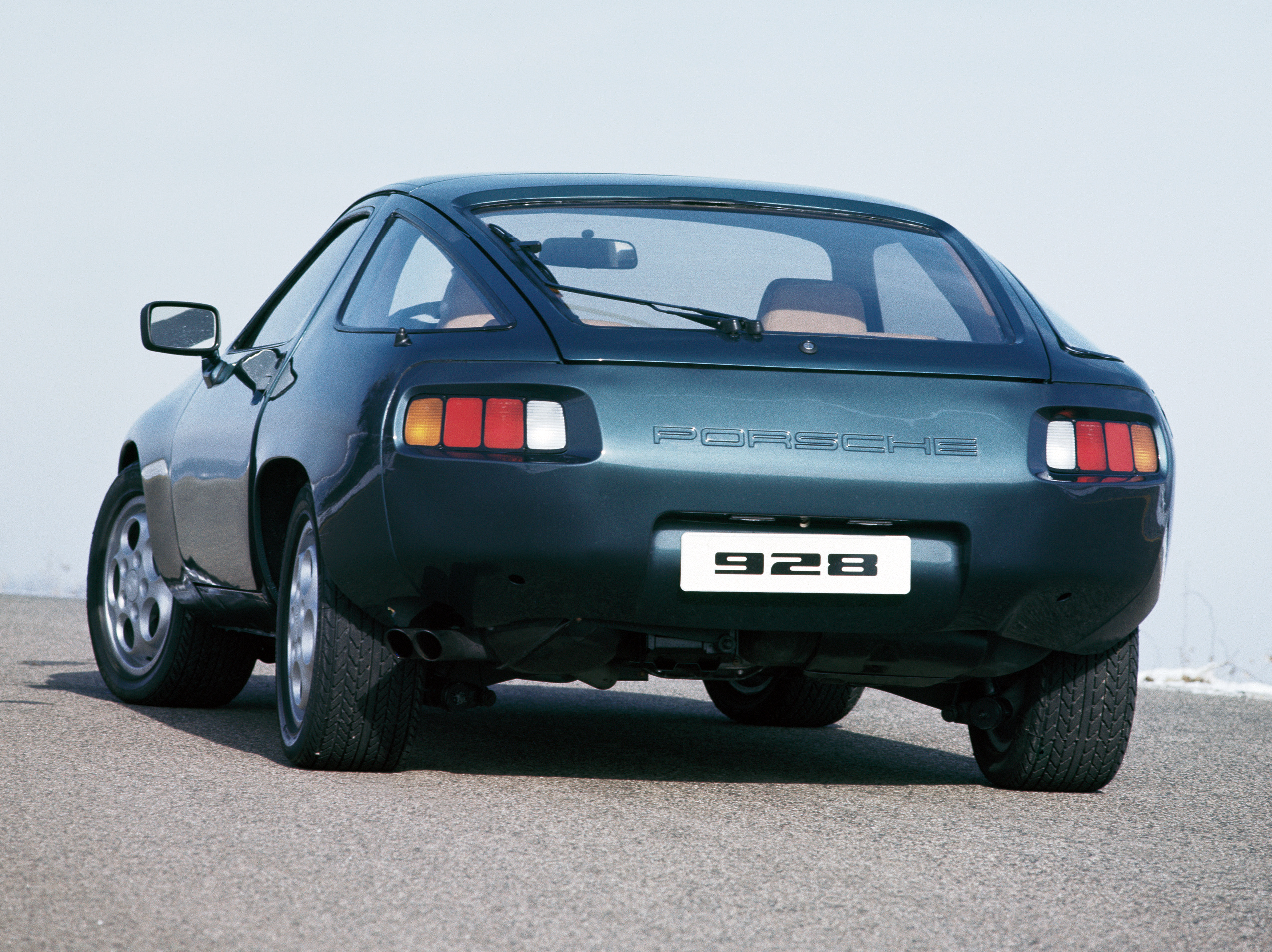
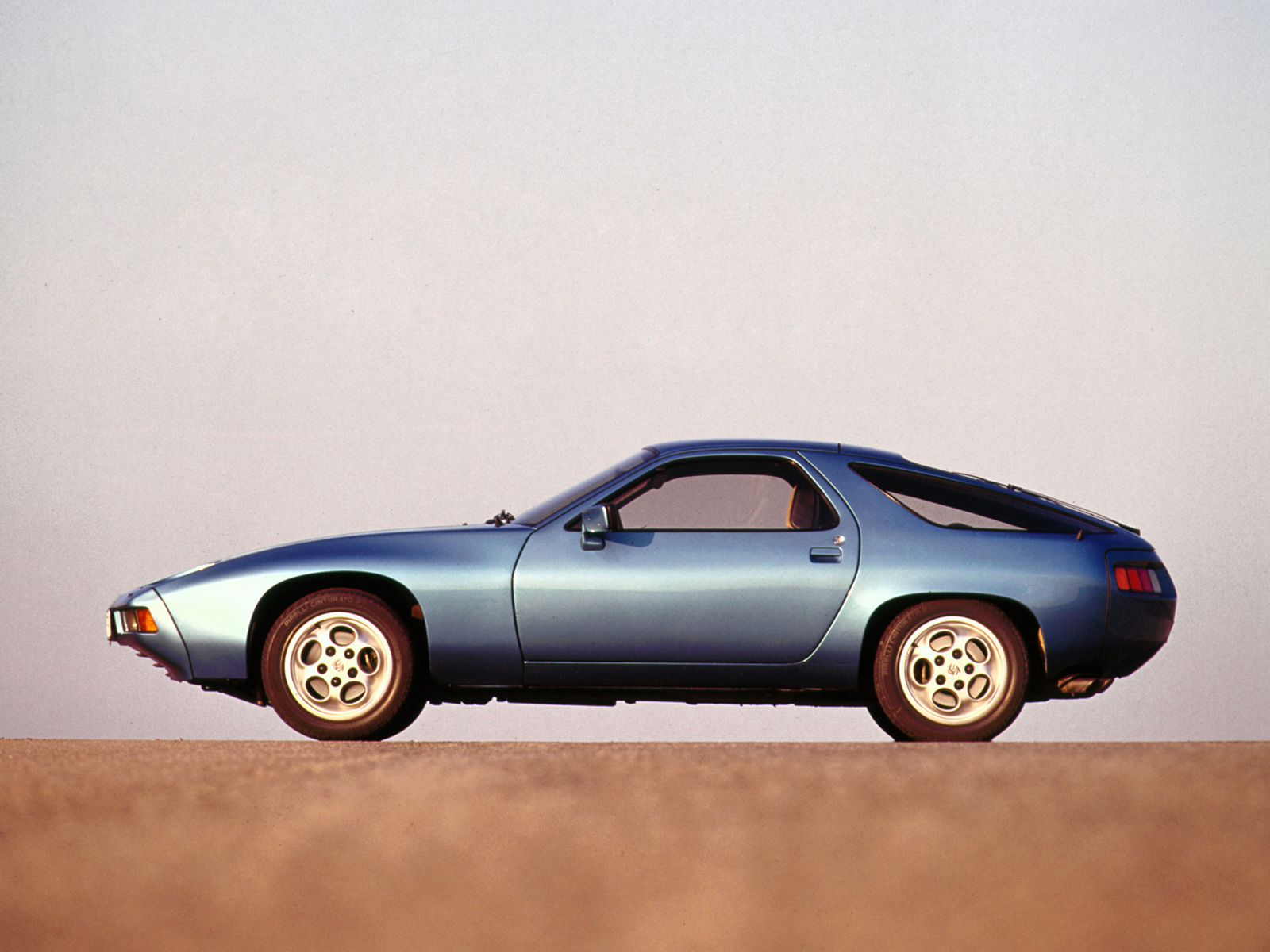
The Porsche 928 will probably be forever known as the svelte, sophisticated pretender, ousted by a gritty little battler that wouldn’t die. Though the 928 was indeed conceived as the eventual replacement for the 911, it was quick to find its own cult following as a fast and immensely capable grand tourer.
Porsche began planning the 928 in 1971, in response to concerns that the 911 would not much longer meet ever-tightening safety and emissions regulations, particularly in the vital US market. And to (mis)quote the famous 928 driver Joel Goodson, “sometimes you’ve just gotta say, ‘What the heck.’”
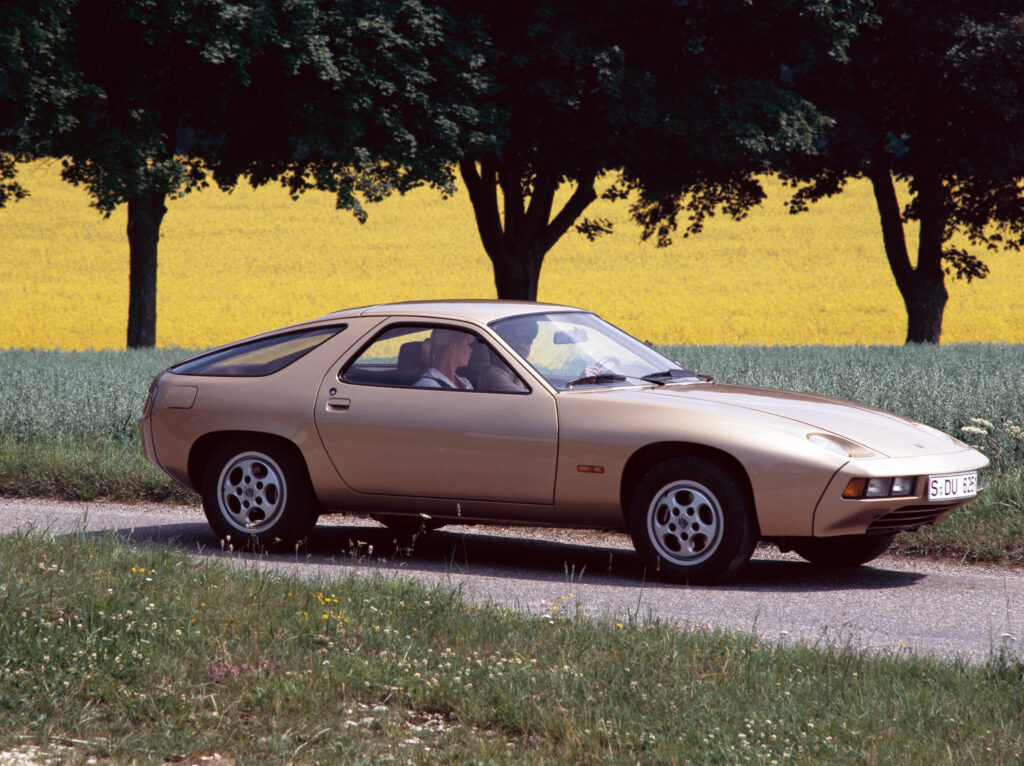
Porsche development chief Helmuth Bott’s October, 1971 proposal represented an entirely new direction for Porsche, starting with its front-mounted, water-cooled engine. A 90-degree V8 would keep the bonnet line low and offer enough performance to take the company into Mercedes and Jaguar territory.
The initial development of a 5.0-litre was hobbled by the 1973 oil crisis. The SOHC V8 debuted in 1977 in 4.5-litre guise with a modest 176kW; it was replaced two years later by an altogether more useful 4.7-litre unit offering a gutsier 221kW.
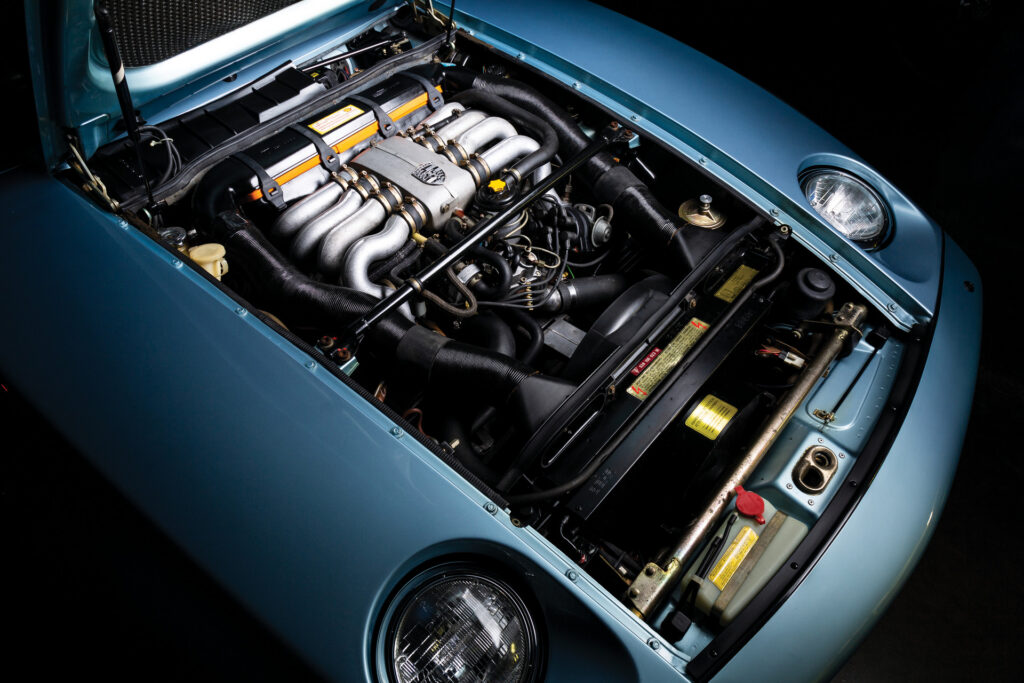
Porsche’s first water-cooled engine was truly all-alloy, having no steel cylinder liners but instead, being cast in Alusil with an etching process leaving a silicon-crystal bore surface. The single timing belt, driving the cams, water and oil pumps, was more than 2-metres long.
A five-speed manual was by far the most popular transmission, while the optional three-speed, no-extra-cost auto was supplied by Mercedes-Benz.
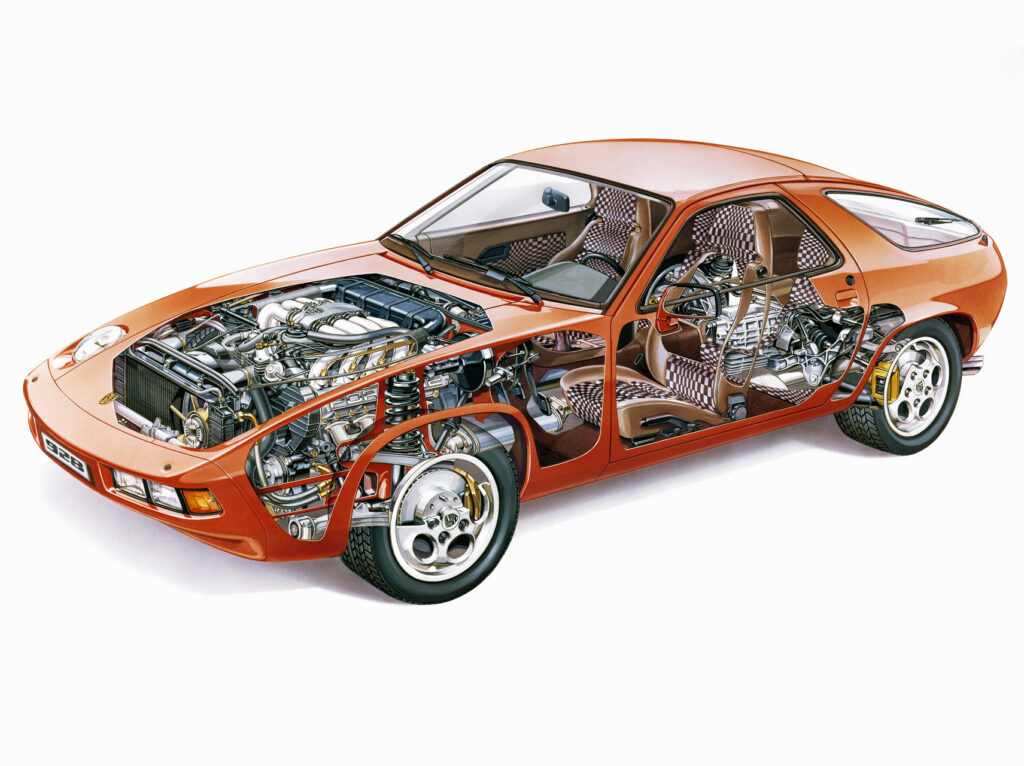
Performance was more swift-GT than supercar, with the 4.5-litre 928 covering 0-100km/h in just under 7 seconds.
Porsche’s engineers were at the time familiar with the benefits of a hatchback body shape and rear-mounted gearbox, being engrossed in the EA425 project: the Volkswagen/Audi sports car that later became the Porsche 924.
Expectations of strict crash standards resulted in a super-strong steel monocoque. Despite using aluminium body panels for the doors, bonnet and front quarters, the 928 overshot its target weight by 80kg, standing at 1450kg on its 1977 Geneva show debut. The front engine and rear transaxle helped proportion weight 51/49 front/rear.
Suspension, with double wishbones up front and Weissach axle trailing arm arrangement at the rear, brought an industry-first rear toe control.
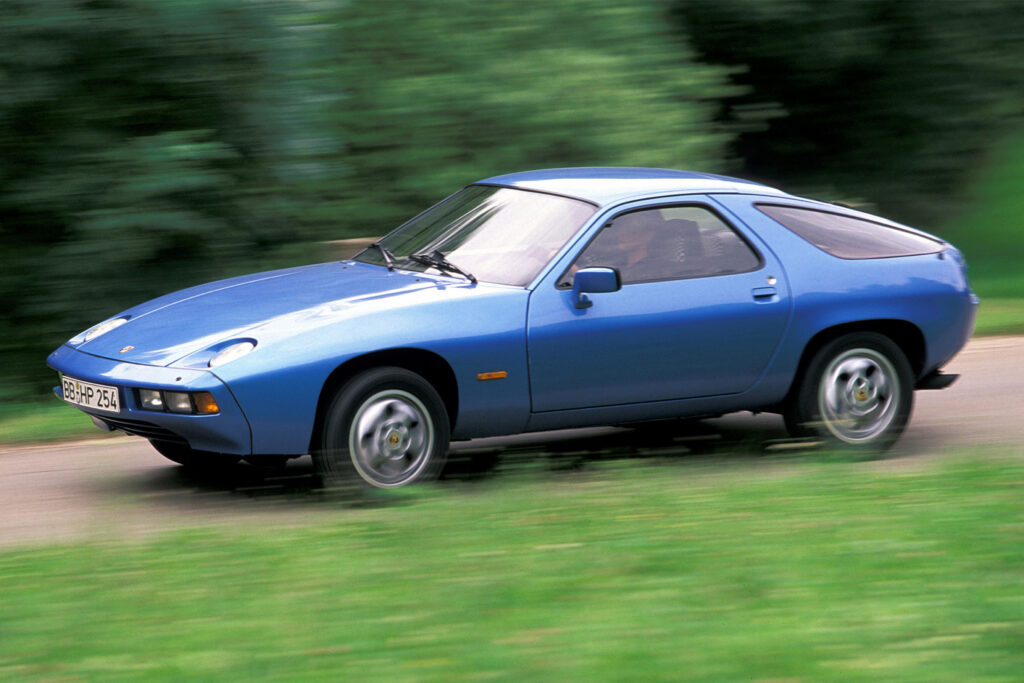
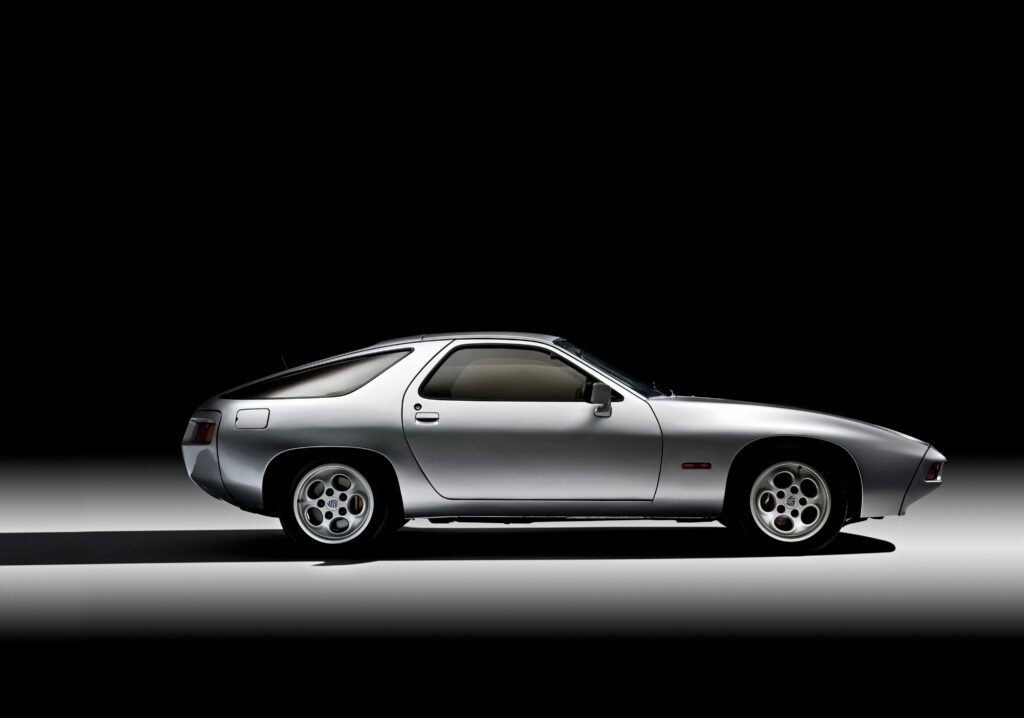
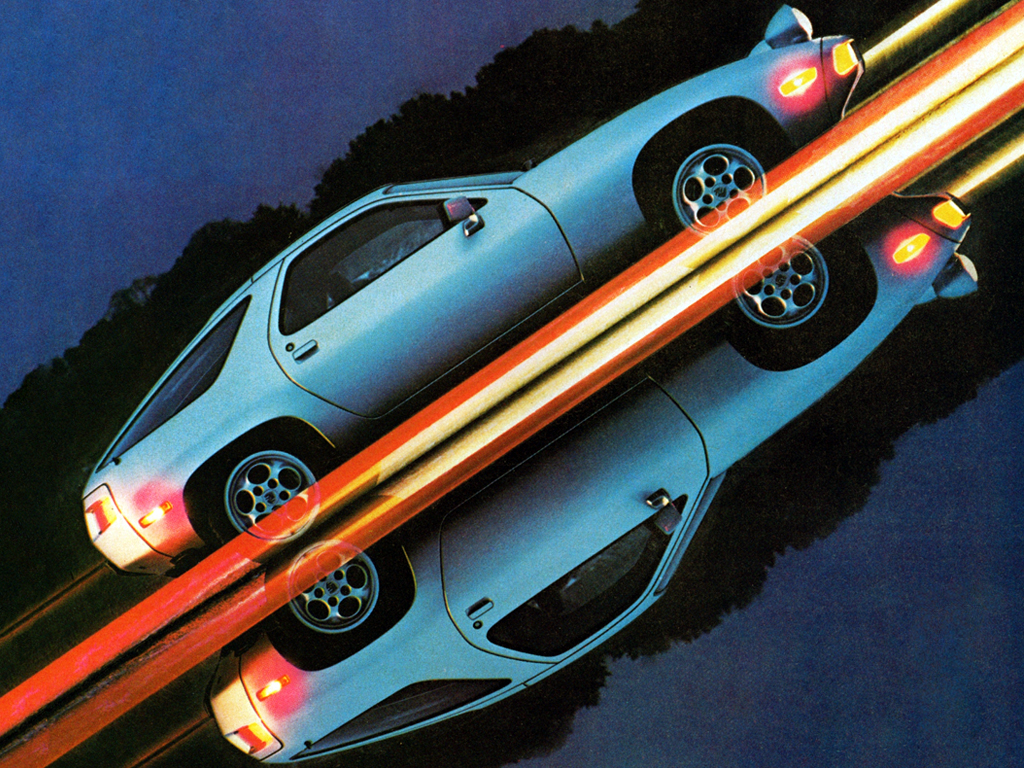
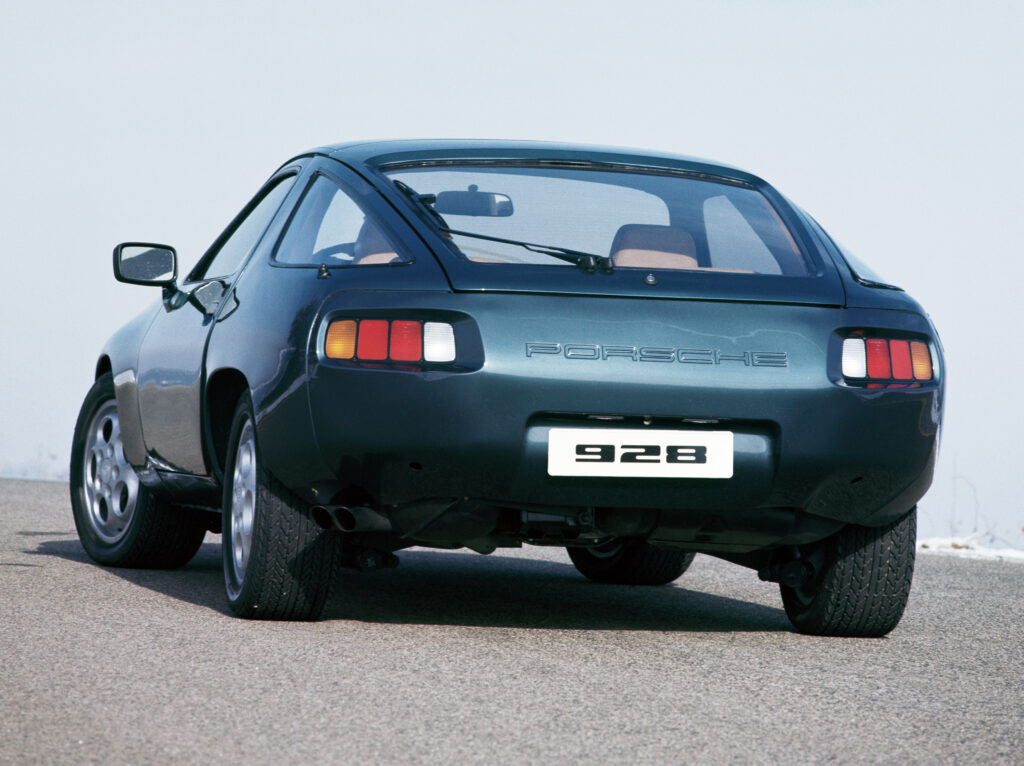
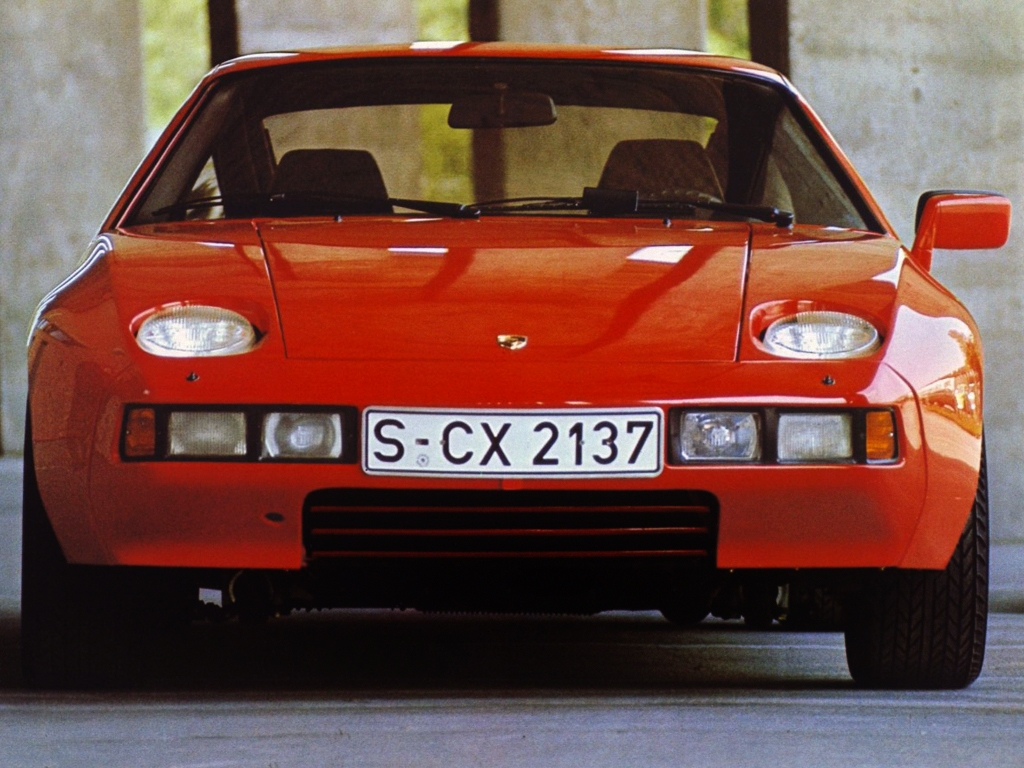
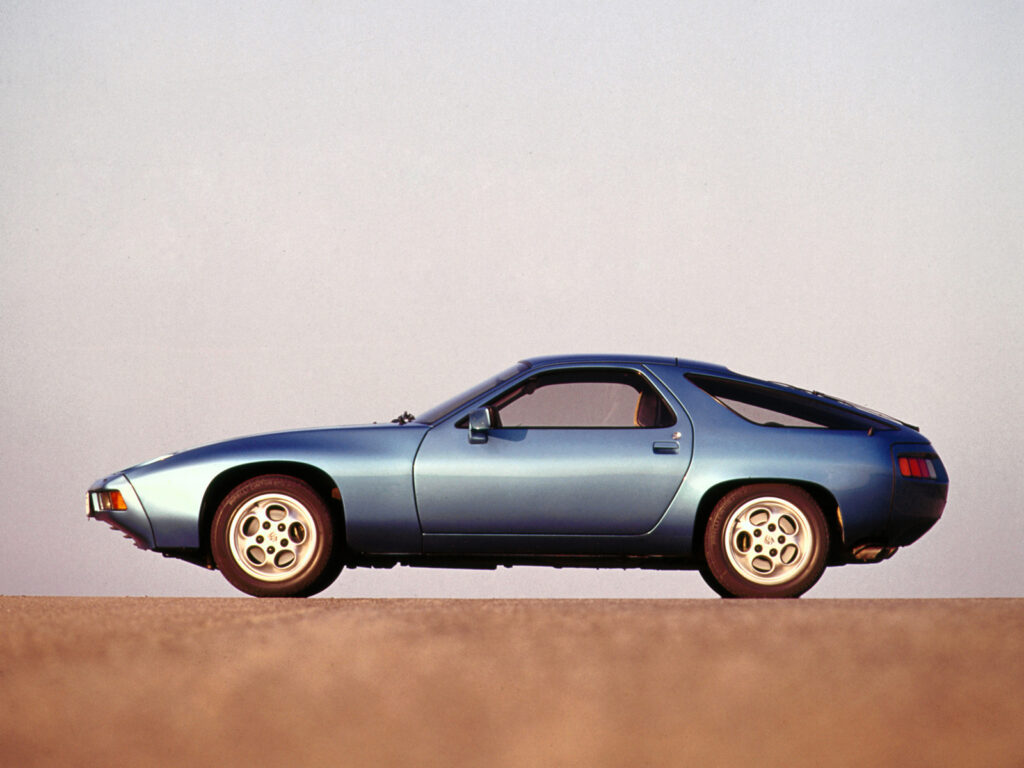
The 928’s unprecedented, aeronautically influenced body shape was penned by Wolfgang Möbius, under design director Anatole ‘Tony’ Lapine. It was a mould-breaker, not least in having no visible bumpers. The substantial width and overhangs were disguised by sharp tapering at each end; the dimensions were further tightened when it was discovered the car wouldn’t fit into automated car washes.
Lapine later said that the 928’s headlamps were inspired by the Lamborghini Miura, and the rear treatment by … the AMC Pacer. Party on, Garth! The stand-out styling hardly started a trend, but Ford used the 928 as inspiration for its successful Sierra.
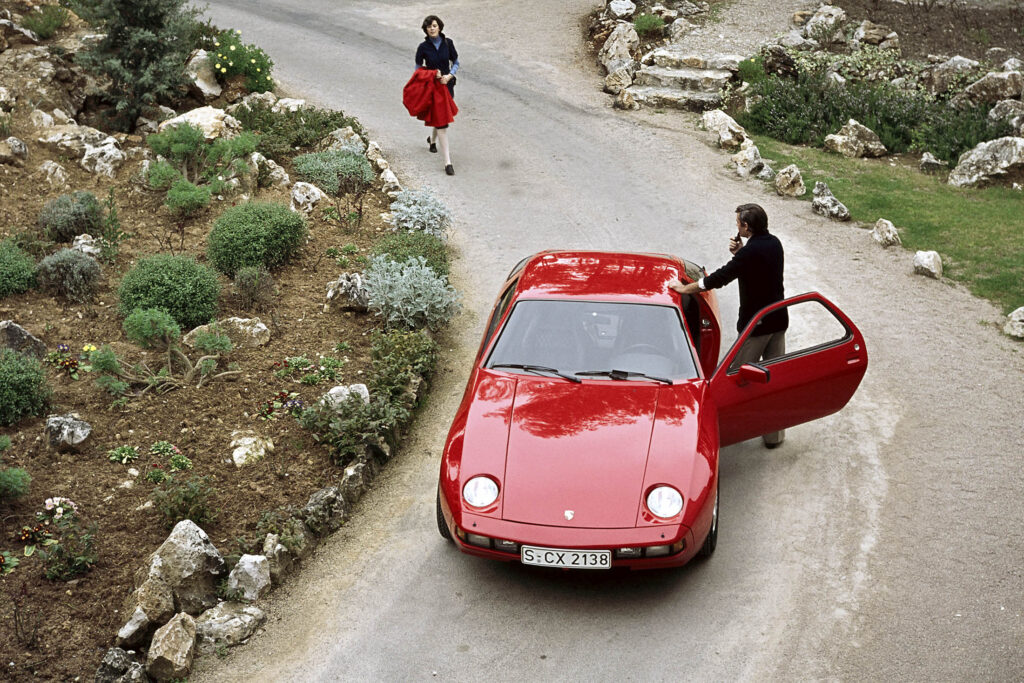
The 928 interior was spacious for two front occupants, benefiting from the rear-mounted gearbox, but the plus-two rear copped further compromise to accommodate the auto’s torque converter. As with the 911, the 928’s rear backrests could be folded flat.
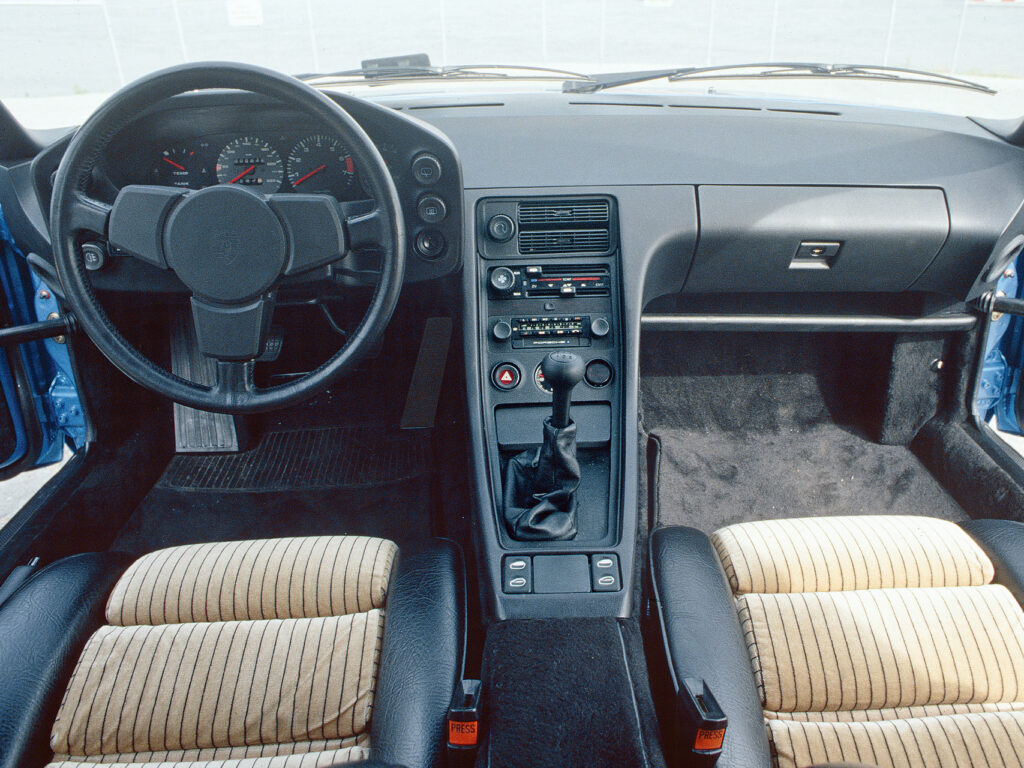
The modern-as-tomorrow interior featured a wraparound theme and the instrument binnacle moved with the adjustable steering column; shame about the Holden Kingswood handbrake, located down by the driver’s door. Early 928s were unforgettable for their ‘Pasha’ psychedelic seats.
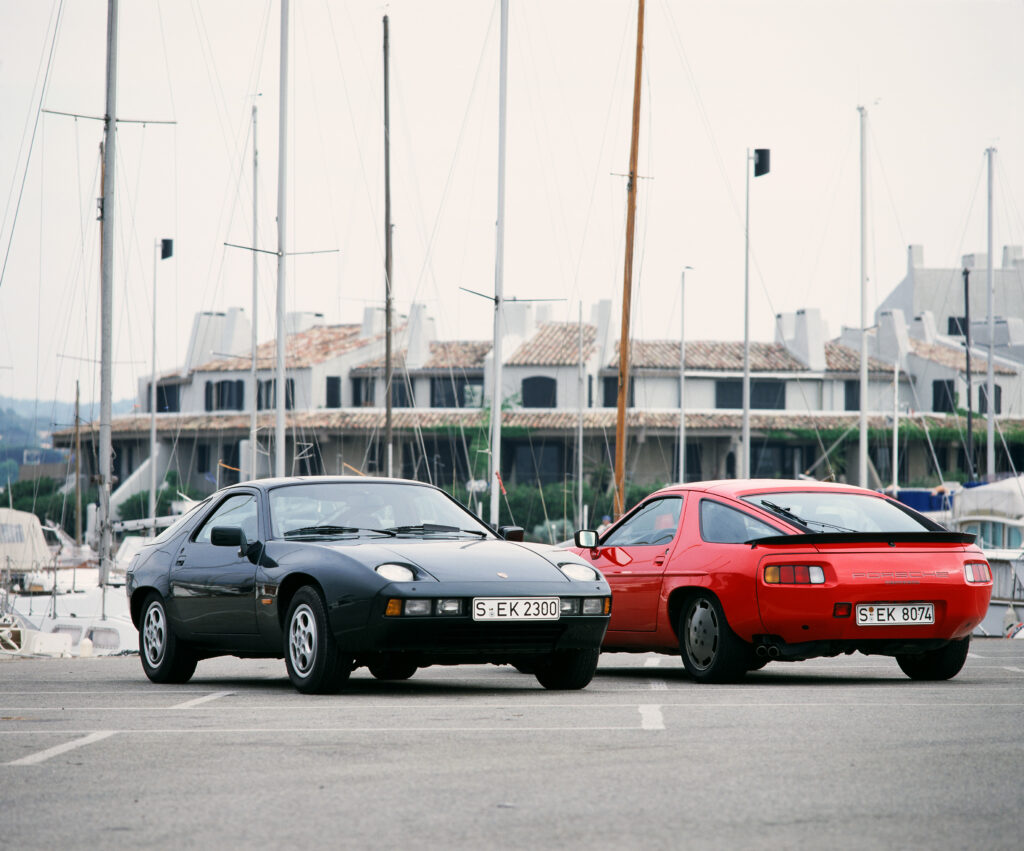
The 928 immediately won European Car of the year, although later, bigger-engined versions would be more deserving. The 4.7-litre ‘S’ (1980), quad-cam, 5.0-litre S4 and GT (1984, ’89) and ultimate, 5.4-litre GTS (1992) brought joy to the converted … but to most, a ‘real’ Porsche still meant a 911.
Unlike its more glamorous little sister, the 928 didn’t have much of a career in the cinematic or sporting spotlight. The 928’s most famous film outing ended in Lake Michigan in 1983’s Risky Business, which used a total of six cars during filming; the waterlogged one was a used, engine-less ’79.
Meanwhile, Frenchman Raymond Boutinaud and two co-drivers twice tackled the 24 Hours of Le Mans in a near-stock 4.7. In 1983 it was unclassified; in ’84 it was classified 22nd and last.
Production of the 928 ended in 1995 after a total of 61,056 had been built.