
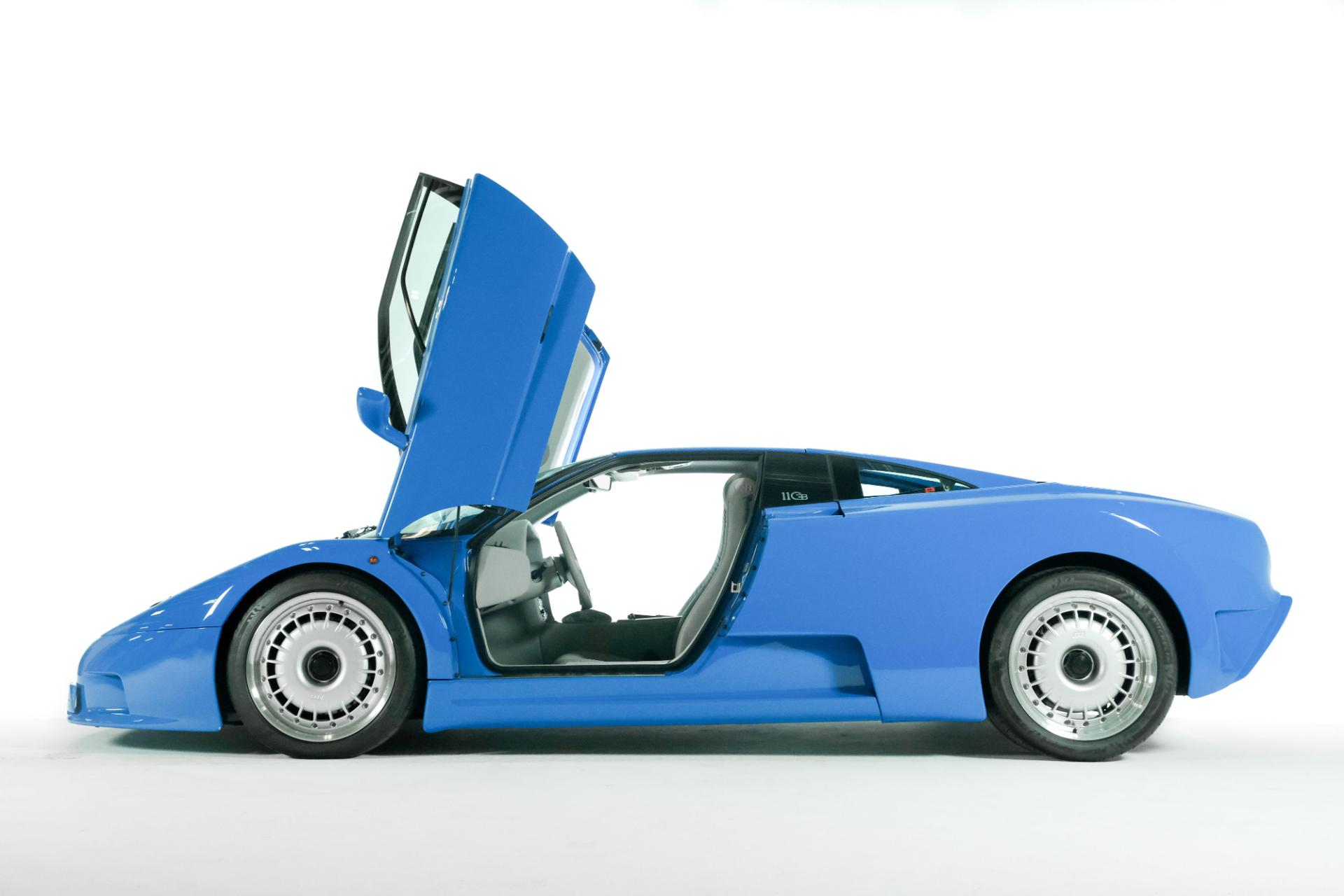
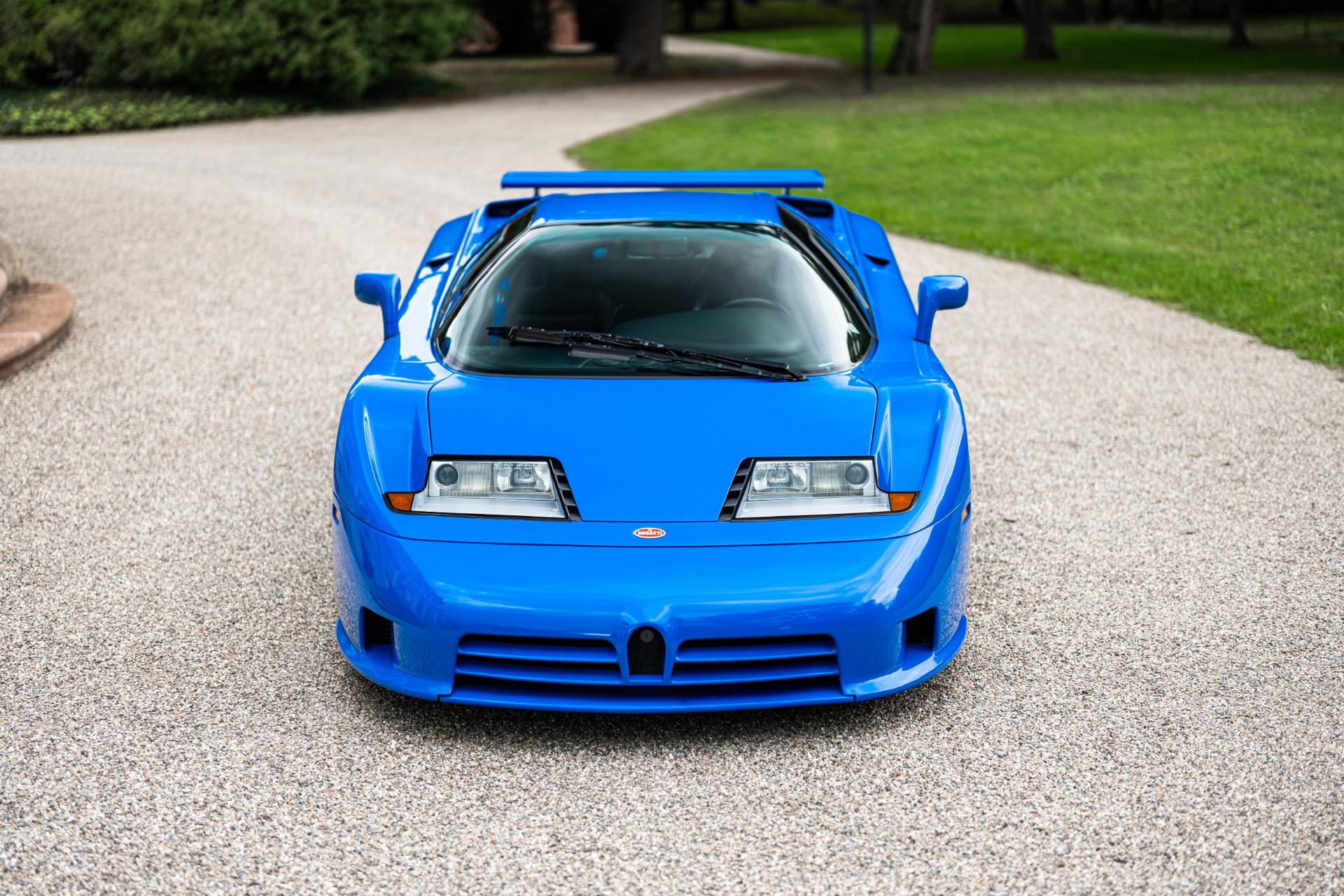
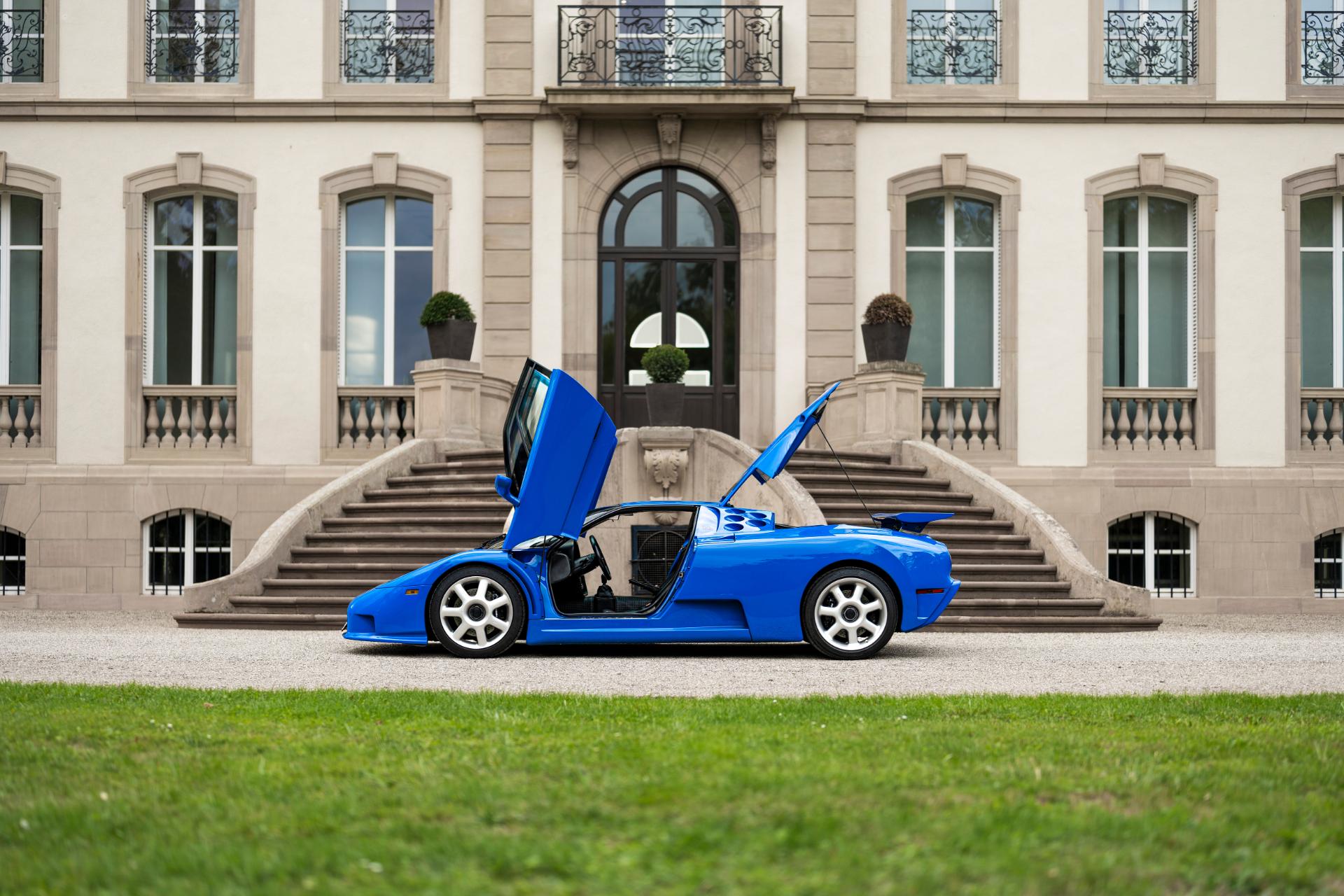
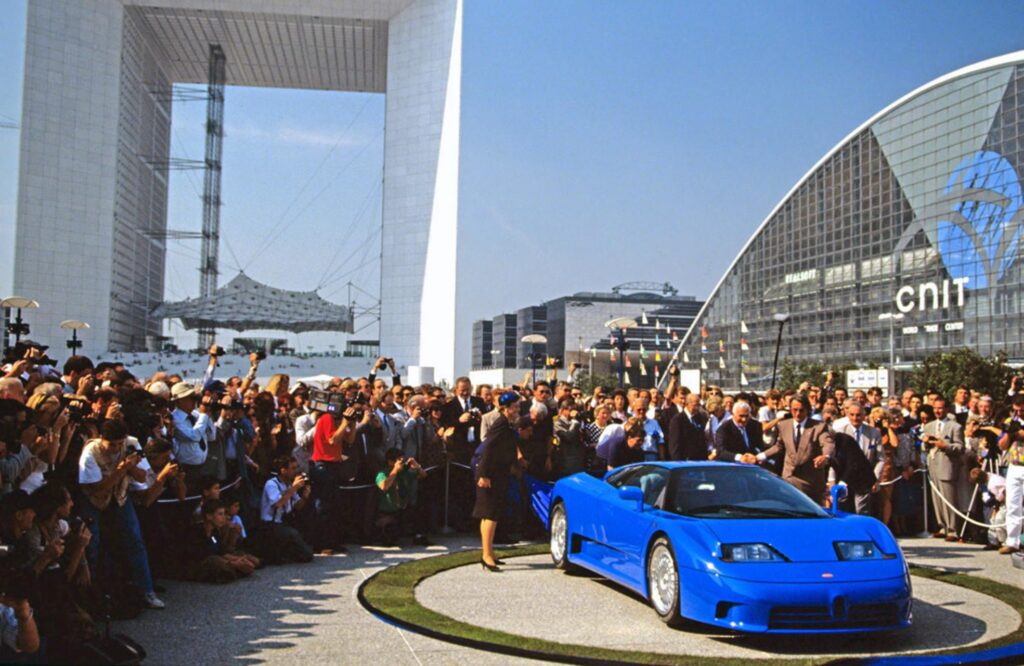
Let us take you back to 1991, specifically the 14th of September, and perhaps the most extravagant and mysterious new model launch ever witnessed by the automotive industry.
Sixteen hundred VIP guests have sat down to a $350,000 black-tie banquet at L’Orangerie, the restaurant set amid the 105-hectare gardens and 600 fountains of France’s Palace de Versailles. They dine on salmon and lamb and sip Sancerre and St Emilion, having already sampled a champagne speciale cuvee by La Maison de Castellane for this eight-day celebration.
Among the guests are French actor Alain Delon, Archduke Otto von Habsburg (of the former Austro-Hungarian dynasty), and any number of random billionaires from European industry. Queen Elizabeth II declined her personal invitation, but sent two secretaries.
Virtually everyone who owns everyone is here.
The event host is a car manufacturing company, its name known and venerated around the world. Strictly speaking, however, this car company has built only one car, has sold even fewer, and three years earlier did not even exist.
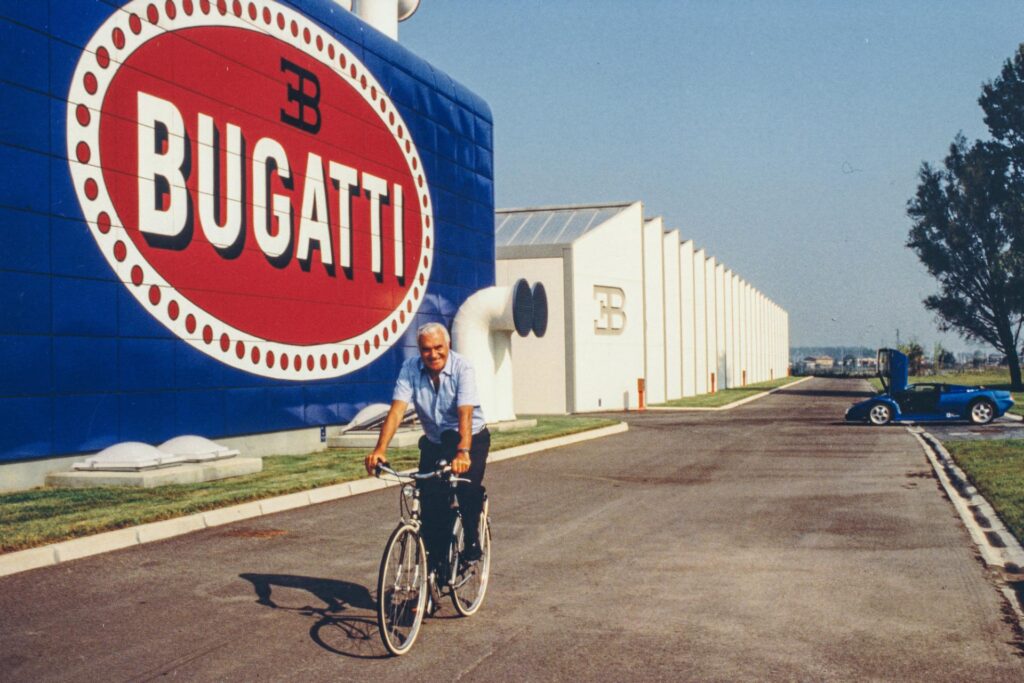
It has a brand new, $200 million factory in northern Italy, purpose-built for apparently little purpose. Nobody knows where all the money has come from. Within this lofty echelon of freeloaders, one doesn’t ask.
Thus, with a gale of not fully explained dollars pushing it along, Bugatti Automobili was swept back into being.
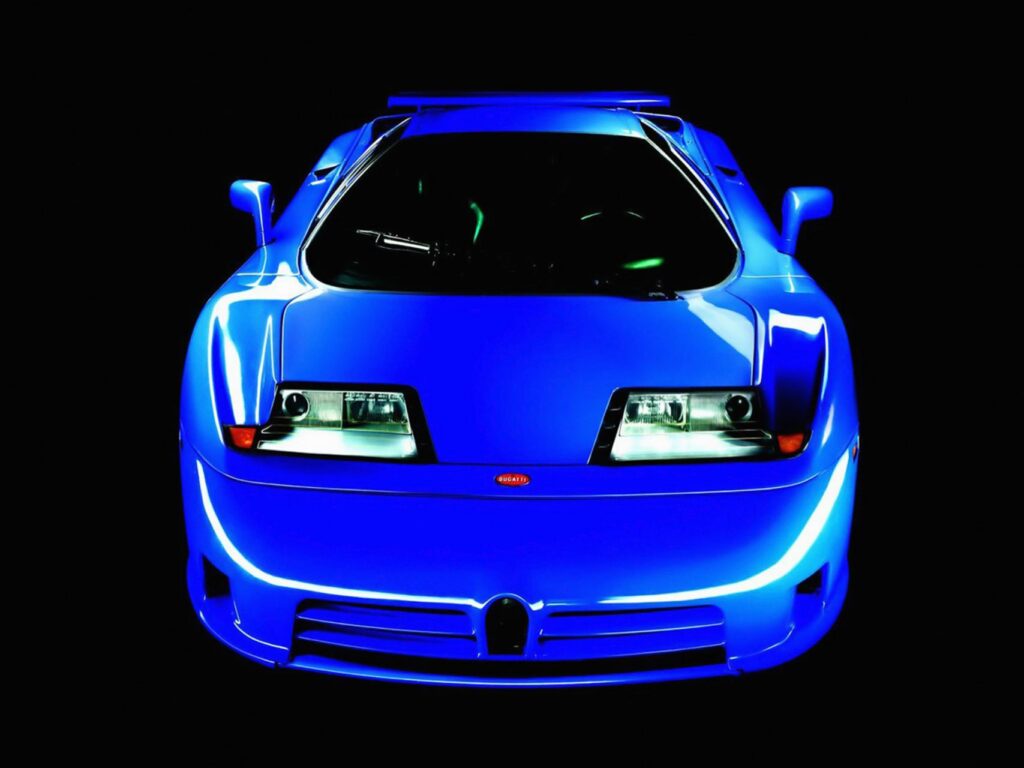
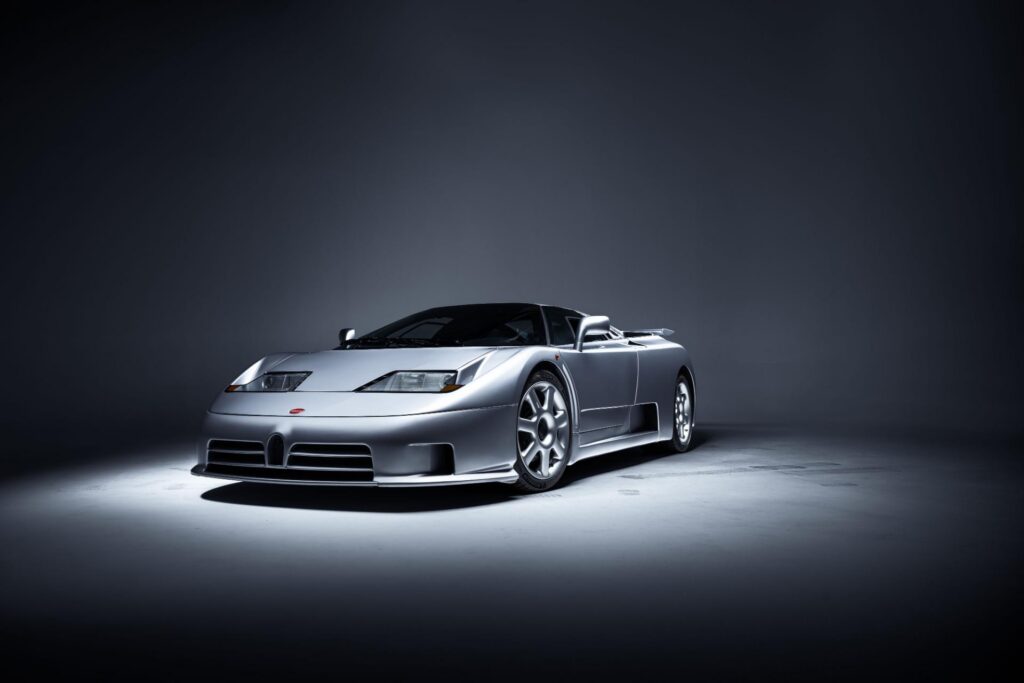
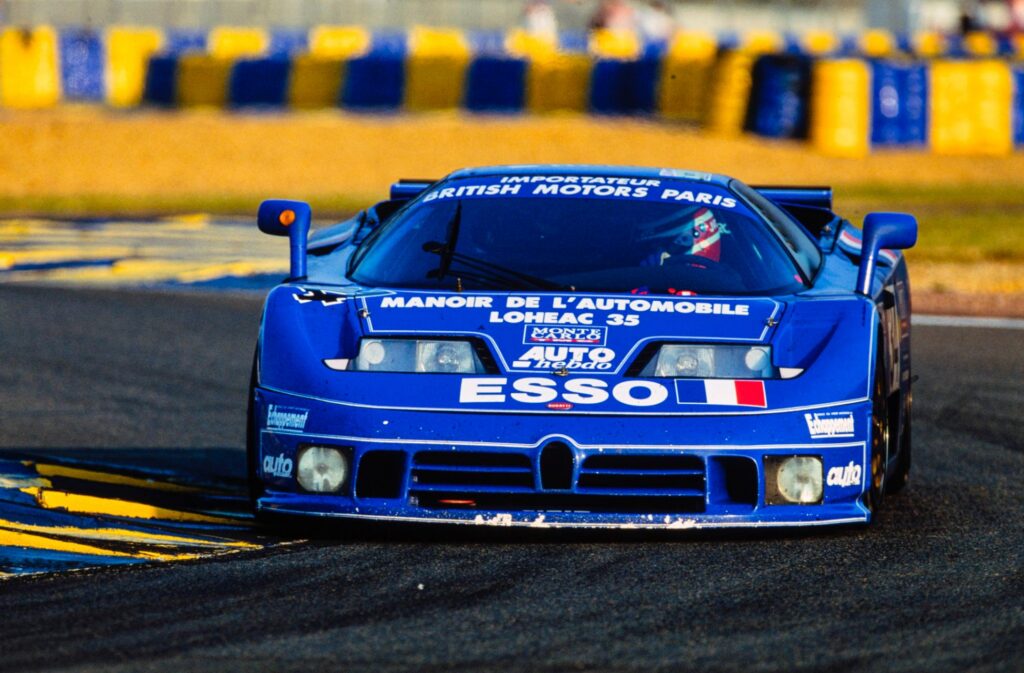
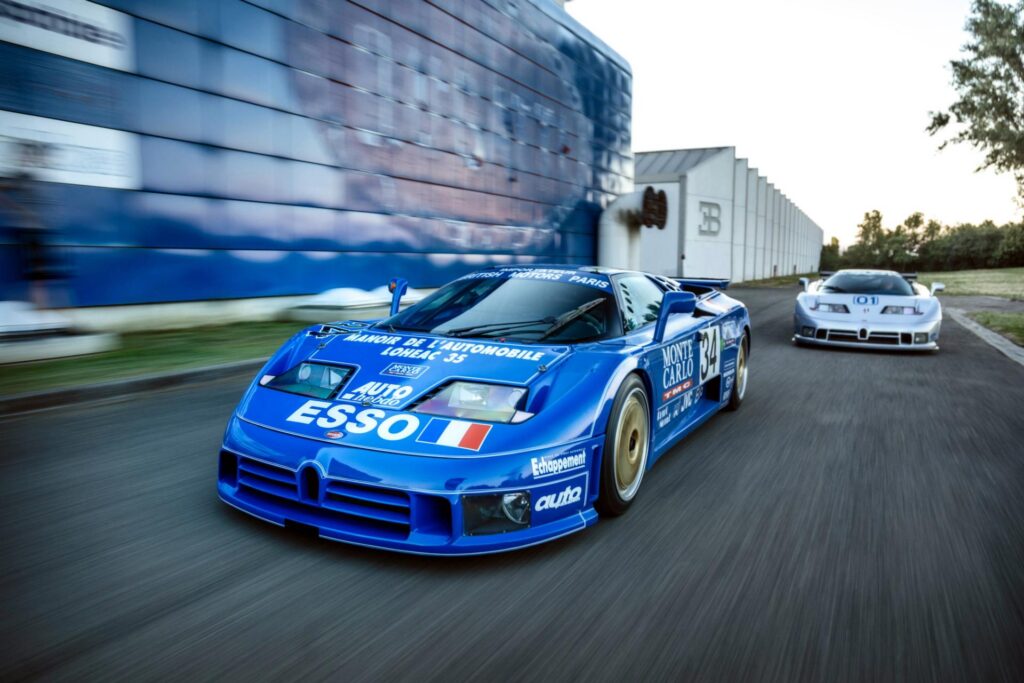
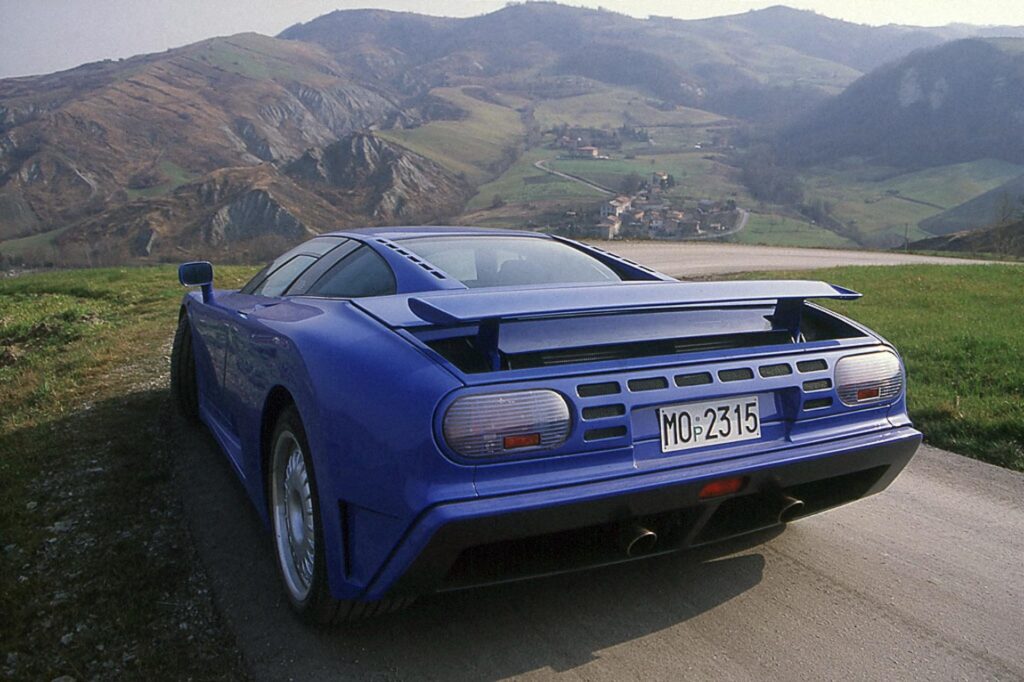
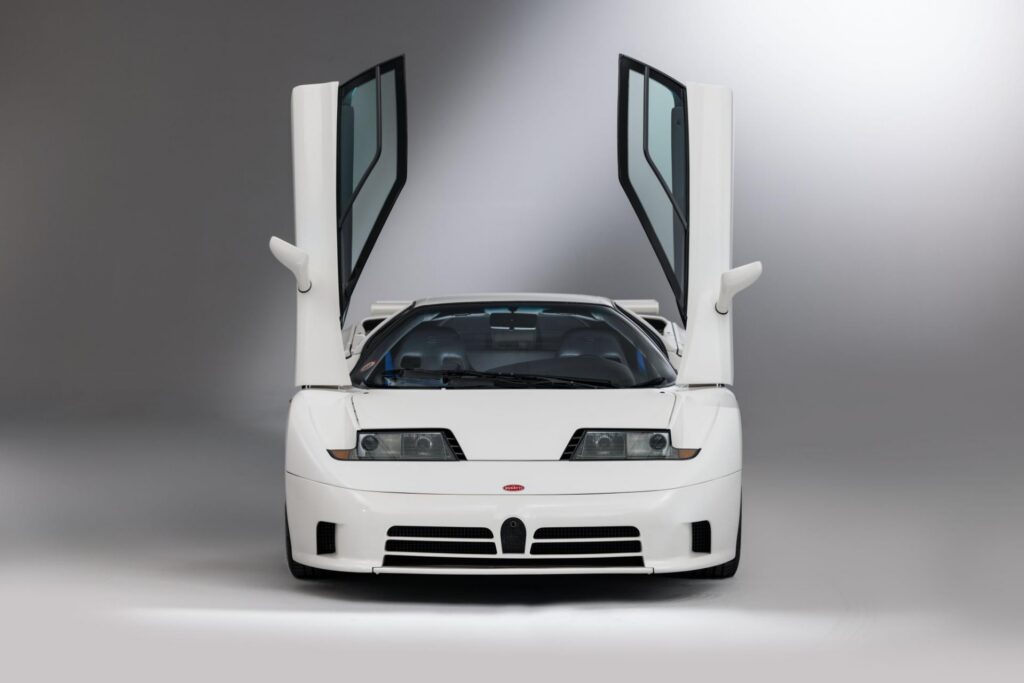
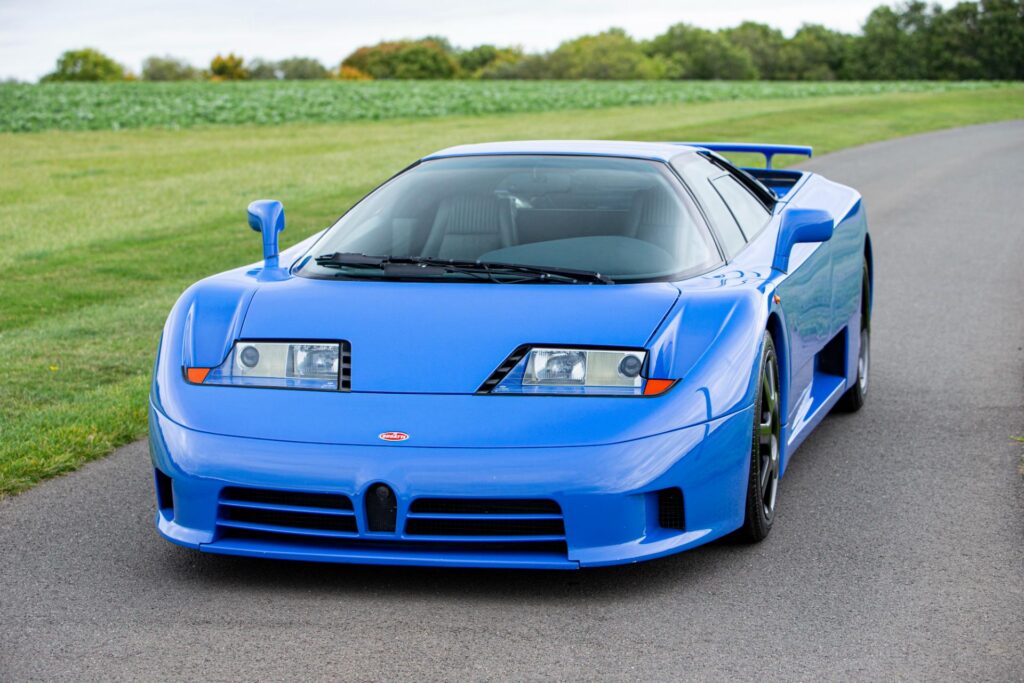
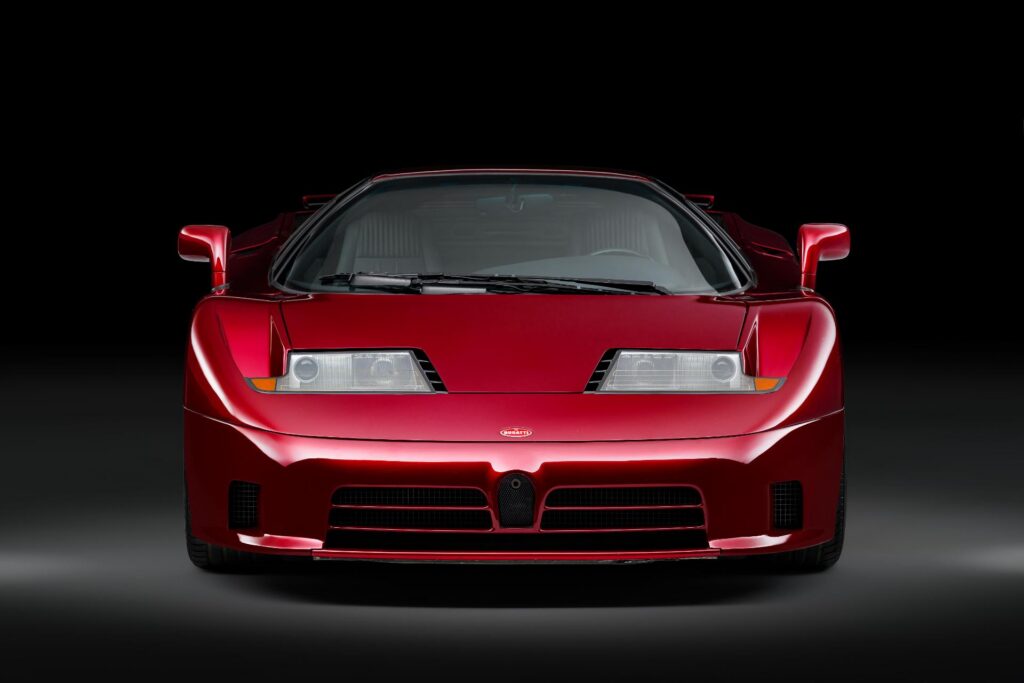
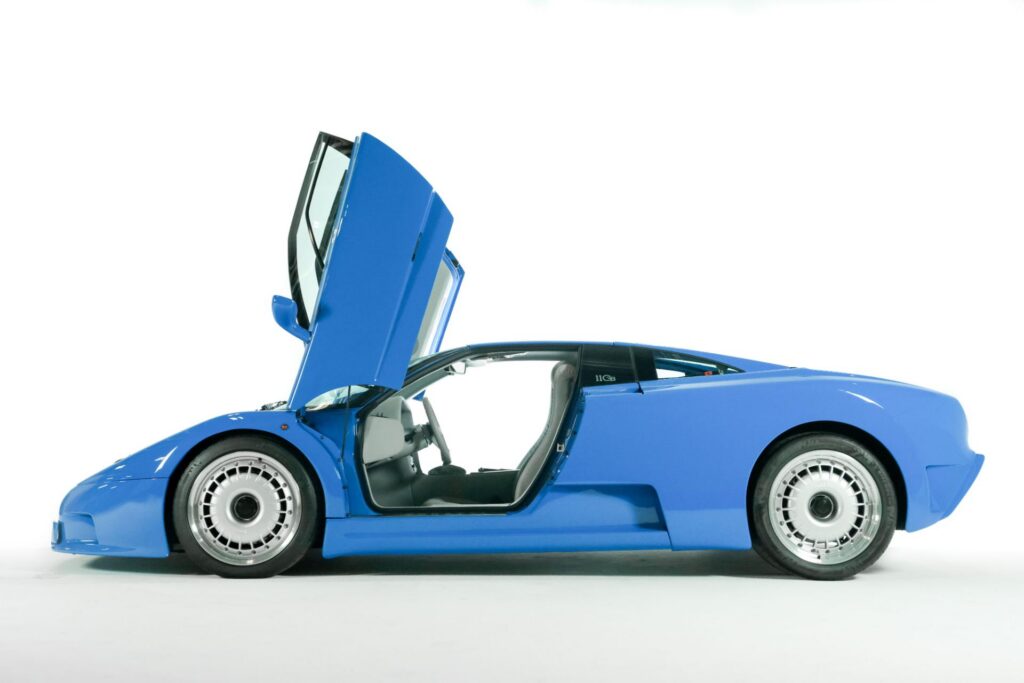
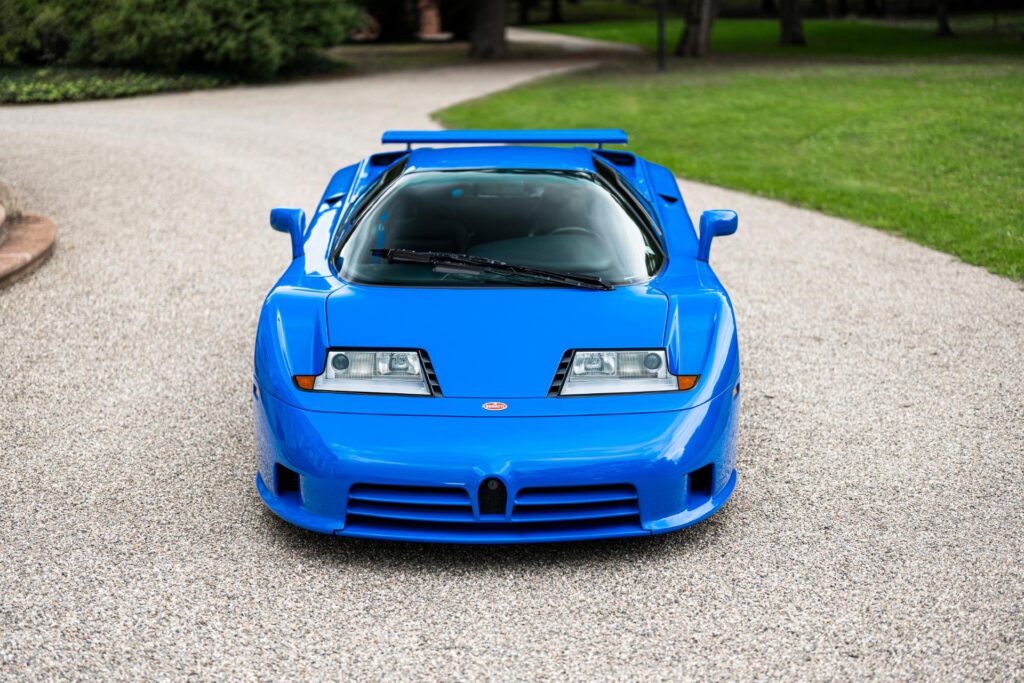
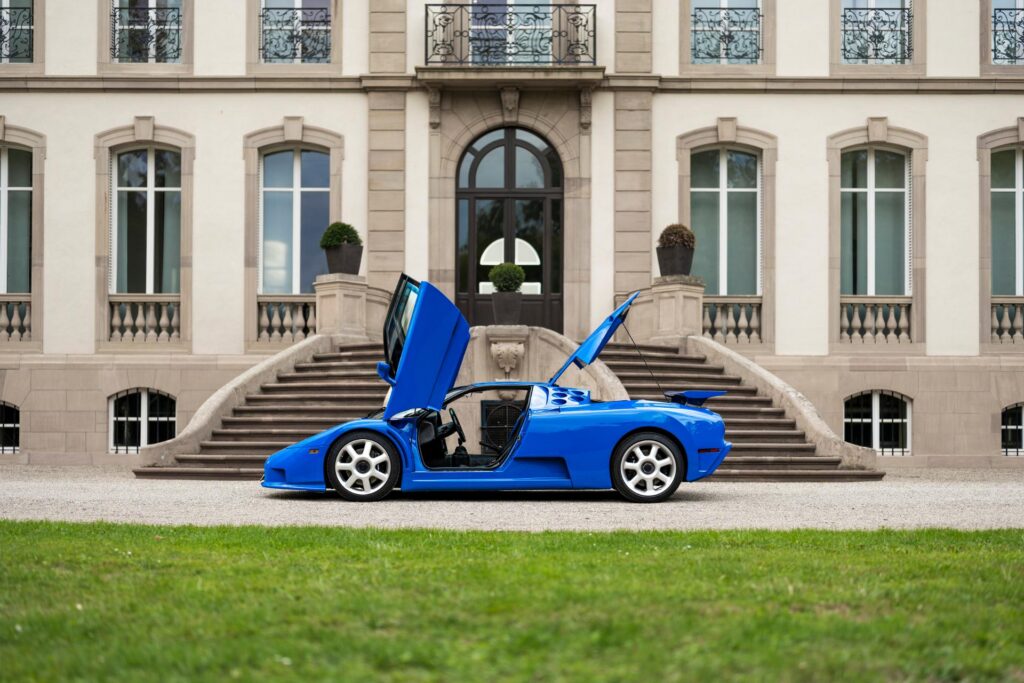
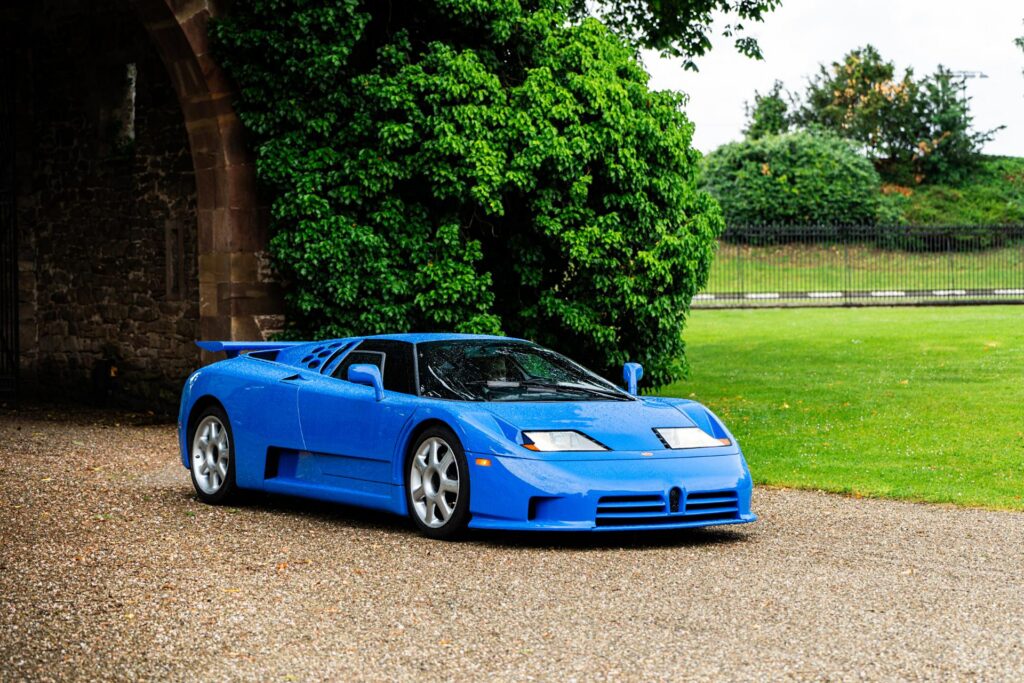
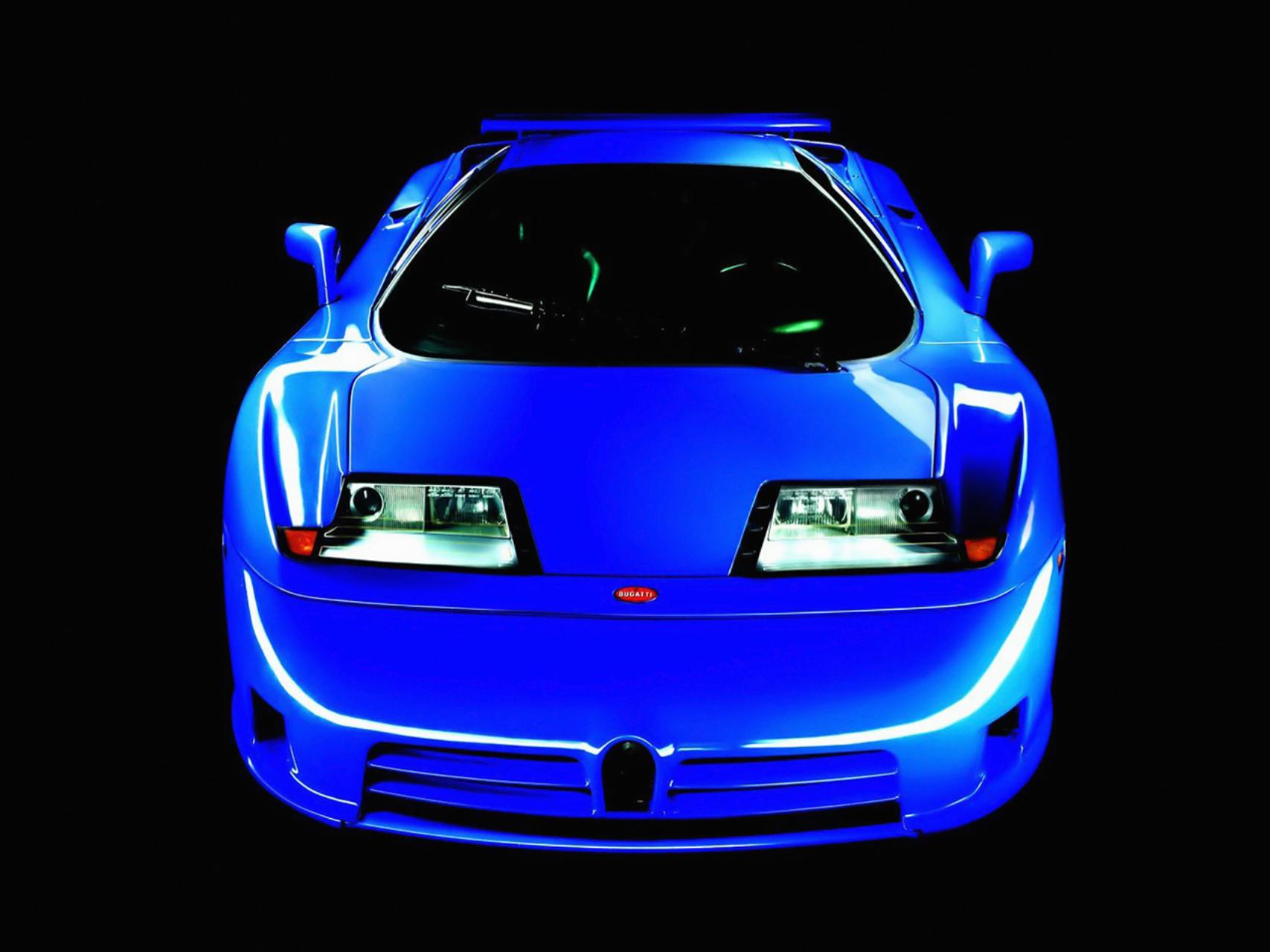
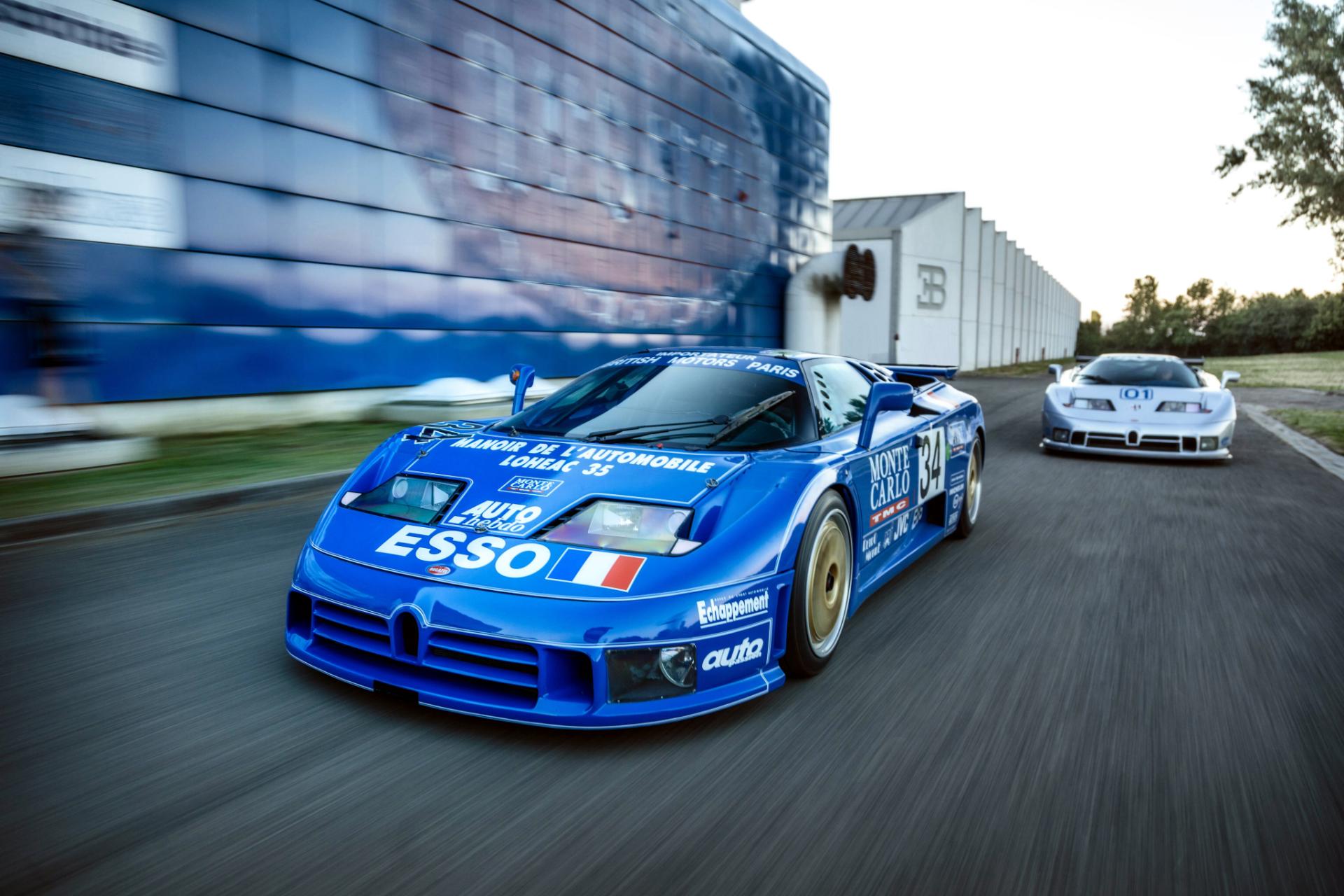
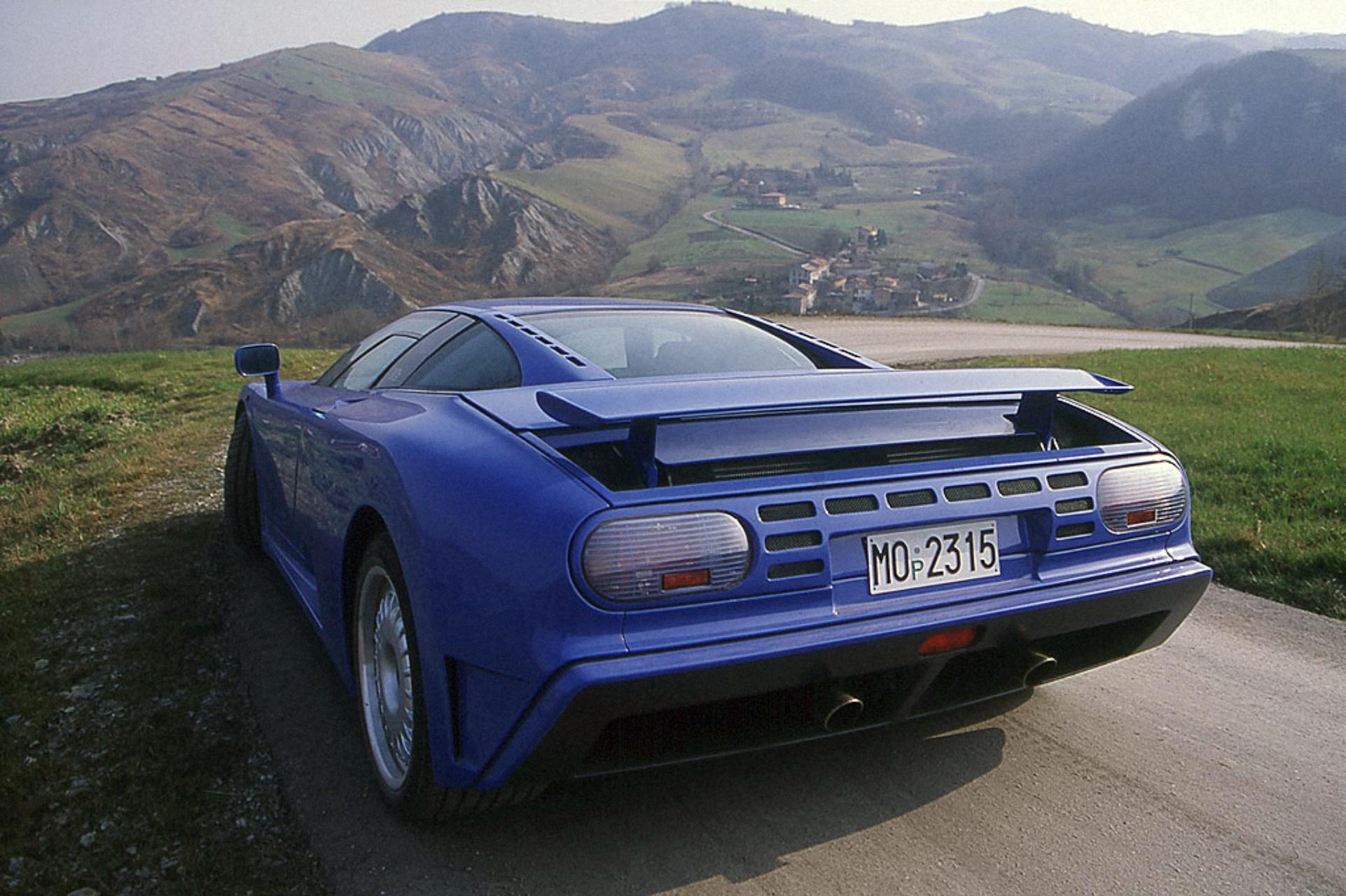
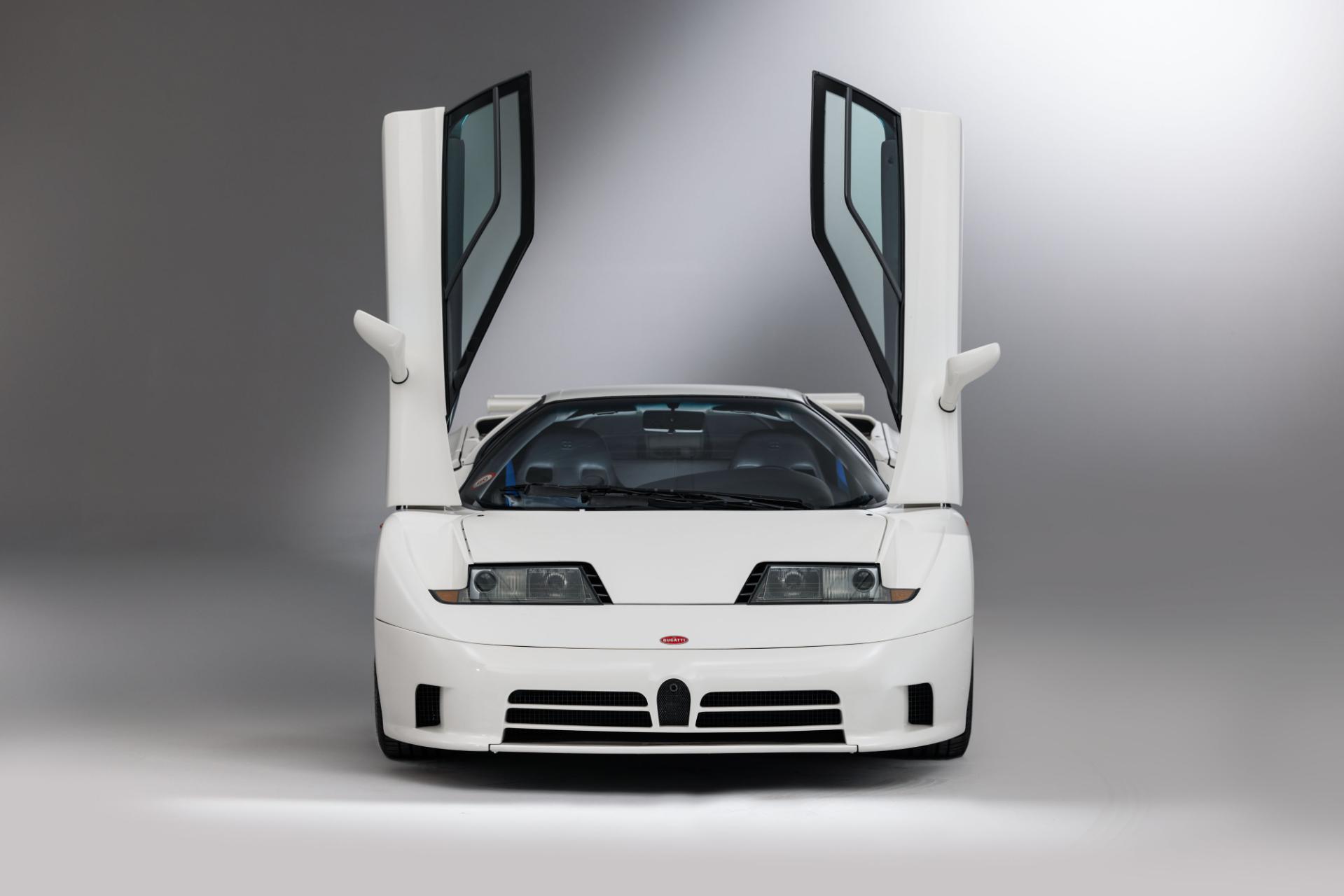
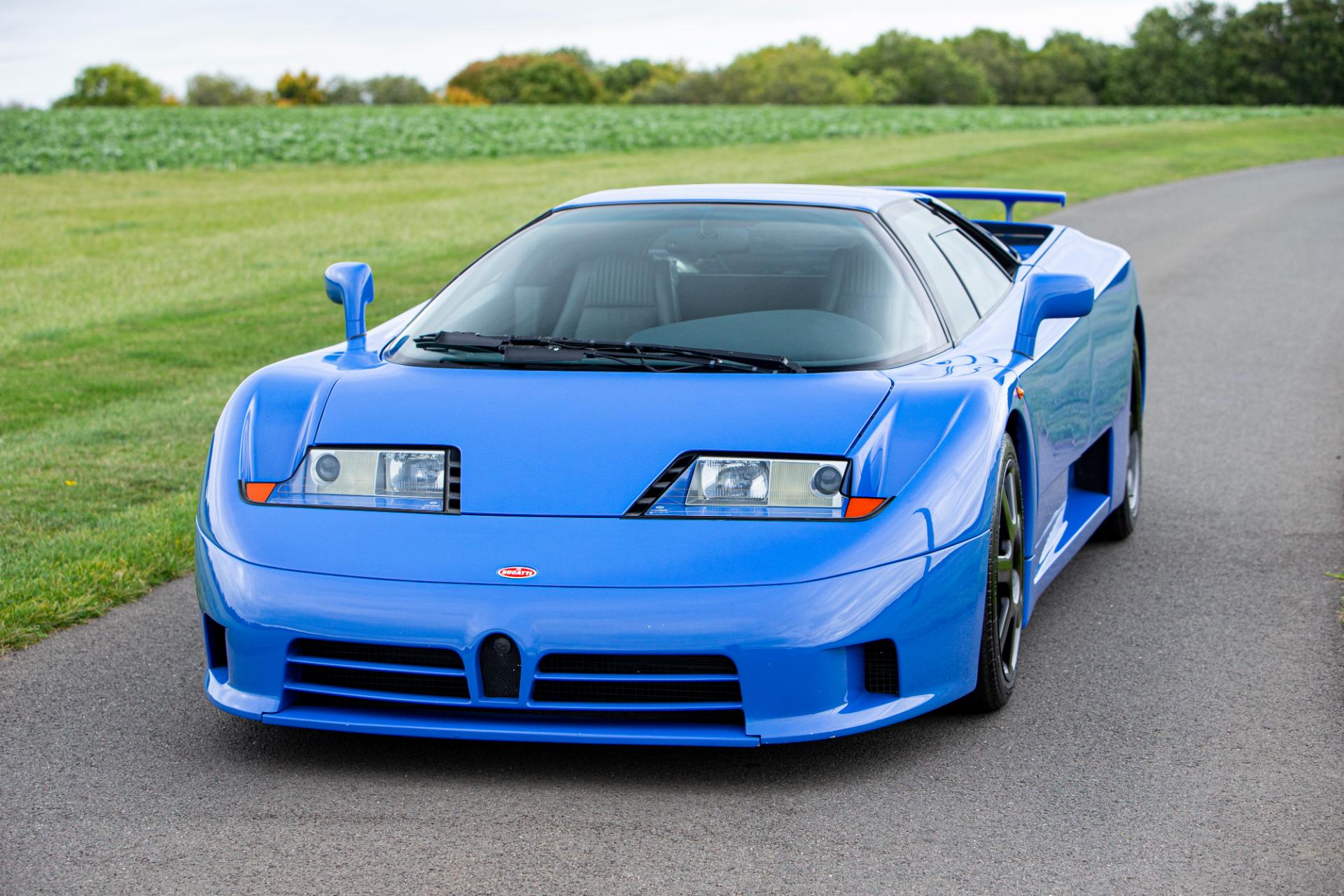
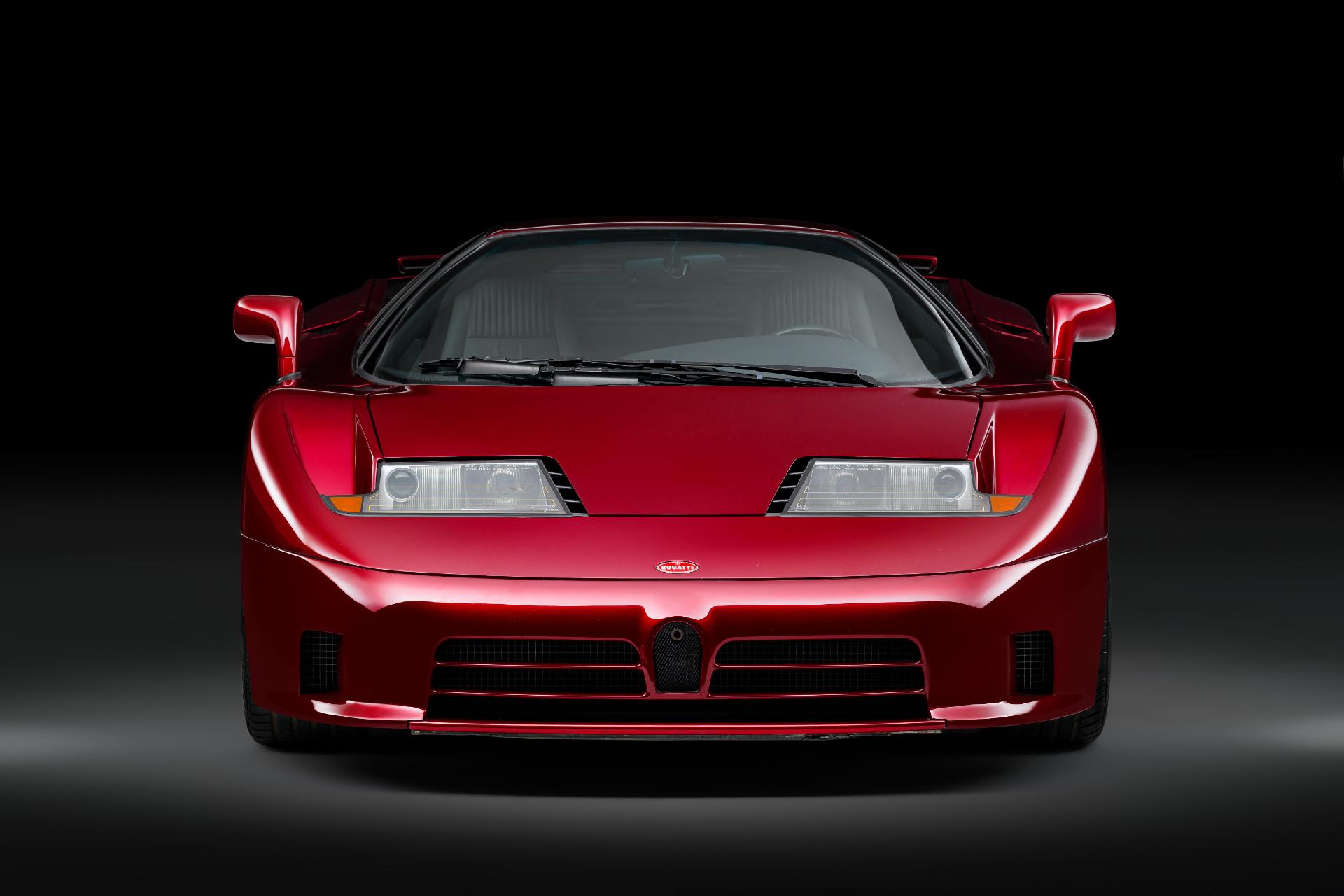
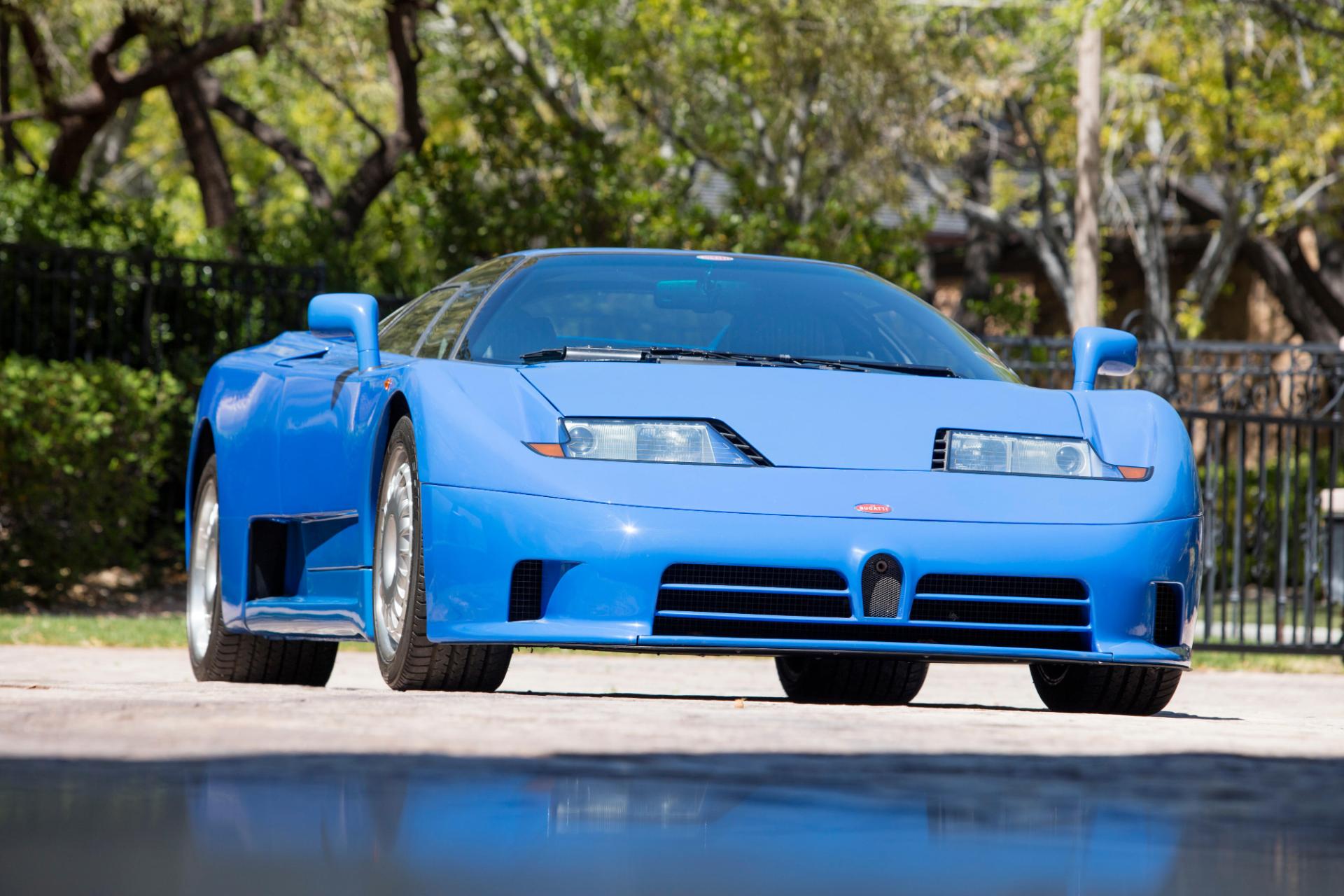
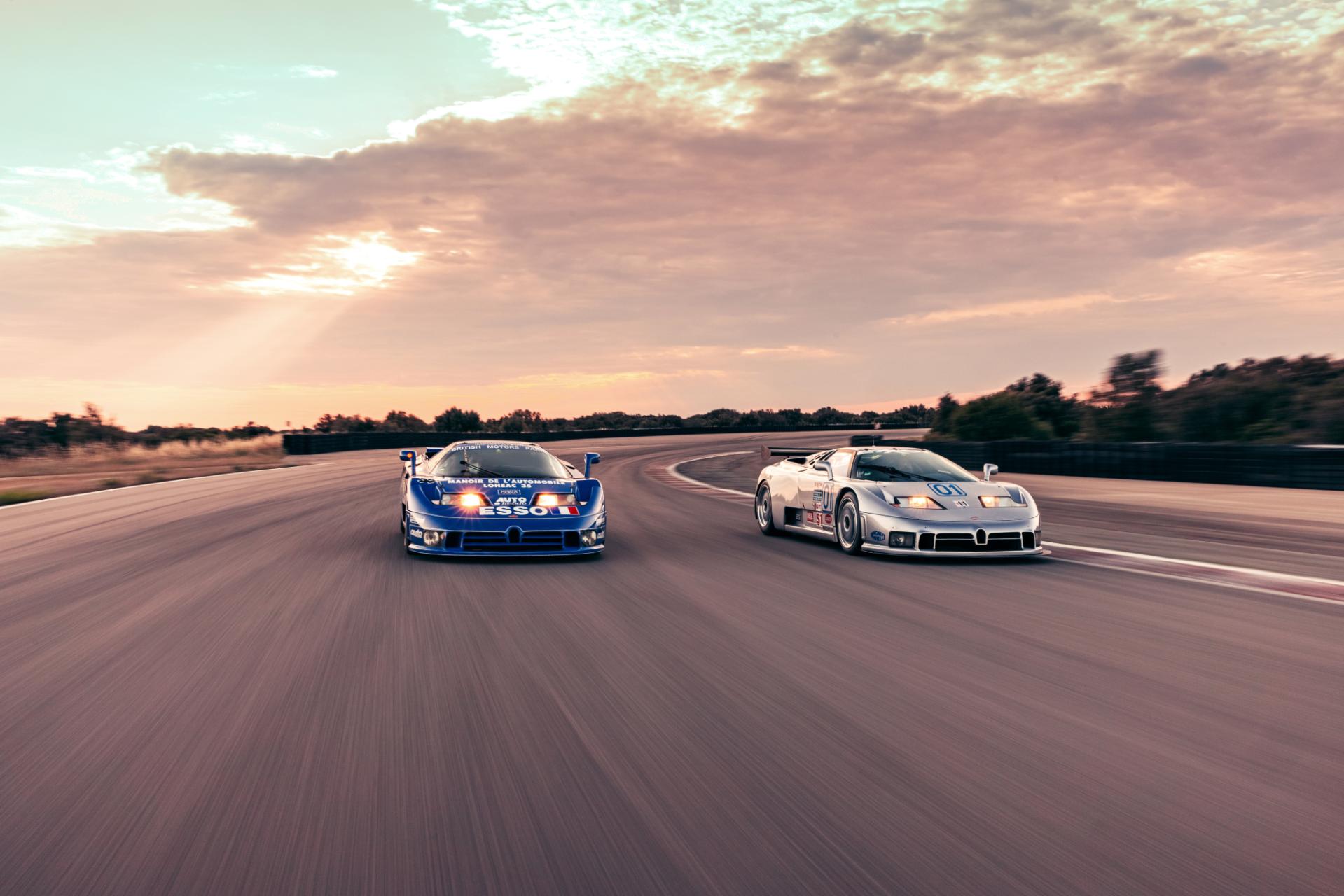
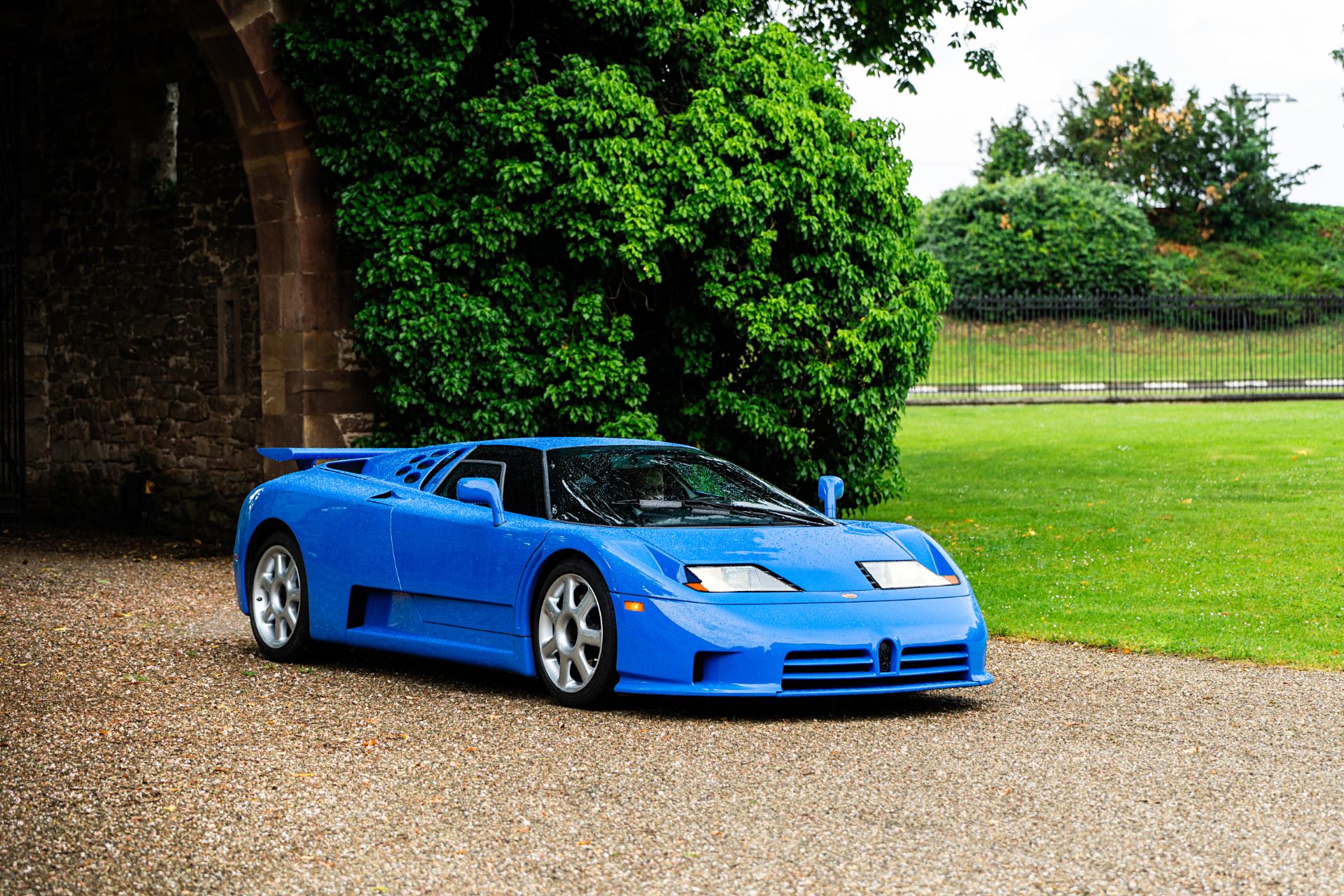
Le Reveil Bugatti (the Bugatti Revival) was an elaborate exercise to gain credibility for the V12 engined, 410 kilowatt, 350km/h Bugatti EB110 supercar. The date commemorated the 110th anniversary of the birth of Ettore Bugatti.
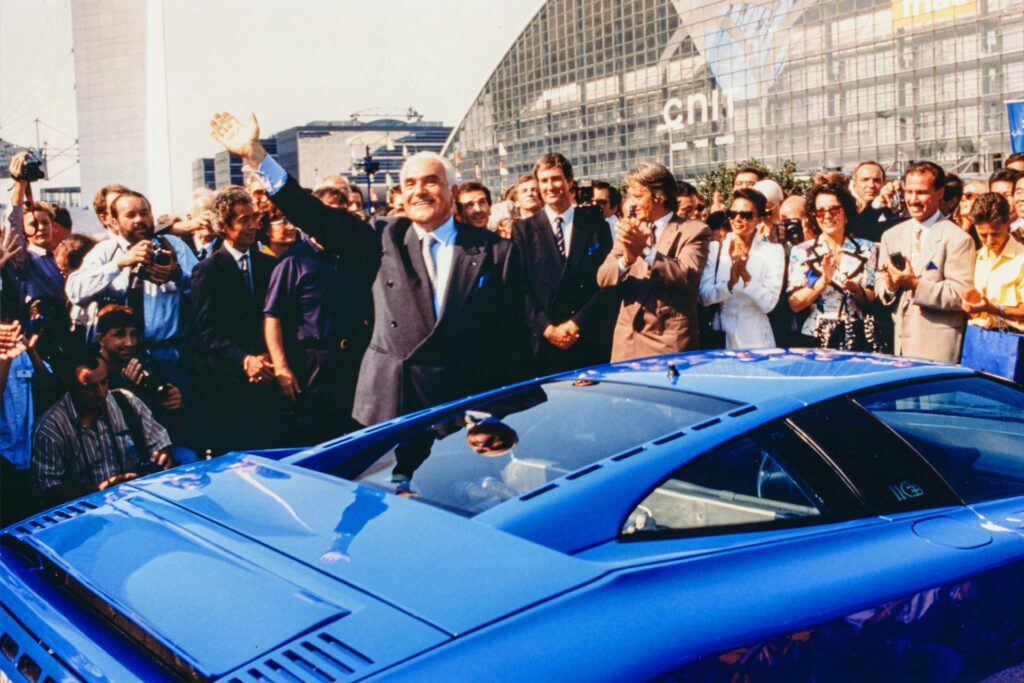
Bugatti Automobili president Romano Artioli, also the importer of Suzuki and Lotus cars to Italy, had purchased rights to the dormant Bugatti name in 1987.
He hoped the famous name might also include the right to charge Ferrari F40 money (around US$400,000) for the all-new EB110.
Not that you could stroll in and buy one anyway. Intending owners had to submit their credentials to an honorary review committee, whereafter, Artioli would personally interview every approved applicant. “Being a Bugatti owner,” he said, “is simply a matter of class.”
Ettore Bugatti may have had a different definition.
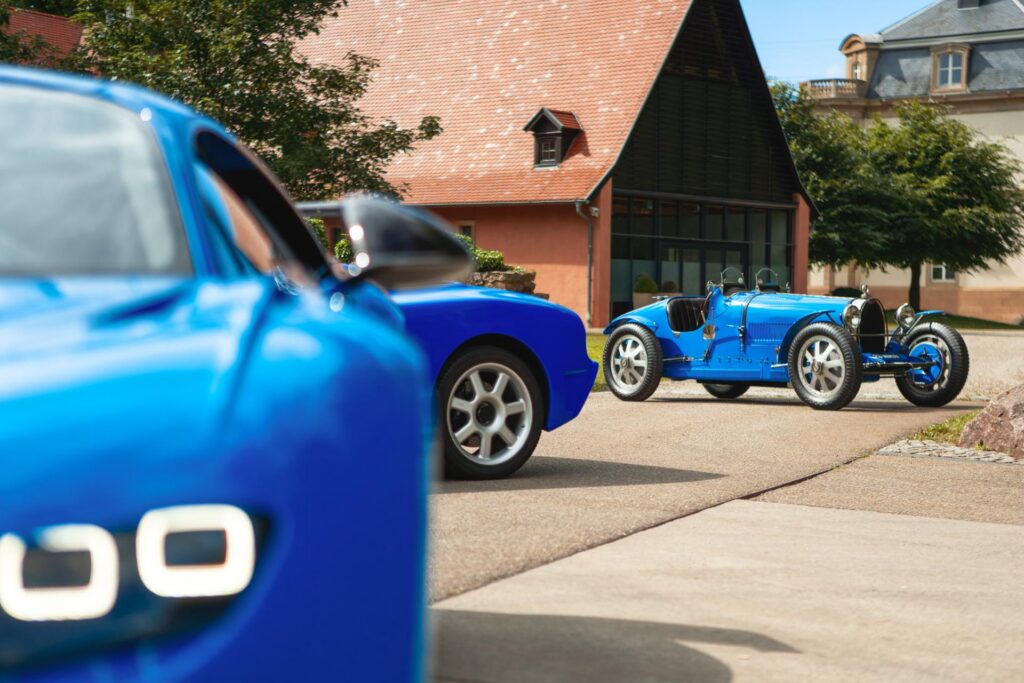
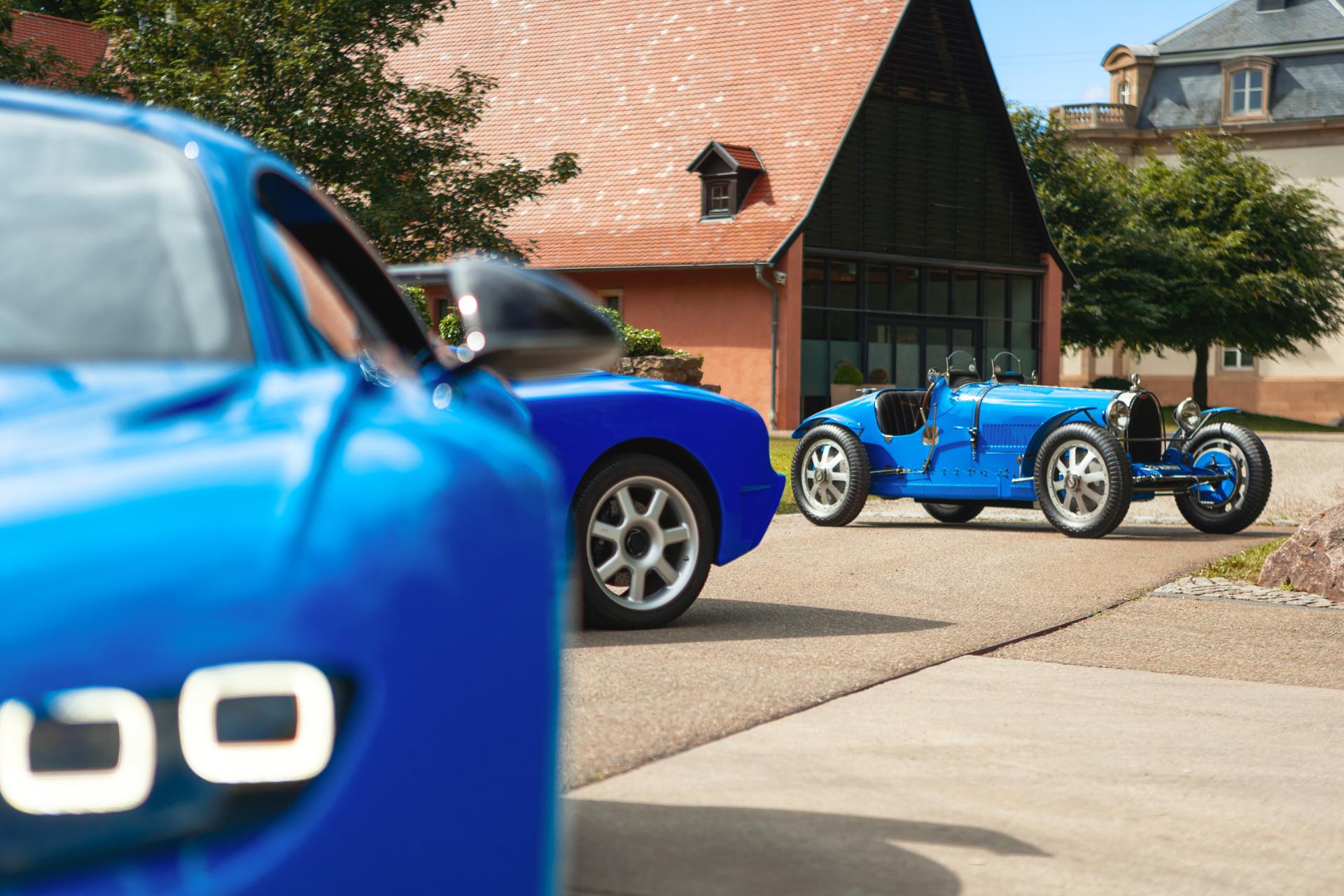
From 1909 to his death in 1947, Ettore Bugatti built some of the world’s most elegant and technically clever motor cars from a converted dye works in Molsheim, near Strasbourg. Several thousand Bugattis were built in a variety of road and racing models that included the dominant Type 35 grand prix car of the late-1920s.
Perhaps the best-known Bugatti of his era, and one of the most opulent cars ever attempted, was also one of the least successful. The Type 41 Royale of 1928 had a mammoth 12.7-litre, eight-cylinder engine, propelling a majestic, 3-tonne limousine.
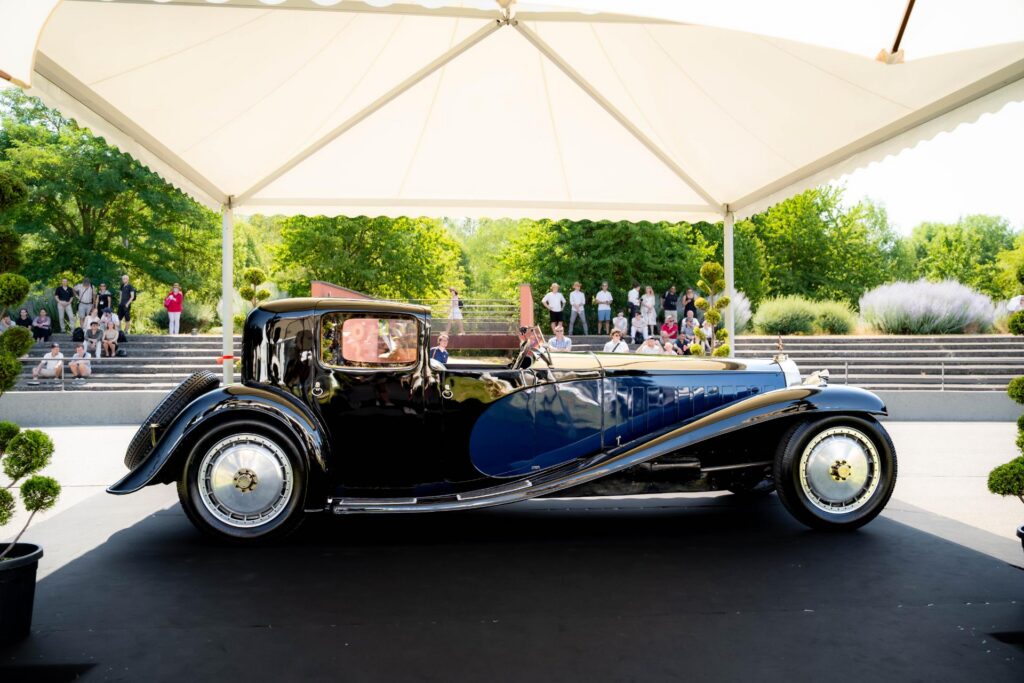
Bugatti intended to build 25 Royales, but the Great Depression intervened and just six were built. An example changed hands in 1987 for US$9.9 million, which remained a record price paid for a car for the next 20 years.
Bugatti production was interrupted in 1939 with the onset of World War II and effectively fizzled out after Ettore died in 1947.
Four decades later, Romano Artioli was no stranger to high performance and luxury cars, having owned the largest Ferrari dealership in Italy. When Fiat ended that in 1988, Artioli was left with his Lotus and Suzuki car franchises, and a bad case of resentment.
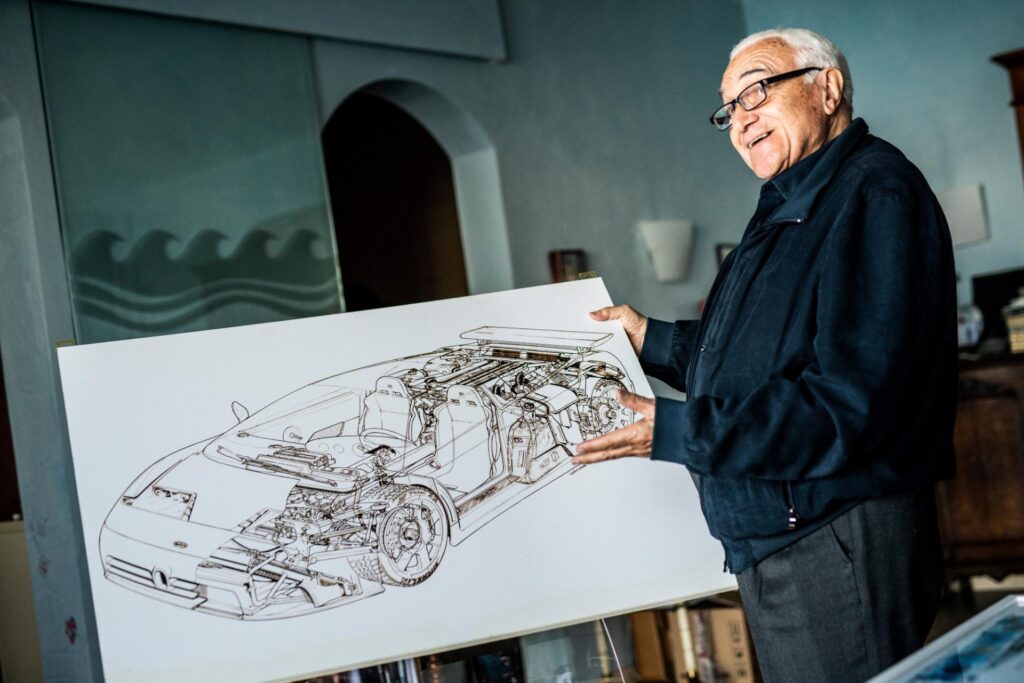
He built his highly visible, $200 million Bugatti factory in Modena, a stone’s throw from enemy Ferrari headquarters.
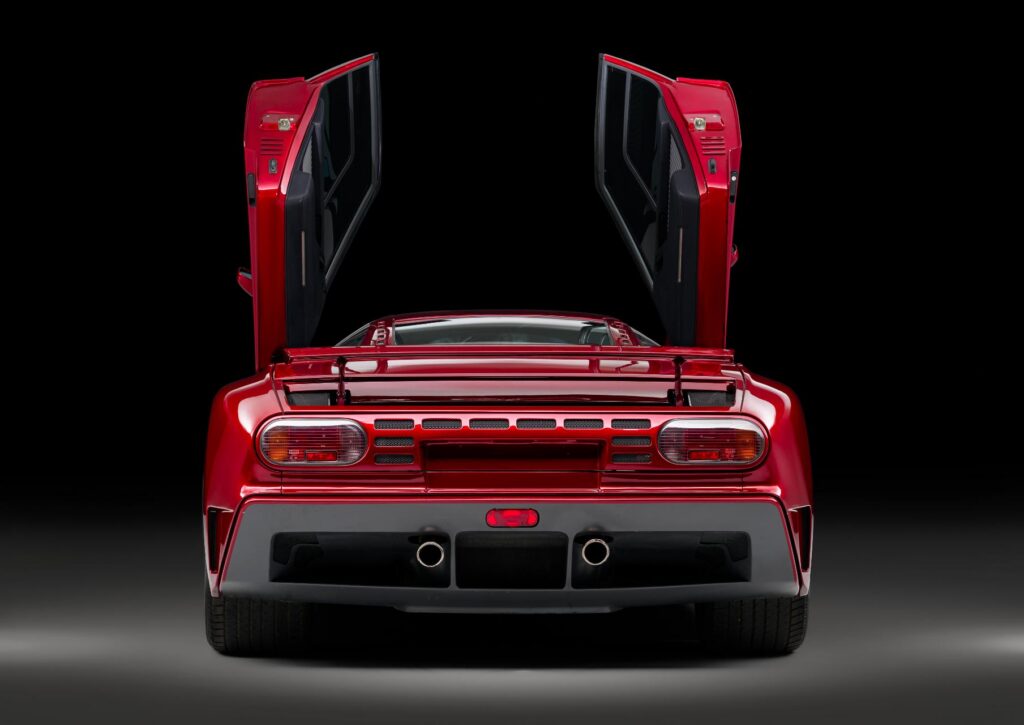
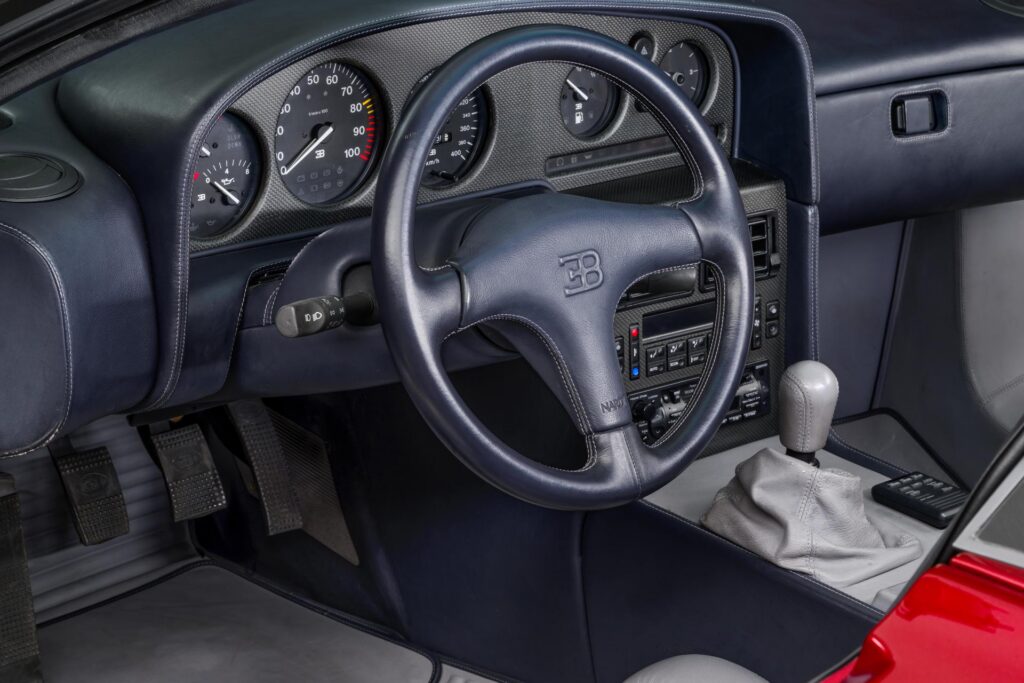
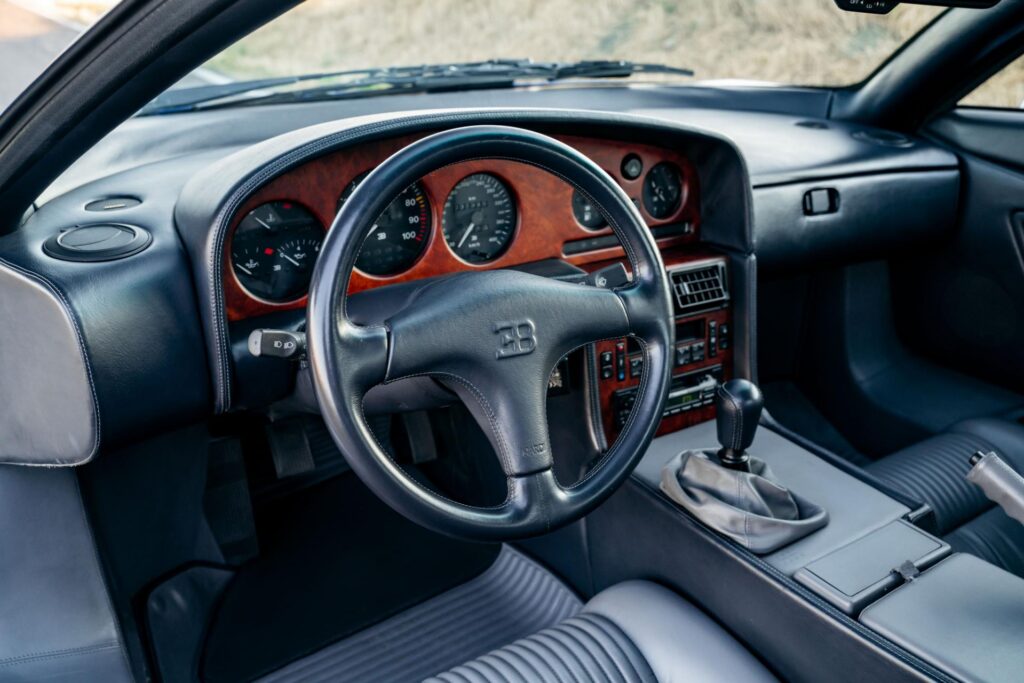
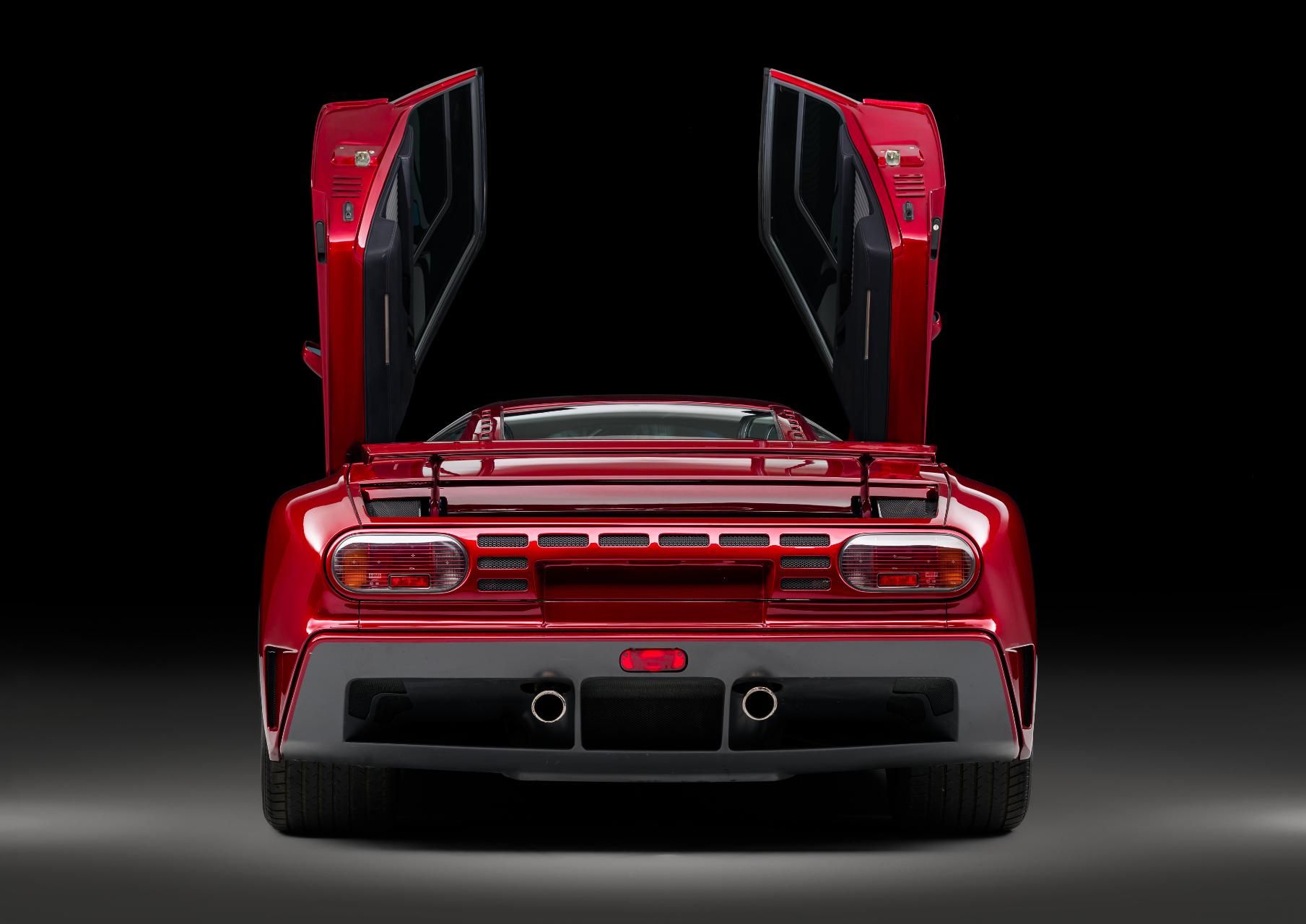
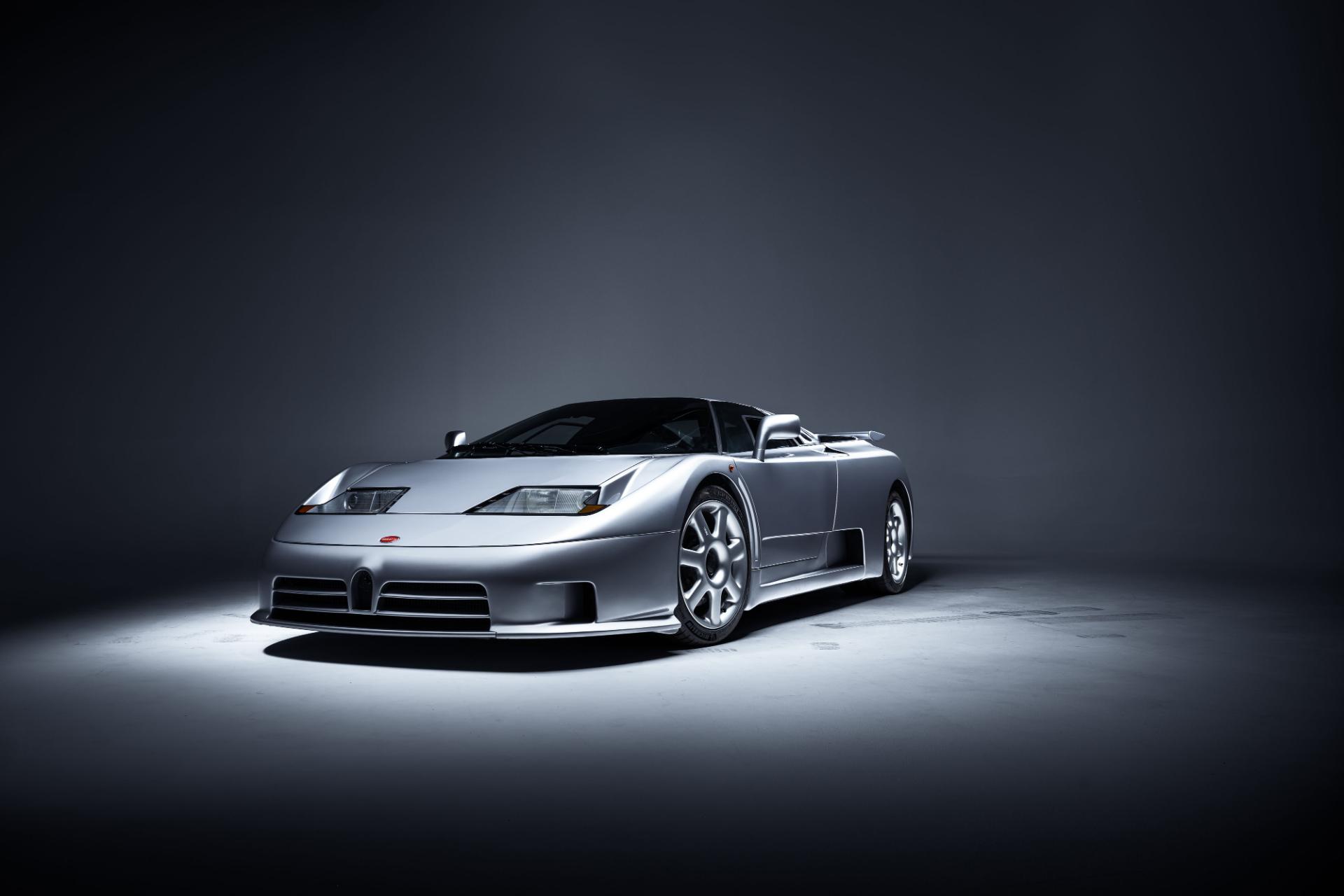
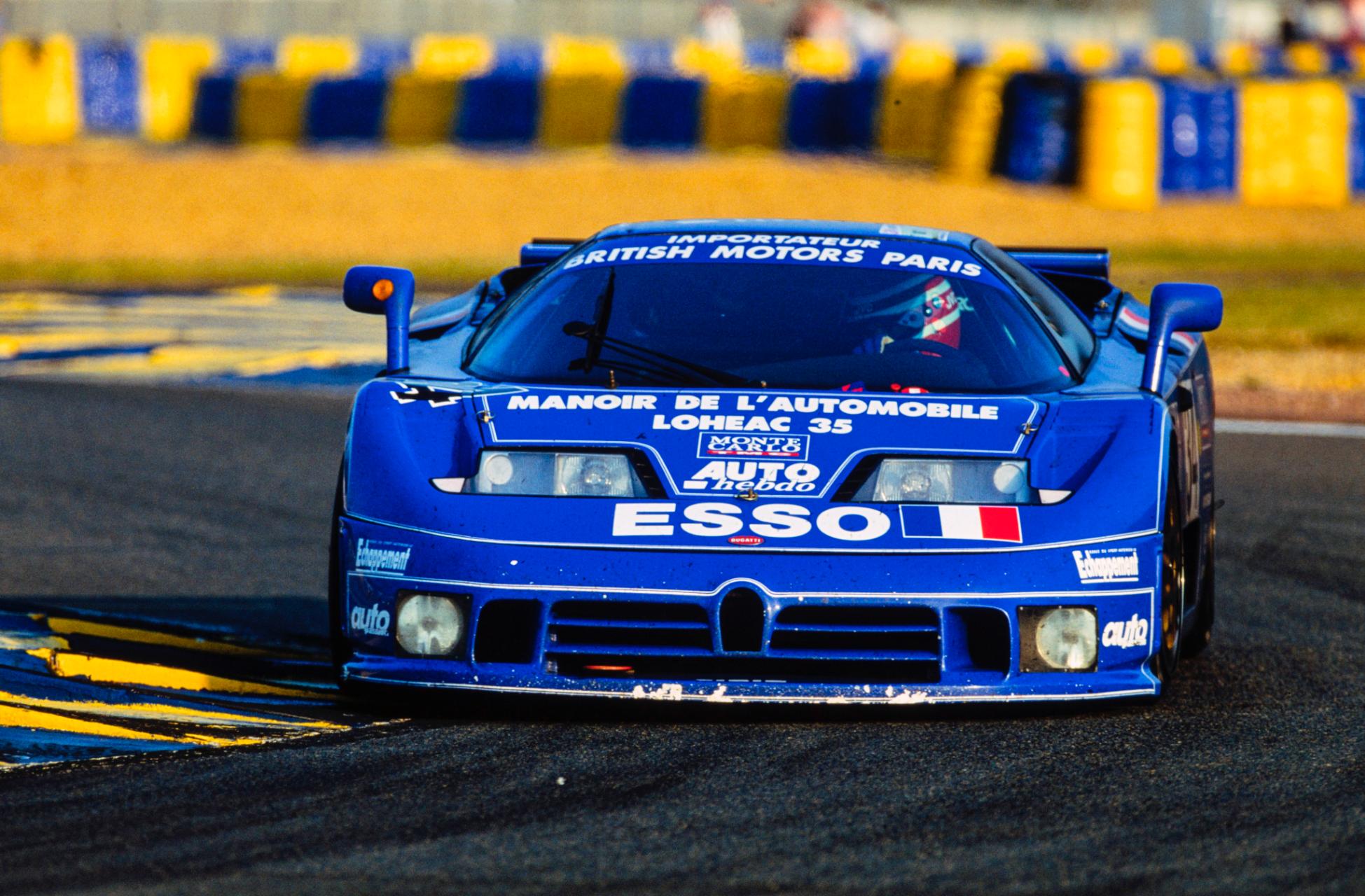
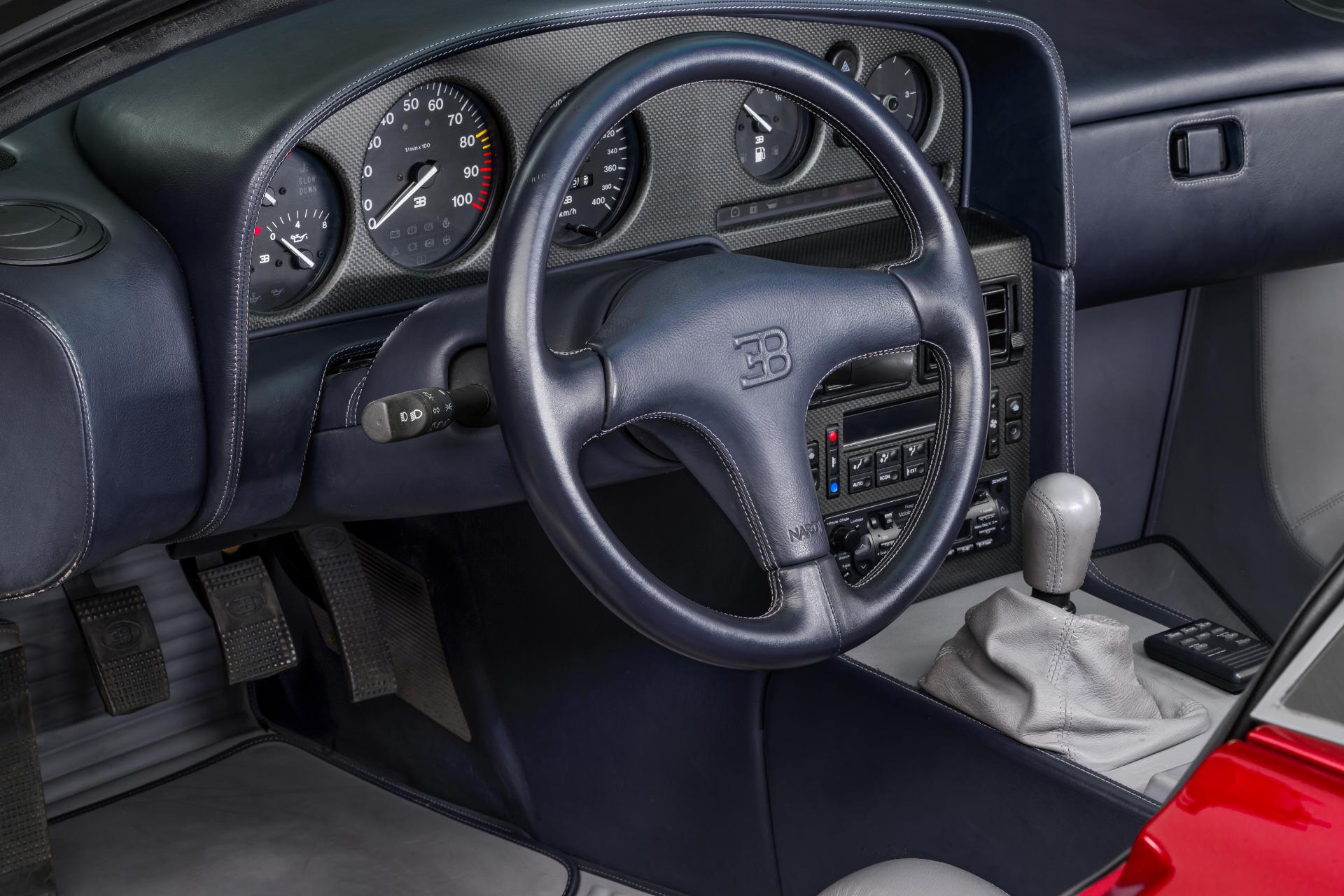
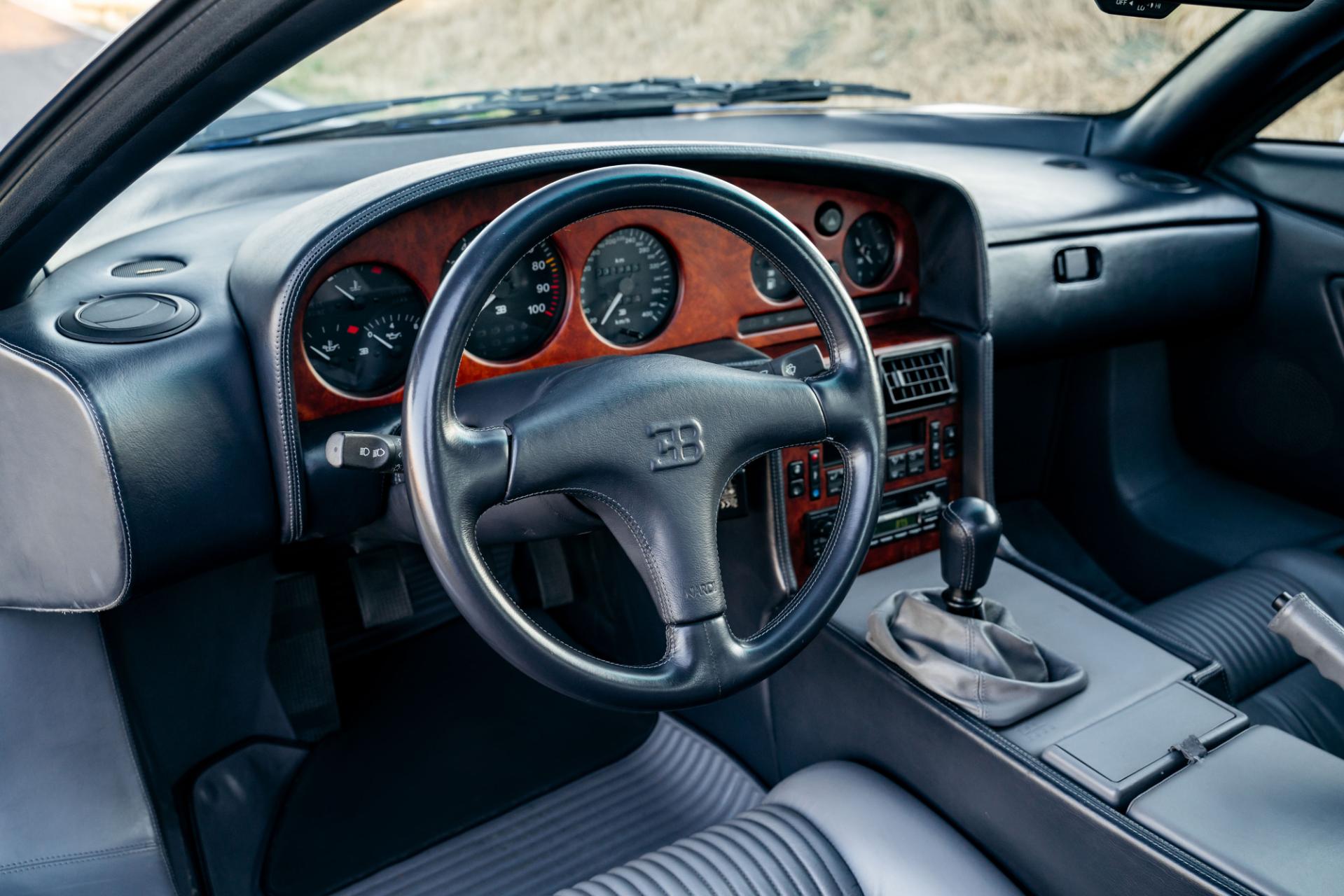
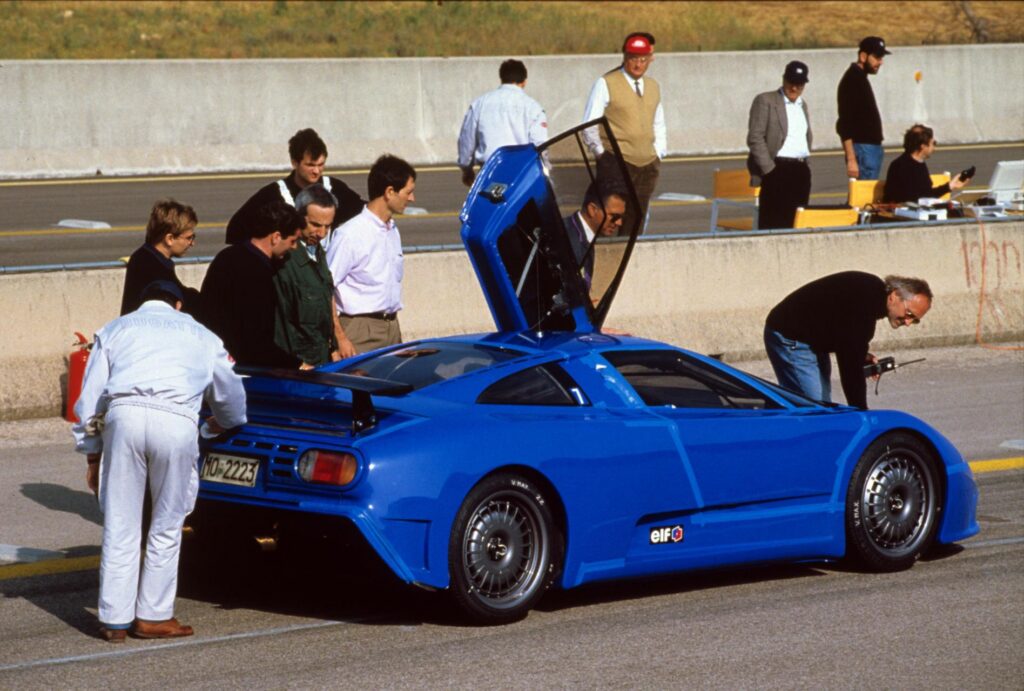
None of which should really detract from the technological tour de force that was the EB110. Its specification read like a checklist of every technology emerging in the 1980s: carbon-fibre monocoque, turbocharging, five valves per cylinder, six-speed gearbox, all-wheel drive, viscous-coupled centre differential.
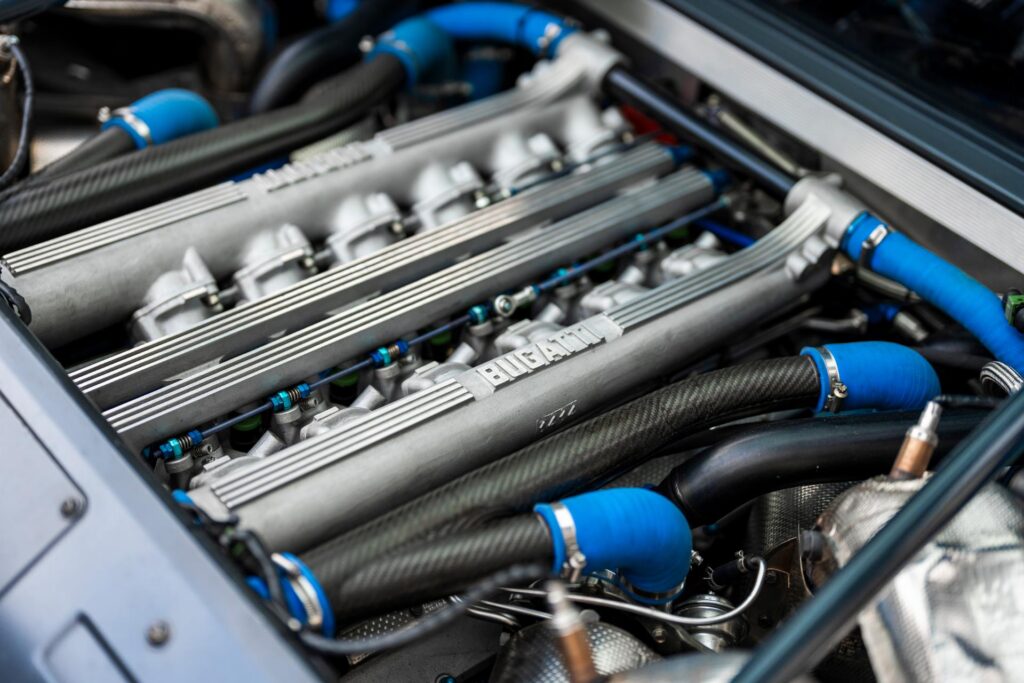
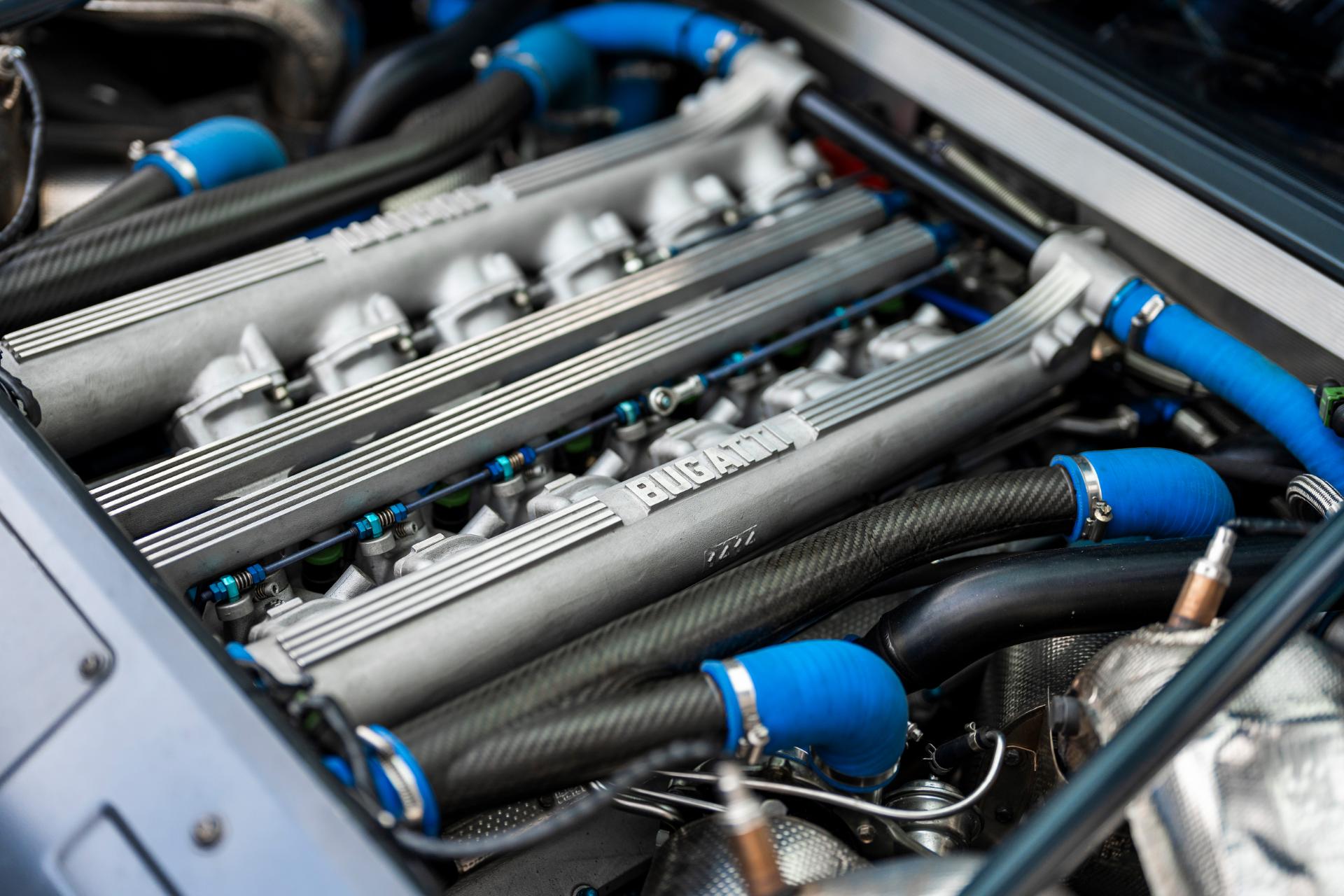
Beneath its Marcello Gandini-designed body the EB110 was cutting-edge stuff, and a leap forward for its chief engineer Paolo Stanzani, previously of Lamborghini Countach fame. The Bugatti’s V12 was a different beast for a different era, making its 410kW (in initial guise) from just 3.5 litres’ capacity, but no fewer than four turbochargers.
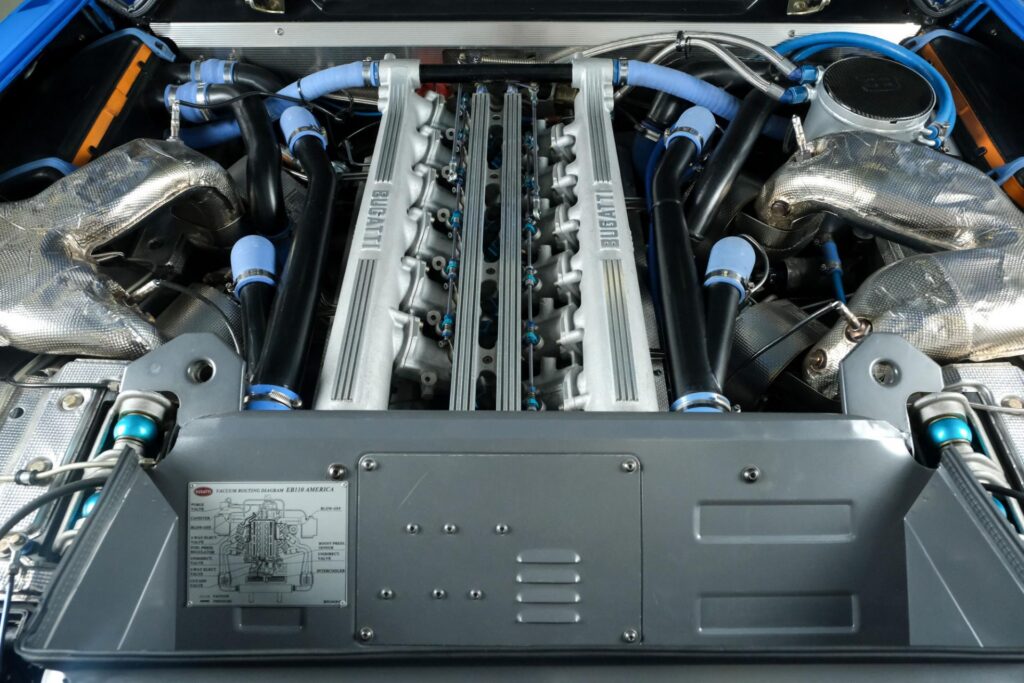
The small capacity and oversquare cylinders, in league with titanium conrods, enabled a redline of 8200rpm, with five valves per cylinder (three inlet, two exhaust) taking care of the breathing.
It delivered that thrust through all four wheels (with torque split 27% front/73% rear). Many contemporary reports praised its civility and predictable and solid handling from its double-wishbone suspensions. These were qualities not often attributed to its contemporary rivals.
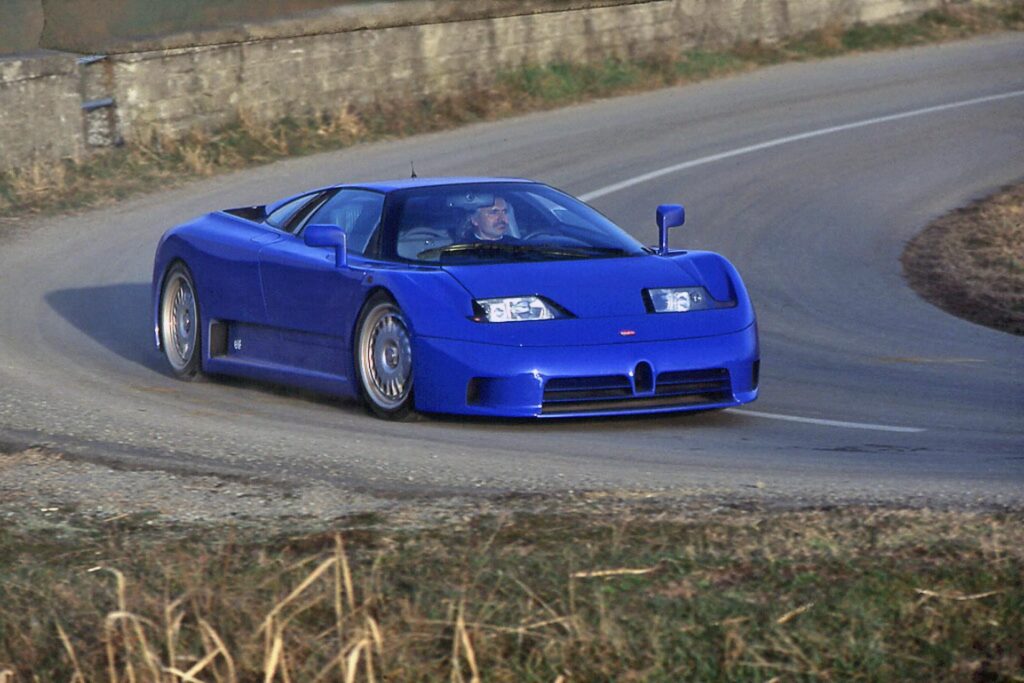
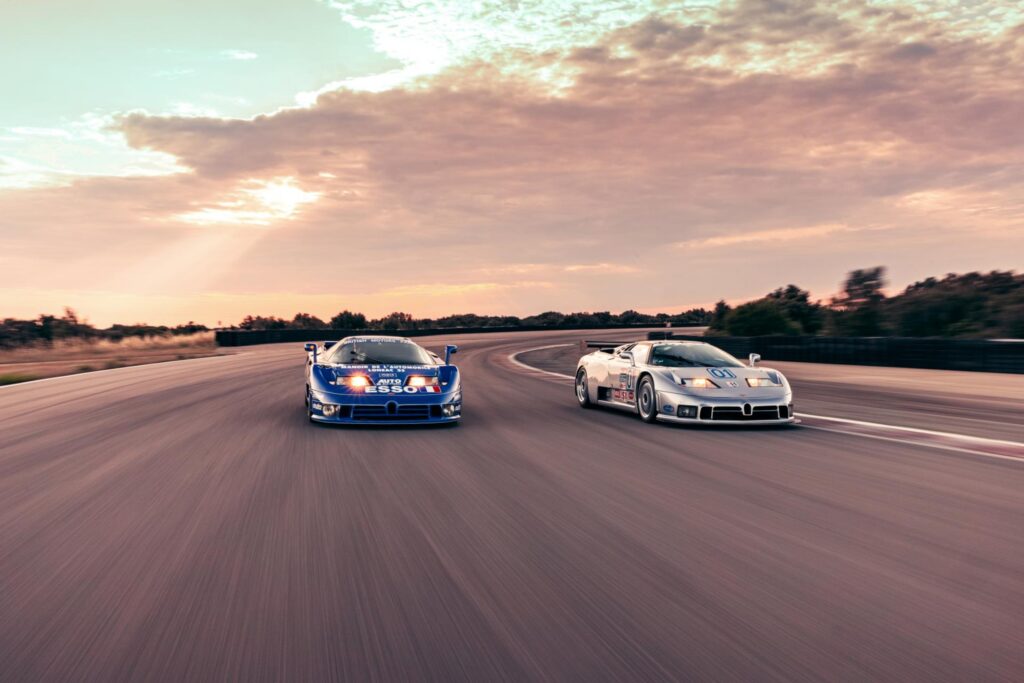
Having recorded a top speed of 342km/h at the Nardo test track the EB110 was for a while at least, the fastest car in the world. But with a kerb weight believed to be hovering around 1700kg, it wasn’t the fastest accelerating: German magazine Auto Motor und Sport recorded 0-100km/h in 3.6 seconds, 0-160 in 8.3 and 0-200 in 13.6 seconds.
A year after the launch of the EB110 GT, Bugatti would add a Super Sport version with increased turbo boost and a 150kg weight loss program, via deletion of air-con, using carbon-fibre front and rear deck lids and Perspex windows.
Artioli would have done well to remember what happened to the Bugatti Royale in the early-1930s. The EB110 was launched at a time when the likes of Ferrari, Lamborghini, Porsche and Jaguar had rushed to market with limited-edition supercars during the cash-rich late-1980s. By the early-1990s, amid a global recession their values tanked.
Automobili Bugatti collapsed in September 1995 with reported debts of US$125 million. Artioli’s finances probably hadn’t been helped by his 1993 acquisition of Lotus Cars, purchased from General Motors for a reported US$32 million.
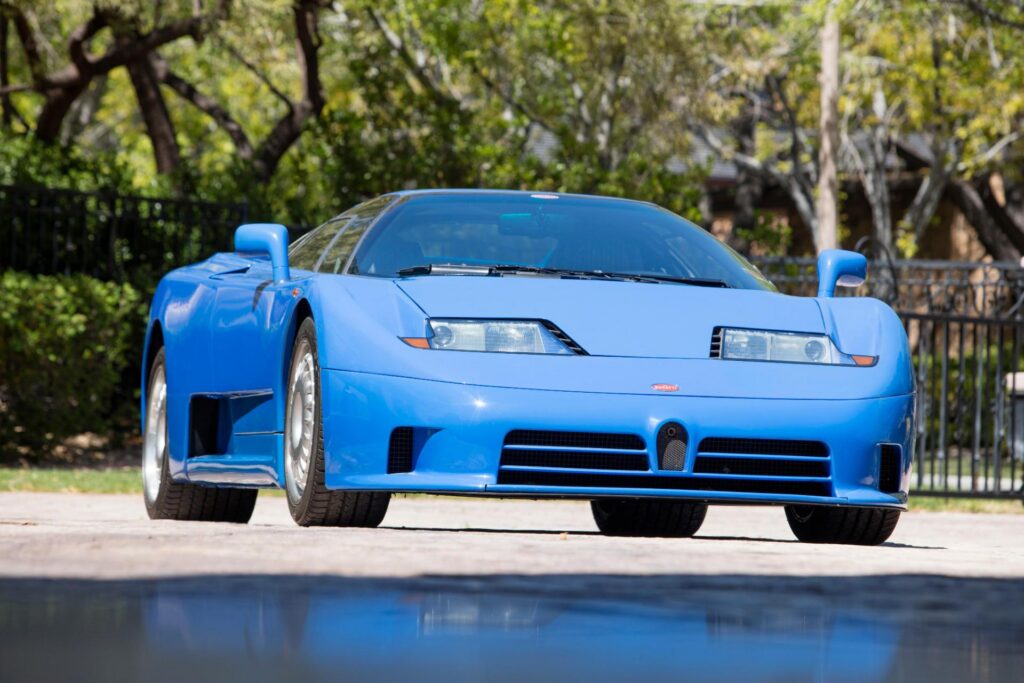
From its launch in 1991 the EB110 GT racked up sales of 95 units; the SS just 31 units. However you like your caviar, a Bugatti EB110 – especially one like this 1994 Bugatti EB110 GT currently listed for auction at RR Auctions – is a rare treat indeed.