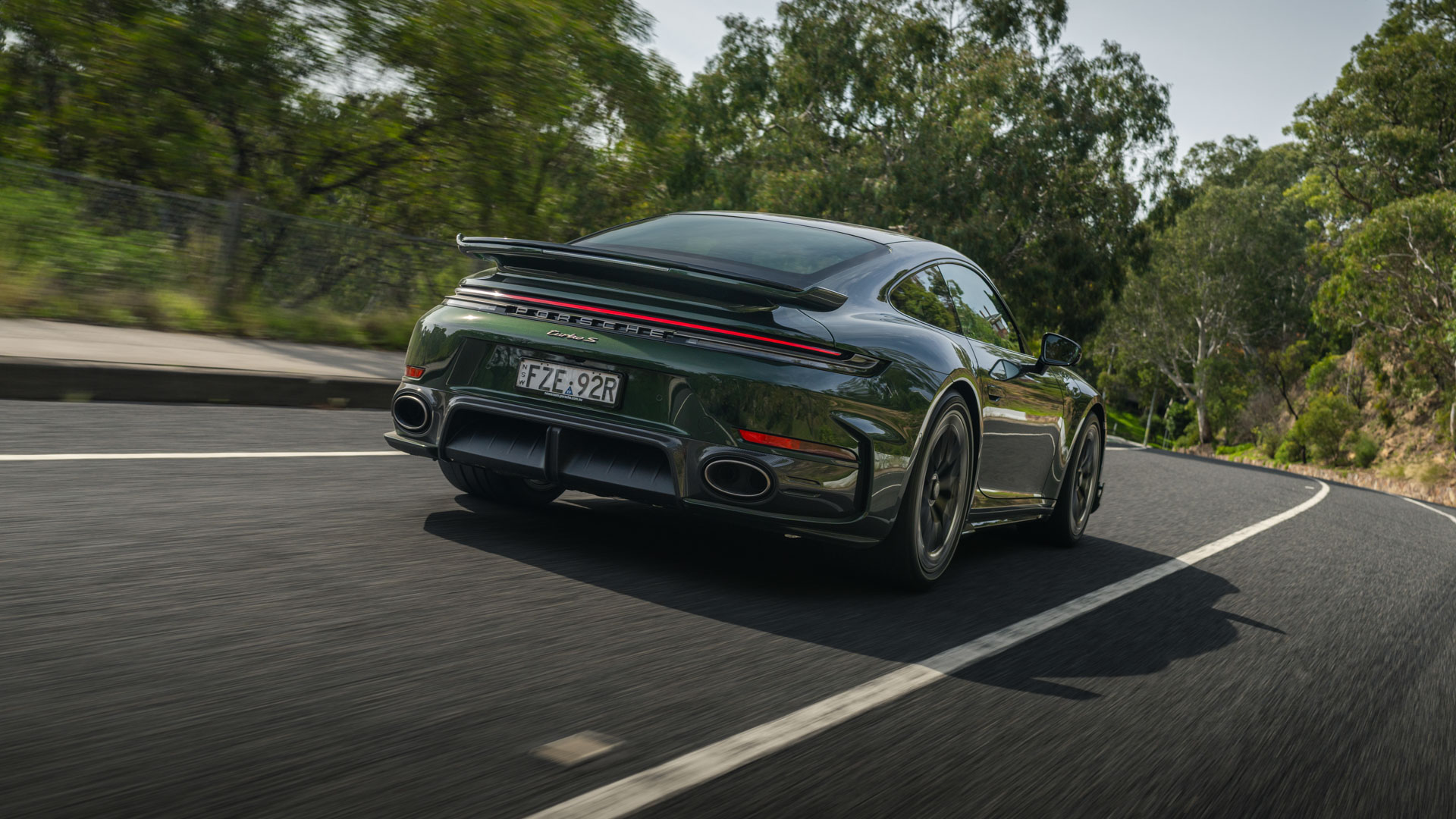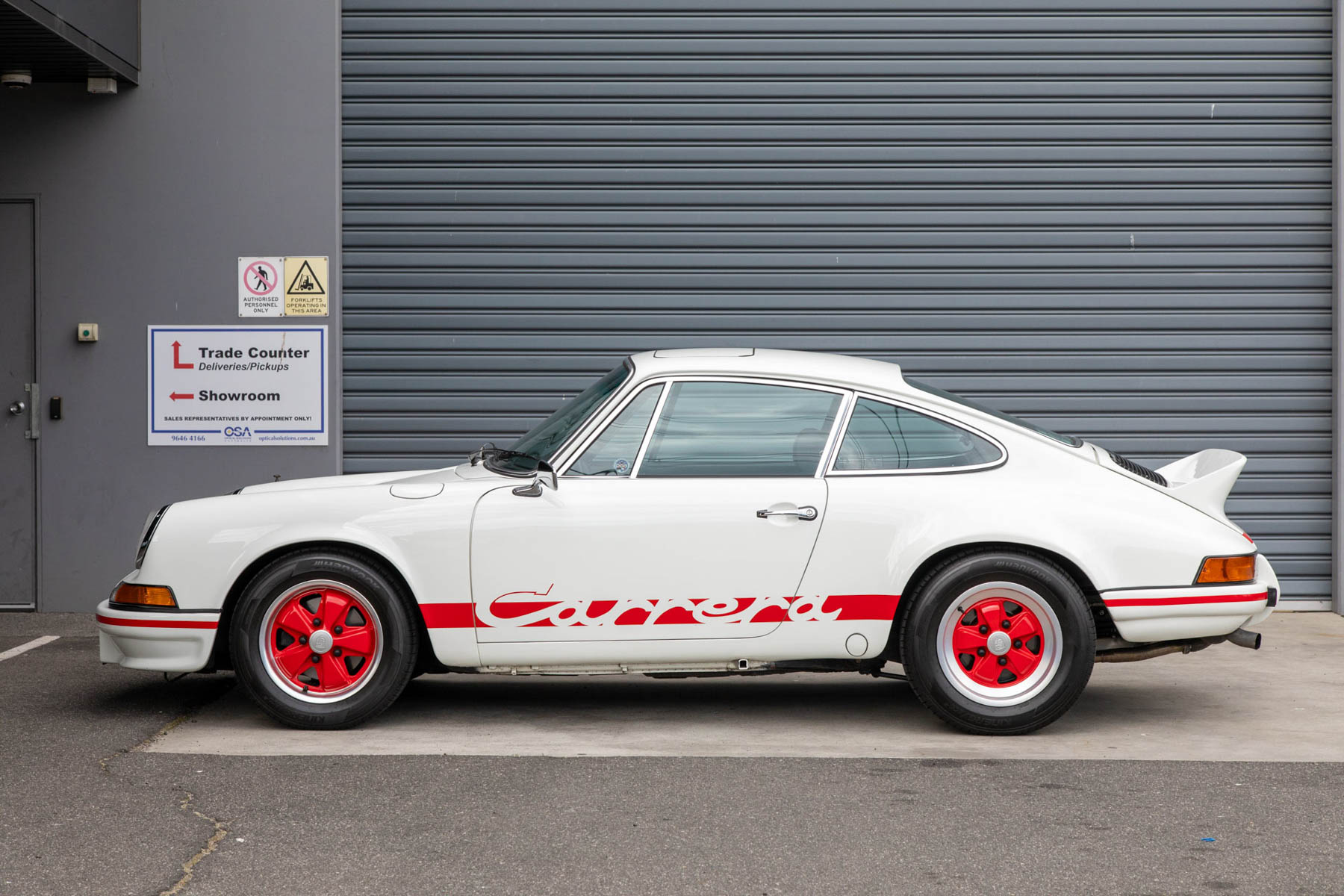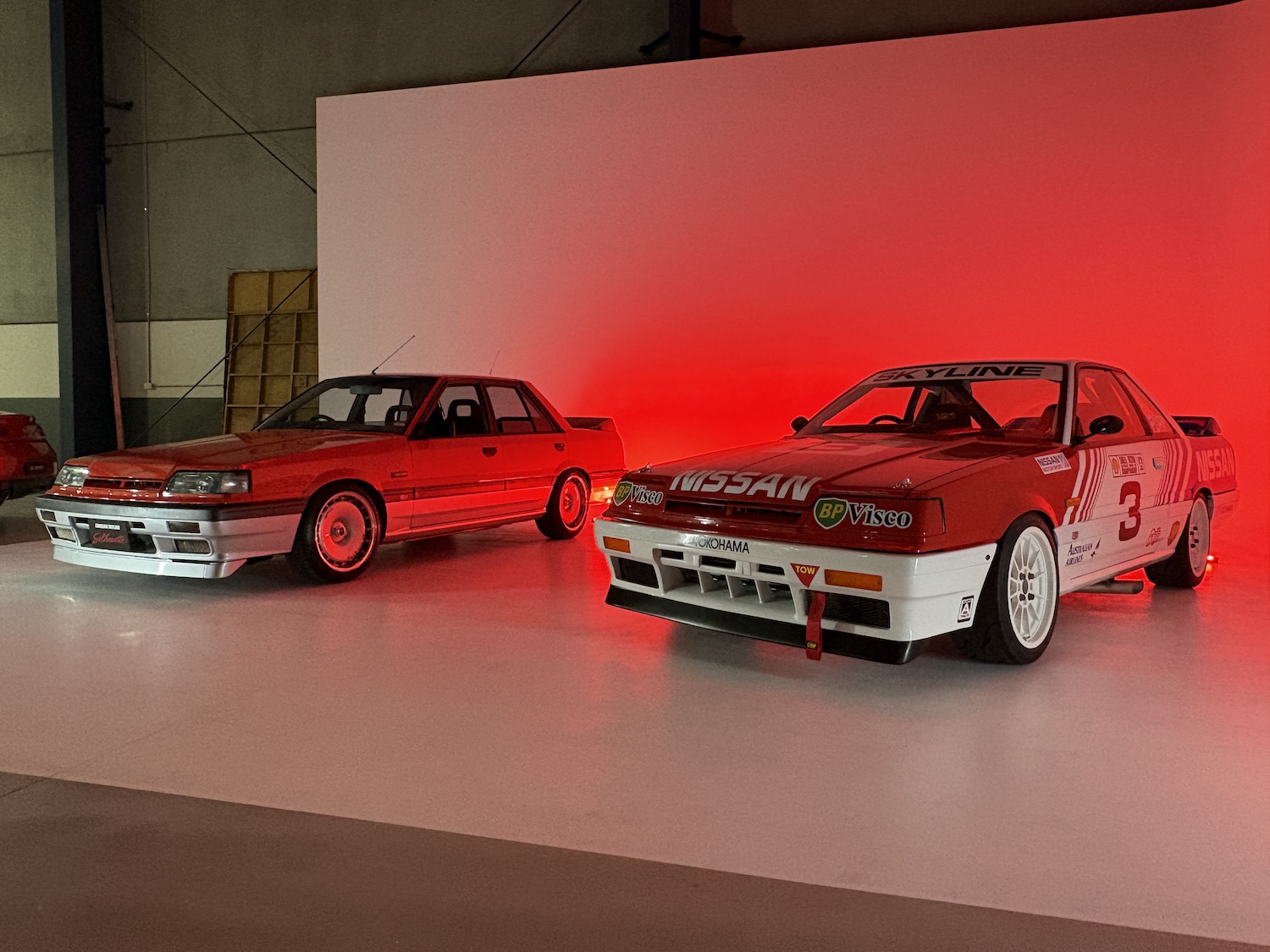

Here’s a quick quiz: name the 20 most significant supercars of the past 20 years. I figure most of us could rattle through a list of names like Ferrari, Bugatti, Koenigsegg, Pagani, Bugatti, Porsche, uhh, Rimac …
We’d probably run out of ideas before we hit 20 cars. And going back over the list, we could probably see that at least a few were basically the same thing with different badges.
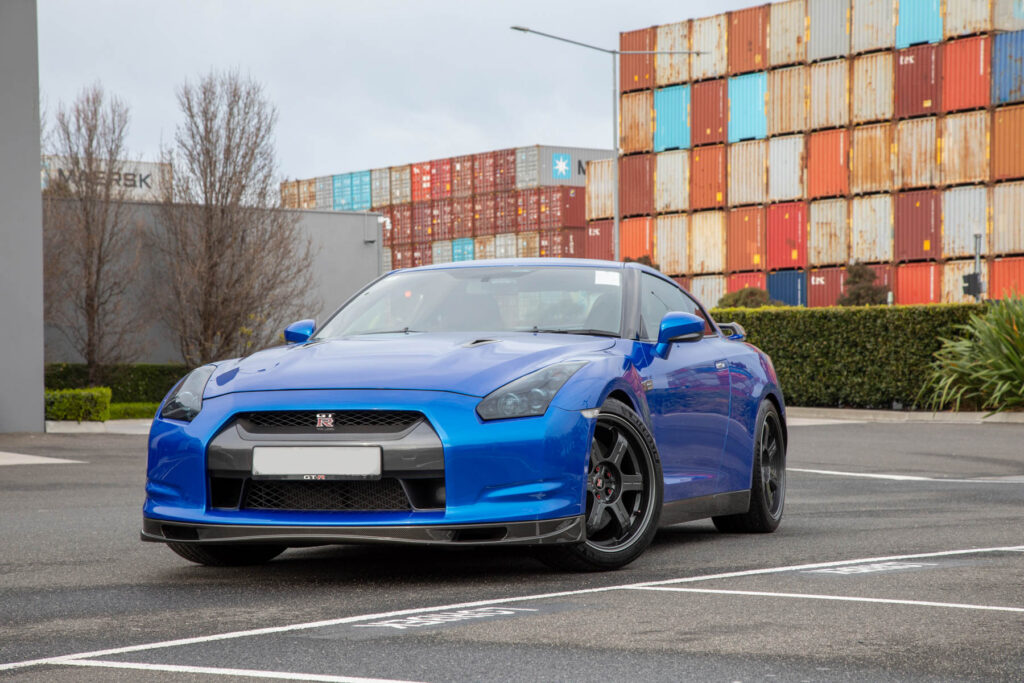
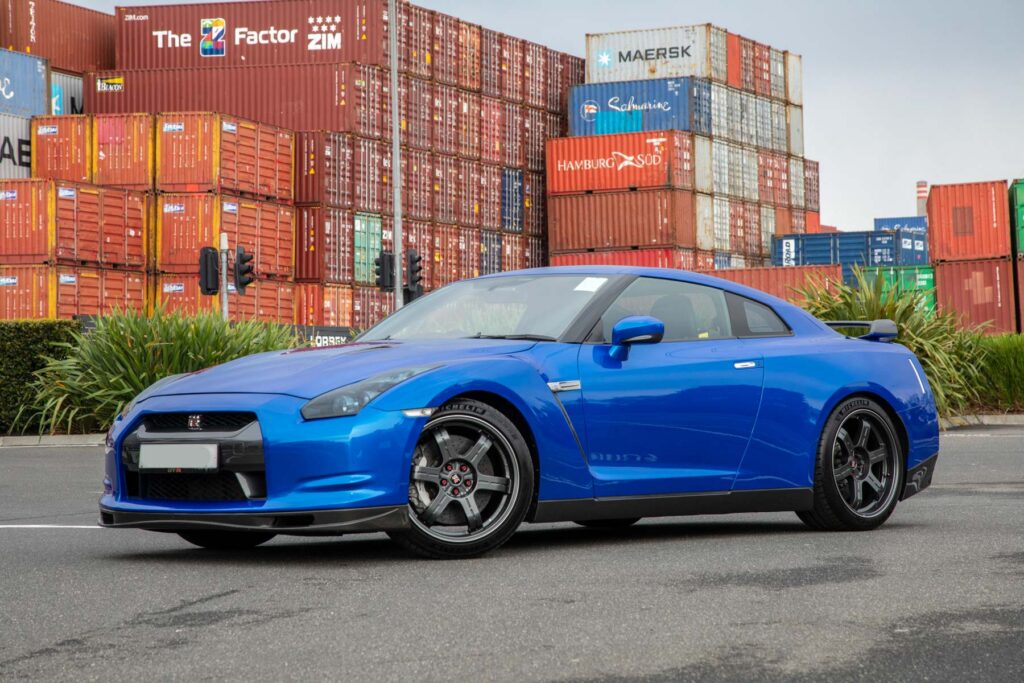
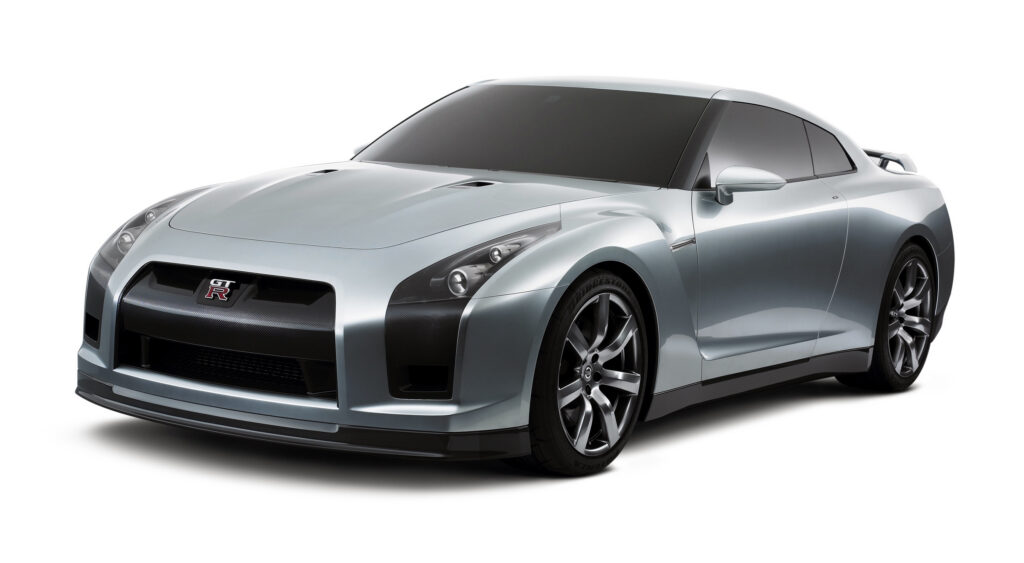
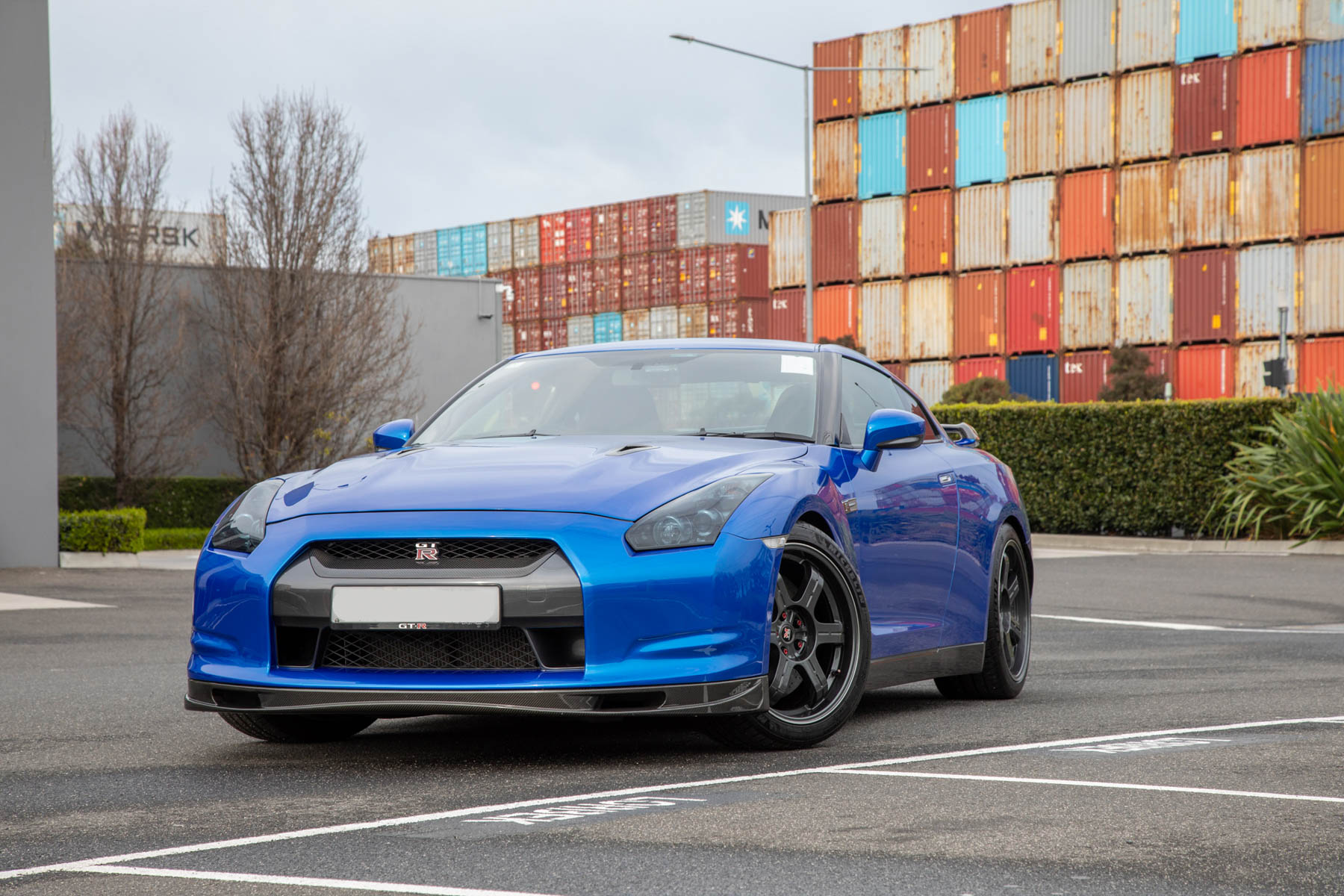
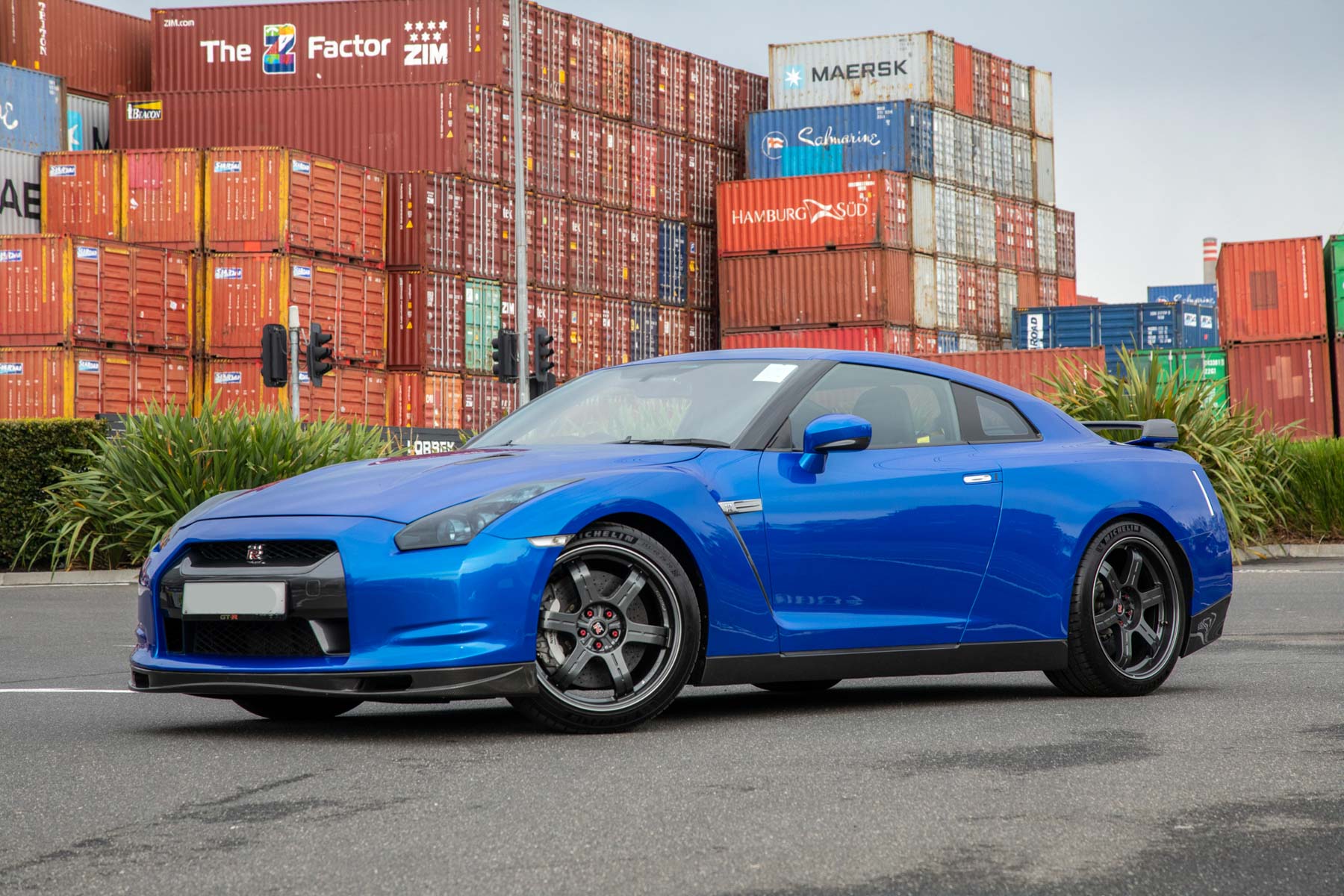
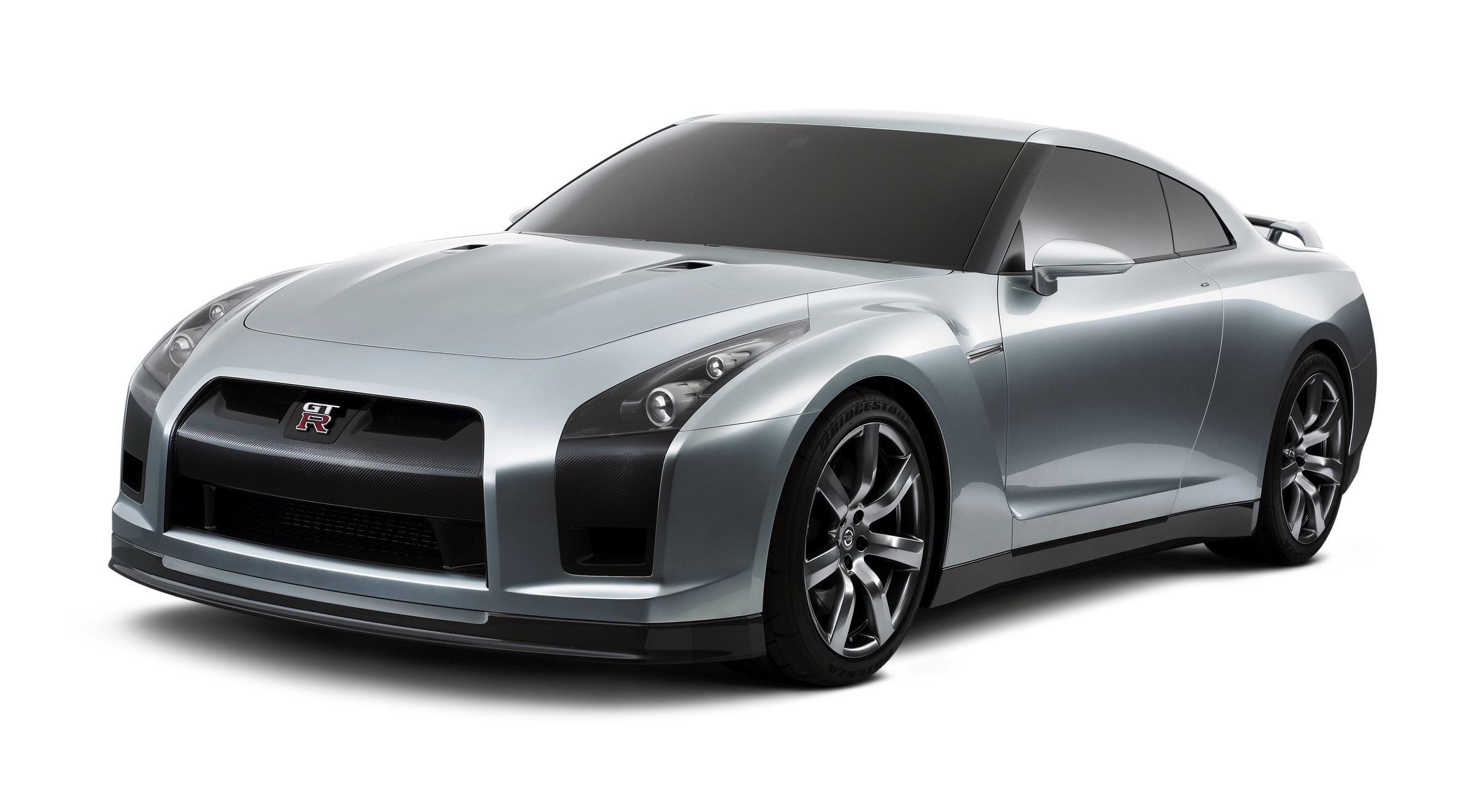
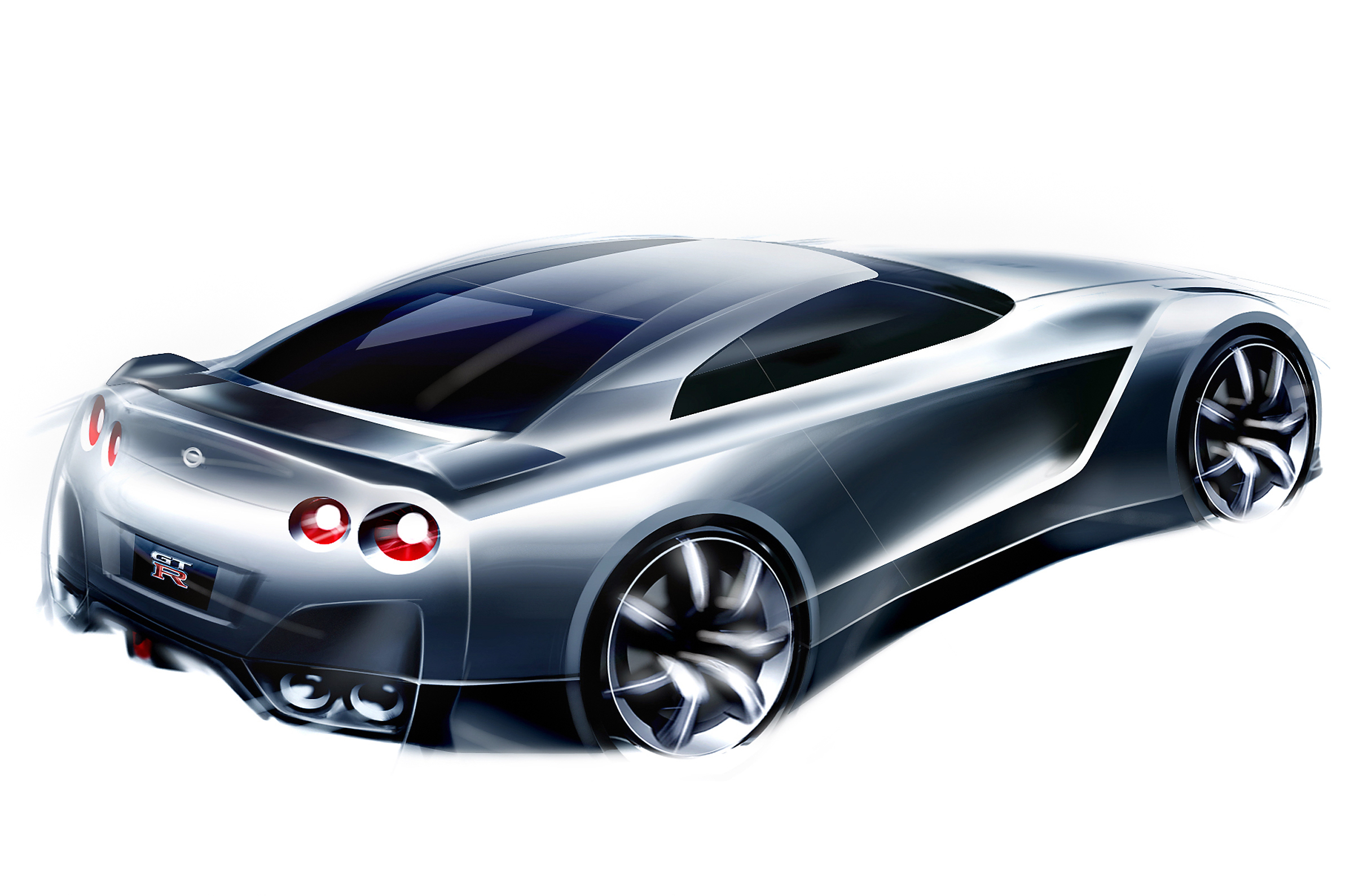
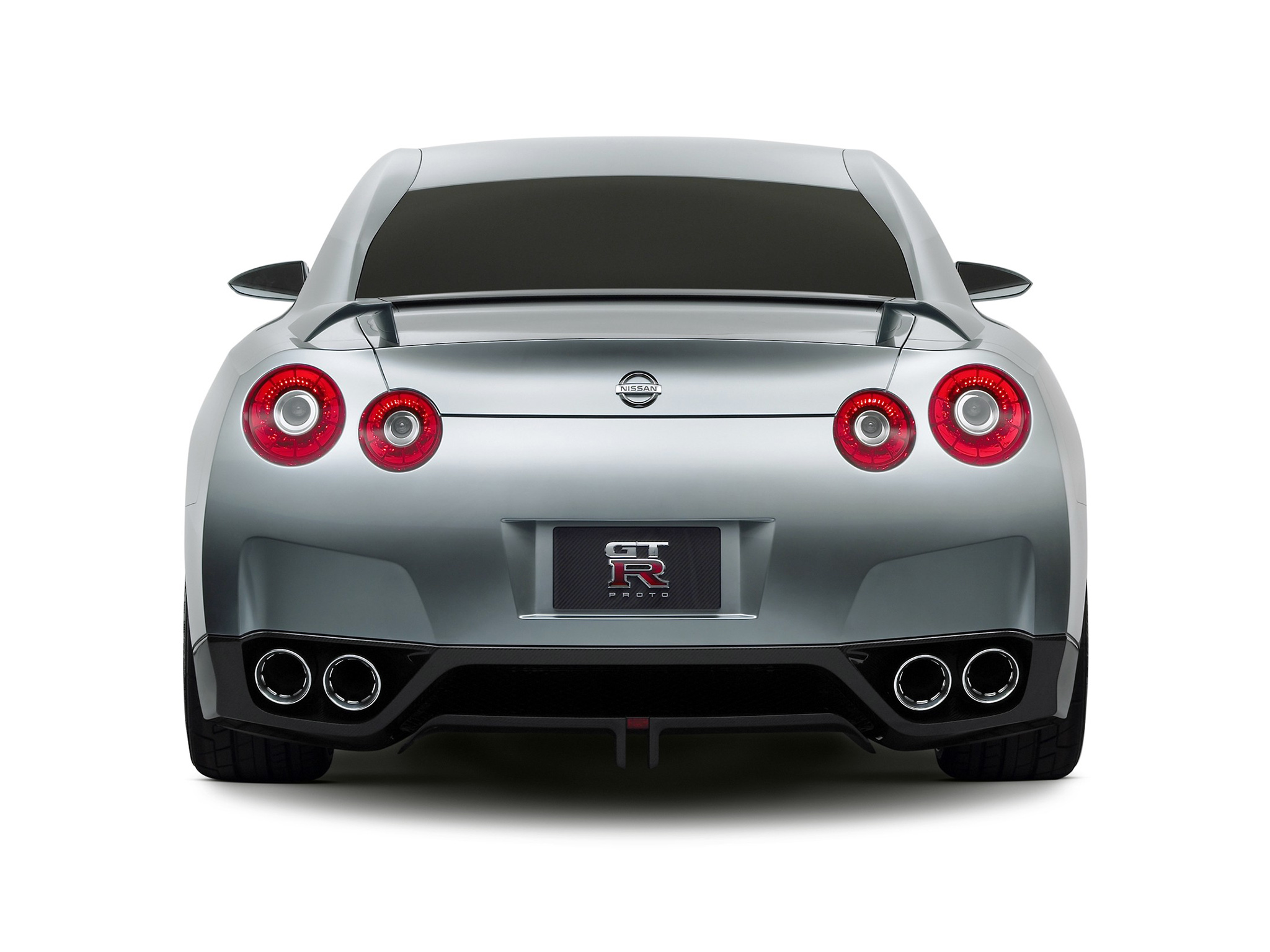
Thinking of supercars that truly moved the game forward, in terms of technology, value for money and relevance, there’s a strong argument that the Nissan GT-R R35 – launched 20 years ago next year – deserves a spot on the front half of this grid.
In September 2007, I was at the Nürburgring for the launch of this new GT-R (as the R35 generation was simply known, being unrelated to any mass-market Skyline model). Also present, and in a chatty mood, was Renault-Nissan alliance chief and the automotive industry’s then-golden boy, Carlos “Le Cost Killer” Ghosn.
Ghosn explained that, on taking the helm of the alliance in 1999, he’d crunched the numbers on Nissan’s 40-model family and discovered that just a few cars were profitable. One was the GT-R (R34), though its run was doomed to end in 2002 with new regulations in Japan.
“I said, we are not going to abandon this car,” Ghosn said. “This car is going to have to come back, and with all the technology prowess of Nissan. That’s number one. And the GT-R was a supercar, a muscle car, but it was always affordable. So, we would bring it as a window of technology, at a price that is reasonable.”
Ghosn had also decided that the new GT-R would be a world car. Previously, all Skyline GT-Rs had been strictly for the Japanese domestic market – excepting only the batch of 100 R32s that came to Australia in 1991, to homologate the car for its V8-killing Group A career.
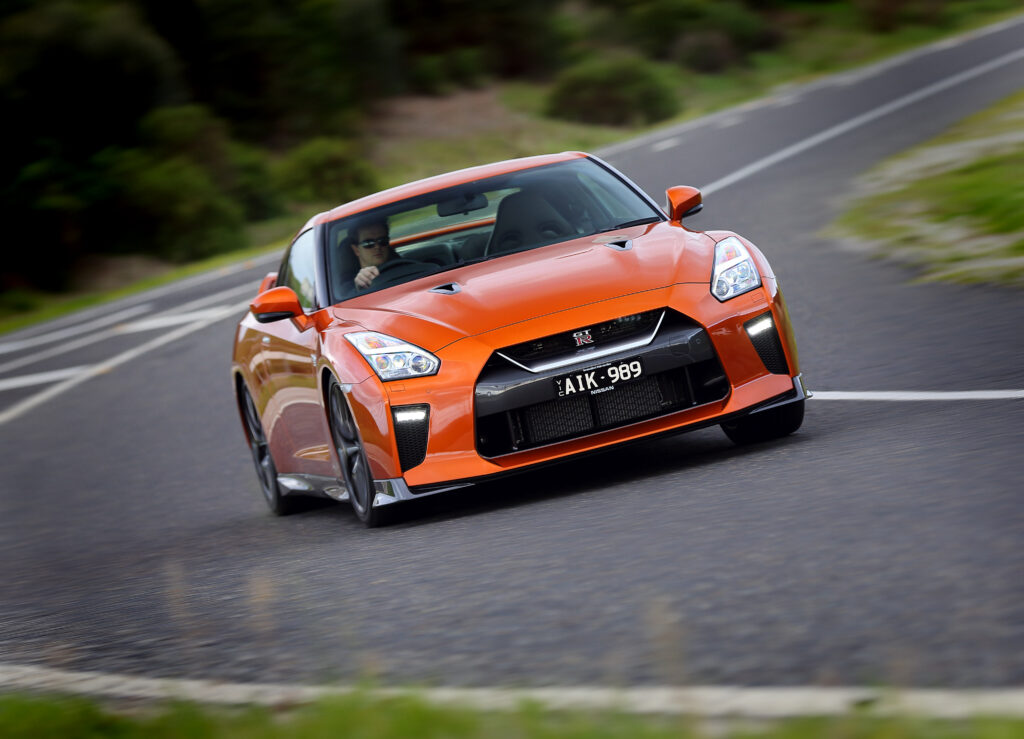
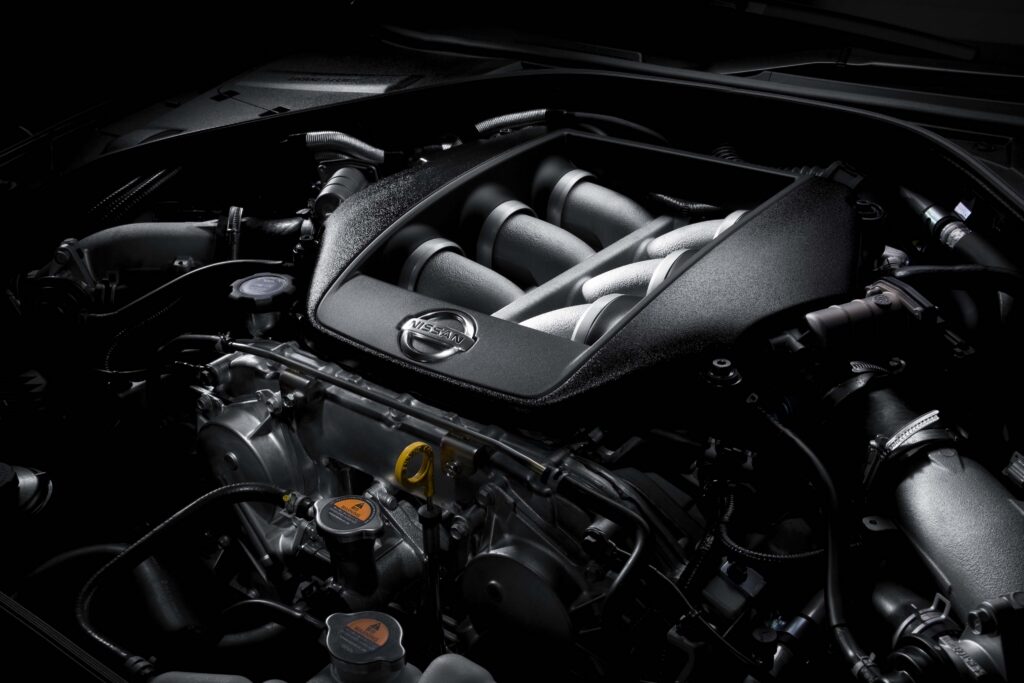
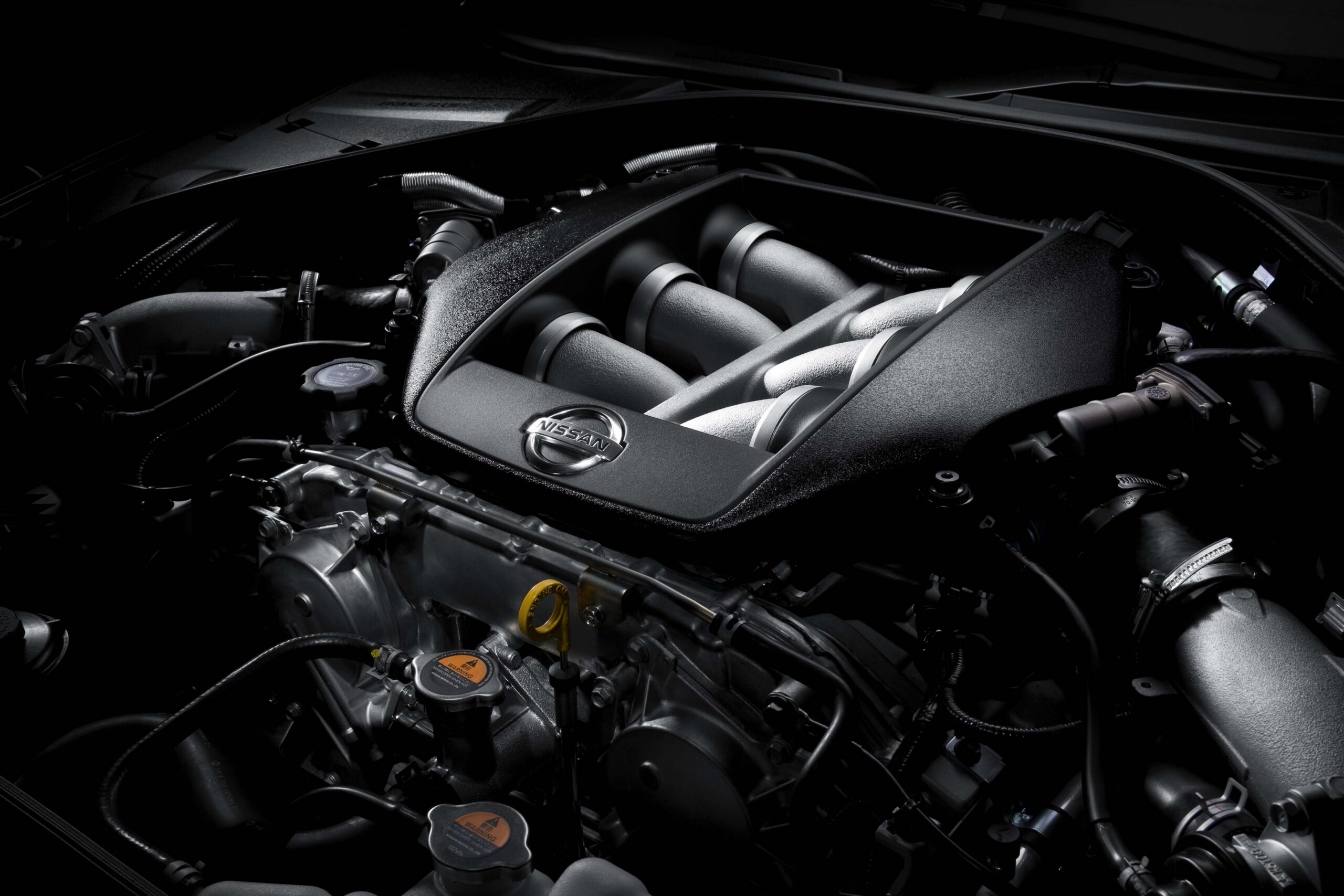
Under the direction of chief engineer Kazutoshi Mizuno, previously head of Nissan’s Group C racing efforts, the R35 was a true super-coupe. Its unique “PM” (prime-midship) platform hosted a 353kW, 4.8-litre twin-turbo V6, and all-wheel drive with a patented, integrated six-speed, dual-clutch transaxle and transfer system.
Carbon-fibre and die-cast aluminium featured extensively in the front subframe and suspension, crash structure and body panels. Its weight distribution of 52/48 front/rear was balanced at speed by aerodynamics. The infotainment system, with comprehensive performance data on call, was designed by Polyphony Digital, creators of the PlayStation Gran Turismo game.
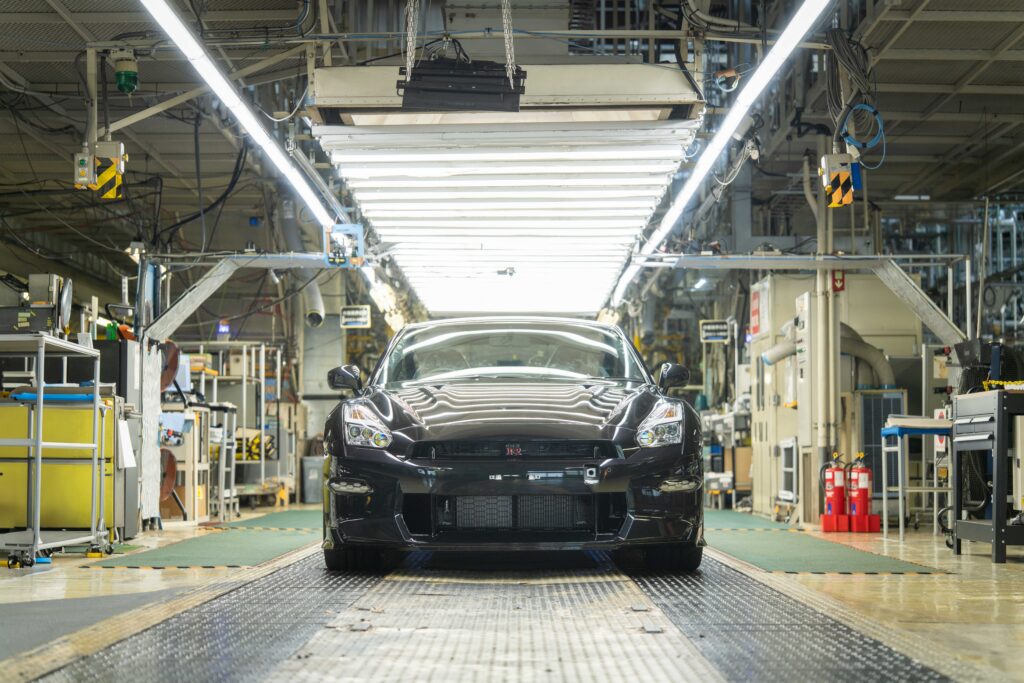
Each V6 engine was completely built by one technician in a clean room facility, conditions more typical to a Formula 1 engine assembly. Every car was subjected to testing on the chassis vibration rig before delivery. All of which helped Nissan’s confidence in offering three years’ free maintenance of engine, transmission and suspension – another industry first.
In its tech-spec alone, the R35 was a game changer.
It was almost inconceivable, then, that all this was to go on sale in Australia for around $150,000 … well under half the $361,000 tag on a new, 997-series Porsche 911 Turbo, the GT-R’s development benchmark.
The Nürburgring venue was no coincidence. One of Ghosn’s stipulations to his engineers had been a target lap time for the ’Ring of 7 minutes, 50 seconds. While I was there, one of the three evaluation cars clocked 7m38s. (Indeed, I rode shotgun on a lazy 8m12s lap).
At that time, only four other “production” cars – a Pagani Zonda F Clubsport, Koenigsegg CCX, and Porsche’s Carrera GT and 911 GT3 – could boast sub-7m40s lap times.
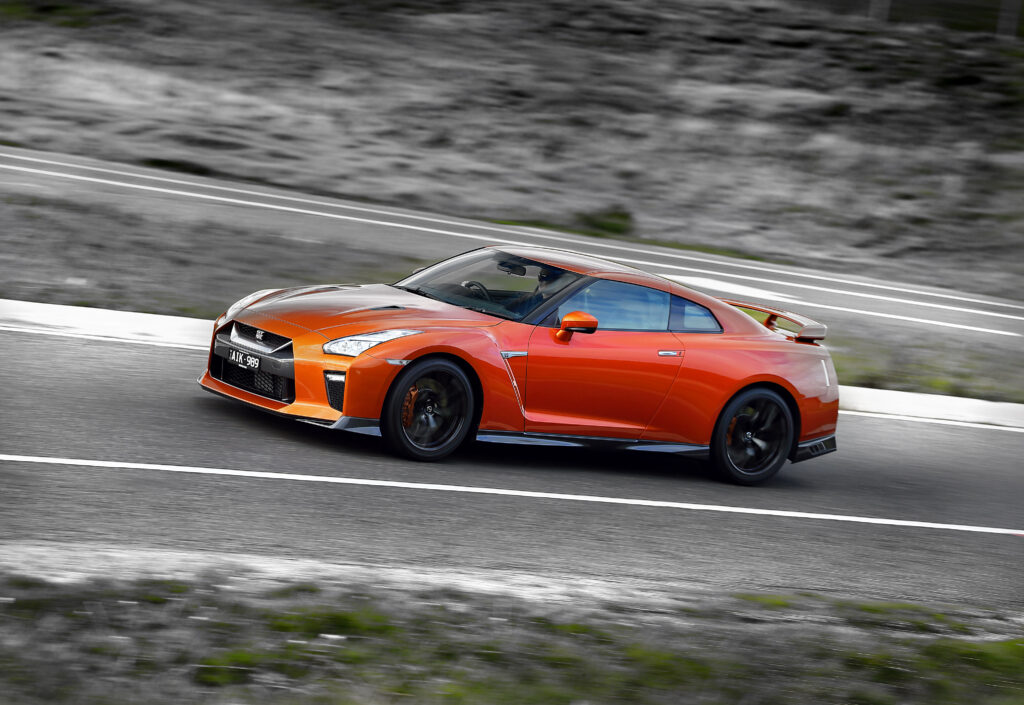
As impressive as the onslaught of performance and technology, was the R35’s sophisticated driving experience. While never fully able to mask its 1740kg kerb weight (150kg heavier than Porsche’s likewise all-wheel-drive 911 Turbo), the GT-R’s astonishingly good steering, linear power delivery, eye-popping brakes and always-firm but controlled suspension made it an able and inspiring everyday supercar.
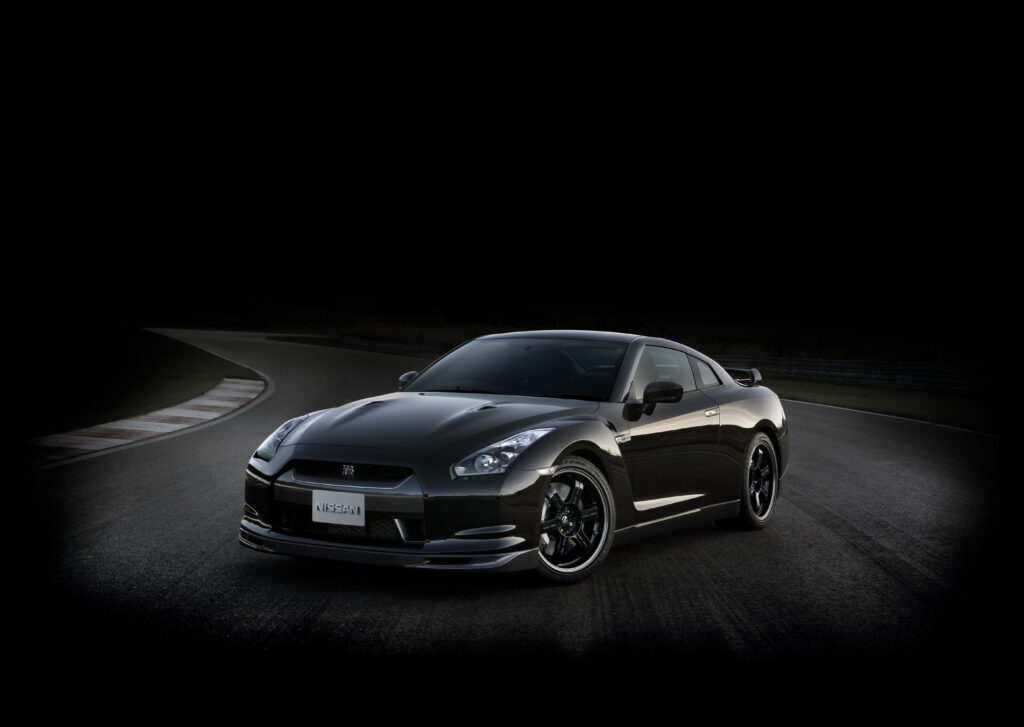
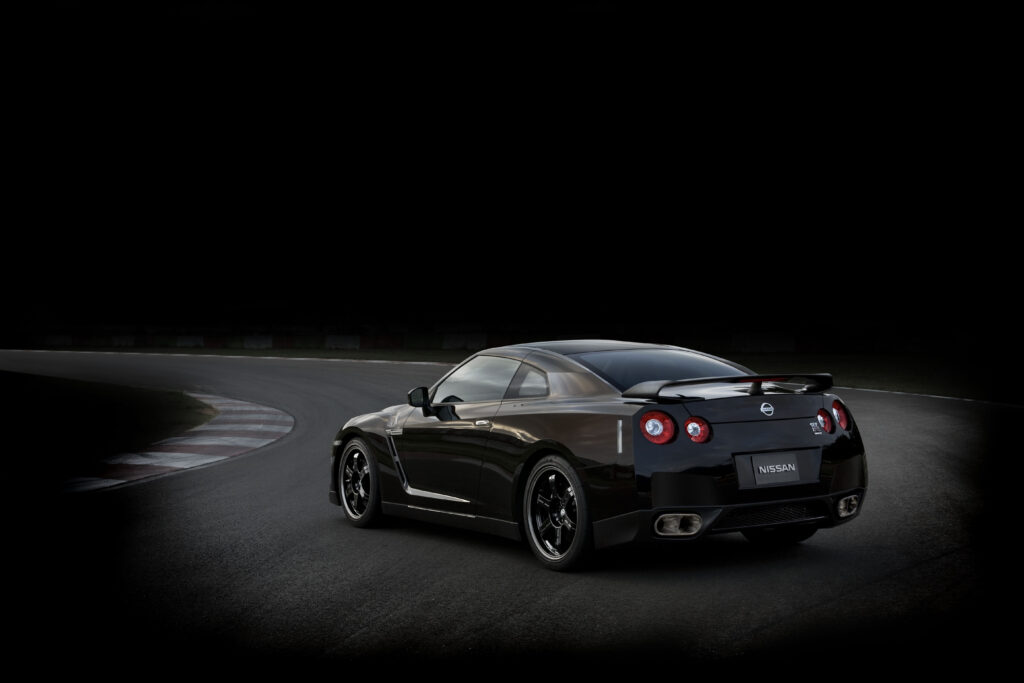
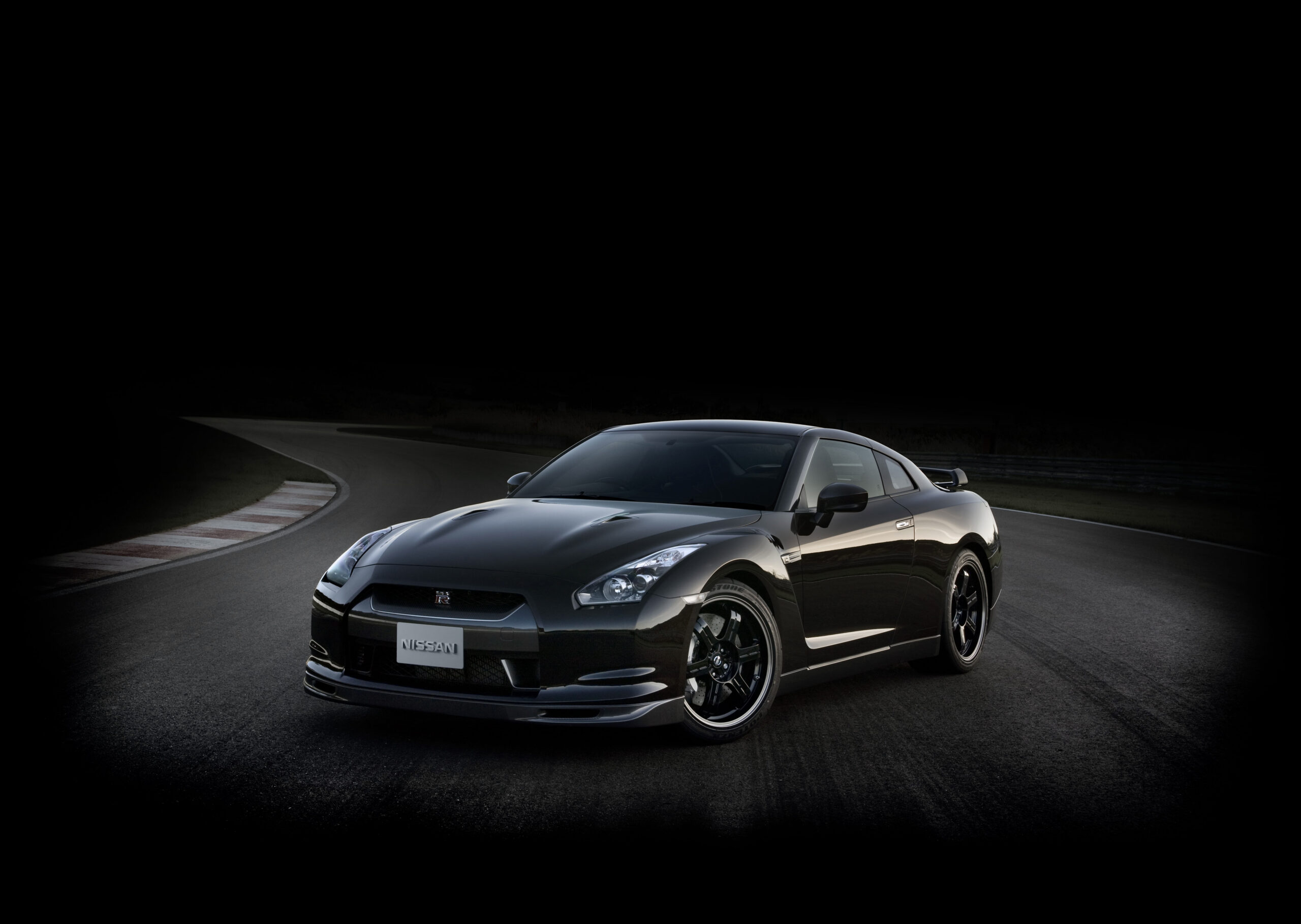
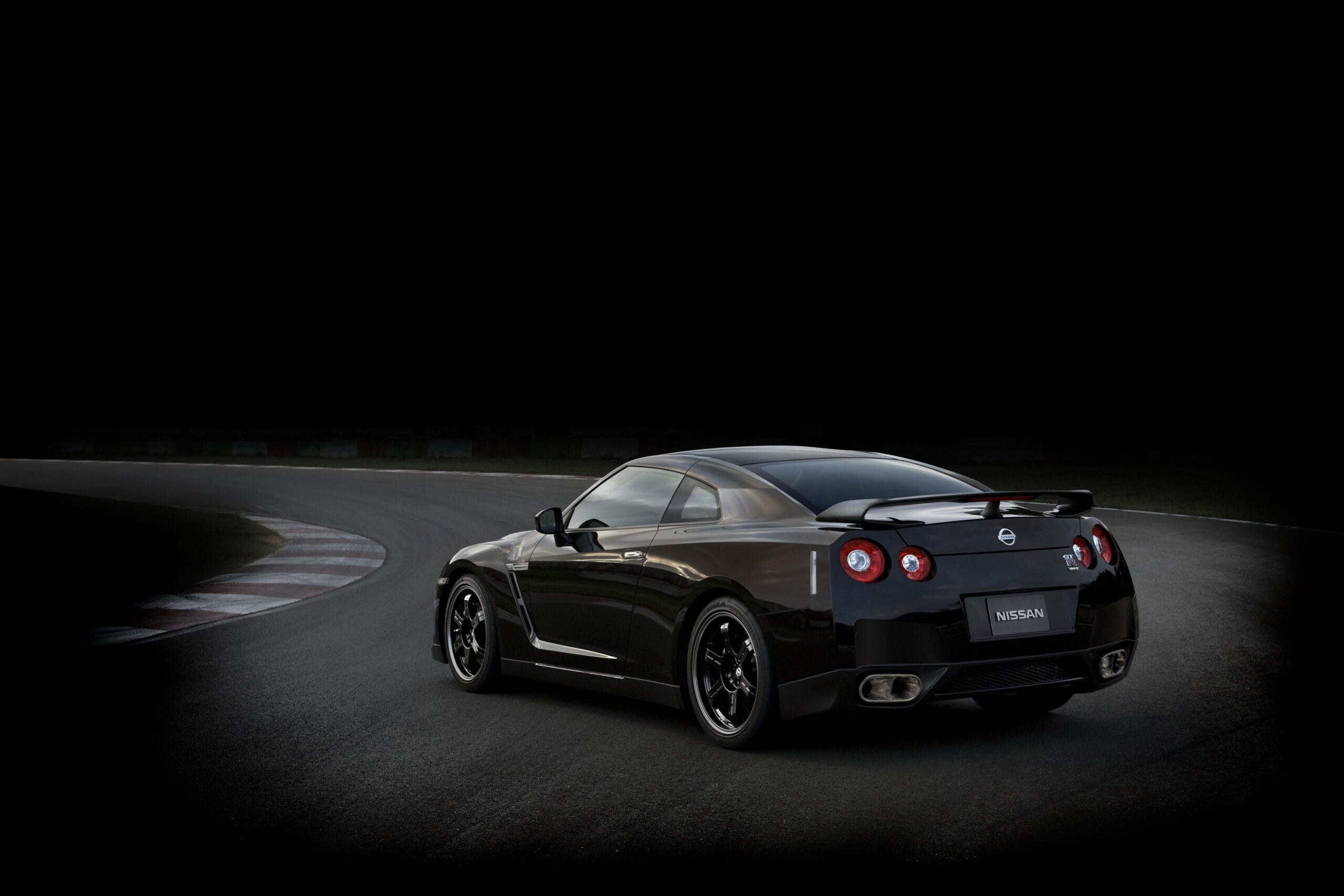
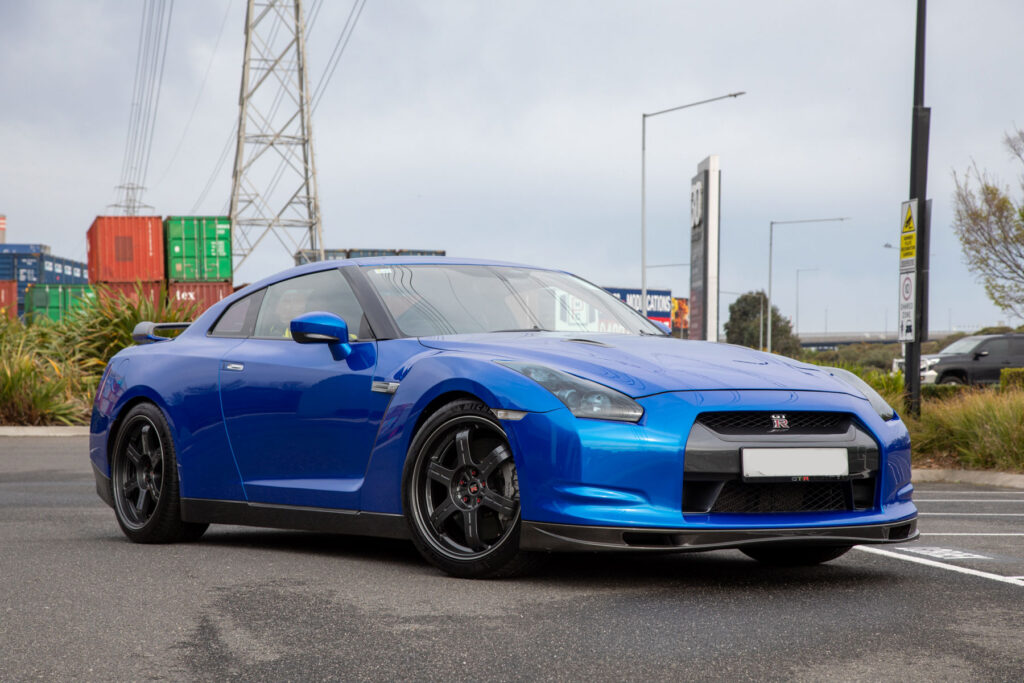
And it got even better. Always under the eye of Mizuno-san, the “father of the GT-R”, in 2009 came the GT-R SpecV. That’s not a typo, Nissan’s own press material officially spells the badge and name as one single word without a hyphen, although motoring media and the public frequently write it as Spec-V. Like the closely-named “V-Spec” versions of previous GT-R generations, this more track-focused special lost weight and gained performance via deleted rear seats (and new front lightweight Recaros), splashes of carbon-fibre, a new carbon-ceramic braking system, 20-inch forged wheels and a turbo overboost facility available in the higher gears.
Only 110 examples of the very special SpecV were built, intended for the Japanese market; one is currently offered for sale at RRAuctions.
You can check it out here: RRAuctions
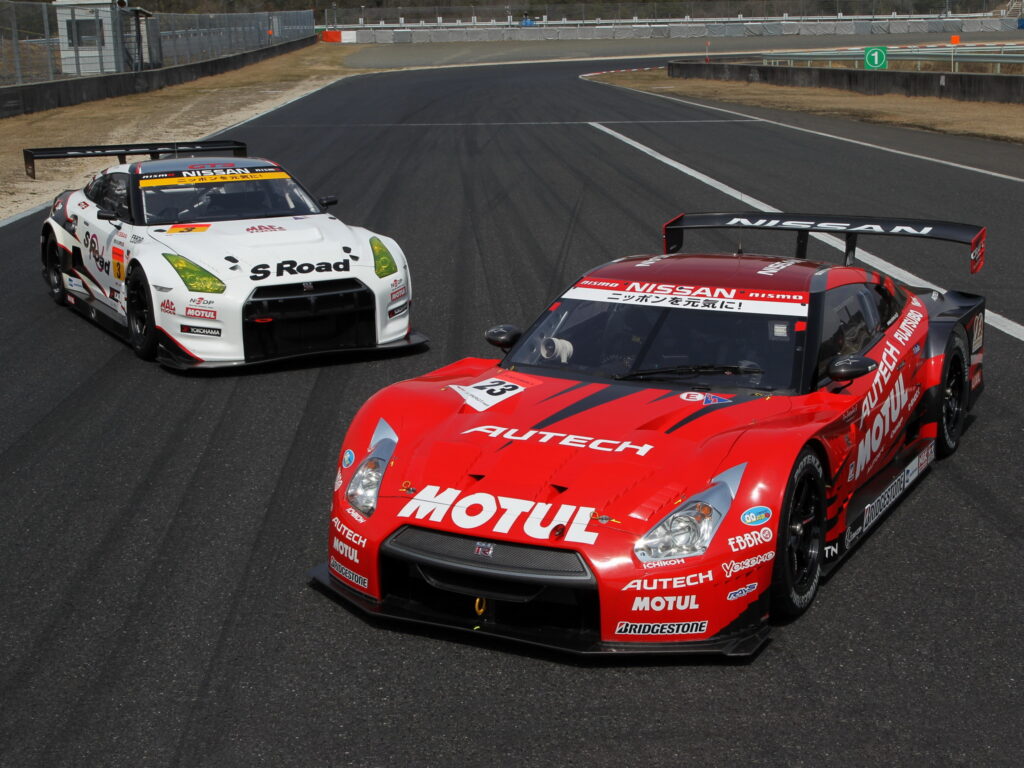
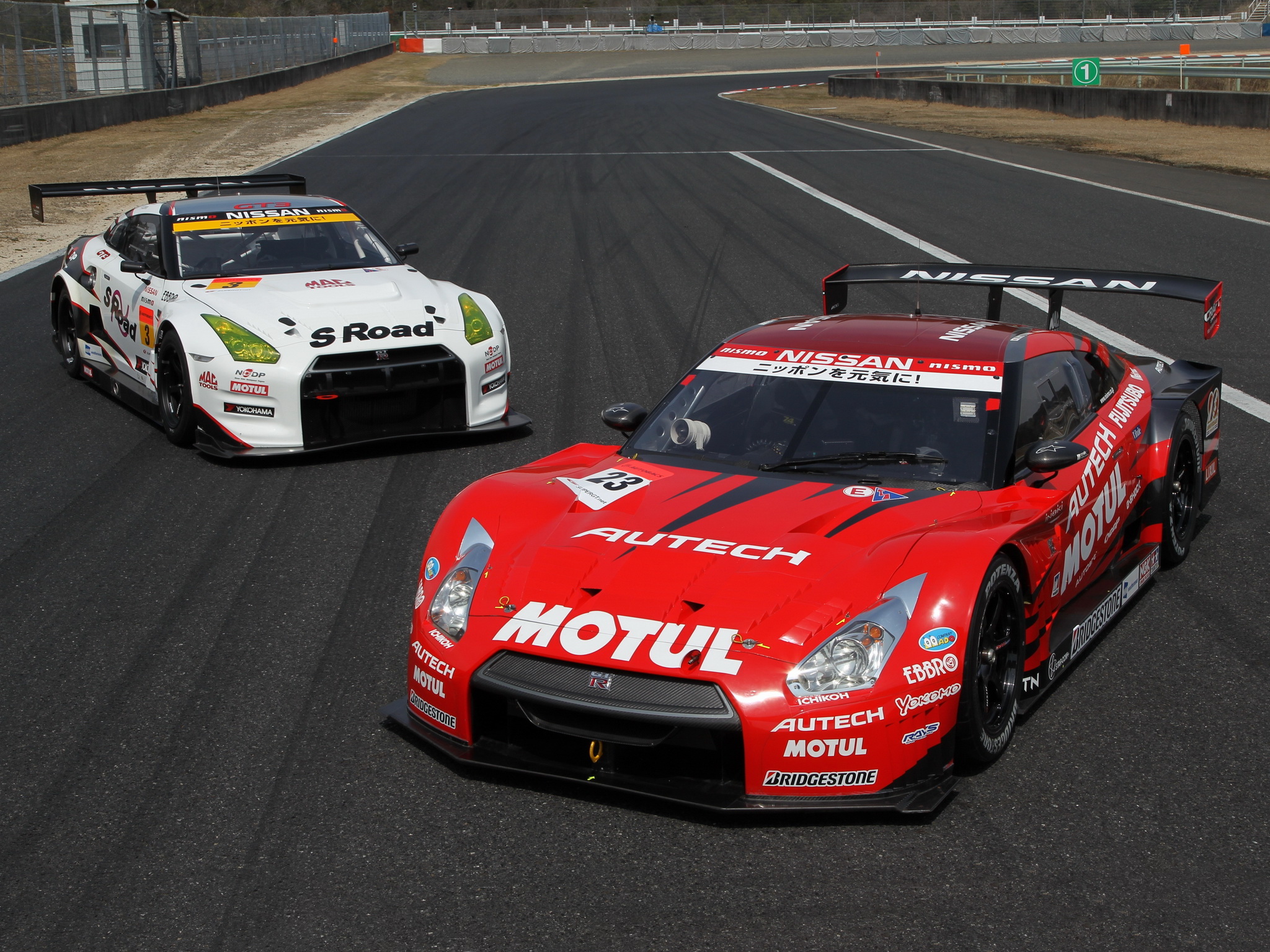
With the GT-R’s profile having enjoyed a bump with victory in the 2015 Bathurst 12-Hour, in September 2019 came the even more radical GT-R Nismo. It offered more carbon-fibre, GT3-racing body mods, lighter turbos for increased responsiveness and power and torque outputs of 441kW and 652Nm, versus the original’s 353kW and 588Nm. The price, too, had crept up to a healthy $378,000 at launch.
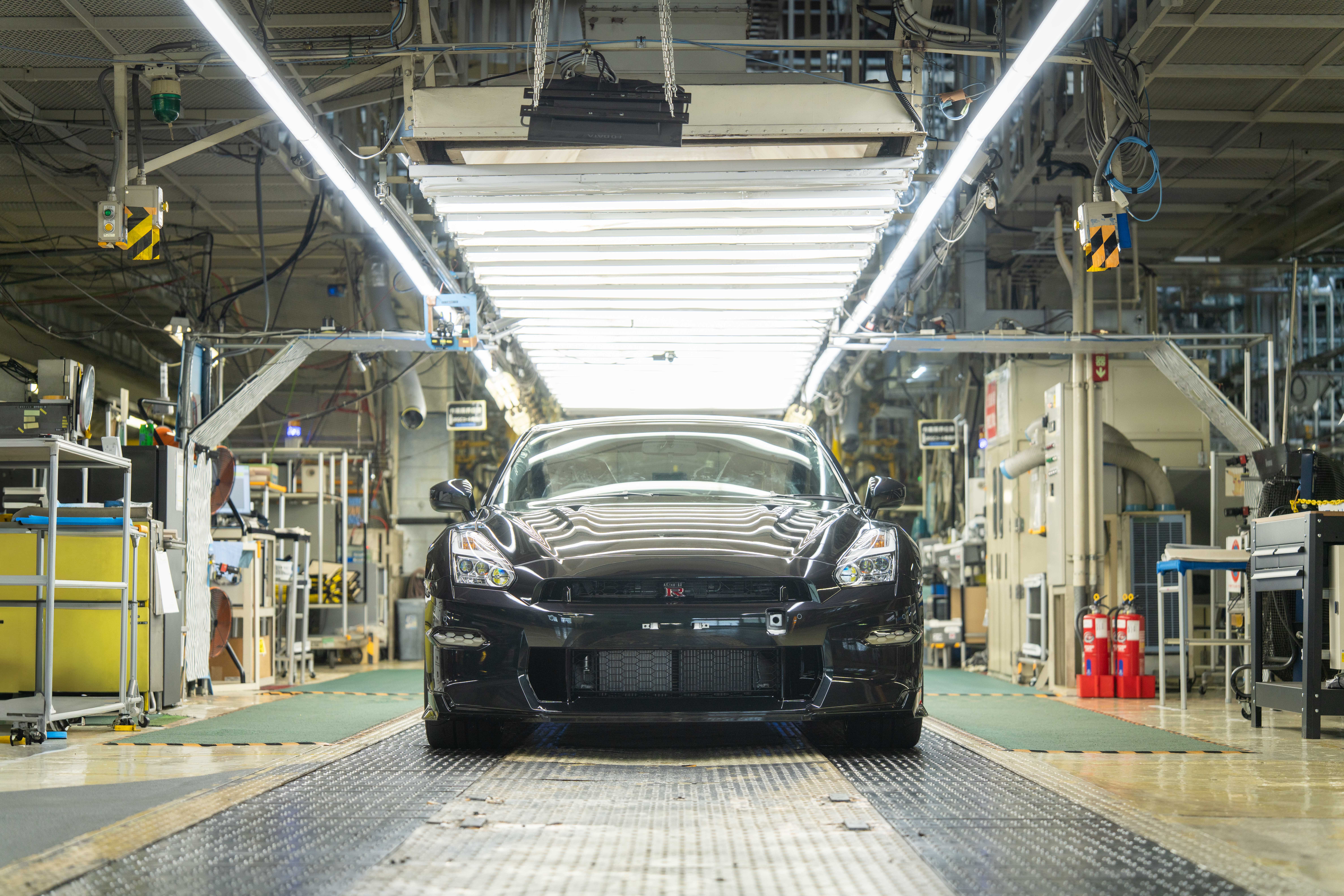
The final GT-R R35 came out of the Nissan’s Tochigi plant, 100km north of Tokyo in August 2025, after some 48,000 examples had been built over its 18-year production run.