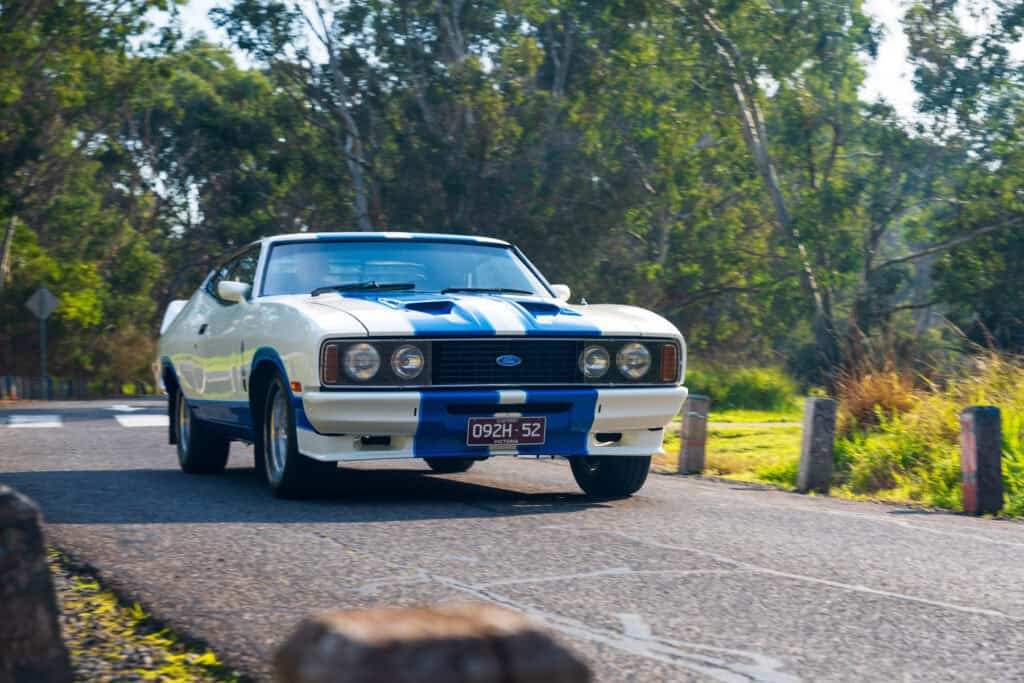
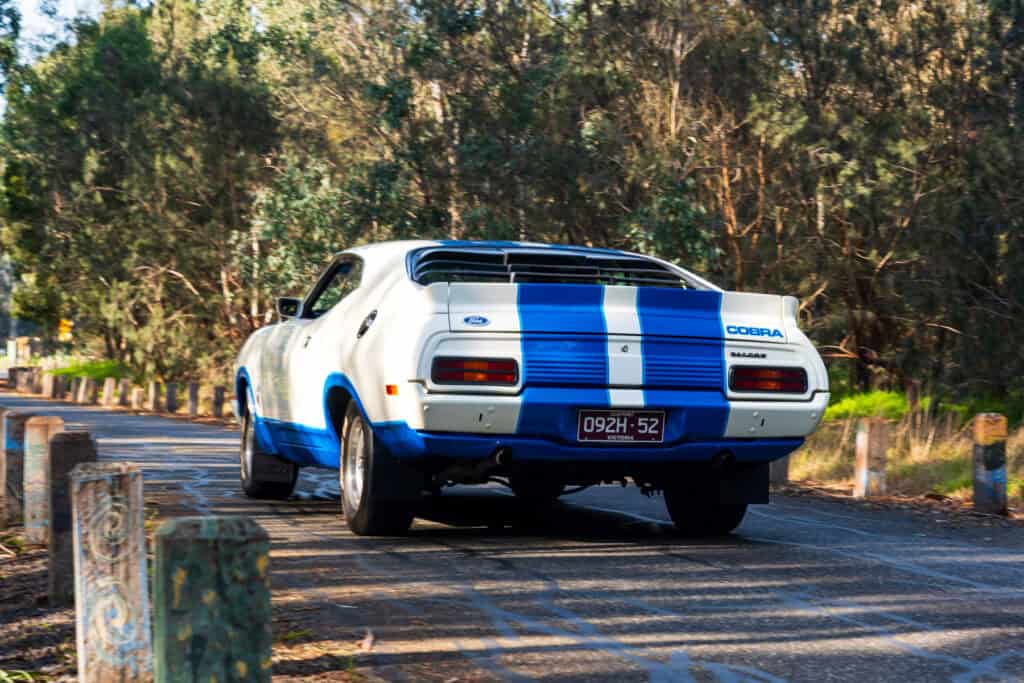

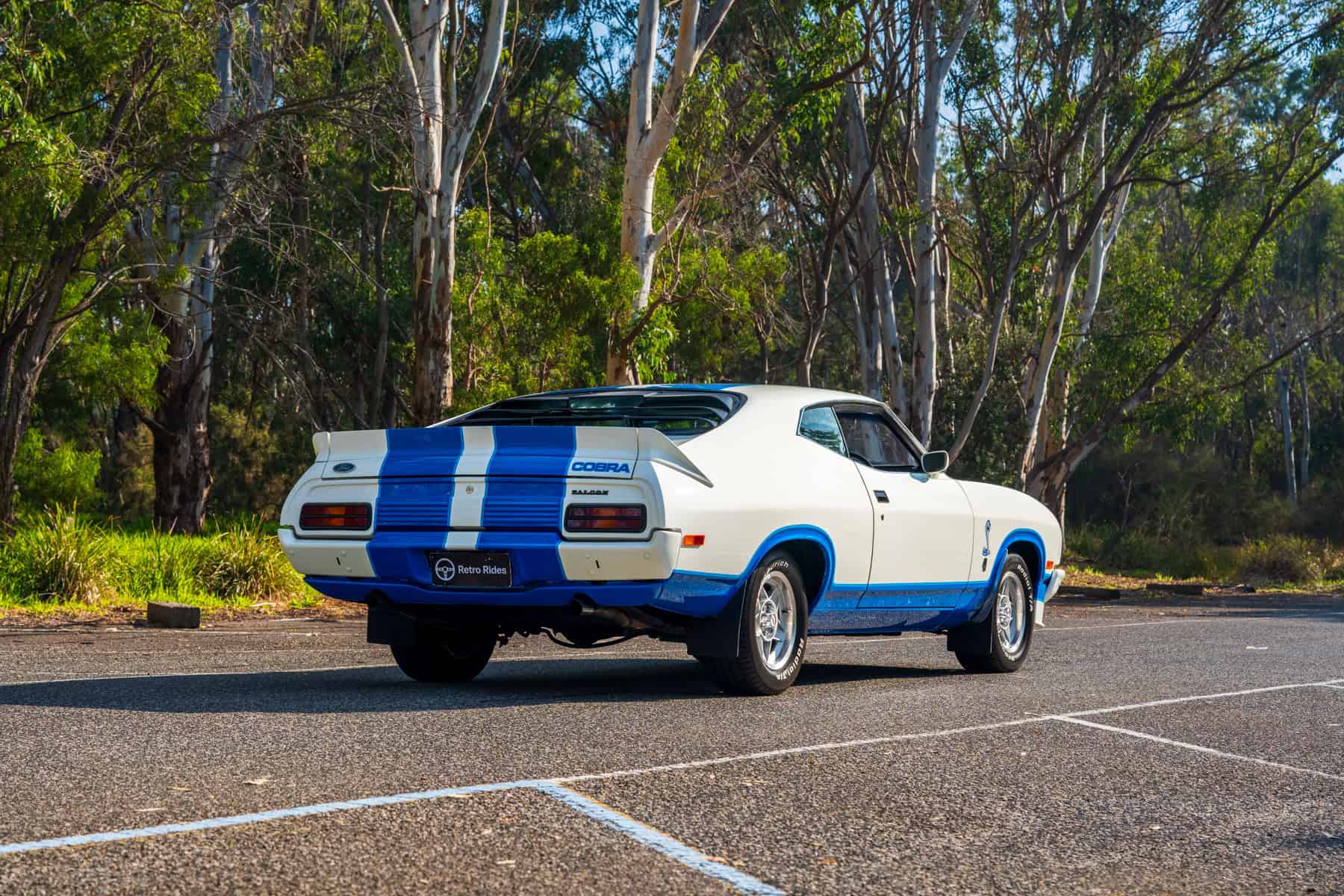
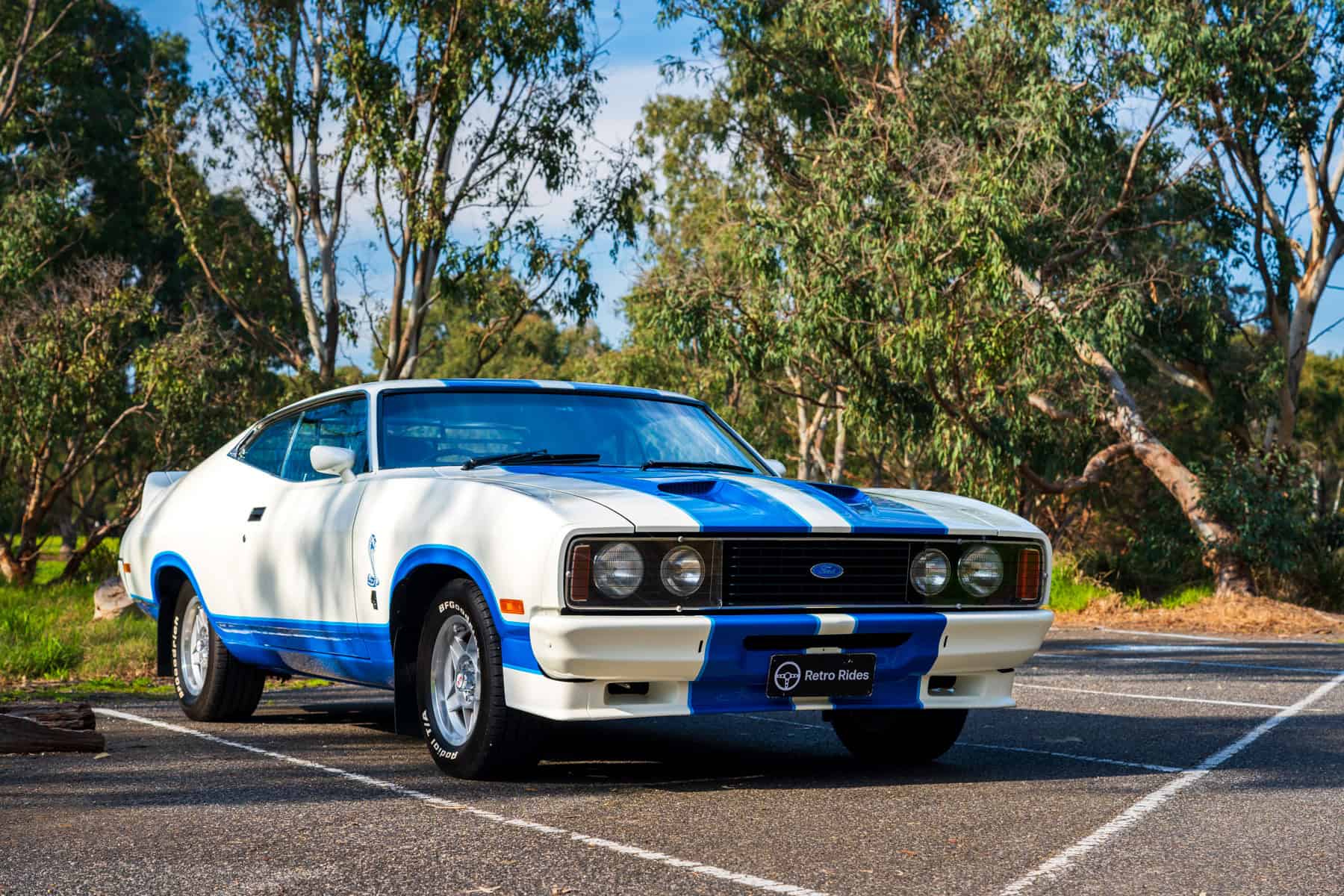
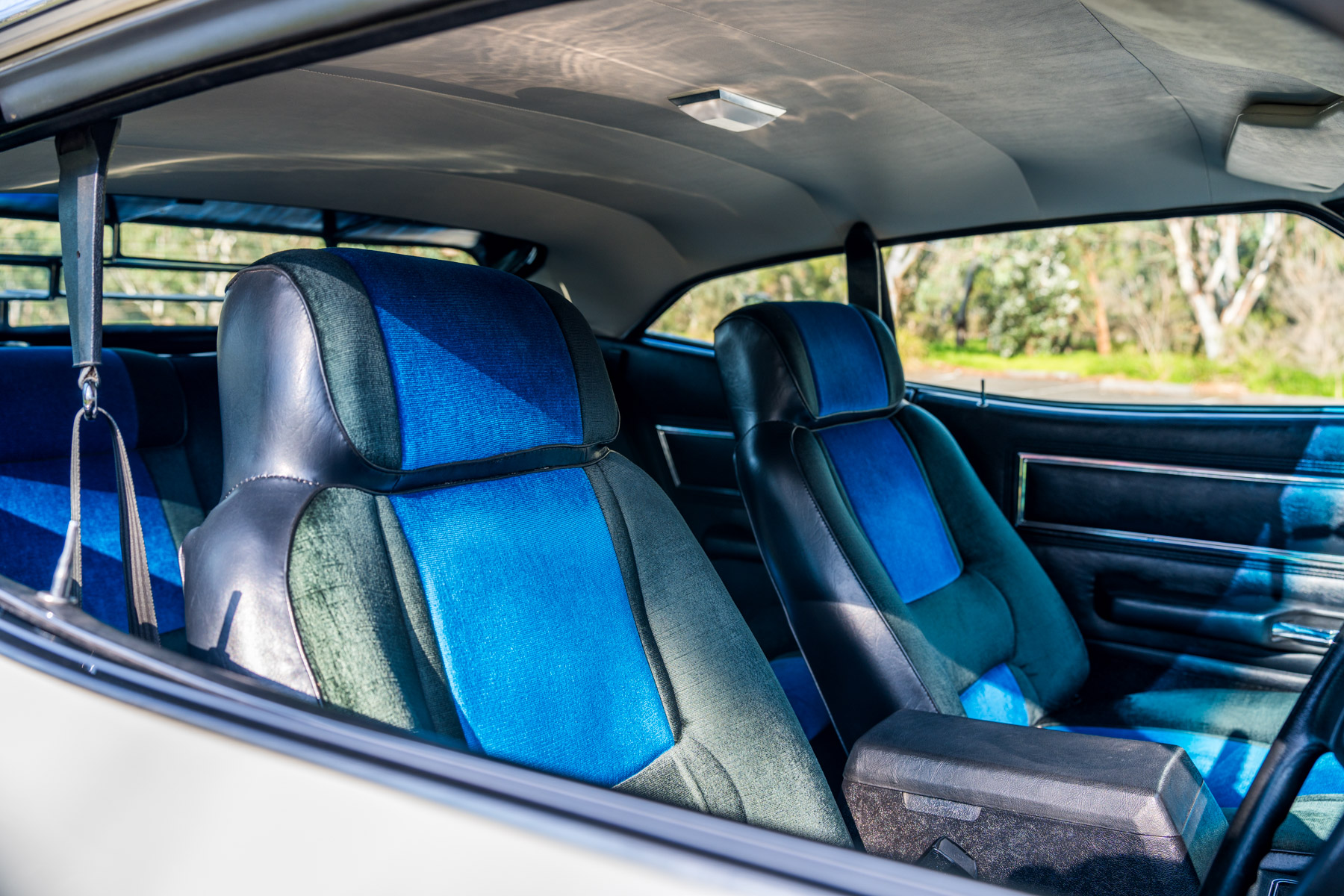
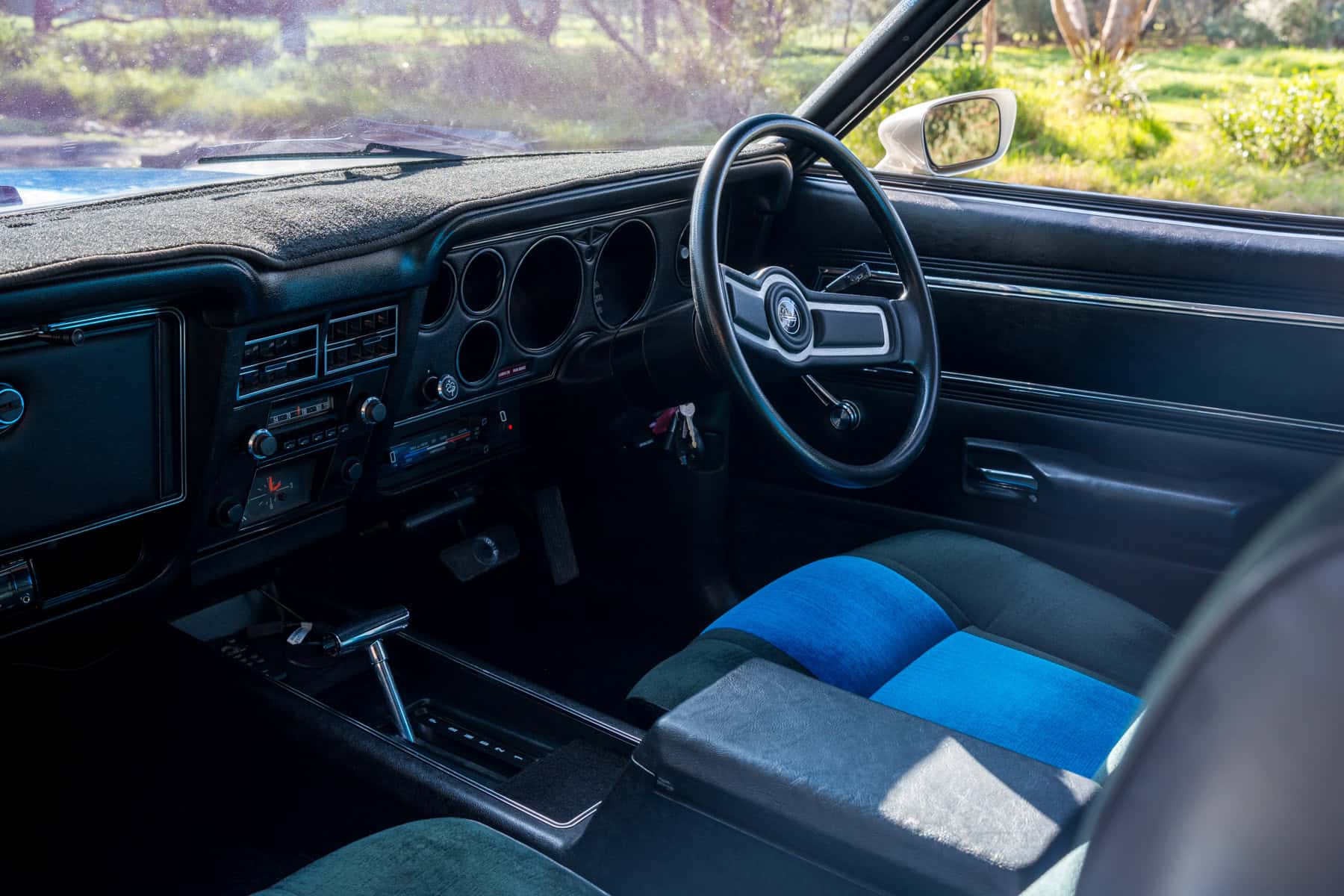
As XC Falcon production wound down, Ford was left with a bit of a dilemma. It’s hard to imagine now, but coupes (or “Hardtops” as die-hard fans will insist you call them) weren’t as popular at the time, and 400 body shells remained unsold. This was a particular problem as the XD would be ditching the two-door body style altogether.
At the time, Edsel Ford II, great-grandson of the company’s founder, was serving as assistant managing director of Ford Australia. Capitalising on the brand’s legendary one-two finish at the 1977 Hardie-Ferodo 1000, he came up with a clever plan to get those remaining shells sold.
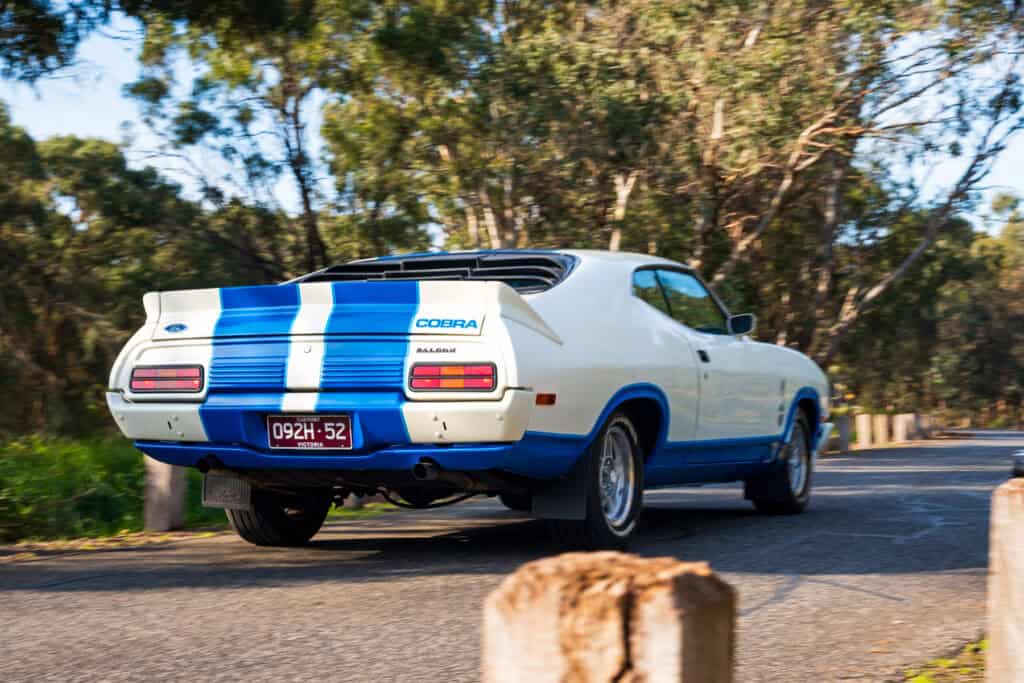
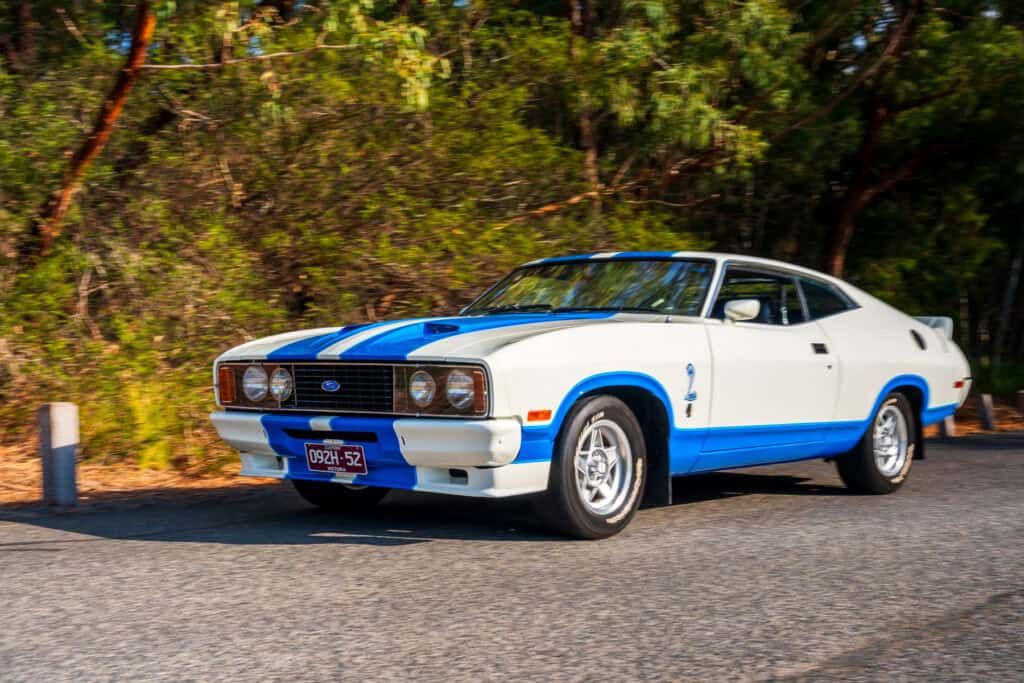
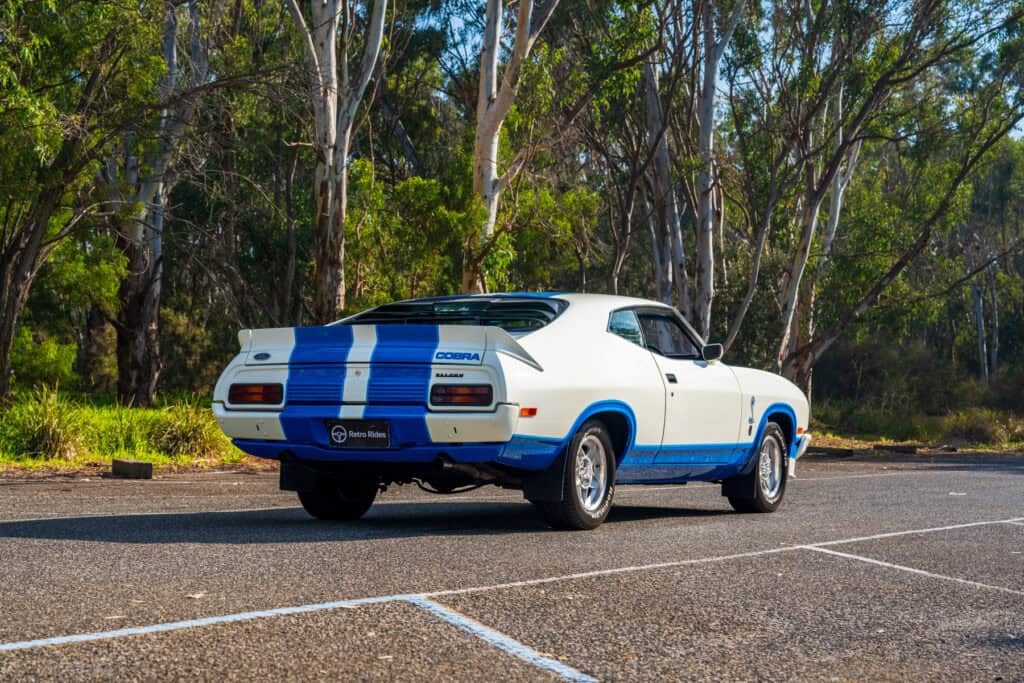
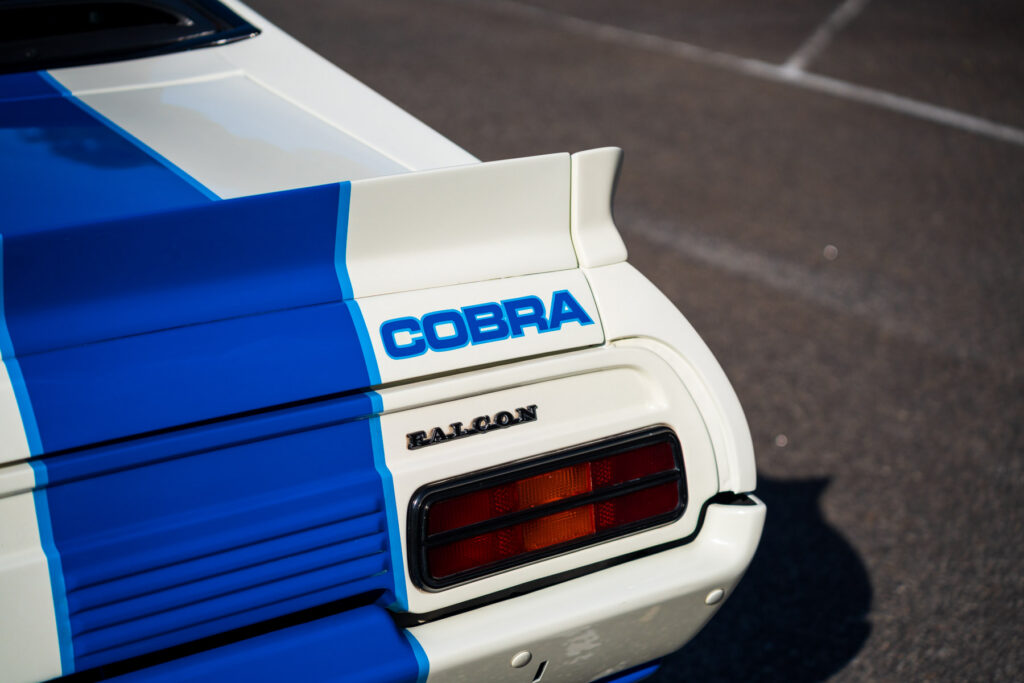
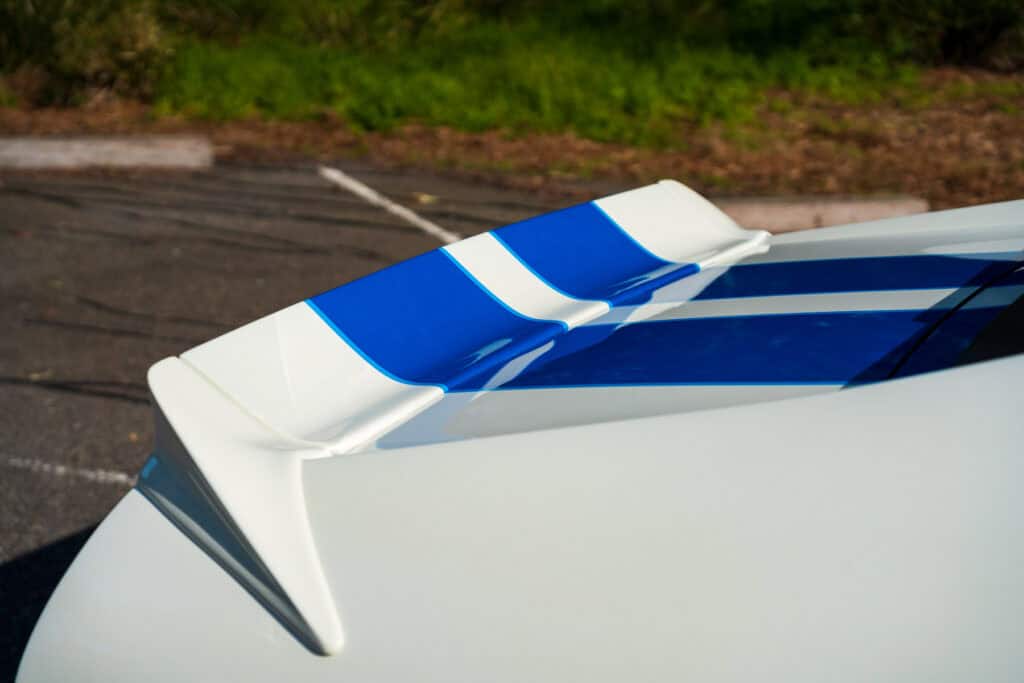
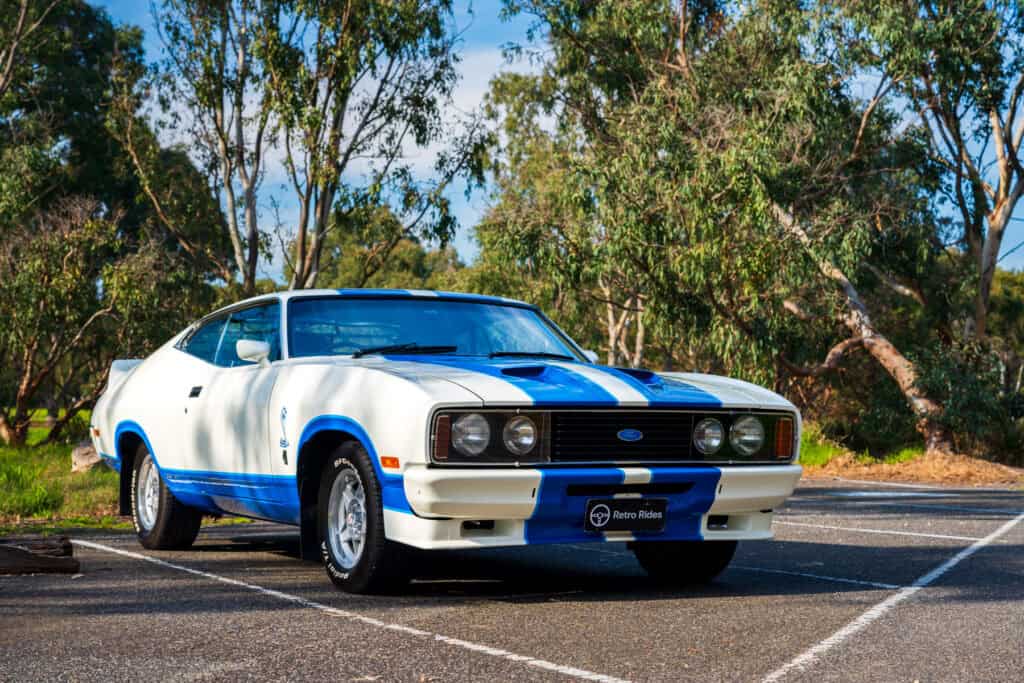
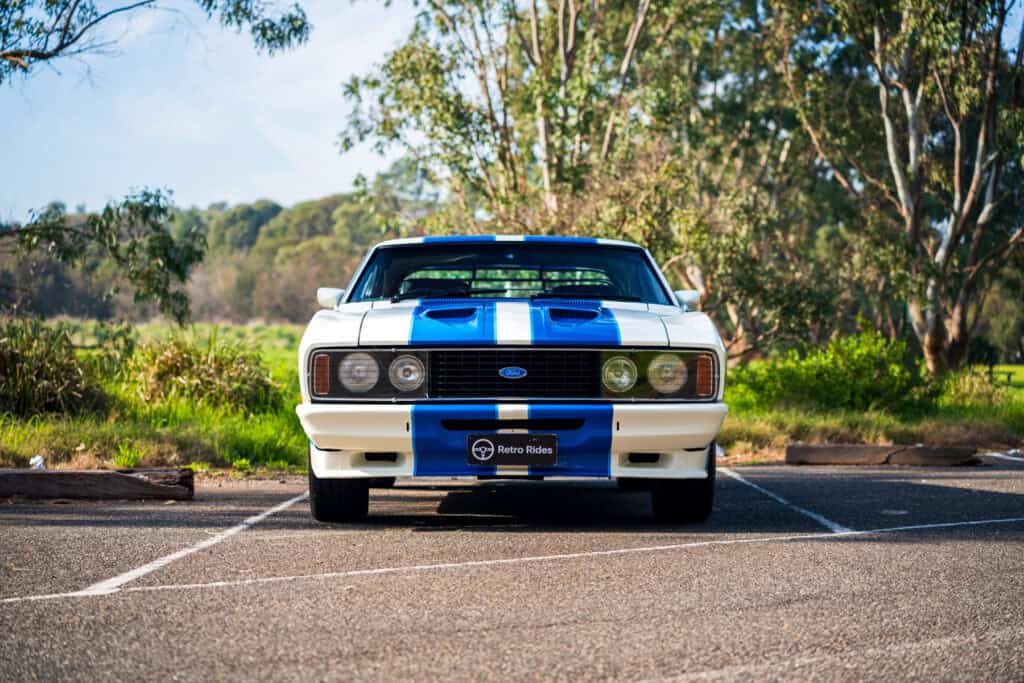
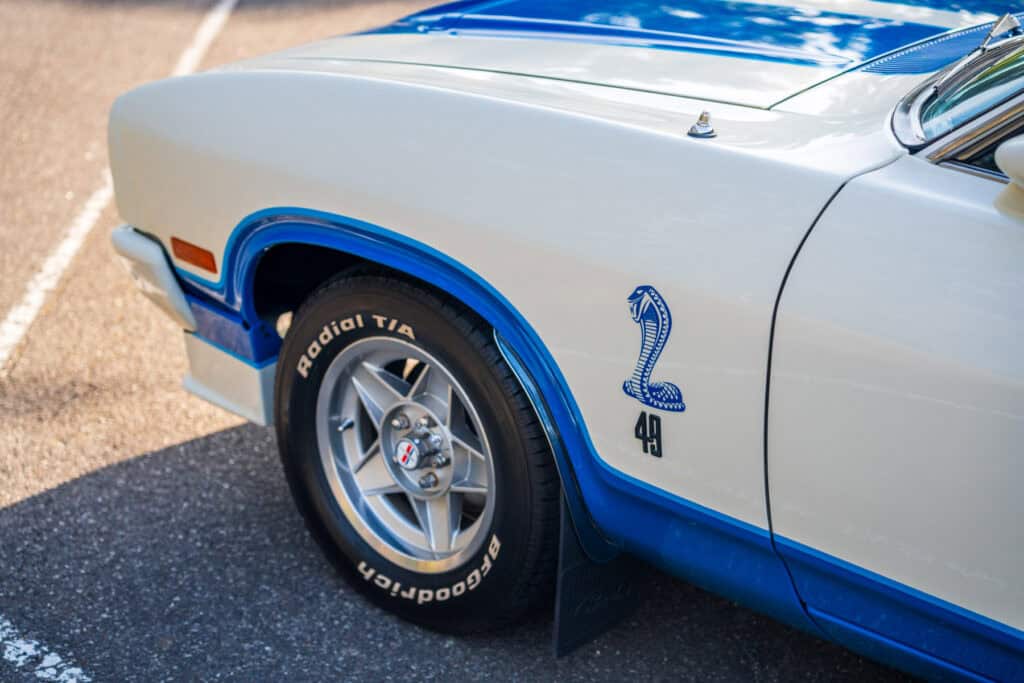
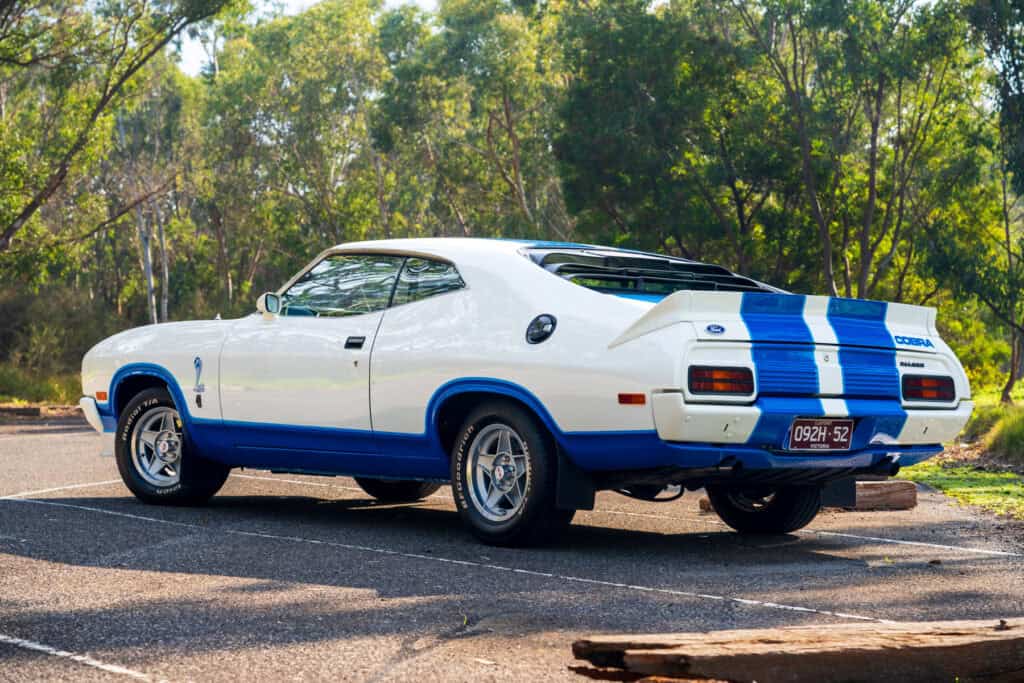
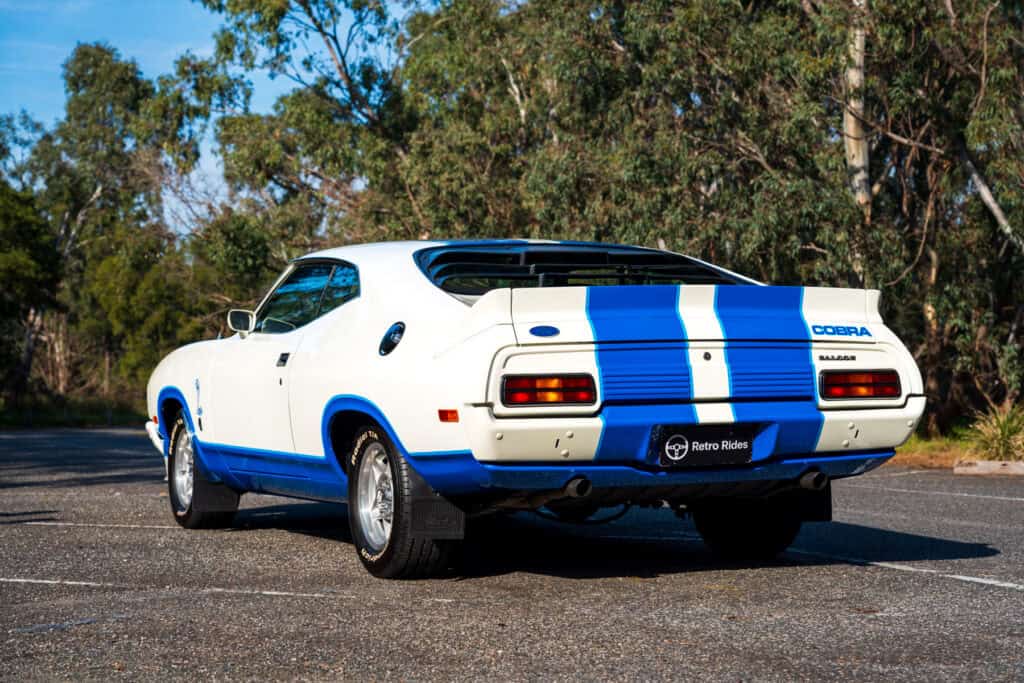
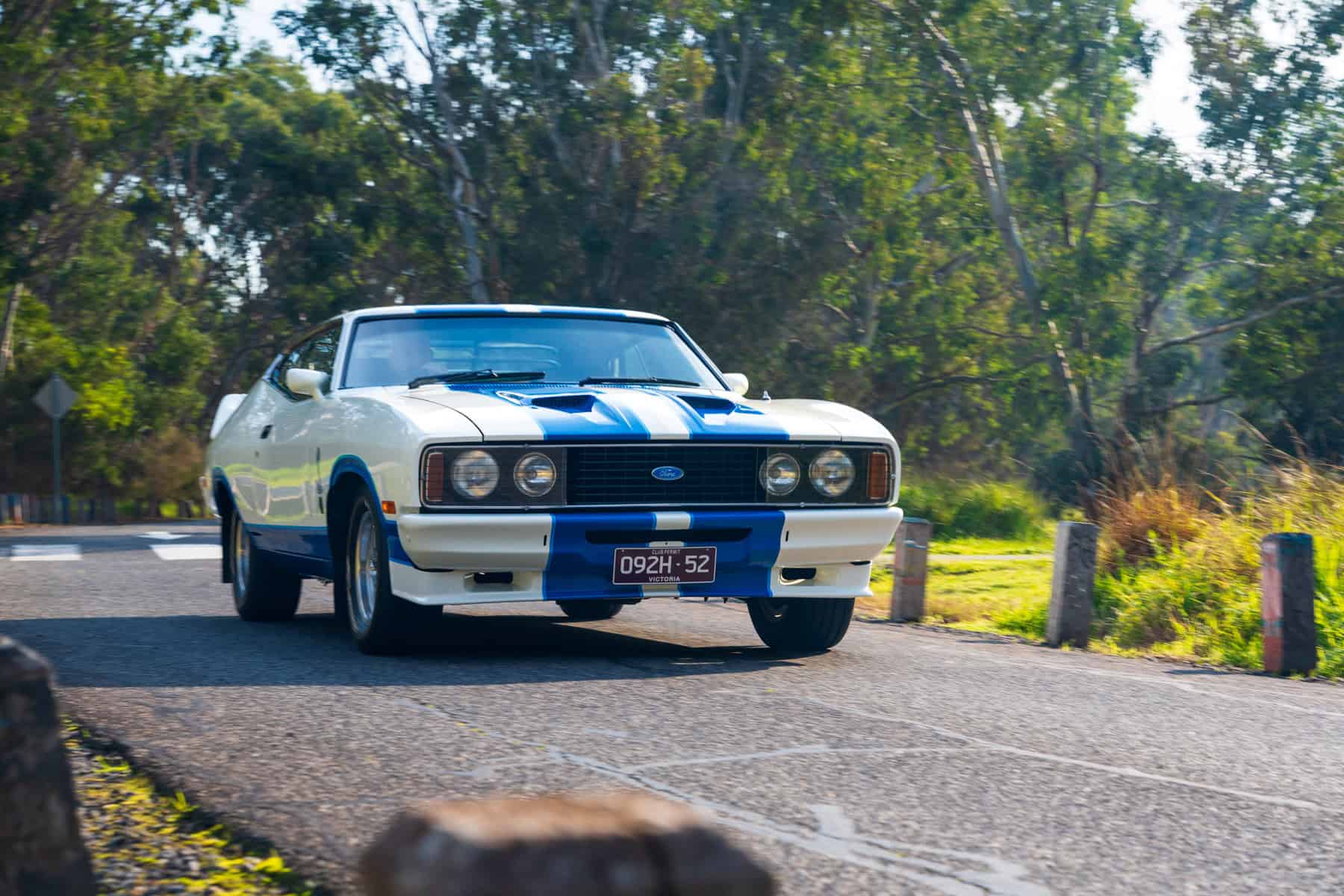
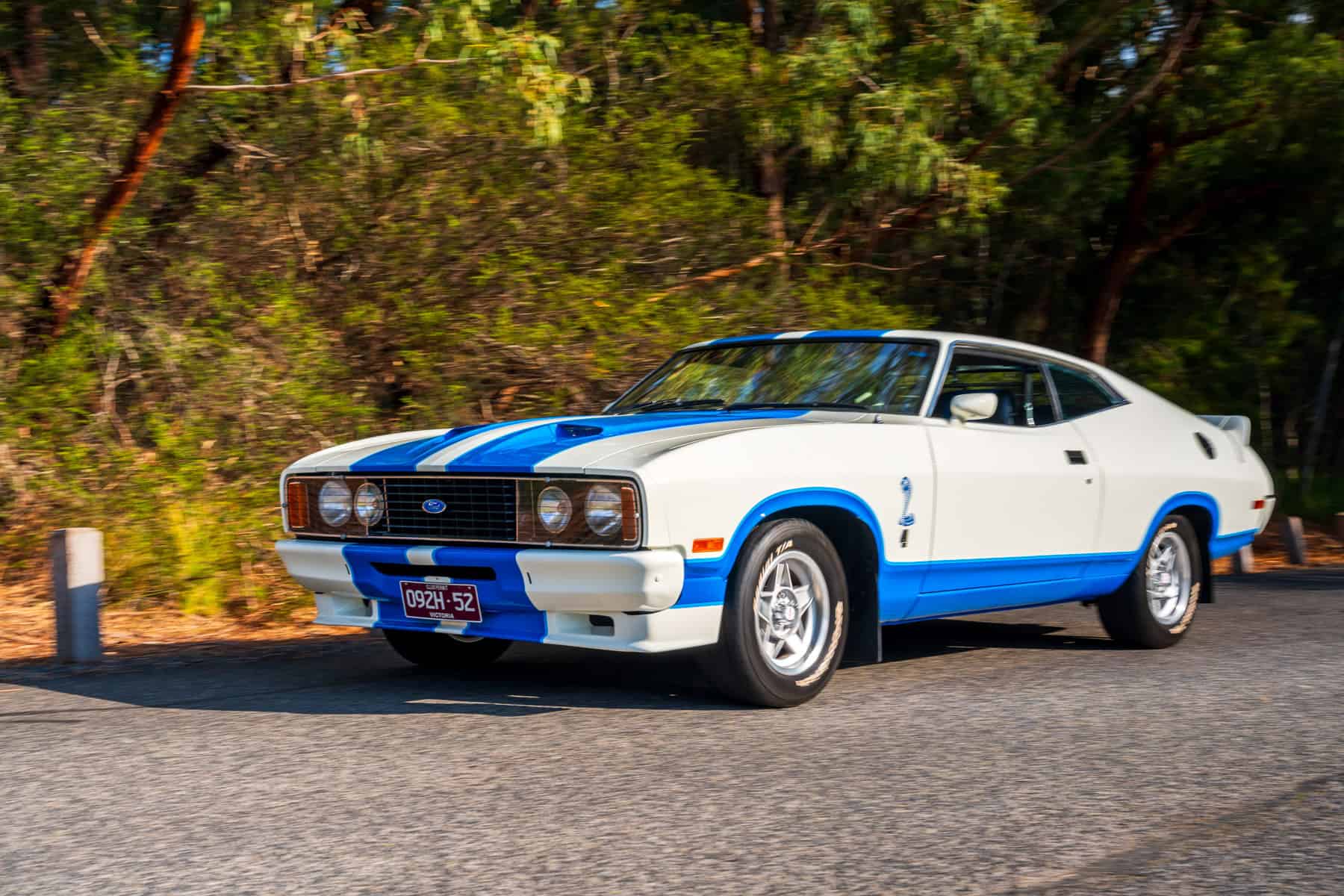
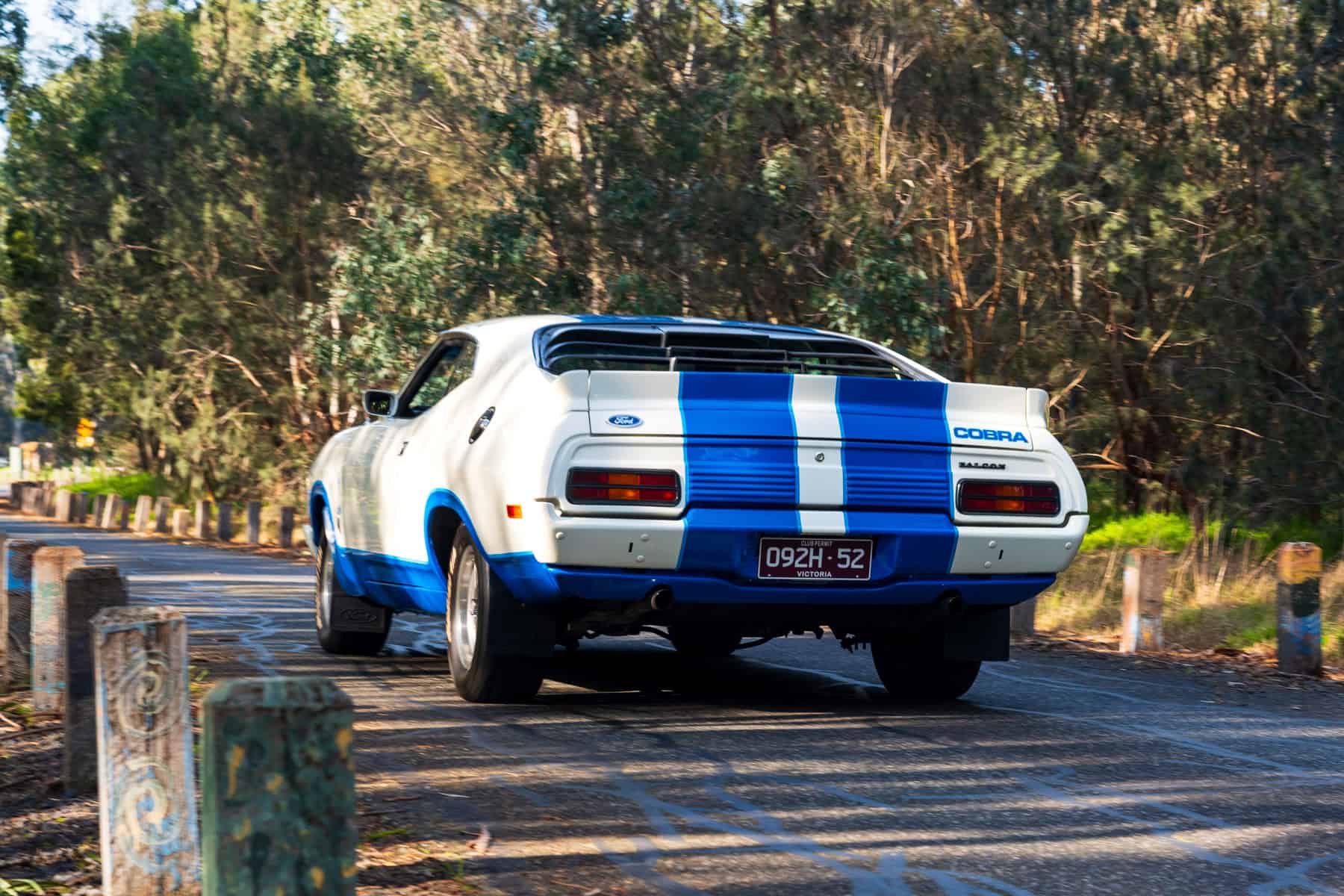
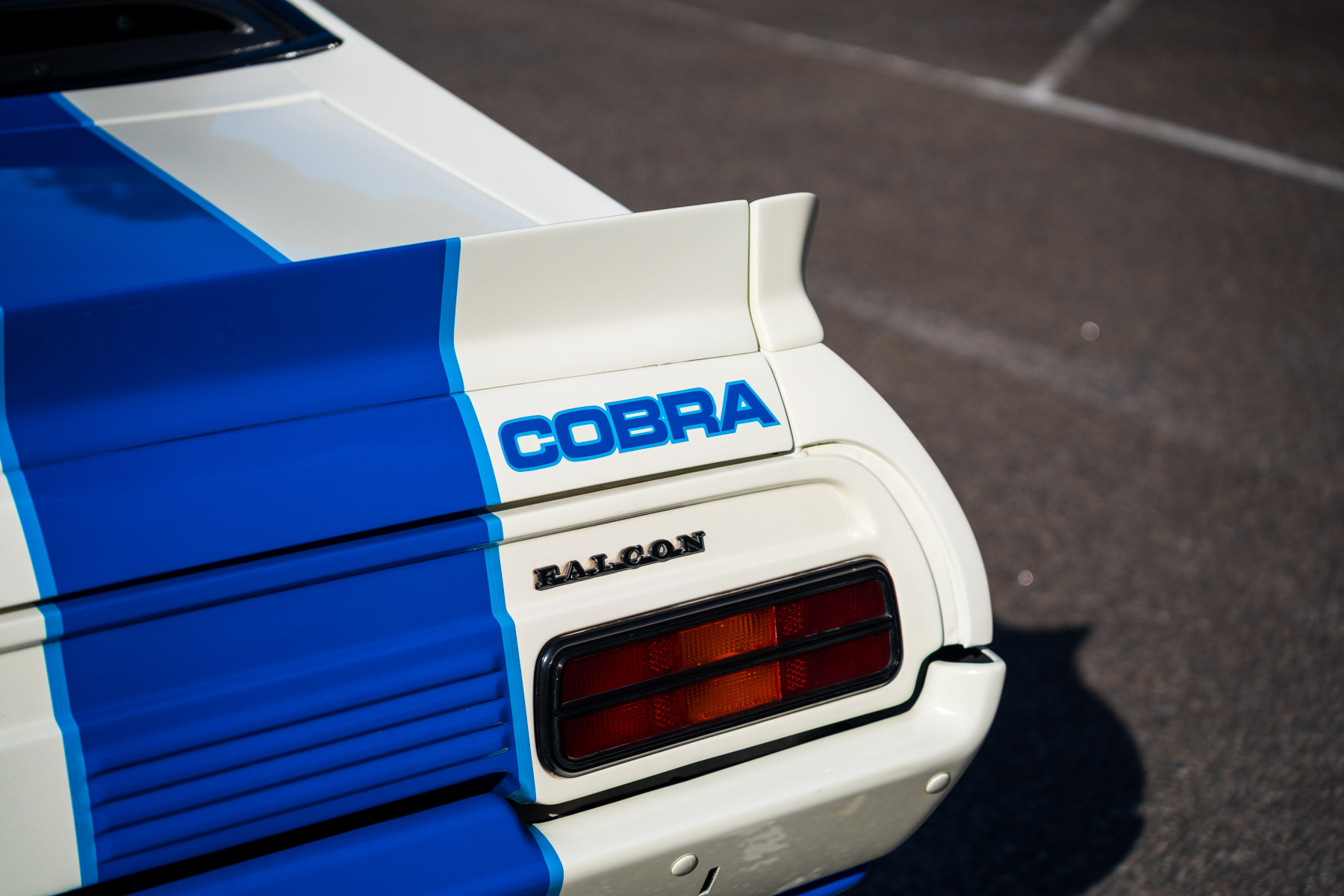
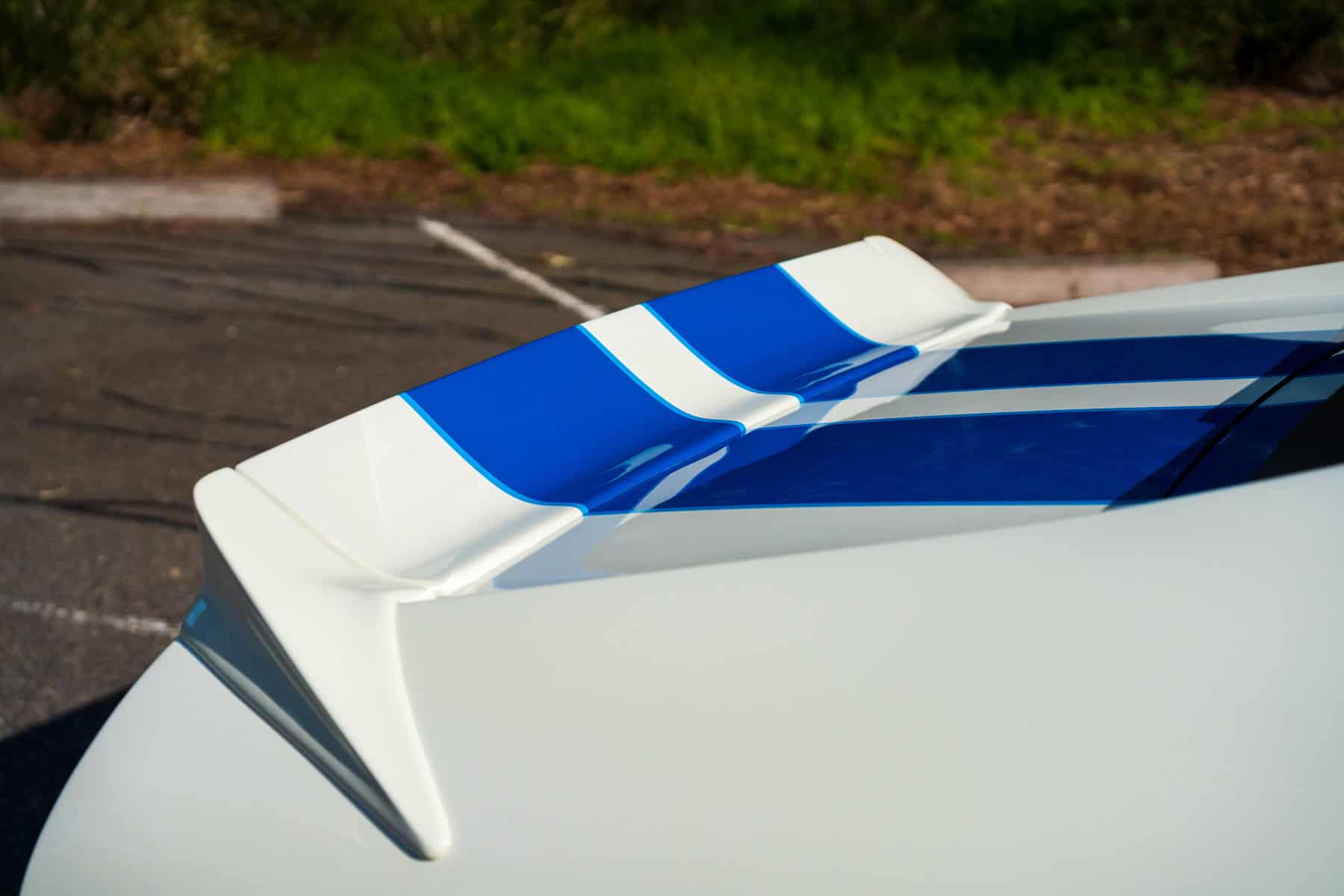
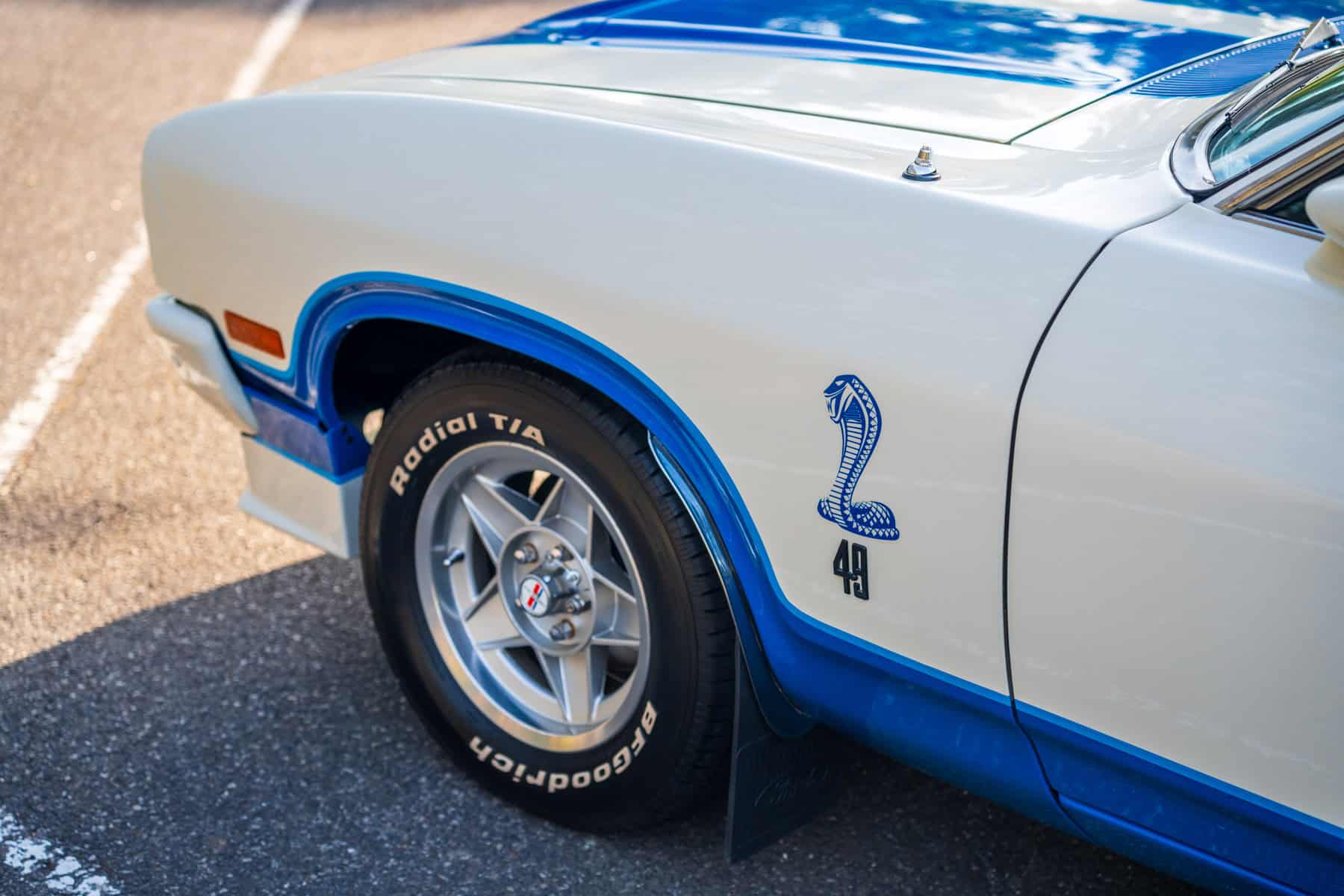
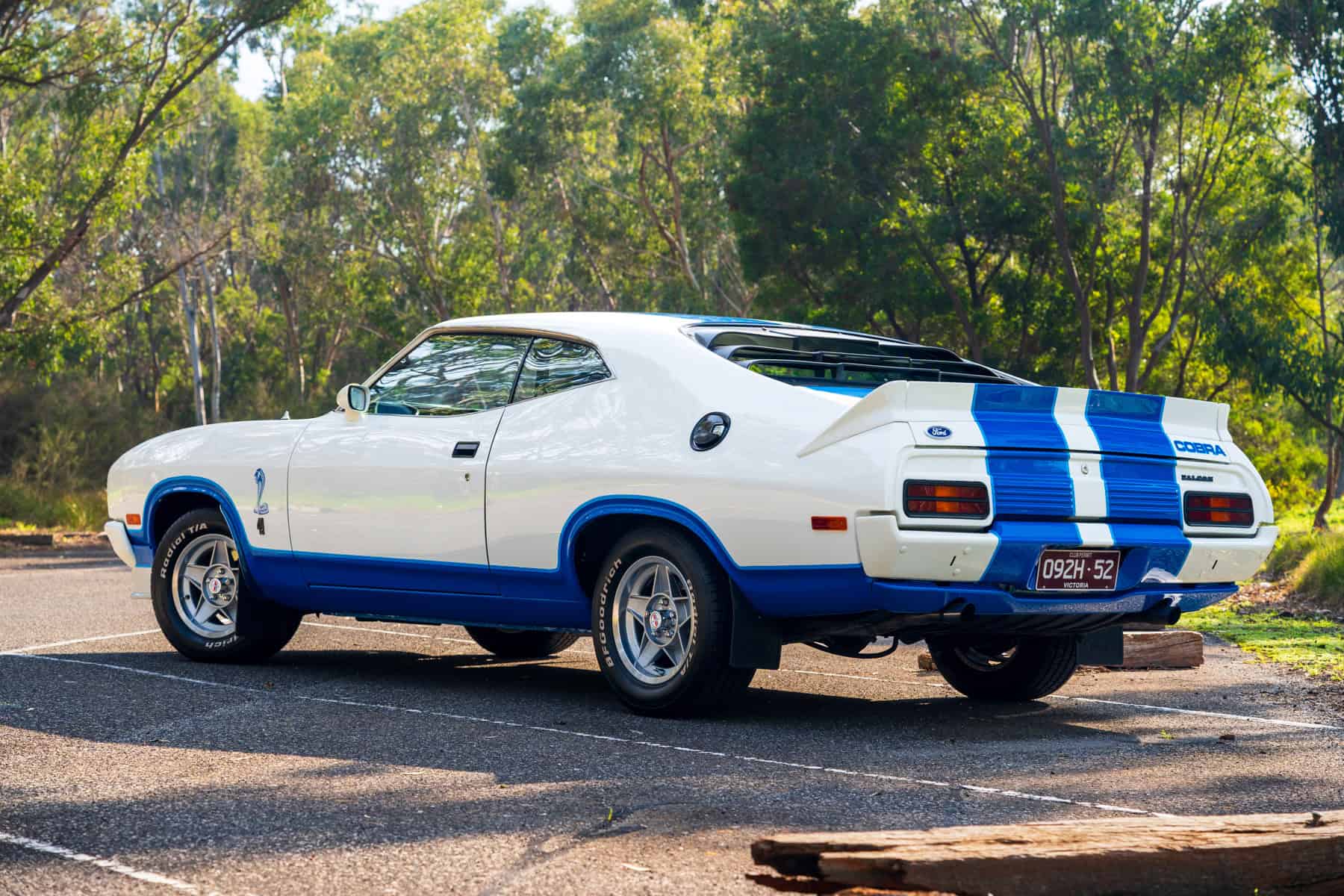
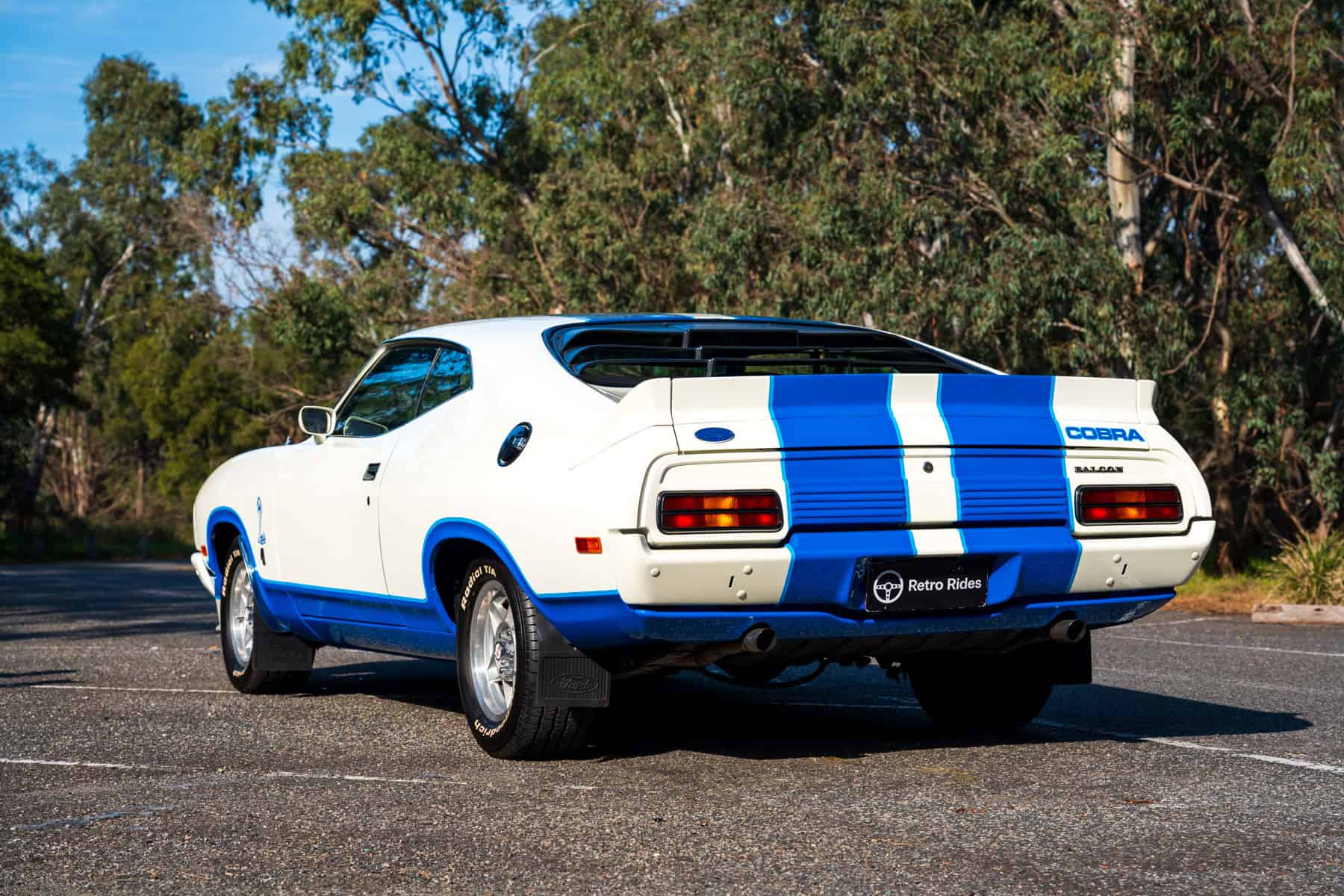
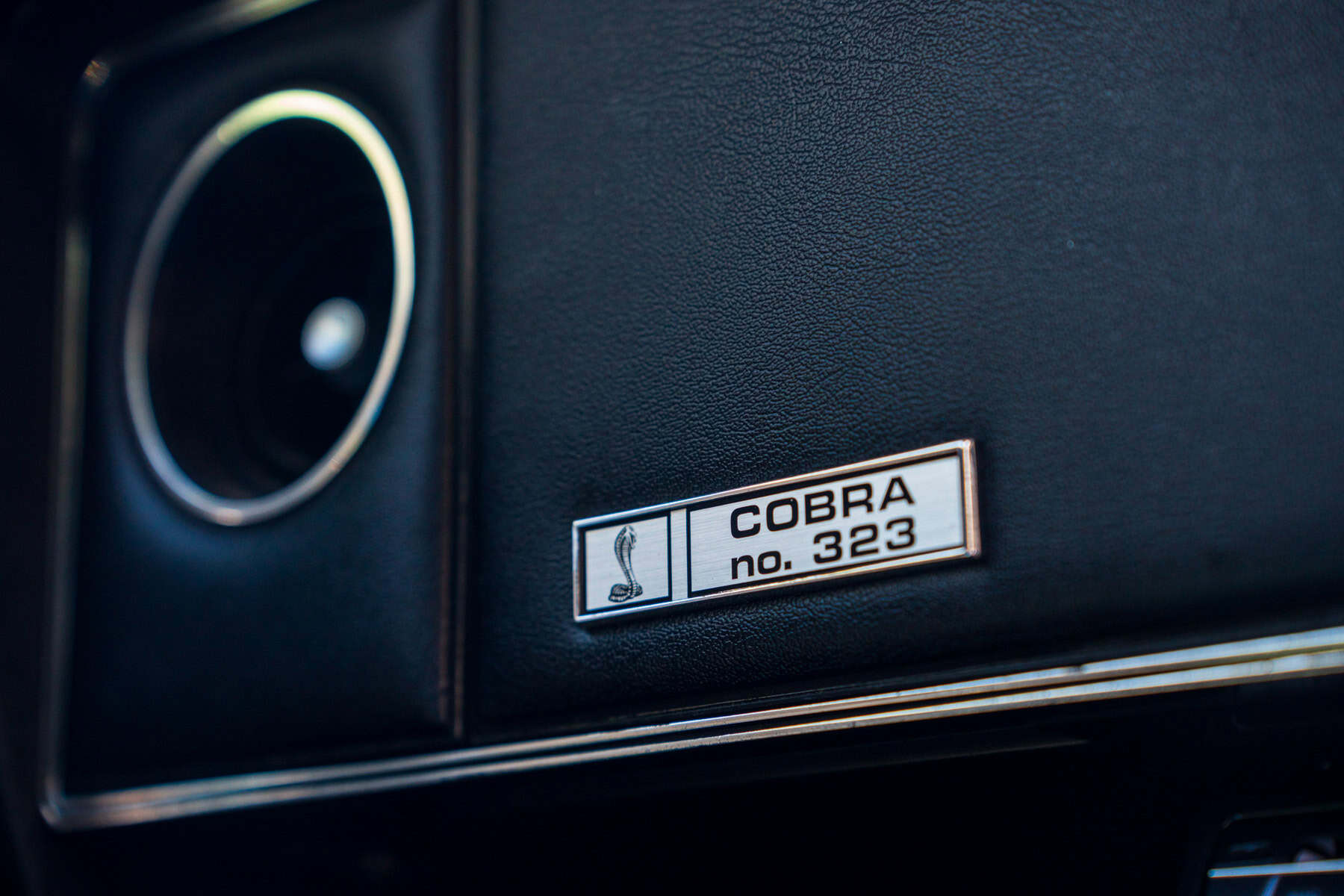
The recipe was simple: add a sporty body kit, some stripes, and emblazon it with the iconic Shelby Cobra logo on the side. Using what were somehow seen as unwanted leftovers at the time, he ended up creating what is now one of the most highly collectable Australian muscle cars.
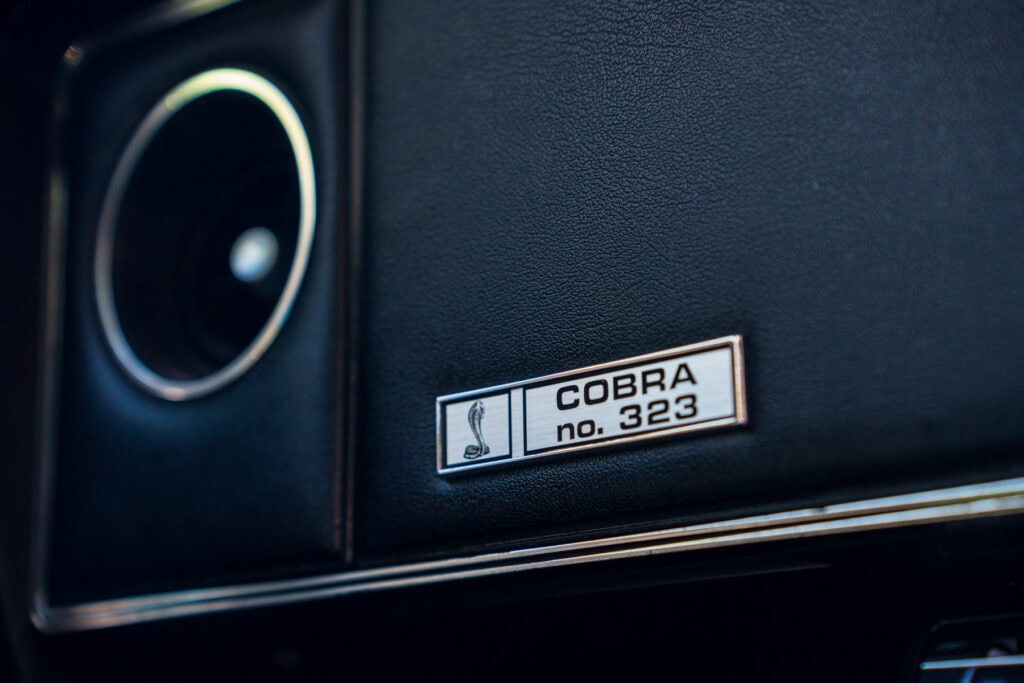
At the time of writing, the example you see here – build number ‘323’ – is up for grabs on RR Auctions, with bidding closing on August 5, 2026. Before the digital gavel falls, I had the chance to take it for a spin, which revealed perhaps the most interesting thing about this legendary Aussie Ford – and it’s nothing you’ll hear about in a history lesson.
You see, anyone can get in an internet comments section and give you a lecture about the history of these cars. Indeed, it’s par for the course as a journalist, whenever you’re tasked with talking or writing about Aussie muscle, to expect a deluge of replies ‘correcting’ you on everything you supposedly got wrong about these cars.
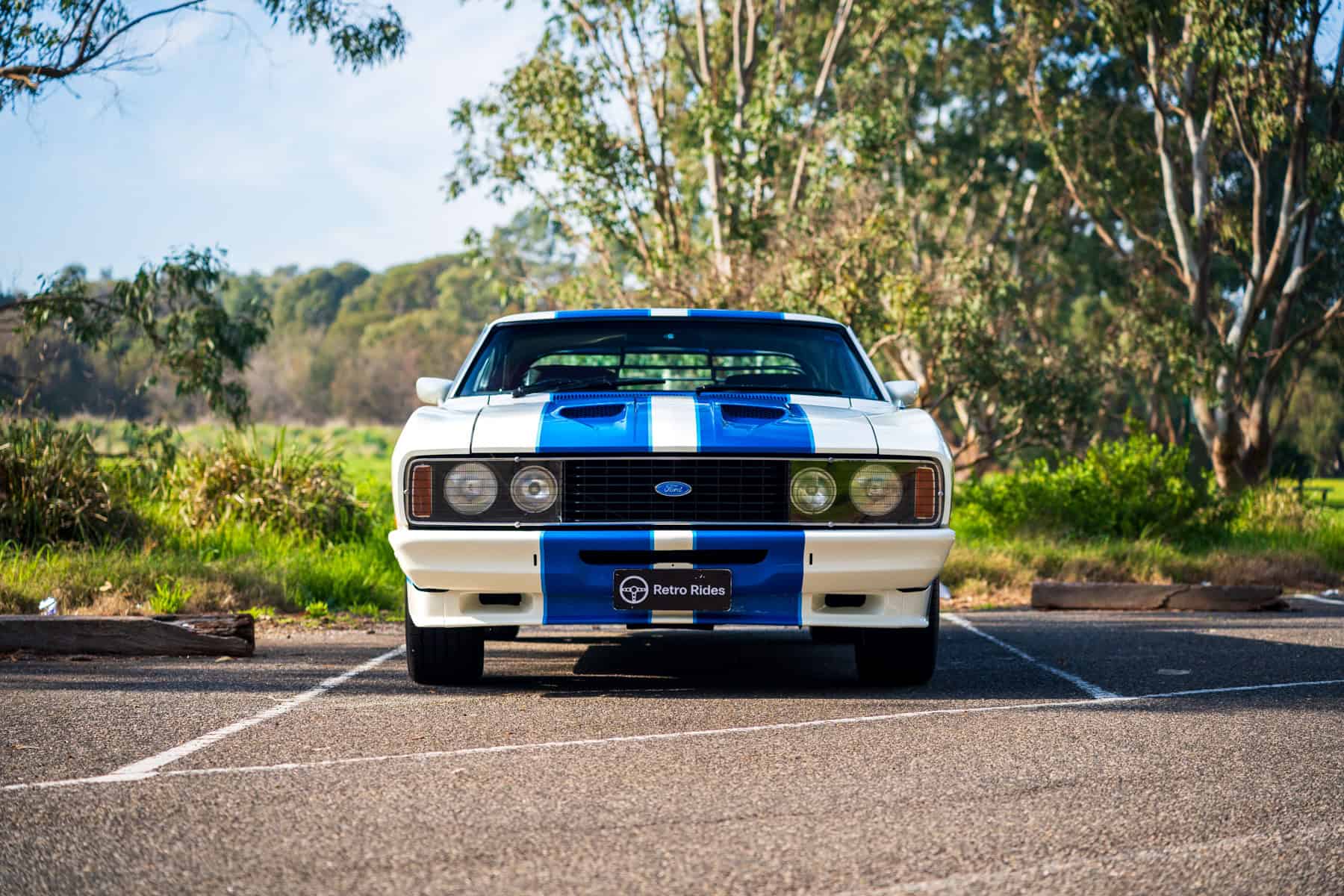
It’s especially true as Aussie cars of this era tend to come with their peculiarities. Take, for instance, the paintwork on the XC Cobra. Much like the age-old argument of whether a zebra is black with white stripes or white with black stripes, the same can be said of this car.
White may be the predominant colour of the Cobra, but the way these cars were painted was by first applying the blue, before then masking up the stripes and sills before applying the white over the top. I’ll leave it to you to decide which colour ultimately prevails.
Engine options and build sequence also offers a quirky point of conjecture. Of the exact 400 units produced, the first 200 XC Cobras were fitted with the 5.8-litre ‘Cleveland’ V8, while the latter 200 – including this car – came with the 4.9-litre ‘Cleveland’ instead. Manual or automatic options were both available, the latter fitted to this car.
The catch here is that car number ‘351’ was an anomaly, with it standing out by featuring the larger 5.8-litre V8 – principally because that build number corresponds to its cubic inch displacement. However, this sub-fact doesn’t exactly sound snappy in a video soundbite. Nor does it sound particularly good when said with adenoids.
All of this is stuff you can easily uncover if you spend enough time going down an internet rabbit hole or reading books about the subject. What you won’t learn from any of this is what an XC Cobra is actually like to drive – and that’s the bit I personally care about most with any car, not the factoids that bore people to death at the pub.
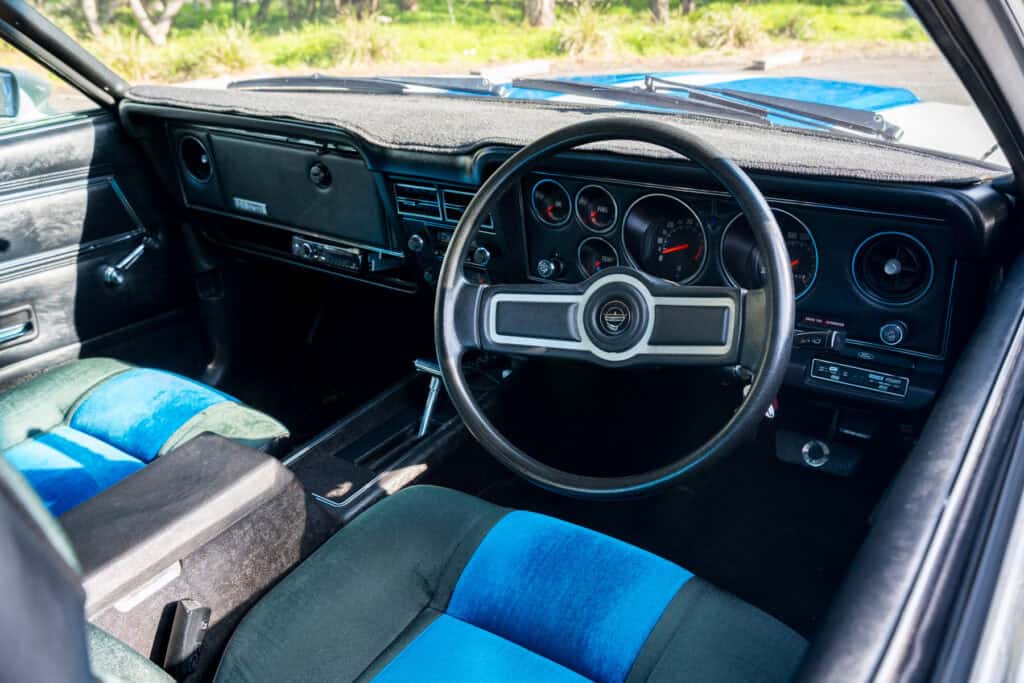
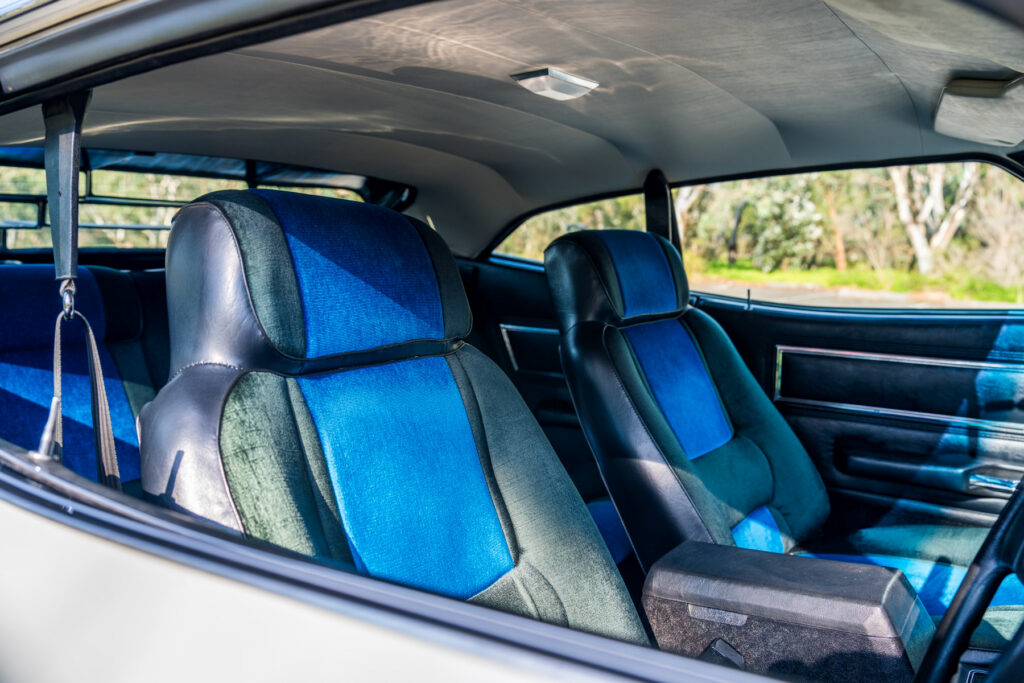
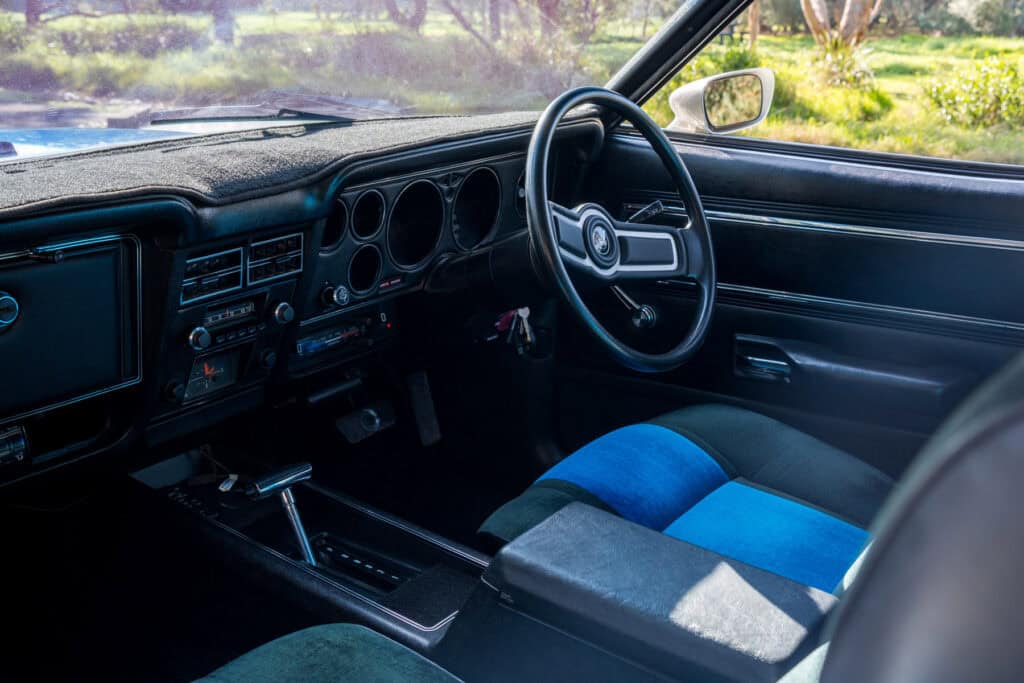
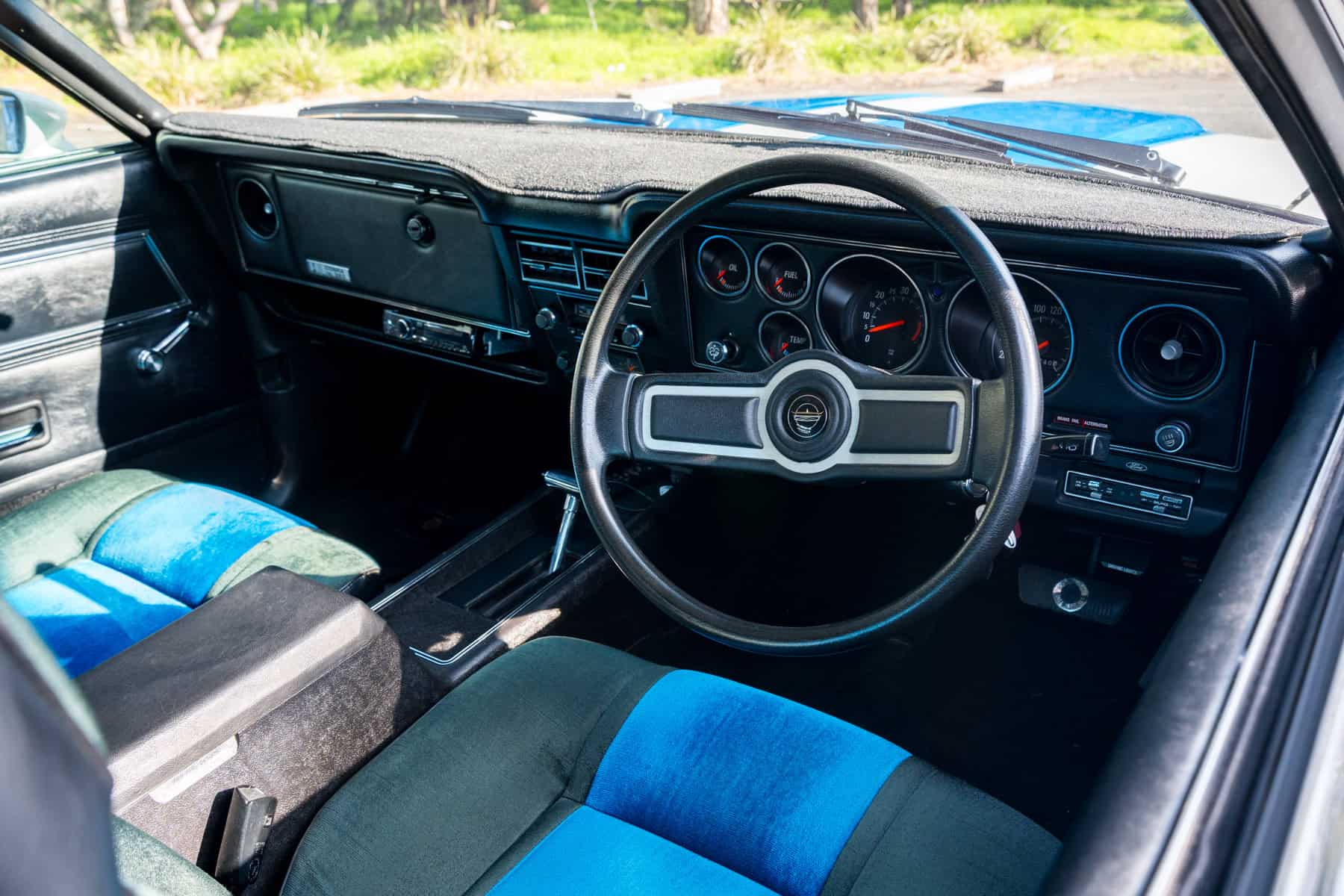
Car ‘323’ here is a well-optioned example, benefitting from power steering and air conditioning. Some modern touches including a Holley 600 carburettor (the seller still has the original Thermo-Quad) and adjustable Koni shock absorbers only enhance it further.
Not only does this all make it an incredibly usable car, but also a true joy to drive. While many cars of this era can be a bit bothersome to drive in the real world, this is a true turn-key classic.
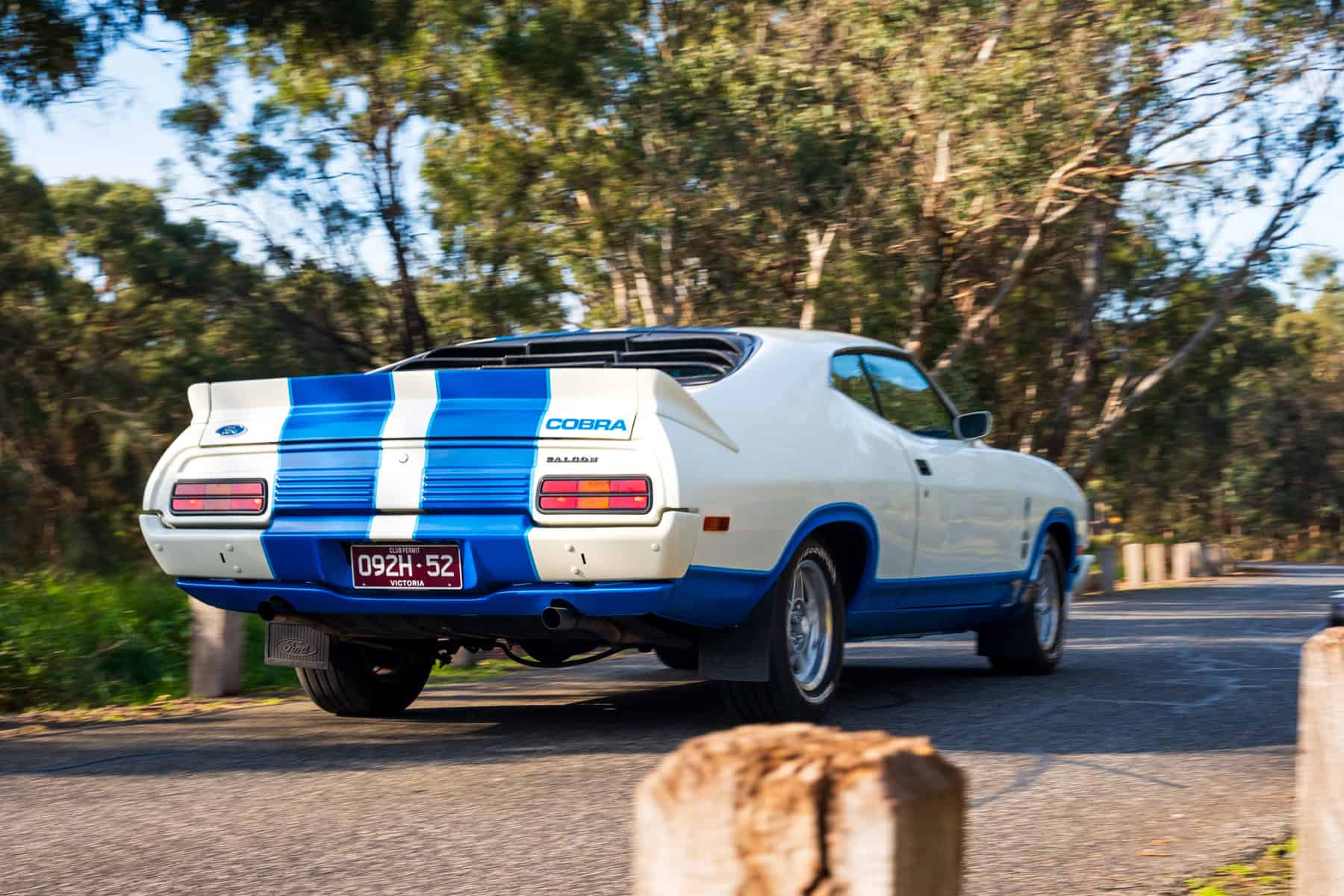
The steering, while on the lighter side, still has plenty of feel through the Falcon’s big wheel. Combine it with the smooth three-speed automatic transmission, and it makes for an amazing cruisy feel.
Yet, there’s still a dynamic edge to the Cobra that isn’t often seen in muscle cars of this period. It doesn’t feel as big to drive as it looks – it’s actually rather poised, particularly with some modern shocks, and has a pleasant balance through the corners.
You can genuinely imagine sending this thing around Mount Panorama – as Allan Moffat and Jacky Ickx so successfully did in ’77.
Perhaps that’s the reason why the XC Cobra has become the truly collectable car that it is today. Sure, the story behind its creation is equal parts amazing, unlikely, and quirky as only an Aussie muscle car could be. The difference is that this one lives up to the billing from behind the wheel as well.
So, has it caught your interest? You can check out the full listing on the RR Auctions website.