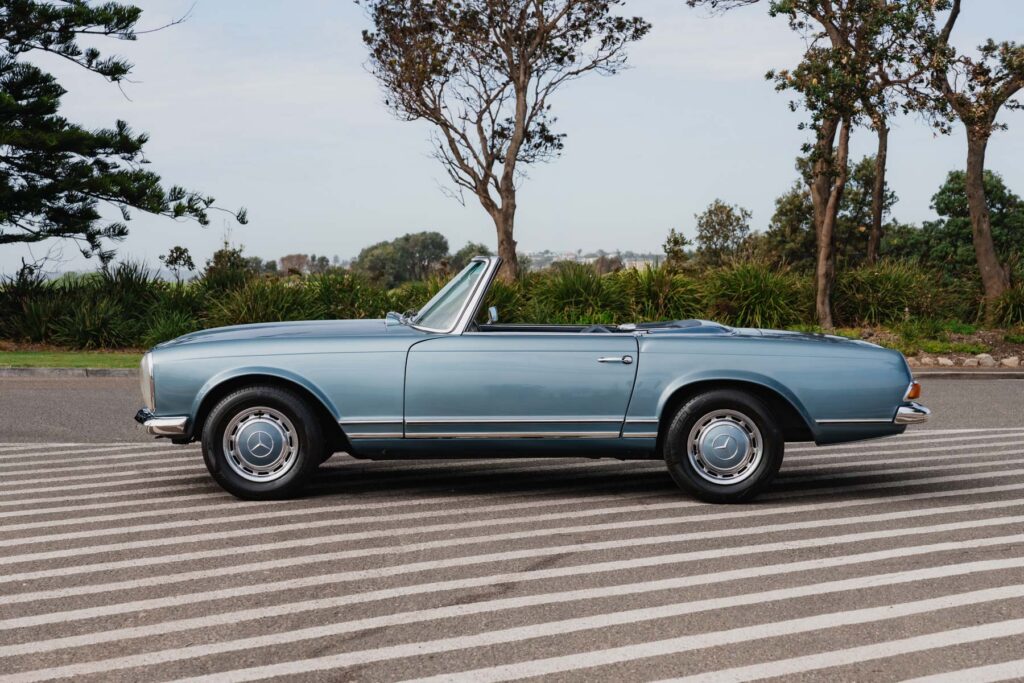
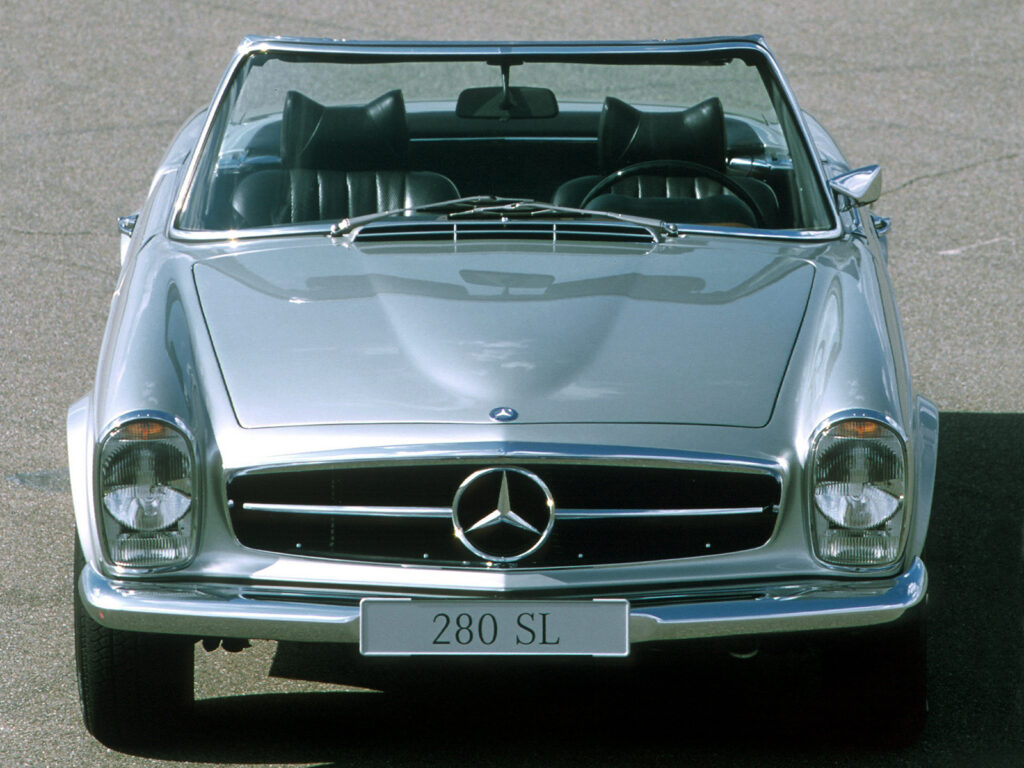
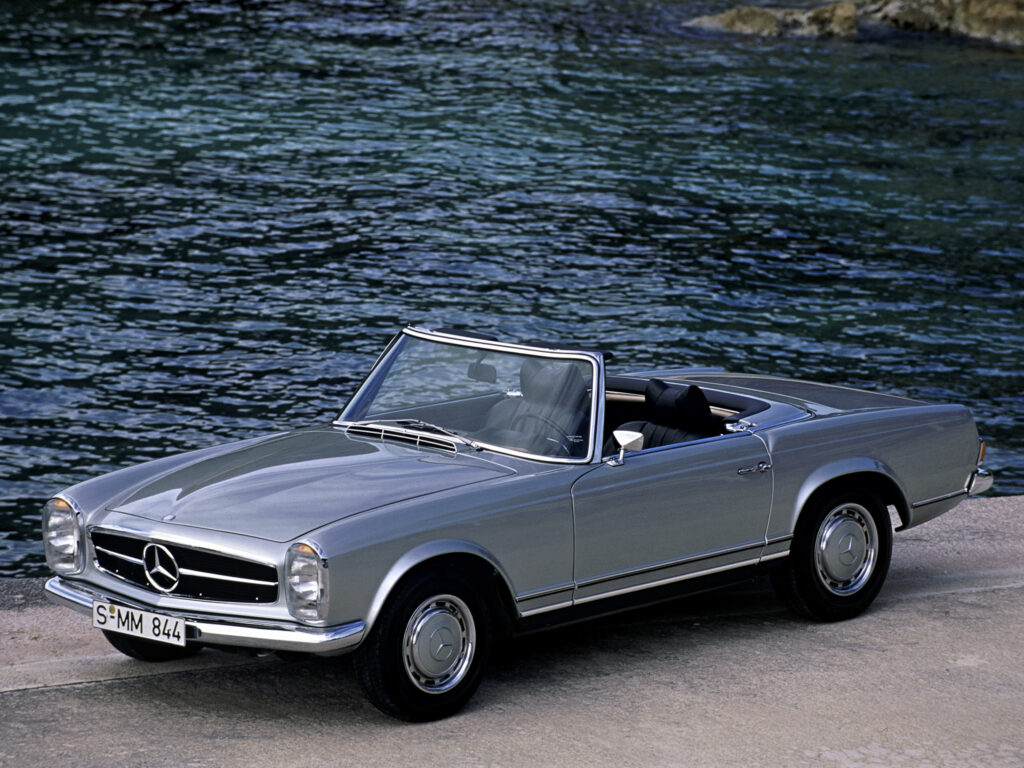
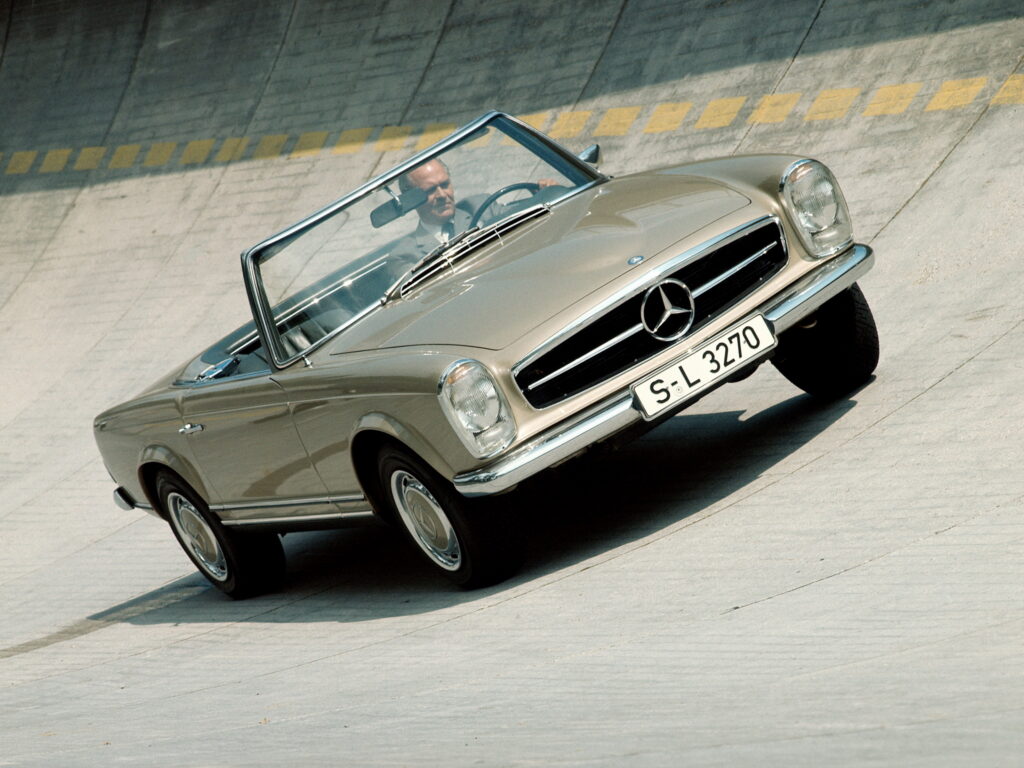
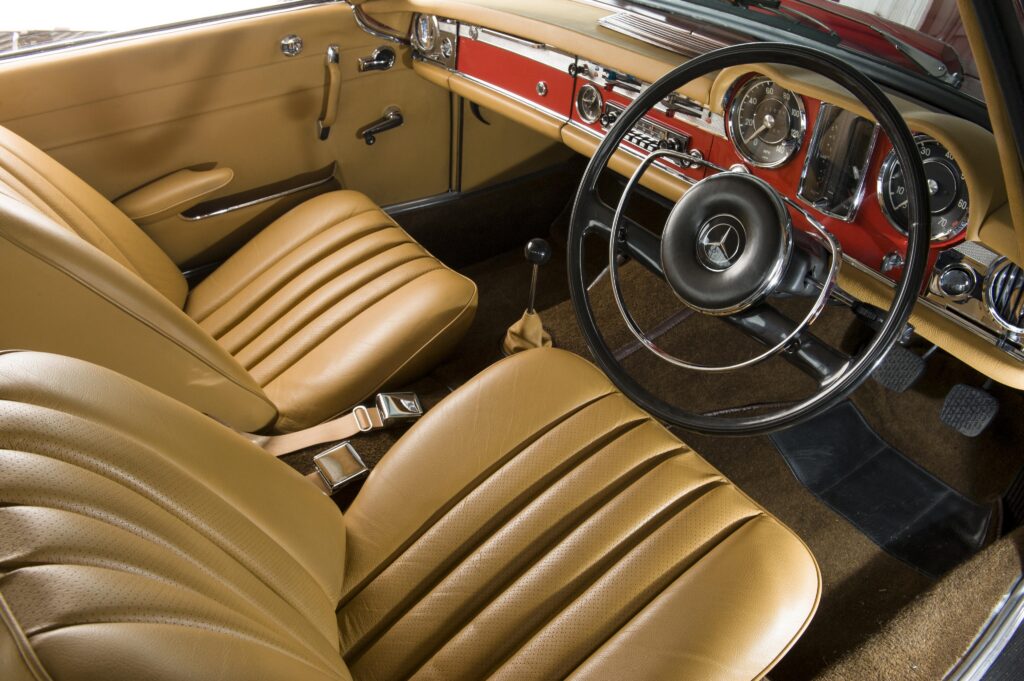
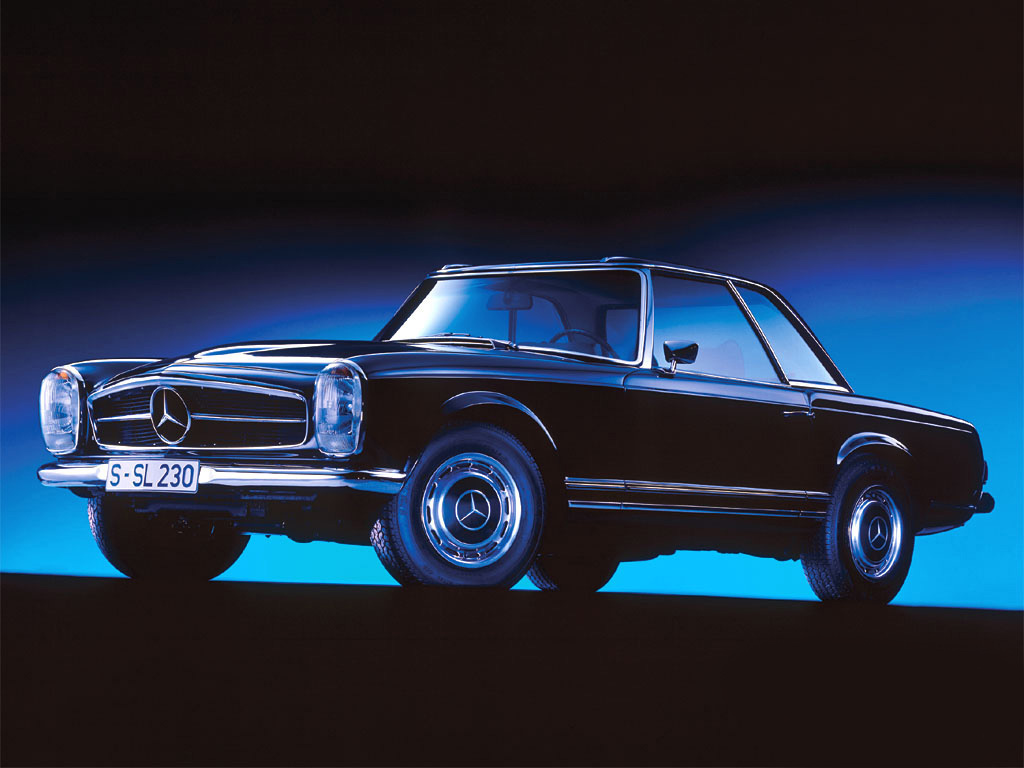

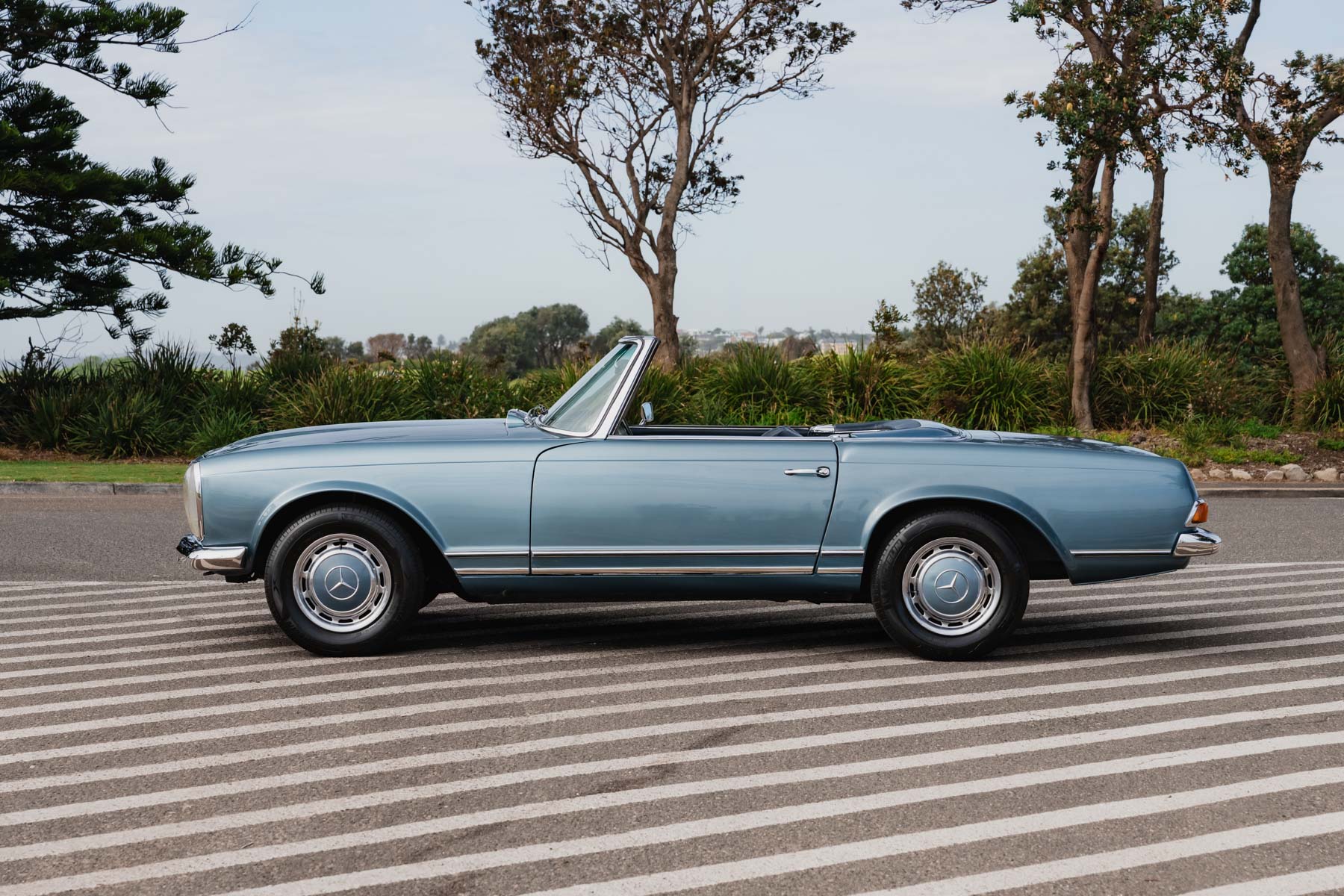
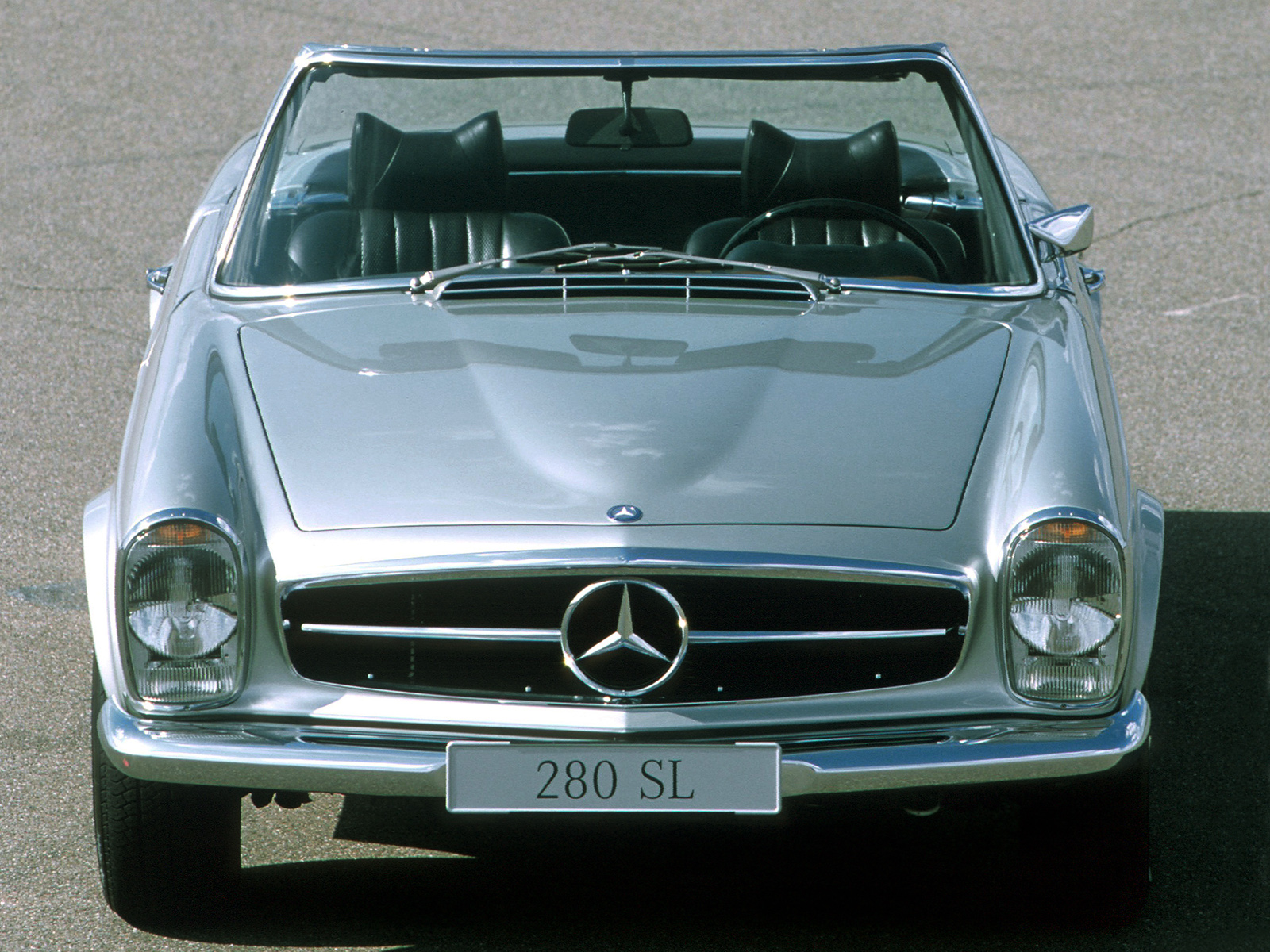
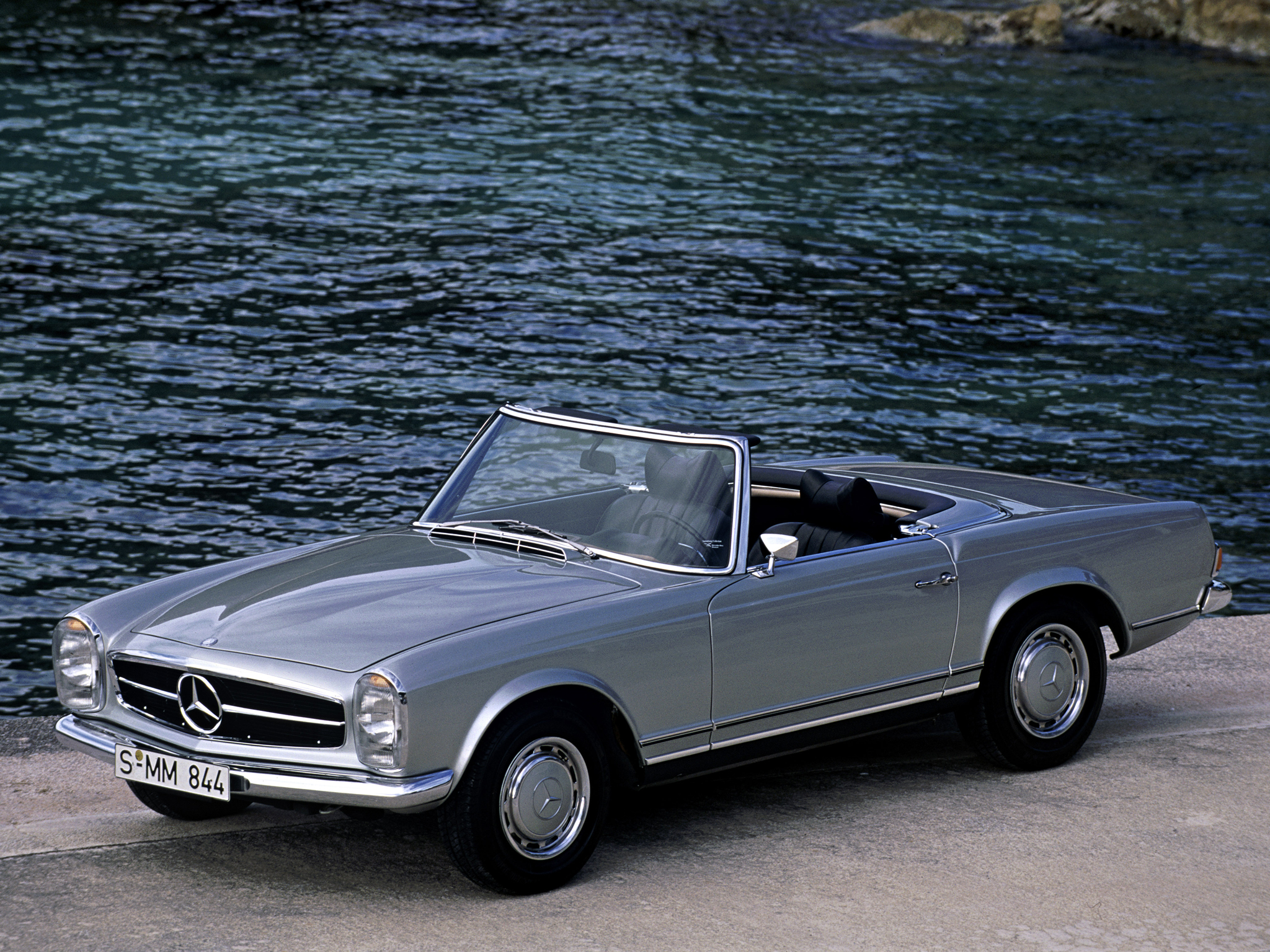
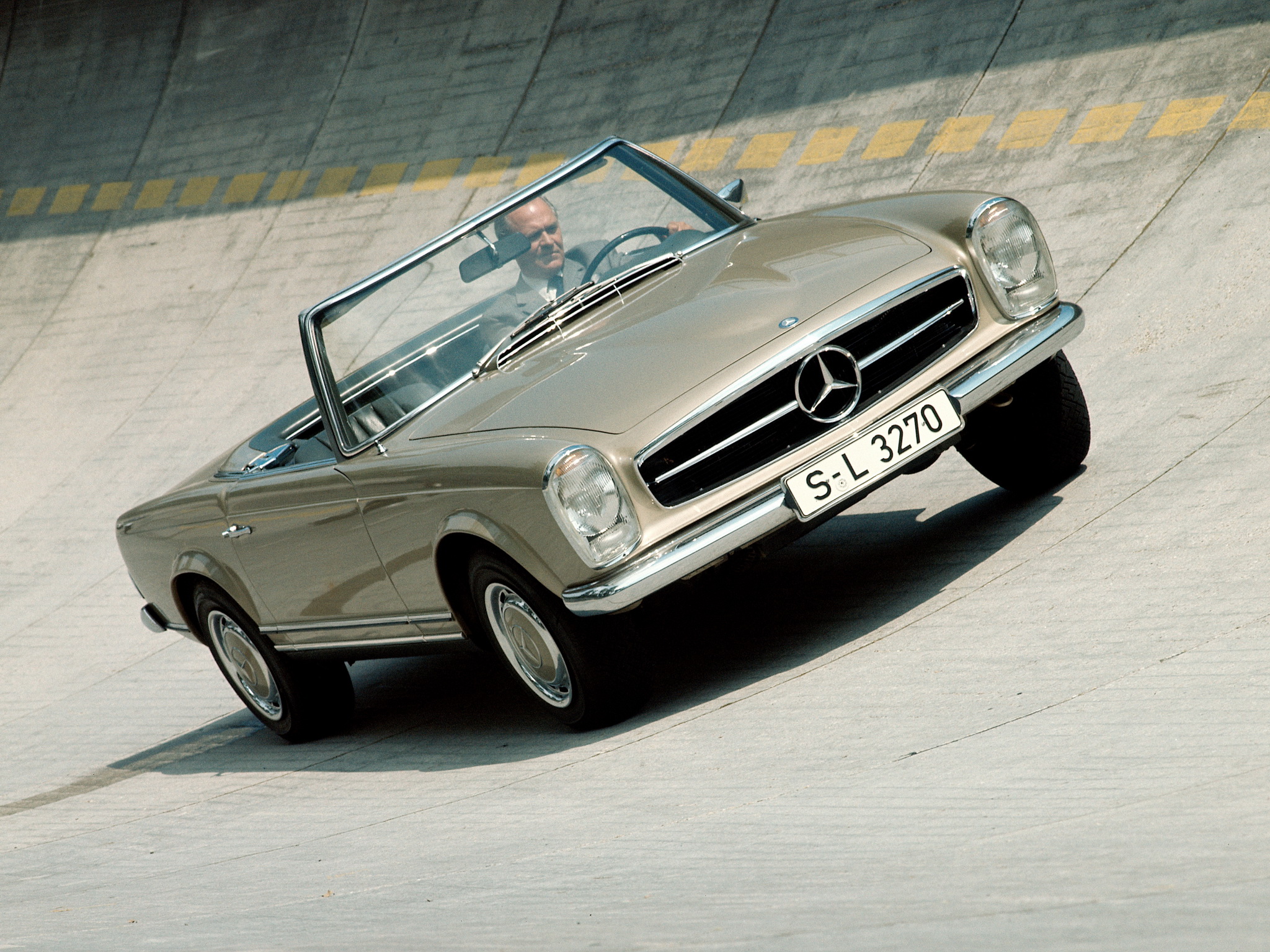
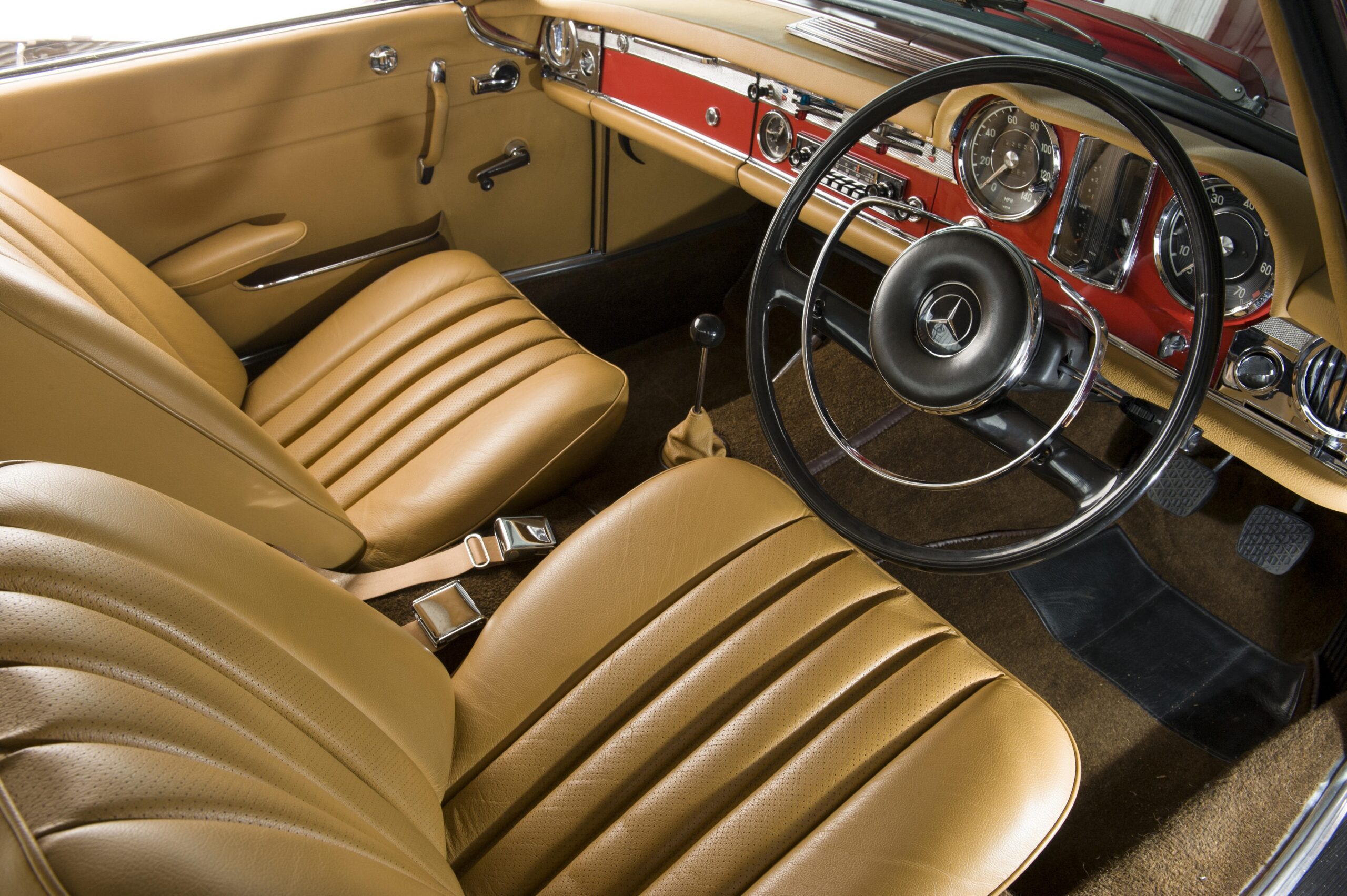
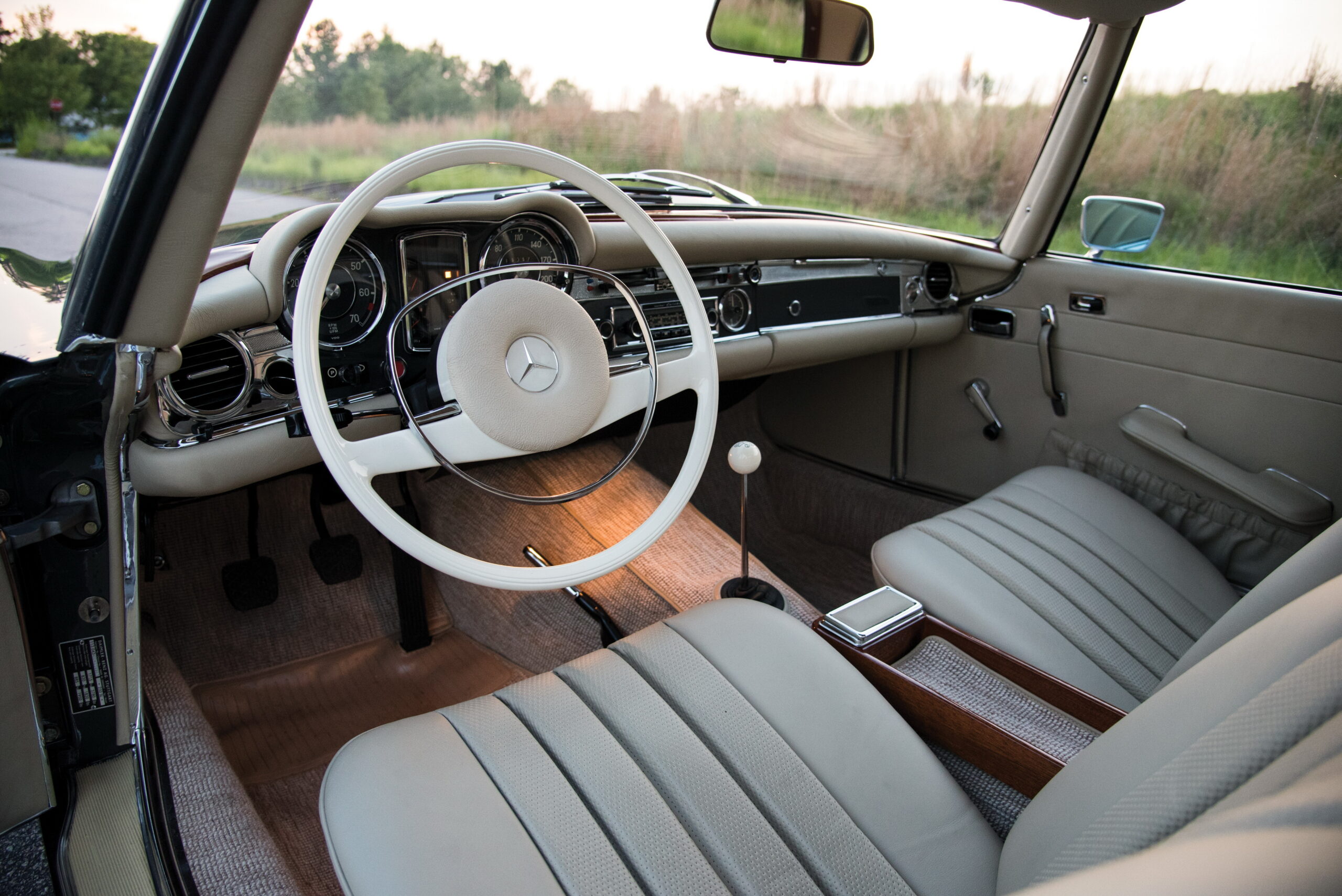
Few classic cars have ever nailed the delicate balance between hard-nosed engineering and timeless elegance quite like the Mercedes-Benz 280 SL ‘Pagoda’.
Fashions fade, style is eternal. So said 20th century icon Yves St Laurent, and to back him up we’d point to the enduring and understated elegance of the Mercedes-Benz W113 SL ‘pagoda’ roadster.
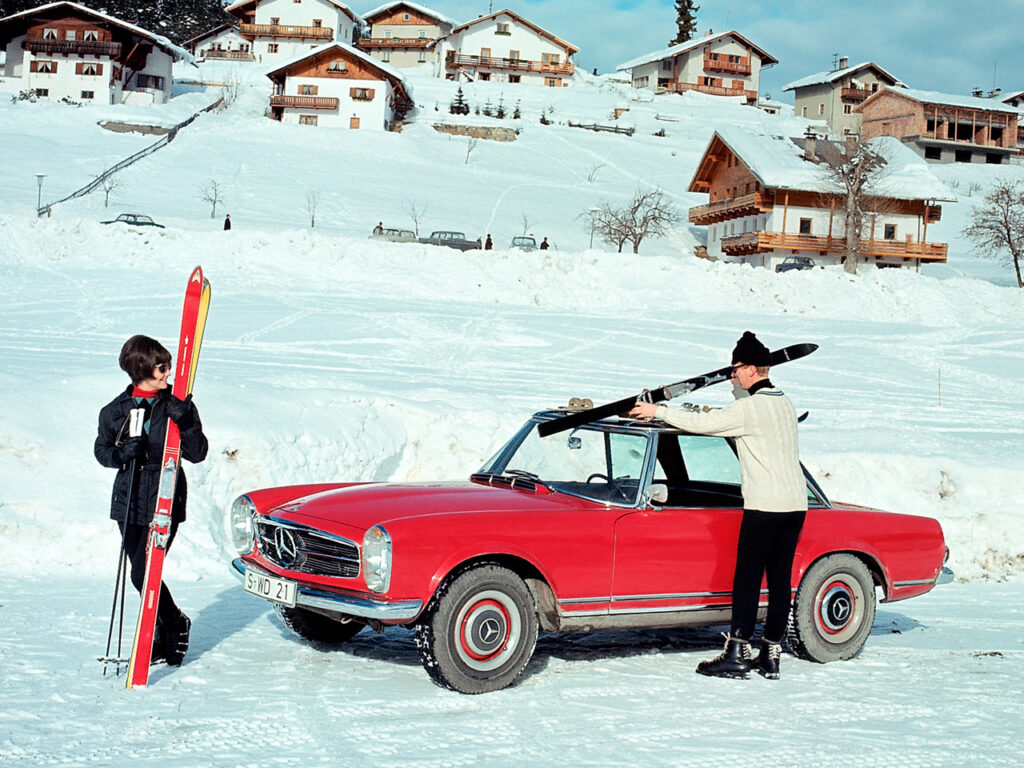
The deceptively simple form was penned by Frenchman Paul Bracq, head stylist for Mercedes-Benz from 1957-’67, where he also drew the W114 E-Class sedan and 600 ‘Grosser’ – models that, like the SL, dispensed with the fins and fuss of their predecessors.
The SL was quietly revolutionary, a conscious abandoning of sports and racing cues in the wake of Mercedes-Benz’s experience in the 1955 Le Mans tragedy. The thrusting curves and haunches of 1950s and ’60s roadsters were now merely hinted at in one graceful arc and a single, tensed muscle along the rear quarter panels.
The tall, generous glass was said to have been the prompt for the distinctive, concave ‘pagoda’ hardtop roof – Bracq’s trick to prevent the car from looking top-heavy with the removable hardtop in place.
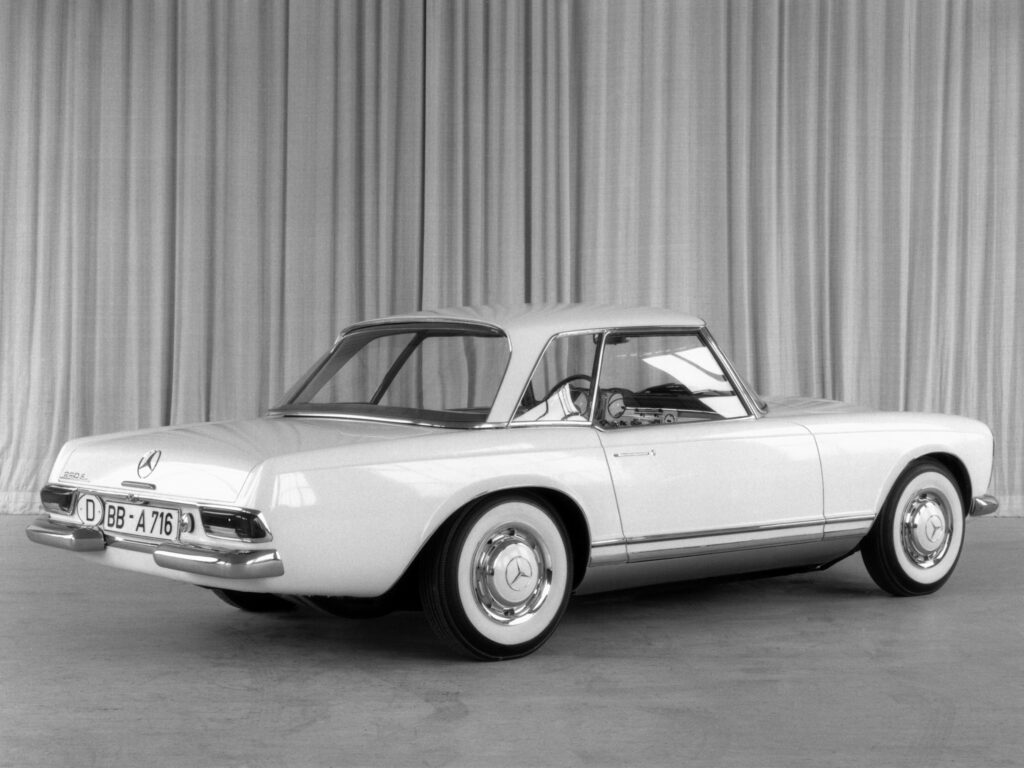
Funny to think that when the W113 launched in 1963 at the Geneva Salon, the market was underwhelmed. It was admittedly hard to follow the technological tour de force of the W198 300 SL ‘gullwing’ coupe and roadster and surprisingly, even the sedan-based, four-cylinder 190 SL (R121), which deceived with the extravagant styling of the spaceframe supercars.
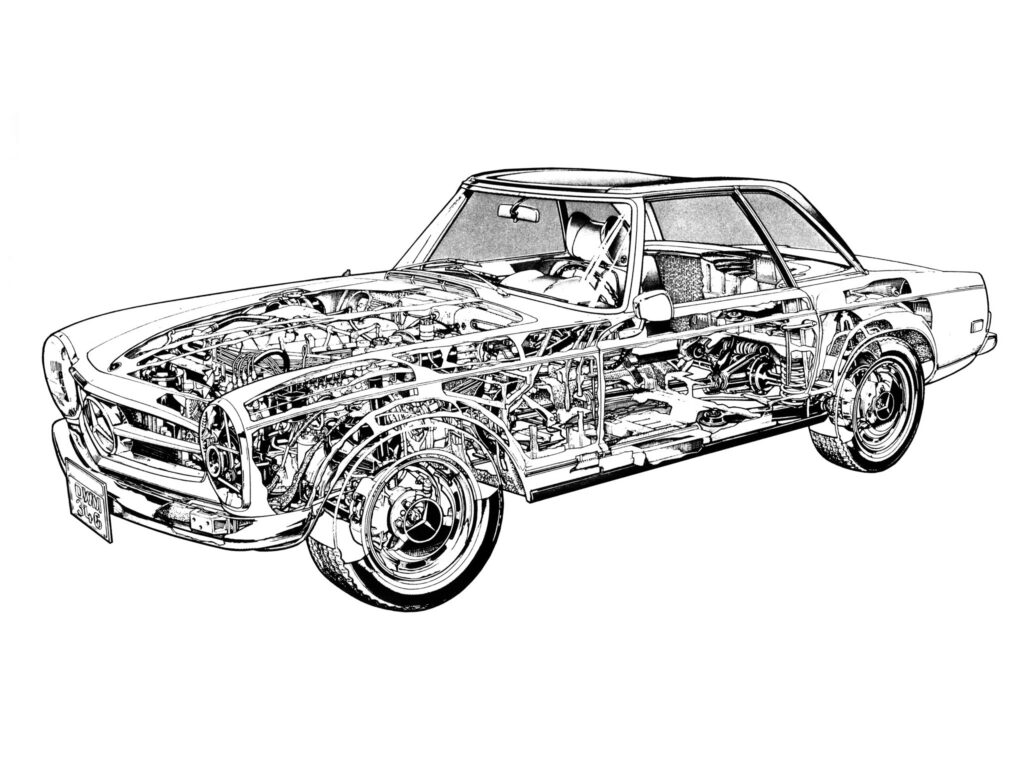
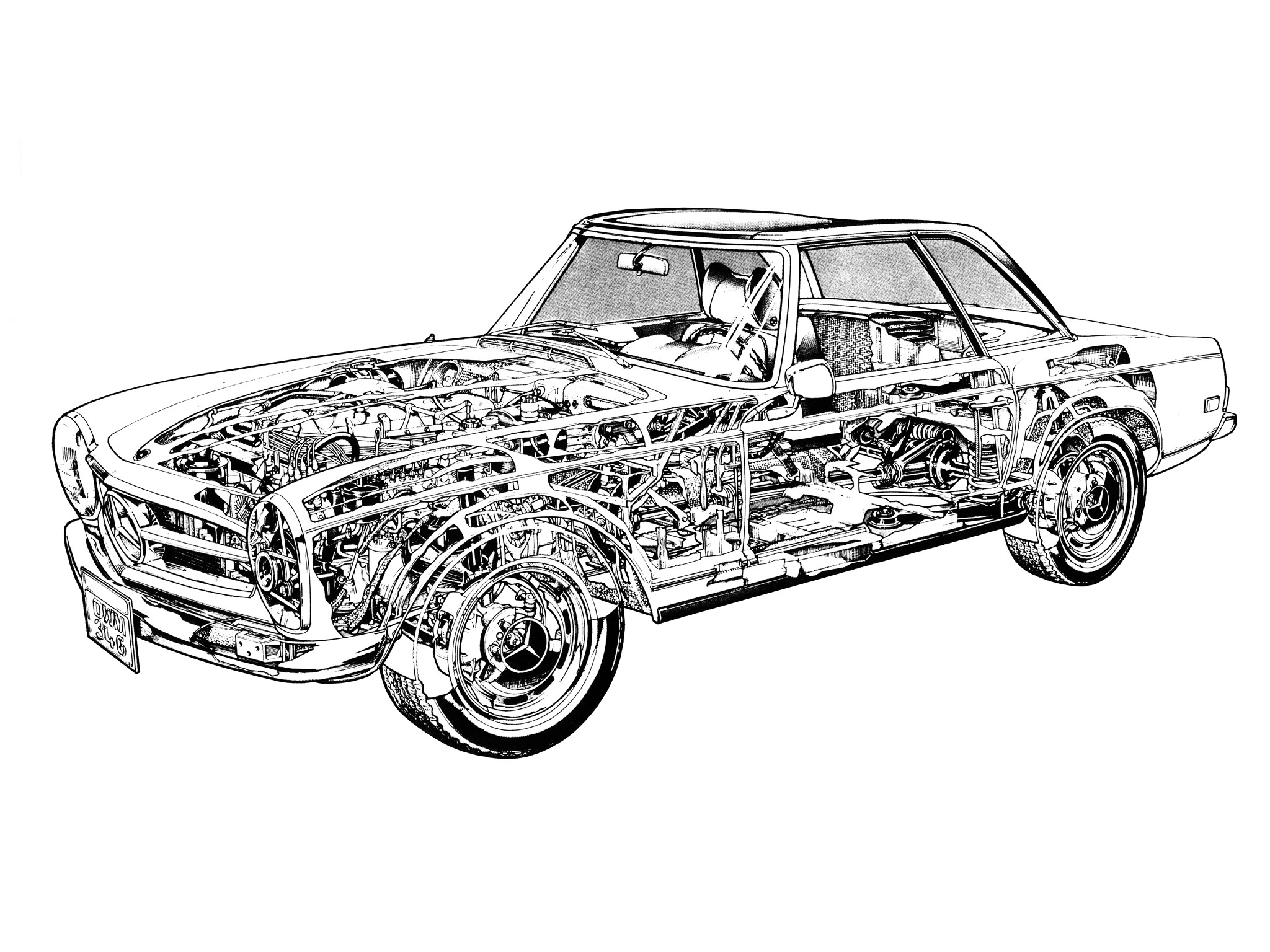
Created under legendary chief engineer Rudolf Uhlenhaut, the W113 was technically advanced in its own way. The steel monocoque chassis, a shortened version of the W111 sedan’s, was the first Mercedes sports car to embody the passive safety principles of engineer Bela Barényi.
The body featured cast aluminium door frames and aluminium door skins, bonnet and boot lid, though the SL would be no lightweight at 1350-plus kilos. Those panels, and the hardtop when specified (adding 49kg), were numbered to each car.
Suspension was also W111-derived, with double wishbones up front and swing axles and semi-trailing arms at the rear, on 14-inch wheels.
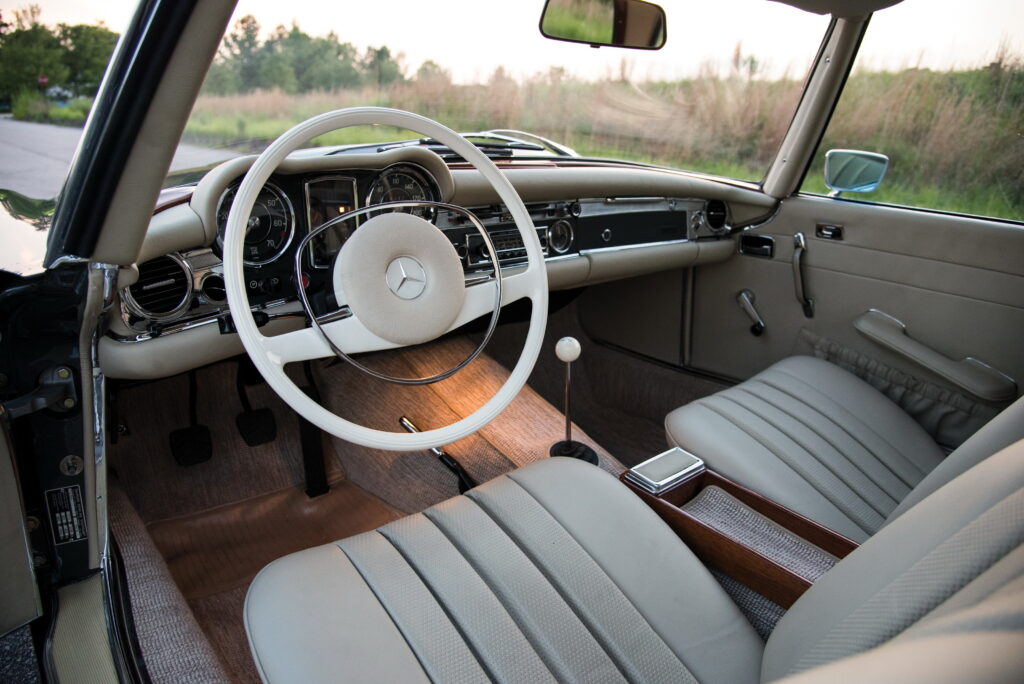
The SL’s driving was modern, sophisticated, comfortable and effortless, most particularly with the optional power steering and the popular (and no slower) four-speed automatic transmission.
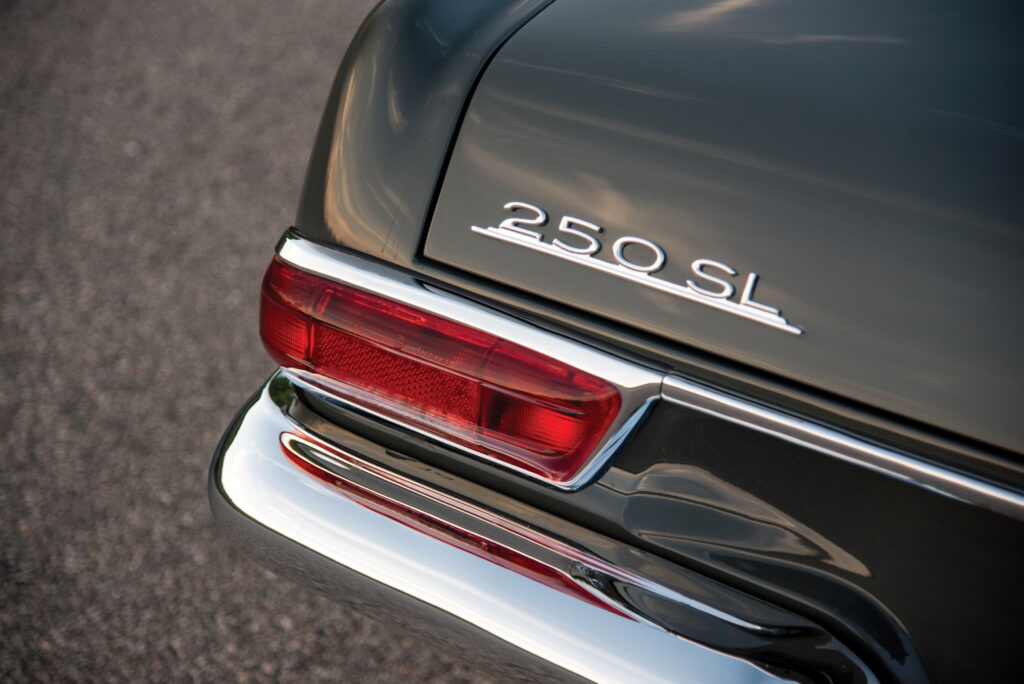
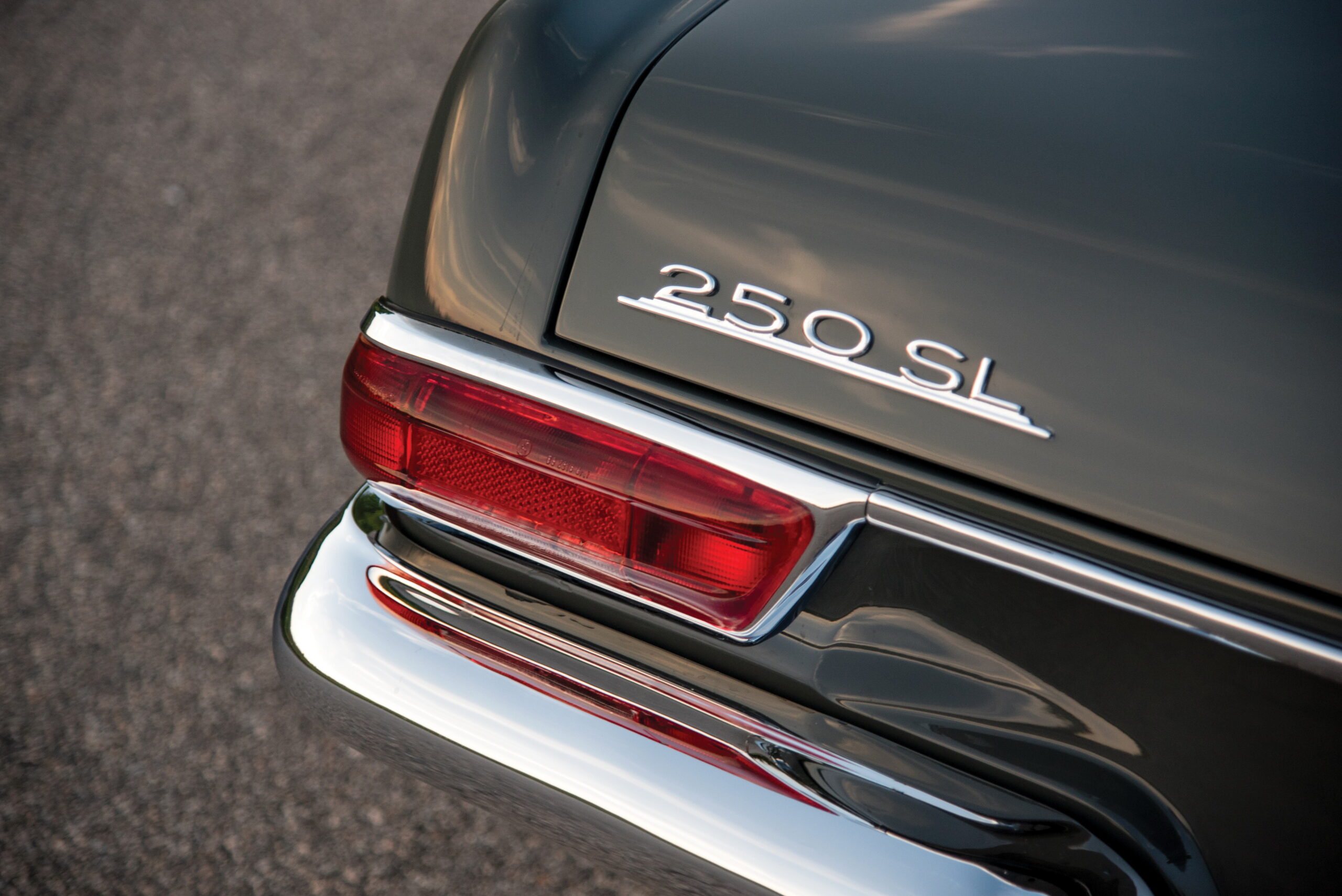
The 2306cc, four-bearing, SOHC 12-valve inline six- of the initial 230 SL gave way to a stronger, seven-bearing bottom end for the stroked 2496cc (250) and bored 2778cc (280) versions, which followed in January and December 1967, respectively. All had mechanical fuel injection and were praised as responsive and rev-happy, with power and torque outputs that rose from 110kW/196Nm (230), through 110kW/216Nm (250), to 130kW/240Nm (280).
Whereas three-quarters of 230 SLs were manuals, the 280 SLs were 90 per cent automatics. The 250 SL’s 12-month production run makes it the rarest, with just 5196 built; the 280 SL would be the most popular, with 23,885 built.
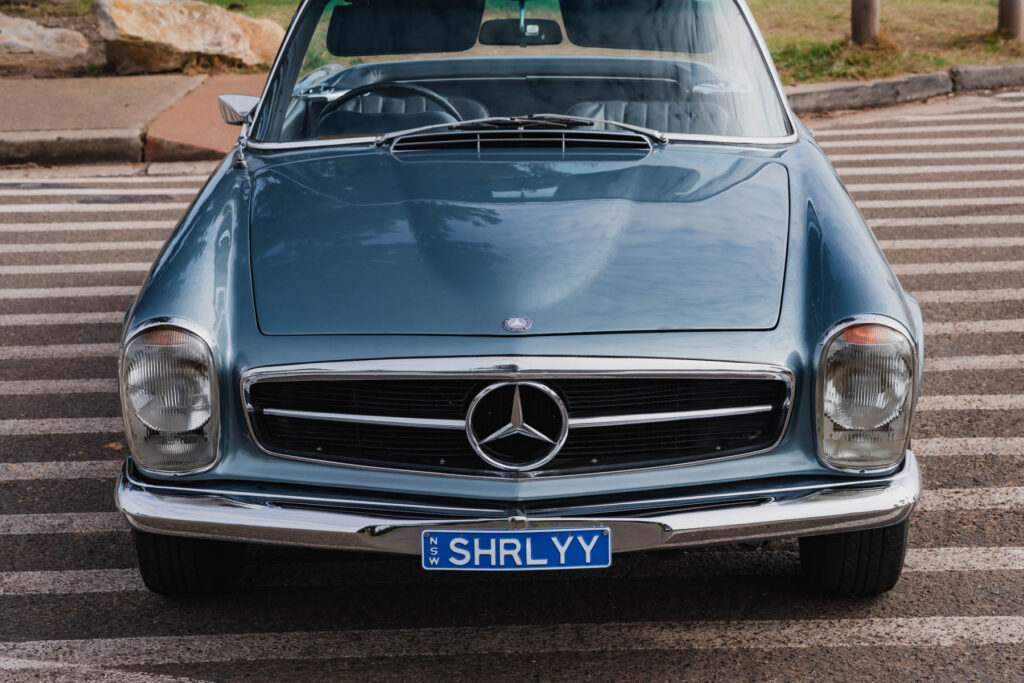
The 280 SL, with its torquier engine and production refinement, is held to be the nicest drive and the easiest to own; our sister site RR Auctions has a lovely 1970 example coming soon to auction.
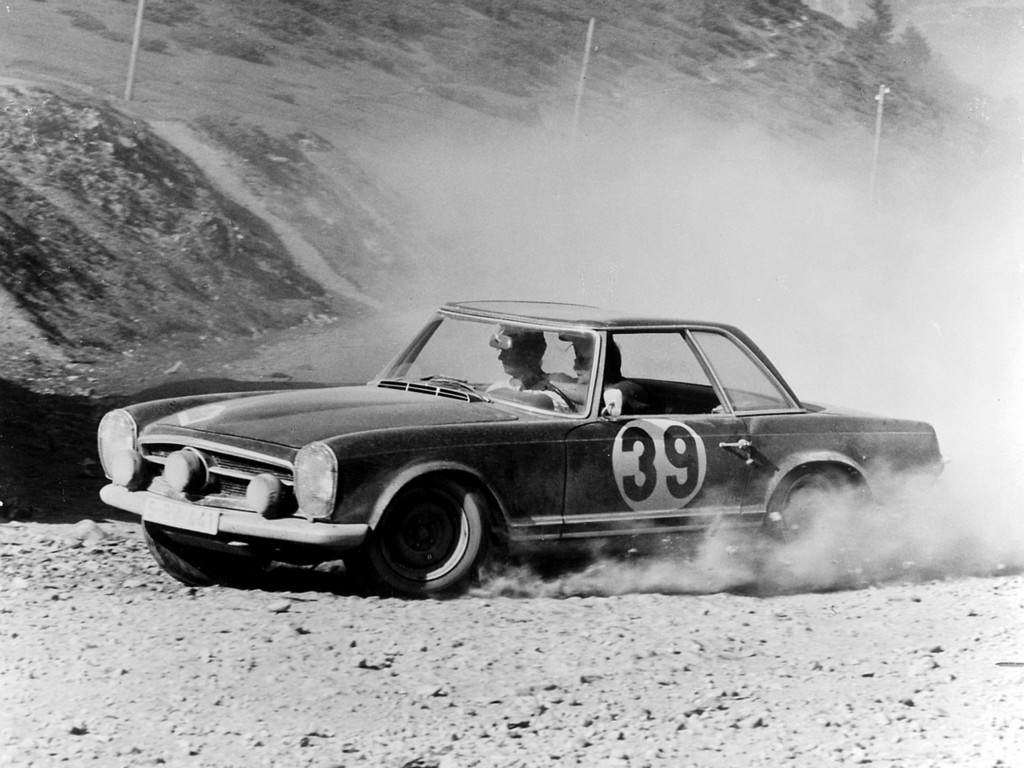
Back in the day, a price tag roughly double that of a Jaguar E-Type bought impeccable quality, safety, comfort and exclusivity, but not performance: both the Jag and a contemporary Porsche 911 were a good two seconds faster than even the 280 SL’s 9.3-second 0-60mph acceleration. In its debut year of 1963, however, a 230 SL won the 5500km/90 hours Spa-Sofia-Liege road rally.
Production of the 280 SL ceased in March 1971 after a total of 48,912 W113s, giving way to the anything-but sporty and light R107 SL series.