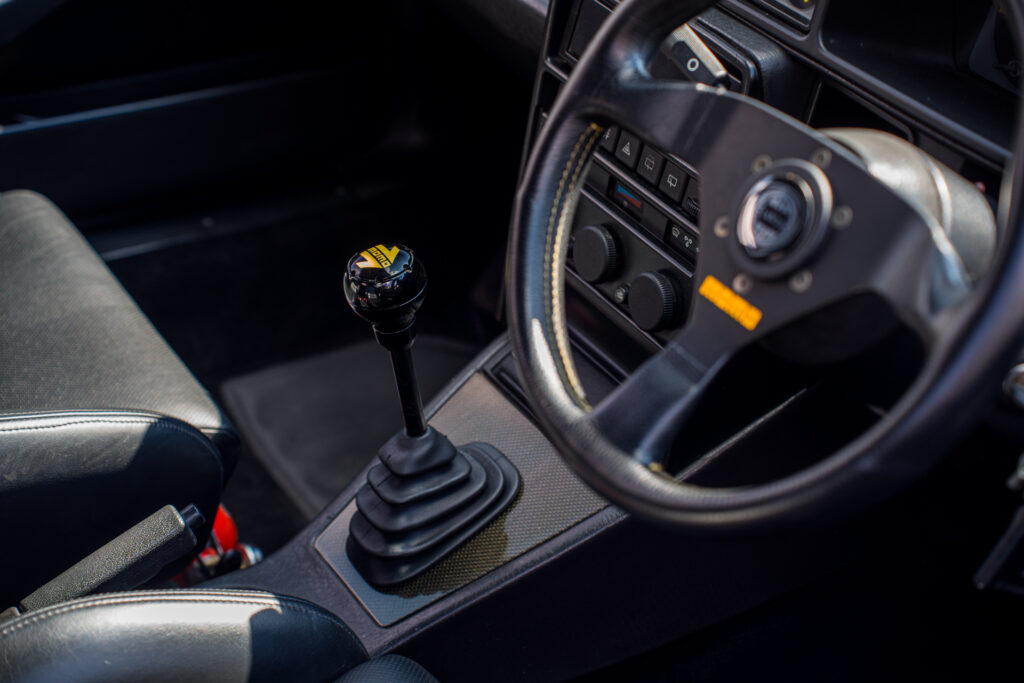
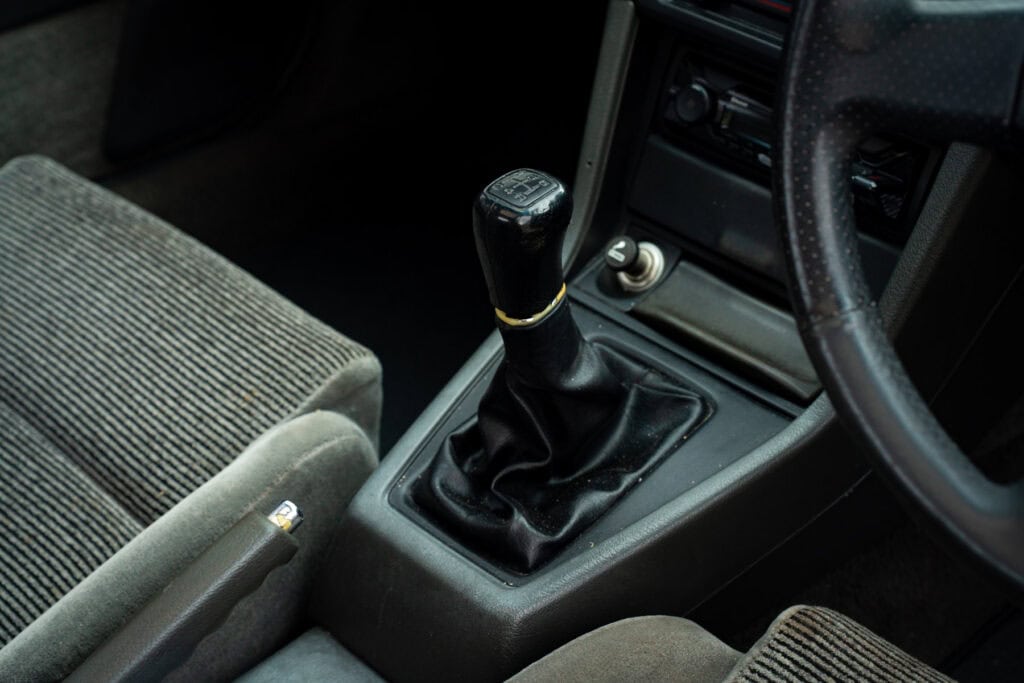

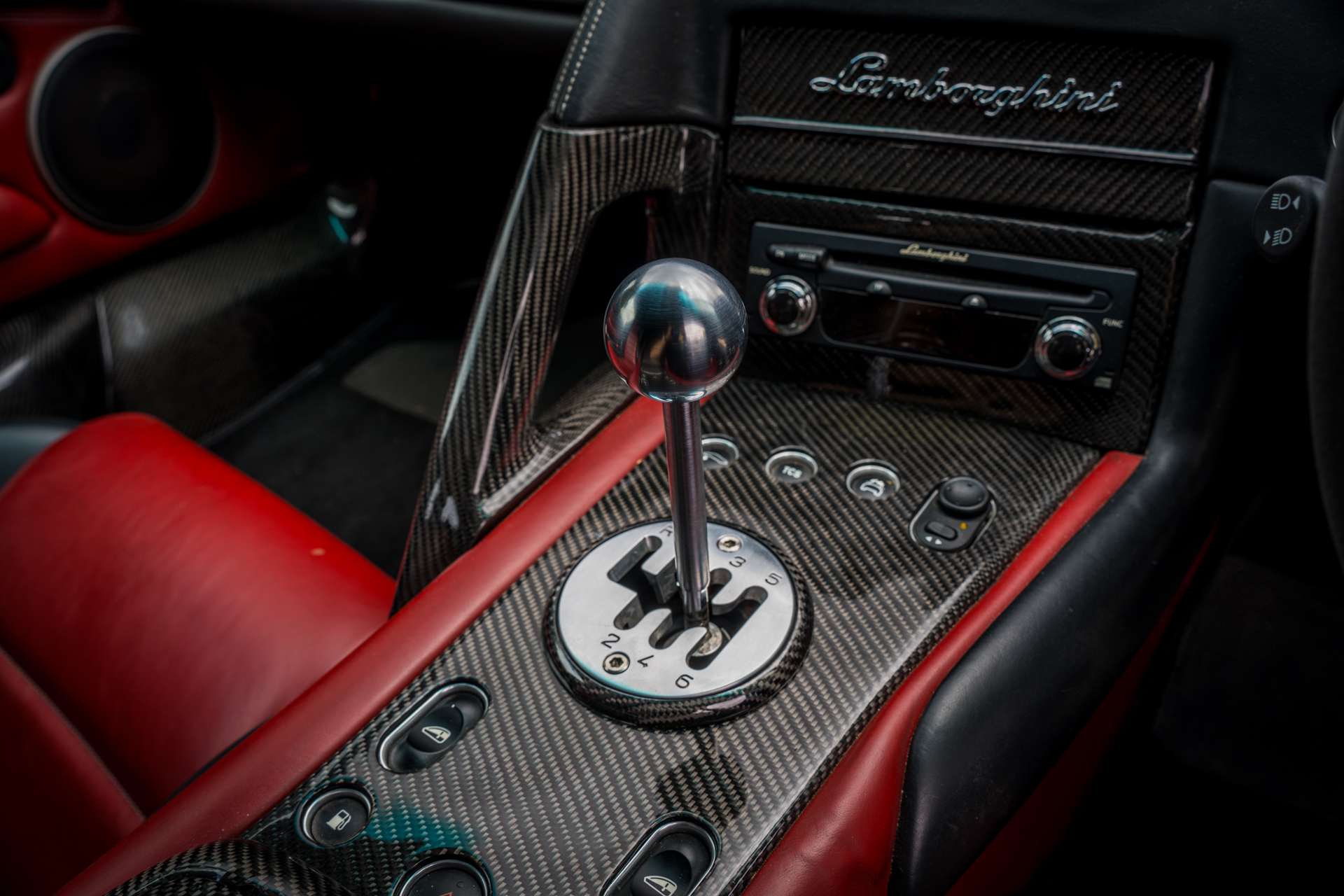
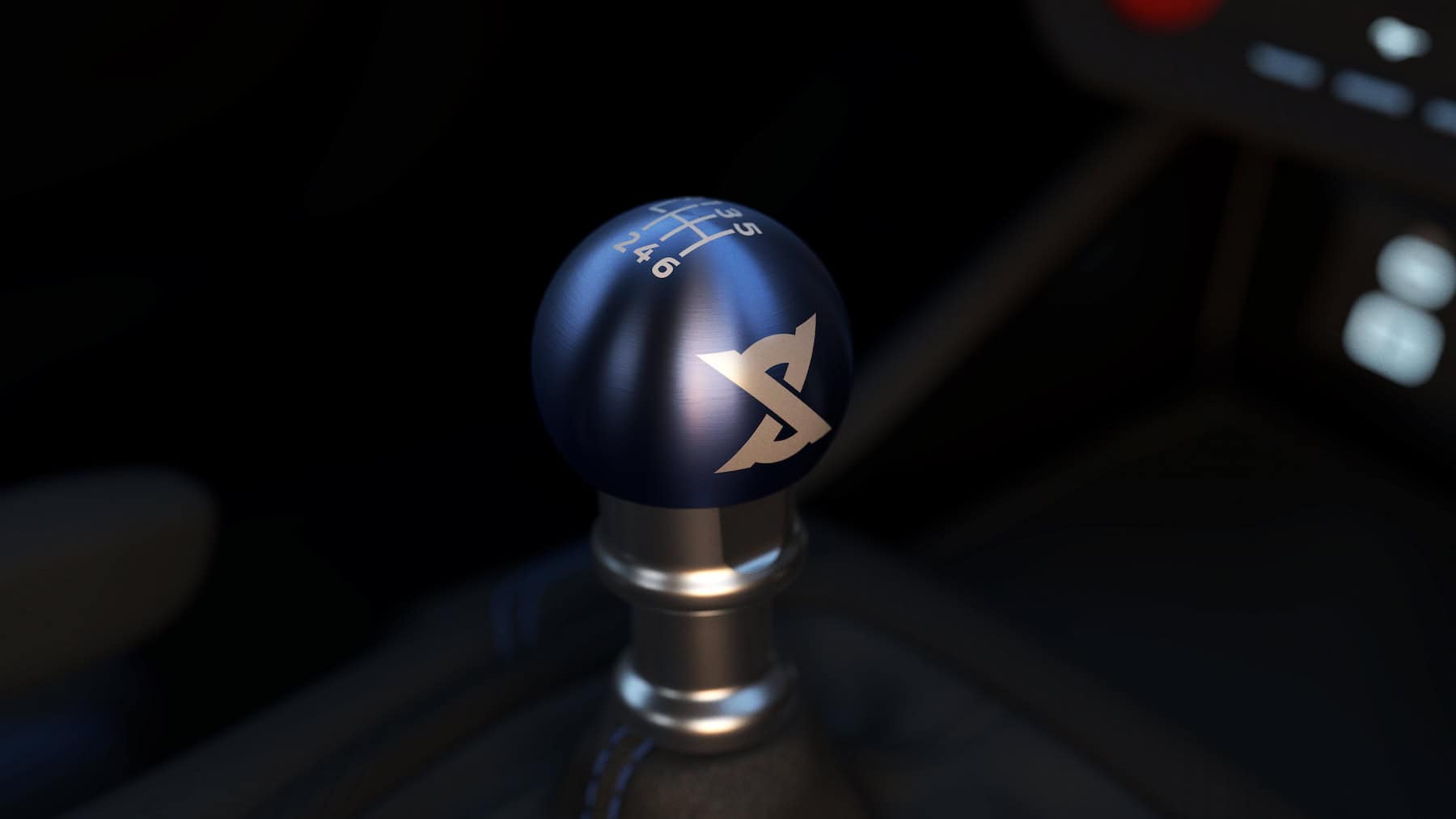
For years now, a debate has raged online between staunch defenders of the manual gearbox as a must-have for driving enthusiasts and those who believe automatic transmissions in their various guises to be the superior choice.
When it comes to what science has to say about the matter, team ‘save the manuals’ has now taken a definitive one-nil lead. That’s thanks to research from Japan revealing that driving a manual car is beneficial for your brain health.
The research conducted by Professor Ryuta Kawashima – best known from Nintendo’s Brain Age video game series that was based on his work – at Tohoku University demonstrated that driving a manual car puts a better load on the brain’s cognitive functions.
To quote directly from Professor Kawashima’s research, per a translation sourced from Japanese website Best Car Web:
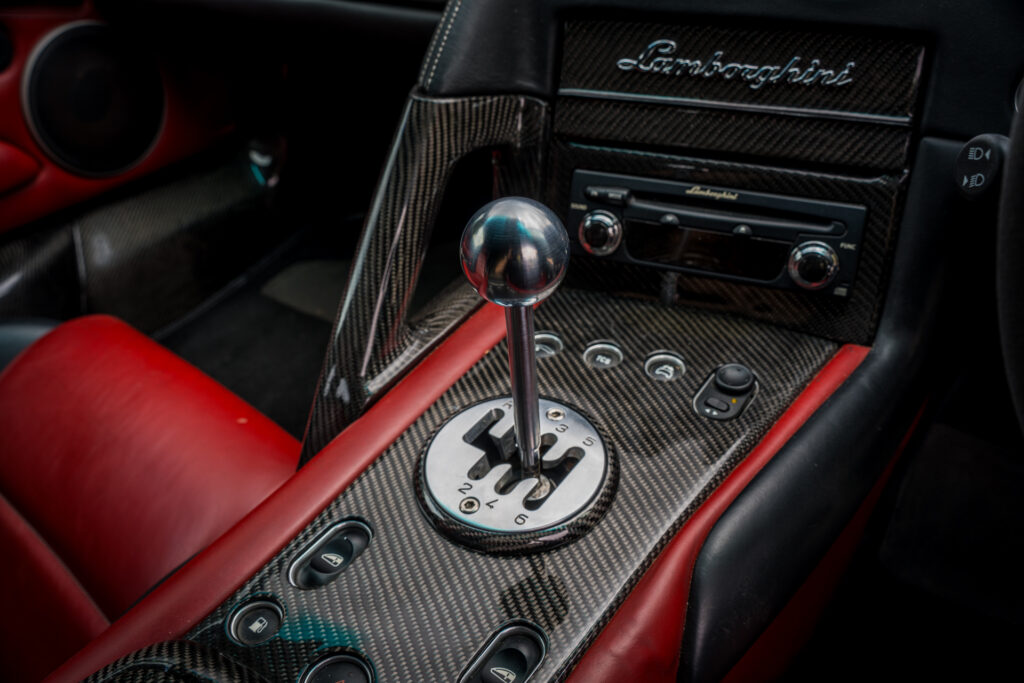
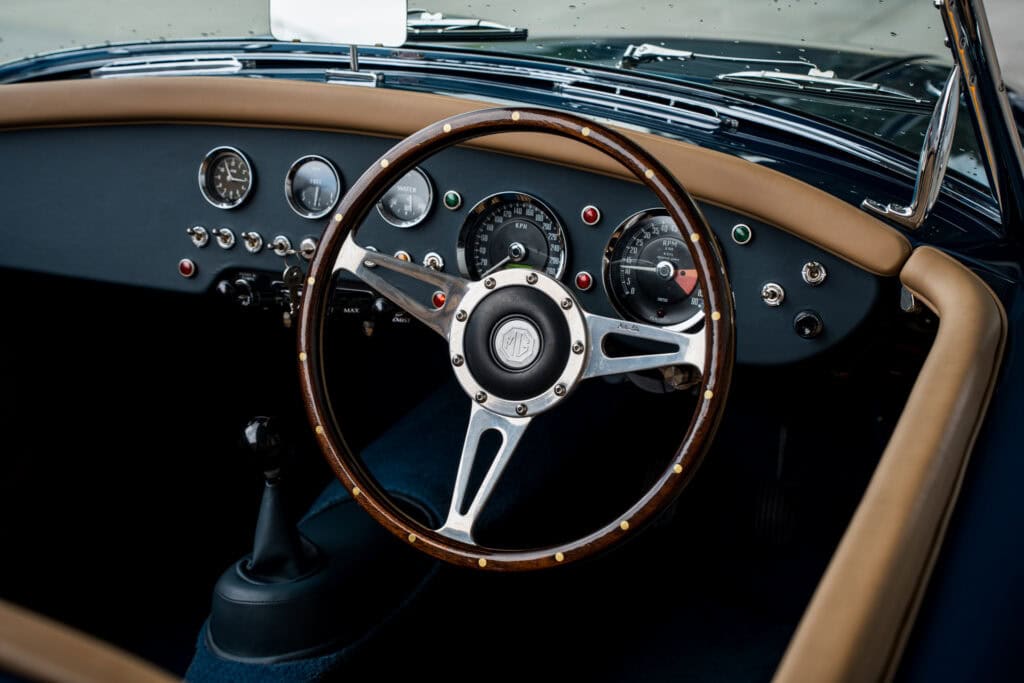
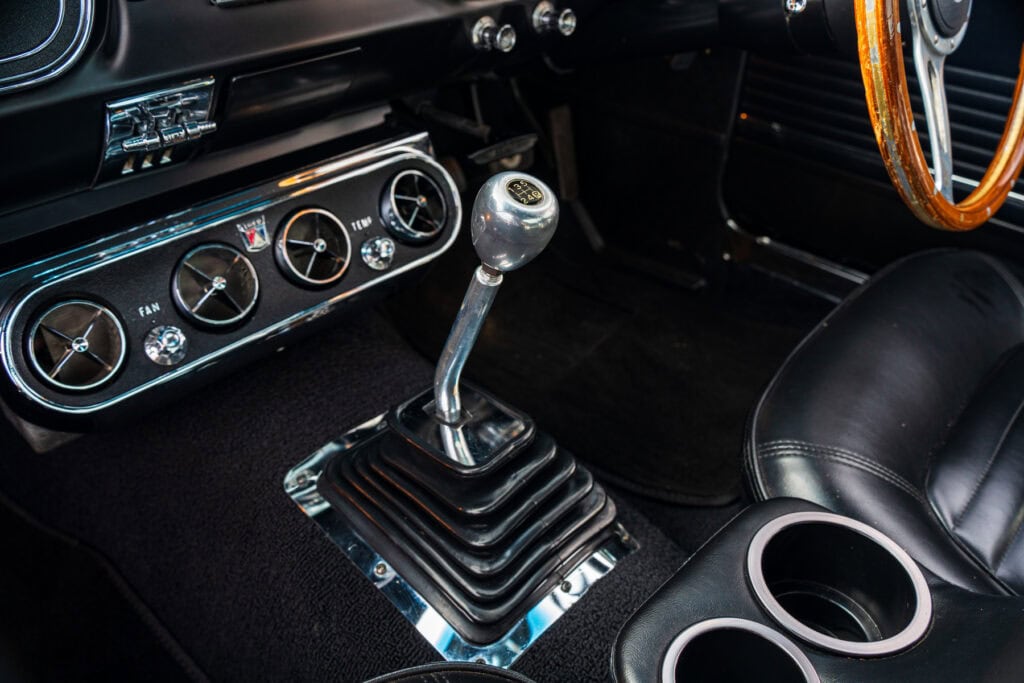
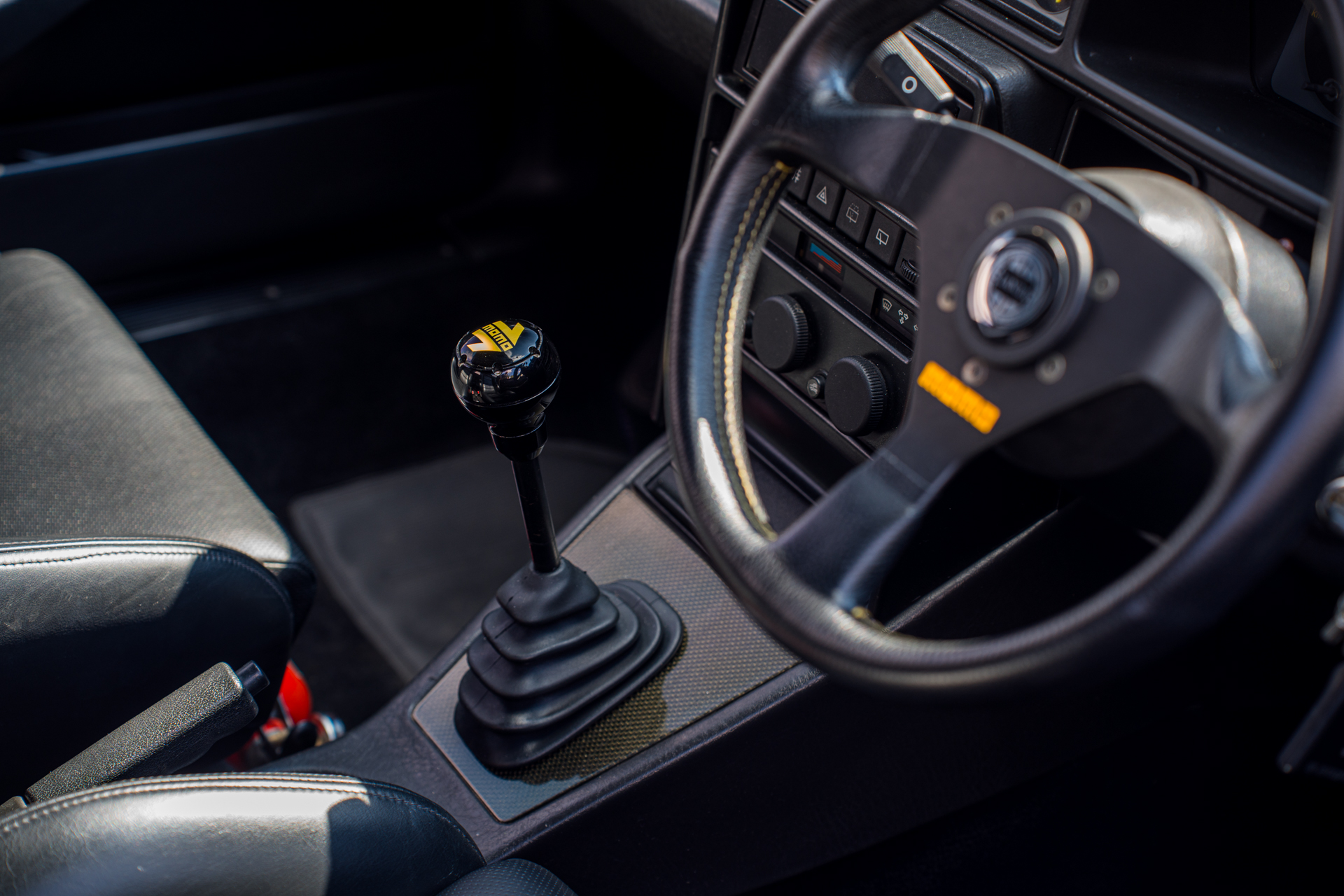
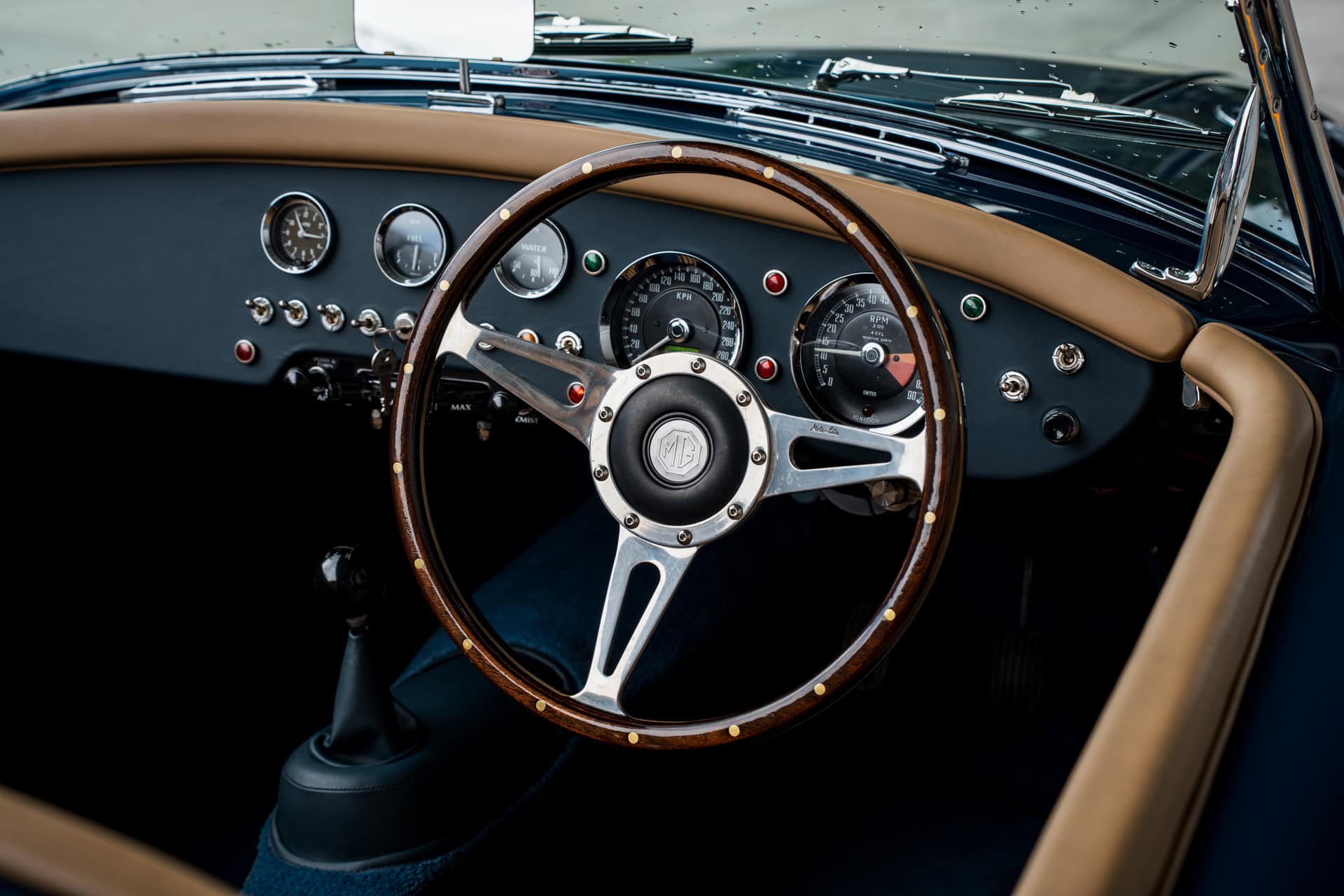
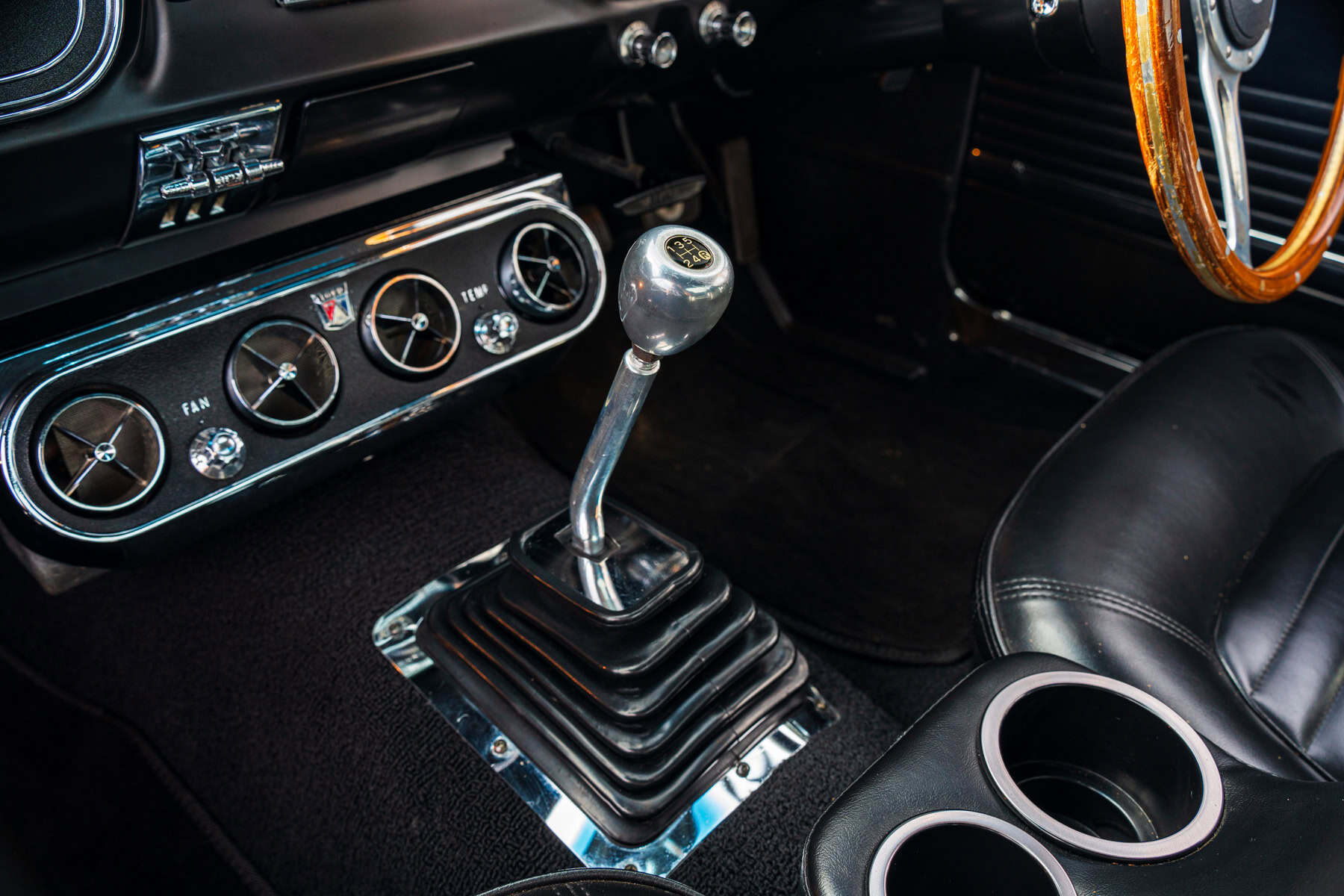
Driving a manual transmission car activates the prefrontal cortex of the brain by requiring simultaneous clutch operation, gear shifting, accelerator control, and awareness of the surroundings.
The effect is also compounded by the need for drivers of to “moderate tension and judgement”.
Because you have to judge and select the optimal gear according to the situation, it puts a better load on the brain’s cognitive functions than a passive automatic transmission car.
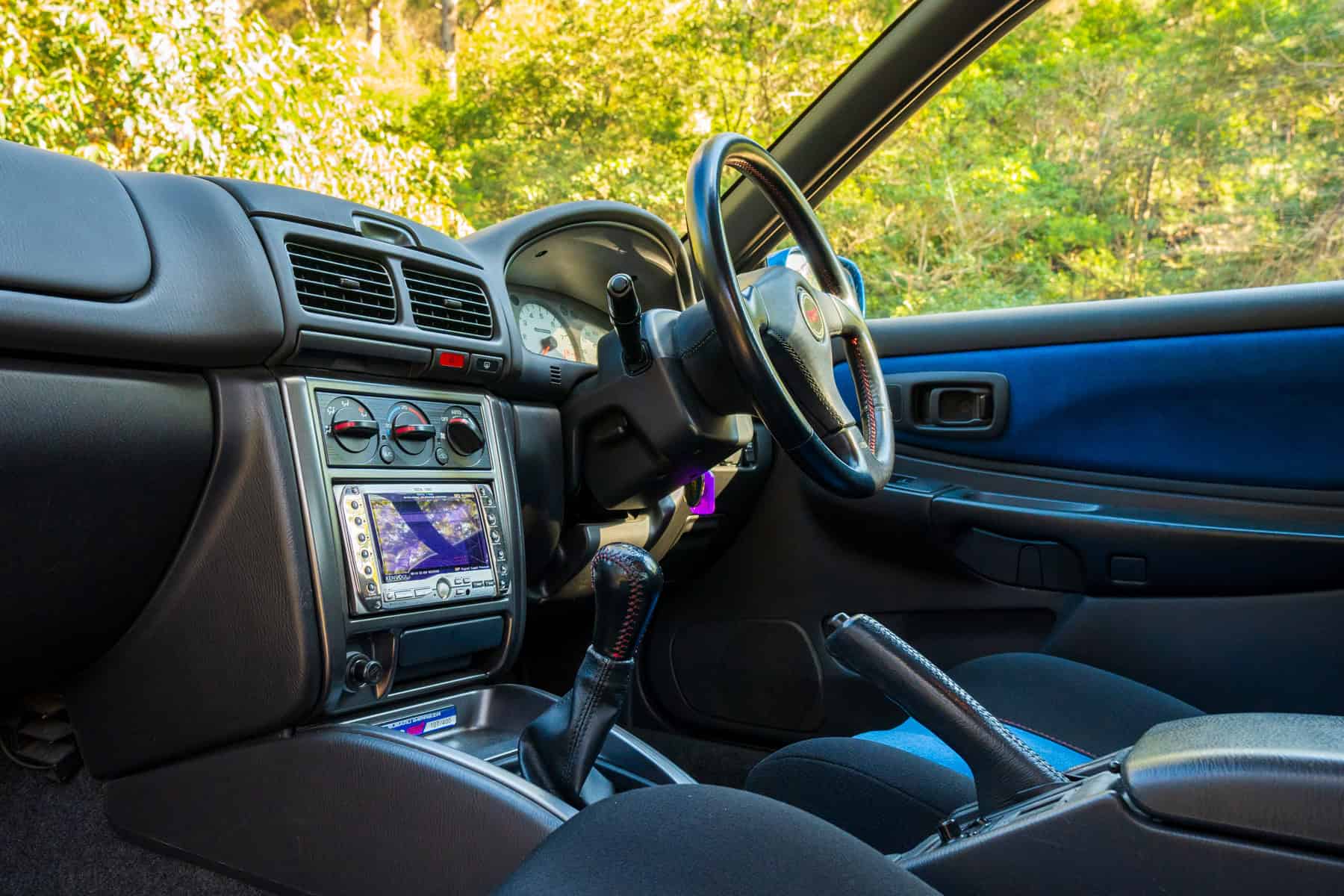
Based off these findings, Best Car Web draws a link based off this research that “regularly driving geared vehicles as a hobby”, which includes motorcycles alongside manual cars, can have “a significant effect on maintaining mental health and cognitive function”.
The catch, of course, is that manual cars are rapidly vanishing from the market. Here in Australia, only 32,642 manual cars were sold during 2024, accounting for a mere 2.8 percent of all new vehicles sold (excluding Heavy Commercial).
When you consider the number of vehicles on offer with a manual gearbox today, it actually makes that number seem somewhat surprising. Manuals are now limited almost exclusively to the likes of hot hatches such as the Toyota GR Corolla, affordable sports cars like the Toyota GR86 and Mazda MX-5, pricier sports cars from the Ford Mustang to the Porsche 911, and some entry-level dual cab utes just to name a handful of options.
Even then, virtually all of those vehicles now offer some sort of automatic transmission option, right down to the Toyota LandCruiser 70 Series despite its four-decade-old design.
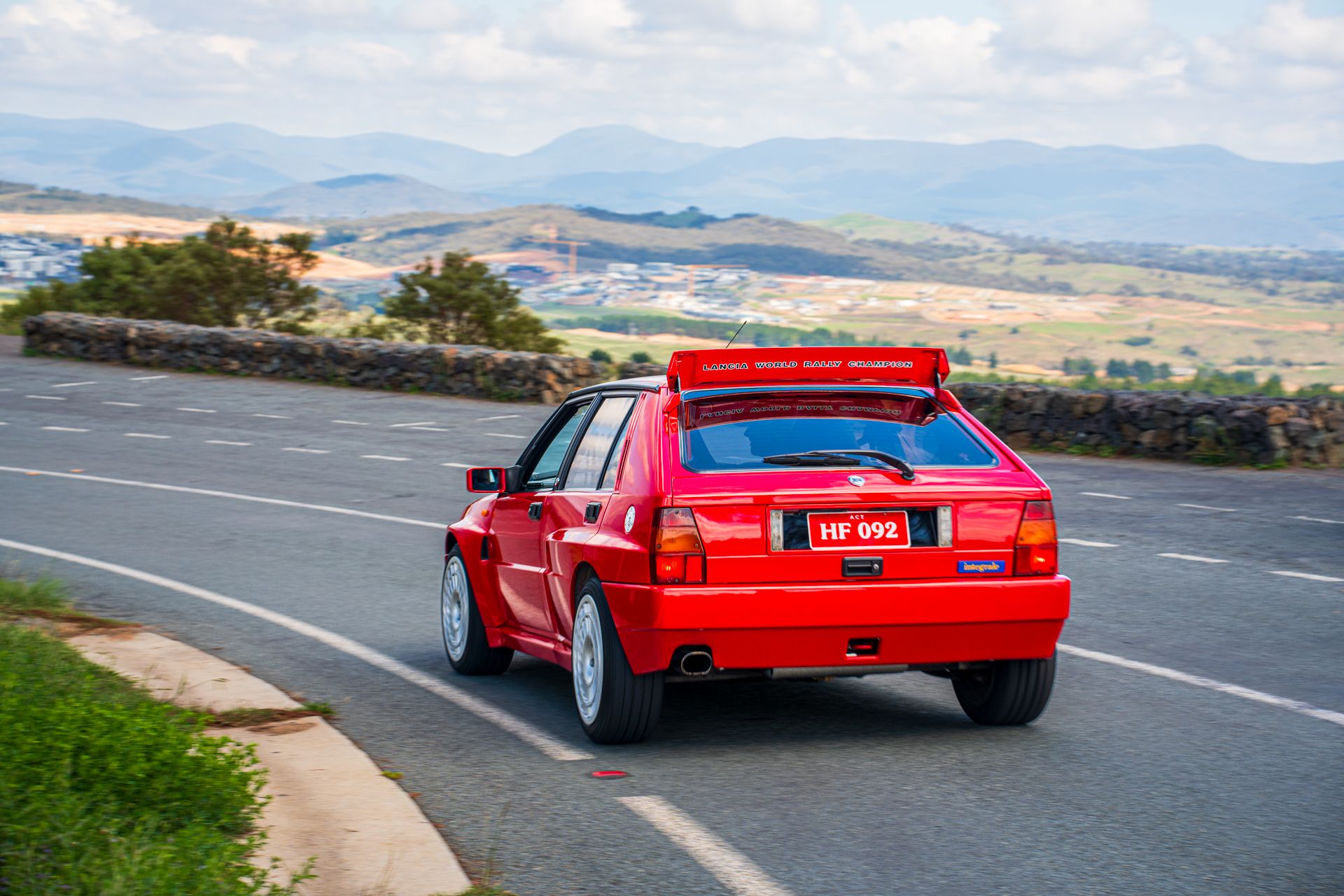
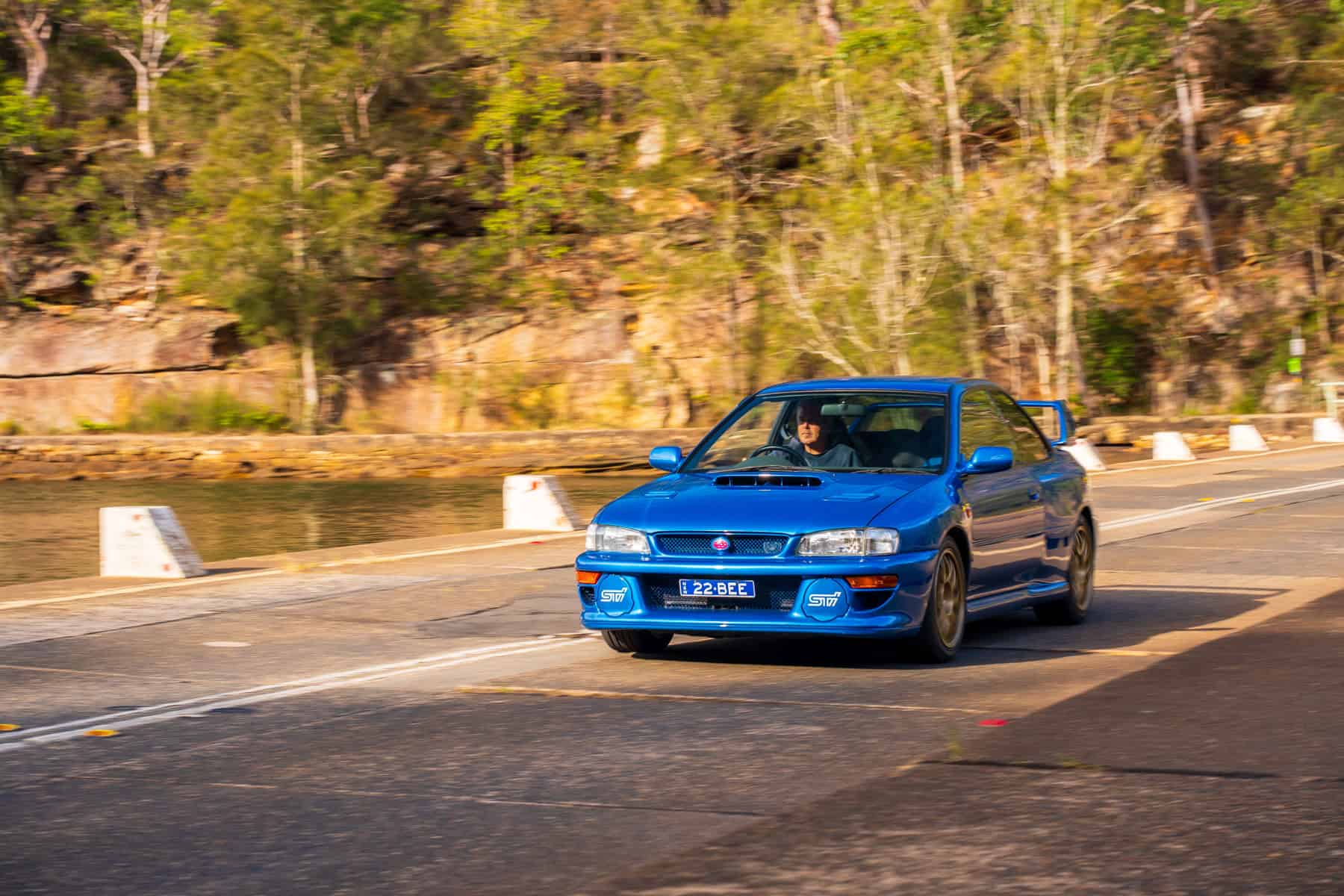
Those numbers look even more bleak in Japan where this research was conducted. Despite being known for developing some of the best drivers’ cars of the 1990s, all of which featured three pedals, only around 1-2 percent of new vehicles sold in Japan feature a manual gearbox.
Even in the UK where manuals were typically more plentiful, only 22 percent of vehicles left dealer forecourts with a manual gearbox fitted in 2024 according to the Society of Motor Manufacturers and Traders.
Research from CarGurus published earlier this year also revealed that the number of vehicles offered with a manual gearbox in the UK has declined 66 percent over the past decade.
Considering all that, it looks like team ‘automatics are superior’ just scored an equaliser.
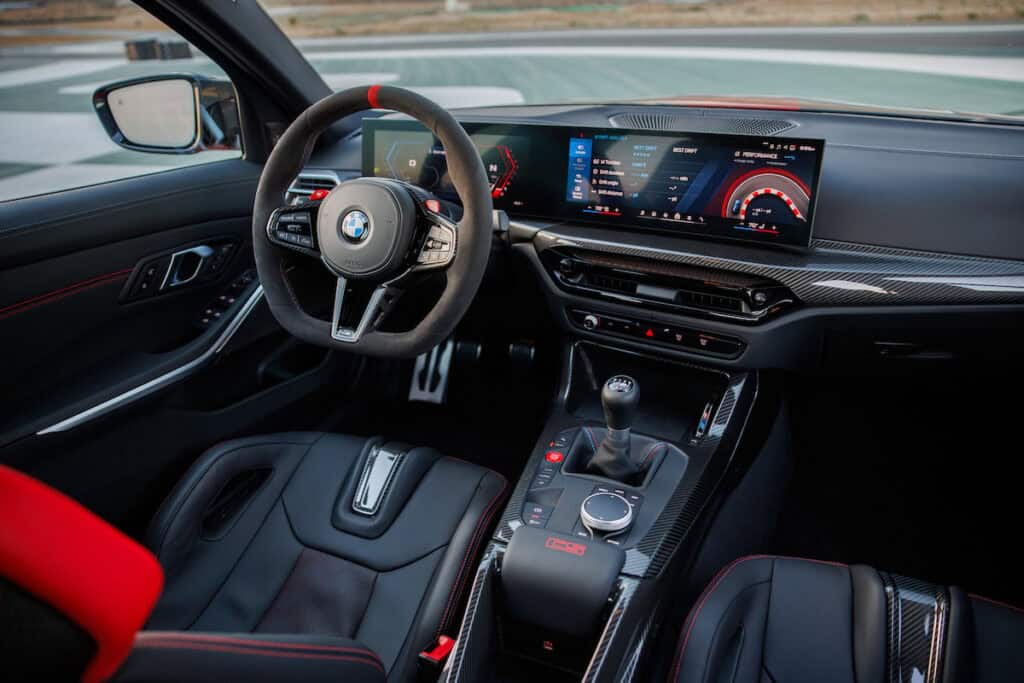
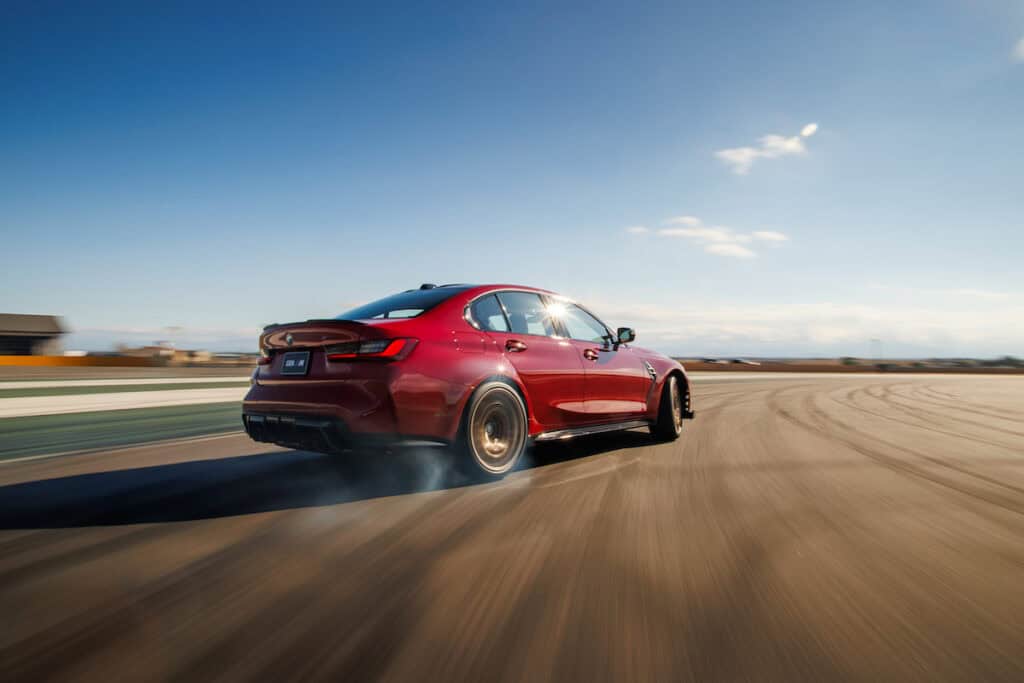
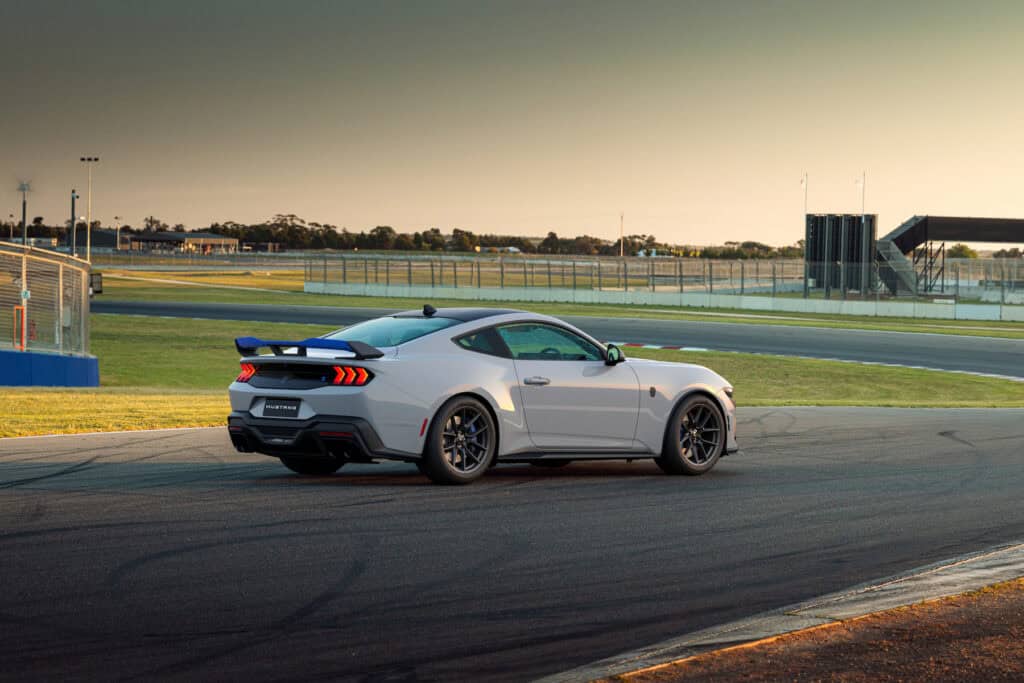
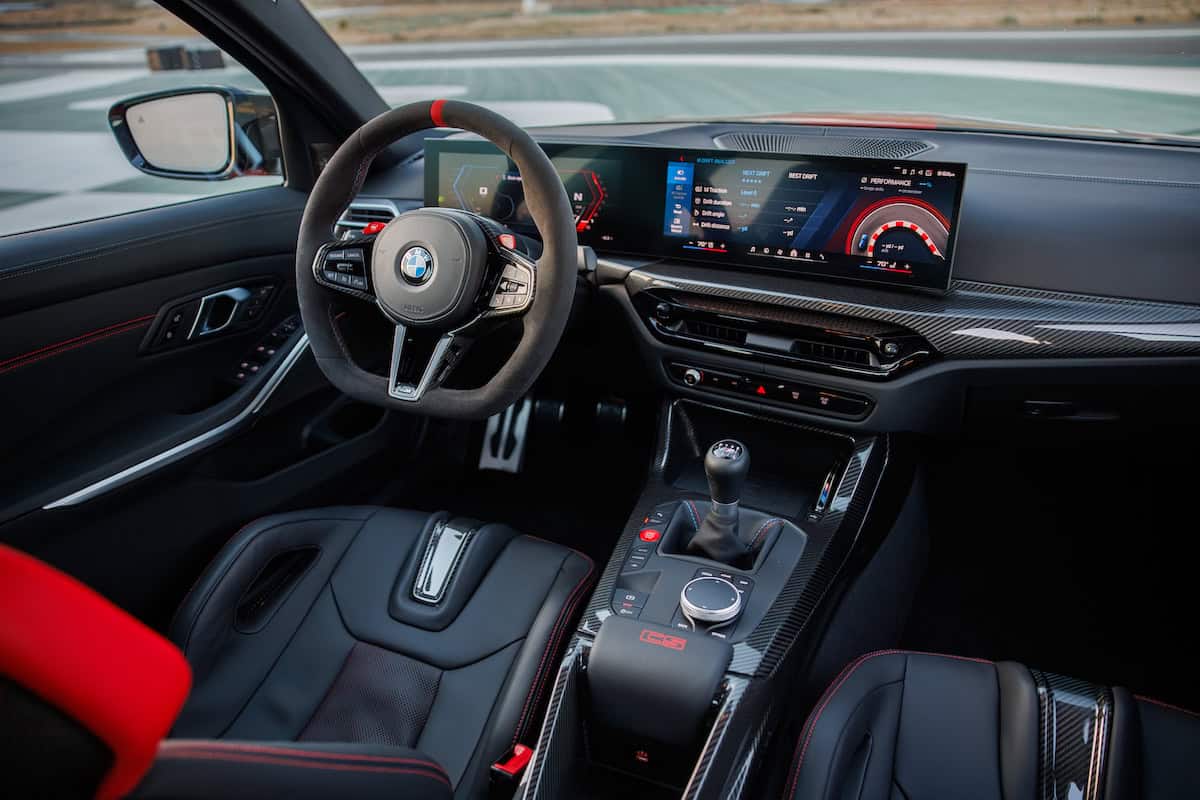
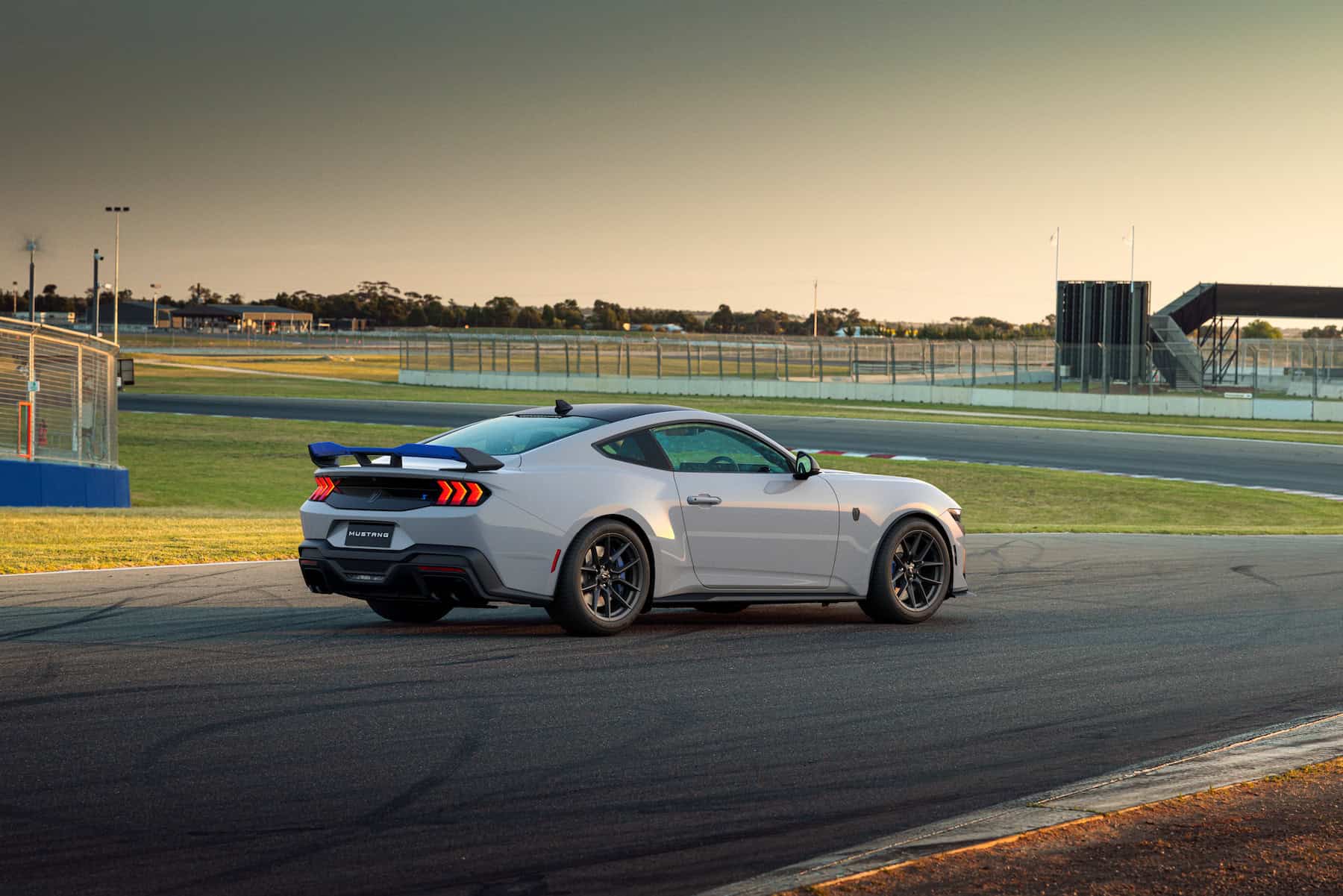
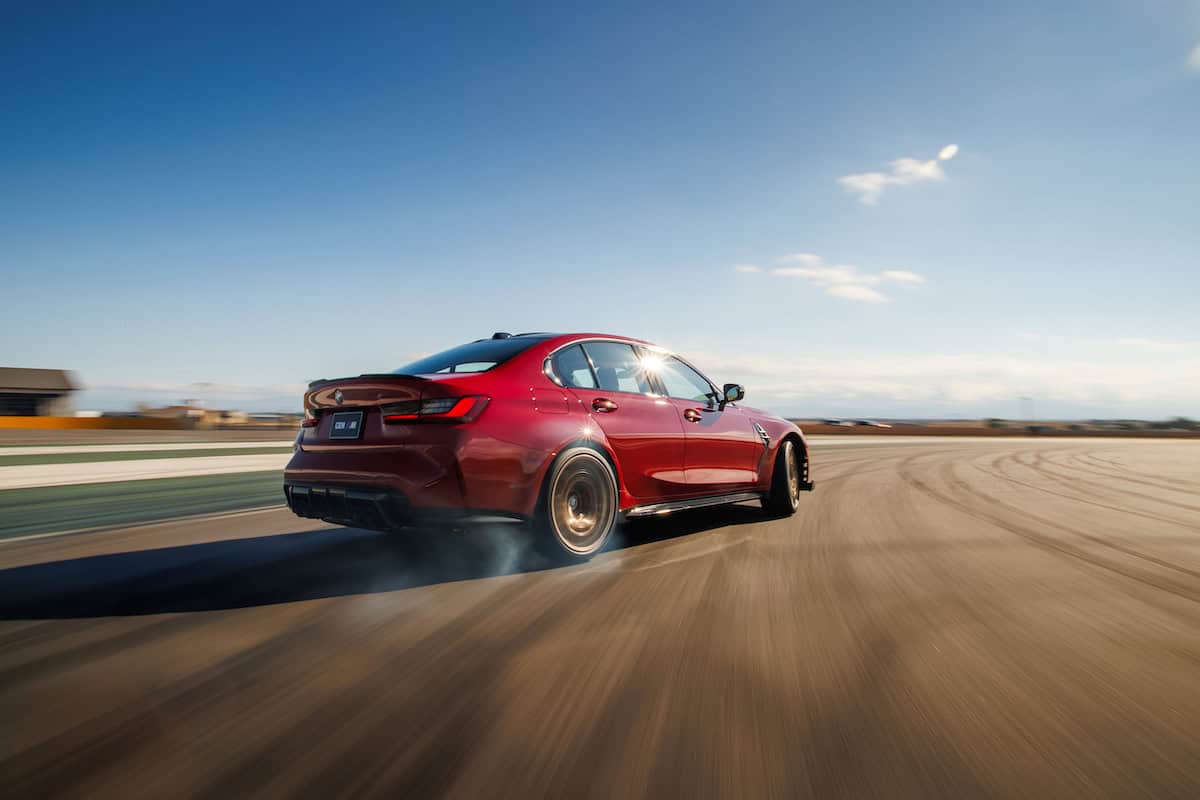
However, the performance car market is where manuals are most likely to manage to live on. In the US there has been particularly strong demand for manual performance cars, leading to BMW creating the exclusive M3 CS Handschalter for the North American market. Here in Australia, Ford recently announced the limited-run Mustang T8-Spec Pack which is also exclusively offered with a manual.
While increasingly strict CO2 emissions and electrified vehicle mandates will likely only cause the number of manual vehicles to decline even further, at least we now know ‘driving stick’ has a measured benefit for brain health.
The only trouble is we’re probably finding that out too late.