

Earlier this year, insurance comparison website MoneySuperMarket released the findings from a study it conducted into finding out what the world’s number one dream car was. After analysing Google search data and interviewing 4000 drivers around the globe, the car that had quite clearly topped the list was the Ford Mustang.
Racking up over 116.6 million searches over a five-year period, it was easily ahead of the second-placed Porsche 911 and the 91.6 million searches for it. If one thing is clear, it’s that the iconic pony car still has the same appeal it did over 60 years ago at its wildly successful 1964 New York World’s Fair launch.
Now in its seventh generation and with over 10 million examples sold worldwide across the iconic nameplate’s lifetime, the Mustang remains a huge success Down Under.
Per VFACTS data, of all 12,144 sports cars sold in Australia during 2025, precisely one third of them were Mustangs. The 4052 examples Ford shifted was 2877 more than the next-best BMW 2 Series.
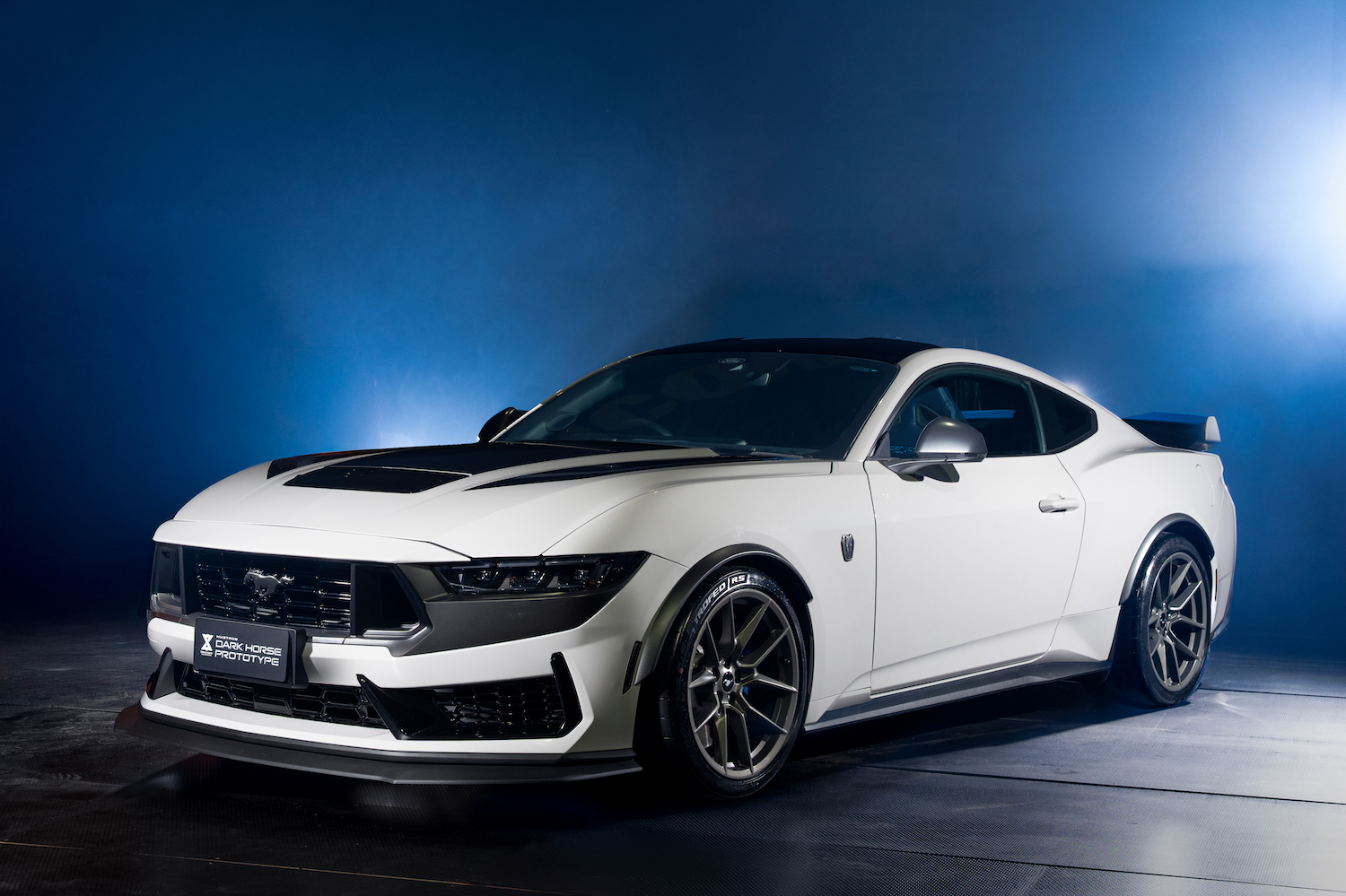
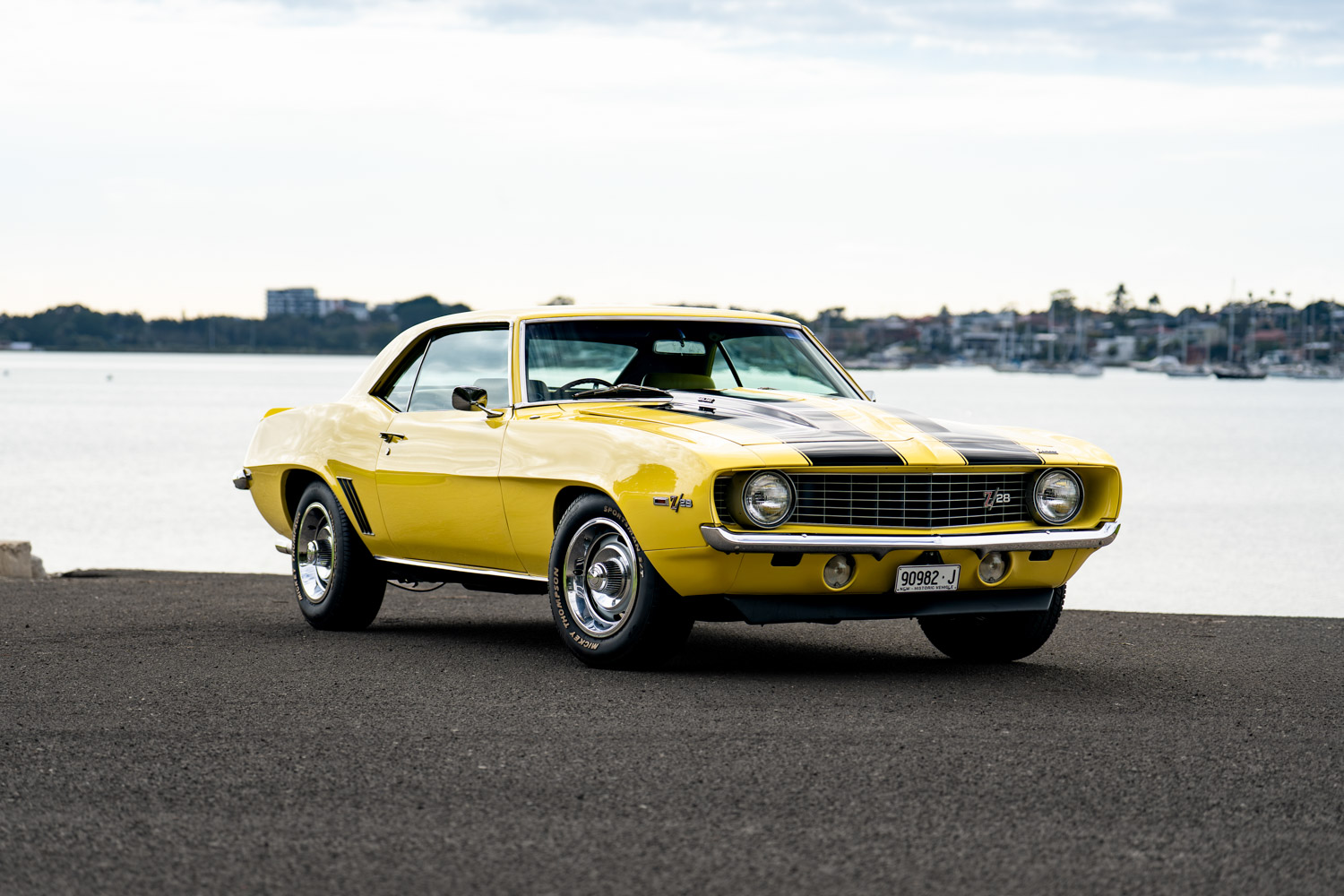
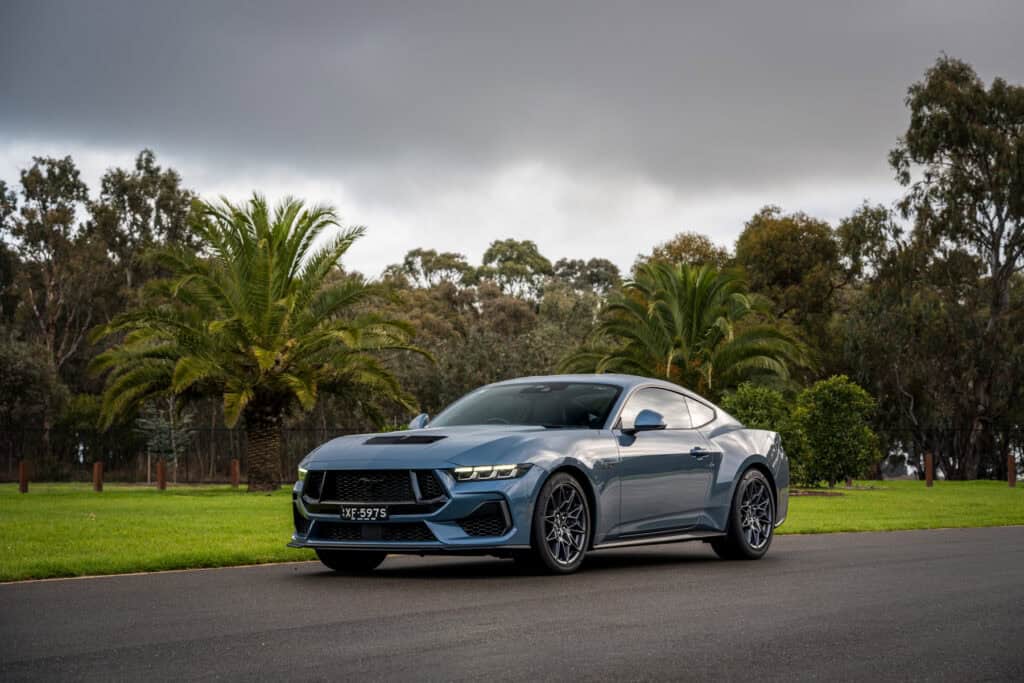
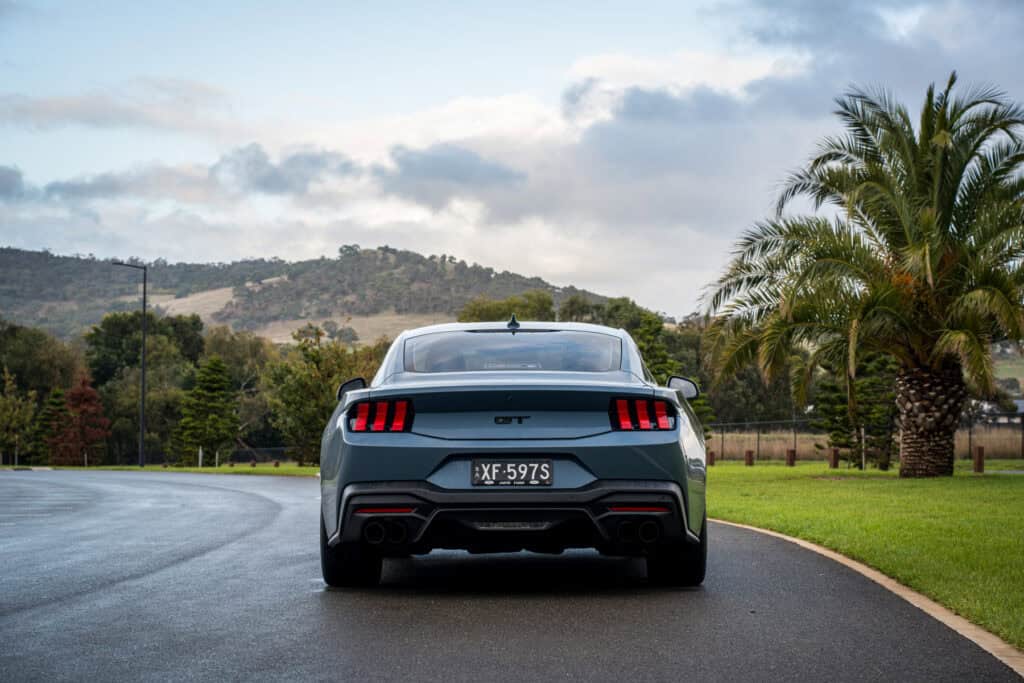
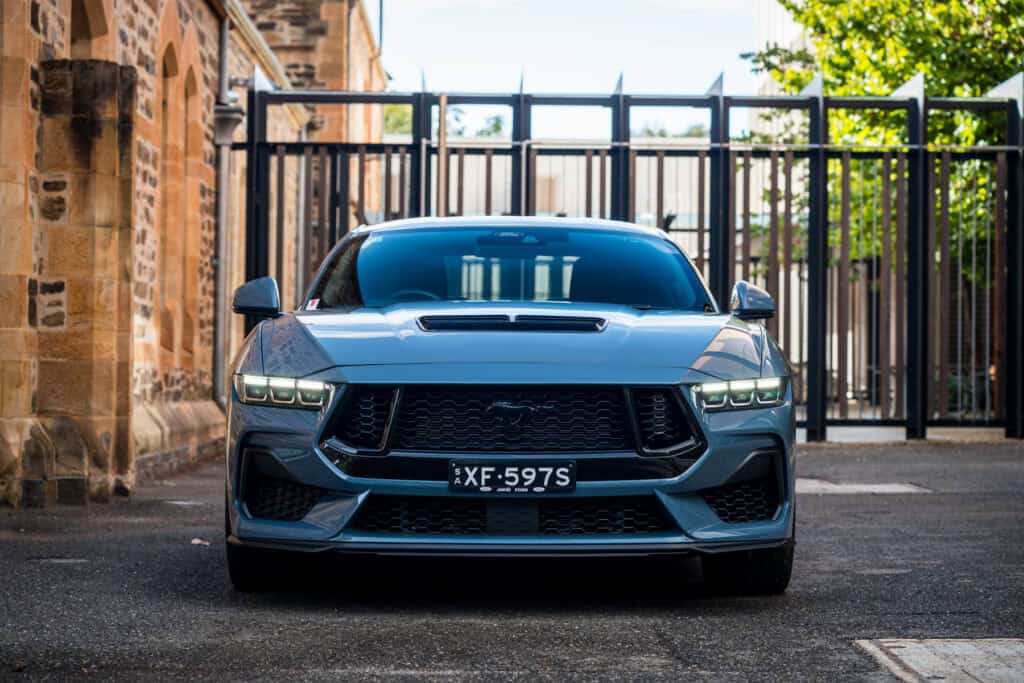
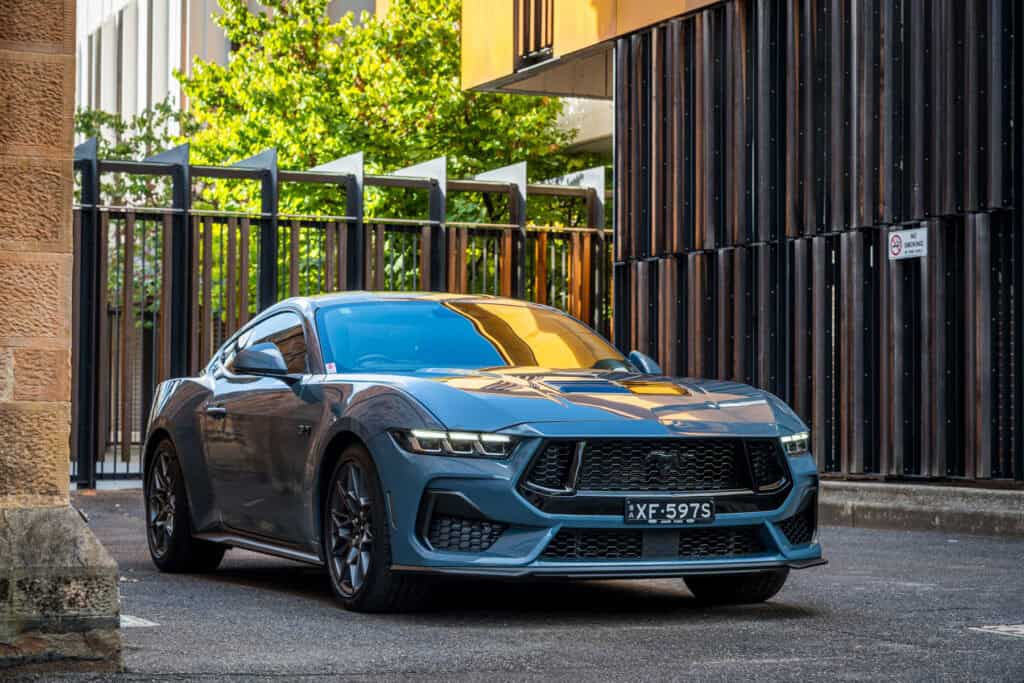
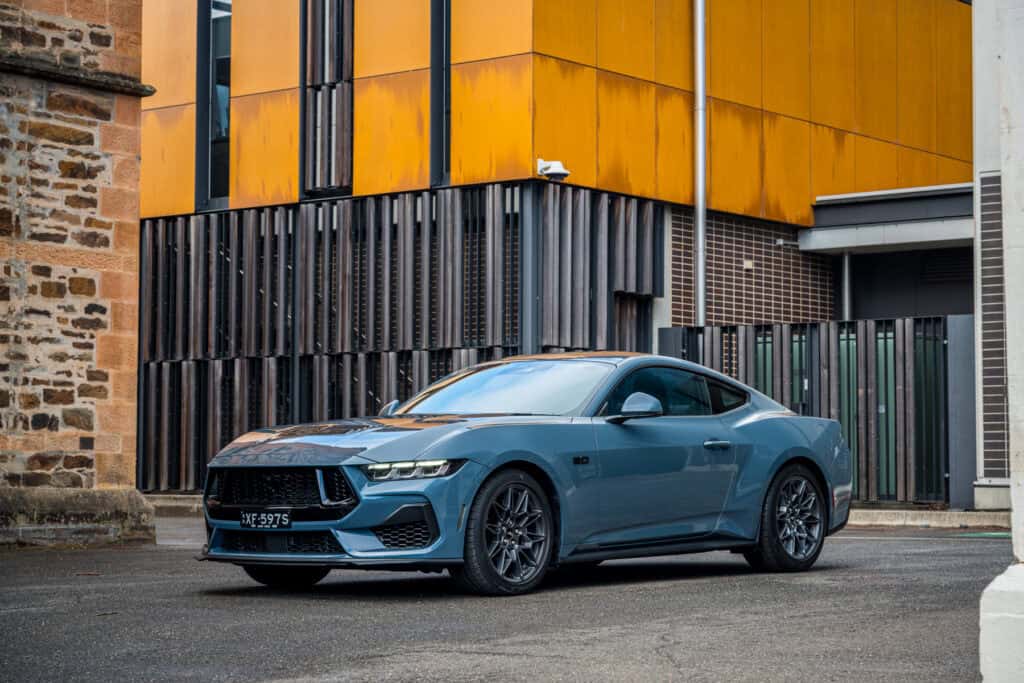
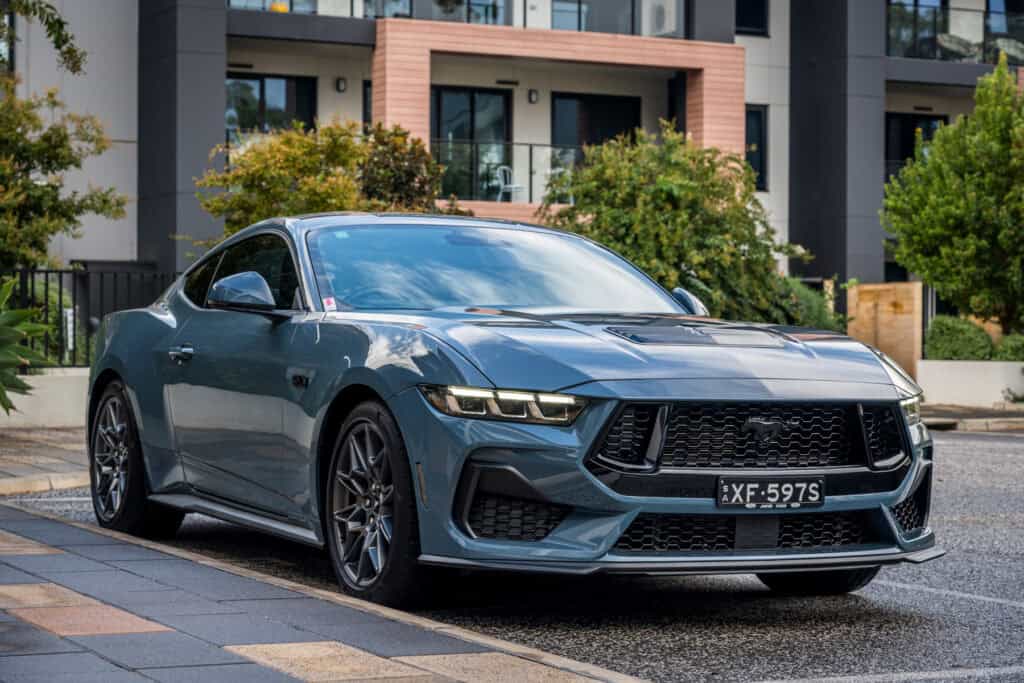
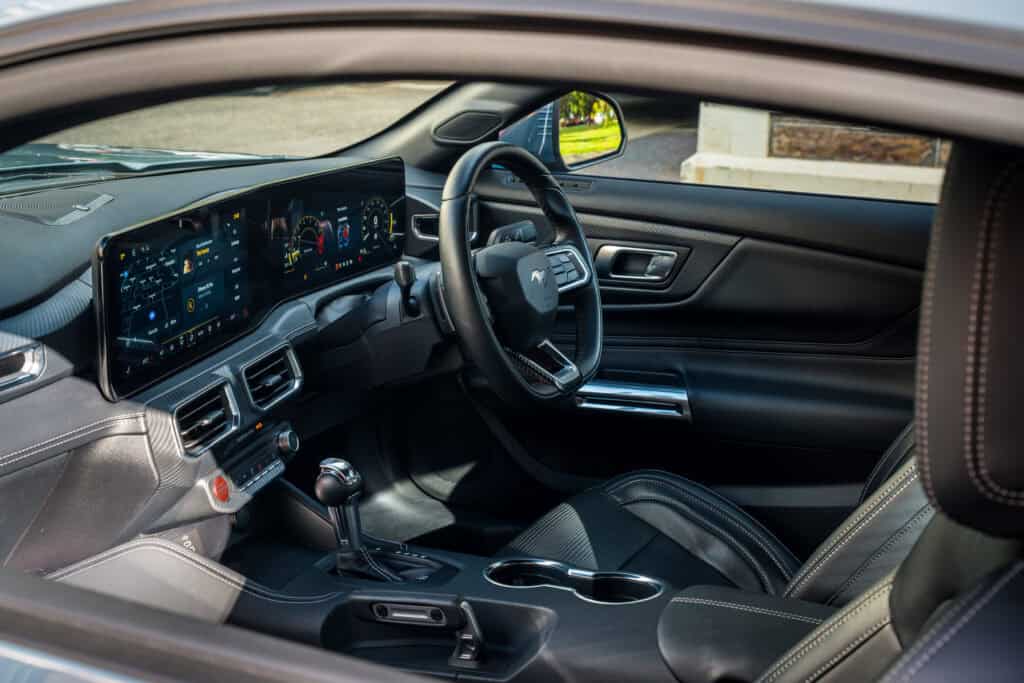
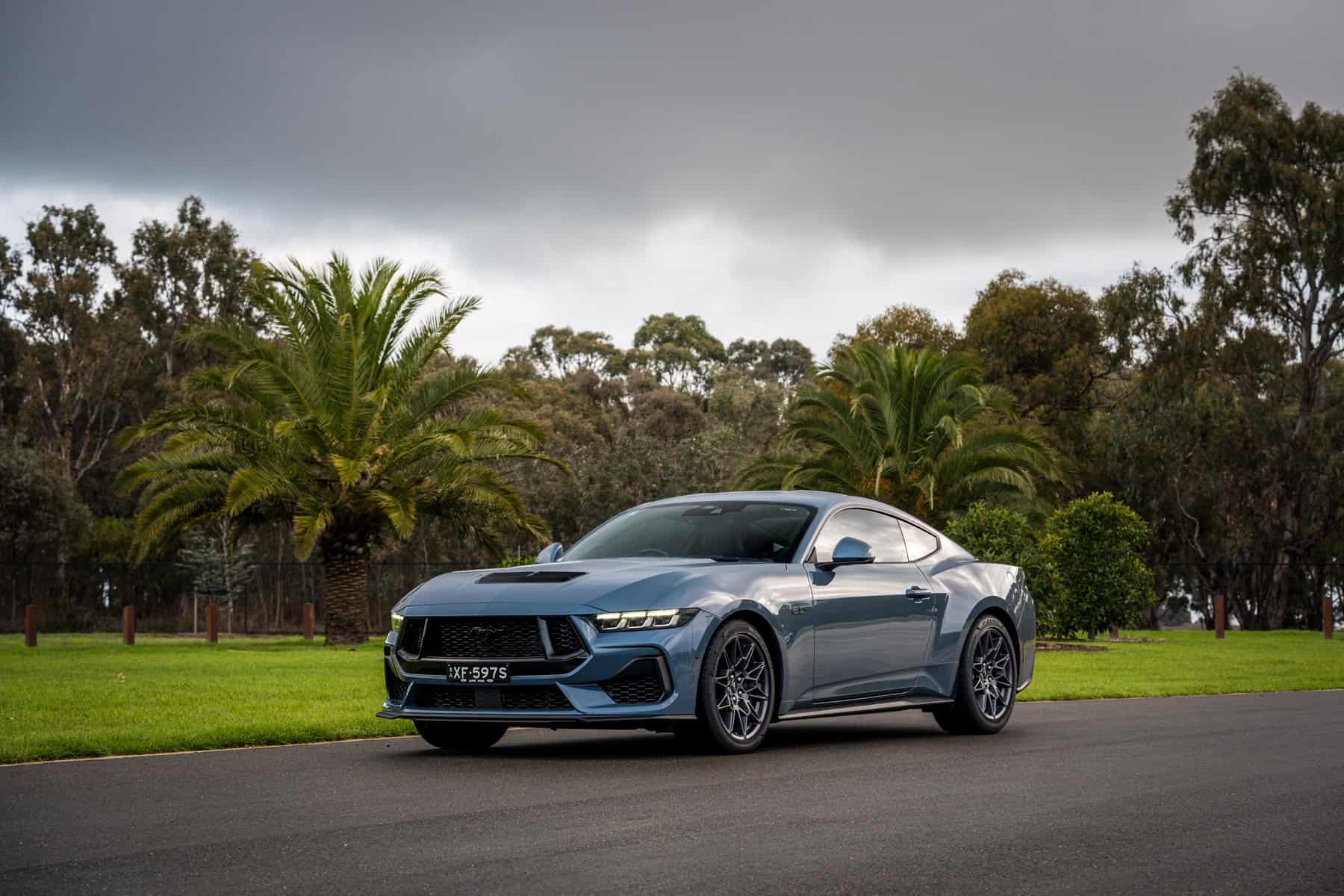
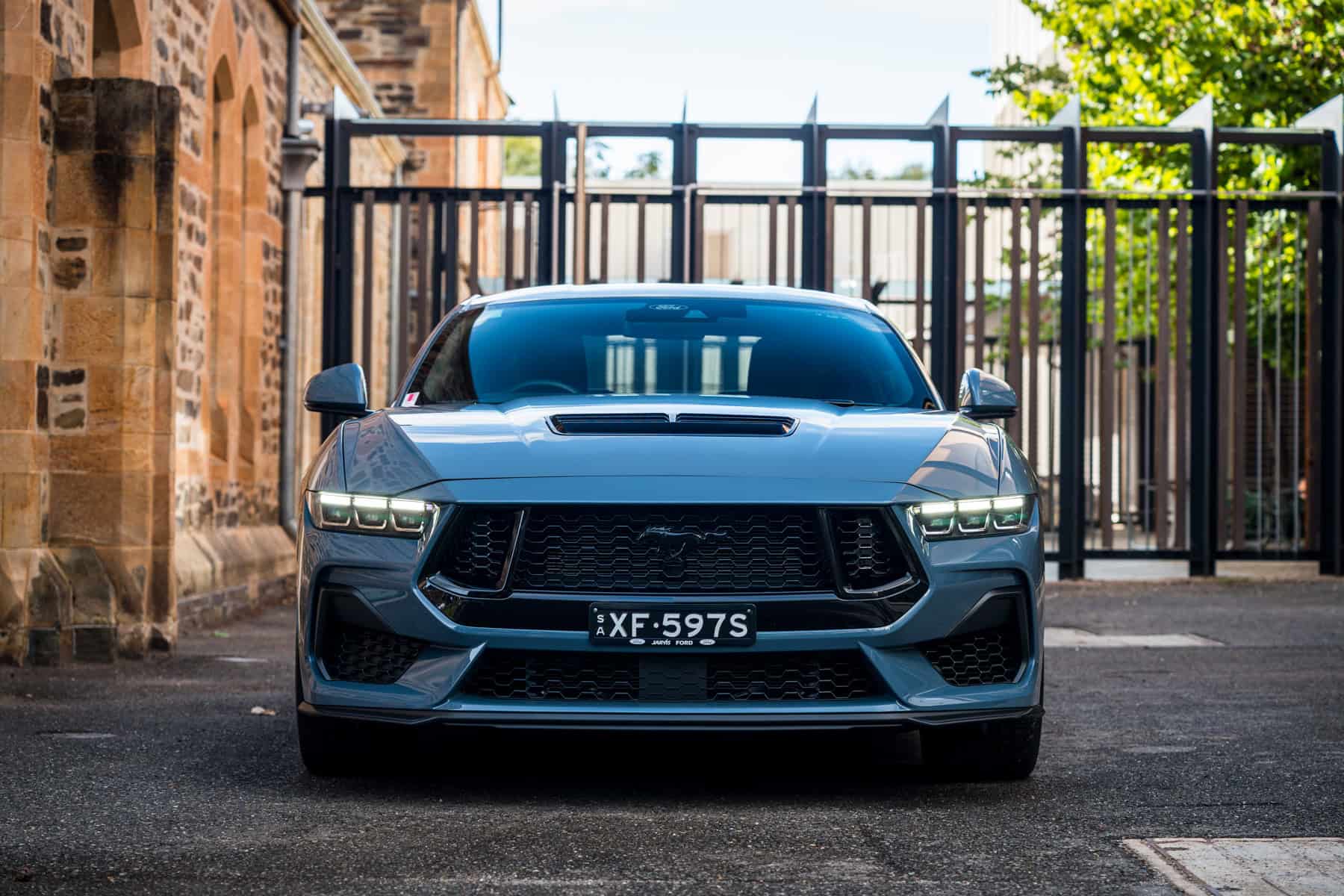
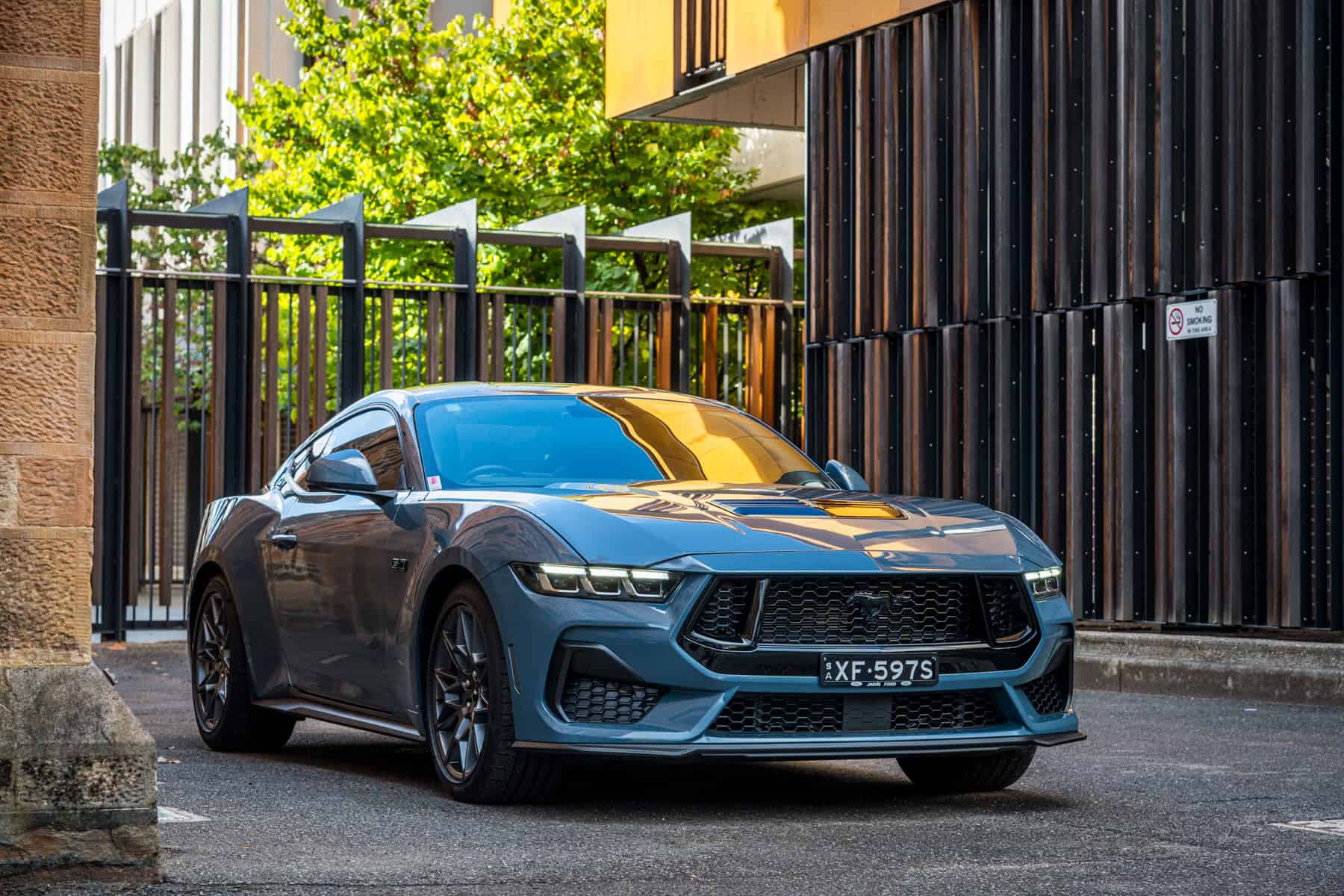
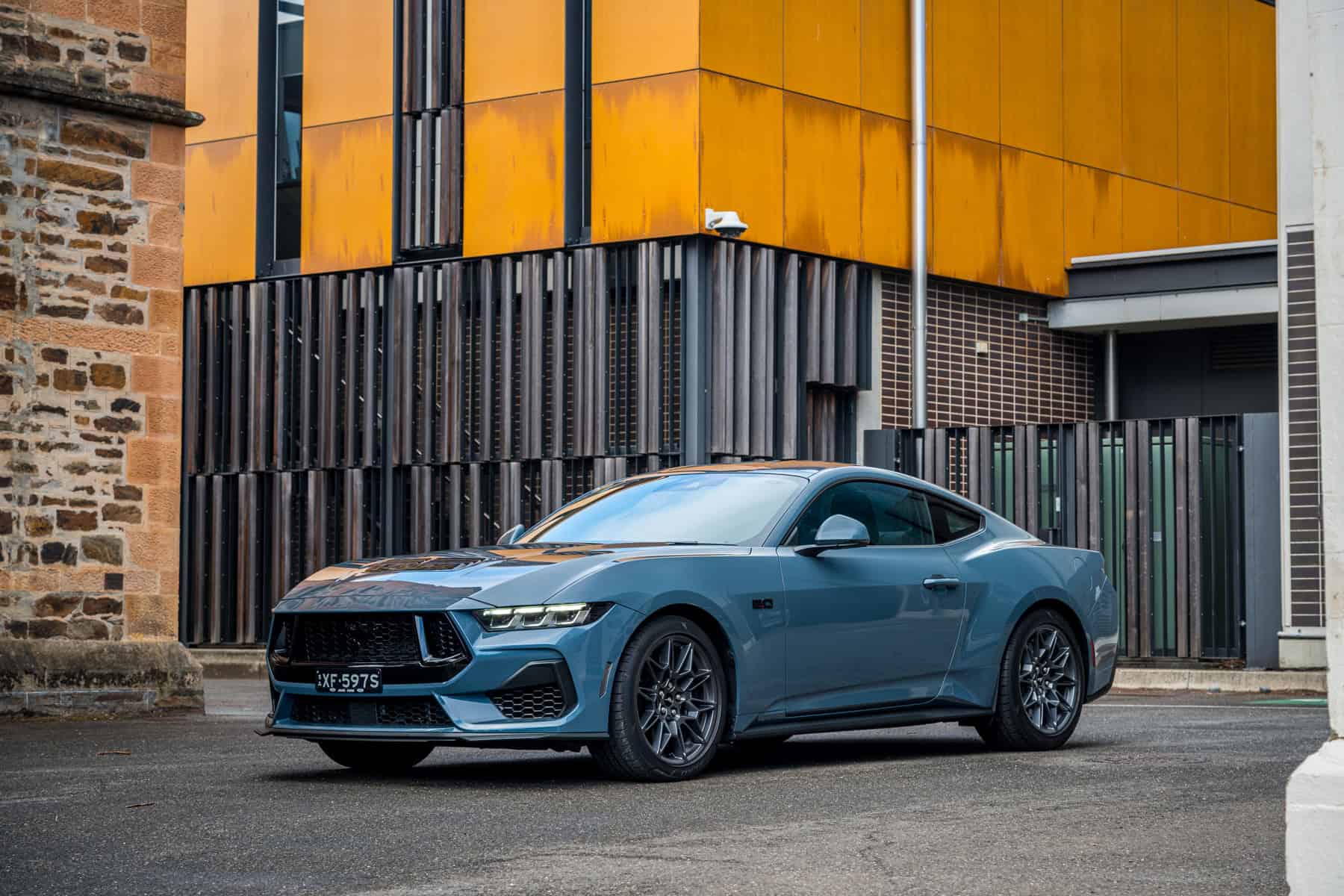
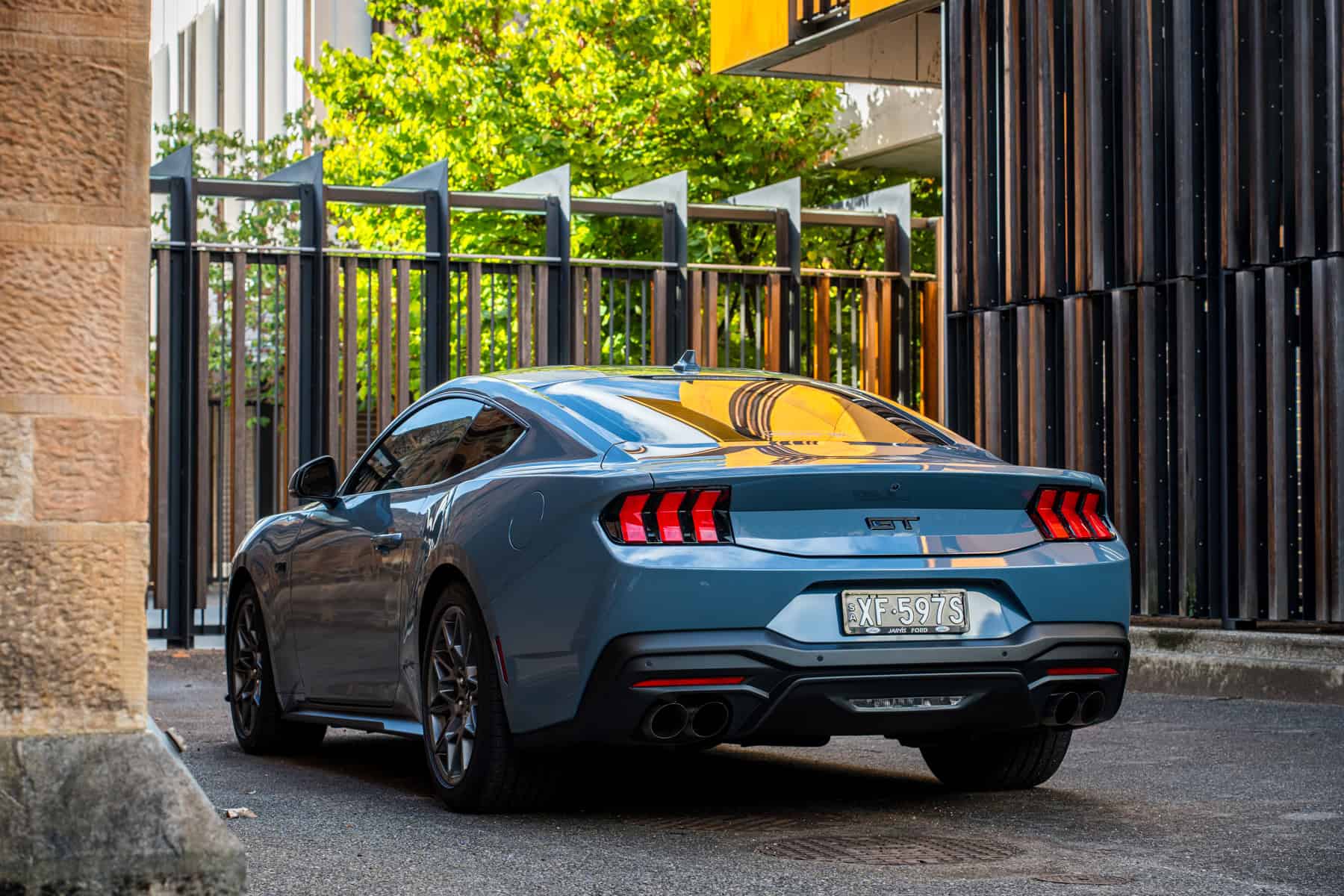
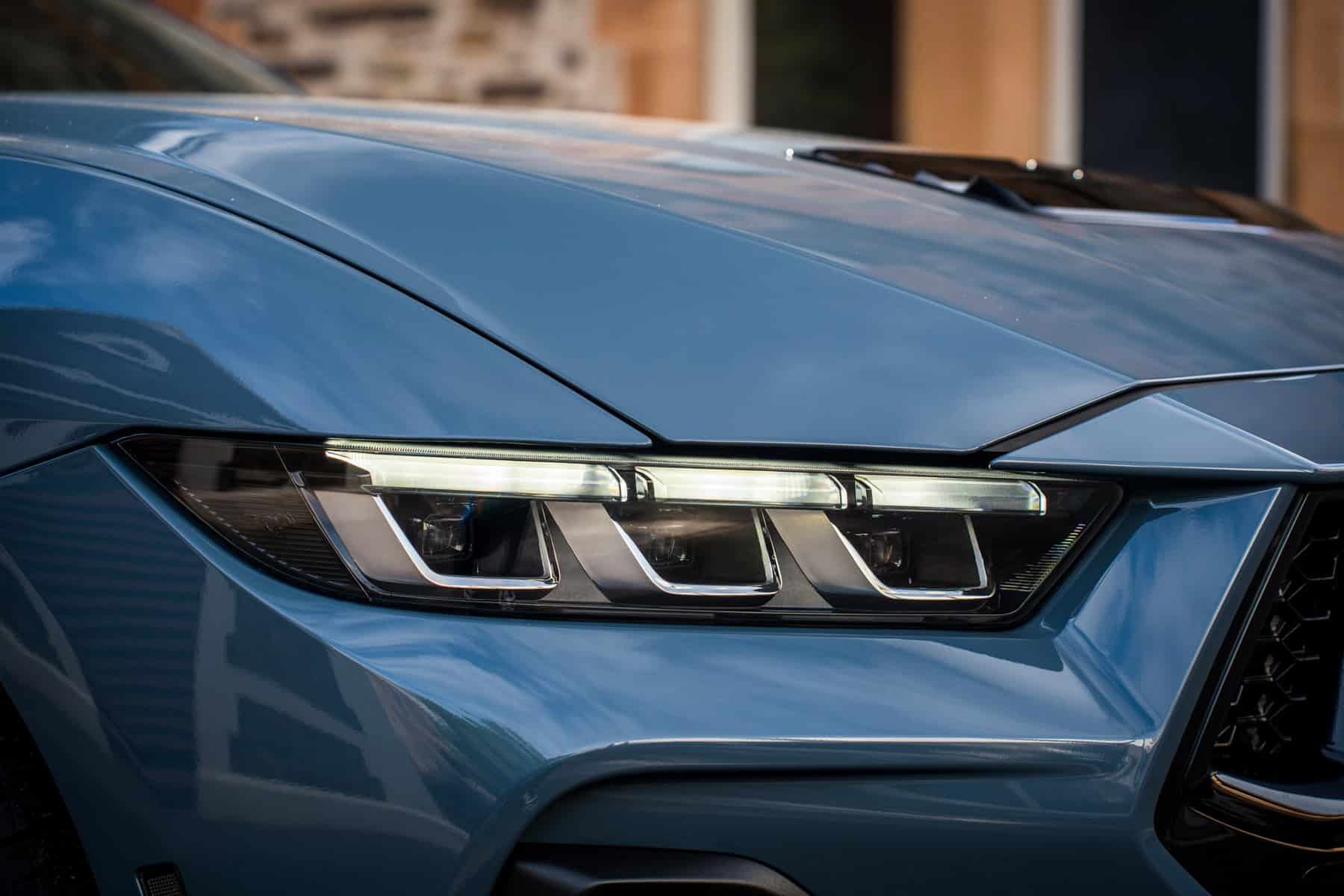
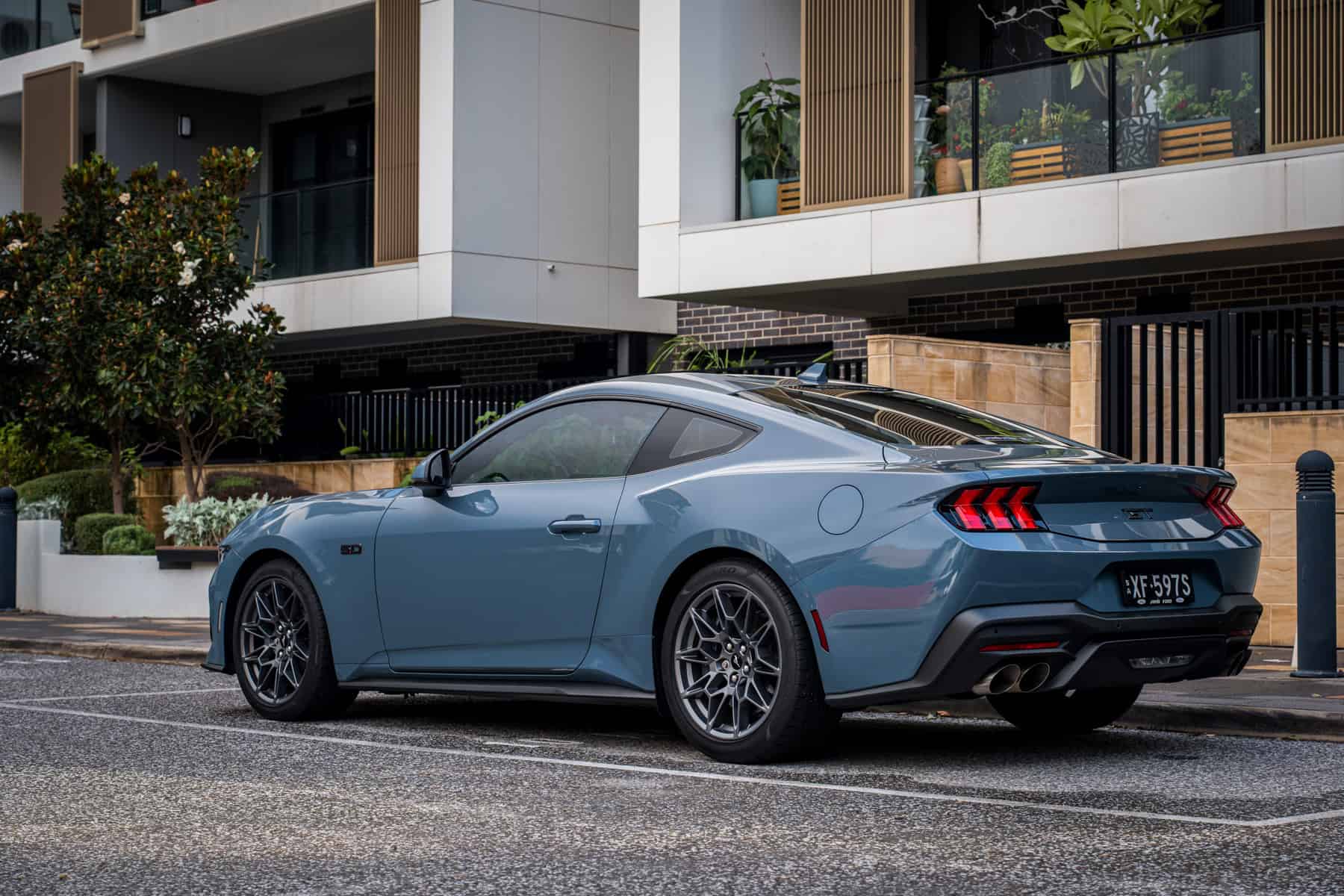
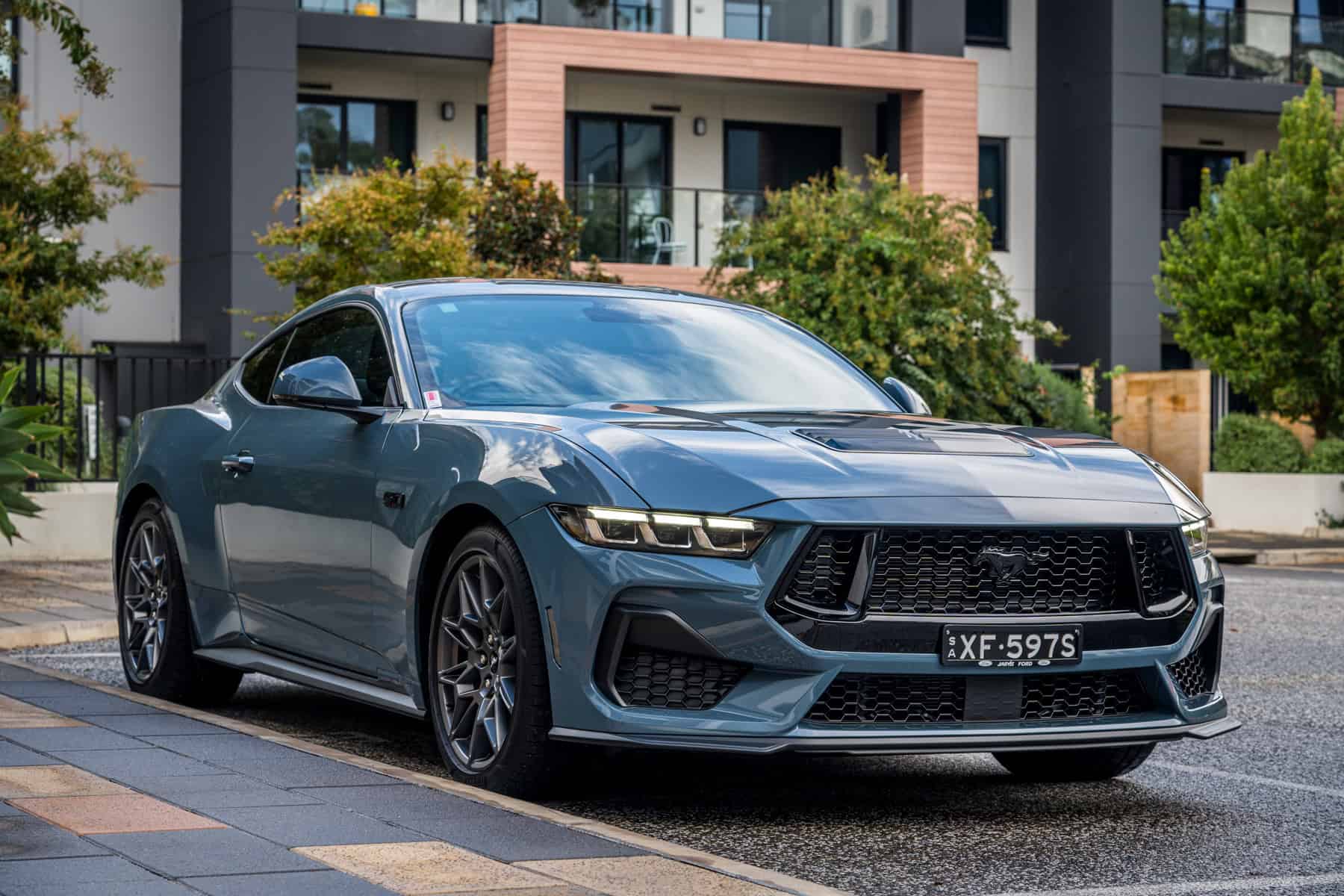
Recently, Ford Australia loaned me the Mustang GT Fastback you see here for a few days to find out just why this model’s appeal is so enduring – and just a day after handing back the keys, I’d hopped behind the wheel of a 1966 Fastback listed in RR Auctions’ April 2026 sale for comparison.
Right-hand drive Mustang production only began in 2015 with the launch of the sixth-generation model, while the current seventh-gen ‘S650’ model arrived in 2024.
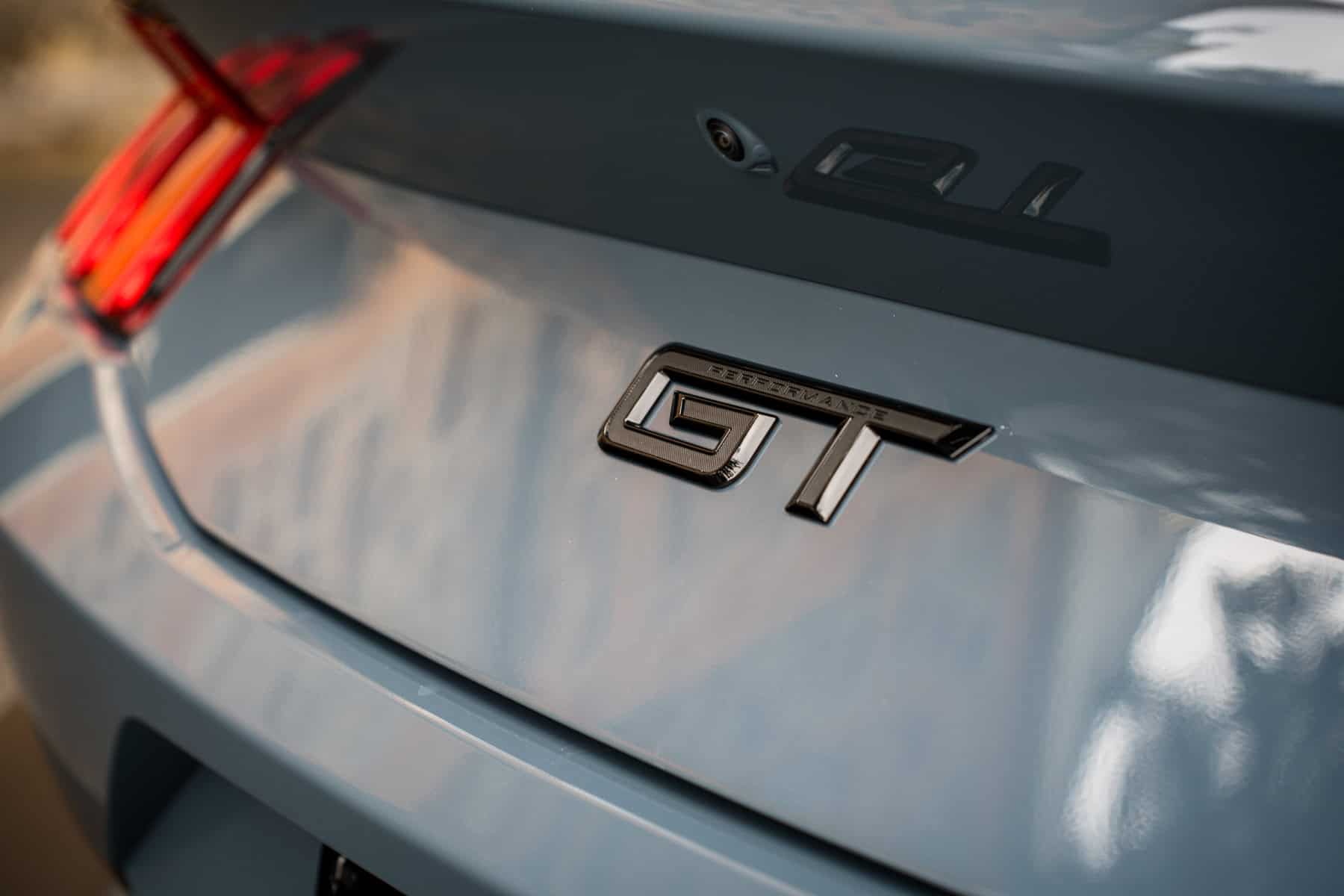
Although there’s an entry level EcoBoost model powered by a turbocharged four-cylinder, as far as we’re concerned the GT is the one you want.
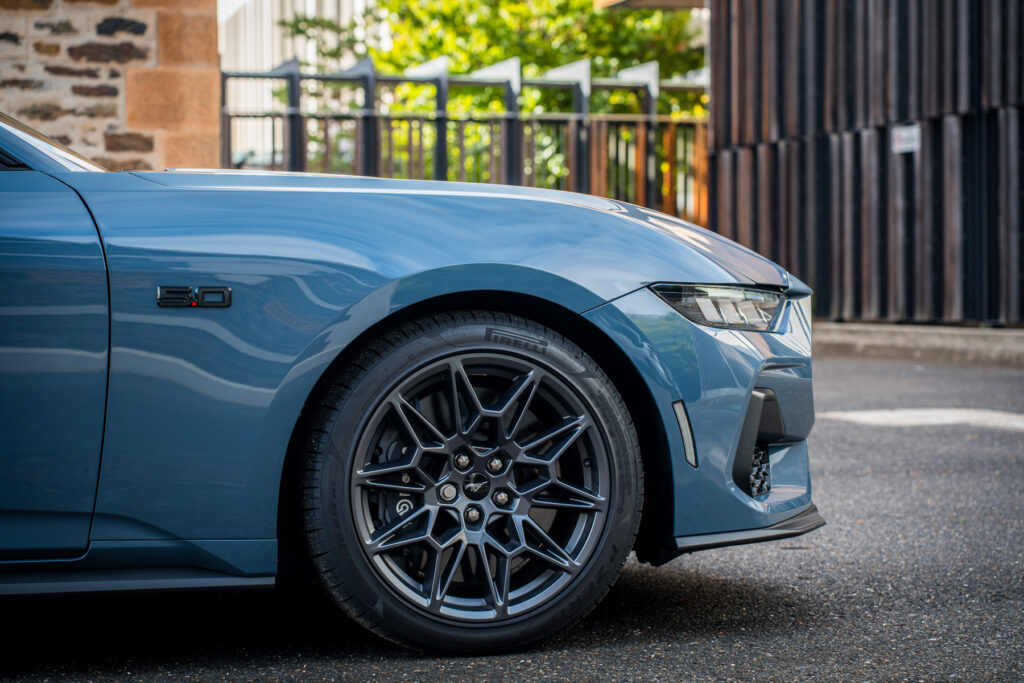
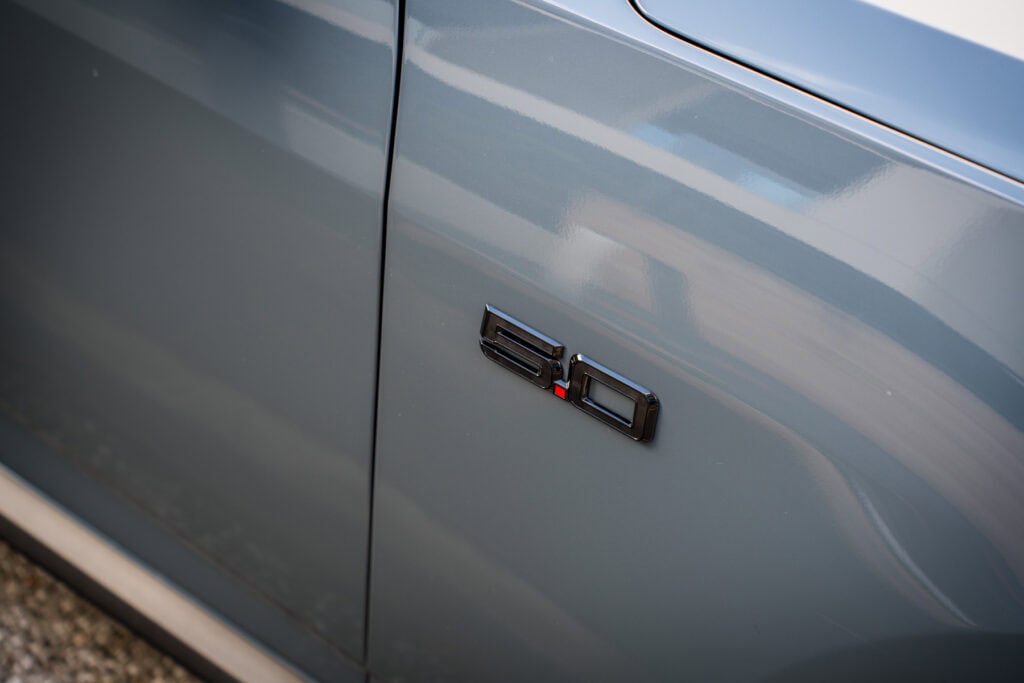
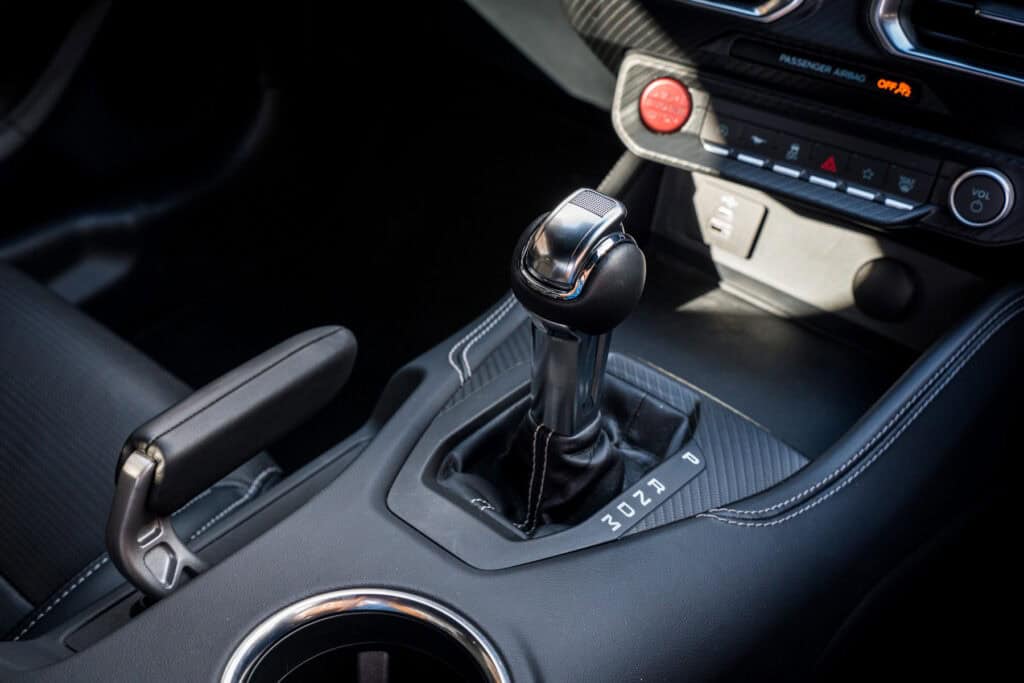
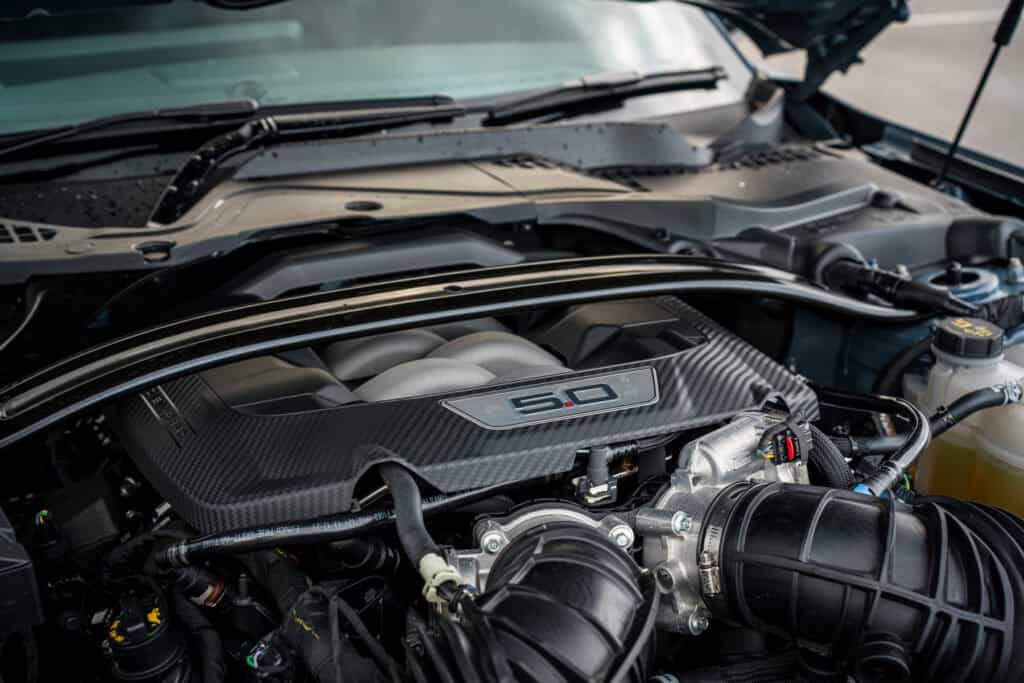
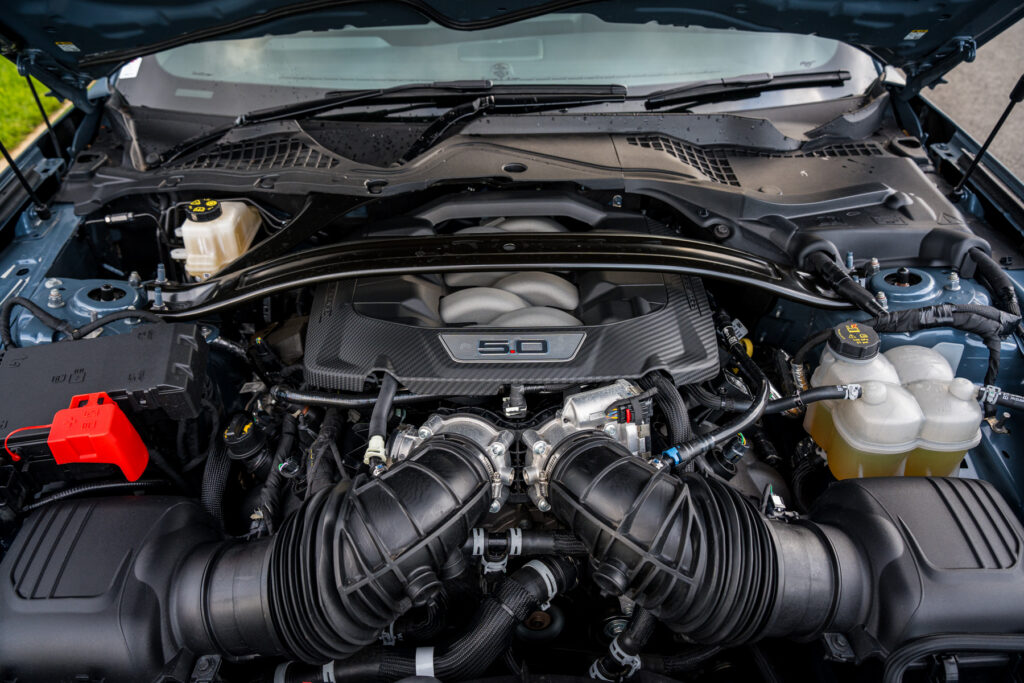
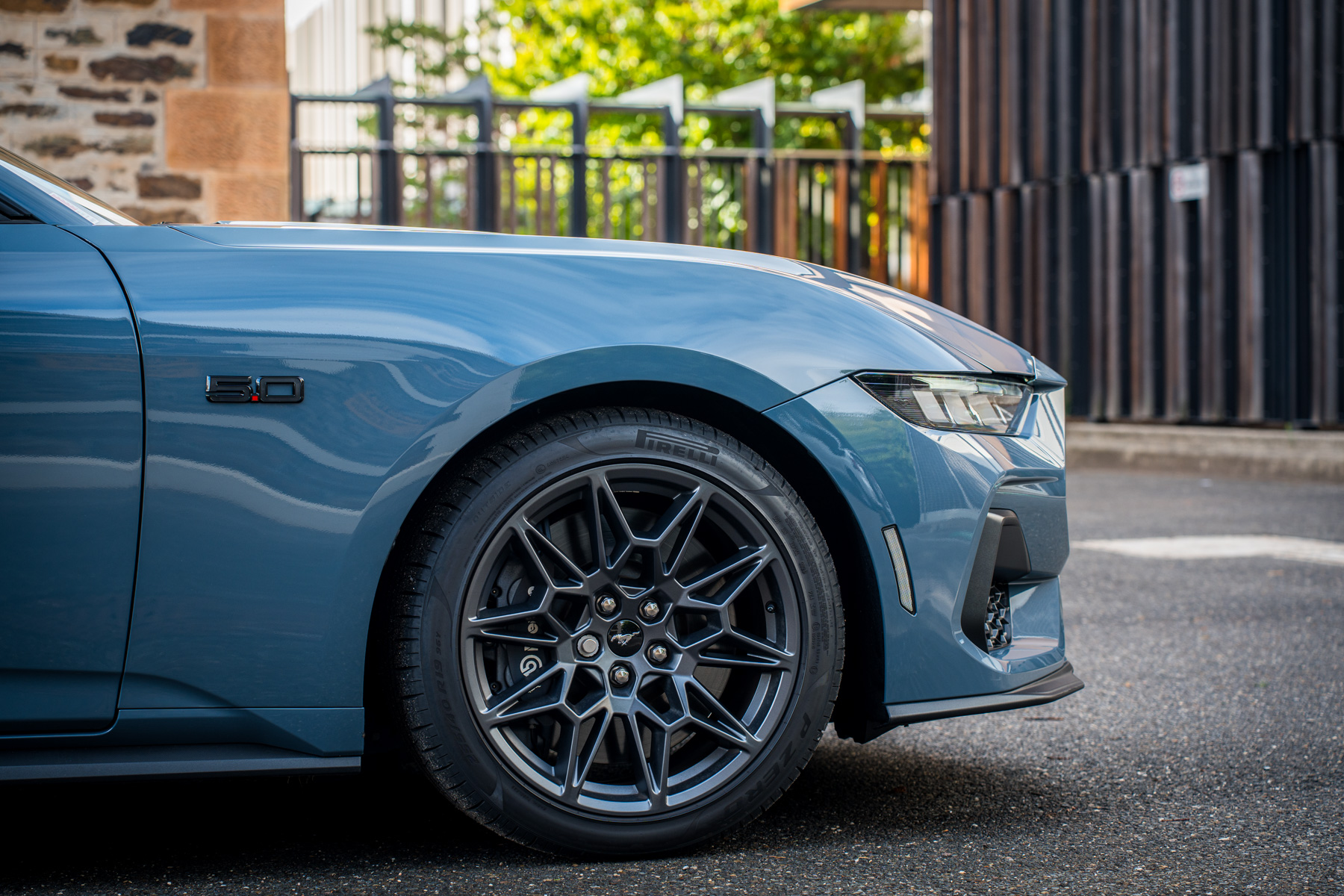
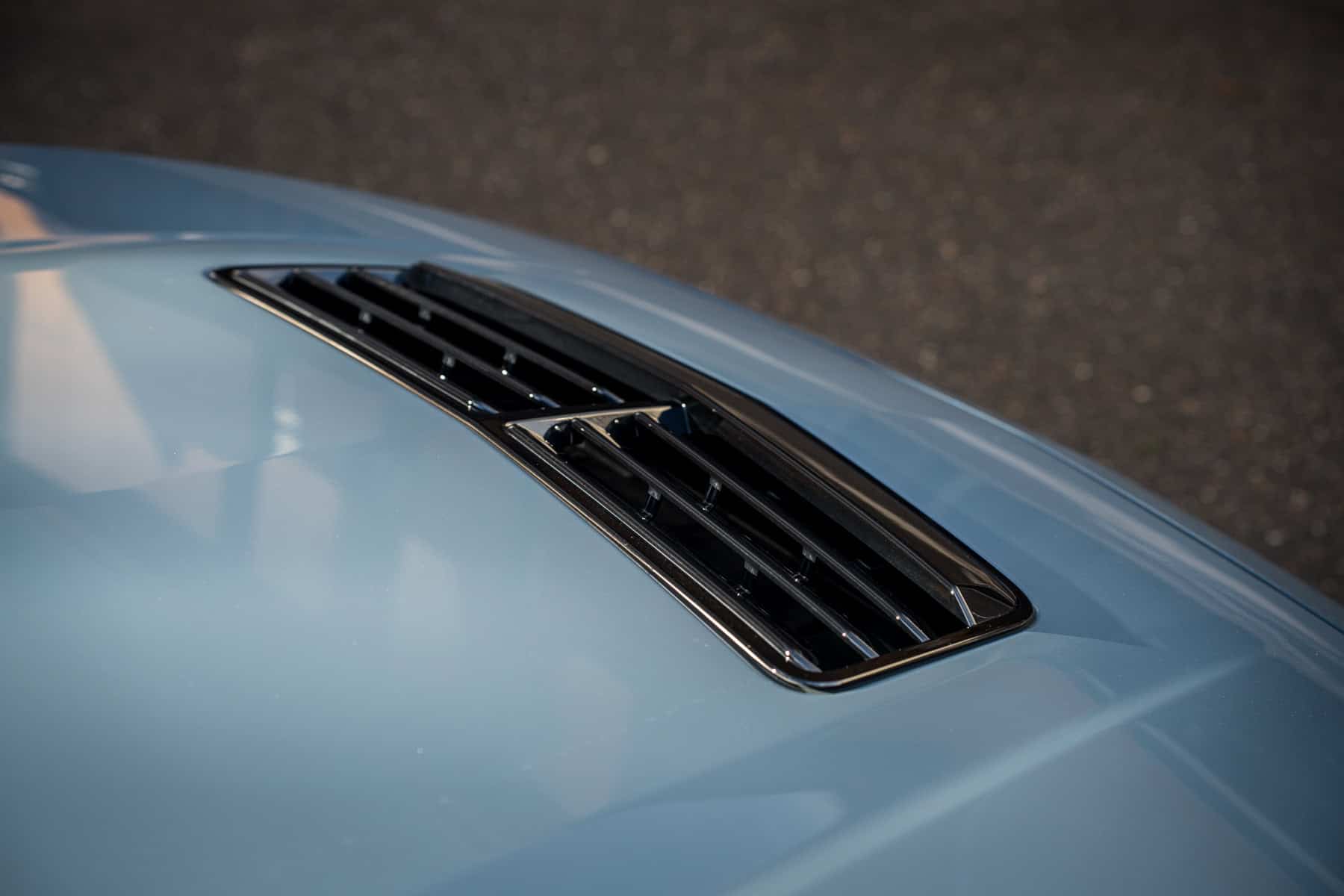
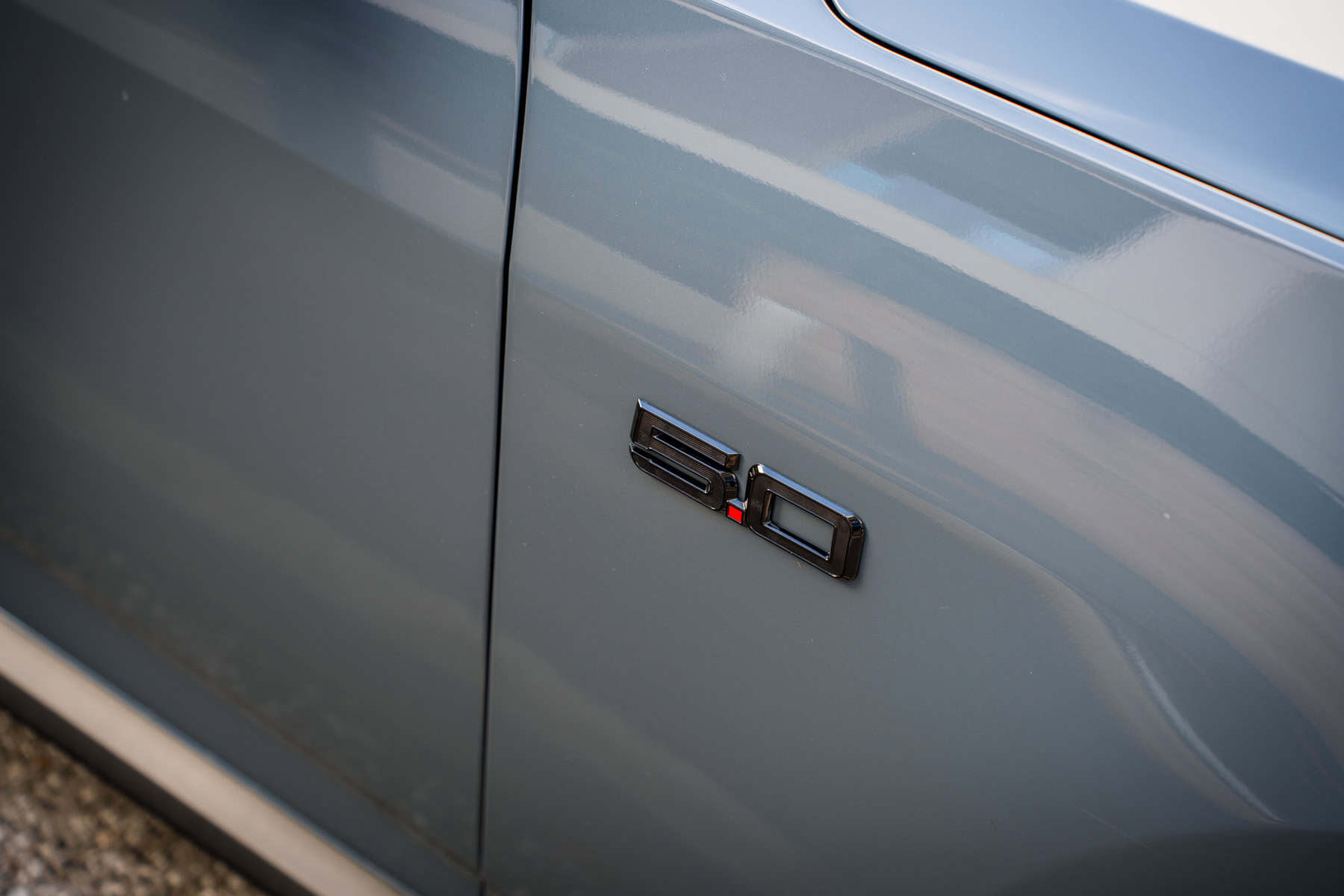
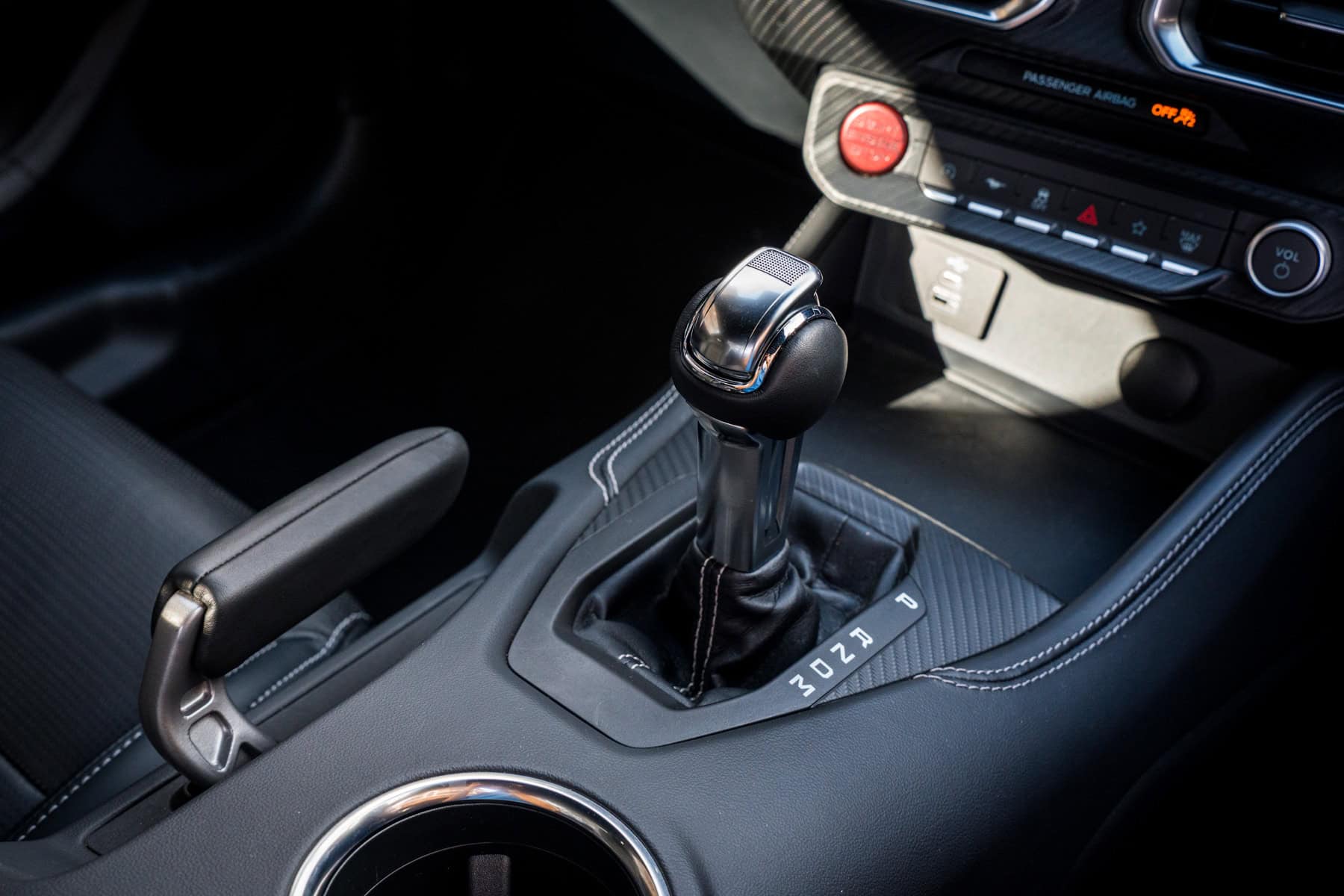
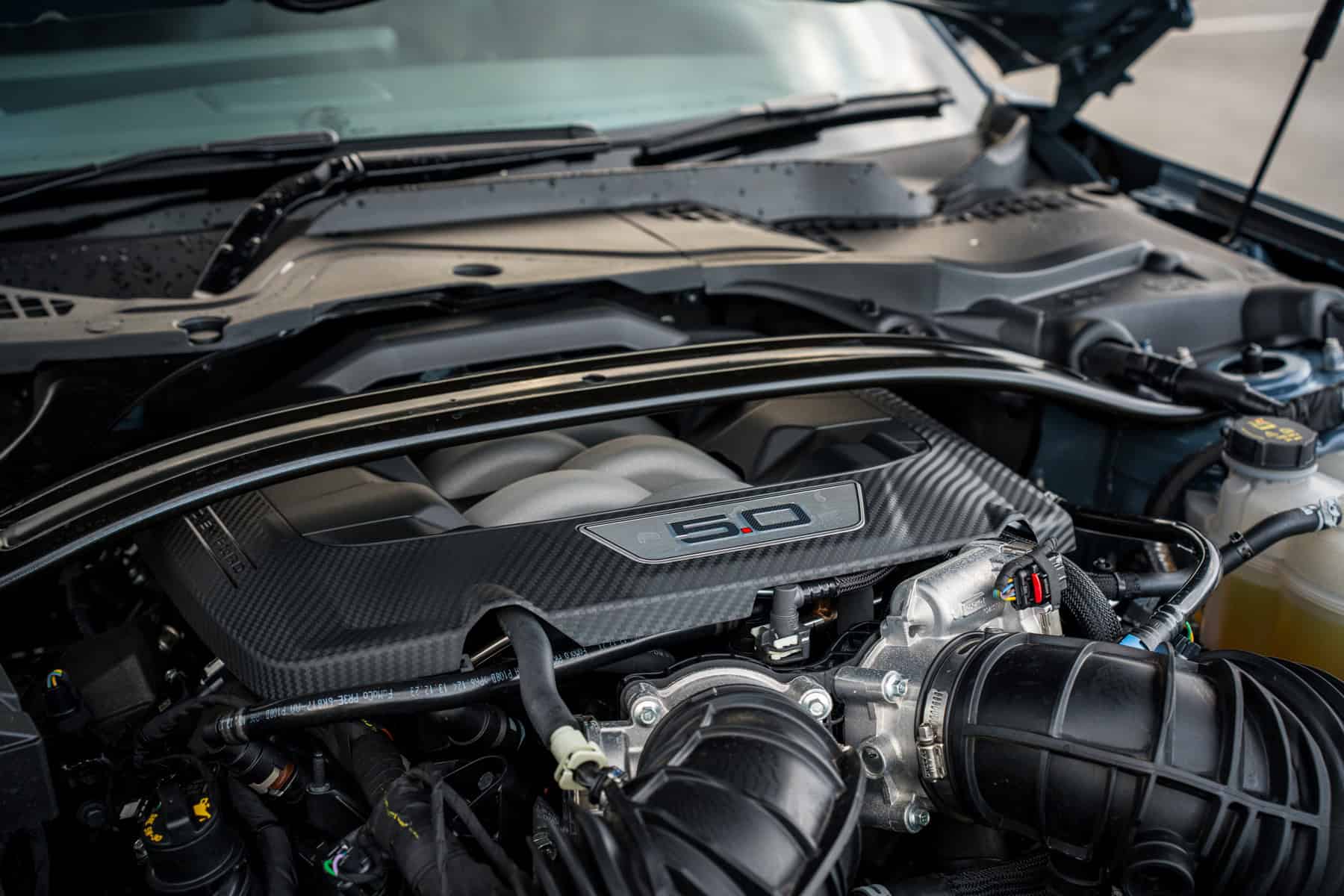
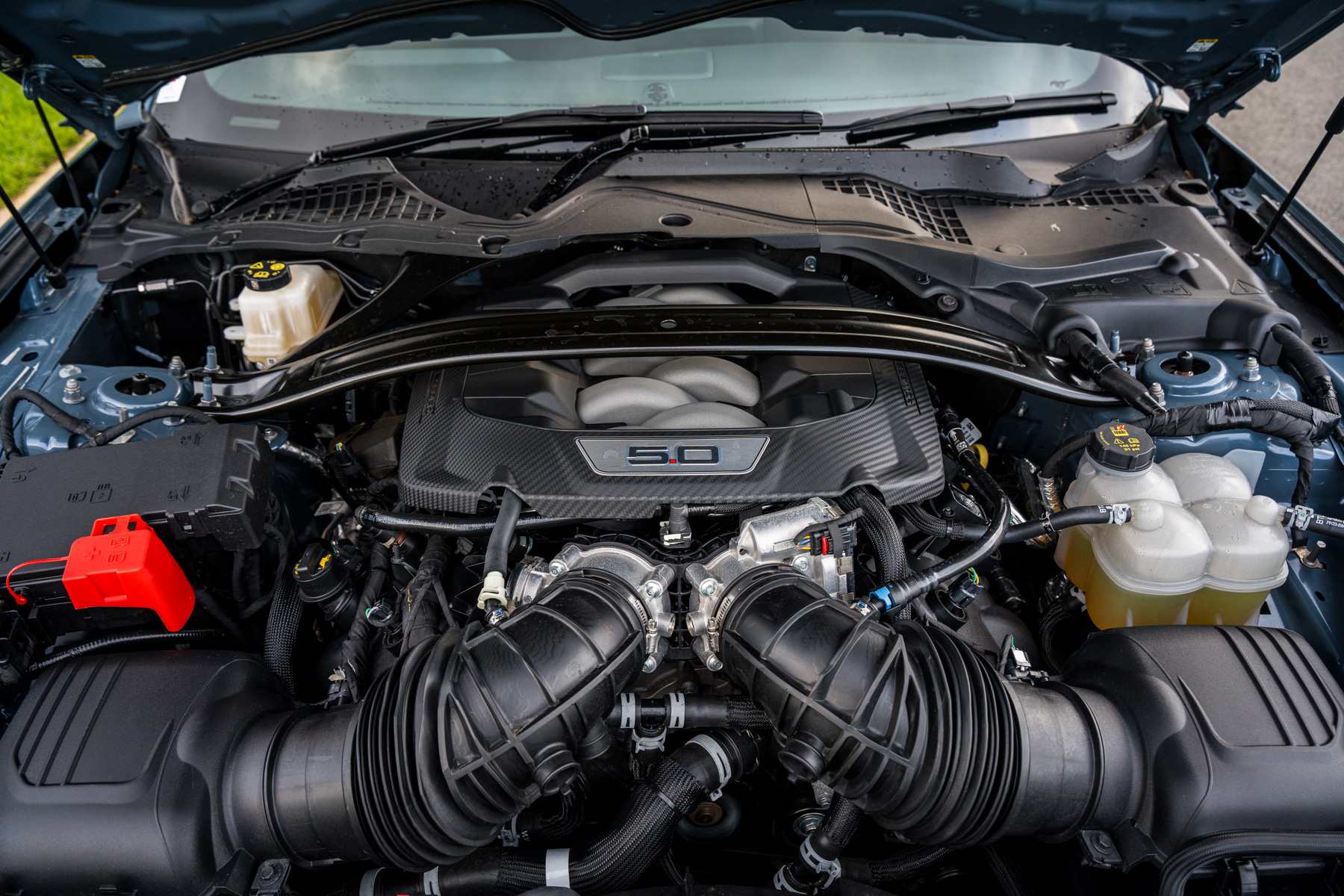
Powered by the 5.0-litre ‘Coyote’ V8 producing 345kW and 550Nm and backed by either a six-speed manual or 10-speed automatic, the Mustang still delivers the classic muscle car recipe with just the right amount of modern polish.
Punting it through the Adelaide Hills as the lead car on Drive Against Depression’s April Drive Day – an event which Ford Australia is a platinum sponsor of – the Mustang displayed an incredible amount of confidence even on the tight, twisty roads that define this part of the world.
Thanks to a limited-slip differential, big Brembo brakes and sticky tyres, this car grips, corners, and goes in a way that only existed in engineers’ wildest dreams back in the 1960s. As you’d expect with performance figures like this car delivers, it’s absolutely rapid in a straight line as well, all while making a mean noise with the exhaust set to Race mode.
However, there’s always the odd reminder that this isn’t your average sanitised modern performance car. Get a bit too exuberant and the tail end will happily slip out, although there’s plenty of steering angle and responsiveness to play with (thanks to an extensive amount of drive mode customisation) to control it.
There’s also a ‘drift brake’ and line lock feature to turn those rear tyres into clouds of smoke, although I refrained from doing so with this loaner.
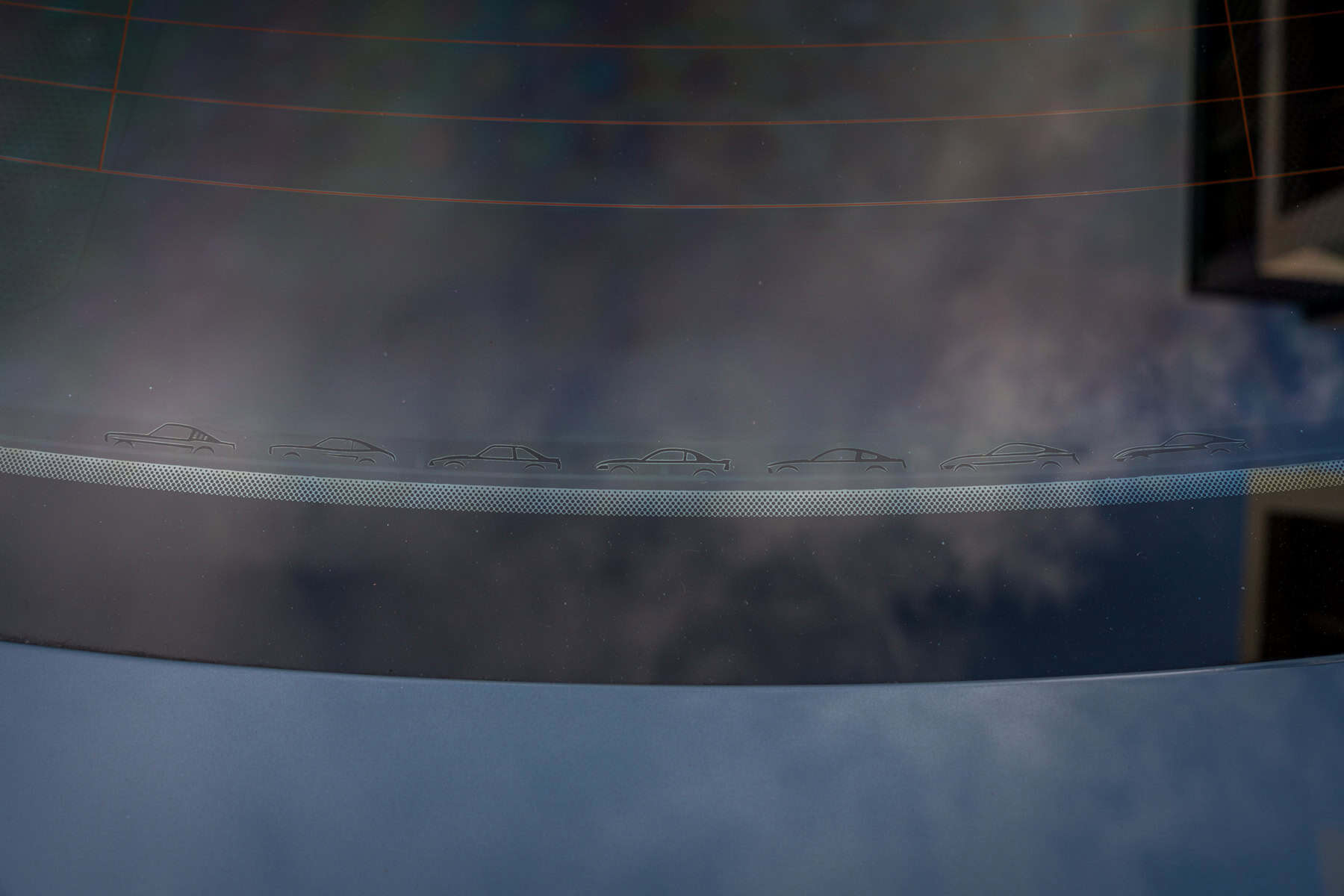
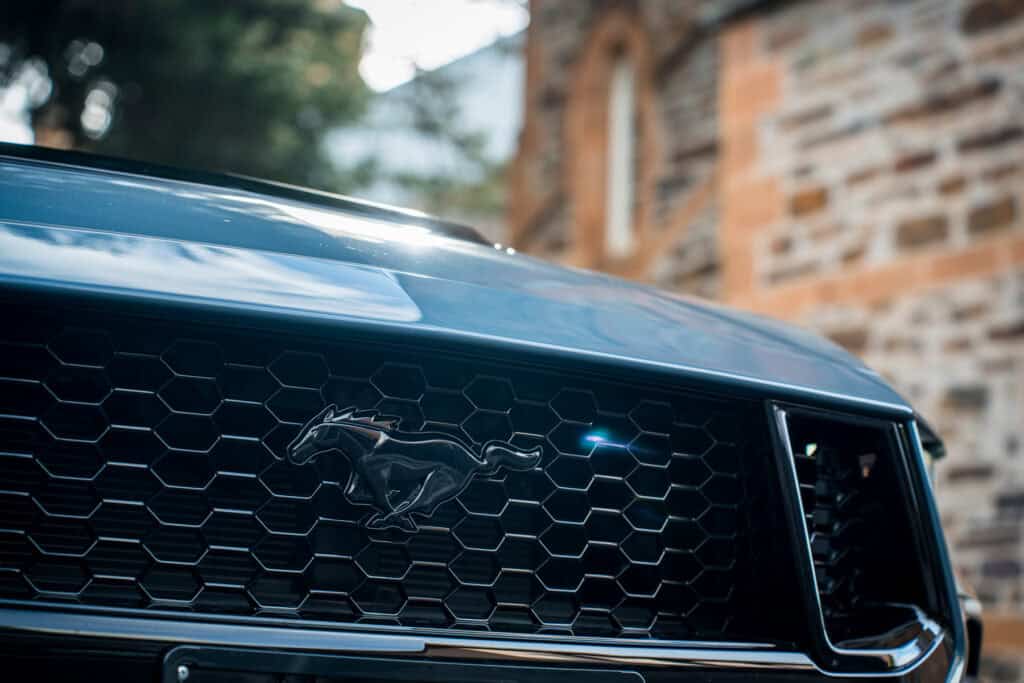
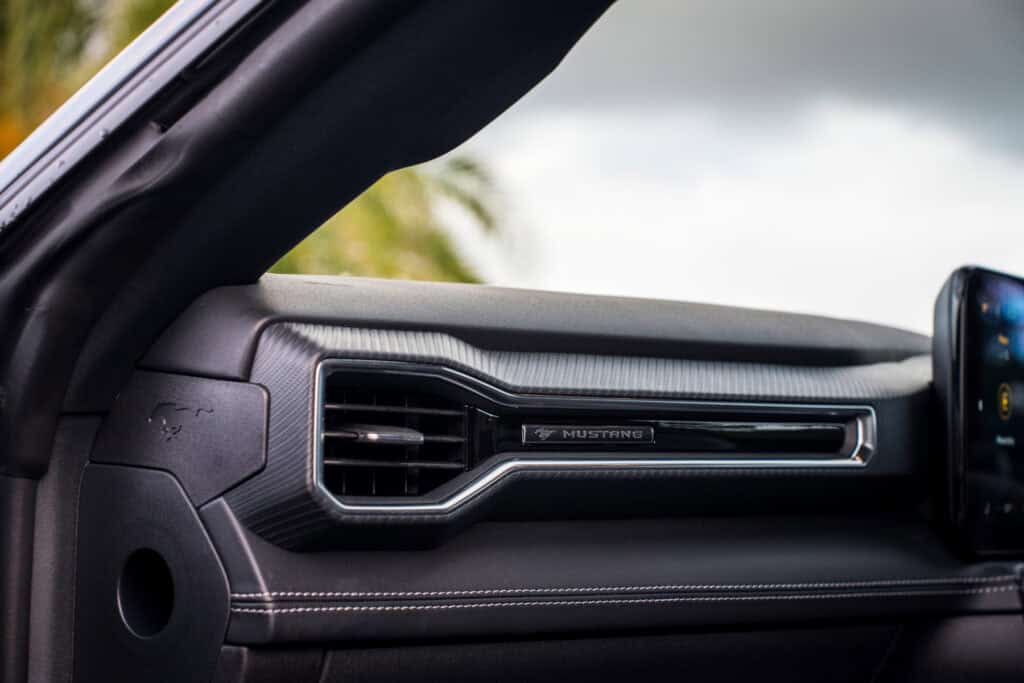
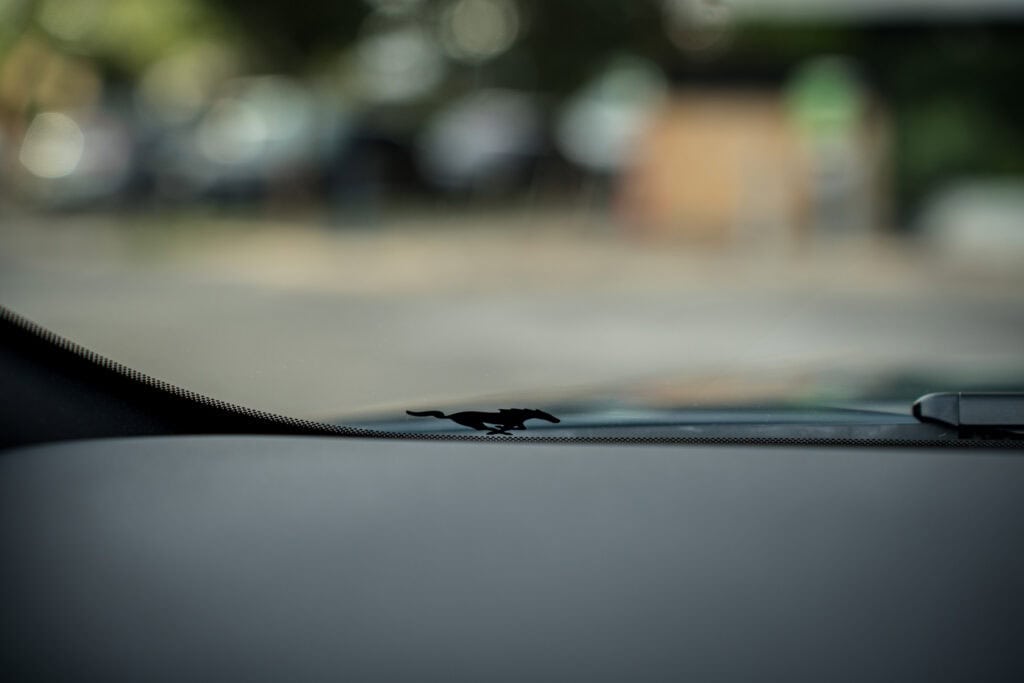
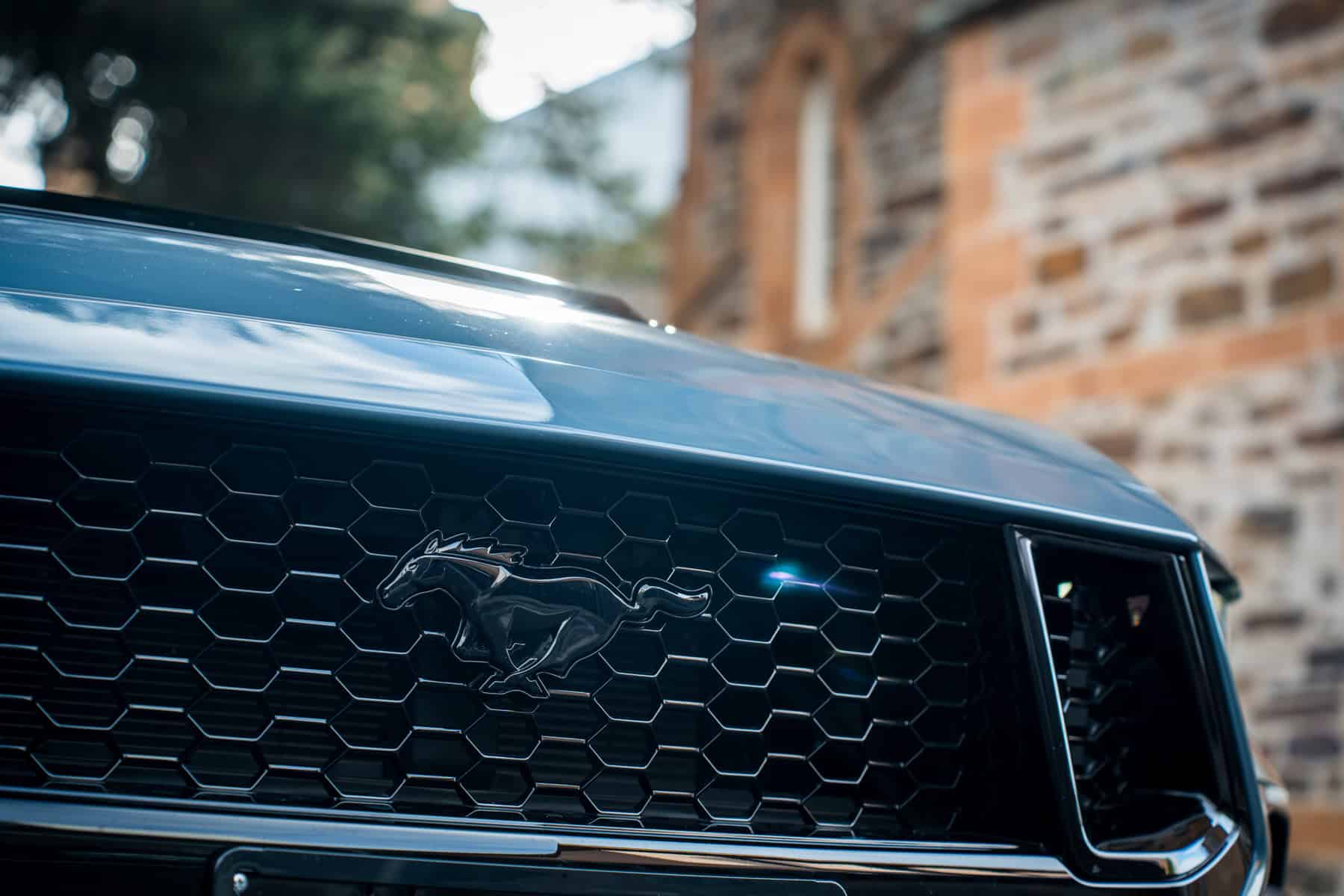
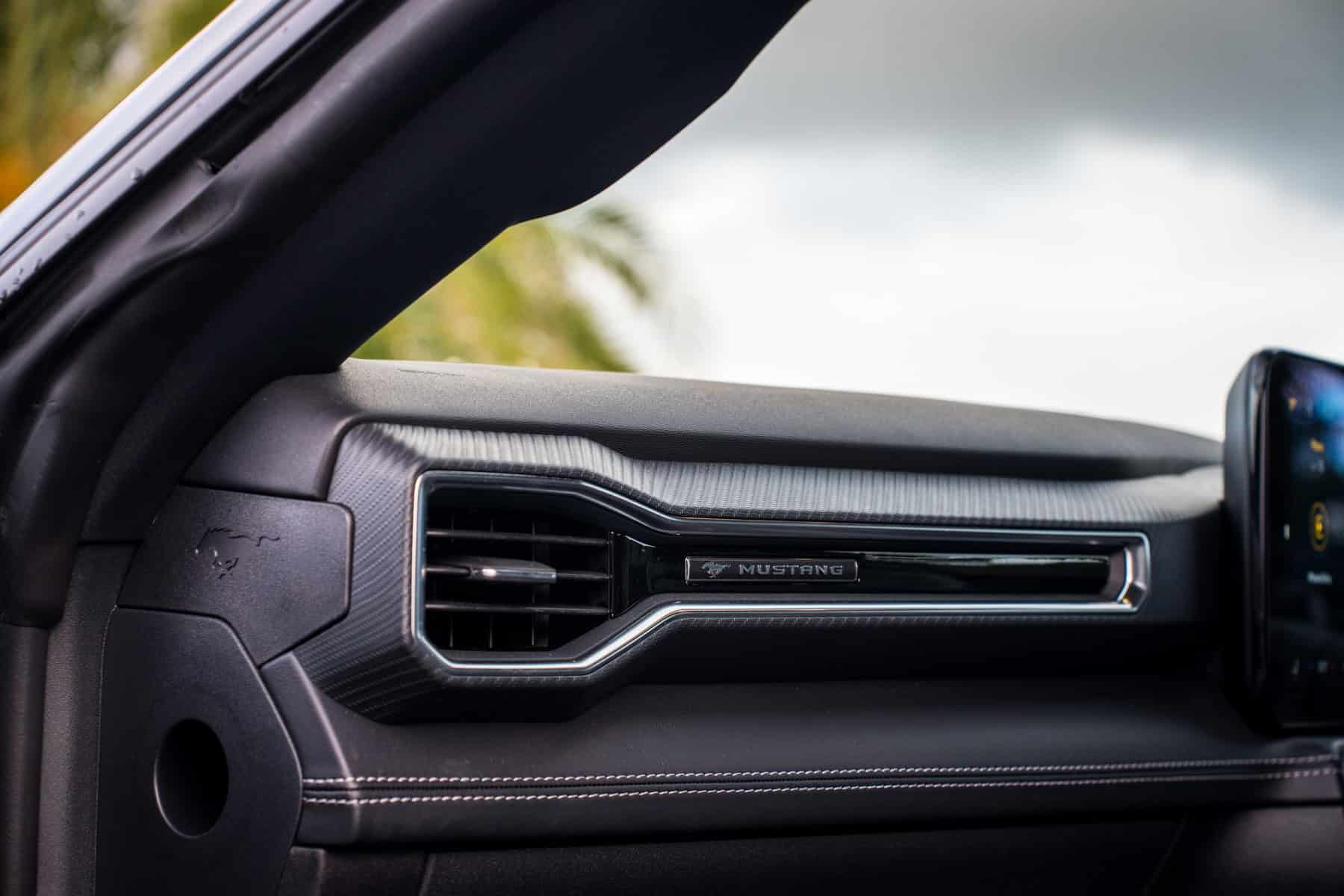
But perhaps what solidifies this car’s appeal most of all is that it knows where it has come from, with plenty of little hidden touches scattered throughout that give a nod to its history.
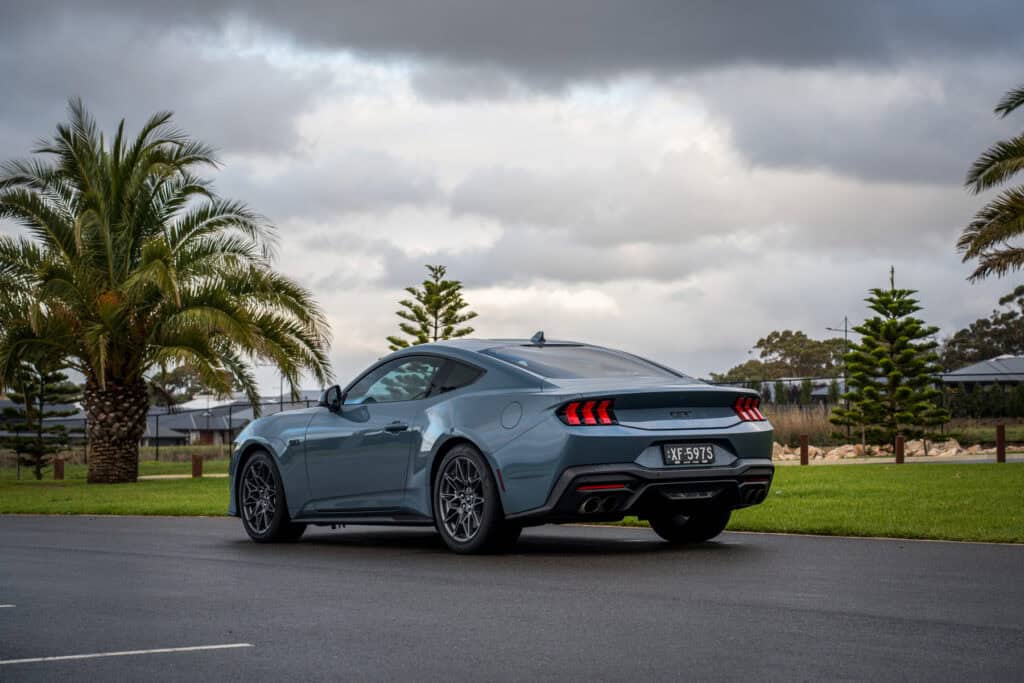
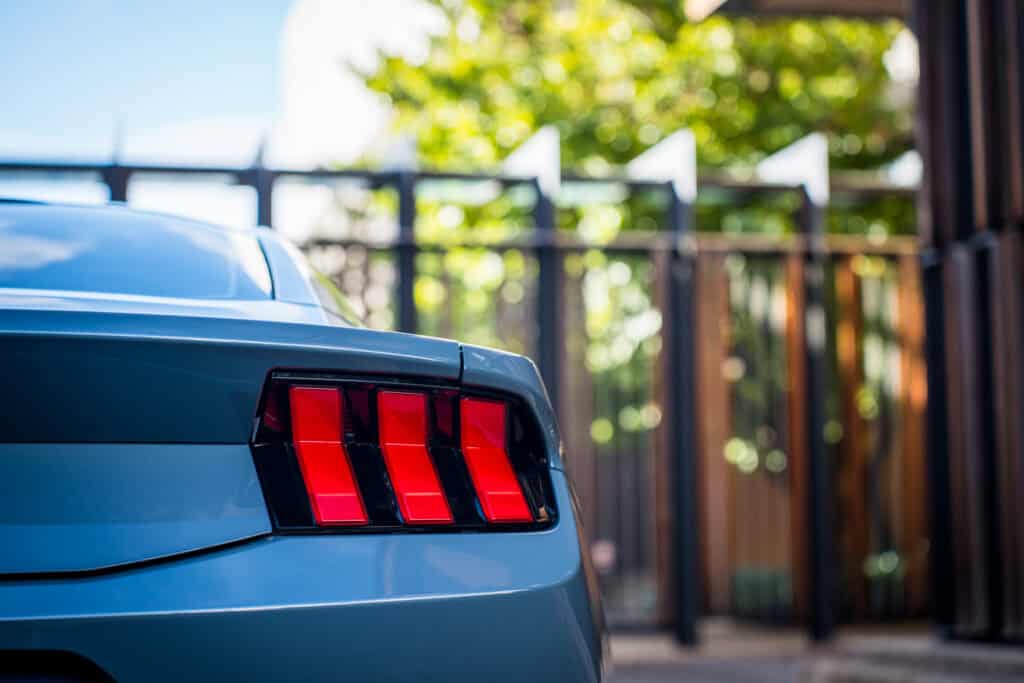
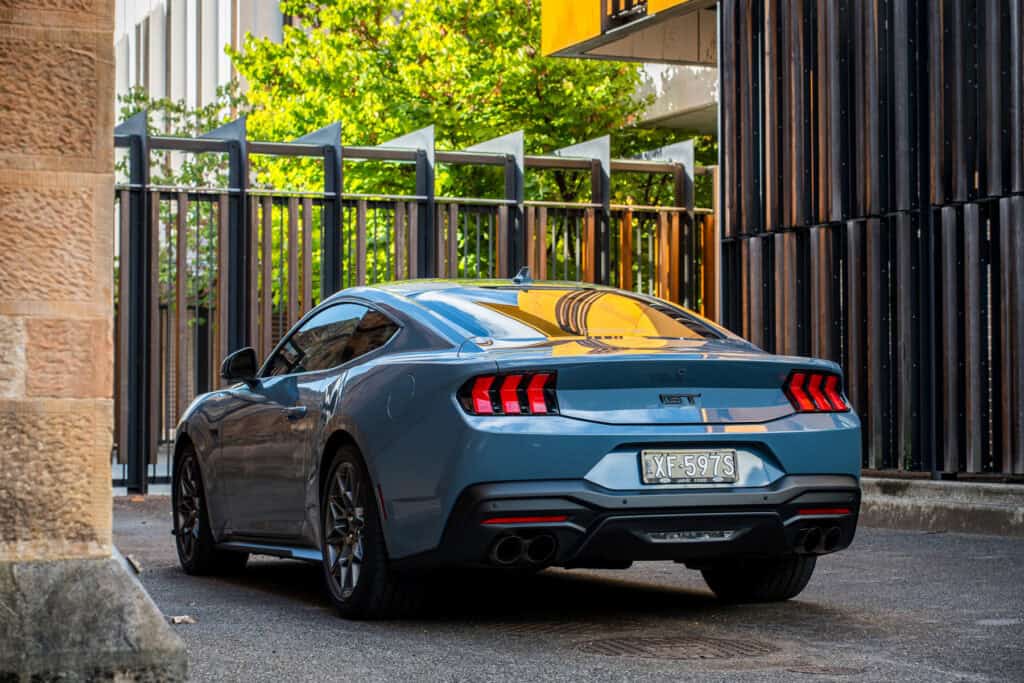
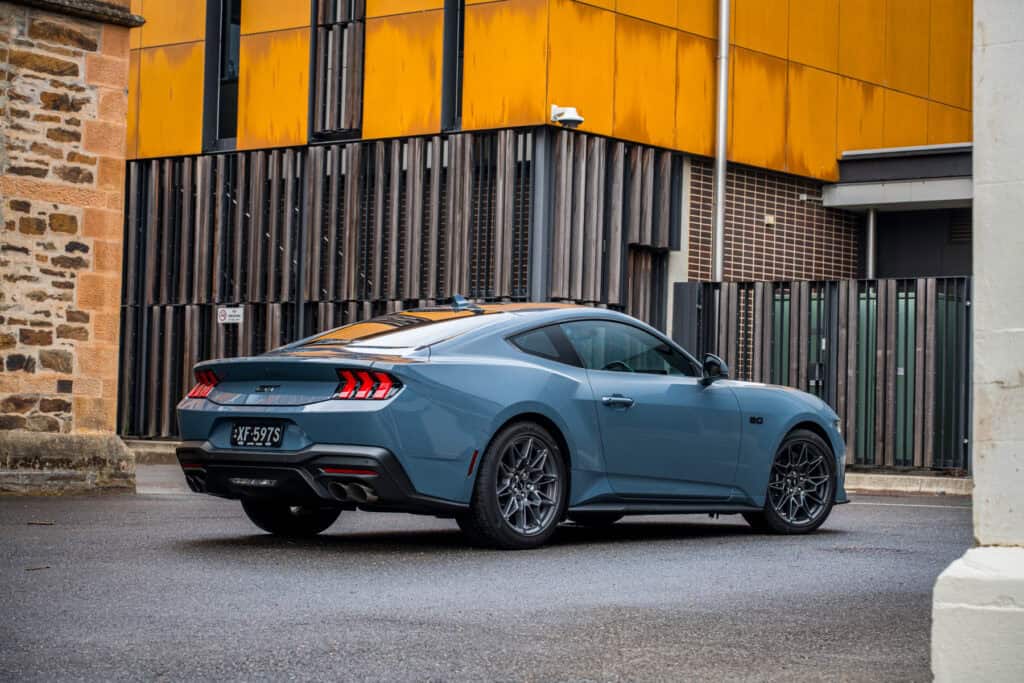
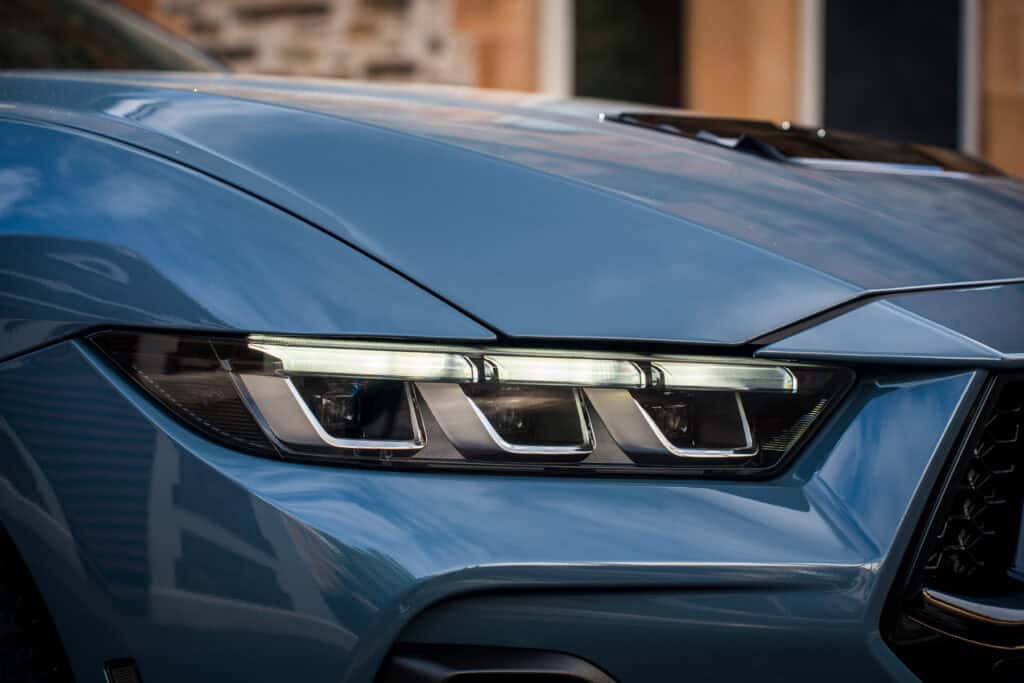
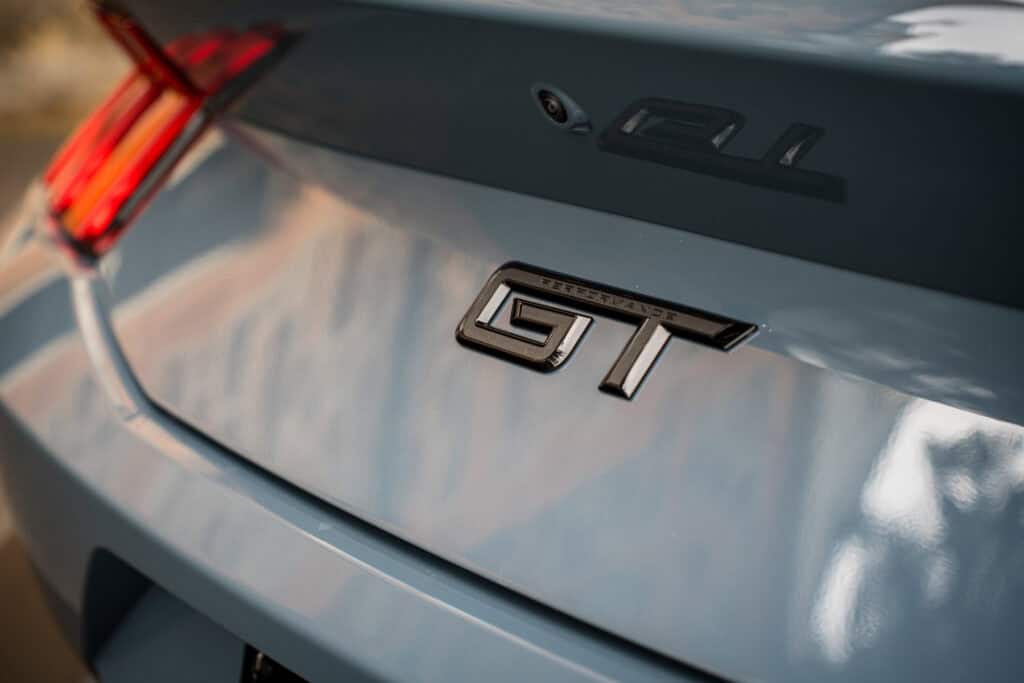
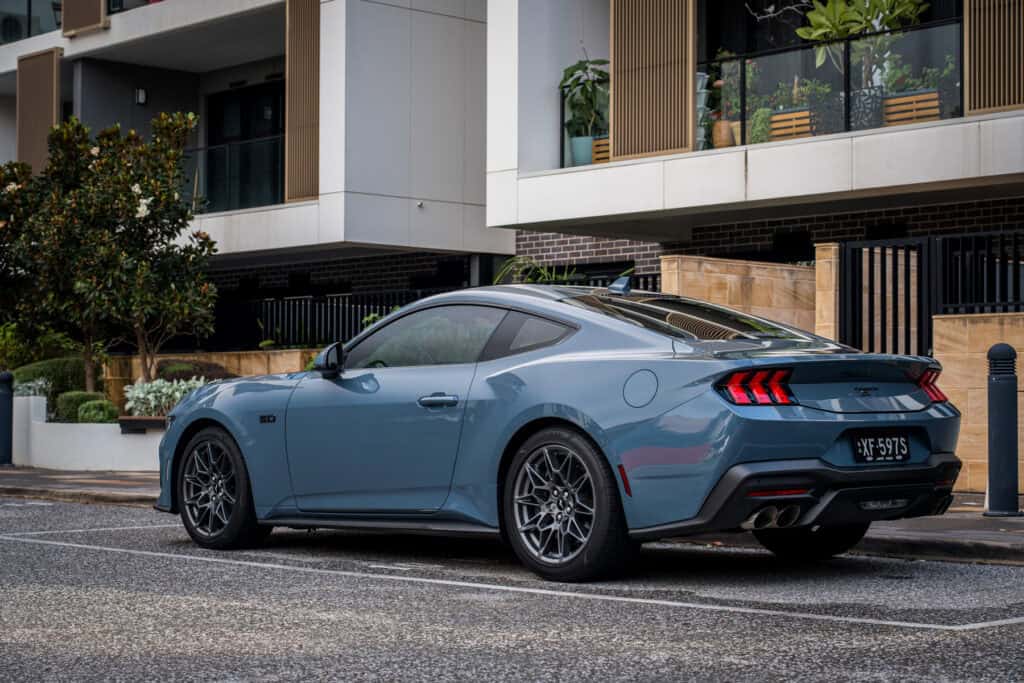
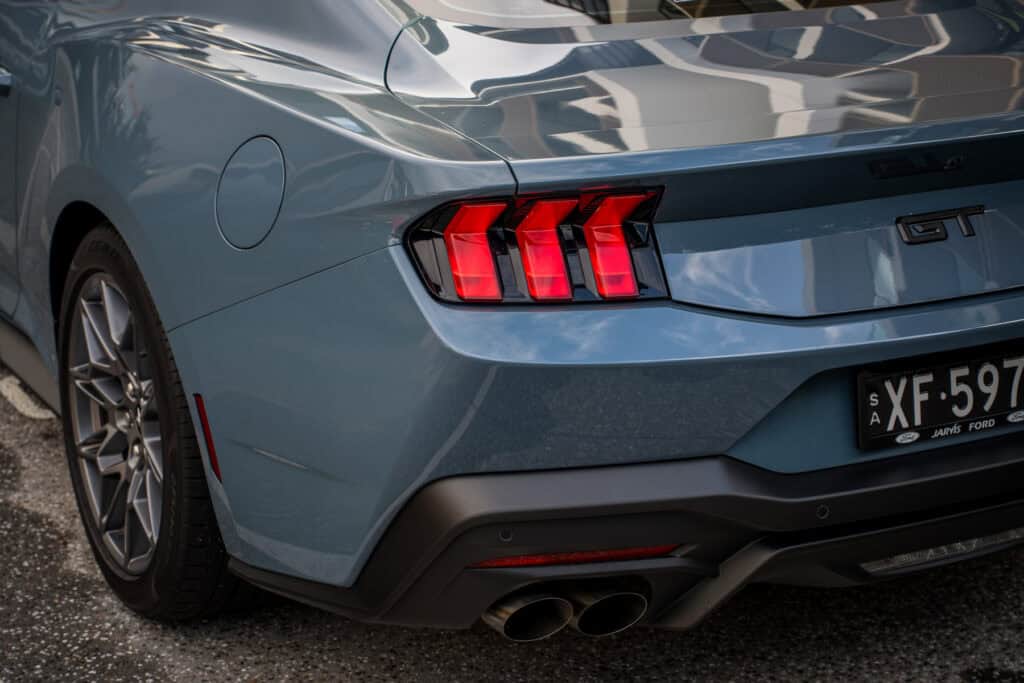
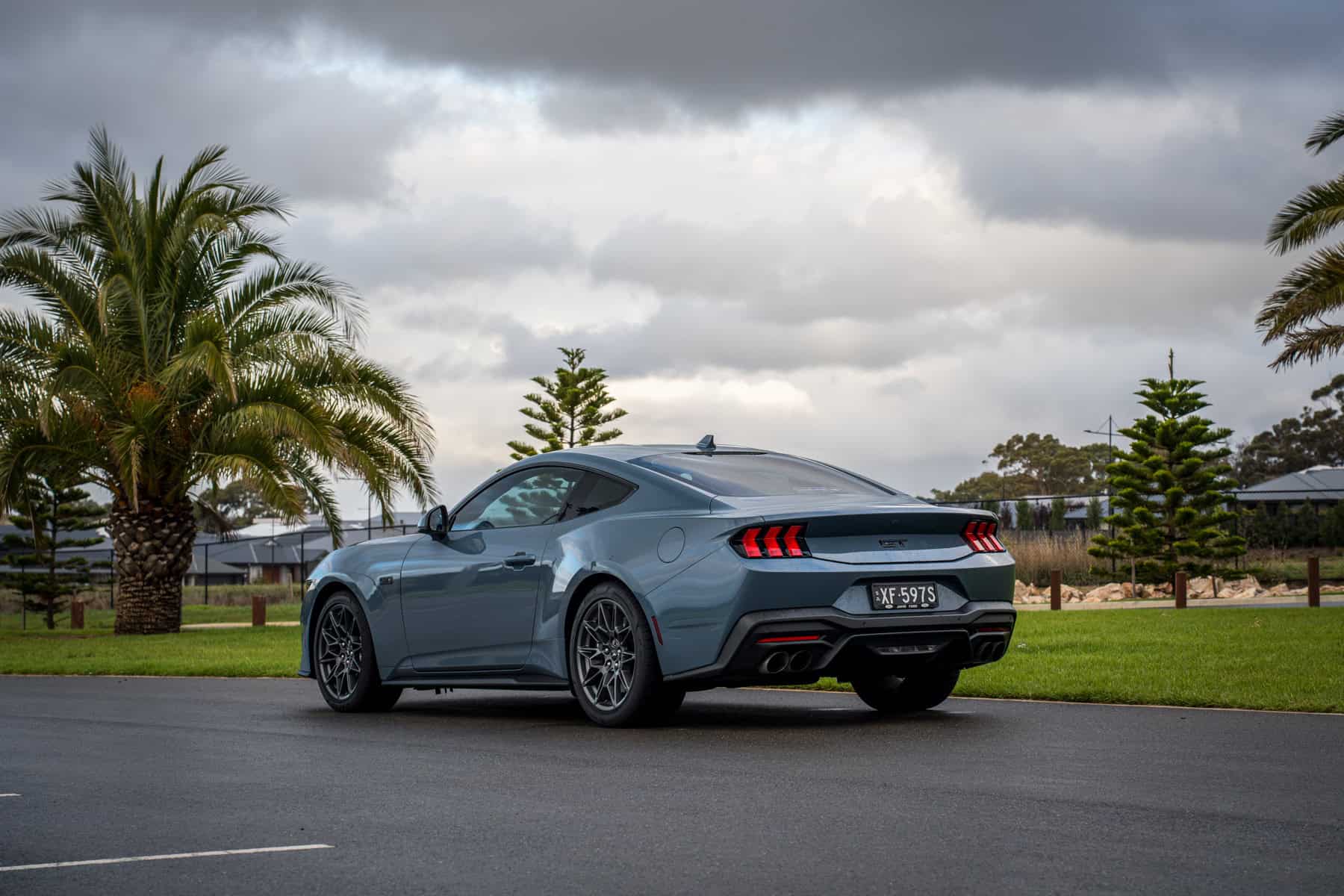
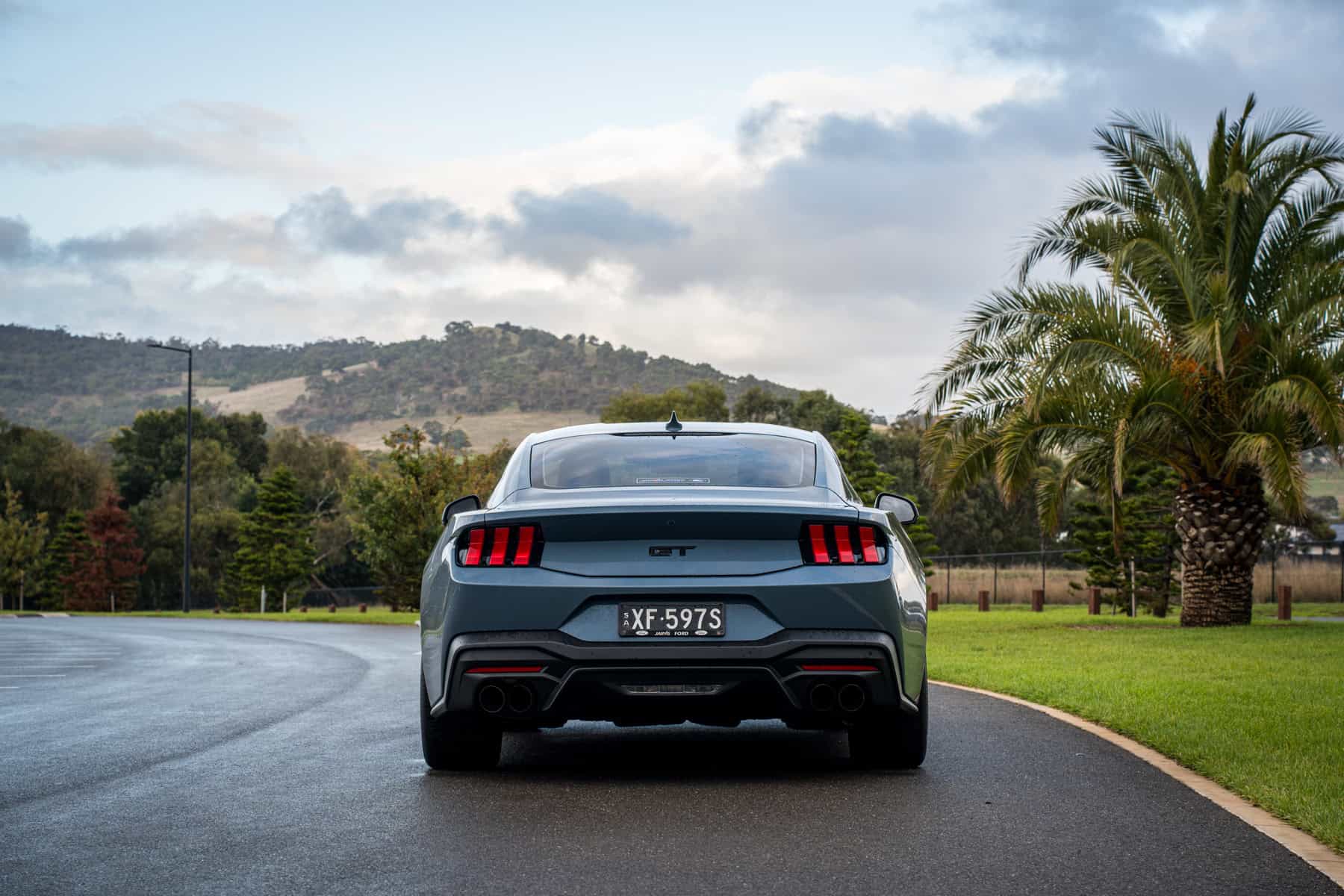
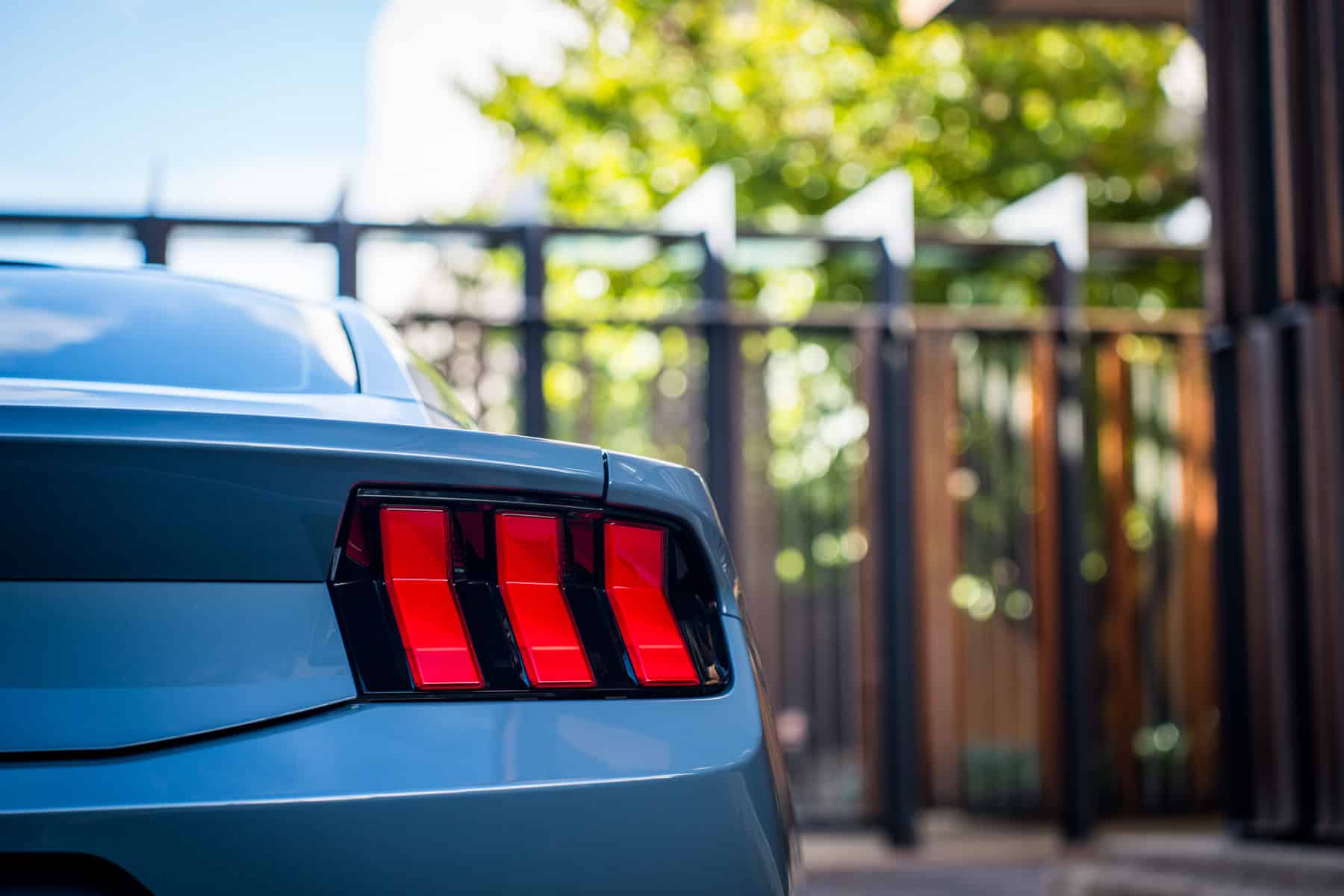
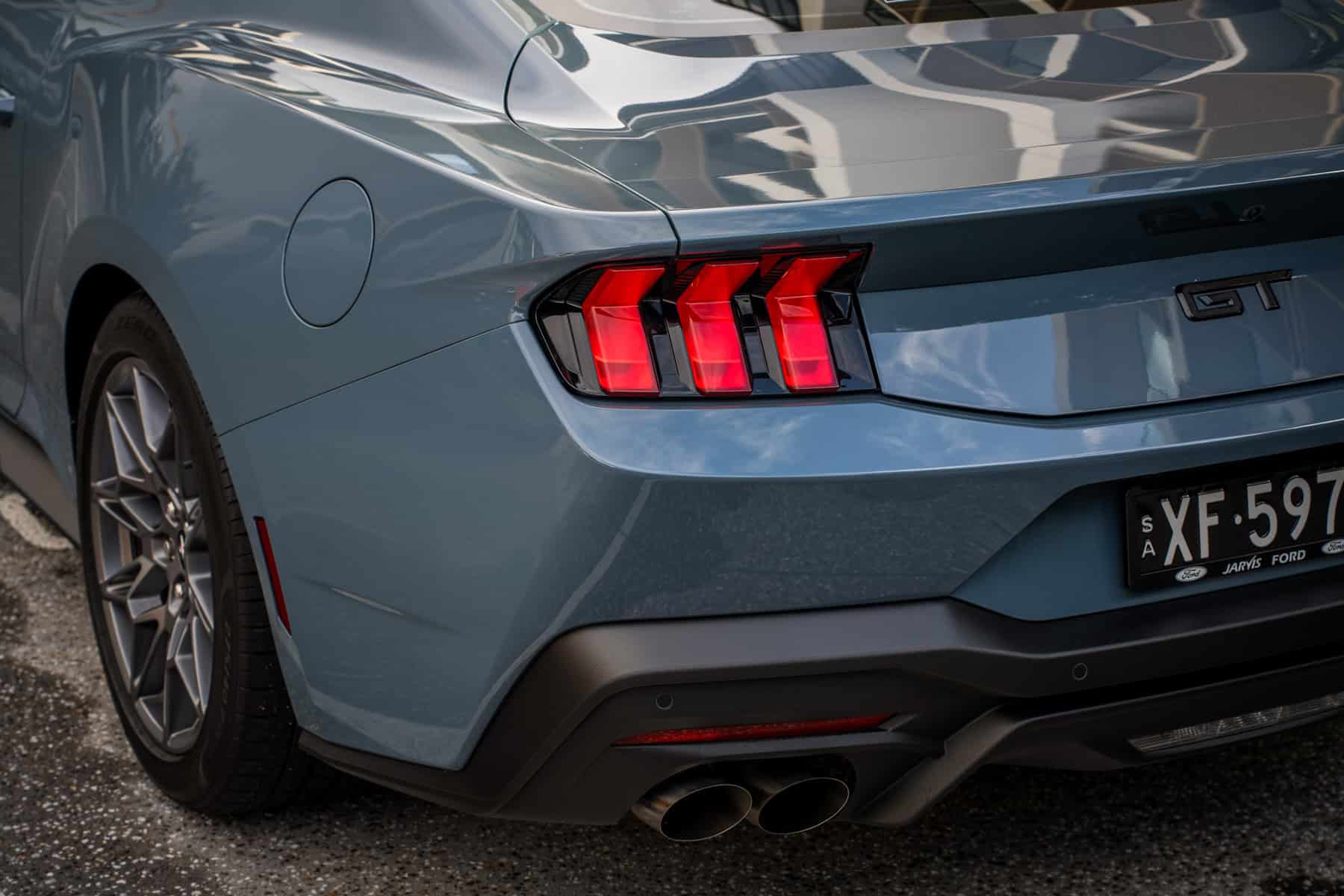
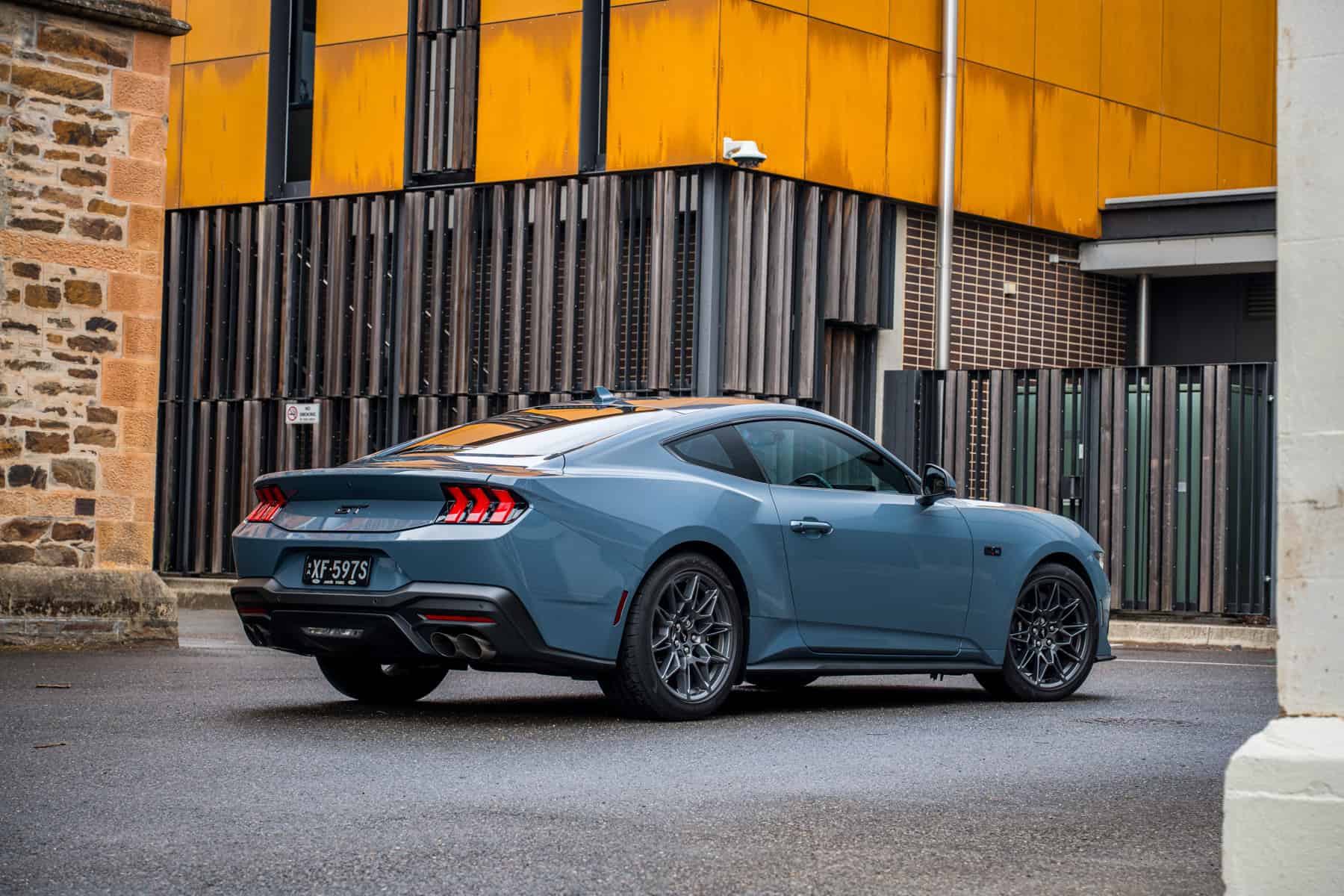
One that obviously isn’t so subtle is the Mustang’s design. Look at it from the right angle and you’ll see that iconic Fastback shape as the rear window tapers down and its shoulders bulge out over the rear wheels. Likewise, those iconic triple taillights are instantly recognisable from a mile away, day or night.
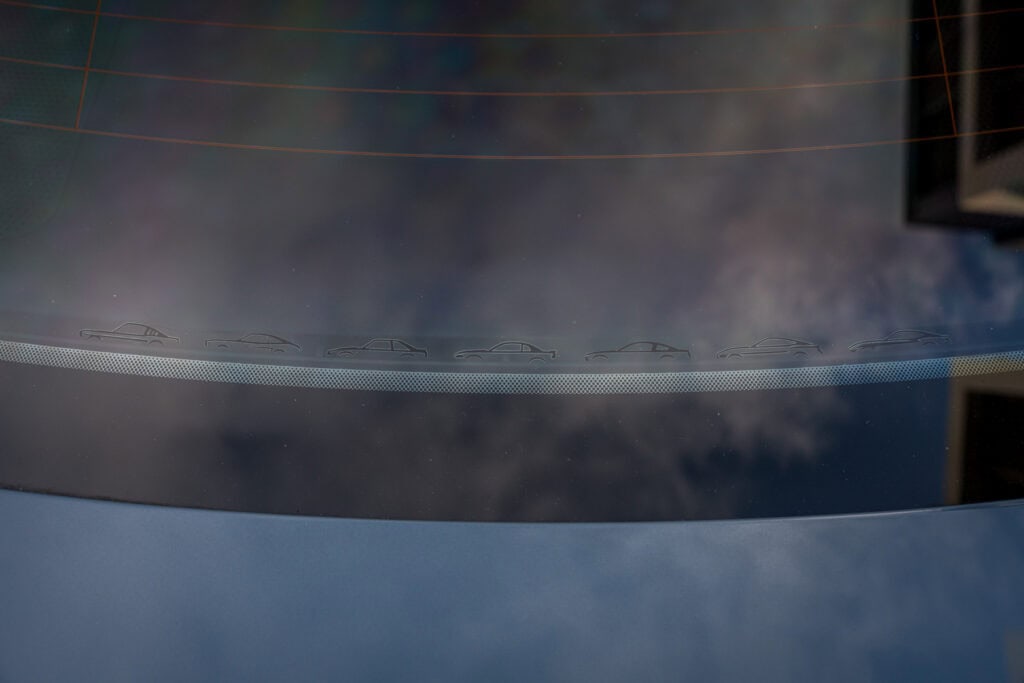
Set into the base of the rear window itself is a motif showing the side profile of all seven Mustang generations – a nice touch that shows the evolution of the model’s design over the past six decades.

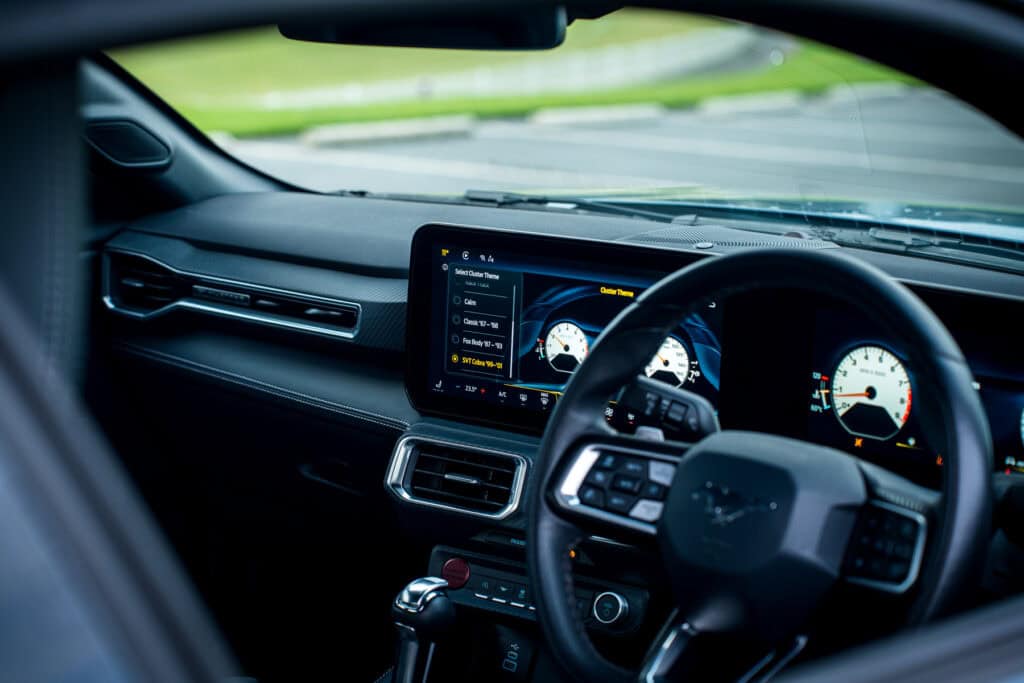
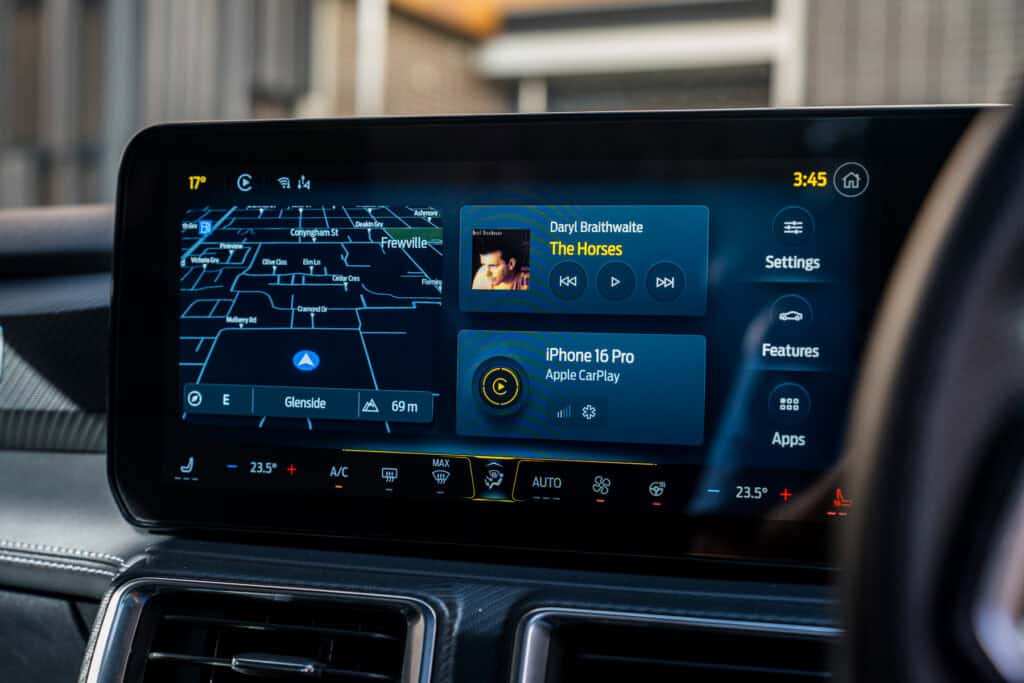
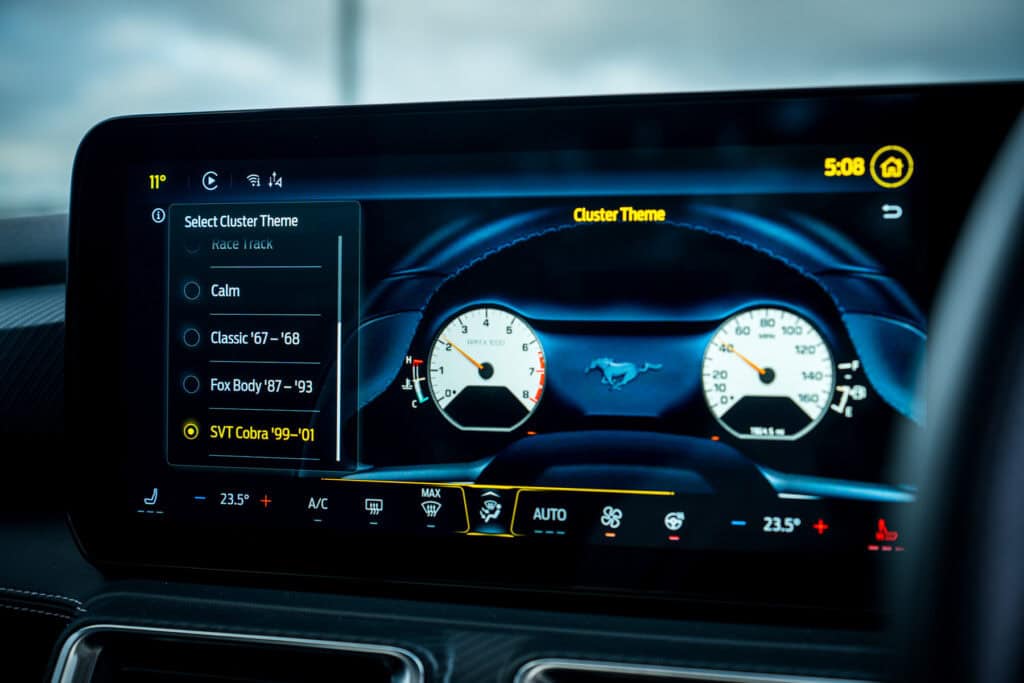
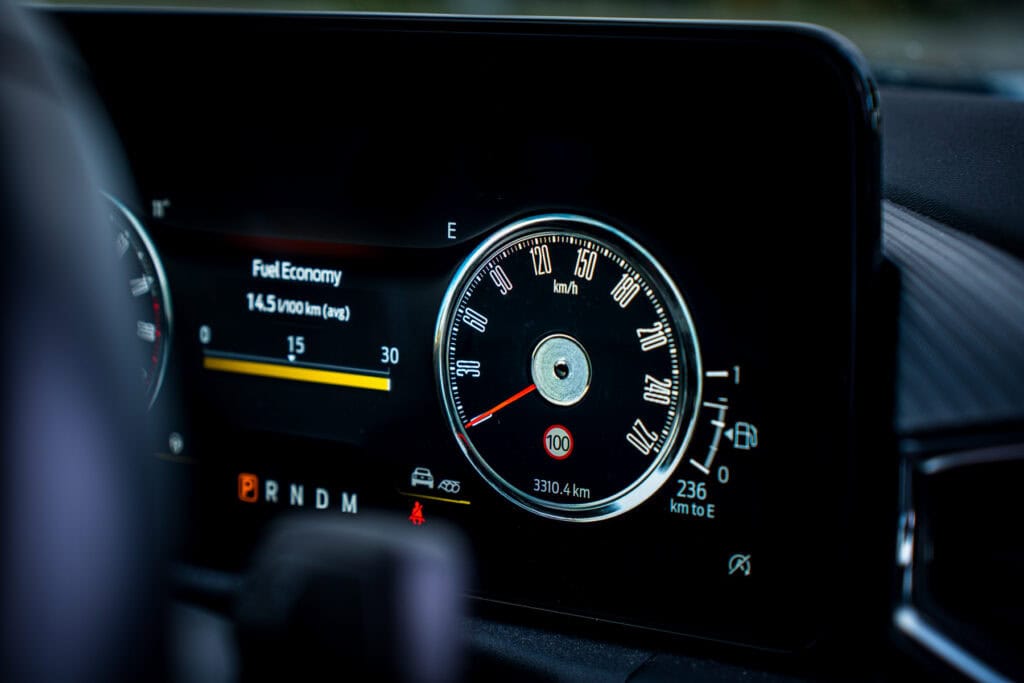
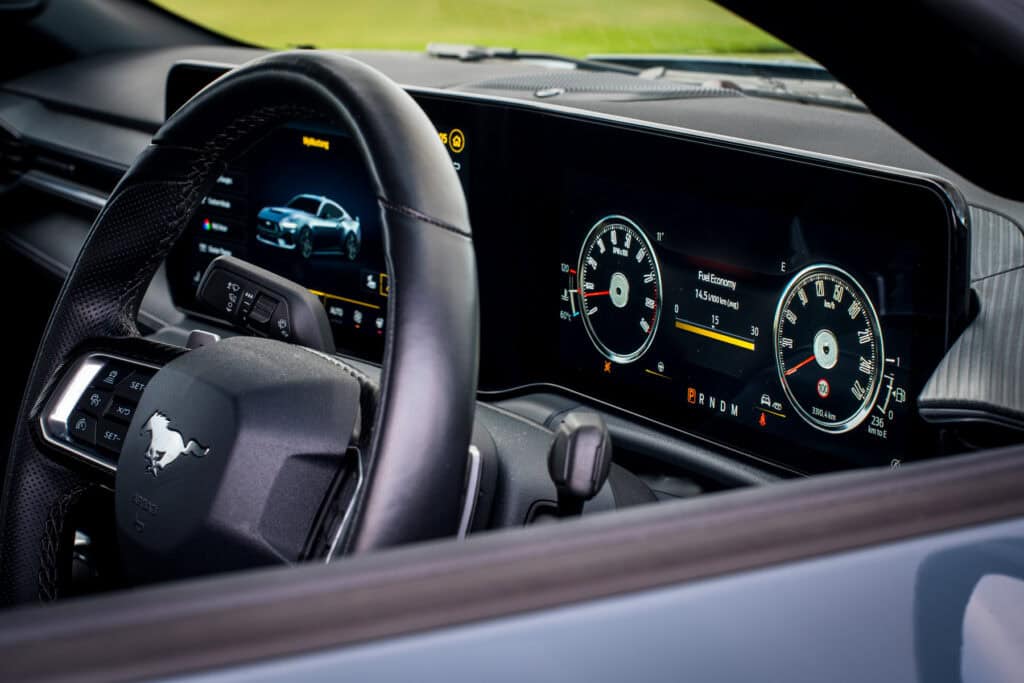
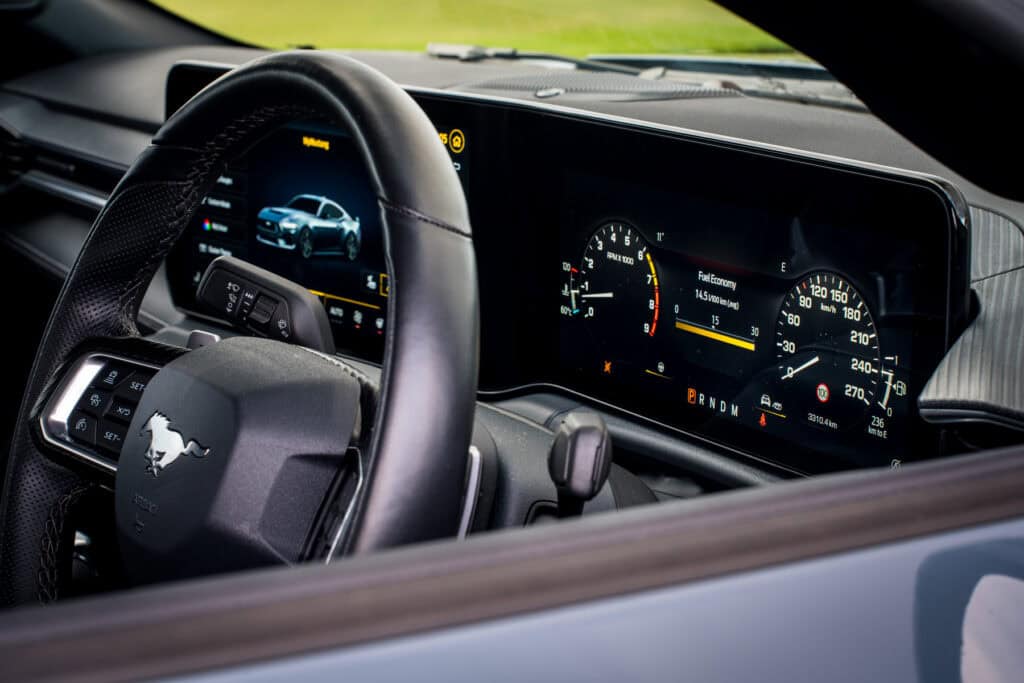
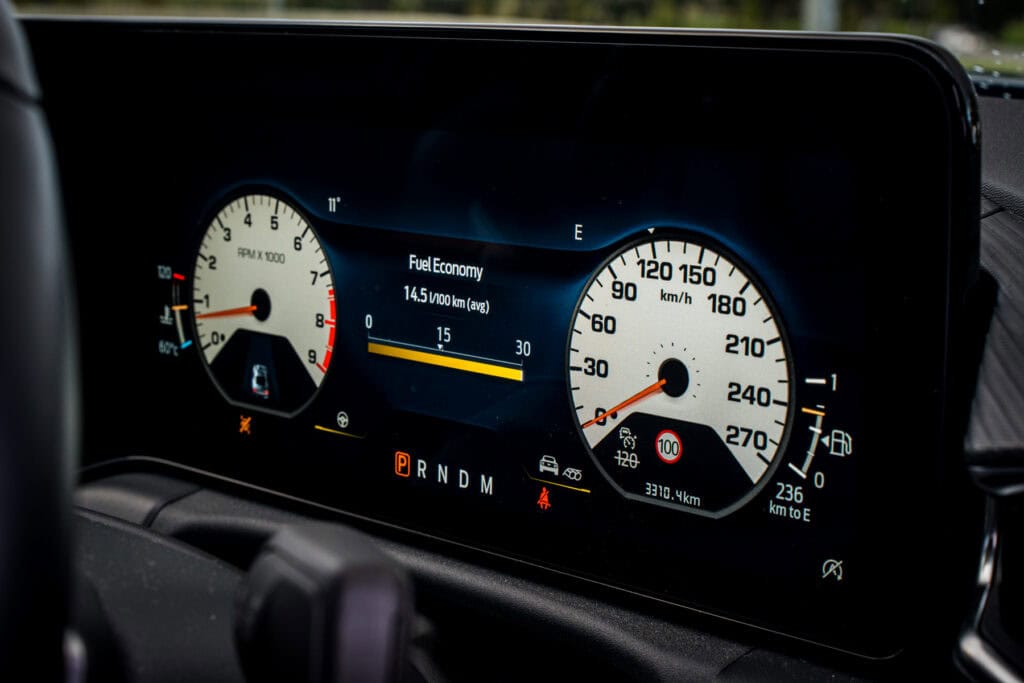
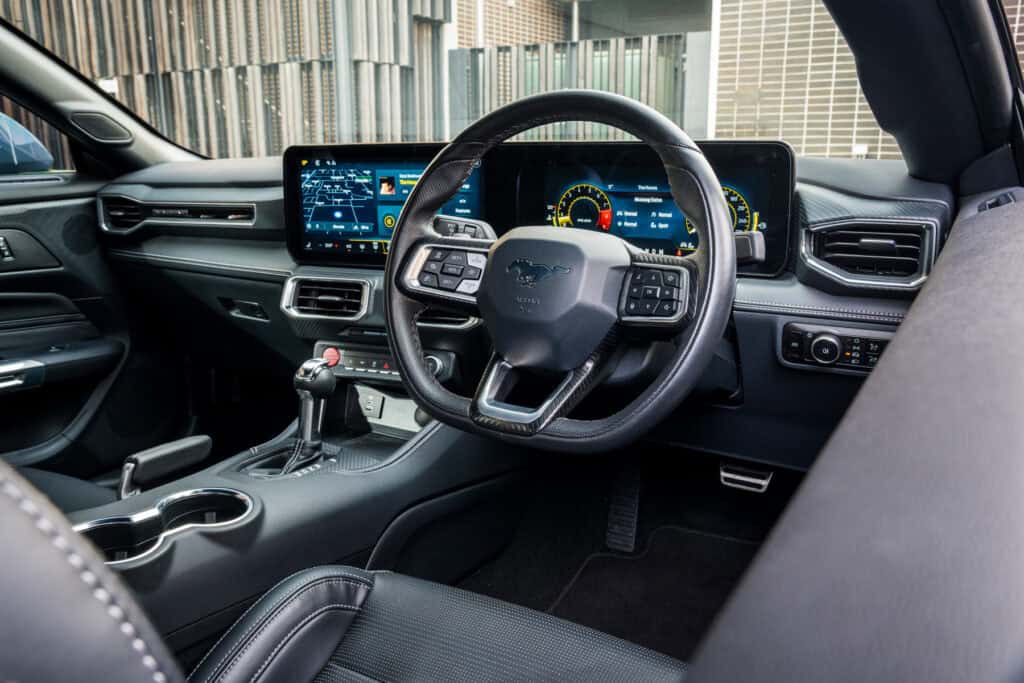
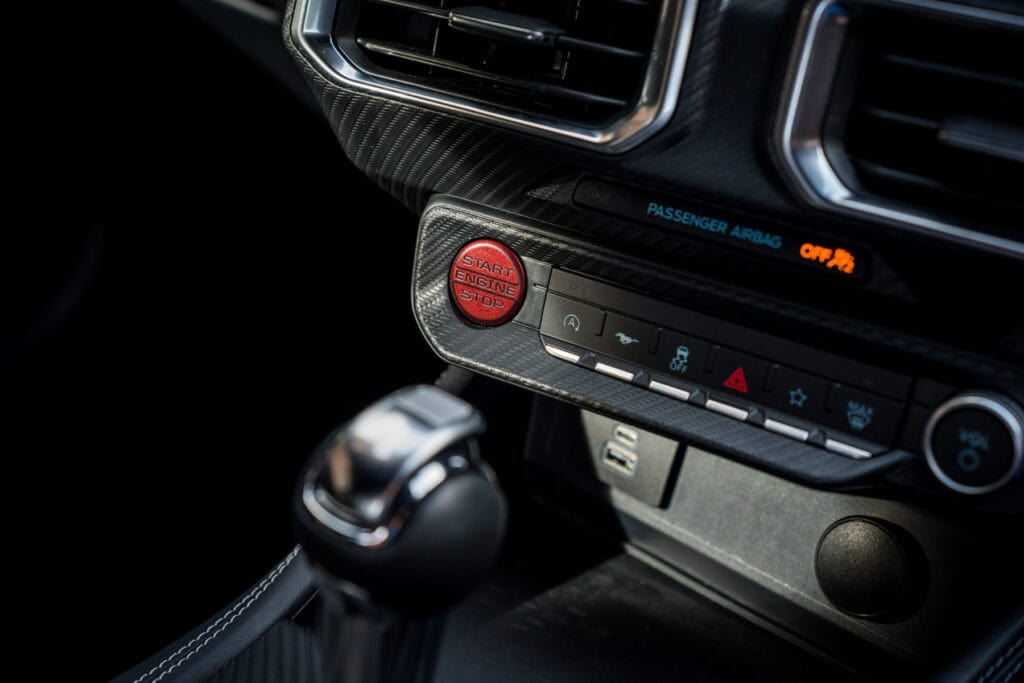
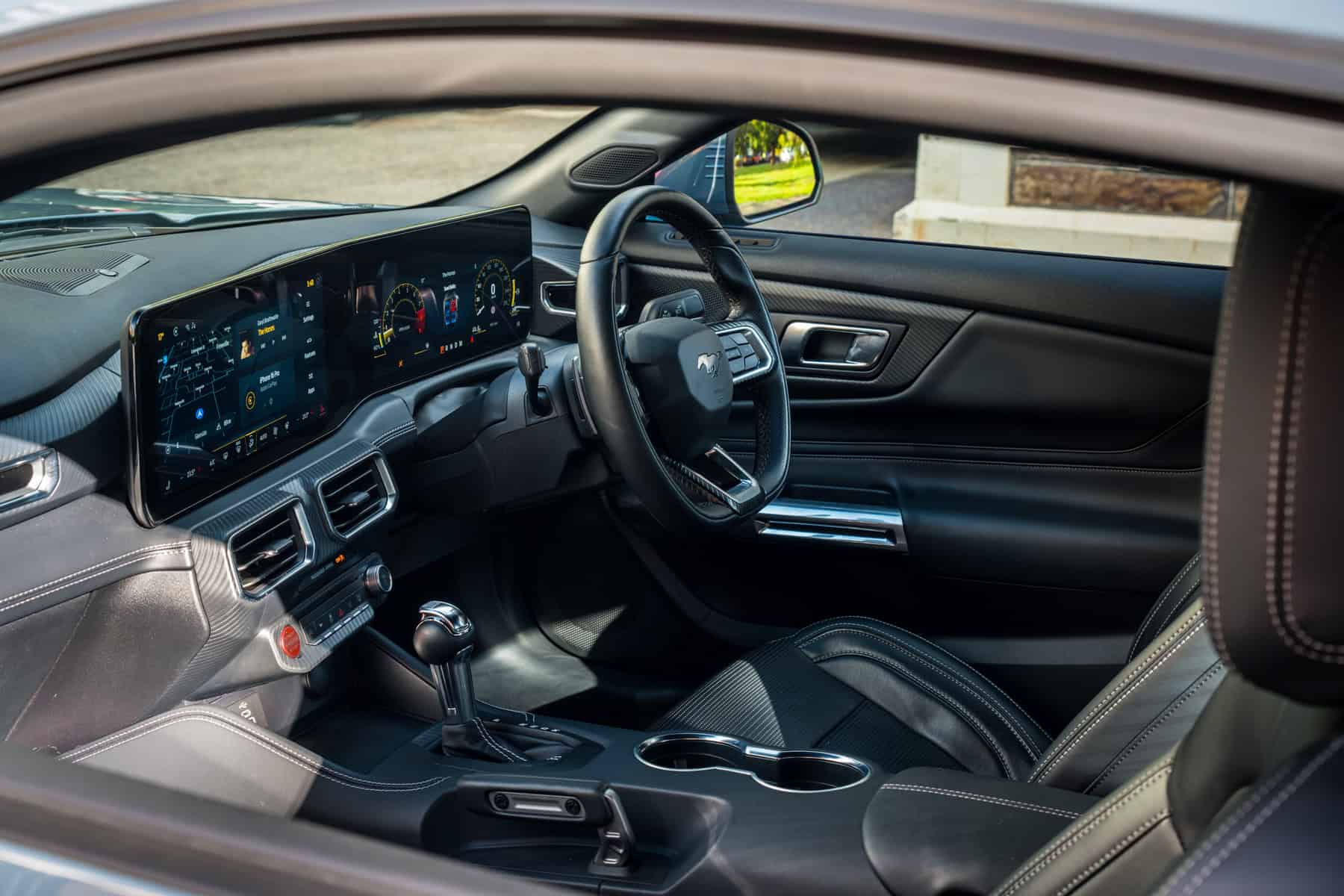
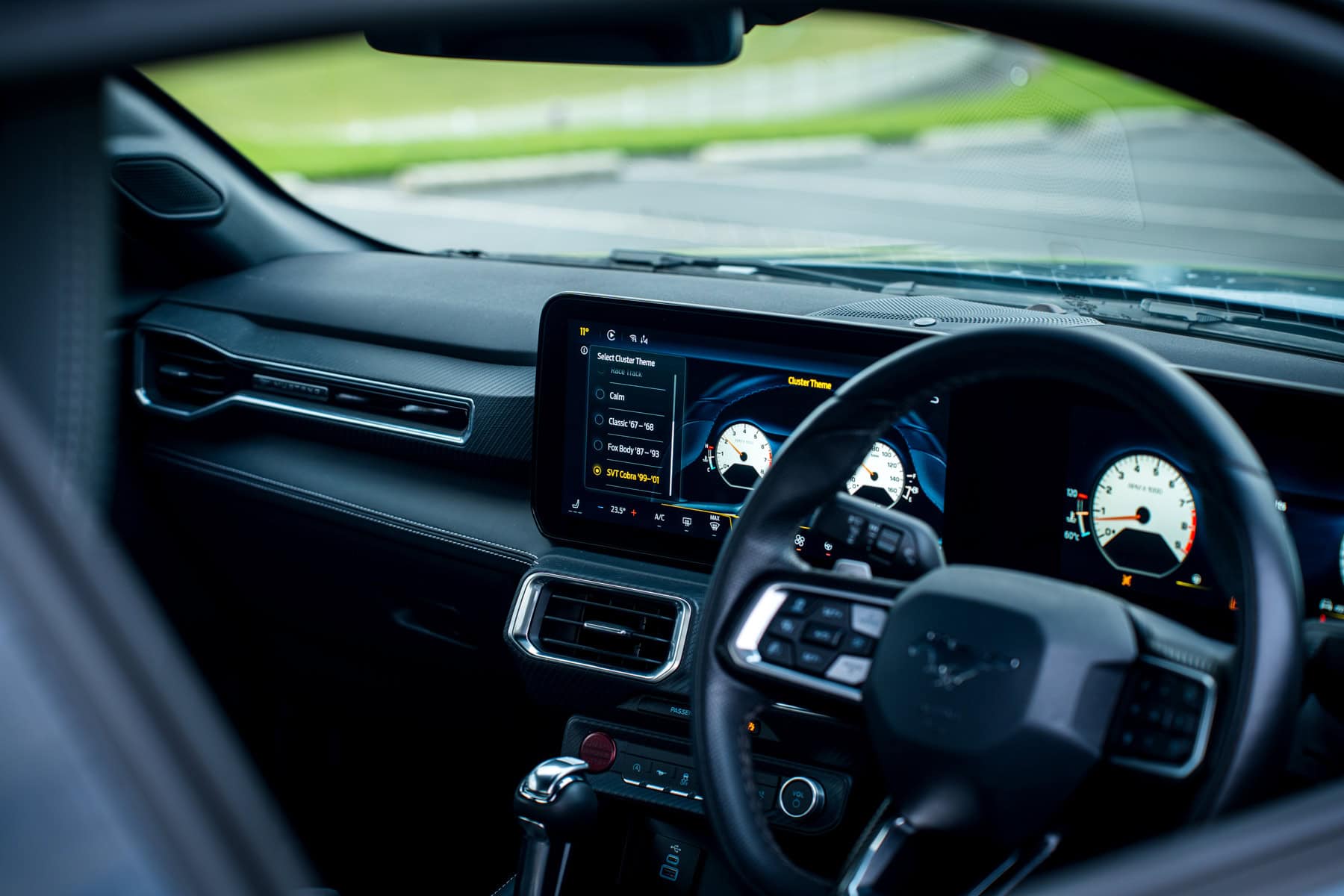
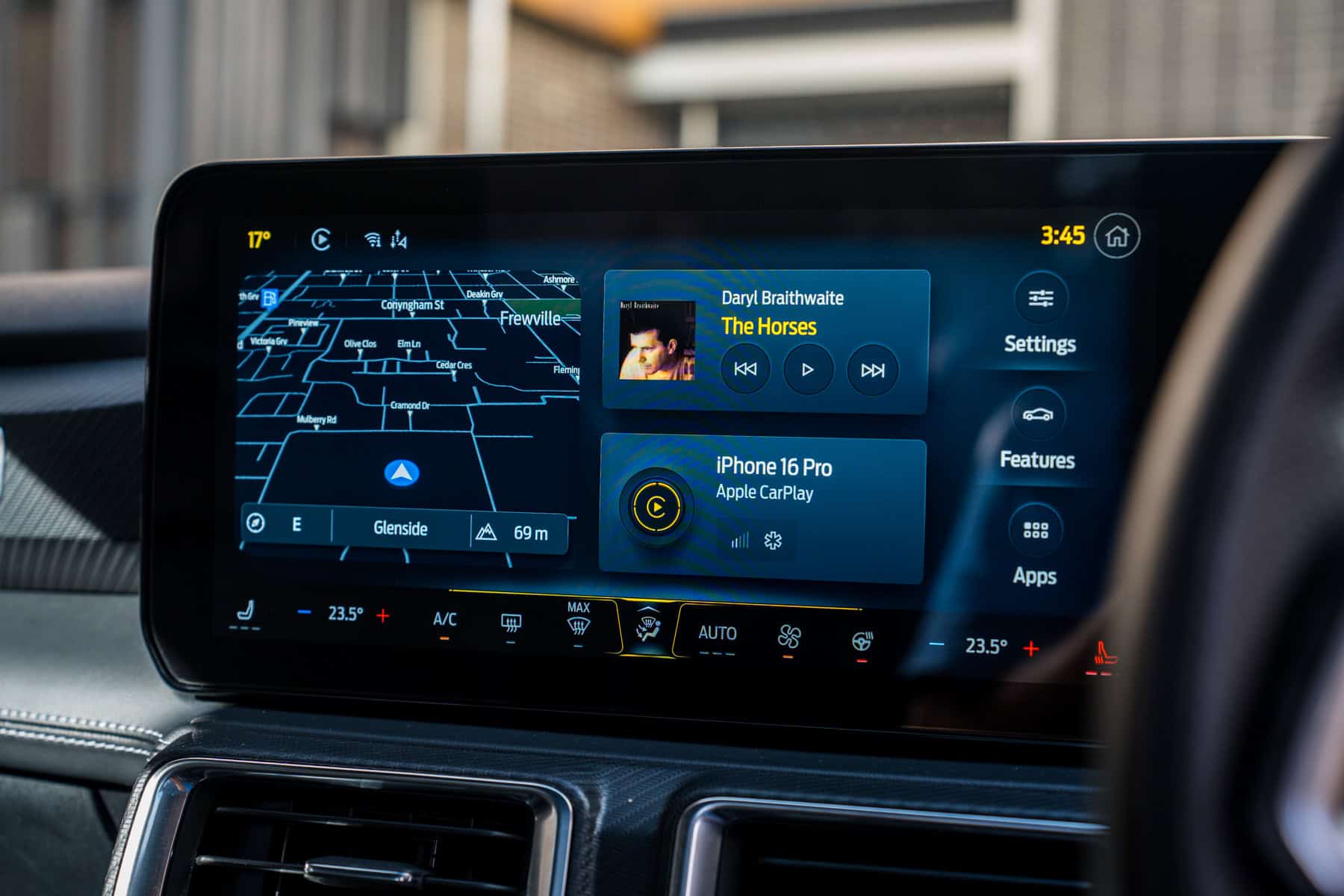
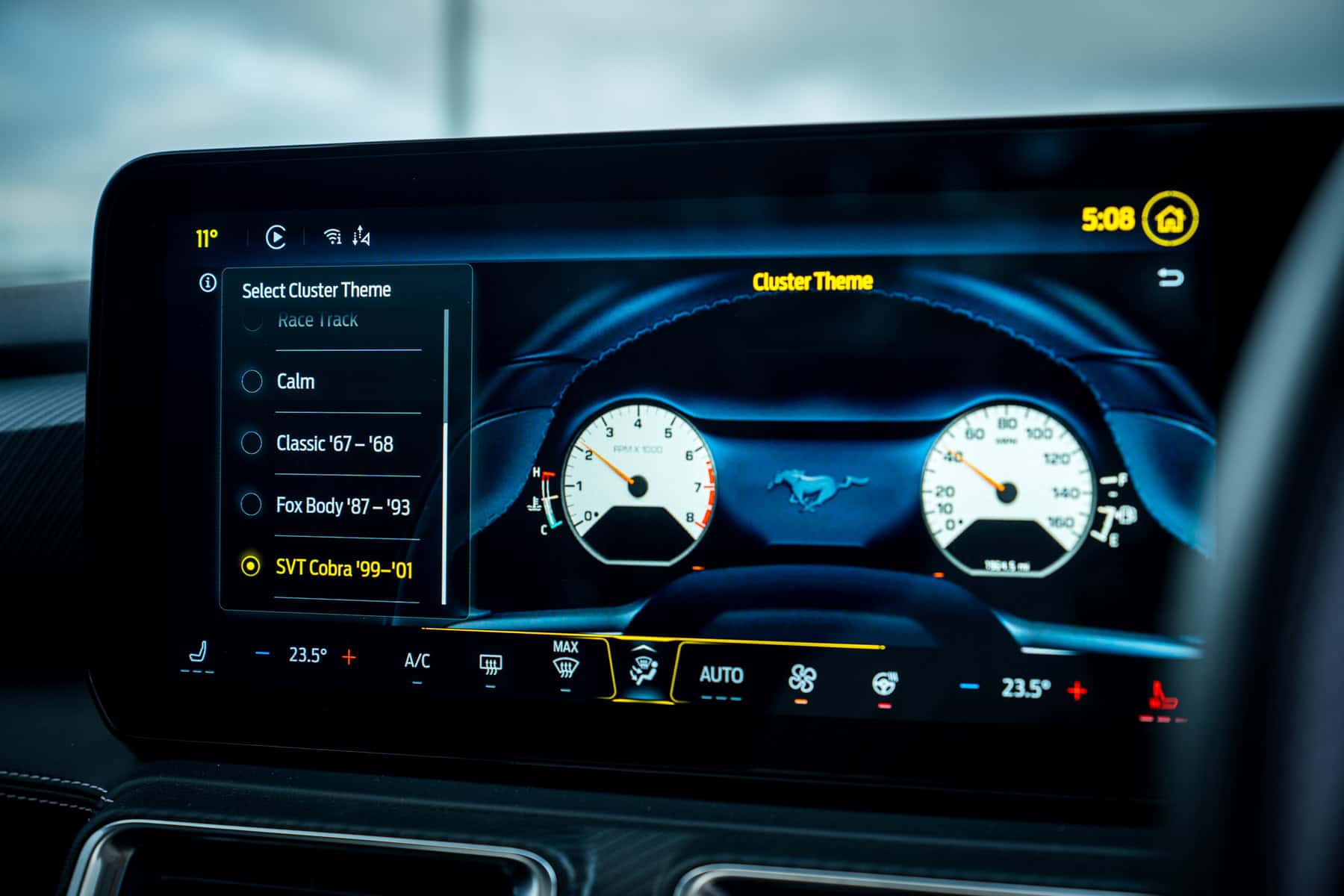
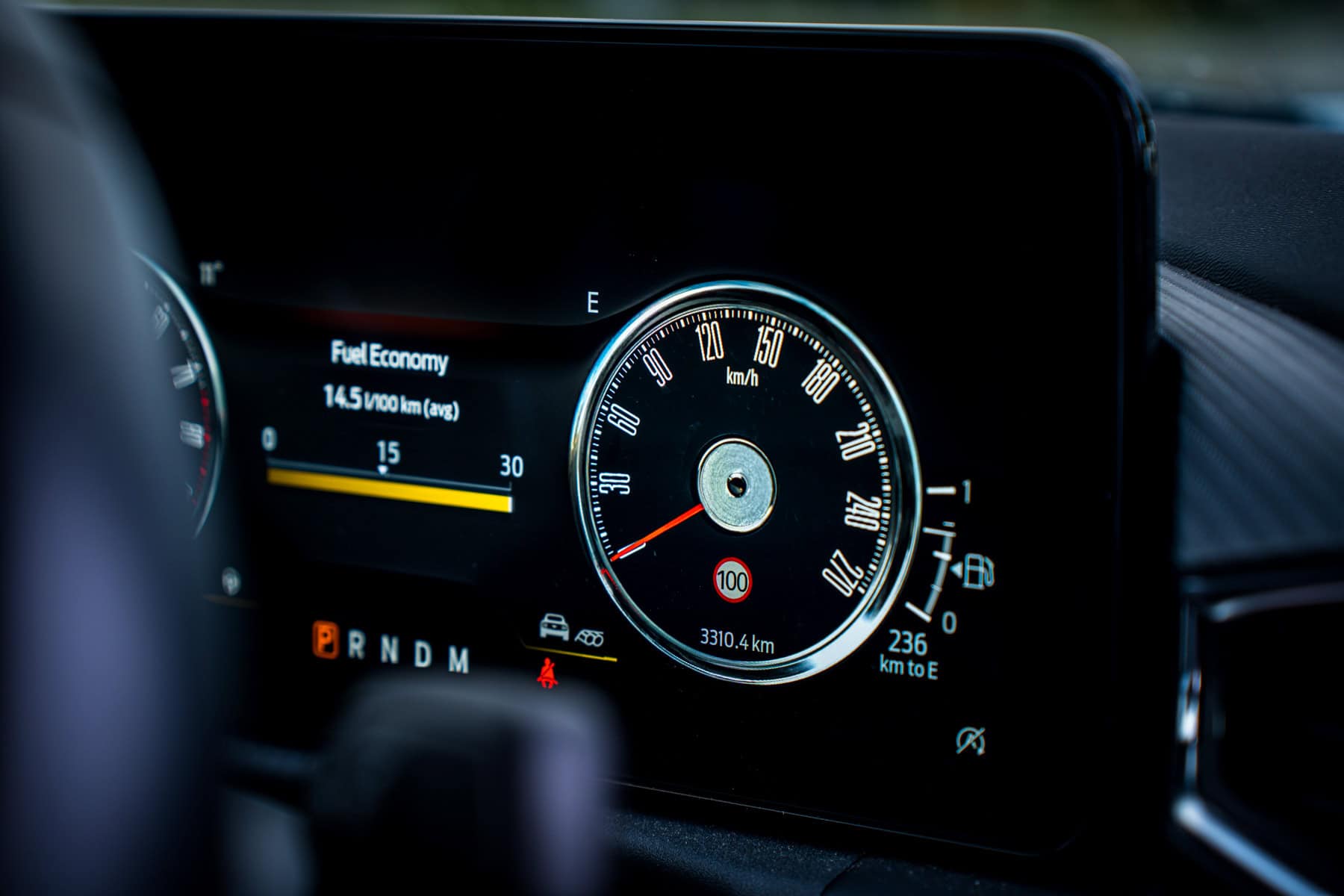
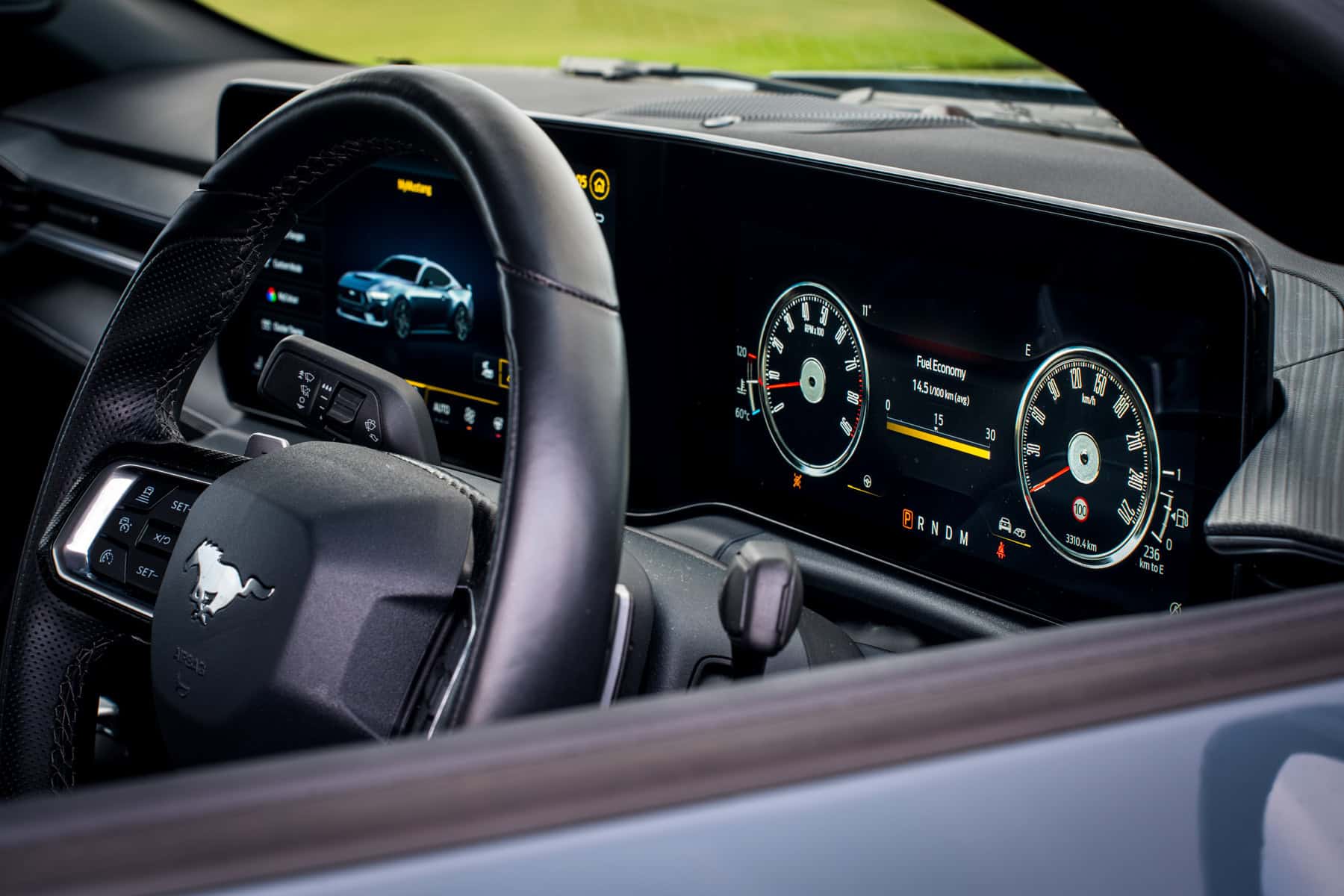
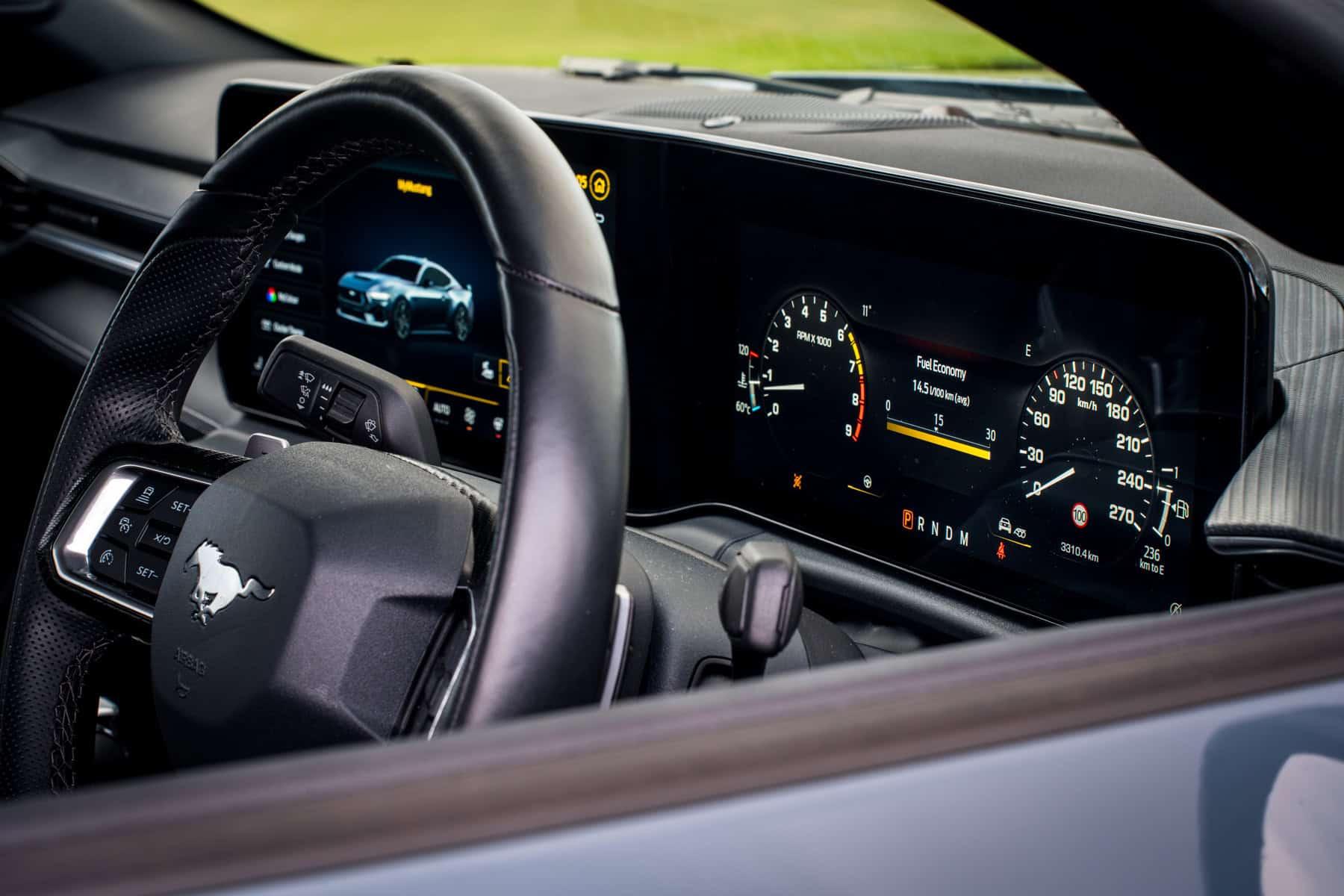
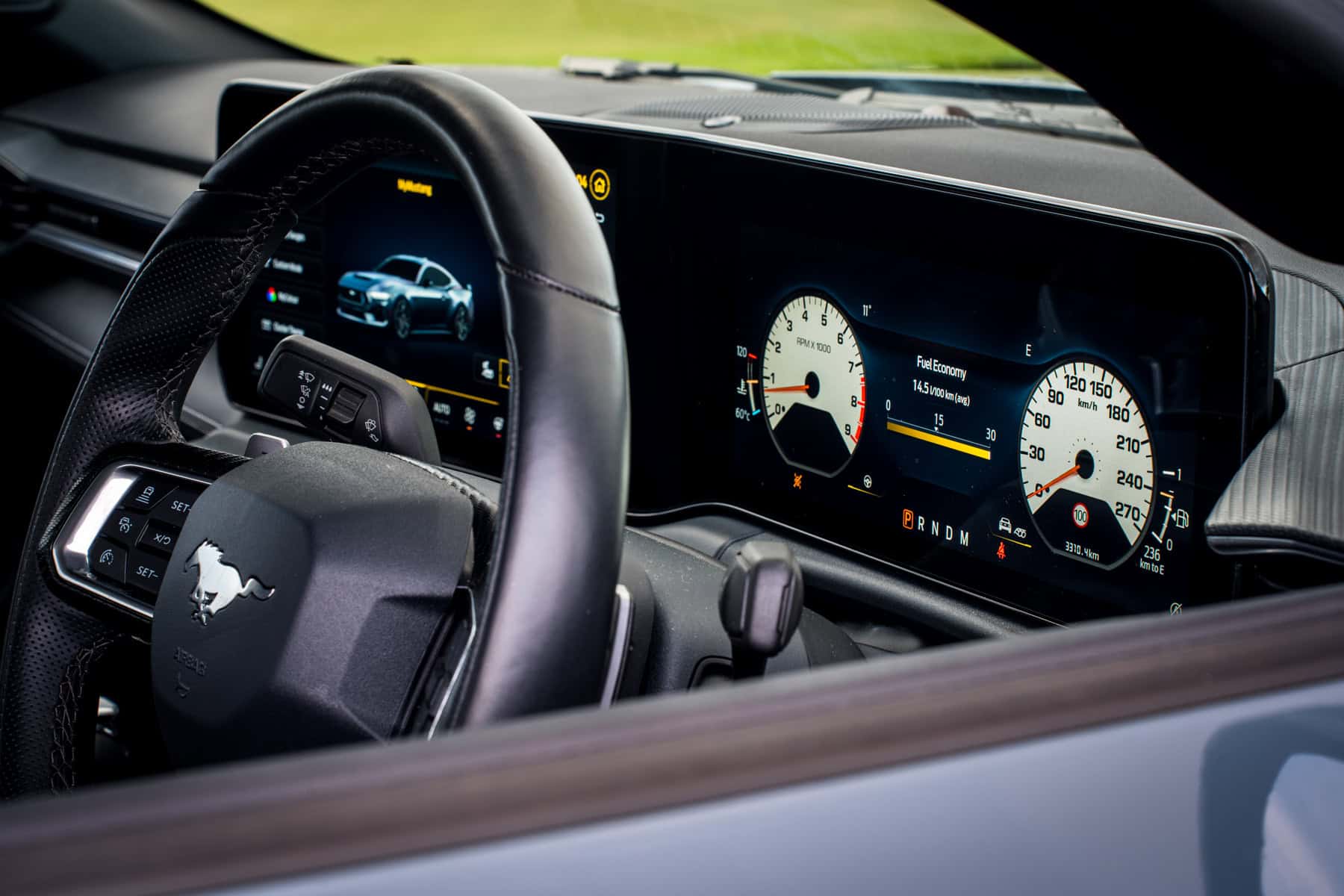
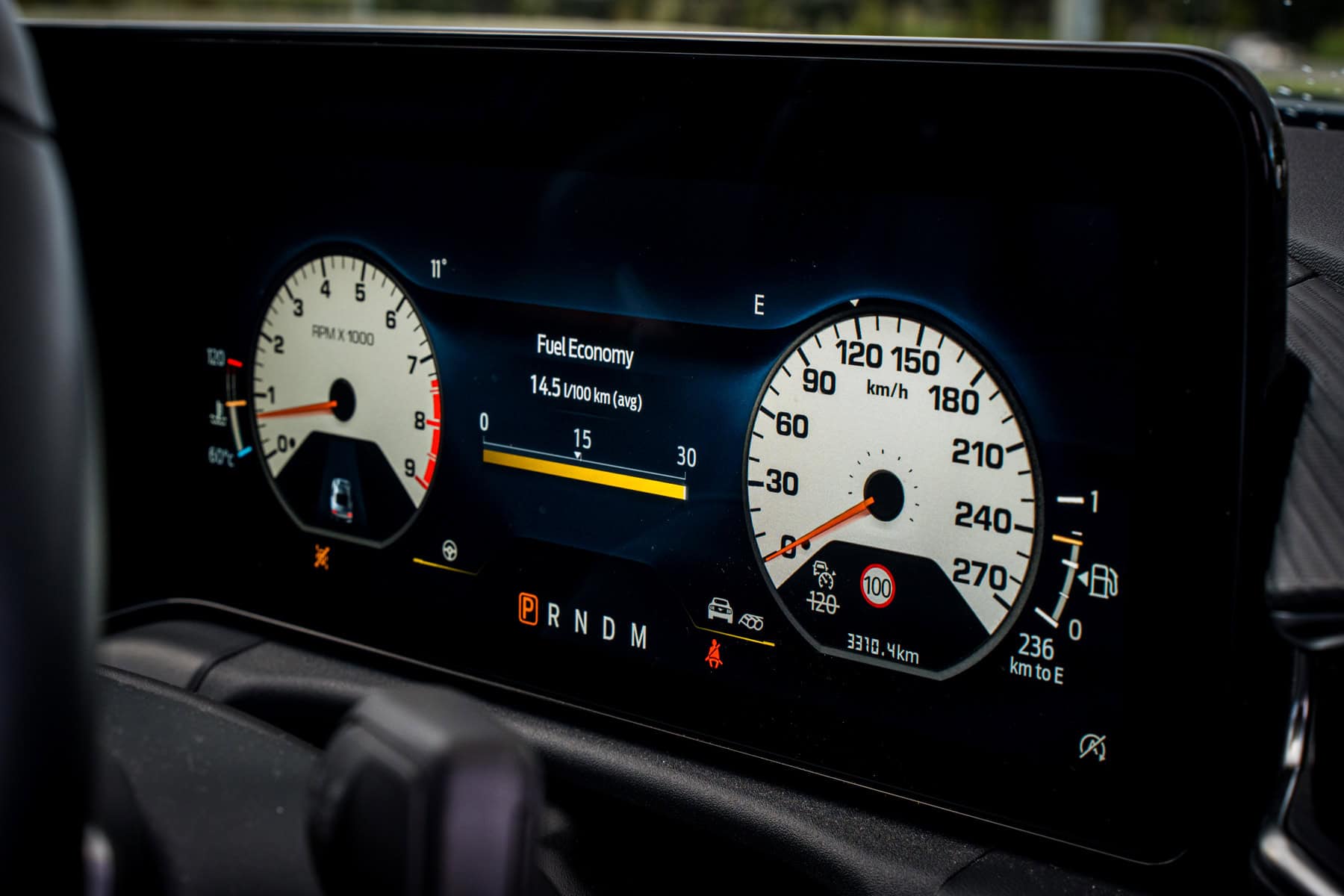
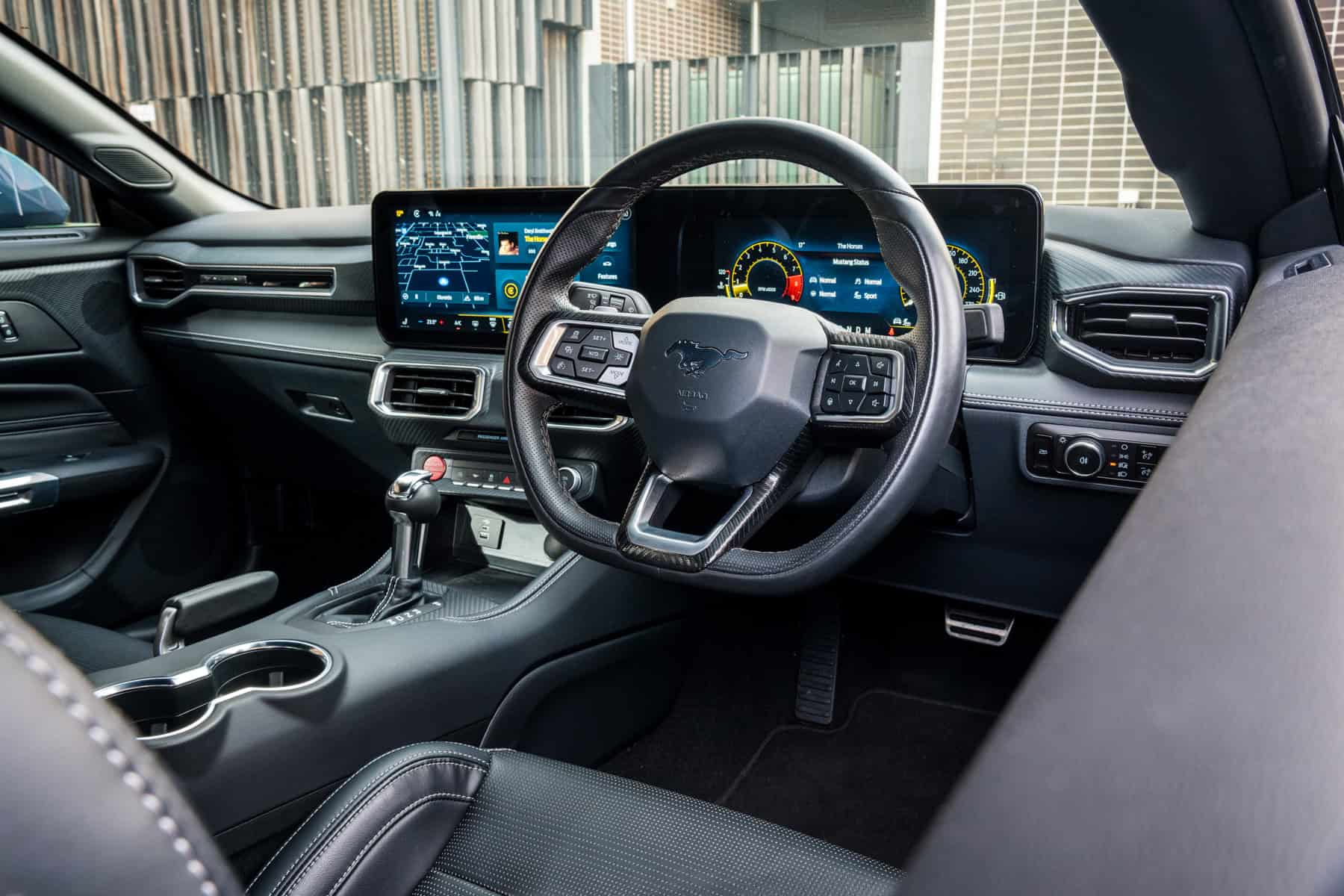
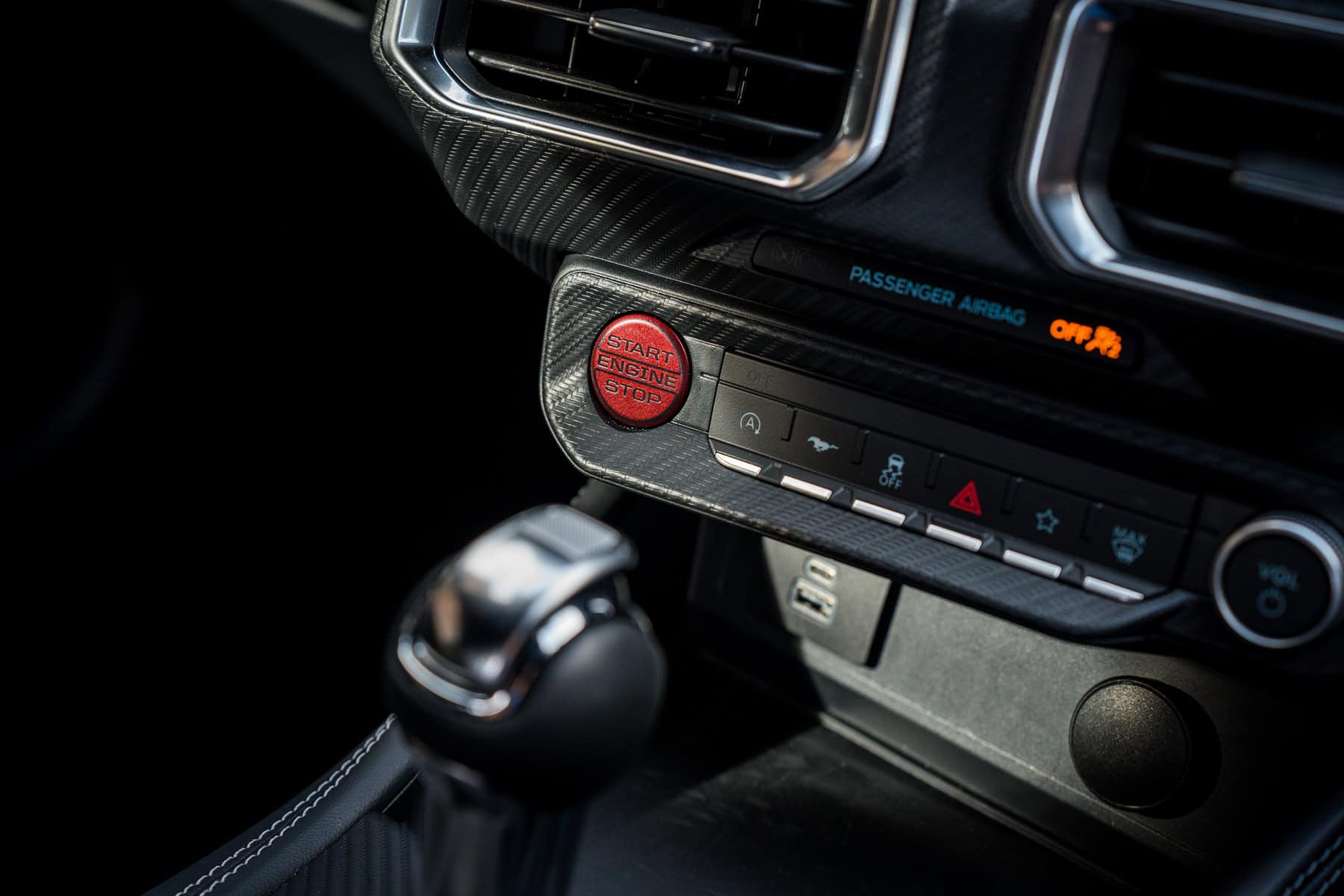
Delve deep enough into the menus of its SYNC infotainment system (hint: hit the small Mustang button ahead of the shifter) and among being able to tweak just about everything about the car’s systems, you’ll even be able to transform the dashboard into that of prior Mustang generations.
It’s your choice between the dials of a 1967-68 classic, 1987-93 Fox body, or my personal favourite in the 1999-2001 SVT Cobra.
Sure, they’re all tiny touches that many people probably won’t notice, but they serve as reminders that this is a car that has something seriously lacking in many modern cars – whether performance cars or otherwise. This thing has soul.
All it takes is one quick punch of the throttle pedal from behind the wheel – or to hear one blip past you from first through third with the exhaust valve all the way open – to understand why this remains the world’s dream car over 60 years on.