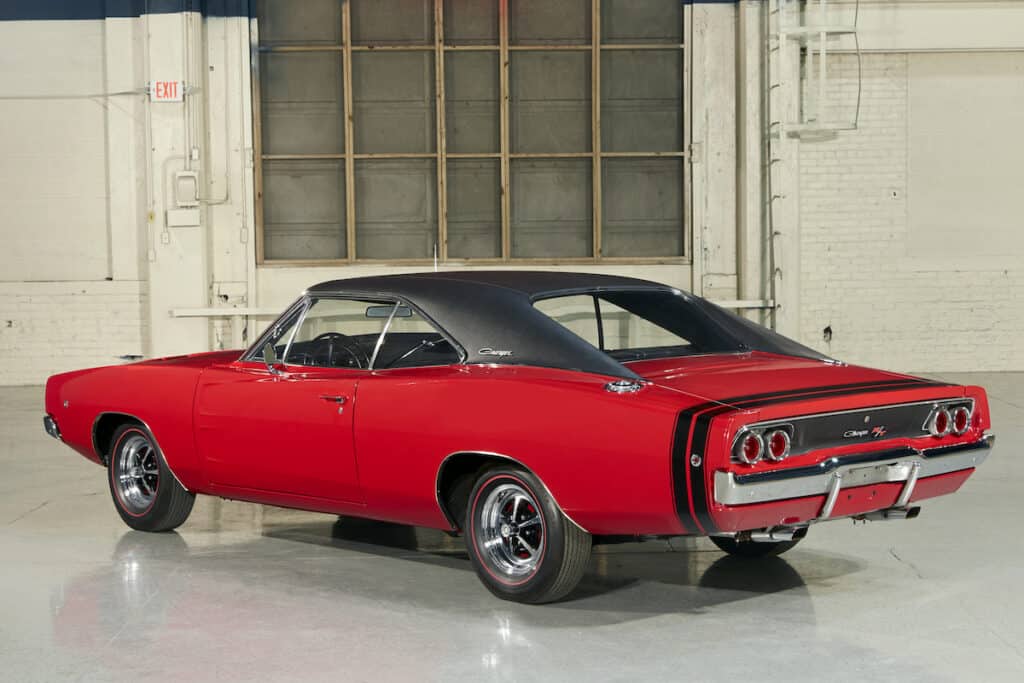
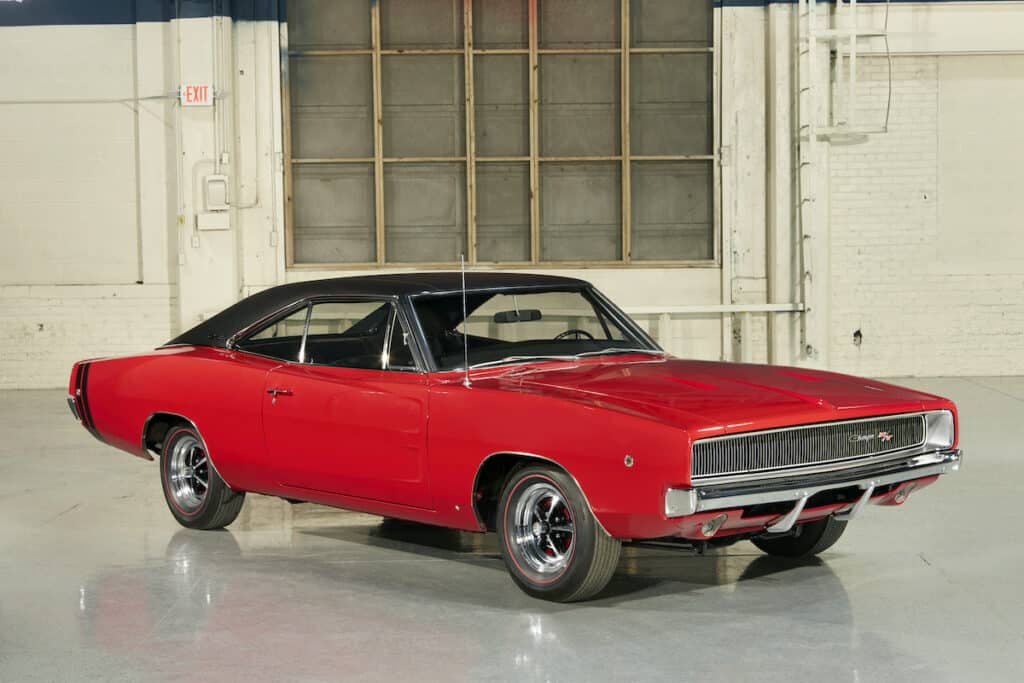
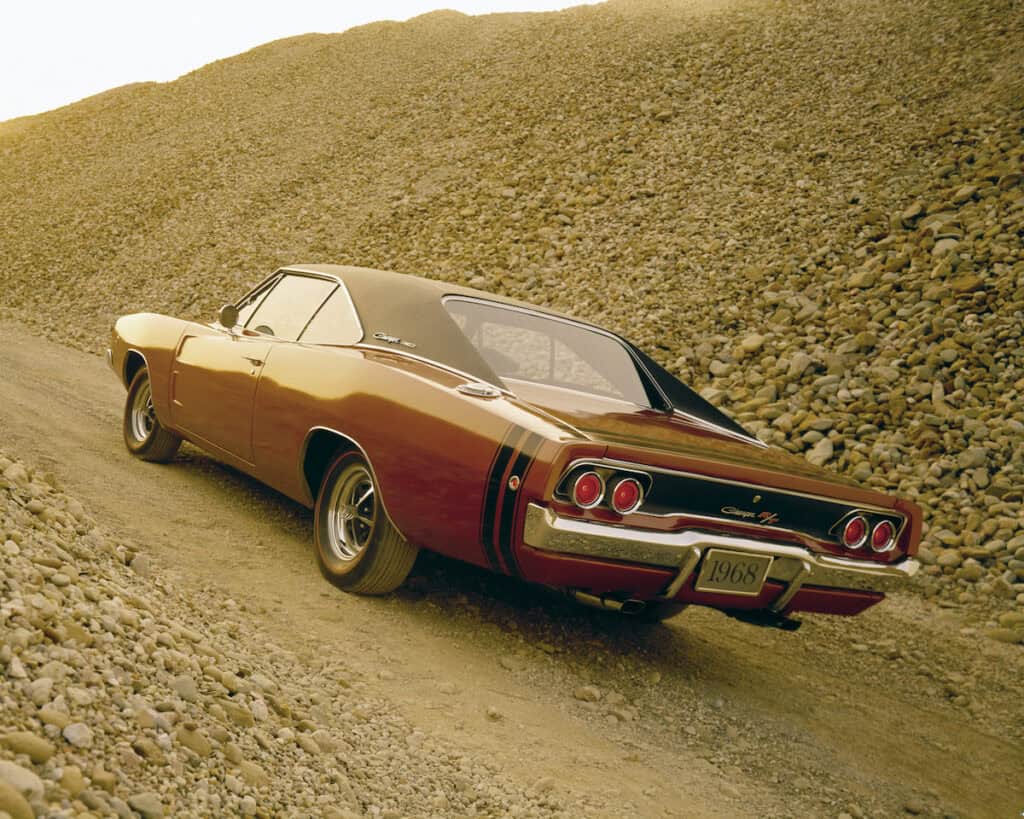
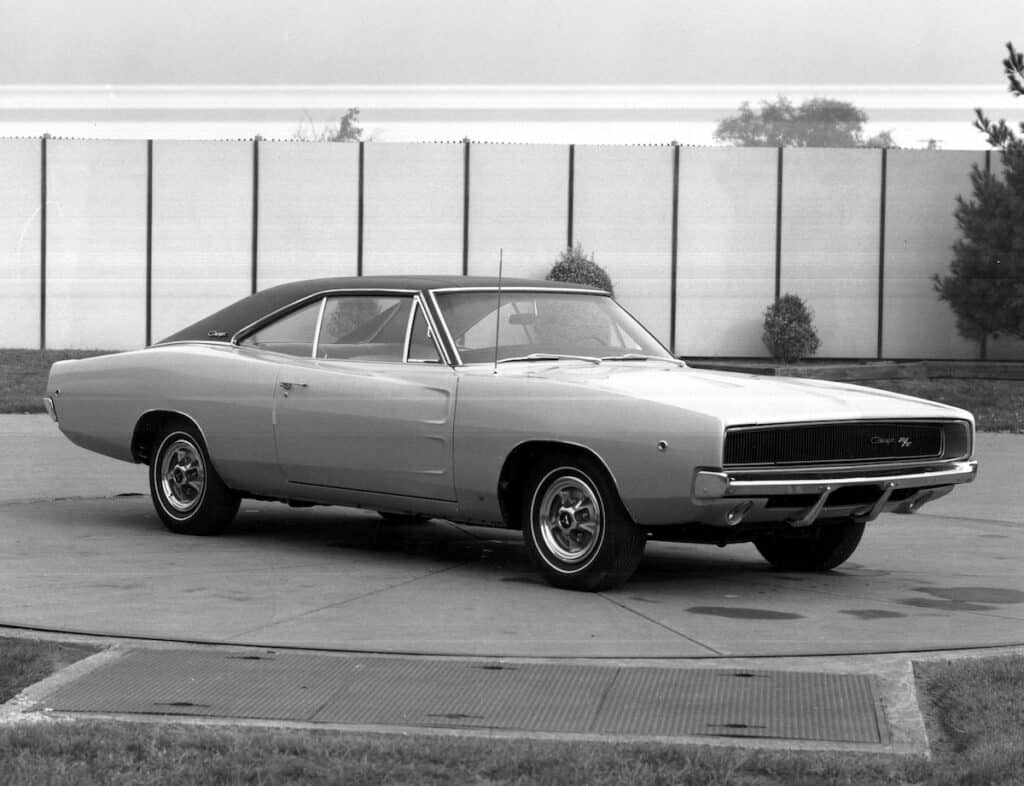
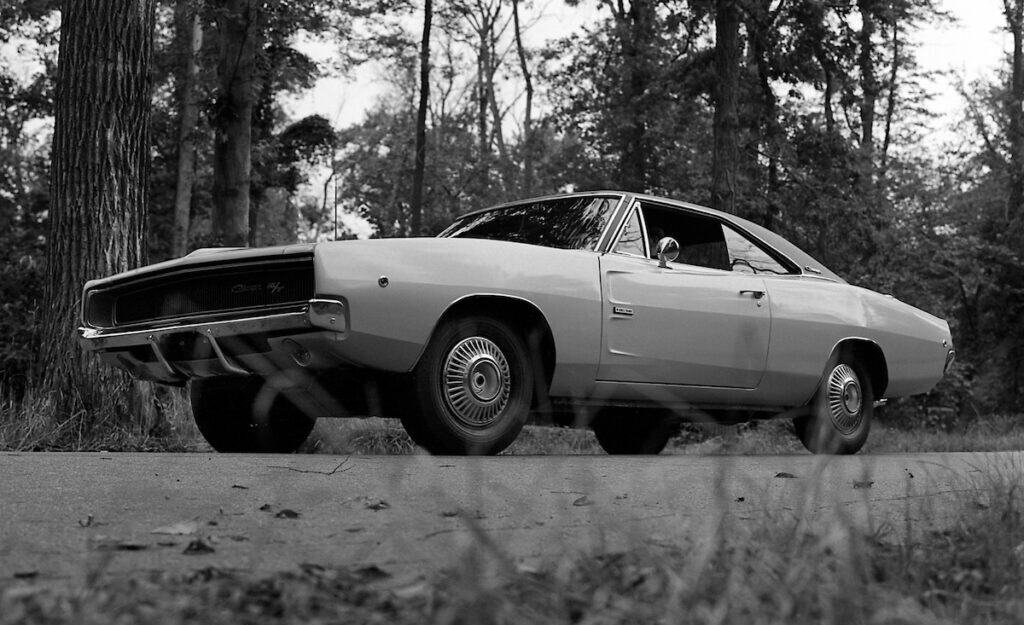
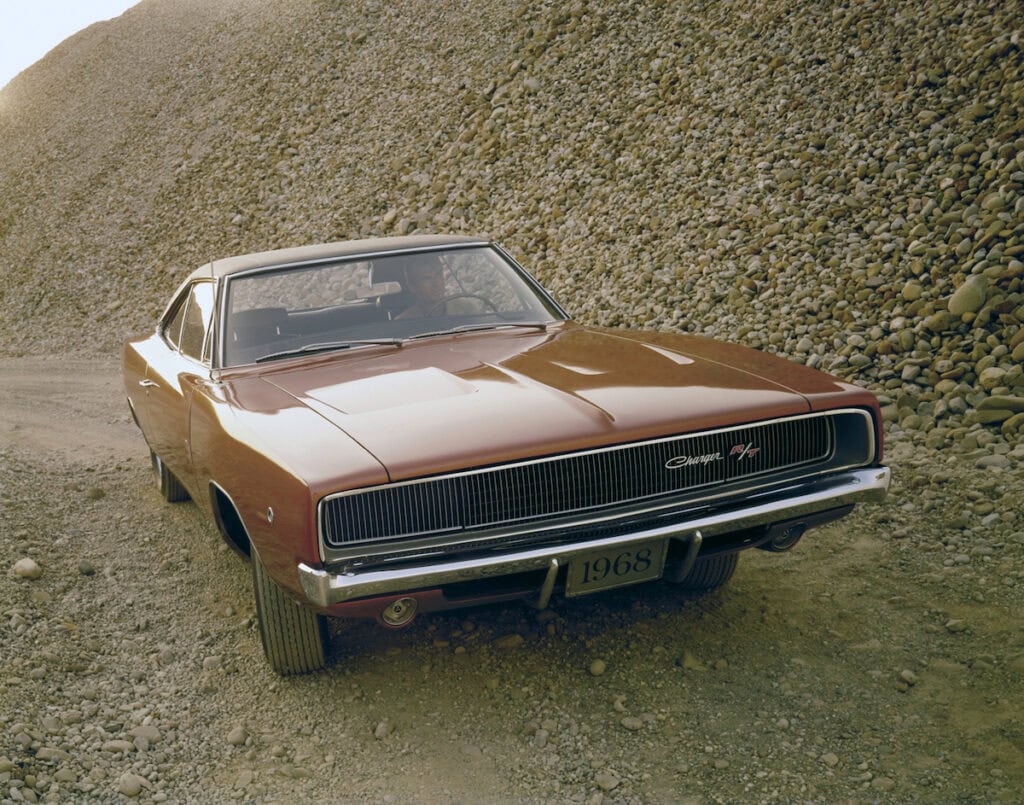
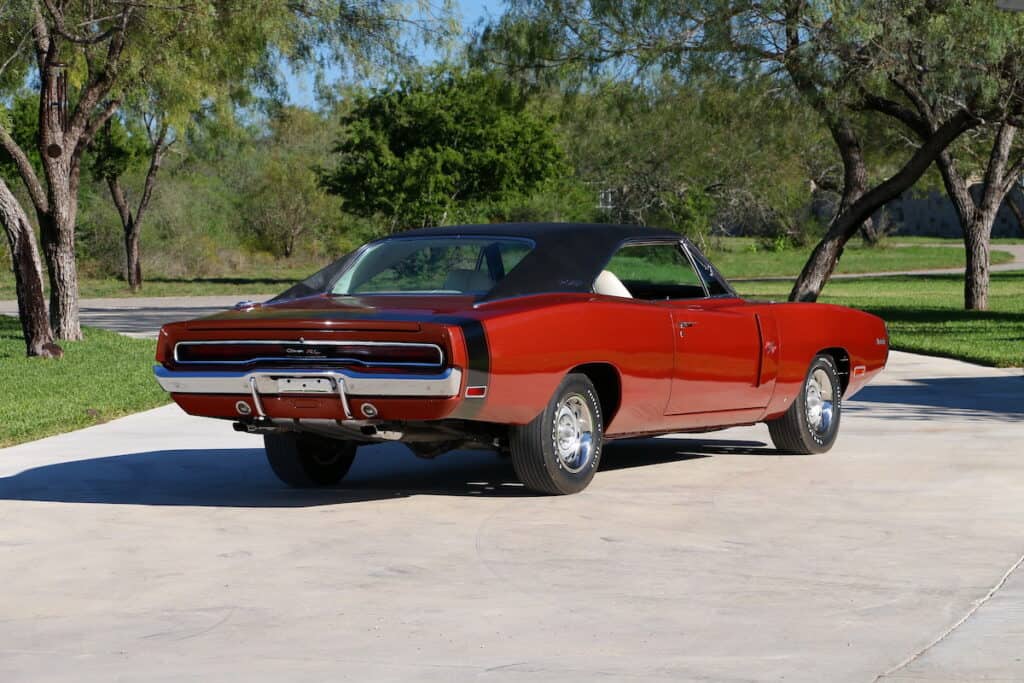
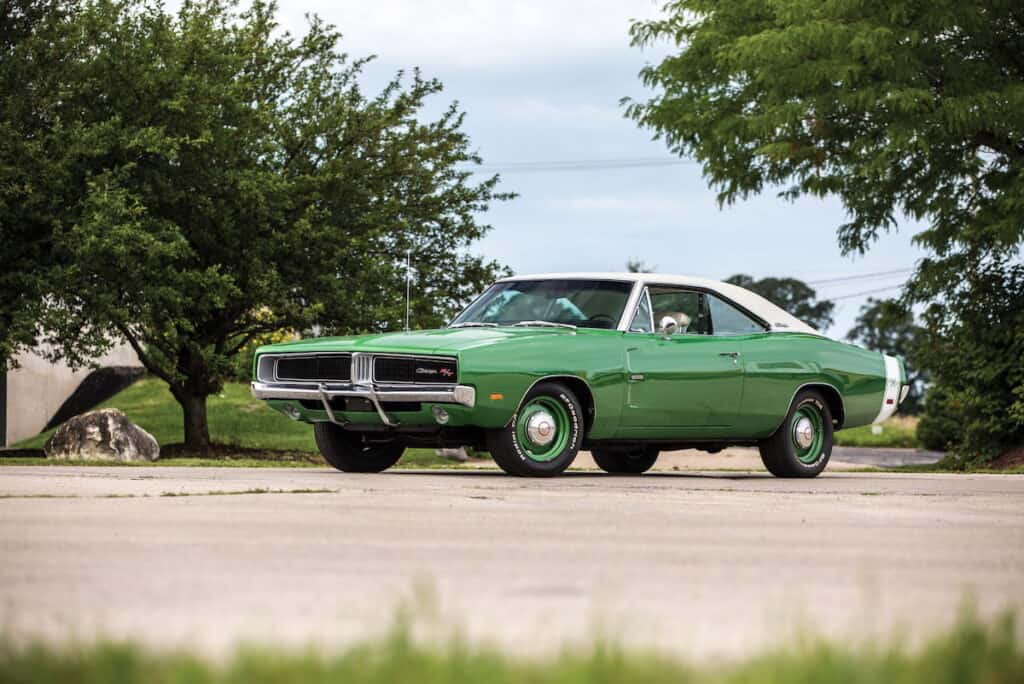
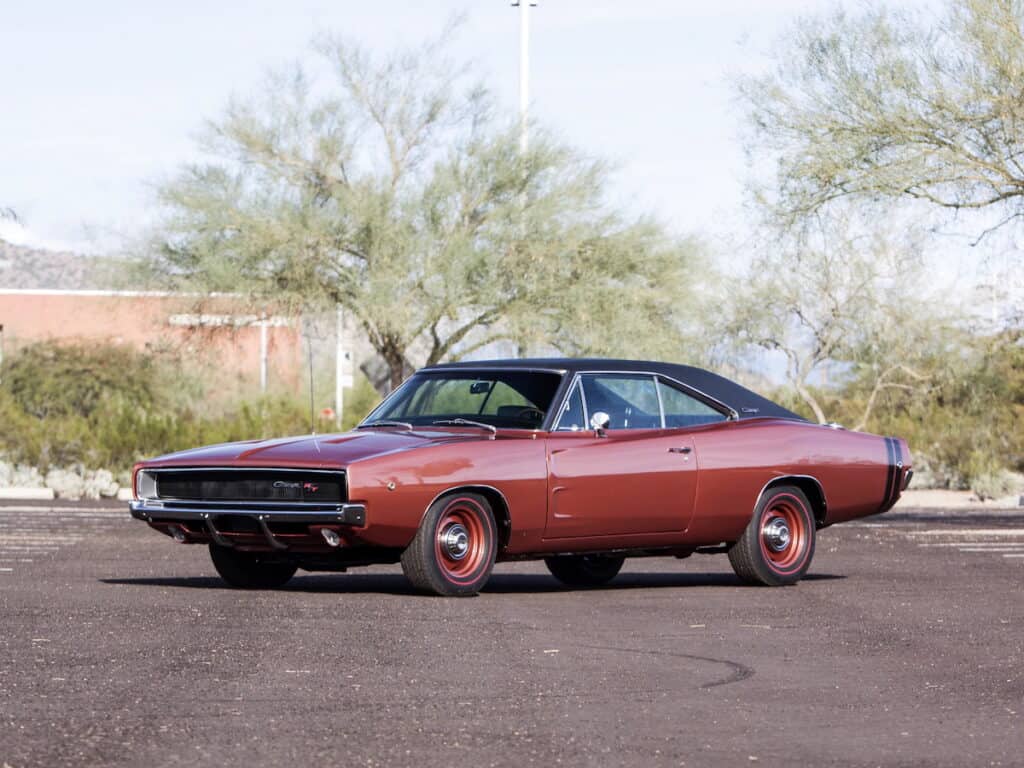
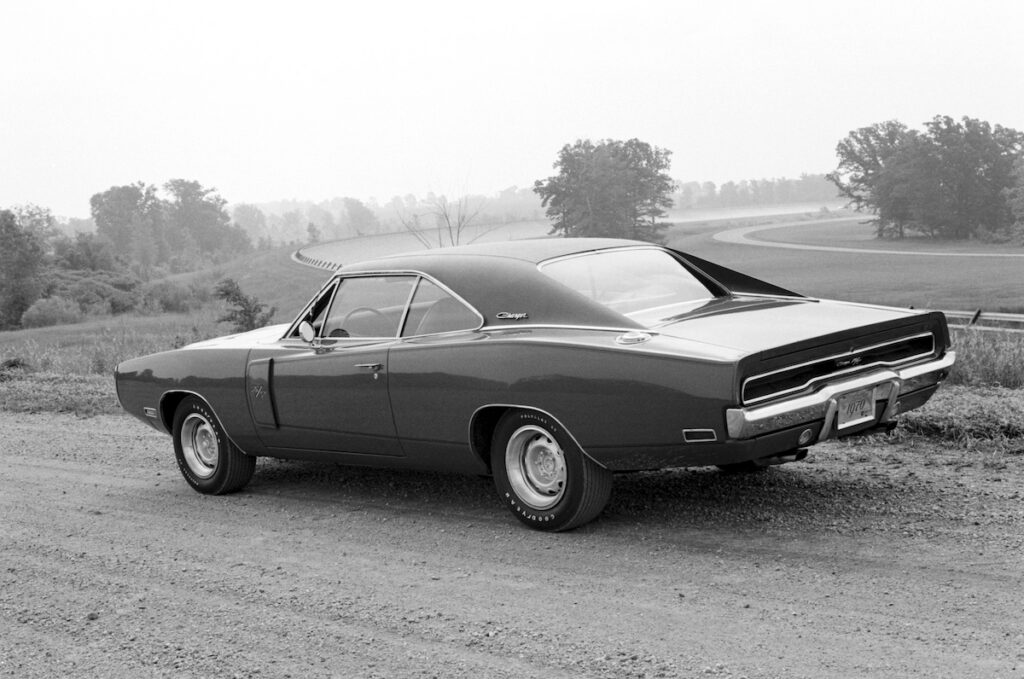
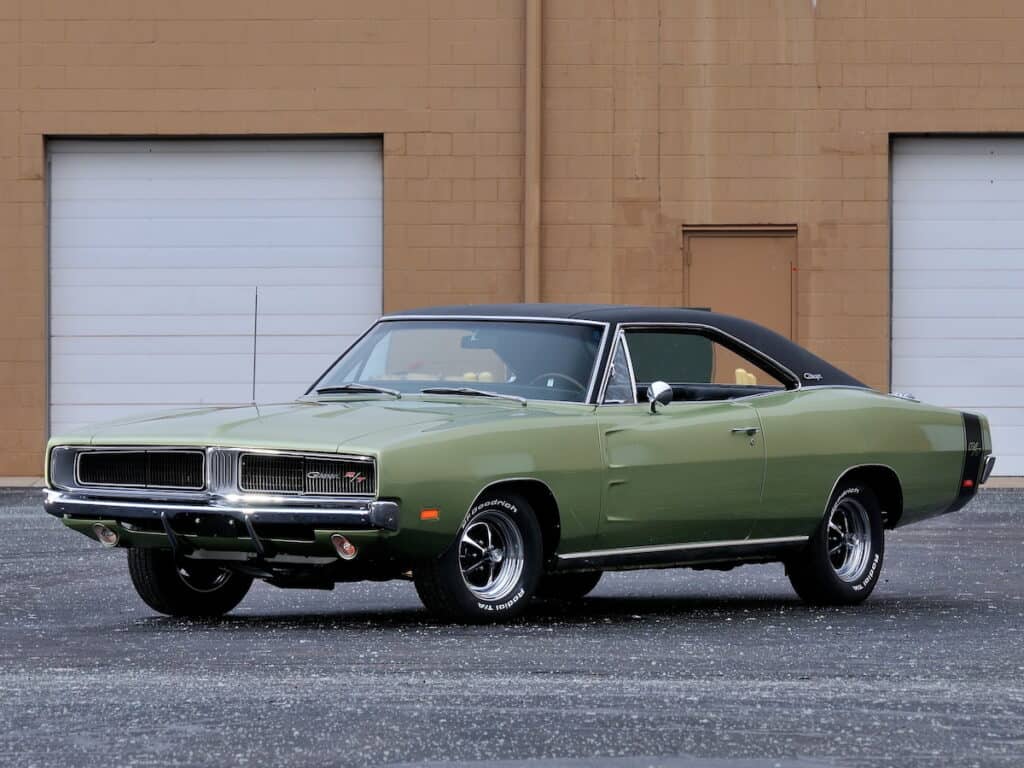

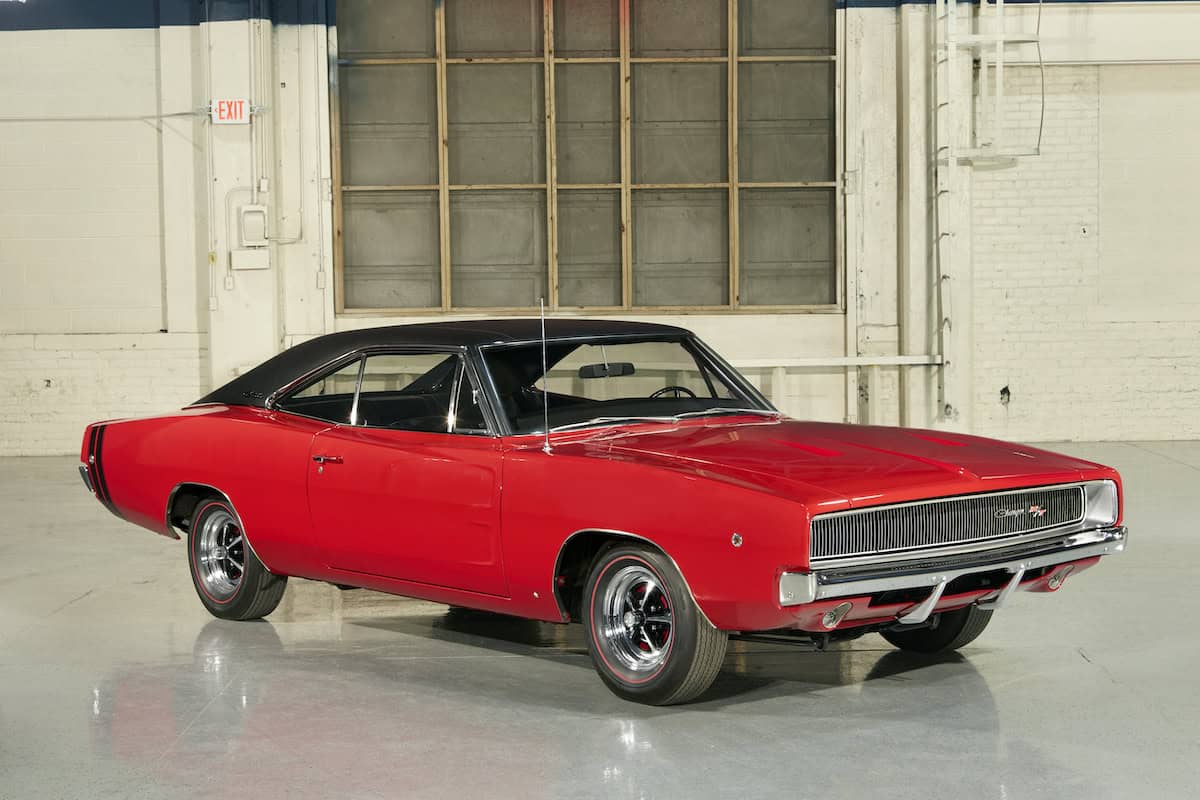
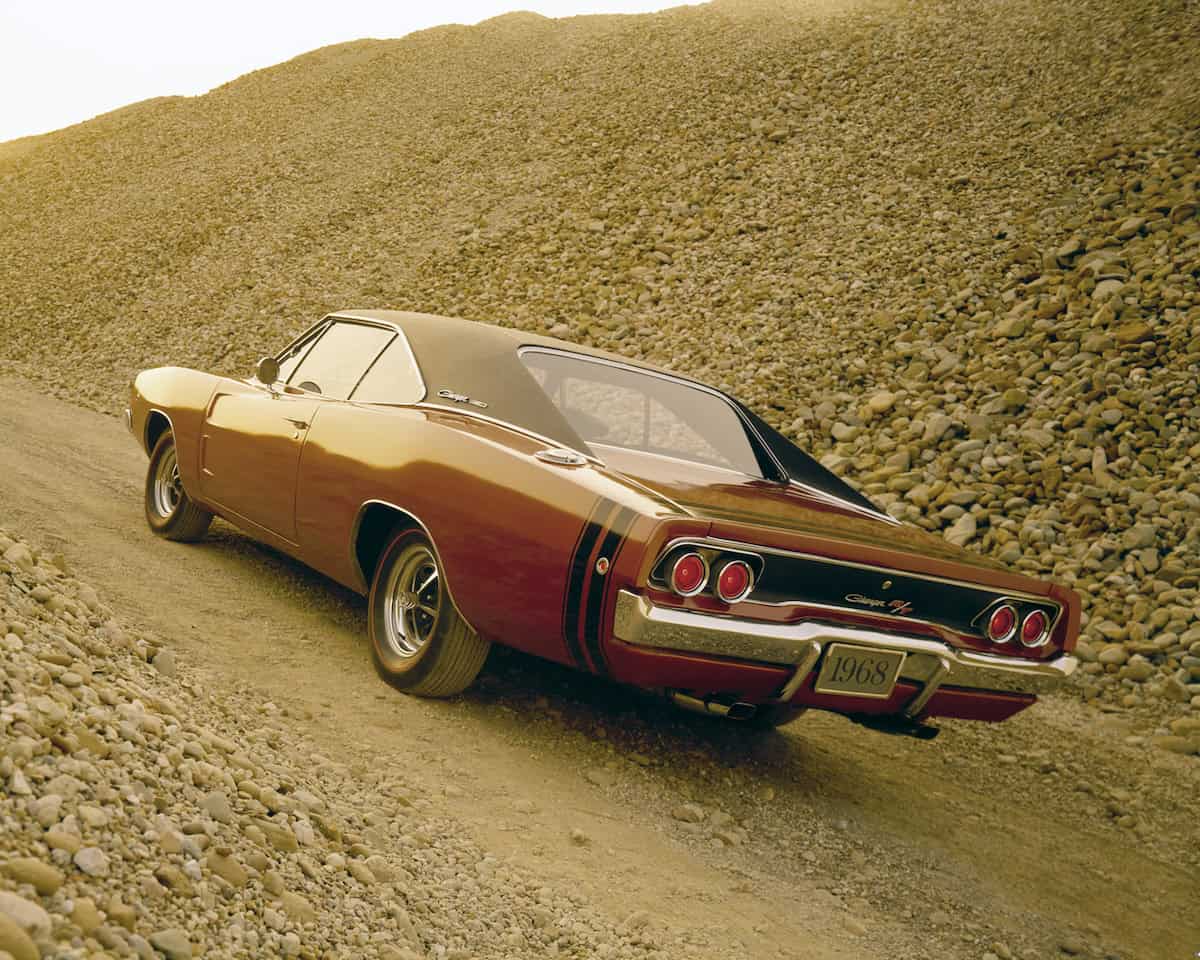
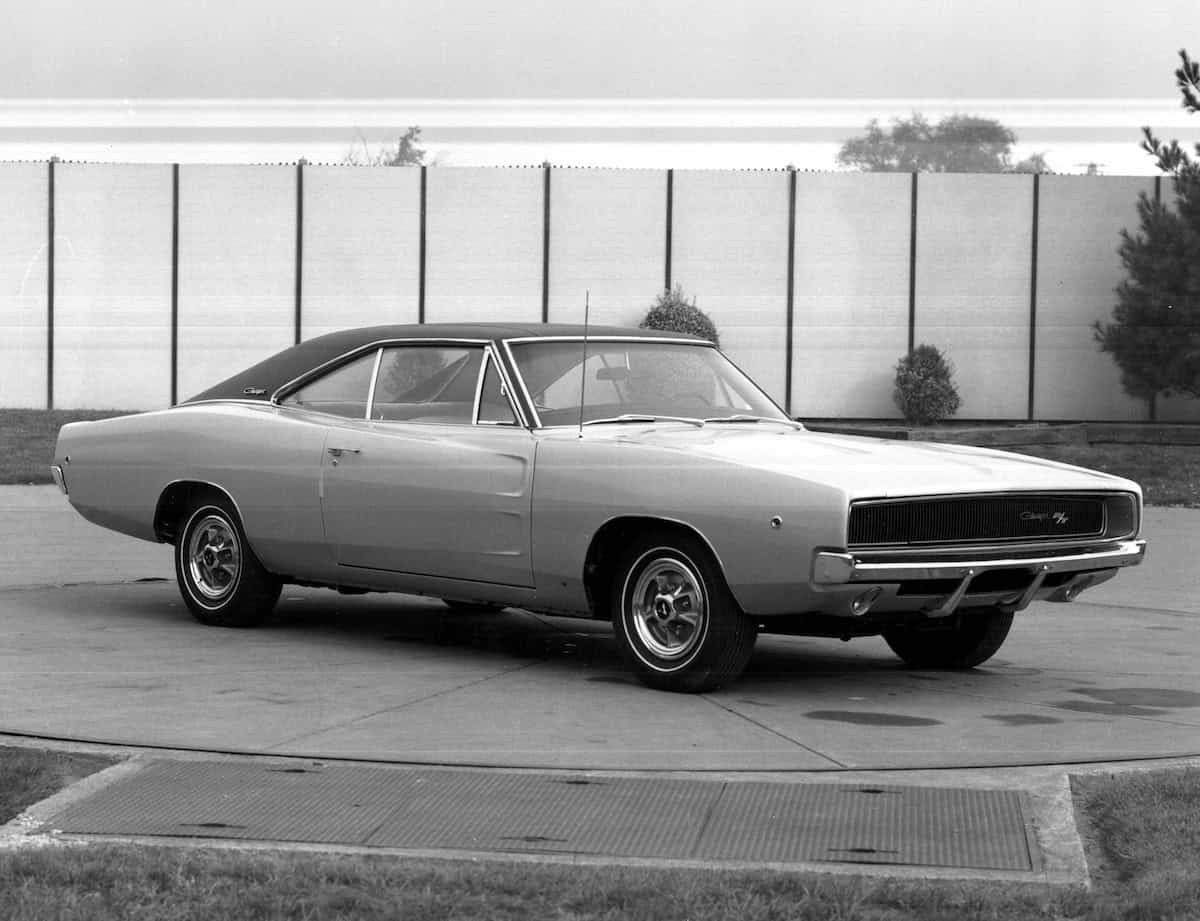
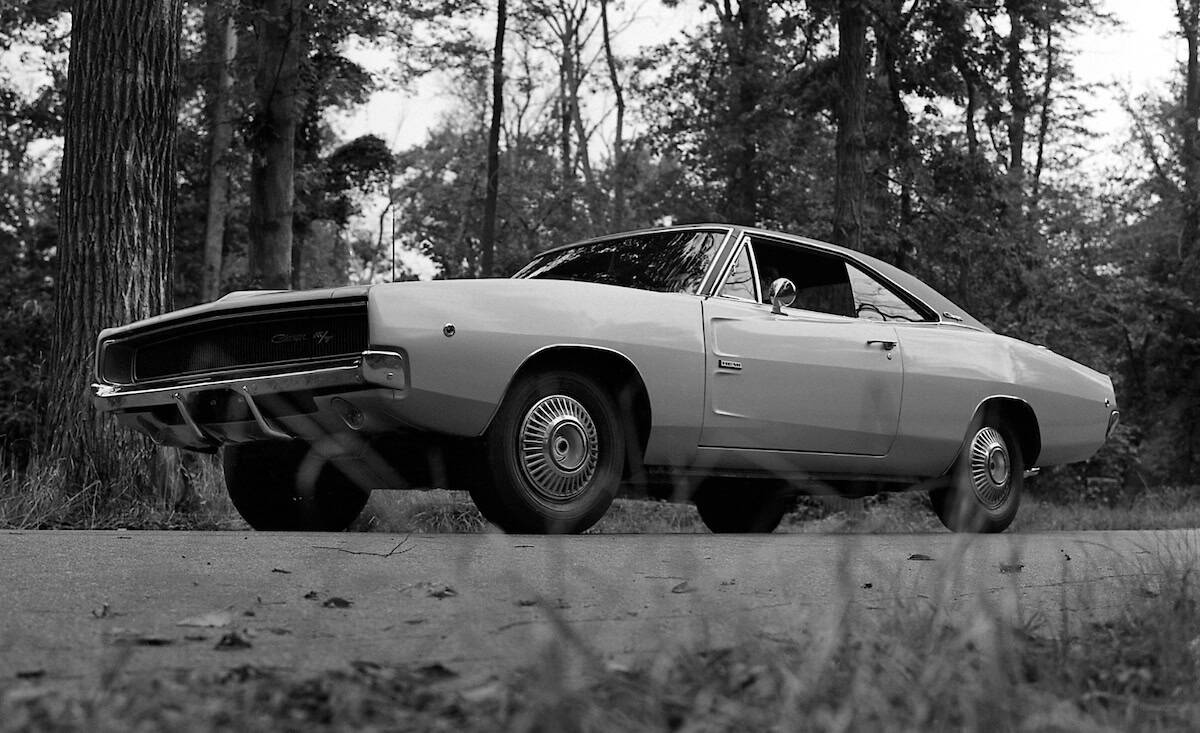
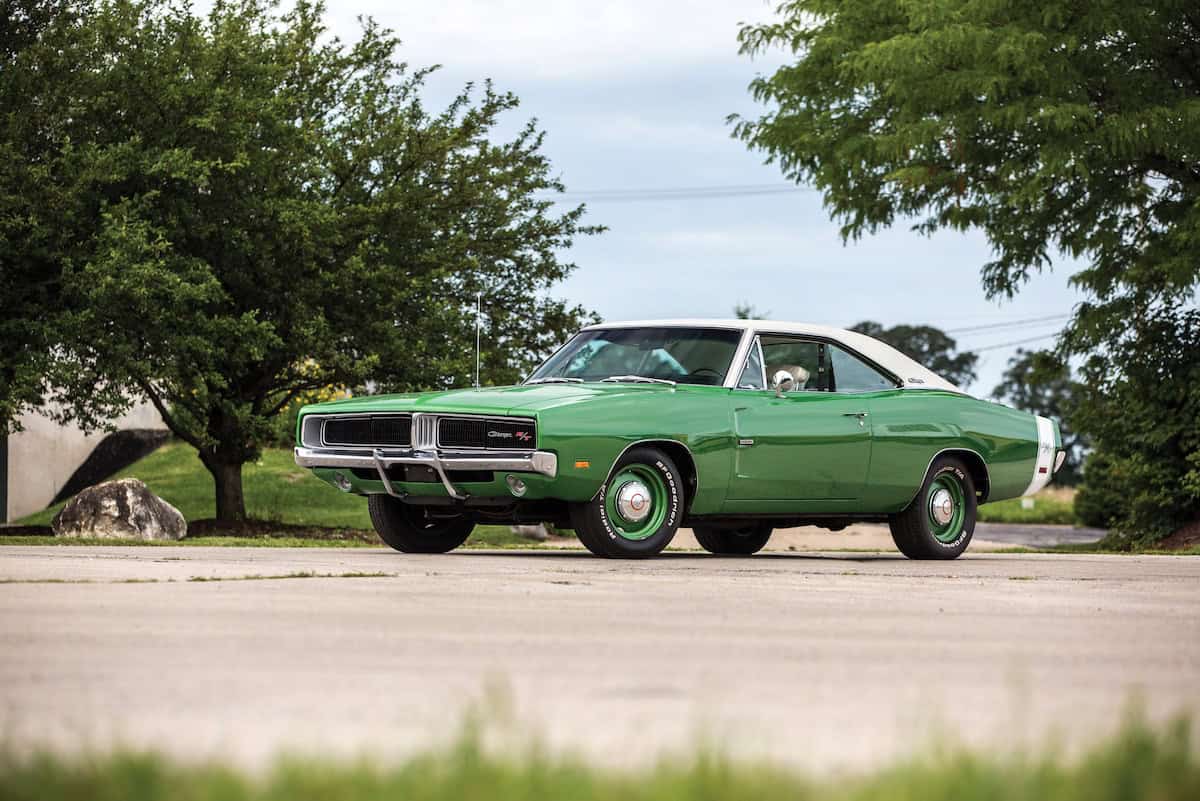
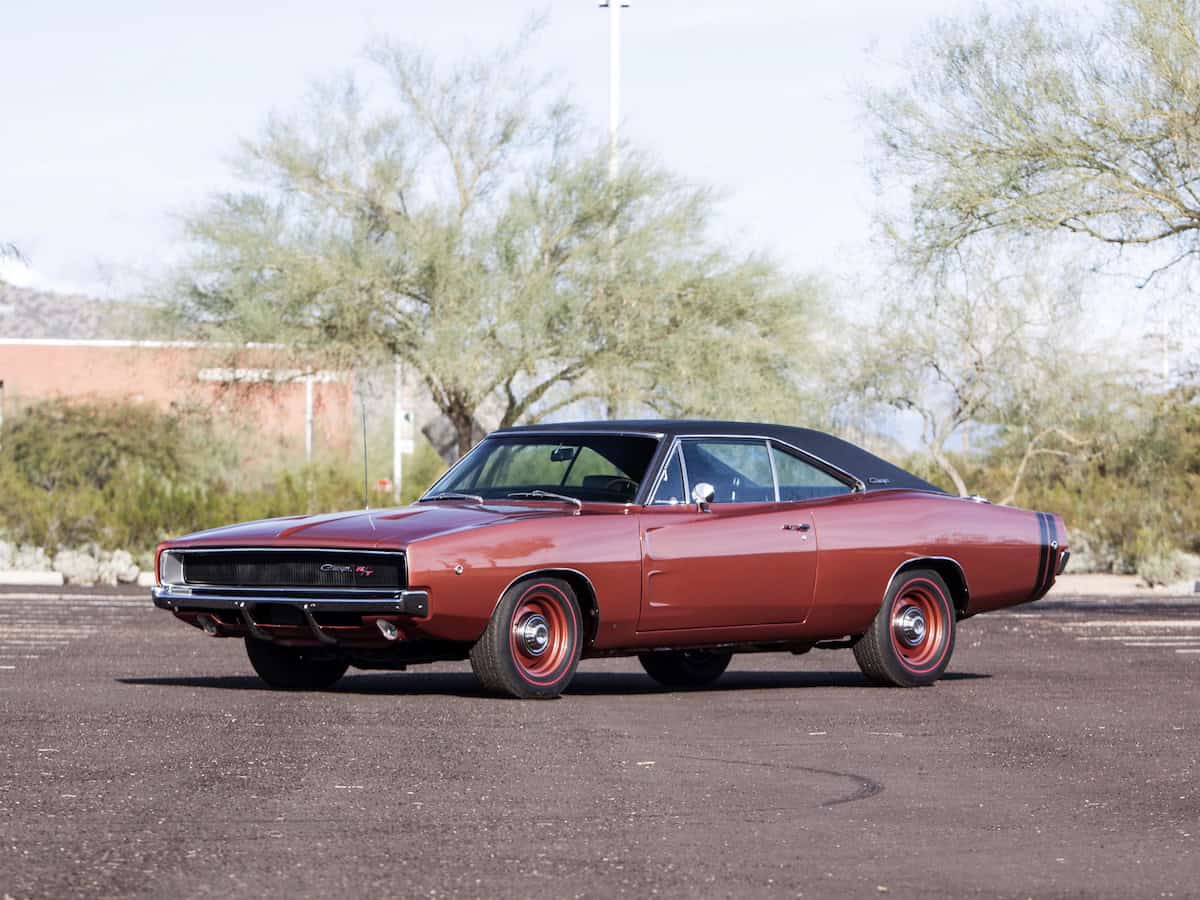
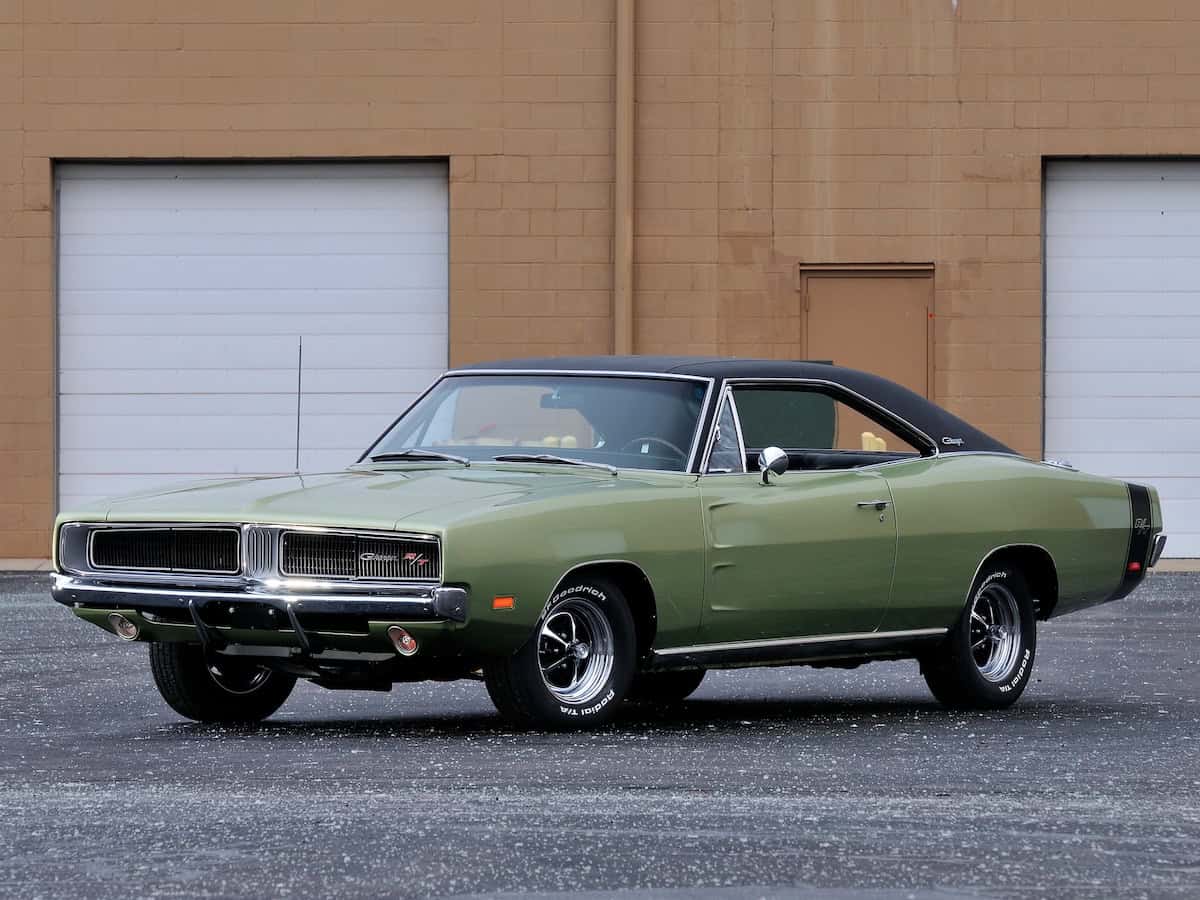
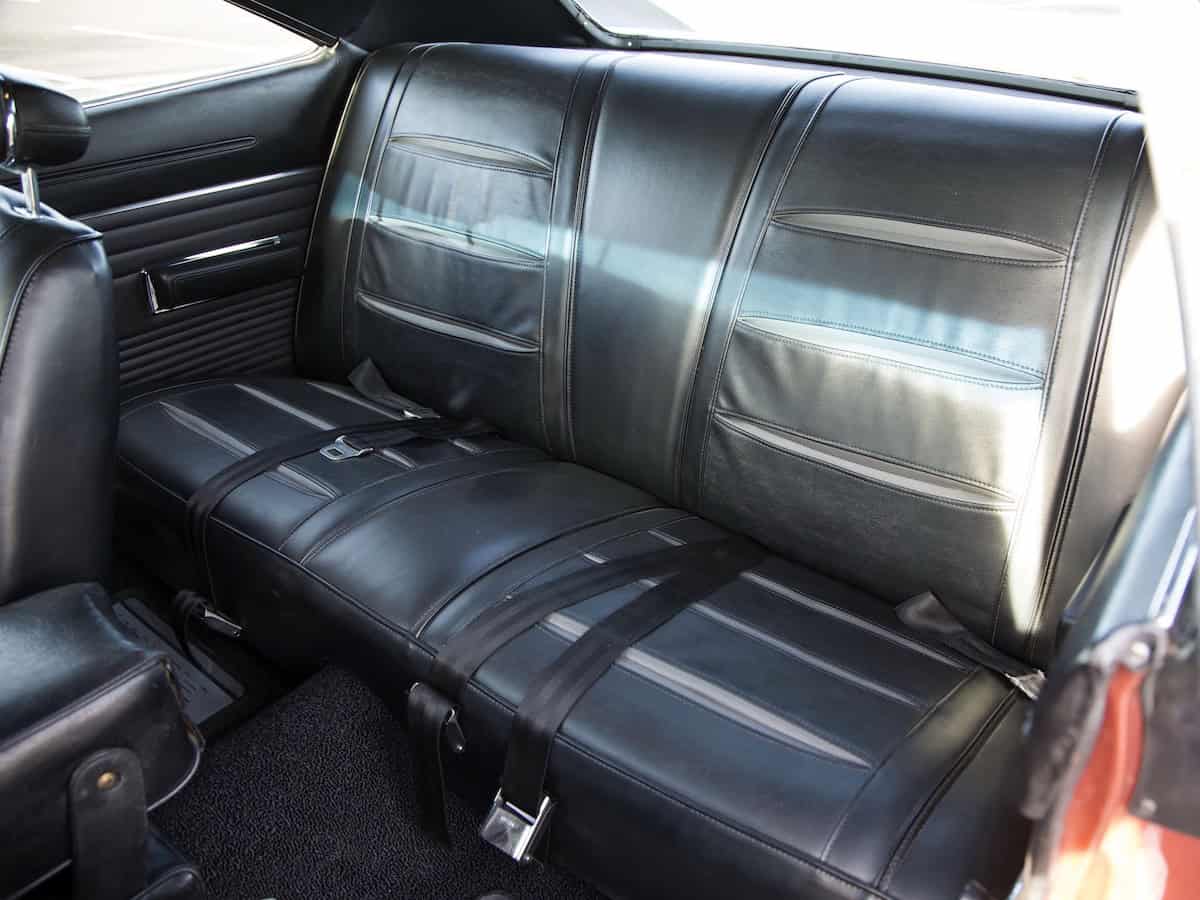
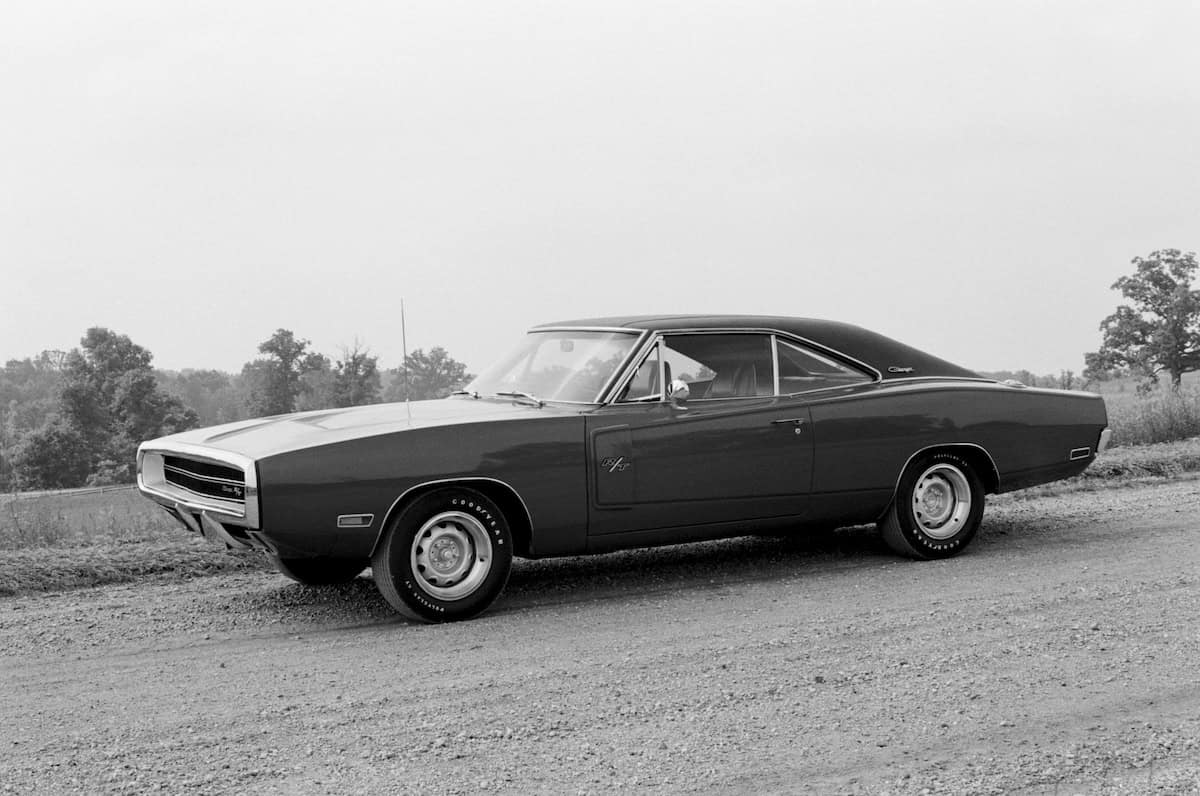
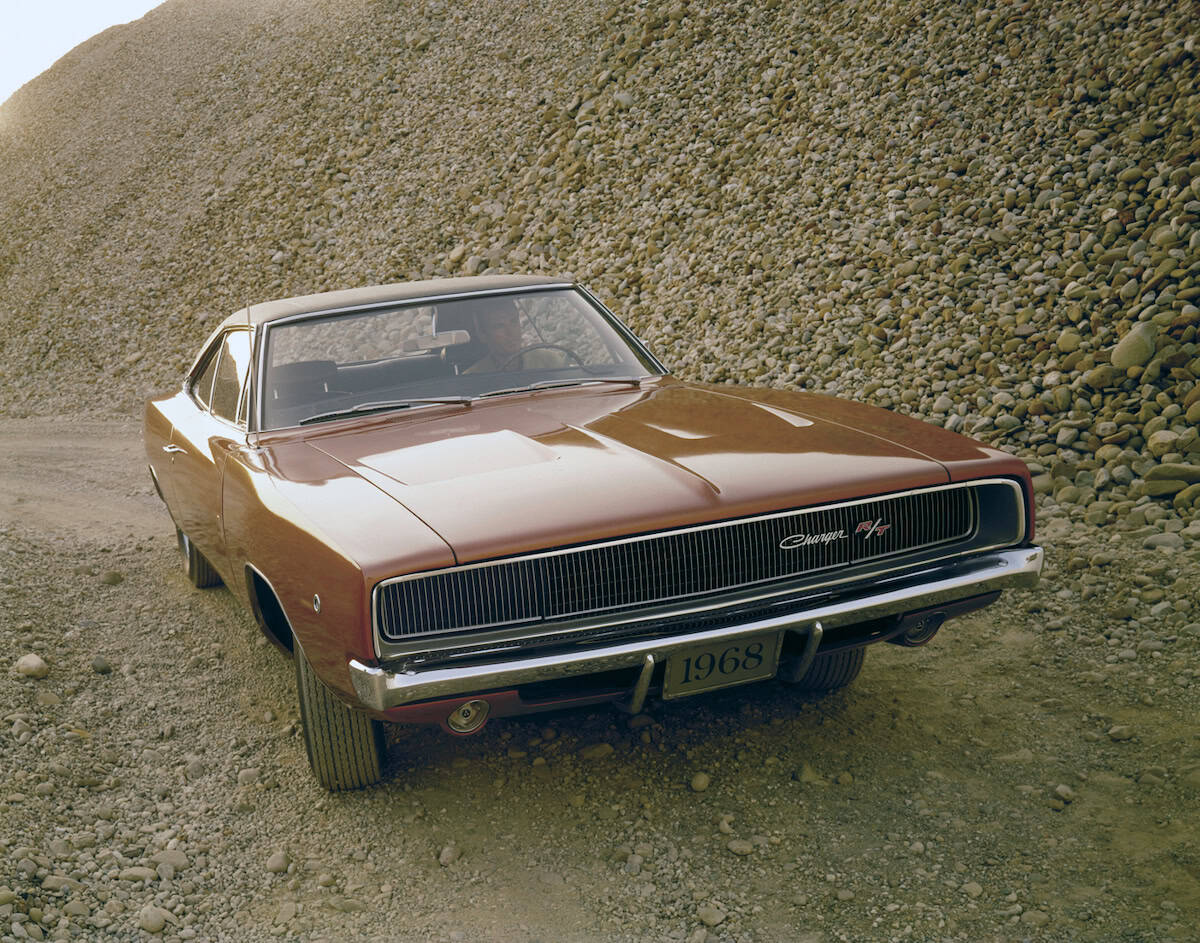
If Lieutenant Frank Bullitt’s dirty Mustang GT 390 was meant to be the good guy, how bad does that make the bad guy? With its long, shark-like stance, 7.2-litre monster mill, and regular roles on the wrong side of the law, the 1968-69 Dodge Charger R/T 440 is one of Motown’s meanest.
As it did in the iconic movie Bullitt, so too was the Charger was chasing the Ford Mustang in real life. Ford’s runaway pony car success of 1964 had rivals GM and Chrysler scrambling to match it, and by 1968, with the Dodge Charger entering its second generation, the horsepower hoe-down was on.
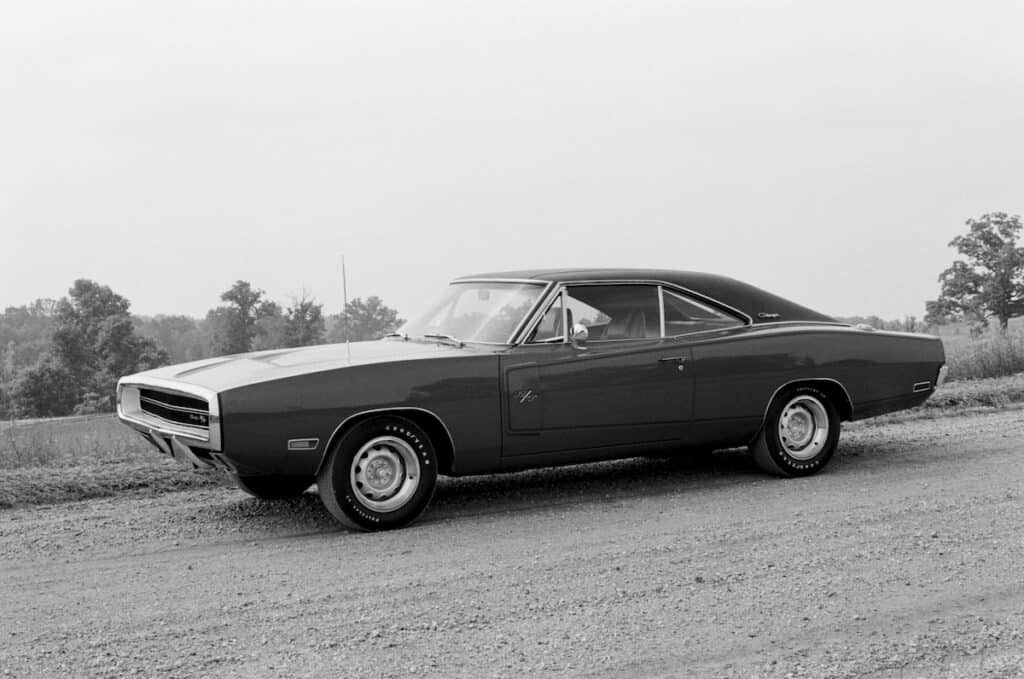
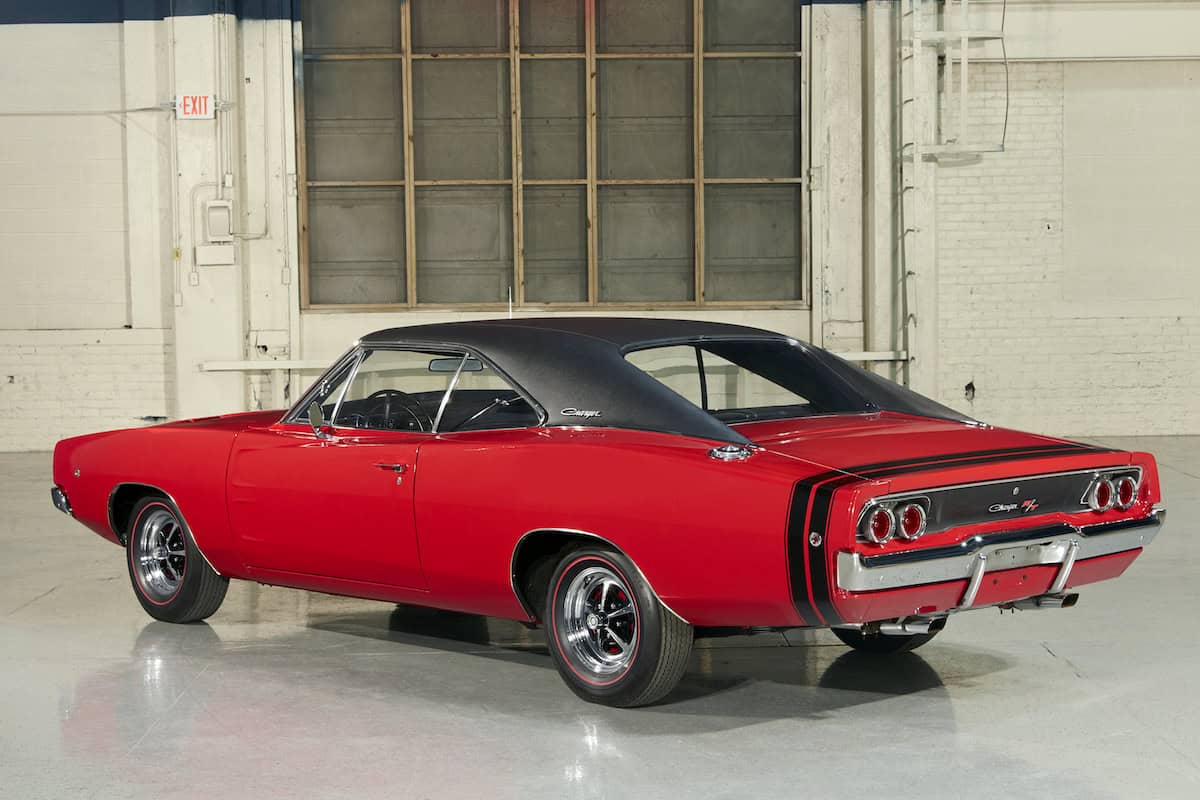
The ’68 Charger’s first weapon was its styling. Designer Bill Brownlie had been involved in the styling of the original Charger of 1966, Detroit’s first full-sized coupe to adopt the ‘fastback’ style already popular among smaller models.
Indeed, the ’66 Charger had originally been planned for Chrysler’s daring turbine engine, before it was axed in 1963 at the eleventh hour. Brownlie revamped the turbine-coupe shape as a 1964 show car (Charger II) on Coronet mechanicals, and it turned up two years later as the all-new Charger.
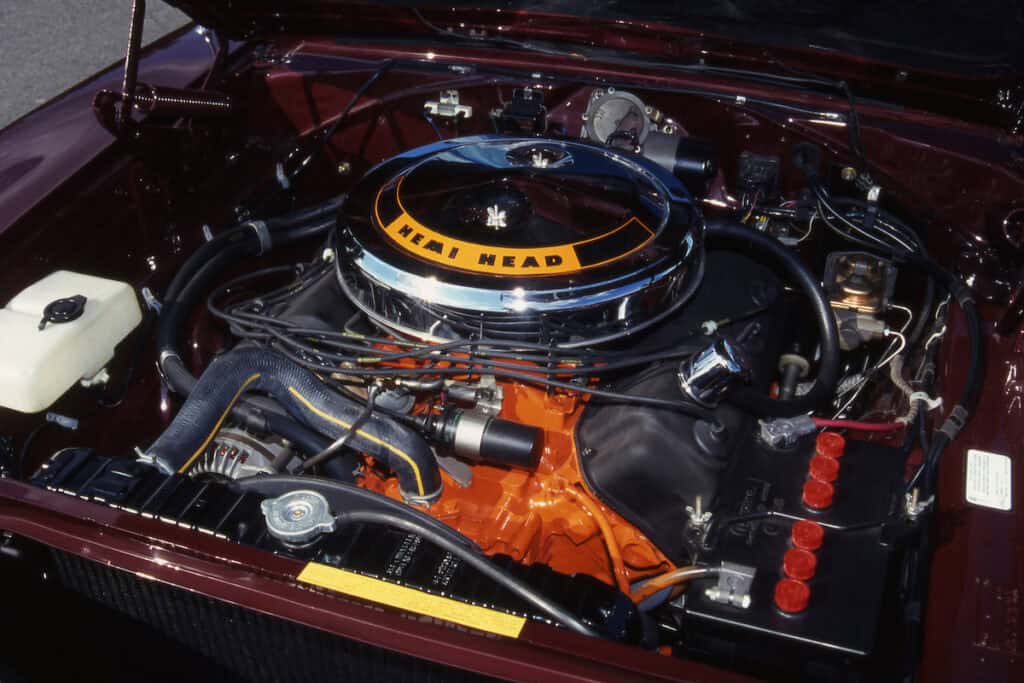
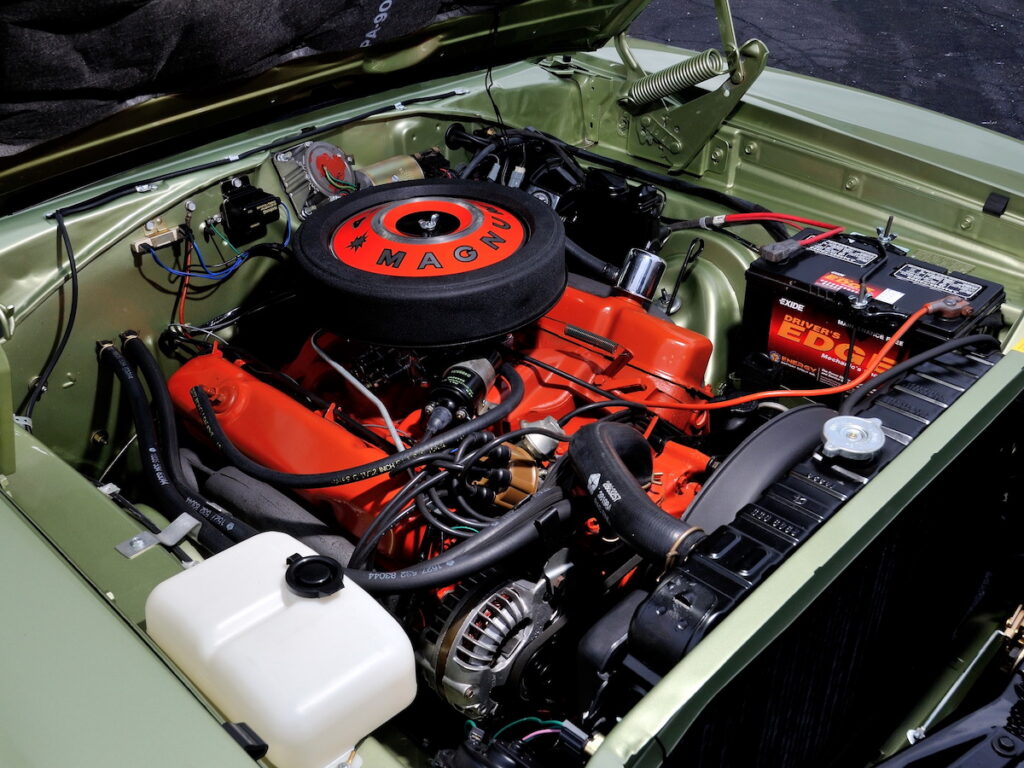
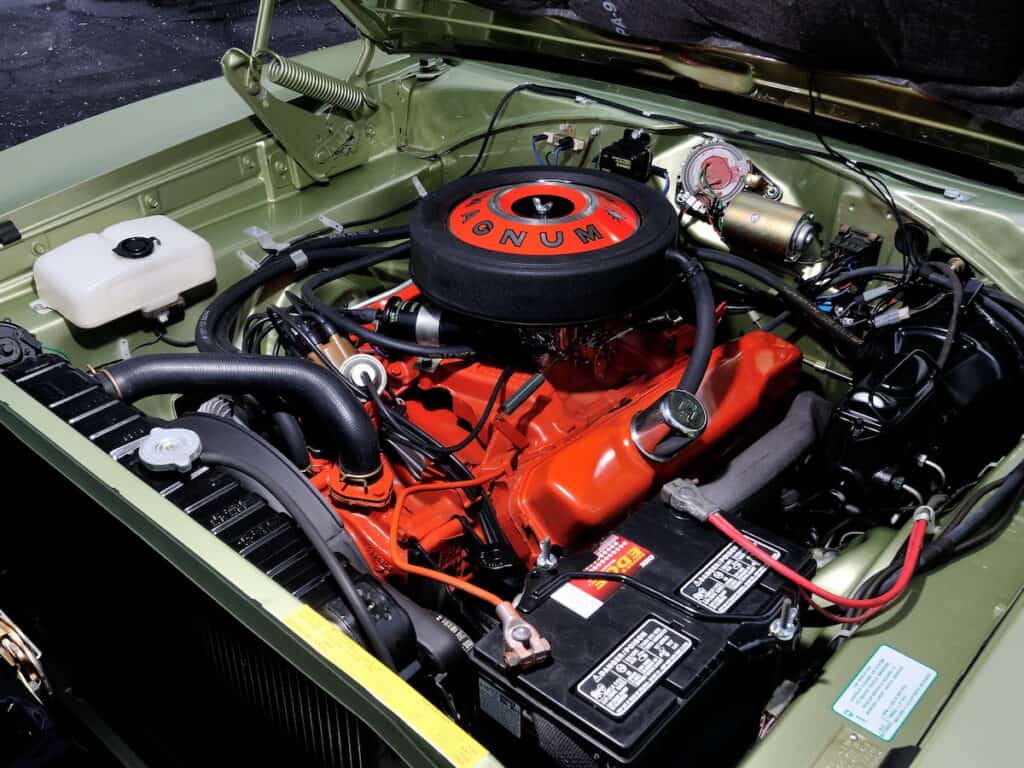
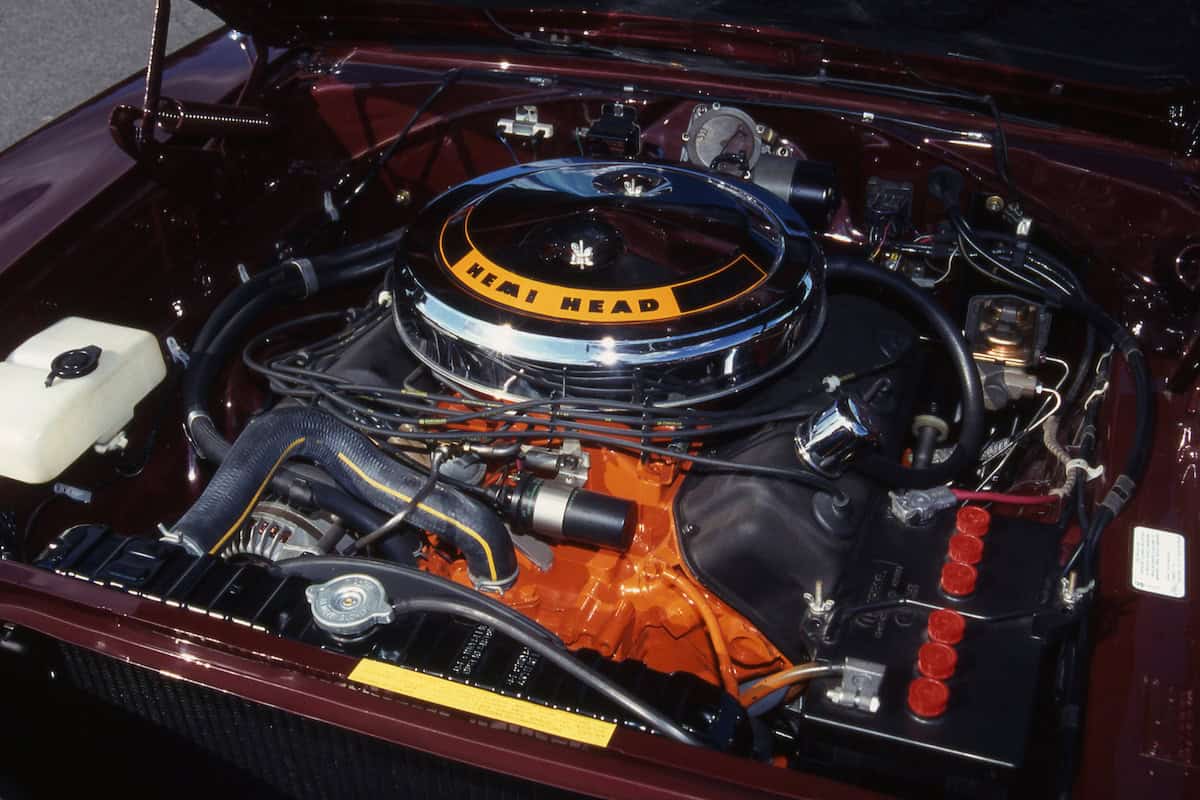
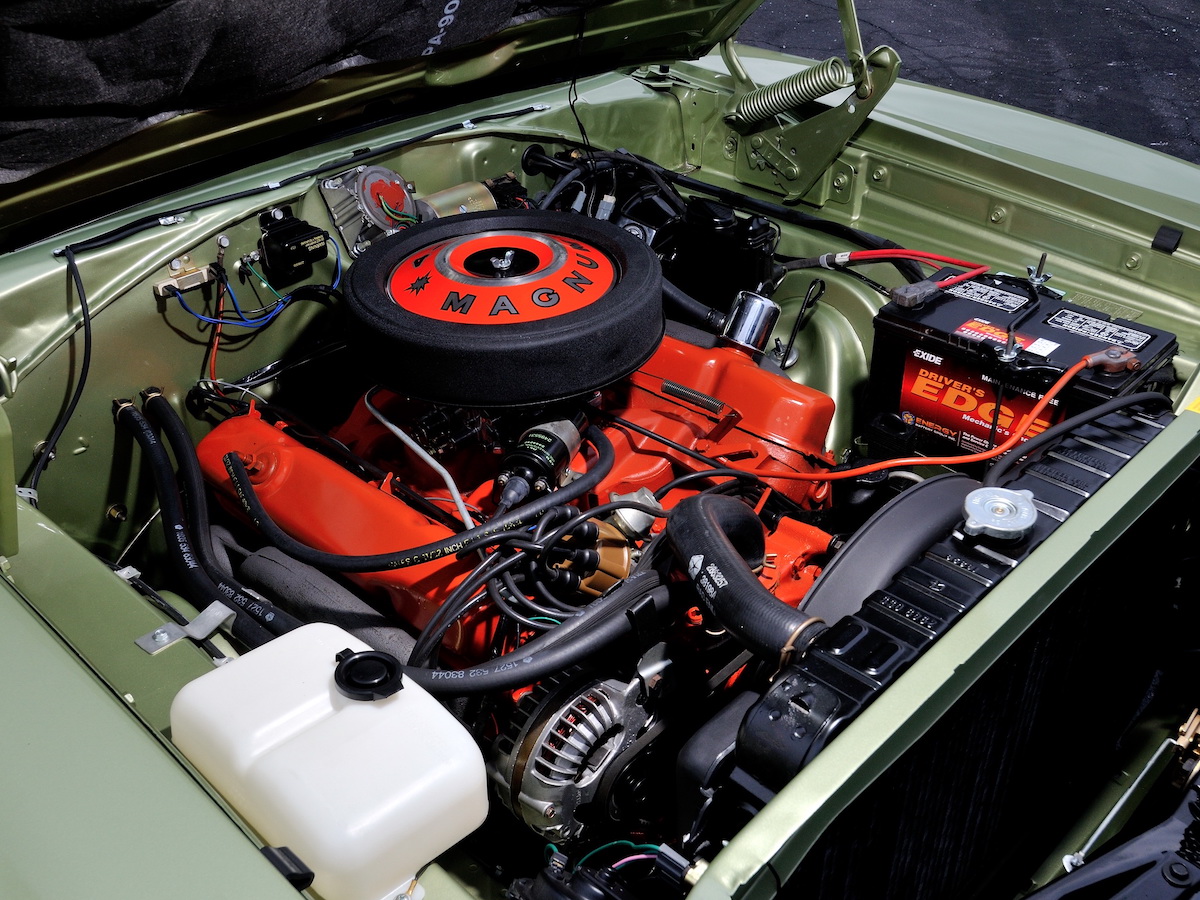
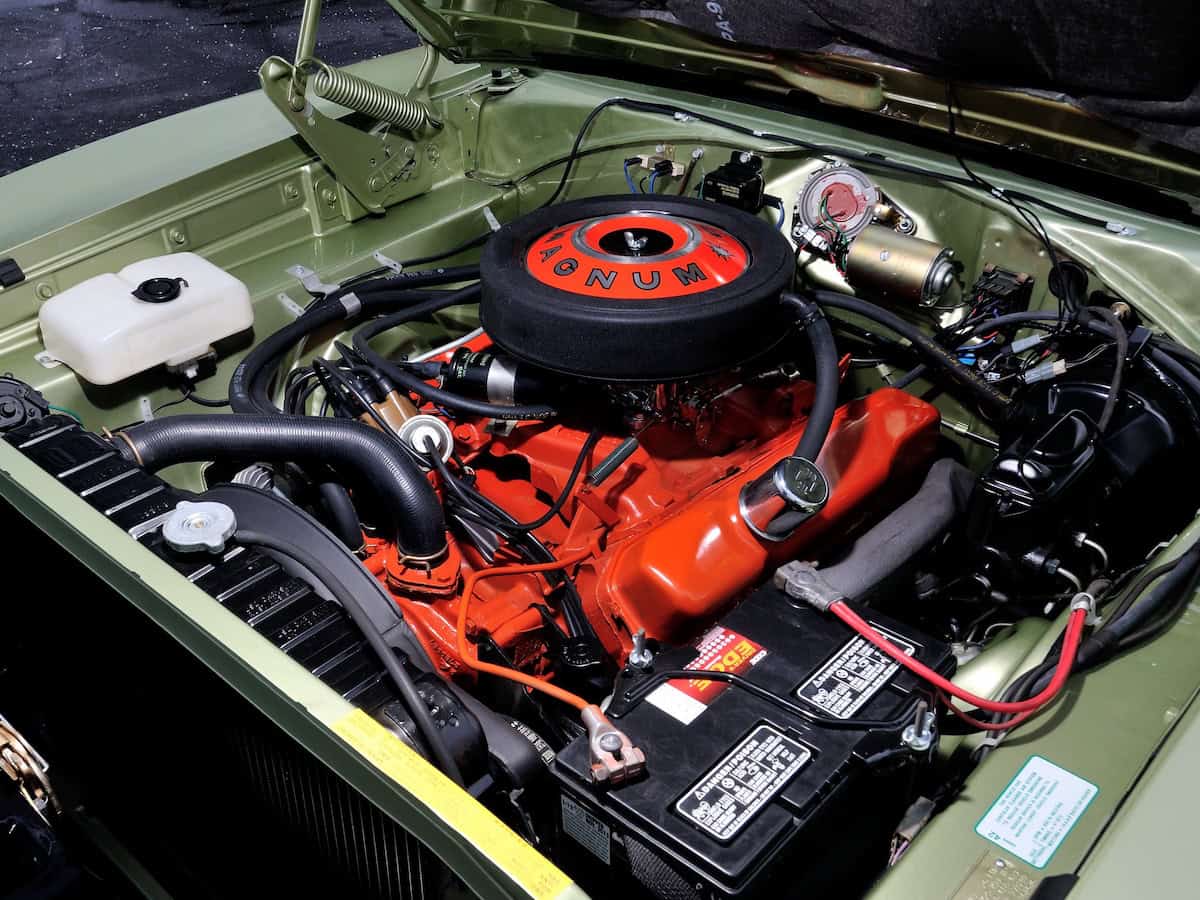
It was nothing on what Brownlie would do when given free rein for the ’68 successor. Although Chrysler’s most lustworthy engines, the 440 Magnum ‘Max Wedge’ (displacing 7.2 litres and serving up 280kW/651Nm) and the 426 Hemi (a 7.0-litre with an even stronger 317kW/664Nm) had been available in the old ’67 shape, Brownlie’s “jet-age aerodynamic styling” for ’68 propelled Charger’s sales to six times those of the previous year.
Wait… who the hell is Max Wedge? Chrysler’s first Hemi V8, named for its hemispherical combustion chamber, had appeared in 1951. For its new big-block RB-series V8 of 1958, Chrysler introduced a less expensive but admirably efficient wedge-shaped chamber.
Wedges were soon the go for street, strip, and circuit racing, typically wearing the raised, ram-air manifold developed by rebel Chrysler engineer-racers, The Ramchargers. A Maximum Performance Wedge option came in ’62, initially of 413ci and later 426ci and 440ci. In 1965, a newer and better 426 Hemi came to out-rev and out-wallop even the 440 Magnum.
Regardless of what was under the bonnet, and the bulk of them came with the poverty-pack 318 and 383 cubic-inch V8s, the Charger wasn’t for the shrinking violet. Standard colour choices included Go Mango, Sub Lime, Top Banana and Plum Crazy. Three out of every four Chargers was sold with the then-fashionable vinyl top.
At its heart, though, the Charger was about performance. The 440 Magnum-and-bum-stripe R/T package accounted for about 20 percent of the 92,500 Chargers delivered in 1968. Fewer than 500 buyers dug deeper for the even more exotic 426 Hemi.
The R/T 440 package was aimed at weekend drag and circuit racers; it hooked up the 280kW Magnum motor and four-barrel Carter carb to a three-speed Torqueflite slushbox. A stock R/T 440 was good for quarter-mile acceleration in the high-13s.
The 426 Hemi, meanwhile, at US$4244 was a hefty US$652 more than the 440, but could be linked to a four-speed floor-shift manual.
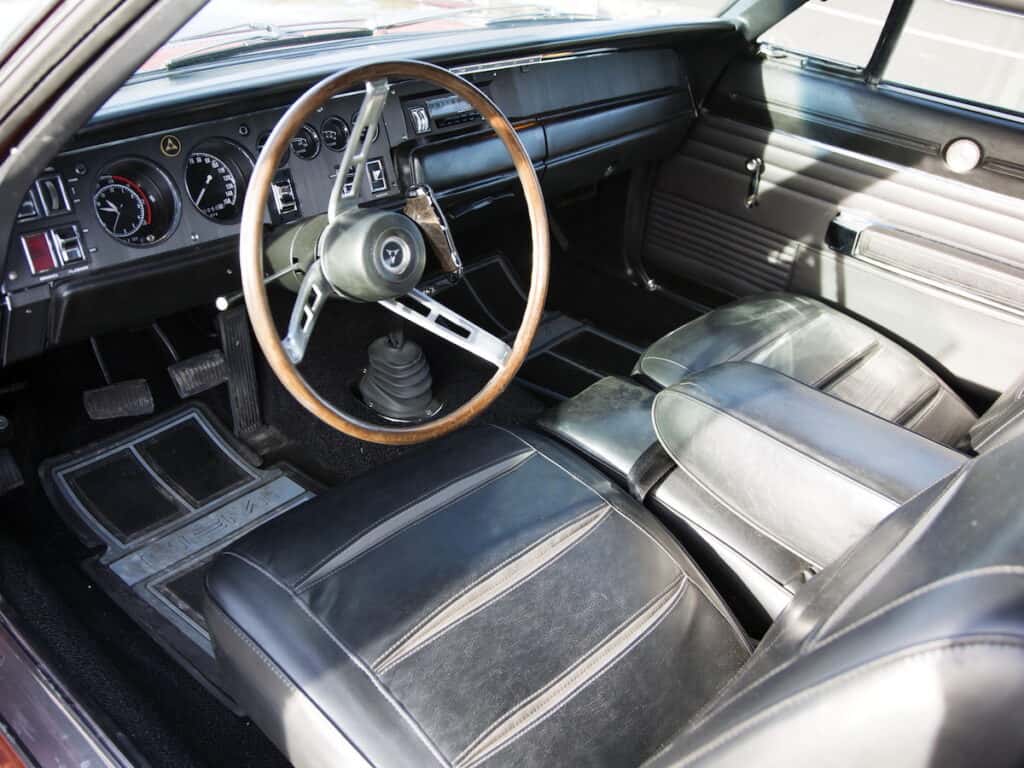
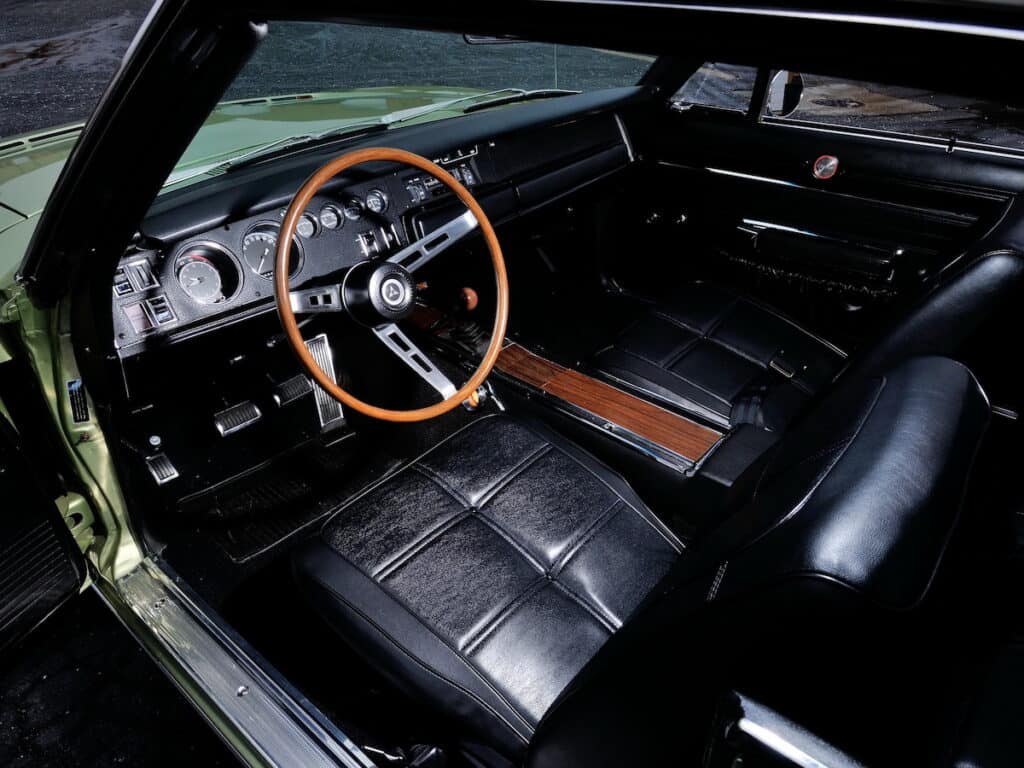
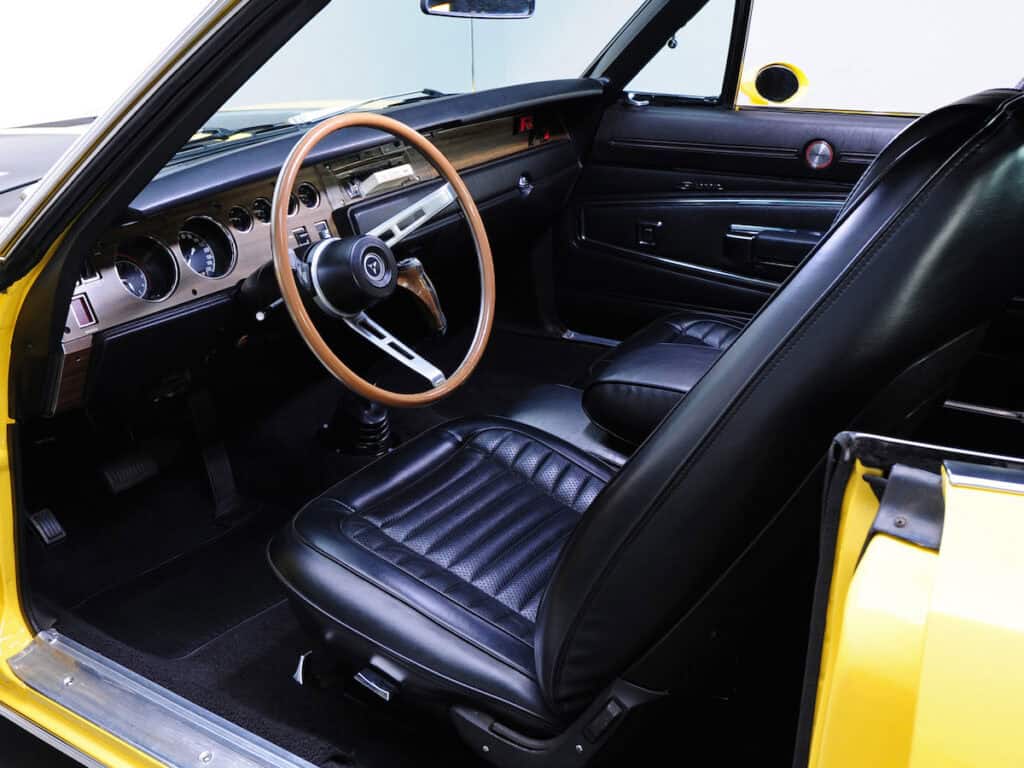
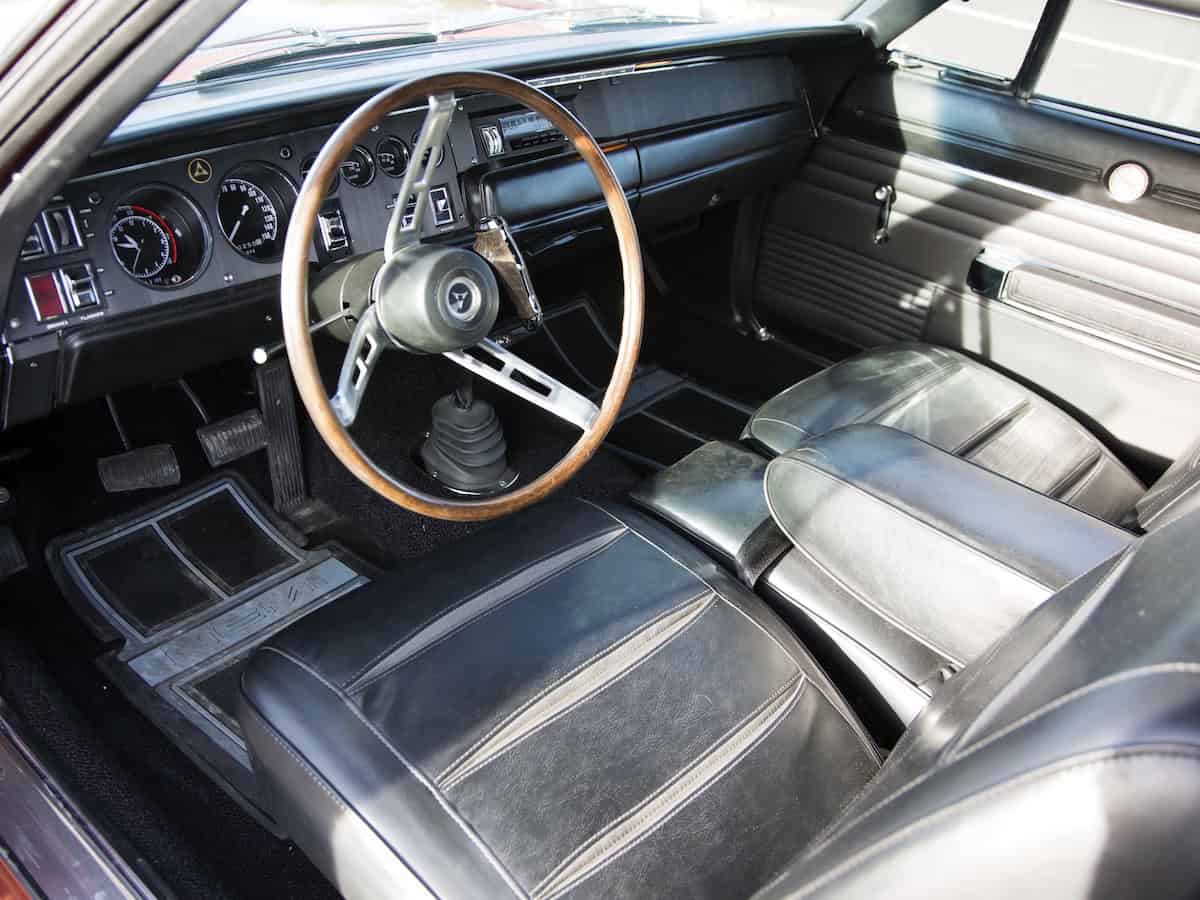
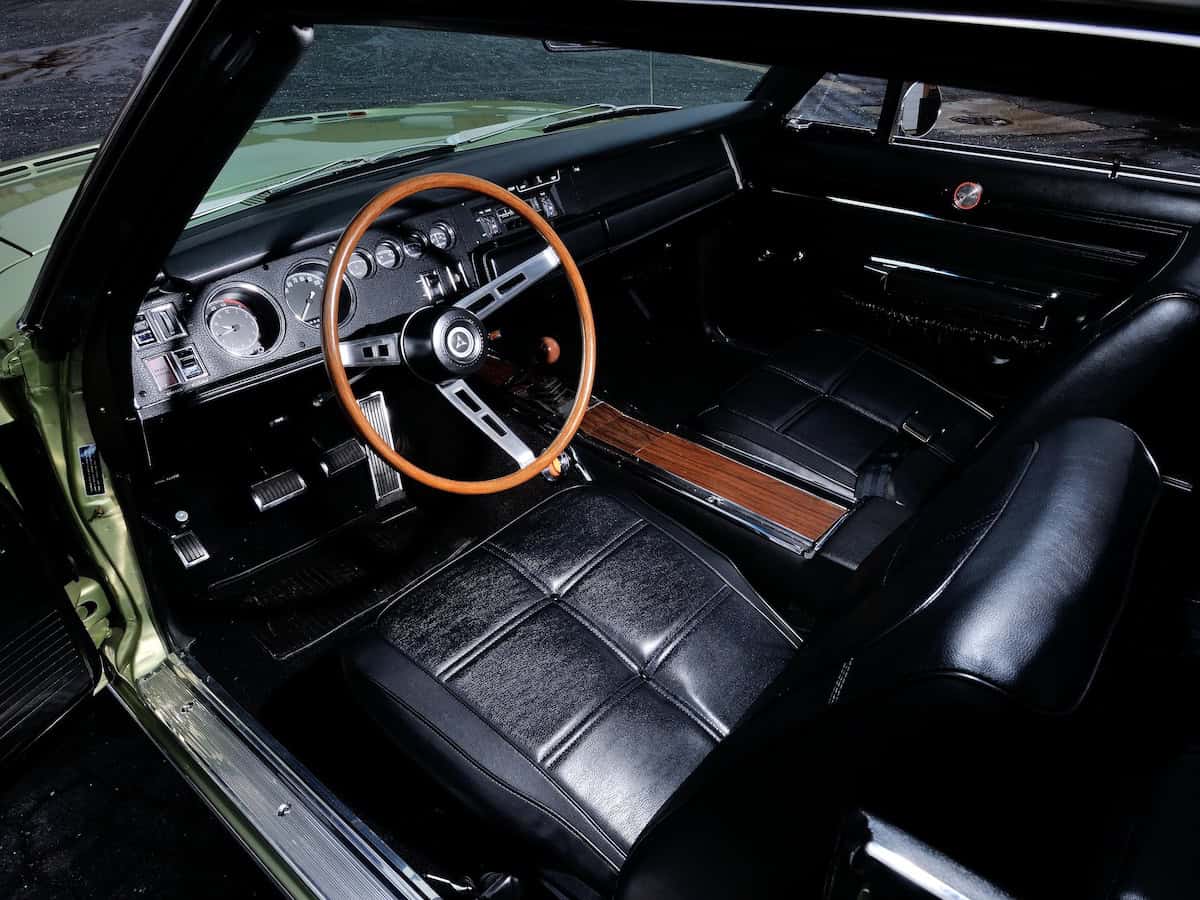
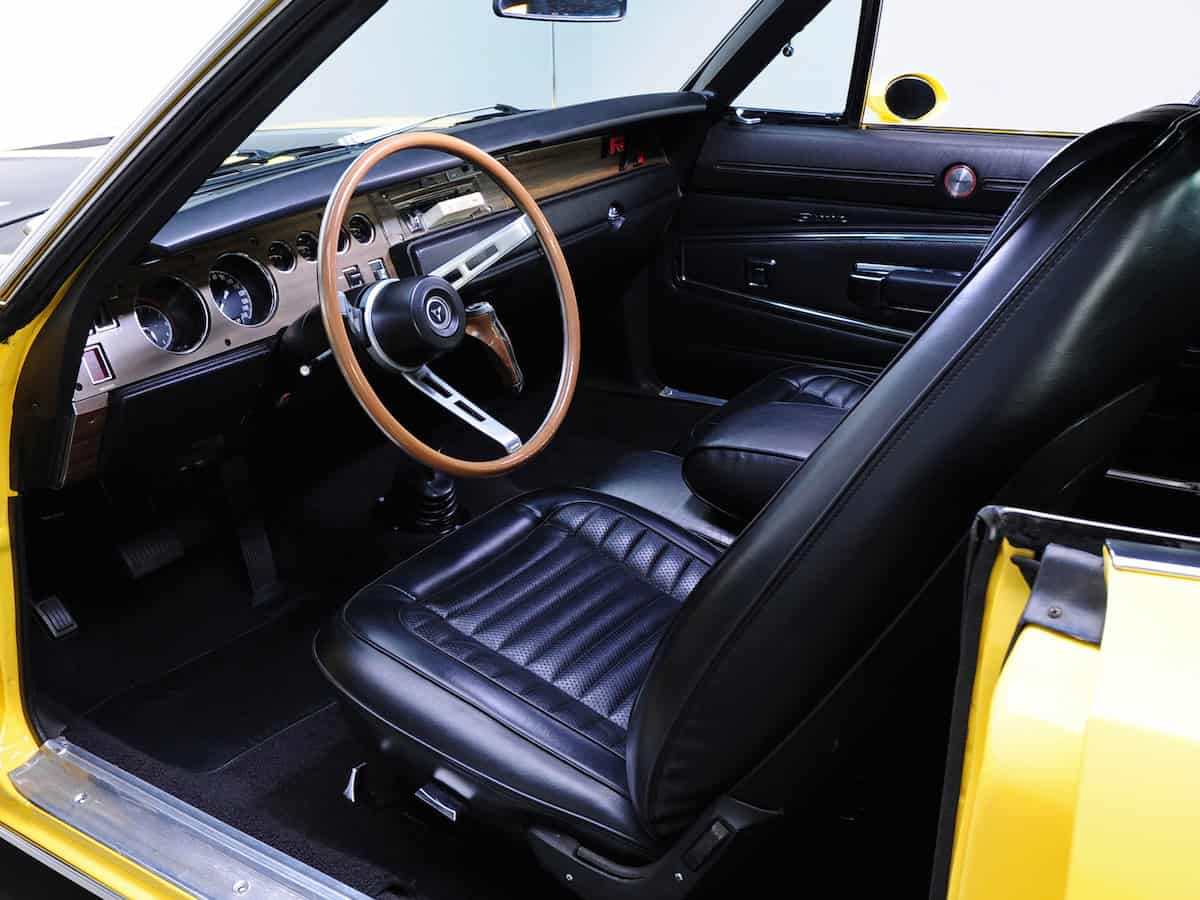
Still, it was obvious why you’d buy a 7.2-litre, 375-horsepower, 28.5L/100km American muscle car with drum brakes and a live rear axle: for the safety. Just three years after Ralph Nader’s book Unsafe at Any Speed, Chrysler limply pointed to the Charger’s lower-dashboard padding, plastic window-crank knobs, top-hinged glovebox and recessed ashtrays.
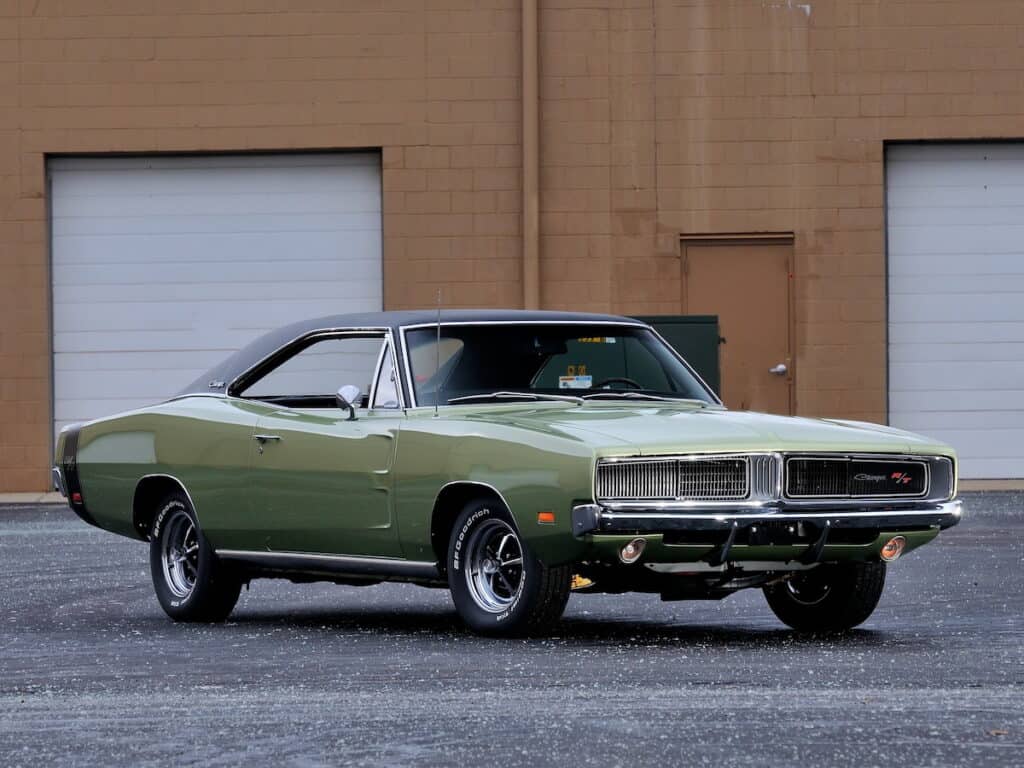
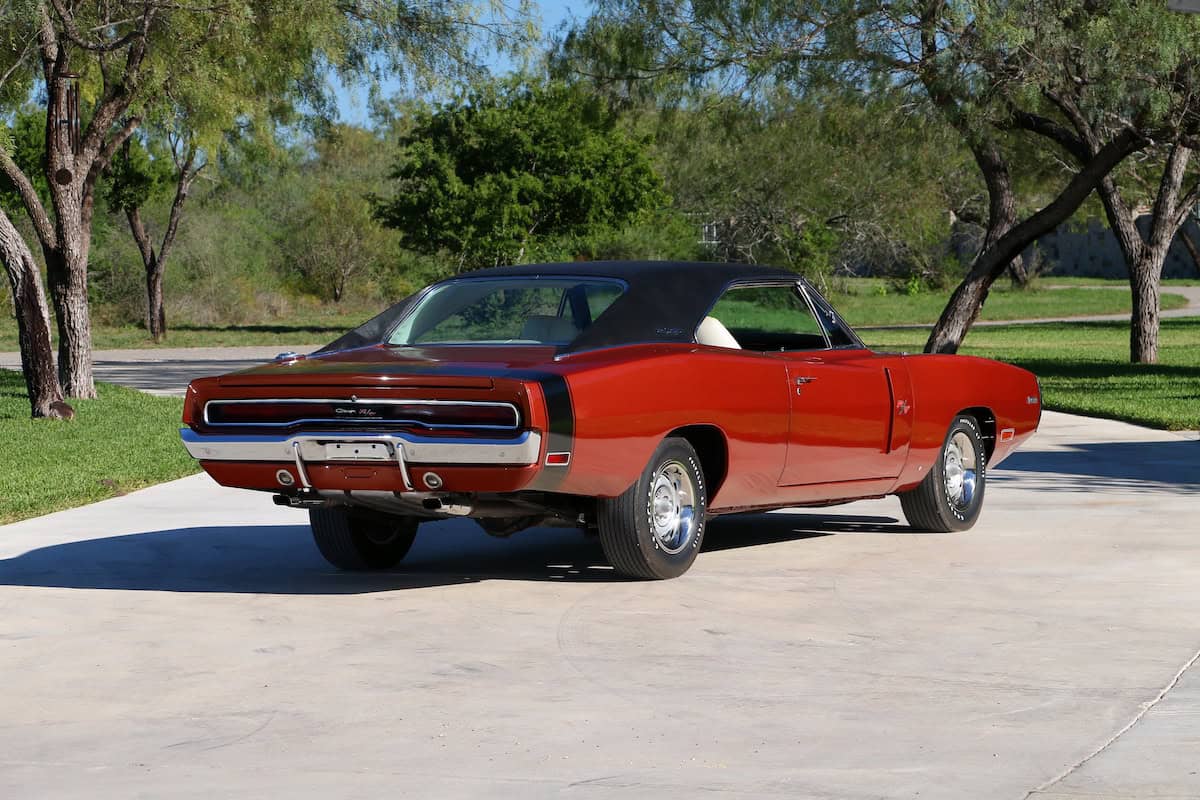
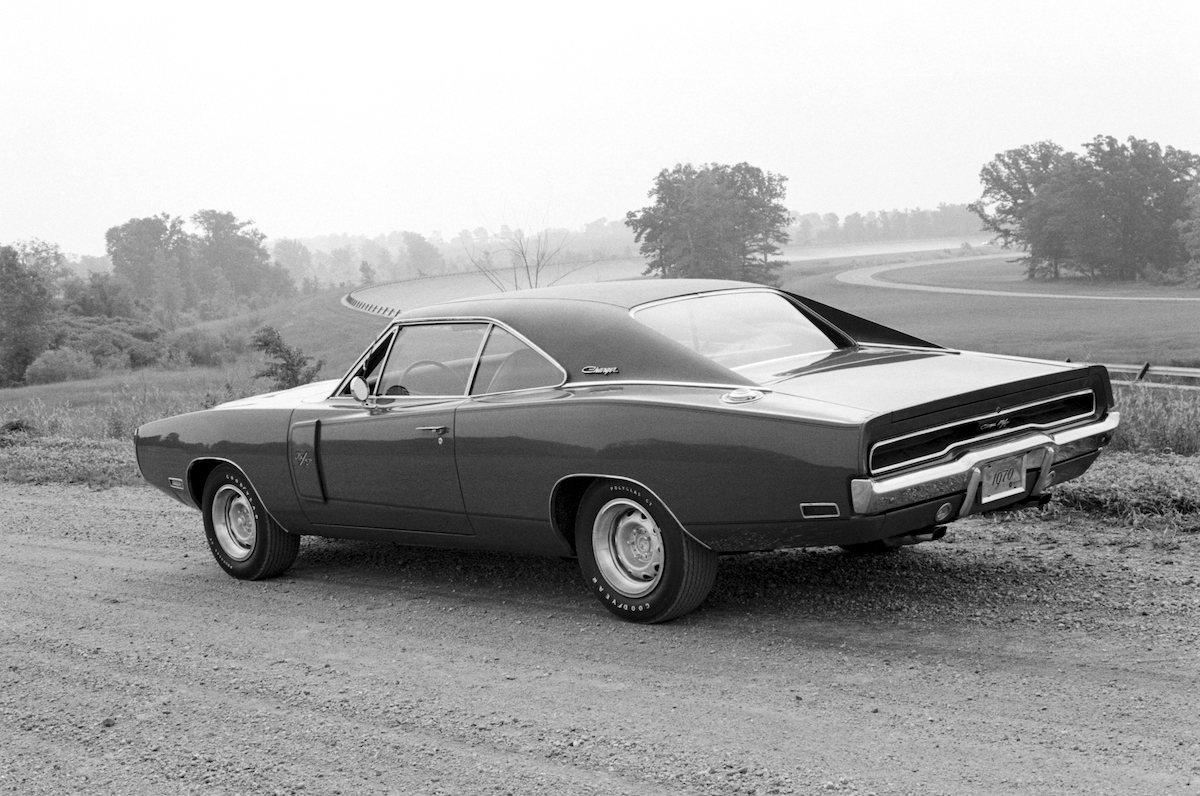
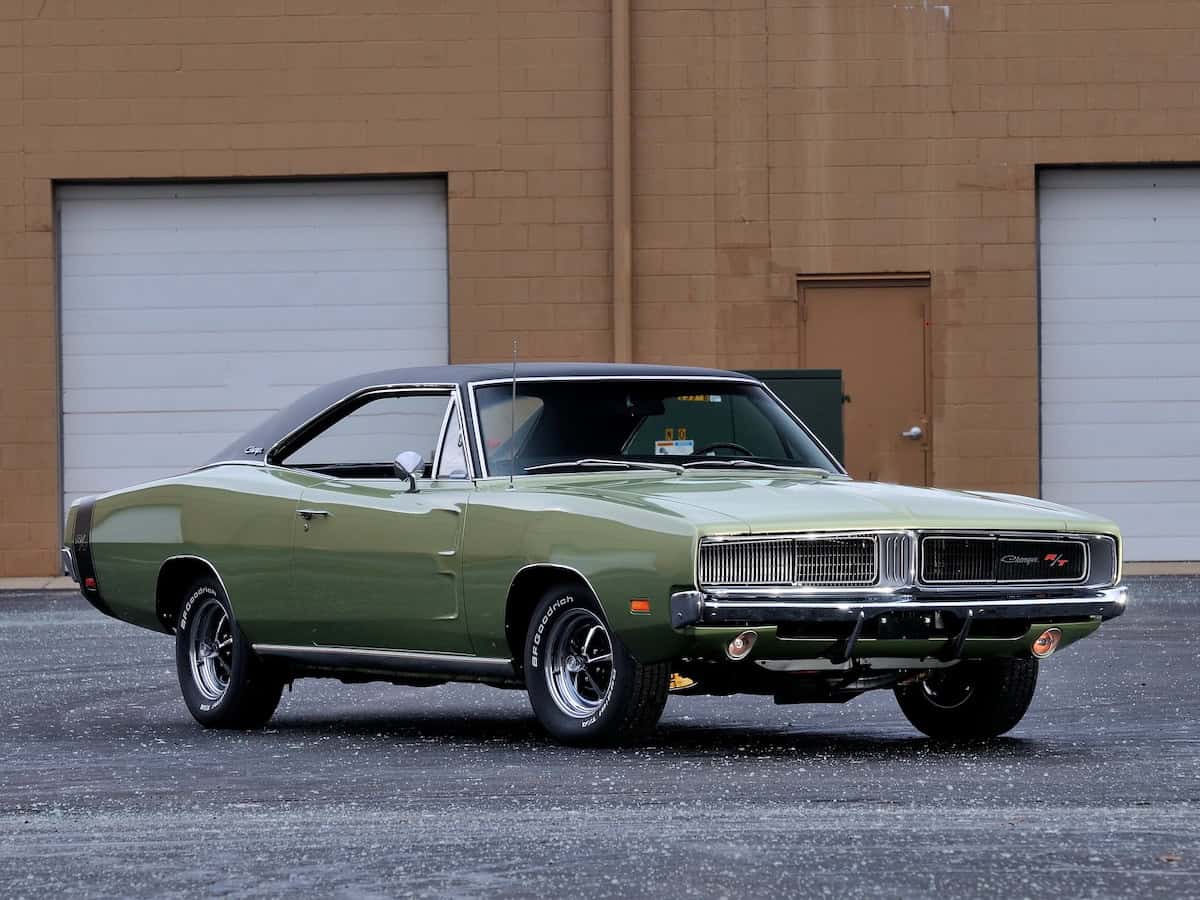
One unfortunate side-effect of the Charger’s Pontiac GTO-inspired ‘flying buttress’ rear window was spectacular aerodynamic lift at speed. And speed was very topical: Mopar star Richard Petty was among those already topping 300km/h in 1968 Daytona qualifying.
Chrysler’s fix for ’69 was the homologation Charger 500 with a flush rear window, of which only 500 examples were made. More outrageous yet would be the Charger Daytona, with its conical nose extension and towering rear wing making it more missile than muscle.
The 1968 Dodge Charger was destined to be no less a star in popular culture. Its most famous movie role in Bullitt occurred quite by chance: along with two Mustang GT390s, Ford also loaned the producers two Galaxies for the baddies. However, the big sedans couldn’t cop the San Francisco gymnastics, and the producers simply bought two black R/T 440s from an LA dealer.
Other bad-ass outings for the ’68 Charger include the nasty, flat-black example of psychopath Frank Booth in Blue Velvet (1986) and the ill-fated car star of Dirty Mary and Crazy Larry (1974), a Citron Yella ’69 model.
Perhaps eclipsing even Bullitt is the Charger’s stardom on the small screen, as the 1969 ‘General Lee’ from The Dukes of Hazzard. The show reportedly burned through 300 Chargers over six years, facelifting ’68 and ’70 models as the ’69s became harder to find. Star John Schneider (Bo Duke) is said to still own a number of ’69 Chargers.
There was a tenuous Australian connection in the Charger, too, and not just in the name making it onto our unique 1971-78 Chrysler coupe. The Aussie hardtop’s chief designer was US stylist Bob Hubbach, who had worked alongside Bill Brownlie at Dodge since 1967. Hubbach arrived in Adelaide in early-1970, with tape drawings already in hand, to work on the VH Valiant-based coupe project.