
There’s no denying that Japanese performance cars have enjoyed a massive boost in popularity and pricing over recent years. Partly, it’s that the generation that grew up admiring such cars are now in the position to actually acquire them. Their pedigree – whether via the world of motorsport or sheer rarity – also plays a part.
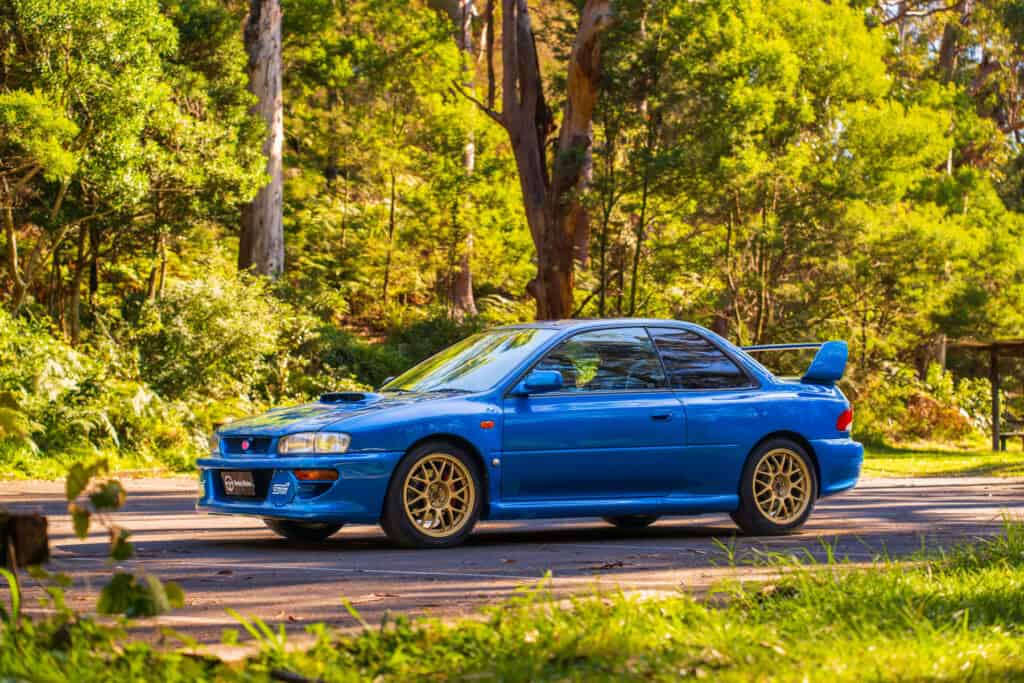
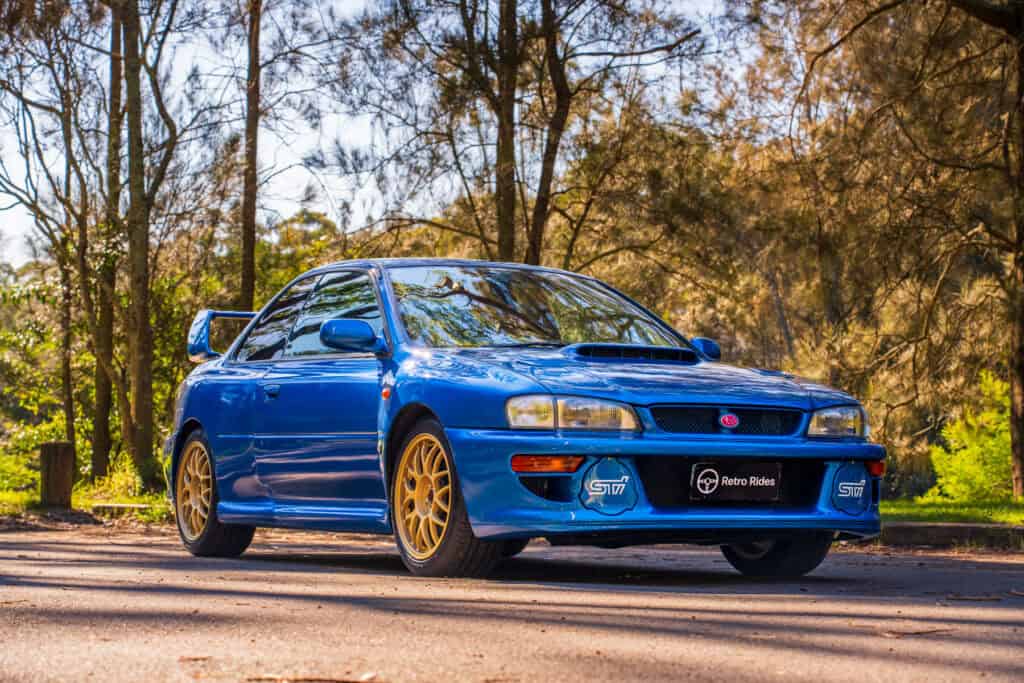
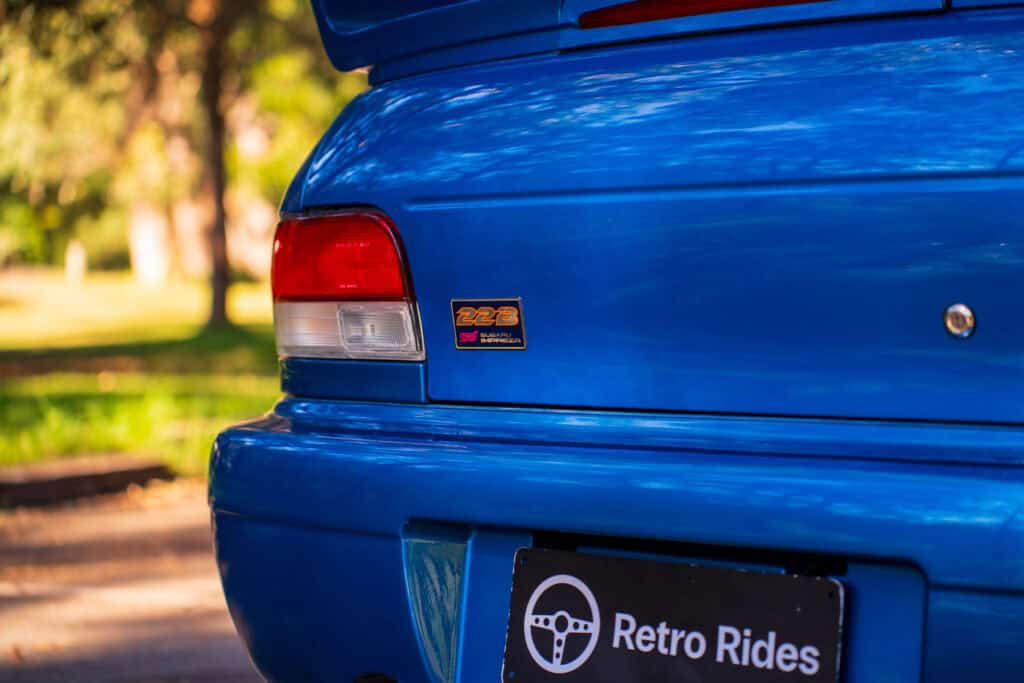
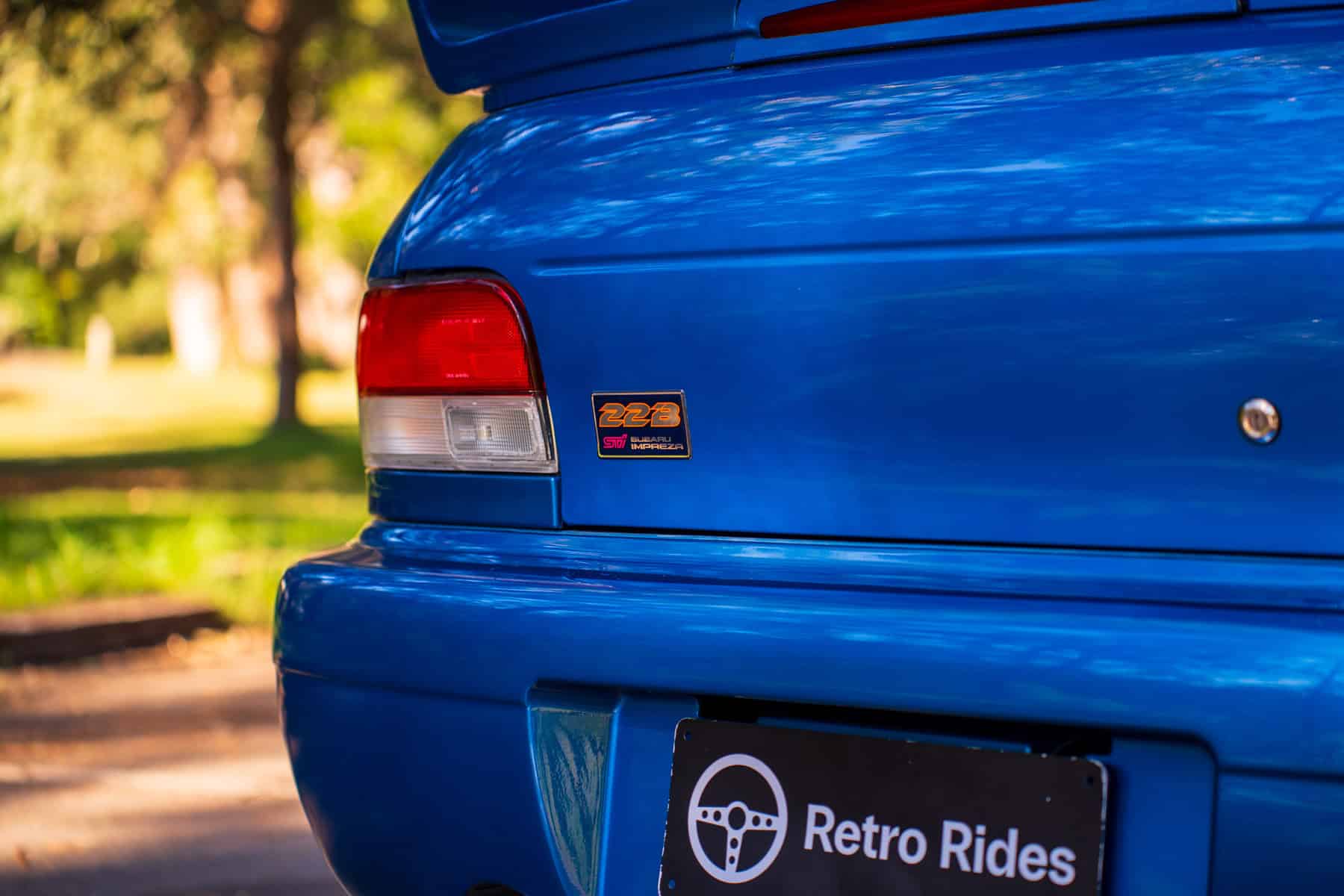
In that sense, the 1998 Subaru Impreza WRX STI 22B is the perfect poster child for that very phenomenon. Built to honour the brand’s 40th anniversary and its three straight World Rally Championship Manufacturers’ titles from 1995-97, it certainly has motorsport pedigree behind it. With only 424 examples built, it’s certainly got rarity on its side as well.
With so many notable WRC-bred cars of the time, and even other notable WRX STI variants, what is it that makes the 22B so special? That’s the question I set out to answer when I took the one you see here for a spin – an example currently up for grabs on RR Auctions, with bidding closing on June 30, 2026.
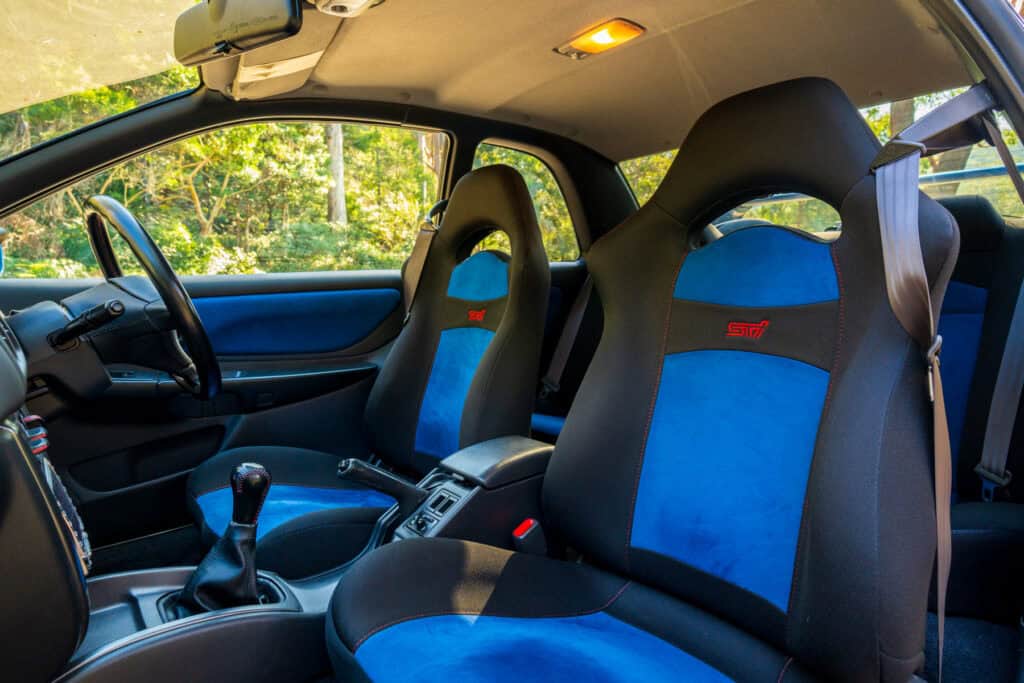
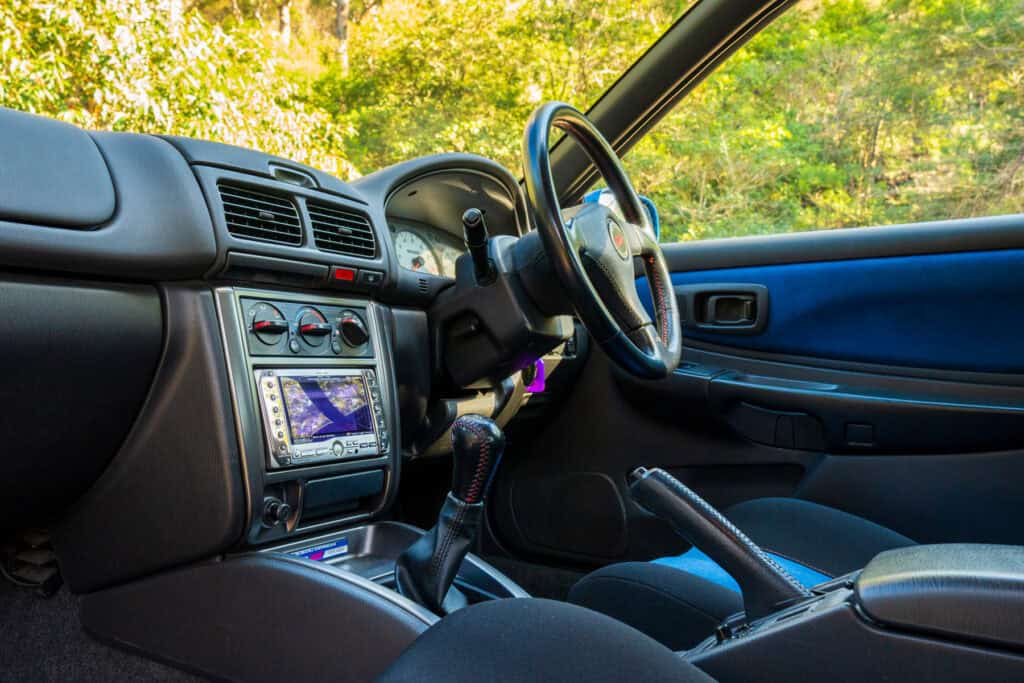
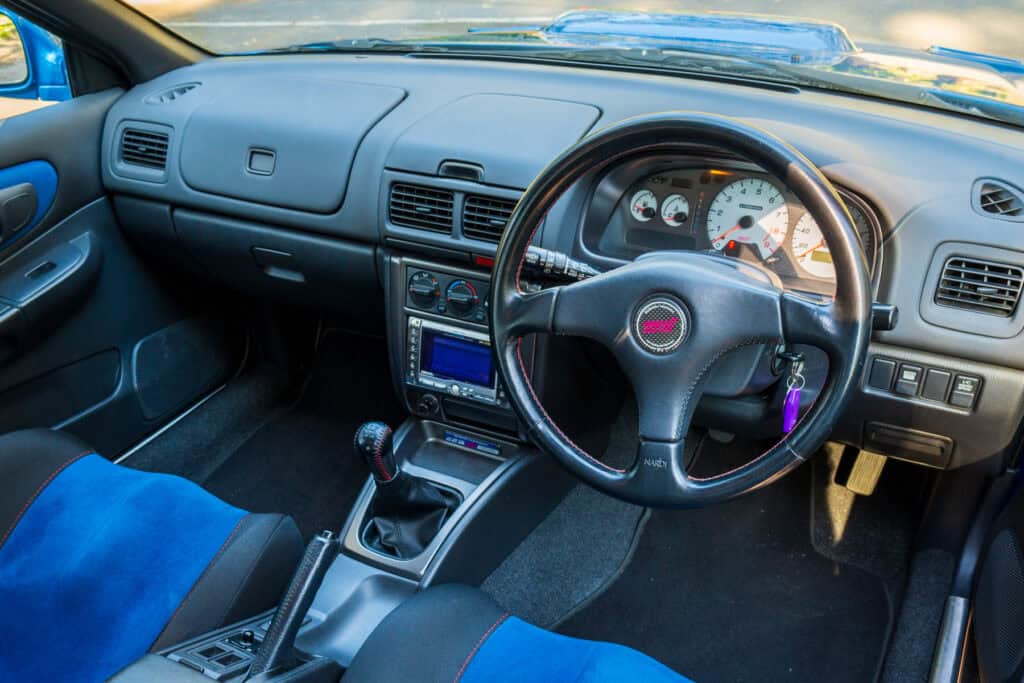
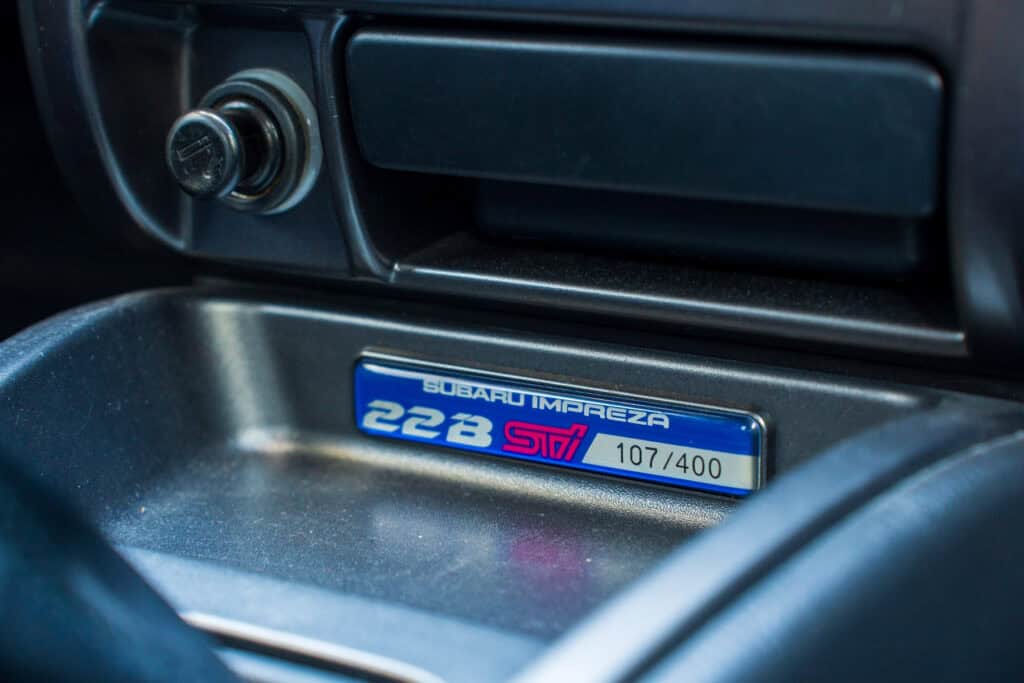
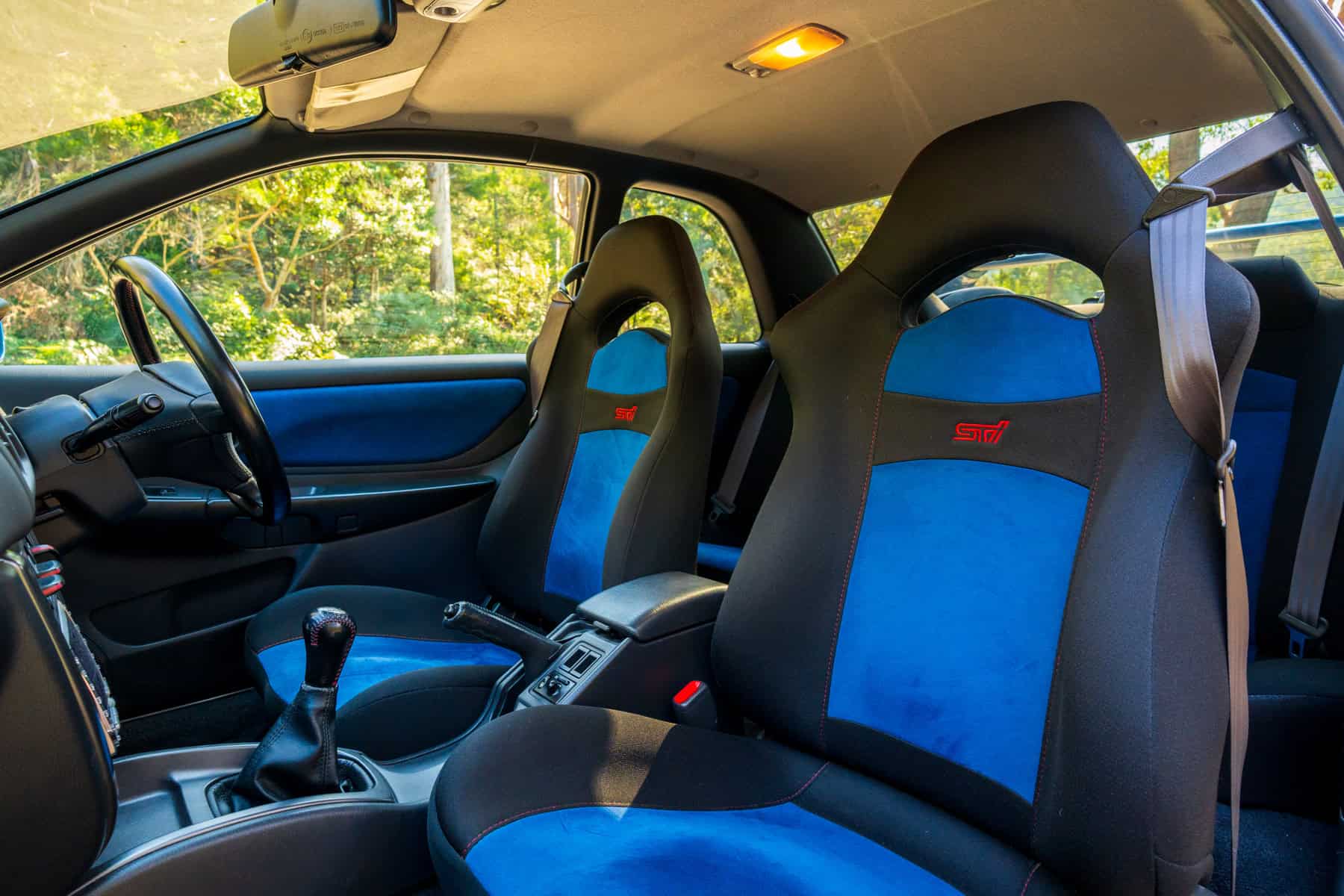
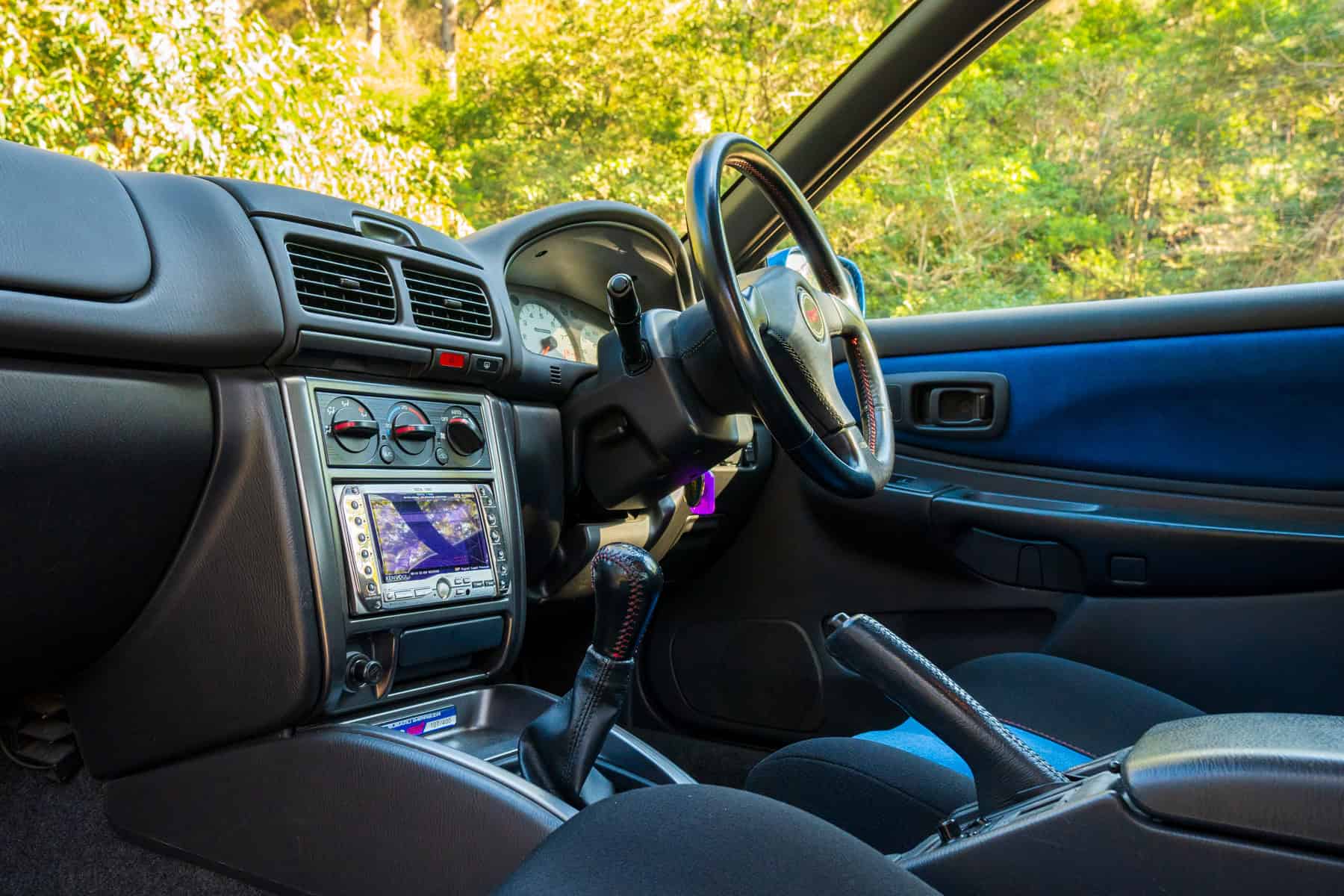
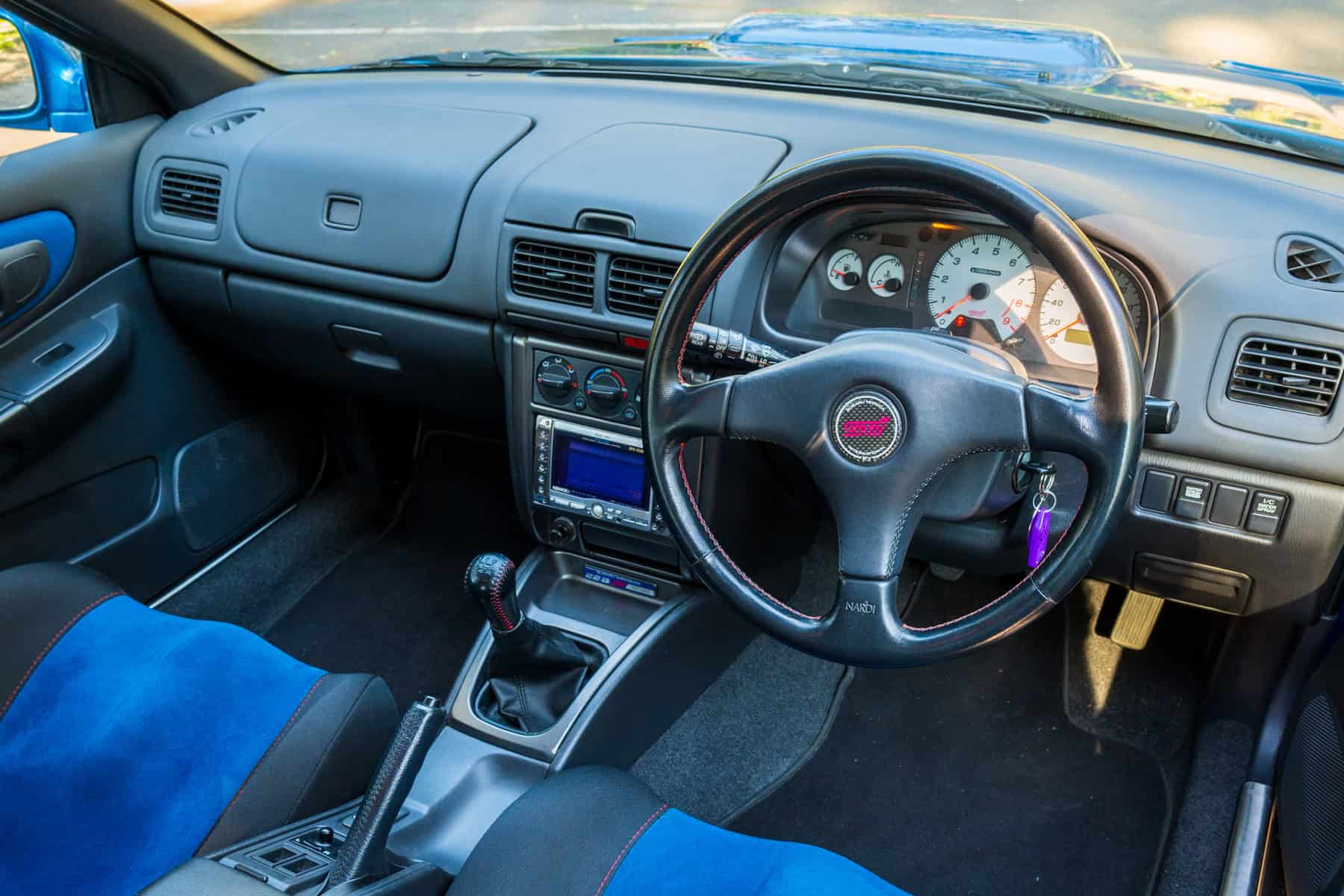
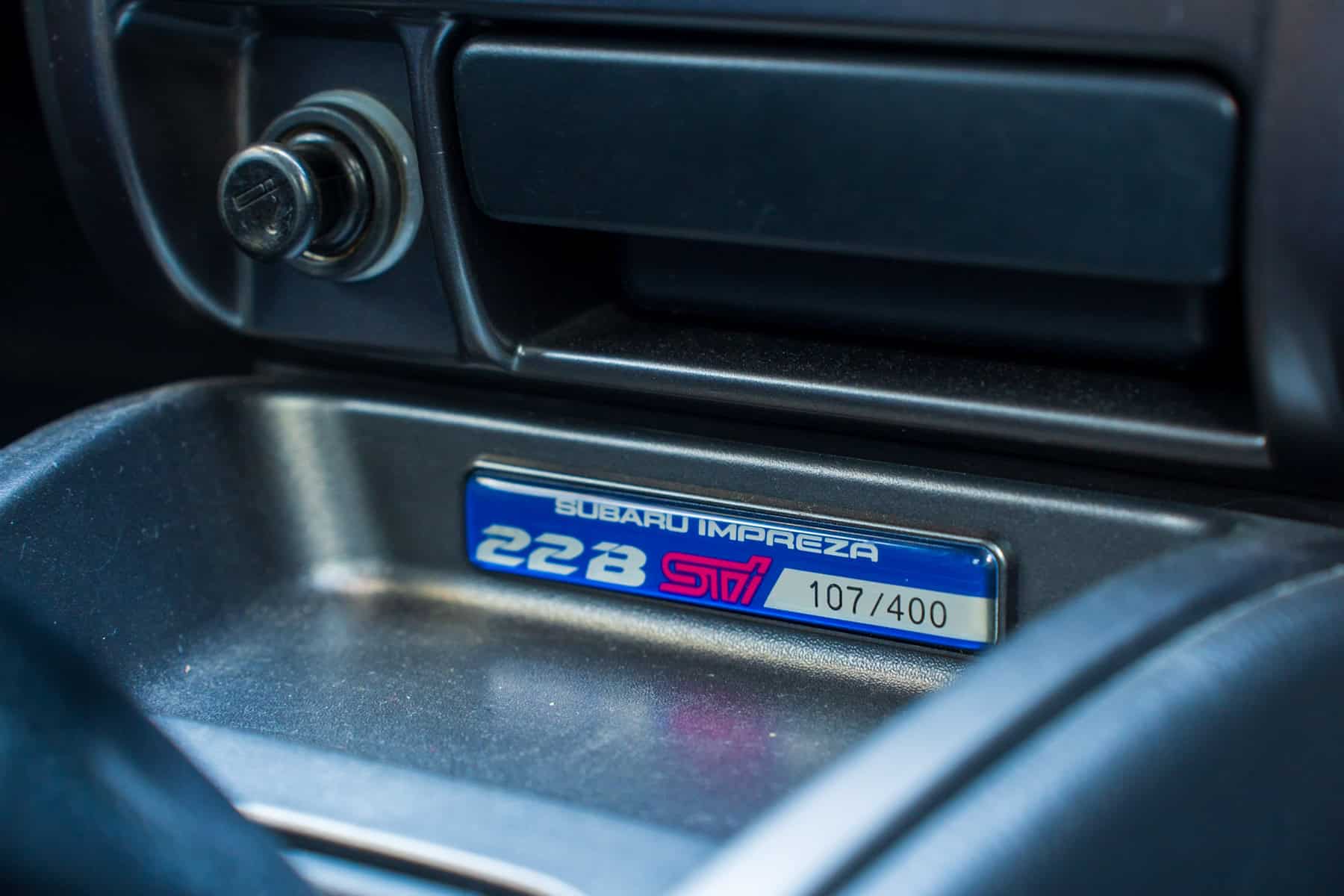
From my journalistic perspective, this one – number 107 of the original 400 Japanese market cars – is as good an example to have possibly sampled. With only 47,485km on the odometer, mint condition interior plastics, and virtually stock presentation, it’s the 22B in its rawest form.
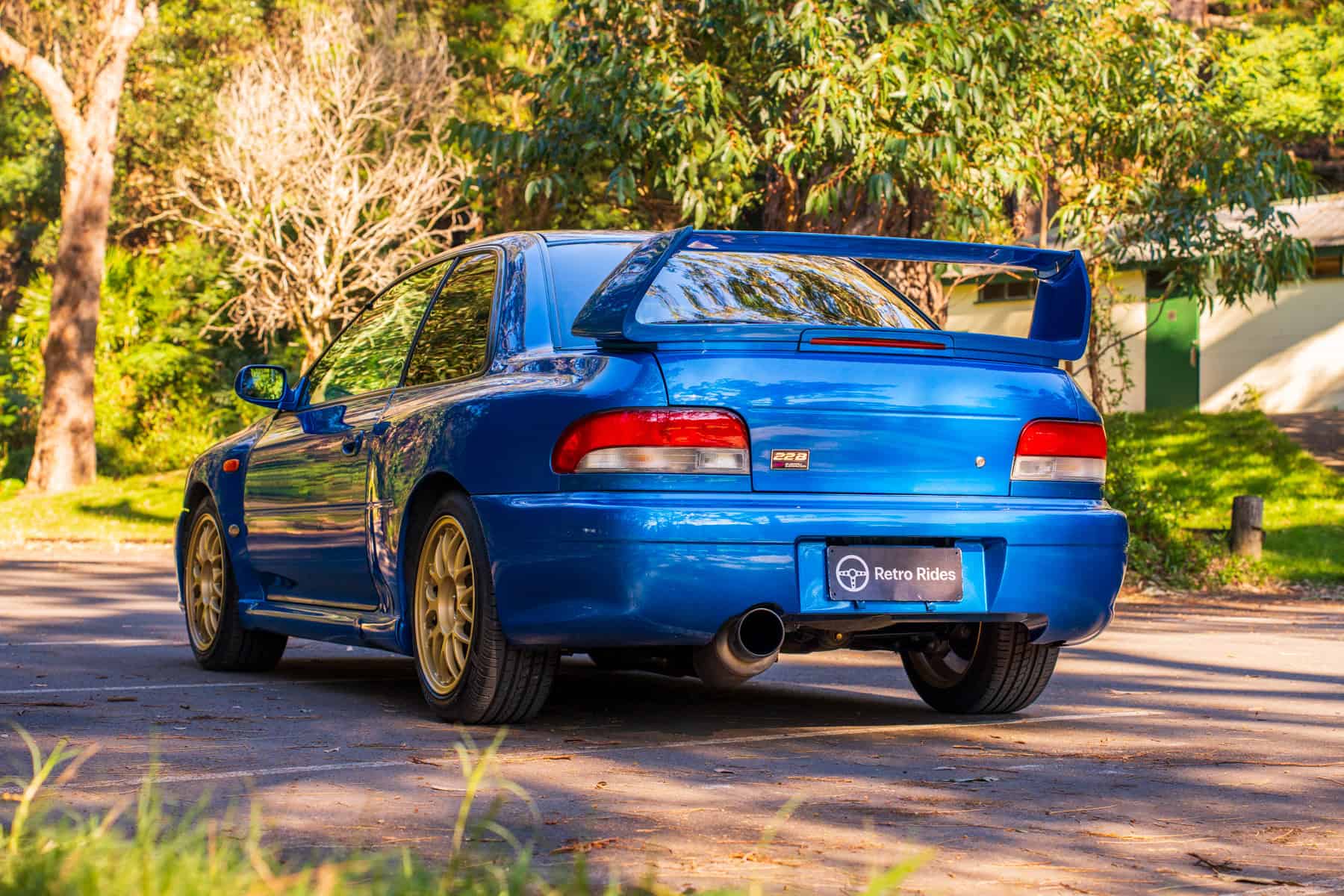
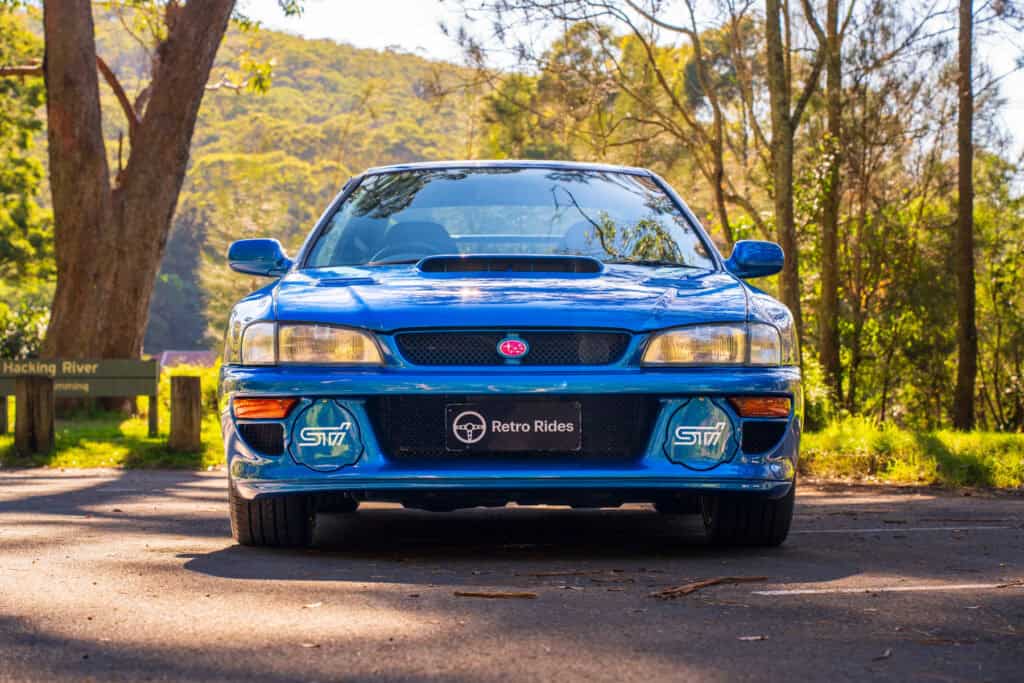
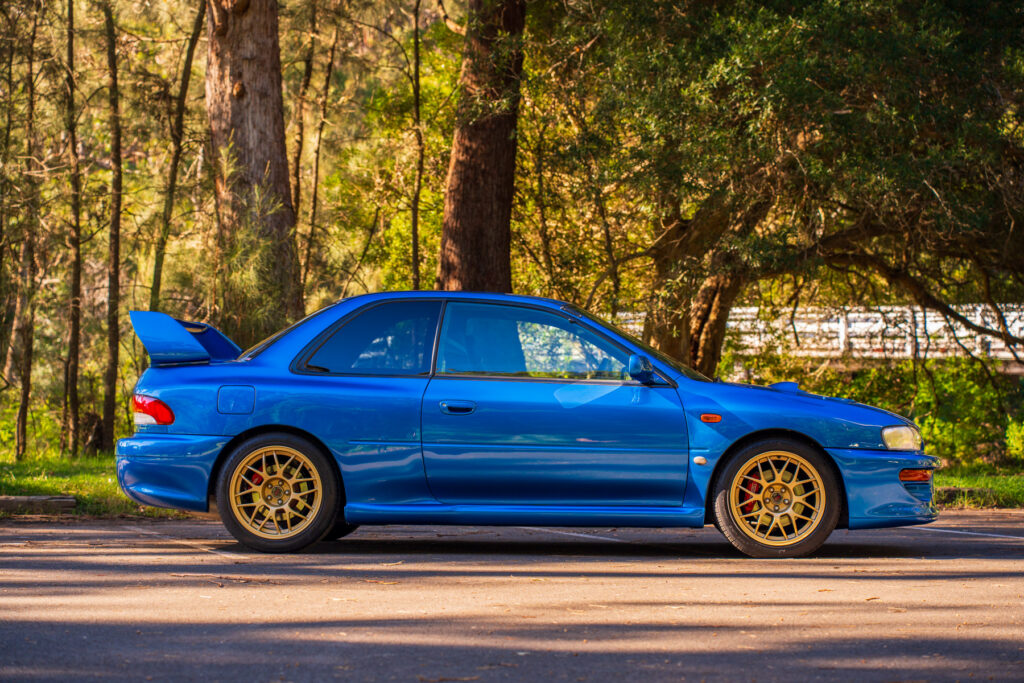
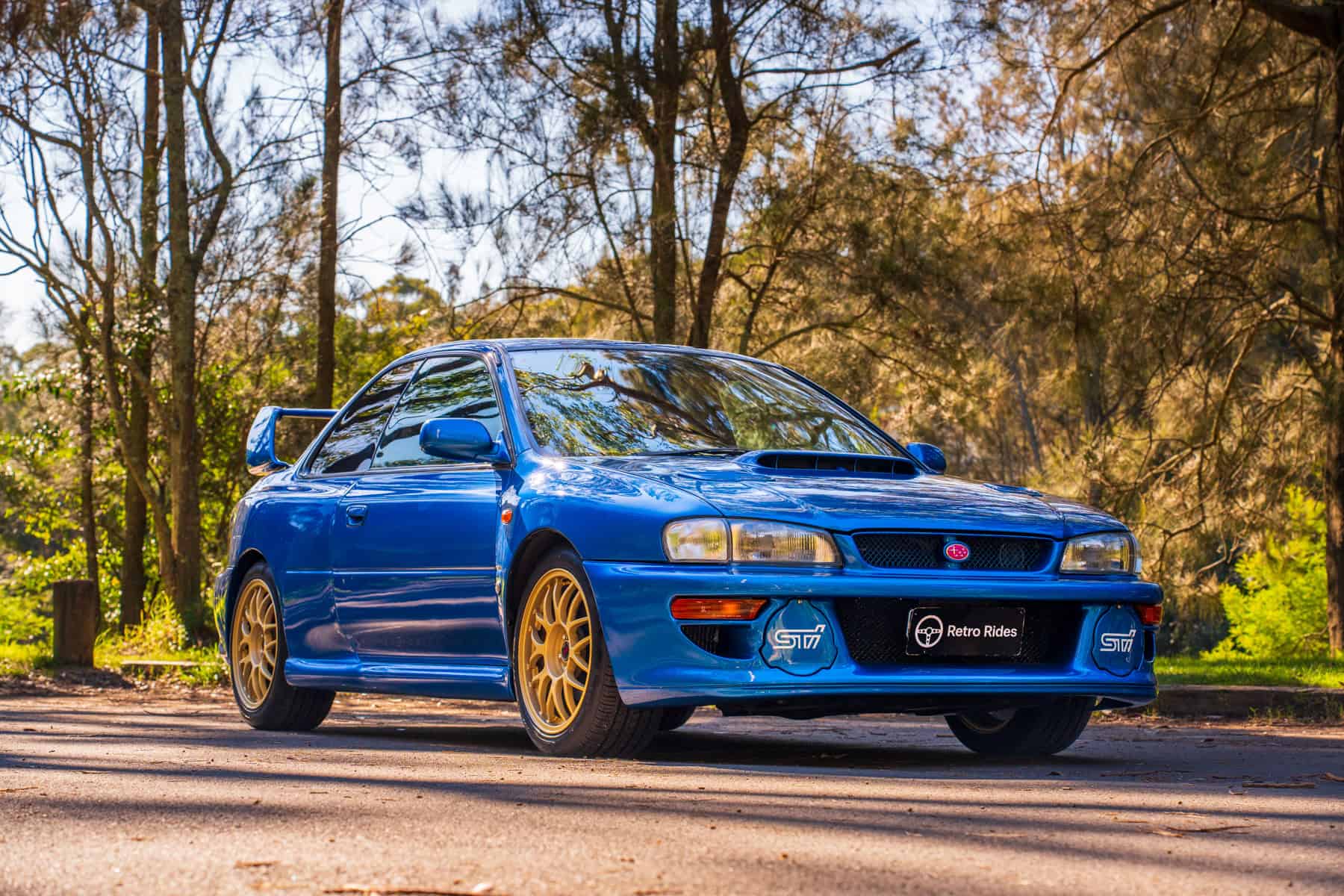
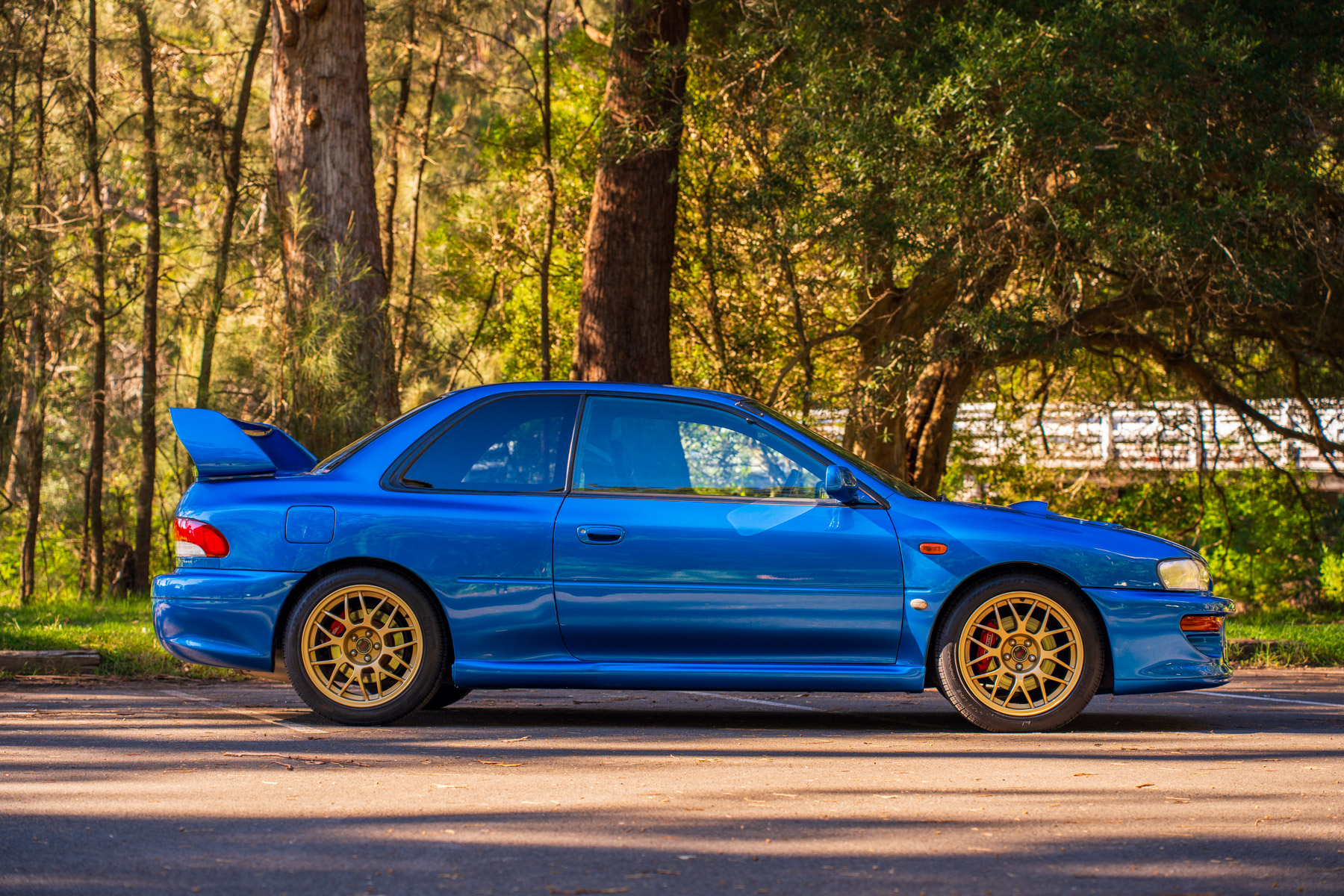
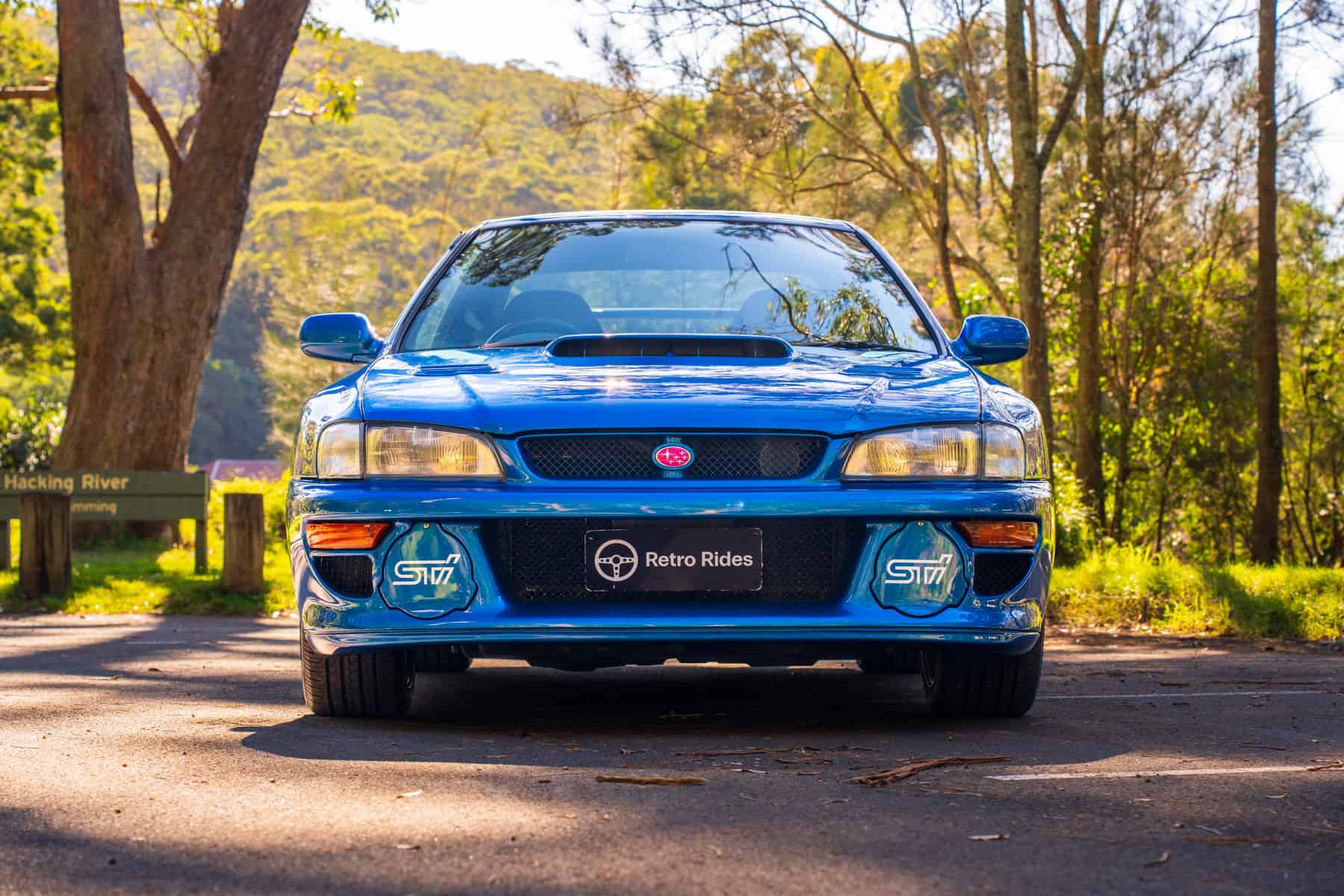
And “raw” is precisely the word that summarises the appeal of this car. While it may look a lot like a standard WRX STI to the casual observer, clued-up JDM fans will instantly spot it from a mile away thanks to its meaningful exterior changes.
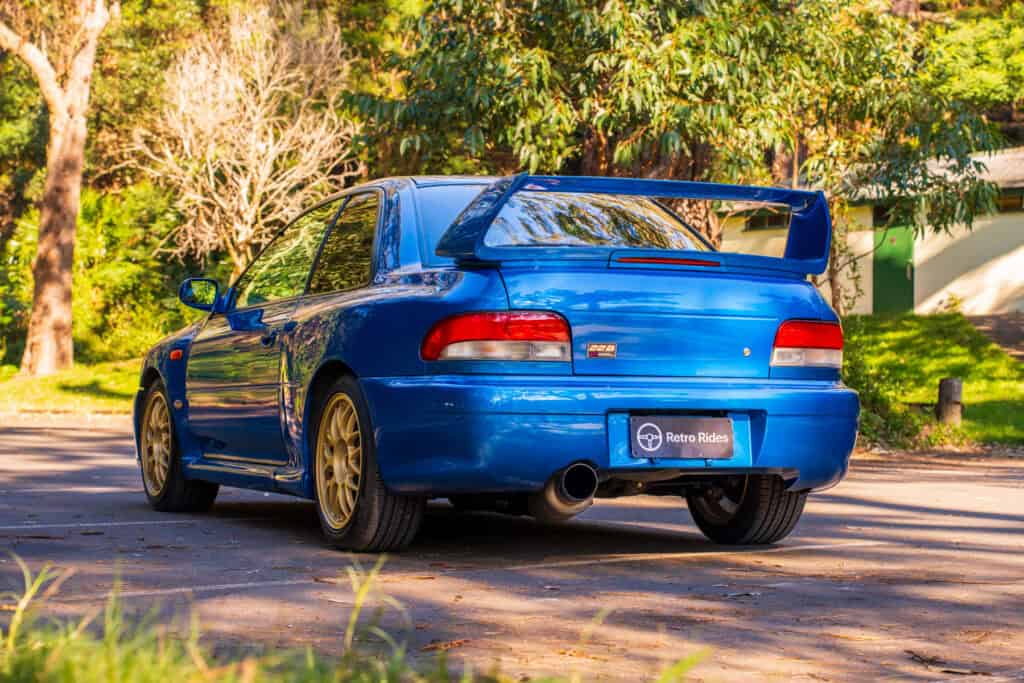
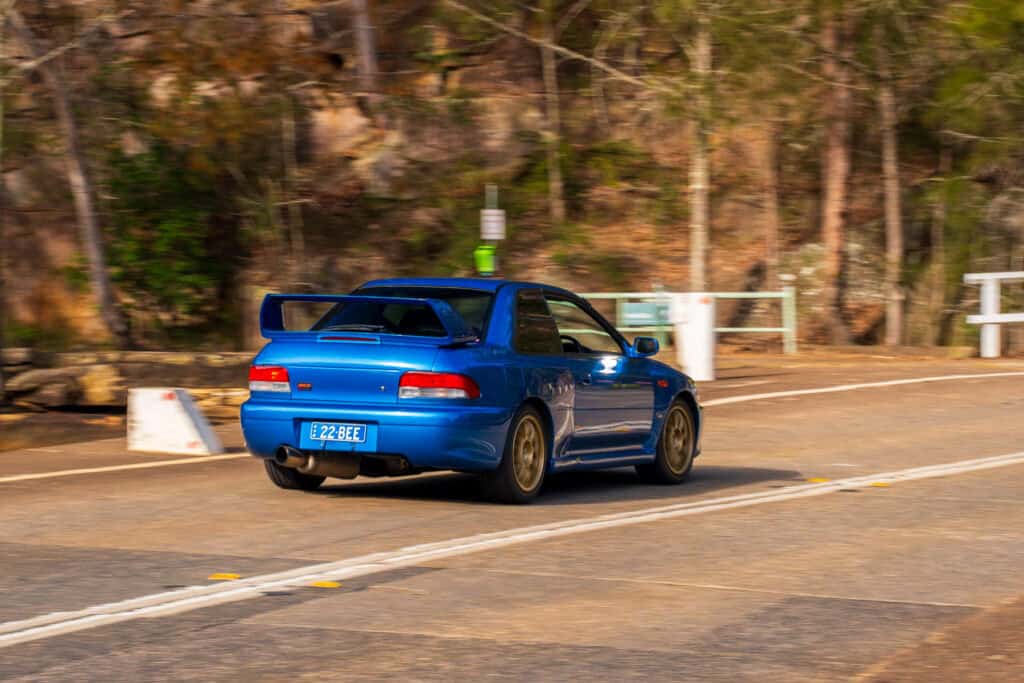
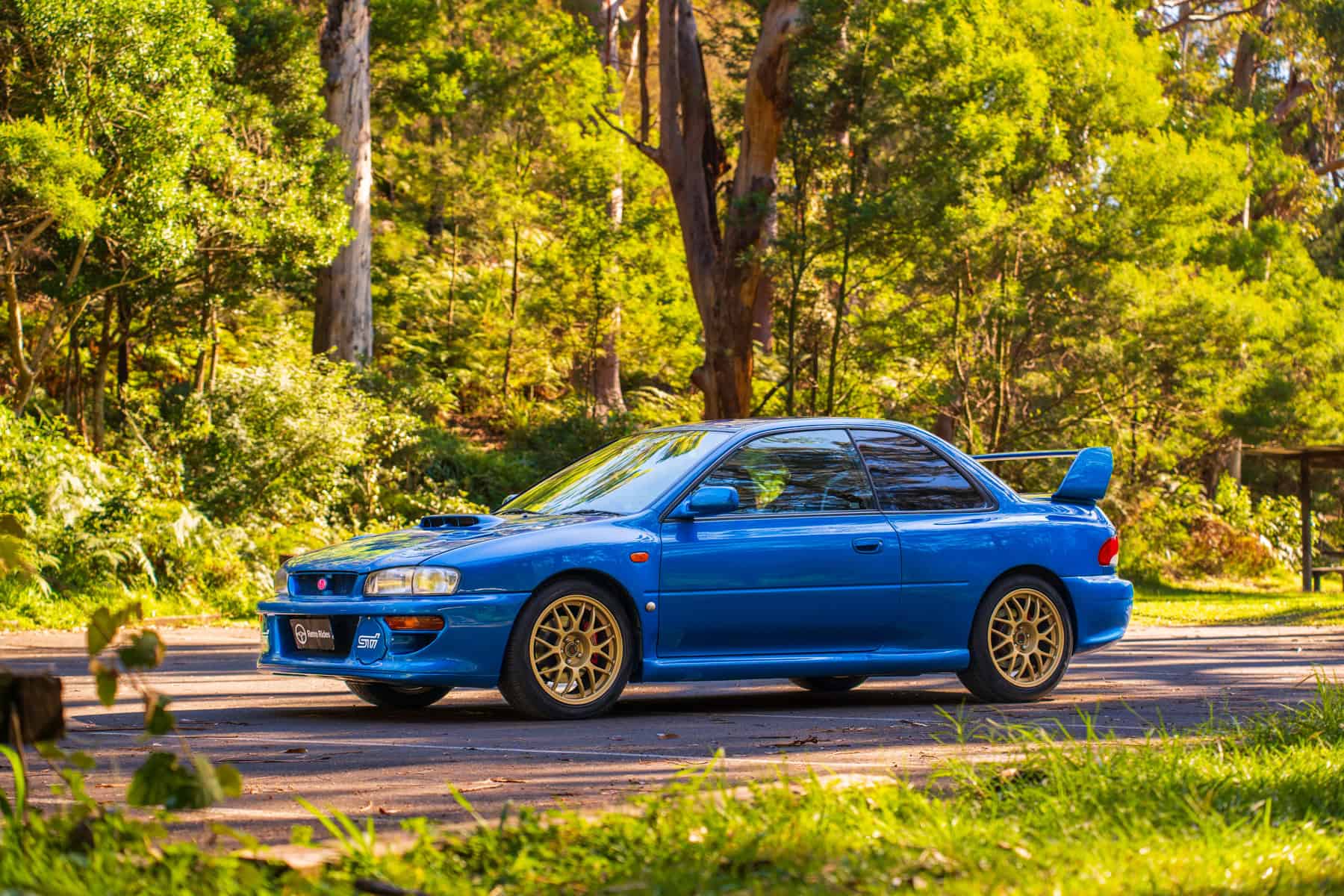
Big rear wings are a key part of any WRX STI, but the 22B features one that’s adjustable. It also rides on larger 17-inch BBS wheels shod in wider Pirelli P Zero treads.
But bigger wheels and extra aero are far from the most prominent changes. Borrowing the seam-welded bodywork from Subaru’s WRC car of the time, designed by Peter Stevens of McLaren F1 fame, this widebody Rex sits a drastic 80mm wider than a regular GC8 WRX STI. Factor in a unique bonnet and front bumper, too.
It’s also fitted with bespoke Bilstein struts and Eibach springs, channelling in its rally-bred DNA, while four-piston front and two-piston rear brake calipers provide the stopping power.
You can forget about ABS or traction control, though, and likewise other safety measures such as airbags. When I say the 22B is raw, I mean it. It’s quite simply you and the machine working together in harmony in this.
With all those changes, naturally, the 22B required some extra oomph. A bored-out version of Subaru’s closed-deck 2.0-litre flat-four block, now displacing the titular 2.2-litres, delivered 206kW (276hp) and 353Nm in line with the ‘gentleman’s agreement’ between Japanese manufacturers at the time.
Backing it up was a five-speed close ratio manual gearbox and an advanced version of the brand’s patented Symmetrical All-Wheel Drive system featuring a Driver Controlled Centre Differential (DCCD). It was this that prevented the fitment of ABS.
Featuring helical front and mechanical rear limited-slip differentials for maximum power delivery to all paws, the DCCD allowed drivers to customise the front-rear torque bias. The standard split was 35:65 biased towards the rear, but turning the little dial on the centre console all the way would lock it at an even 50:50.
Simply reading this all-wheel drive system on paper can’t do it justice. Hook it hard into a corner with the power still applied and you’ll feel the front diff fighting to keep the power applied – something it does an incredible job of managing. It’s a setup that feels utterly mechanical; you can quite literally feel the cogs turning.
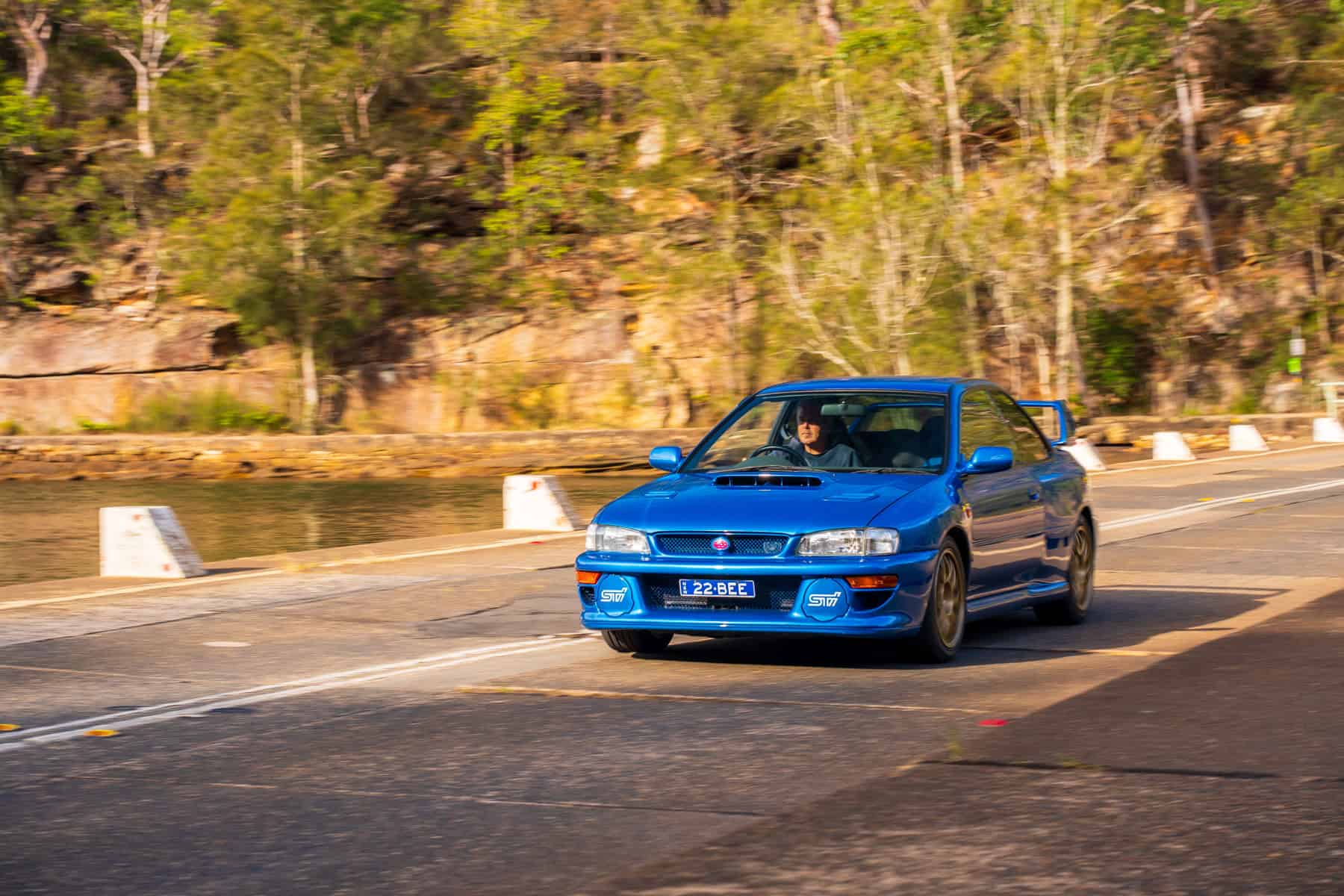
The steering obviously helps there, with a fairly quick ratio and thin-rimmed Nardi wheel, while the close-ratio ‘box makes it feel uncanny to drive hard. You’re never left wondering about the right or wrong time to shift – the spacing of the ratios is perfect across all five.
The 22B’s obvious added displacement also helps when it comes to feeling torquier than a standard 2.0-litre. Like the engines in many ’90s turbocharged cars, the EJ22G does need to be wound up a bit to get on boost, but once you’re there it pulls confidently from its 3200rpm torque peak (with a good amount of that peak figure delivered across 2800-5200rpm).
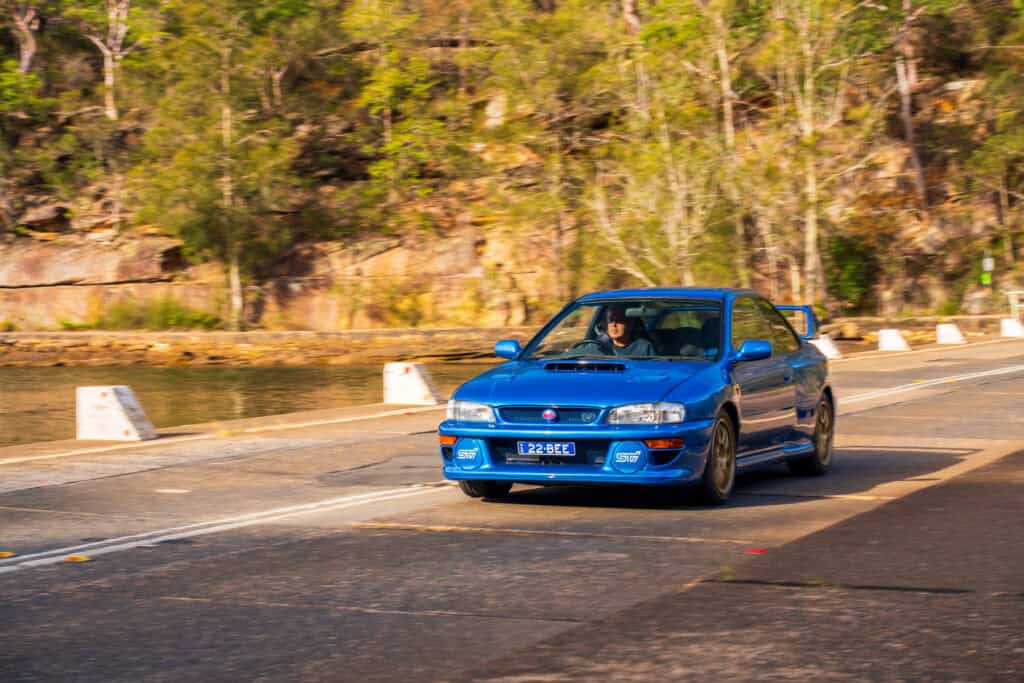
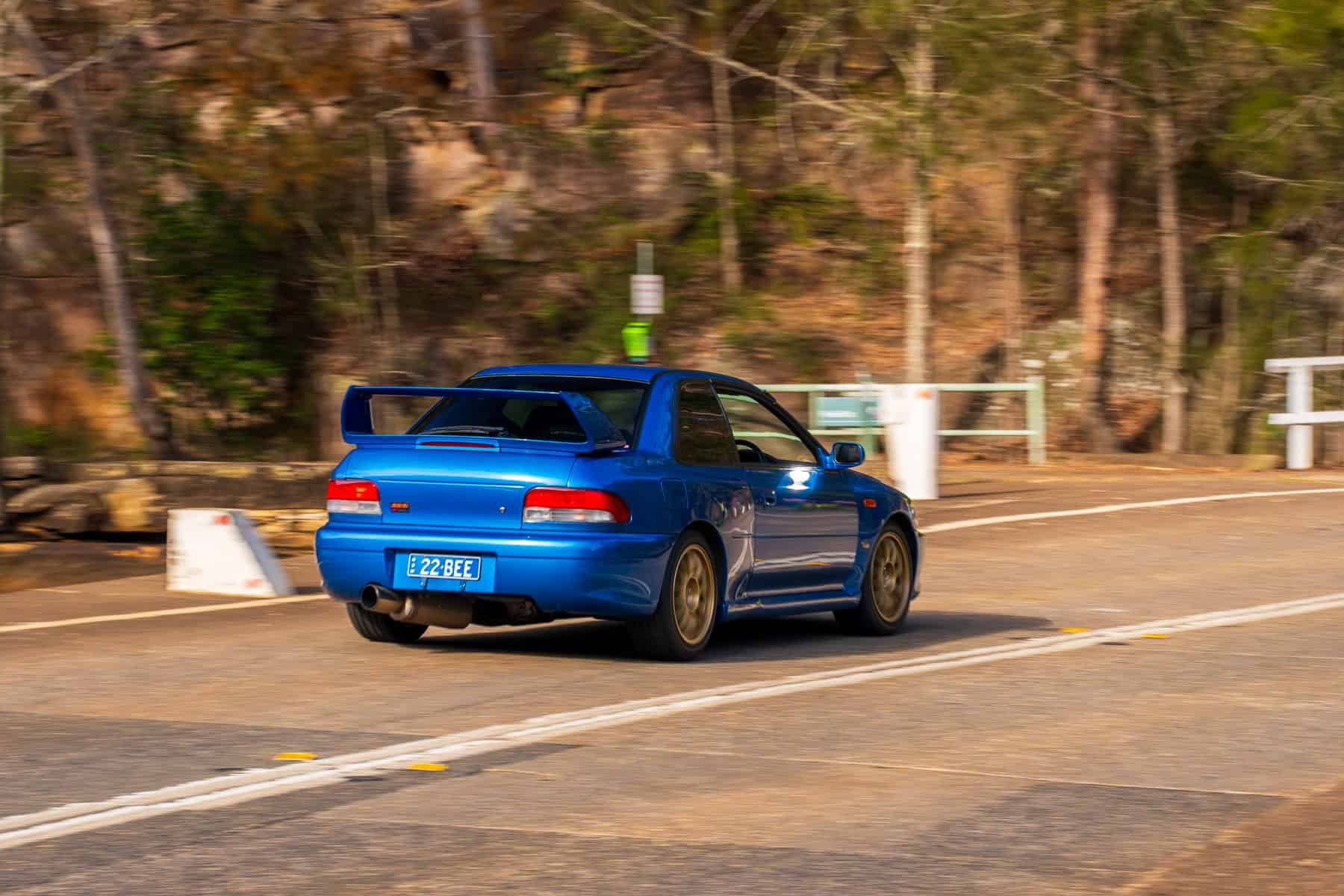
To my ear at least, the most special note this engine delivers is at around 5500rpm, with that classic boxer engine throb providing an unmistakable soundtrack. Given I also had close to the perfect setting for driving it in, the lovely ribbon of tarmac running through Sydney’s Royal National Park, I could almost imagine blasting it through a Welsh or Finnish forest rally stage instead.
For as much as rarity is worth, and obviously that is a big part of the equation in the case of most collector cars, a unique driving experience is what stands out as another incredibly important part of the equation for such vehicles. Few cars feel quite as raw, mechanical, and connected as the 22B manages to.
Keen to learn more about this 22B? Head on over to the RR Auctions website and get your bids in by June 30, 2026.