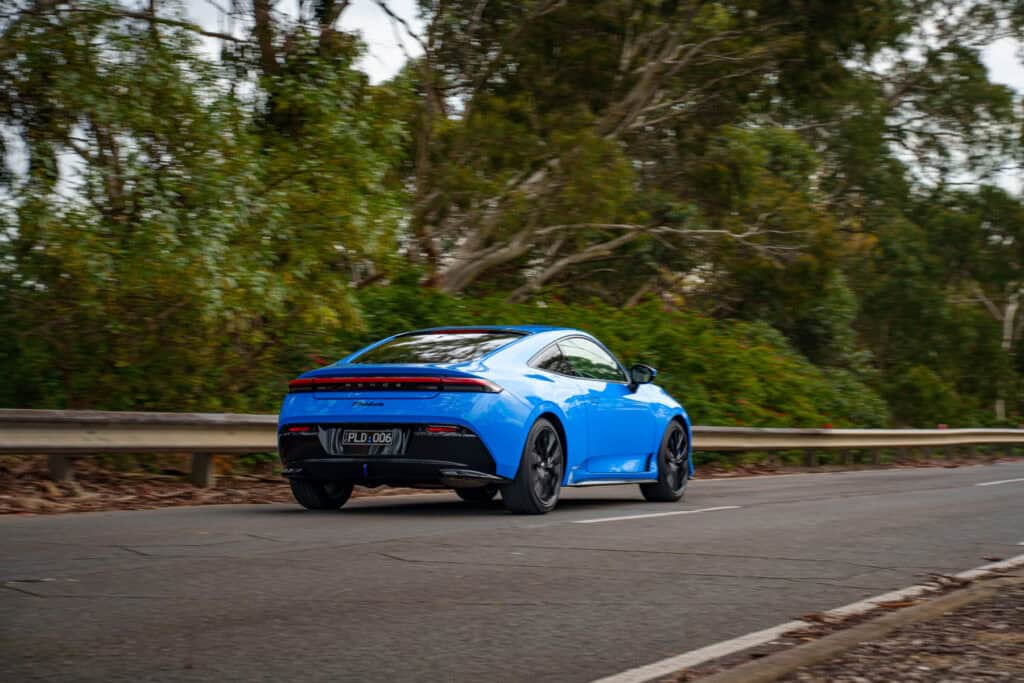
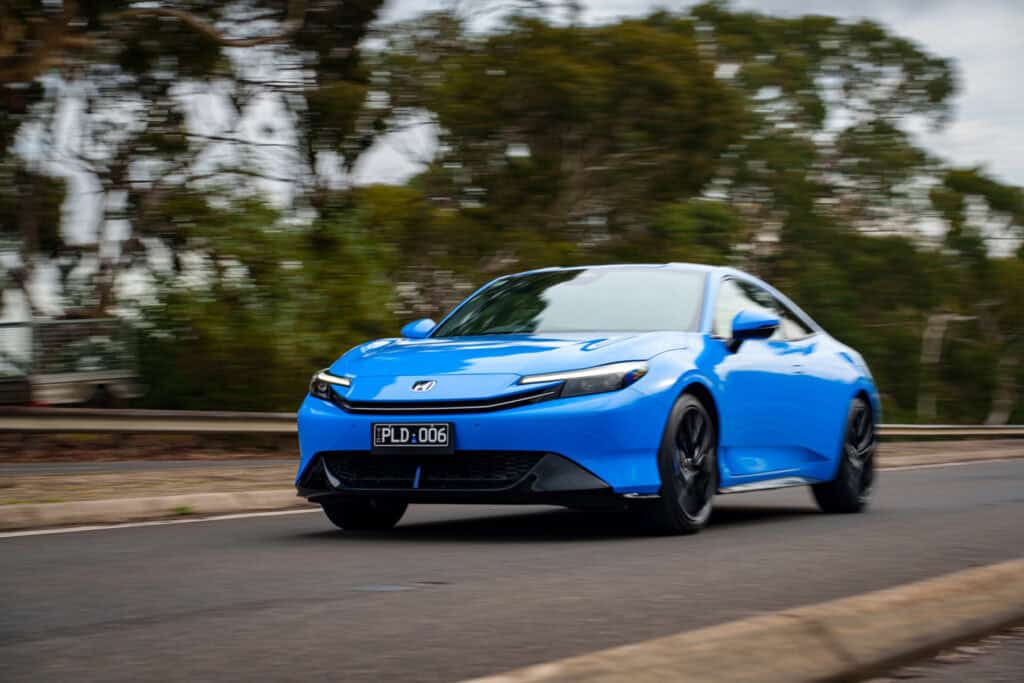
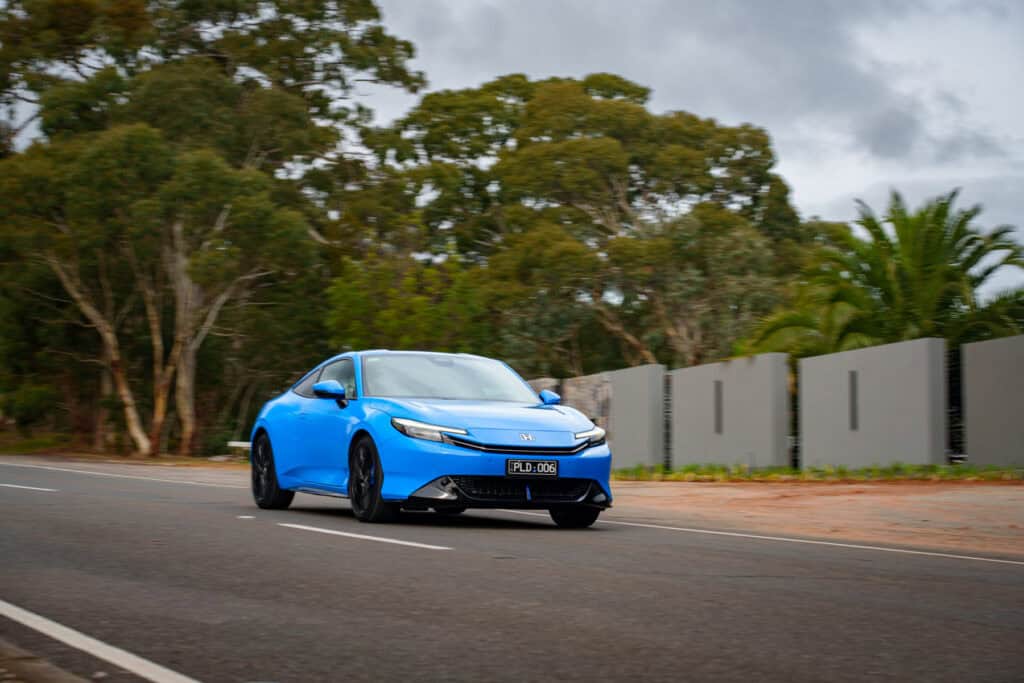
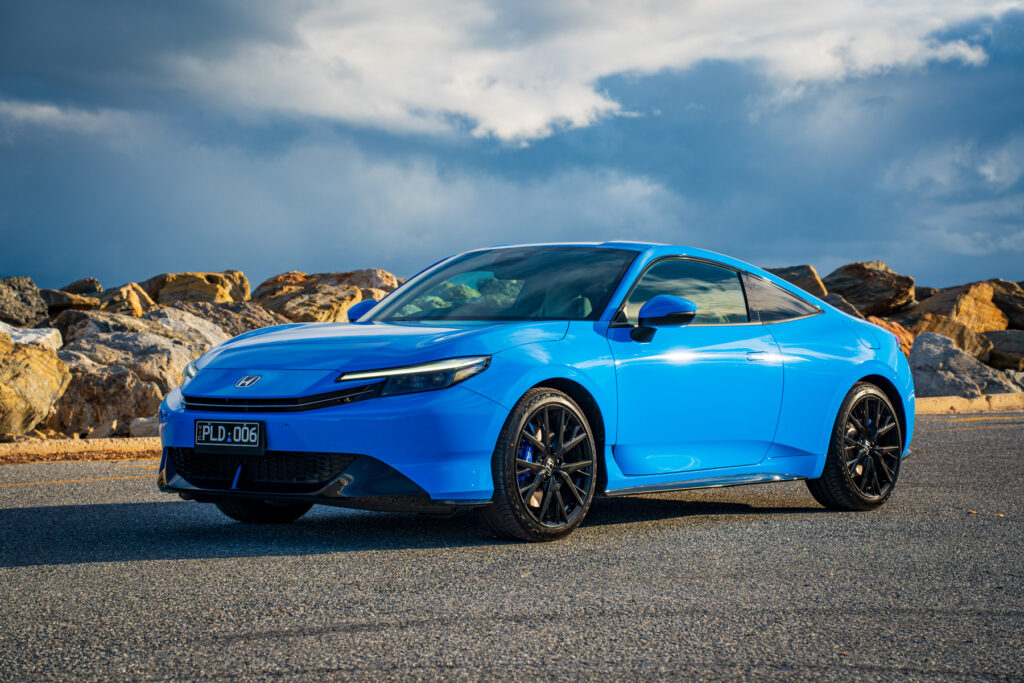
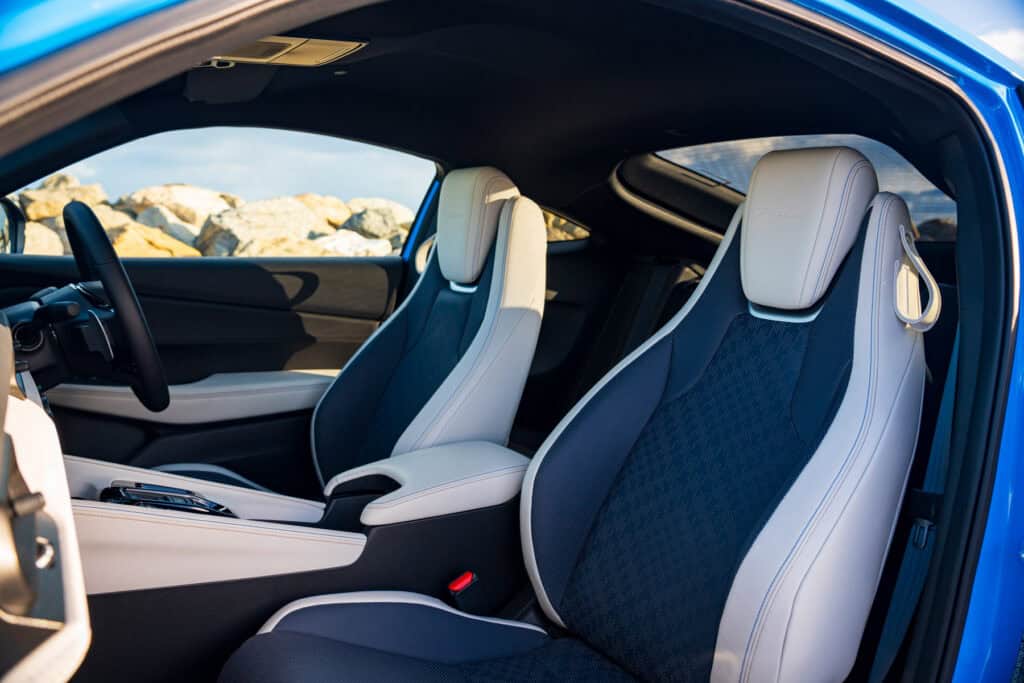
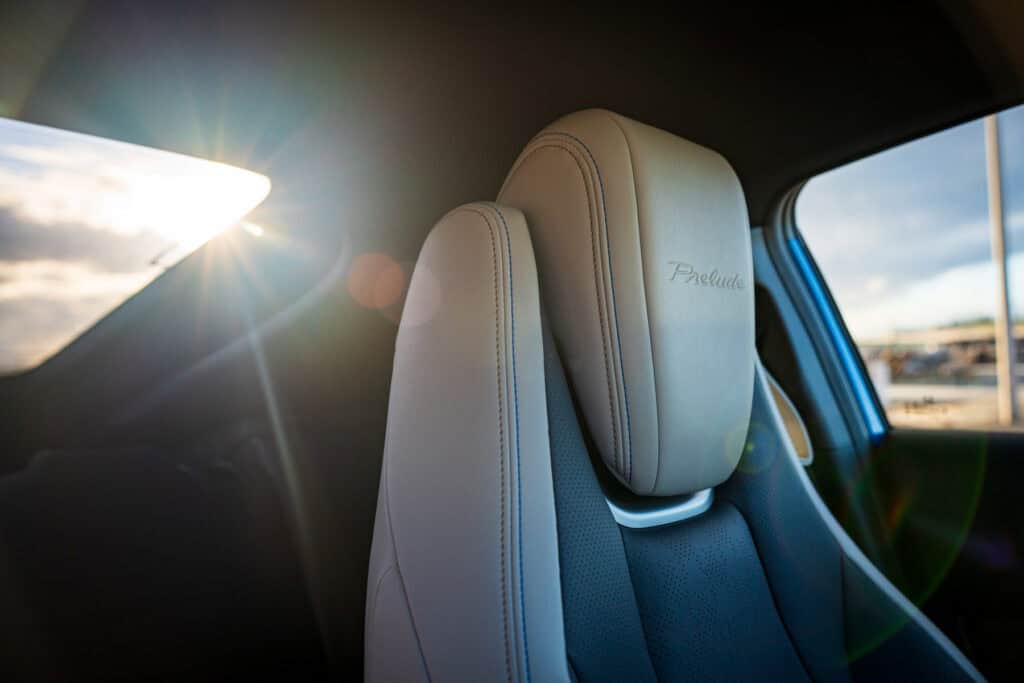

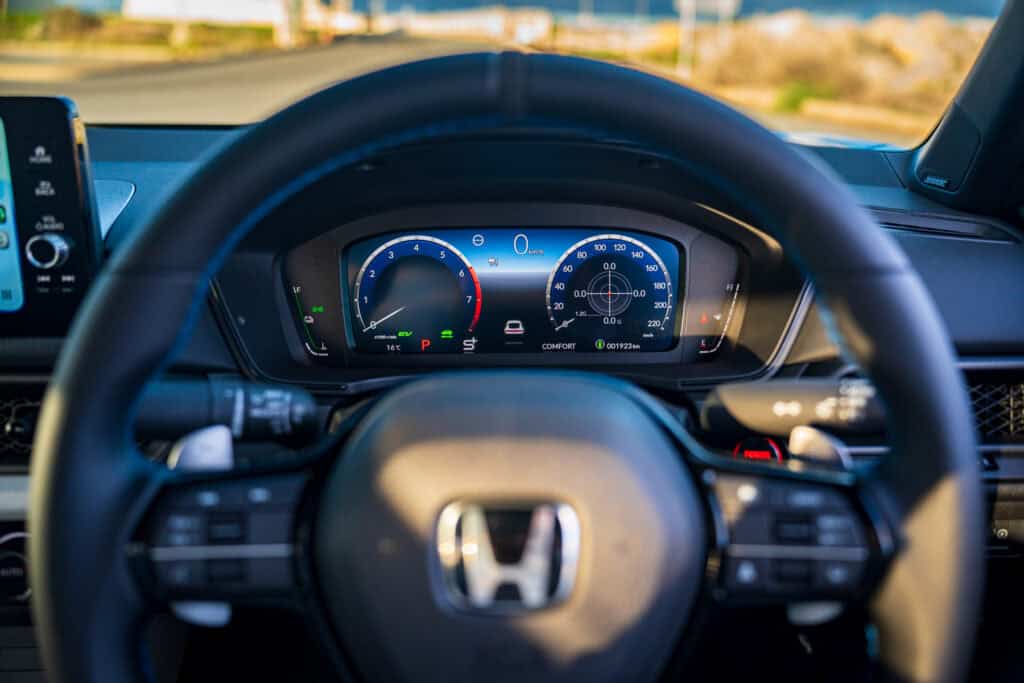







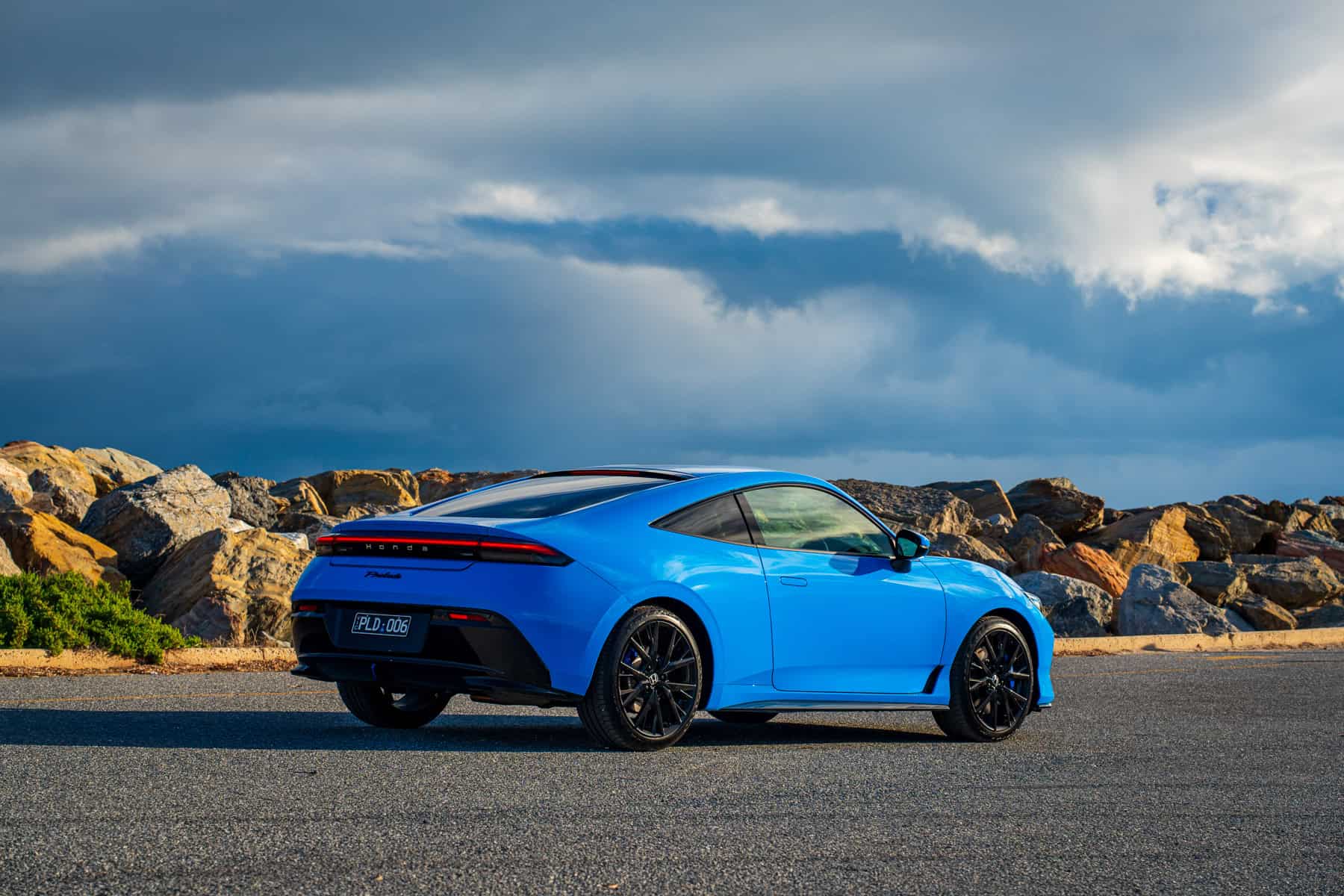
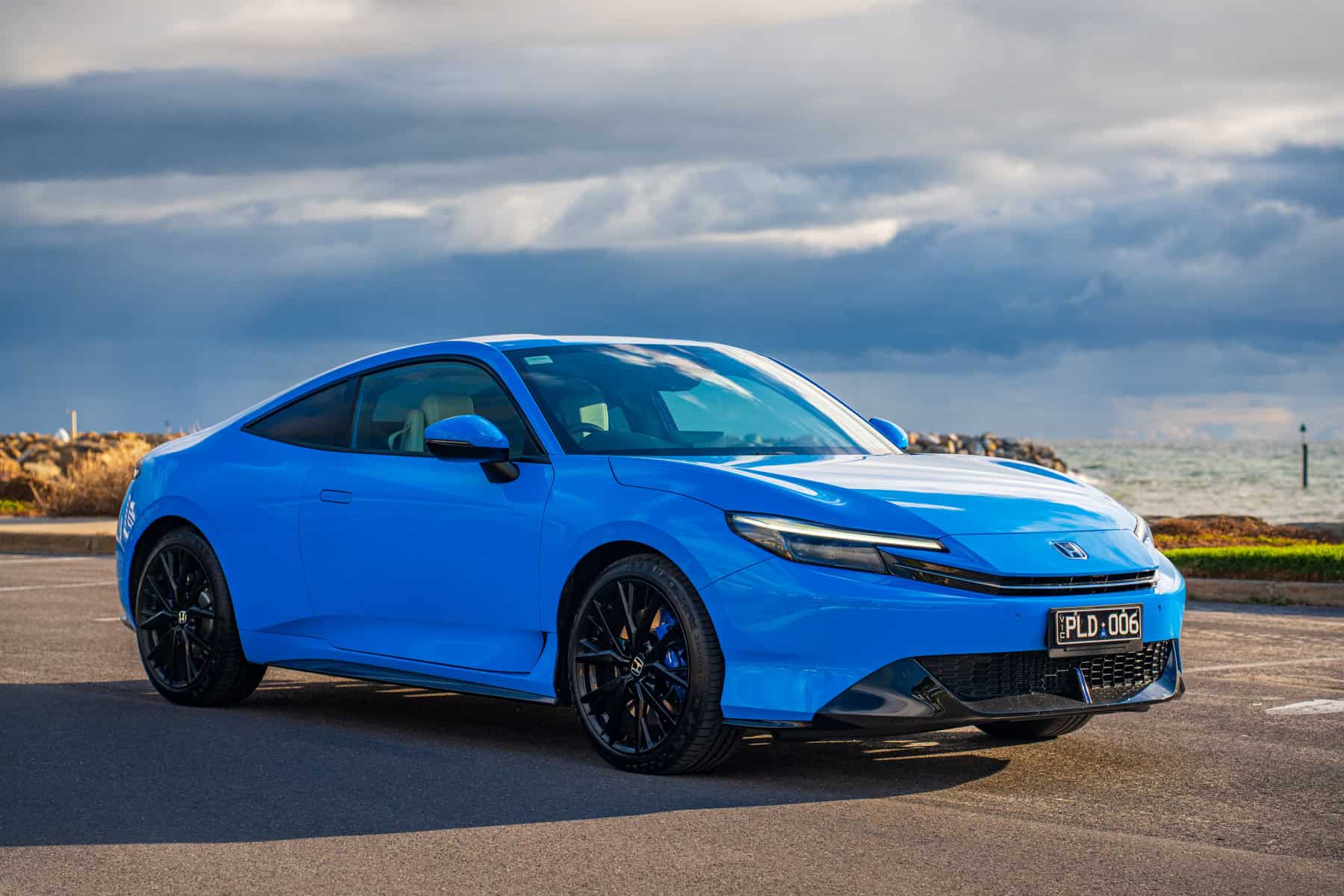
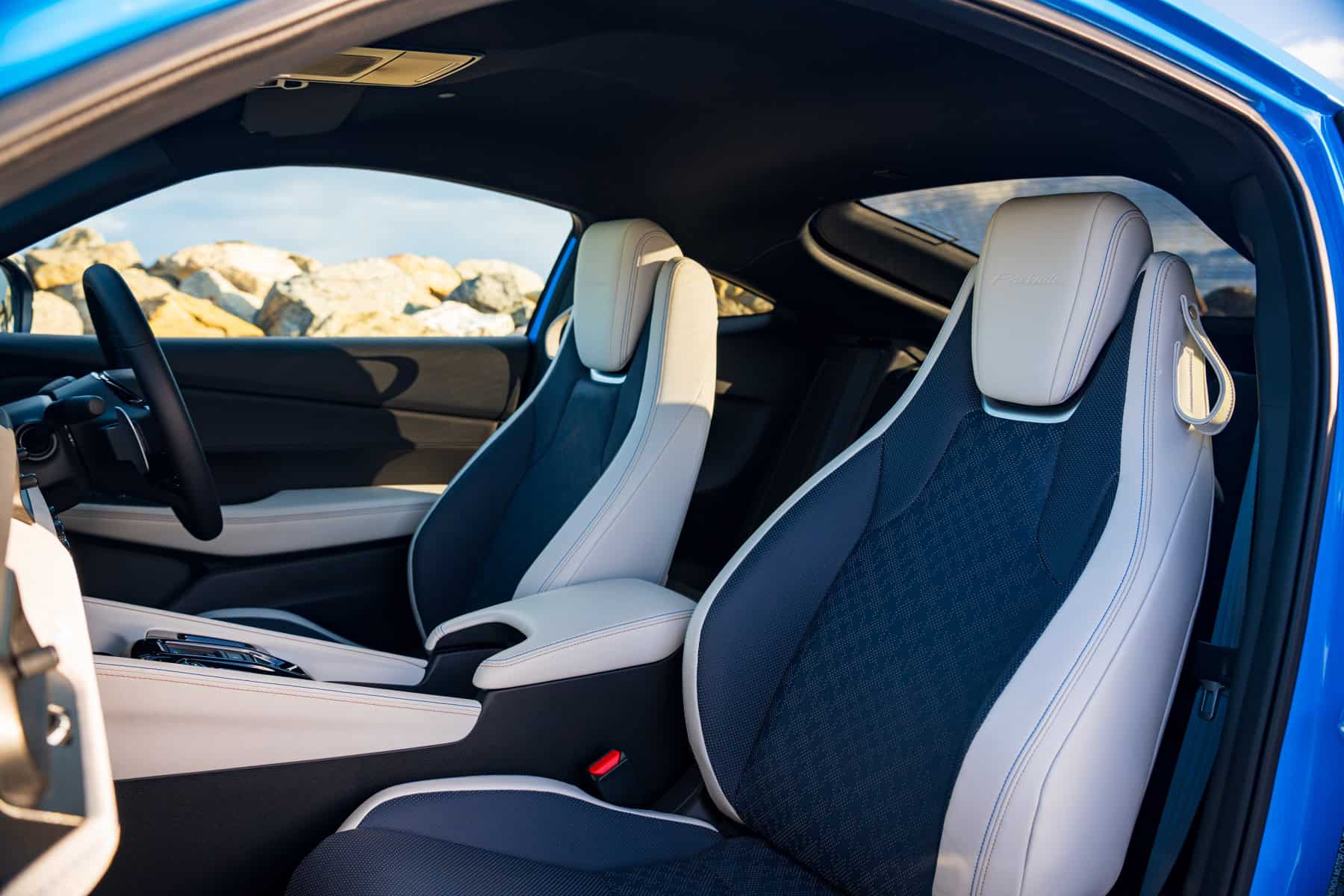
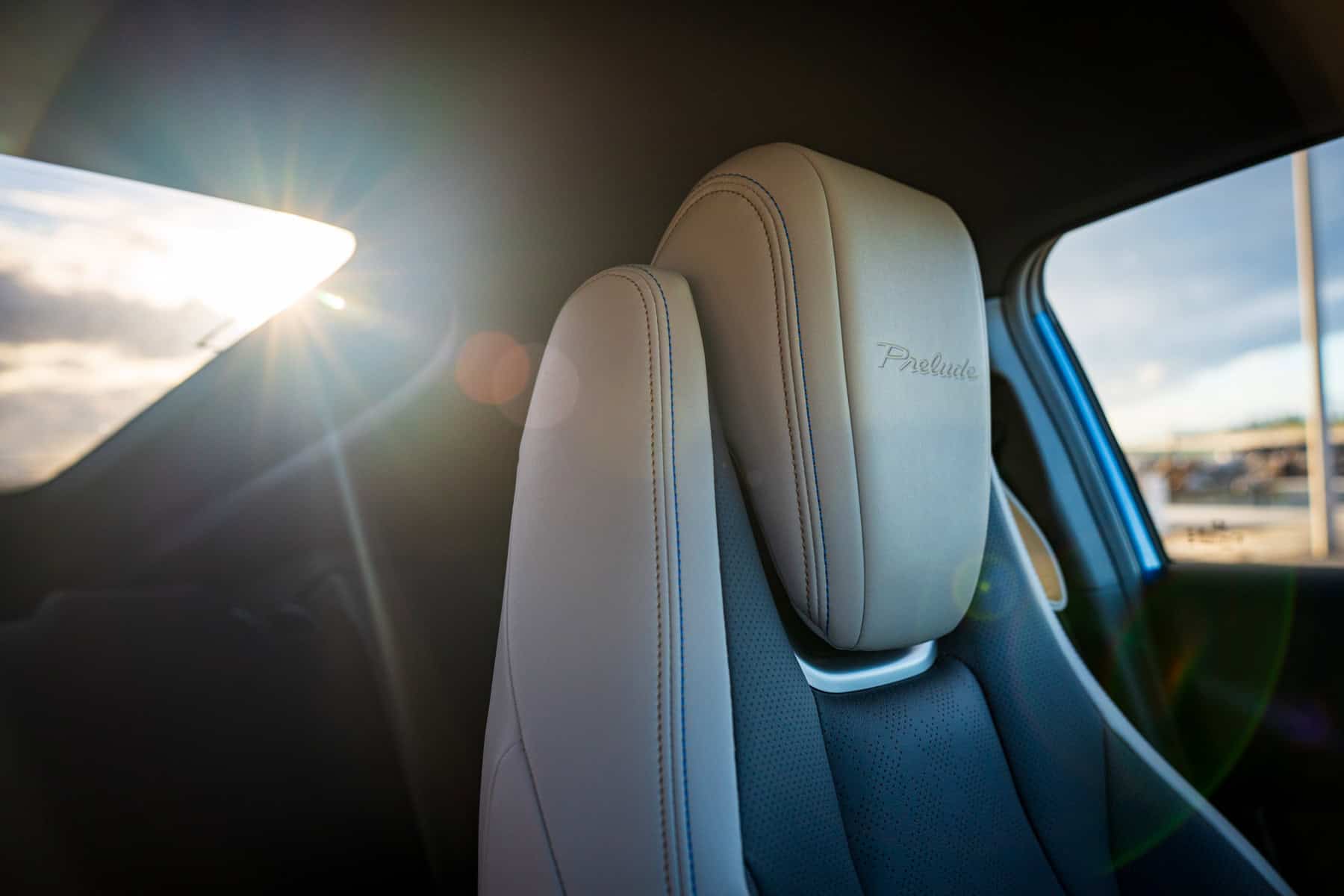
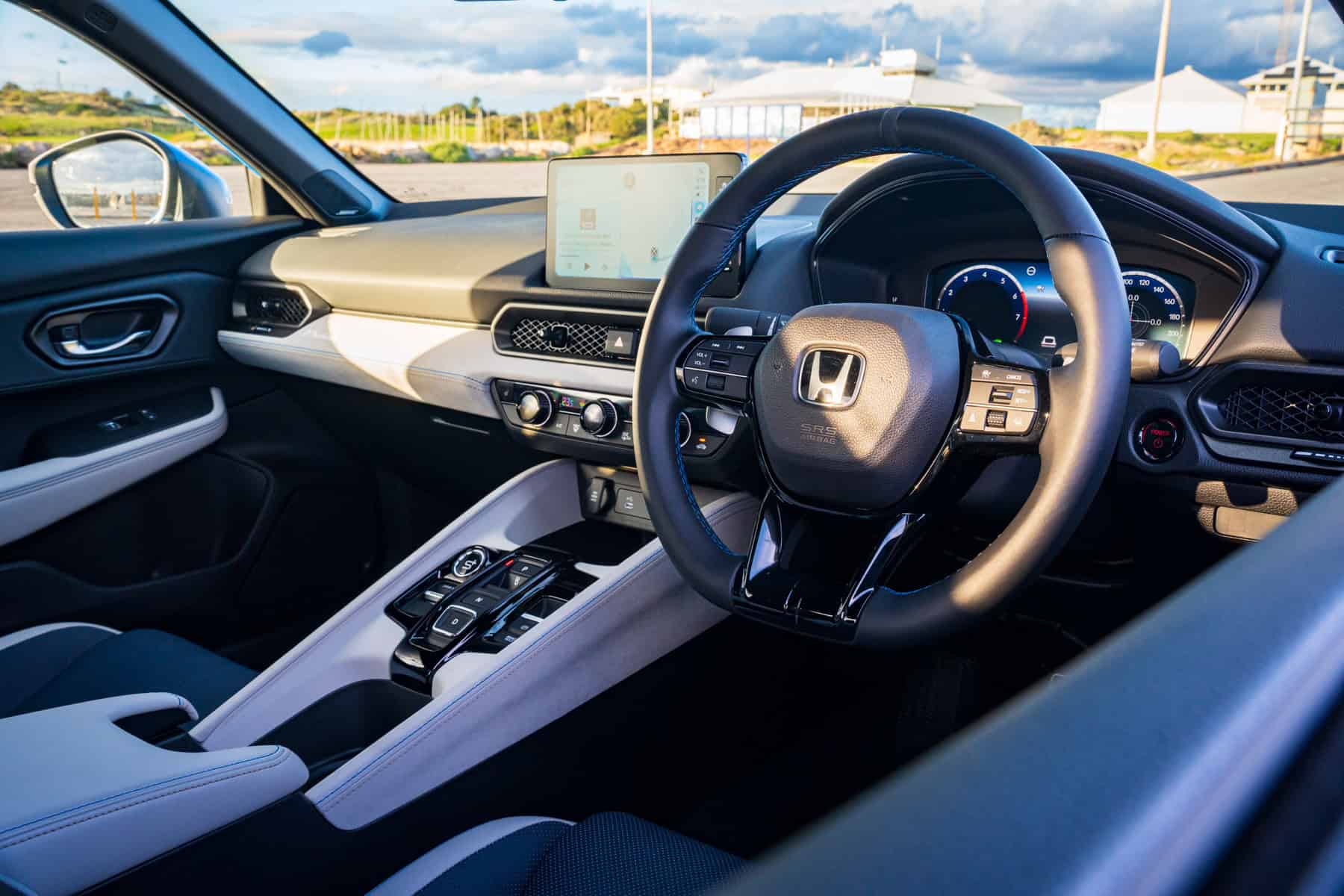
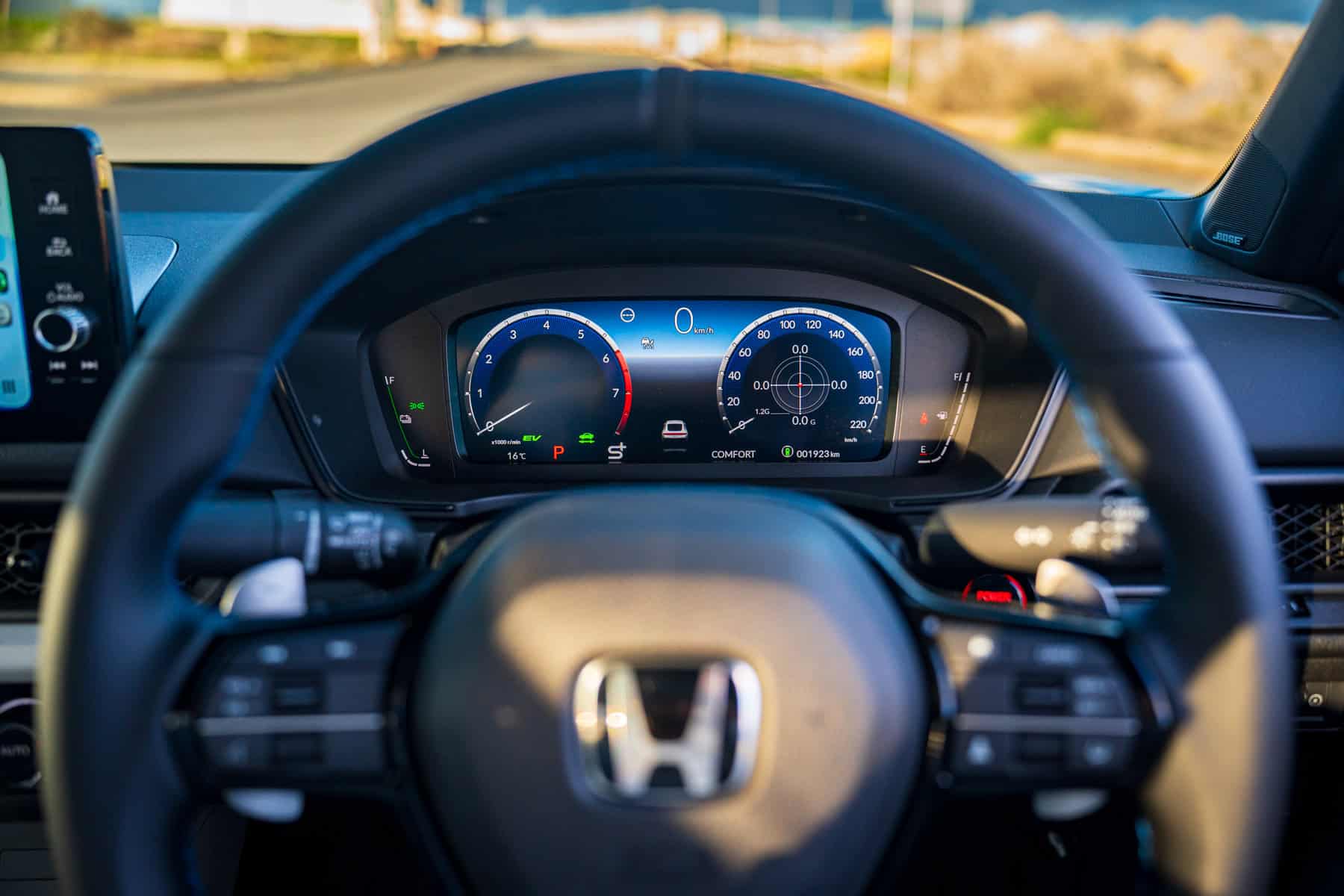
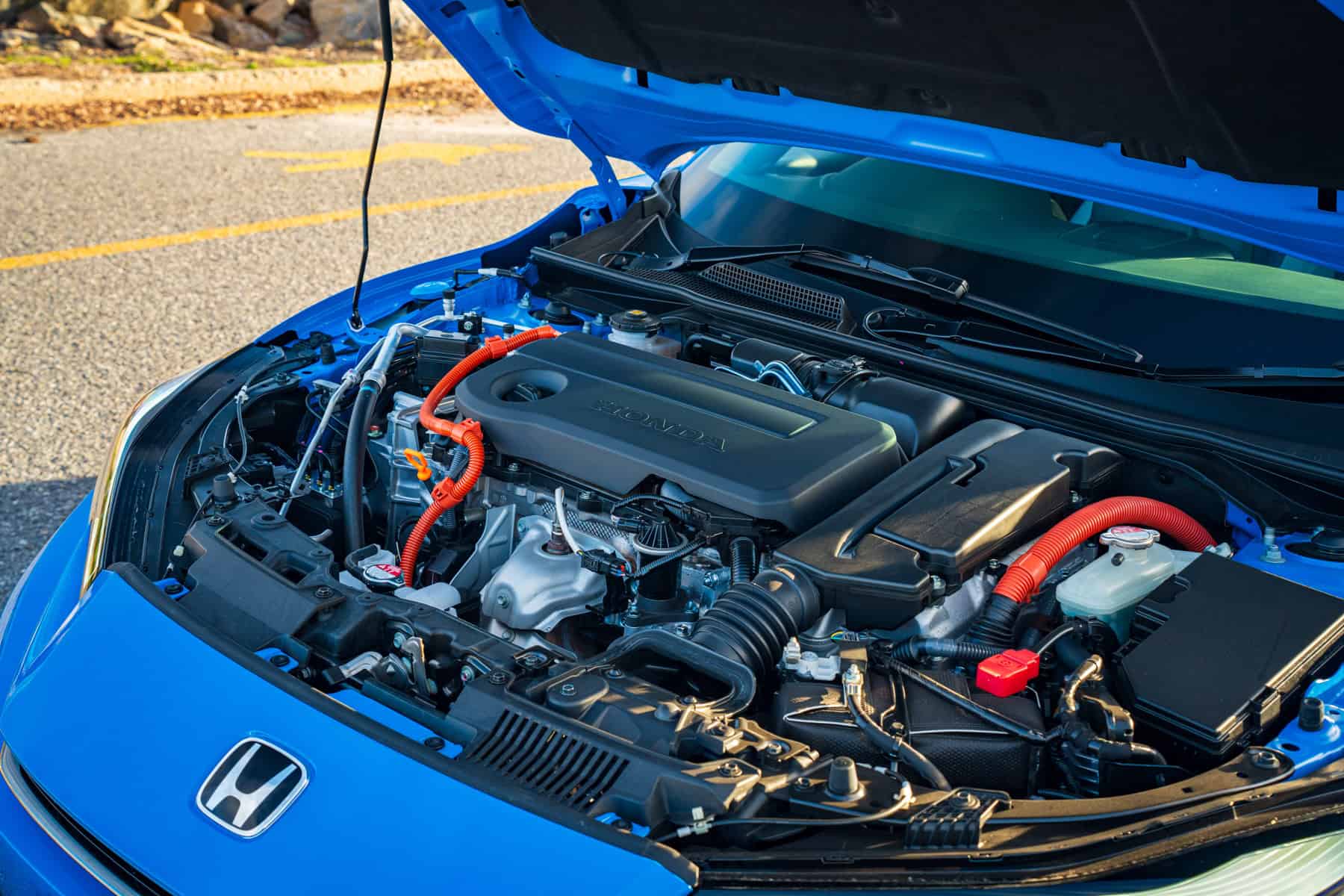

Much has been made online of the new Honda Prelude since it officially launched in late May. Whether it was its looks, its performance figures on paper, or its price tag, look in just about any comments section and you’ll see a flood of negativity and scepticism toward it.
Yet, if you were to read or watch most of the reviews by journalists, you’d find waves of glowing positivity about the new Prelude. Retro Rides was given early access to one before its launch, and in my first drive review I declared the Prelude as “the car the world needs right now [and] proof that sports cars are still possible today”.
Keep in mind, those 1670 words were written under embargo before any other opinions had been broadcast by journos or commenters alike, and I wasn’t wined and dined at a launch event but instead simply left with the car for a couple of weeks to do my thing and see it for what it is.
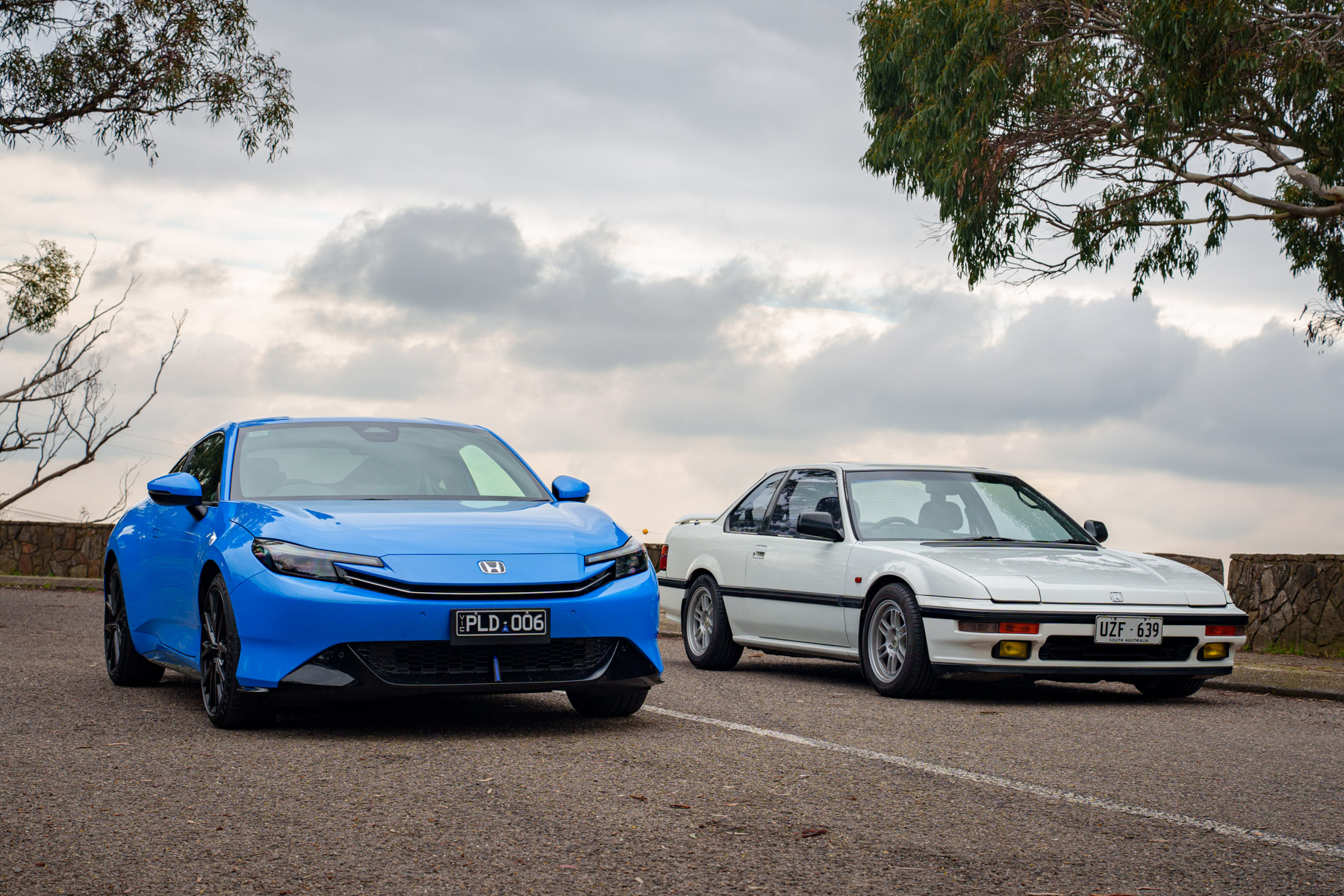
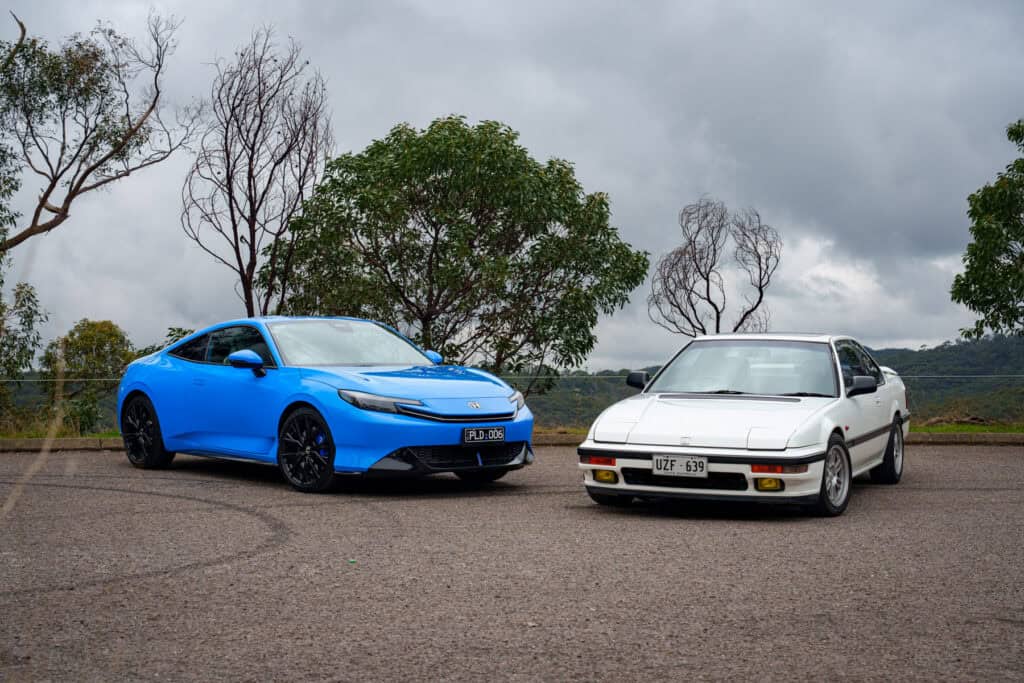
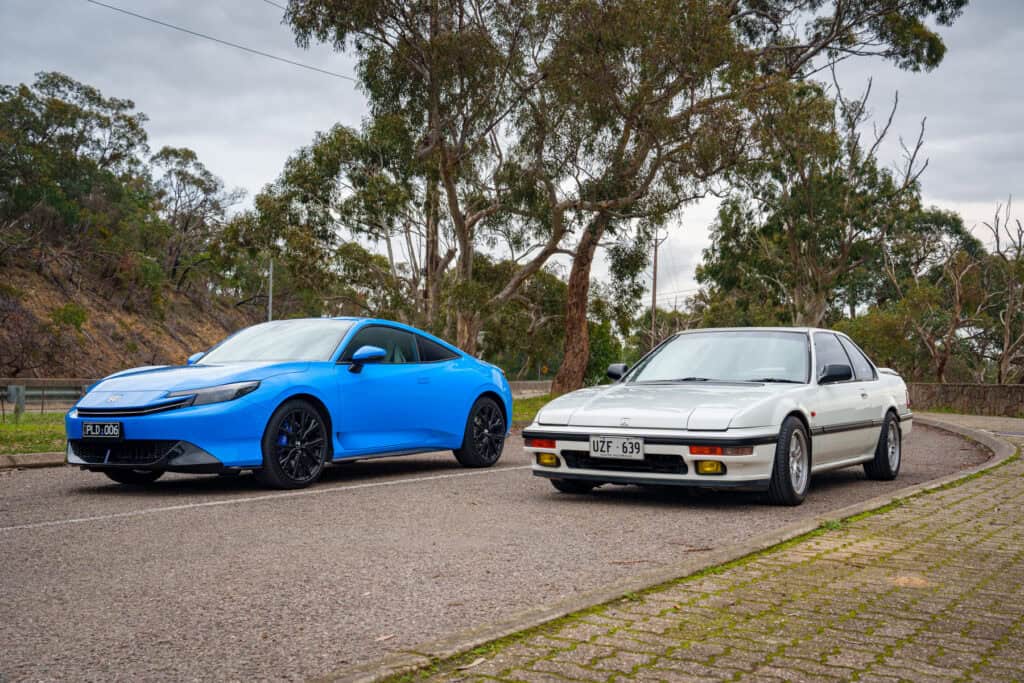
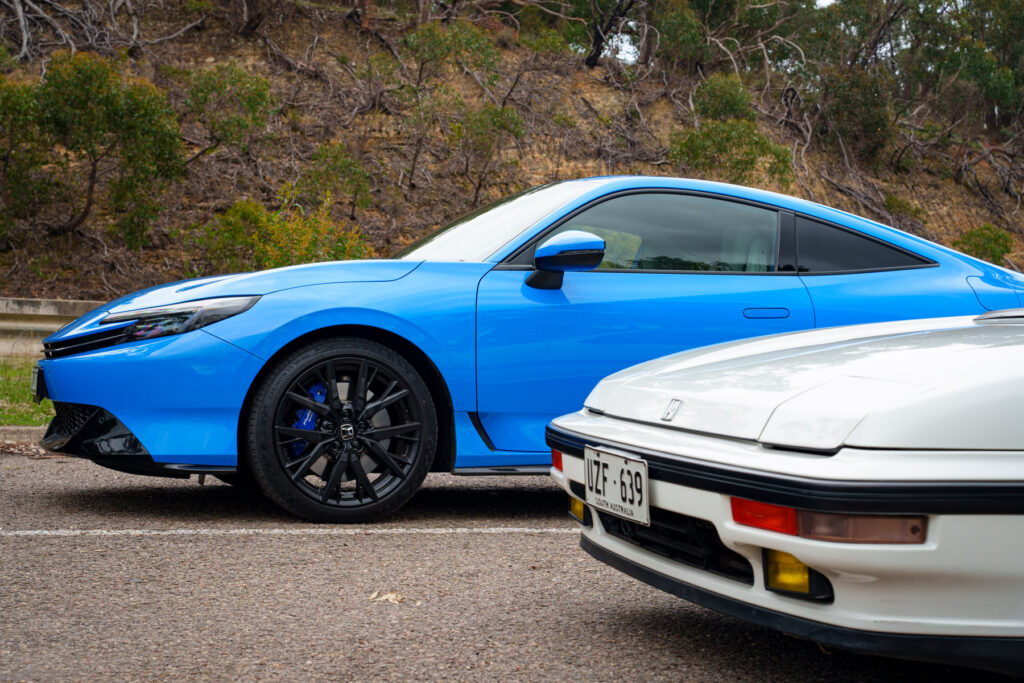
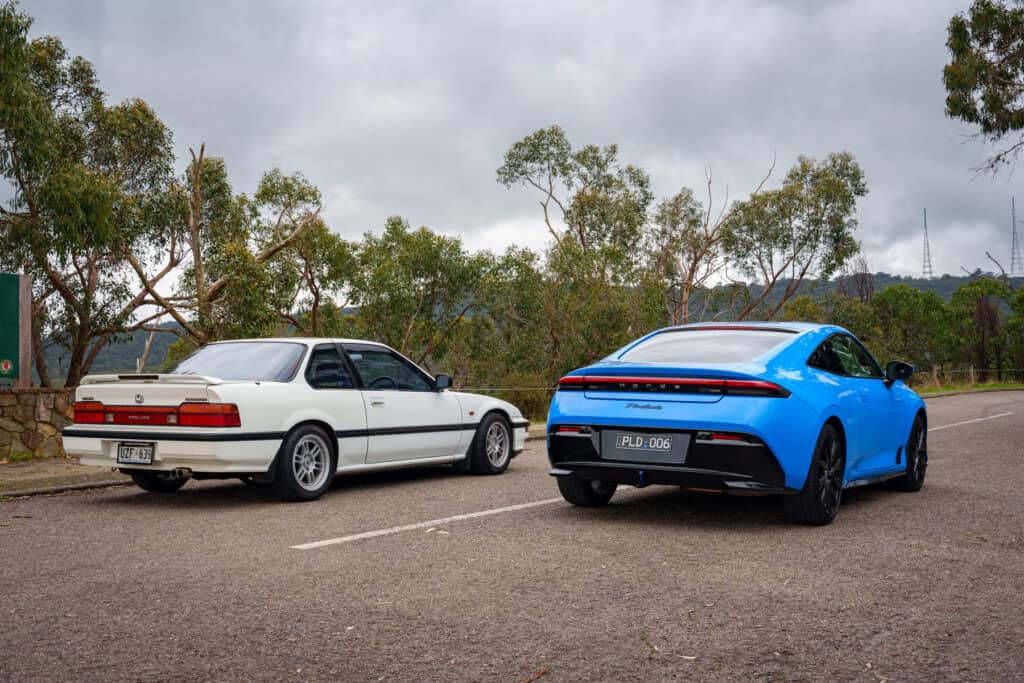
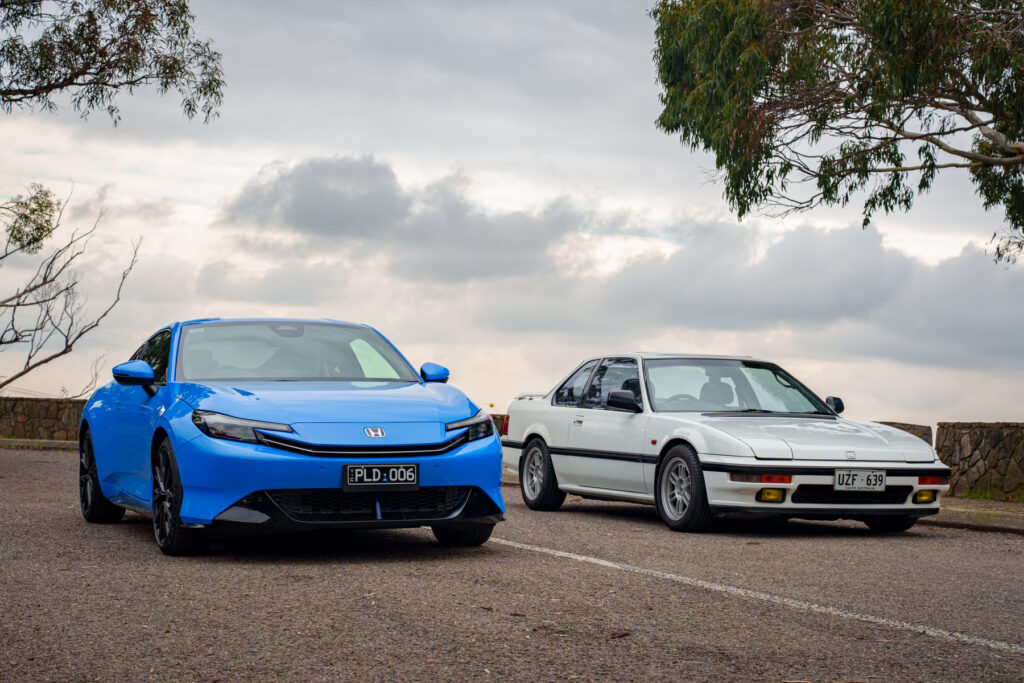
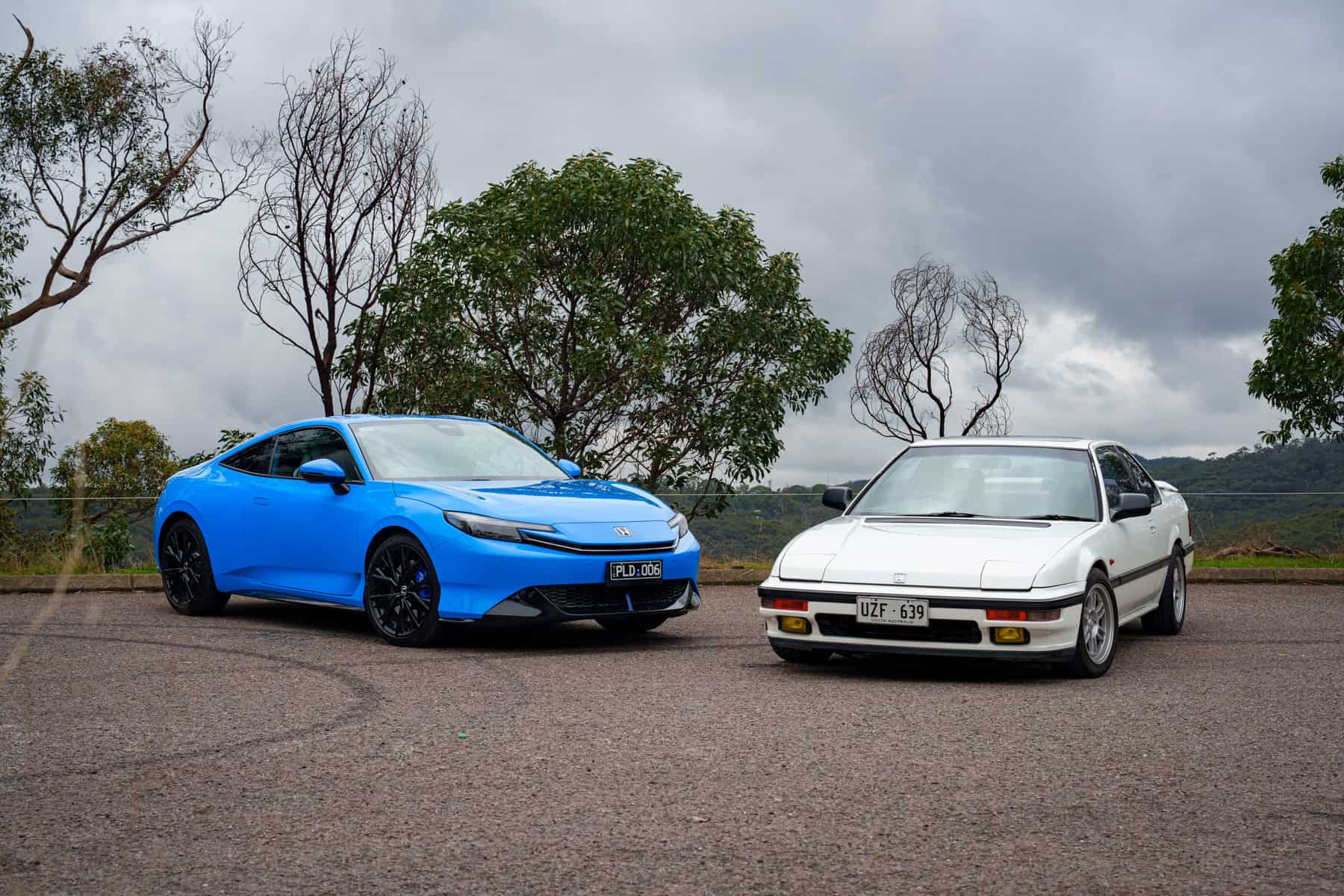
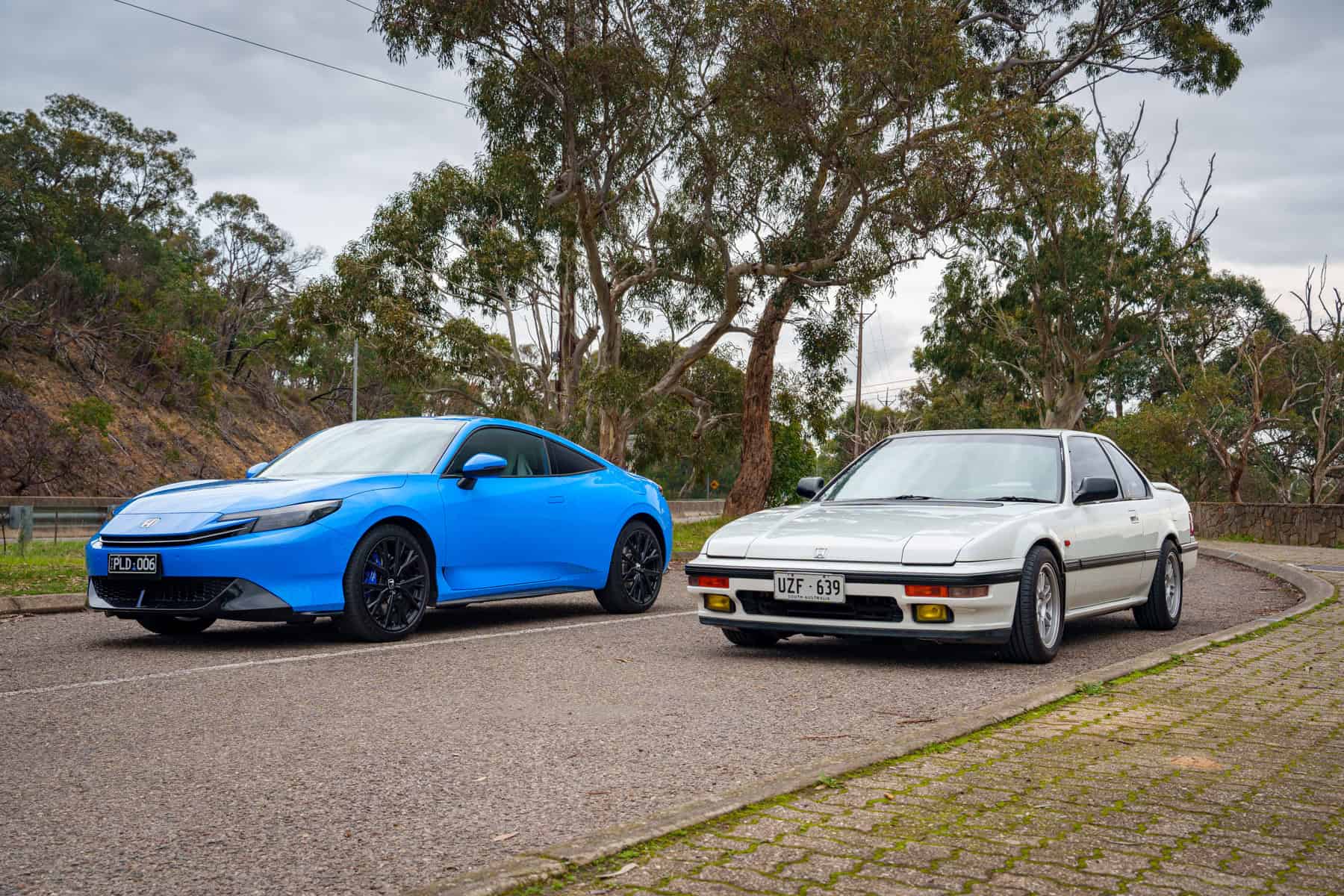
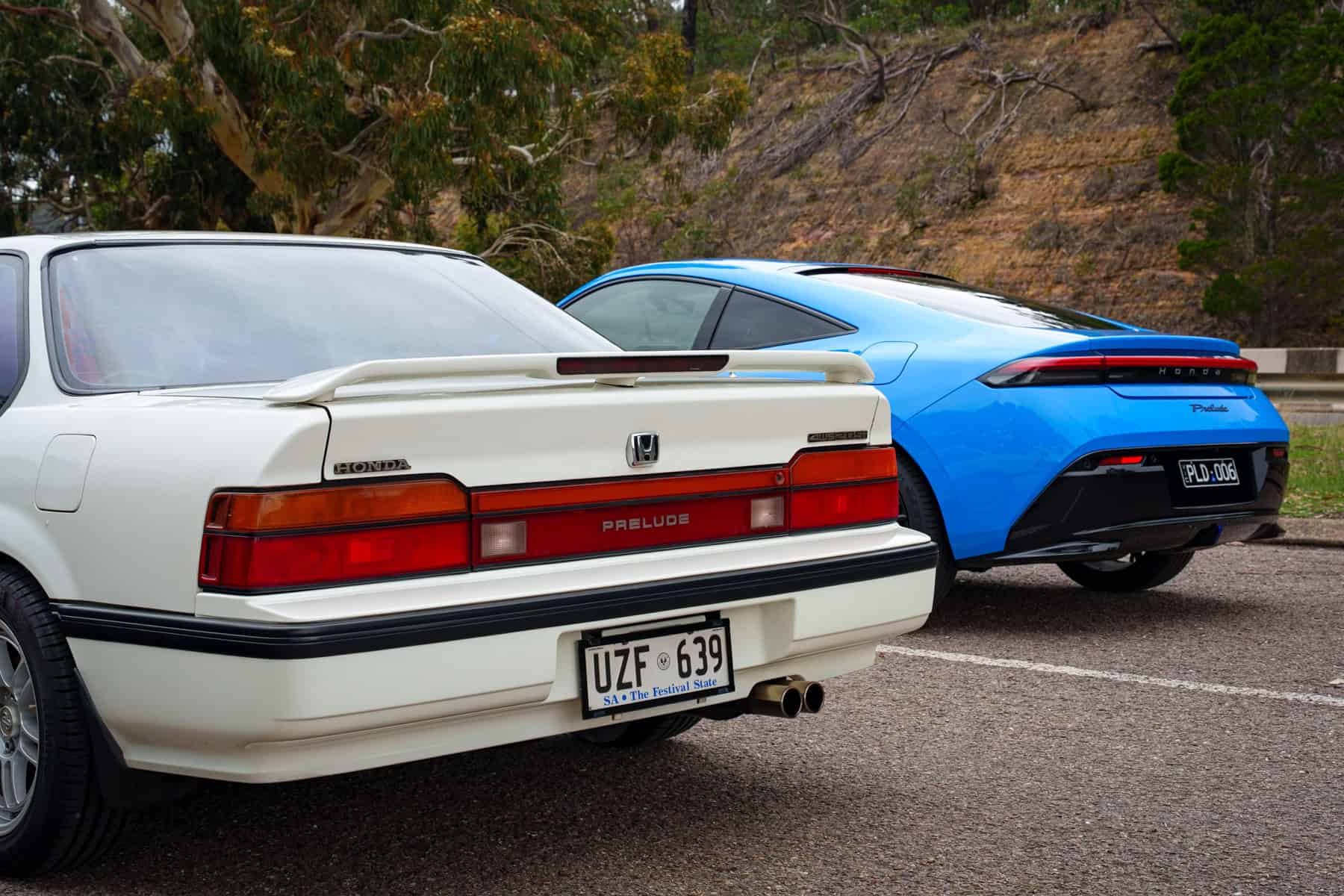
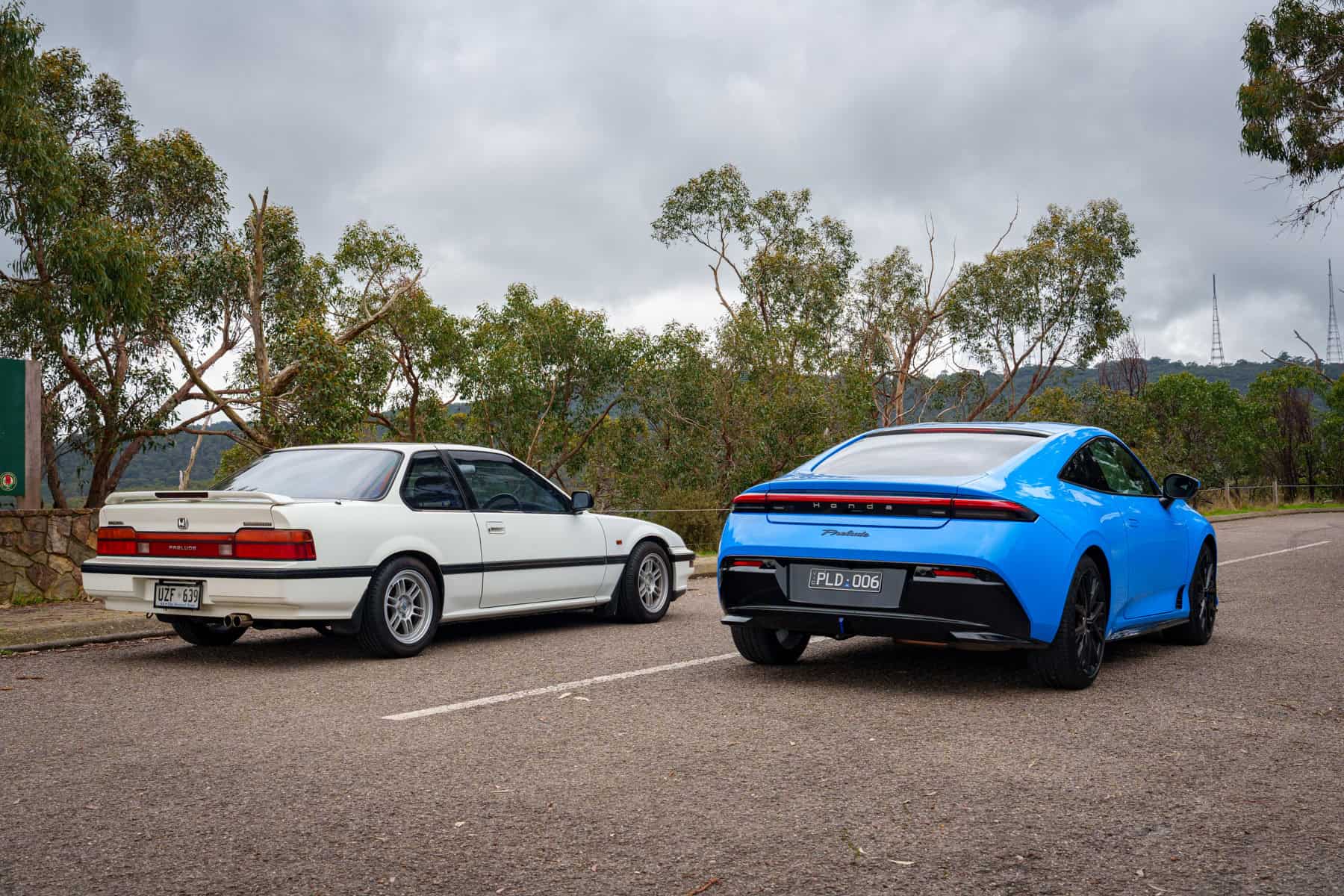
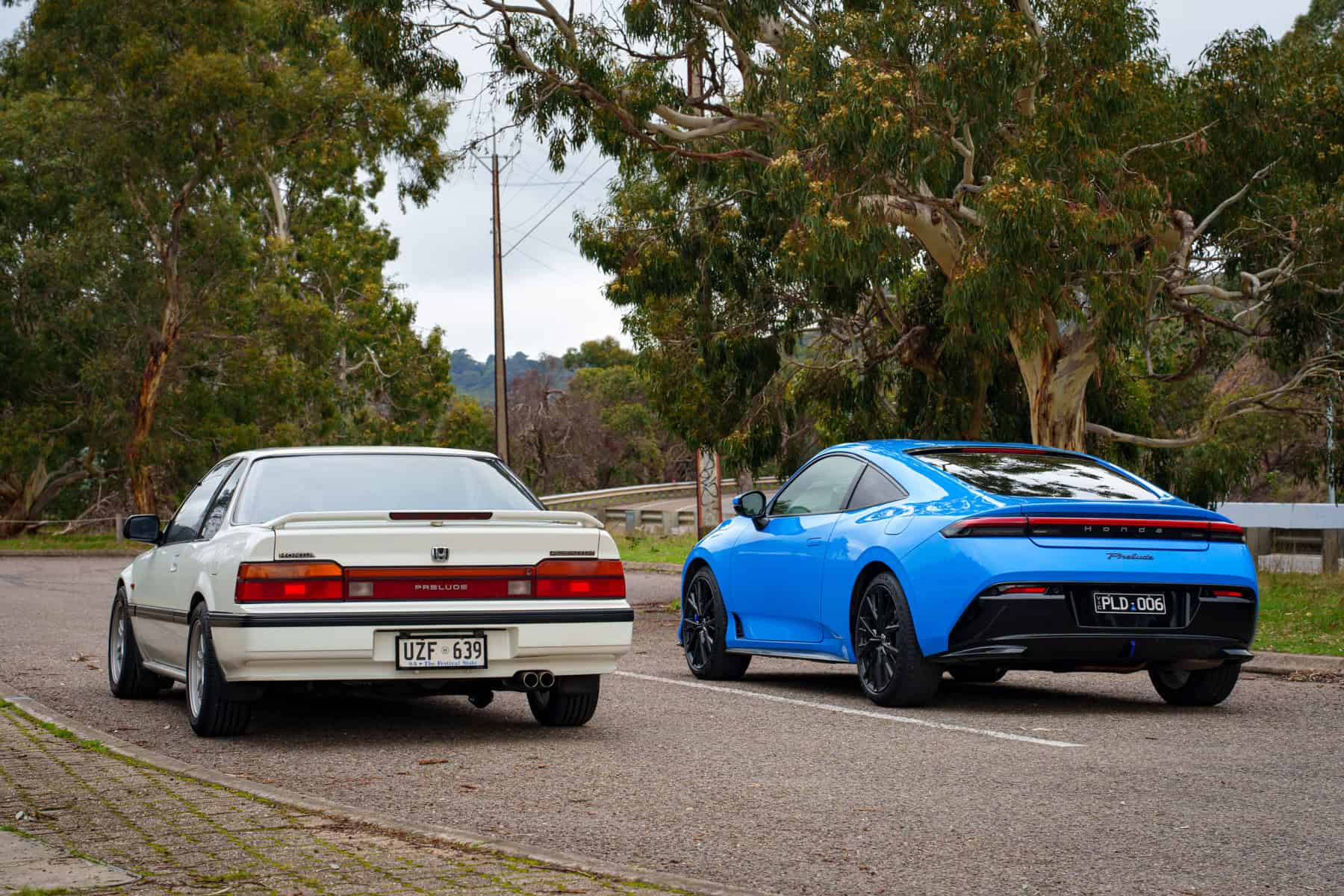
Even though performance cars of all ages are something we give coverage to here at Retro Rides, I wasn’t satisfied simply looking at the new Prelude in isolation – I wanted to get it side by side with a classic example to see whether this car really is the act of sacrilege the internet decries it as, or whether it’s more on brand than you might think.
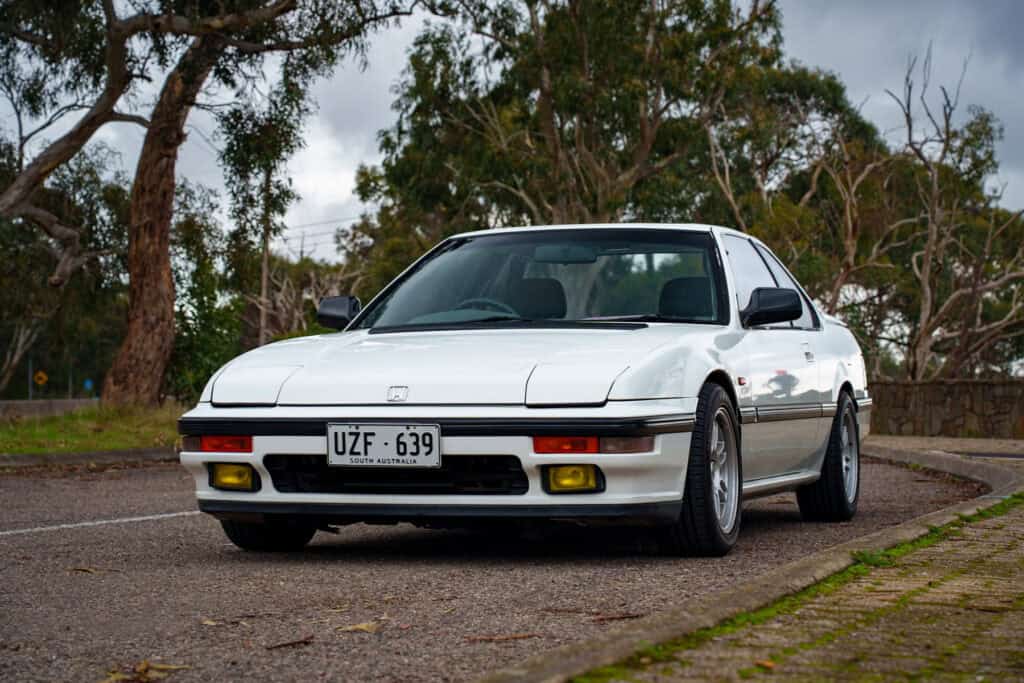
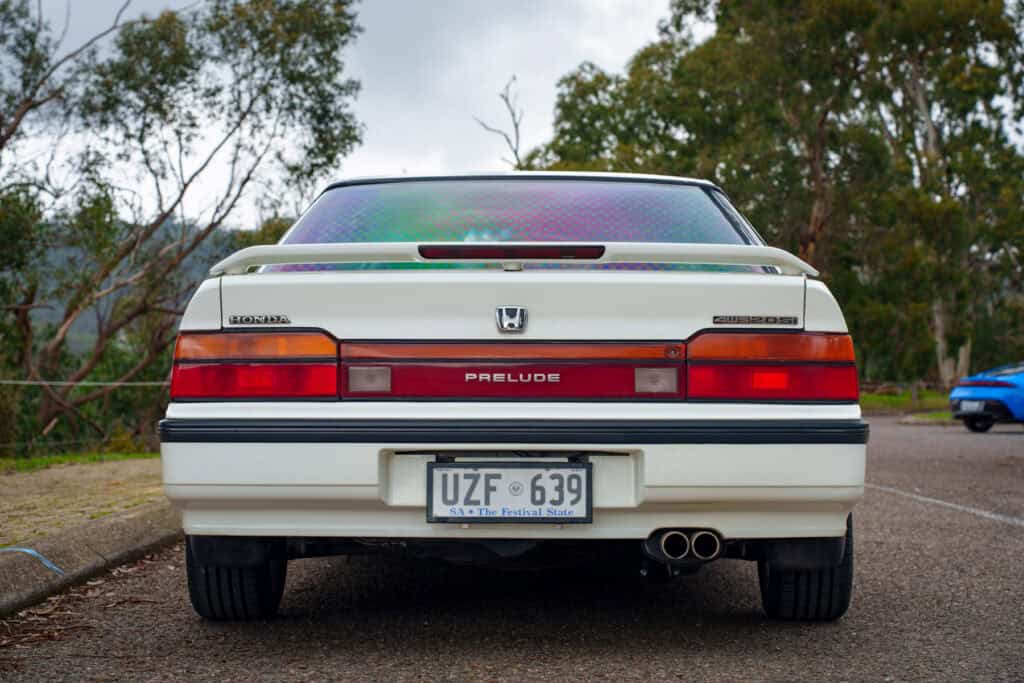
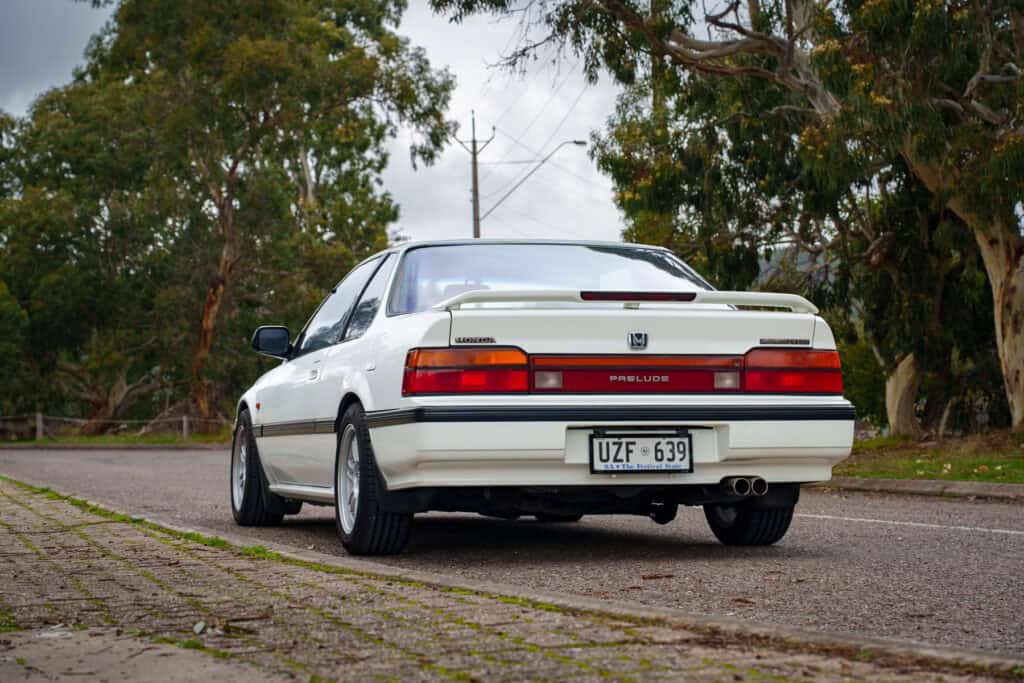
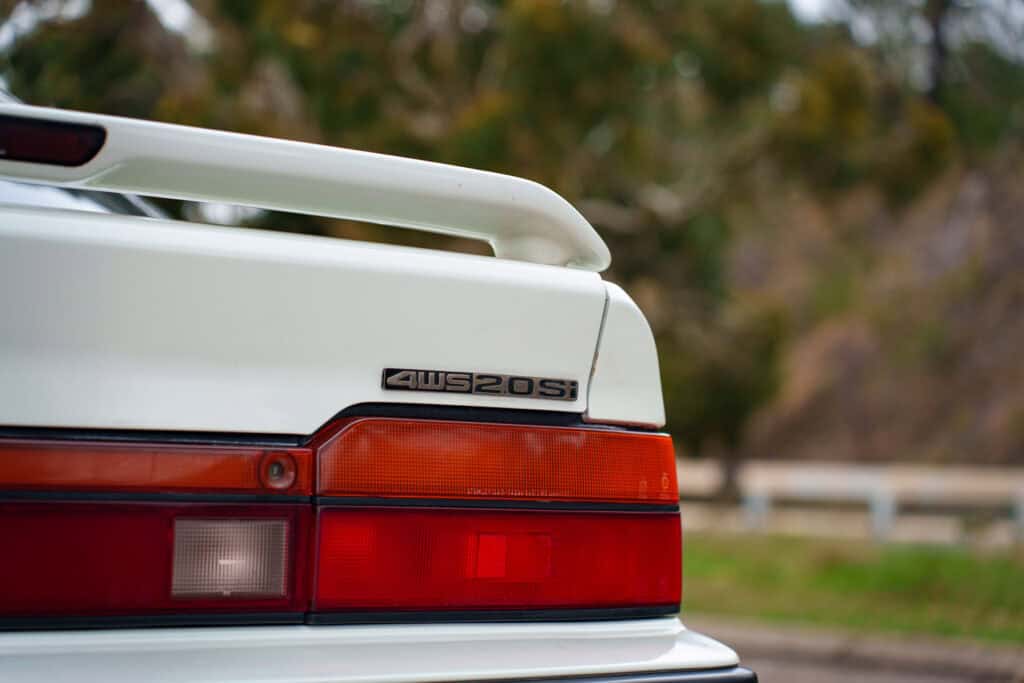
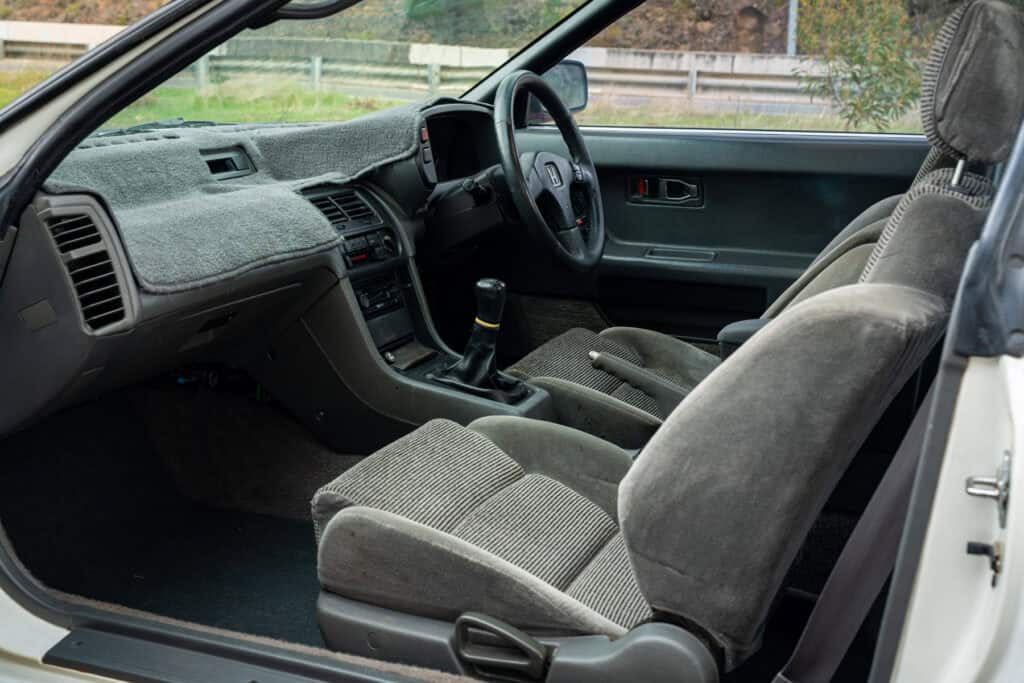
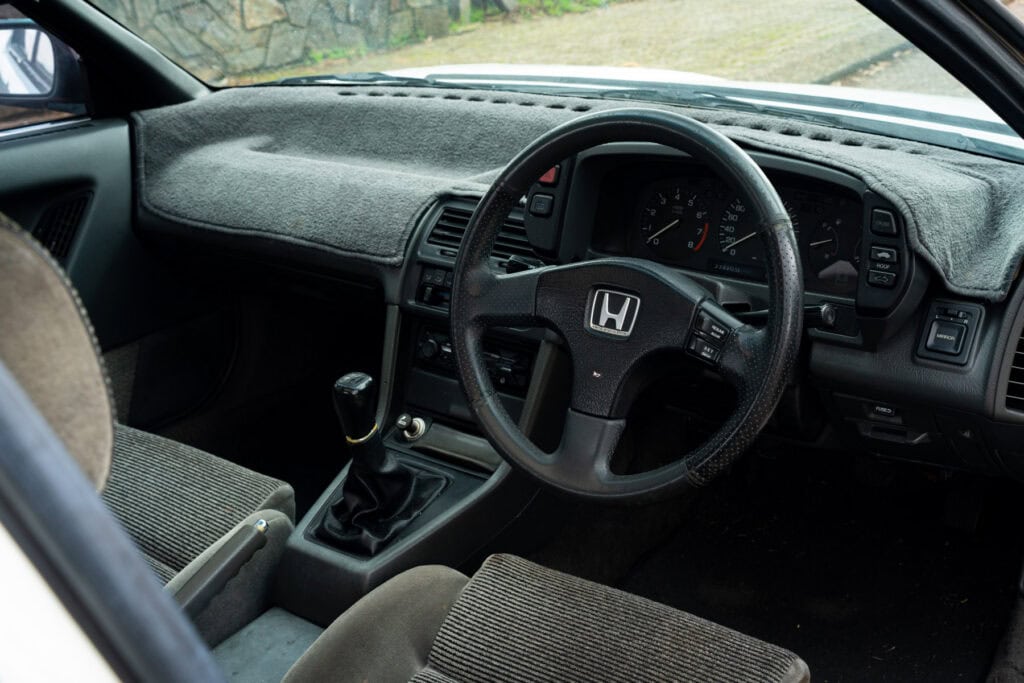
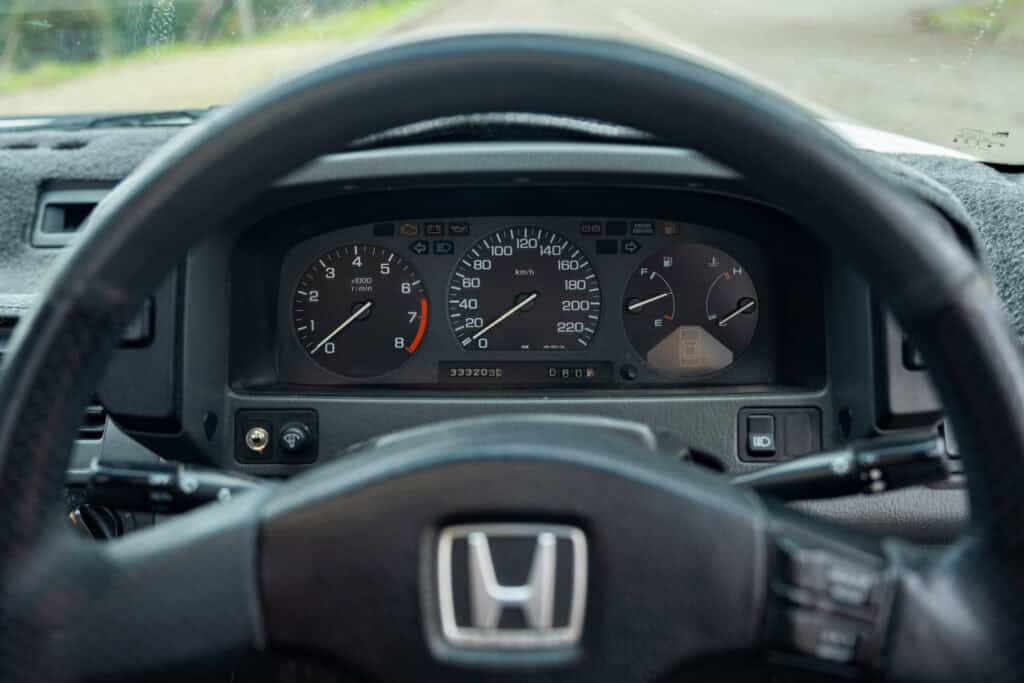
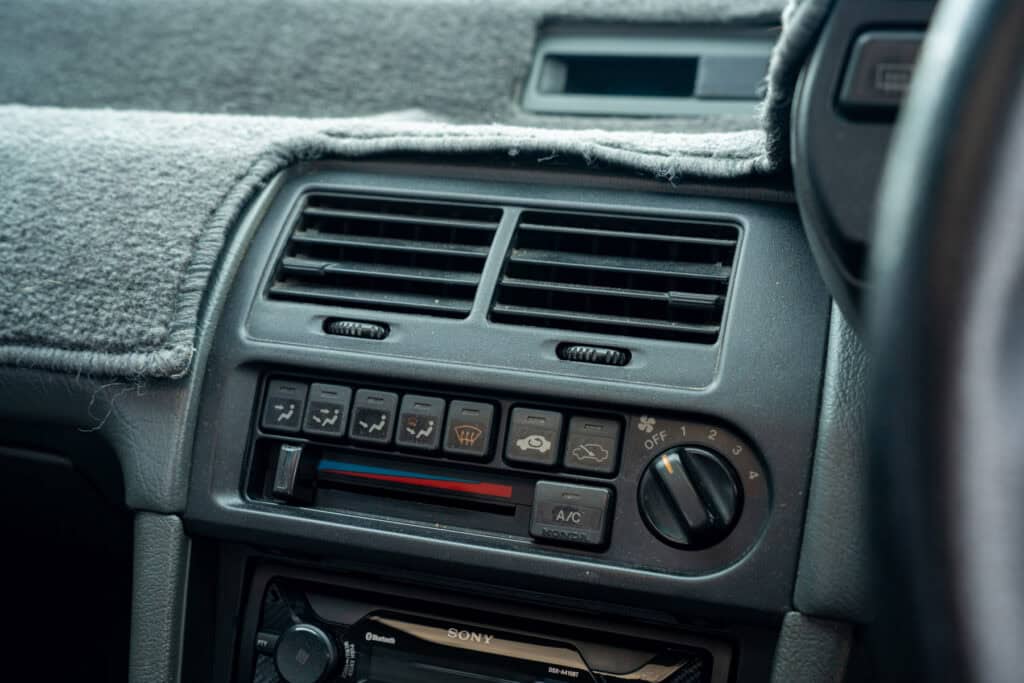
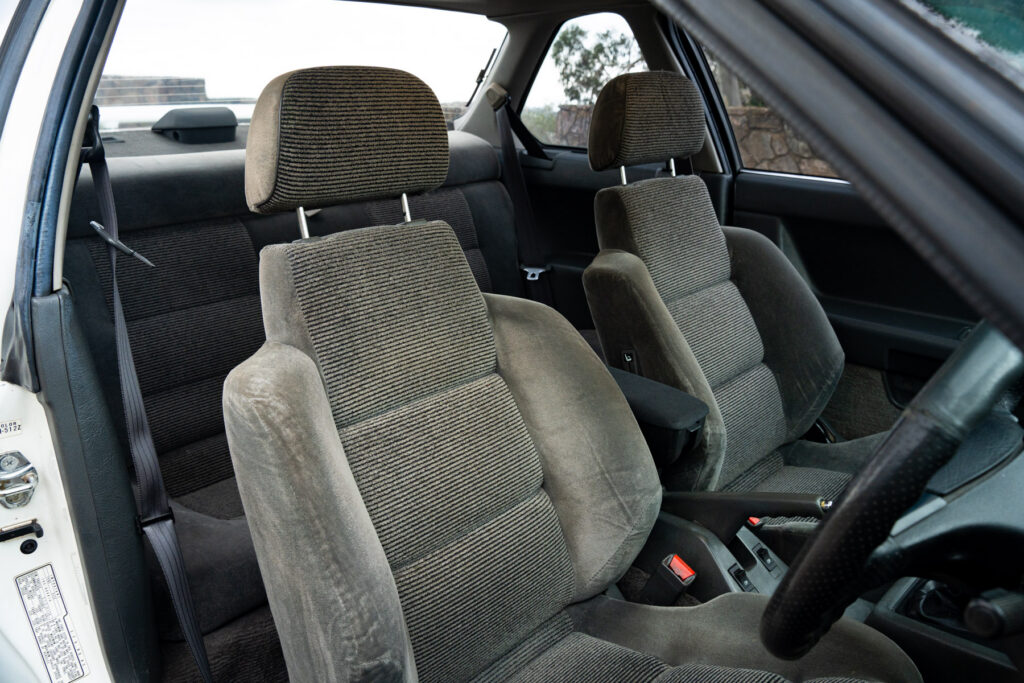
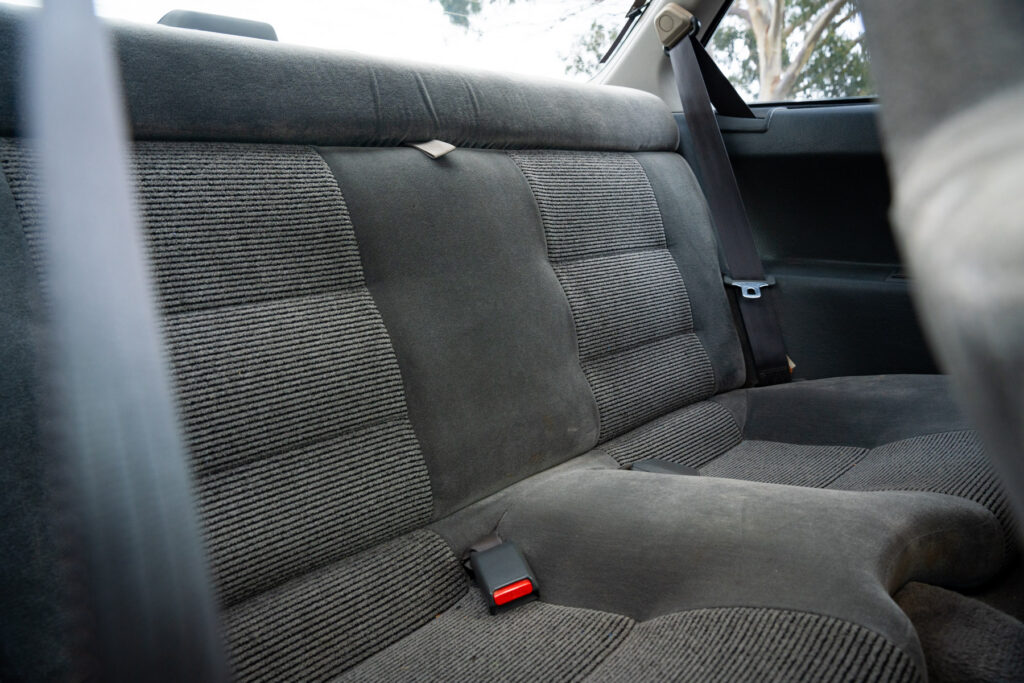
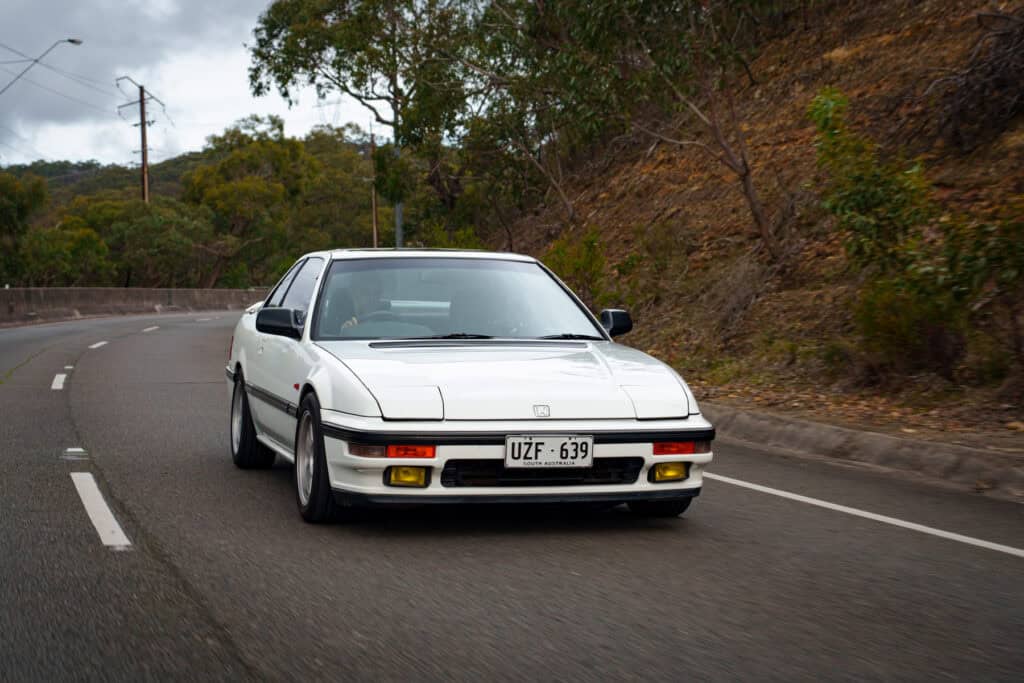
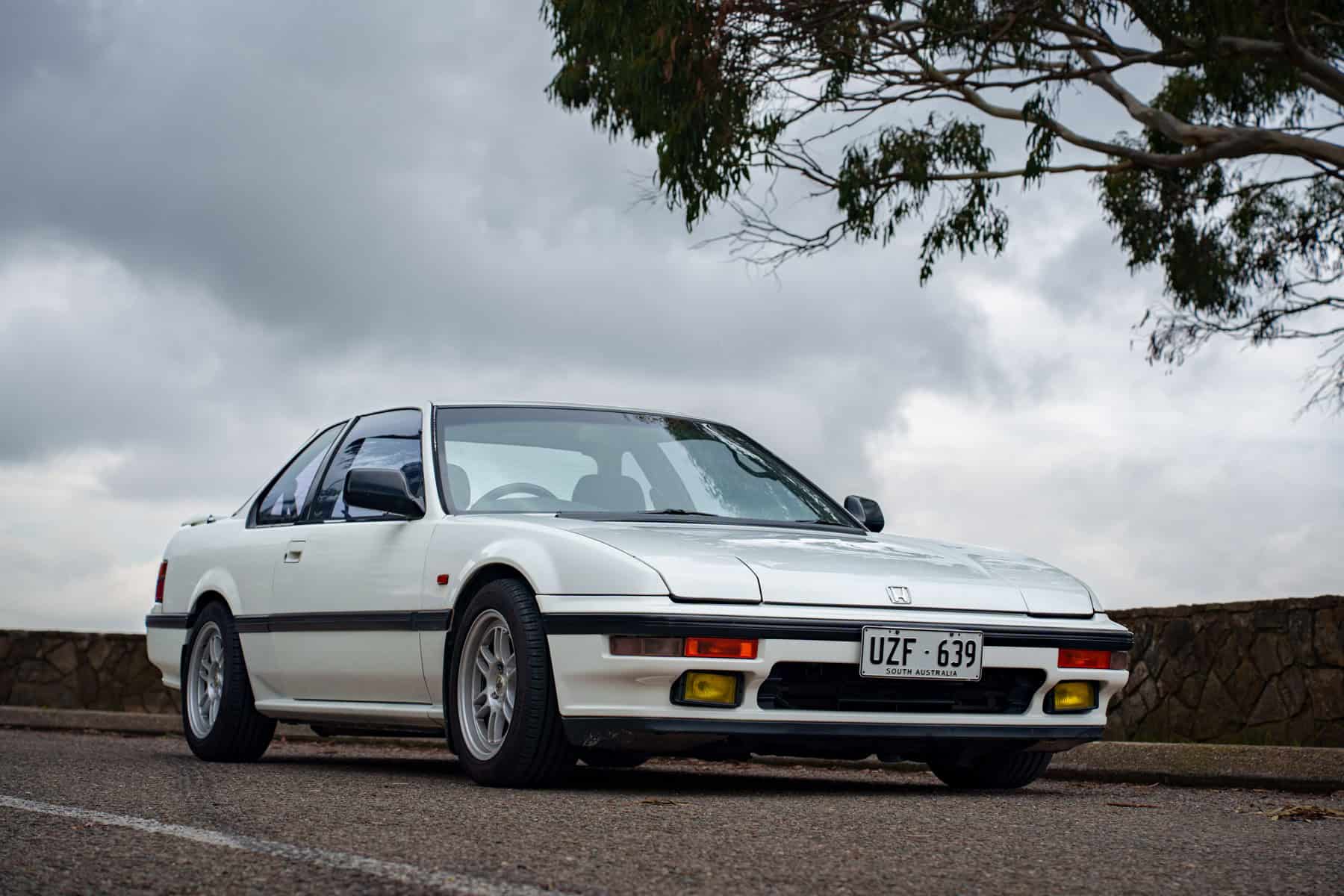
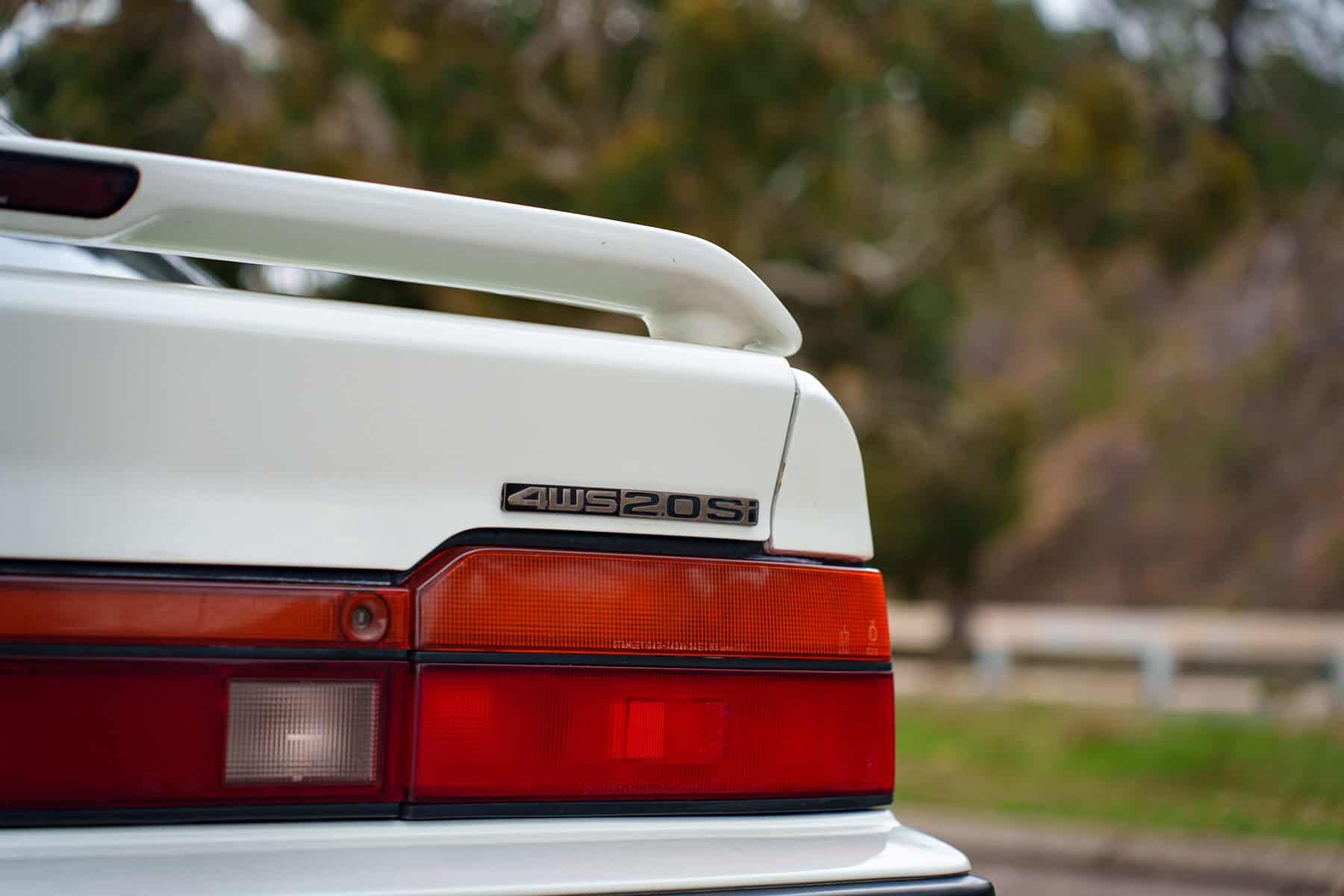
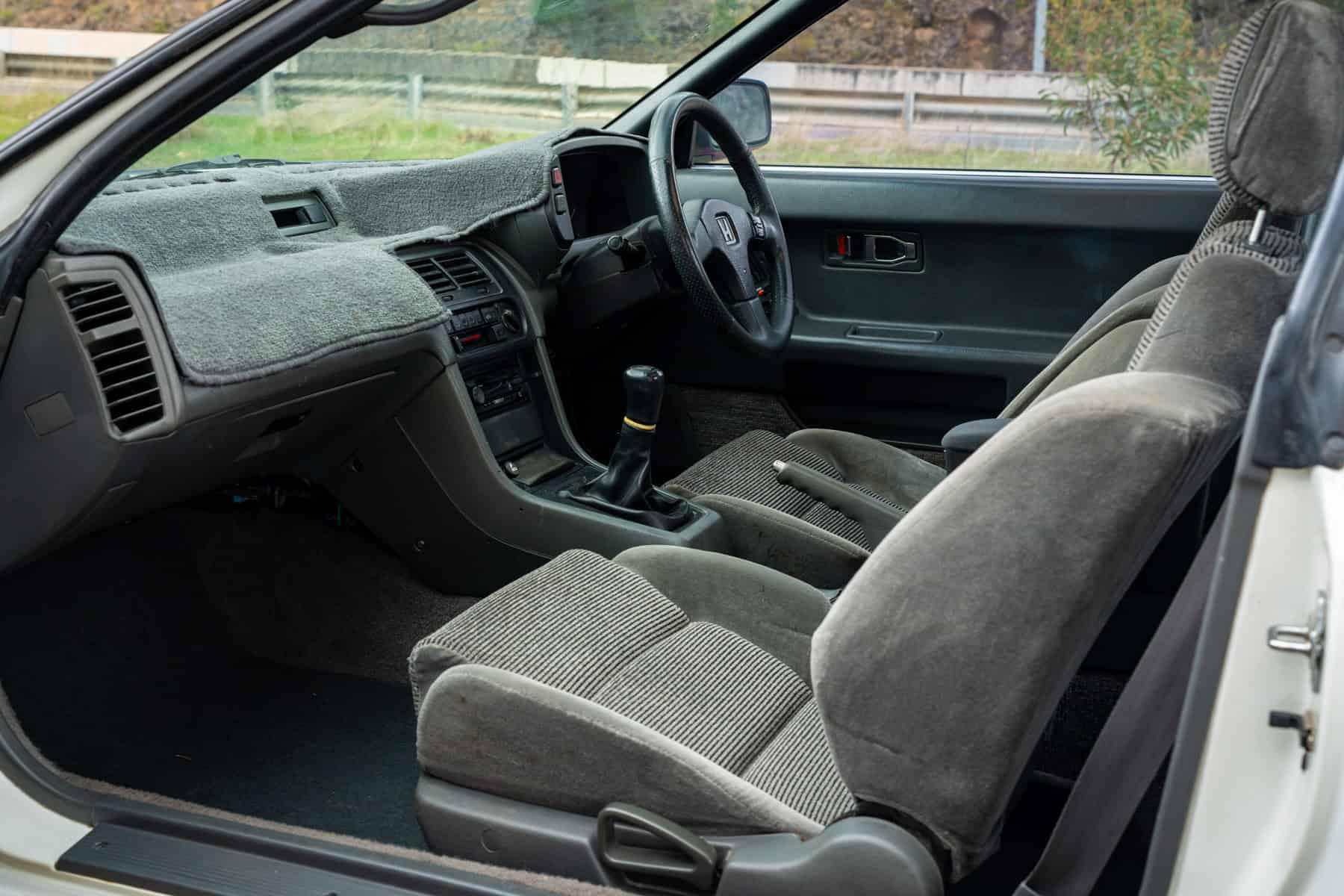
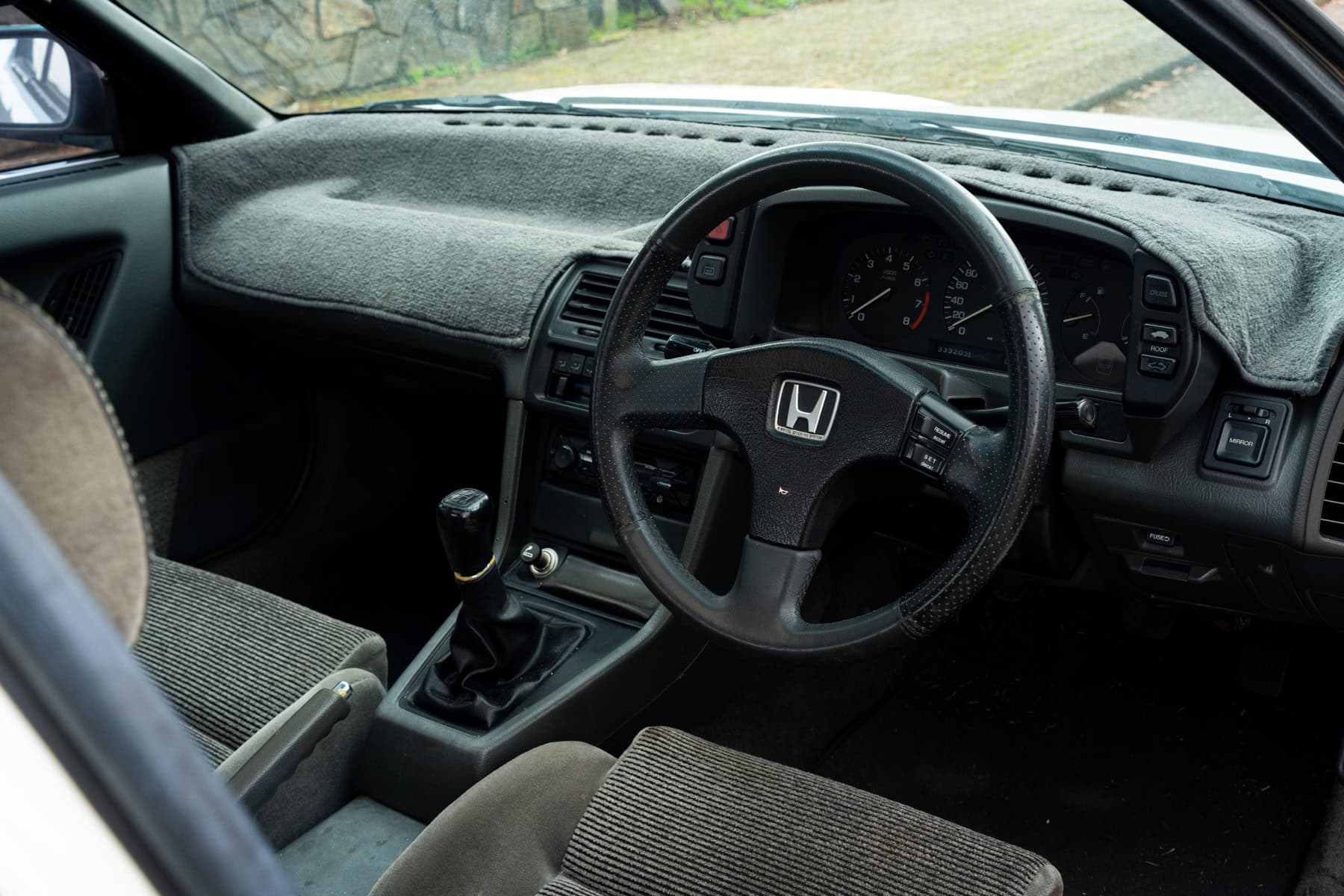
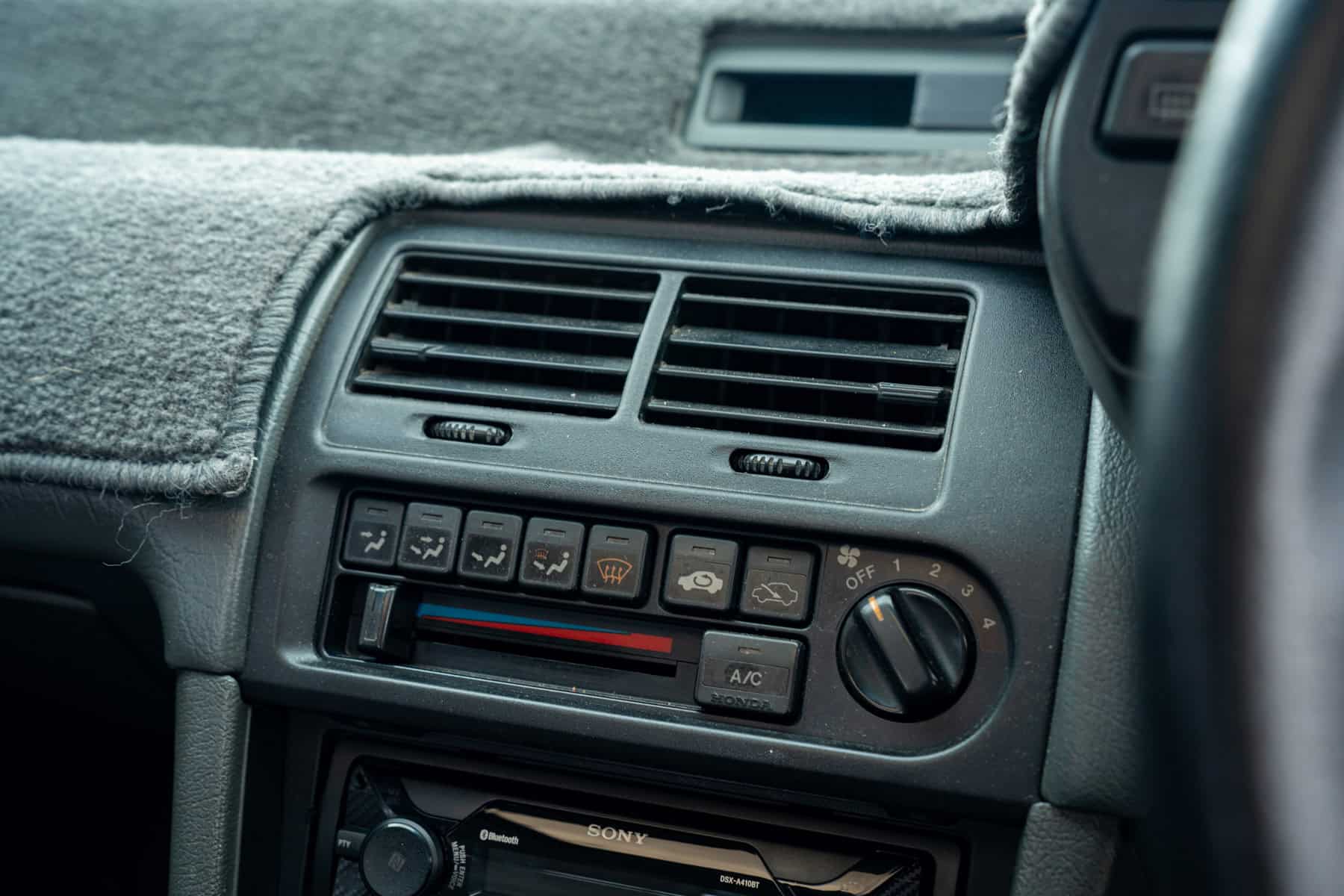
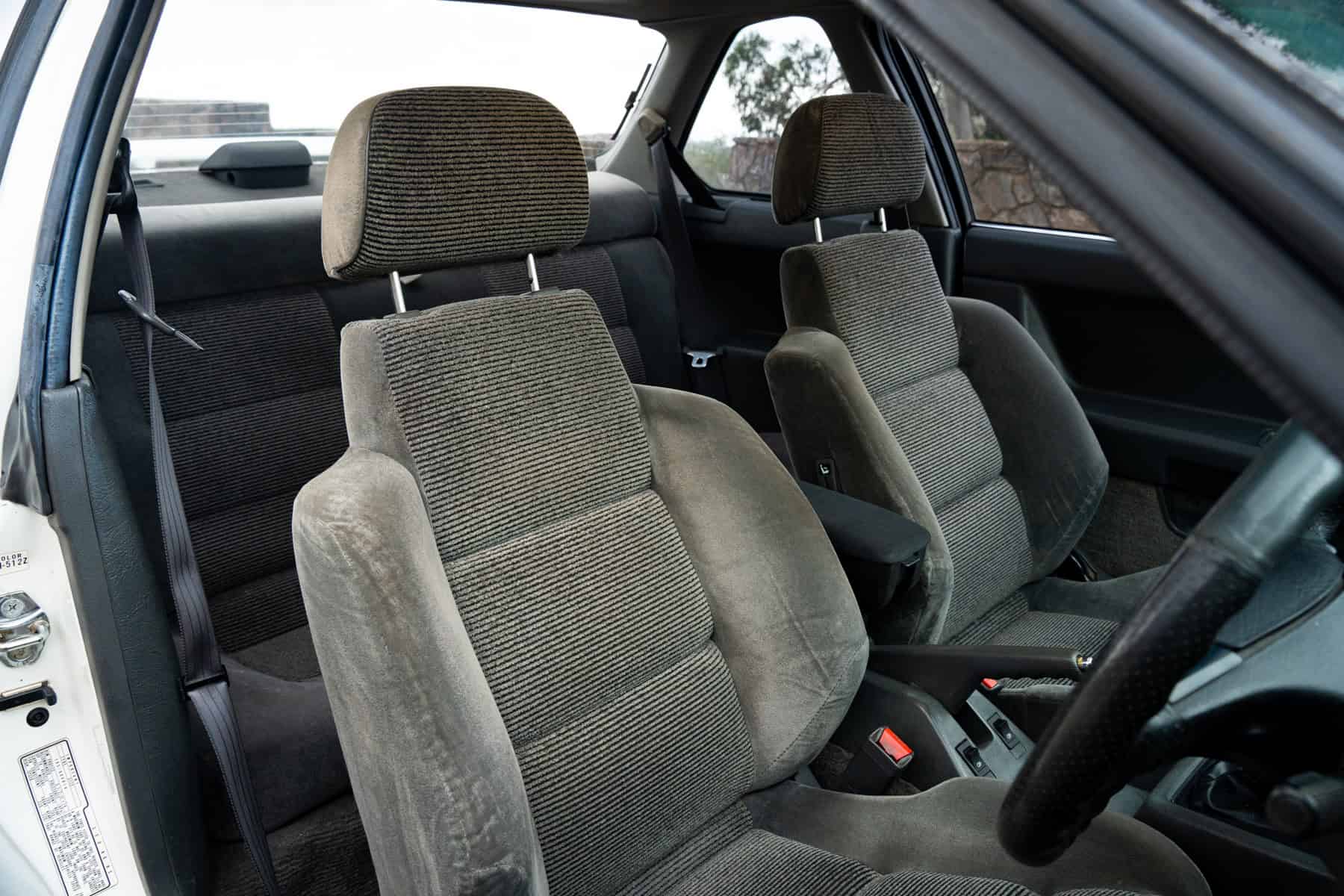
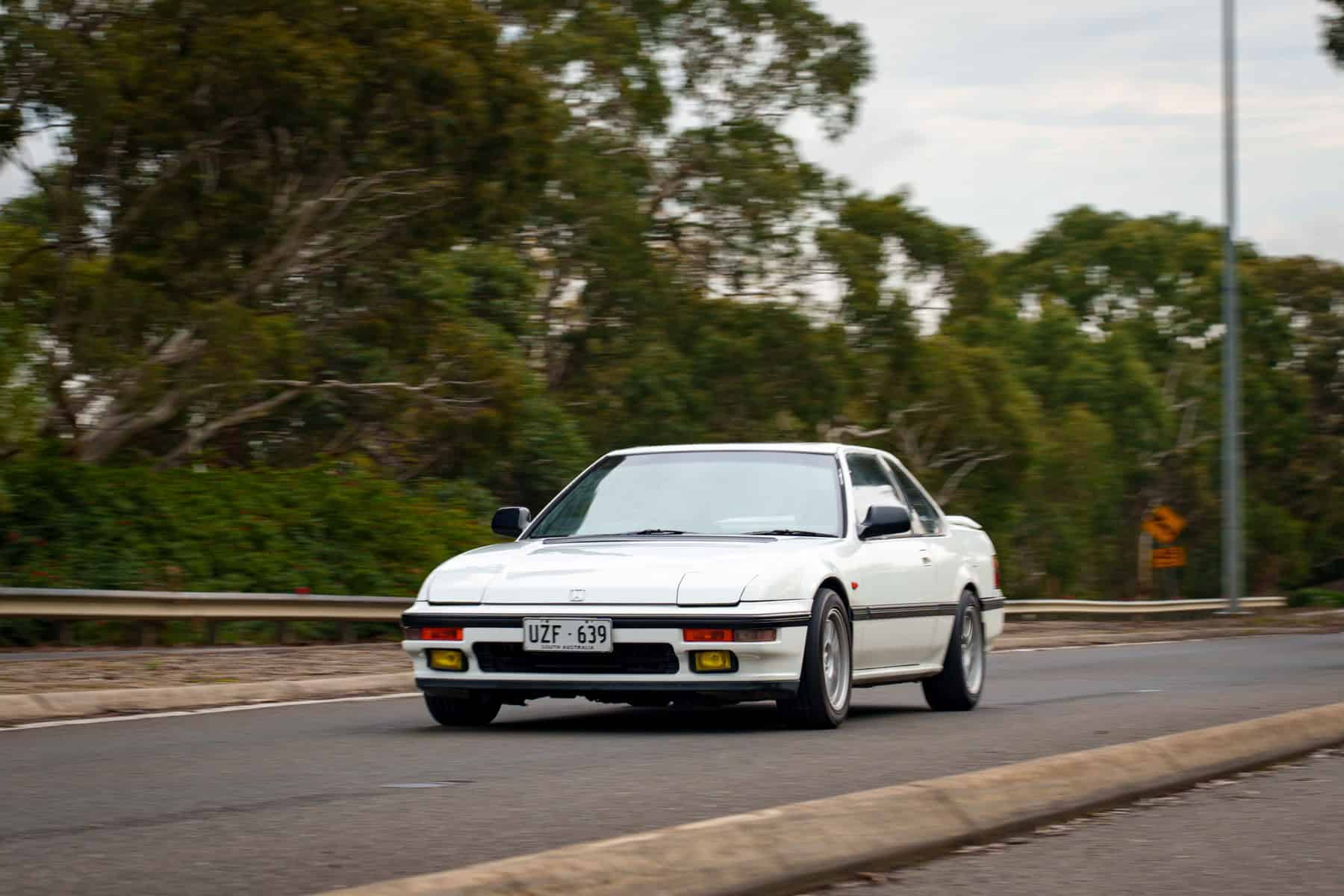
And what better car to set it alongside than one of the most iconic versions of the Prelude ever created, a third-generation 2.0 Si 4WS. With the Prelude’s penchant for serving up experimental technology wrapped in a stylish package, in my eyes there’s no better example to compare it with than this.
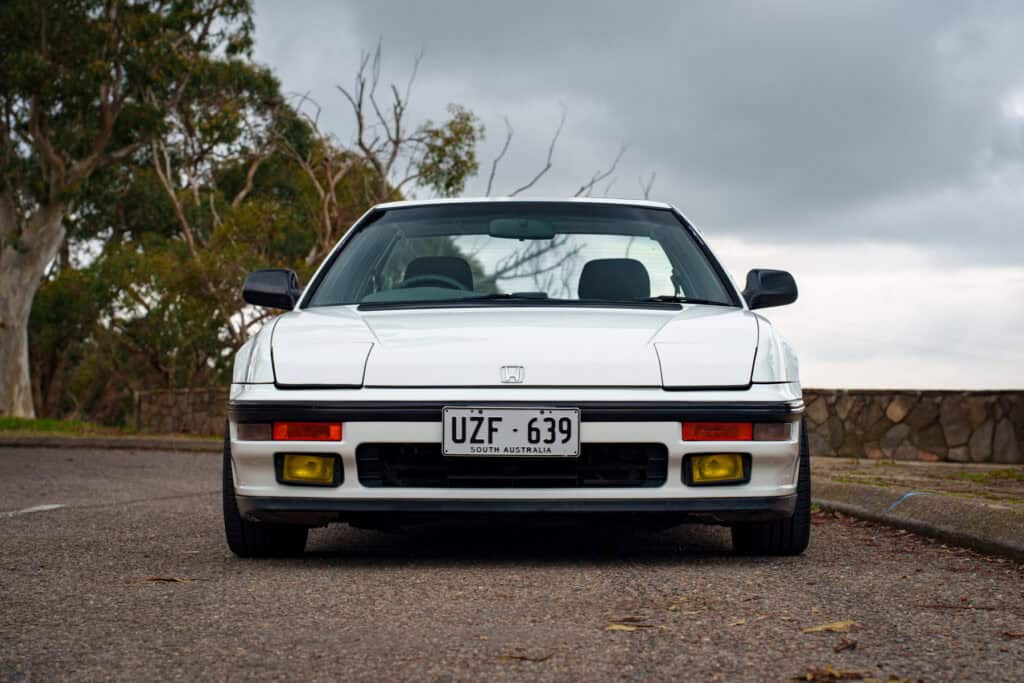
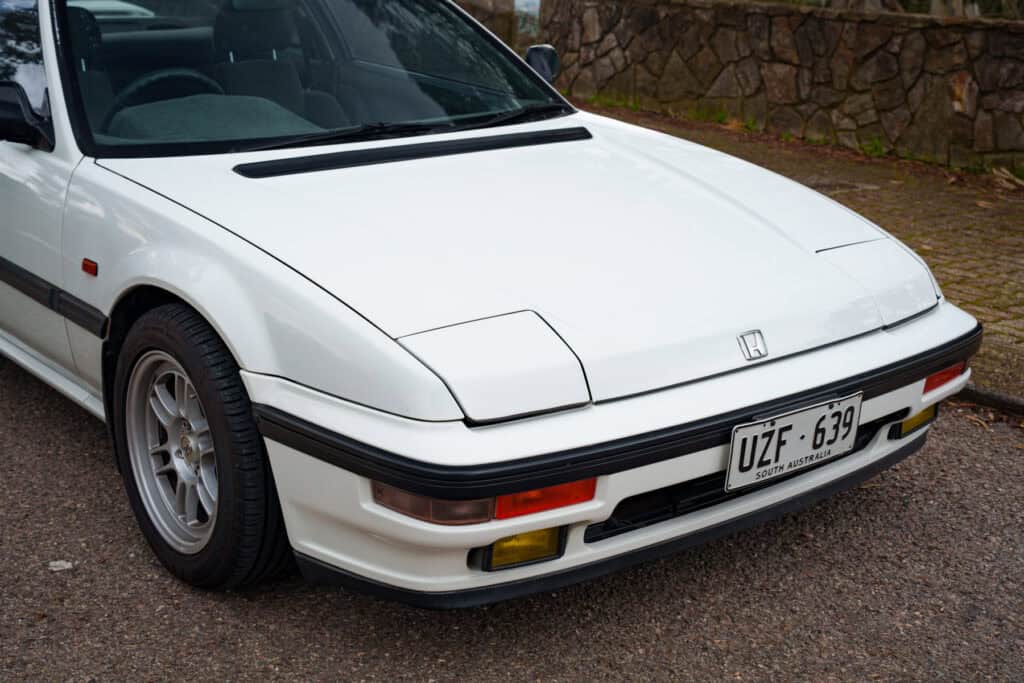
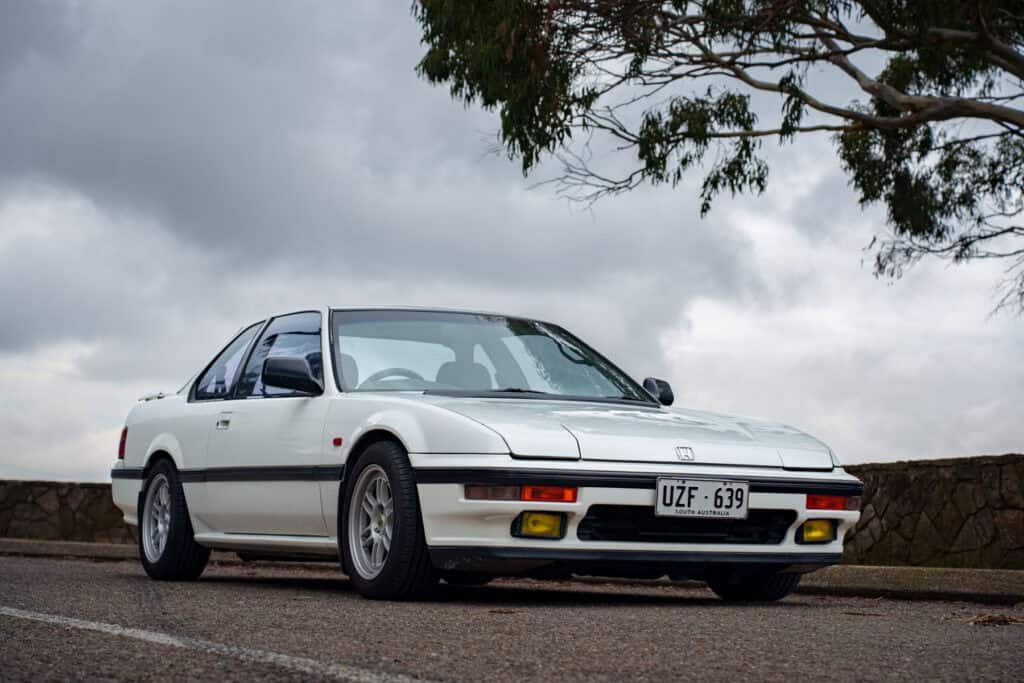
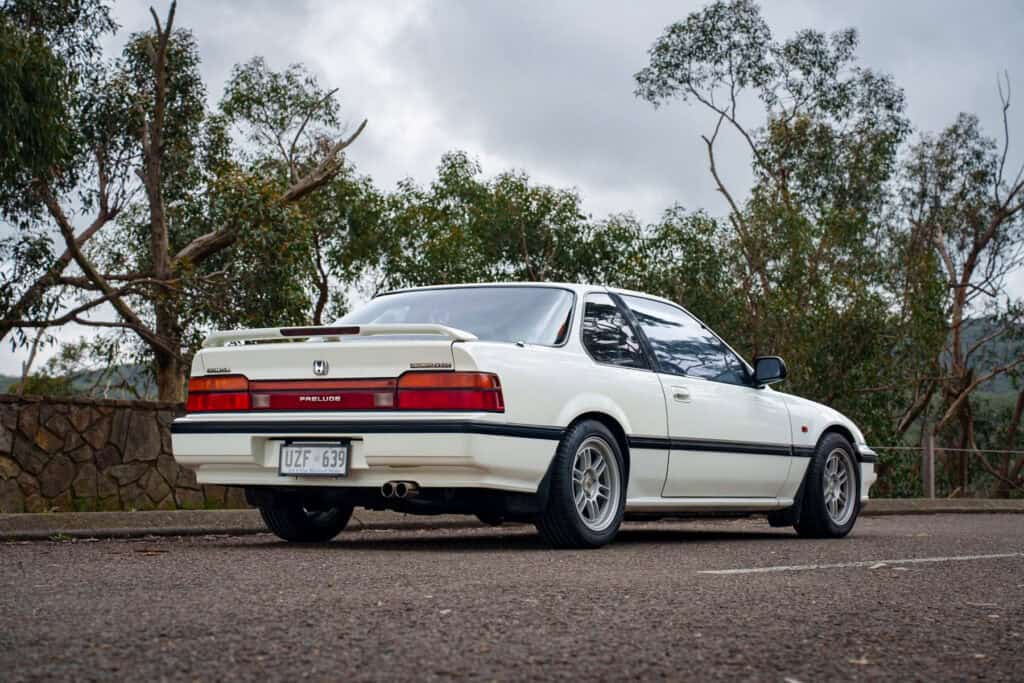
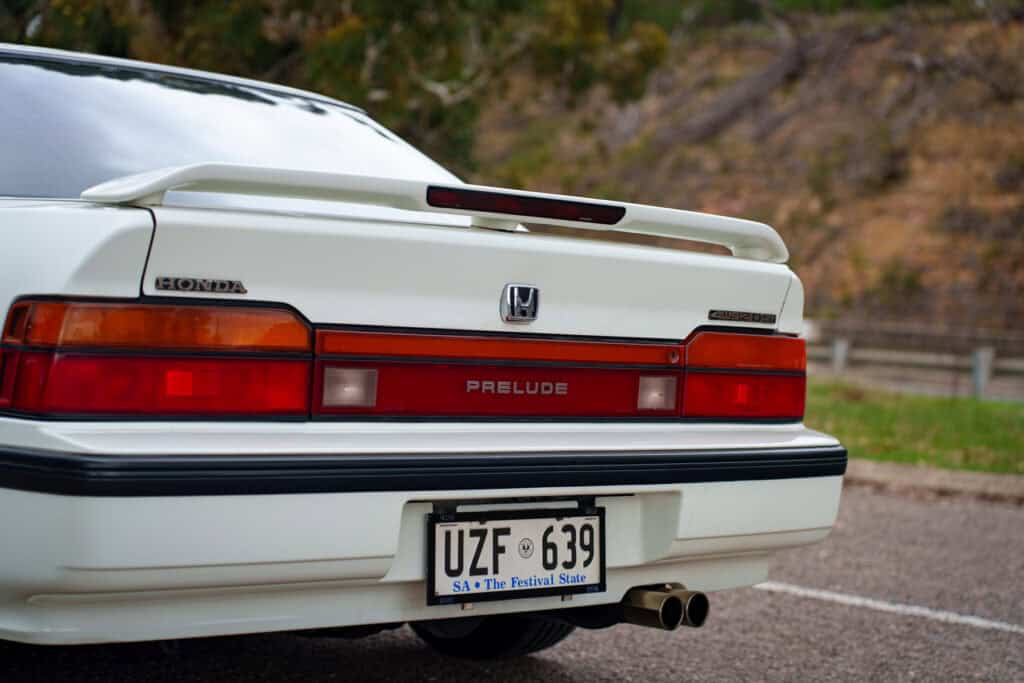
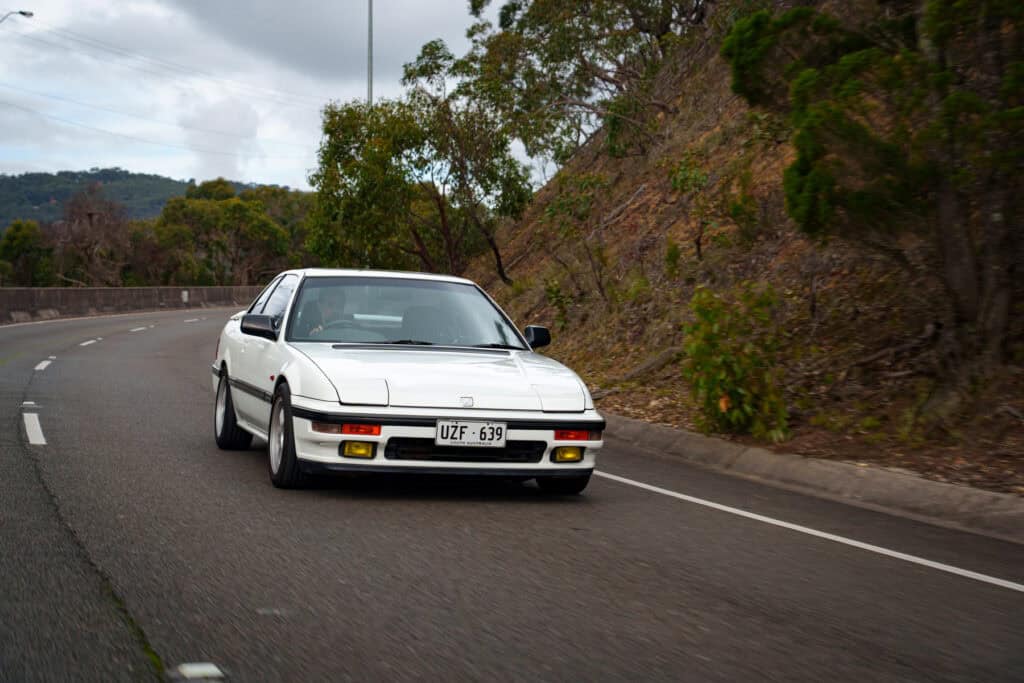
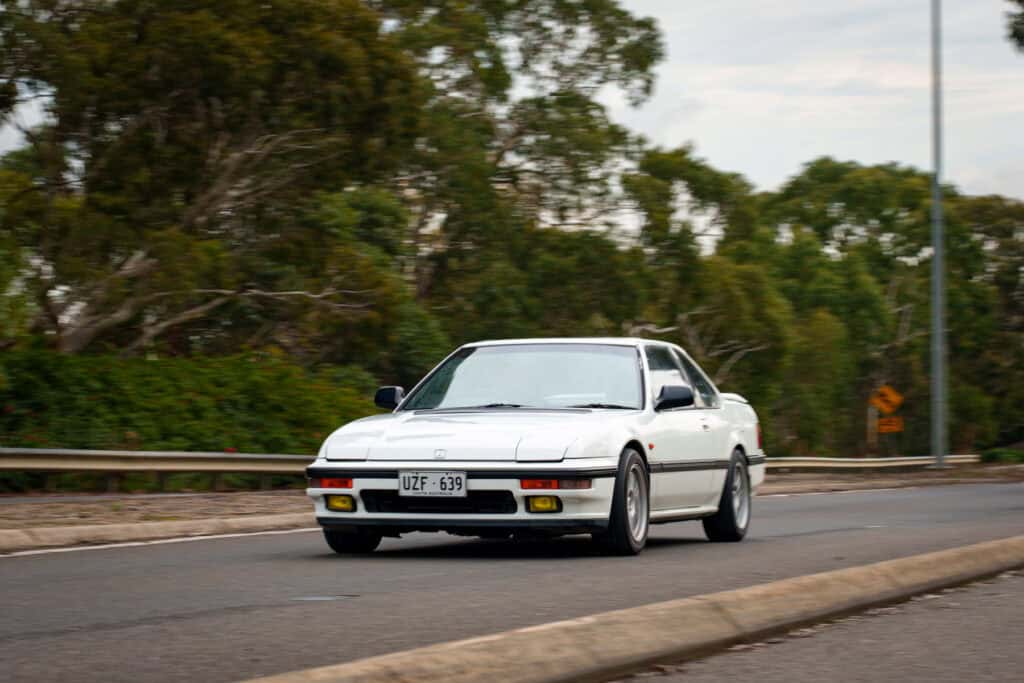
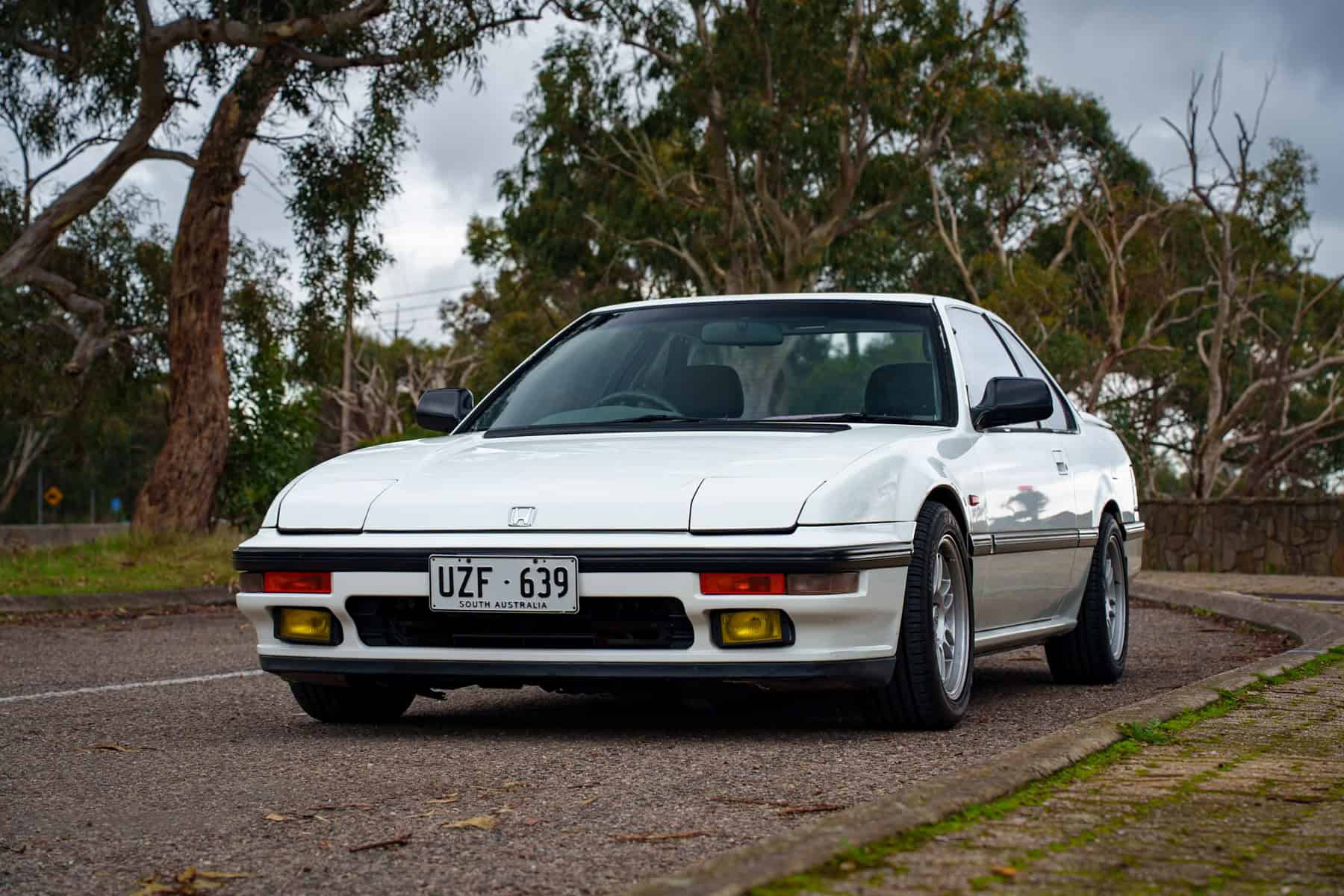
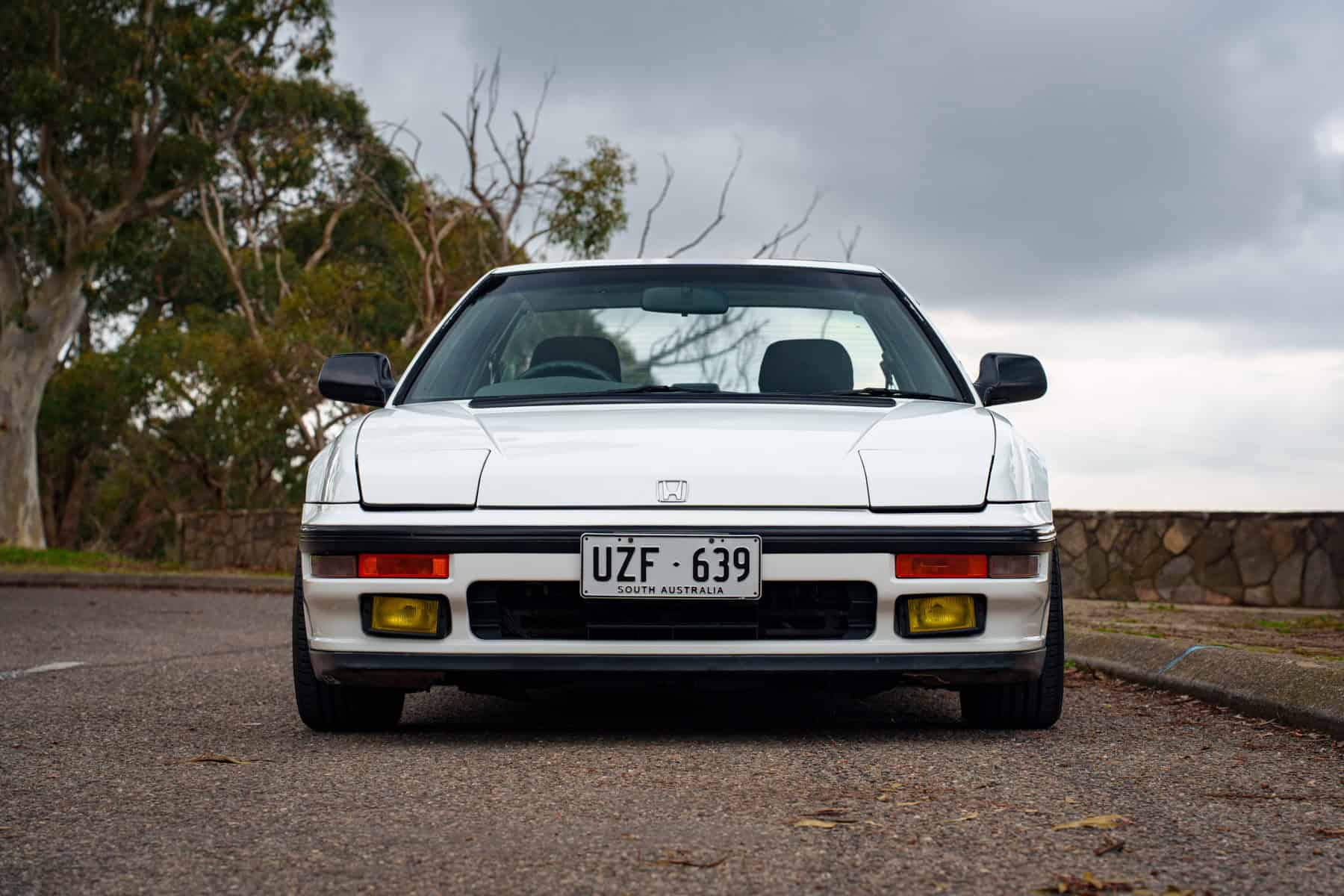
There’s no denying the third-gen Prelude is quite the looker. With a number of styling cues that also informed the iconic NSX of 1990, this generation was offered from 1987-91 and perfectly captures the aesthetic of the time.
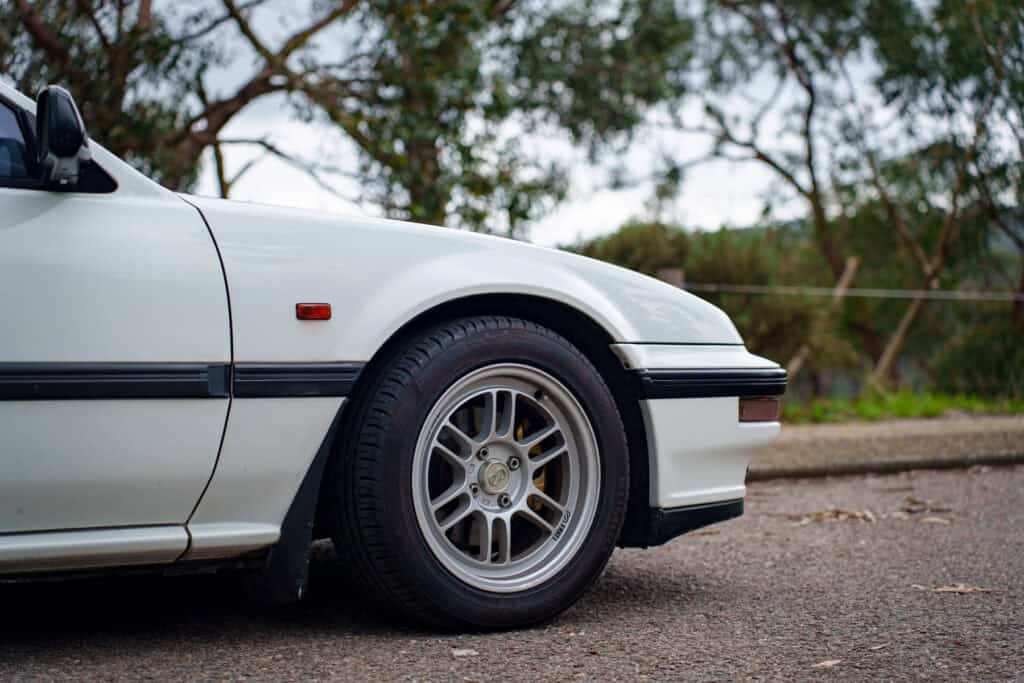
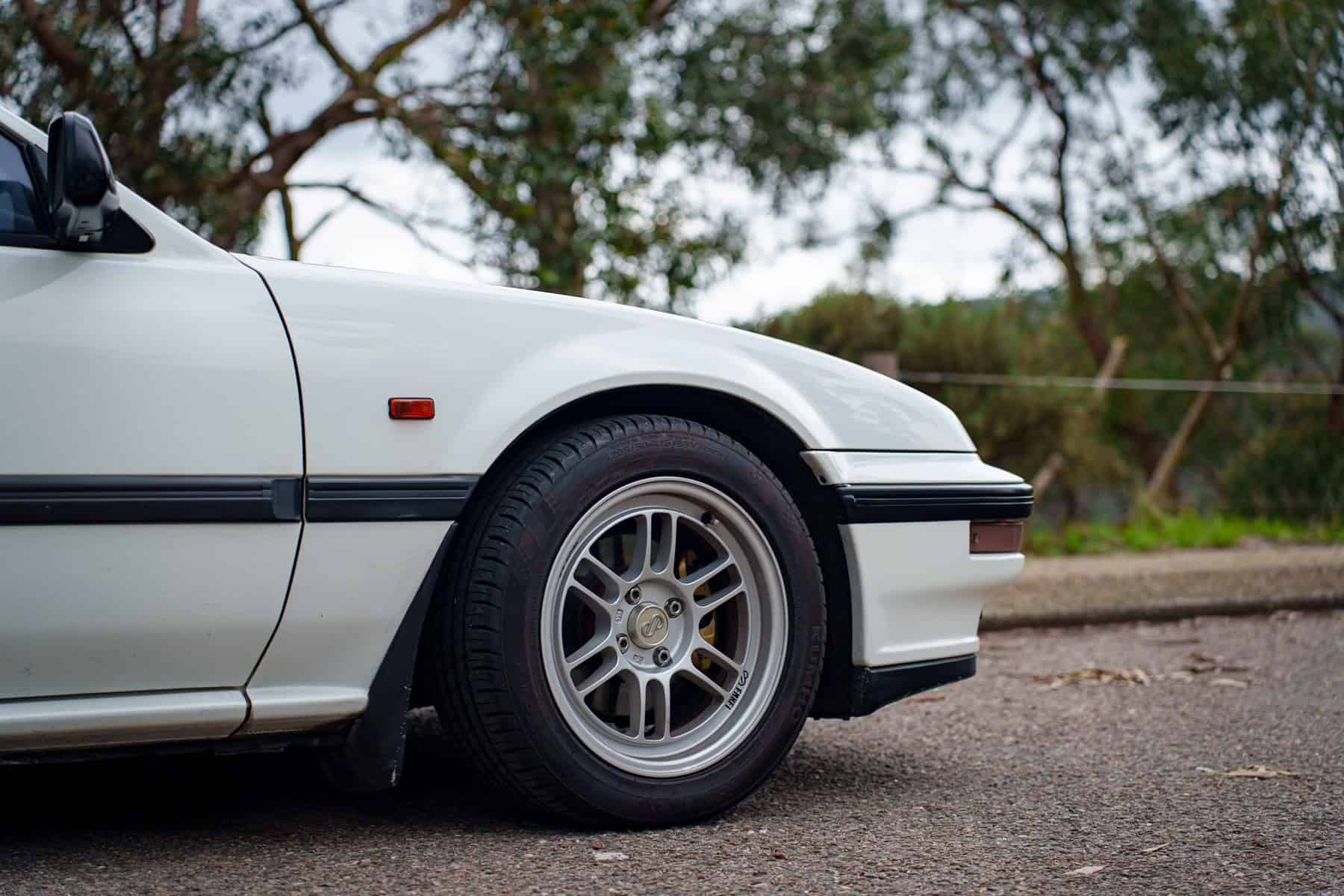
This 1989 example kindly loaned to us for the day is virtually stock aside from a set of Enkei RPF1 wheels, an iconic design well suited to just about any Japanese car, making it an ideal benchmark.
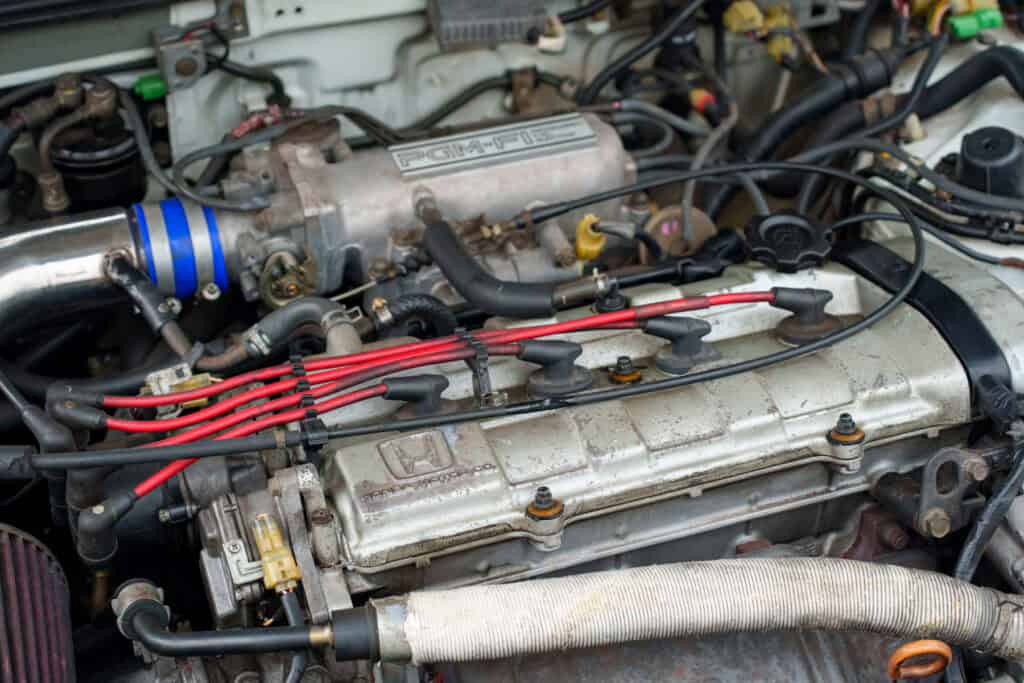
Thanks to the angle that the Prelude’s 2.0-litre ‘B20’ four-cylinder engine was mounted at, along with its pop-up headlights, it had an impressive 0.34 drag coefficient thanks to its long, low bonnet.
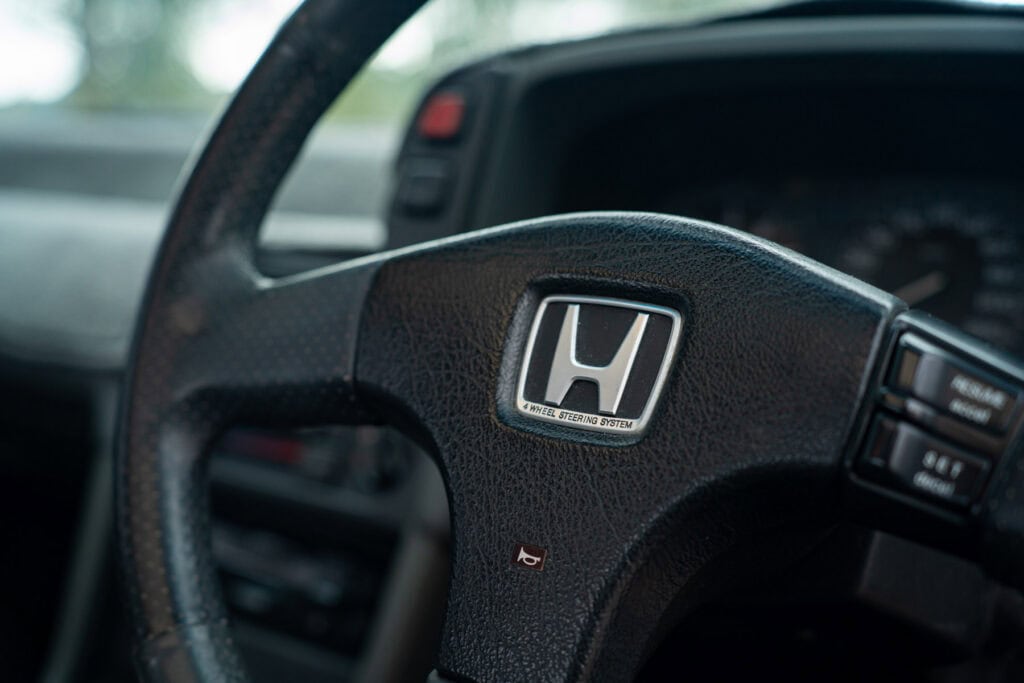
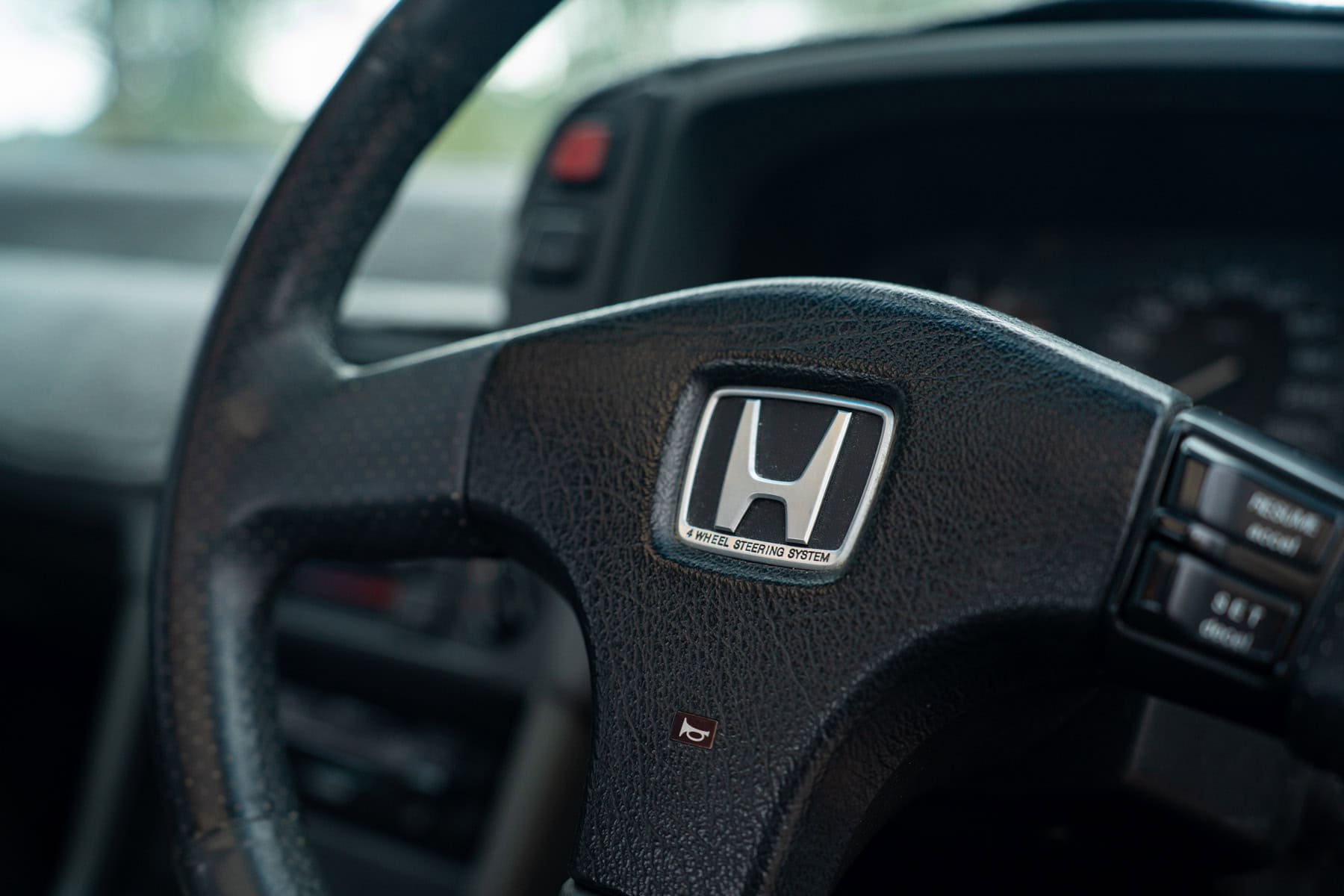
However, its most innovative and experimental feature was the fitment of the world’s first mechanical four-wheel steering system in a mass-production car. Although Honda only ever expected a third of buyers to tick that box, around 80 percent ended up opting for it.
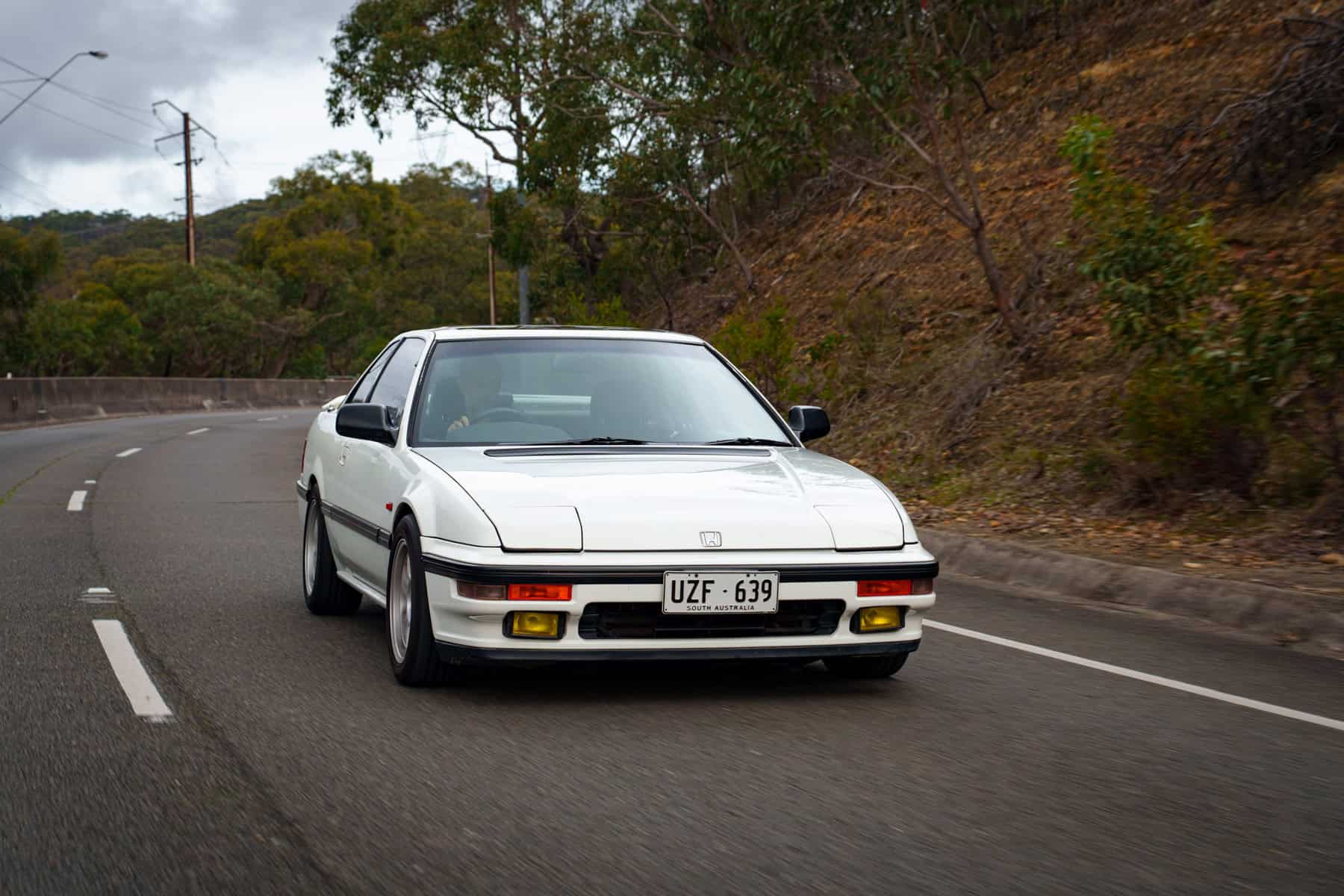
Not only did four-wheel steering improve low-speed manoeuvrability, it also made the third-gen Prelude a wicked handler through the corners. With tighter turn-in and a virtually-shortened wheelbase, it could out-perform Ferraris and Porsches in a slalom test, as proven by Road & Track magazine in 1987. Locally, it’s no wonder it was named Wheels’ Car of the Year in ’87 as well.
Today, it still holds up out on the tarmac. On a quick jaunt through the Adelaide Hills in this example, there’s no denying that this classic Prelude exudes such a unique and mechanical feel.
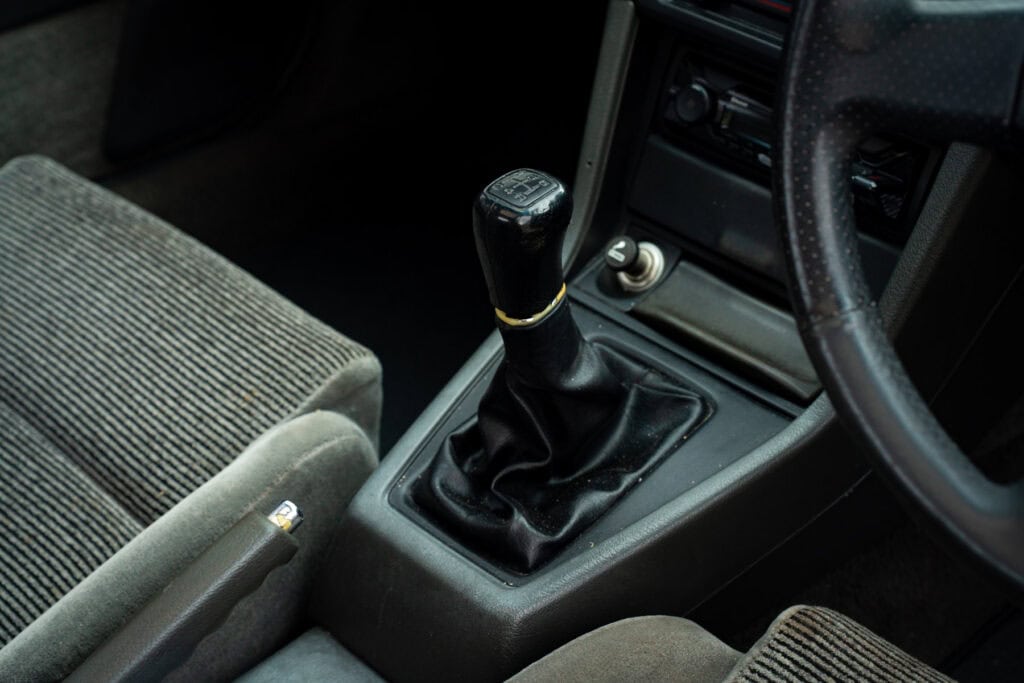
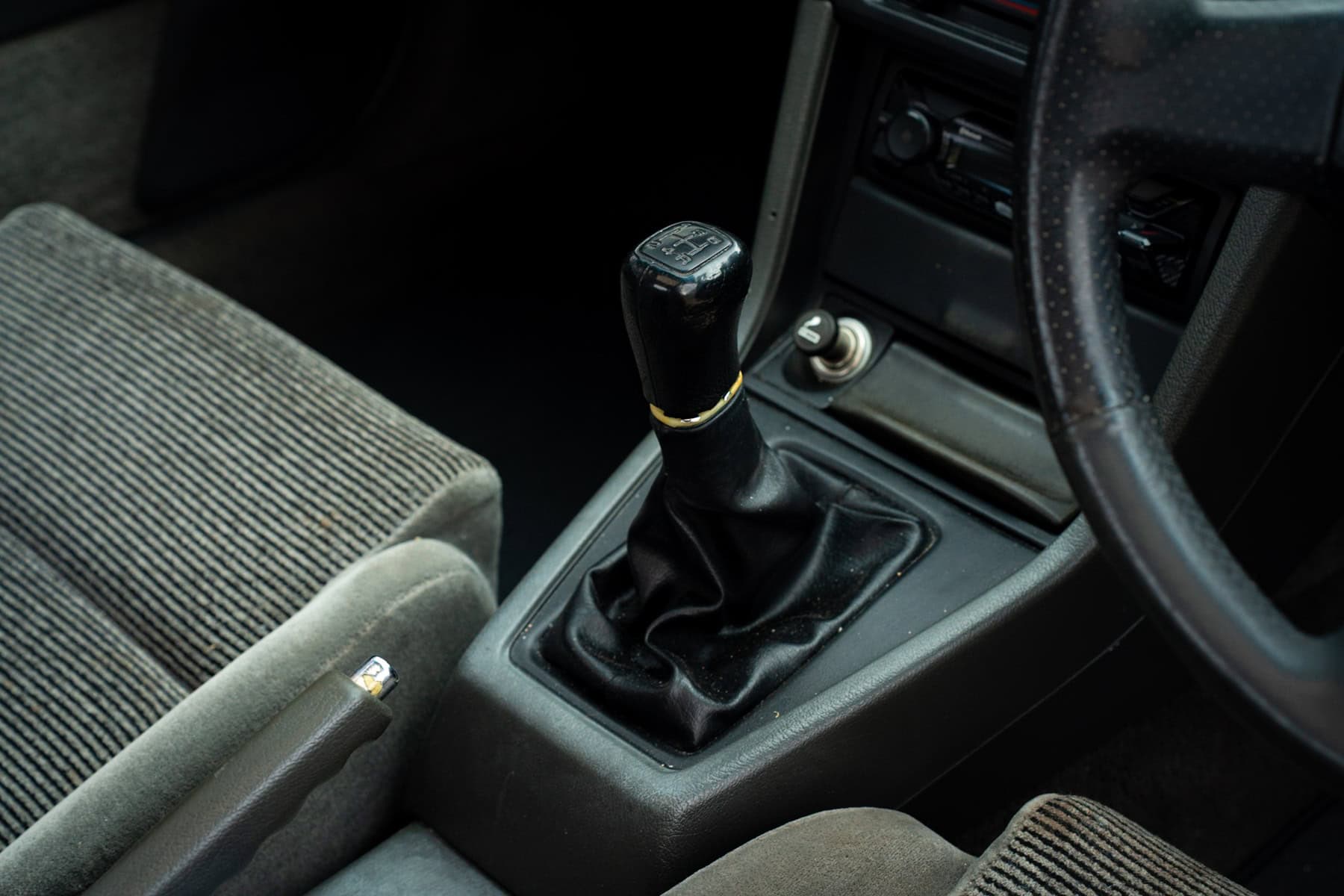
Being a mechanical four-wheel steering system rather than a hydraulic one, the feeling through the tiller is heavy and connected, only making it feel more engaging. Factor in the lovely shifter throw of its five-speed manual ‘box and it’s a real joy to drive.
It’s proof that you don’t need all the power in the world, either. A number of versions of the B20 engine were offered depending on the market, and here in Australia we got the ‘B20A6’ with 104kW on tap.
In a light car with such a rewarding chassis, it’s plenty to make it enjoyable. Even though it’s not a full-fat VTEC engine, it’s still more than happy to rev as well, emitting a classic four-pot thrum as you get it above 4500rpm.
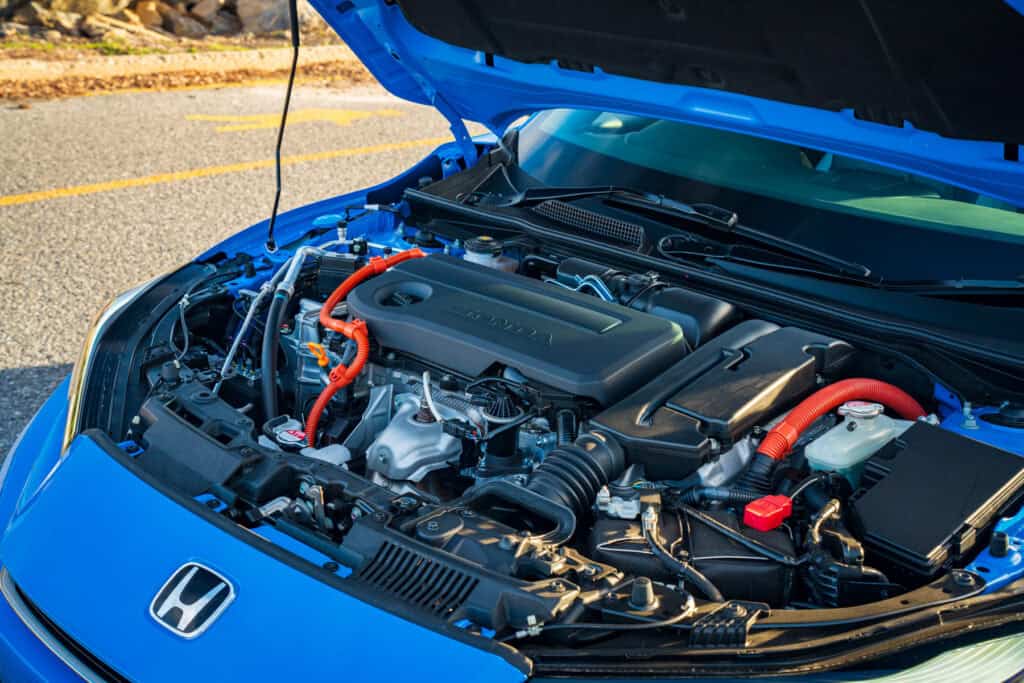
And that’s where things get interesting when it comes to the 2026 Prelude and how it compares. With both having atmo 2.0-litre engines, the new car adding a hybrid system to up power to 135kW, the nature of their power delivery is actually quite similar.
While the new car has far more torque, especially off the line through to 2000rpm where it delivers all 315Nm, as you wind it up through the rev range, the feeling is surprisingly similar. Get the new car above 4500rpm, and it too has a feeling of happily wanting to keep going all the way up to the redline with a very similar feeling.
It mightn’t have the four-wheel steering system of the classic, but it does have its own suspension trickery to make it a whizz through the corners. Borrowing the dual-axis front suspension from the Civic Type R, you can lean hard onto the inside wheel through the corners and carry some serious speed.
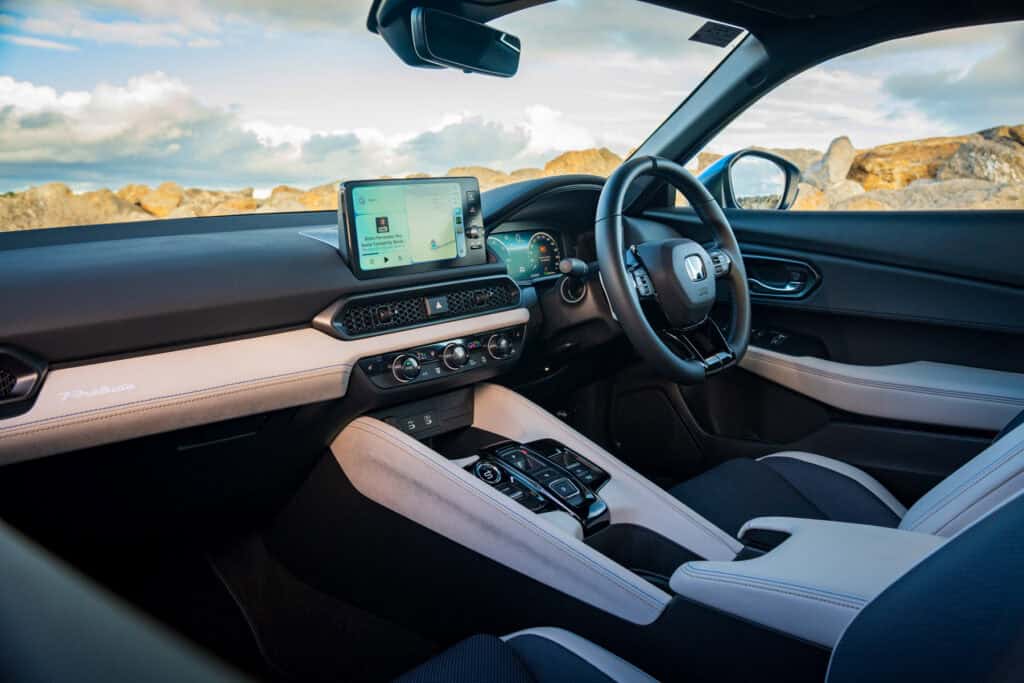
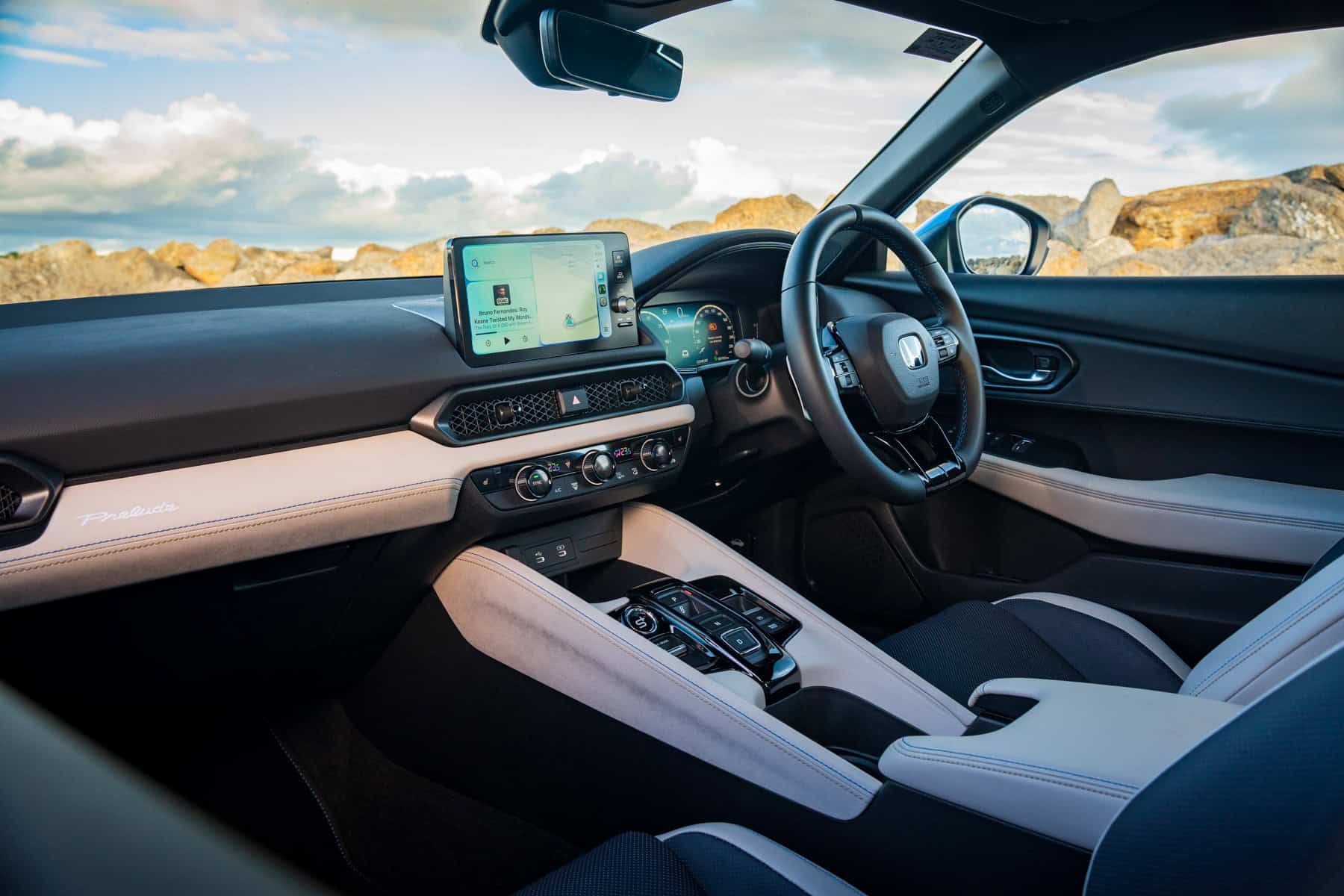
Having already written about it at length in our initial road test, I won’t go into full detail about the new car here, but the main thing to take away is that the new Prelude is one of the most rewarding cars from behind the wheel that are out there right now – even if the numbers don’t jump off the spec sheet.
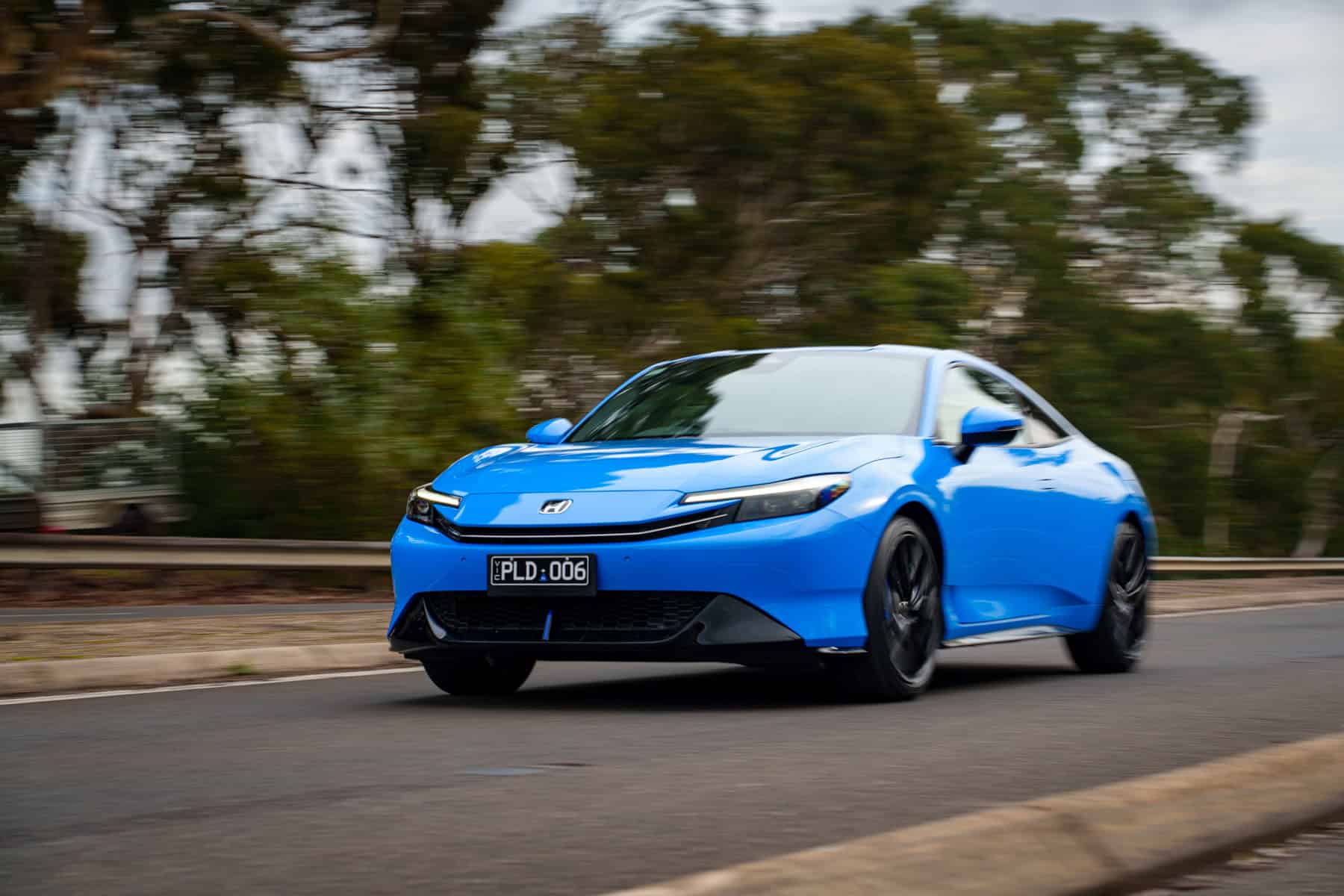
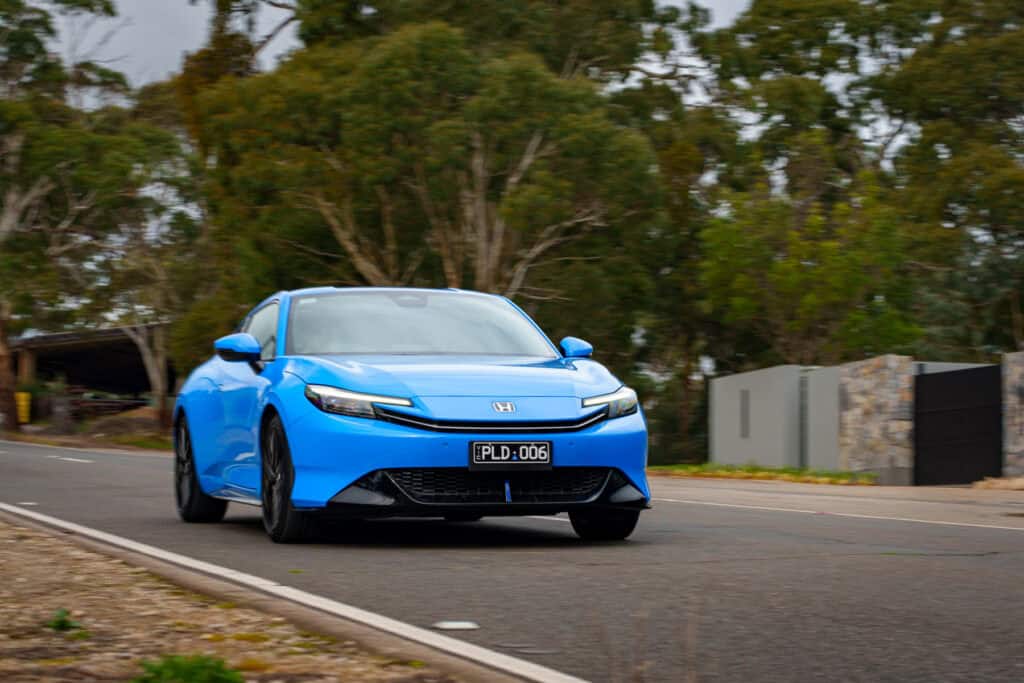
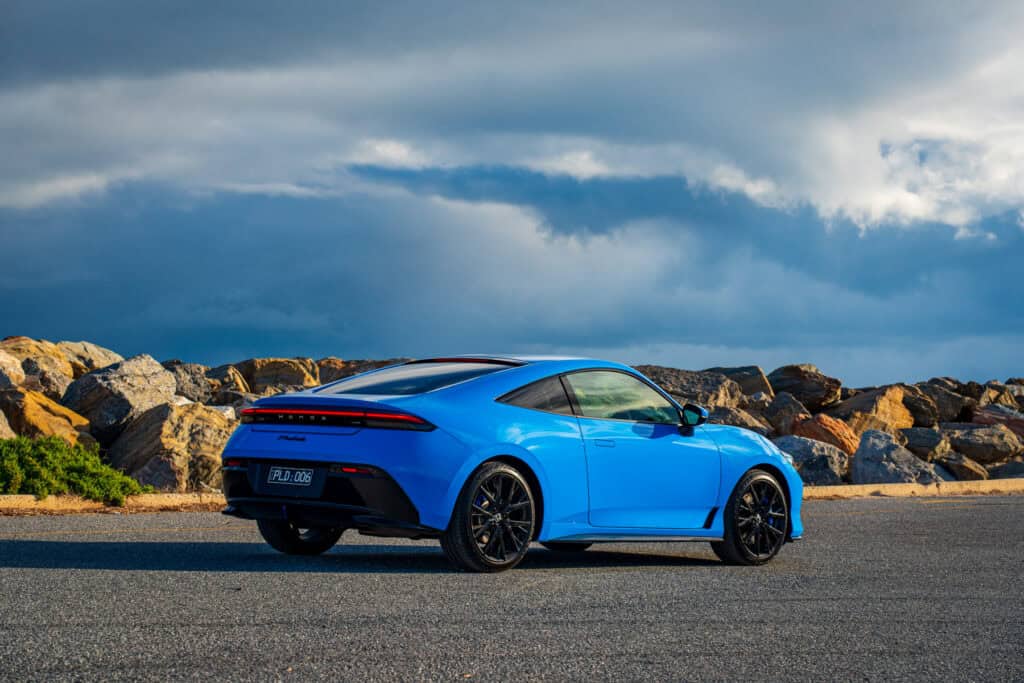
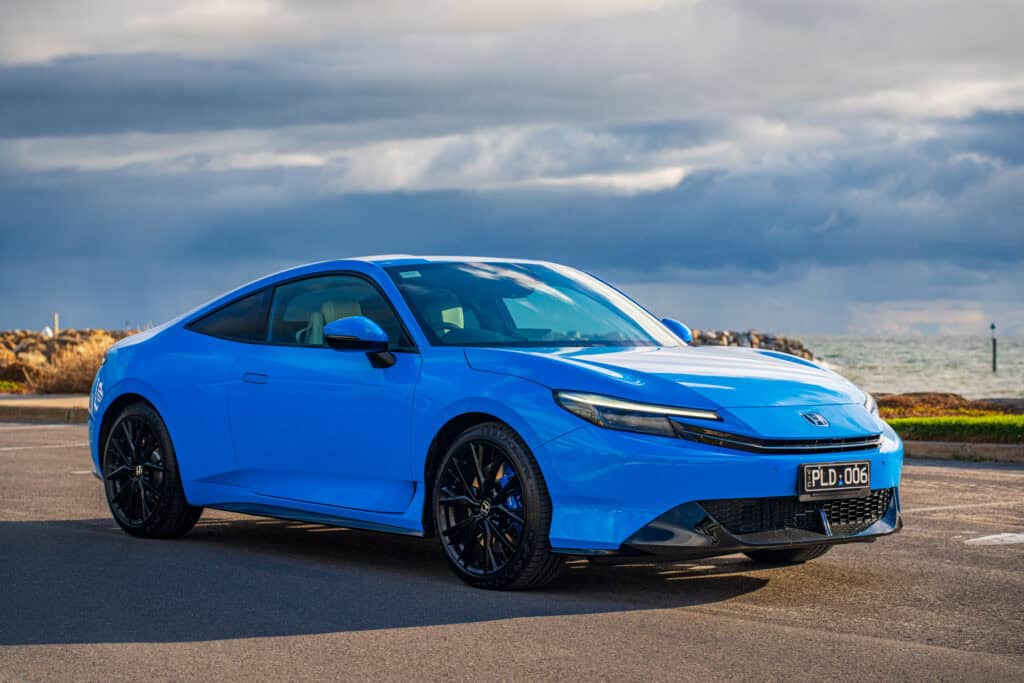
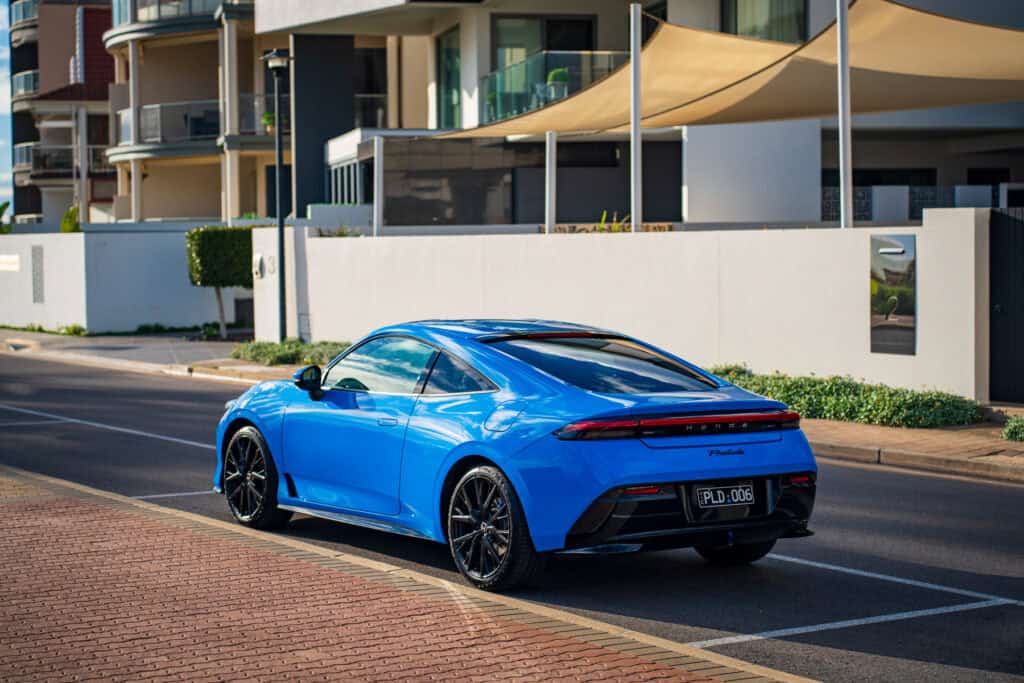
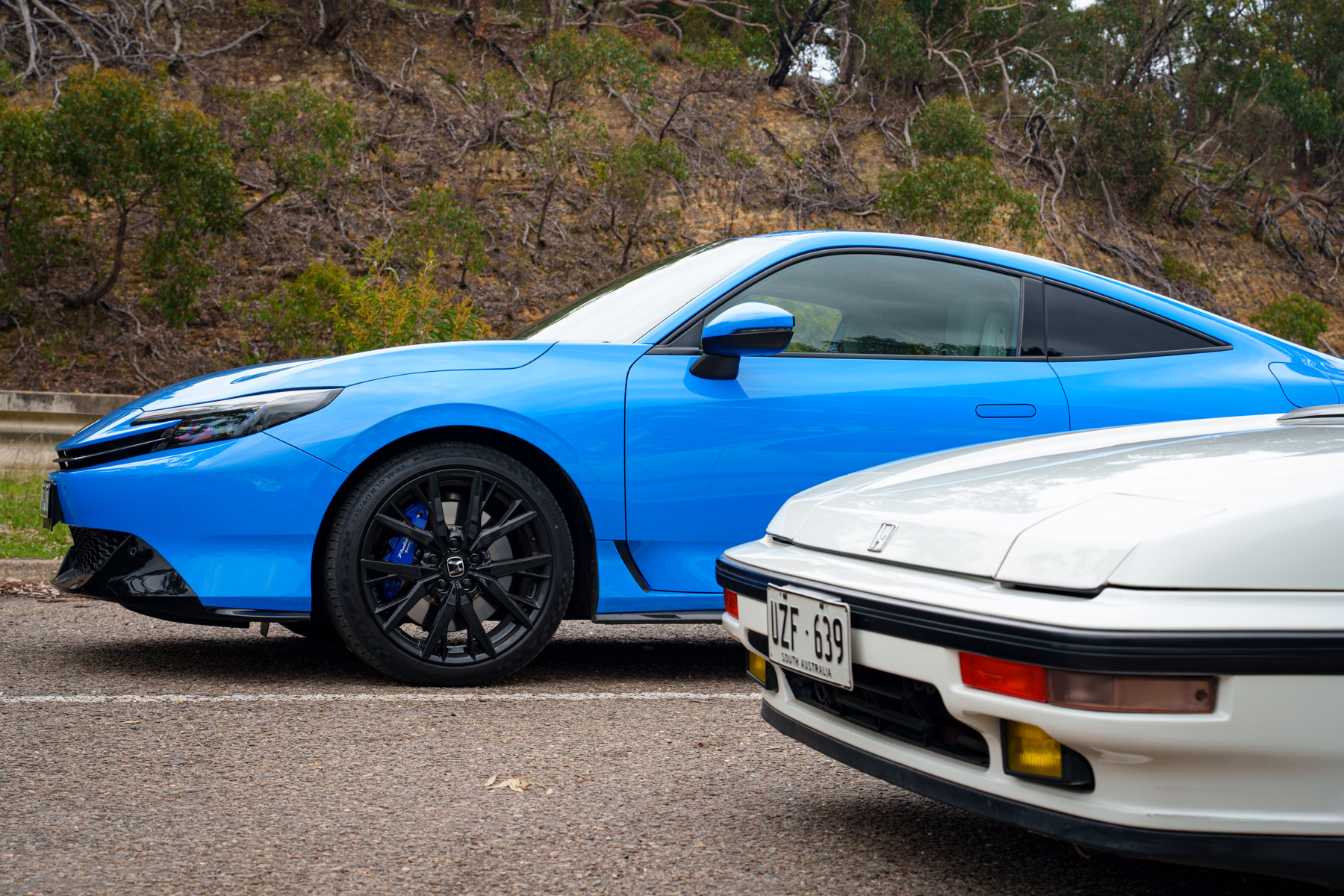
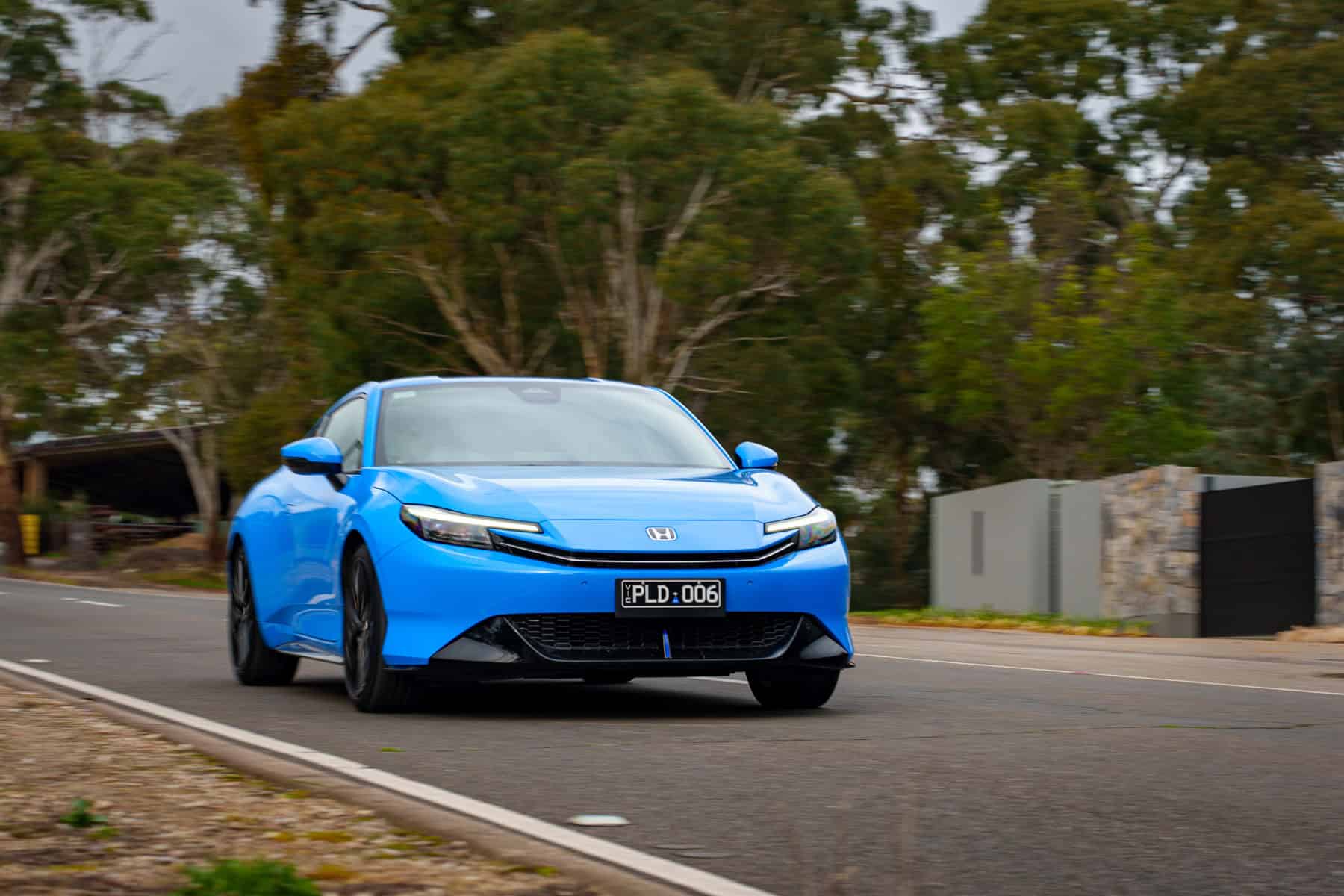
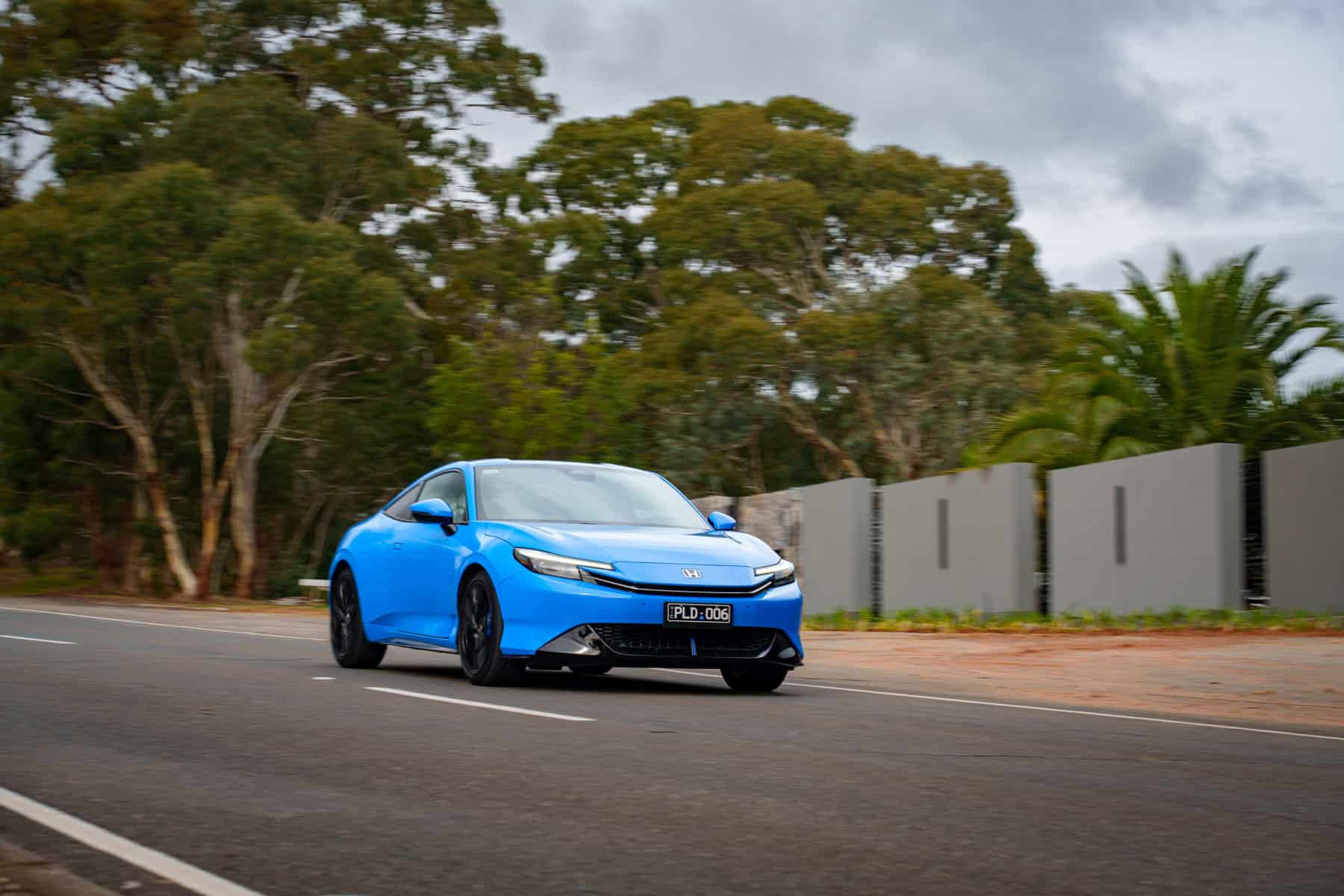
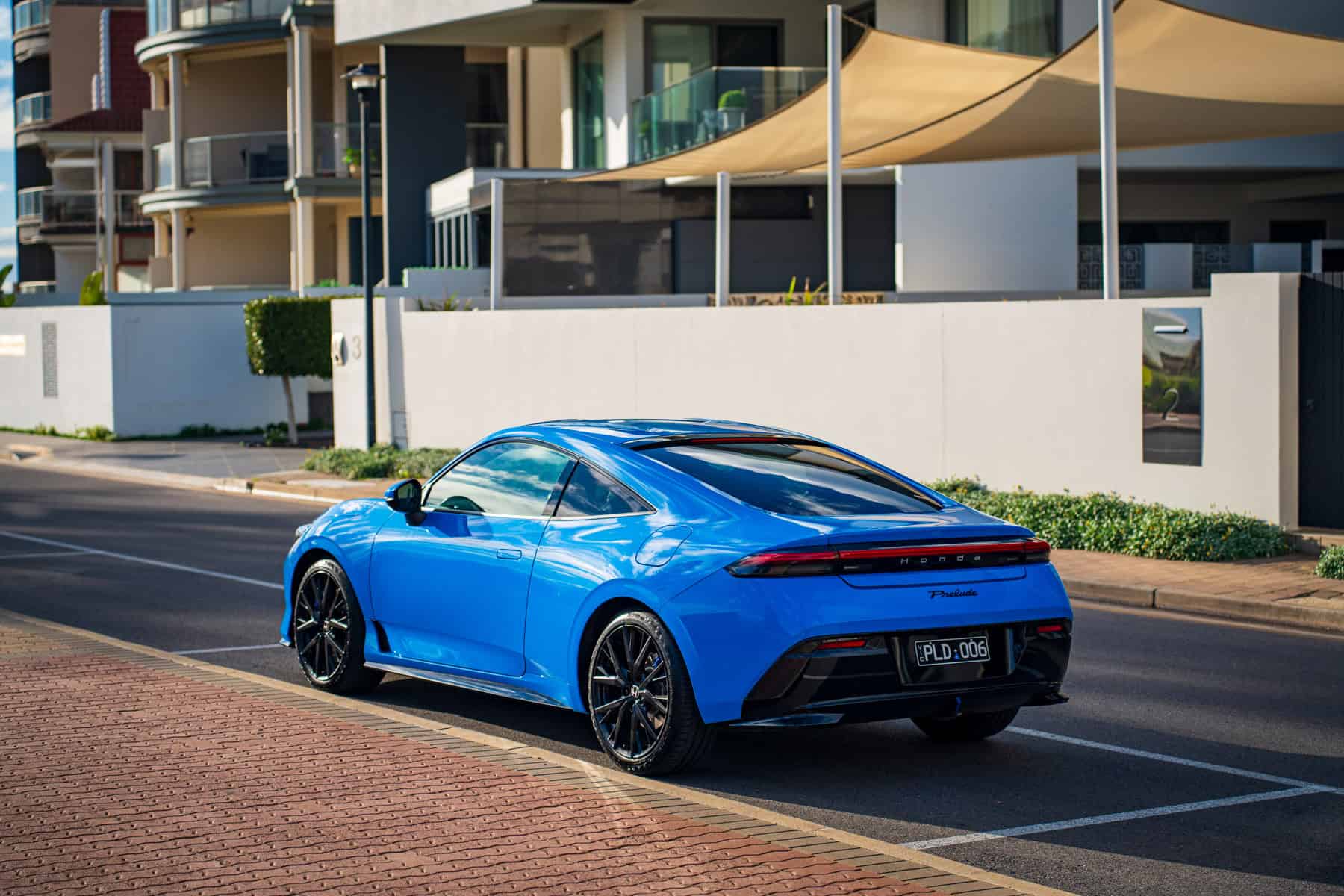
Visually, however, it couldn’t be much more different to most classic Prelude generations. Despite the negativity towards it online, people in the real world couldn’t get enough of it during the two weeks I spent with the 2026 car, with it drawing in plenty of attention and positive comments.
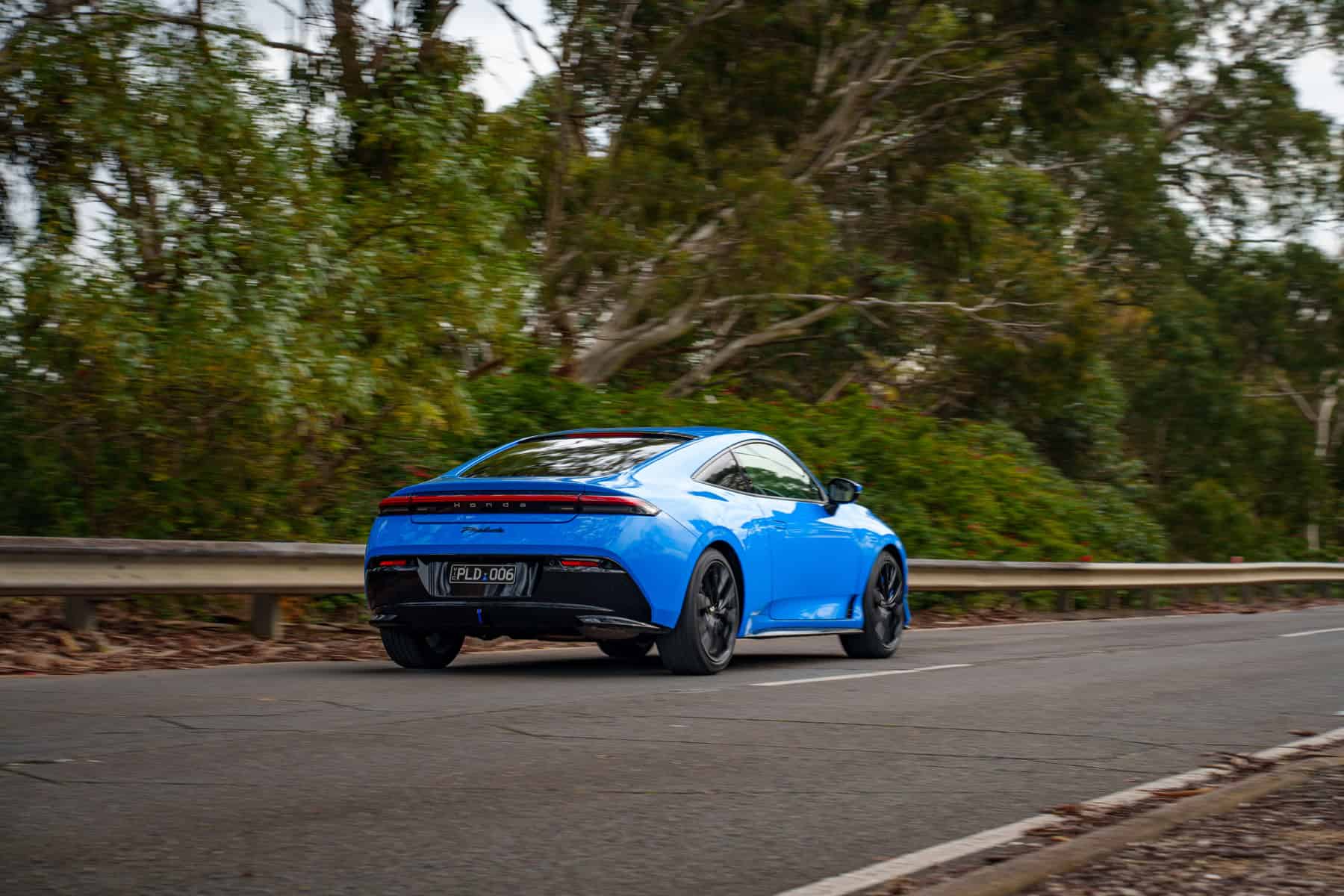
With a higher bonnet, dramatic teardrop shape rather than a classic three-box look, and curvier lines from front to back, it’s fairly clear to see that this design predates the choice for it to have been bestowed with the Prelude name.
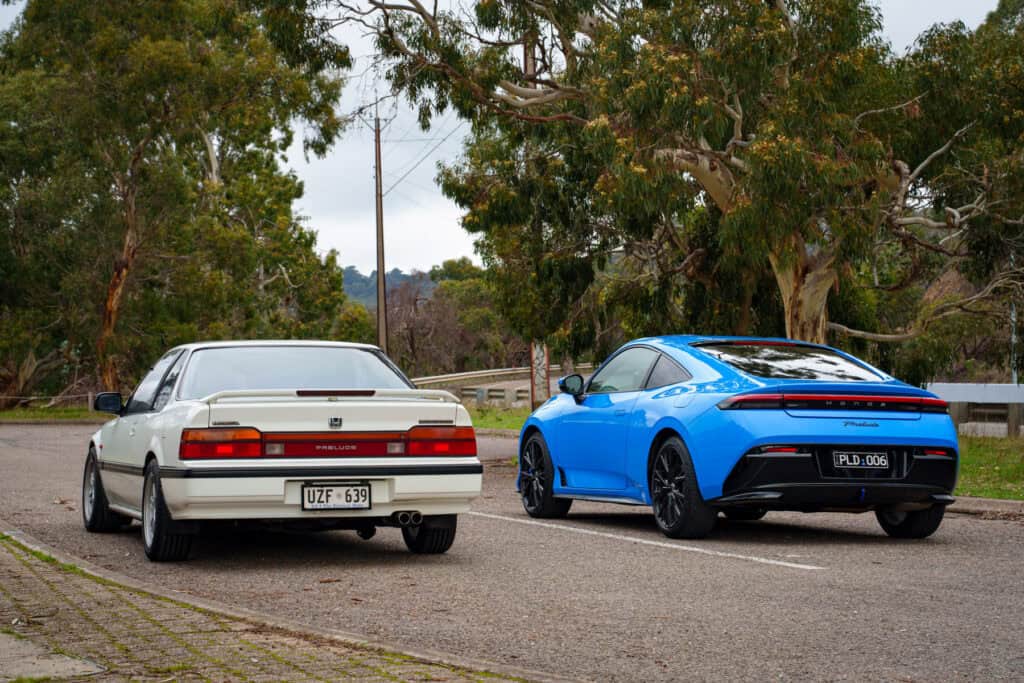
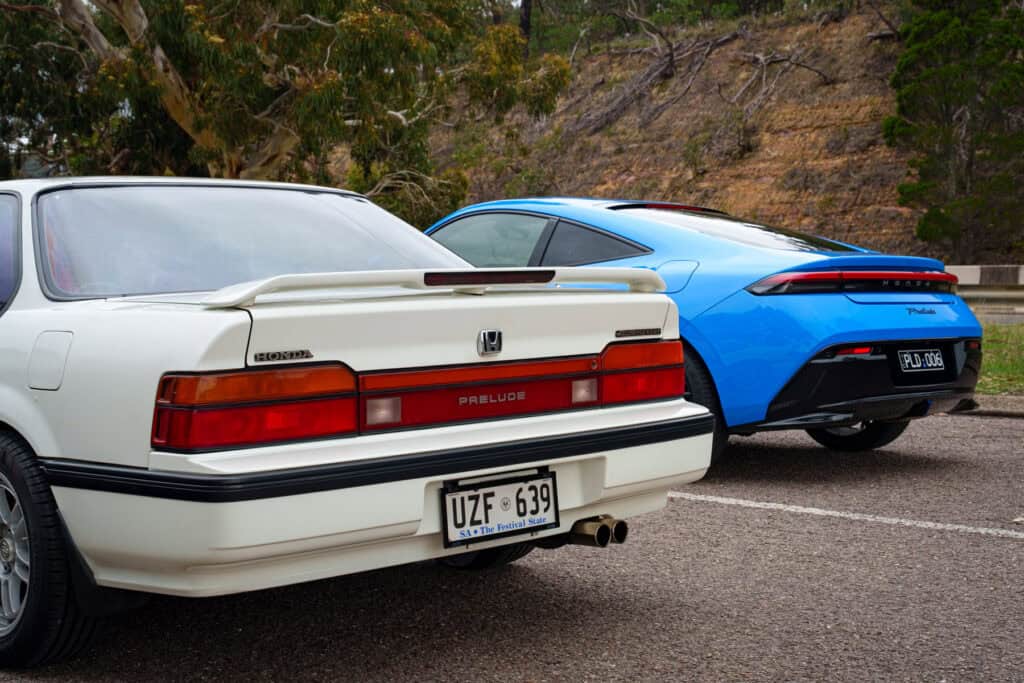
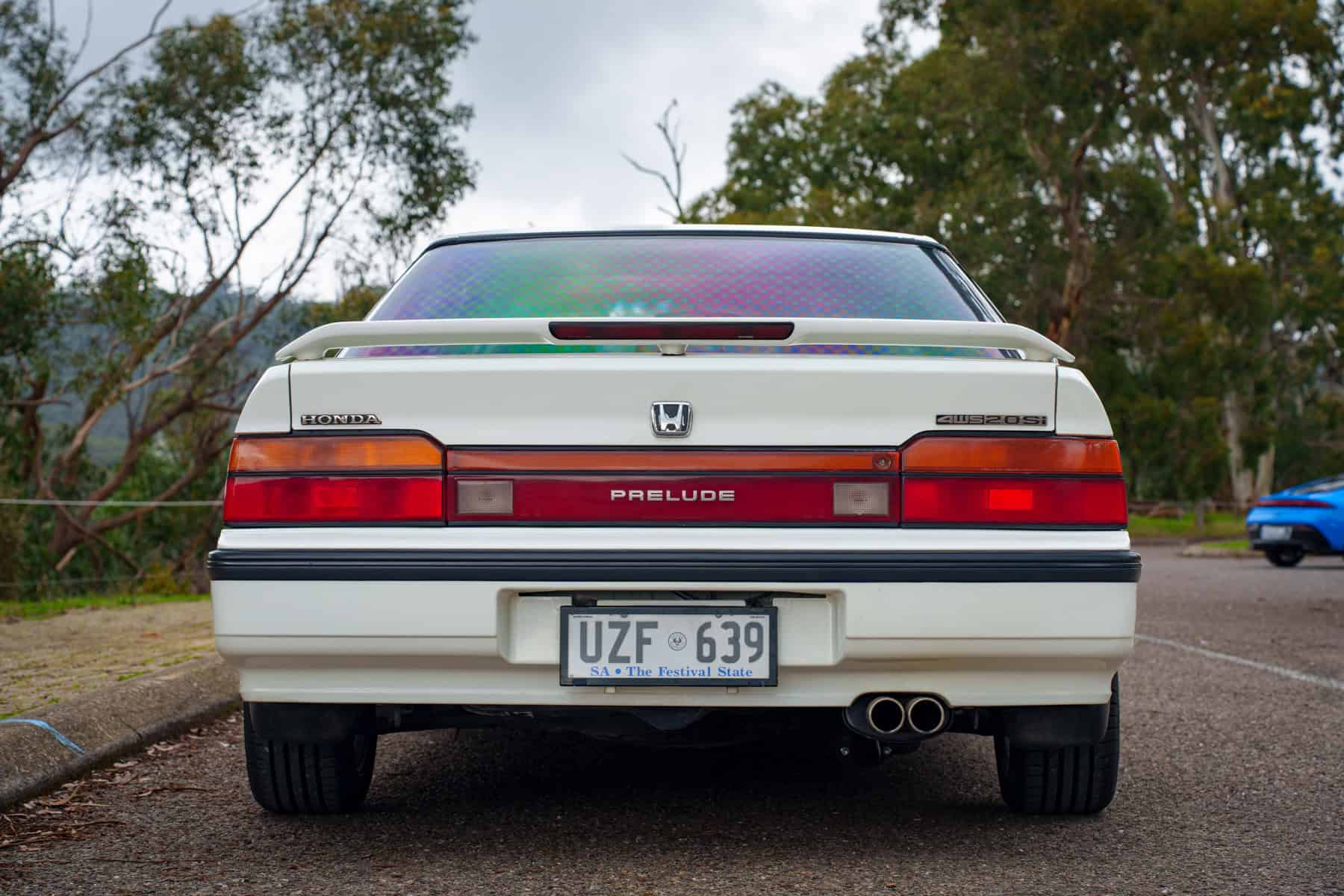
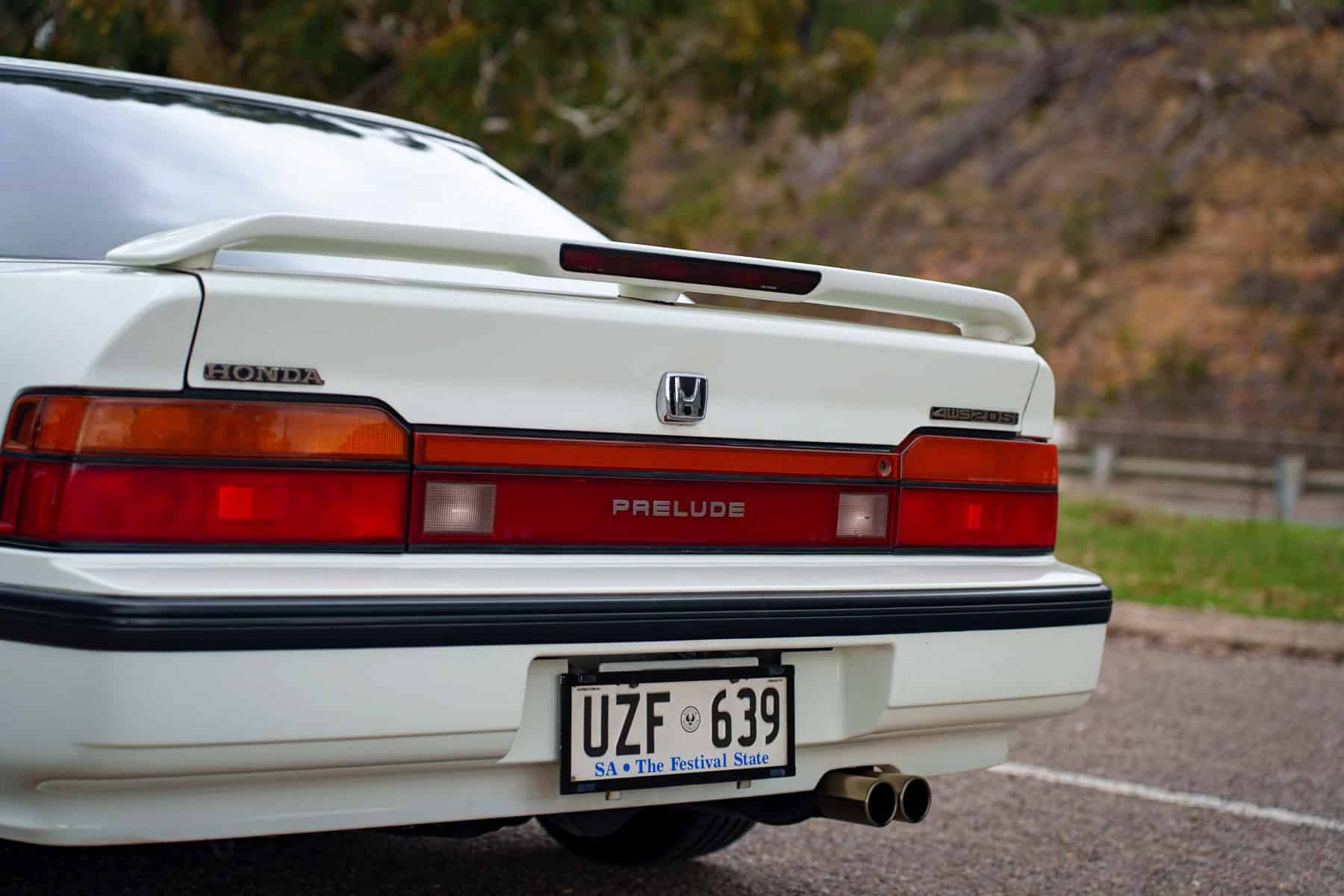
With that said, one common design feature I could find between the third- and sixth-gen models is a full-width rear lightbar, which is a feature that was ironically quite common across the industry in the two eras these cars hail from.
Despite how different these two cars probably should seem, the reality is that there is a similar feeling between them. They don’t feel exactly like one and the same, but they do feel like cars both worthy of sharing the same nameplate.