
For decades, Australians chasing capital growth have instinctively looked at property and shares, but something interesting is happening in 2026.
Serious money is increasingly flowing into collector cars and prestige number plates, but it’s not just about passion anymore – it’s also about tax.
Following the 2026 Federal Budget, delivered on May 12, investors are reassessing where they place their money after sweeping proposed changes to Capital Gains Tax (CGT), negative gearing, and trust structures. The government’s reforms include replacing the long-standing 50 percent CGT discount with an inflation-indexed system from July 2027, alongside a minimum 30 percent tax on capital gains.
That means traditional investments such as shares, investment properties, and many business assets are suddenly looking less attractive for growth-focused investors.
Yet, there’s one category that still enjoys a unique advantage: collectibles.
Under current Australian tax rules, many personal-use assets and collectables including certain vehicles, motorcycles, and number plates can potentially fall outside traditional CGT treatment depending on how they are held, used, and classified. For enthusiasts and investors alike, that creates a compelling conversation around alternative assets, and judging by the market in 2026 so far, Australians are already moving.
The collector car market hasn’t slowed
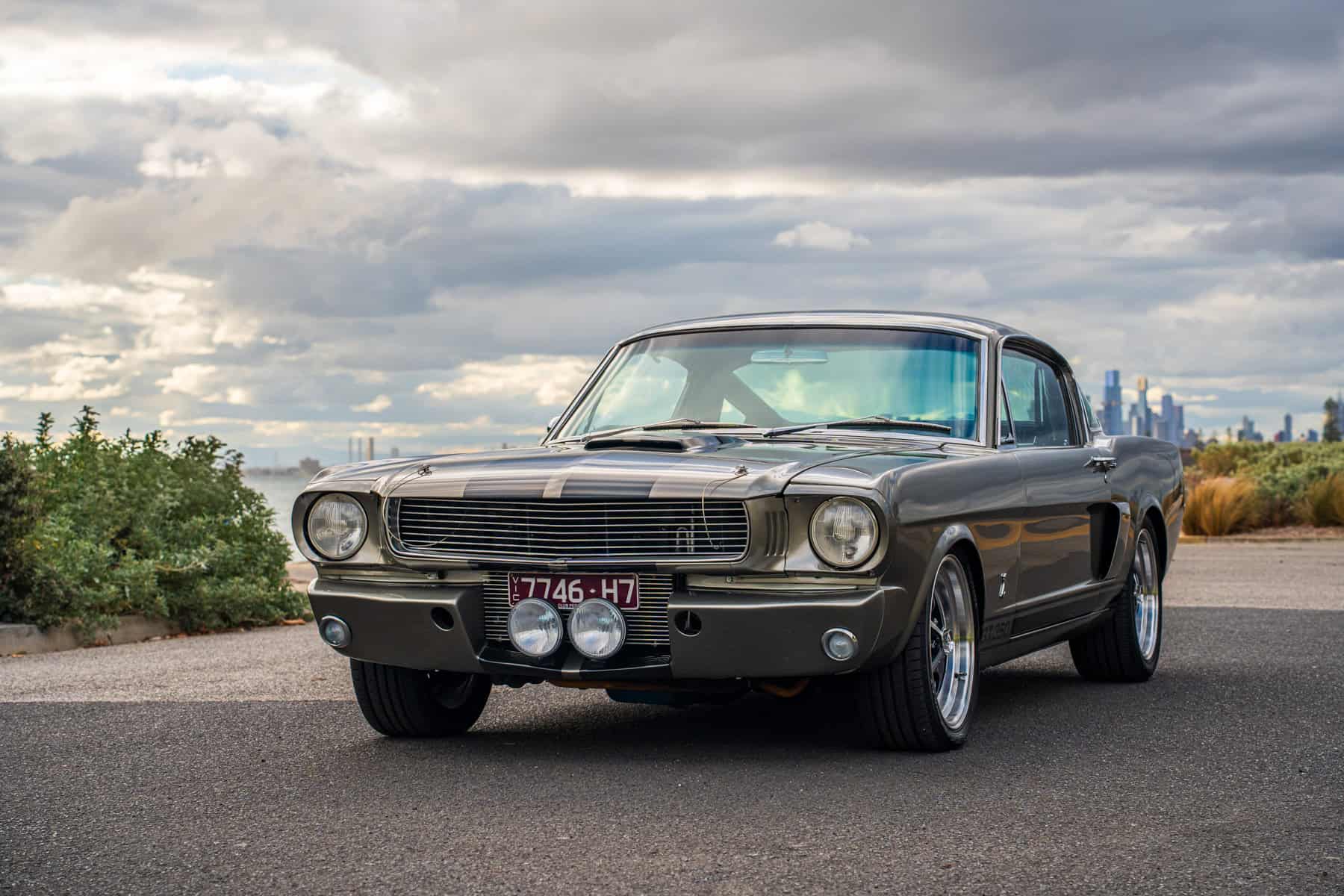
If anything, the collector car market has accelerated as of late. Across Australia and globally, blue-chip performance and collector vehicles continue to show strong resilience despite economic uncertainty.
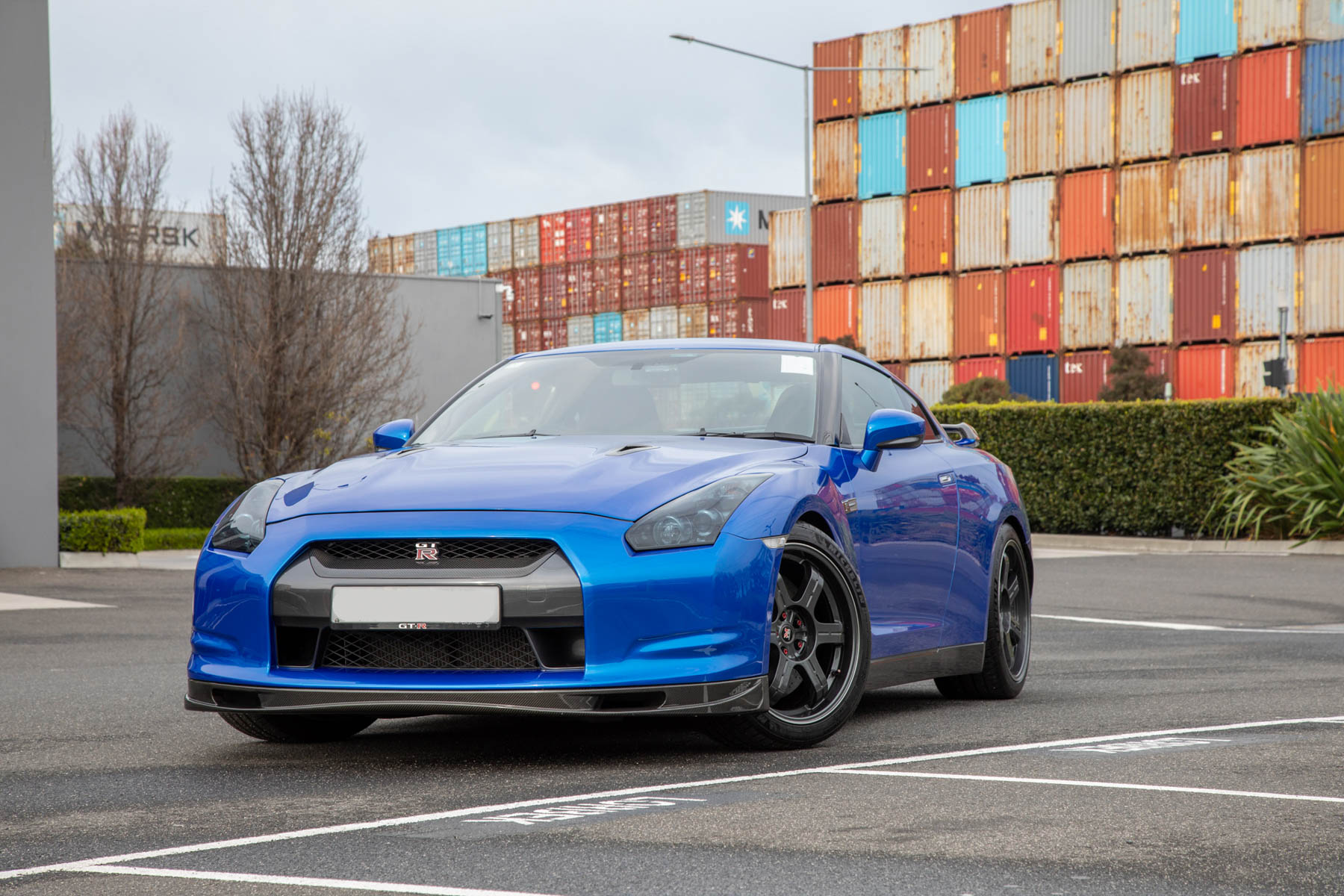
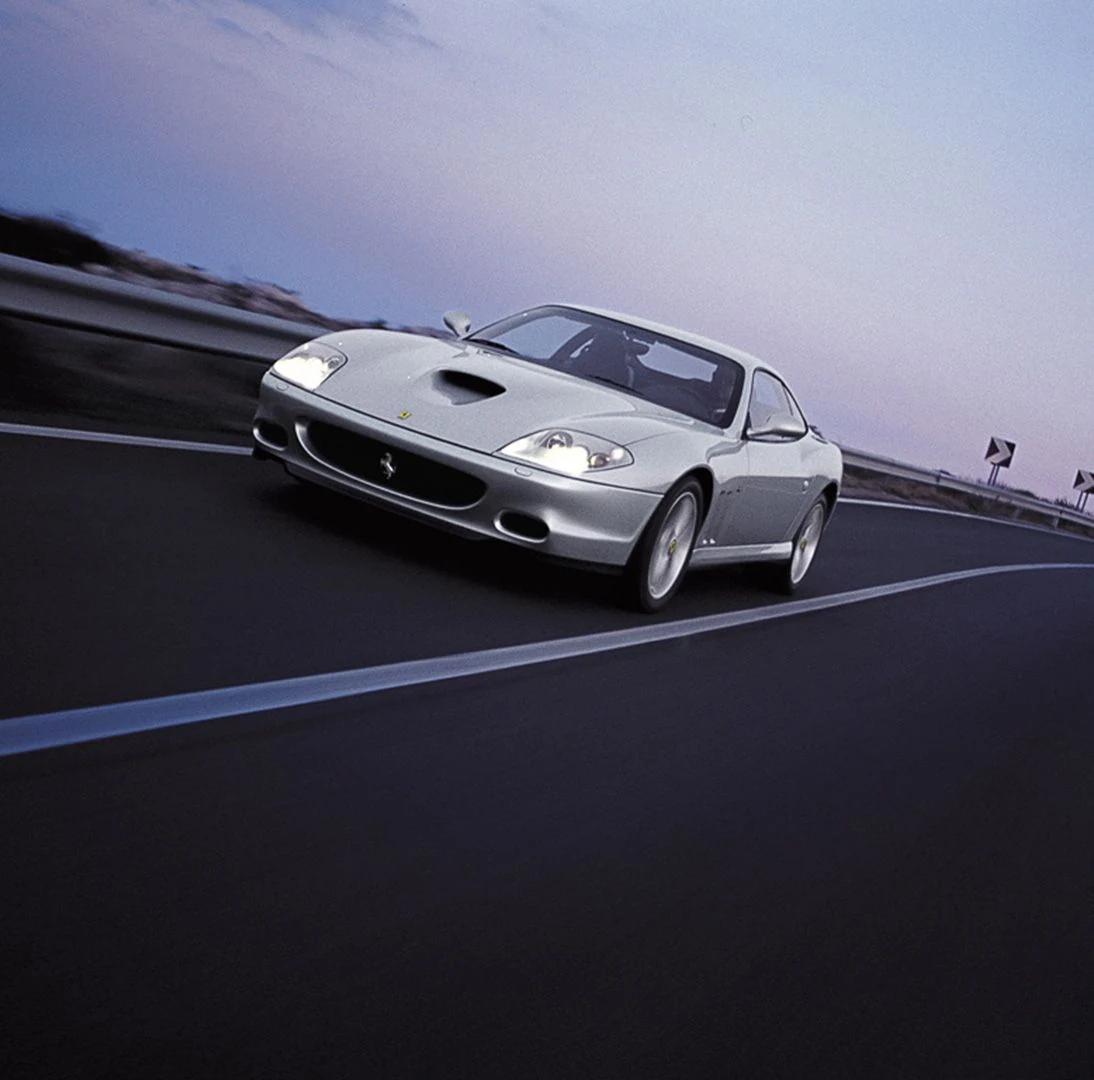
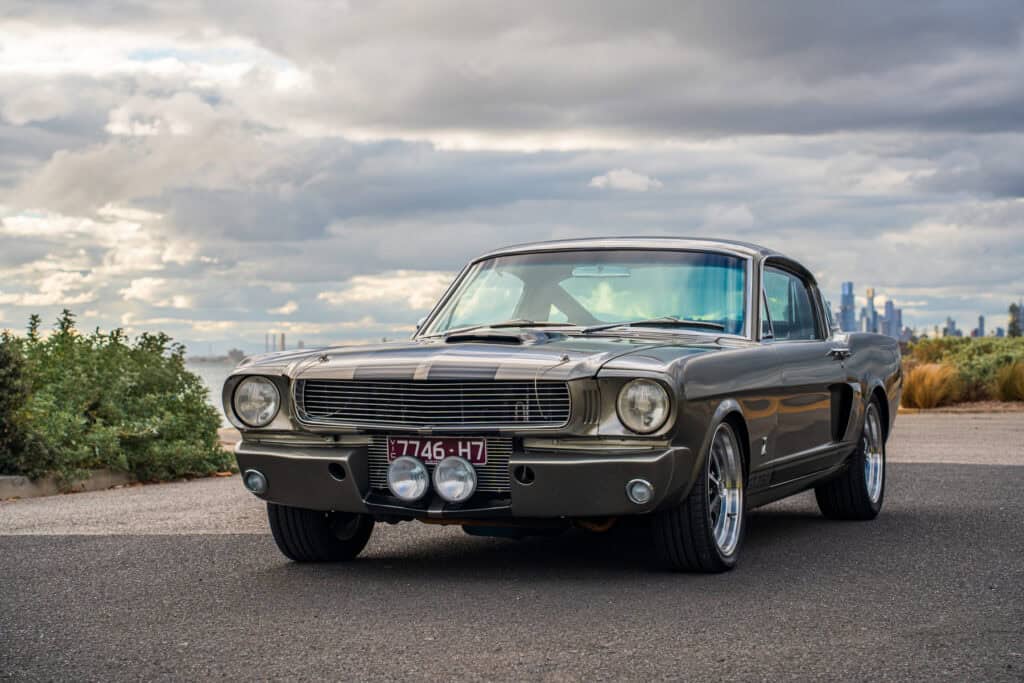
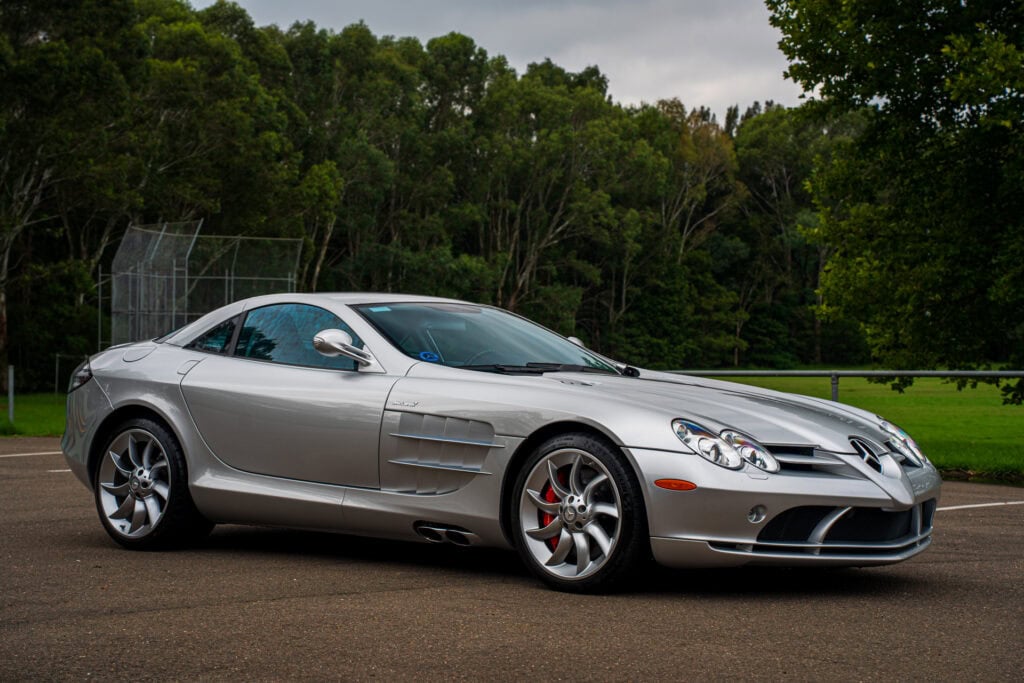
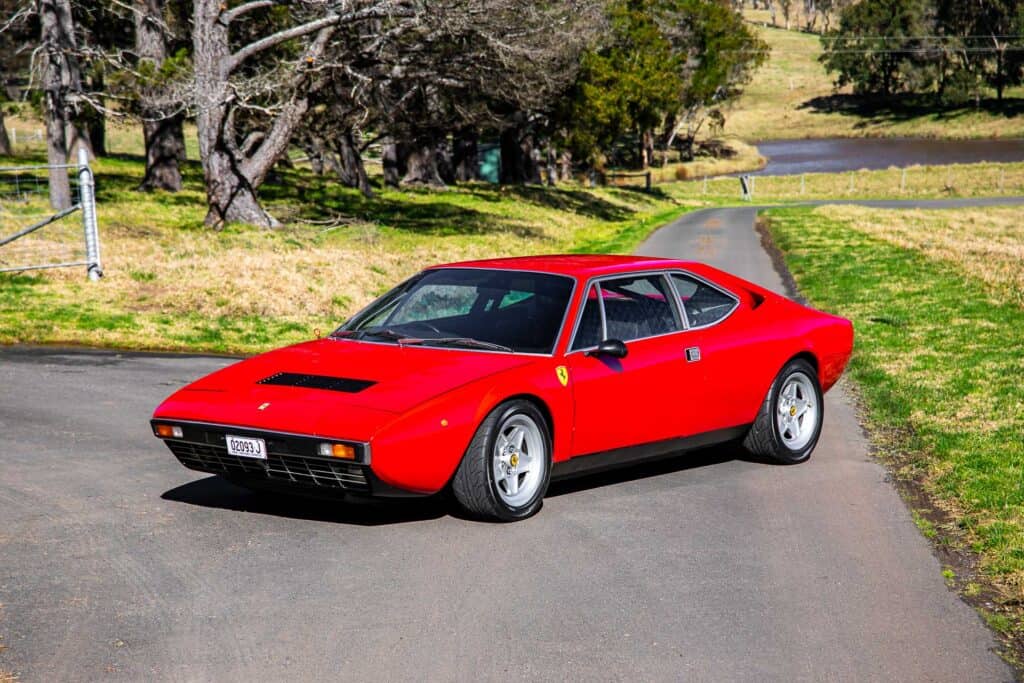
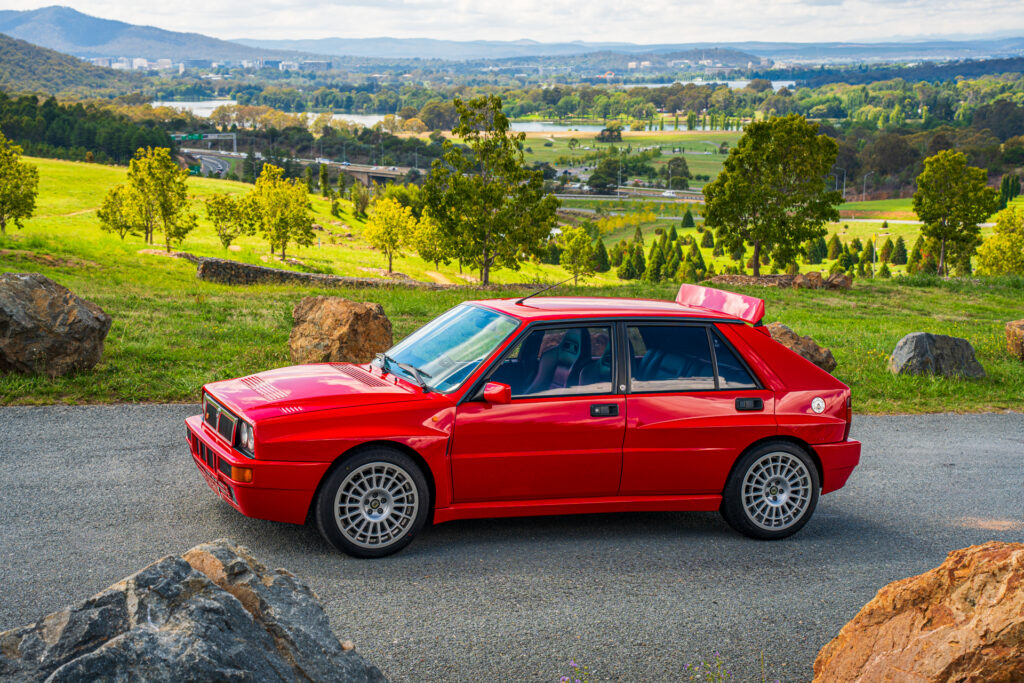
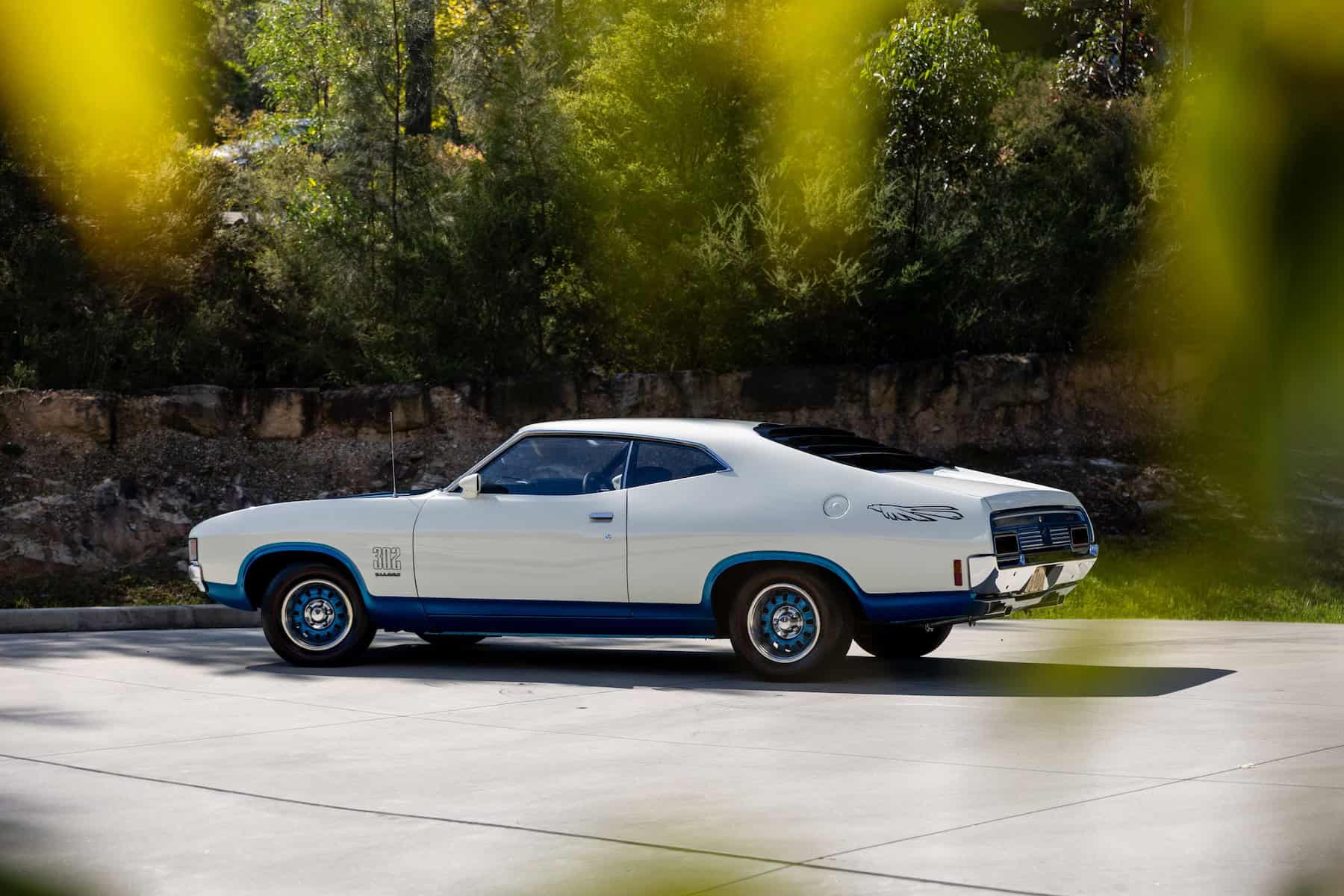
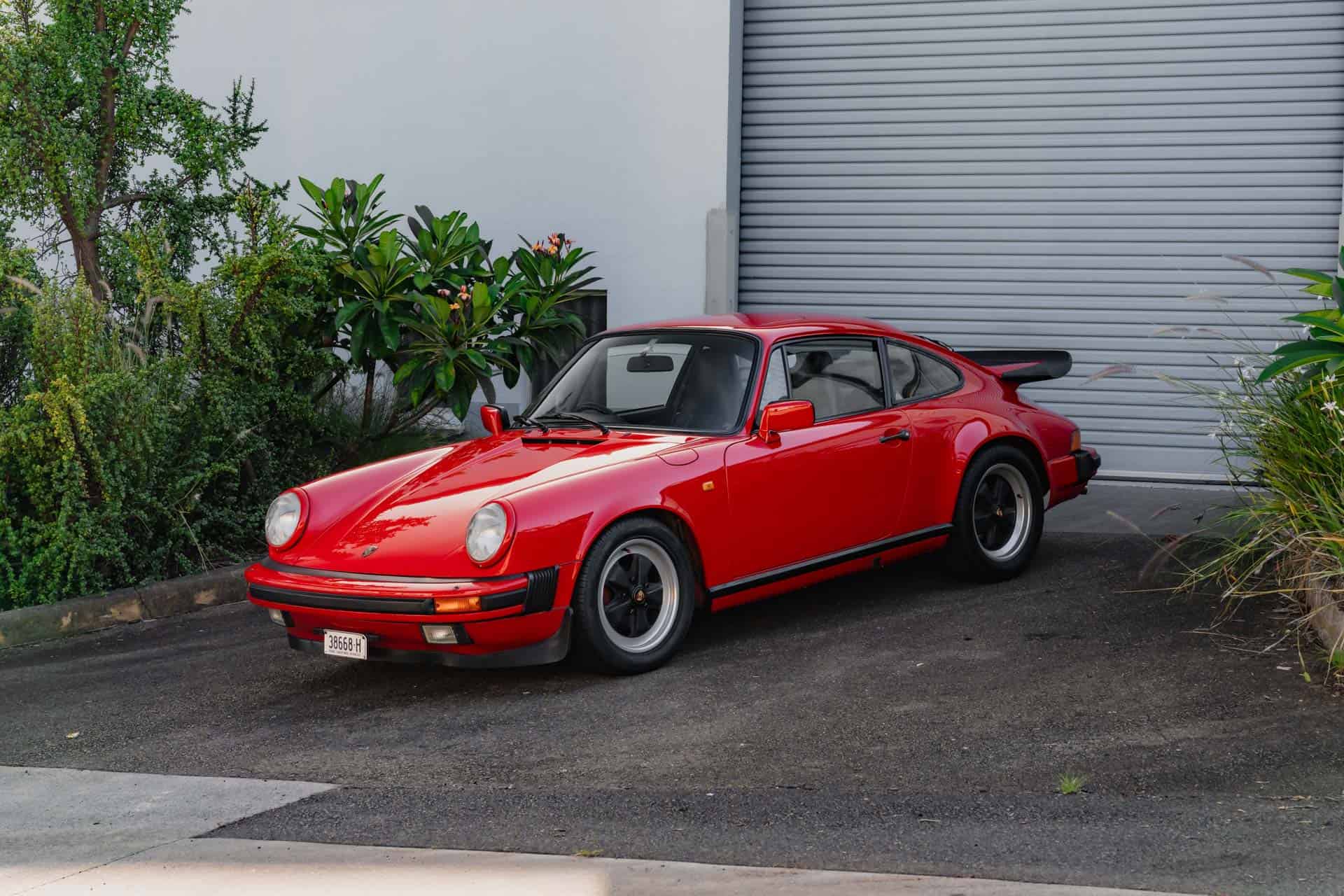
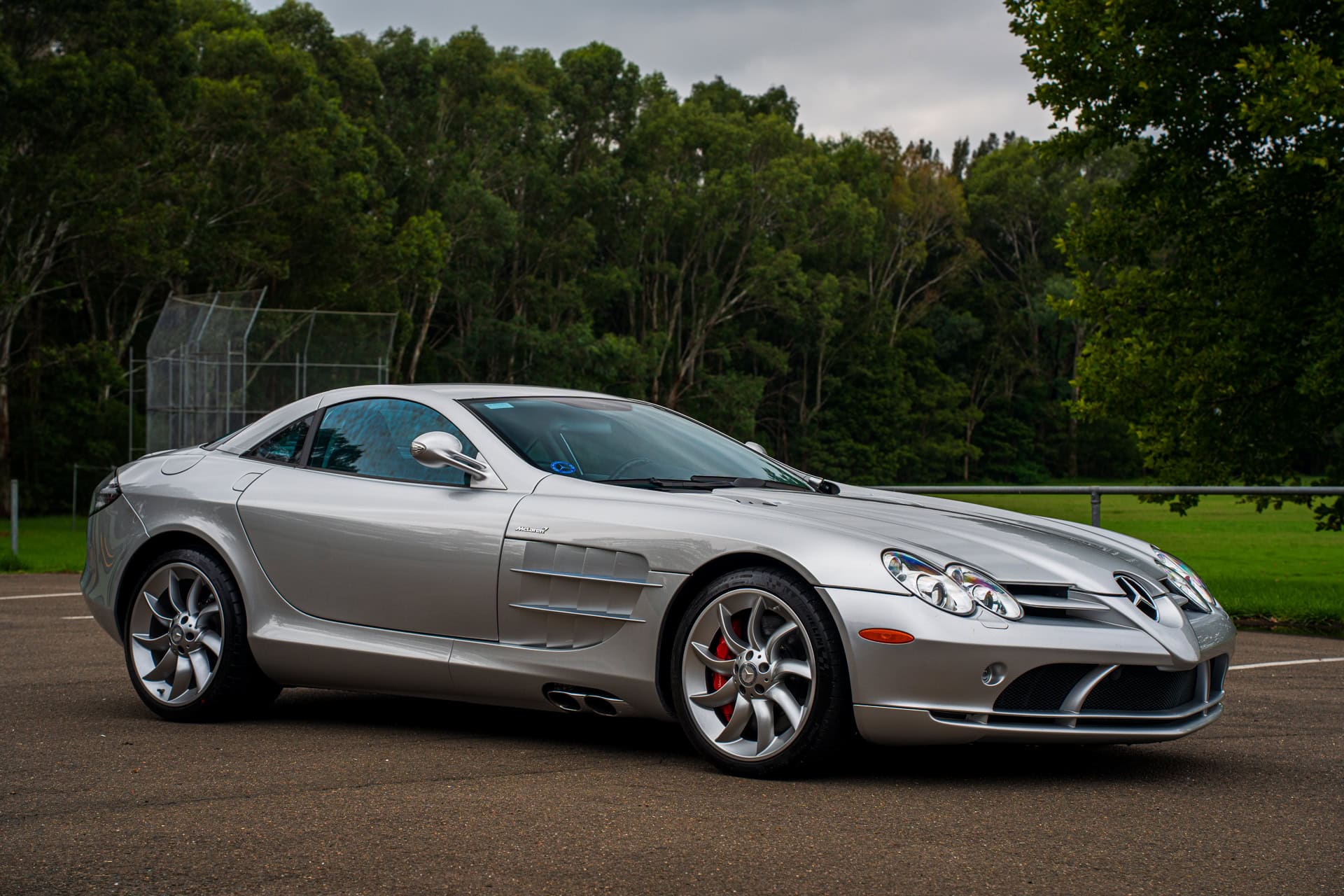
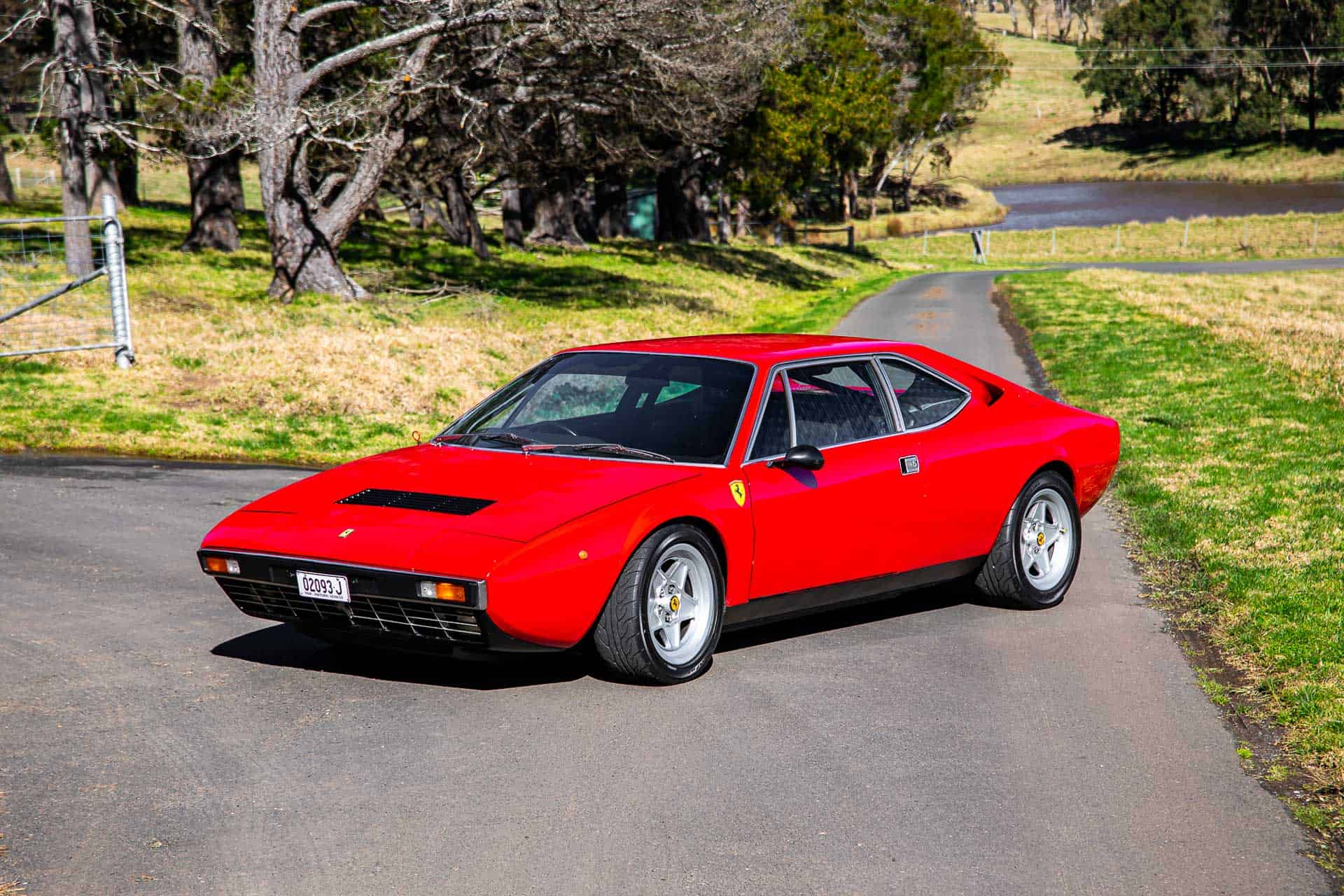
Limited-production manual Ferraris, homologation specials, muscle cars, analogue supercars, and highly original Japanese icons are all attracting increasingly aggressive bidding.
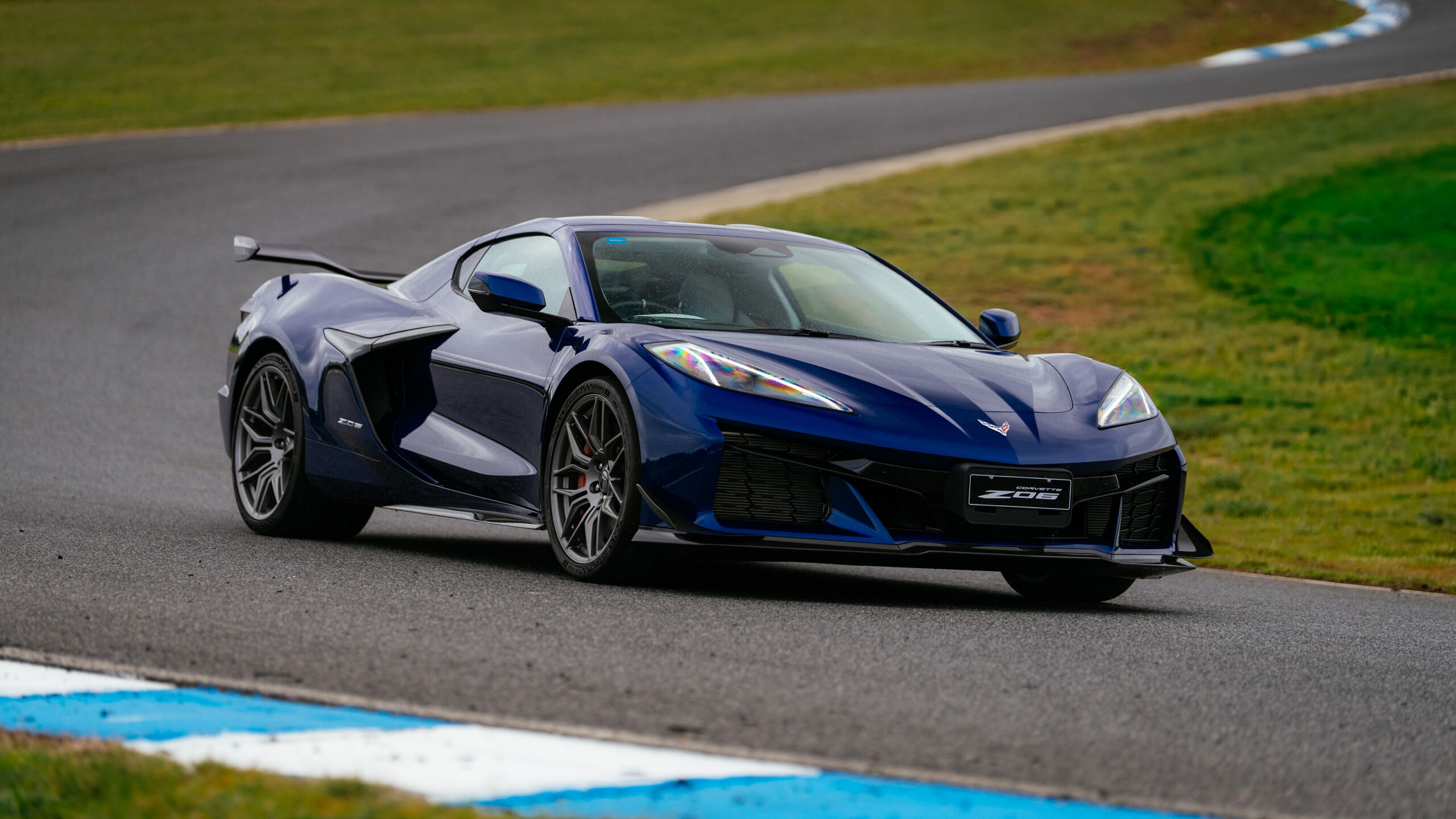
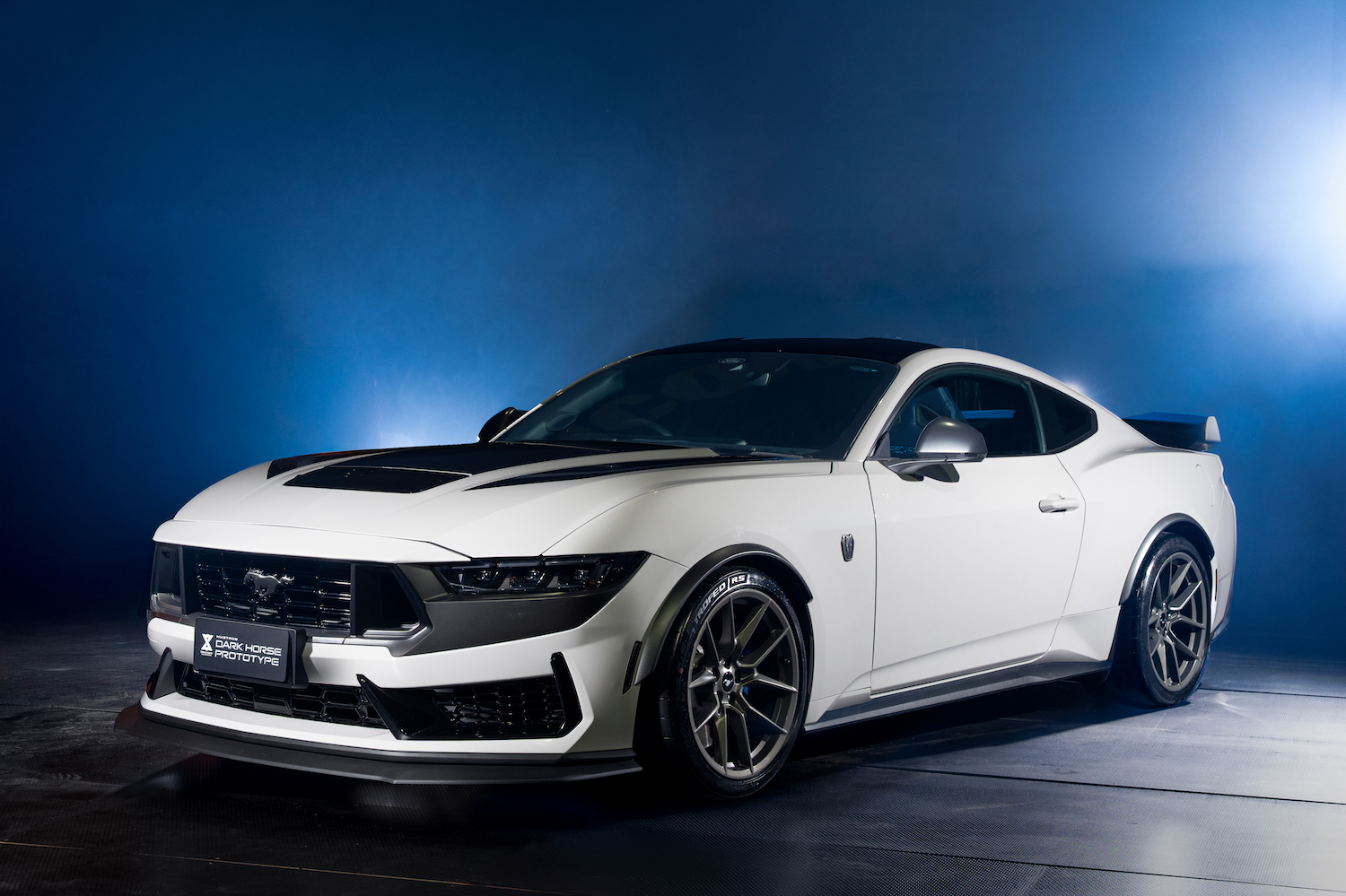
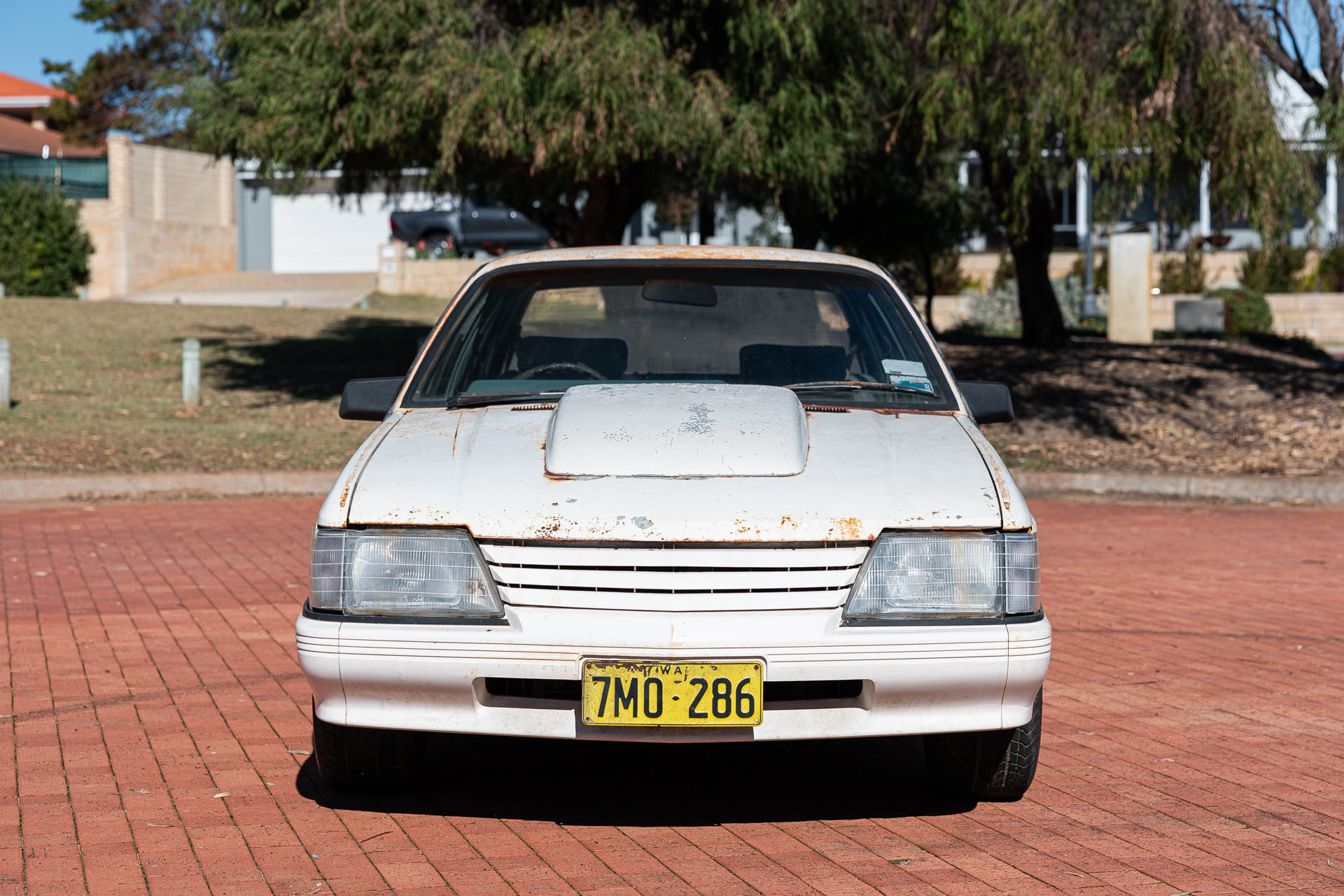
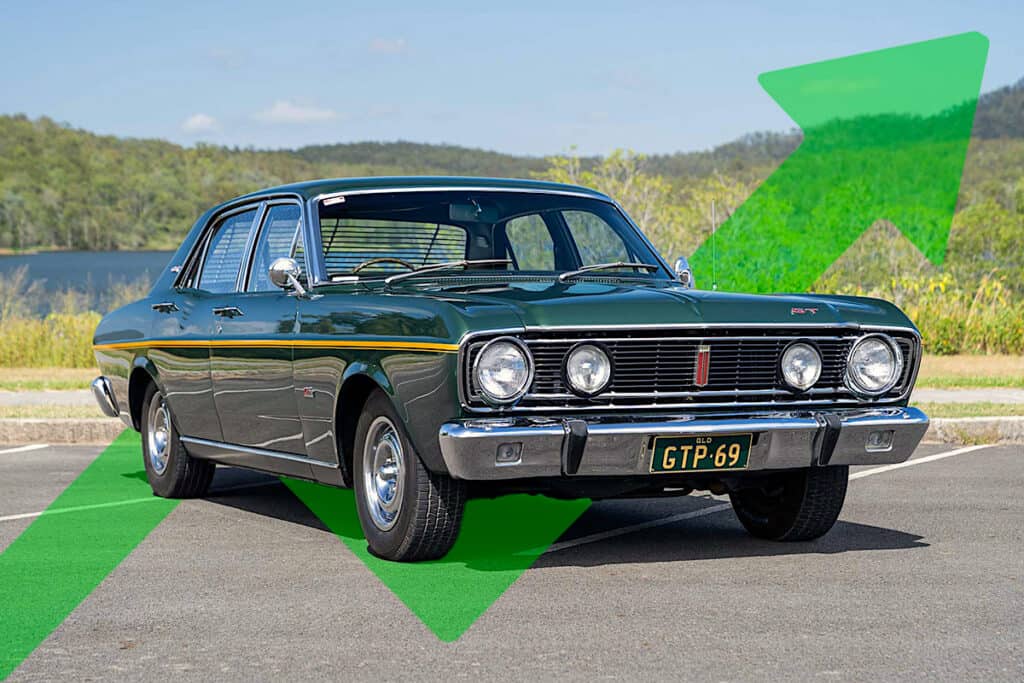
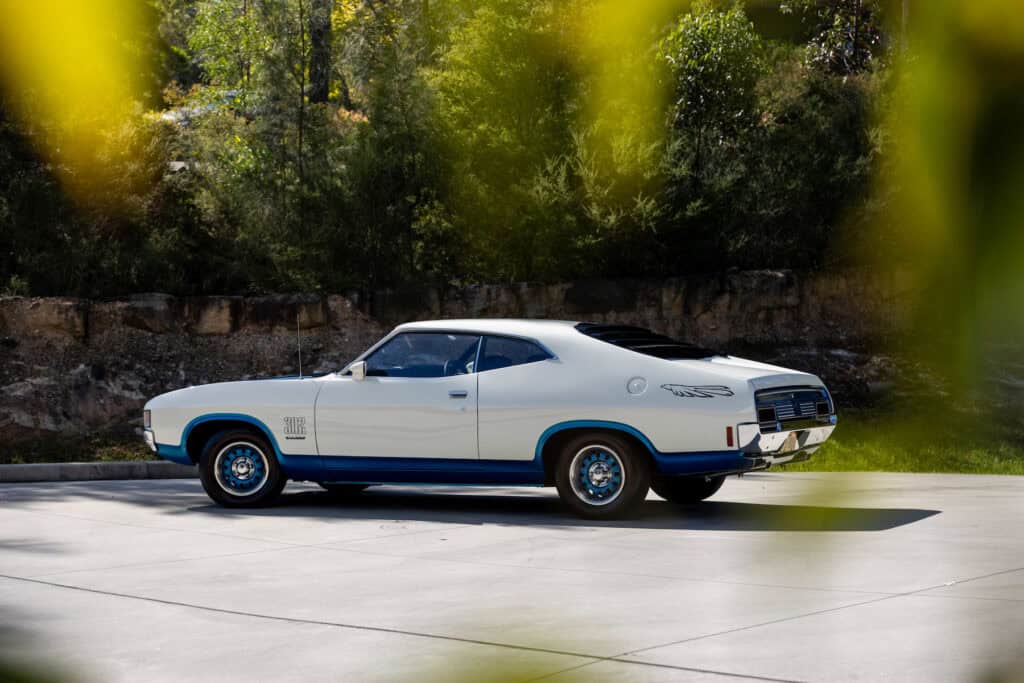
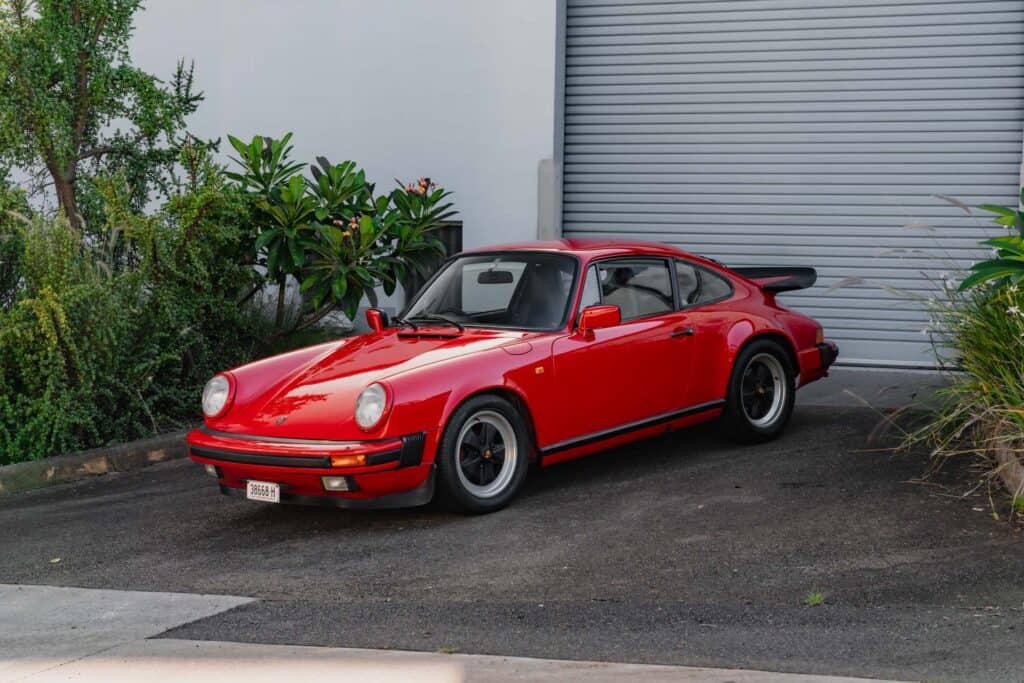
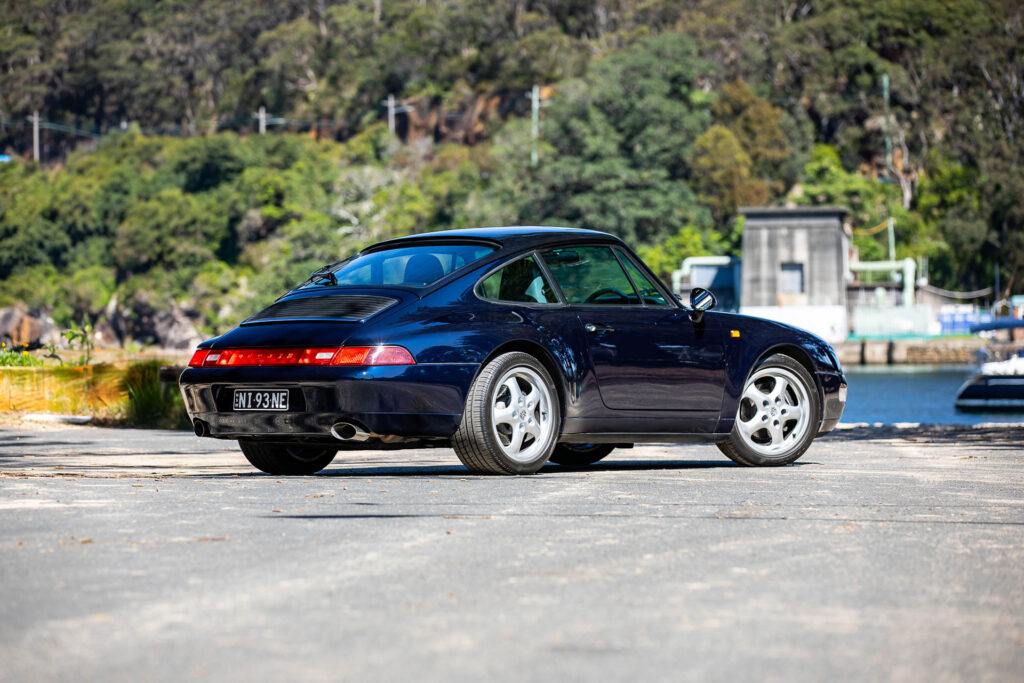
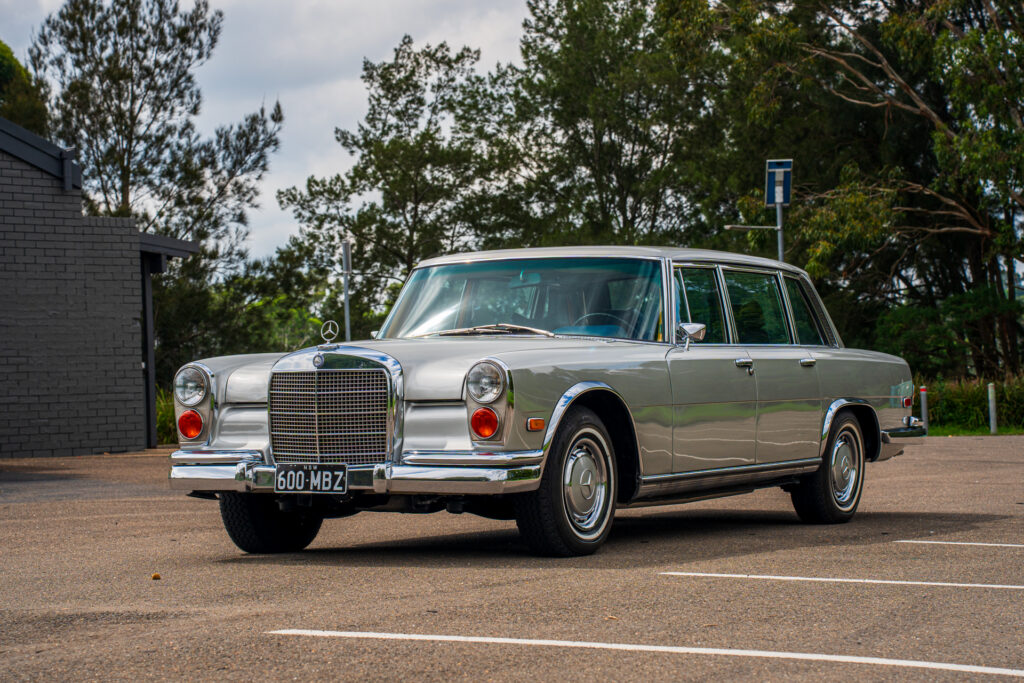
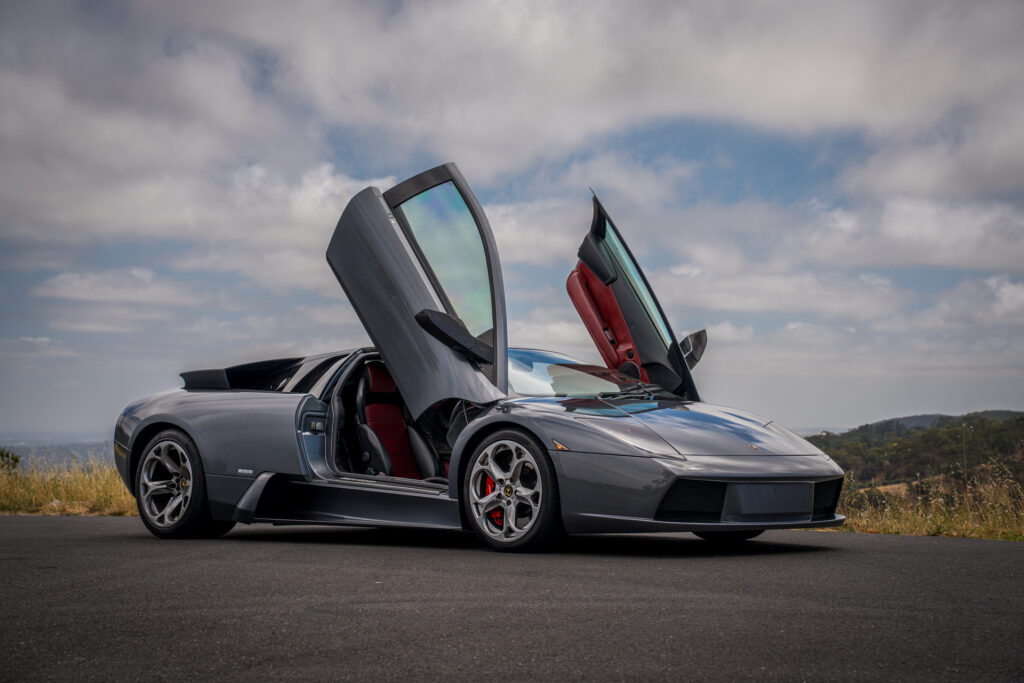
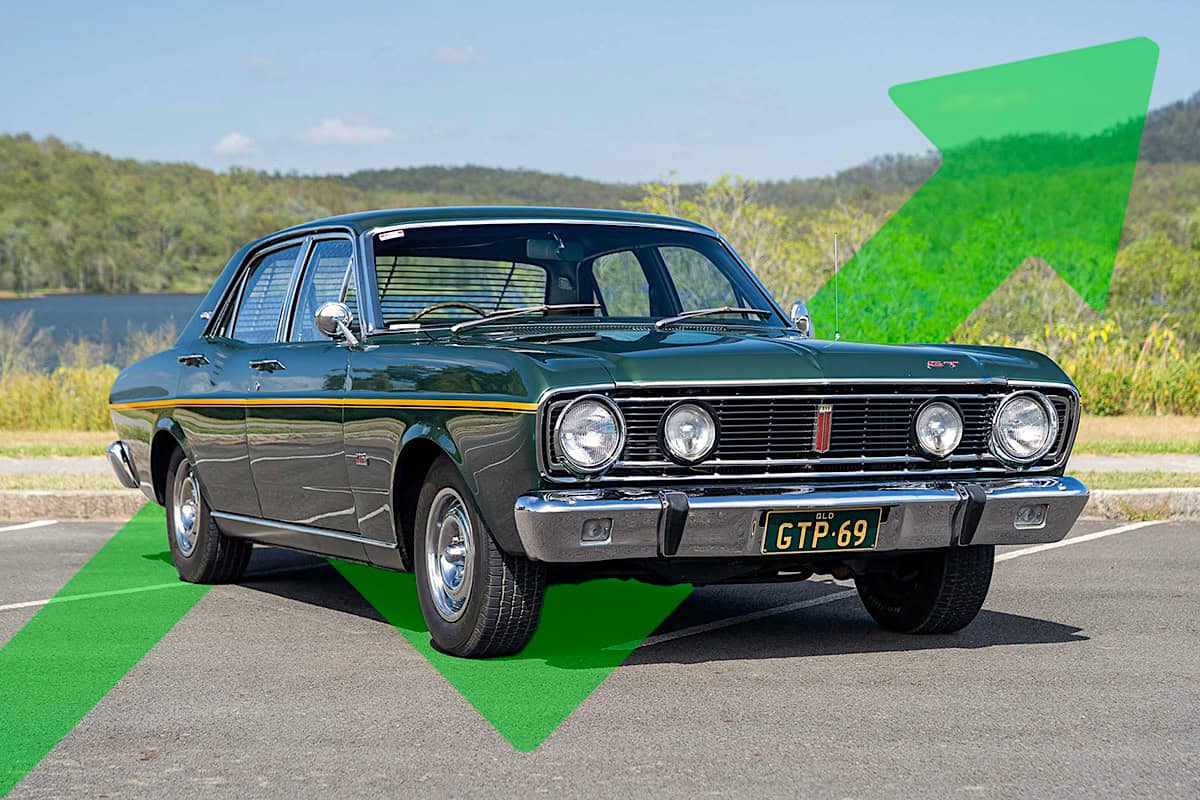
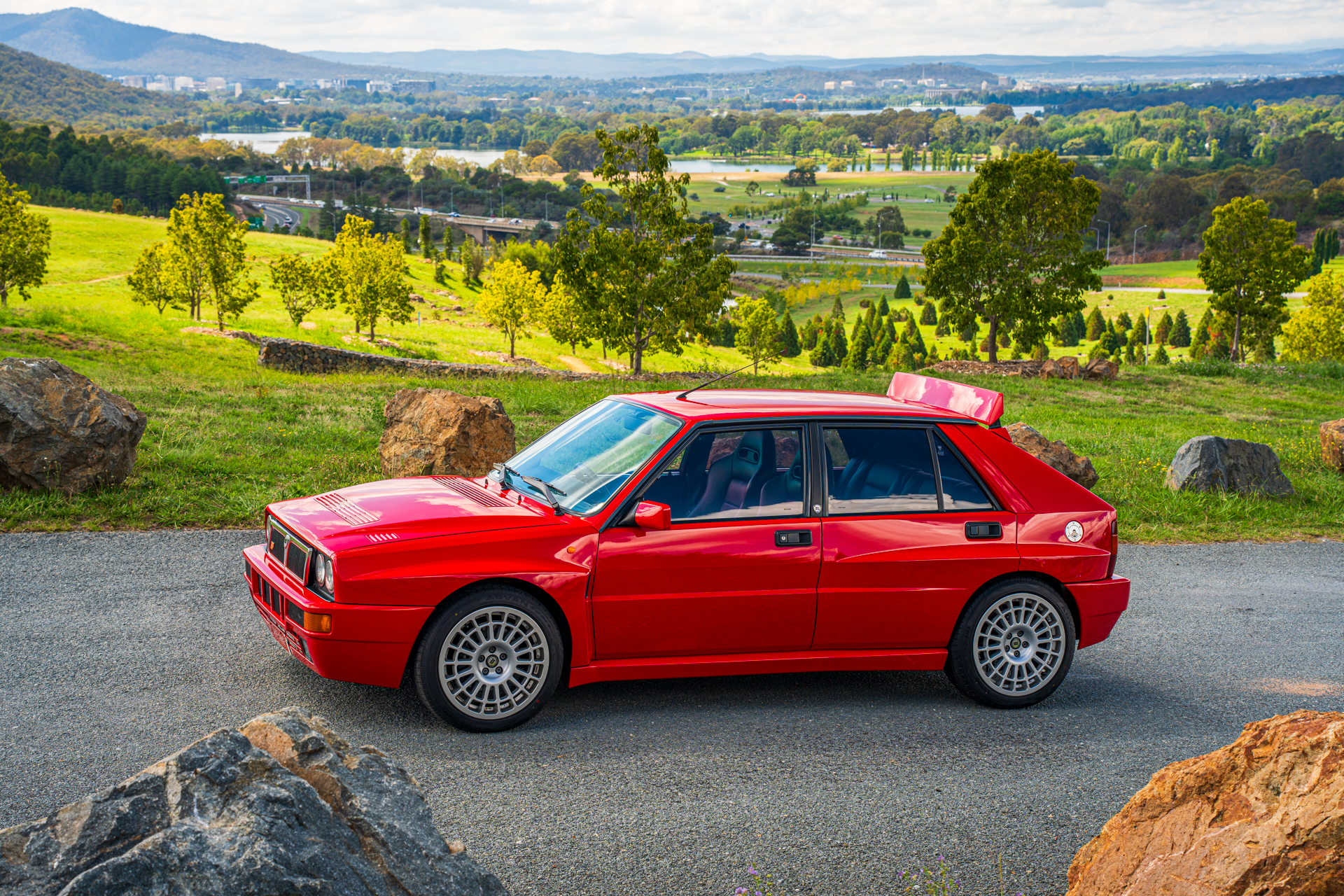
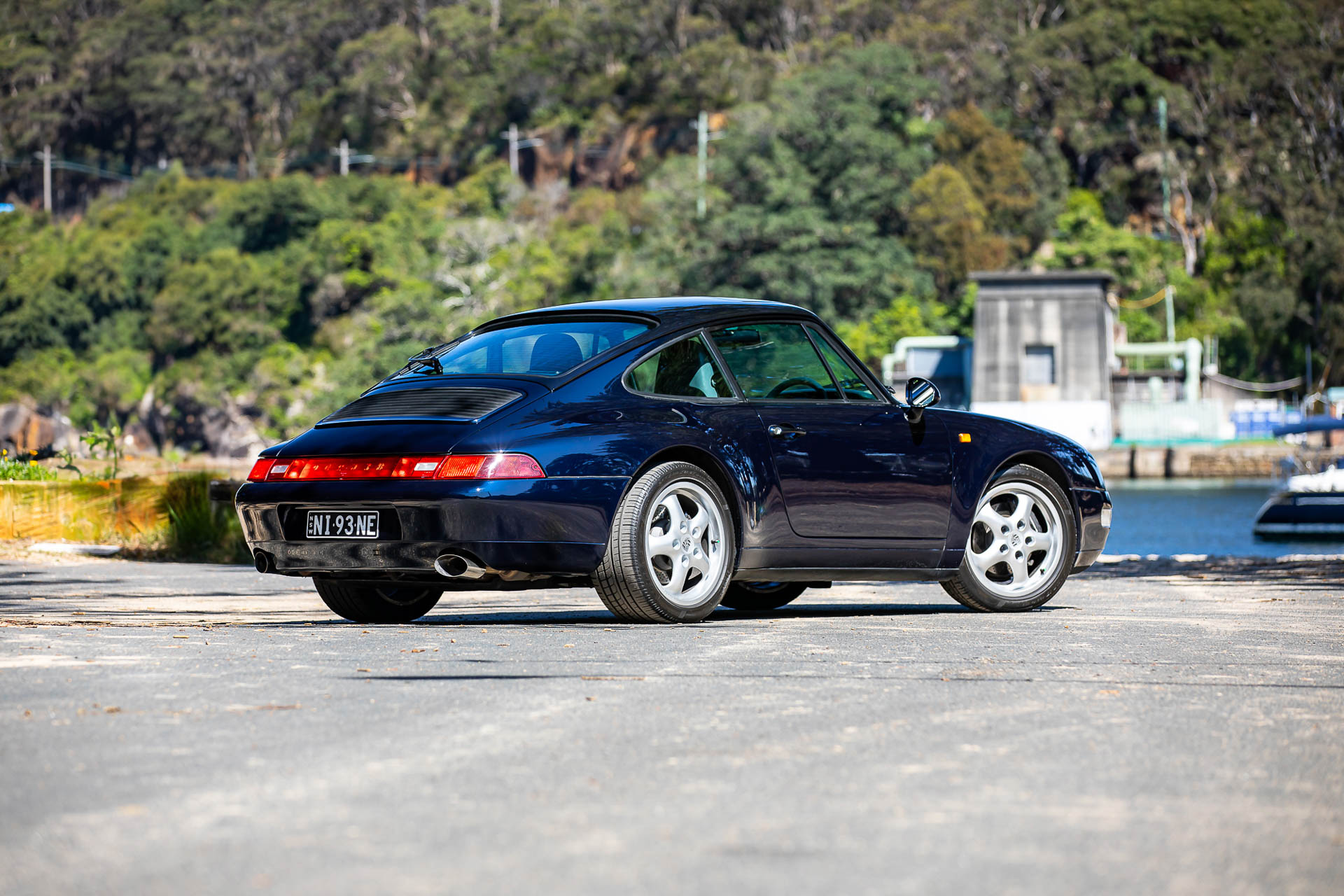
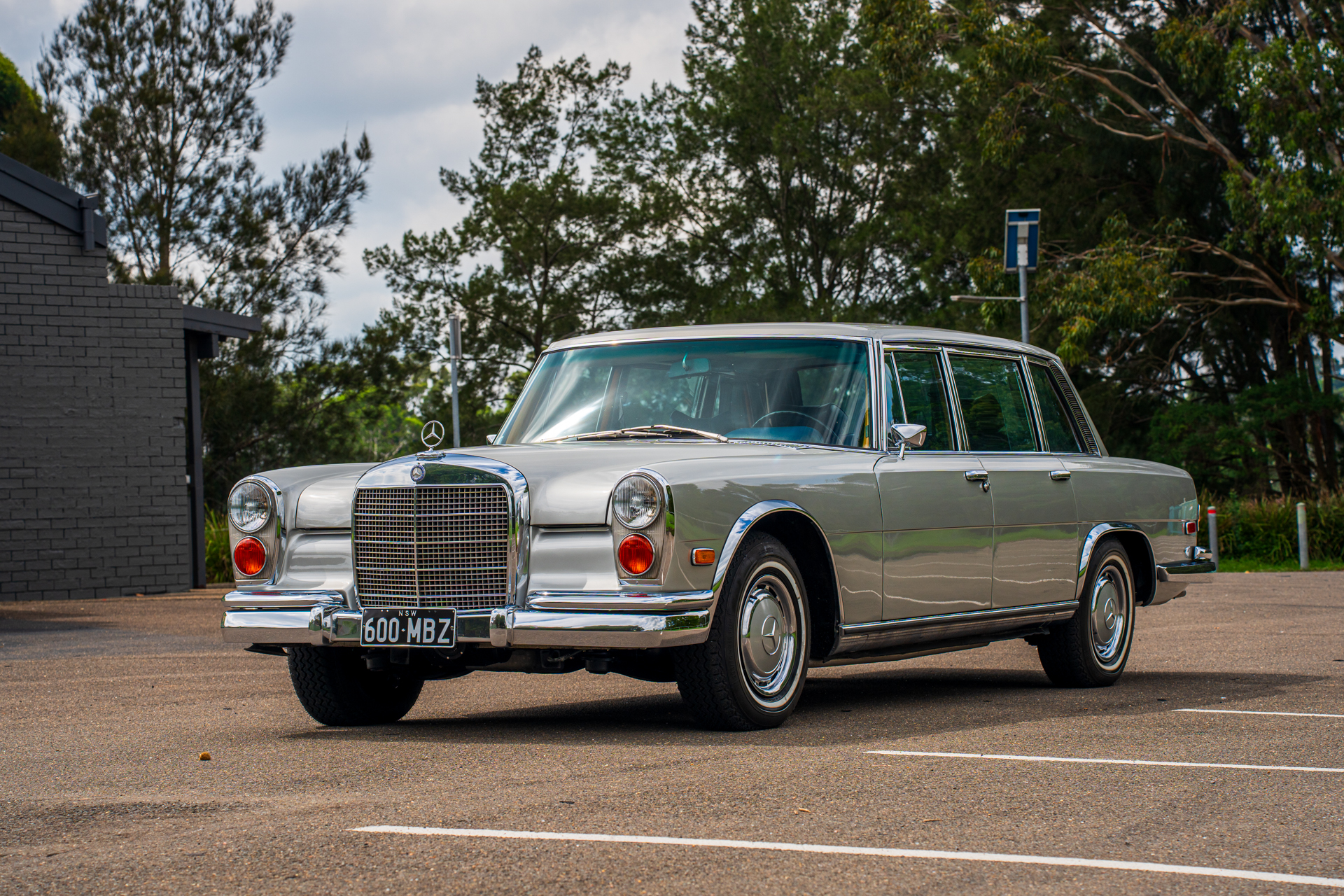
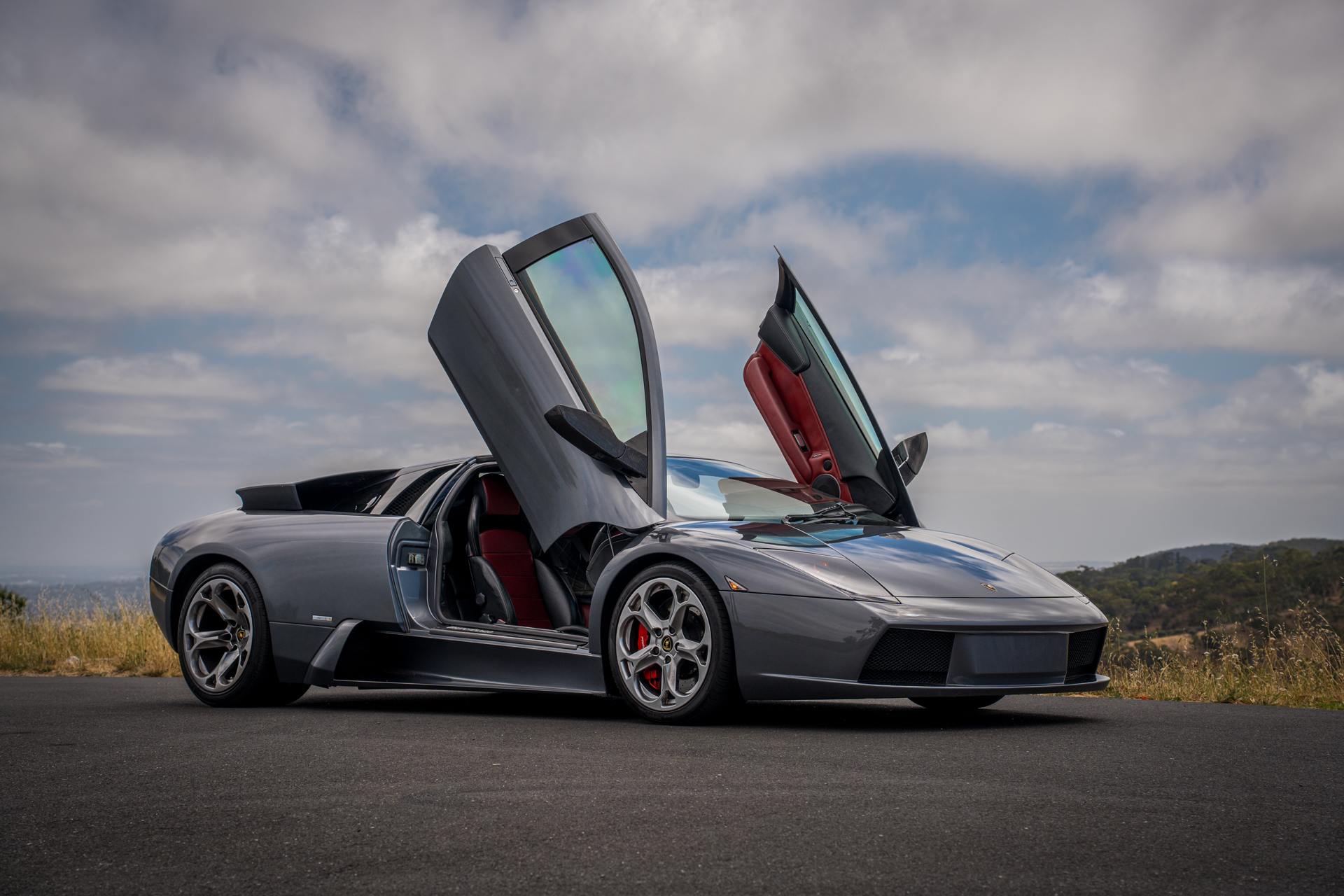
Here at Retro Rides and on our sister site RR Auctions, we’ve seen strong demand this year so far across precisely that kind of array of cars. It’s not just air-cooled Porsches and classic Ferraris that people are turning to, but Australian and American muscle cars, noughties supercars, and trendy restomods are also selling for healthy sums.
While nostalgia and scarcity naturally play a part, diversification is increasingly part of what’s driving this trend. Investors are recognising that unlike shares sitting in a portfolio app, a collector car is an emotional asset with finite supply. You can drive it, display it, take it to events and historically, the best examples often become harder to replace every year.
The market is also maturing rapidly. Buyers today have access to valuation tools, verified provenance, PPSR checks, professional inspections, and curated auction platforms like RR Auctions that reduce many of the risks that once surrounded enthusiast vehicles. Simply put, collector cars are becoming a recognised asset class.
Prestige number plates are quietly booming
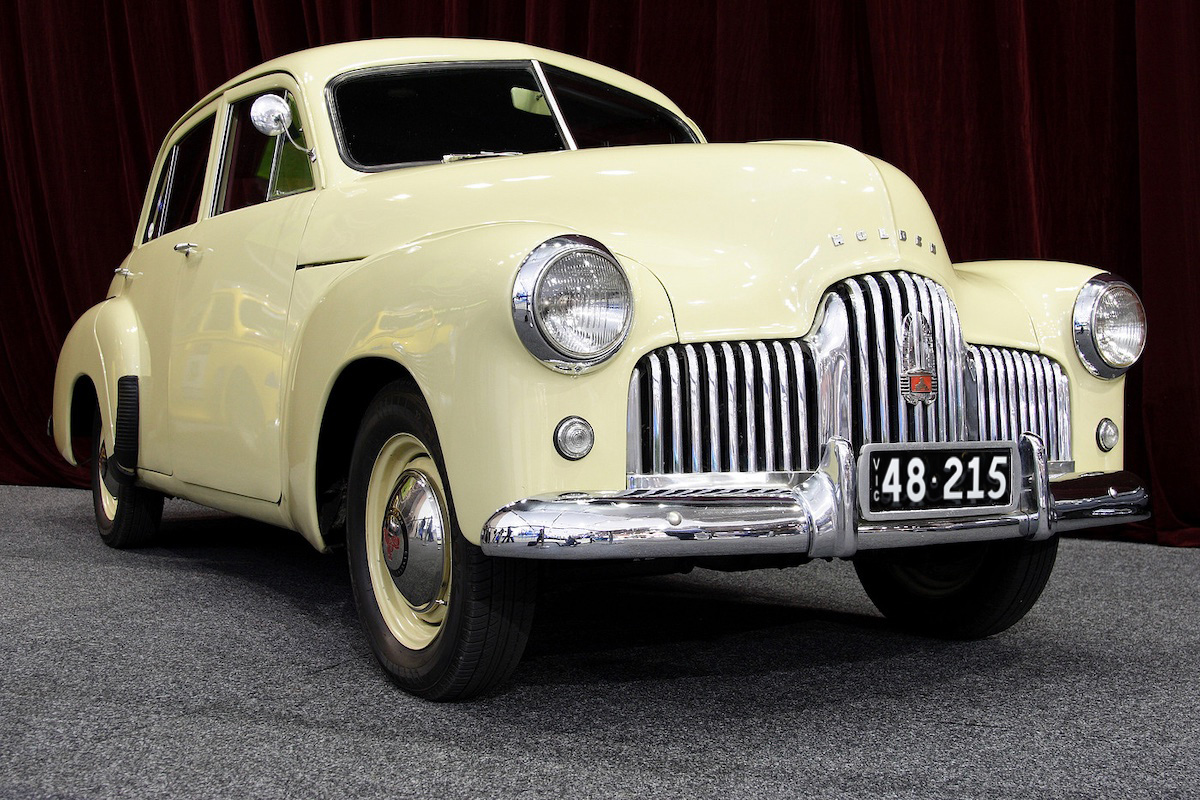
For years, prestige plates were viewed as niche purchases for wealthy enthusiasts to tack on the front of their special car, but that’s not the case anymore.
Low-digit heritage plates, meaningful combinations, and rare state-issued formats are increasingly being viewed as portable stores of wealth. Unlike property, they have no maintenance costs, no tenants, no land tax, and extremely limited supply by design.
A single-digit or highly desirable plate can effectively become a branded piece of automotive real estate. Importantly, number plates can also benefit from strong emotional demand – wealthy buyers don’t simply want them, they compete for them.
In markets such as Victoria and Queensland, premium plates have quietly delivered remarkable long-term appreciation over the past decade. Unlike many traditional investments, they’re easy to store, transferable, and globally understandable status assets.
As a sign of just how much they can be worth, records have tumbled recently in numerous states. As reported by The Advertiser, SA heritage plate ‘7’ was previously sold in 1993 for $19,000 by the SA Government, but in March 2026 it was bid to over $2,320,000 at auction.
In that instance, it represents growth upwards of 12,210 percent after 33 years – not a quick win, but a truly astronomical increase over time. Of course, single-digit plates are the most prized of such possessions, hence the seven-digit sale sum, but other numerical combinations, vehicle-related terms, and rare formats also hold strong value.
Motorcycles are having their moment
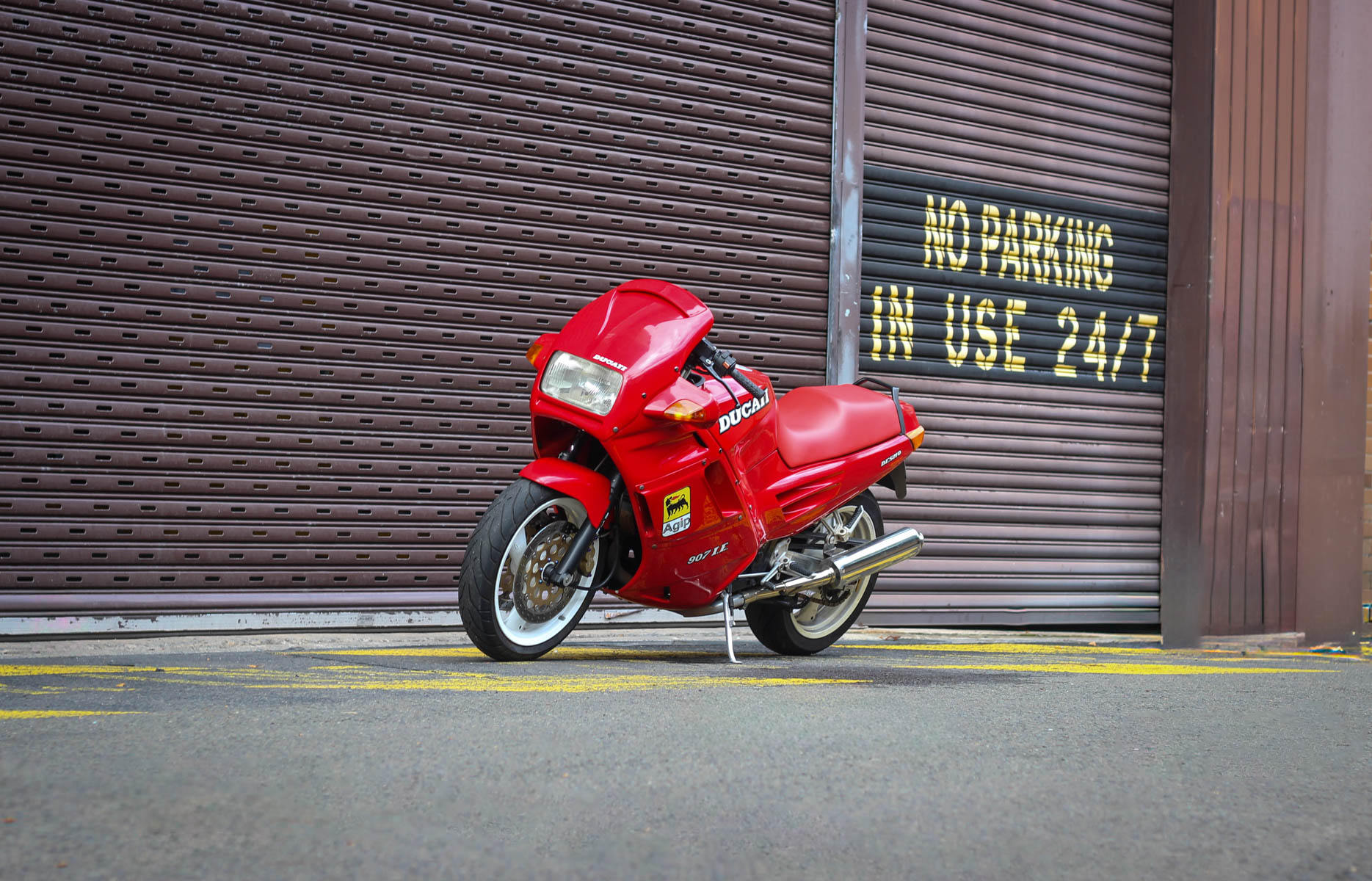
Classic and collector motorcycles are perhaps the biggest surprise story of 2026, as ultra rare bikes in particular are rising in value.
The big reason is because the enthusiasts that grew up idolising them now have disposable income. Just as Generation X fuelled the rise of Australian muscle cars, a new generation of buyers is now chasing the bikes they once had posters of on their bedroom walls.
Unlike cars and certainly prestige plates, many truly collectible motorcycles also remain relatively affordable entry points into the collector market.
2026 Federal Budget shift could accelerate alternative investments
The 2026 Budget may ultimately push even more investors toward tangible enthusiast assets. With the proposed removal of the 50 percent CGT discount affecting shares, investment properties, and other traditional growth assets, investors are reassessing risk versus reward.
At the same time, high-end collector assets offer something traditional investments often cannot: finite supply, global markets, and potentially favourable CGT treatment in some circumstances.
Plus, there’s one big factor that simply cannot be overlooked: these are assets you can enjoy and experience while owning them. The emotional aspect that accompanies cars, bikes, and plates as alternative investment items is a key part of the appeal.
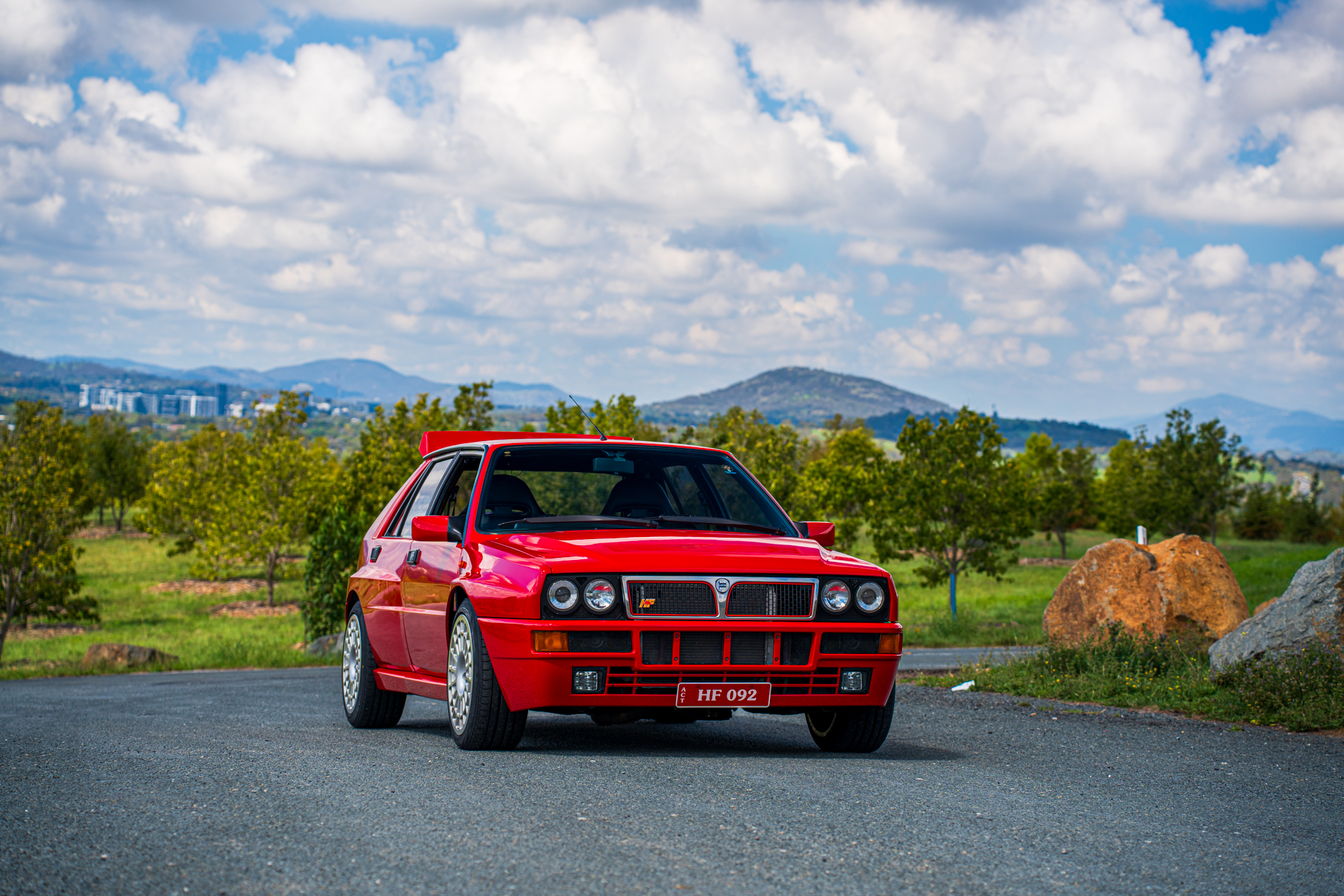
Of course, not every old car or motorcycle is an investment – provenance, originality, rarity, documentation, and market timing still matter enormously – but the broader trend is undeniable. Even then, you can own and appreciate some cars and bikes for a number of years while breaking even or without losing much at the end of your ownership.
It should also be noted that these aren’t short-term investments either. Unlike a stock that could shoot up or plummet overnight, buying a collector car or prestige plate is a longer-term commitment similar in that regard to real estate.
Australians are increasingly looking for investments they can actually enjoy, and in 2026 that might mean a manual Ferrari in the garage, a rare bike in the living room, or a heritage number plate sitting in a safe.
The smart money is starting to realise something enthusiasts have known for years: sometimes the best investments come with an engine attached.
Disclaimer
The information provided in this article is general in nature and does not constitute personal financial advice. It has been prepared without taking into account your personal financial situation, needs, and objectives. Before making any decision based on this information, you should consider how appropriate it is to your circumstances. It is recommended that you seek professional advice from a licensed financial advisor or tax agent before making any major financial decisions.