

Is there a more controversial topic out there right now than the idea of electric vehicles? Despite having fully entered the mainstream since they started to trickle into our market more and more throughout the 2010s, and particularly seeing a massive uptick in sales this decade so far, opinions about them are strong one way or the other.
Even more controversial is the idea of converting a classic car to run on electric power. Back in 2024, Retro Rides contributor Scott Newman opined: “The sounds and smells of internal combustion are an integral part of the classic car ownership experience and replacing that with a box of volts should be actionable by law.”
However, he also noted that “where classic EV conversions make perfect sense to me is where the engine was, if anything, a hindrance”, citing the 22kW Morris Minor as such a case in point.
Personally, I don’t like to make my mind up on something without first-hand experience with it. As a result, you’ll never hear me flame the concept of EVs outright having driven dozens of them over the past few years and enjoying many – even if they never feel anywhere near as charming as a classic and have some ethical dilemmas that I can’t overlook.
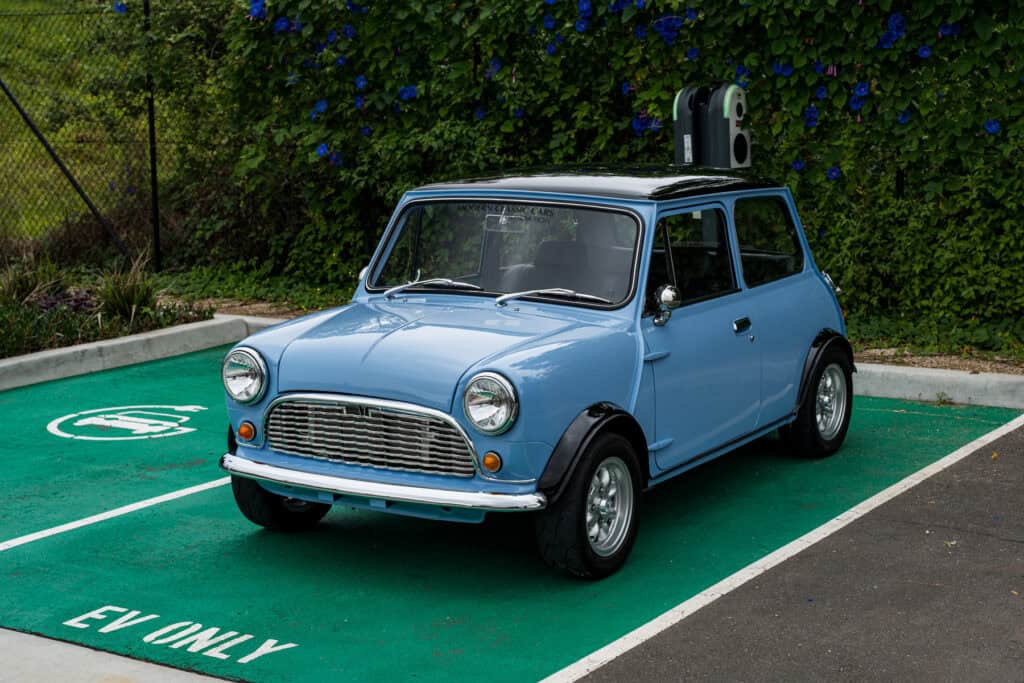
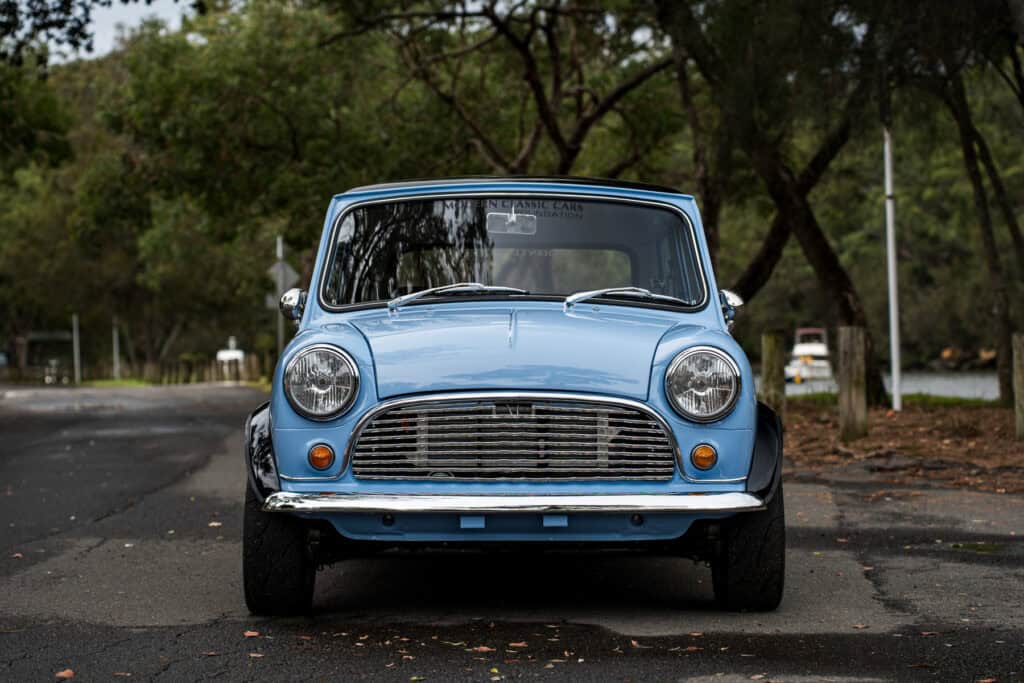
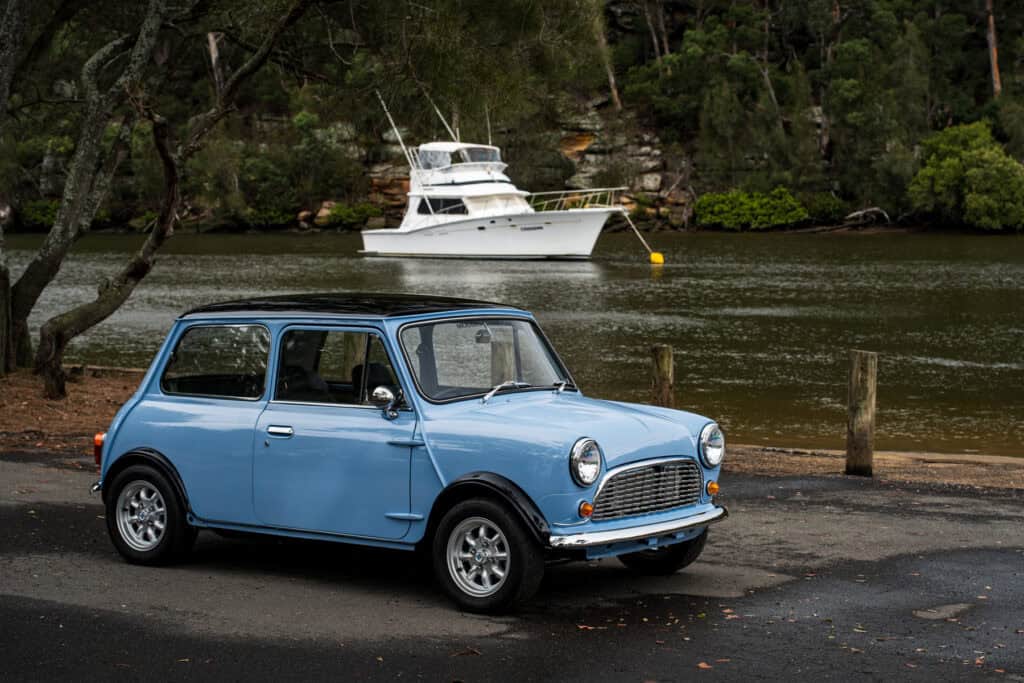
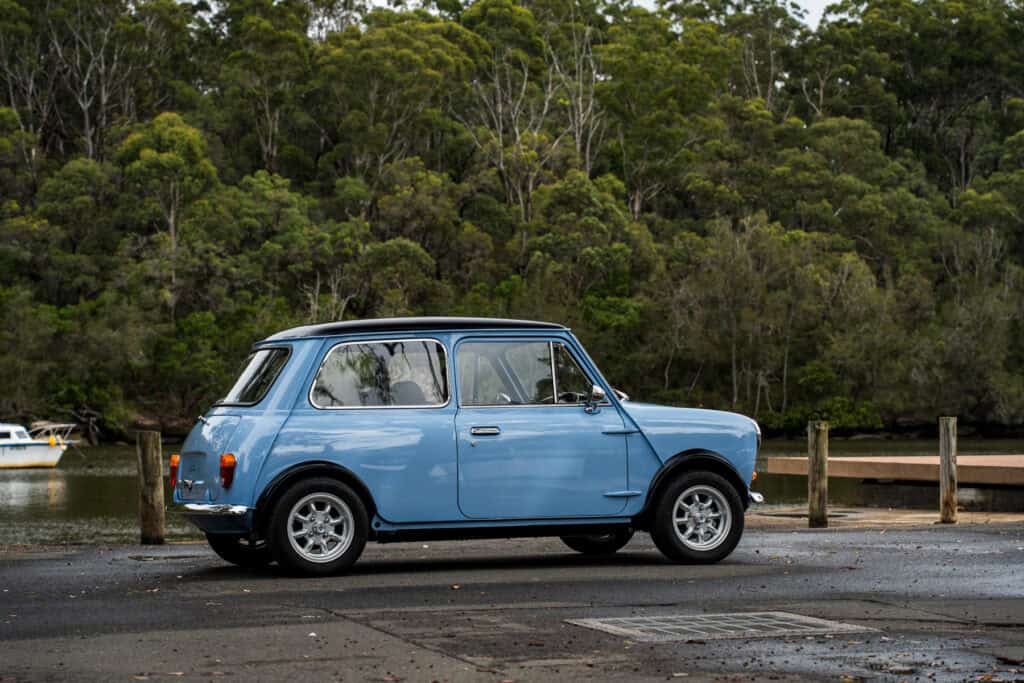
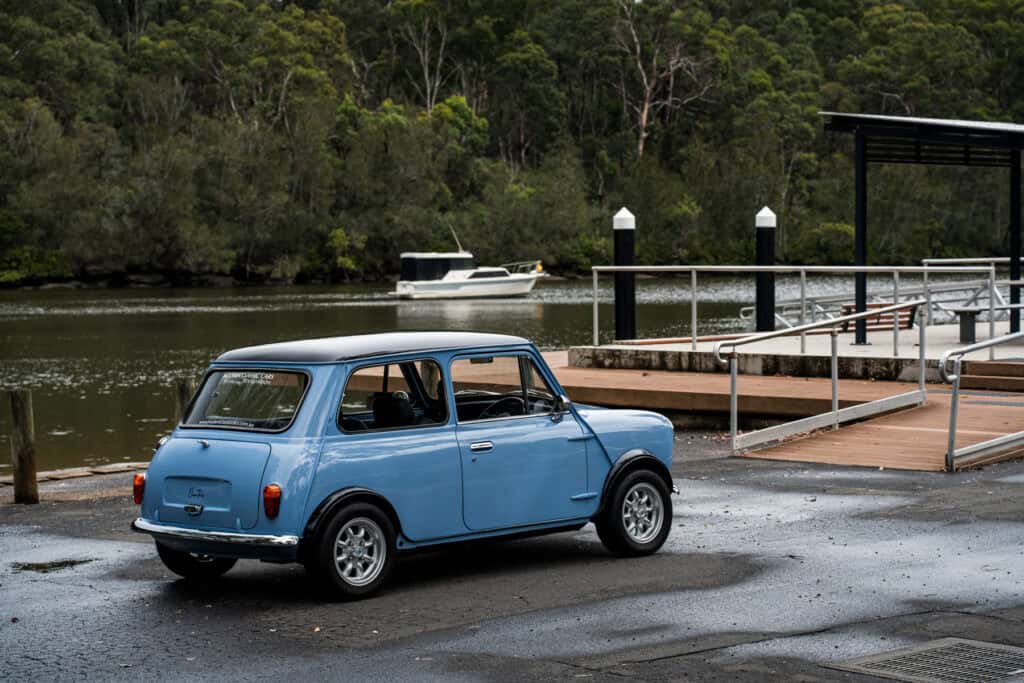
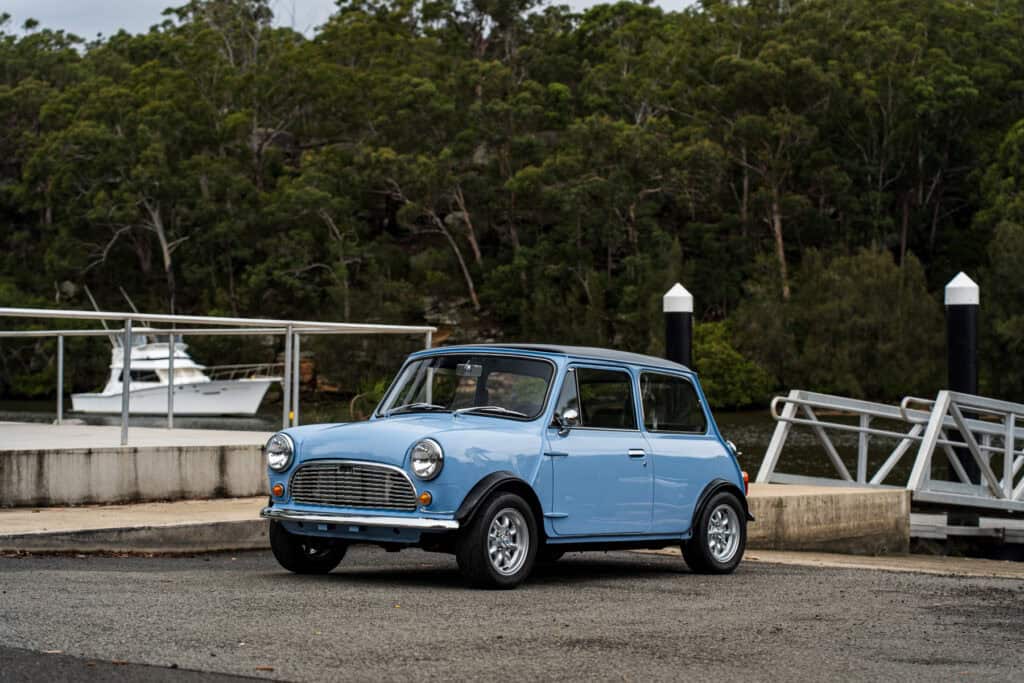
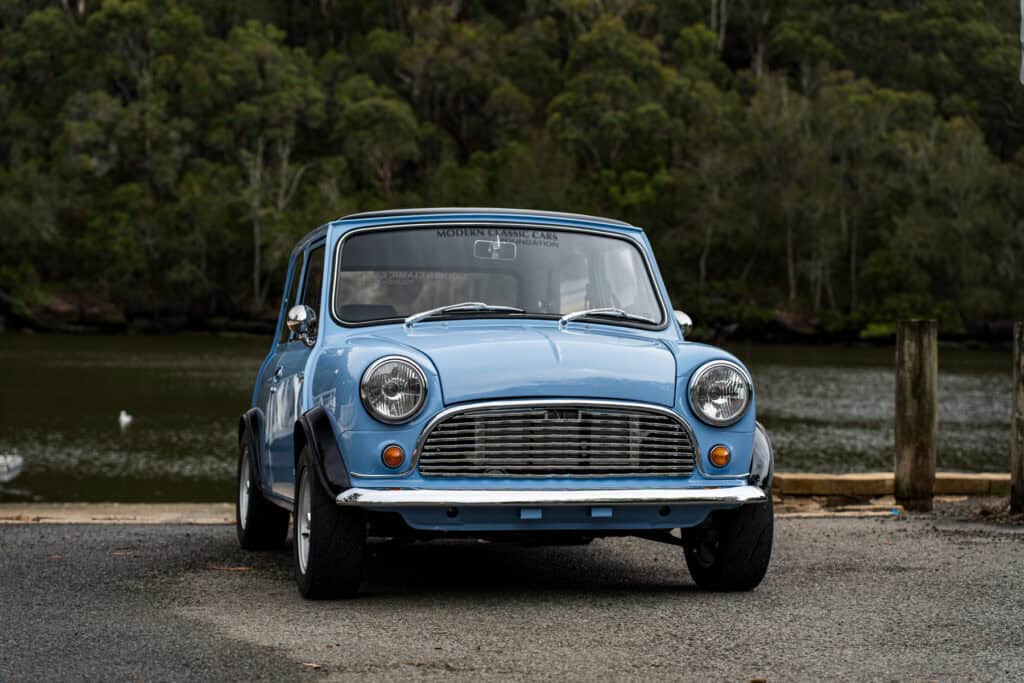
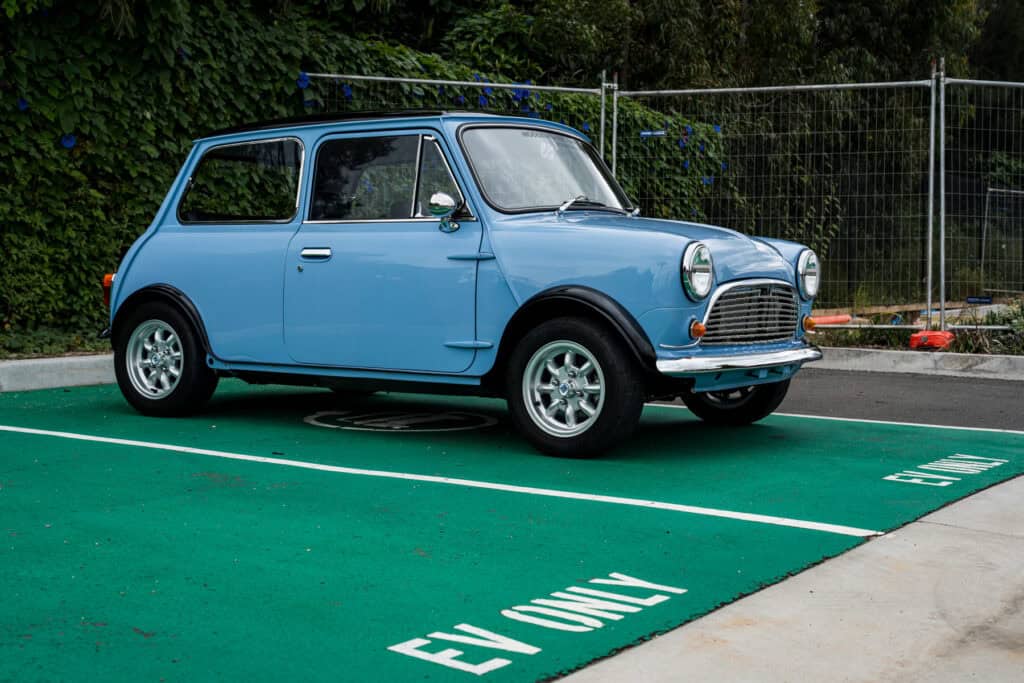
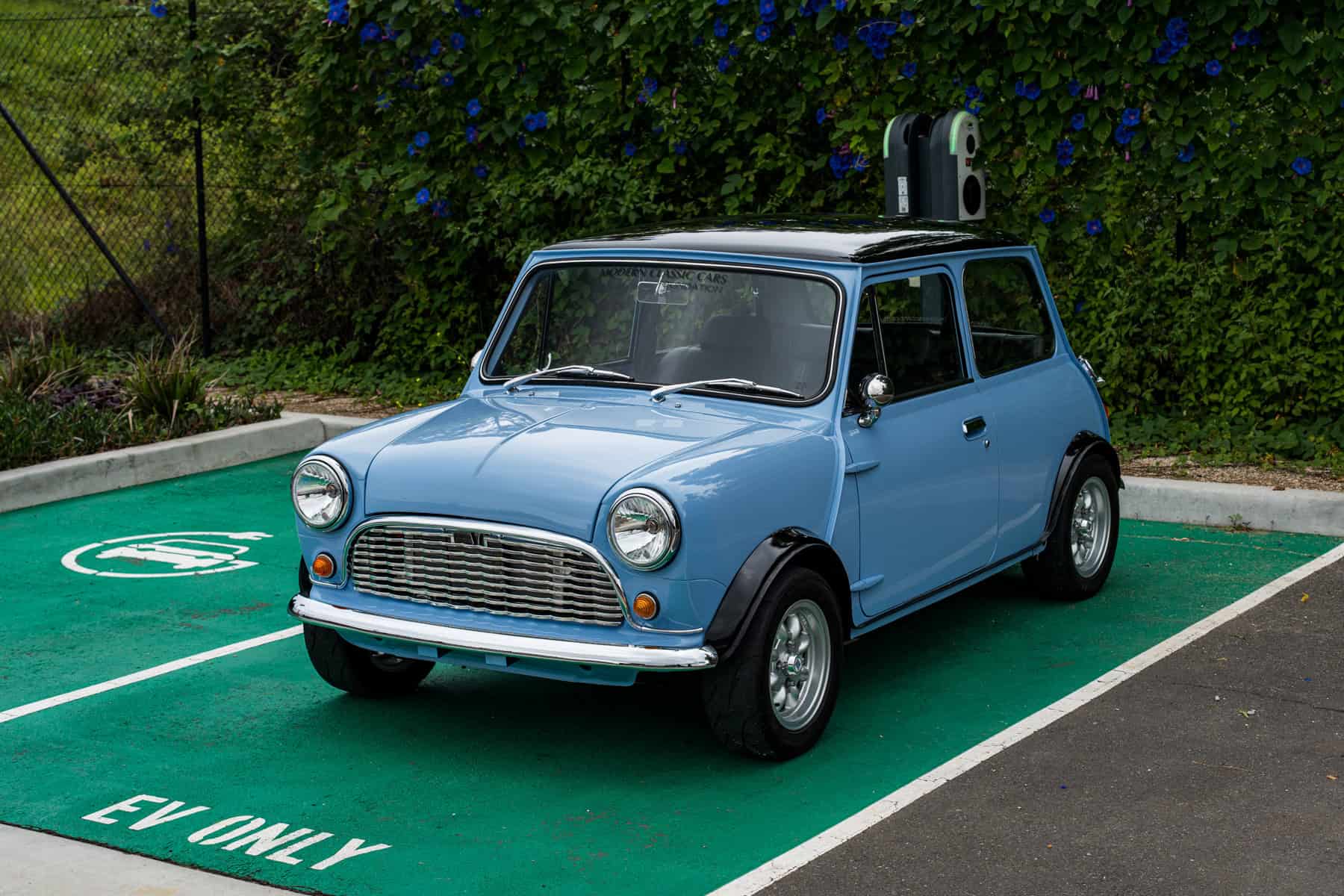
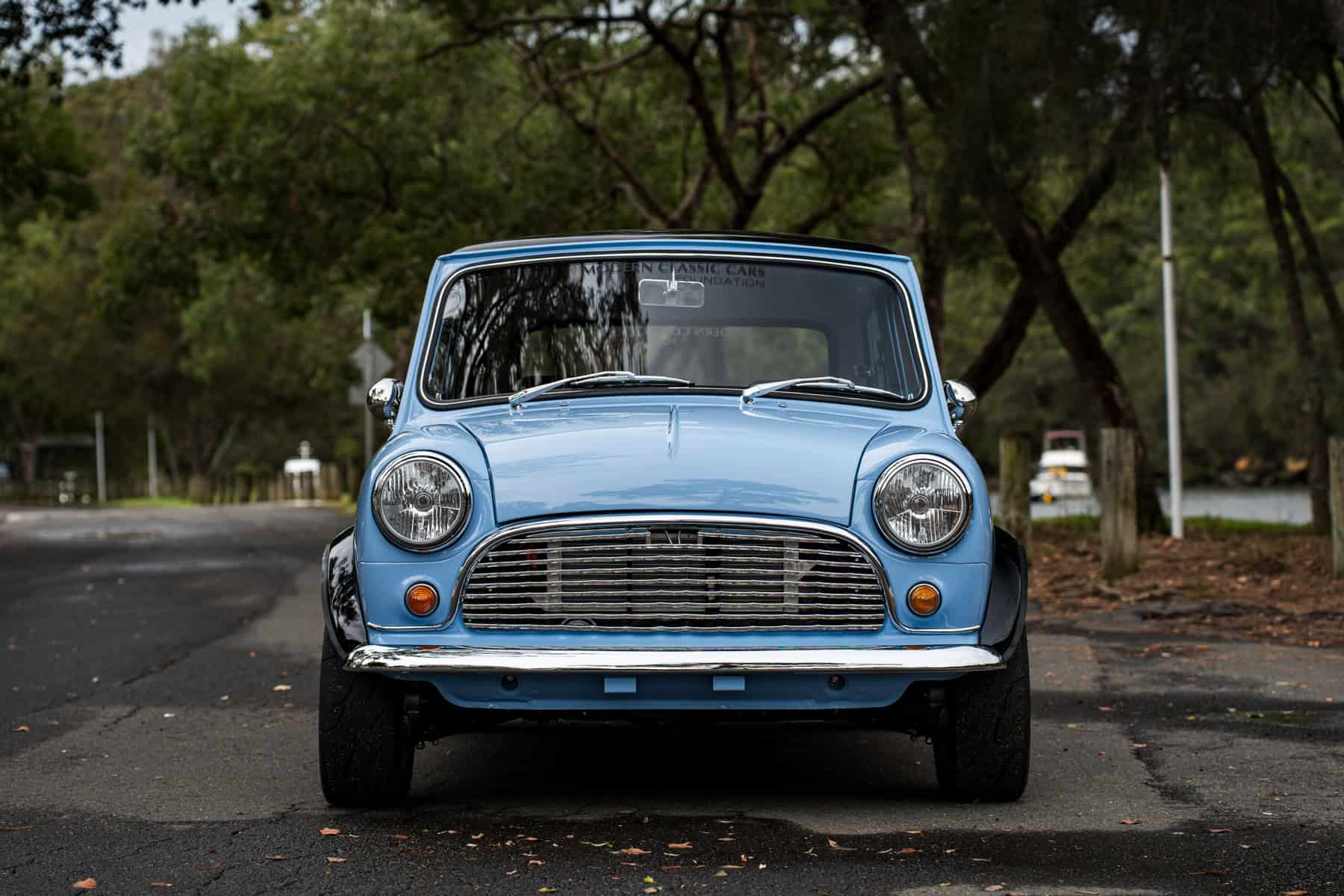
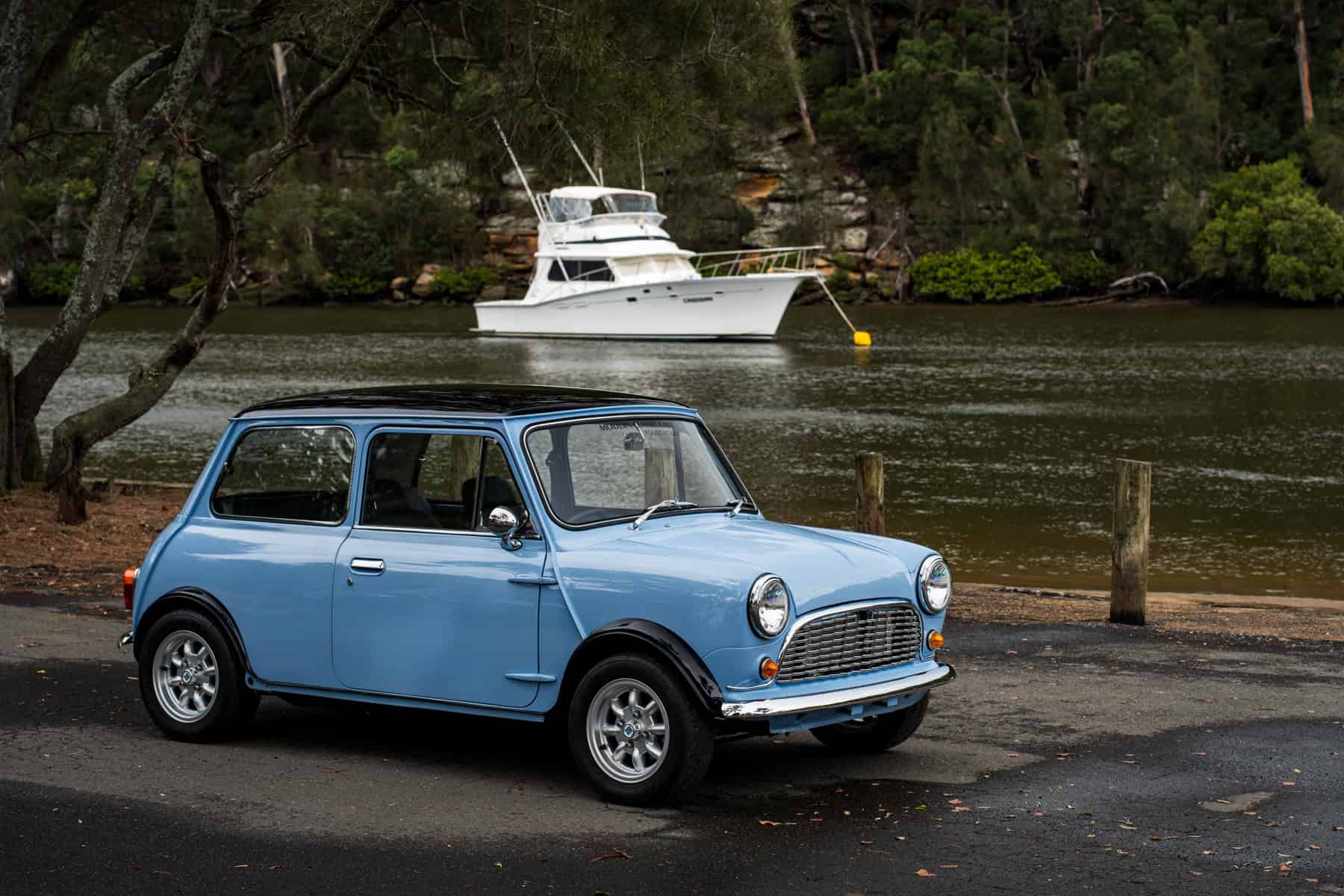
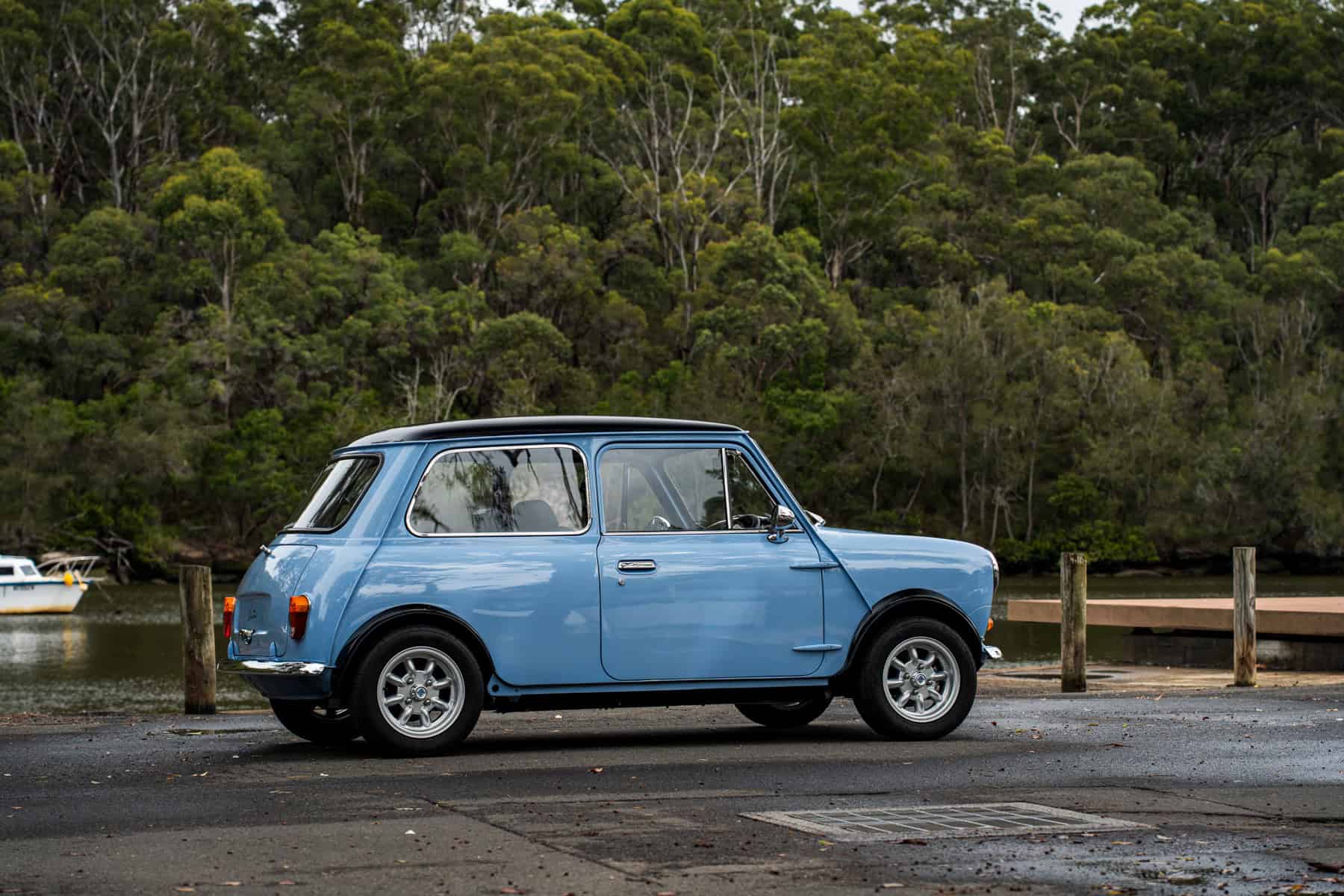
Regardless, when Modern Classic Cars Foundation in Sydney offered the chance to get behind the wheel of this 1971 Mini that has been converted to a fully electric driveline, I jumped at the opportunity so I could make my mind up for myself.
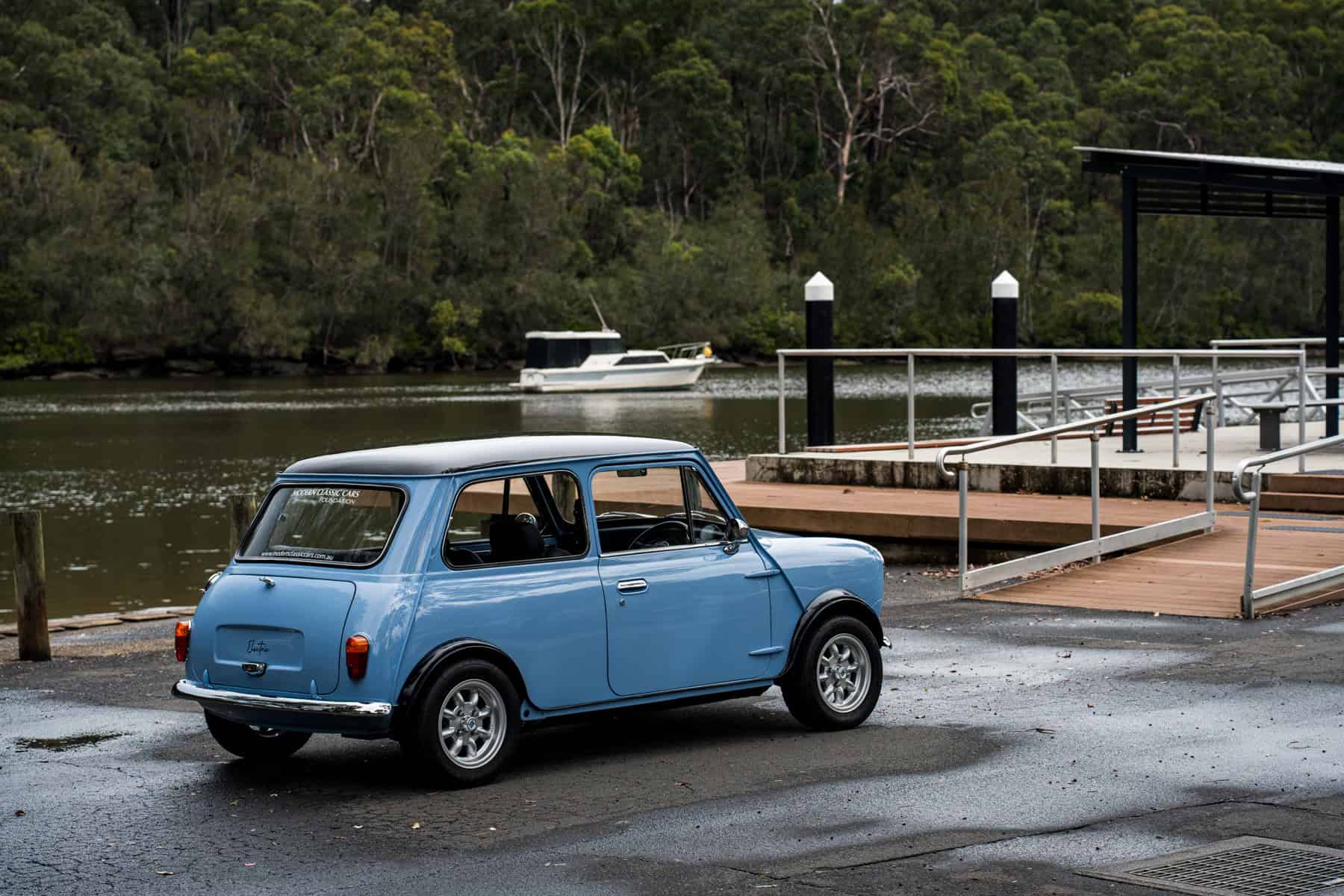
Plus, this car could be yours for an incredibly attainable price as it’s being raffled off to support the work MCCF does training young apprentice mechanics how to work on classic cars. Tickets are available in NSW, Victoria, and Queensland for $100 each with sales closing on June 30, 2026.
In a way, the Mini is a perfect case for a vehicle that isn’t ‘ruined’ by such a conversion being done. Despite their motorsport pedigree and timeless cool factor, these were mass produced runabouts, not exotic sports cars. Nor are they powered by engines of particular noteworthiness, save for the less common 1275cc versions.
As I’d already experienced with one of MCCF’s other builds, a 1959 MGA restomod that runs a modified 2.5-litre Mazda engine, the craftsmanship shown in how this Mini has been restored is top notch.
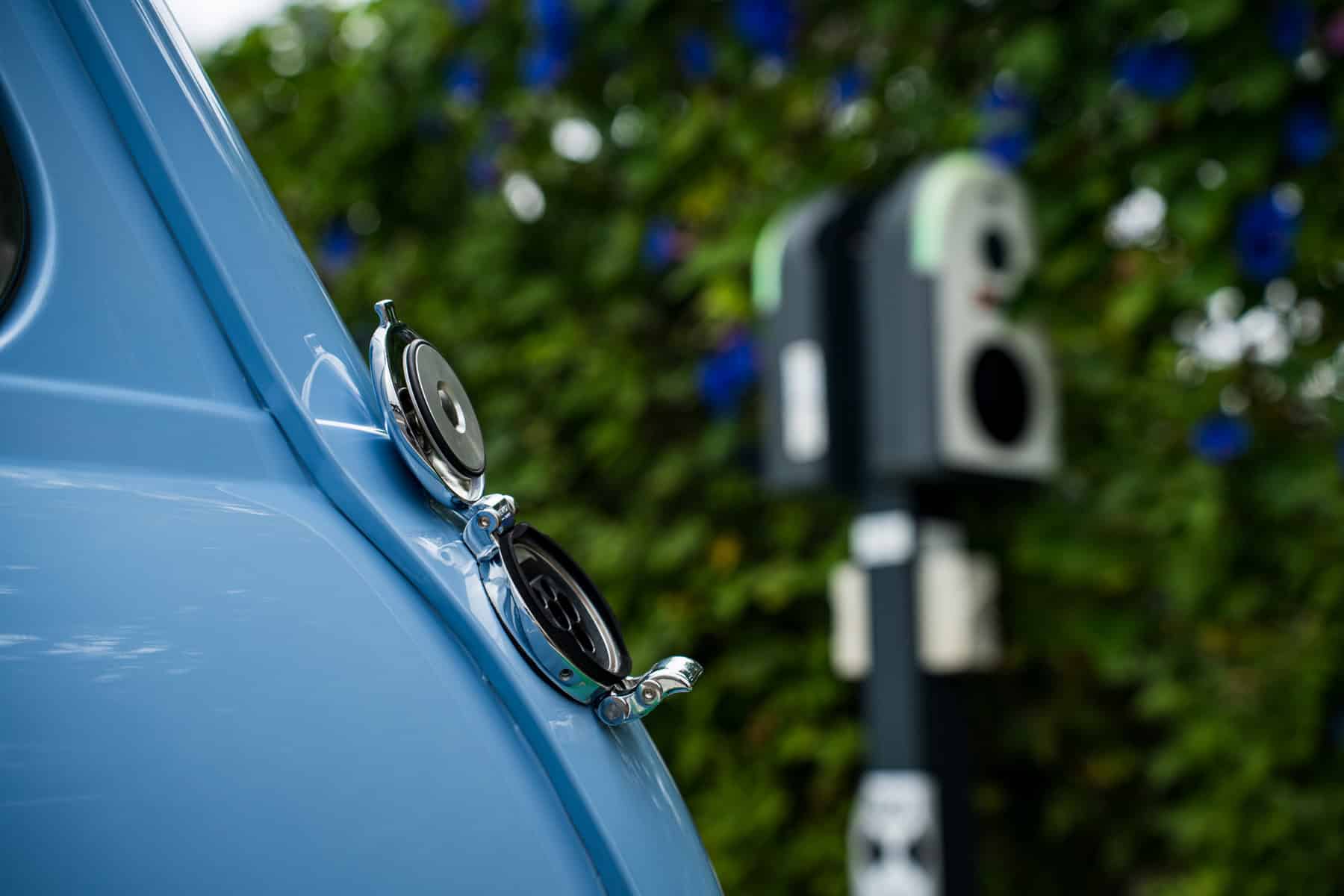
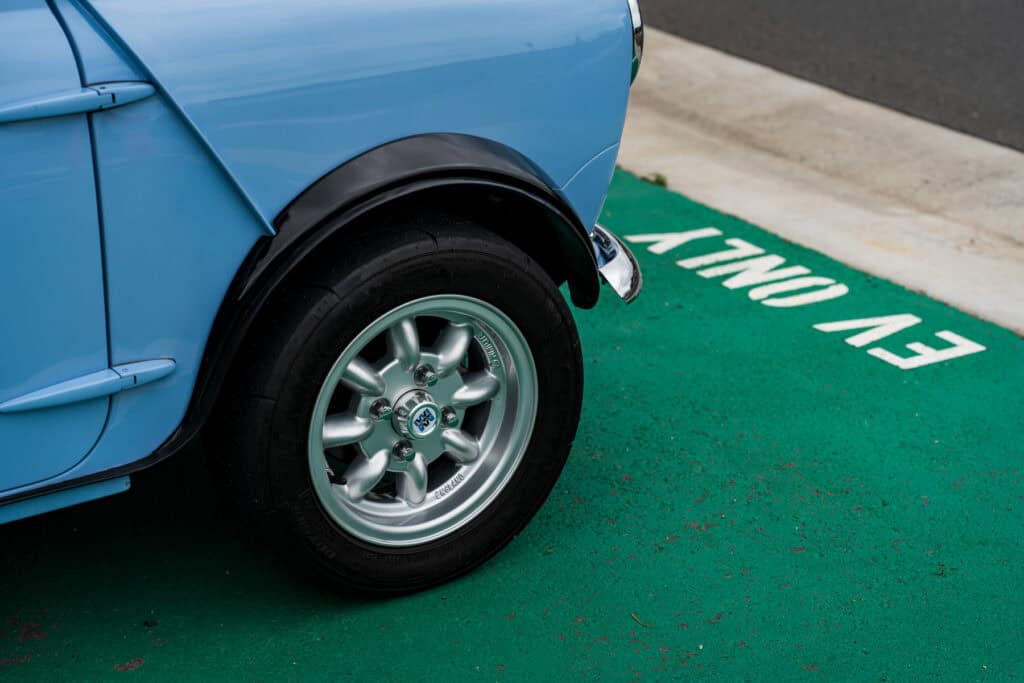
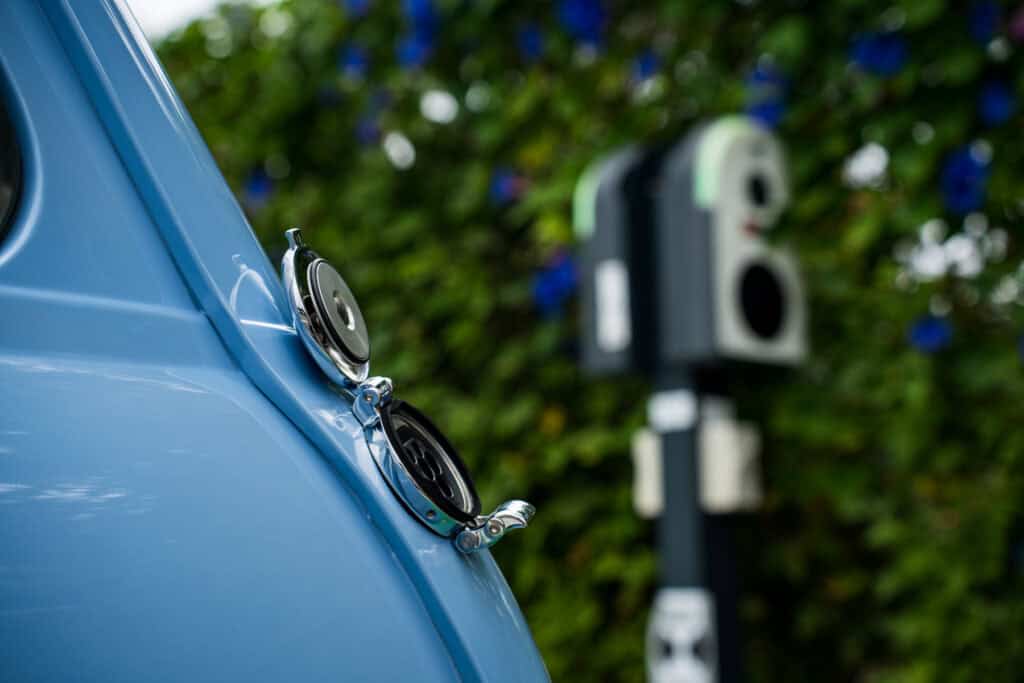
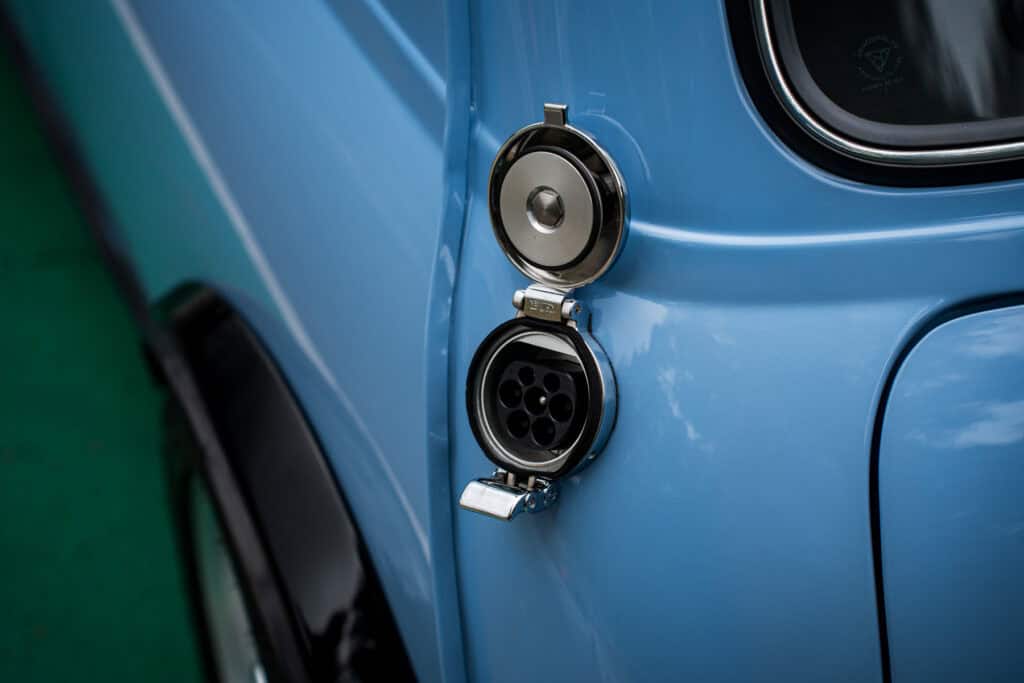
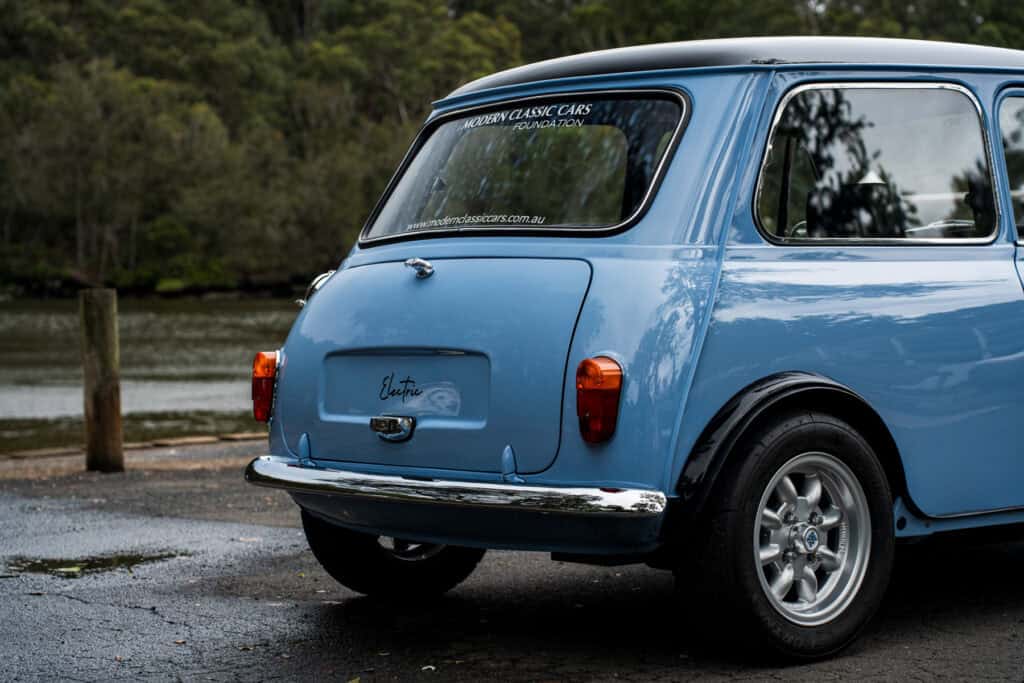
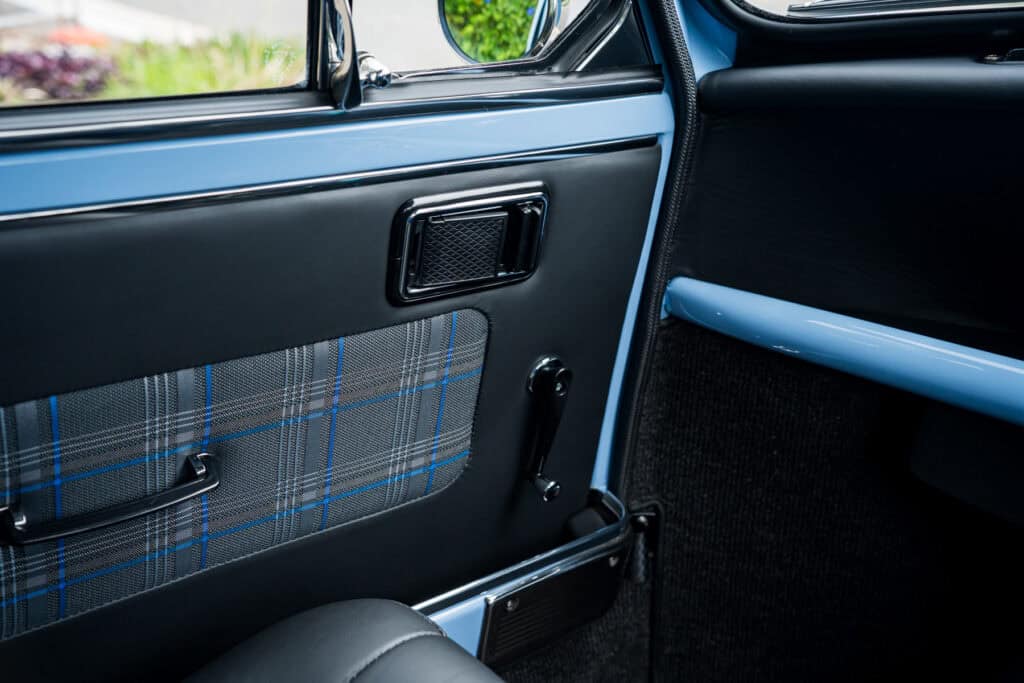
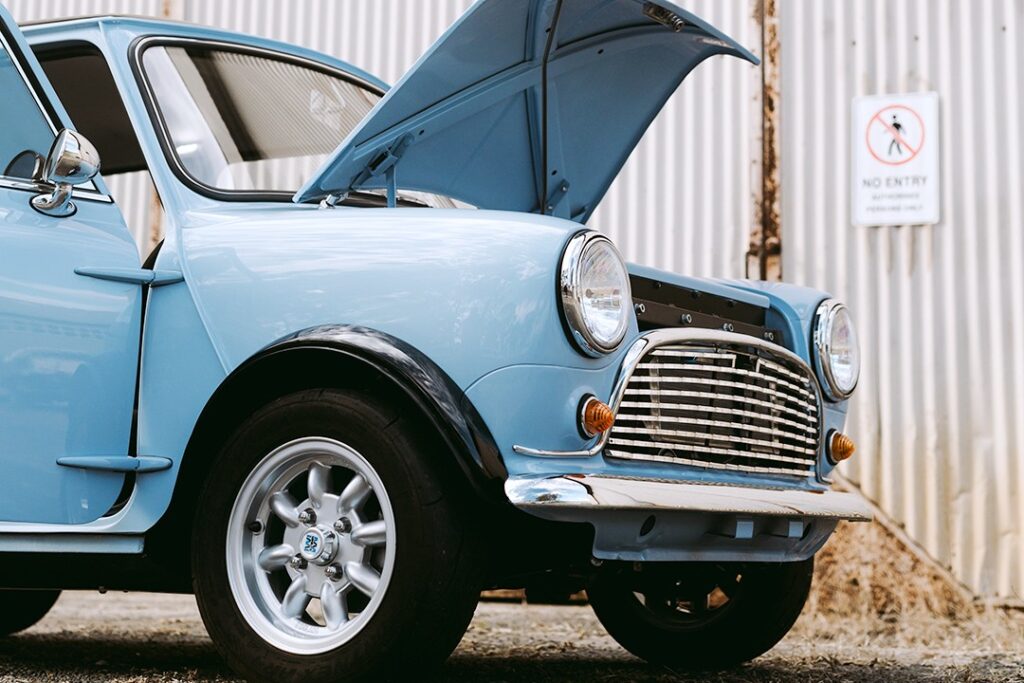
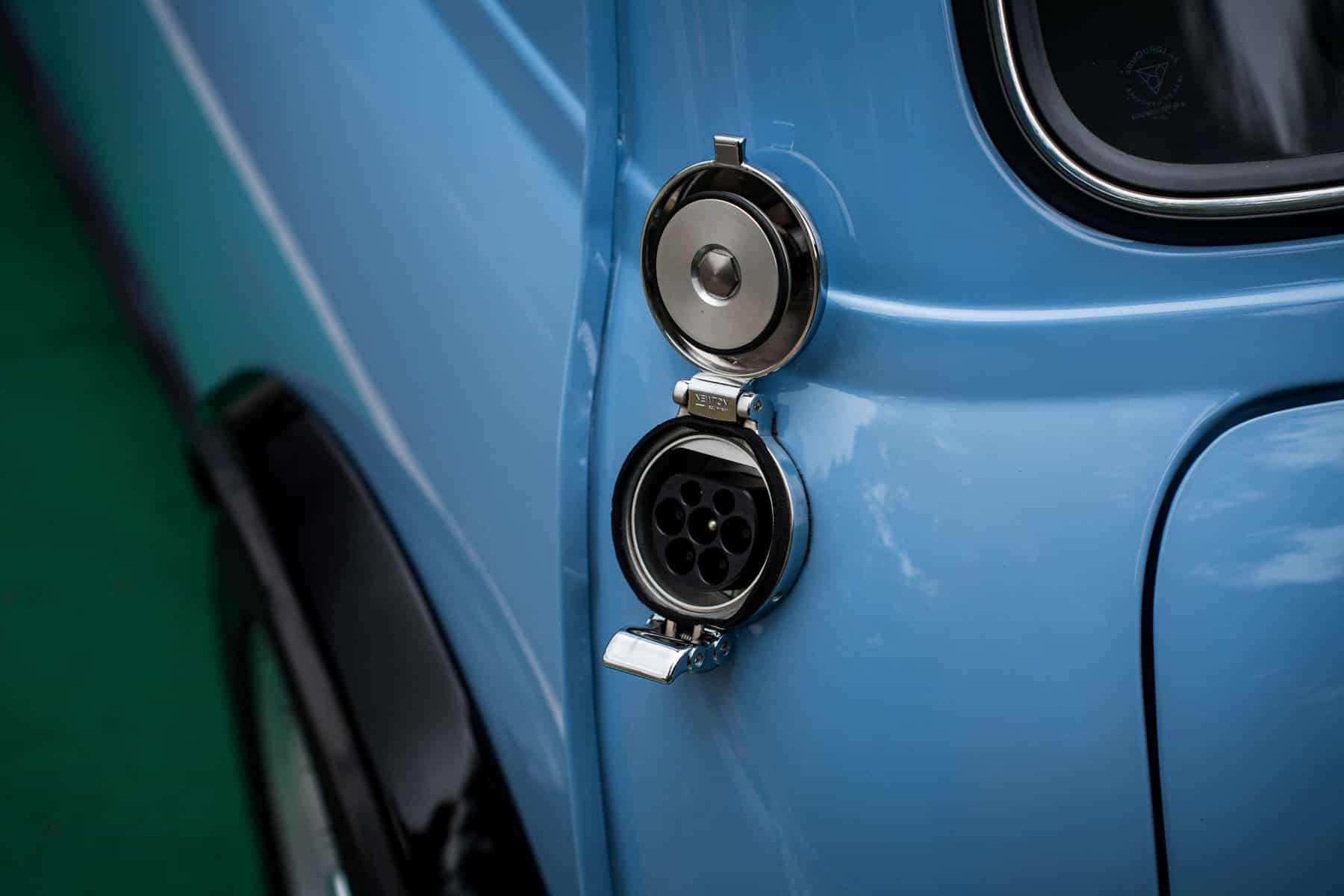
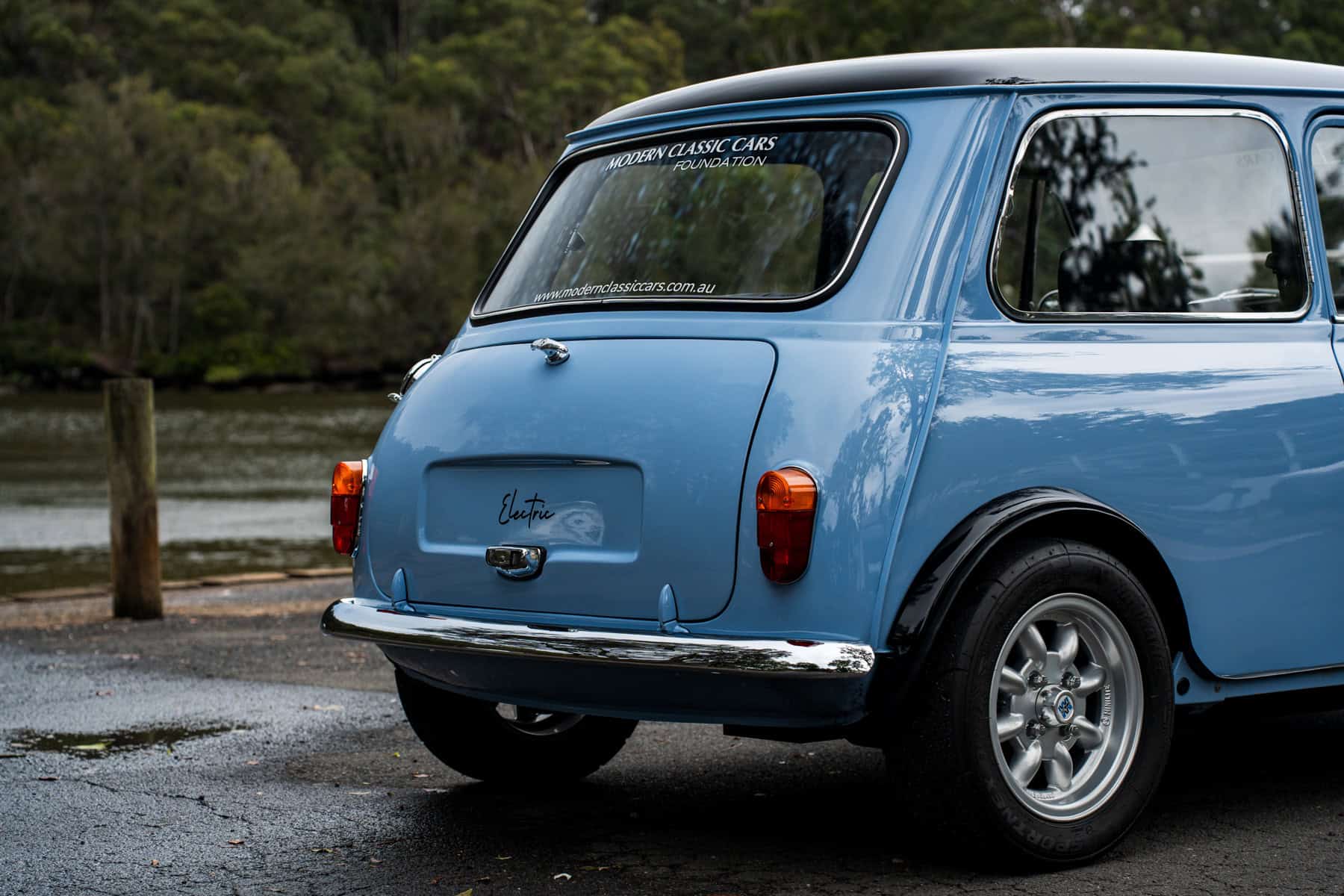
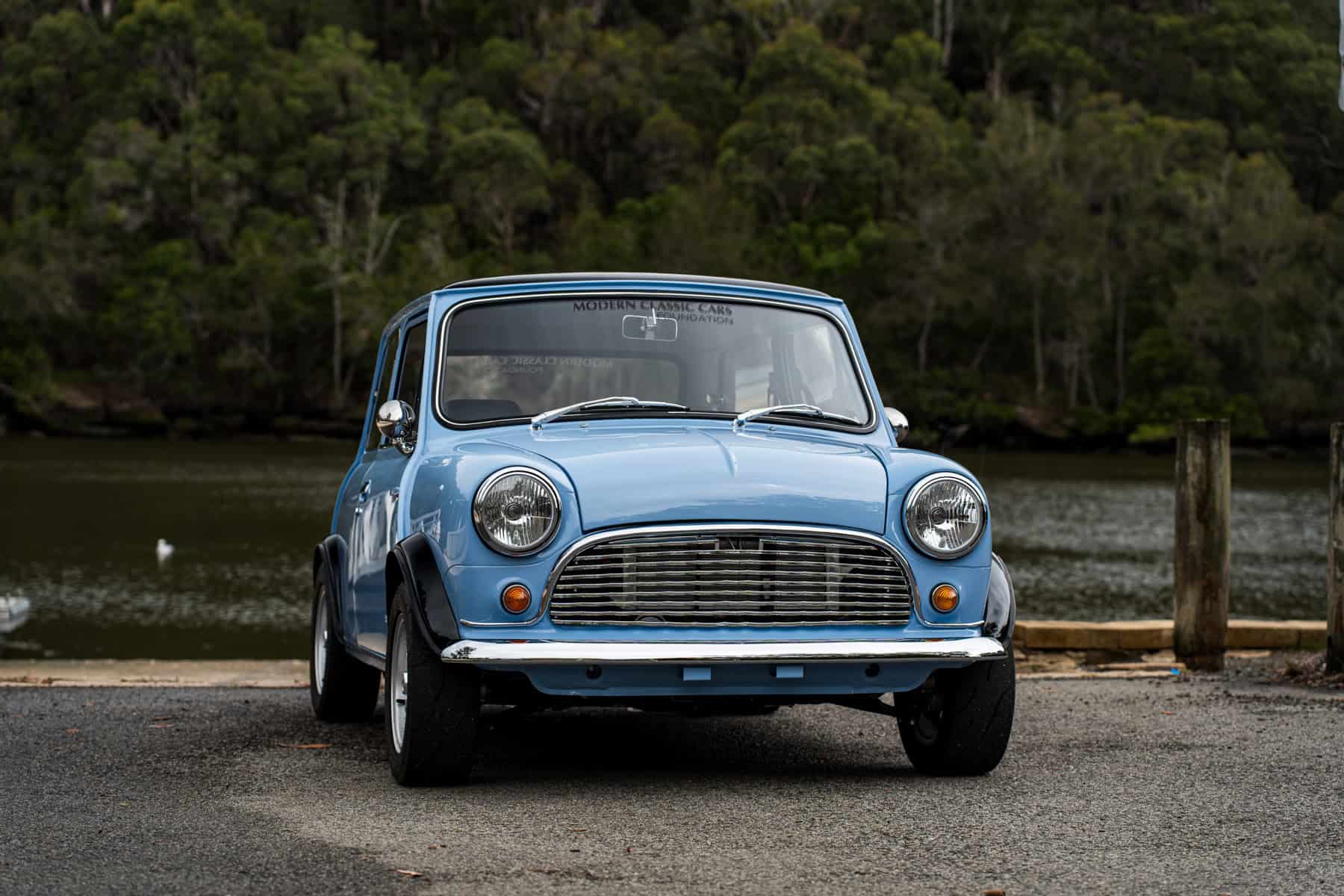
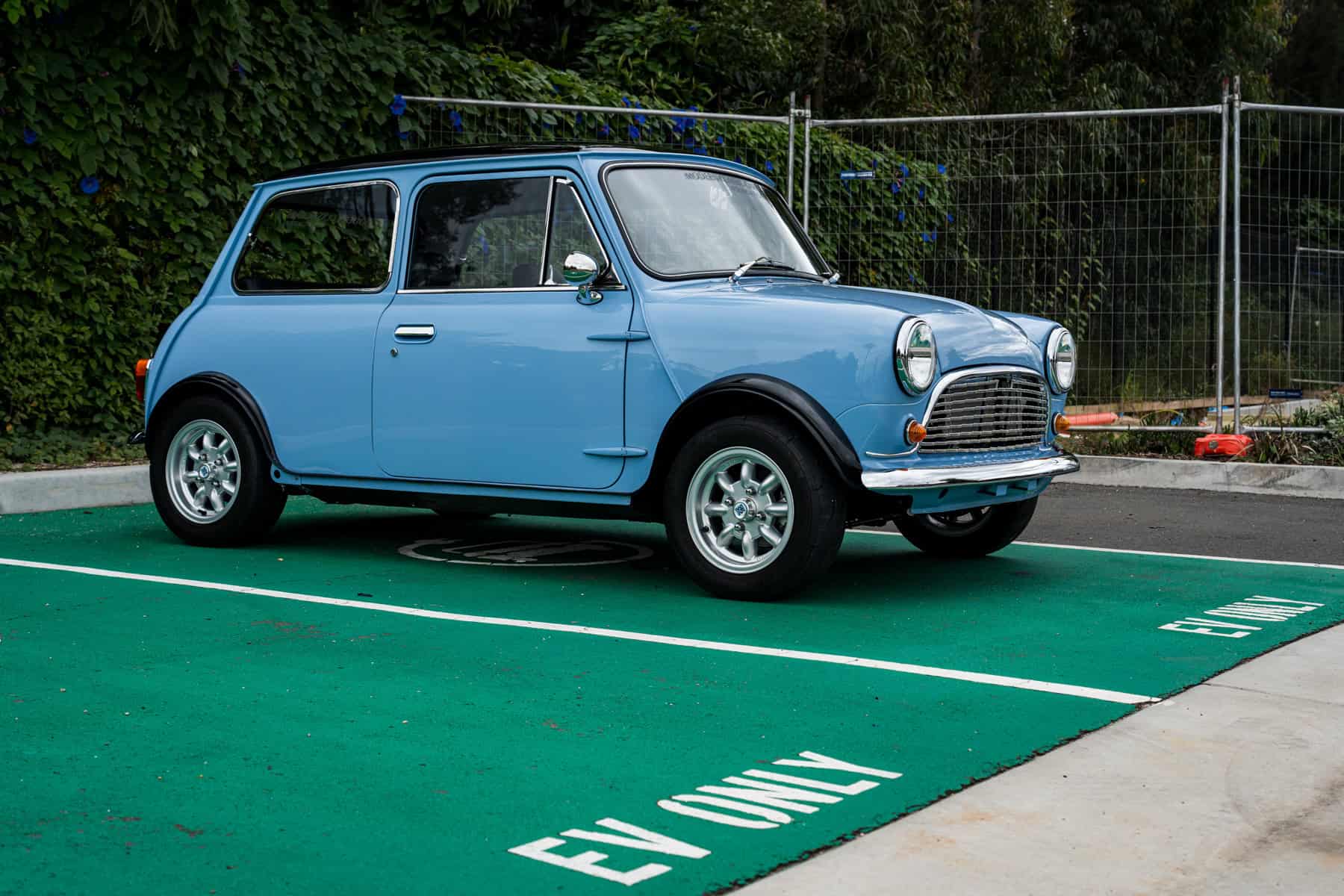
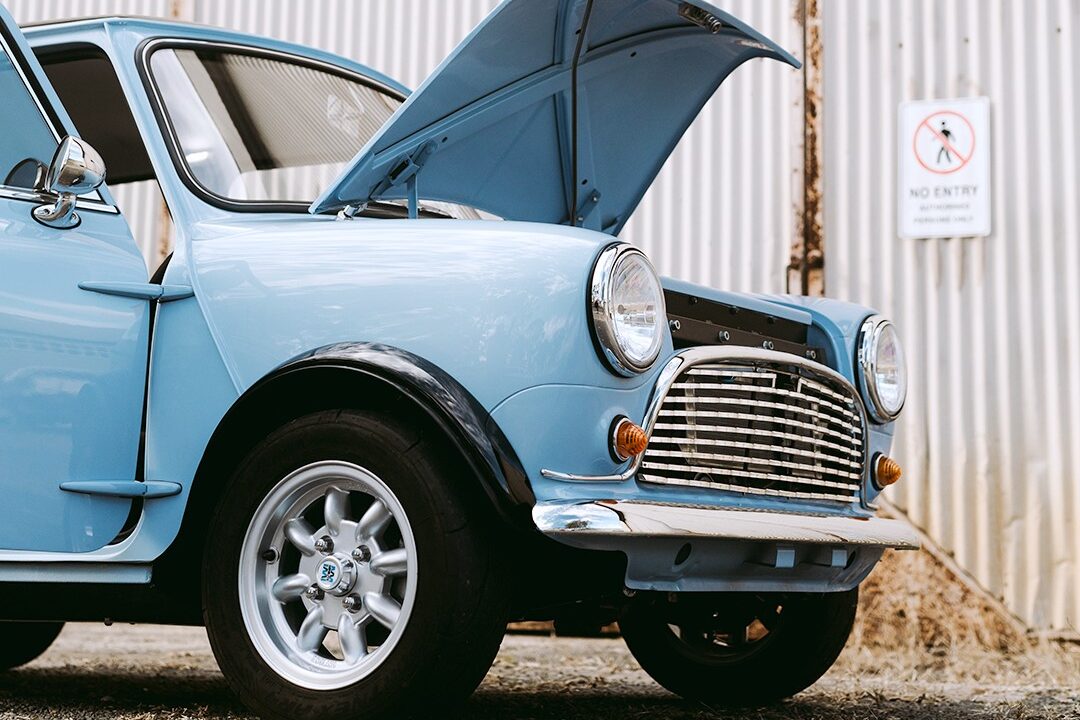
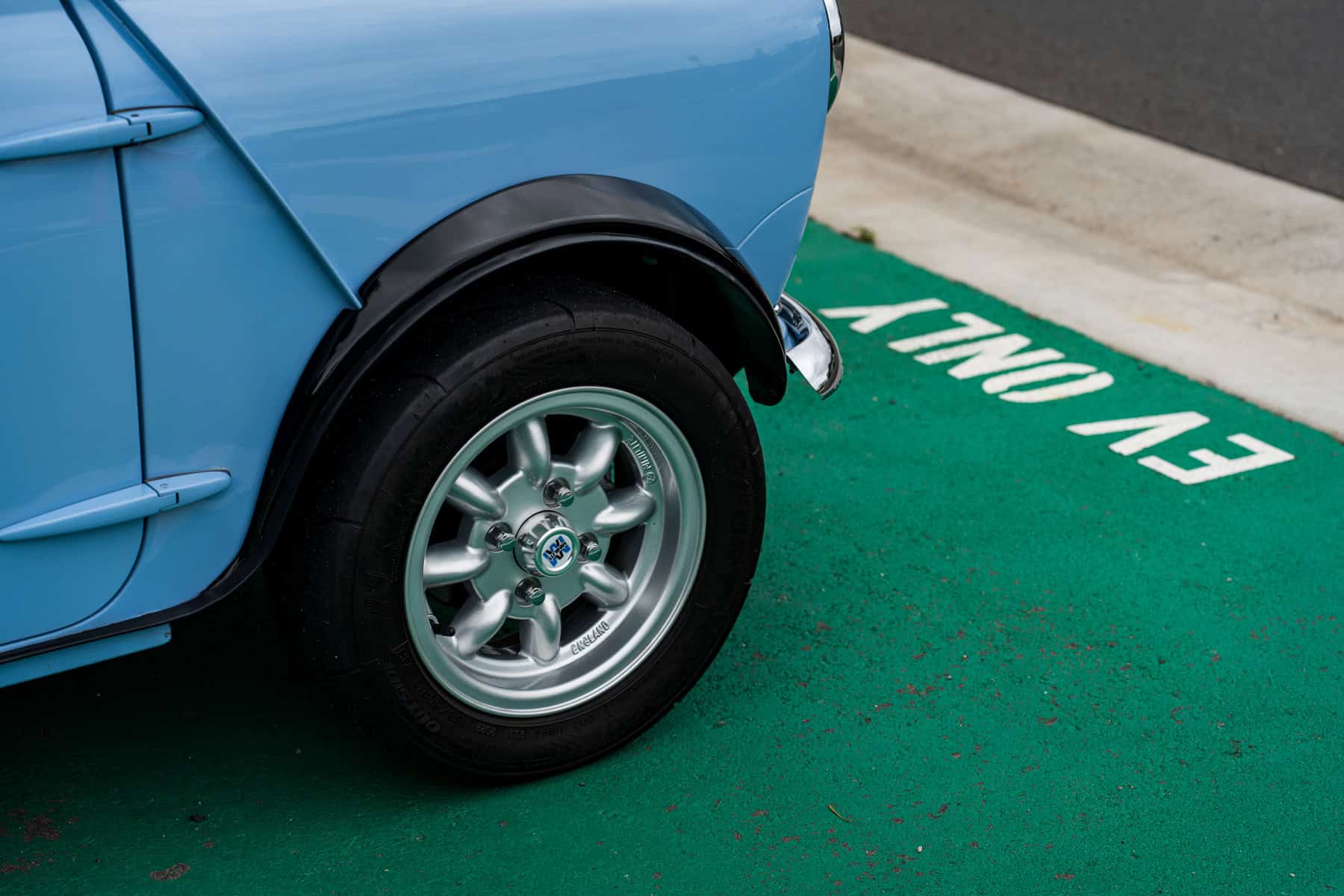
Although the colour looks quite period correct, it’s actually painted in Hyundai N Performance Blue, while the Minilite wheels shod in Nankang semi-slick tyres look the part and indicate this is not an EV in the boring sense. There’s no visible signs of it being an EV, however, as even the charge port has been integrated under the original fuel filler cap.
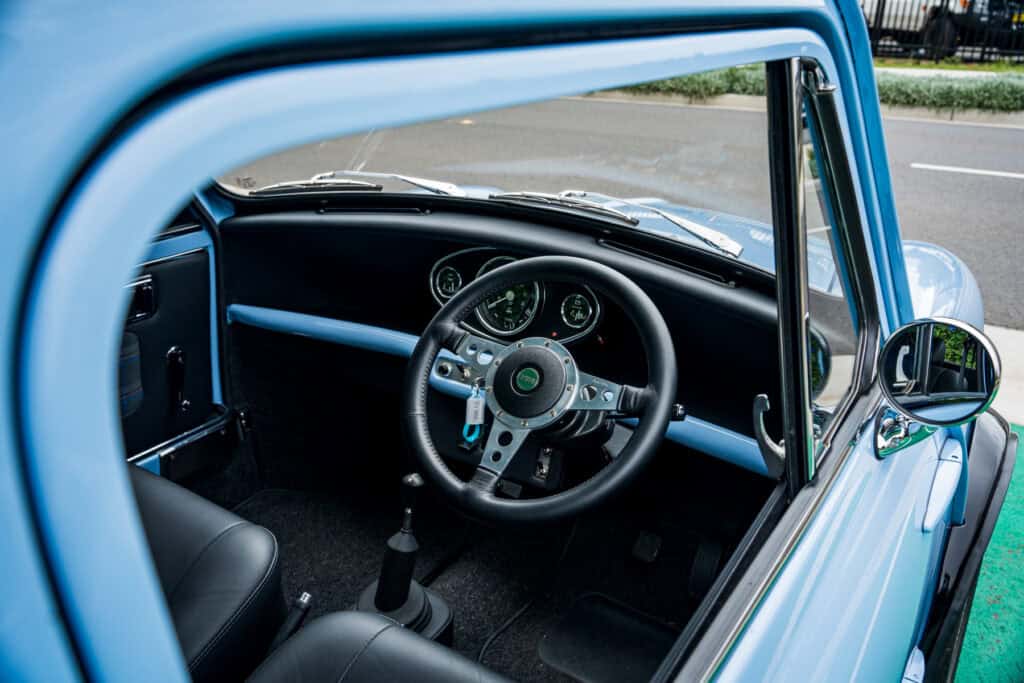
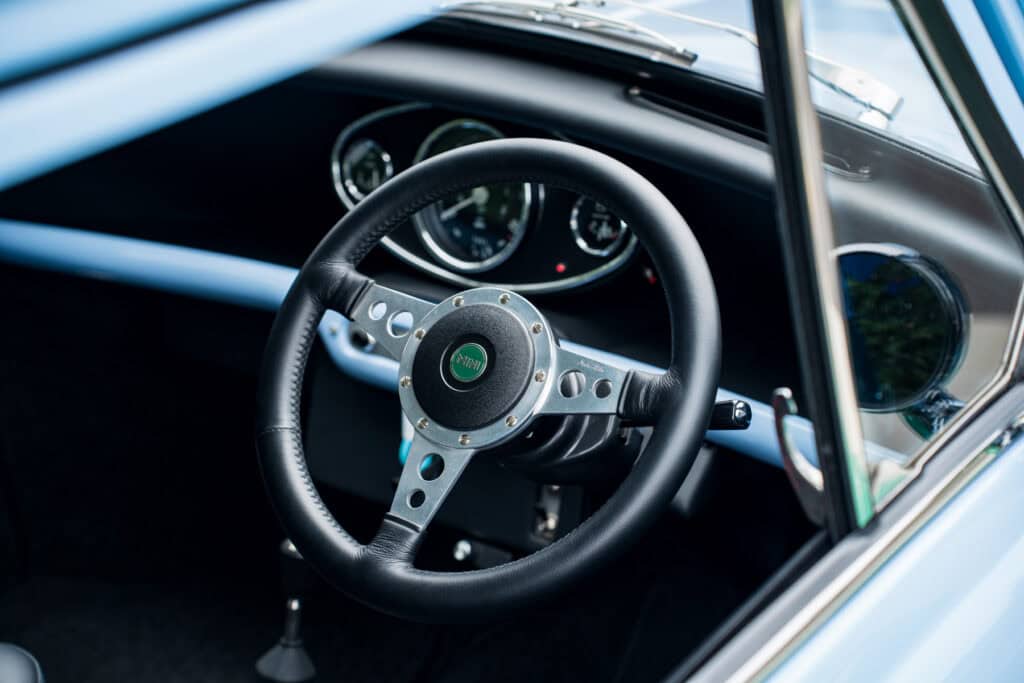
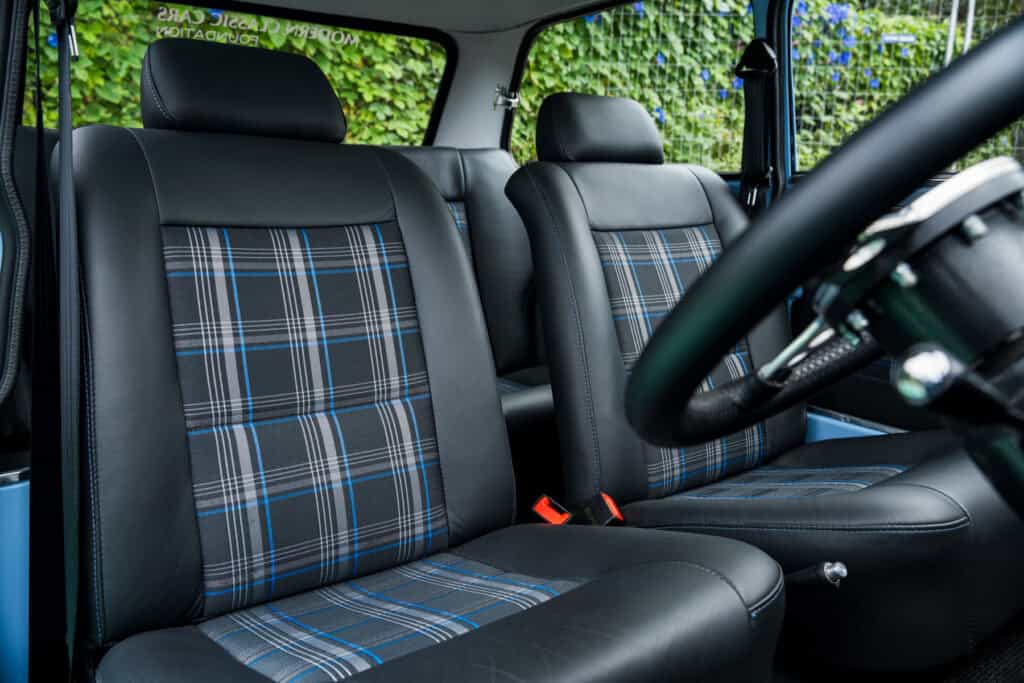
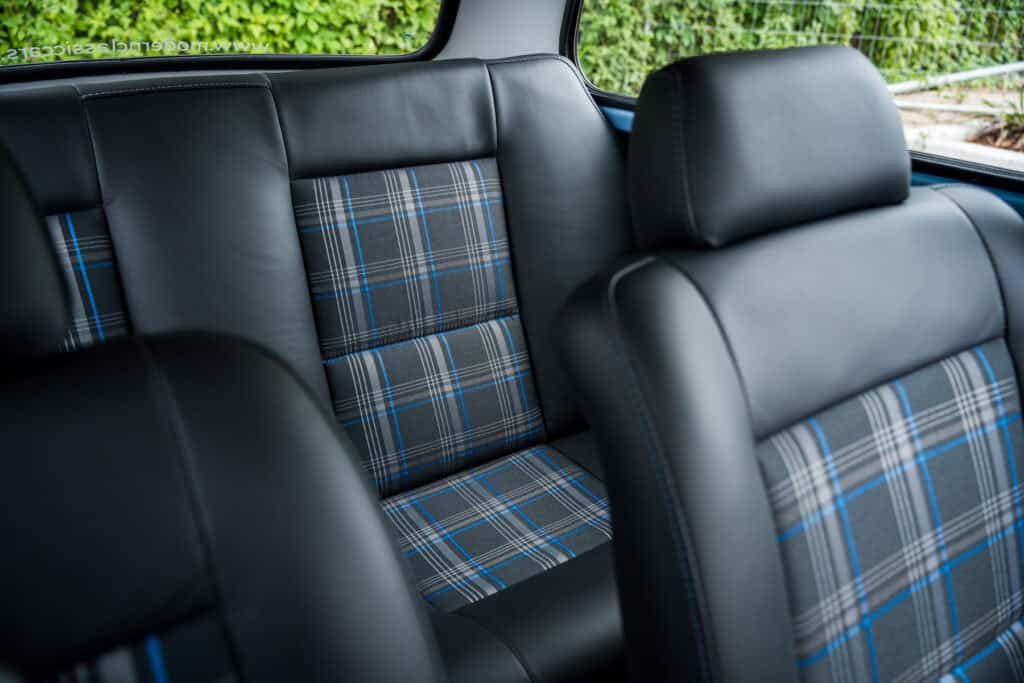
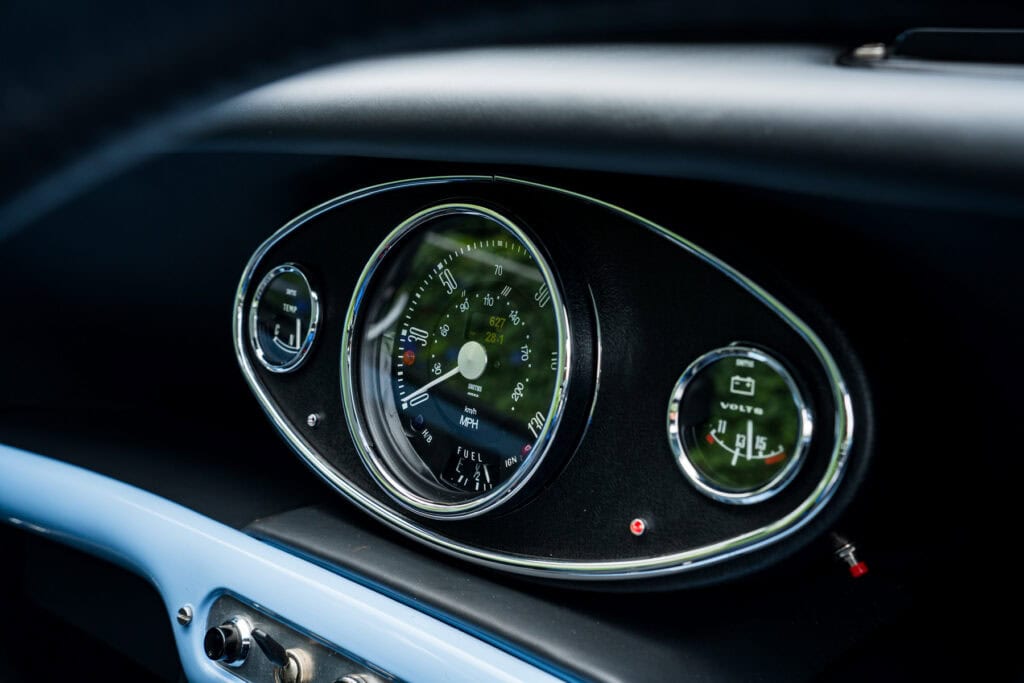
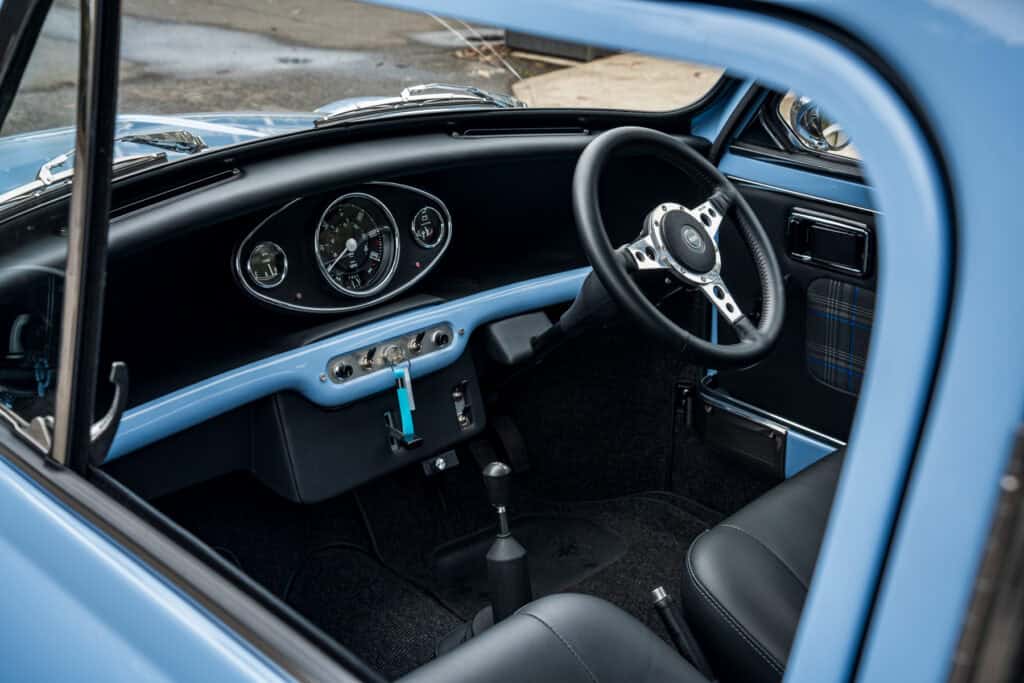
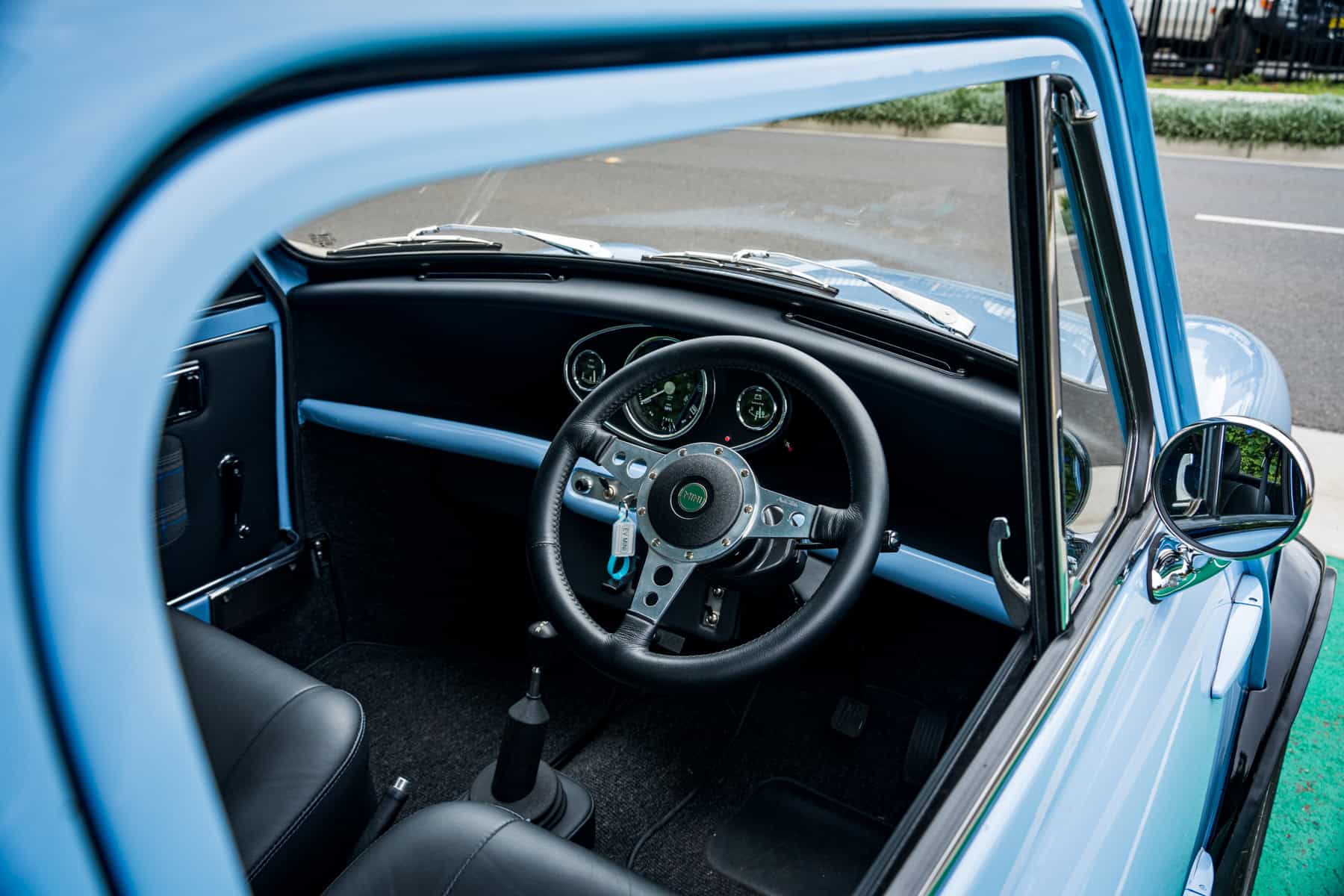
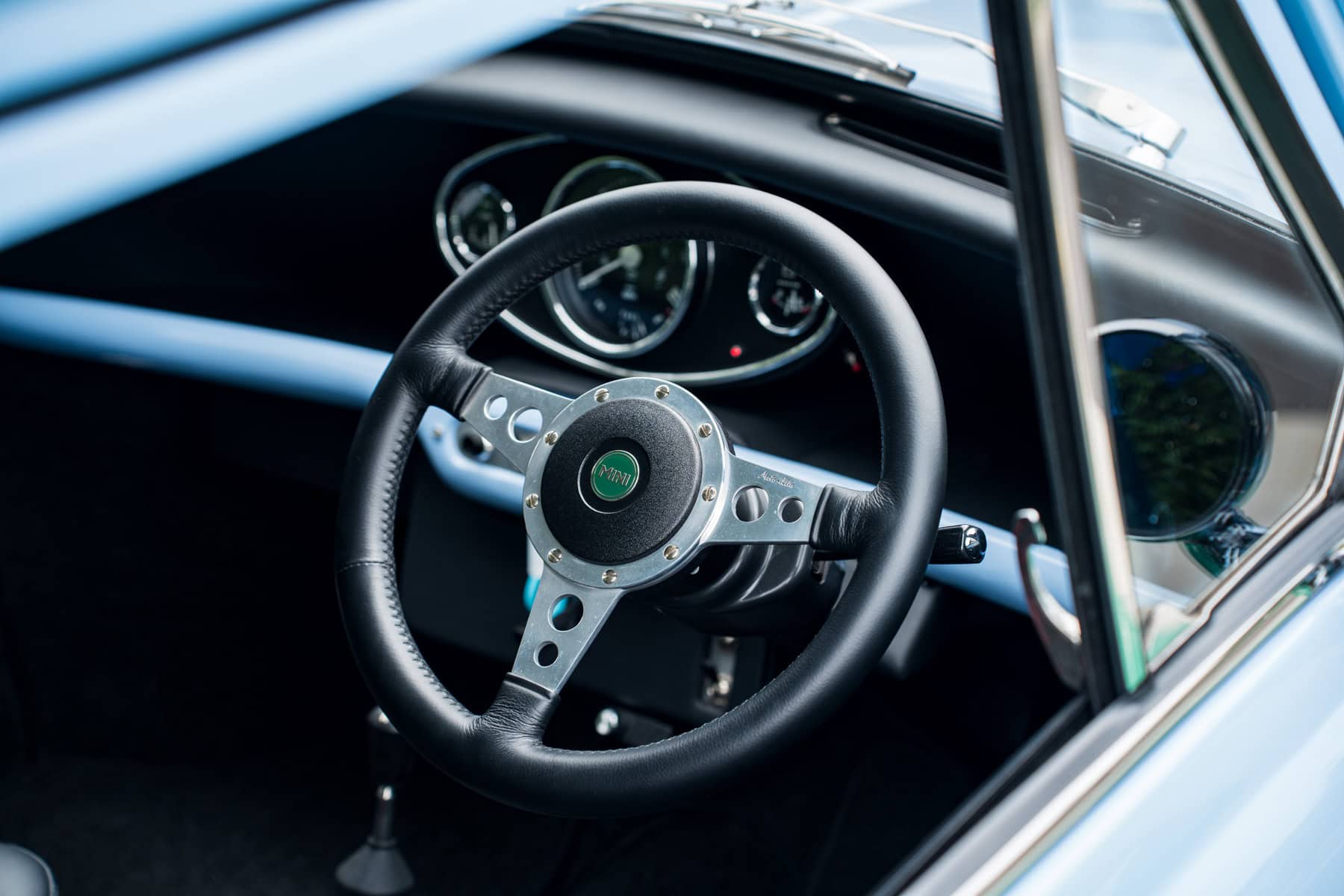
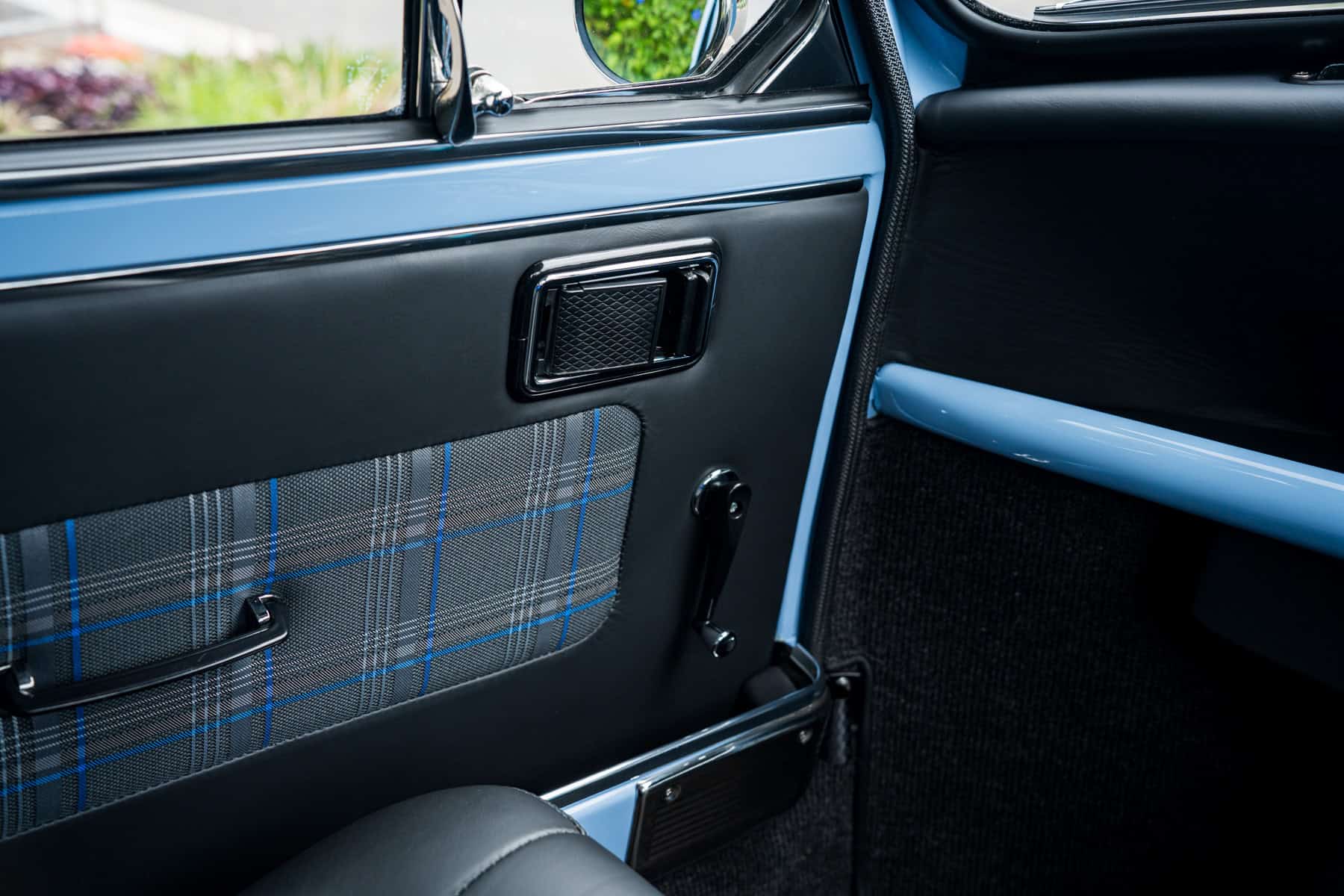
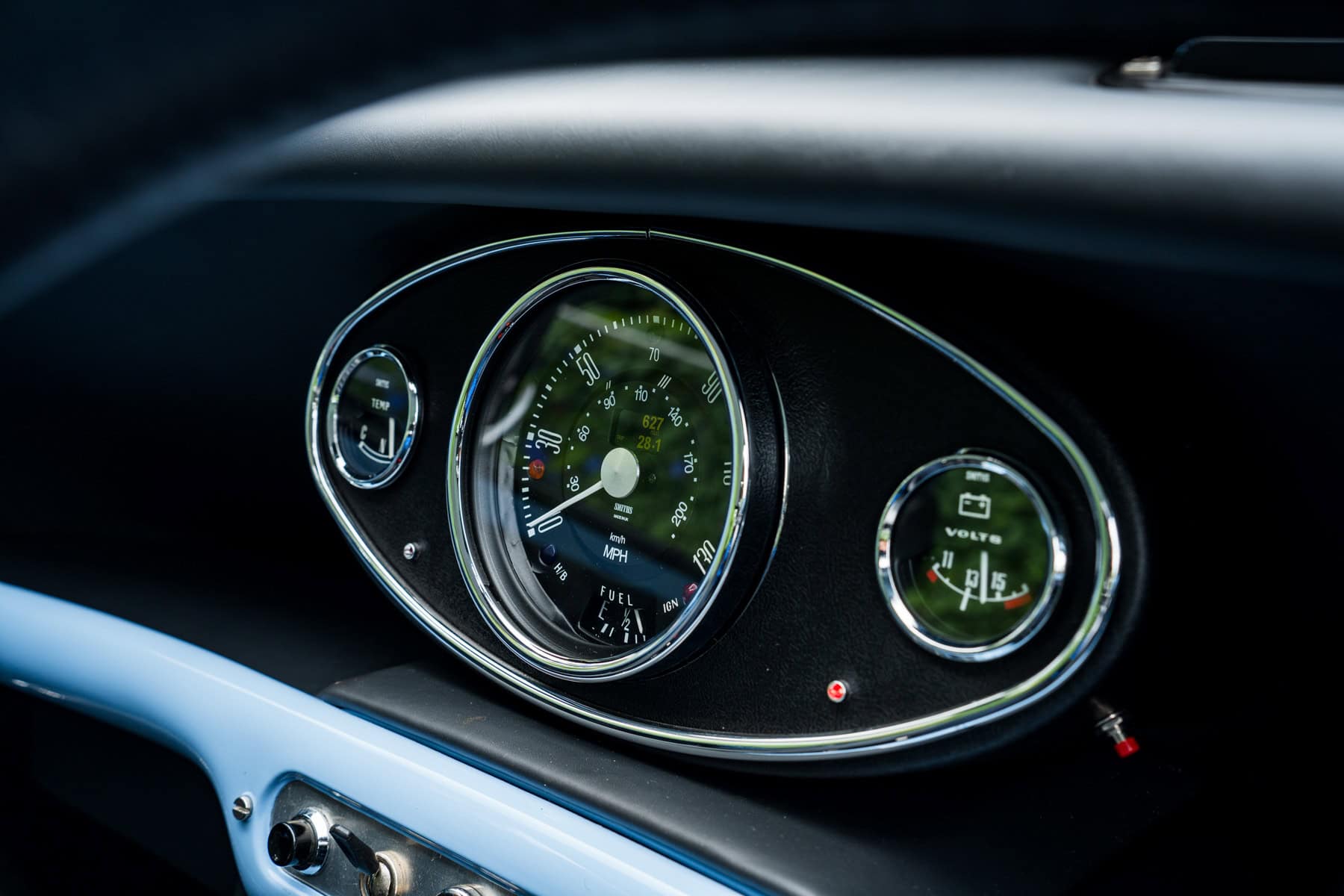
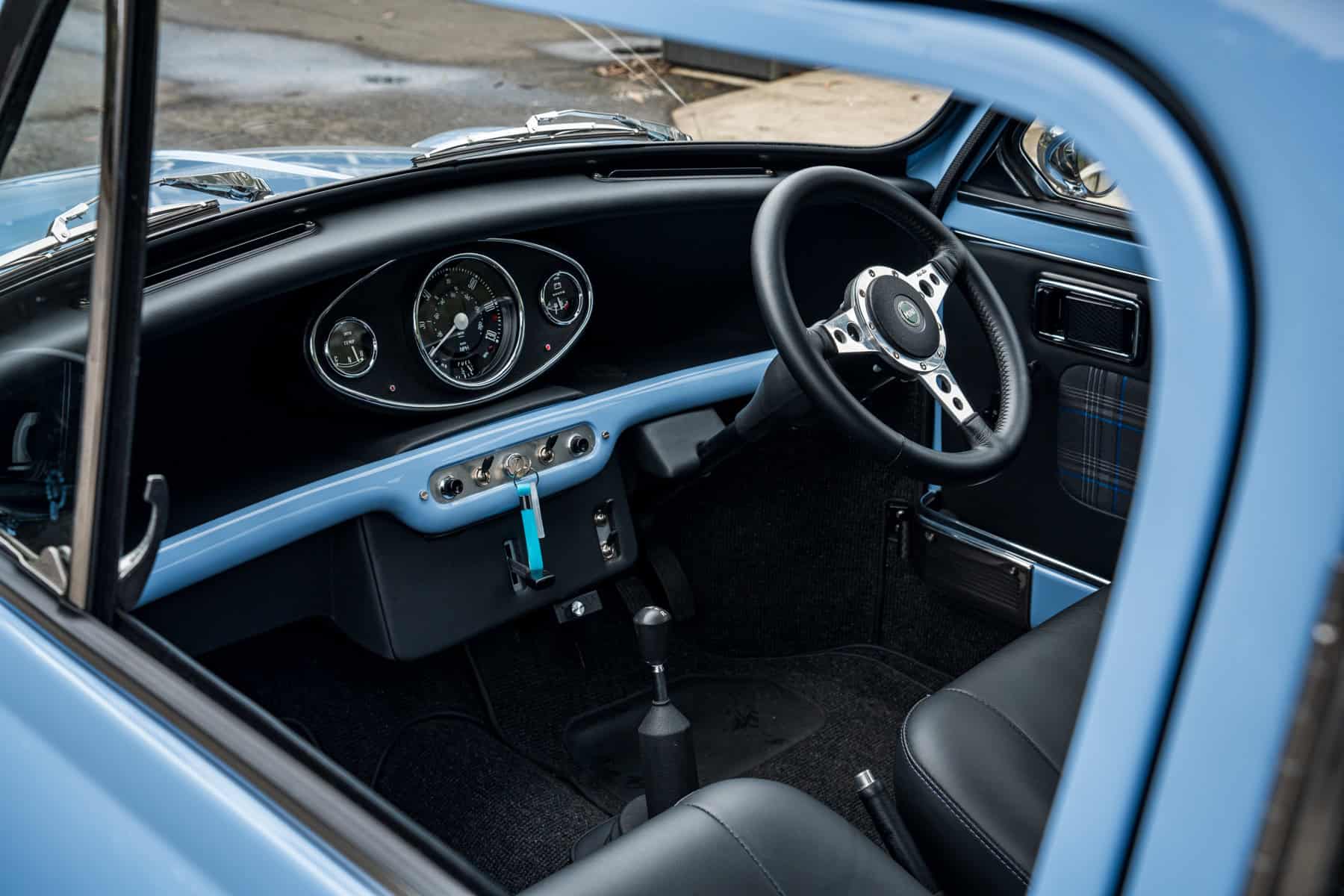
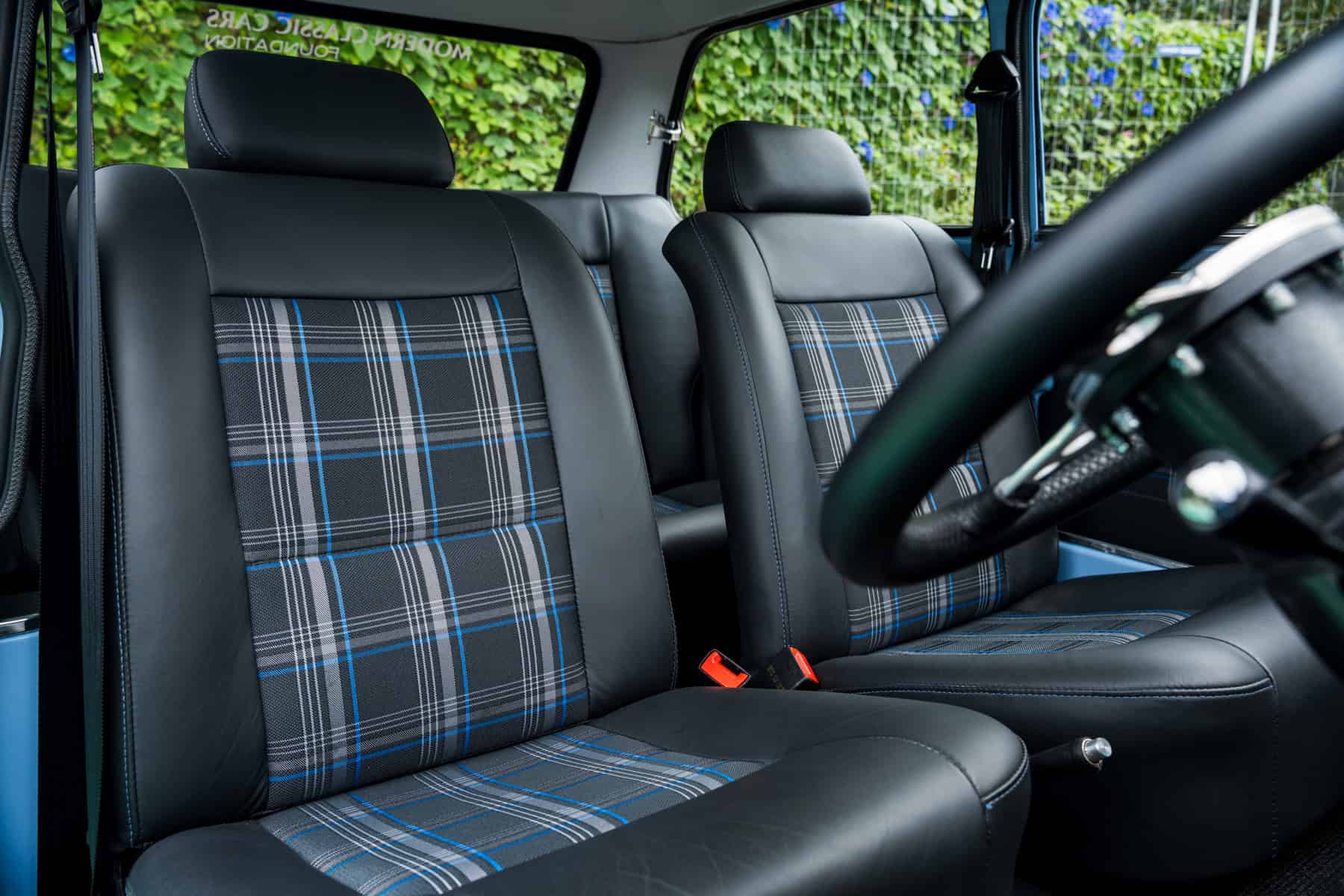
Inside, it feels totally period correct as well. The original central gauges still feature, although they’re now electronically controlled and sub-dials such as the fuel gauge now show battery charge. The seats, trimmed in black Nappa leather with Volkswagen Golf GTI tartan fabric centres, also round out the interior.
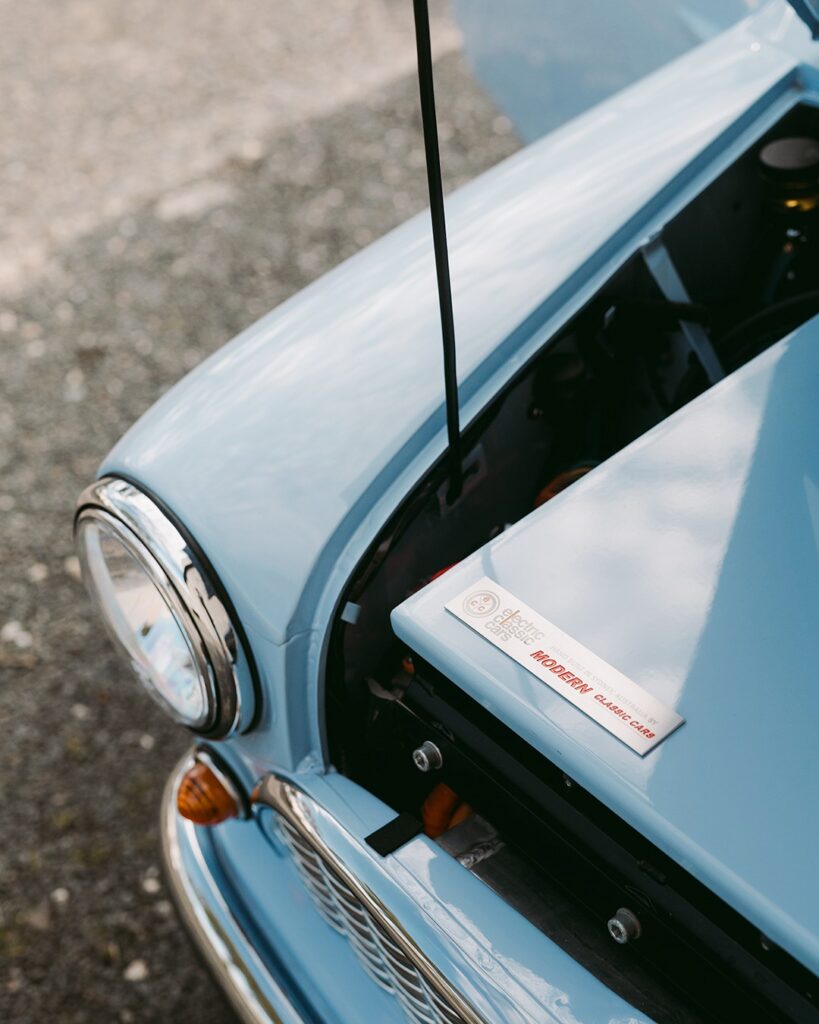
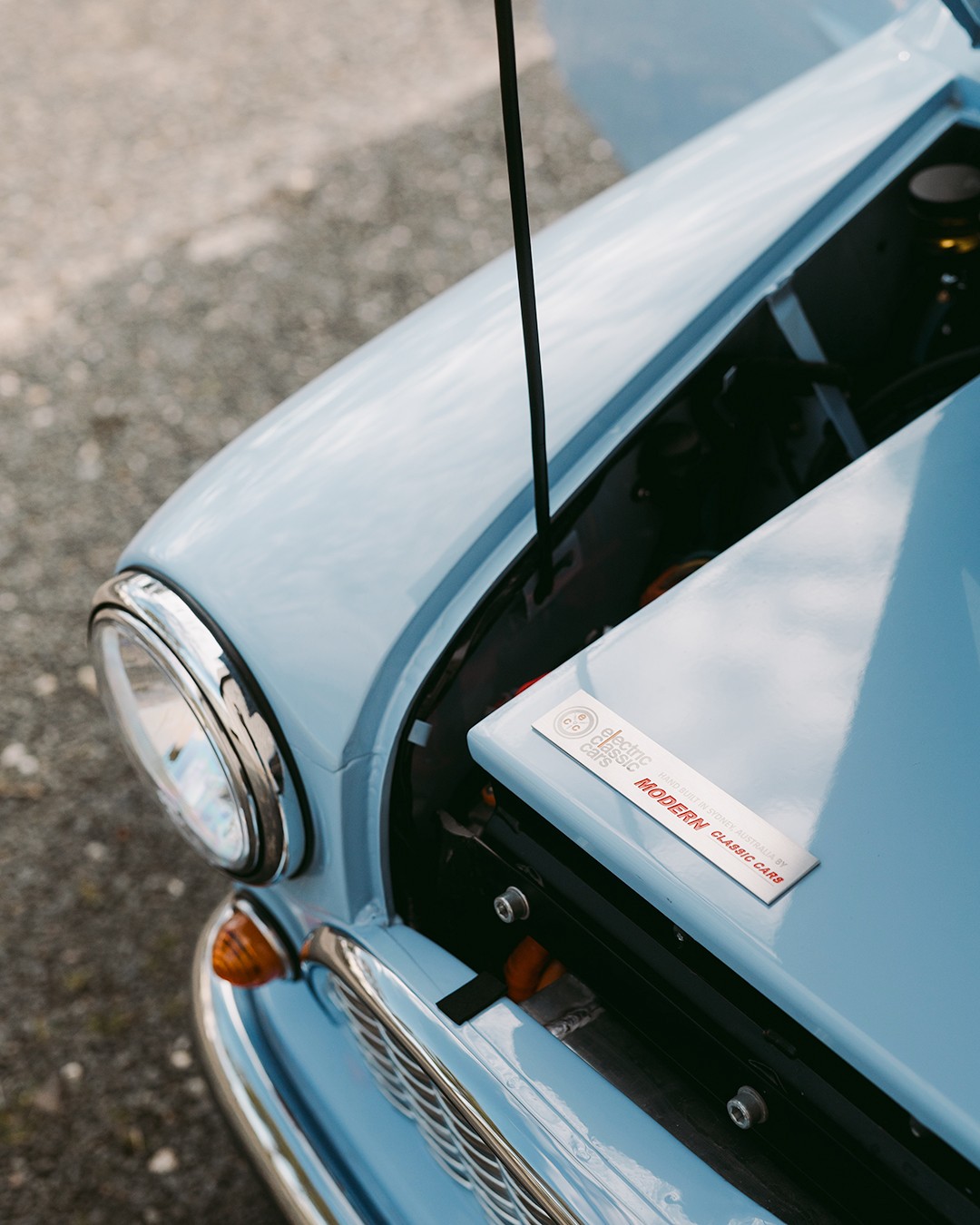
But when you pop open the bonnet, it’s clear that this is no ordinary Mini. Fitted with the front motor from a Tesla Model 3 along with a 32kWh battery pack that delivers 225km of driving range, this once-humble Mini now churns out around 220kW (295hp) and 400Nm. All of that is channelled to the front wheels through a Quaife ATB limited slip differential.
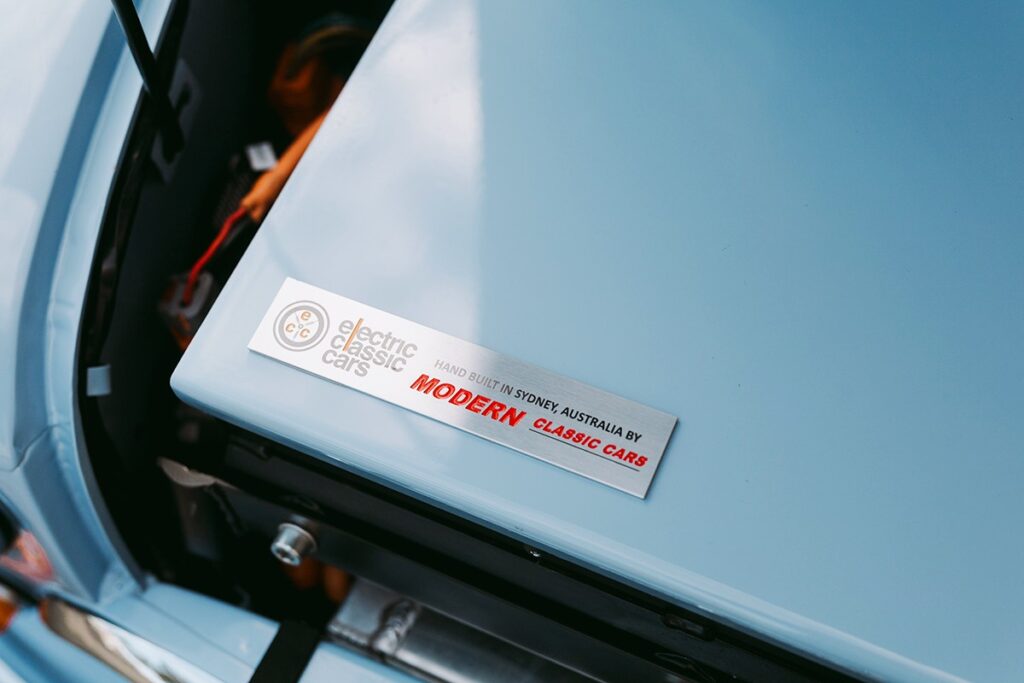
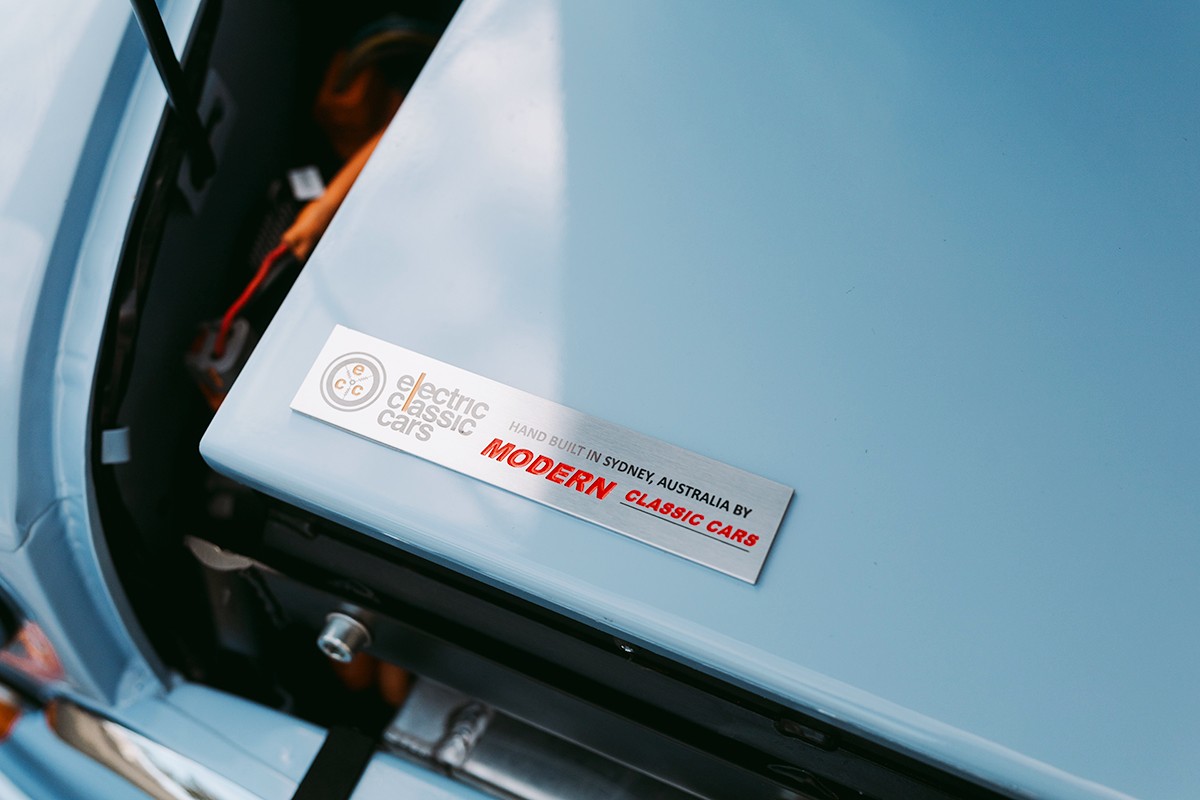
In simple terms, that means it has roughly the same power to weight ratio as a modern Porsche 911. That also makes this a perfect representation of the typical work done by the conversion kit’s provider, Welsh go-to specialists Electric Classic Cars, and its founder Richard ‘Moggy’ Morgan.
I interviewed Moggy back in 2022 in one of my previous roles and he told me that what inspired his first EV conversion, now around a decade ago, was wanting “a classic vehicle that was reliable and maintenance free, with the power to keep up in traffic because all the modifications I’ve ever done in the past would just make the cars faster”.
He also noted that he didn’t want classic cars “to become like steam engines, where they’re only seen in a field in Shropshire once a year”, adding that they’re “built to be driven and enjoyed by the drivers, and if they’re not being enjoyed, what’s the point of them?”
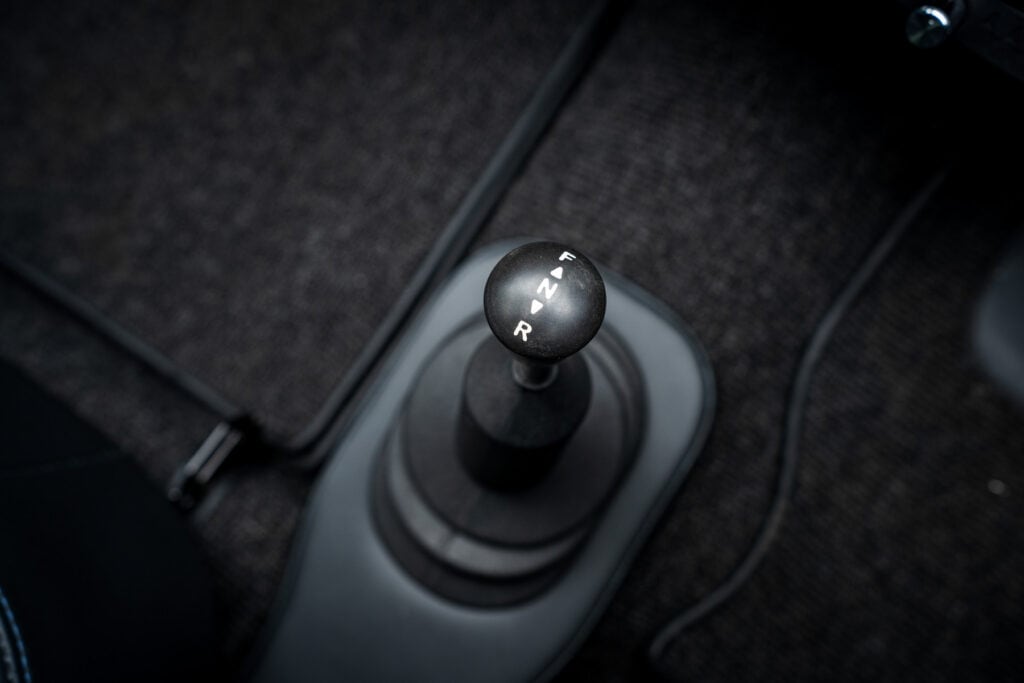
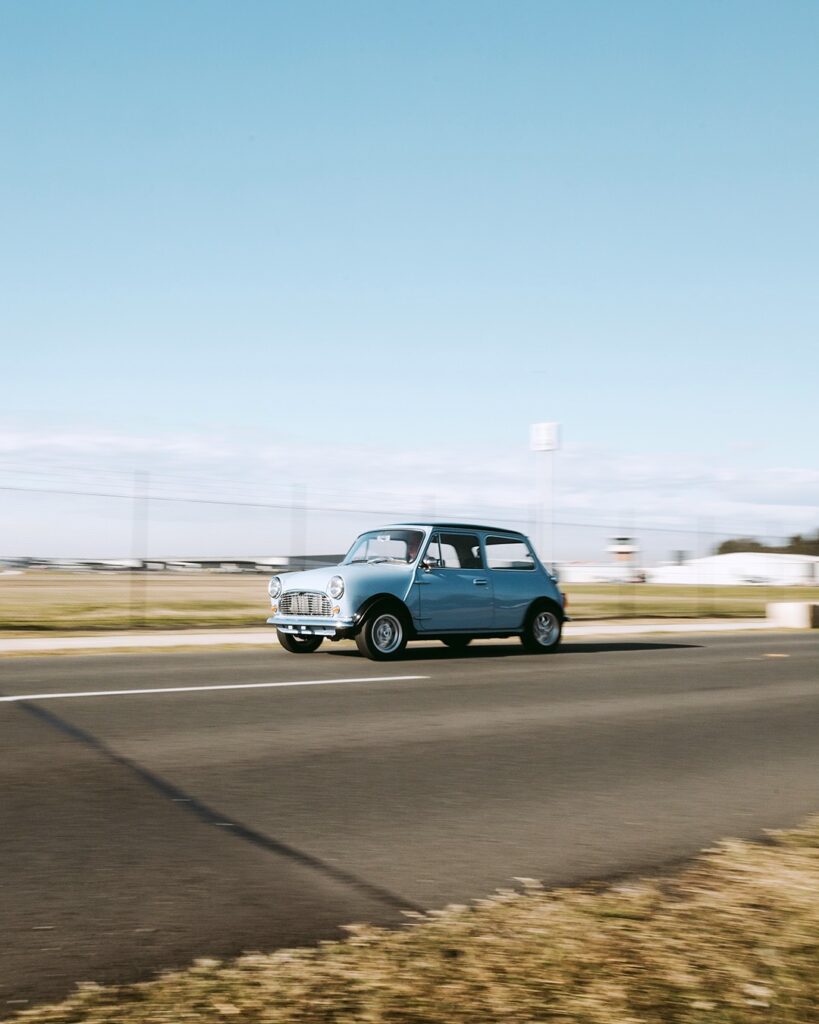
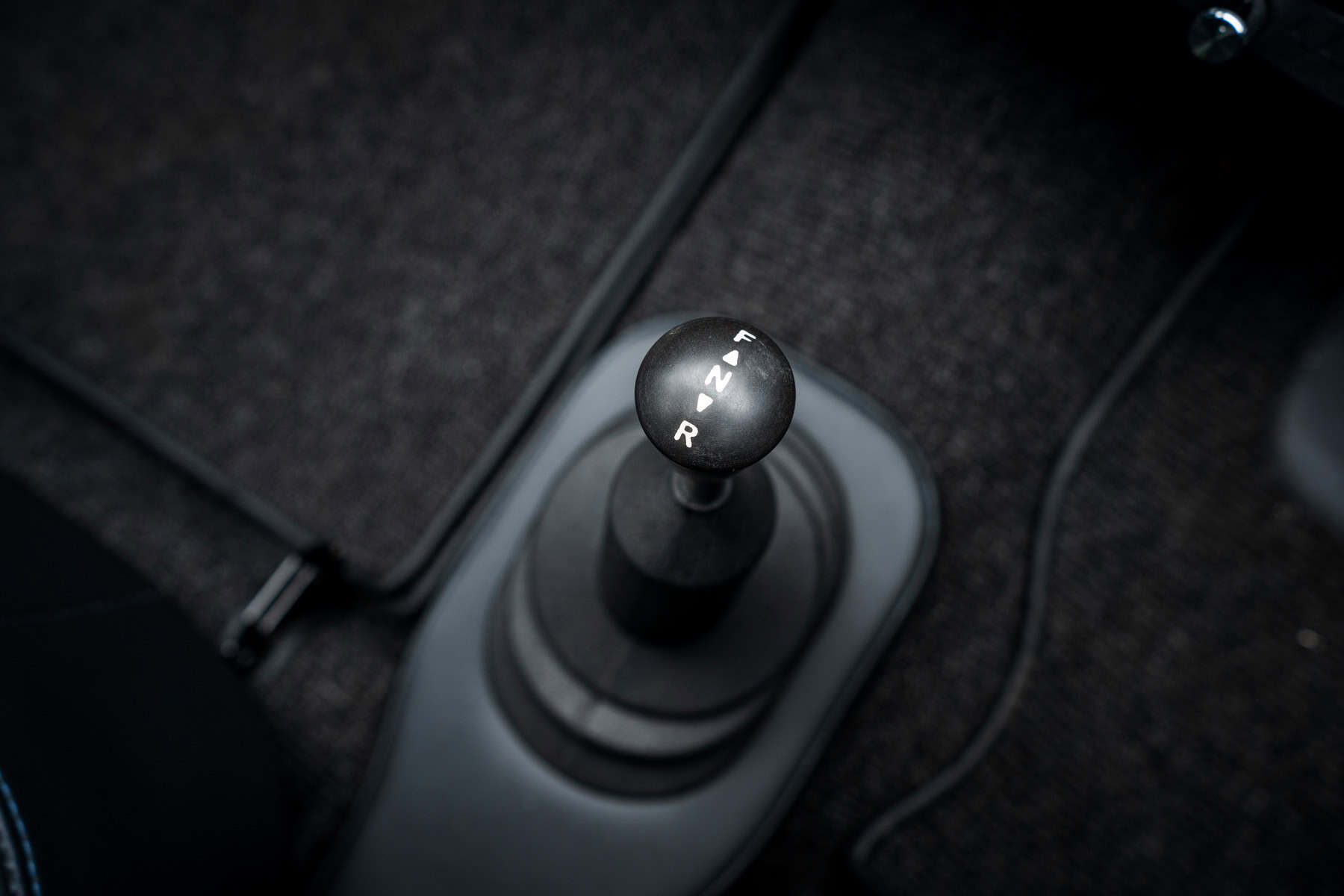
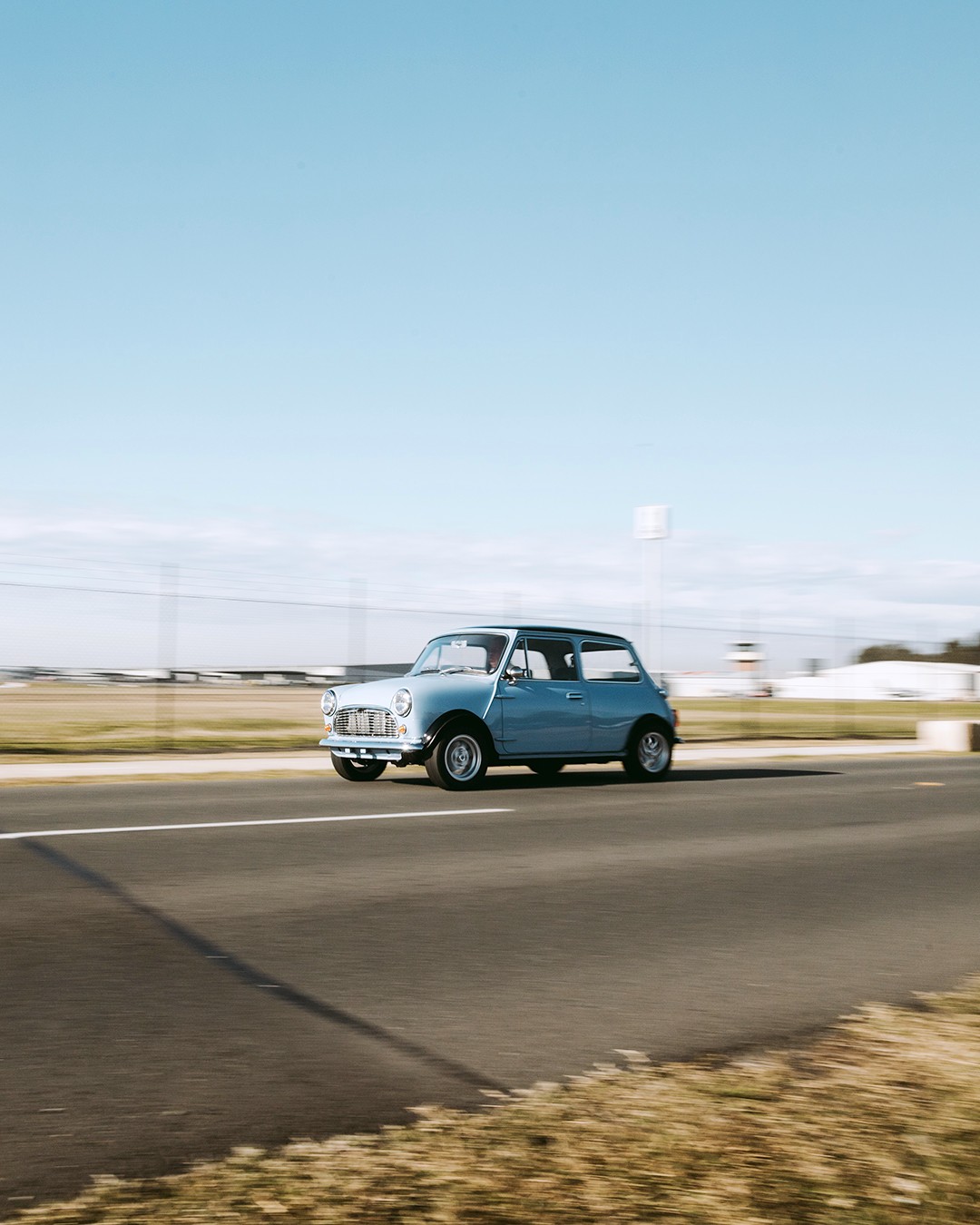
When I first set off in this baby blue Mini, then, those words clearly rang true. Simply turn the key, engage its single forward gear, and set off. With a blend of smooth and instant electric motor pickup and the Mini’s typical tight and flat handling, it feels like the sort of car that would be perfect for darting around town in.
That is, until you actually give it some welly. Don’t be deceived by its cutesy looks – this car will try to hit you with a ‘left, right, goodnight’ if you so much as think about planting your right foot down.
Words simply can’t do justice to describing the amount of torque steer this thing can deliver. Even hitting half throttle too vigorously will see it try to yank the wheel one way or another. Exhilarating? You bet. Terrifying? Absolutely. New trousers required? Glad I brought a spare pair with me.
Indeed, when I returned from my test loop from Bankstown Aerodrome to Picnic Point and back, the first question asked by Modern Classic Cars Foundation’s founder and CEO David Dyer was “scary, right?”
I’m sure he could see my knees still shaking, so imagine the look on my face when he added, “that was on the low power setting”.
What David also noted after my return, however, is that this car is currently running a very basic three-level tune, but that MCCF hopes to dial it in further with updated software. Simulating the more traditional torque curve of a petrol engine is one idea we both agreed it would benefit from in terms of daily drivability since it otherwise has all the right attributes for being a regularly usable classic. David also noted that this is something they will continue to work on for whoever wins this car.
So, having now driven an EV-converted classic, where do I stand? Ultimately, it’s in a nuanced position. Like fellow scribe Scott, I agree that this is the sort of thing that should only be used in cases where the engine isn’t part of the car’s appeal.
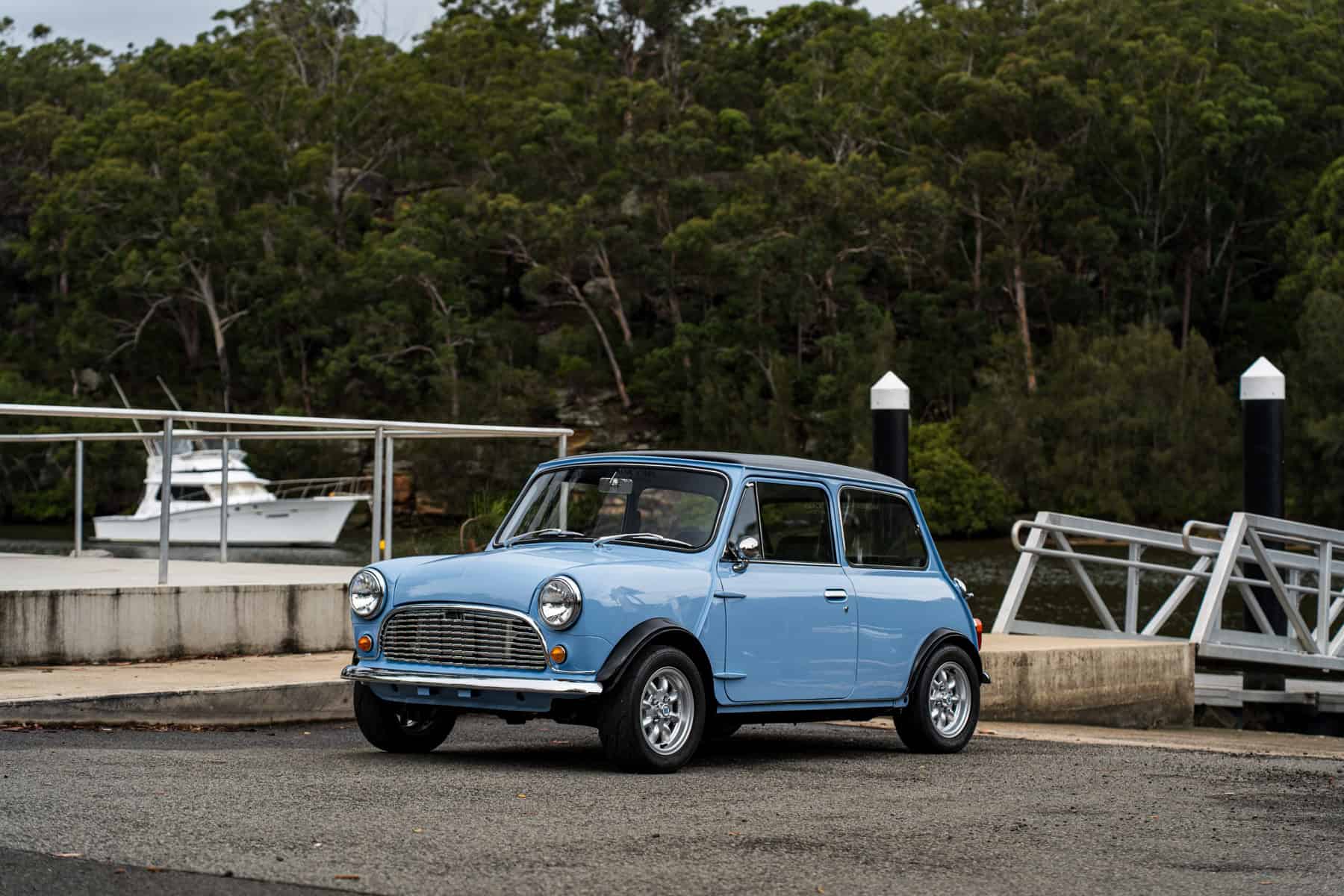
I also agree that removing a car’s engine is akin to removing its character and soul in many such cases, although this Mini I do think suits it, and there’s no other way one would make such immense power. In a way, it has even given it a new, more boisterous and unhinged character rather than turning it into some lame grocery-getter.
However, I also see an important caveat that needs to be made. While Australia has long been behind the rest of the world in terms of some environmental regulations, in other corners of the world map this may one day be the only way to enjoy a classic car. There is also a certain joy to being able to jump in a car and turn the key, not having to worry about a gummed-up carby or what’s making a new strange noise.
What I see above all, however, is the reason MCCF decided to build this car for the sake of the apprentice mechanics it’s training up. If electric classic car conversions become more widespread – they were already working on another at the time of my visit – it will help them with finding work and keeping these cars on the road.
It will also teach them how to keep other electric vehicles on the road as the current fleet of newer ones start to age – an important factor I think is often overlooked as many modern cars are treated, wrongly, like throwaway items.
To support a good cause and have a chance at winning this mental Mini, head to Rafflelink to buy your tickets before June 30.