

During the 1990s, a wave of Japanese performance cars flooded the market, boasting performance – and sometimes pricing – that rivalled the European sports car establishment. But between a mix of lightweight roadsters and rally-bred all-wheel drive saloons, a trio of flagship coupes stood out as the true poster cars of the time.
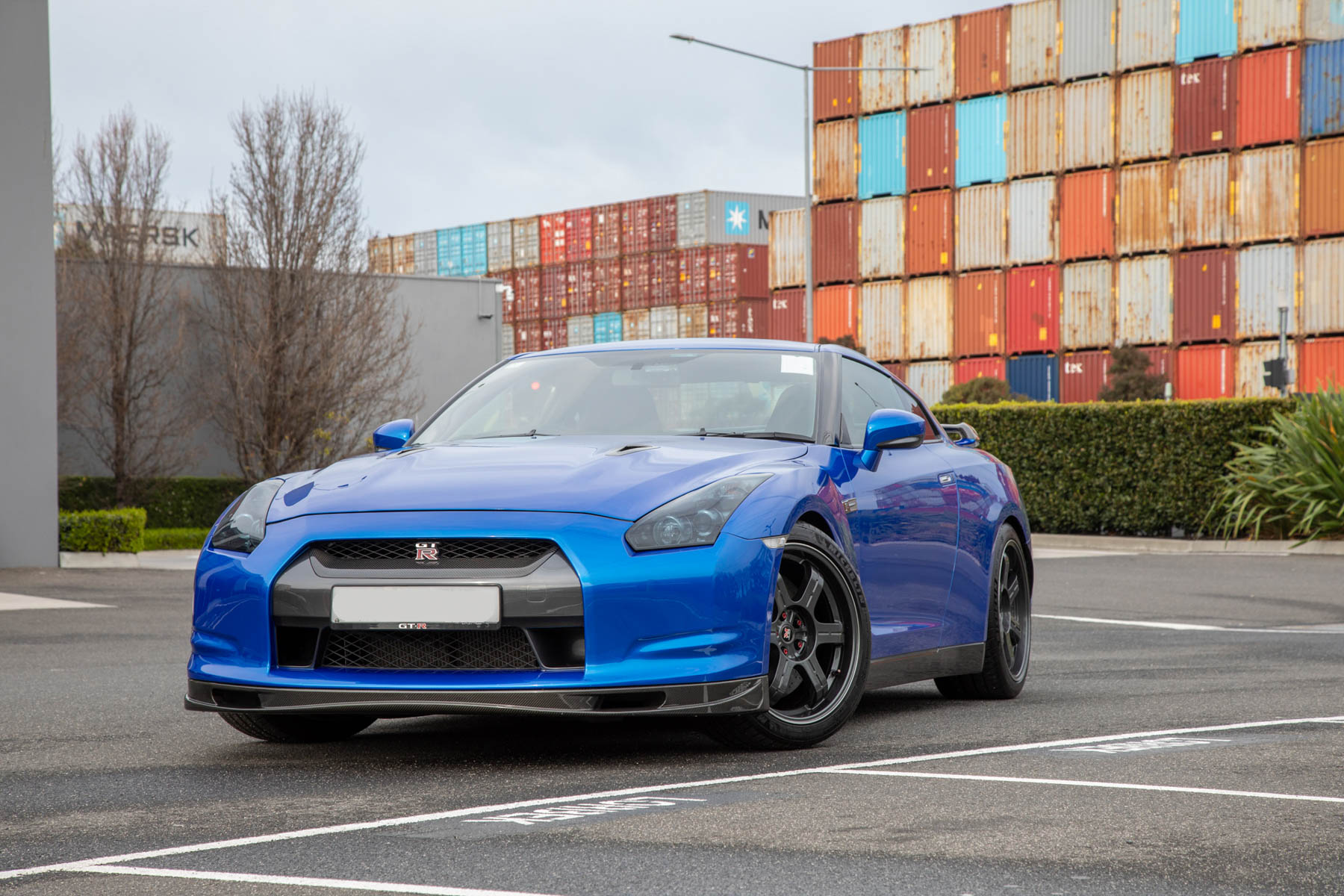
Alongside the ever-iconic A80 Toyota Supra and Nissan’s three Skyline GT-R generations, the third member of the JDM halo car trio was a bit of an outlier. Blending utterly gorgeous styling with a quirky engine, the FD Mazda RX-7 served up a wonderfully different approach compared to its more garish straight-six compatriots.
Still, there are several similarities between the three. All of them had starring roles in the Fast and Furious film franchise. All three of them found motorsport success on the global stage, including here in Australia. Most examples of the trio were modified in ways ranging from mild to wild. Plus, if you grew up in the 1990s or 2000s, all three of them probably feature on the covers of magazines stashed in the back corner of your wardrobe.
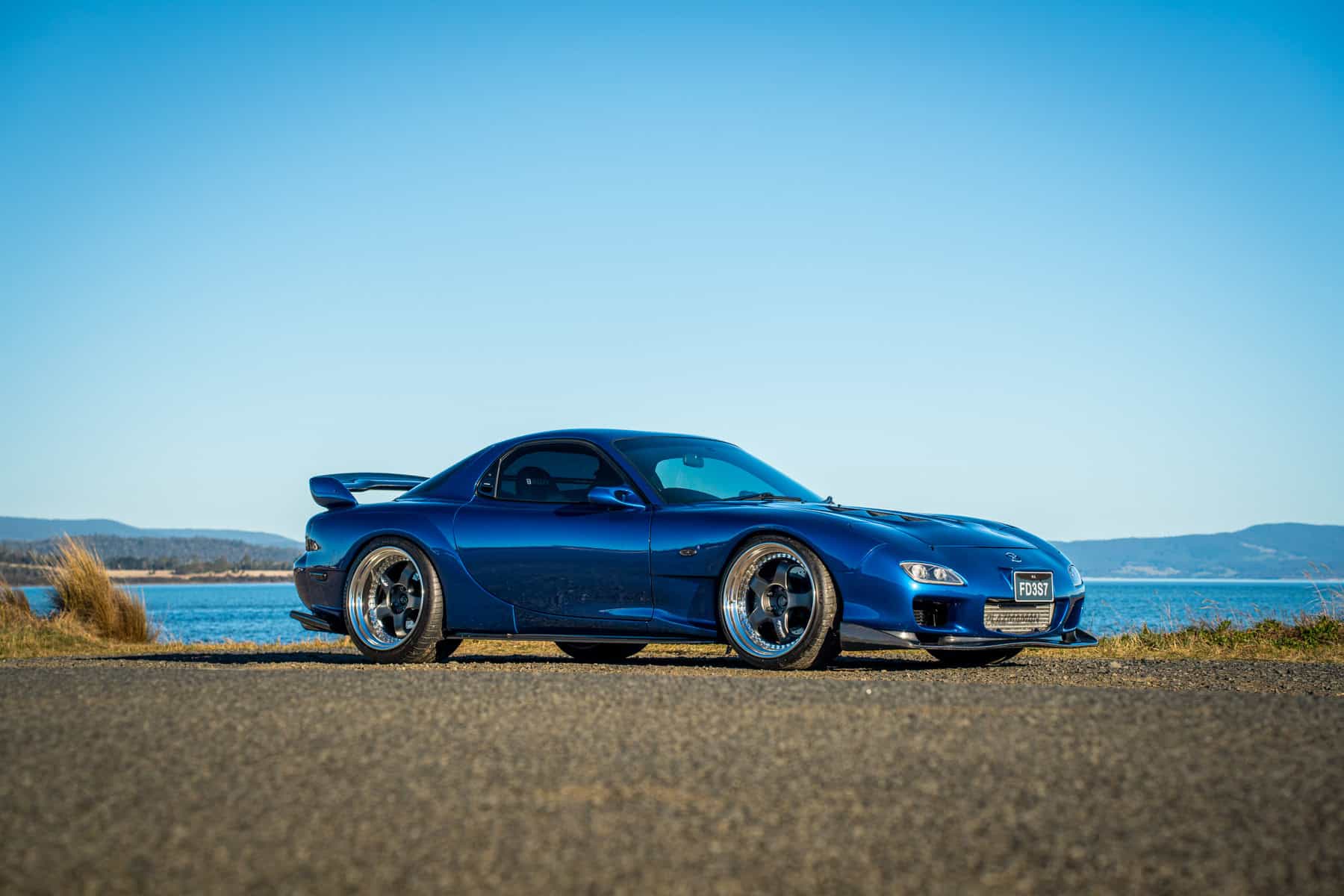
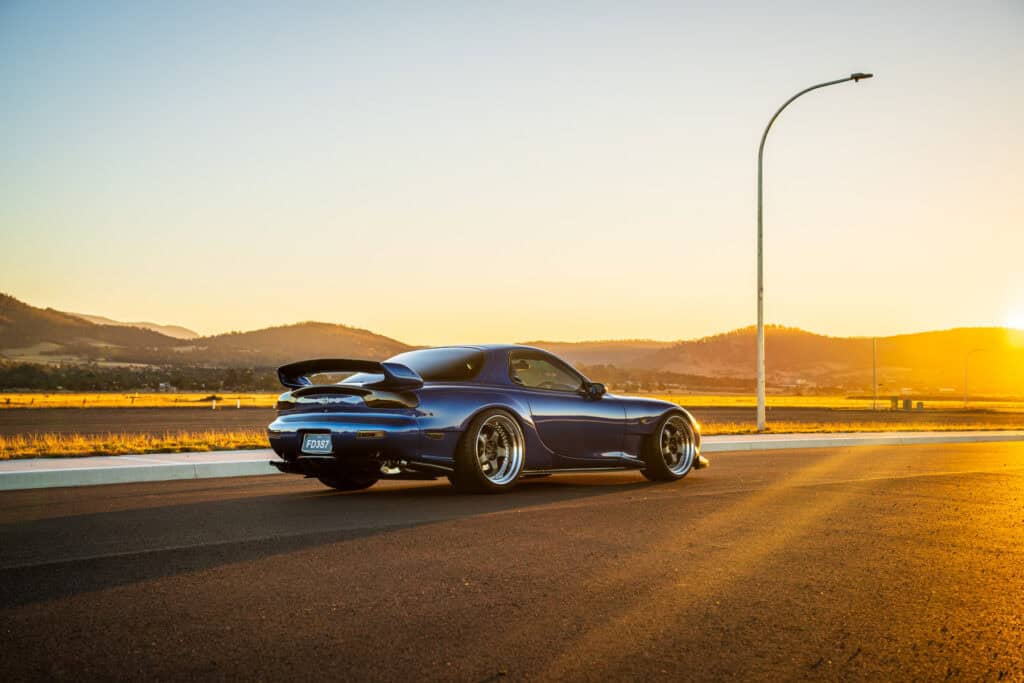
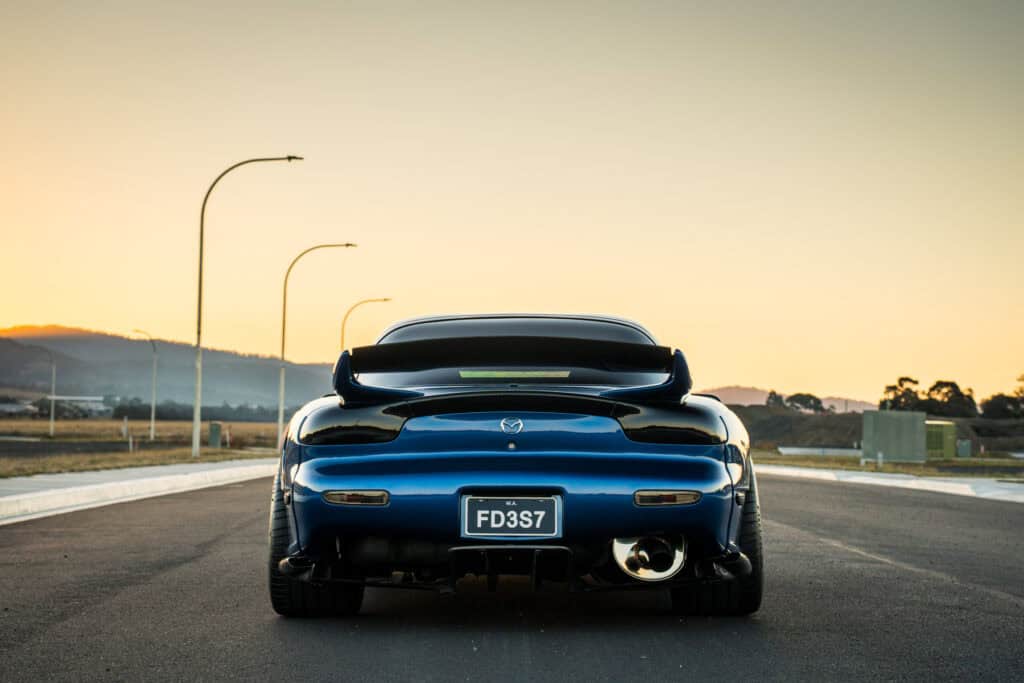
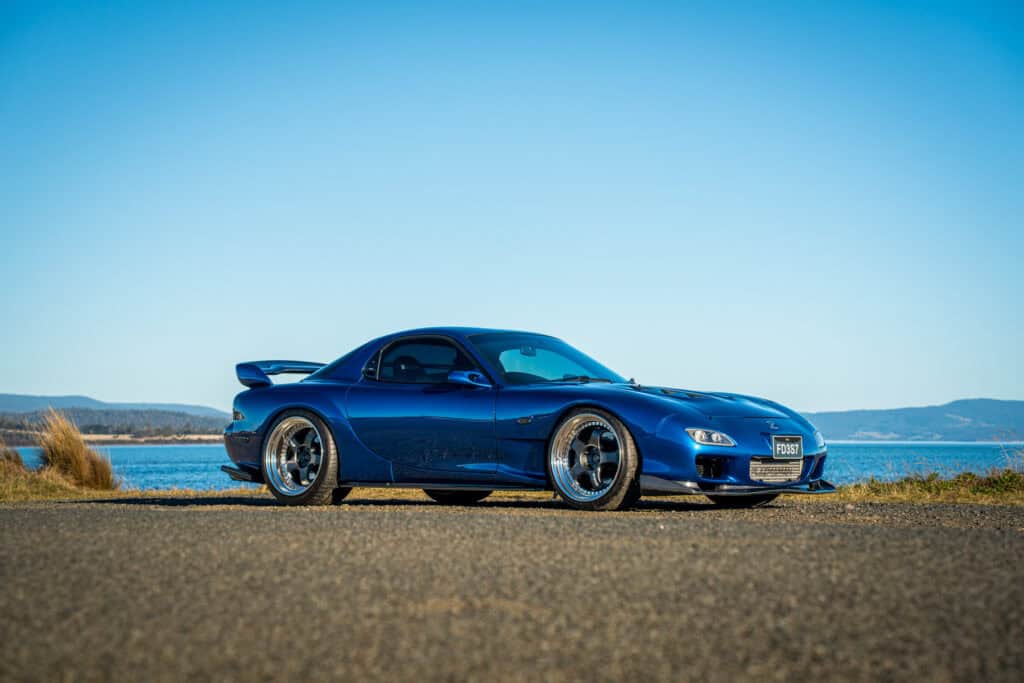
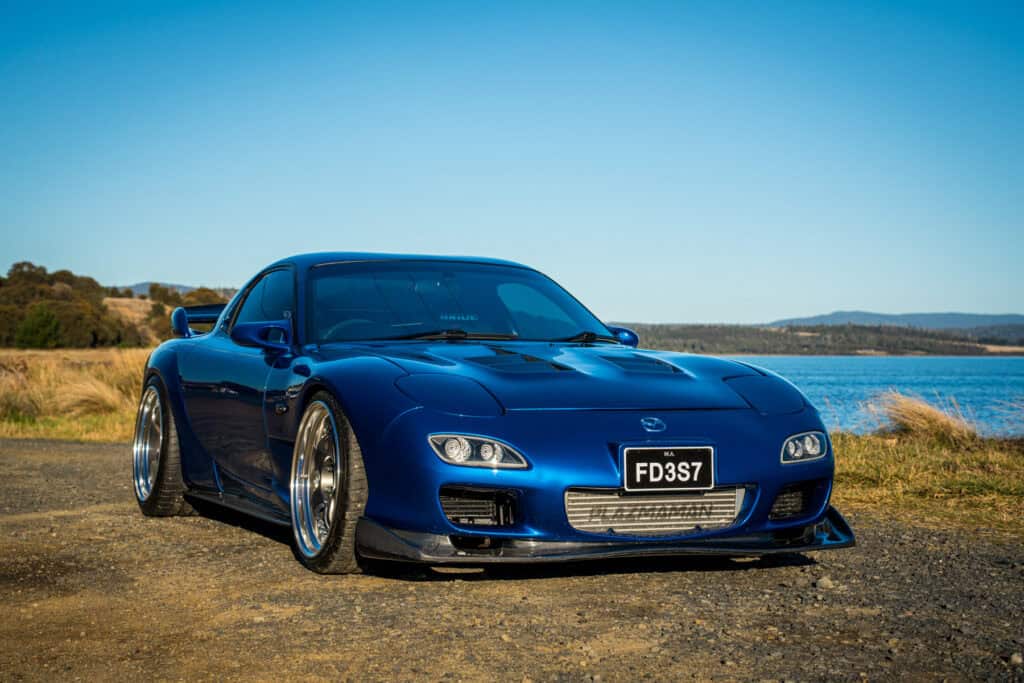
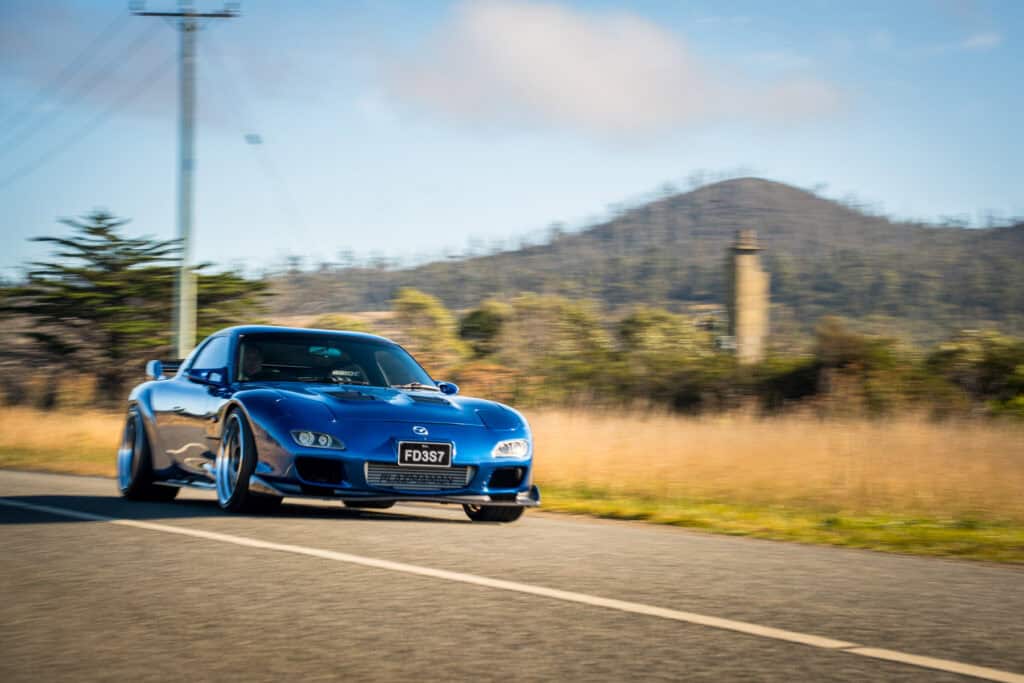
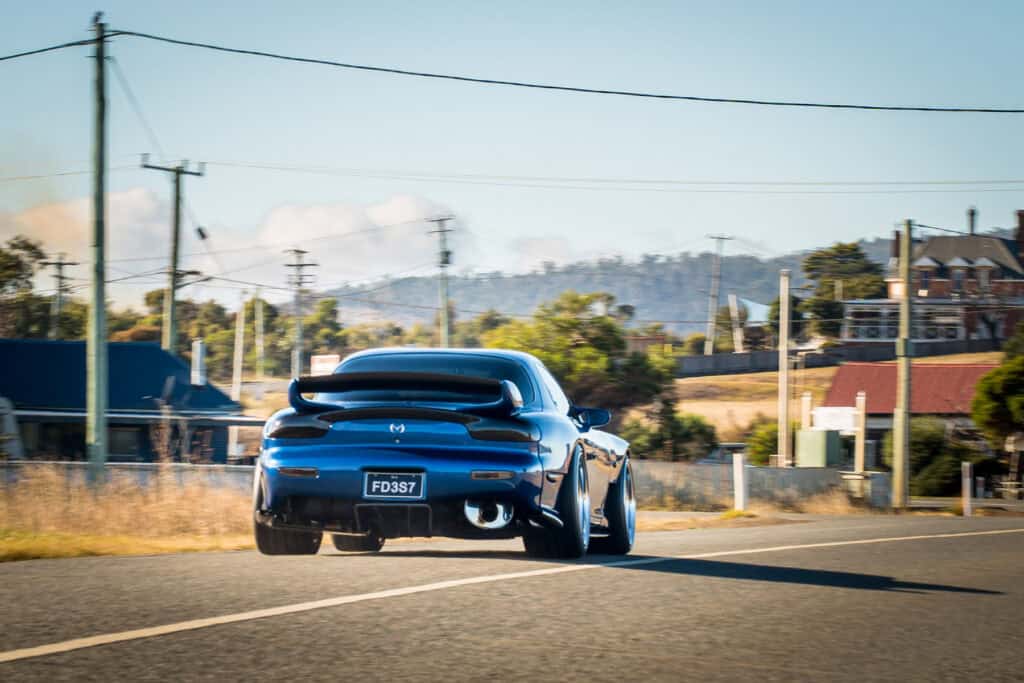
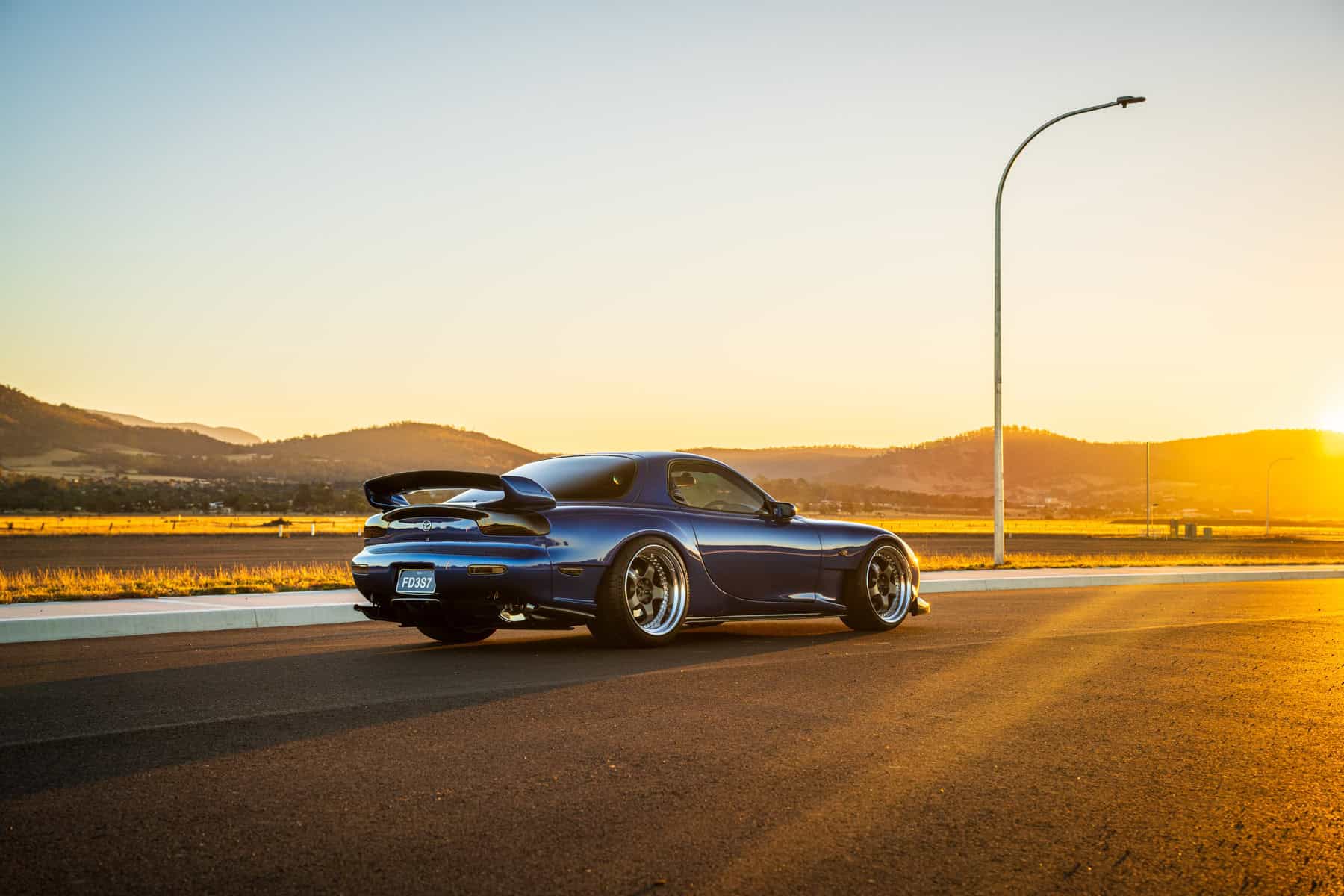
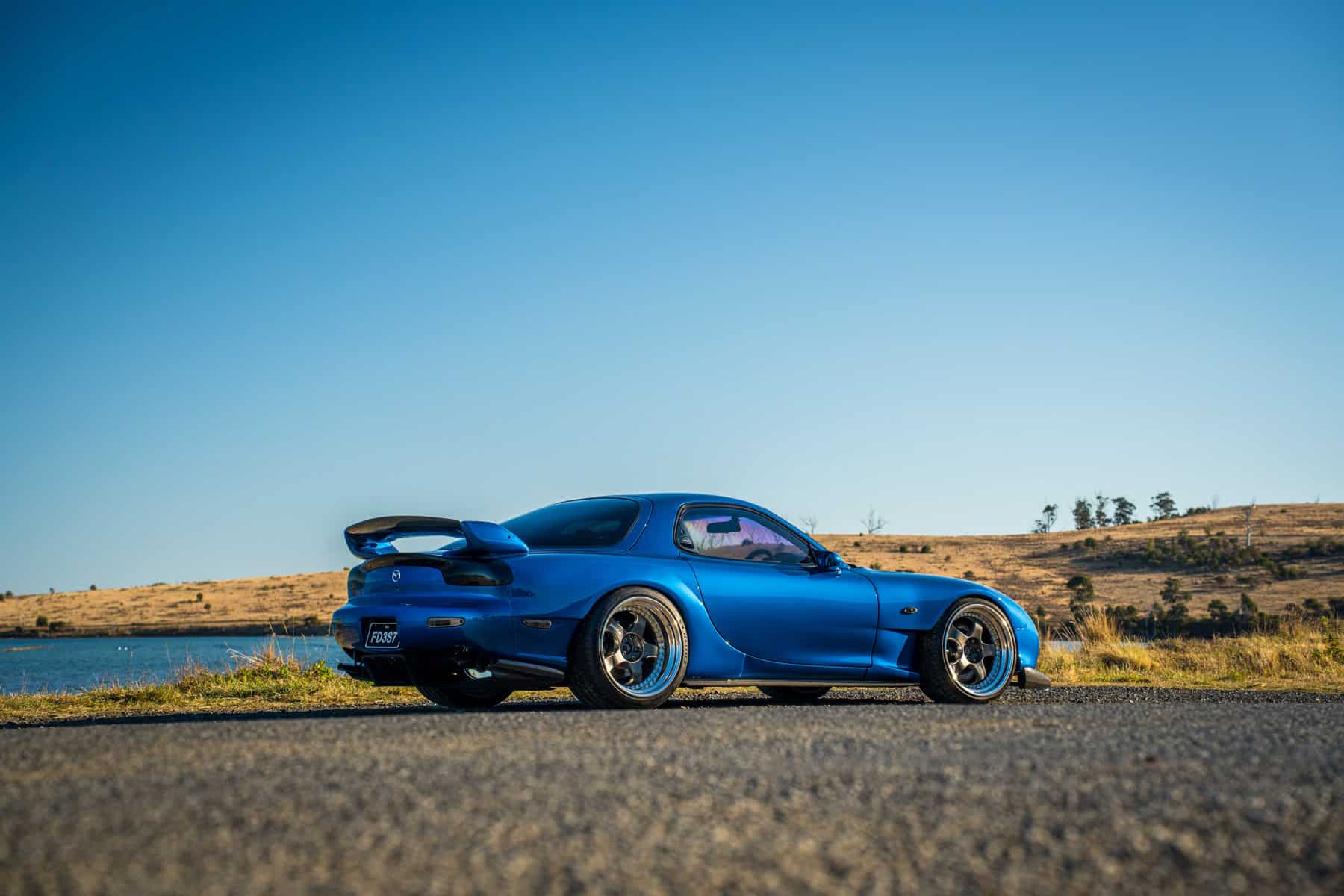
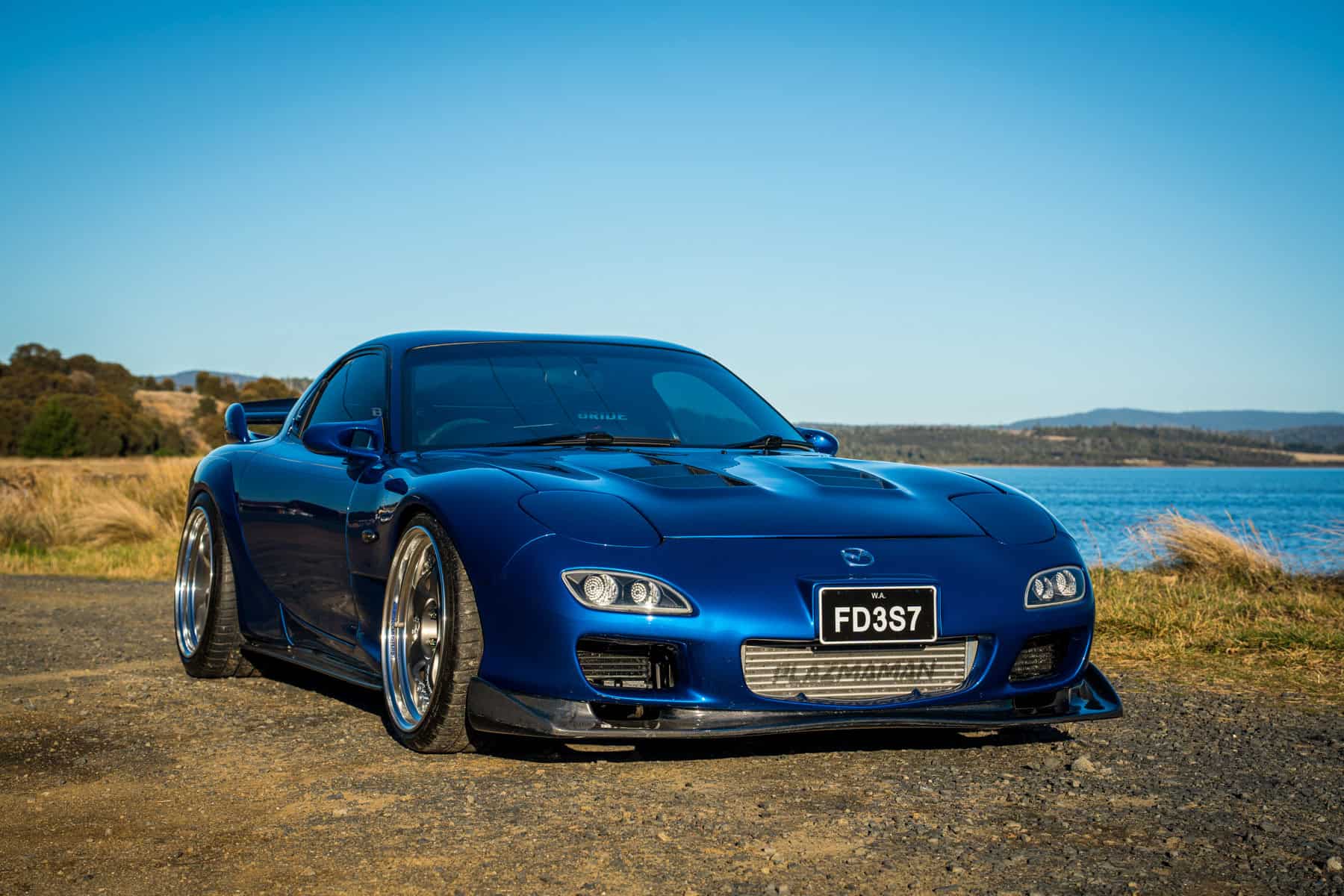
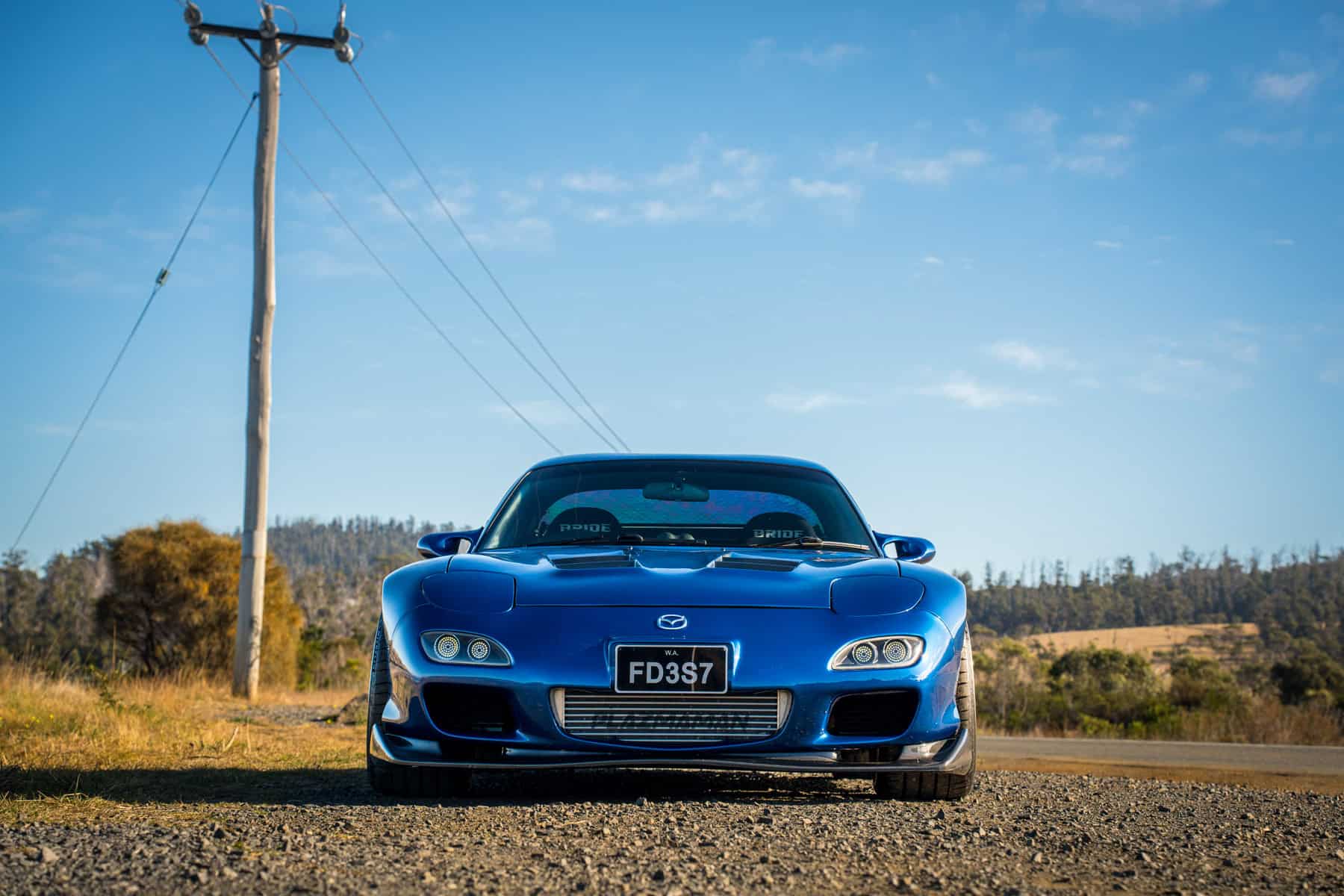
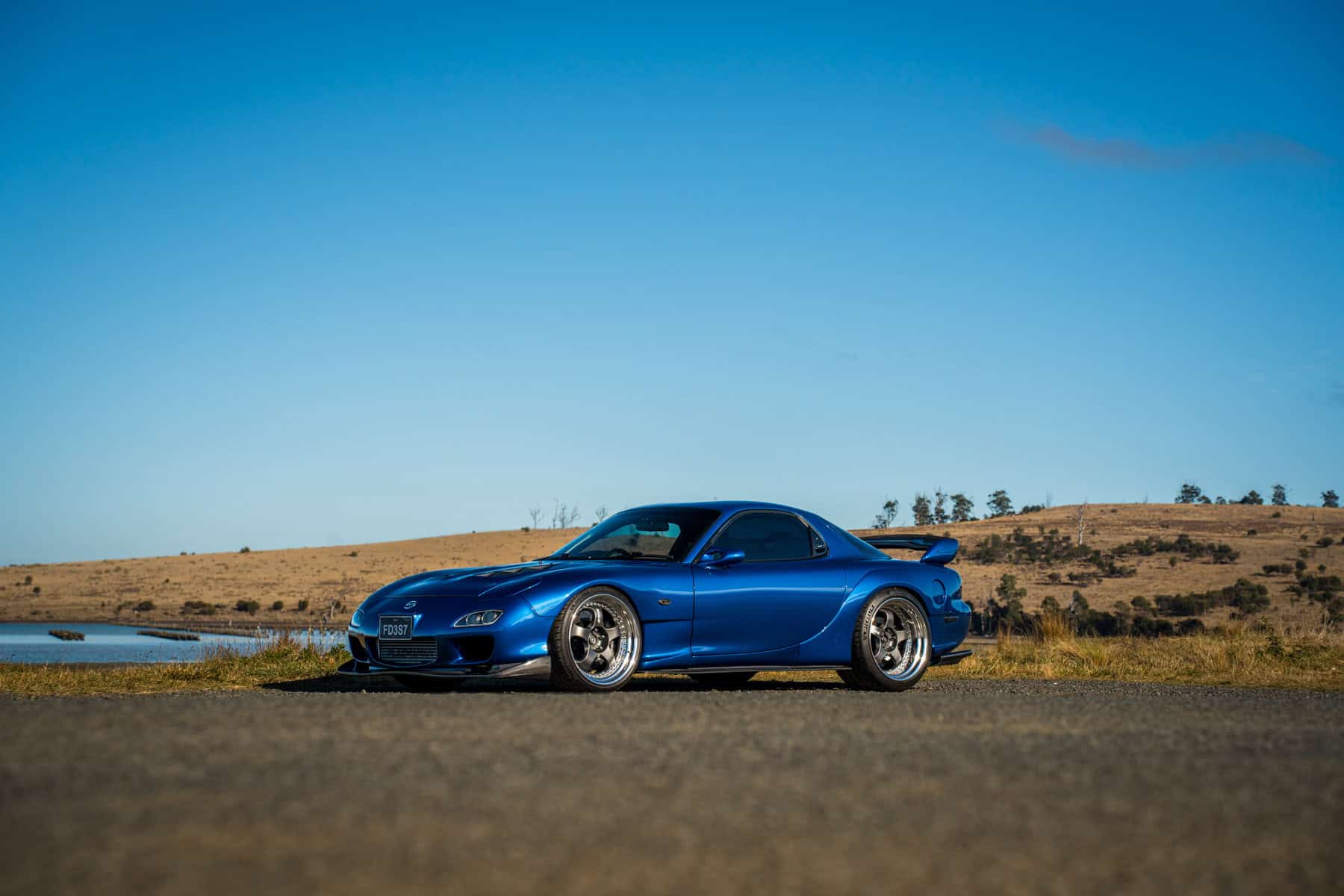
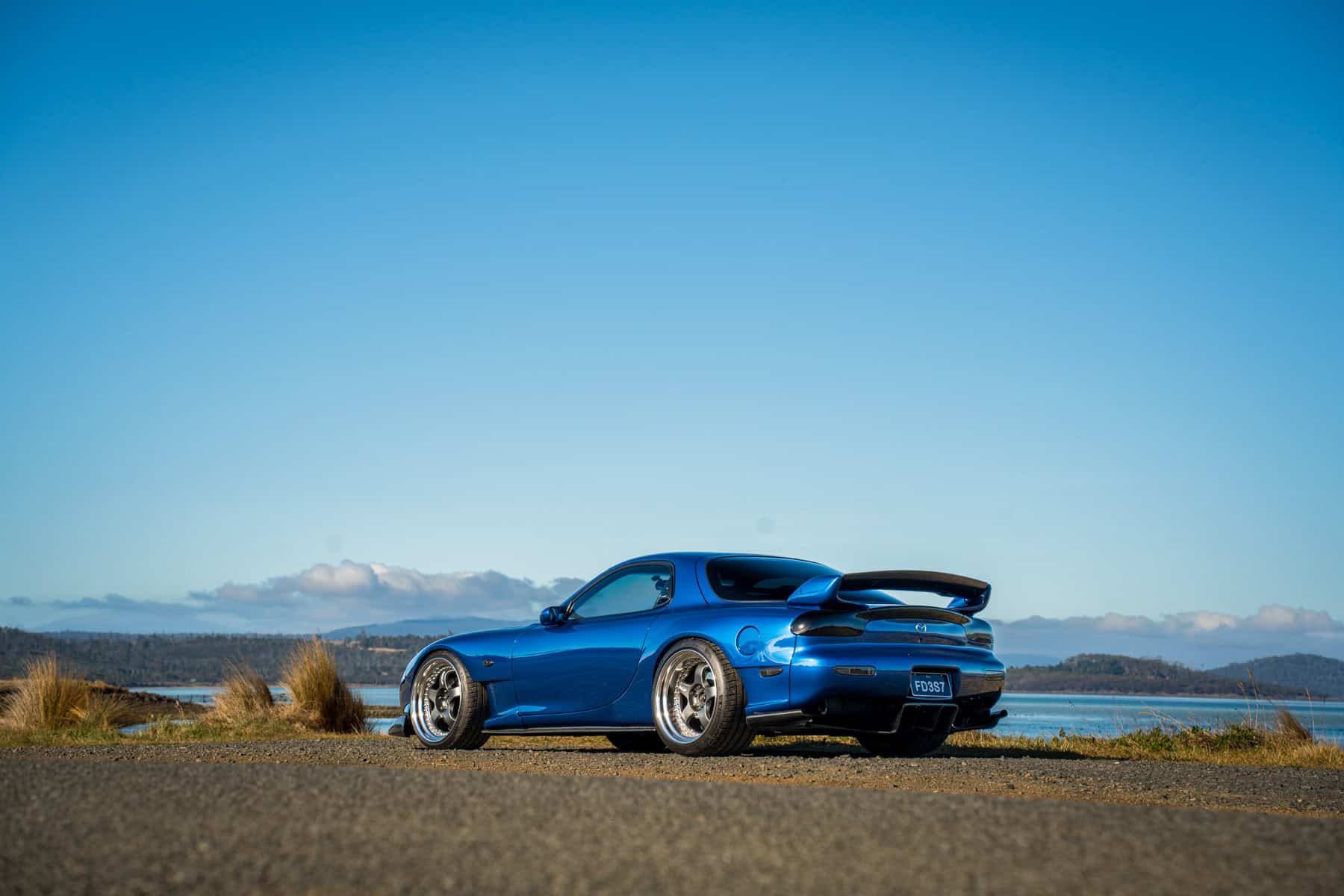
The key aspects that make the RX-7 so special, however, are perfectly encapsulated by the car you see here. One of the very last ‘Series 8’ models to be built during the FD’s final model year, this particular 2002 Bathurst R honours just about every aspect of the RX-7’s legacy in the tidiest way possible.
One of the standout lots in RR Auctions’ May 2026 sale, I took this car out for a spin on the roads of beautiful Tasmania before it crosses the auction block to see just how it manages to tick all the right boxes.
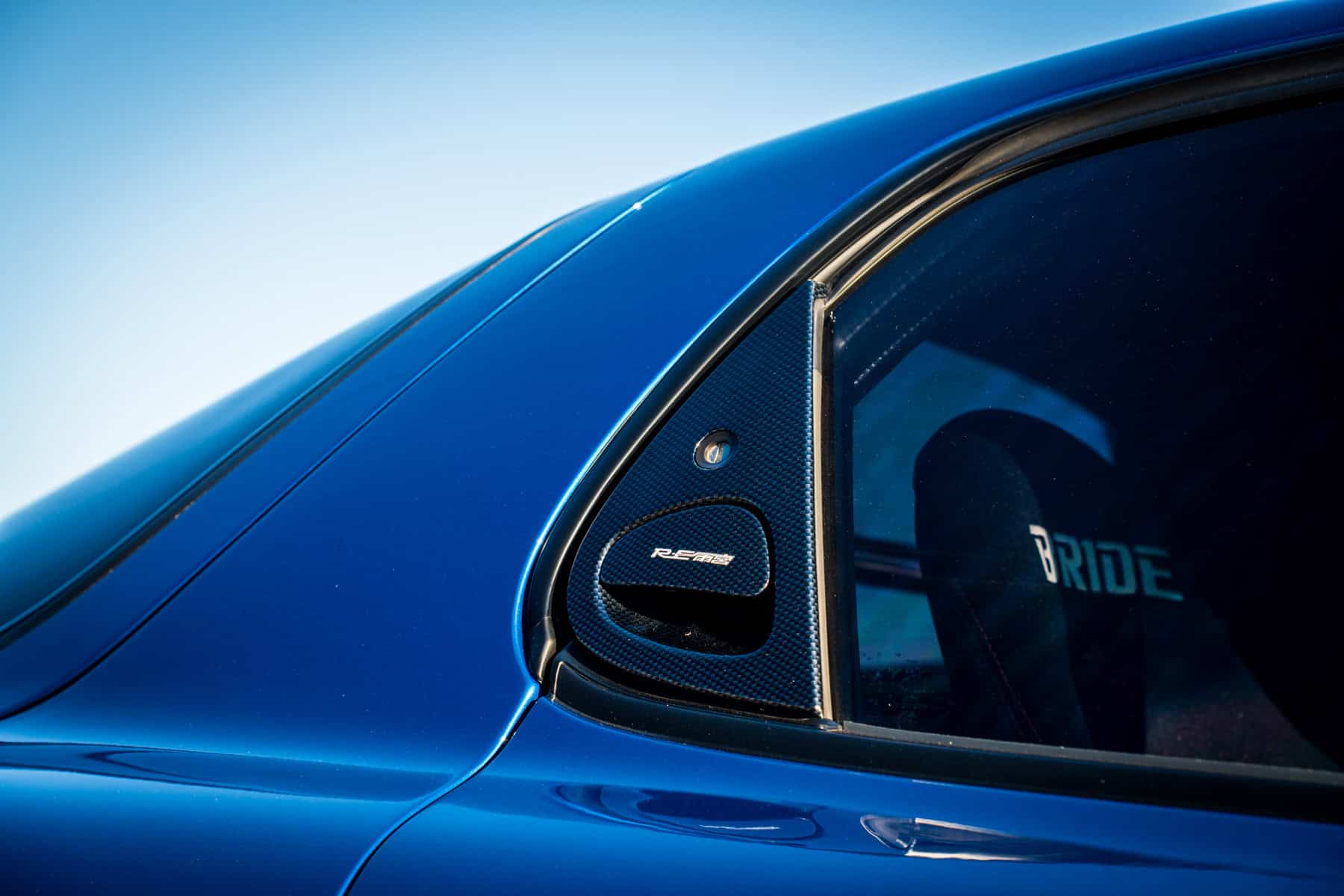
For most Aussies, the FD RX-7 is most iconic for its endurance racing success, winning the Bathurst 12 Hour three years running from 1992 to ’94, following it up with another win in ’95 after the race moved to Eastern Creek. The limited-edition Bathurst R, of which only 500 were made, is fittingly named in honour of that success, although it was only ever sold in Japan despite that Aussie connection.
The core aspect of the RX-7 has always been its ‘13B-REW’ Wankel rotary engine, a design pioneered by inventor Felix Wankel and German marque NSU but quickly adopted by Mazda as far back as 1967. Given the engine’s tiny size, it not only reduced weight over the front axle but allowed a low centre of gravity and fewer design compromises.
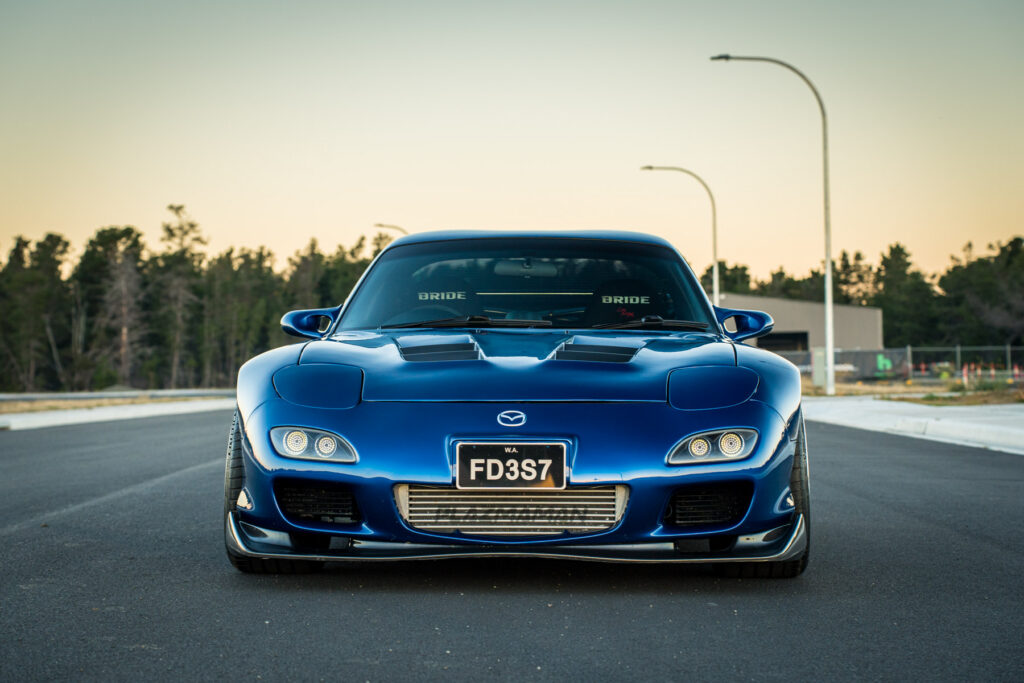
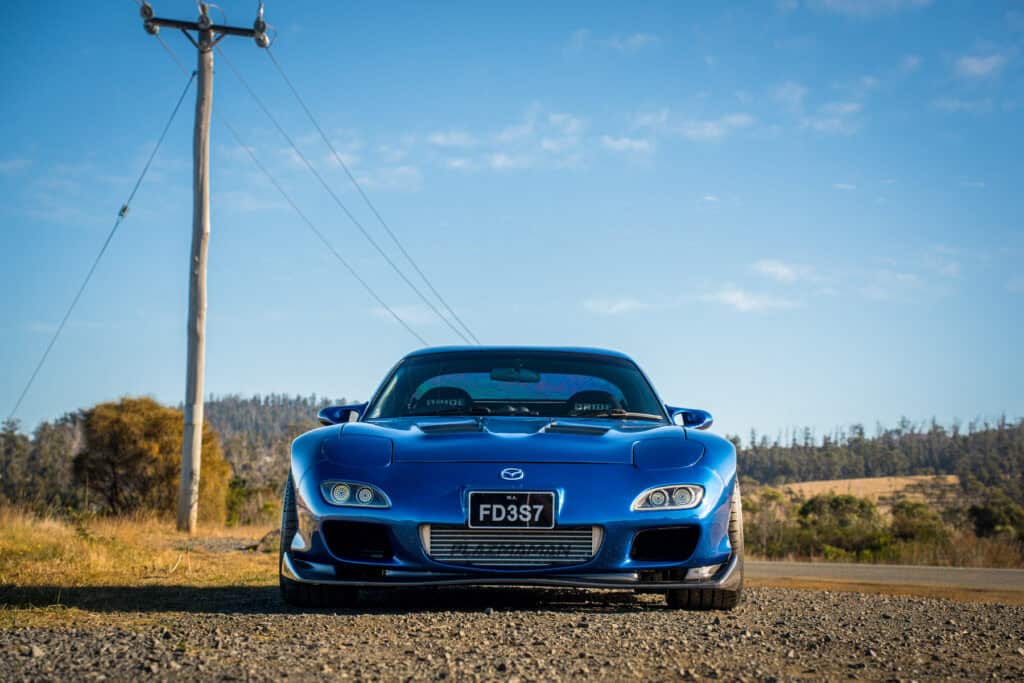
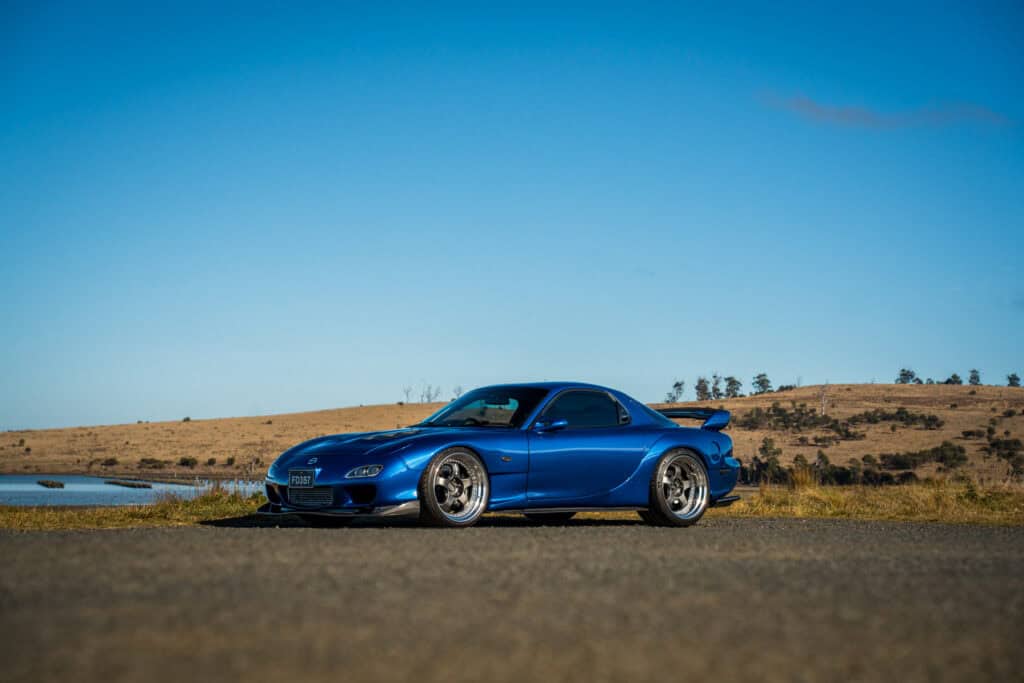
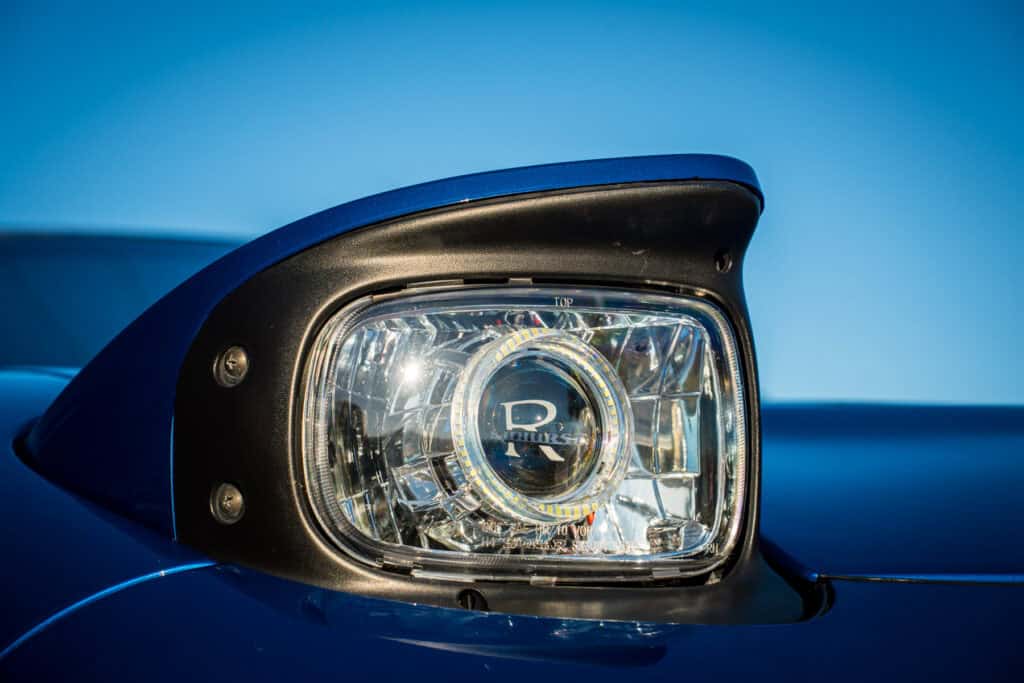
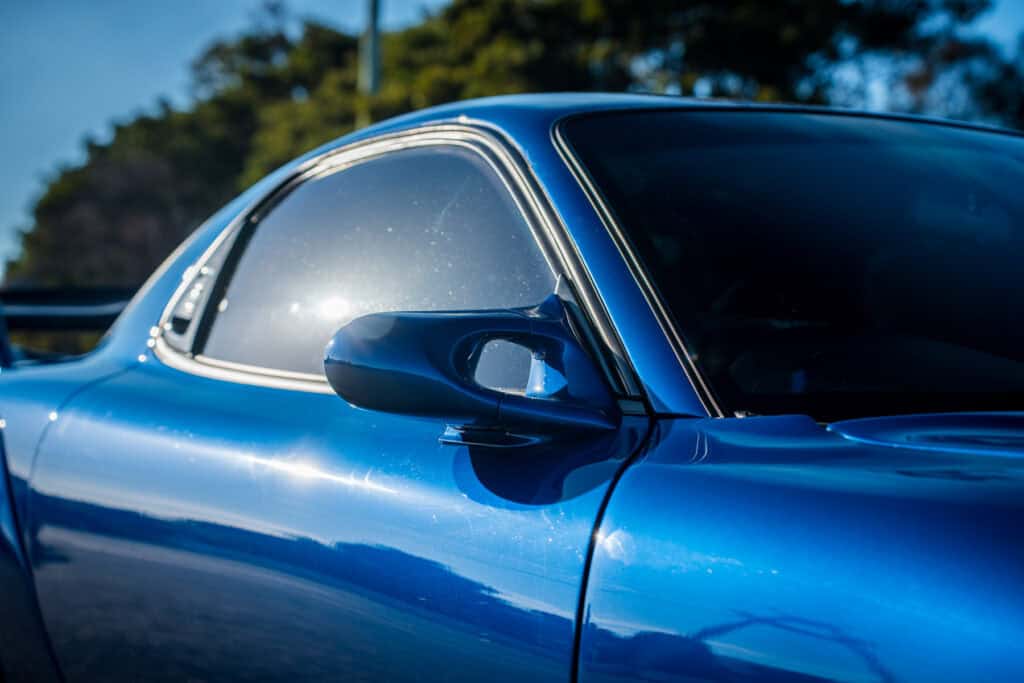
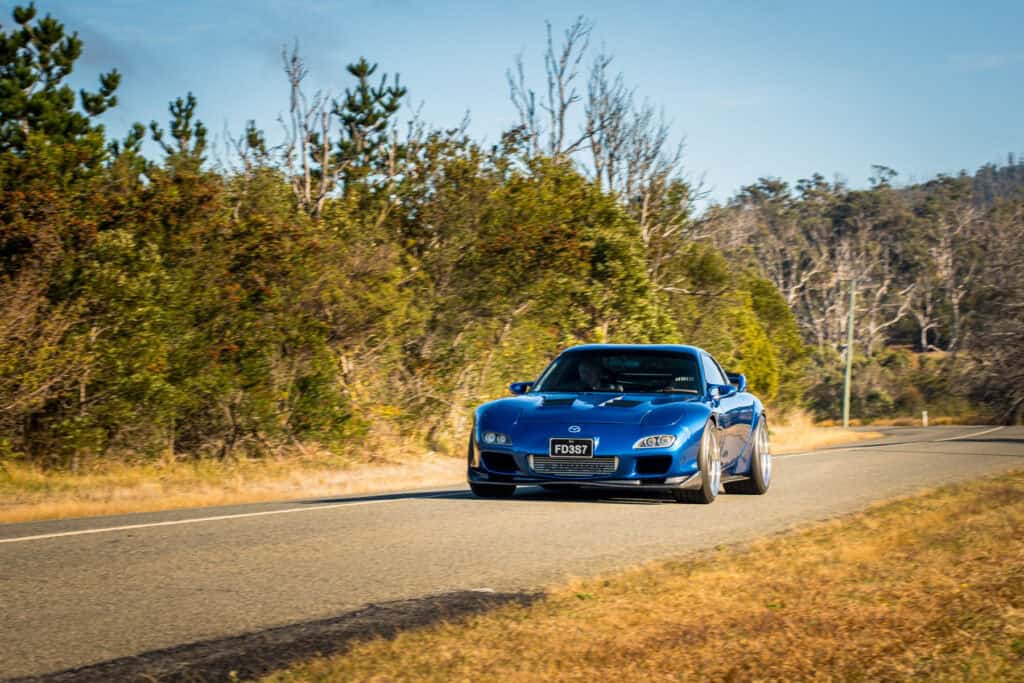
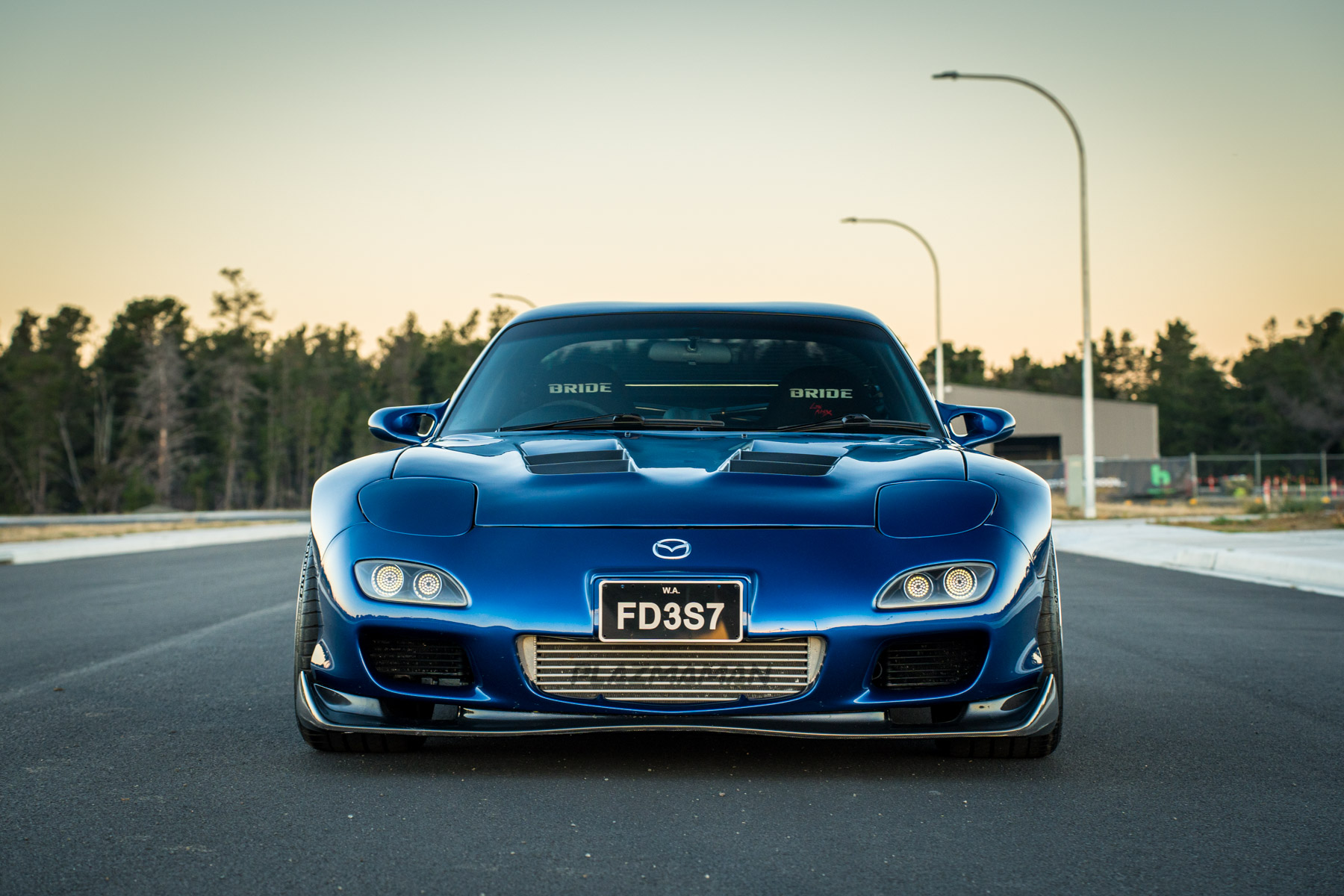
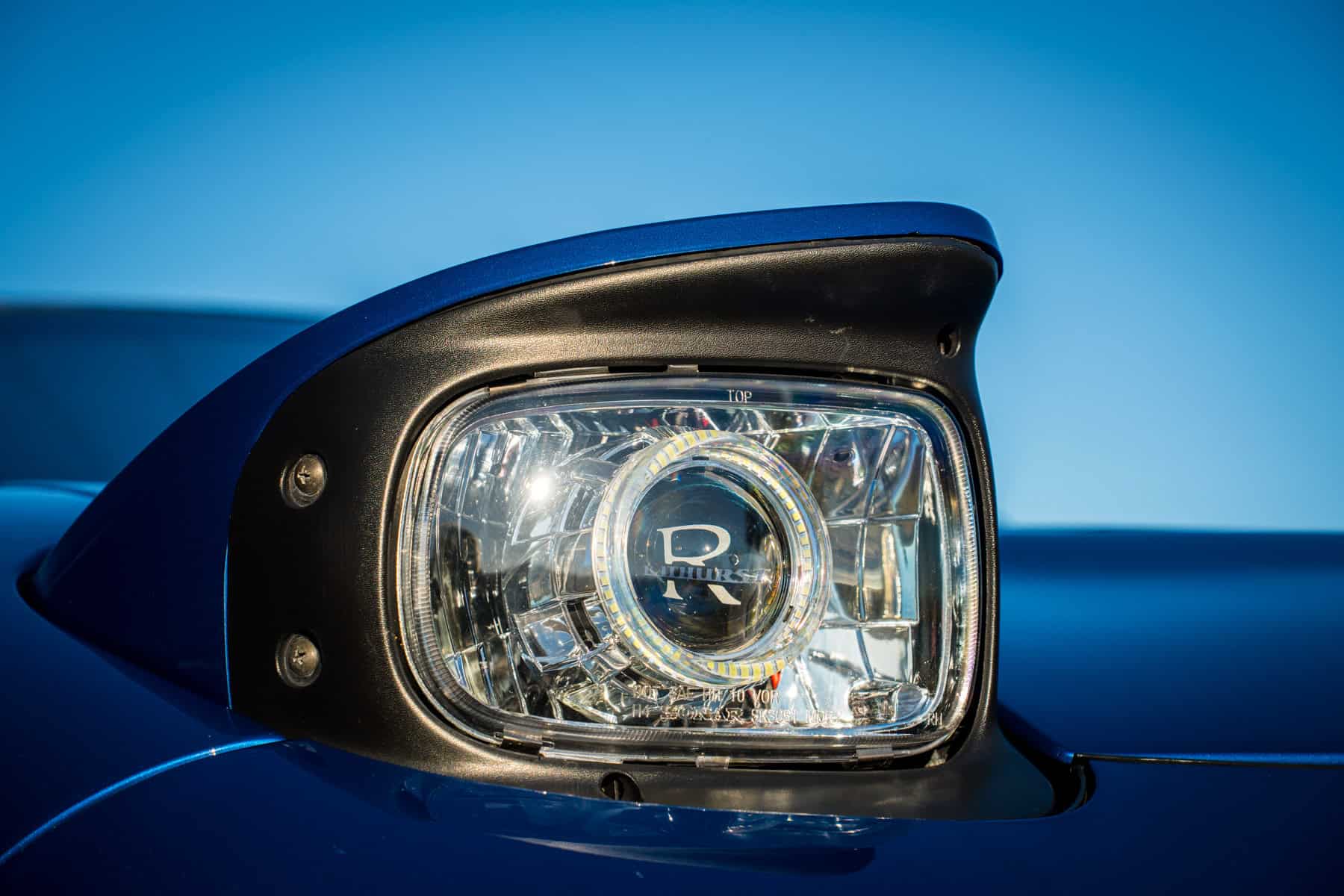
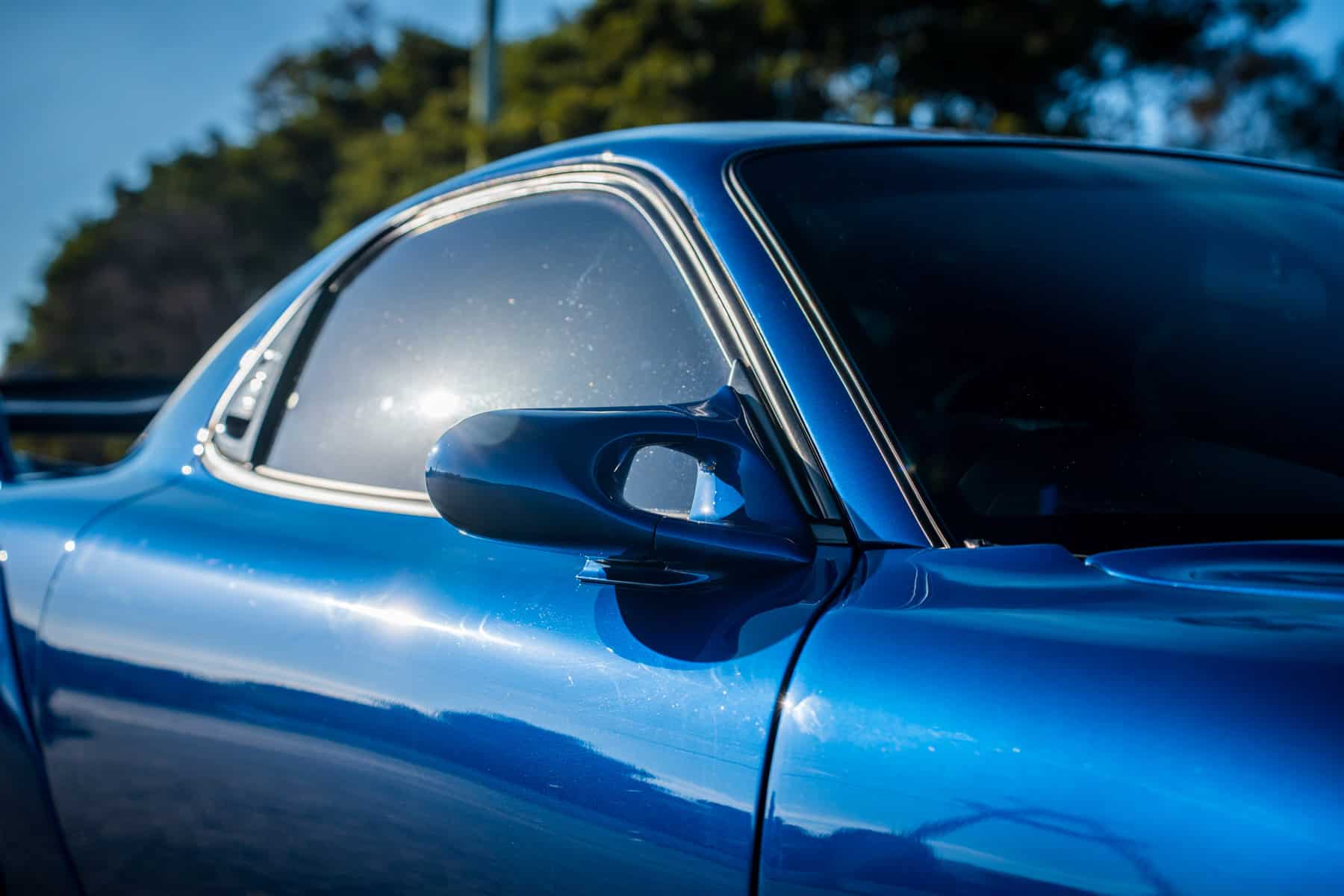
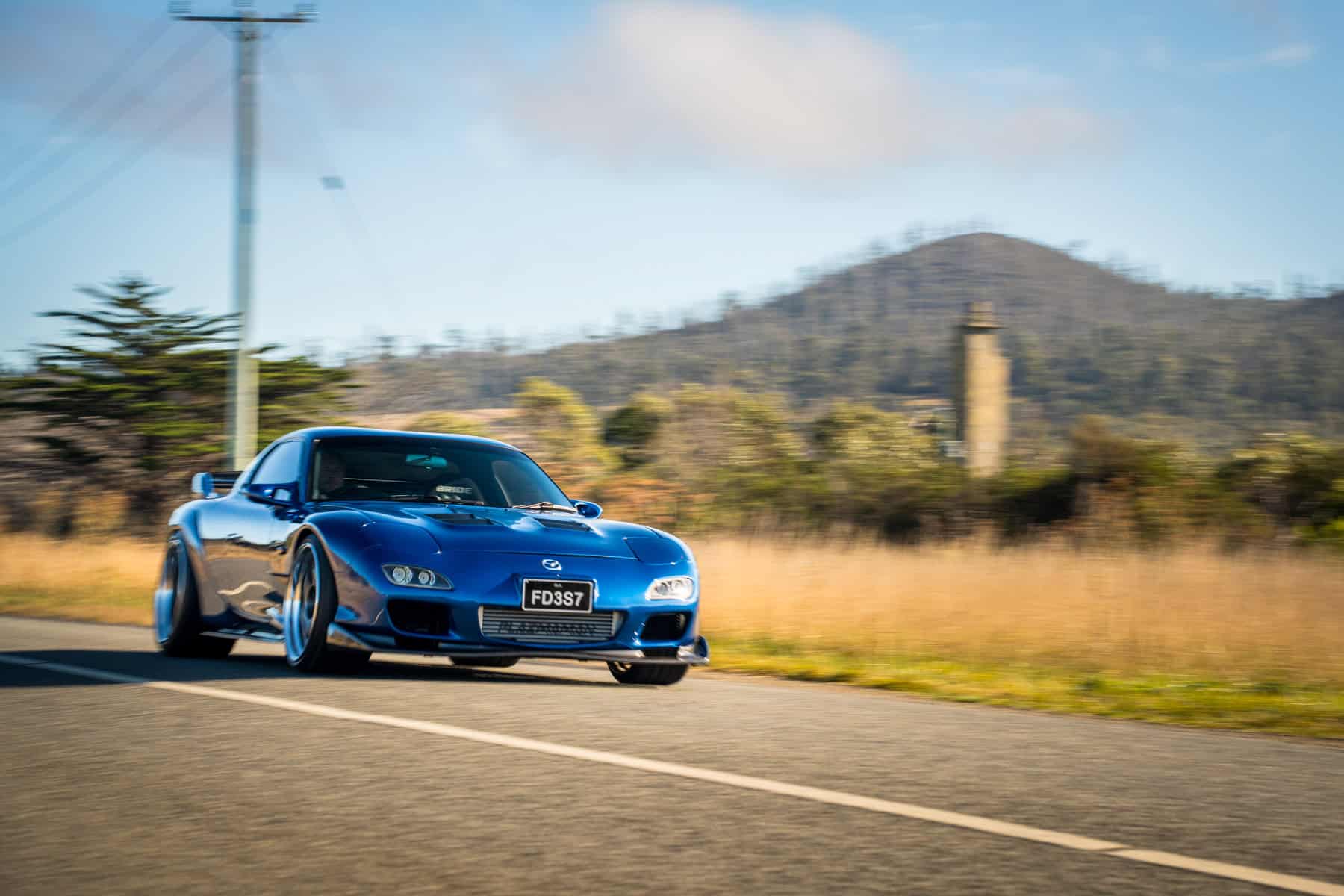
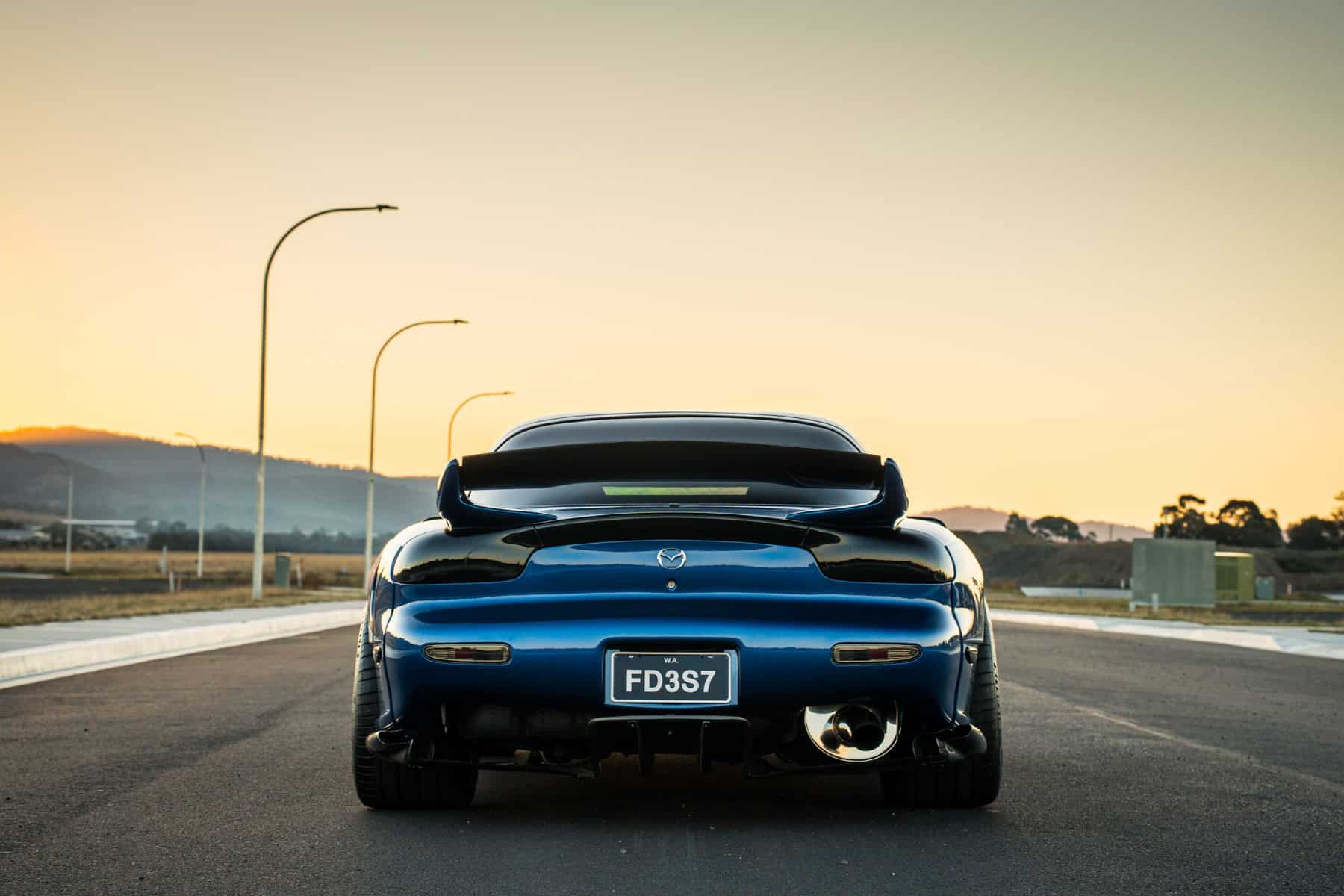
Rather than the slant-nose lines of earlier FB and FC models, the FD RX-7 features timeless swooping curves and a long, low bonnet only made possible by its unique engine. Its teardrop glasshouse and double-bubble roof only add to the appeal, as do the always entertaining pop-up headlights, in this car featuring a custom “Bathurst R” motif.
In my personal opinion, as much as I love all Japanese performance cars of this era, the RX-7 is easily the best-looking car to come from the country.
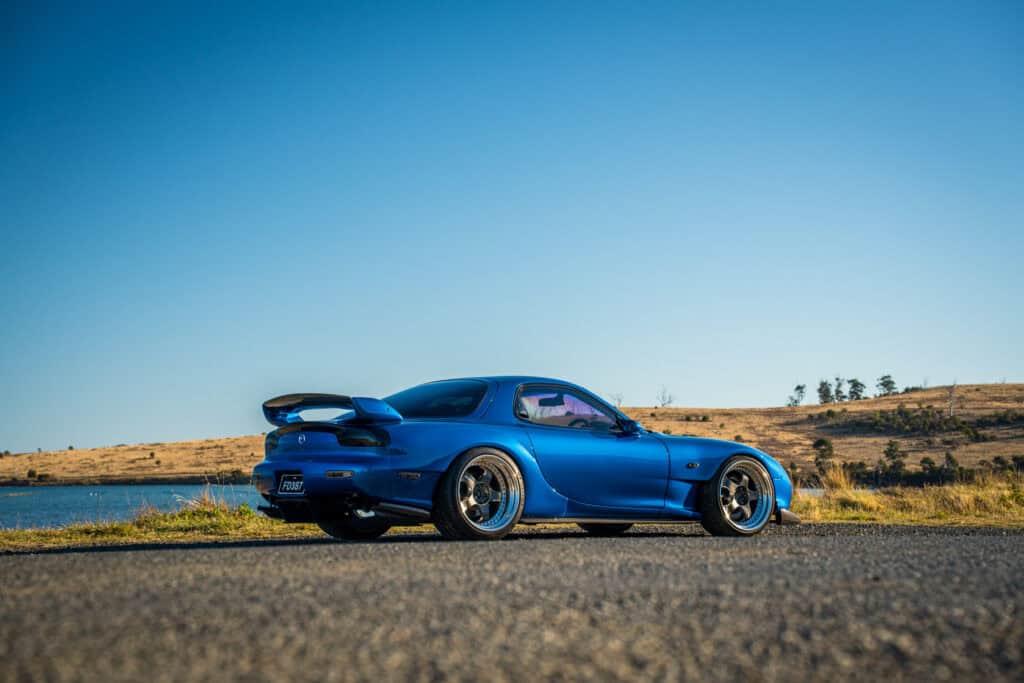
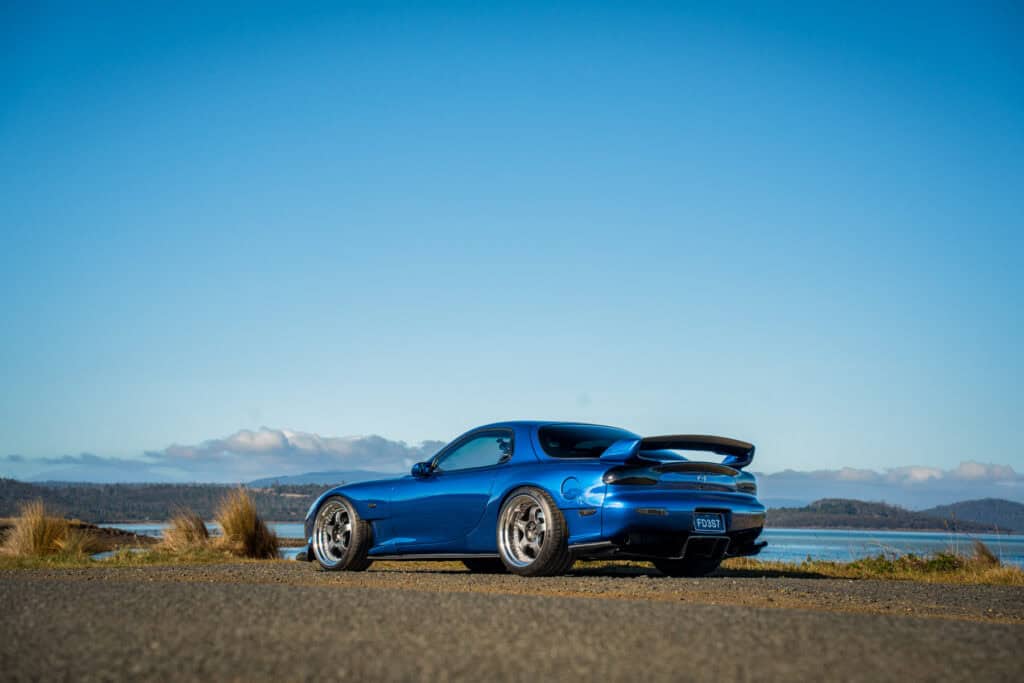
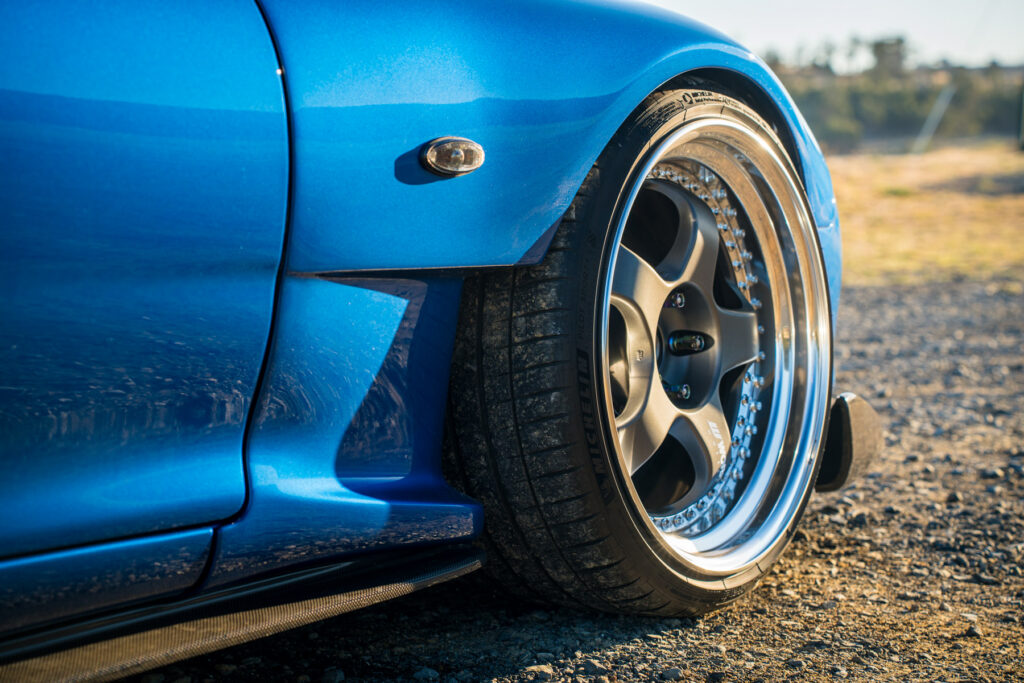
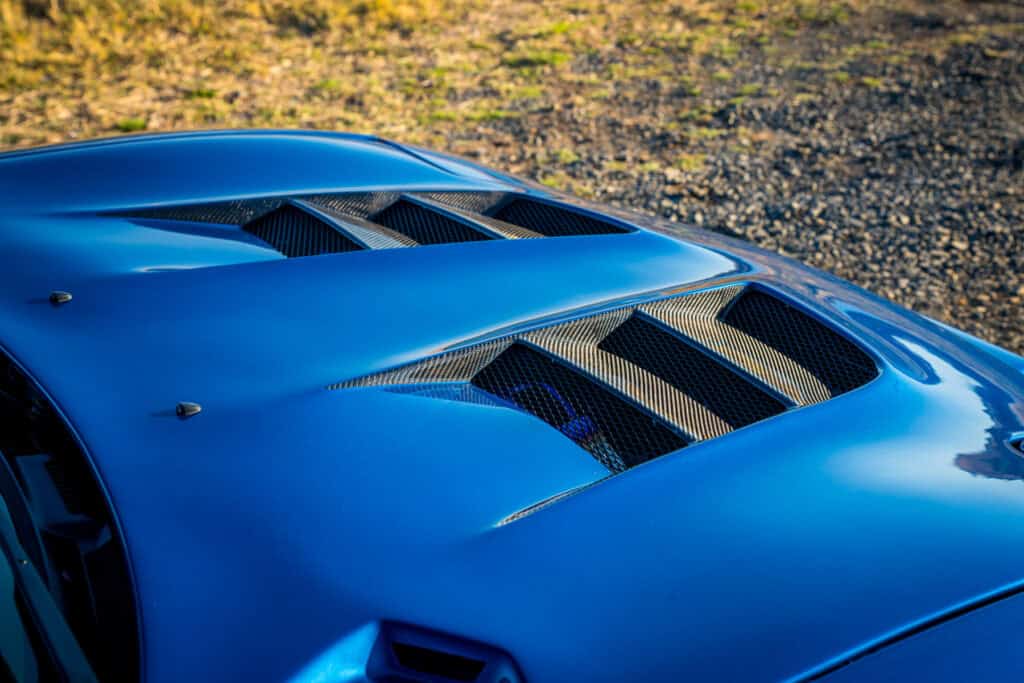
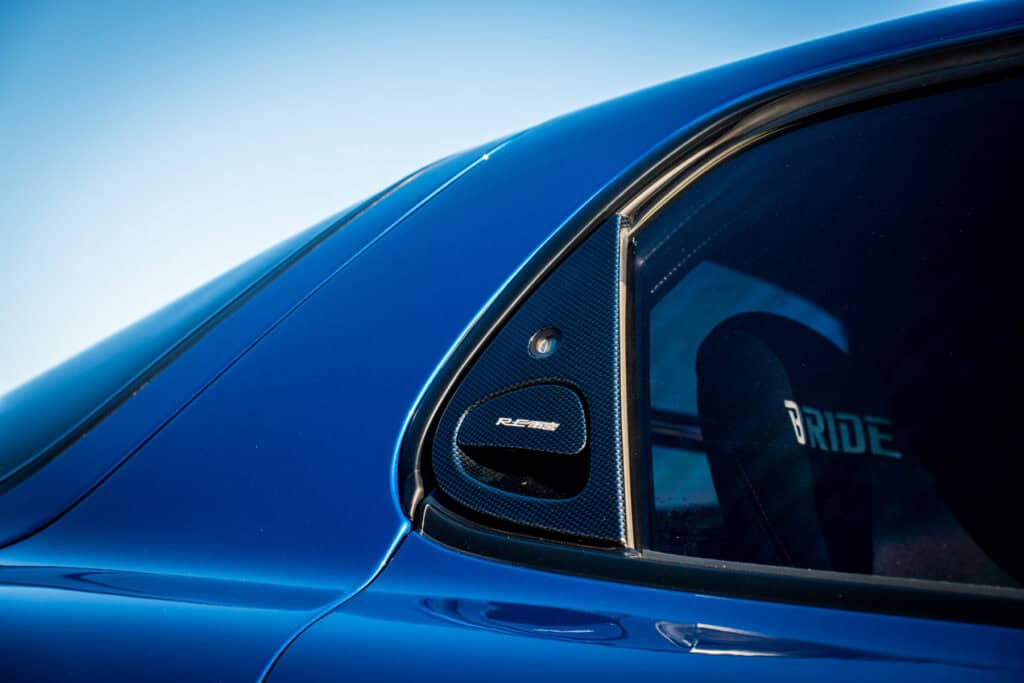
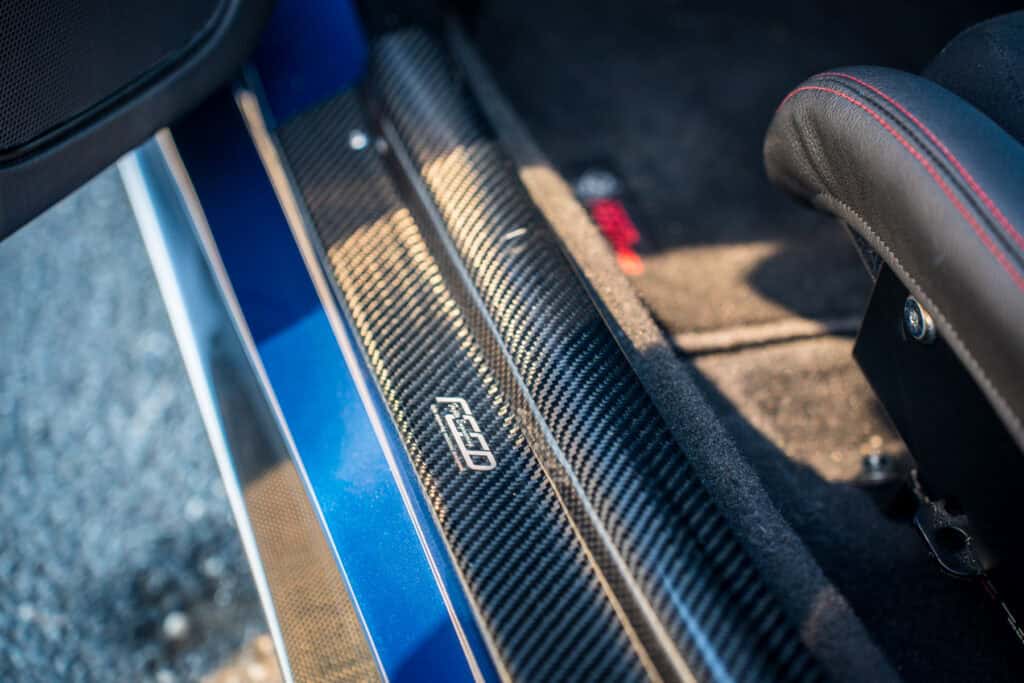
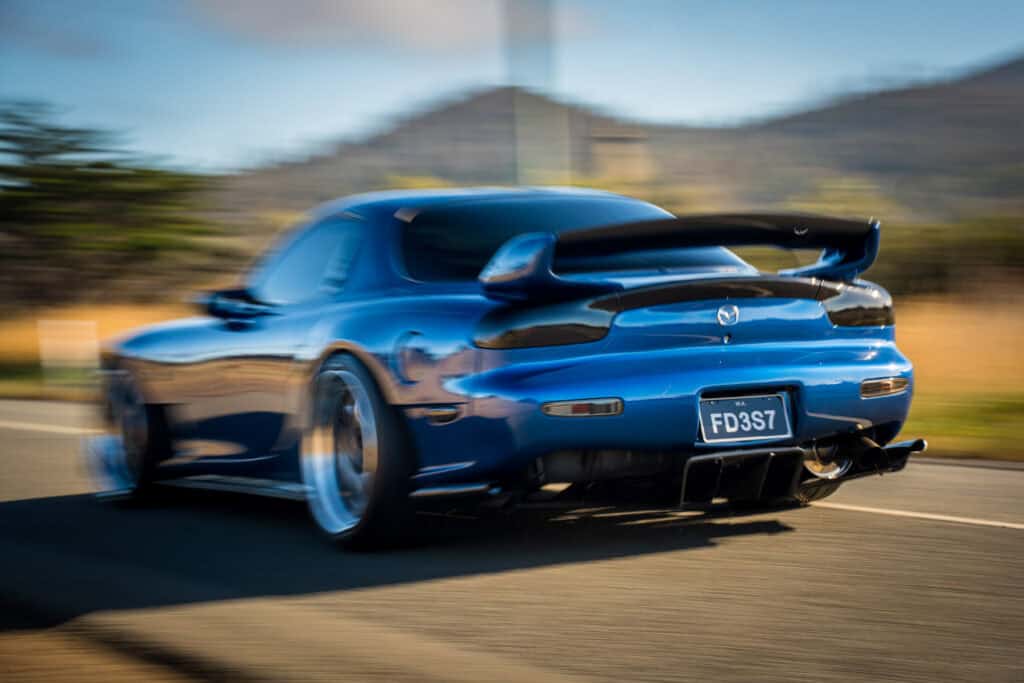
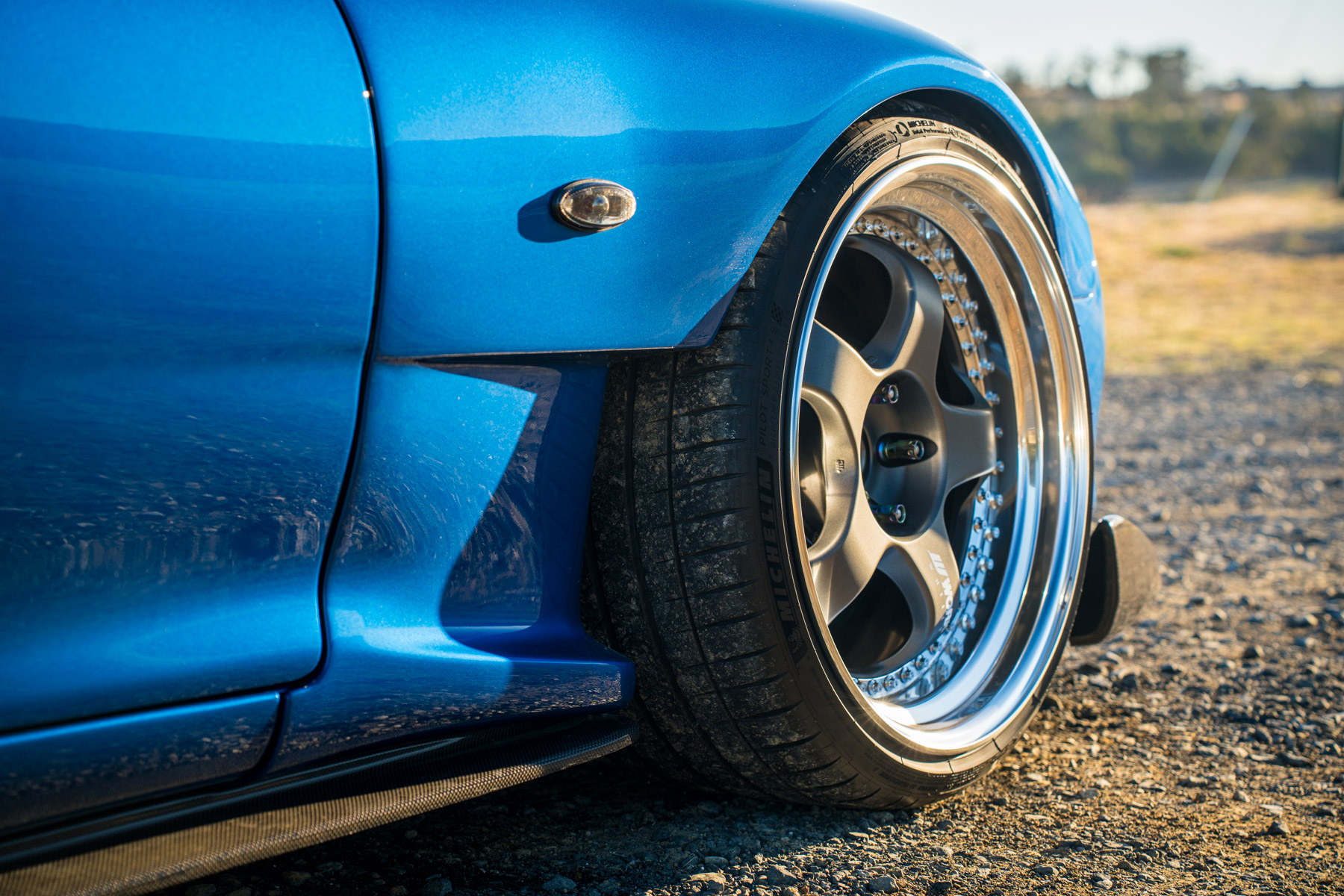
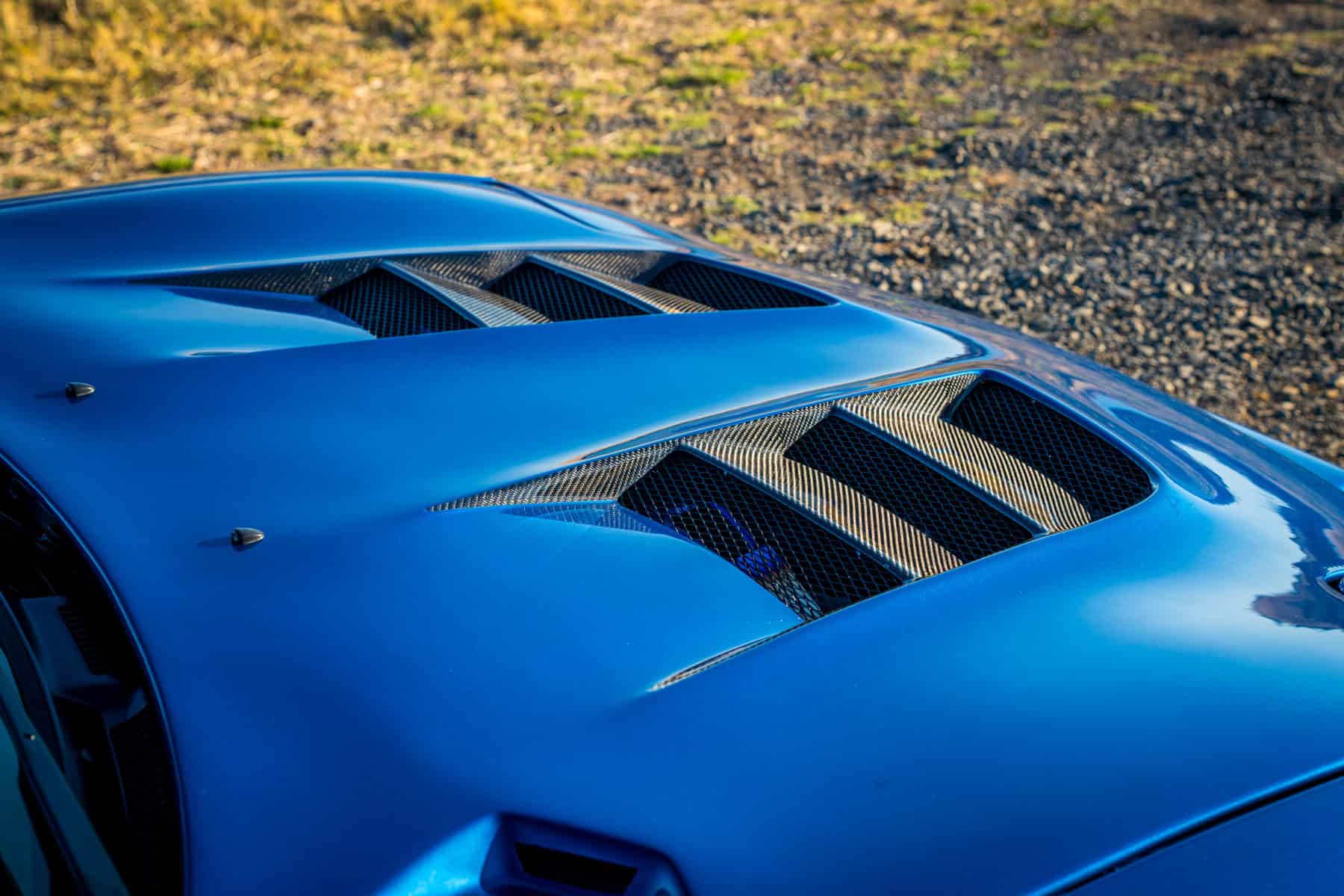
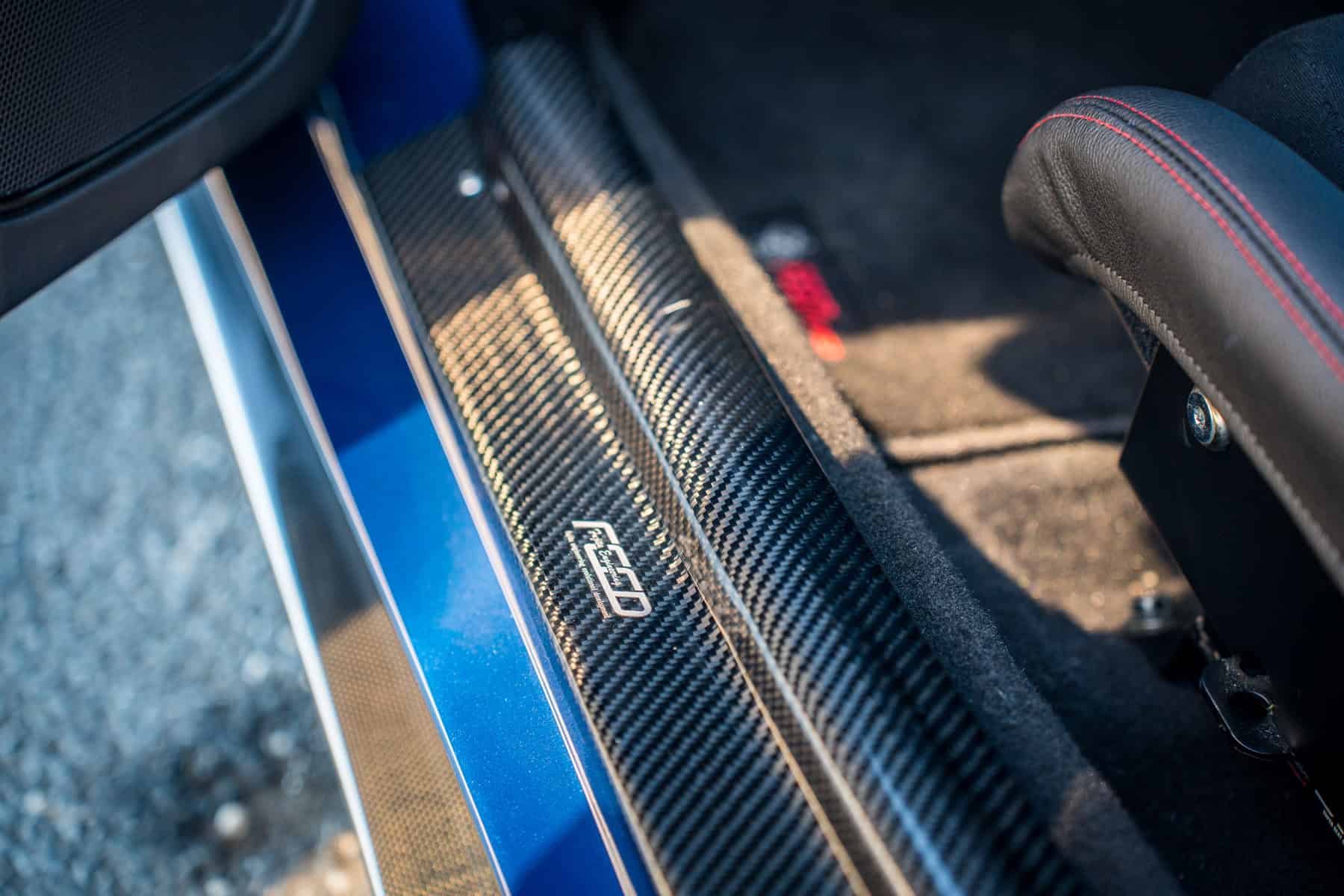
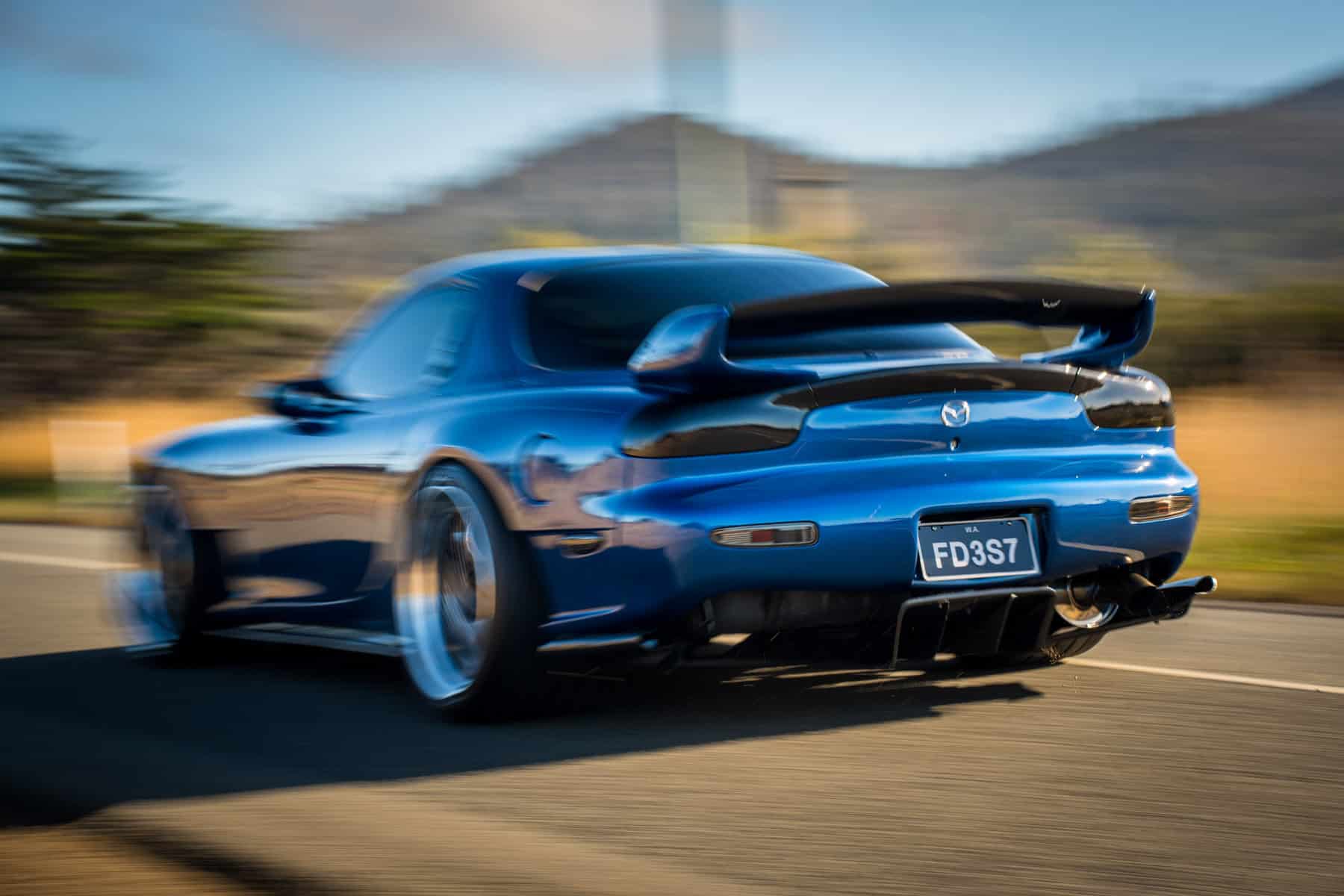
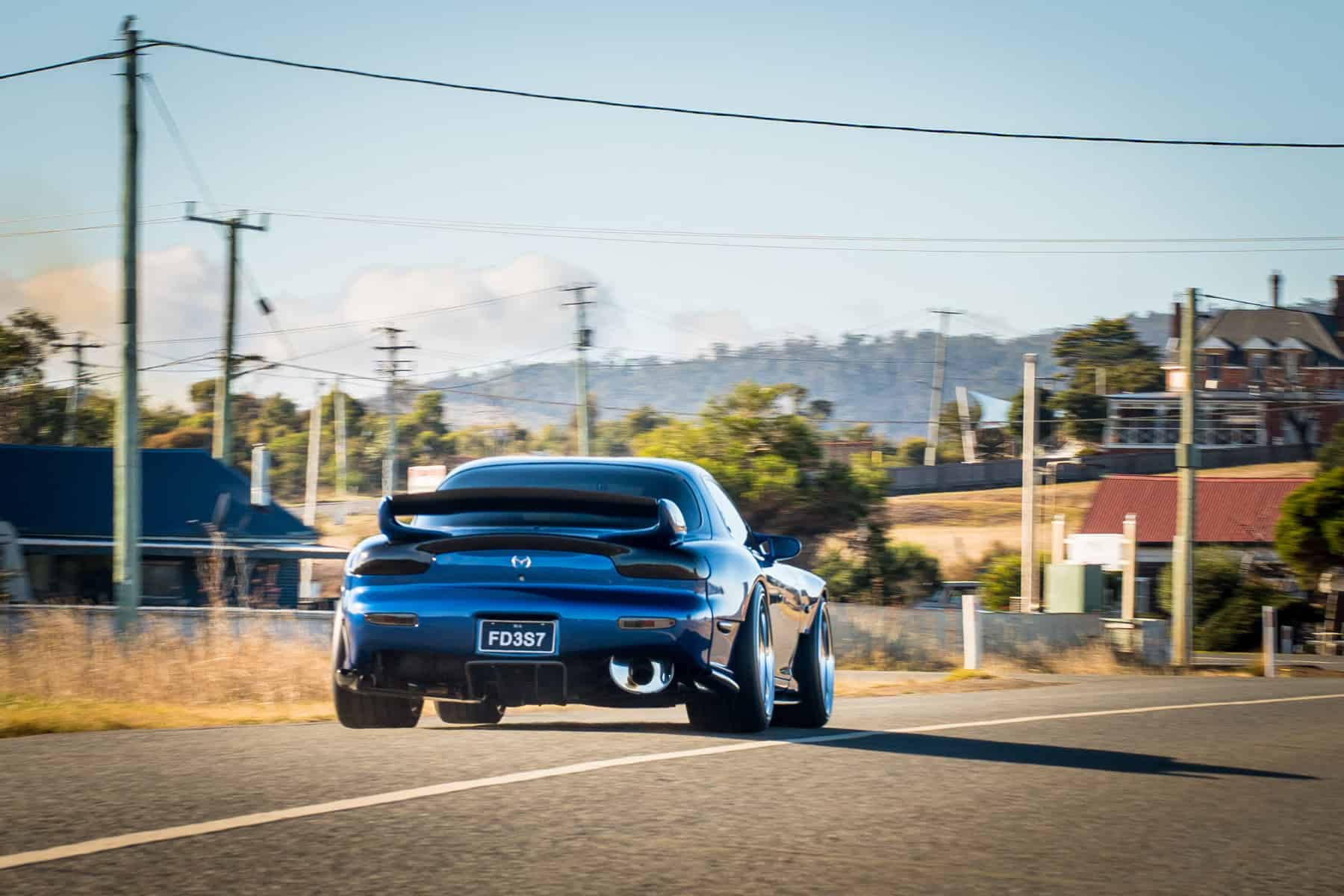
Mind you, this one isn’t wearing all of its original bodywork. Fitted with a drastic widebody kit in combination with a carbon fibre bonnet, FEED carbon lip kit, and Work Meister S1 wheels, this is a prime example of a modified car that genuinely does build on the original’s looks in a brilliant way.
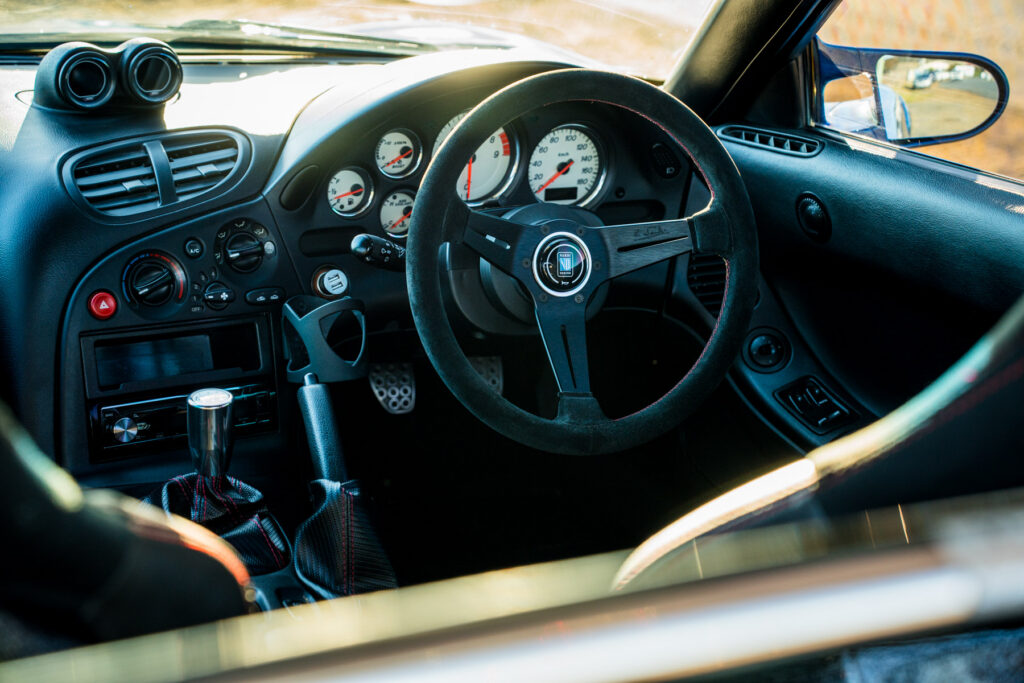
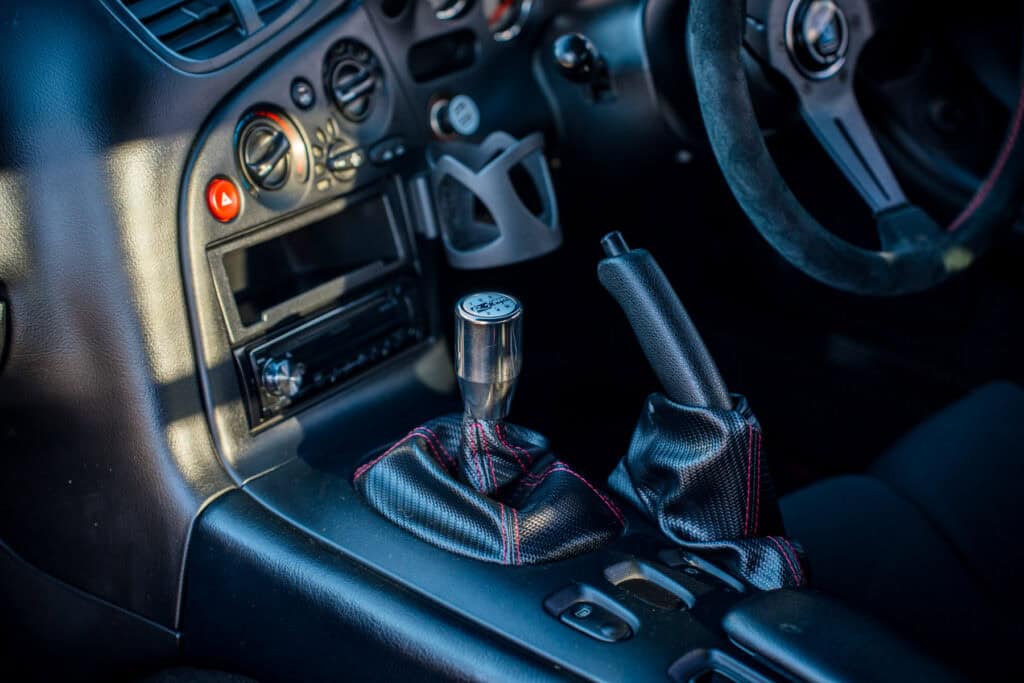
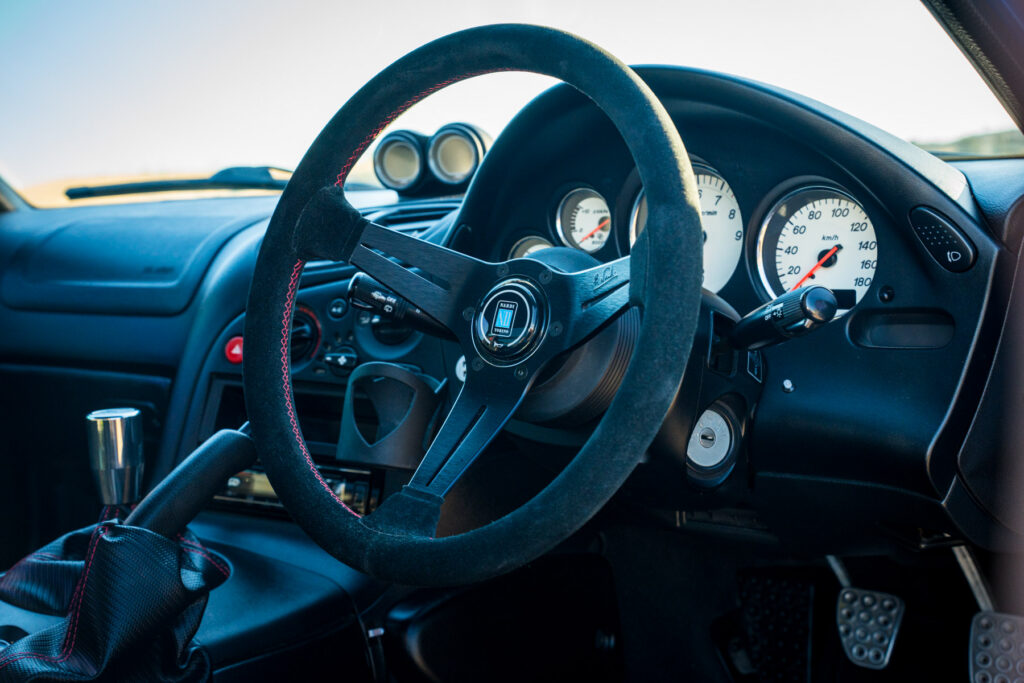
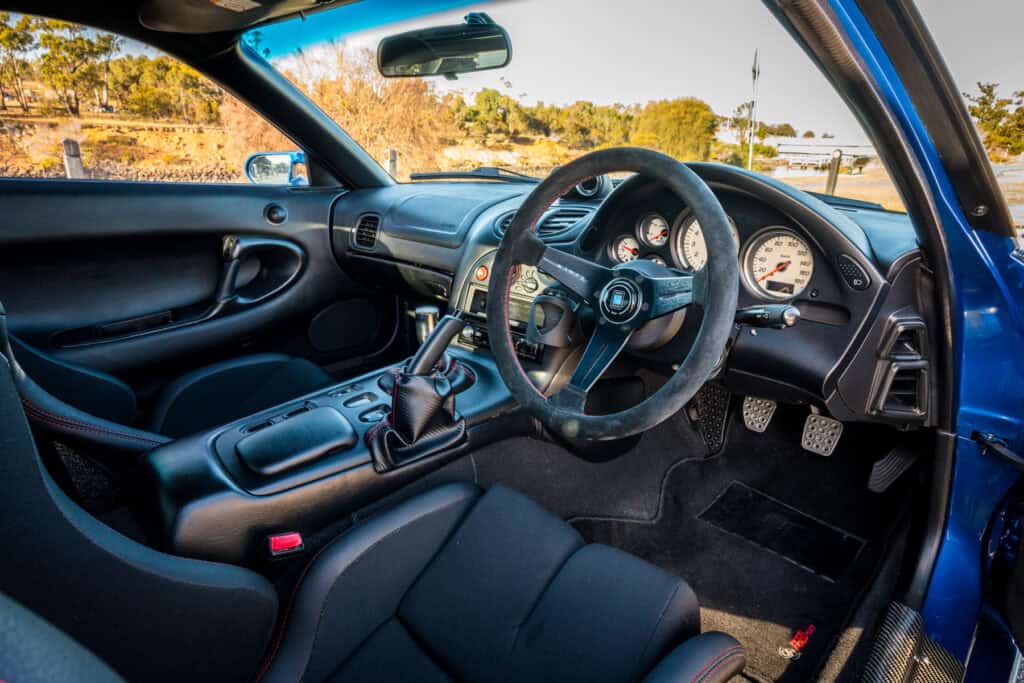
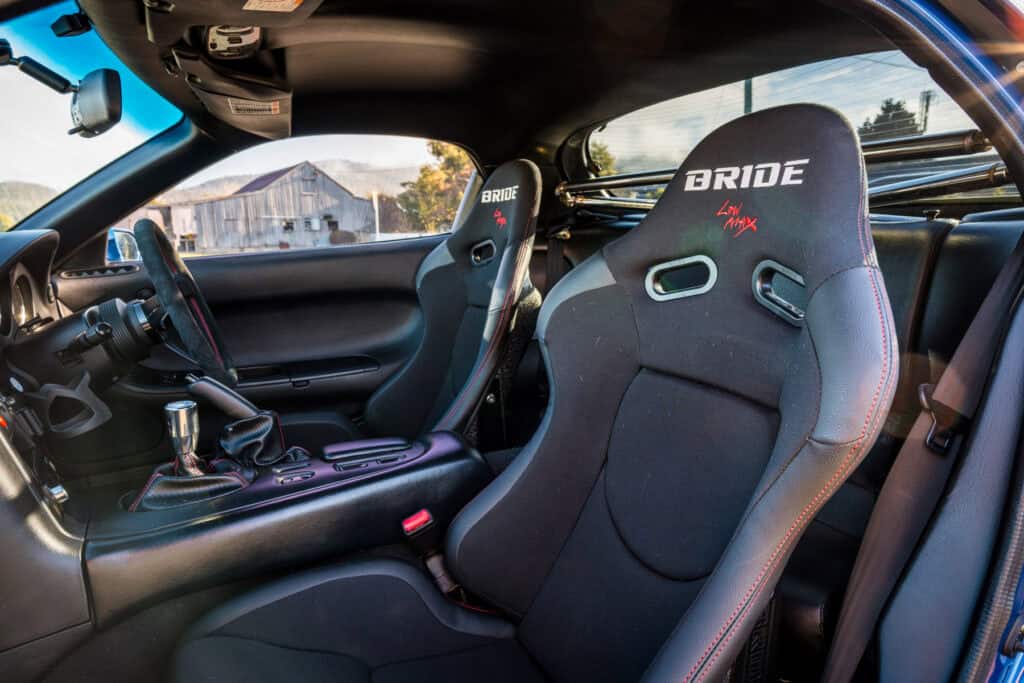
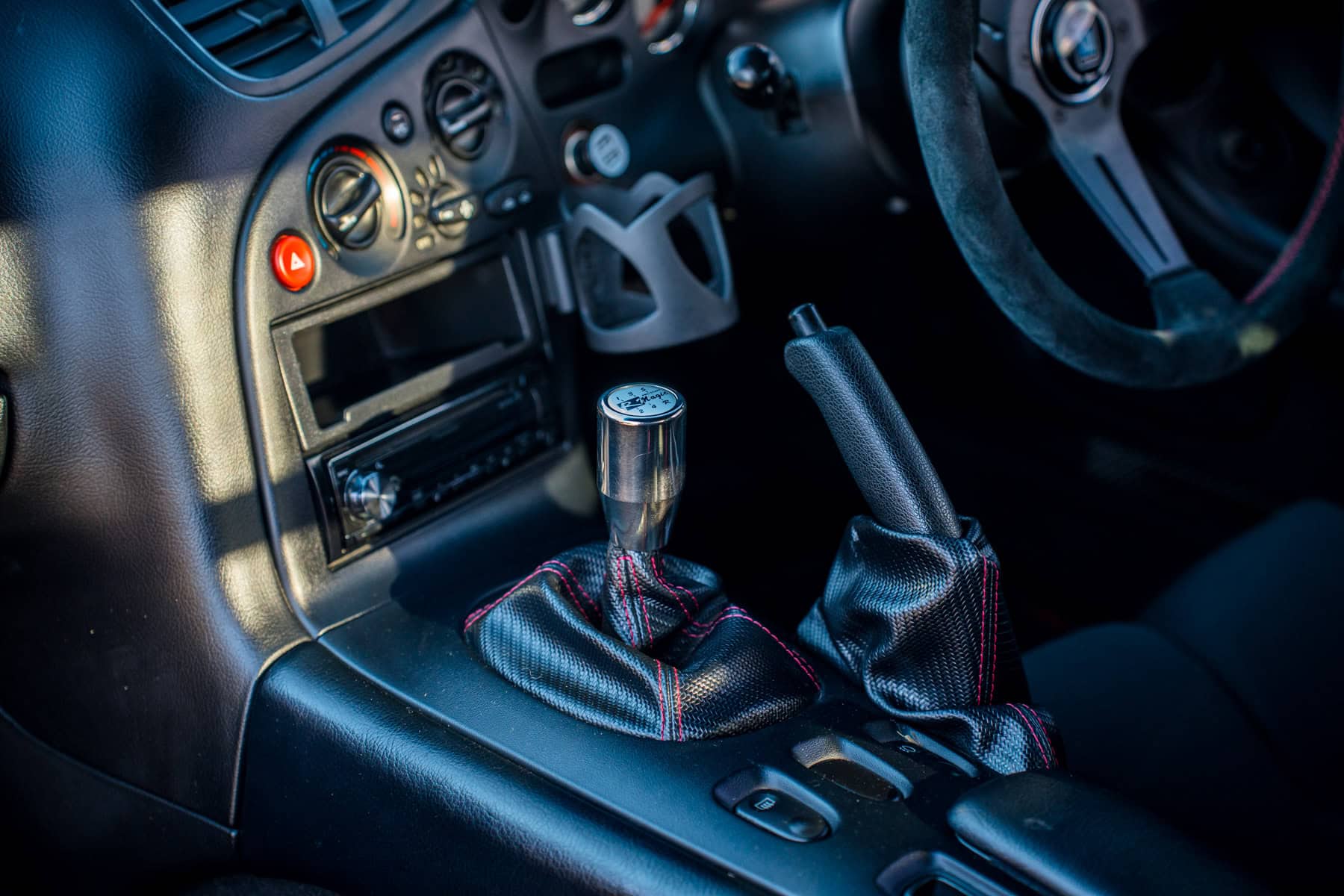
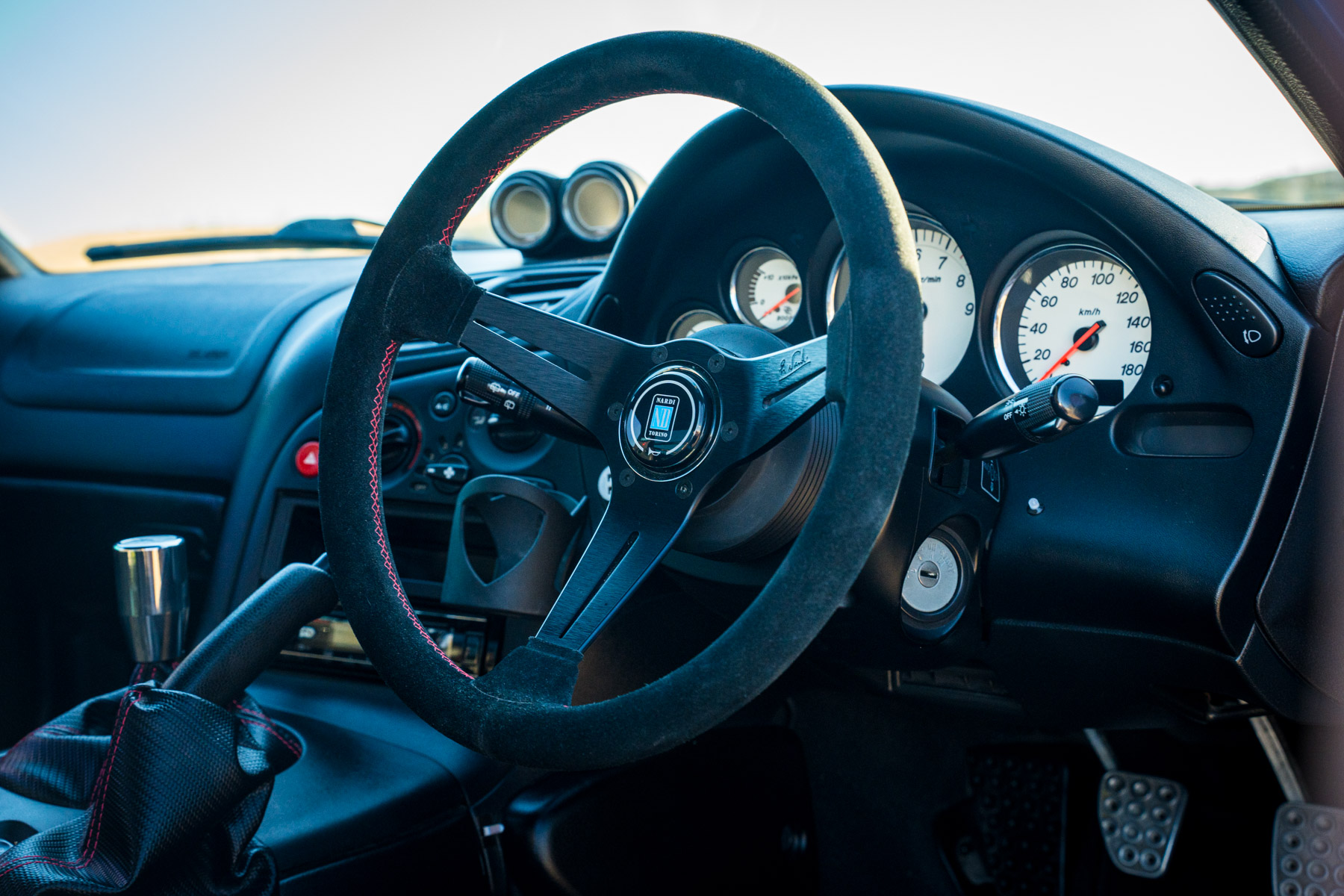
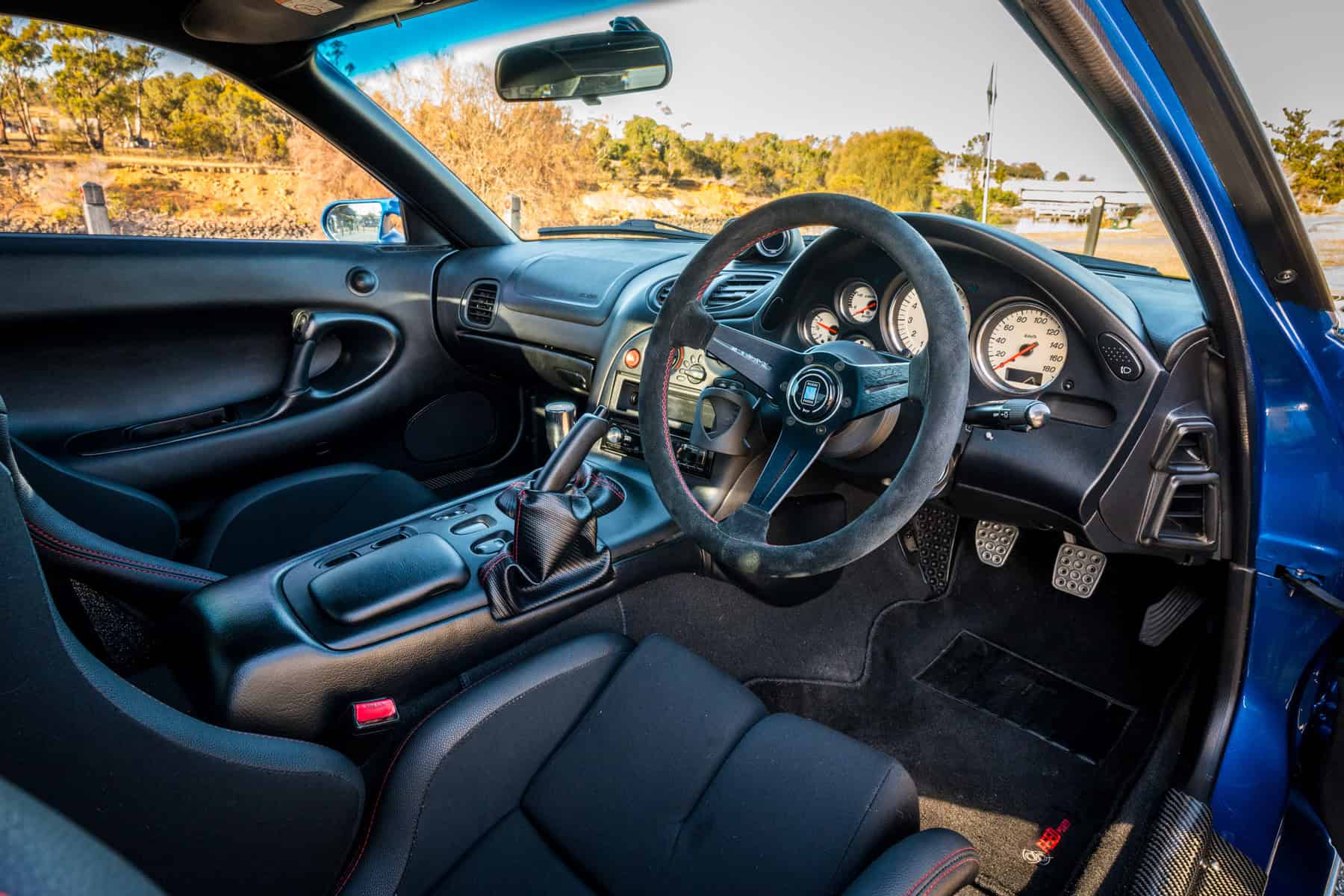
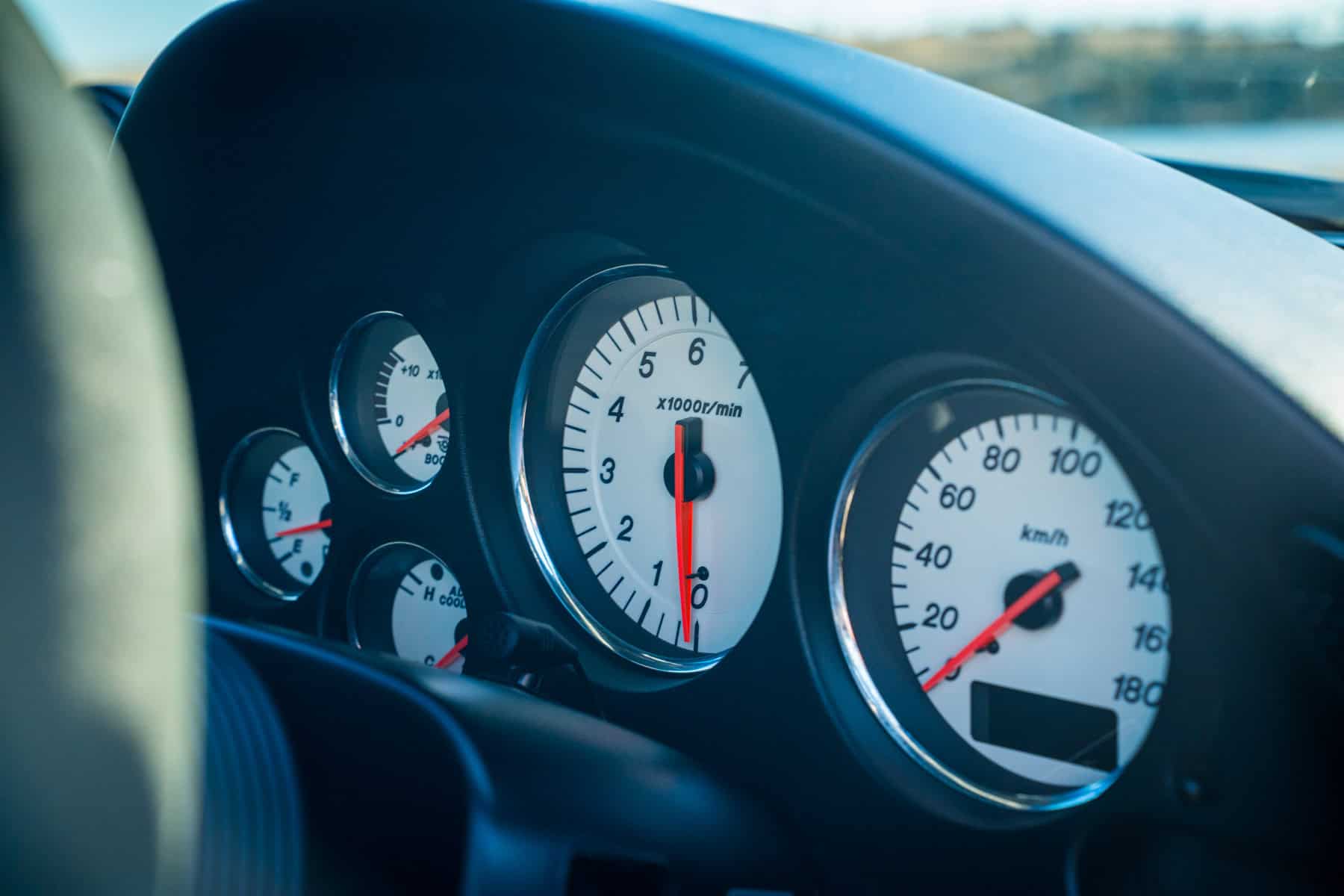
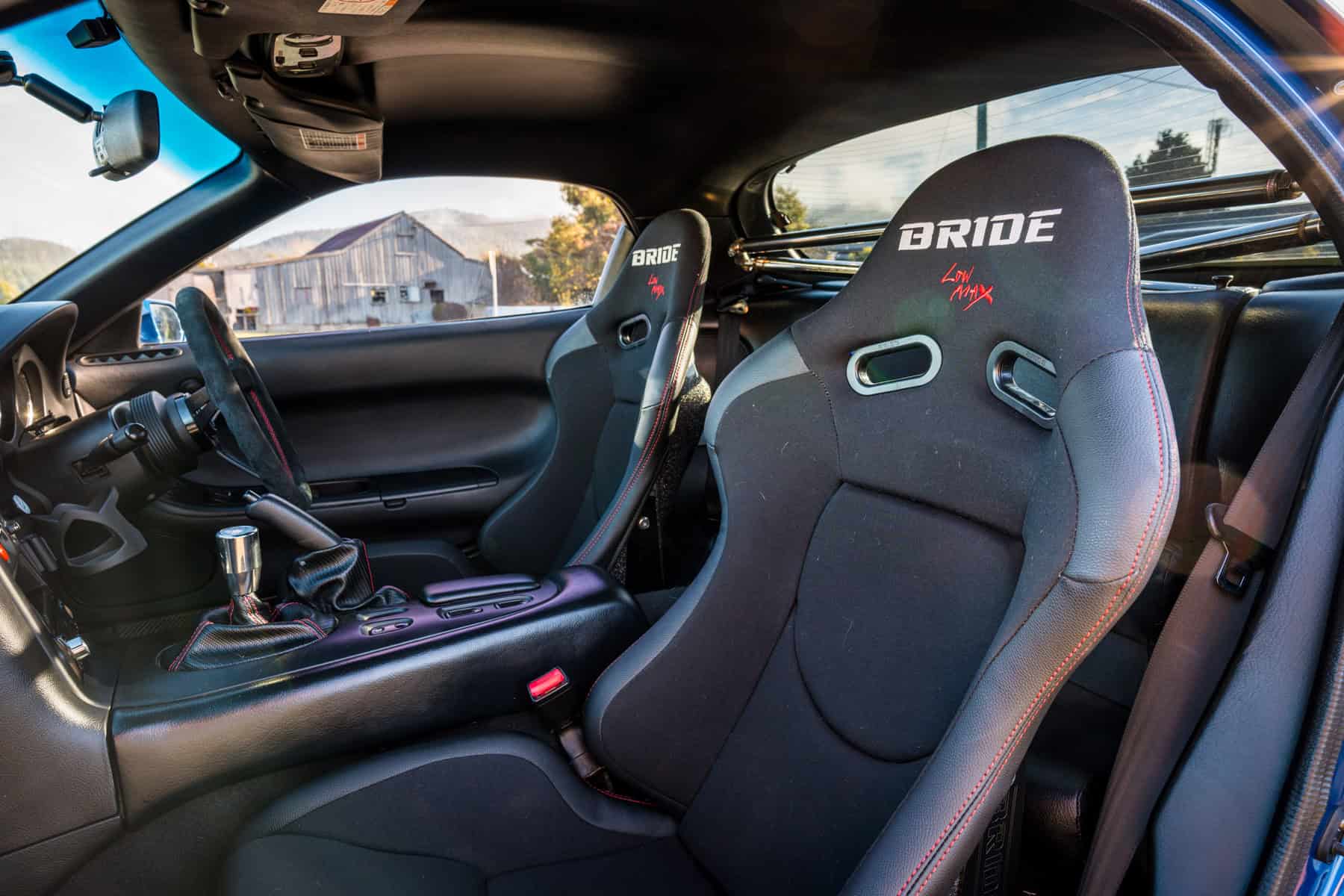
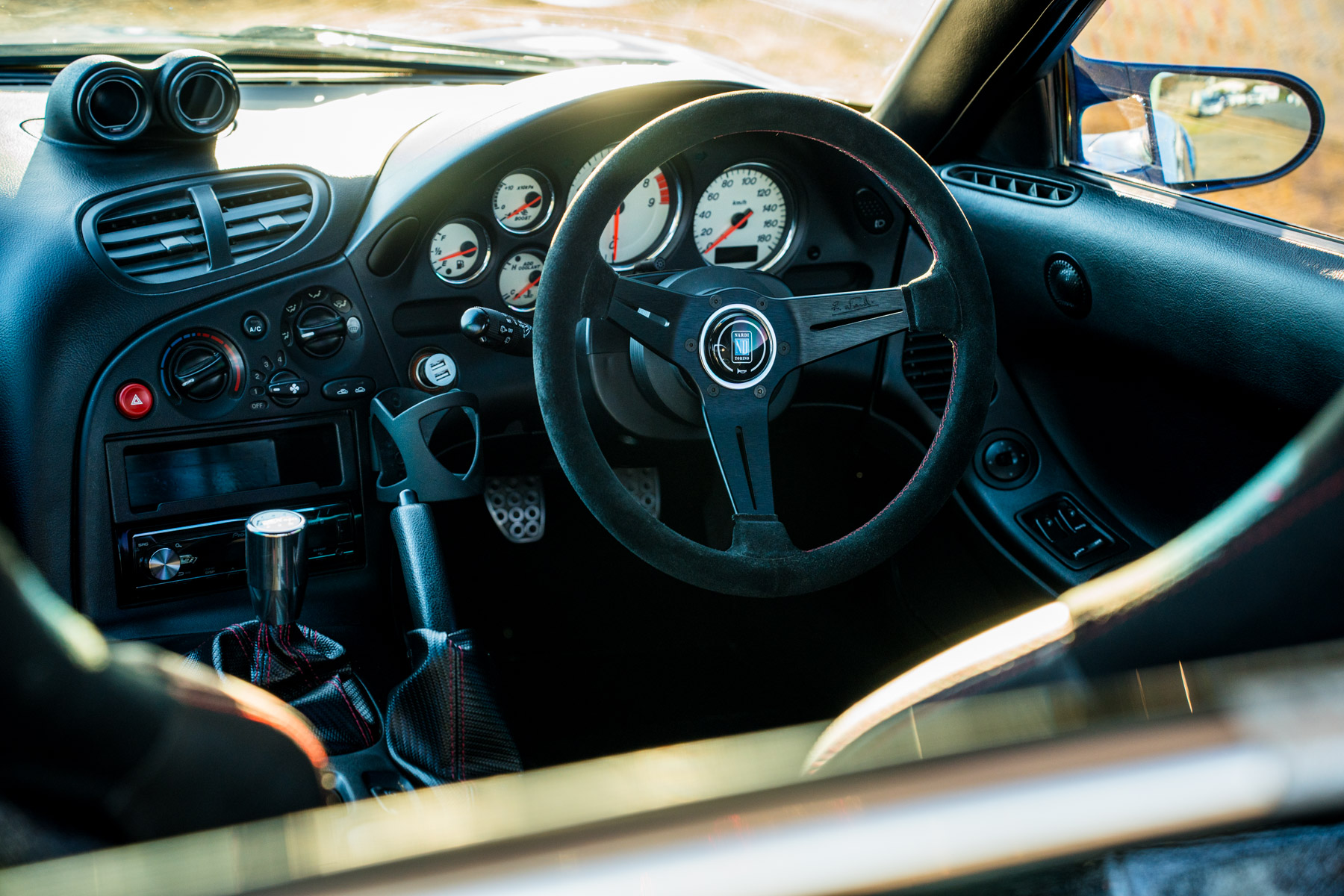
Inside, a Nardi ‘deep corn’ steering wheel and Bride Low Max seats only up the ante, although the cabin itself has been otherwise incredibly well preserved in the sort of condition that’s not often seen on many cars of this era.
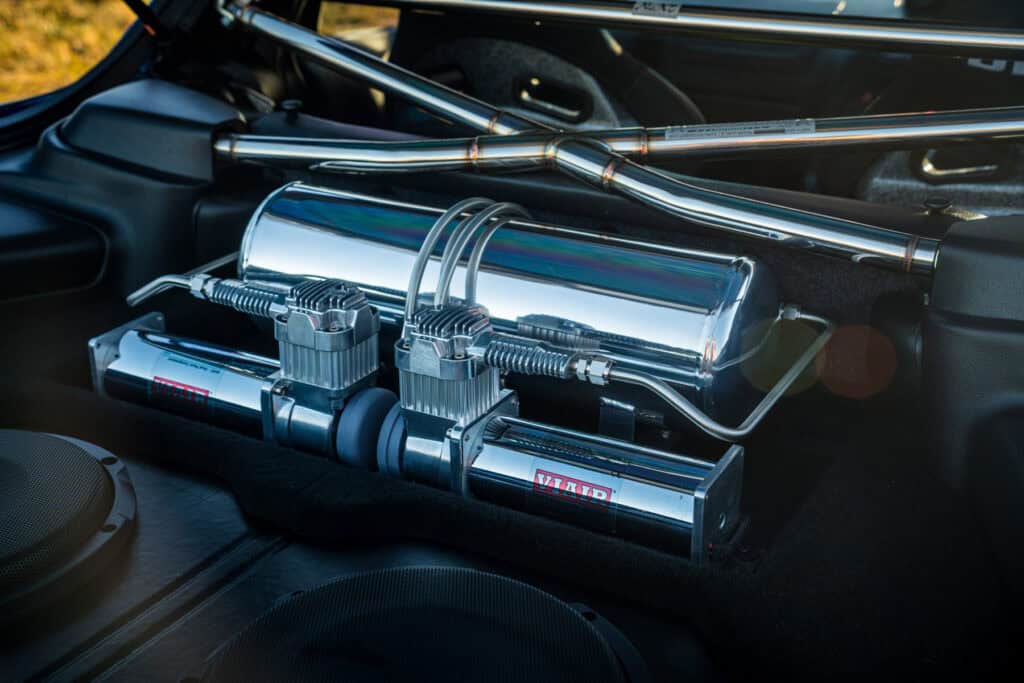
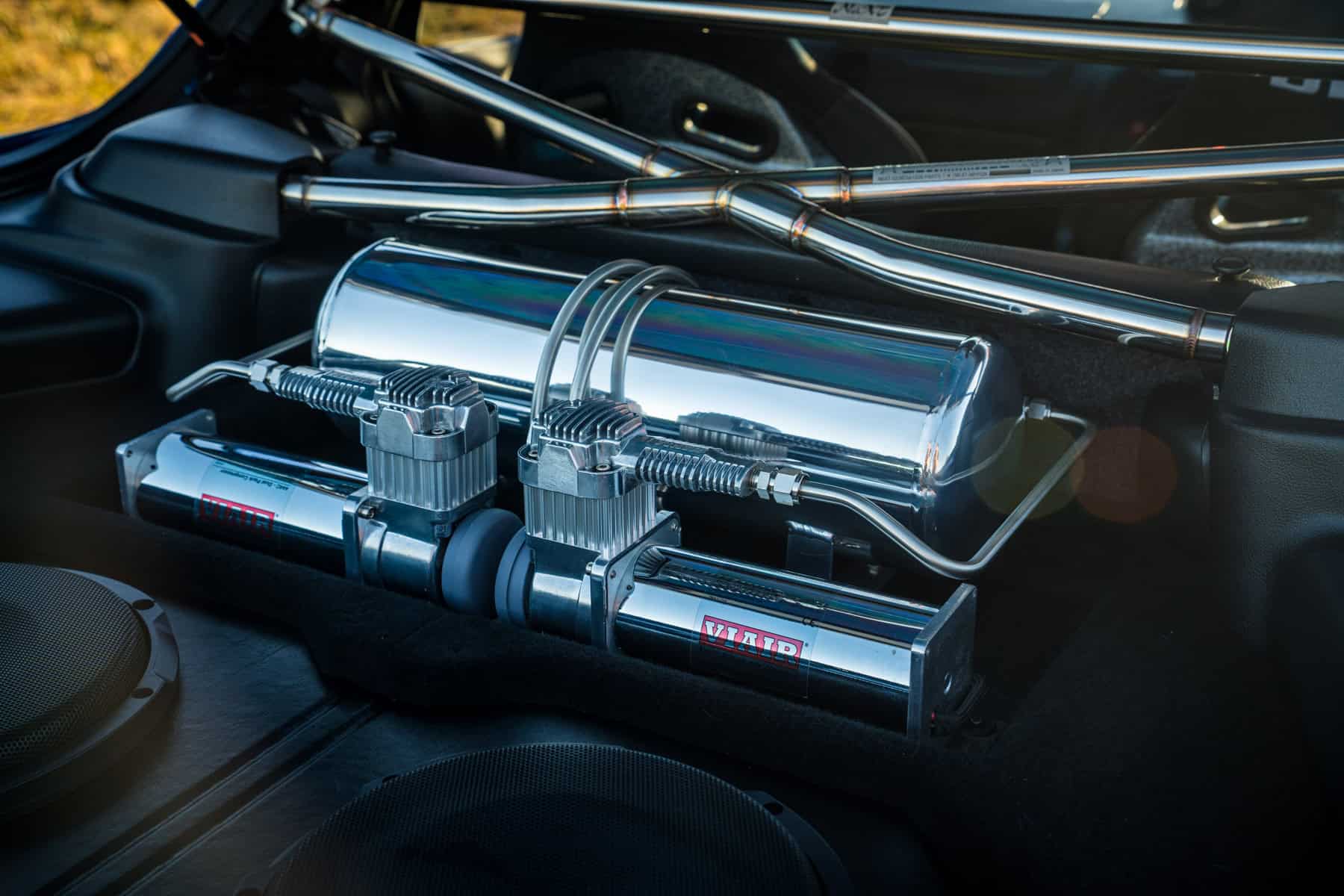
Although this is a 2+2 example that might hint at some semblance of practicality with its mint condition leather rear seats, that somewhat goes out of the window when you pop the boot. Not only are there two massive Audison subwoofers, but also a VIAIR air suspension system.
It might mean you aren’t fitting a suitcase back here, but you will be able to get over a speed bump. Small airbags have been fitted atop the car’s coilover suspension, meaning that when needed, it quickly raises or lowers at the push of a button while maintaining tight dynamics on a twisty road.
That’s exactly where I opted to take it, heading south of Hobart towards Tasman Peninsula where plenty of corners and open stretches of road lay ahead, and this RX-7 certainly didn’t disappoint there.
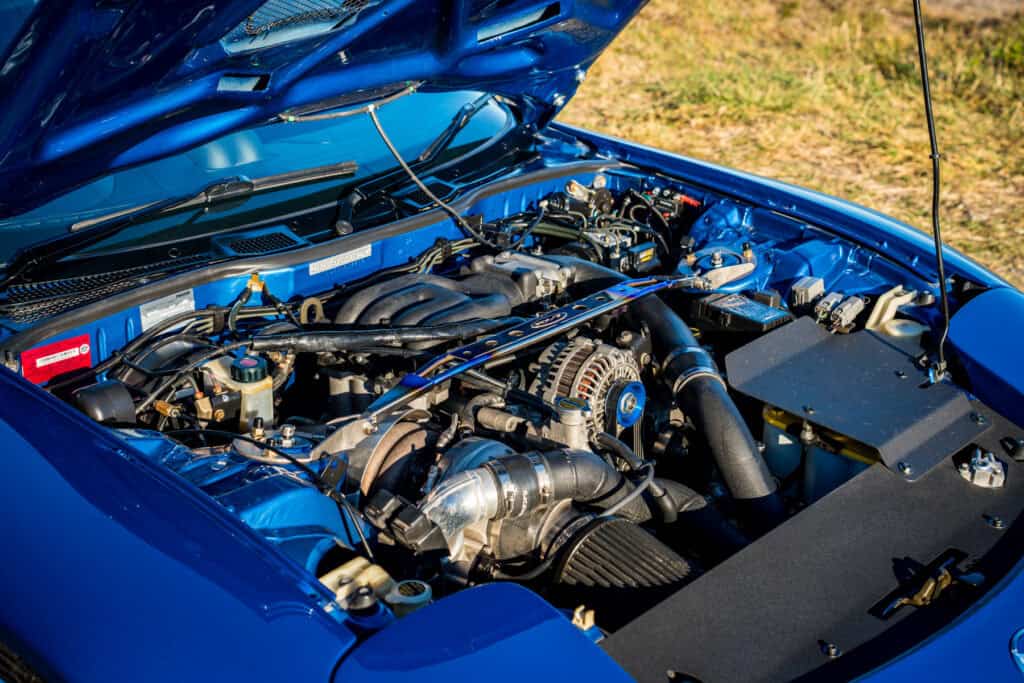
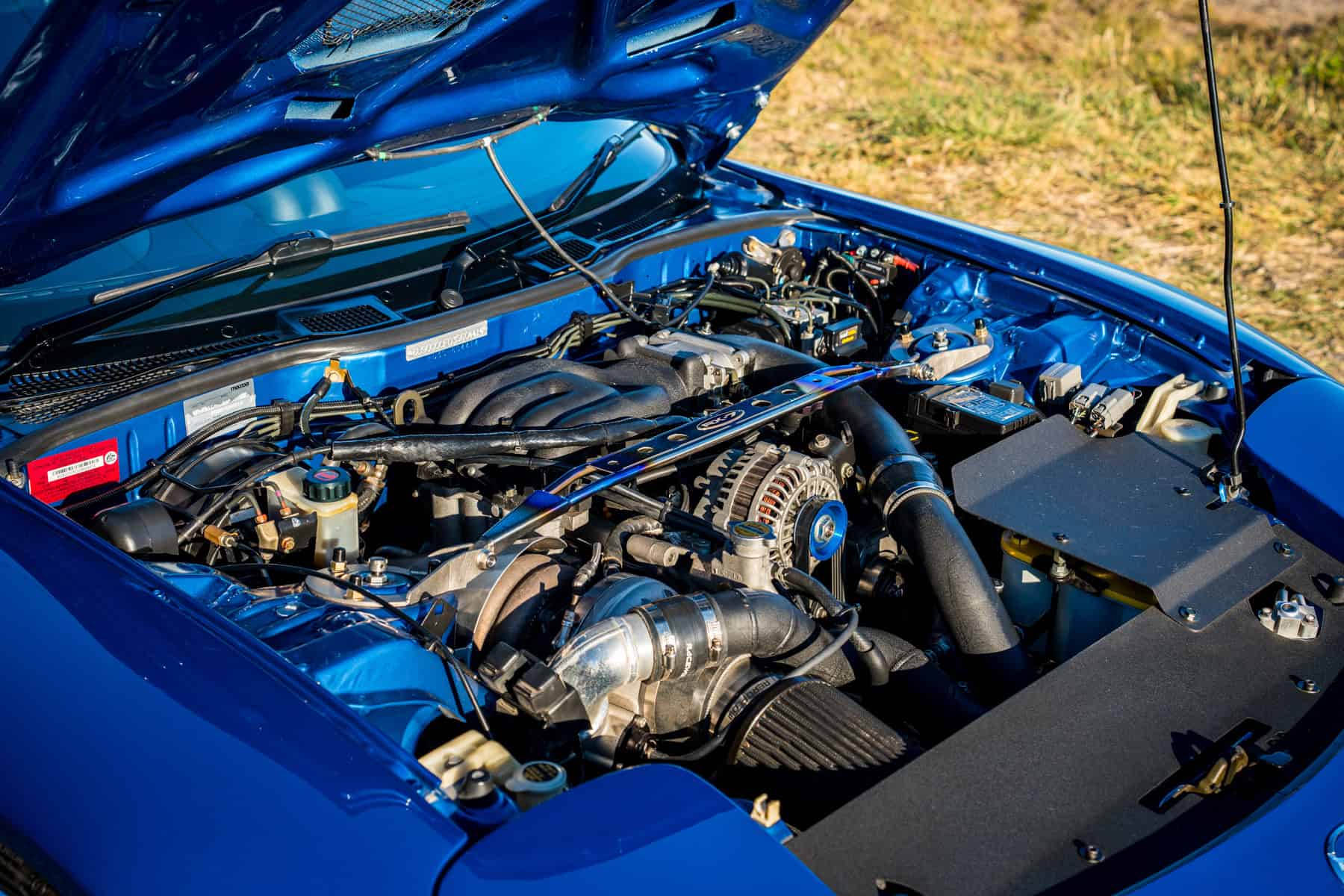
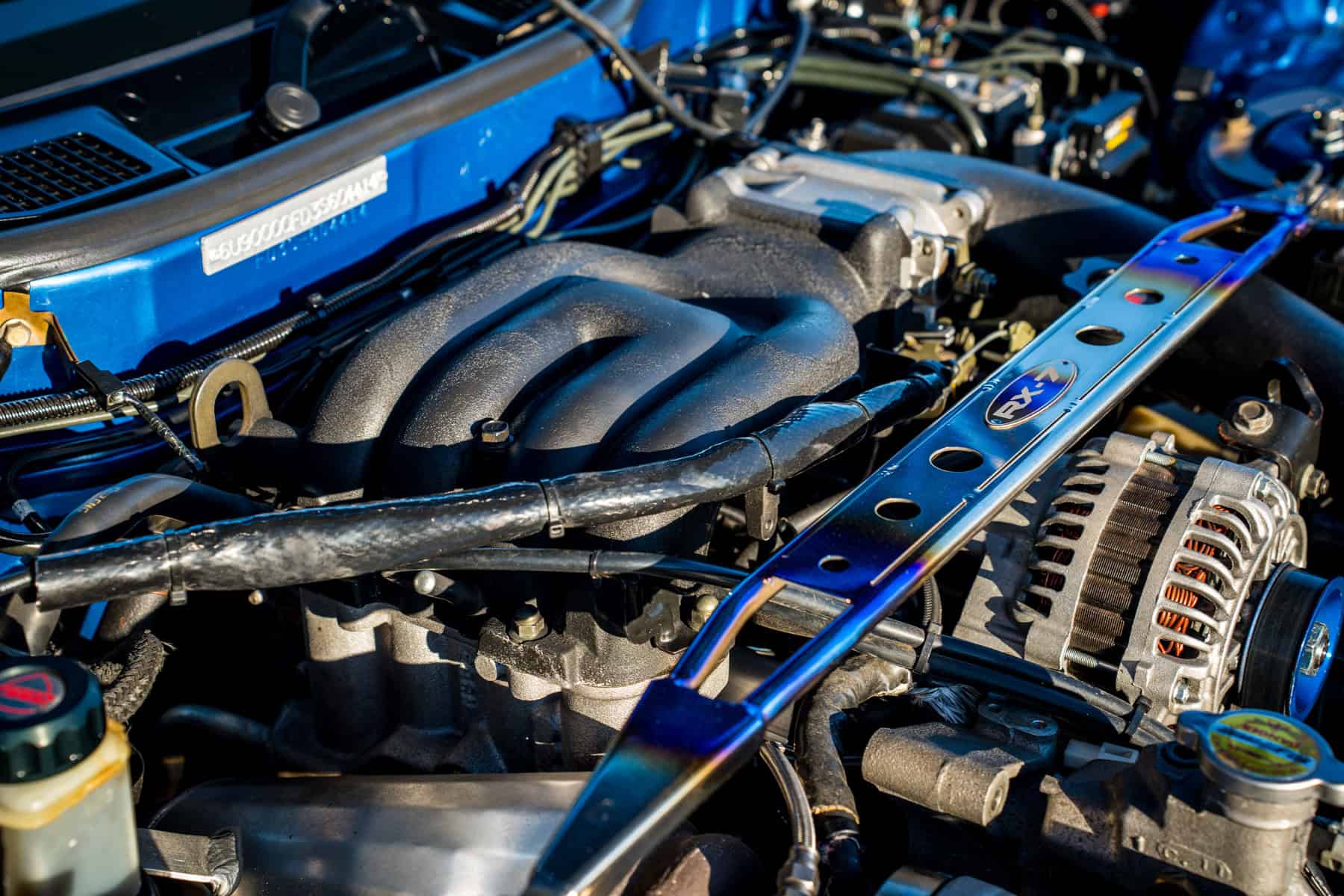
Central to the experience is that twin-rotor engine under the bonnet. Obviously, in keeping with the theme of this car, it isn’t stock. While the original featured a complex sequential twin-turbo system developed with Hitachi and produced 206kW (276hp) per a ‘gentleman’s agreement’ between Japanese brands at the time, this car has had the fussy forced induction system ditched in favour of a big single BorgWarner turbocharger.
With a Haltech flex fuel sensor enabling it to run on E85 or 98RON, this engine has been tuned to perfection. Despite the tiny 1.3-litre displacement, the nature of a rotary means that it loves a bit of boost running through it and is capable of some serious performance, and that’s clear to see here.
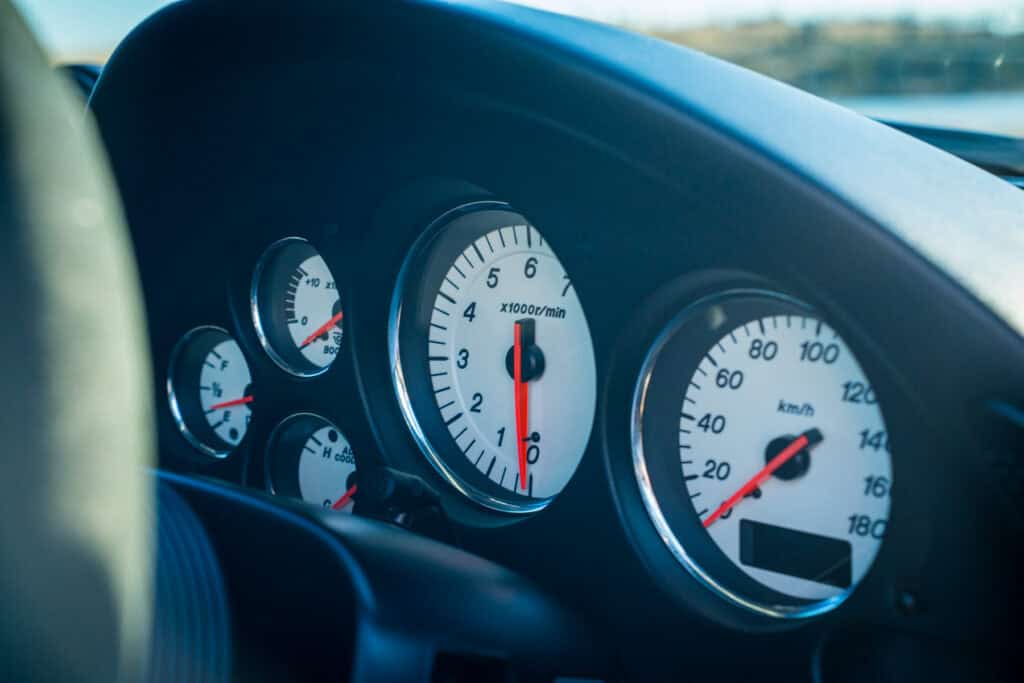
Despite the big turbo almost being larger than the diminutive engine itself, the tune on this example is incredibly drivable. After a well-managed initial hint of lag, it picks up quickly from around 3000rpm, before the whooshy soundtrack and flutters on lift-off quickly has you thinking you’re hitting warp speed.
While the low displacement means low end torque isn’t this engine’s strong suit, the power at the top end – where it loves to be revved out to – is absolutely intoxicating. It’ll even spit some gnarly flames out of its RE Amemiya exhaust to boot.
Yet, it’s still perfectly drivable in everyday conditions. While many modified rotaries have a ‘bridge port’ modification to increase intake duration and power with the trade-off of a lumpy idle, this 13B is thankfully still in its original form. As a result, it is unbelievably smooth, even more so than its straight-six rivals. It might as well be running on liqueur rather than something as coarse as petrol.
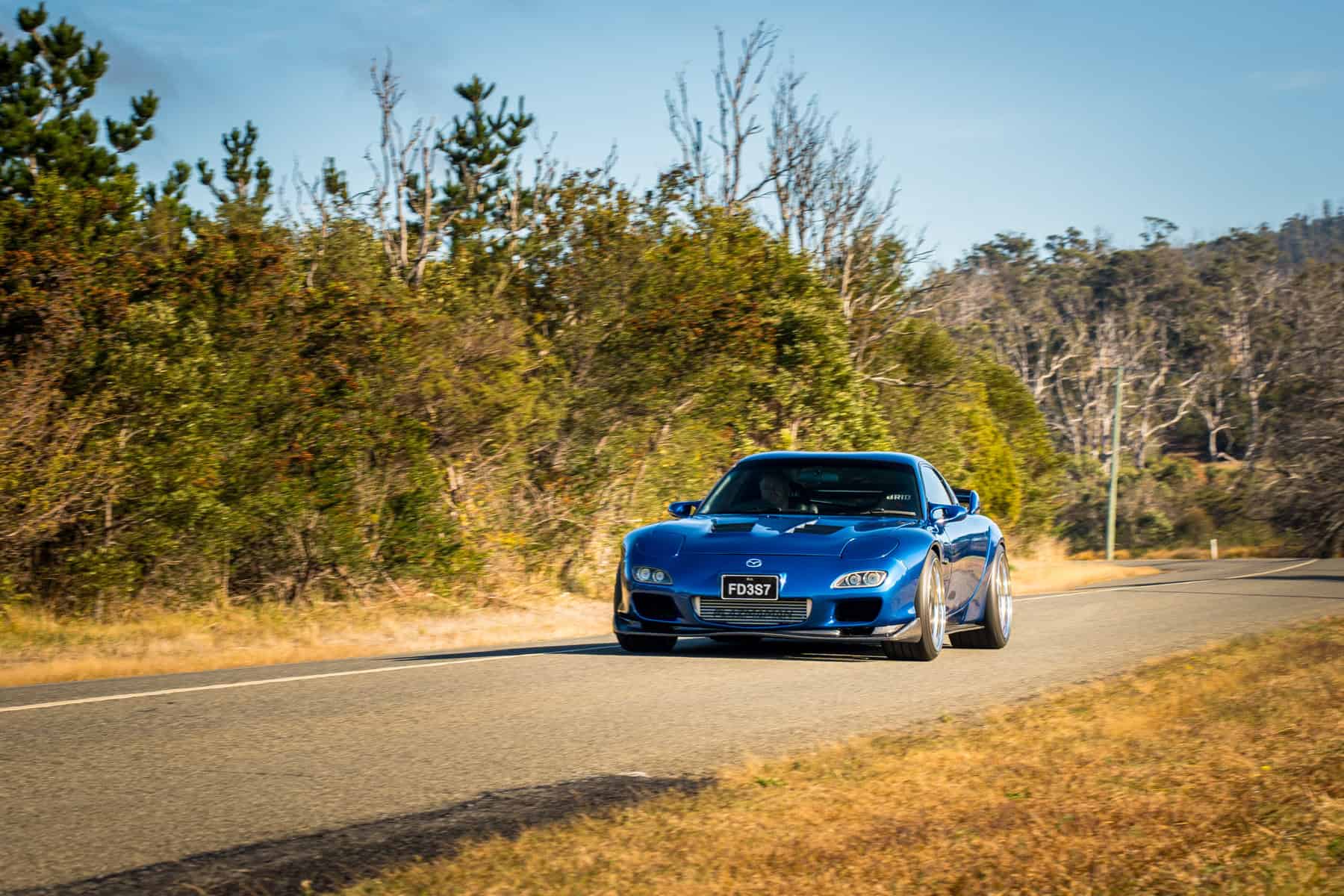
That theme of drivability continues in the ride and handling department as well. While many modified cars can be overly firm and crashy, this car’s ride has been dialled in to remain surprisingly compliant while also sitting utterly flat through the bends.
Not only do the 305-wide rear tyres and low centre of gravity ensure such sweet handling, but the steering is also an utter delight – tactile, informative, and the perfect weight and ratio. The additional chassis stiffening thanks to front and rear strut braces also makes a big impact in this regard as well.
The Supra and GT-R may gain most of the plaudits in the mainstream’s eyes, and rightfully so as there’s such mutual respect between the fans of all JDM cars for a good reason, but there’s something utterly inimitable about the RX-7 that makes it stand out.
Not only is the base car’s character so unique thanks to its engine and styling, but this particular build is one of the best modified examples you’ll come across.
If it’s won your heart the way it has mine, you’ll find it up for grabs on the RR Auctions website from May 24 to June 3, 2026.