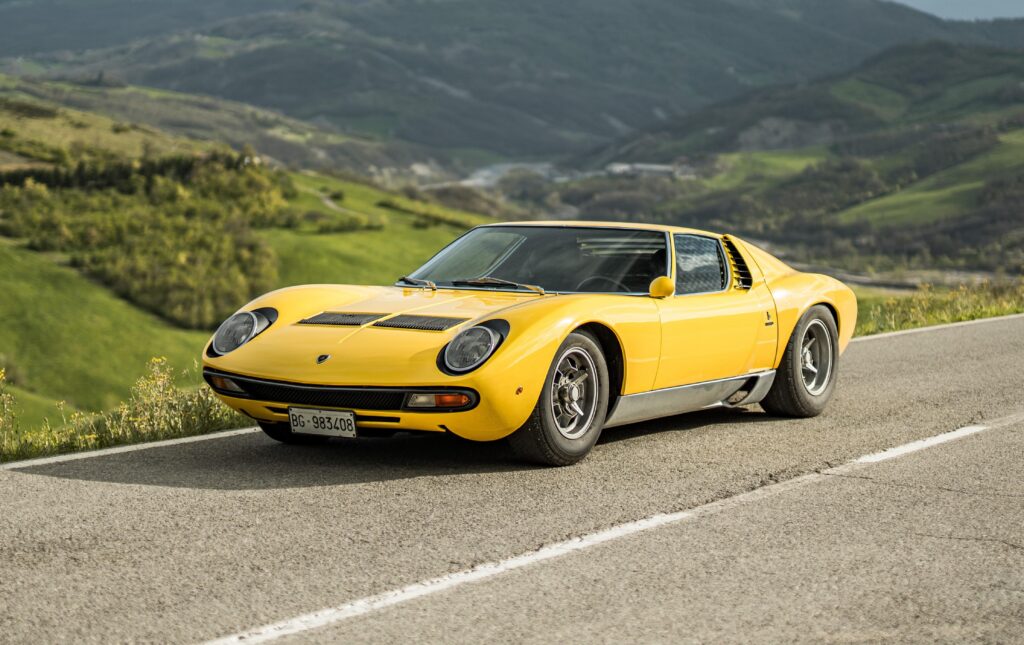

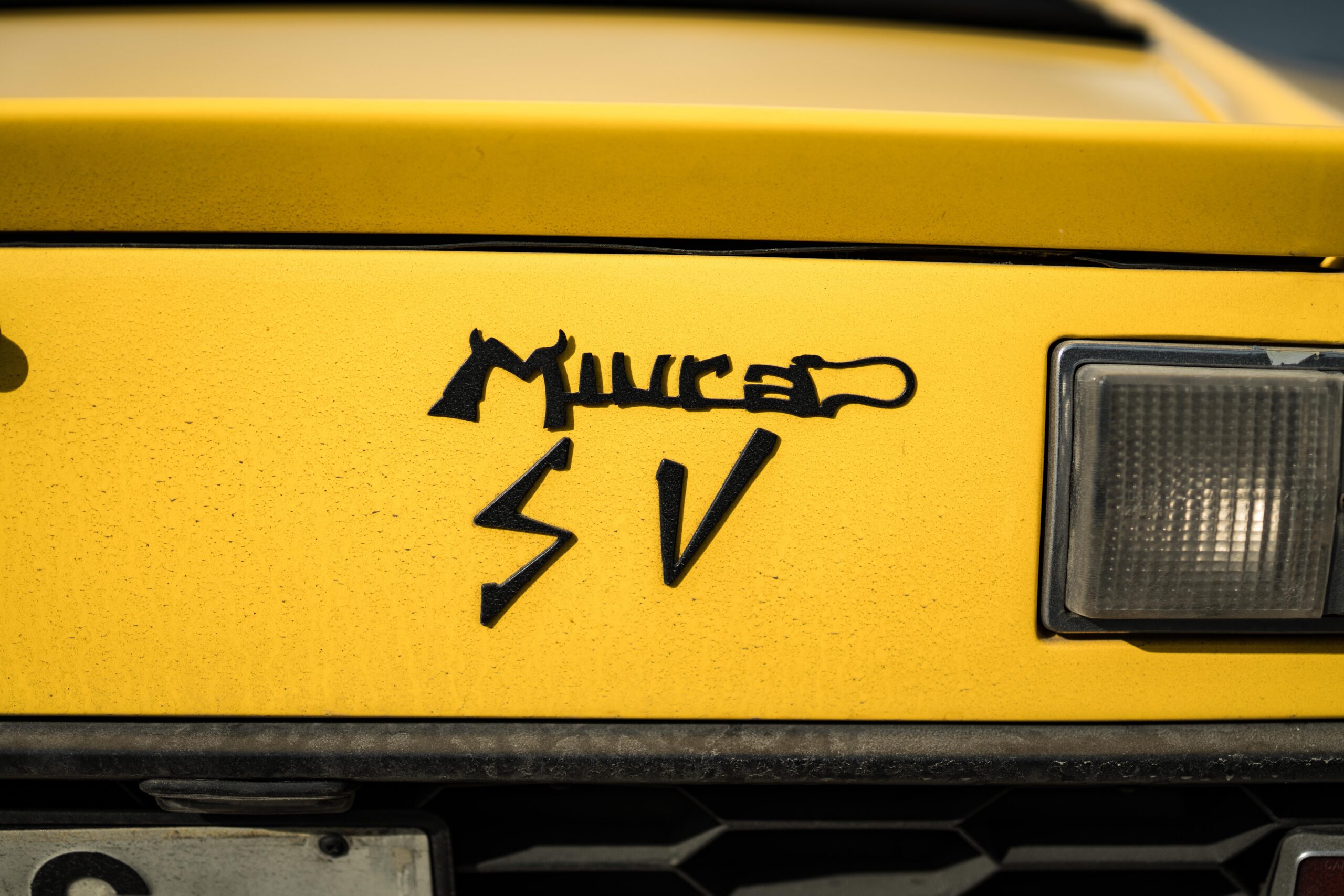
It was 55 years ago that the SV designation first appeared on a Lamborghini, when the Miura SV arrived in 1971.
Standing for “Super Veloce”, translating to English as “Super Fast”, SV models from the very beginning were not merely created to refine an existing model, but rather to transform it into a significantly sharper and higher-performance verson.
Since then, those initials have become synonymous with some of the most radical road cars from Sant’Agata Bolognese.
“For 55 years, the letters SV have represented an important expression of Lamborghini’s V12 philosophy,” explains Stephan Winkelmann, chairman and CEO of Automobili Lamborghini.
“Every Super Veloce has redefined the limits of performance in its own era while remaining true to the values that have always distinguished Lamborghini: innovation, lightweight engineering, exclusivity and pure driving emotion.”
The SV versions of each Lamborghini V12 flagship model has often been regarded as the technical icon of its generation. These models feature more power to further increase performance over the original, undergo lightweighting engineering to enhance the pure driving experience, and are produced in limited numbers for customers and enthusiasts.
With the latest instalment to the Super Veloce lineage, the Temerario SV, having recently broken cover during Monterey Car Week, we wanted to take a look back at these legendary Lambo flagships before its arrival.
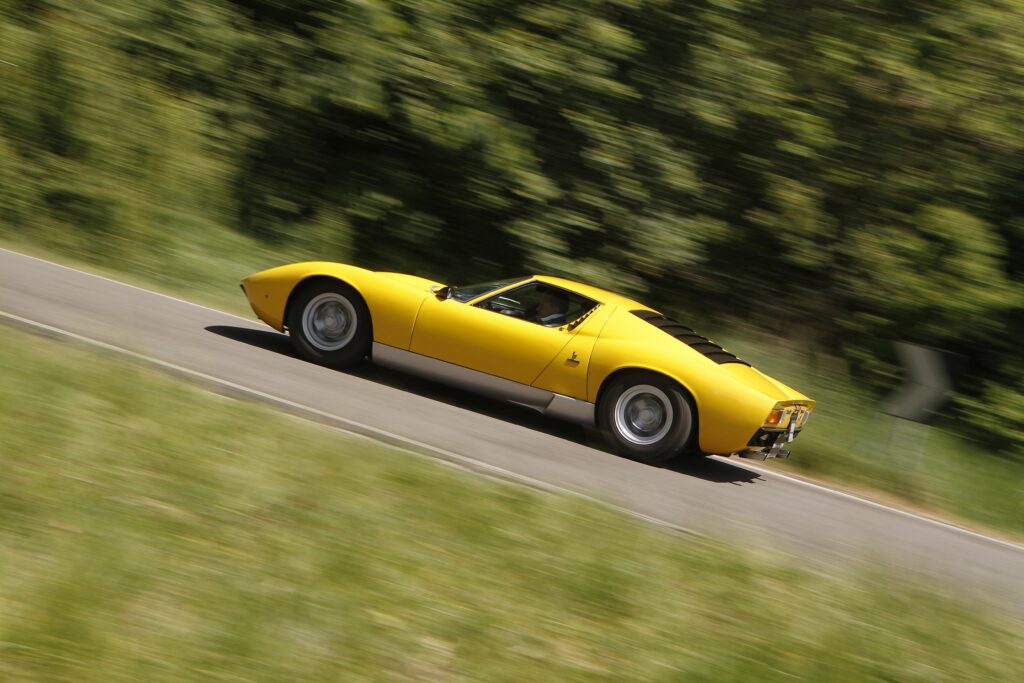
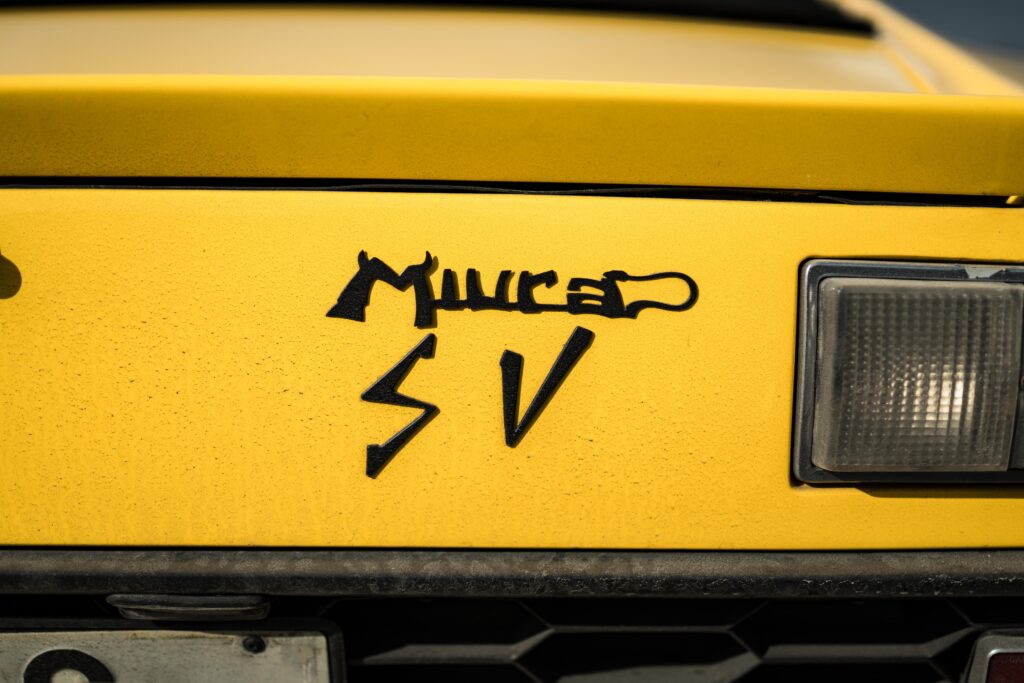
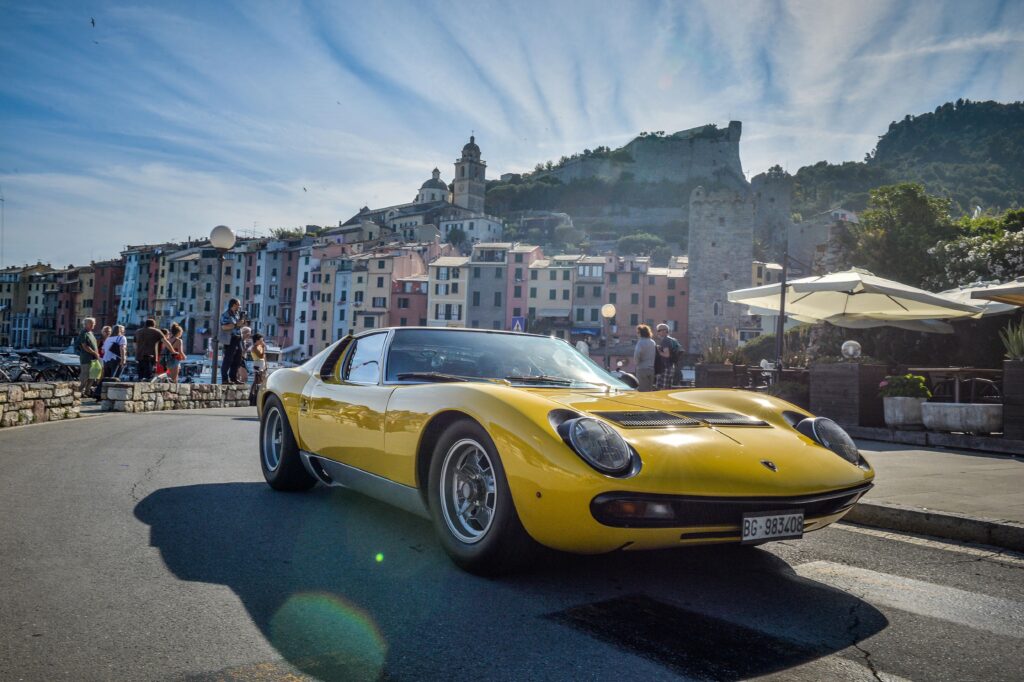
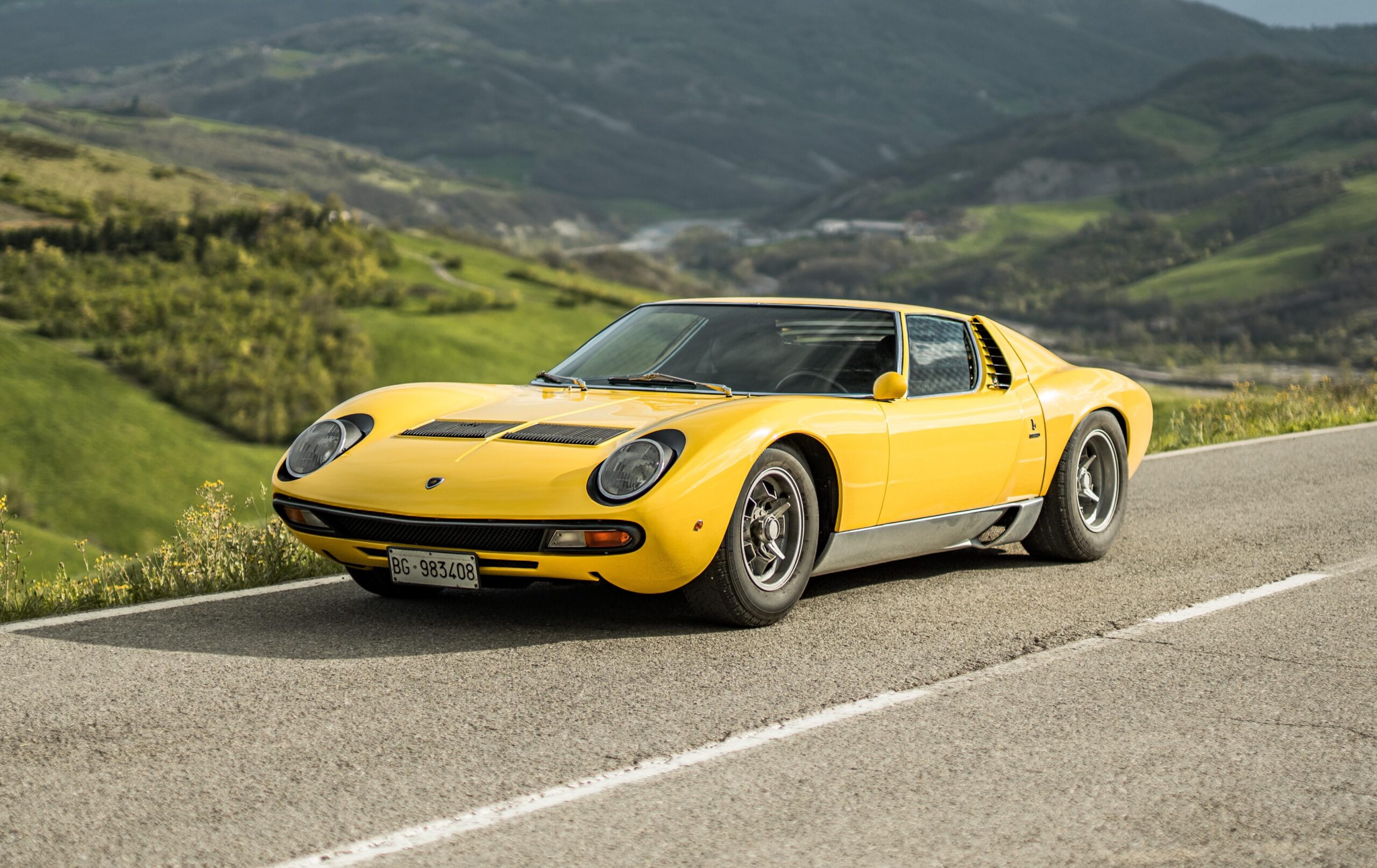
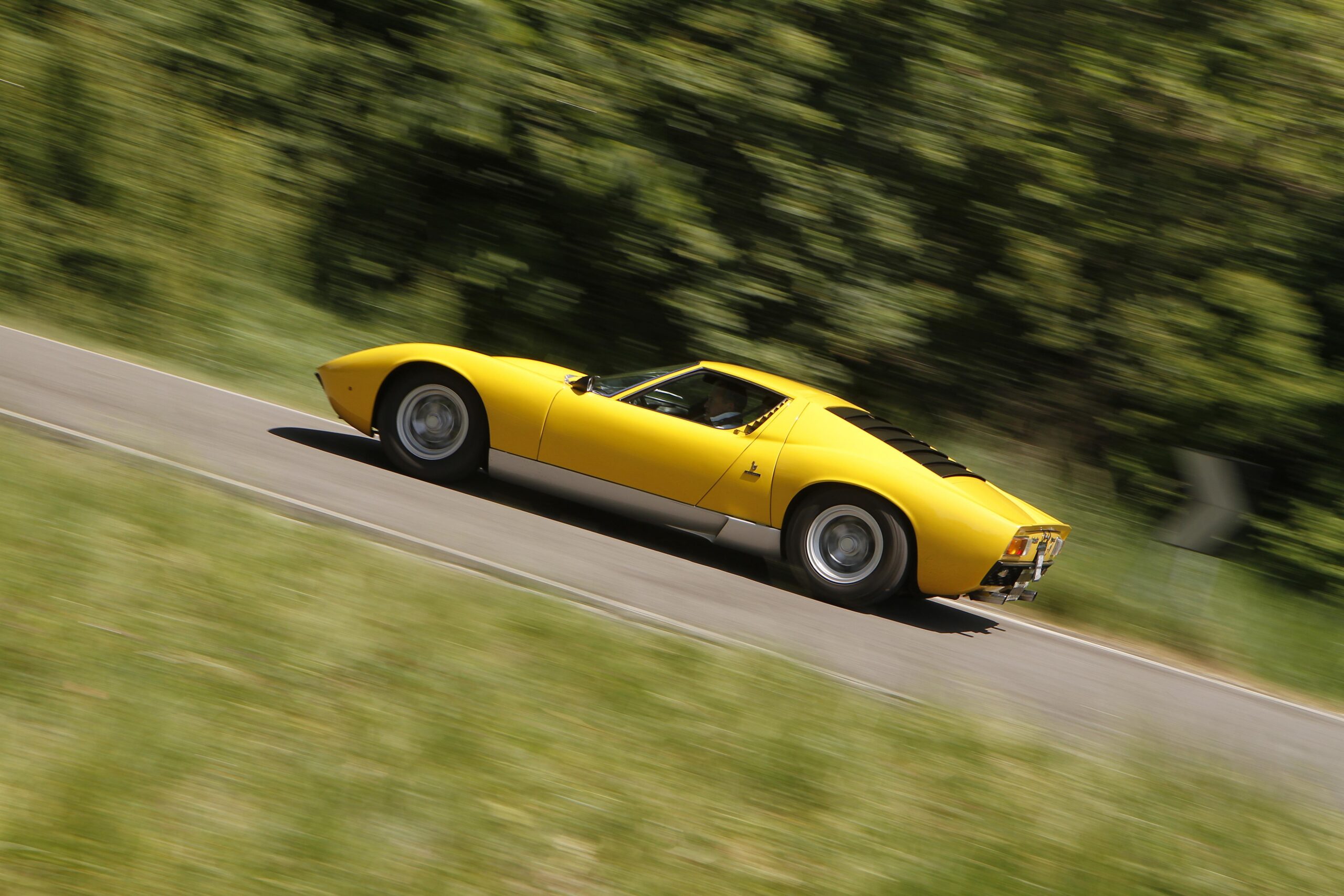
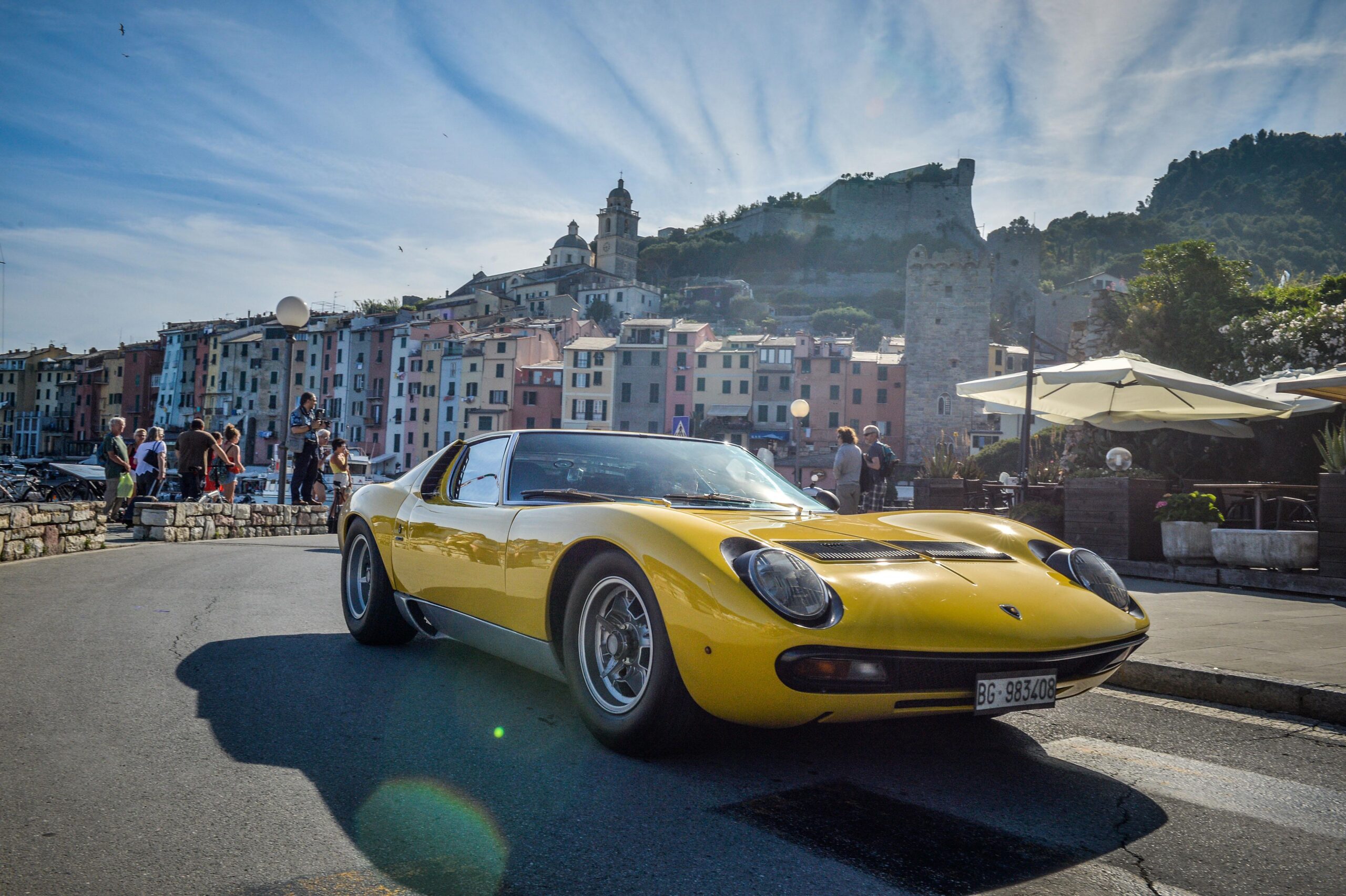
Lamborghini Miura SV (1971)
As an optimized variant of the Miura, the Miura SV was unveiled to the public in 1971.
Its mid-mounted 4.0-liter V12 produced 385hp and accelerated the first modern-era supercar to 100km/h in around 5.5 seconds, and propelled it to a top speed of well over 280km/h.
The final evolutionary stage of the Miura series featured a reinforced body, improved cooling, and enhanced driving comfort, as well as increased power.
As the first Super Veloce Lamborghini, the Miura SV simultaneously definined the SV concept while also setting the standard for subsequent high-performance models. Only 150 Miura SVs were delivered to customers.
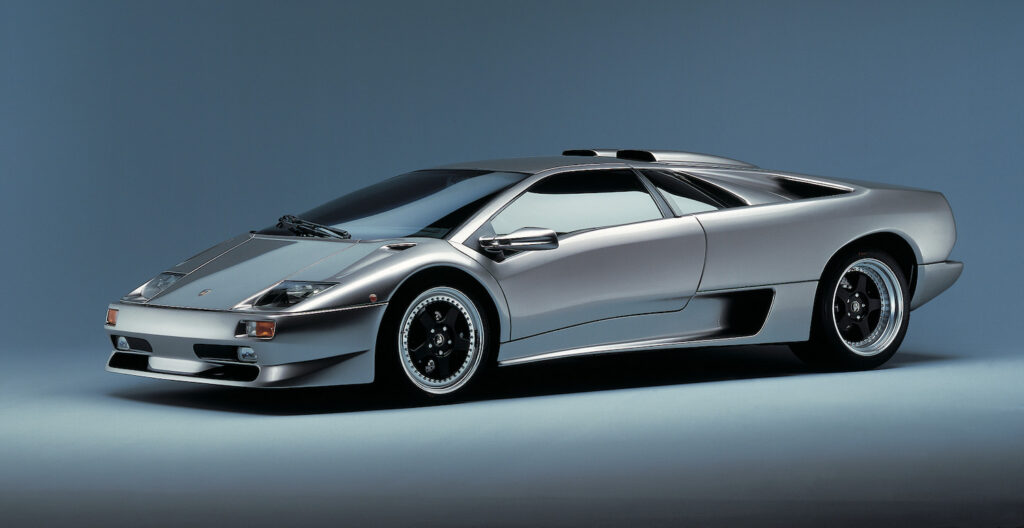
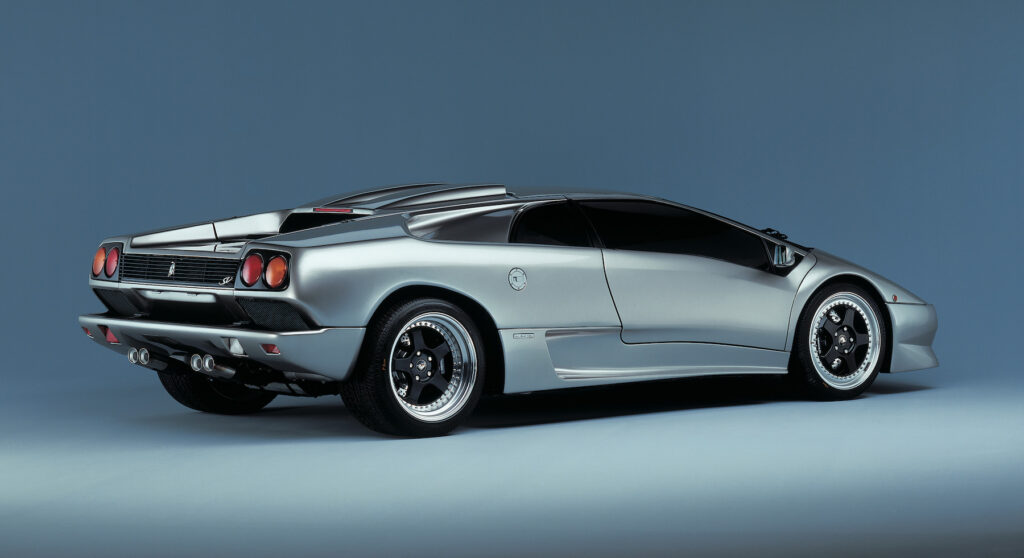
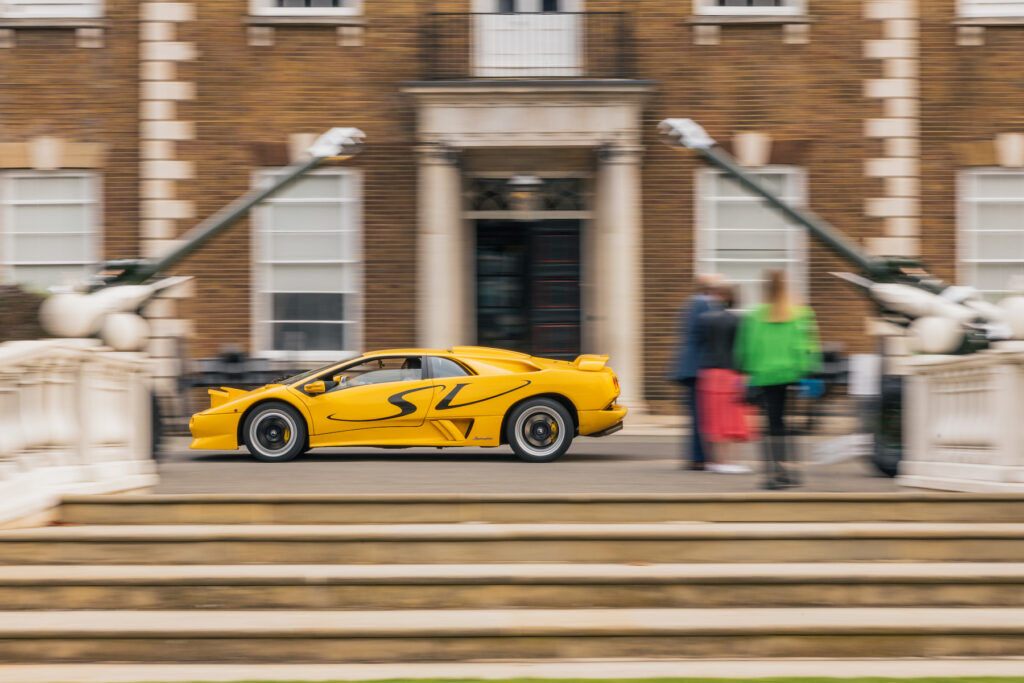
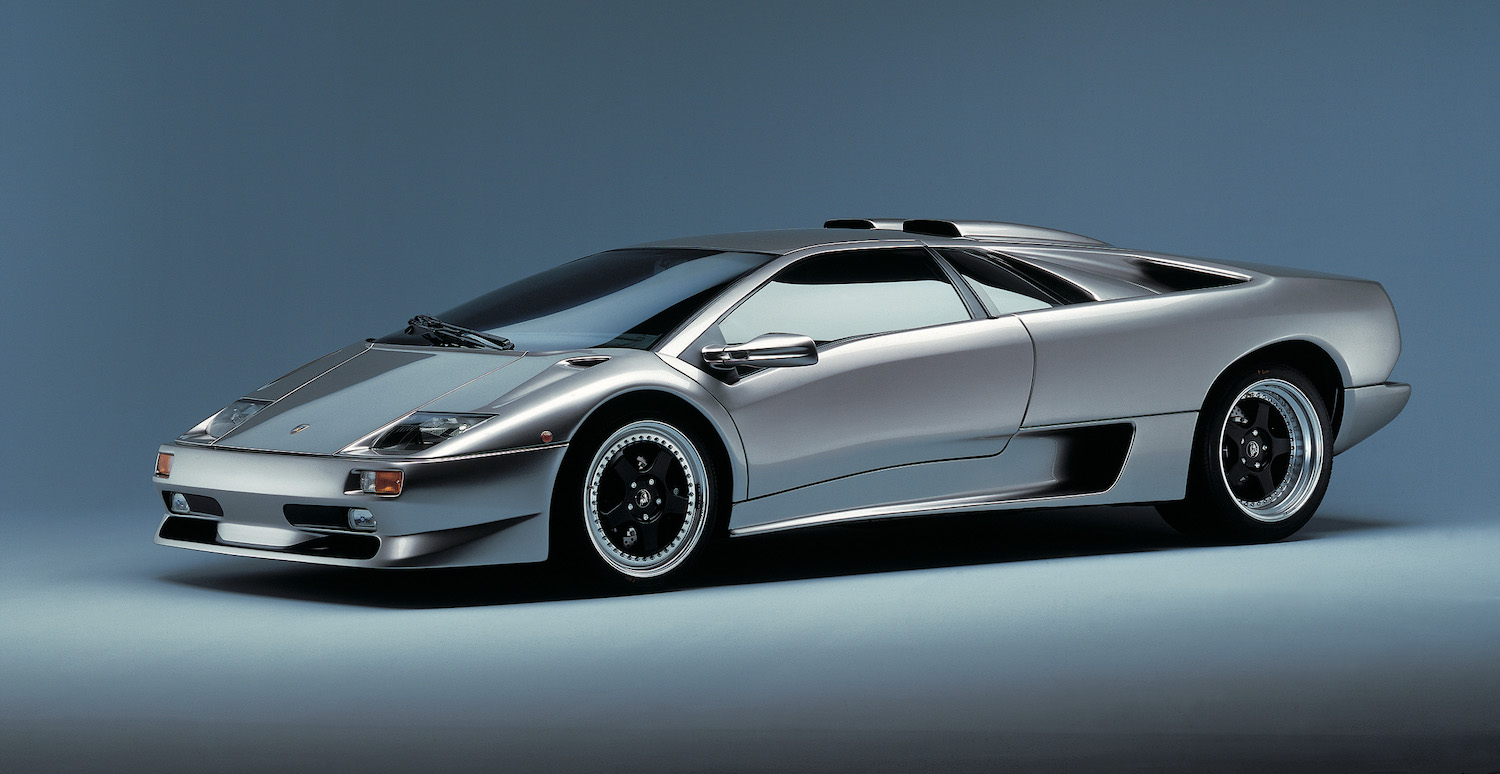
Lamborghini Diablo SV (1995)
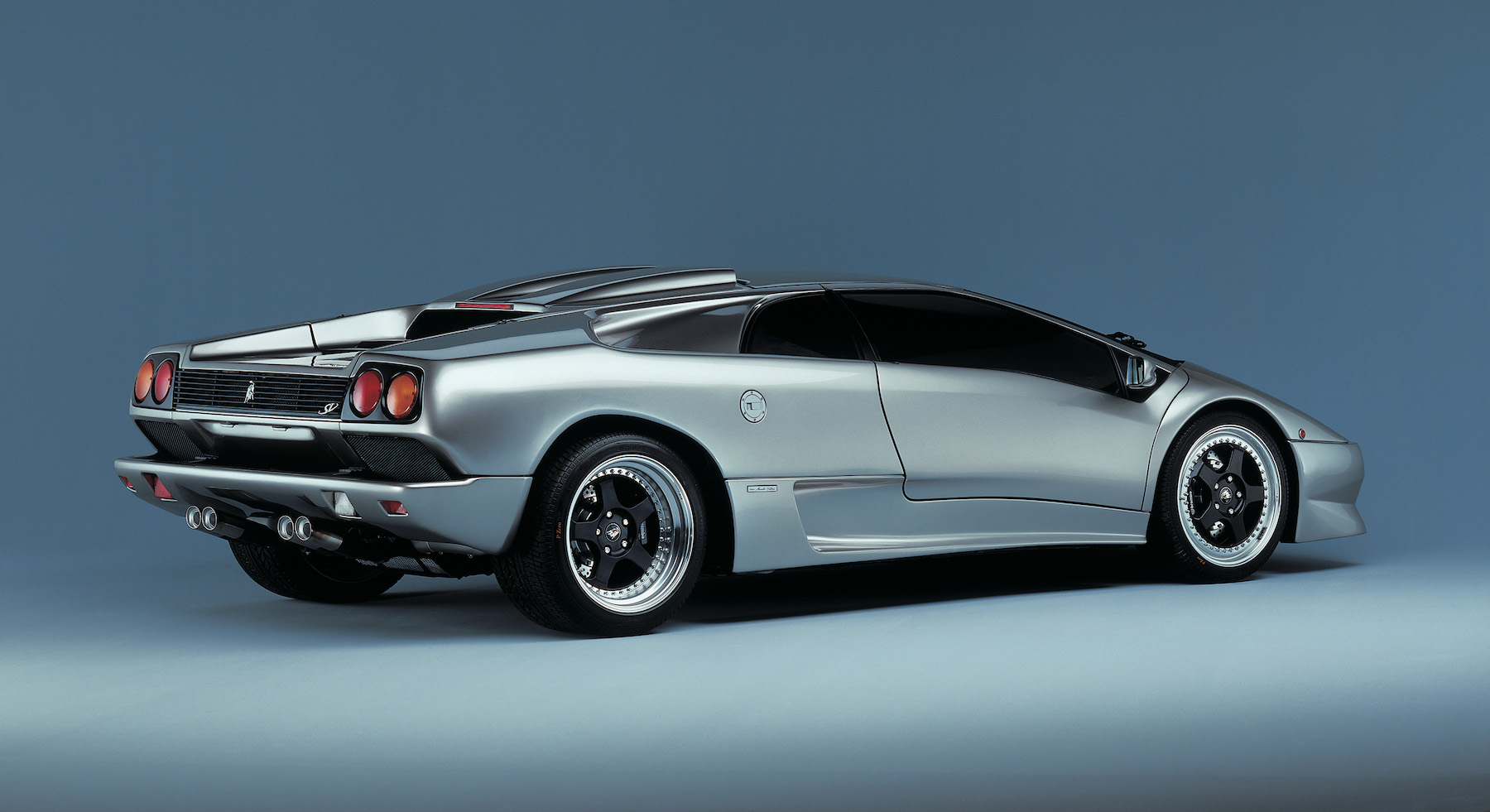
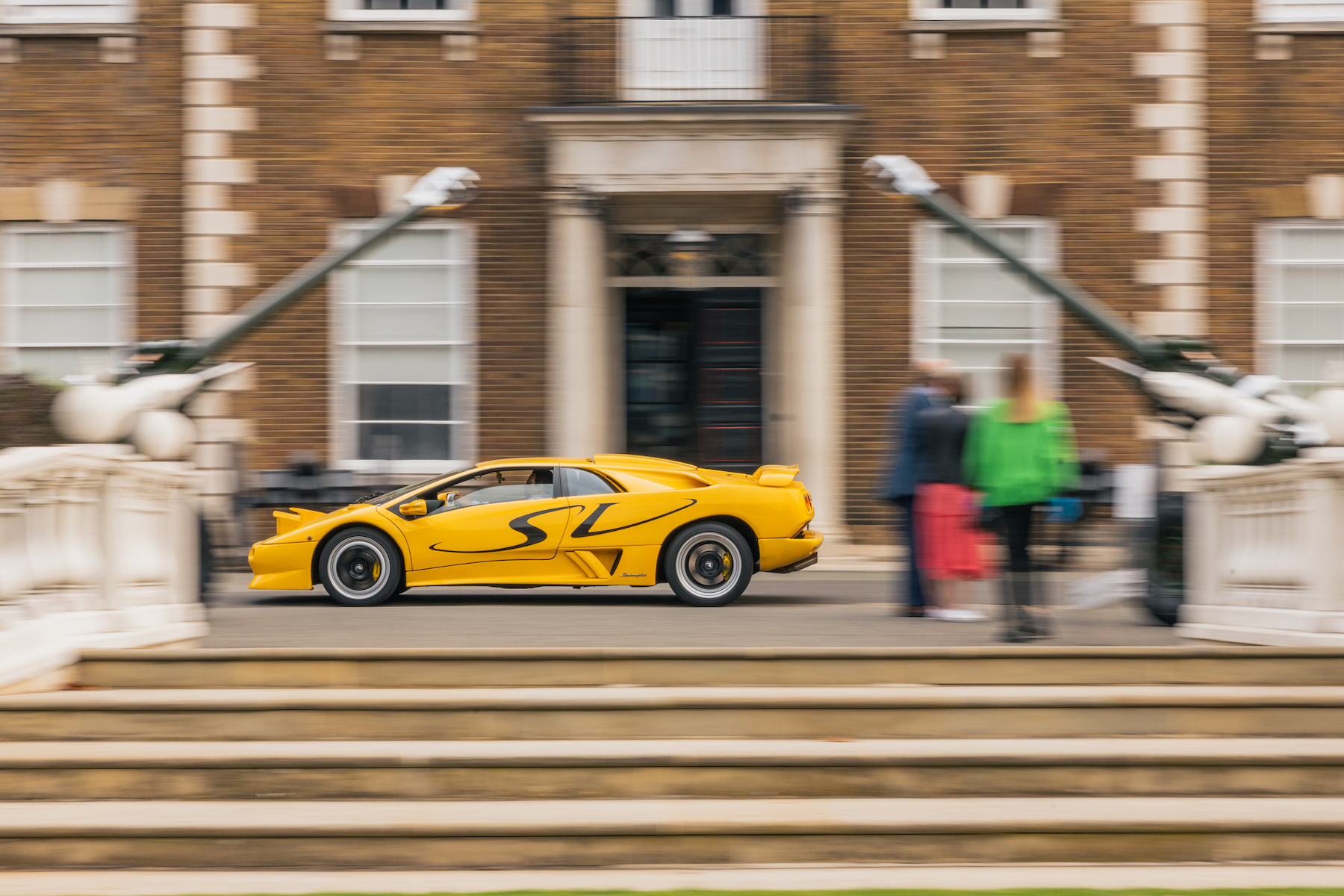
The Diablo SV further defined Lamborghini in the realm of exclusive supercars in 1995.
The Super Veloce version was 40kg lighter than the original, and featured refined aerodynamics, including enlarged air intakes.
It also featured optimised suspension and brakes, and it utilised the classic rear-wheel drive layout. The result was a radical focus on performance, and the rebirth of the SV concept in the modern Lamborghini era after SV status skipped the Countach.
A 5.7-liter V12 produced 510hp, allowing the Diablo SV to accelerate from standing to 100km/h in around 4.5 seconds.
Lamborghini Murciélago LP 670‑4 SV (2009)
Now well into the new millennium, Lamborghini launched the spectacular Lamborghini Murciélago LP 670‑4 SV.
It featured a 6.5-liter V12 that produced an incredible 670hp. The 0-100km/h time was around 3.2 seconds, but it was not only the raw power that delivered such incredible performance.
The Lamborghini Murciélago LP 670‑4 SV was around 100kg lighter than the original, featuring new aerodynamics that included a rear spoiler and front splitter. For the first time, all-wheel drive was seen in a Super Veloce model.
Only 350 coupes and 50 roadsters were produced during its production run. Limited and iconic, the Lamborghini Murciélago LP 670‑4 SV marked the pinnacle of the classic V12 era.
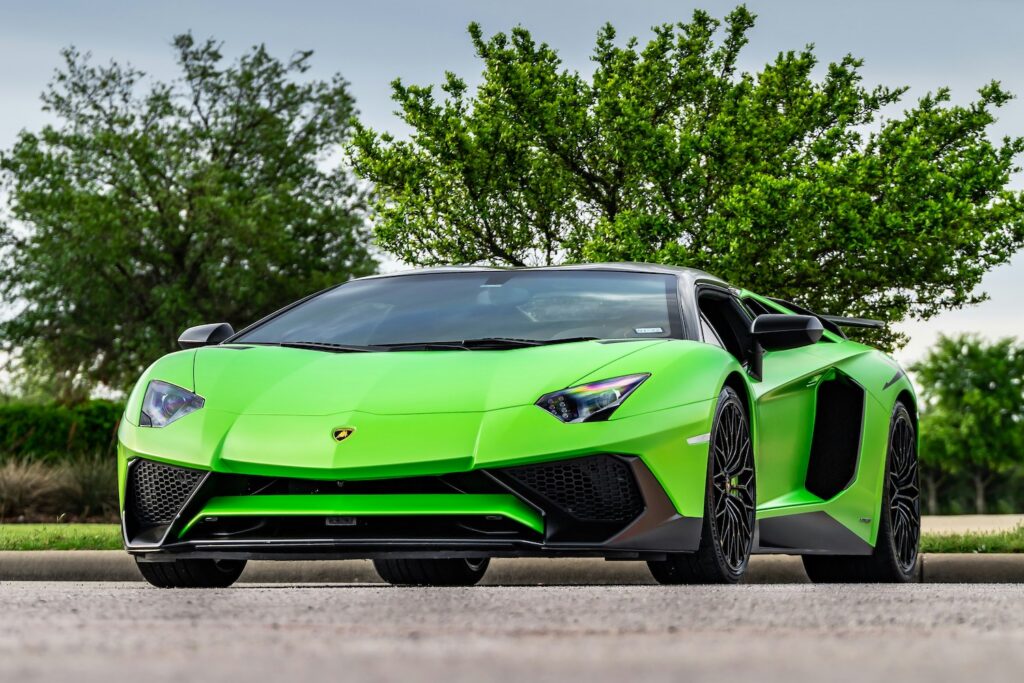
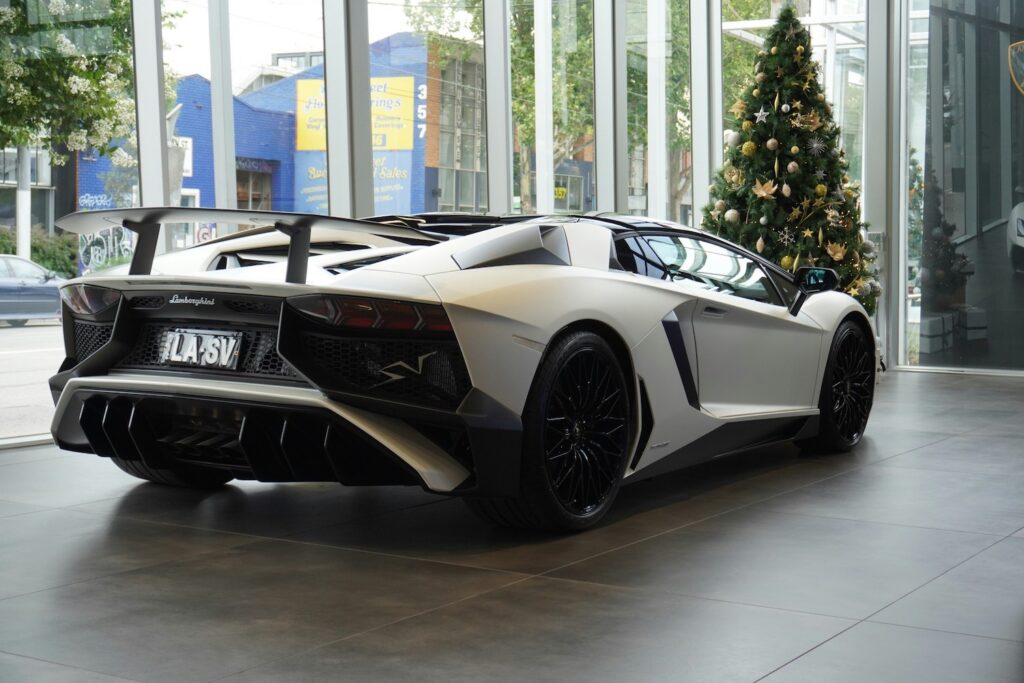
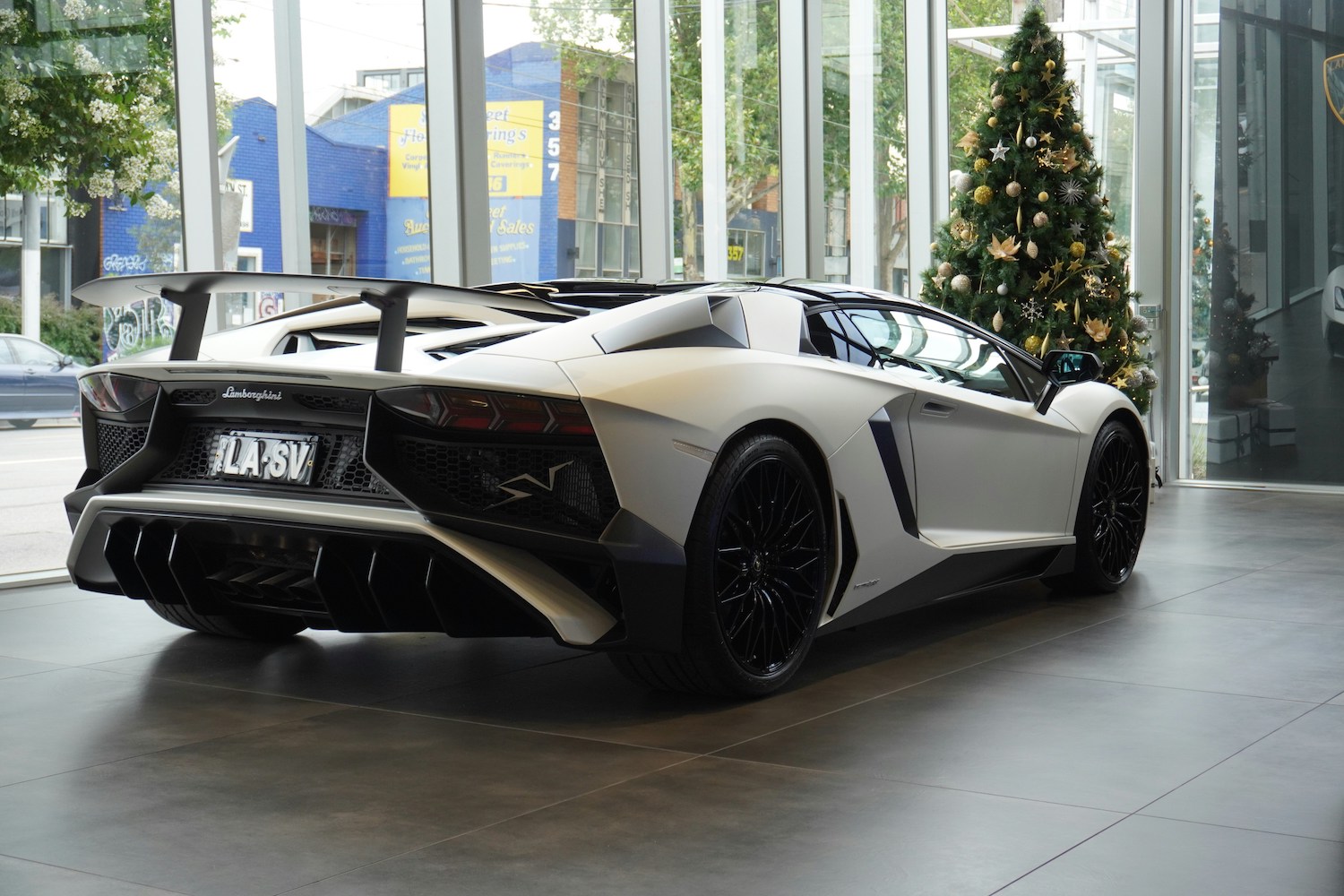
Lamborghini Aventador SV (2015)
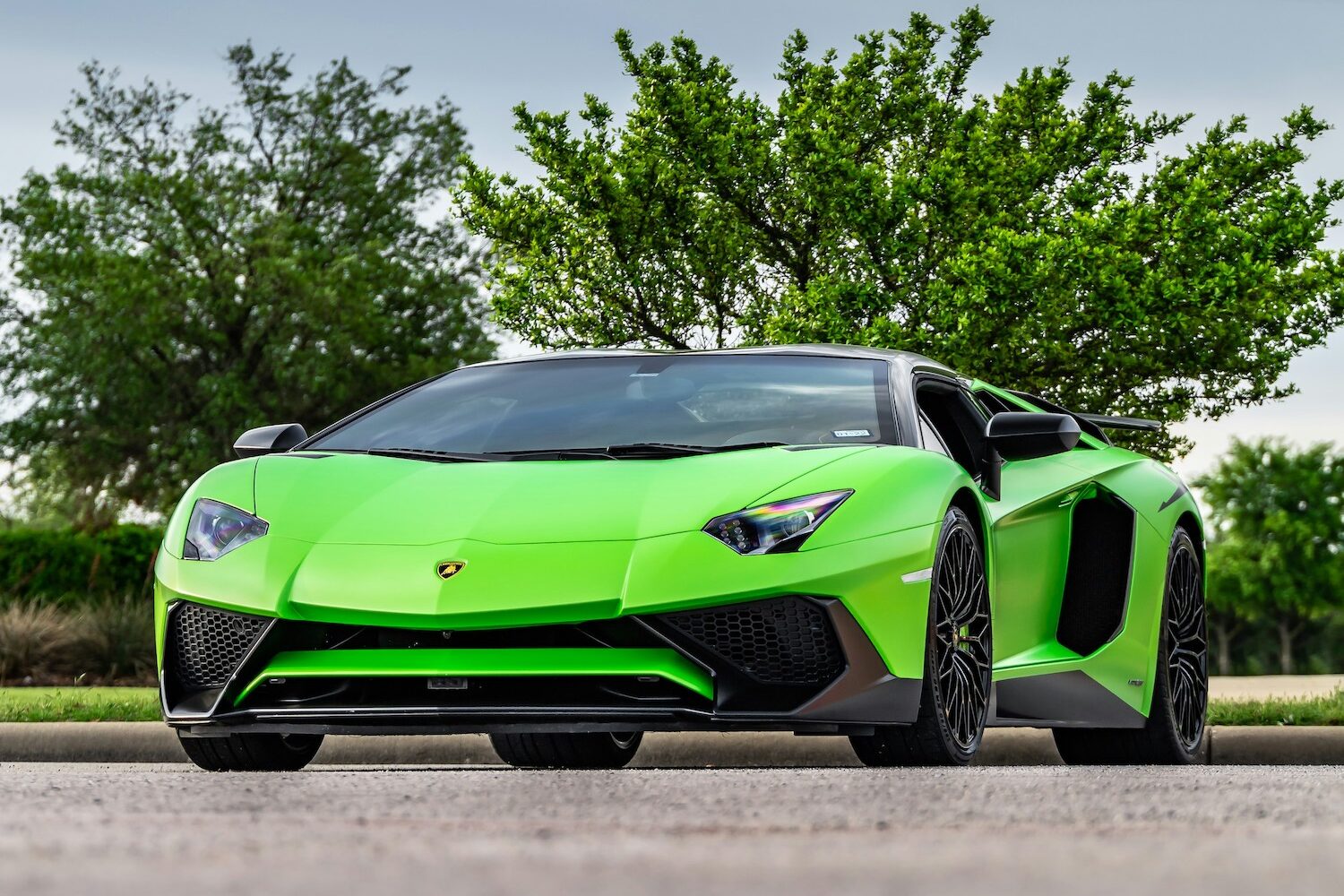
In 2015, Lamborghini introduced the Aventador SV as what was then the flagship model of the lineup, limited to 600 coupé and 500 roadster examples, although the ultra-rare 63-unit SVJ later followed.
The 6.5-liter V12 produced 750hp in the Aventador SV, and its uncompromising focus on performance meant it could accelerate from 0-100 km/h in just 2.8 seconds.
Everything was designed to maximum precision, including the lighter carbon-fibre body and refined aerodynamics.
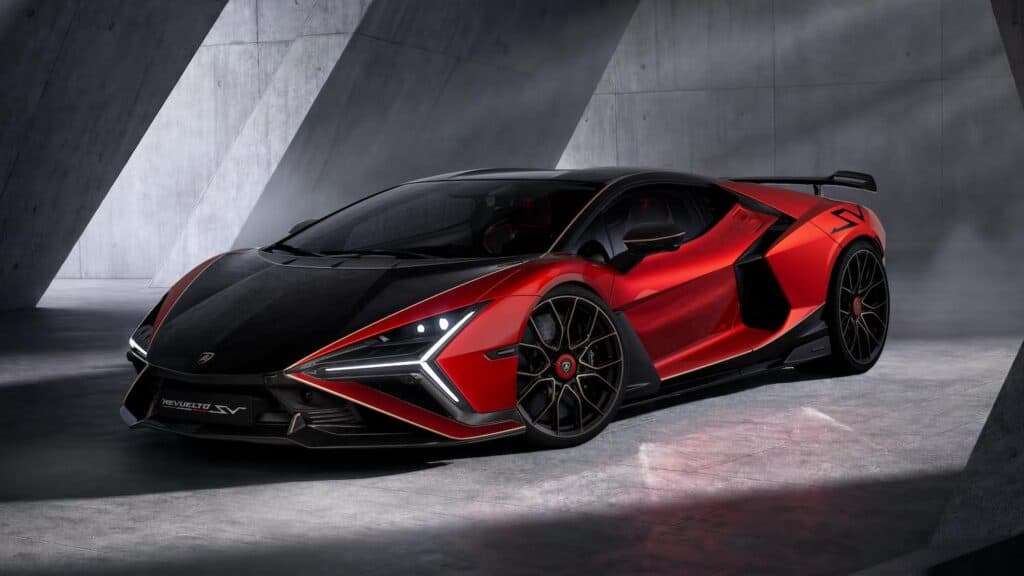
Lamborghini Revuelto SV (2026)
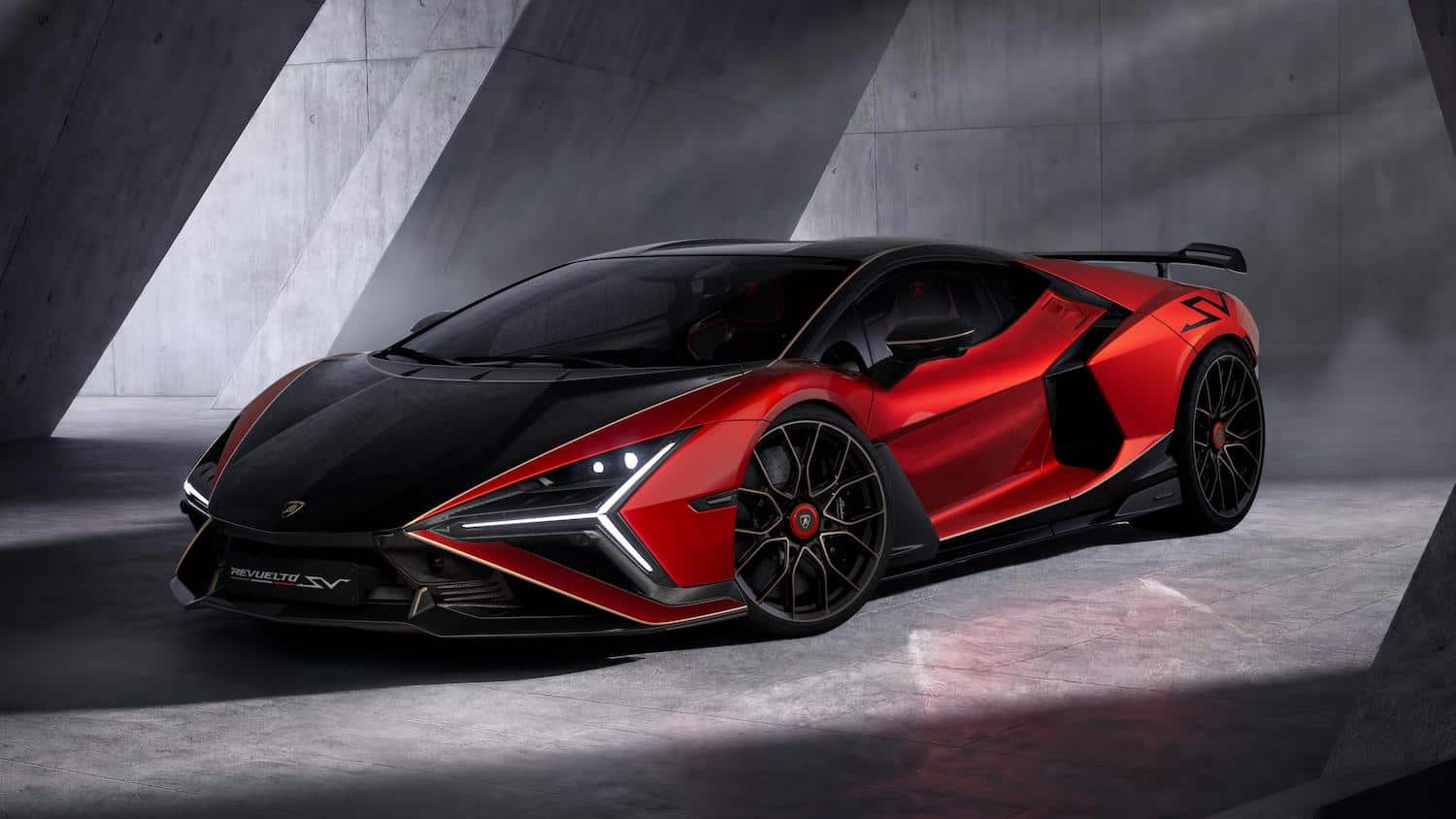
As the latest evolution of Lamborghini’s legendary Super Veloce lineage, the Revuelto SV translates the traditional SV values into the hybrid era.
Enhanced aerodynamics, lightweight engineering, a newly developed suspension, next-generation braking technology and its dedicated ‘Pilota’ driving mode creates a more focused and engaging driving experience, further strengthening the connection between driver and machine.
Limited to 1963 units in honour of the year of Automobili Lamborghini’s founding, the Revuelto SV represents the most extreme interpretation of the current flagship Revuelto.