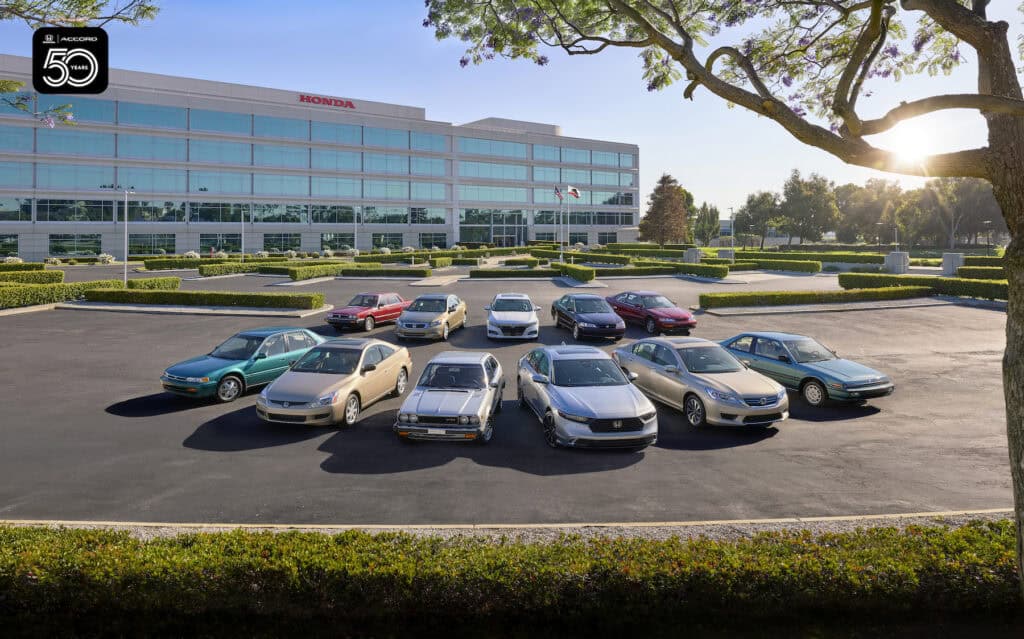
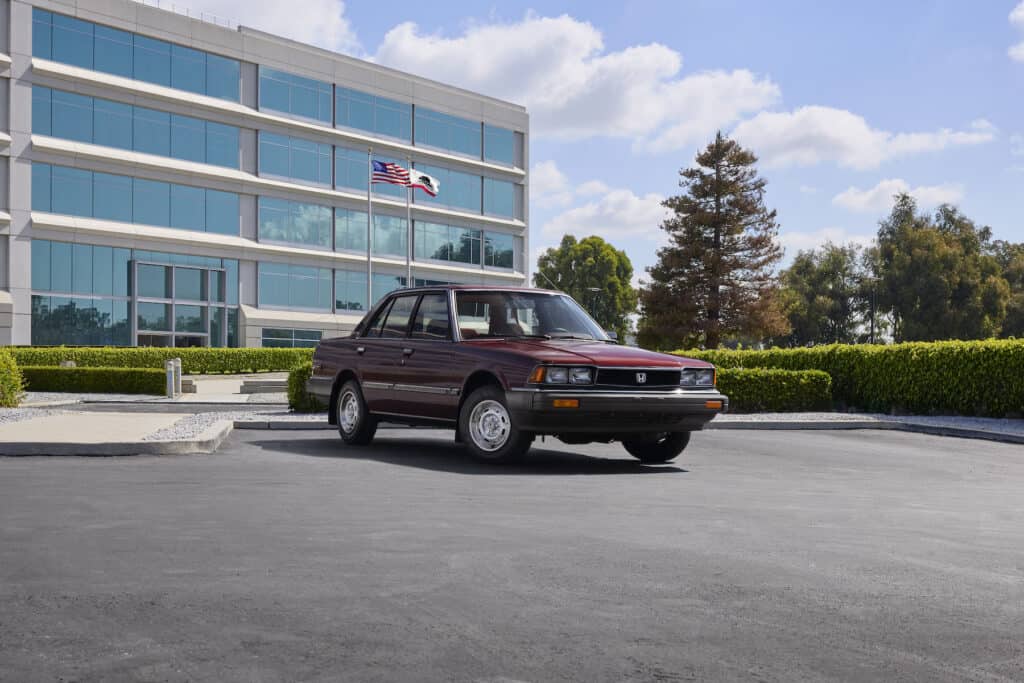
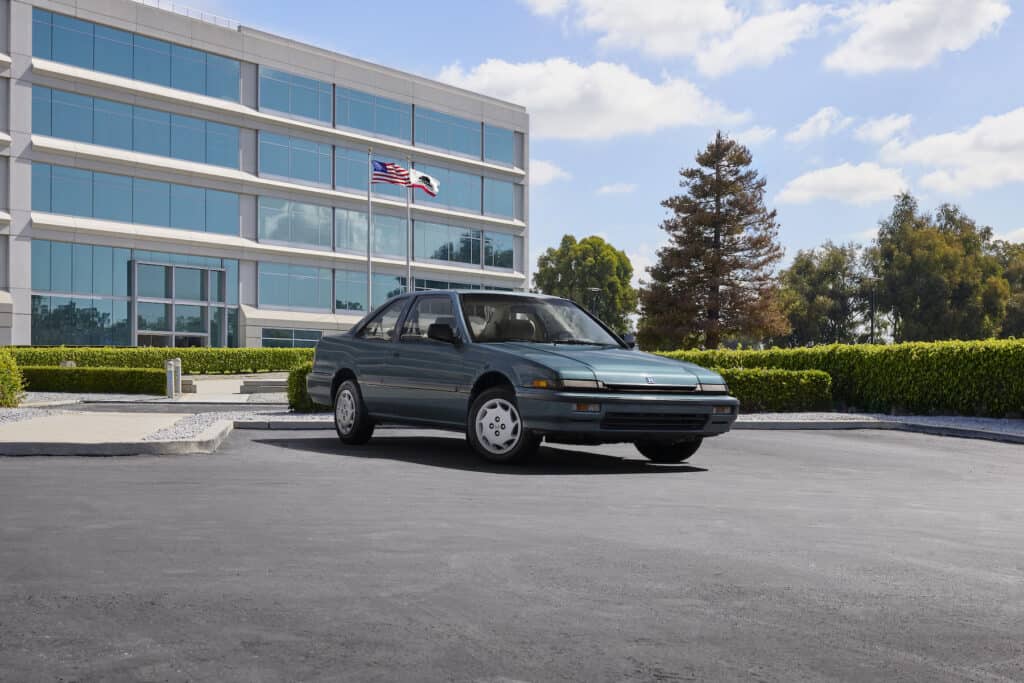
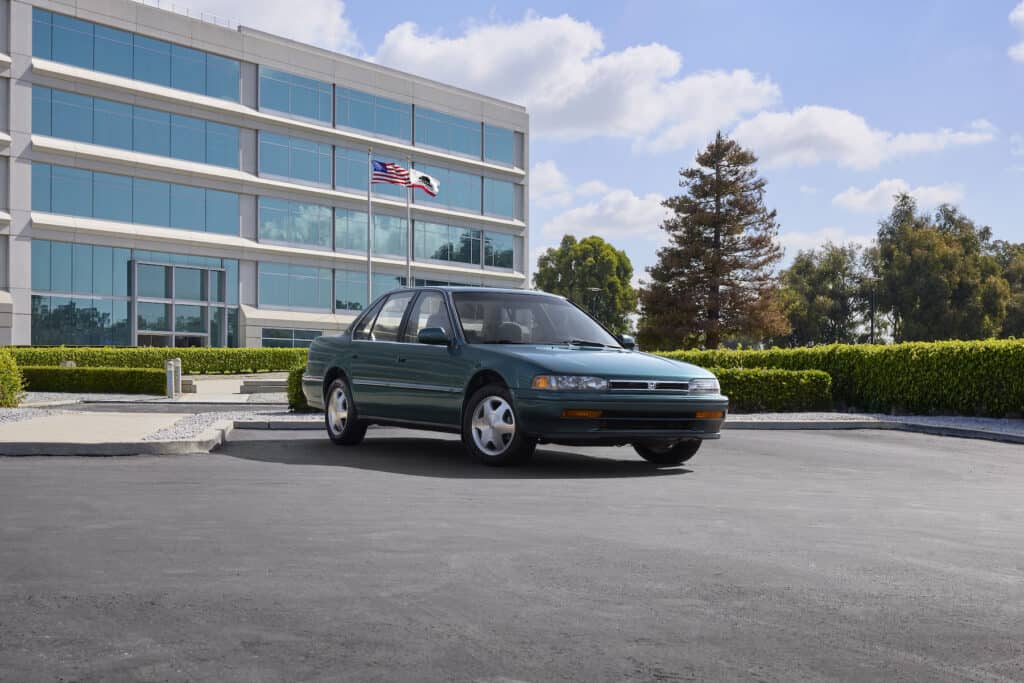
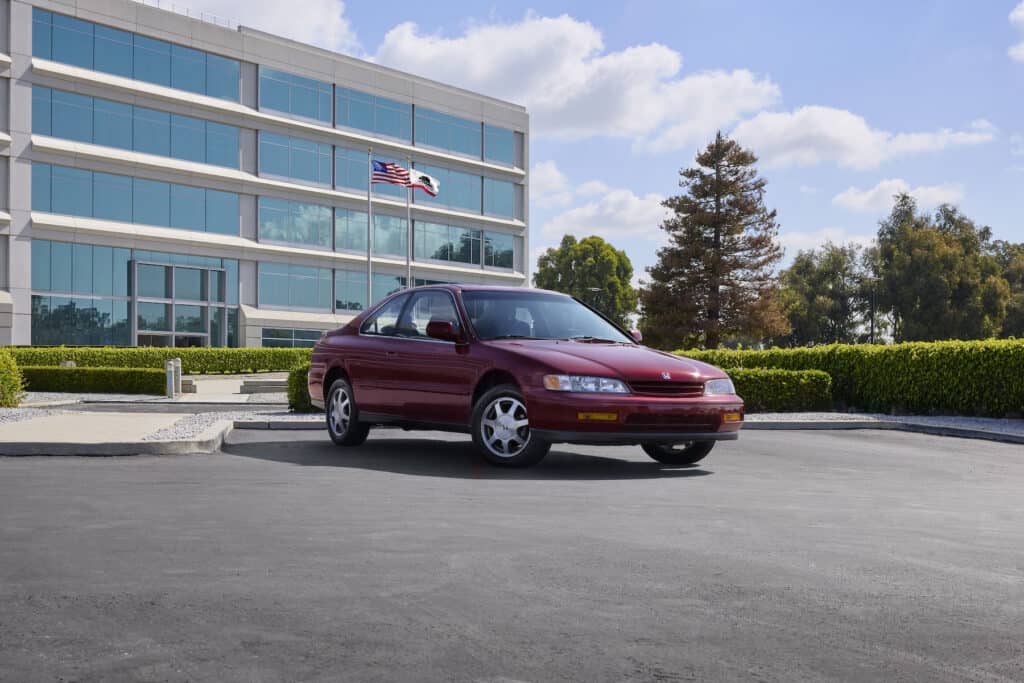

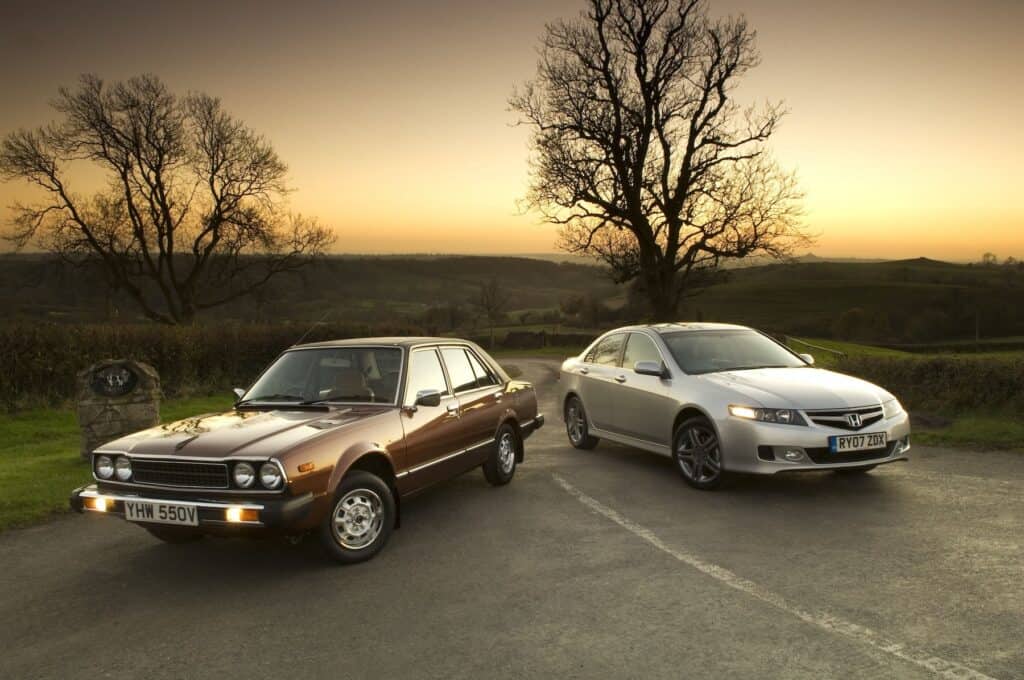
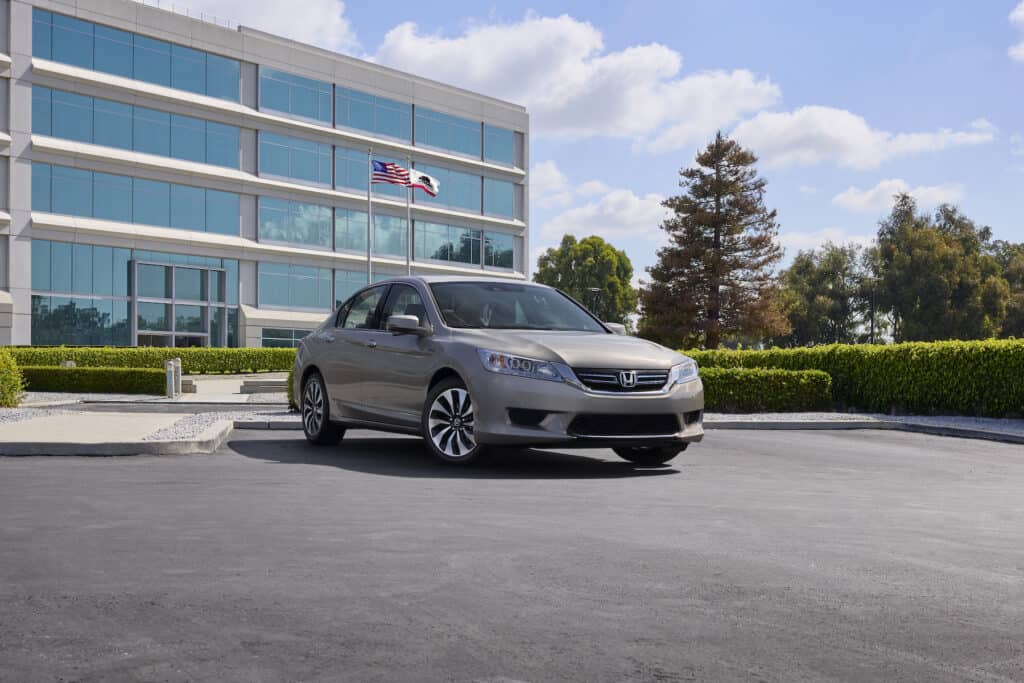
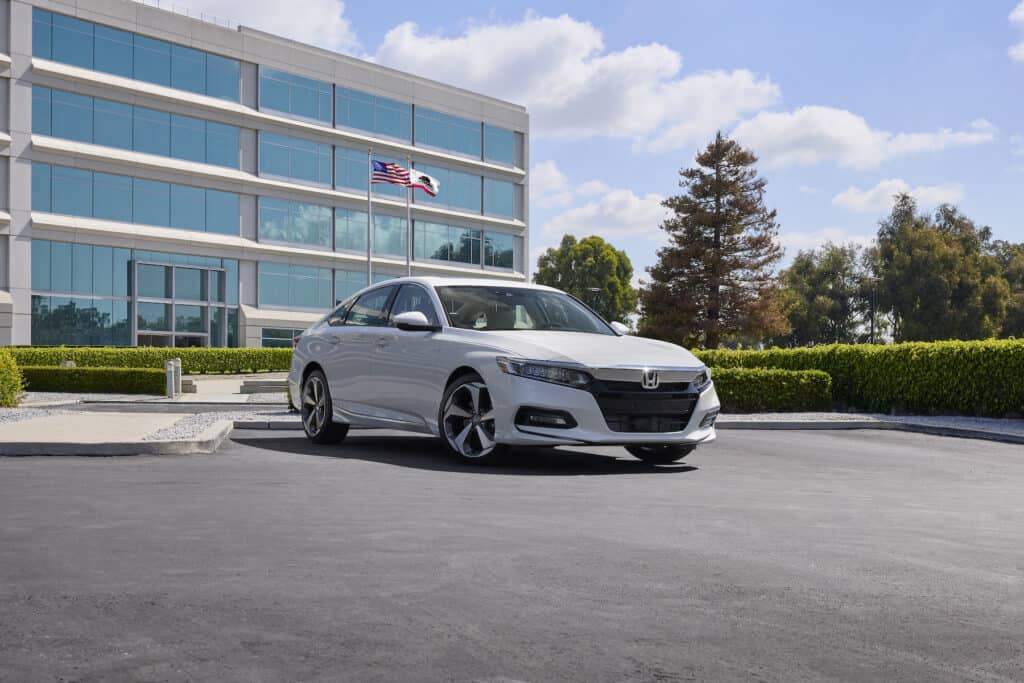
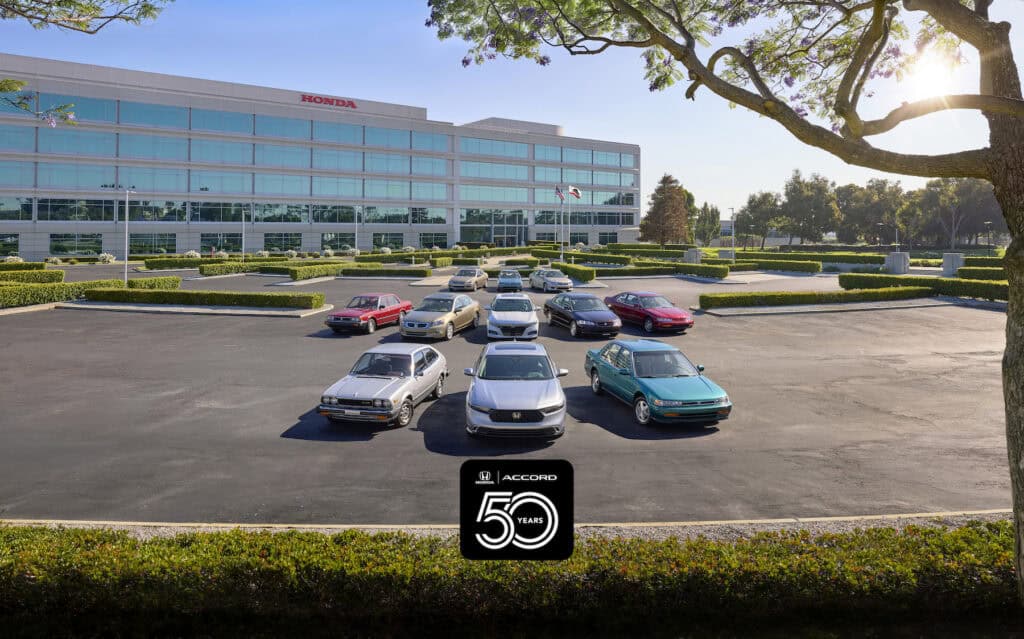

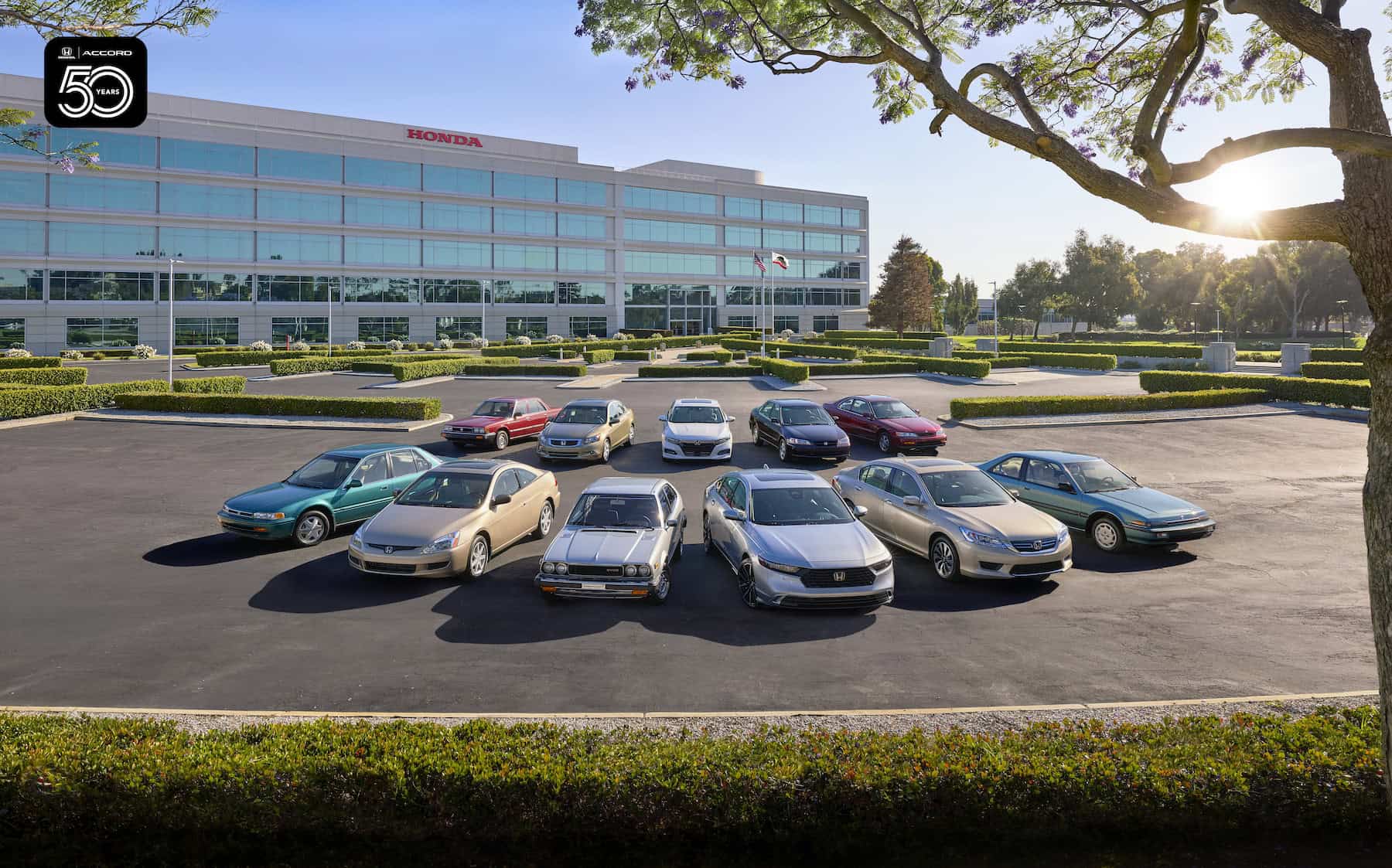
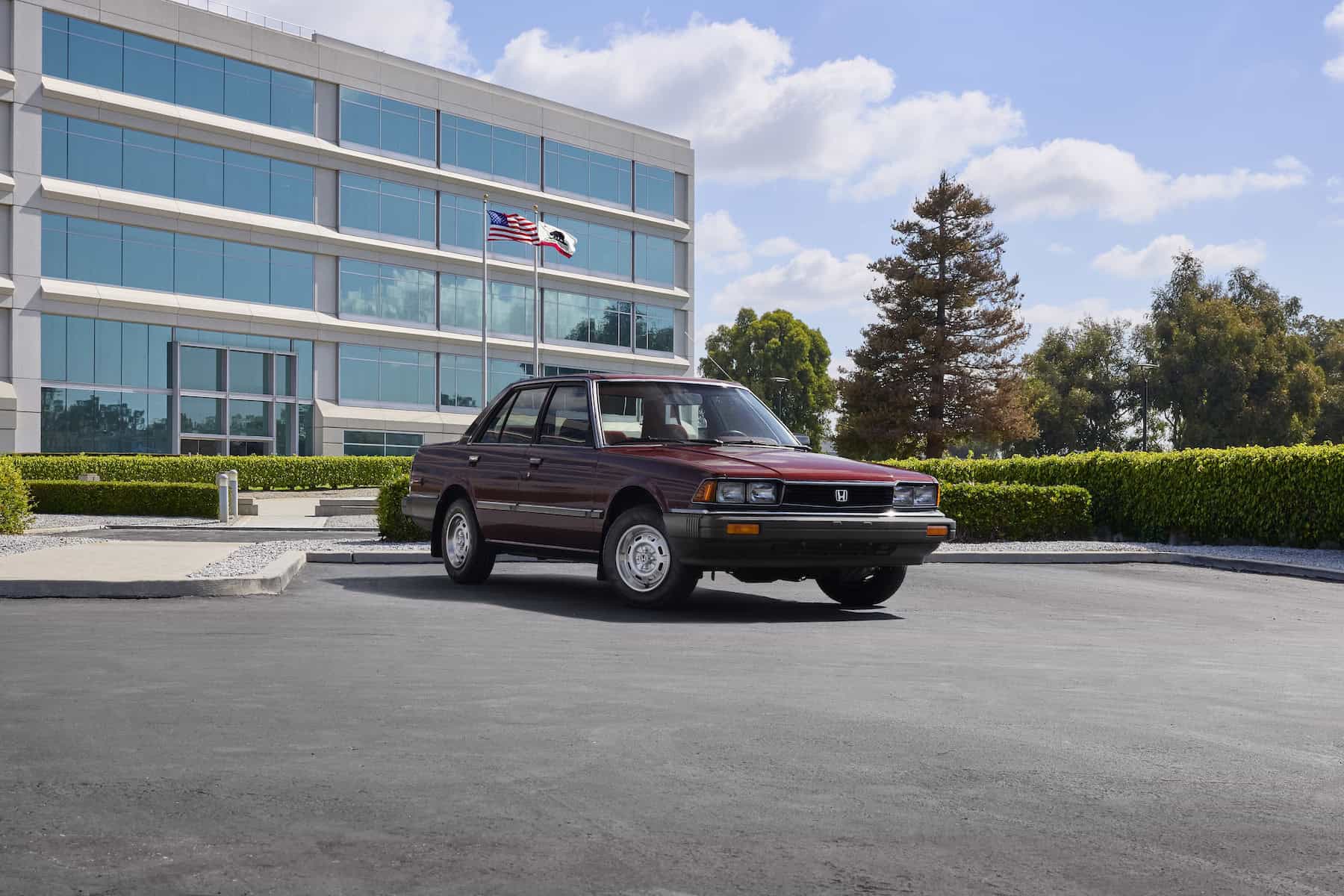
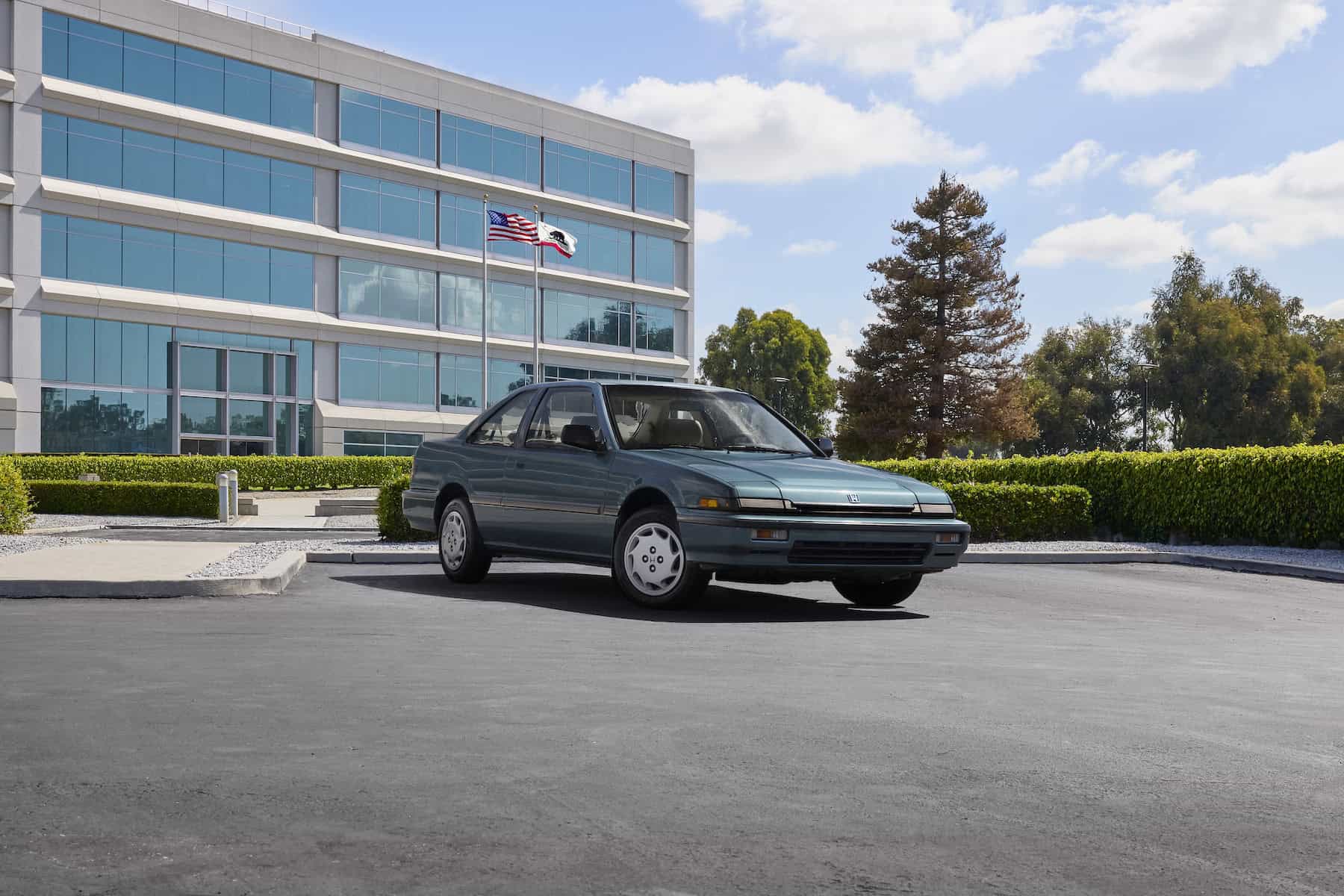

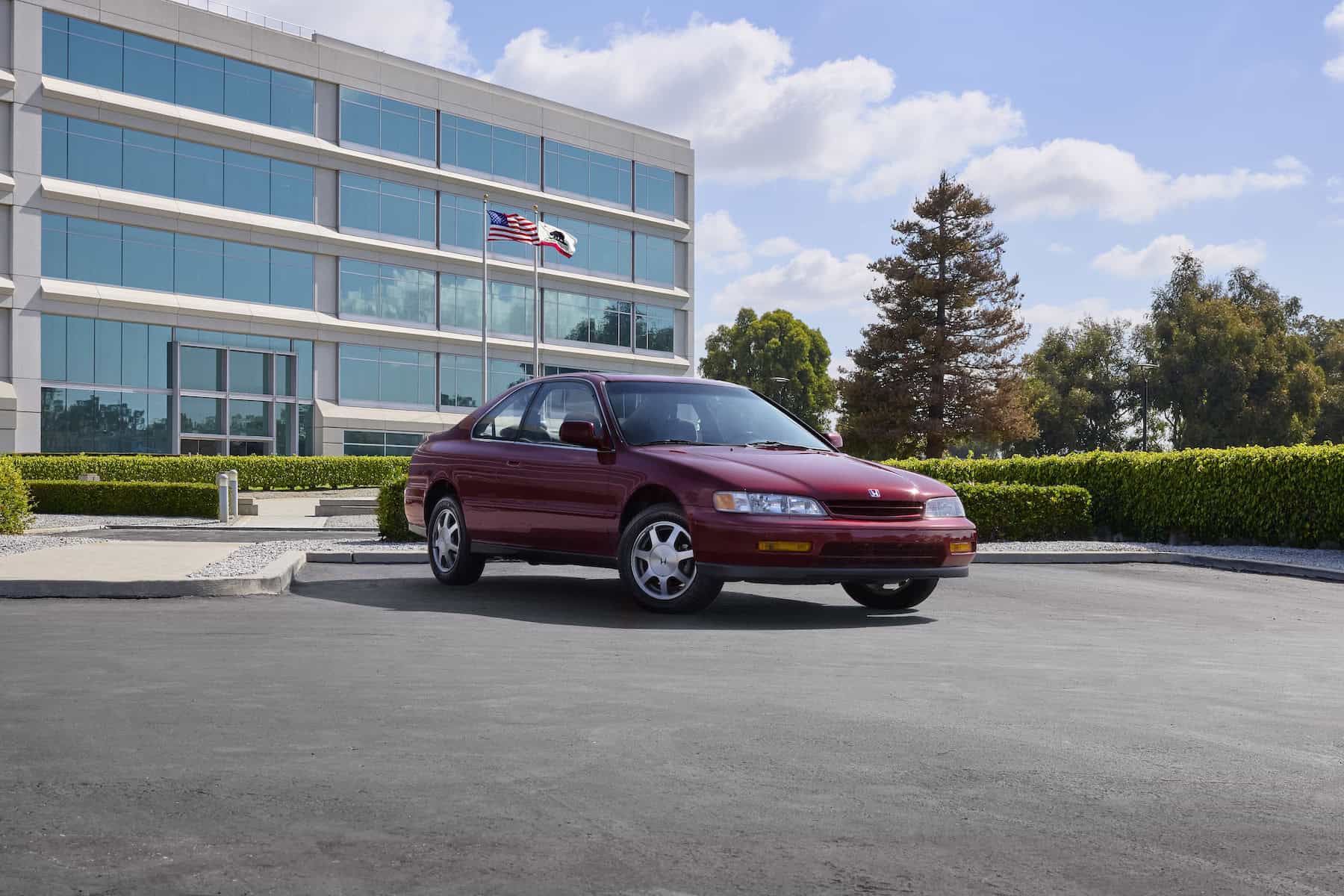
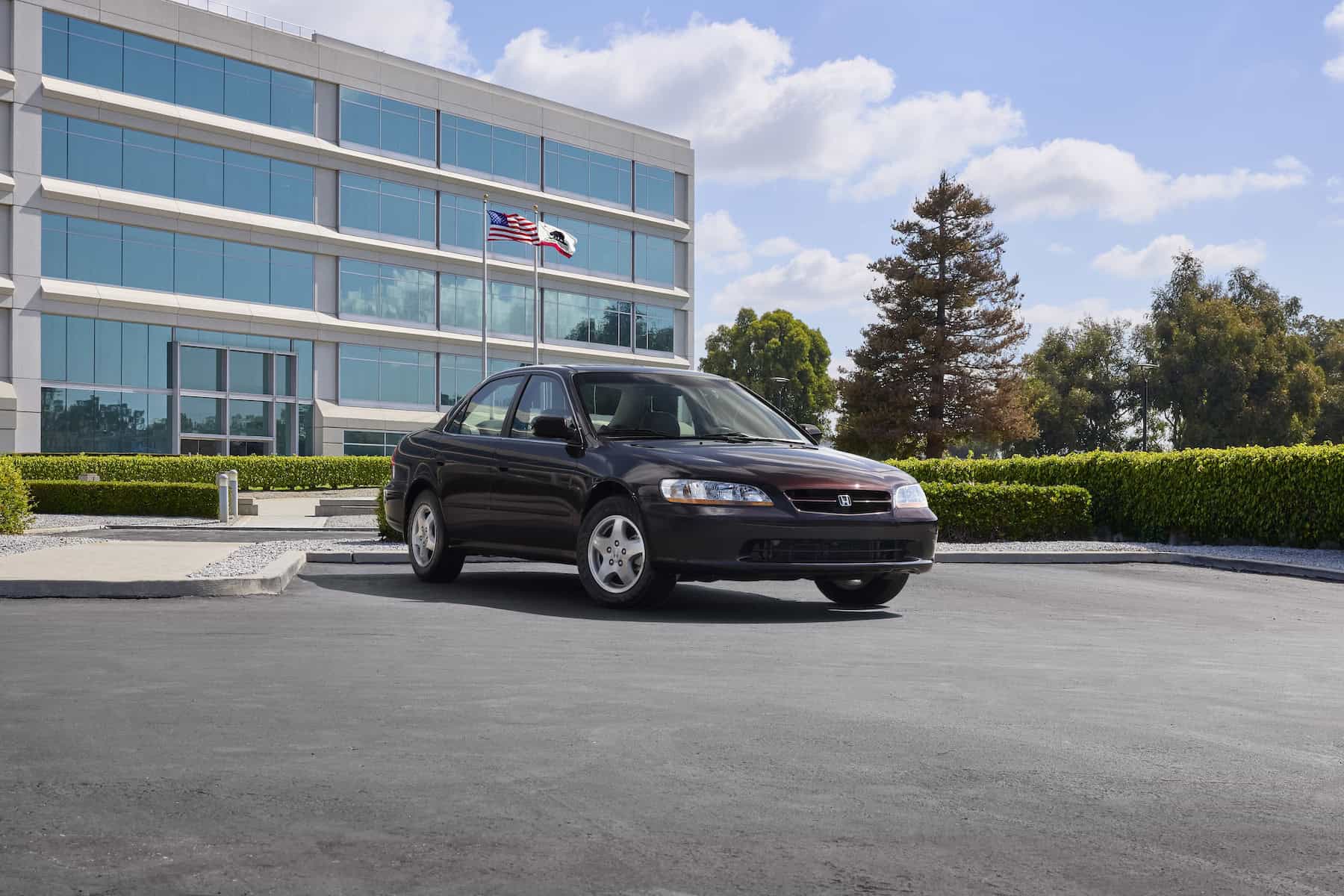
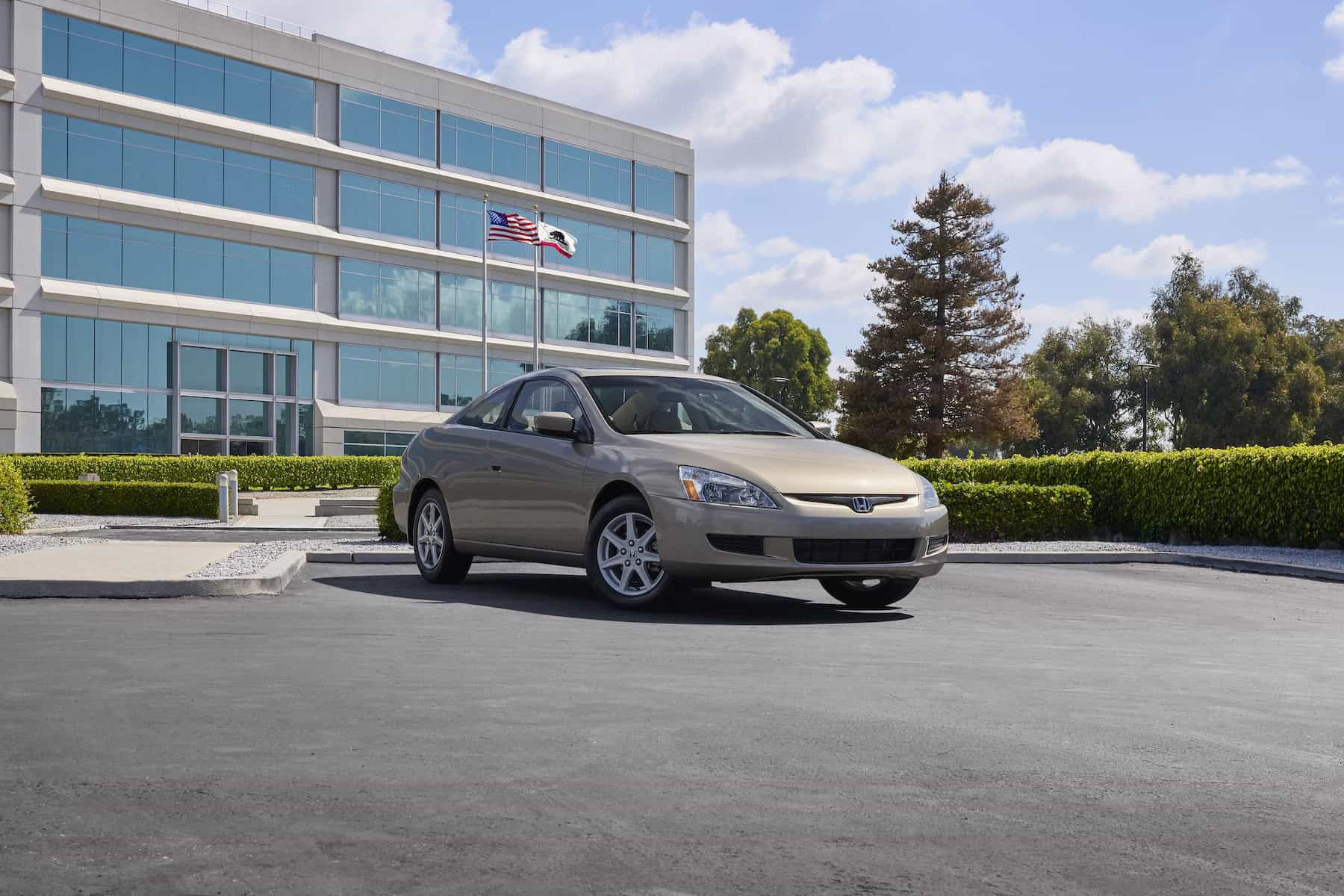
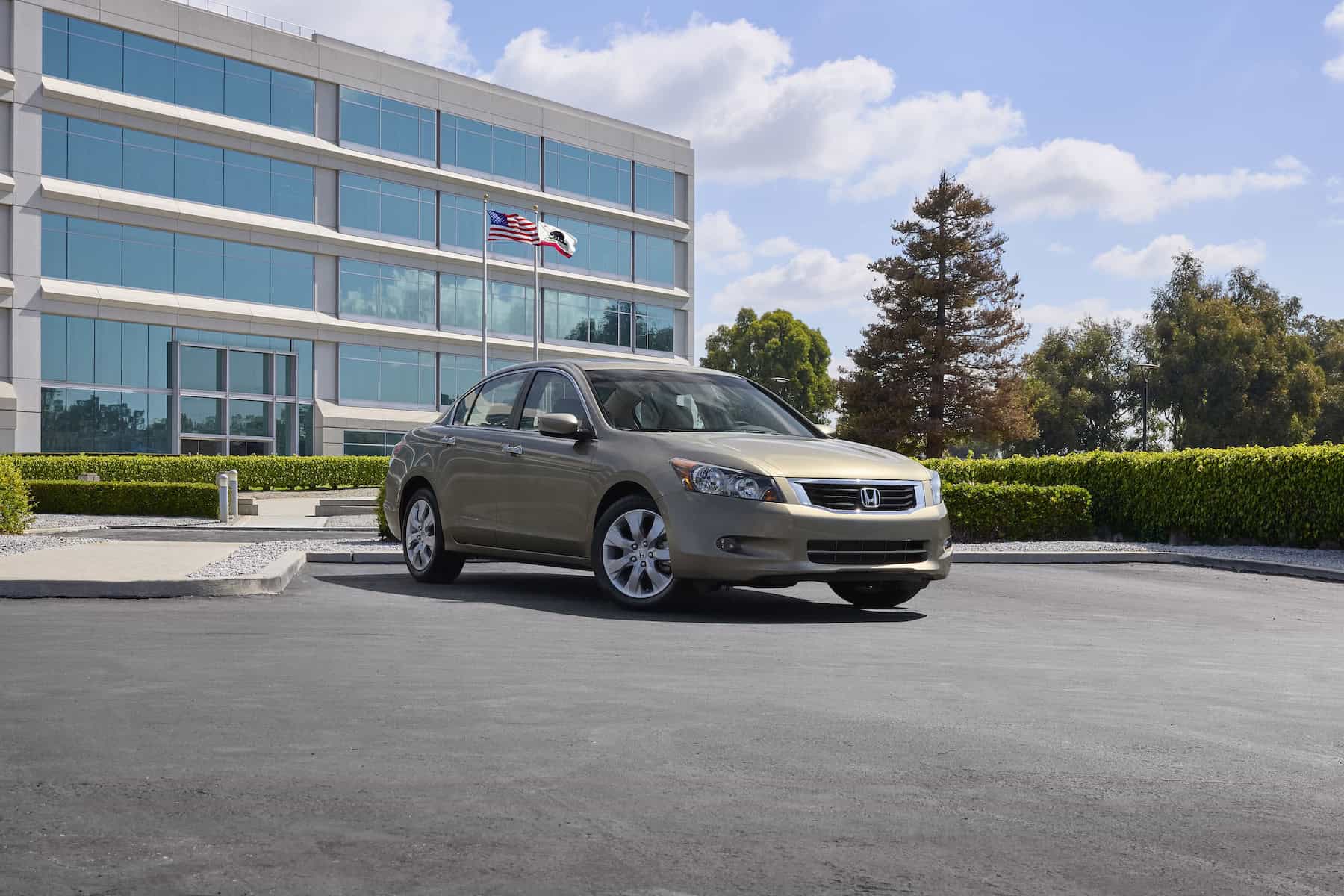
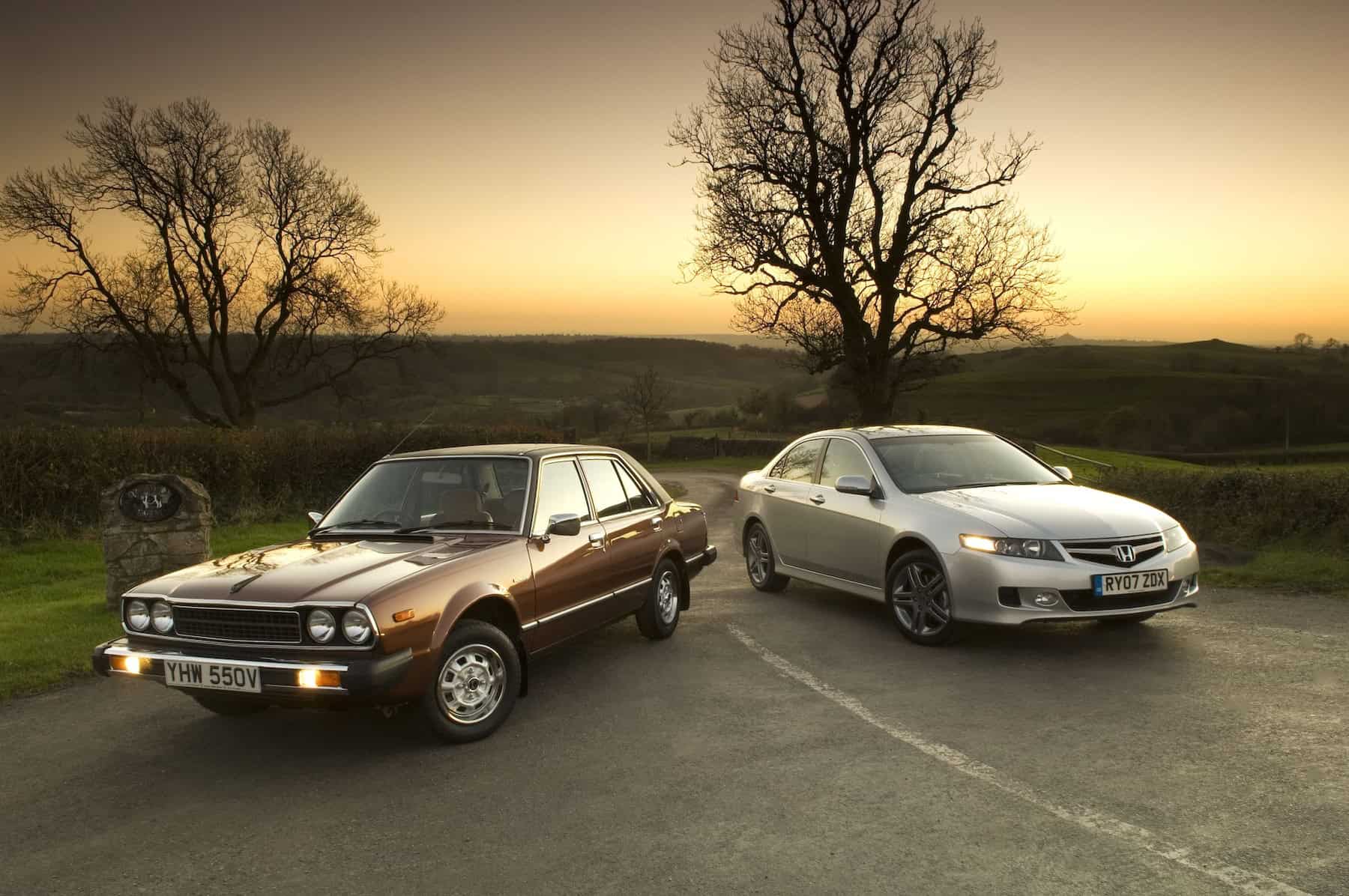
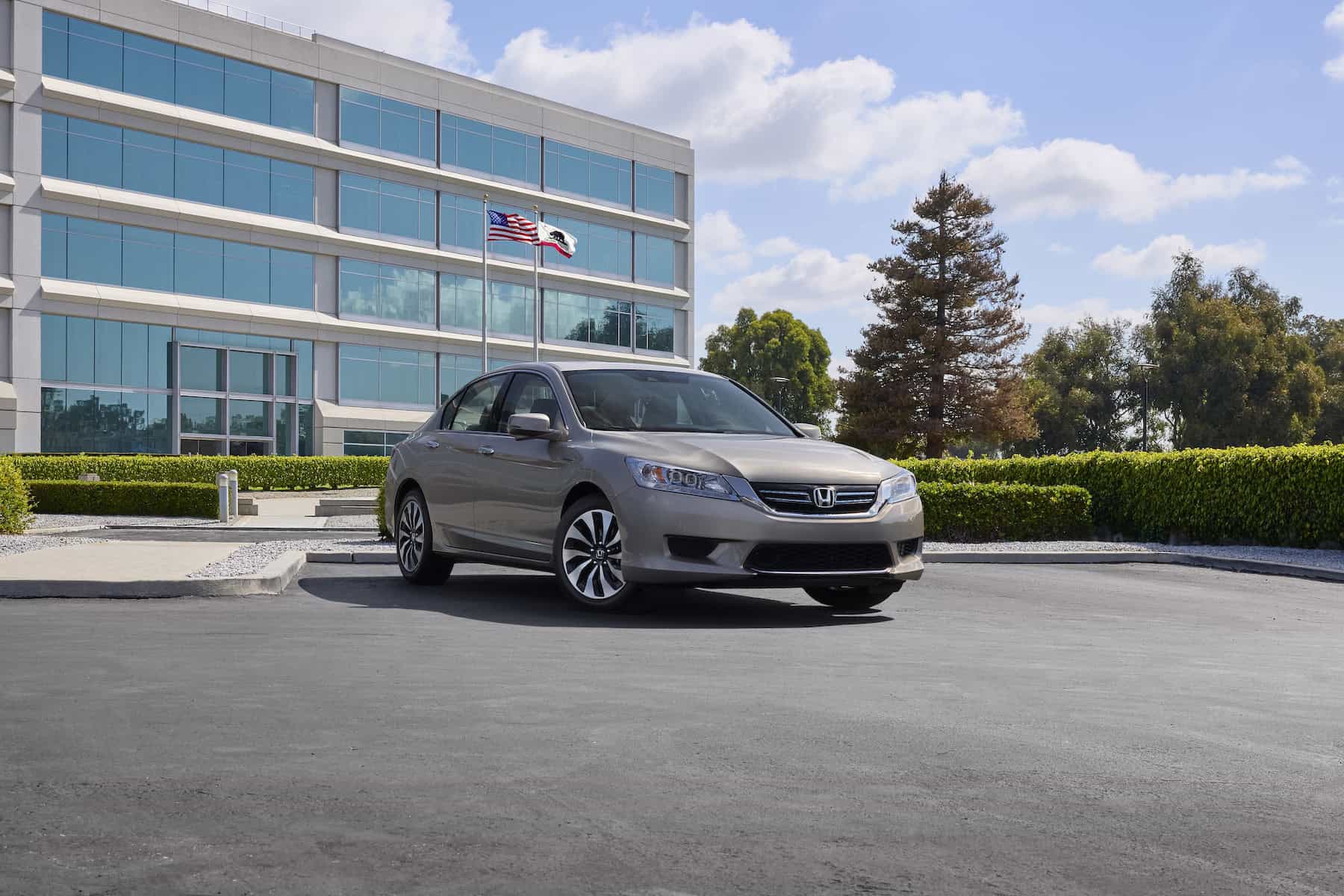
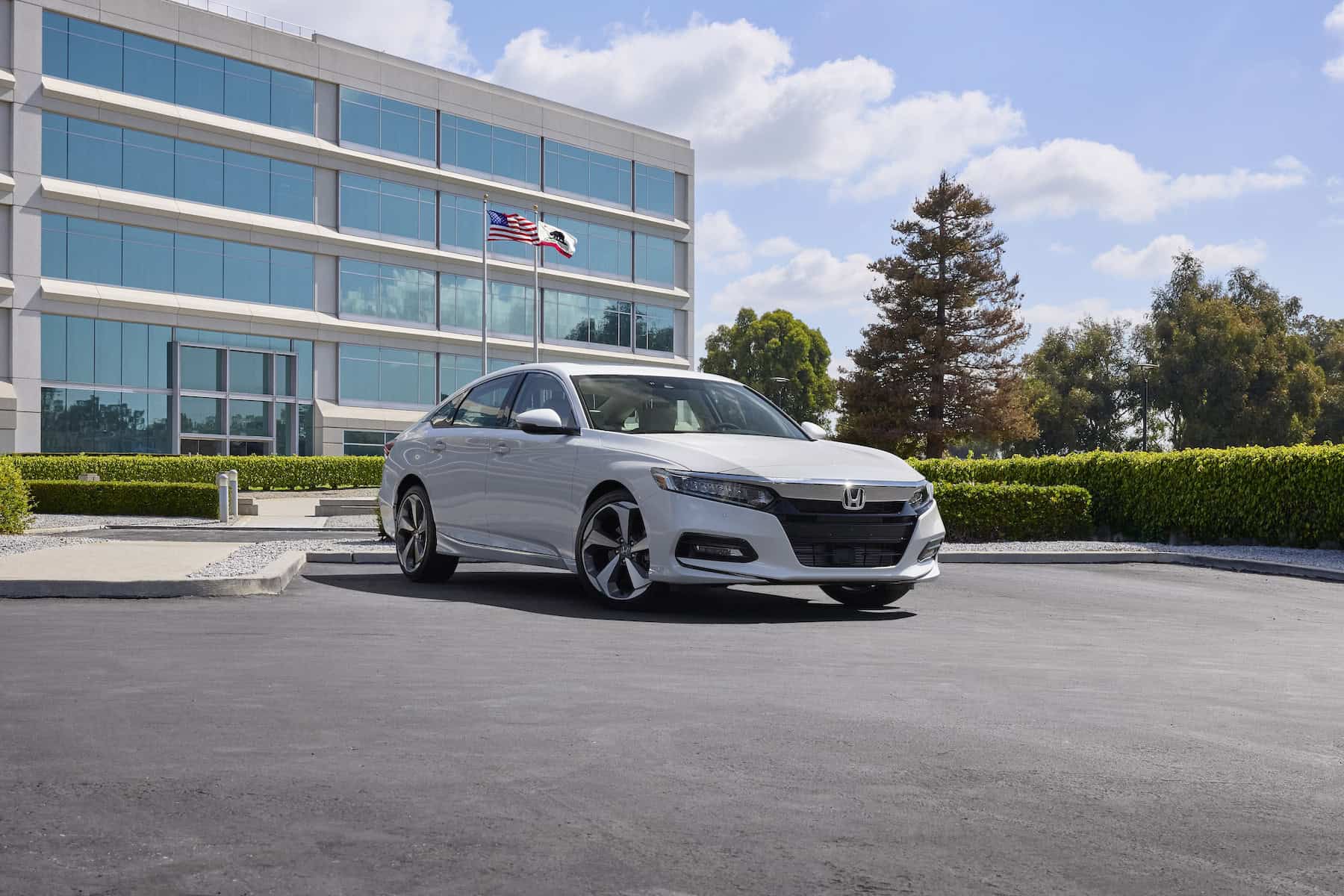
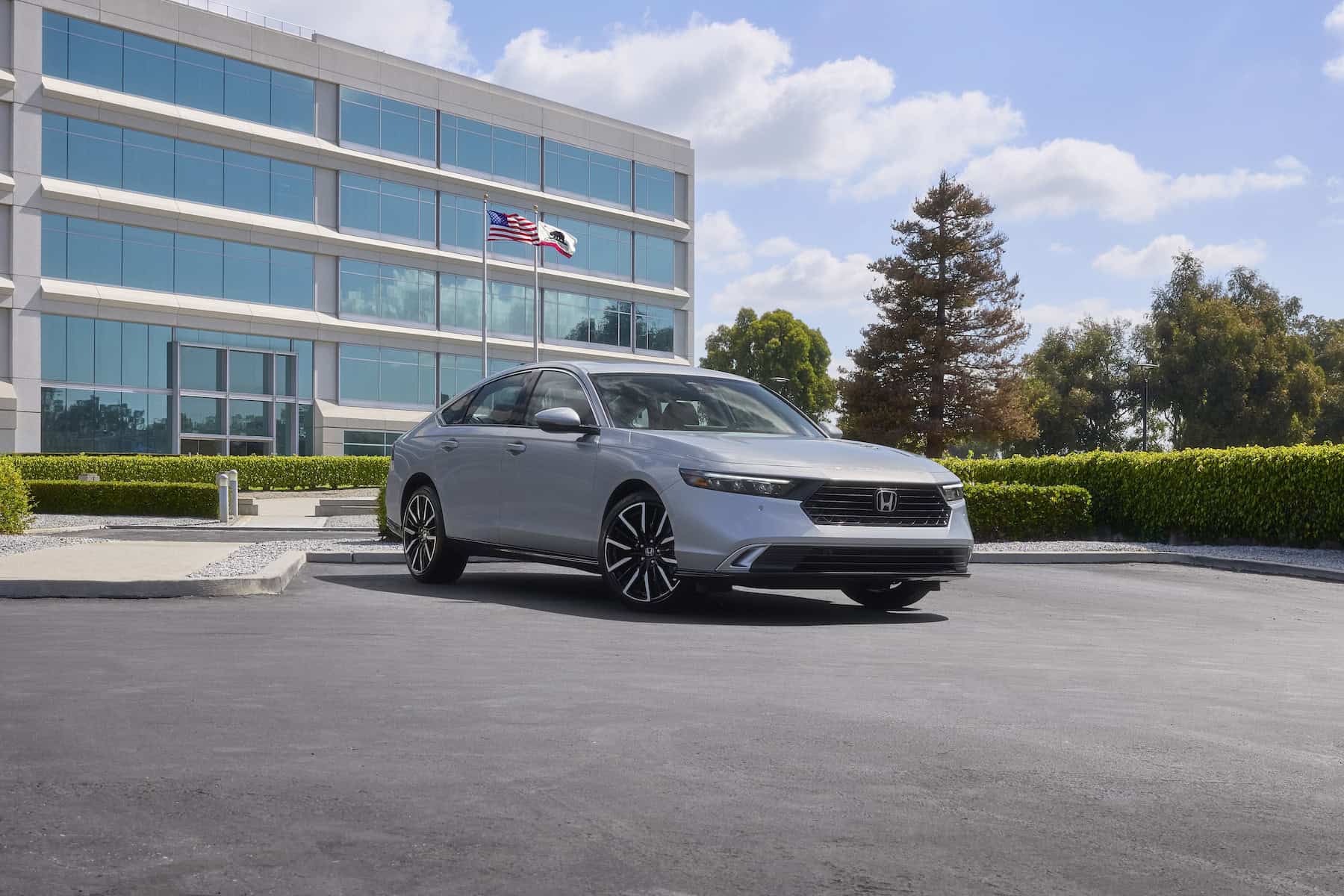

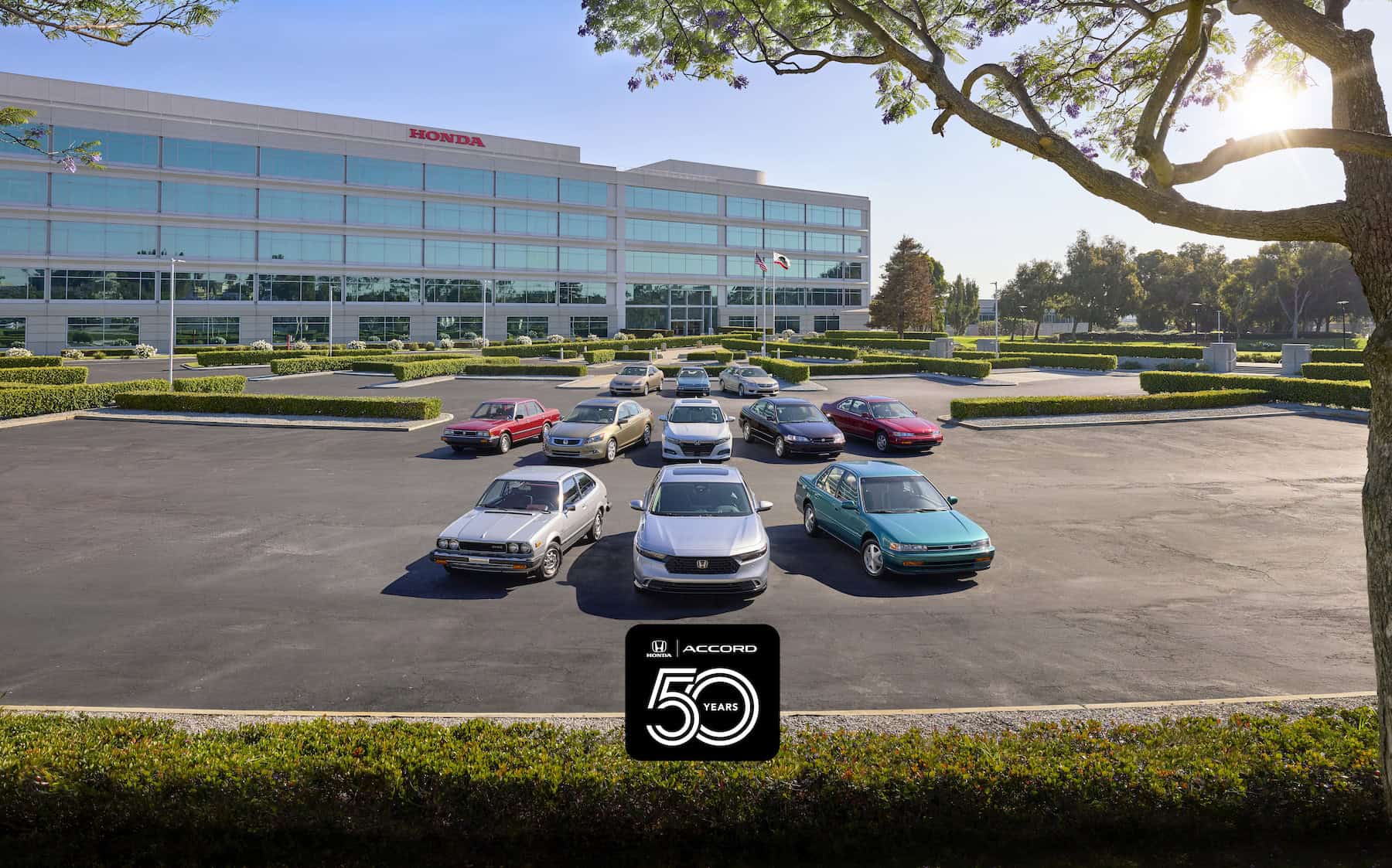
It’s not all that often a nameplate manages to survive half a century, but Honda is celebrating 50 years of one of its longest lasting model lines, the Accord.
To our home audience in Australia, it might sound like we’re jumping the gun on this one as the Accord didn’t land on our shores until 1977. Mind you, it certainly made waves upon arrival as the first Japanese car to win Wheels magazine’s Car of the Year award.
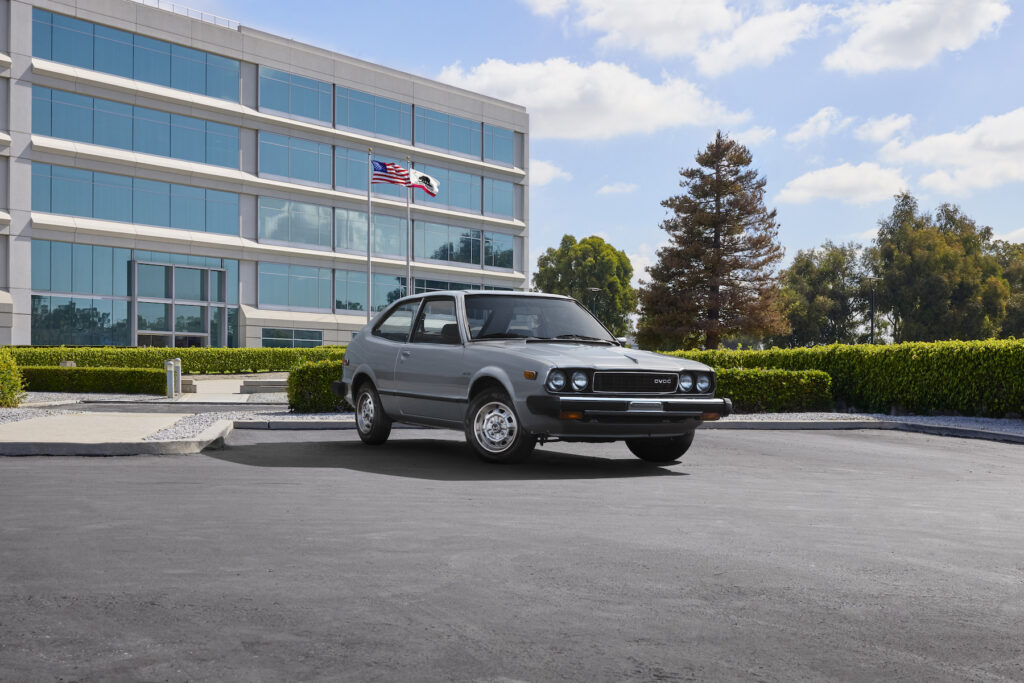
However, it was in May of 1976 that the Accord first went on sale in its home market of Japan, followed soon after by its entry into the USA the following month. It was in America that its big break and greatest success would come.
Launched initially as a three-door hatchback, the first Accord was powered by a four-cylinder engine with highly efficient Compound Vortex Controlled Combustion (CVCC) technology that was revolutionary for the time, having debuted in the Civic a year earlier.
But it was in 1979 that the Accord morphed into the three-door sedan we know it as best today, although a host of other body styles have at times been offered during its half-century run, depending on the market, including coupes and station wagons.
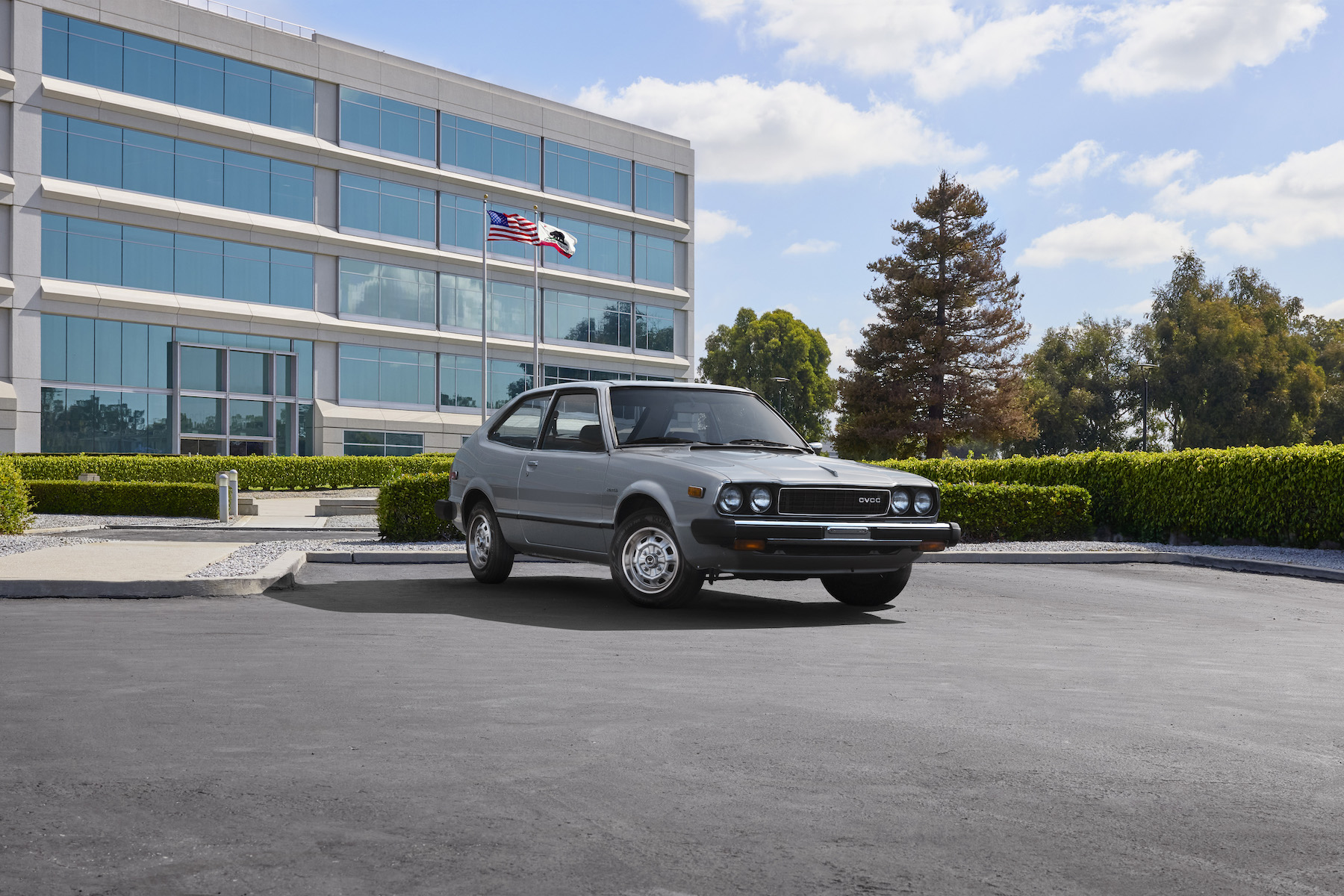
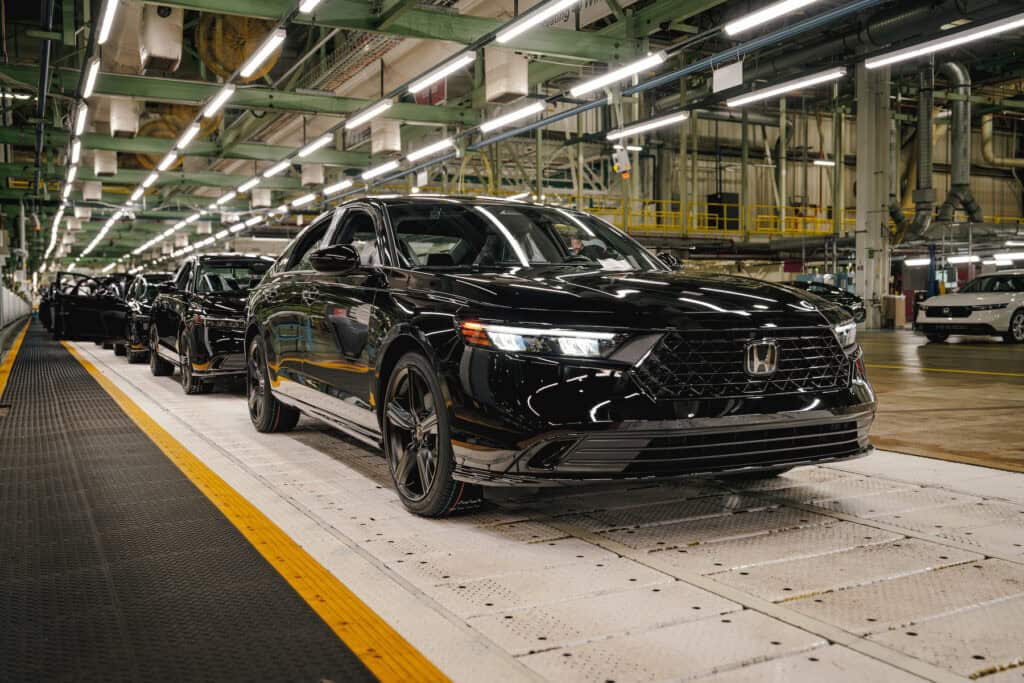
The second-generation model followed in September 1981 in its home market, but the biggest boon for it would be the commencement of American production in November 1982. This made it the first Japanese-branded vehicle to be built in the country, and quickly became the best-selling Japanese nameplate in America.
Although it was never built in Australia, Honda did start building the Accord across the ditch in New Zealand starting with the second-generation model, carrying all the way through until 2001.
The first time Honda’s legendary Variable Valve Timing and Lift Electronic Control (VTEC) system featured on the Accord was the fifth-gen model in 1994, bringing the brand’s blend of efficiency and performance to this humble sedan.
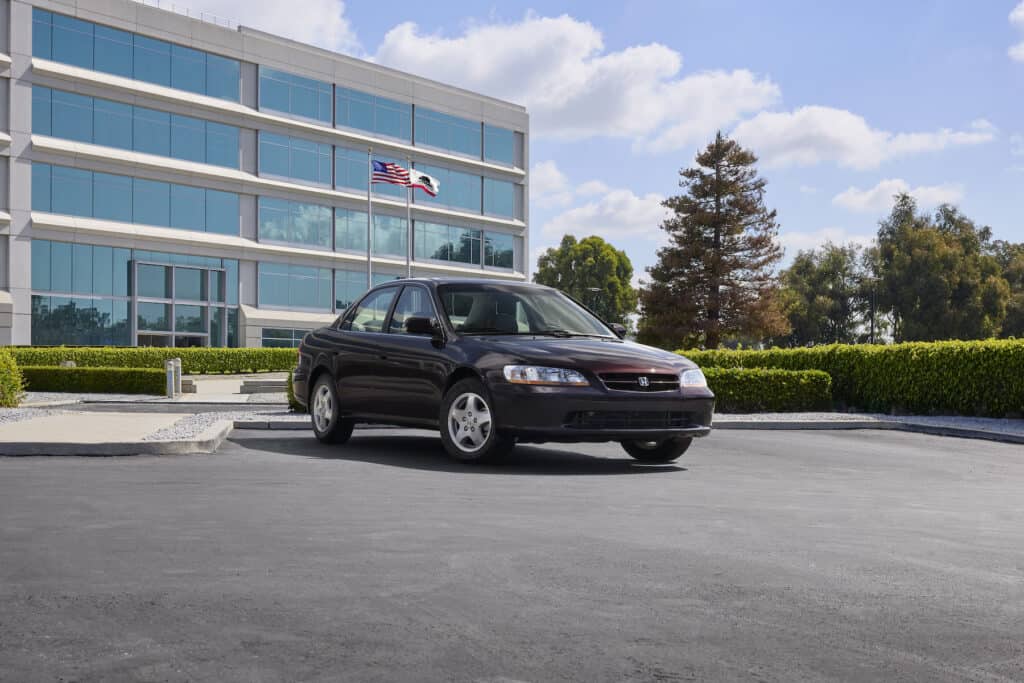
The sixth-gen model was where thing started to get interesting, however. Between 1997 and 2002, Honda elected to offer three different versions of the Accord tailored to suit the needs of each market.
One was targeted at the Americas, Australia and New Zealand, and Southeast Asia; another was targeted at Europe, built specifically in the UK; and a third was offered in Honda’s home market of Japan.
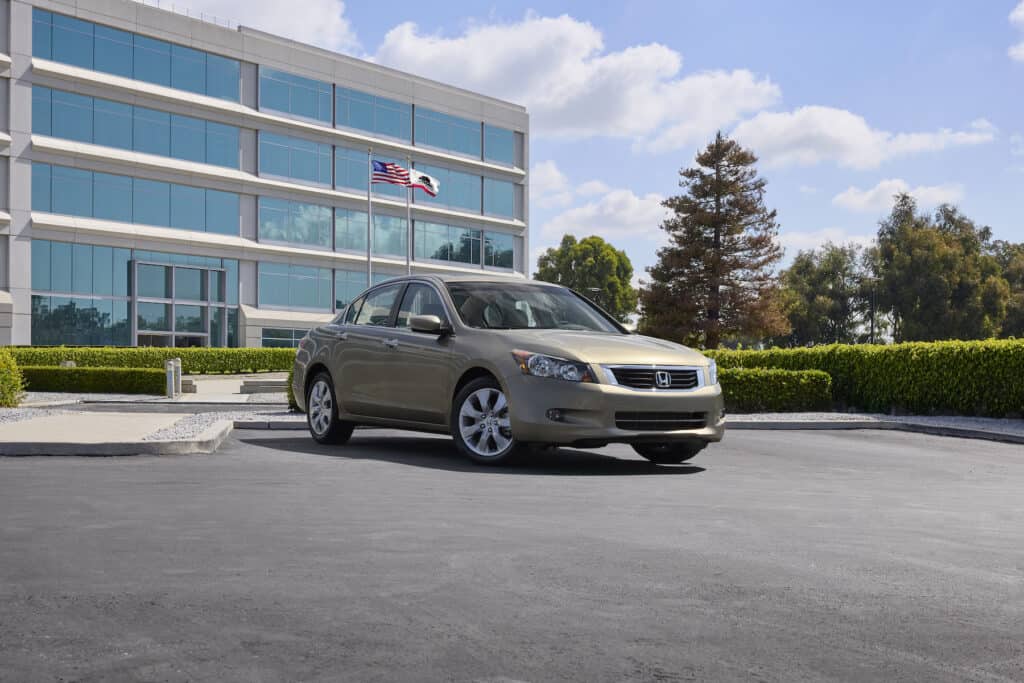
For the seventh and eighth generation models, the split approach continued, although in a different way – one Accord for Japan and Europe, and another for North America and Asia Pacific.
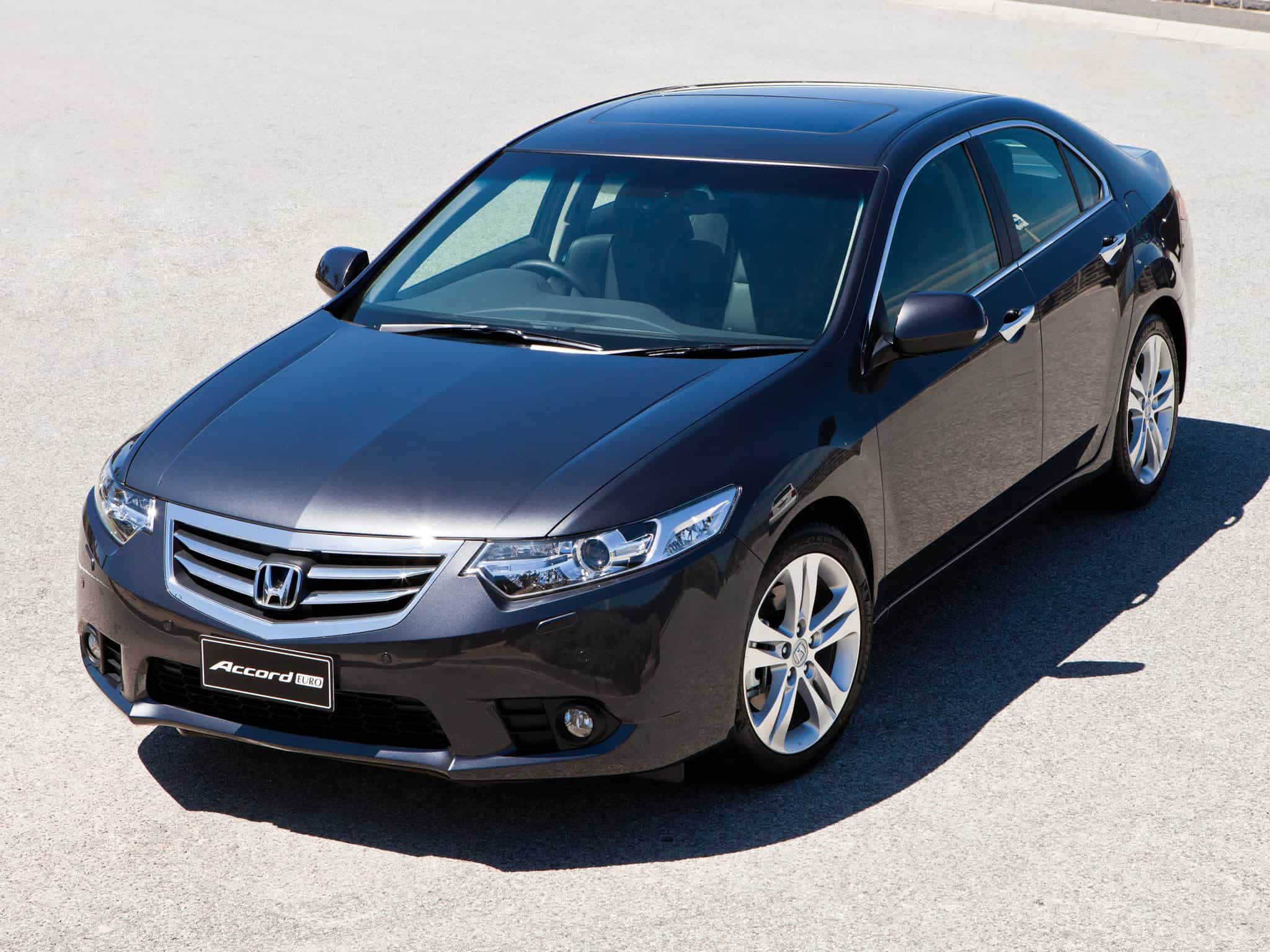
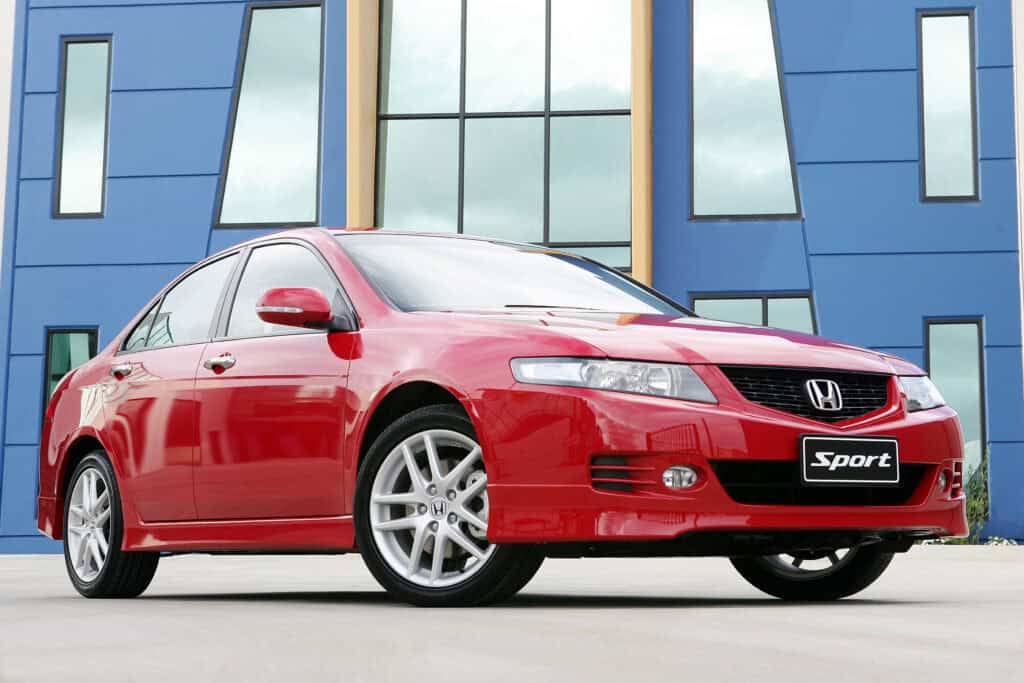
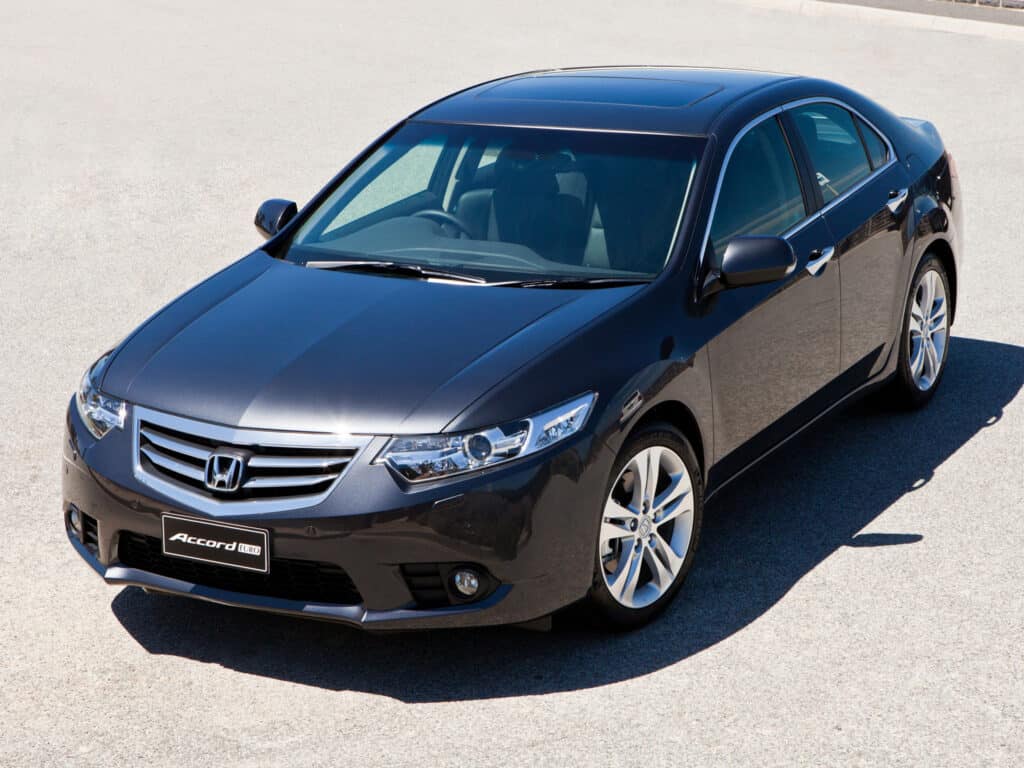
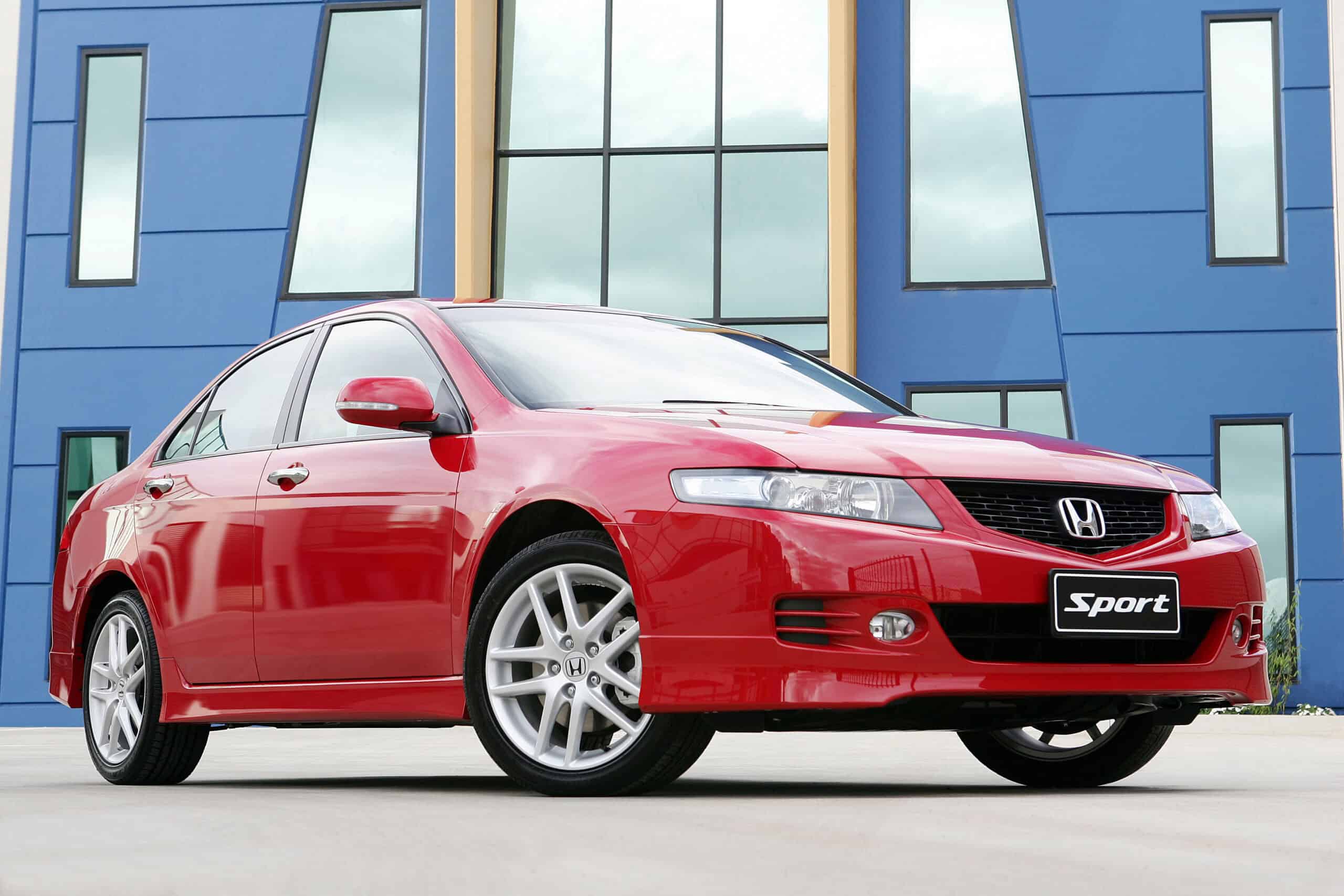
Here in Australia, we got both – the sportier European approach was dubbed the Accord Euro, while the softer Stateside-style was simply the Accord. The former also benefitted from the brand’s iconic ‘Cog’ TV commercial.
Going to the effort of offering both Down Under was clearly worthwhile. In 2008, the eighth-gen Accord Euro managed to claim the Accord’s second Wheels’ Car of the Year title, noting particular praise for its six-speed manual gearbox.
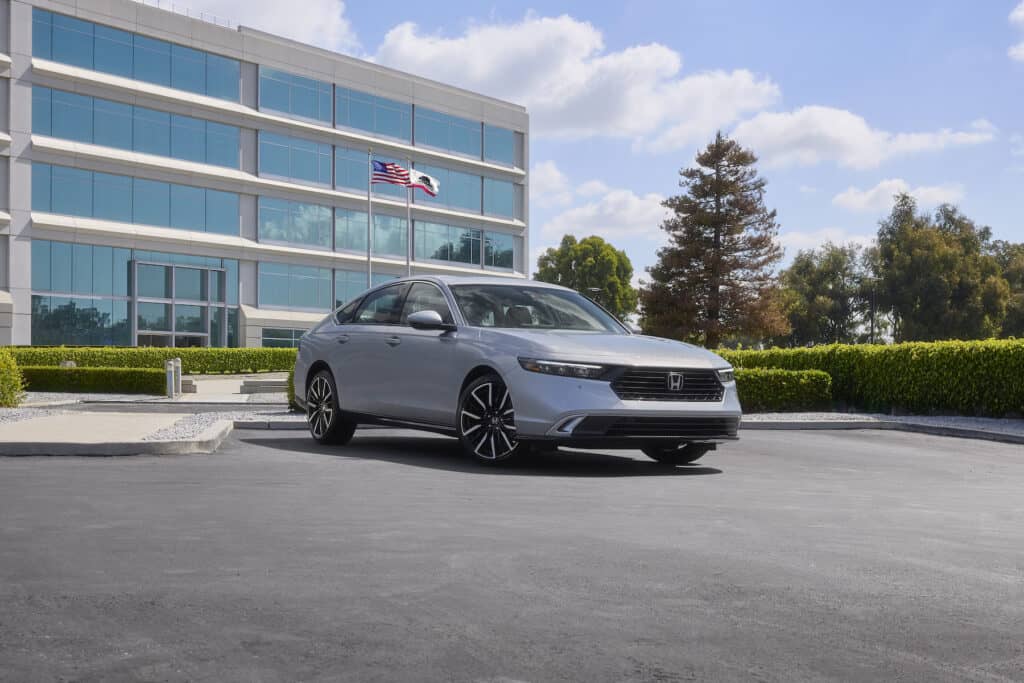
The rather stylish model on sale today in 2026 hails from the eleventh-generation of the Accord nameplate. Across those eleven generations and its 50 years of production, over 25 million examples have been sold globally. A whopping 15 million of those were in the United States alone.
It’s there that the Accord still maintains its greatest popularity. Despite the prestigious awards it has claimed here, the Accord only managed a mere 98 sales in Australia, with our new car market still SUV-crazy.
However, the US market offers some promising signs, where the Accord has not only been the best-selling passenger car in that market over the past 50 years, per data from Wards Intelligence.
There, the Accord is also the most popular midsize car with Millennial and Gen Z buyers, along with first-time and multicultural car buyers. If they’re hungry for sedans again, maybe the kids will be alright after all.