



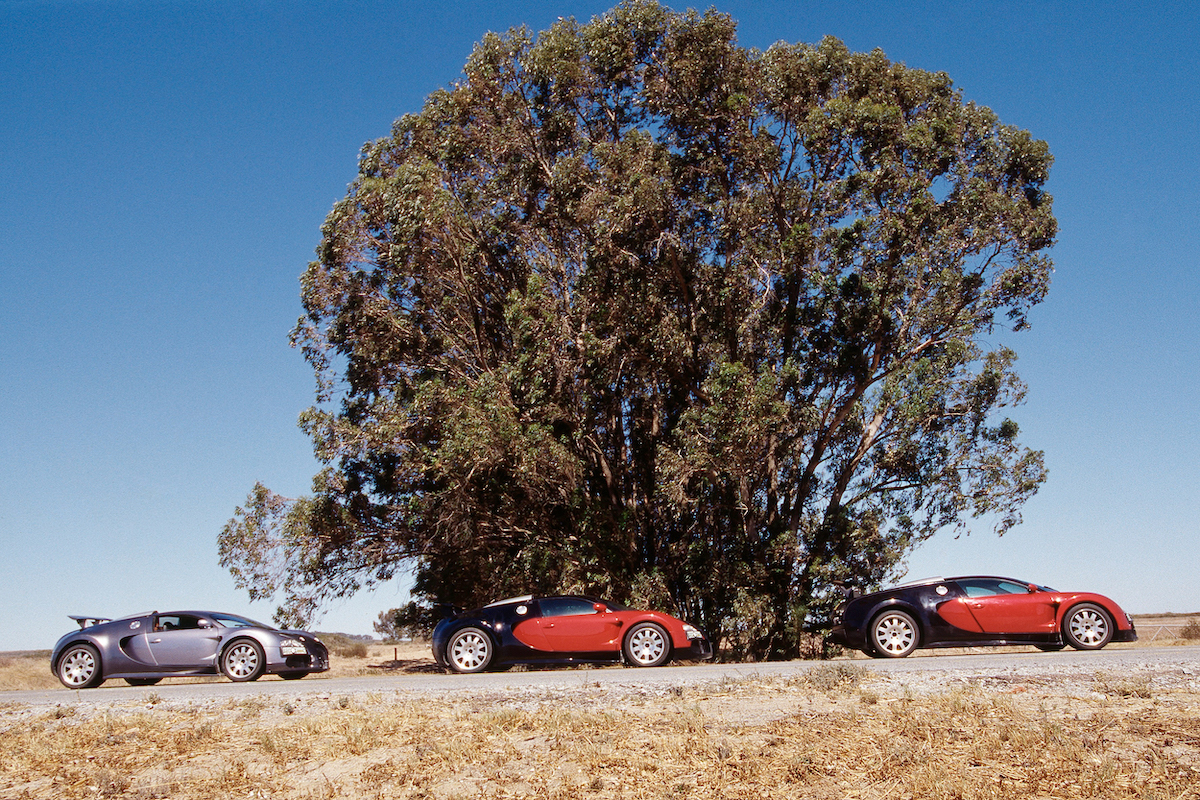
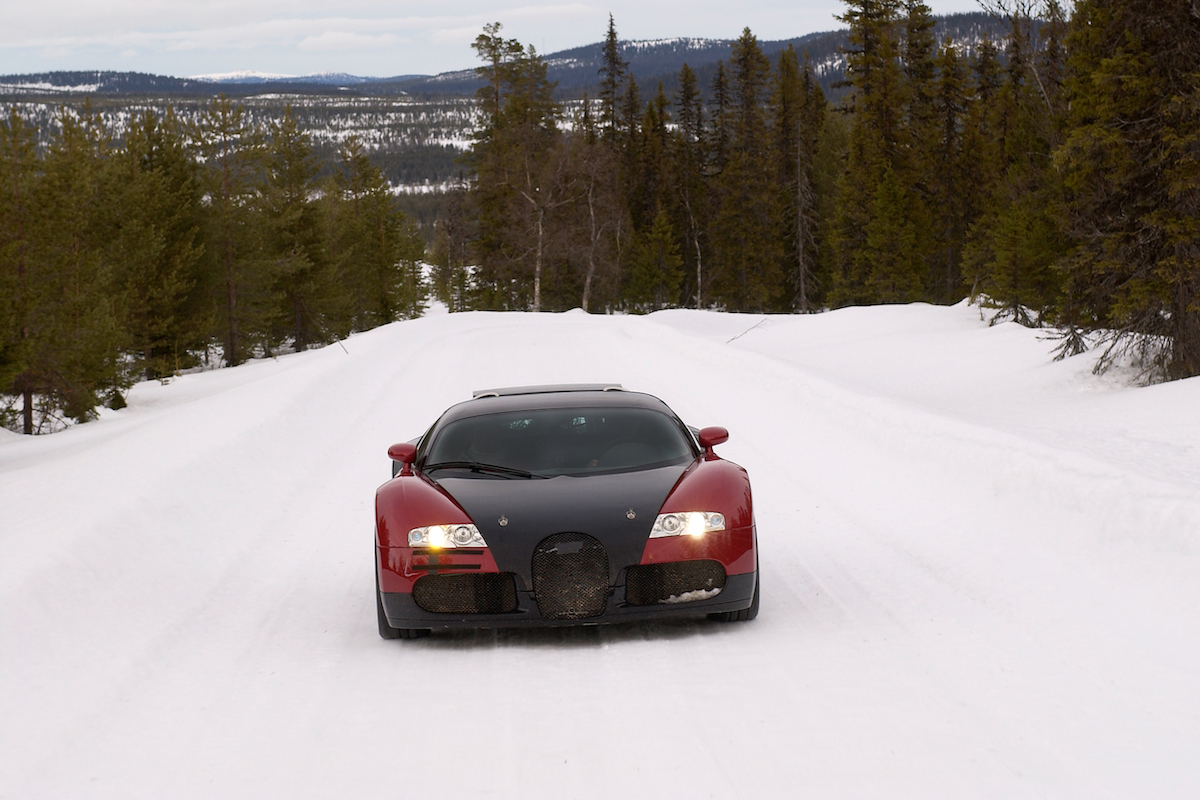

Italian high-speed test driver Loris Bichocchi played a pivotal role in the development of the most extreme car the world had ever seen, the Bugatti Veyron. Now, 20 years after the launch of this iconic car, he reflects on the process of ensuring it could handle anything thrown at it.
The term ‘hypercar’ is quite a contentious one. The line between a supercar and that next step up is hard to define – whether it comes down to speed, rarity, or something simply intangible.
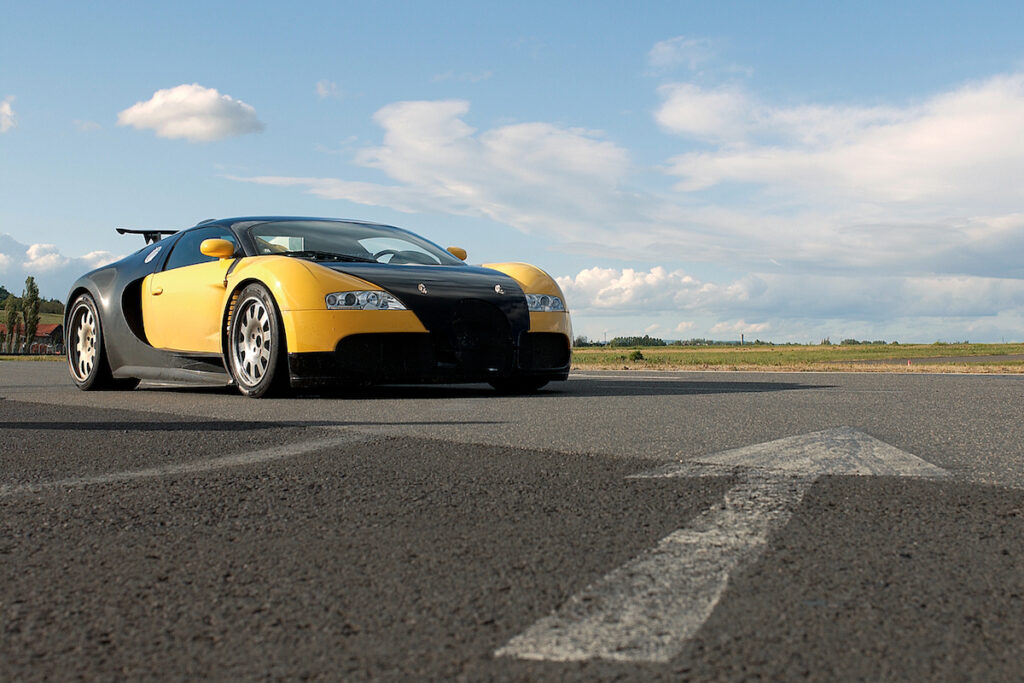
If there’s one car that is unequivocally deserving of the label, it’s the Bugatti Veyron – the car that indeed entered the term into automotive lexicon. With an out-of-this-world blend of power, performance, and a staid sense of elegance, it fundamentally redefined what a car could possibly do.
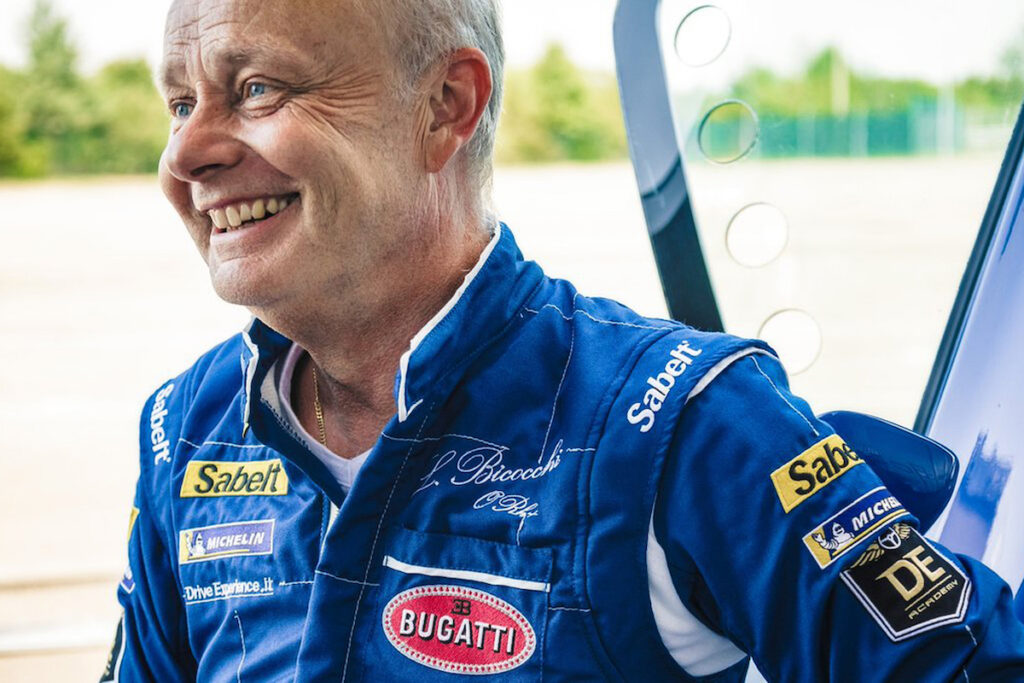
Indeed, it was such a pivotal car that for Bugatti’s high-speed testing expert at the time, Italian test driver Loris Bicocchi, it represented an encounter with something entirely new; this was a machine that could not be measured against anything that came before it.
“All car enthusiasts had heard rumors about the Veyron: 1001 horsepower, more than 400km/h, sixteen cylinders – sixteen. Can you imagine? Even today, when I say that, I still get goosebumps,” Bicocchi recalls.
Bicocchi is clearly a man who has speed running through his veins, having been born in Sant’Agata Bolognese just “a few hundred yards” from the Lamborghini factory.
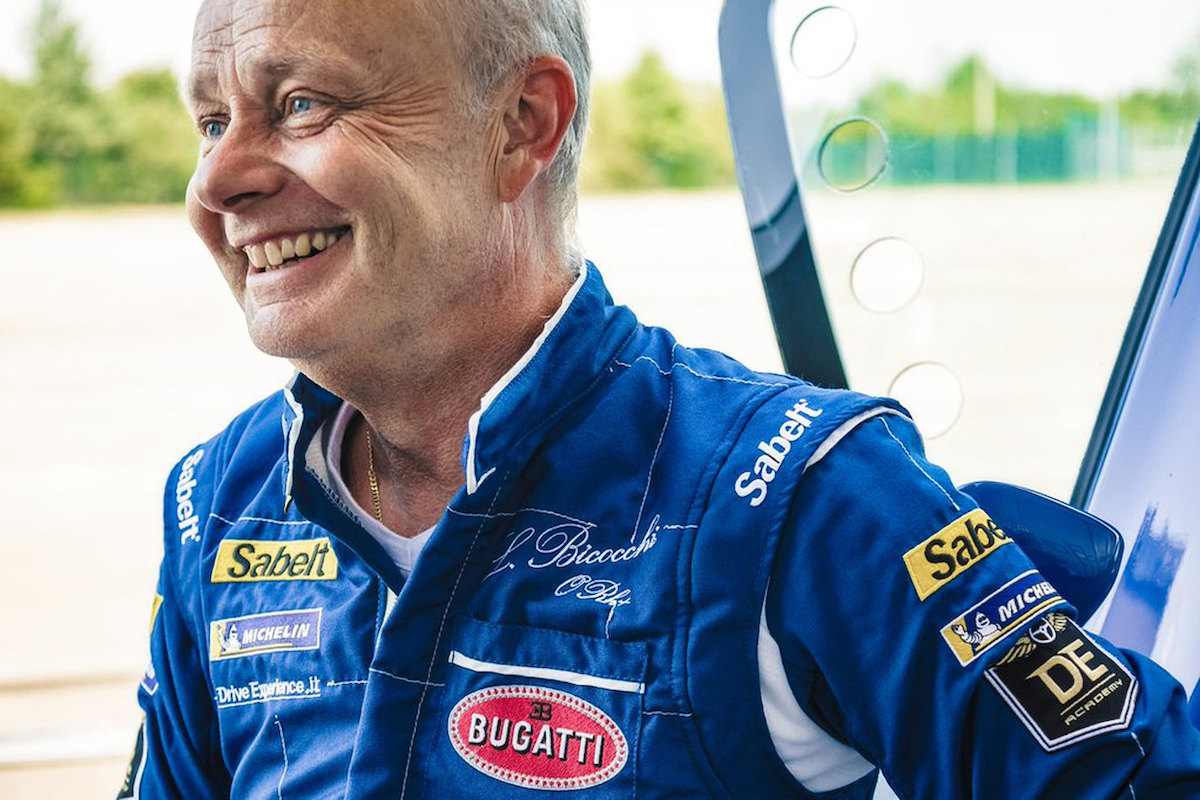
The Veyron wasn’t his first time working with Bugatti, having worked on the testing program for the EB110 GT and SS from 1990-95, but nothing could’ve prepared him for what he was met with in 2001 after answering a call to join Bugatti’s latest project.
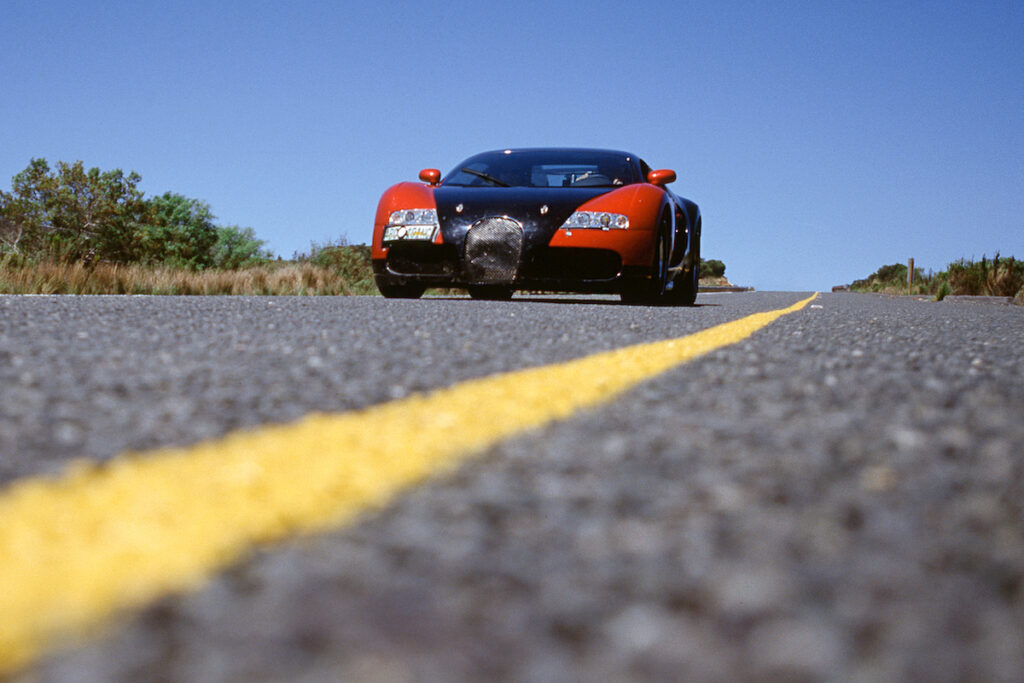
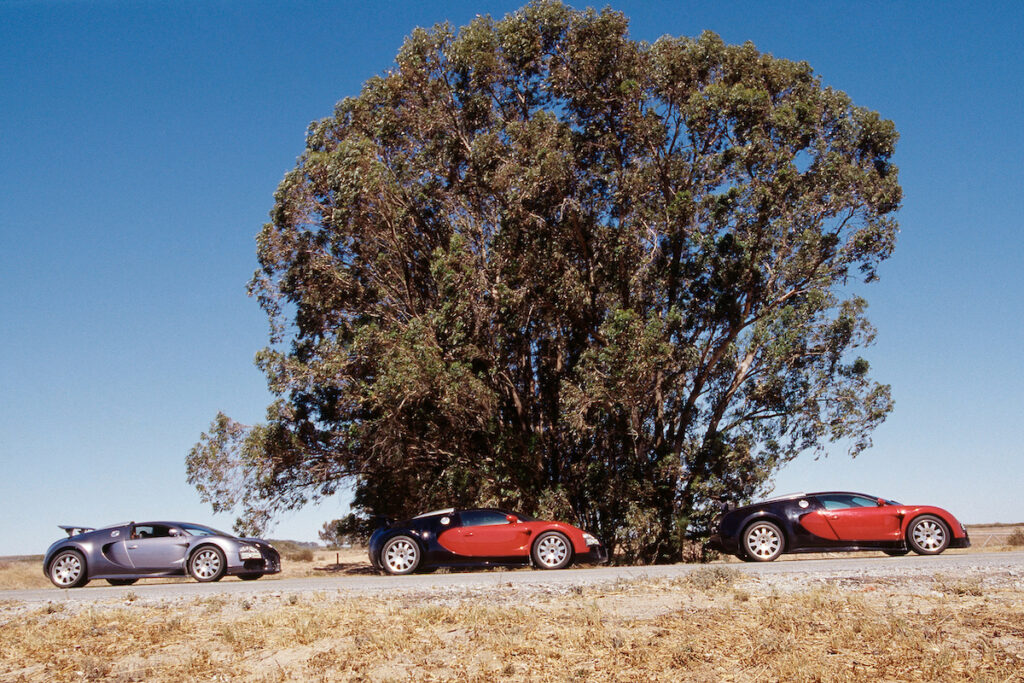
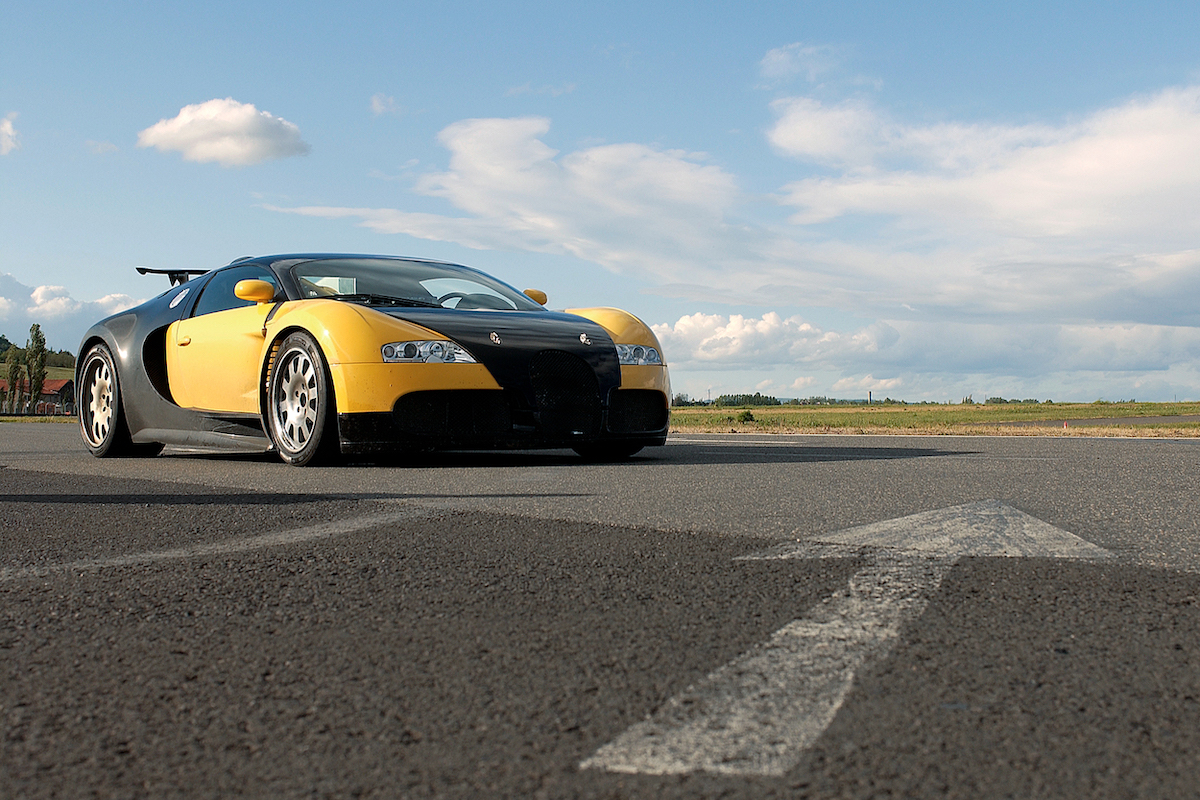
His debut run in the car took place at the Michelin test track in Ladoux, Clermont-Ferrand, behind the wheel of a red and black prototype. Anticipation quickly turned into emotion for the experienced driver.
“I was so excited that I couldn’t even wait for the official tests on Monday morning,” Bicocchi remembers of that first encounter
“I went on Sunday when the car was delivered and sat in the car. When the engineers arrived the next day, I was laser-focused on relaying my first impressions. Simply put, we all were amazed by what the car was already showing.”
At the time, the Veyron delivered twice the power of any other production car. Even for a driver with high-speed driving experience like his, there was simply no reference point.
“I didn’t know what to expect,” Bicocchi explains. “I didn’t dare to go full throttle. It was so impressive – crazy, almost inexplicable. You immediately understood what this car stood for.”
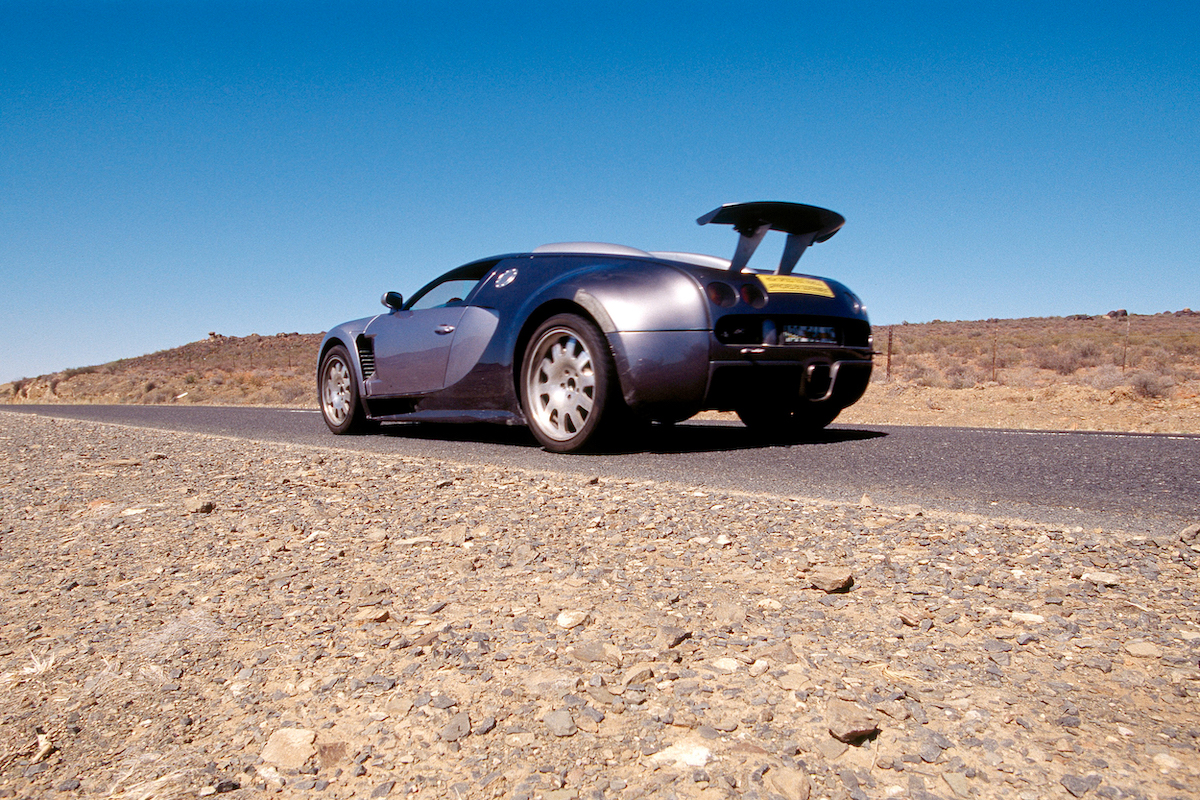
Testing the Veyron meant stepping into unknown territory. With speeds exceeding 400km/h, the rules governing aerodynamics, stability, and braking were all different.
“From 300km/h or 320km/h onwards, everything changes. Especially aerodynamics. Every single detail counts. I had to reset all the references I had built during my career, because the Veyron was simply incomparable to anything I had driven before.”
Beyond the technical challenge lay another defining ambition. The Veyron had been conceived as a hypercar that could be driven safely and confidently by recreational drivers in any conditions, which Bicocchi notes “was a huge responsibility, both for me and the marque”.
“We had to create an incredible car, yes, but one that could be driven by anyone, not only by professional drivers. It was real teamwork – a 360-degree strike force of experts – and we all learned together as we set about making history. That was incredible.”
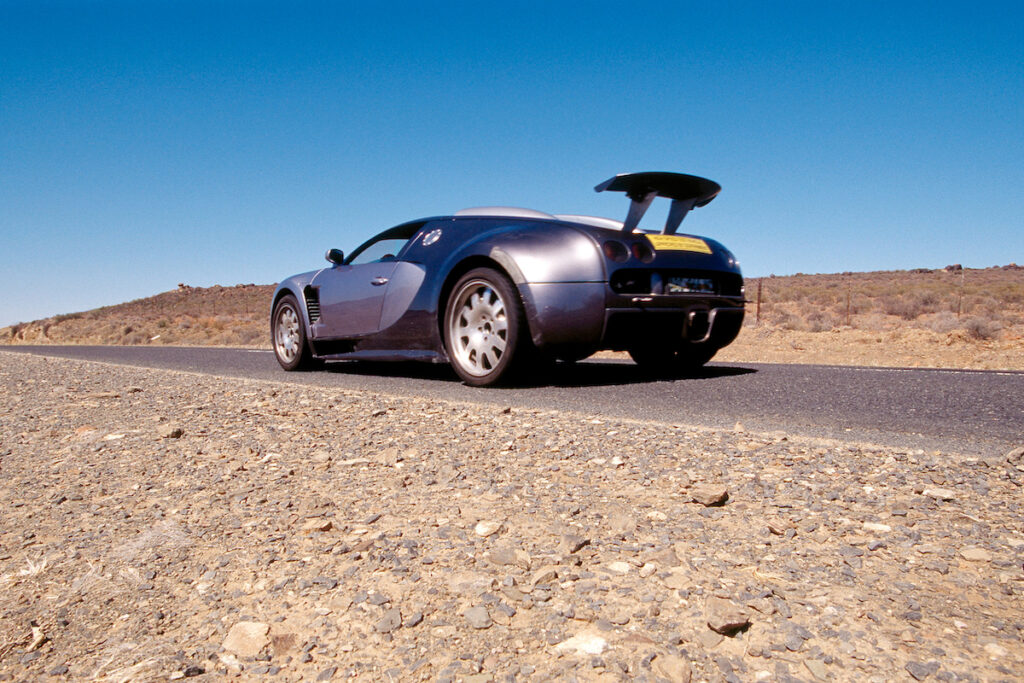
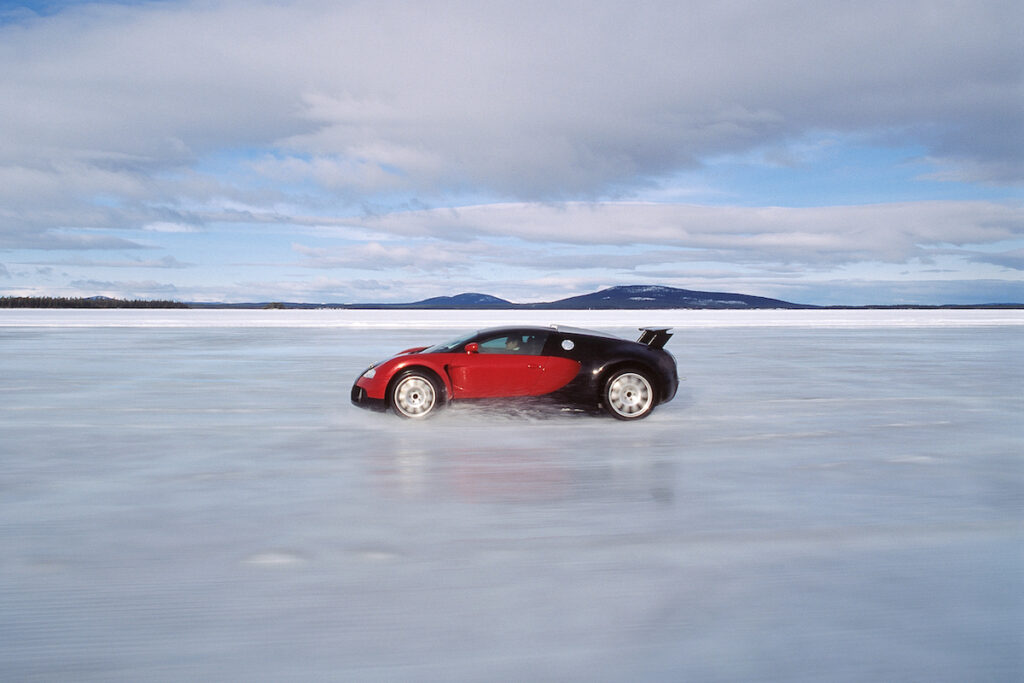
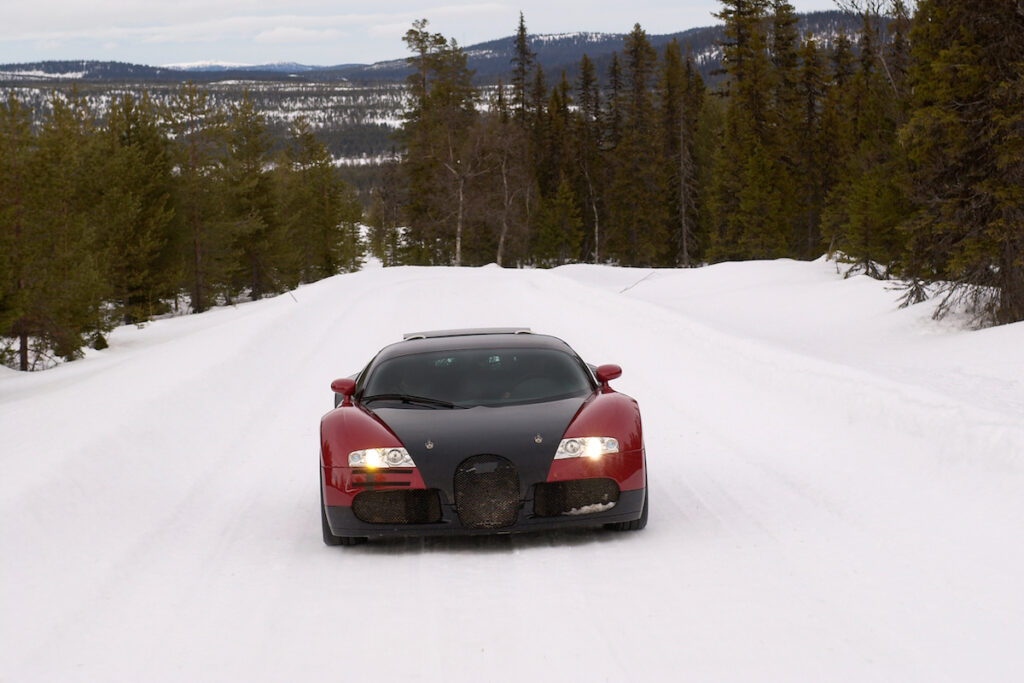
This also meant the testing process was far from limited to top-speed runs. A global development program saw it take to Arctic ice and South African heat to ensure it was capable in the most extreme and demanding conditions.
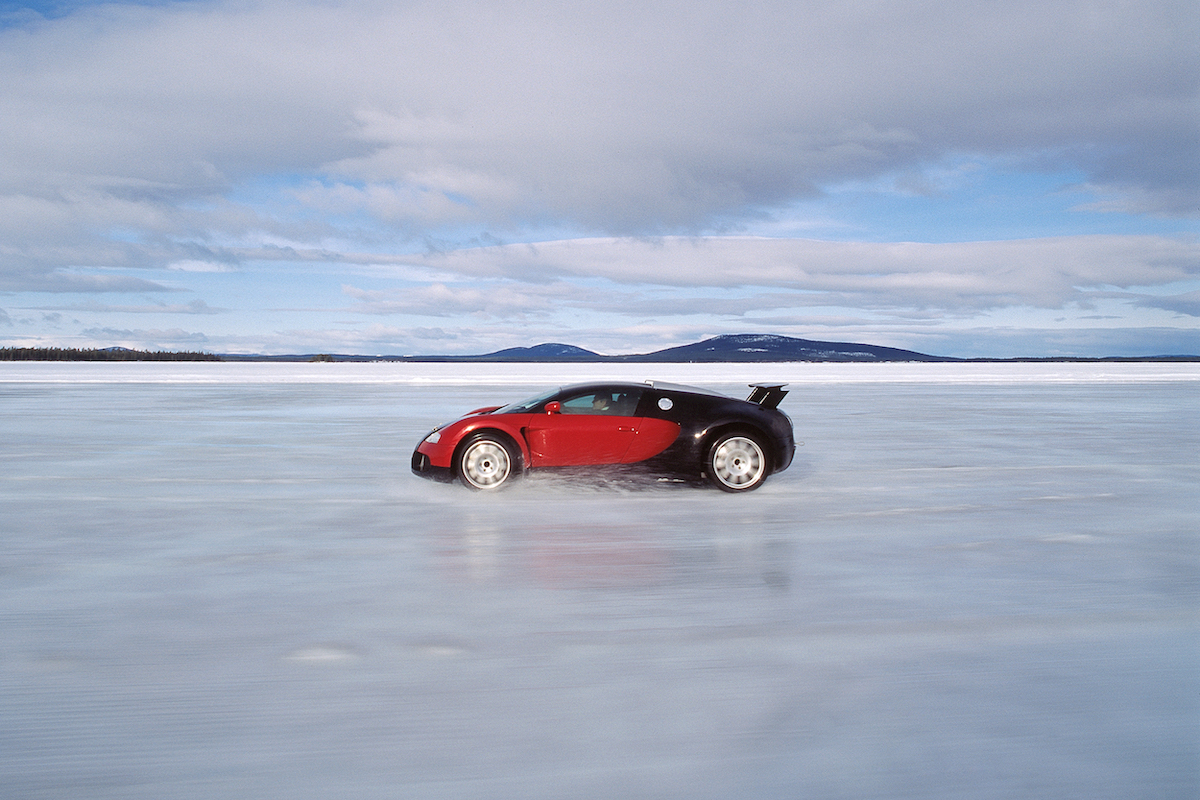
For Bicocchi, the emotional weight of the project was inseparable from Bugatti’s history, as the Veyron represented the rebirth of a marque unlike any other.
During the long periods of travel between the various testing locations around the world, he immersed himself again in the story of Ettore Bugatti – taking the time to nurture a deep understanding of the brand, Ettore’s vision in 1909, and what makes its legacy so inimitably rich.
But one particular moment, undertaking high-speed testing at the Ehra-Lessien test track, remains etched in Bicocchi’s memory.
“I remember being asked to fully accelerate and then apply full braking at more than 400km/h,” he recalls.
“It was incredibly stressful and exciting at the same time. When you achieve your goal and the whole team comes to you, you really feel that you are part of a family – and part of history.”
Today, more than 20 years later, the emotion has not faded. With such a step taken for the automotive world, the thrill of taking part in a legendary milestone in the automobile’s history stayed with Bicocchi and the whole team behind the Veyron.
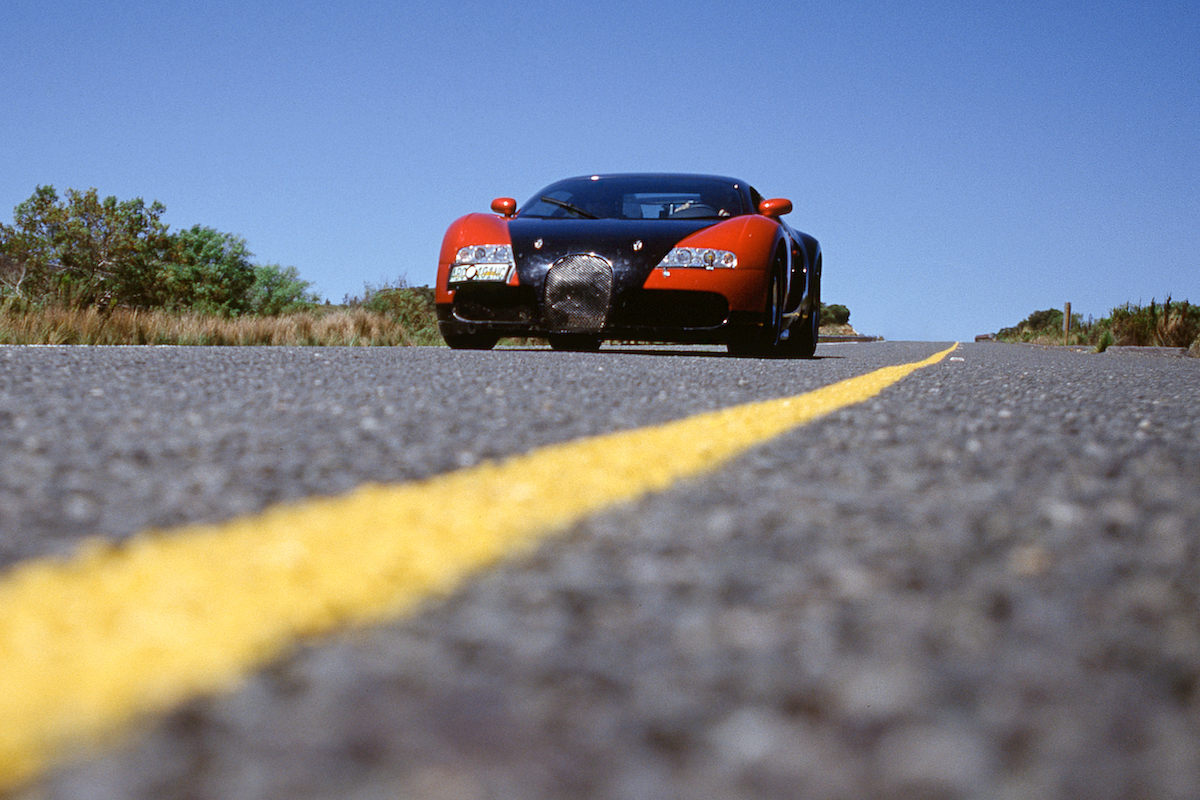
For Bicocchi, the Veyron’s enduring relevance lies in one of Bugatti’s most defining qualities. “A Bugatti car is and should remain timeless,” he concludes.
“When you look at the design, the lines and the emotion they create, you realize they are not linked to a single era. That is what makes Bugatti so special.”
Today, Bugatti continues to shape the future of the hypercar, debuting a new Cosworth V16 engine and hybrid technology in the upcoming Tourbillon.
However, the Veyron still stands as a major achievement. The launch of this car represented a moment when the impossible became reality, and a car that remains incomparable – both for its performance, and for the profound emotion it continues to conjure all over the world.
Keen to learn more about how the legendary Bugatti Veyron came to be? Find out how then-Volkswagen boss Ferdinand Piëch masterminded the definitive hypercar here.