
British low-volume luxury car maker Bristol Cars was first formed in 1945, spun off from the Bristol Aeroplane Company after the conclusion of the Second World War.
However, liquidation of the company in 2020 – following a wind-down of production in 2011, excepting the one-off Bullet in 2016 – looked as though it would relegate the marque to the history books.
But now, one of Britain’s most exclusive and enigmatic automotive marques has returned 80 years after the launch of its first completed car, the Bristol 400 of 1946.
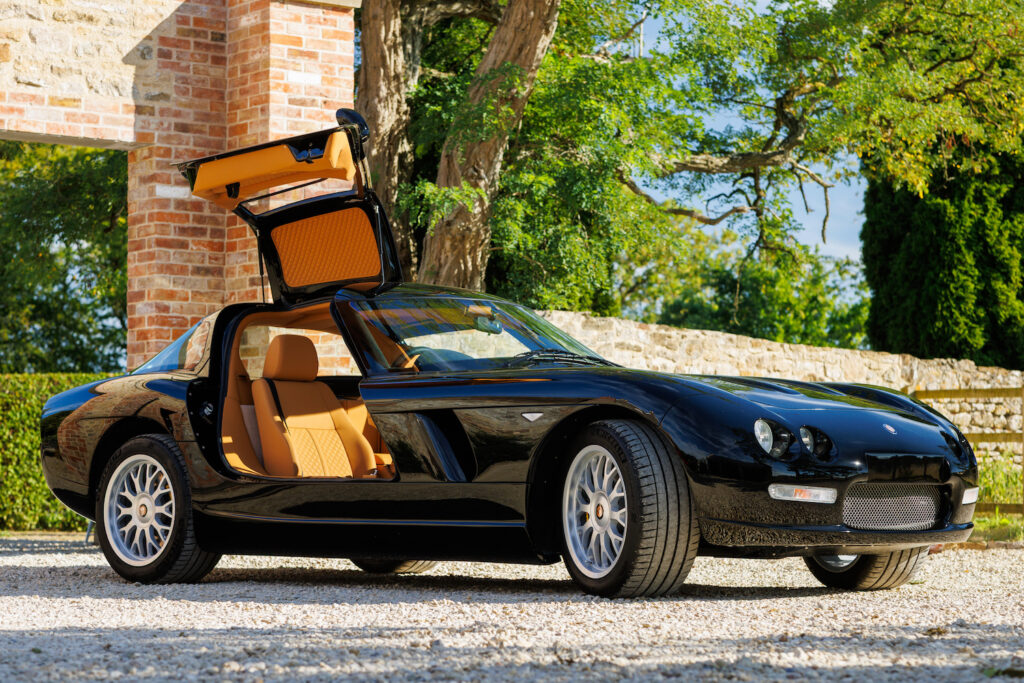
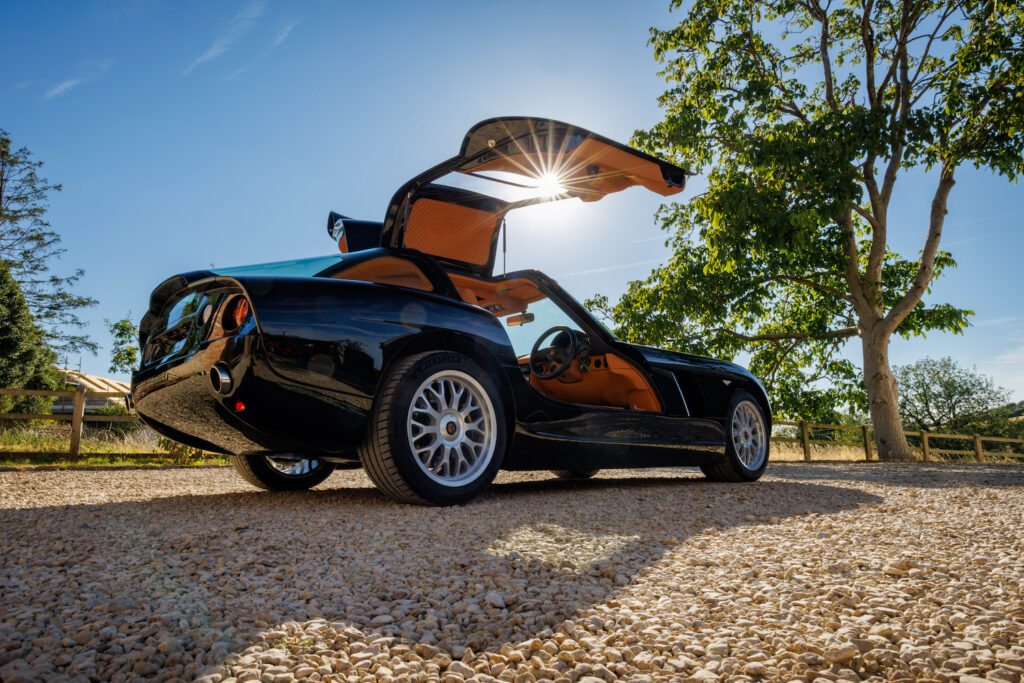
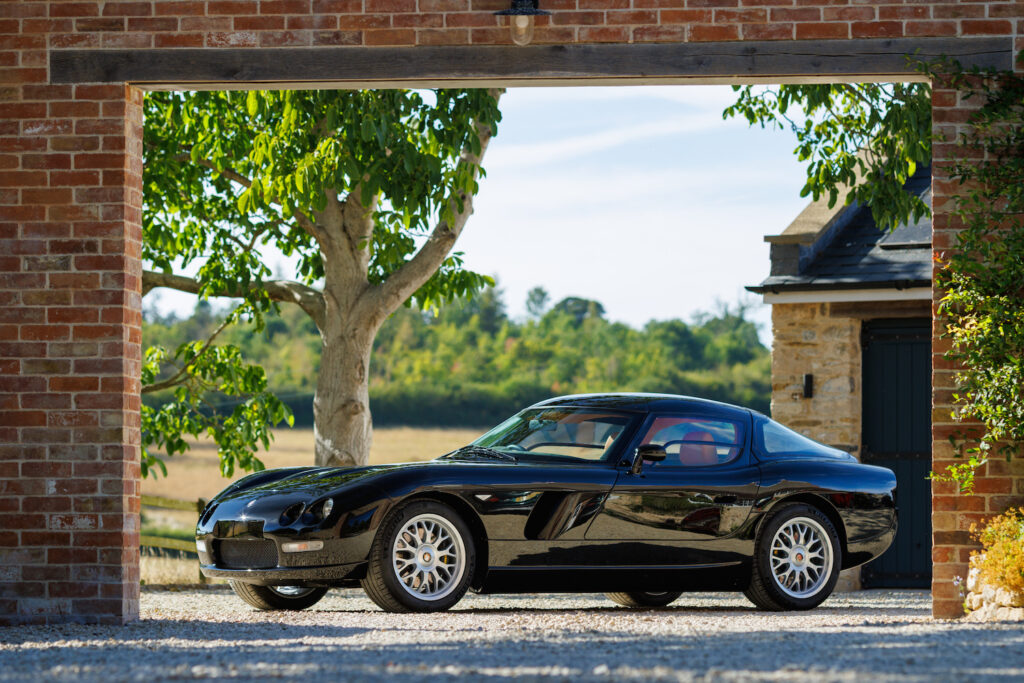
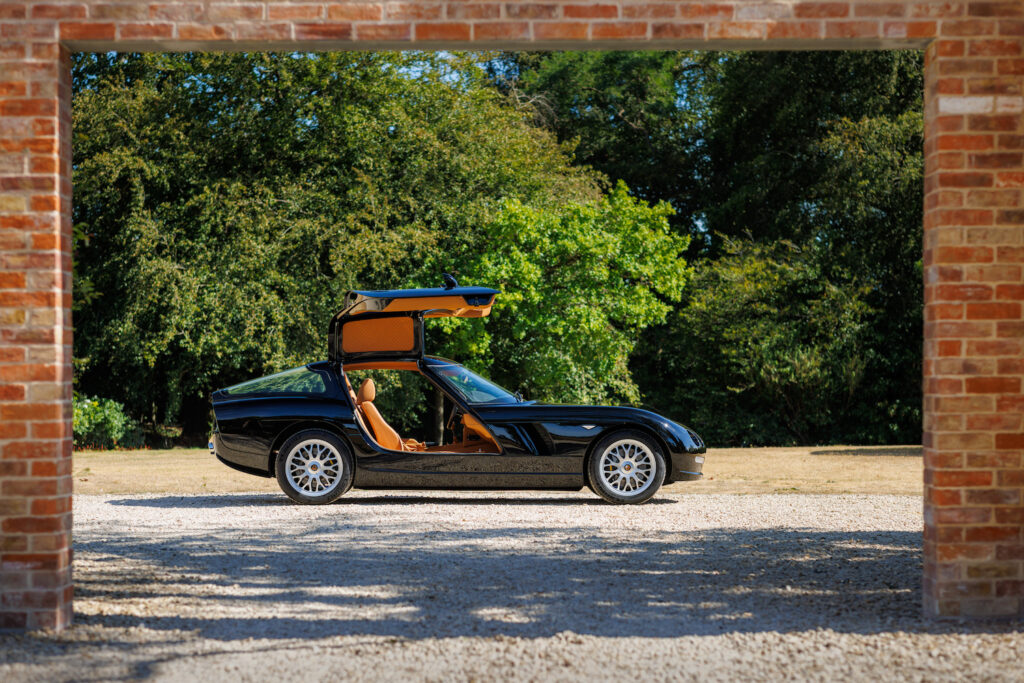
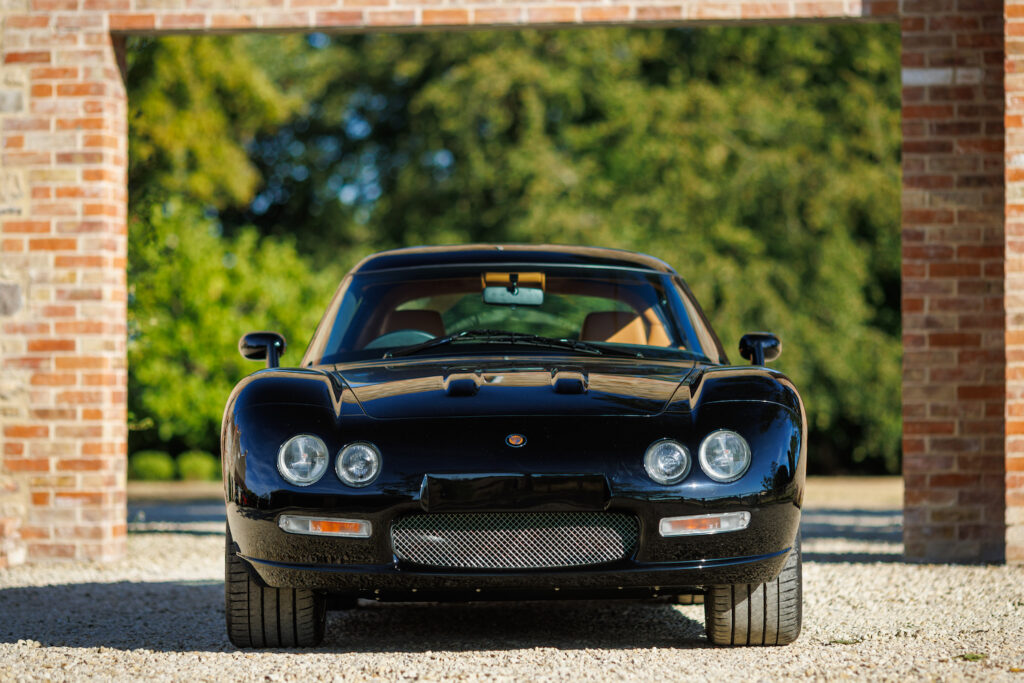
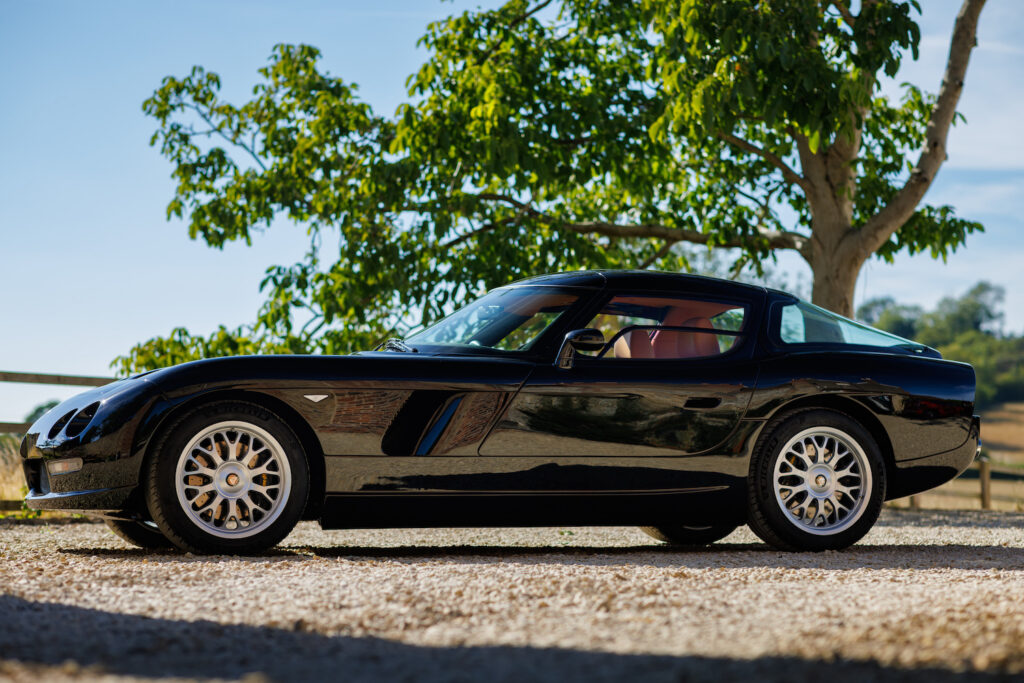
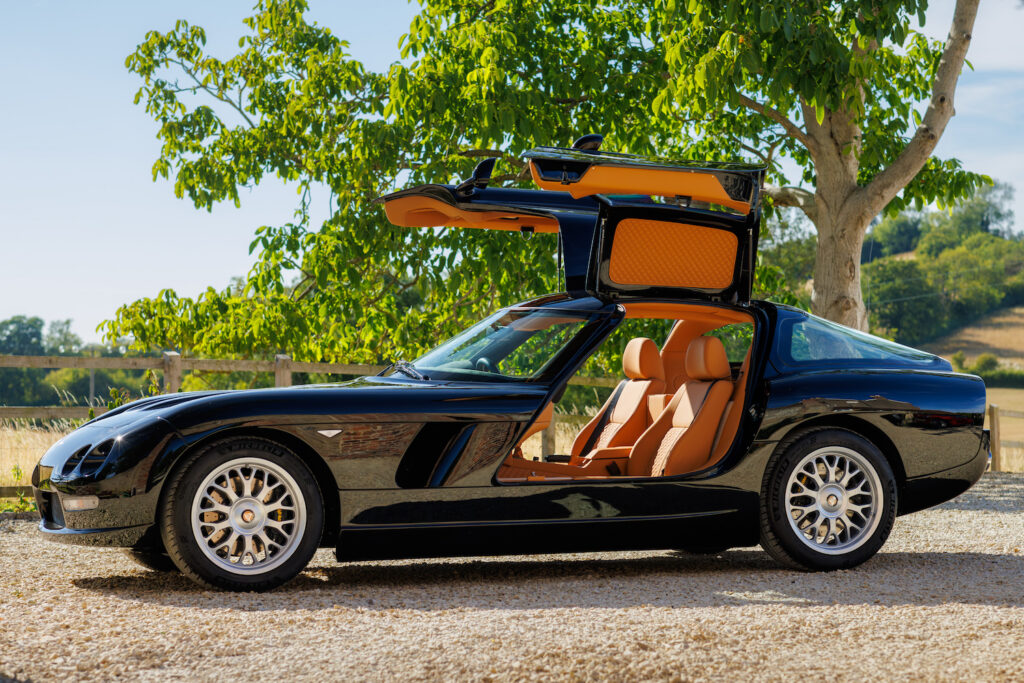
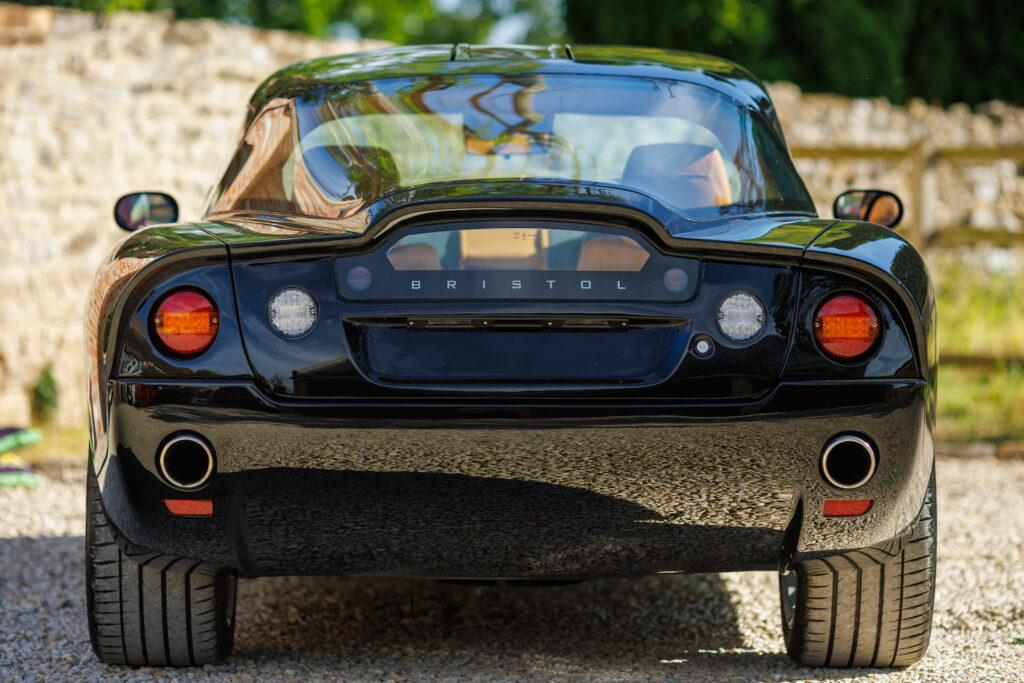
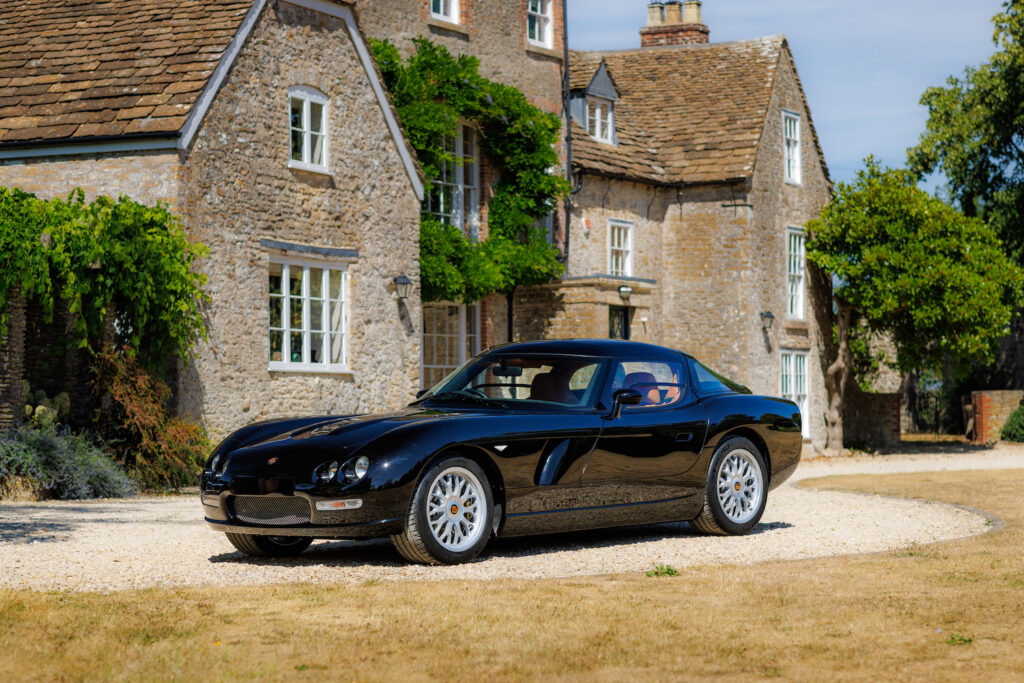
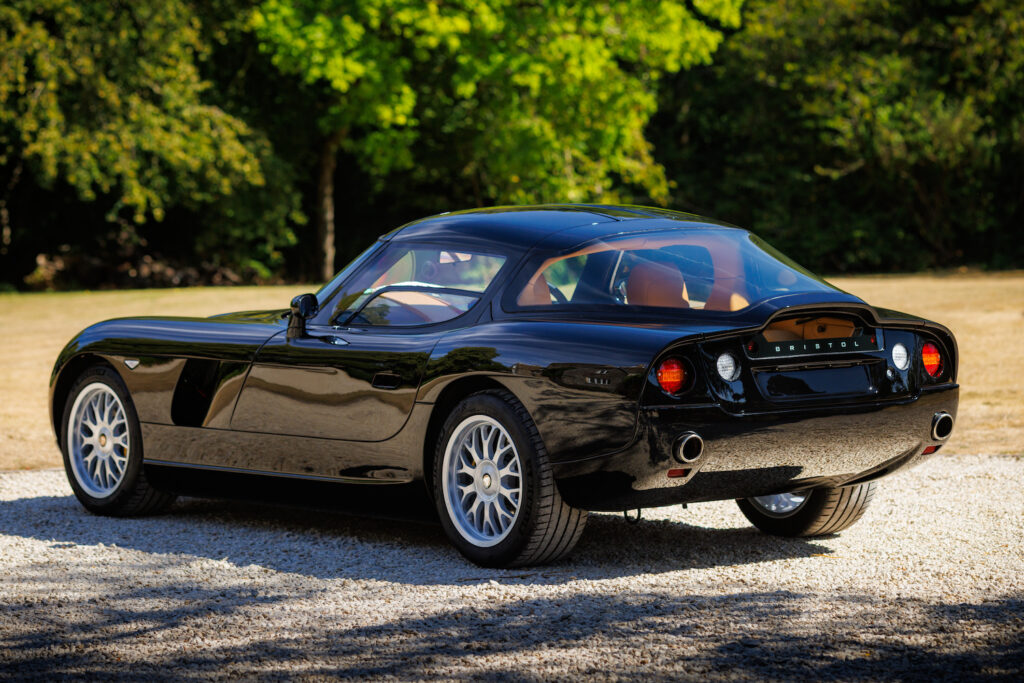
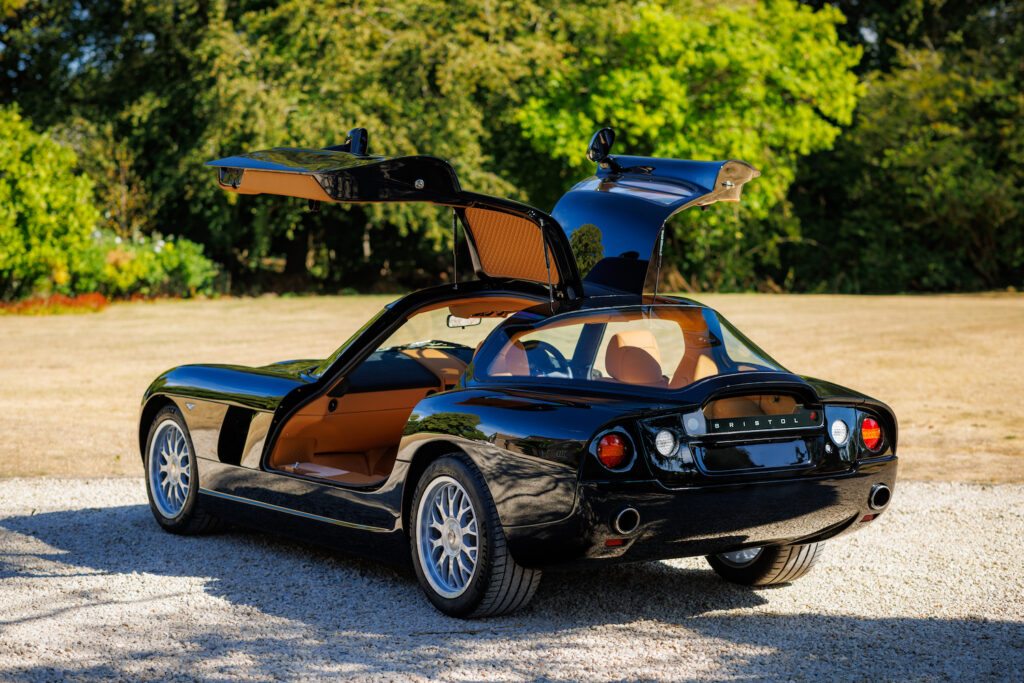
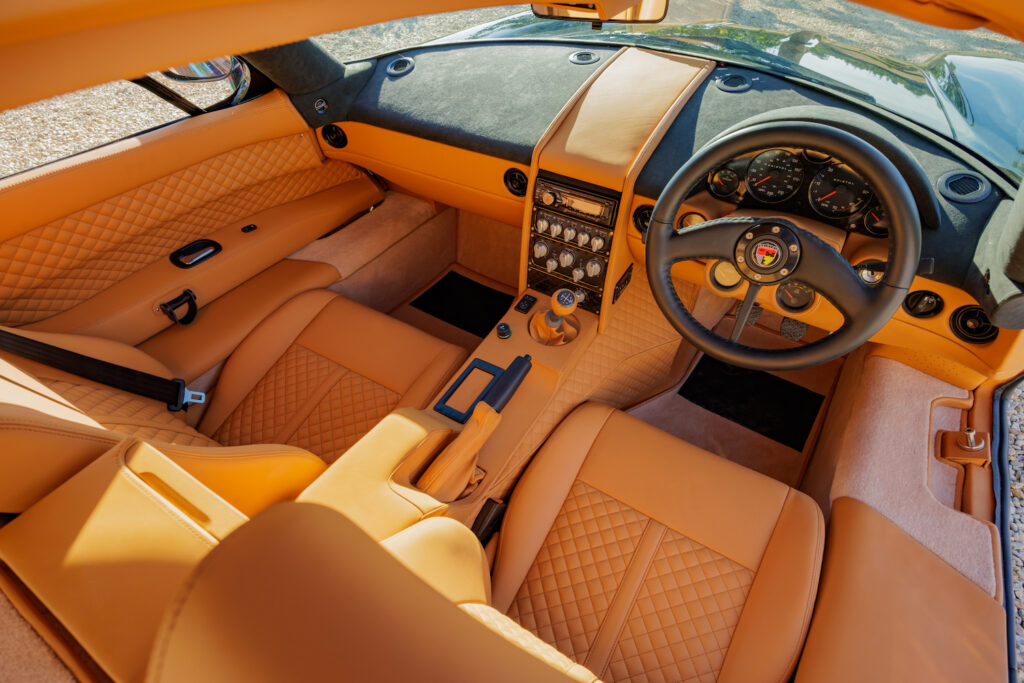
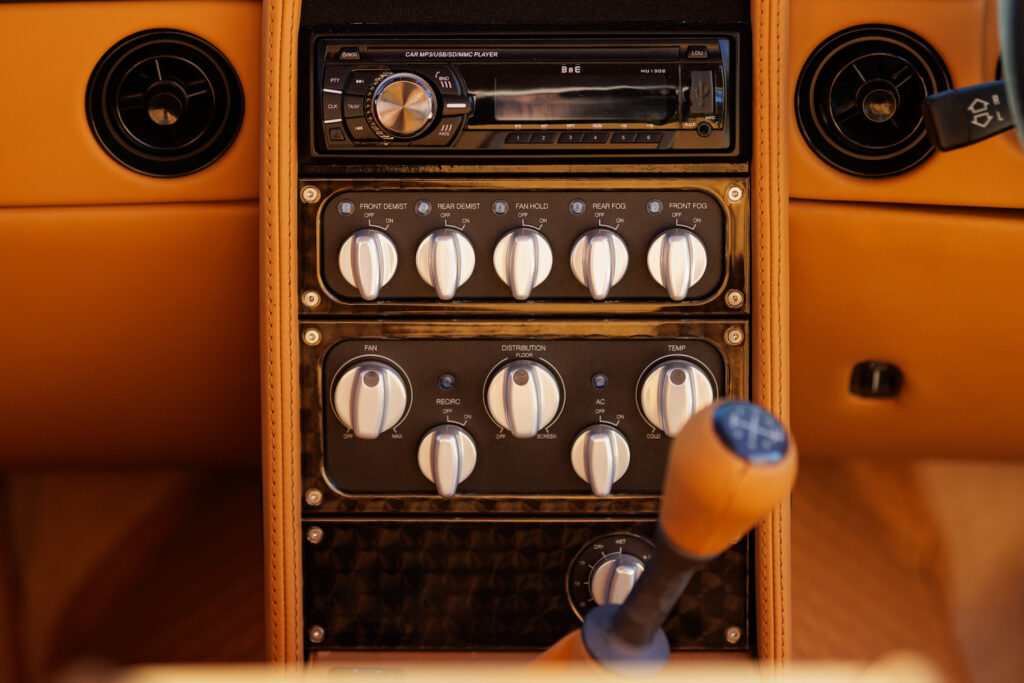
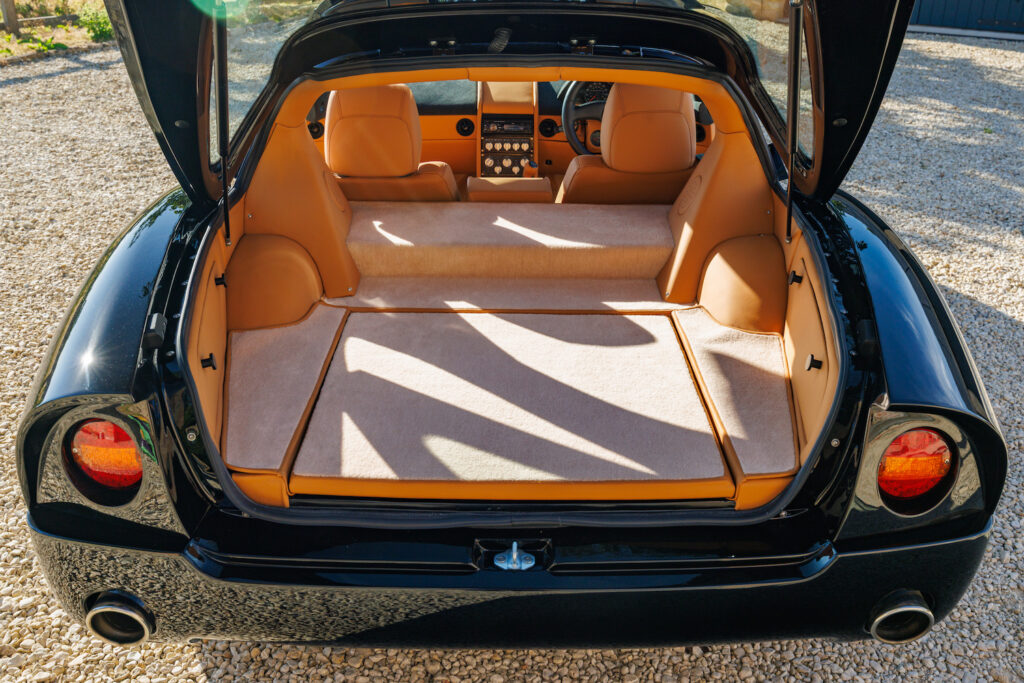
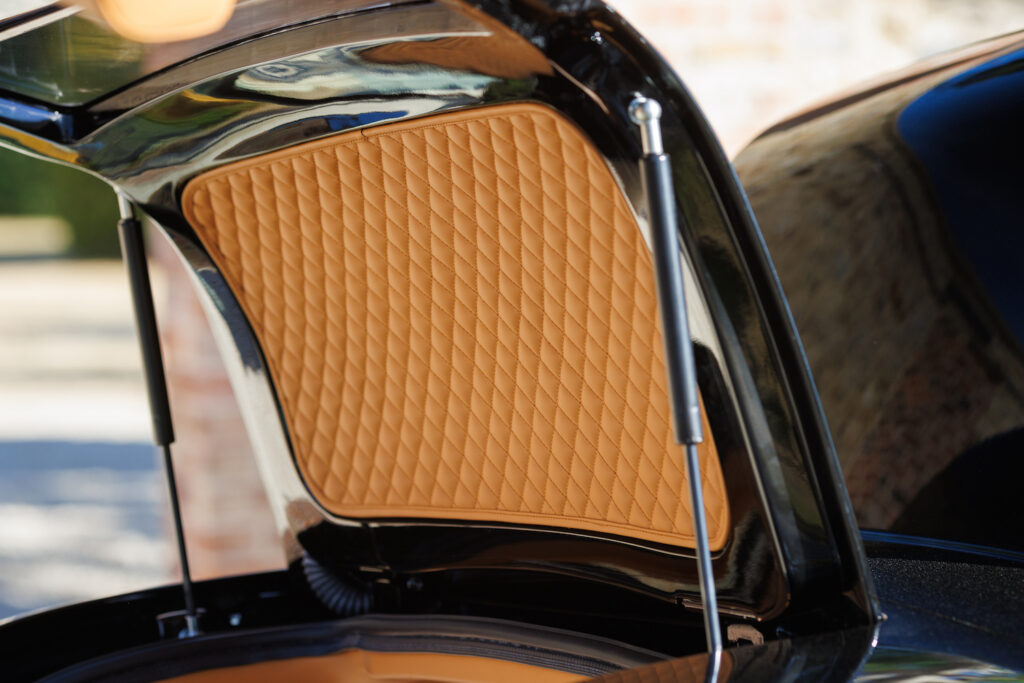
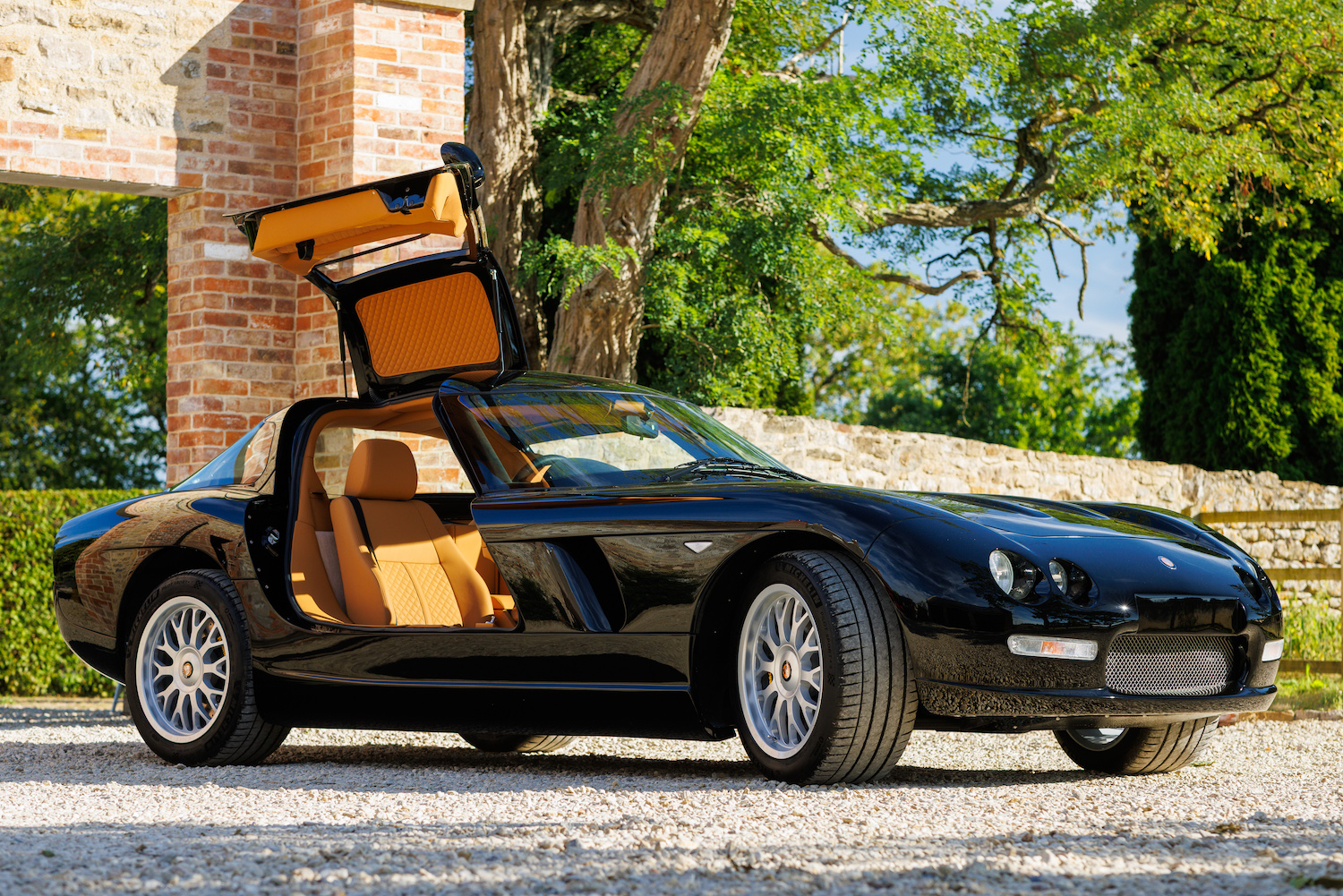
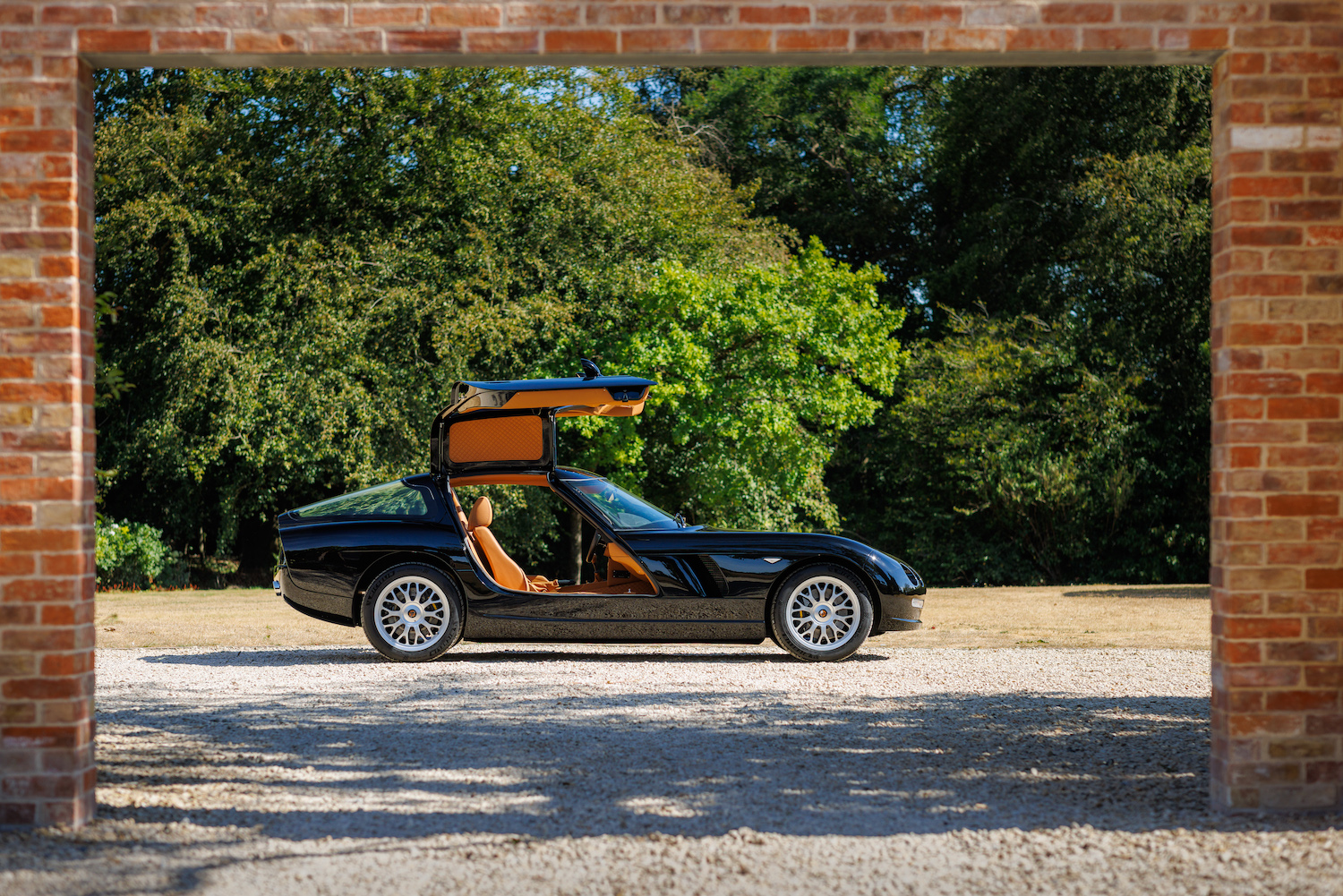
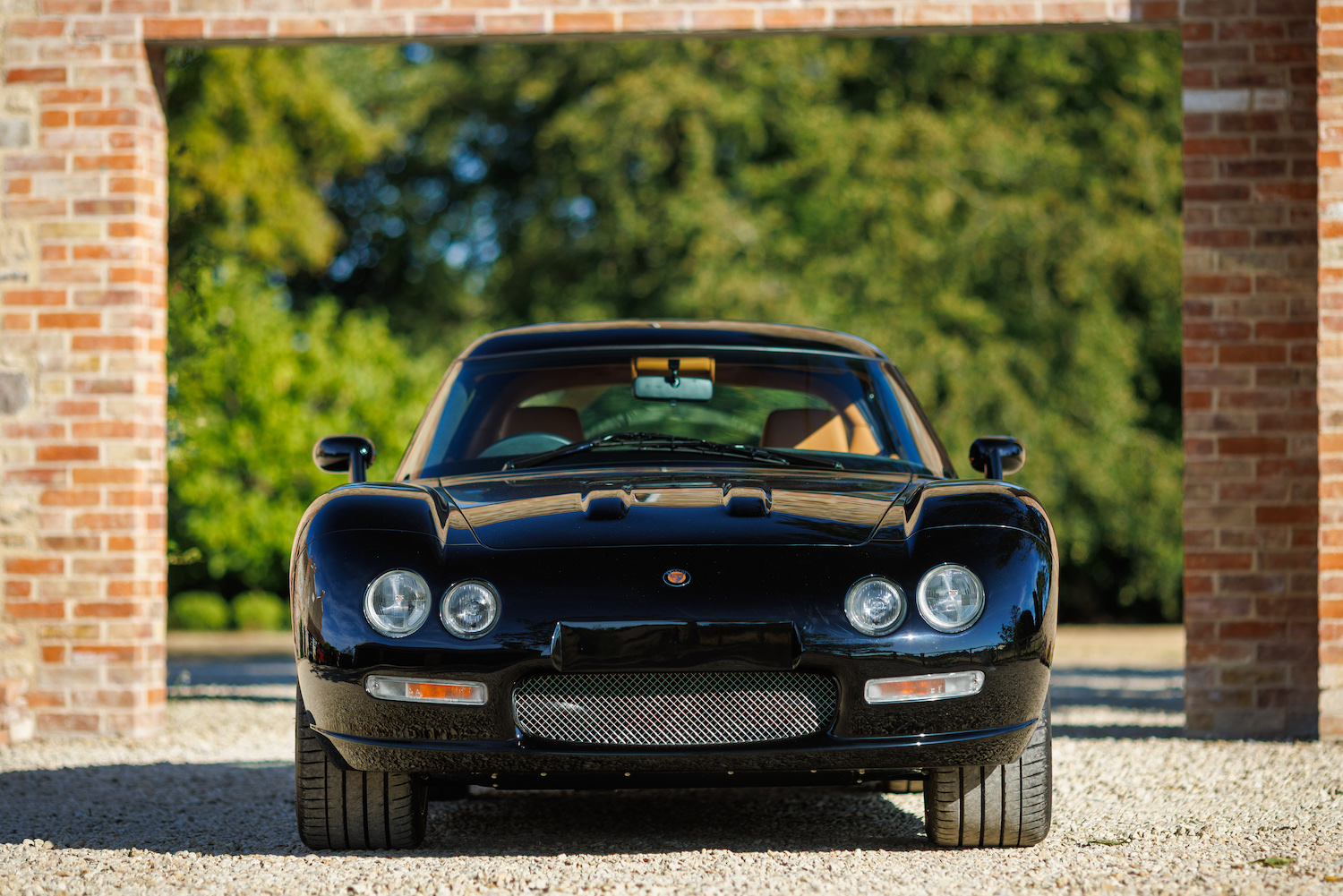
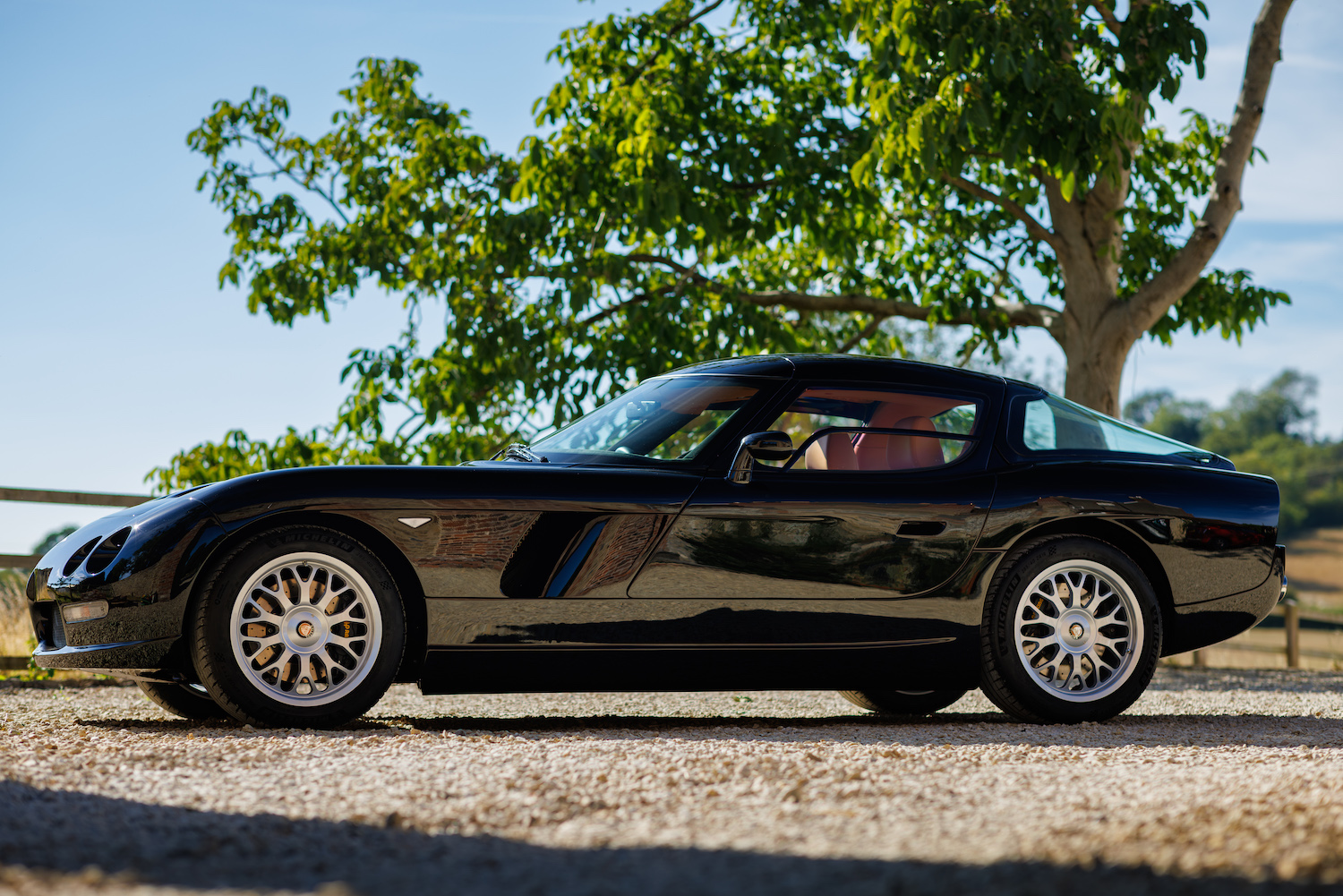
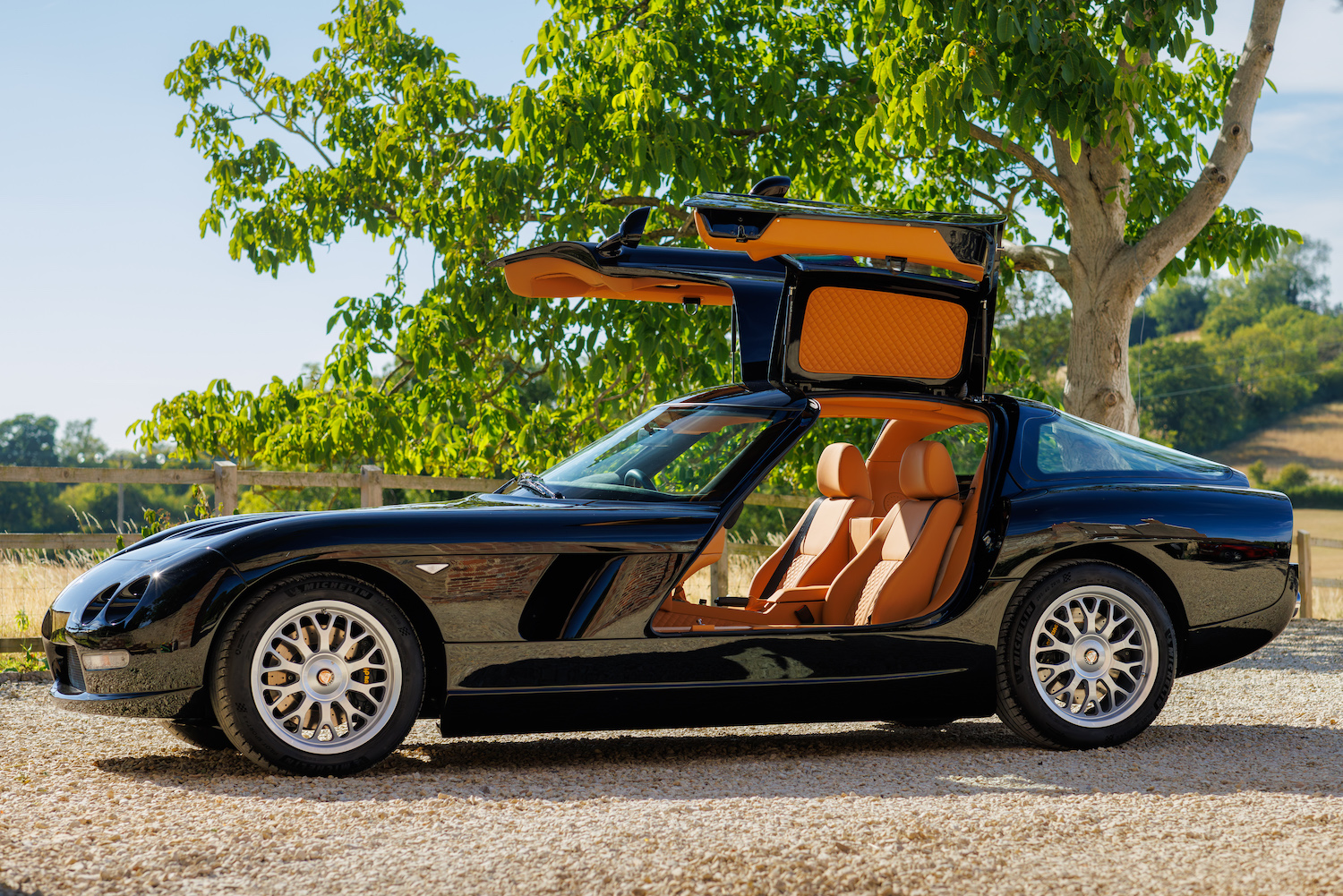
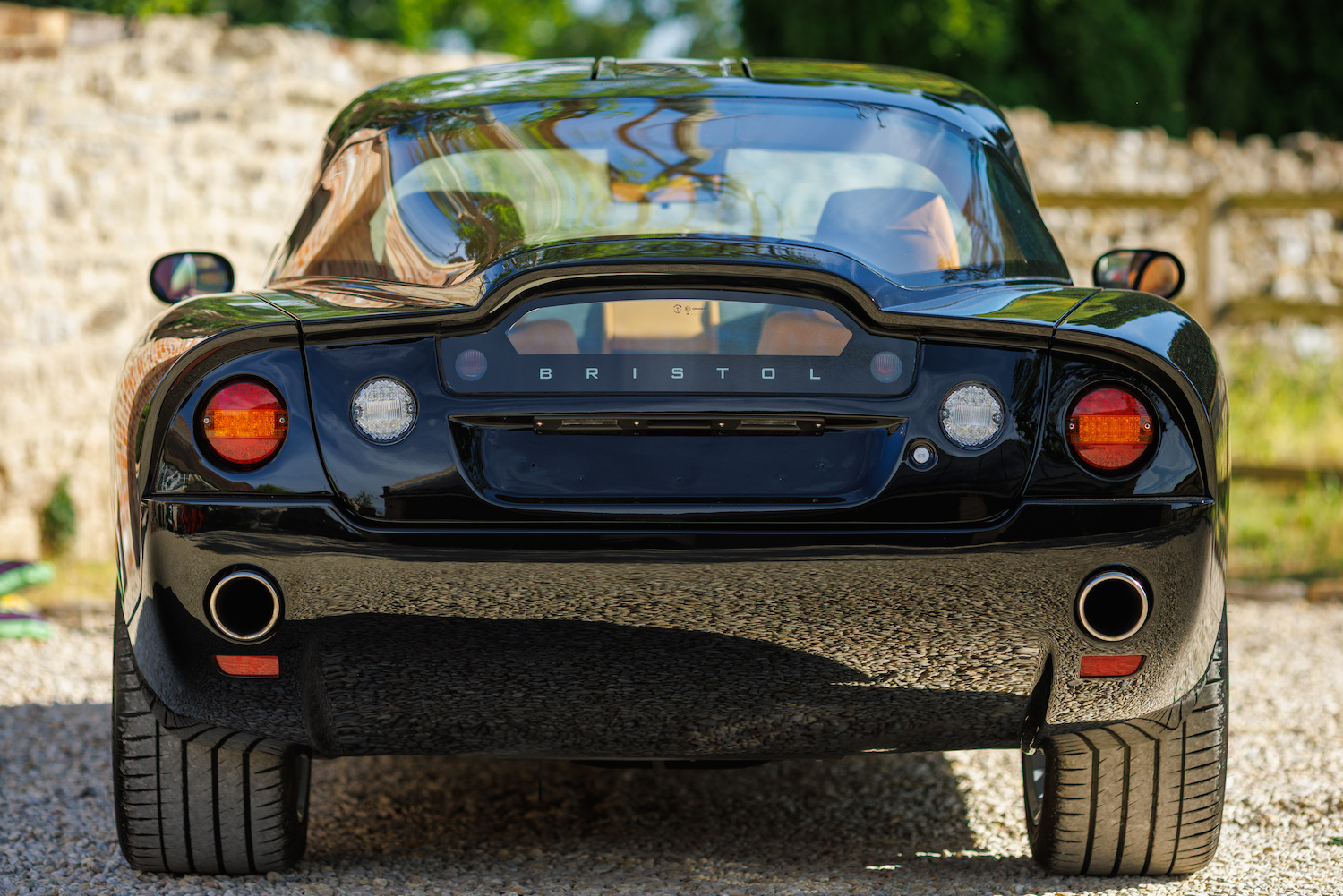
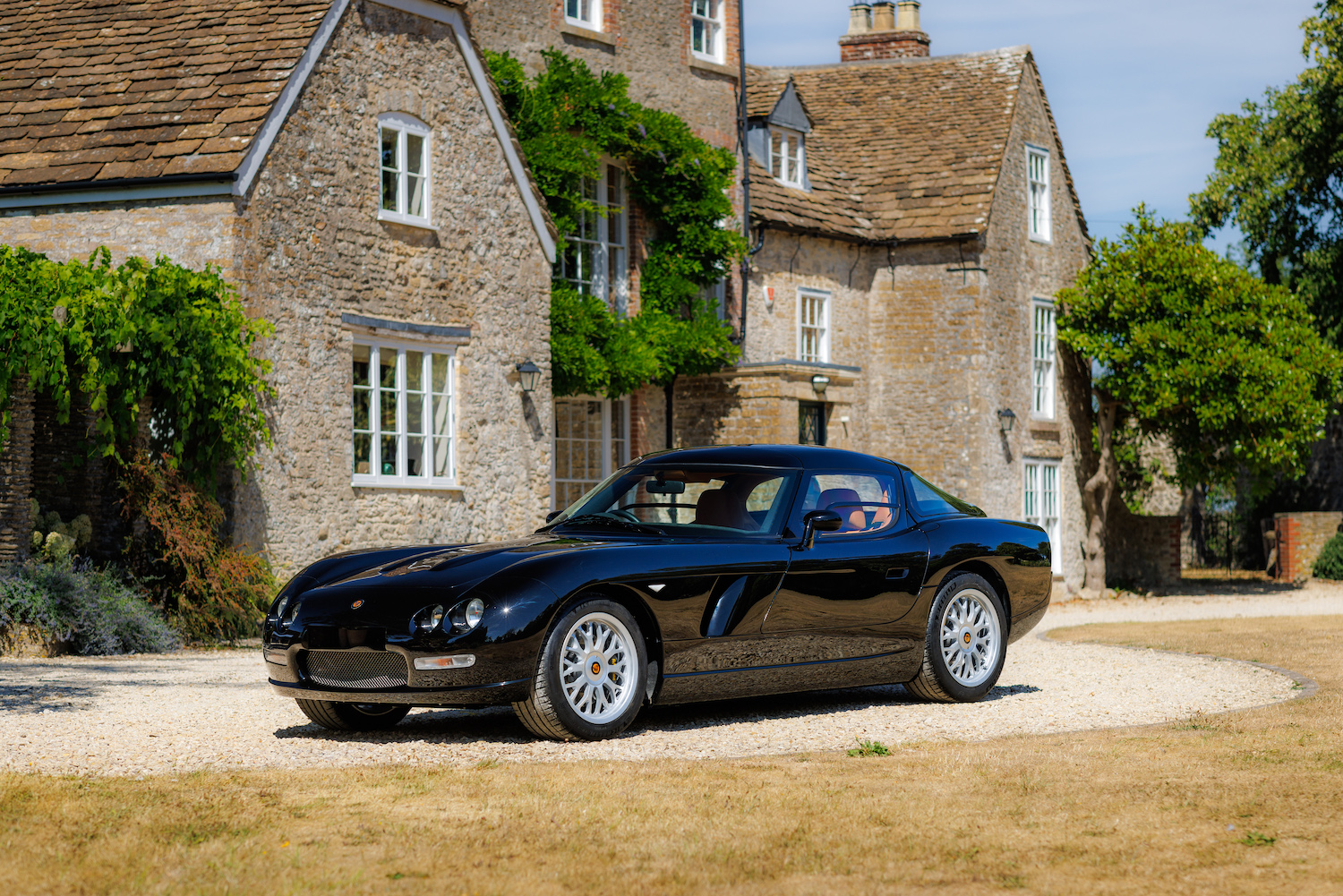
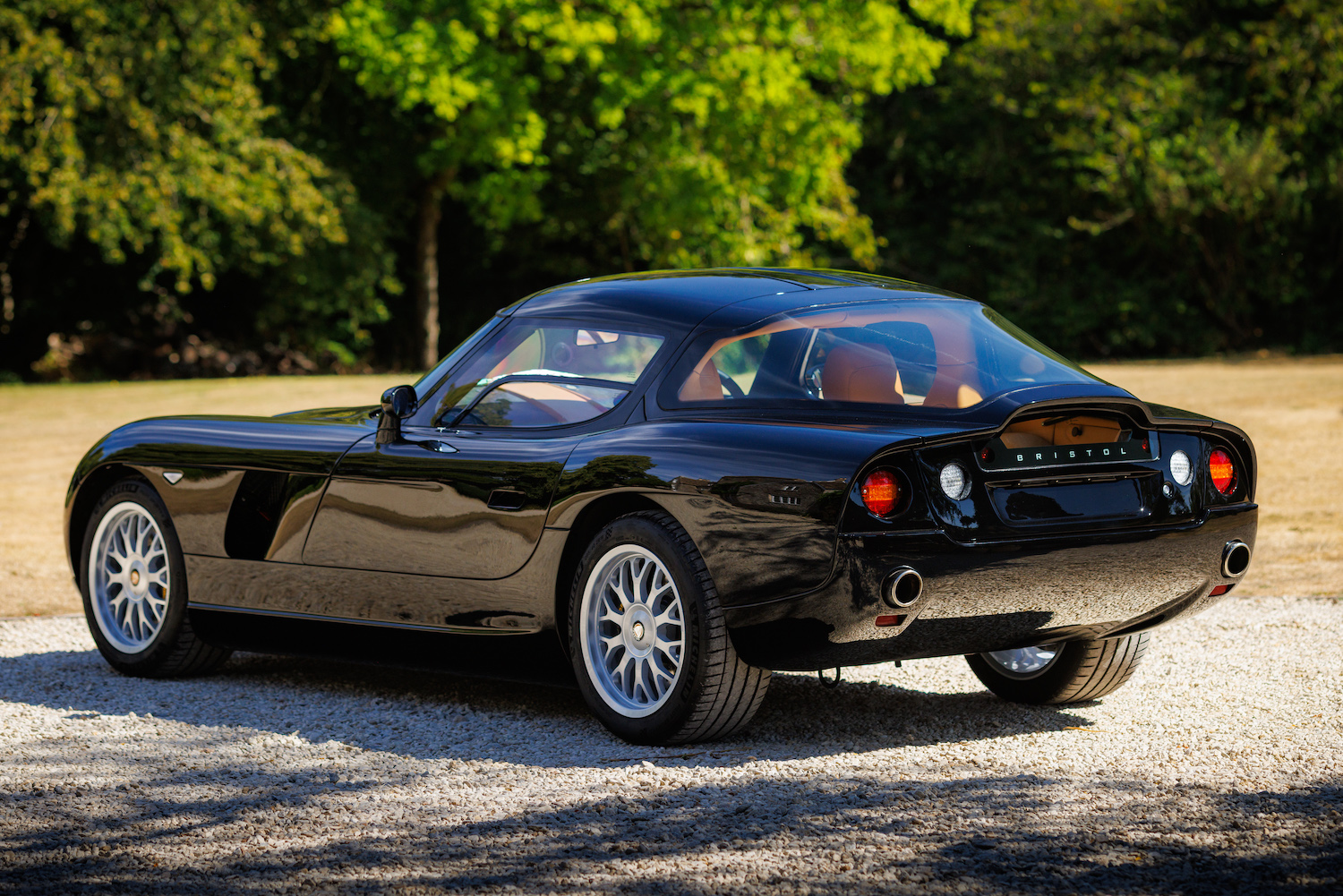
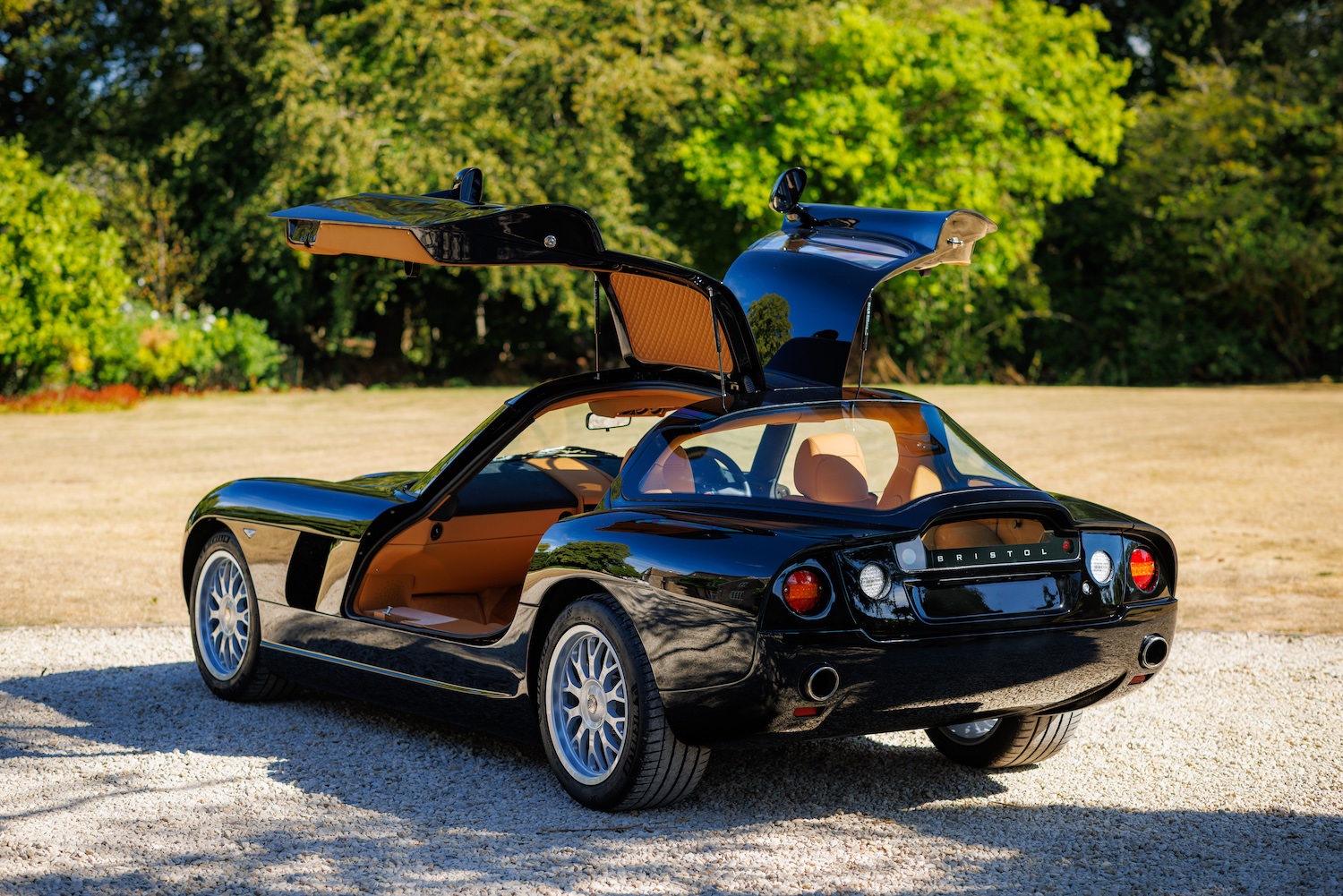
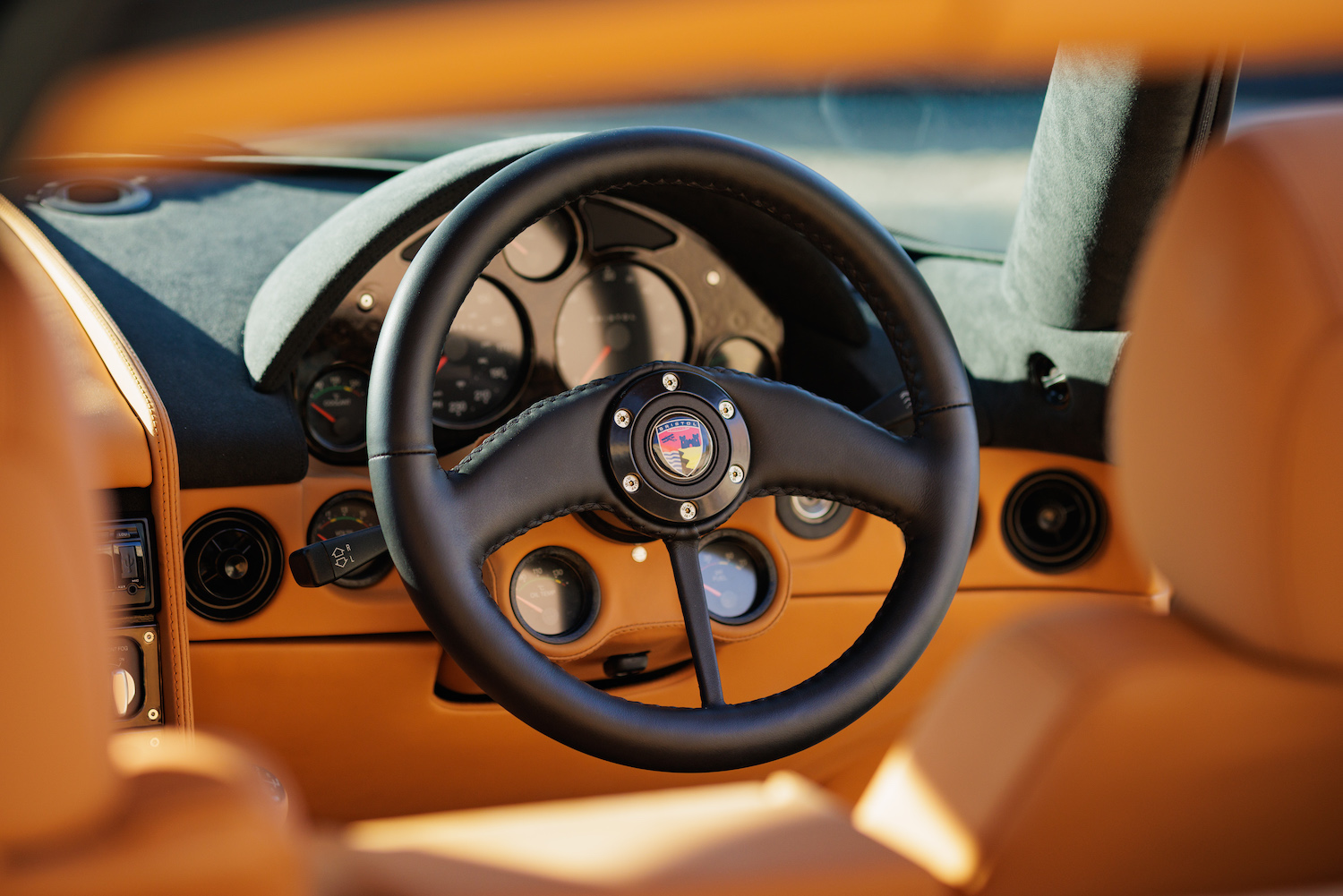
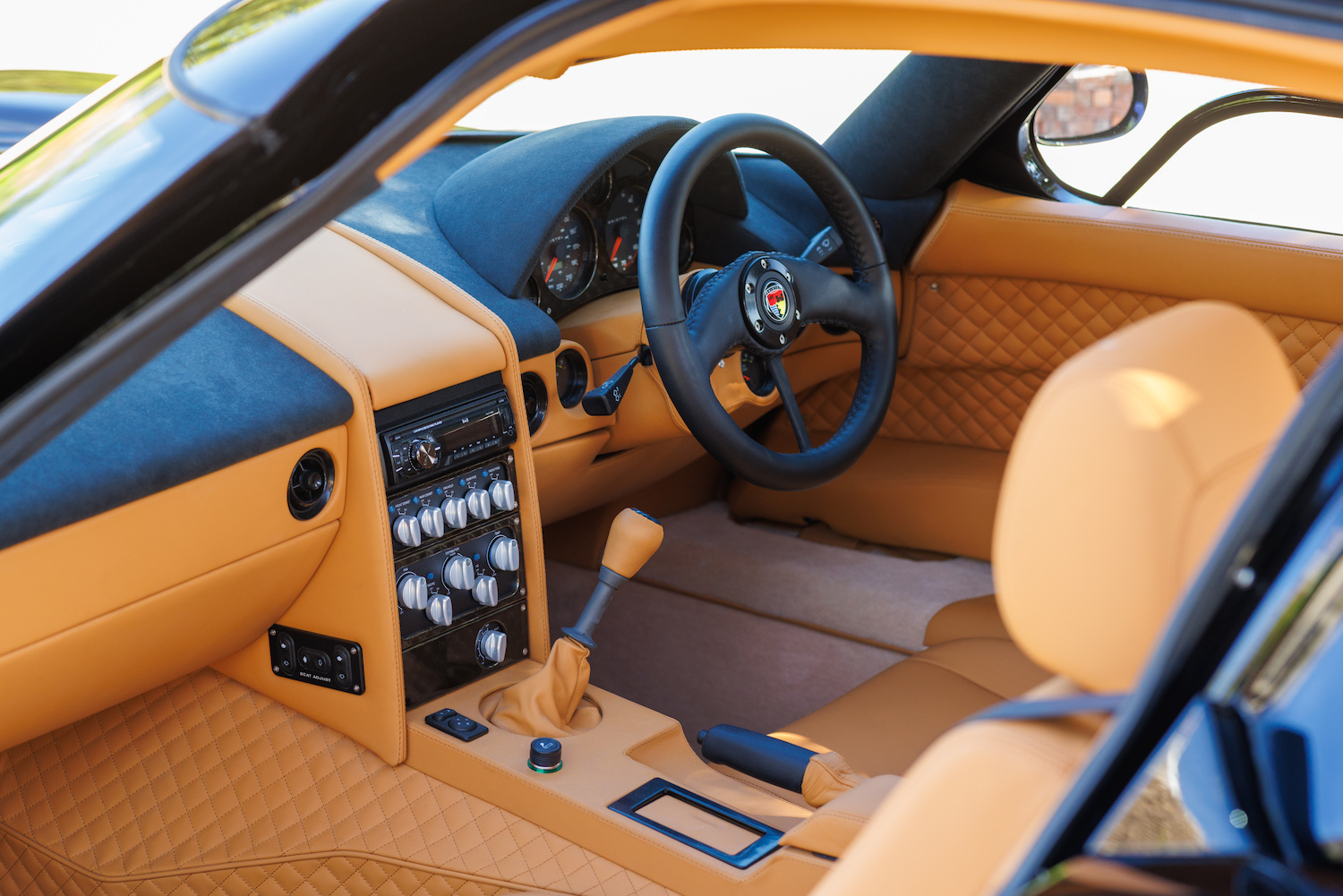
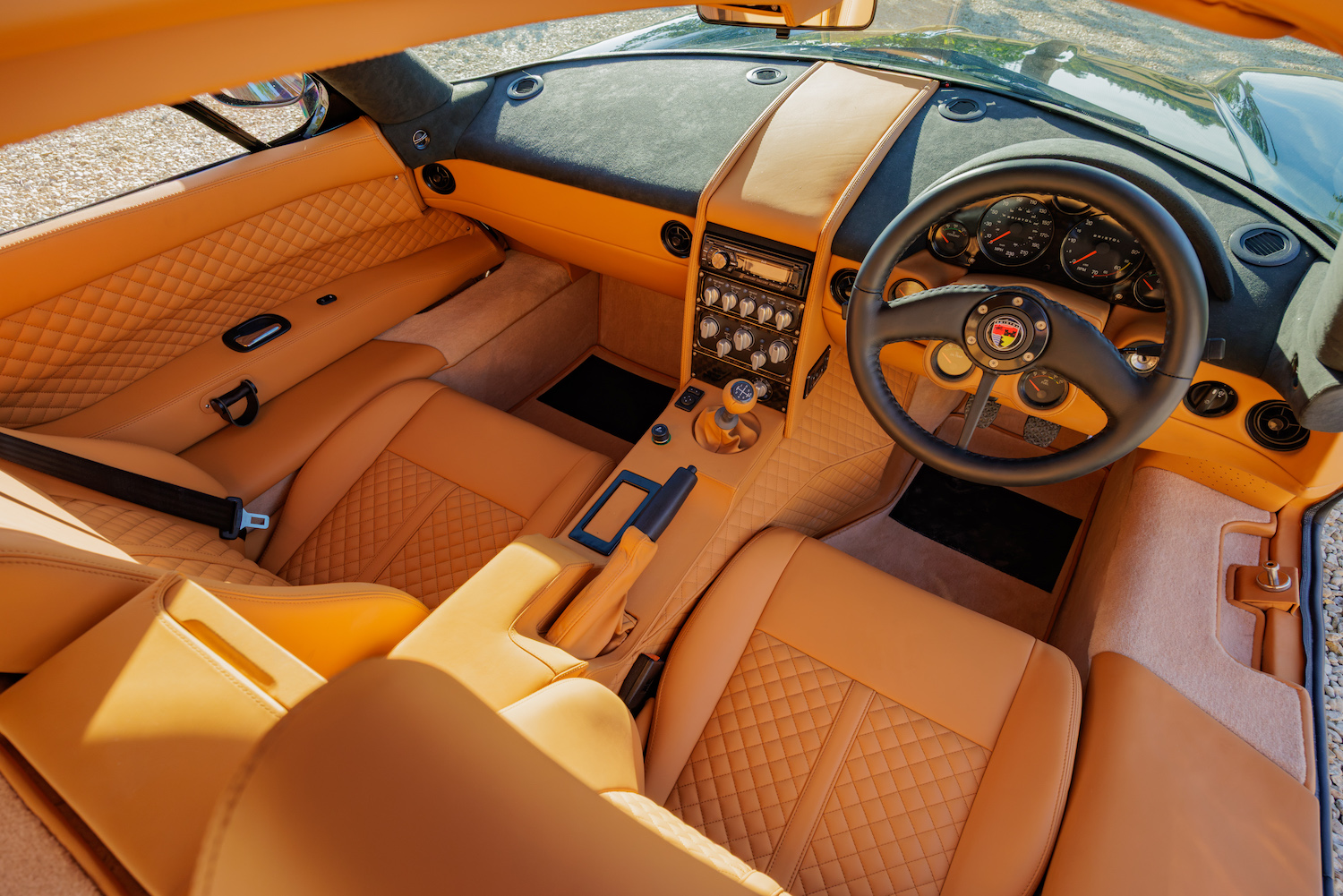
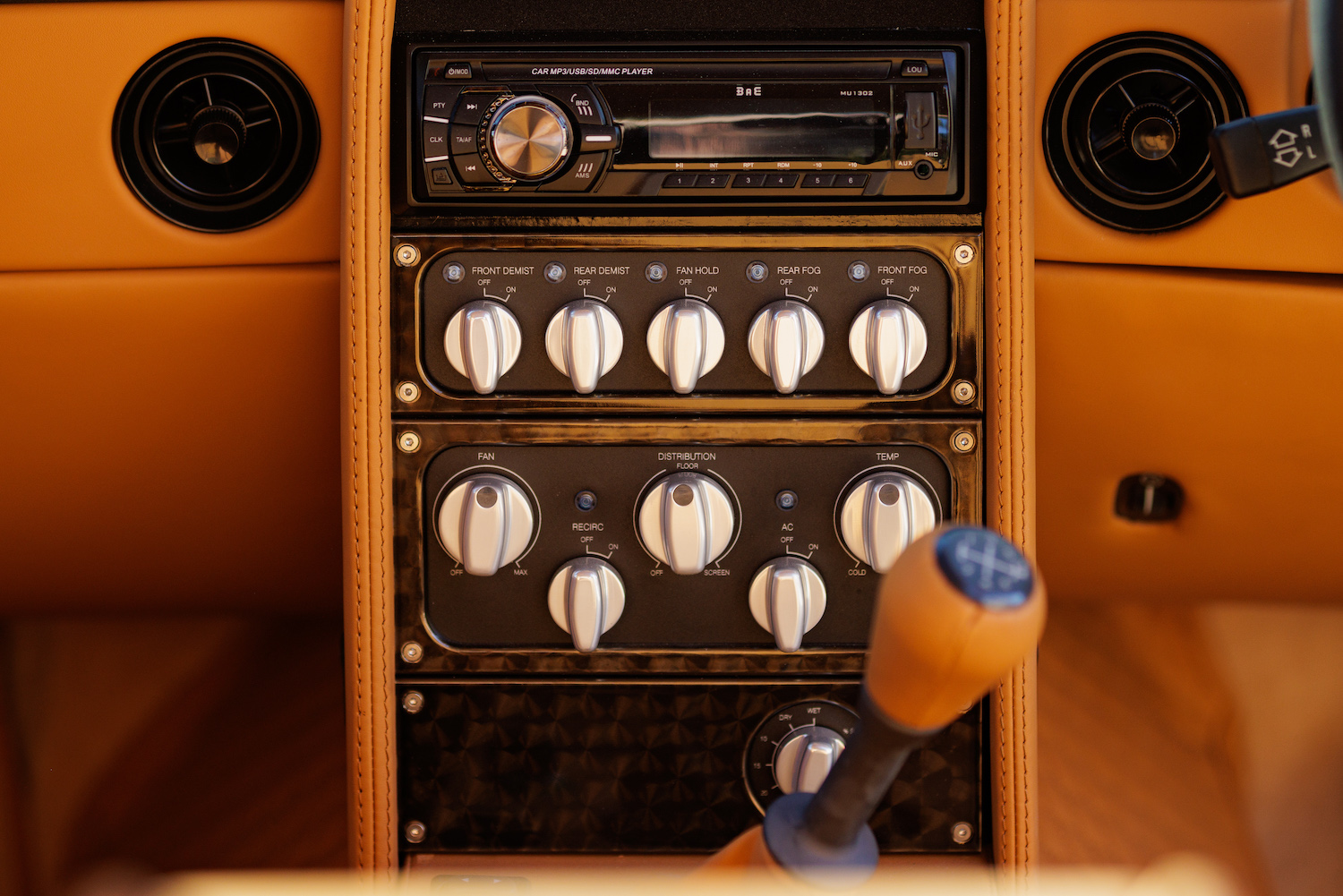
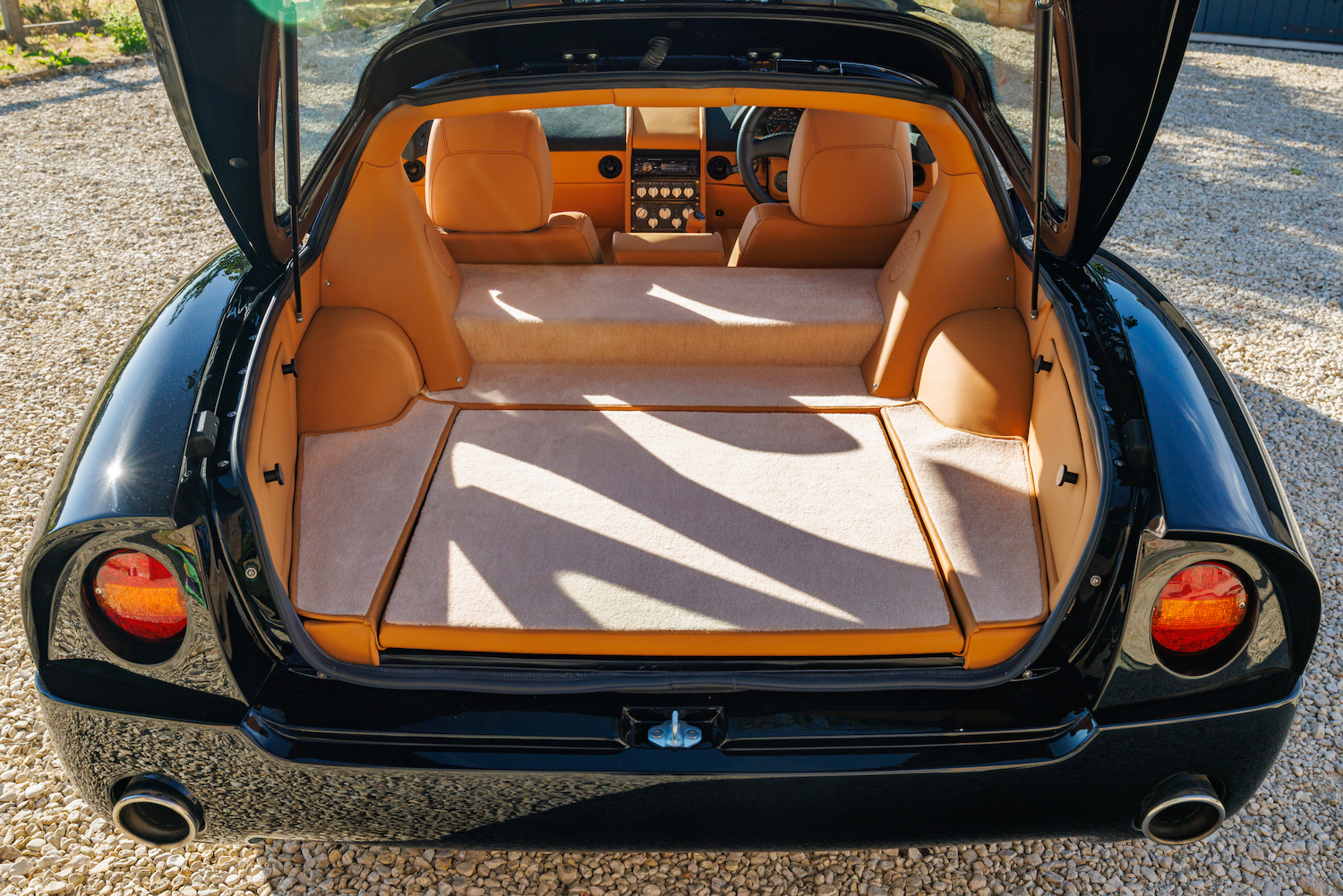
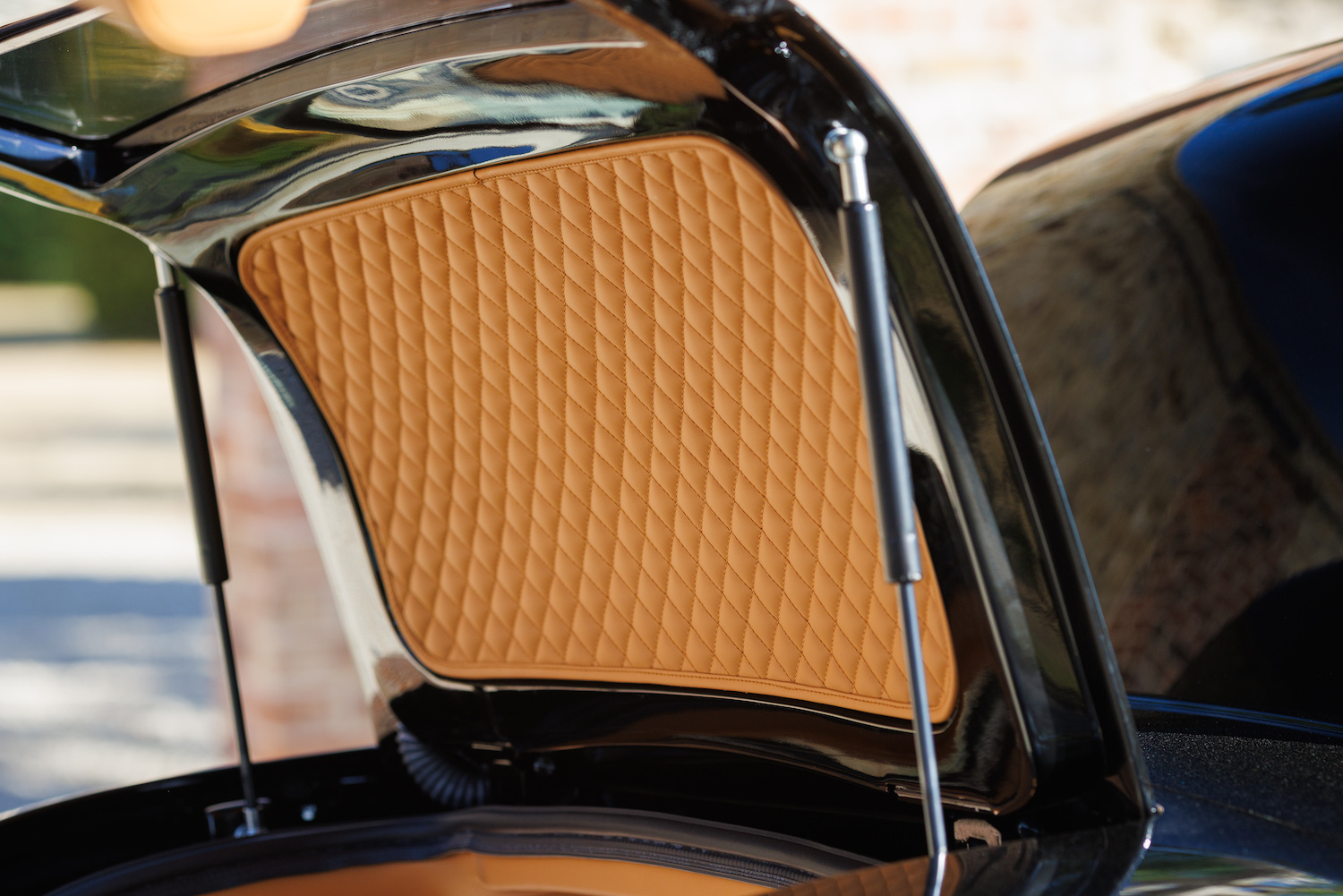
The company is serious, too. Coinciding with this announcement is the return of the Bristol Fighter, its last production model from 2011, with the first example already completed and pictured here ahead of its Blenheim Palace reveal for this weekend’s Salon Privé
Utilising original, unused chassis from the original production run, only five new examples of the Fighter will be completed.
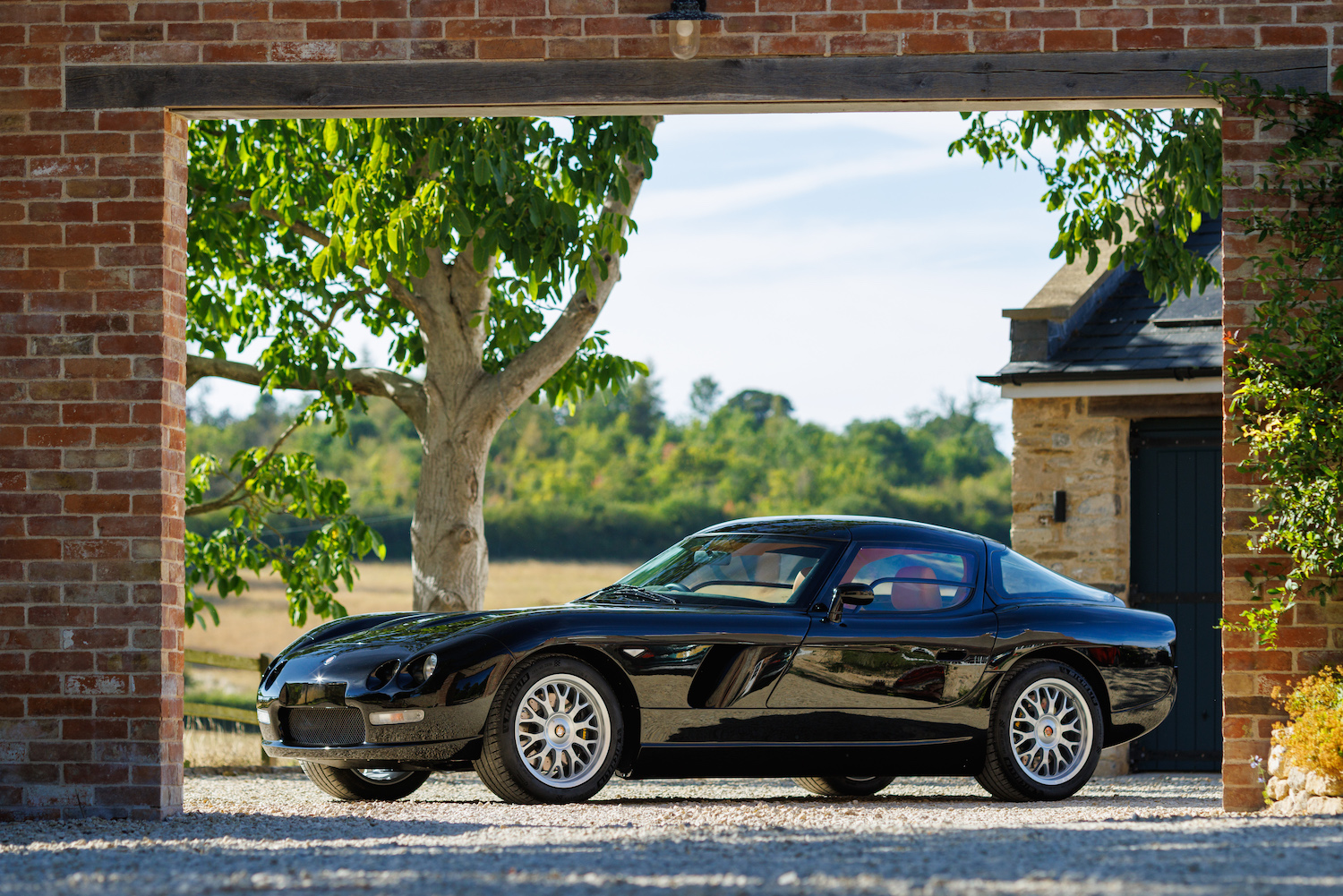
Described by Bristol Cars as a “first principles supercar”, the Fighter was designed by former Brabham Formula One engineer Max Boxstrom.
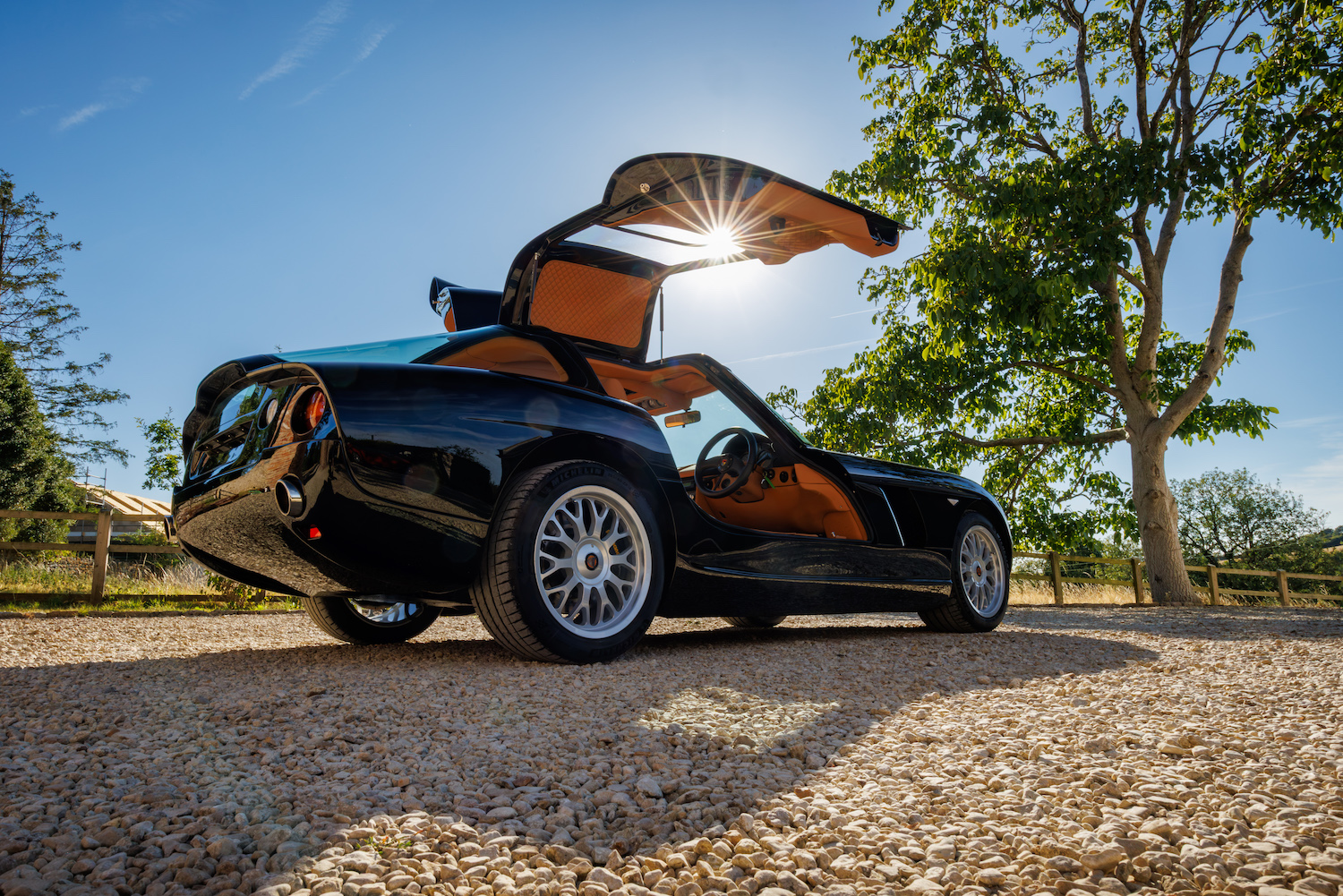
Although an uncompromising design that boasts a slippery 0.28 drag coefficient, it’s still adorned with gullwing doors for some dramatic effect.
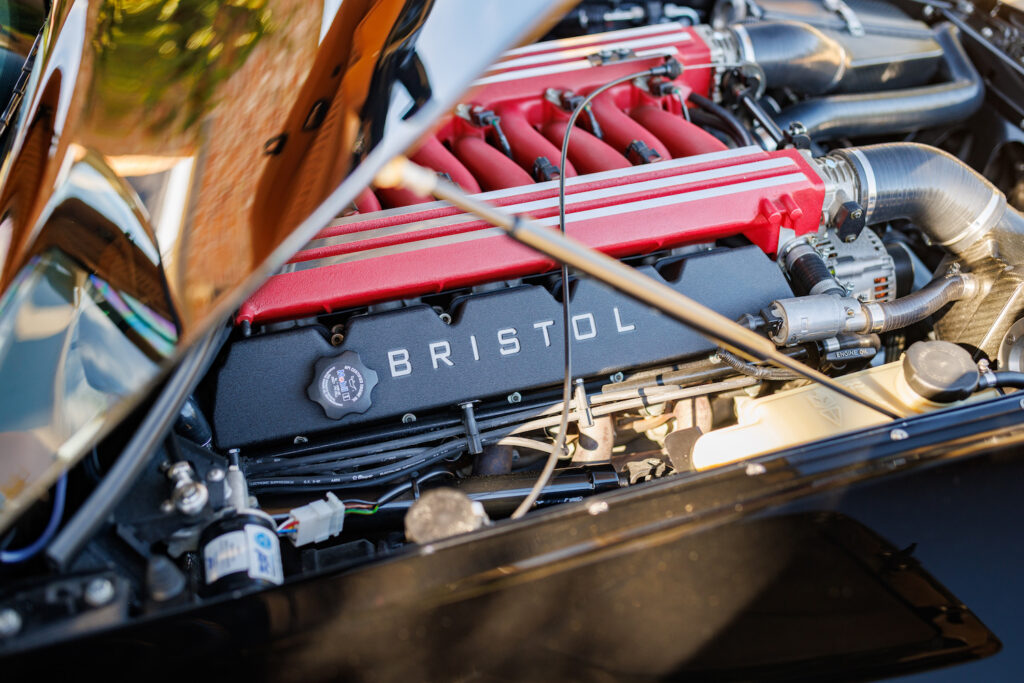
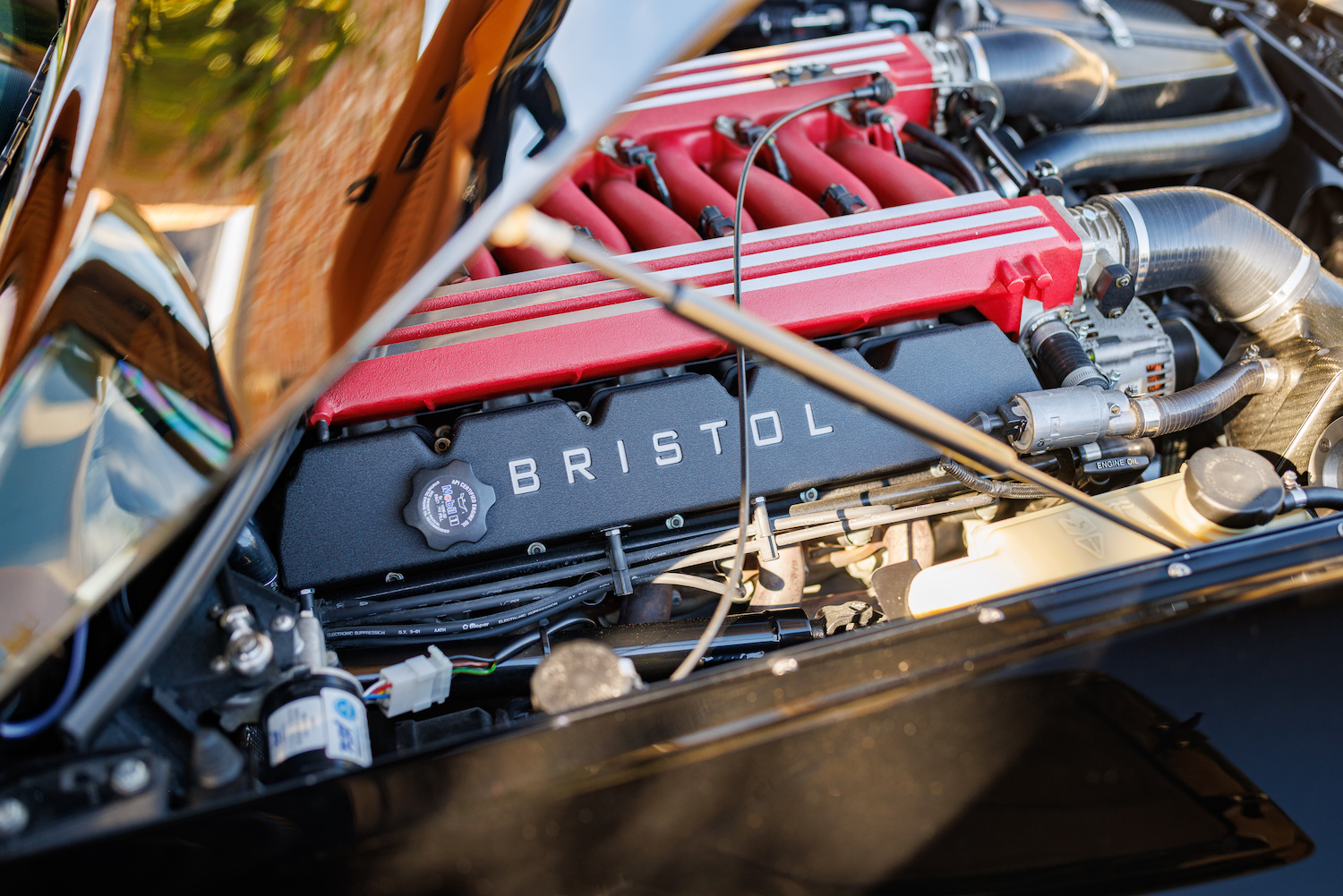
The real drama comes from what’s under its long bonnet – the 8.0-litre V10 used in the Dodge Viper, continuing Bristol’s longstanding use of Chrysler engines.
Delivering 525hp (391kW) as standard or 600hp (447kW) in a higher state of tune, the big V10 makes the Fighter capable of a claimed 338km/h (210mph) top speed.
Although the first of five examples is already completed and accounted for, the four remaining Fighters can be configured in right- or left-hand drive and exported to major markets. Bristol Cars notes that it is eligible in the US under the ‘Show or Display’ law.
The project is being undertaken in partnership with a leading British manufacturing partner to bring Bristol Cars the engineering, craftsmanship and low-volume manufacturing expertise required to complete these vehicles to a high standard.
The Bristol backstory
Bristol’s previous manufacturing came to an end in 2011, when the company first entered administration, with the marque’s entire intellectual property and goodwill acquired by Kamkorp Autokraft Ltd in 2011 and subsequently licenced it to Bristol Cars.
With the BMW-powered Bristol Bullet of 2016 never progressing to series production and Kamkorp being ordered to wind-up in 2020 to pay back its creditors, it’s against this backdrop that Bristol Cars’ return begins by finally finishing its prematurely ended previous chapter.
Bringing these Fighters to completion reconnects the marque with its past, providing a natural bridge between what Bristol was and what it now intends to become, with the rejuvenated company insisting this is not the full extent of its return.
“Bringing Bristol Cars back is about far more than reviving a name; it is about bringing back the spirit of a marque that has always stood apart,” explains Paul King, director of Bristol Cars.
“Bristol has a remarkable story, from its roots in aviation and engineering to the extraordinary and exclusive cars it crafted. We want to honour that heritage while giving Bristol a future that is every bit as distinctive.
“To bring Bristol back to making cars in Britain, and with Richard Hackett returning to the company, we have brought together an exceptional combination of heritage, knowledge, engineering and craftsmanship.
“This is the beginning of Bristol’s return, and there is much more to come.”
Richard Hackett, who returns to his previous role as the chairman of Bristol Cars, notes that maintaining the company’s unique identity will remain central to its return.
“Bristol has always been about doing things differently. It was never a mass-market manufacturer. It built exceptional cars in small numbers for people who appreciated their individuality, engineering and character,” he explains.
“To return as Chairman, particularly in Bristol’s 80th anniversary year, is a tremendous privilege. This is an opportunity to respect everything that made Bristol special while giving the marque a future.”