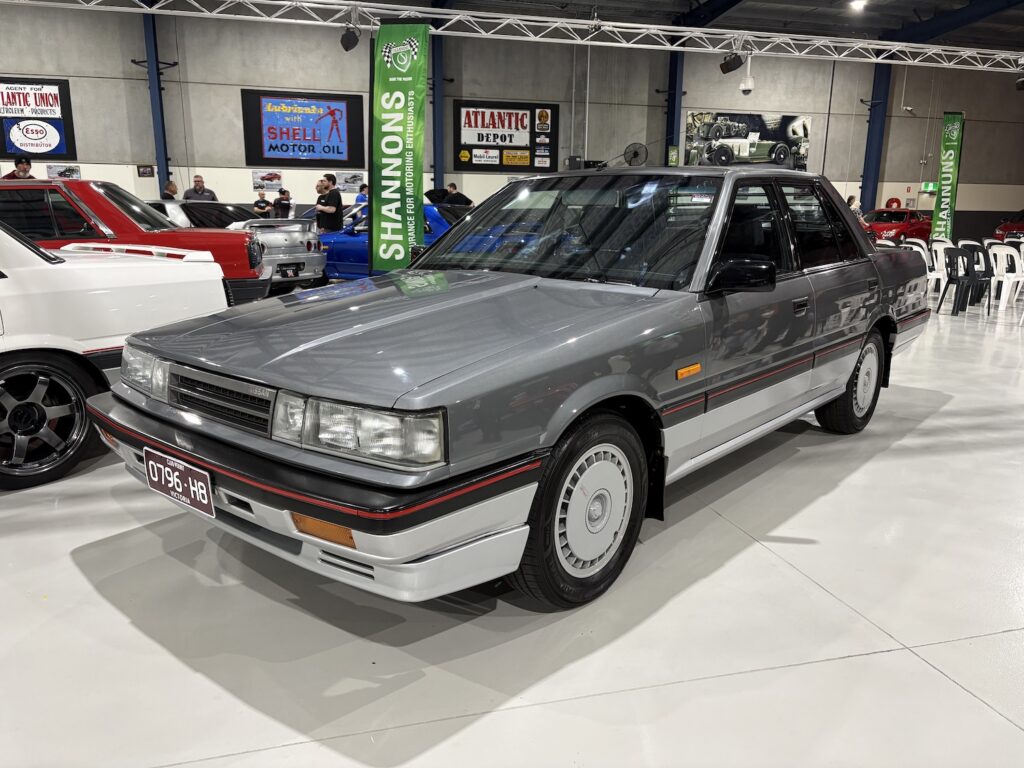
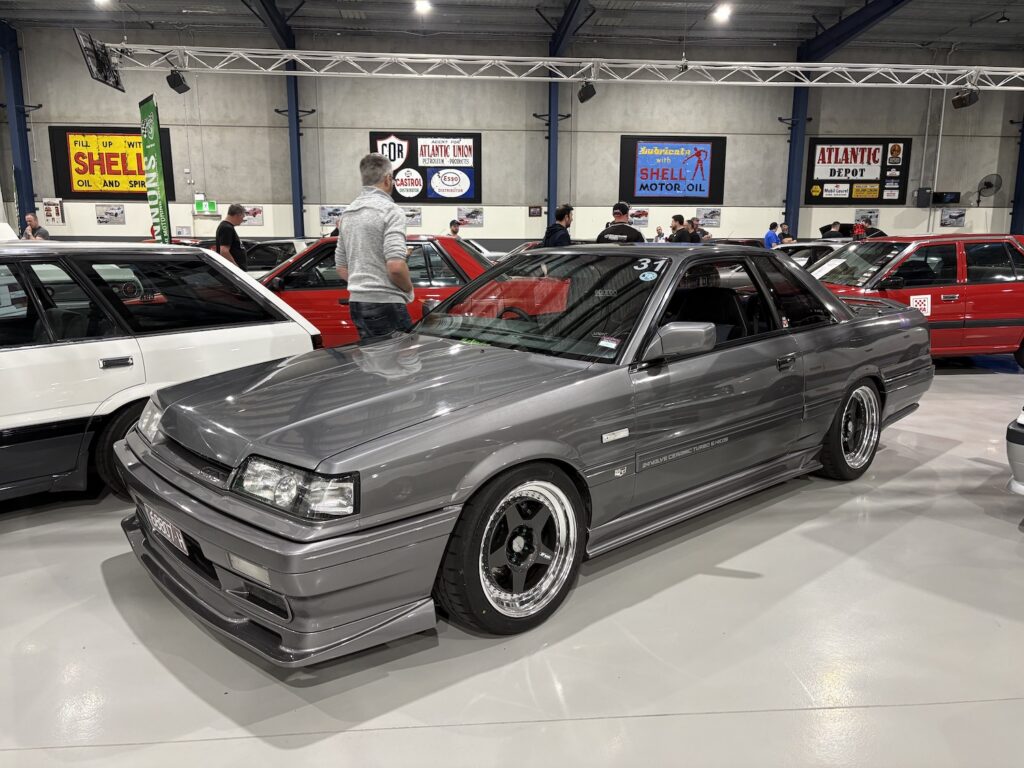
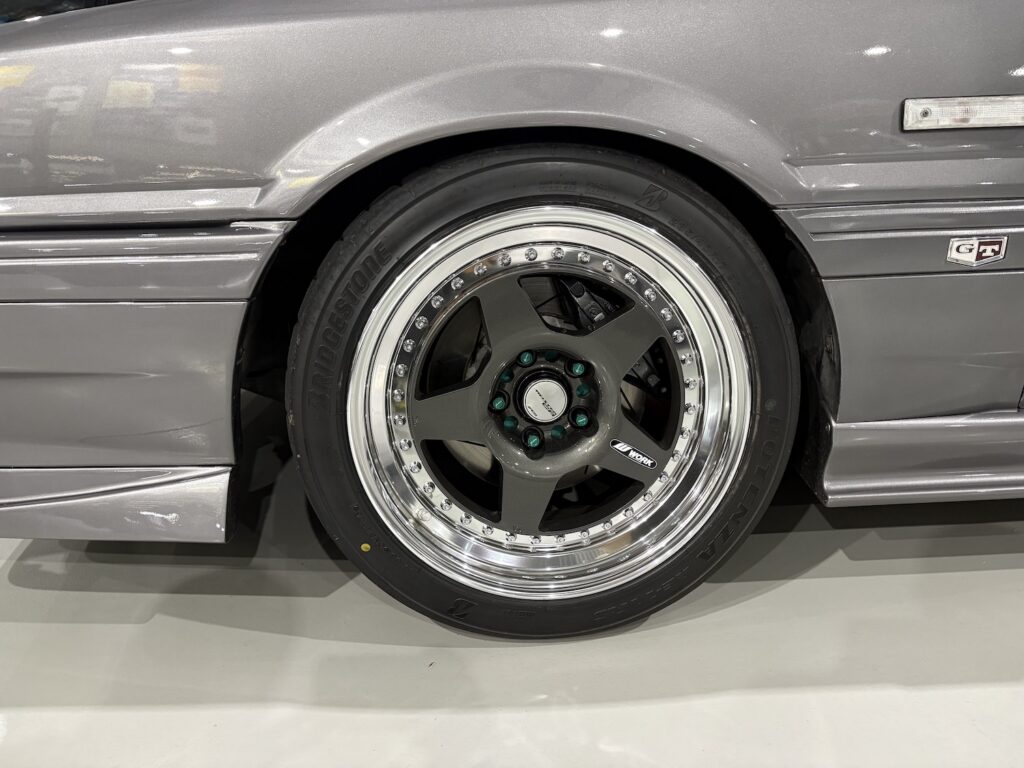
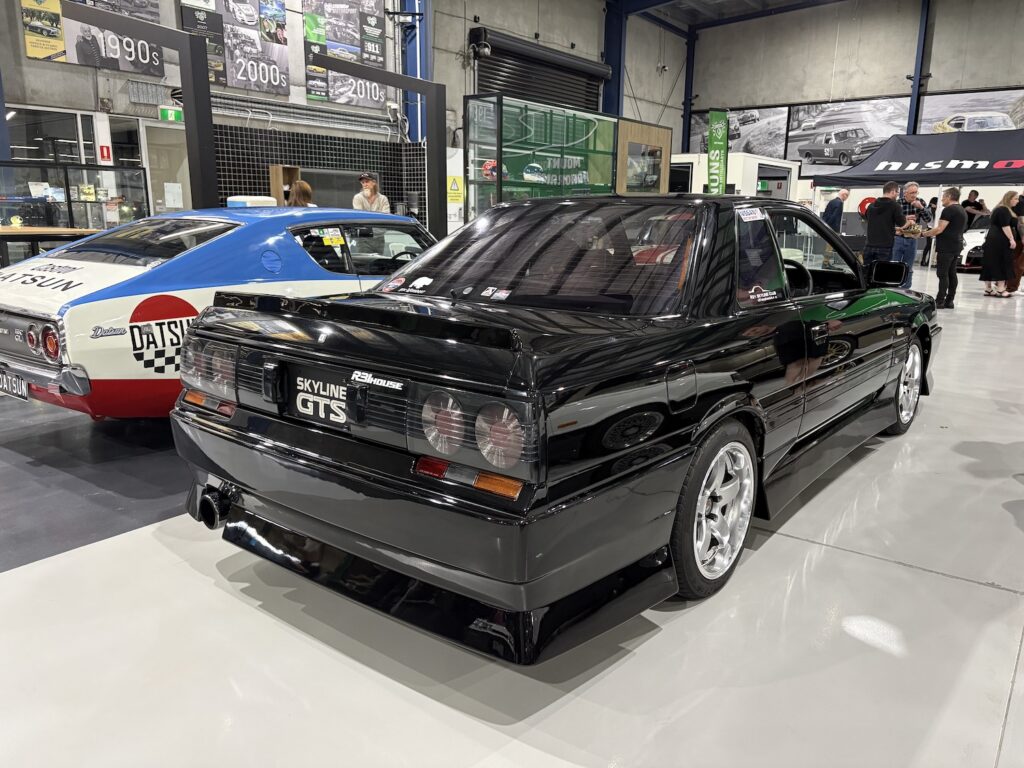
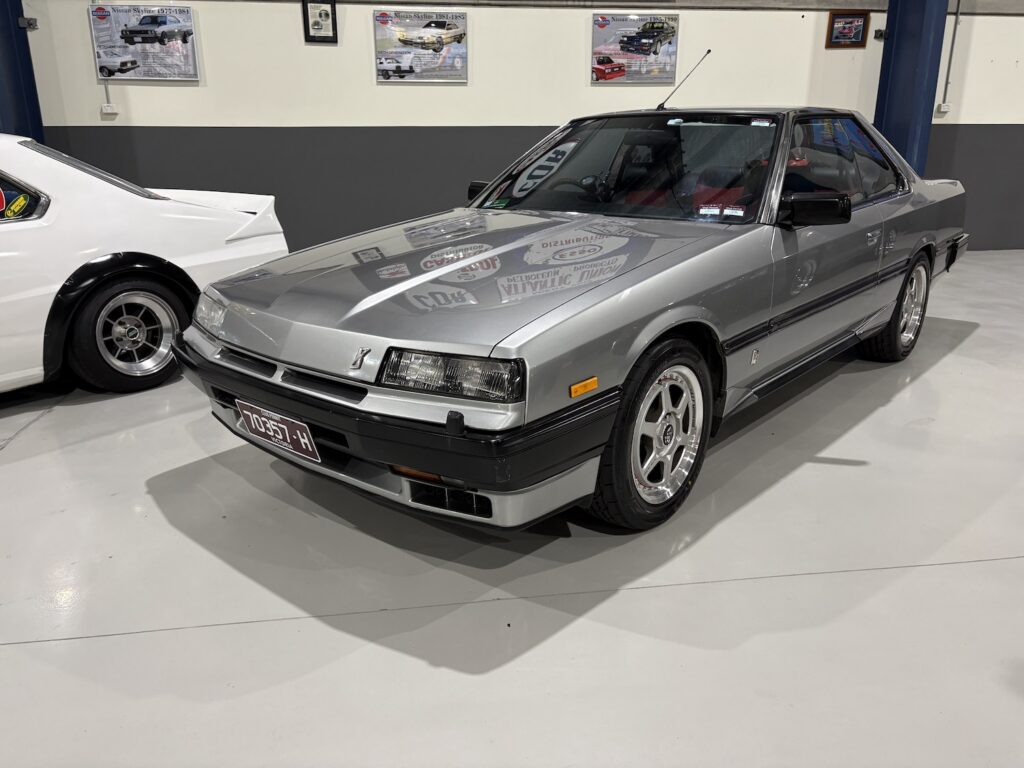
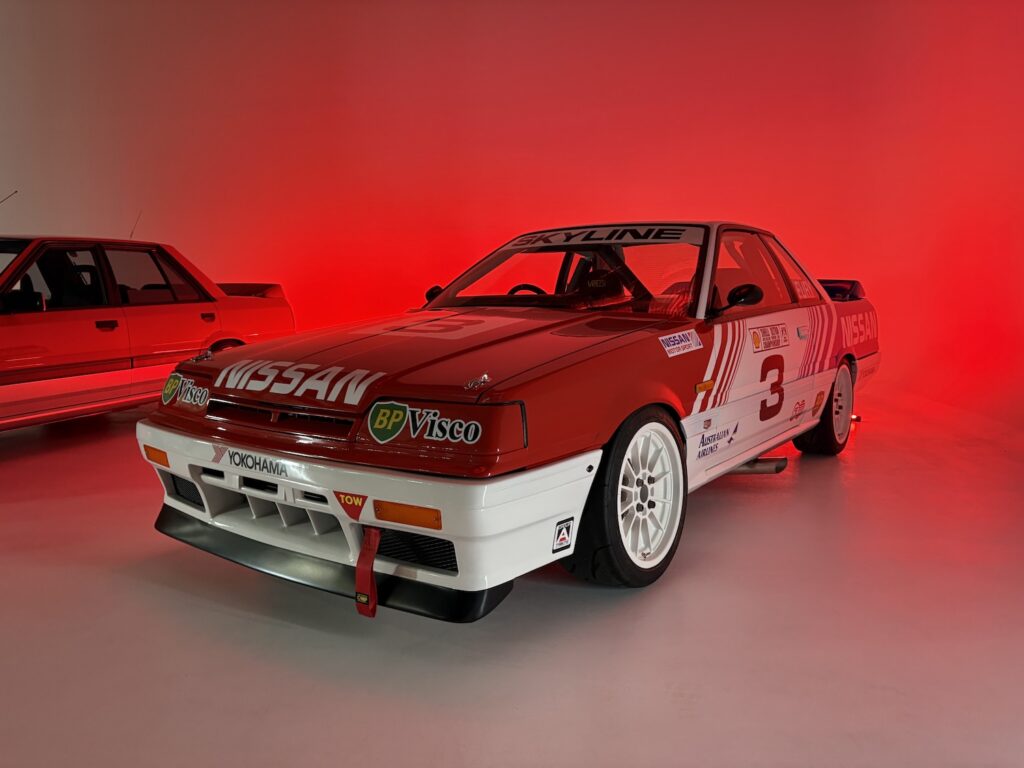
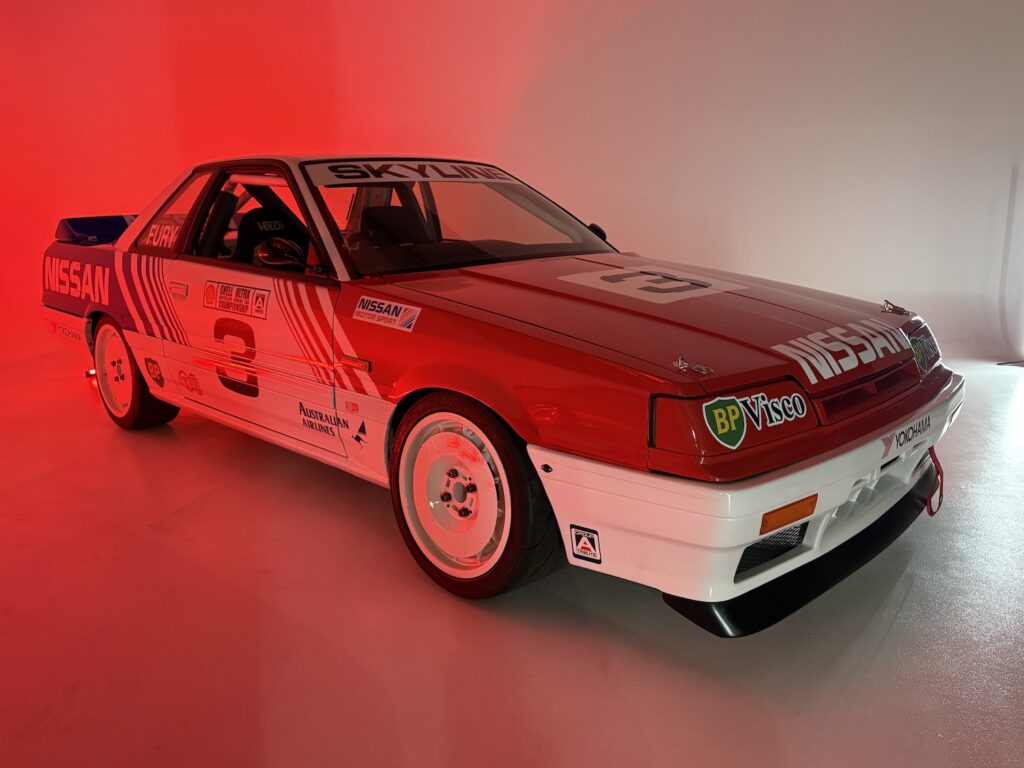
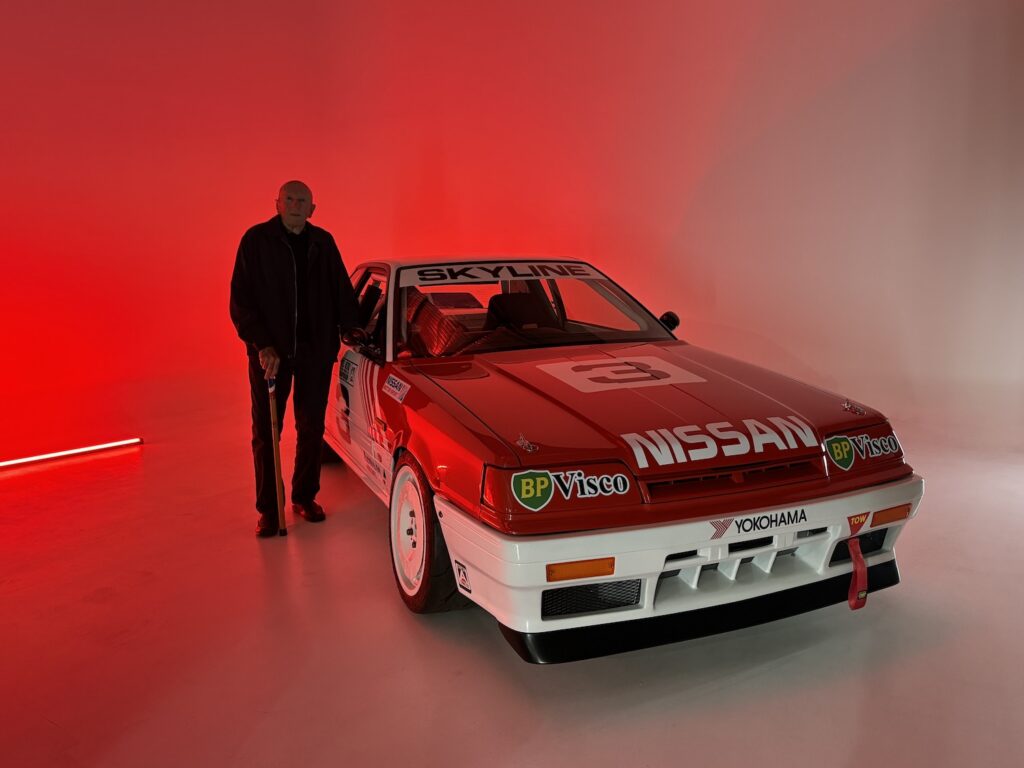

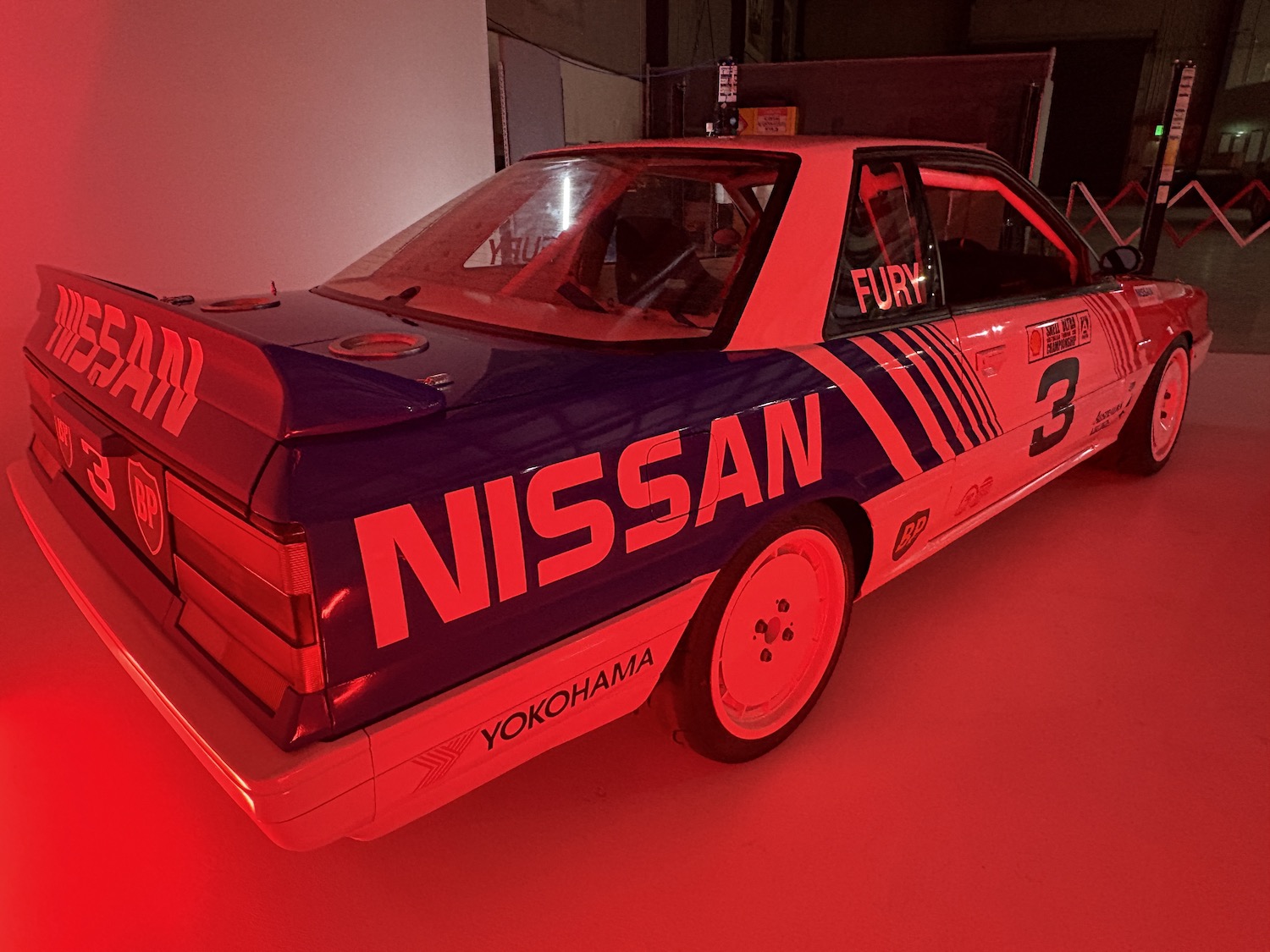
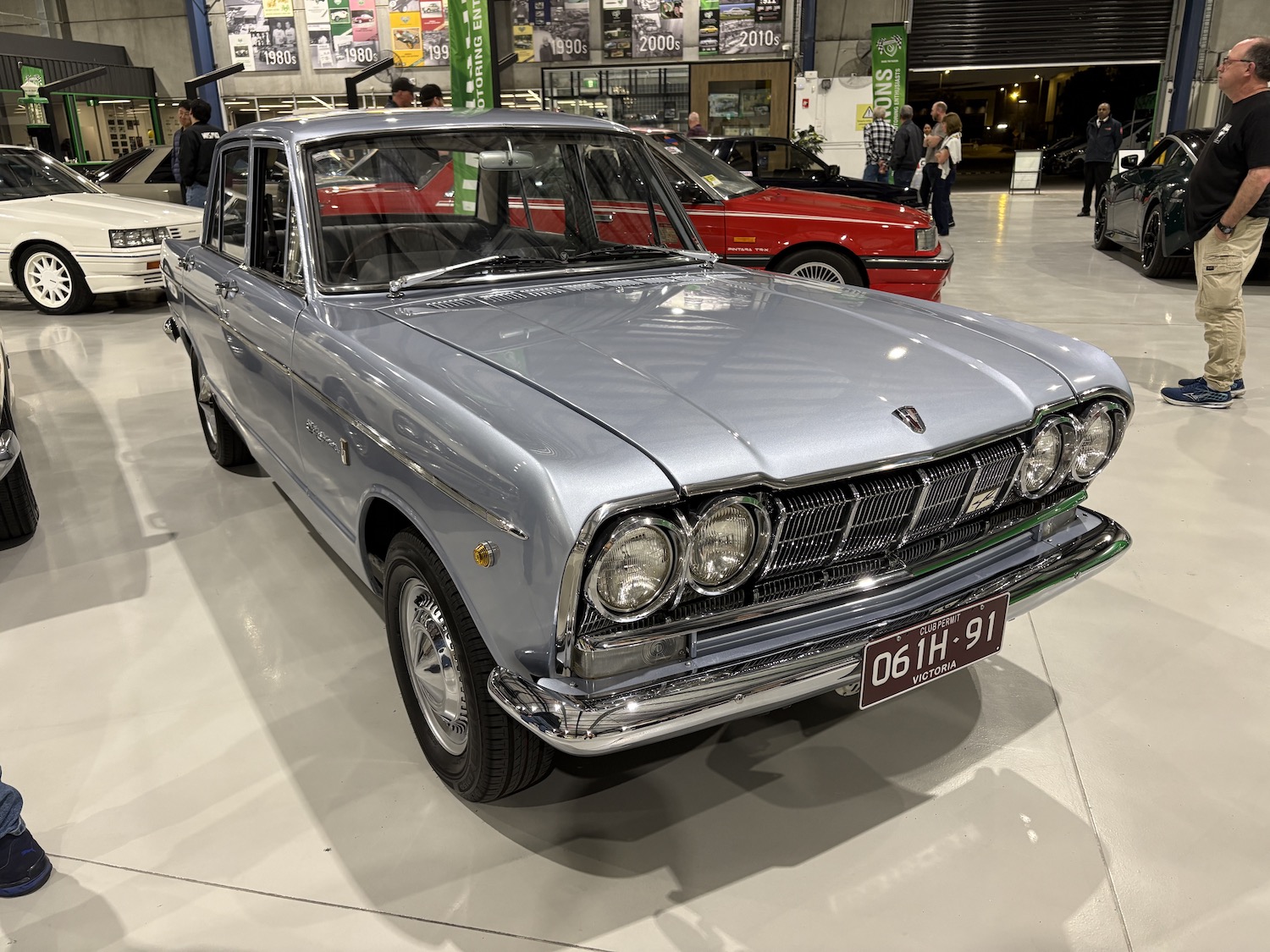
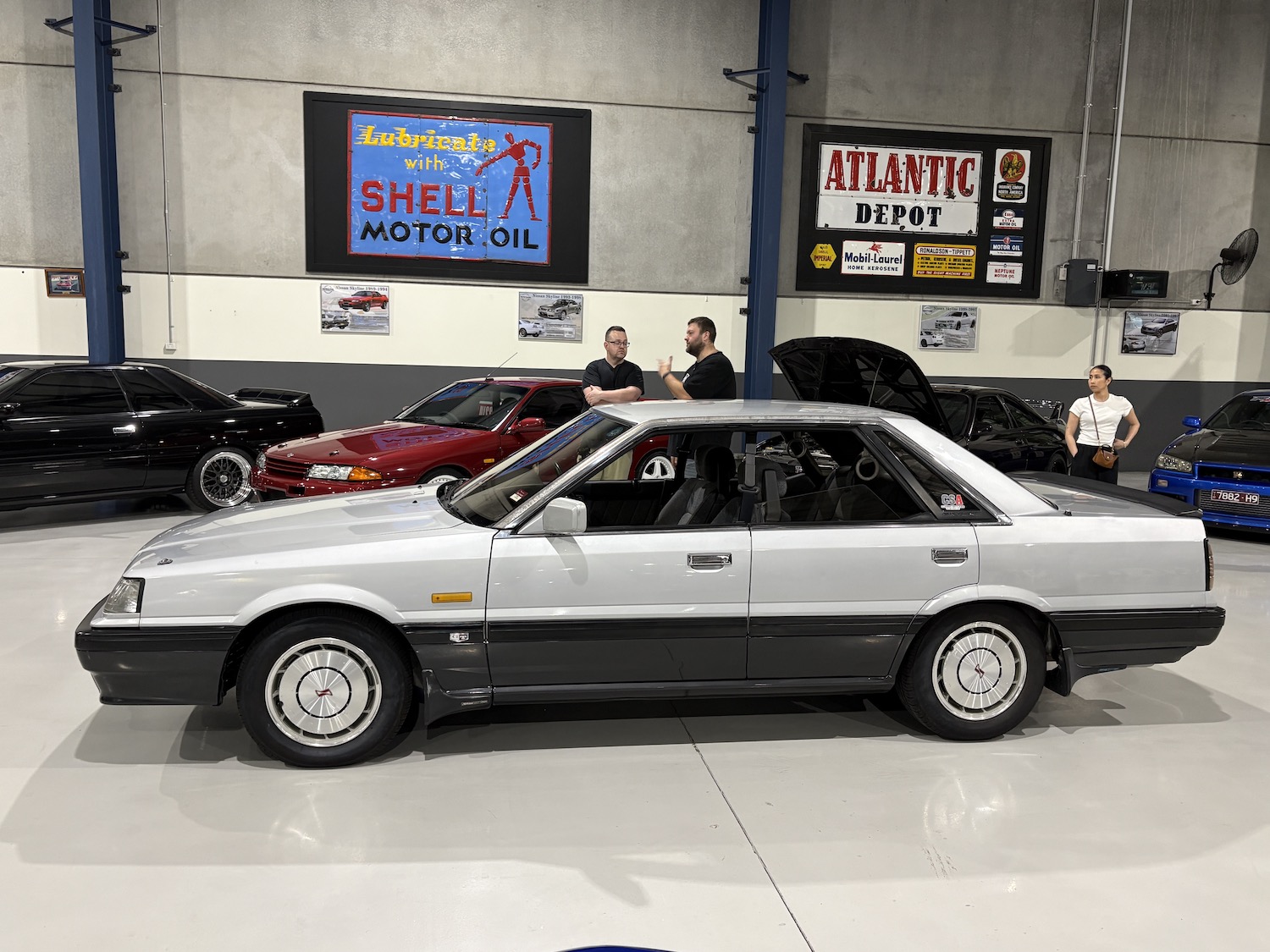
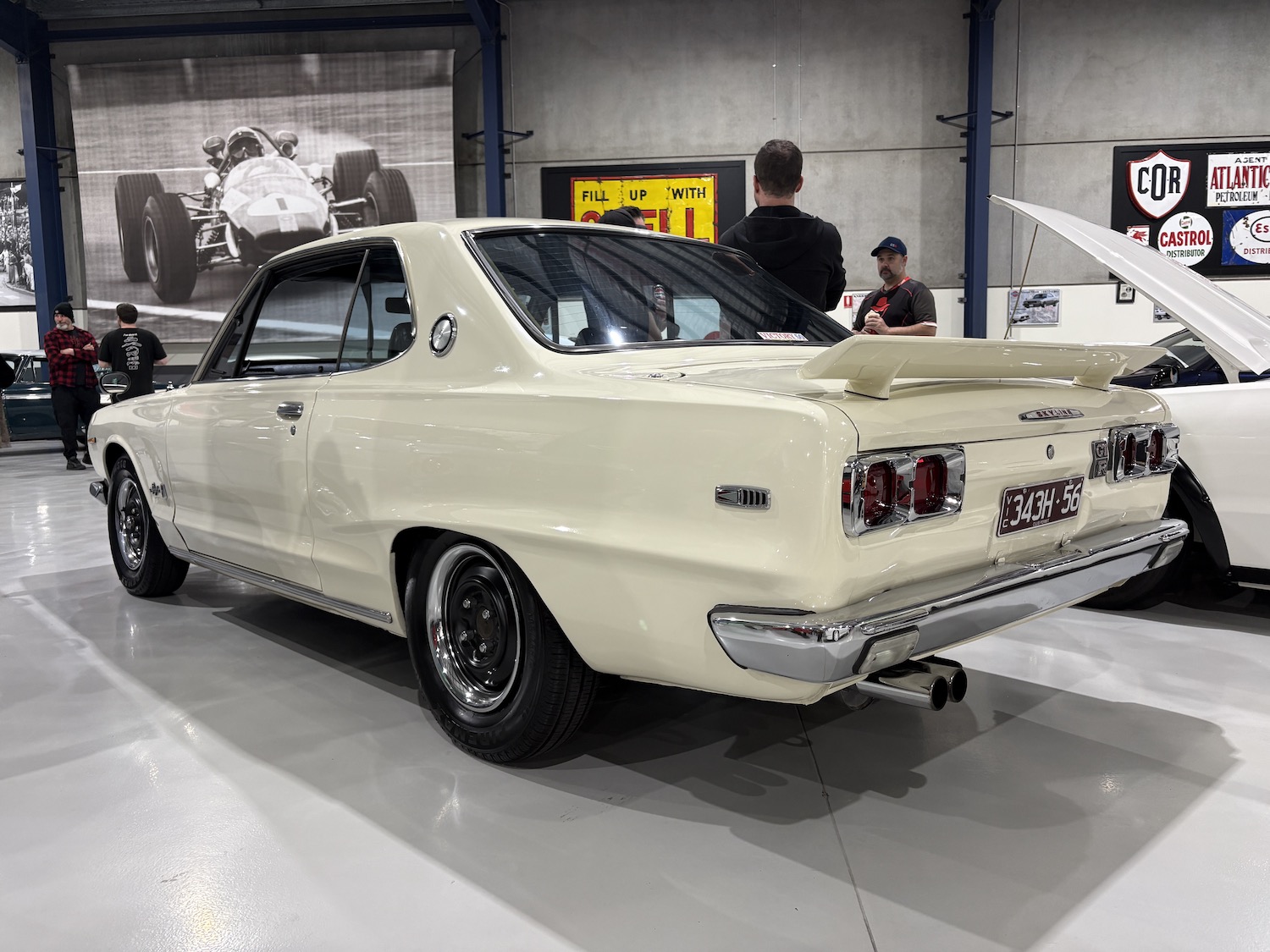
Ford and Holden might be the meat and vegetables of the Australian automotive scene, but cars like the Nissan R31 Skyline – along with the Mitsubishi Magna and Valiant Charger among many others – are the side dishes that provide colour and variety.
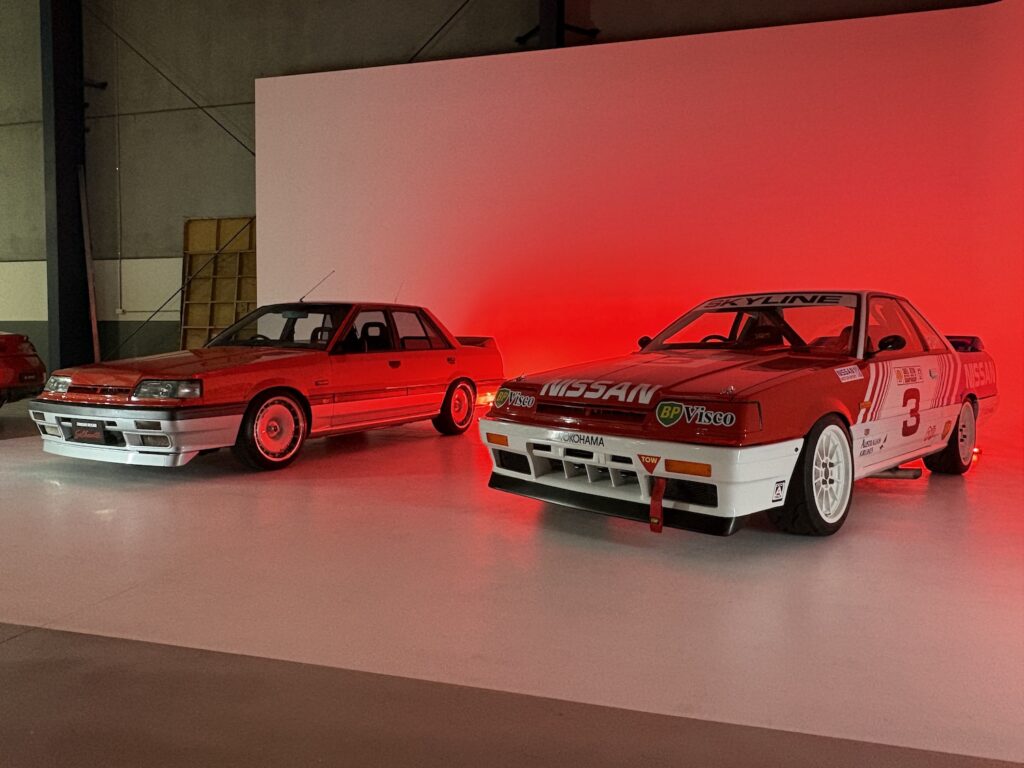
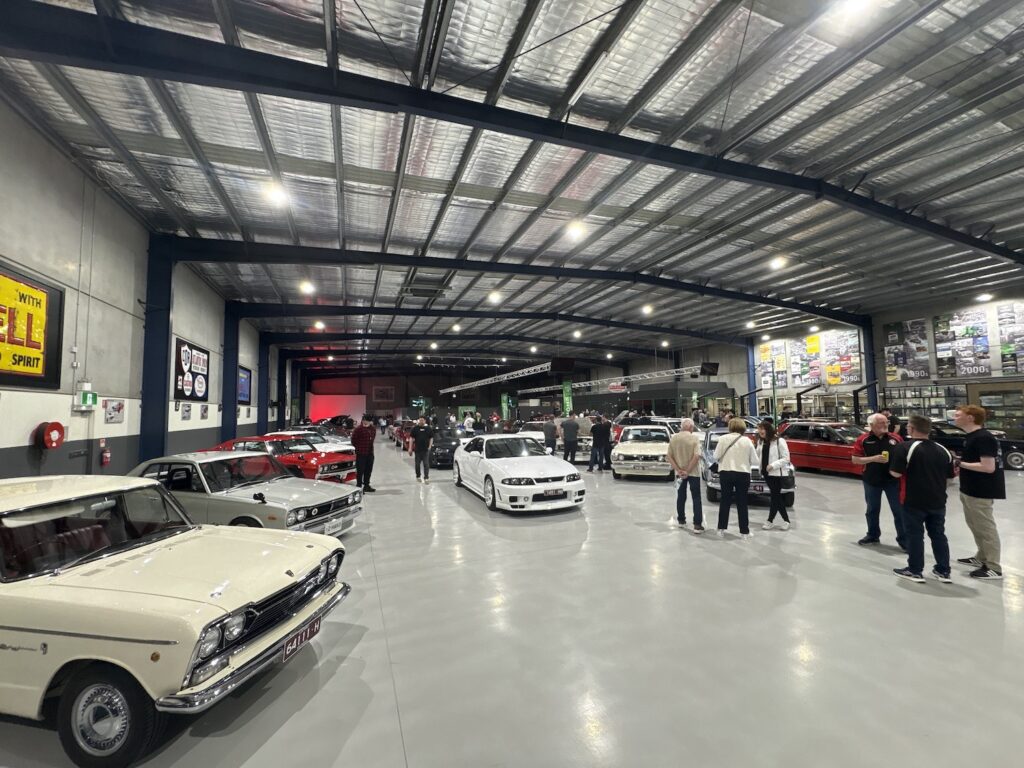
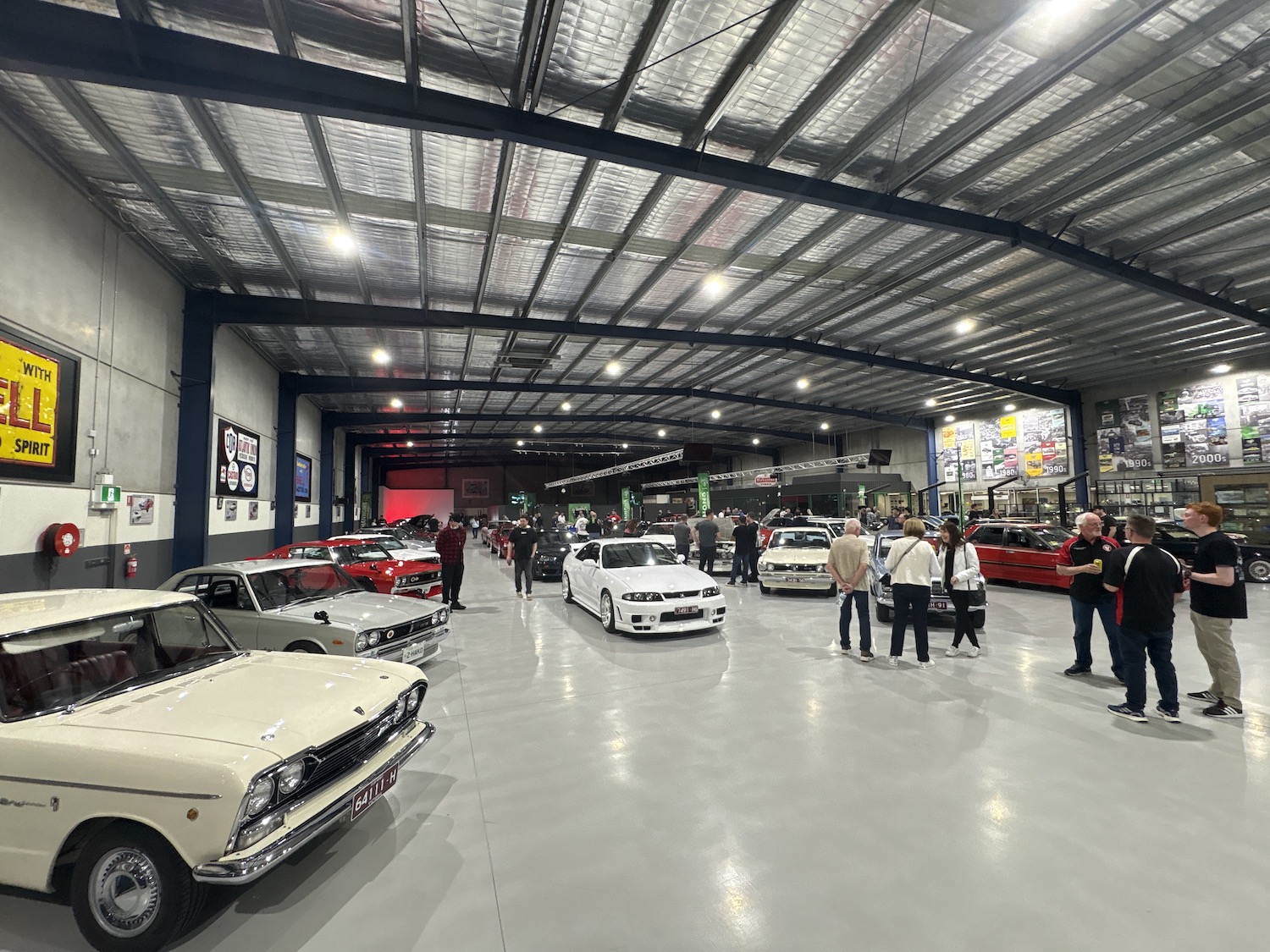
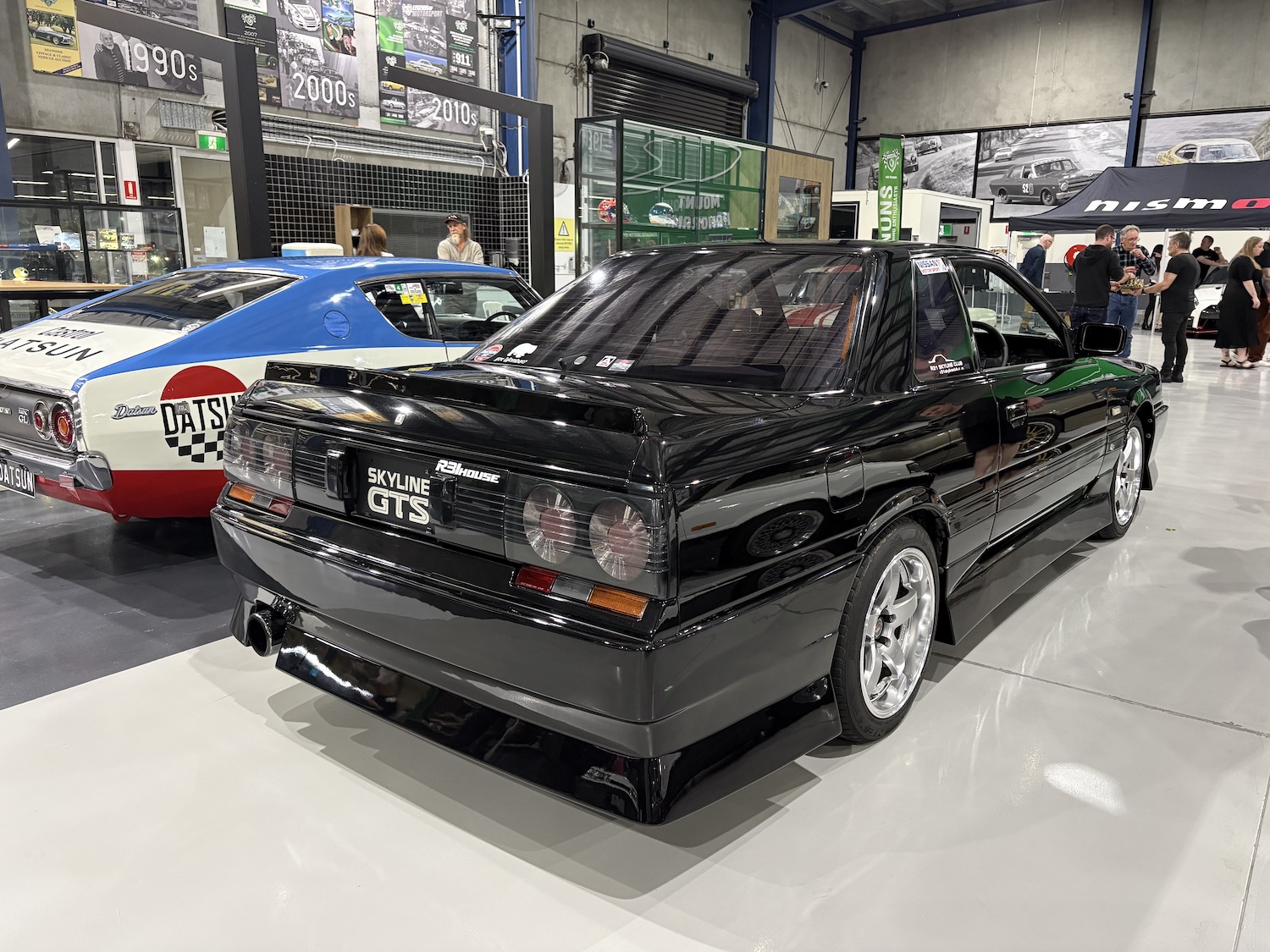
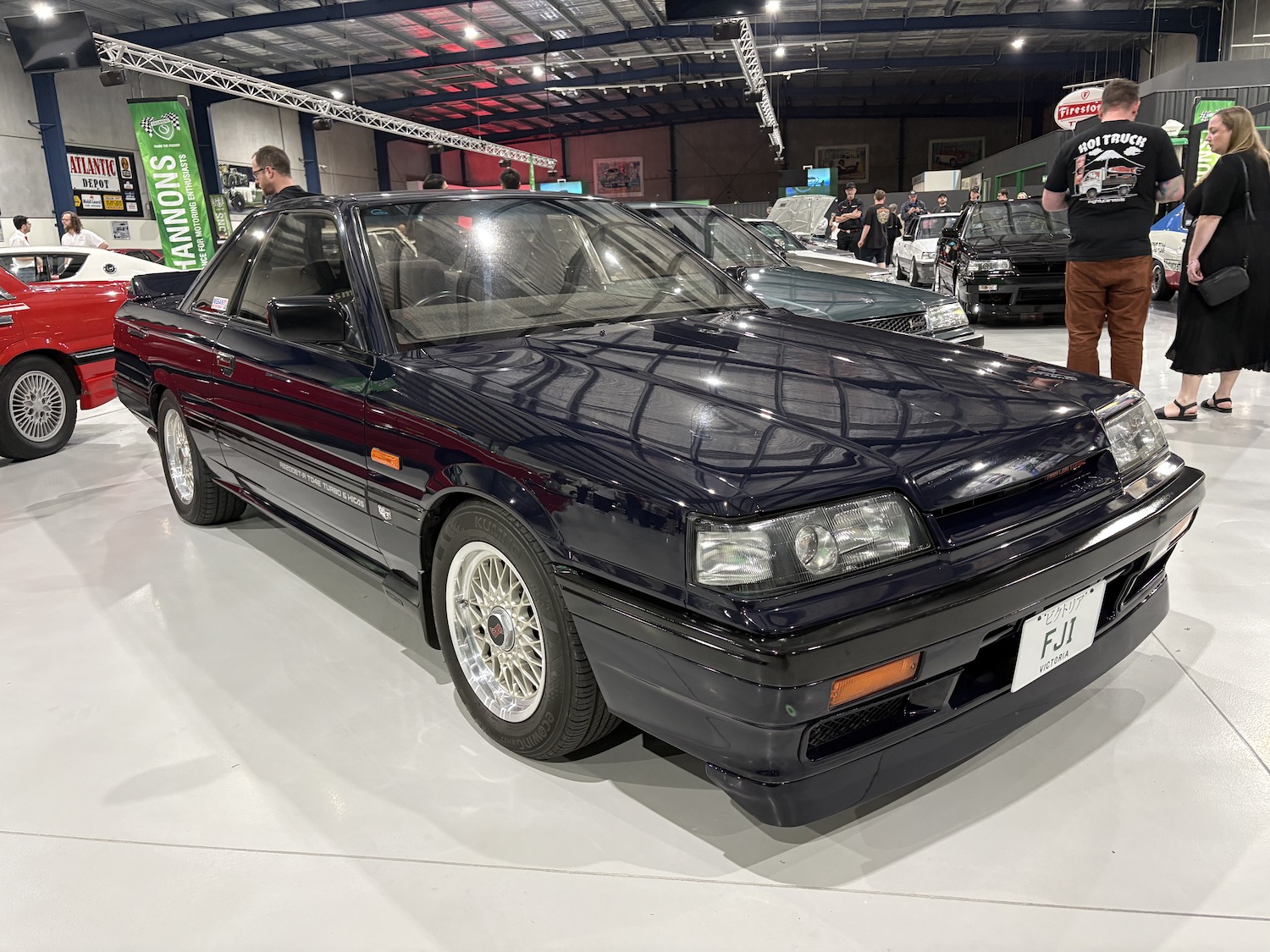
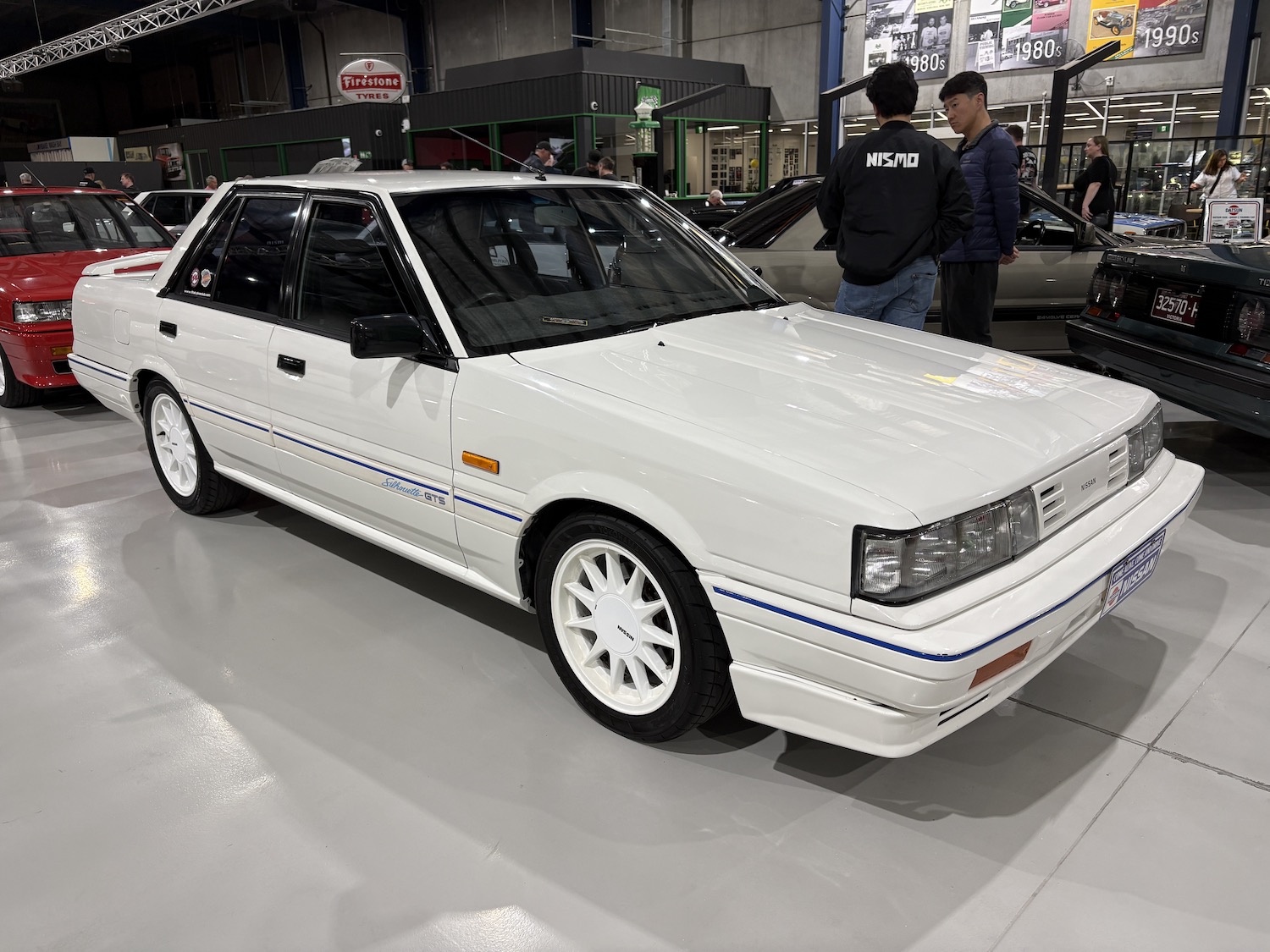
To celebrate the 40th anniversary of the R31 Skyline, the Classic Skylines Australia (CSA) club created the “Legends of Skyline” event – bringing together not just some of the rarest variants of the R31, but an example of every generation of Skyline under the one roof.
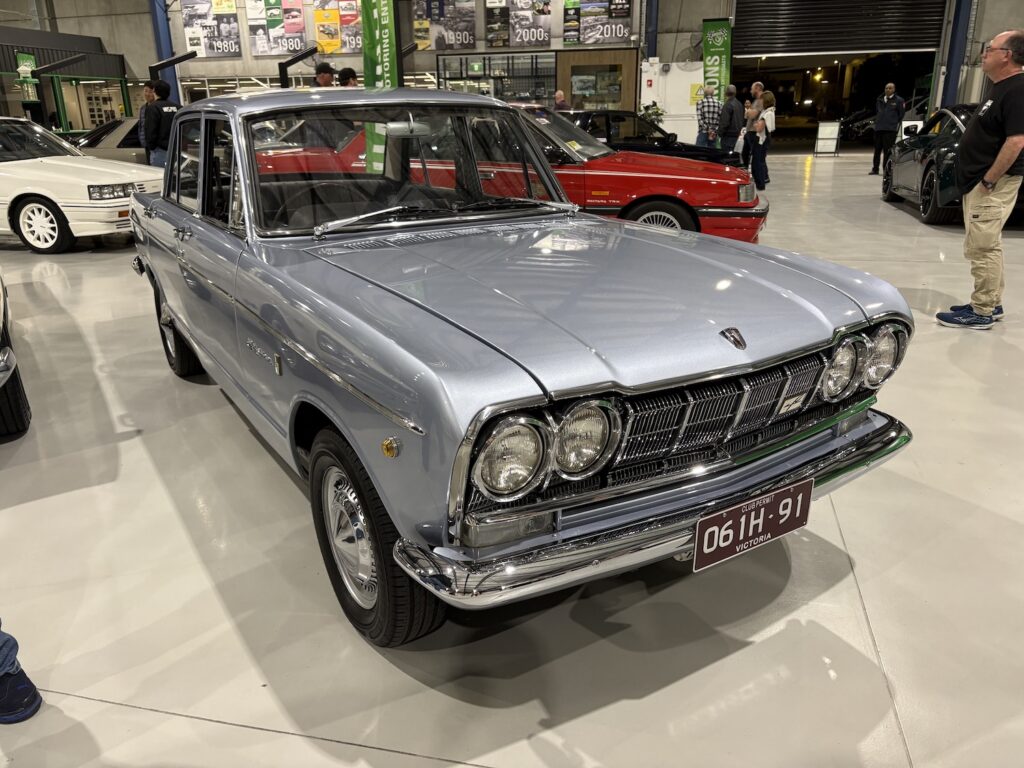
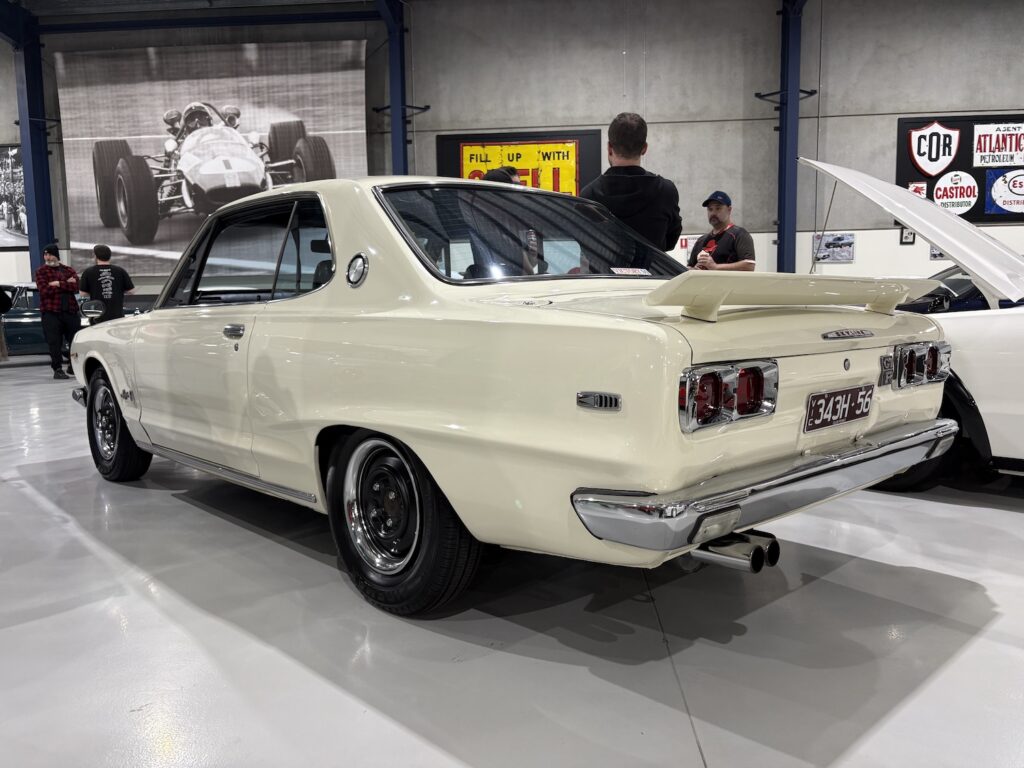
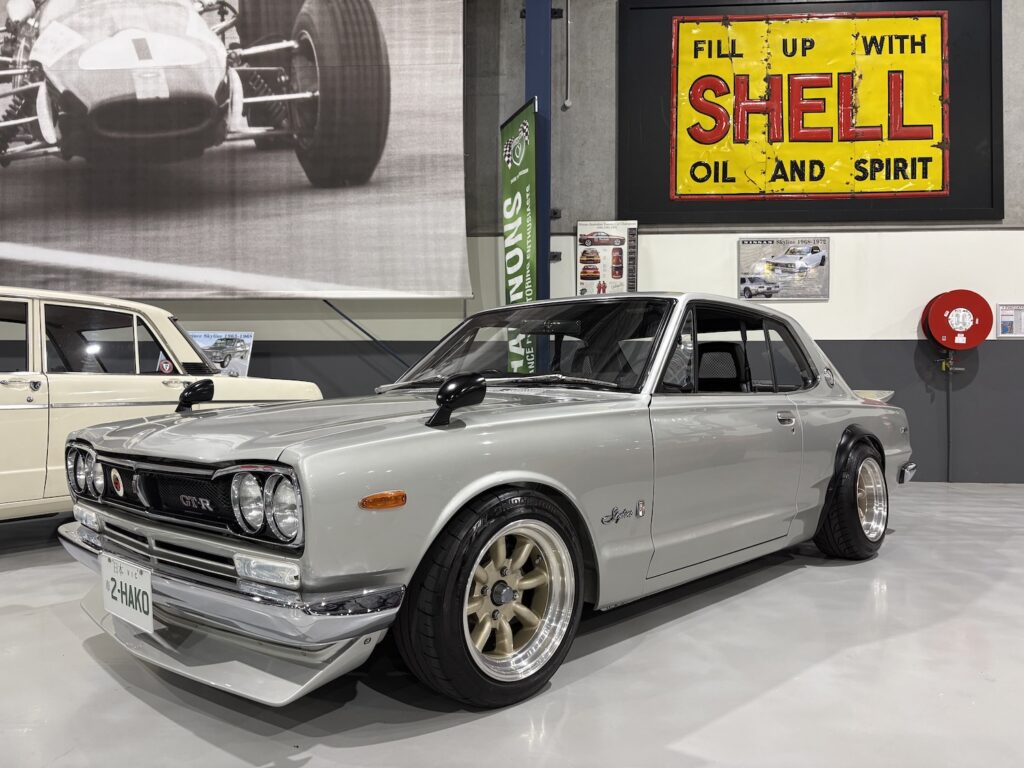
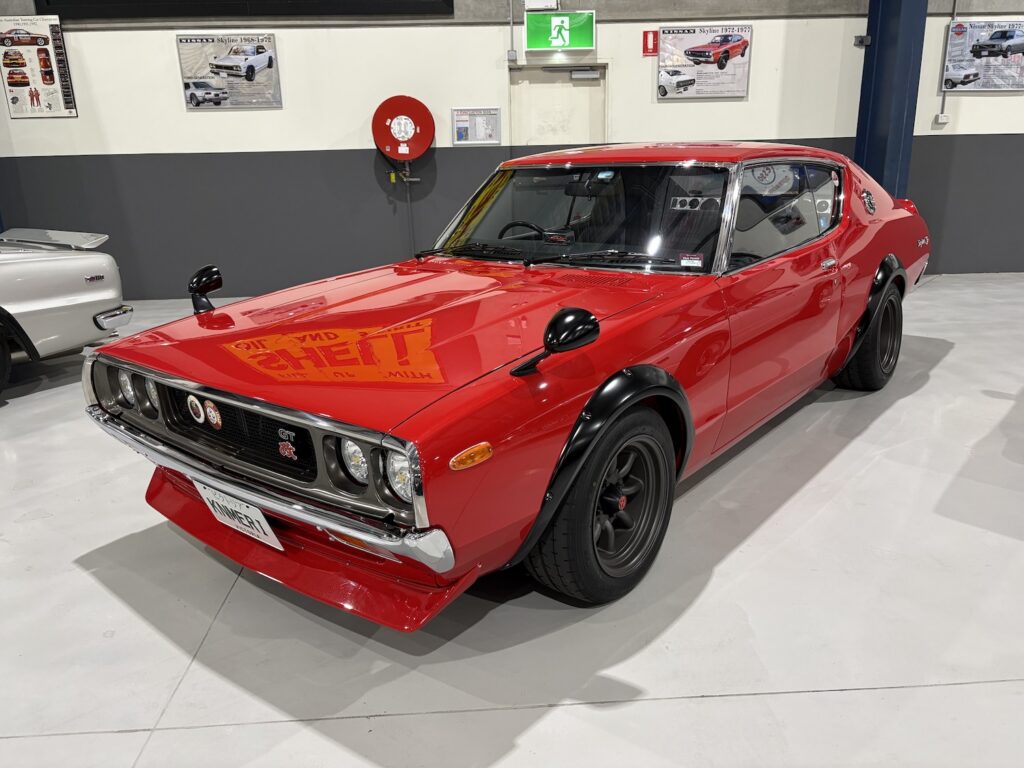
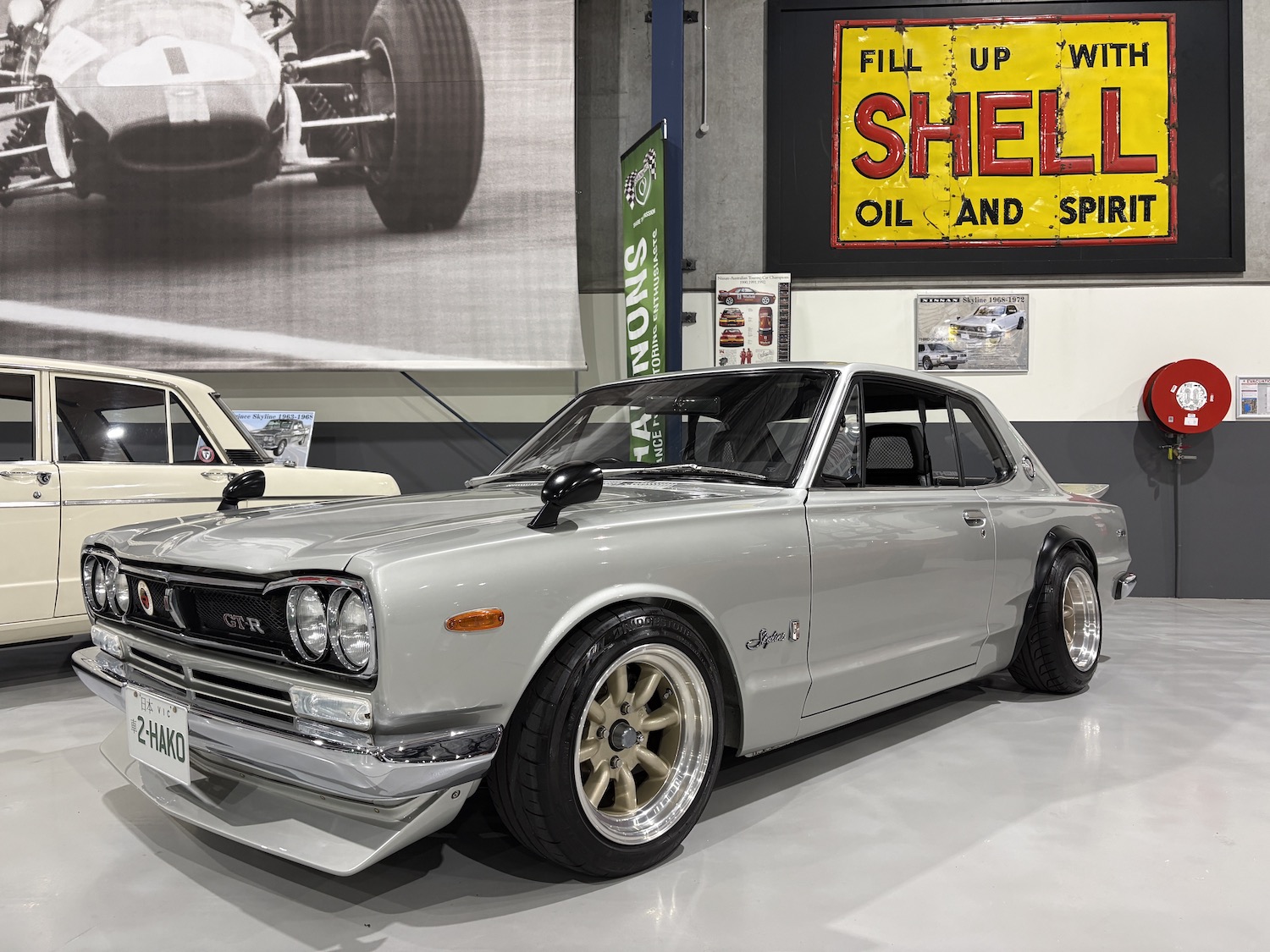
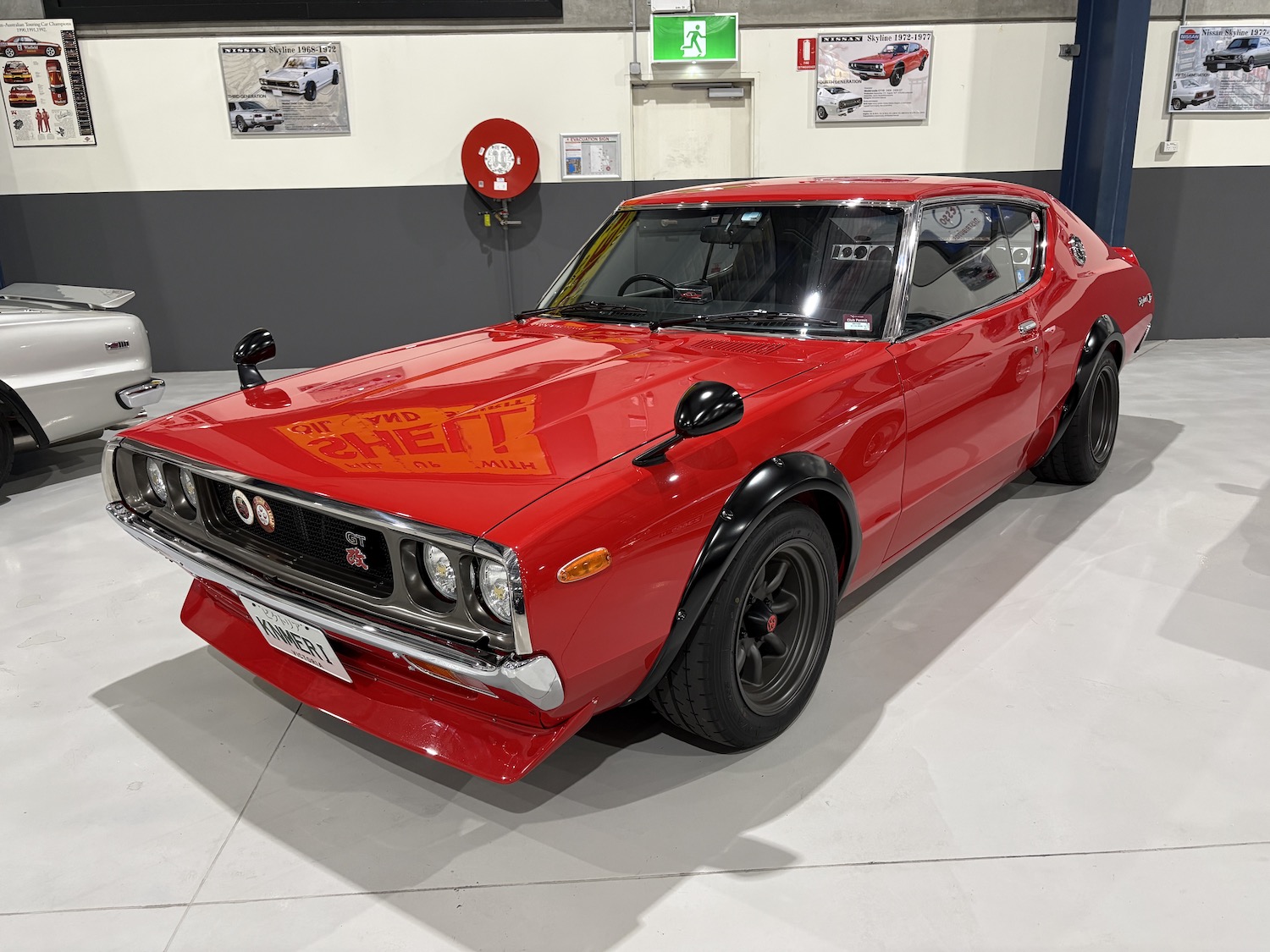
That included everything including the earliest Prince-badged cars and replicas – albeit virtually indistinguishable from the real things – of the iconic KPGC10 ‘Hakosuka’ and KPGC110 ‘KenMeri’ GT-Rs.
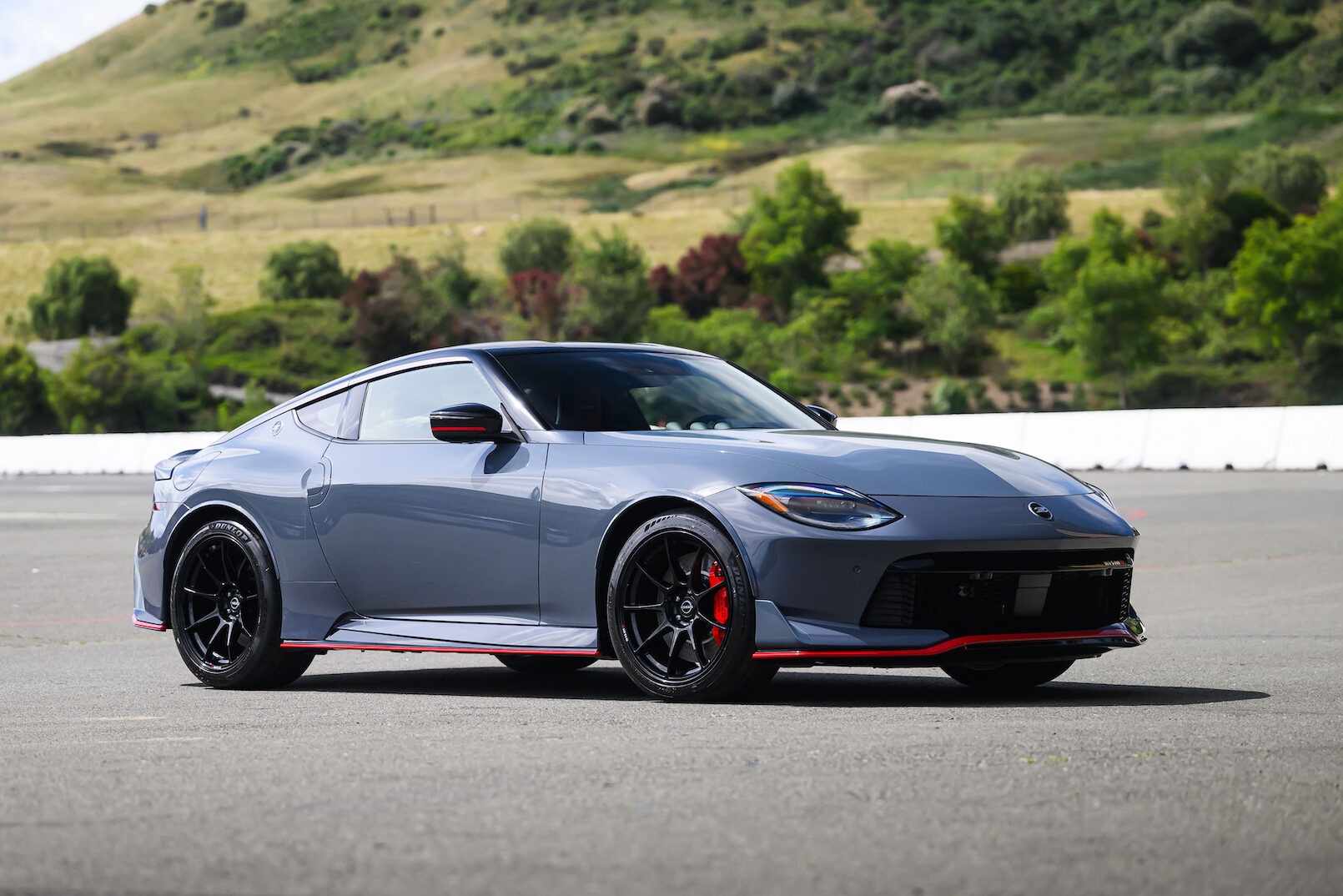
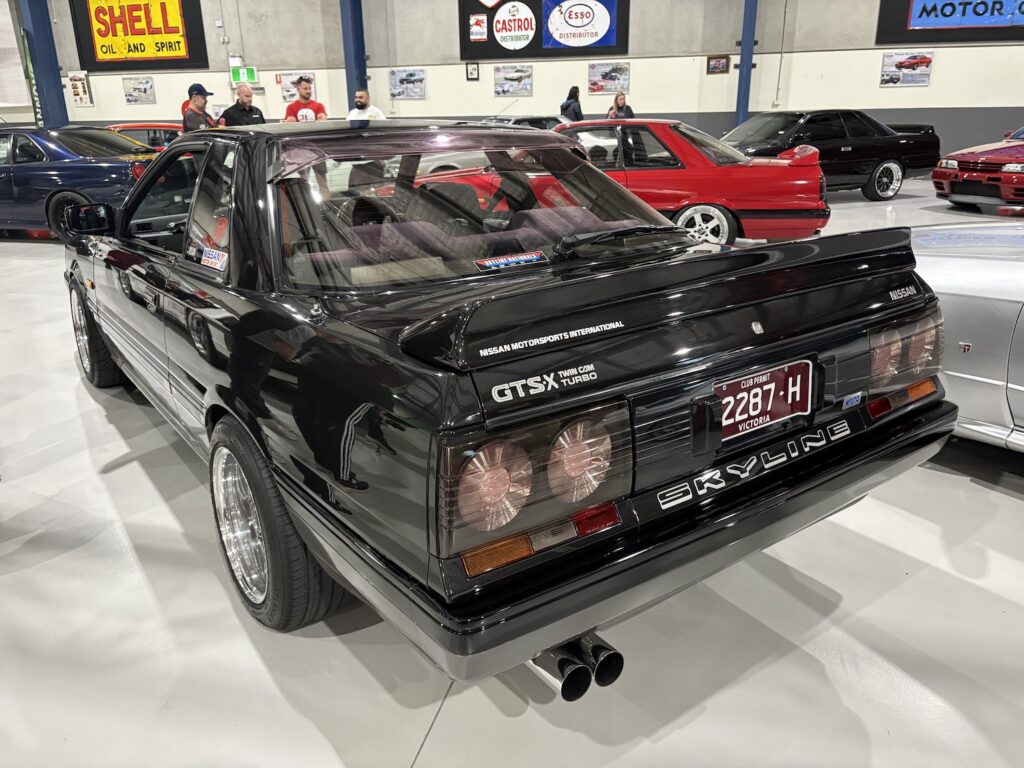
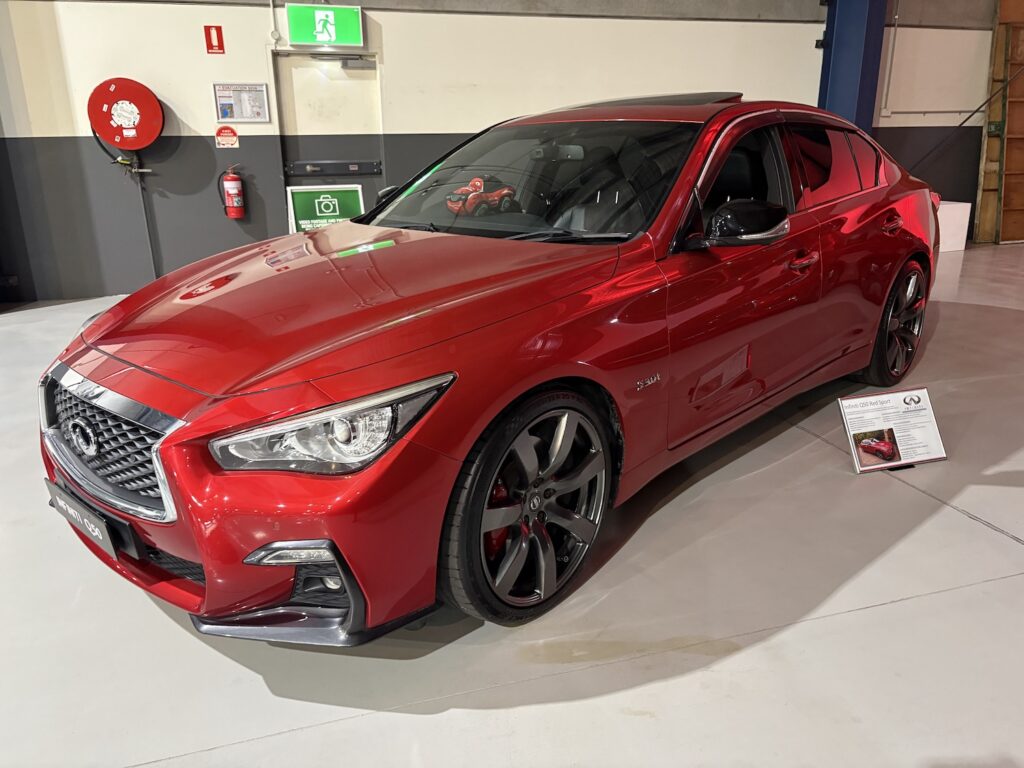
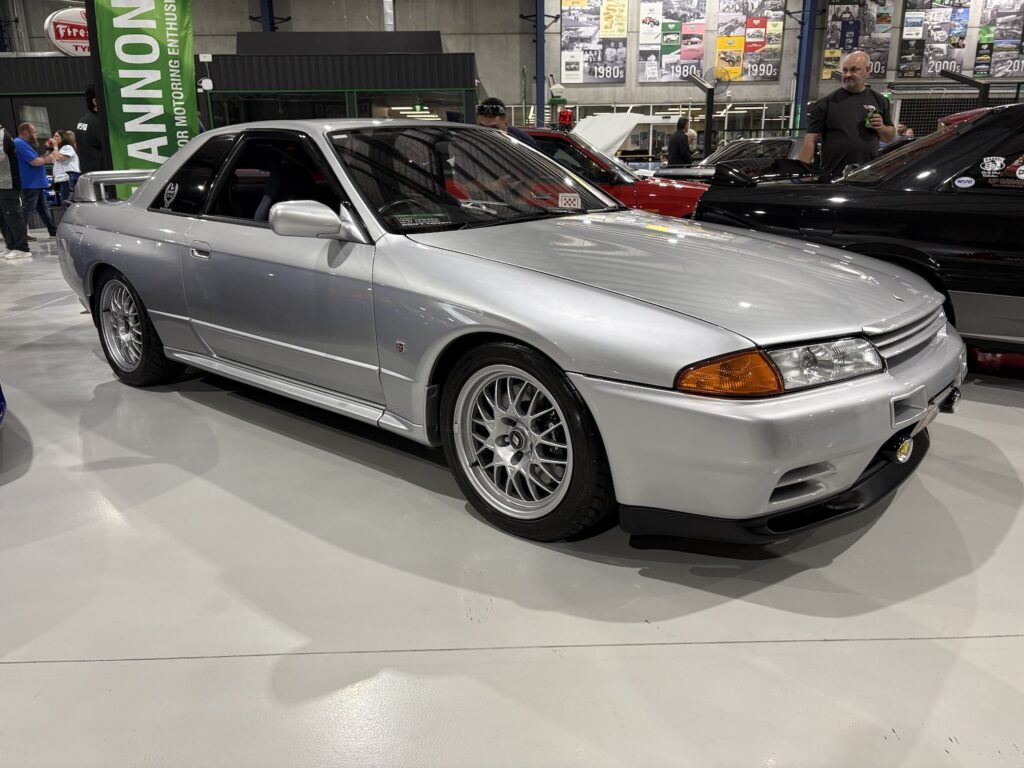
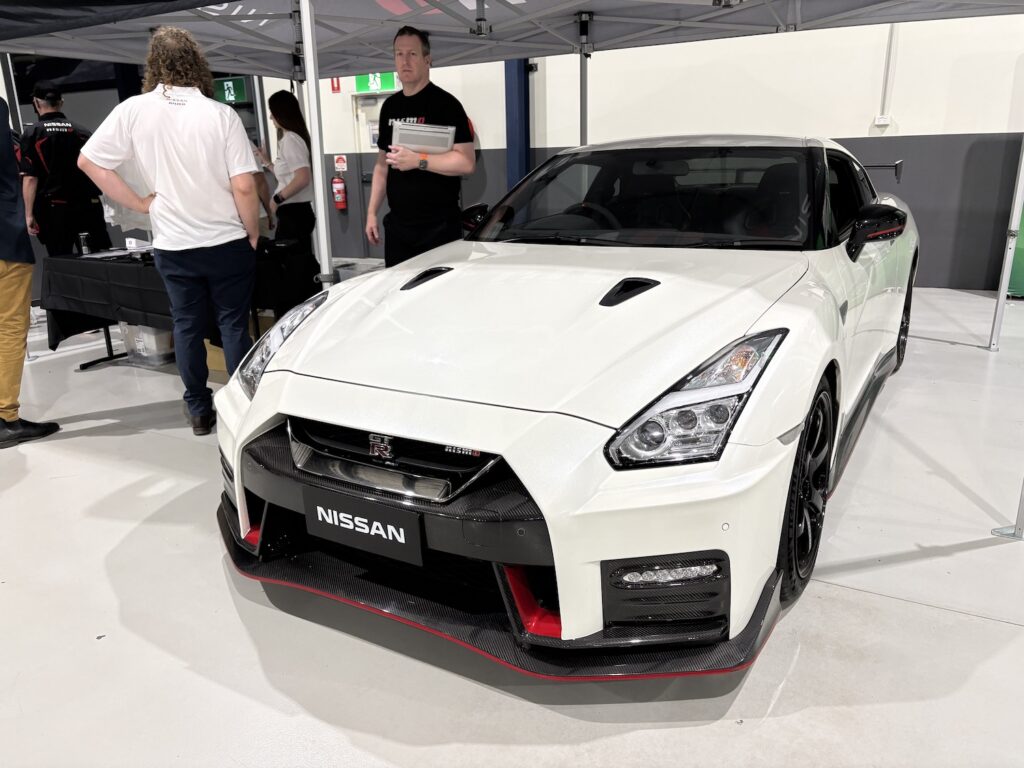
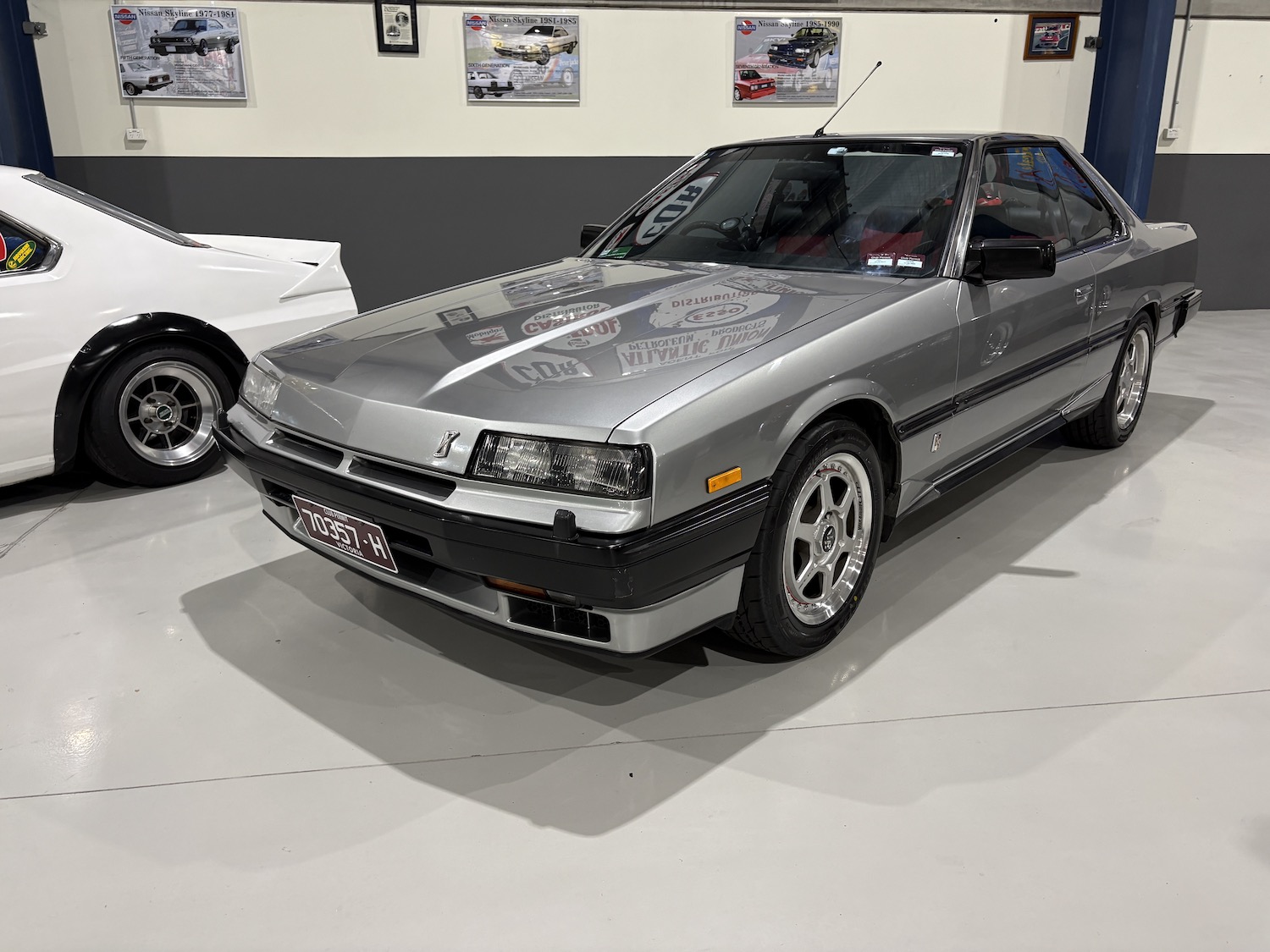
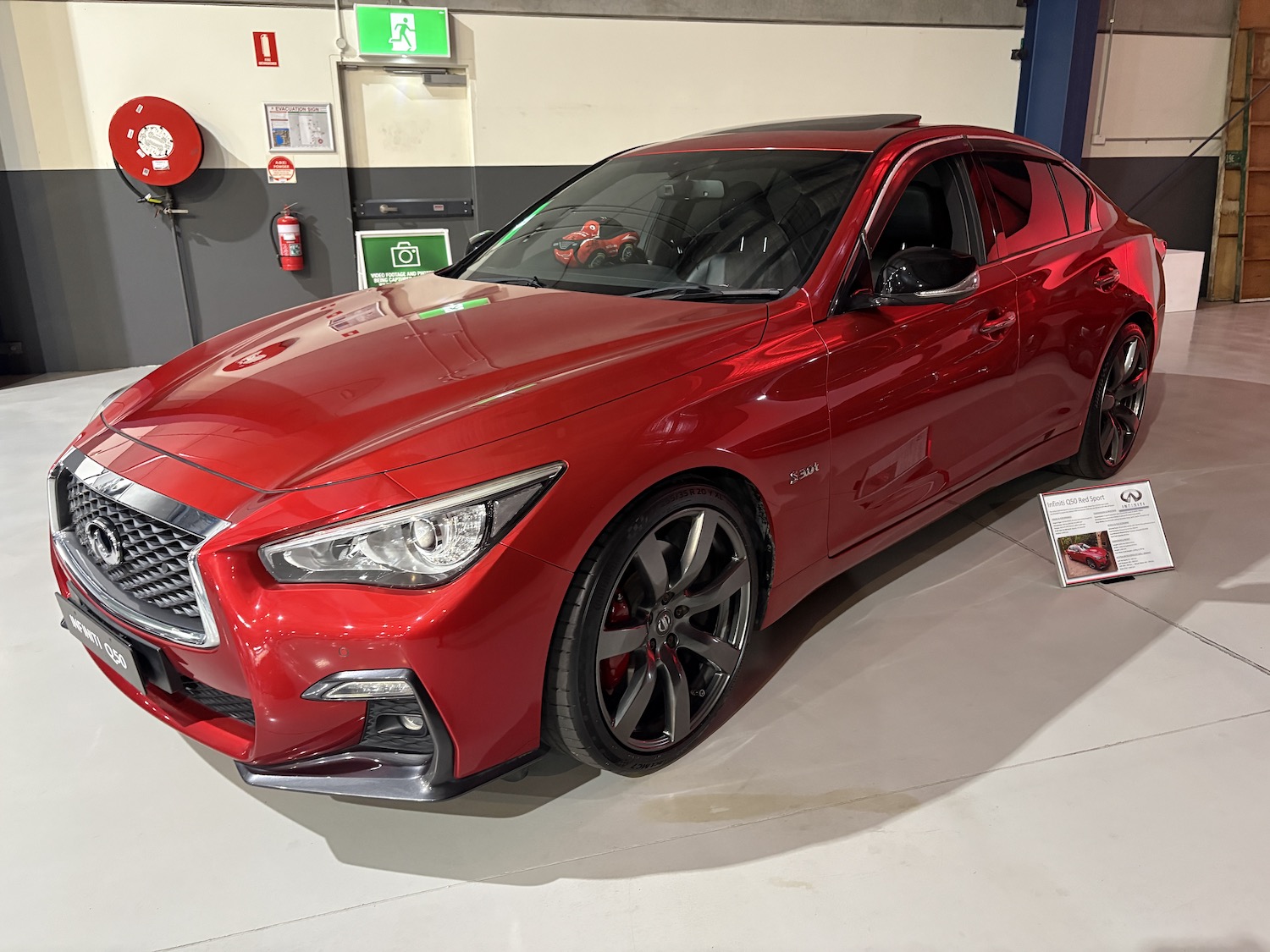
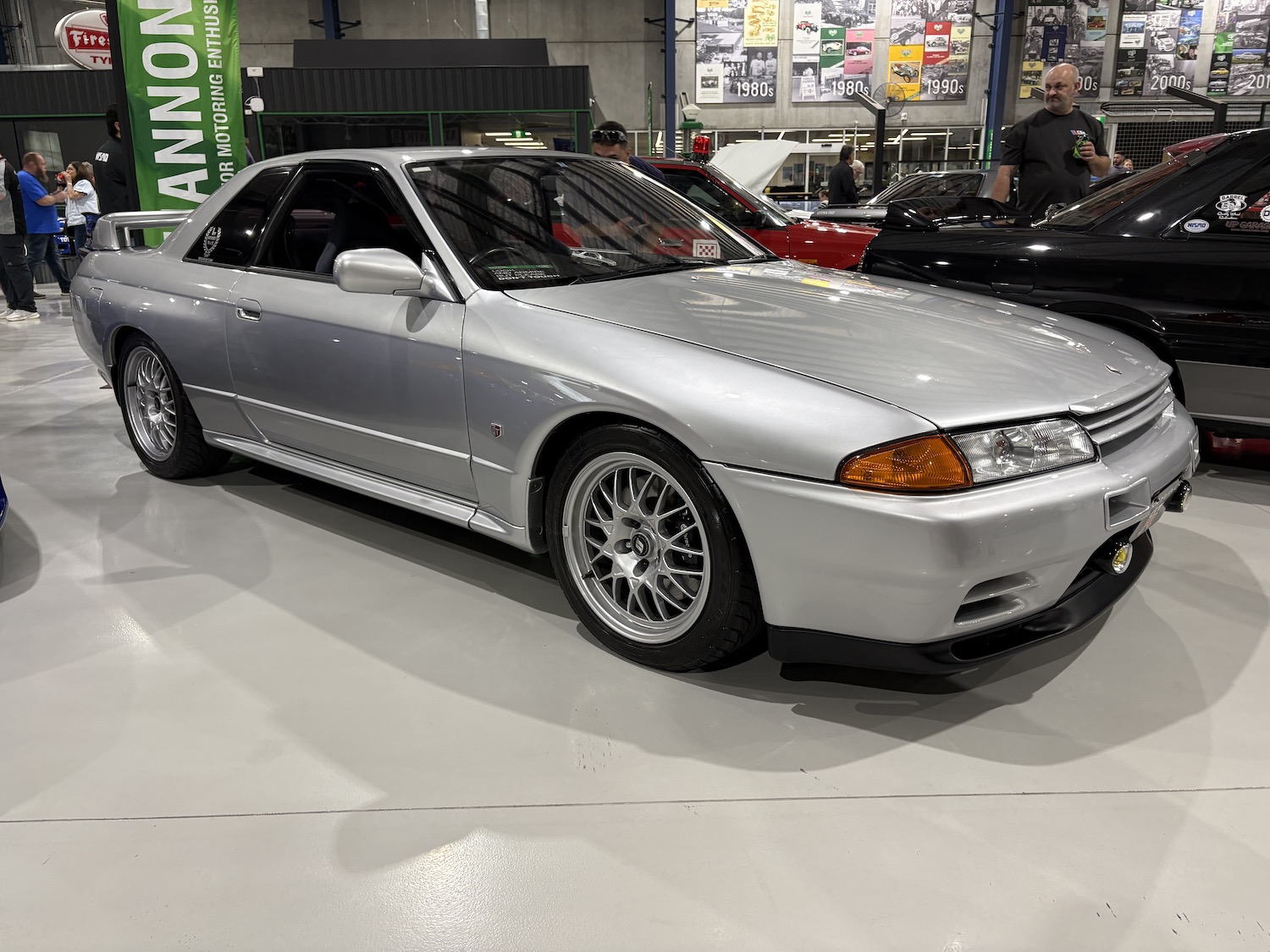
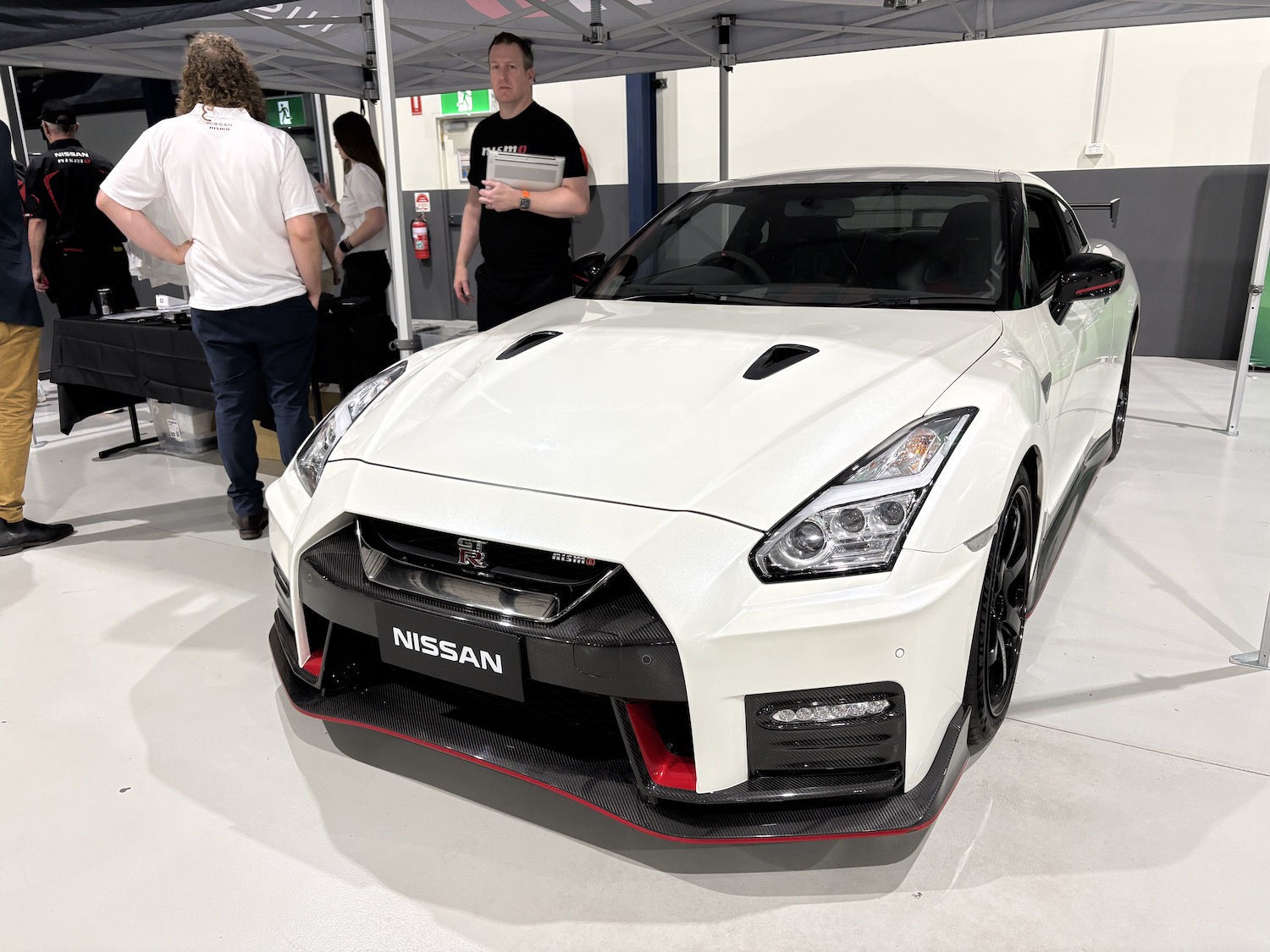
This of course carried through to the R30 and R31 of the 1980s and technological R32-R34 masterpieces of the 1990s, right up to the final R35 Nismo GT-R and Infiniti-badged 13th-generation V37, all of which meant no stone was left unturned in celebrating one of Japan’s most iconic nameplates.
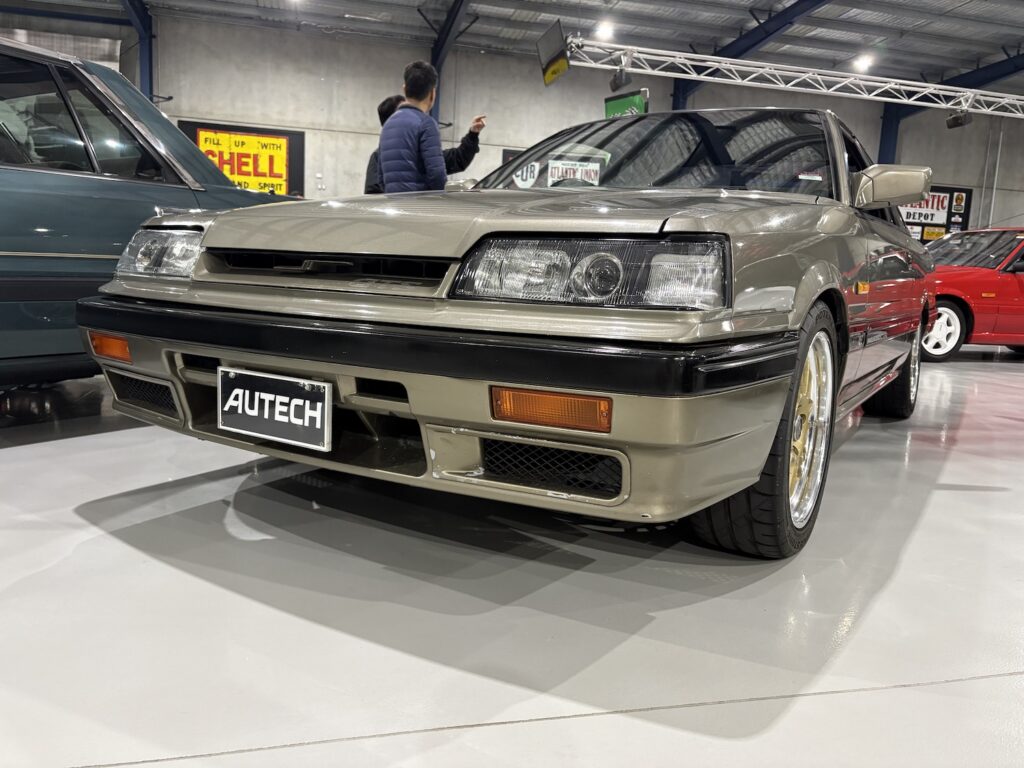
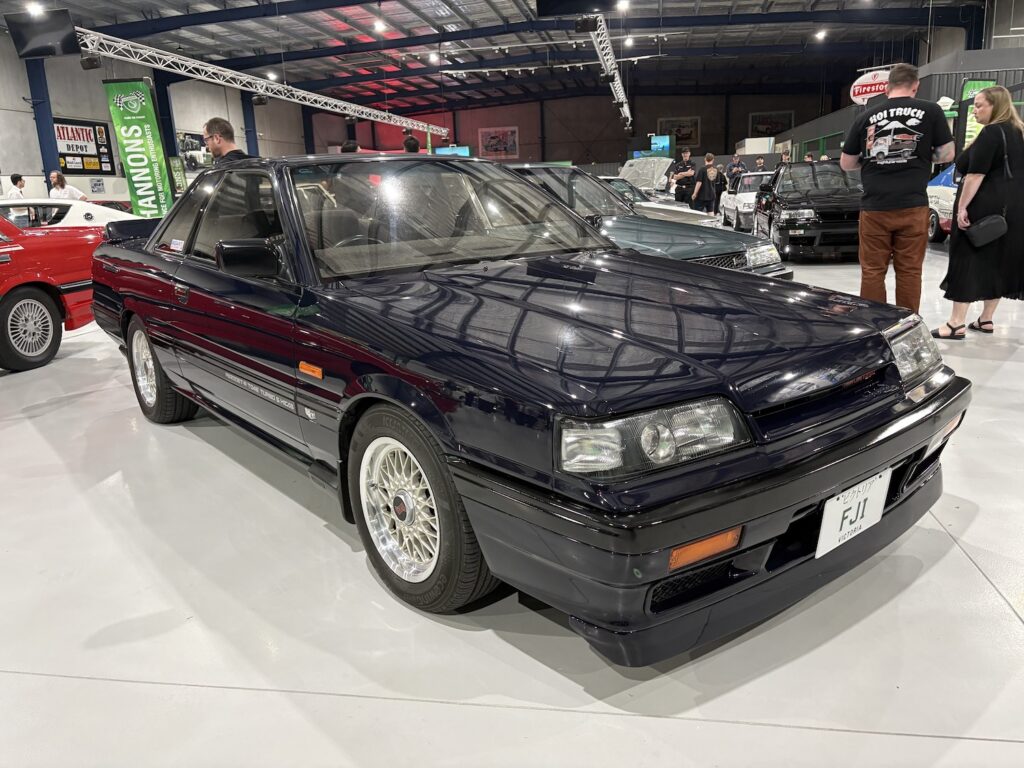
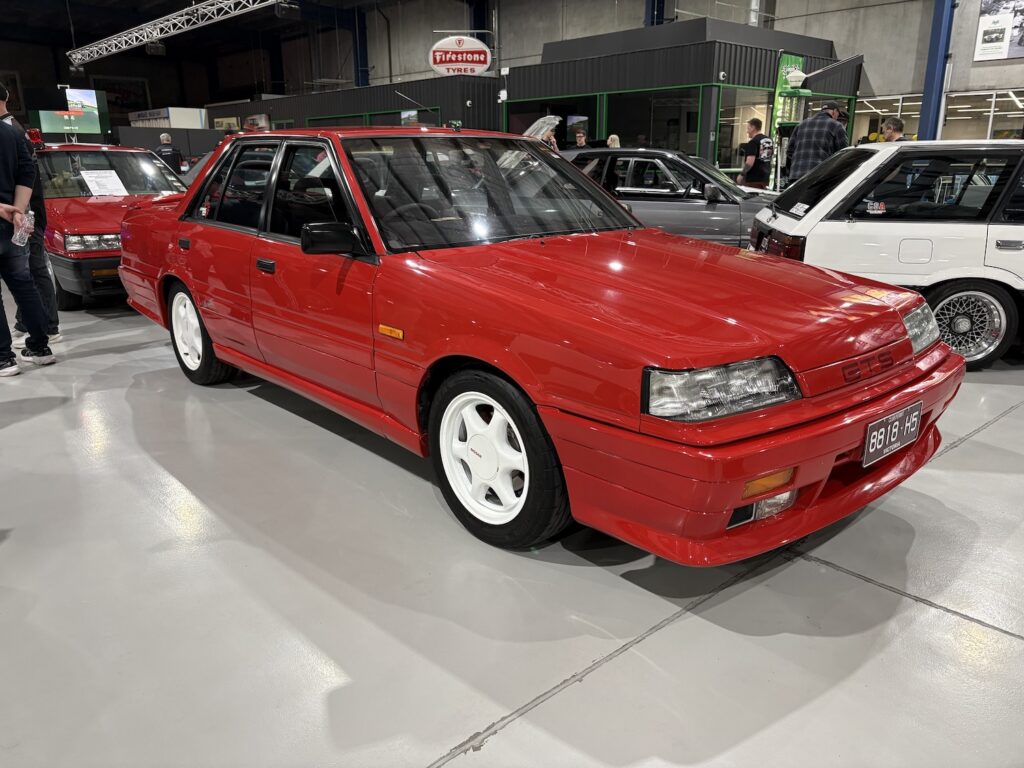
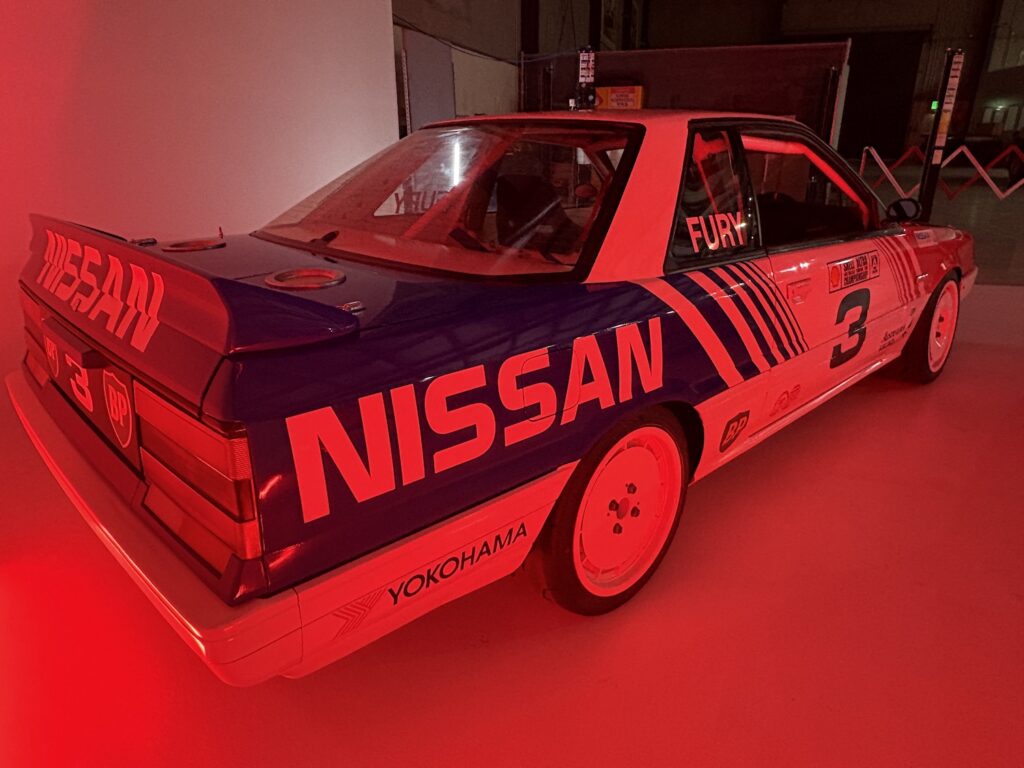
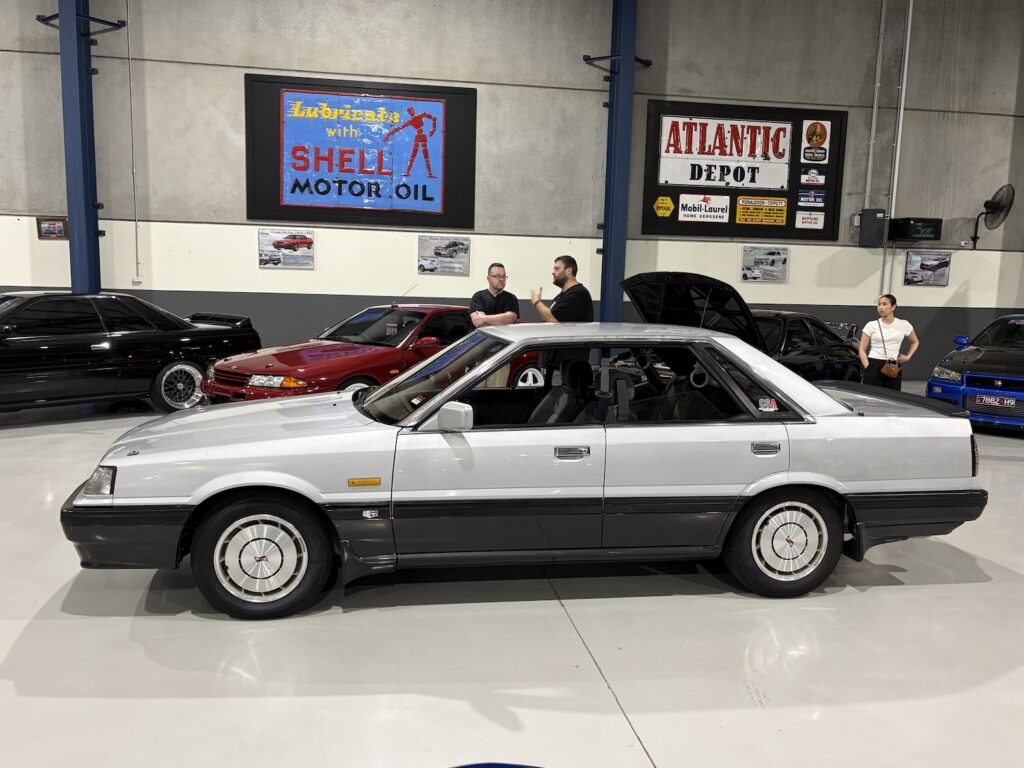
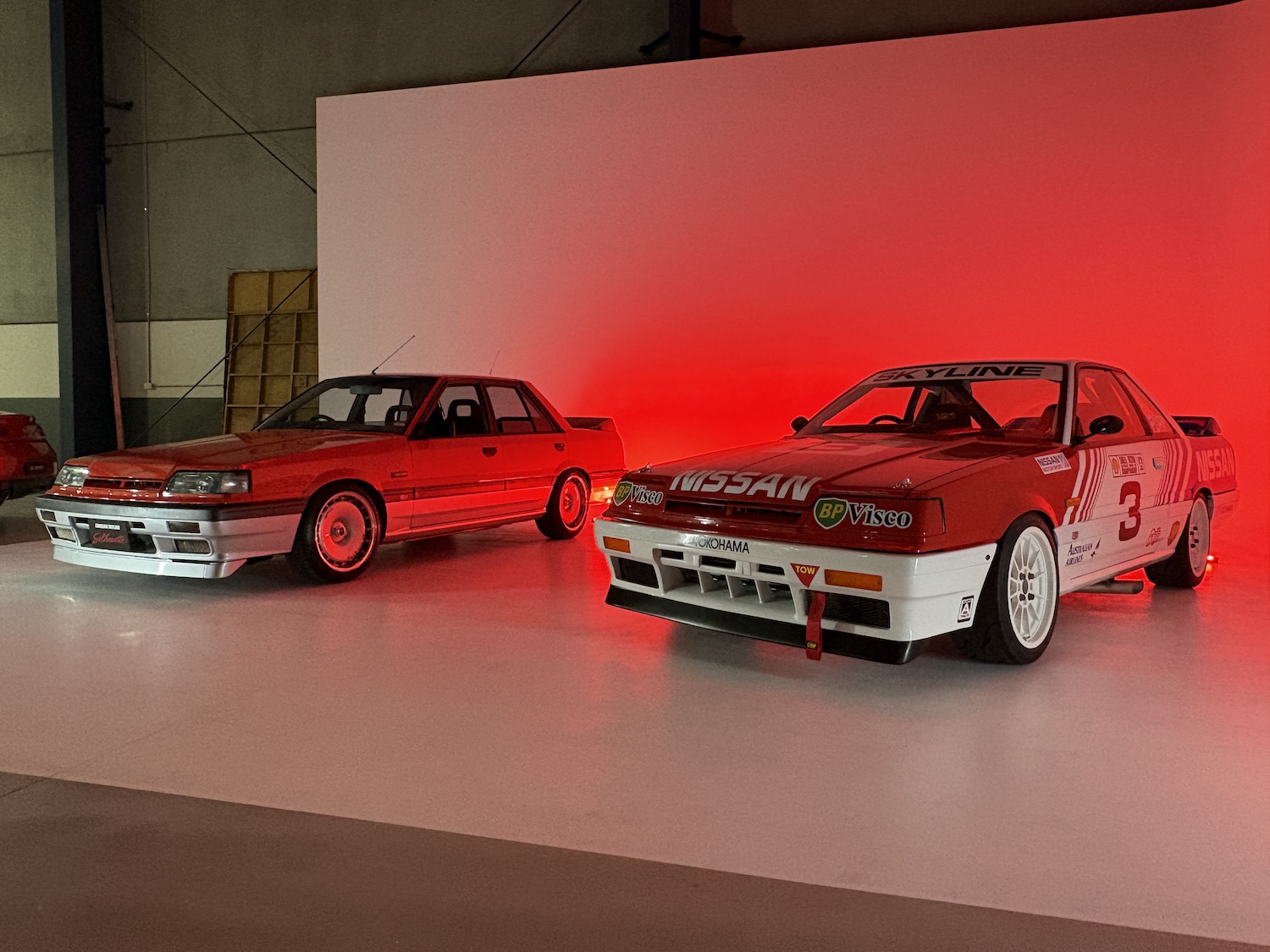
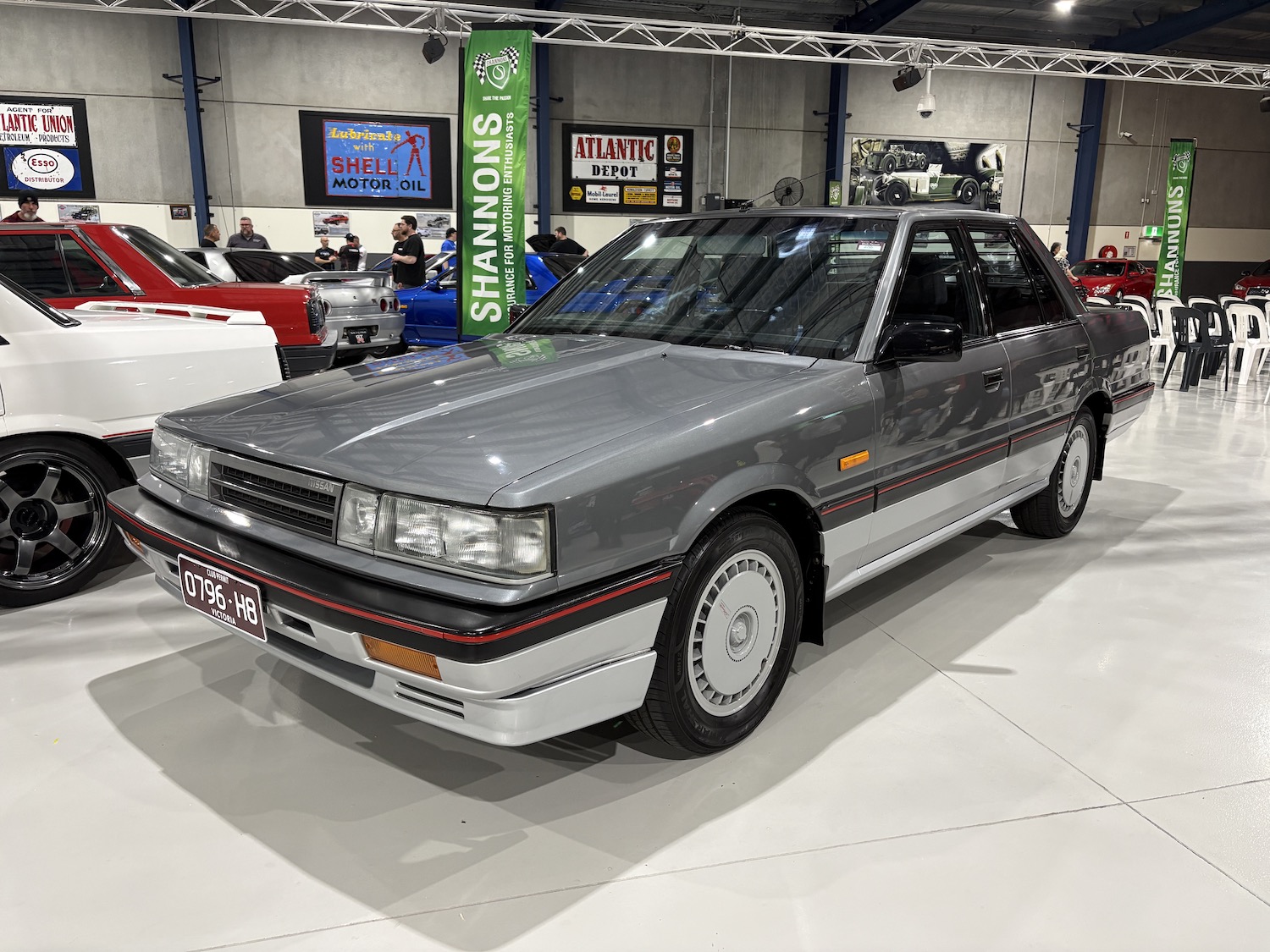
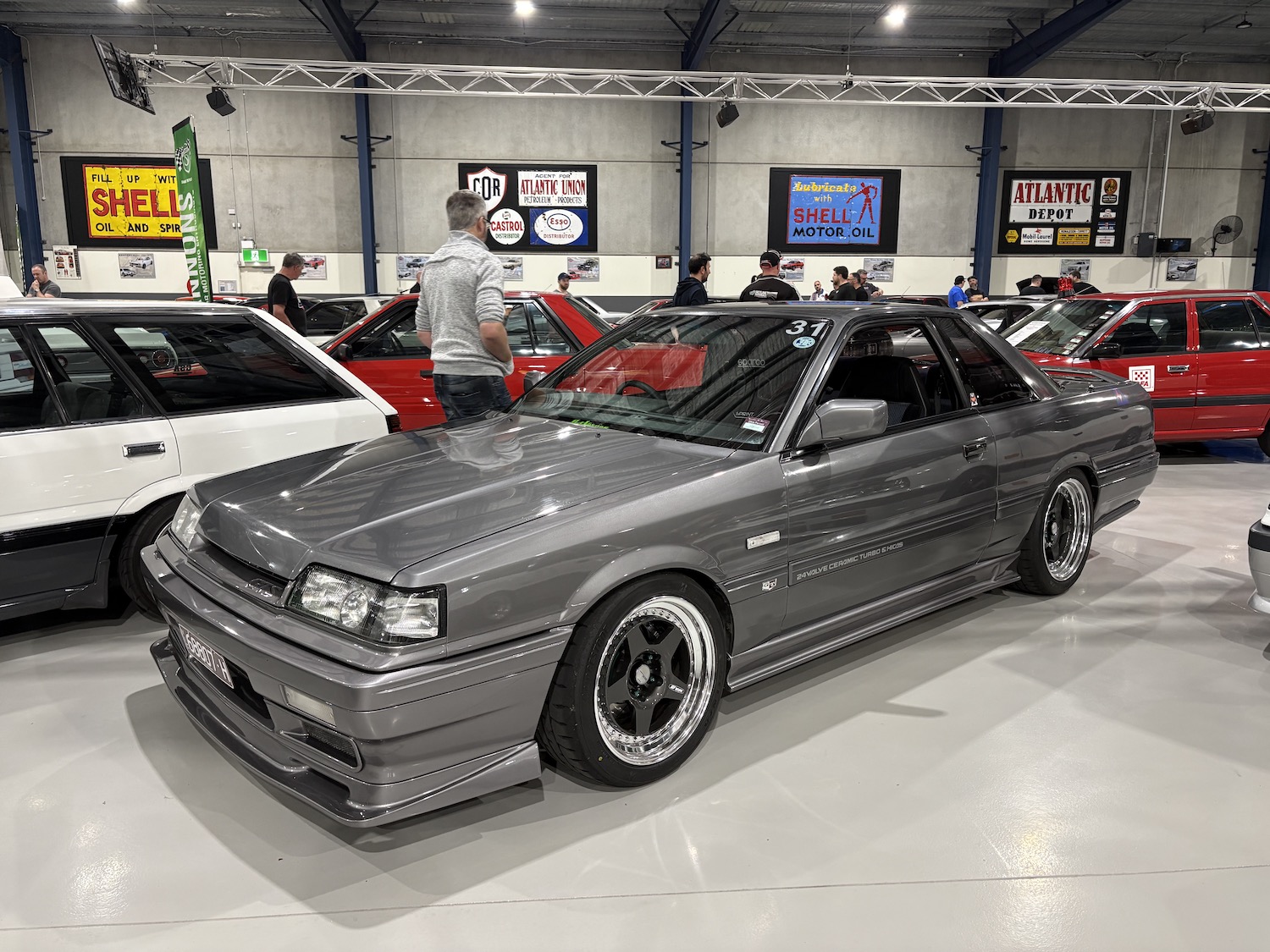
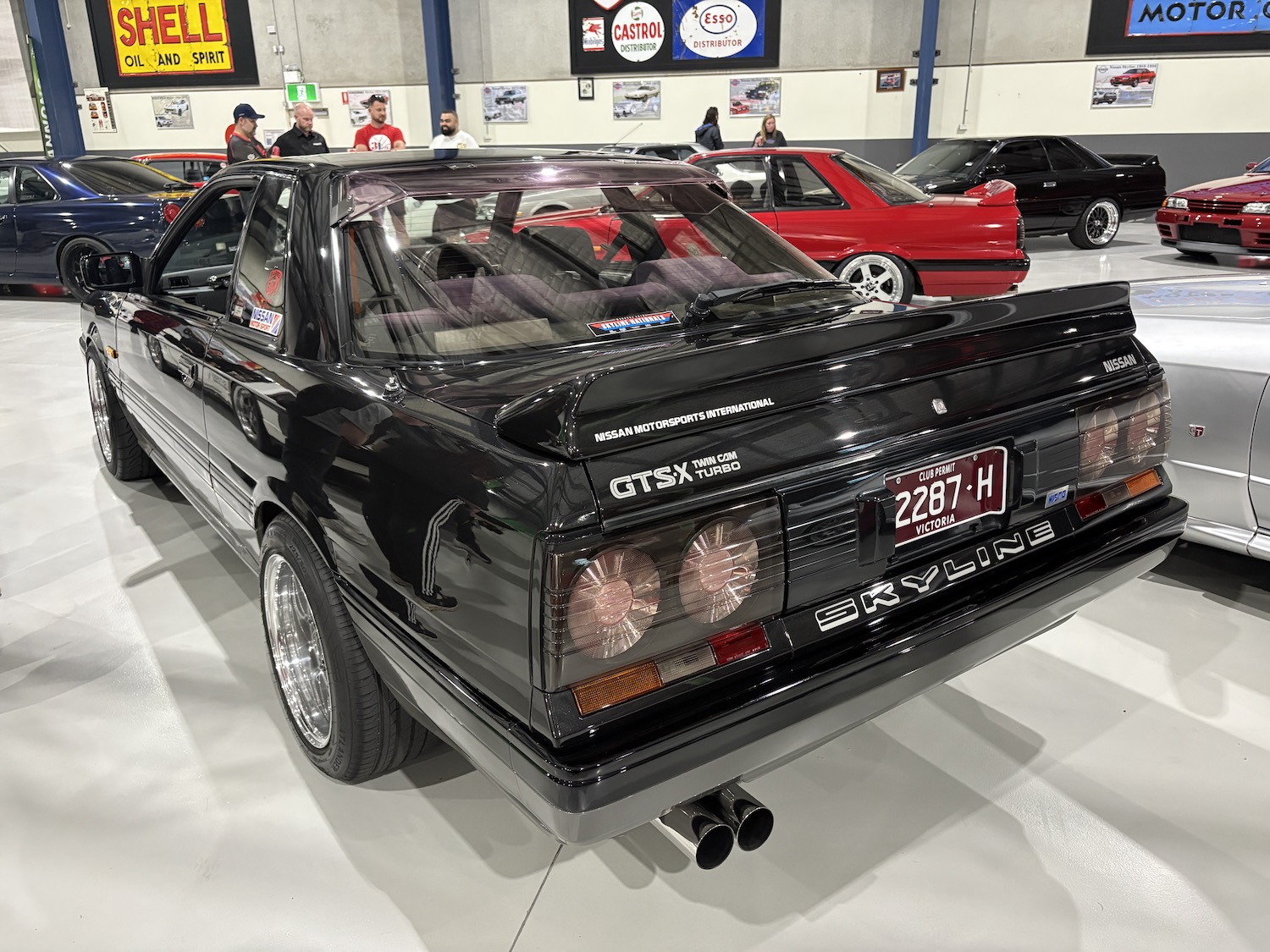
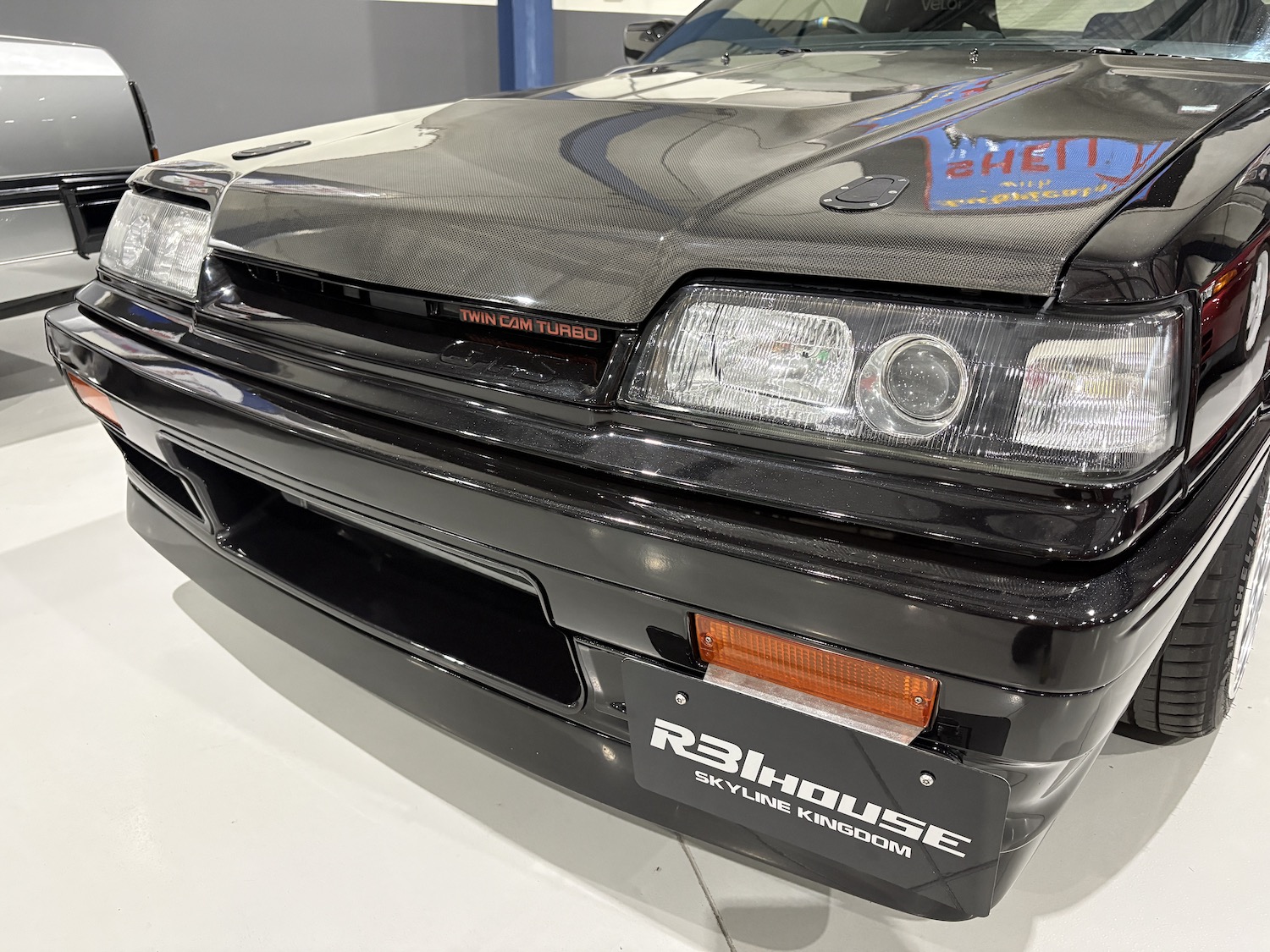
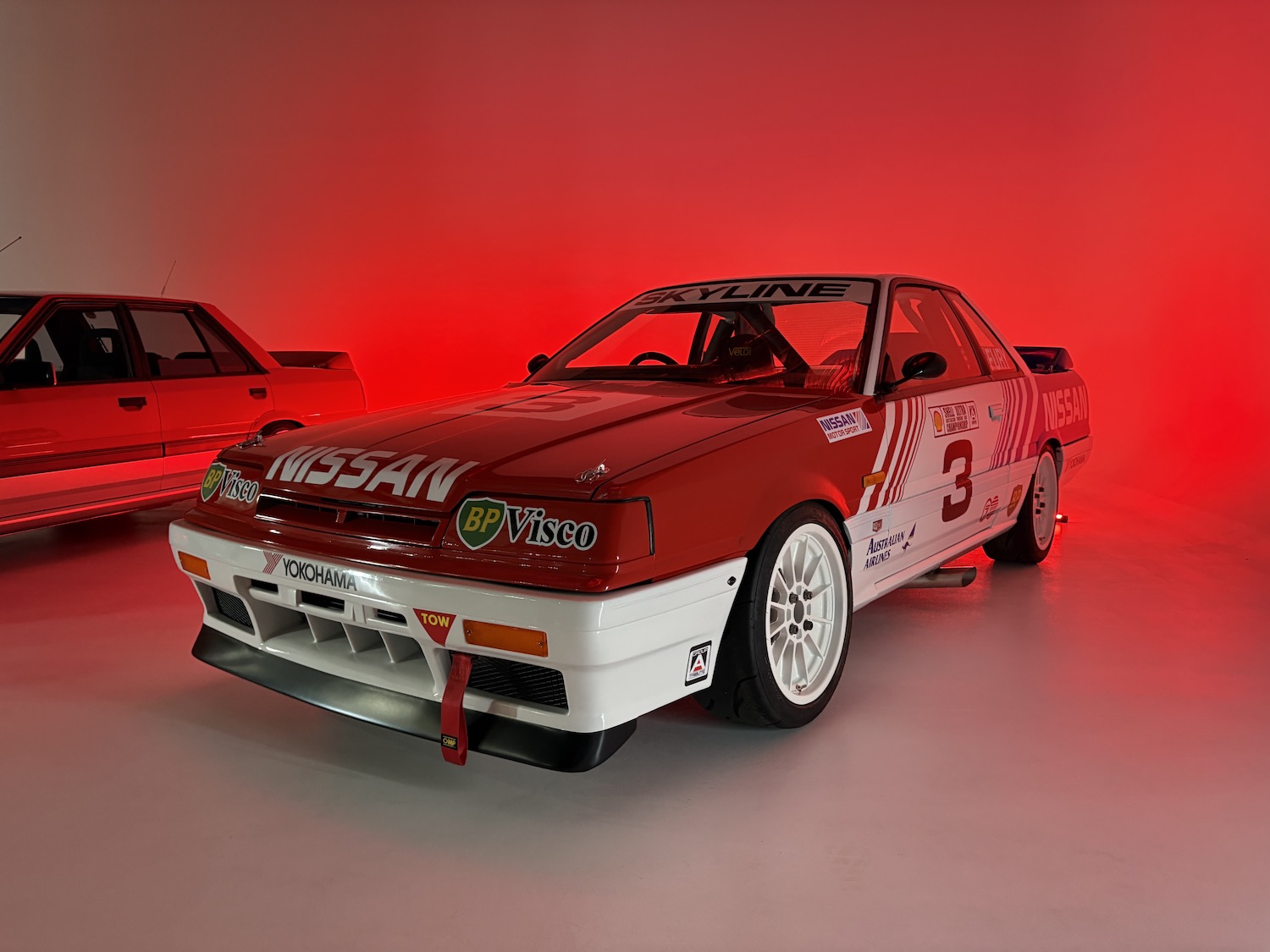
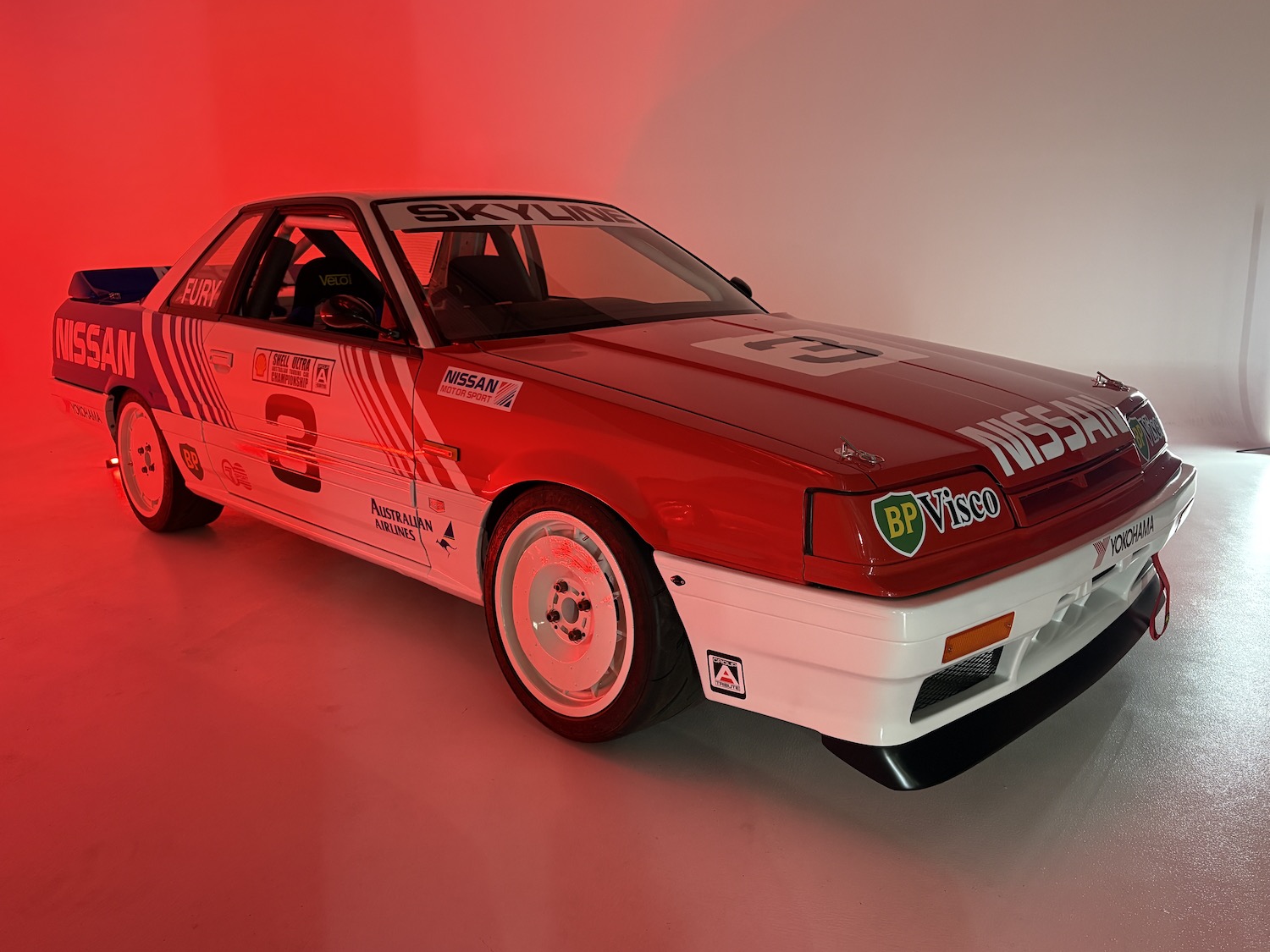
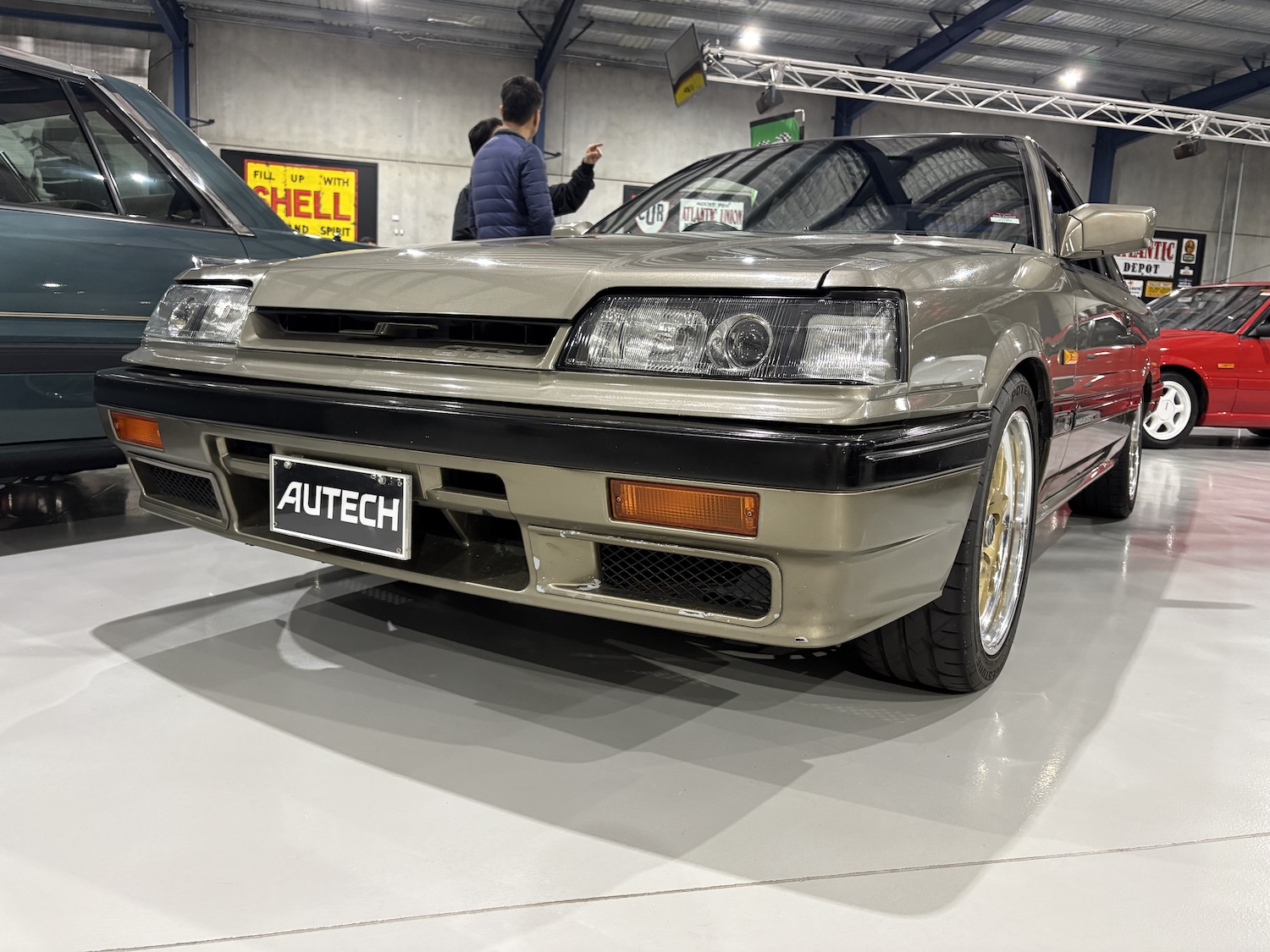
The star attraction, however, was the R31, with examples of the Japanese HR31 GTS-R – which homologated the model for Group A Racing – and four-door Passage GT on display, in addition to a rare Autech-enhanced Coupe.
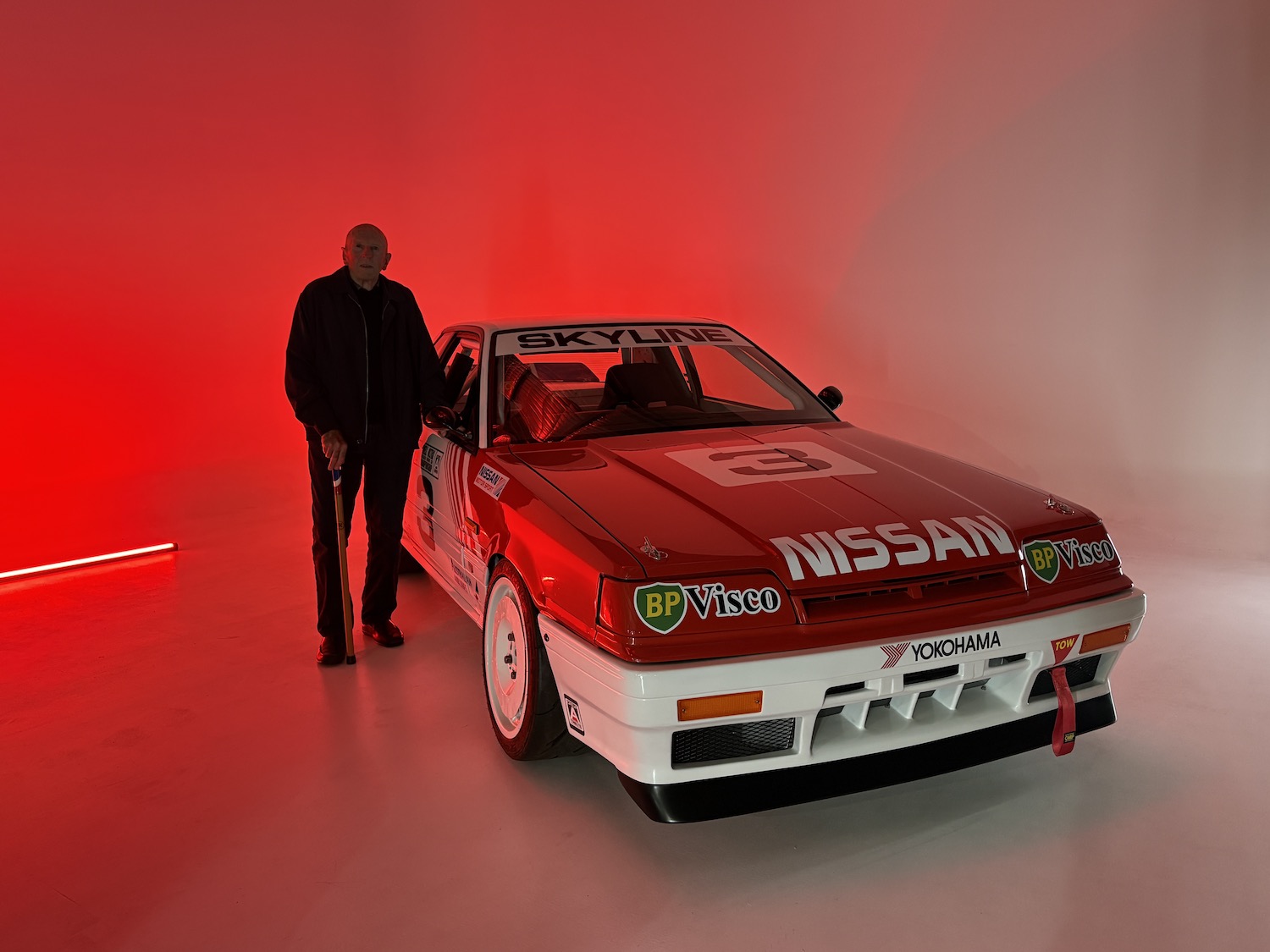
While the Nissan Skyline was technically a Japanese model, it became hugely important to the brand’s Australian operations. The night’s main guest speaker was Paul Beranger, one of three executives tasked with identifying the appropriate model from Nissan’s Japanese portfolio and making the business case work for Australia.
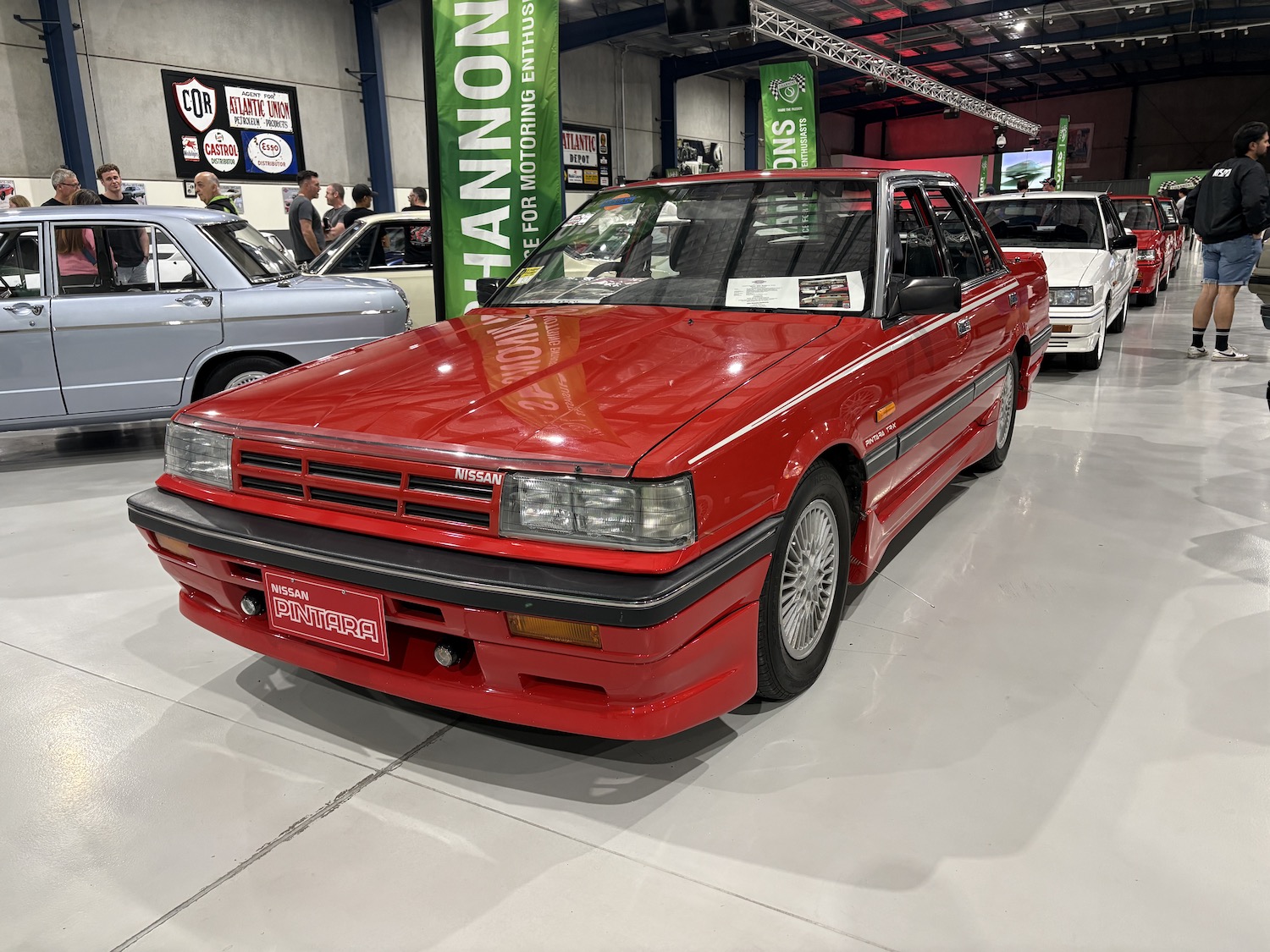
With the Bluebird having been popular but only marginally profitable, the Skyline allowed Nissan to have a six-cylinder, rear-wheel drive car that could battle the Holden Commodore and Ford Falcon while retaining a price-leading four-cylinder model (the Pintara) for fleets.
Nissan Australia then designed the R31 wagon – with five-doors making up 30 percent of sales, it was crucial in making the sums work – and created the Special Vehicles Division to give enthusiasts a genuine high-performance product to take on Holden’s V8 Commodores.
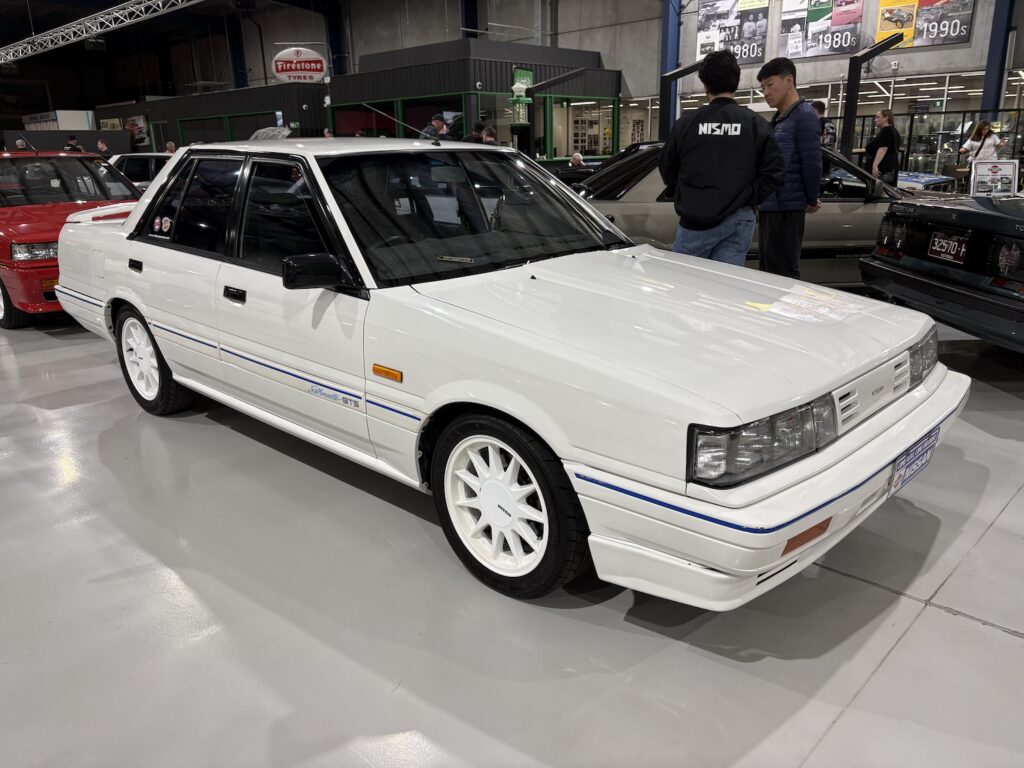
In total, 200 examples of the GTS1 were created with a high-output engine and comprehensively revised chassis including Bilstein dampers; Mark Skaife and Glenn Seton completed much of the development work.
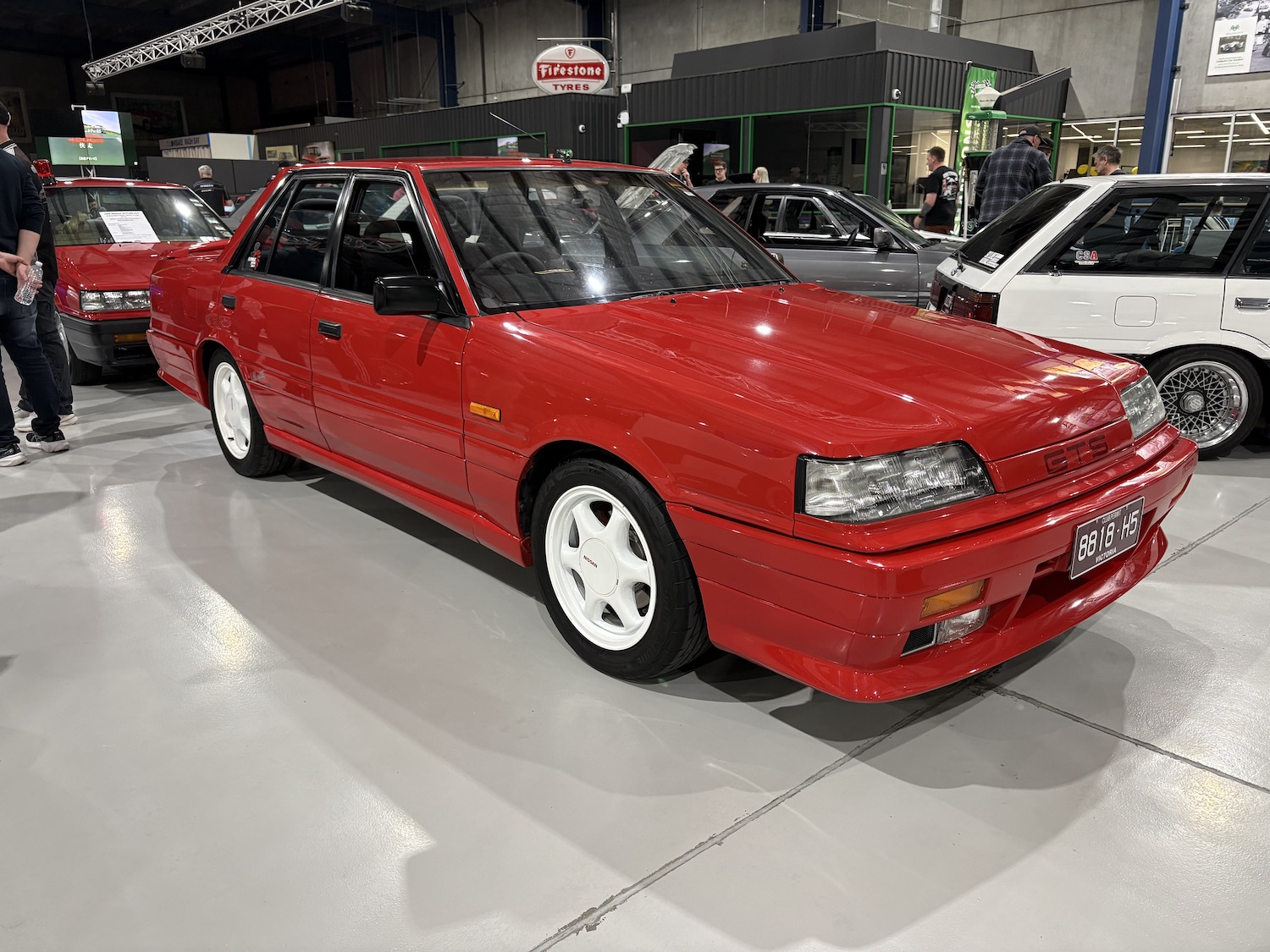
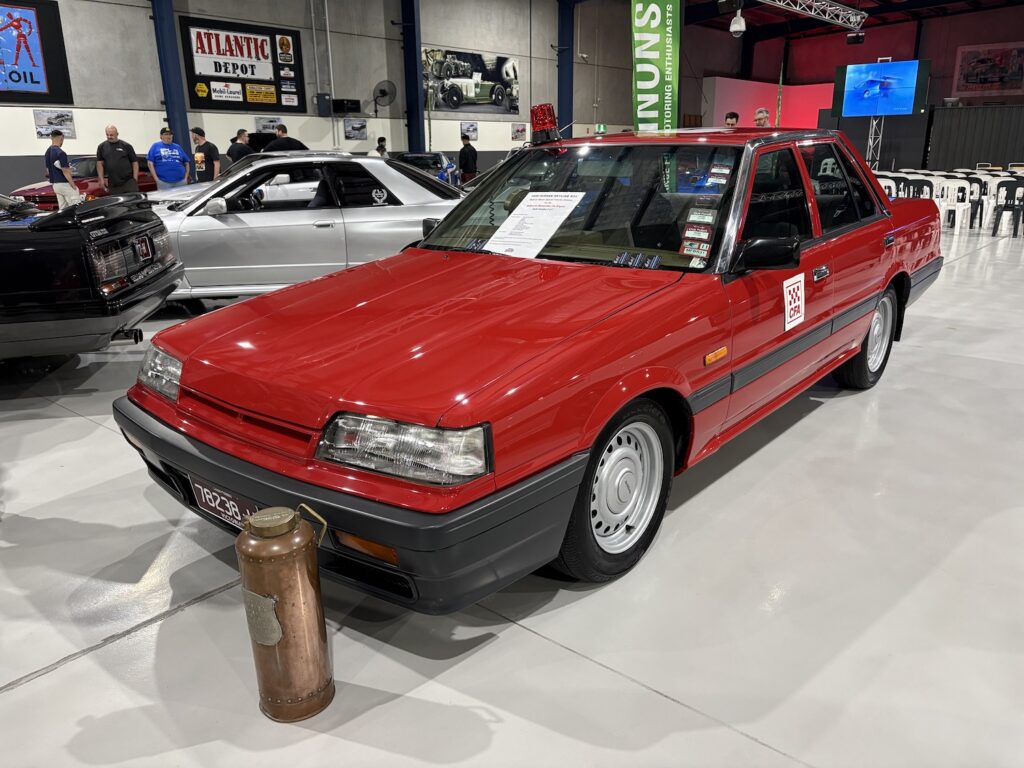
The Tasmanian and Victorian police used them as Highway Patrol cars and it proved so popular with customers that another 200 ‘GTS2’ models were built based off the facelifted Series III car, this time split 50:50 between manual and auto, a move Beranger says was a mistake in hindsight.
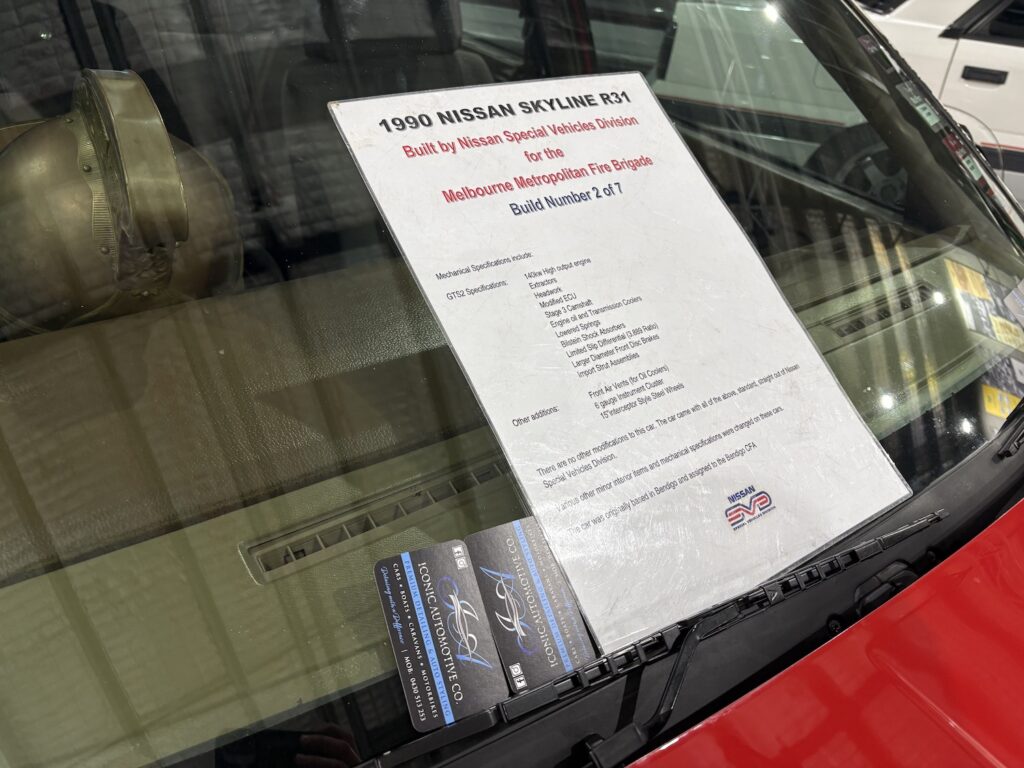
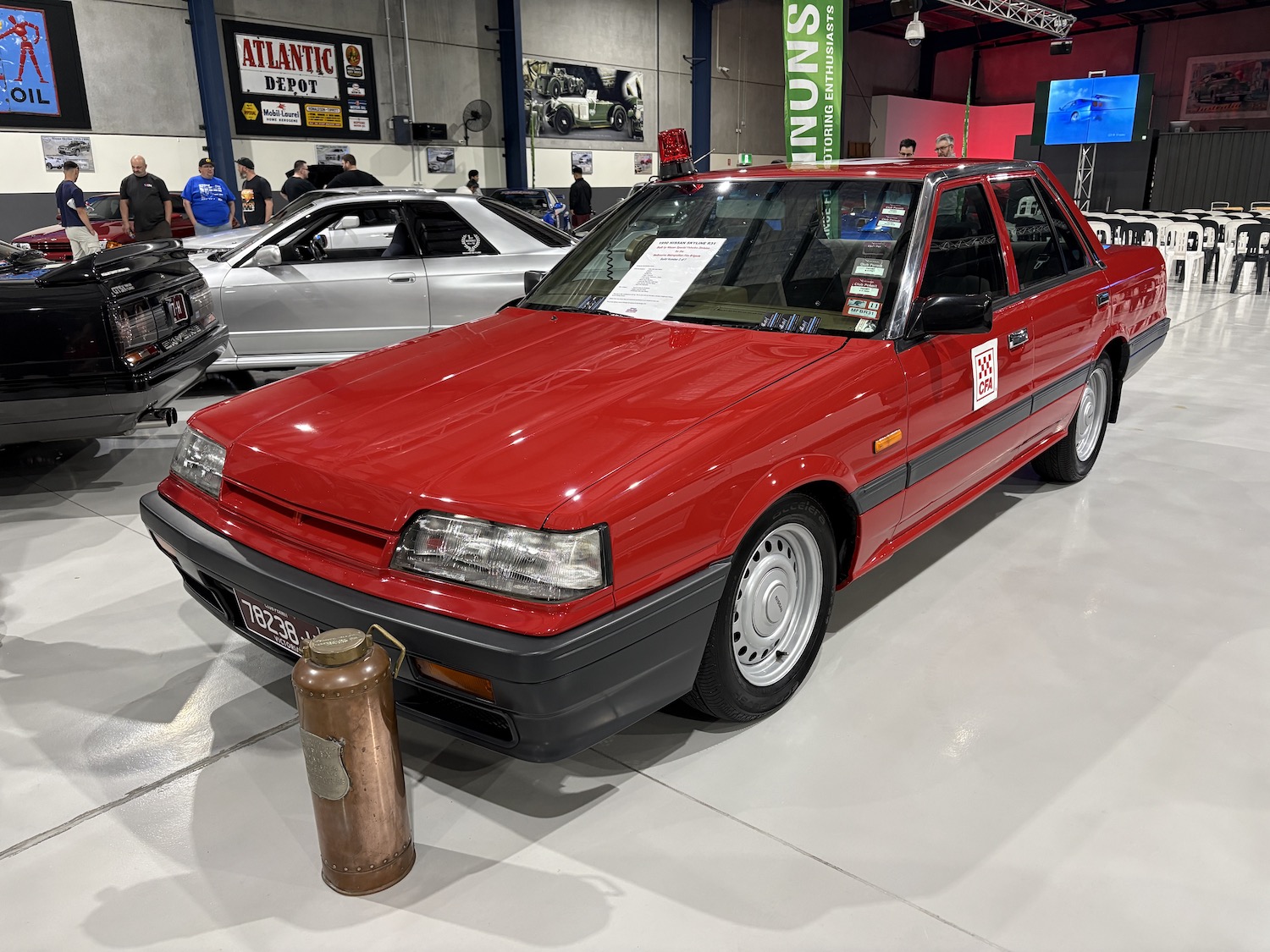
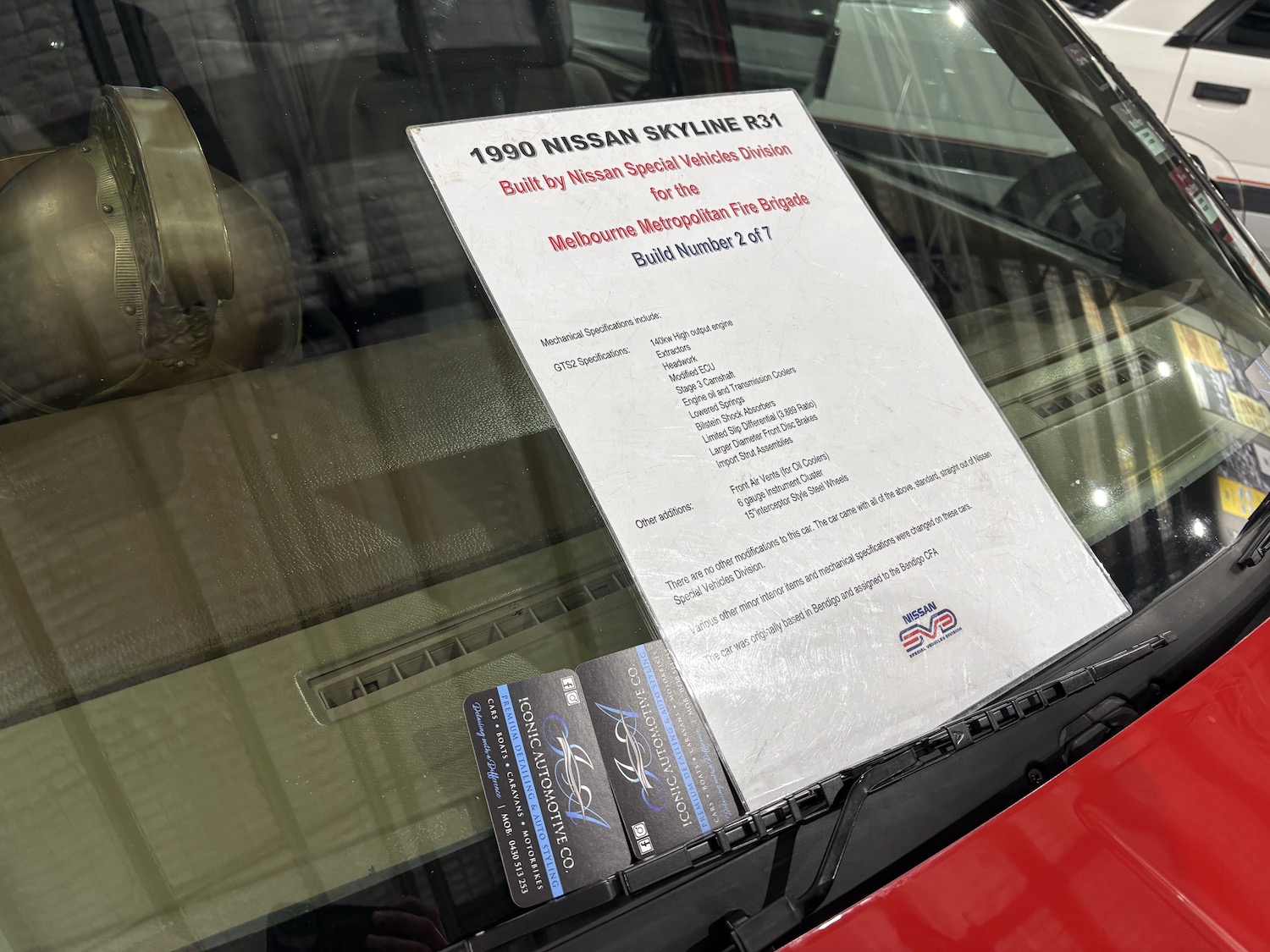
SVD also spawned some unique builds. Seven white GTS2s were built for Tasmania Police and another seven sleepers were built for the Victorian CFA, one of which was on display, the humble Executive exterior hiding a complete set of GTS2 mechanicals, 140kW engine, shorter diff, larger brakes and all.
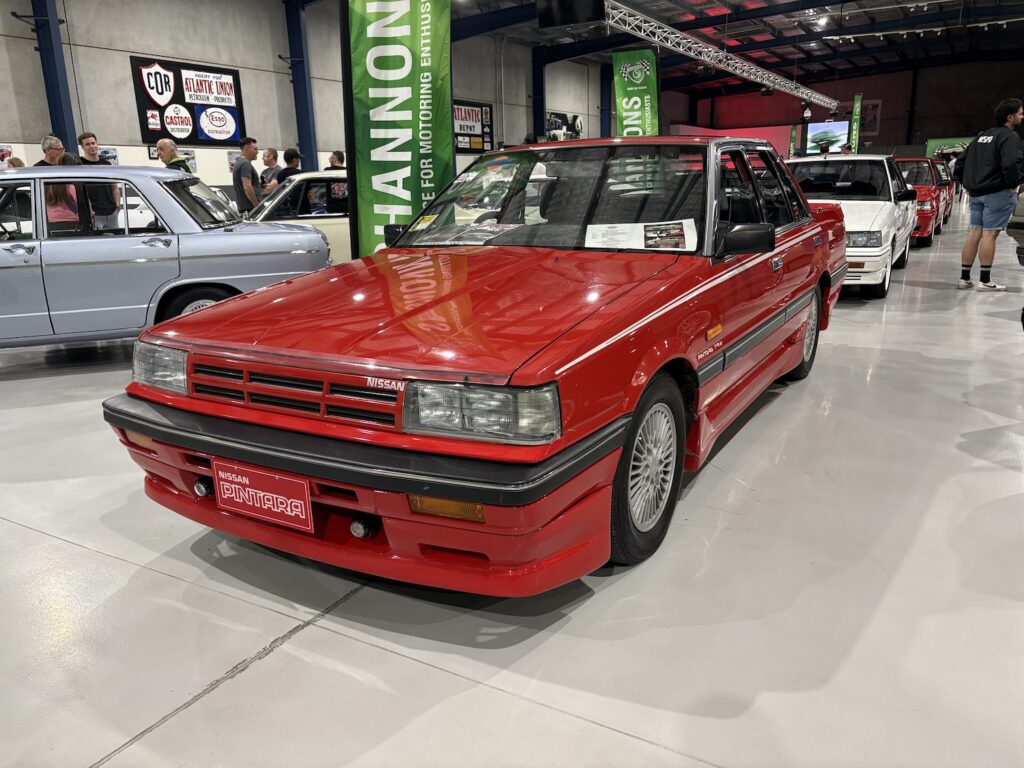
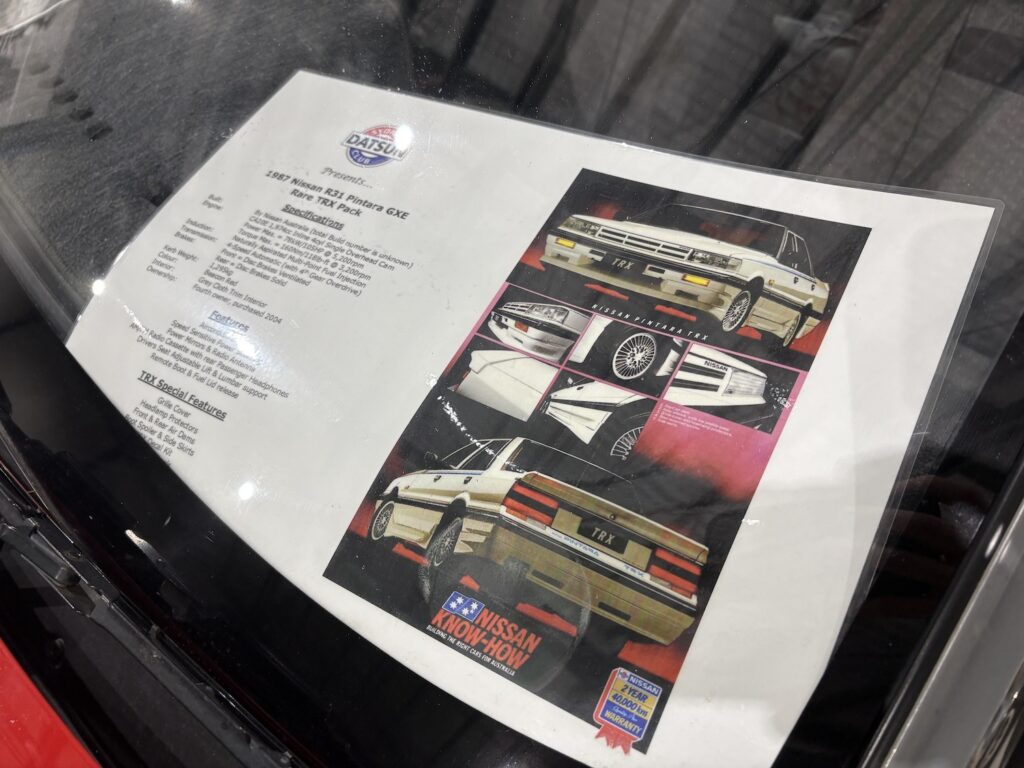
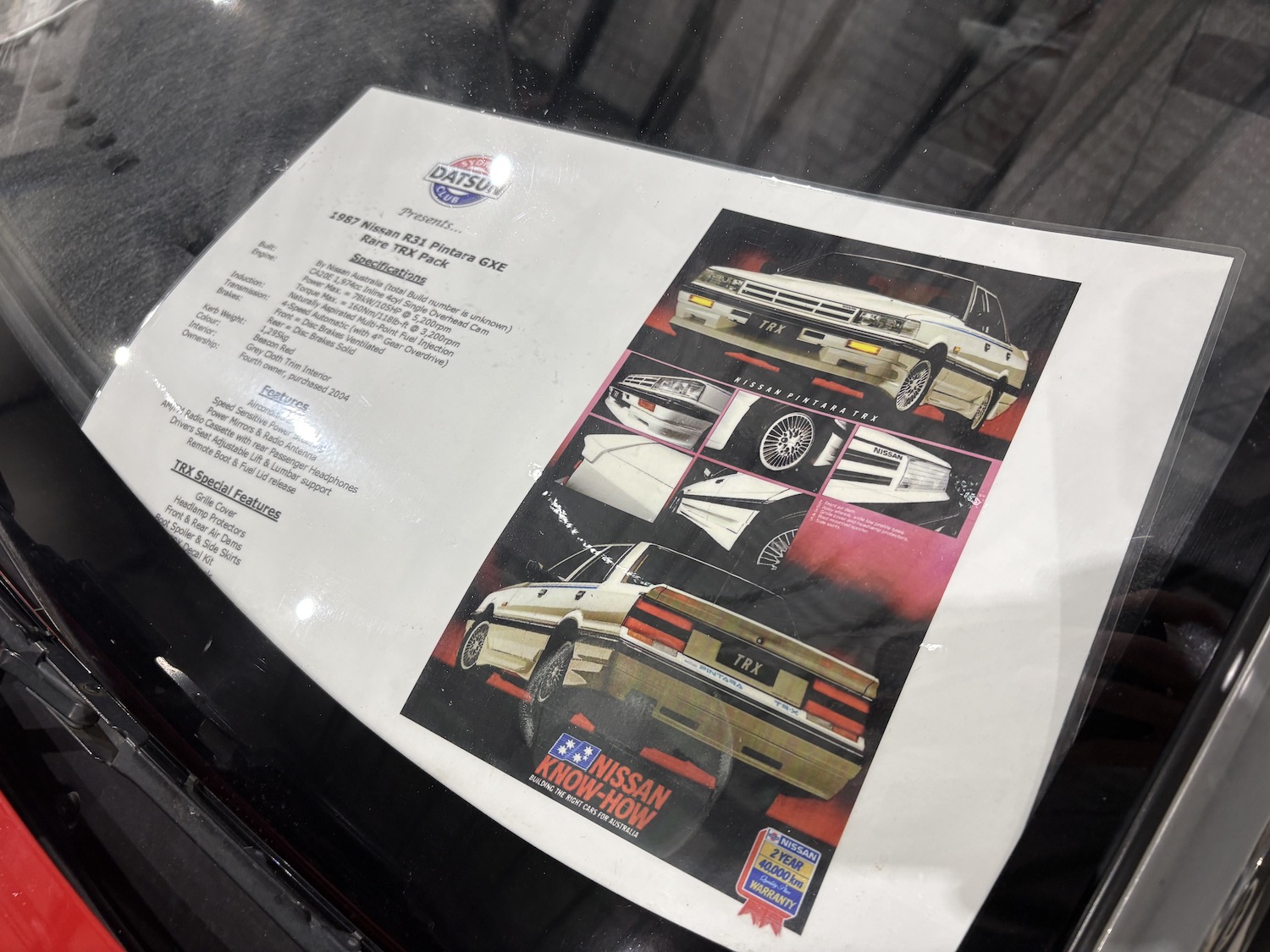
Possibly the rarest car at the event was an R31 Pintara TR-X, a substantial body kit attempting to give the four-cylinder version some sporting credentials that, with just 78kW/160Nm, it had no hope of backing up. Build numbers are unknown, but there may well be only a handful of surviving examples.
The R31’s 40th birthday was the catalyst for the first Legends of Skyline event, but its success has CSA already considering a follow-up, with Nissan Australia also planning a large celebration for its 60th Anniversary at its Mulgrave headquarters on October 24.
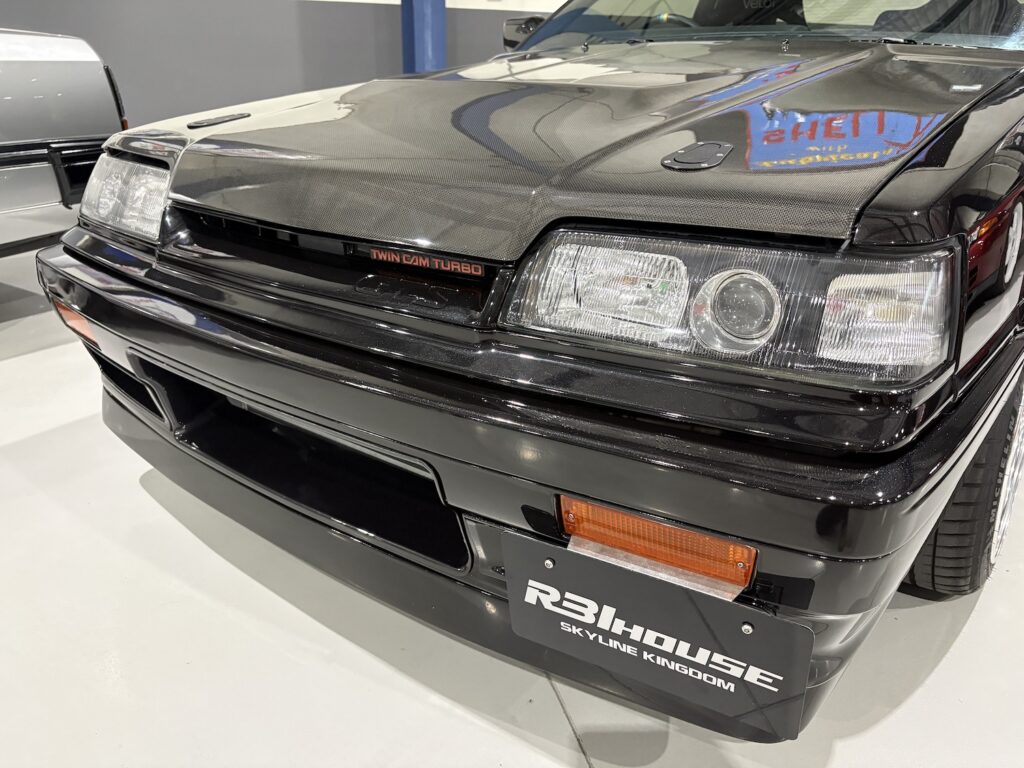
If you’re looking to get in on the R31 action yourself, why not check out this 1987 GTSX model which is open to bidding on RR Auctions until September 16, 2026 at 6:30pm AEST.