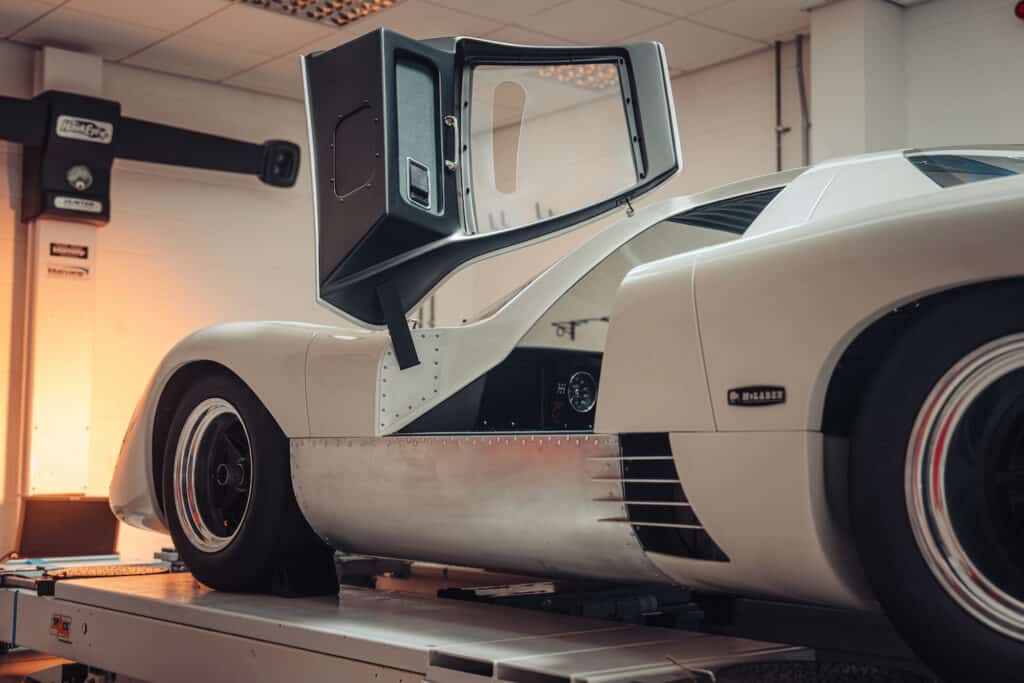
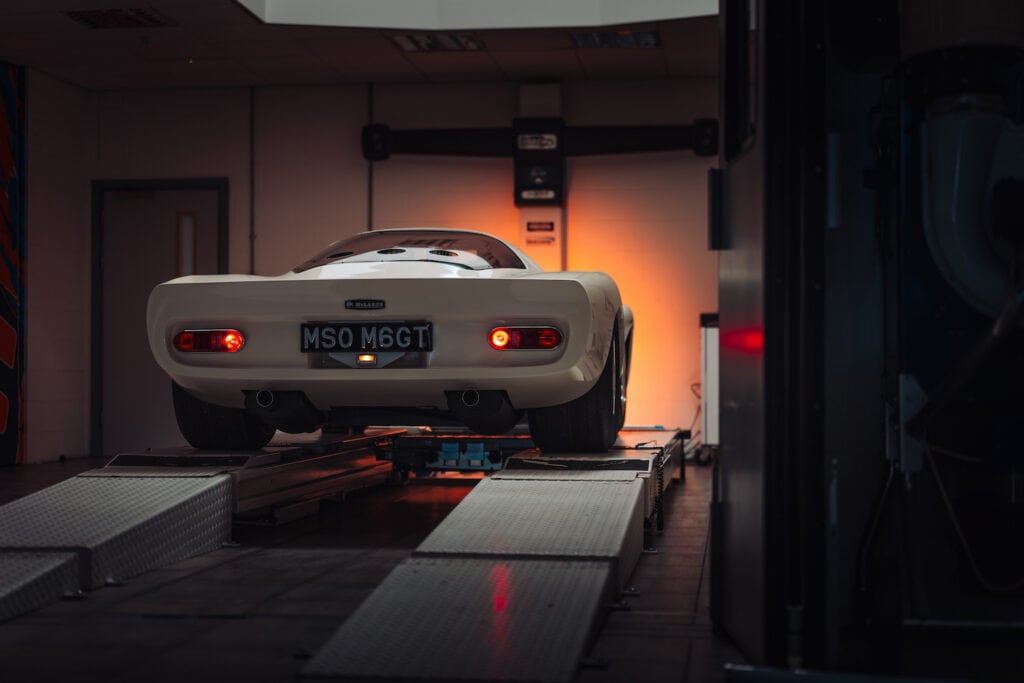
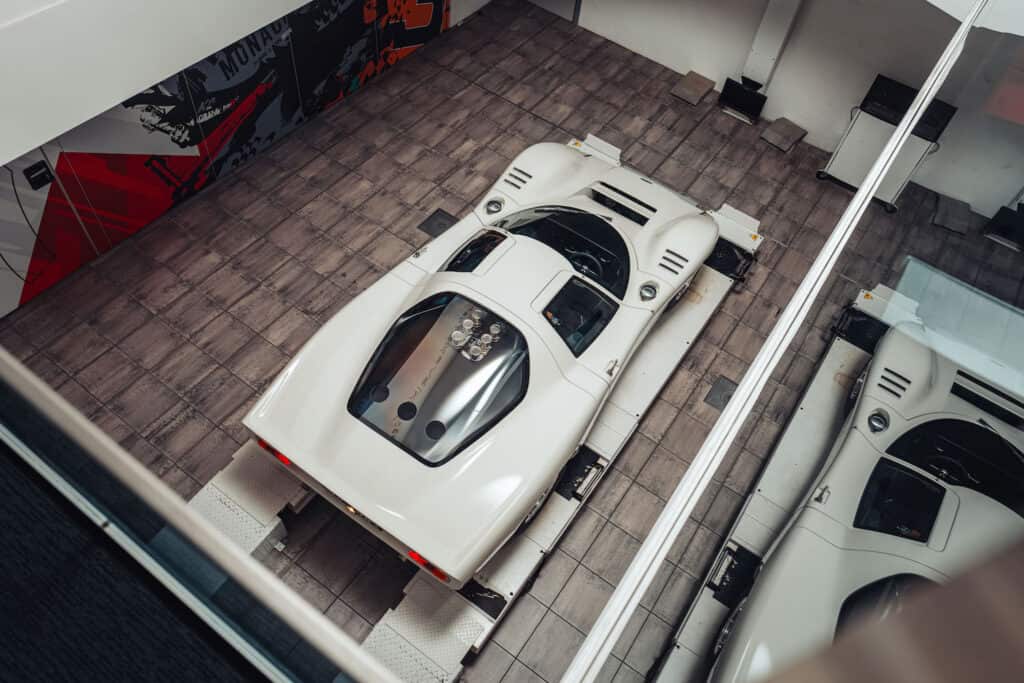
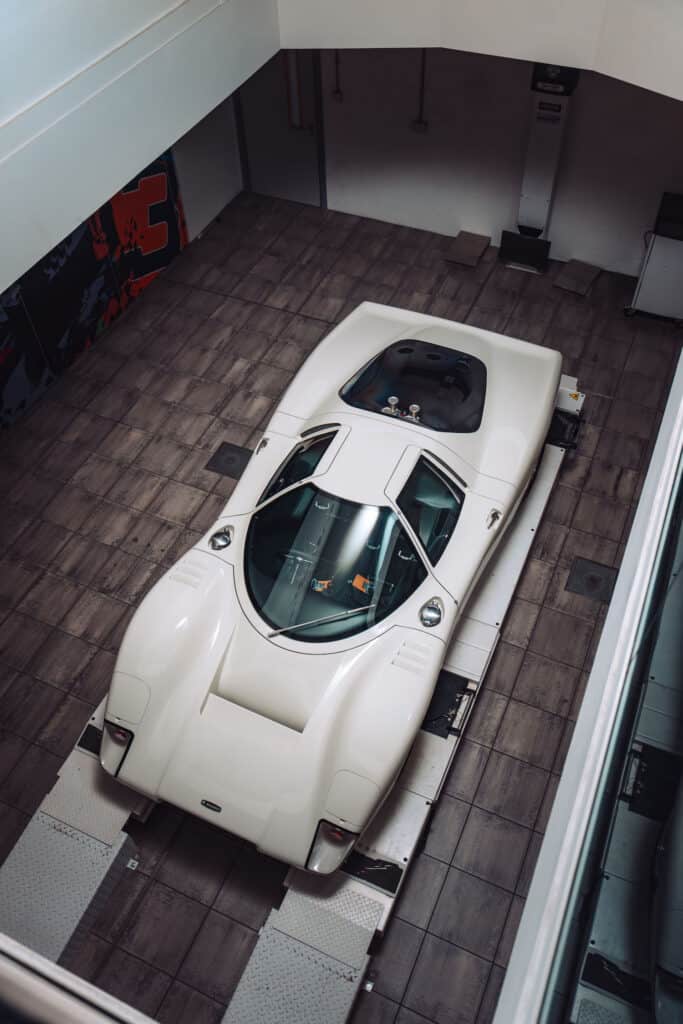






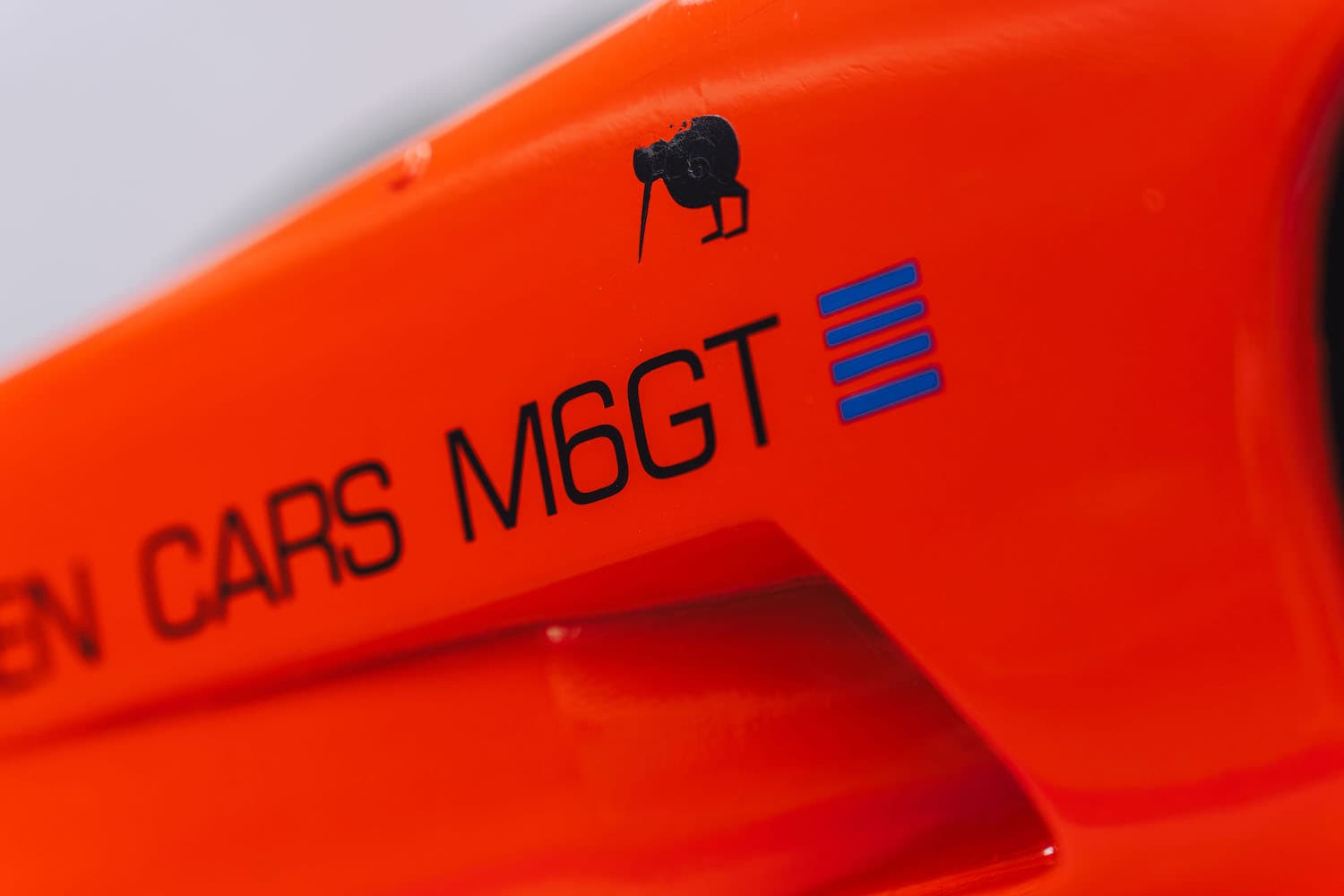
Back in the late 1960s, Kiwi racing driver Bruce McLaren, founder of McLaren Racing, had the lofty goal of creating the ultimate road car. A highly tuned engine, butterfly doors, and an aerodynamic shape were all on firmly on his wishlist.
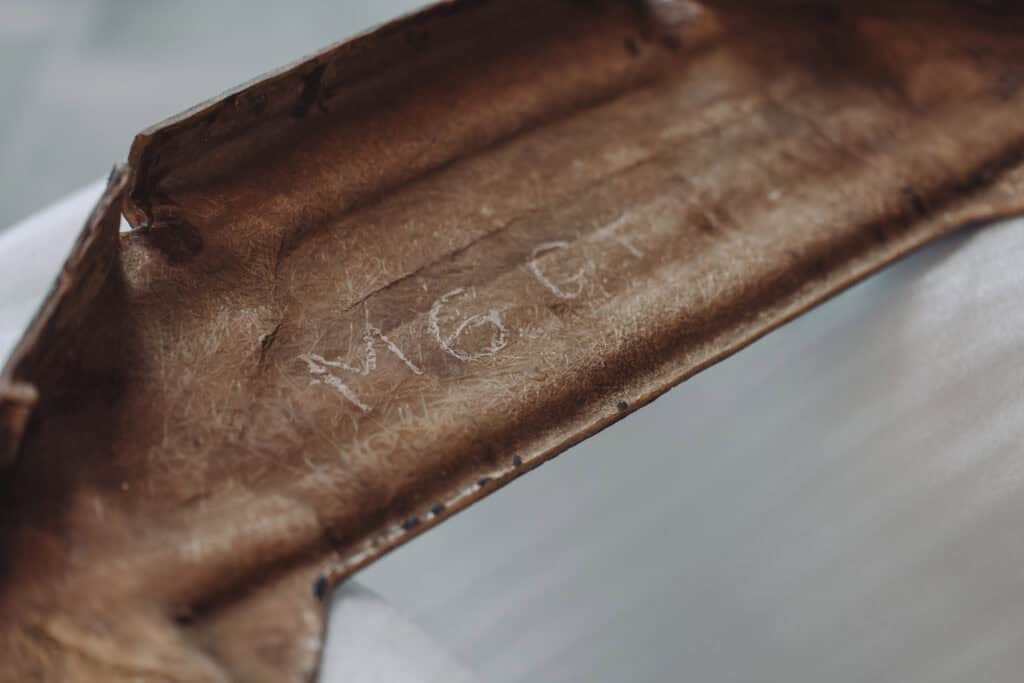
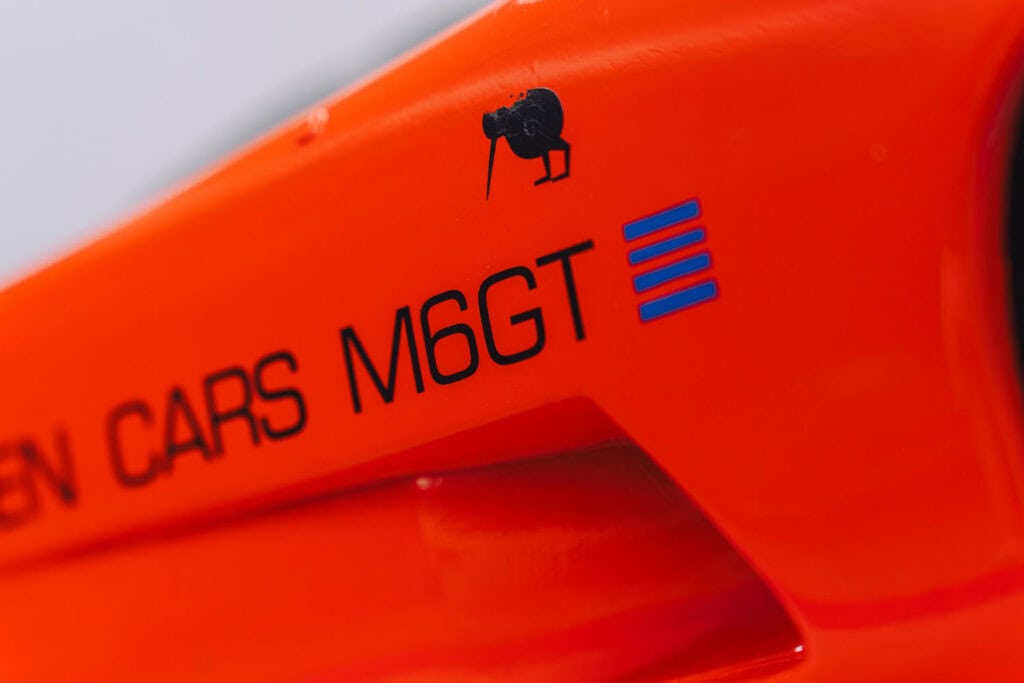
Although an early prototype was made – based on the M6A racing car and dubbed the M6GT – which McLaren even used as his own personal transport to attend meetings and racing events, the project never came to fruition.
After his untimely death while testing the M8D racer at Goodwood Circuit in 1970, aged just 32, it looked like those plans would be on ice permanently. It wasn’t until 25 years later that such a vehicle would eventually be realised, the iconic McLaren F1 which featured all three features on Bruce’s wishlist.
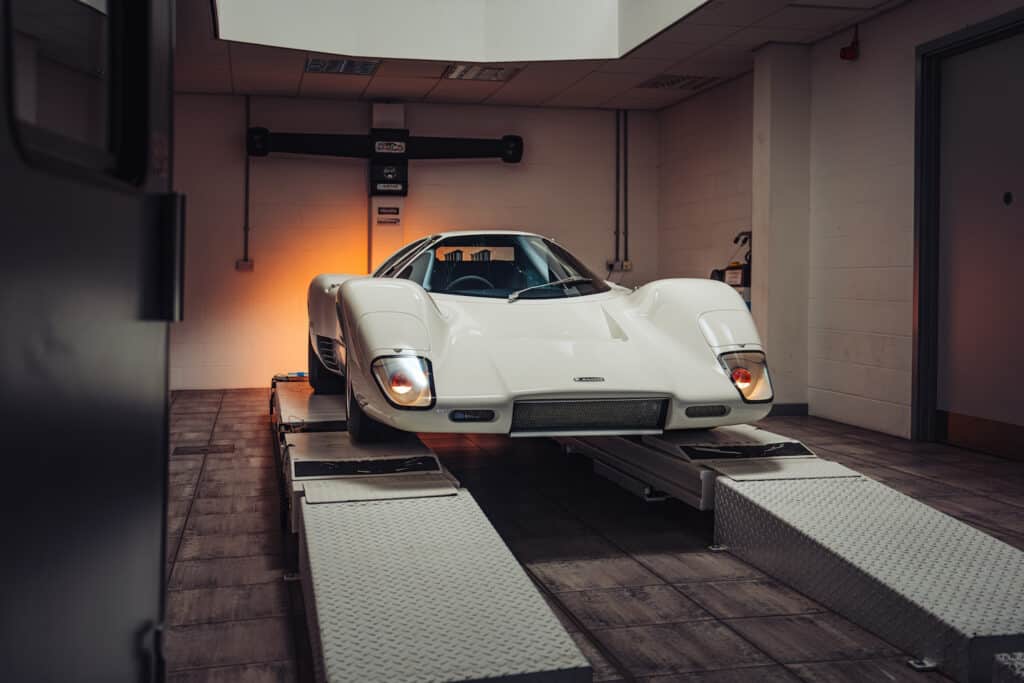
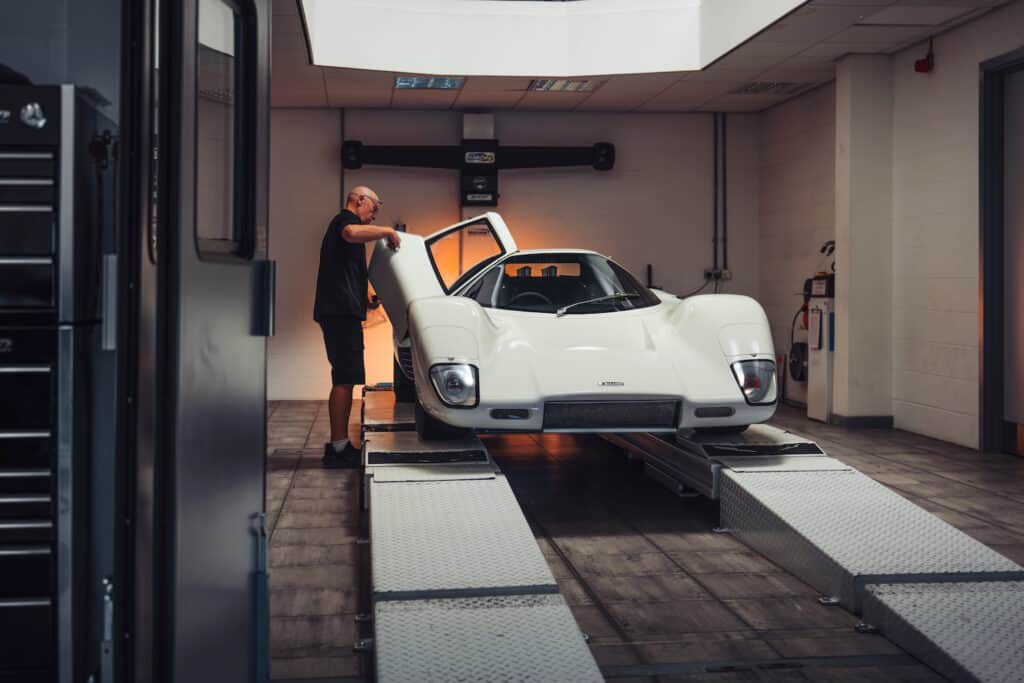
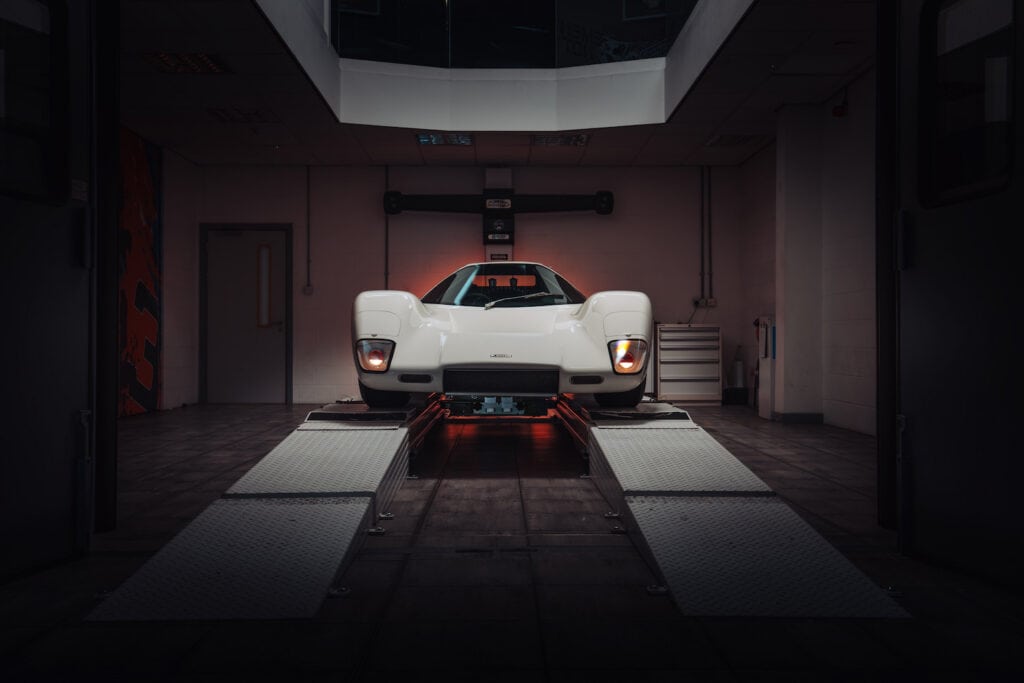
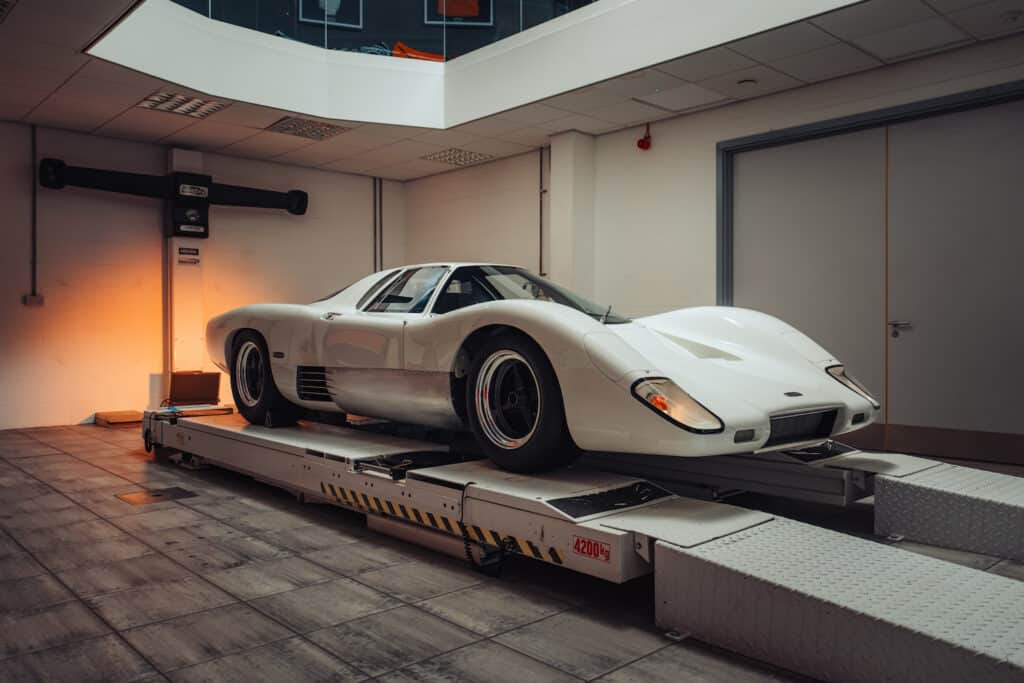
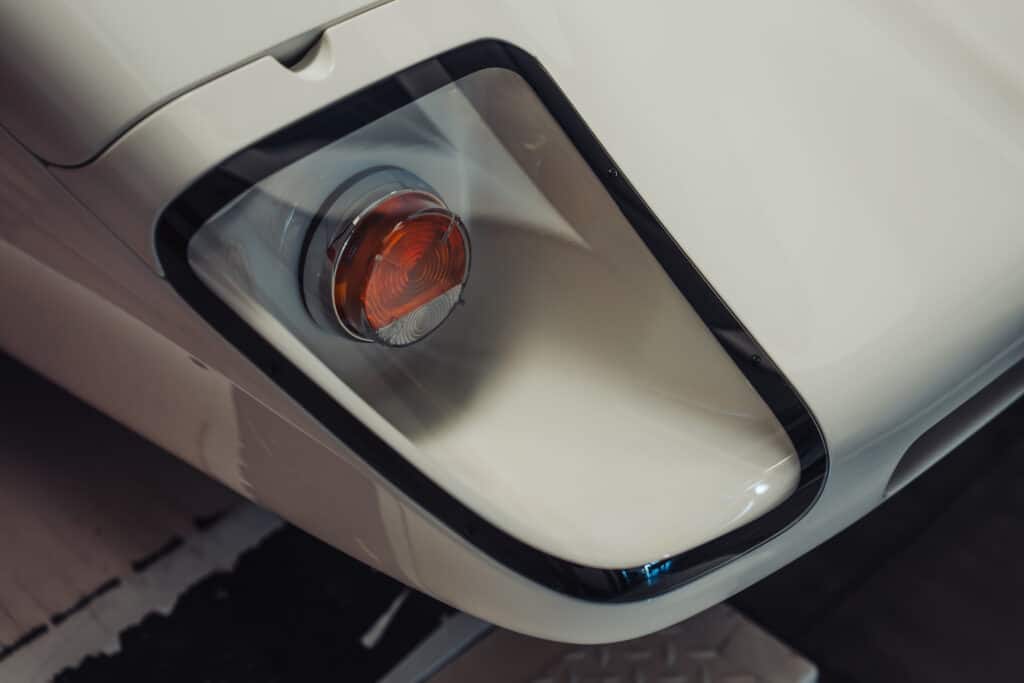
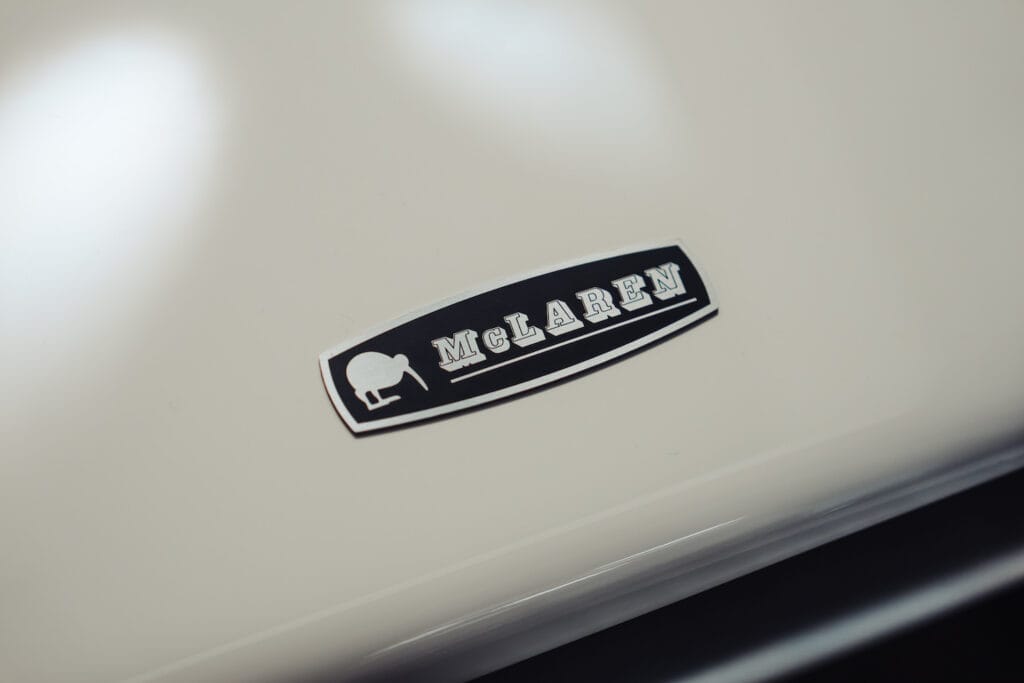
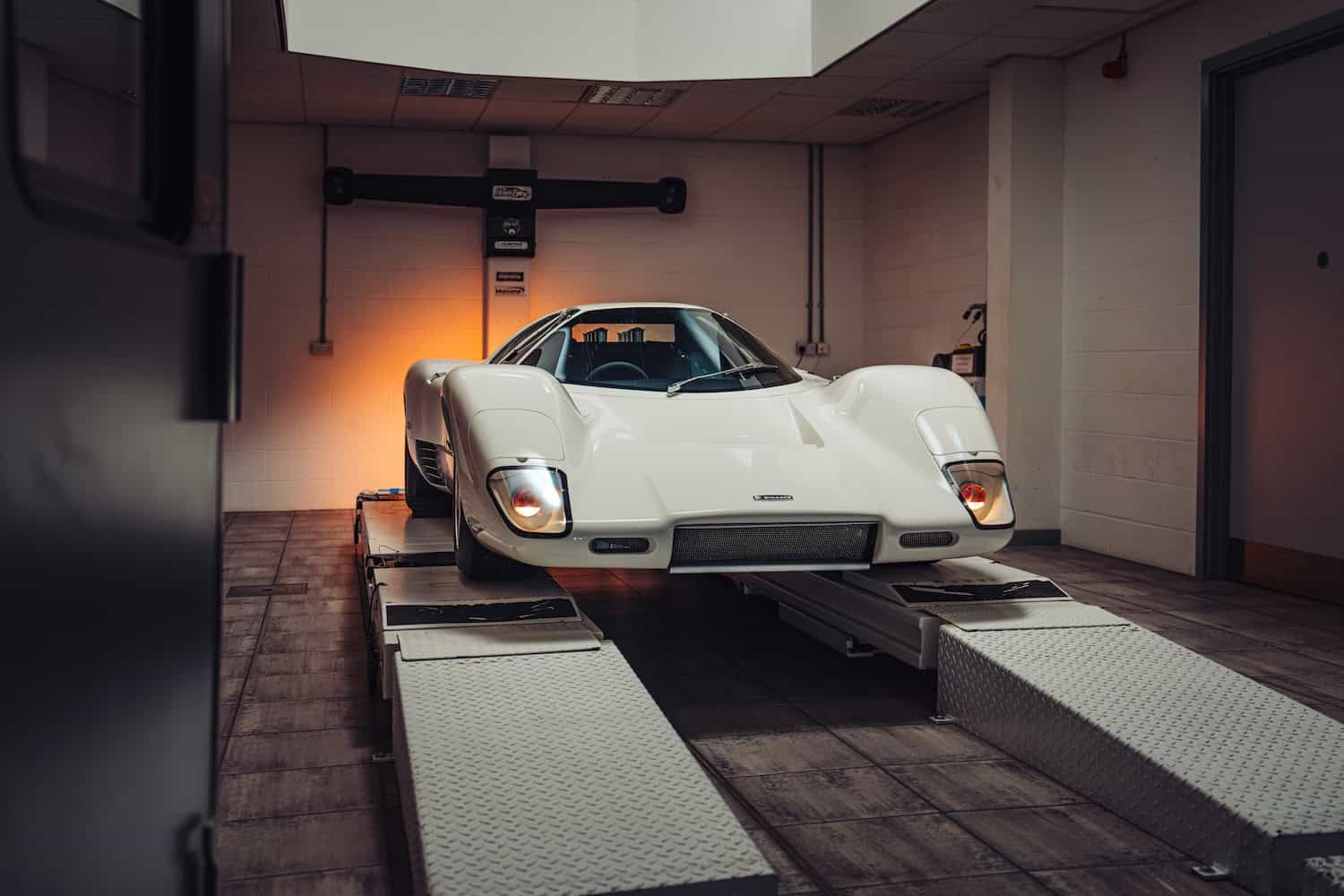
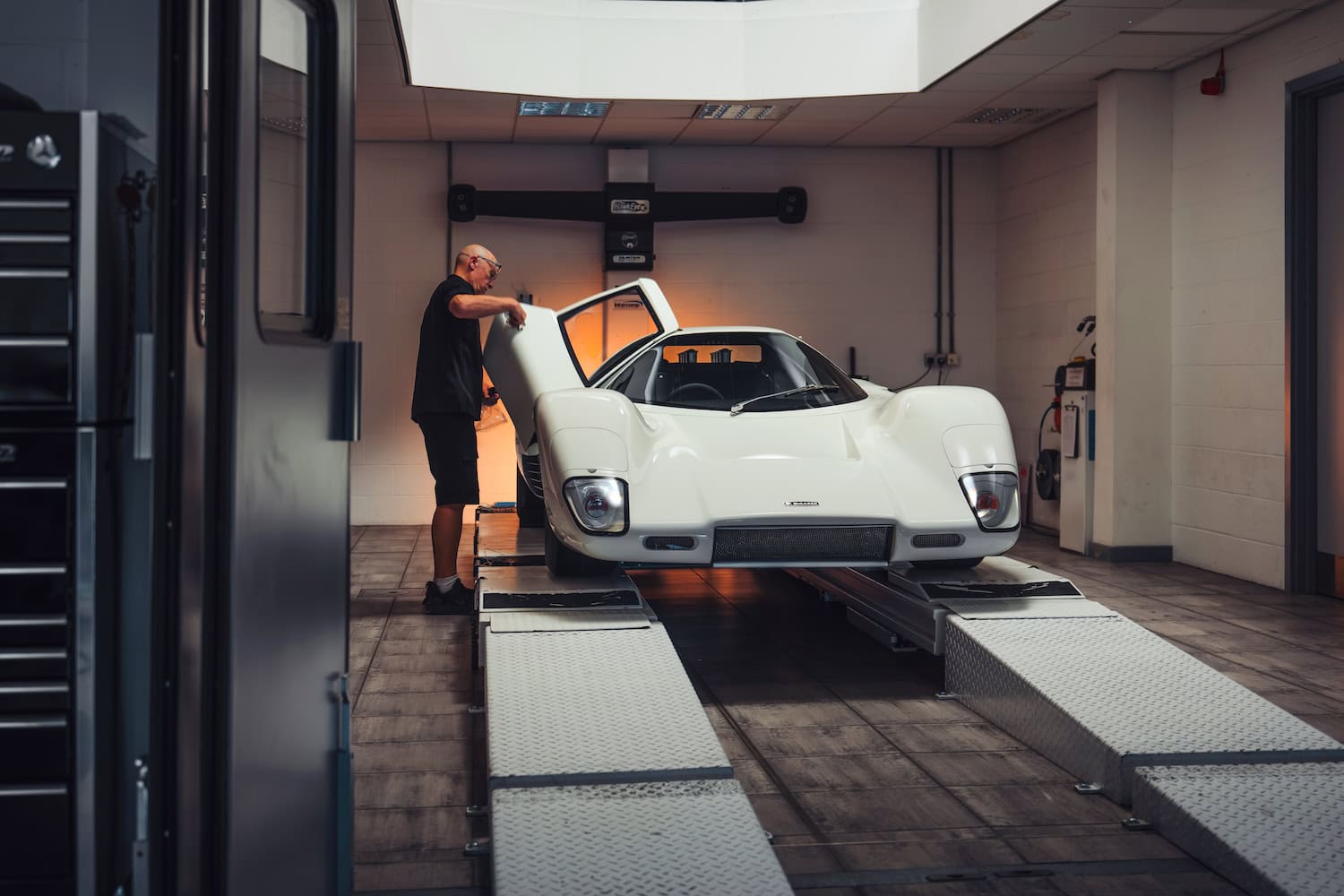
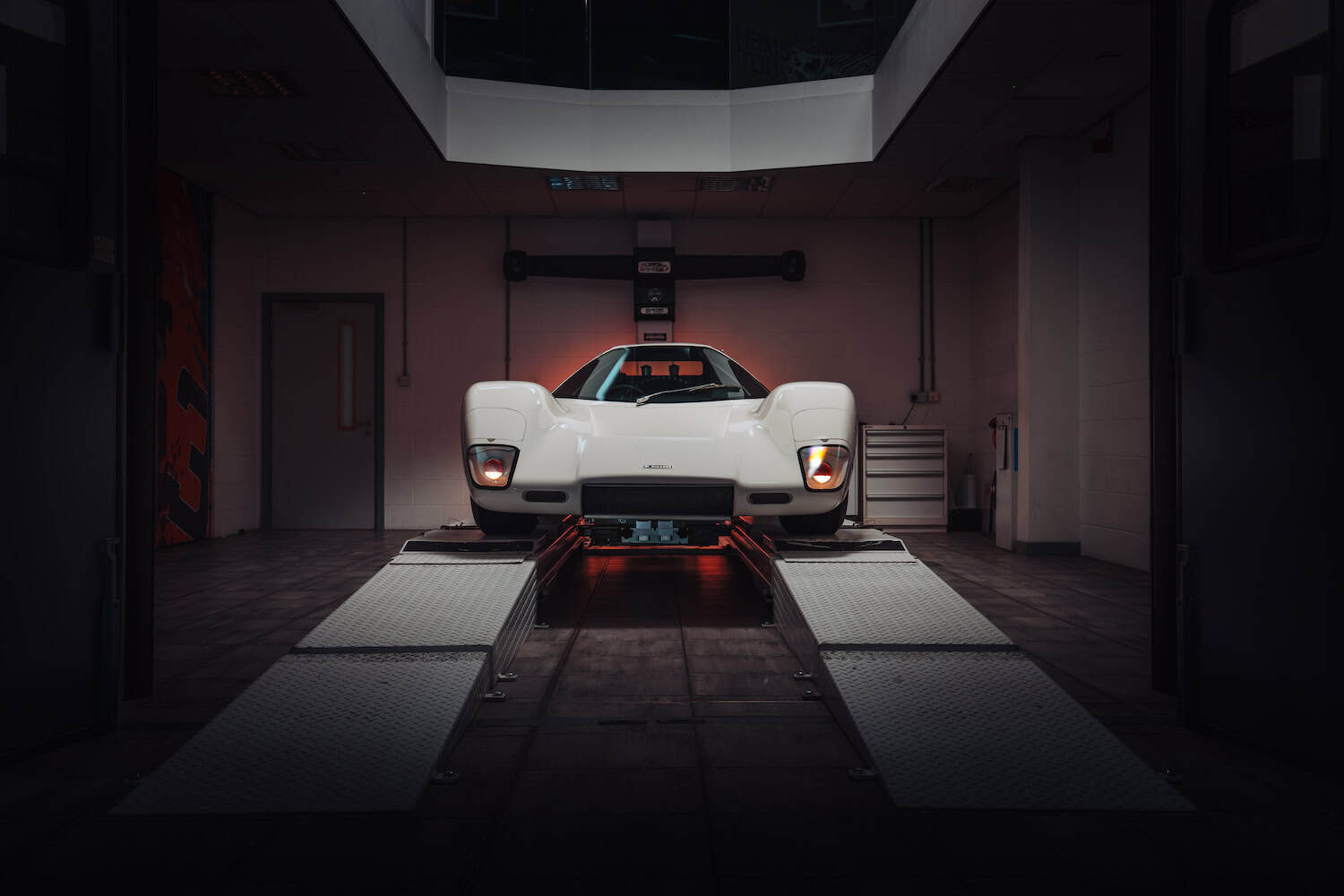
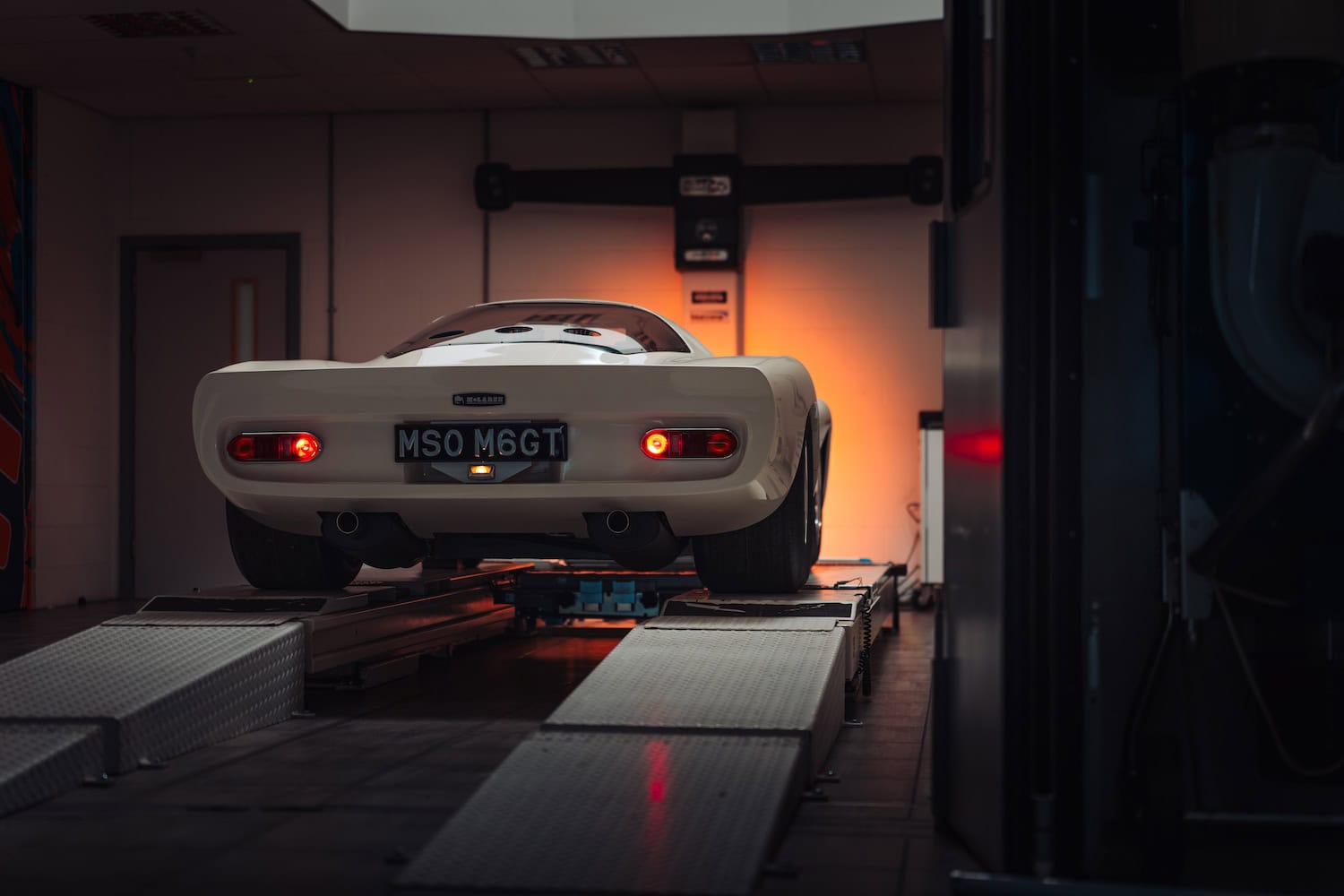
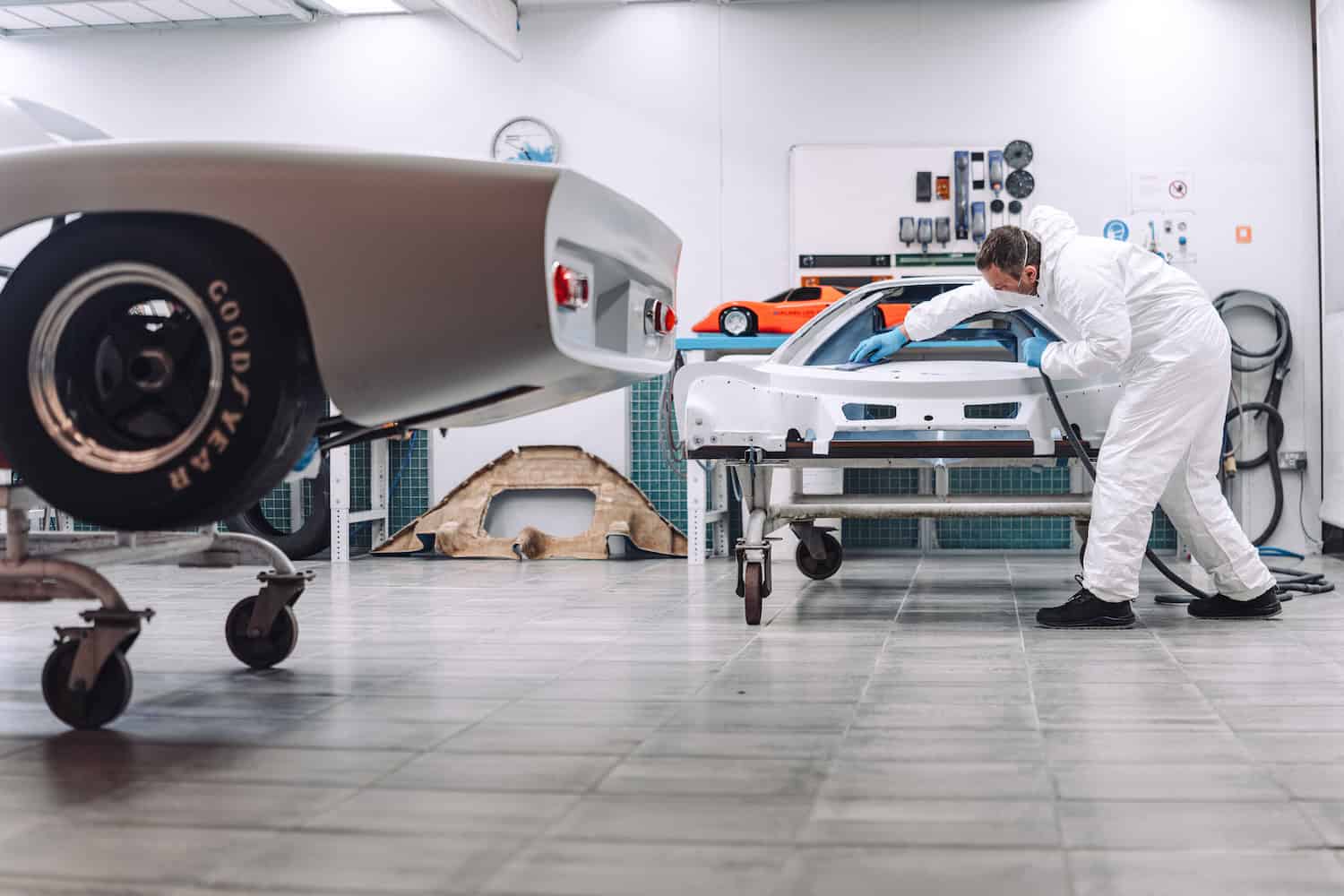
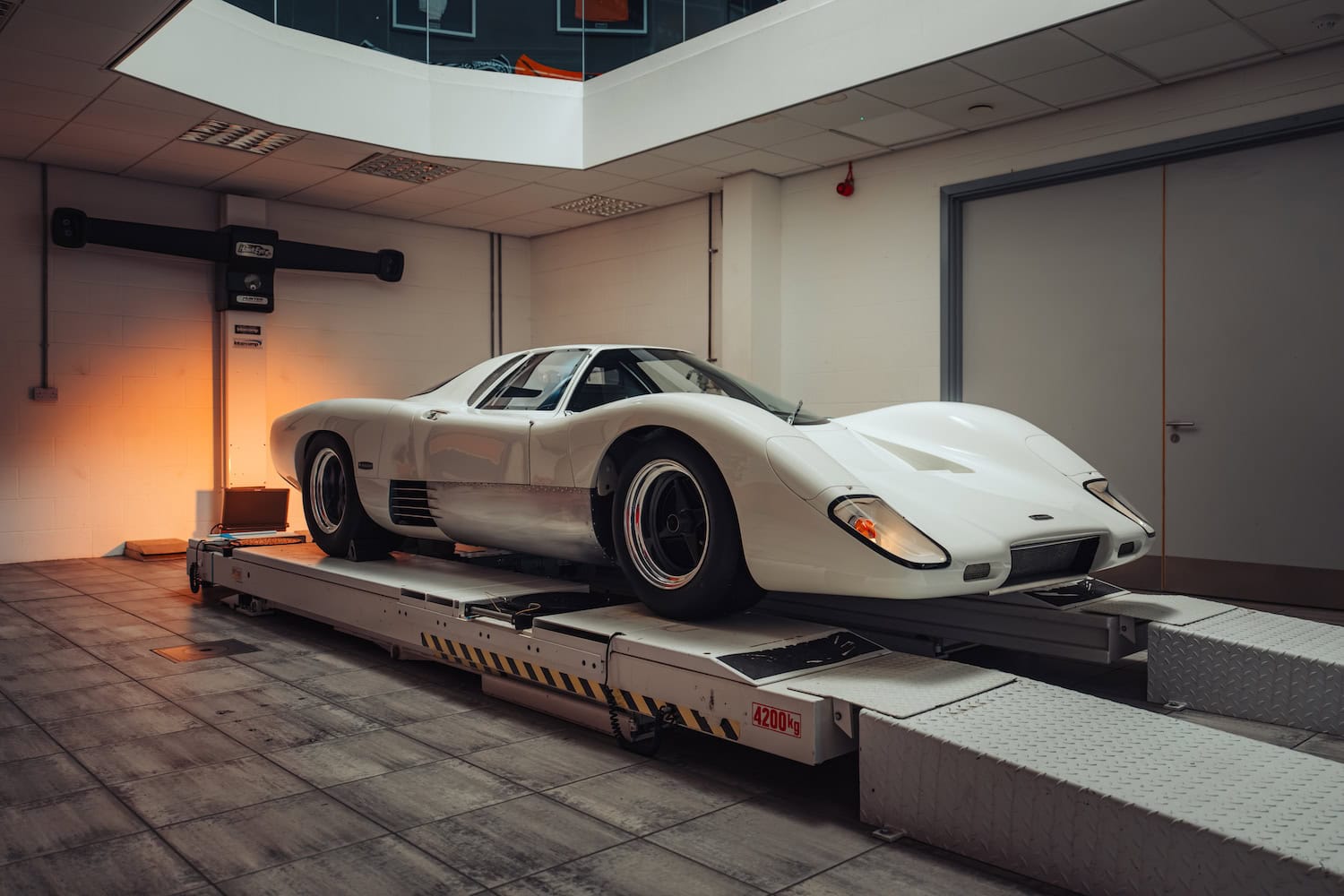
However, the McLaren Special Operations (MSO) division has finally brought Bruce McLaren’s original dream to life, with the company building an authentic, all-new M6GT just the way it was always meant to be.
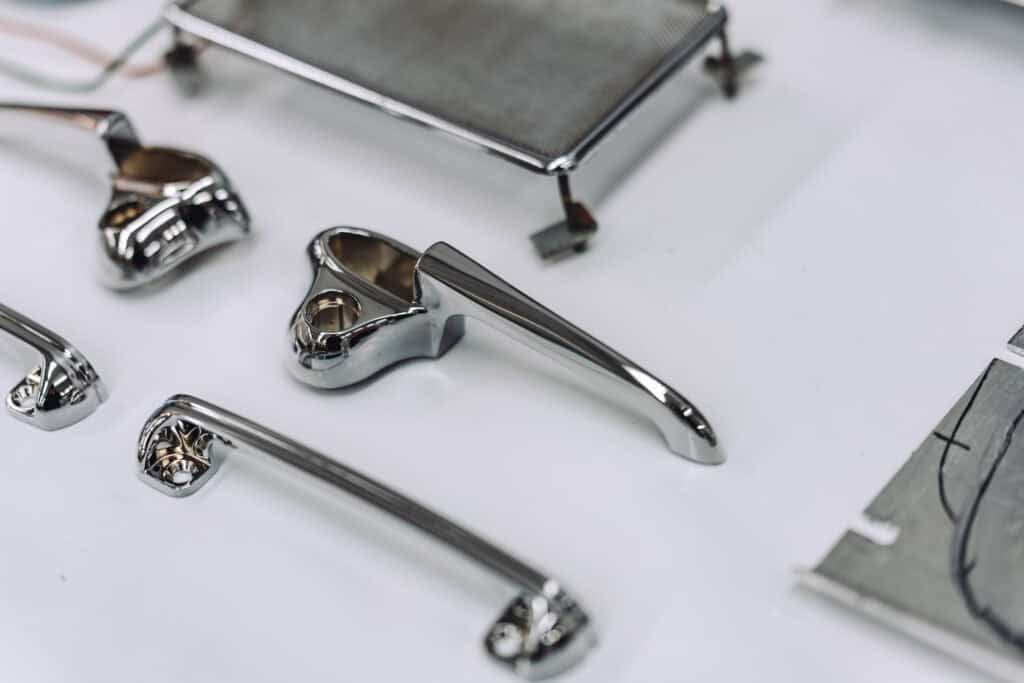
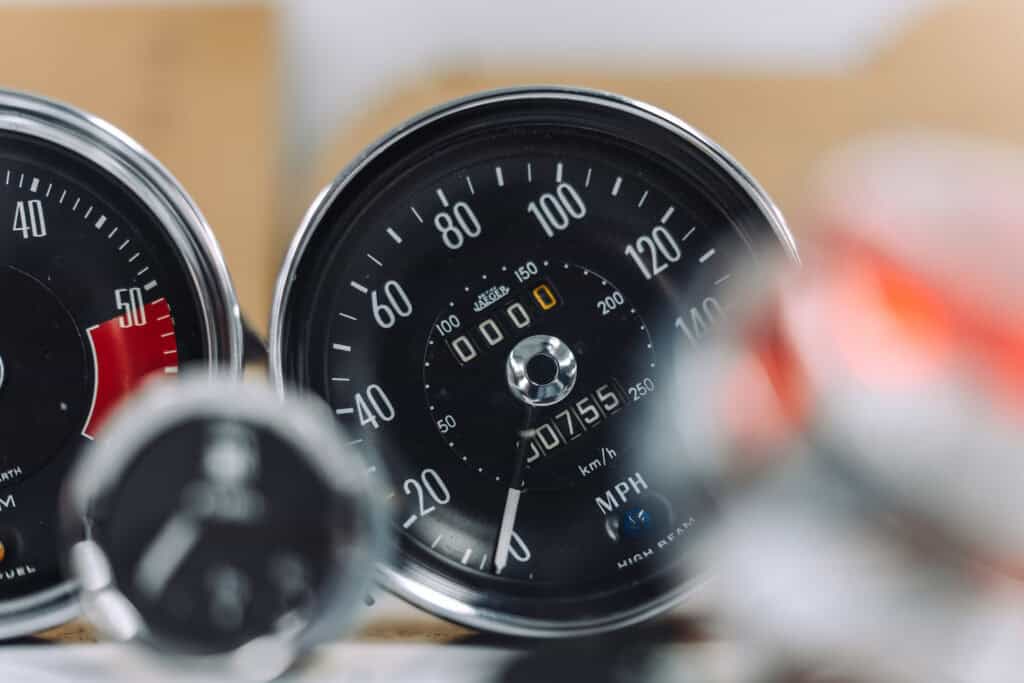
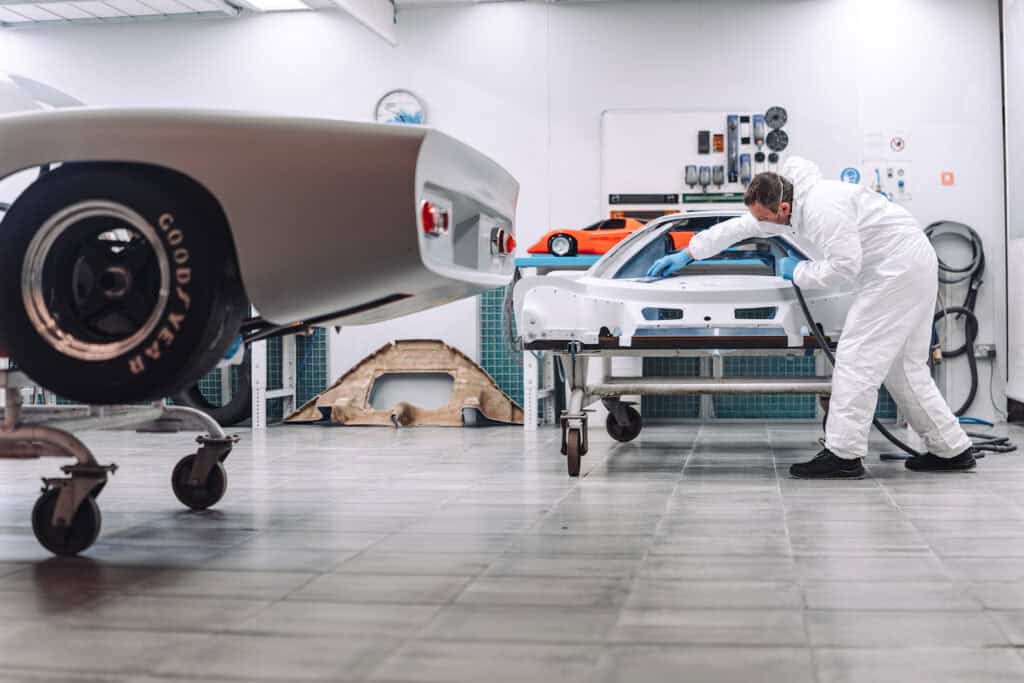
Set to debut almost ironically at the 2026 Goodwood Festival of Speed, the car was constructed from the ground up by MSO, combining restored components and freshly engineered one-offs to remain faithful to Bruce’s intent.
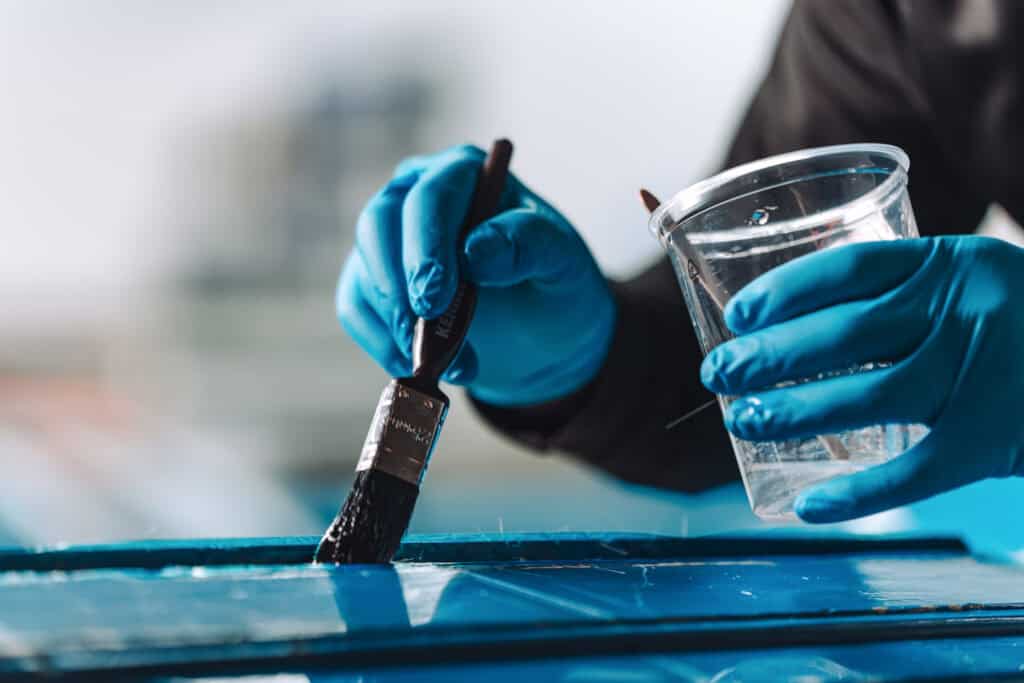
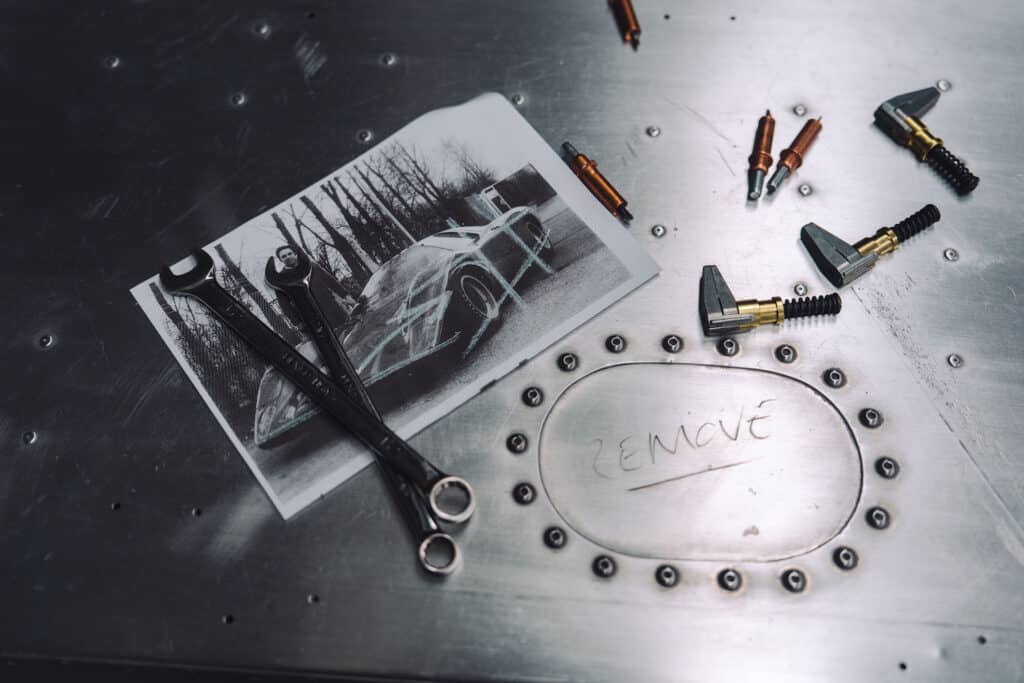
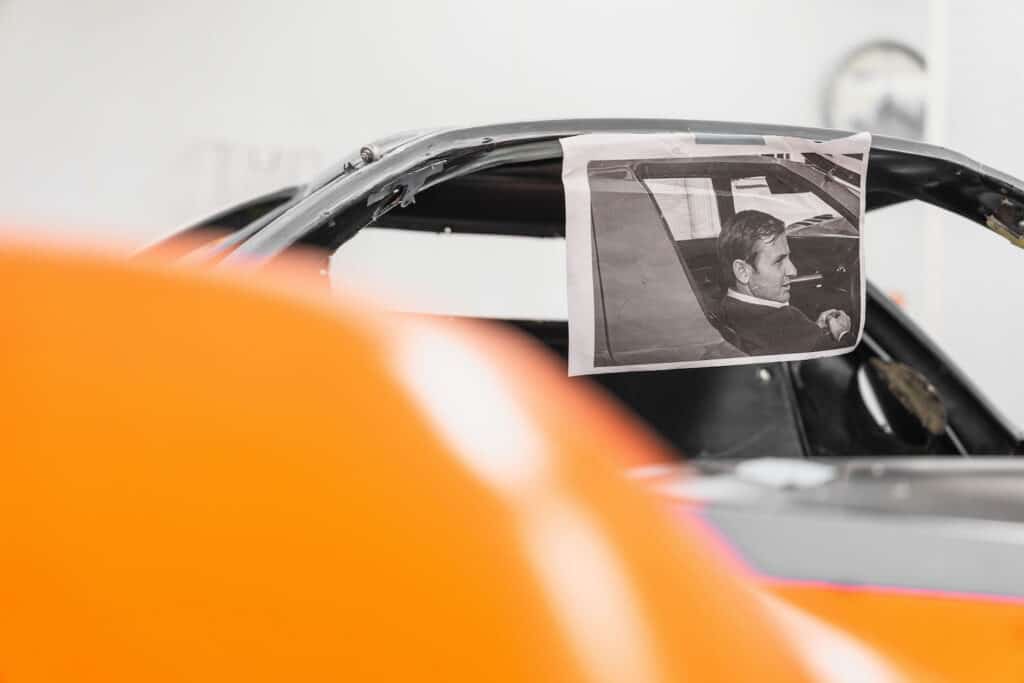
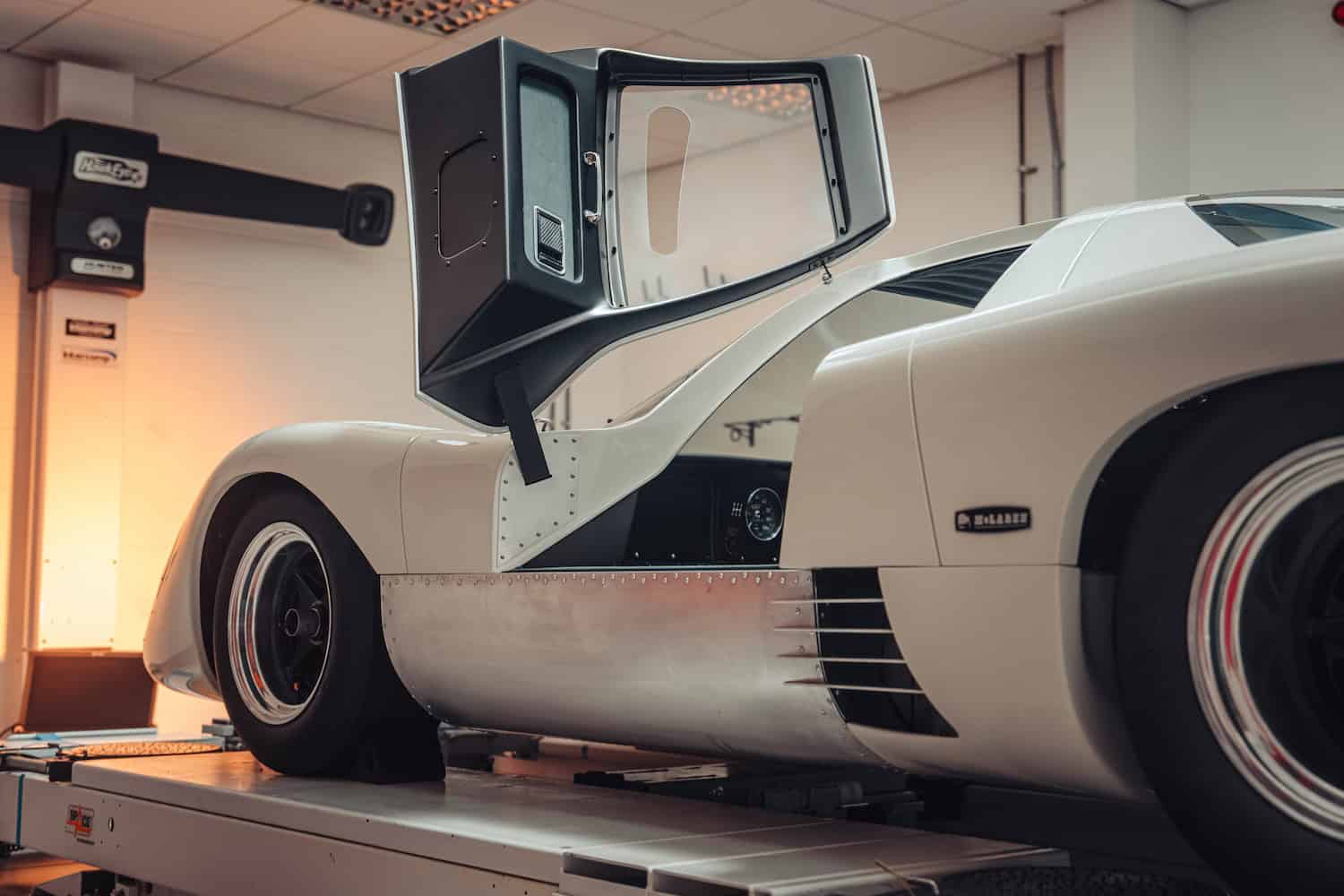
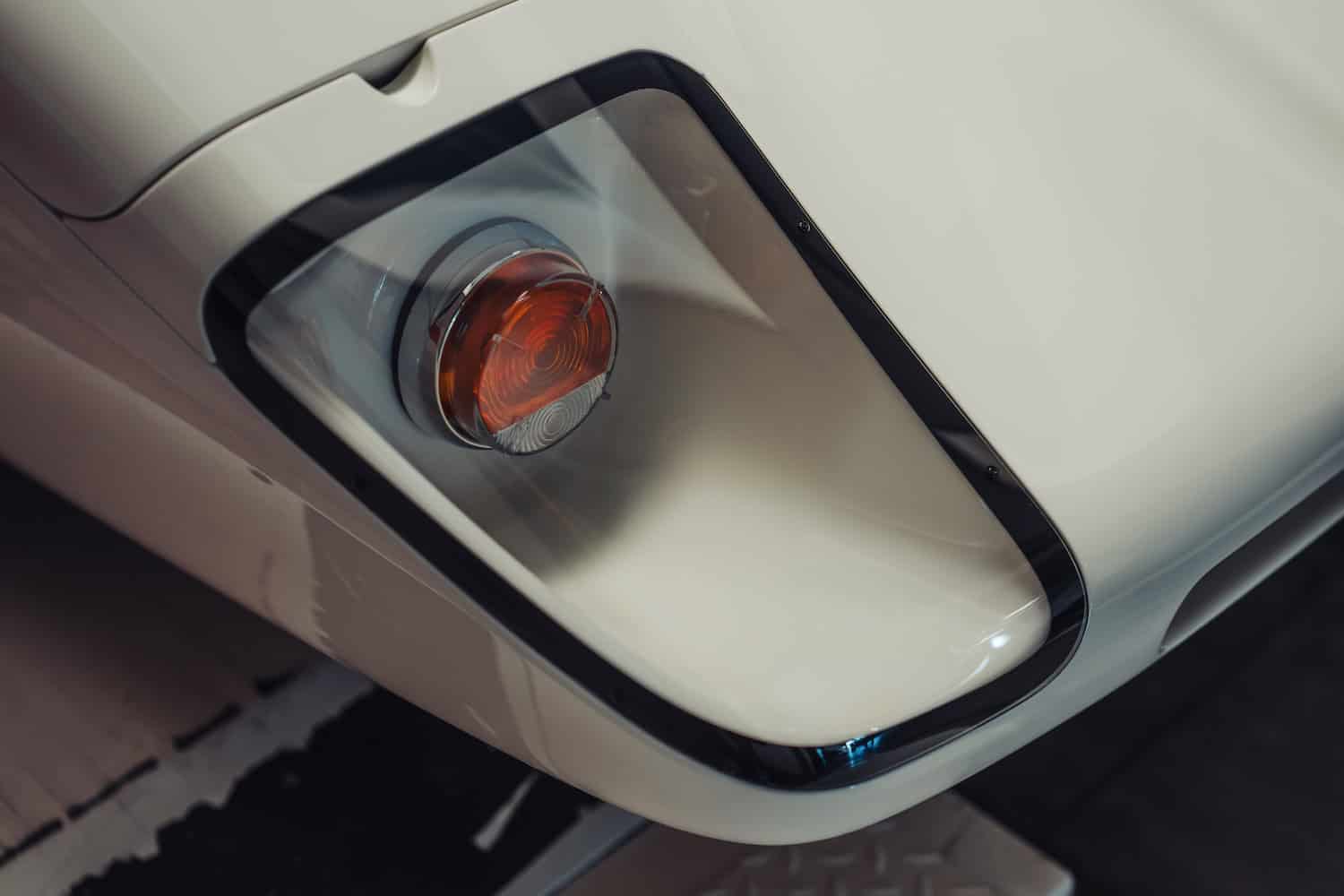
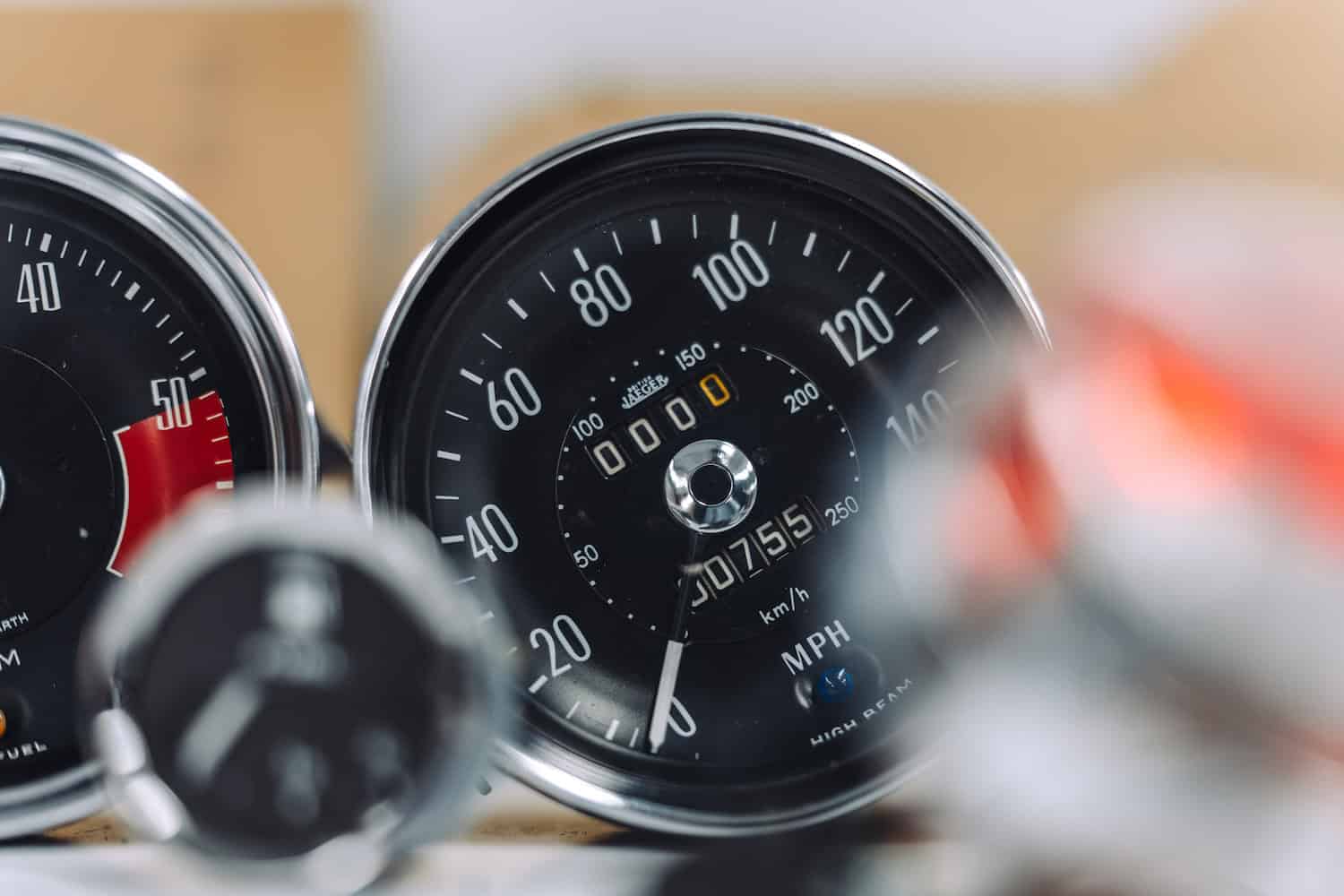
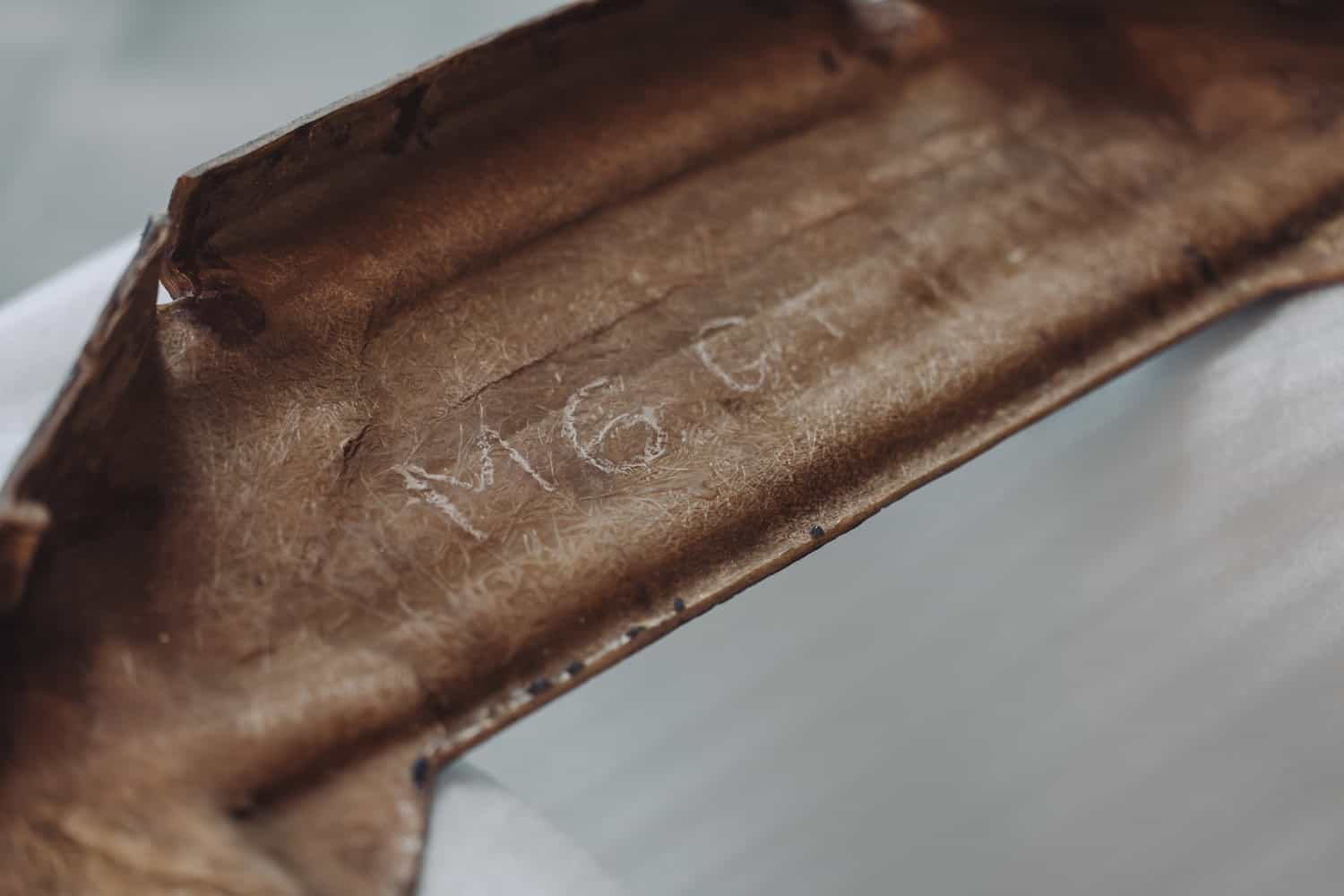
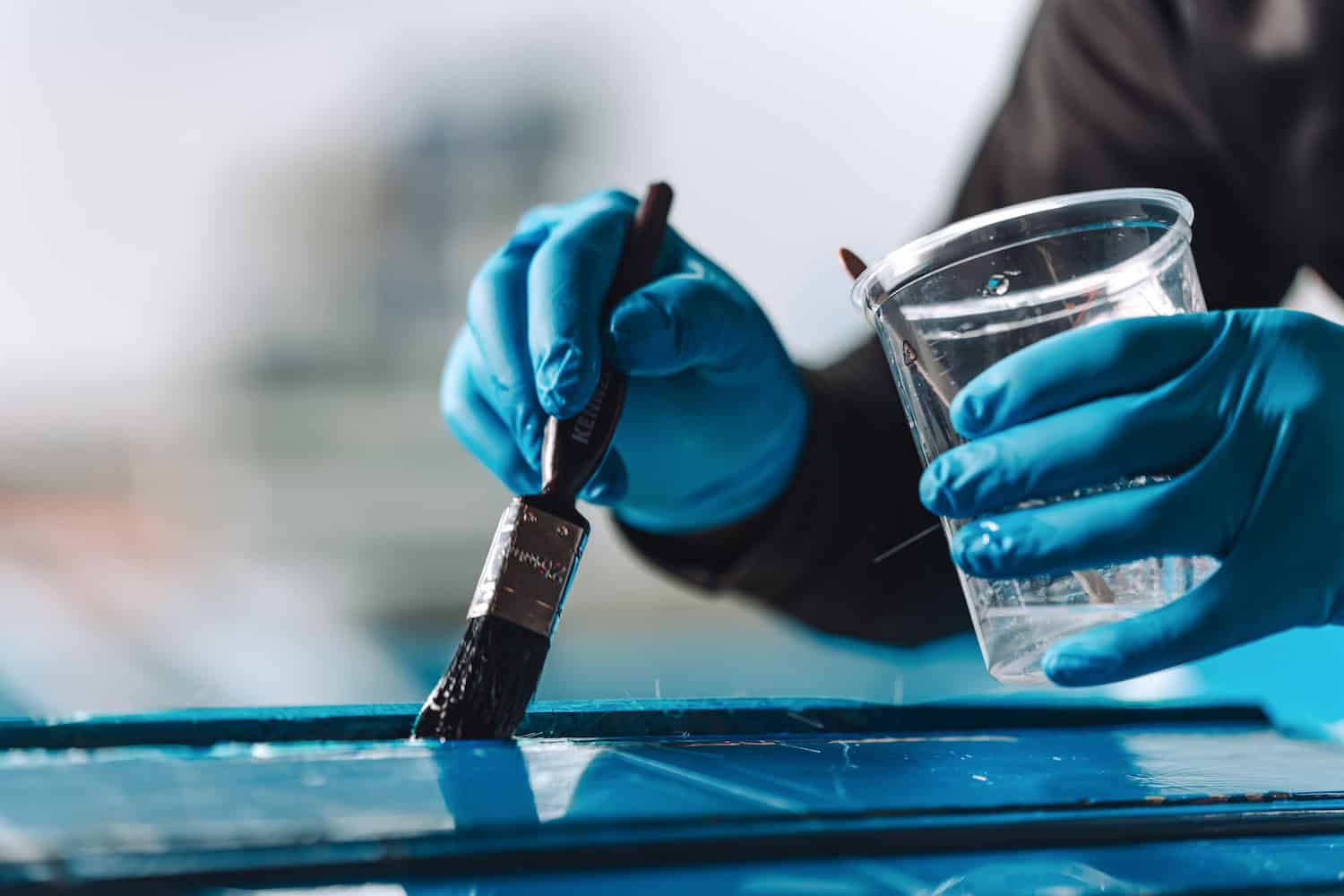
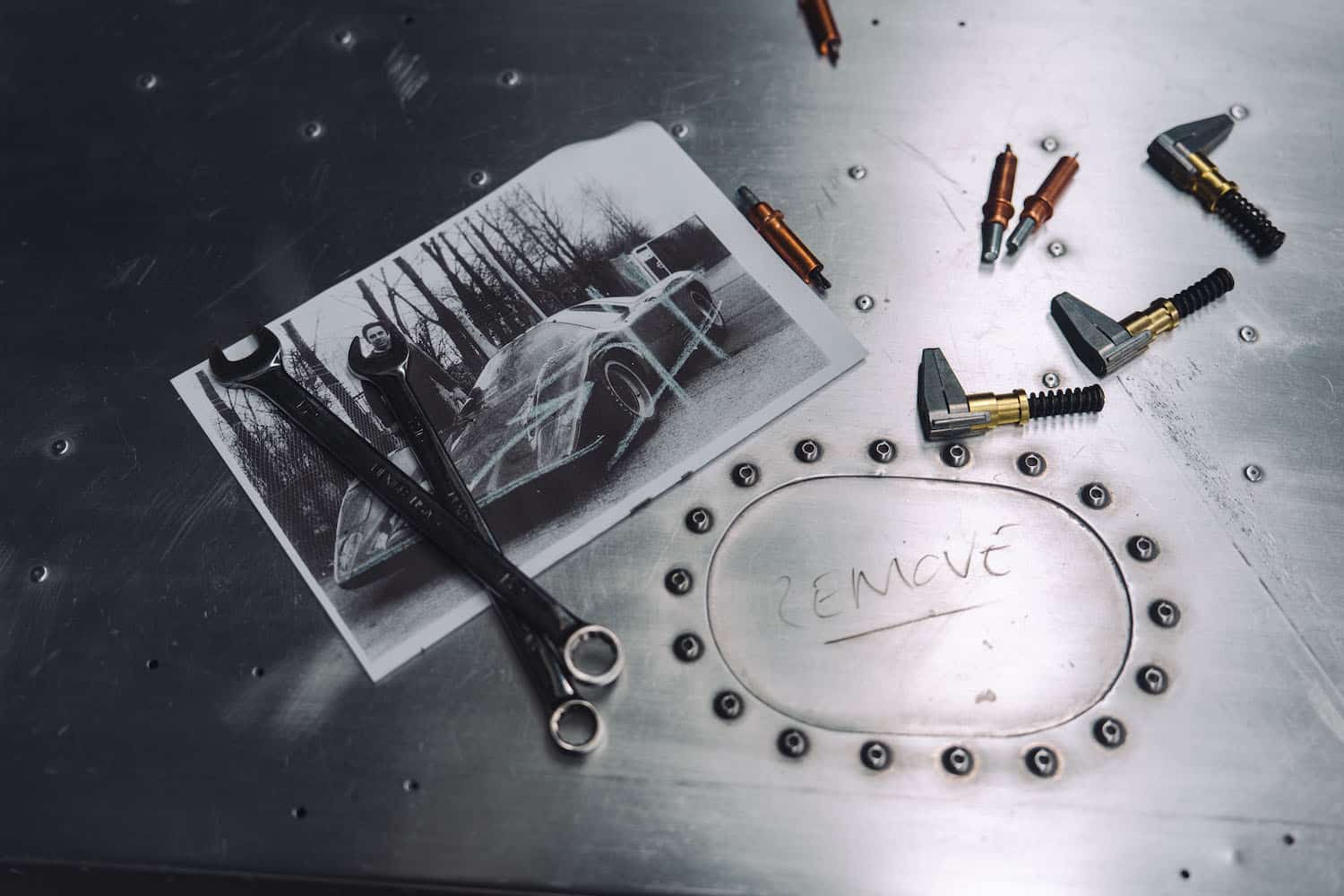
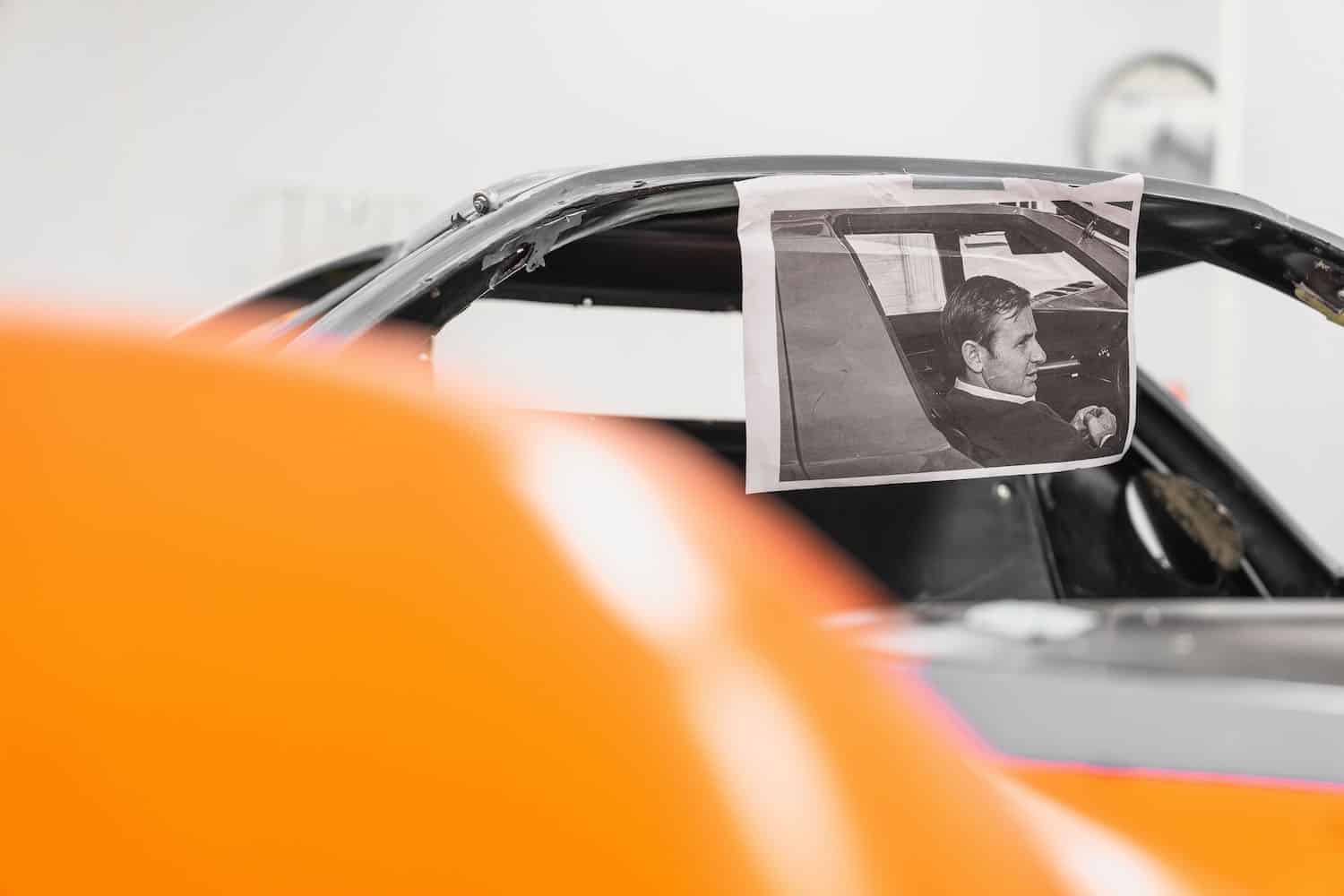
Produced using original body moulds and authentic reference materials held in McLaren’s archives, even the paint and finishes were revised based off original materials and archival photographs to ensure authenticity.
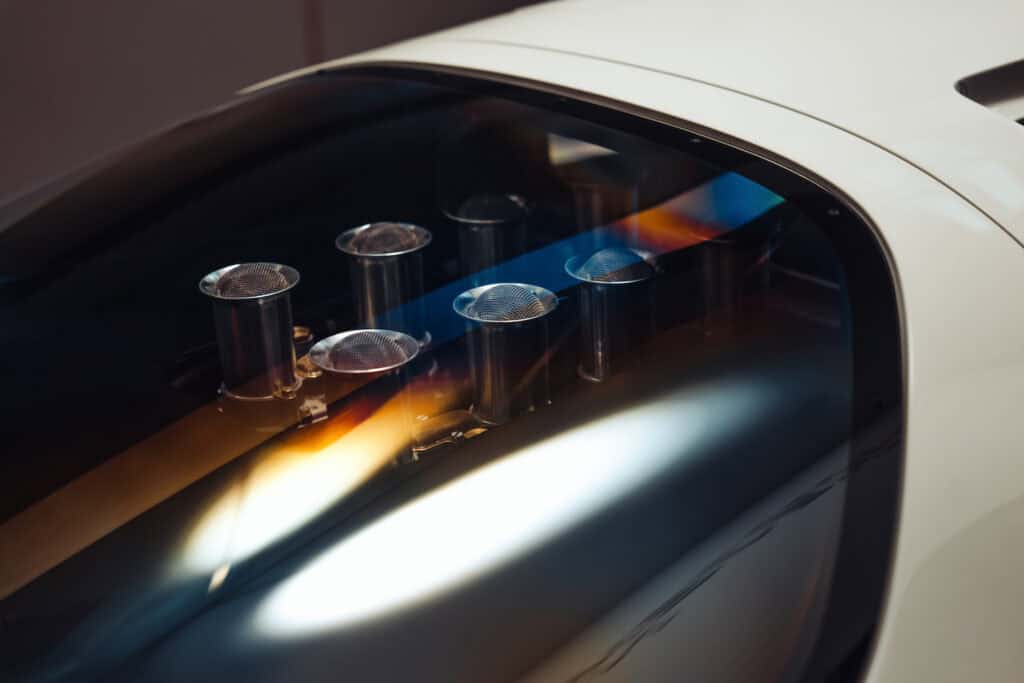
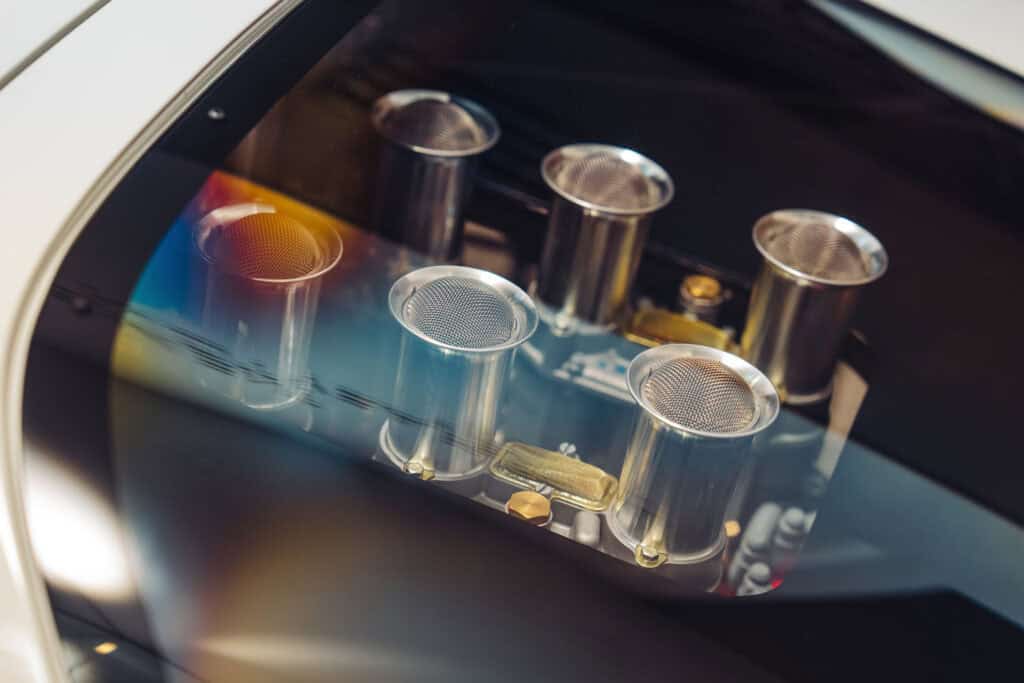
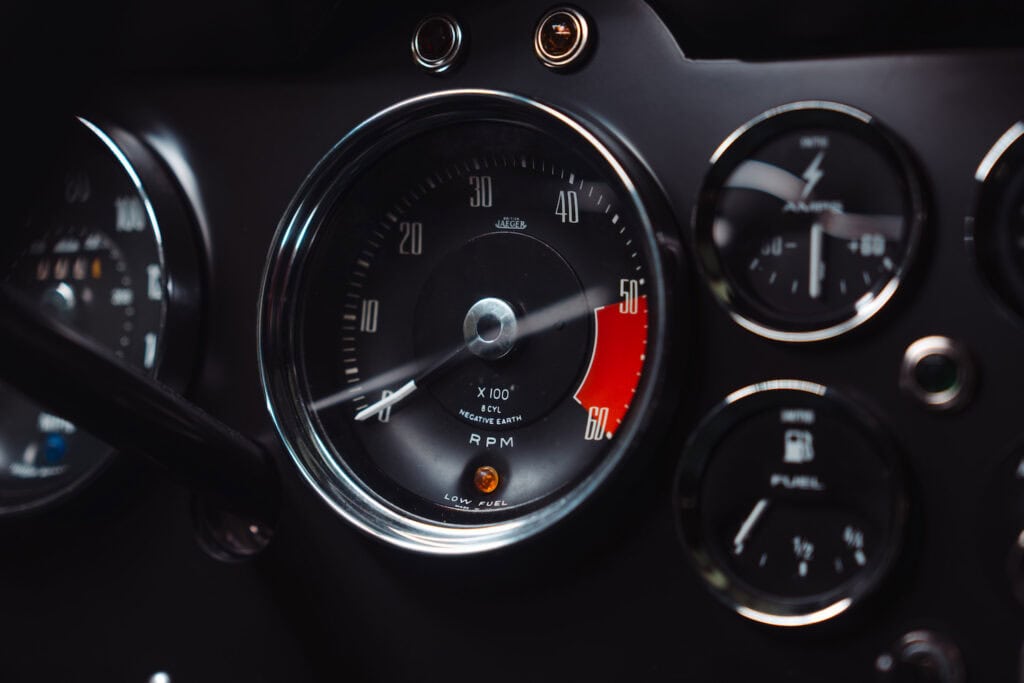
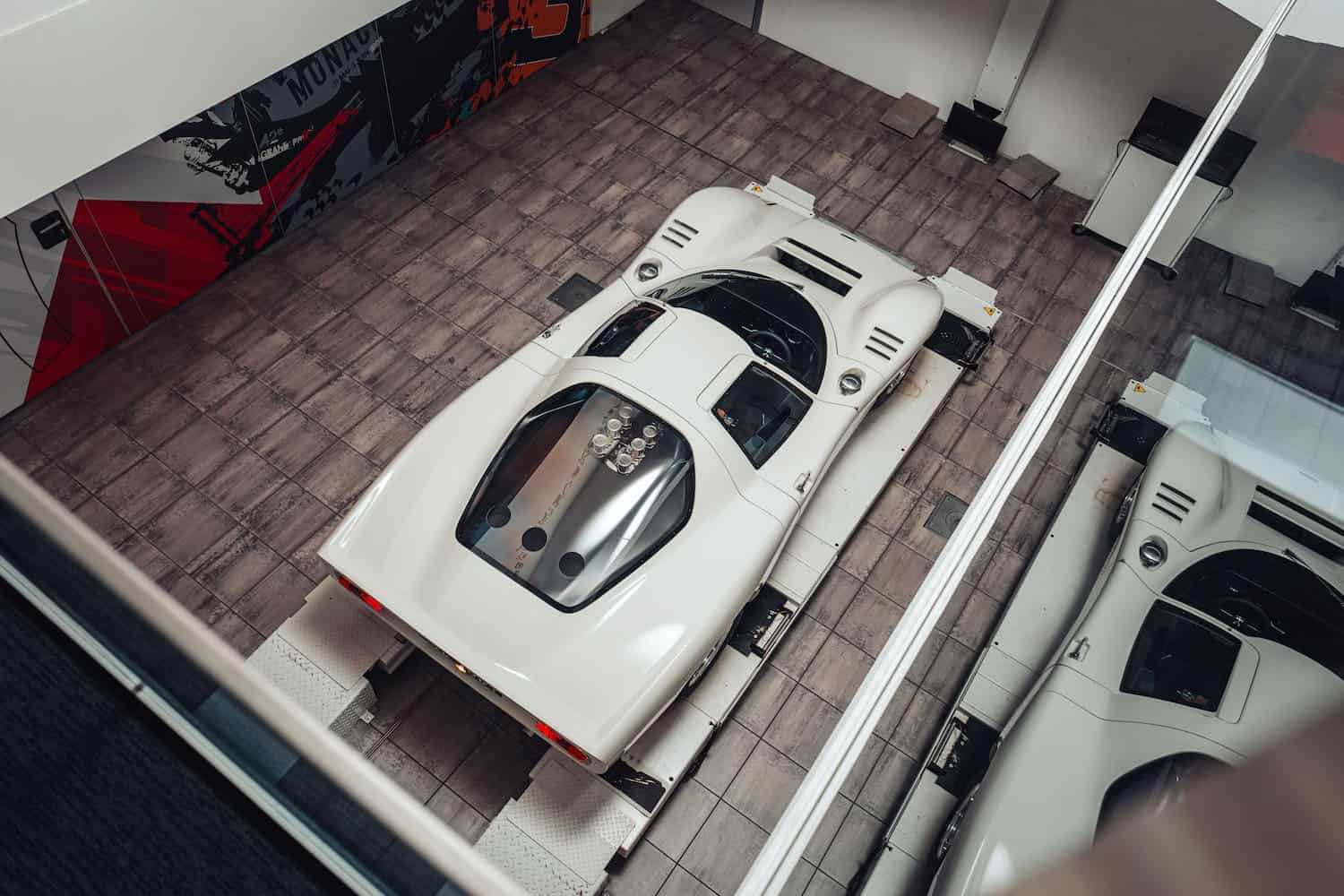
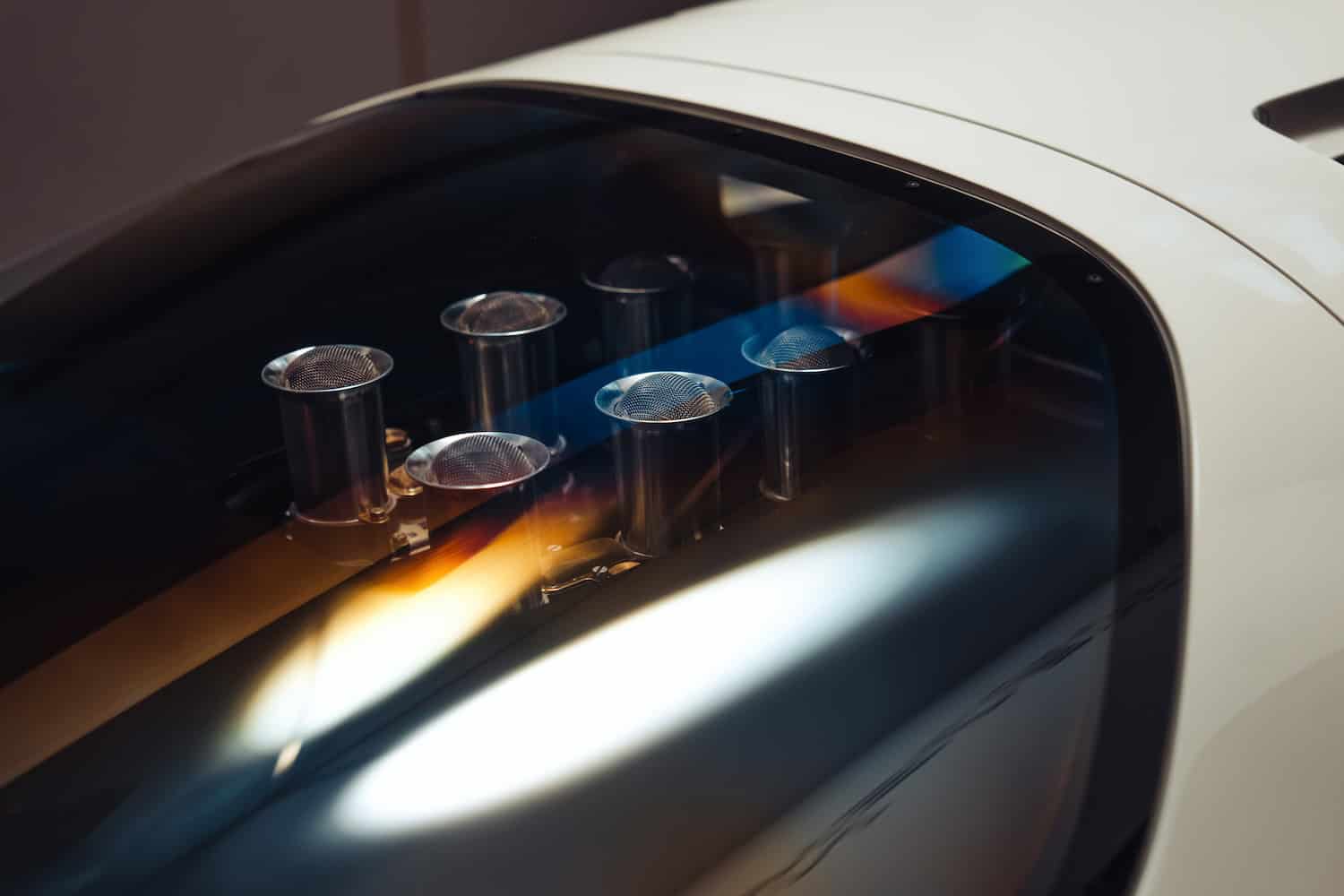
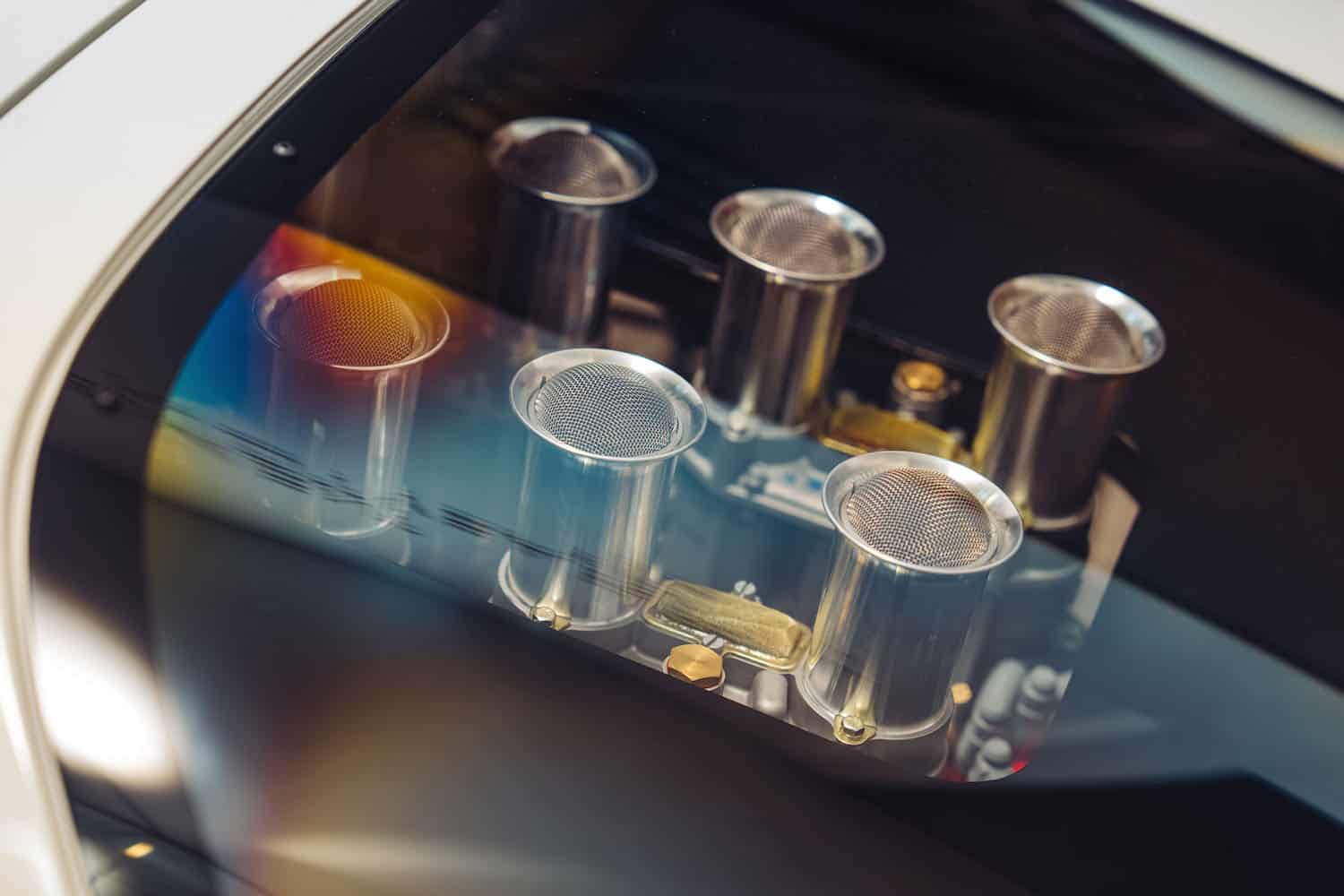
Built upon the chassis of a period-built M6A racer, the M6GT features a period-correct engine and gearbox, with its small-block V8 fitted with ‘camel hump’ cylinder heads as per the original specification. The suspension, meanwhile, is a rebuilt version of what was fitted to the original prototypes.
The moulds used for the body were uncovered in the UK and closer examination of them revealed historical modification within the moulds themselves, indicating the evolution of the design during the original programme.
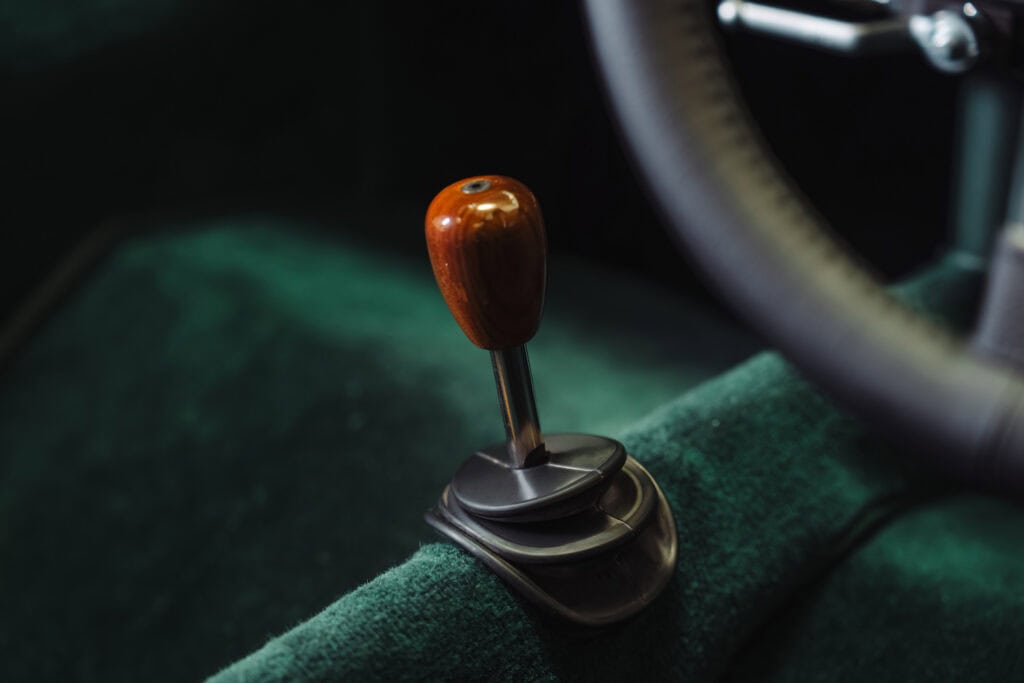
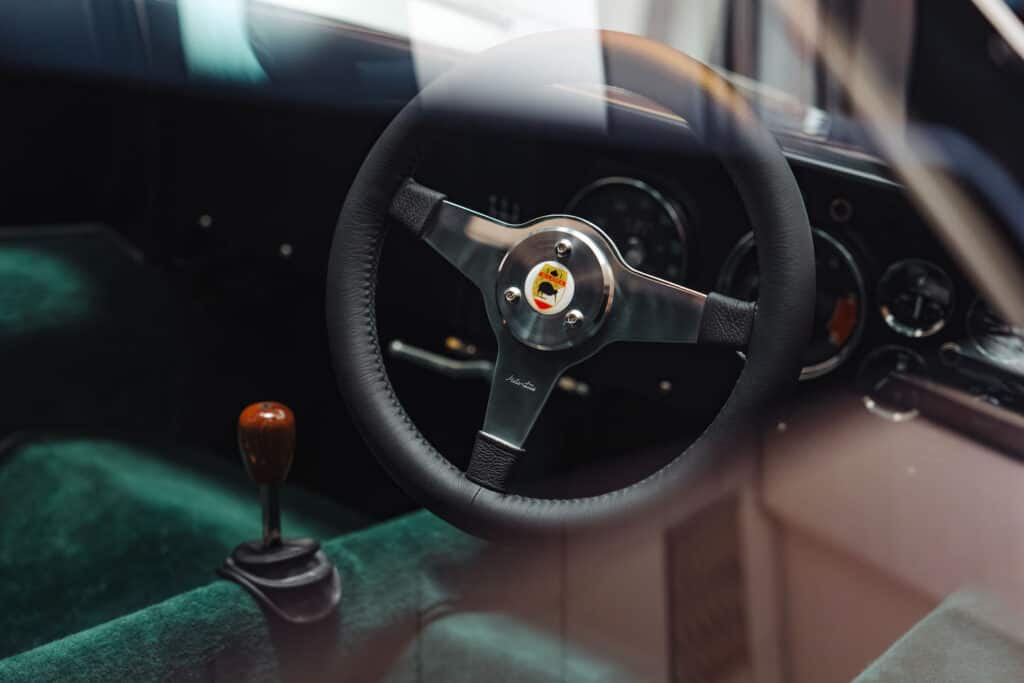
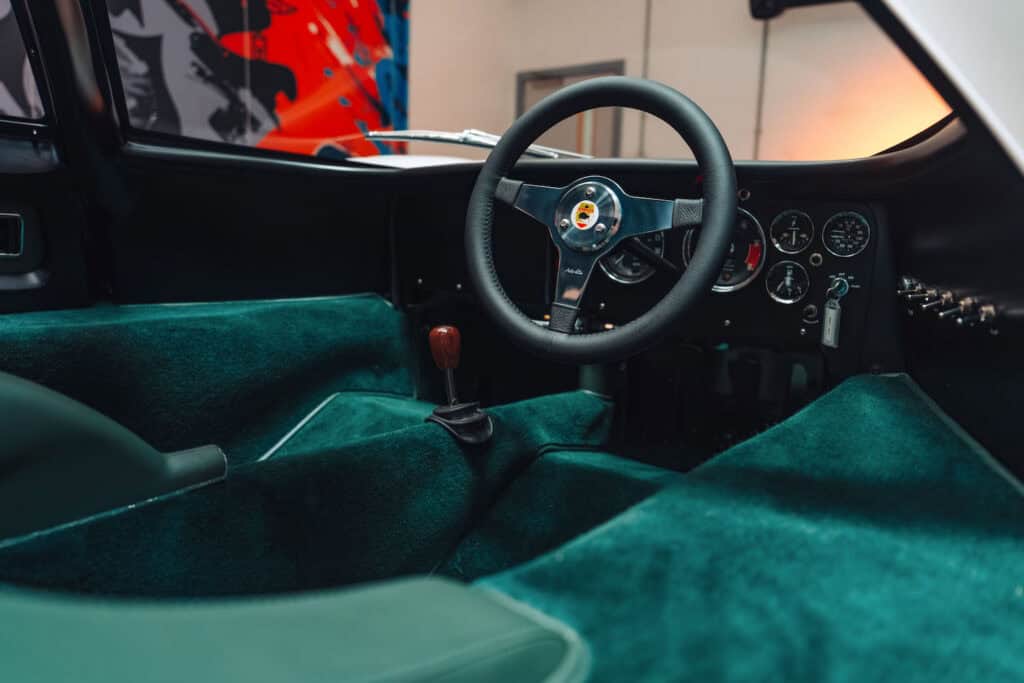
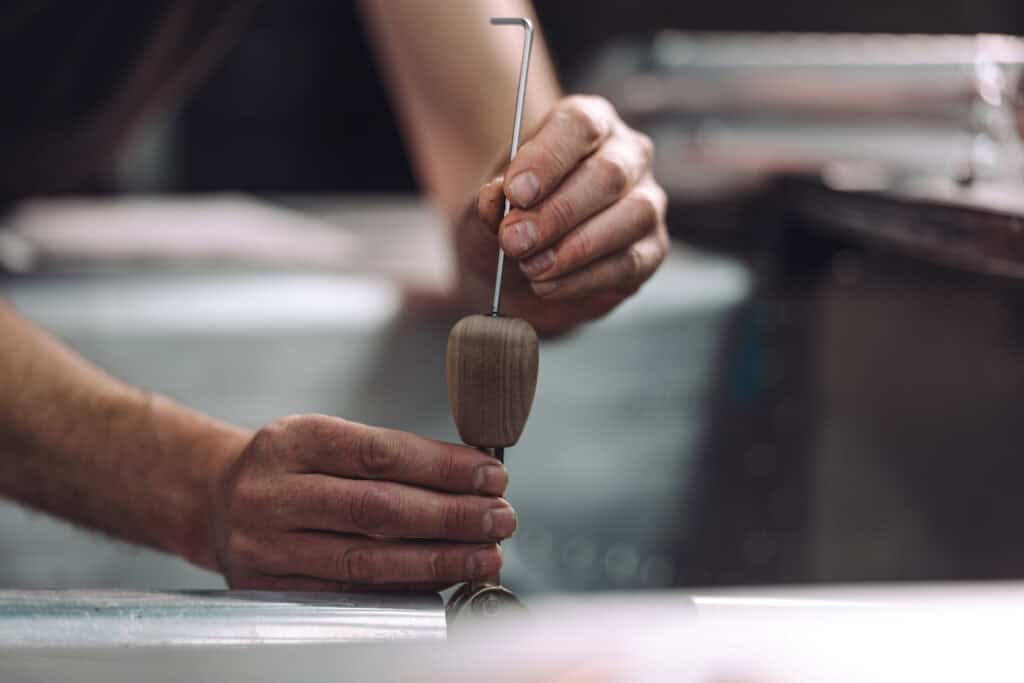
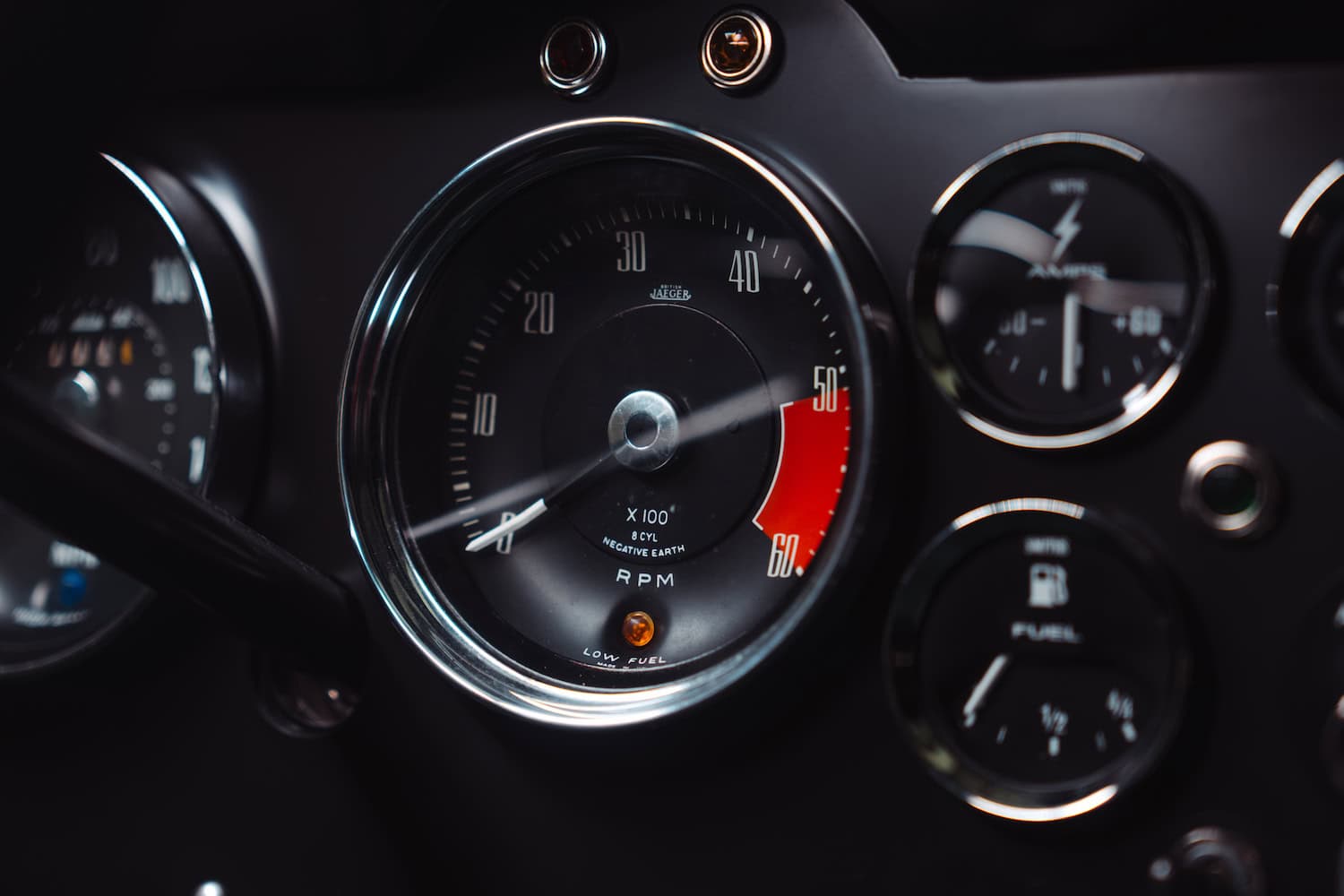
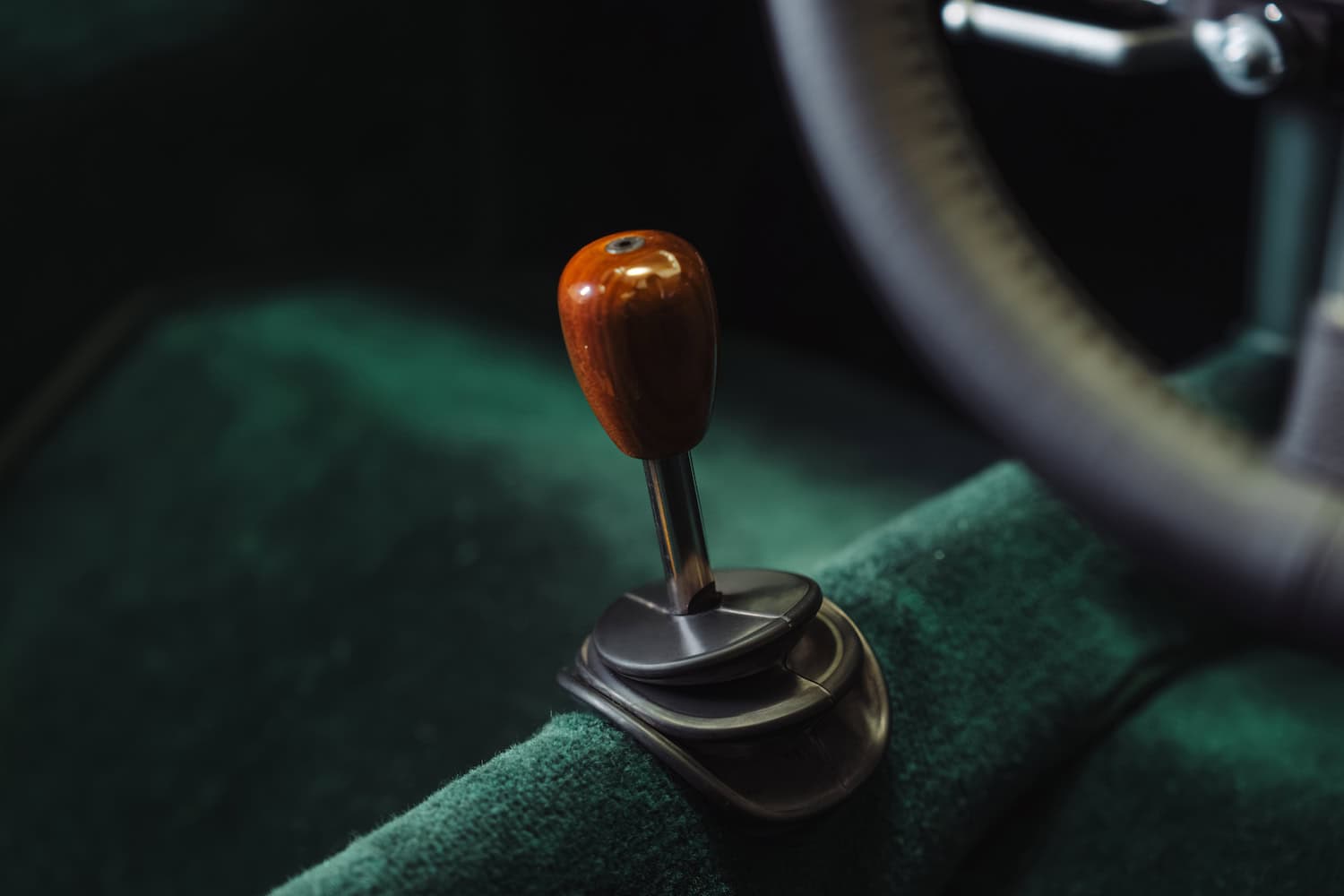
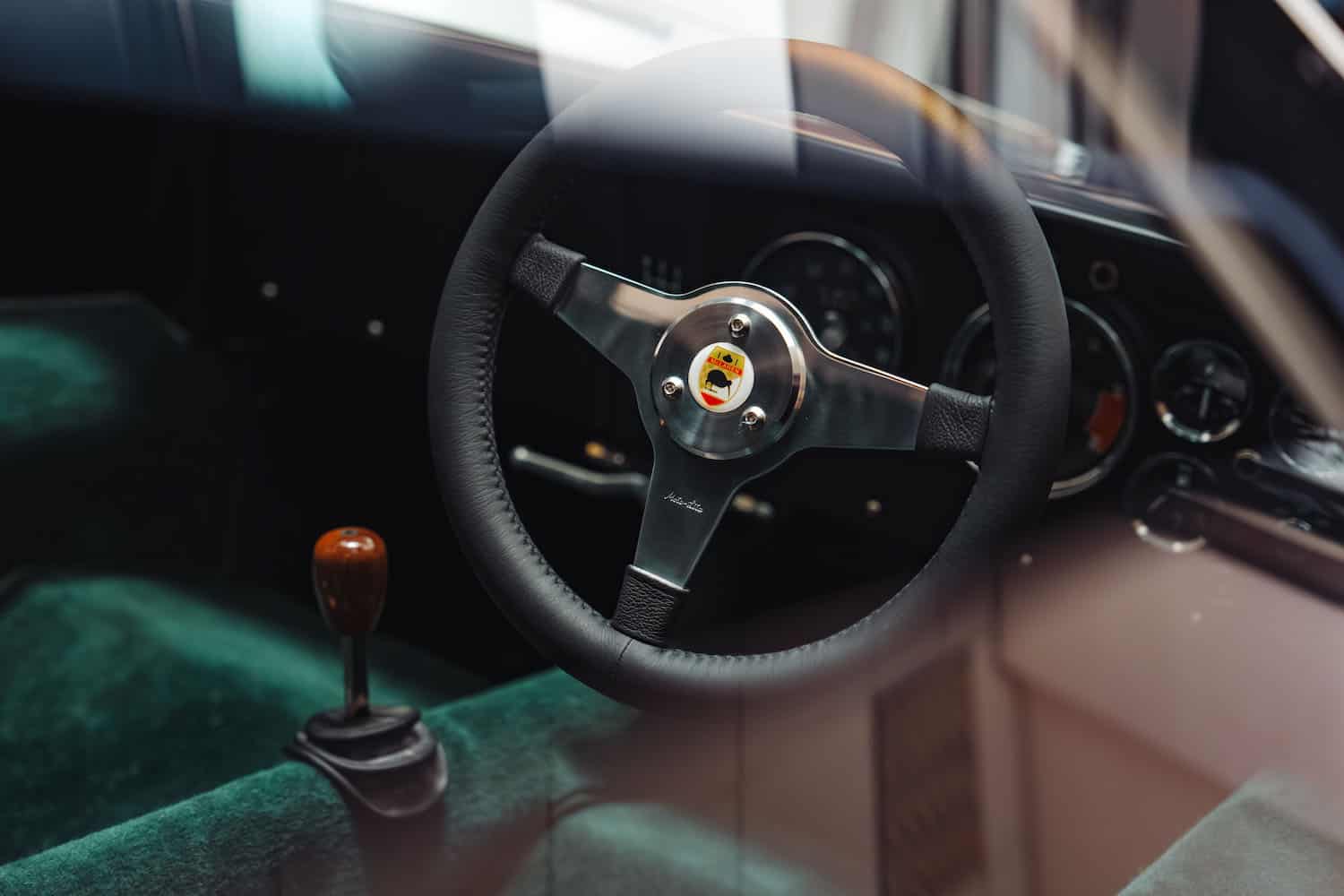
At the centre of the M6GT its its original race car-derived cockpit, around which reside hidden structural elements that were hand-fabricated by MSO specialists, including the roll hoop, rear frame support structure, internal clam reinforcement, and wiring harness.
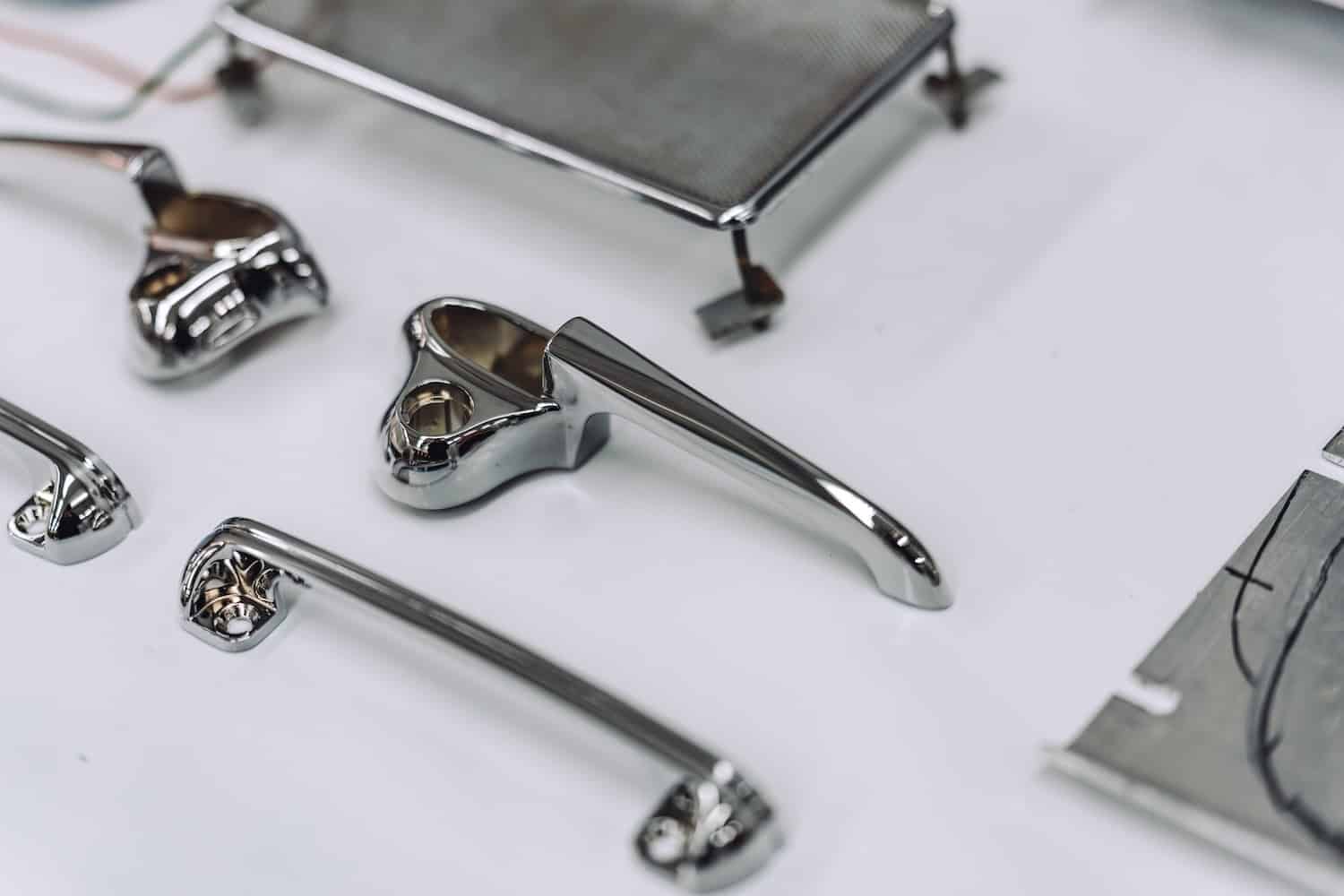
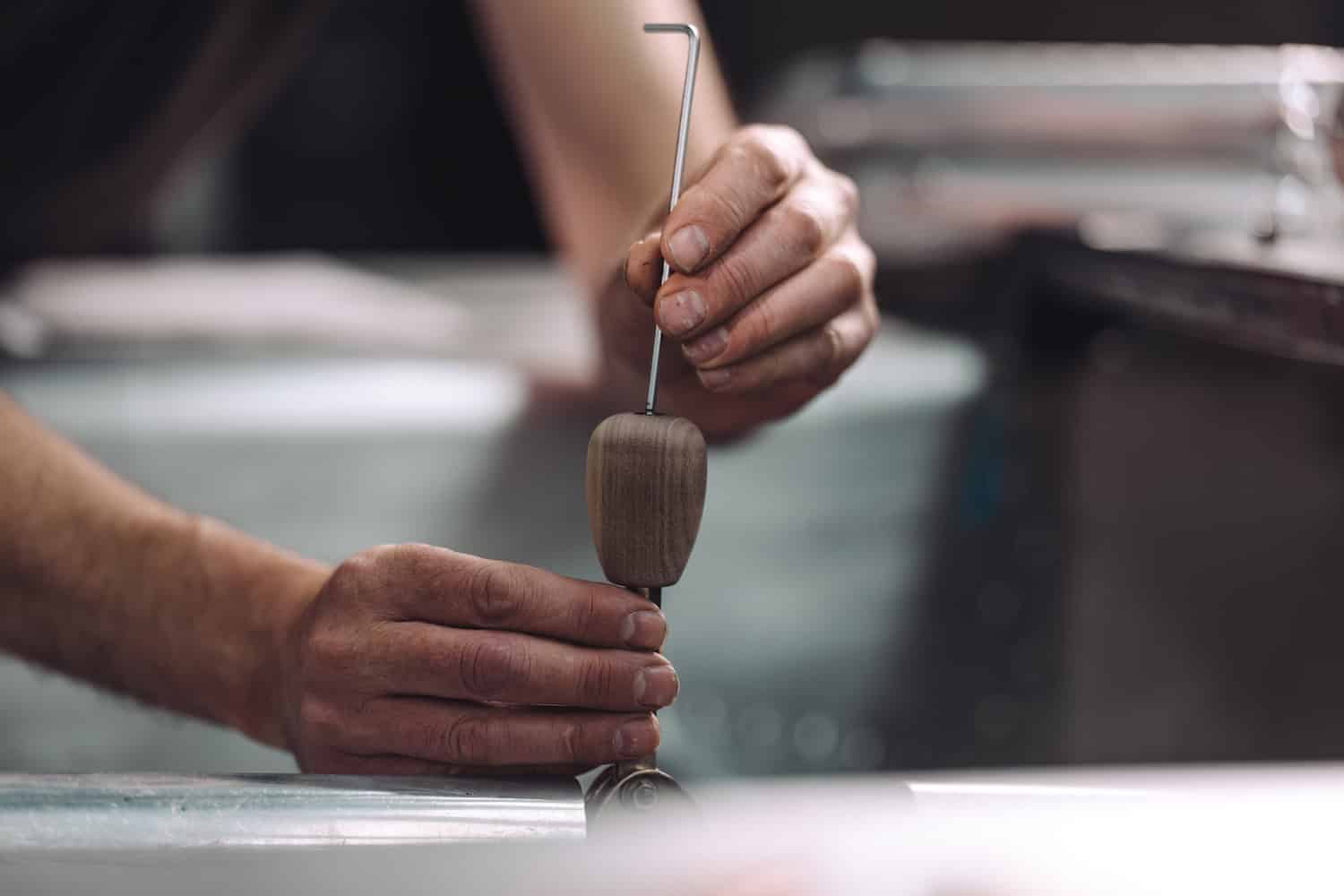
Even the smallest fasteners were treated with reverence, with closed aluminium dome rivets used throughout as per the original, which were installed by skilled craftsman from the aerospace industry.
This one-off recommission is finished in a bespoke cream-based white colour, named Colnbrook in homage to the factory where Bruce developed his road car thinking. It was located under the flightpath to what is now Heathrow Airport, as Bruce wanted to be near his day job without losing a minute when jetting off to races around the world.
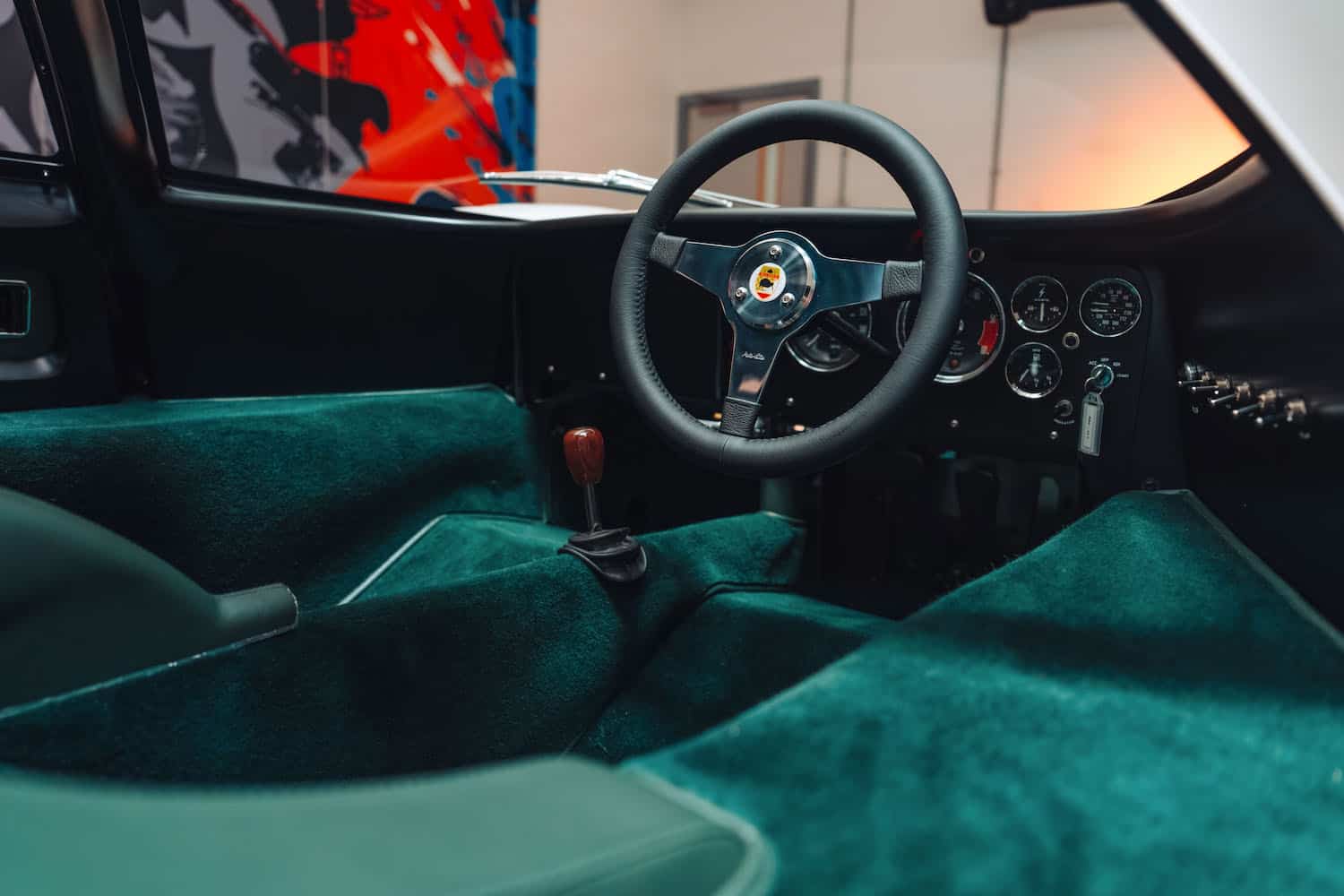
The Colnbrook white exterior and green interior colour scheme is also inspired by the livery of Bruce’s first McLaren Formula 1 car, the 1966 M2B.
In a way, this means that when the M6GT is finally revealed at the Goodwood Festival of Speed, which in 2026 runs from July 9-12, McLaren’s newest road car will actually be its oldest of sorts.
It will be far from the only McLaren on display at the event, however. Other classics alongside it will include the 1968 M8A Can-Am car, the McLaren F1 GTR, and an Austin 7 Ulster from Bruce’s early racing career.
Modern McLaren road cars alongside it will include the current flagship W1 along with the Artura, 750S, and Artura Spider all complete in bespoke MSO specifications.
There will also be two more public debuts over the weekend, one of which is the MCL-HY, McLaren Racing’s 24 Hours of Le Mans and World Endurance Championship entrant for 2027 – the race-going variant of the MCL-HY GTR, an exclusive client track car.
On July 9, the brand “will also reveal the high point of its current supercar era that will delight superfans”, with more details to come over the following days.