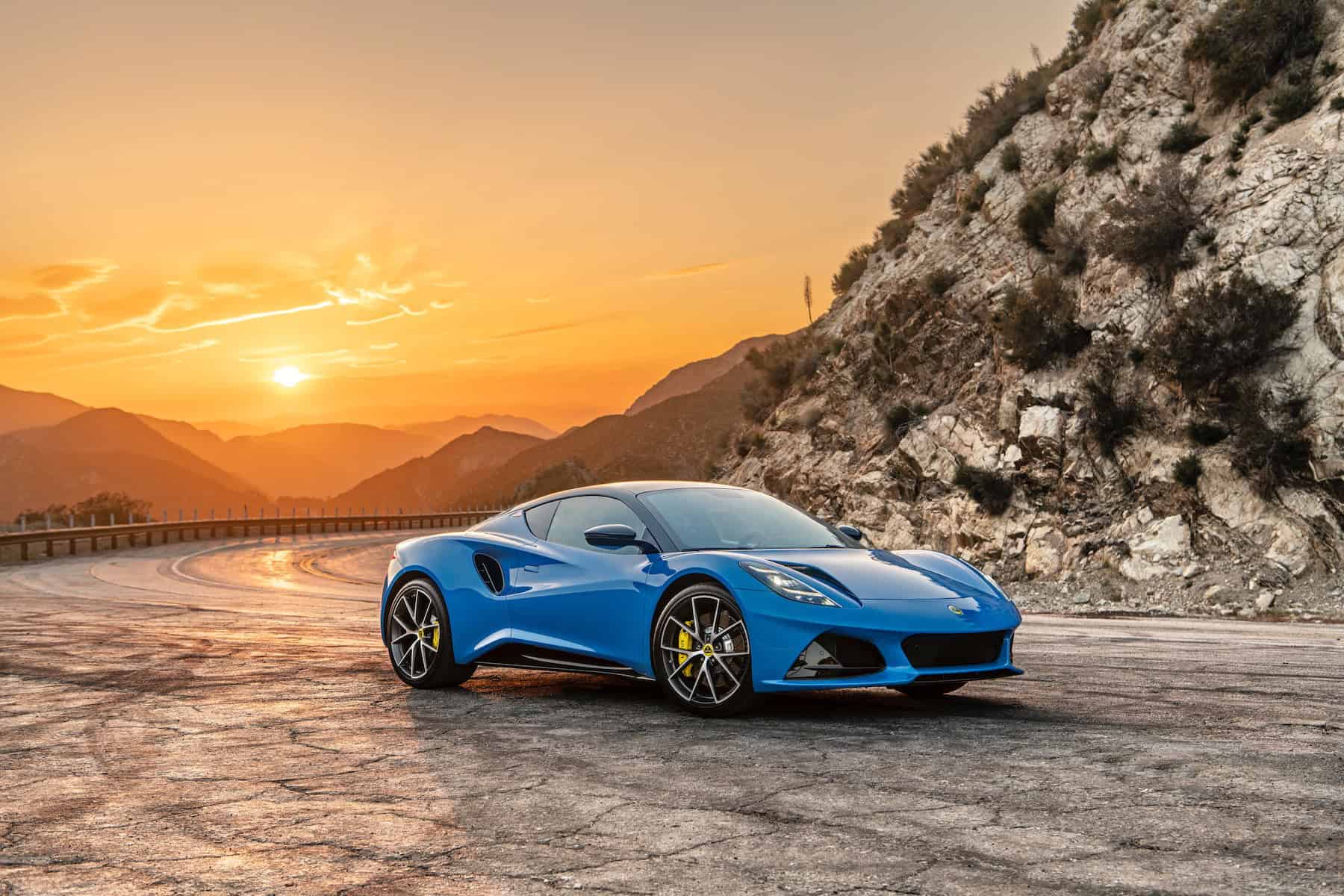
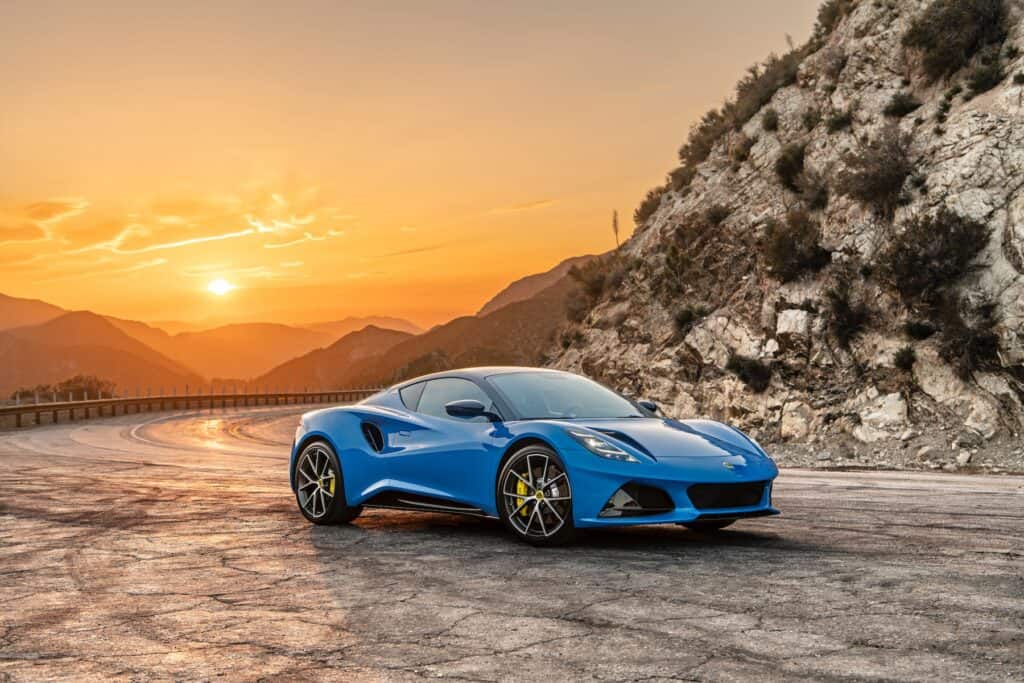
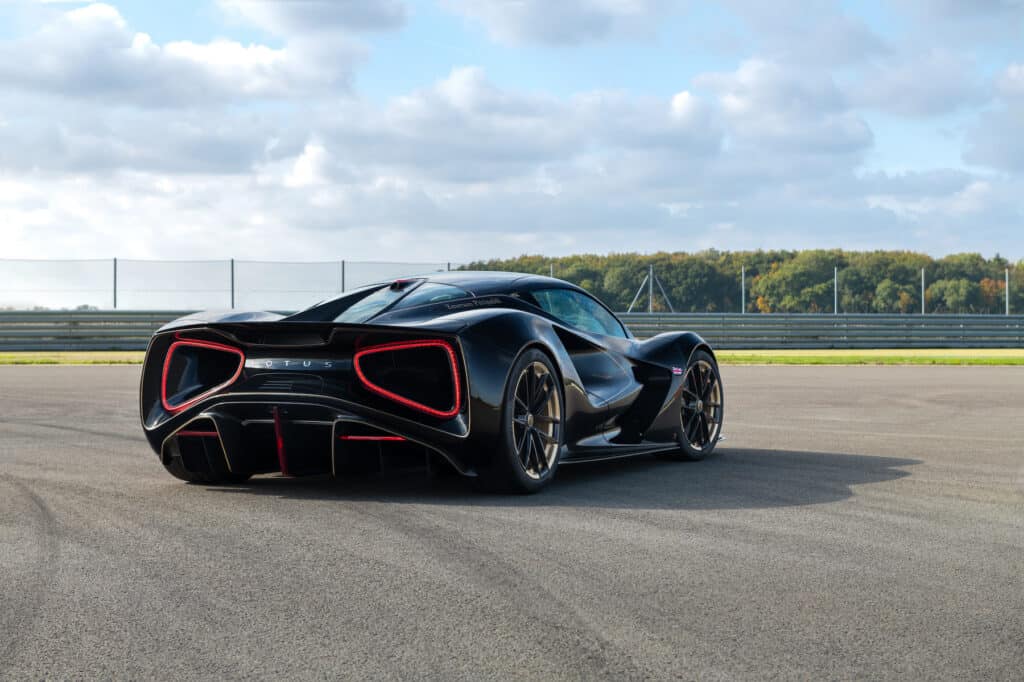
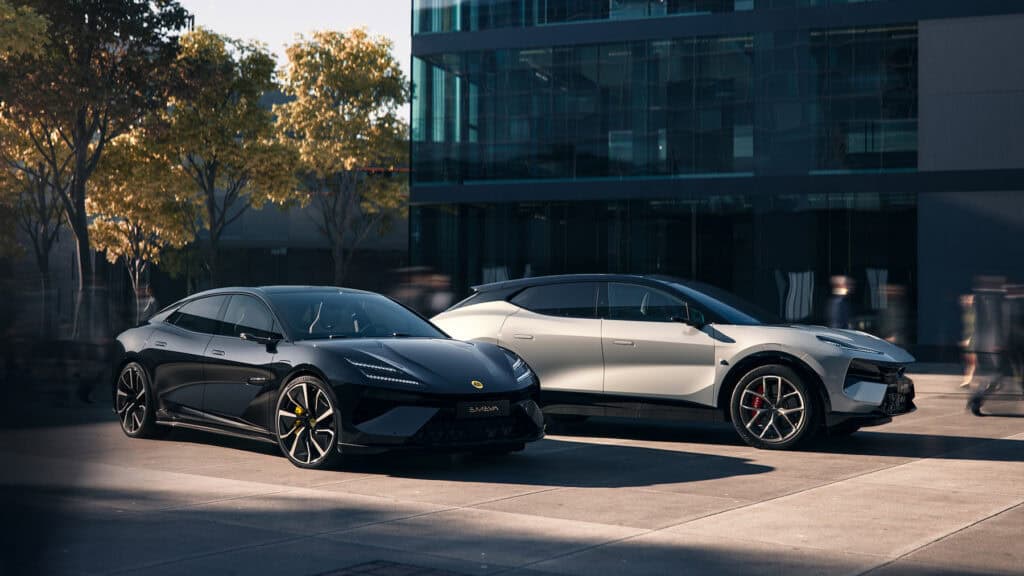
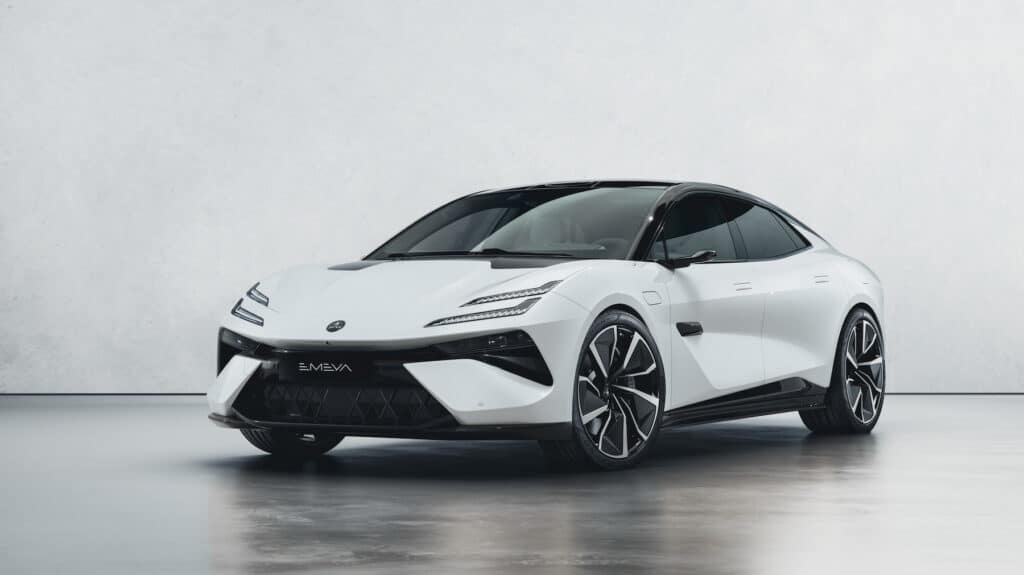

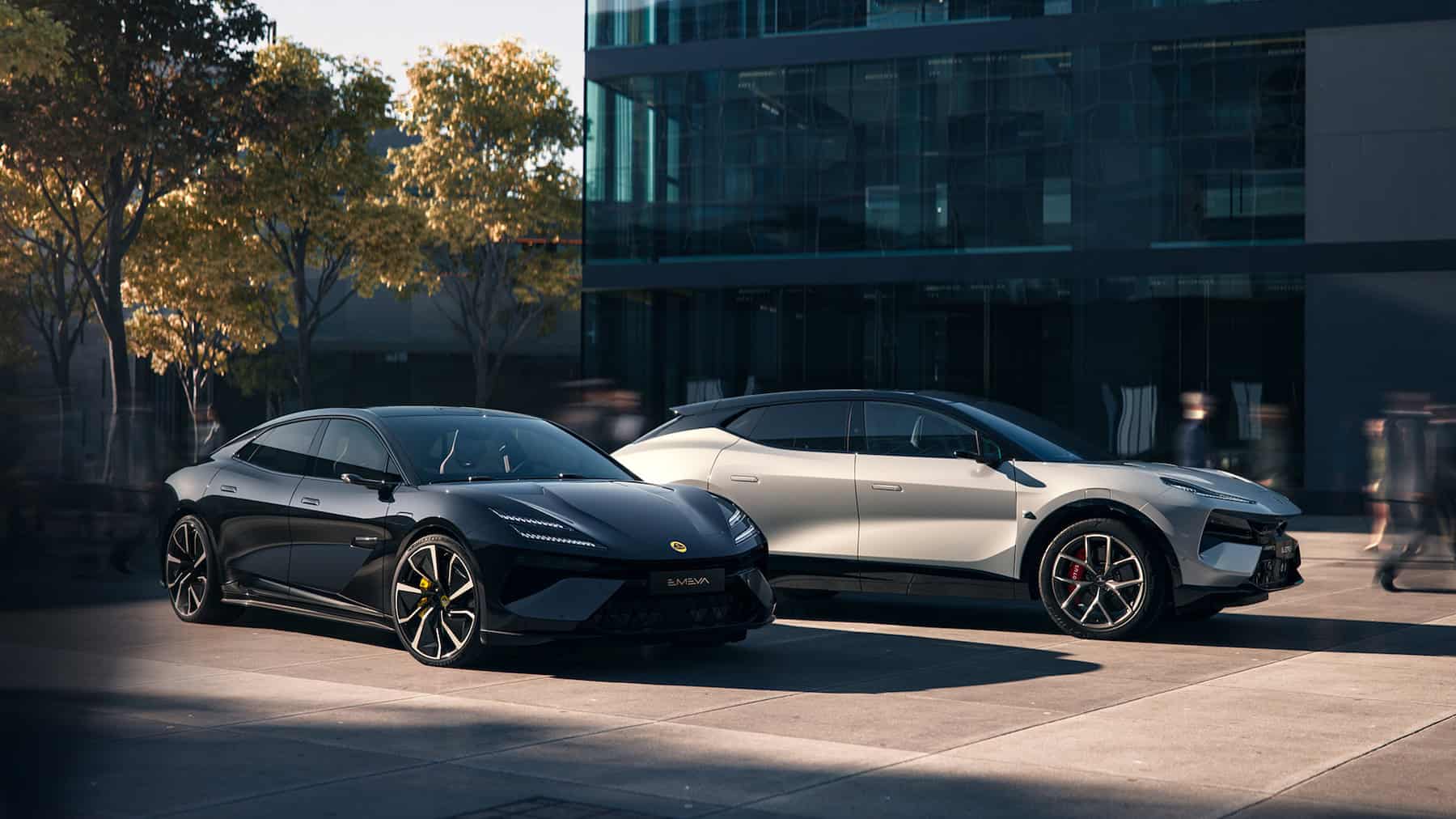
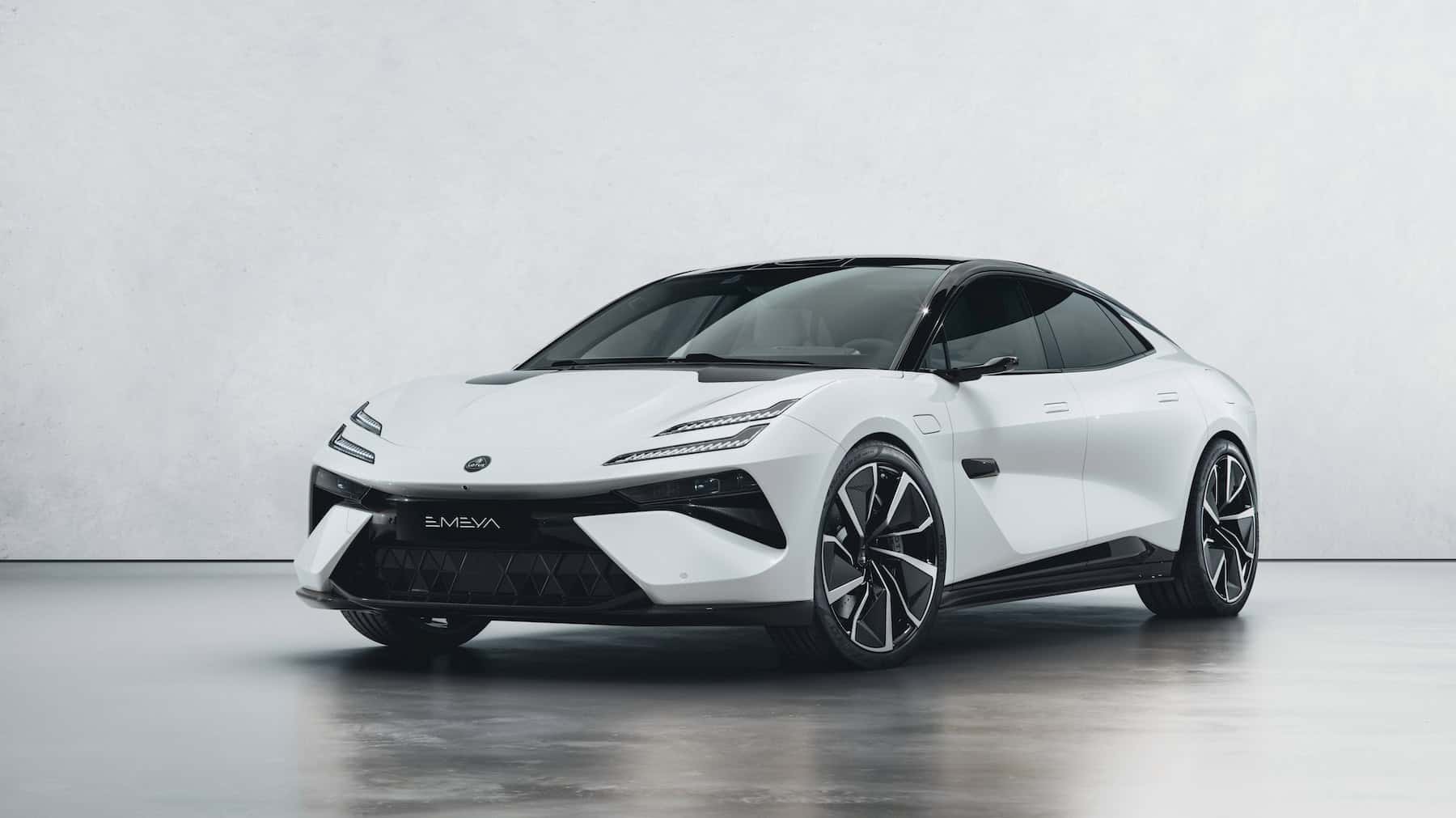
Lotus drew the ire of enthusiasts when it shifted focus from the lightweight sports cars Colin Chapman built the brand’s heritage on to a range of luxurious but heavy electric vehicles, with only the Emira holding out from the old regime.
However, Lotus is backflipping on its decision to shift focus to electric cars like the Emeya sedan and Eletre SUV, instead promising a return to building “drivers’ cars” that draw upon on the brand’s original DNA.
Announced as part of Lotus’ new business strategy, Focus 2030, the British brand now owned by Chinese auto giant Geely hasn’t beaten around the bush. The headline promise is an all-new supercar with a hybrid V8 powertrain delivering monstrous performance.
Codenamed Type 135, pricing and details are yet to be announced for the upcoming supercar, although Lotus promises a power output in excess of 735kW (1000PS) when it launches in 2028.
Coincidentally, 2028 was previously set to be the year that the brand would go fully electric before making this U-turn.
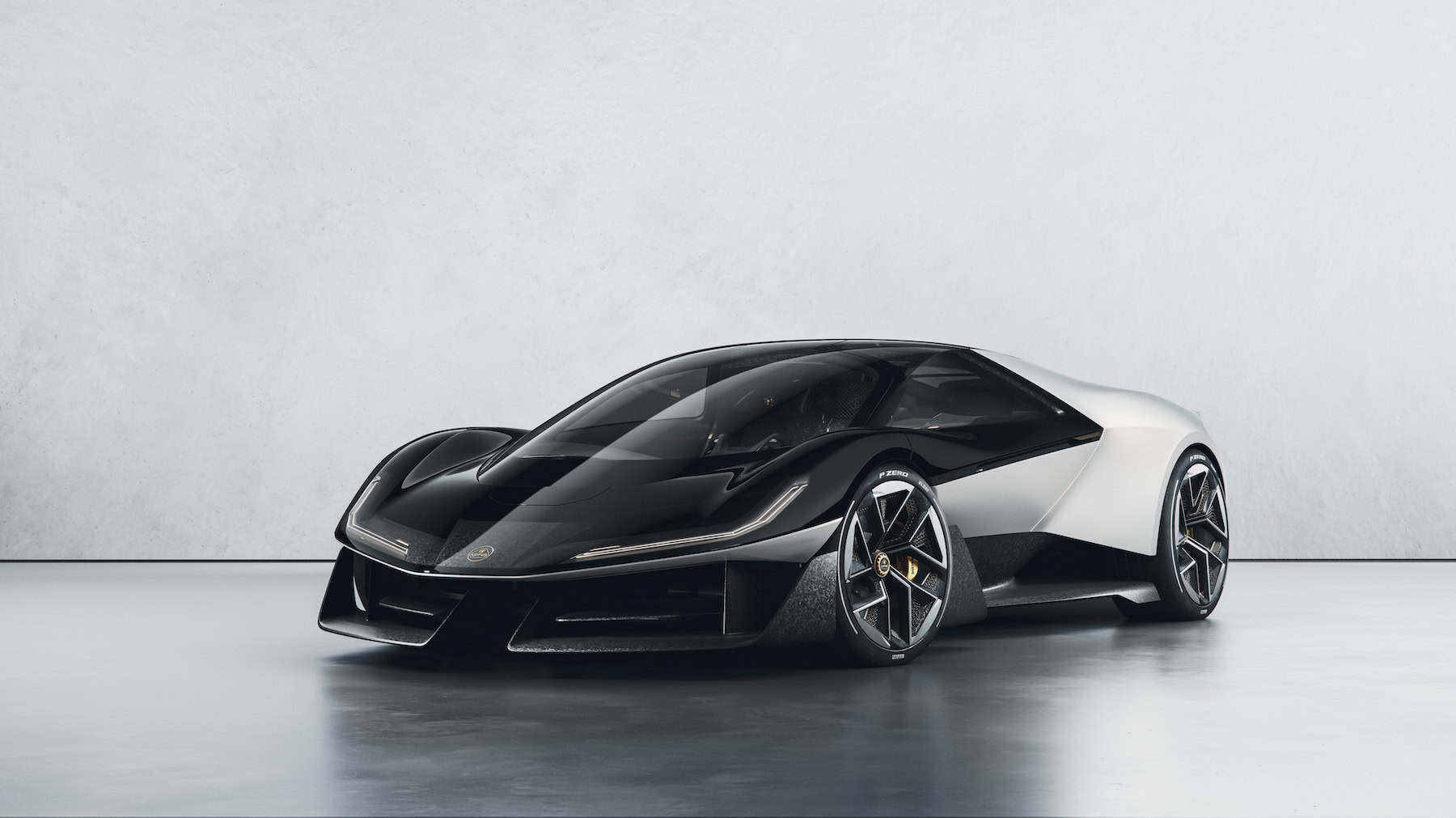
The astronomical power figure Lotus is claiming for this supercar comeback isn’t make believe, either. The same ‘X-Hybrid’ technology that will underpin this new model is already being rolled out in the upcoming Eletre X.
Already available in China (marketed as the ‘For Me’) and launching in Europe in Q4 2026, it features 900-volt architecture, a 70kWh battery, and delivers a combined 700kW (952PS) and 935Nm from its hybrid V8 powertrain, enough to launch the super SUV from 0-100km/h in 3.3 seconds.
Heaven knows what that powertrain could do in a supercar with an extra 50 horses, although it remains to be seen whether this supercar will manage to conform to Chapman’s original principle to “simplify and add lightness” due to the weight and complexity of the electric gubbins that make such performance possible.
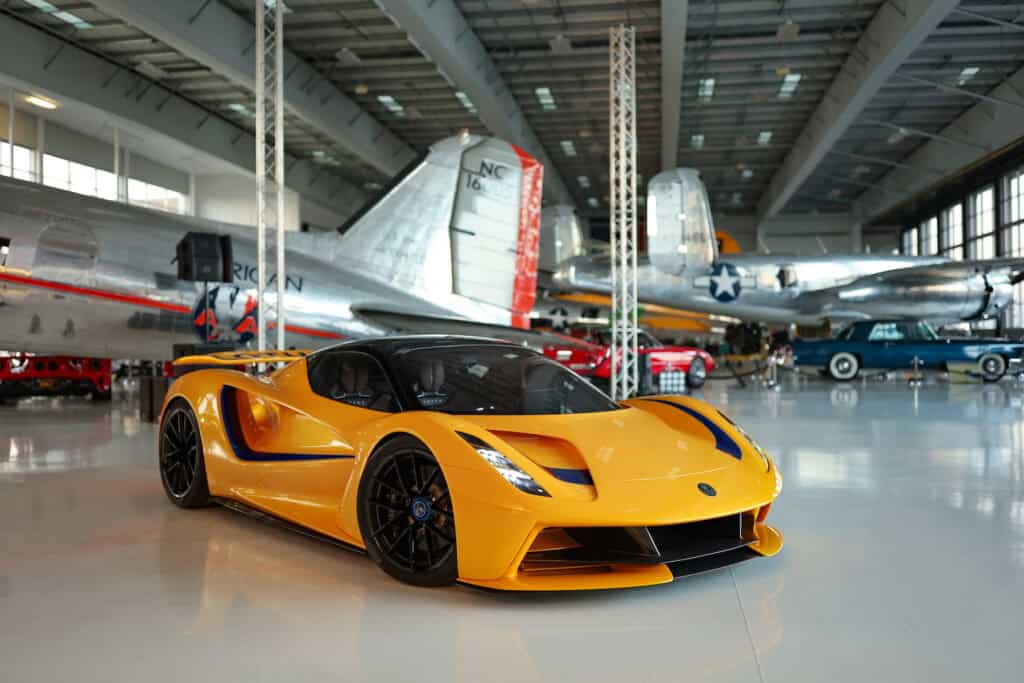
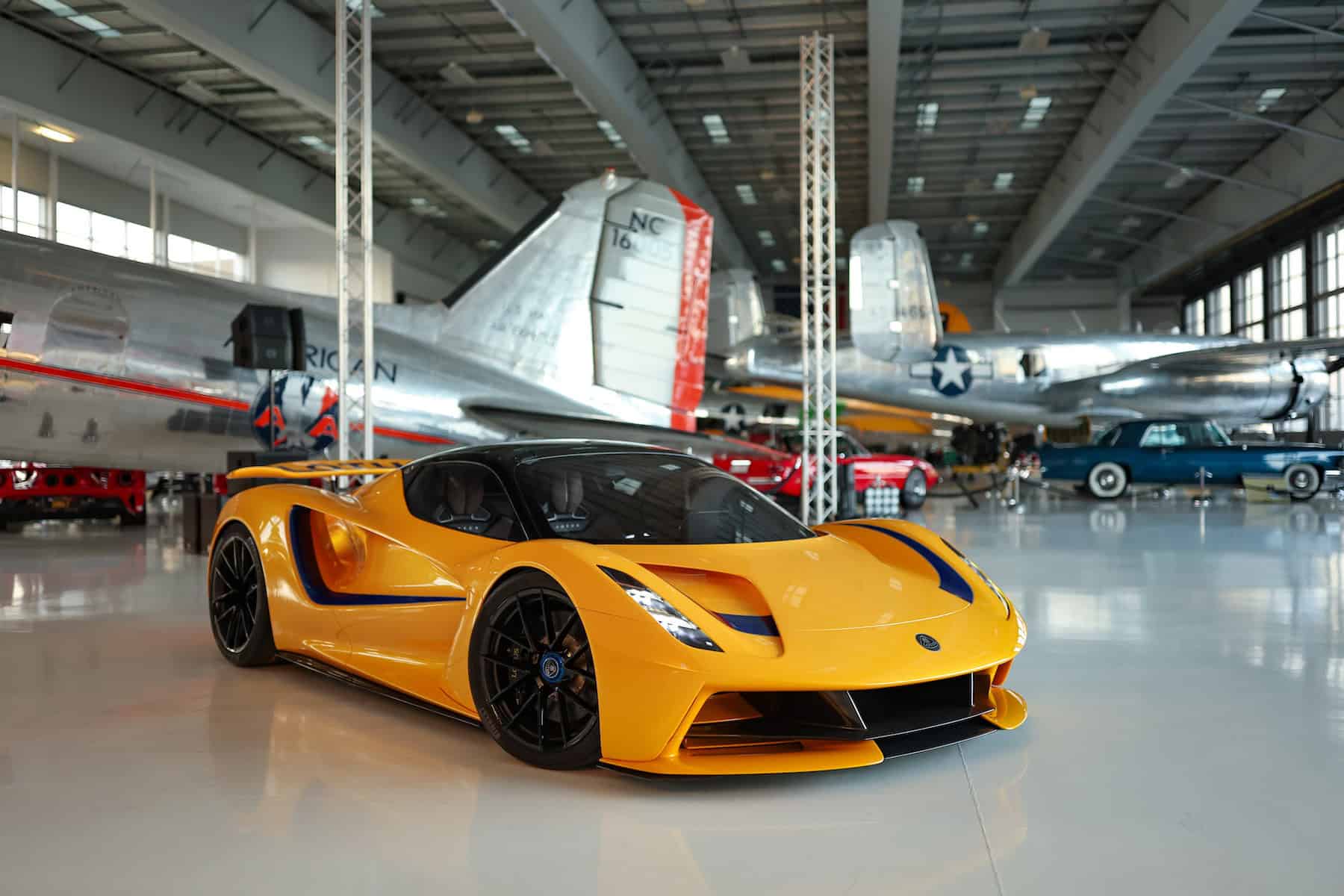
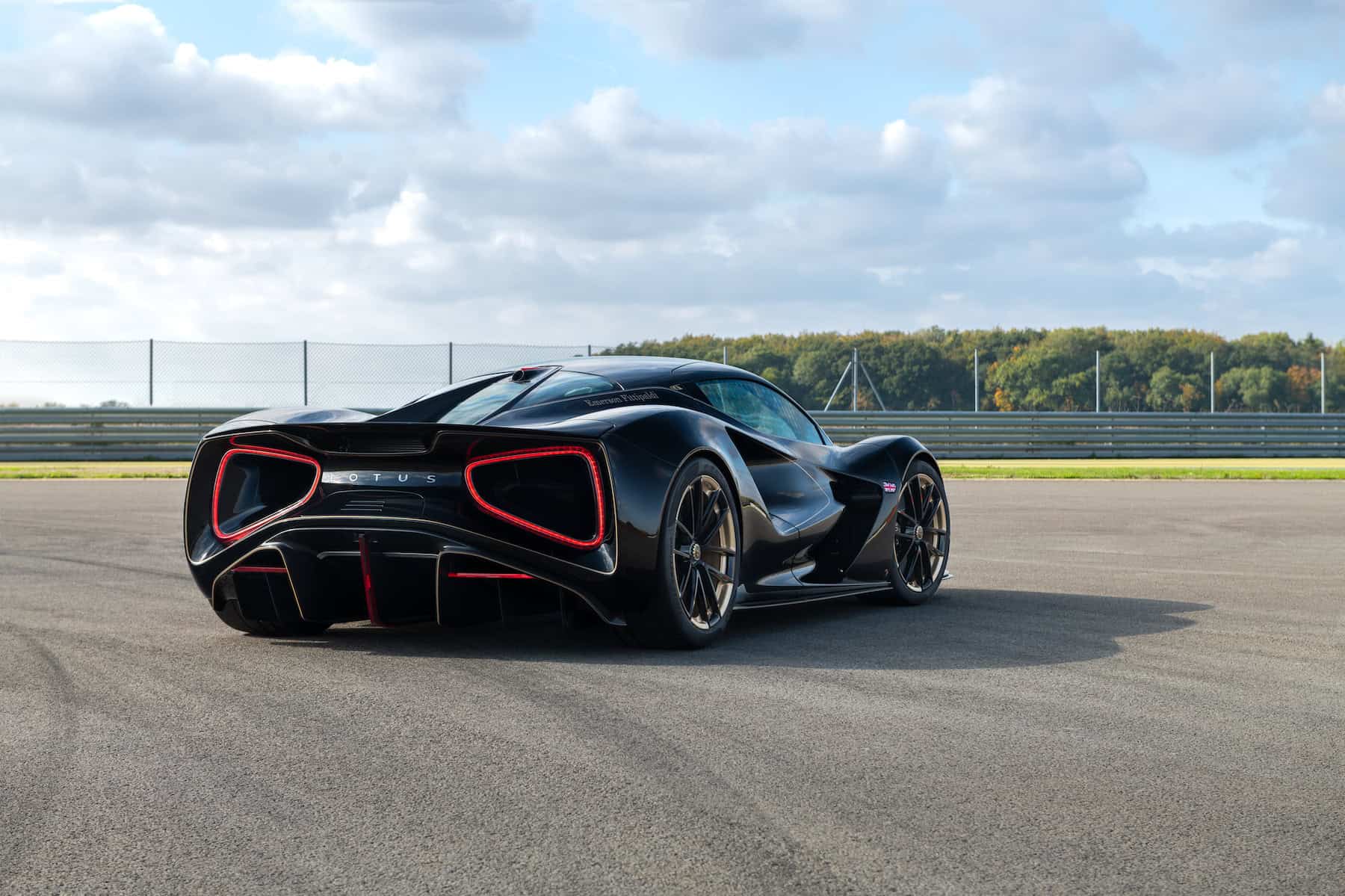
Do bear in mind, those figures are also still some way off the bonkers 1500kW (2039PS) and 1704Nm of the electric Evija hypercar, although Type 135 will unquestionably offer a better soundtrack.
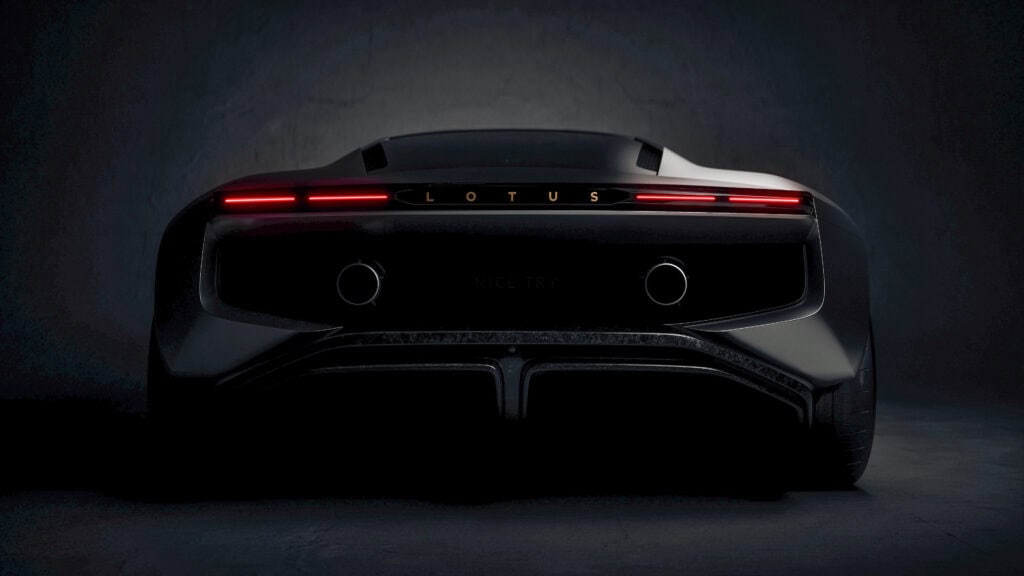
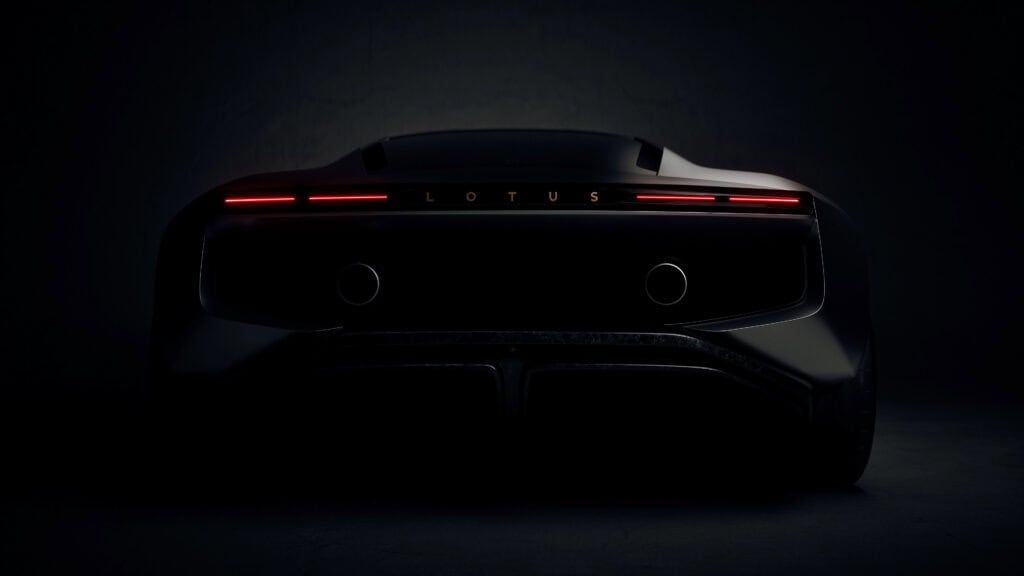
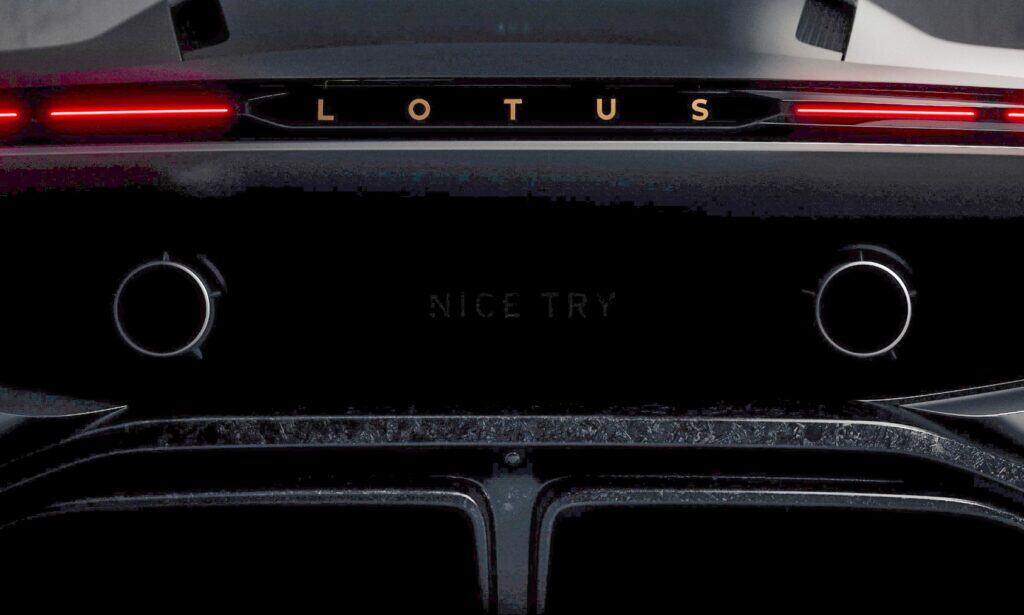
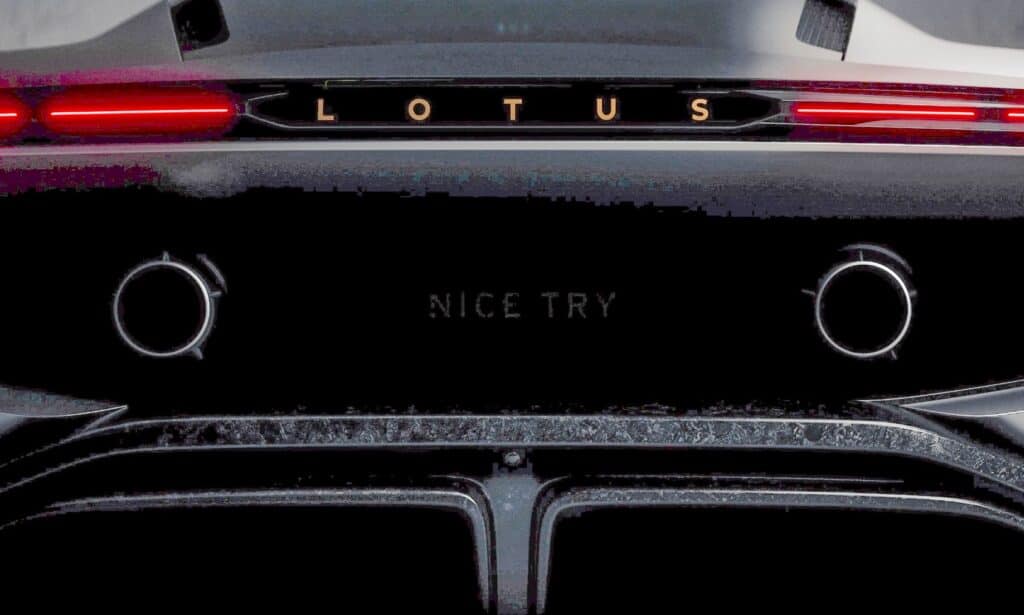
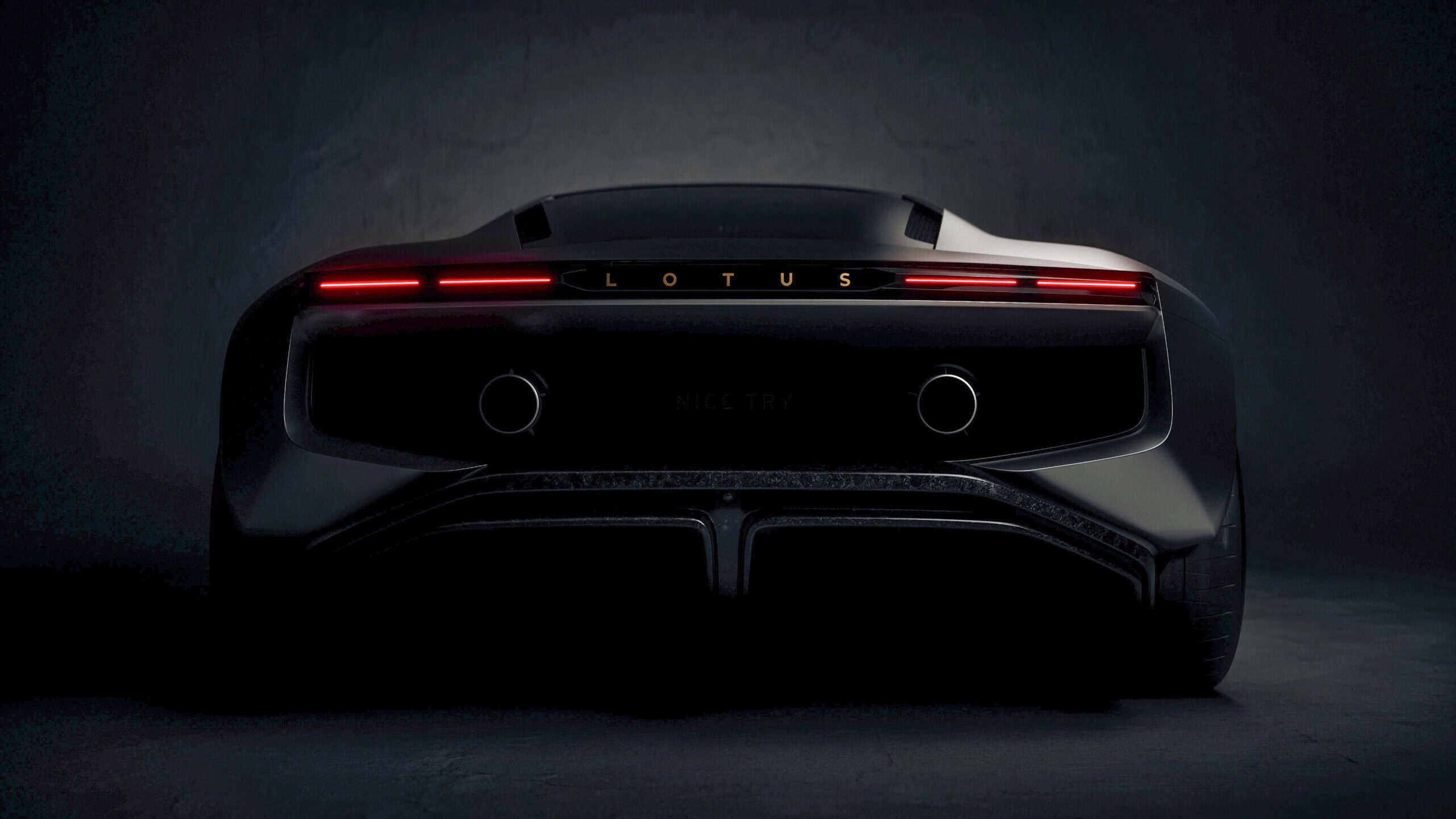
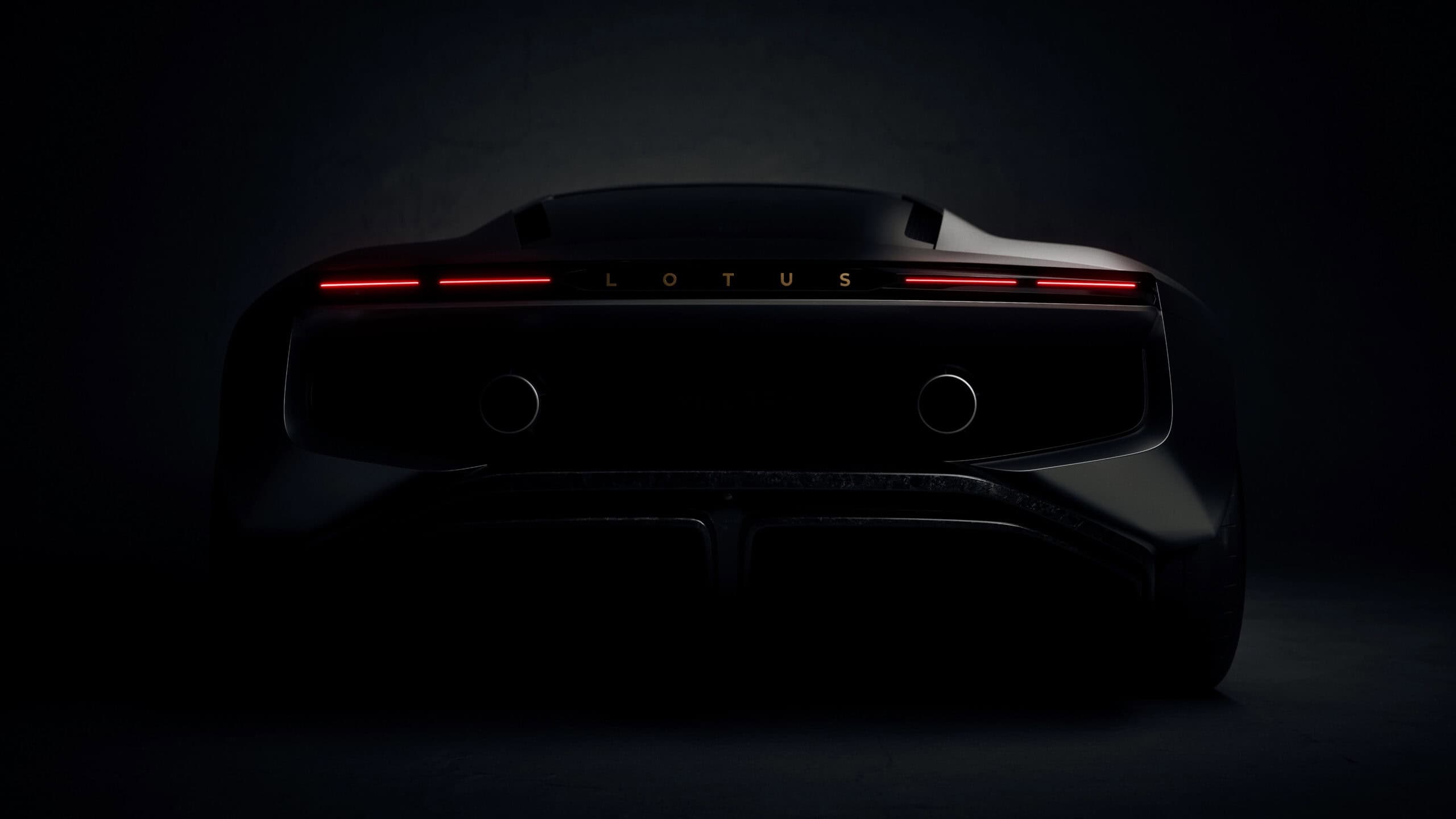
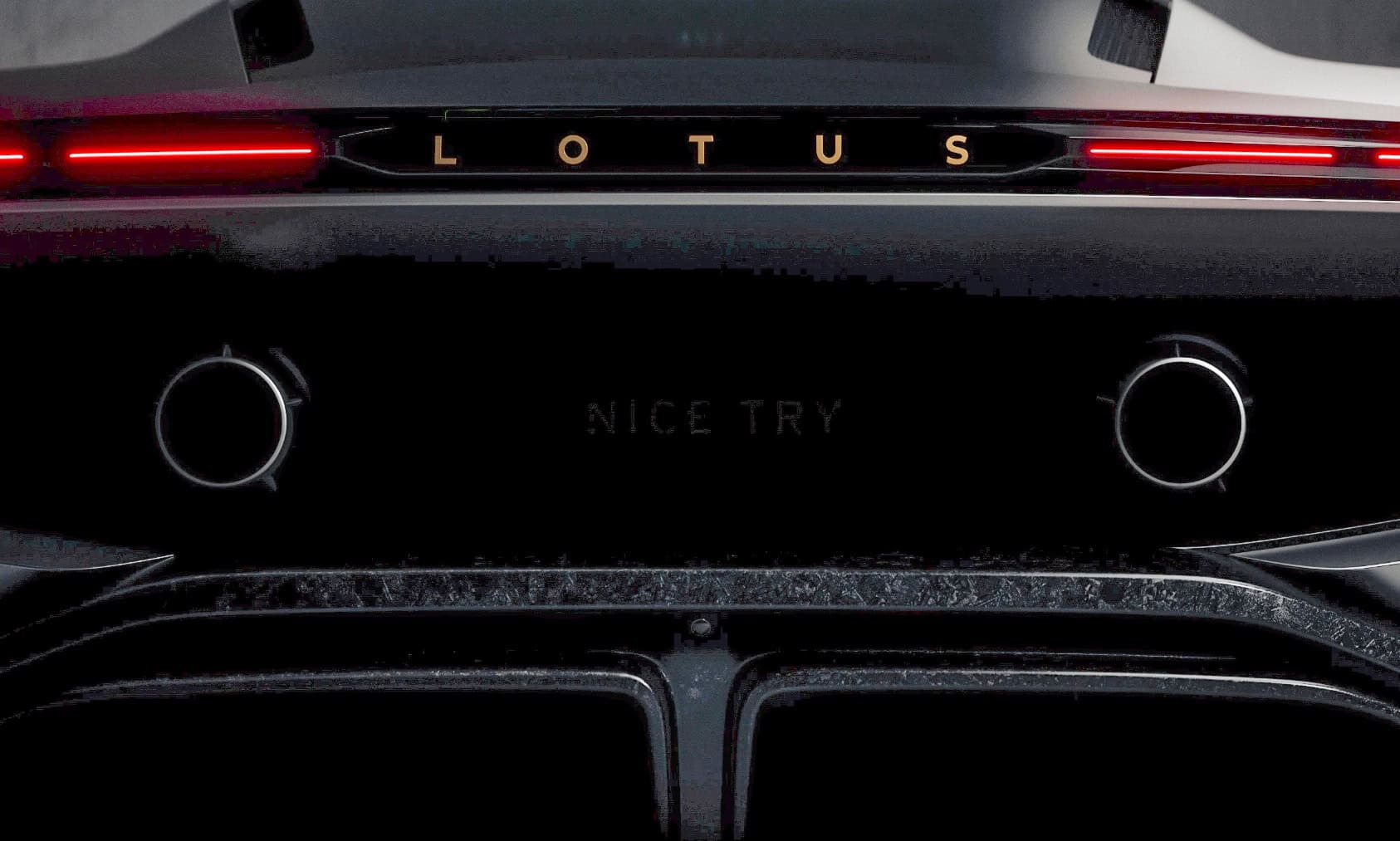
So far, Lotus has only release a single shadowy teaser image of the currently unnamed supercar. Trying to extract further detail from that picture only resulted in uncovering a cheeky hidden message: “nice try”.
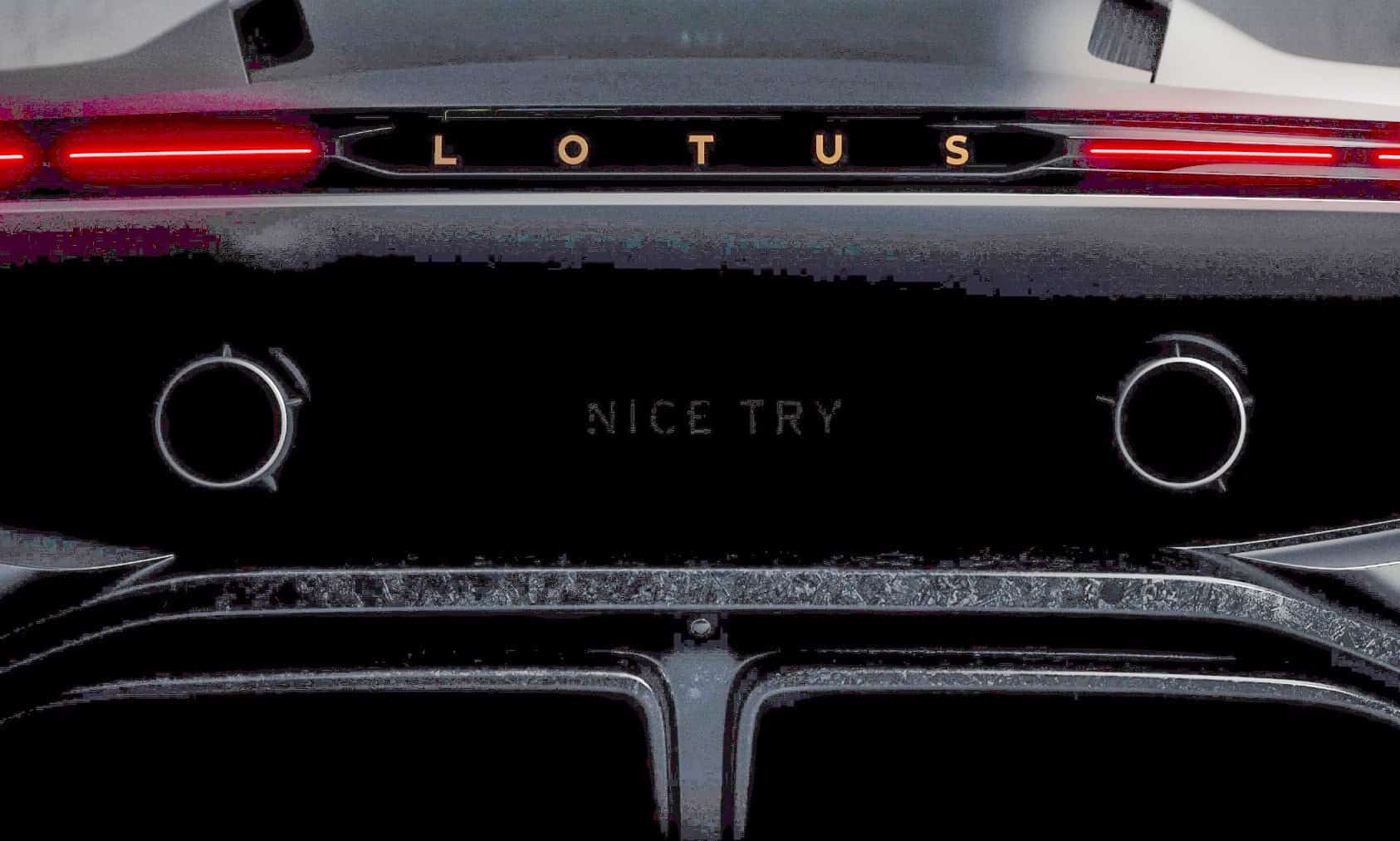
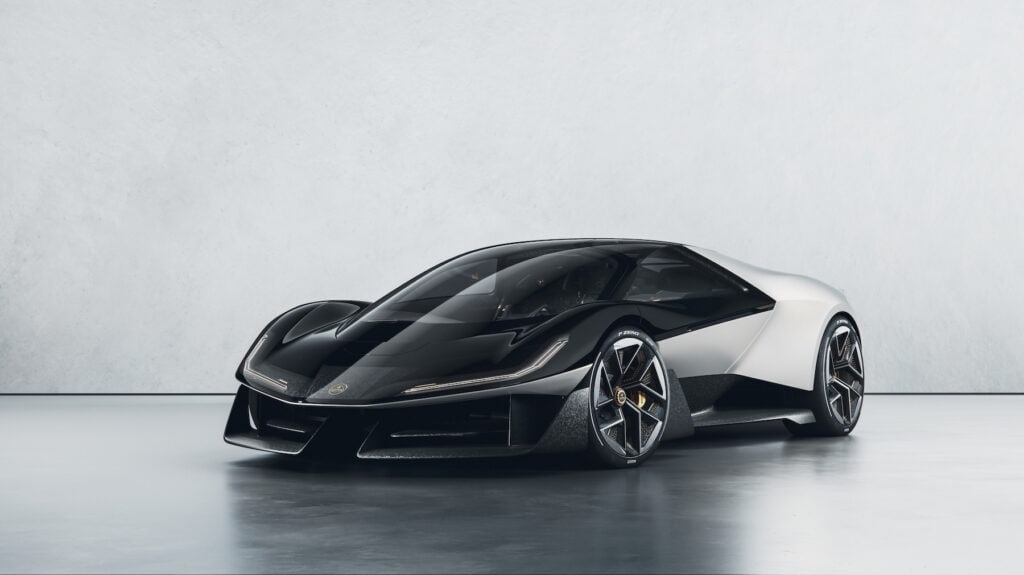
What is clear from the teaser image, however, is its two prominent exhaust pipes housed inside what appears to be a large rear grille. It also features thin LED taillights and gold “LOTUS” badging. However, it could draw upon the styling cues of the Theory 1 concept car revealed in September 2024.
Where this supercar will be built is also up for debate, with the company simply saying that “it is expected to be manufactured in Europe”. While its current BEV models are produced in China, the Emira is still built at the brand’s Hethel headquarters.
The new supercar has been announced as part of the brand’s broader commercial direction, with the Focus 2030 plan honing in on targeted production volumes, stronger margins, sustained profitability, and a greater emphasis on personalisation for customers.
Lotus also notes that its strategy is built around four core pillars including brand reinforcement, a multi-powertrain strategy, close partner collaboration, and financial discipline.
What’s most important, though, is that Lotus knows the smart play is to lean into what made the brand so iconic in the first place.
“Lotus was born from the rebellious spirit of Colin Chapman, and that is not lost today,” says Qingfeng Feng, CEO of Lotus Group.
“Focus 2030 will reset both the brand and the business to keep us true to our DNA. We are obsessed with engineering, obsessed with performance and obsessed with building drivers’ cars, and that is what will grow this business.”
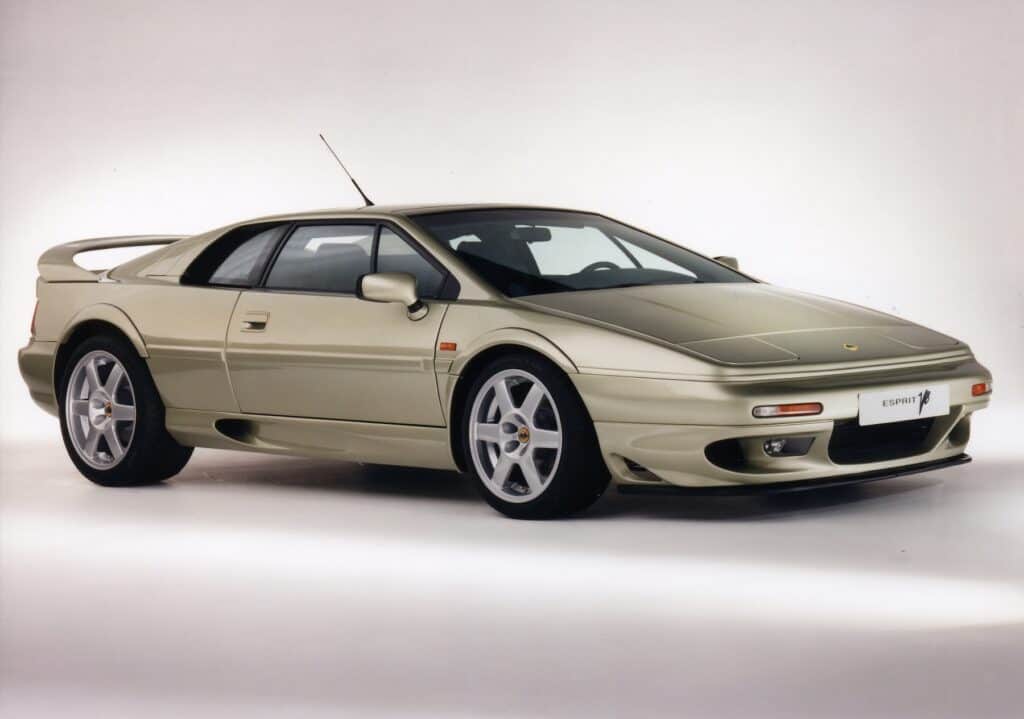
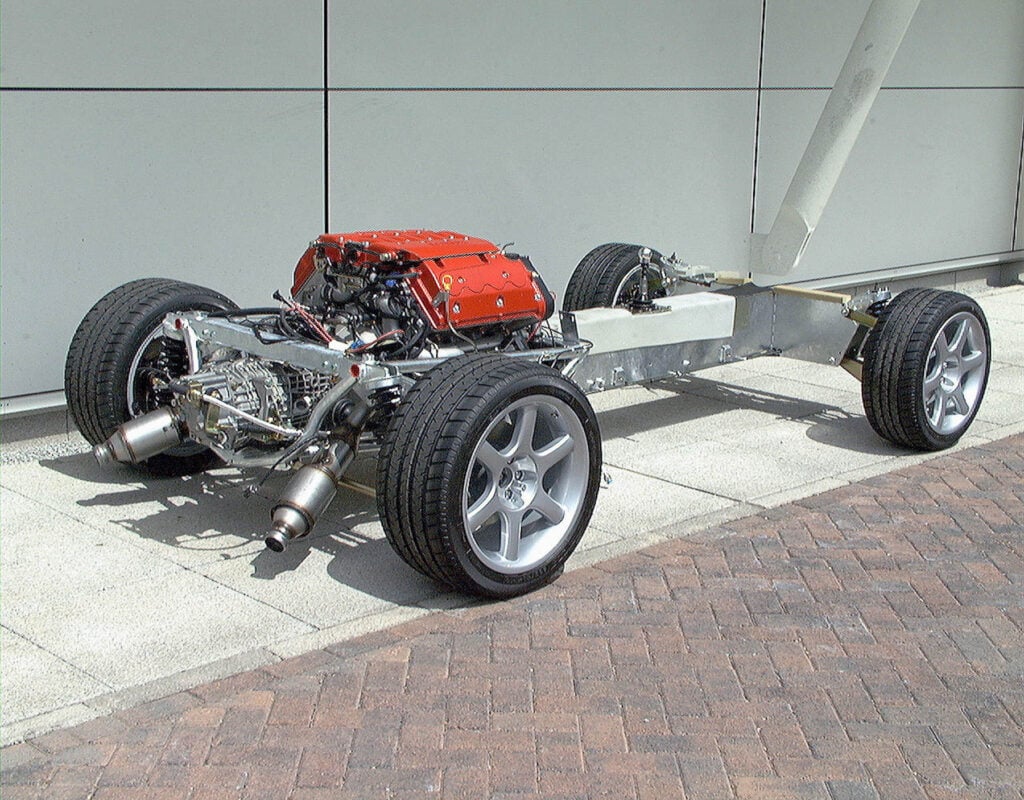
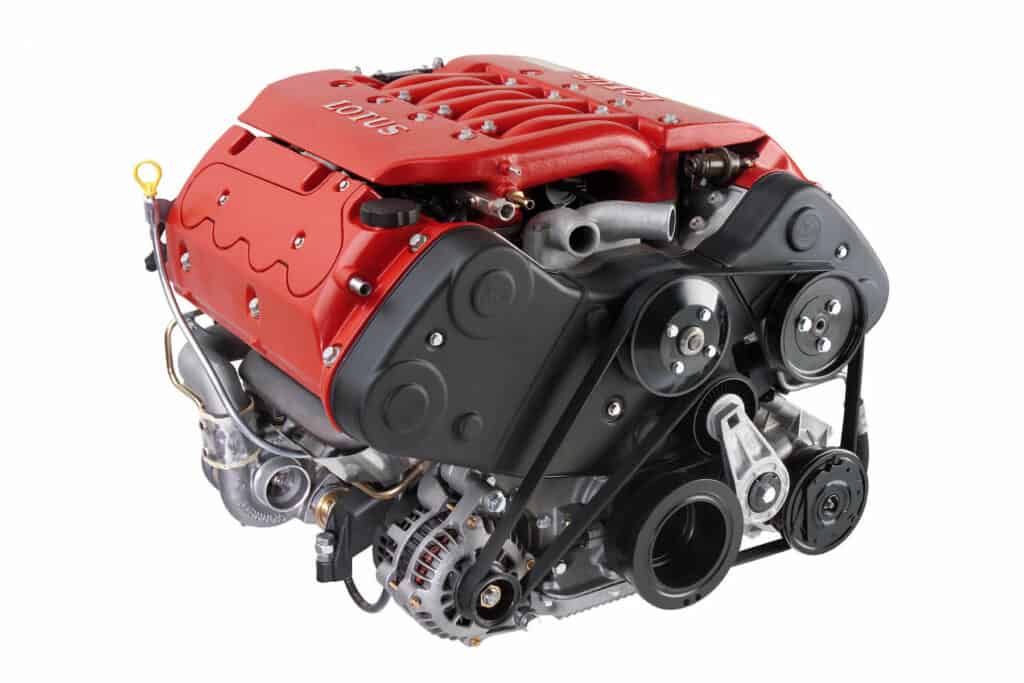
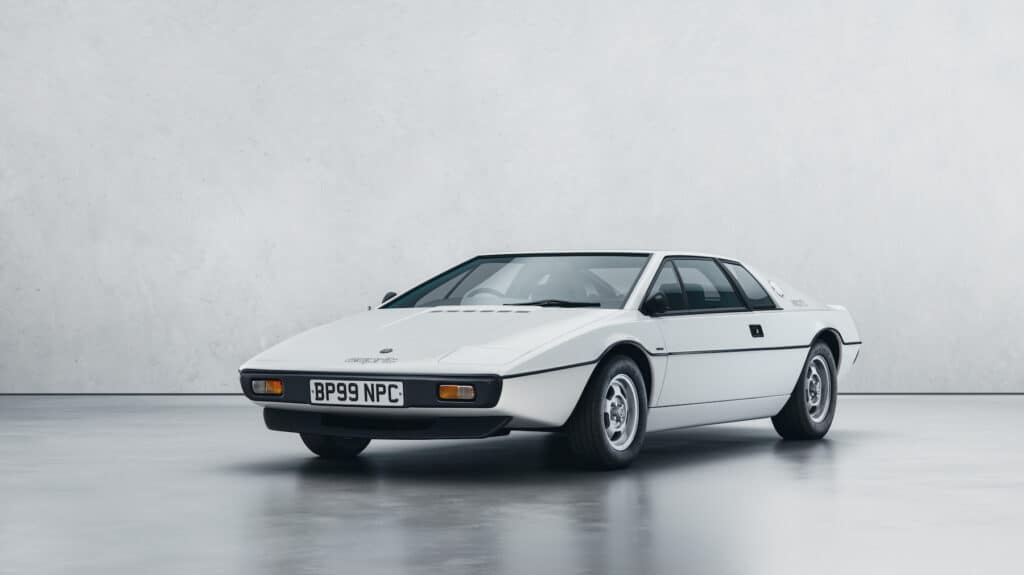
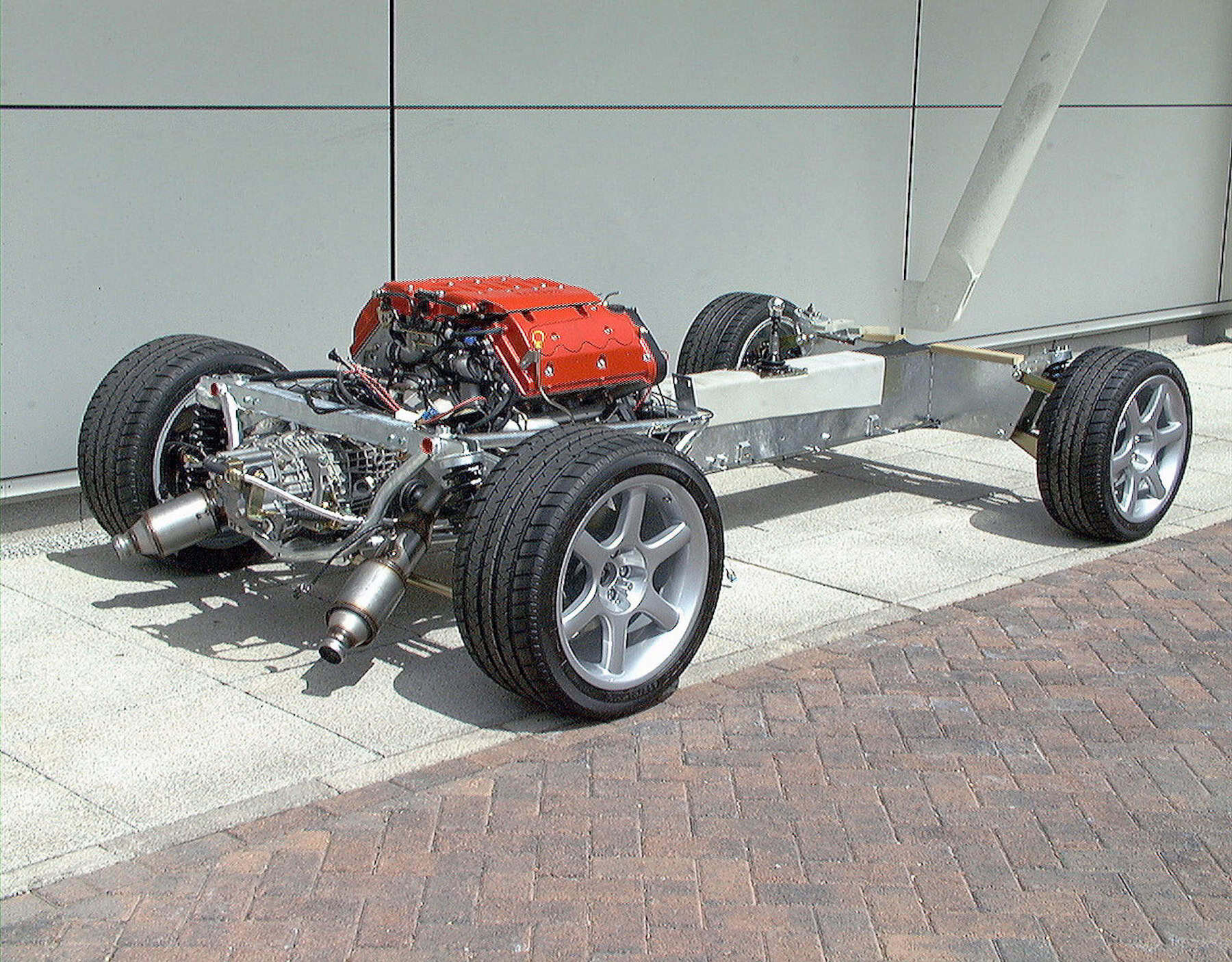
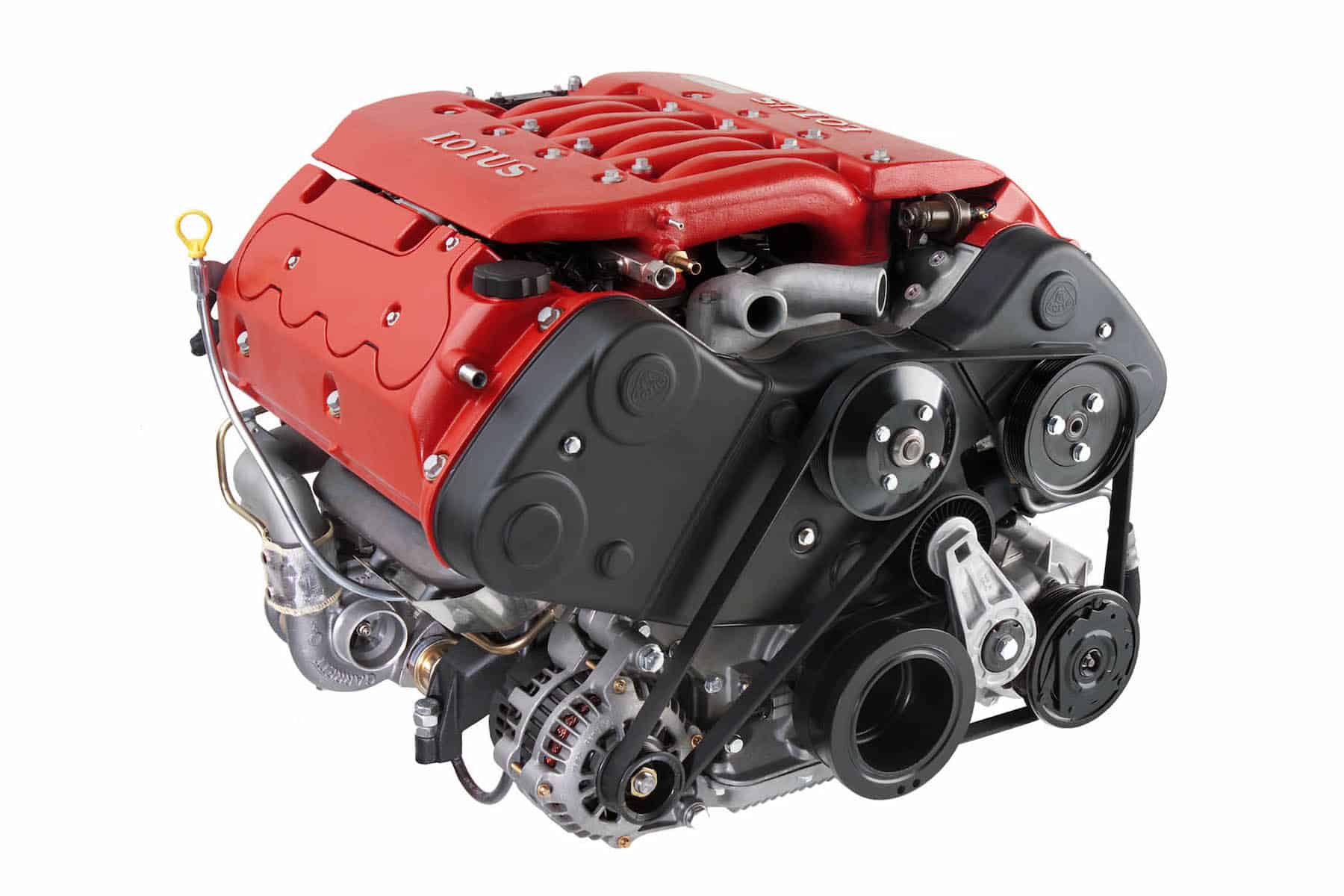
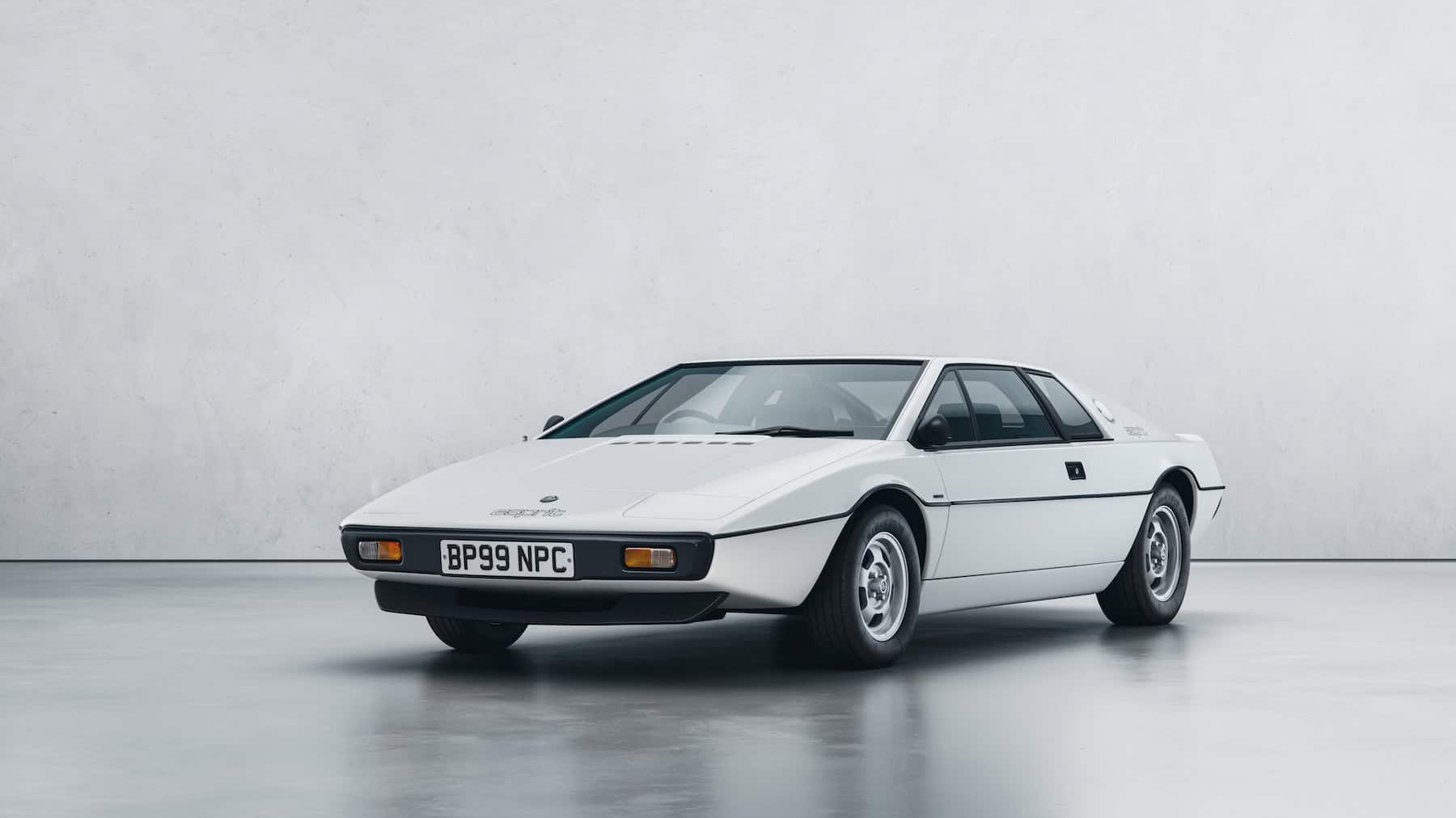
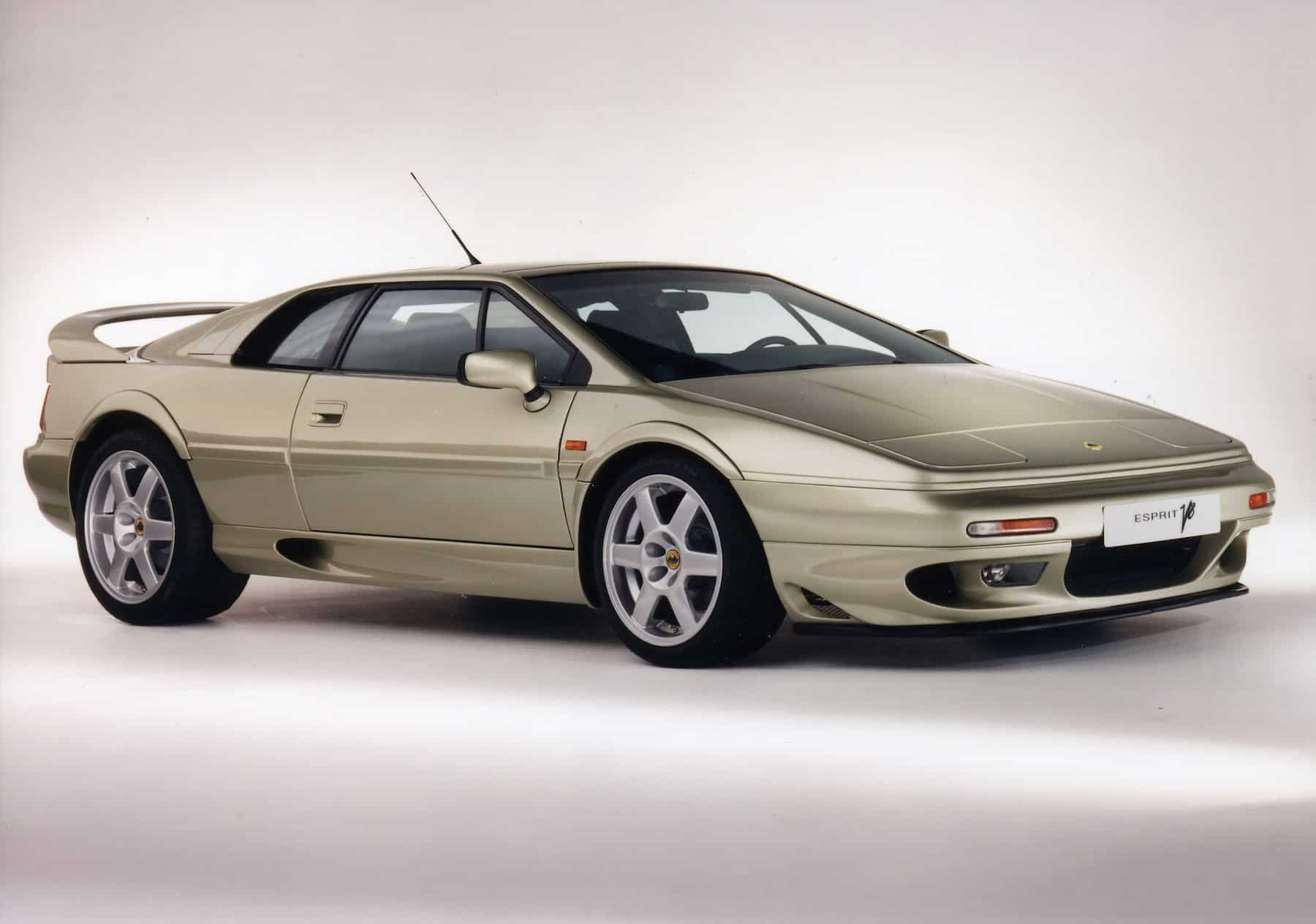
The last time Lotus offered a V8-powered mid-engine car was the ‘Series 4’ Esprit, which introduced a 3.5-litre twin-turbo bent-eight back in 1996. The V8 was offered until the final car rolled off the line in February 2004 and remains one of the brand’s most celebrated models.
Moving forward, Lotus is targeting a volume mix of 60 percent plug-in hybrid vehicles and 40 percent pure electric vehicles in the short-term, now describing a longer-term transition to full electrification as being “customer-led”.