




In our ‘Screen Gems’ series, we’re taking a look back through the archives at some of the iconic cars that became film and television stars so instantly recognisable you should know them whether a petrolhead or not. This is the seventh of 10 instalments.
As an example of the ‘Heist Movie’ genre, Peter Collinson’s 1969 production The Italian Job might have left barely a ripple on the pond of cinema history, but that was before the automotive carnage erupted.
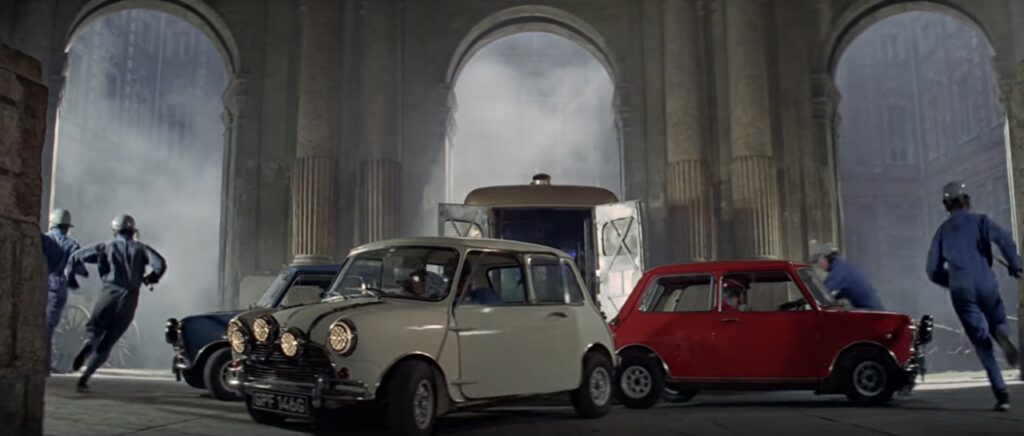
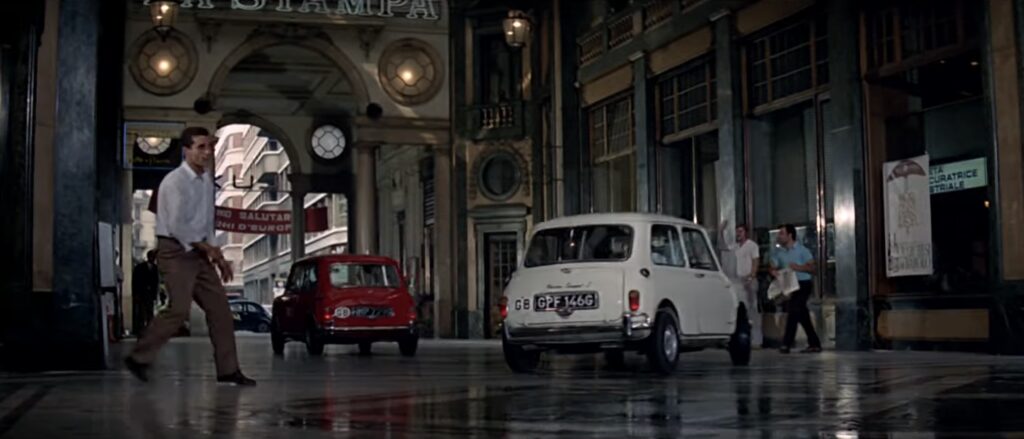
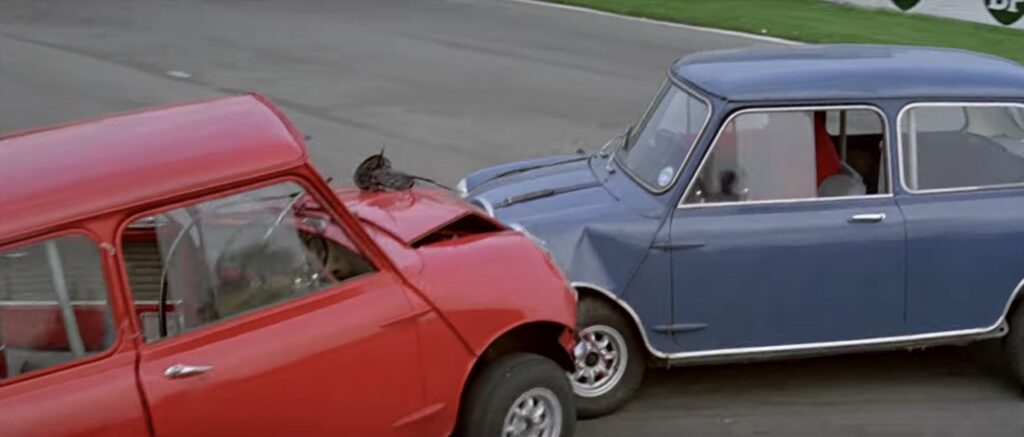
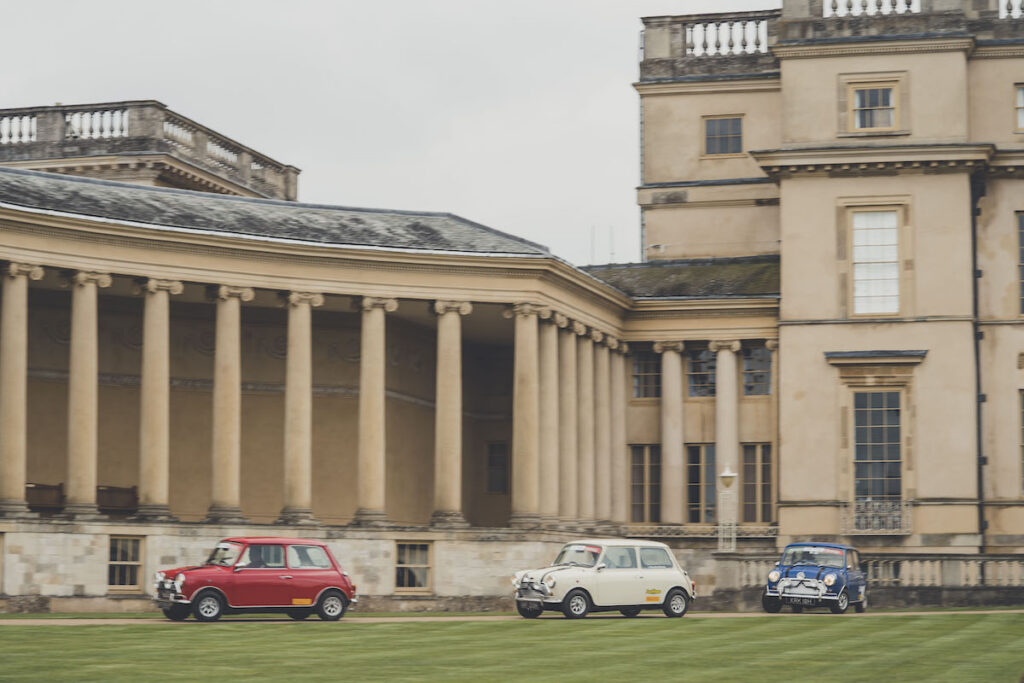
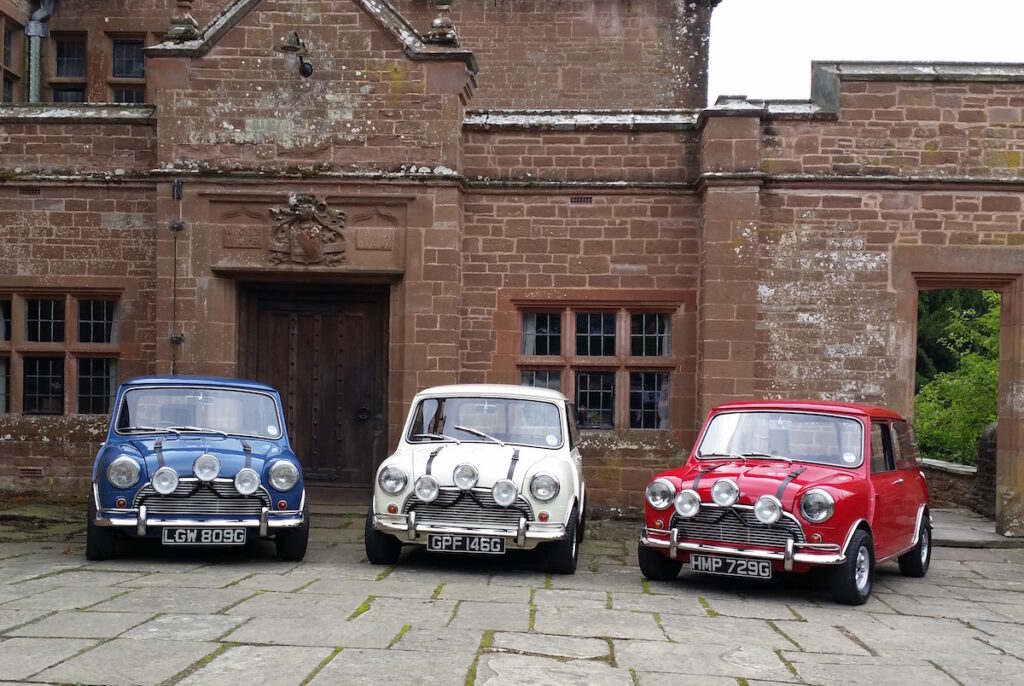
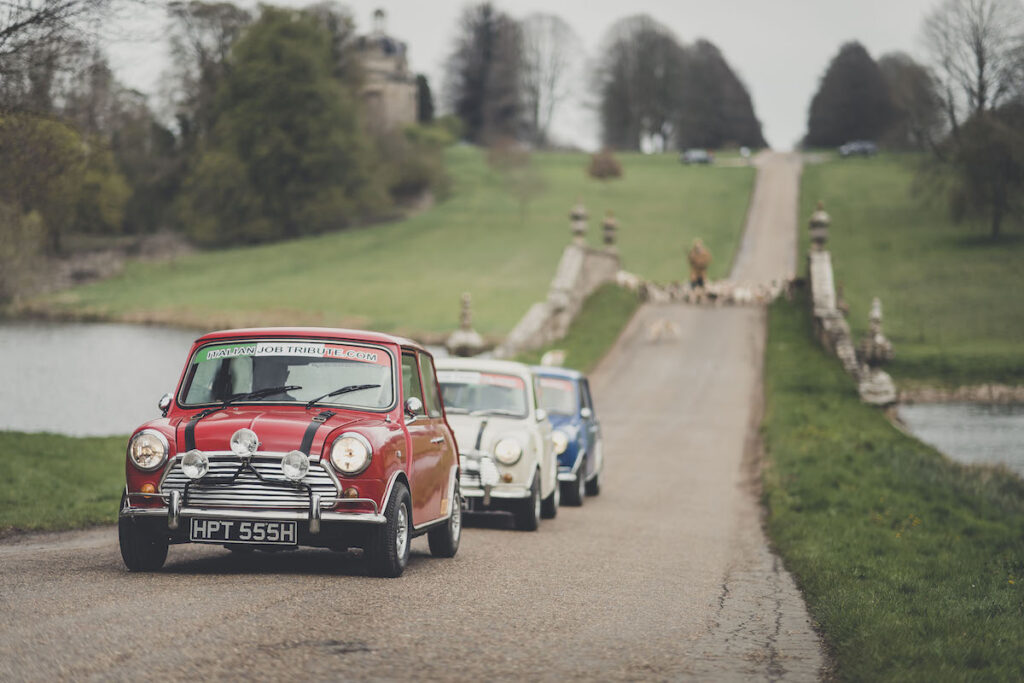
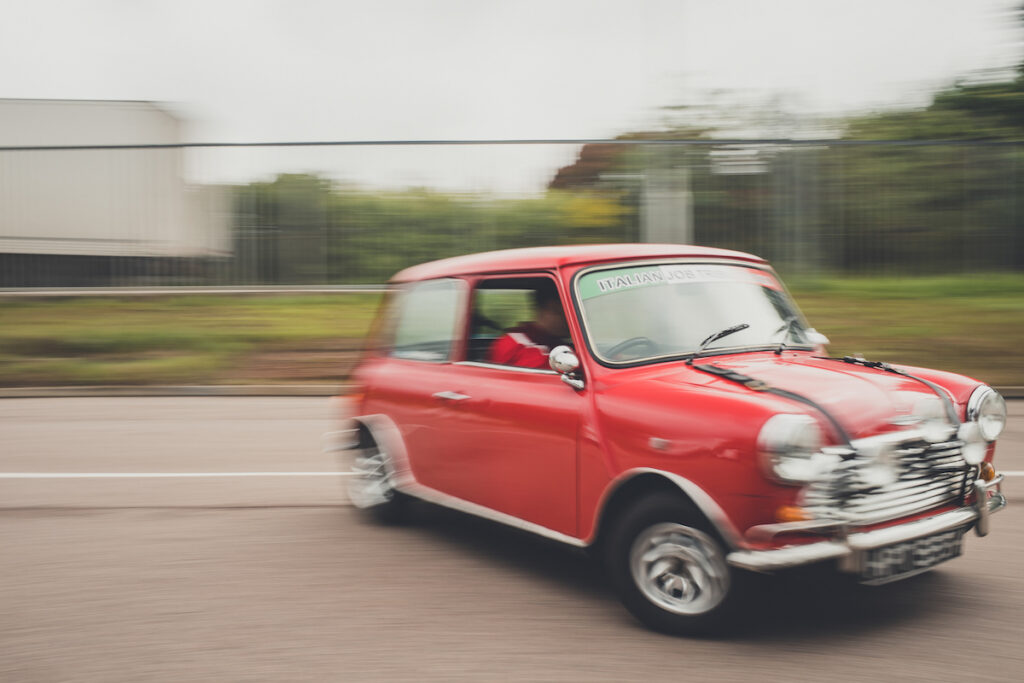
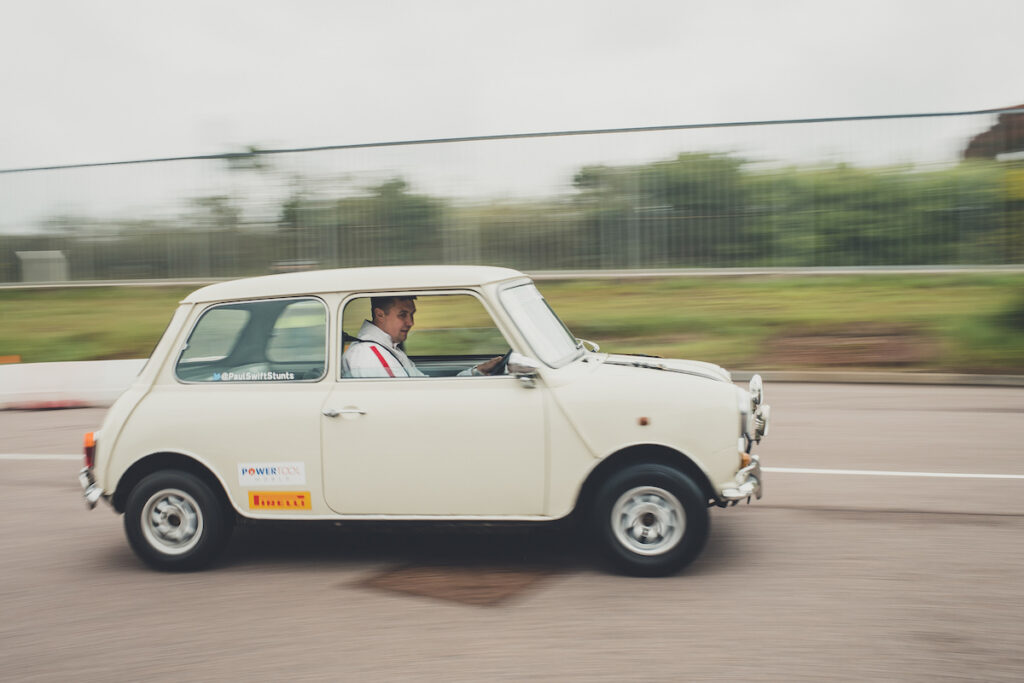
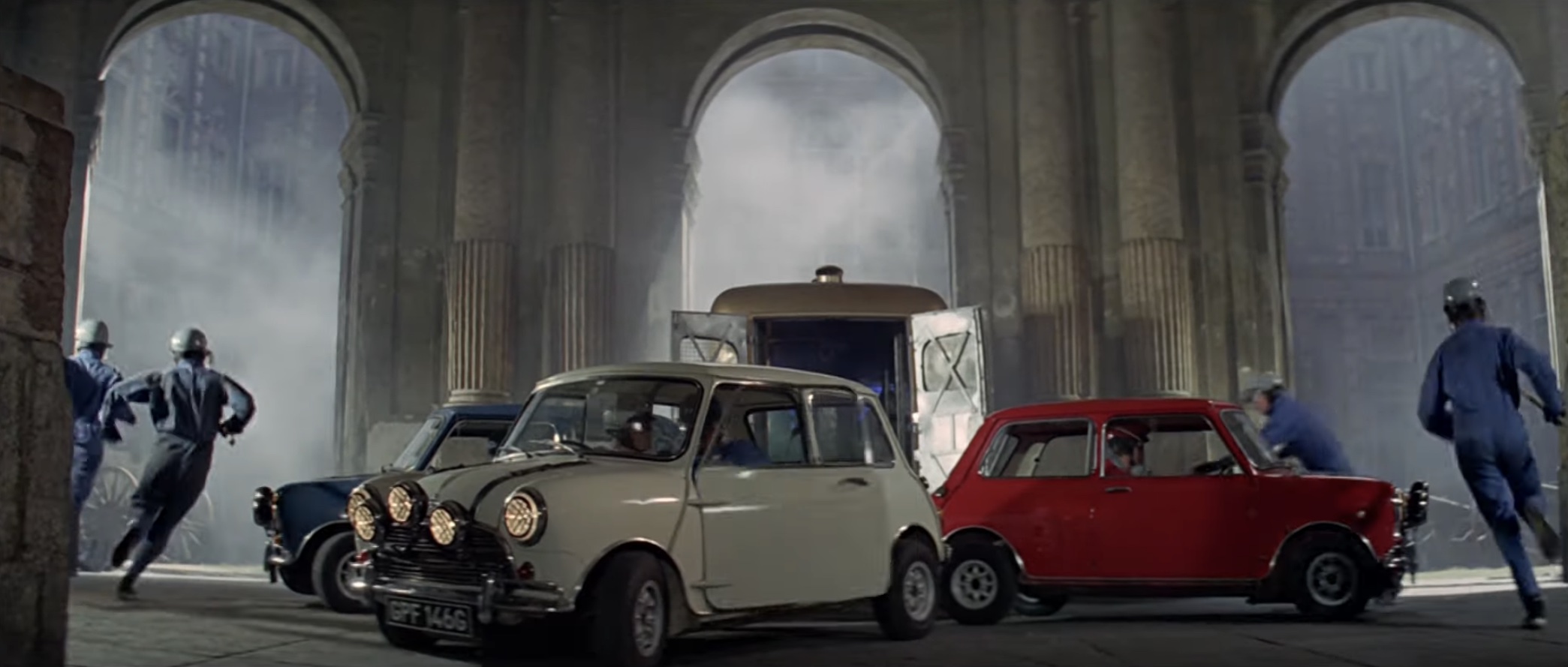
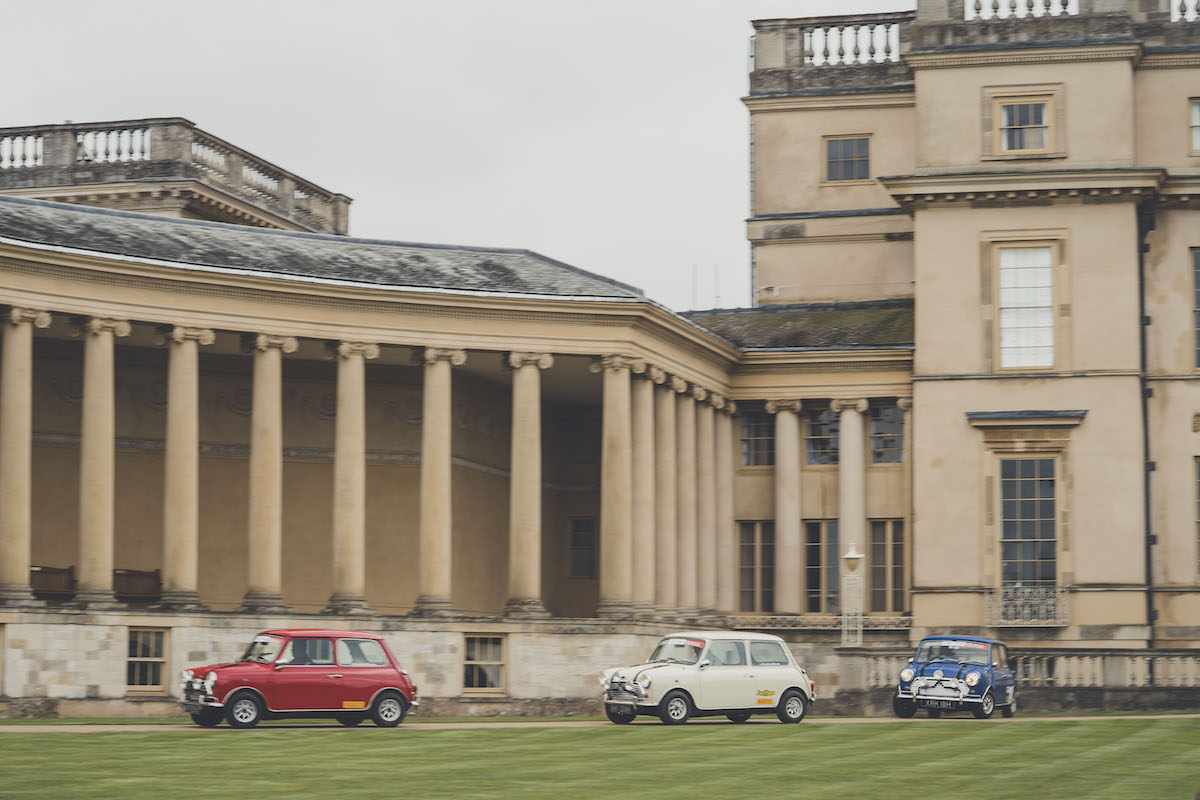
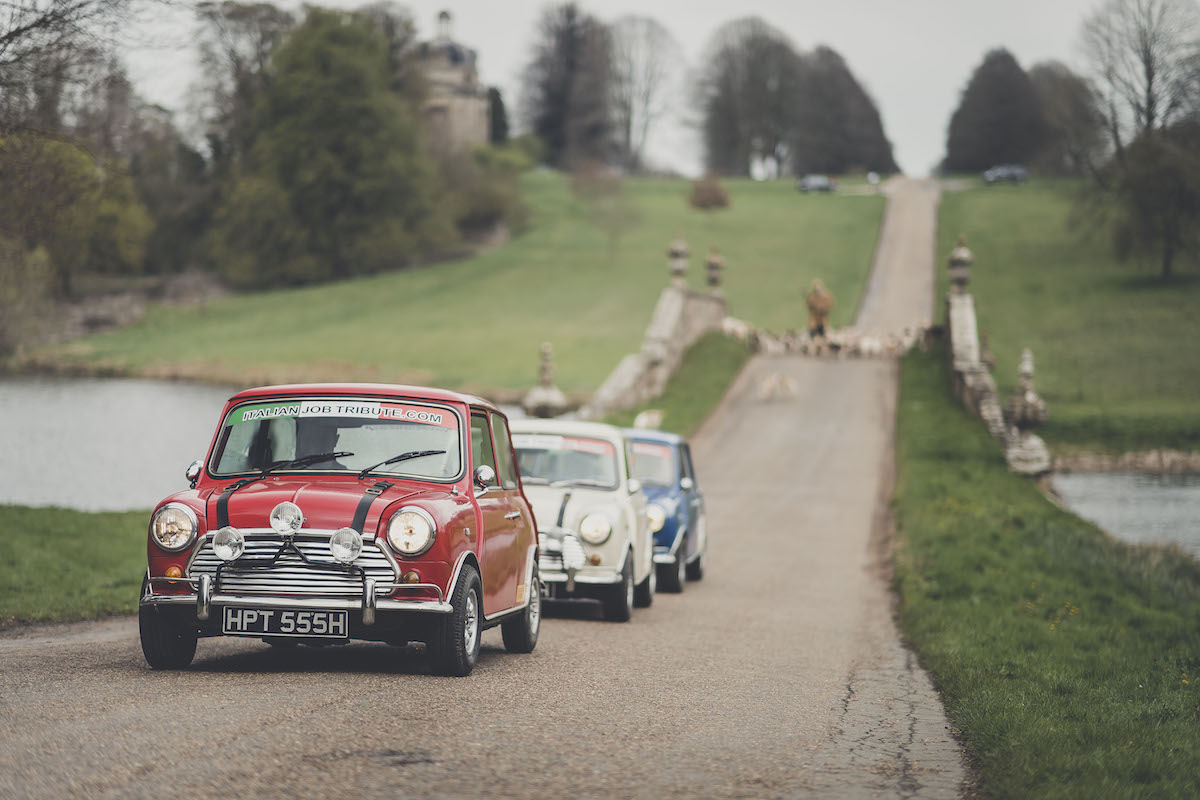
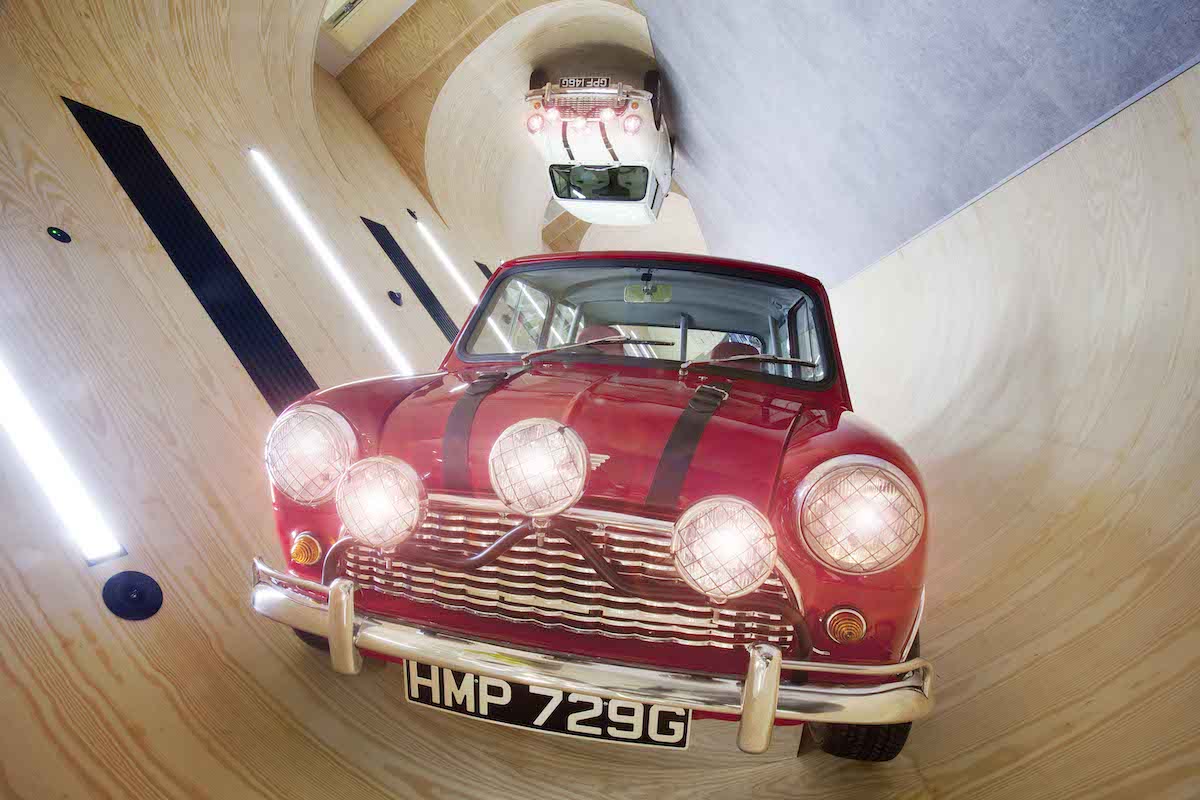
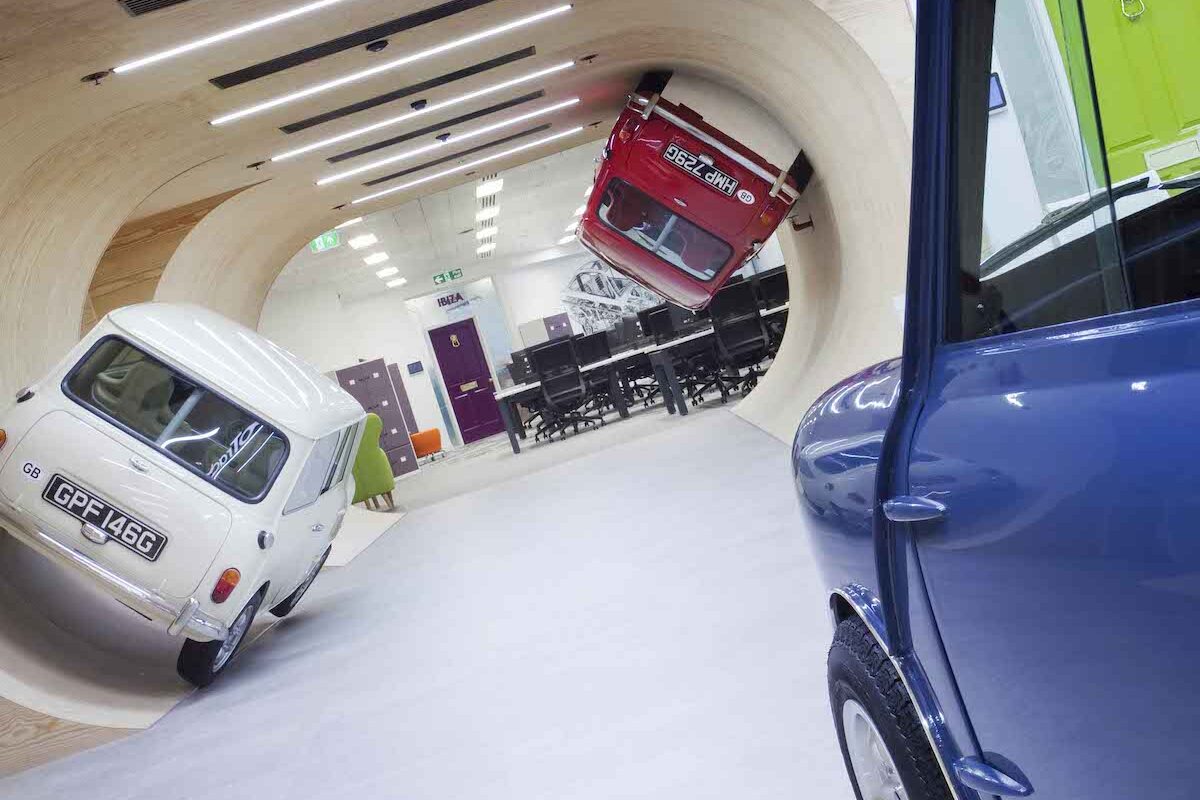
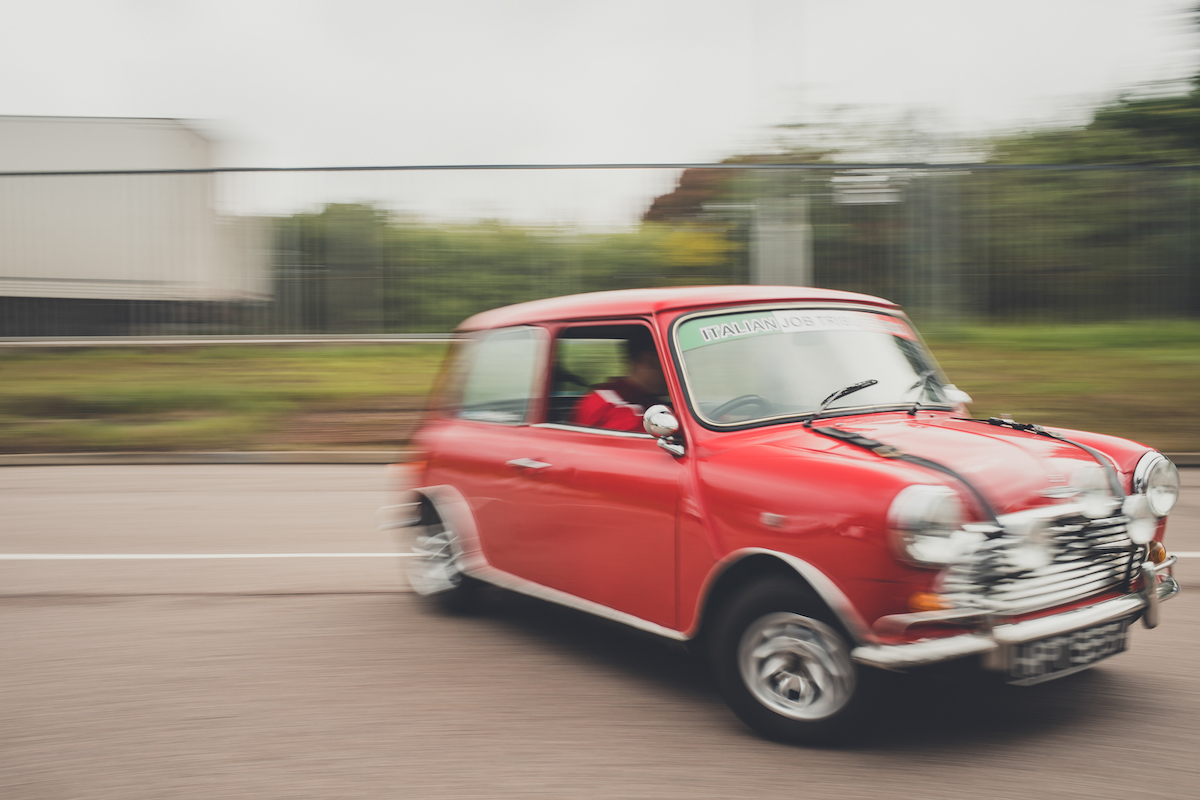
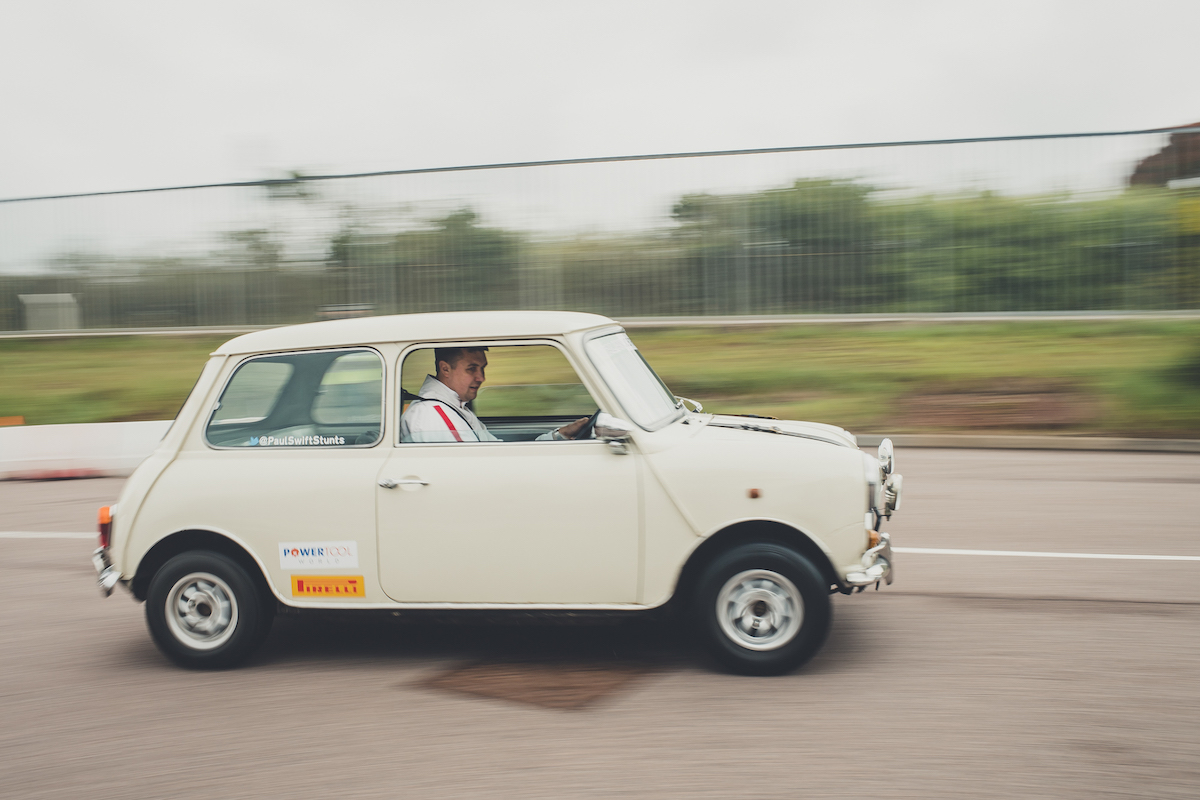
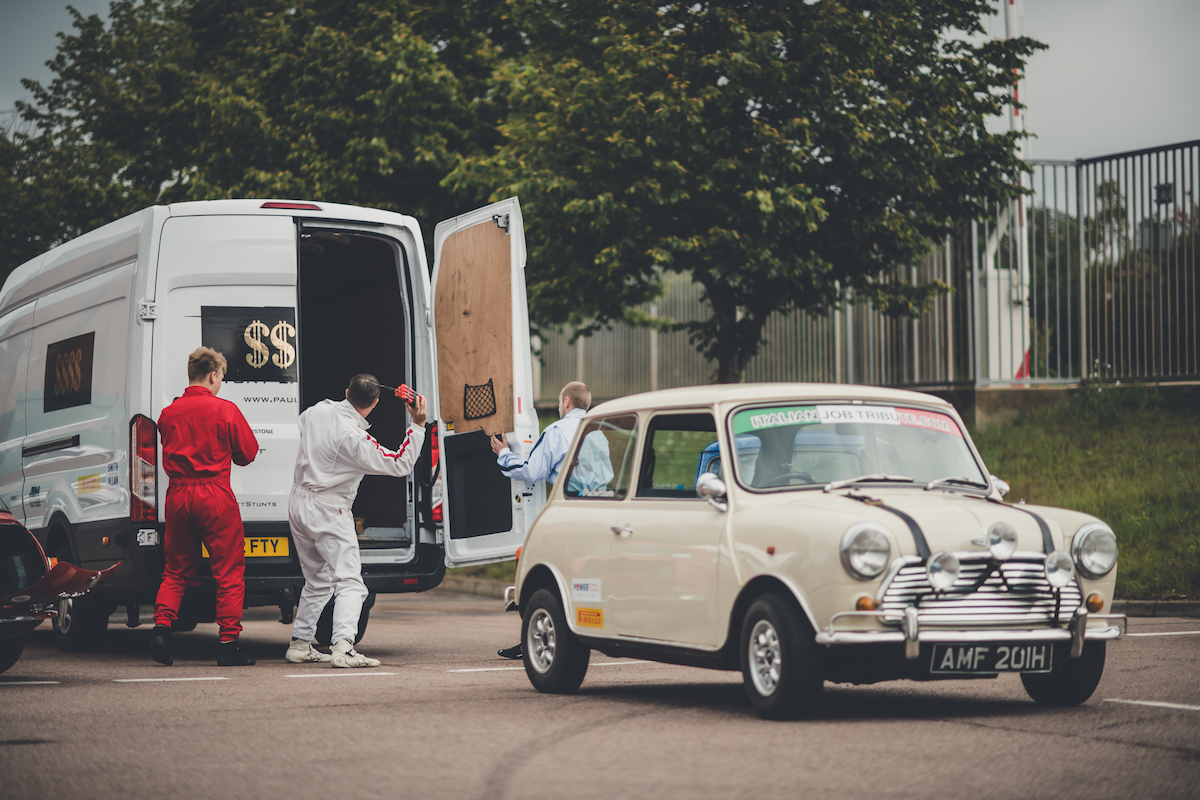
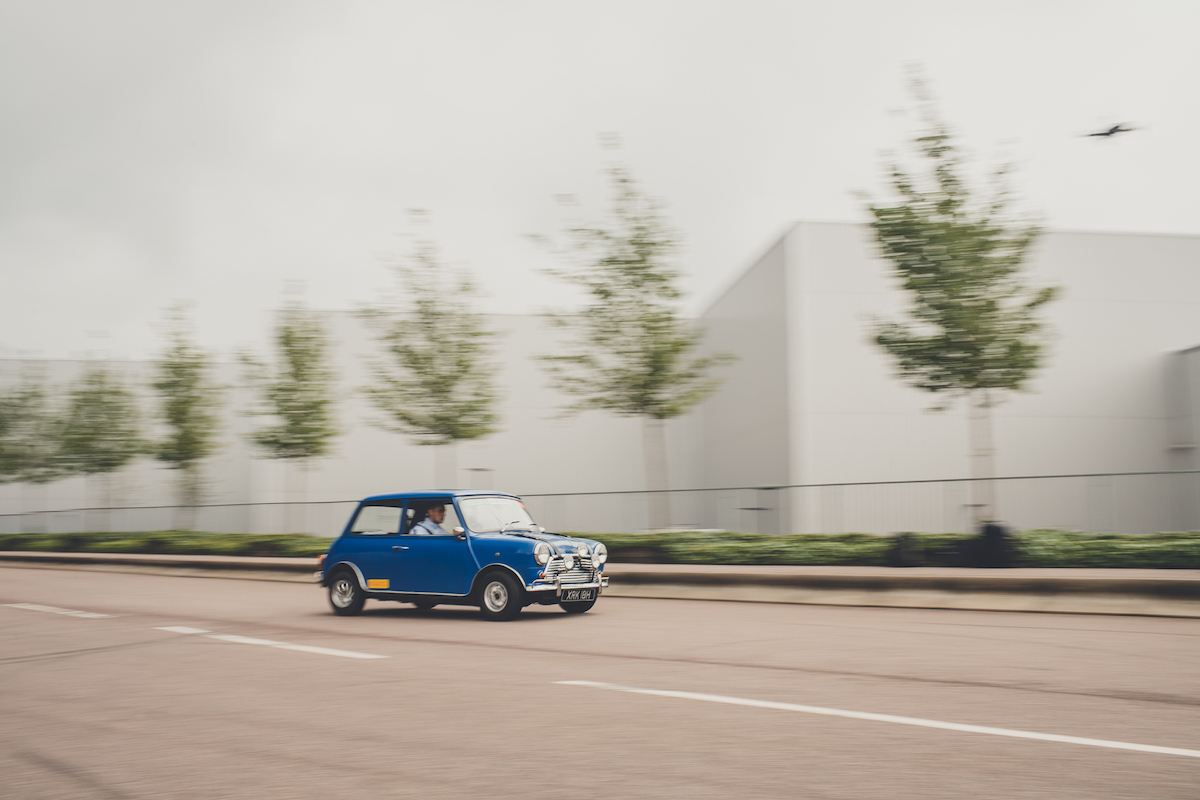
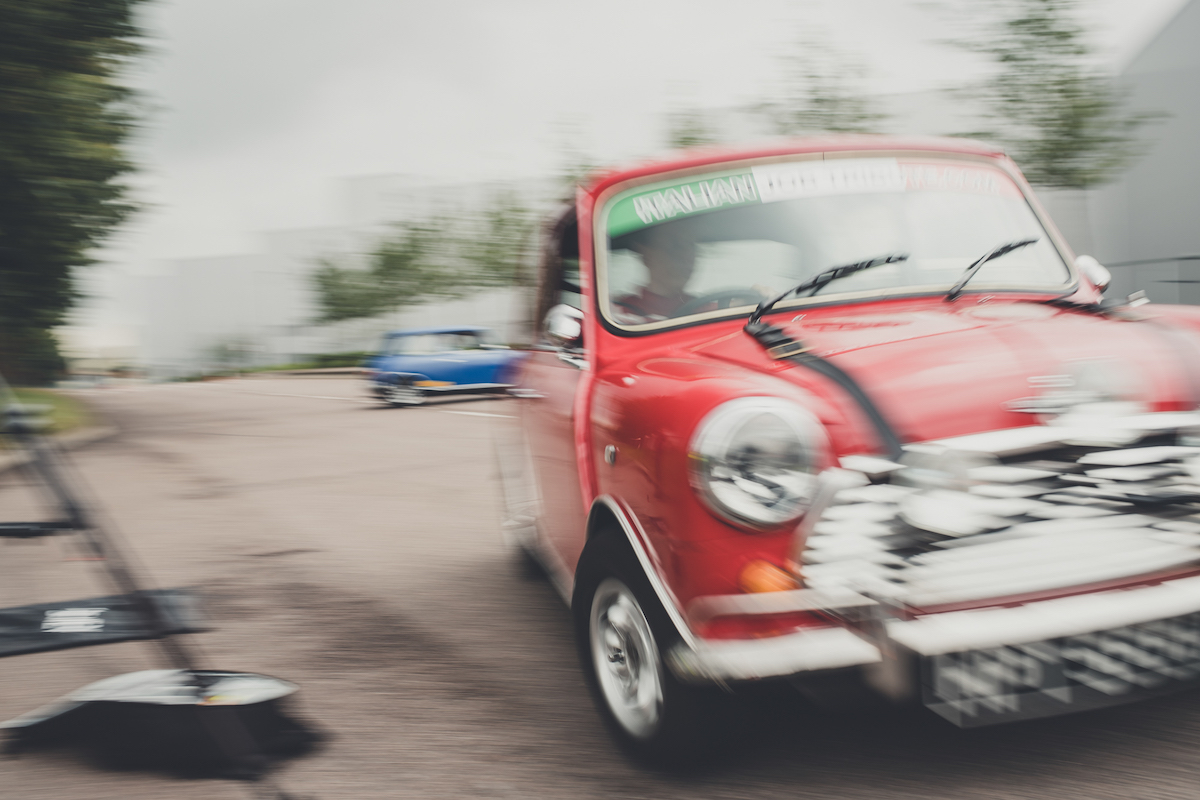
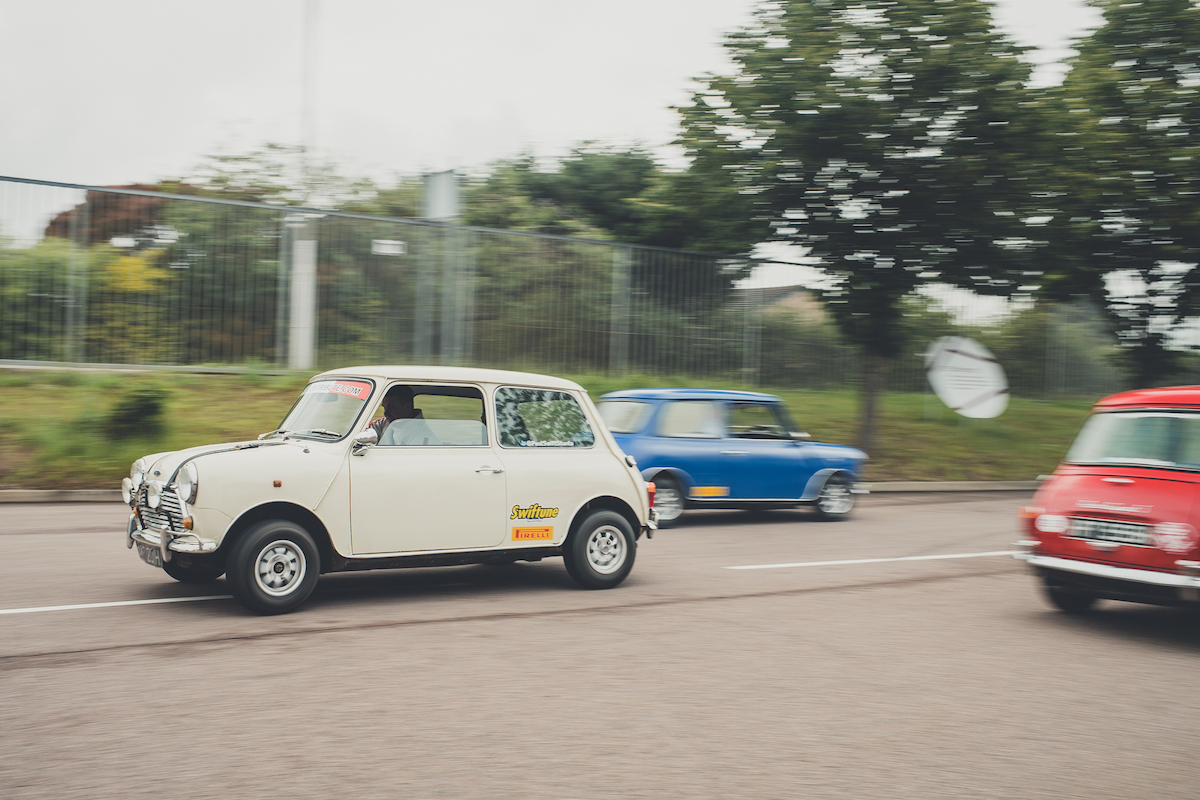
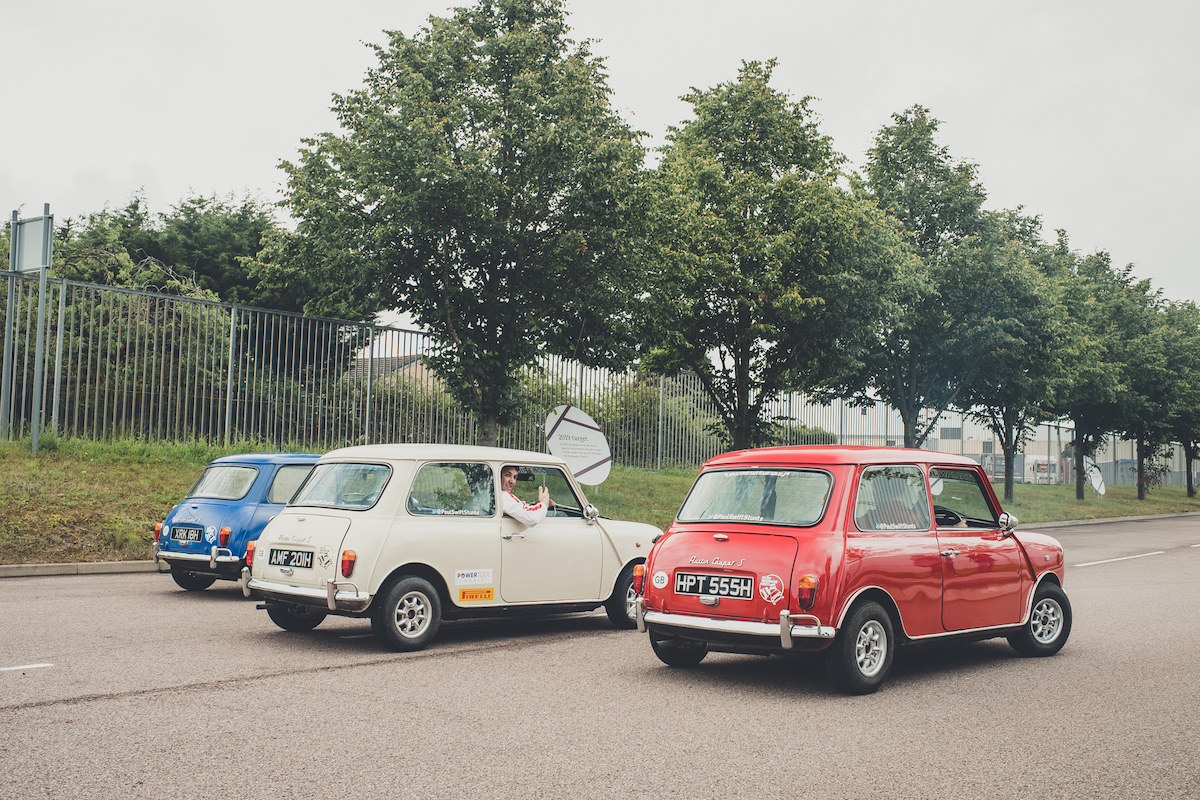
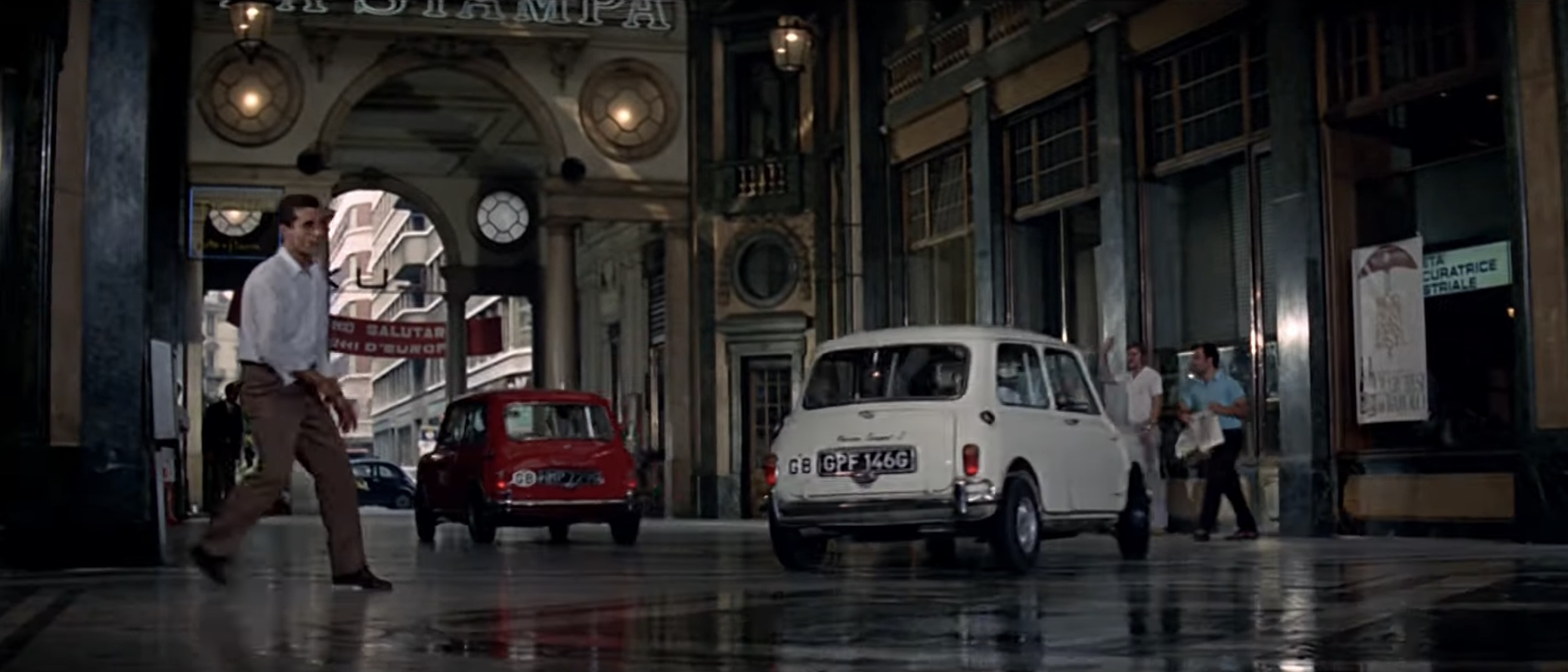
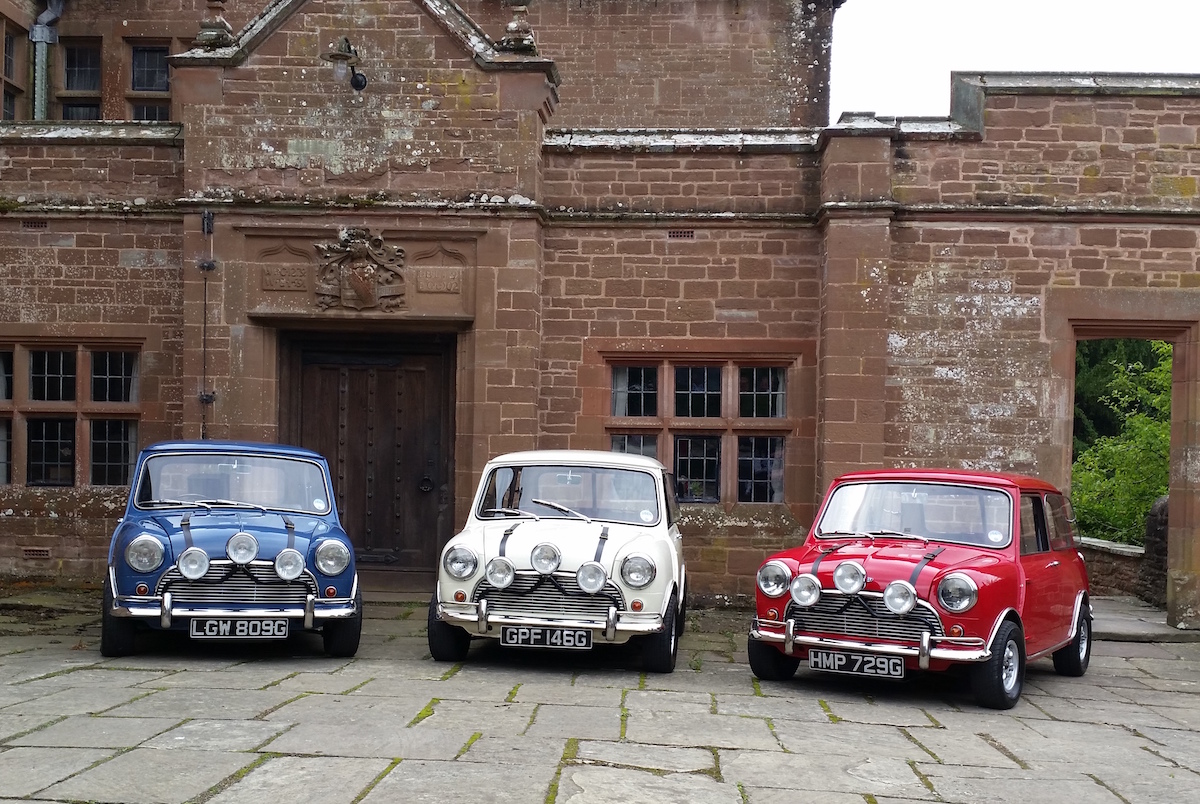
During one hour and 39 minutes of screen time, contemporary cinema-goers witnessed stunts never previously attempted, using a trio of patriotically painted (one red, one white, and one blue) Mini Cooper S Mark 1s.
As was revealed later, the total number of Minis employed during production was around 20, with most being basic 850s sourced second-hand and mocked to look like Cooper S ‘hero’ cars.
The year of the moon landing was a good one for lovers of the celluloid medium, with Oscar nominees that year including True Grit, Butch Cassidy and the Sundance Kid, Midnight Cowboy and Easy Rider no less.
As good as these films were, none of them, including the iconic biker flick Easy Rider, could match the thrills, spills and sheer automotive hedonism of the Italian Job.
Film goers were on notice right from the opening sequence when an orange Lamborghini Miura – just a couple of years old but already regarded as one of the most exotic and beautiful machines in the world – is rammed by a Mafia-bulldozer and flung off the side of the sinuous Great St Bernard Pass, between Switzerland and Italy, accompanied by Matt Monro’s soaring rendition of the Quincy Jones/Don Black classic “On Days Like These”.
The mafia and the bulldozer are at it again in a later scene when what purports to be an Aston Martin DB4 is shunted off the edge of a cliff and into the wild blue yonder. Audiences at the time were none the wiser, but it would later be revealed the DB4 was a thinly-disguised Lancia Flaminia 3C Convertible.
Clamouring for equal billing amongst the film’s stunt-car ensemble was ‘Big Willie’, a dual-steer Harrington Legionnaire touring coach which modified to accommodate the gold-laden Minis on their trip back to England. Or part of that journey anyway.
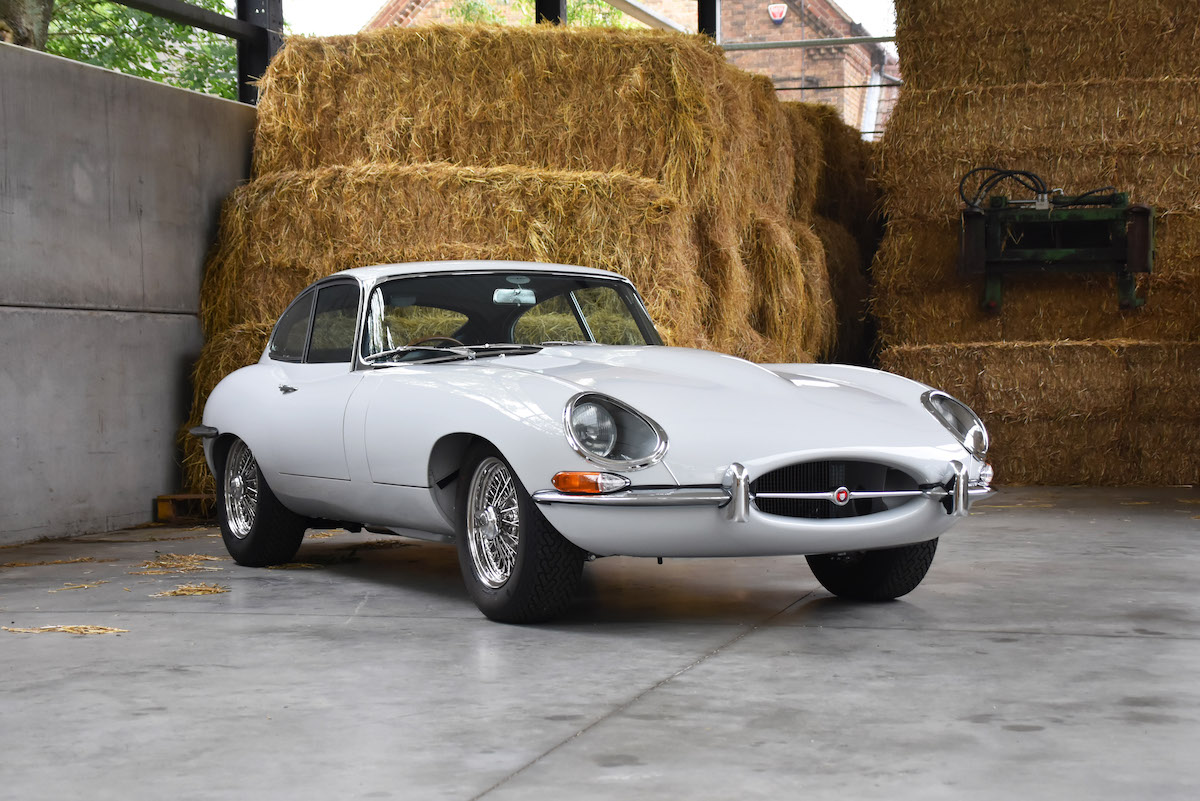
Add to that the damage caused to a couple of Jaguar E-Types, a rare Fiat Dino Coupe, various Alfa Romeo Giulia Super sedans mocked up as Italian police (Carabinieri) cars, and it’s a fair bet that the panel repair bill would have required a Mini full of the film’s ill-gotten gold bars.
Casting the human characters wouldn’t have been cheap, either, with the cast including big-name actors and entertainers Michael Caine, Benny Hill, Rossano Brazzi, and Noel Coward who was making his final appearance in a cinema production.
Not forgotten here either is the ancient Morris LC5 Commercial van that is completely obliterated by a massive explosion in the middle of Crystal Palace football ground, prompting chief crook Charlie Croker (played by Michael Caine) to utter the immortal: “You’re only supposed to blow the bloody doors off.”
Inspiration for the Italian job’s traffic light “hack”, in which the heist is achieved by hacking the computerized traffic management system in Turin to create a massive, city-wide gridlock, can be traced to a concept for a TV drama set in London involving a traffic jam caused by newly automated traffic signals.
The plot was originally pitched to the BBC as a television feature but production complexities and cost made that route impossible and the script was then touted as the basis for a feature film.
While most aspects of the film’s production and its legendary stunts were planned in meticulous detail, someone failed to properly calculate the quantity of gold bars that could be carried in the back of three hard-driven Mini Coopers.
The stated aim of the heist was to steal a US$4 million shipment of gold bullion – a down payment from Communist China on a new Fiat factory, no less – from a van stuck in grid-locked Turin traffic.
A canny critic at the time of the film’s 1969 release checked the market price of gold bullion and calculated that US$4 million in gold would have weighed around 3000kg when the Mini Cooper S was load-rated at about 200kg each plus the driver. But such was the pace of the film that most people either didn’t notice the goof or were happy to suspend belief.
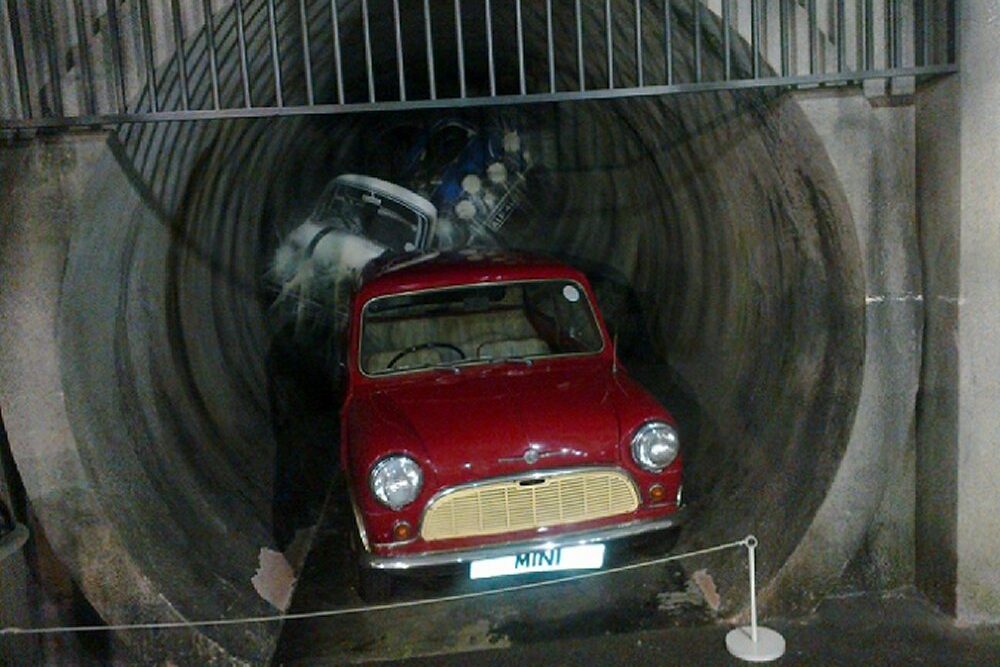
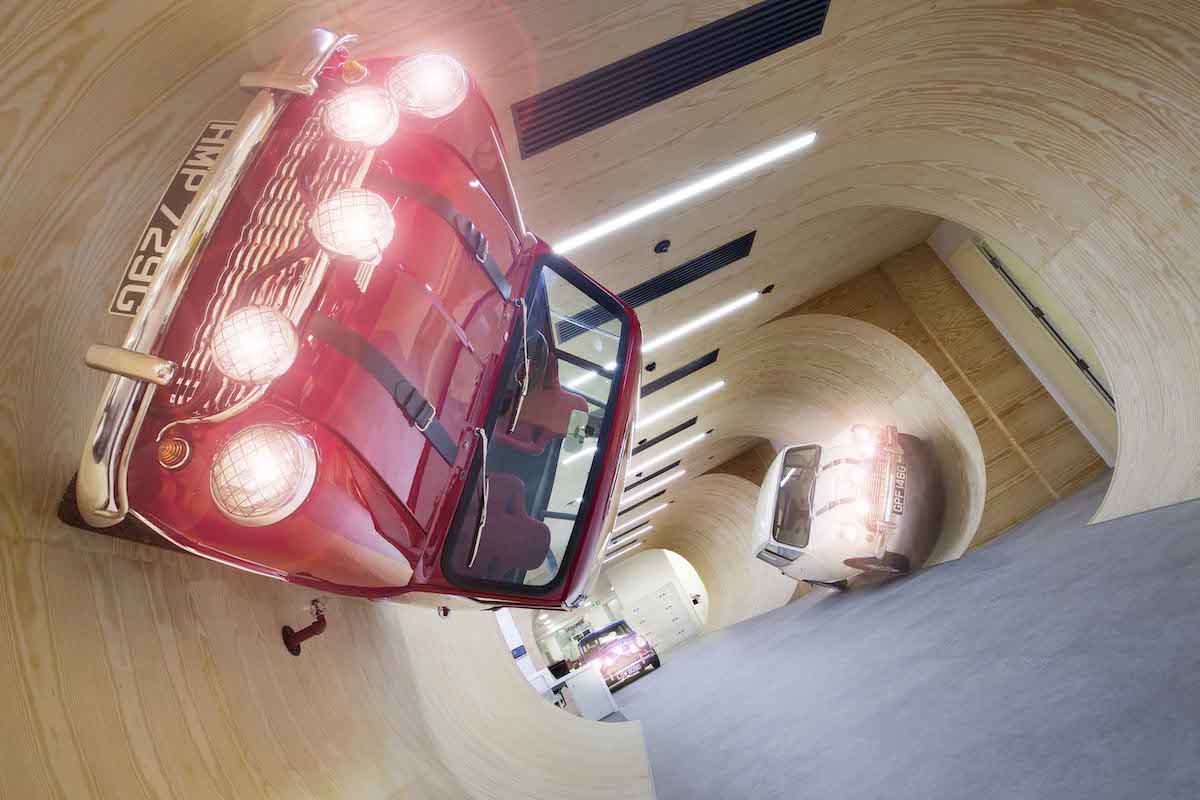
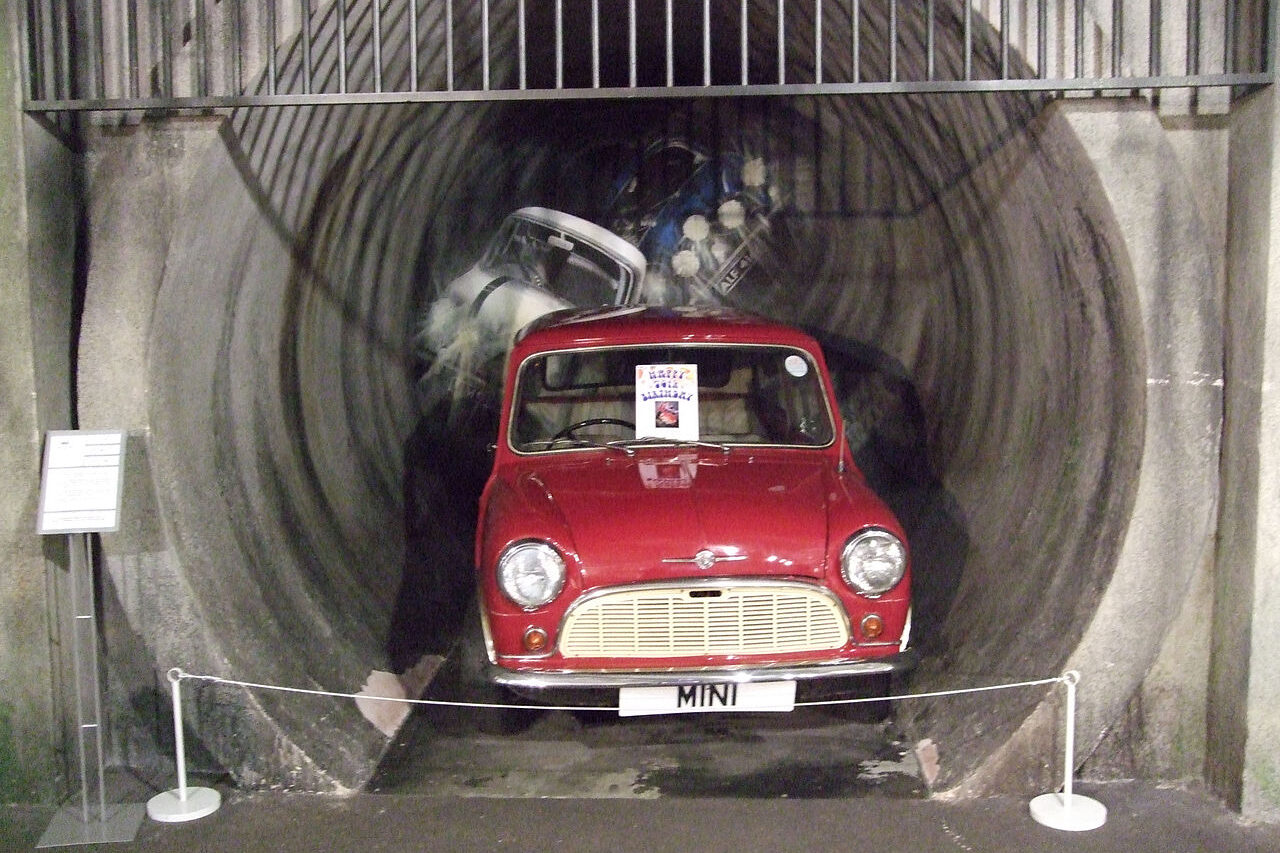
Among the memorable cavalcade of stunts were scenes involving the trio of Coopers clattering down ancient stone staircases and famously climbing the walls of a tunnel that supposedly formed part of Turin’s sewage system.
Turin, of course, wasn’t going to shut down its sewers to please a British film crew, but another more convenient location became available when the British city of Coventry announced it was laying a new 240 metre section of drainage pipe just big enough to accommodate a Mini.
Minis with their race and rally backgrounds were an obvious choice for the film’s hero sequences, but Fiat was also heavily involved as supplier of vehicles for scenes shot in Italy and was keen for the getaway cars to be rear-engine Fiat 500s.
Fortunately, for Mini, the Bambino’s limited performance and carrying capacity meant the tiny Italian car was ruled out, but the Mini almost suffered a similar fate thanks to the British Motor Corporation (about to become British Leyland) being less than cooperative.
BMC initially refused to give permission for Minis to be used at all, before relenting and selling the Production three Austin Cooper S 1275s in red, white and blue. The company refused to supply any more so extras had to be purchased from dealers or off used-car lots.
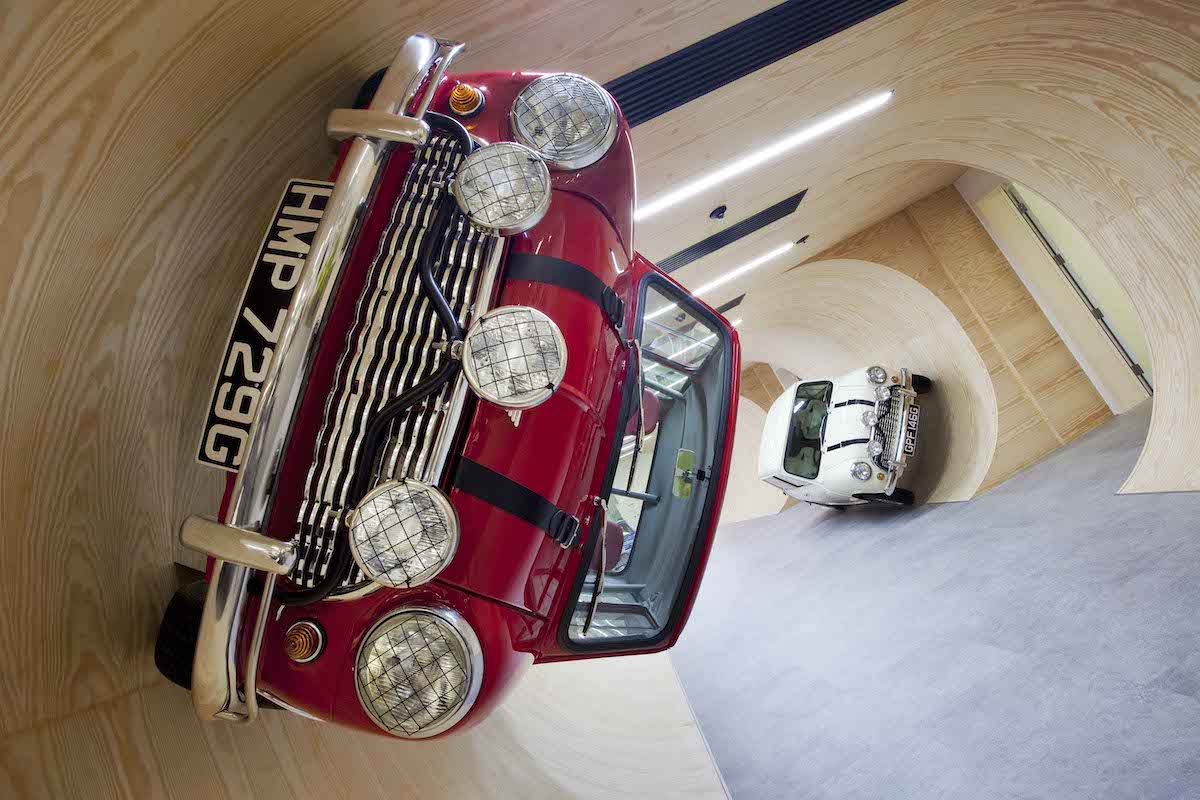
Every Mini that appeared in the film had the obligatory bonnet straps and driving lights – sewers are dark places, after all – and they were all modified to ensure they could survive the various stunts the Minis were asked to perform.
All cars were fitted with light bars of an unusual design and triple driving lights which created quite spectacular patterns as the cars slalomed their way through the sewers.
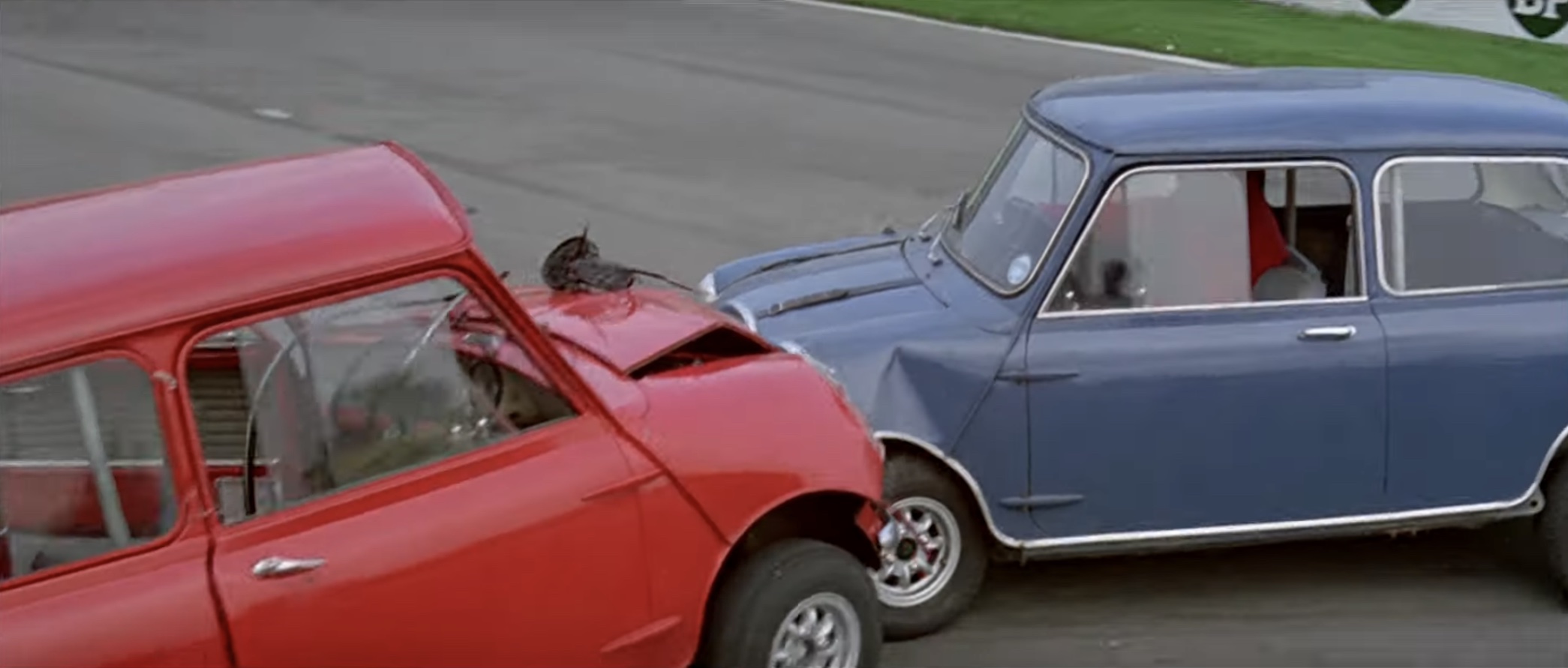
Mini sumps are vulnerable to damage even in regular driving, so engine protection was mandatory. But not even the thick aluminium bash plates visible in some scenes could prevent some structural damage when landing a spectacular jump.
One of these included leaping across a gap between two buildings on the Fiat manufacturing site in Turin, where the three Minis were required to cover 25 metres airborne – in unison, at precisely 110km/h – then land without crashing into each other. What could possibly go wrong?
The leap was devised and controlled by famed stunt performer Remy Julienne whose resume listed vehicle stunts in more than 200 movies, including six for the James Bond franchise.
Equally perilous was the way the Minis would disappear into the back of Big Willie, a specially converted touring coach. It had been stripped of seats and had a stout steel barrier to stop the driver being crushed, but even that moved a couple of centimetres each time a Mini came in hot.
Julienne developed this stunt with his usual precision but reportedly threatened to abandon the shoot when producers attempted to thwart his plans to deploy ramps from the bus while travelling at 80km/h, and having his drivers align their Minis with the bus’s dual rear doors at 110km/h. Thankfully for movie lovers everywhere, the legendary French stunt driver and coordinator got his way.
Of course, once the gold was successfully nicked, the Minis were of no further use, with the 800-metre drop off a mountain pass as good a place as any for their disposal.
To ensure they fell in the most spectacular fashion, Julienne rigged an air cannon inside the bus to fire what were actually mocked-up Minis acrobatically into the abyss.
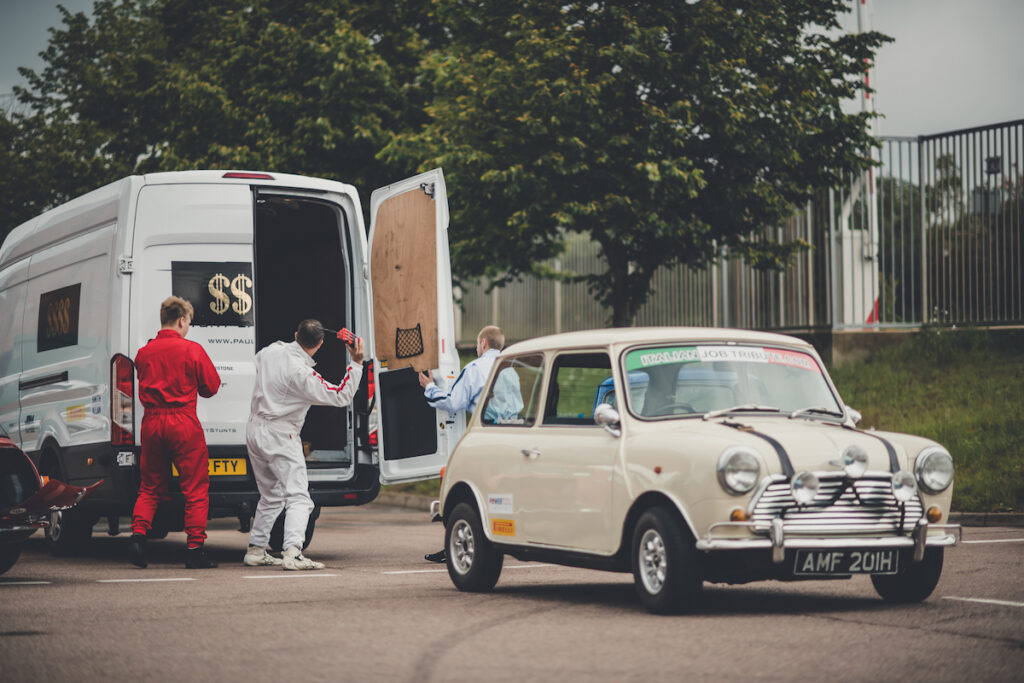
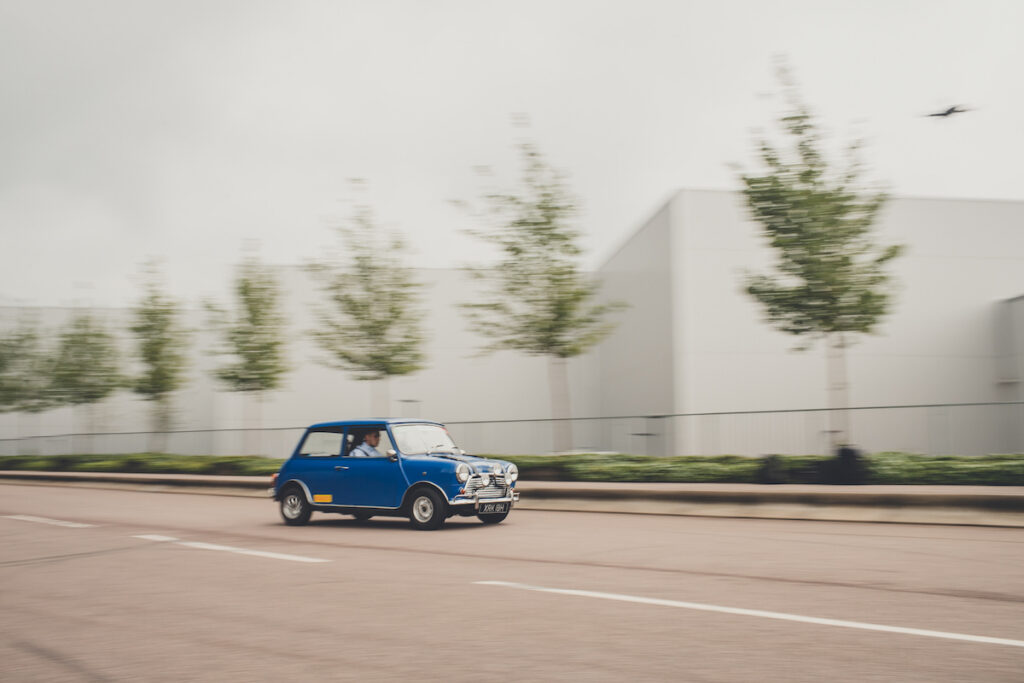
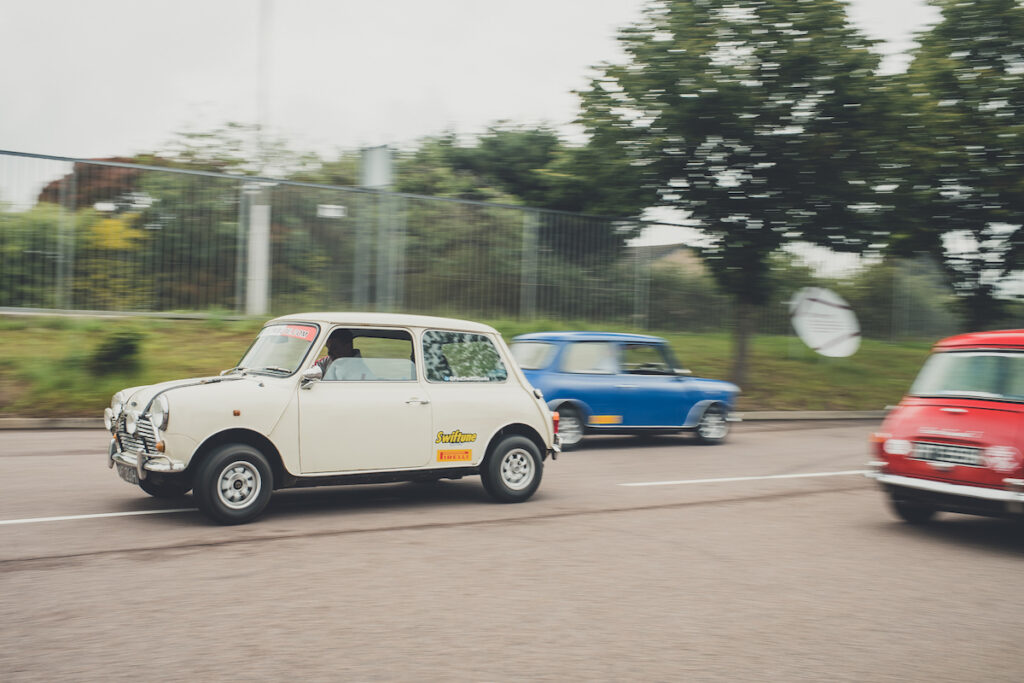
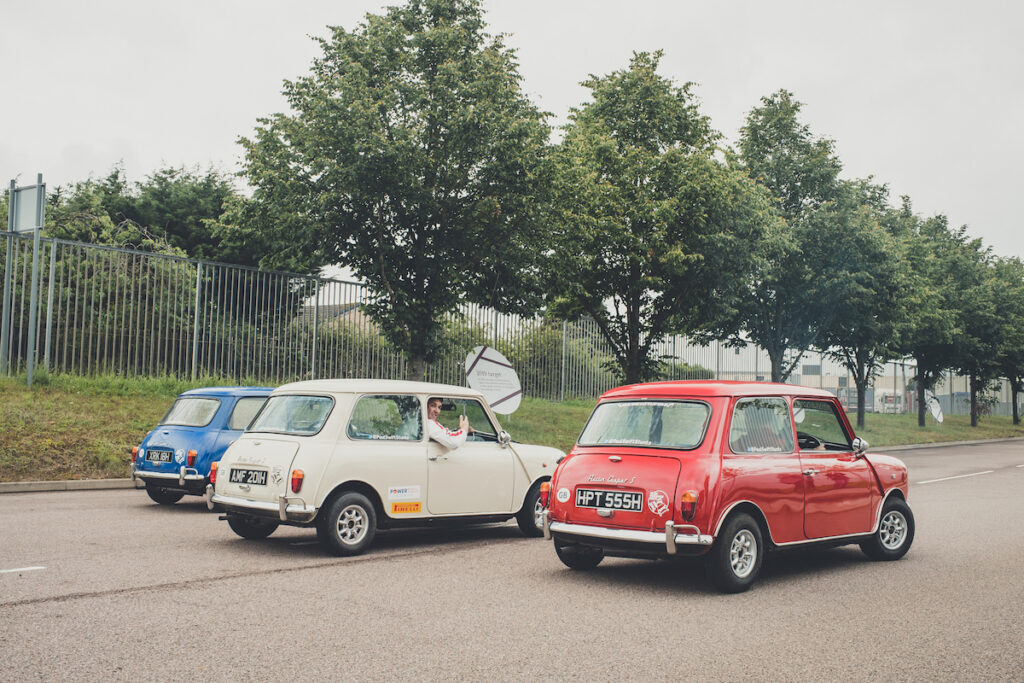
People have spent decades trying to track down the surviving Minis from Collinson’s 1969 classic, but few traces have been found. We do know, however, that the cars’ number plates were reissued and are now carried by three excellent replicas owned by a British Mini enthusiast.
Big Willie also survived the ordeal and for some years after was used by a race competitor as transport for his Formula Ford, before being unceremoniously scrapped in 1990.
The Lamborghini Miura suffered no such fate, despite the film showing is destruction early in the piece. That car was also a mocked-up replica, with the real Miura emerging from filming intact and largely undamaged.
Records show the Miura (chassis #3586) was returned to Lamborghini, before being sold to a private owner in Rome who later on-sold it. The car passed through the hands of several collectors who were unaware of its provenance, before being purchased in 2018 by entrepreneur, investor and philanthropist Fritz Kaiser, who set about establishing its credentials.
Kaiser contacted Lamborghini’s Polo Storico, the company’s historic division, who verified the car’s identity through archival documentation and testimonies. The Miura then underwent a meticulous restoration by Polo Storico, with the restored Miura appearing in time for the film’s 50th anniversary in 2019.
While the Mini Copper S is the undoubted automotive star of The Italian Job, the Lamborghini Miura’s short but memorable turn has ensured its status as one of the most significant movie cars in history and it’s now part of the Kaiser Collection, in Vaduz, the capital of Liechtenstein.
To find out more about the other cars featured in our ‘Screen Gems’ series, you can head back to the beginning by clicking here.