
Ordinarily, when a car company plans on revealing its latest creation to the world at a prestigious auto show, a sleek and stylish new model wearing painstakingly crafted bodywork is what will be hiding under the cloak.
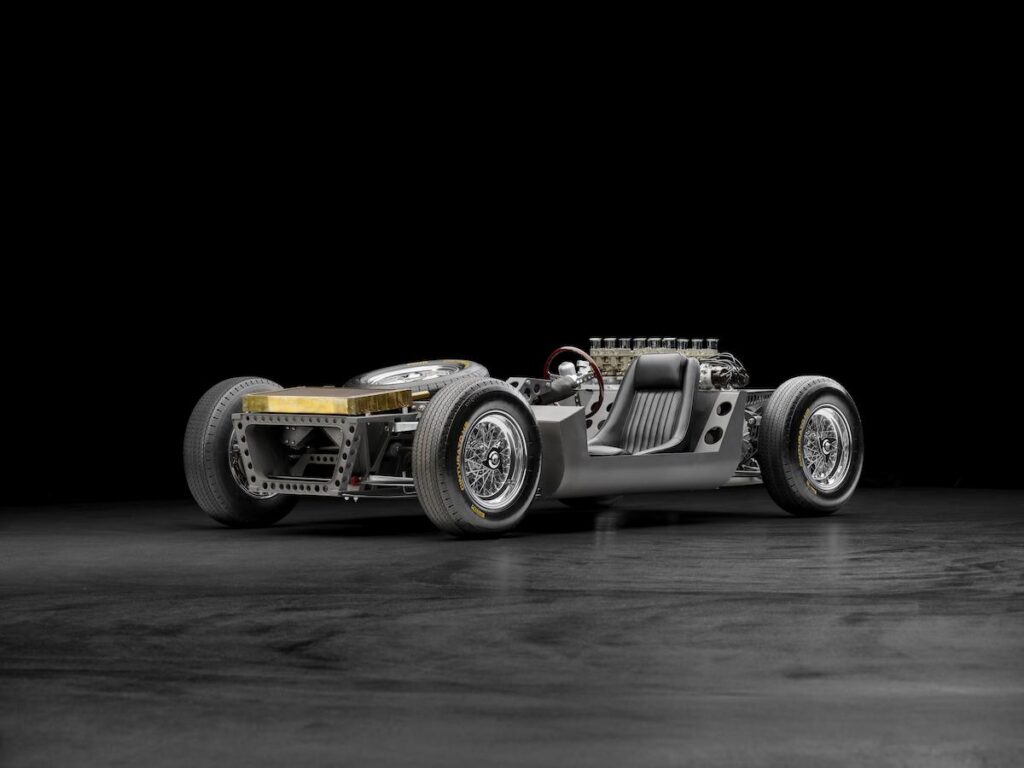
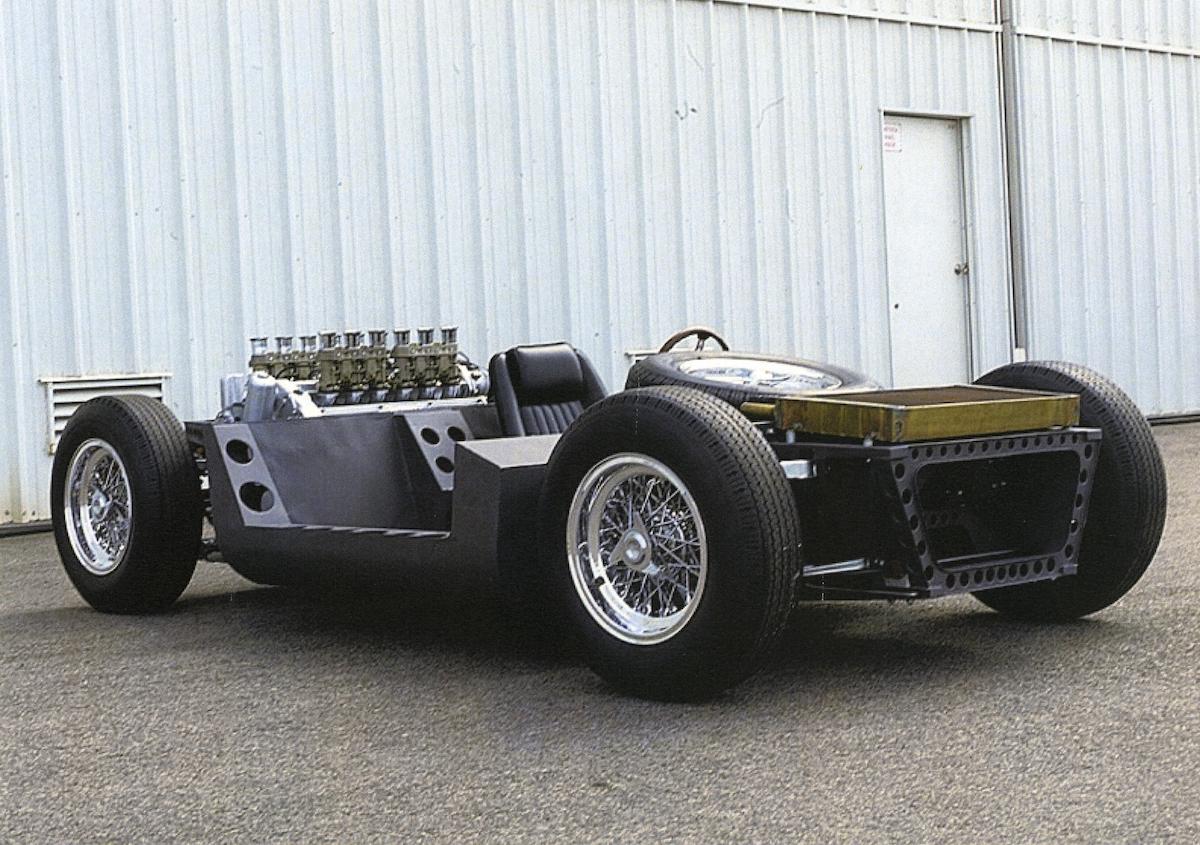
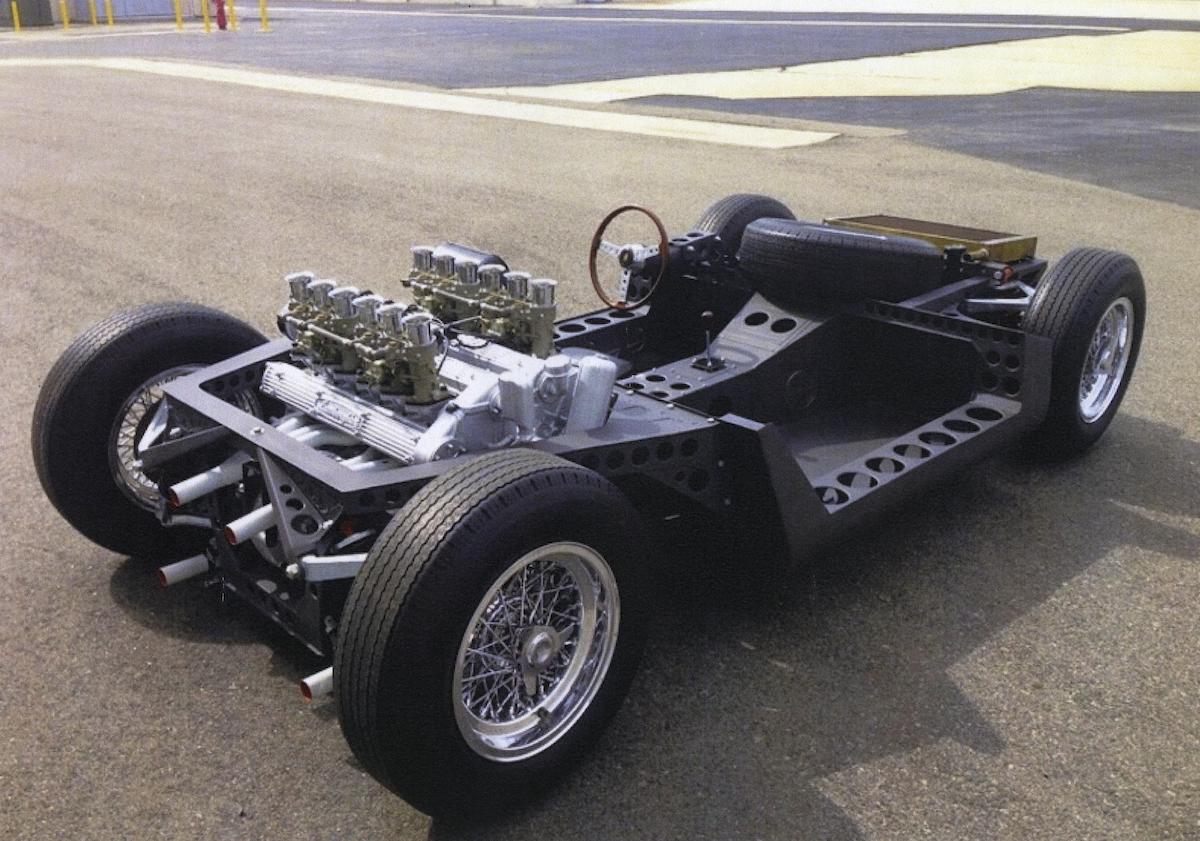
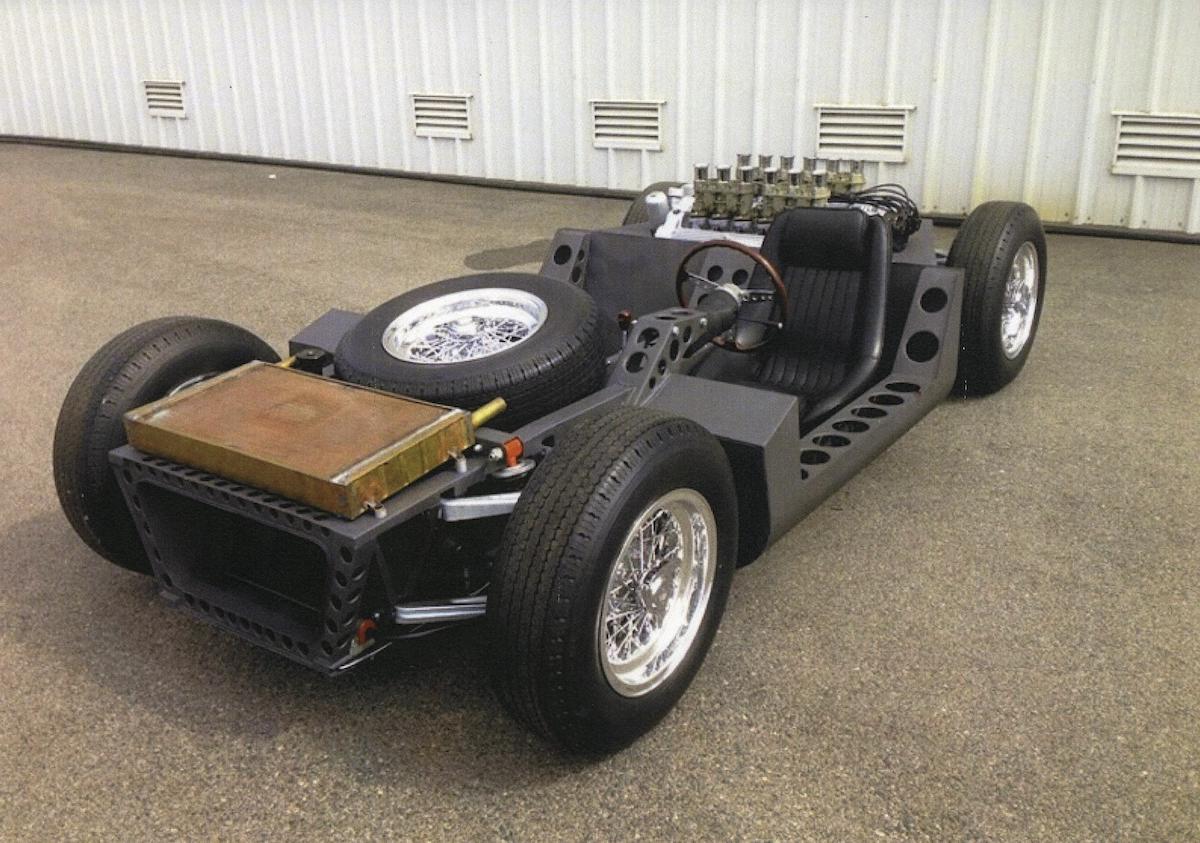
By contrast, the Lamborghini stand at the 1965 Turin Motor Show looked just a little bit different. Rather than unveiling a car, the company that came to define the supercar instead displayed the chassis that would underpin it.
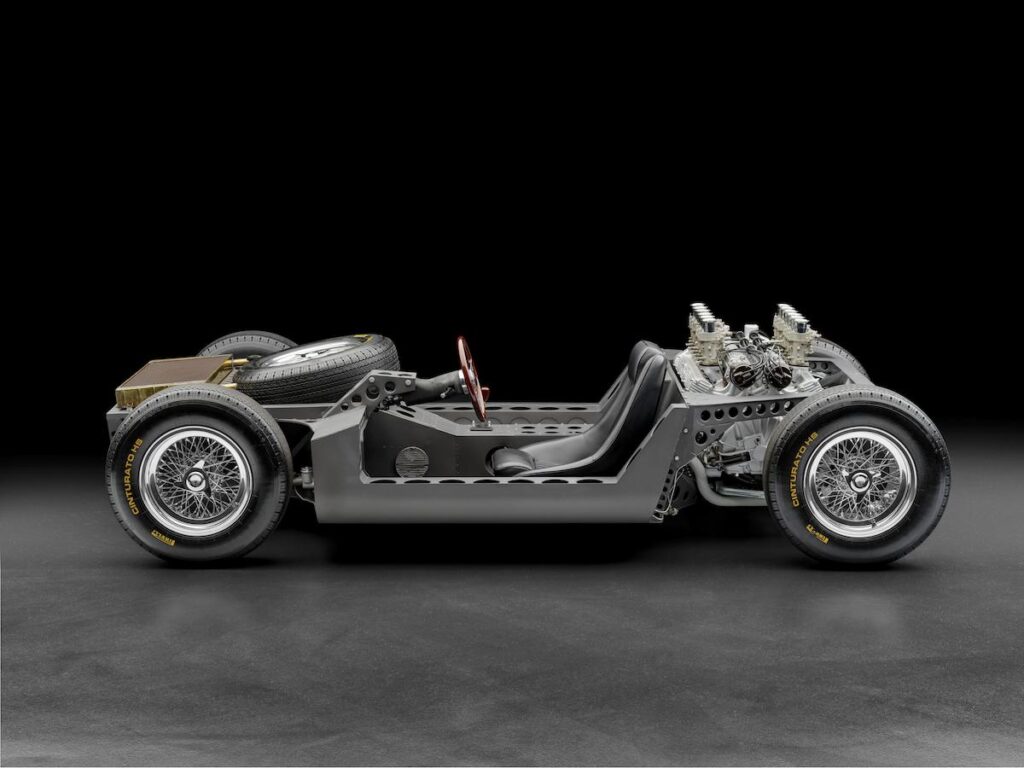
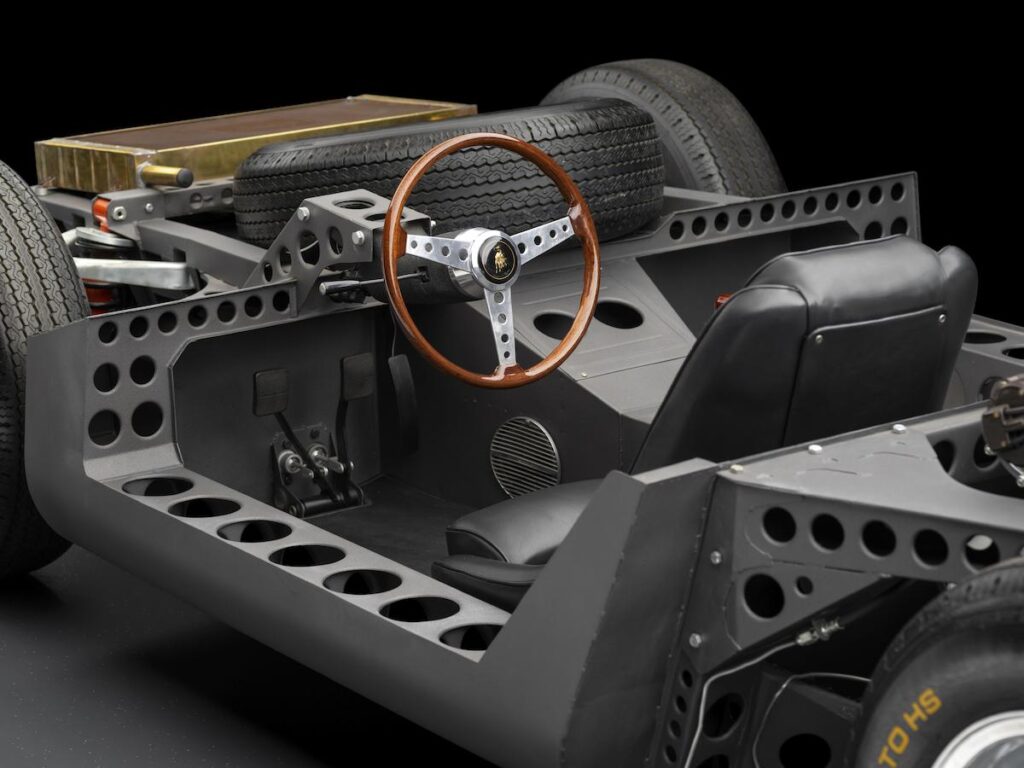
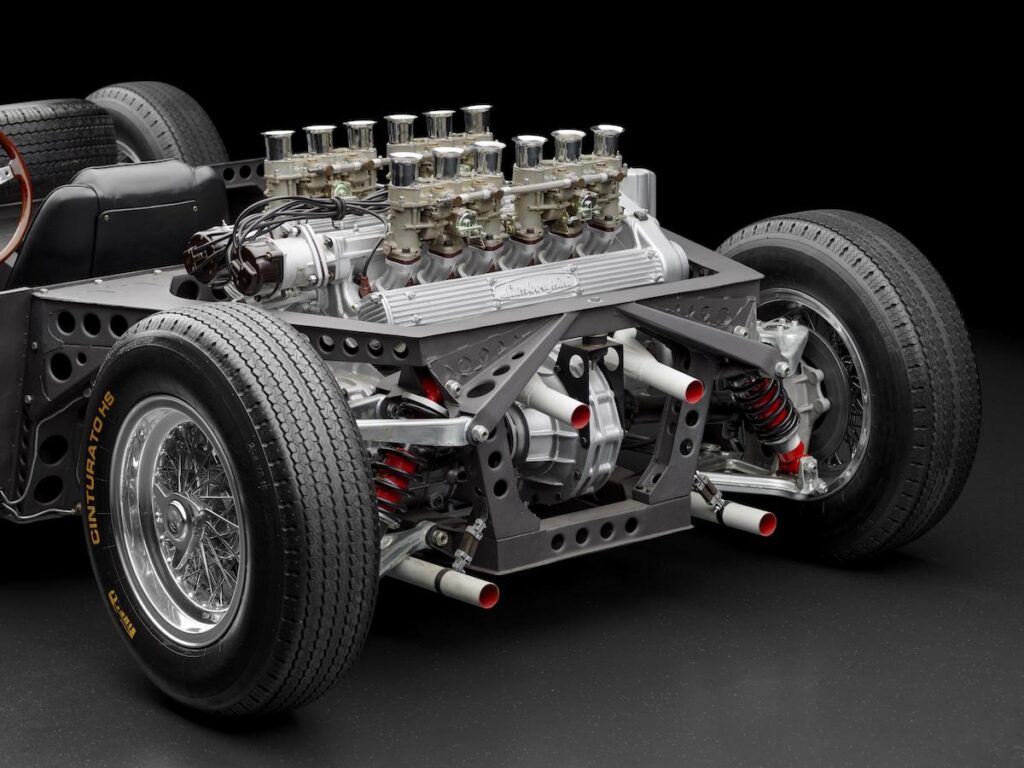
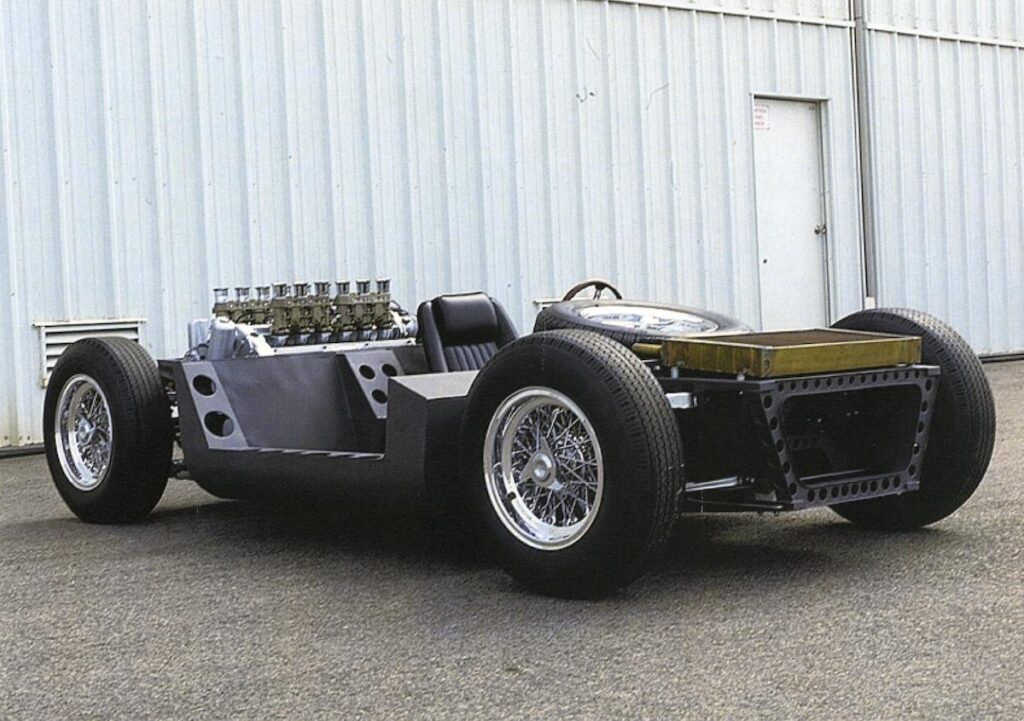
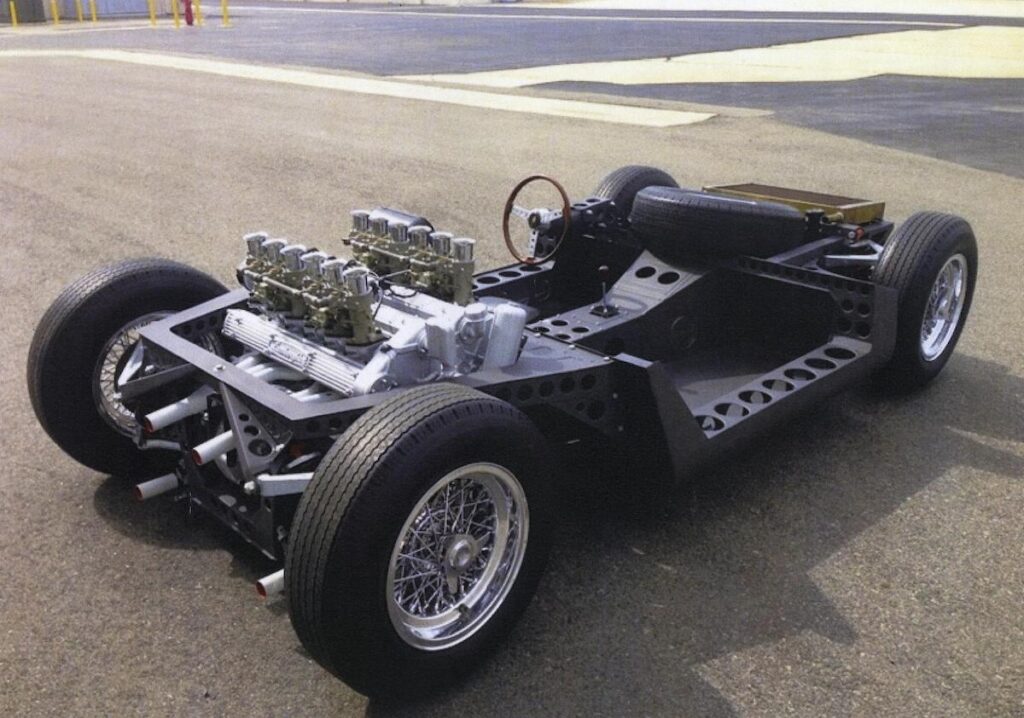
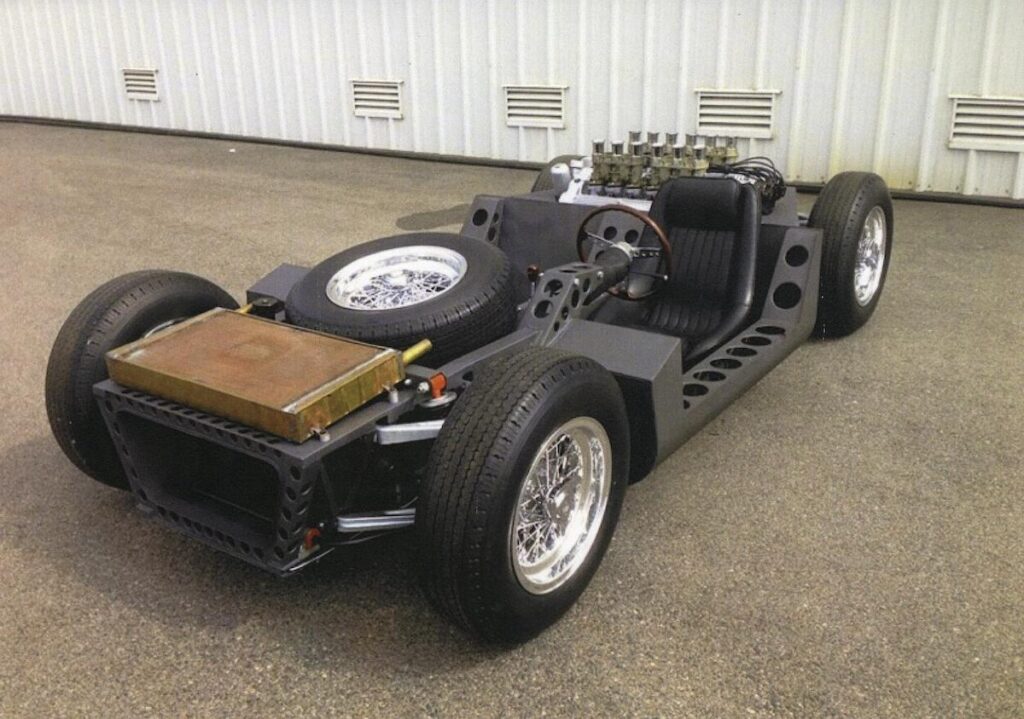
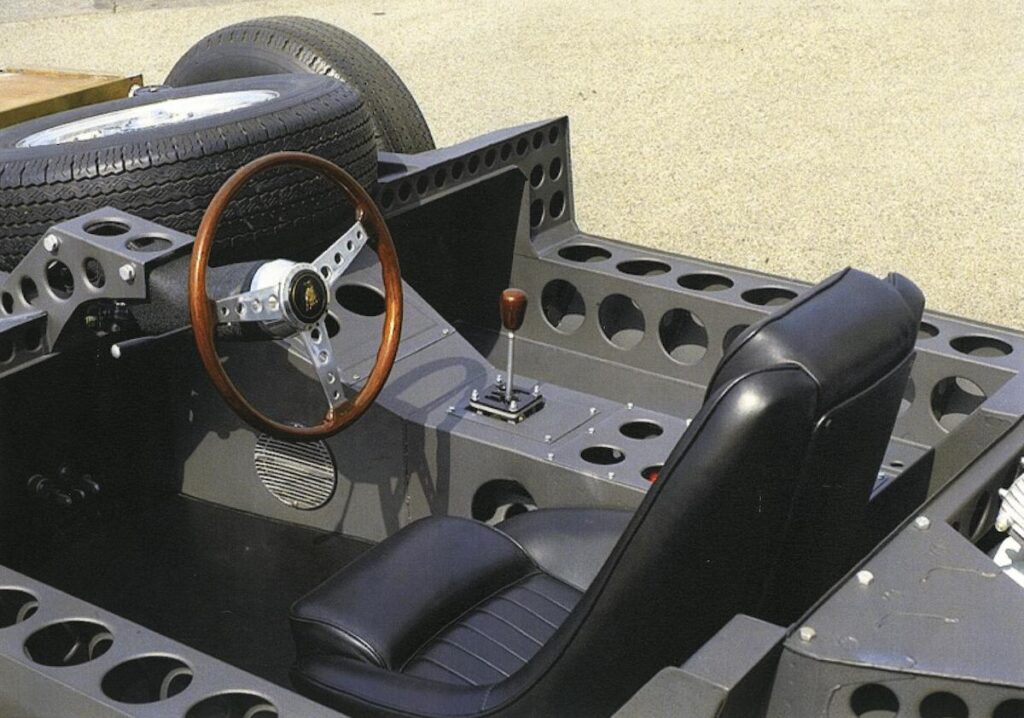
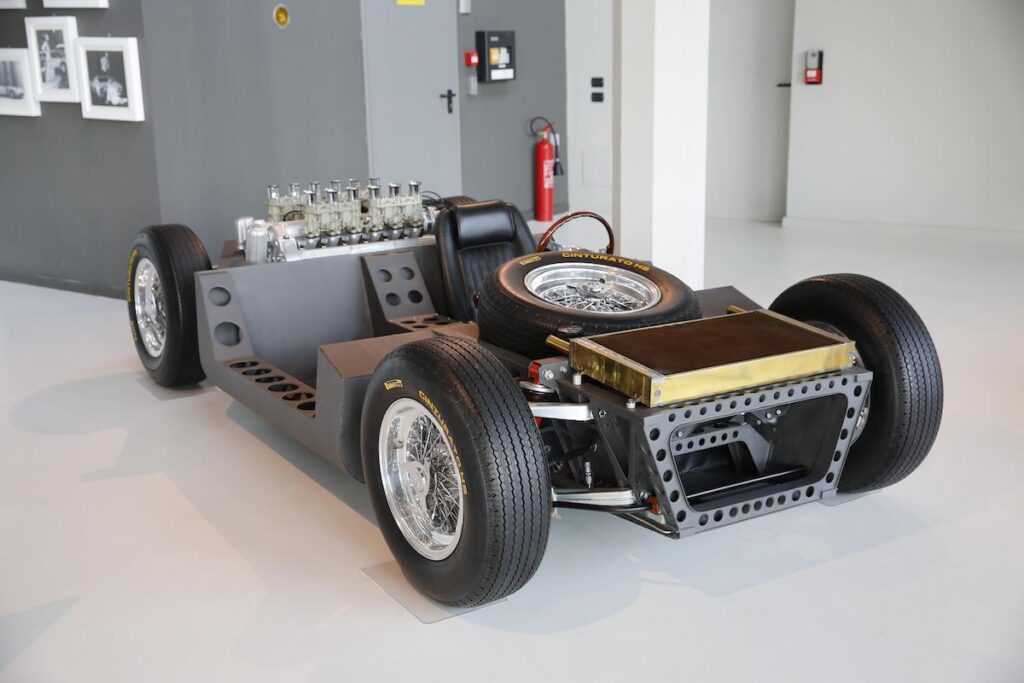
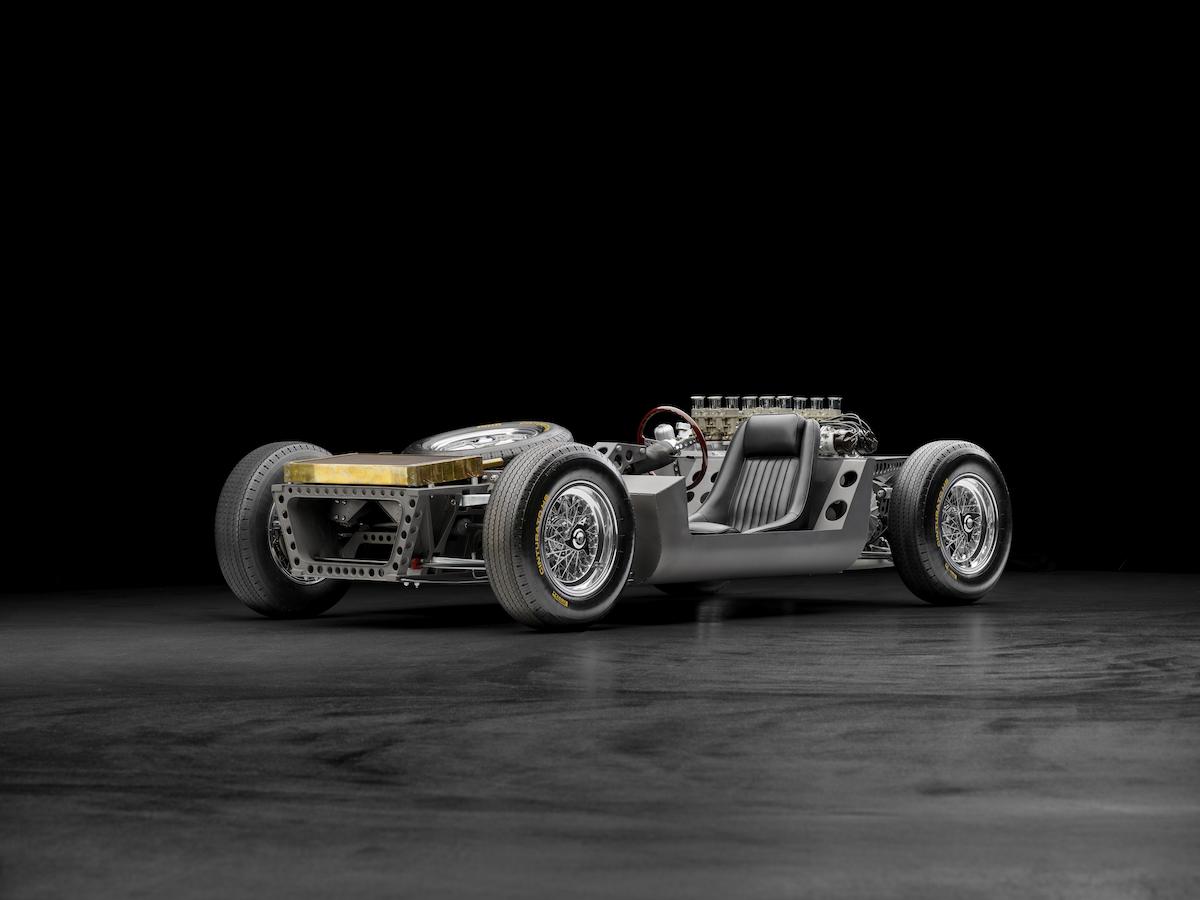
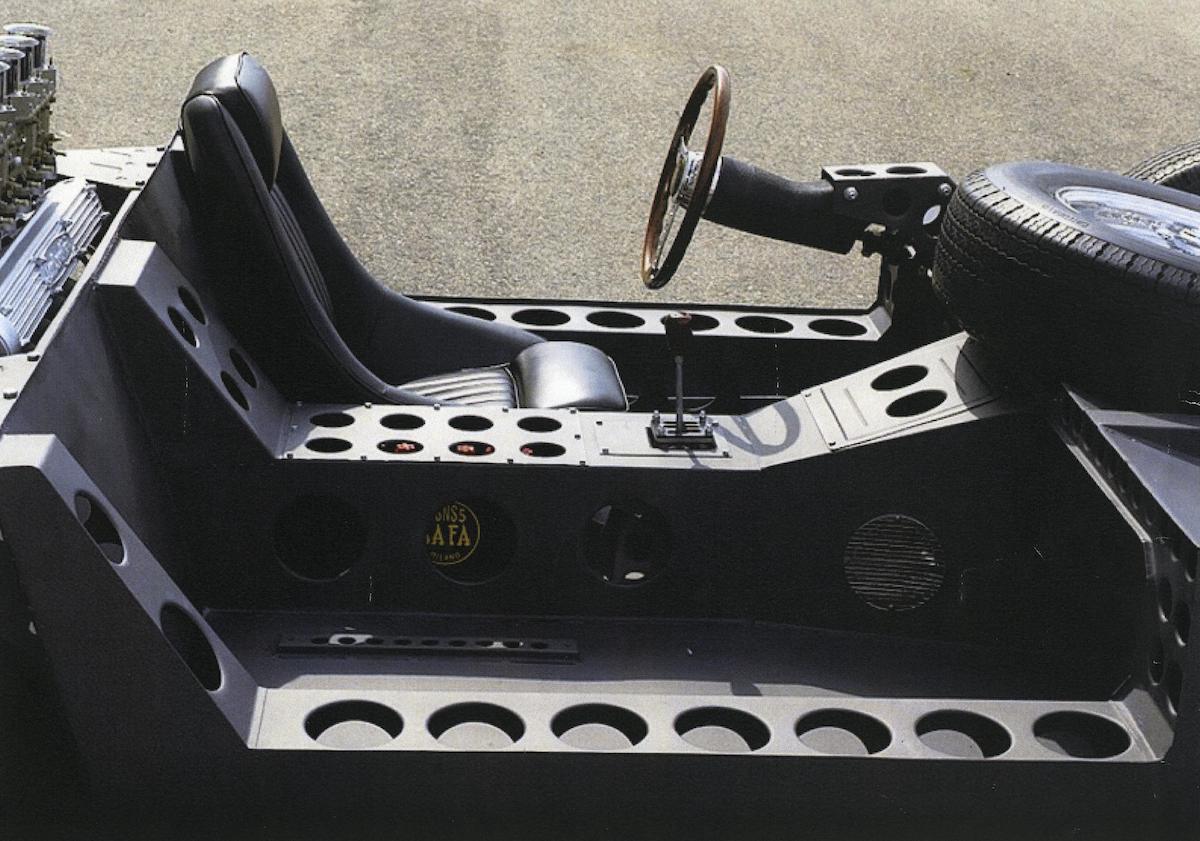
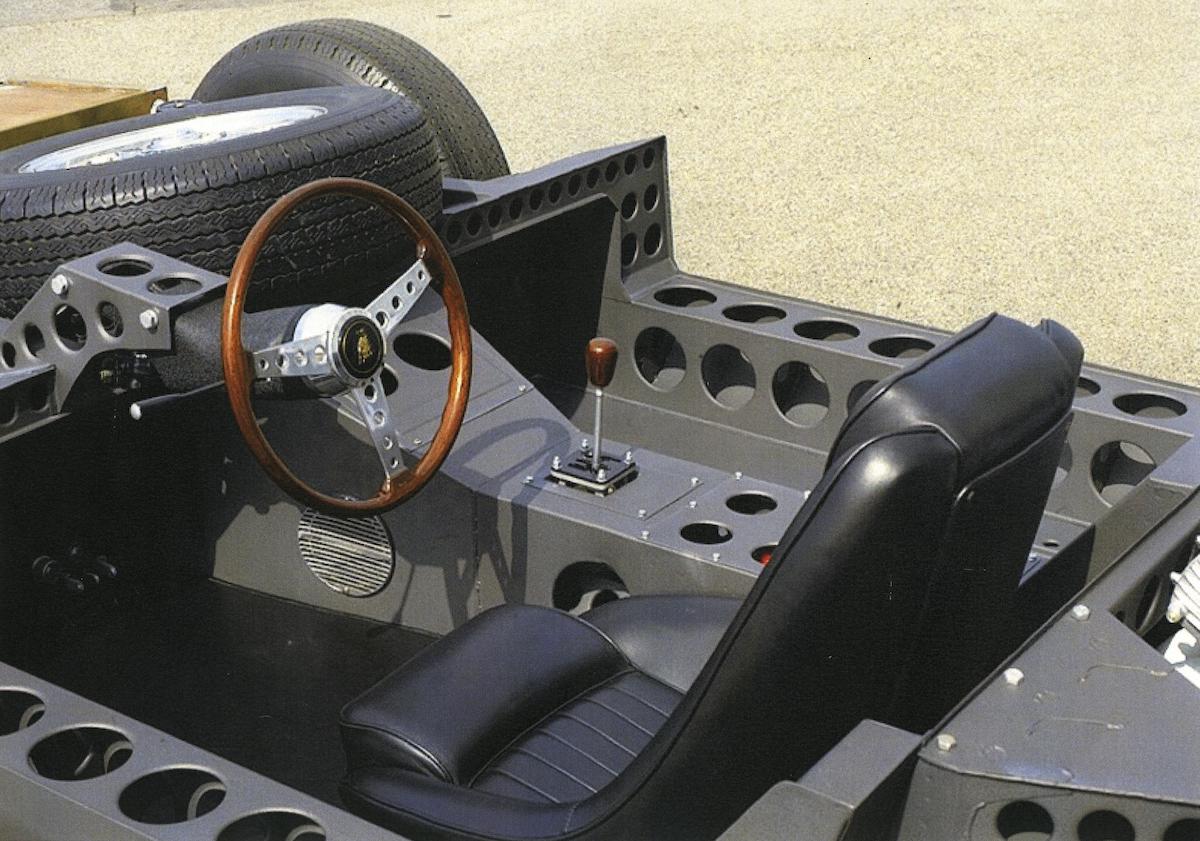
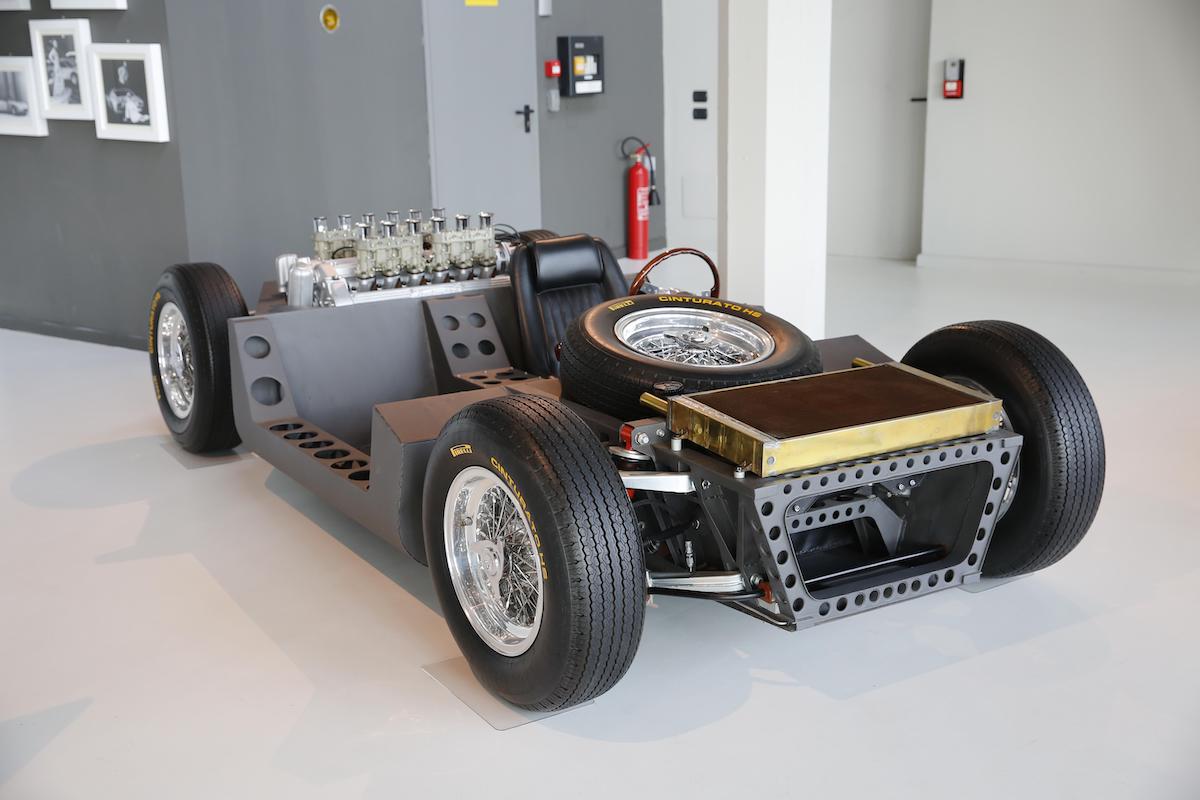
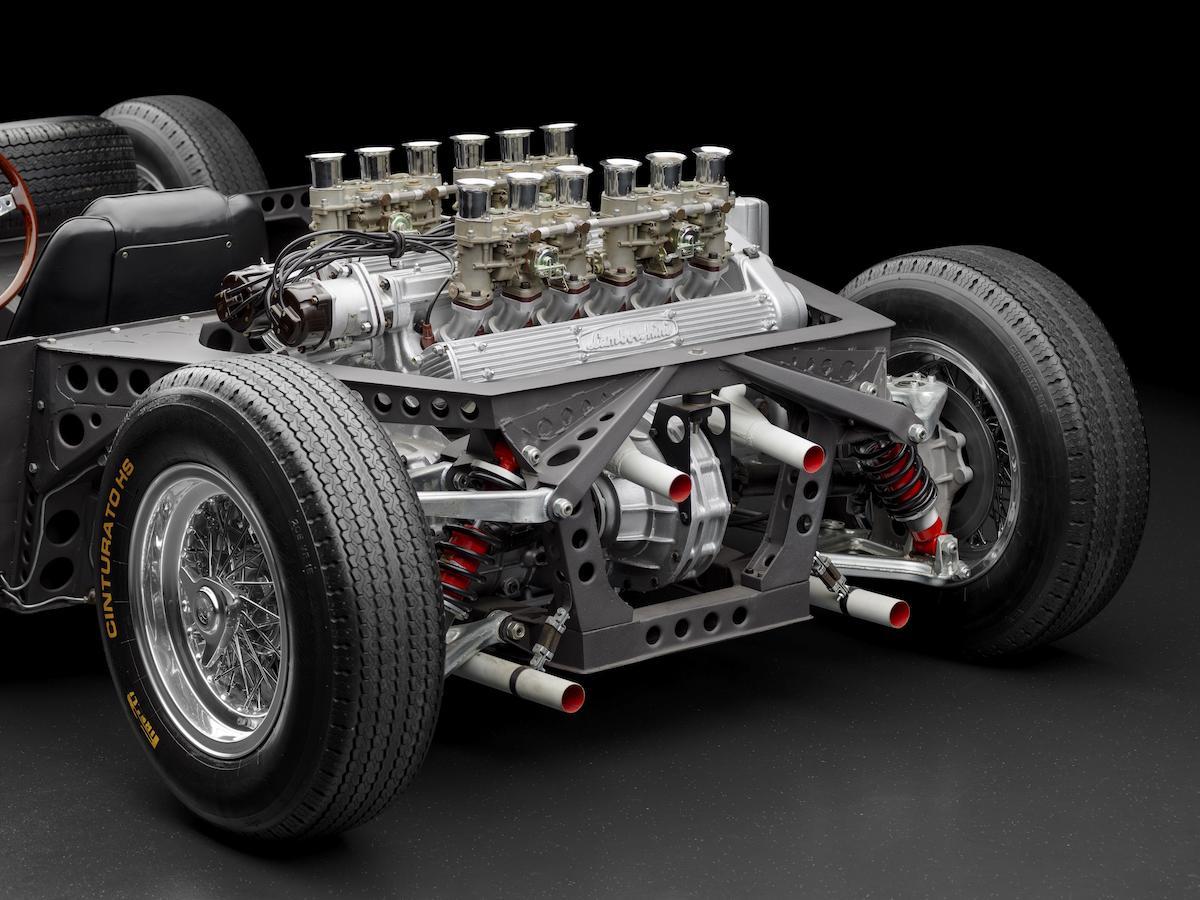
Looking akin to a racing prototype, the company was proud to show it off in its most bare essence. Made of folded sheet metal that had been lightened by numerous drilled openings, a 4.0-litre V12 engine was transversely mounted at the rear.
This was the basis for none other than the Miura, which in 2026 marks its 60th anniversary that for Lamborghini is set to be a year dedicated to celebrating one of the most important cars ever created.
The earliest idea for what became the Miura was first dreamt up in mid-1964 by three young members of the Lamborghini team: designer and engineer Giampaolo Dallara, who later launched Dallara Motorsports in the ’70s, his assistant Paolo Stanzani, and Kiwi test driver Bob Wallace.
Despite the trio being in their early 20s, they had a dream of bringing Lamborghini into the world of racing. While this was not part of company founder Ferruccio Lamborghini’s plans, with him preferring powerful but sedate grand tourers, they decided that if their cars could not go onto the track, the track would come to the road cars.
This idea was what gave birth to project ‘L105’, which first took form as a light and compact chassis ready to host an extreme and revolutionary gran turismo body. Despite initial scepticism, Ferruccio later entrusted the group with bringing the idea to reality, leading to the creation of the innovative P400 chassis and engine.
When presented at the Turin Motor Show on November 3, 1965, chassis was painted satin black with four white exhaust pipes. Period reports describe it as the skeleton of a car ready to race, emphasising the originality of its technical configuration.
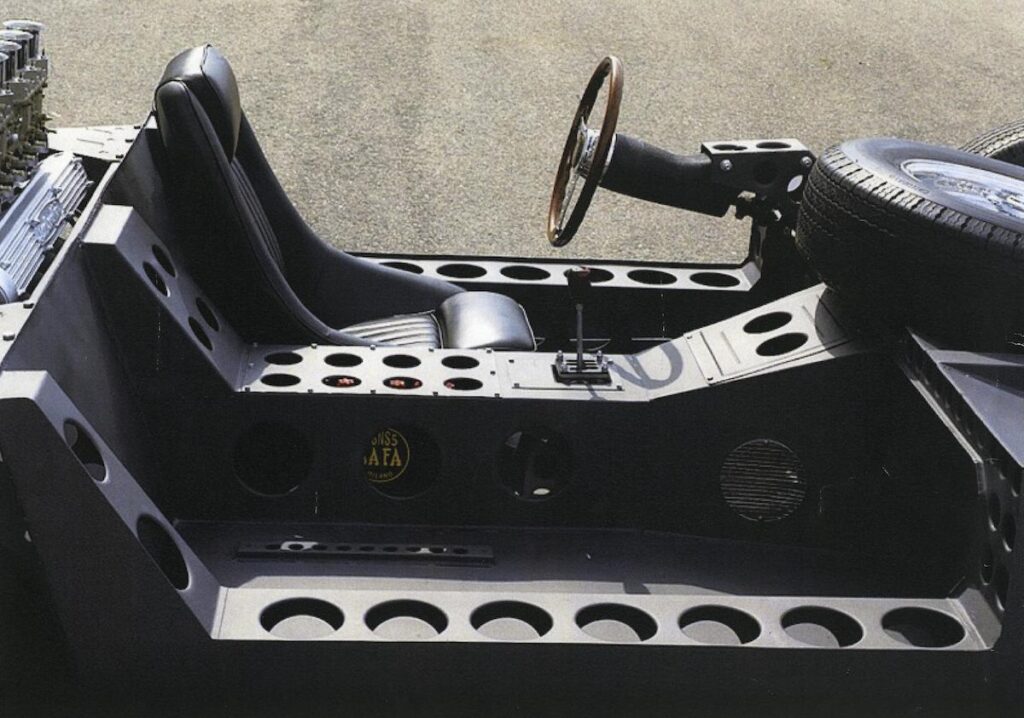
Built by Marchesi of Modena, the structure utilised 0.8mm steel sheet that had been folded and drilled to ensure lightness and rigidity.
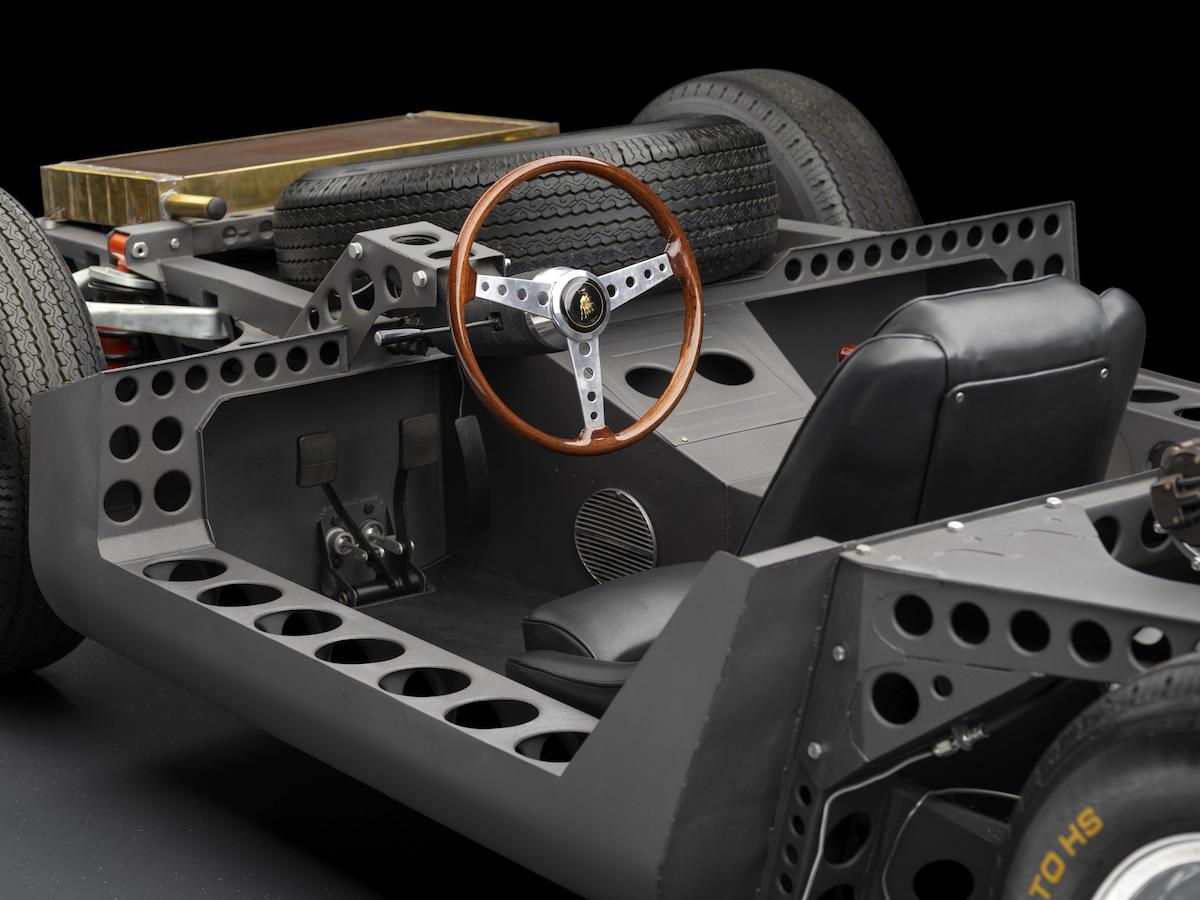
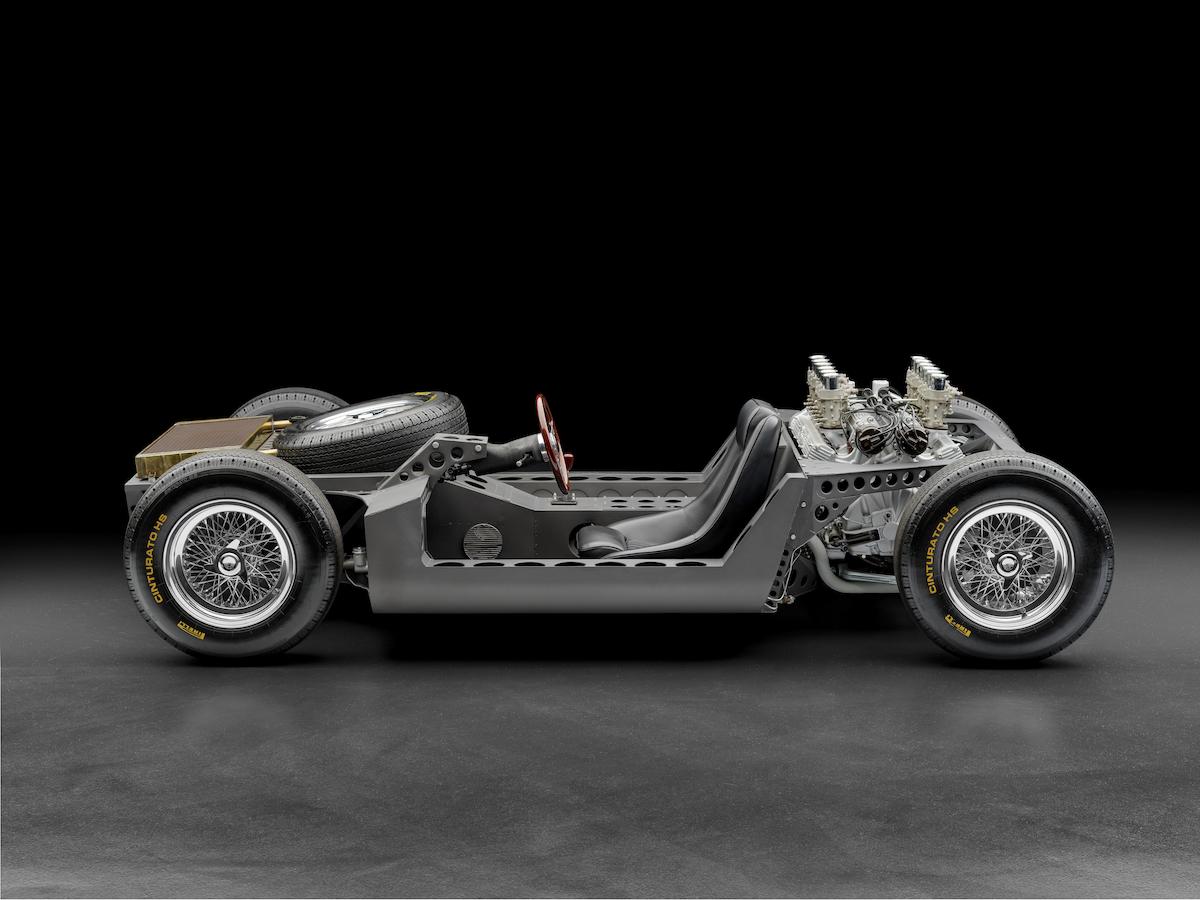
A central tub served as the chassis’ load-bearing element and mounting base for the suspension, while two auxiliary front and rear subframes supported mechanical components and accessories.
Independent double-wishbone suspension, Girling disc brakes, and Borrani wire wheels completed the technical package, which in total weighed a mere 120kg in a remarkable feat for the era.
The chassis’ most distinctive feature, however, was the integration of the engine and gearbox into a single compact unit mounted behind the cabin. This unprecedented solution reduced size and defined a completely new powertrain architecture.
Despite lacking any bodywork, this static, engineless prototype became the focus of the motor show, captivating the public and members of the press alike.
Although initially presented to Carrozzeria Touring as project ‘Tigre’ before its Turin reveal, the chassis arrived at the show without a body. While Touring had built the 350 and 400 GT for Lamborghini and proposed its own design for the project, financial difficulties clouded future collaboration between the two parties.
Although Pininfarina was another company sought after, they were bound by commitments to other manufacturers, meaning the opportunity fell right into the lap of Nuccio Bertone.
It’s said that Bertone arrived at the stand near the end of the Turin show and was greeted by Ferruccio, who joked, “You are the last of the coachbuilders to show up.” After examining the chassis, Bertone replied that his atelier would create “the perfect shoe for this wonderful foot”.
Although that dialogue is more legend than on-the-record fact, the story highlights an immediate understanding between the two, with Bertone entrusted with creating the bodywork for this yet-unnamed Lamborghini model.
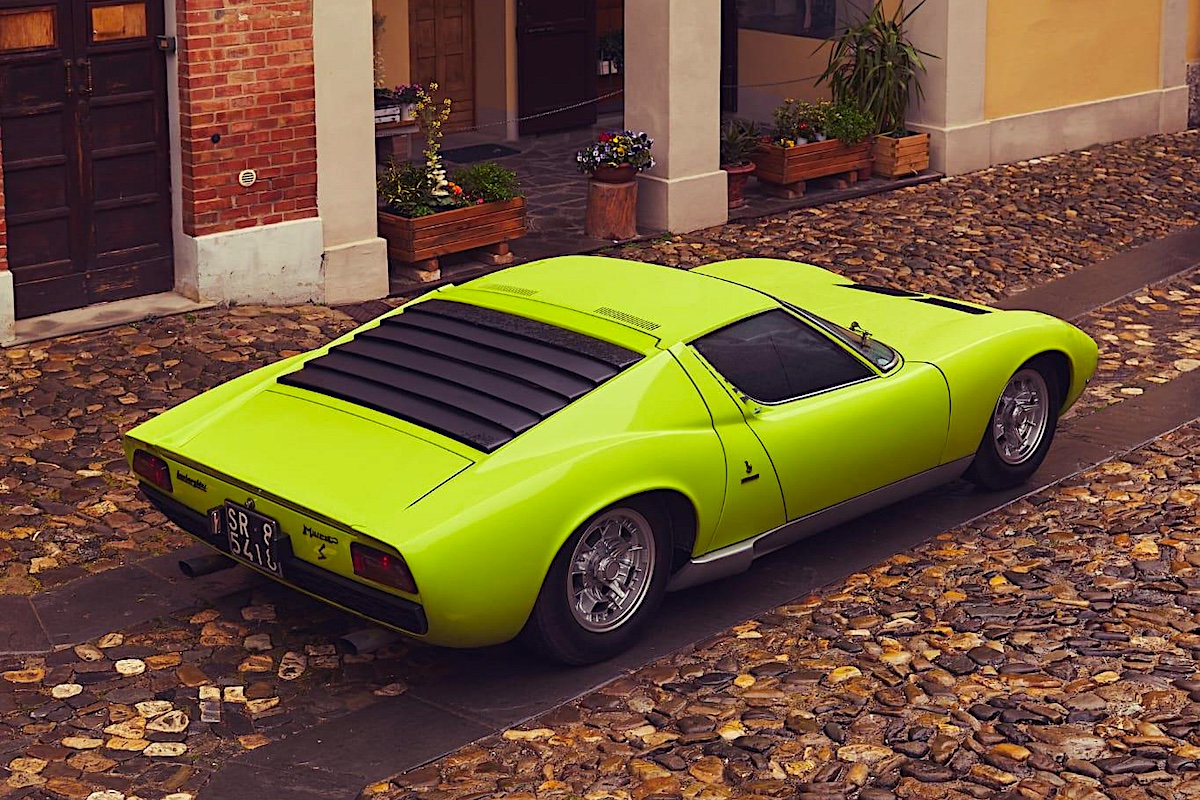
During the Christmas holidays, with the factory closed, the first sketches were shown to Ferruccio, Dallara, and Stanzani. Its lines were so innovative that the Lambo team immediately approved Bertone’s creation the definitive project.
At the Geneva Motor Show in March 1966, the P400 chassis shown in Turin took its final form and became the legendary Miura.
Now, 60 years later, Automobili Lamborghini is set to dedicate a full year of celebrations and an official Polo Storico tour to the Miura – a car that forever changed the world of sports cars, creating a new language of style and performance.
Indeed, it was a car so revolutionary that it gave birth to the term “supercar”, coined by UK-based Car magazine to describe it.