







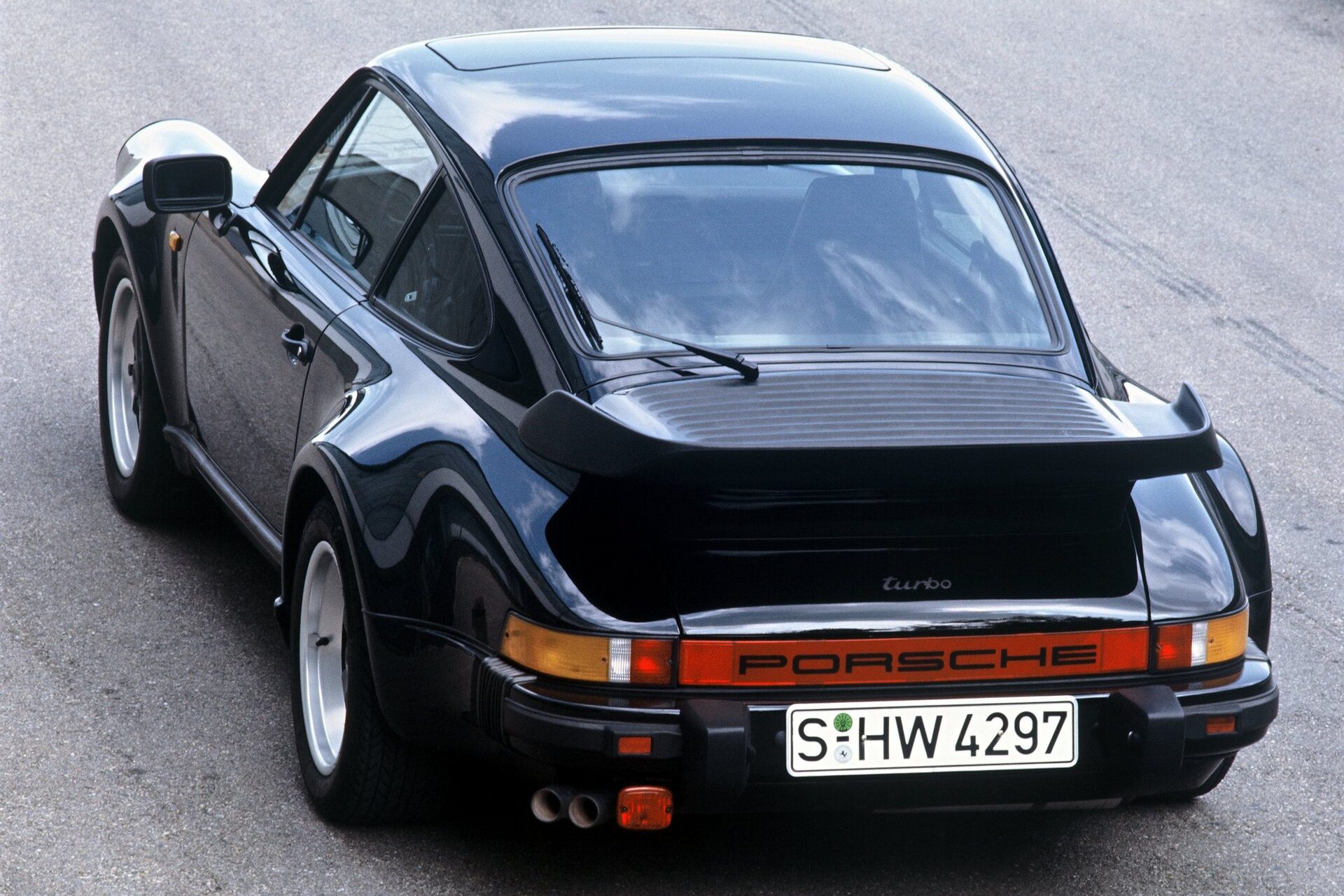

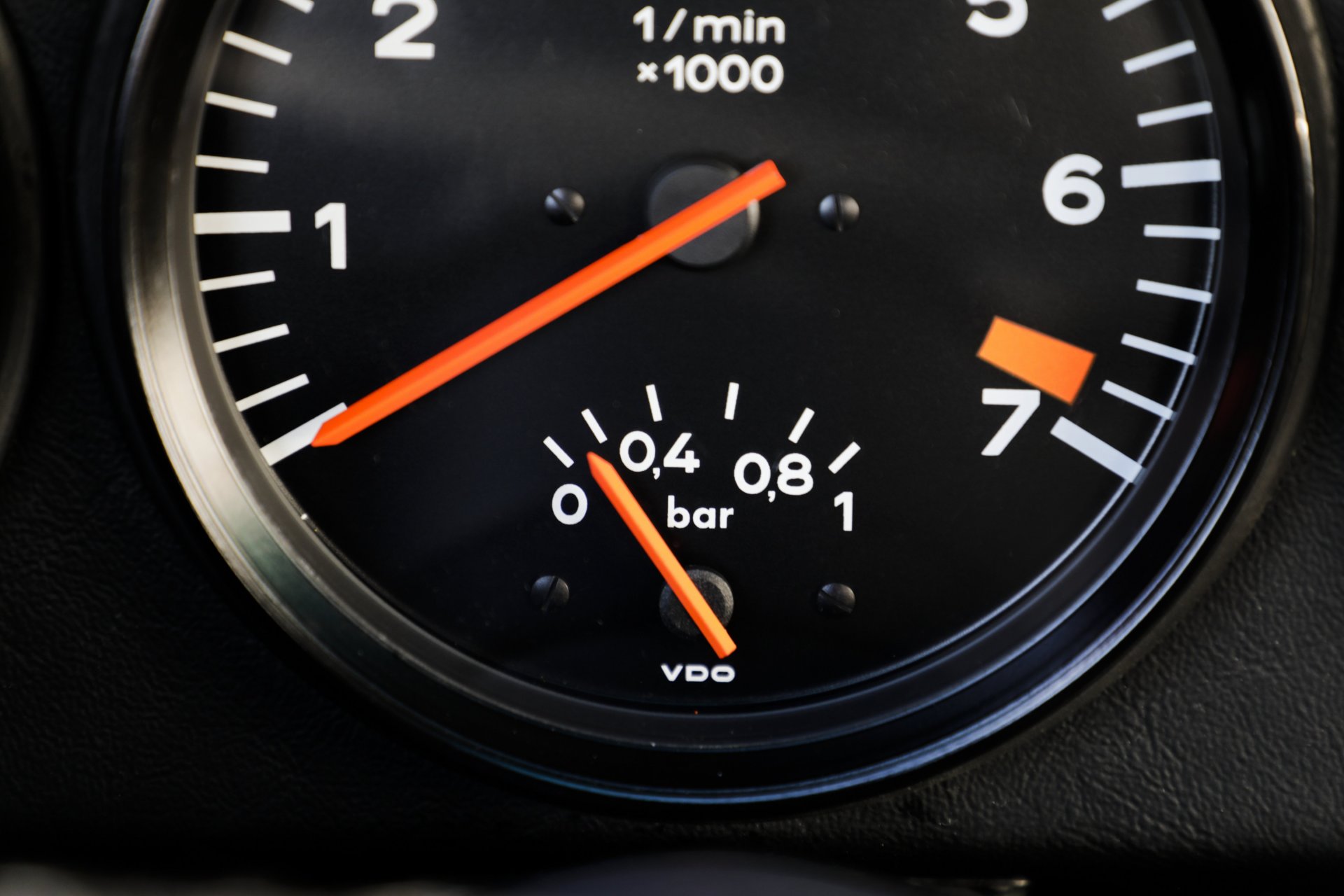
If your sports car was based on a design from the 1930s with its engine mounted behind the line of the rear axle, the last thing some engineers might recommend would be to add a turbocharger, causing everything to happen faster and with a good deal more venom.
But we’re talking about Porsche here, a brand that has thumbed its nose at automotive engineering conventions since the very beginnings. And so, the turbocharged 911 was born.
By 1972 the fearsome Porsche 917’s role as the Stuttgart-Zuffenhausen outfit’s frontline sports/racer was coming to an end. After dominating the World Sportscar Championship in 1970 and 1971, including securing Porsche’s first overall wins at the 24 Hours of Le Mans, the 917 was regulated out of contention for the 1972 season by new FIA regulations.
That didn’t stop later versions of the all-conquering 917 from going on to dominate the unrestricted Can-Am series between 1972 and 1975, but it did open the door for Porsche to develop the 911 Carrera RS 2.7-based 911 RSR for the 1972 season.
Based as it was on the lightweight homologation-special RS, the RSR was a purpose-built race car designed to compete as a GT-Class competitor in long-distance racing. It boasted numerous technical improvements over the 911 but retained a naturally aspirated 2.8-litre flat-six engine.
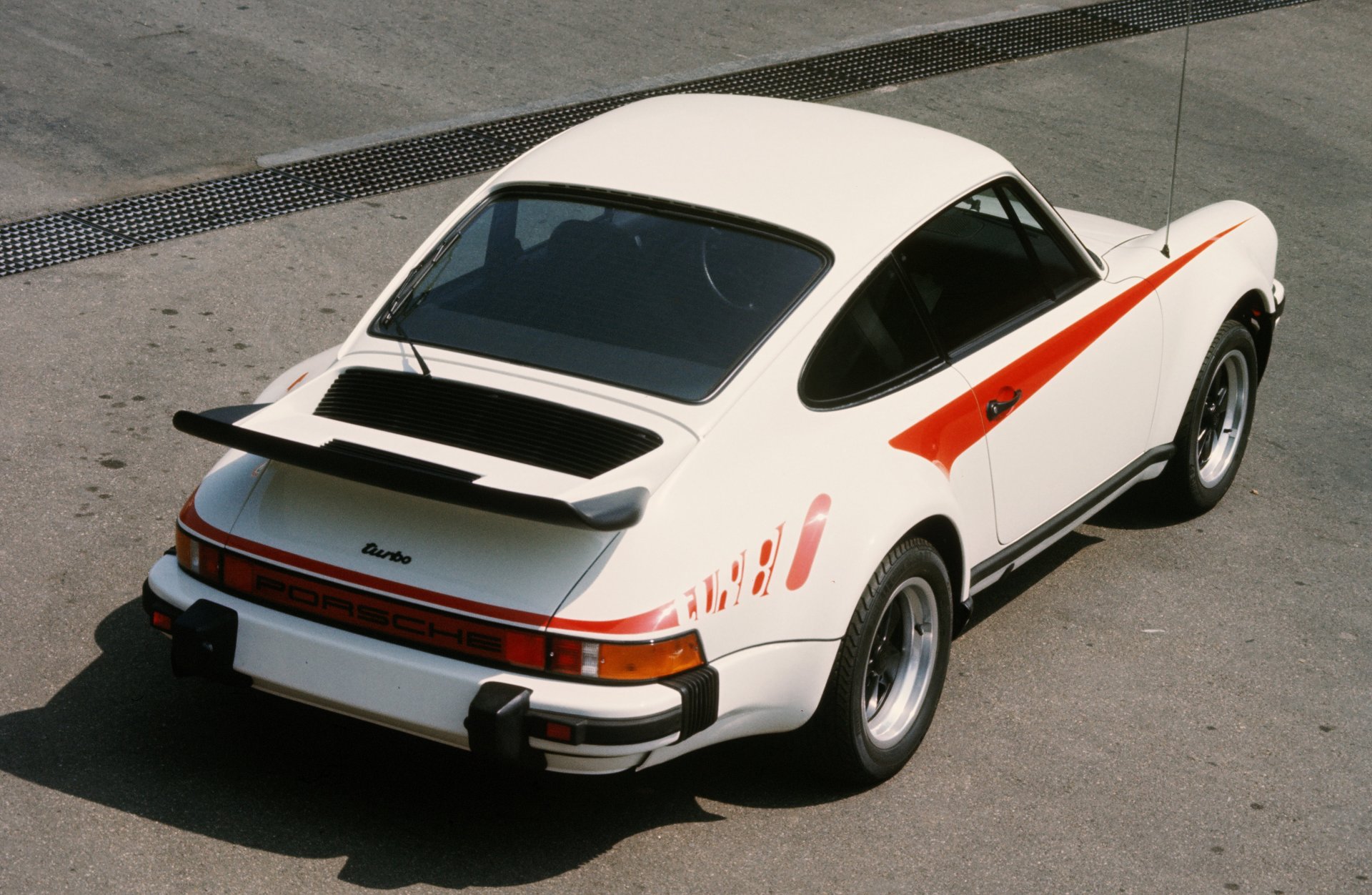
The lightweight, powerful, and highly reliable boxer six helped ensure the 911 RSR, with its distinctive ducktail rear wing, had an immediate impact on the World Sportscar Championship, claiming a famous win in that year’s Targa Florio among other victories.
The following year saw a spectacular Le Mans debut for the RSR, which won its class while finishing fourth outright against the faster, open-cockpit prototypes.
Come 1974 and Porsche’s factory race team turned up the wick further with the introduction of the 911 Carrera RSR 2.1 Turbo, the first turbocharged Porsche 911 racer car and the precursor to the 911/930 Turbo introduced the following year.
Appearing for sale in January 1975 and with deliveries beginning in March, the road-going 911 Turbo 3.0-litre was intended to be a homologation special with target sales of just 400 units. That was the number required to make the model and its derivatives eligible to race under new Group 4 sports car regulations.
What happened next shocked everyone, including Porsche management. The initial target was achieved before the end of 1975, but demand didn’t slacken and production of 3.0-litre cars would go on to exceed 2800 units. More than half were sold outside Europe, with most exports going to the USA and a few to Australia.
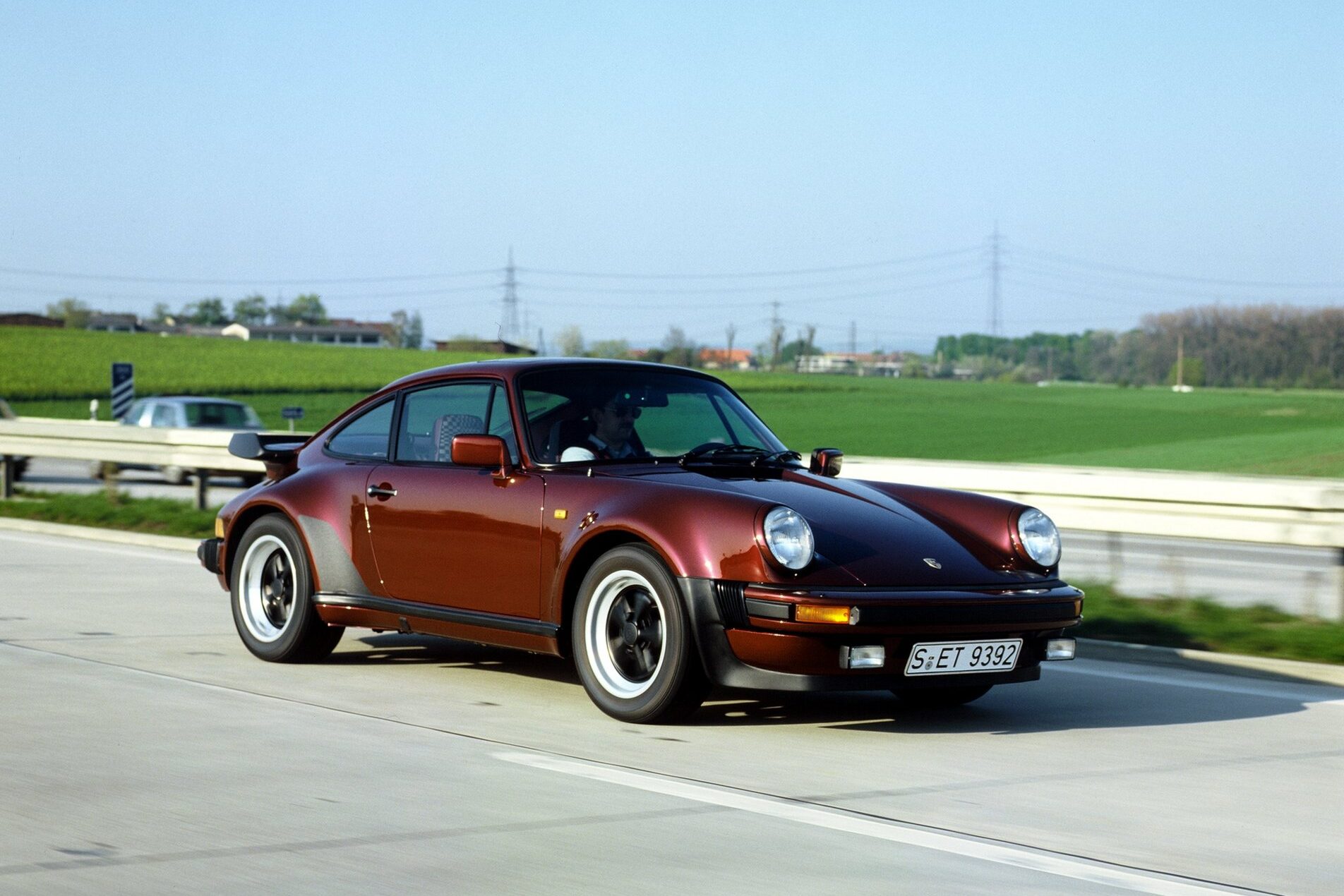
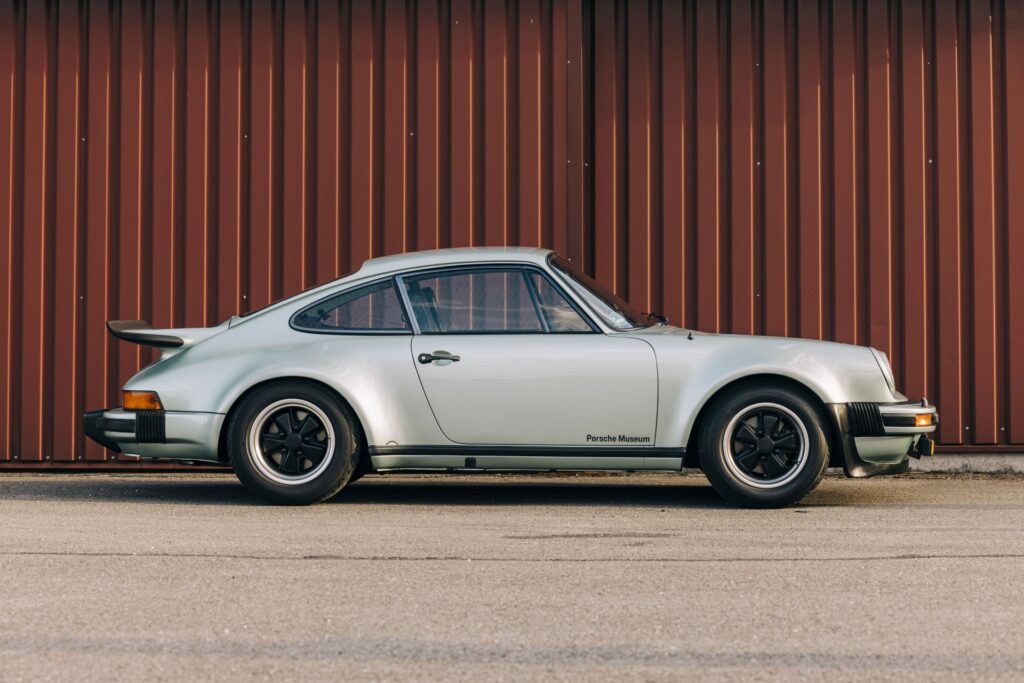
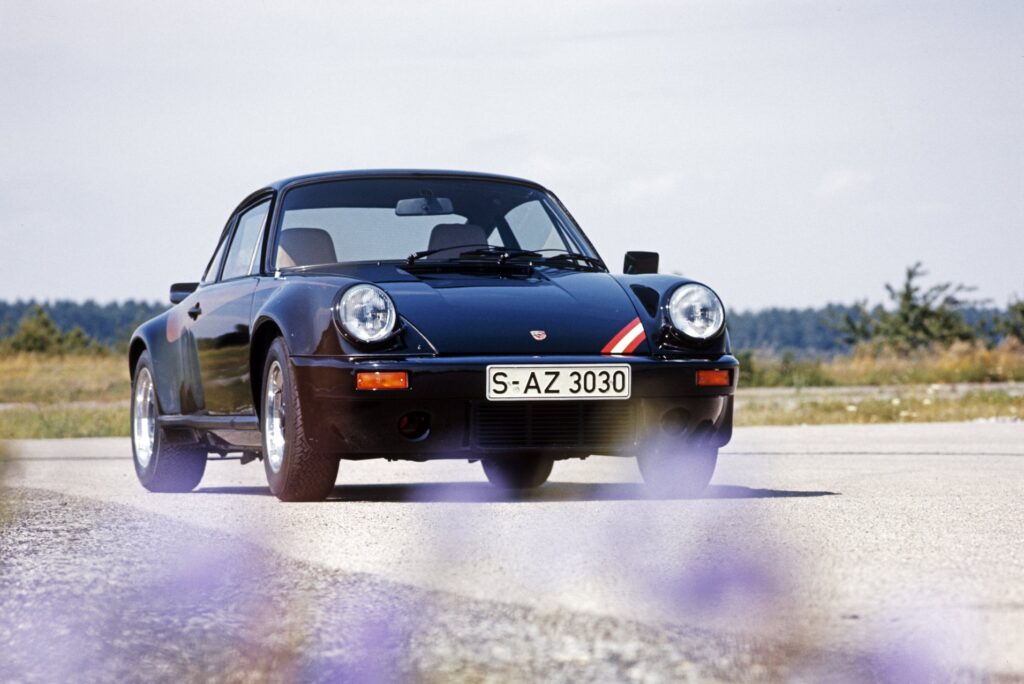
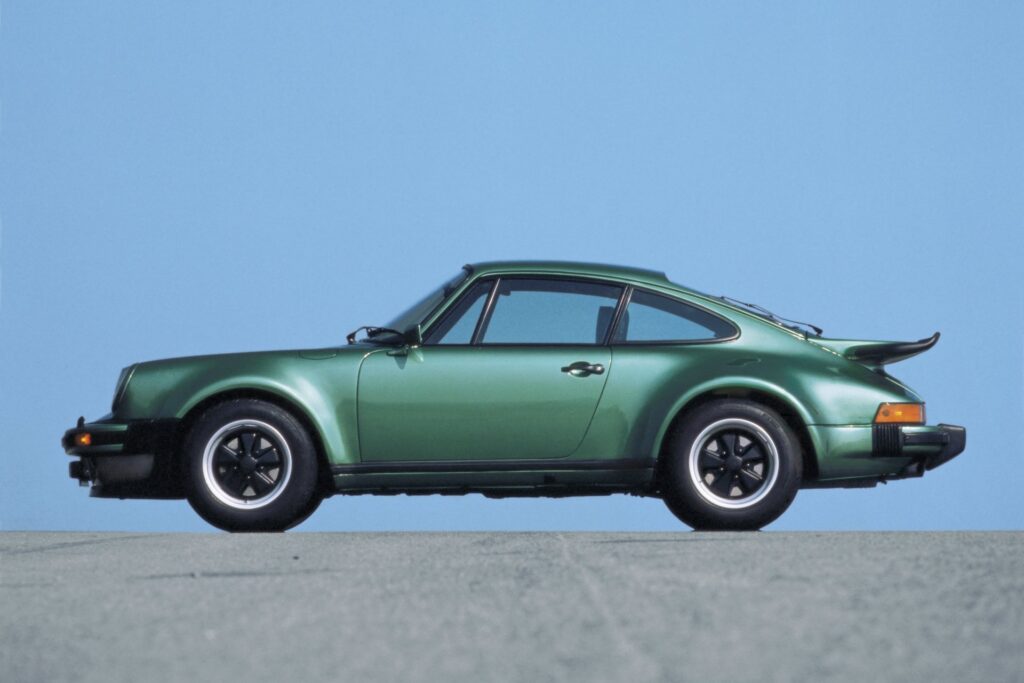
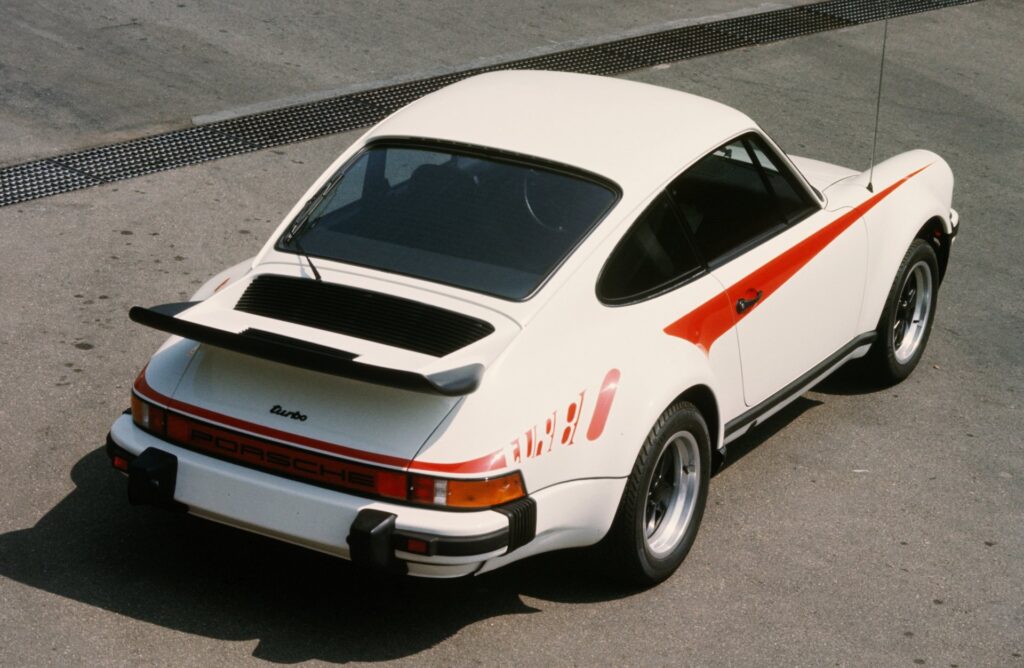
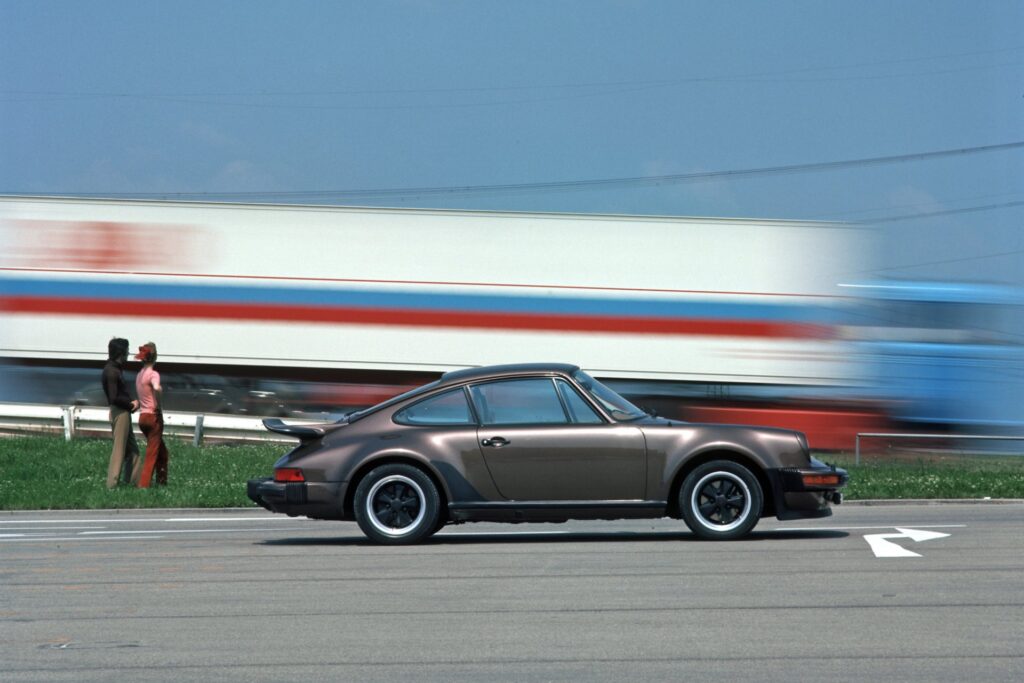
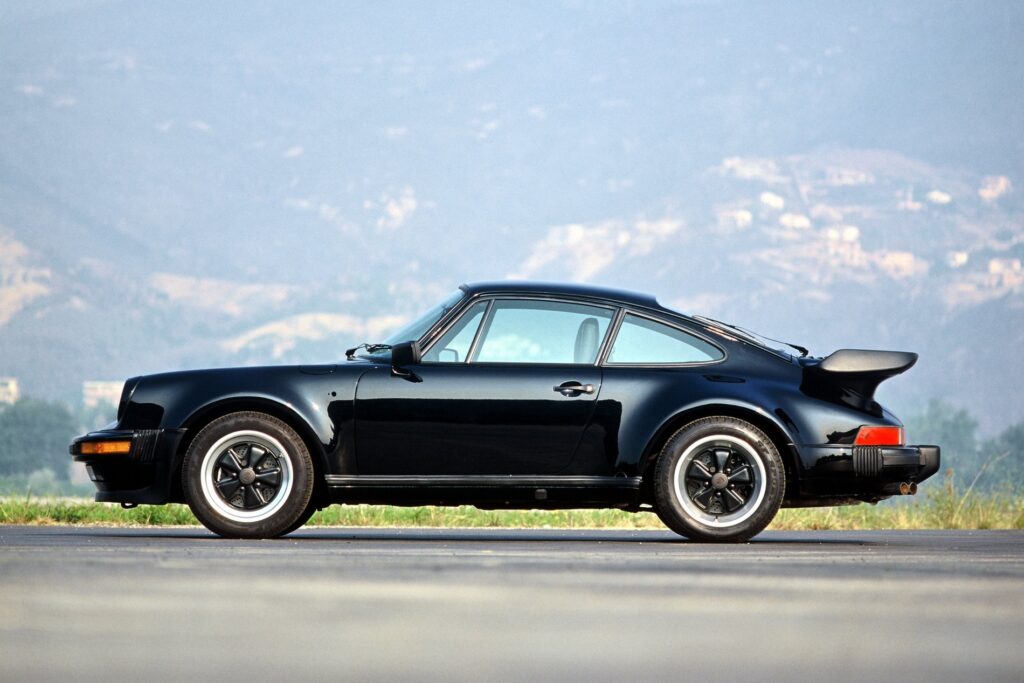
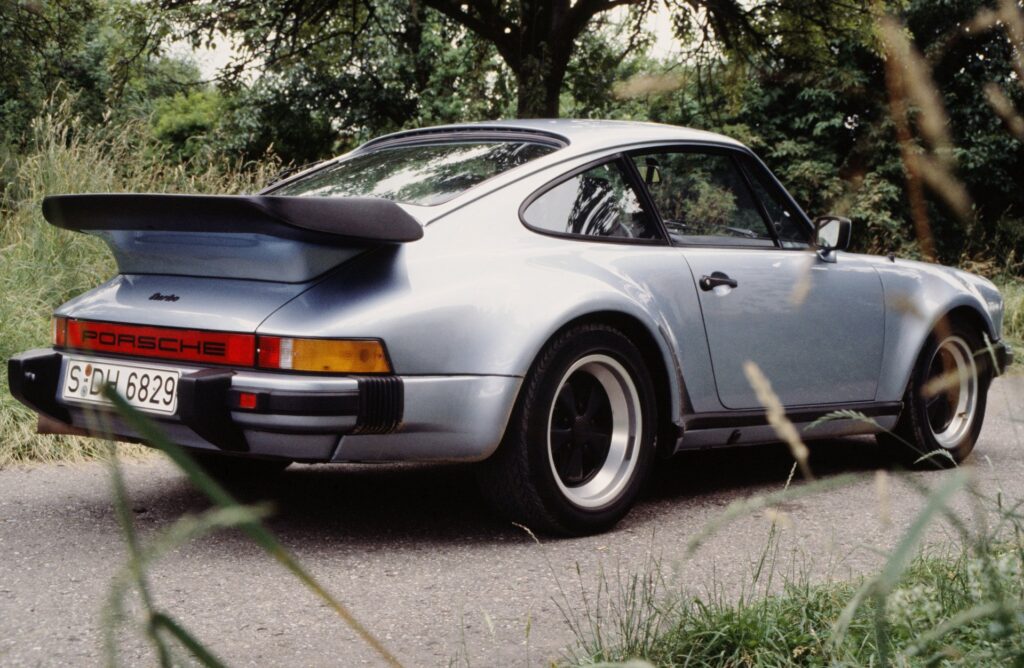
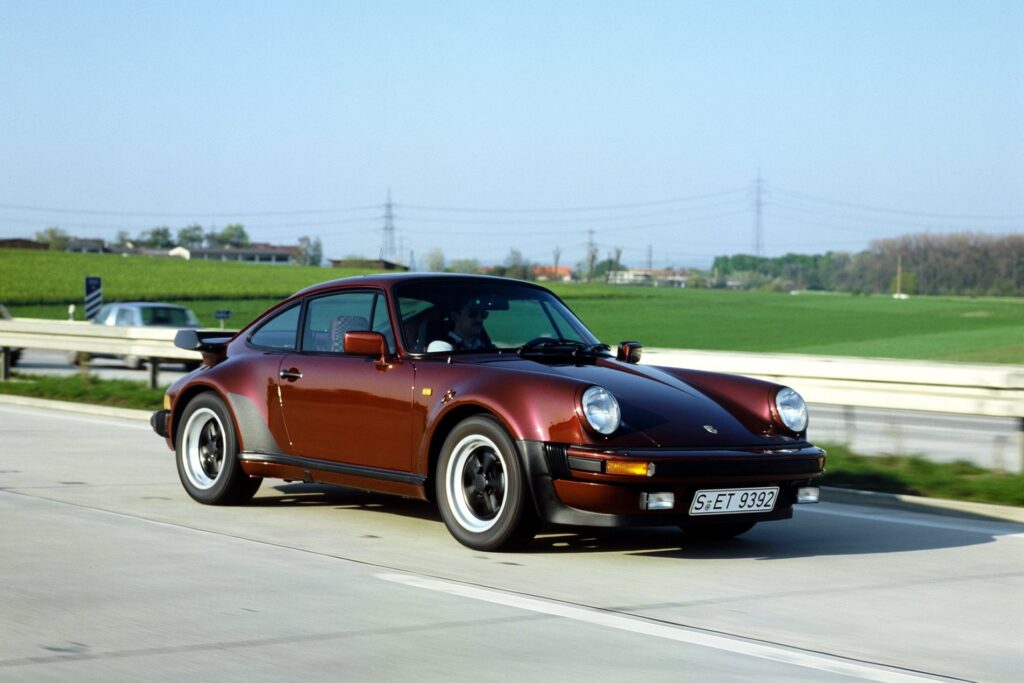
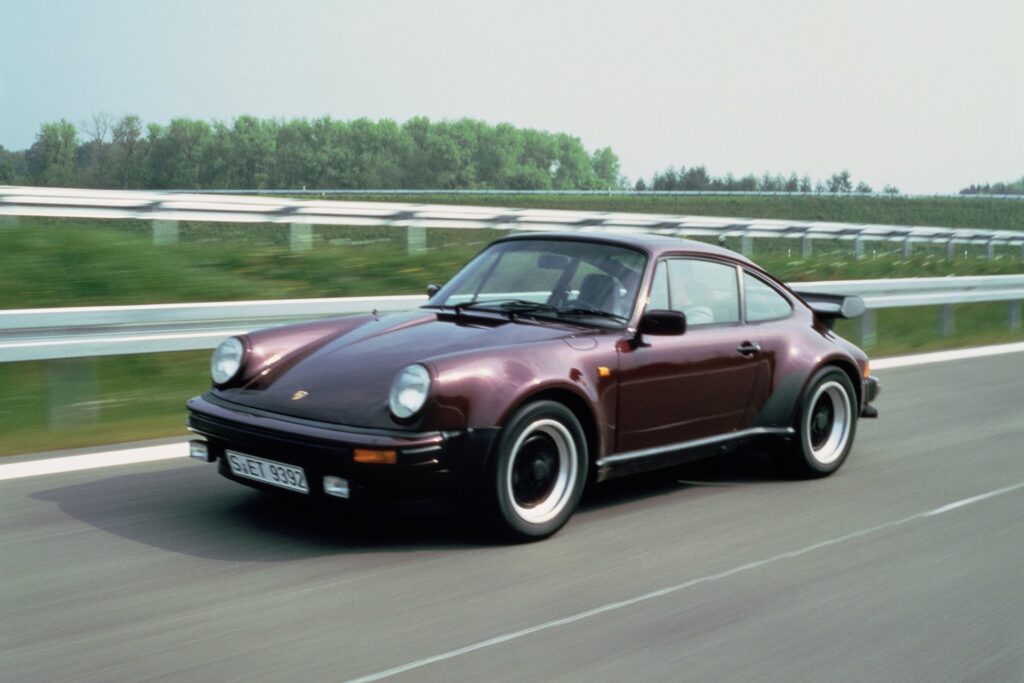
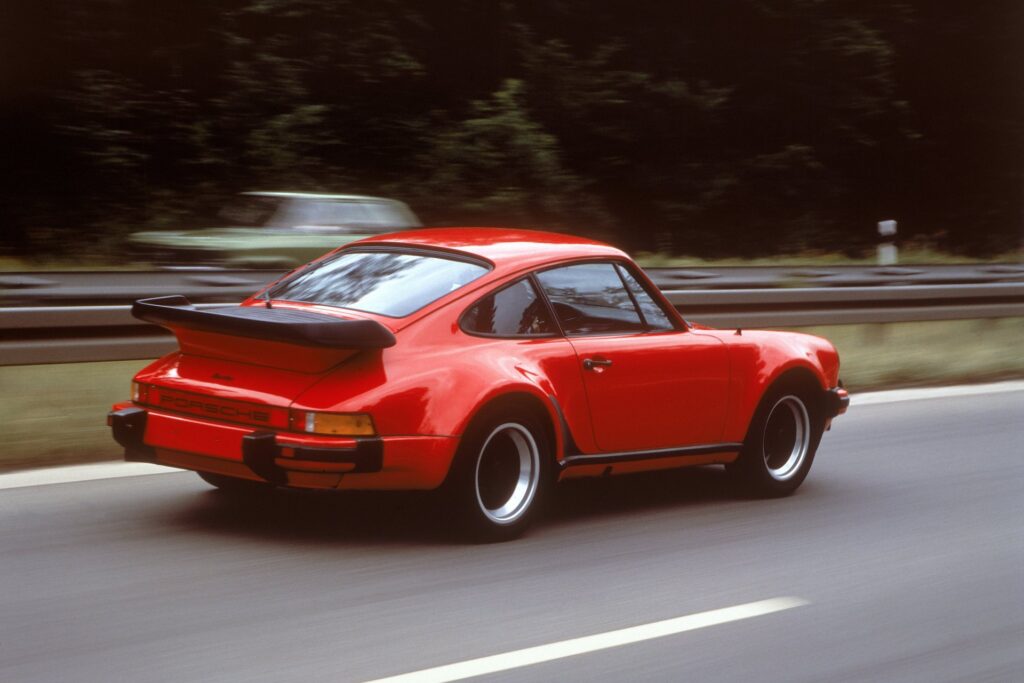
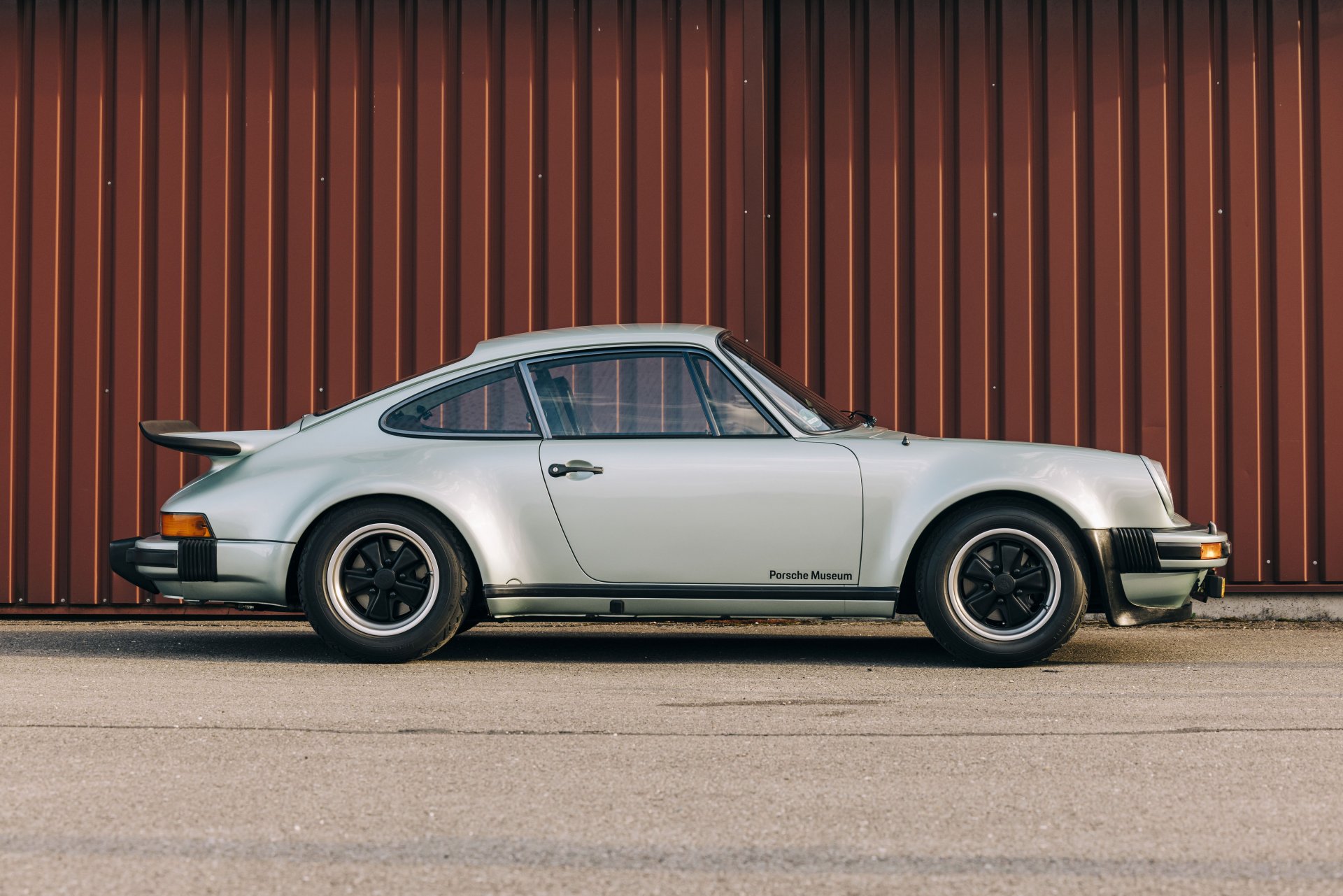
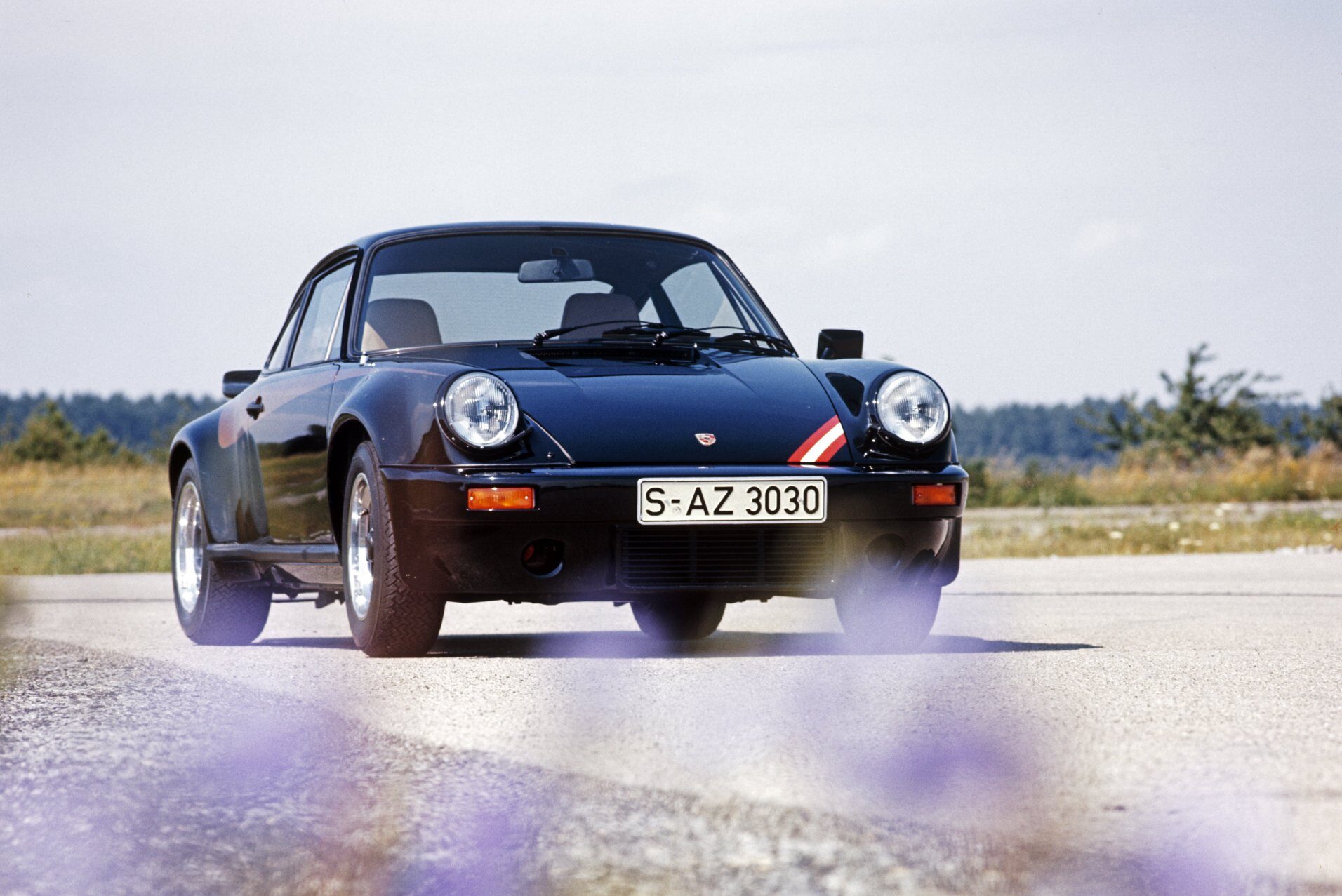
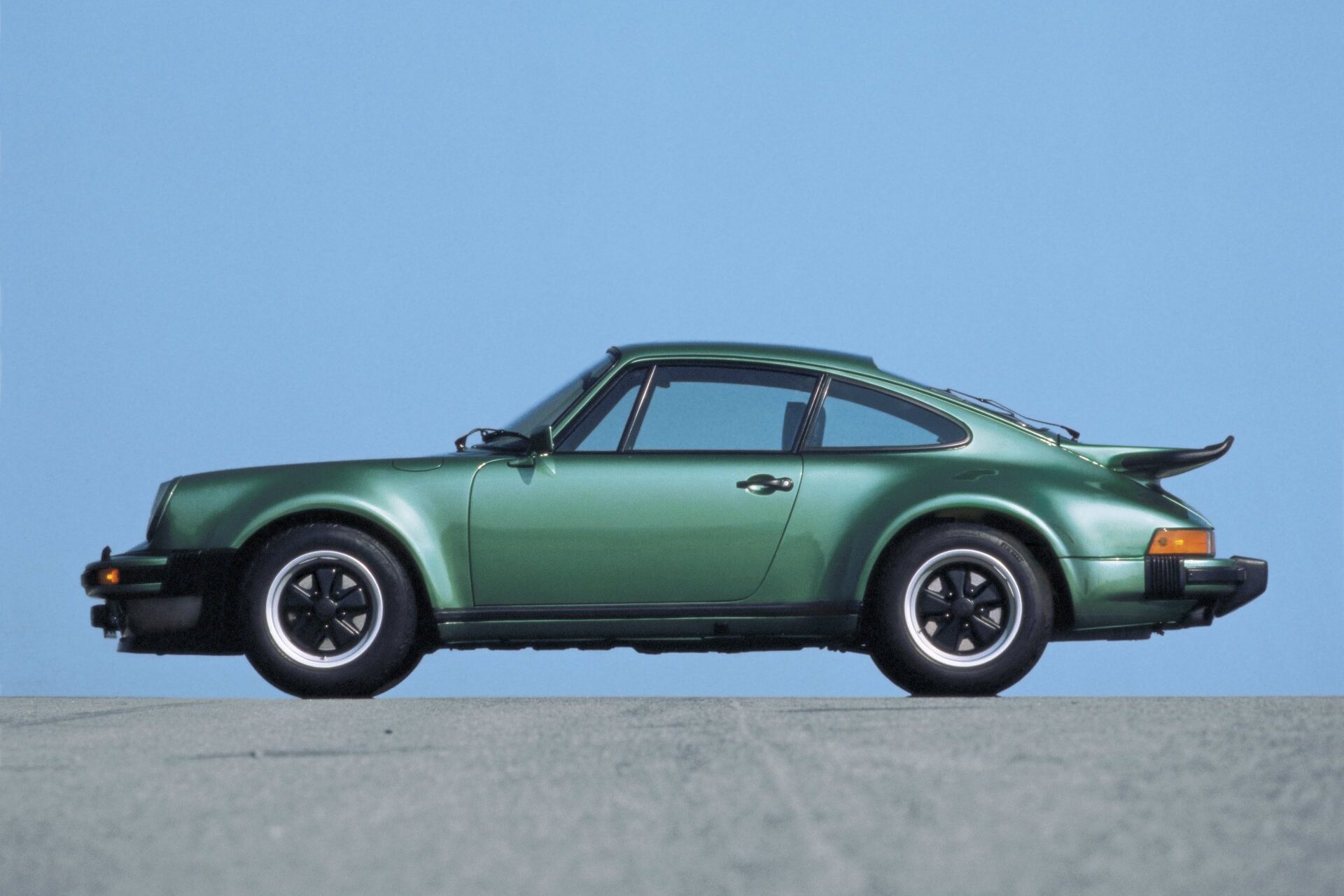
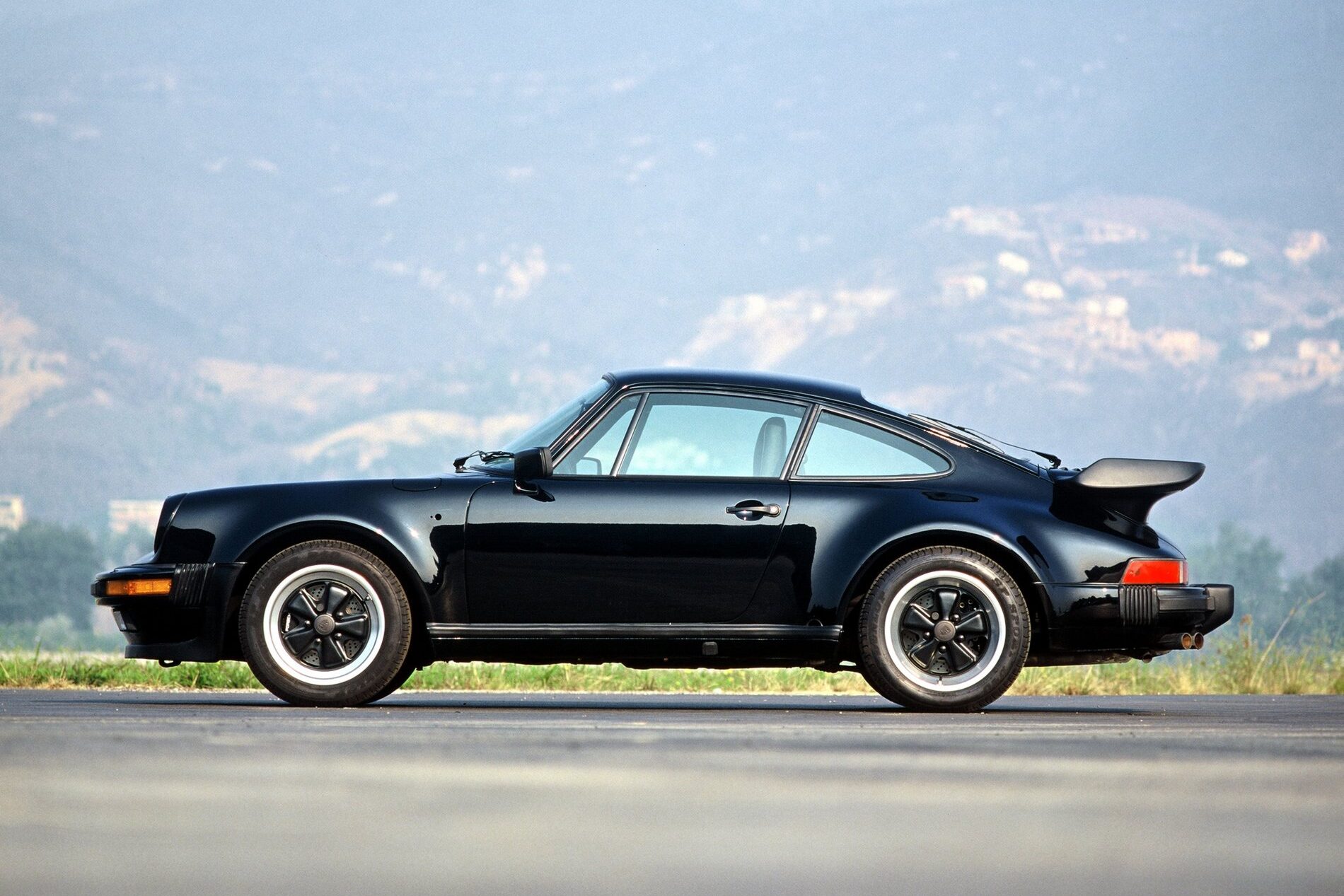
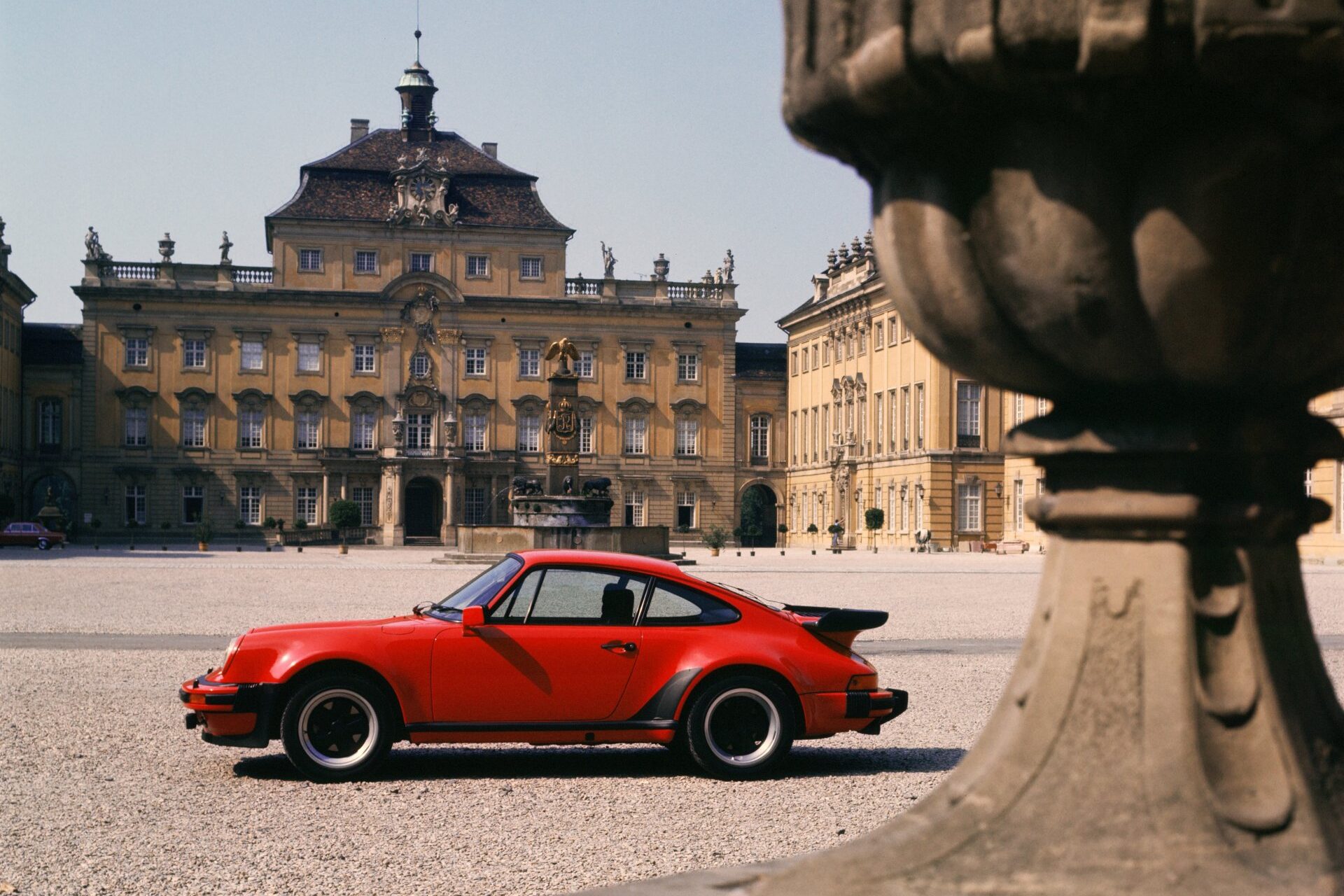
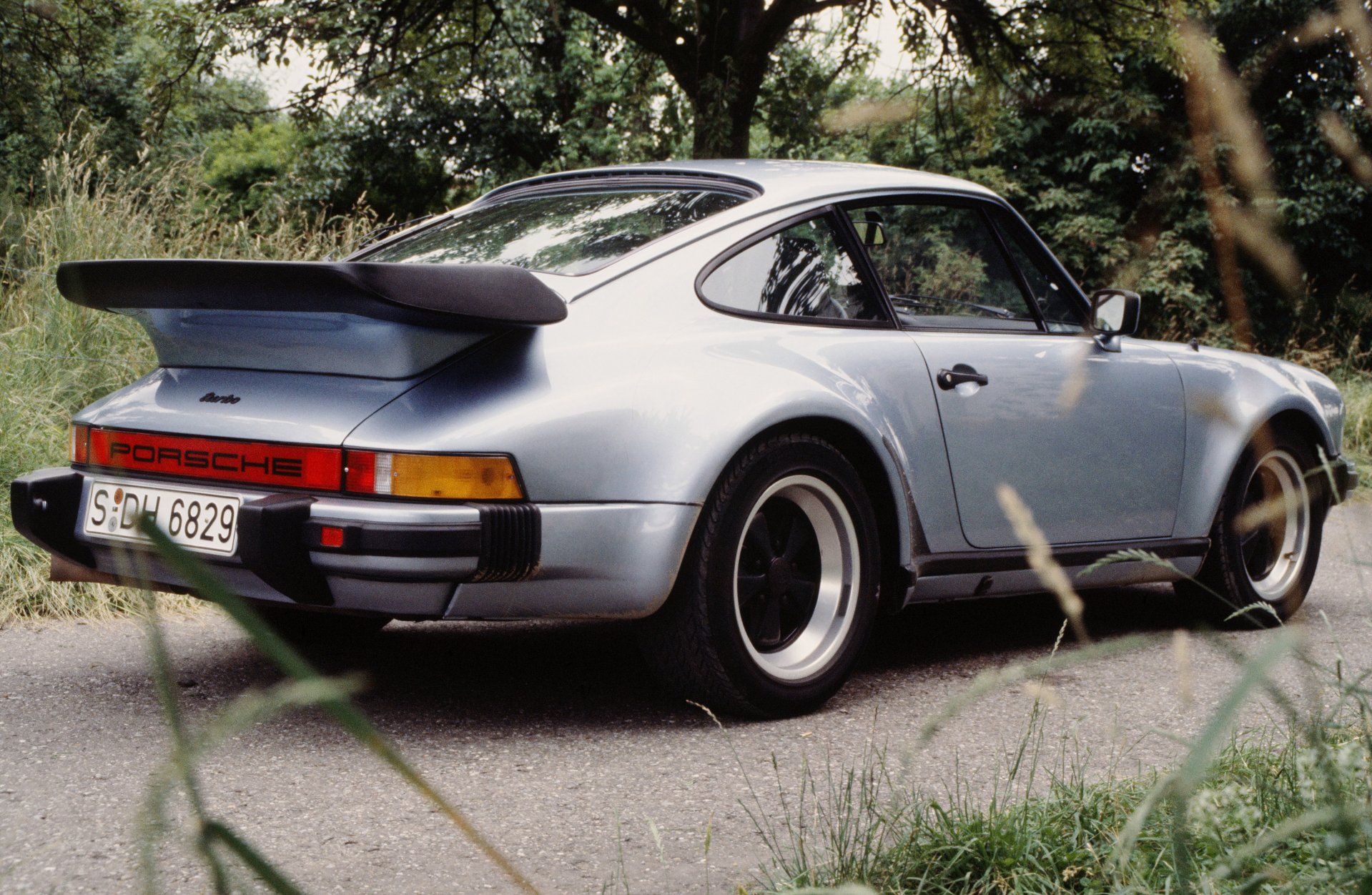
Turbos retained the shape of a 911 but in a more muscular form. Wheel arches bulged to cover staggered 7-inch-wide front and 8-inch-wide rear alloy rims, with the rear flares so prominent that stone shields were fitted to prevent scarred paintwork.
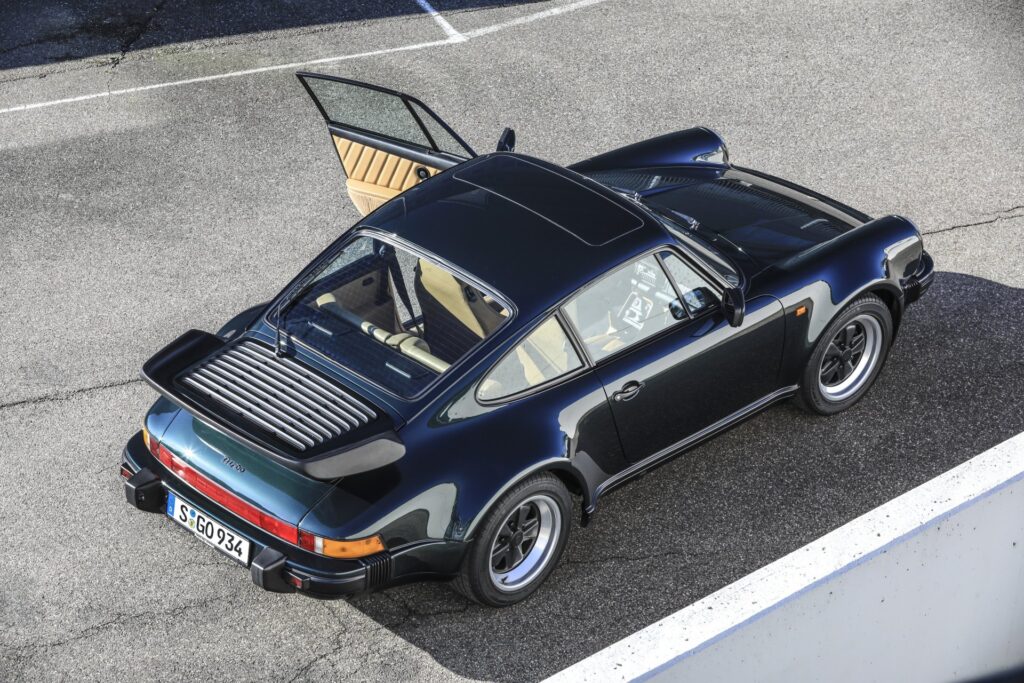
Most obvious amongst Turbo body modifications was a tray-like rear wing which served the dual role of delivering enhanced stability while housing intakes for the engine and air-conditioning system.
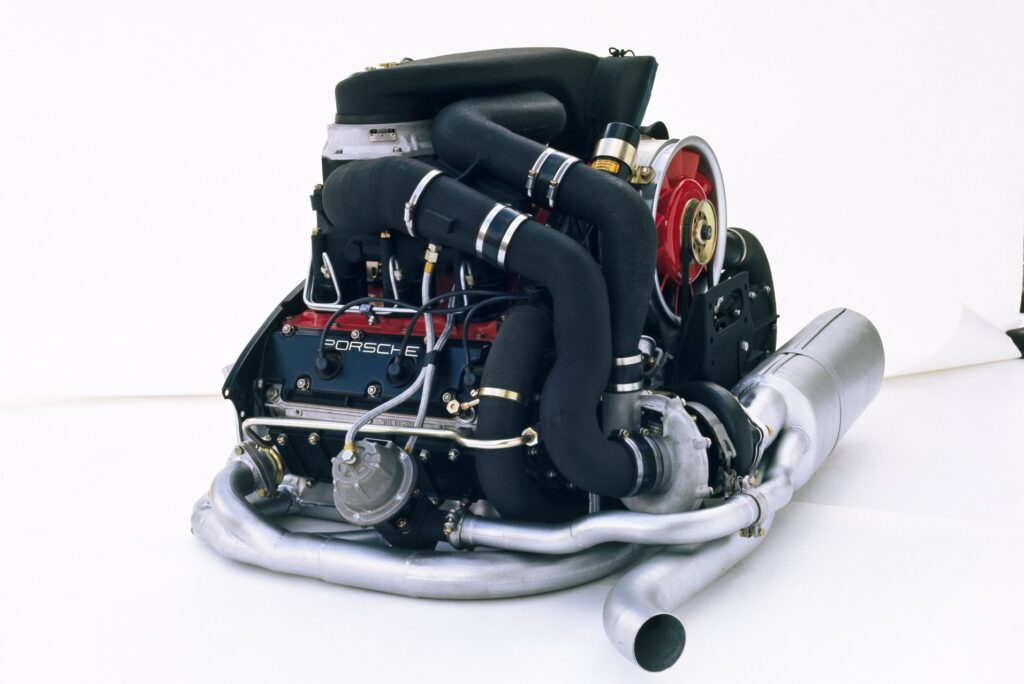
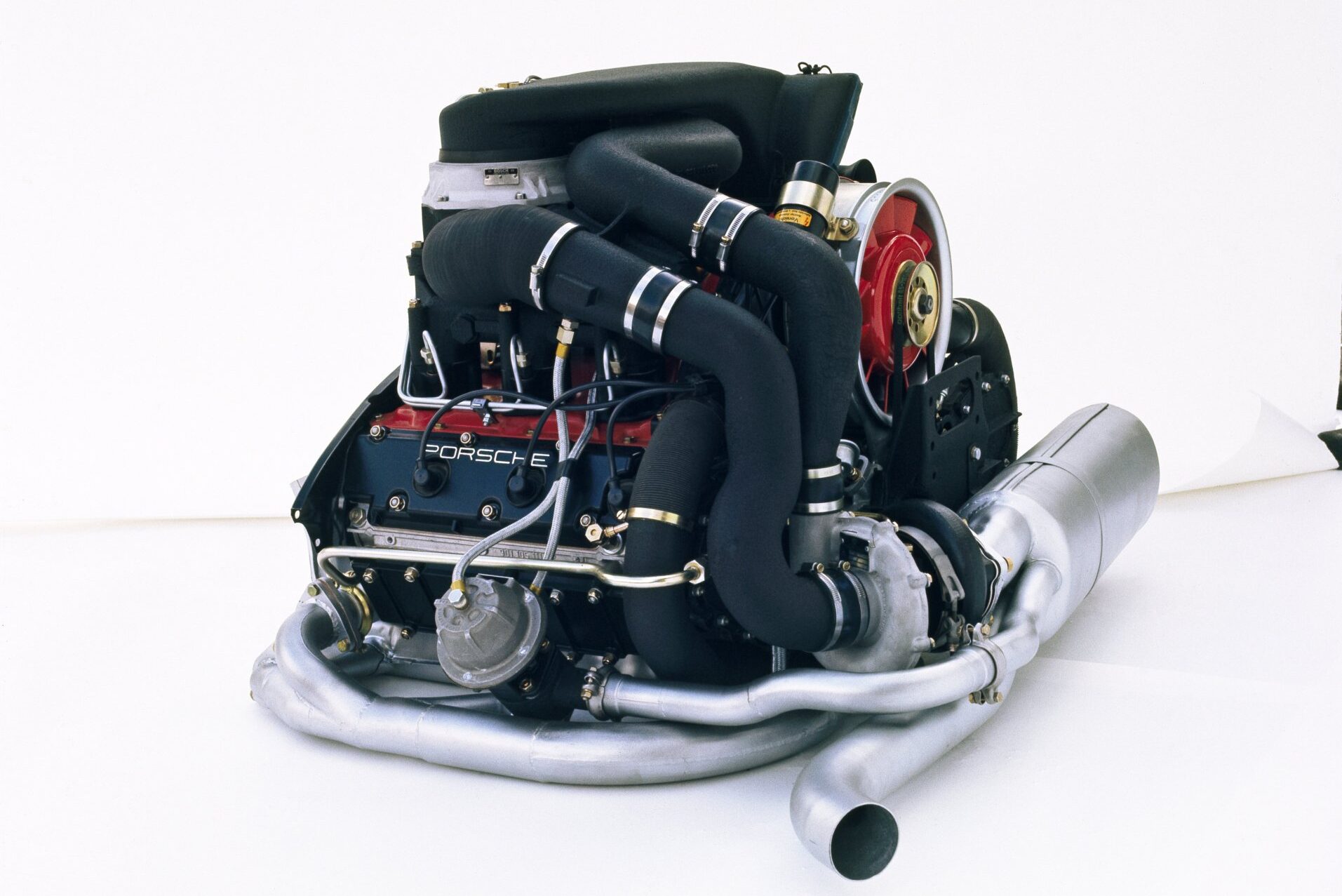
Adding a KK&K turbocharger to the Carrera flat six delivered an instant 47kW boosting power to 191kW, plus an extra 62Nm of torque, which peaked at a muscular 329Nm. The problem (if you can call it that) was that to achieve these outputs Porsche needed to drop the baseline compression ratio to 6.5:1, seriously hampering performance at low engine speeds.
Porsche’s own literature claims a 0-100km/h time of 5.4 seconds and a top speed of 250km/h, while a period test by the UK’s respected Car magazine stopped the clock at 5.9 seconds for the 0-97km/h increment before going on to reach 160km/h in 11.9 seconds.
Lazy drivers were not welcome though and likely would not have been comfortable in a car which required anticipation and frequent, rapid-fire gearchanges to ensure you were in the right gear to access the relatively narrow boost band.
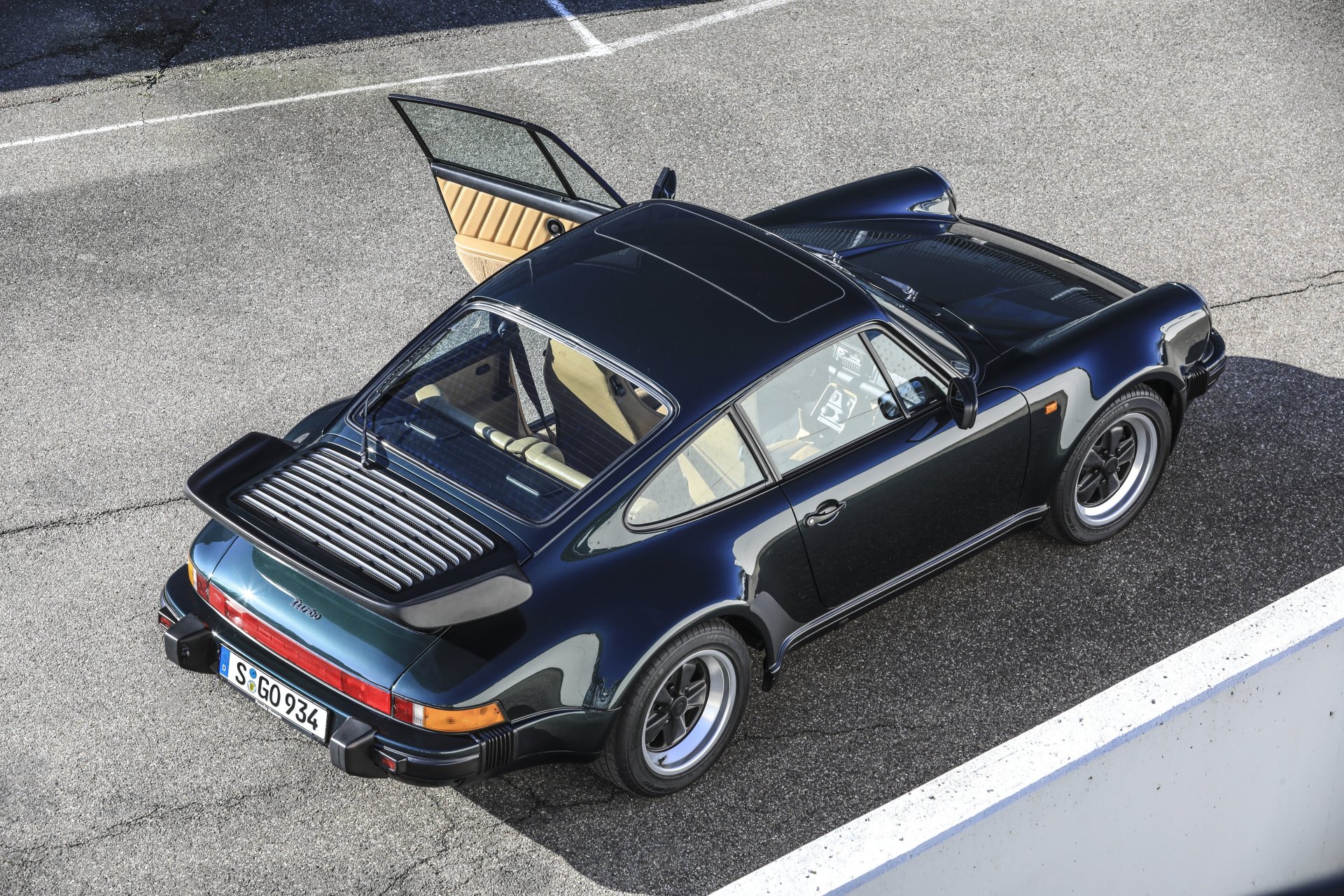
Pull out in fourth (top) gear for a 60-100km/h overtake and the journey would take an agonising 8.9 seconds, but downshift to fourth and the pass was over in a far less hazardous 3.0-seconds flat.
Then editor of the UK’s glossy monthly Car magazine and Aussie expat Mel Nichols was impressed by the 911 Turbo’s practicality and dry road grip when testing against the V12 might of a Lamborghini Countach and Ferrari Boxer, but was less confident when the surface became slippery.
“In the dry, the nose just pushes out wide and the steering goes light. The effect is noted in the wet too, especially into downhill bends. There is only one answer; brake very, very early and very gingerly,” said Nichols in his 1977 road test of the supercar trio.
Prodigious as they were, the Turbo’s brakes were retarding relatively skimpy front tyres and in combination with weight transfer under heavy braking the front wheels locked easily.
Lift-off suddenly while cornering and you could also find yourself in a world of trouble, as the pendulum effect of the rear-mounted engine took over. Many enthusiast drivers had their moments in Turbos and most learned to treat the delicate balance of braking into and powering out of corners with due respect.
Even so, these cars overwhelmed the driving skills of some unfortunate owners, resulting in fatal crashes and inevitable litigation. Sales of 930 Turbos to the USA were suspended from 1981-85 while Porsche defended a string of lawsuits, making undisclosed settlements in some cases.
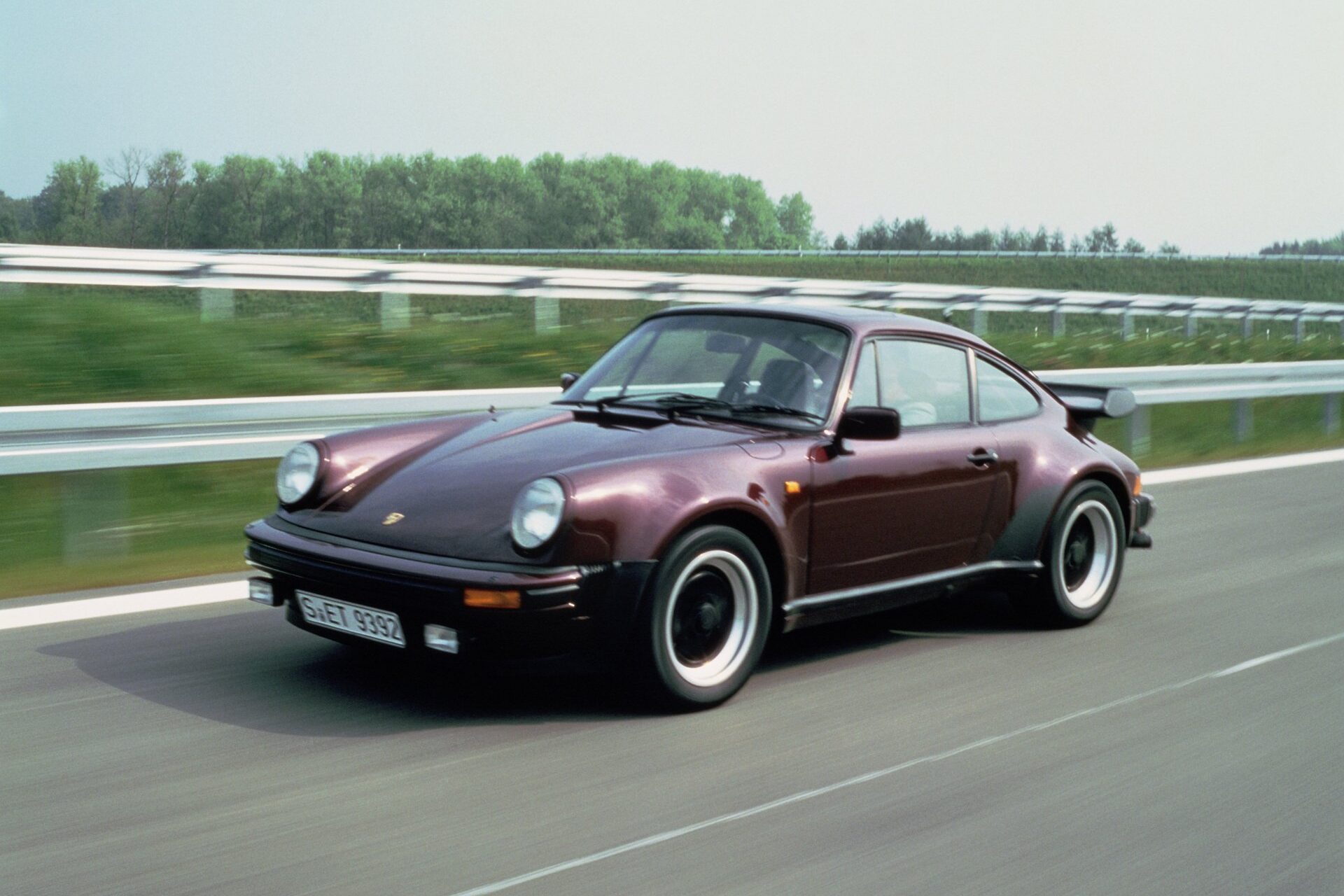
Early 3.0-litre cars were first listed by Australian motoring magazines from March 1976; however, a car sold at auction in 2024 was confirmed as having arrived during 1975, just weeks after being manufactured, and there may be others.
These early 3.0-litre Turbos were list-priced at $39,071, or $13,000 more than a naturally aspirated 3.0-litre Carrera, but by late 1977 when the switch to 3.3-litres was made, the local cost of the renamed 930 Turbo had reached $66,035.
More power is seemingly the cure for any ill and the second generation 911 Turbo featured a larger 3.3-litre engine which boosted power to an even more robust 220kW, and raised top speed to an eye-watering 260km/h.
To get the most from its larger powertrain and adequately deal with the accompanying power boost, Porsche positioned a charge-air cooler just below the rear spoiler to lower the intake temperature.
Lessons learned on the racetrack were also behind the 930 Turbo 3.3’s lightweight alloy brake system with internally ventilated brake discs, like that used in the all-conquering Porsche 917 race car.
While the Turbo certainly had the legs to handle a fifth cog like its lesser Carrera siblings, the four-speed manual transmission was retained due to fears that the five-speed might not cope with the Turbo’s sudden surge of torque.
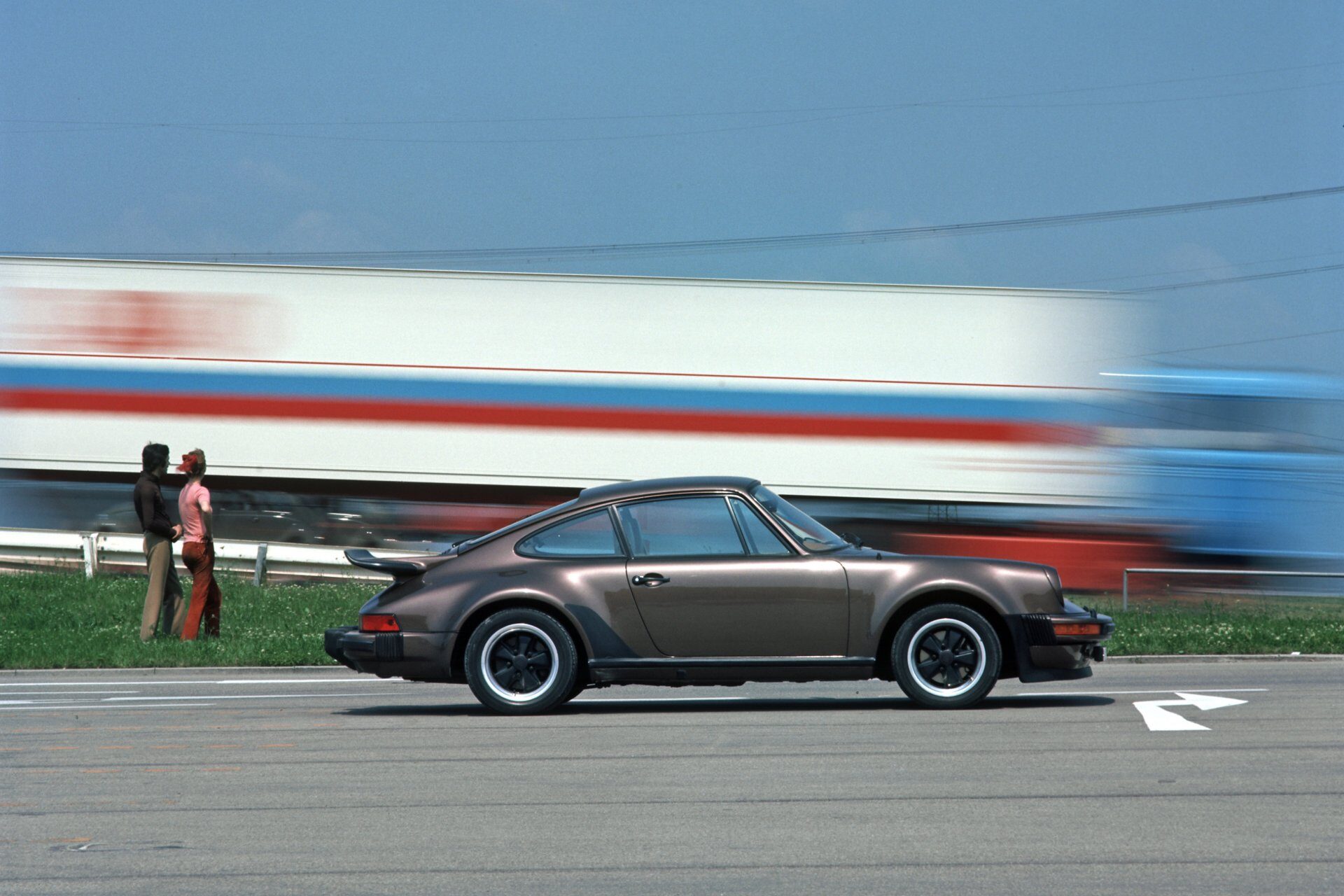
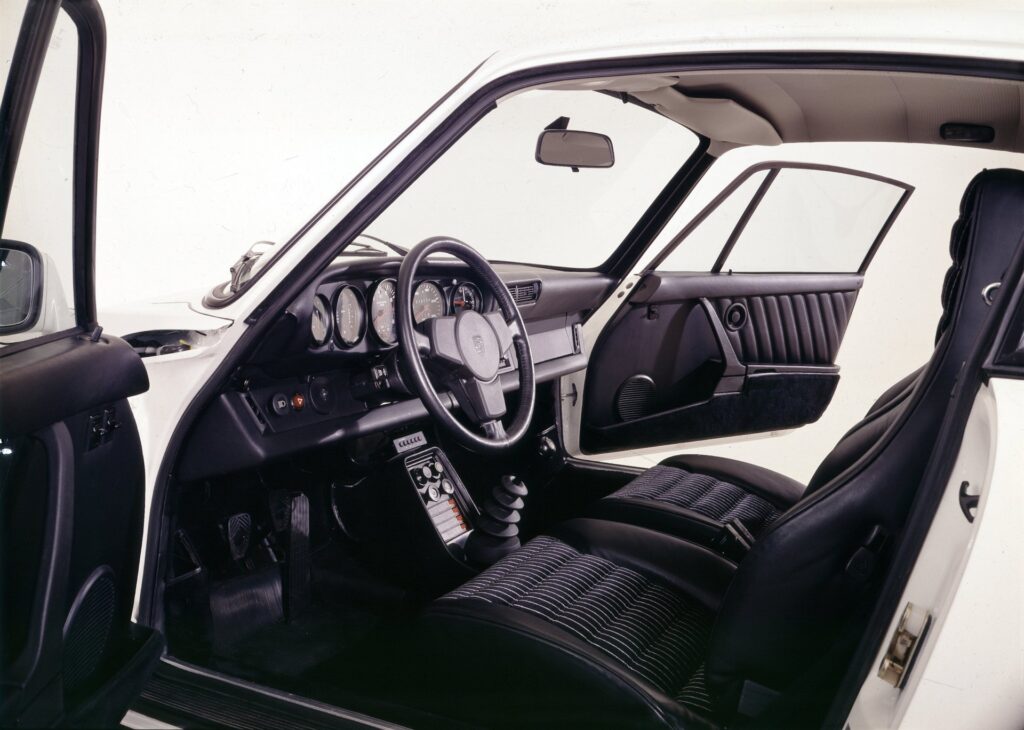
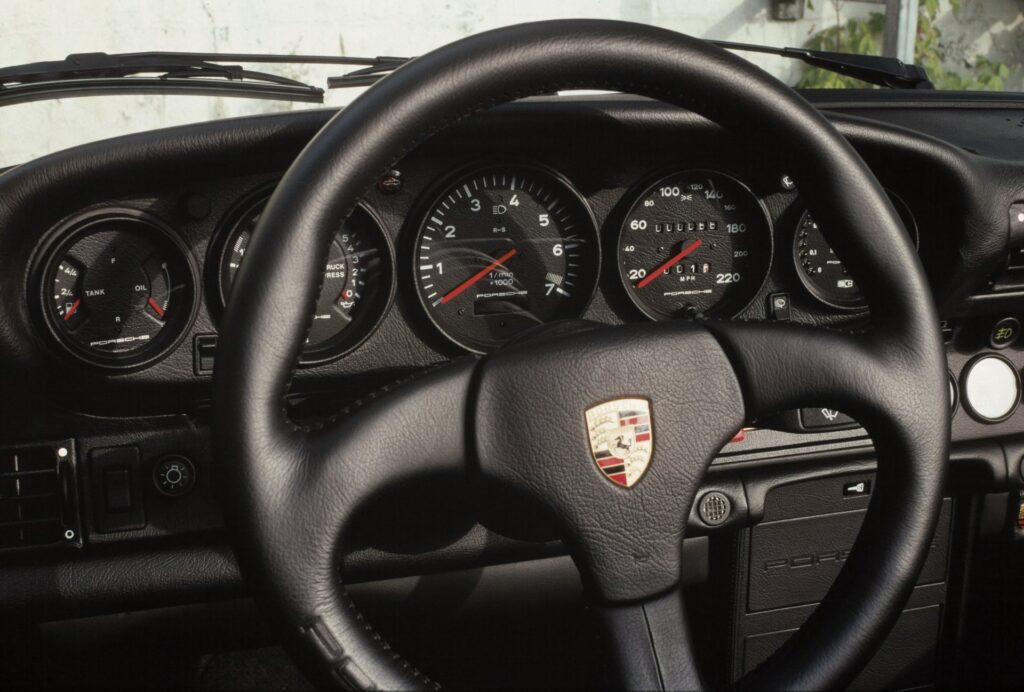
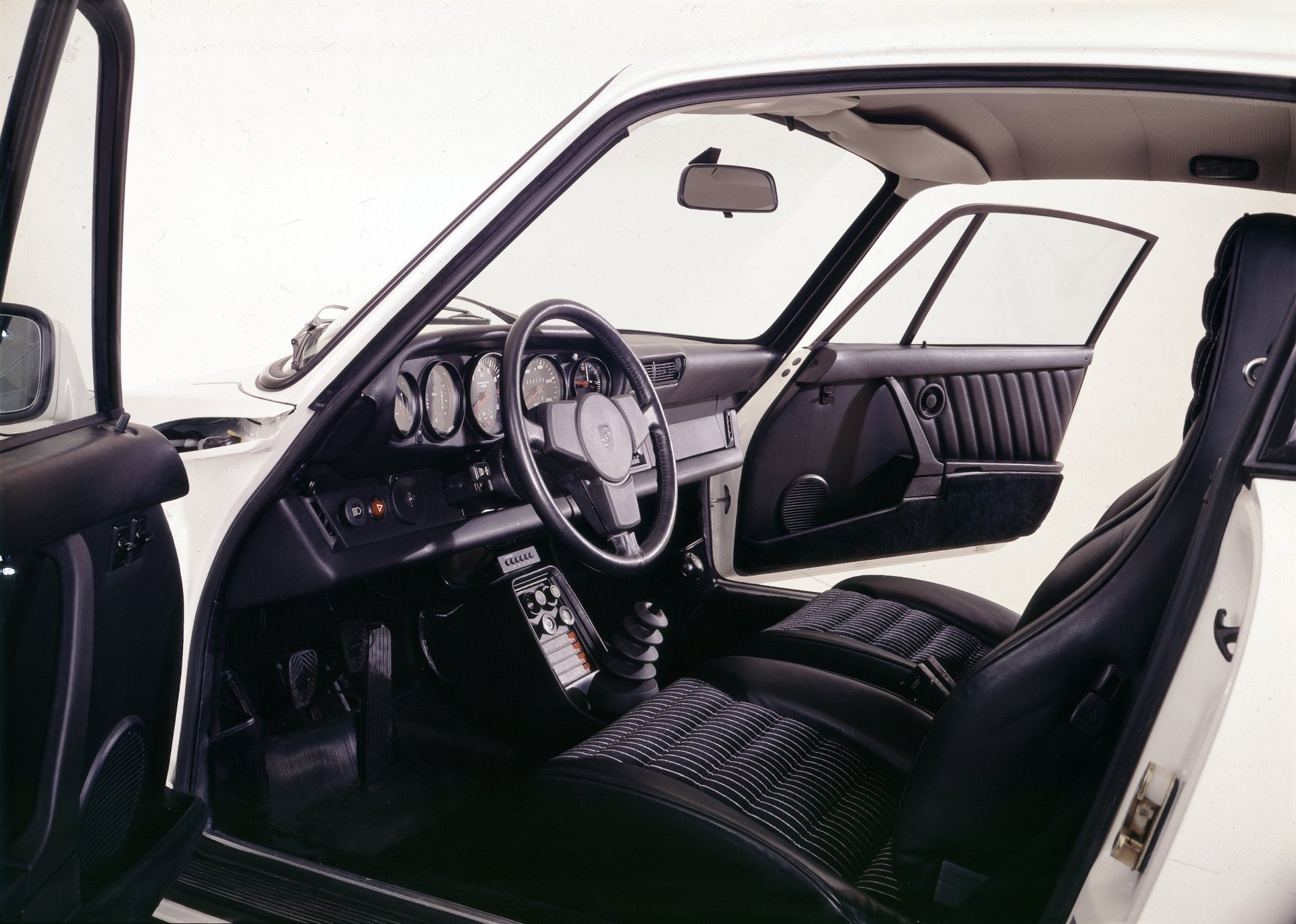
Inside, Australian-spec 930 Turbos featured shapely leather seats, power windows and air conditioning, and some were even optioned with a powered sunroof. But elsewhere Porsche stuck to its famously pragmatic guns, with a Corolla-style console, rubber gear-lever boot that could have come from an FJ40 LandCruiser, and pedals that popped up out of the floor just like a Volkswagen Superbug.
Porsche Turbos remained available to Australia during the early 1980s and listed at prices that peaked at $108,000 but few seem to have been sold. Changes to the design were minimal as well during a time when annual production was typically below 1000 cars due to there being no sales officially to the USA or Japan.
Advertised prices in Australia can vary significantly, with documented local deliveries generally worth the most money.
The current benchmark price was set in 2024 by an early-build car with less than 30,000km on its odometer, which sold at auction for $395,000 plus Buyer Premium.
Cars delivered overseas and without that car’s provenance are more freely available, with prices depending on age and distance travelled ranging from $145,000 to $275,000.
Things to Watch Out For When Buying a Used Porsche 911/930 Turbo (1975-85)
- Turbos from 1978 onwards had galvanised body sections to inhibit rust but protection may have been compromised by poor refinishing after crash repairs.
- Check for water entering the front luggage compartment and spare wheel well.
- Mechanical condition, including the health of the turbocharger, needs to be confirmed by specialist inspection.
- Rapid, high rpm launches can destroy the clutch.
- Check full leather trim for wear and cracking.
- Air-conditioners often operate below peak efficiency and need costly repairs.
Valuation Timeline: Valuation Timeline: Porsche 911/930 Turbo (1975-85)
-
1995$70,000
-
2005$67,500-3.57%
-
2010$80,000+18.52%
-
2015$90,000+12.5%
-
2020$225,000+150%
-
2025$275,000+22.22%3.3-litre