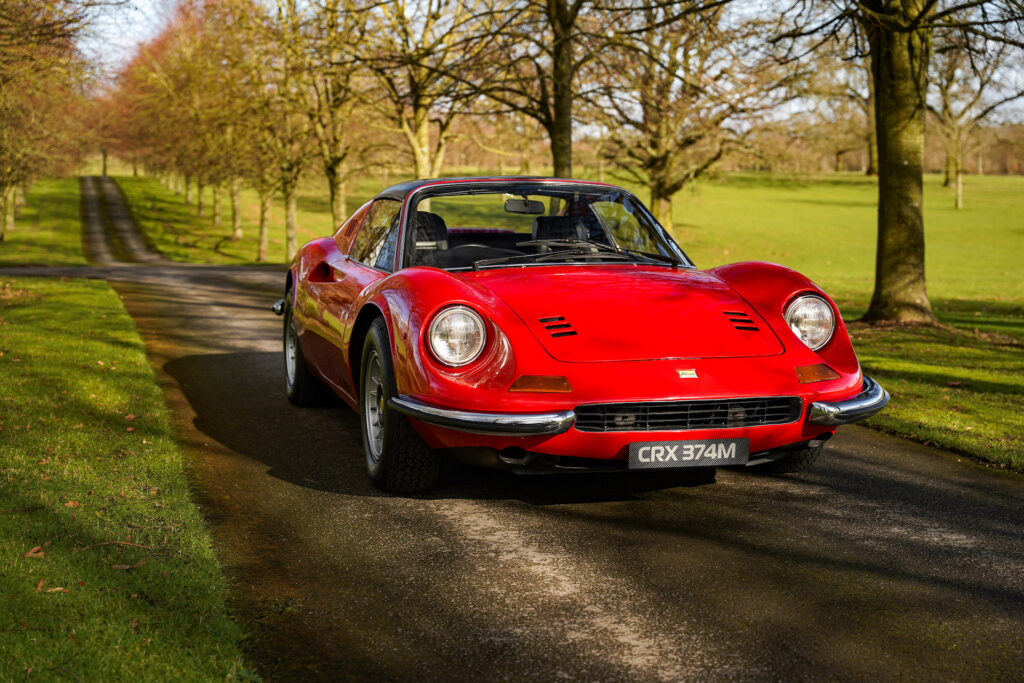
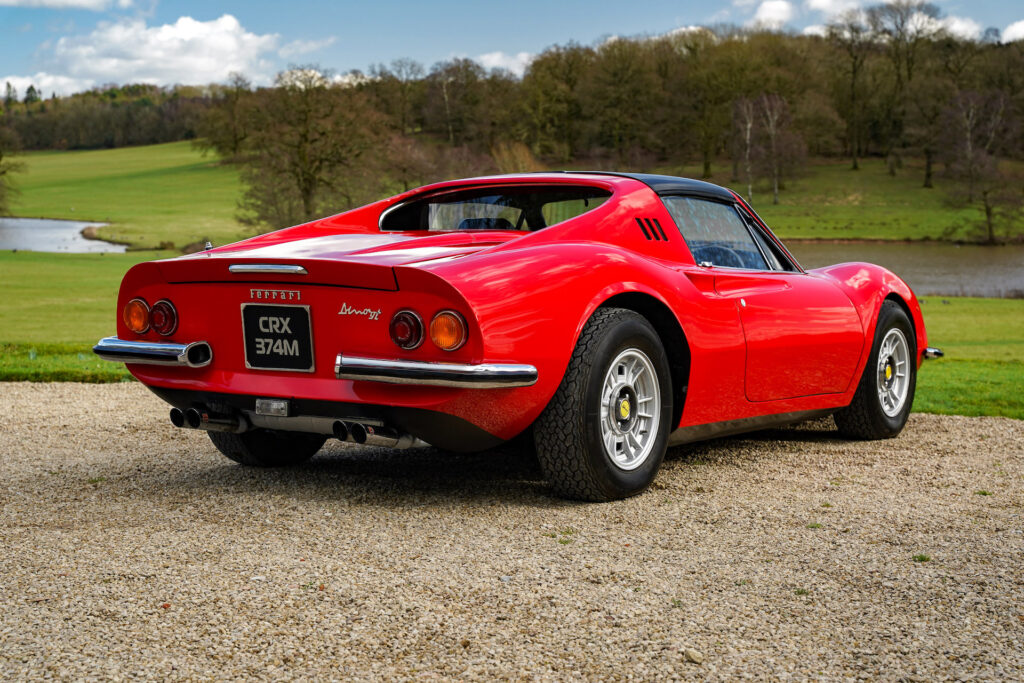
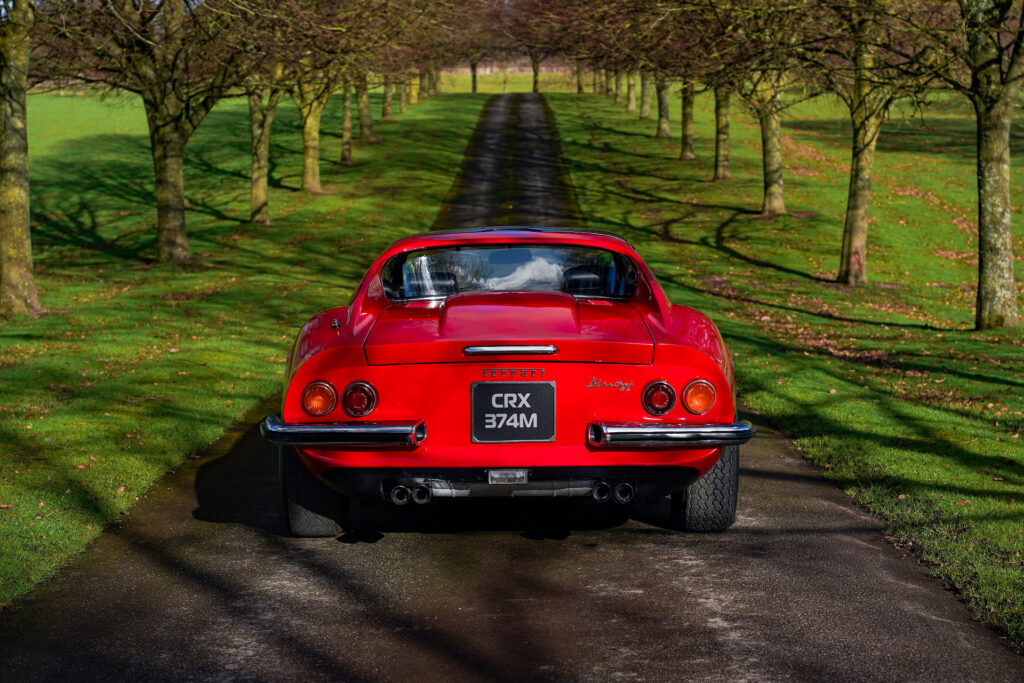
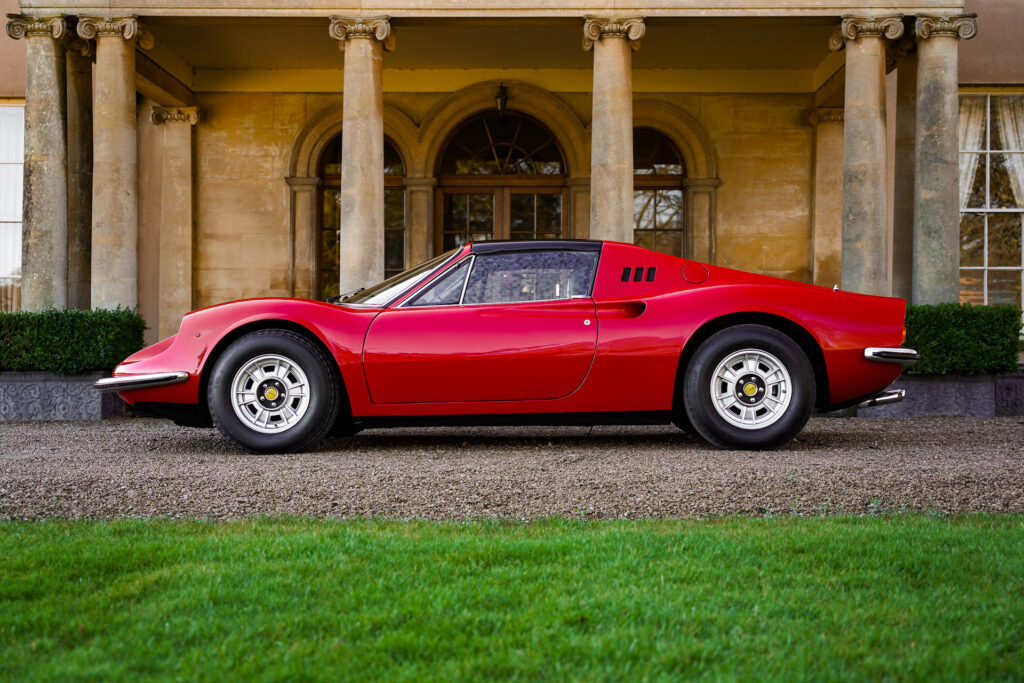

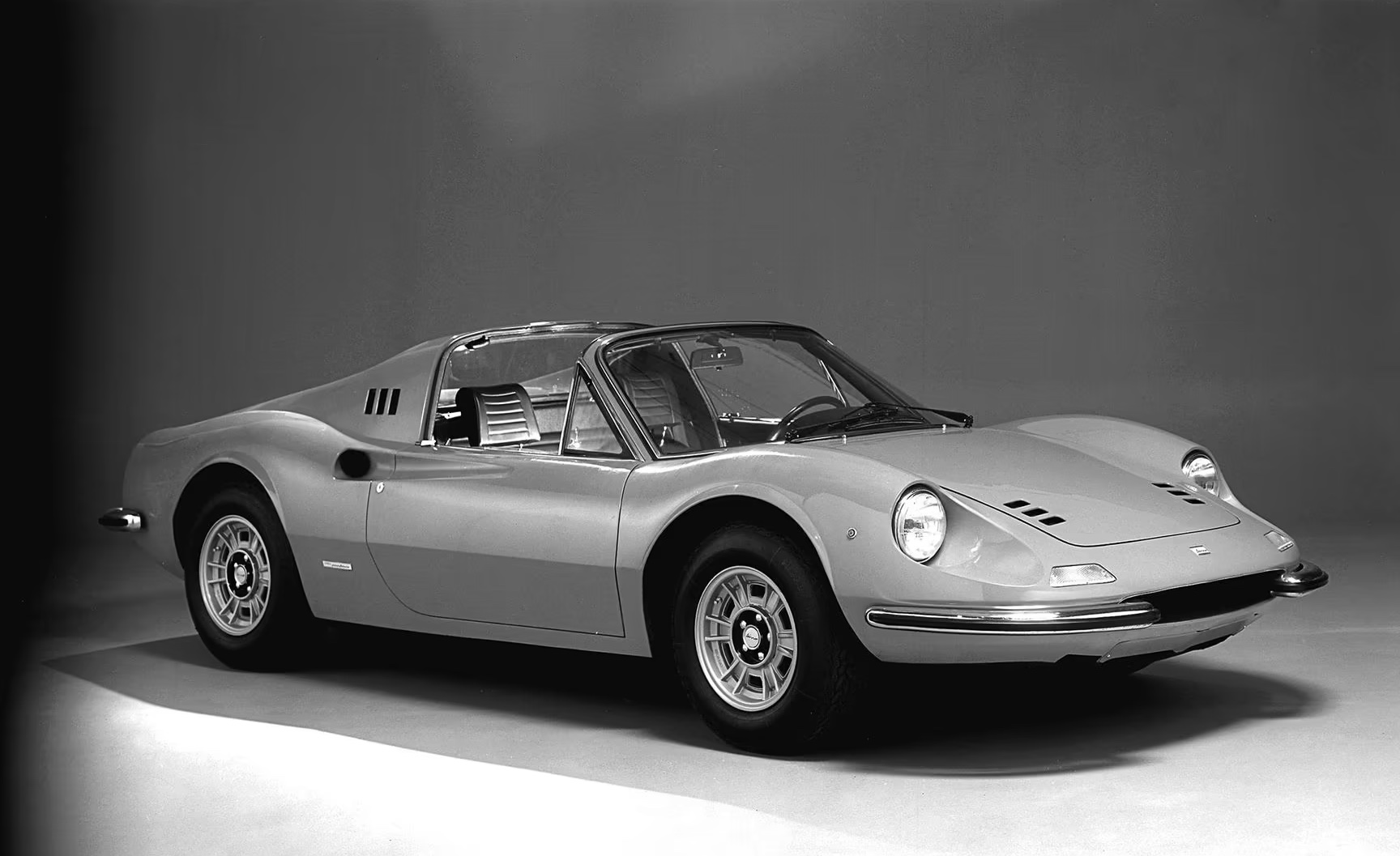
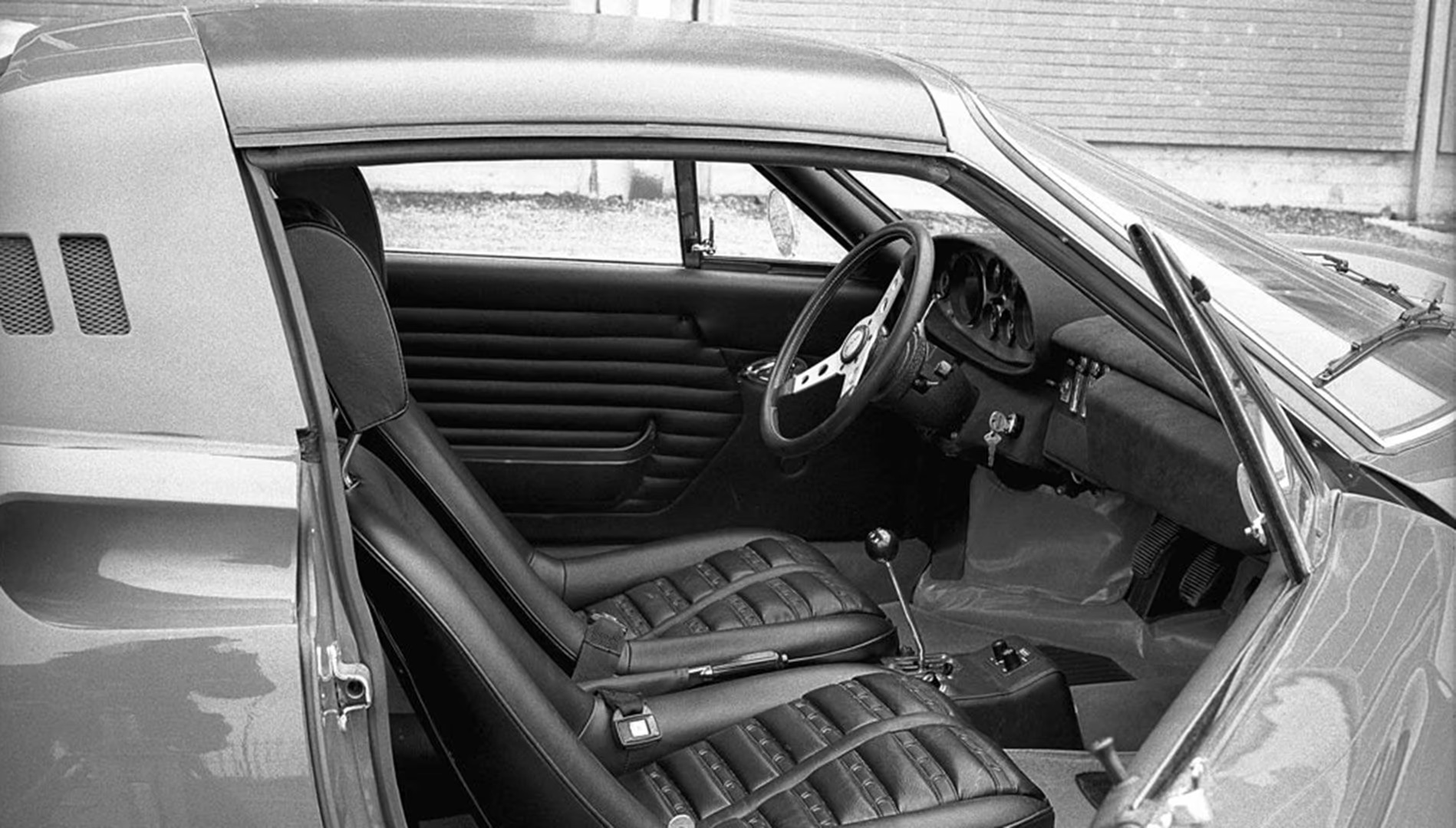
Like any kind of folklore, the stuff of automotive legend can take on a life of its own over time, shape-shifting and evolving as in a whispering game so that at some point it becomes difficult to separate fact from fiction.
When your correspondent first heard the one about Australia’s pivotal role in creating the first right-hand drive version of the Ferrari 246 GT Dino, the journalist’s inbuilt ‘BS meter’ went on instant high alert.
I think I first heard the story in the early-to-mid-1980s at one of various collector car auctions where regular appearances of Australia’s most desirable Ferrari Dinos were setting new records with every fall of the hammer.
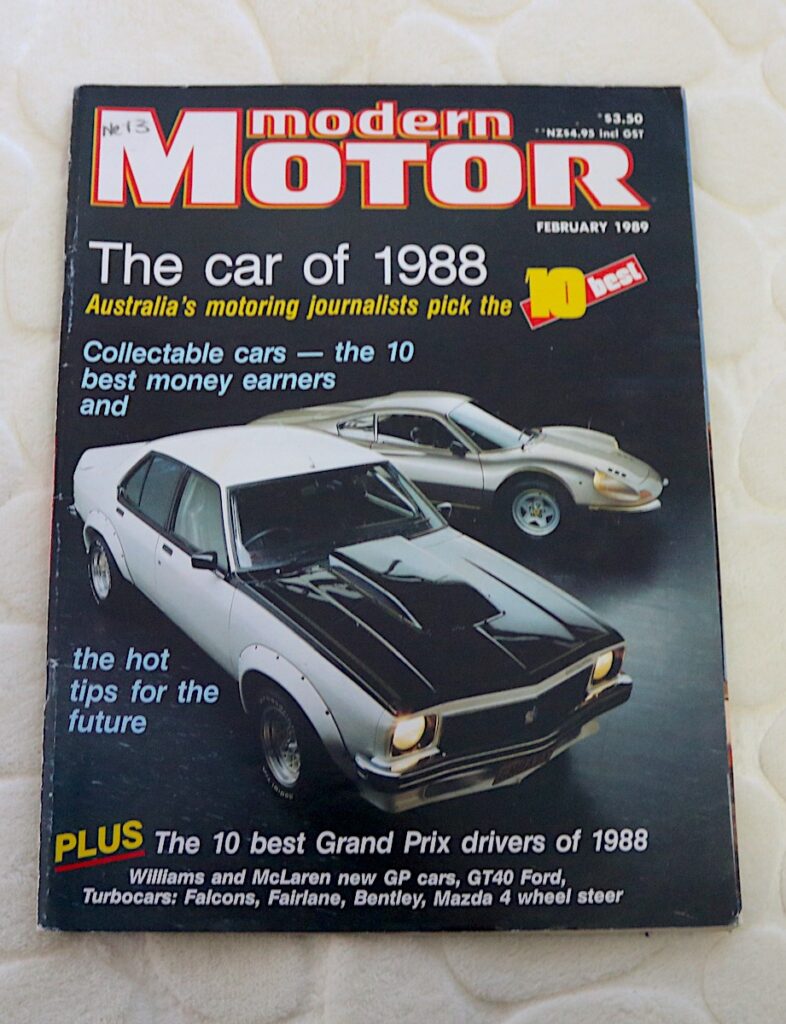
I heard it again towards the end of that decade from the owner of a gorgeous gold Dino I was interviewing for a Modern Motor story about collectable cars, with the Ferrari positioned alongside a Holden Torana A9X for a memorable cover shoot.
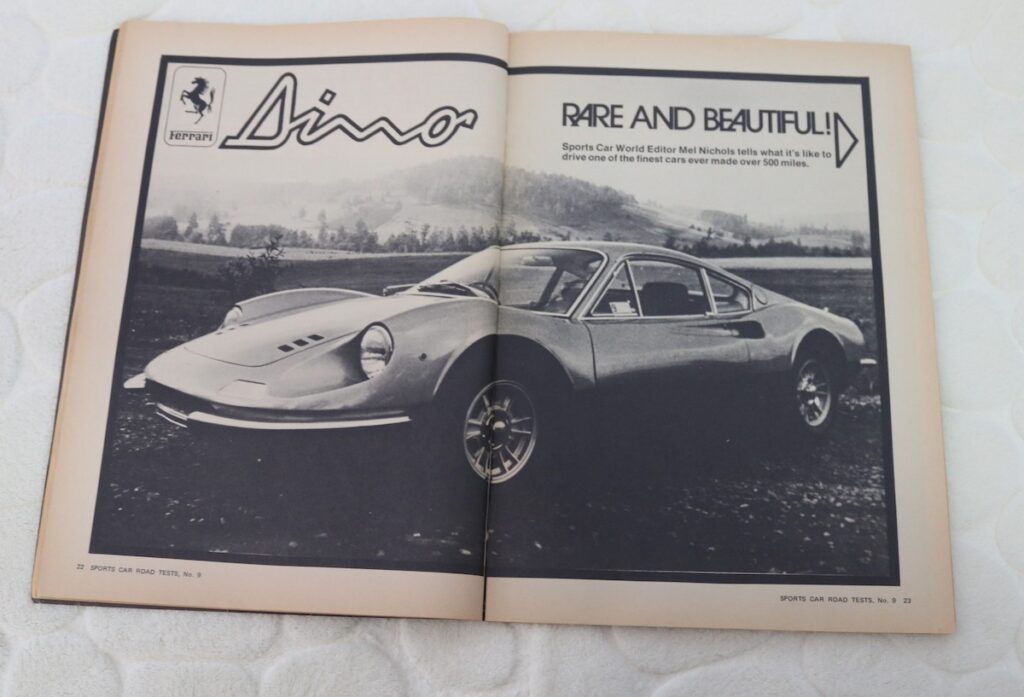
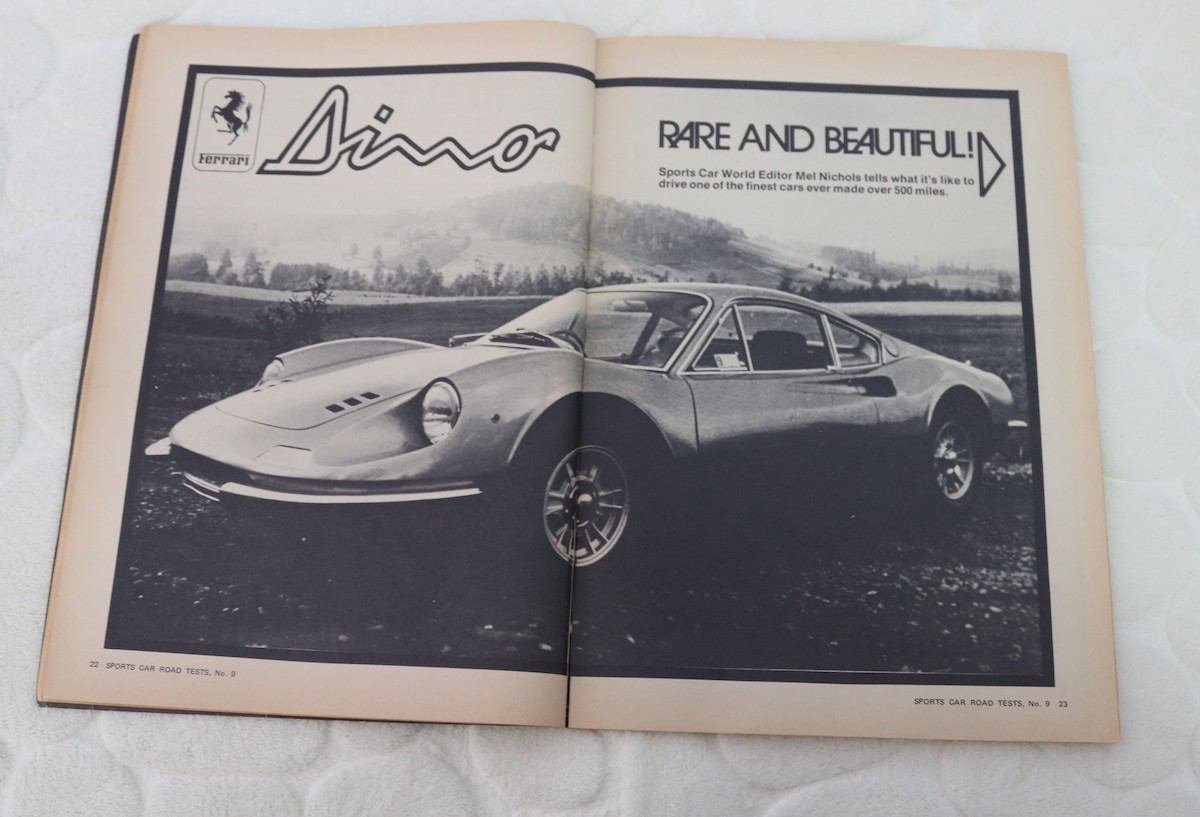
Thankfully, the actual story about this tall-but-true tale had been recorded for posterity a decade earlier in a 1972 edition of Australia’s Sports Car World magazine.
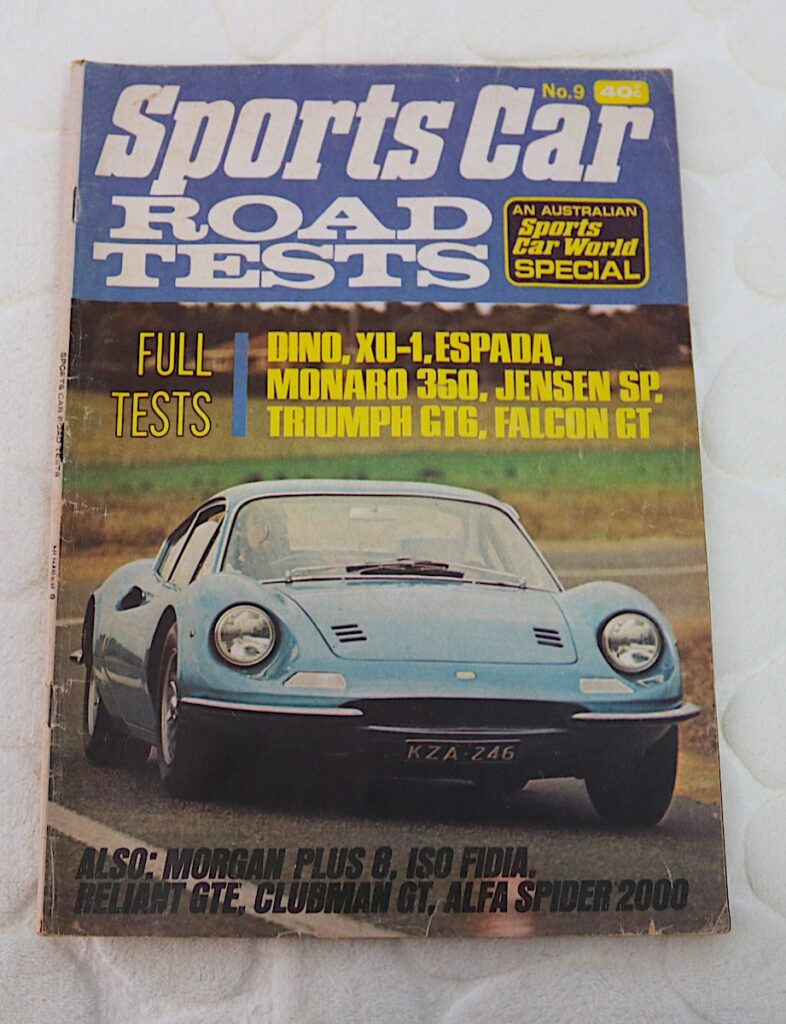
The magazine tested the original RHD Dino on local roads and in doing so revealed details of the car’s intriguing back story from none other than Ralph Lowe, the man whose dedication and expertise helped create the first 246 GT to steer from the right-hand side of its snug cabin.
Ralph was proprietor of W H Lowe & Co, the long-term Victorian distributor for Ferrari and Lancia cars, who on a visit to Ferrari’s Maranello factory in the late 1960s was instantly smitten by the sensuous shape of an early build 246 GT.
“I have to get one of those,” Lowe reportedly remarked to his hosts, only to be told that the car wasn’t being built in right-hand drive and a conversion wasn’t technically feasible.
Fortunately, Lowe wasn’t a man easily deterred, recalling in his later interview with Sports Car World editor Mel Nichols that the road block prompted many hours of detailed poring over the car’s engineering drawings and specifications, followed by many more hours convincing Ferrari’s sceptical designers that an engineering shop in far-off Australia had the expertise to adapt a Dino to the factory’s exacting standards.
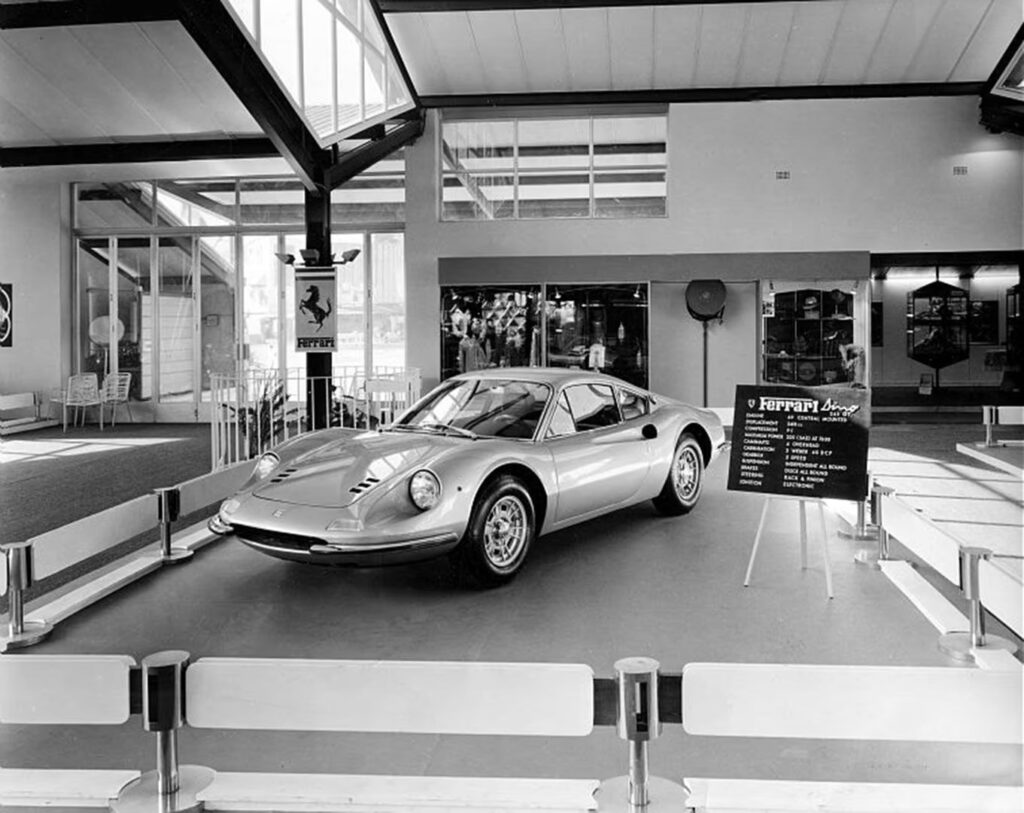
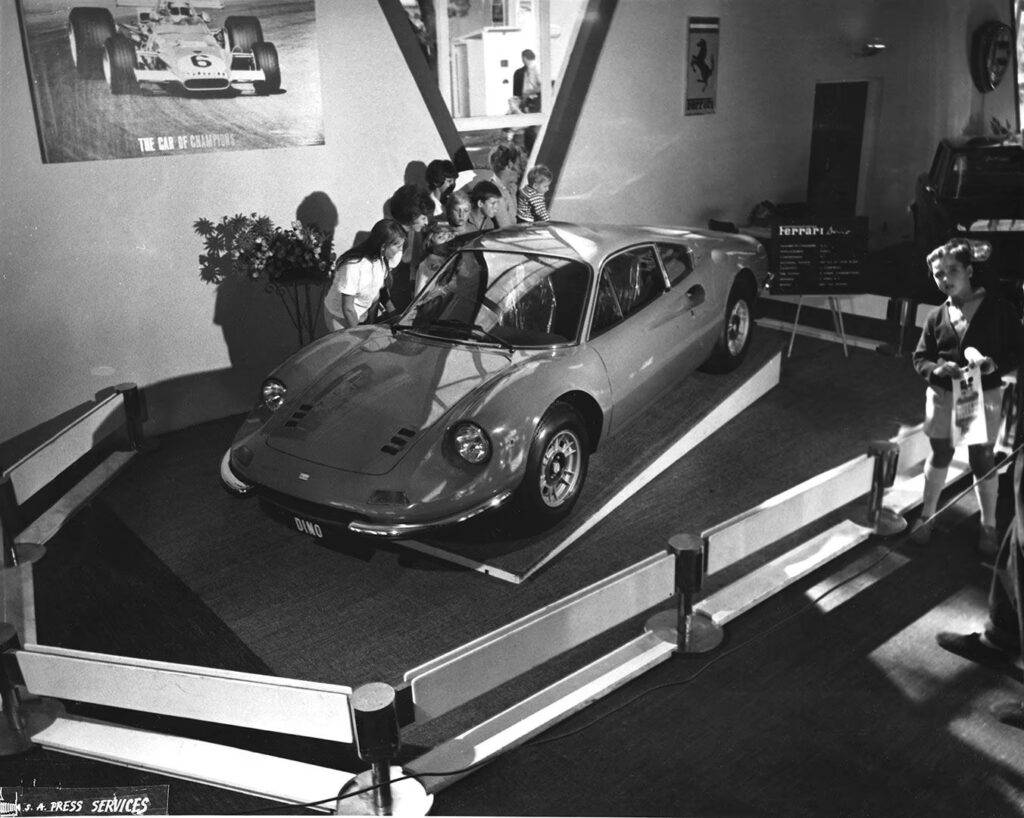
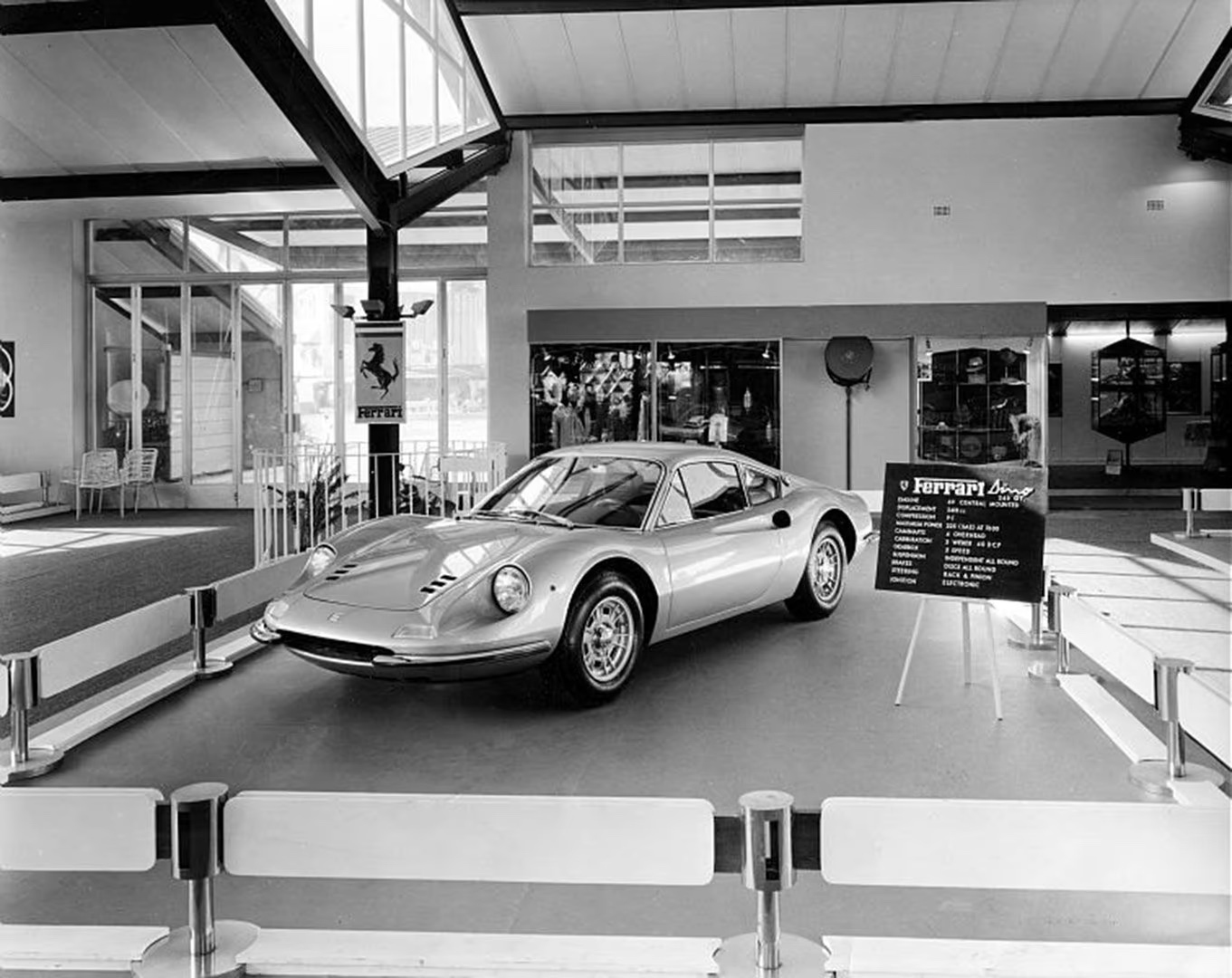
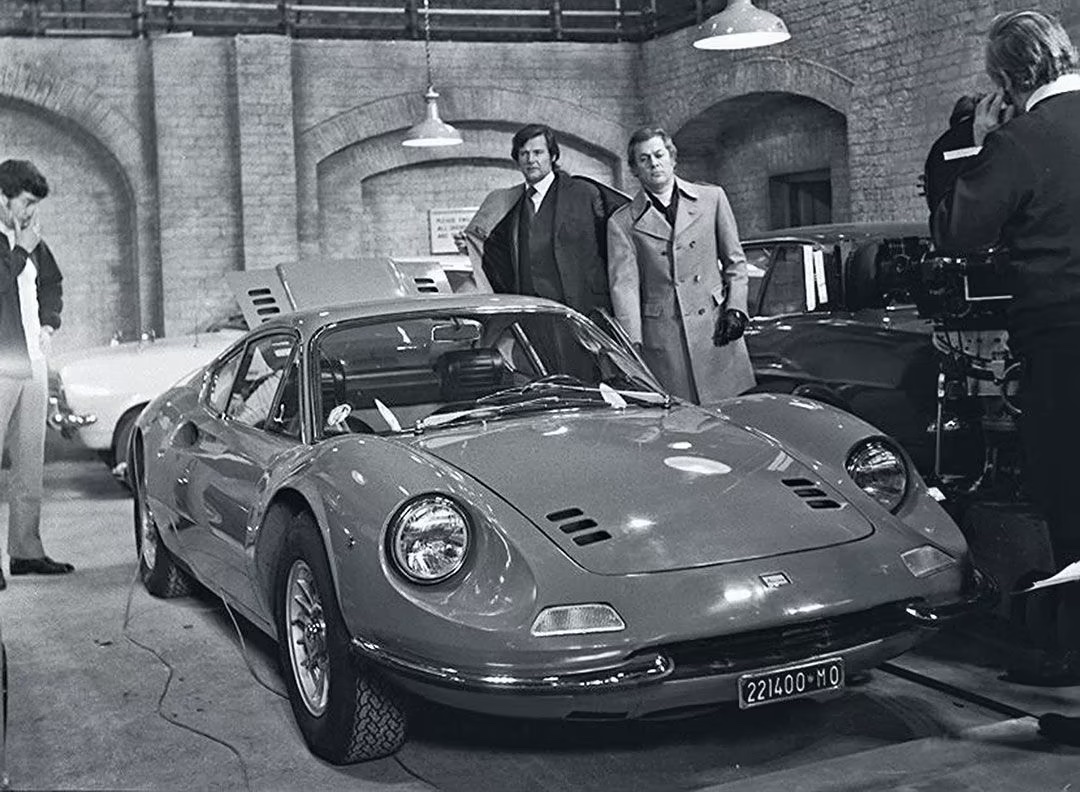
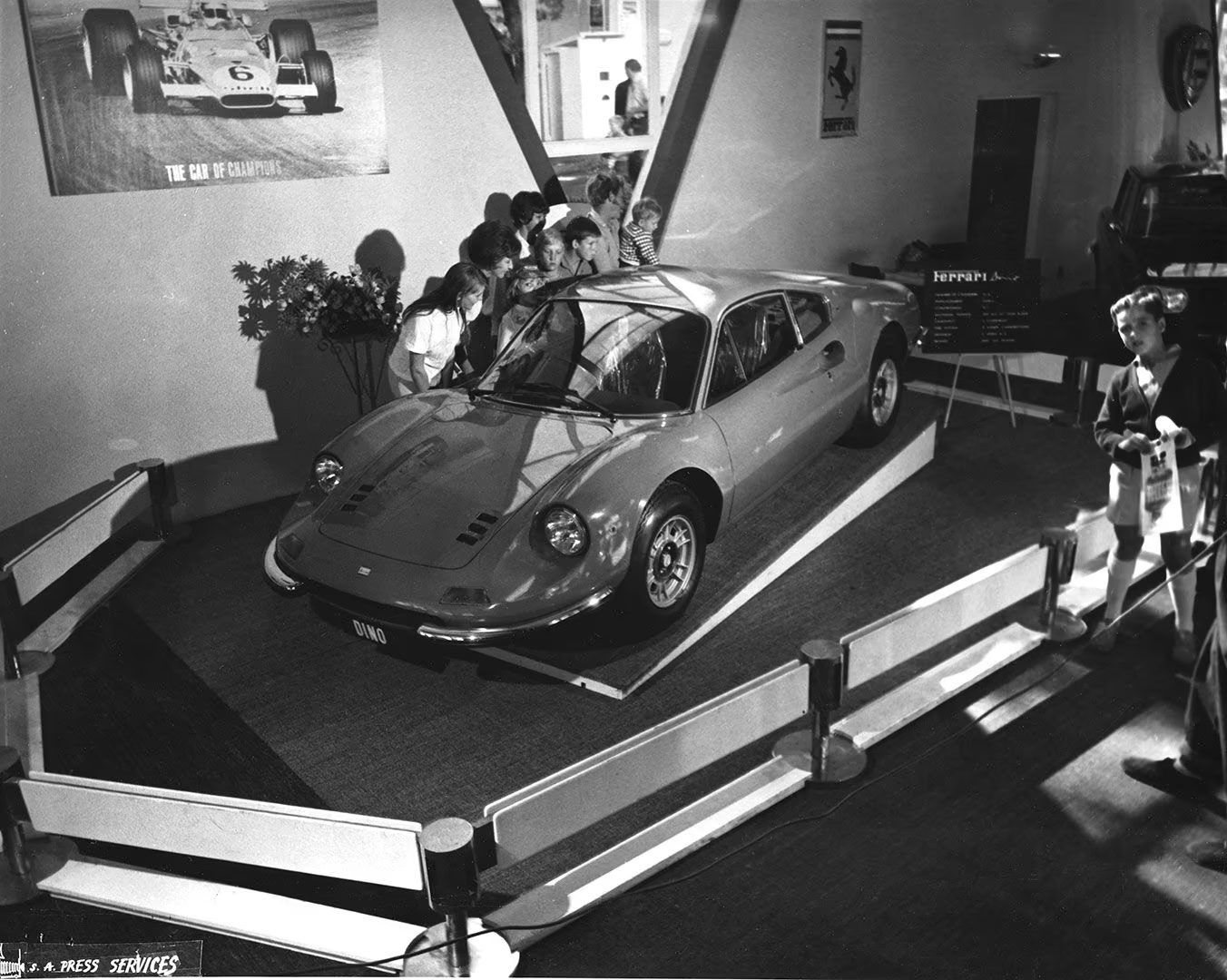
Eventually, Lowe was allowed to buy a Dino and in 1970, 18 months after the car was first displayed in LHD form, the first Australian-engineered production RHD Dino was revealed.
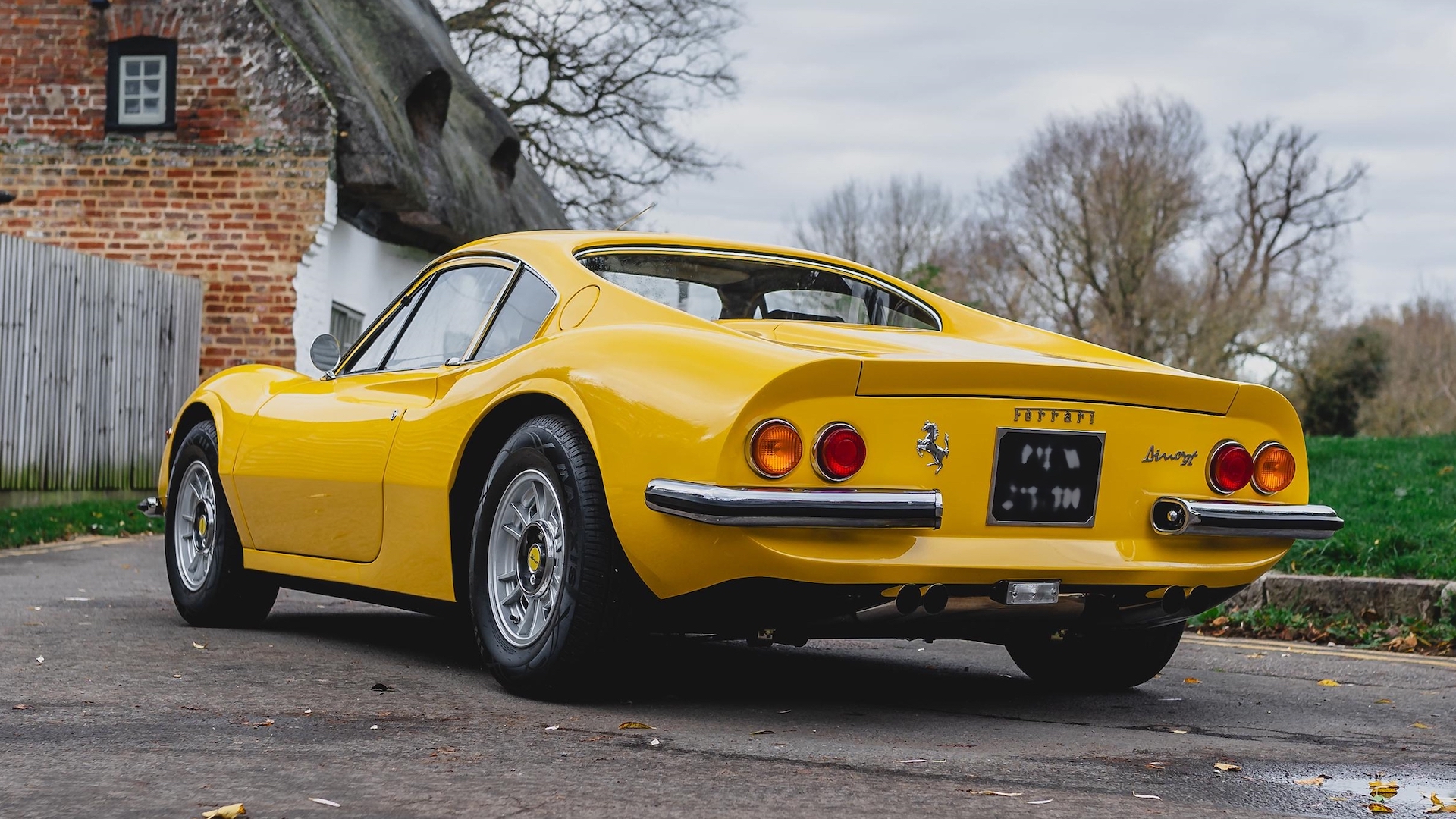
In his 1972 review of the car for Sports Car World Mel Nichols described the conversion as “so successful it is entirely undetectable to novices and on it Ferrari based its production right-hand drive models”.
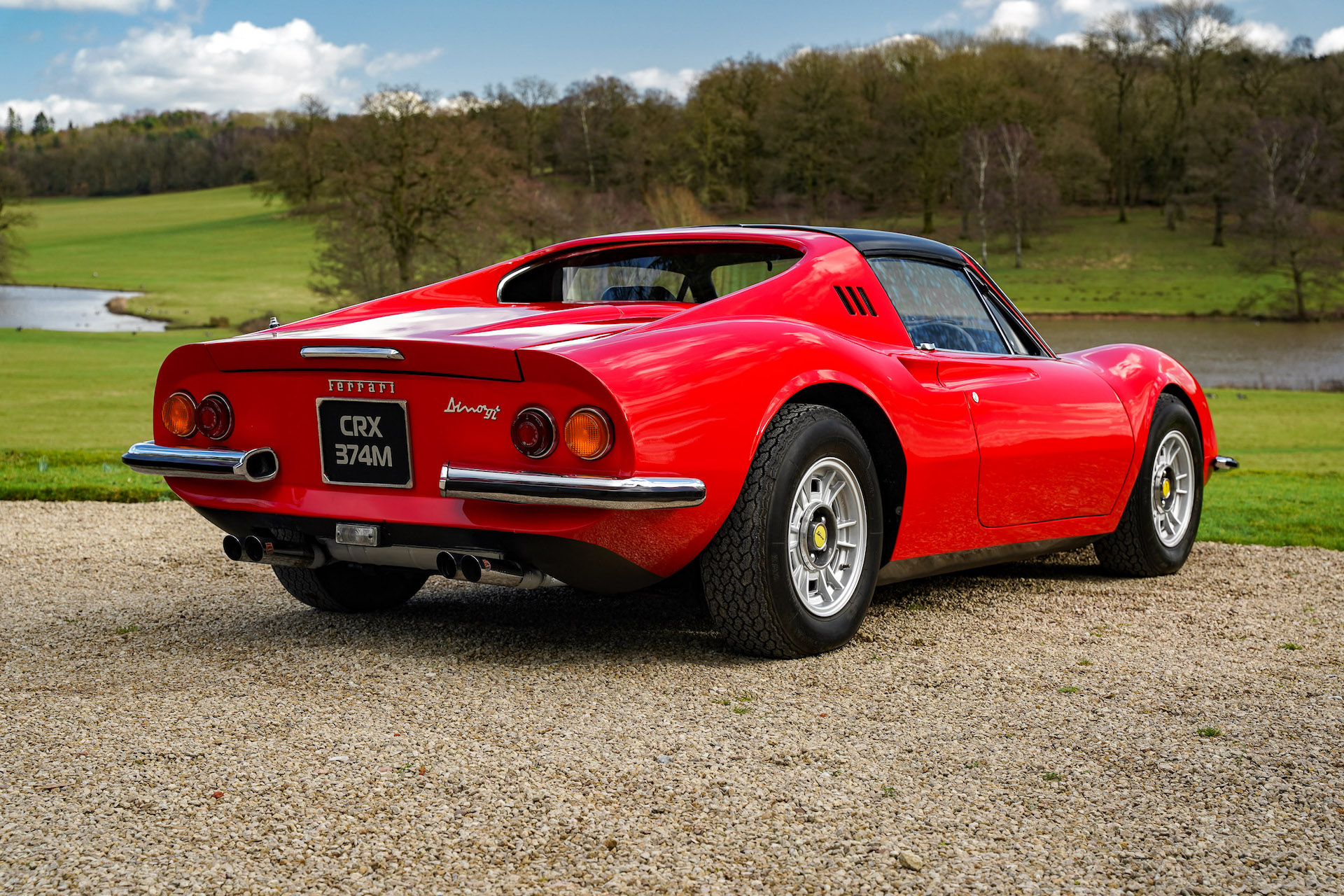
That car was the precursor to a total of 488 Dino 246 GTs built in RHD, accompanied by a further 235 of the 246 GTS versions with its lift-out roof, all of them owing their existence to the team at W H Lowe.
The Dino GT had begun life in 1965 as a derivative of the Ferrari 206S sports/racing car and with a name long enough to match its impressive pedigree: Ferrari Dino 206 Pininfarina Berlinetta Speciale.
‘Dino’ was the name long associated with V6-engined Ferraris and chosen in tribute to Enzo Ferrari’s son Alfredo – known throughout the Ferrari world as ‘Dino’ – who had died in 1956 at age 24 from muscular dystrophy.
Dino, during the months before his death, had been the force behind a new V6-engined Formula Two car which would race in 1957 as the Type 156.
During the decade which followed, the Type 156 inspired a string of successful open-wheel and sports/racing Ferraris before a rule change for 1967 required the engines to be production-based, with a minimum of 500 units sold.
Ferrari lacked the capacity to produce that many cars that quickly so in 1966 a deal was struck for a Dino Coupe and open-top Spyder to be built by Fiat using Ferrari’s 1987cc V6 engine and produced in sufficient quantity to meet the F2 eligibility criteria.
Ferrari in 1965 had also displayed its own 2.0-litre GT at the Paris Motor Show, then a year later at Turin came a 206 GT version that was ready for production.
Only 152 examples of the 206 GT were made in this format, giving Ferrari time to improve and adapt the design around an enlarged 2.4-litre version of the V6 engine. The 206 GT’s aluminium body was replaced by a less-expensive-to-manufacture steel body for the 246 GT and the wheelbase was extended by 50mm to provide additional cabin space, with the boot at the front housing the spare wheel.
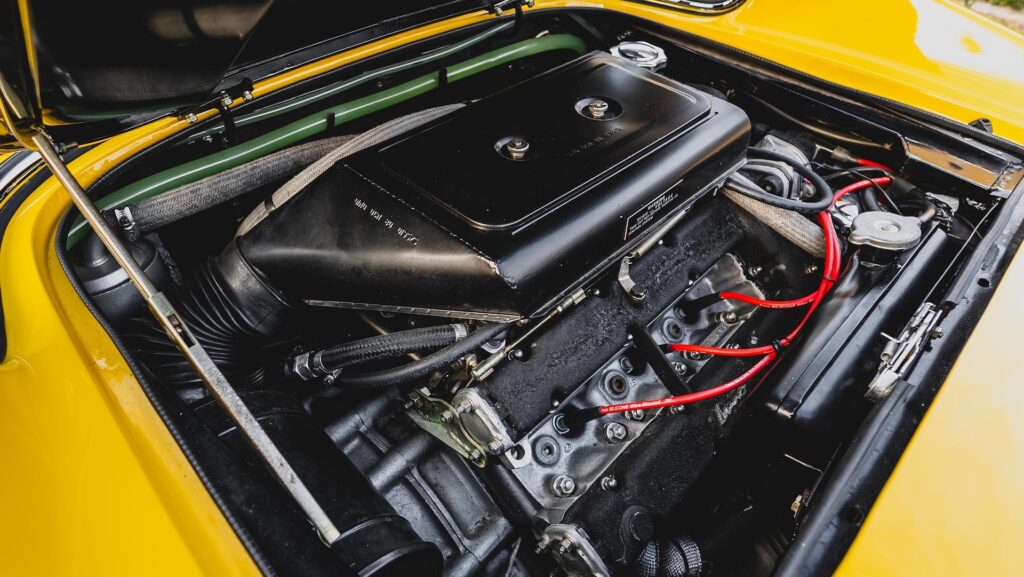
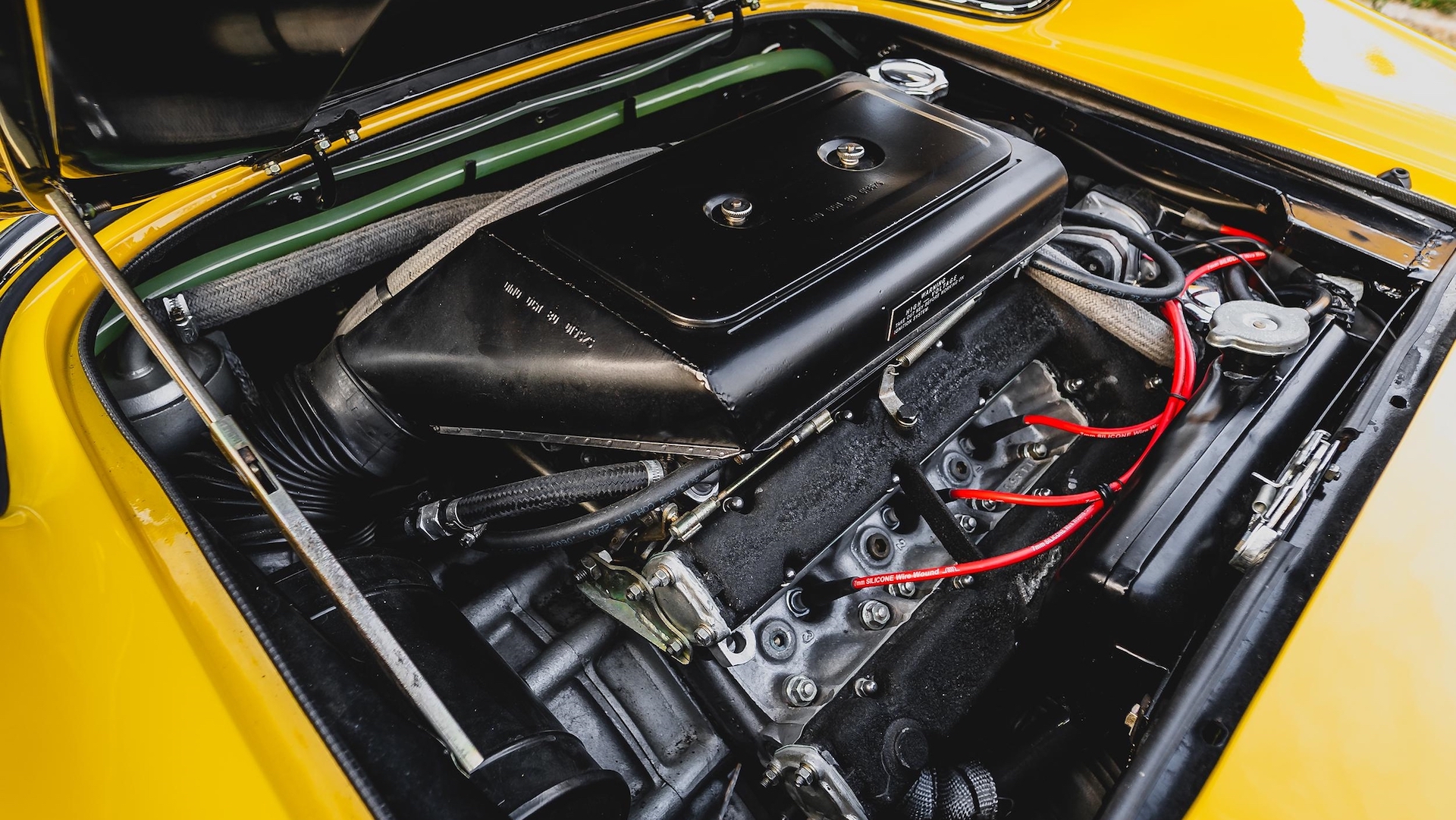
With its 2.4-litres of swept capacity fed by triple Weber carburettors, the V6 revved hard and made 145kW at a heady 7600rpm. Torque was an unremarkable 225Nm – just 10 percent more than a 2.0-litre Alfa GTV – and didn’t arrive in all its glory until 5500rpm, so the five-speed gearbox with its 4.44:1 final drive got plenty of use.
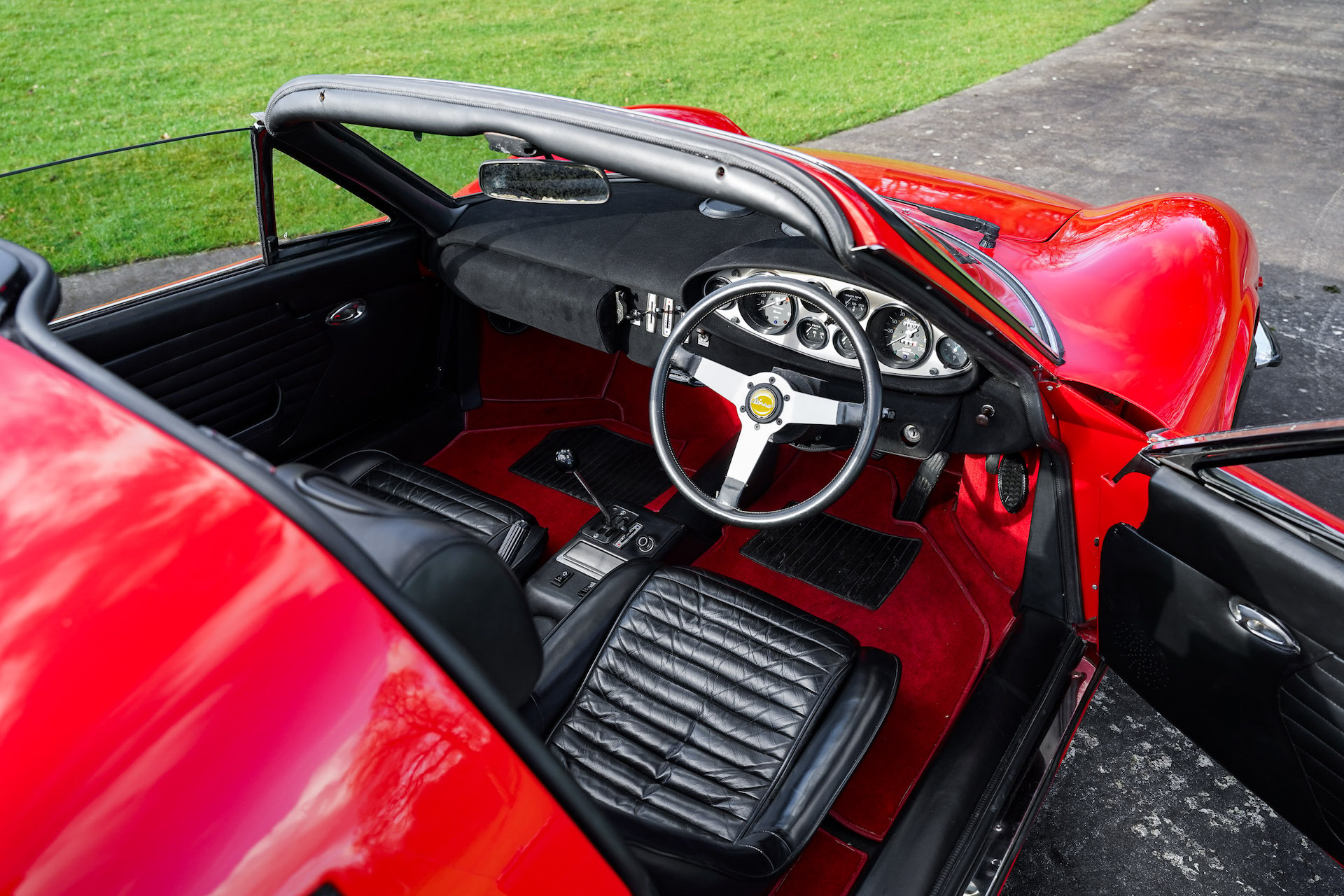
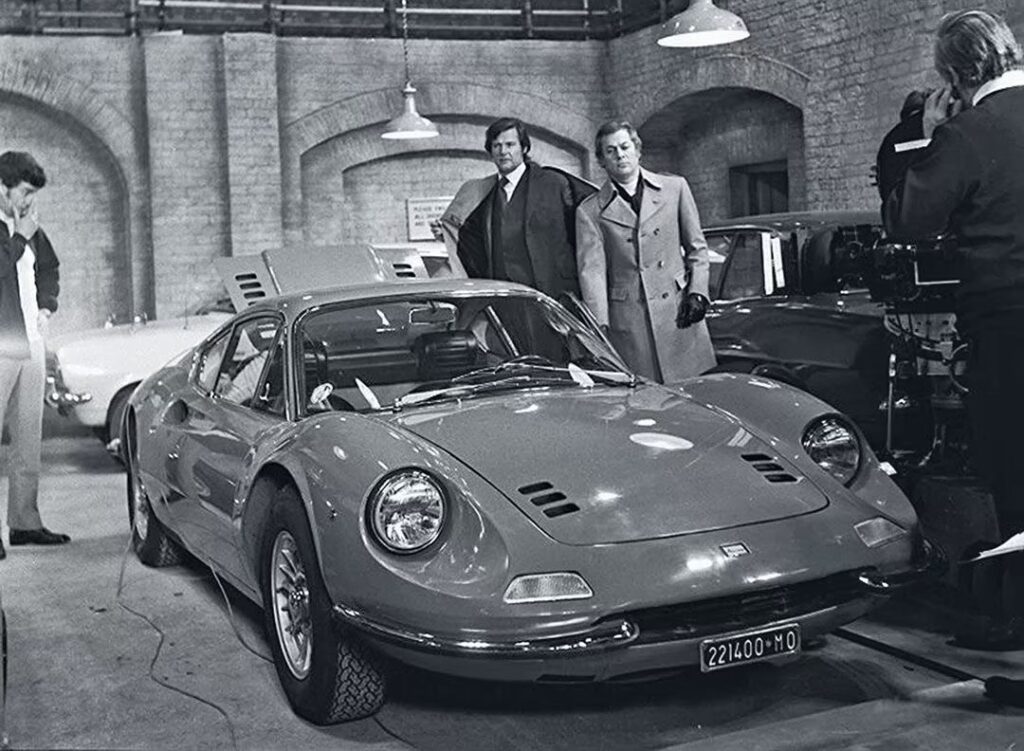
Towards the end of 1970 and as part of an ‘M Series’ upgrade, Ferrari began building right-hand drive versions of the 246 GT. At $15,850, the first Dinos into Australia cost only $500 more than a 2.2-litre Porsche 911S but still didn’t sell at anywhere near the Porsche’s volume.
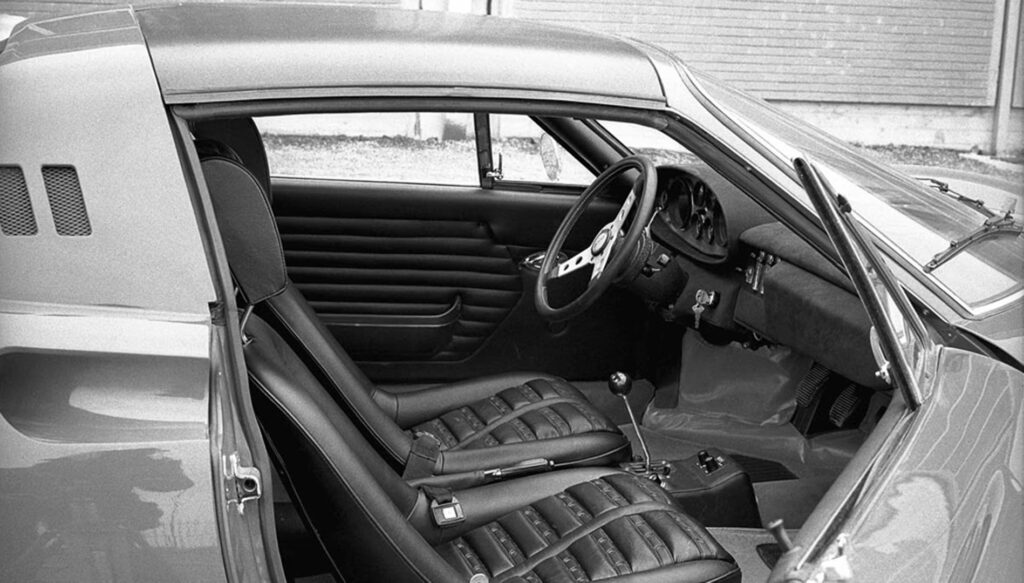
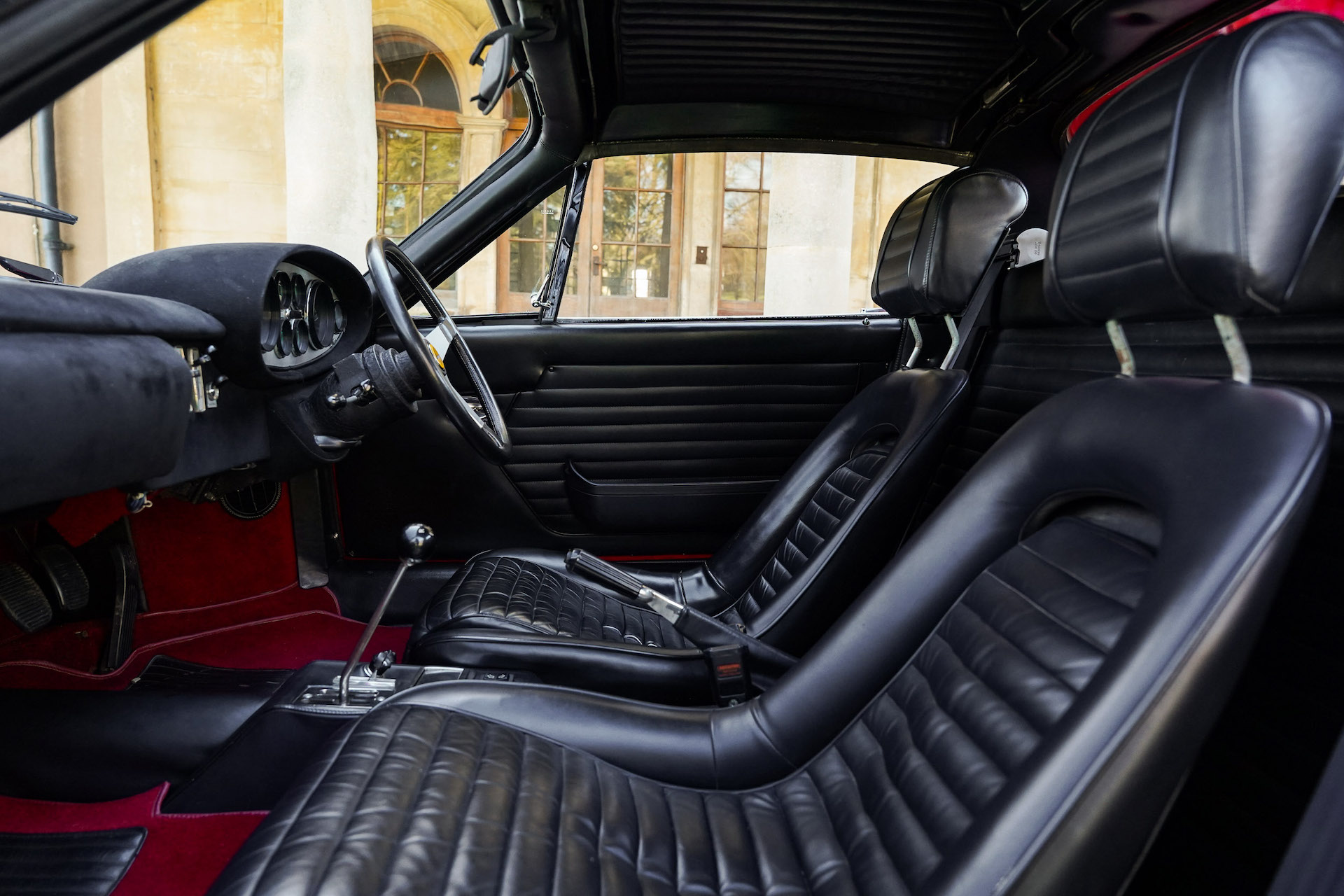
Years later, sitting for the first time in a Dino and enjoying watching the owner thread the lithe little Ferrari through suburban Sydney streets, I was reminded of being in a tiny Robinson helicopter. Just as with the chopper, there was no escaping the very active engine, although instead of whirring overhead, the V6 spun furiously behind my head ensuring the soundtrack overwhelmed everything else.
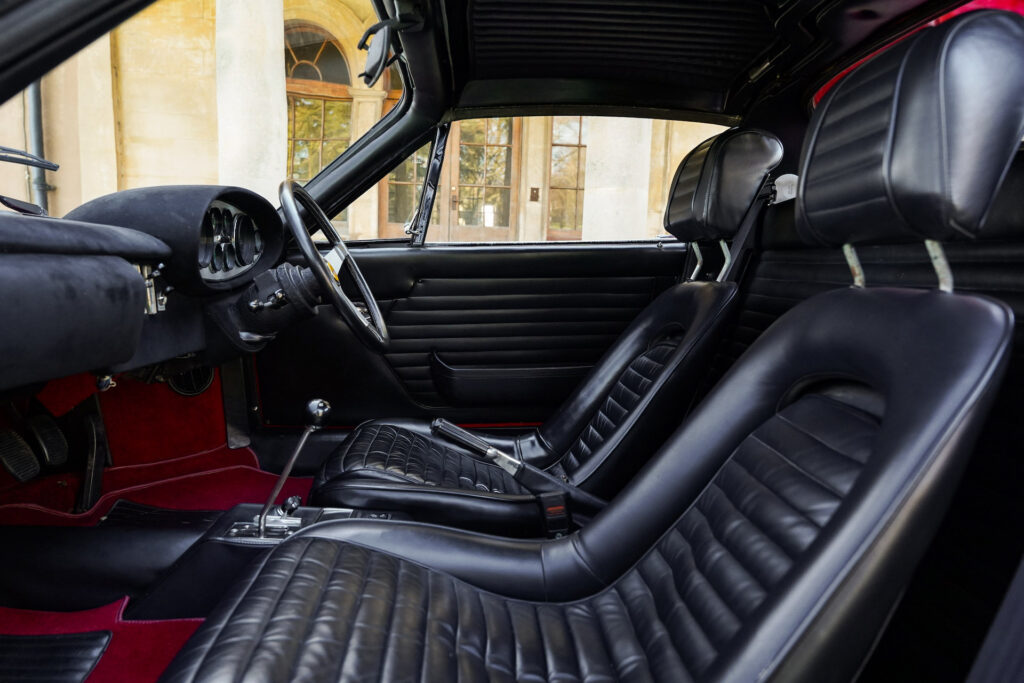
Just occasionally things would go quiet, but only for a second as the driver slotted the spindly gear lever into its next gated slot. Ducking past buses and between warehouses there was no opportunity to extend the Dino as its creators intended, but even such brief burst of acceleration remain indelibly etched.
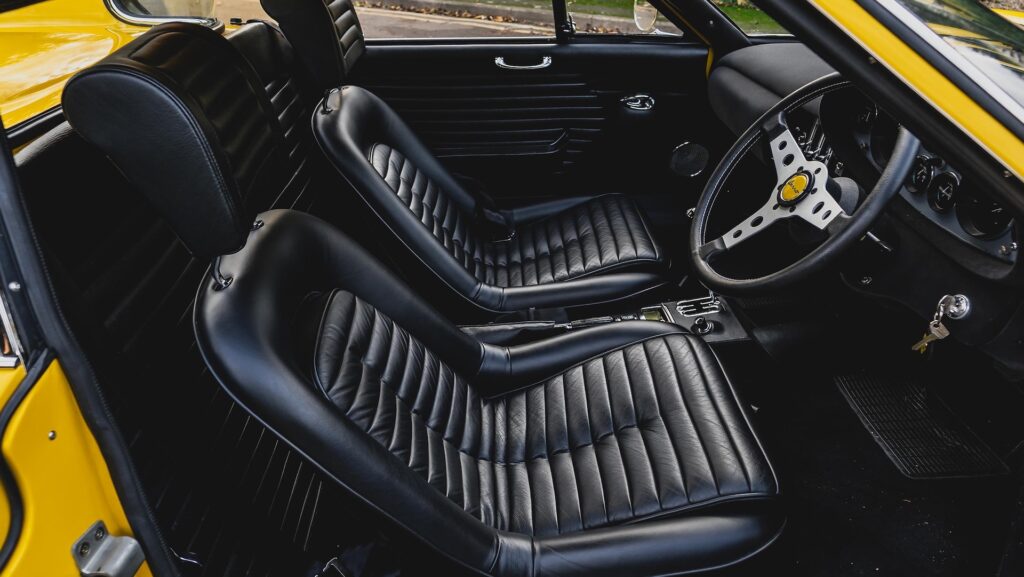
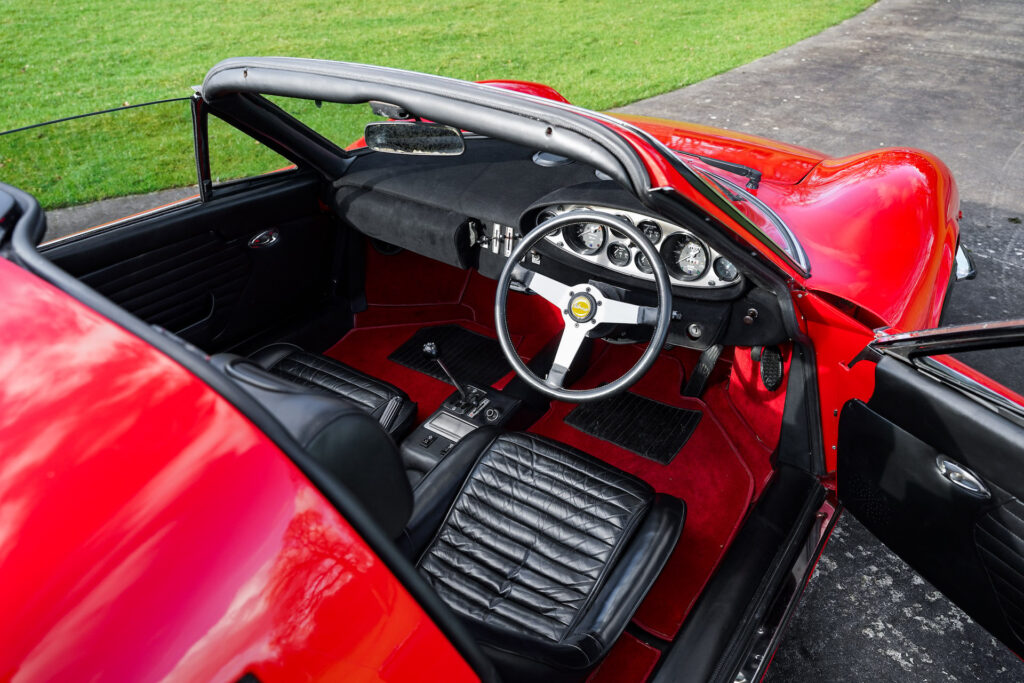
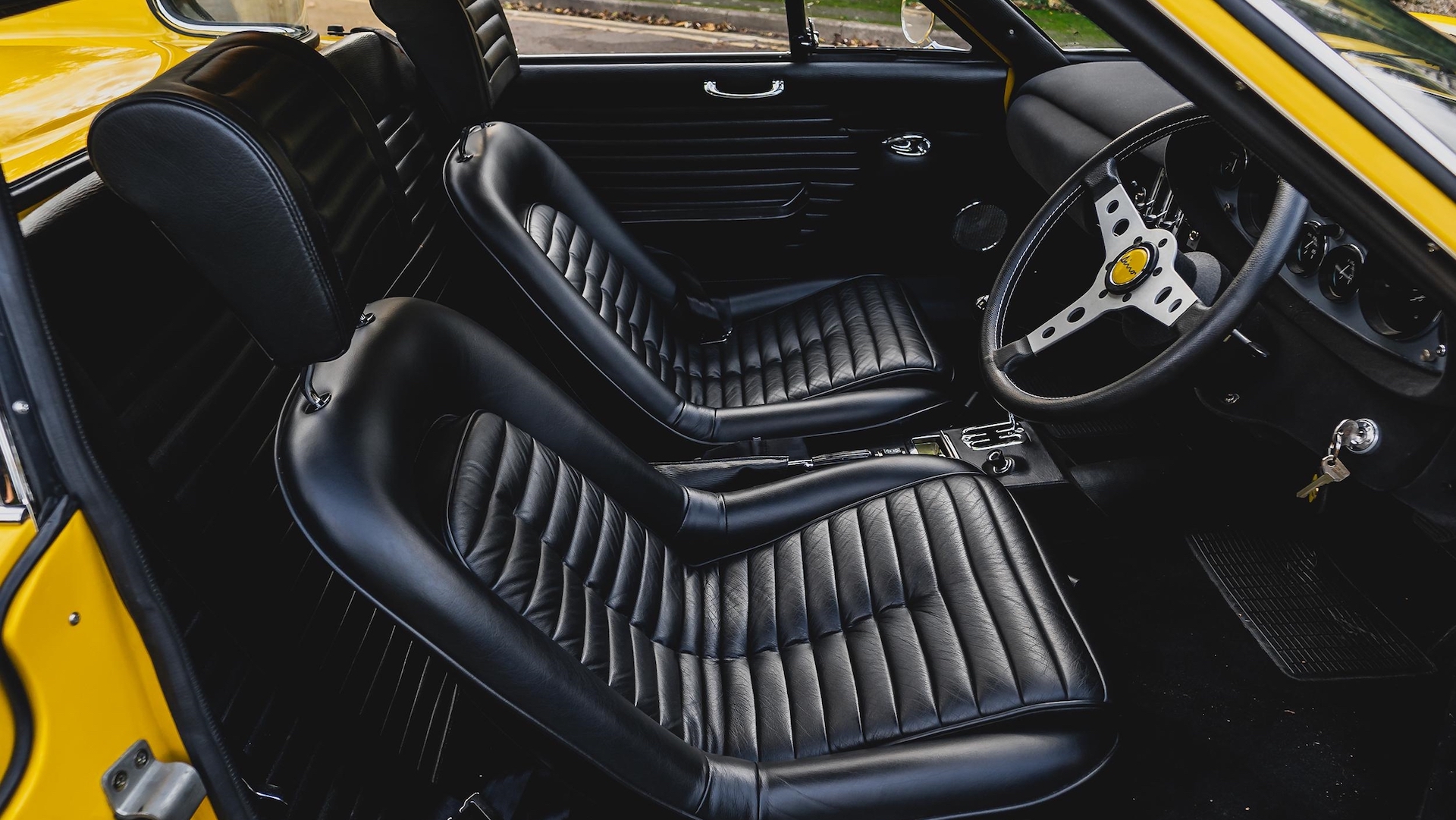
So too the fact that the Dino cabin is cramped and ventilation on that warm day rather limited, so my under-thighs were suitably slick with sweat after the ride. On the plus side, that made slipping the grasp of the slippery leather seats a little easier, even if exiting the low-slung cabin with any hint of dignity was nigh on impossible.
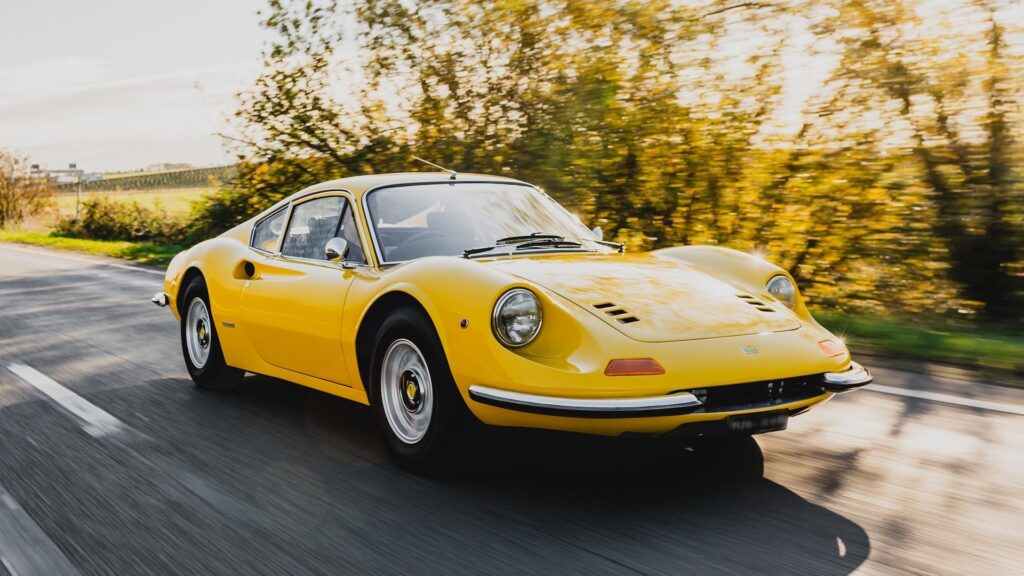
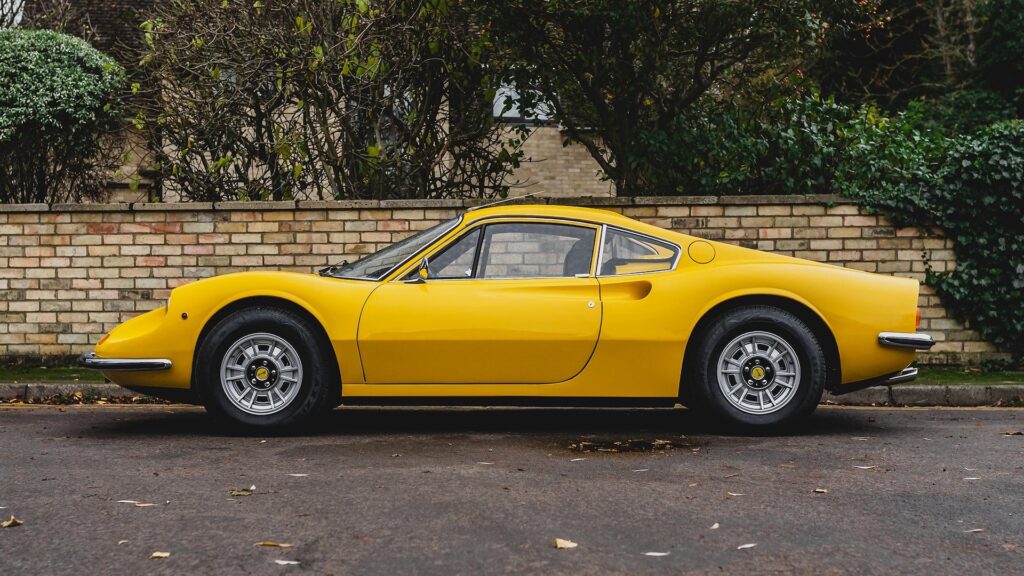
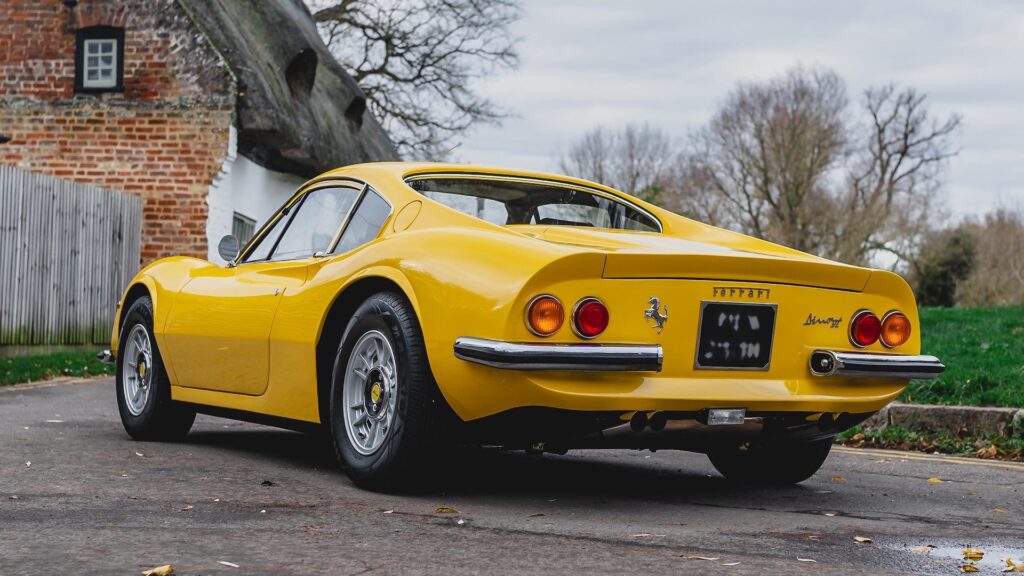
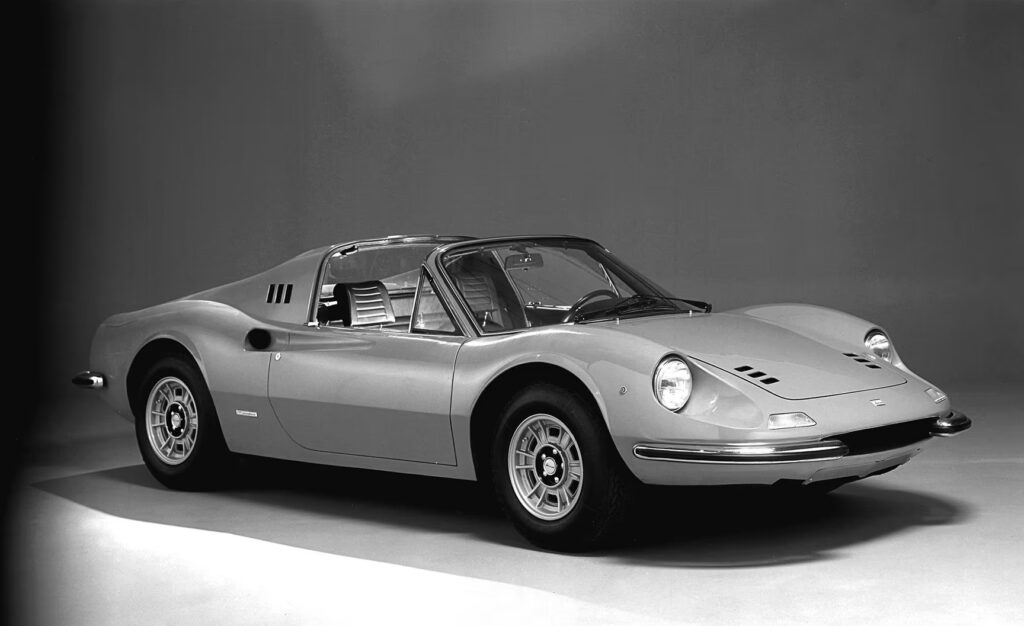
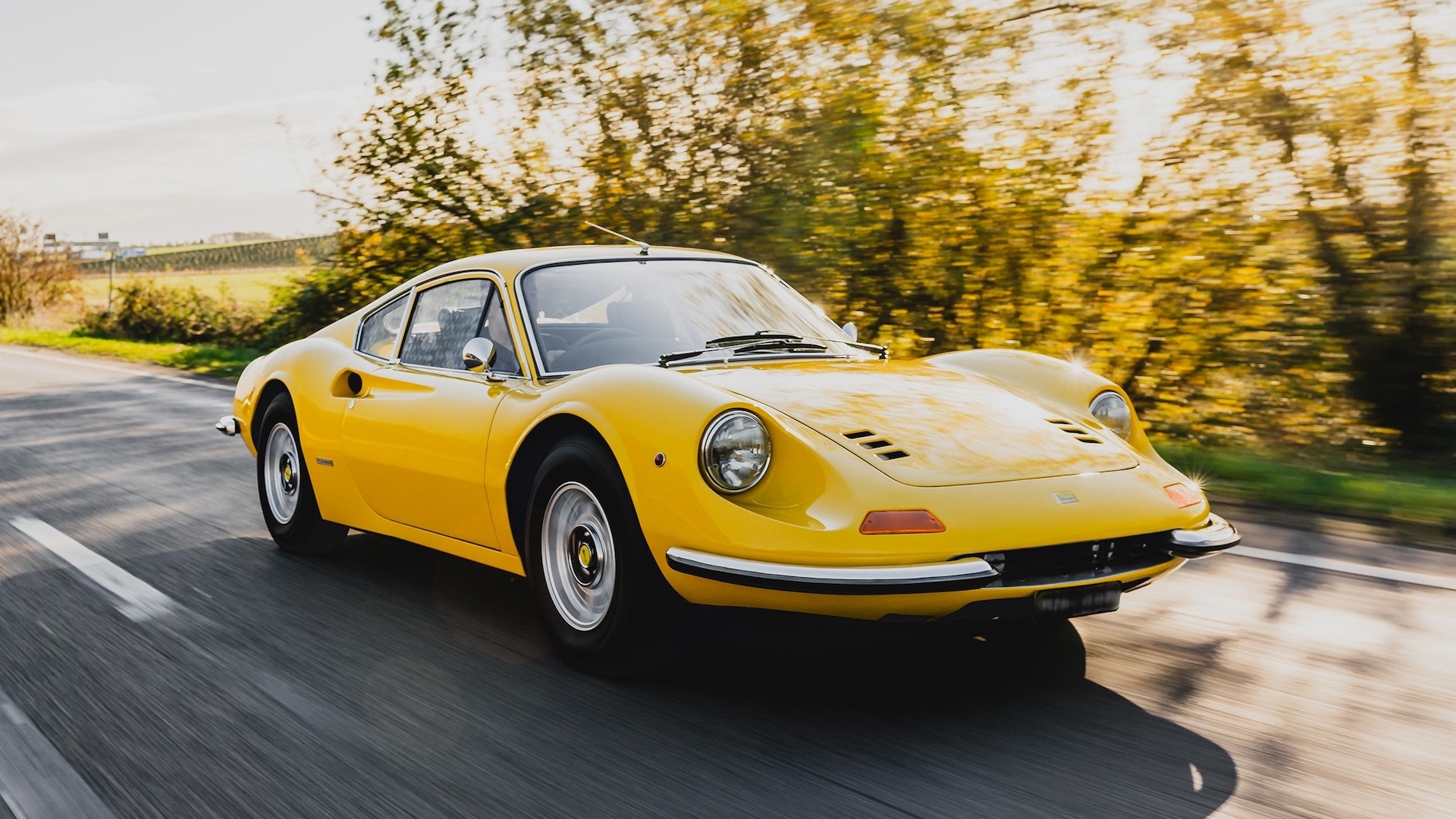
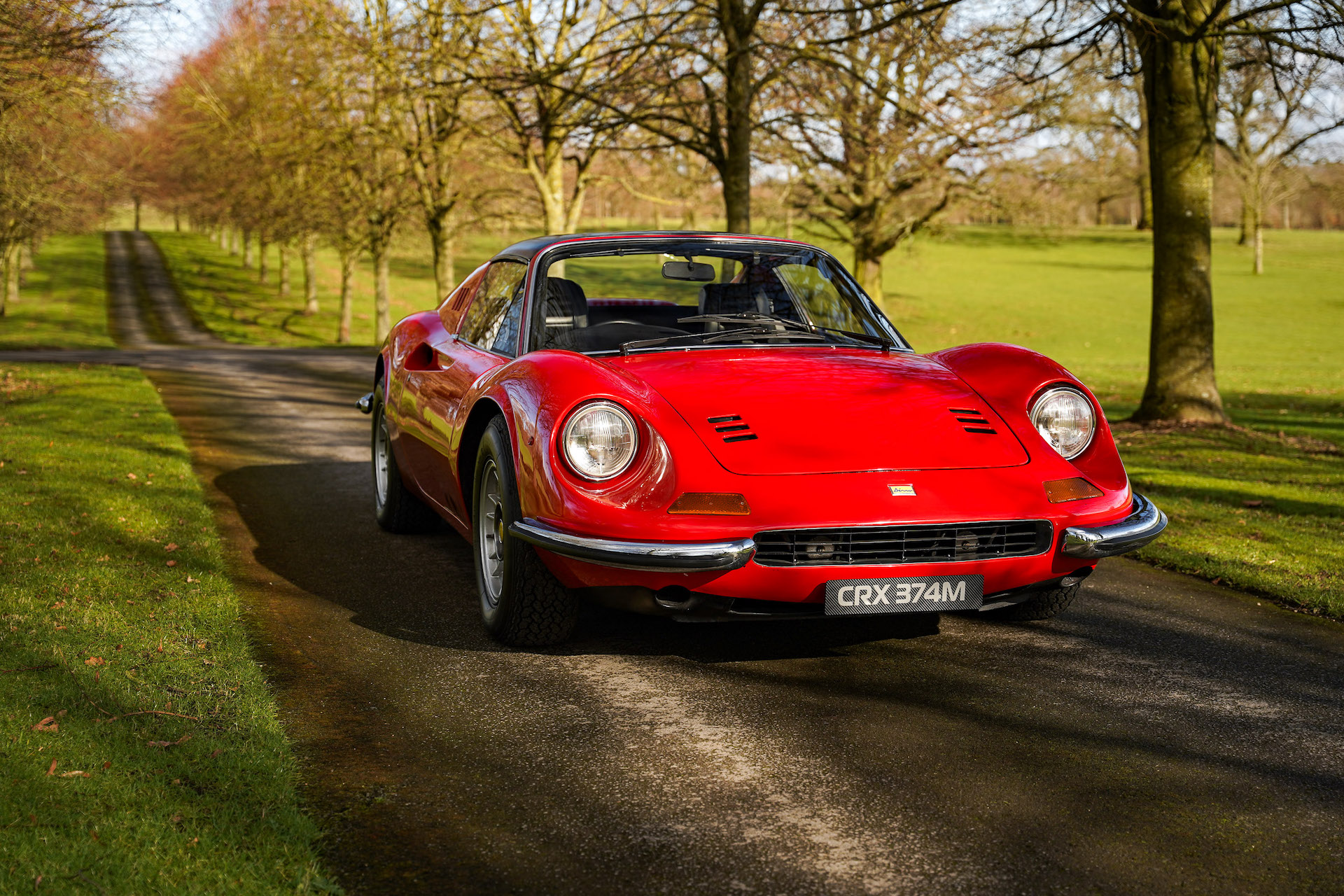
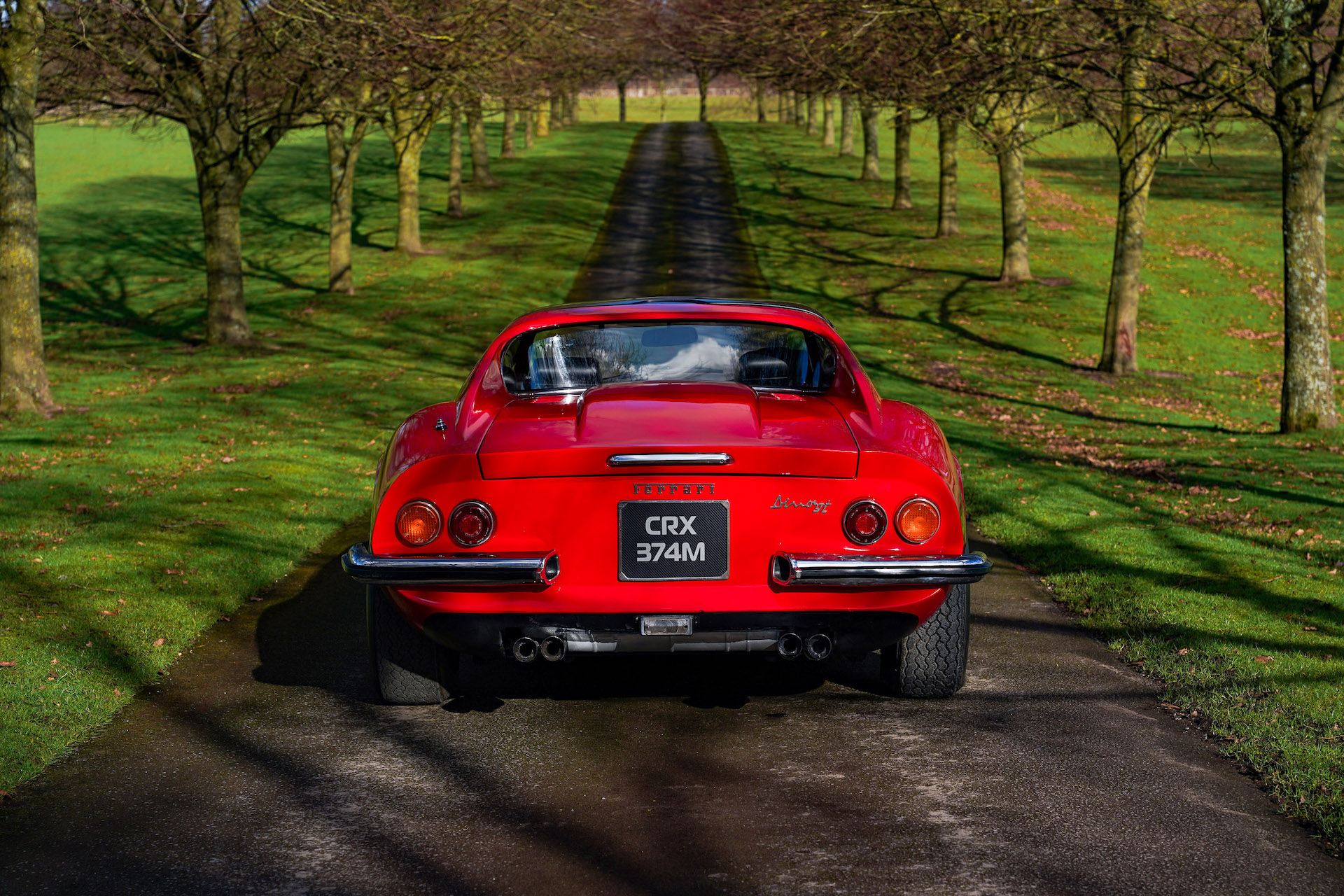
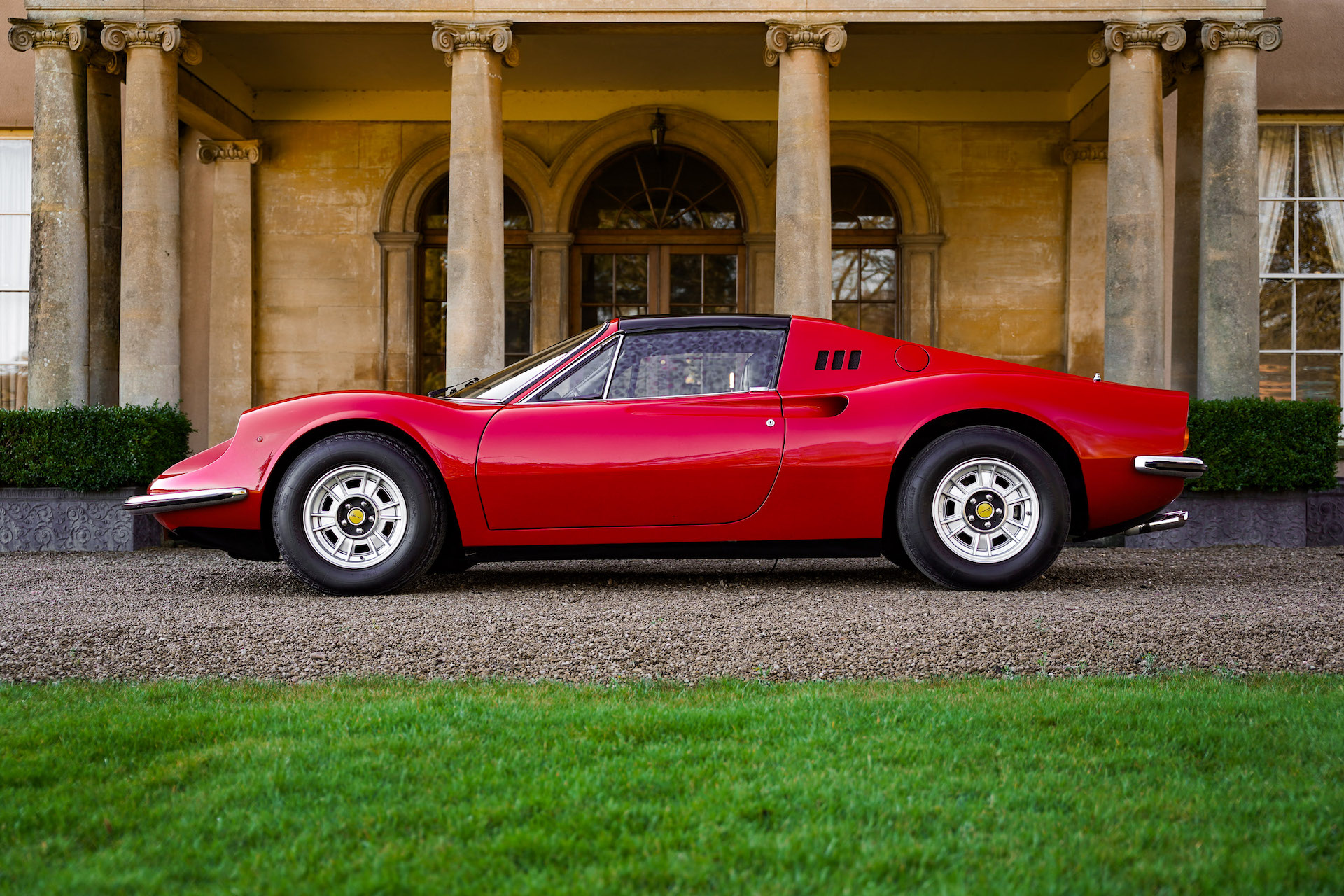
Once out, I was immediately prompted by that part of my brain’s prefrontal cortex that processes aesthetics to turn and admire once again the sublimely beautiful shape of the 246 GT. Frankly, it’s a serious challenge to try and find an angle from which this Ferrari doesn’t look good.
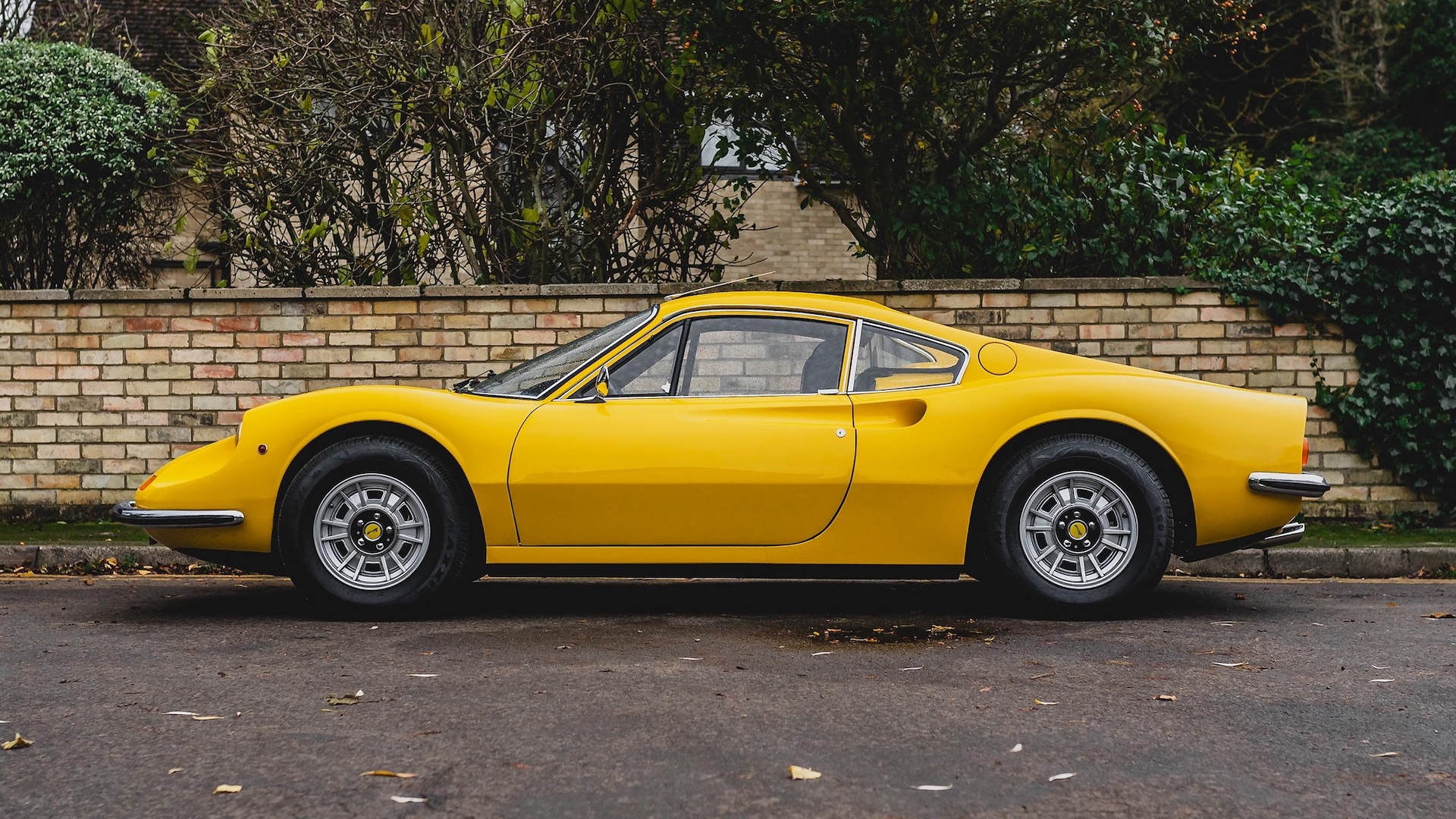
When Enzo Ferrari said in 1961 that Jaguar’s E-Type was ‘the most beautiful car in the world’, he had clearly not yet imagined what the Dino would look like.
Some buyers perhaps couldn’t abide the claustrophobic cabin and someone important at Ferrari might have shared their concerns, so in 1972 a GTS (Spyder) version was introduced. While it wasn’t a proper convertible like the Fiat Dino, its lift-out roof panel did allow heads and cabin heat to escape.
Rewinding back to Sports Car World circa 1972, it seems surprising that Mel Nichols was allowed to run full performance figures on Lowe’s rare RHD ‘mule’, recording 7.0 seconds for the 0-60mph (0-97km/h) dash and covering the 0-400m sprint in 15.1 seconds.
Dinos are a low and chunky car with a wide (1425mm) track and abundant grip from 205/70 tyres. In RHD form the coupe weighed 1085kg and even with 43:57 weight distribution, the test didn’t note any nasty handling habits.
Pretty much any 246 Dino on the market today will have undergone some restoration. These cars from new had awful reputations for rust and while those that have spent their entire lives in Australia may not have suffered to the same degradation as Northern Hemisphere cars, any that came here later in life should be carefully inspected.
That said, not many Ferrari Dinos have ever been scrapped due to rust, with their gorgeous styling and skyrocketing values going back several decades enough to justify even the most extravagant restoration.
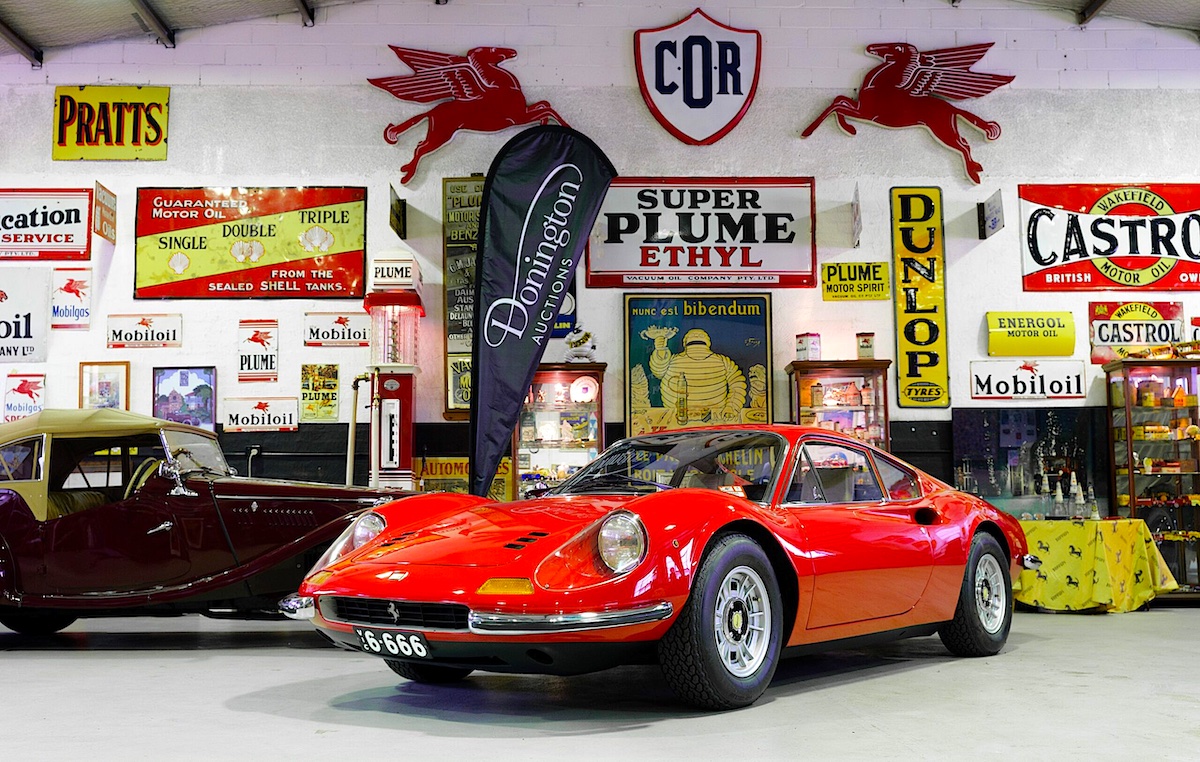
Being an older model Ferrari, devoted maintenance is essential to keep a Dino in fine fettle, even when the car is barely used. Oil changes and filters are annual events or at least every 5000km, with the cooling system serviced every 10,000km and a major engine-out refurbish every 30,000 kilometres or 10 years.
Parts required to keep your Dino up to the mark are available but rarely cheap. Some replacement panels are available but very little of that is original. A reportedly complete V6 engine reached US$21,000 some years ago but didn’t sell.
Fixed-roof cars on the international market can be found at more than A$1 million but usually sell at $800,000 to $900,000. GTS versions can cost considerably more, with an outstanding car sold in early 2025 at auction in the US for US$1,028,000 (around A$1.7 million).
Things to Watch Out For When Buying a Used Ferrari Dino 246 GT and 246 GTS (1969-74)
- On-hoist inspection is essential, looking for rusted panels. Sills, floors and windscreen pillars are particularly vulnerable.
- The complex cooling system needs constant maintenance. Leaks and pump failures can lead to engine damage.
- Gear selection difficult, especially downshifting, indicating a gearbox overhaul is needed.
- Leaks from roof panel seals on GTS versions.
Valuation Timeline: Valuation Timeline: Ferrari Dino 246 GT and 246 GTS (1969-74)
-
1985$42,500
-
1995$124,000+191.76%
-
2005$140,000+12.9%
-
2010$255,000+82.14%
-
2015$720,000+182.35%
-
2020$620,000-13.89%
-
2025$850,000+37.1%246 GT Coupe