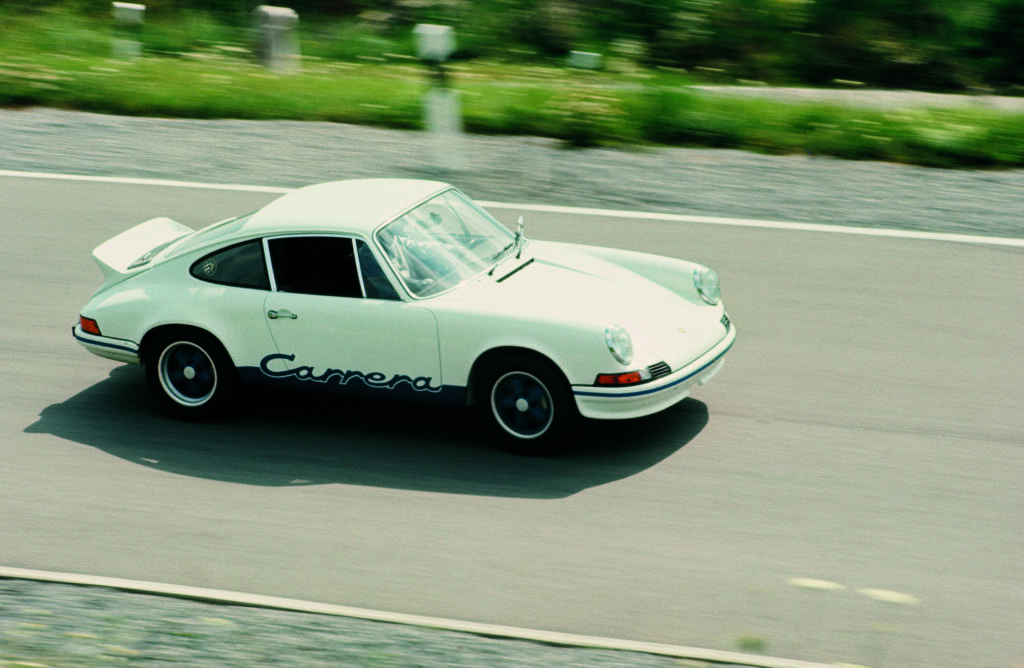
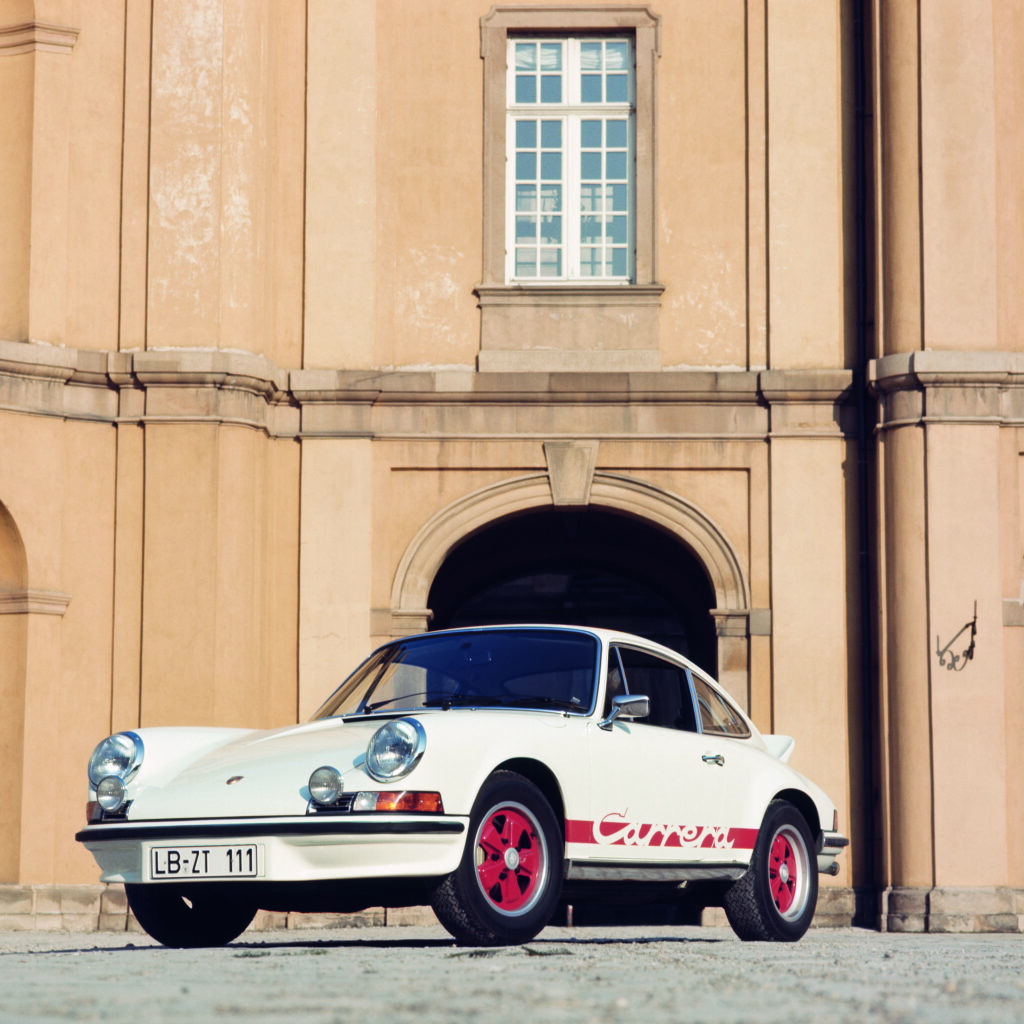
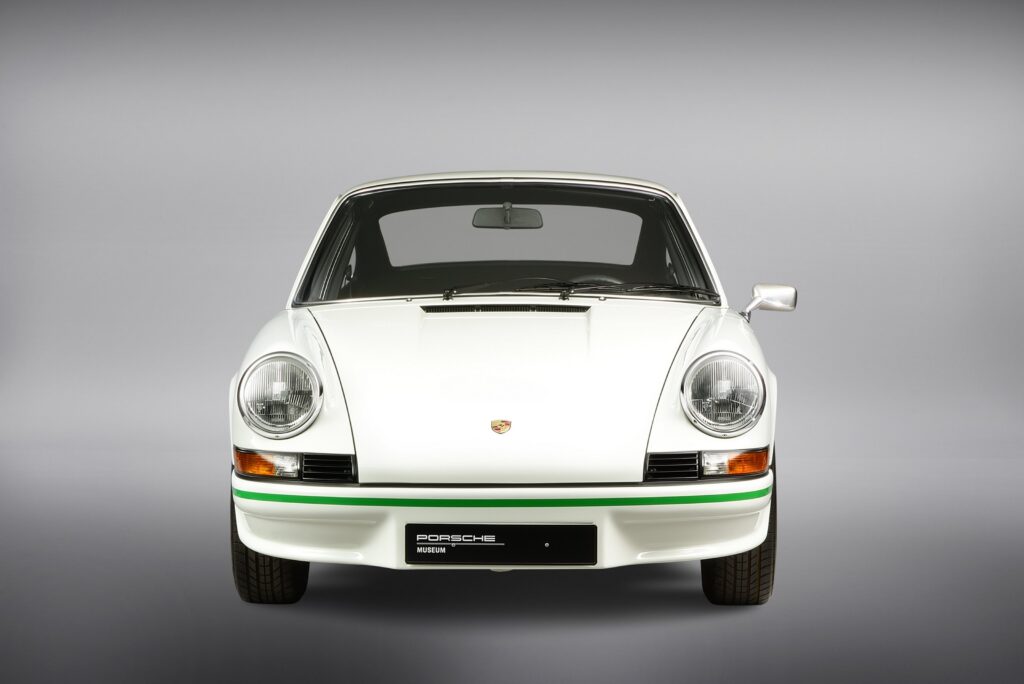
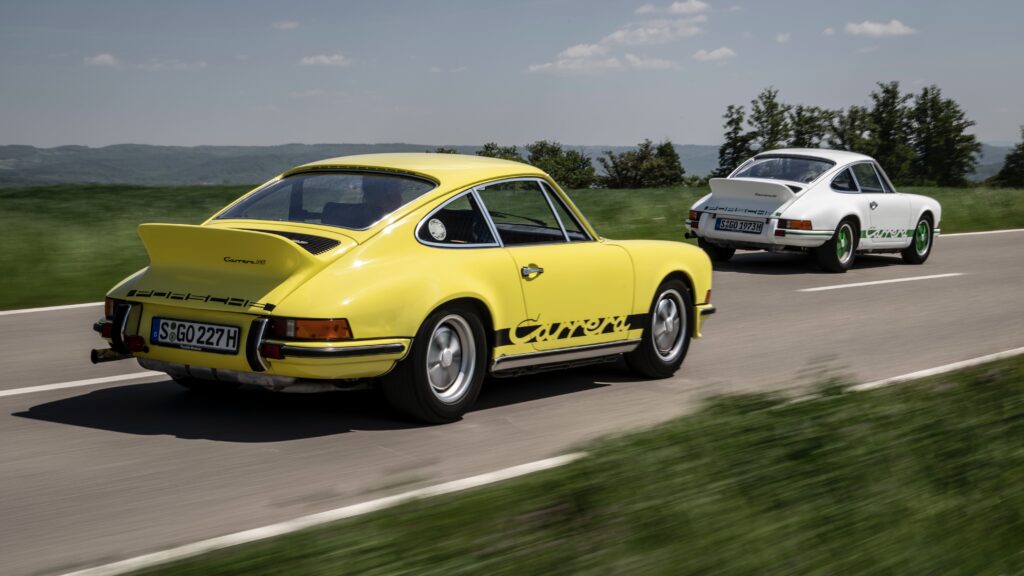

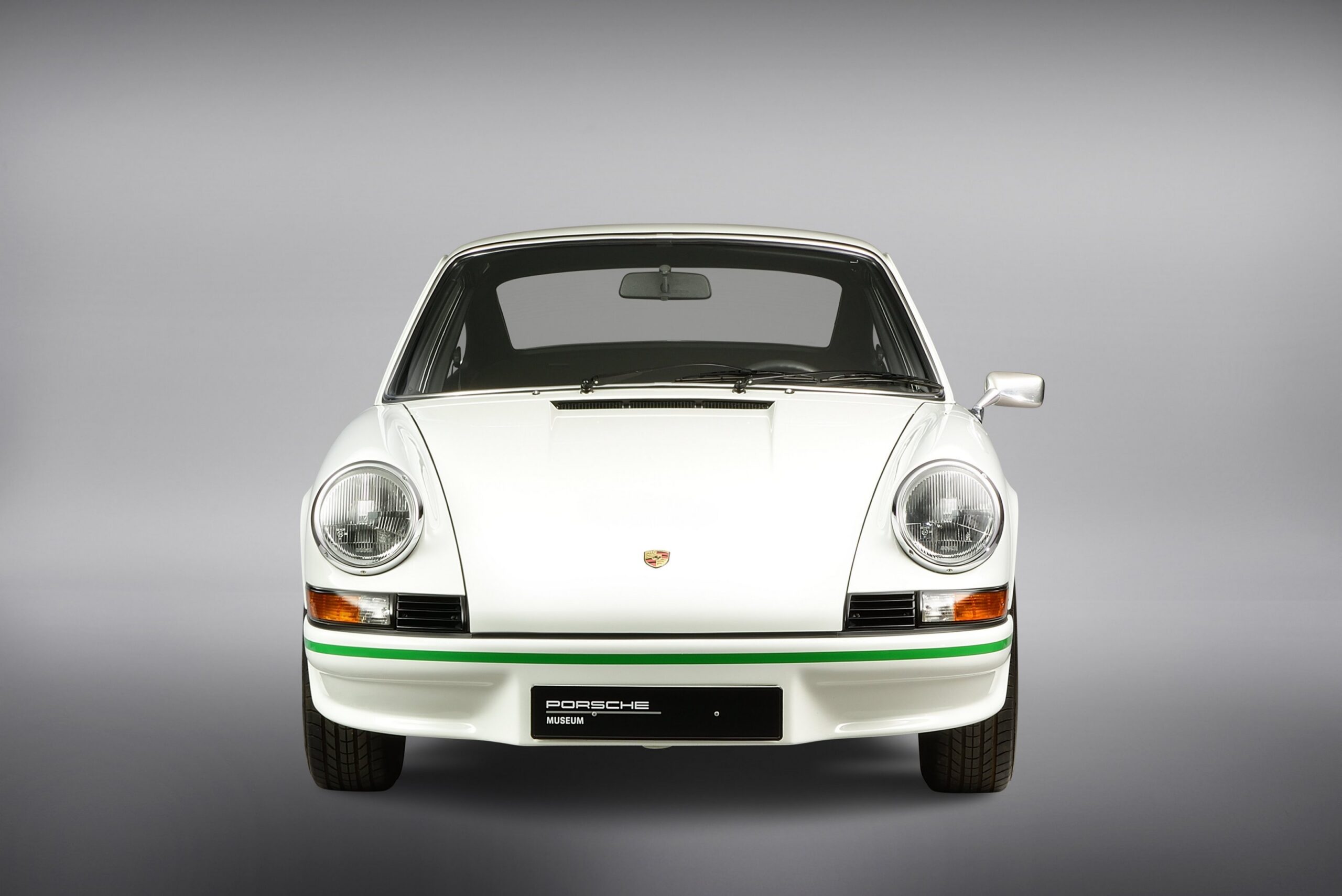
It’s difficult to imagine these days, when each successive generation of Porsche 911 GT3 sells in the thousands, but there was a time when the idea of a lightened, more focused 911 was seen as quite a risk.
Porsche initially planned 500 examples of the 911 Carrera 2.7 RS – the first time the Carrera name had been applied to the 911 – to homologate it for Group 4 Sports Car Racing, but it was unclear whether there would be any customer demand for such an extreme variant.
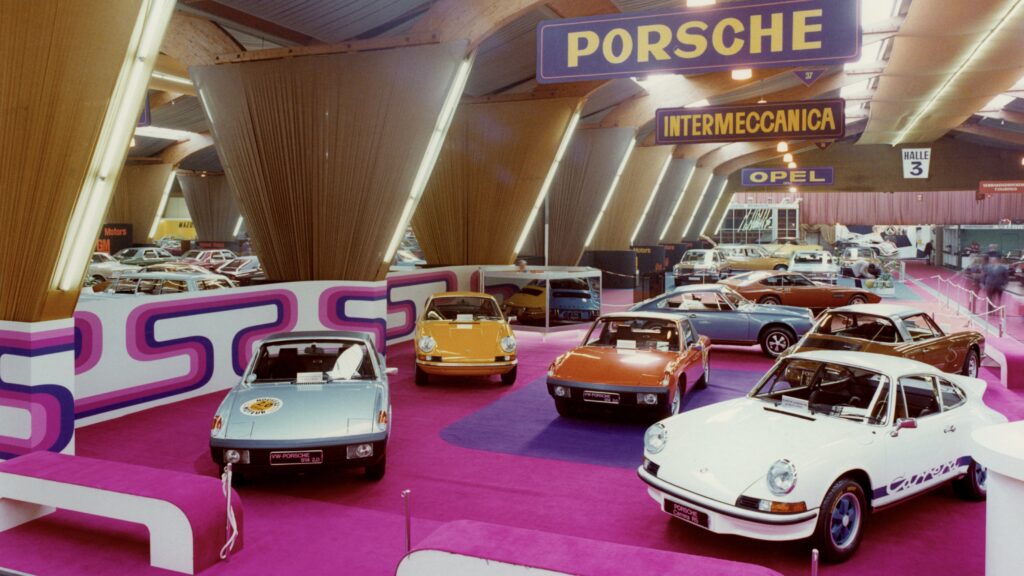
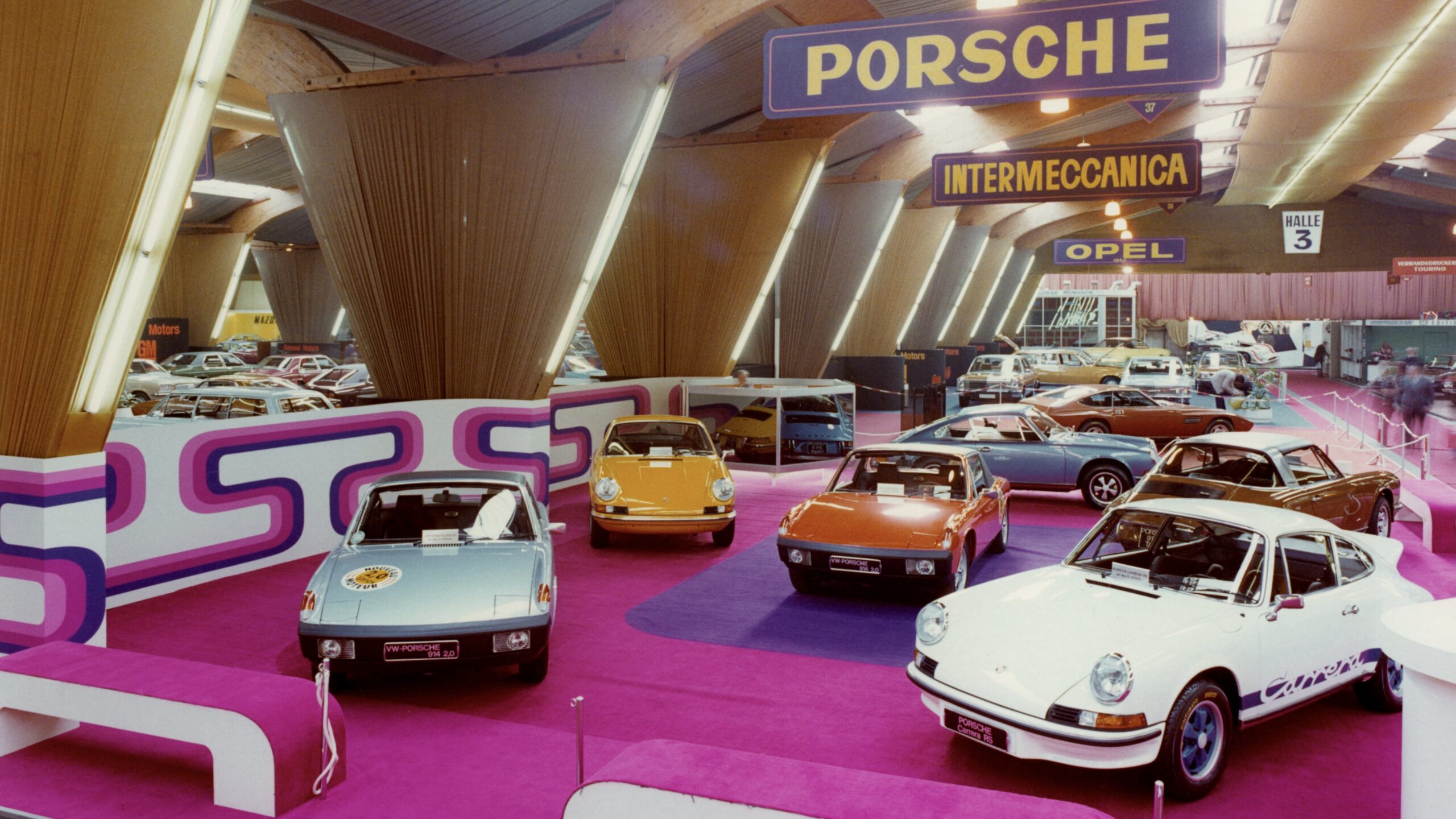
Those initial 500 cars selling within two months of the car’s reveal on October 5, 1972, at the Paris Motor Show, gave Porsche its answer. Customers were falling over themselves to get their hands on this new road-racer and the final production tally was 1580 by the time production ceased in July 1973.
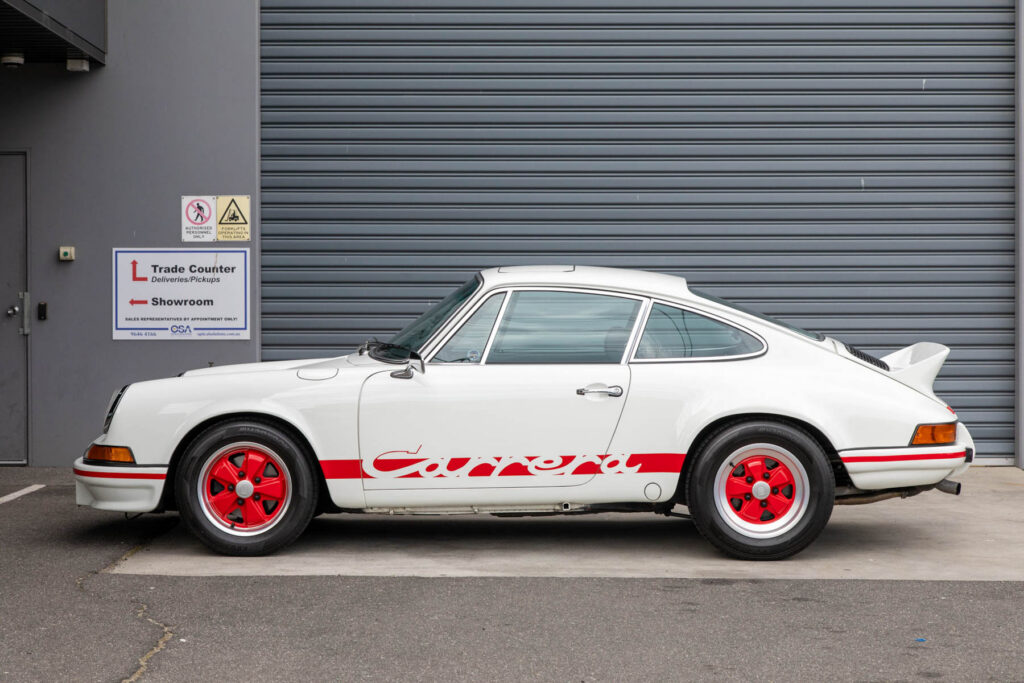
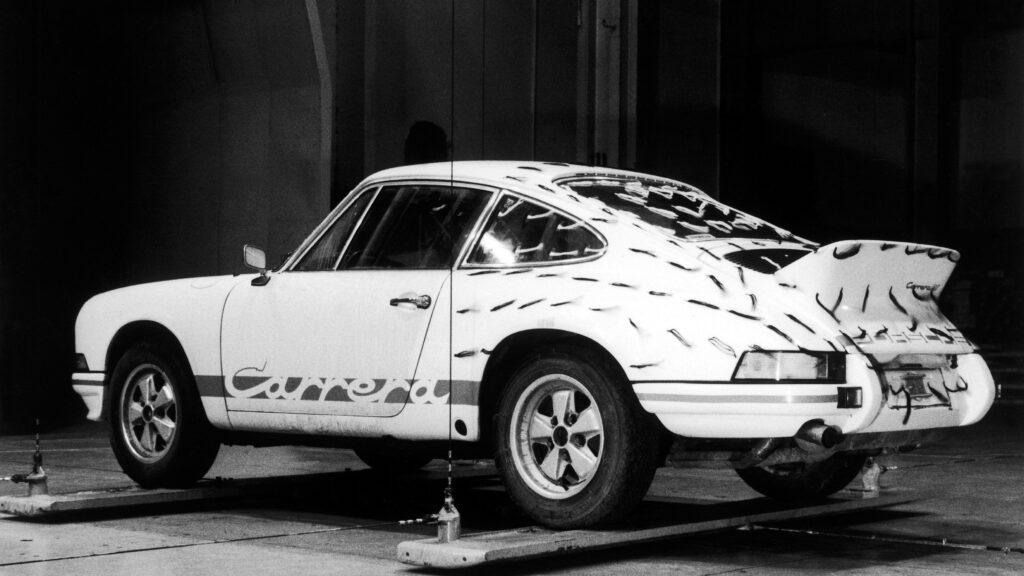
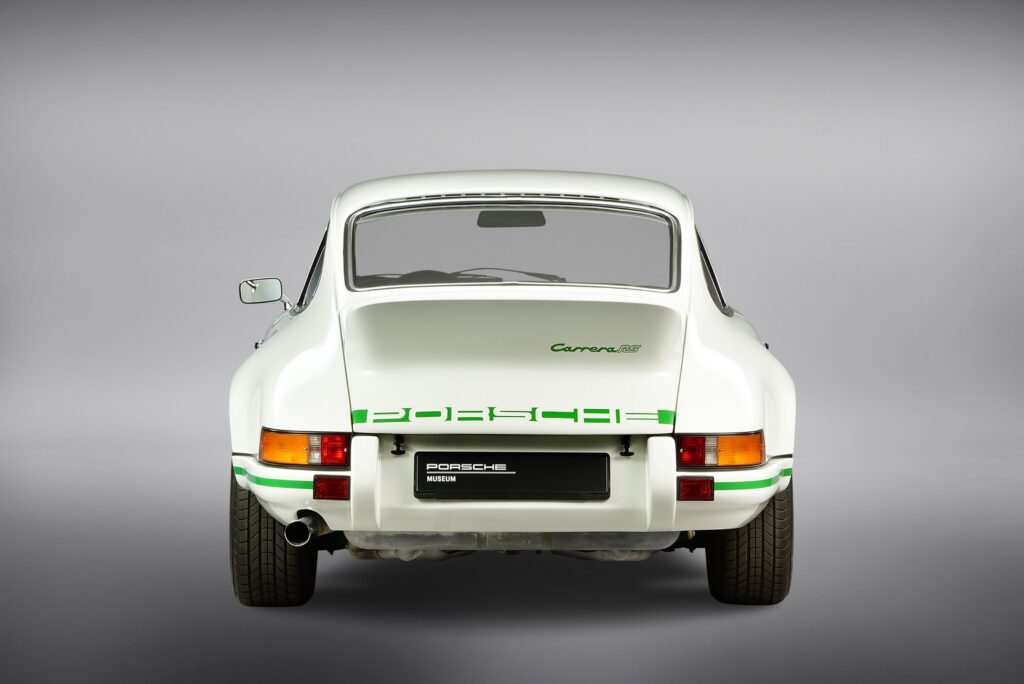
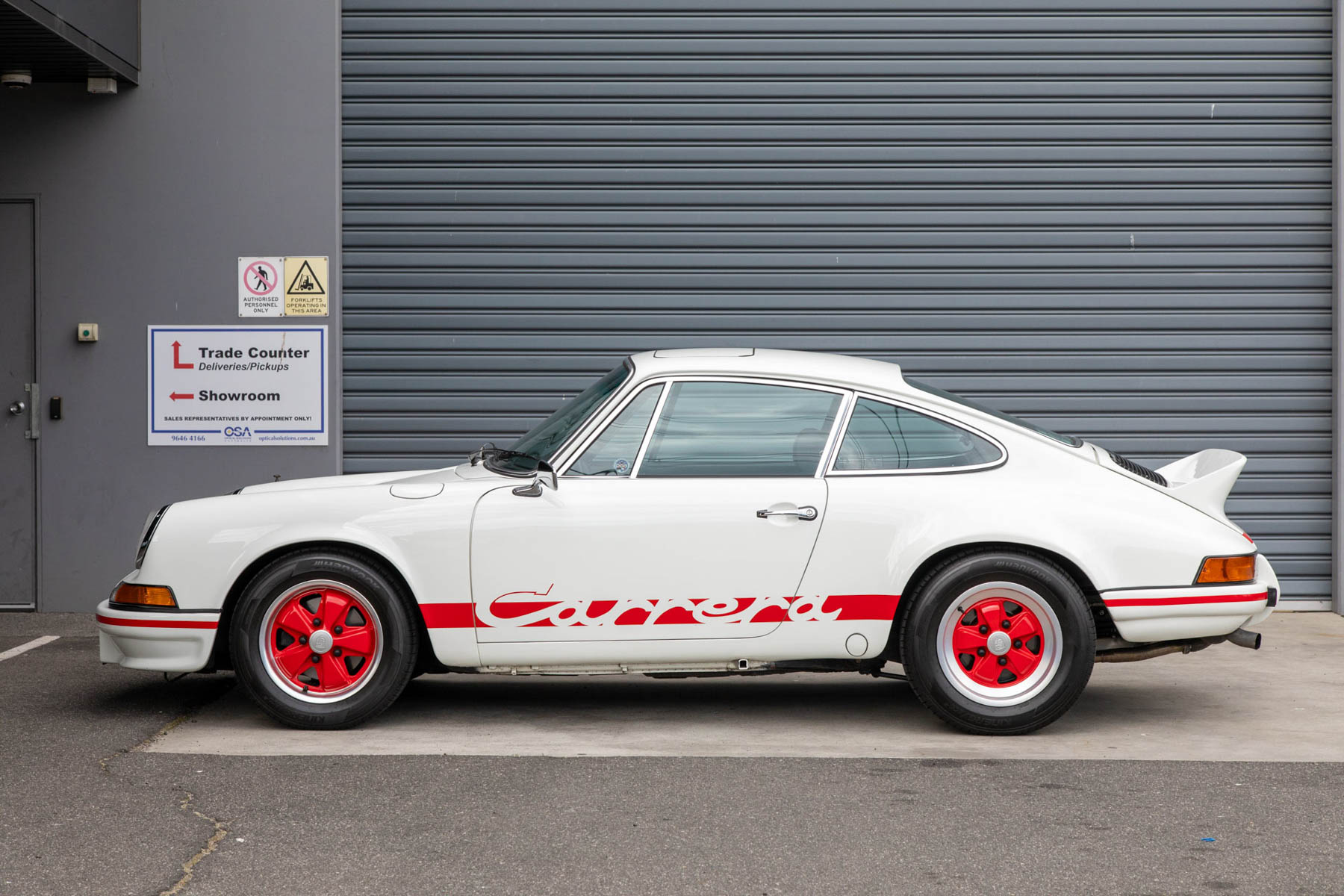
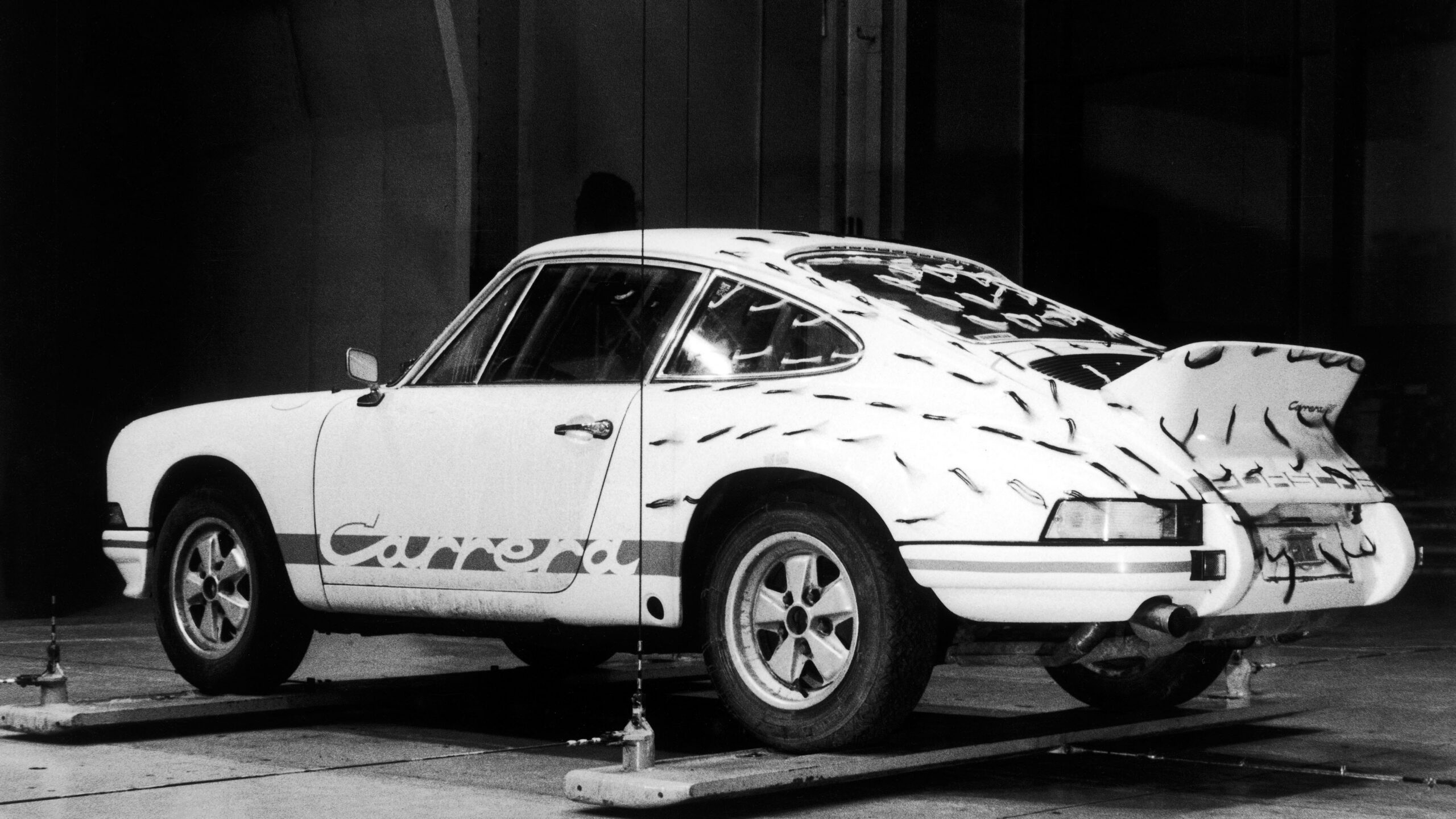
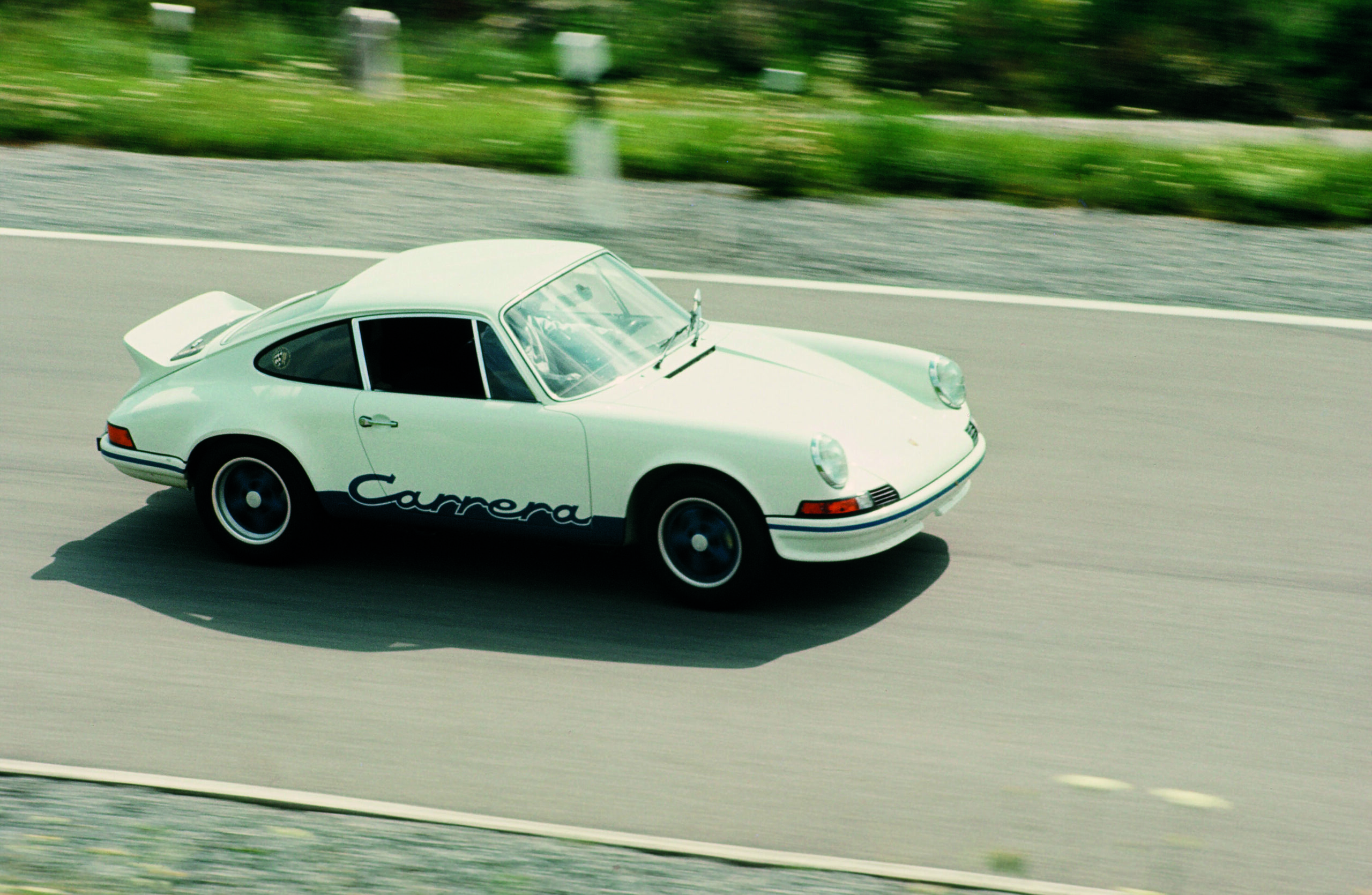
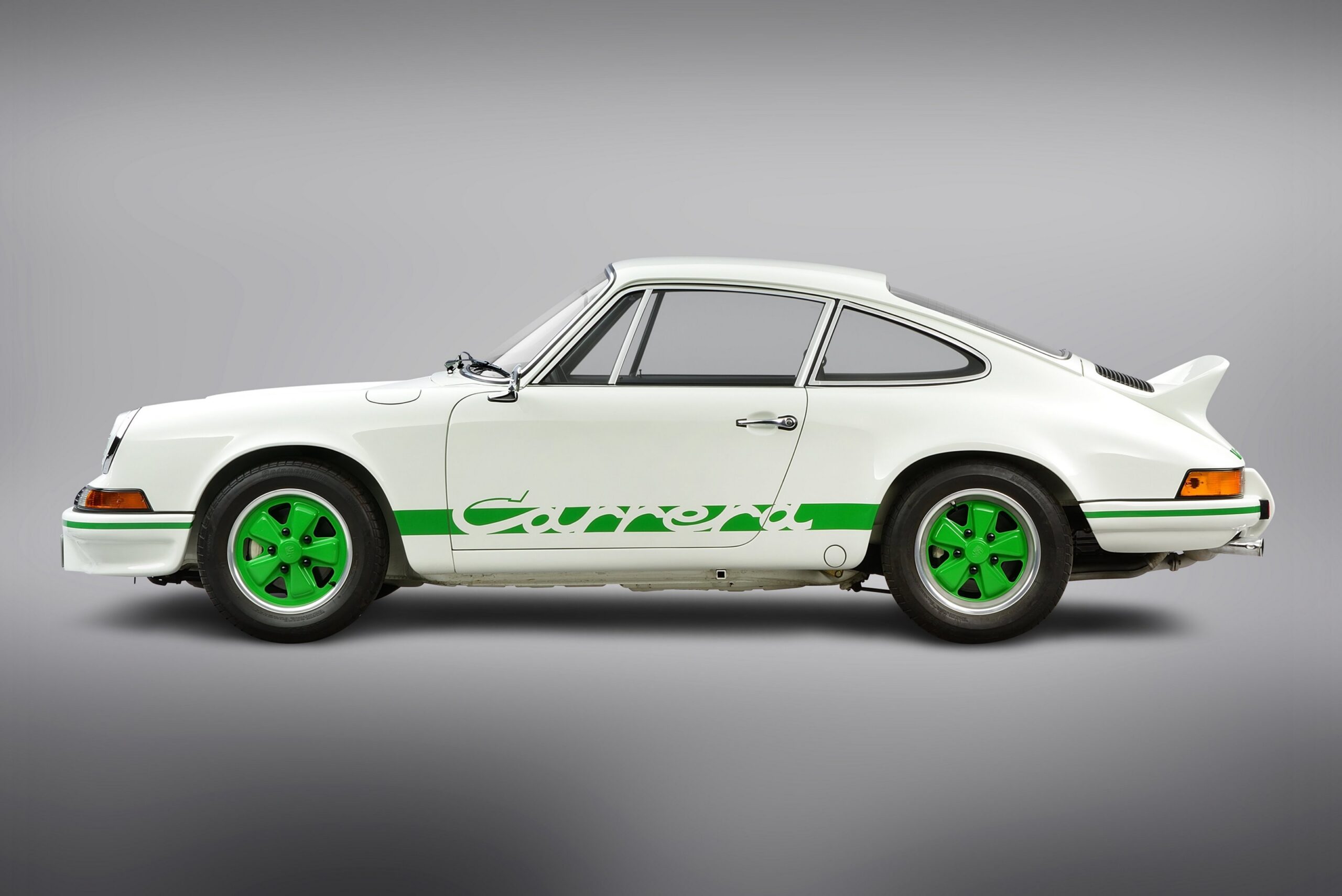
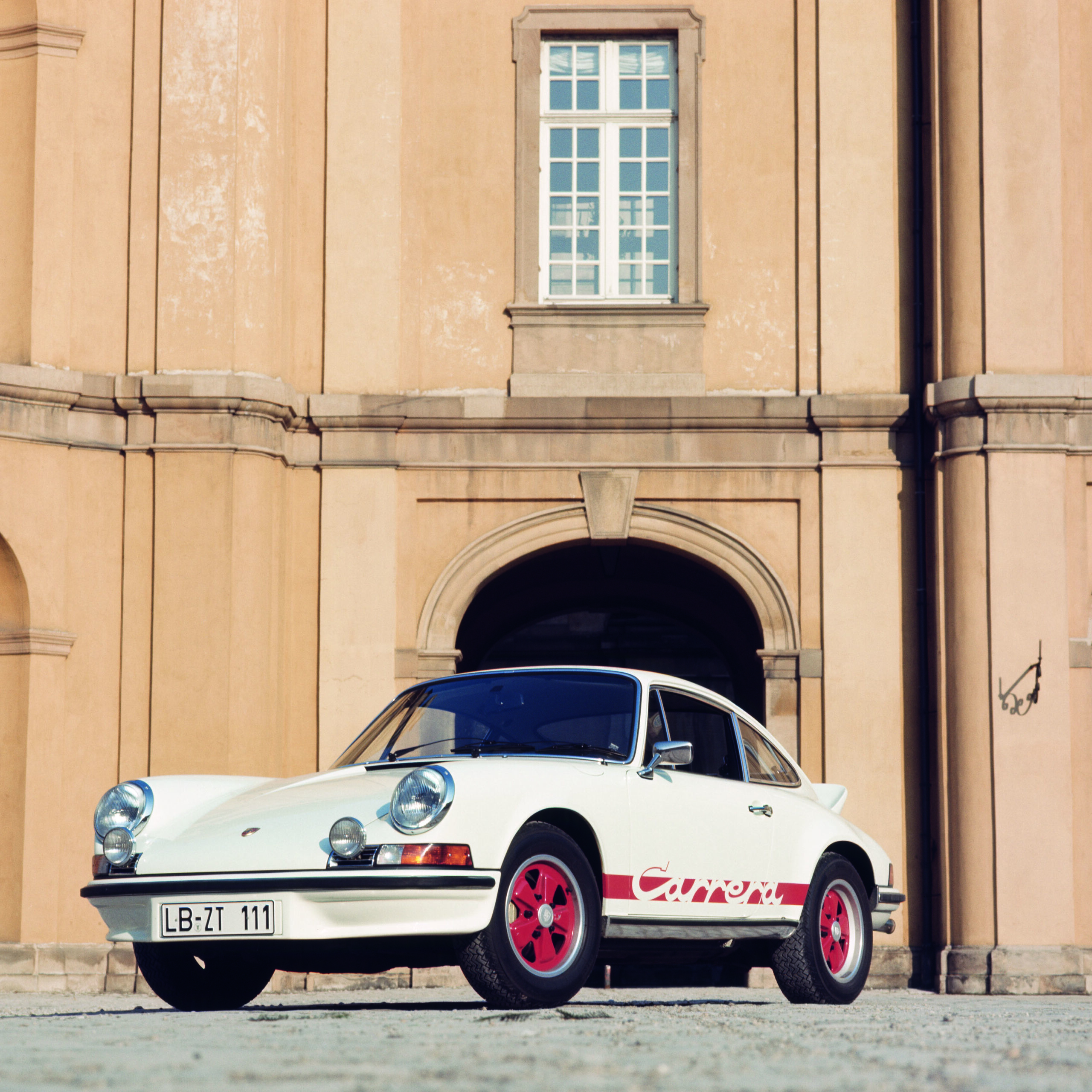
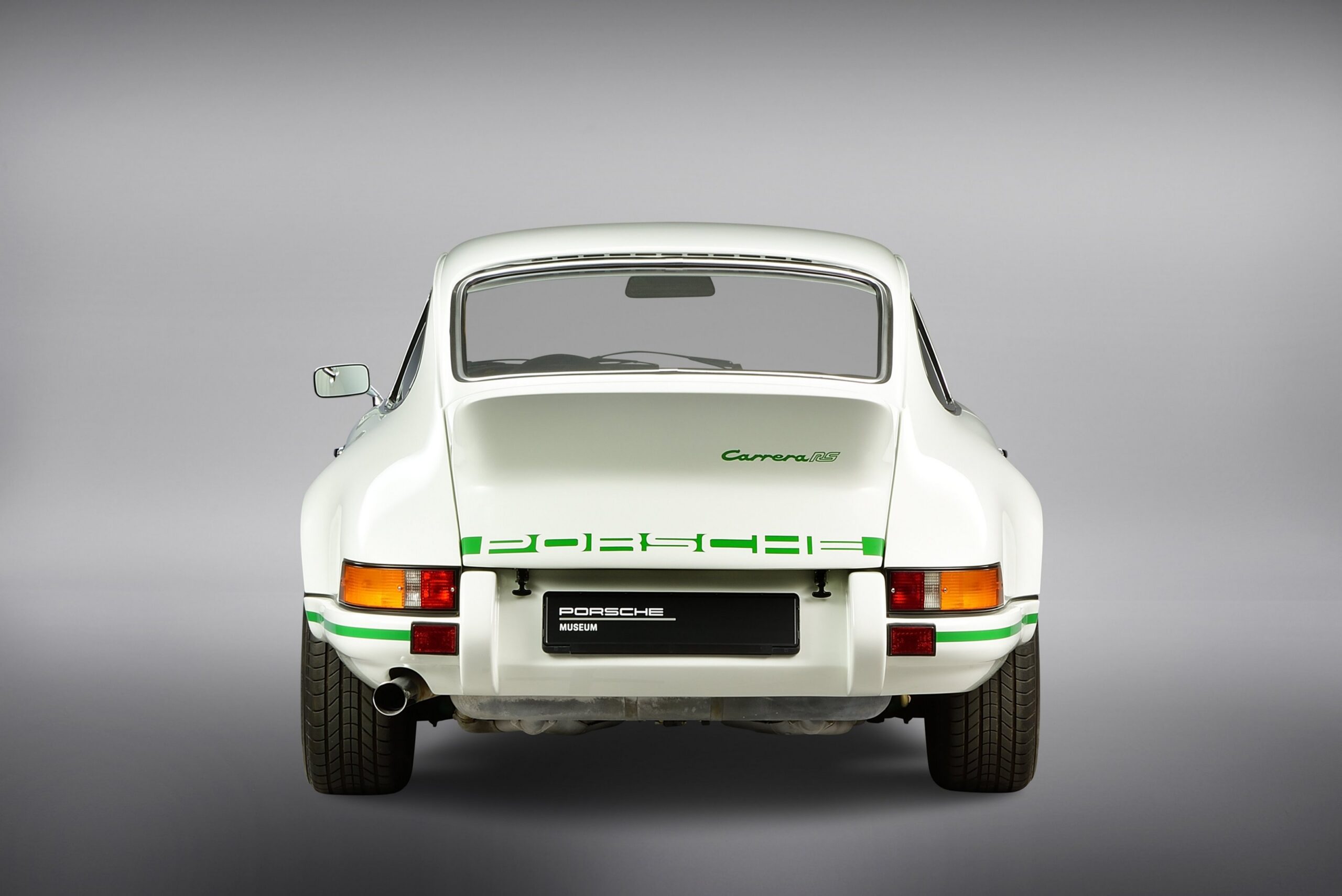
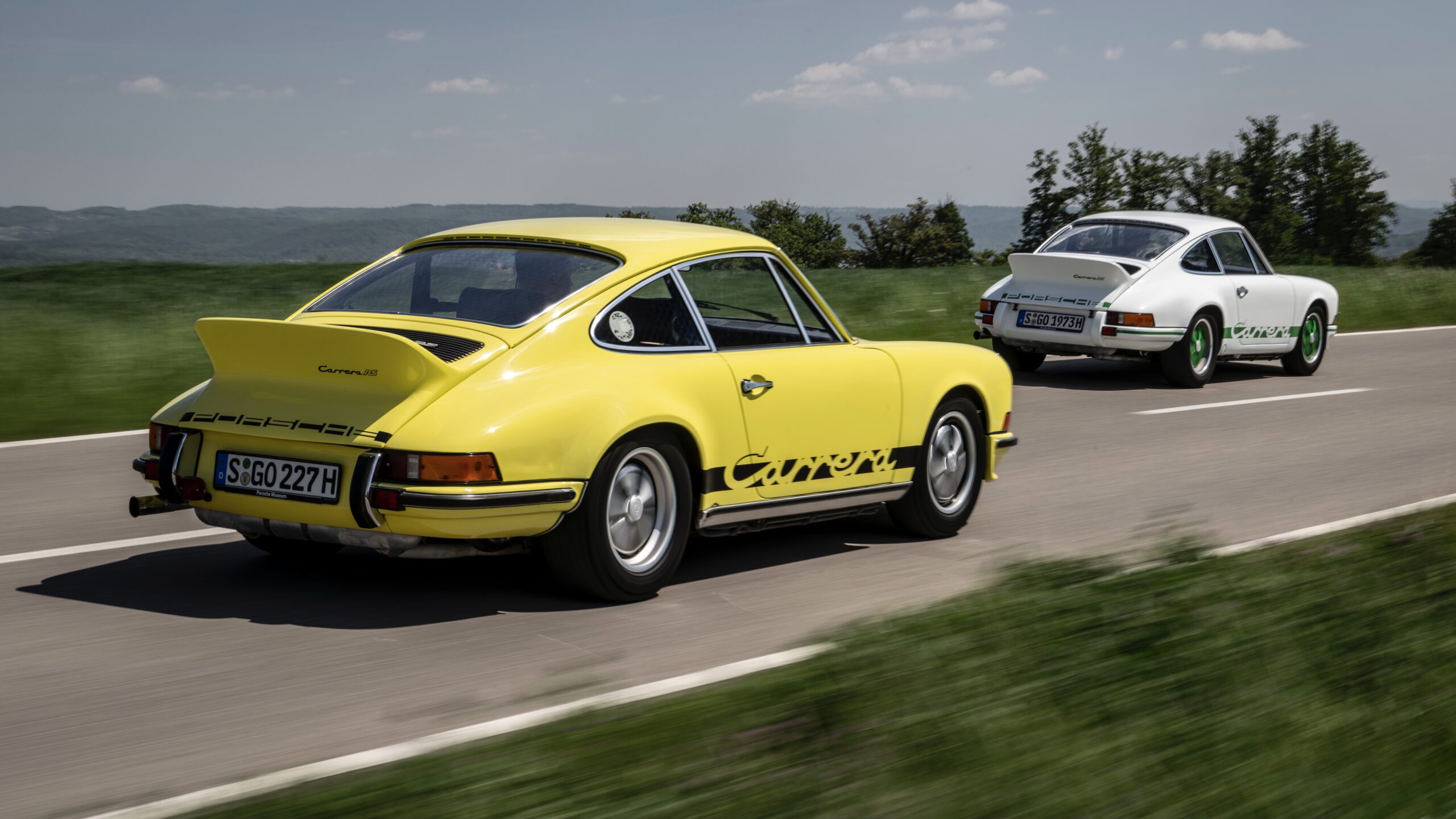
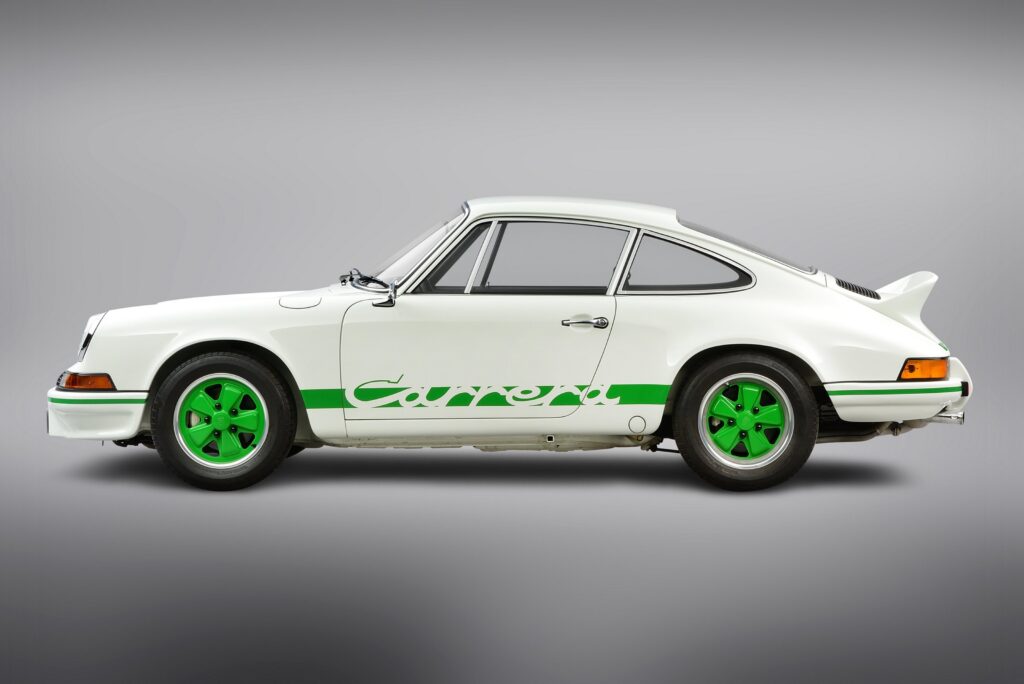
The most eye-catching feature of the Carrera 2.7 RS was its ducktail rear spoiler. With the art of aerodynamics still in its infancy, engineers painstakingly built the spoiler up millimetre by millimetre to identify the sweet spot between creating downforce and reducing drag.
Porsche also applied lessons learned in its racing programs by fitting wider wheels and tyres at the rear. The fronts measured 15 x 6.0-inch with 185/70 tyres, but widening the rear bodywork by 42mm allowed the fitment of 15 x 7.0-inch wheels wearing 215/60 rubber. This provided greater support for the 911’s rear-biased weight distribution.
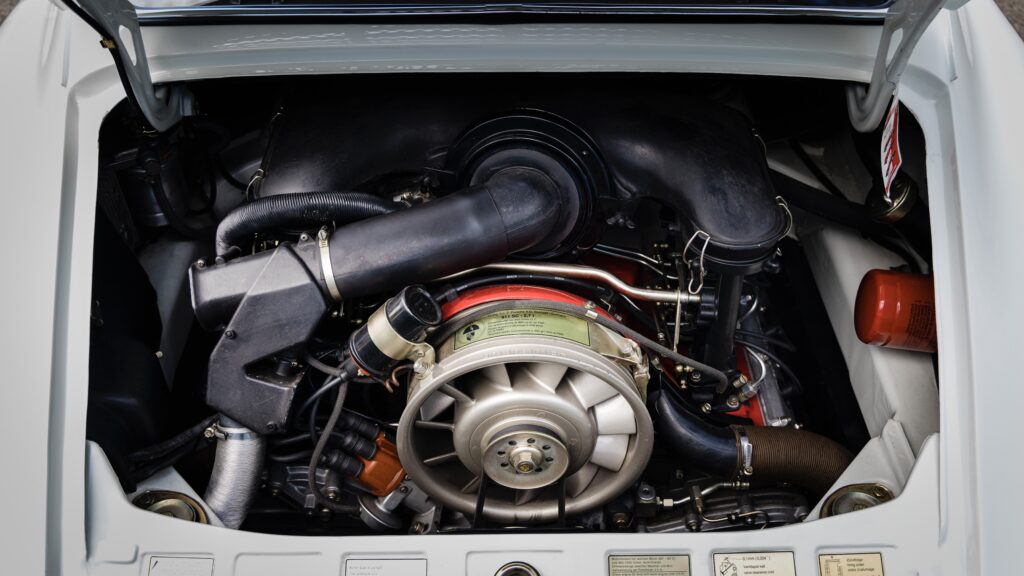
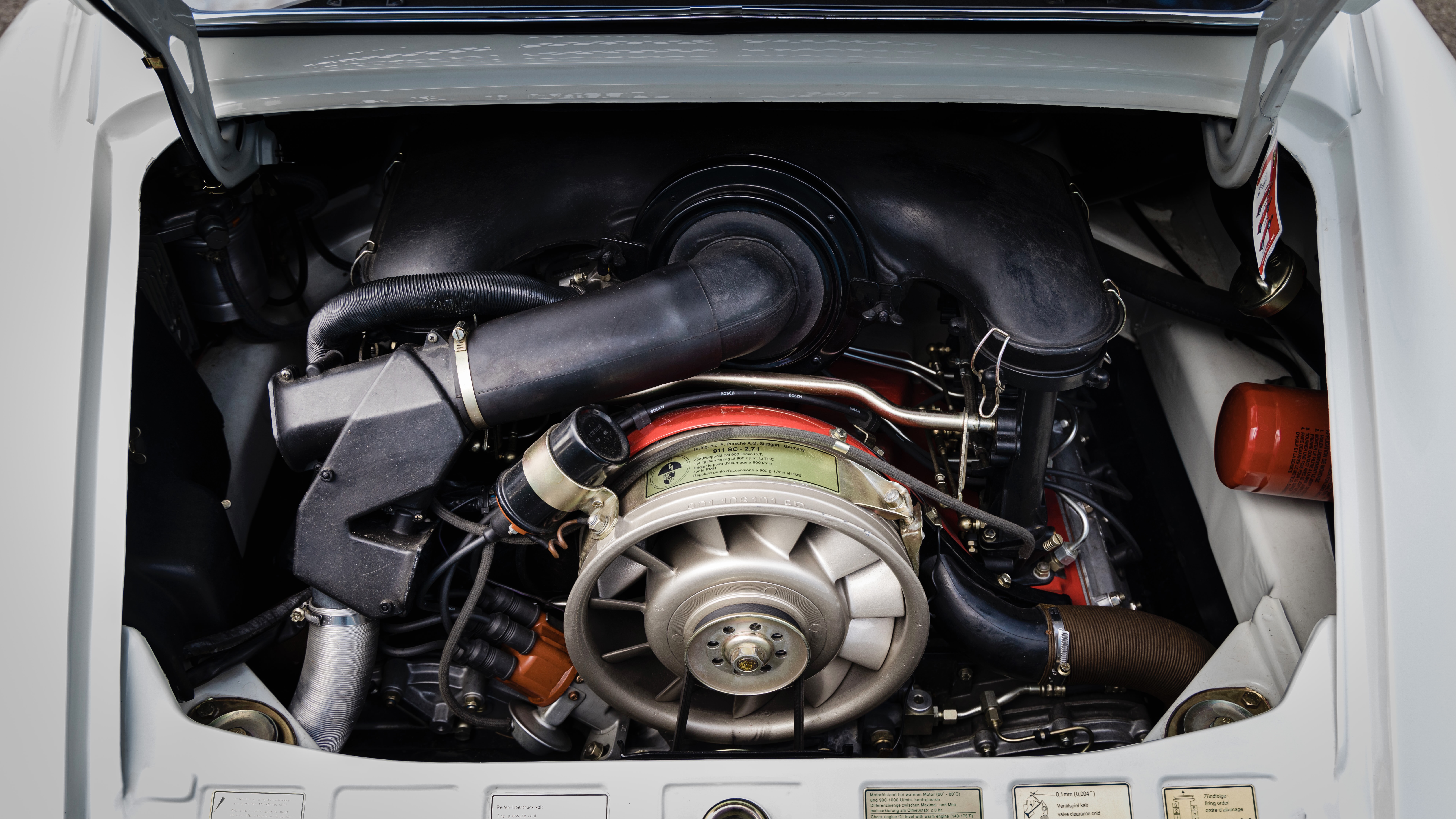
Sitting aft of the rear axle was a 2.7-litre fuel-injected flat-six producing 154kW at 6300rpm and 255Nm at 5100rpm with a five-speed manual and optional limited-slip diff. Not all 2.7 RSs were created equal, however, as having put down the 34,000 Deutschmark base price, customers could then choose between the 2500 Deutschmark Touring package (option code M472) or the 700 Deutschmark Light package (option code M471).
Overwhelmingly, customers chose the former, with 1308 of the 1580 cars built featuring the M472 package. This was the ideal option for those wanting to drive their 2.7 RS regularly, yet performance was incredible by the standards of the day, with 0-100km/h taking 6.3sec top speed pegged at 240km/h.
However, 200 buyers did tick the M471 box, which shed an incredible 115kg from the Touring’s 1075kg kerb weight. The rear seats, carpets, coat hooks, armrests and clock were omitted and customers could also specify lightweight bucket seats. This reduced the 0-100km/h time to a scorching 5.8sec and lifted top speed to 245km/h, along with improving handling thanks to that 12 per cent reduction in weight.
The lightweight 2.7 is frequently regarded as the greatest 911 of all time and values are now well into seven figures, though it’s not the rarest version, as 17 base vehicles and 55 racing examples were also built.
It also started a dynasty that continues to this day, the Carrera RS terminology being used until the 993-generation, at which point the GT3 designation was adopted for the 996 onwards.
However, the beauty of the Porsche 911 is that in many respects it’s like a giant LEGO set. Because the special variants are built on the same basic platform as the standard car, you can replicate the experience of the real thing at a fraction of the cost.
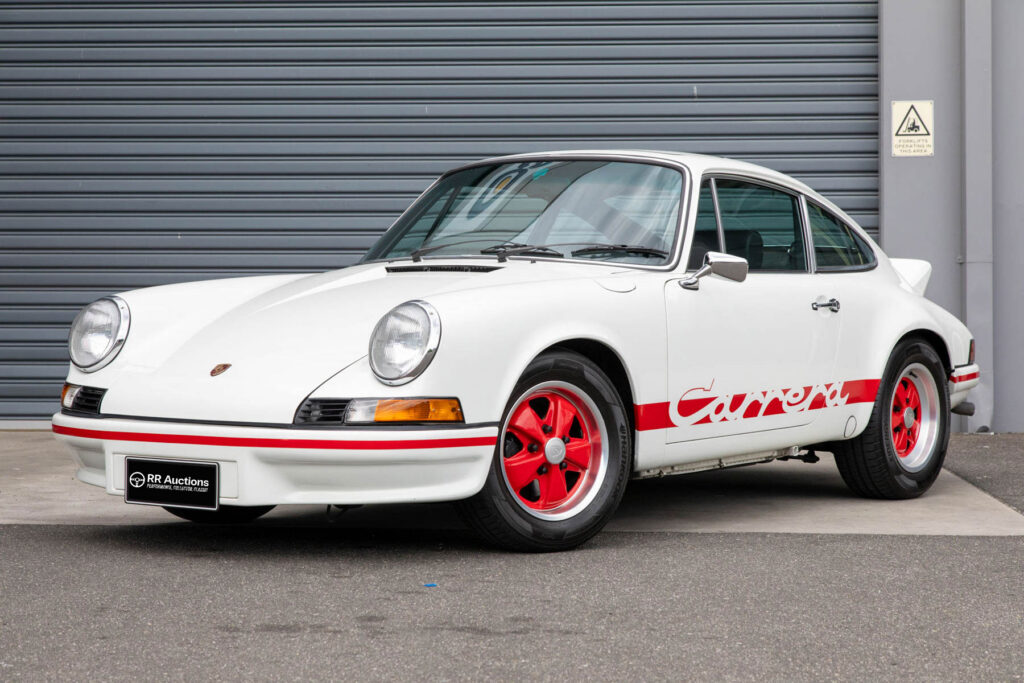
This makes the 911 relatively unique among high-end classic cars. After all, you can’t just make a replica Lamborghini Countach, Ferrari Daytona of Mercedes-Benz 300SL, but the parts and expertise are available to create the perfect Porsche, regardless of what that means for your personal taste.
In the case of this 911 RS Tribute currently being offered on Retro Rides Auctions a later 1976 G-Series 911S was used as a base, the original impact bumper making way for the cleaner styling of the early car, including the wider rear arches, ducktail spoiler and Fuchs-style wheels as part of an extensive restoration.
The 2.7-litre flat-six and associated driveline components were then rebuilt at a cost of almost $70,000 by renowned specialists, but even this high-end work doesn’t come close to the outlay required for an original 2.7 RS.
There is no substitute for the real thing and values will always reflect this, but there’s a lot of appeal in a car that looks and performs in a very similar manner at a much more attainable price point.