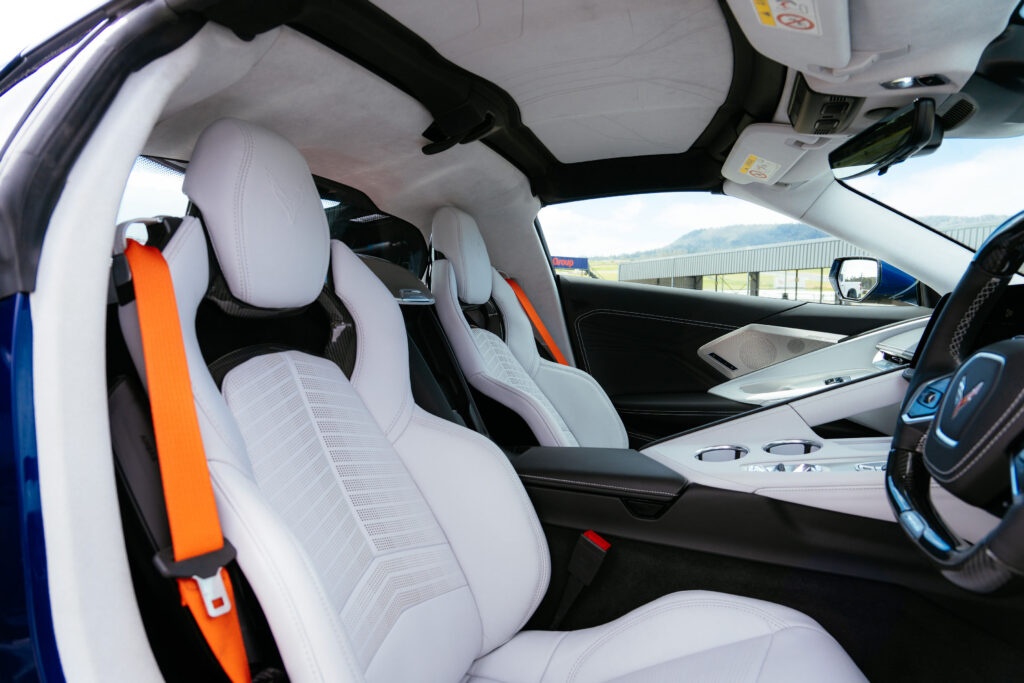
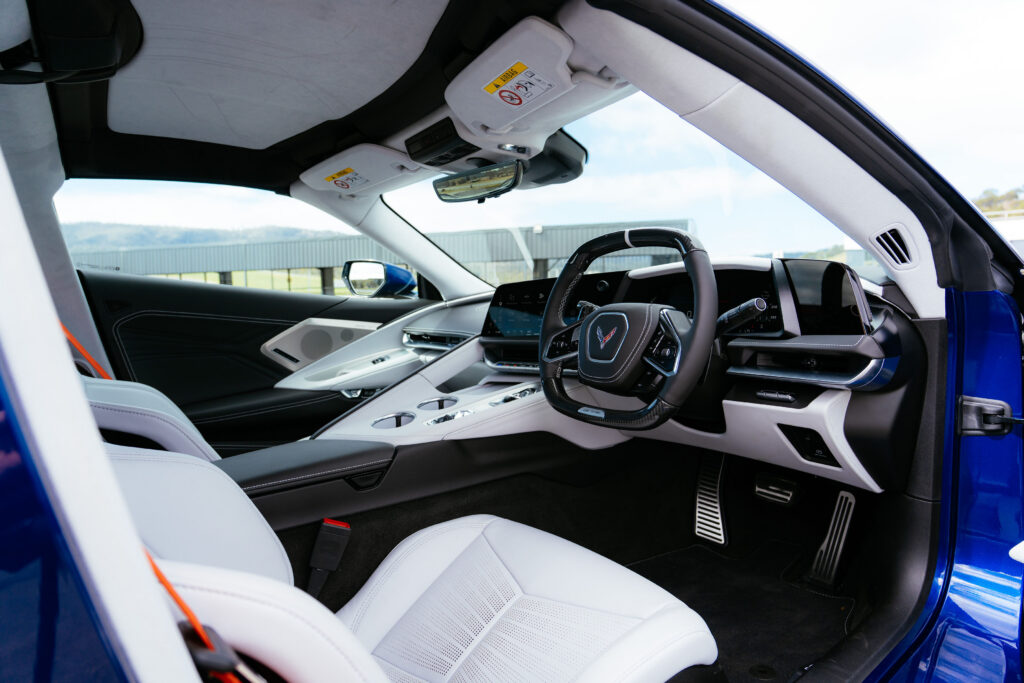
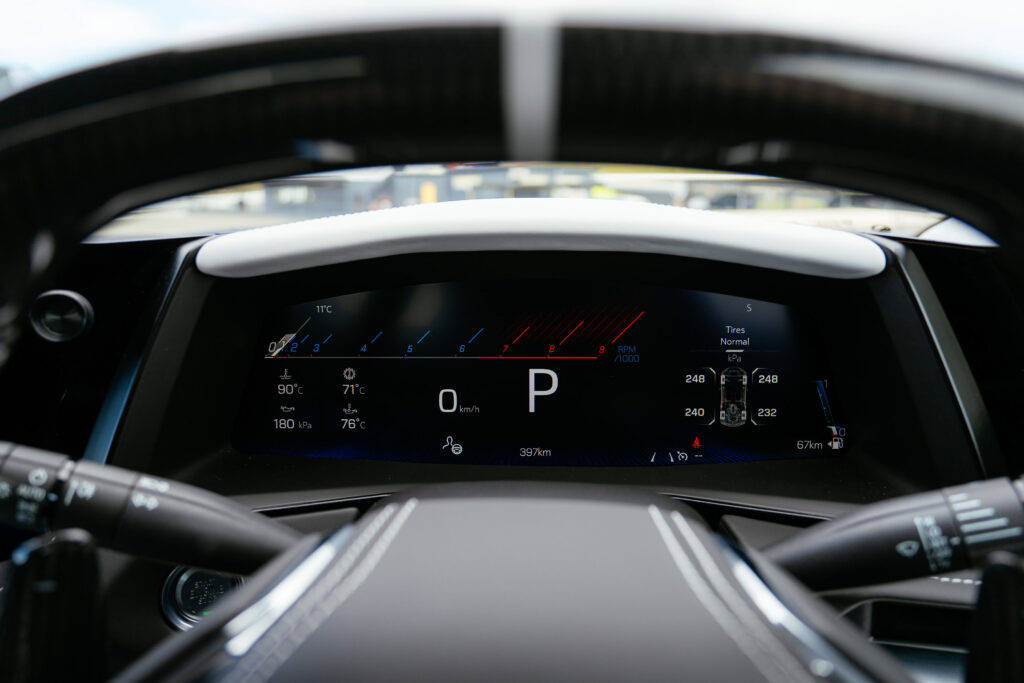
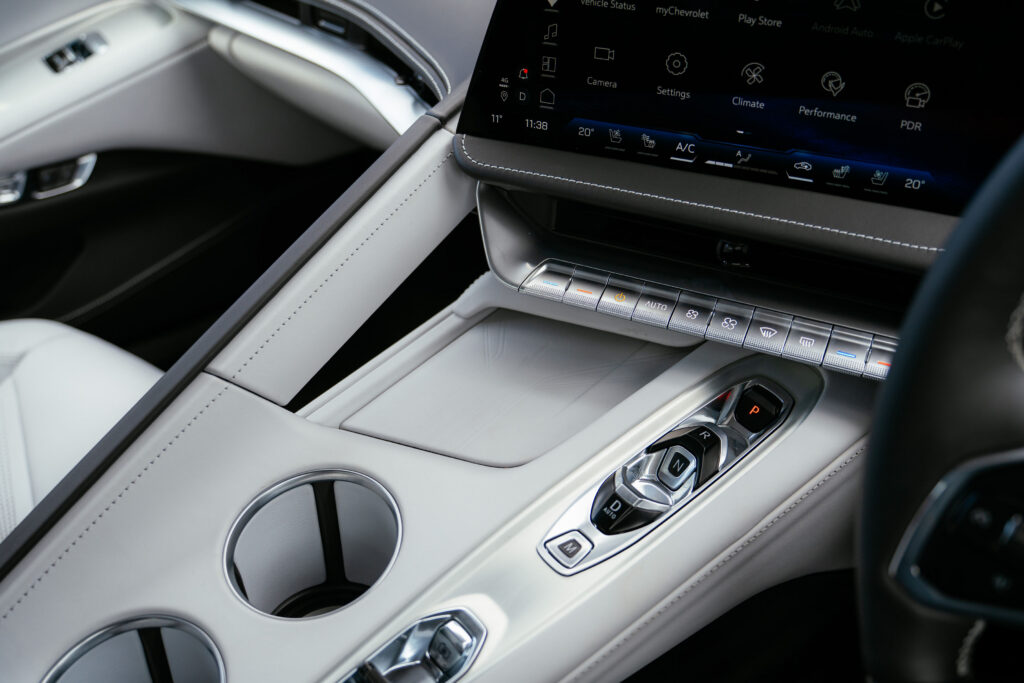

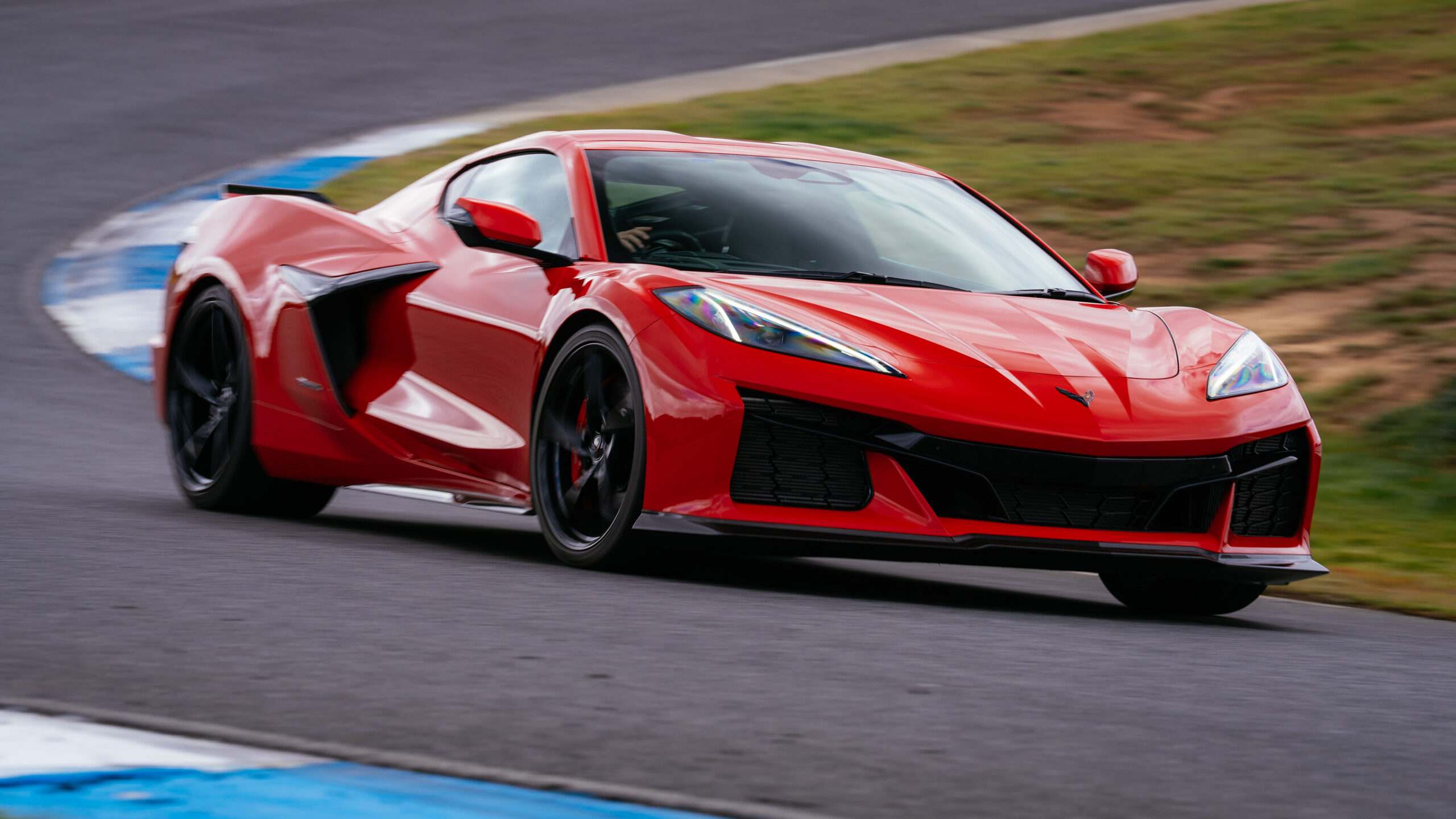
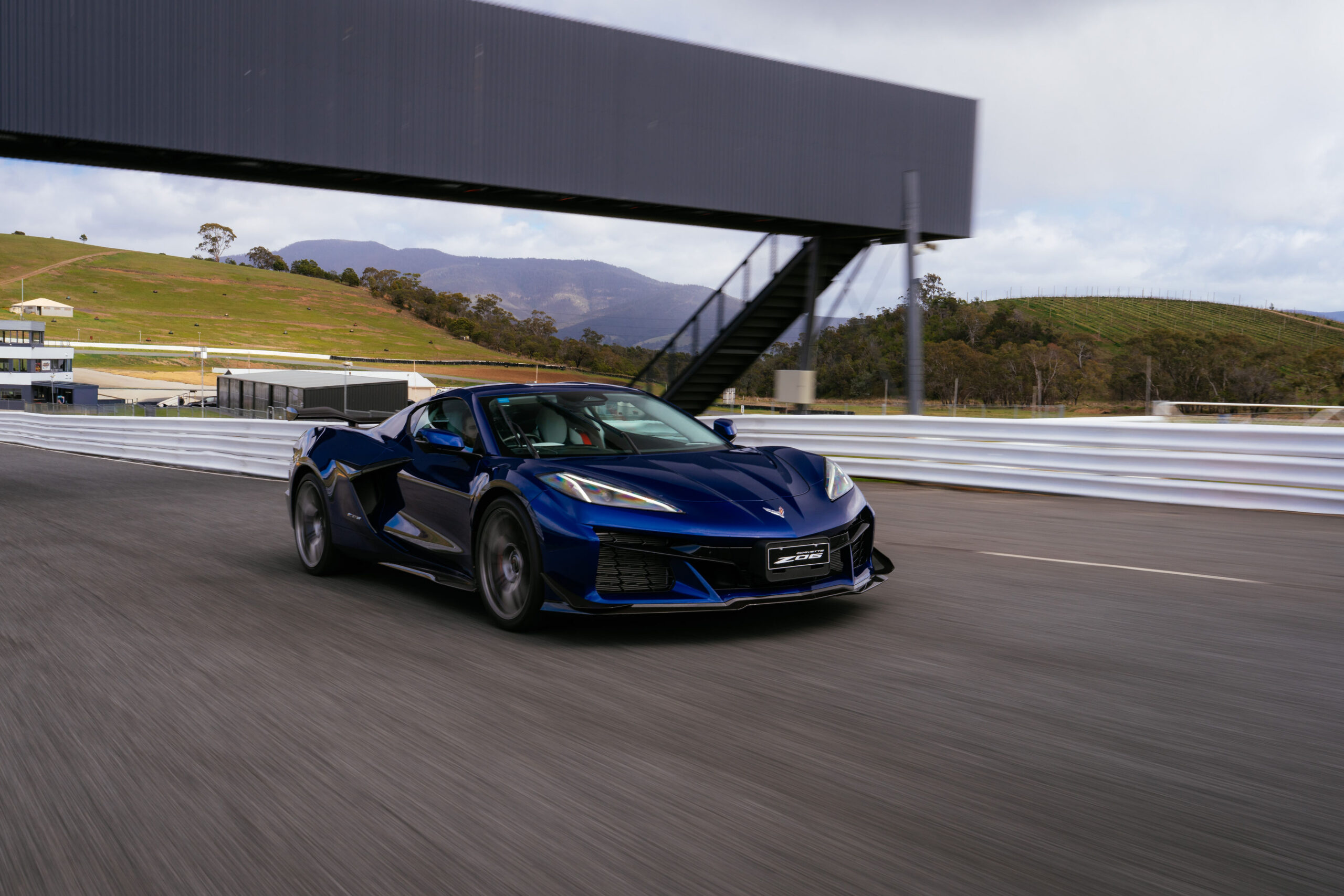
For almost 70 years, the makeup of a Chevrolet Corvette changed very little: a large V8 in the front driving the rear wheels through either a manual or automatic gearbox. But before we get into this latest release, this 2023 Stingray C8 is open to bidding on RR Auctions, and here’s why it’s one you’ll want to watch.
Over time the cubic capacity might have increased from 4.3 to 6.2 litres, with a supercharger thrown on top for good measure, power from 145kW to 563kW and the gear count from two to eight, but the fundamental formula was the same.
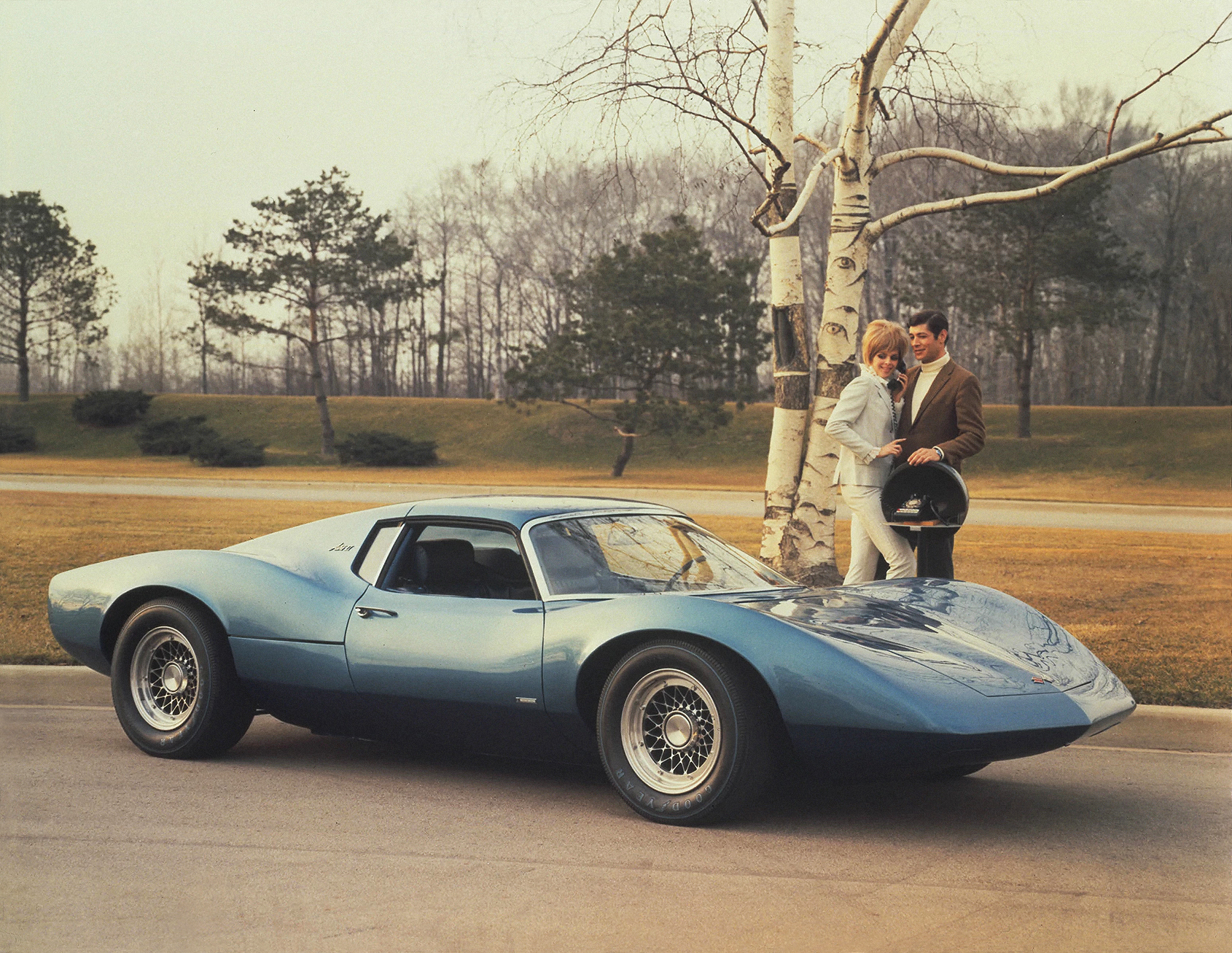
However, the surprise isn’t that Chevrolet transitioned the eighth-generation Corvette to a mid-engined layout, but that it took so long to do so. Between 1960 and 1990, no fewer than EIGHT mid-engined Corvette concept cars were produced, so this is the story of how we got here and what the C8 Corvette is like to drive.
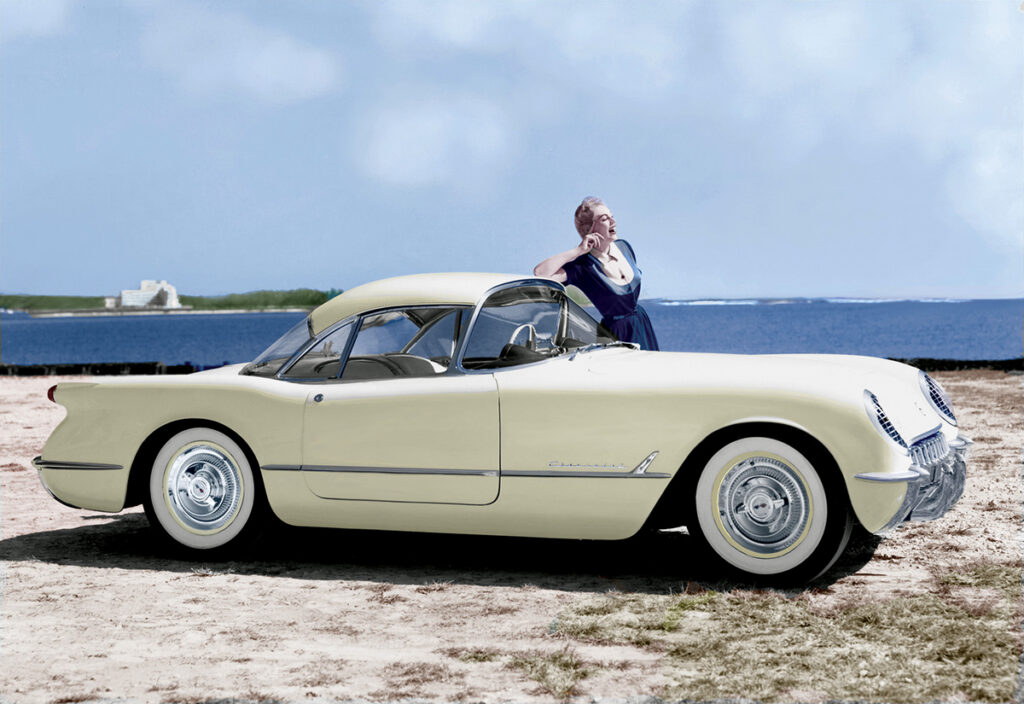
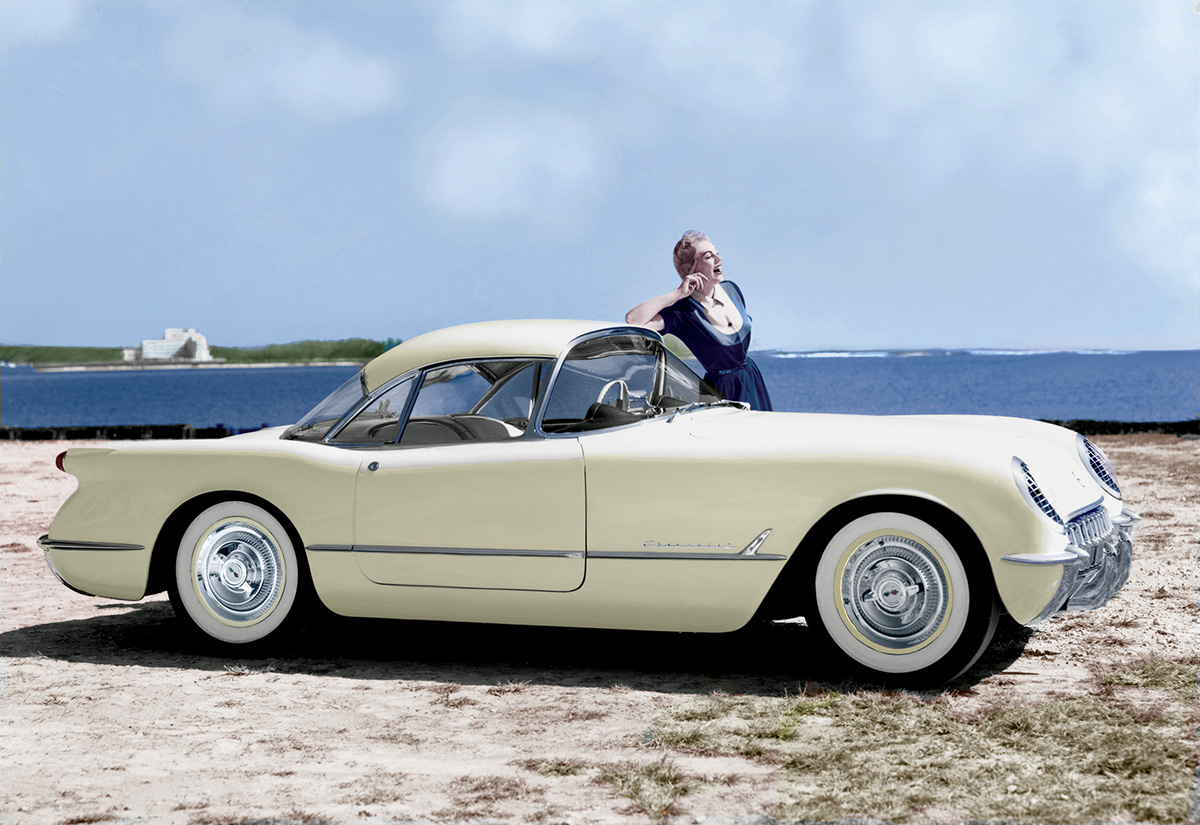
The initial C1 Corvette was an absolute commercial flop. Performance was modest as the only available powertrain was a 3.85-litre inline-six with a two-speed Powerglide automatic and quality problems were rife.
Just 300 were built in 1953 and almost a third of the 3640 built in 1954 were unsold at year’s end. Its reception was so poor that Chevrolet was planning on canceling it, only for a newly hired Belgian-born Russian engineer to persuade them otherwise.
Zora Arkus-Duntov loved high-performance cars and motorsport and convinced Chevrolet to install a 4.3-litre V8 and develop a three-speed manual for the Corvette, creating a proper sports car rival to Jaguar and Austin-Healey.
For the next two decades until his mandatory retirement in 1975, Arkus-Duntov would push relentlessly for performance improvements for the Corvette, succeeding with many of them. More powerful engines, four-speed gearboxes, disc brakes, stronger body frames, independent rear suspension – all these made Chevrolet’s flagship muscle car synonymous with performance.
However, Arkus-Duntov’s greatest wish was to move the engine behind the driver. The G.S.2/3 prototype started development in 1961, with a 377ci V8 in the middle sending power to all four wheels via a radical all-wheel drive system.
It was light (625kg), it was fast (340km/h) and it was destined for the racetrack, tested by the likes of Dan Gurney and Stirling Moss, but GM management squashed the program and it became Chevrolet Engineering Research Vehicle (CERV) II, testing various componentry until 1970.
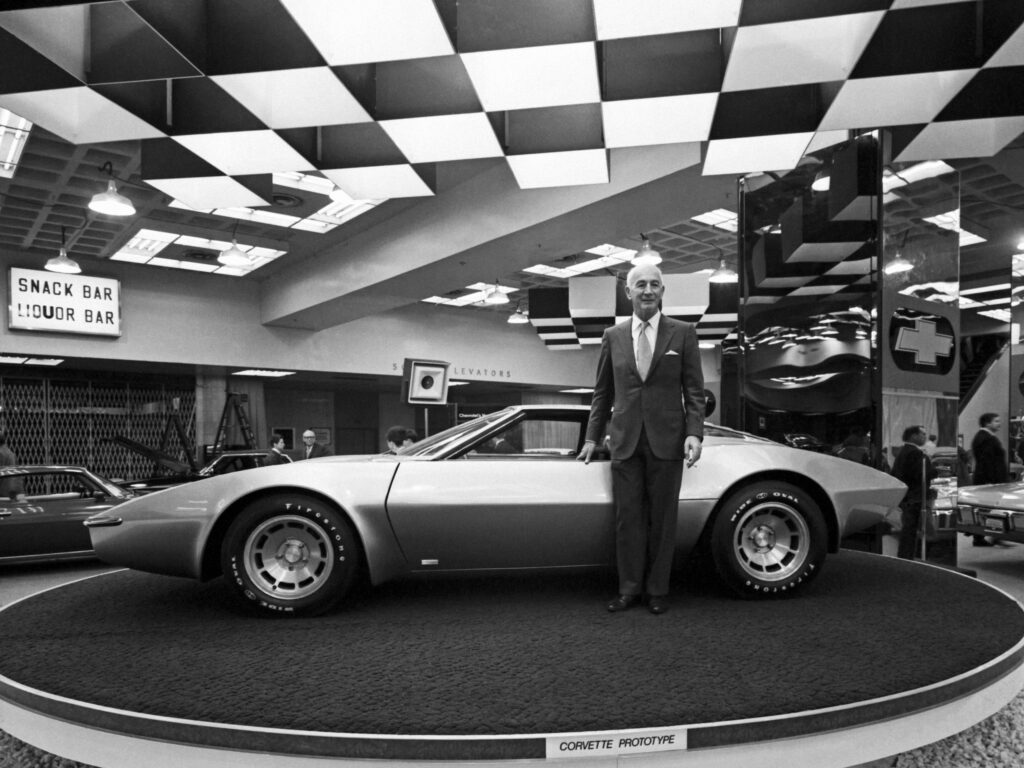
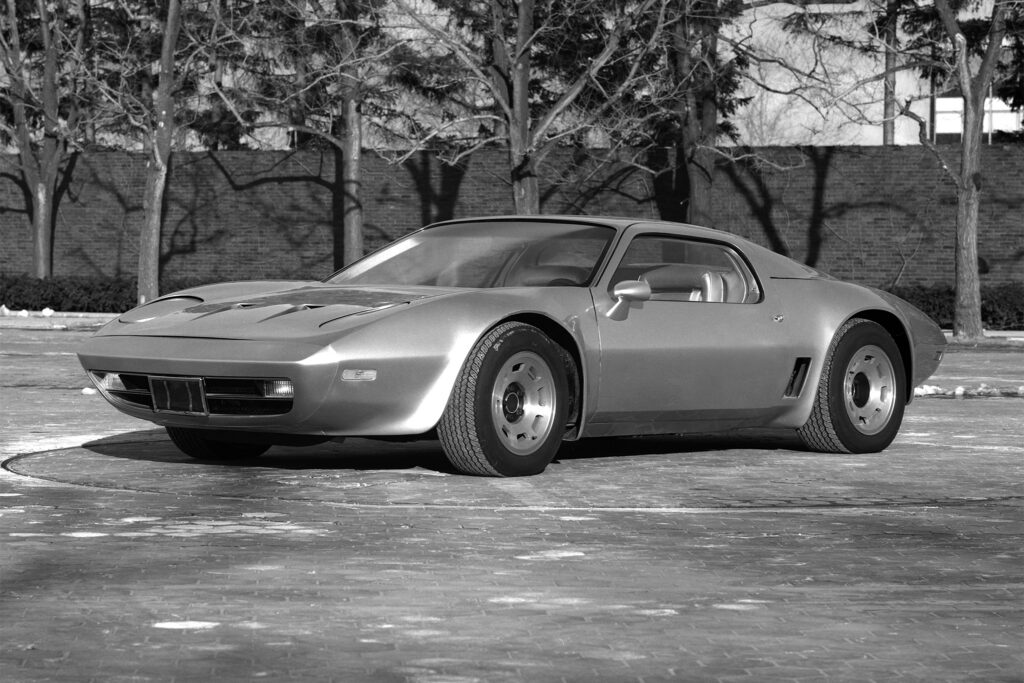
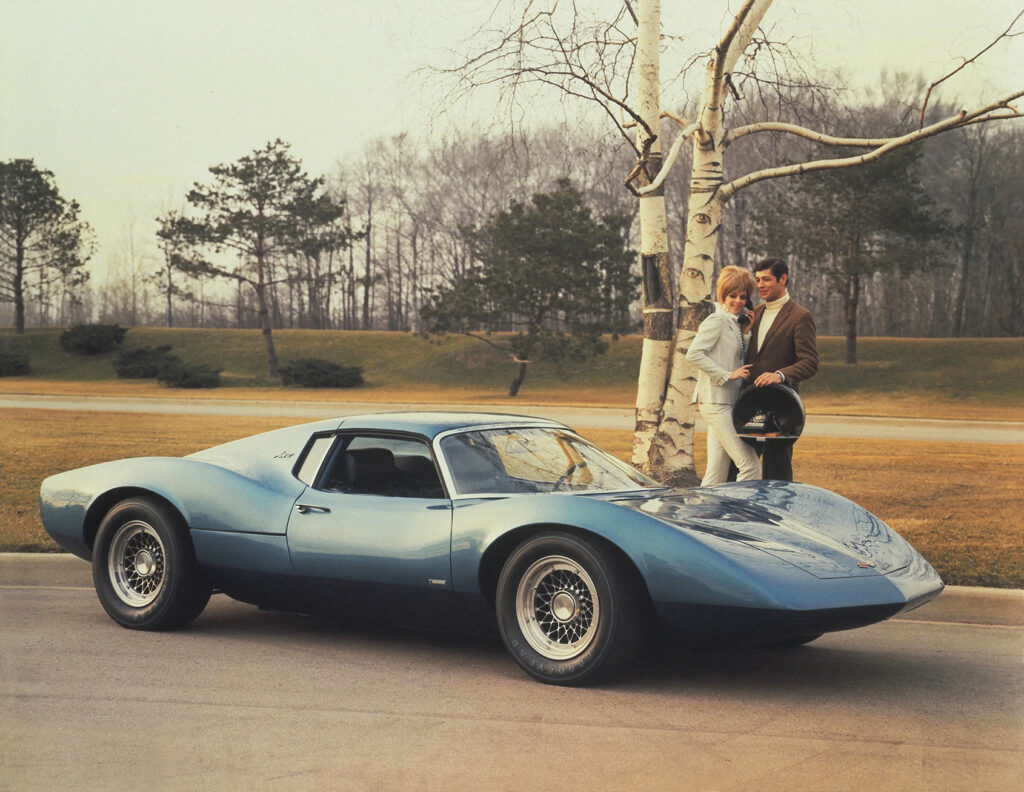
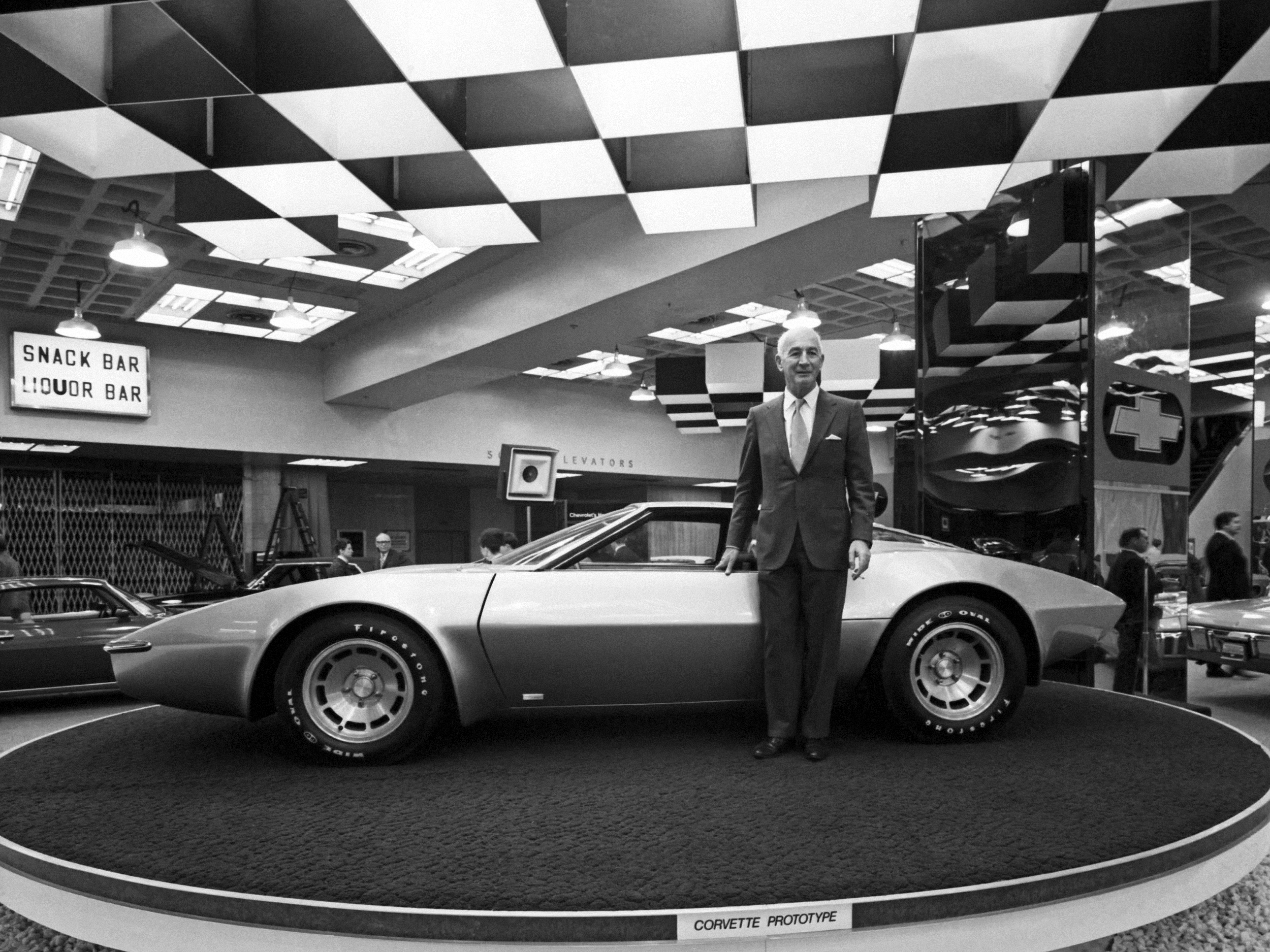
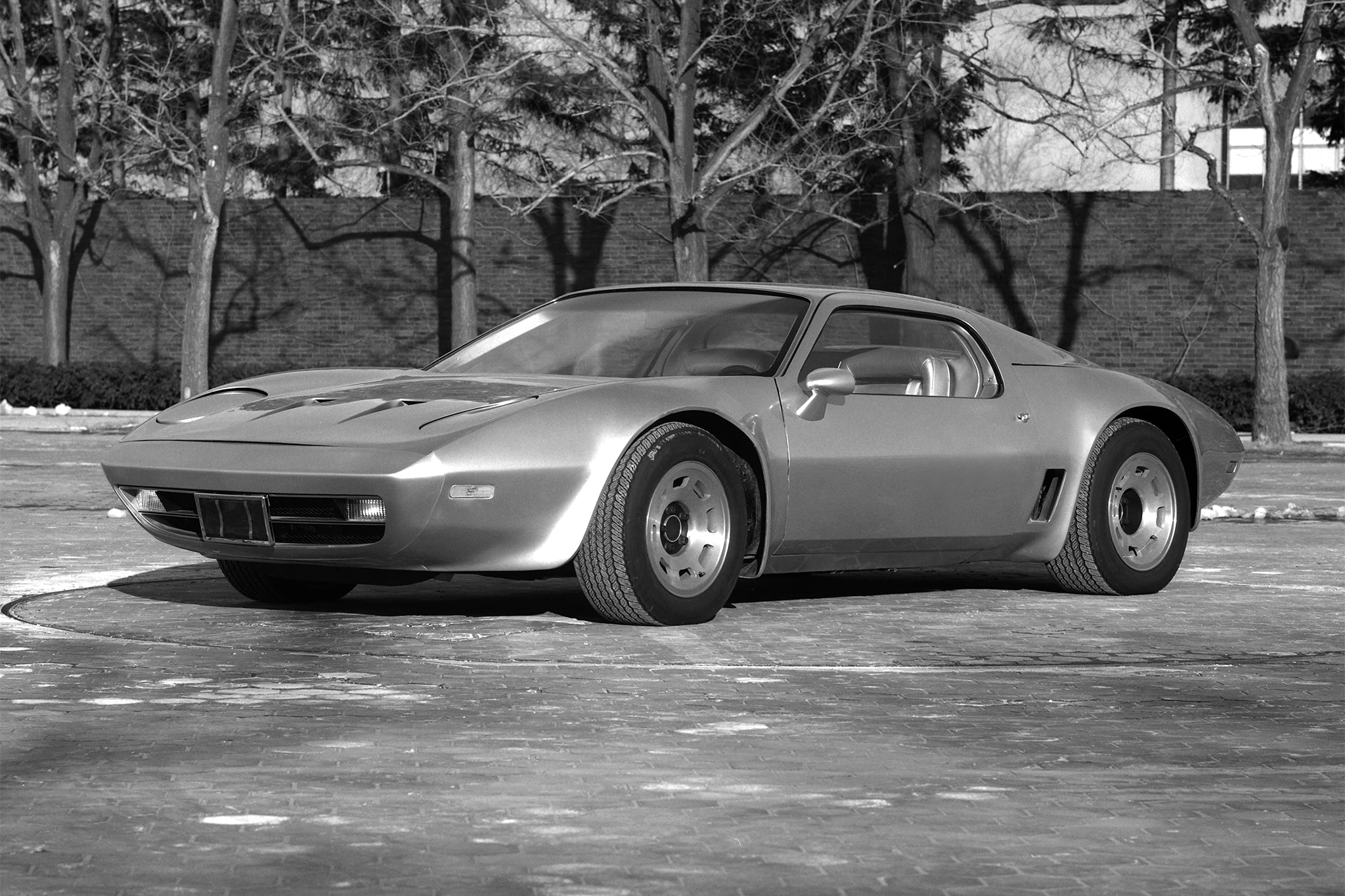
Undaunted, Arkus-Duntov created the XP-882, which debuted at the 1970 New York Auto Show and was copied in aluminium (with updated styling) for the XP-895 of 1973, previewing the future of Corvette construction.
Despite Arkus-Duntov’s retirement, his dream of a mid-engined ’Vette lived on in the company, culminating in the CERV III in 1990. Its bodywork was made up of carbon fibre, Kevlar, Nomex and aluminium, while underneath the sleek supercar silhouette were titanium suspension components, electronically controlled all-wheel drive, all-wheel steering and a 5.7-litre twin-turbo V8 producing 485kW/887Nm through a six-speed automatic.
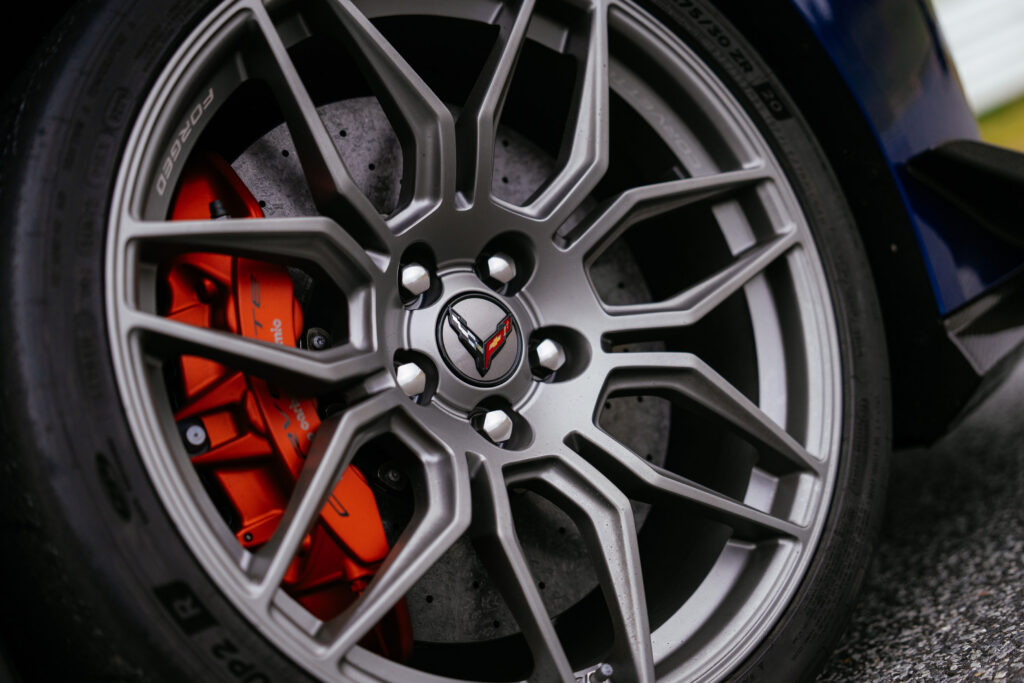
Having passed away in 1996, the Russian engineer never got to witness the arrival of the C8 Corvette ZR1X, which uses a 5.5-litre twin-turbo V8, an eight-speed dual-clutch gearbox and all-wheel drive thanks to an electric motor on the front axle, along with advanced aerodynamics and carbon-ceramic brakes.
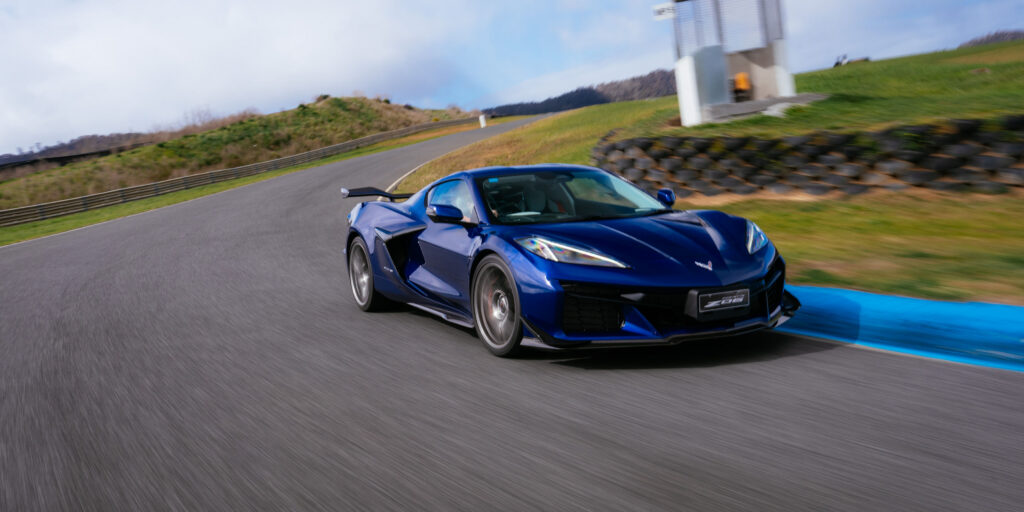
It took seven decades, but Zora Arkus-Duntov’s wish of the Corvette taking its place among the world’s supercar elite has finally come true.
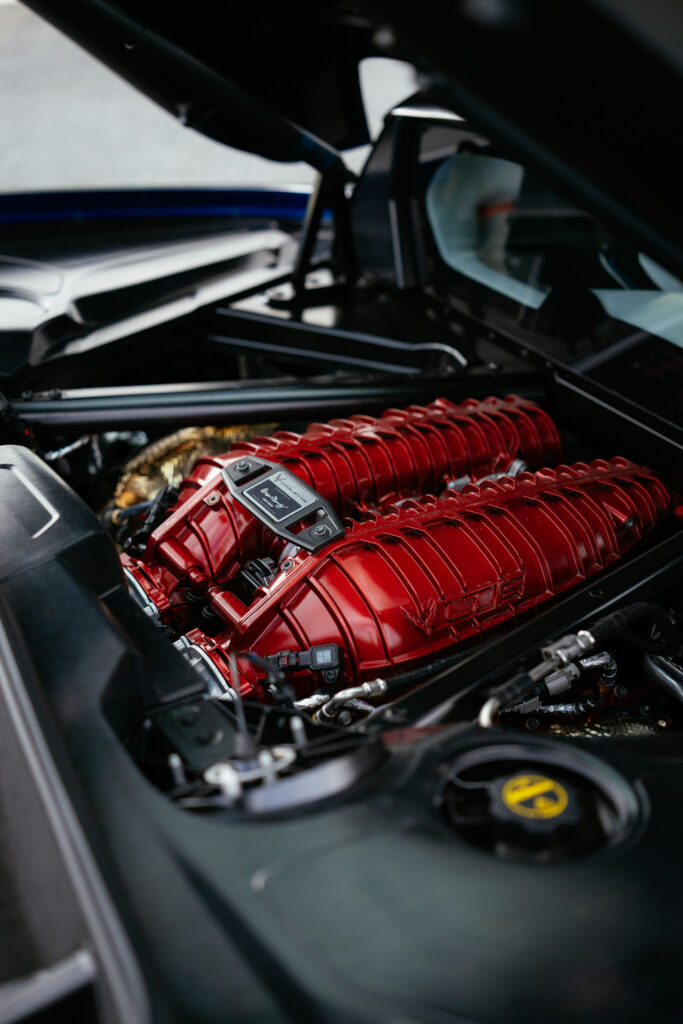
We sadly don’t get the ZR1X in Australia, but even the base Stingray has a chassis made up of aluminium, carbon fibre and composite materials. It uses magnetorheological active dampers, an eight-speed dual-clutch gearbox, an electronically controlled limited-slip differential and, of course, a 369kW/637Nm 6.2-litre V8 behind the driver.
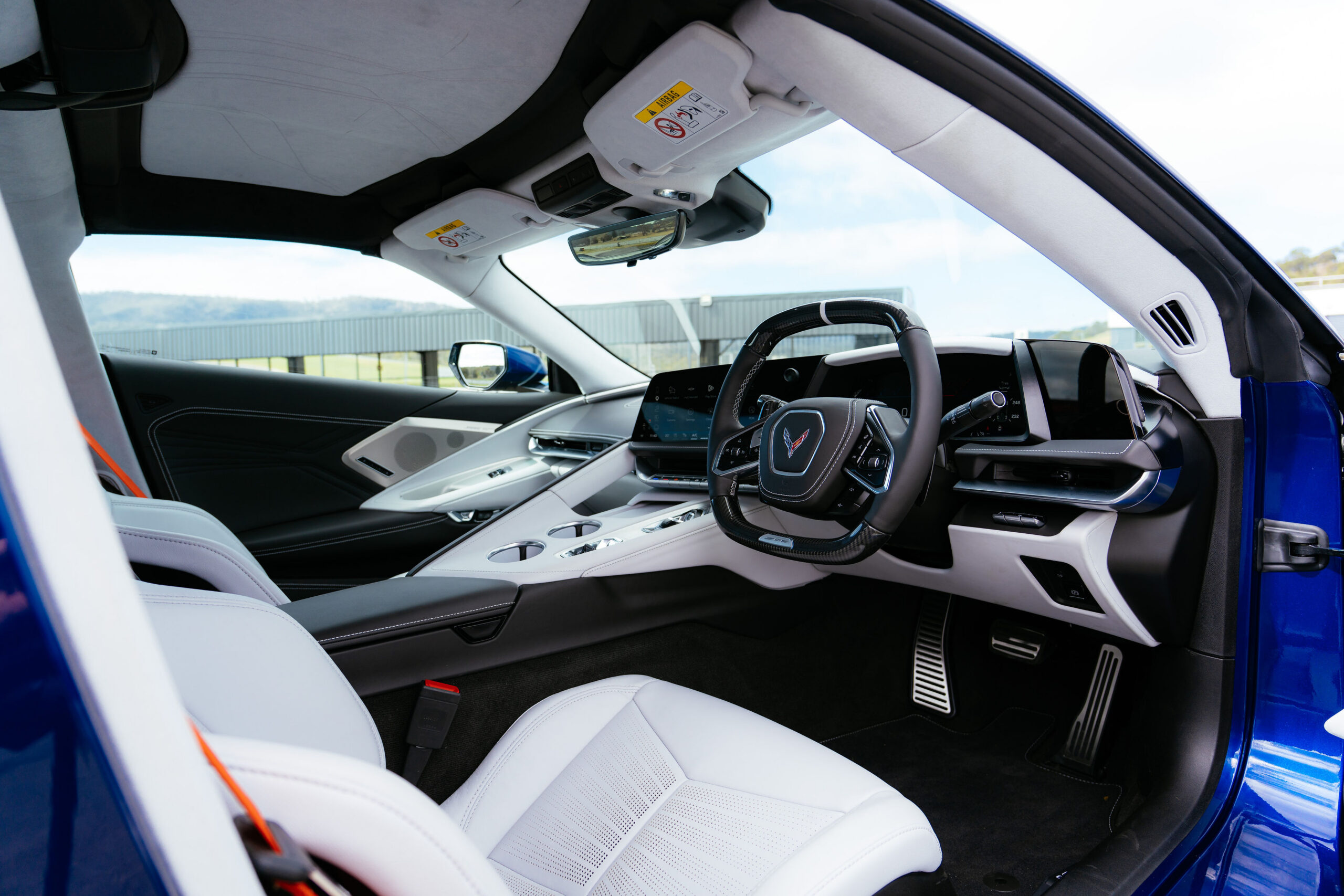
It’s also the first Corvette ever to be built in right-hand drive. Unlike the Silverado and Yukon Denali, the Corvette isn’t converted locally by Walkinshaw but leaves the factory in Bowling Green, Kentucky this way.
While the C8’s mechanical layout is a radical departure from any of its predecessors, the driving experience isn’t as different as you might expect. It’s extremely civilised by sports car standards, with a compliant ride, smooth transmission and light, easy steering.
There’s 356 litres of luggage space split between a small cubby at the front and a larger area behind the engine that can fit a set of golf clubs. It’s one reason the rear end of the Stingray’s looks too bulbous to my eyes, but there’s no denying the practicality advantage, though the compartment’s proximity to the engine means I wouldn’t be putting the weekly ice cream shop in there.
The large capacity V8 does its best work in the mid-range with a ceiling of 6600rpm, but this is a very, very fast car. Matching Chevrolet’s 3.4sec 0-100km/h claim would require some luck and velcro-like tarmac, though the launch control system is a great bit of kit, the Stingray rocketing away from a standstill with only the merest hint of wheelspin.
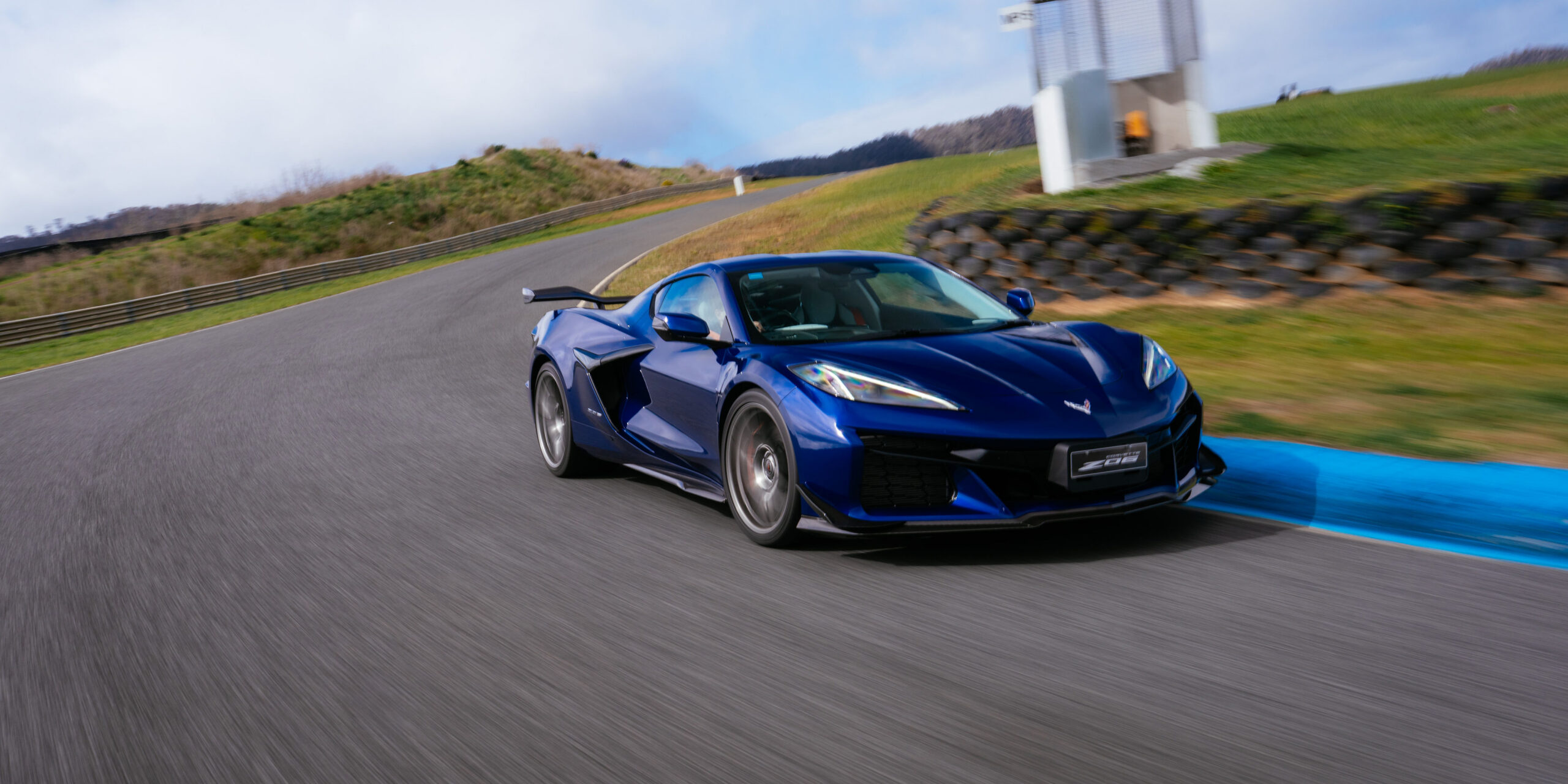
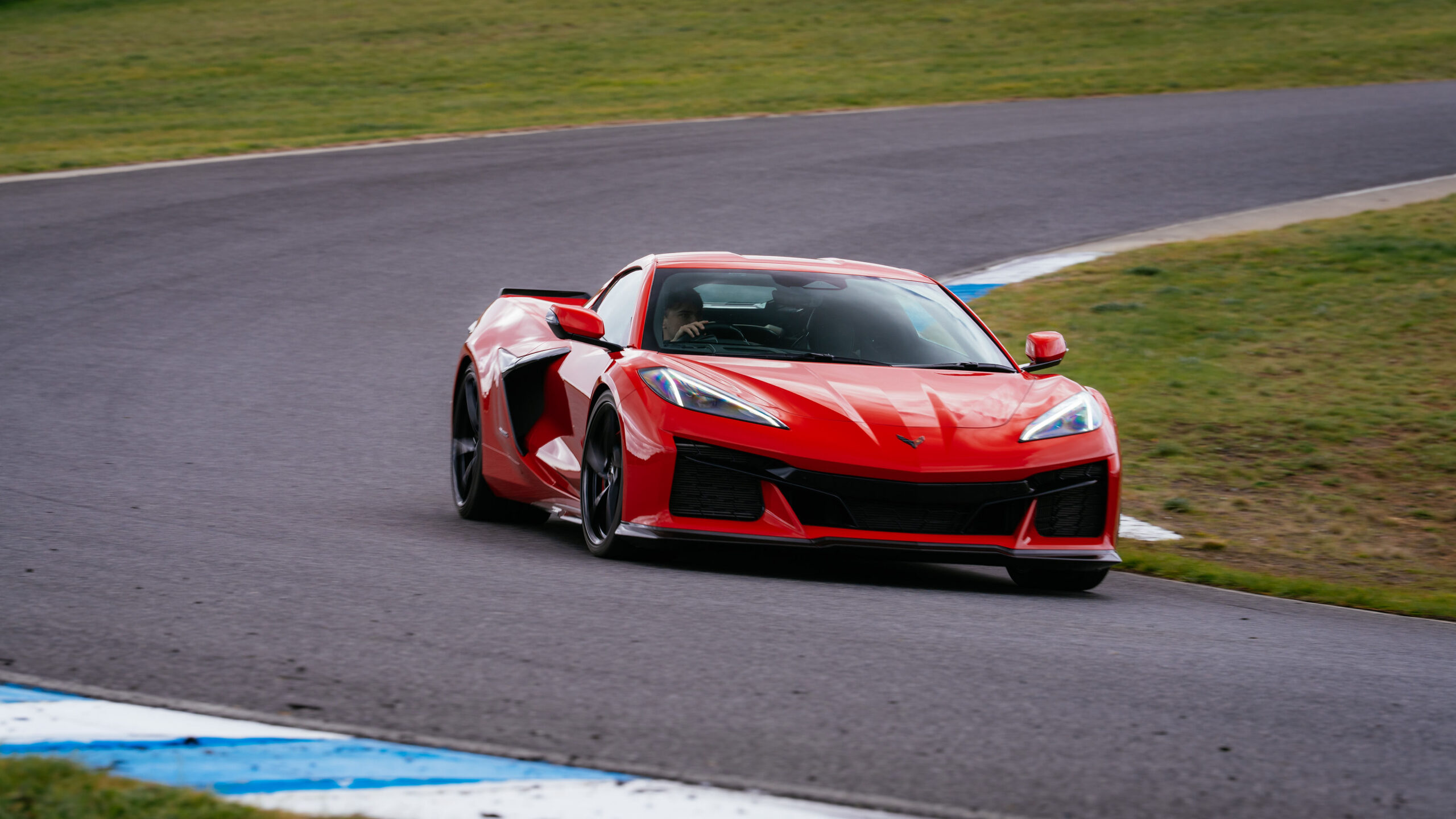
While not necessarily intended for the racetrack, the Stingray still makes a remarkable fist of hot laps, with strong brakes, plenty of power, lots of grip and lovely balance. It might sound like an odd comparison, but the C8 Corvette would probably be of interest to buyers dismayed at the demise of the 718 Cayman GTS 4.0: naturally aspirated engine? Check. Mid-engine dynamics? Check. Everyday comfort and useability? Check.
They’re even the same price. A Cayman GTS 4.0 – if you can still find one, now production has ended – starts at $193,800 plus on-road costs, whereas the Corvette Stingray range begins at $193,990 (+ORCs).
That might seem like a massive number when the same car kicks off at US$71,000 in its homeland, but specced to the same level as an Australian example that figure rises to over $US90K. Convert that to Aussie dollars, add Luxury Car Tax and GST and you’re at almost $160,000, so GM isn’t making as much profit as you might imagine.
If you want something a little more potent, however, another $99,000 will get you behind the wheel of the E-Ray. No, it’s not electric, but it is electrified thanks to an e-motor on the front axle. This lifts outputs to 488kW/806Nm and cuts the 0-100km/h claim to 2.9sec, while wider rear bodywork not only allows the fitment of bigger tyres, but gives the Corvette proper supercar presence.
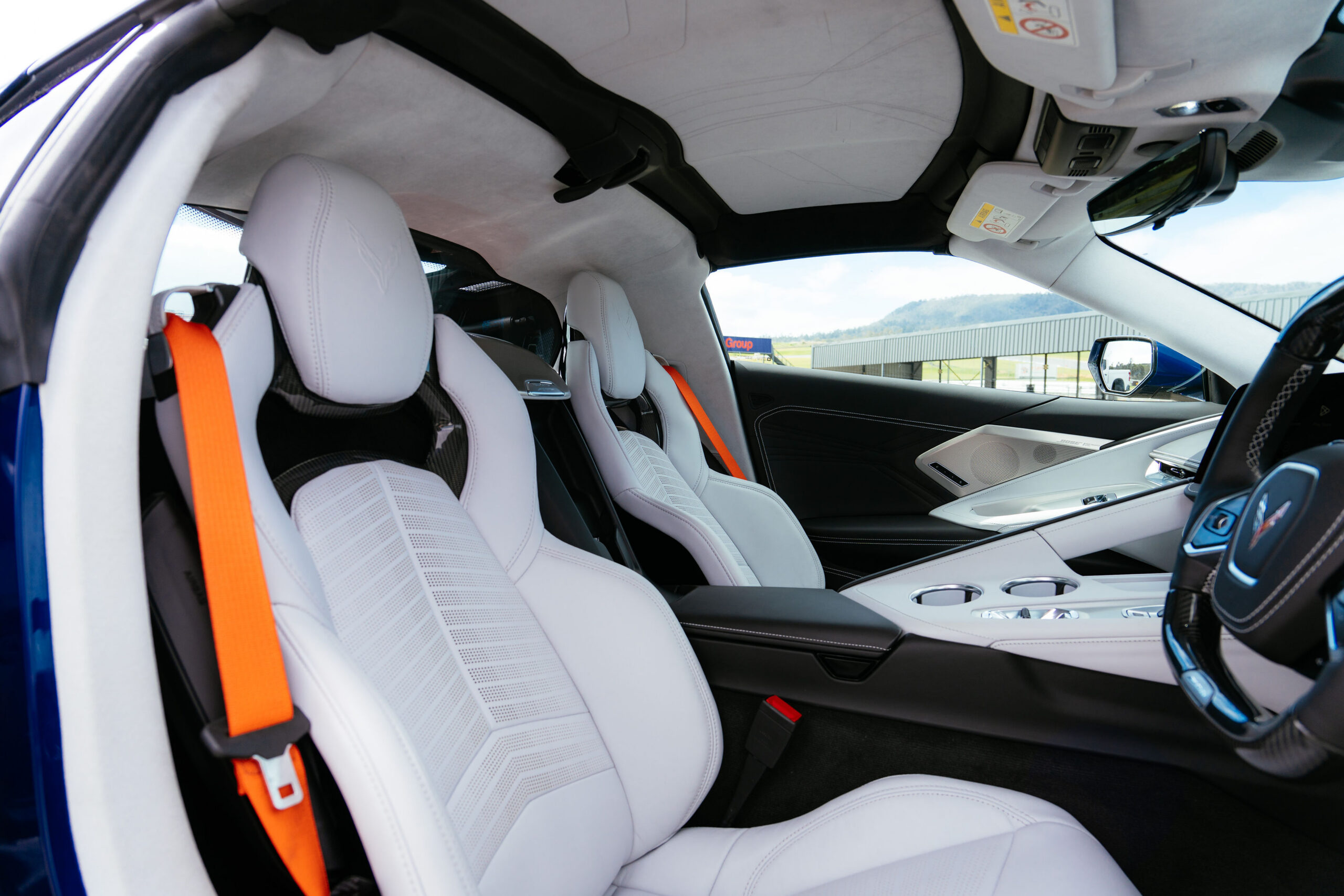
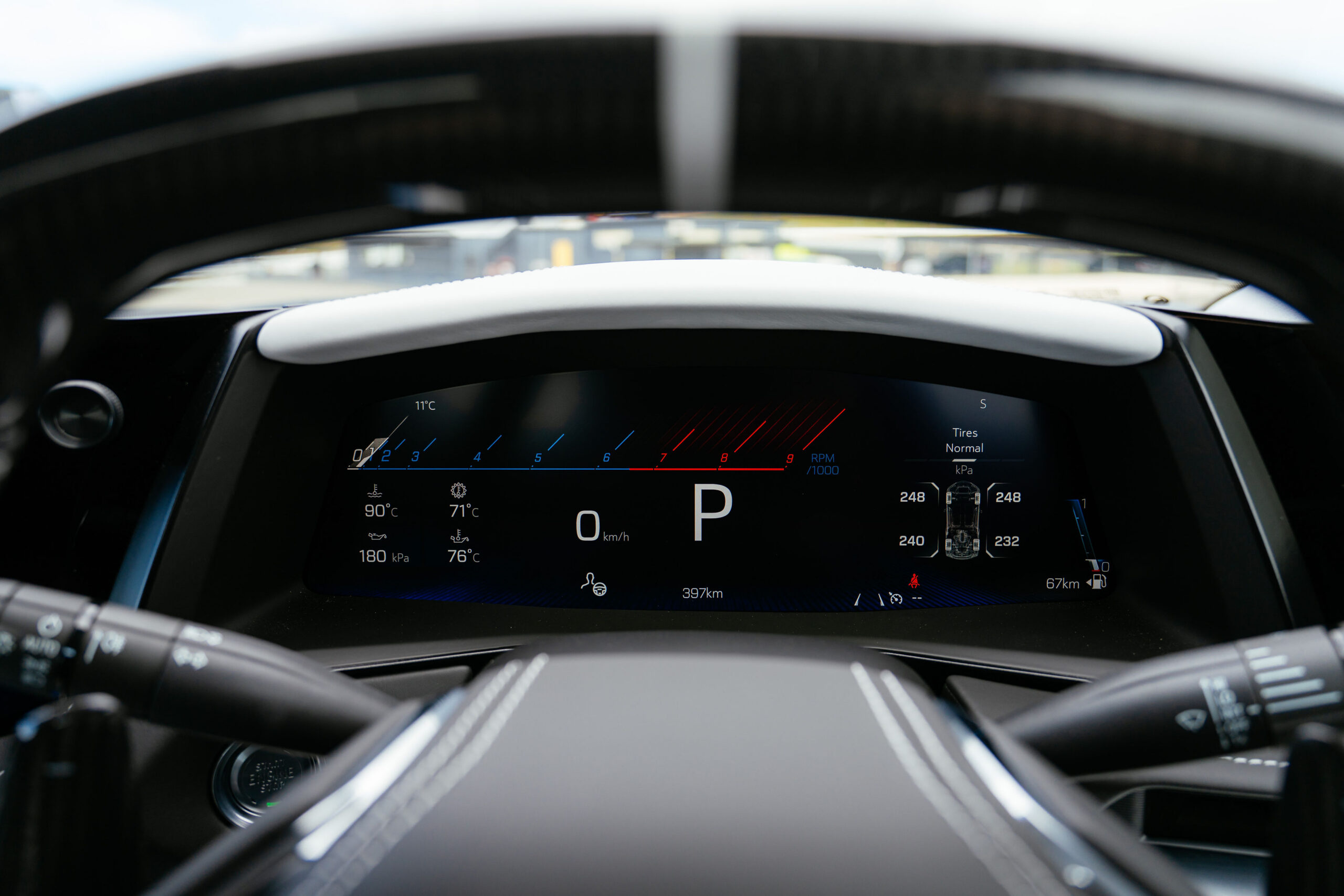
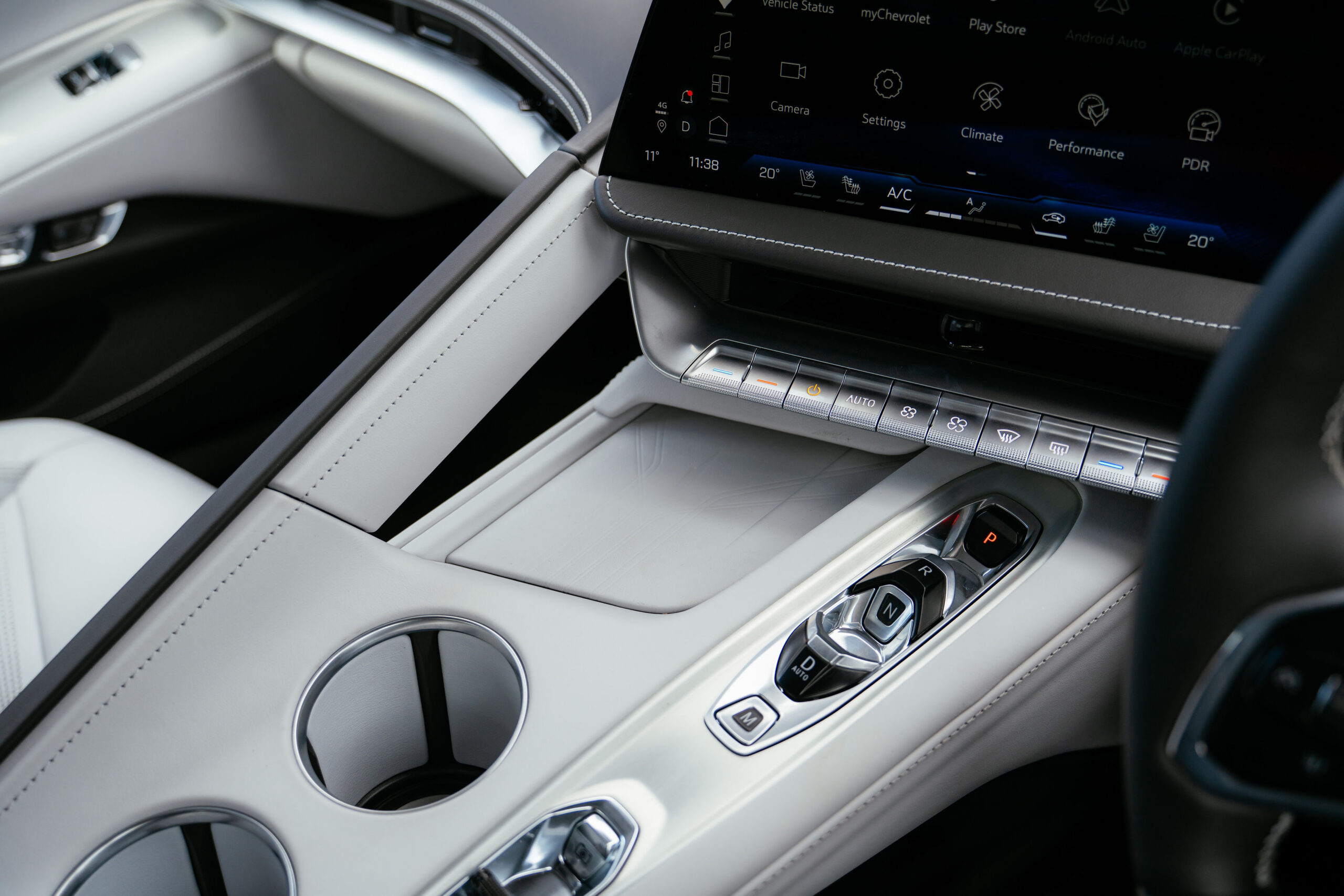
It’s an overlooked car, like an American 911 Turbo with its combination of all-weather performance, crushing speed and daily comfort. The Corvette’s MY26 interior overhaul has also made it a much nicer place, with improved ergonomics, bigger and faster screens and extra equipment like wireless phone charging.
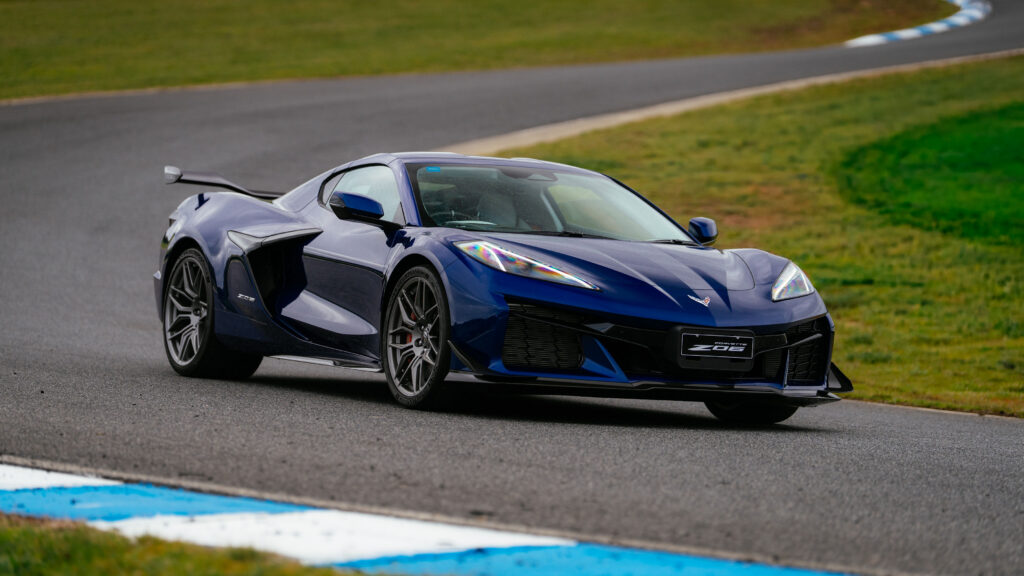
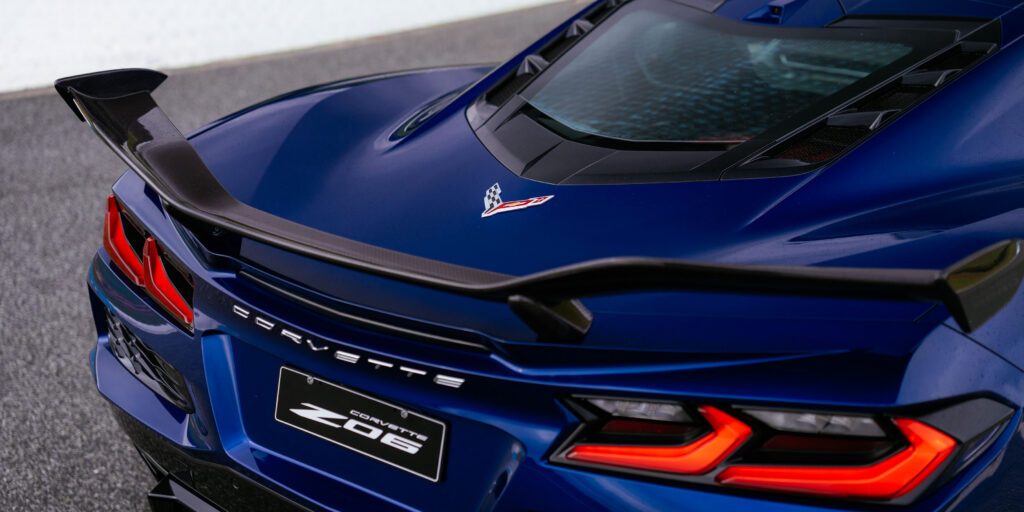
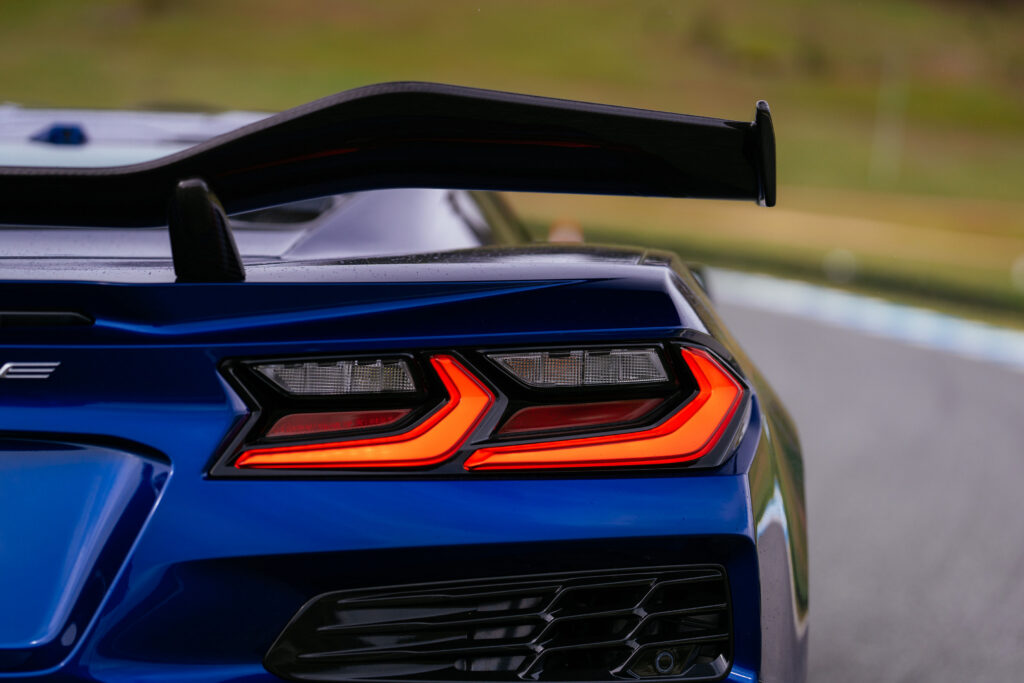
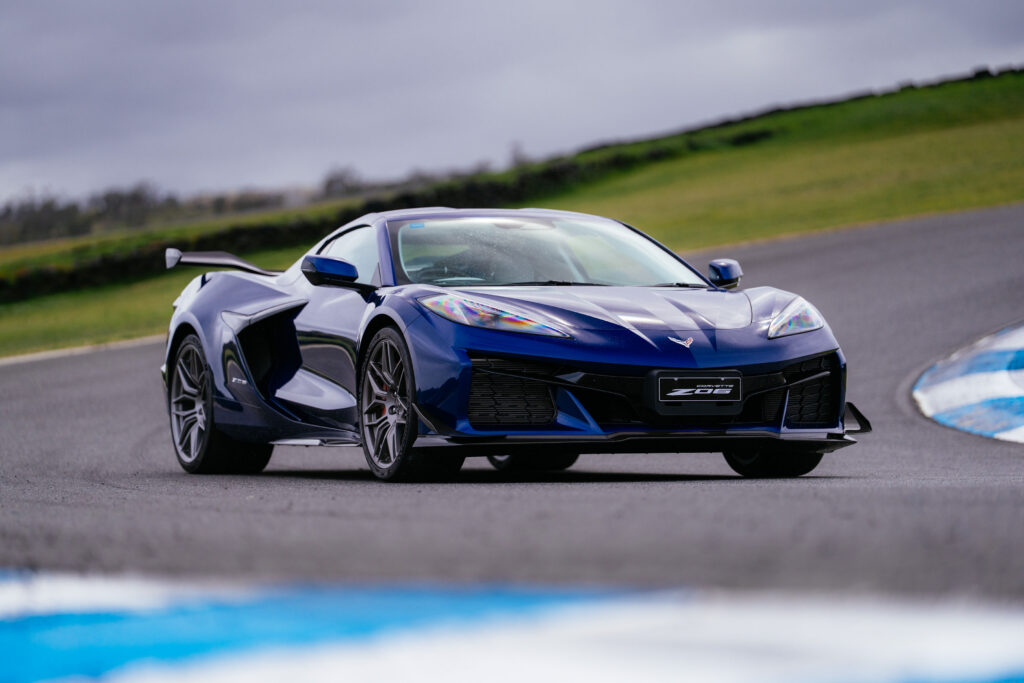
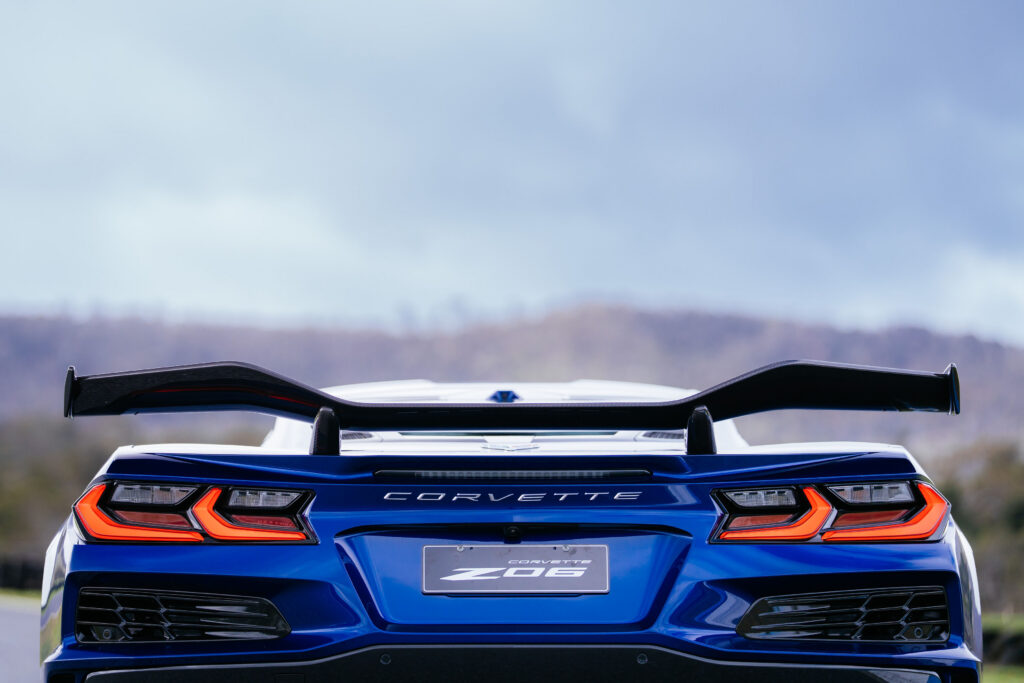
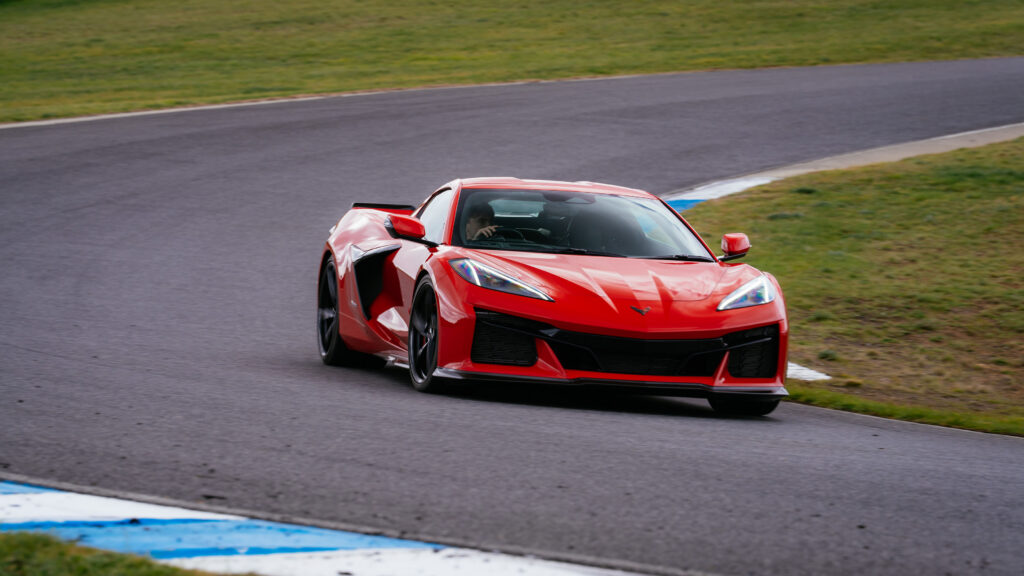
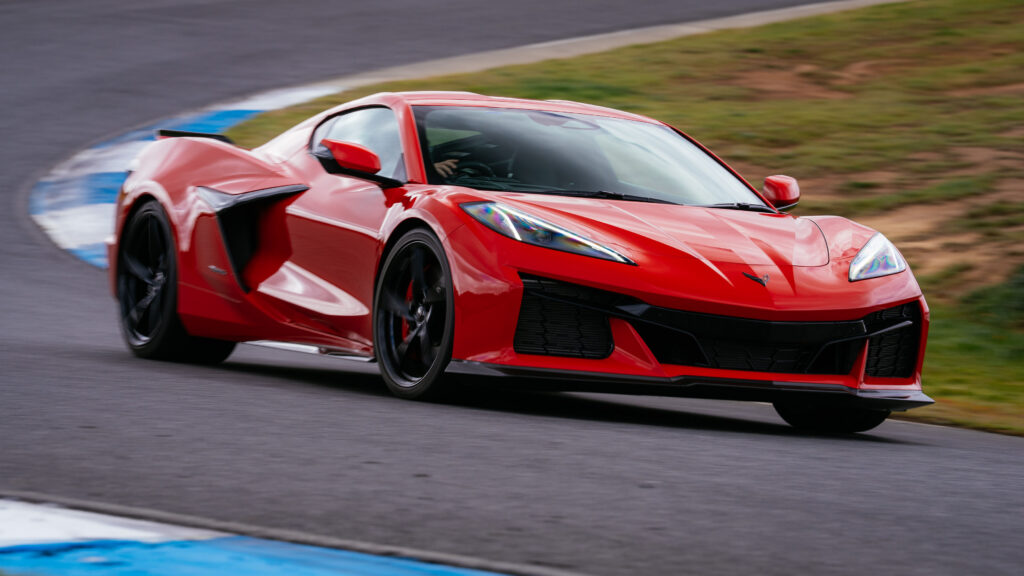
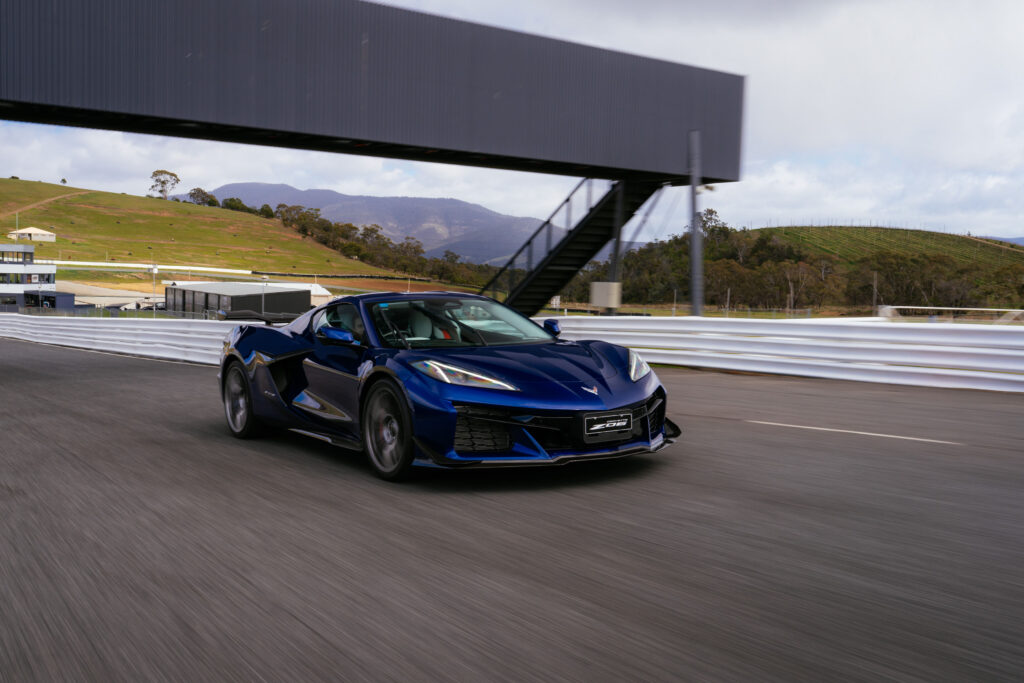
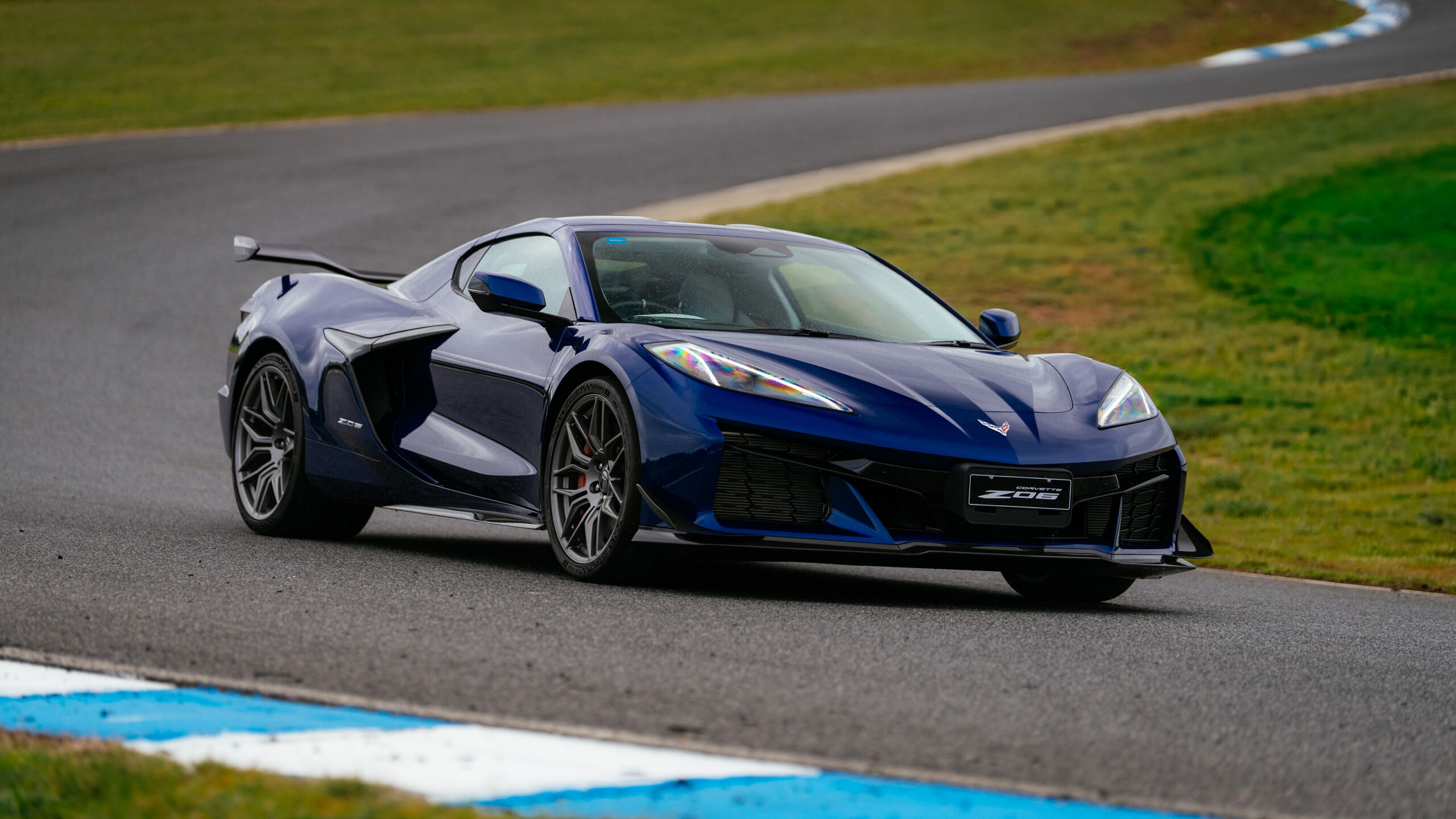
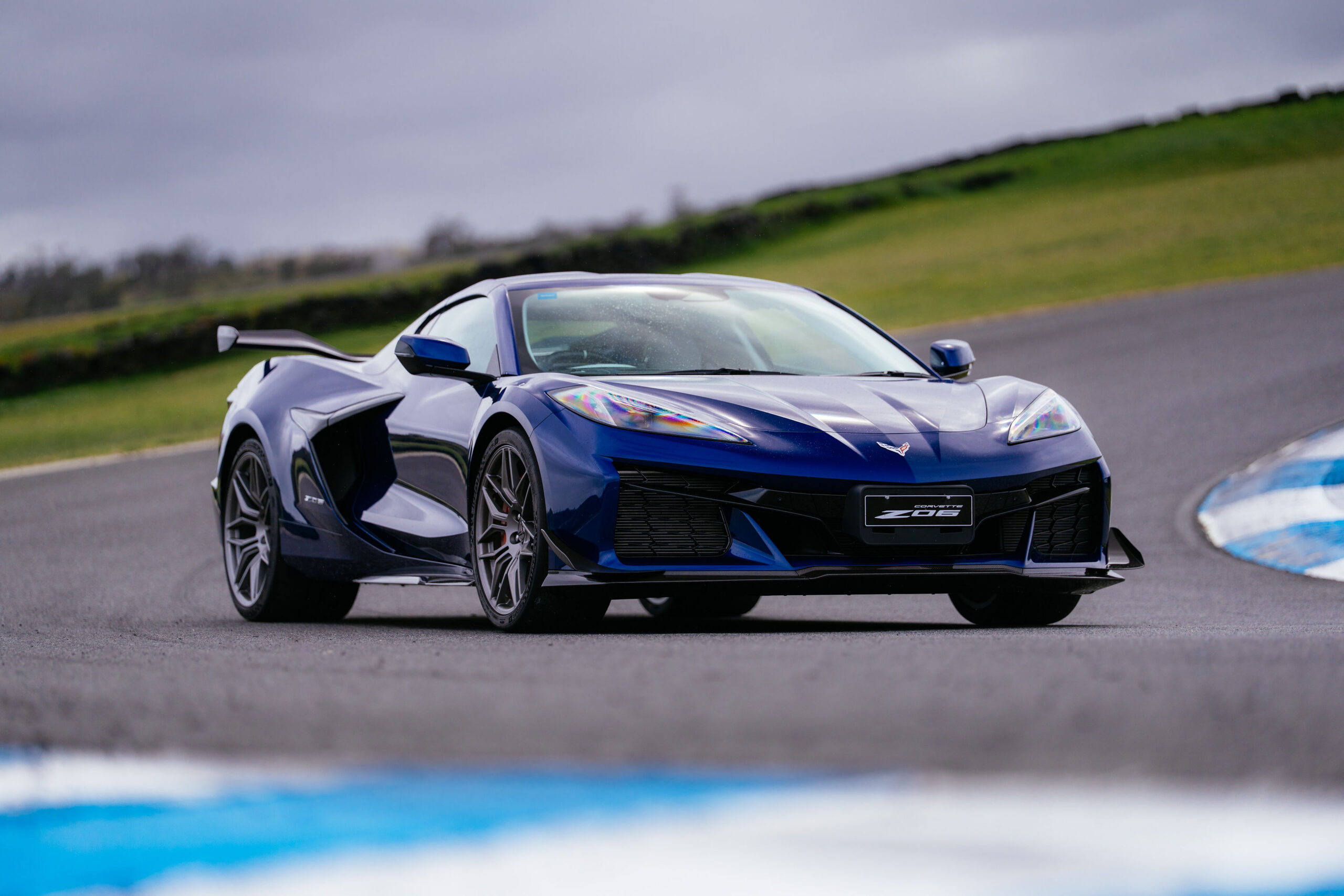
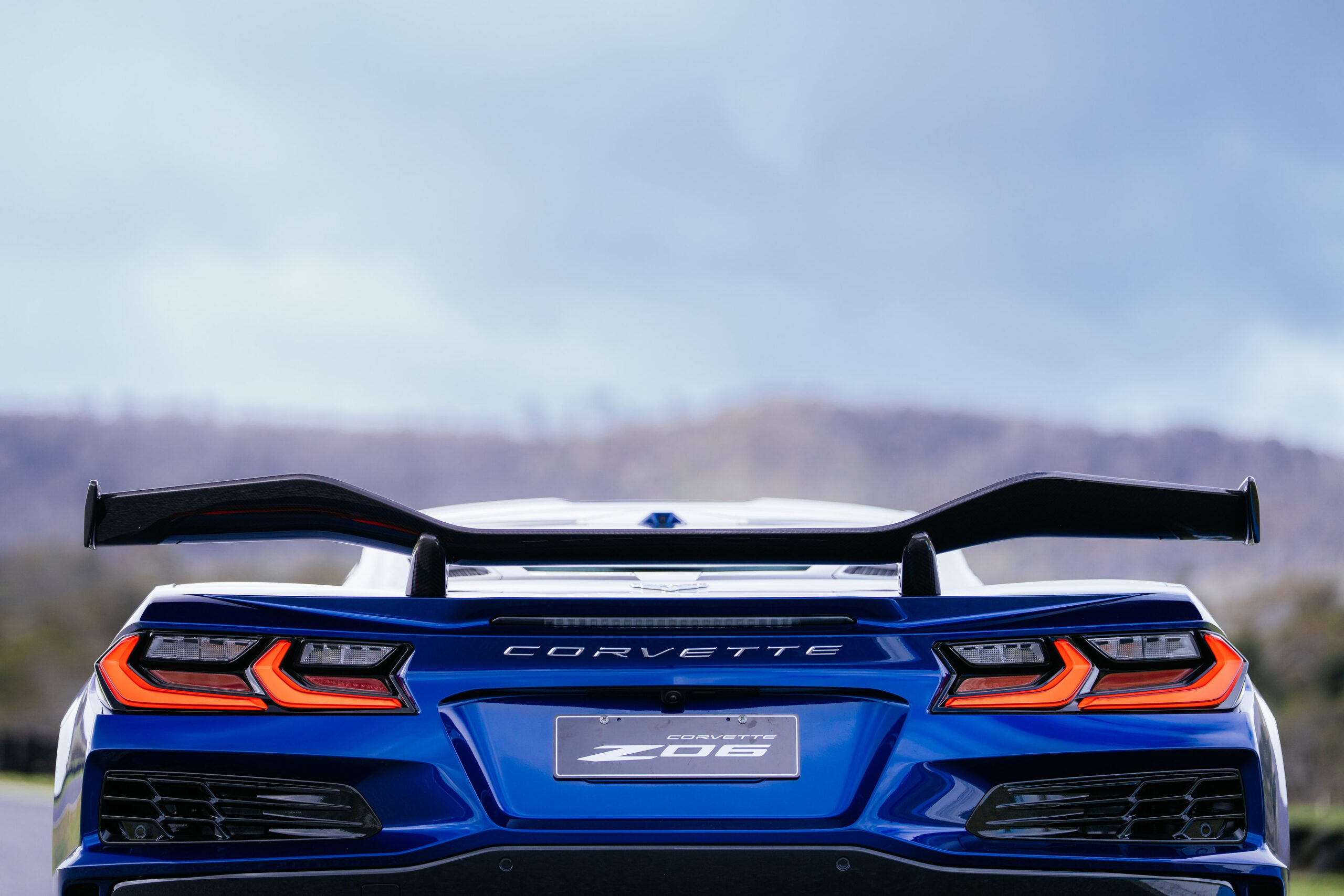
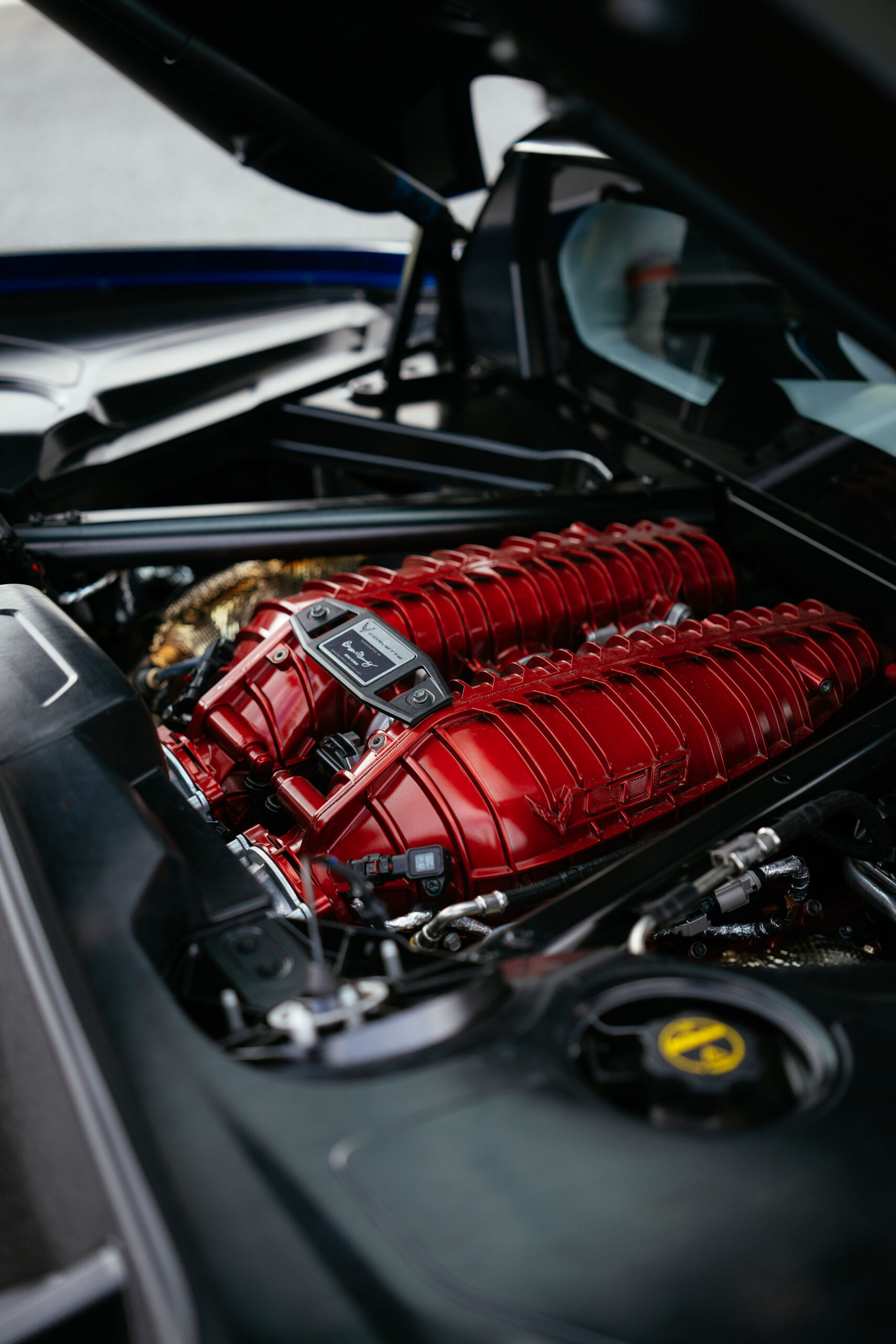
But if the E-Ray is a Stateside 911 Turbo, then the track-focused Z06 is a Ferrari with fries and a Coke. It uses a totally different 5.5-litre V8 with a flat-plane crank that can rev to 8600rpm and produces a smoother, more cultured soundtrack than your typical V8 rumble.
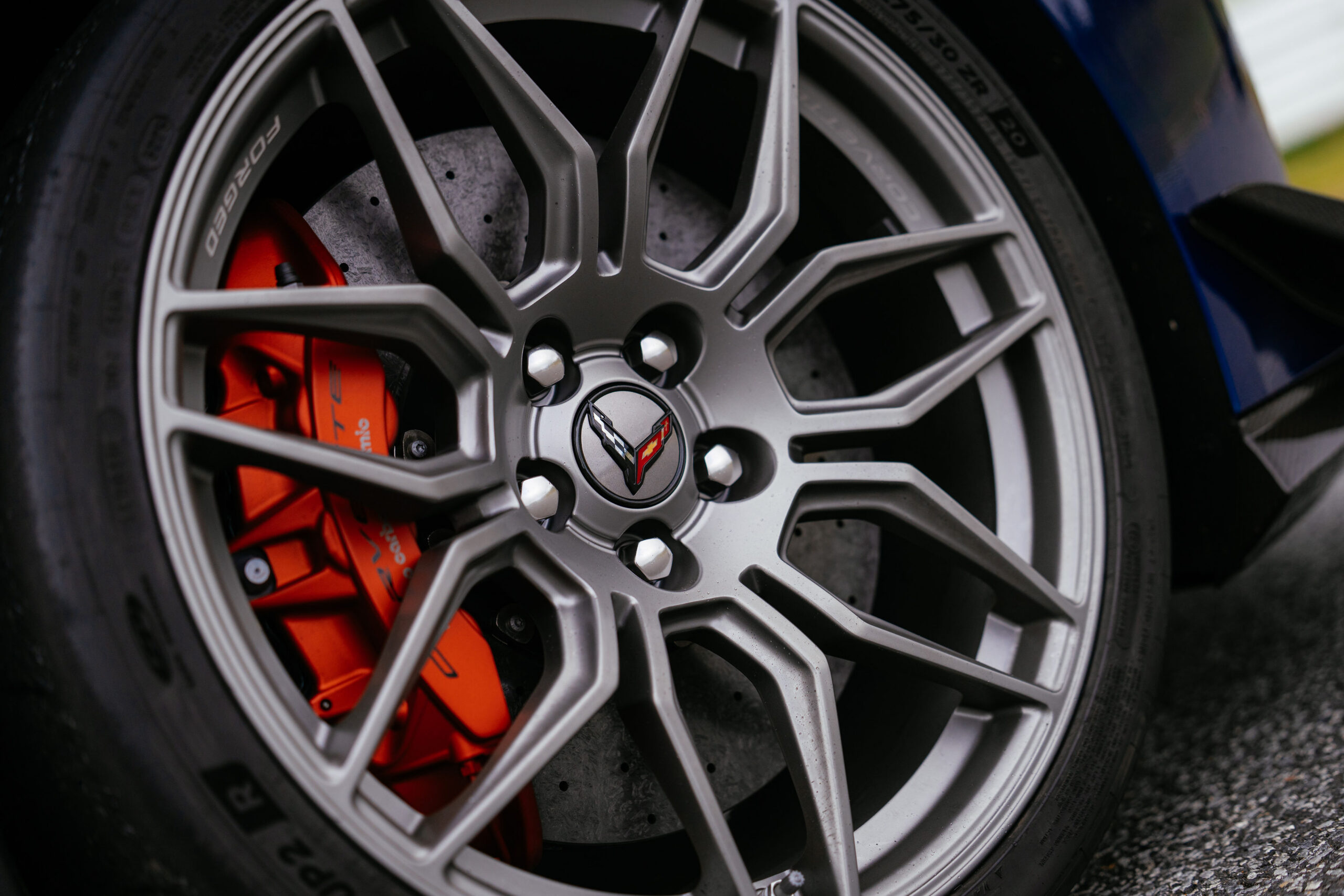
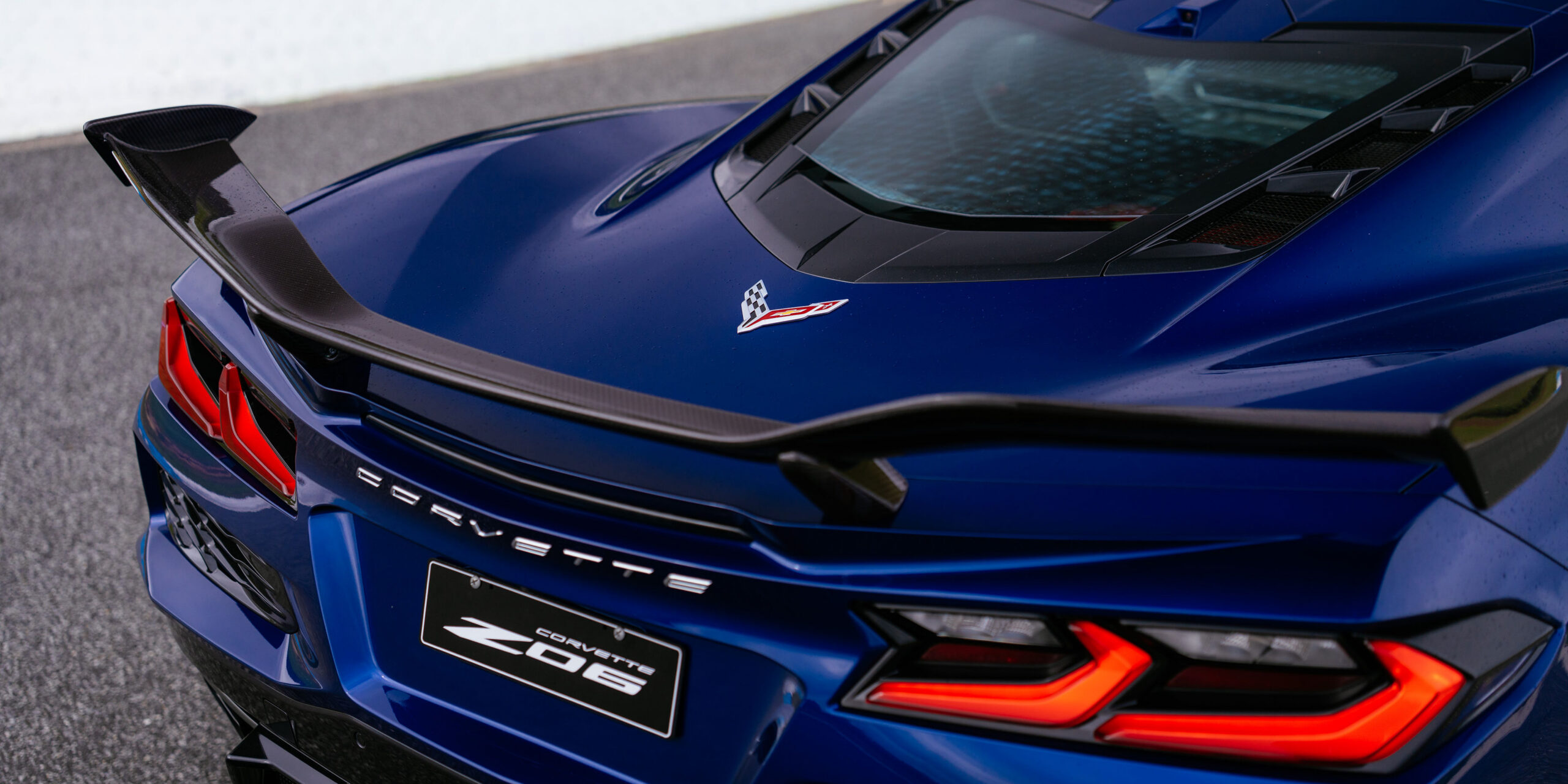
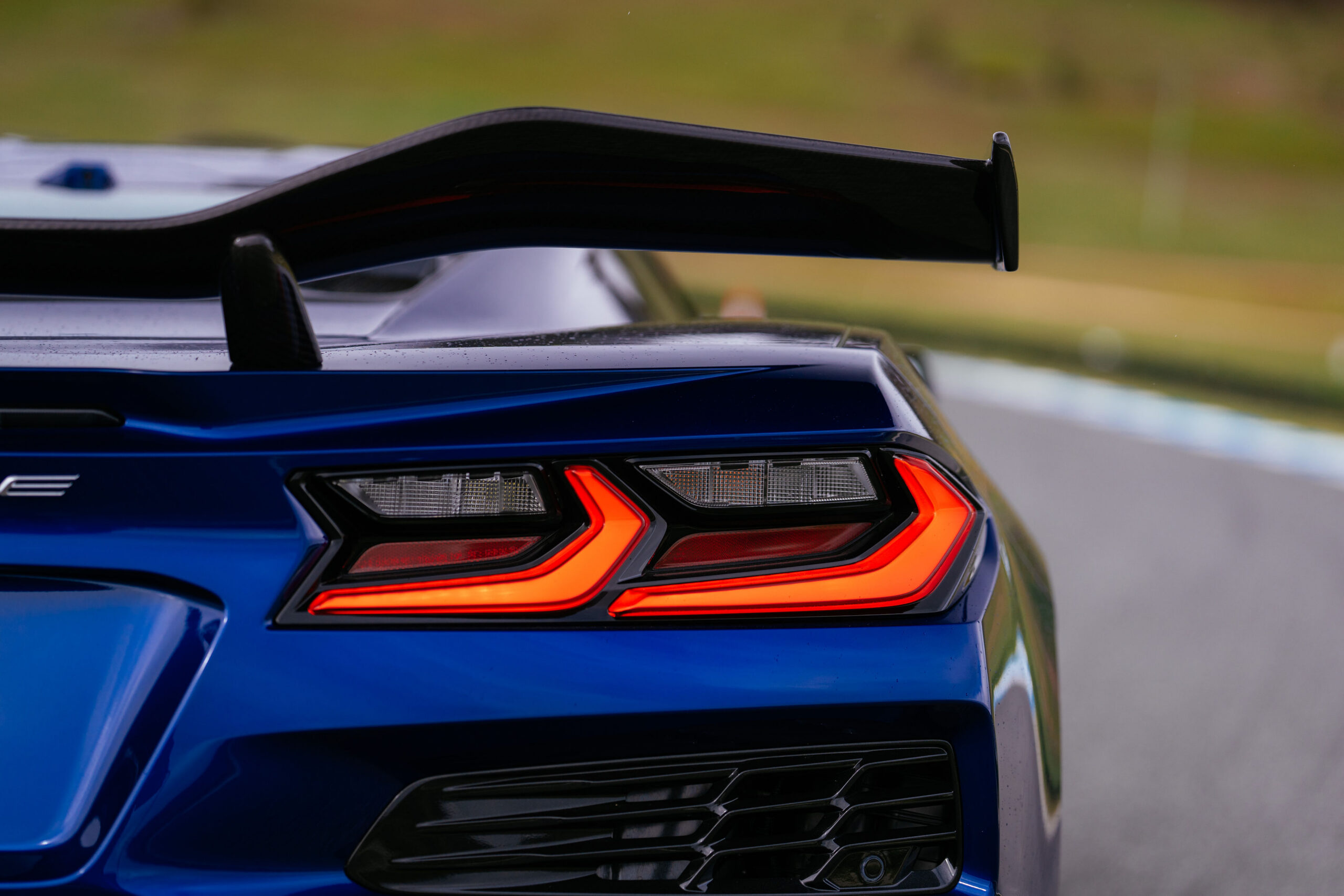
Combine this with a sharper chassis and the should-be-mandatory Z07 Package, that adds carbon brakes, a bespoke suspension tune, Michelin Pilot Sport Cup 2 R tyres and an aero kit that doubles the downforce, and you have a car that’s visceral, exciting and extremely potent.
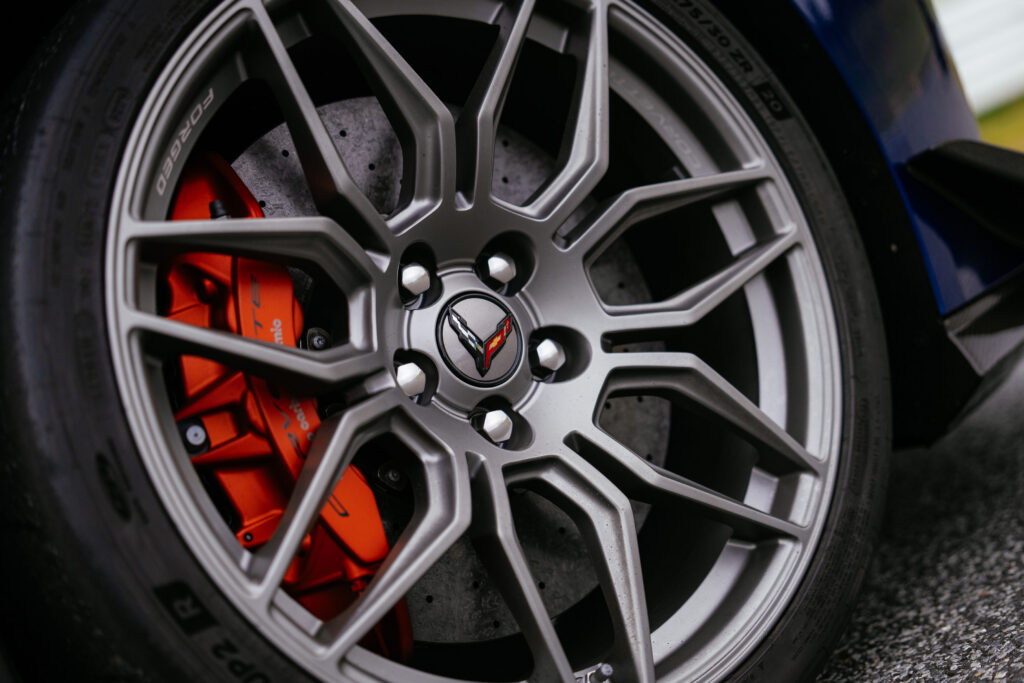
That Z07 Package is an eye-watering $50,000, which brings the total to a hefty $349,990 (+ORCs), but that’s also $100,000 less than a 911 GT3, partly thanks to a $37K haircut for MY27. Is the Porsche better? Perhaps, but if it is we’re talking fine margins.
Some people may lament the fact the front-engined Corvette is no more. To be honest, I’m one of them, as a front-engine, rear-drive coupe is my favourite sort of car. However, that layout had reached its ceiling in terms of performance potential; if Chevrolet wanted to go supercar-hunting, it needed to go mid-engined.
The C8 Stingray retains the everyday manners that Corvettes have become renowned for, but (finally) following Arkus-Duntov’s advice has allowed the likes of the E-Ray and Z06 to flourish.
But rumours persist that Chevrolet is planning an even crazier Corvette to farewell the C8 generation, a car that will sit above even the wild 932kW ZR1X. Its name? Zora. Fitting.
To buy Corvette head to RRAuctions.com.au