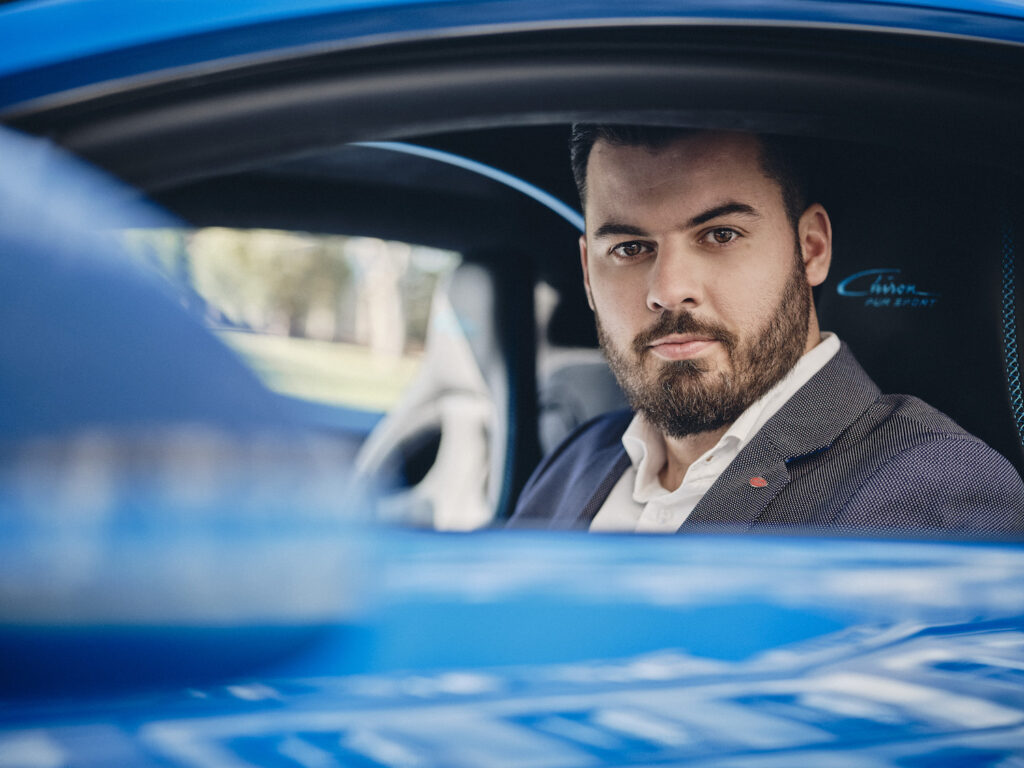

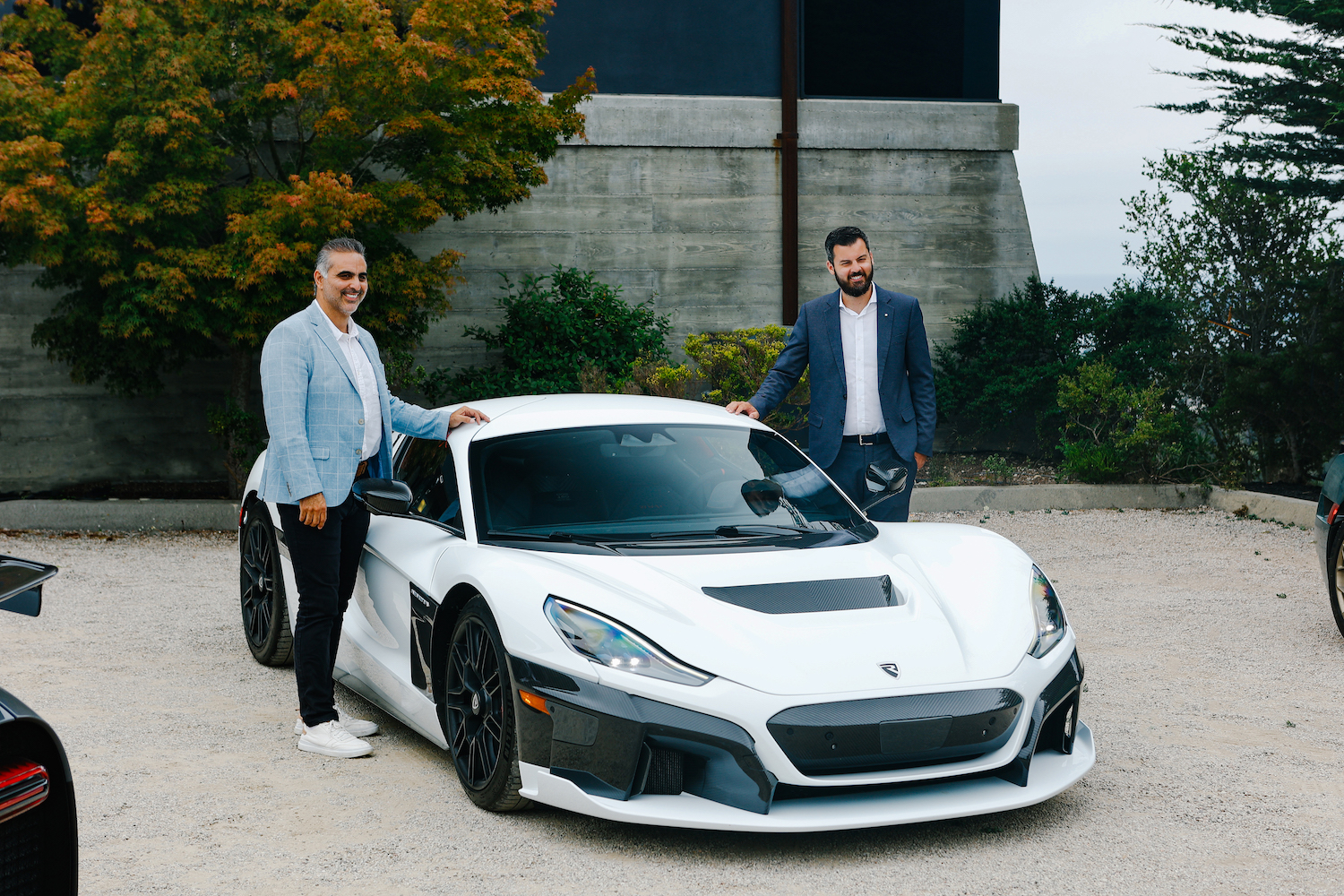
Mate Rimac might’ve worked his way up the auto industry ladder by building electric vehicles, but the performance EV pioneer believes the internal combustion engine is still the right way to go for high-end supercars and hypercars.
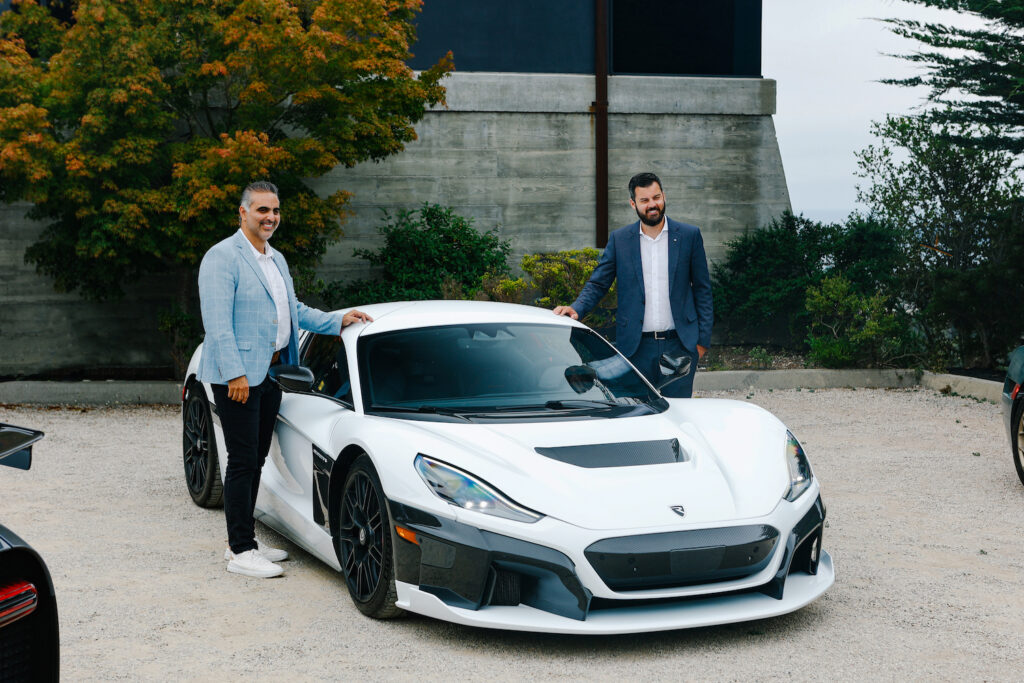
The 38-year-old is certainly the sort of person to heed the opinion of when it comes to such a matter. After converting an old E30 BMW to electric power in 2007, attention from the press and investors helped him launch the electric hypercar brand Rimac Automobili in Croatia in 2009.
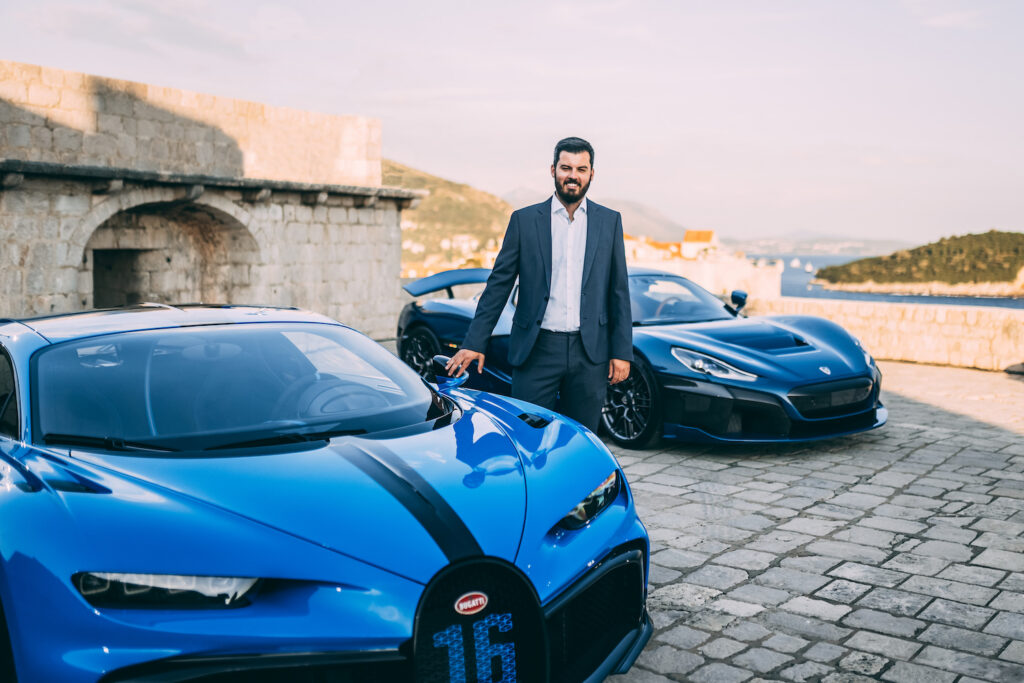
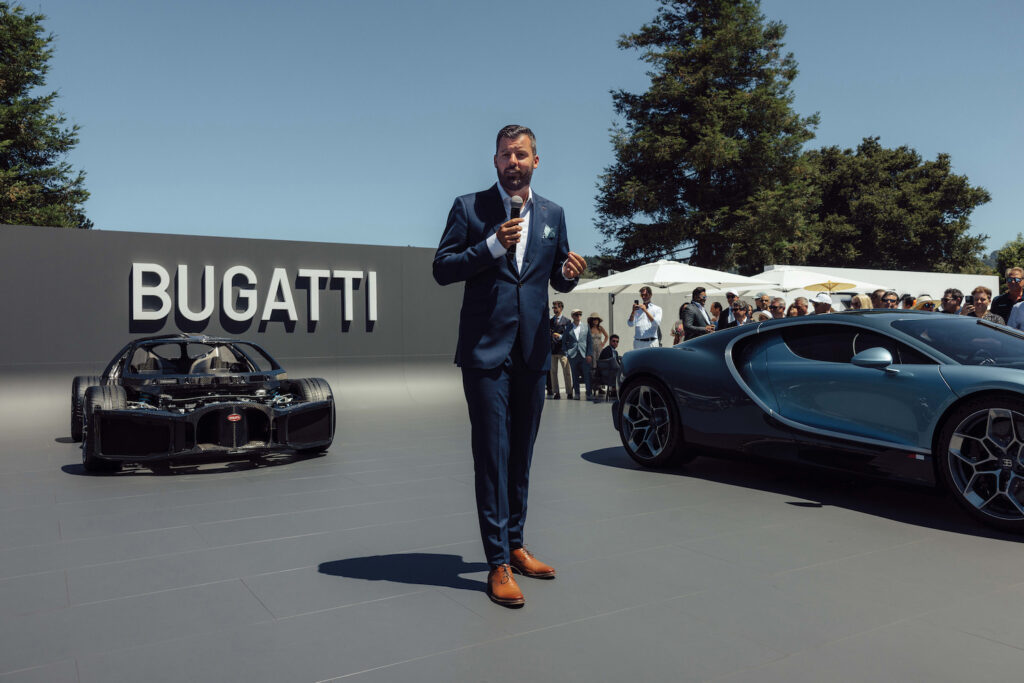
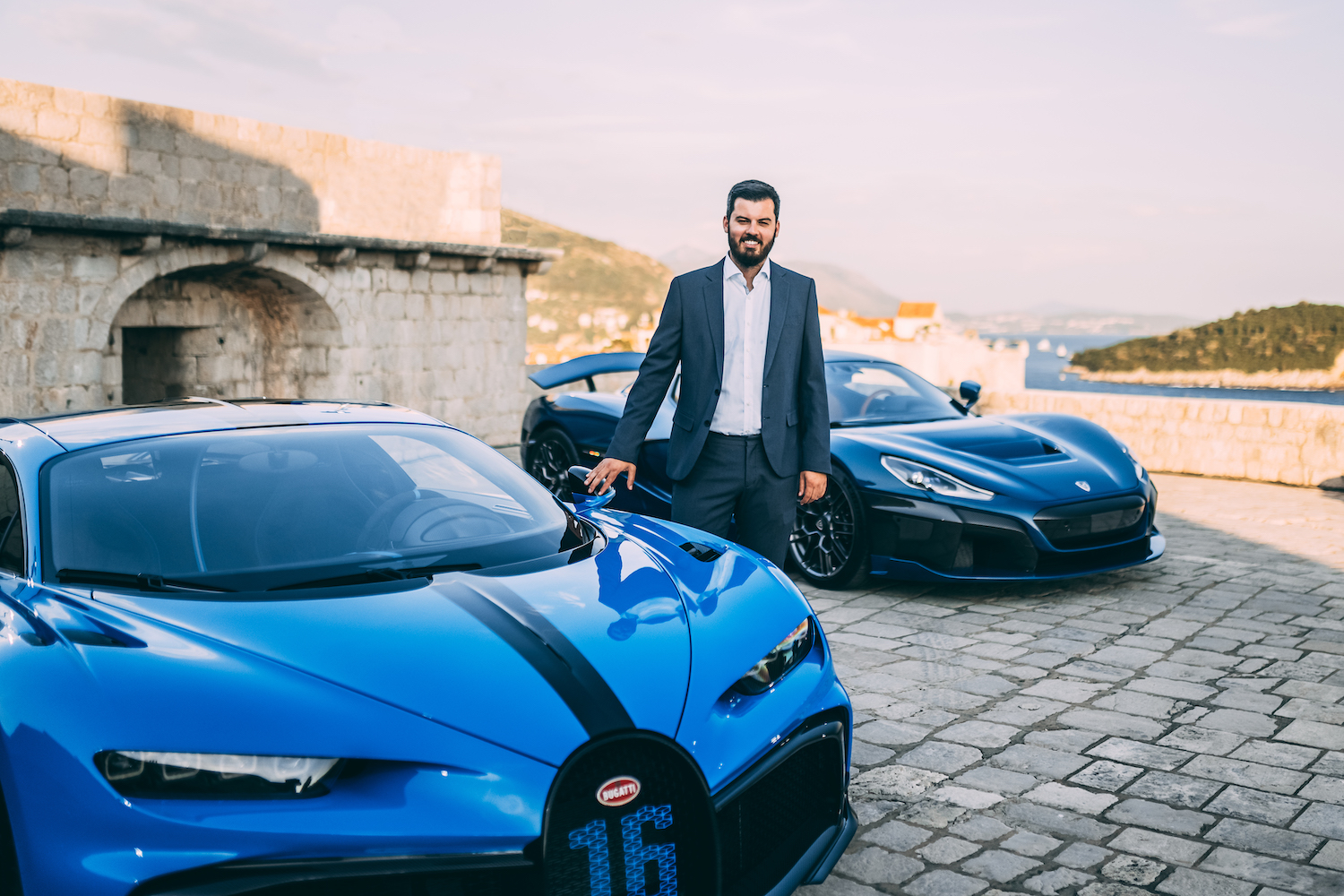
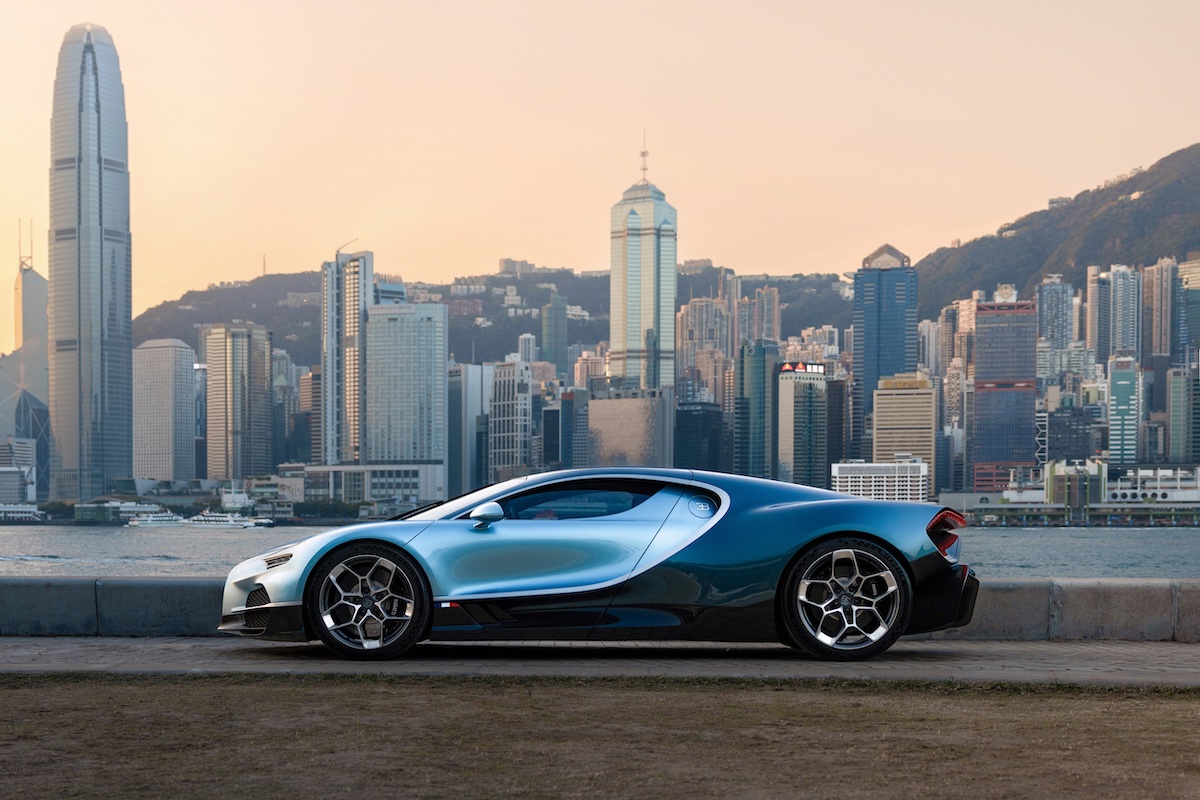
In late 2021, he went on to acquire Bugatti from the hands of Volkswagen Group in a joint venture with Porsche, with majority shareholder Rimac also serving as CEO.
It’s through this transition from his EV startup to running one of the most historic brands in the automotive world from which his opinion on how petrol power fits into the industry’s future has been shaped.
“It’s a really interesting question that each car company now needs to answer for itself, because it;s a transition period from combustion to electric, right?” Rimac explained in an interview with Canadian news outlet CNBC.
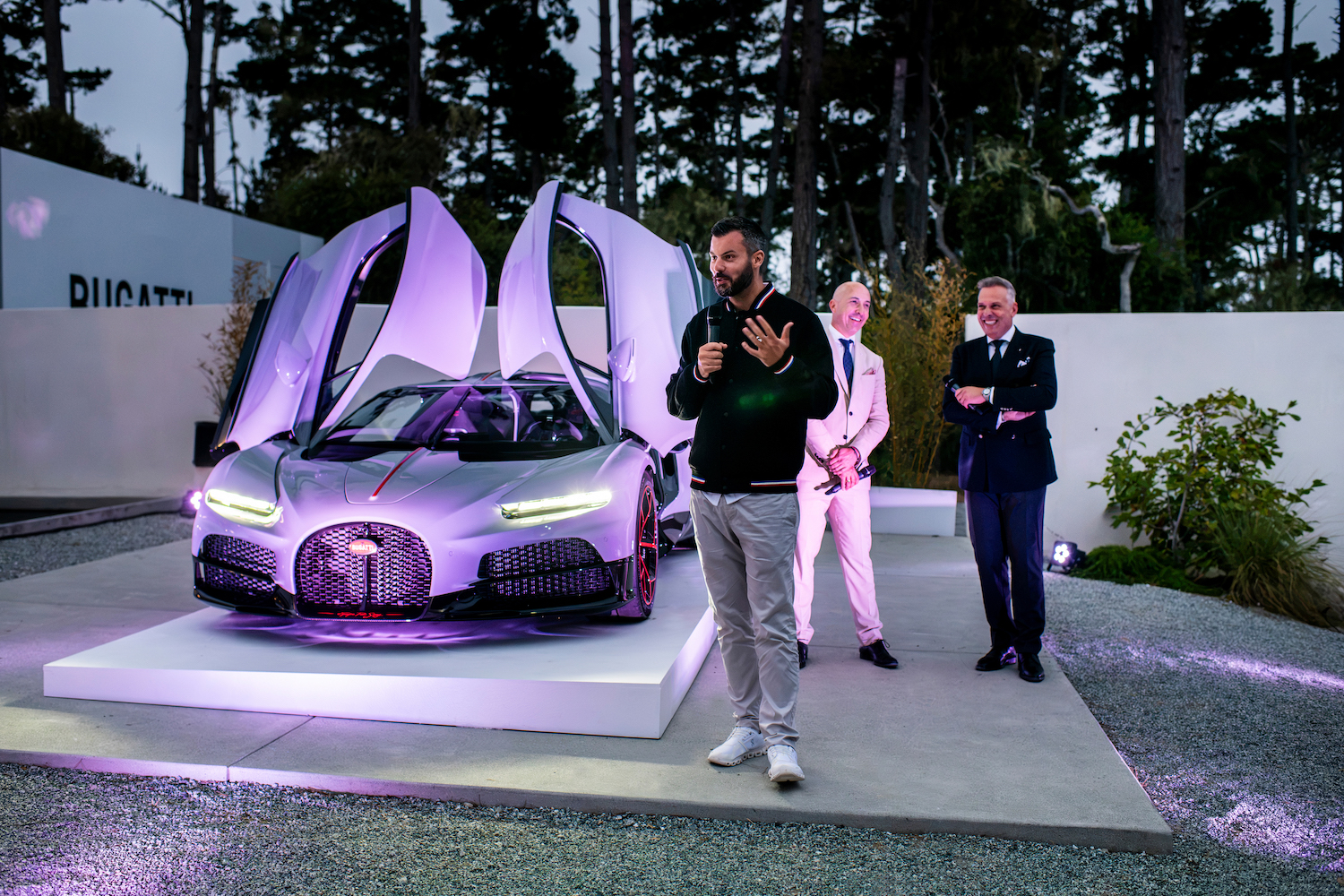
“I came from making electric cars all my life, and I was given the mandate from Volkswagen and Porsche – you go now and make an electric Bugatti.
“I had an electric hypercar with 2000hp, with four electric motors, lots of space and so on; the easiest thing in the world was to make that car a Bugatti.
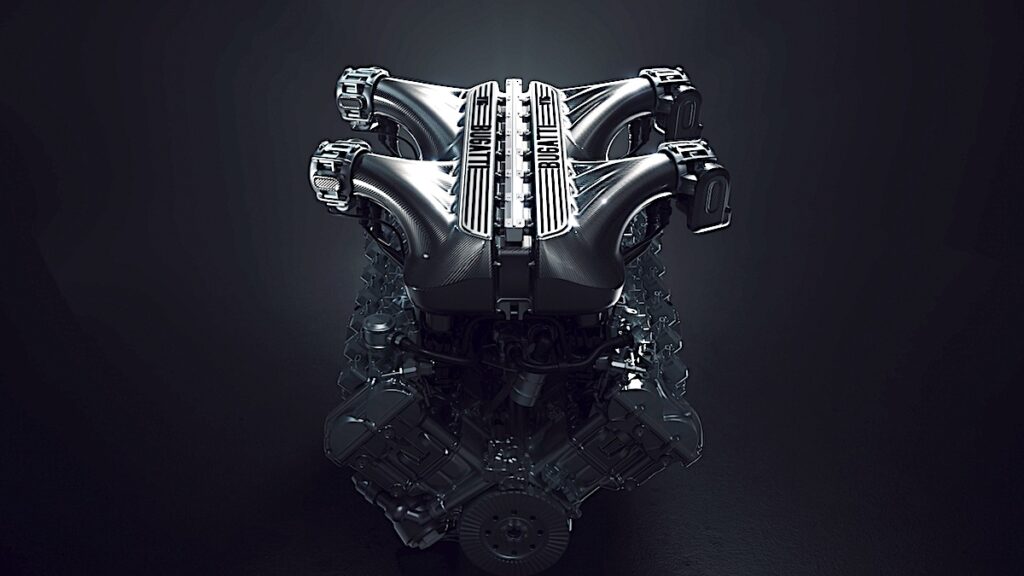
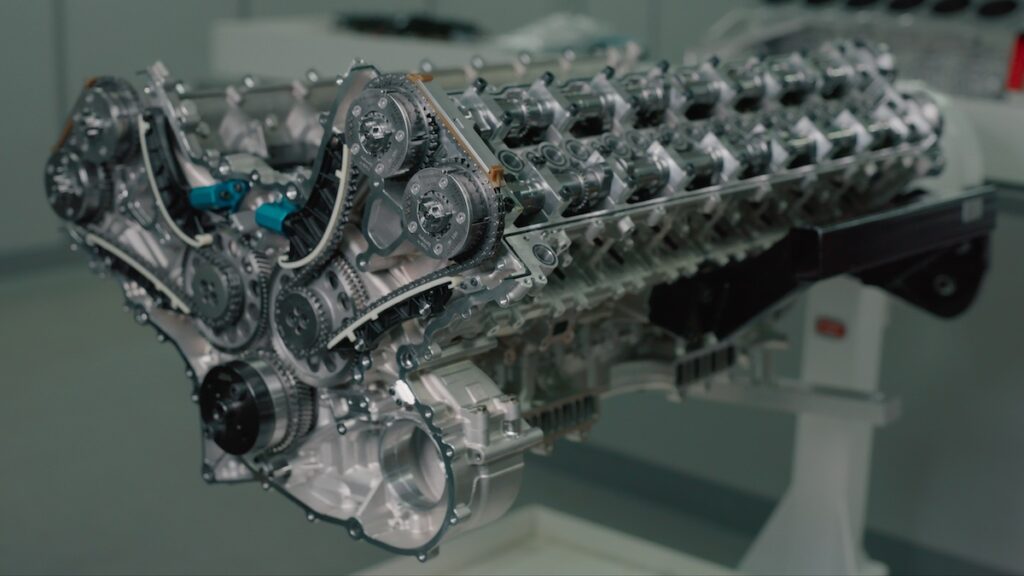
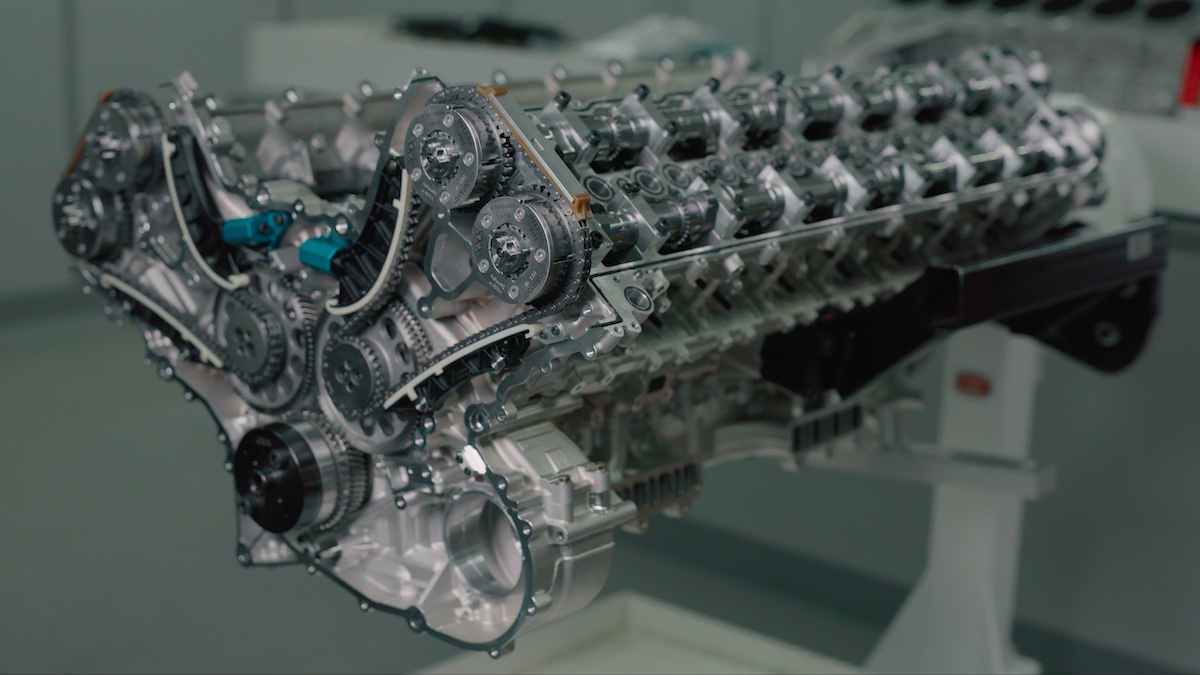
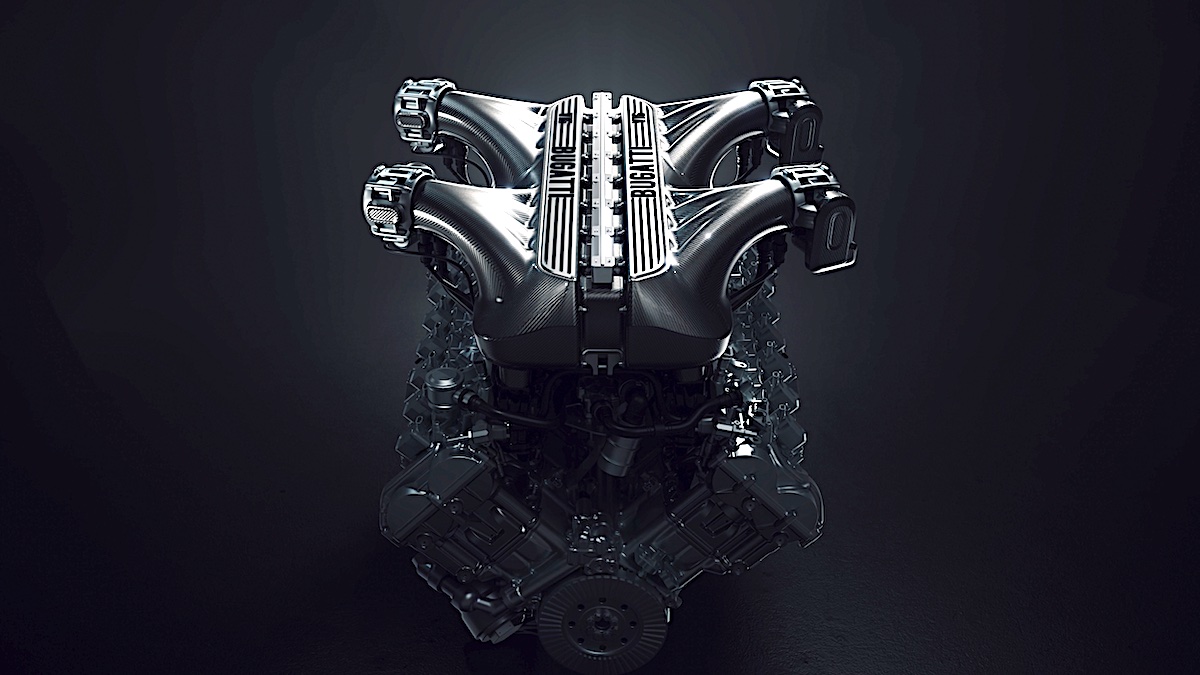
“But I decided to go the hard way and fight against my shareholders and say – no, that is the wrong way, the right thing is to make combustion engine, a new combustion engine, the wildest combustion engine ever like a naturally aspirated V16, not to go digital in interior, but to go analog.”
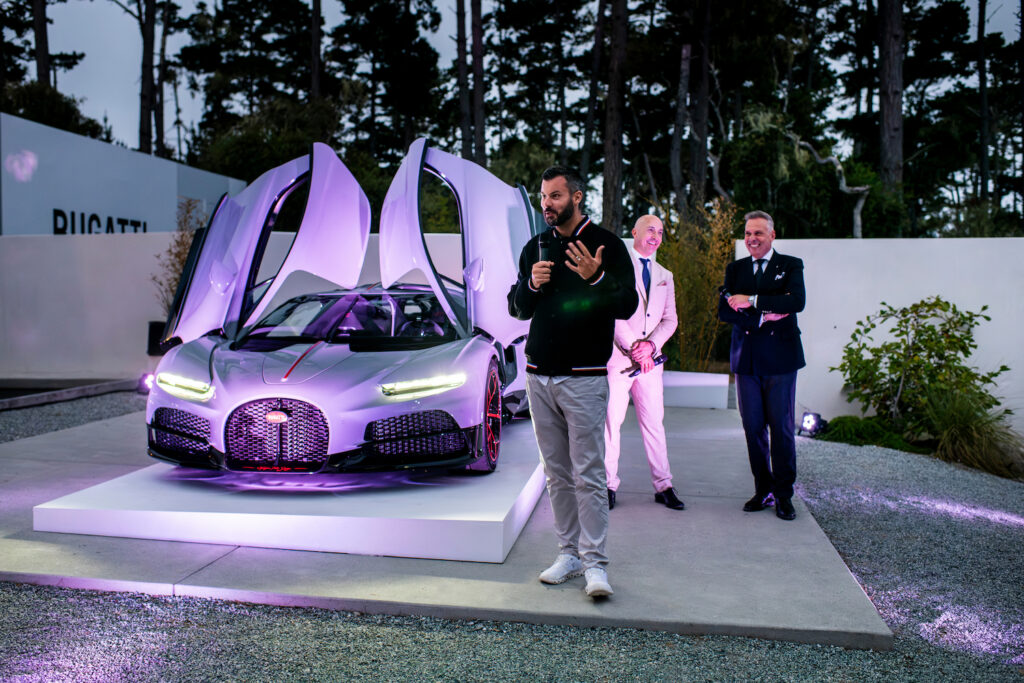
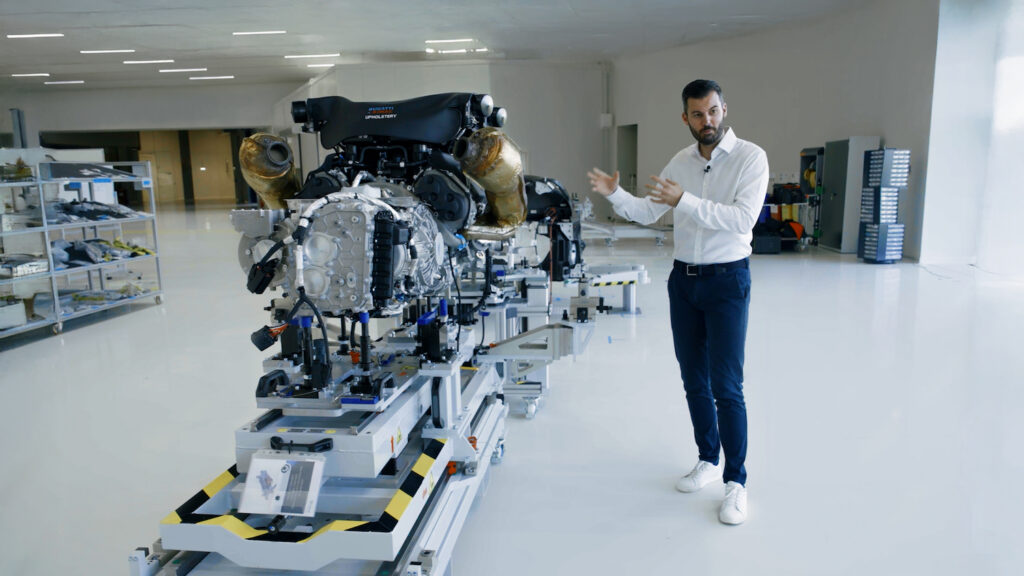
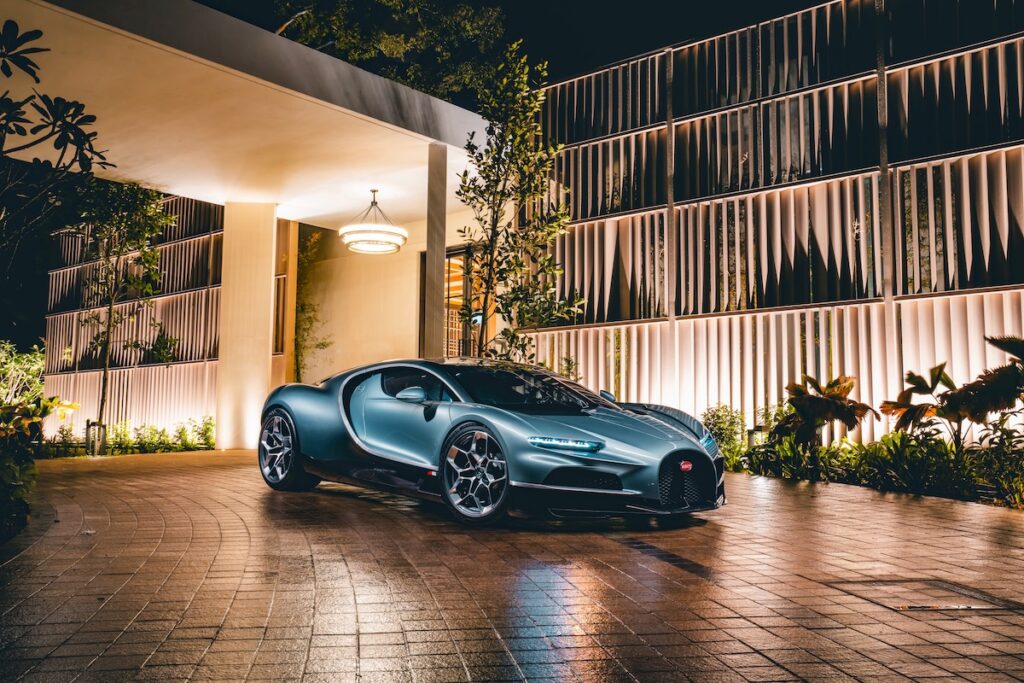
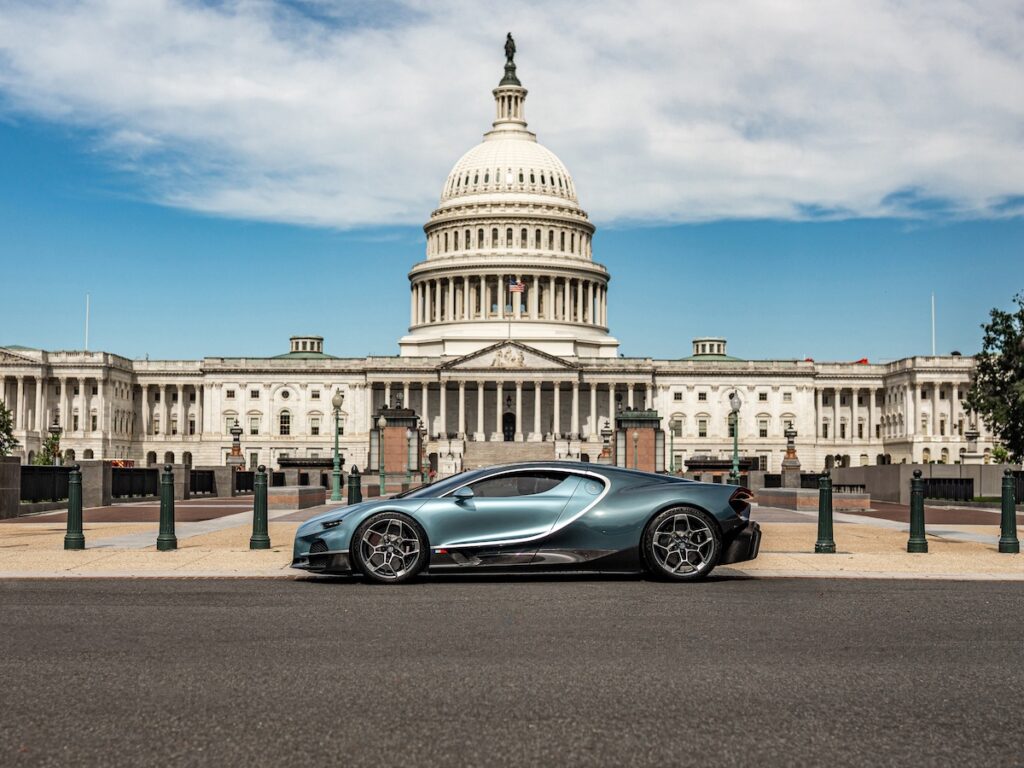
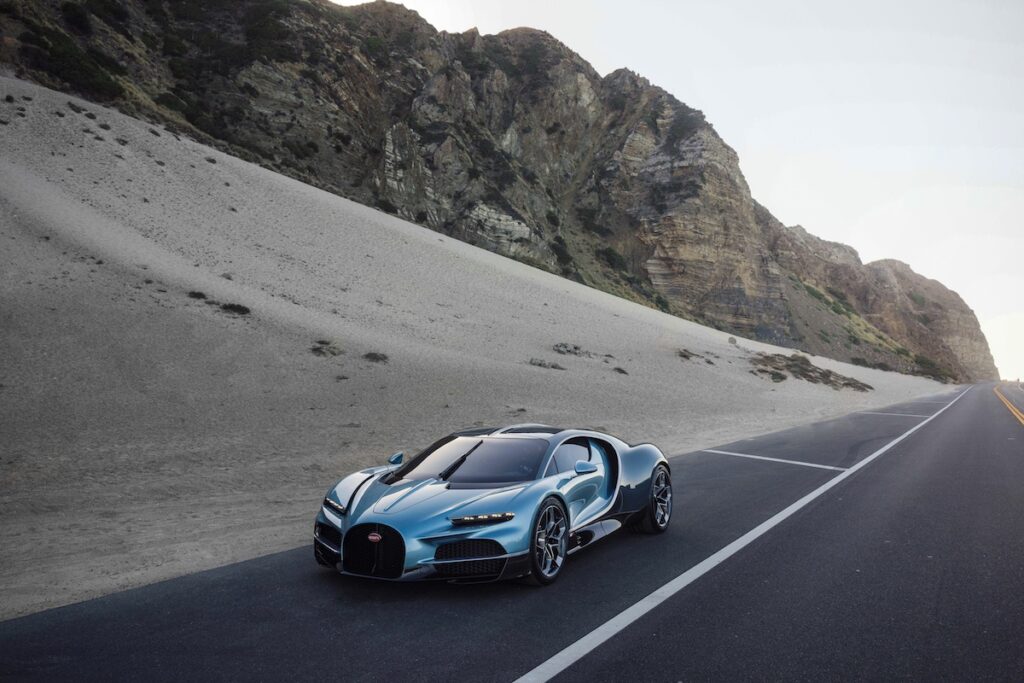
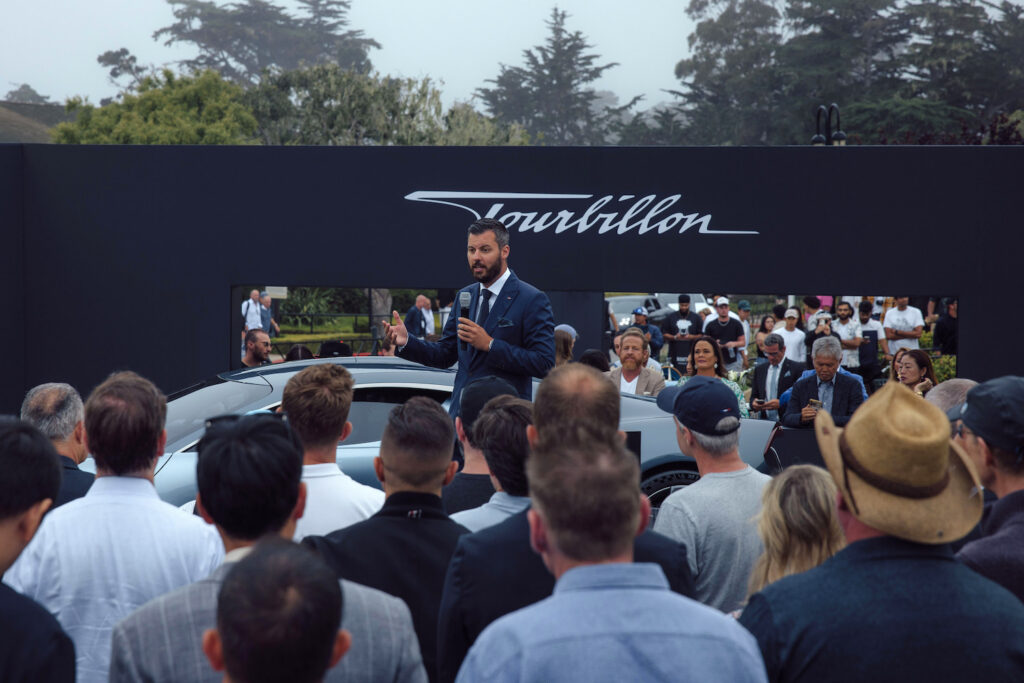
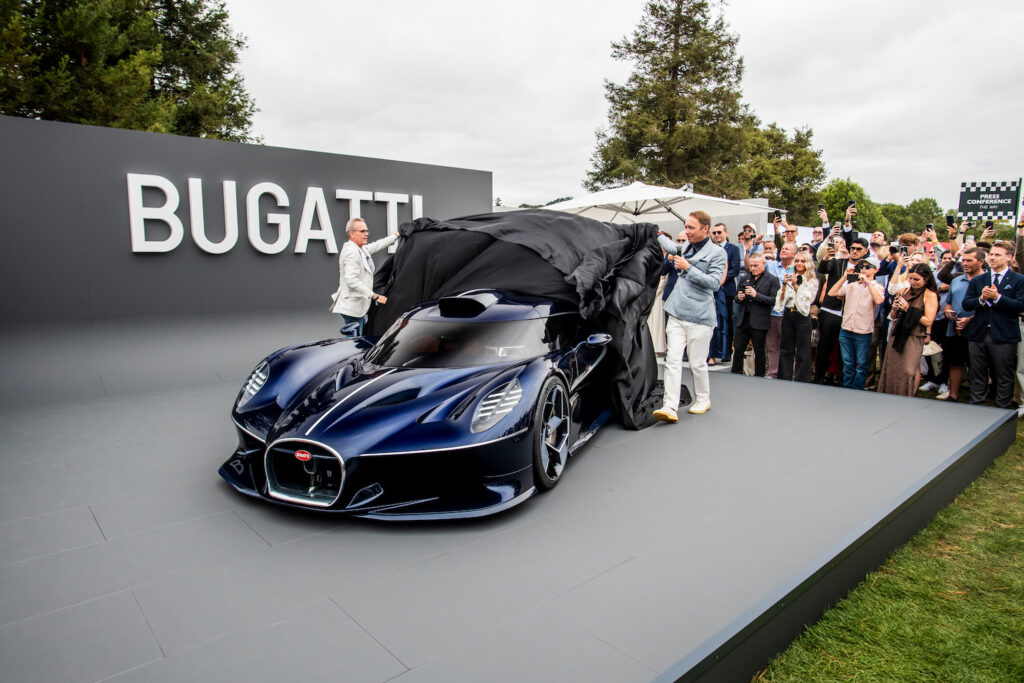
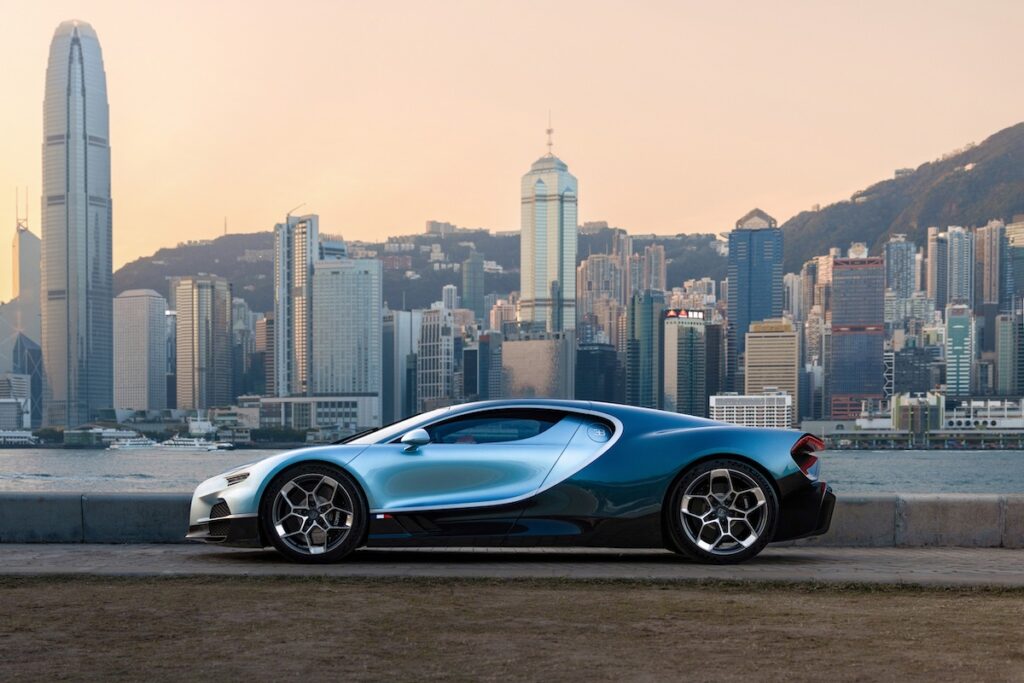
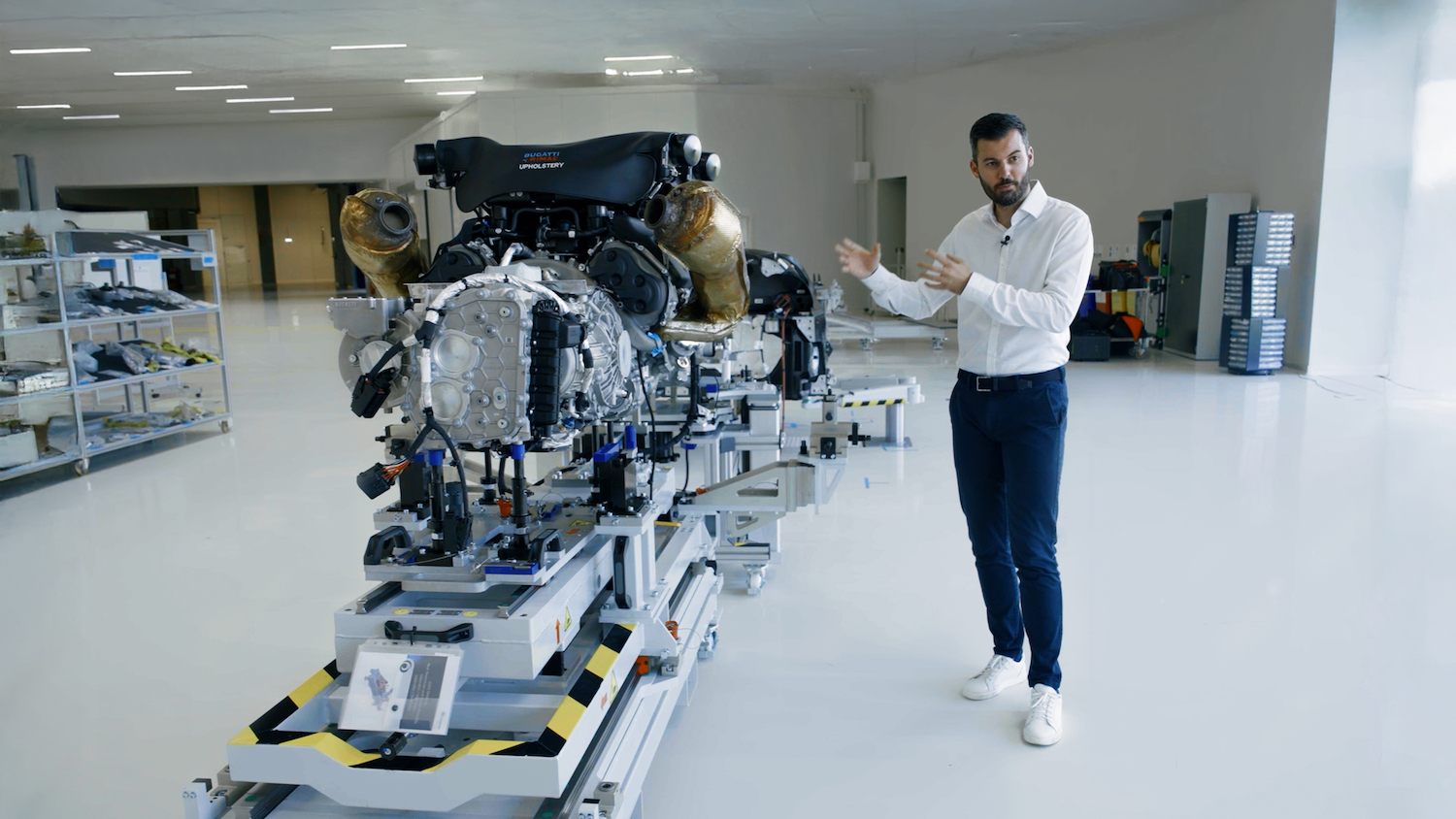
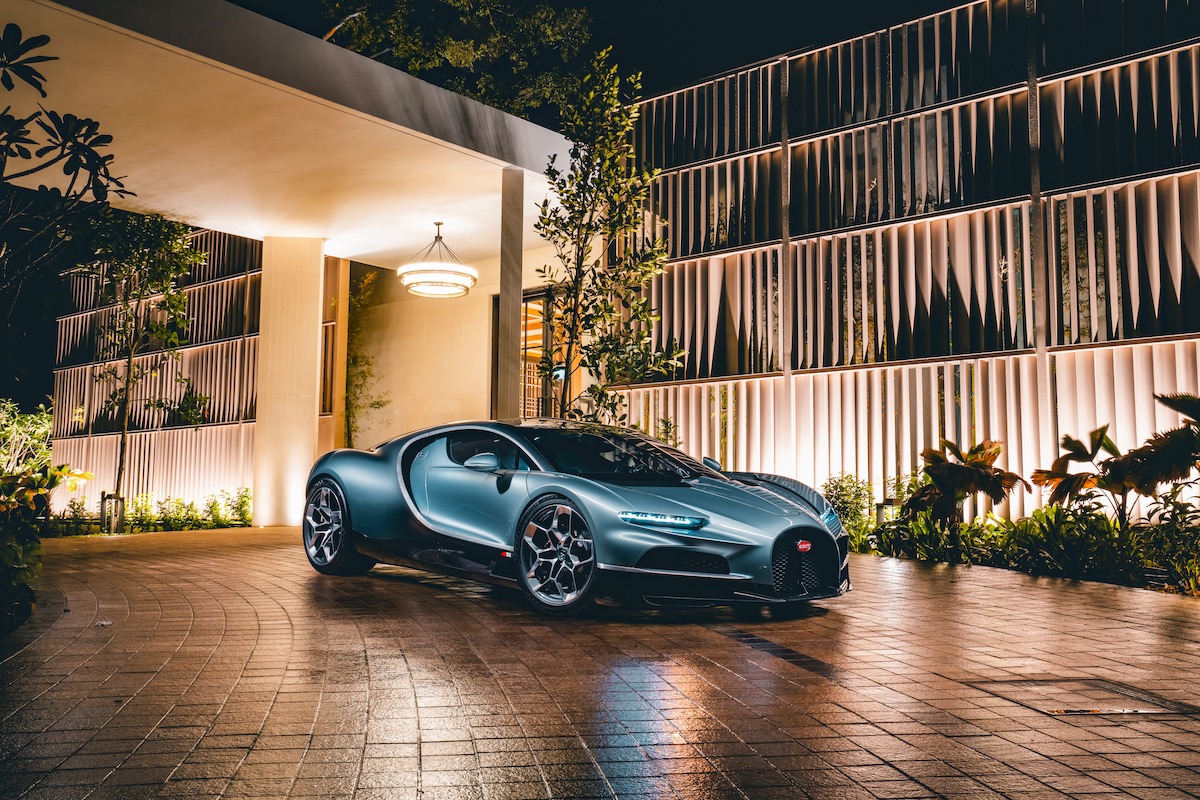
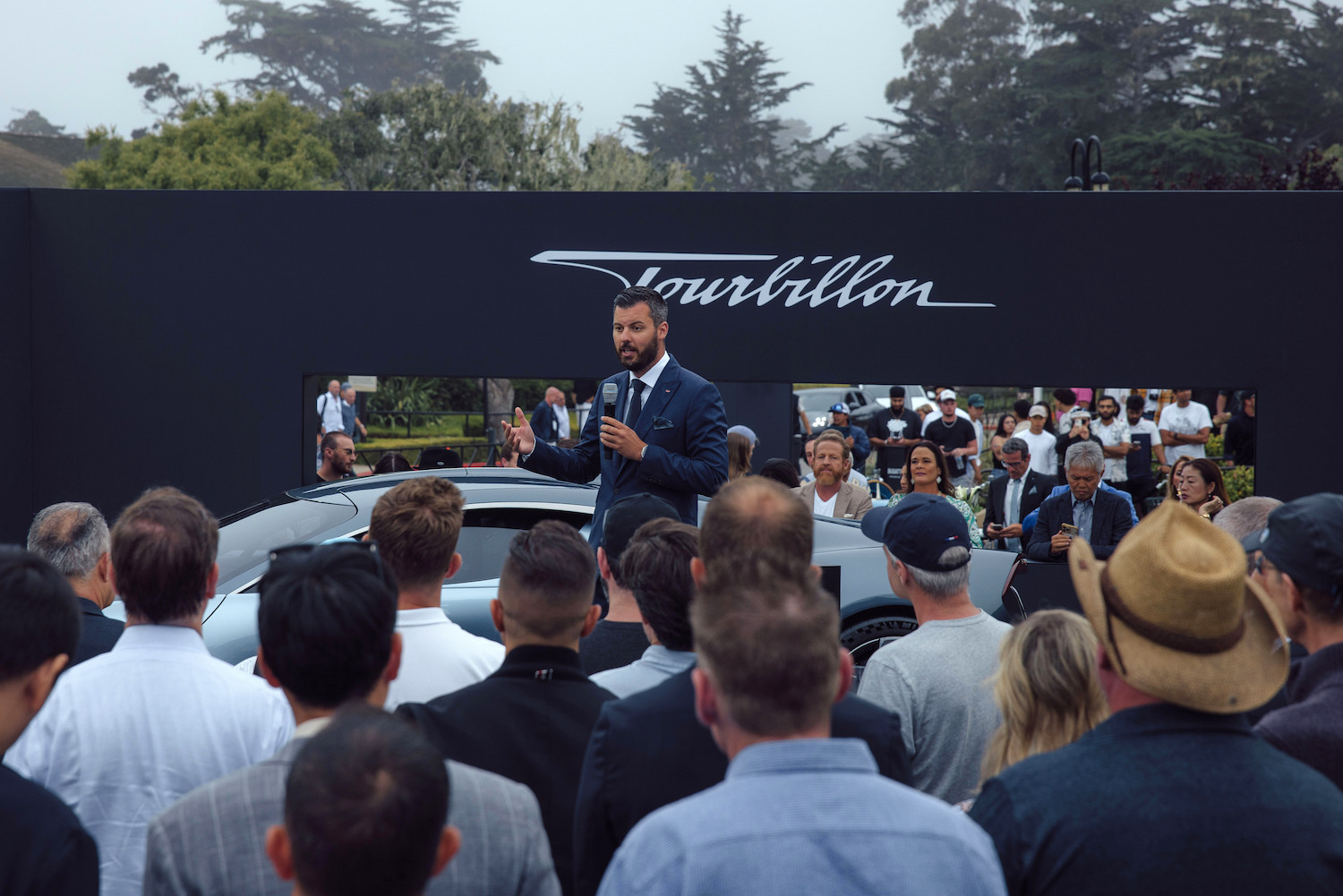
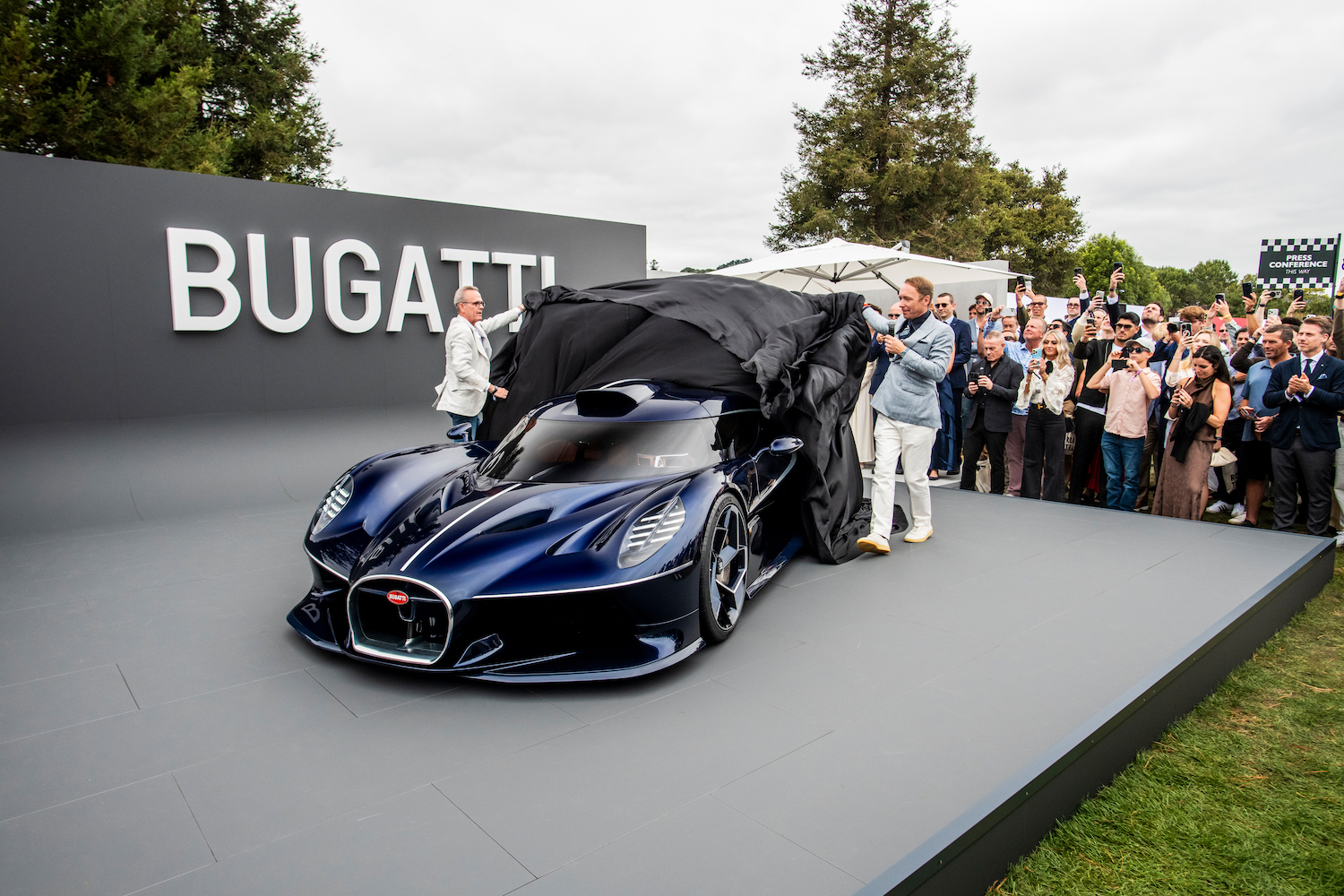
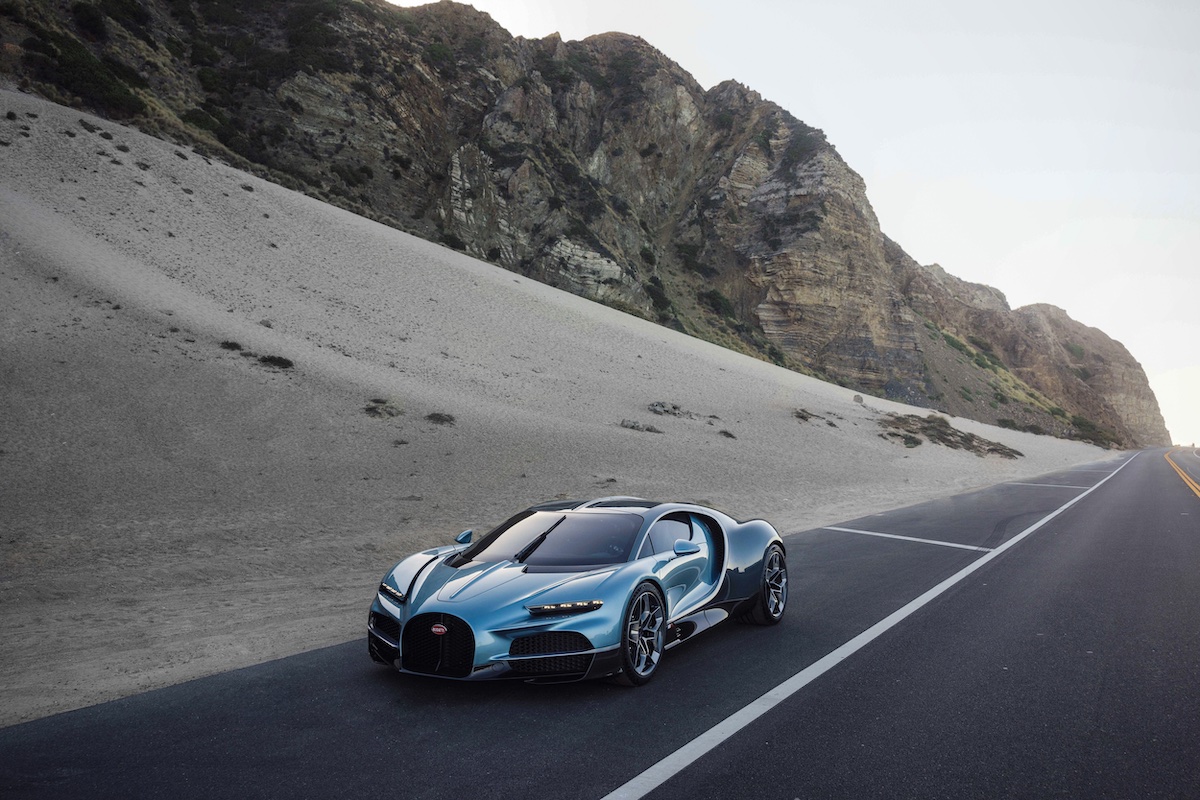
Ultimately, that is precisely what Mate Rimac did, teaming up with legendary engine builders Cosworth to create a unique V16 engine for the upcoming Tourbillon hypercar – but it wasn’t until he revealed the final product that he was sure of making the right decision.
“I had no idea if I was doing the right thing. You don’t know until you expose the car, show it to customers, and you either get punched in the face or you get success,” Rimac admits.
“I think it’s because we are really focused on the product. Product is number one. I don’t care about politics, about organisations, about shareholder – it all comes as a consequence of having a great product.
“I’m a product guy; I love cars.”
As a result of taking a punt on sticking to the desires of car people, like himself, Rimac explains that he has his own view on the direction of electric and petrol power. He sees the future of the auto industry mirroring the divergence in the watch industry between smartwatches and mechanical timepieces.
“I’m convinced that normal cars, normal people – vast majority will be electric,” he explains.
“Then, the upper segment, sports cars and upwards, I don’t think so. I think it’s going to stay combustion [engine] for a very long time.
“Exactly like watches. You know, only around five percent of watches are made in Switzerland, but that’s where 90 percent of profits are made.
“An Apple Watch or any kind of smartwatch can do so many more things. It can count your steps, your heart rate, your sleep, whatever.
“But no one will pay $200,000 for it despite doing many things better than any analogue watch could ever do. But the customers don’t care about it – and I think that’s what I realised first, or maybe one of the first, because I did the electric sports cars and that’s why I made the decision six years ago to make a new combustion engine.
“That’s where I think, unless regulators make it impossible, where the market will go.”
Rimac is well aware of the irony of him being the one to make this claim so loudly. One of his companies – Rimac Technologies, a spin-off of Rimac Automobili – is a Tier 1 supplier of EV components to other manufacturers.
“I think I also made a lot of other car brands go in that direction, and helped them with our technology,” Rimac says.
“It’s kind of ironic that I’m now making the world’s biggest combustion engine.”