
Nobody is seriously arguing that cigarette advertising should return to Australian motorsport. But when a 40-year-old race car can no longer appear as it actually raced, have we crossed the line from regulating advertising to rewriting history? There are certain racing cars you recognise before you even recognise the car. Black and gold? John Player Special. Red and white? Marlboro. Blue and white? Rothmans.
For better or worse, tobacco money became woven into the visual history of international motorsport. Formula One, touring cars, rallying, motorcycles and Australian touring car racing were covered in it.Nobody needs reminding today why tobacco advertising disappeared. Smoking kills, the advertising restrictions exist for very good public-health reasons, and nobody sensible is campaigning to put cigarette companies back on the side of modern race cars. But Australia has now stumbled into a rather different question.
What happens when the advertising isn’t advertising anymore — it’s history?
Motorsport Australia recently updated Schedule K of its regulations to reflect the Public Health (Tobacco and Other Products) Act 2023. The revised rules state that tobacco promotion is prohibited, including on Category 5 historic competition cars, and that liveries which promote or are likely to promote a regulated tobacco product must be removed or covered. Now suddenly some of Australia’s most recognisable pieces of motorsport history have a problem.
The controversy erupted at Muscle Car Masters
The issue burst into public view at the recent Muscle Car Masters meeting at Sydney Motorsport Park.
Historic cars carrying period-inspired cigarette sponsorship were forced to cover elements of their liveries. More remarkably, Fox Sports elected not to show one Touring Car Masters race live, with viewers instead receiving a replay and a message saying the race couldn’t be shown for legal reasons.
Among the cars affected was David Towe’s John Player Special-liveried BMW E30 M3. Towe has subsequently launched a petition seeking an exemption for genuine historic motorsport liveries. Now this is where things become complicated. Because a restored historic racing car isn’t simply an old car painted in pretty colours. The livery is part of the object. Change it and, arguably, you’re changing history.
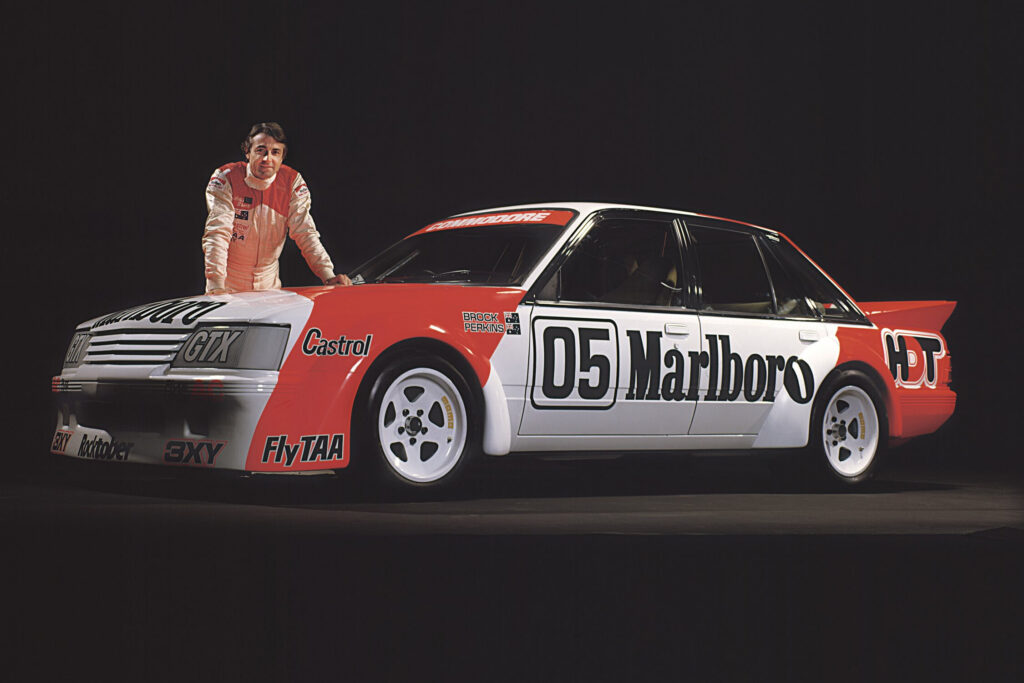
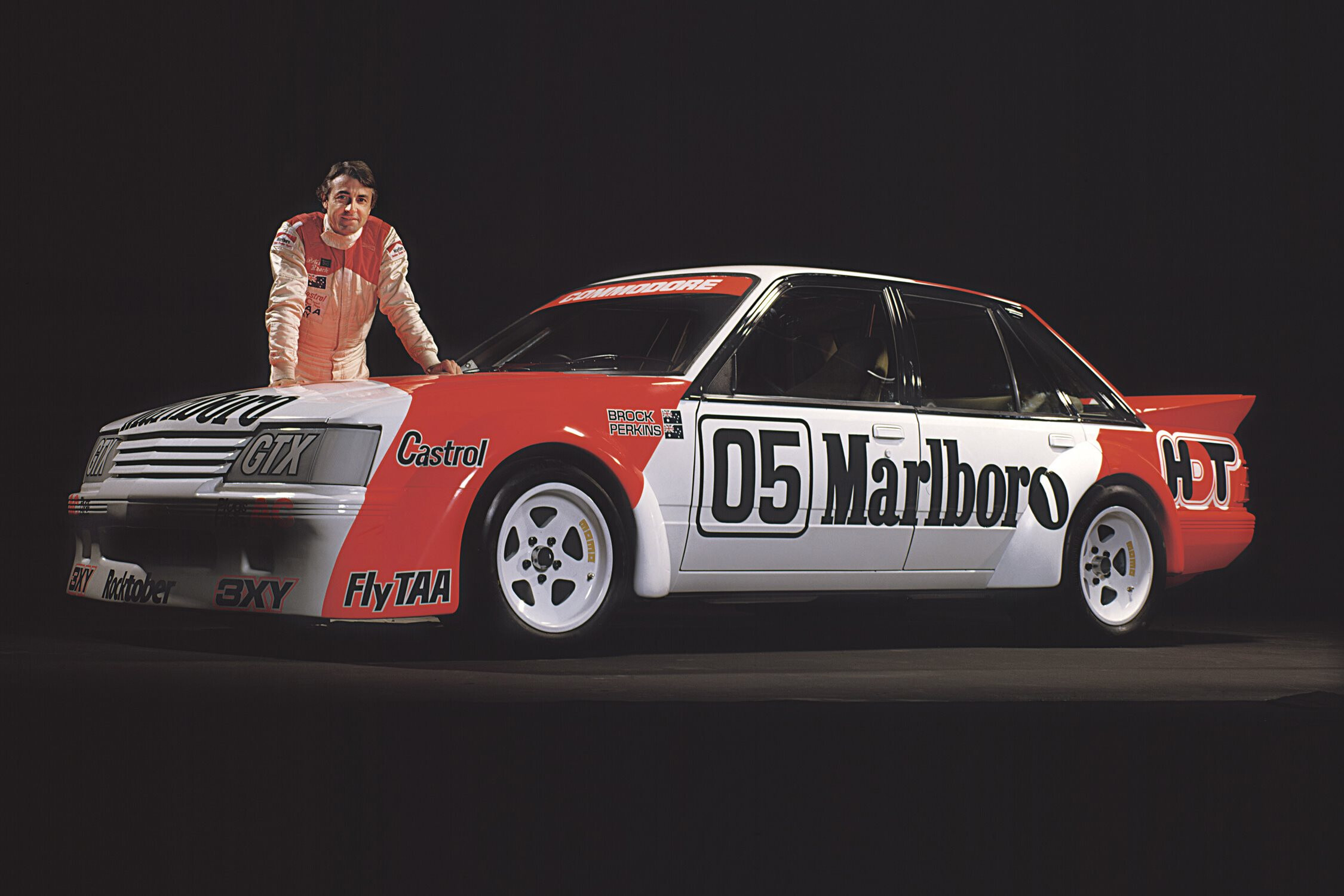
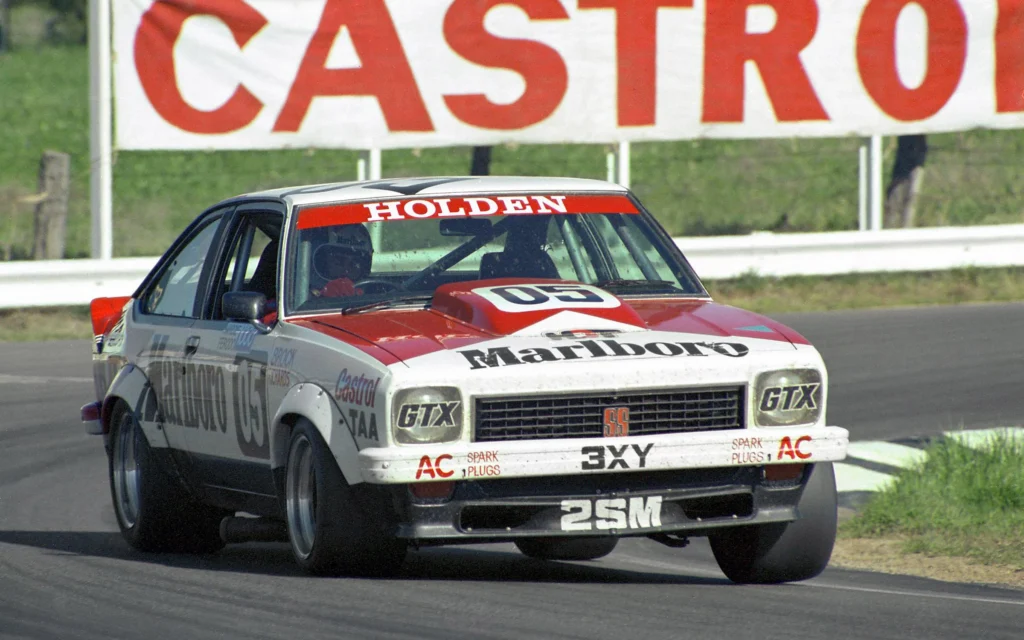
Imagine Brock’s cars without Marlboro
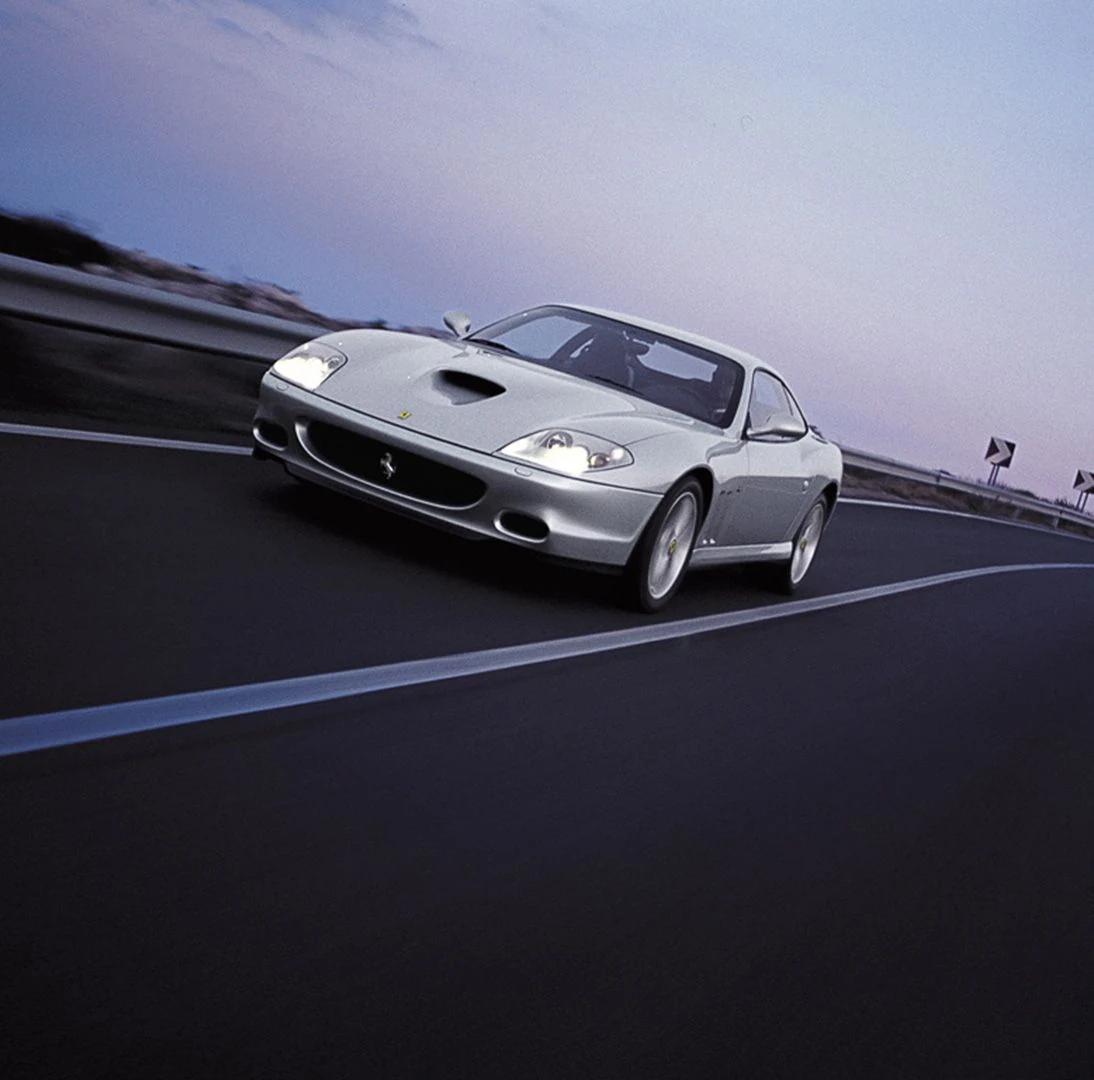
Australian motorsport provides perhaps the perfect example. For a generation of fans, Peter Brock’s Holden Dealer Team cars are inseparable from their famous red, white and black appearance. You don’t have to smoke Marlboro, or approve of tobacco advertising to understand that those graphics form part of the historical identity of the cars. The same applies internationally. Take the cigarette branding away from a BMW M3 and you’ve fundamentally altered one of the most recognisable liveries ever created. Erase Marlboro from a McLaren or Ferrari, Rothmans from a Porsche 956, Bastos from a BMW or Benson & Hedges from countless competition cars and they might still be mechanically authentic but visually they’re no longer the cars people remember.
That isn’t nostalgia for cigarettes.
It’s nostalgia for racing.
There is an important distinction
Tobacco companies spent enormous amounts of money linking their products to motorsport precisely because it worked. Academic research has documented how tobacco sponsorship used racing to build powerful brand associations, including attempts to retain those associations after direct advertising restrictions arrived. So regulators aren’t imagining the historic relationship between a race car and a cigarette brand. It was deliberate. But context matters. A tobacco company paying millions of dollars to put its logo on a contemporary racing car is advertising. A museum displaying the exact car that won a race 40 years ago is preserving an artefact, and somewhere between those two sits historic motorsport where museum pieces aren’t sitting silently beneath fluorescent lights. They’re being started, driven and raced and that’s precisely what makes historic motorsport so compelling.
You can hear them, Smell them, Watch them slide and see them exactly as they appeared when our favourite Aussie drivers like Brock, Johnson, Moffat, Richards and the rest of them were doing battle. Or at least, you used to.
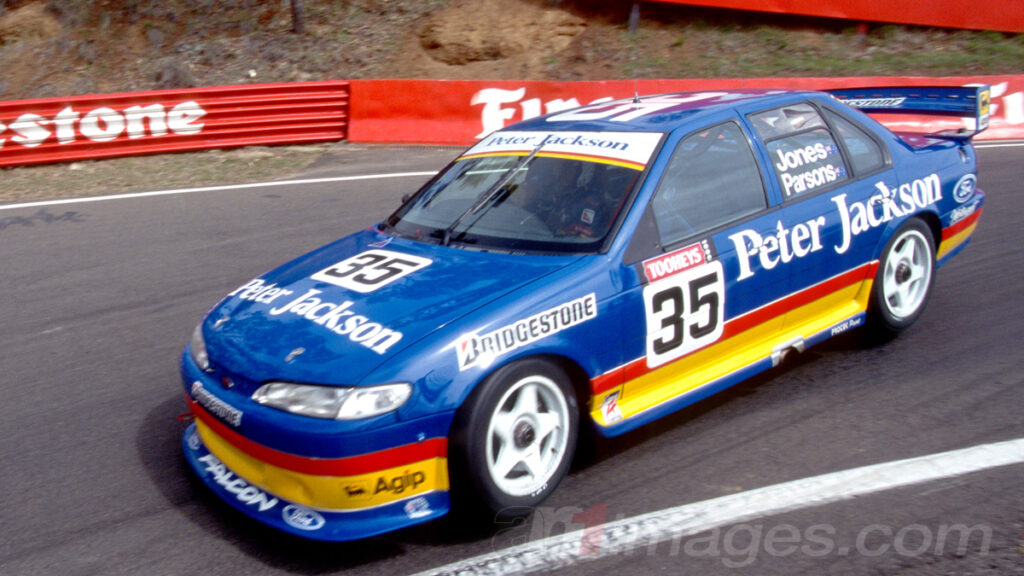
Motorsport history shouldn’t be sanitised
History isn’t an endorsement. Museums don’t remove swastikas from Second World War aircraft because displaying them might be interpreted as promoting Nazism. We understand the difference between documenting history and advocating for it. Historic motorsport deserves similar context. Nobody walking past a restored 1980s touring car reasonably believes Marlboro has suddenly returned as its major sponsor. The cigarette company didn’t pay for the sticker. The car isn’t competing for contemporary tobacco marketing dollars, it’s wearing the clothes it wore when history happened so there should surely be a regulatory framework capable of recognising that distinction.
Perhaps that means exemptions limited to verified historic vehicles. Perhaps replicas require additional rules. Perhaps broadcasters need an explicit historical-use exemption.Those are reasonable conversations to have. But simply covering the logos with tape is the automotive equivalent of putting a black rectangle over part of an old photograph. Technically compliant, perhaps. Historically absurd.
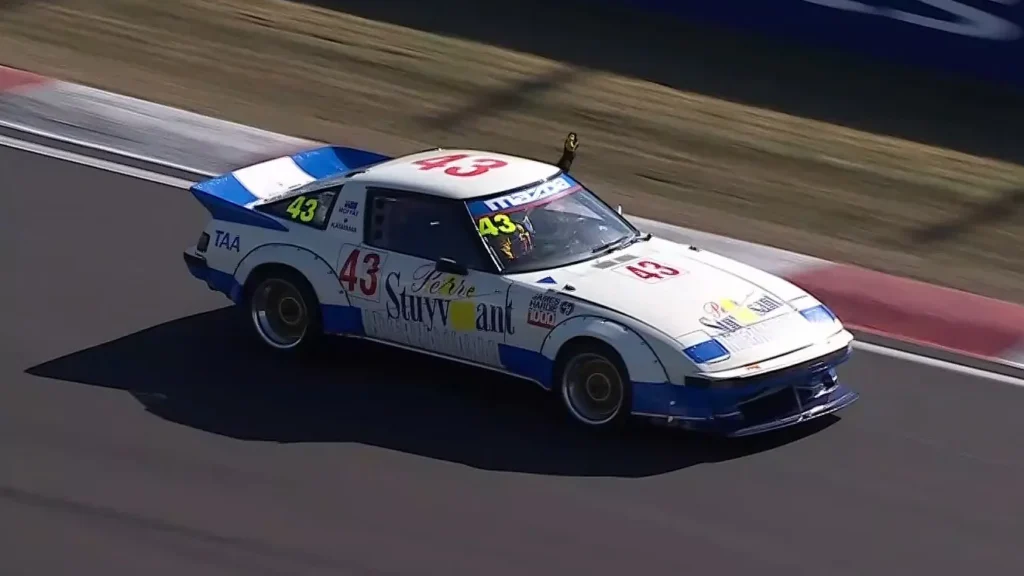
The irony is enormous
Goodwood Revival has become one of the world’s great automotive events precisely because enthusiasts want authenticity. The cars aren’t merely displayed, they race. Drivers dress appropriately. The circuit celebrates its past. Machinery worth millions is driven exactly as its creators intended. Goodwood describes the philosophy as taking the best of the past forward so another generation can experience it. Australia has one of the richest touring-car histories anywhere in the world. We should be doing exactly the same thing, because once you start deciding which bits of the past are acceptable to show, history becomes something rather less historic
And racing deserves better than that. Smoking belongs in the past. So does tobacco-sponsored racing cars. But if we’re going to preserve the cars, perhaps we should preserve their history as well.
You can help mend this madness by signing this petition at Change.org