










To any fan of Aussie cars and motorsport, the Tickford name is truly legendary. Although it has been through many names and iterations, its influence on the industry is unquestionable.
Launched in 1991 as Tickford Vehicle Engineering in a joint venture with Ford Australia, it initially worked on enhancing the Blue Oval’s local Falcon offerings, creating iconic performance models from the XR6 and XR8 through to the limited-run T-Series.
Later purchased by UK outfit Prodrive, best known for its WRC exploits in the Subaru Impreza WRX, the road car department transformed into Ford Performance Vehicles, better known simply as FPV.
It also saw the formation of Prodrive Racing Australia, competing as Ford Performance Racing, a major force in Supercars competition claiming Bathurst 1000 wins in 2013 and ’14 along with Mark Winterbottom’s drivers’ championship in 2015.
Now under independent ownership, the team was rebranded to Tickford Racing in 2018 which it still operates as today. But since the beginning, it has been based out of Campbellfield, virtually across the road from Ford Australia’s headquarters, at a facility Retro Rides was recently lucky enough to get a behind the scenes tour of.
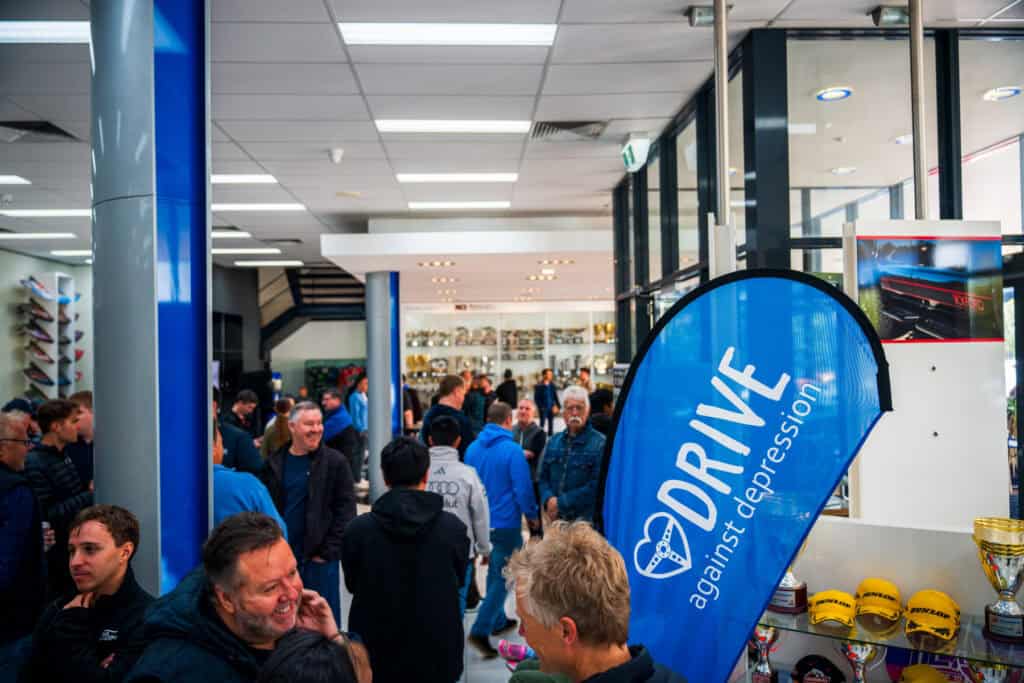
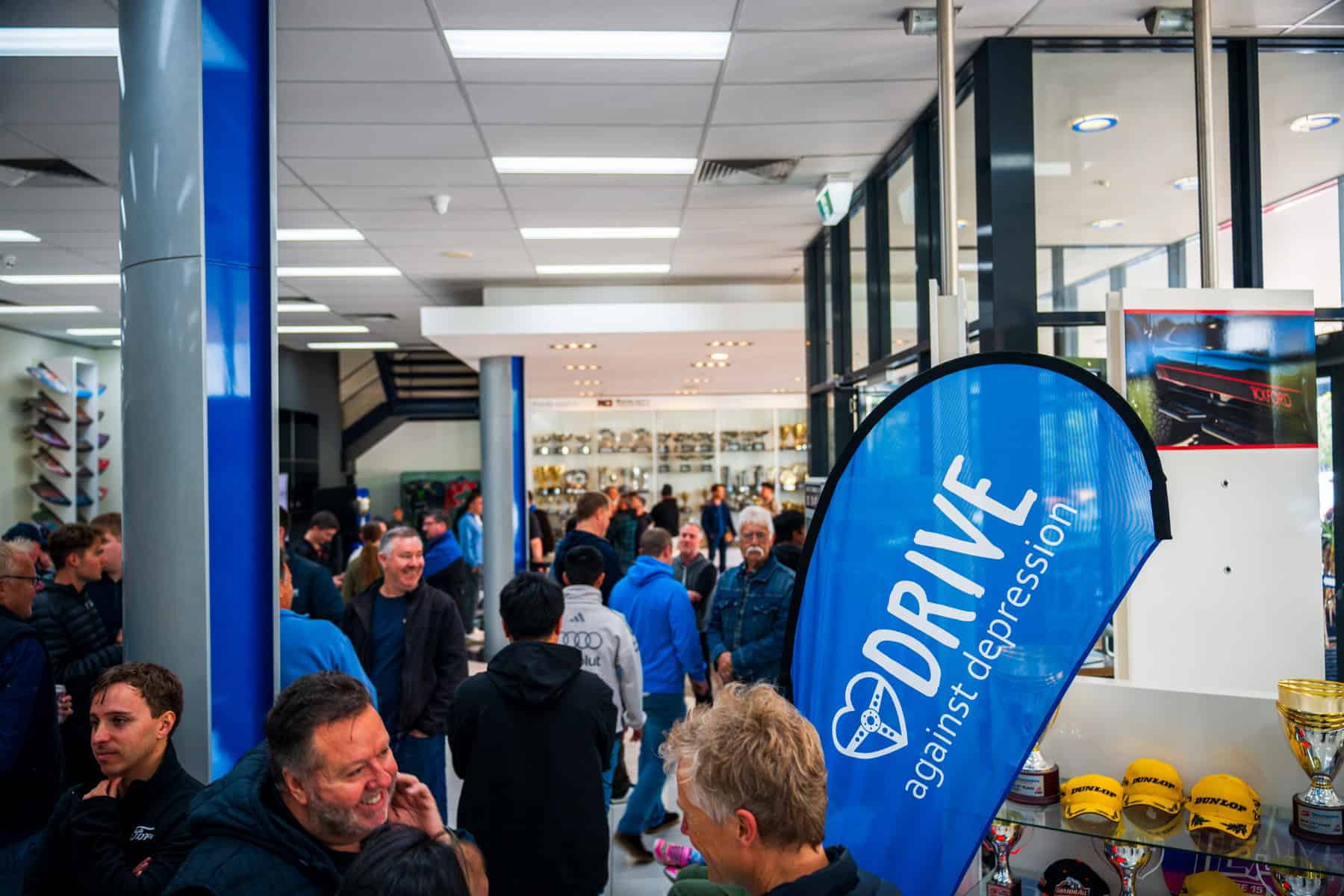
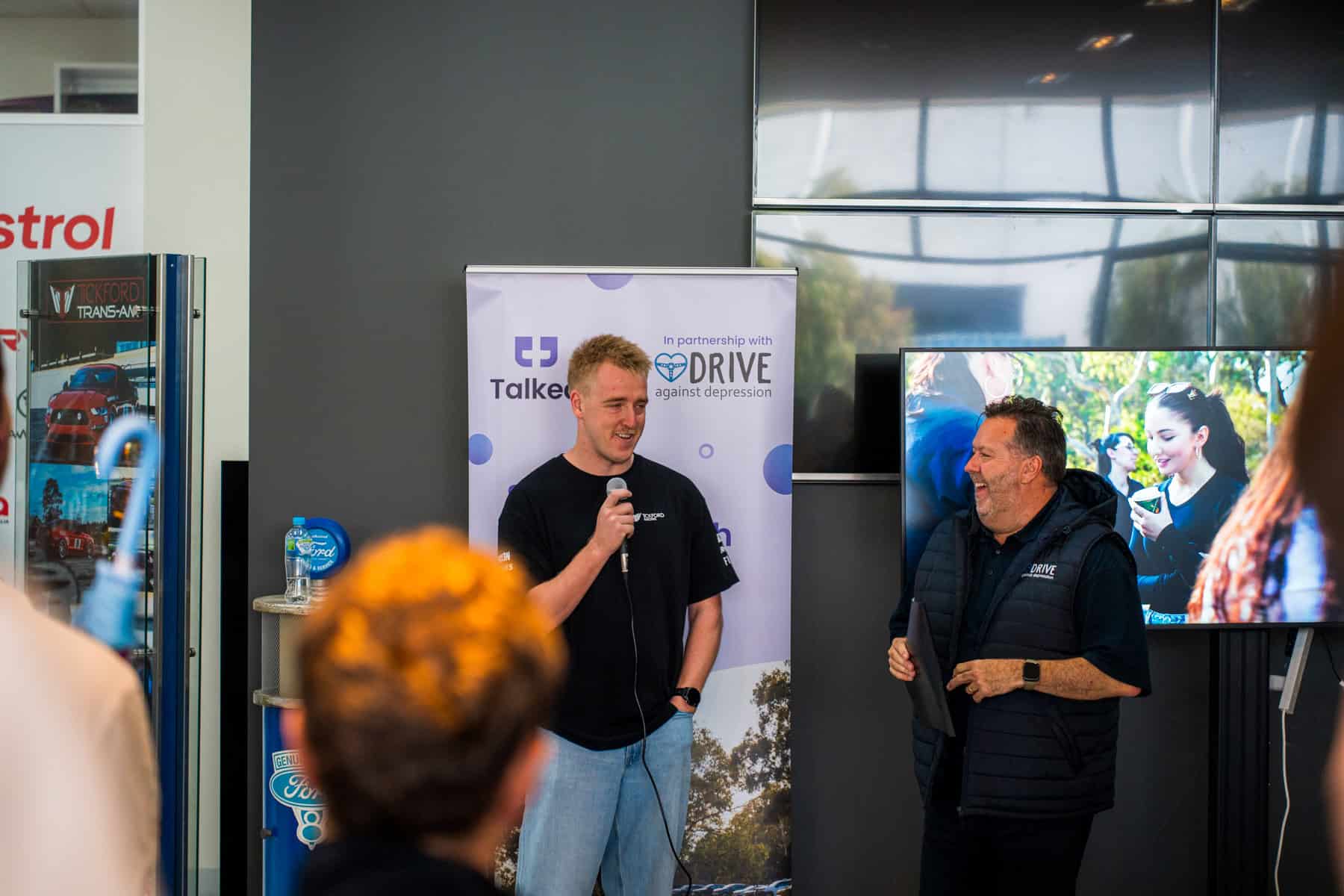
We weren’t alone though, as this tour was part of one of the fantastic drive days hosted across Australia by mental health charity Drive Against Depression. On a personal level, I’ve been involved with the organisation since 2024 including planning drive routes for and speaking at its Adelaide events, but this was my first time attending one across the border in Victoria.
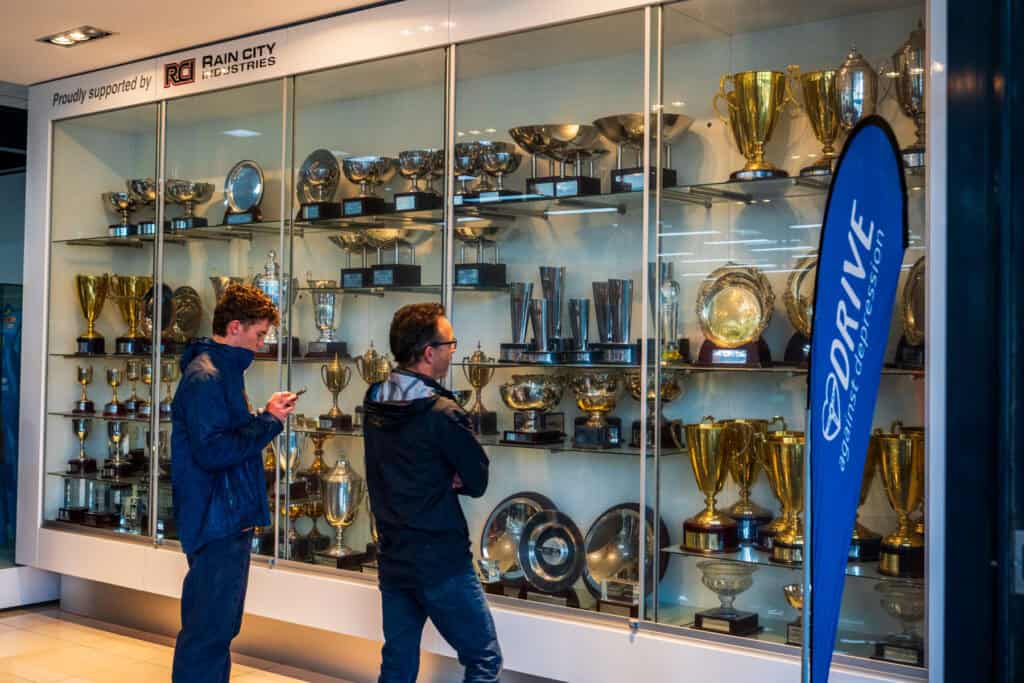
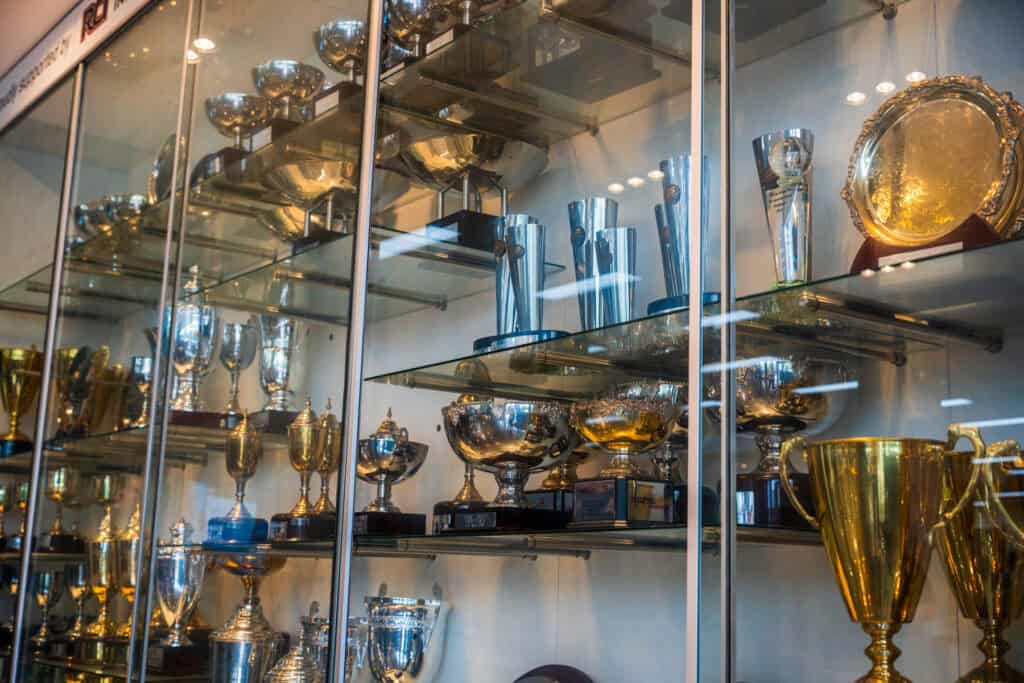
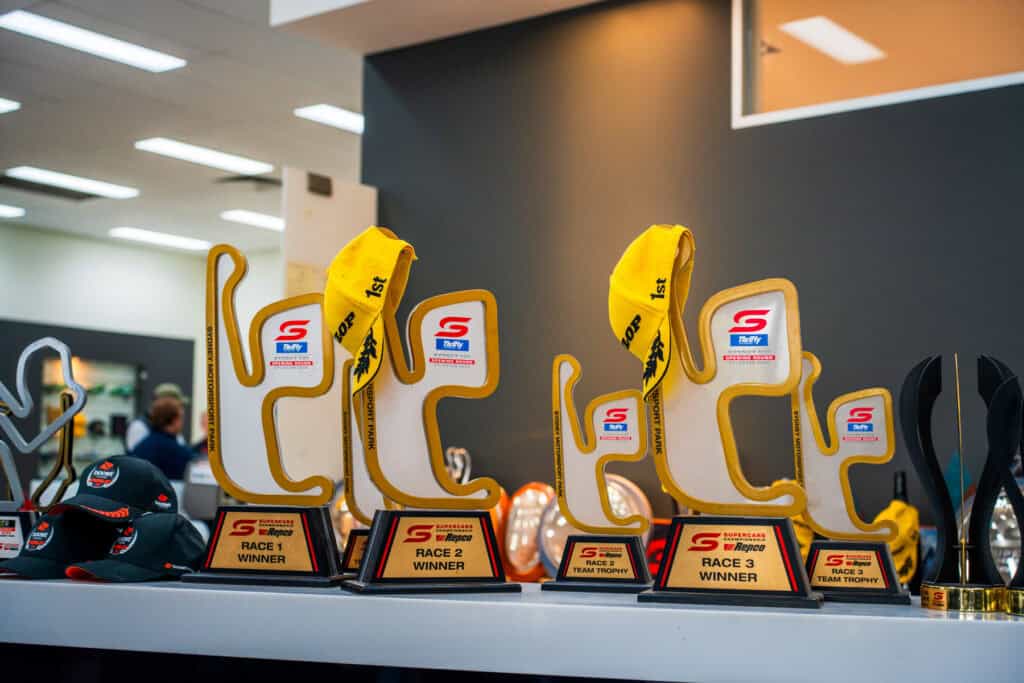
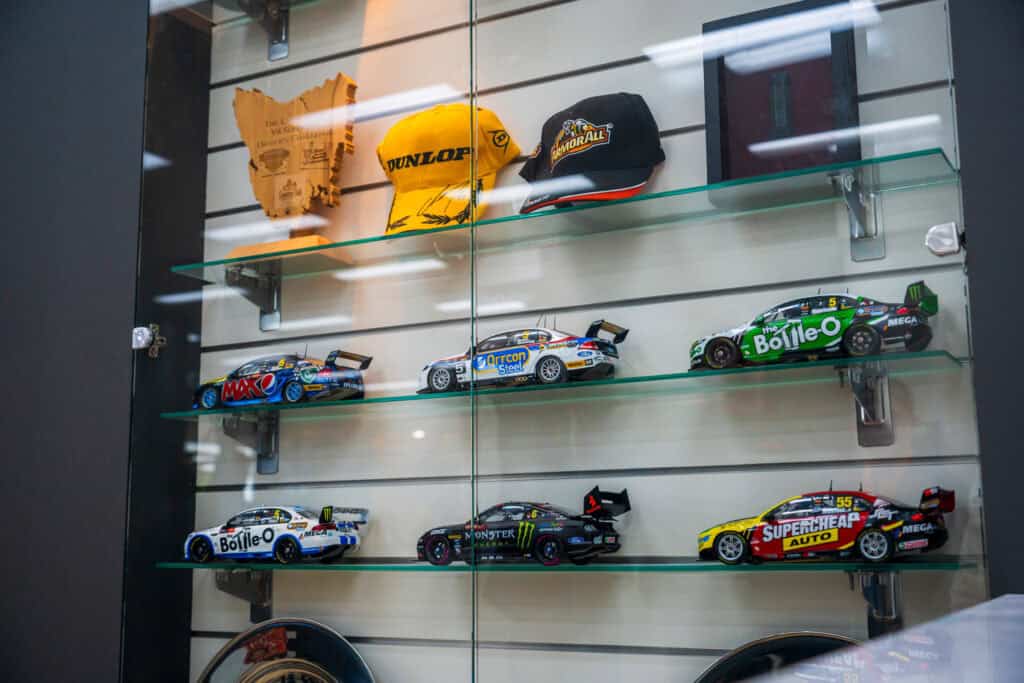
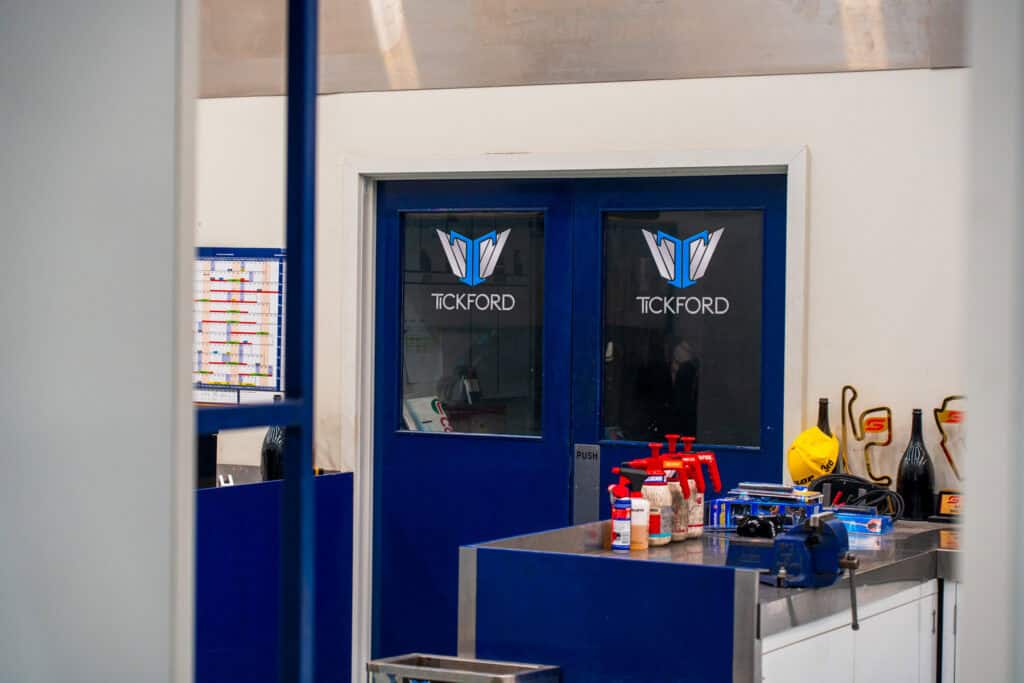
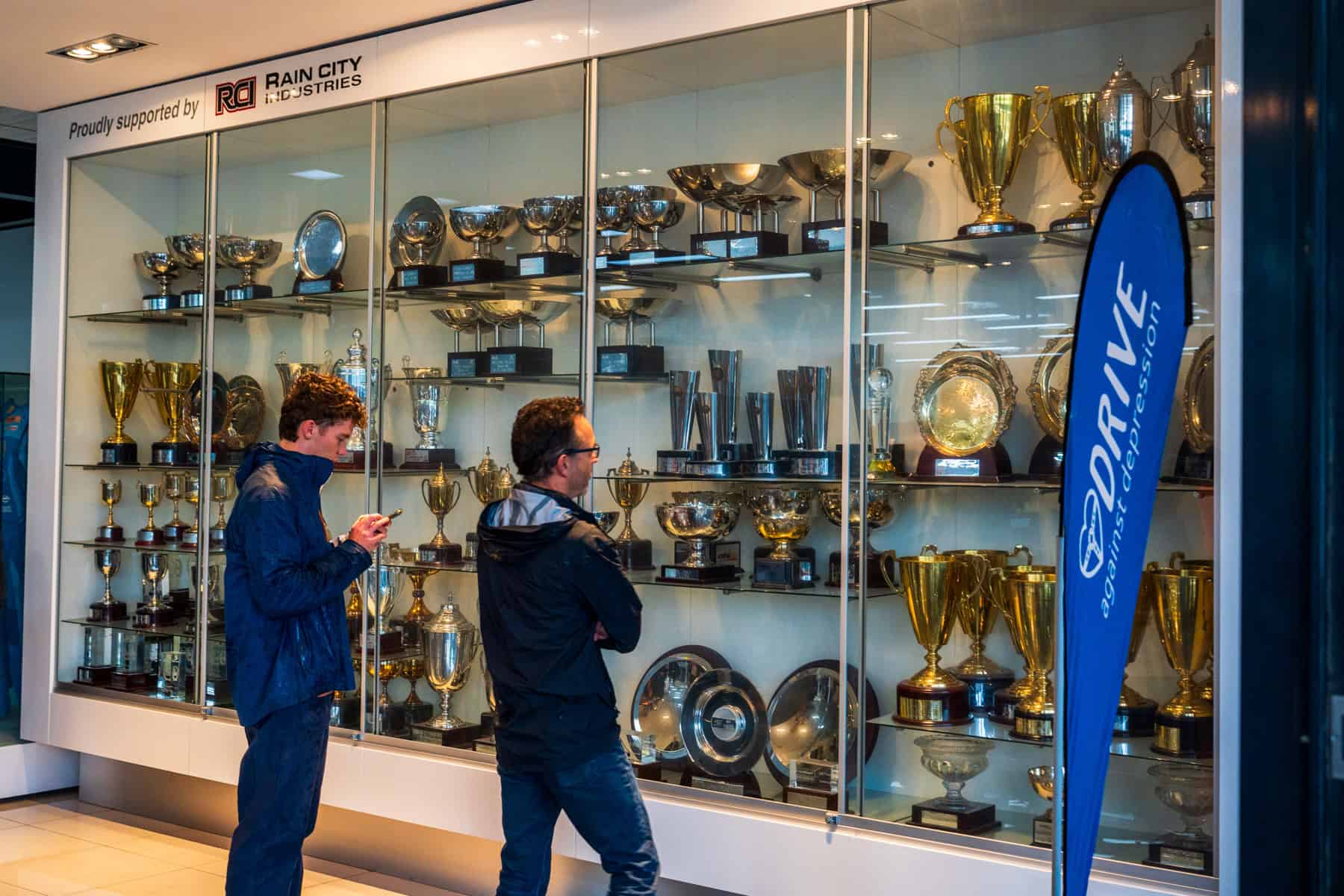
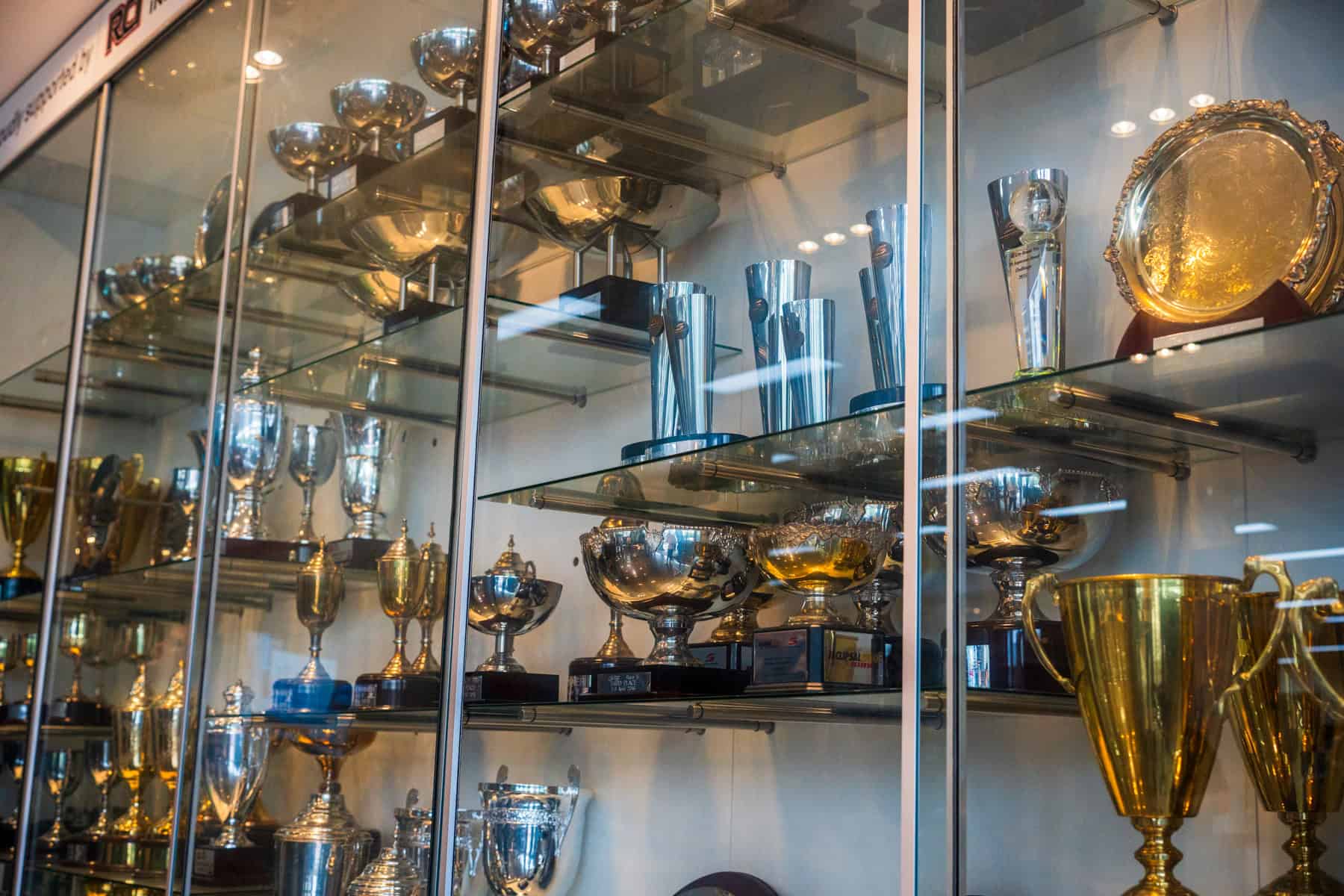
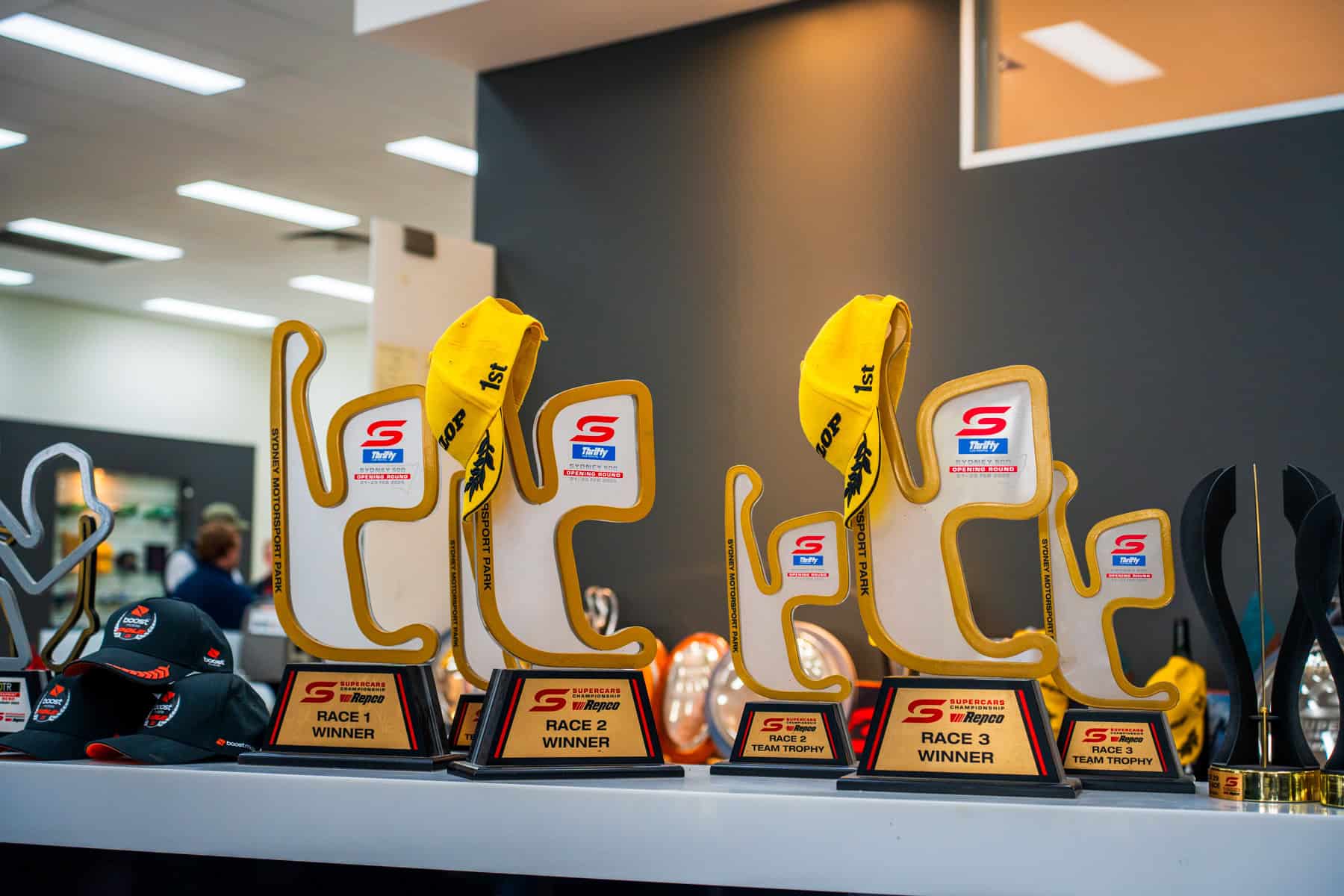
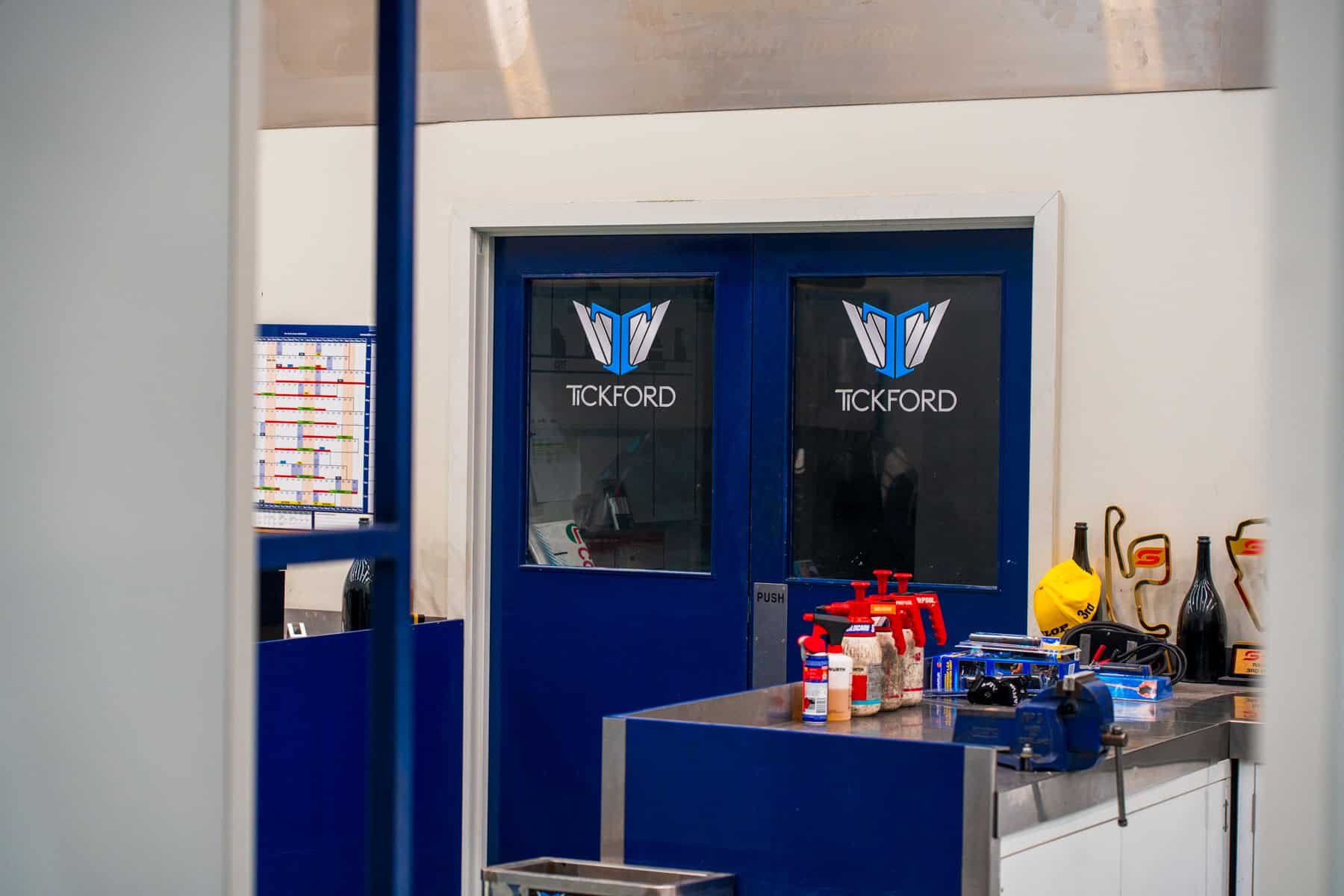
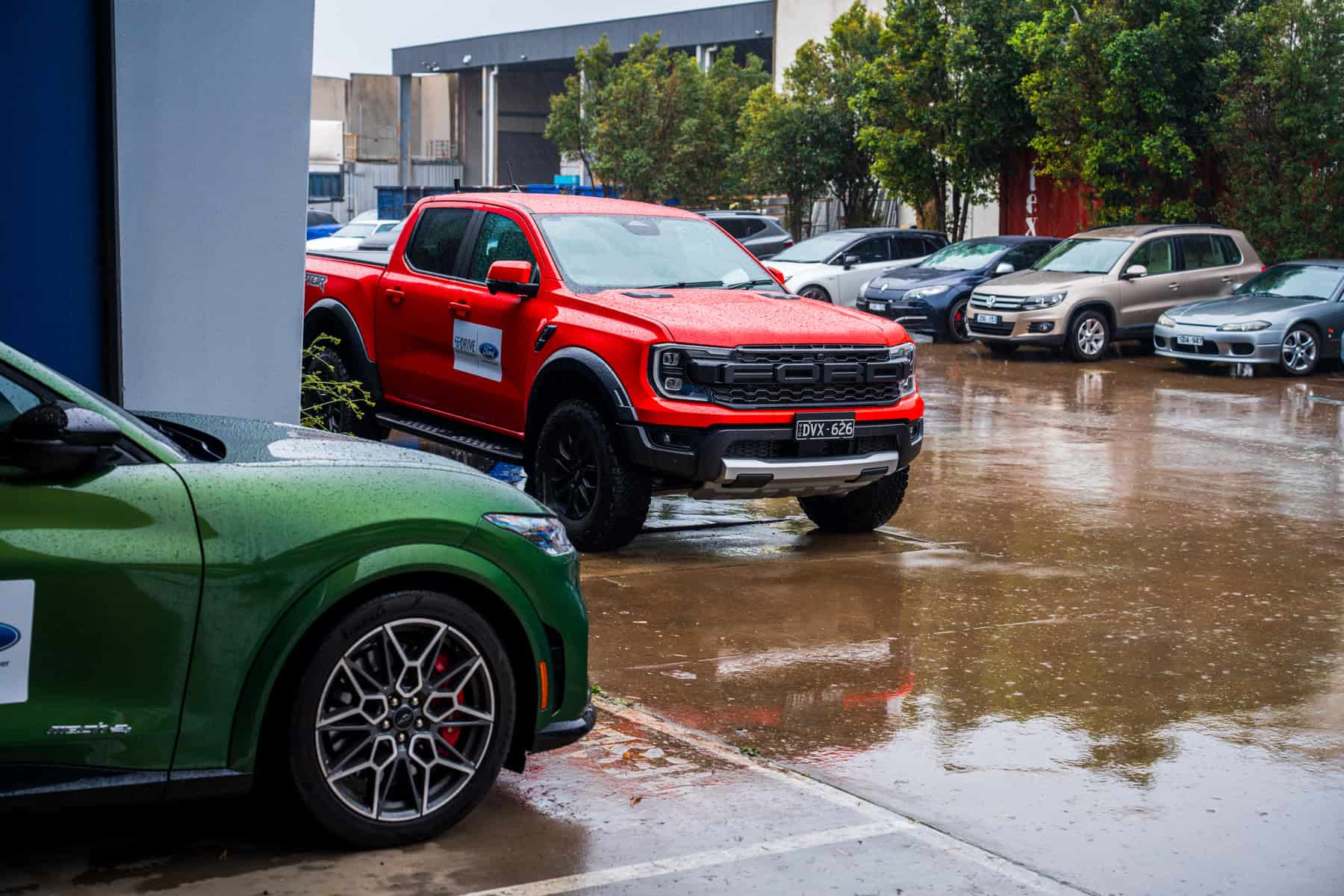
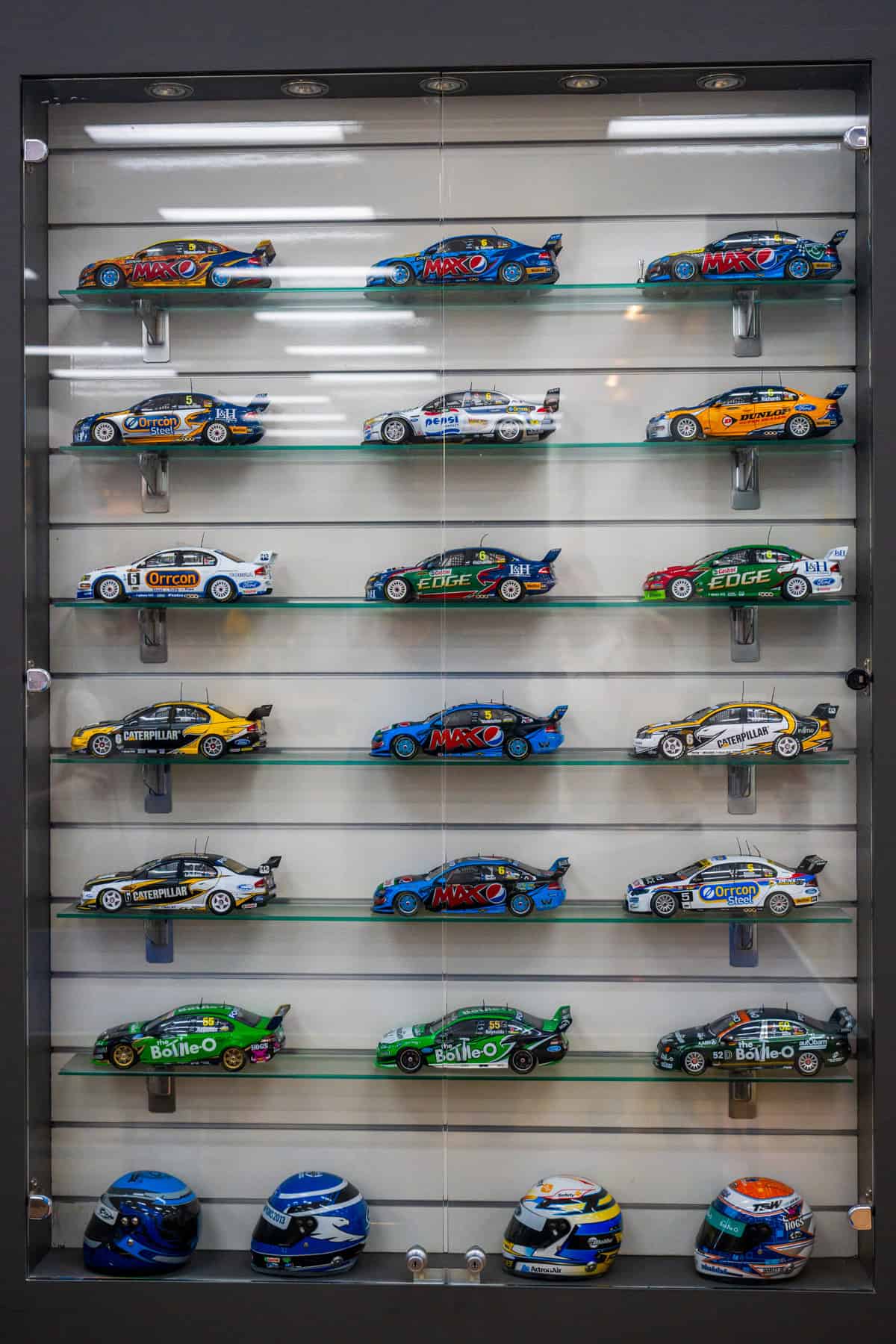
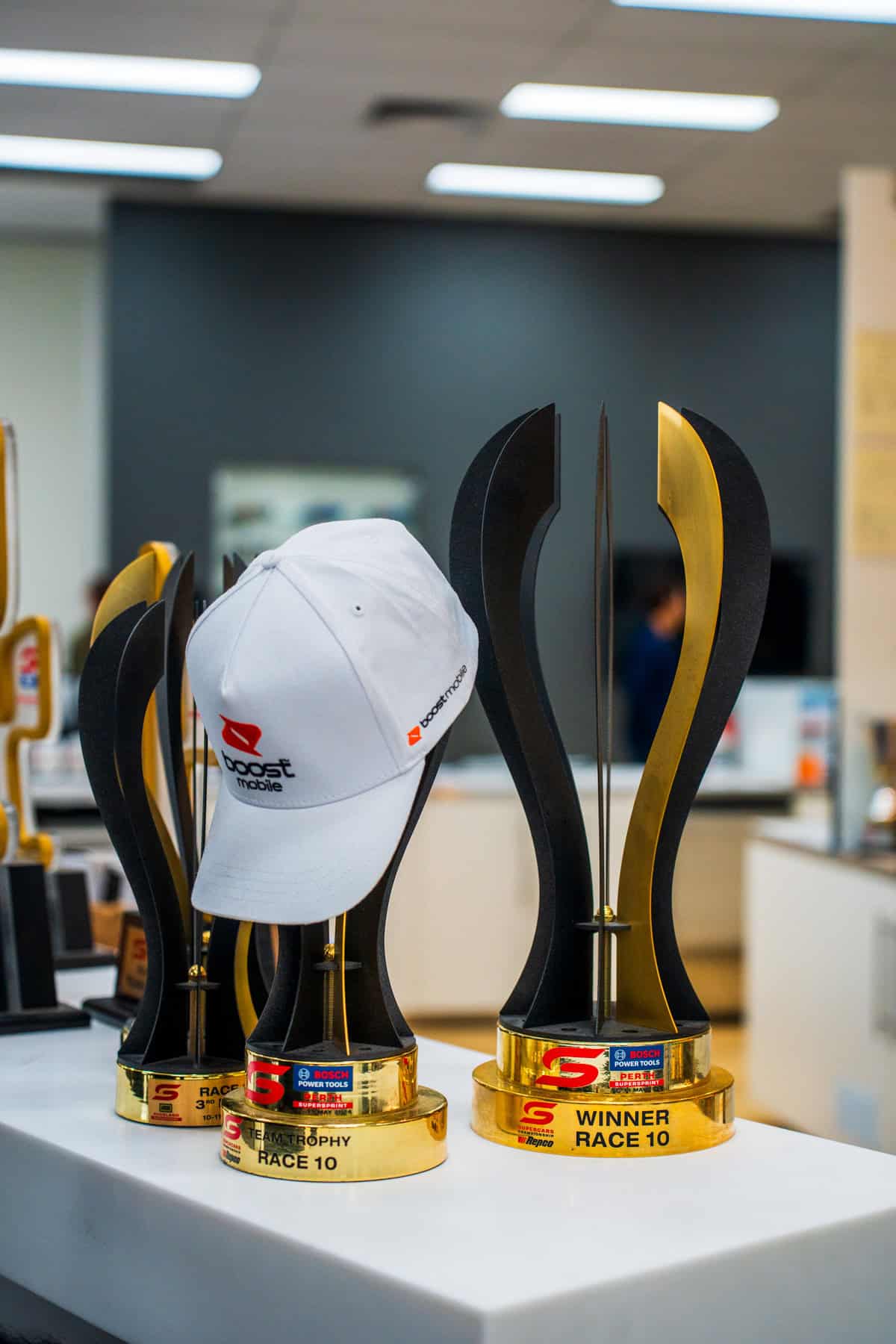
After taking off from Sunbury early that morning with a group of over 130 people (who braved bucketing rain) and looping around via Romsey, the group was greeted at Tickford’s HQ with more racing trophies than you could count. Not only was the floor-to-ceiling trophy cabinet by the front door full, but they were overflowing onto the reception and kitchen counters, some even placed on the floor in front of them.
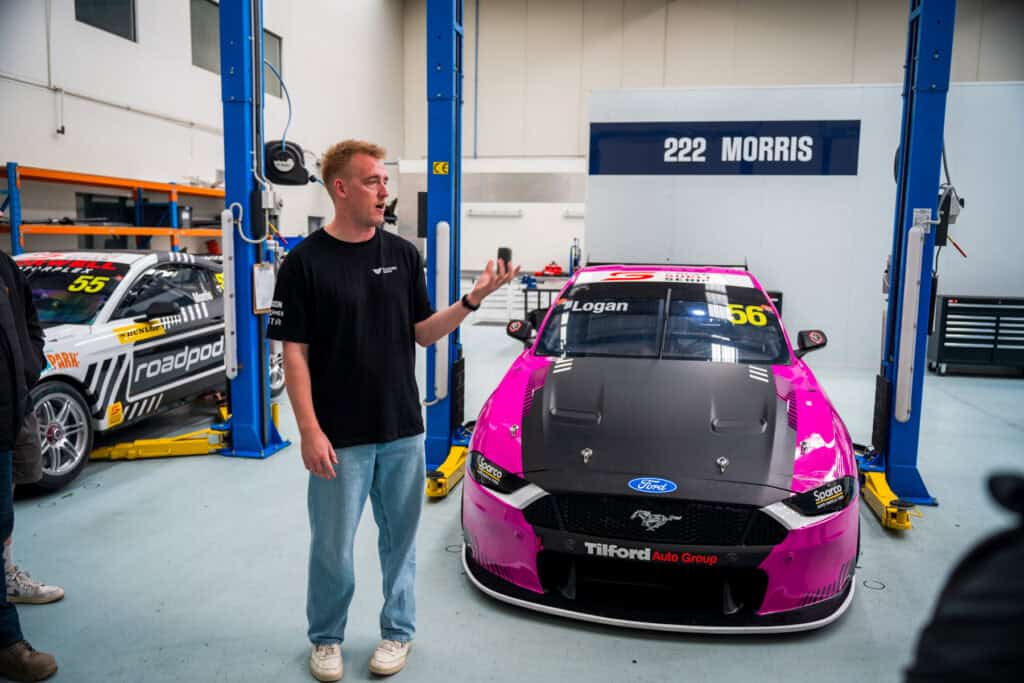
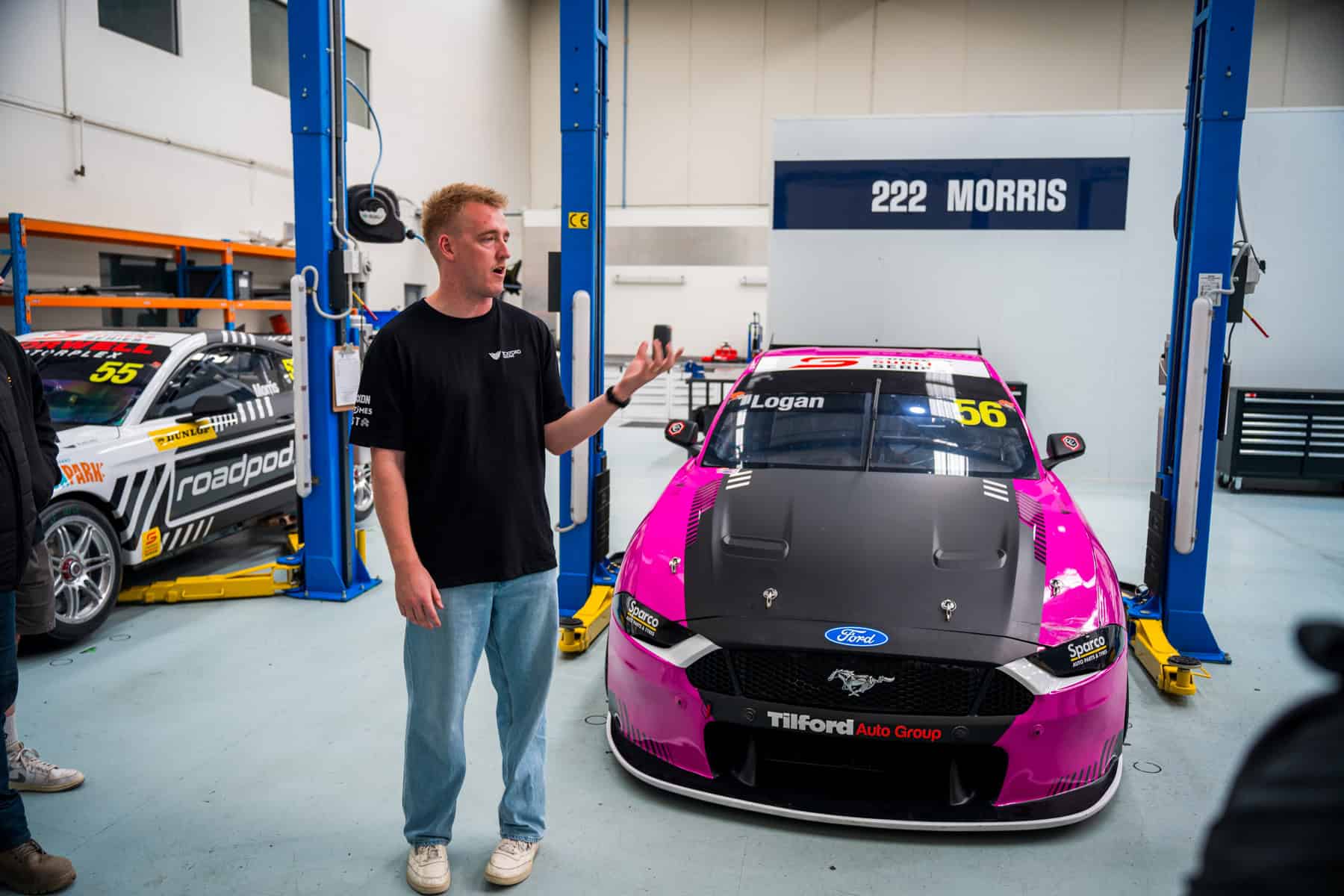
However, it’s the workshop out the back that was of most interest to myself and all the other punters in attendance. In groups of 30, we were given a virtually all-access tour out the back, revealing just how advanced Tickford’s capabilities are.
While hotted-up Falcons and Supercars racers might be what we best know Tickford for, the name represents far more than that. With expertise in automotive engineering, composite materials for use across various industries, manufacturing including 3D printing, powertrains, and even defence and aerospace, the company is still a cornerstone of Australian manufacturing and design.
Despite the long tenure at this same facility, there was a clinical level of cleanliness throughout, a testament to Tickford’s high standards. Even the smell inside was one of new tyre rubber, not workshop grime.
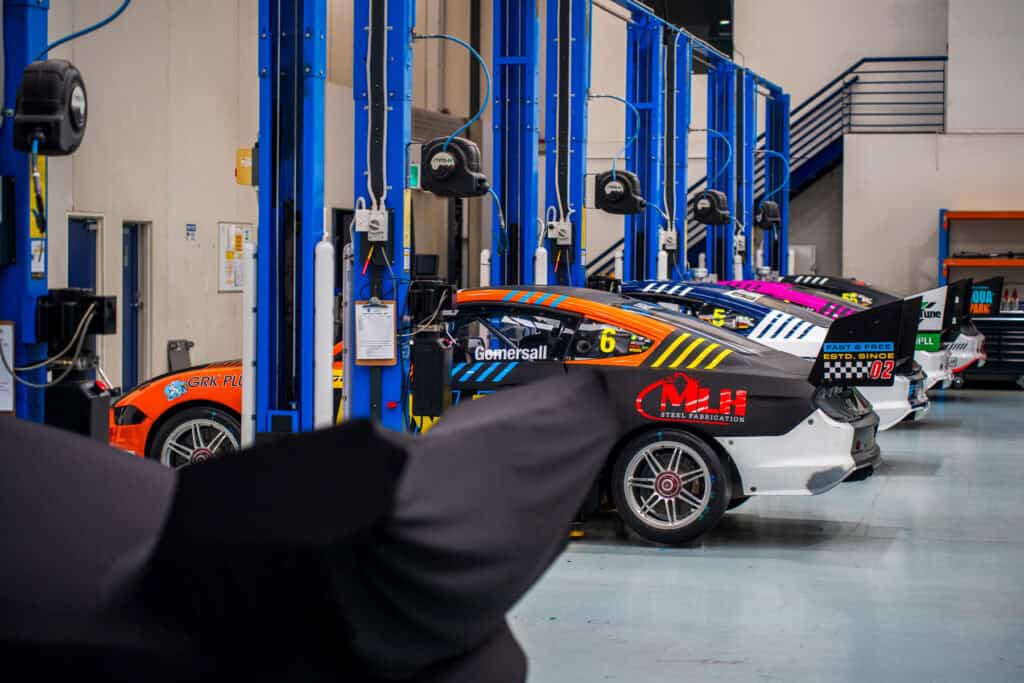
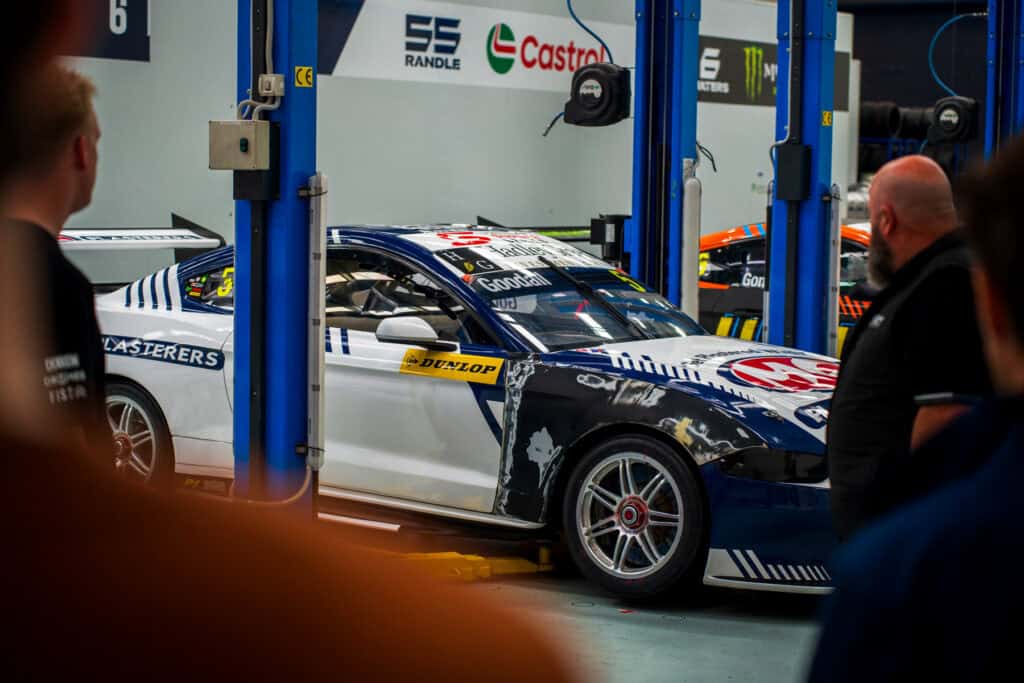
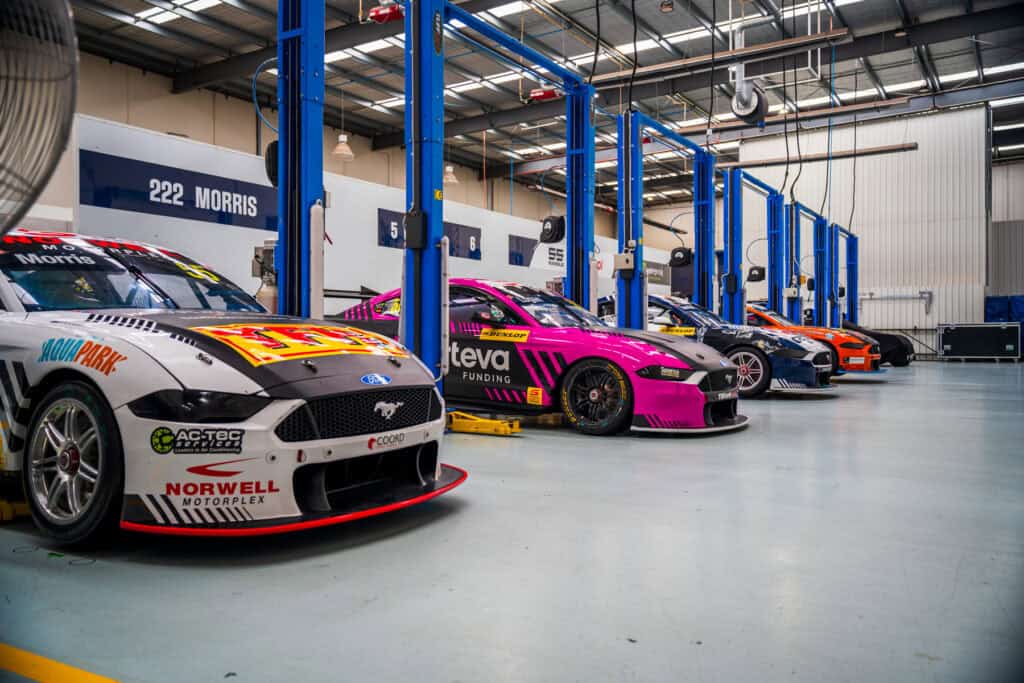
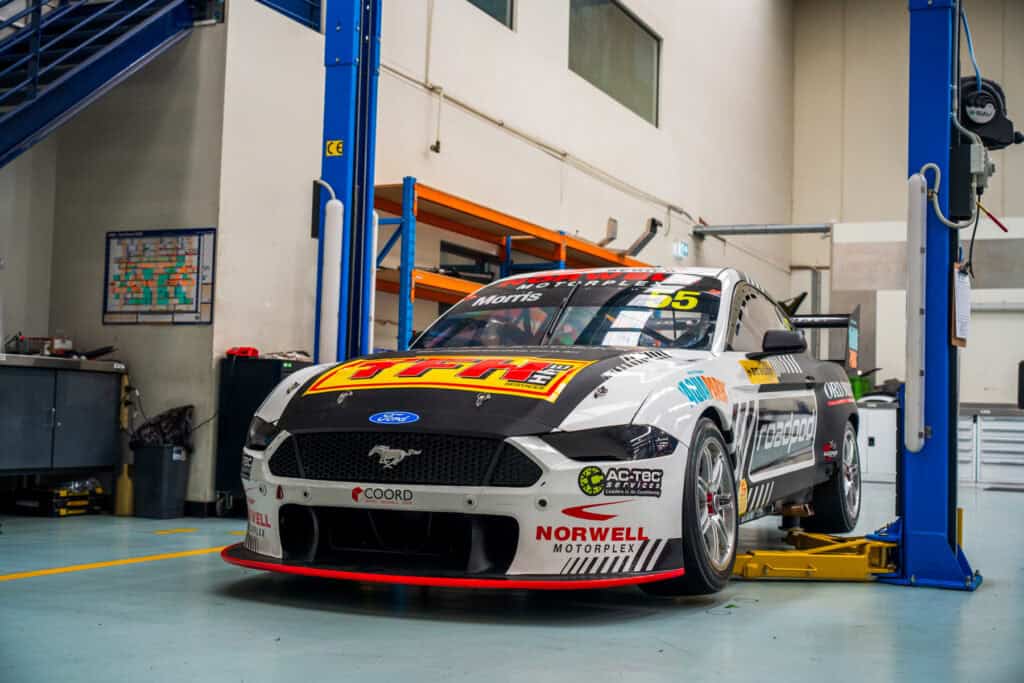
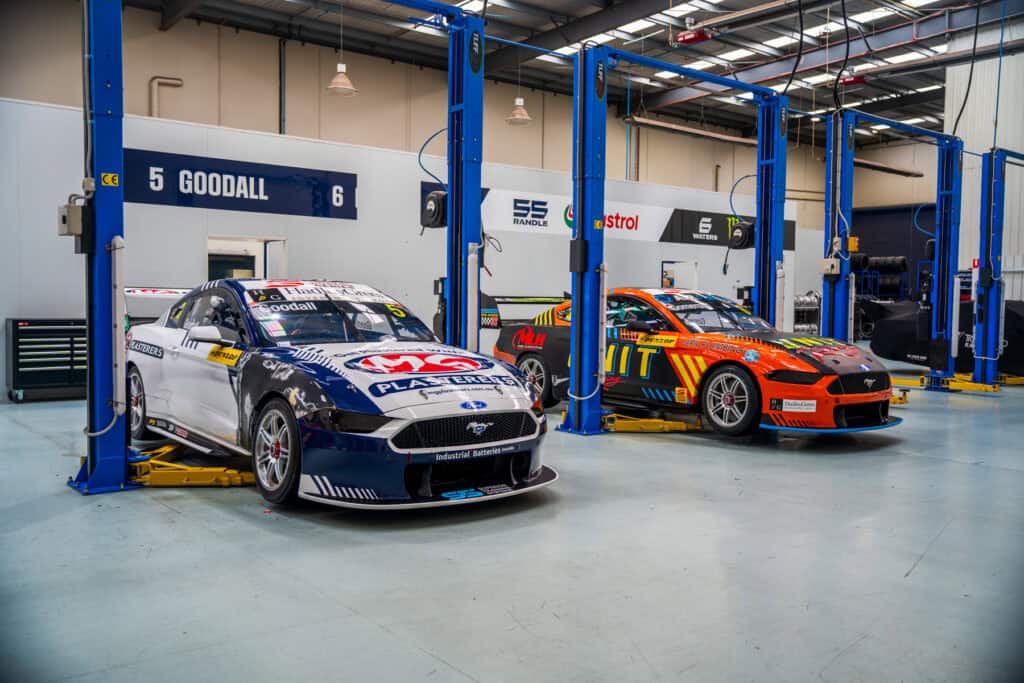
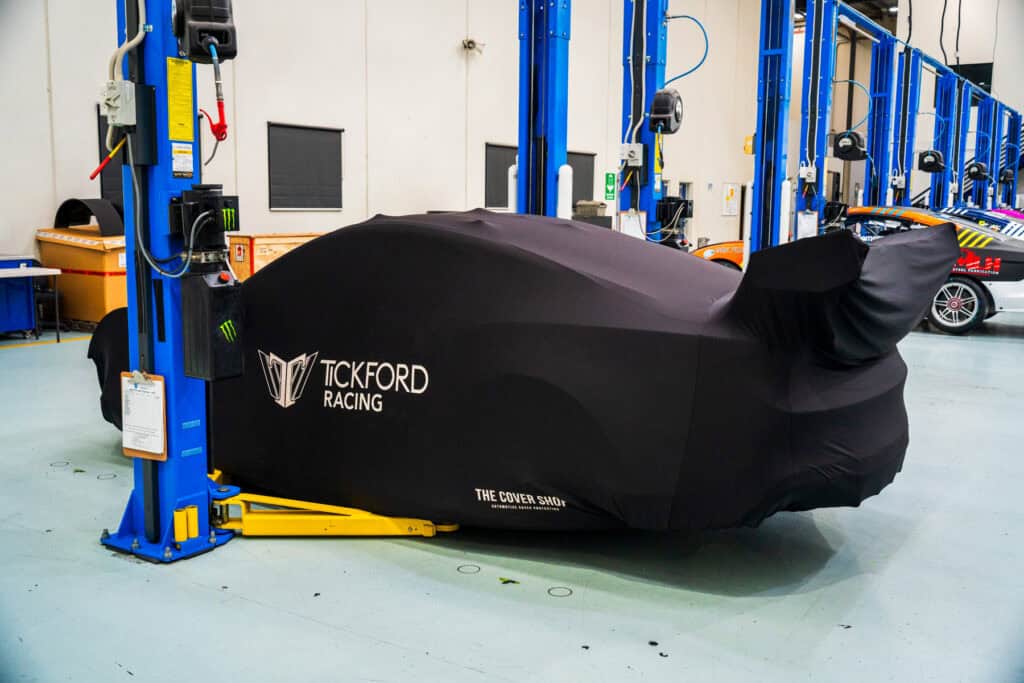
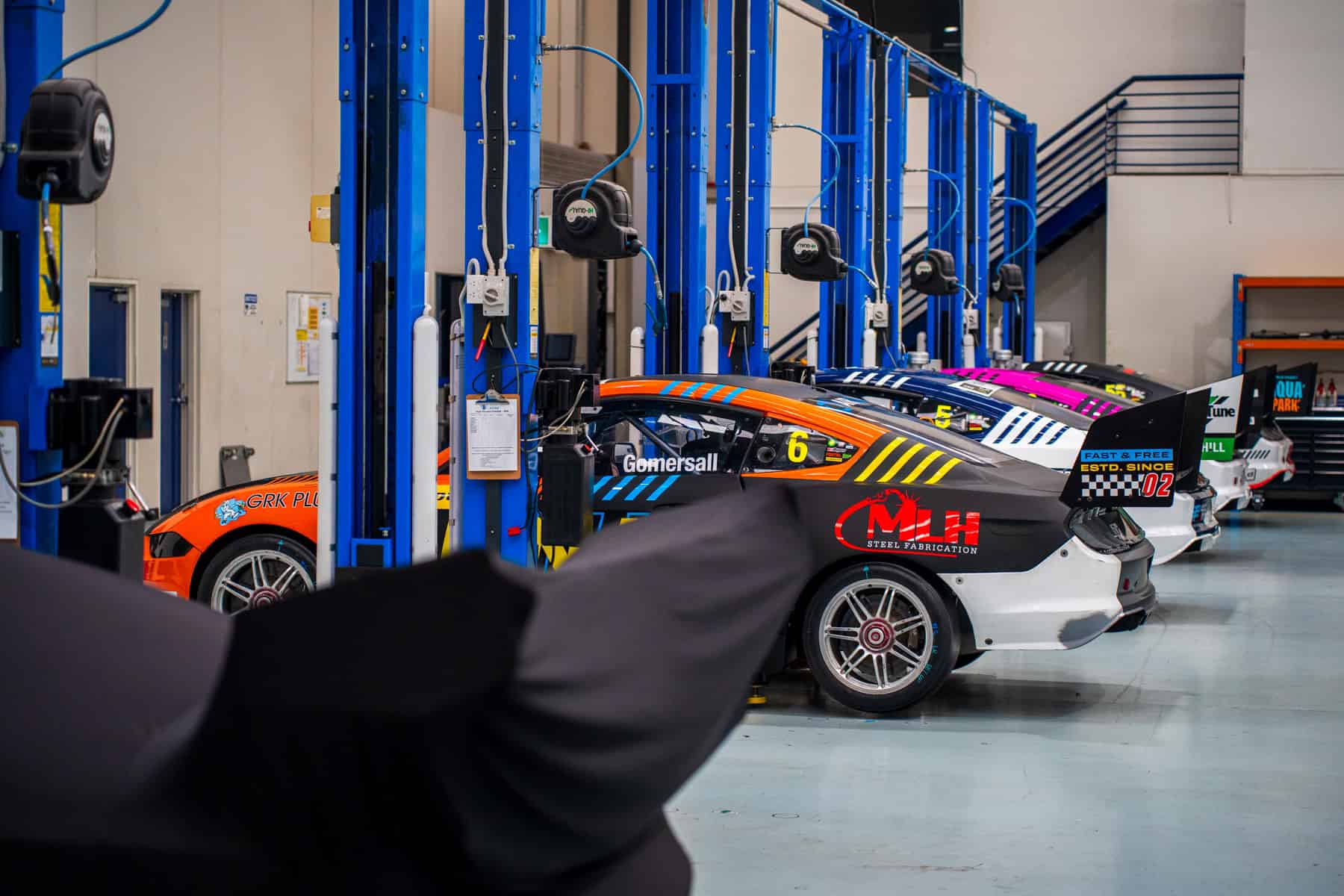
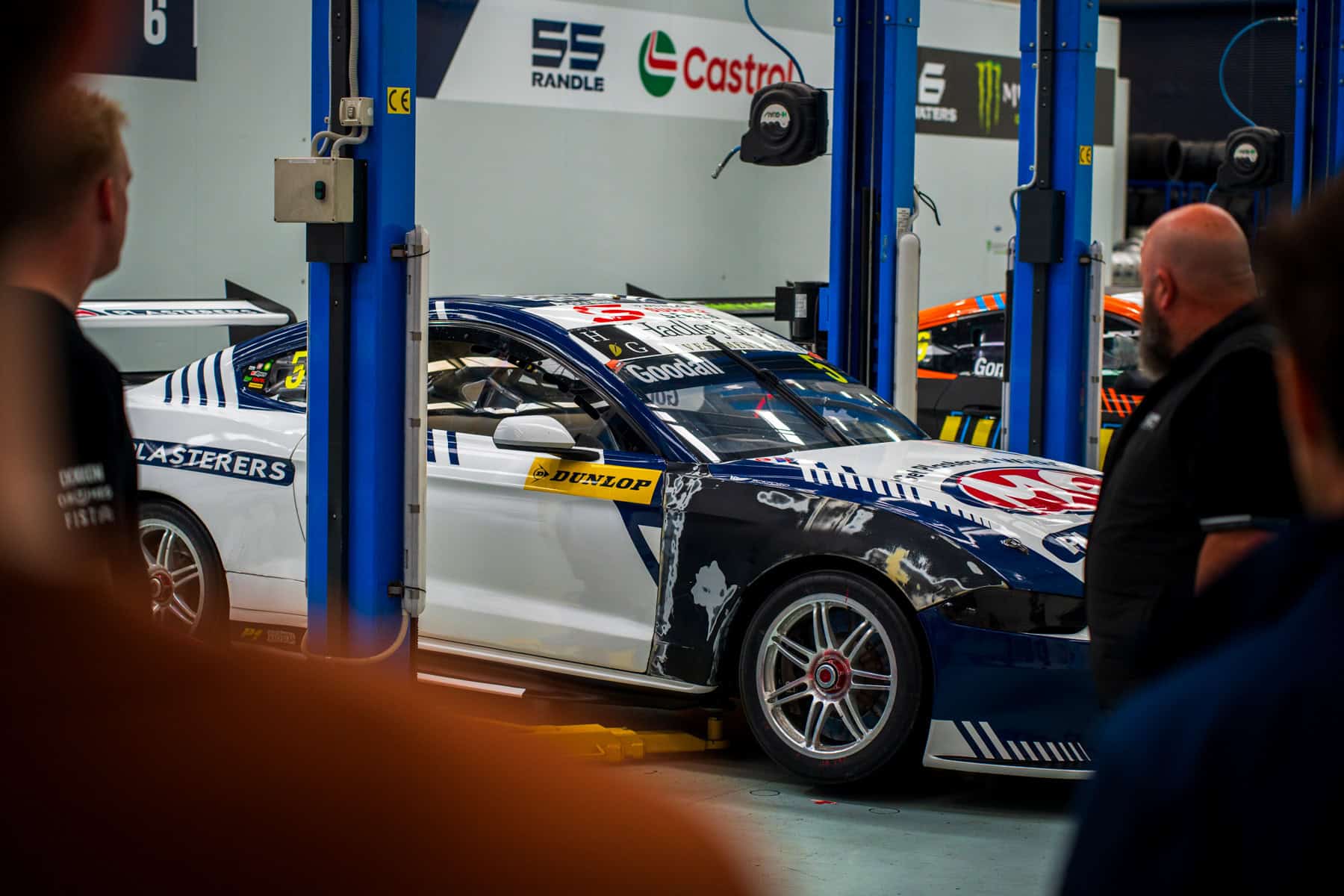
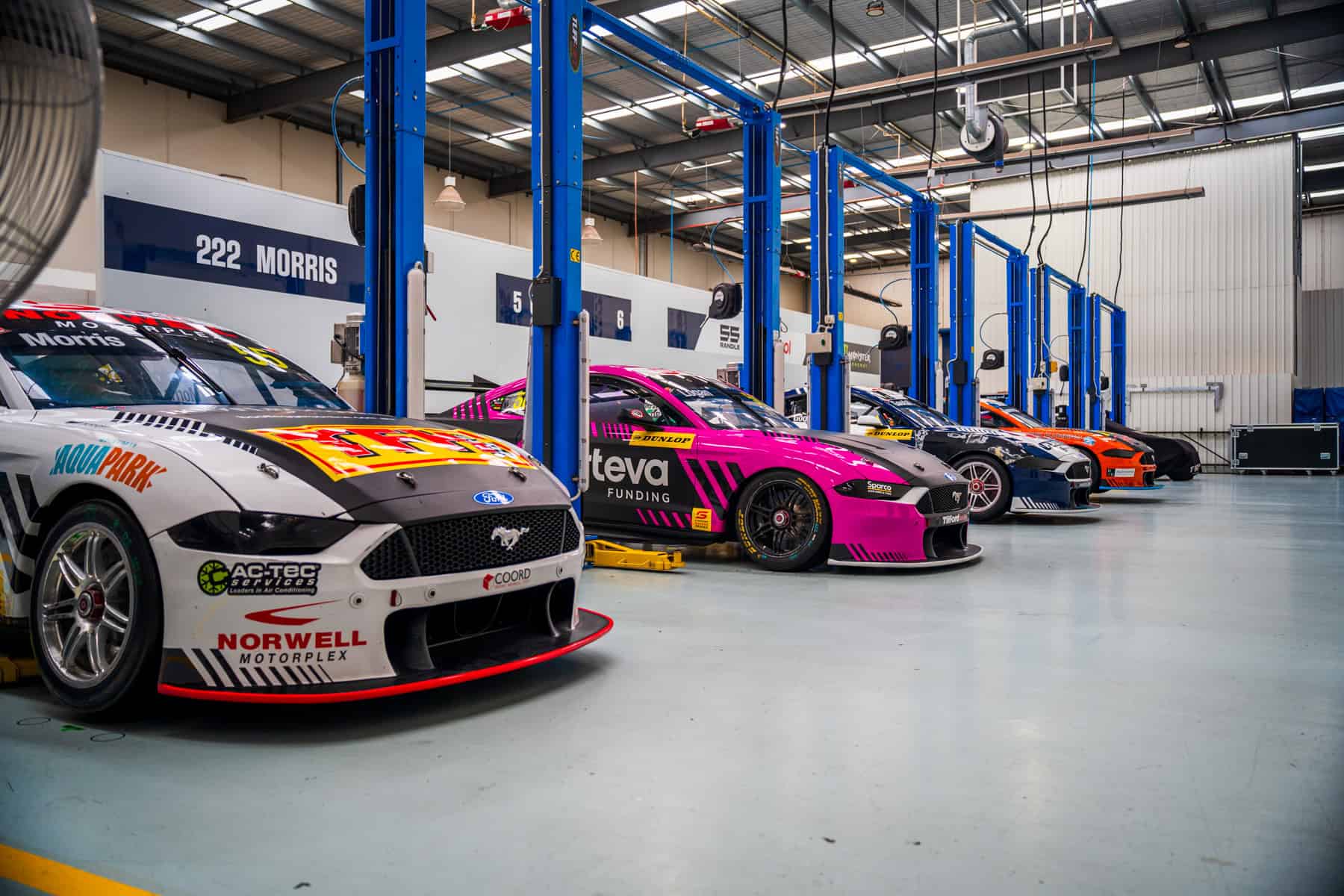
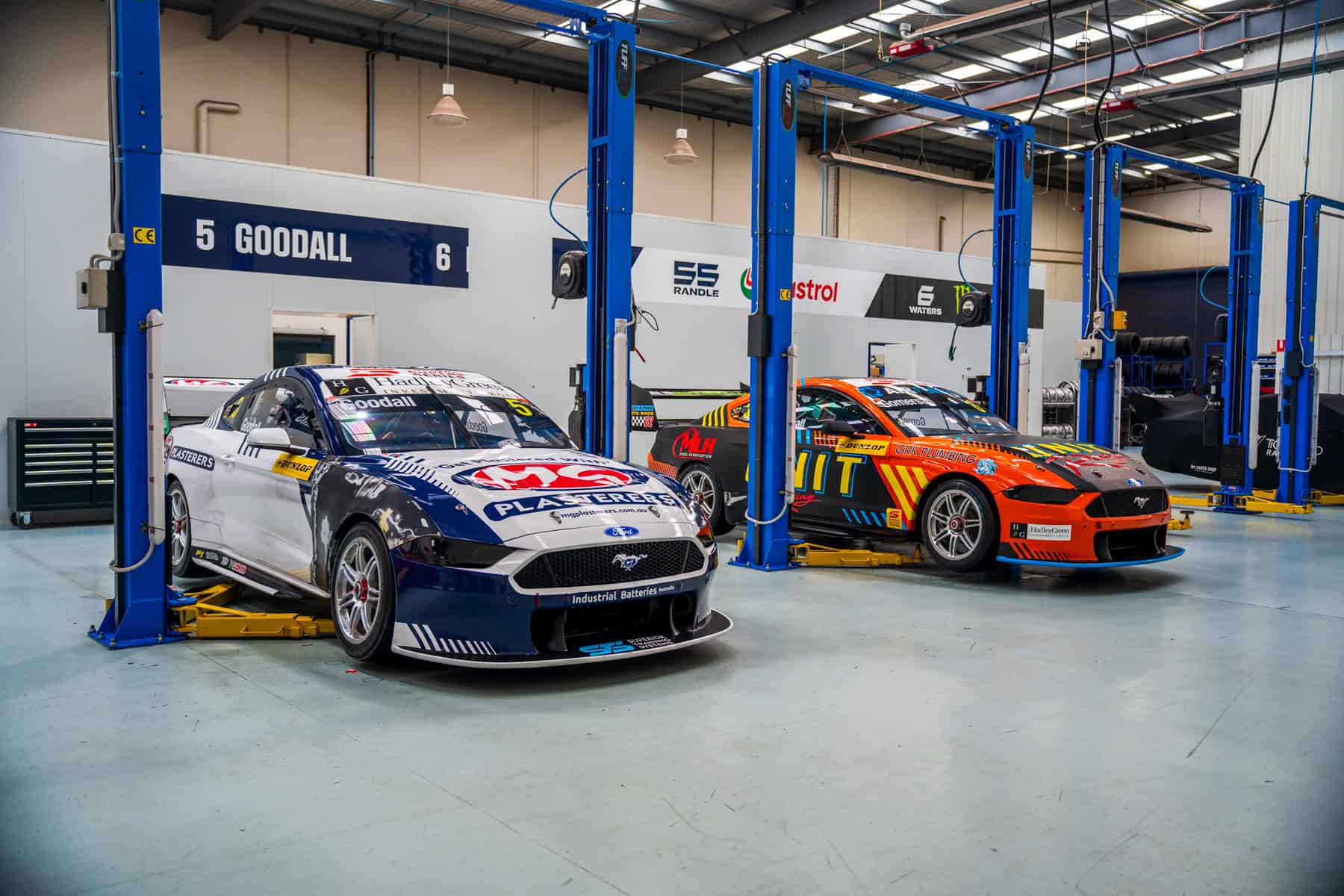
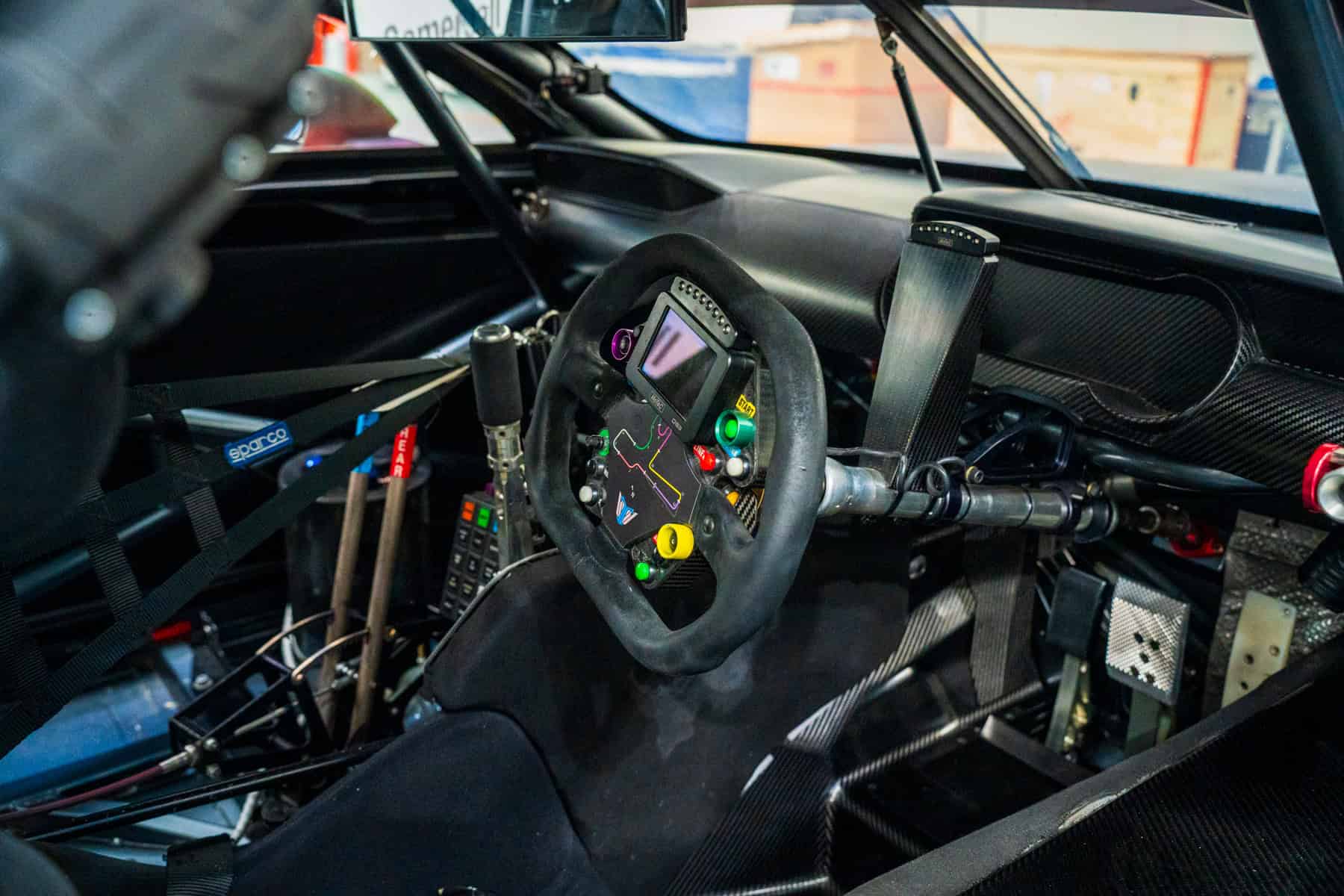
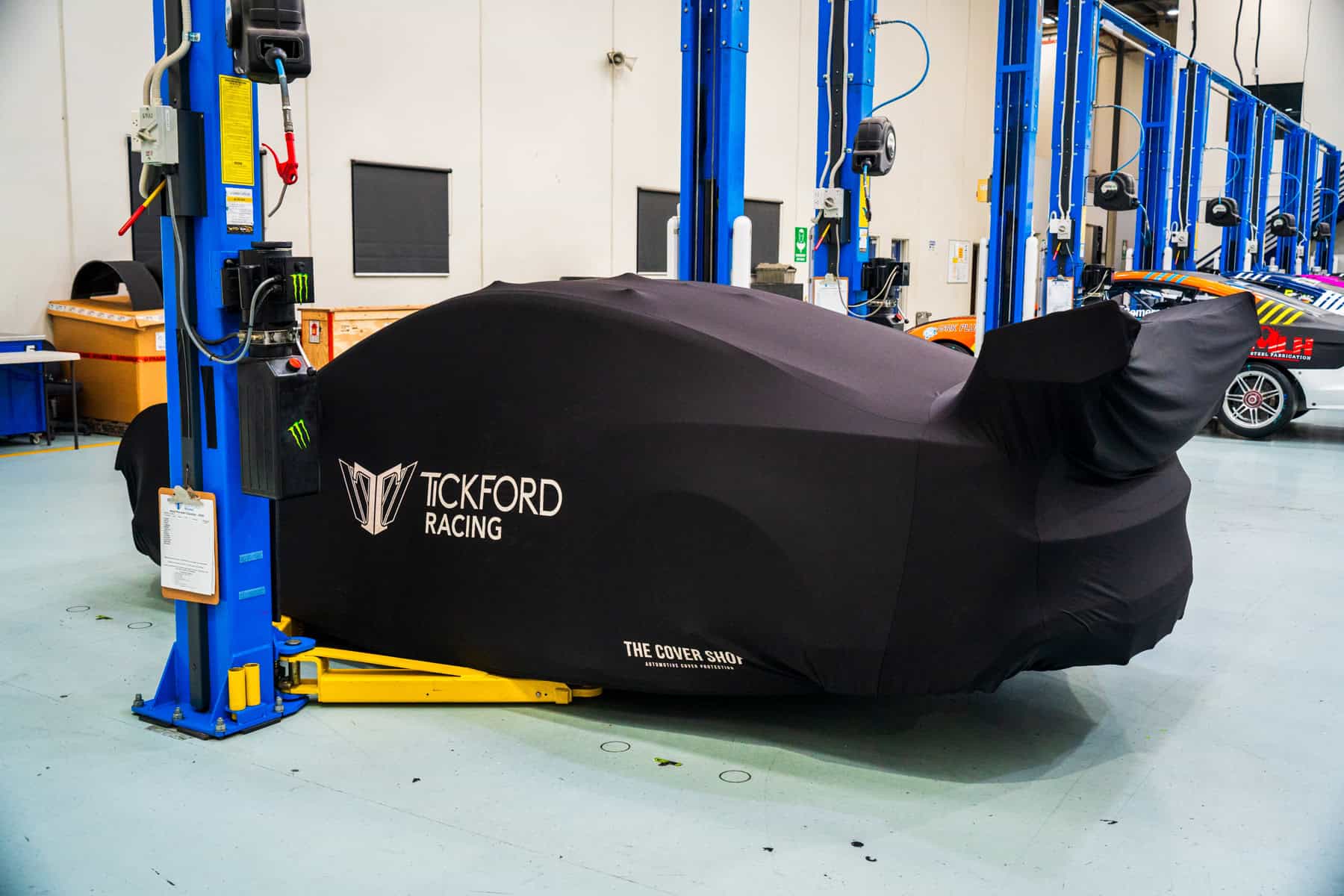
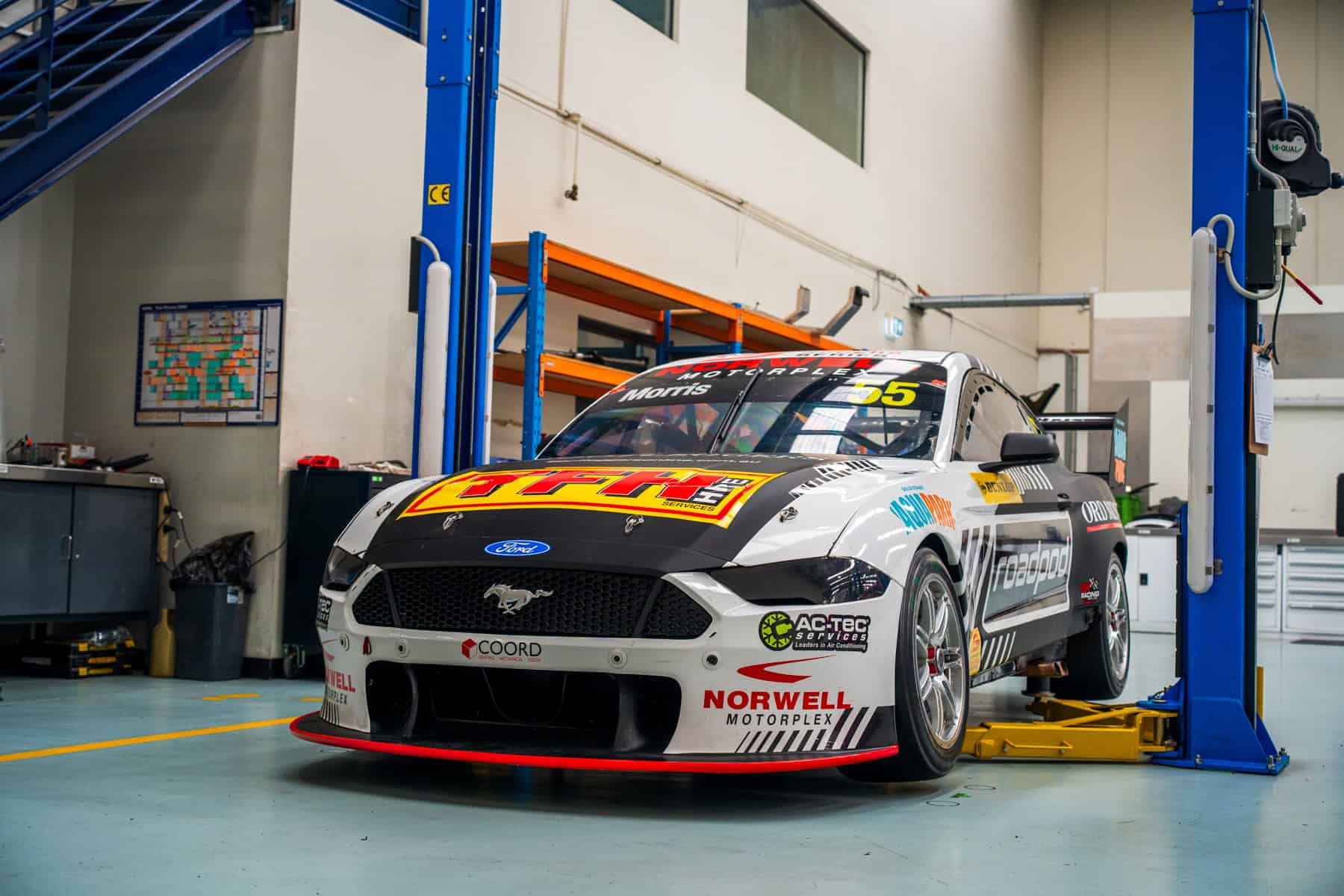
Front and centre are six two-post vehicle hoists, all but one having one of Tickford Racing’s Ford Mustang competition cars on them. One was even still tightly wrapped under covers ahead of its official reveal, although some of the existing ones were allowed to be poked around in by the crowd.
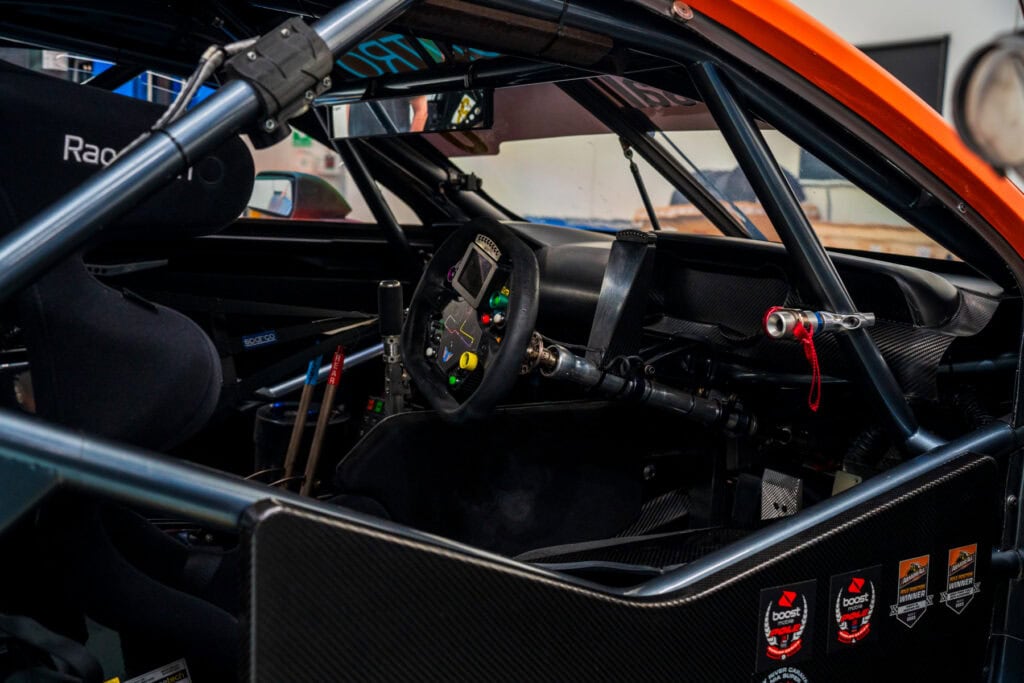
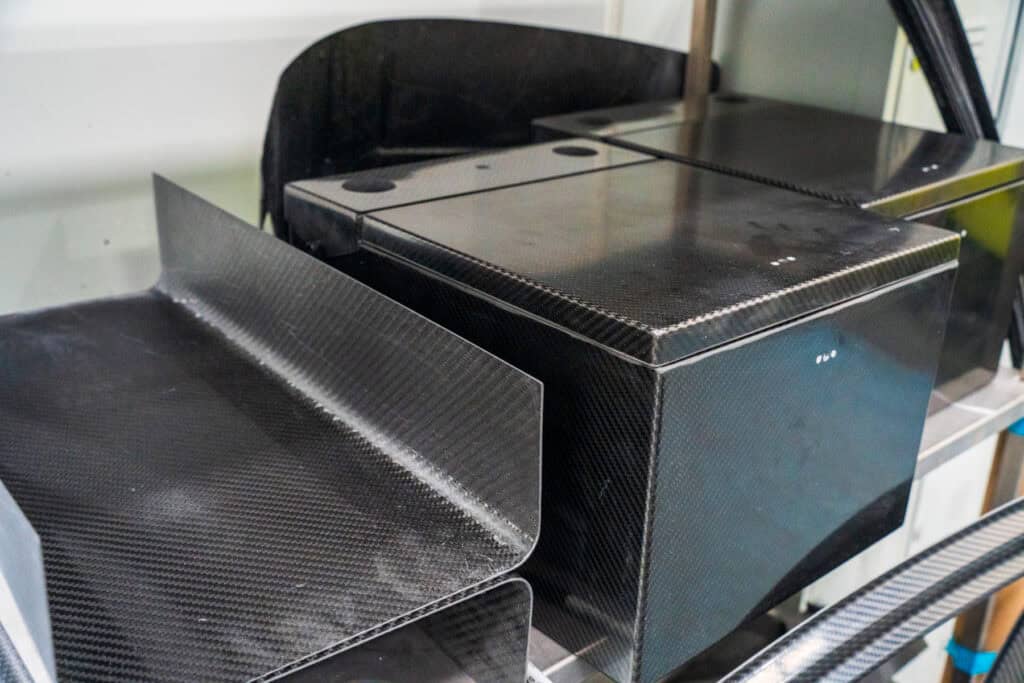
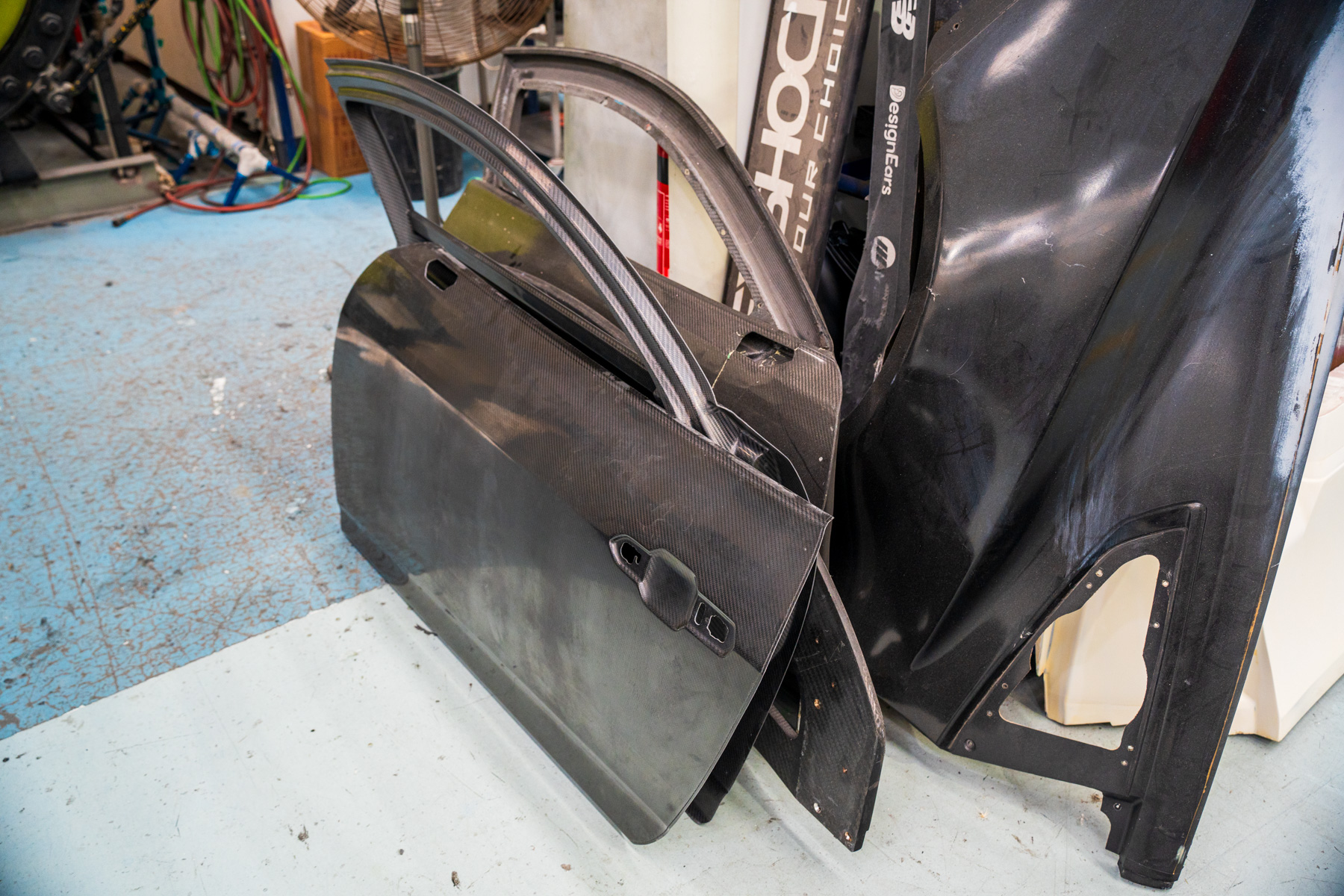
When you open the carbon fibre door on one of these cars, made from scratch right here in this facility, you start to appreciate just how advanced and lightweight the materials seen in racing cars are, even compared to ‘lightweight’ road cars.
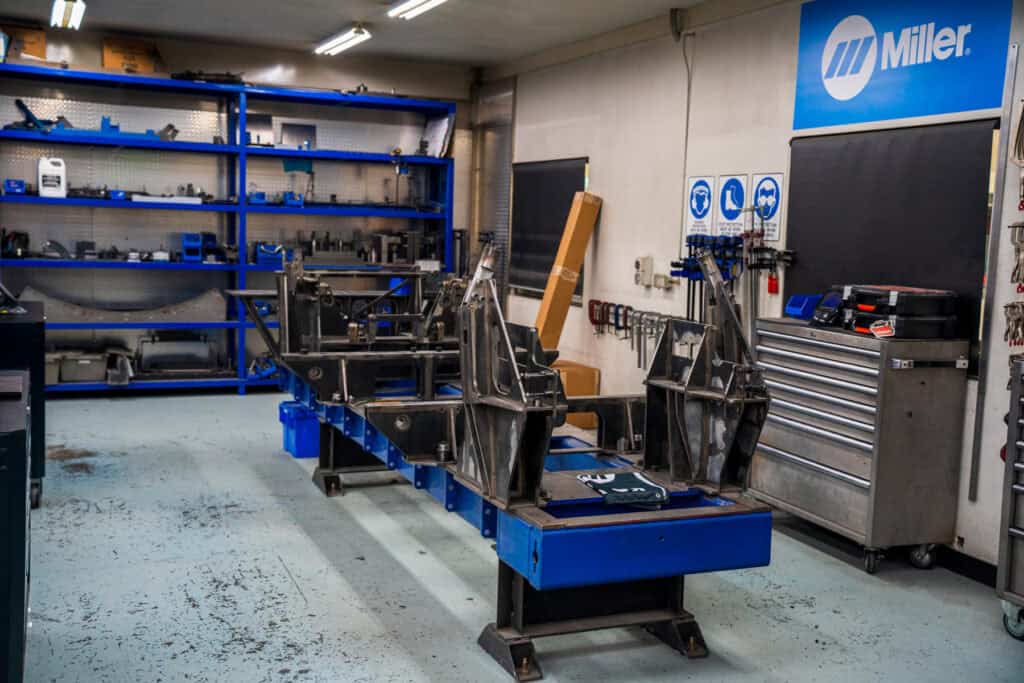
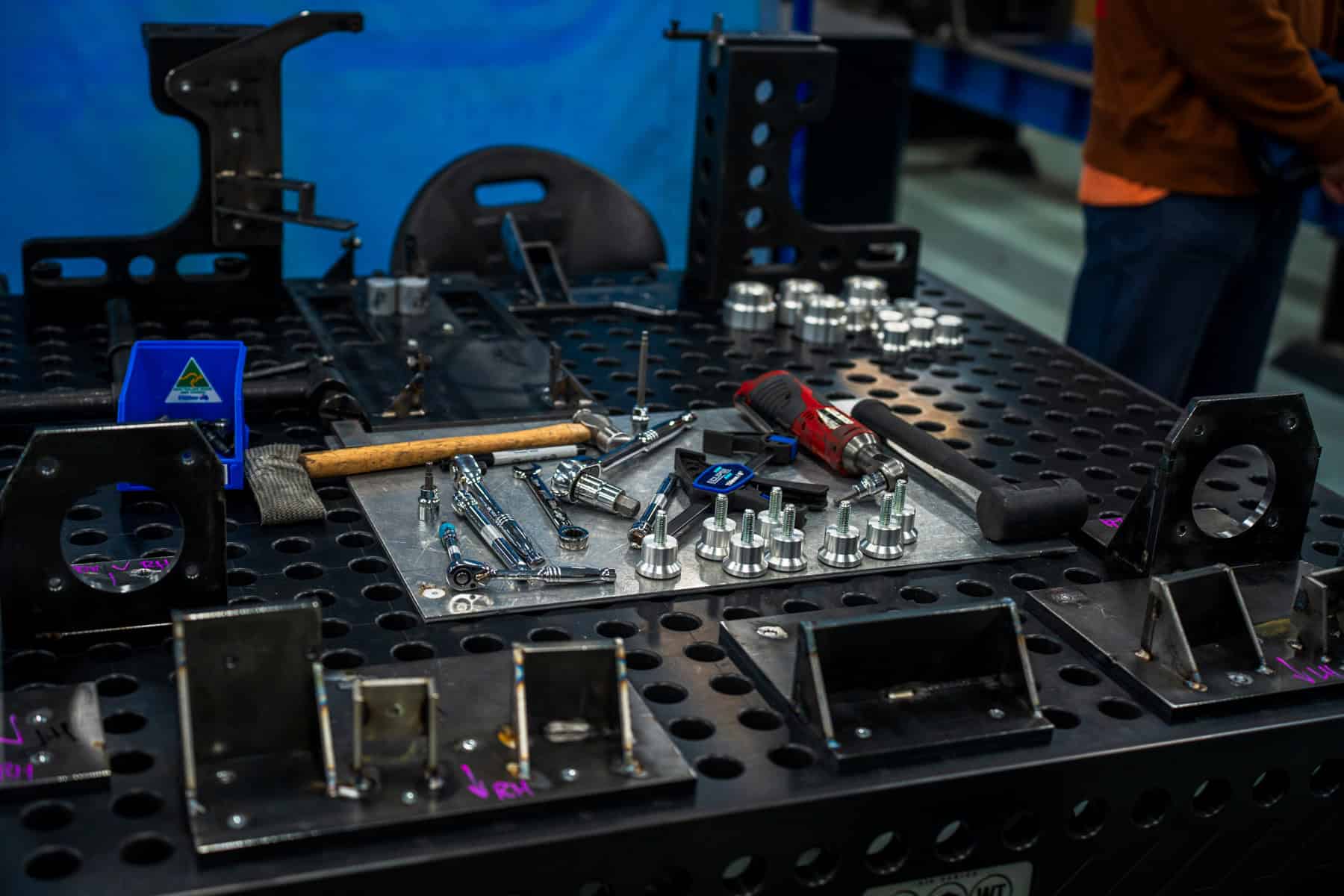
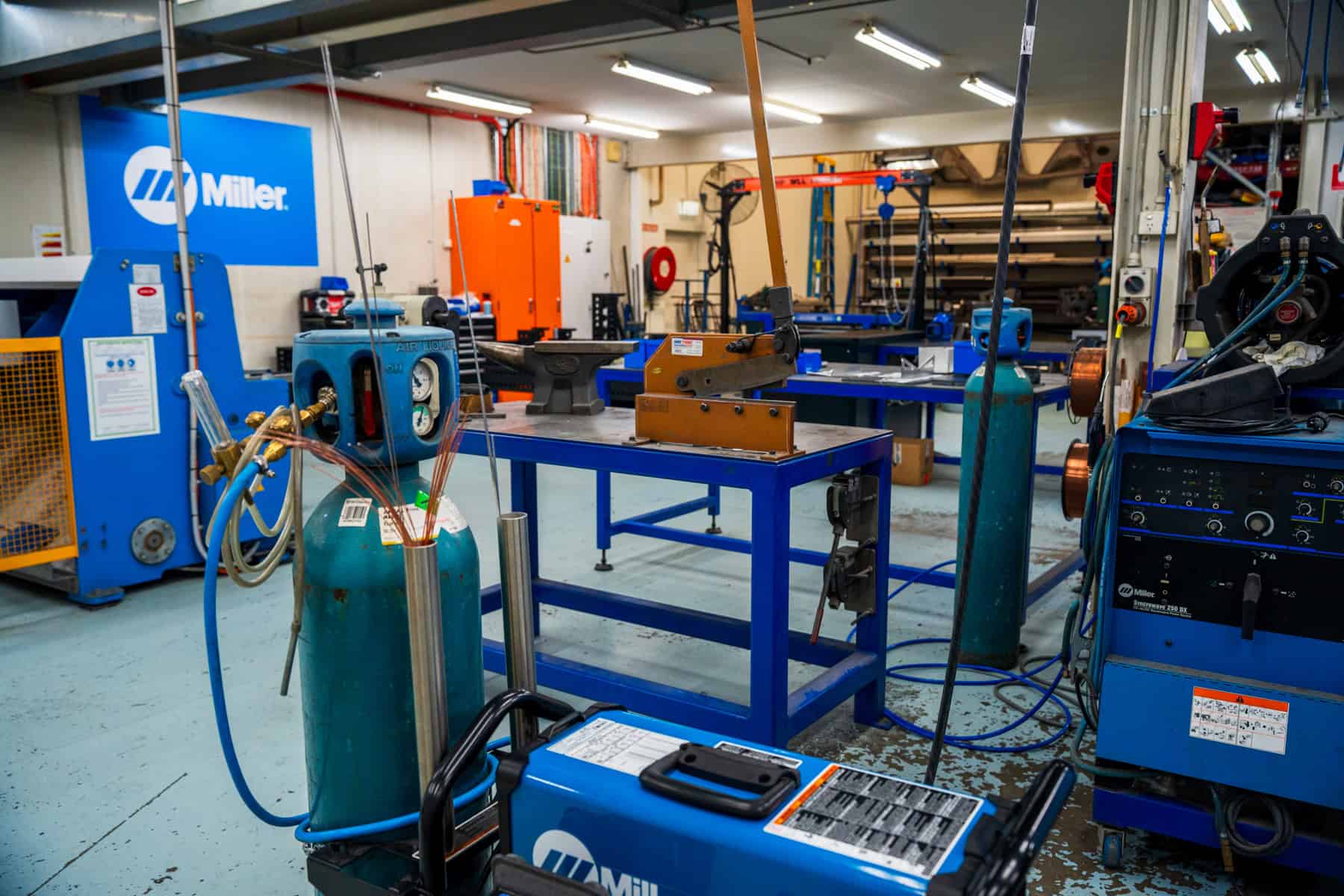
To the left of the hoists were two separate rooms, one containing the Tickford Machine Shop and the other Tickford Fabrication, where individual components and even entire chassis were assembled.
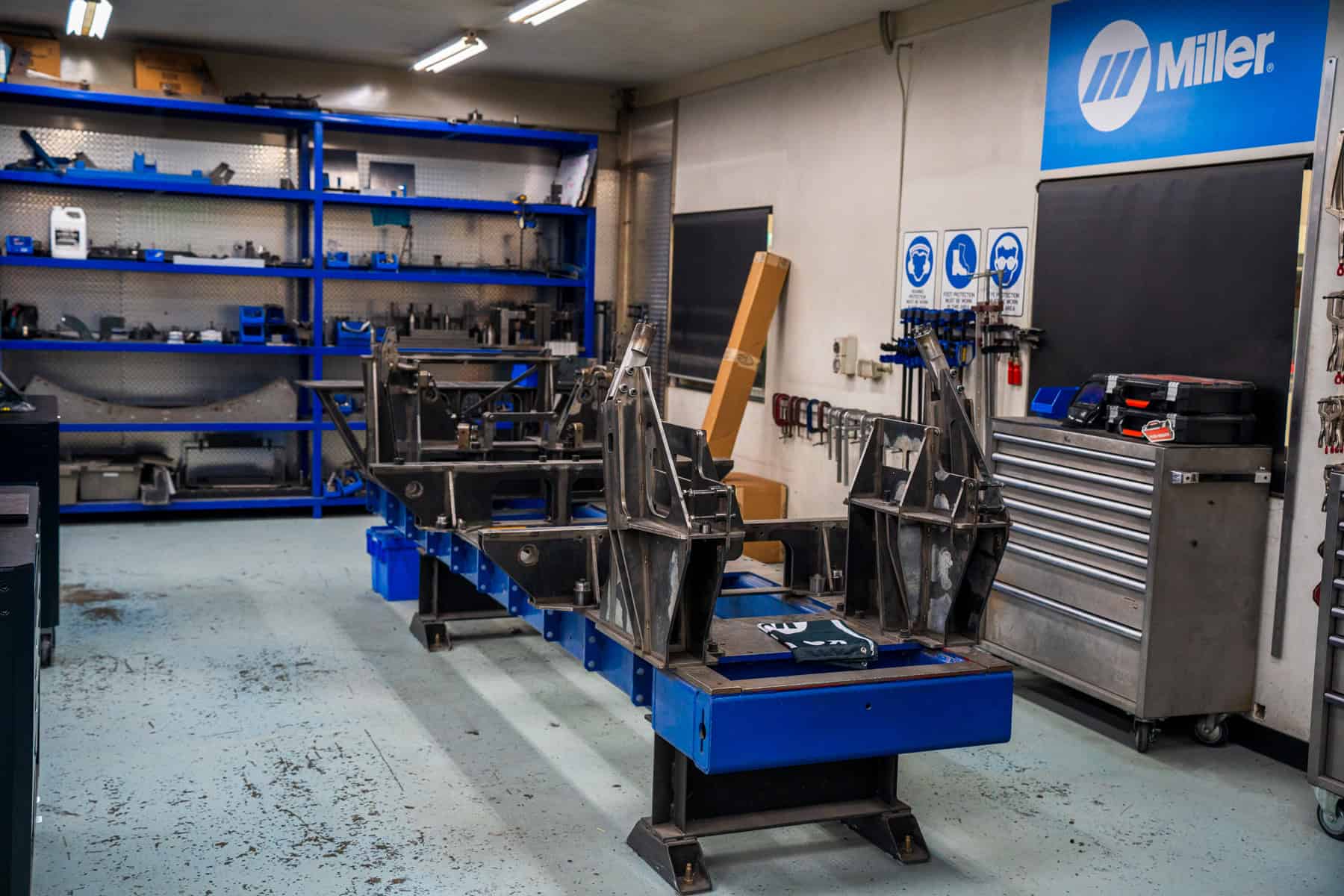
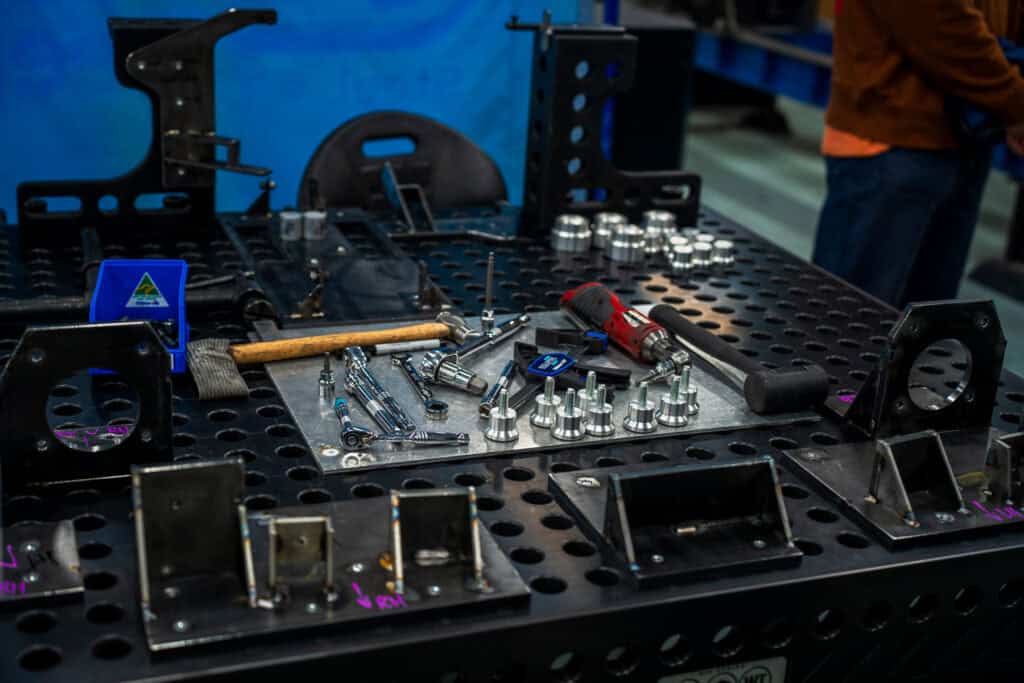
Employing several full-time fabricators, Tickford can produce just about anything – from creating its own Gen 3 Supercars steering rack to replace the early Italian-made units through to all of the vehicles’ carbon panelling worth over $10,000 a piece.
Indeed, our group was told during the tour that Tickford is “an engineering business that has a race team”, and that clearly shows when you look through this facility.
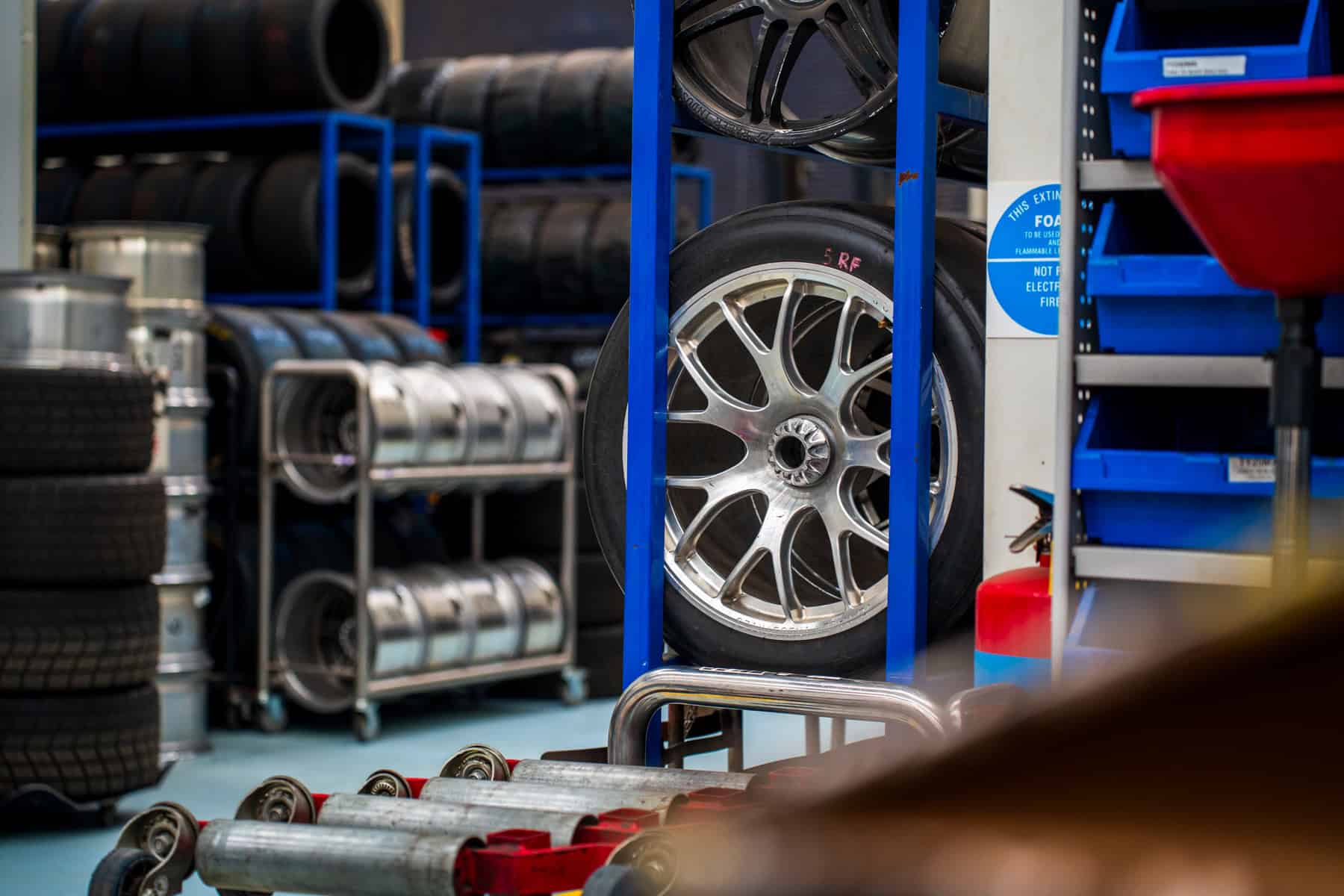
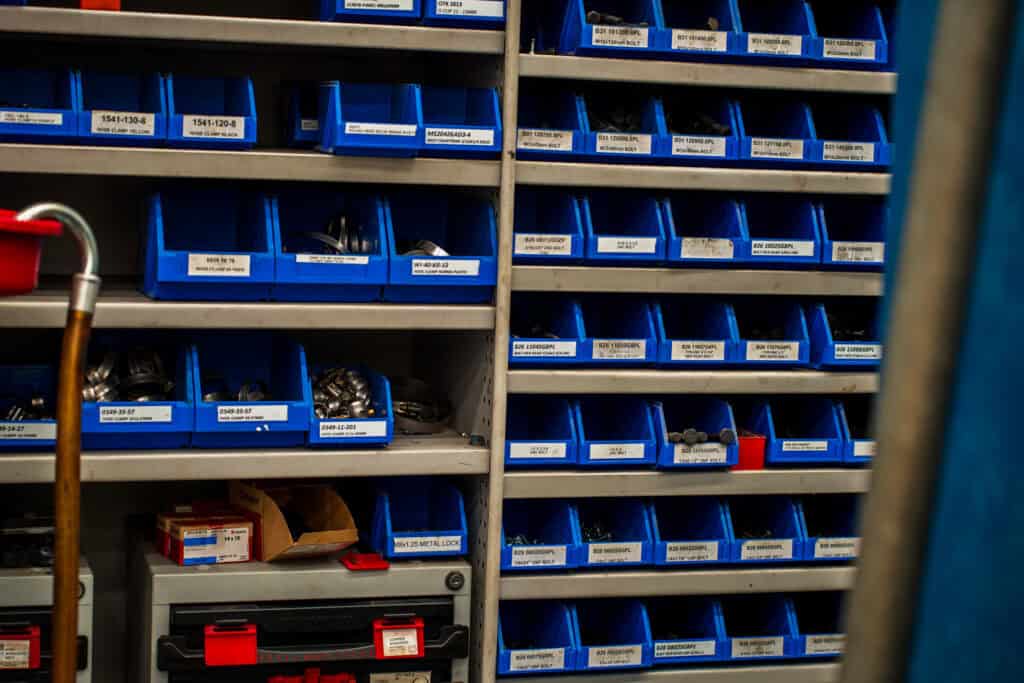
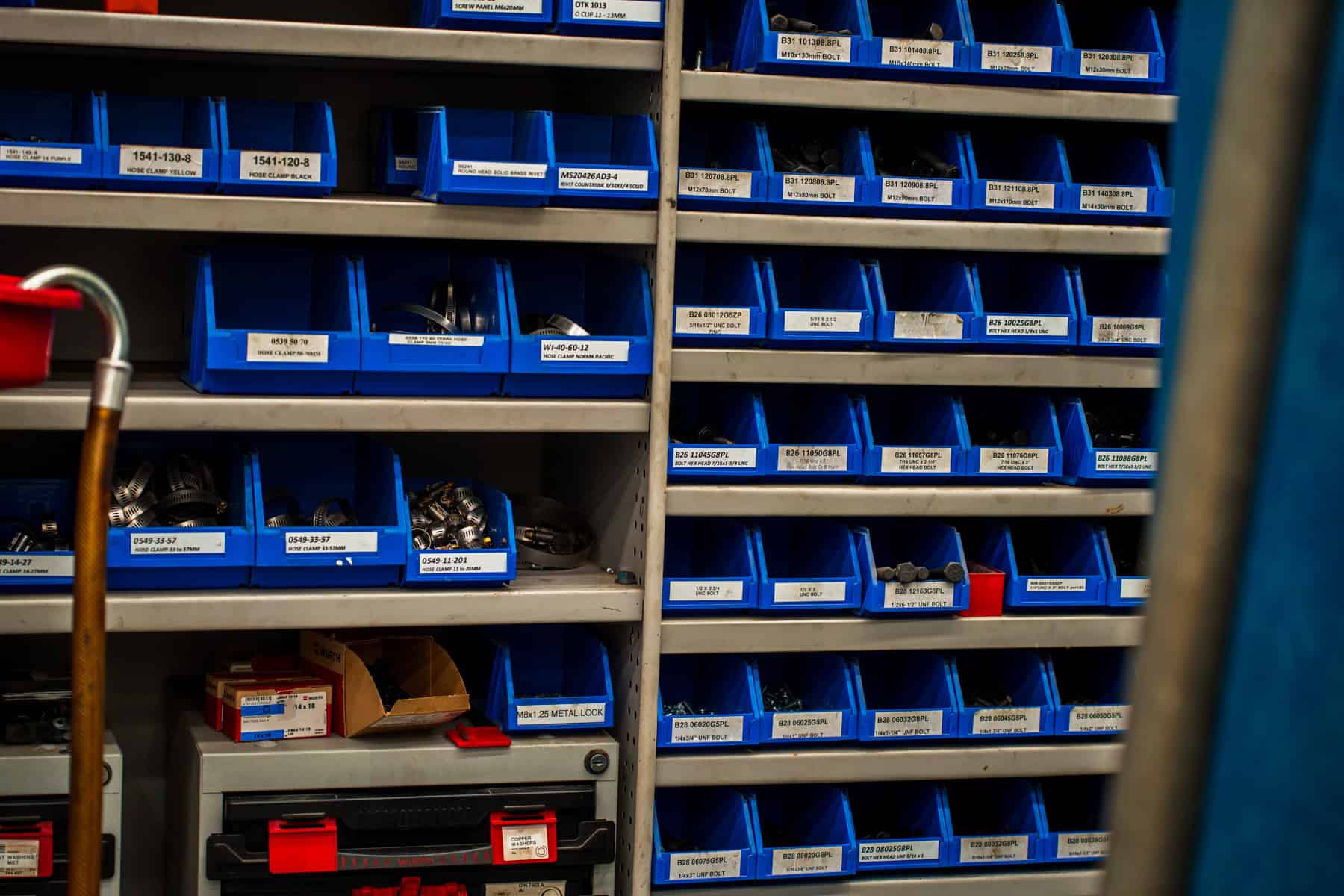
To the other side of the hoists, you’ll find storage for parts – including nuts and bolts all clearly labelled and organised utterly meticulously – along with wheels and tyres right next to the loading dock for transporting vehicles from.
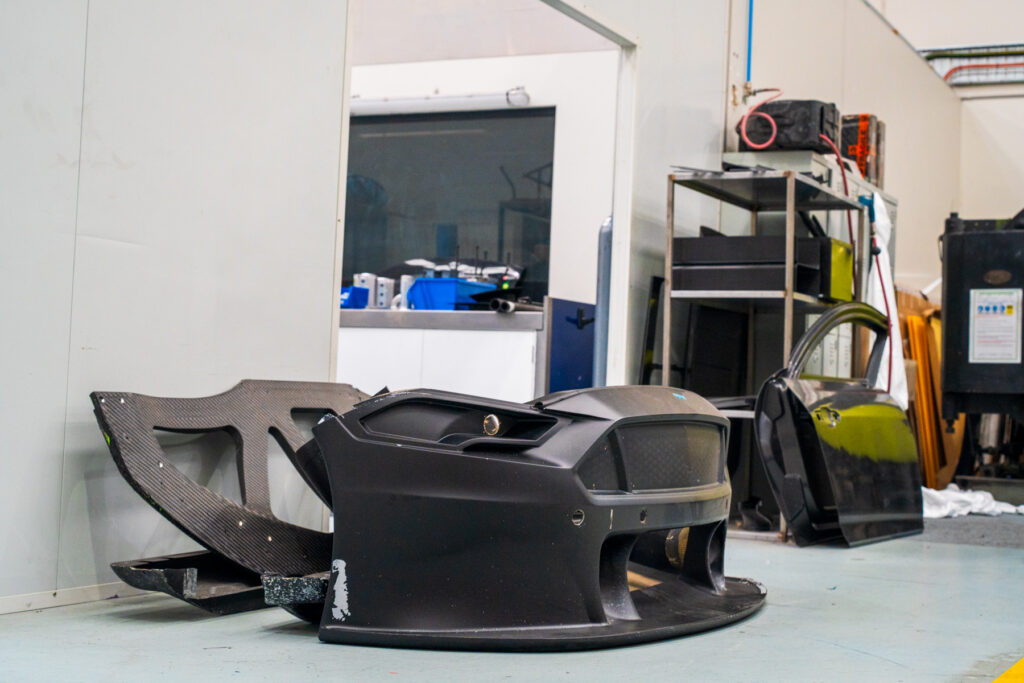
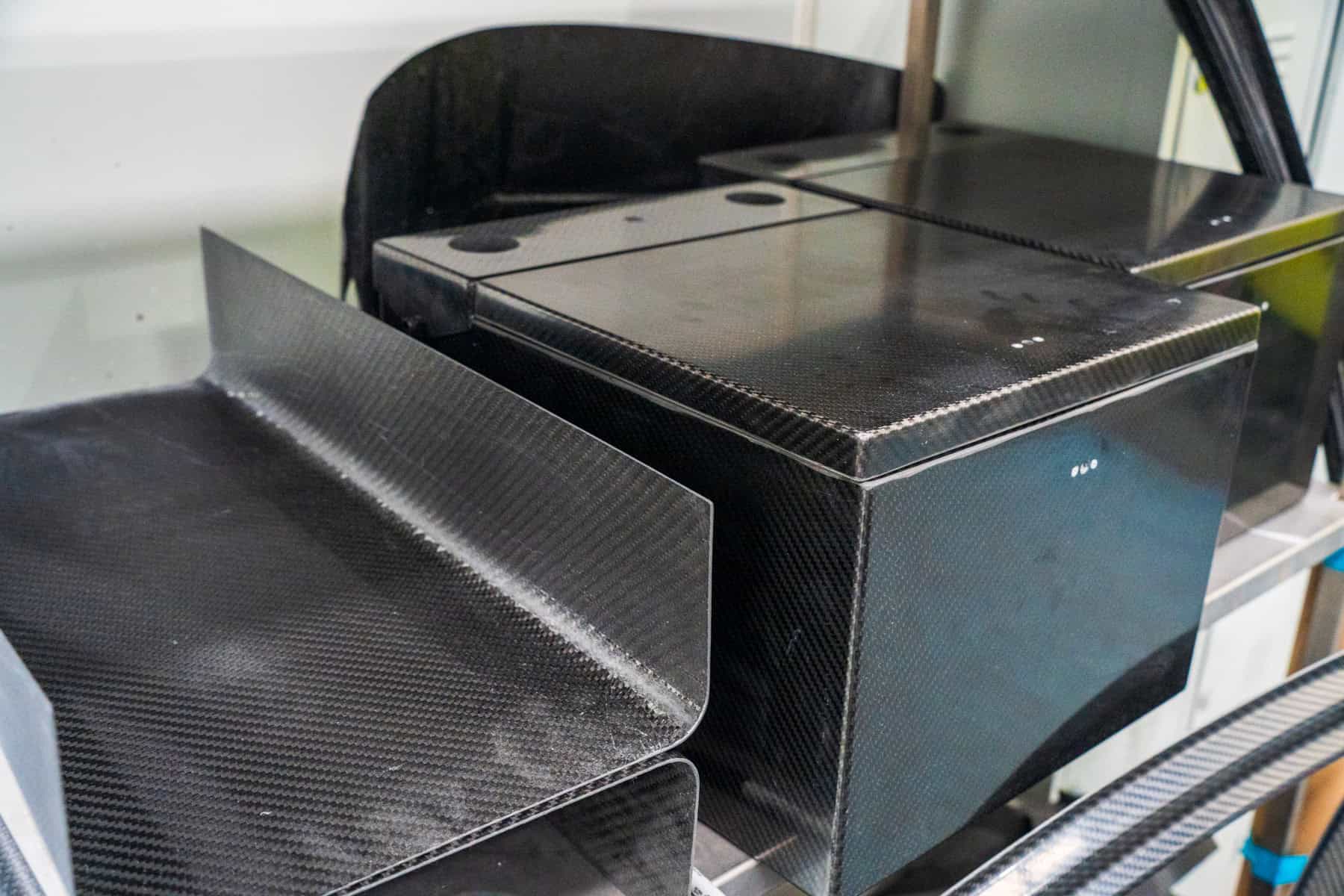
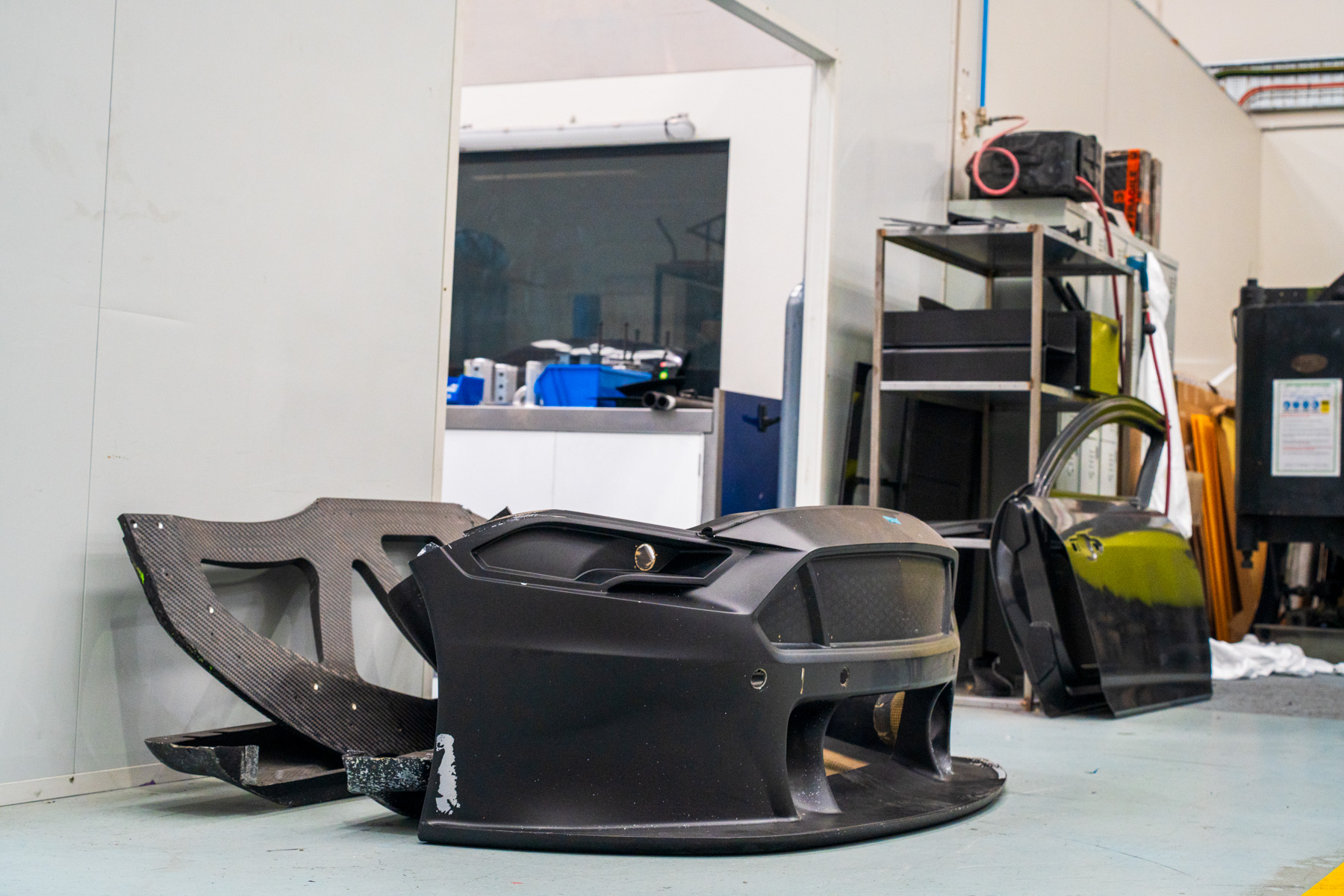
Next to that, you’ll also see the advanced equipment Tickford uses to manufacture carbon fibre from the raw materials, with some finished items including a front bar and doors scattered around to show us punters what the finished product looks like before the livery is applied.
While automotive mass production is now long-dead in Australia, there are still some little pockets of expertise that show just how talented this country’s engineers truly are, and this tour of the Tickford Racing headquarters was clear proof of that.
No matter which side of the Aussie car fence you sit on, or even if you have no horse in the Ford-versus-Holden race, this is the kind of talent and expertise that can leave anyone impressed.