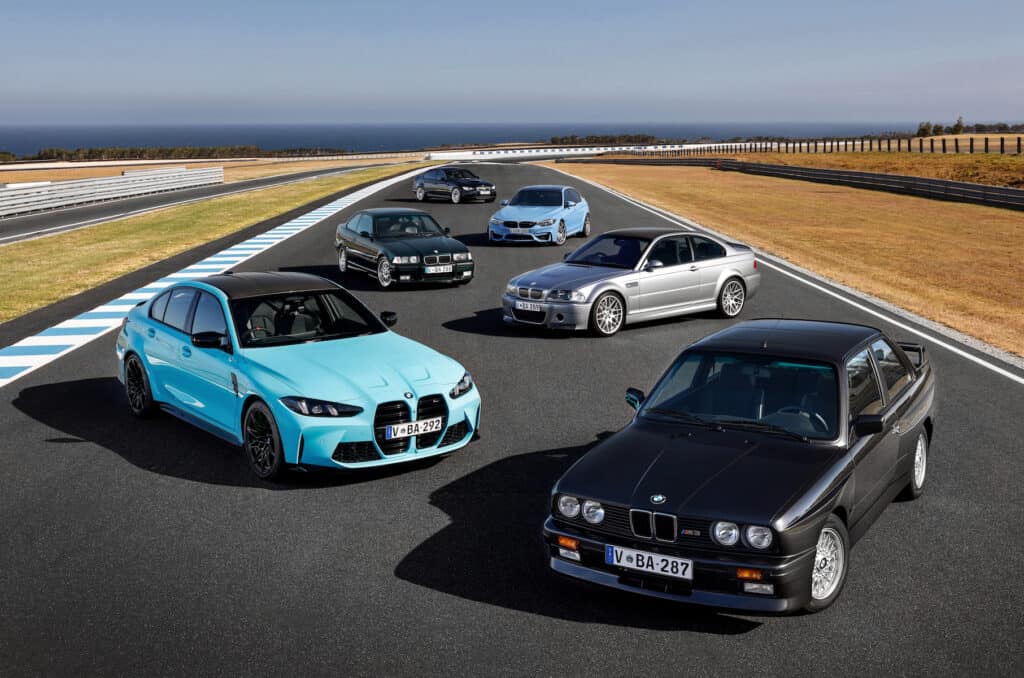
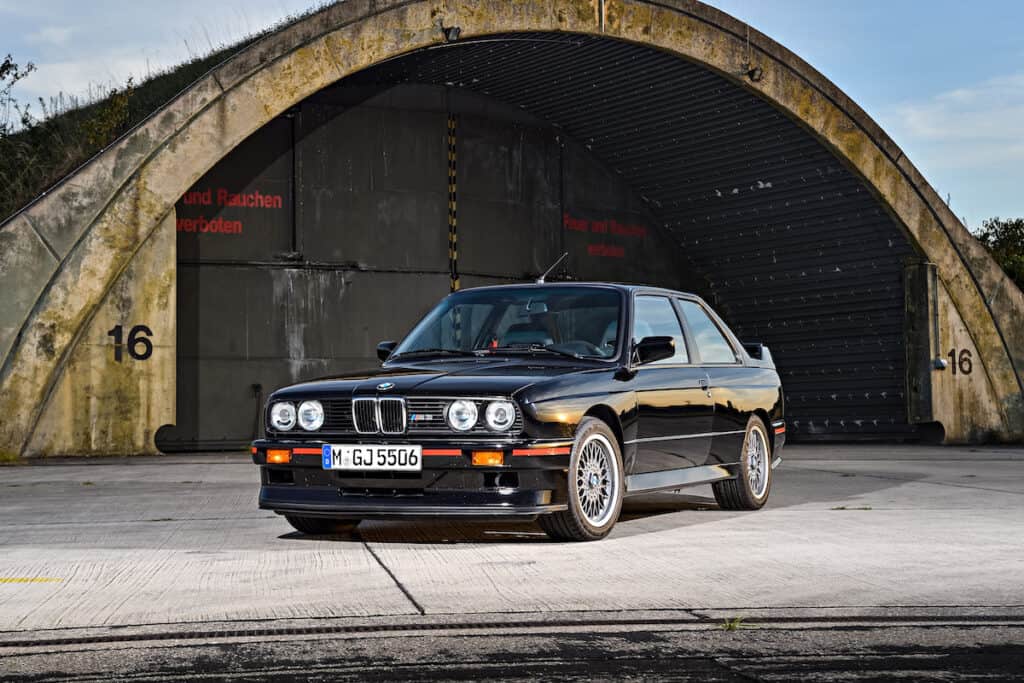
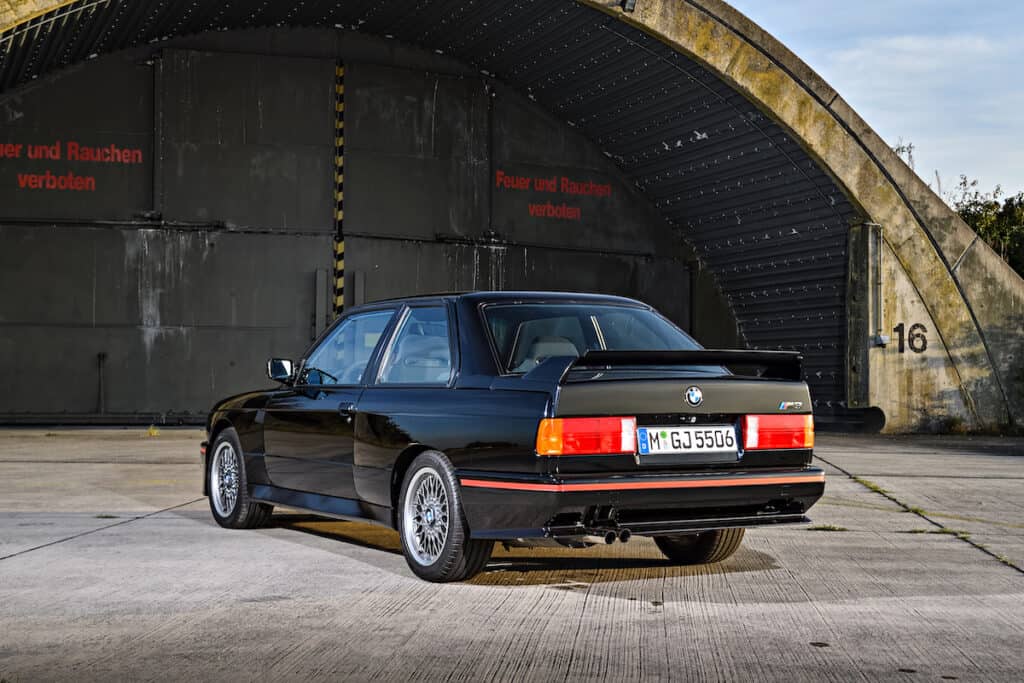

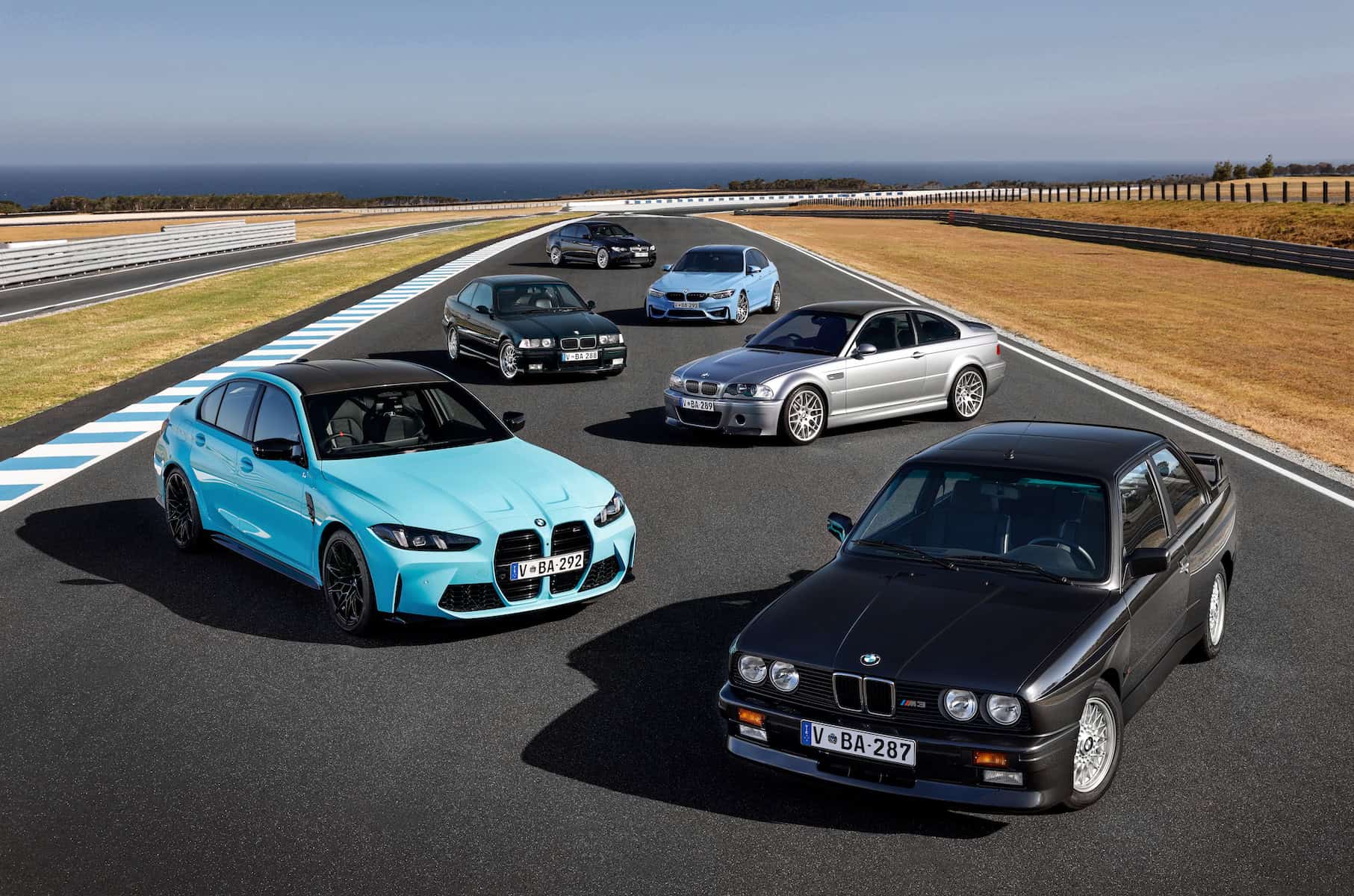

Over the past four decades, the BMW M3 has solidified itself as a true legend in the world of performance cars. From being a giant-killer on motorsport circuits to a sales success on the road, those two characters in its nomenclature tell an unquestionably impressive story.
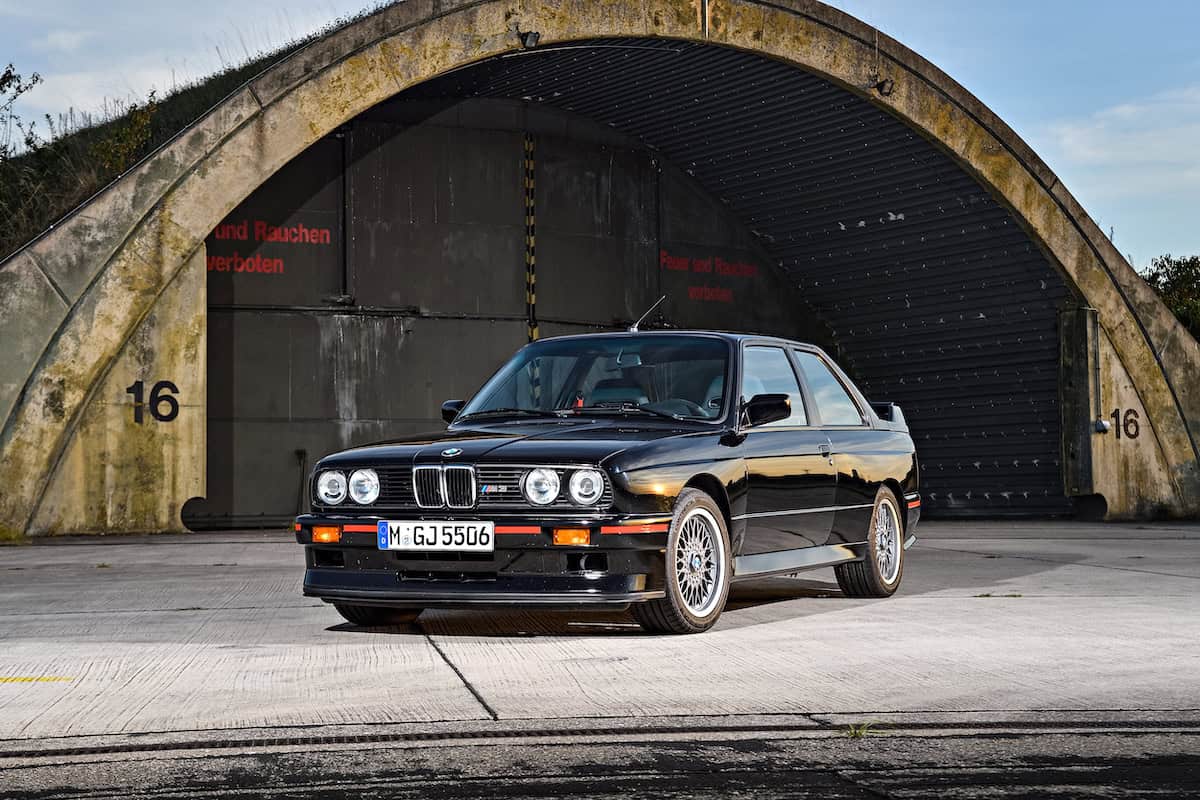
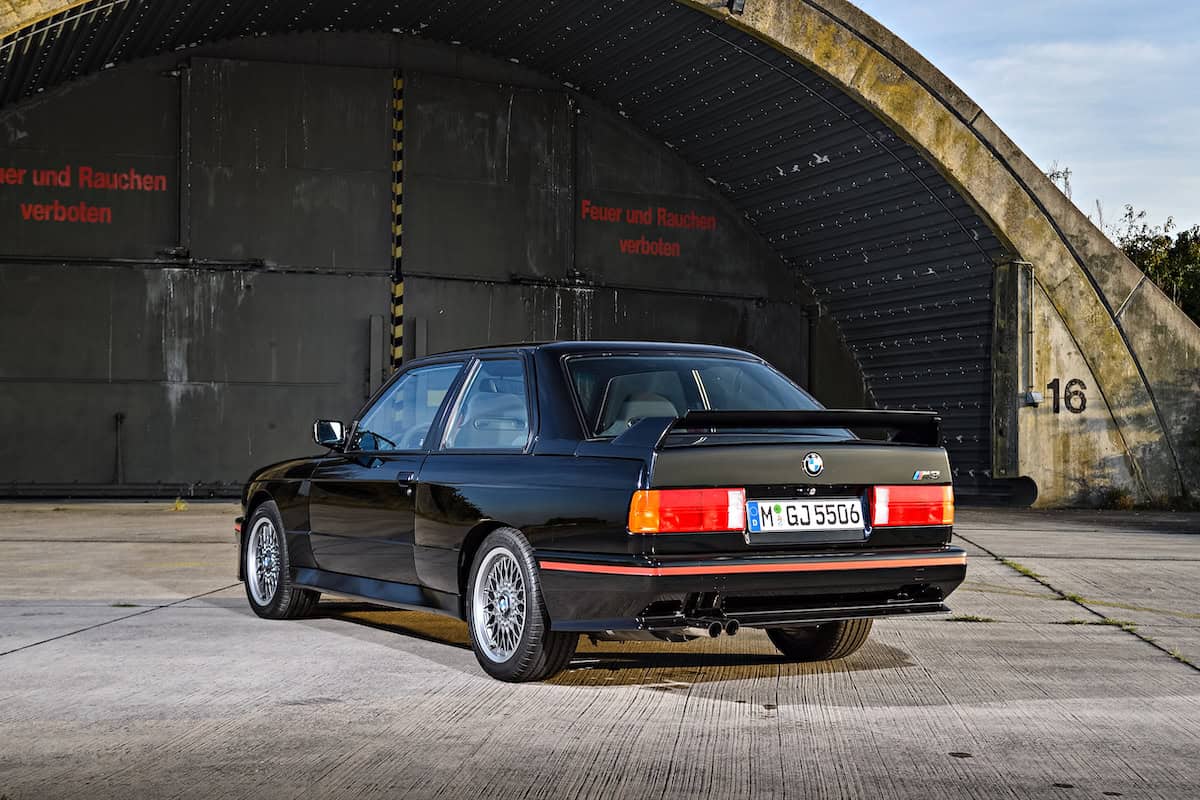
While 2025 marked 50 years of the 3 Series upon which the M3 is based, 2026 marks 40 years exactly since the M3 first launched with the four-cylinder powered E30 model back in 1996.
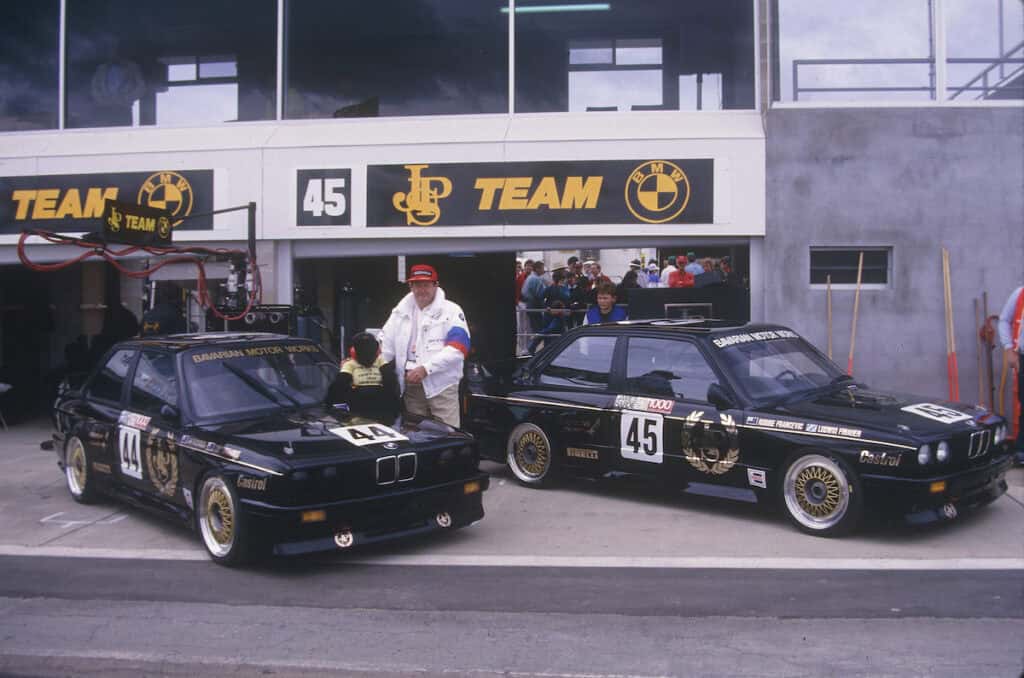
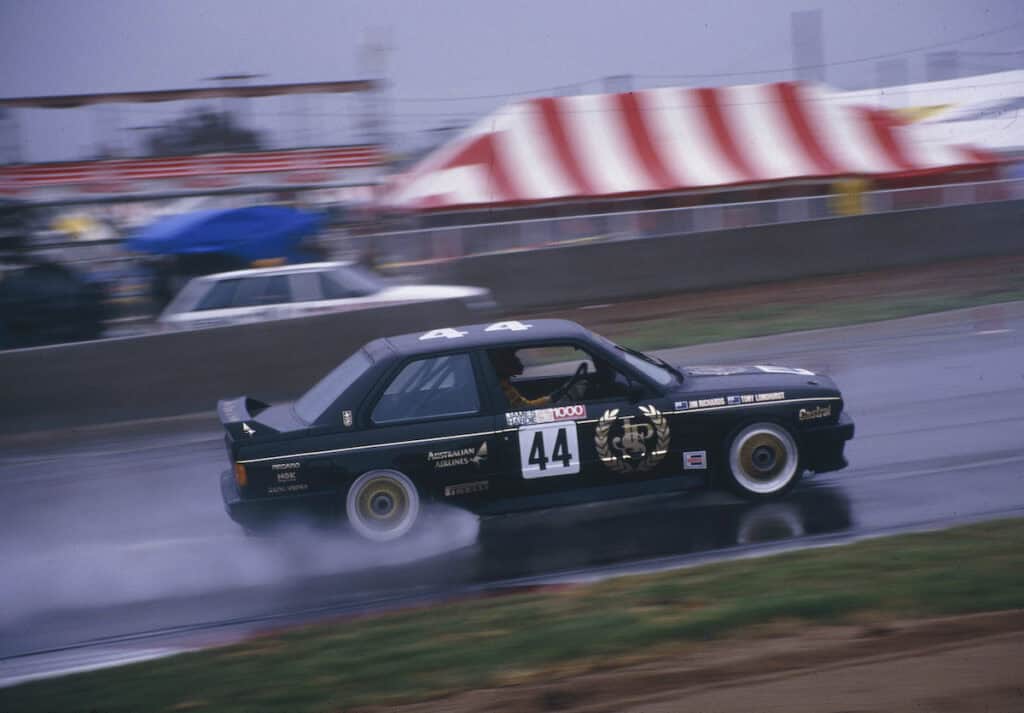
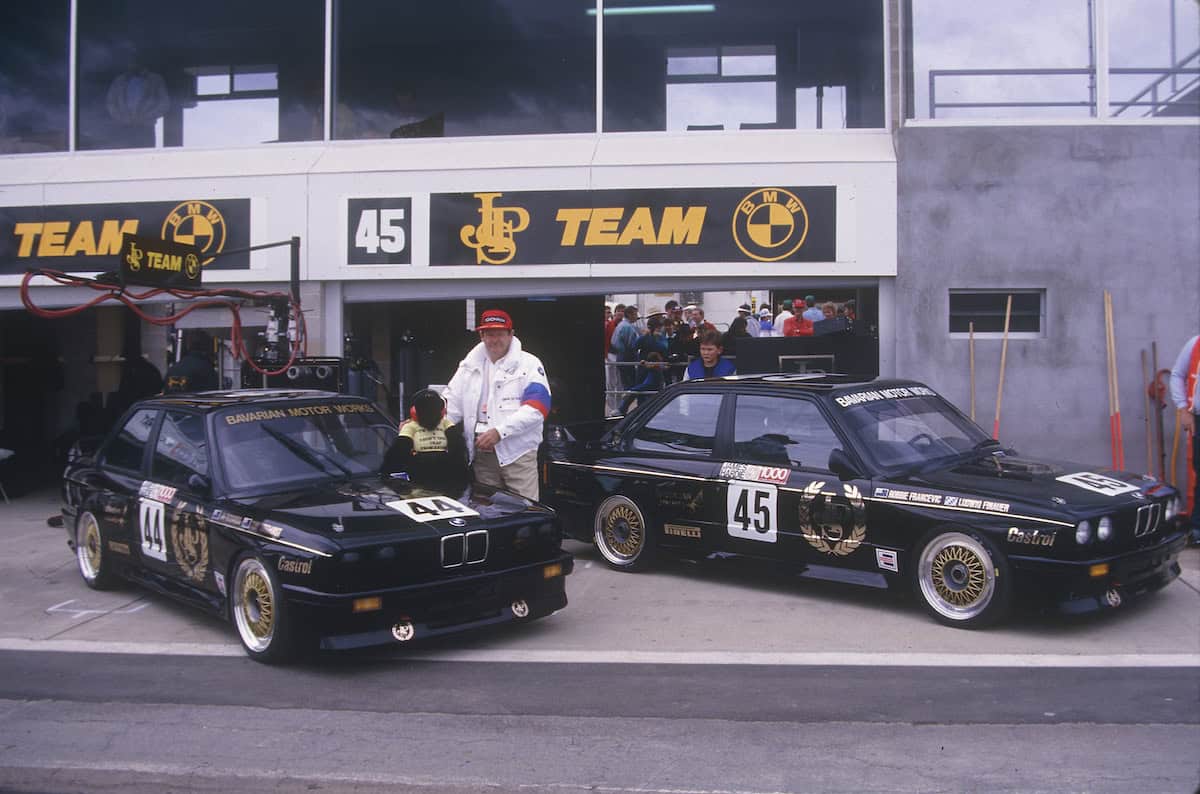
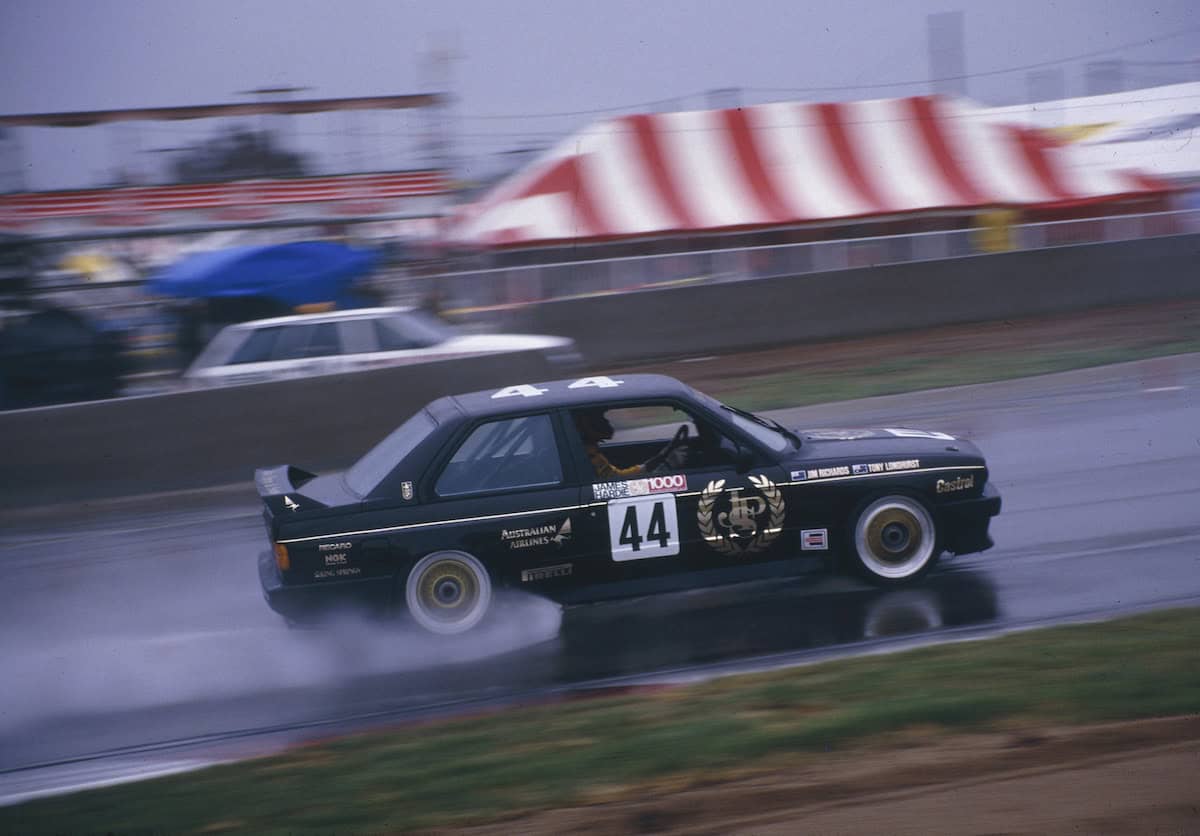
Despite never being officially imported into this country by BMW Australia as it was only built in left-hand drive, the E30 M3 still gained notoriety on the local motorsport stage, being driven to victory in the 1987 Australian Touring Car Championship by Jim Richards.
That same winning car was later transformed into one of BMW’s iconic ‘Art Cars’ by Sydney artist Ken Done, while a second Group A race car was later turned into a canvas by Michael Jagamara Nelson who turned the created a showpiece of Papunya art over the M3’s lines.
There began the local love for the M3, despite not officially going on sale to punters until the following E36 generation, launched internationally in 1992 but locally in ’94.
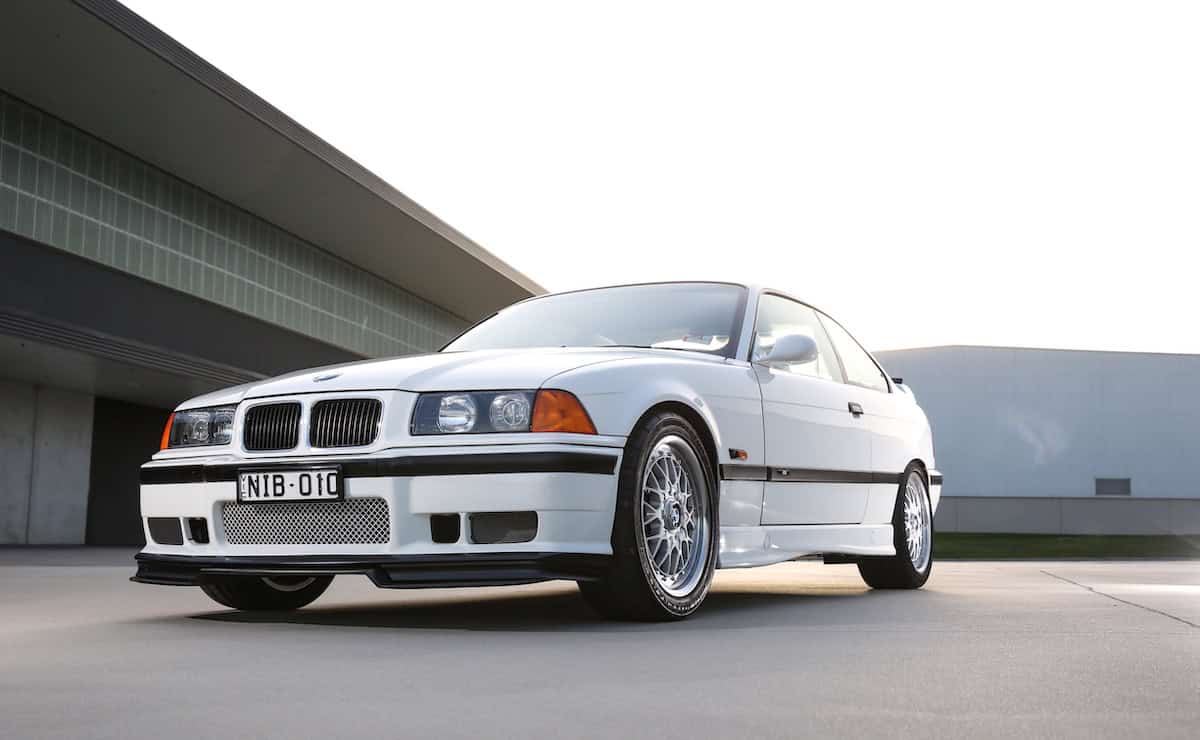
Now boasting a straight-six engine, along with four-door and convertible bodystyles alongside the original two-door configuration, the E36 continued to impress on local racing circuits.
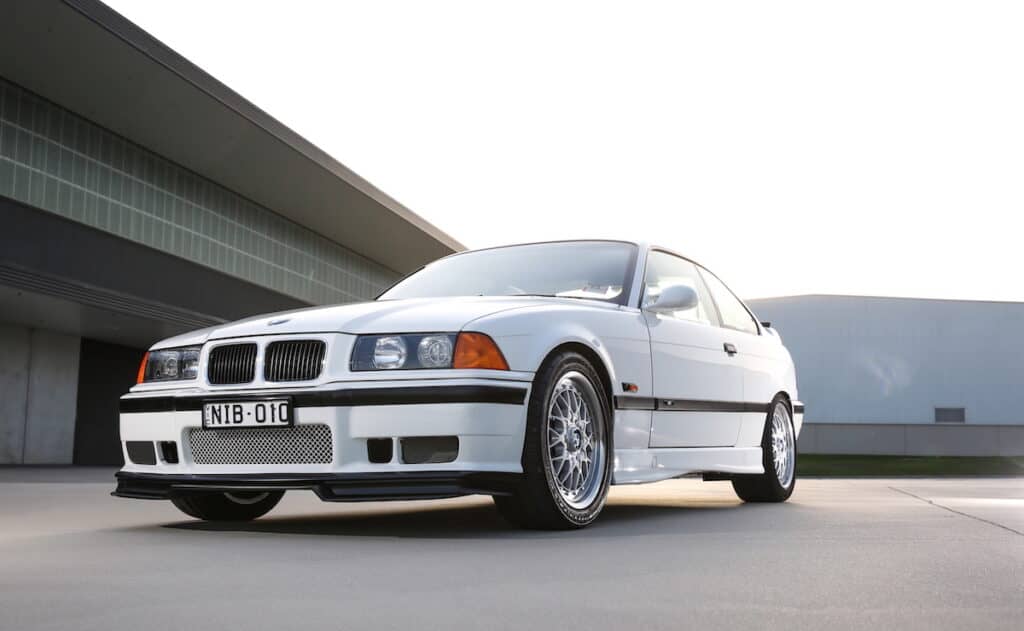
Following the success of the 320i in the Australian Super Touring Championship, 1995 saw the arrival of a special Australian-only version of the E36 M3 – the M3 R road-going racer, of which only 15 examples were produced, making it the rarest E36 variant worldwide.
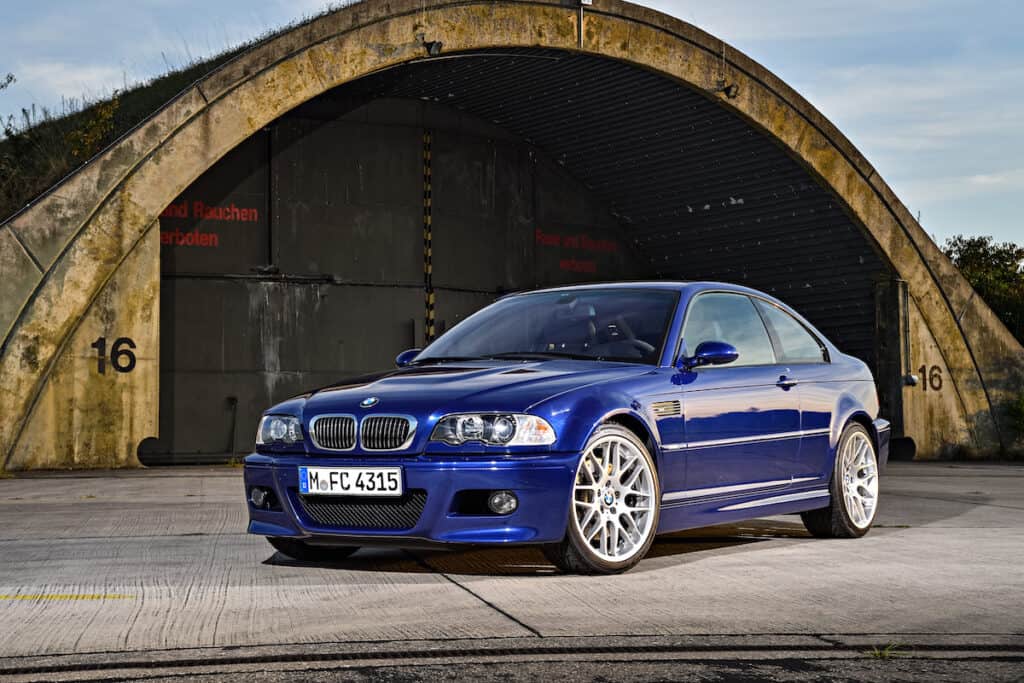
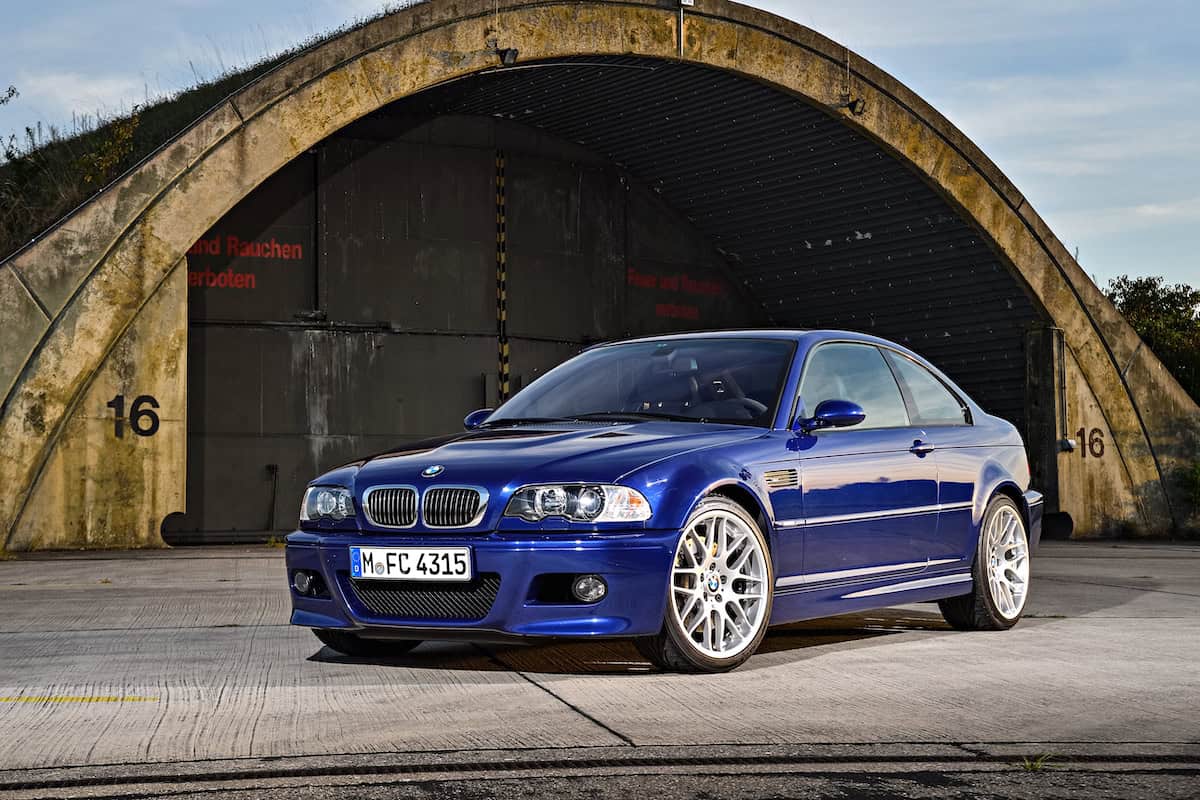
The E46 generation followed at the turn of the century. This was the first M3 to feature a variable M differential lock, had an optimised version of ‘Double VANOS’ variable valve timing, and electronic throttle control.
It also made a mark in US motorsport via the V8-powered BMW M3 GTR; anyone familiar with the iconic 2005 video game Need for Speed: Most Wanted will recognise the GTR from the cover.
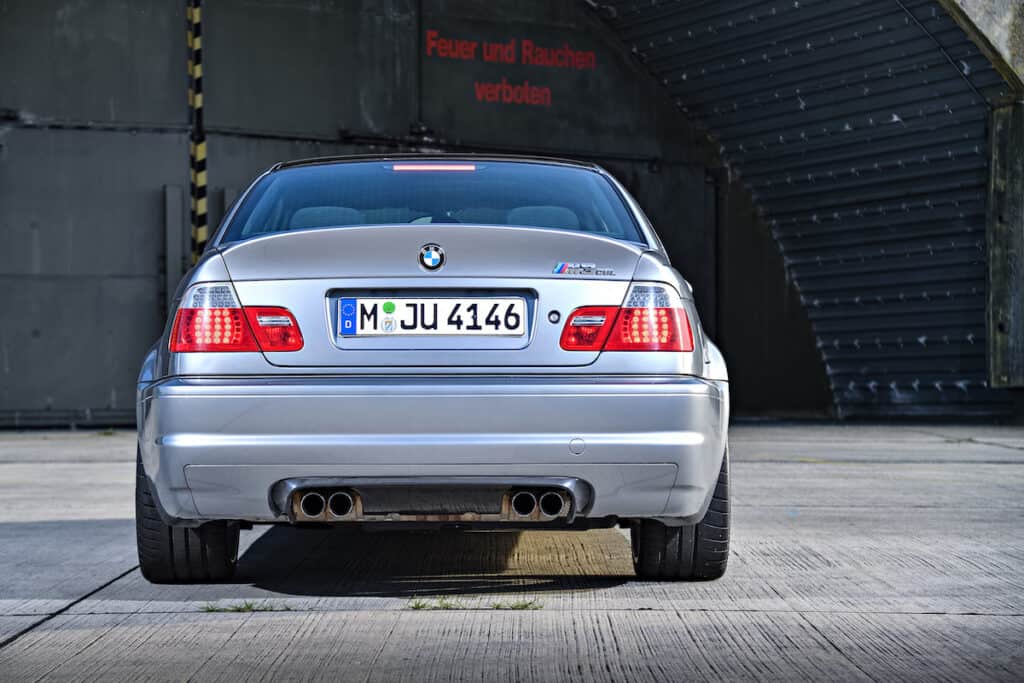
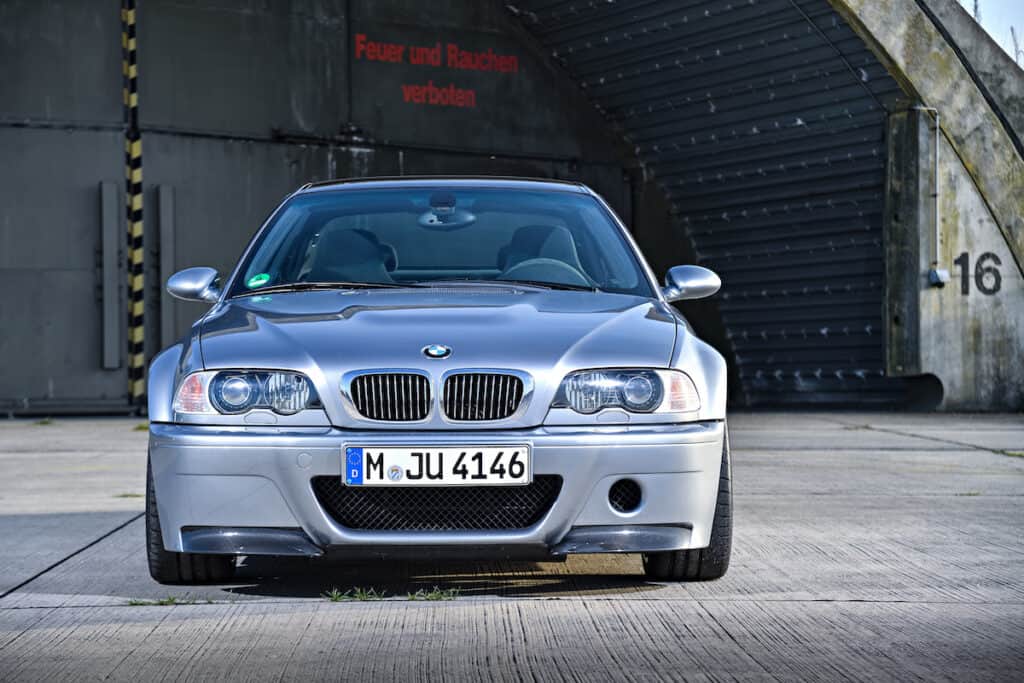
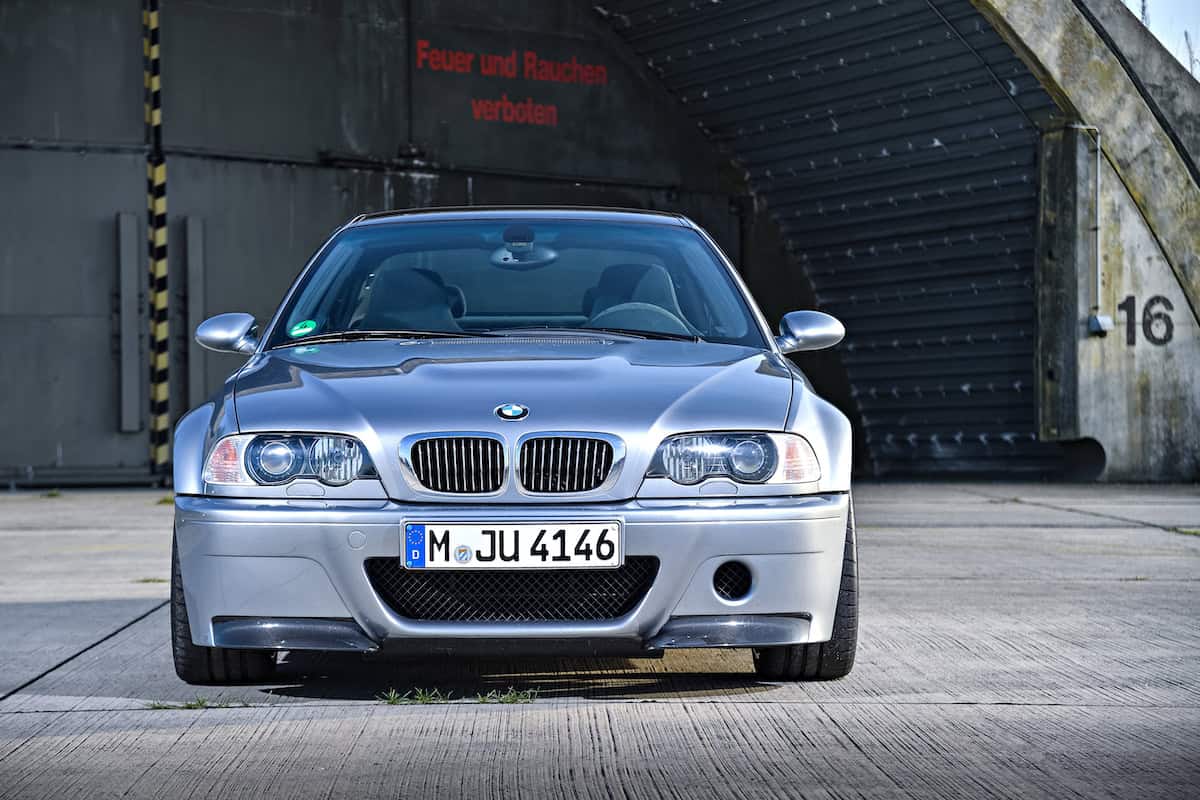
The most important model of the E46 generation, however, has to be the iconic M3 CSL (“Coupé, Sport, Lightweight”), arguably the greatest M car of all. Launched in 2003, it was 110kg lighter than the car on which it was based, tipping the scales at just 1385kg thanks to the use of carbon fibre reinforced plastic (CFRP) and aerospace-derived glass fibre reinforced plastic.
Featuring a revised straight six engine with a carbon airbox, it produced 256kW of power and could achieve the M3’s first sub-five-second 0-100km/h time at just 4.9-seconds.
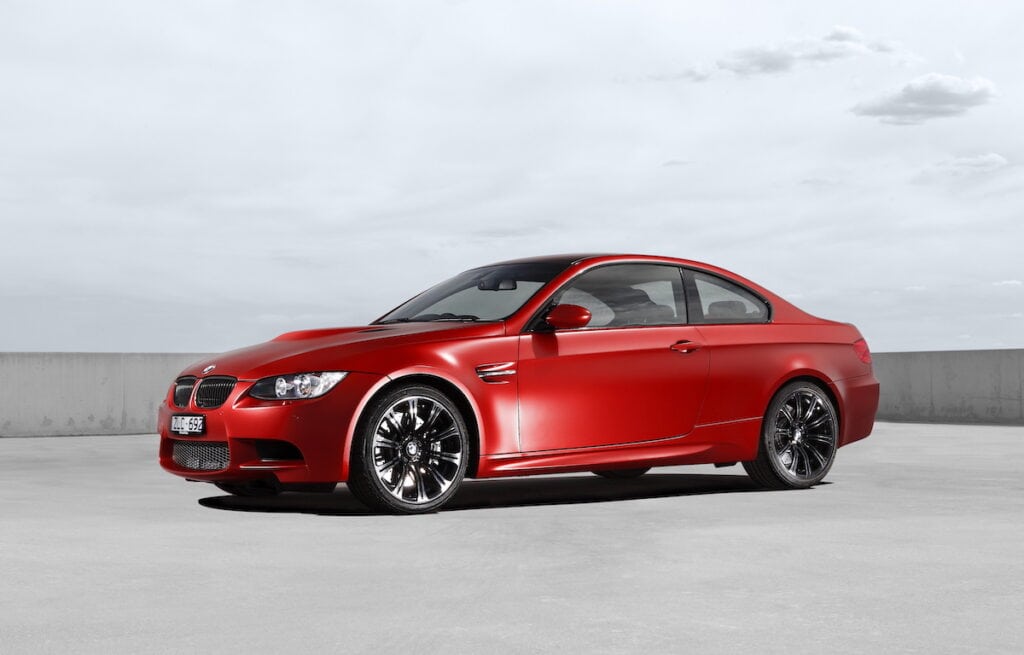
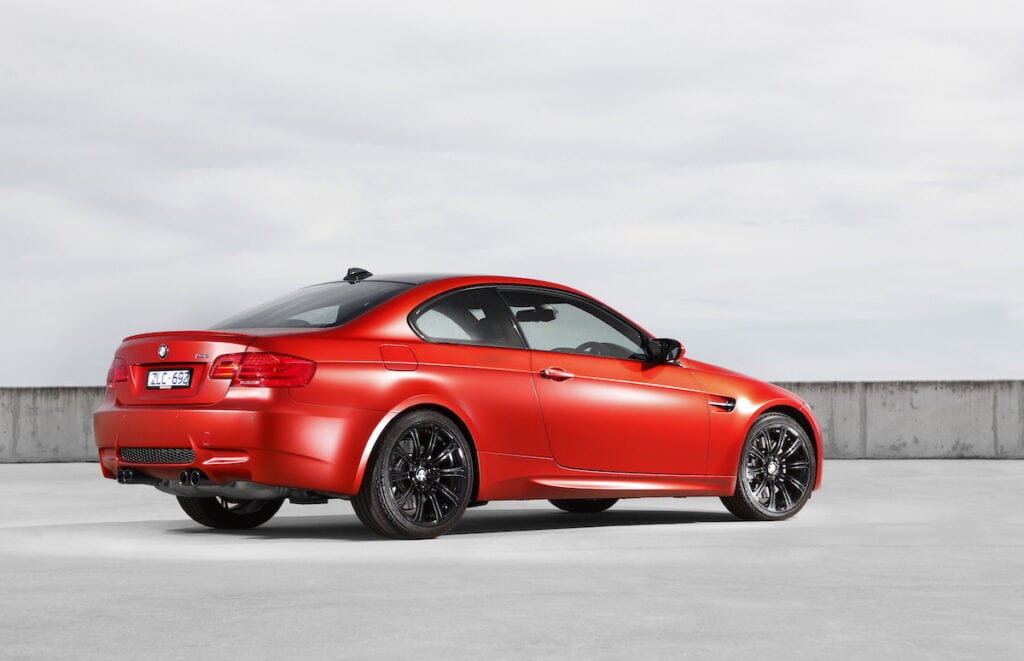
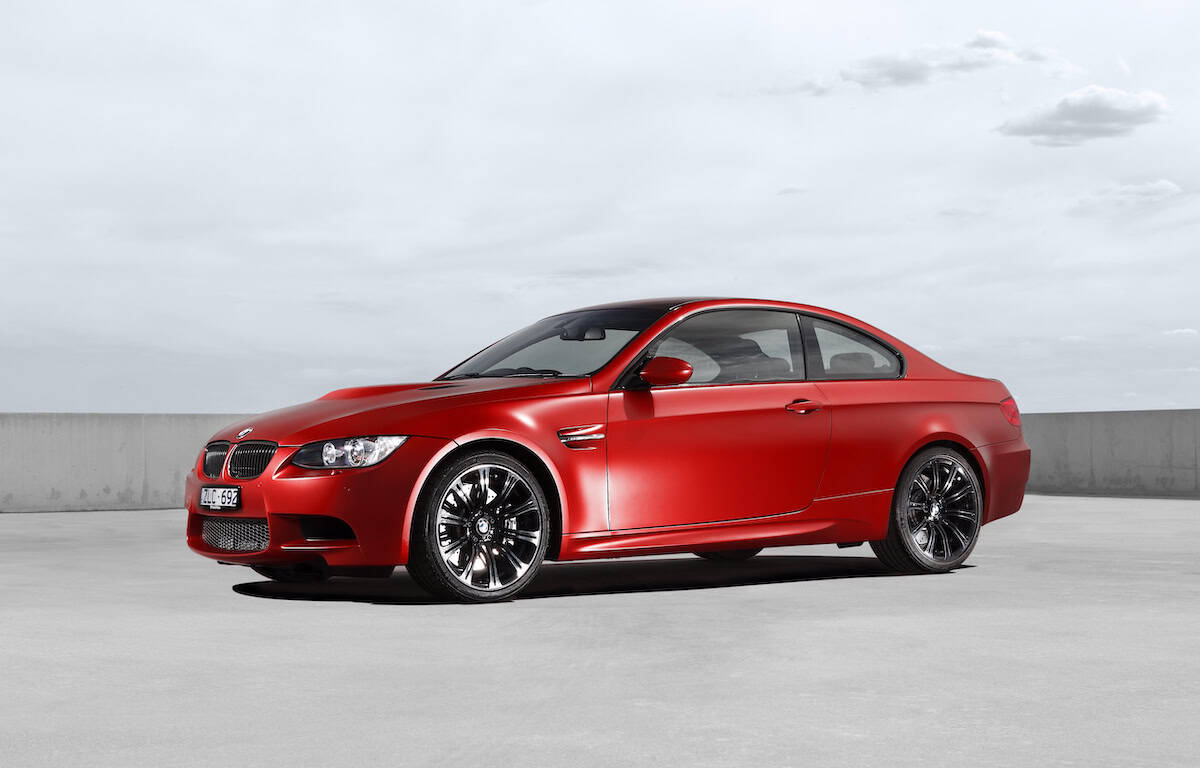
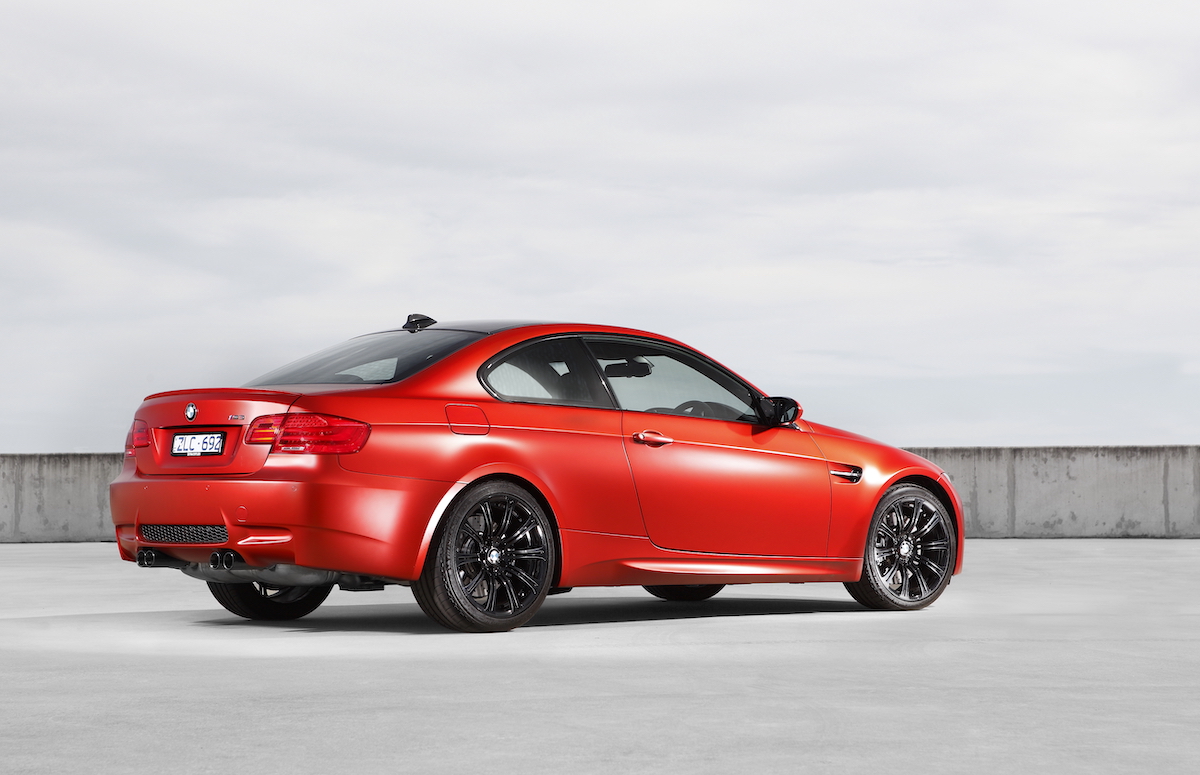
2007 saw the launch of the E9x generation with E90 sedan, E92 coupé, and E93 convertible body styles. The first and only production M3 to feature a V8 engine, its 4.0-litre unit could rev to an astonishing 8400rpm and developed 309kW.
The E92 coupé in particular was the first M3 to feature a carbon fibre roof as standard to reduce overall weight and lower its centre of gravity – something that has become a mainstay on BMW M cars since.
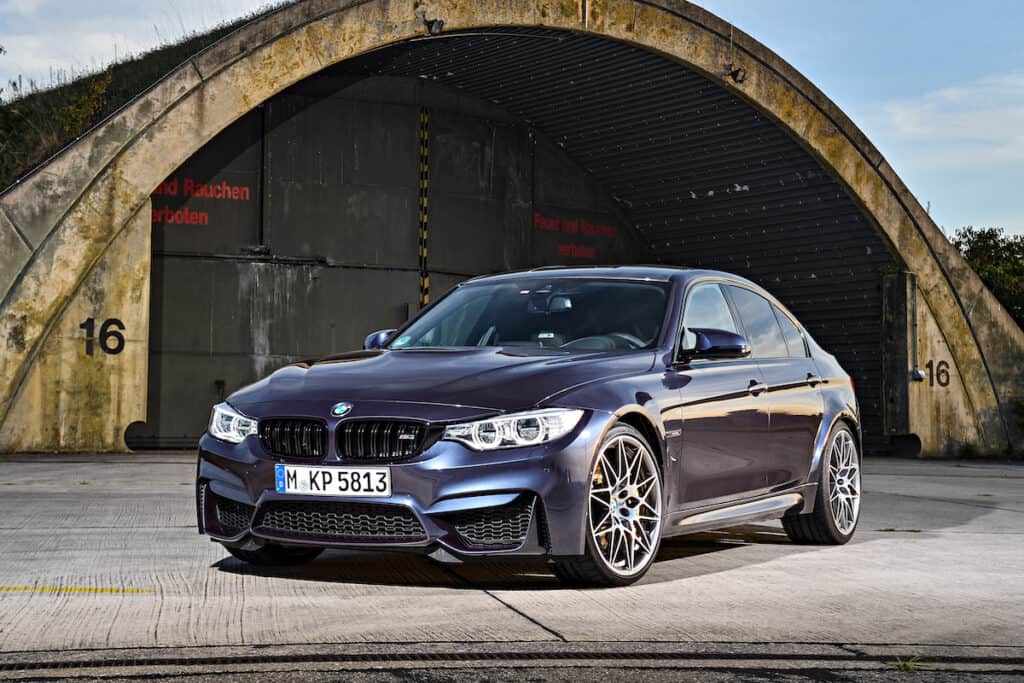
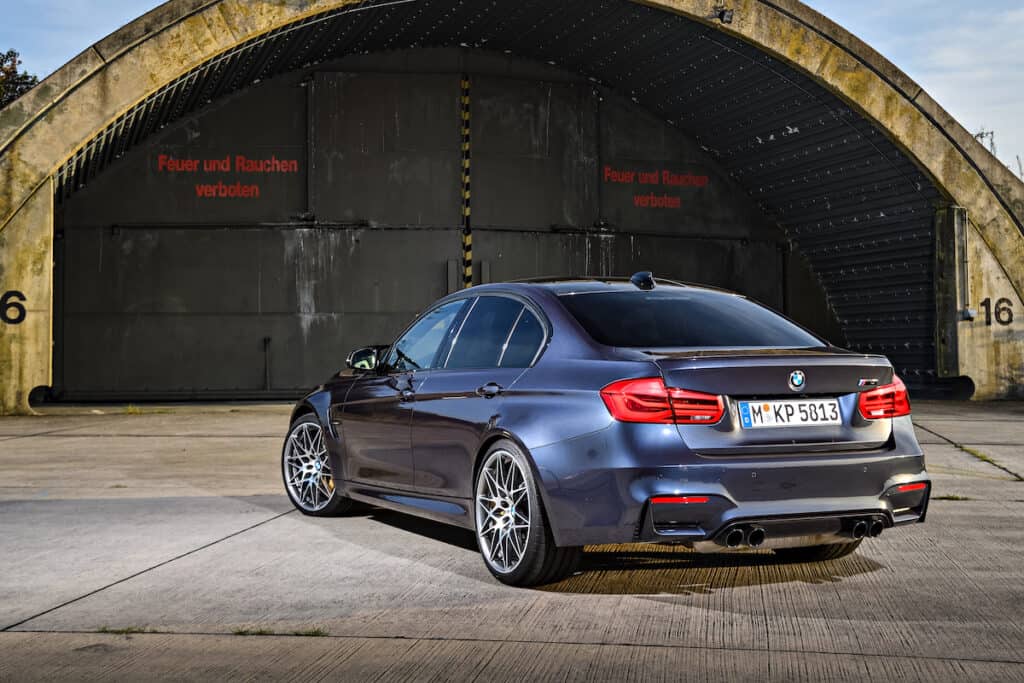
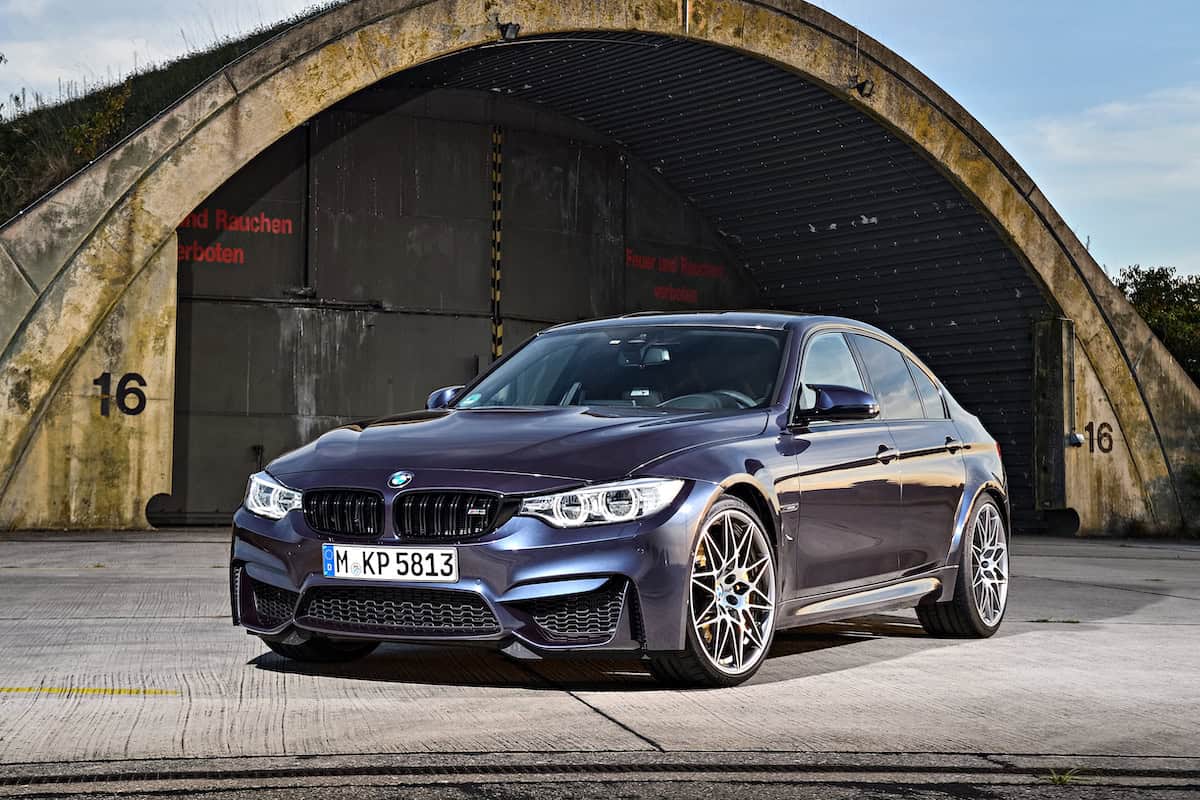
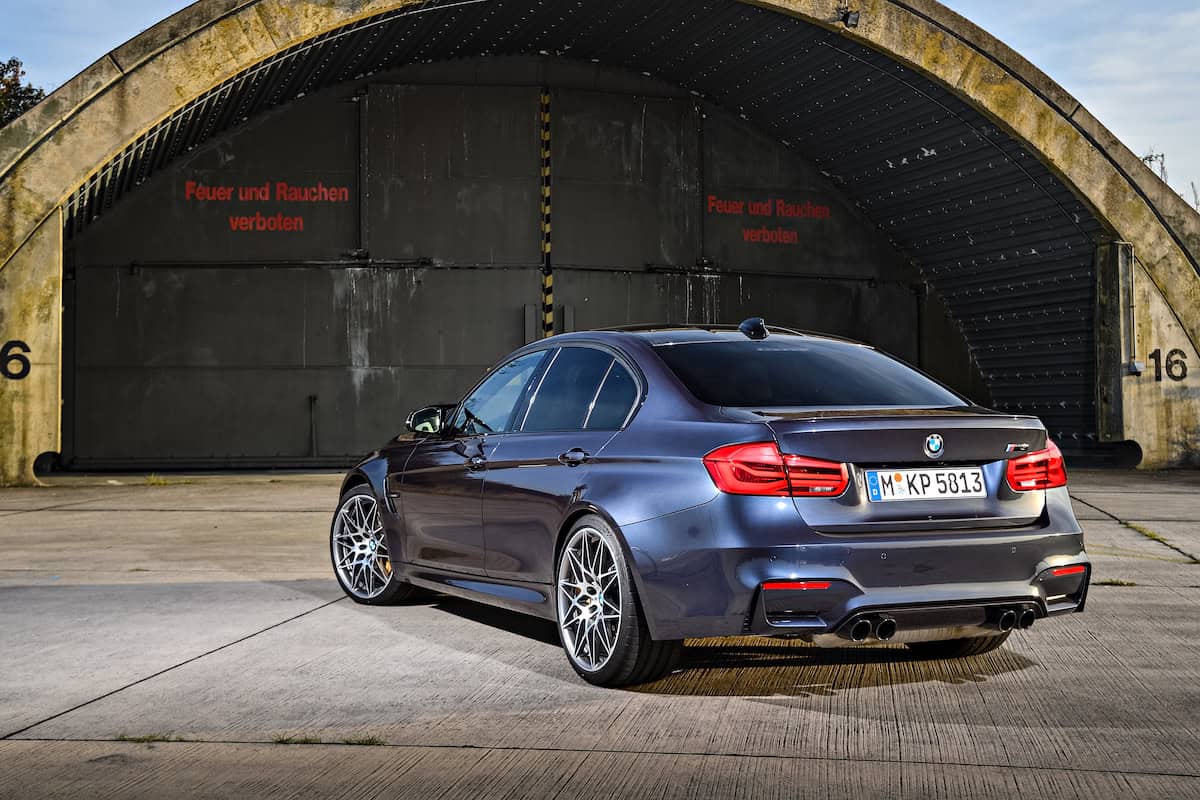
In 2014, BMW returned to straight-six power for the M3 but now featuring forced induction with the launch of the twin-turbocharged F80.
For the first time, the M3 was given a distinct model code to the 3er upon which it was based, while the M4 name was now applied to the coupé (F82) and convertible (F83) body styles. Thanks to power outputs of 317kW and 550Nm in base form, it was dispatched from 0-100km/h in just 4.1 seconds.
The sedan now featured a standard carbon roof for the first time, while the 2016 Competition variant brought changes to the engine and suspension with a power bump to 331kW and fitment of Adaptive M Suspension, along with bespoke mapping for the exhaust system and unique exterior elements.
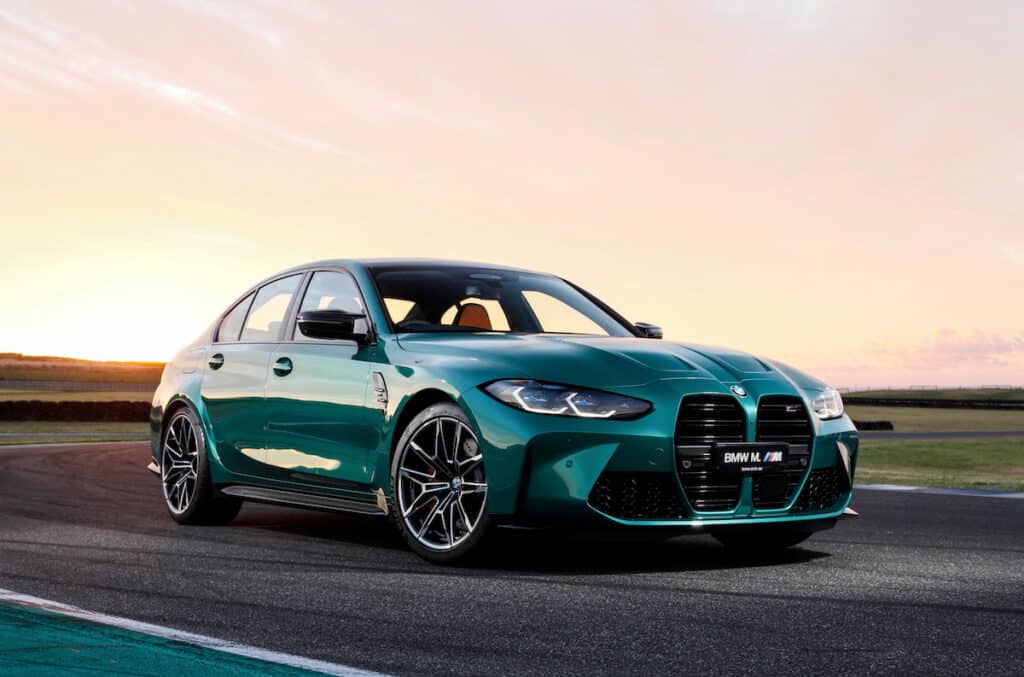
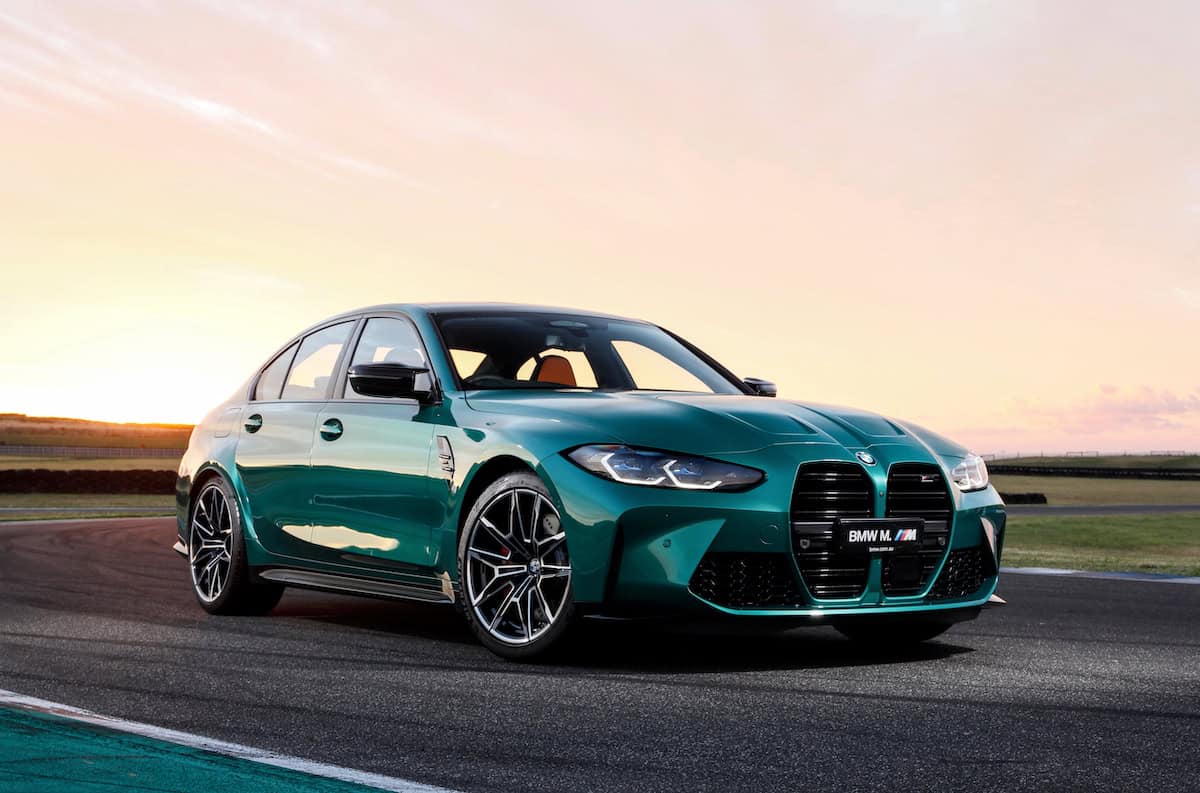
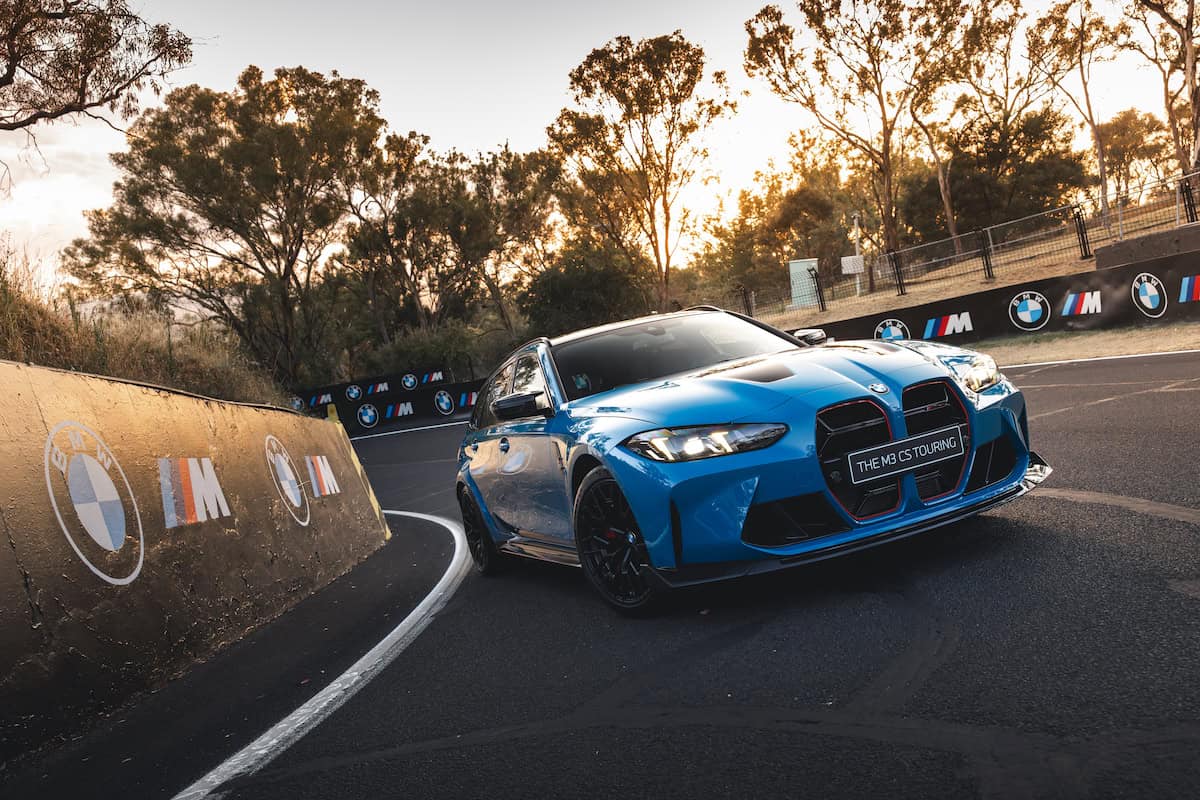
Now in its sixth generation, the current G8x series was launched in 2020. Now offered in a ‘Touring’ station wagon bodystyle (G81) for the first time alongside the standard G80 sedan, the turbo formula was refined as this became the most powerful M3 yet.
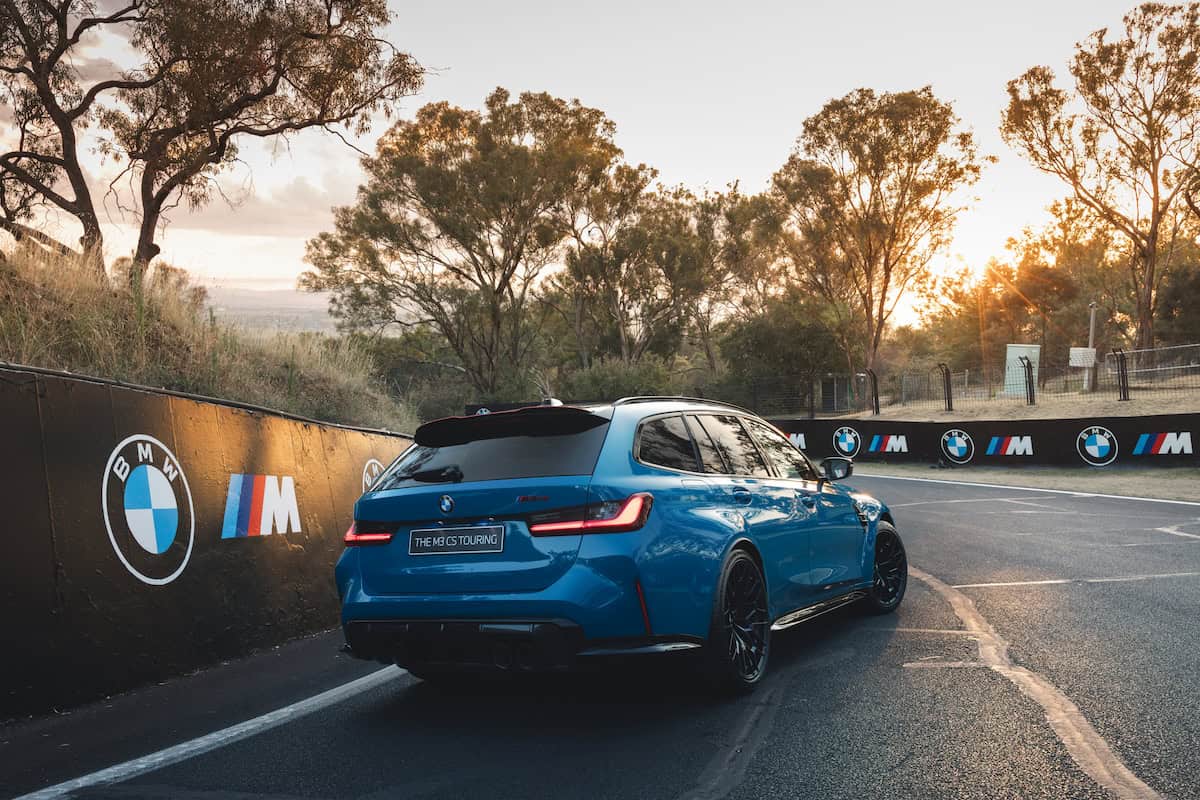
Offering between 353-405kW and 550-650Nm depending on the variant, its straight-six boasts cutting edge manufacturing techniques including use of wire-arc sprayed coating for the cylinder bores and a 3D-printed core for the cylinder head.
The current M3 is also the first to be made available with the ‘M xDrive’ all-wheel drive system, enabling higher level of traction and blistering acceleration times as low as 3.4-seconds in the M3 CS. Personalisation and driver controls have also been taken to a new level, with the availability of systems such as M Laptimer, M Drift Analyser, and M Traction Control.
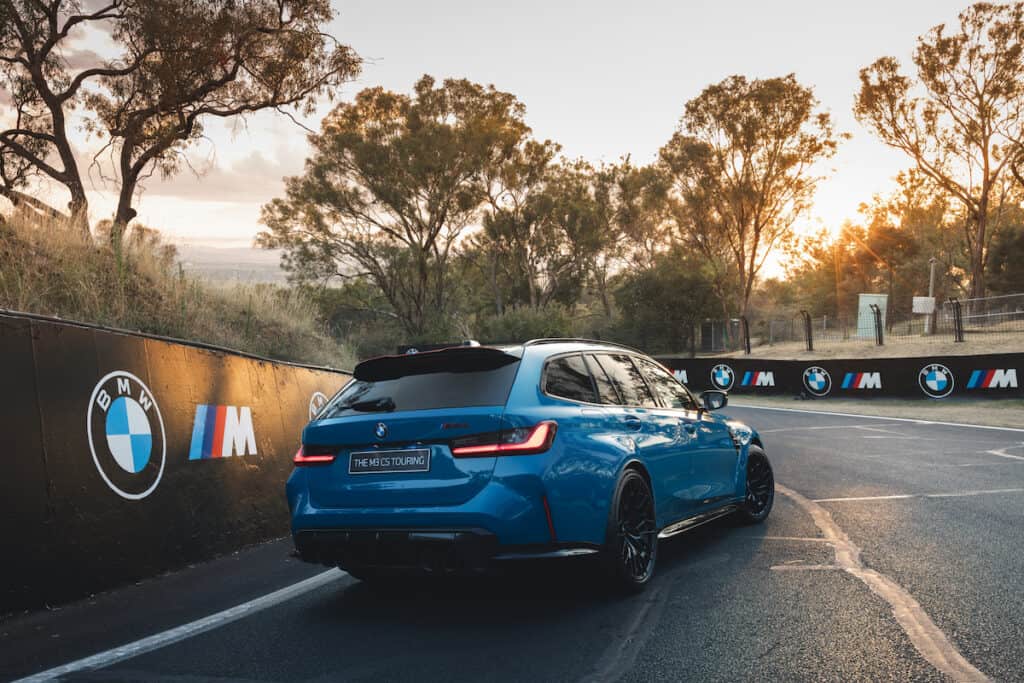
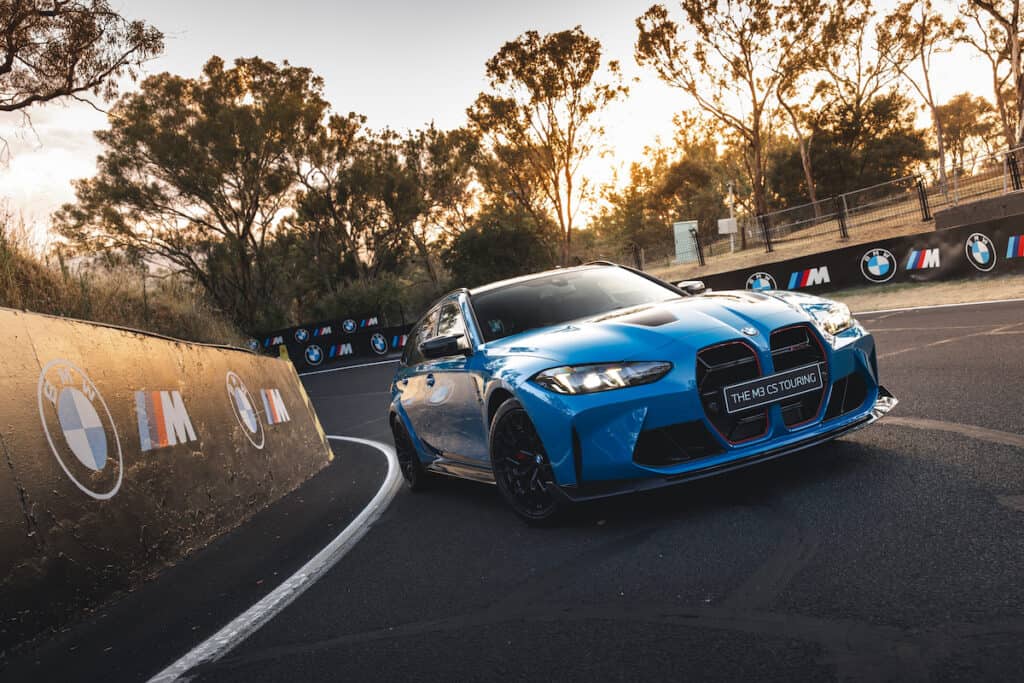
Only upping the localised connections for the M3 lineage, the 2025 M3 CS Touring made its world debut on Australia’s most iconic racing circuit, Mount Panorama, during the Bathurst 12 Hour. This was the first time any new BMW variant had been debuted Down Under.
Since its official local launch in 1994, over 9830 examples of the M3 have been registered in Australia as of February 2026. This means that of the 23,675 BMW M high performance cars sold in Australia since records began, the BMW M3 accounts for a 41.4 percent sales share.
Over the next 12 months, the seventh-generation M3 is set to break cover, bringing fully electric power to the nameplate for the first time in the form of a quad-motor setup promising “colossal” power outputs.
Rev-heads, fear not – a petrol version will follow soon after, confirming BMW’s “technology openness strategy” with solutions in place for all customers and enthusiasts well into the future.