

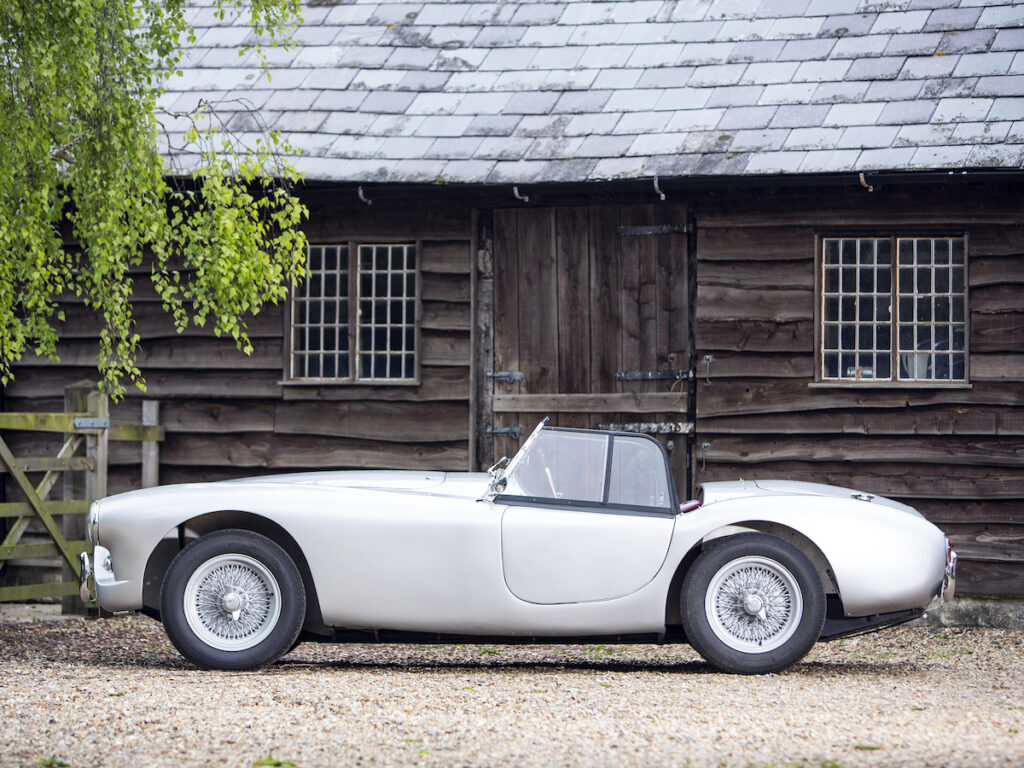
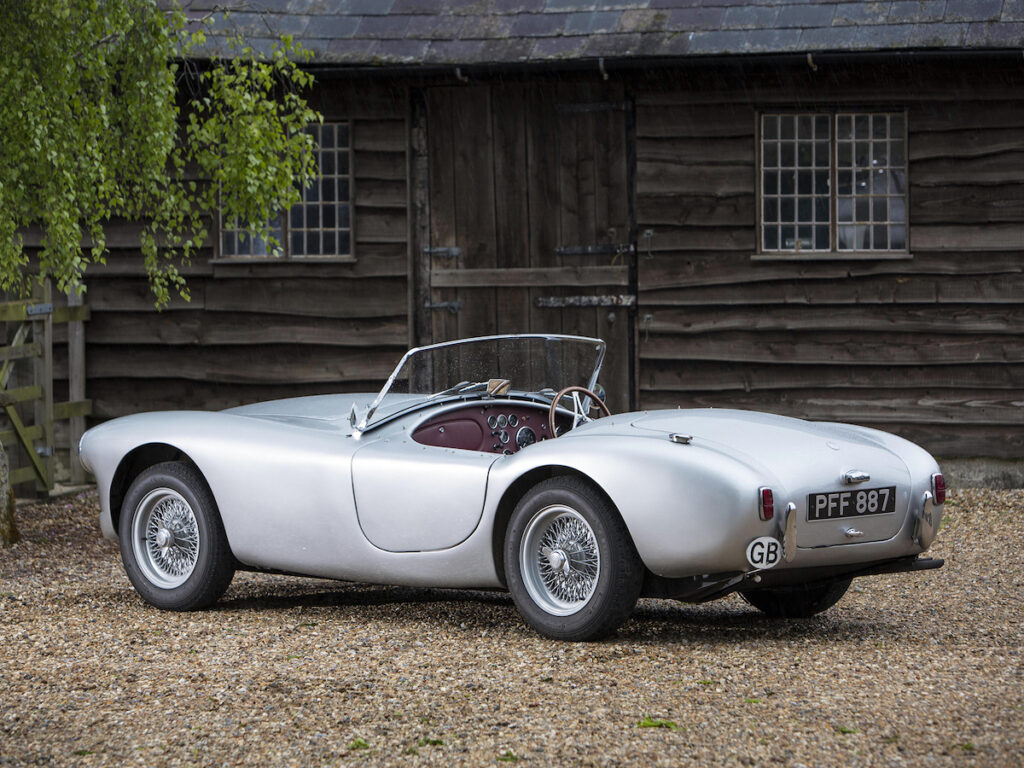
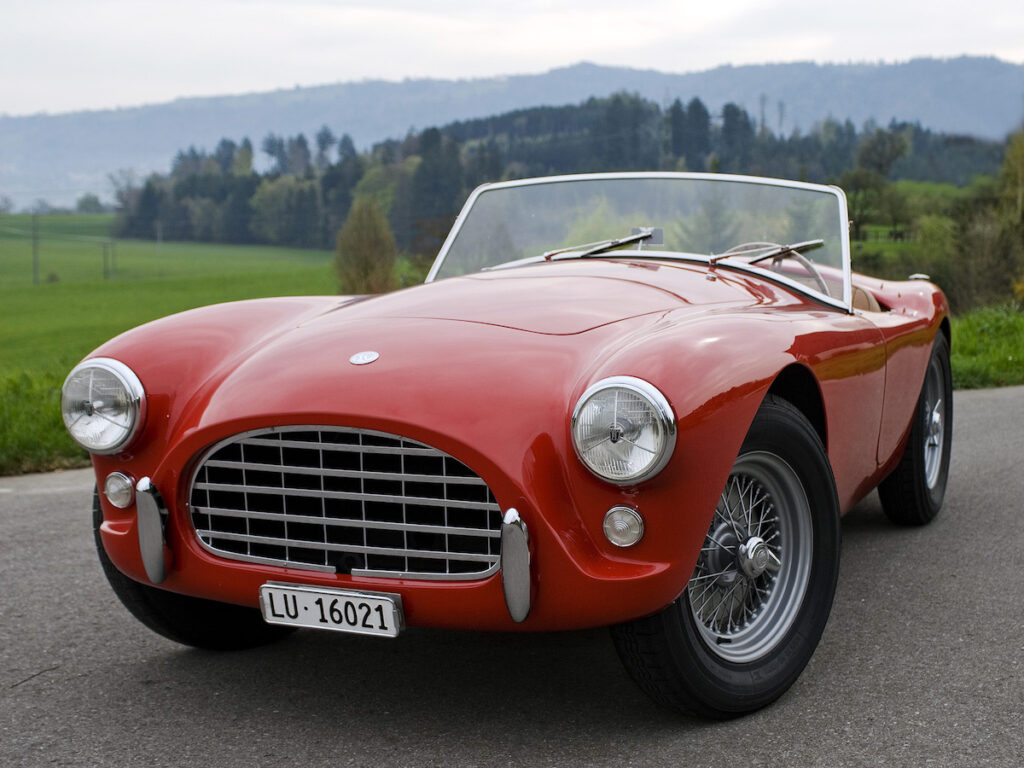
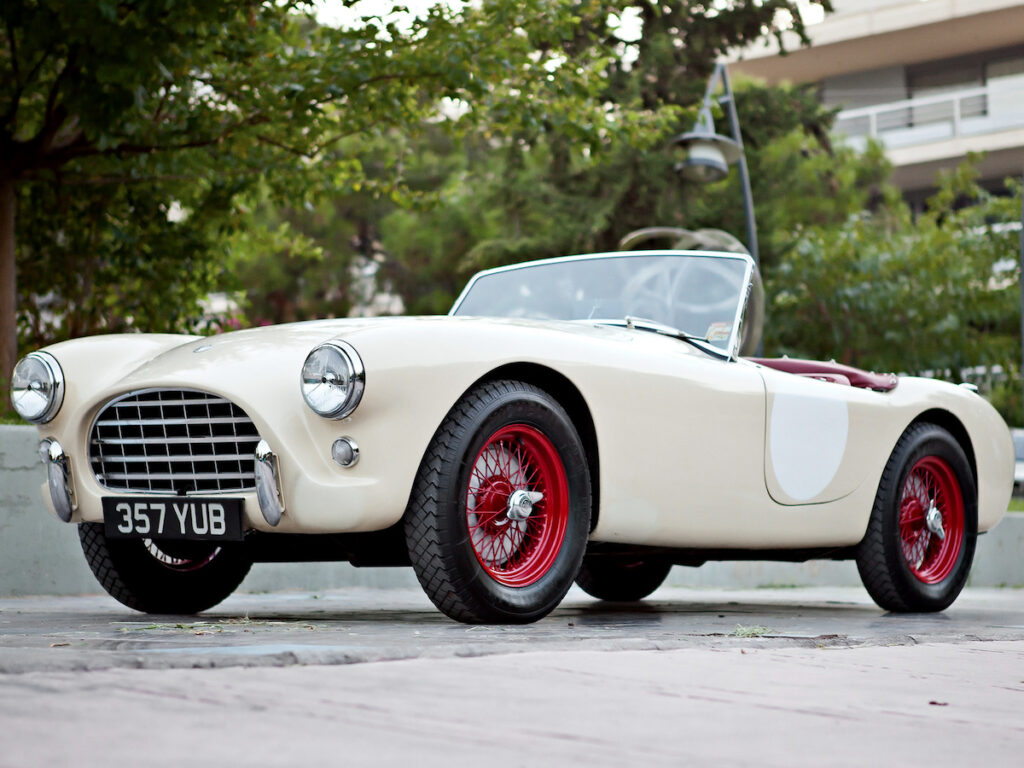
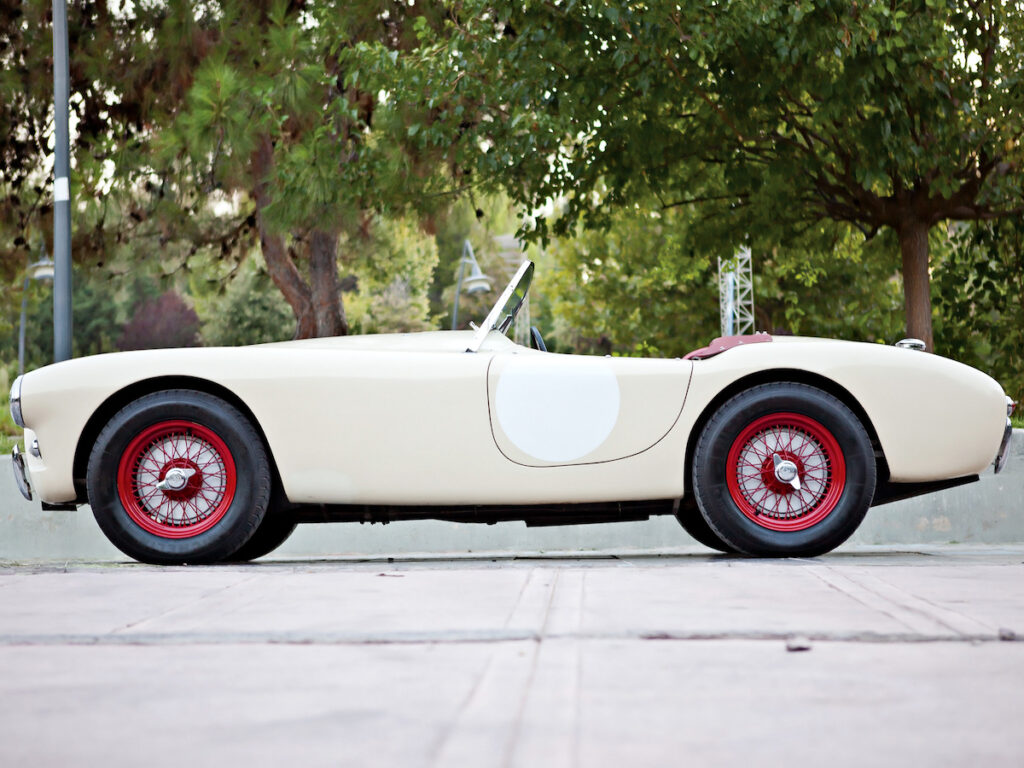
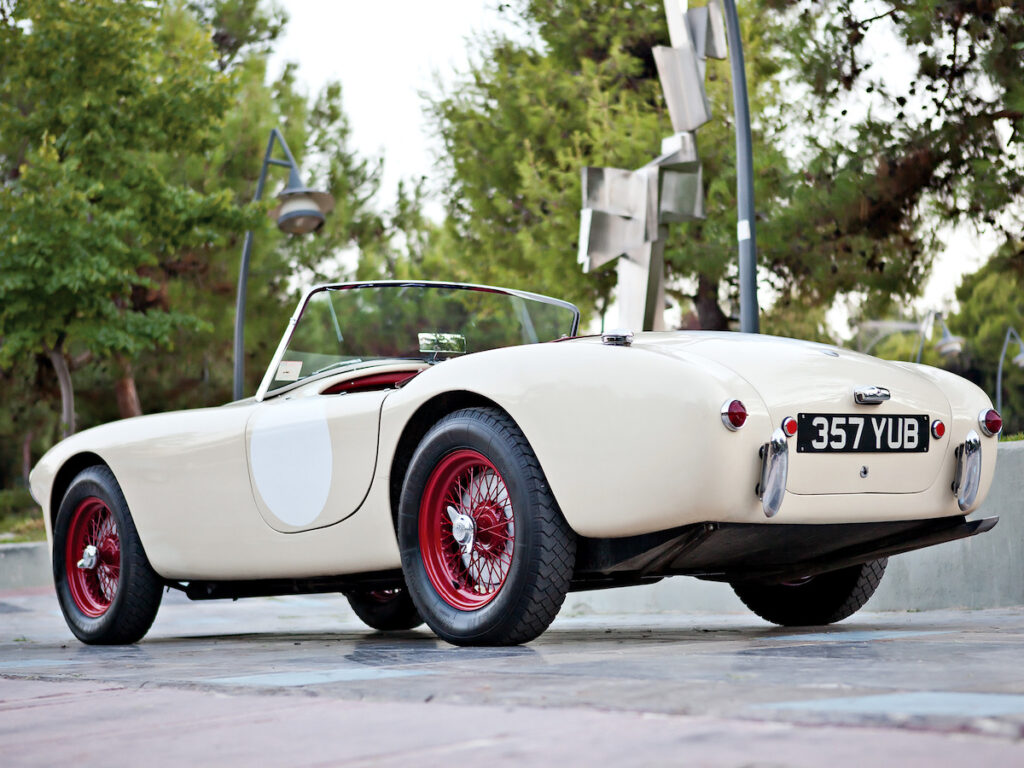
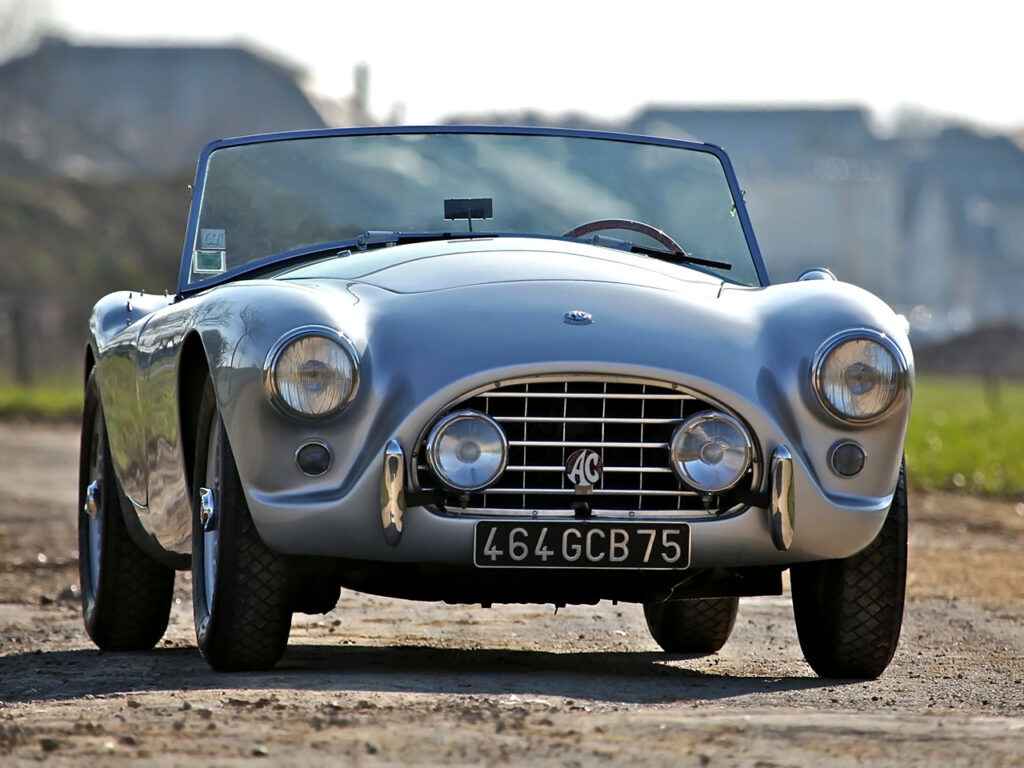

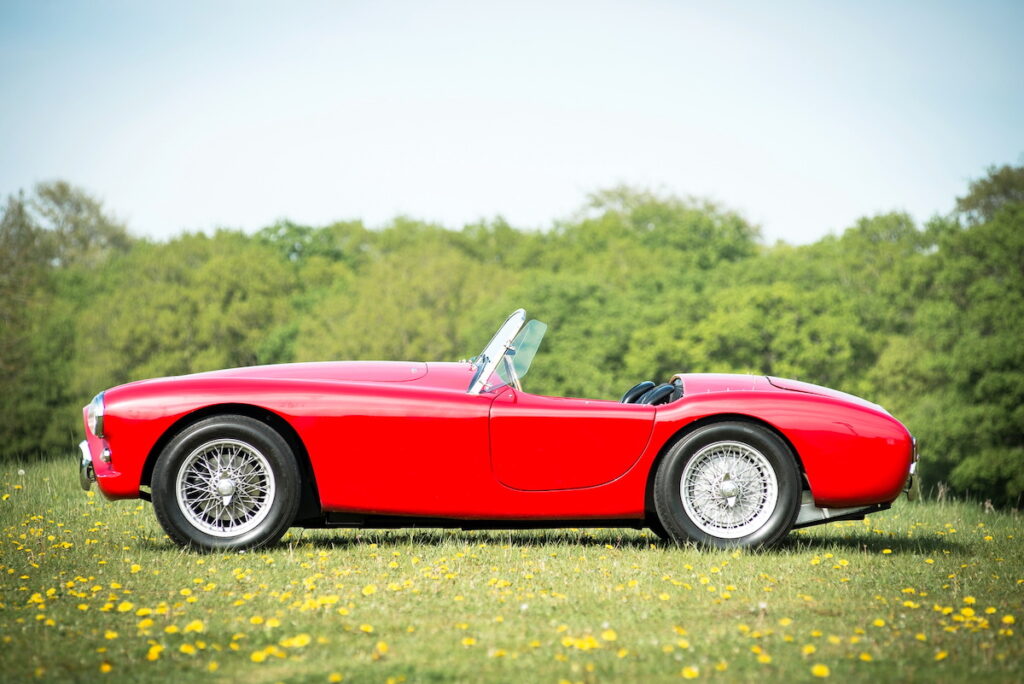
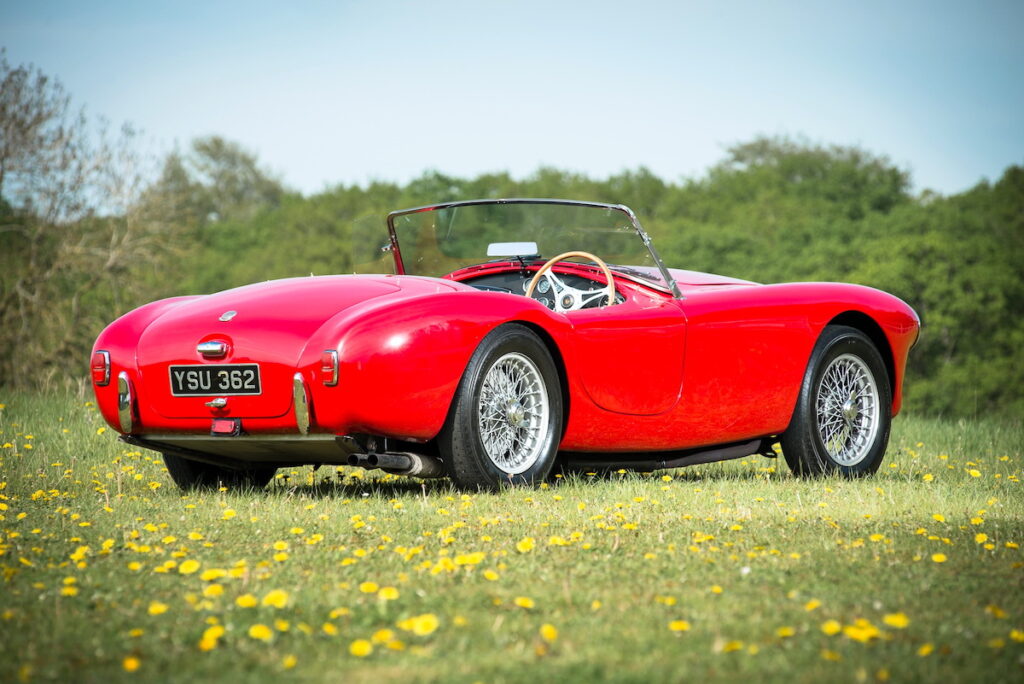
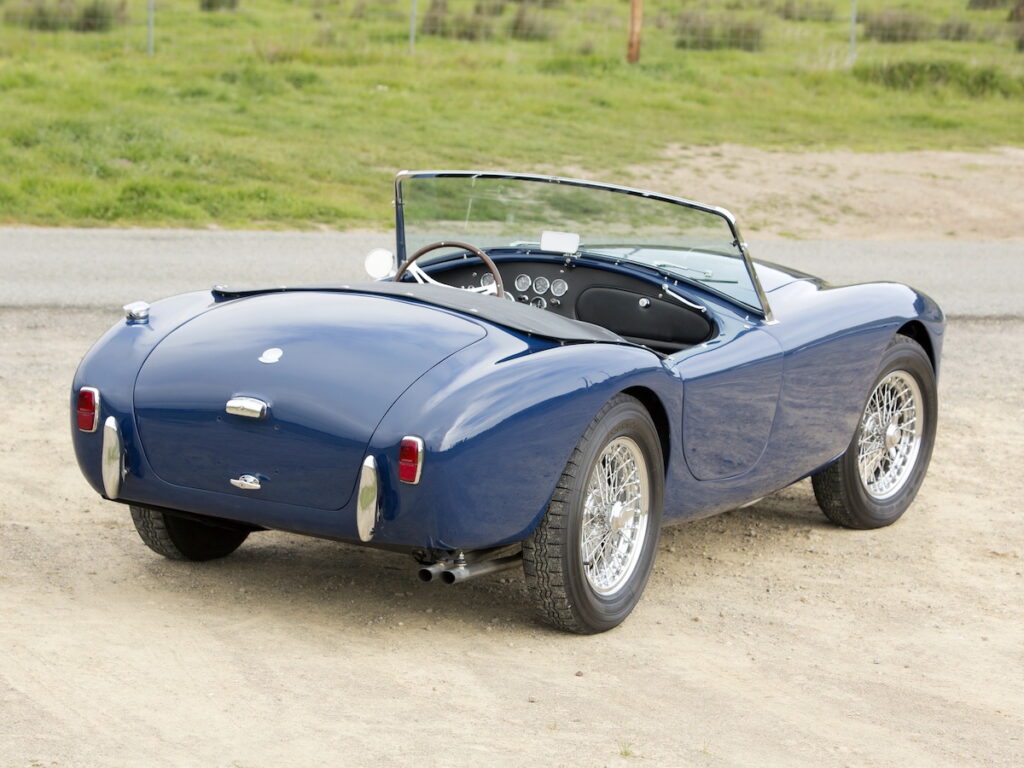

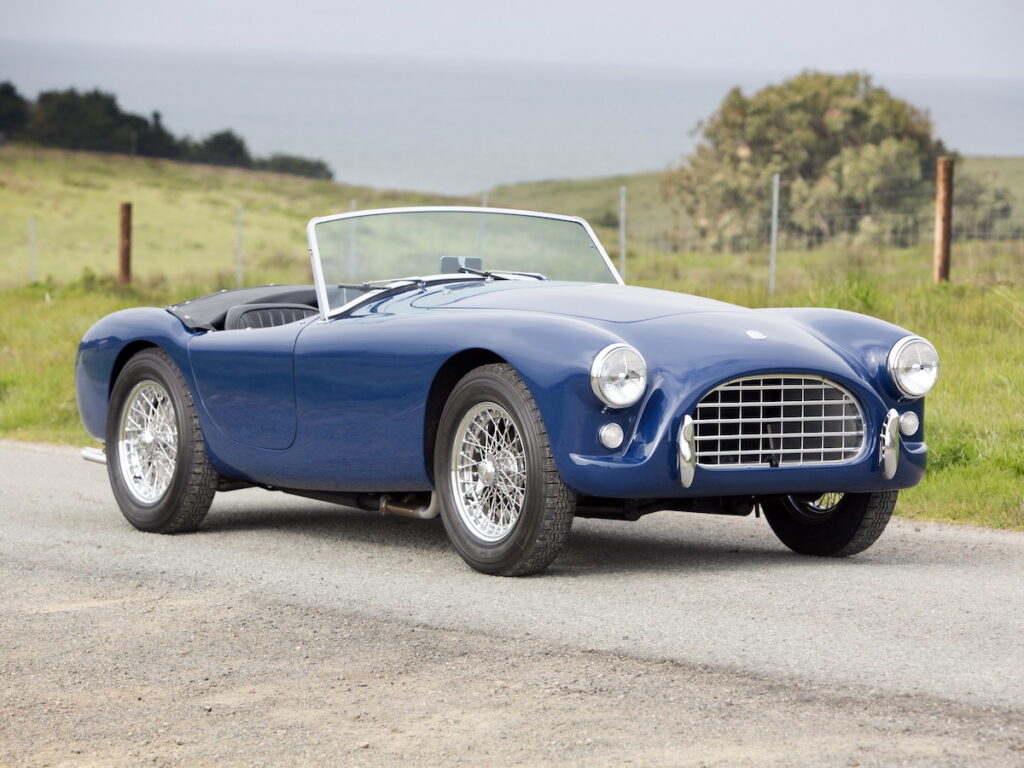
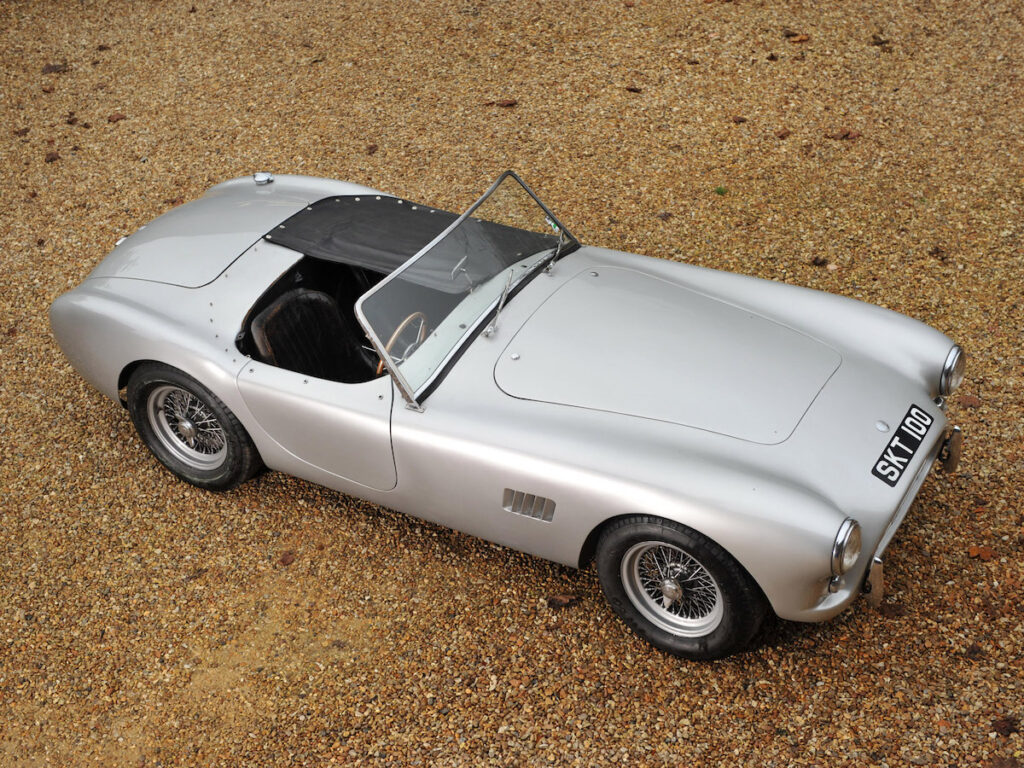
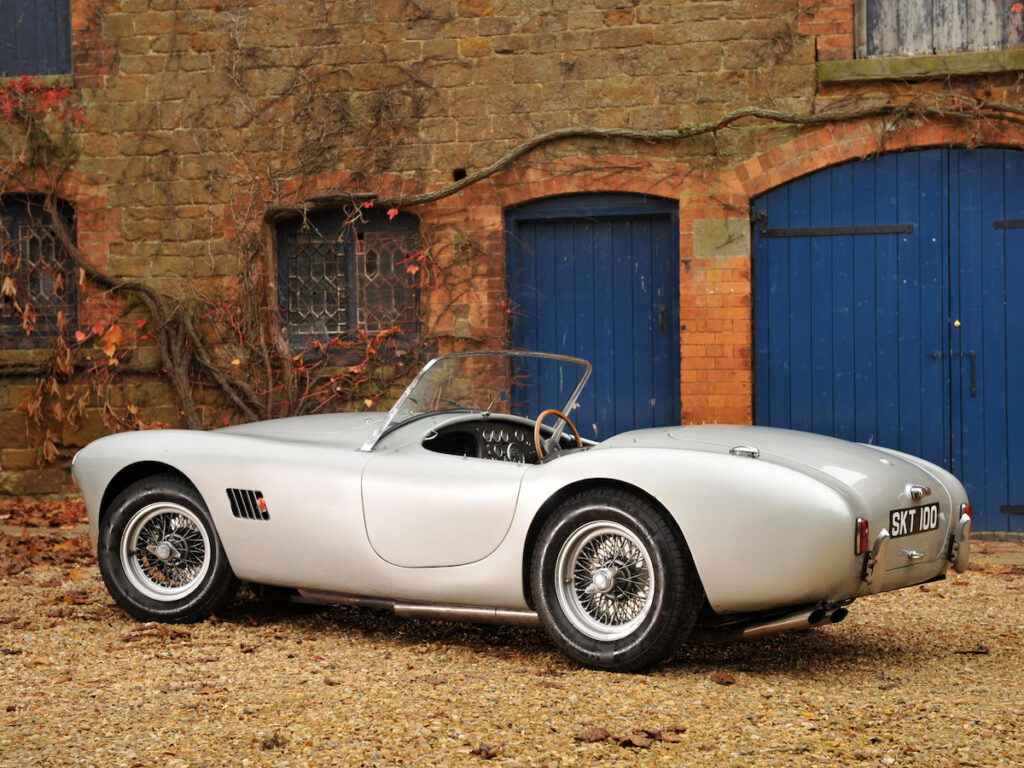

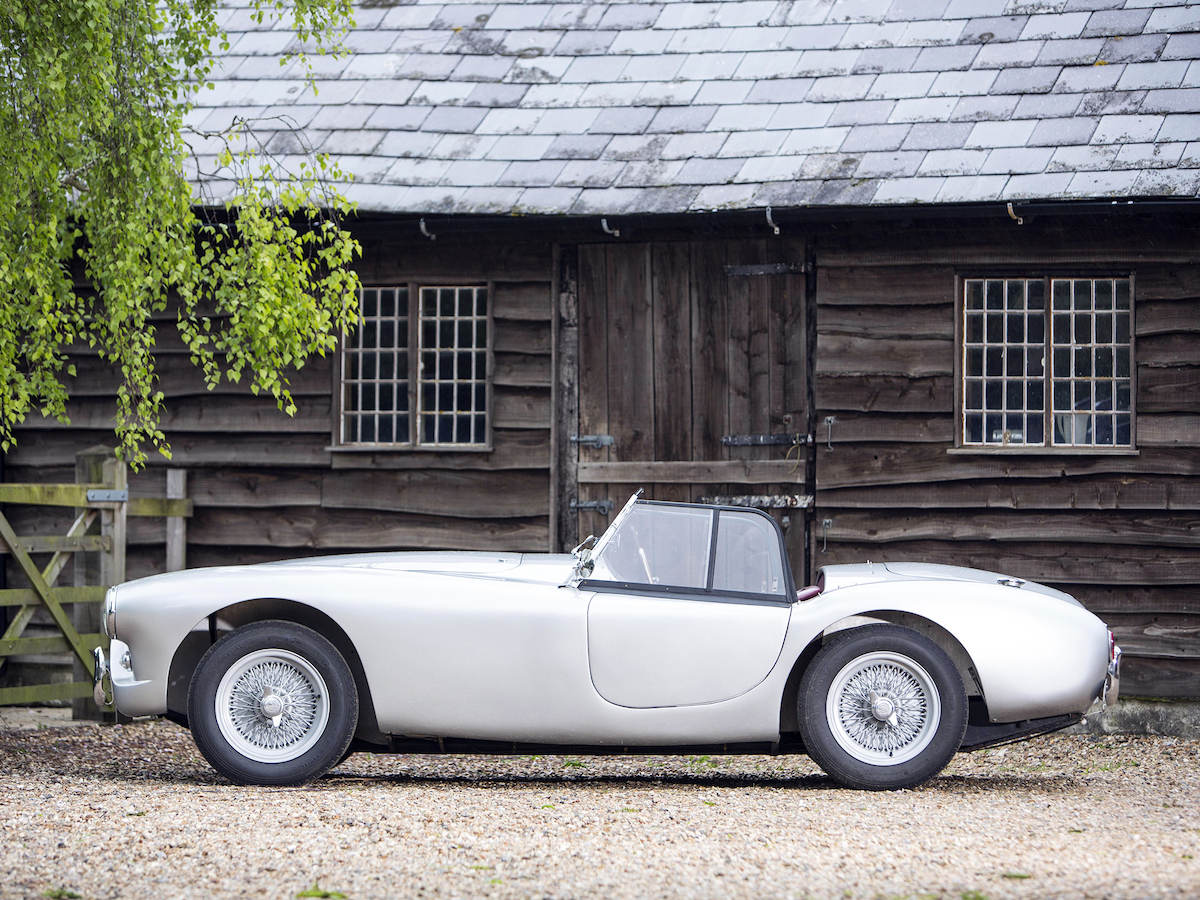
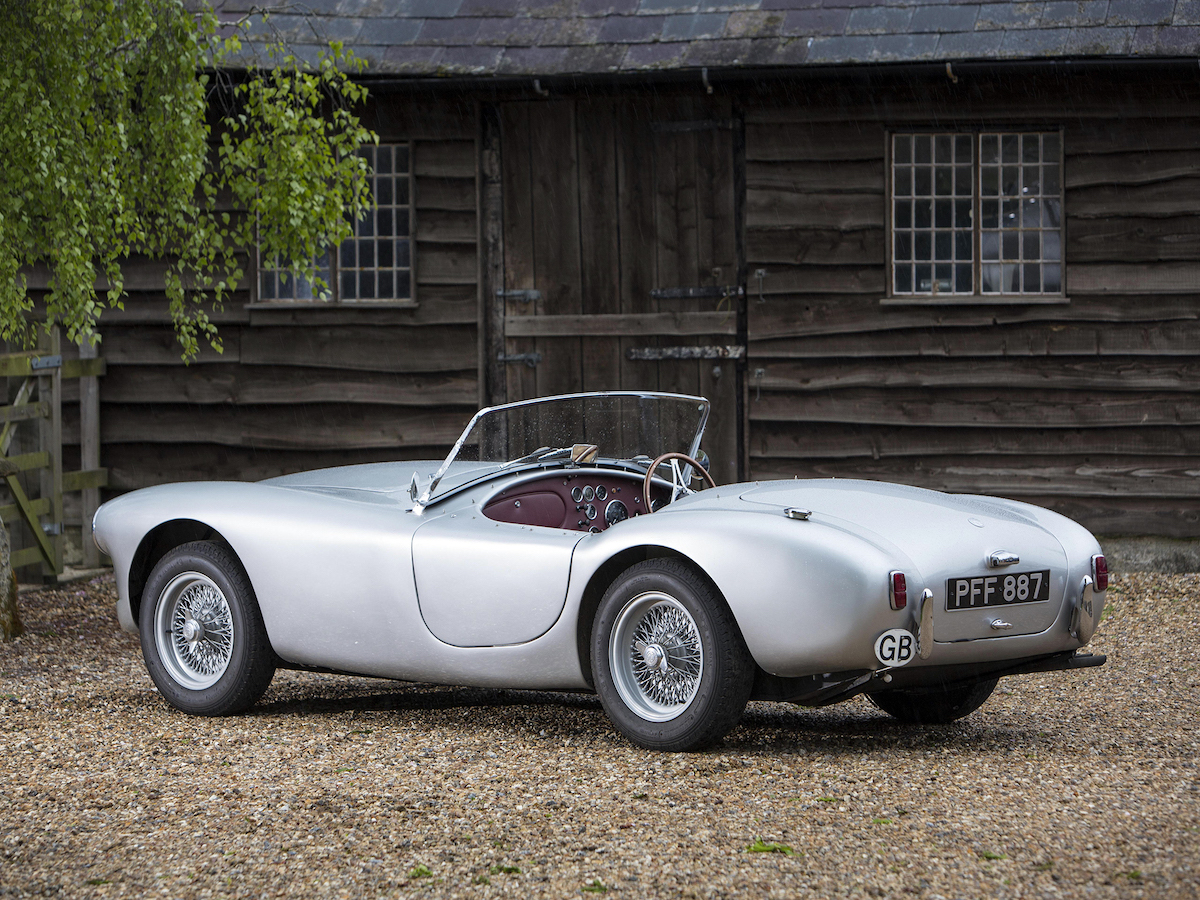
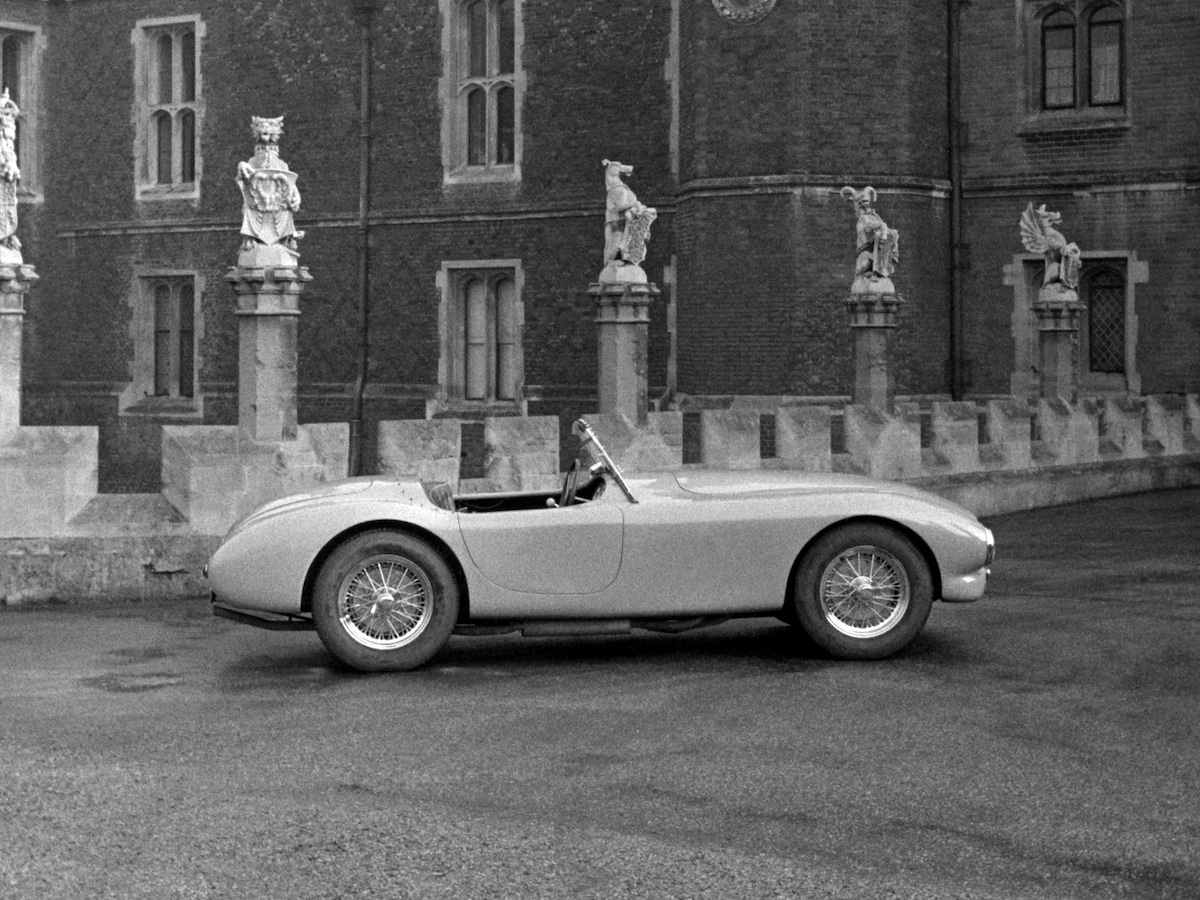
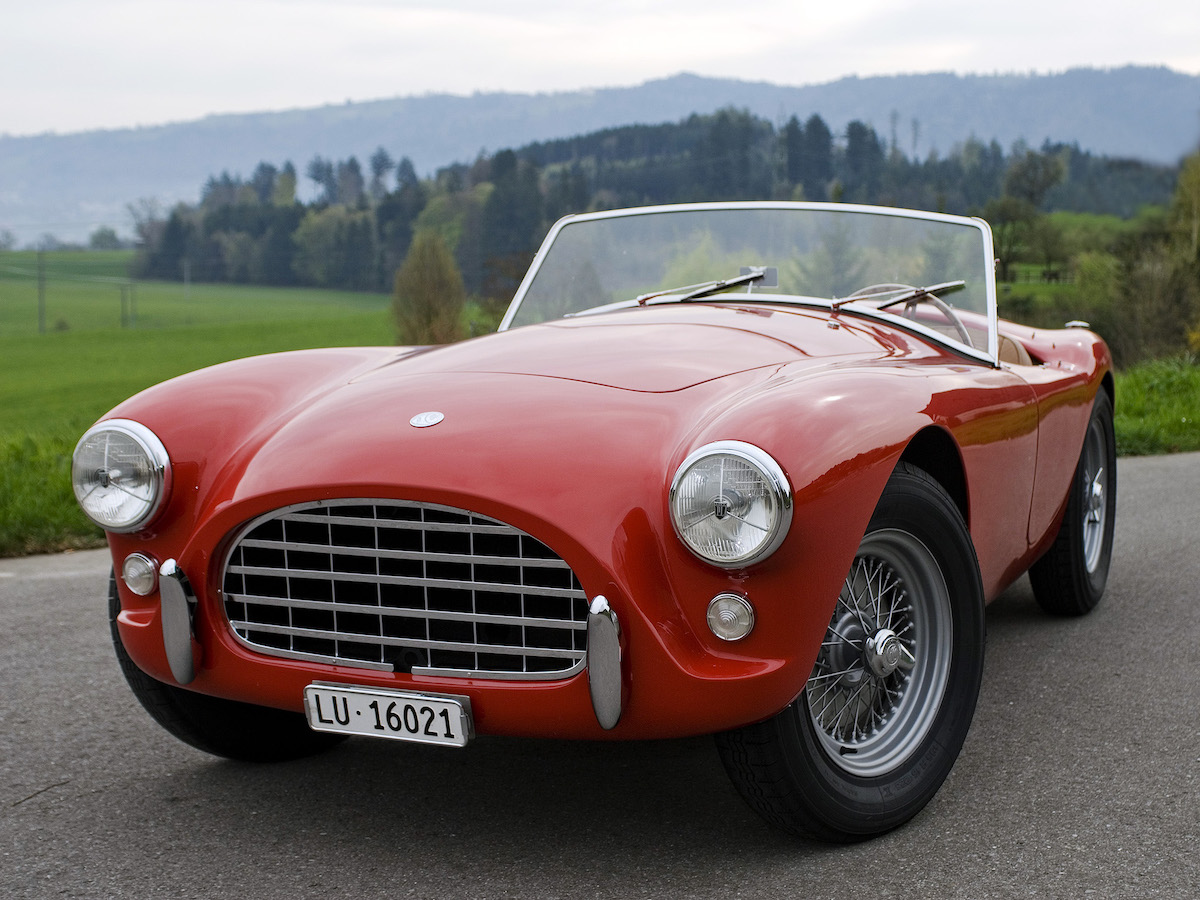
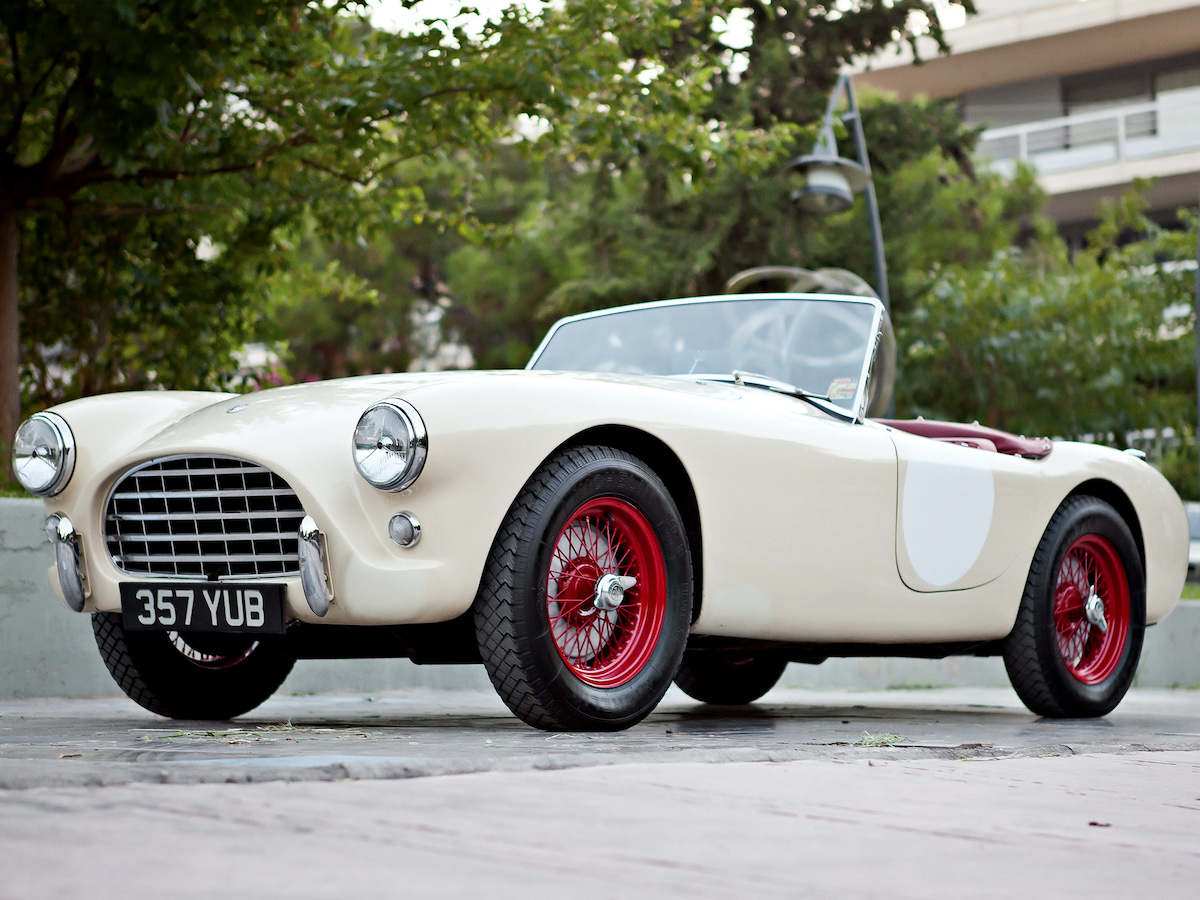
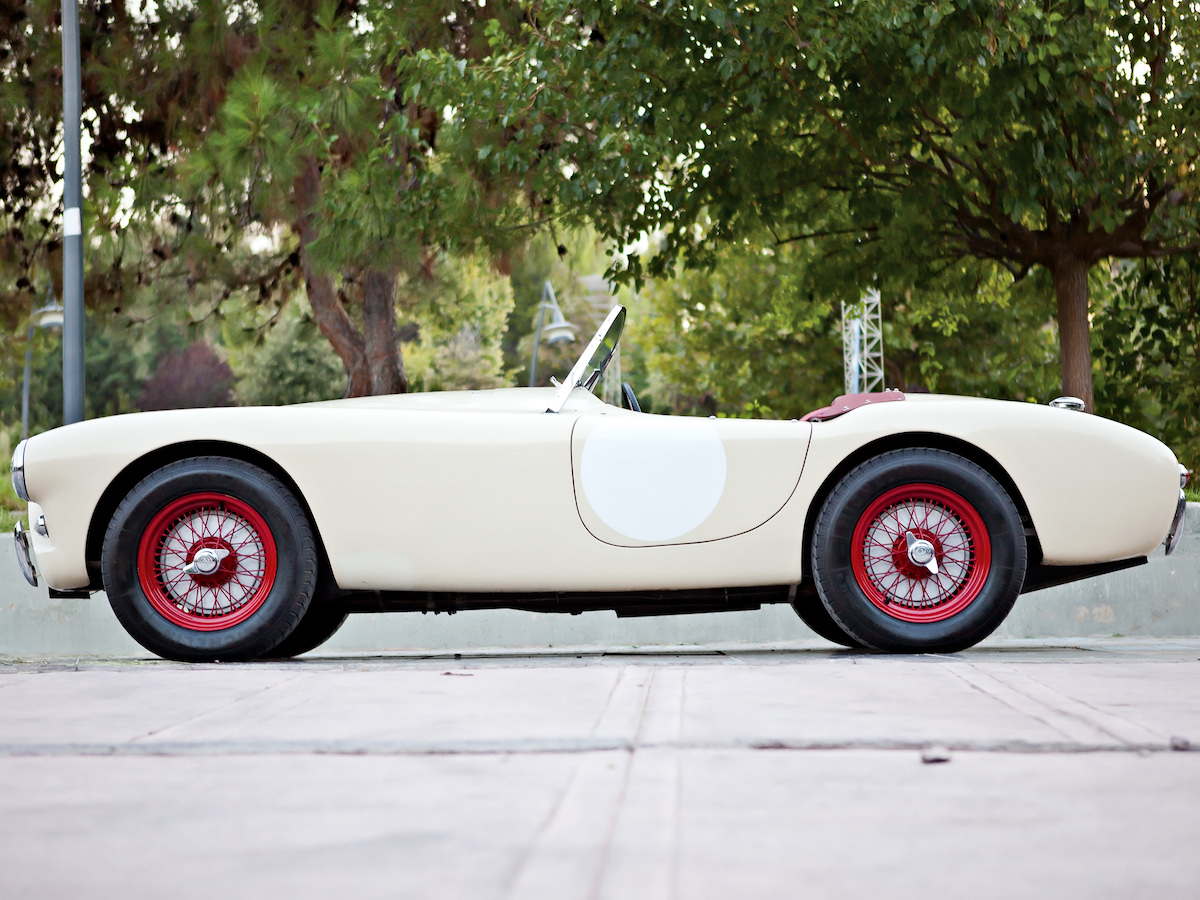
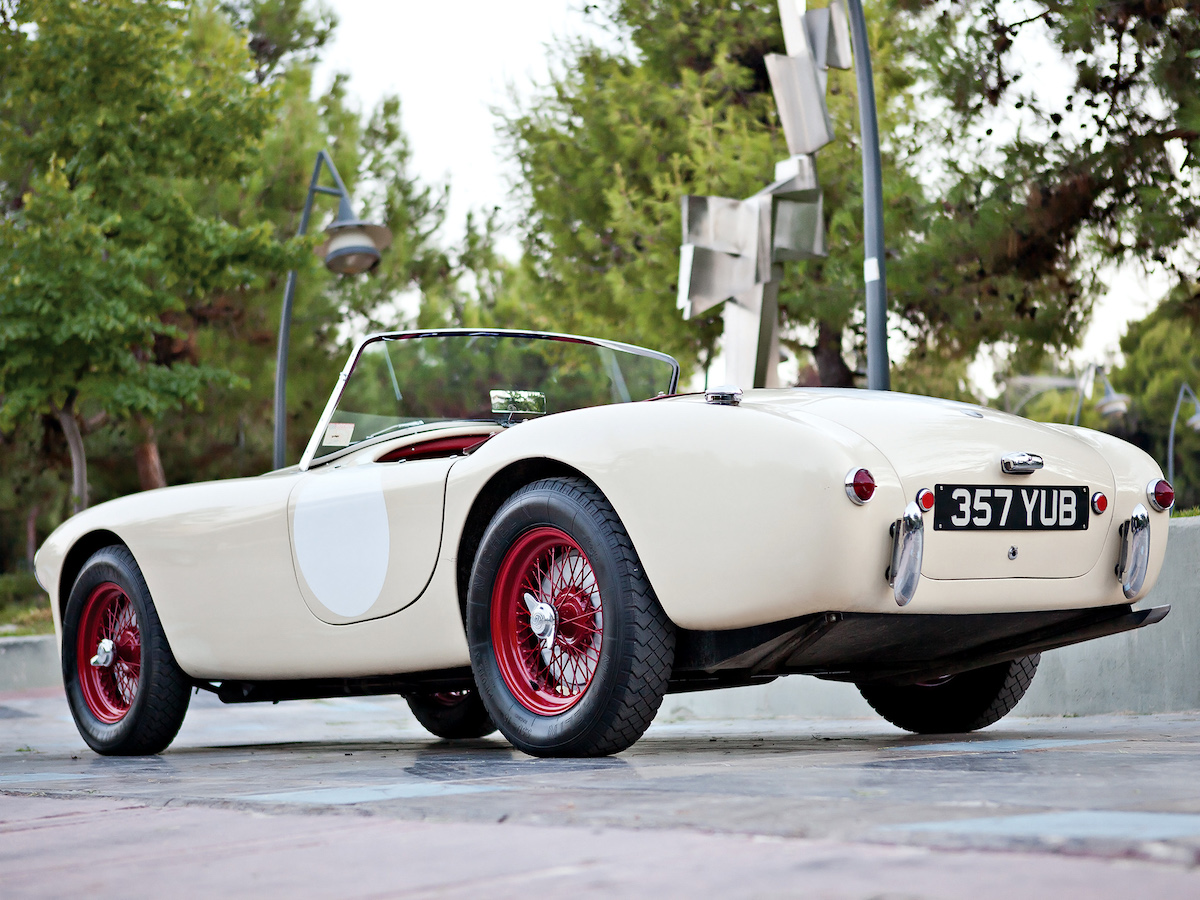
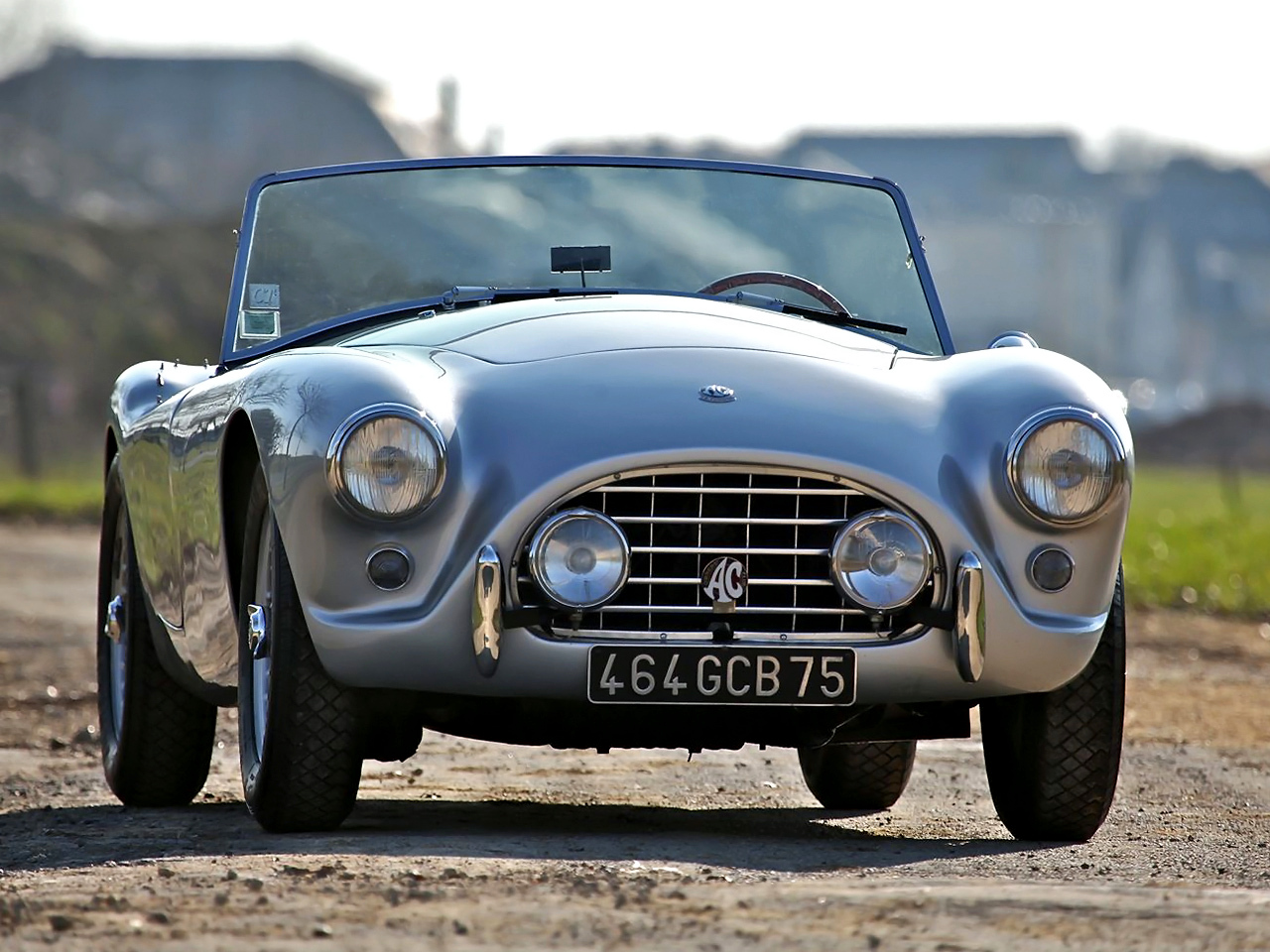
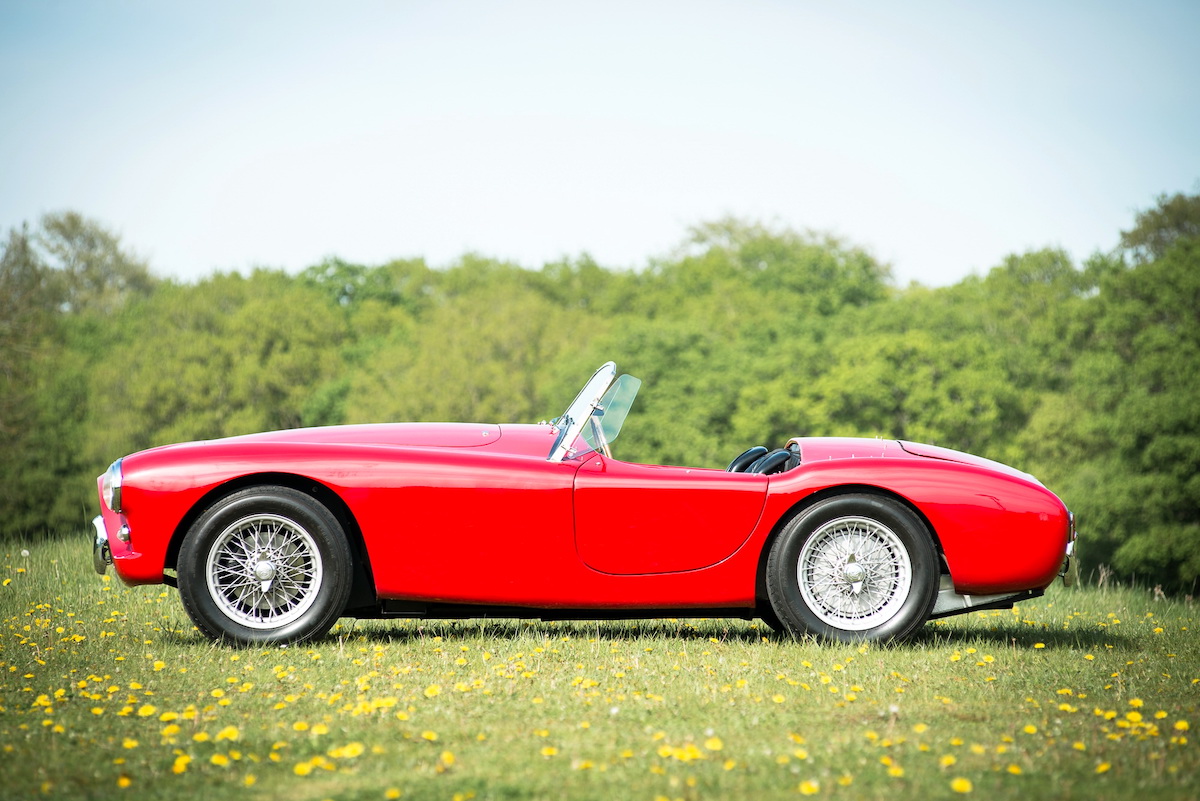
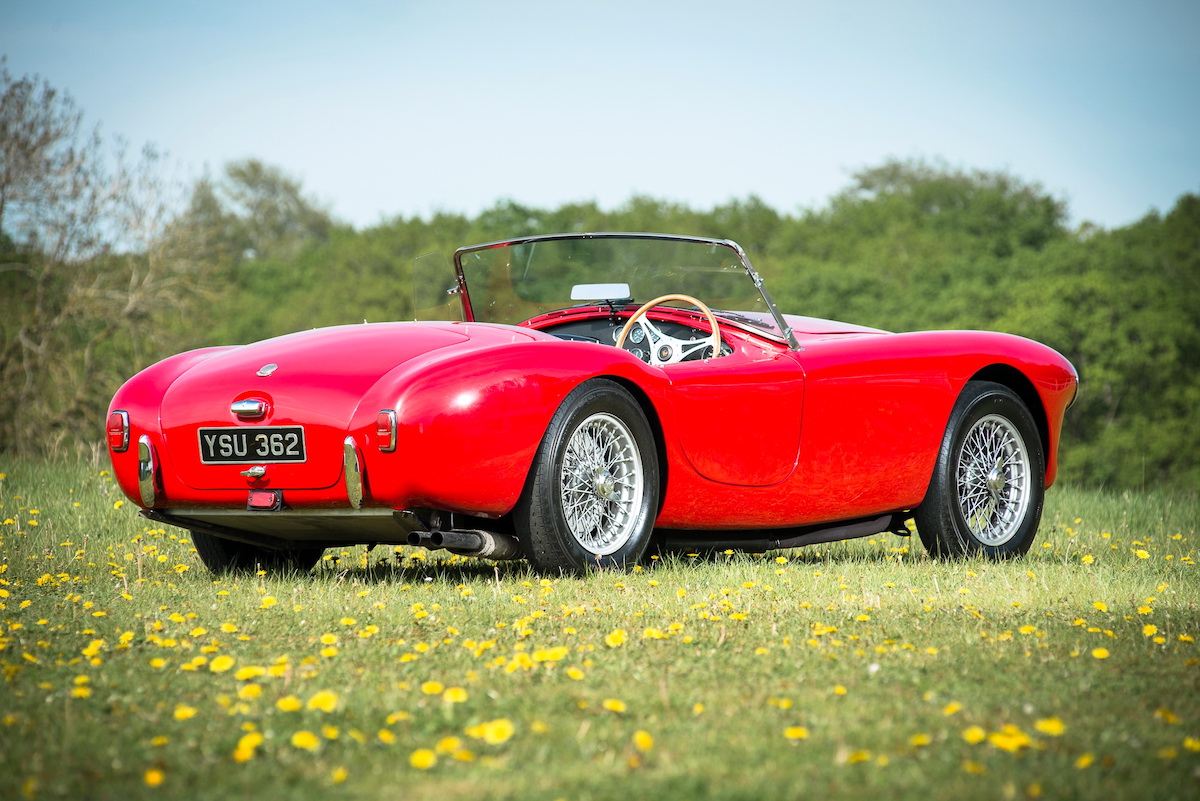
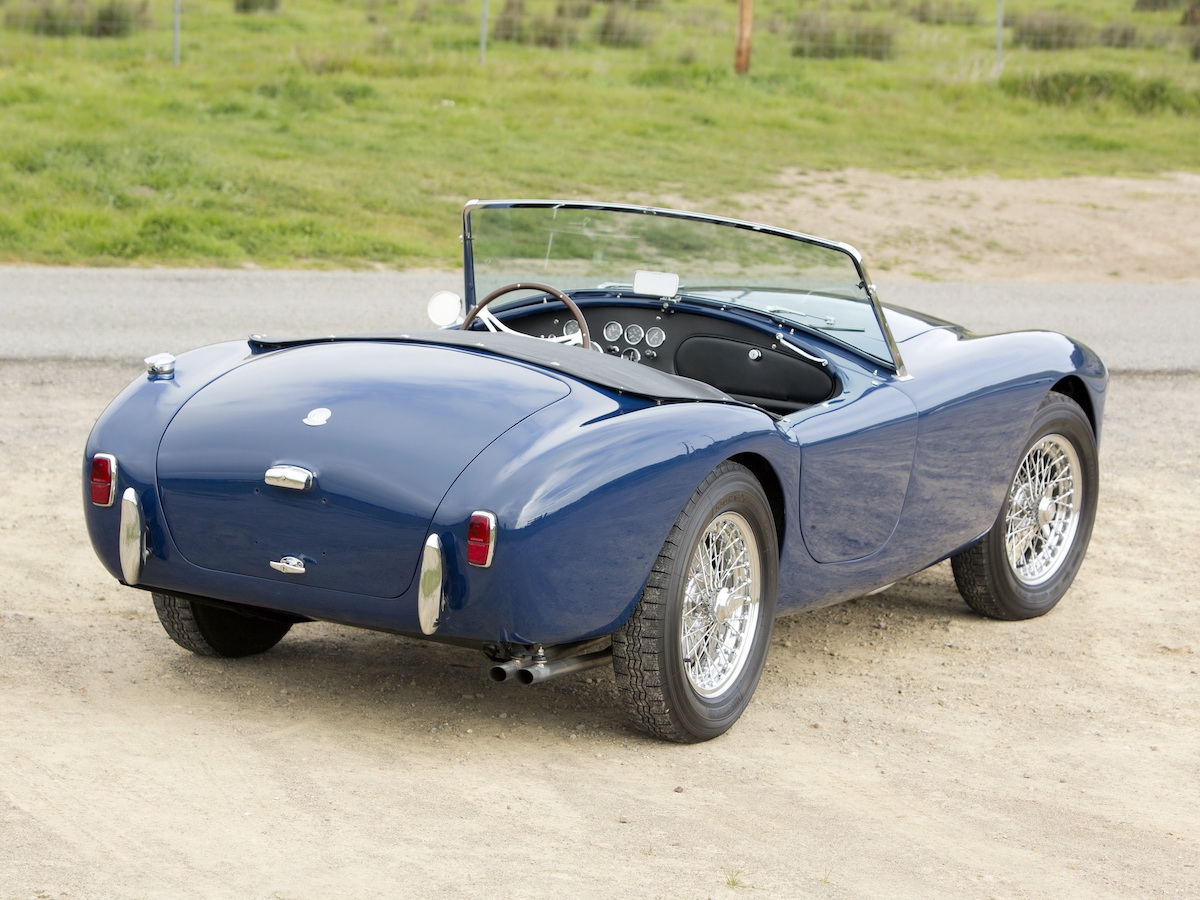
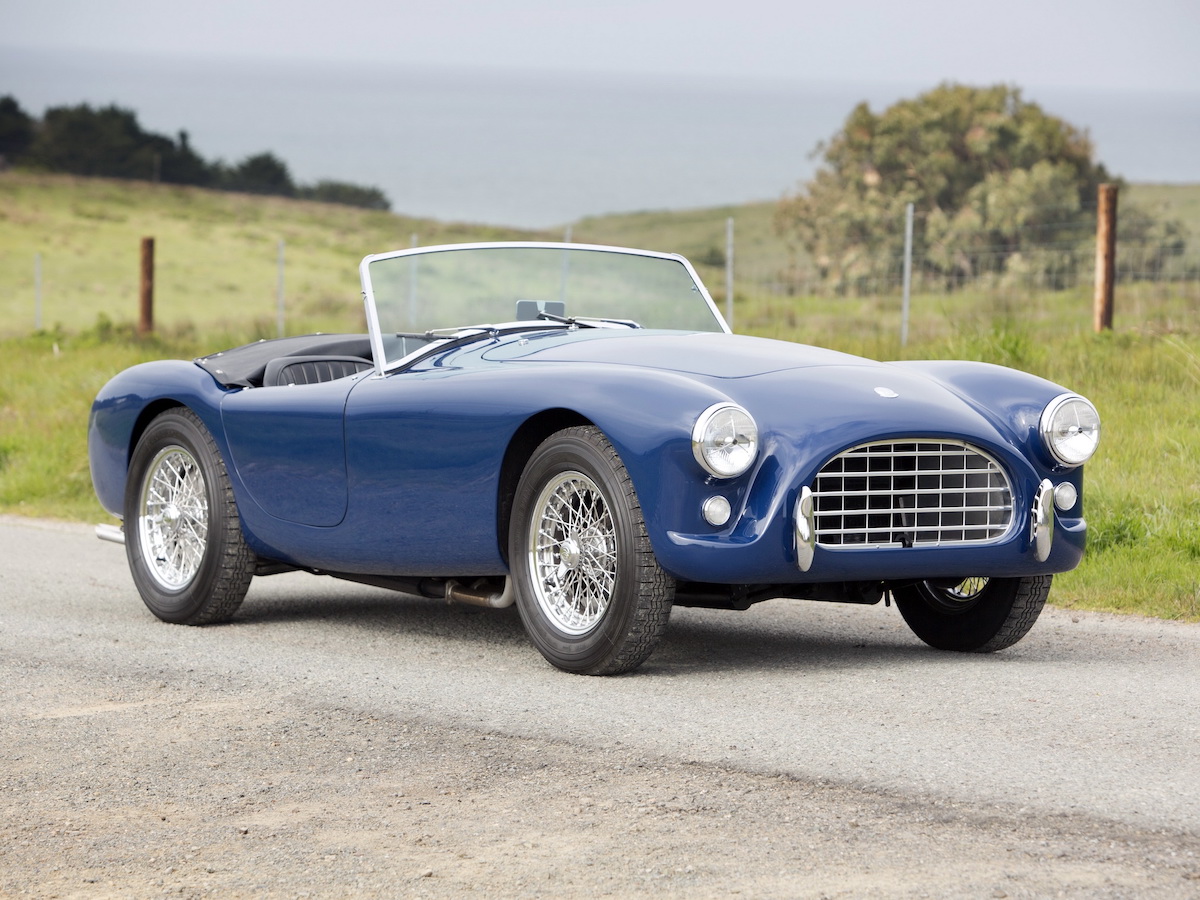
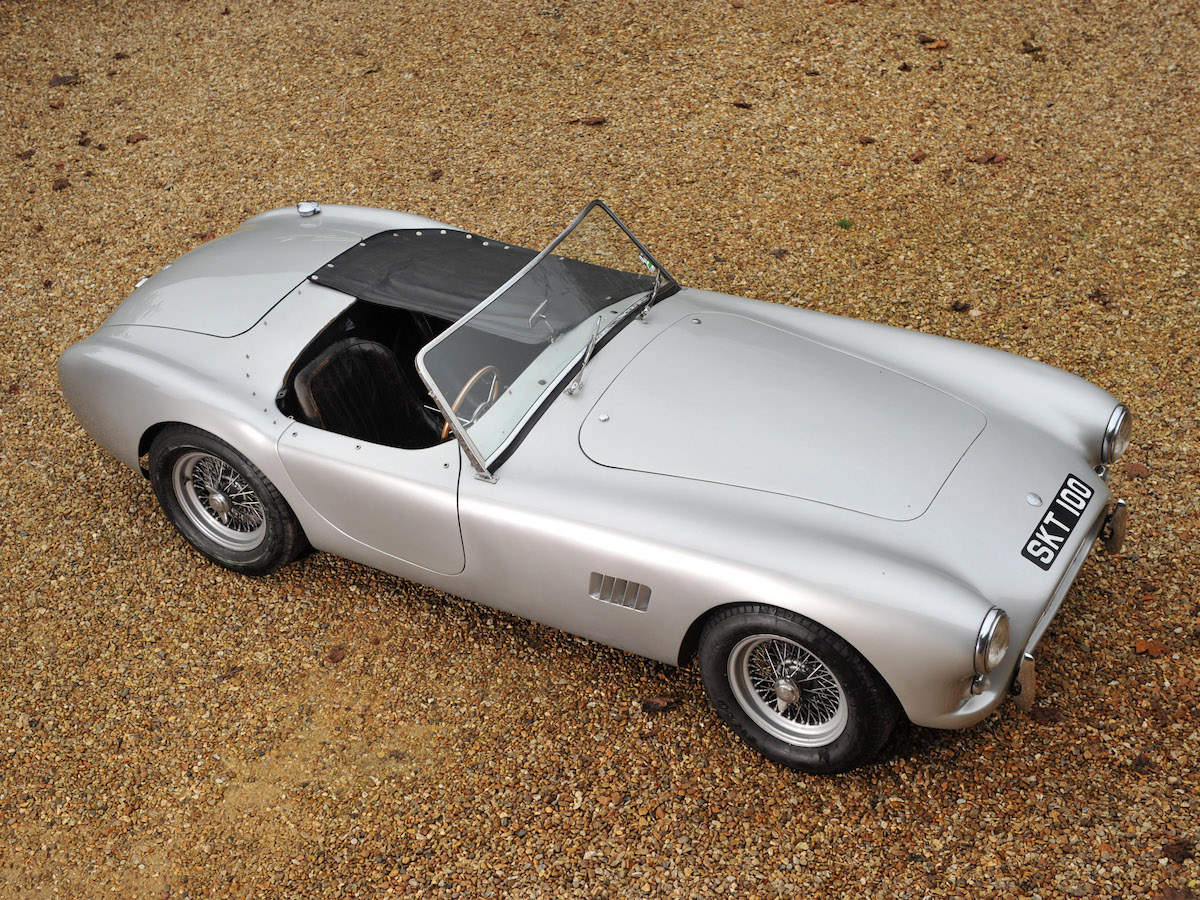
Carroll Shelby once said of his most famous creation, the AC Cobra: “You can’t make a silk purse out of a sow’s ear – but you can make a mighty fast pig.” The fact is that Shelby had started with a silk purse, in the attractive, well-built and beautifully balanced AC Ace.
AC Cars traces its history to 1901, when London engineer John Weller established a workshop to produce cars and components. Autocar & Accessories Ltd had its first success in 1904 with a three-wheeled delivery vehicle called the Autocarrier; the firm was renamed Autocarriers Limited in 1907, and AC Cars in 1921.
By 1928, with motorsport successes, its own engines and seven models, AC Cars was one of Britain’s largest car makers. A year later, it went into voluntary liquidation. Then, under new ownership, it opened a showroom on London’s swank Park Lane. By the turn of the 1950s, with outdated models, its reputation was on the ropes again.
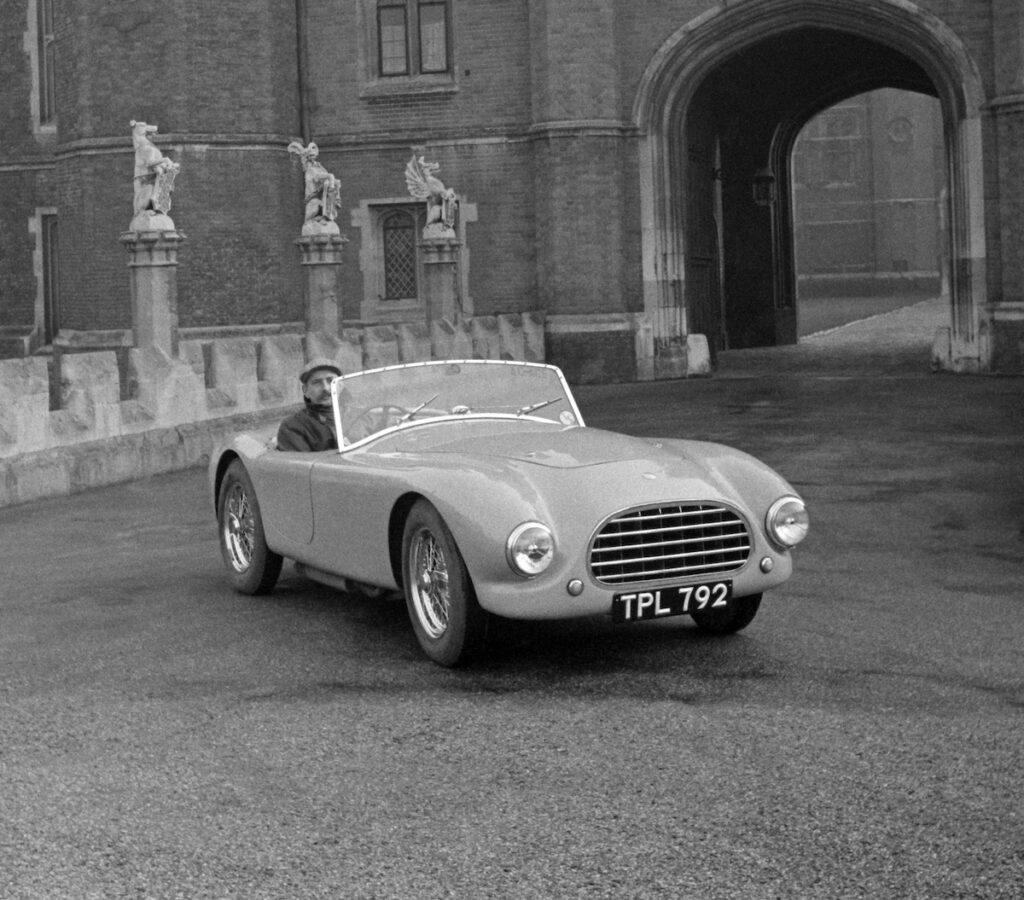
All that changed with the AC Ace in 1953. A year or two earlier, racing car constructor John Tojeiro had seen Ferrari’s Touring-bodied 166MM Barchetta and built himself a replica racer, using a 1.5-litre MG engine and various Cooper mechanicals.
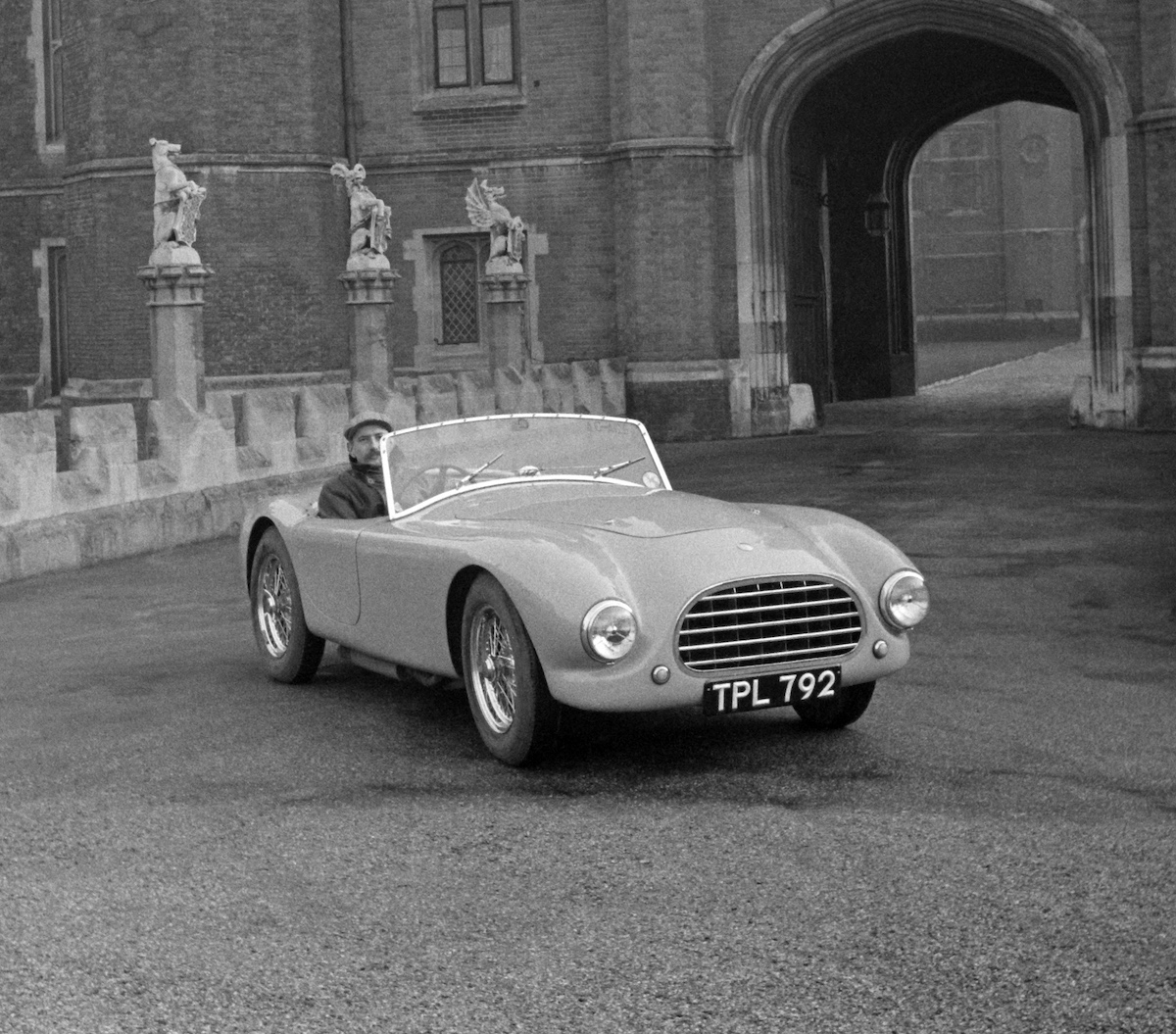
Self-taught Tojeiro had designed a straightforward, steel tube ladder chassis, with a steel tube frame to support the alloy body. Suspension was independent front and rear by transverse leaf springs and lower wishbones with telescopic dampers. Brakes were initially drums at each corner, not much troubled by the 760kg kerb weight.
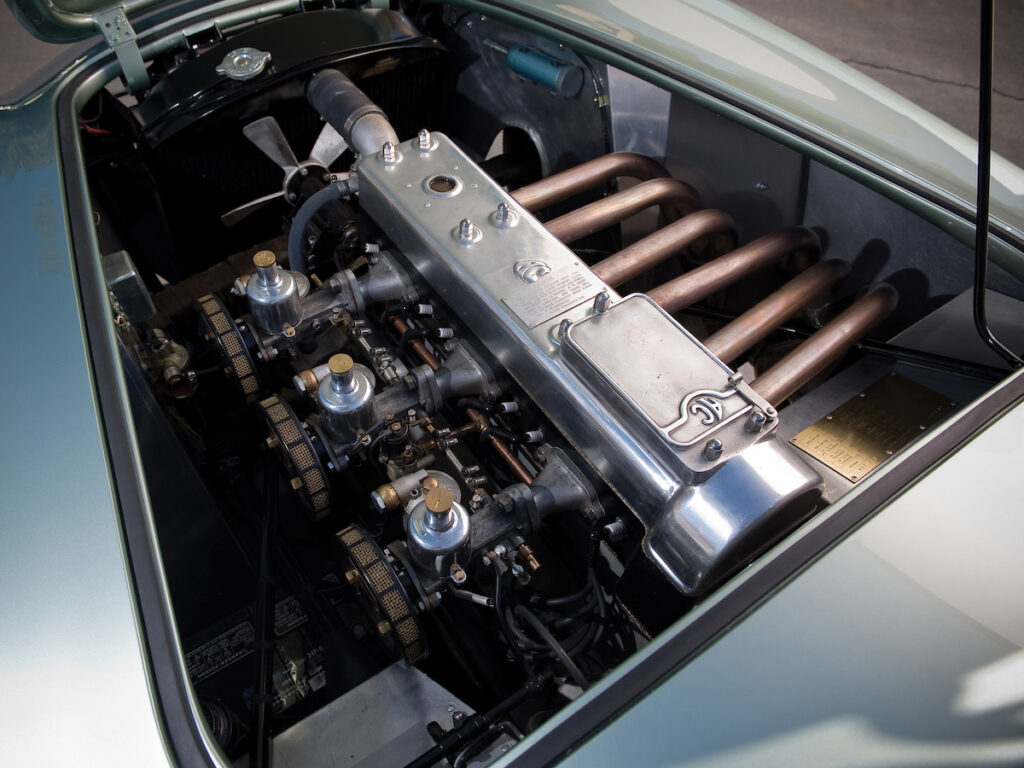
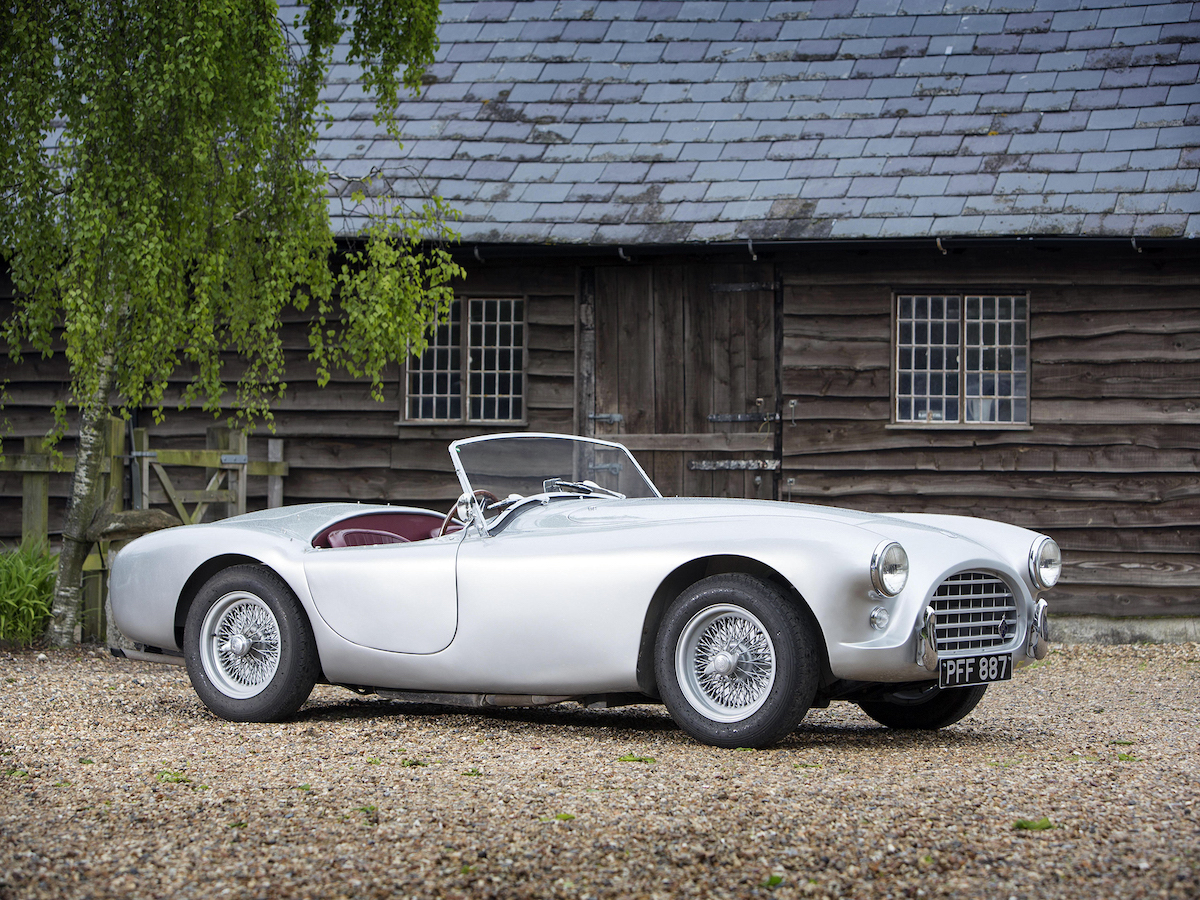
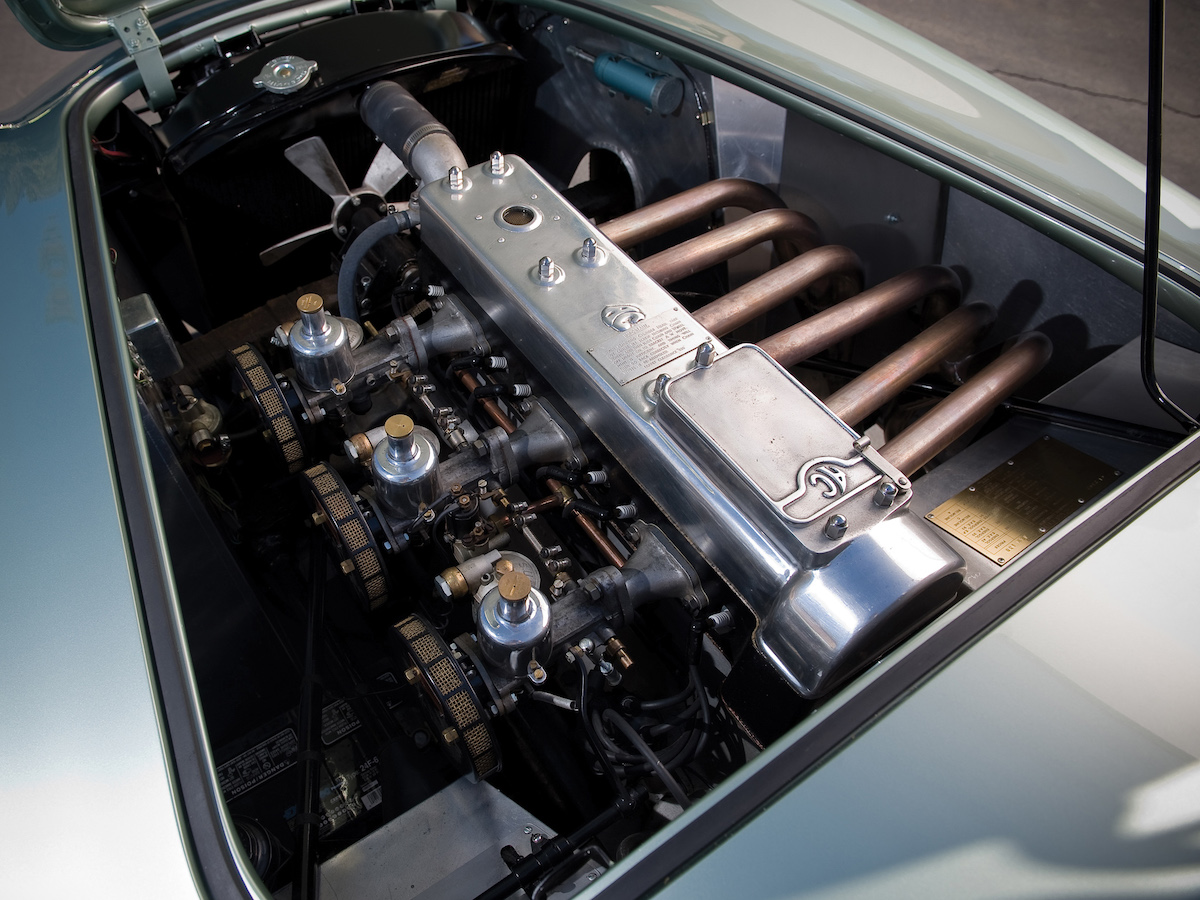
Tojeiro sold production rights to AC Cars, which revised the bodywork and created the Ace. AC installed its ageing, in-house 2.0-litre six-cylinder, designed by Weller way back in 1919 under the direction of land speed racer Selwyn “SF” Edge. With triple SU carbs and 63kW, the Ace would manage 0-100km/h in 9.5 seconds and a top speed of 180km/h.
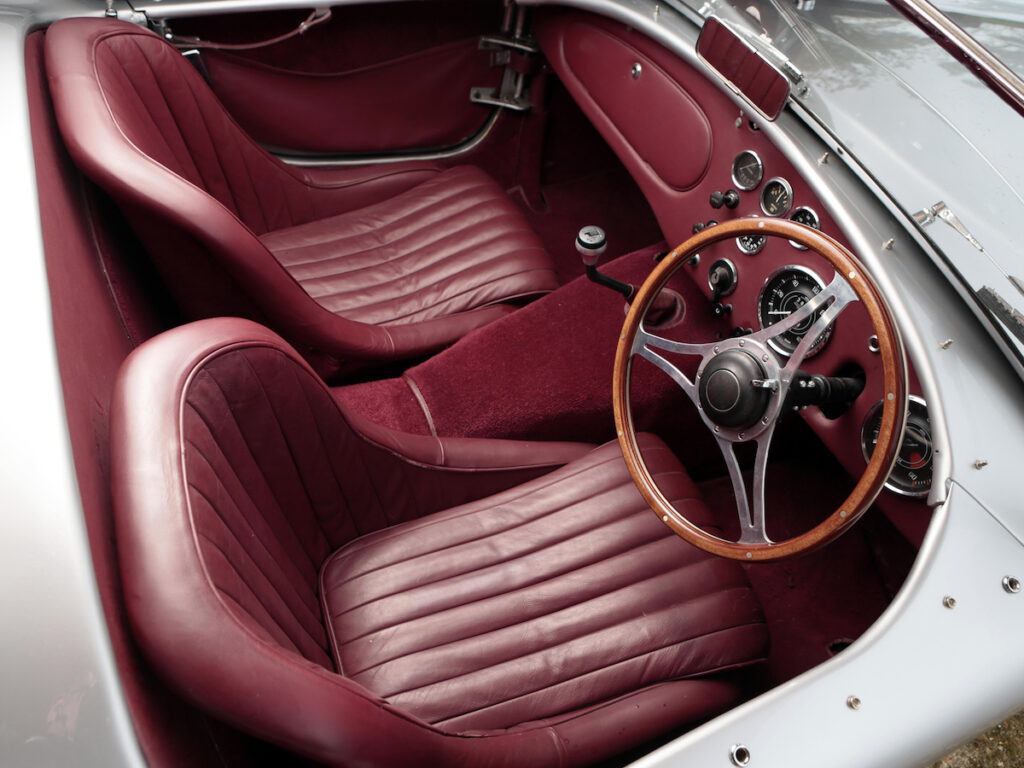
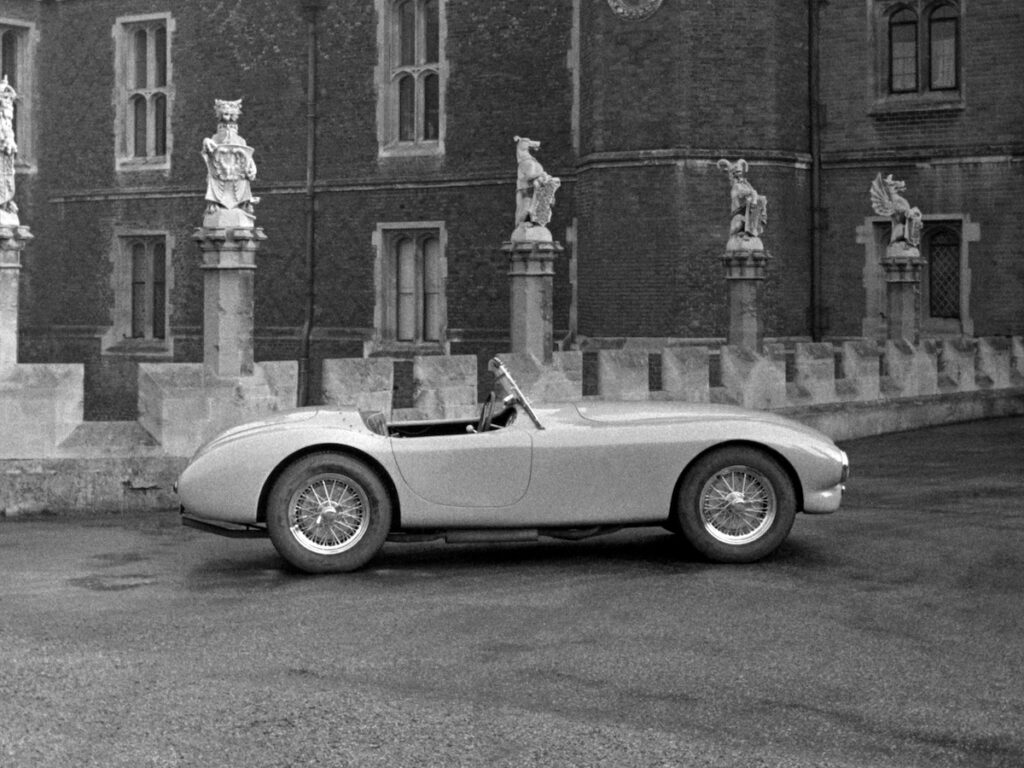
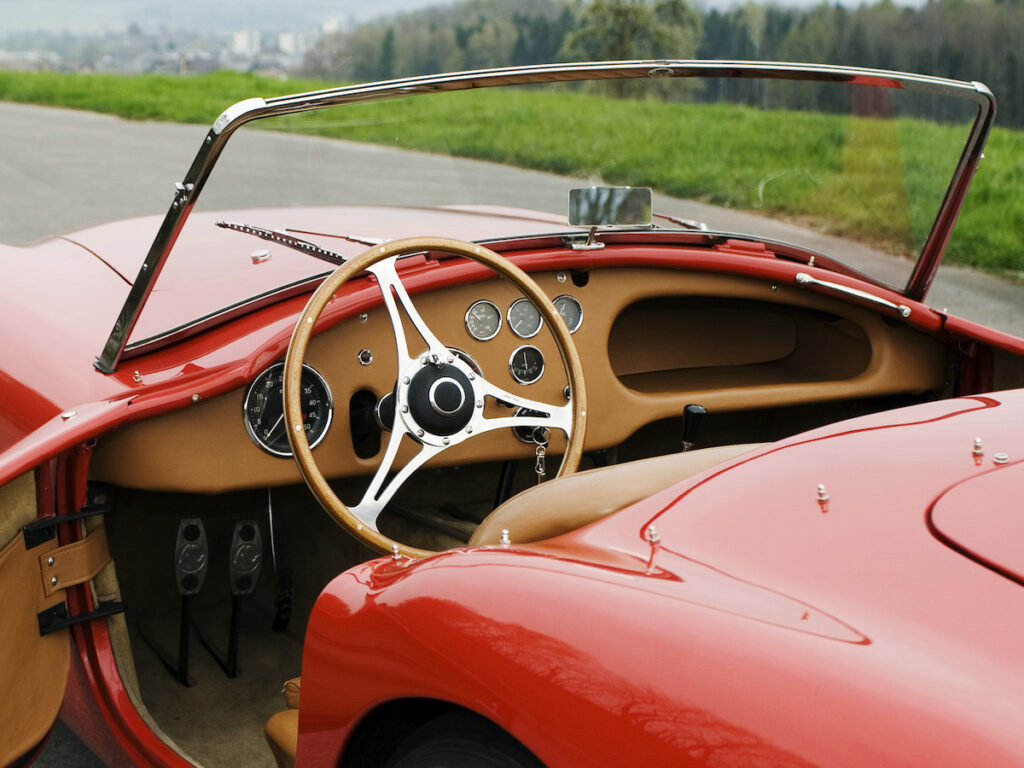
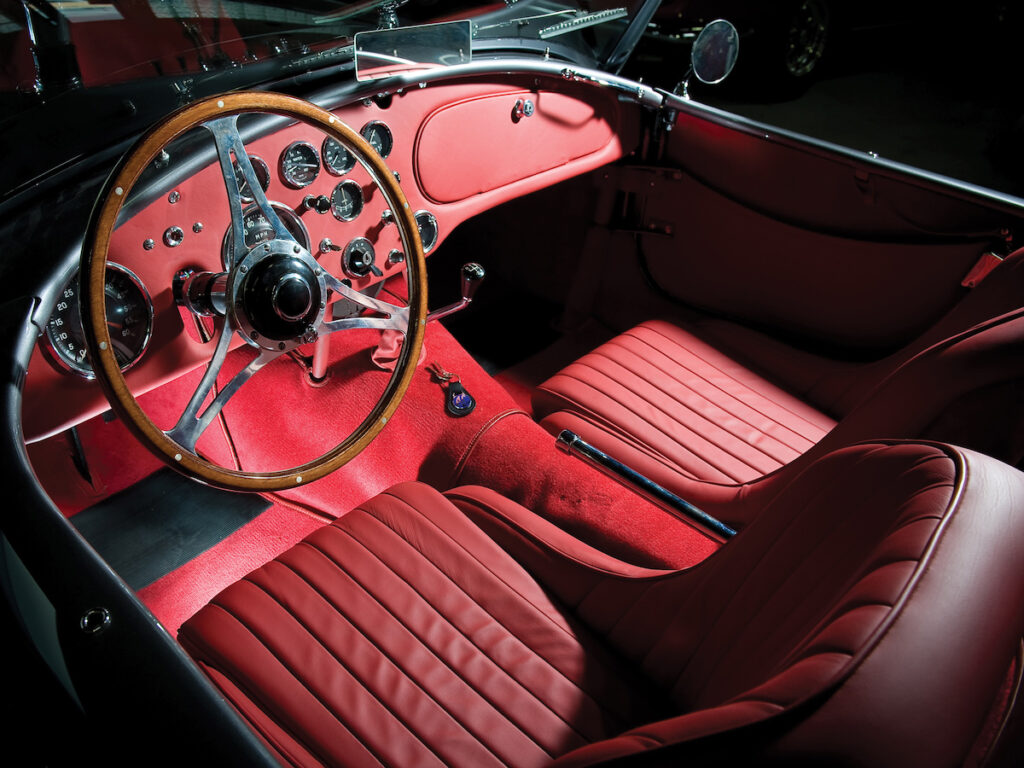
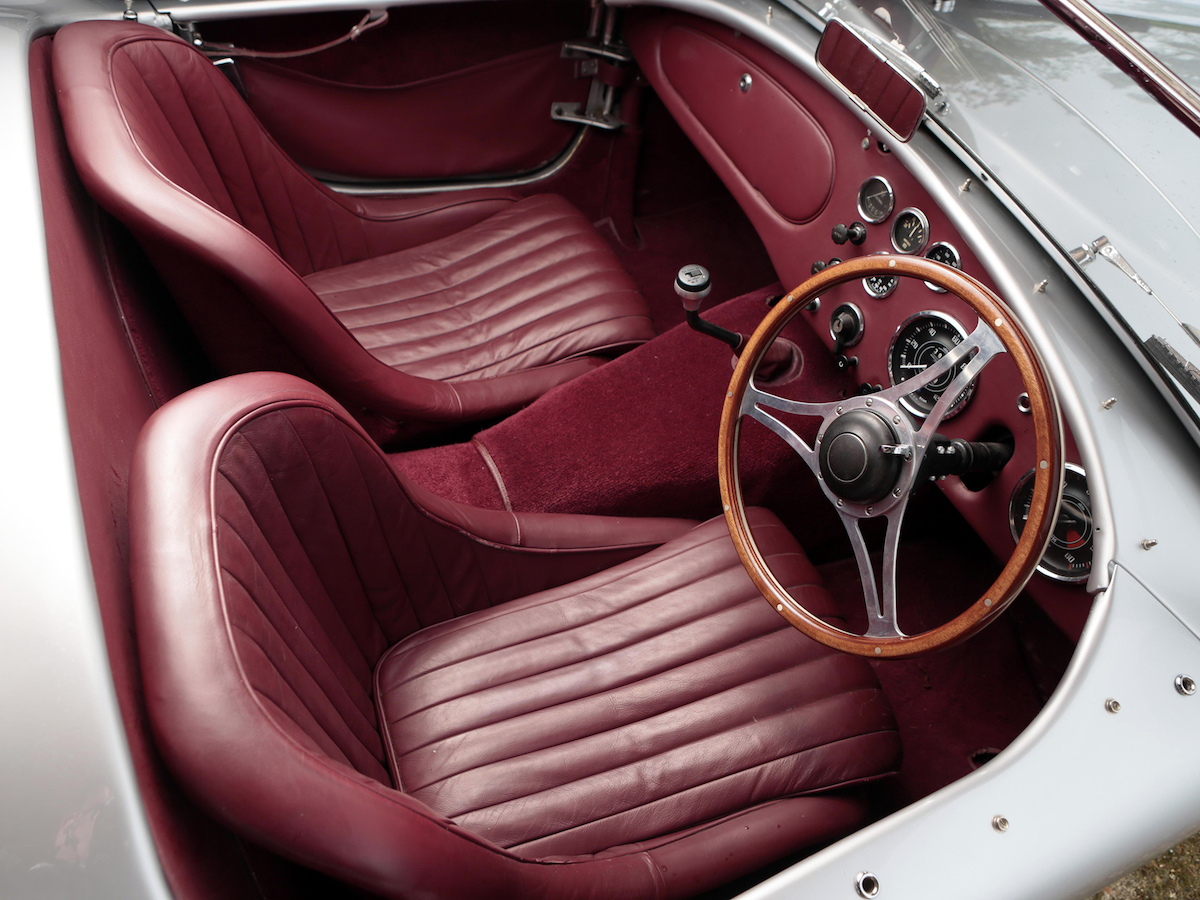
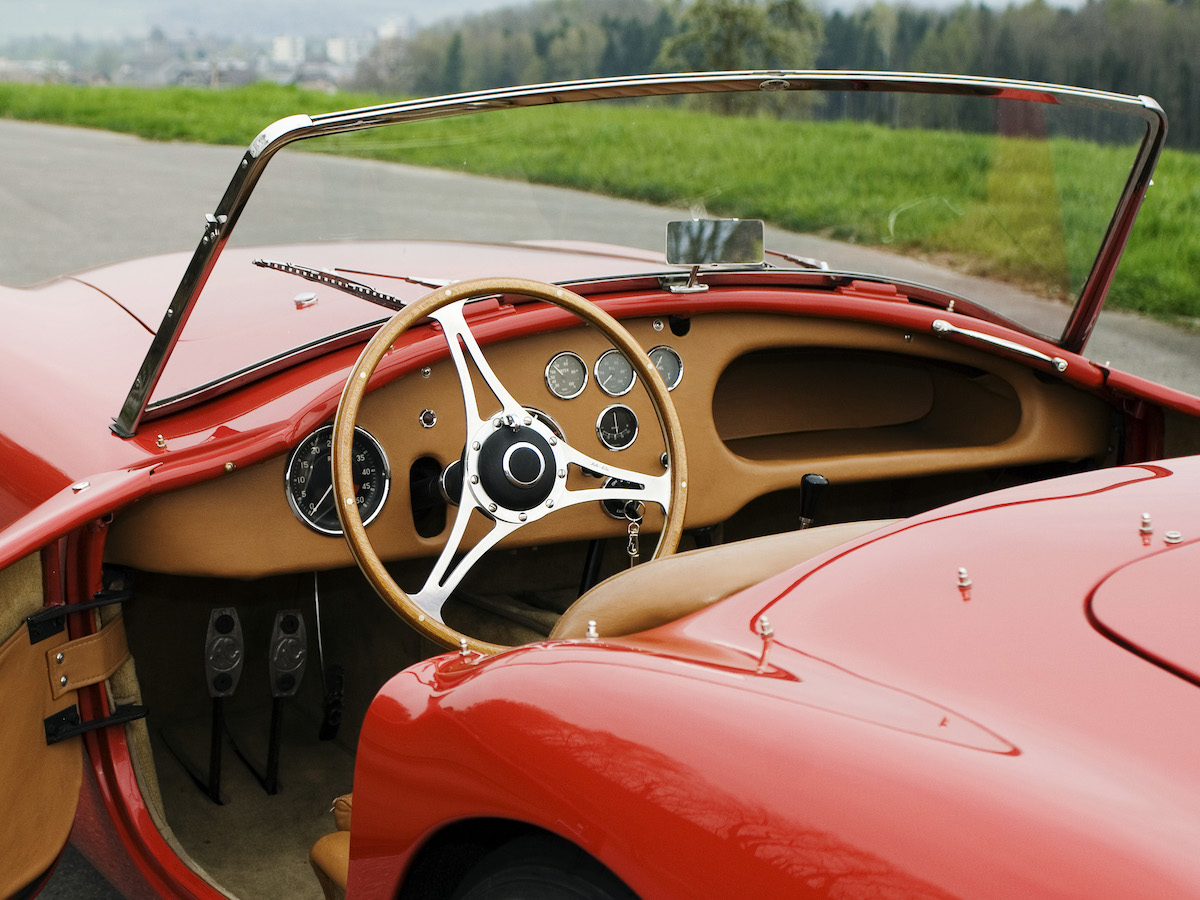
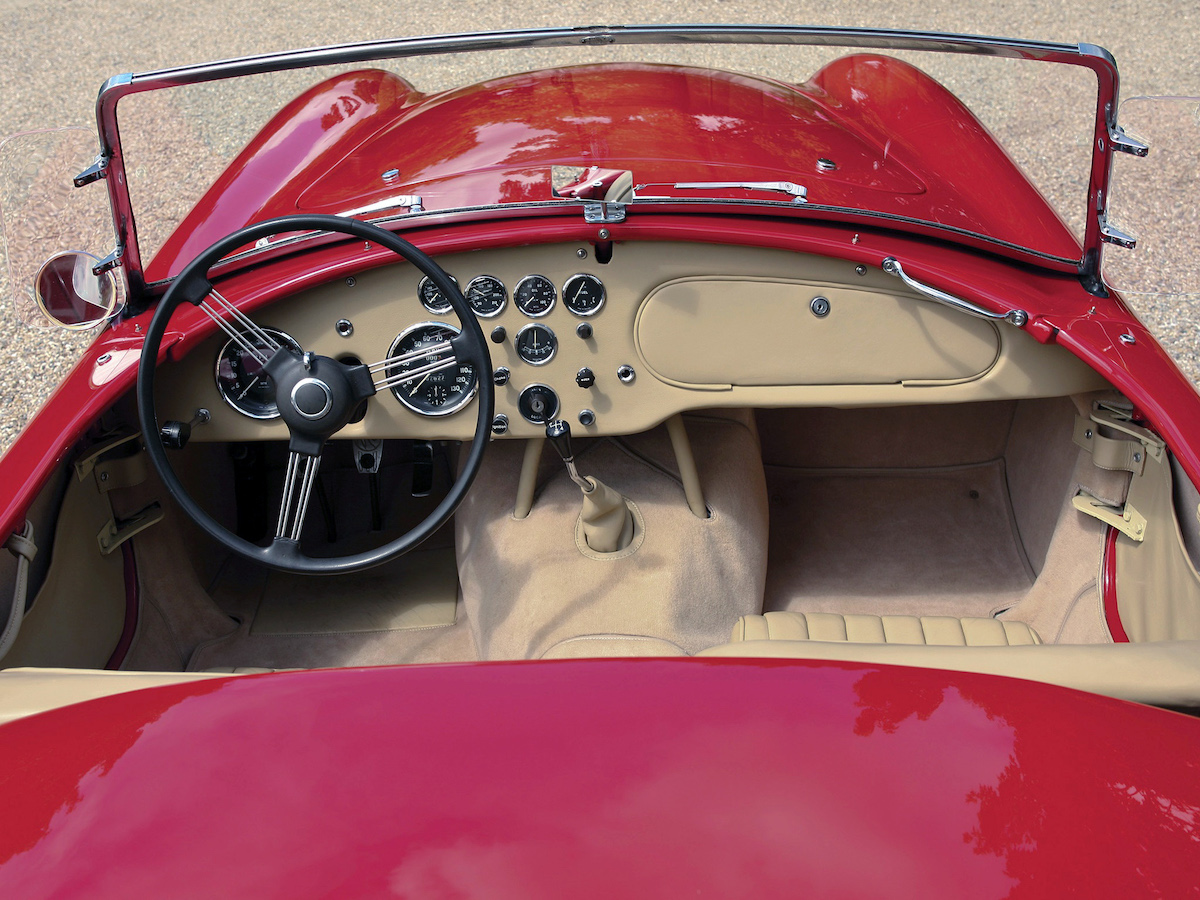
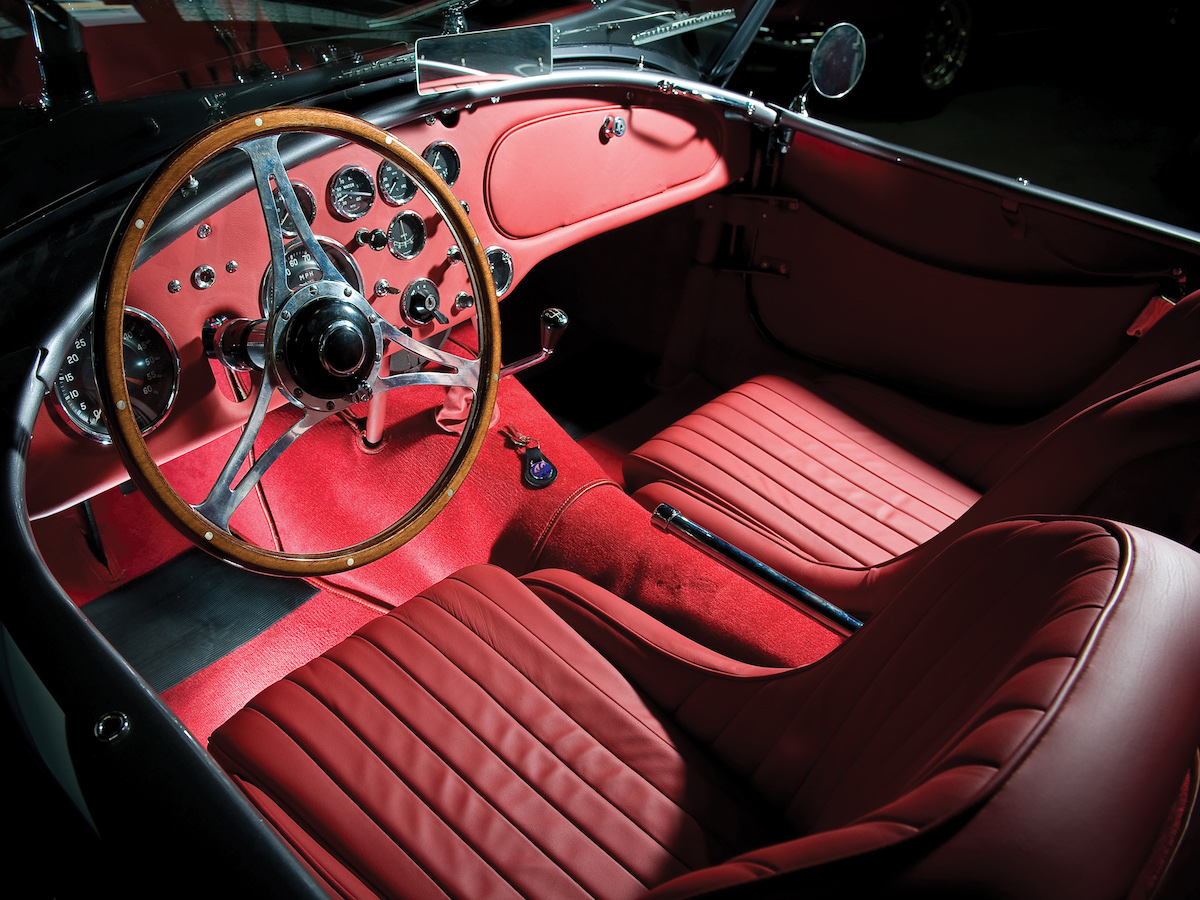
The Ace was naturally a showcase for AC’s long-established aluminium coachbuilding skills. The interior was simple and graceful, with wood-rim wheel, basic instrumentation and upholstered dash. The soft-top was a simple side-curtains and clip-on affair. From 1954, buyers seeking practicality had the option of an attractive Aceca coupe, with its hinged fastback tailgate.
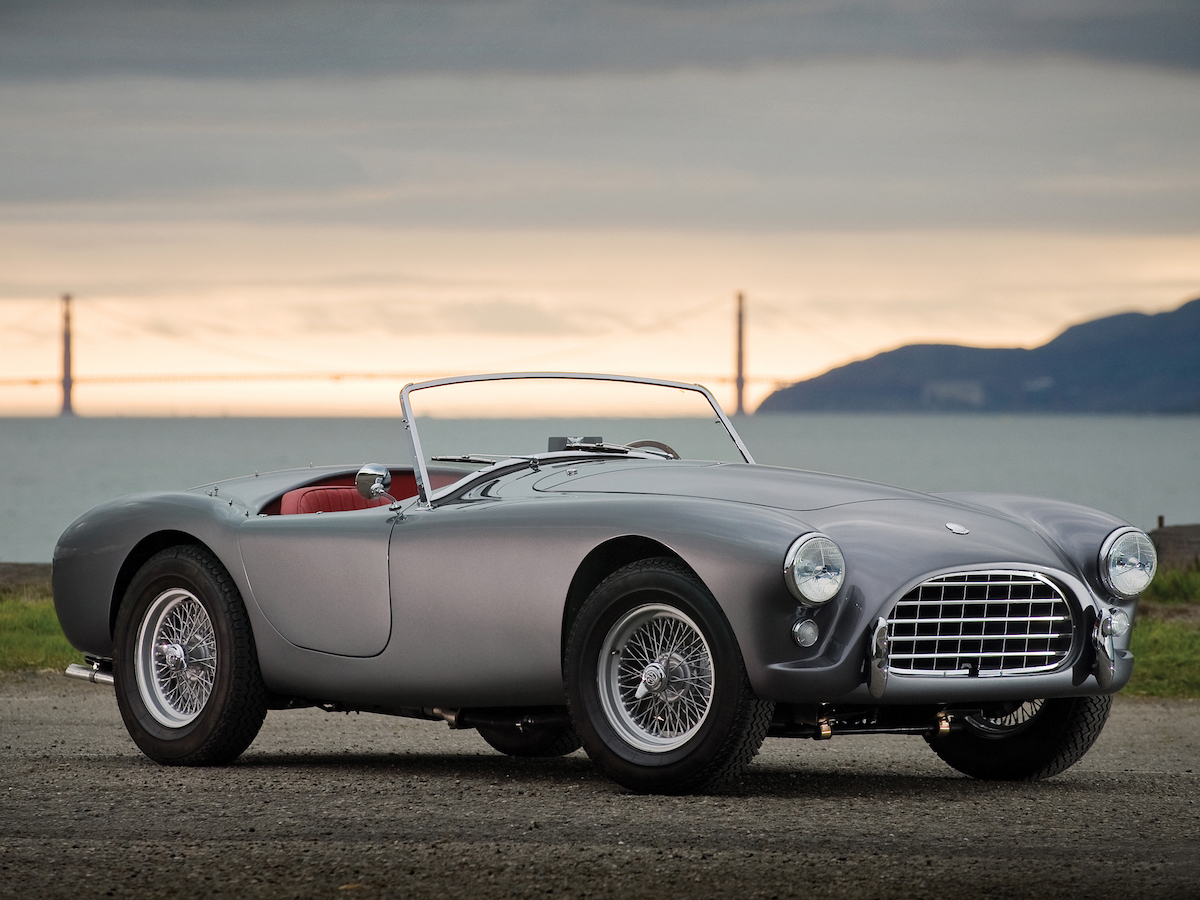
The initially lacklustre performance stepped up in 1956 with a more modern 2.0-litre Bristol six-cylinder producing 90kW, which was derived from BMW’s pre-war M328. AC Ace Bristols were a race weapon, sweeping US sports car titles from 1957-’61 and a trio of class podiums at Le Mans from 1957-’59.
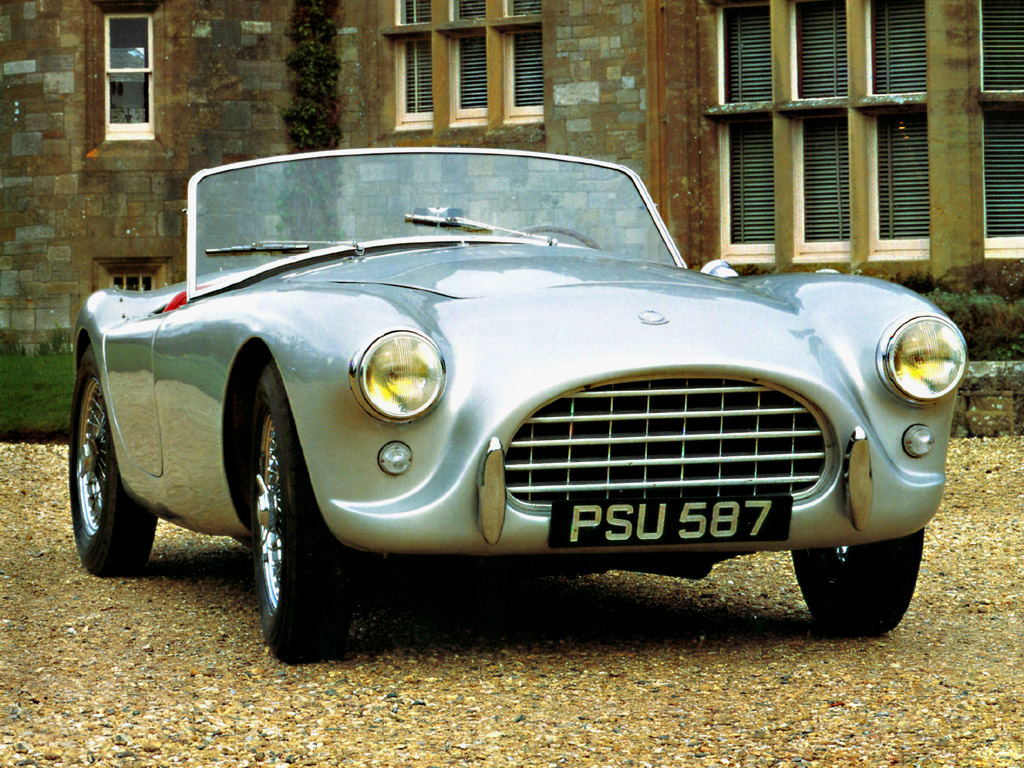
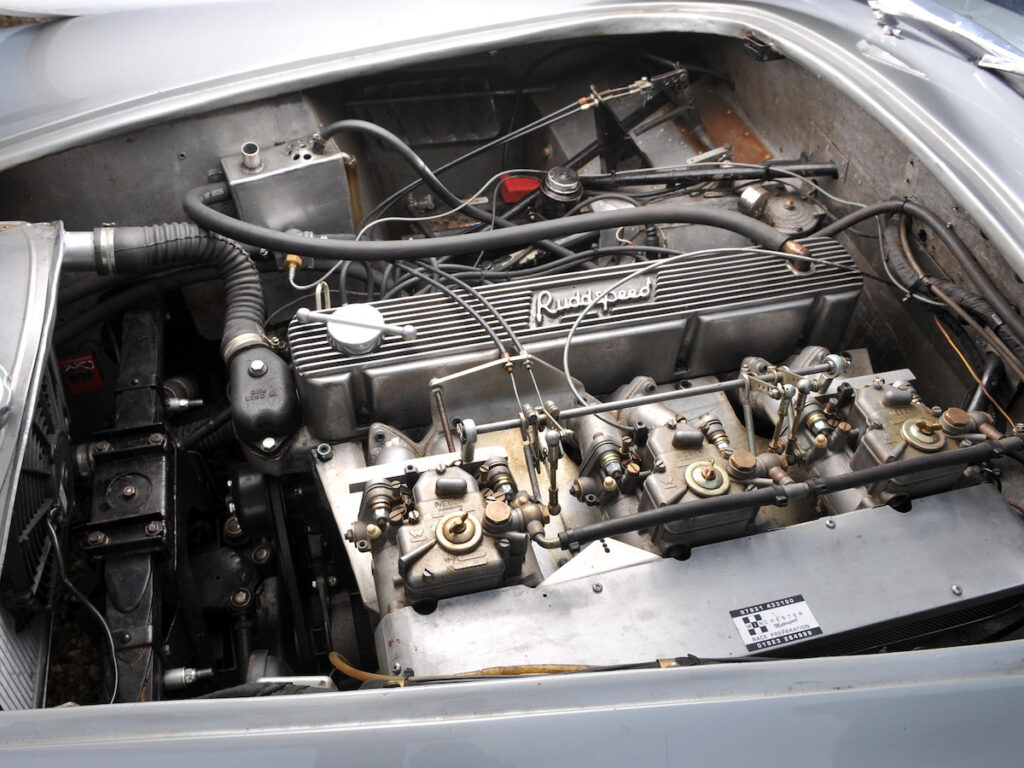
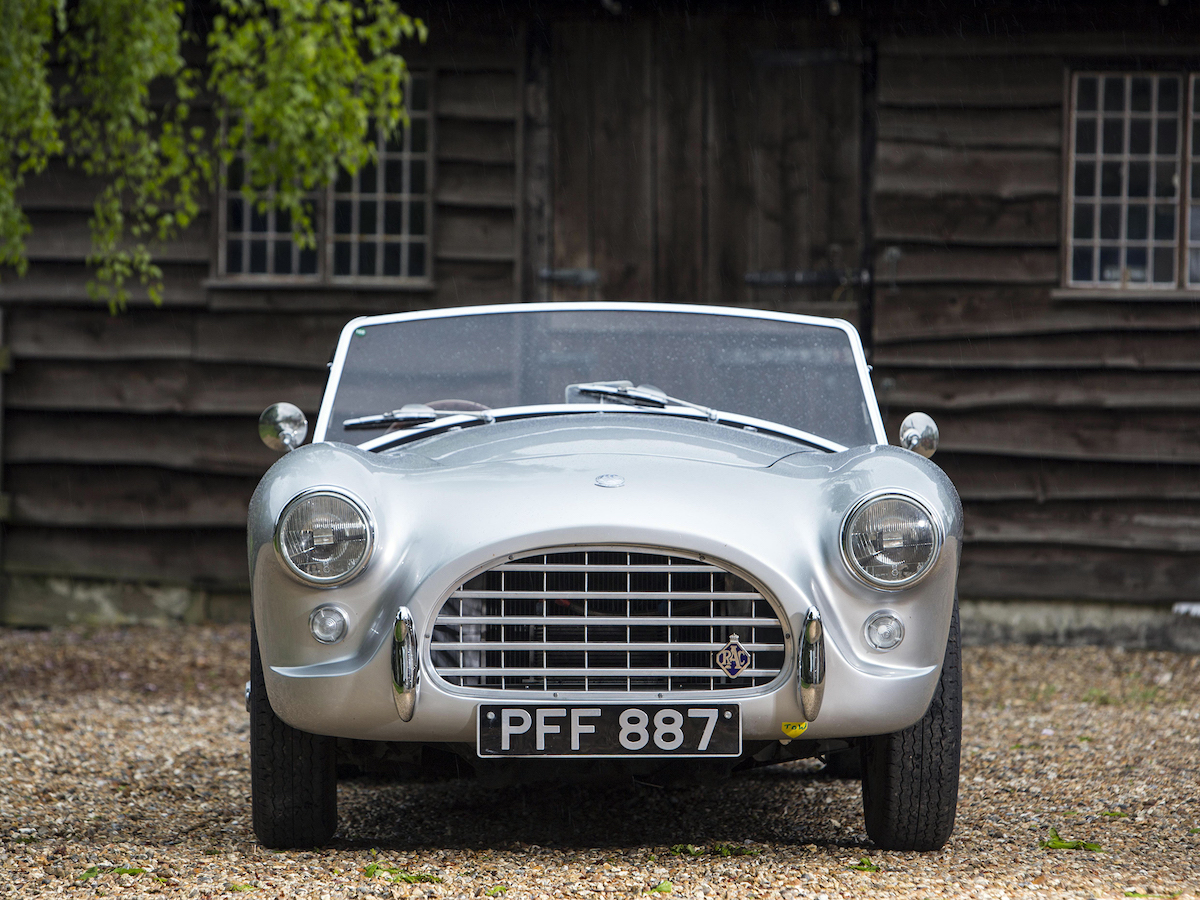
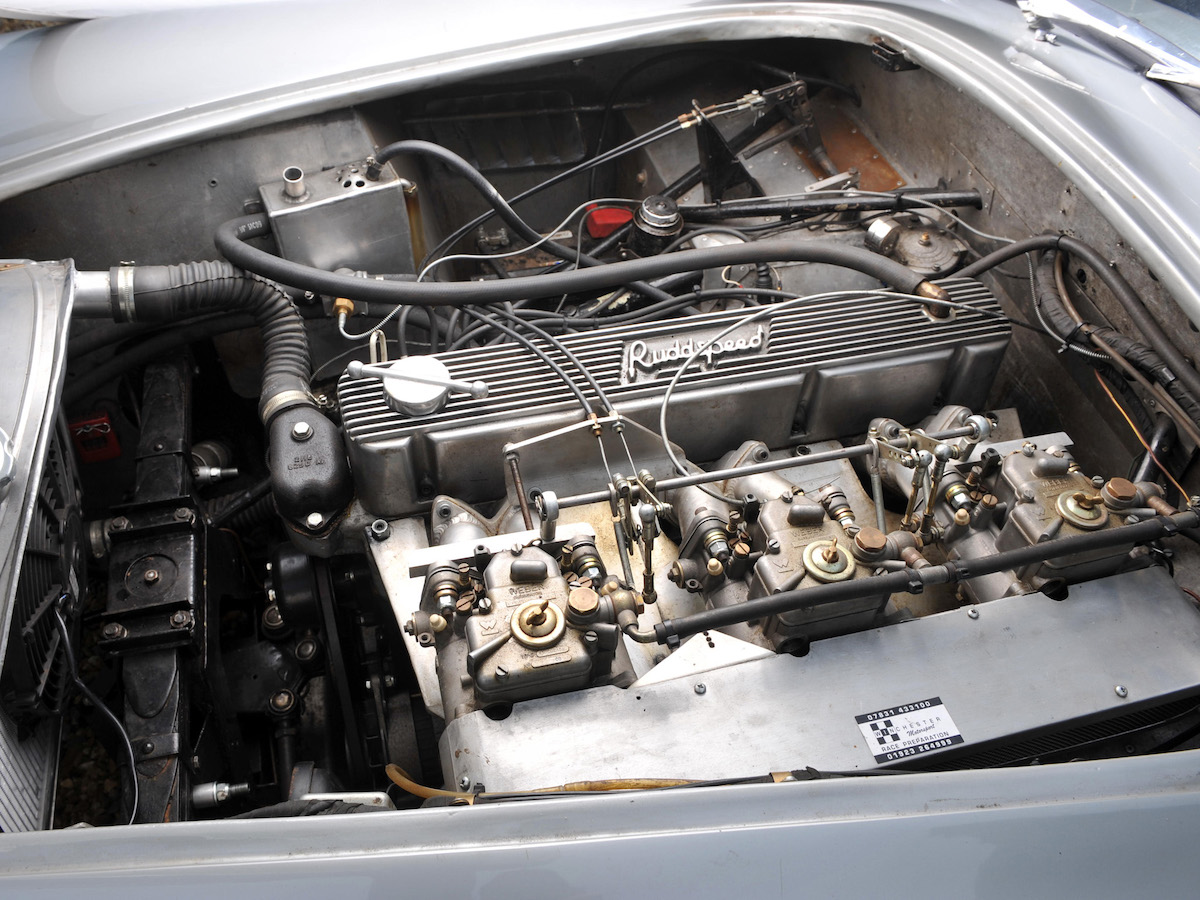
When Bristol axed this engine in 1961, AC turned to tuner and enthusiastic Ace racer Ken Rudd, whose Ruddspeed business provided modified 2.6-litre Ford Zephyr units, good for up to 127kW. These 2.6-litre cars were identifiable with a lower bonnet line and smaller grille.
Only 37 2.6-litre cars were produced by 1963 – as by that time, even the Ruddspeed six was being made to look puny by the experiments of a certain, lanky Texan chicken farmer turned racing driver.
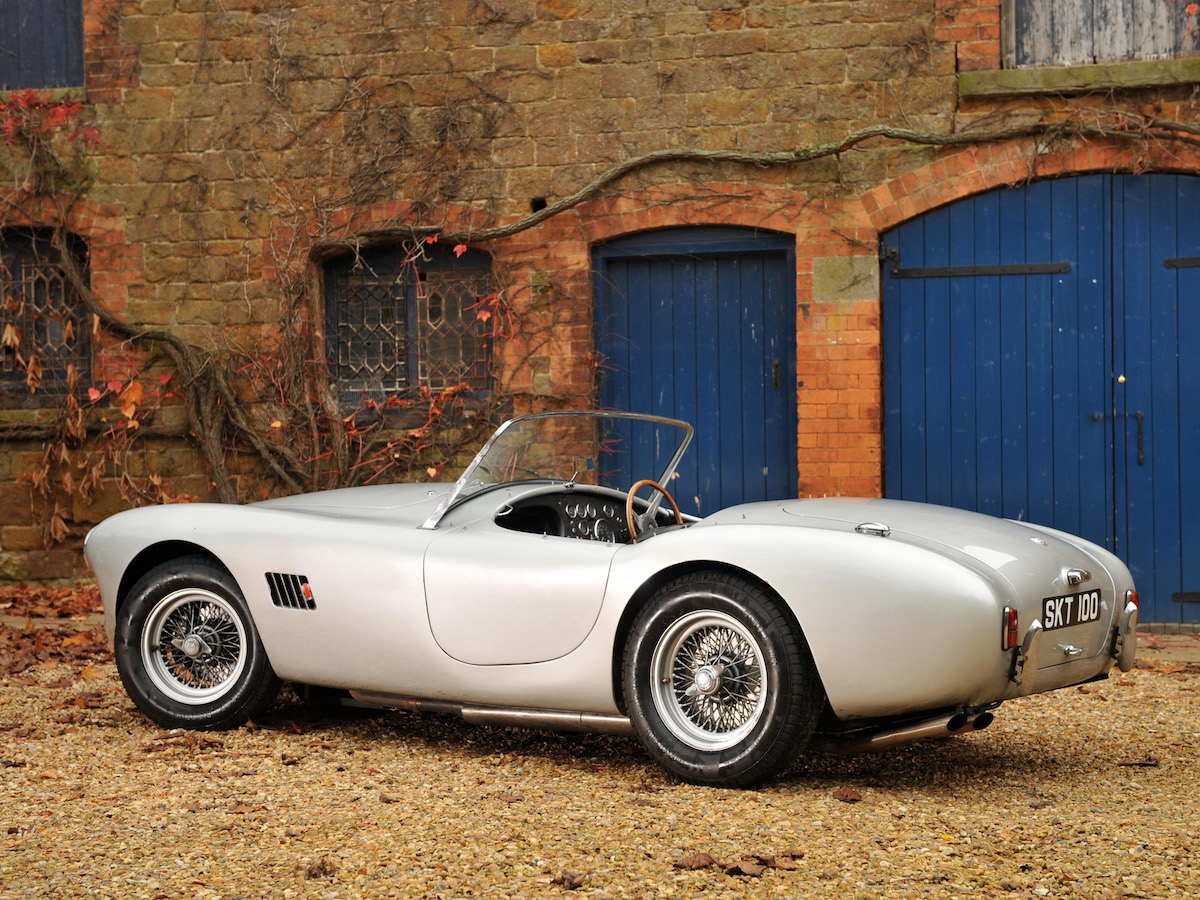
In September of 1961, AC Cars had been contacted by Carroll Shelby with the notion of a European-American hybrid sports car. After just 689 AC Aces (of all six-cylinder engine types) had been built, Shelby’s scheme to mate import-duty-free rolling chassis from AC with Ford’s freshly-minted, initially 3.6-litre (221ci) small-block V8 would write a whole new chapter for the AC Ace – and in sports car history.
Today, AC Cars and the legendary Ace lives on. In 2024, AC Cars’ new Classics division began production of a brand new Ace that remains authentic to the original designs, albeit with carbon fibre (rather than aluminium) bodywork draped over its three-inch tubular steel chassis and modern Ford EcoBoost engine.