




We’ve written much of all the latest big dollar restomods flooding the collector car market these days here at Retro Rides, as companies from all around the world offer enthusiasts the chance to relive the glory days in style.
Serving up re-engineered or even brand new versions of the cars people grew up loving, but fitted with all the modern accoutrements and reliability we’ve come to expect, the desirability of these restomods is reflected in the price tag.
Most will charge near if not over the seven-digit mark for such vehicles. The rarity and bespoke nature of them also means it’s rare for journalists to get a go behind the wheel before they’re handed over to customers.
However, one organisation in our very own backyard is serving up a host of delectable restomods at a fraction of that cost, while also training up the next generation of highly skilled young mechanics in the process. We also had an exclusive chance to sample the team’s work first-hand.
The team in question is the Sydney-based Modern Classic Cars Foundation. Originally founded by David Dyer “as a ‘cottage industry’ to just do the odd car here and there”, the business was reestablished as a charity in early 2025 with the mission of training young people the essential skills required to keep the classic car industry alive.

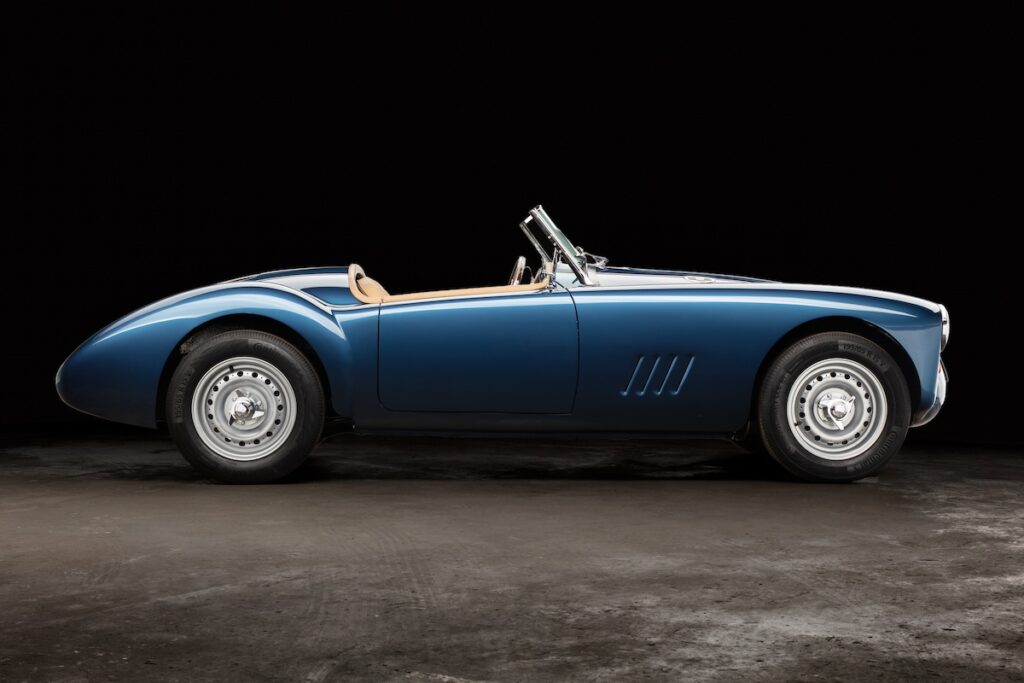
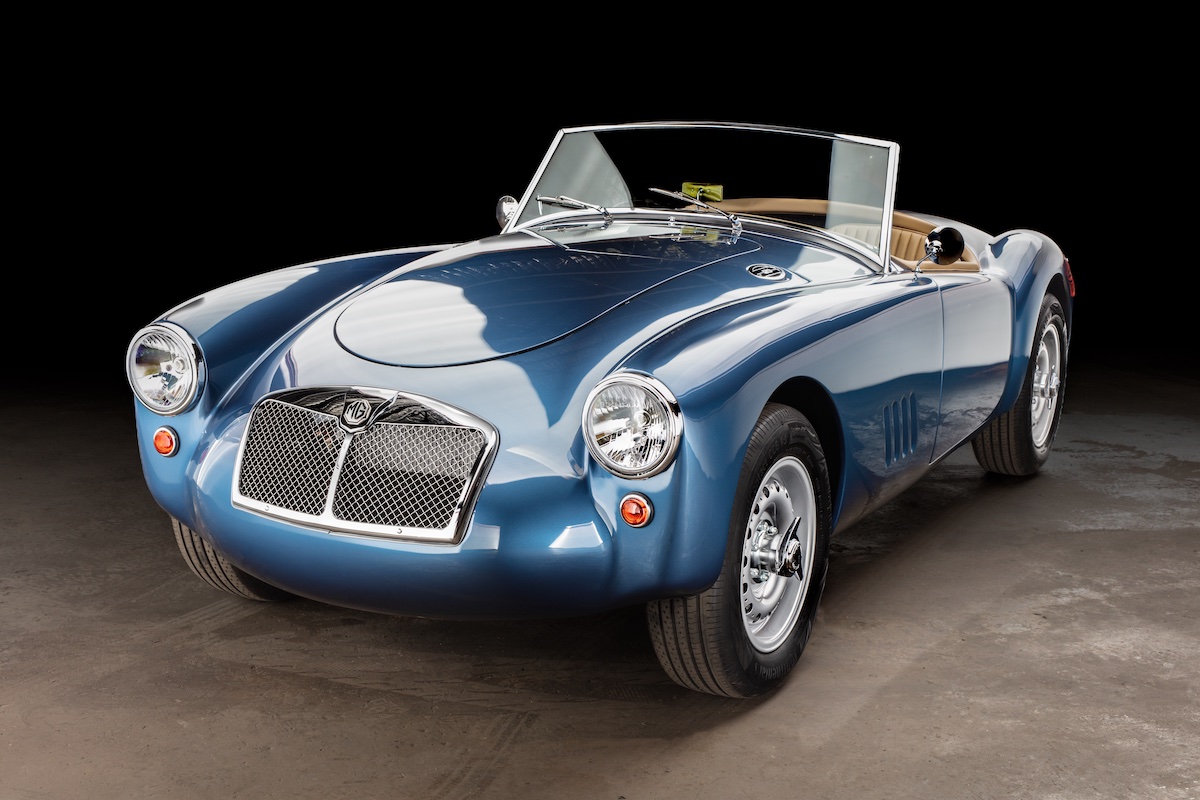
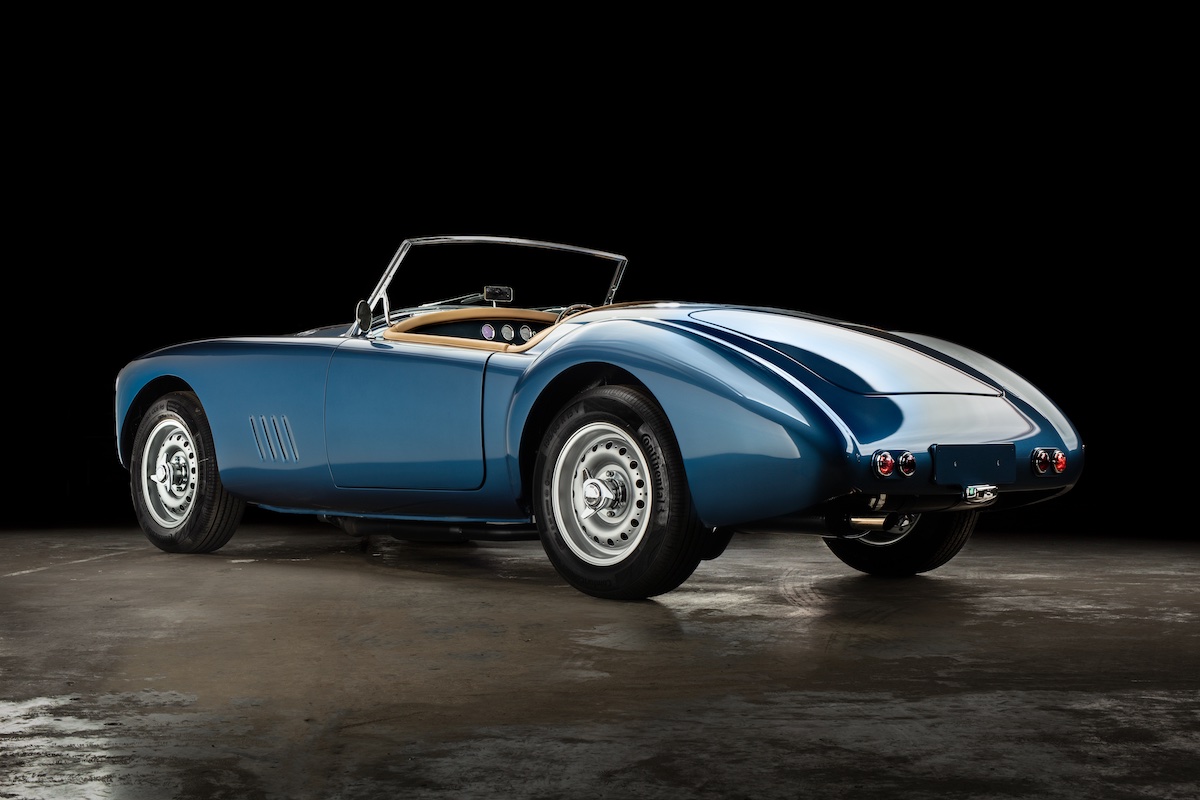
Already the Australian sales and servicing provider for UK-based MG restomod business Frontline Cars, one of MCCF’s latest creations is an MG restomod of its own. Dubbed the 1959 MGA ‘Twin Cam Edition’, pricing starts at just $180,000 – a fraction of the cost of most restomods.
Grounding that price is a truly impressive specification sheet, but that only tells half the story of this vehicle. That’s why we couldn’t turn down the offer of a visit to the foundation’s Bankstown Aerodrome headquarters to take the very first example for a spin.
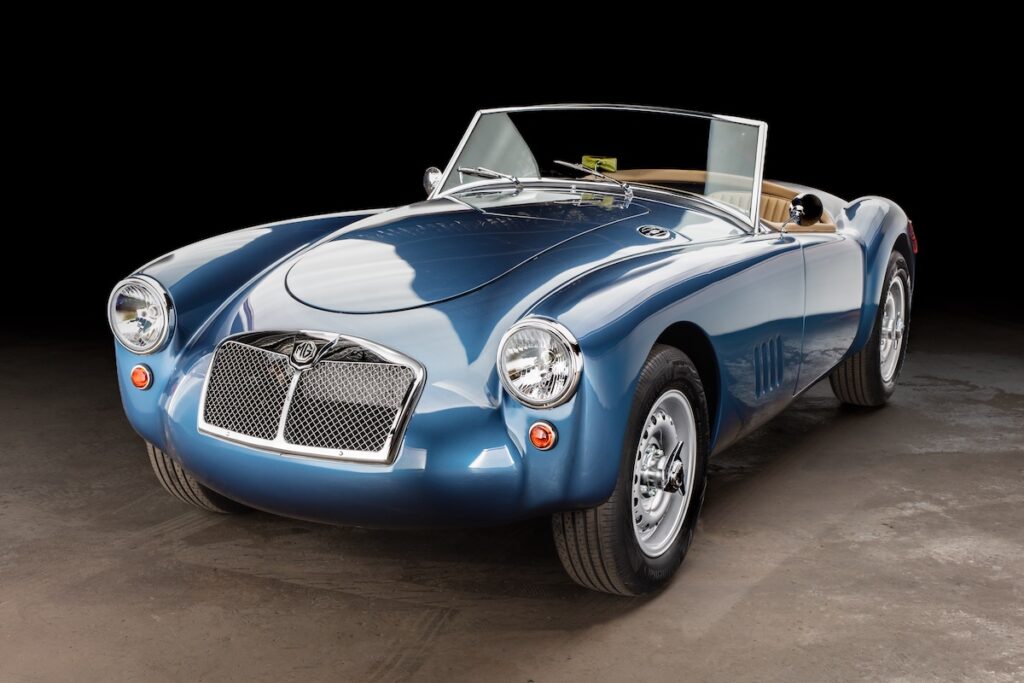
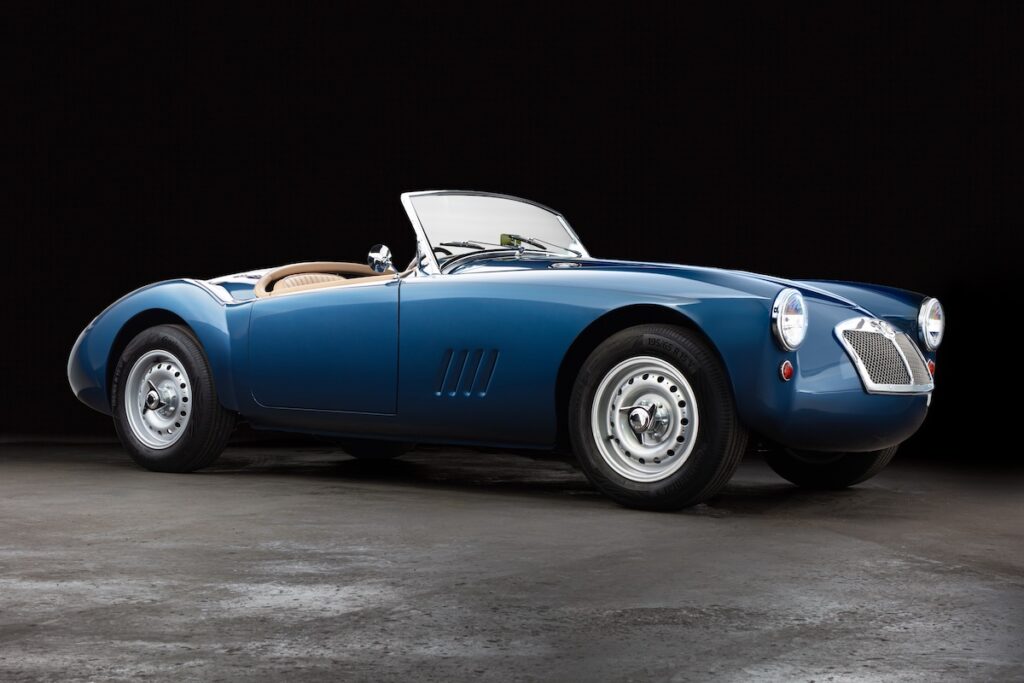
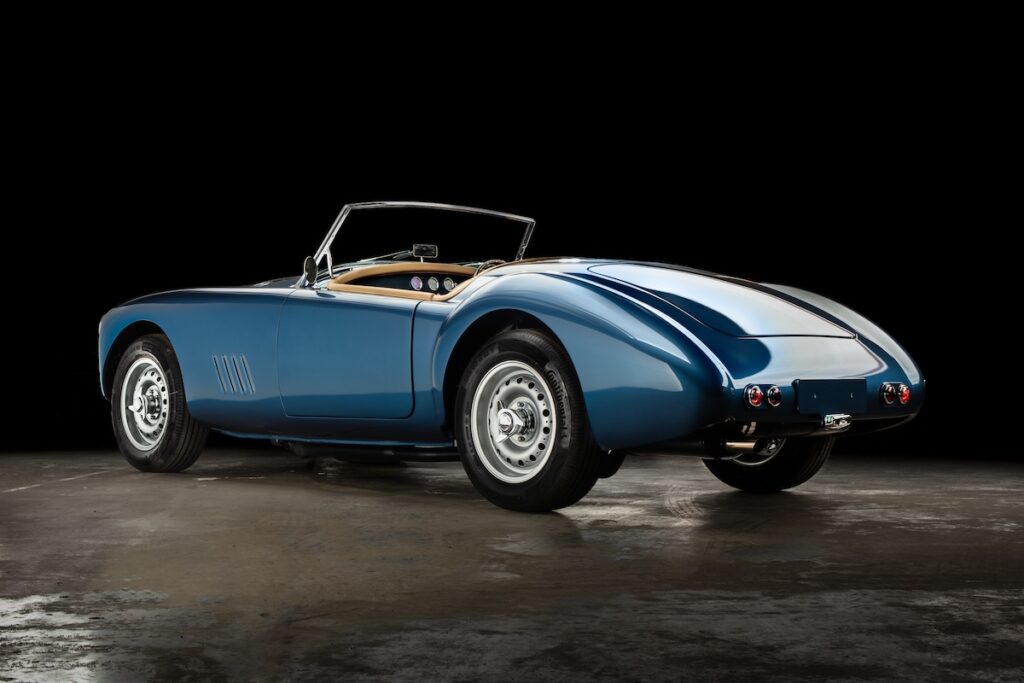
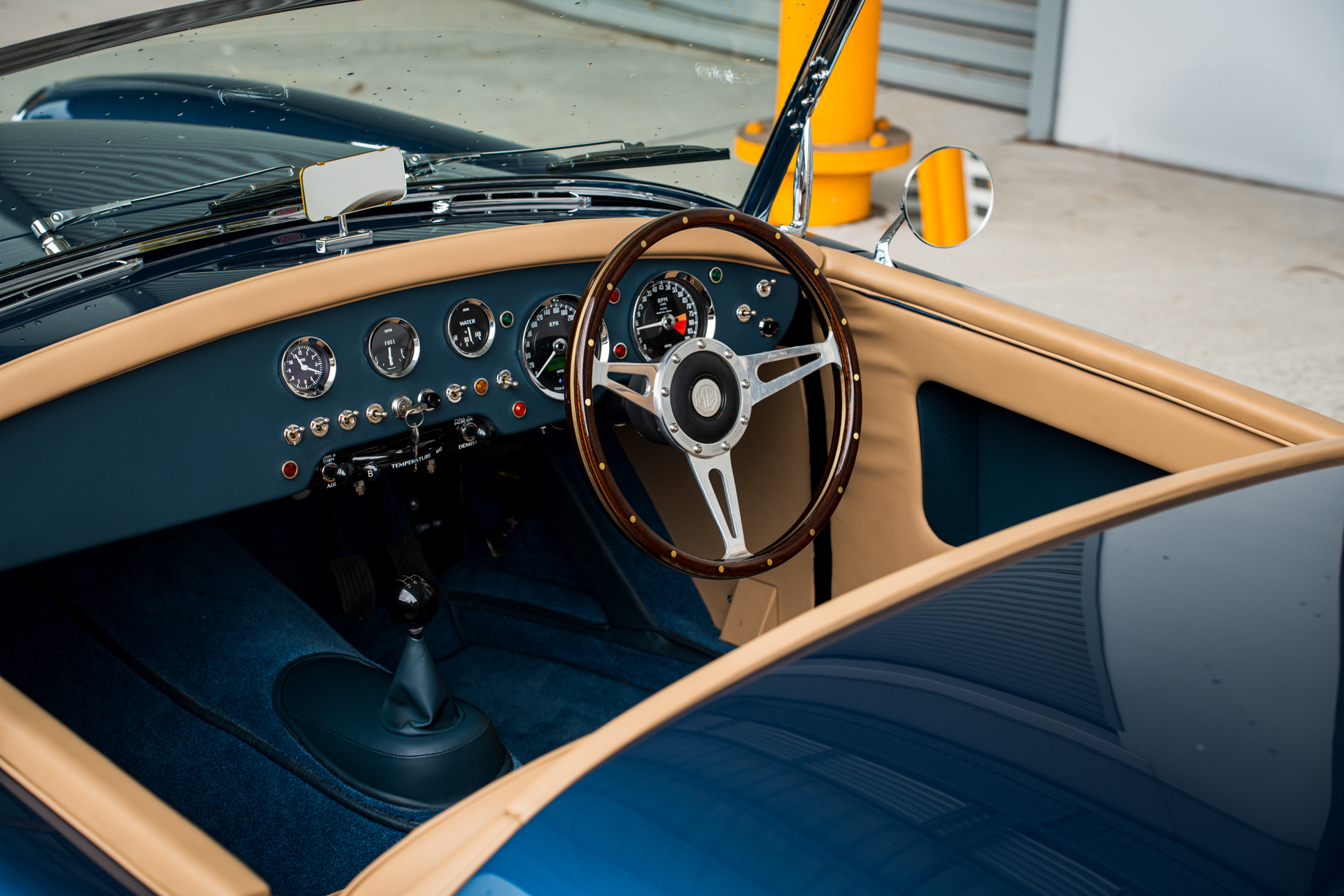
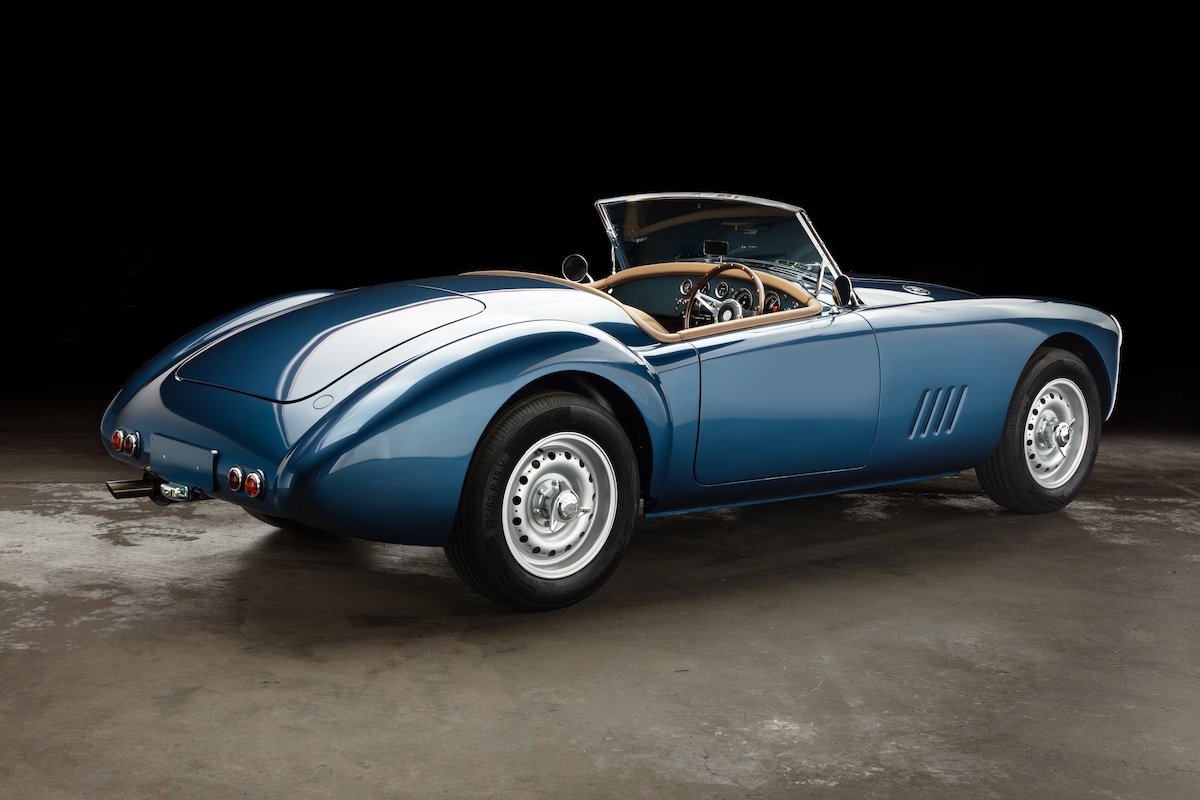
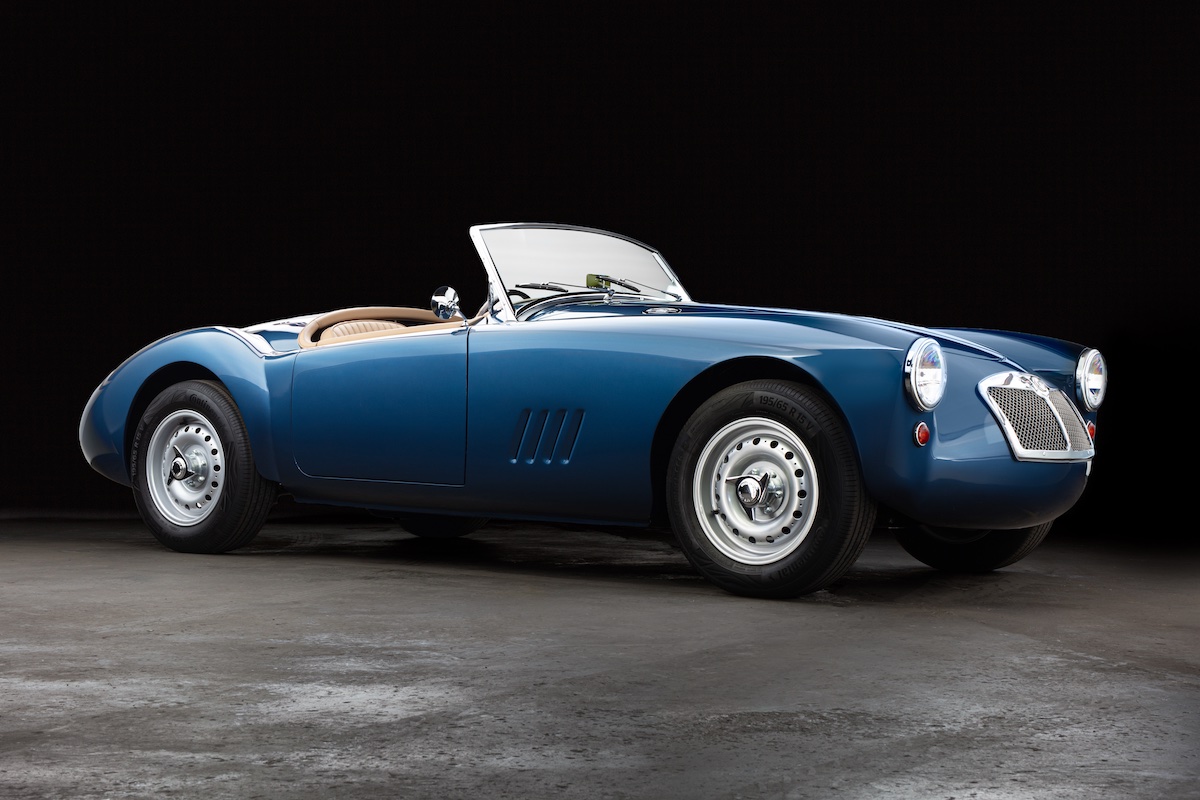
As with all cars of this ilk, each example is unique and able to be customised to each buyer’s tastes. This first car has been dubbed ‘Project Pacific’ due to its bespoke Pacific Blue paintwork, which is paired with a Creme and Medio Blue Nappa leather interior to really dial up the class. Spec yours up like this, and the cost rises to $230,000 in the case of our tester.
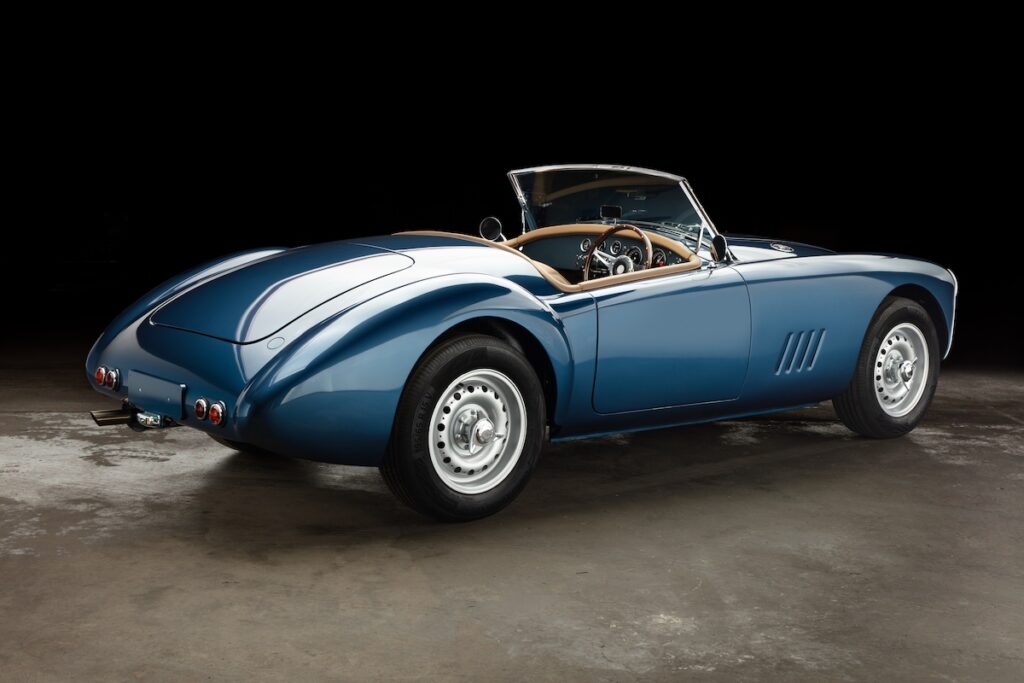
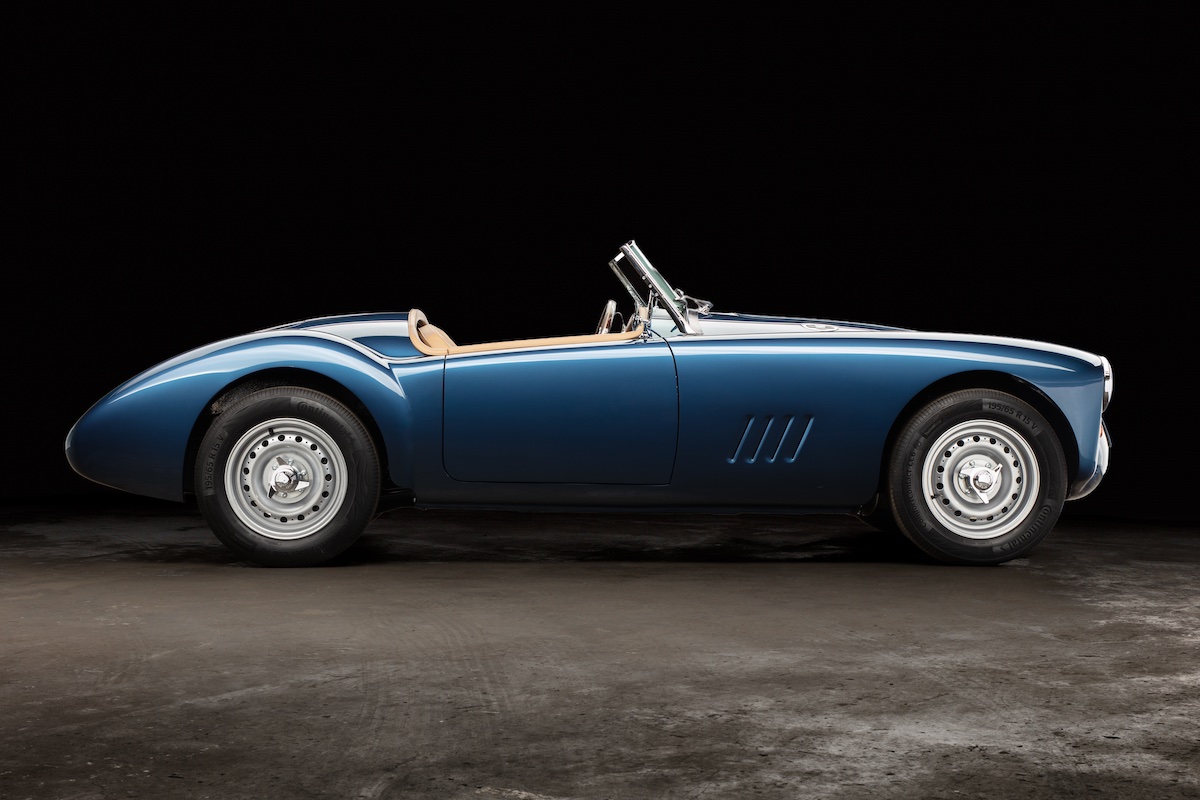
Much of that spend goes far beyond perfecting the paint, however, as the MGA’s bodywork has been heavily revised. The guards are now seam welded rather than bonded, the front and rear bumpers deleted, and the roof and side windows shaved as well.
Not only does that save weight and deliver a cleaner look, but it visually sets it apart from Frontline’s own chrome-bumper MGA restomod, despite some parts-sharing elsewhere. This car being based on an Aussie-built example only adds to this car’s localised cache.

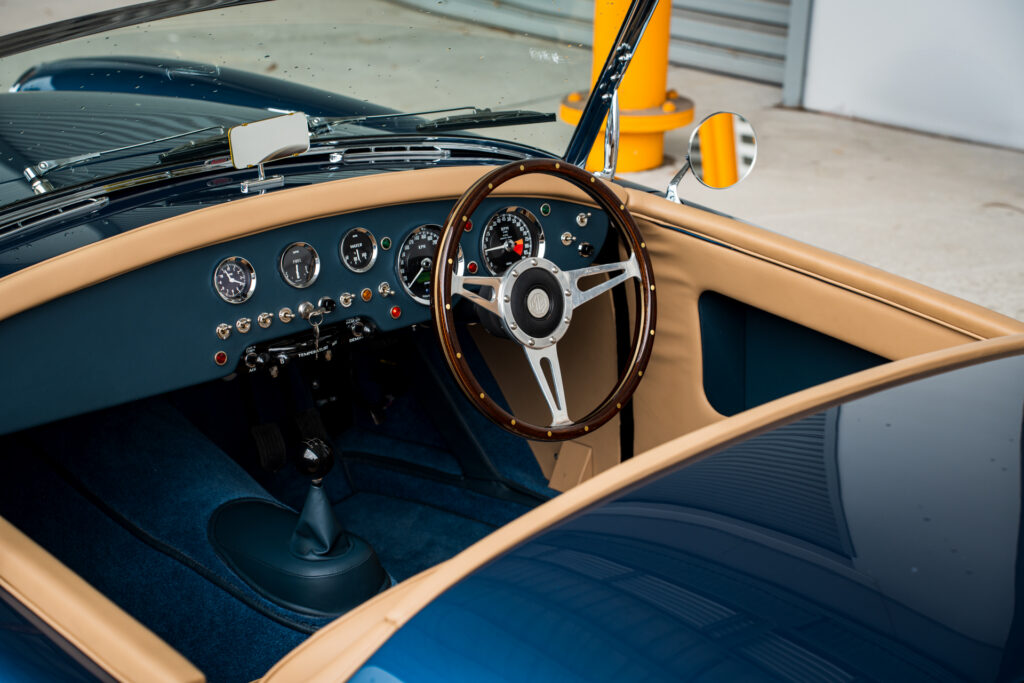
Some of those items are evident inside, such as the beautiful Smiths gauges. Although printed in the original font, they are now digitally connected to the car’s new ECU, provided by Aussie specialists Haltech. Funny thing, sitting in a car with glorious late-’50s curves and seeing a two-digit number on the odometer. Even funnier that the seat itself is heated, which is particularly pleasant with no roof at all.
The reason for the new, endlessly tuneable computer is the fitment of an entirely new driveline. At the core is a brand new 2.5-litre four-cylinder Mazda ‘L’ engine, also produced by Ford and sold as the ‘Duratec’. In standard form it produces around 125kW, but new internals, individual throttle bodies, a stainless steel exhaust system, and the Haltech ECU mean it now delivers up to 216kW at 7100rpm, along with 326Nm.
In this car, it’s fitted with a more relaxed five-speed manual gearbox also sourced from Mazda. However, a variety of engine outputs are available depending on the spice level you like, with a more aggressively geared six-speed MX-5 gearbox also optional.
Obviously, more needed to be done to the MGA’s ancient bones to handle such oomph. Disc brakes all around with four-piston front calipers and braided brake lines serve up the stopping power, while the rear leaf springs have mercifully ended up in the bin with adjustable coilover suspension fitted instead.
Whichever angle you look at it from, not only is it simply stunning but it’s remarkably cohesive as well. Nothing feels out of place, overlooked, or overdone. It’s clean, crisp, and… new, for lack of a better term.

That’s reflected in the way it drives, which is a far cry from the ’50s experience the MGA originally served up. The setup is absolutely sublime: rather than dial it in for razor-sharp aggression, there’s an ideal balance this MGA Twin Cam Edition strikes.
The steering feels crisp and communicative through the beautiful timber-trimmed Moto-Lita steering wheel, and the handling balance is wonderfully neutral. Chuck it into a corner with some speed and there’s a faint hint of oversteer, but drive with precision and it’s totally responsive and rewarding.
There’s little to think about when it comes to the gearbox and pedals, either. The shifter throw is snappy, and all three pedals perfectly weighted with the ideal amount of travel. Simply get in and go – it’s that easy a thing to drive.
But its big surprise comes when you press the pedal on the right into the light blue Wilton carpet, because this MG now has some serious go. Given the 2.5-litre Mazda engine’s displacement, which is both bored and stroked compared to lower-displacement versions, it delivers excellent low end torque, while the top end power is more than plenty in a car as light and nimble as a water boatman.
Thanks to the ITBs and the stainless exhaust, the noise is also suitably old school despite the thoroughly modern mechanicals. It sounds thoroughly mechanical and suitably sporting, yet not overly aggressive given the classy spec of this car.

The real positive of restomods like this, however, is that they can be tailored specifically to each well-heeled owner’s desire. Switch up the engine tune or gearbox pairing, add an even louder exhaust, dial in the suspension one way or the other, have a custom paint colour mixed or specify any leather you’d like.
But as this MGA sits, it could be the finest approach of the lot. Style and substance; power and poise. If you simply love the art of driving, this is where the magic lives. Forget lap times and ego, instead just take it one corner after the other and take in every sensation this stunning car communicates to you.
Meeting the team behind it only made it even clearer just how special a car this is. From the conscientious and proactive approach of Modern Classic Cars Foundation itself to recognise the need to keep these skills alive and a modern way of doing it, to the budding young mechanical talents themselves who were clearly taking everything on board.
Like every car, it obviously has a price tag, but the bigger picture of what it represents? That’s simply priceless. Australia has always punched above its weight when it comes to knowing how to build a car – it’s reassuring to see those skills clearly being kept alive, because this is one hell of a car.