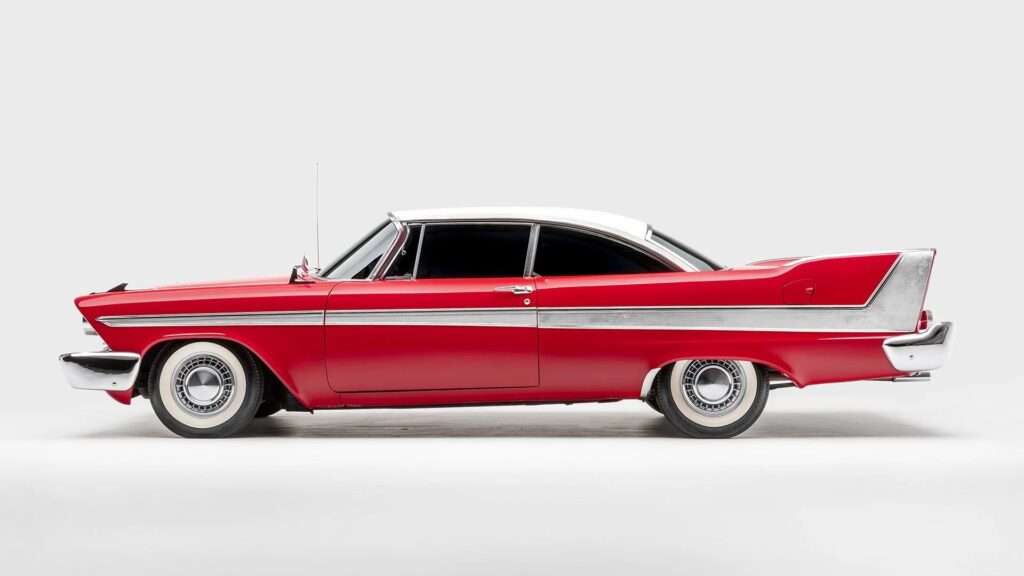

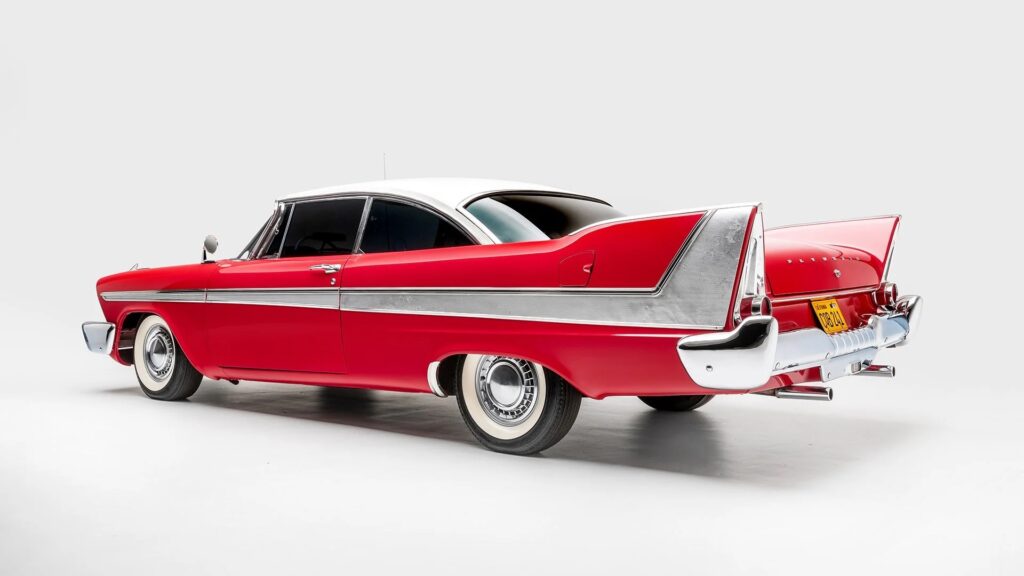
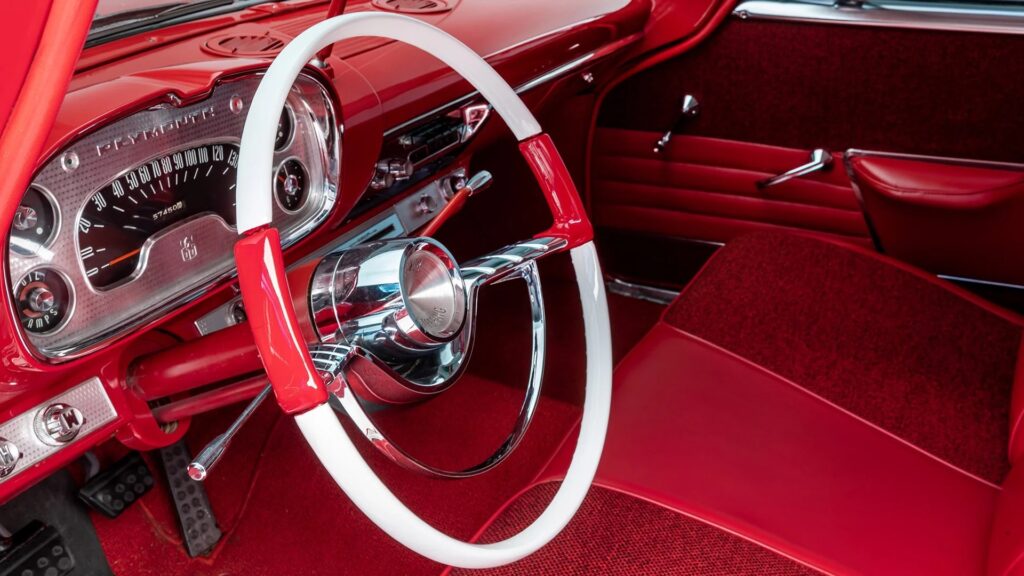

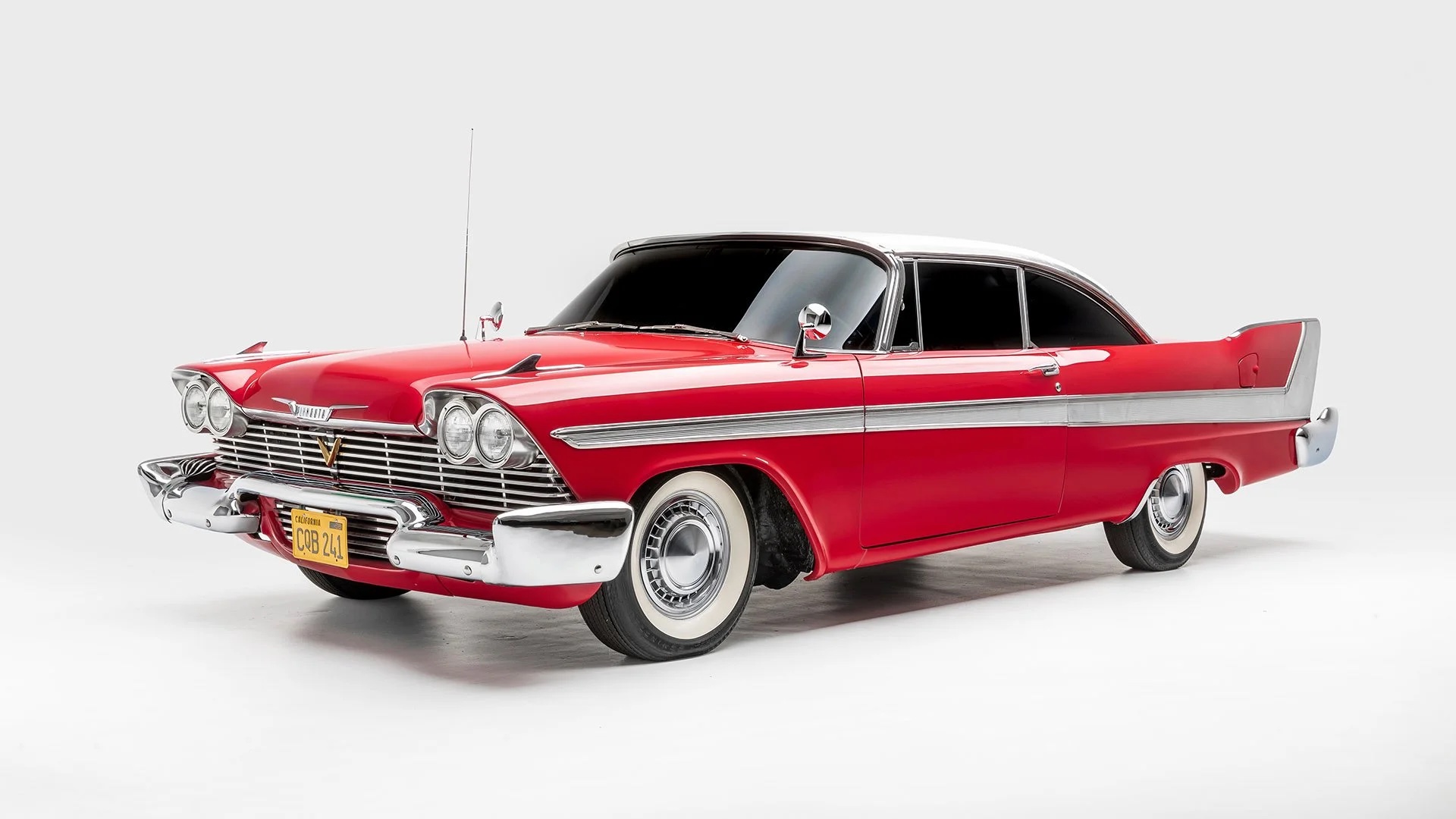
In our ‘Screen Gems’ series, we’re looking back at the iconic cars that became film and television stars so instantly recognisable that you’ll know them whether a petrolhead or not. This is the third of 10 instalments.
The story of a young man bringing new life to an abandoned classic doesn’t sound too horrific, but that was before the fertile talents of author Stephen King and fright film specialist John Carpenter combined to make it that way.
King’s original novel featured a car that became possessed by the spirit of a deceased owner, but the filmic Christine began displaying errant behaviour even before leaving the production line.
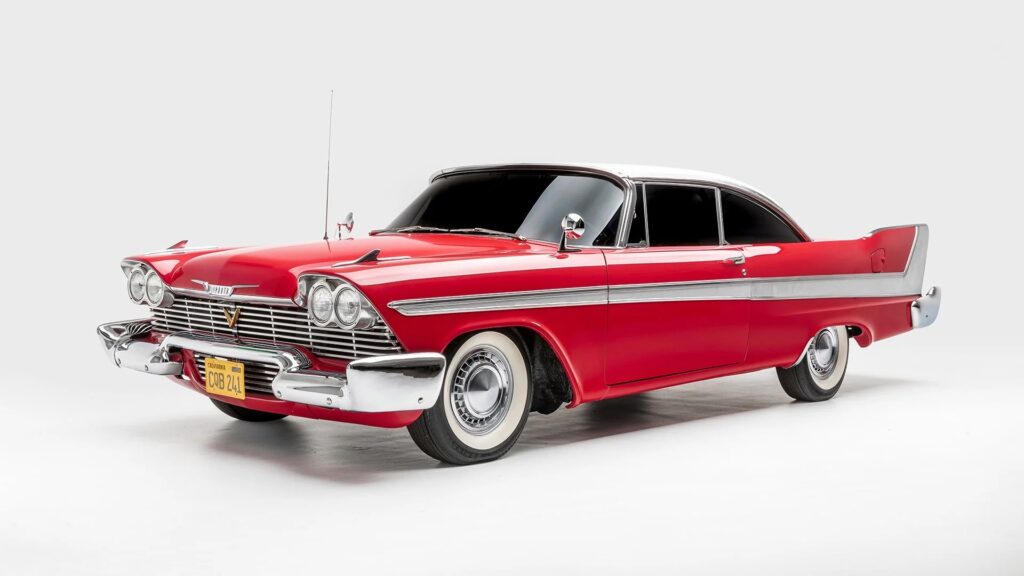
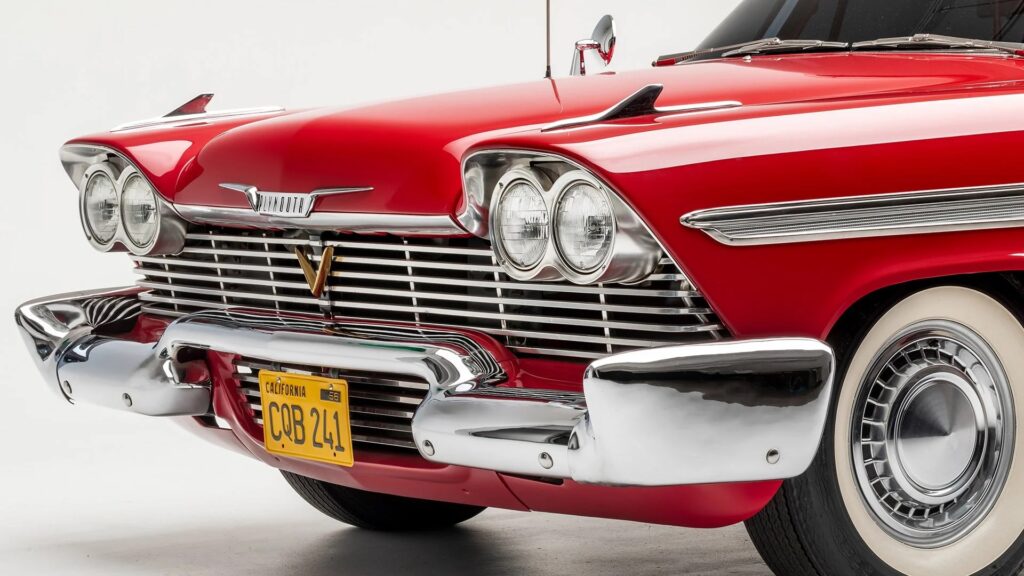
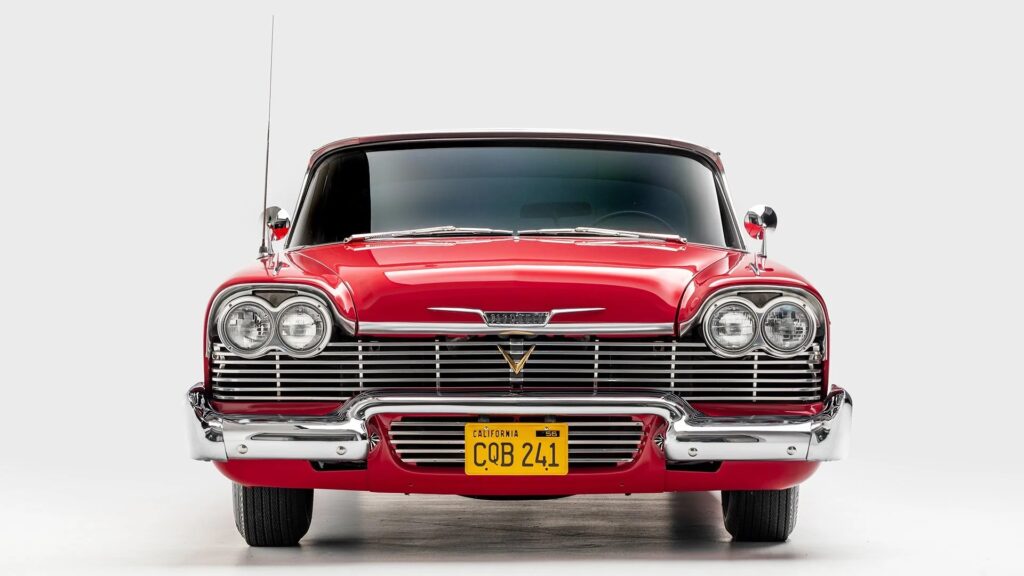
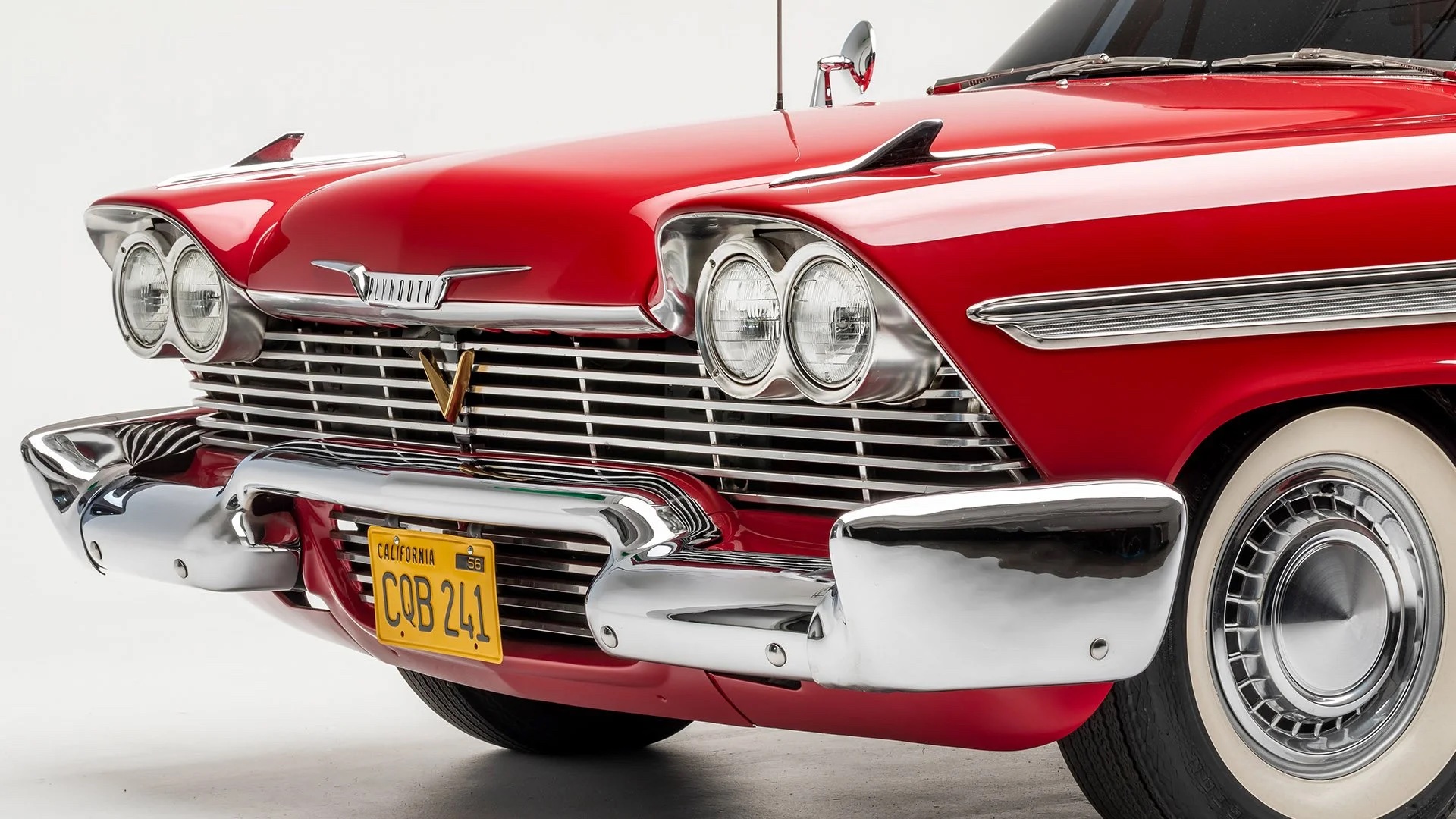
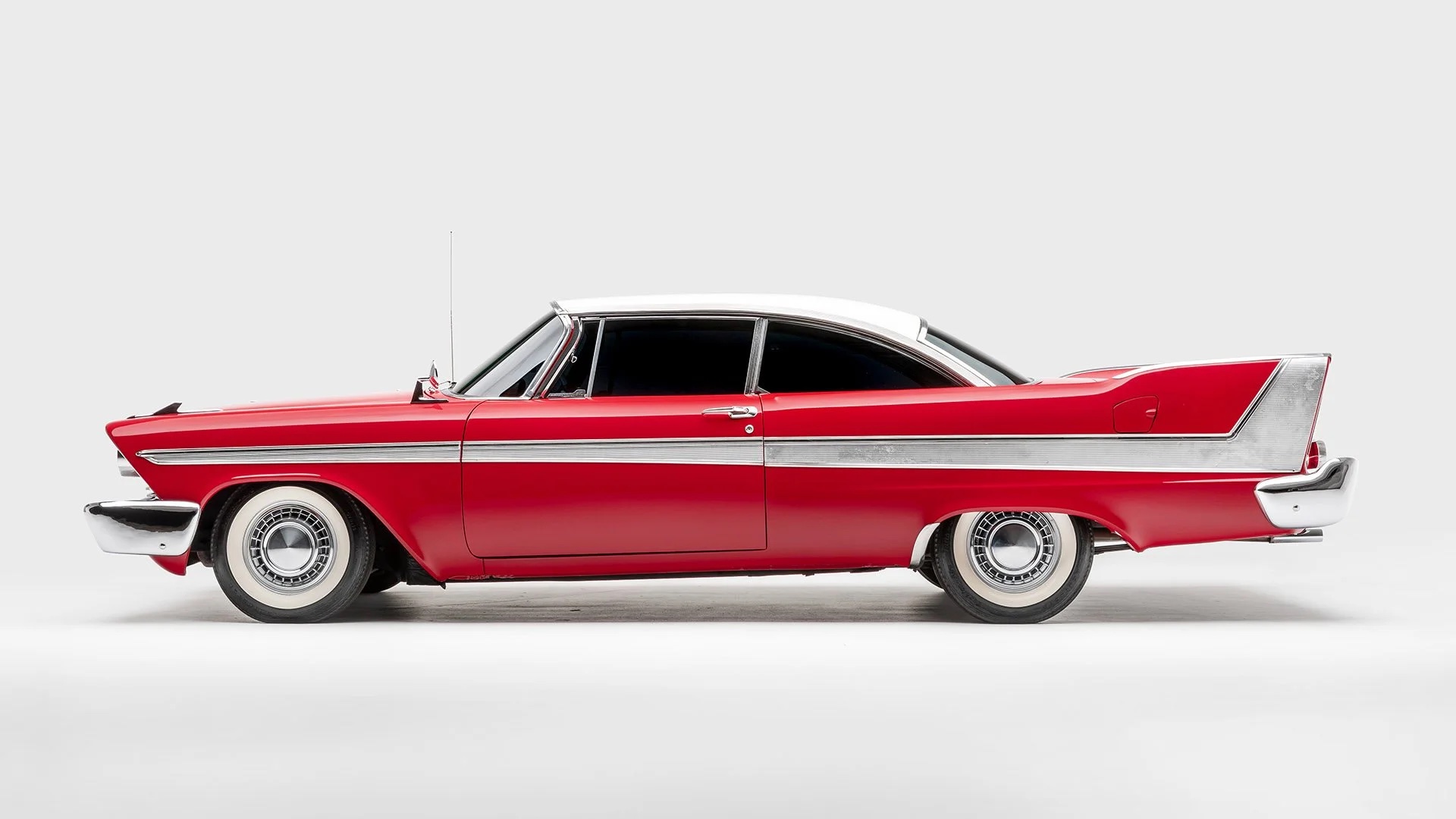
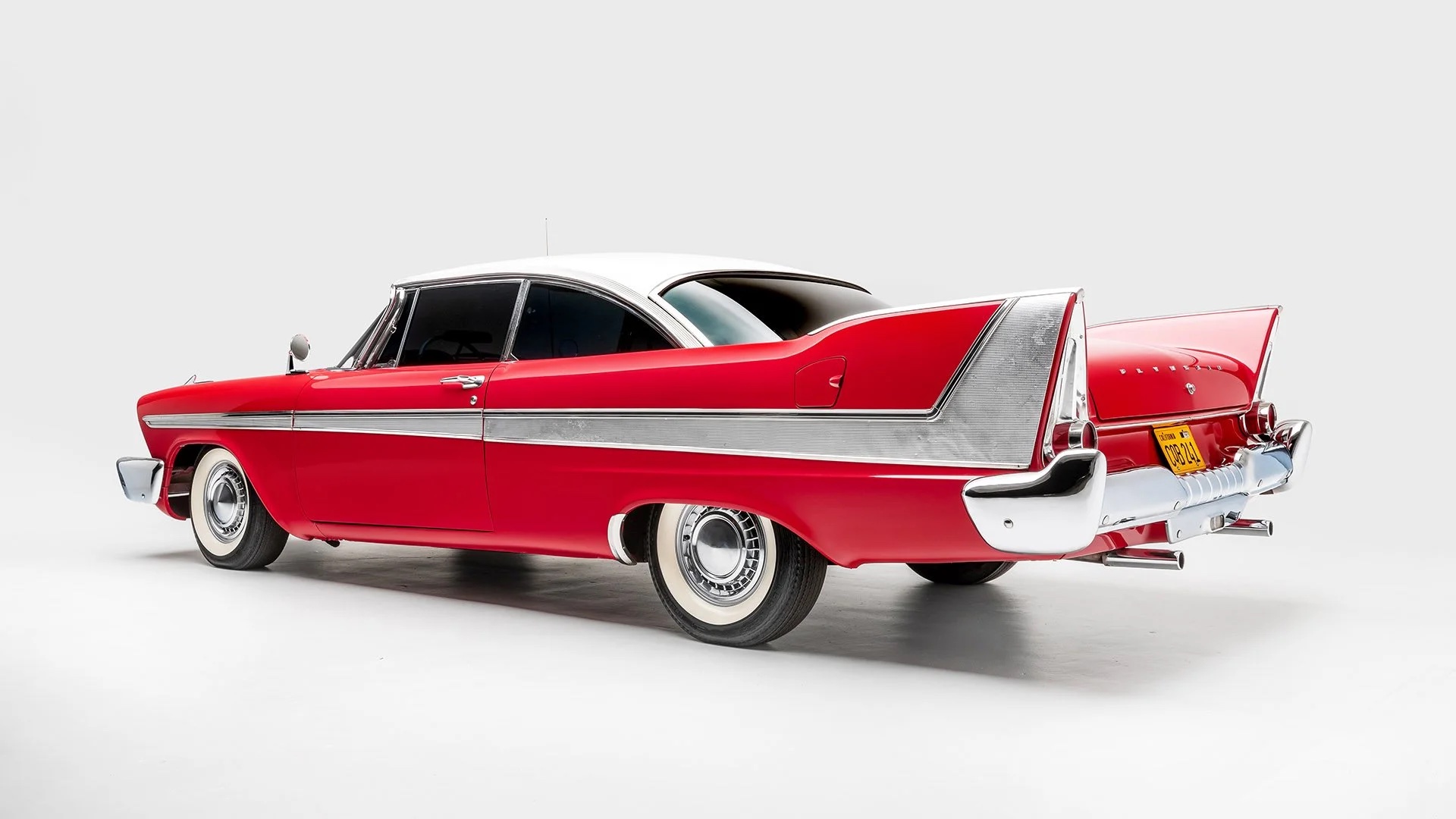
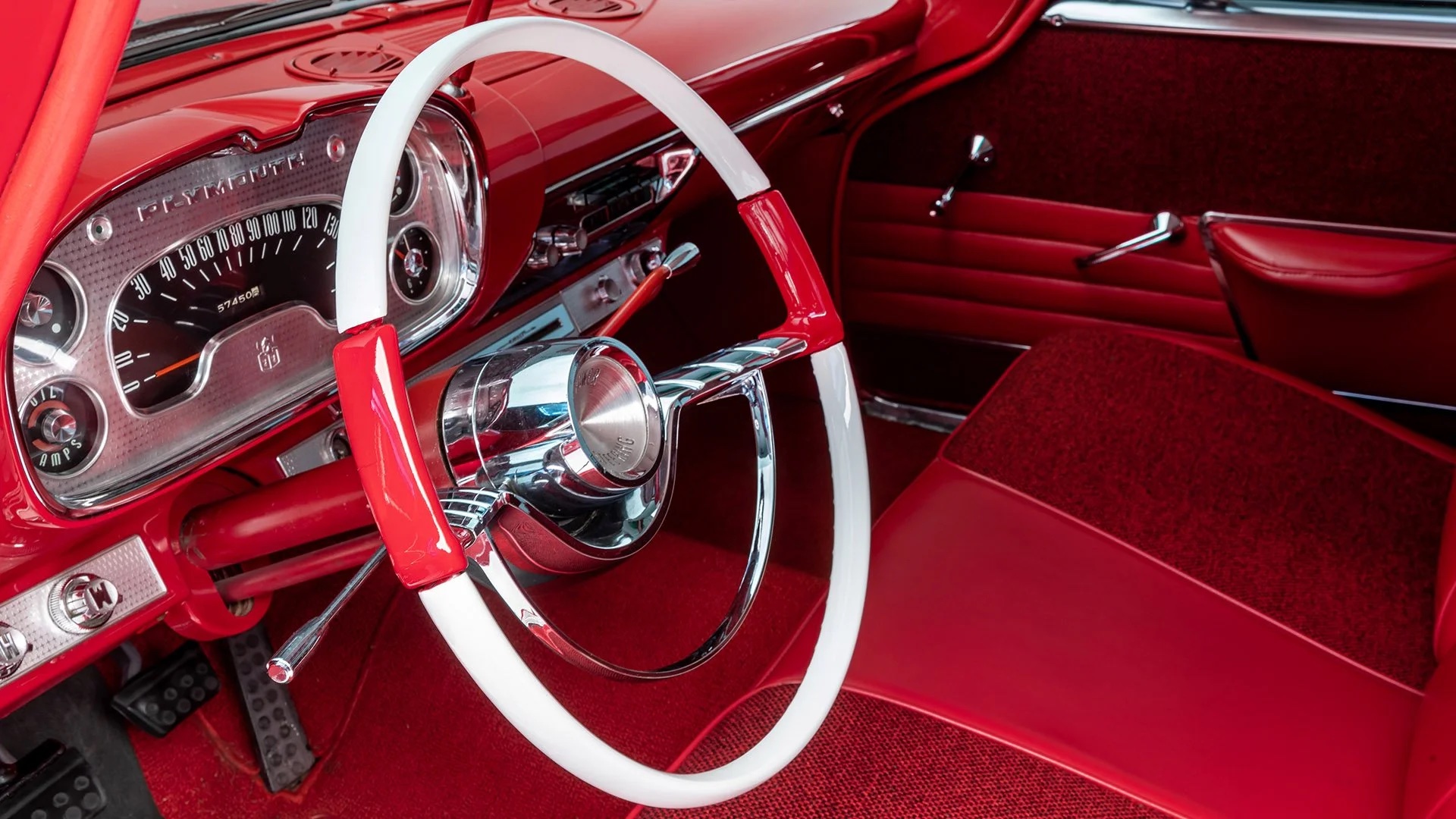
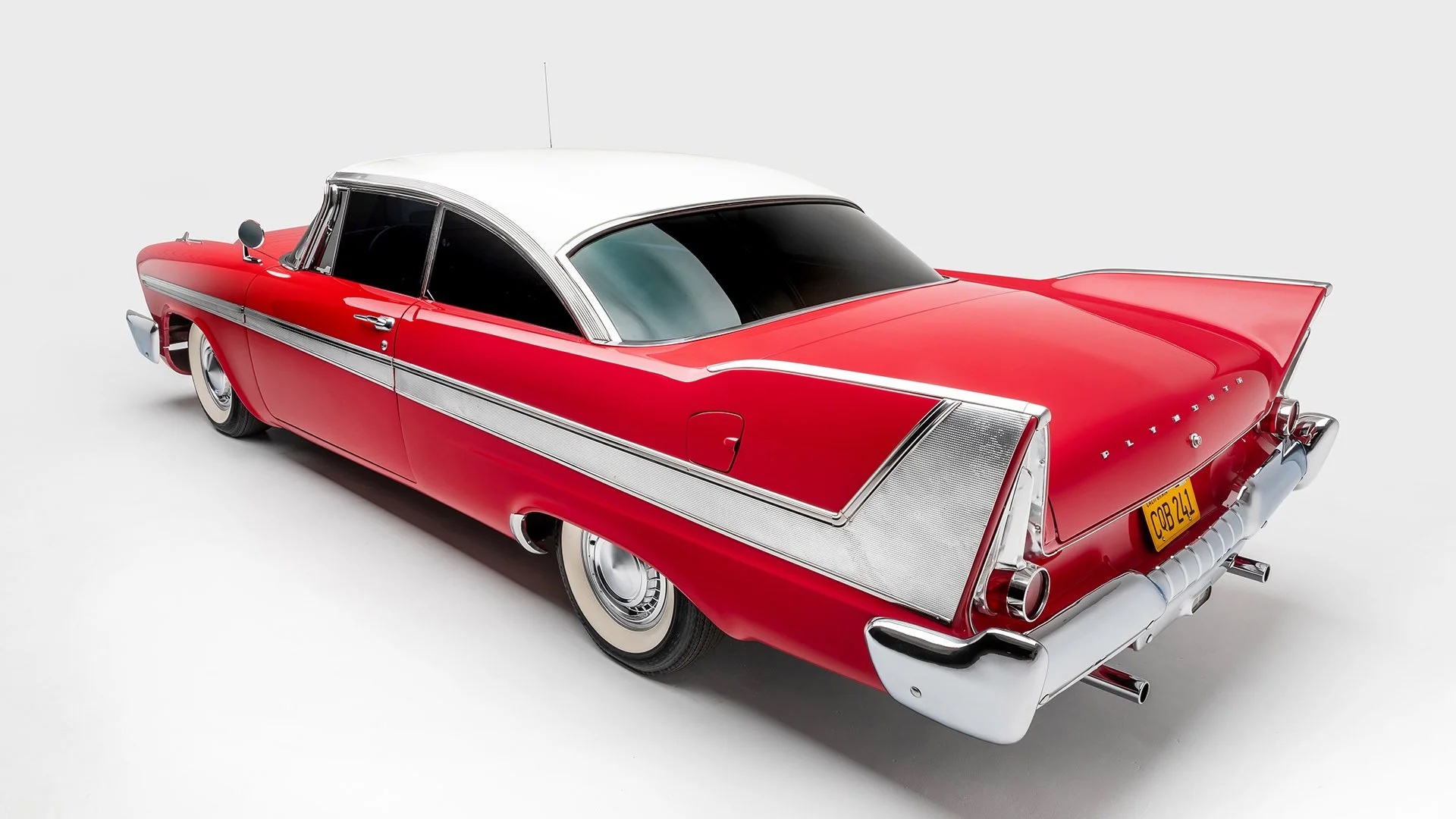
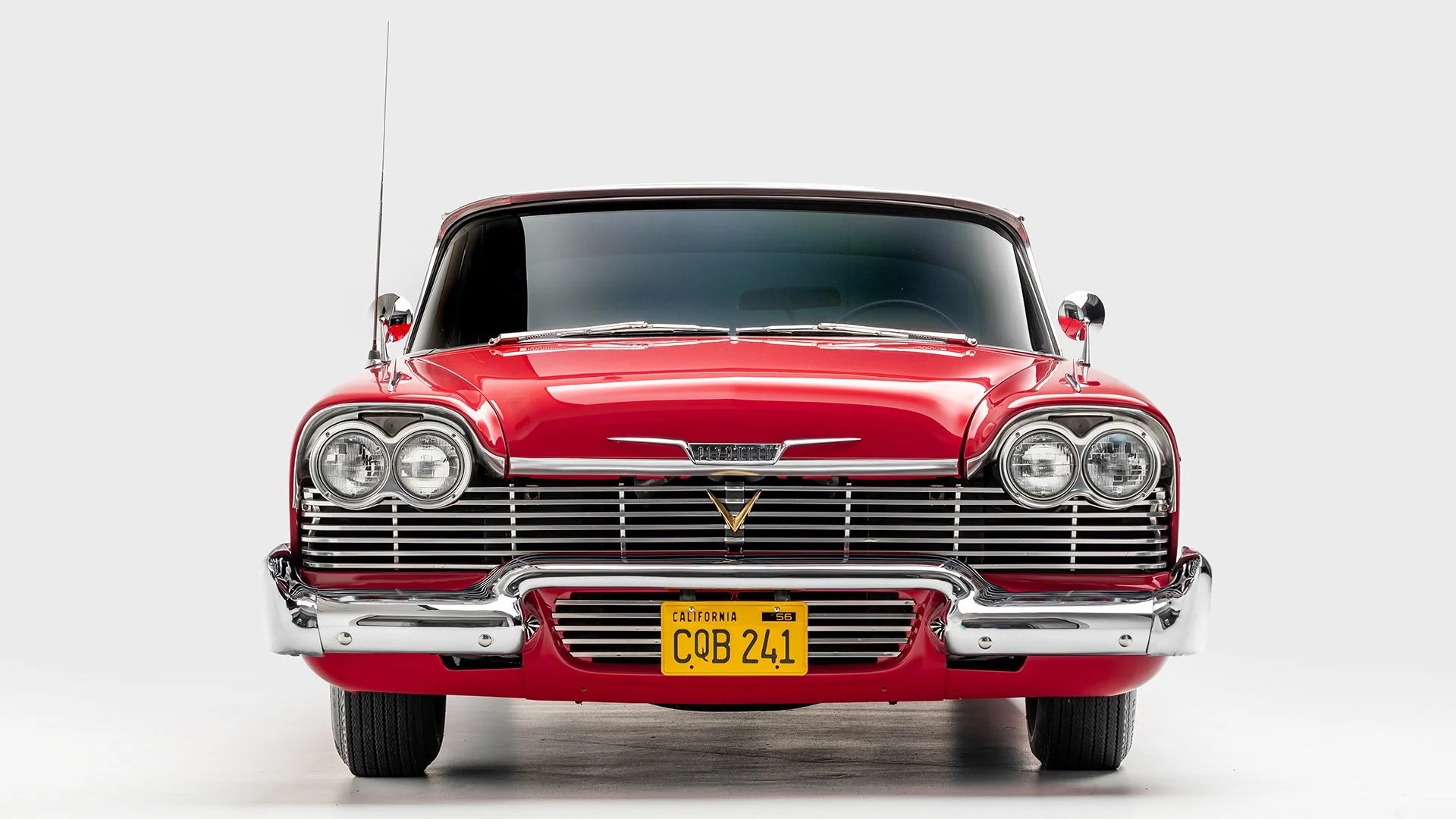
Standing out from other Sport Fury Hardtops, she was the only one with white-over-red custom paintwork. She also was renowned for leaving a trail of crushed hands and chests even before unleashing her demonic powers on a wider world.
King’s tale of automotive gore and retribution had been inspired by a car in his home State of Maine – an ex-Police Dodge without the seductive style of a 1950s Plymouth, but with elements of evil that were remarkably similar.
After being involved with numerous deaths, the Dodge was eventually stolen by fearful townspeople, stripped and sold in pieces to end the terror.
Christine, with help from the folk in SFX (Special Effects) survived more than one attack and would, as the film ended, suggest the opportunity for a sequel that – so far – hasn’t been made.
An article detailing the production of Christine confirmed that 23 Sport Furys were bought from private owners or plucked off used car lots as fodder for the on-screen carnage. All the cars were painted in precisely the same white over red combination and equipped to perform specific stunts and tasks. Trickery was inevitably involved.
The scene where Christine is crushed and then resumes her original shape didn’t require extreme force being applied to robust steel panels. Instead, a replica Christine was made from plastic and other easily deformed materials then attached to hydraulic rams hidden inside the car’s structure.
As the rams moved, the panels folded into themselves, creating seemingly terminal damage. Then, when the scene showing regeneration arrived, the film was run in reverse and out popped every kink and crease.
Most of the cars used in the production were either cut up to house jigs for scenes or destroyed by Carpenter’s stunt and pyrotechnic teams. A few entire cars did survive filming, with most sold for scrap, but at least two have survived.
The best of them was rescued by a film industry employee and rebuilt using parts from several of the wrecks surrounding it. He reportedly drove the car to work for some time before on-selling it.
Another which had been used as a promotional car spent 35 years in a prominent collection before being offered at an estimated US$400,000 at auction in 2020, later selling for US$275,000.
To find out more about the other cars featured in our ‘Screen Gems’ series, you can head back to the beginning by clicking here.