
In our ‘Screen Gems’ series, we’re looking back at the iconic cars that became film and television stars so instantly recognisable that you’ll know them whether a petrolhead or not. This is the second of 10 instalments.
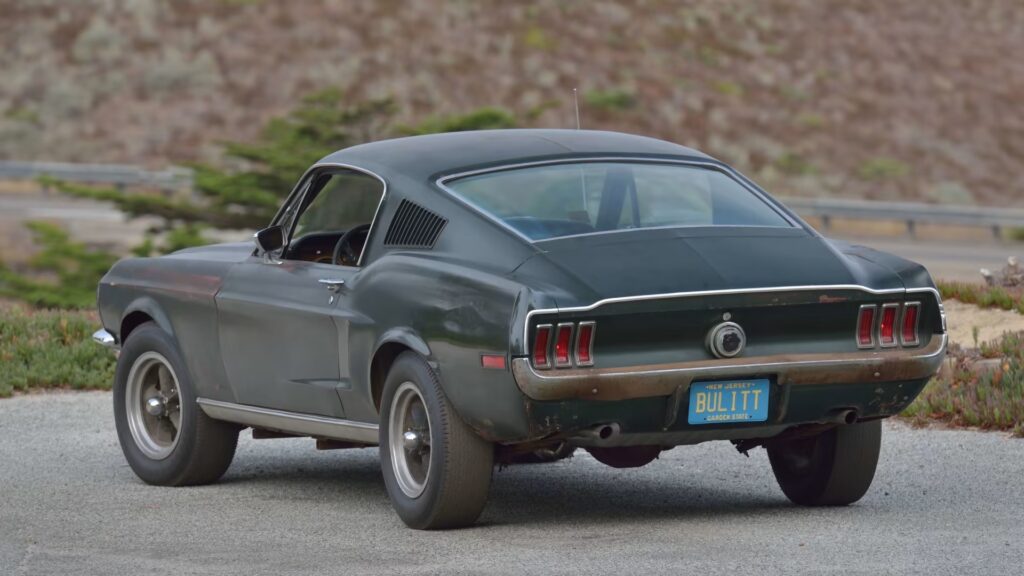
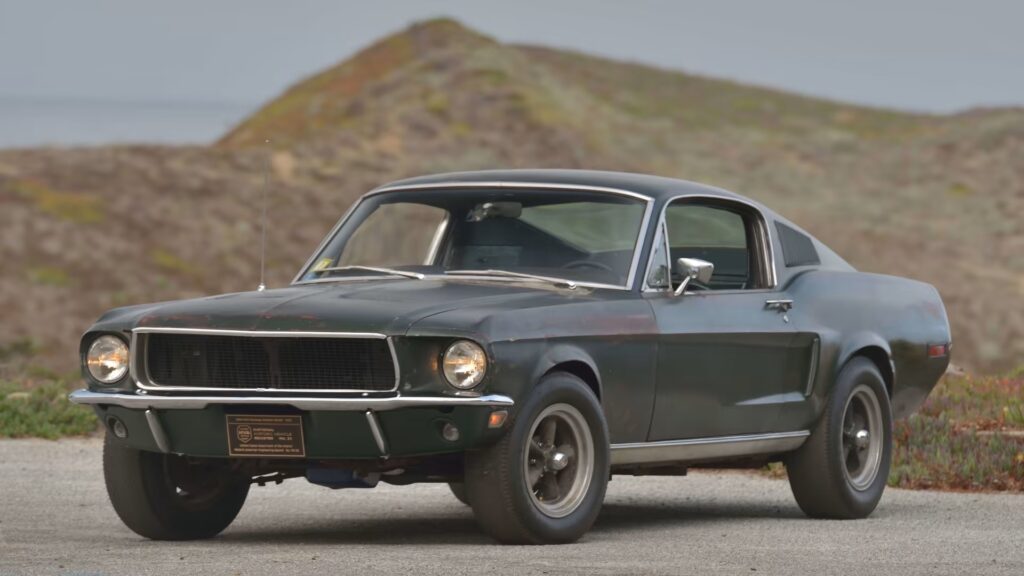
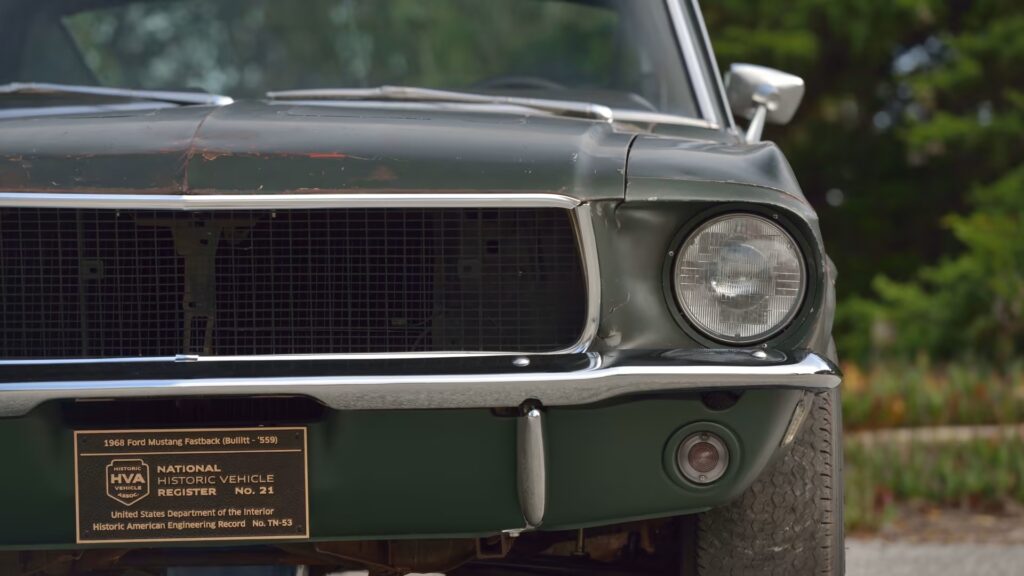
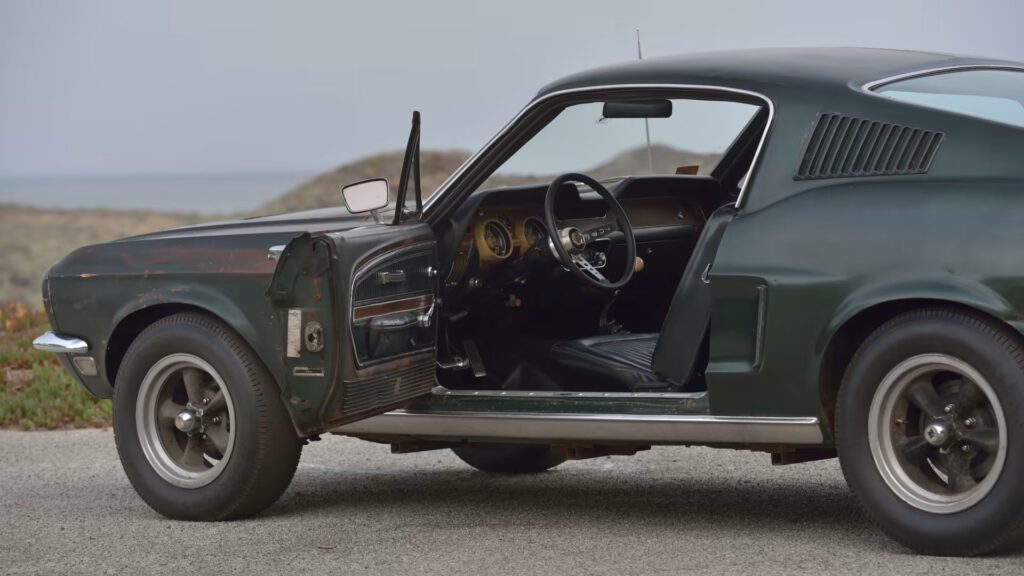
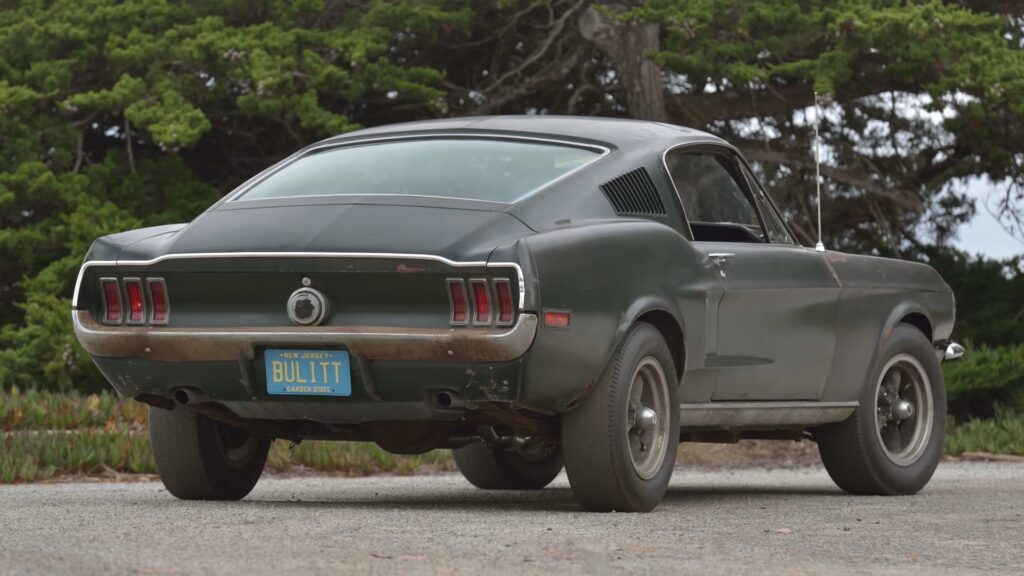
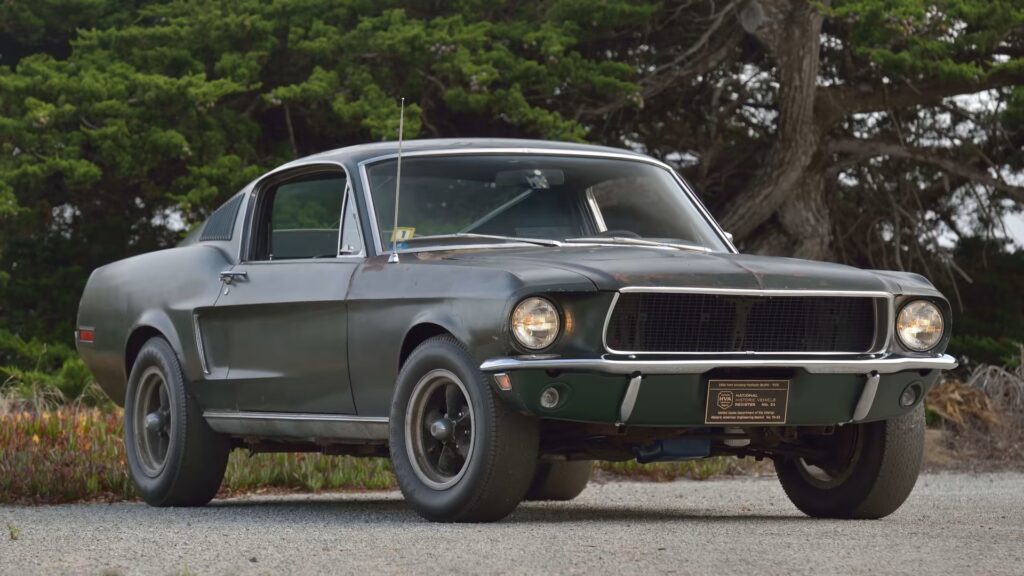
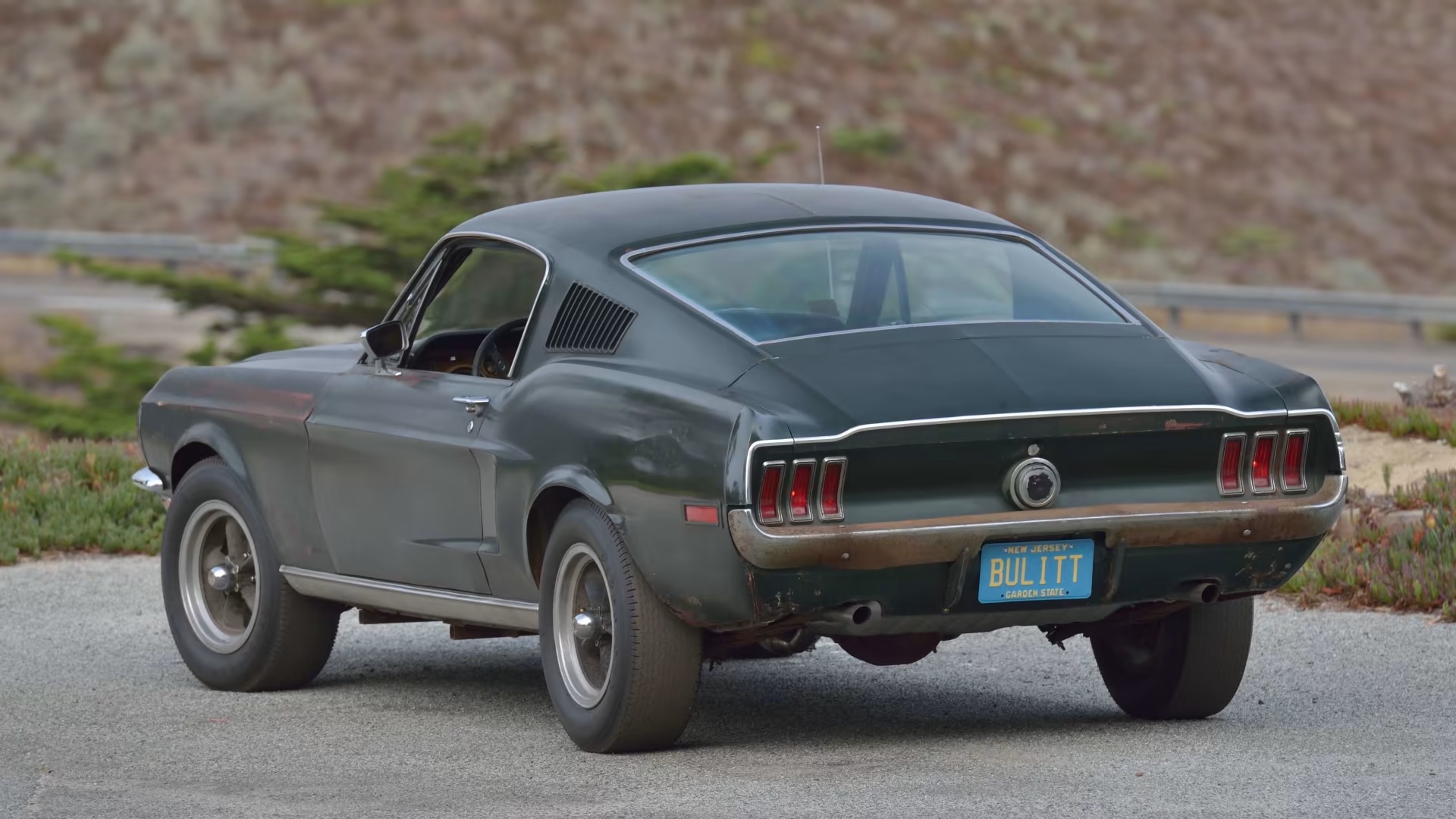
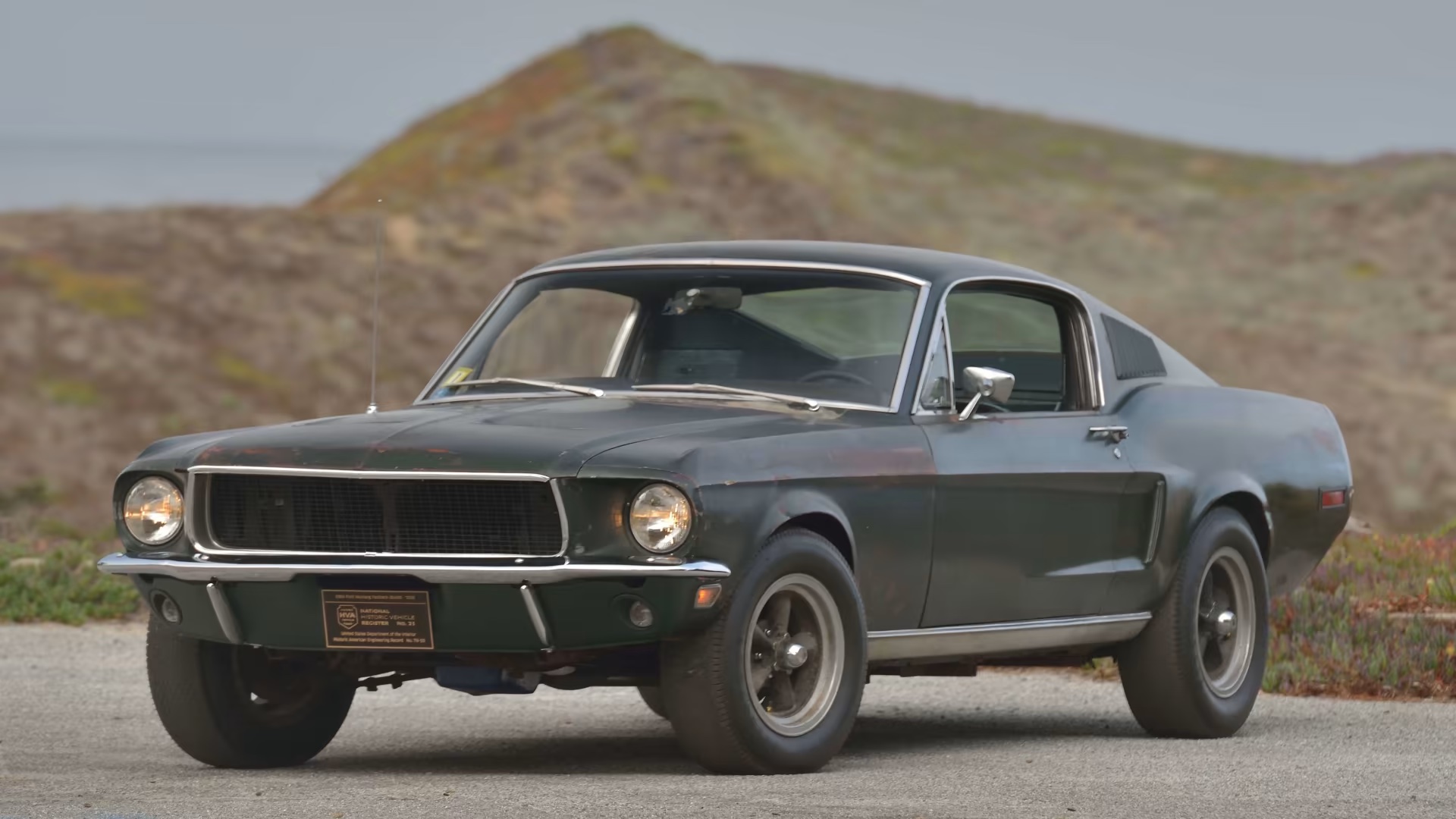
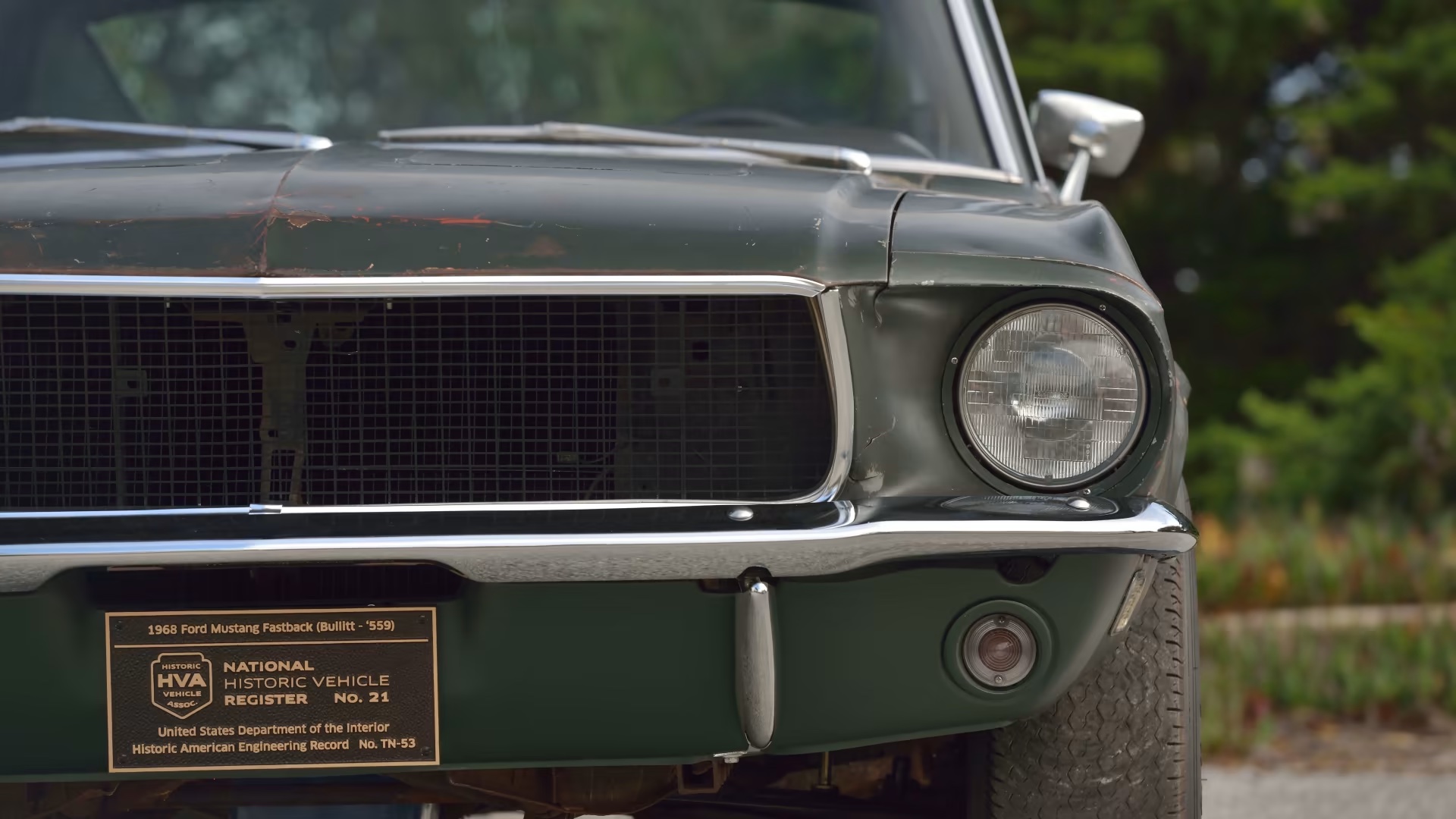
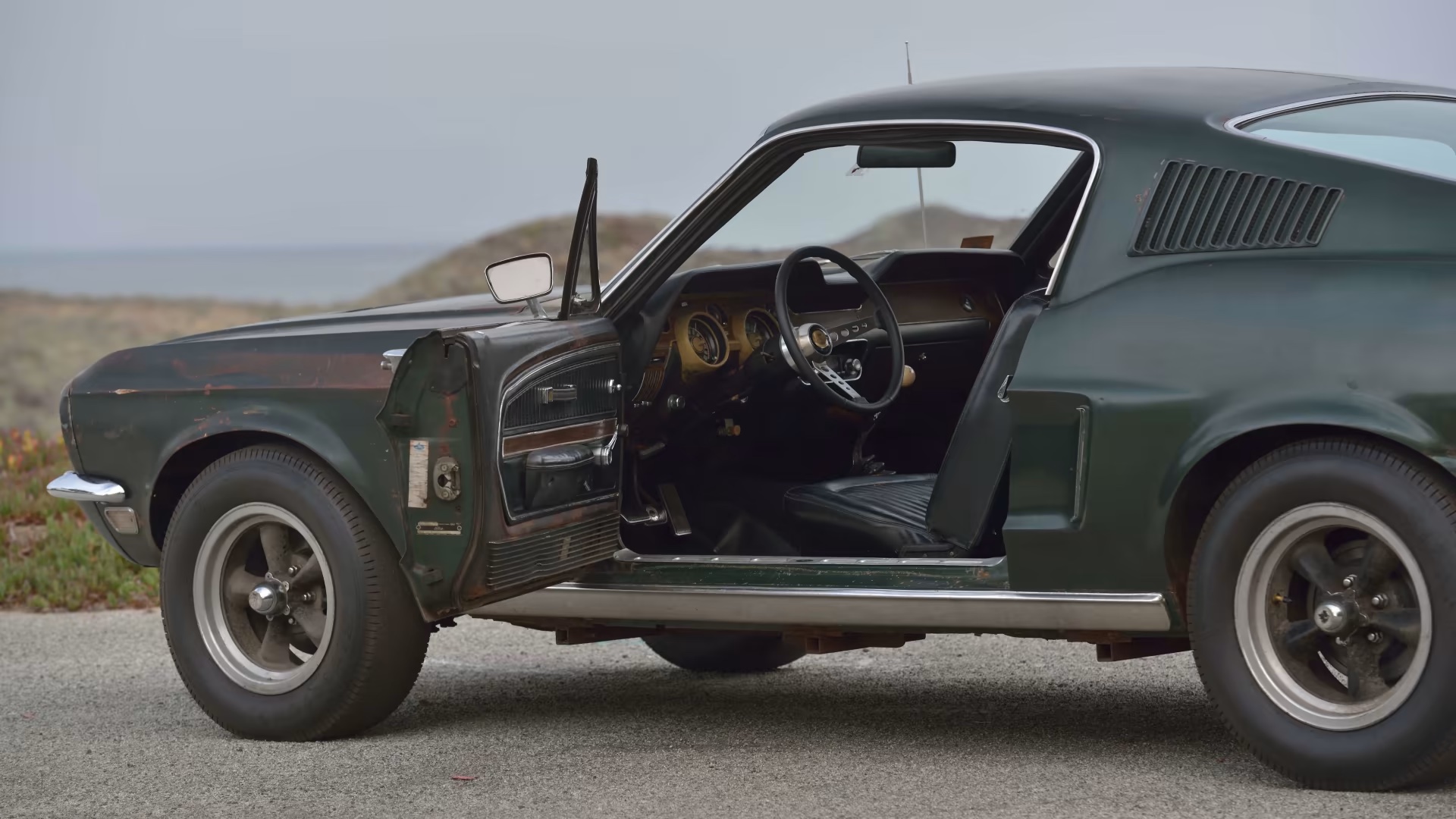
Whenever there is a car show with Ford Mustangs on display you can be near certain a GT fastback painted in Highland Green will be among the throng as a tribute to the 1968 American action thriller Bullitt.
With Steve McQueen in the title role as San Francisco Police Department Lieutenant Frank Bullitt, the film was nominated for two Academy Awards at the Oscars in 1969, taking out the gong for best film editing.
But what was most memorable about Bullitt was the combined genius of stunt coordinator Bud Ekins, who used the 1968 Ford Mustang GT Fastback and swooping hilly streetscape of San Francisco to genius effect, creating a car chase sequence that remains one of the best of its genre nearly 60 years after being filmed.
No one had previously filmed a car chase that went for so long or involved the balls-out bravado seen in Bullitt. And most of it was shot while the good folk of San Francisco went about their daily tasks; curious and seemingly not at all alarmed by the sight of a rumbling, black 1968 Dodge Charger R/T rocketing past, hotly pursued by McQueen’s Mustang.
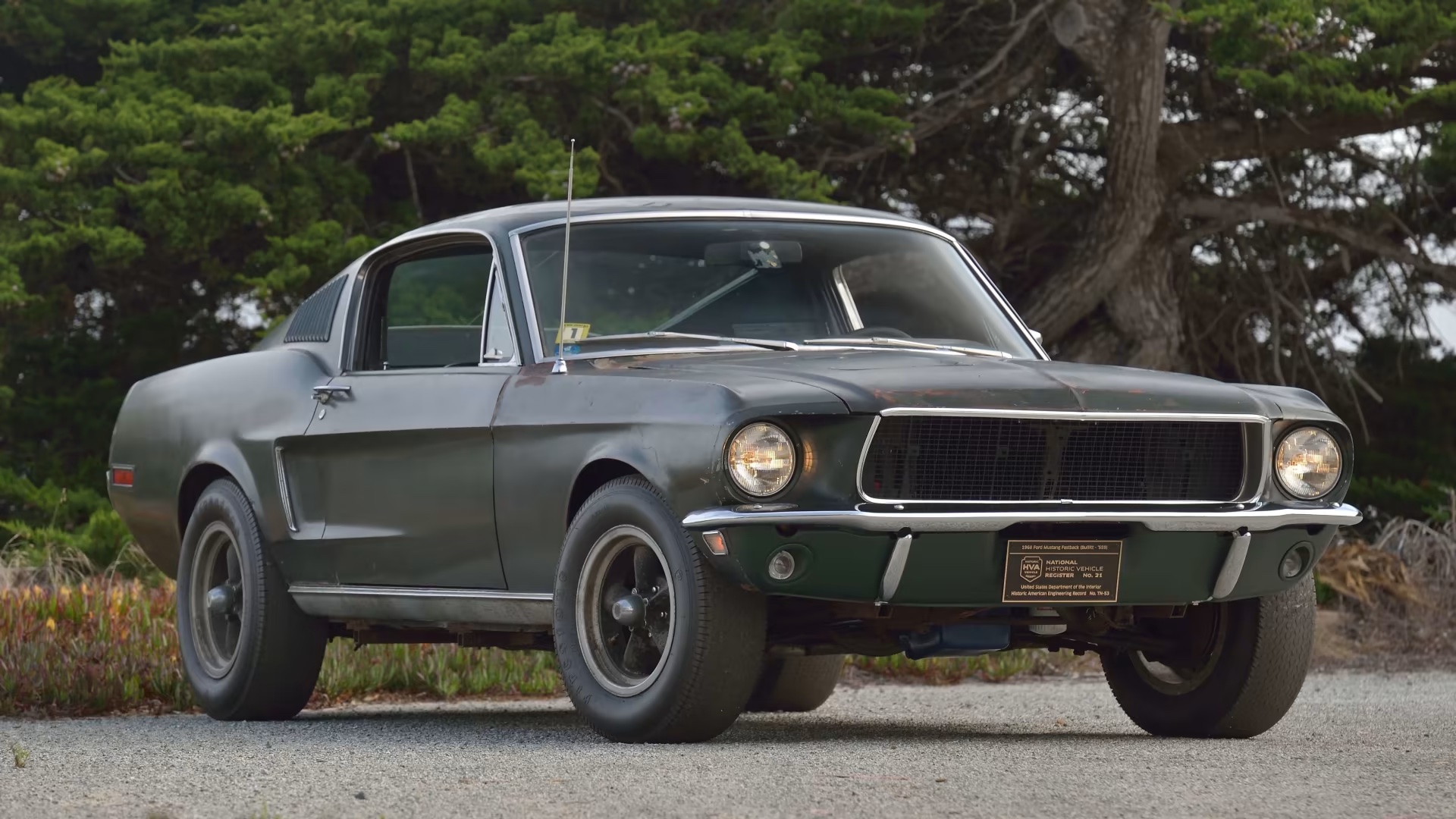
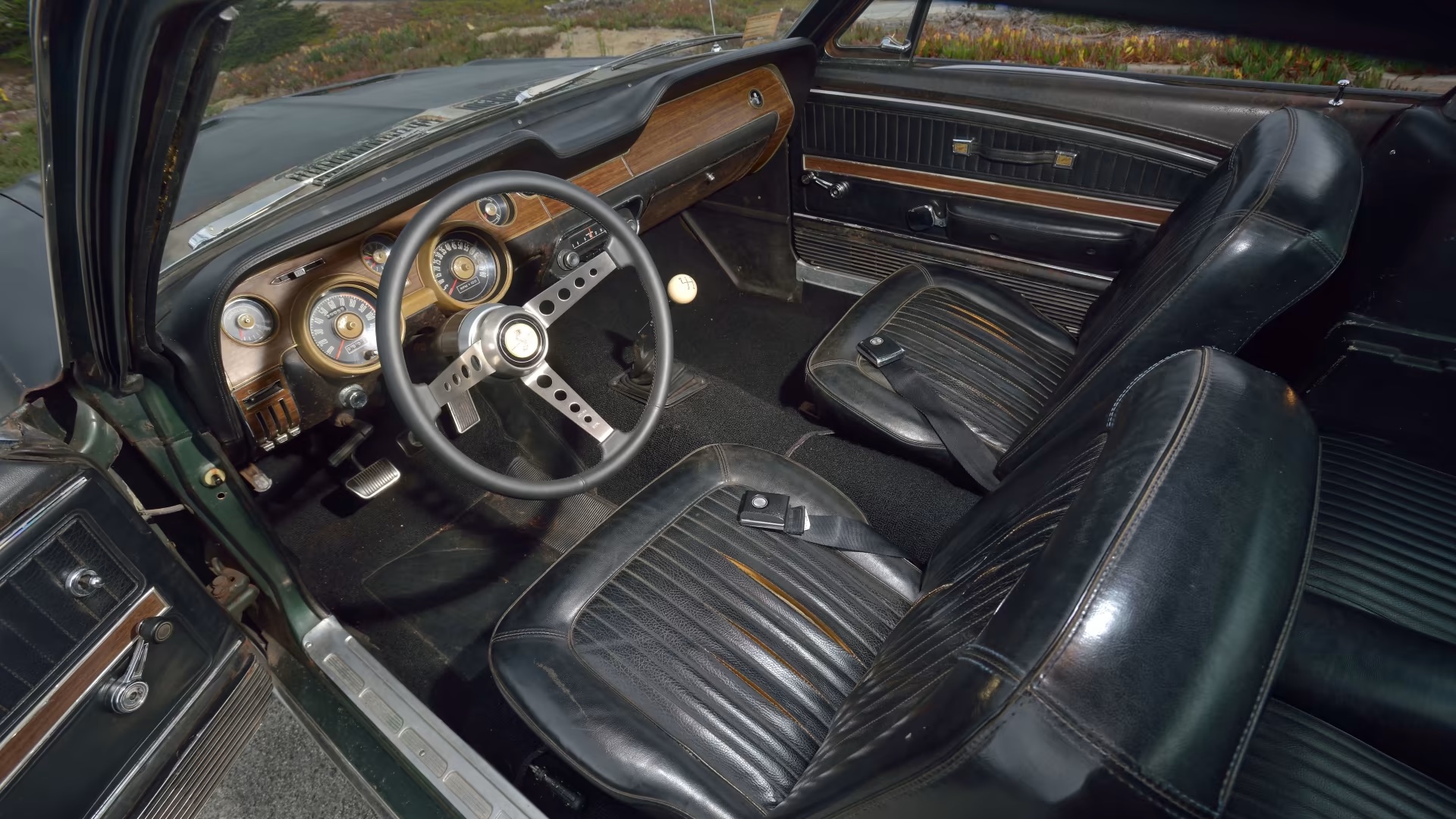
It was claimed during a 2019 interview with McQueen’s niece that the actor had personally chosen the GT390 because it was “a car the average American could afford – along with being badass”.
True or not, the film makers did have a car supply deal with Ford and McQueen’s choice of a big-block, four-speed Mustang would have come as no surprise. Producers wanted the ‘baddie’ car to be a Ford Fairlane 390, but Ekins objected, choosing instead the bigger Dodge Charger, in sinister black of course.
Two identical Mustangs were prepared and there were two Chargers, neither of which was black to begin with. Photos exist of one car, obviously being used to film the Dodge’s occupants, and almost hidden beneath rigging to support massive film cameras. There were no GoPros back in 1969.
Mustangs had been raced extensively in the USA and other places including Australia, so plenty was known about which areas of the suspension and structure needed to be strengthened or replaced. Suspension tower reinforcement, heavier springs and shock absorbers were fitted, along with an unmuffled exhaust to enhance the 390 V8 rumble.
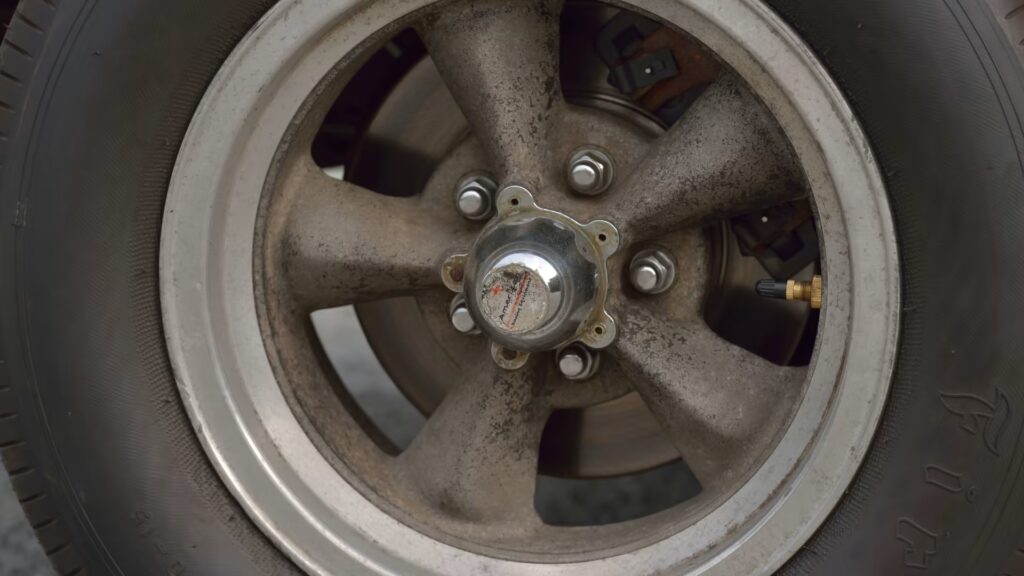
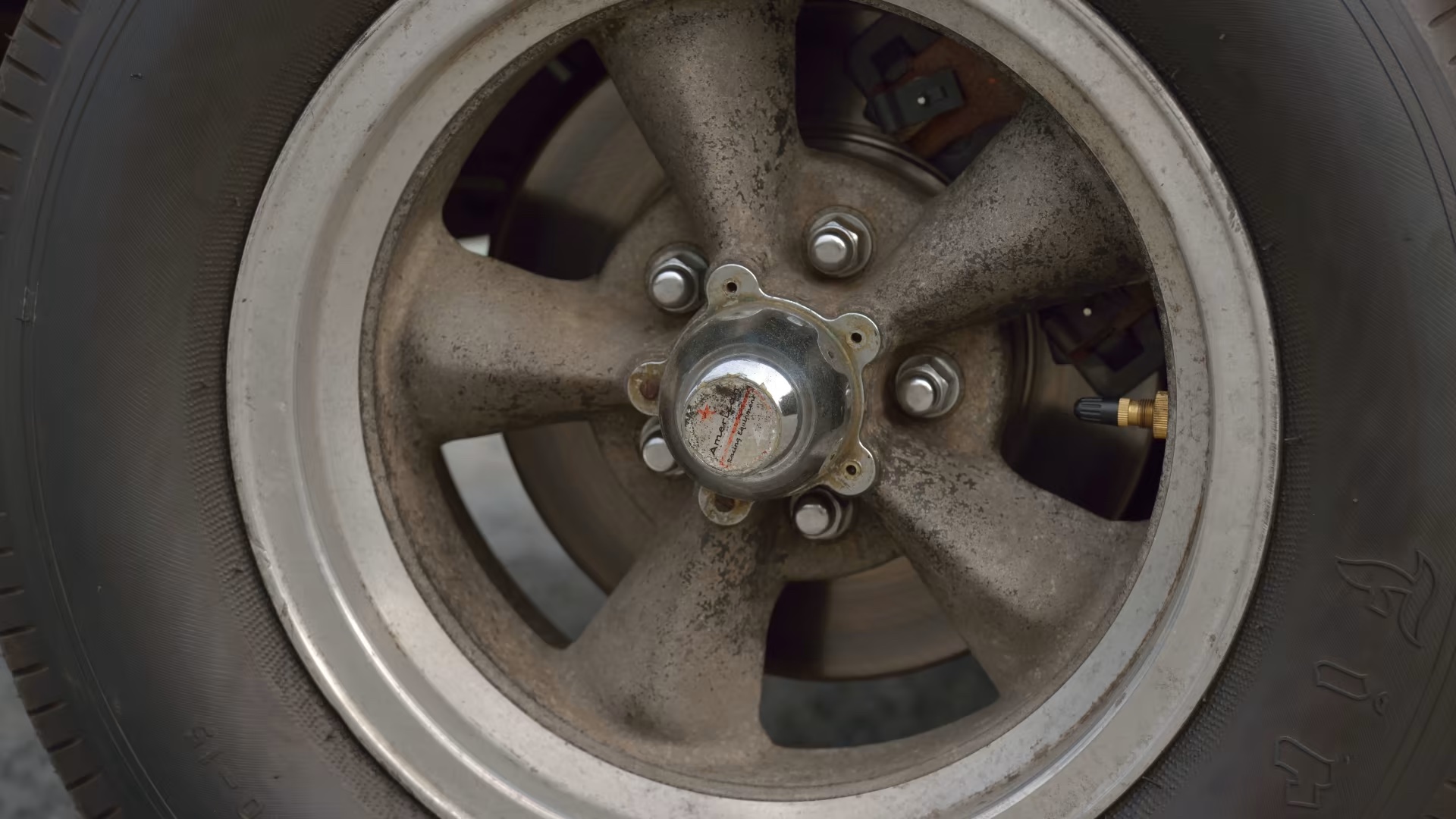
Distinctive US Racing wheels were fitted to both Mustangs, avoiding the embarrassment suffered by the Dodge when its hubcaps went flying off in all directions. Jumping the cars across intersections in San Francisco’s steeper locales would seem to present the greatest risk of structural damage, but neither car looked to be fitted with an additional underbody supports or bash plates.
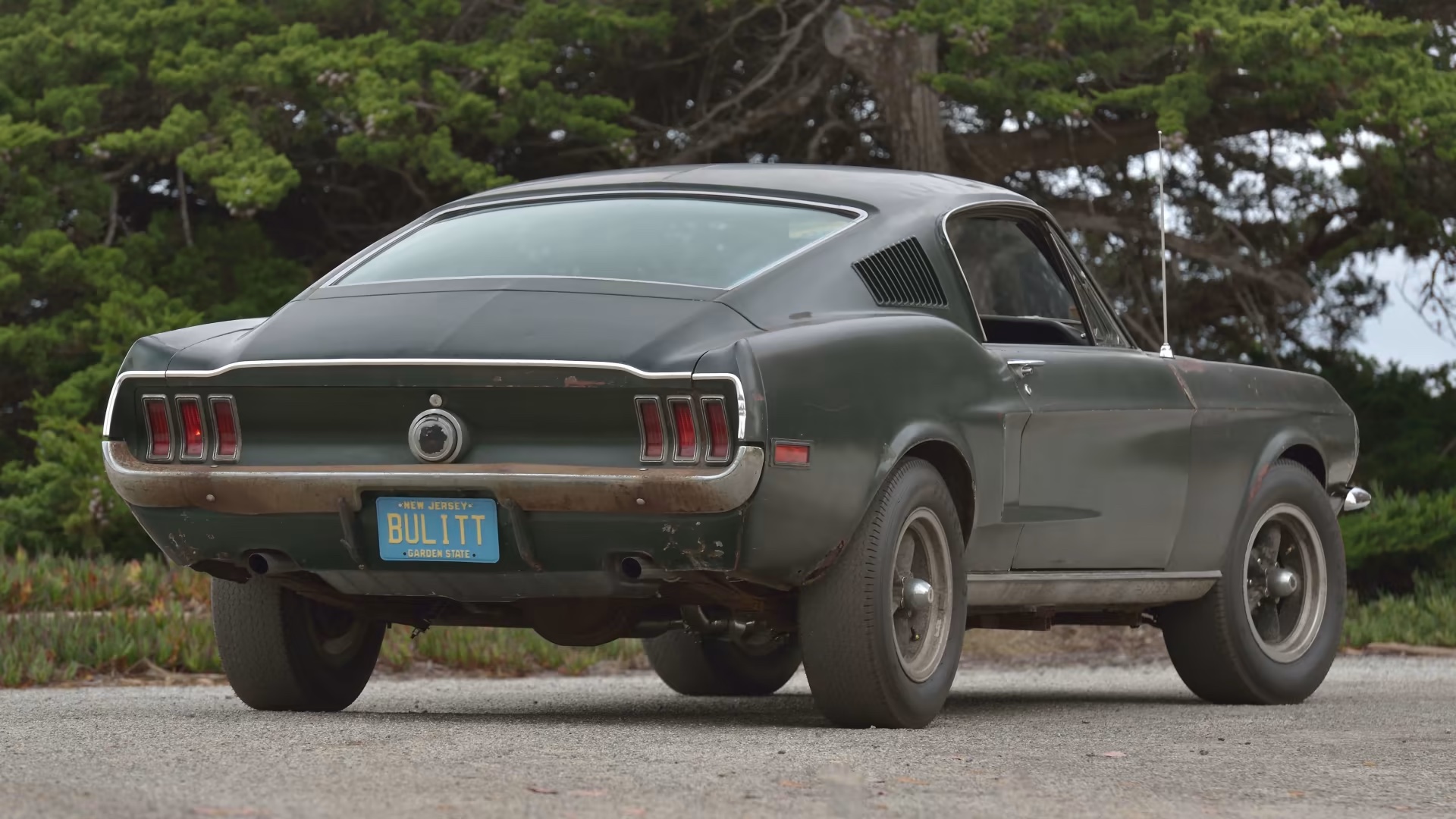
McQueen was an experienced racer and did much of the driving himself, only handing over to Ekins for anything the producers believed was too hazardous for their expensively insured star to attempt.
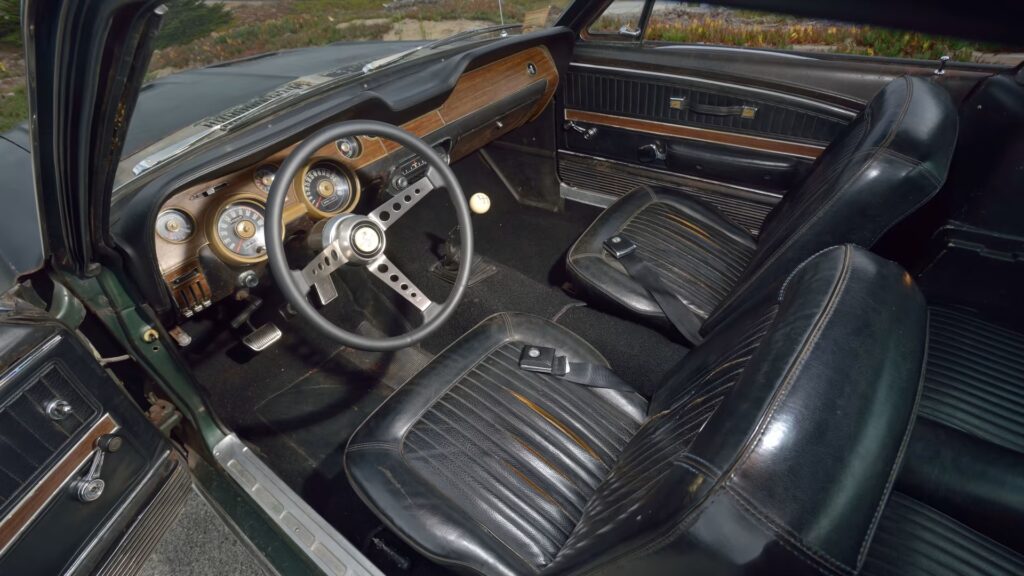
Both Mustangs sustained damage but did survive and were sold off after production wrapped. One is thought to have been scrapped but the other was acquired by a studio technician who in 1974 passed it on to the Keirnan family from New Jersey.
For several years, they used the iconic Ford as daily transport and in 1977 rejected an offer of $6000 from Steve McQueen who was desperate to buy the car.
That was a good call, given that Mustang was fully restored in 2018 and offered at auction in 2020, realising US$3.74 million and becoming the most expensive Mustang ever sold.
To find out more about the other cars featured in our ‘Screen Gems’ series, you can head back to the beginning by clicking here.