
In our ‘Screen Gems’ series, we take a look back at some of the iconic cars that became stars of film and television so instantly recognisable that you’ll know them whether a petrolhead or not. This is the first of 10 instalments.
In 1903 the British silent film Runaway Match became the first film with an automotive-centred narrative and the first to feature a car chase. Also known as The Runaway Match and Marriage by Motor, the little-known short film isn’t ranked among cinematic classics today, but it does hold the distinction of being the grandaddy of automobile and stunt driving in movies.
A better-known early pioneer of capturing car-based capers on celluloid was silent-movie star Buster Keaton, whose many car stunts included driving jalopies through buildings and rigging Ford Model Ts to fall apart under him.
Through the 1920s and ’30s, ’50s to ’70s, and onto today, automotive-based film stunts became increasingly elaborate, reaching a point where it seemed to be mandatory for pretty much every action film to feature a car chase, and often a fiery crash.
The producers of James Bond thrillers have since the 1960s set the standards for on-screen automotive action, including the first-ever ‘corkscrew’ jump in 1973’s Live and Let Die. More amazing is that many of these Bond stunts – and many others over the years – have been delivered without post-production trickery.
Cars performing amazing feats continue to feature in films, but the limits of physics and credibility are being reached. Stunts have become increasingly reliant on CGI (Computer Generated Imagery) to put vehicles into situations which would be too risky to contemplate with an actual driver aboard.
As a result, the iconic cars and epic chases from the 1960s to ’90s are set to maintain their immortality well into the future. In this series, we’re going to take a look at 10 cracking classics from among the many memorable TV and movie cars we all know and love.
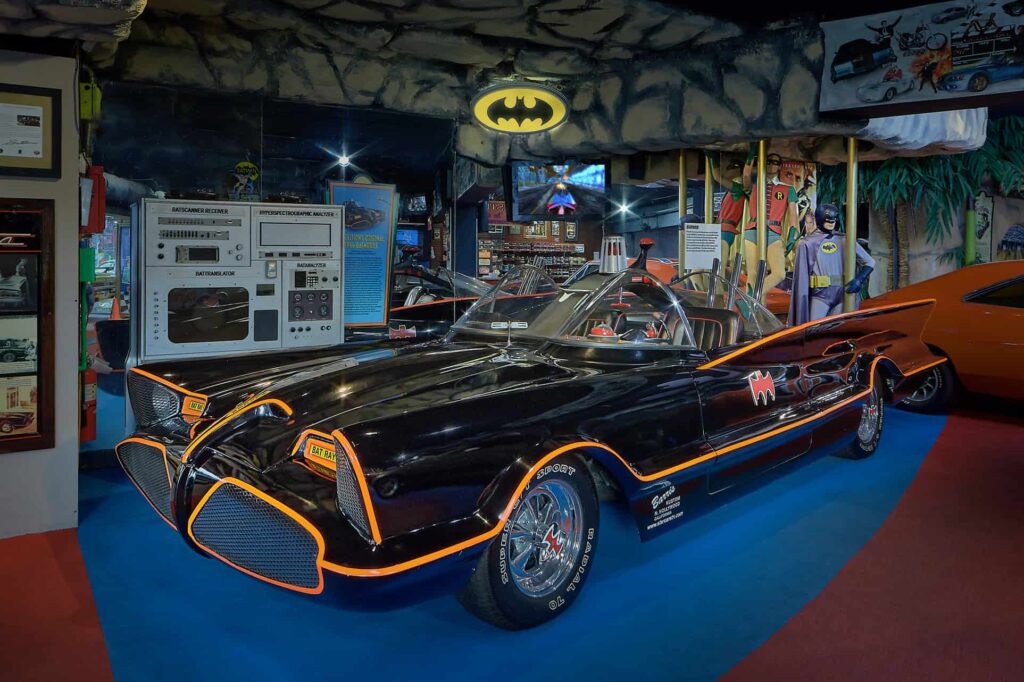
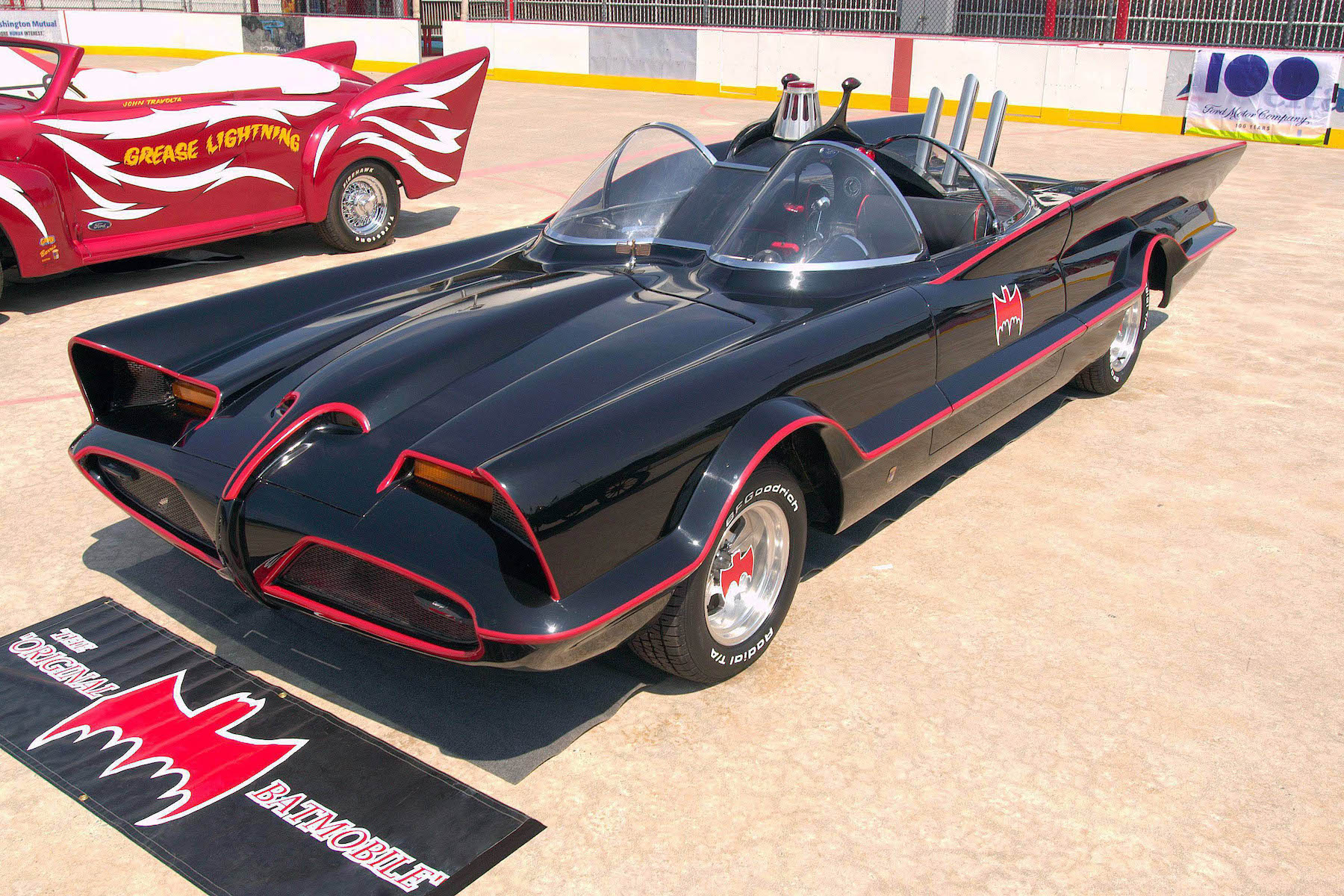
Part 1: The Batmobile (George Barris’ 1966 original)
Batman made the transition from caped comic book hero to small screen hero without so much as a deep breath, providing engaging action and satirical television at its finest.
The plots were absurd and every week here was a ‘guest villain’ played by some of Hollywood’s best-known names.
The lameness of the script writing was entirely intentional and the bat-themed superheroes’ relationships with the world and each other remain the subjects of university courses. Thankfully, the car, in most respects, was real.
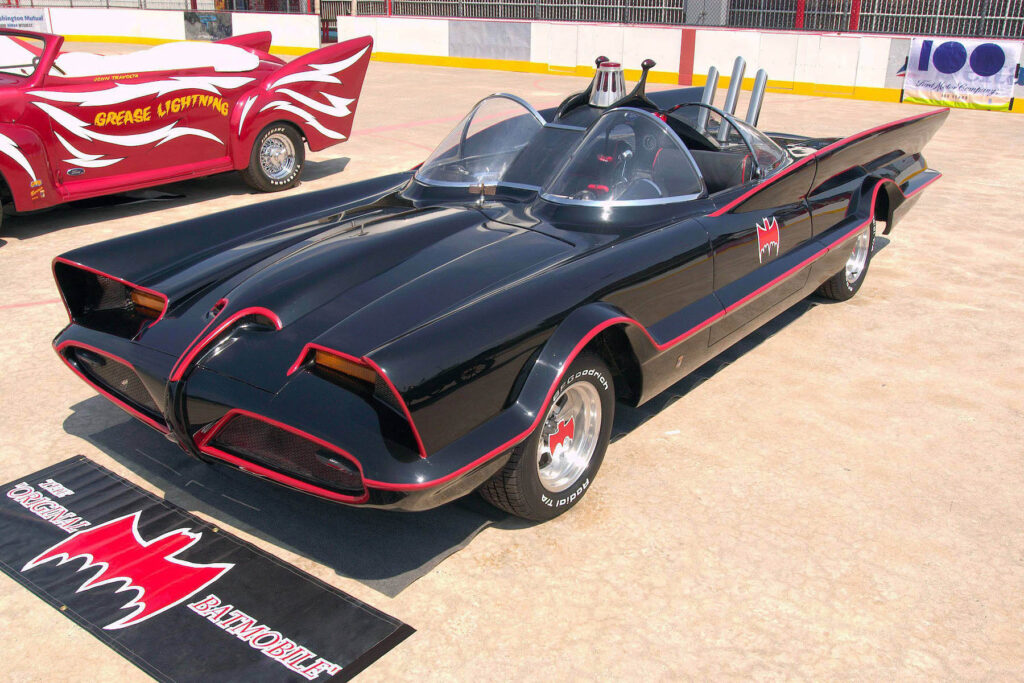
Bruce Wayne’s Batmobile had begun life in 1955 as a Lincoln Futura show car with big fins and a futuristic shape. It had some years earlier been bought for just a single dollar by Hollywood’s most famous creator of film and television transportation, who had no idea what he might do with it.
George Barris was born in 1925 and began adapting cars in his teens. By the late-1950s he was well known in Hollywood as ‘Kustomiser to the Stars’ (yes, with a ‘K’) and responsible for dozens of special builds for high-profile owners.
According to the 1974 book Cars of the Stars, which was co-written by Barris and motoring journalist Jack Scagnetti, he was given just three weeks and US$15,000 to design and build the original Batmobile.
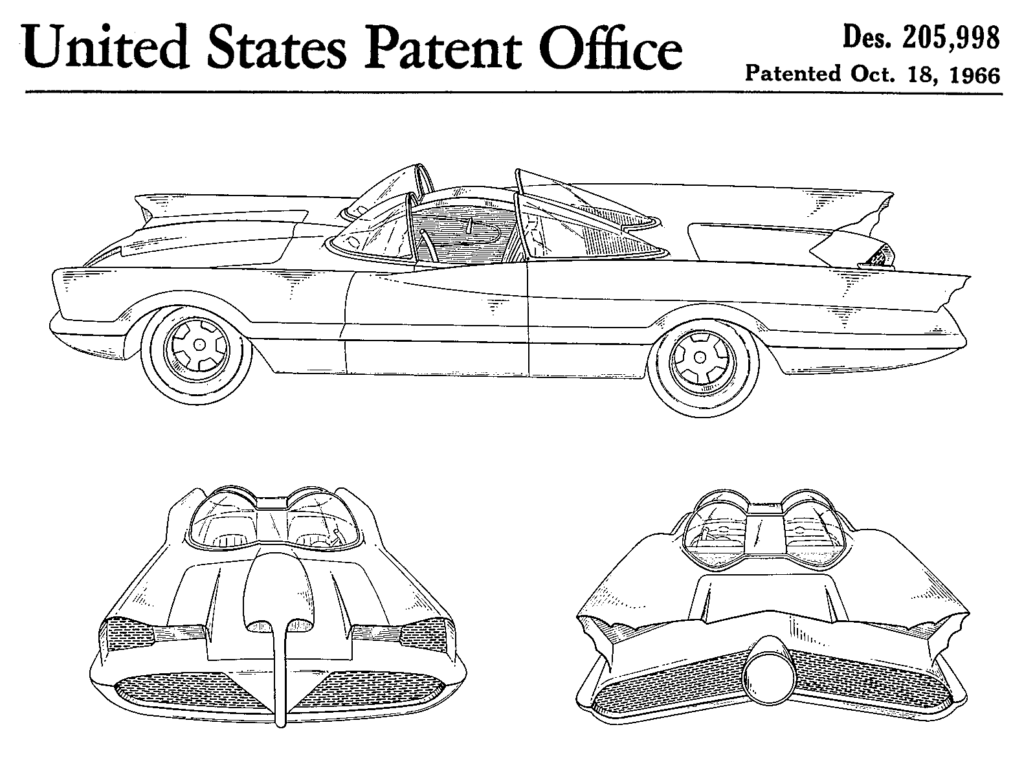
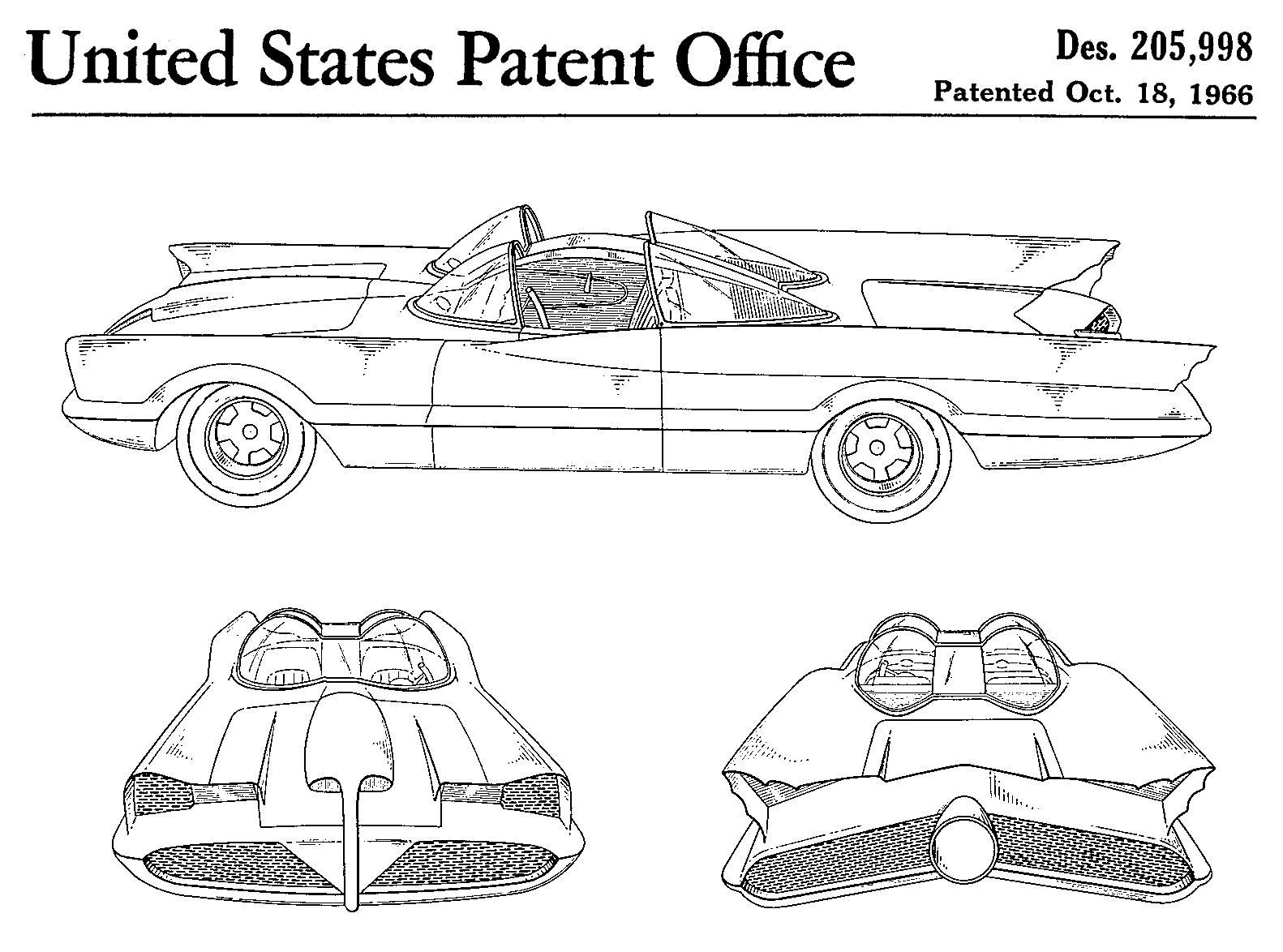
Fortunately, the Futura was still largely intact and provided not only inspiration for the Batmobile shape but a ready-made chassis that saved time during construction. With the chassis stretched to 6.4 metres, Barris’ team then shaped a car in fibreglass that embodied the Futura’s fins, hooded headlights and plexiglass canopies.
Once the first example had been completed and approved, Barris produced three more examples to be used for promotional purposes and as backups should the ‘hero’ car be damaged during filming.
Throughout the frenetic construction phase, Barris’ workshop was often visited by Batman star Adam West who owned custom cars and motorcycles himself and would pop in to check on progress and suggest design features that might enhance the Batmobile’s appeal.
Despite its proliferation of Bat-cessories, the Caped Crusader’s transport was still very much a viable vehicle. Beneath the special effects whine of its nuclear propulsion unit was the familiar rumble of a big-block Ford V8, mated to a conventional automatic transmission.
Disc brakes were fitted but for serious stopping power there were two functioning ‘Batchutes’. These were being demonstrated by Barris for publicity photos on a freeway just outside LA when a police cruiser appeared and apprehended the miscreant. Some fast talking and a cop with a sense of humour ensured George stayed out of the slammer.
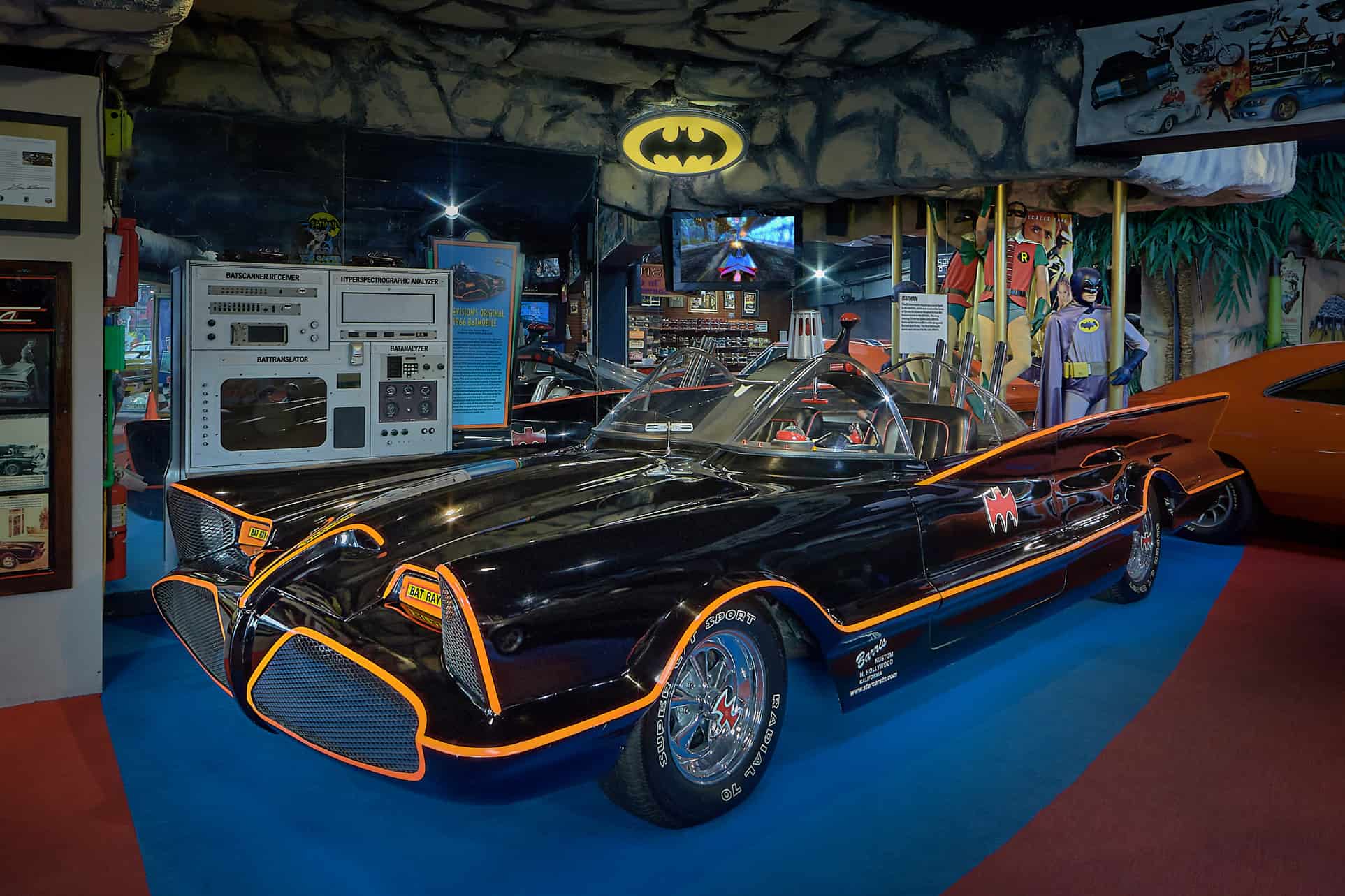
The television series aired for three years from January 1966 and cemented catchphrases like “To the Batmobile, Robin” in the lexicon of a generation.
Christmas 1966 would also become special to younger folk in places where Corgi Toys were sold with the release of a ‘must-have’ 1:43 scale model of the Batmobile.
A year earlier, Corgi had scored a Toy of the Year award for its James Bond Aston Martin DB5 and was looking for another with the Batmobile. This was a much larger and complex model than the Aston, with unique features including a functioning rocket launcher that fired tiny plastic pellets, jet exhaust and retractable chain cutter.
Perfect examples of the Corgi model in their original box can fetch more than $1000, which is a lot for a toy but a mere pittance when compared with the US$4.3 million paid in 2013 for the original Barris Batmobile.