
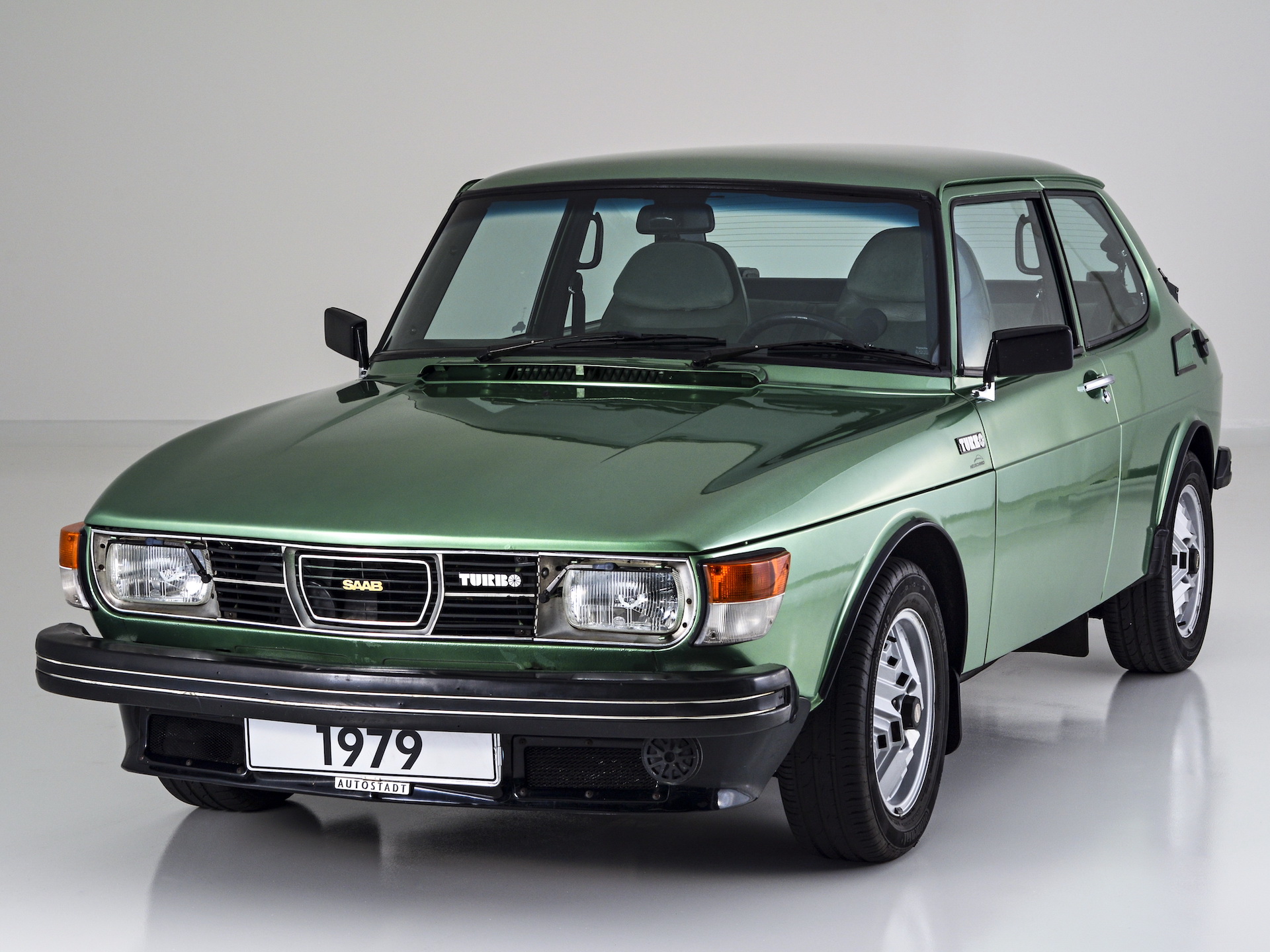
More than any car before it, the Saab 99 Turbo put forced induction on the map. The sweet-handling Swede could run as hard as a six-cylinder, the mating of sports-sedan performance with Saab’s admirable solidity, quality and comfort ushering in an automotive revolution.
Back in 1977, an automotive revolution was set in motion by the last car maker anybody expected to do so. In introducing the 99 Turbo, sweet little Saab became the unlikely usher of turbocharging technology for the European masses.
General Motors had pioneered the turbo passenger car in 1962 with its Oldsmobile Jetfire and Corvair Monza; a dozen-odd years later, BMW (2002 Turbo) and Porsche (911 Turbo) used turbos to chase outright power. But none was as docile, drivable, or dependable as the Saab.
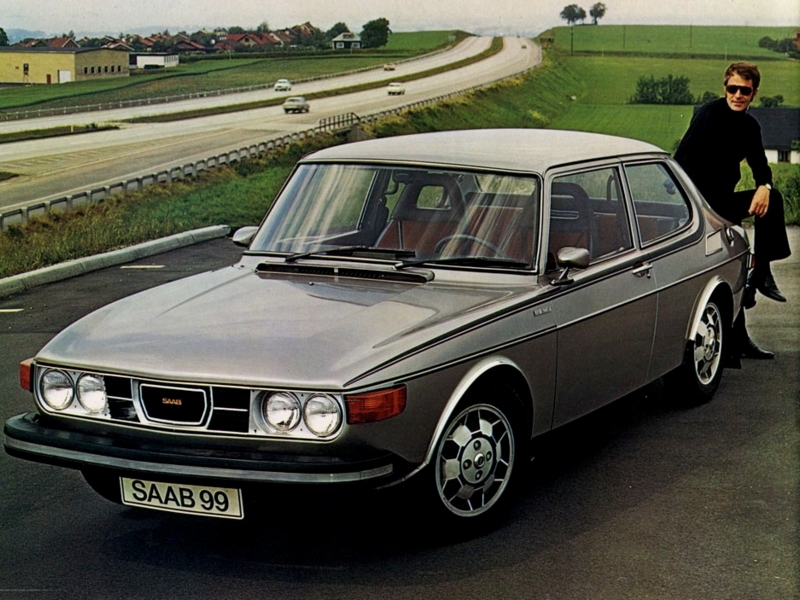
In 1967, the 99 series itself had been a landmark for the small Swede, known for its cockroach-shaped but rally-tough two-doors. The mainstream 99 would be made in two- and four-door versions, and in 1974 introduced Saab’s signature ‘Combi’ coupe style, in three- and five-door configurations.
The front-drive 99 was praised for its handling, even against sportier rear-drive rivals. In 1972 the original Triumph-based four-cylinder was developed into the 2.0-litre ‘B’ engine, but with ambitions in the US market, even more performance was on the agenda.
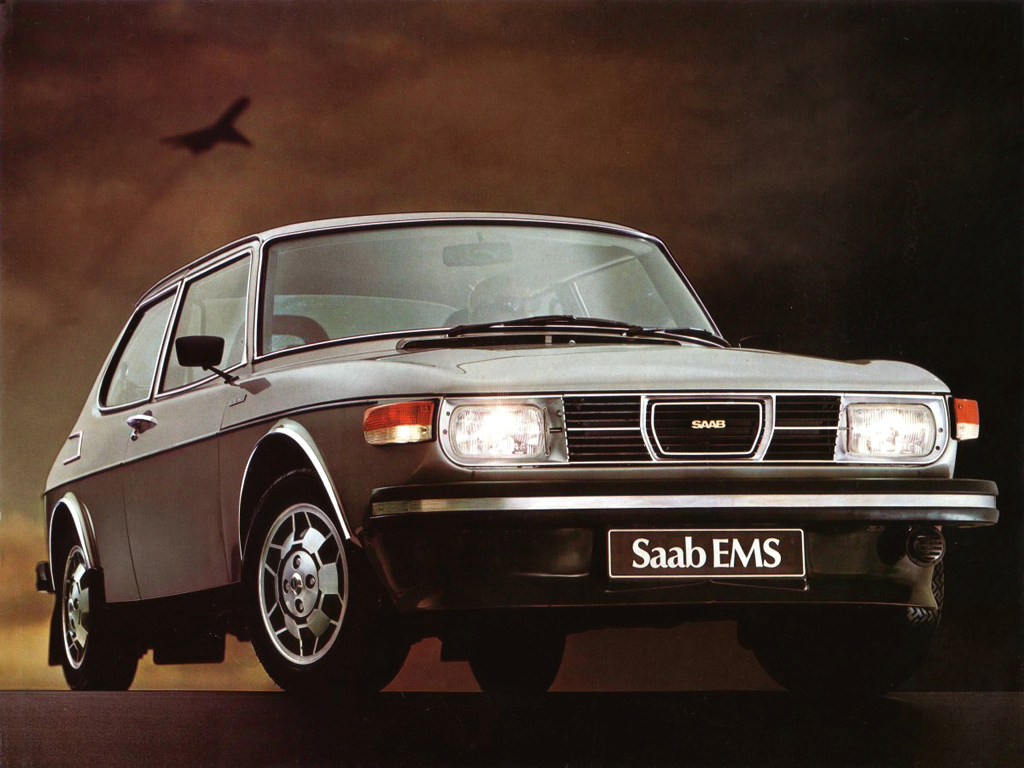
Testing with Triumph’s 3.0-litre Stag V8 engine was, thankfully, quashed by the 1973 oil crisis. Under the direction of Saab-Scania engineer Per Gillbrand, Saab hooked up with US specialist Garrett AiResearch to turbocharge the injected ‘EMS’ (Electronic fuel injection, Manual transmission, Special) spec engine.
Matters of weight, fuel economy, driveability, reliability and rally-homologation performance all had to be considered. A small turbo was chosen for responsiveness, incorporating a wastegate – a Garrett invention, introduced on the Oldsmobile Jetfire.
Adding the single Garrett T3 turbo to the 1985cc SOHC four-cylinder brought 23 percent more power and 45 percent more torque, namely 108kW at 5000rpm and 235Nm at 3000rpm, enough to enable 0-100km/h in 8.9 seconds. Boost and heat challenges were handled by sodium-filled exhaust valves and an oil cooler. A four-speed manual gearbox was standard, though a five-speed arrived near the end of production.
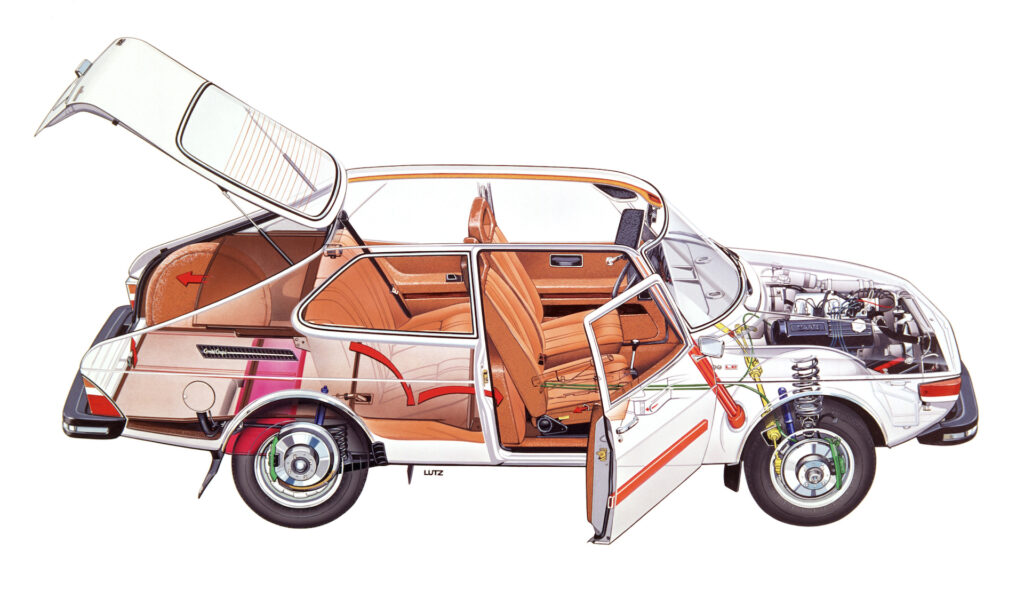
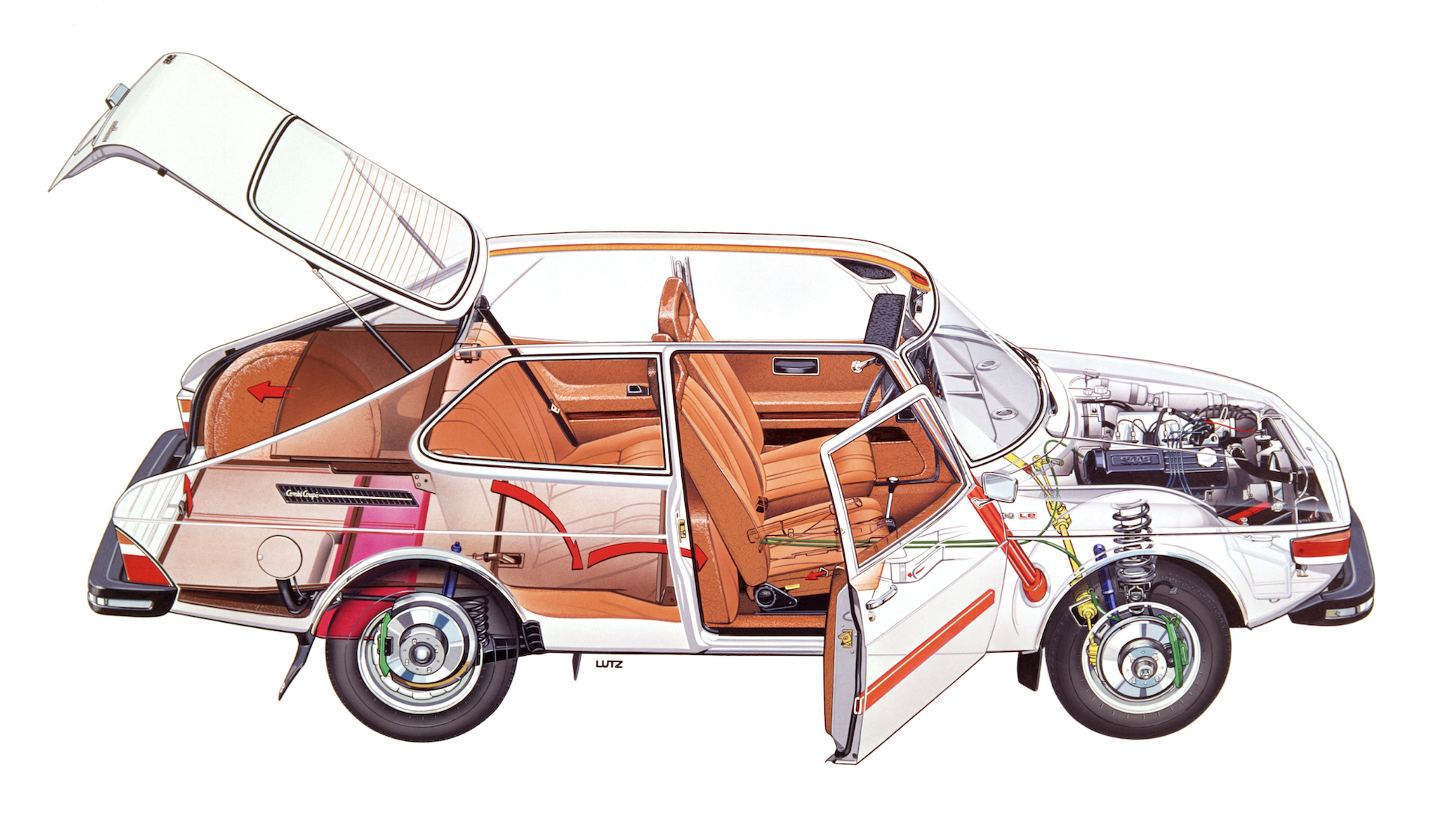
The Turbo was based on the solid and sorted chassis of the sports-luxury 99 EMS a sporty, performance-focused version of the classic Saab 99. Front suspension with double wishbones and coils, and the rear beam axle with coils and Panhard rod were enhanced by premium Bilstein dampers and Pirelli P6 rubber. The longitudinal engine dispensed with torque steer, though the unassisted rack-and-pinion steering was heavy.
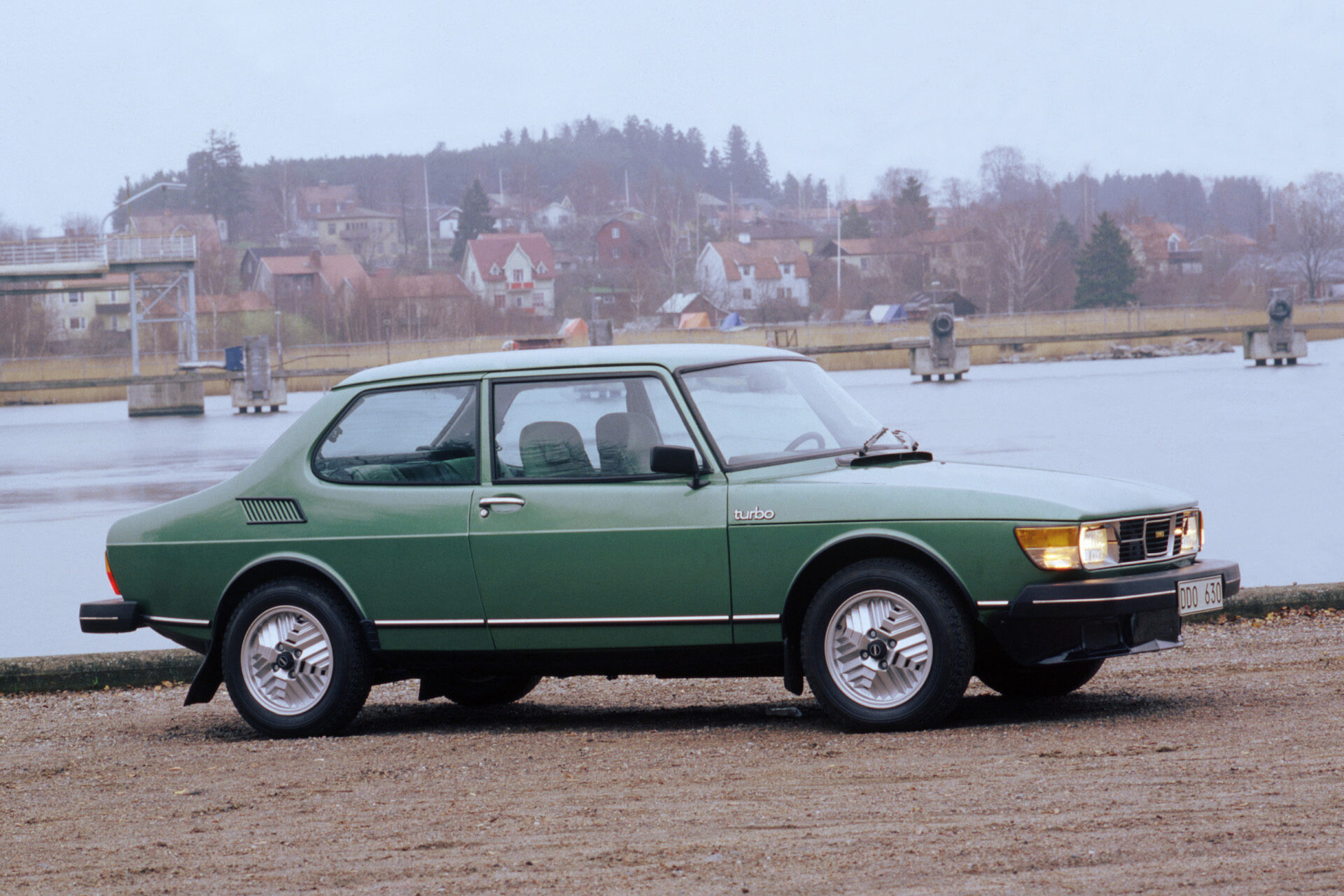
Determined to get it right, Saab built 100 99 Turbo prototypes in three- and five-door Combis, and these were driven for a total of 4.8 million kilometres before the production car was shown at Frankfurt, 1977.
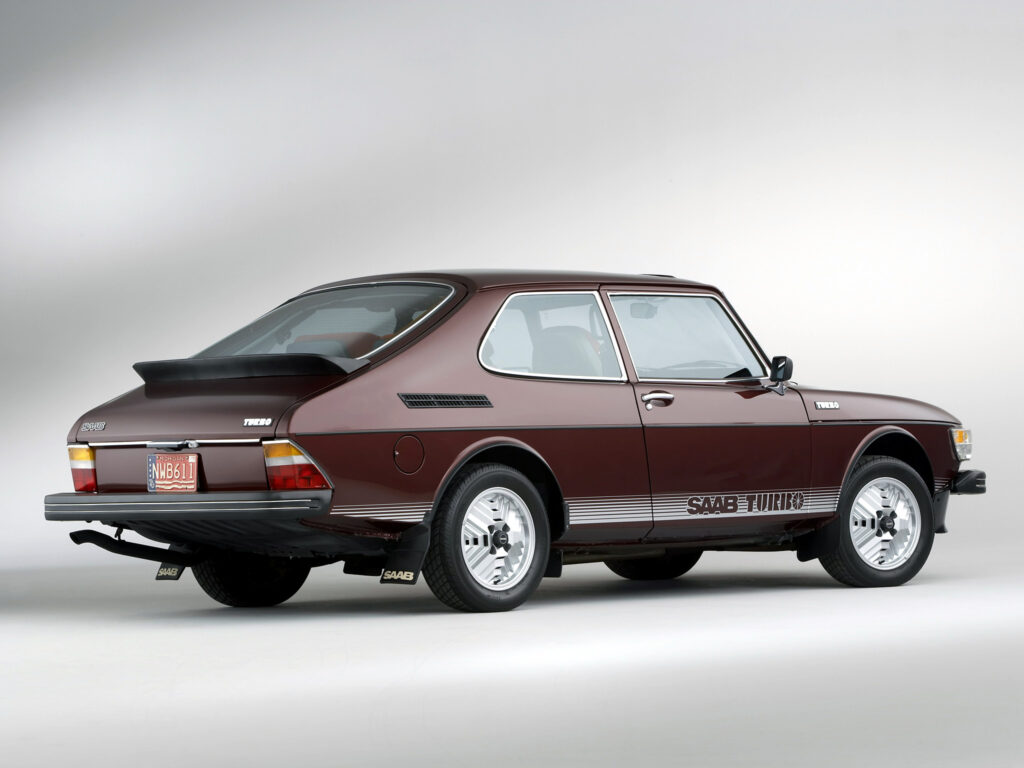
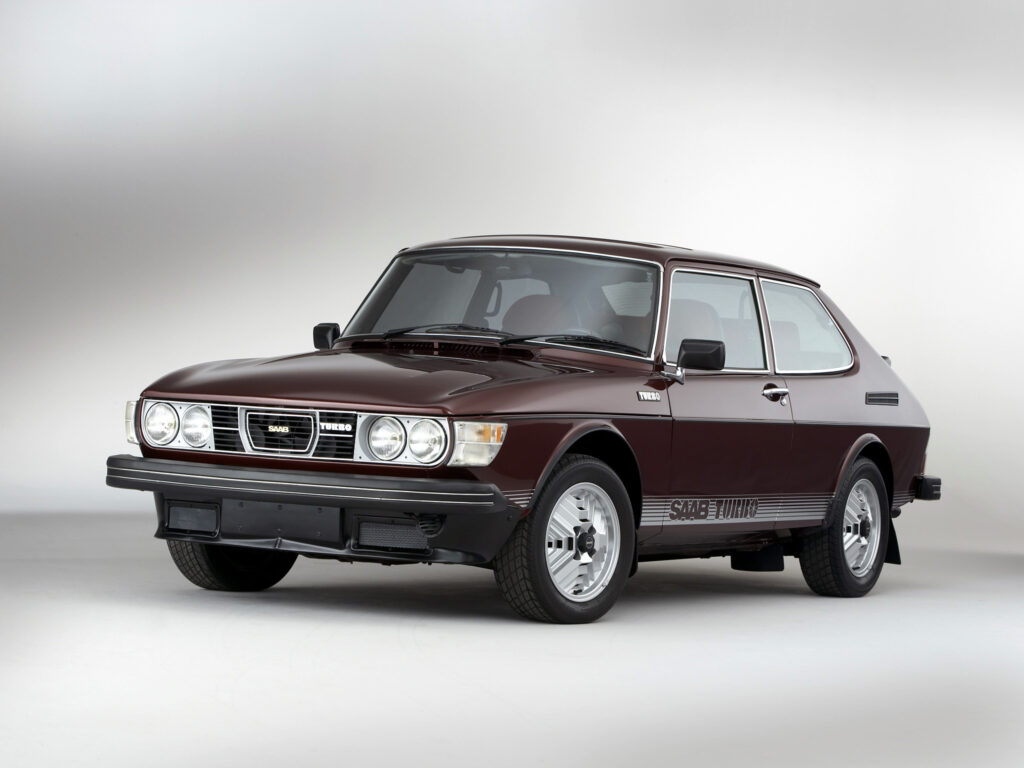
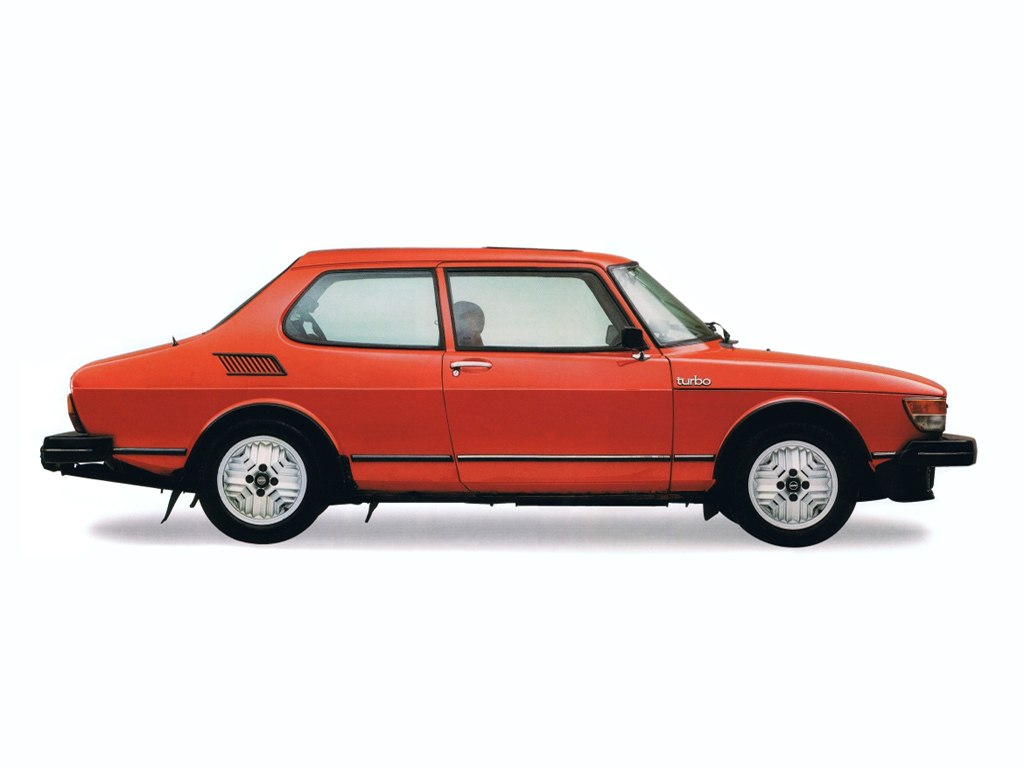
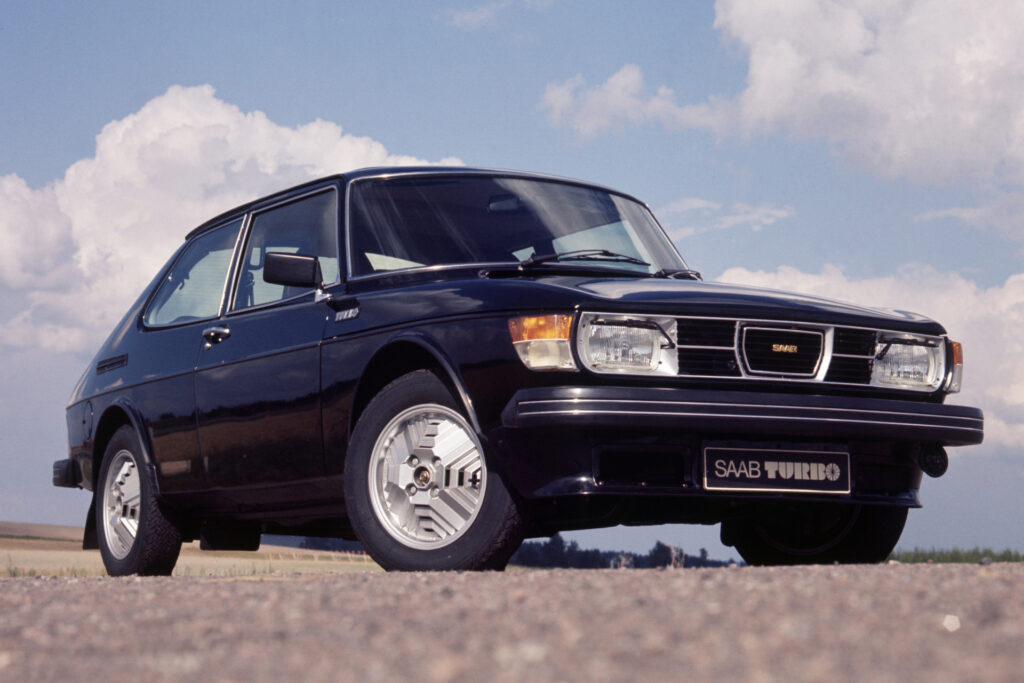
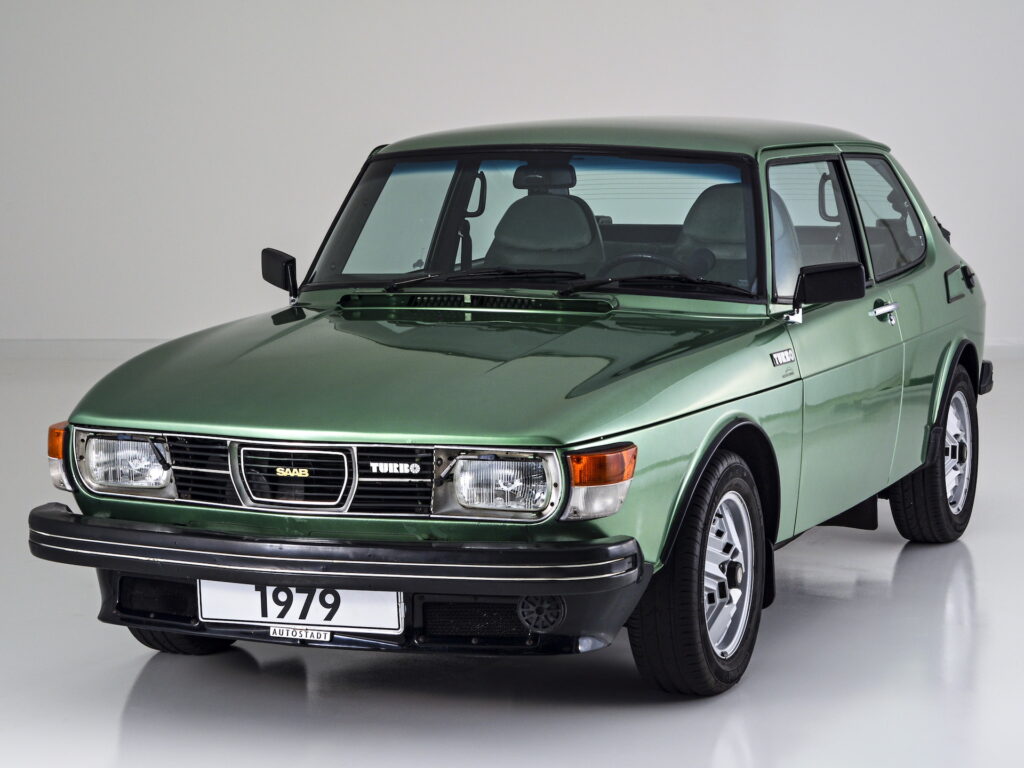
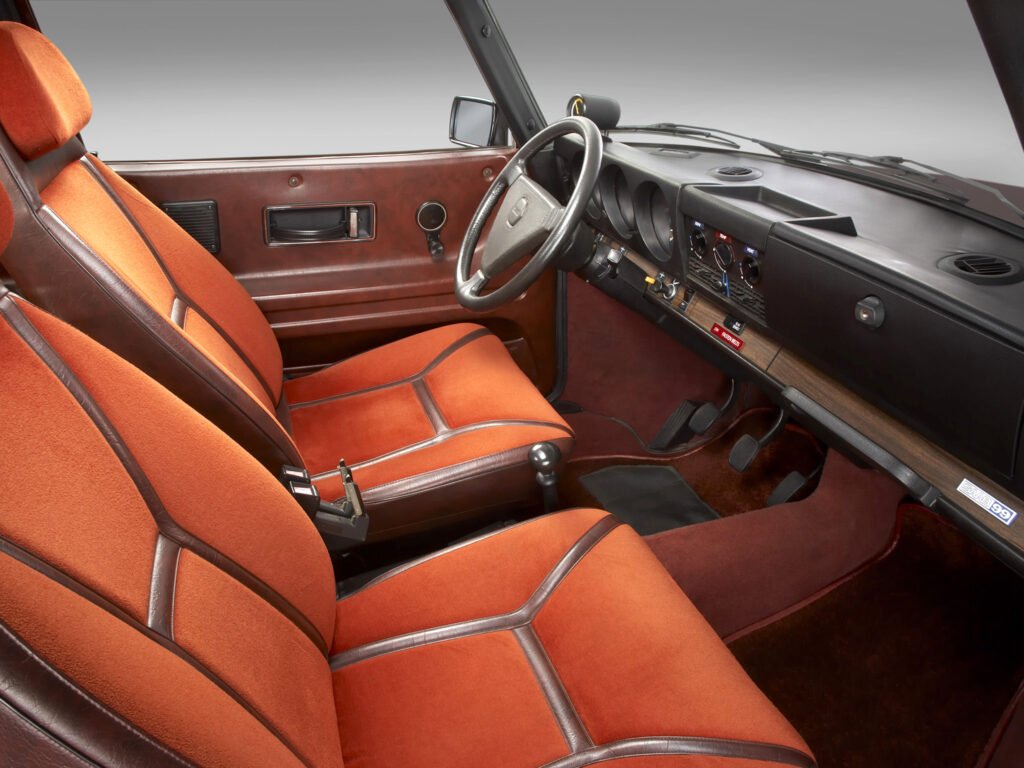
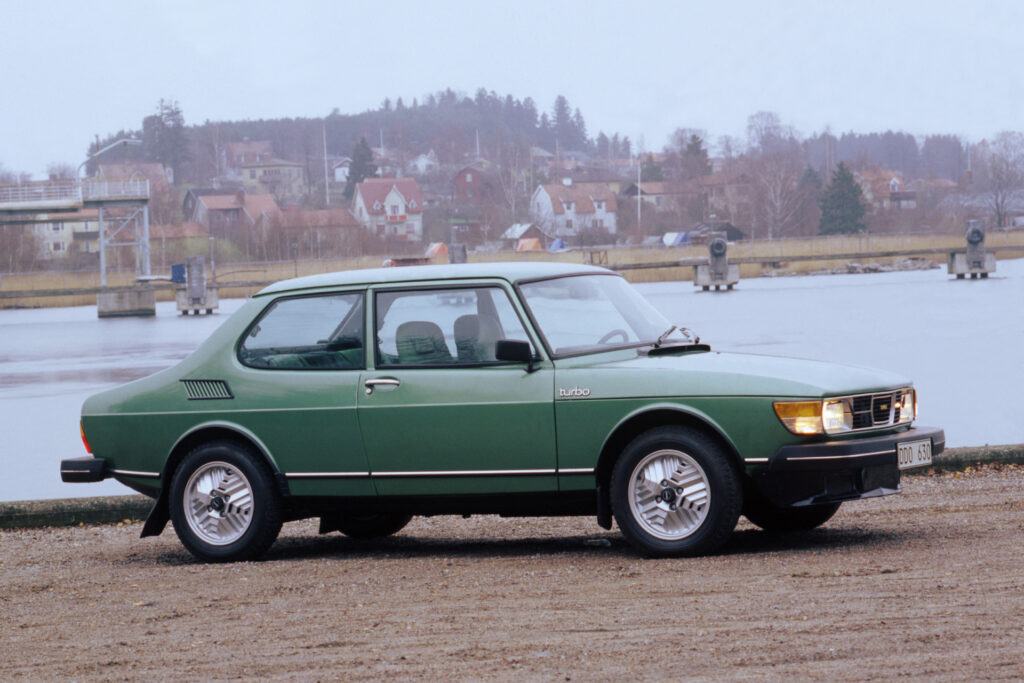
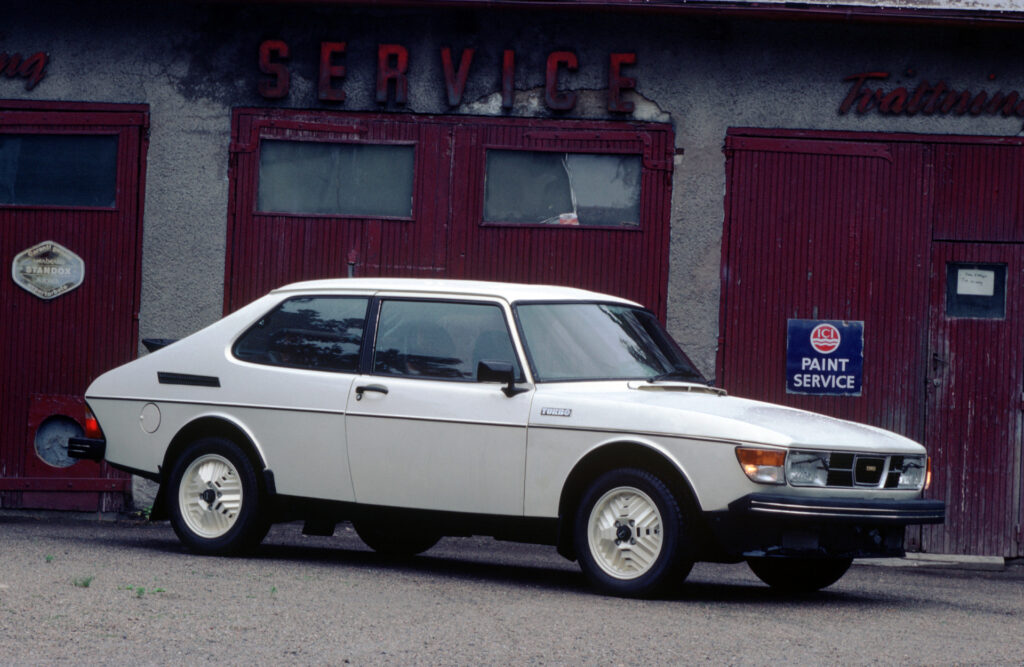
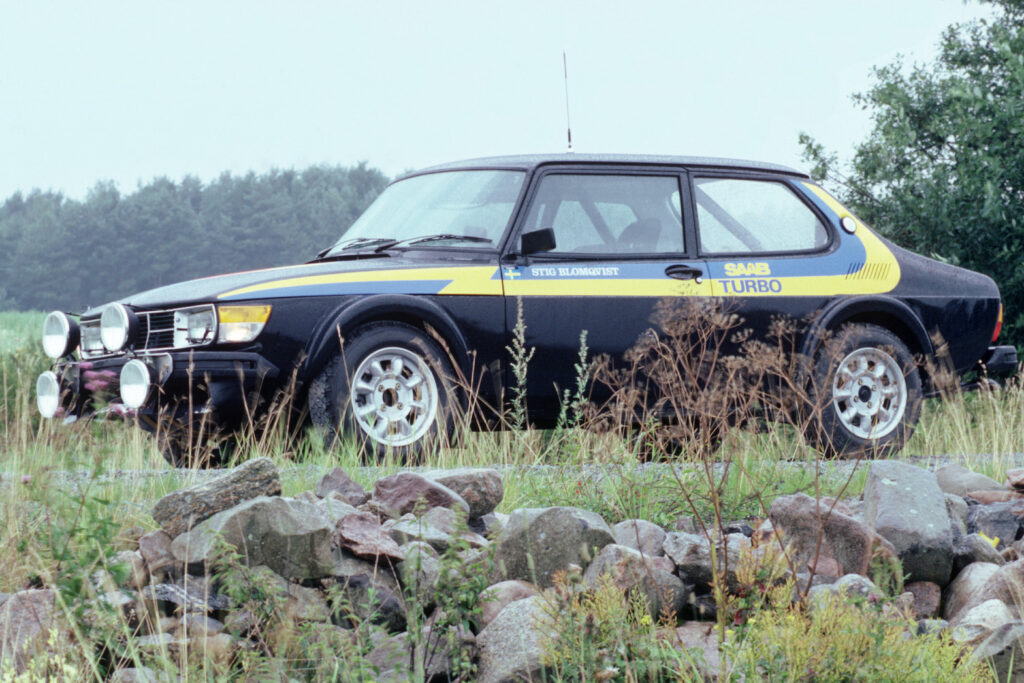
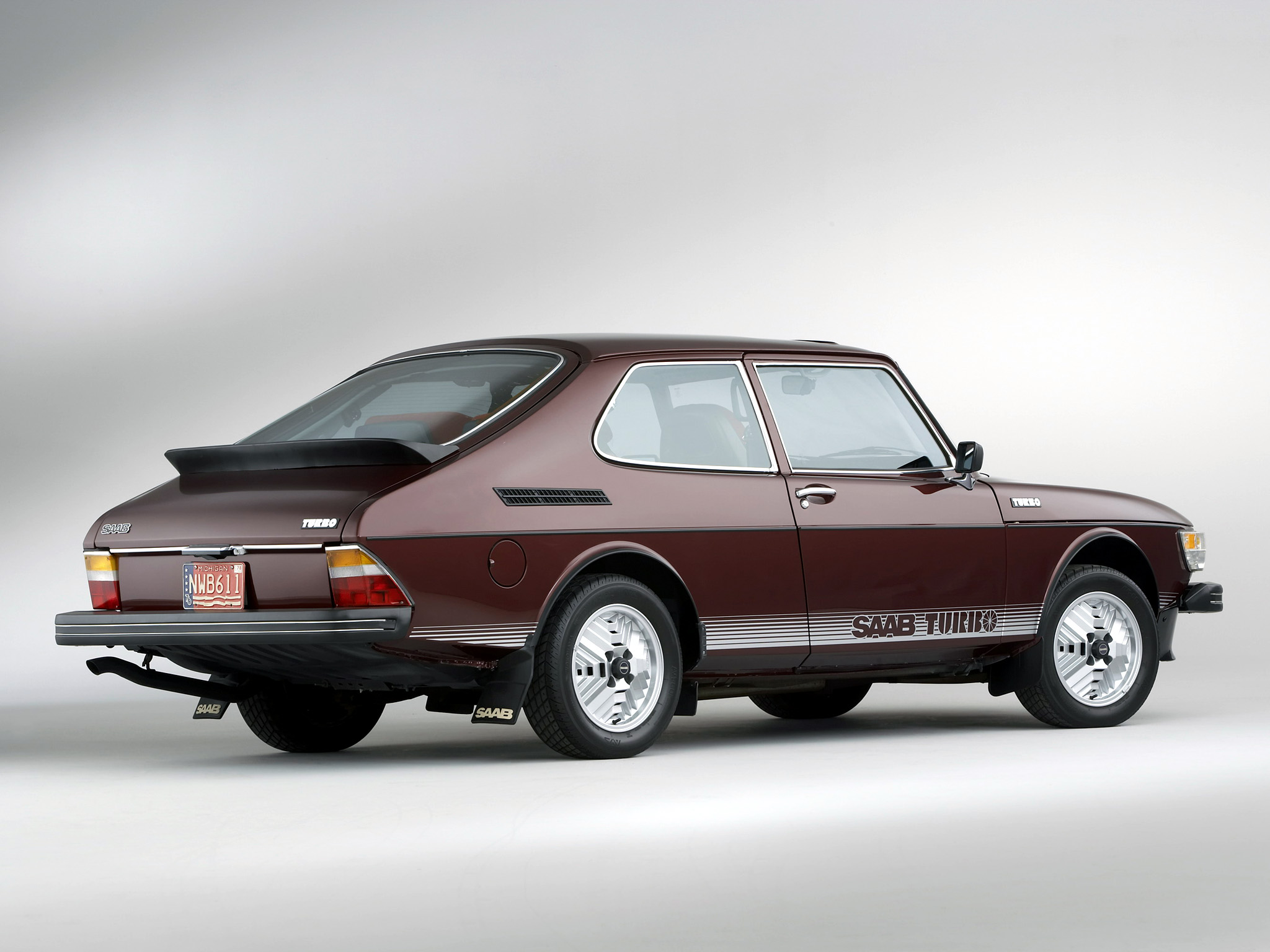
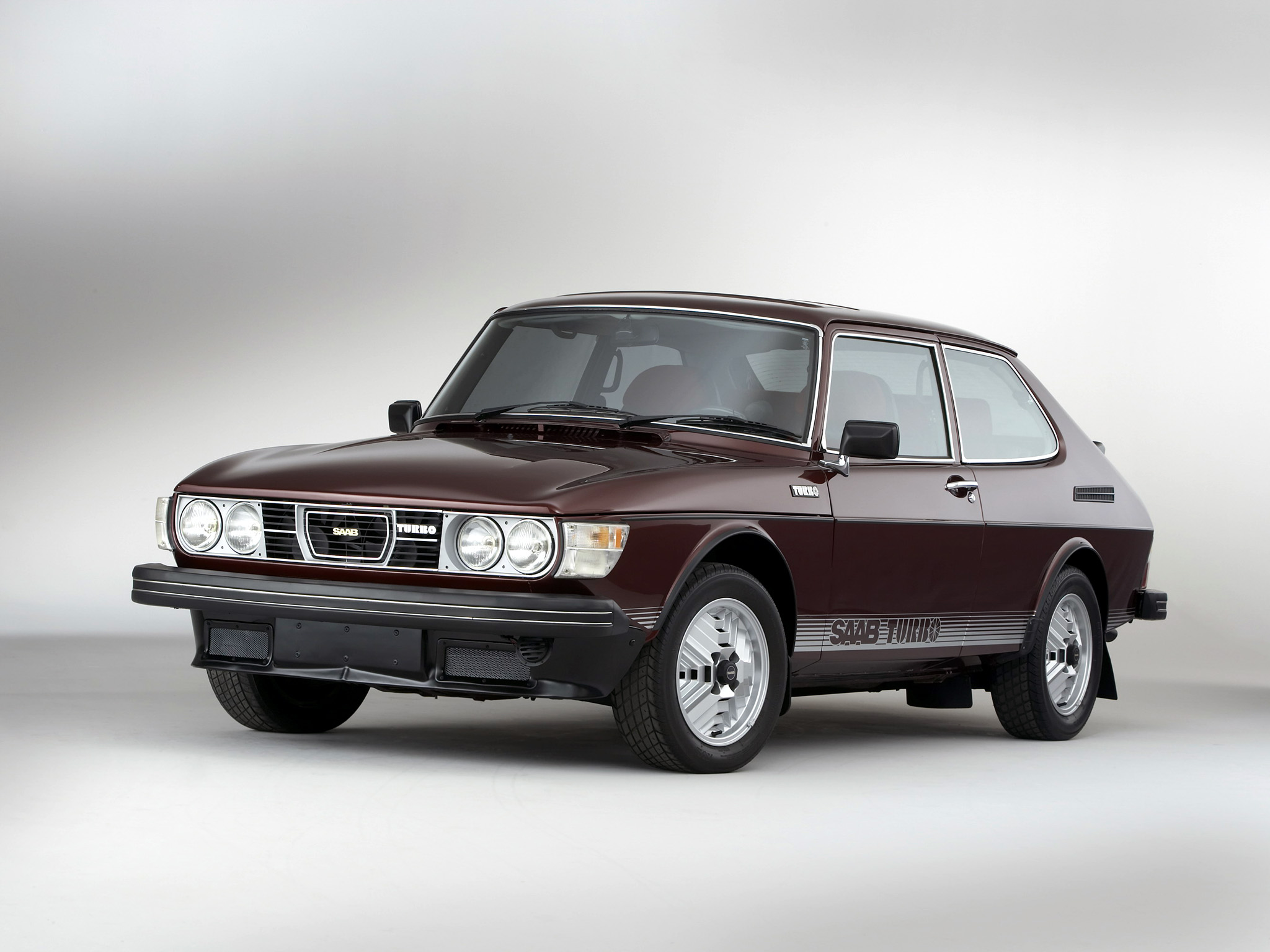
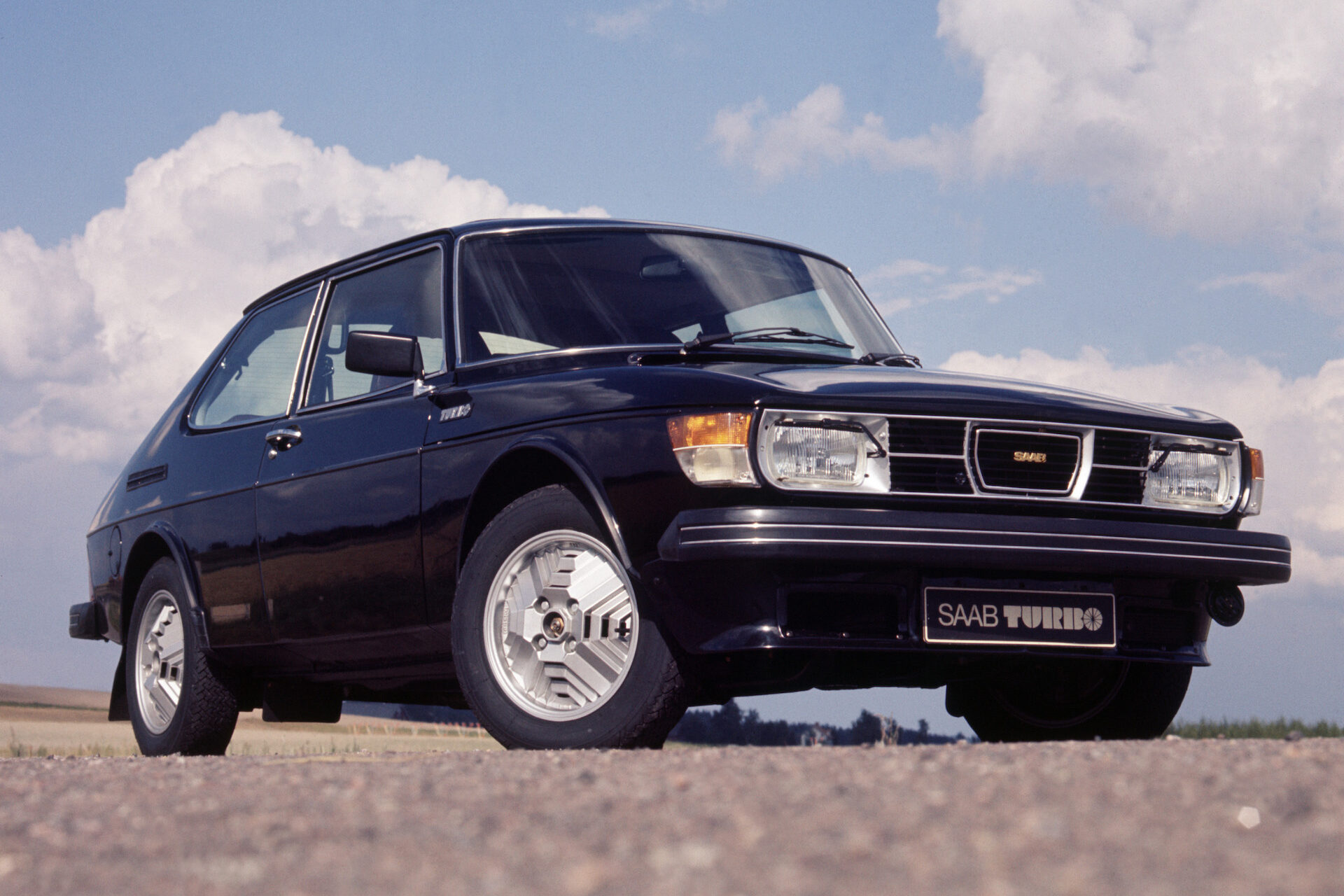
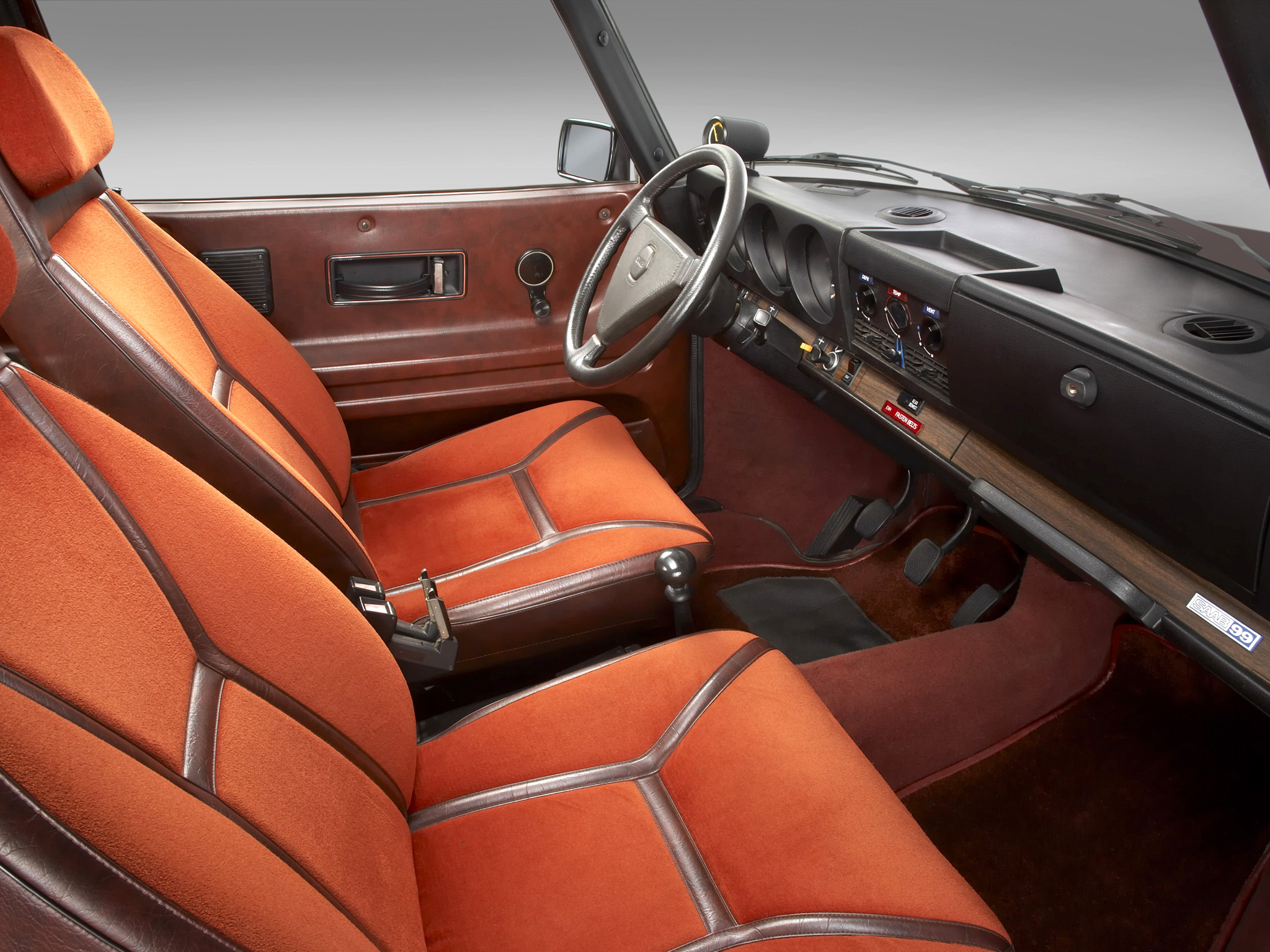
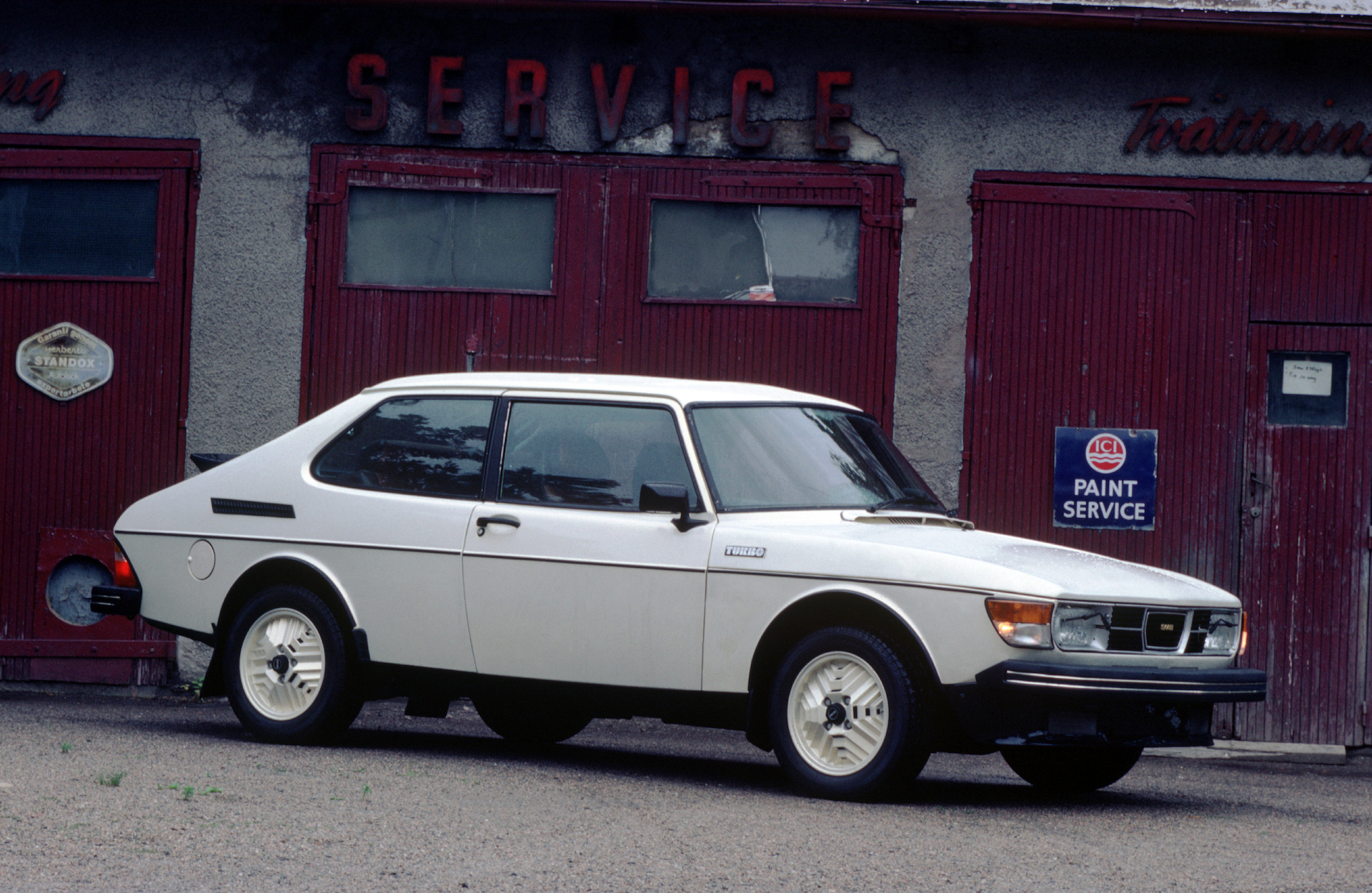
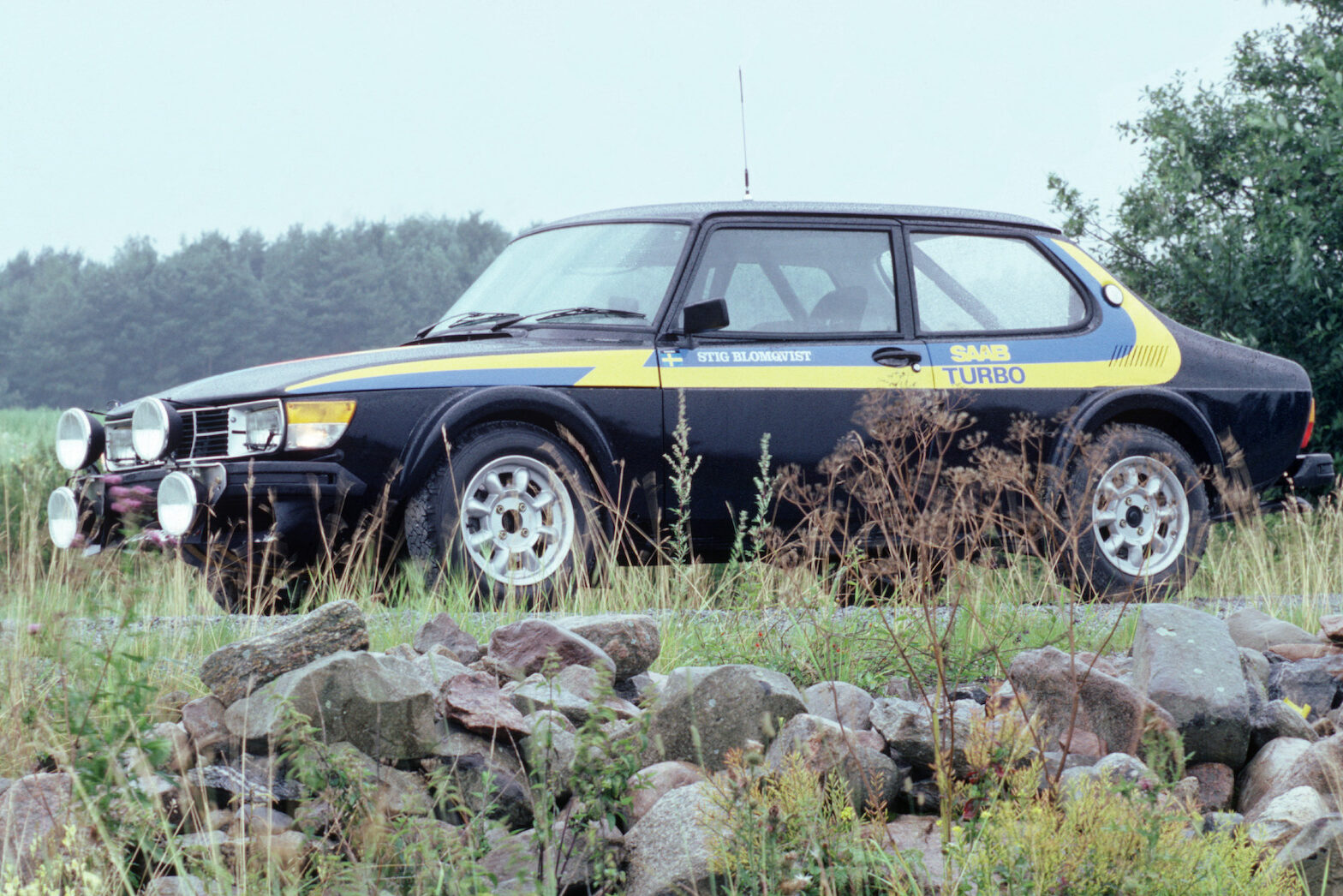
The 99 Turbo came in two-, three- and five-door bodies and shouted its specialness with bold graphics, front and rear spoilers and ‘Inca’ alloys. Inside, fake woodgrain, vinyl and velour spelled luxury, 1970s-style. The cockpit was easily accessed, thanks in part to the deep doors with wrap-under sills, which kept snow and mud off trouser legs.
A sunroof was standard, as was a heated driver’s seat, and the turbo gauge on the dash was a surefire conversation starter. Safety and solidity were reflected in the 1130kg kerb weight.
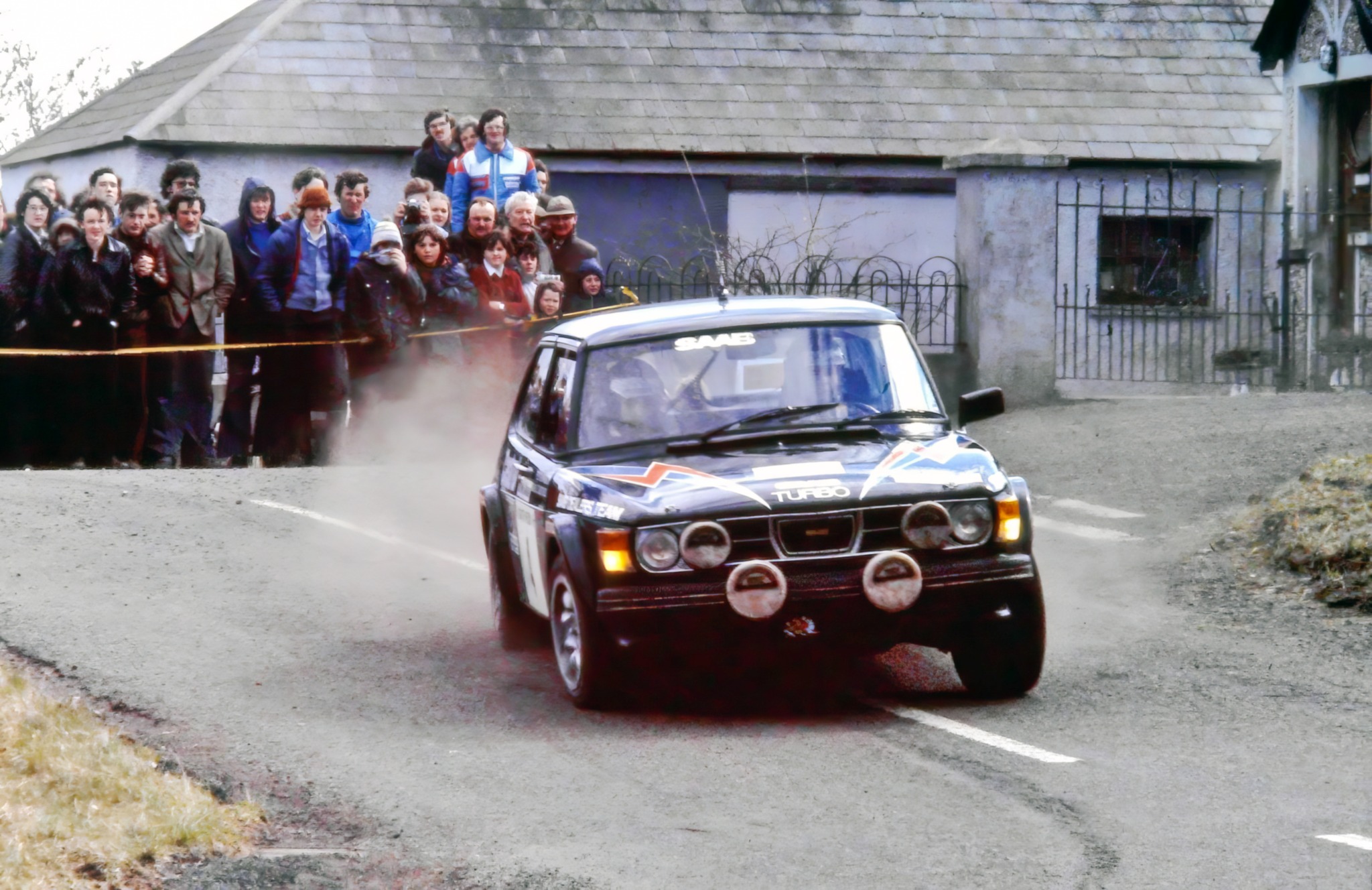
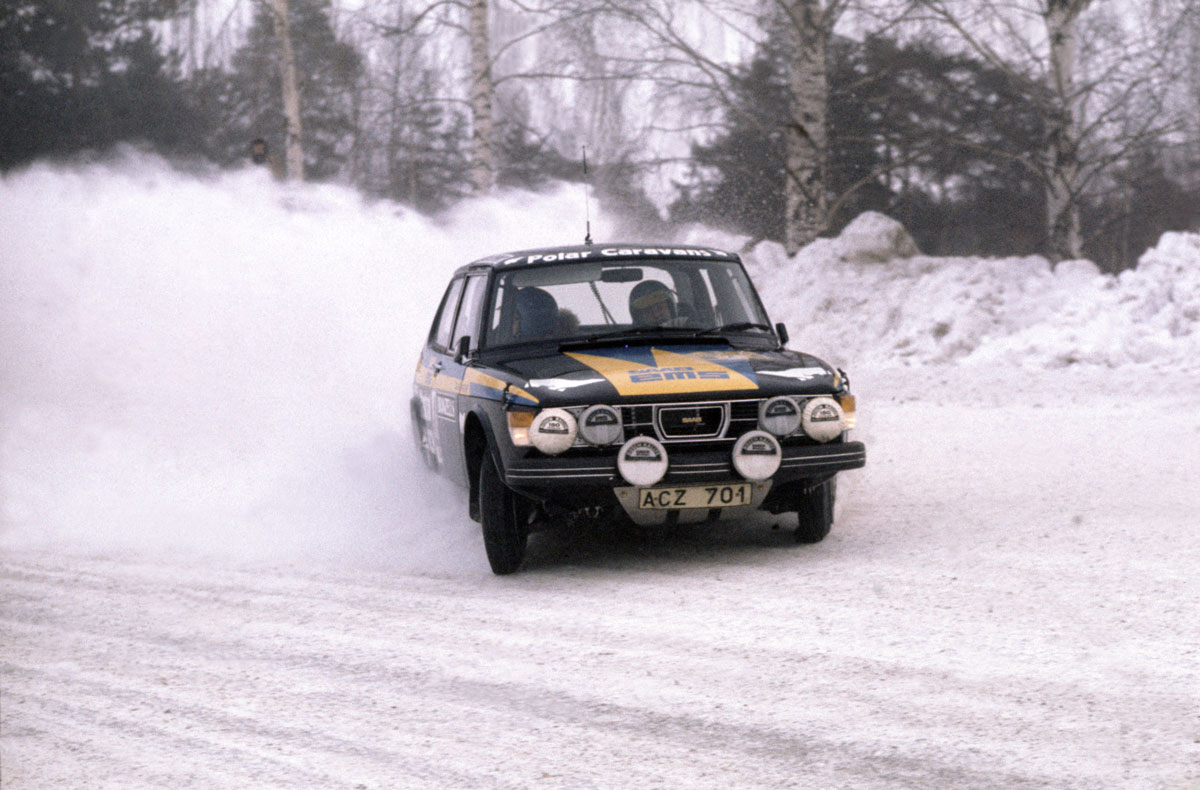
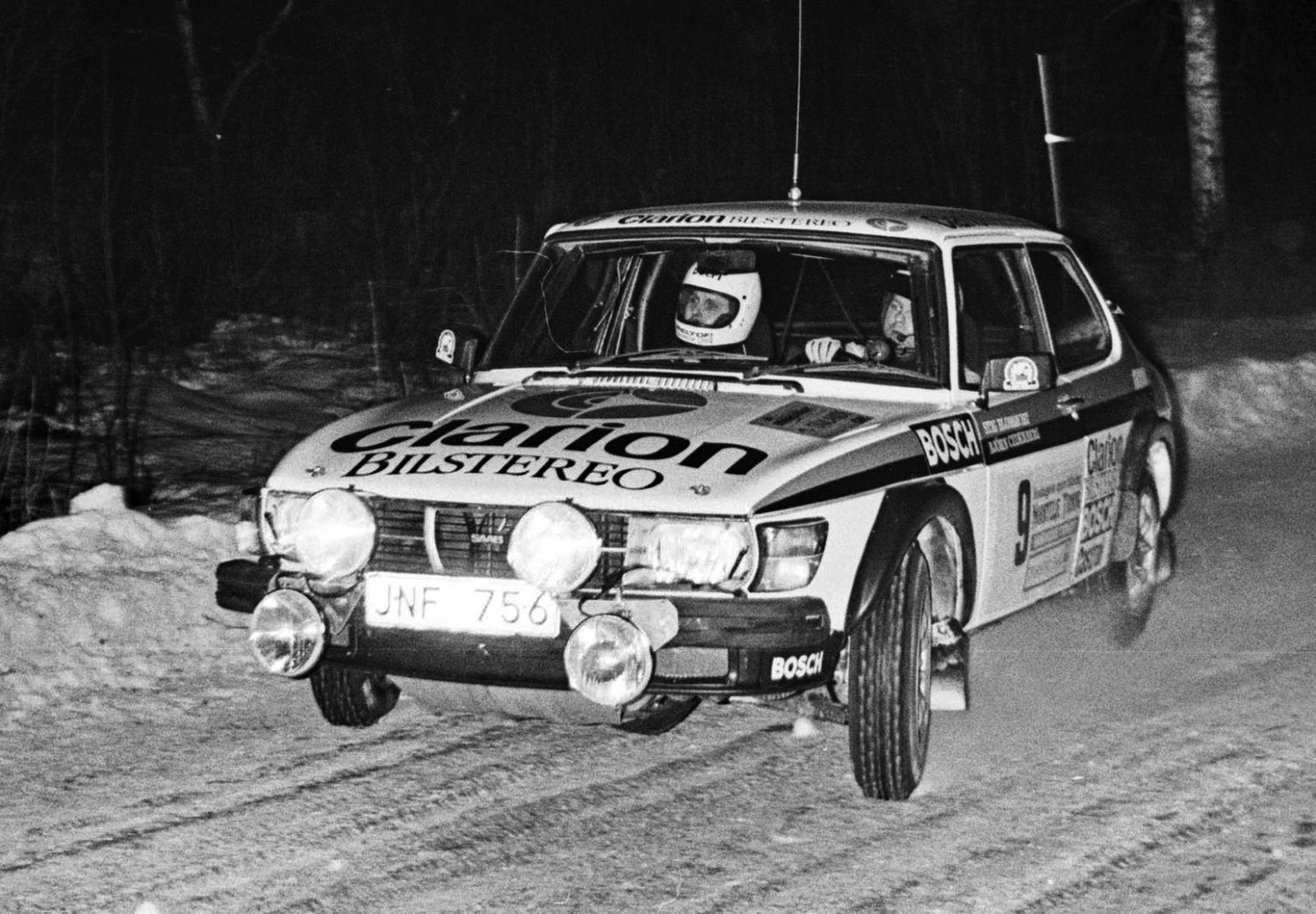
The mating of sports-sedan performance with Saab’s admirable solidity, quality and comfort meant there were few downsides to owning one. British comedian Eric Morecambe was one celebrity who saw the fun side, but most 99 Turbos went to lead-footed families and amateur rally aces.
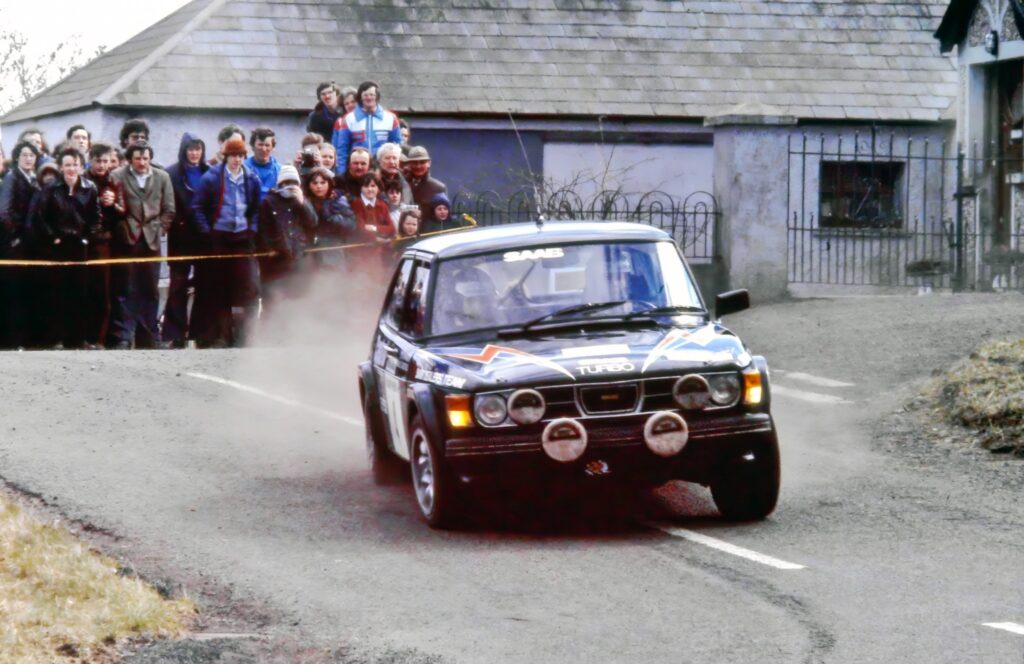
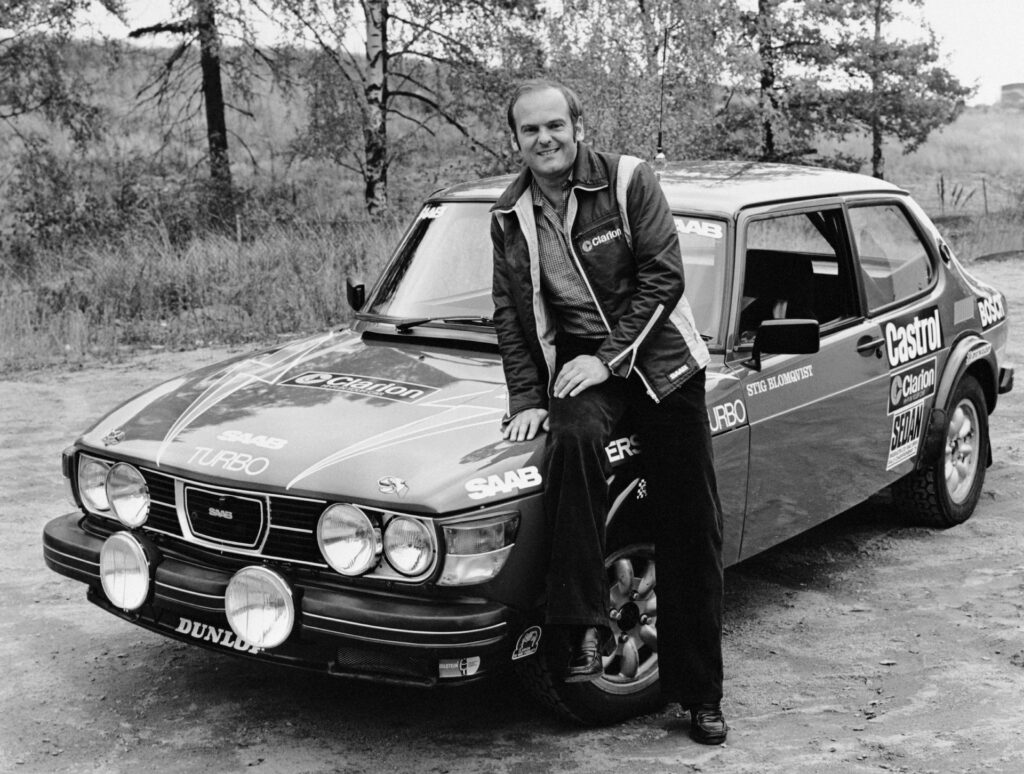
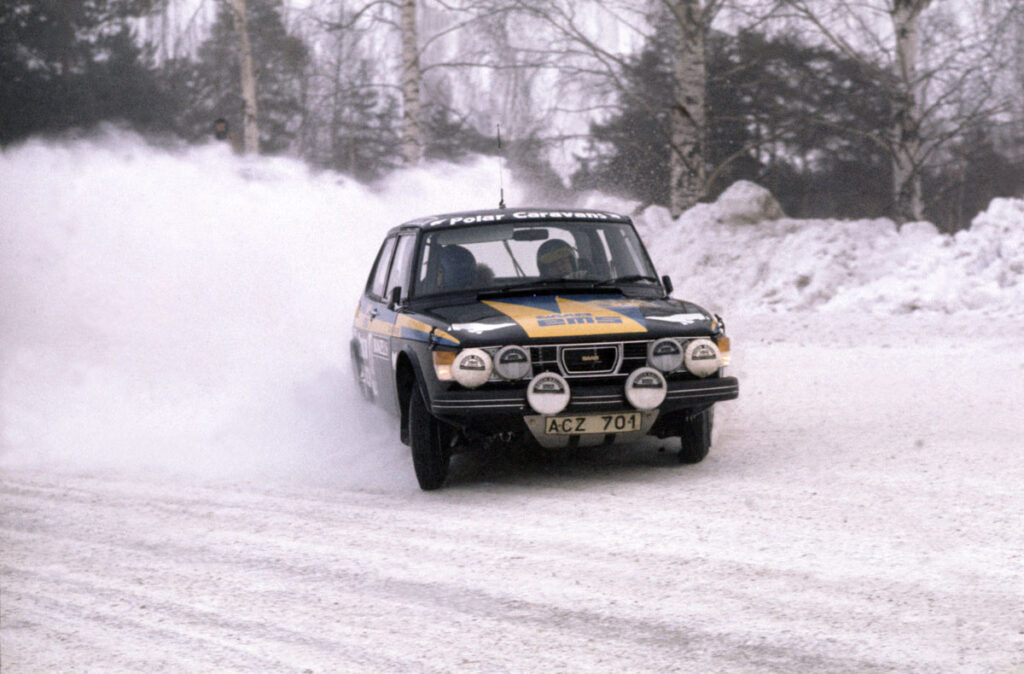
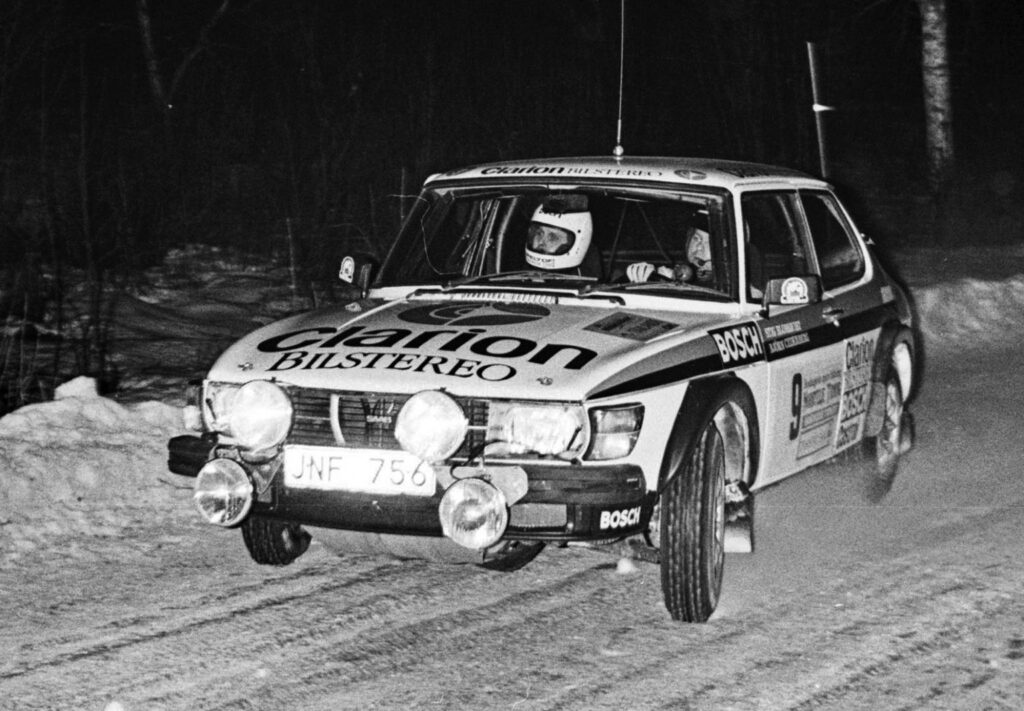
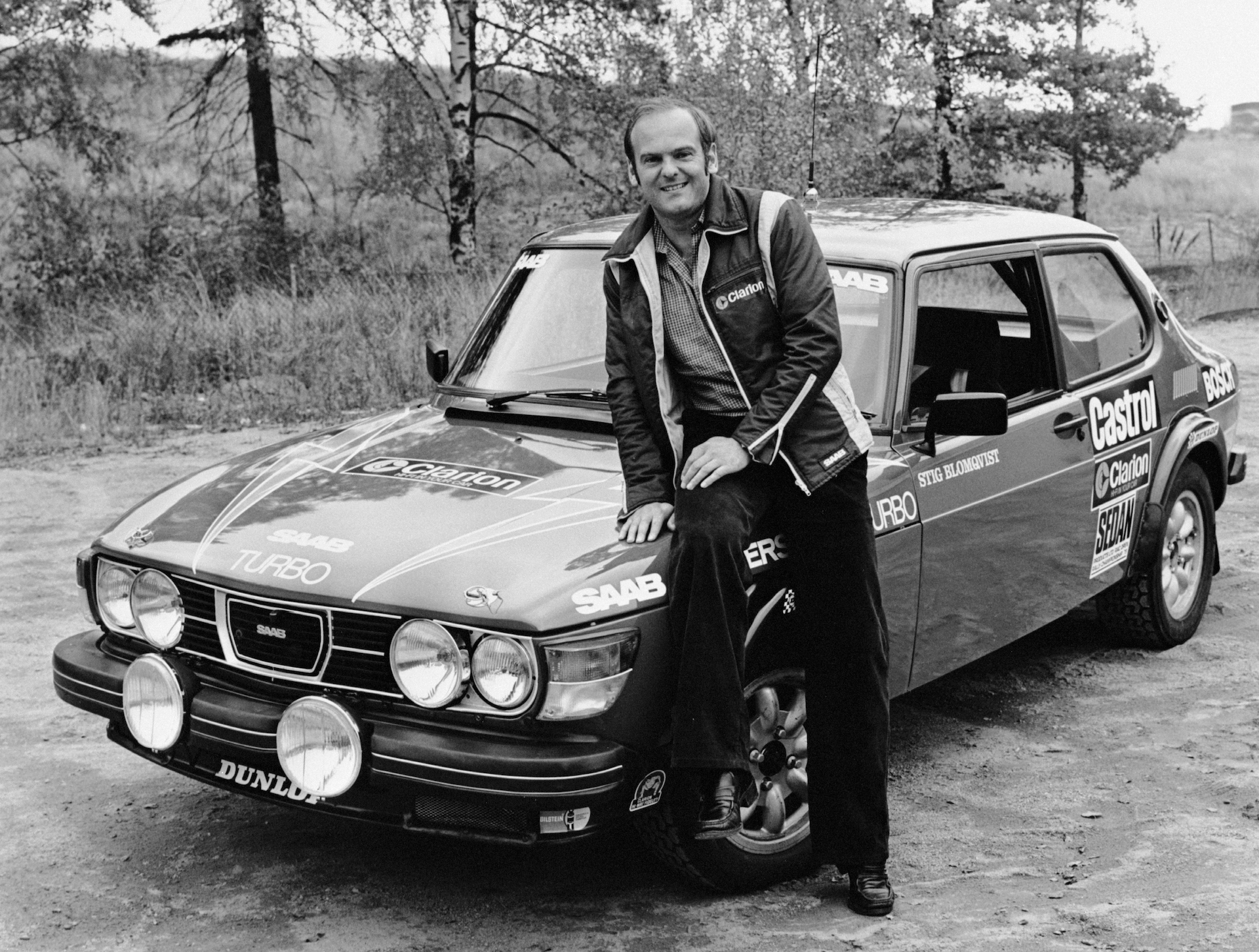
In fact, the first turbo car to win a World Rally Championship event was the 99 Turbo, driven by Stig Blomqvist to victory on the 1979 Swedish Rally. Inconveniently, Saab quit rallying a year later. However, turbo Saabs would remain a staple of European rallycross.
More than any car before it, the 99 Turbo put forced induction on the map. Motor magazines worldwide gushed that the sweet-handling Swede could run as hard as a six-cylinder, while sipping barely more fuel than a boring four.
“Revolution” was an entirely appropriate word, but the 99 Turbo lasted just five years and 10,607 units before Saab’s new 900-series, already introduced in 1978, took over the turbo torch.
Which leaves us with a parting gift: not a 99 Turbo, but the Saab Enduro, a mind-blowing, body-kitted 900 Turbo of which 12 examples were commissioned by Saab Australia in 1980. The body’s sharply angular add-ons were reportedly designed and produced by Allan Purvis of Eureka kit-car fame, and pre-dated Japan’s bizarre Bōsōzoku car customising craze.