
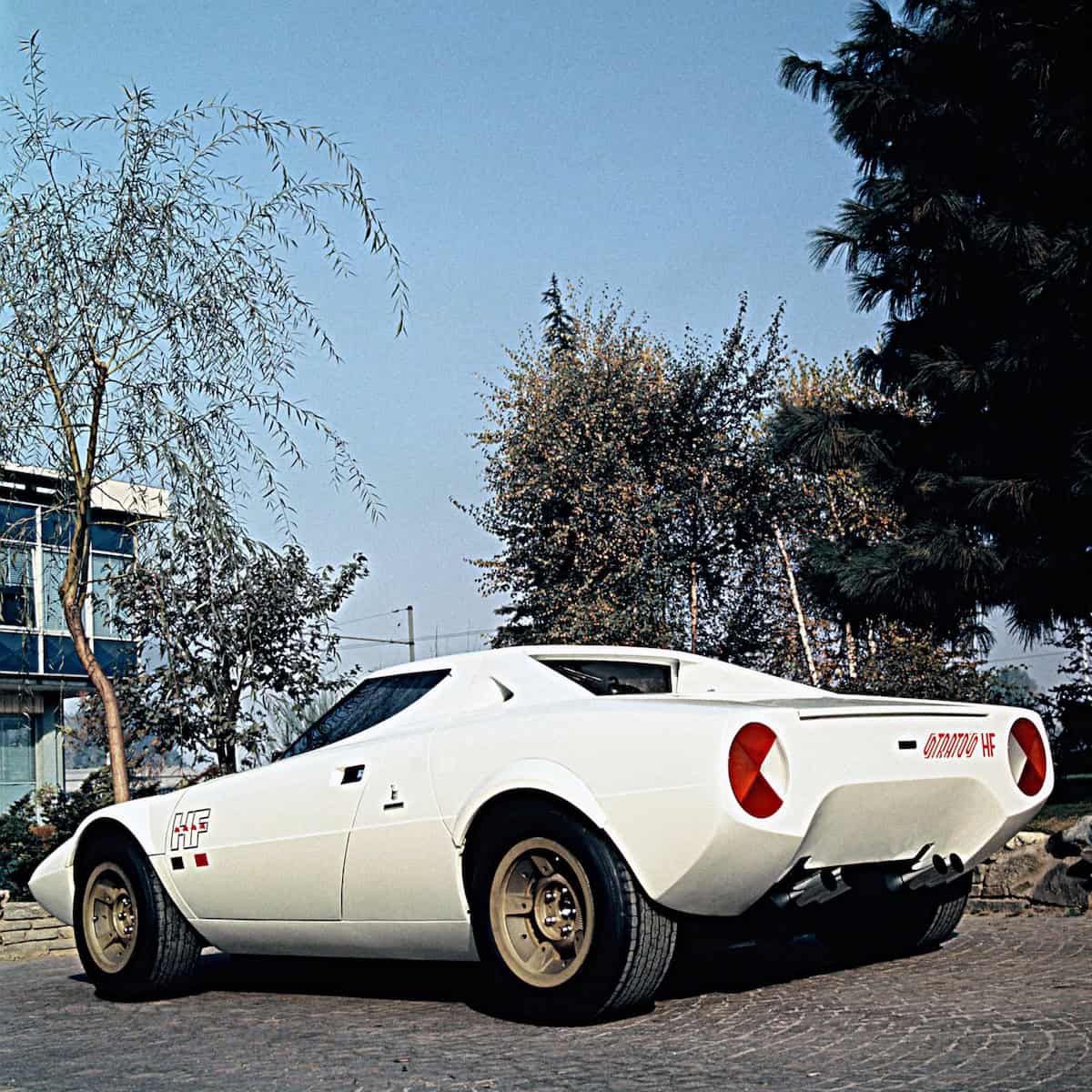
“Win on Sunday, sell on Monday” has justified many a carmaker’s expensive motorsport campaign. Occasionally, however, the subject of all that motor racing success turns out to be near impossible to budge from the showroom.
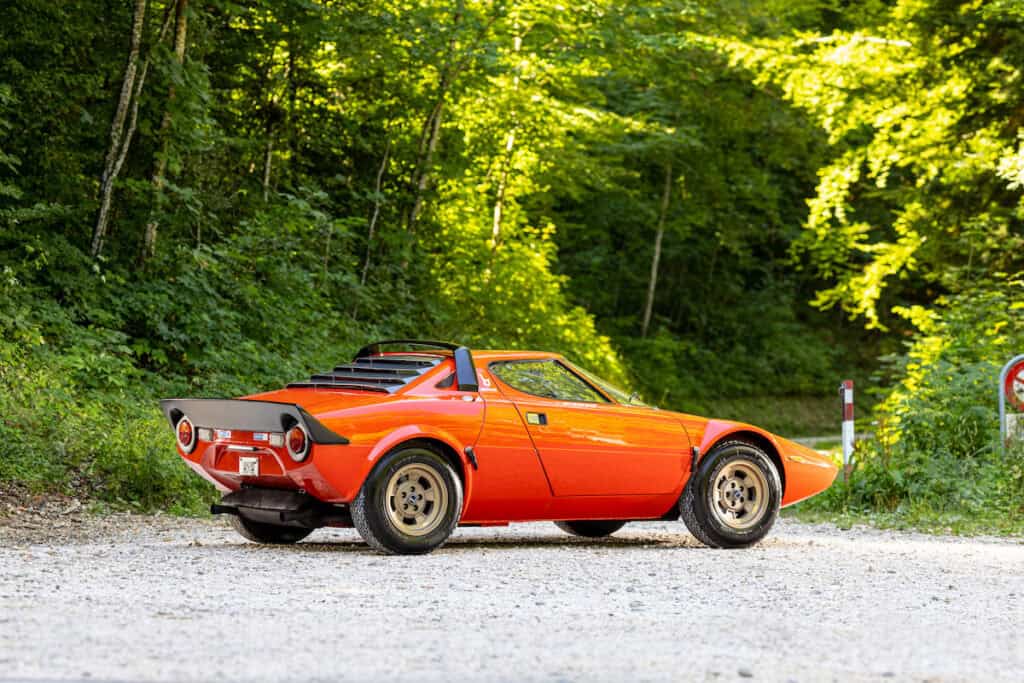
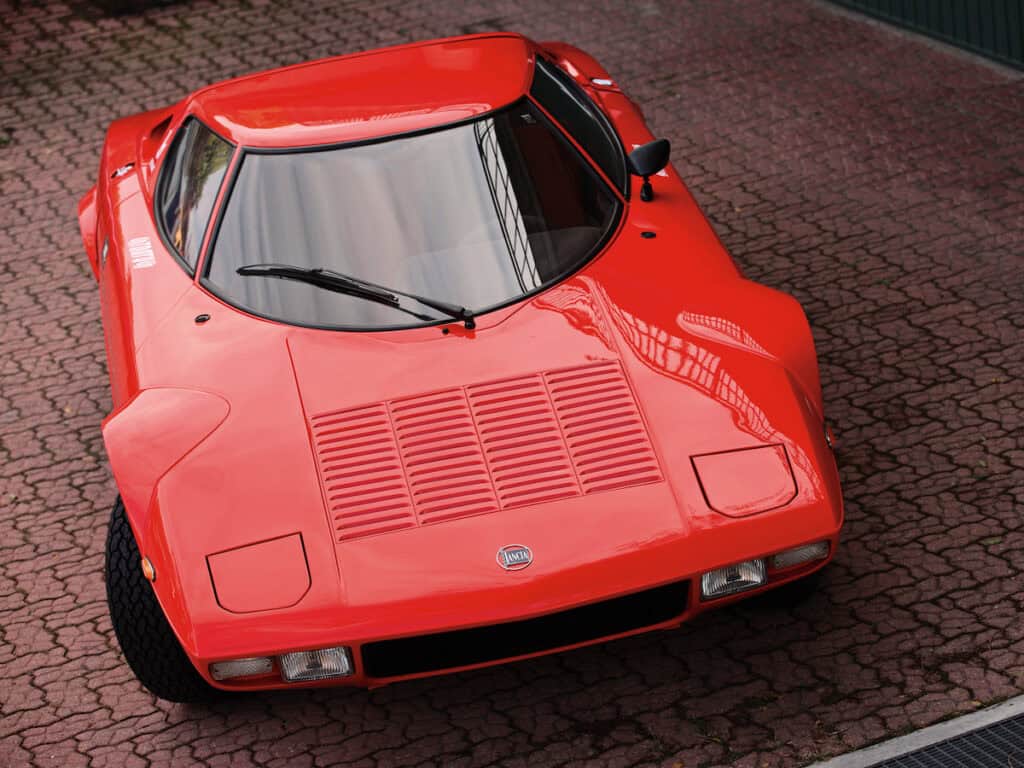
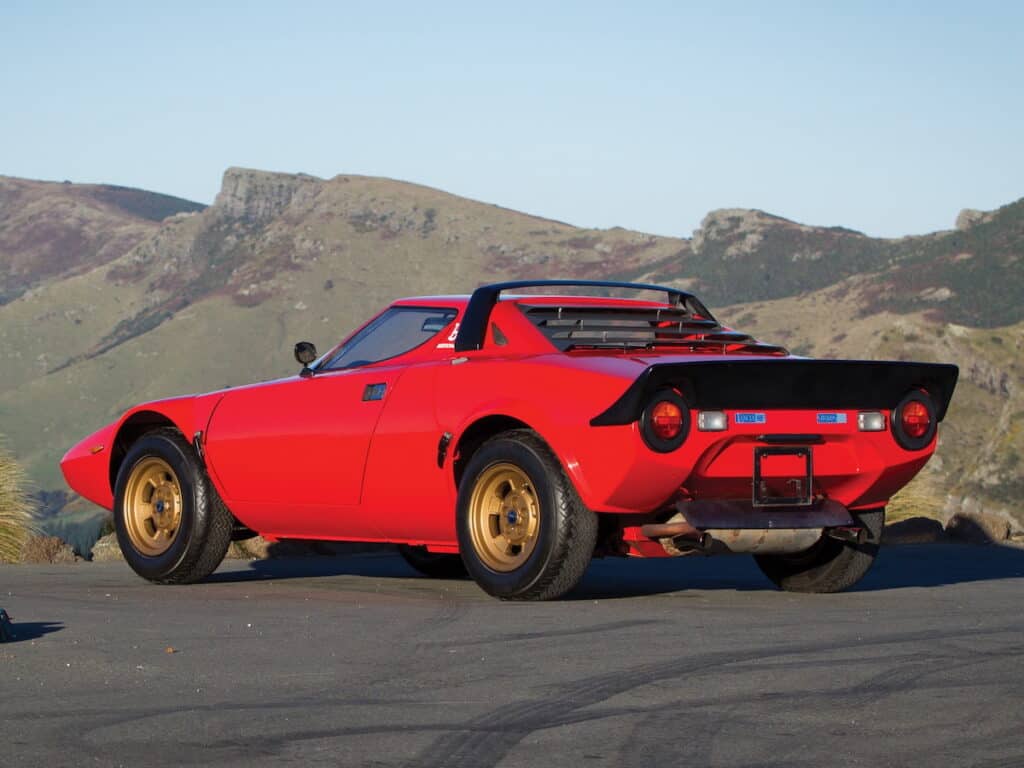
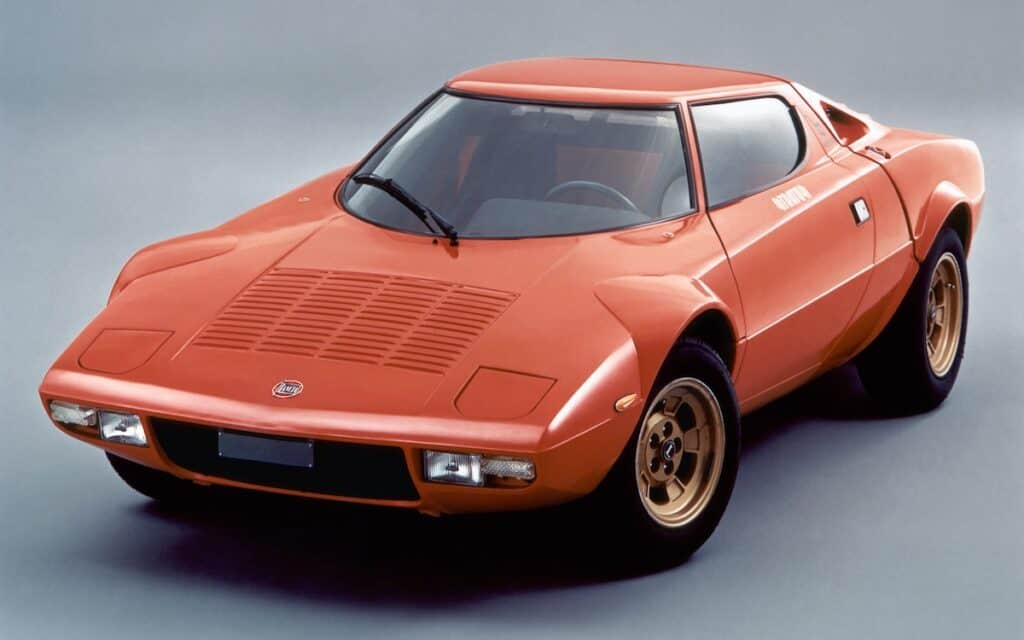
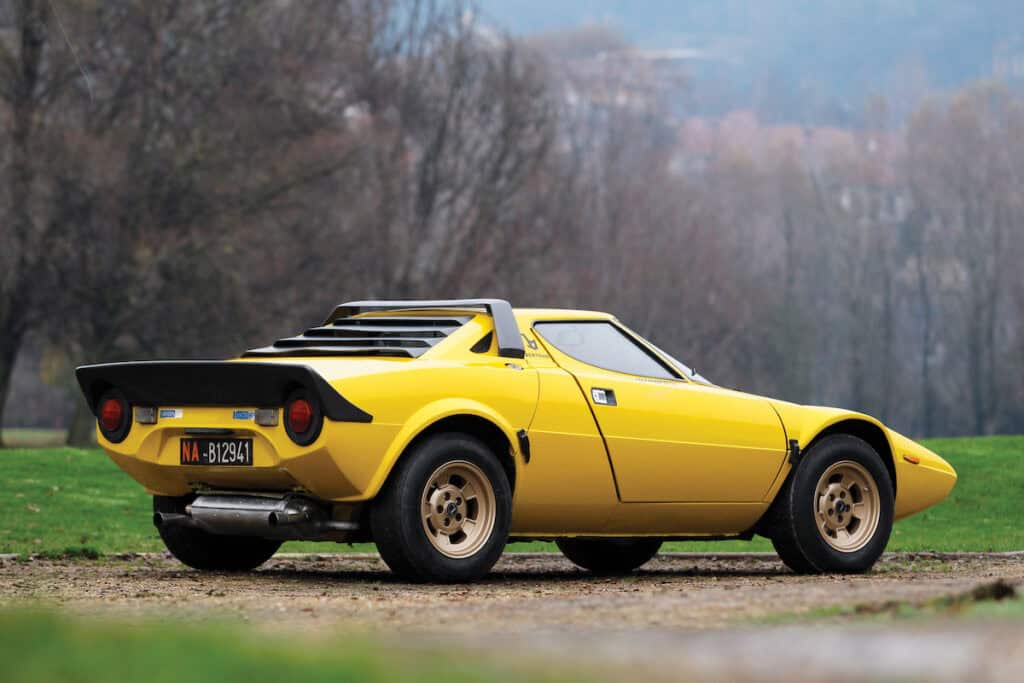
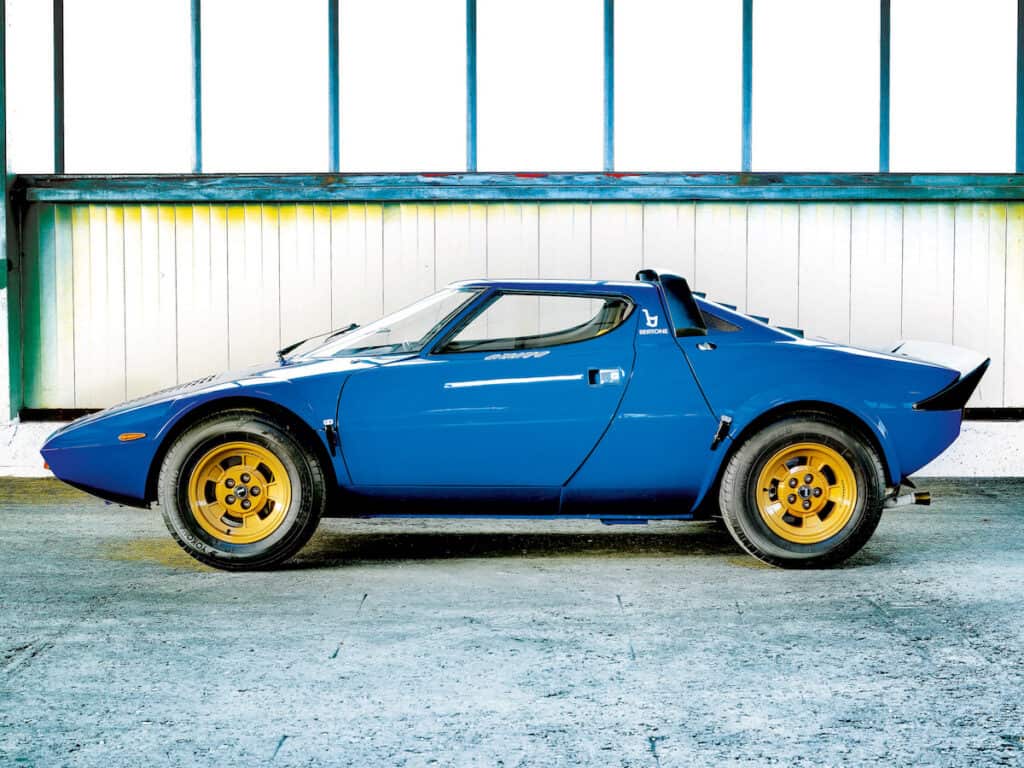
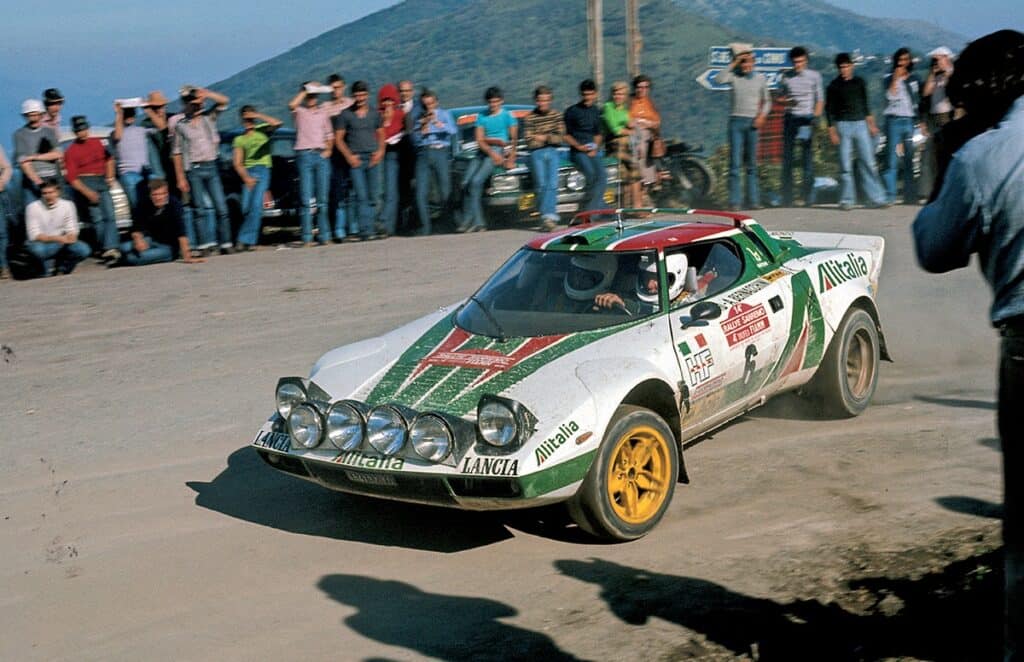
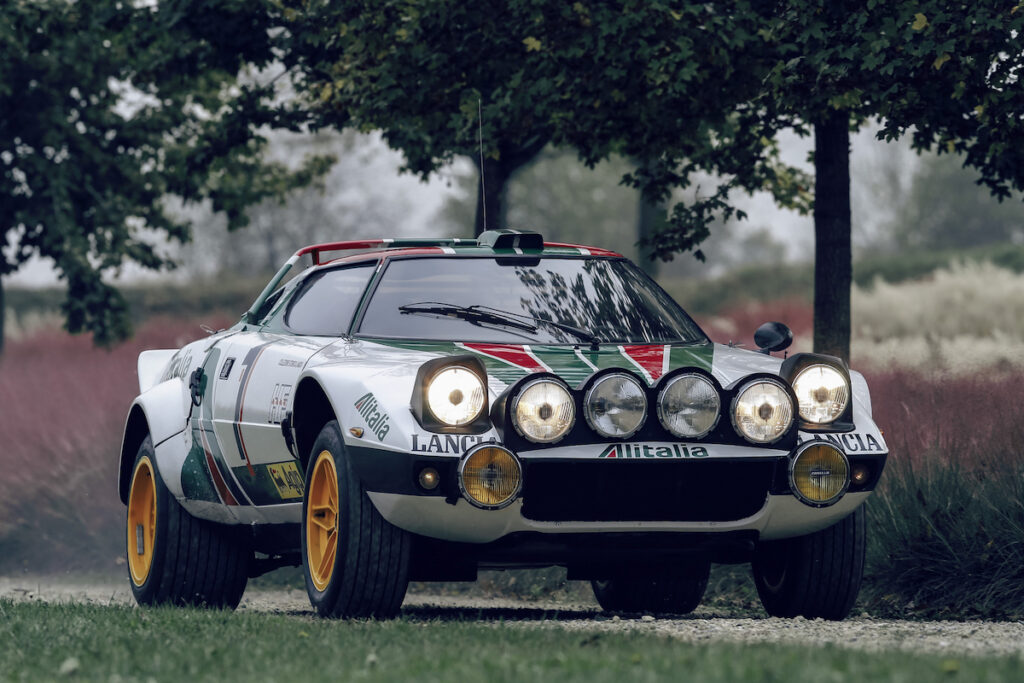
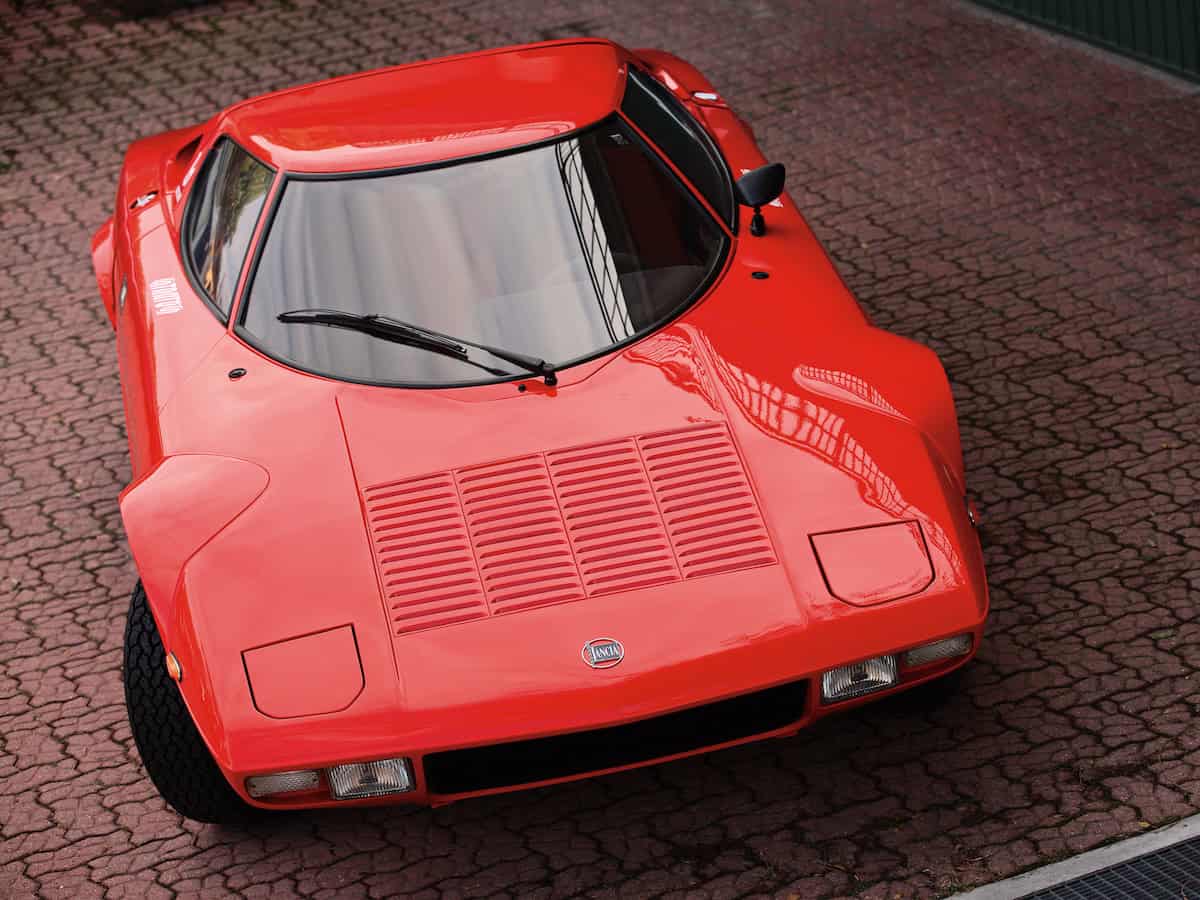
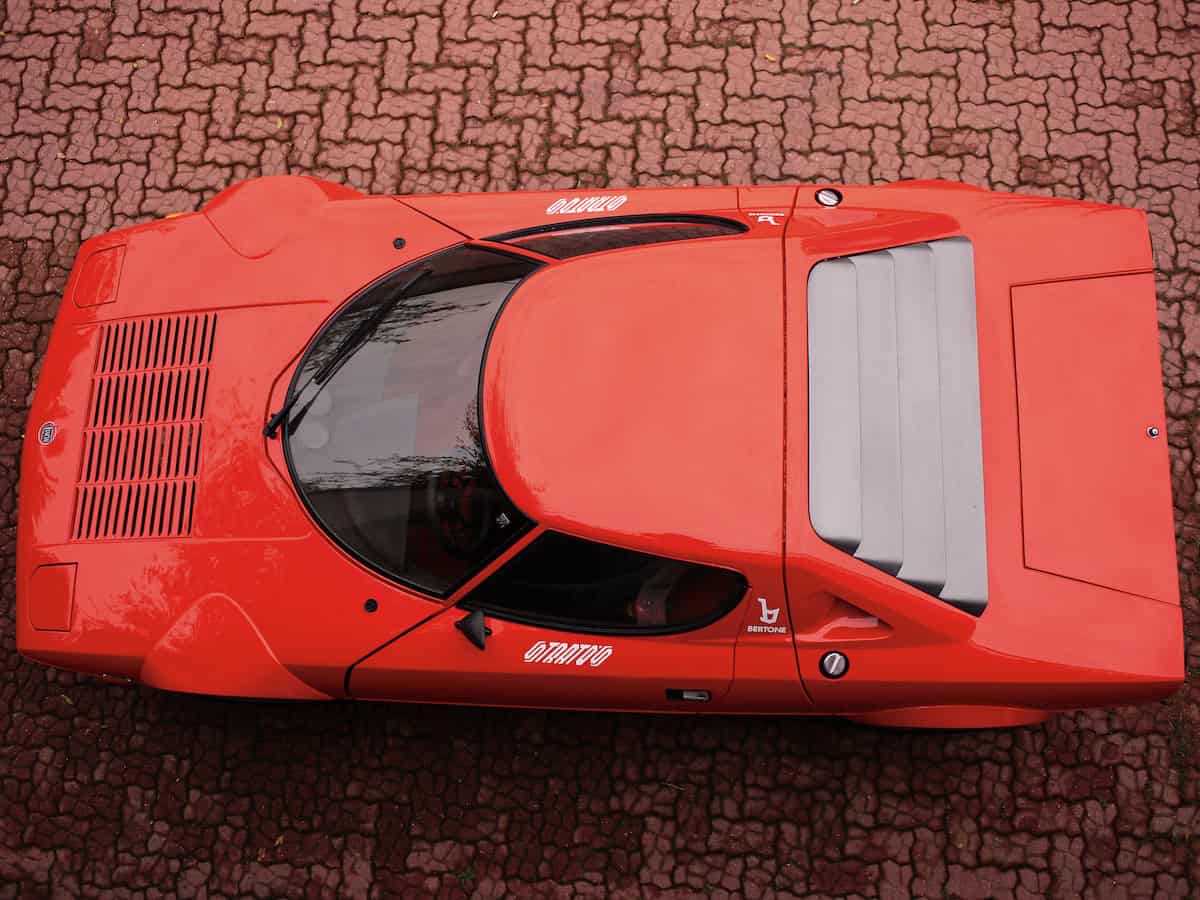
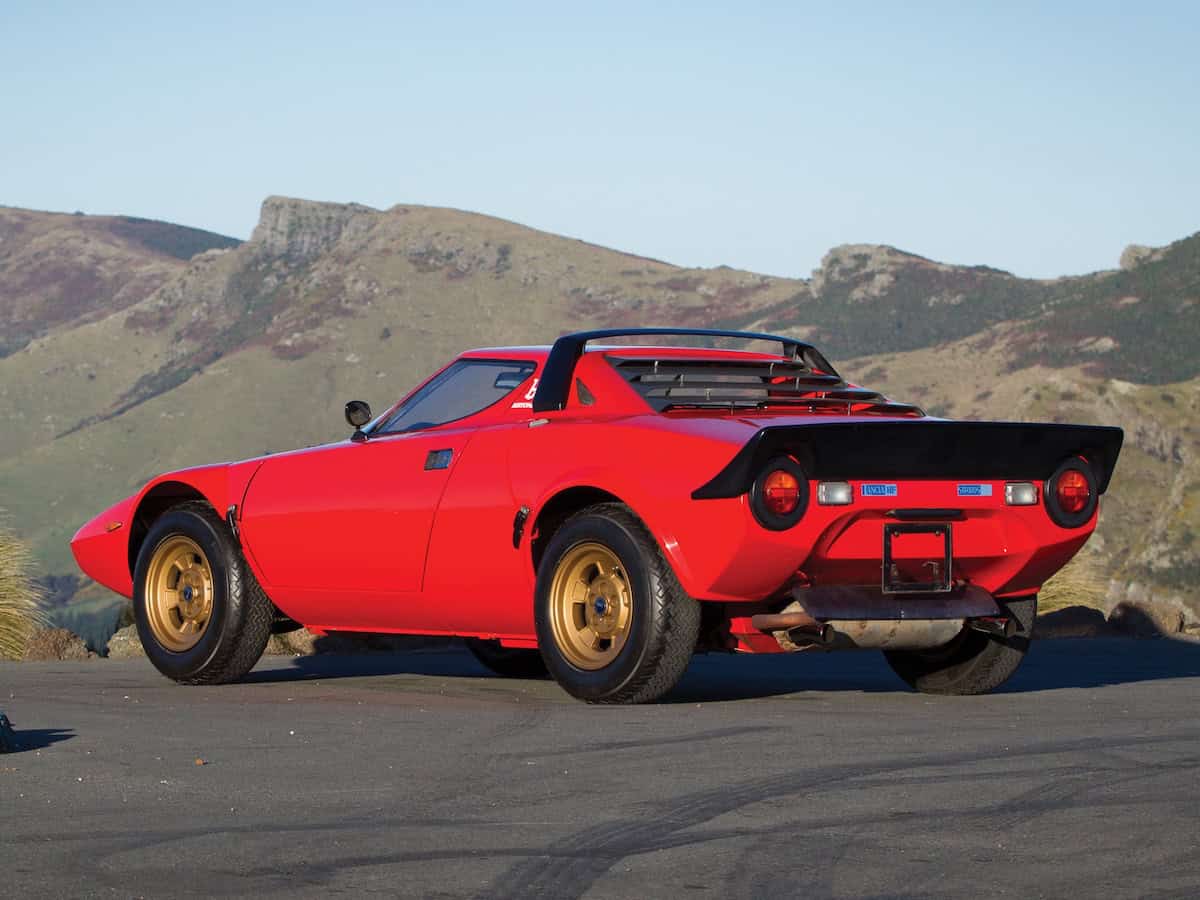
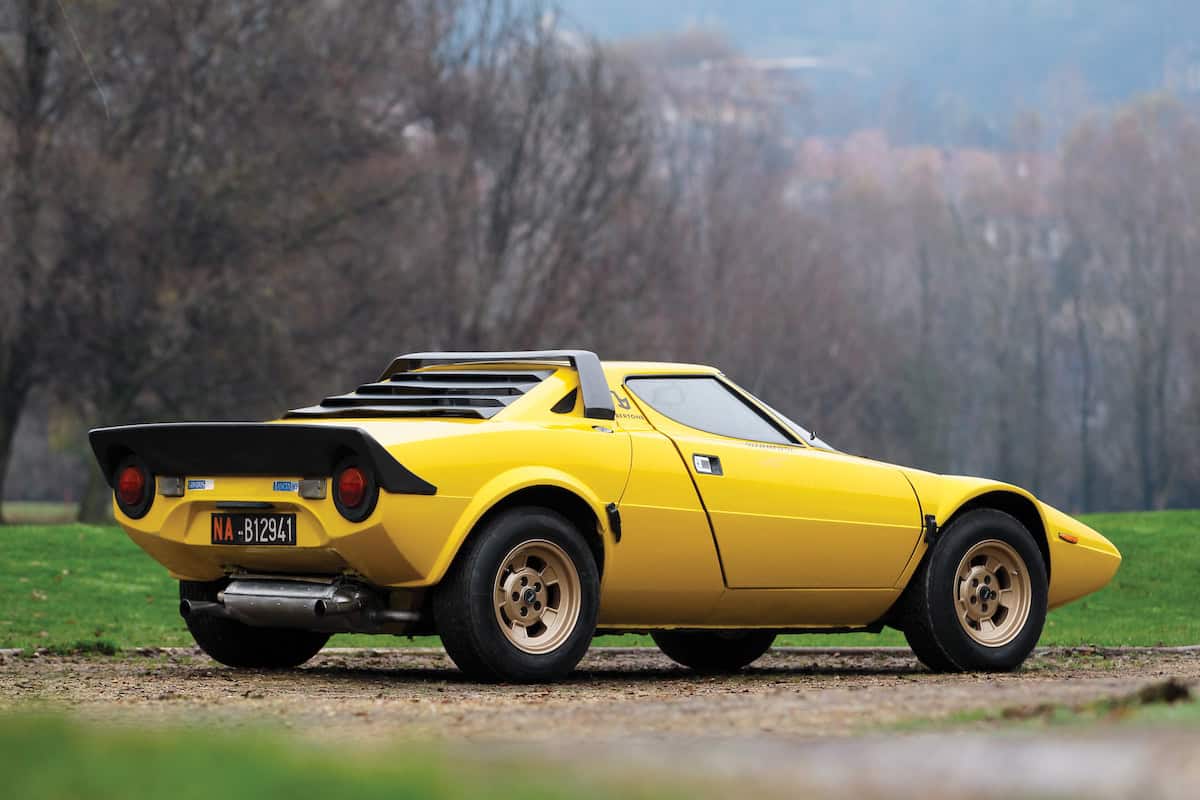
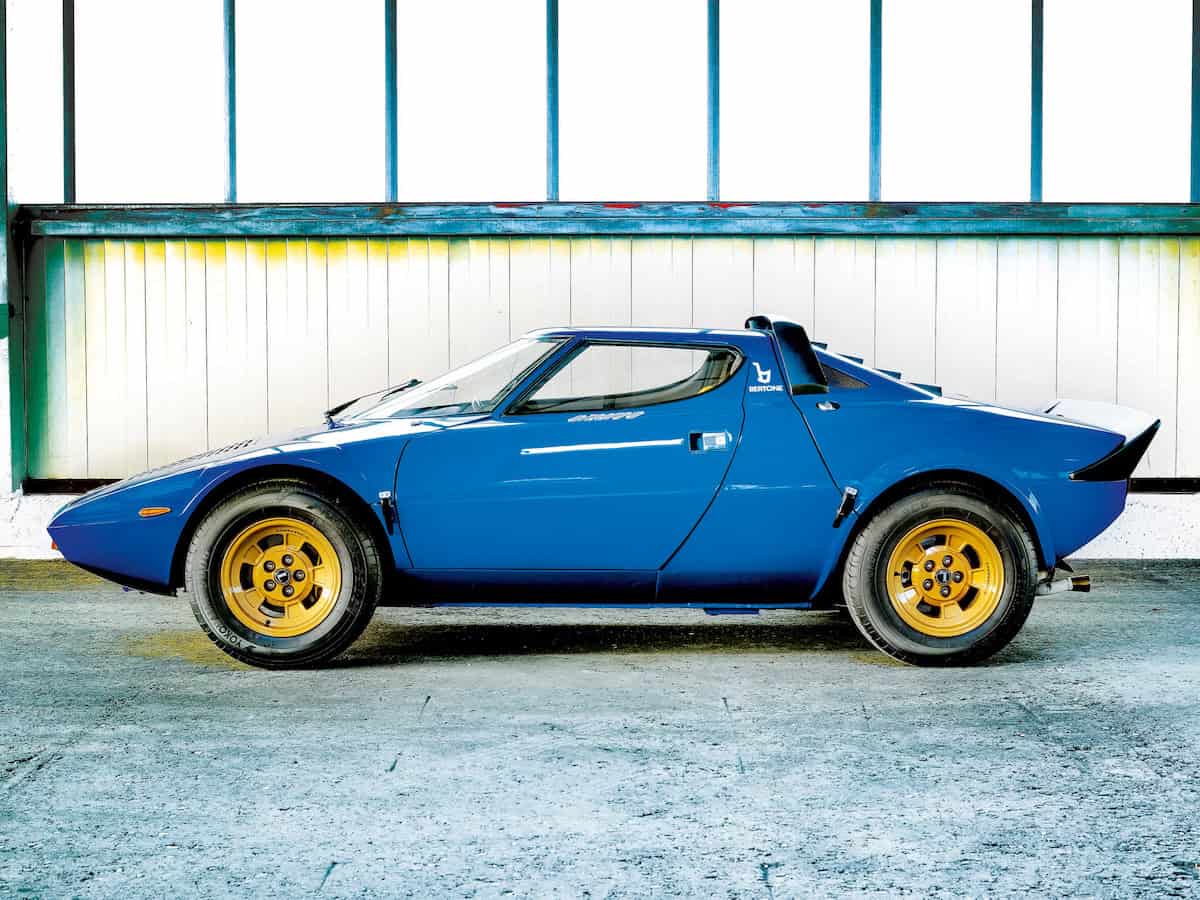
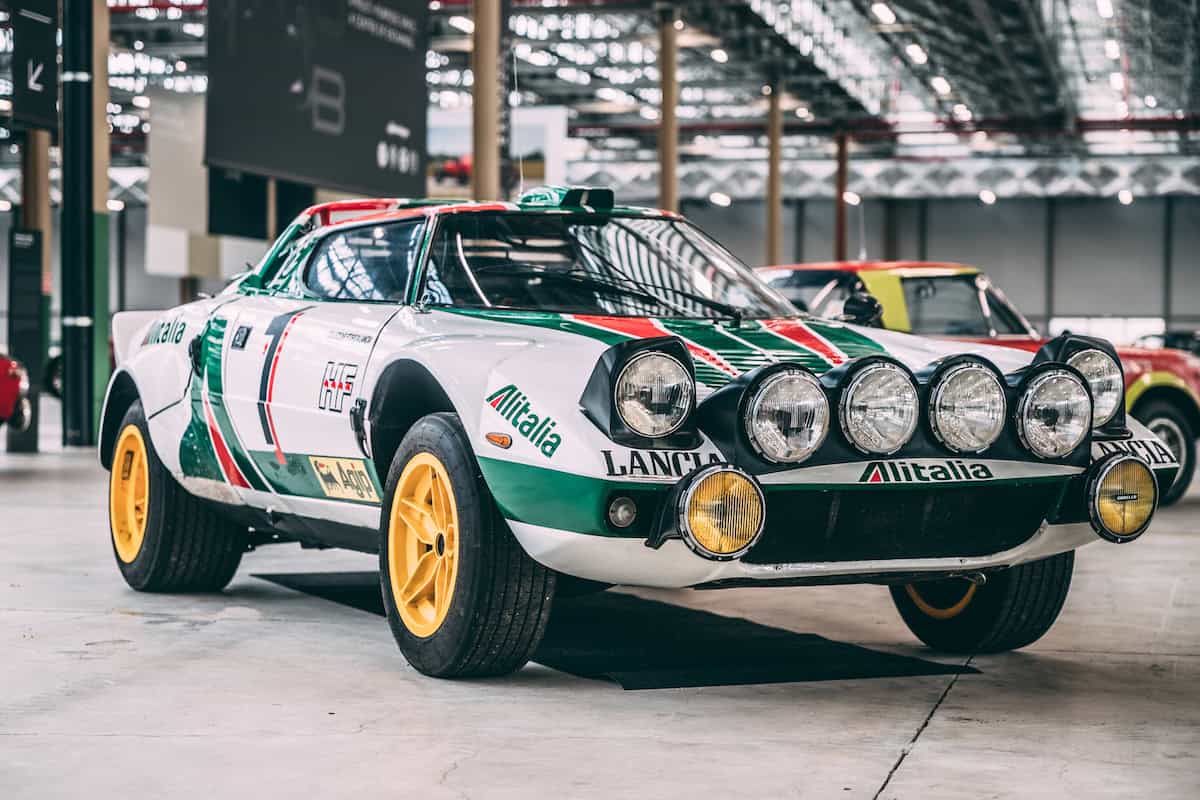
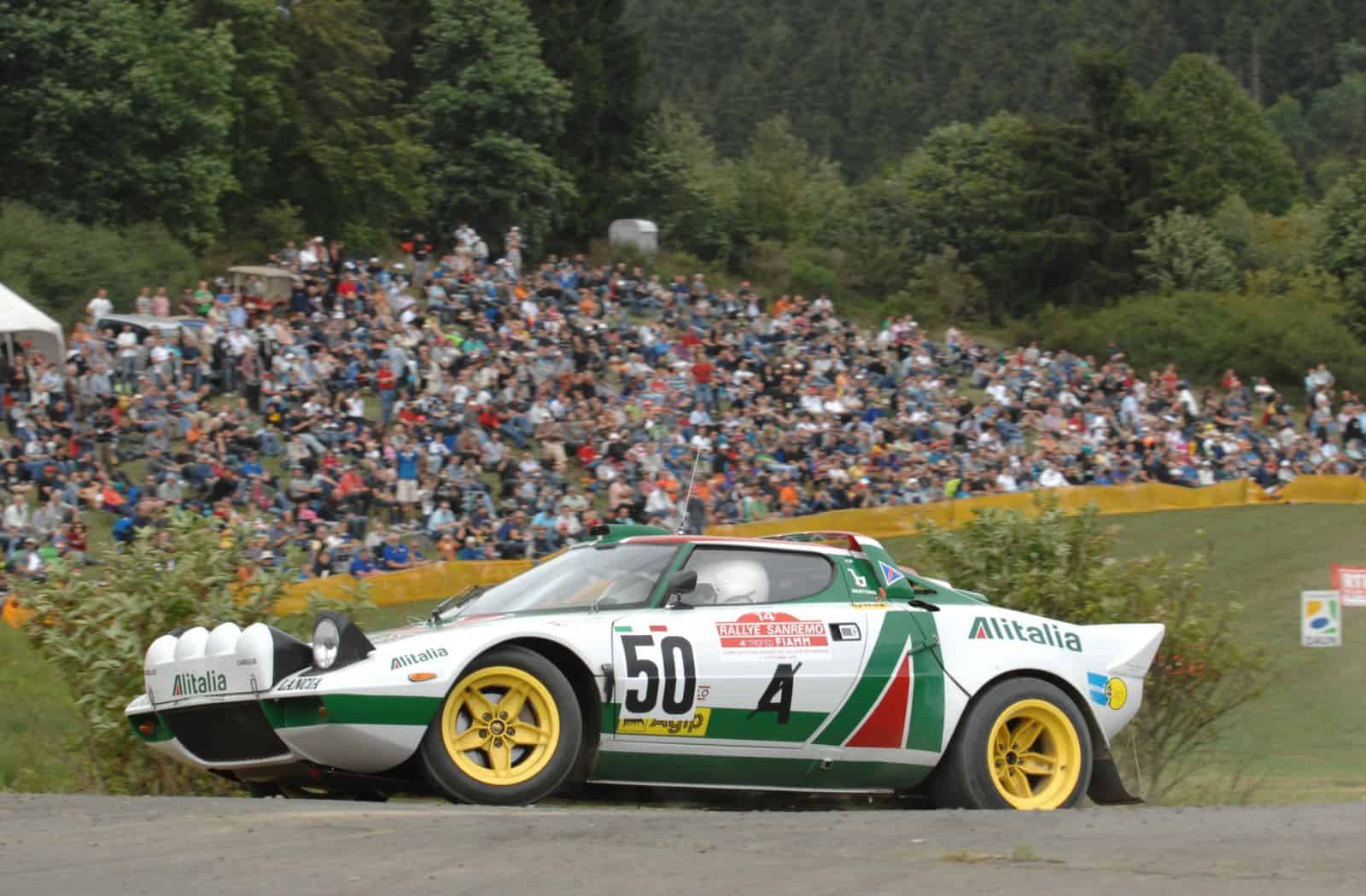
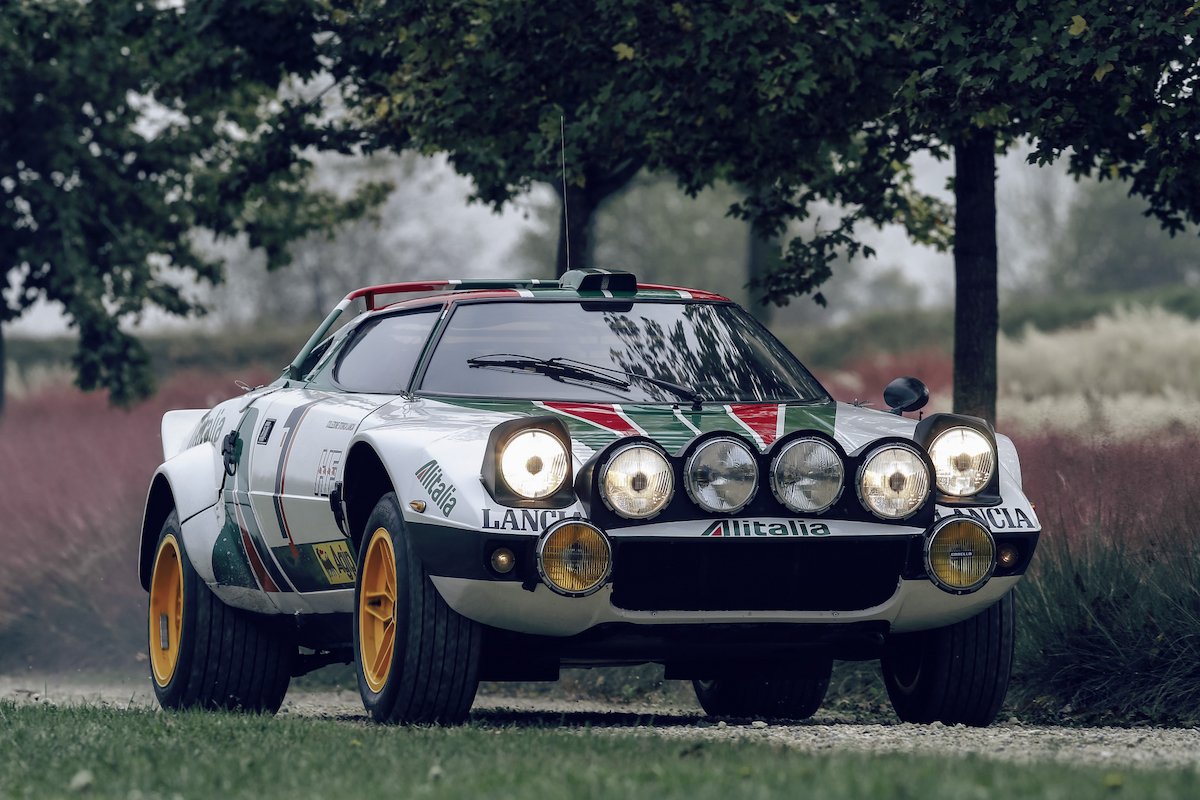
It’s hard to imagine now, but that was the case with Lancia’s super sexy, rally-winning wedge, the Stratos.
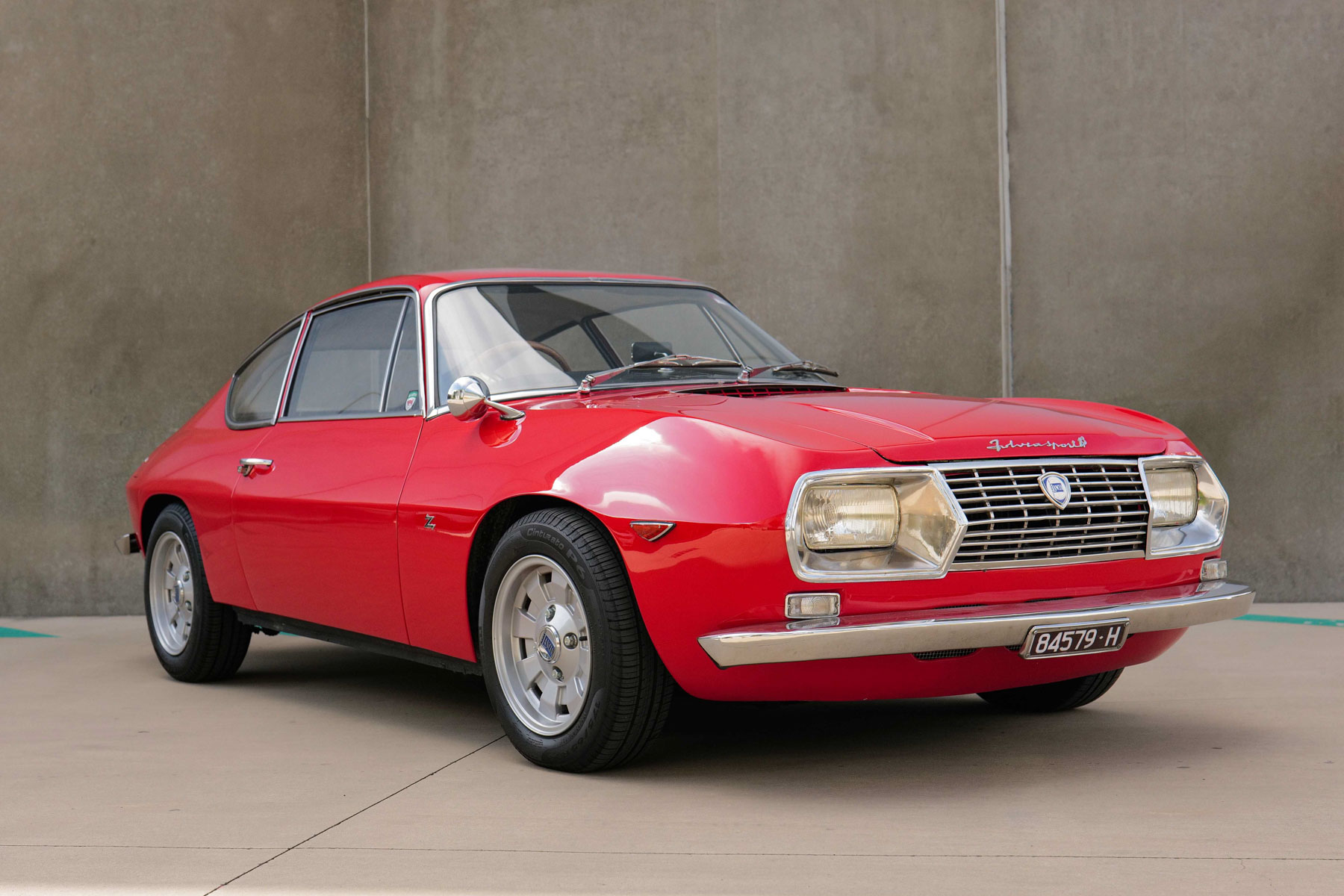
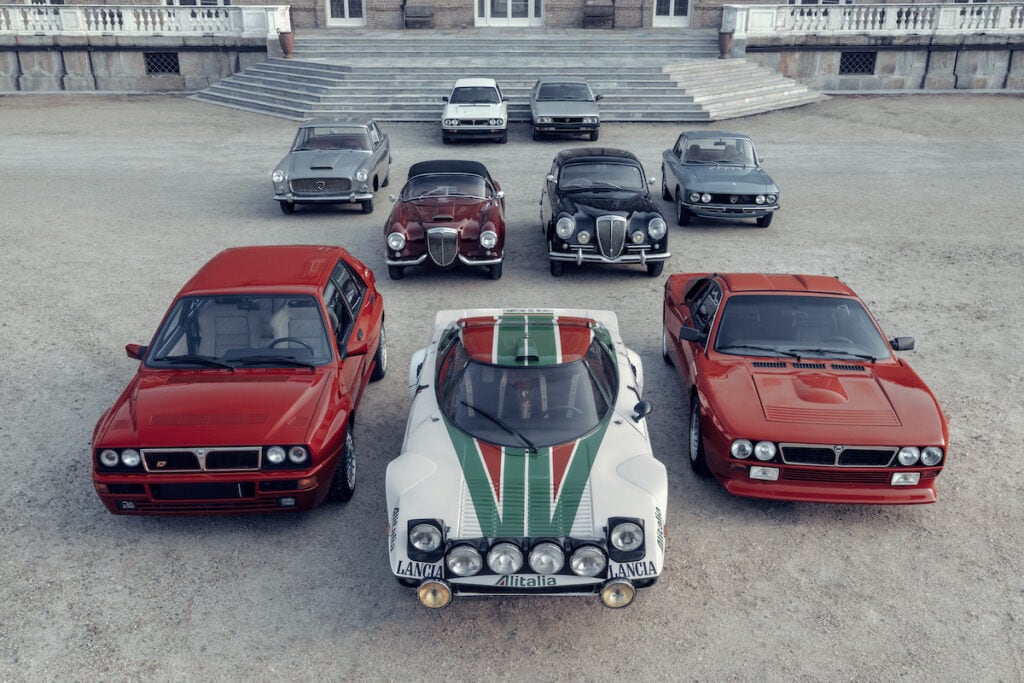
Lancia was on a rallying roll in the late-1960s, with its little Fulvia HF coupe winning the 1969 European Rally Championship, forerunner to the World Rally Championship Manufacturers’ and Drivers’ titles in 1973 and ’79 respectively. But Lancia’s innovative engineering came at a steep price, and the near-bankrupt brand was absorbed by Fiat the same year.
The 1.3- and 1.6-litre Fulvias were facing stiffer opposition from the Alpine A110, Porsche 911, and Ford Escort Twin Cam. The push to develop a purpose-designed homologation special came in early-1971 from Lancia HF Squadra Corse team founder, Cesare Fiorio.
For some context on the Fiorio family lineage as it pertains to Lancia, Sandro Fiorio was Lancia’s PR chief, son Cesare founded and ran the competition department, and grandson Alex was a late-1980s works WRC driver.
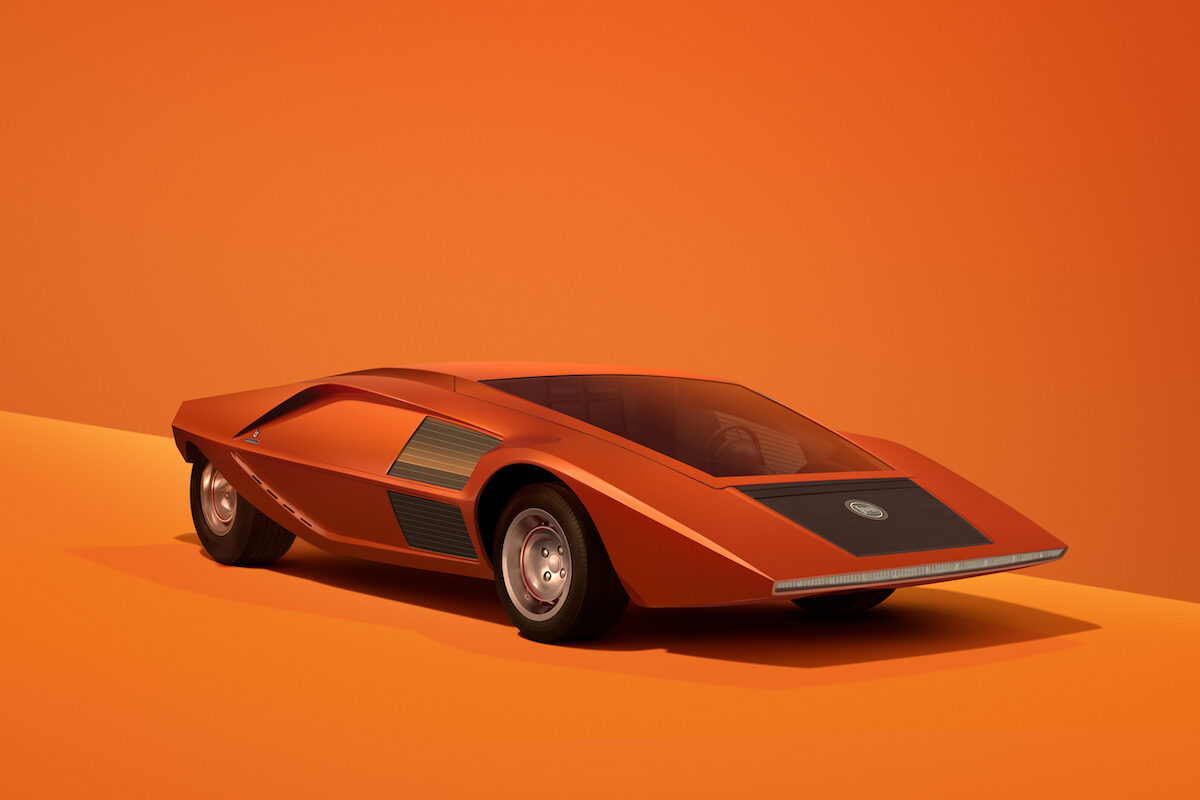
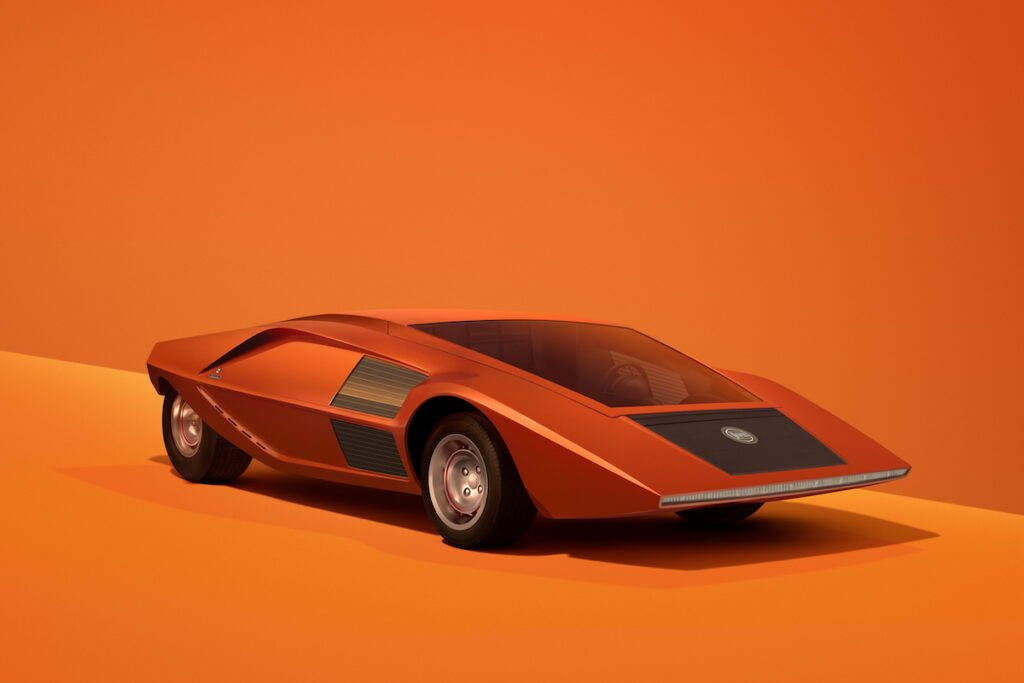
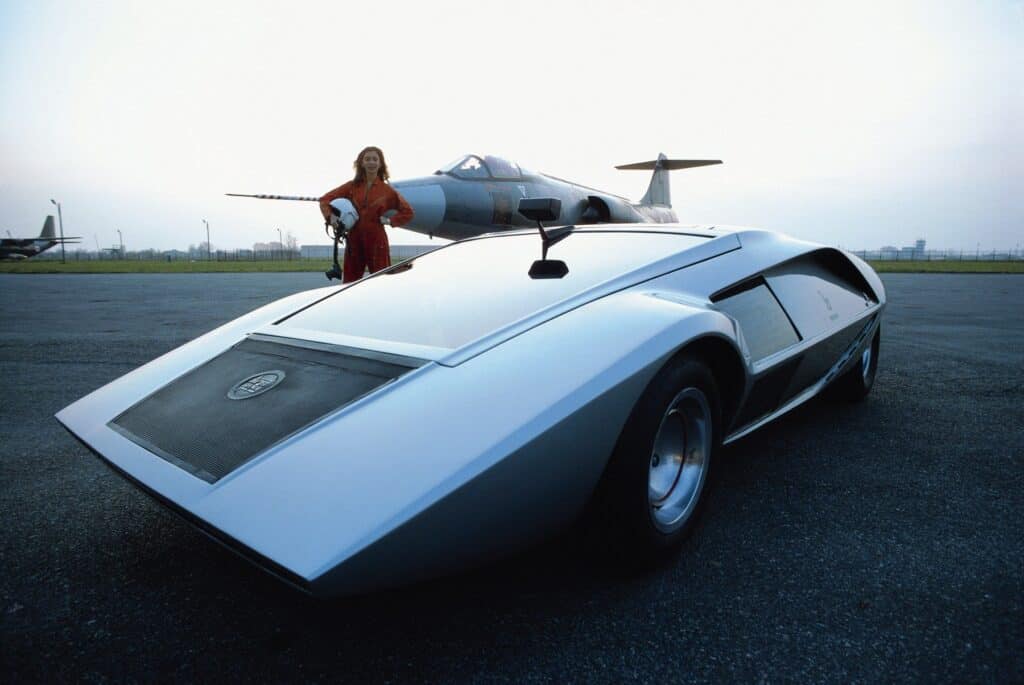
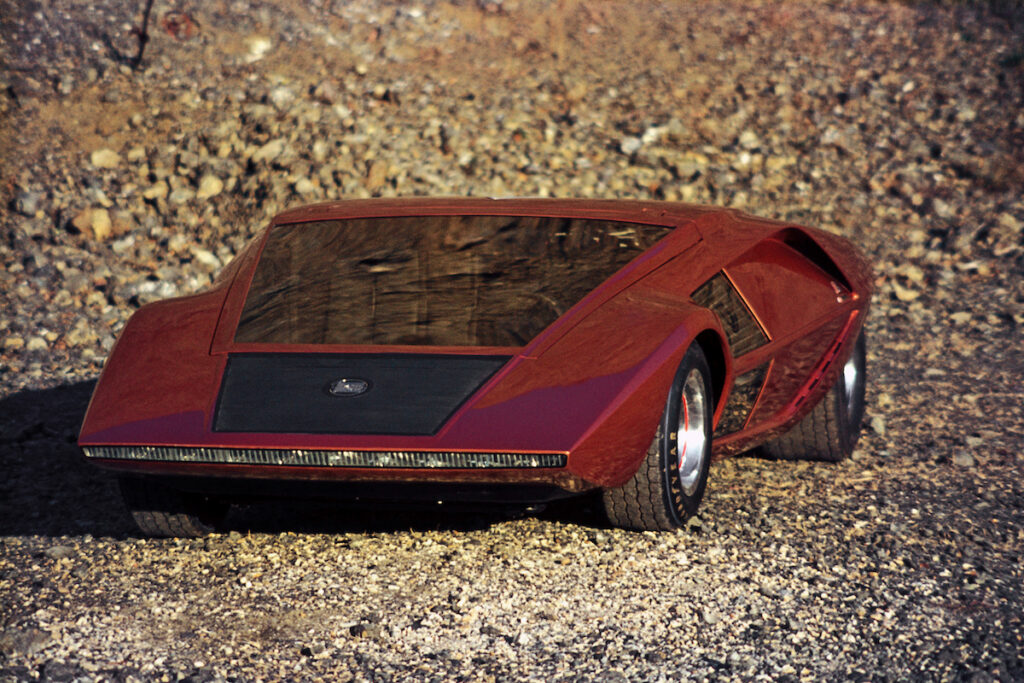
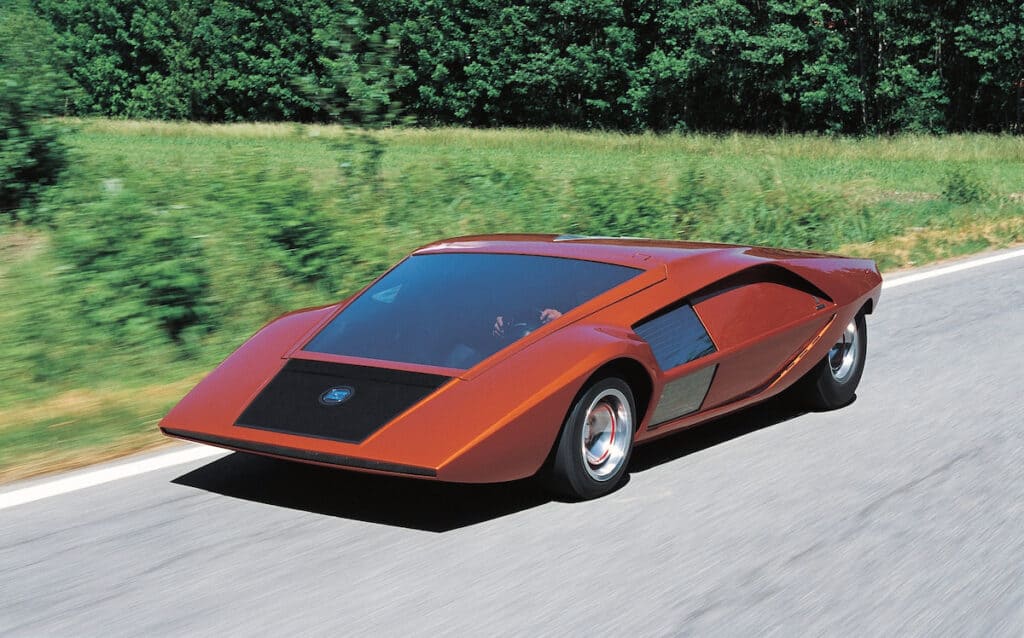
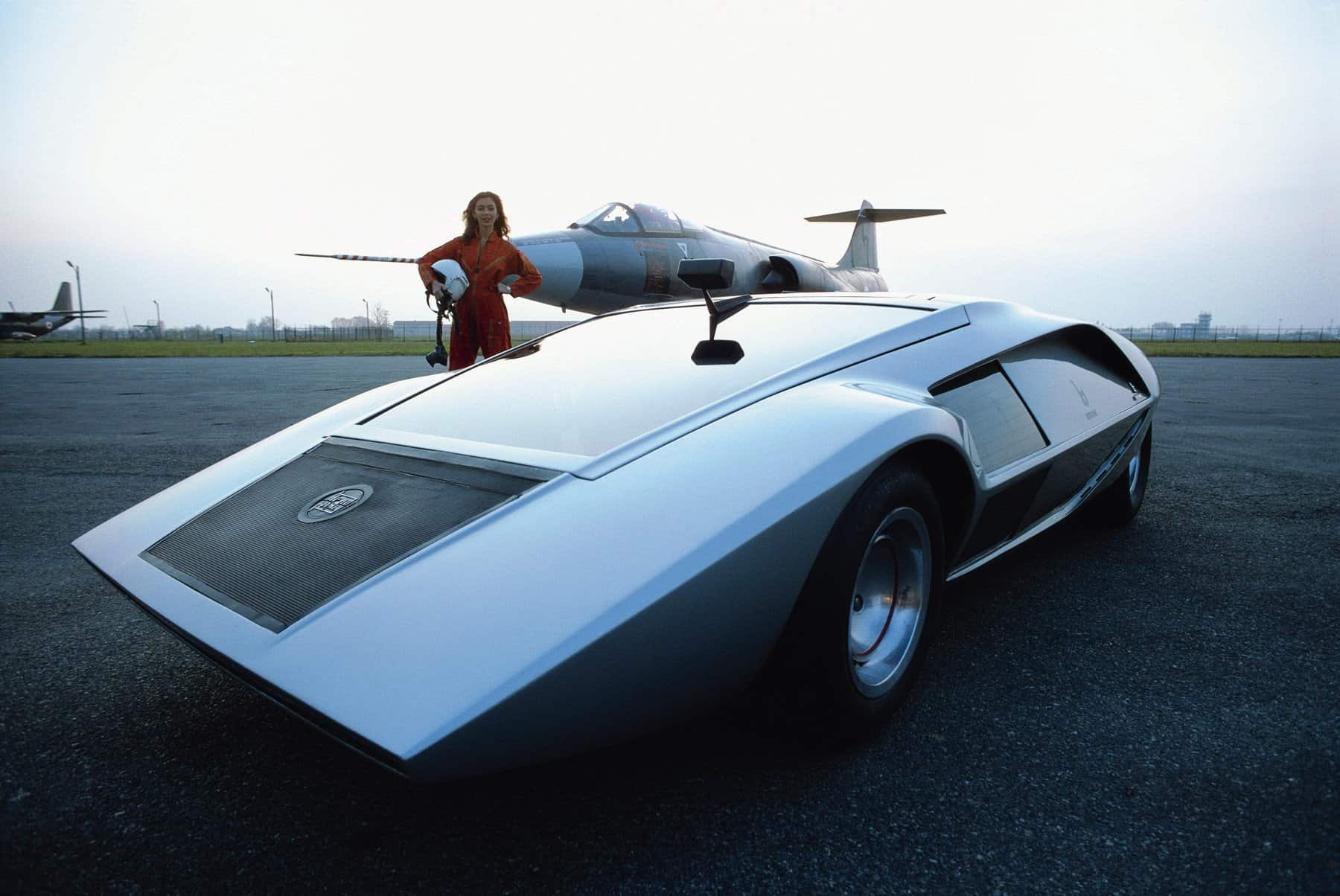
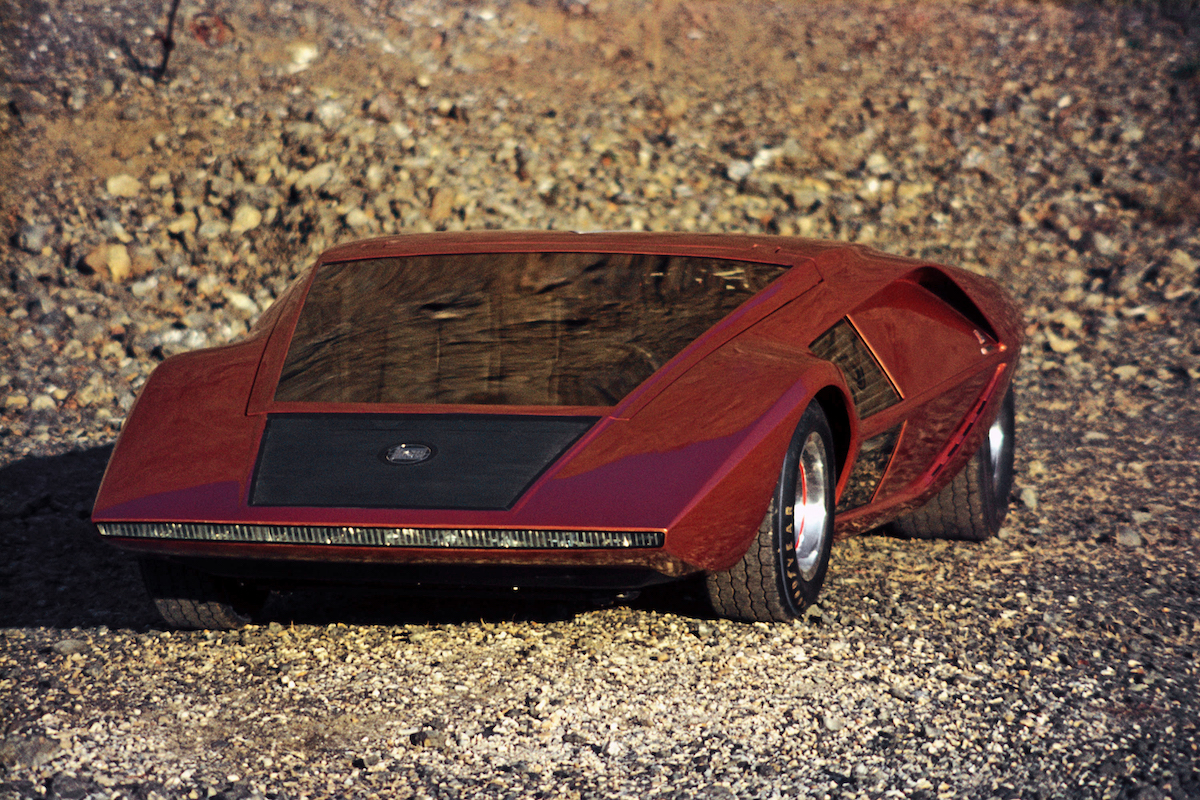
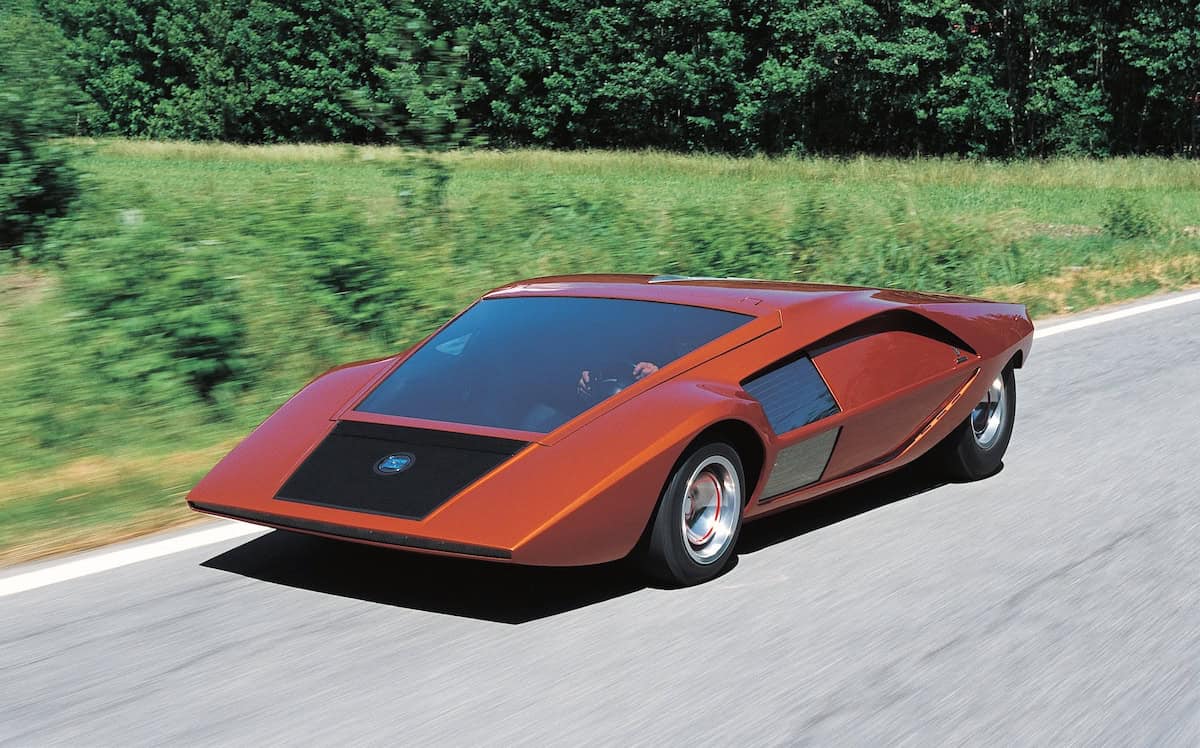
Fiat had opened a Pandora’s box of possibilities. Cesare Fiorio’s wishlist mated the Lancia Stratos Zero – a dramatic Bertone/Gandini concept revealed in 1970 – to the 2.4-litre quad-cam V6 engine from the Ferrari Dino.
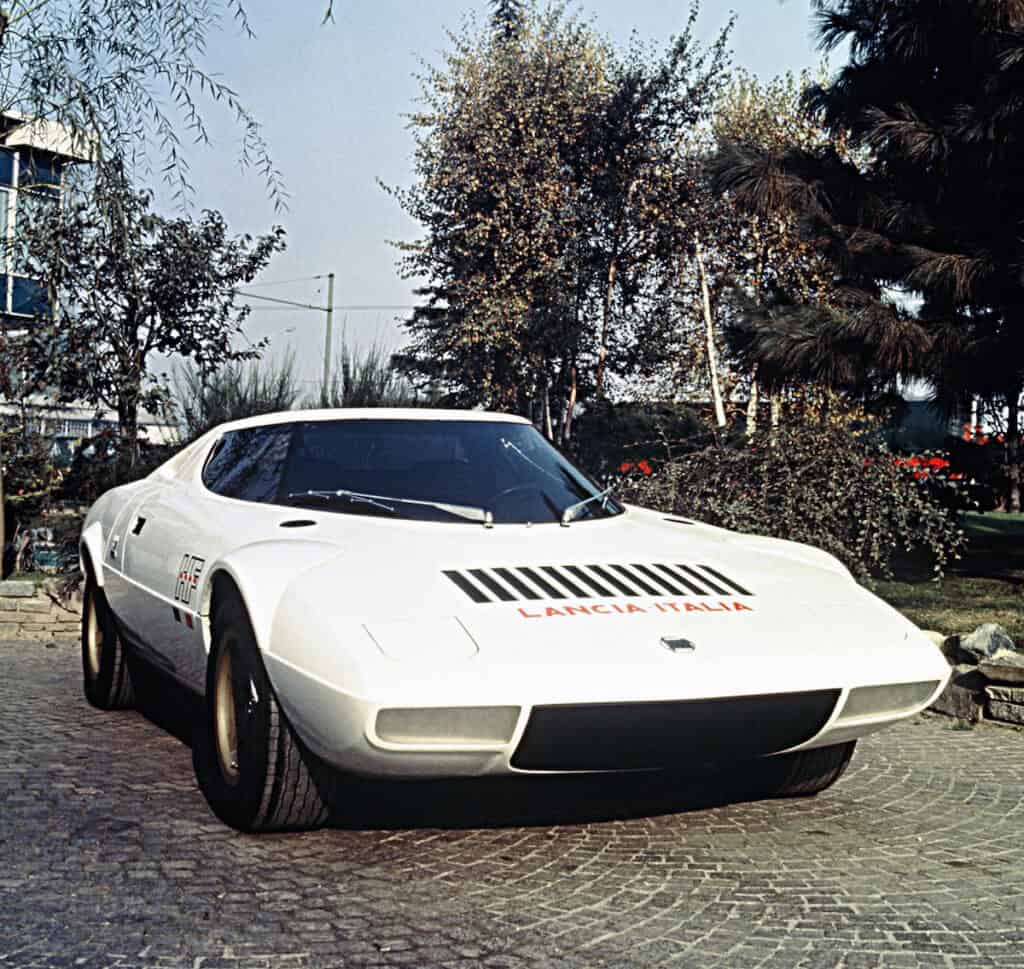
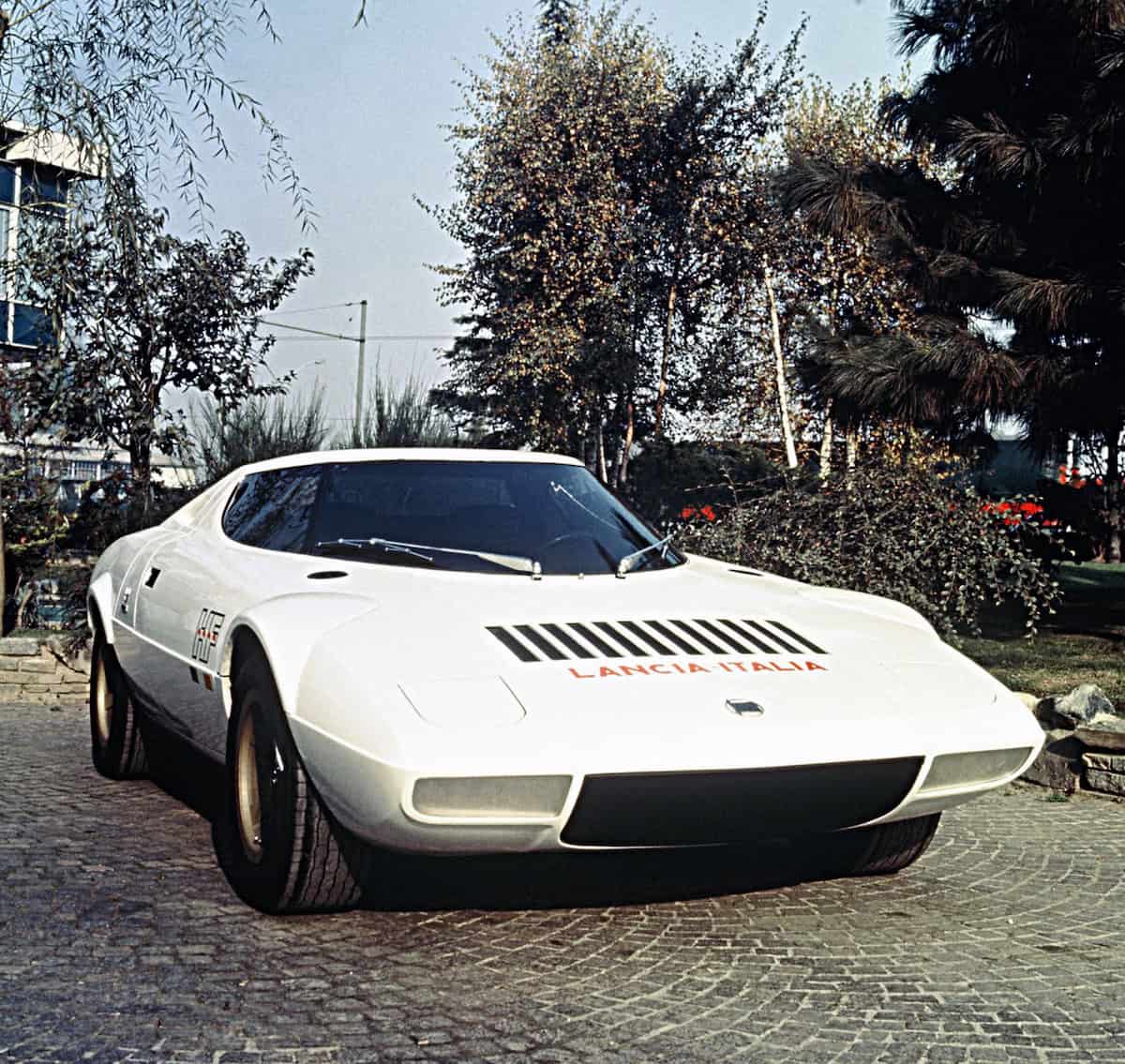
The squat, flint-chip Stratos study was revealed at the 1971 Turin show. Lancia was required to build 500 cars for homologation and with a minefield of Fiat and Ferrari politics to wade through, it would eventually have two years to test and refine the Stratos in prototype-category competition.
Thankfully, the Fulvia HF was still competitive, carrying Lancia star Sandro Munari to the European title in 1973 while he concurrently drove and developed the Stratos.
Some of the best brains in the business also contributed to its development, including chassis whiz Giampaolo Dallara and former Ferrari works driver and development engineer Mike Parkes.
Production of the 500 homologation cars commenced in late 1973 – it’s said that the eventual figure was about 10 units short – coinciding with the end of Dino production, and subject to the usual extortions of Enzo Ferrari.
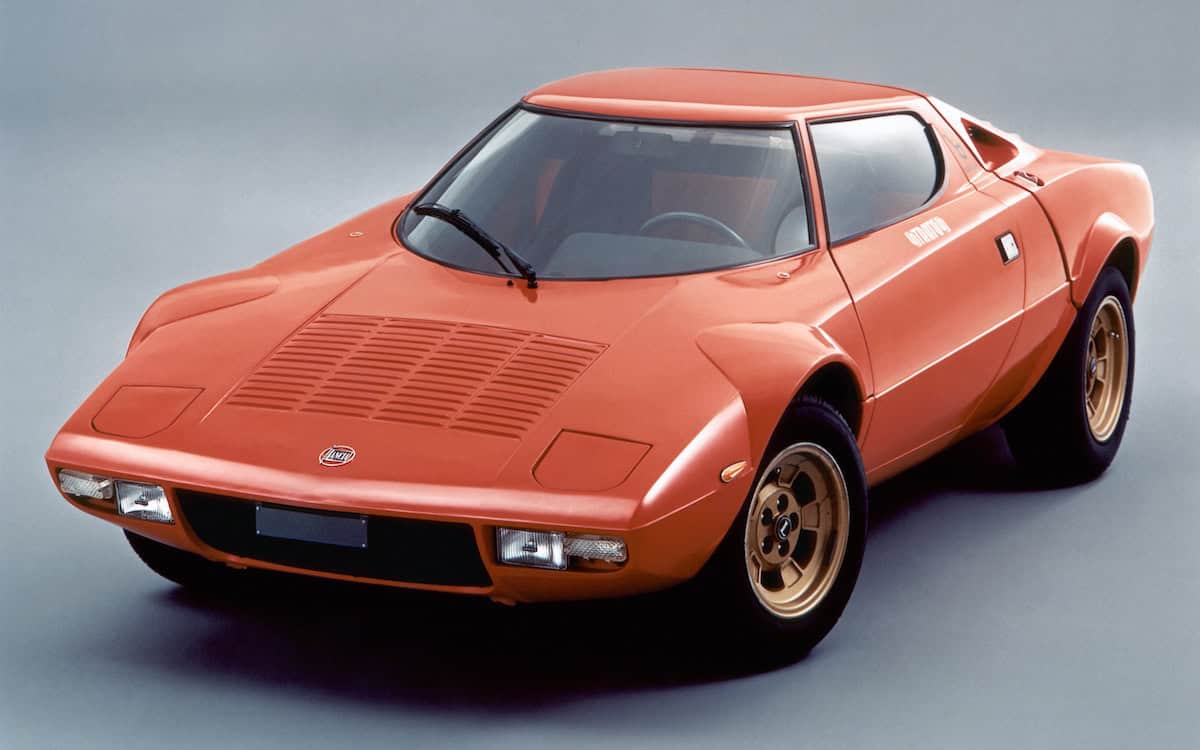
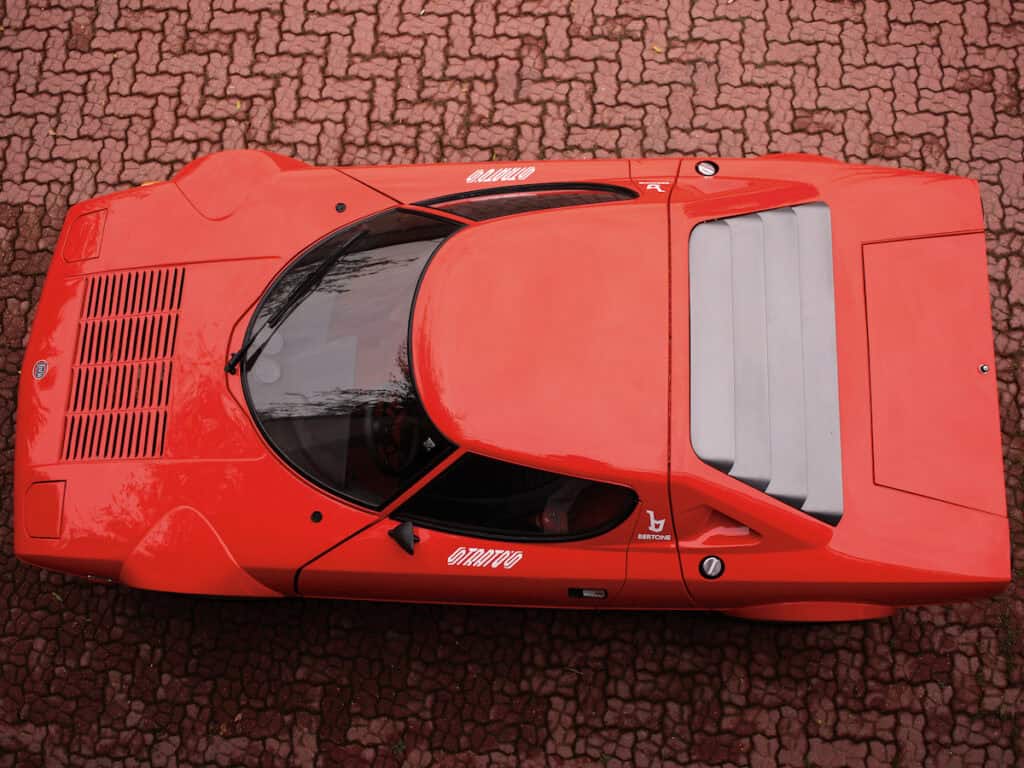
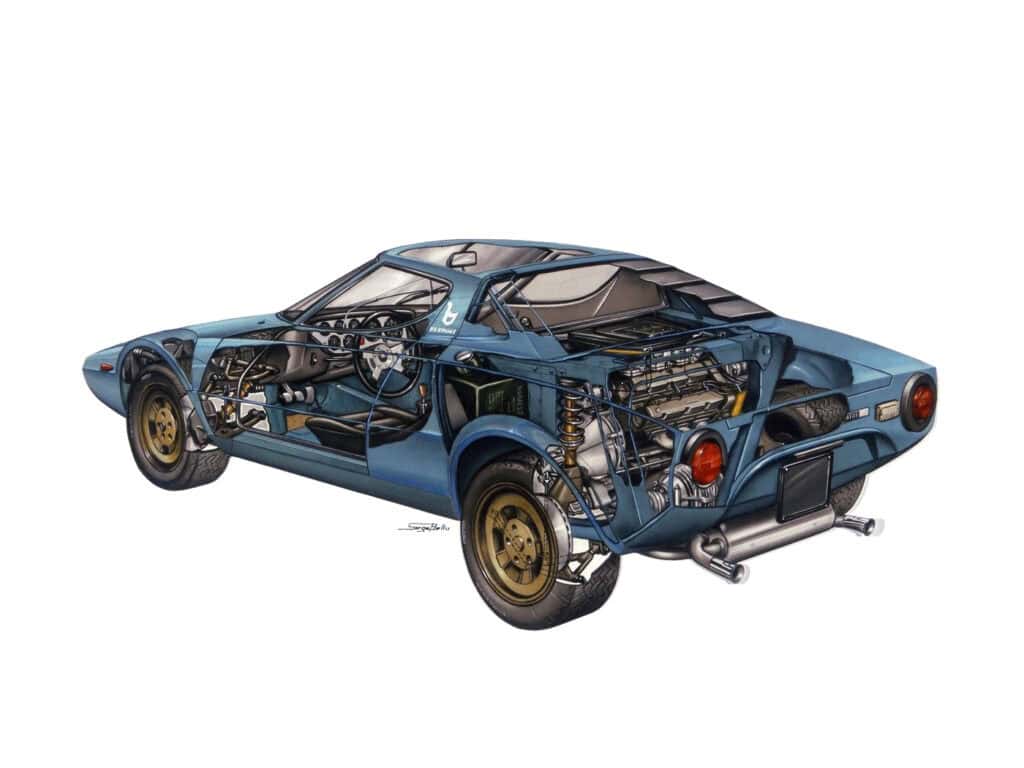
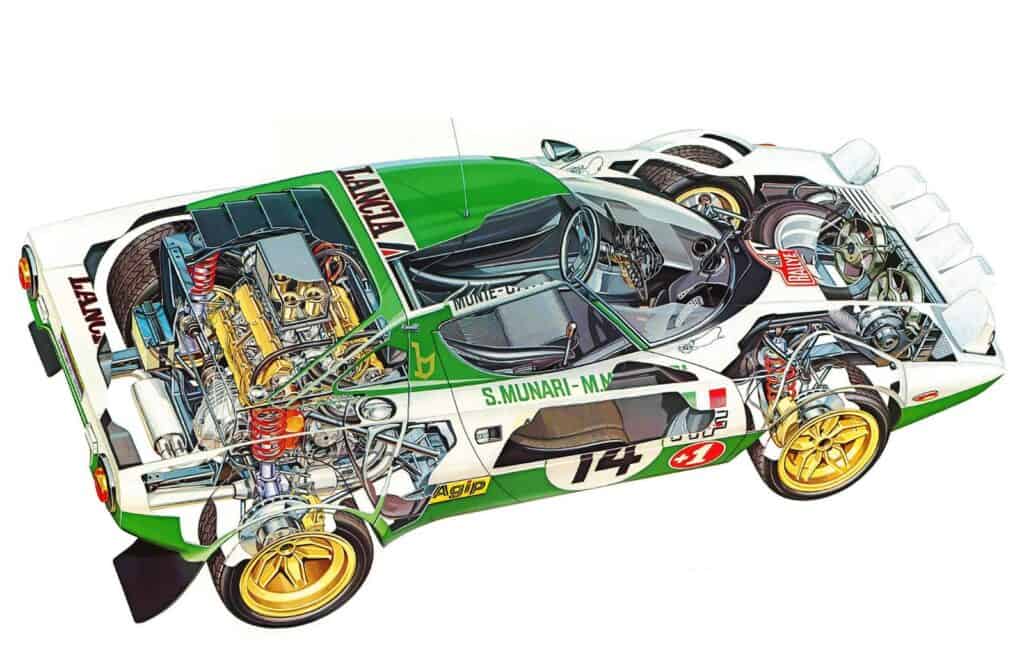
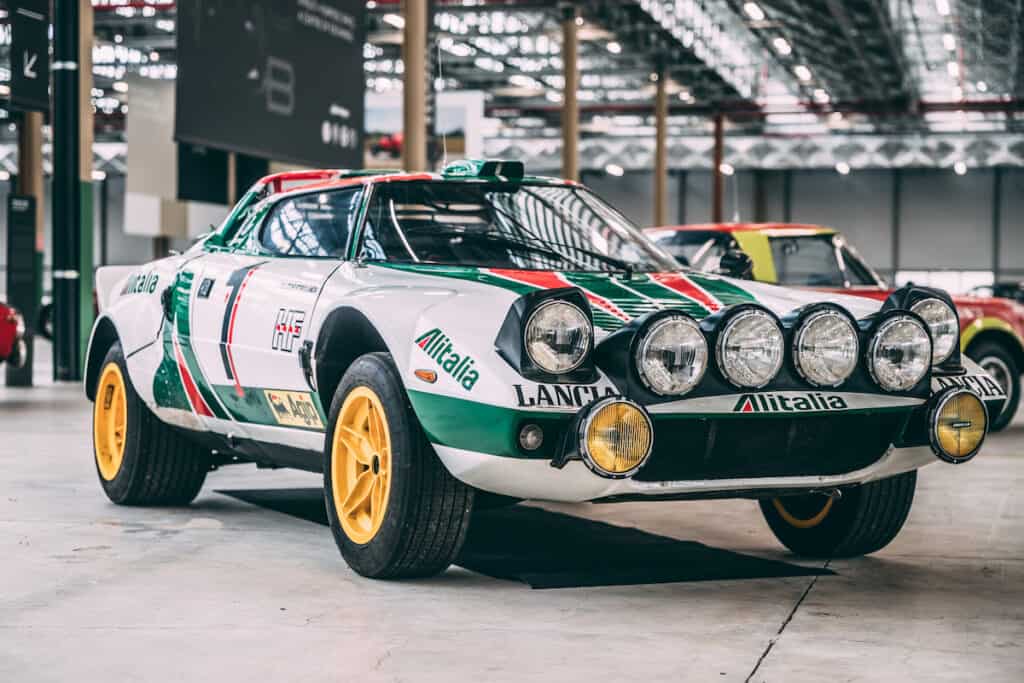
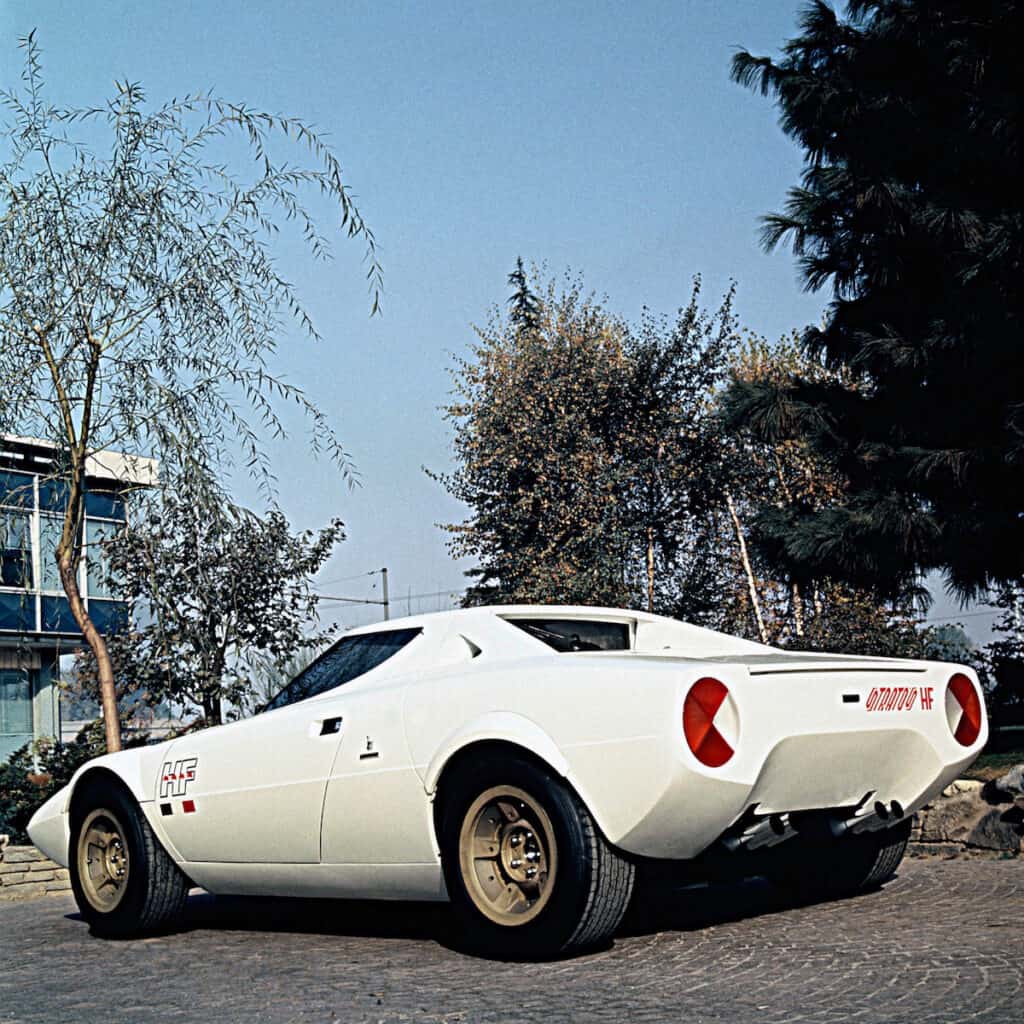
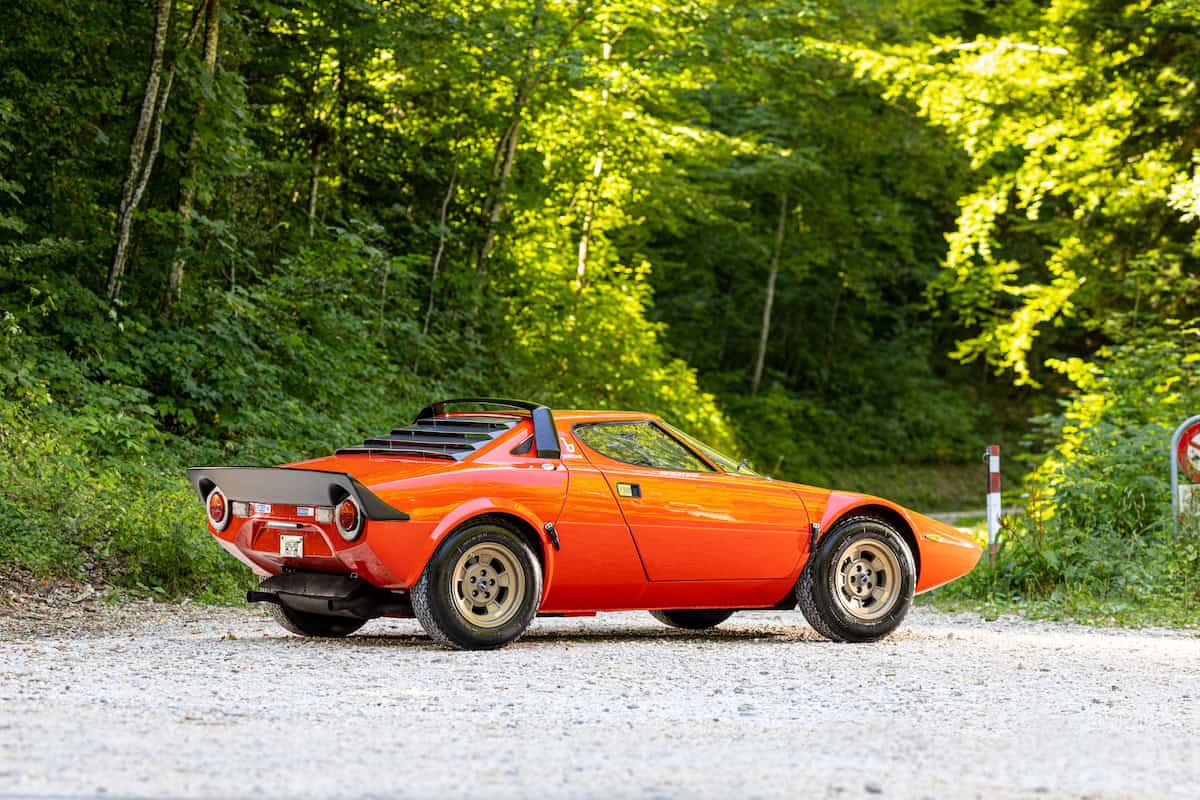
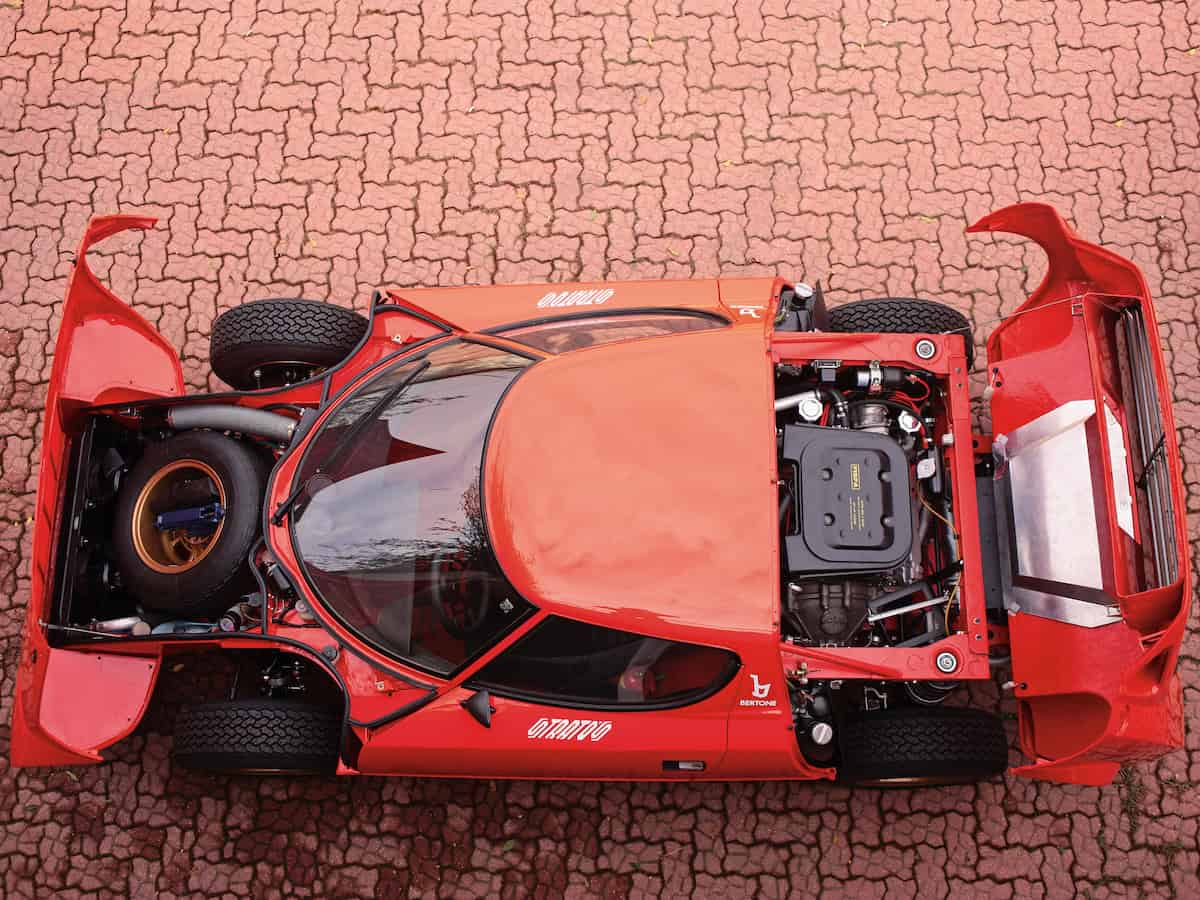
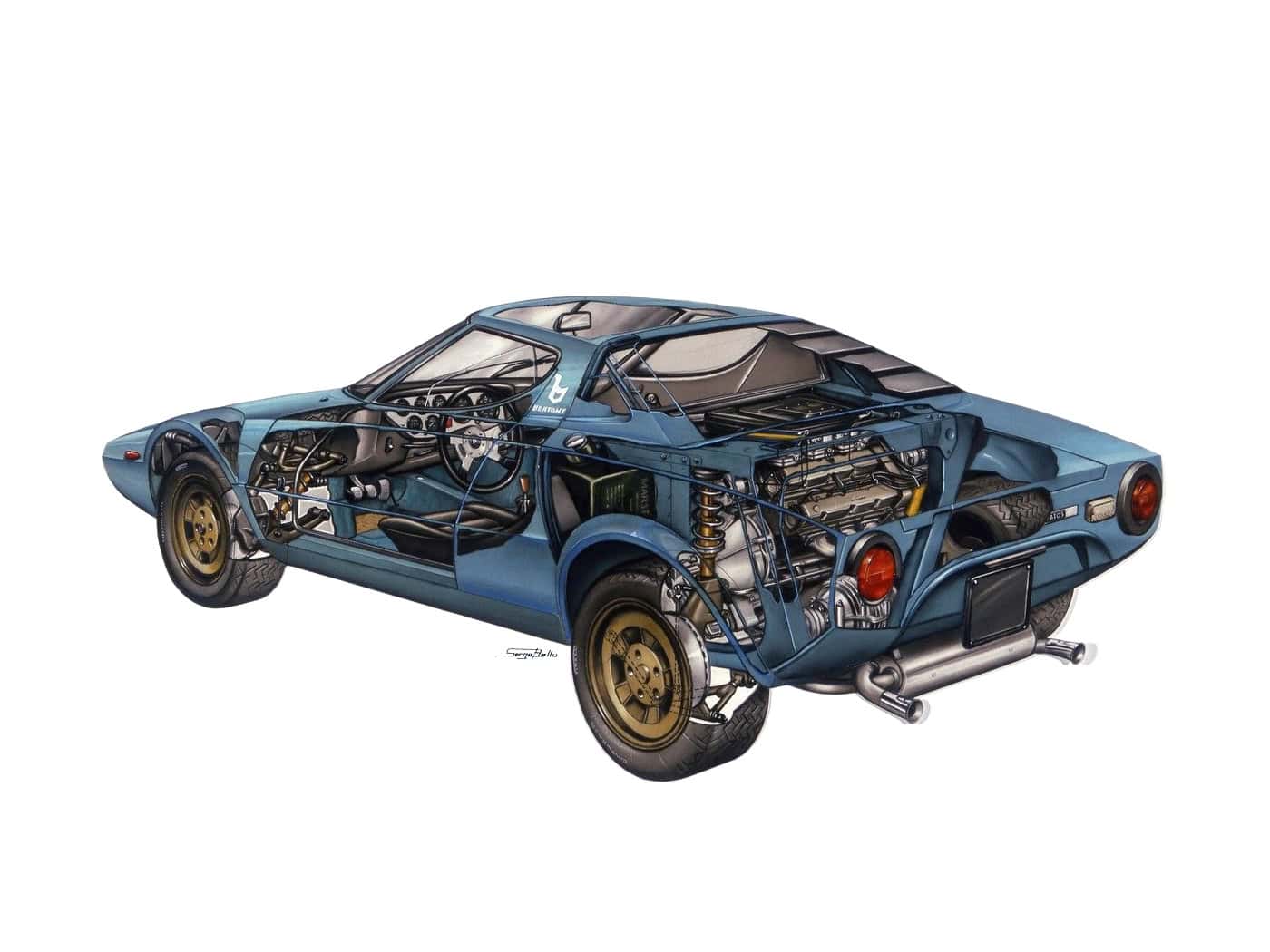
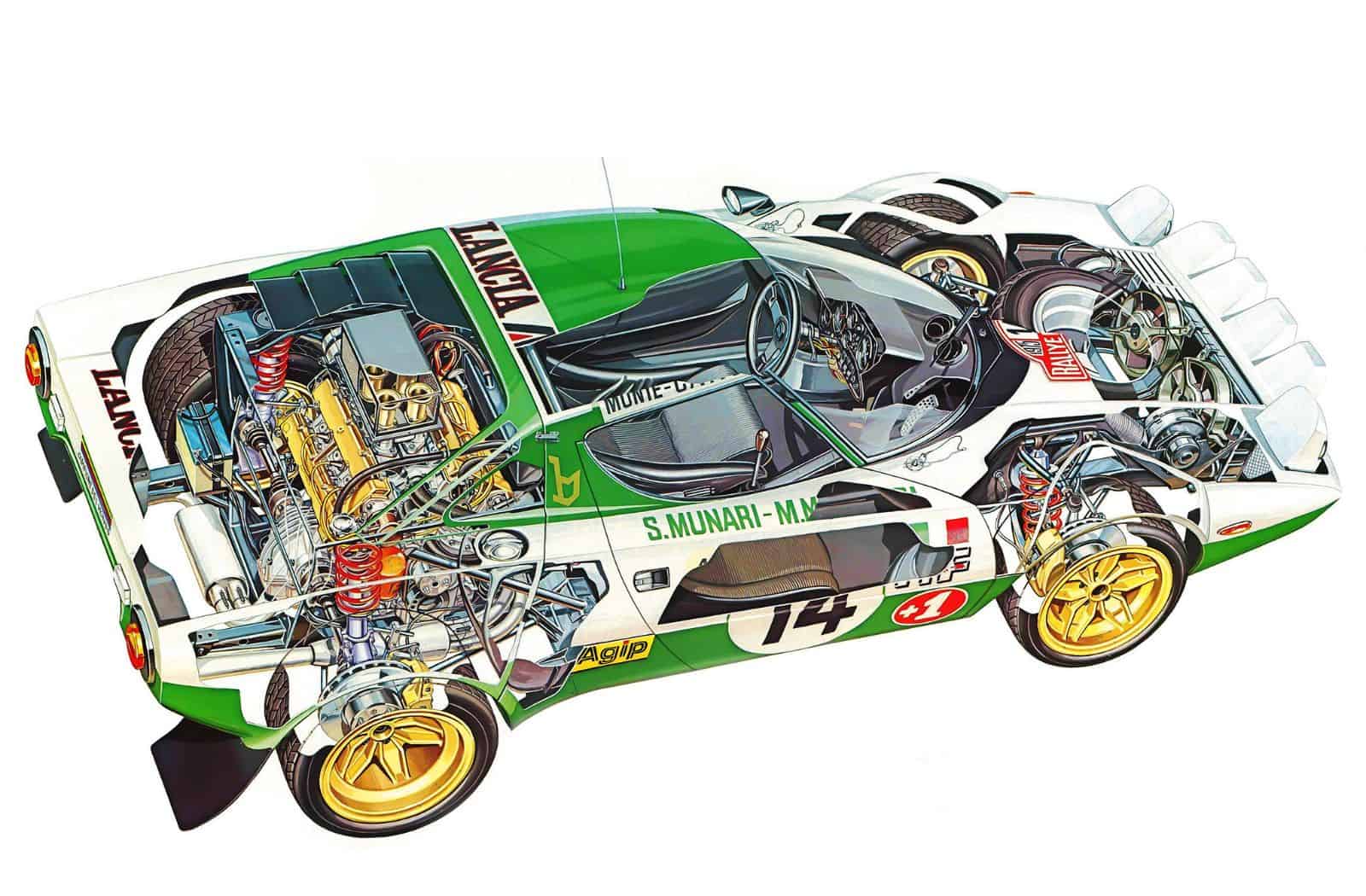
The Stratos was built from a steel monocoque cockpit welded to a square-tube rear subframe. The front suspension utilised double wishbones, while tricky handling and rally-tyre tuning finally dictated struts at the rear. Wheels were initially 14-inch, but later 15-inch in competition.
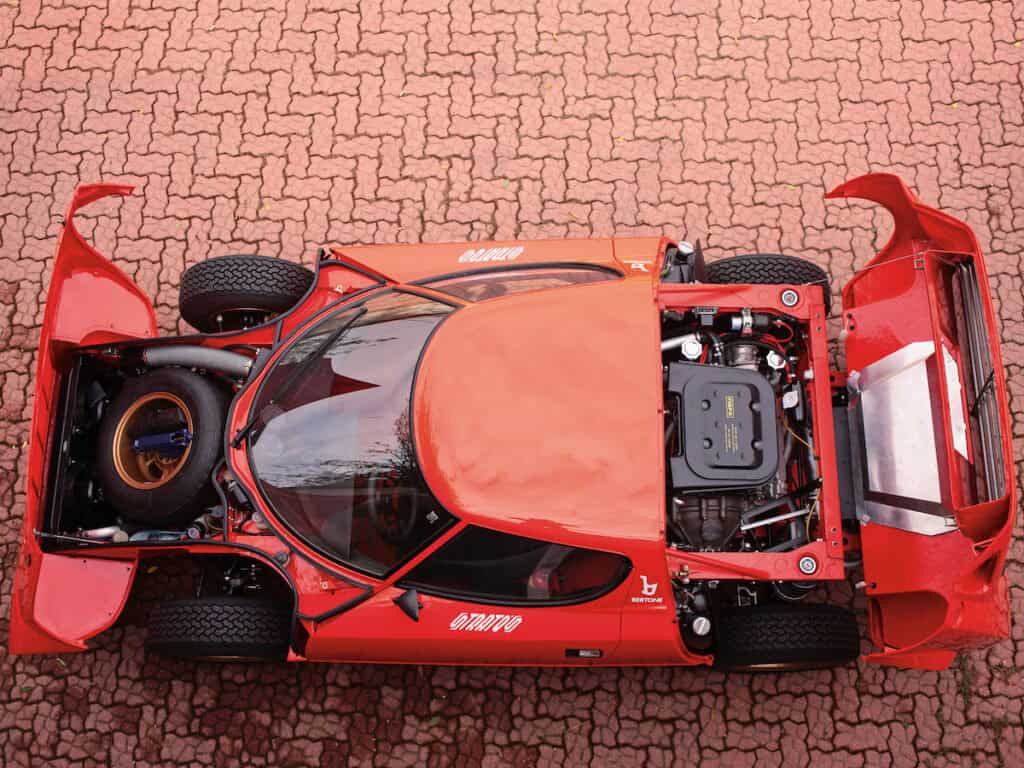
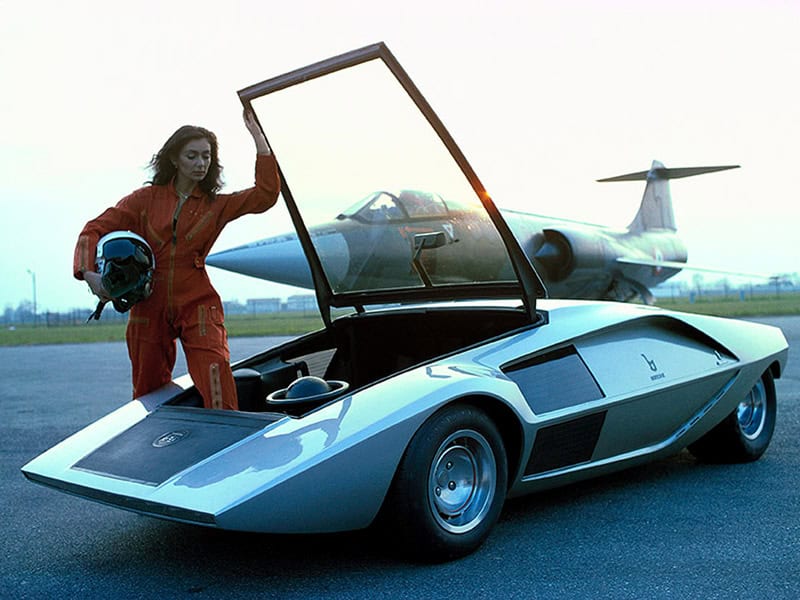
The huge, flip-up fibreglass nose and tail bodywork allowed rally-stage mechanical access. To save weight and space, the Perspex side windows, hinged at the top-rear corner, swung downwards.
The iron-block, 12-valve, 2.4-litre engine gave 142kW in the street spec Stratos Stradale using triple Weber 40 IDF carbs. Group 4 works 12-valve competition cars made 190kW; Lancia-developed 24-valve heads stepped this up to a peaky and less-reliable 215kW, with these engines reserved for high-speed events. The five-speed box came straight from the Dino.
A Stratos Stradale offered acceleration from 0-100km/h in 6.8 seconds and covered the standing 400m in 14.2 seconds.
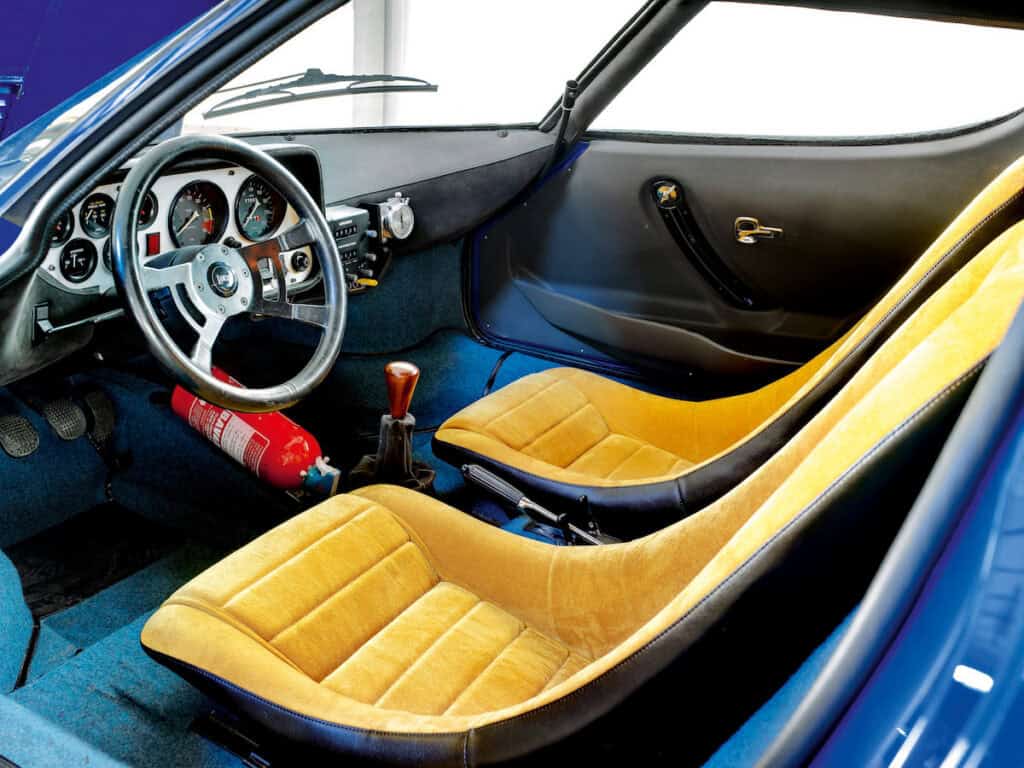
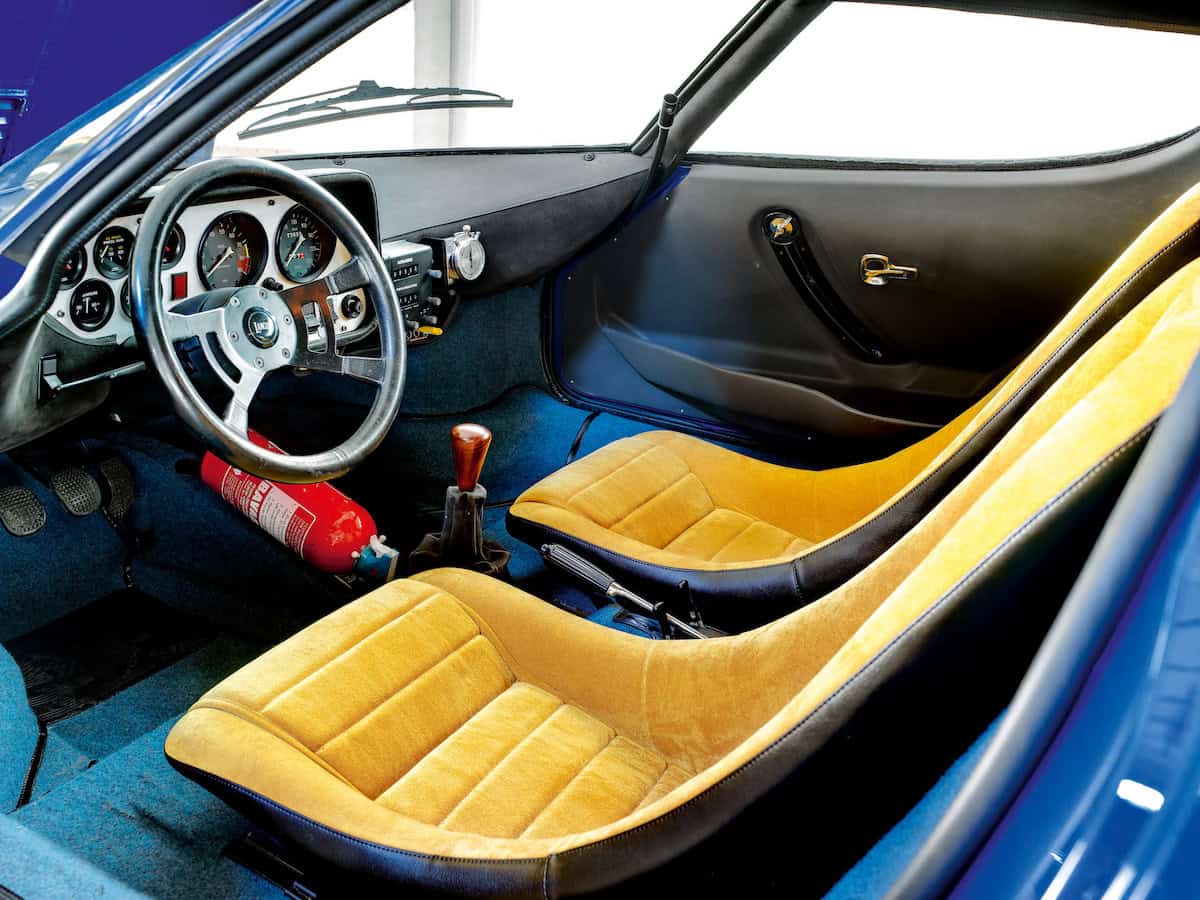
‘Stradale’ shouldn’t imply daily-driver comfort: picture an uncompromisingly Italian interior, then halve it. The squeezy Stratos – just 3.7m long, 1.75m wide, 1.1m high, and weighing only 888kg – forced occupants’ shoulders together in a narrow, noisy cockpit. However, there was at least space for helmets, or elbows, in the door bins.
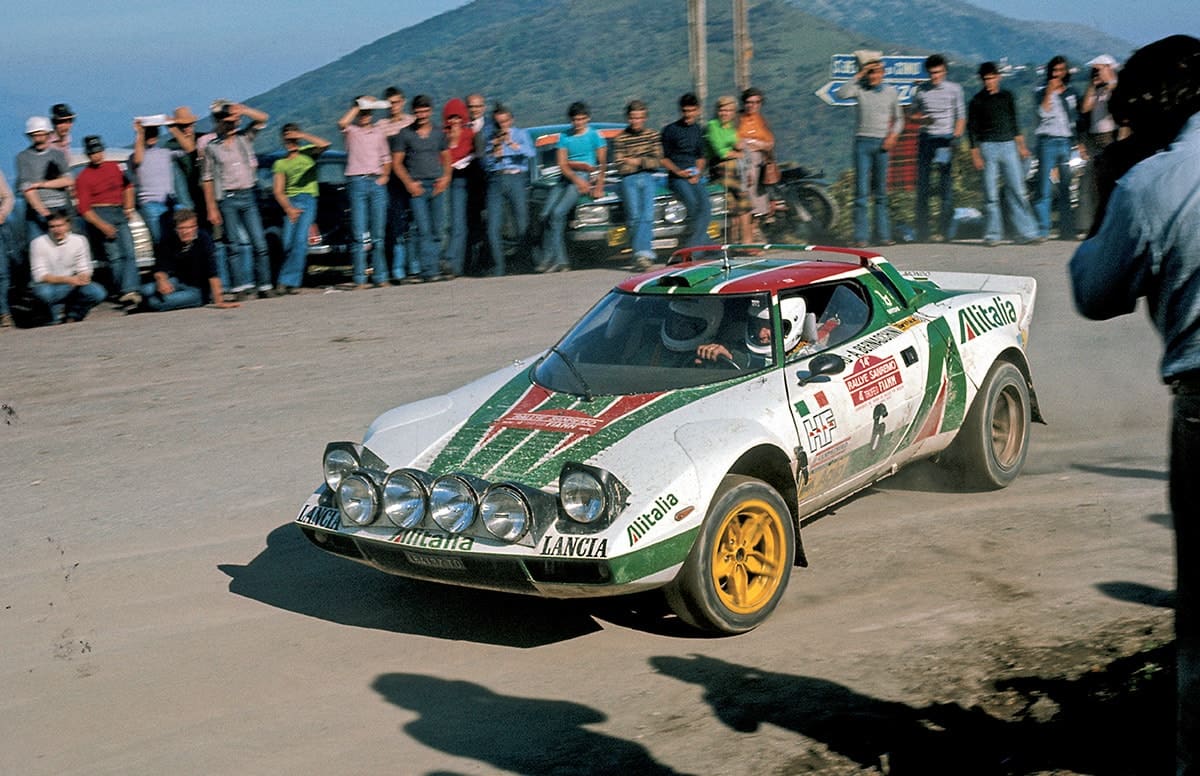
Awkward wheel and pedal offsets, marginal ventilation, Friday-arvo build quality, engine-bay heat and minimal rearward vision all added to the Stradale driver’s delights.
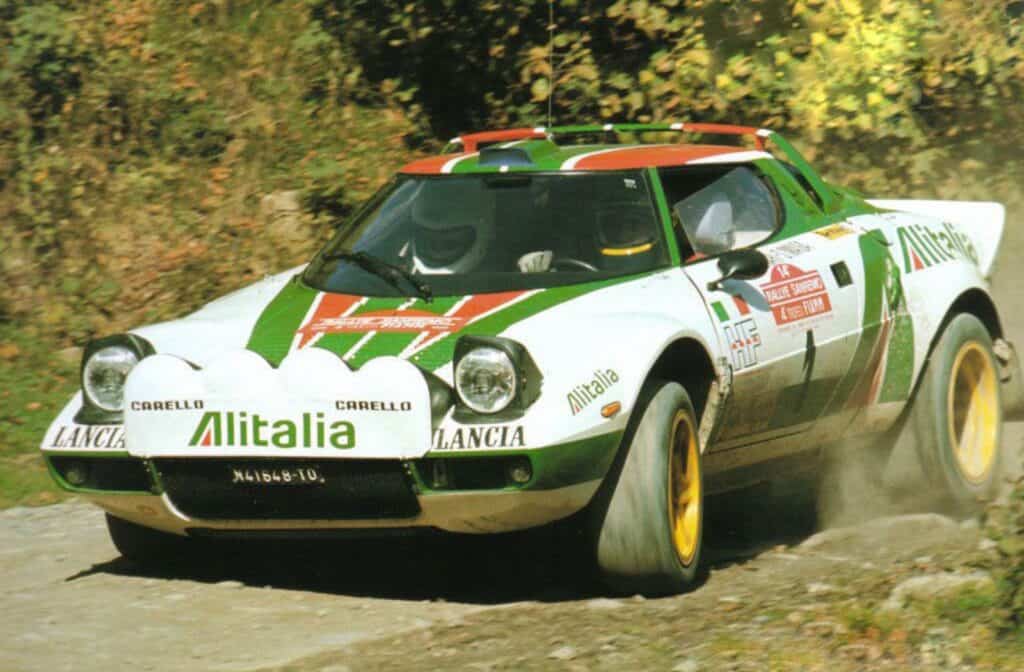
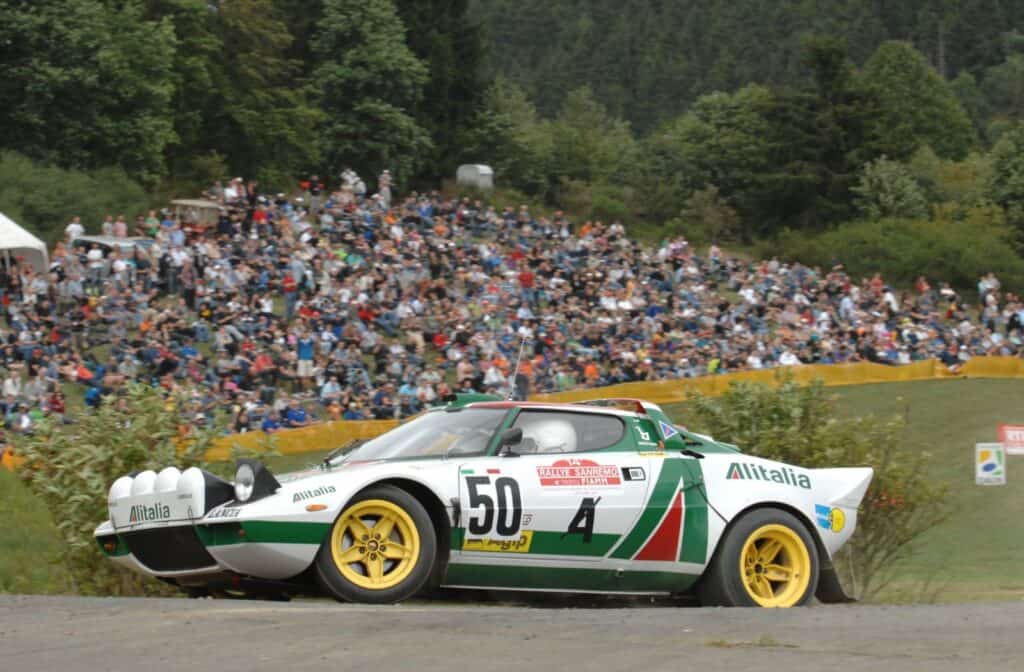
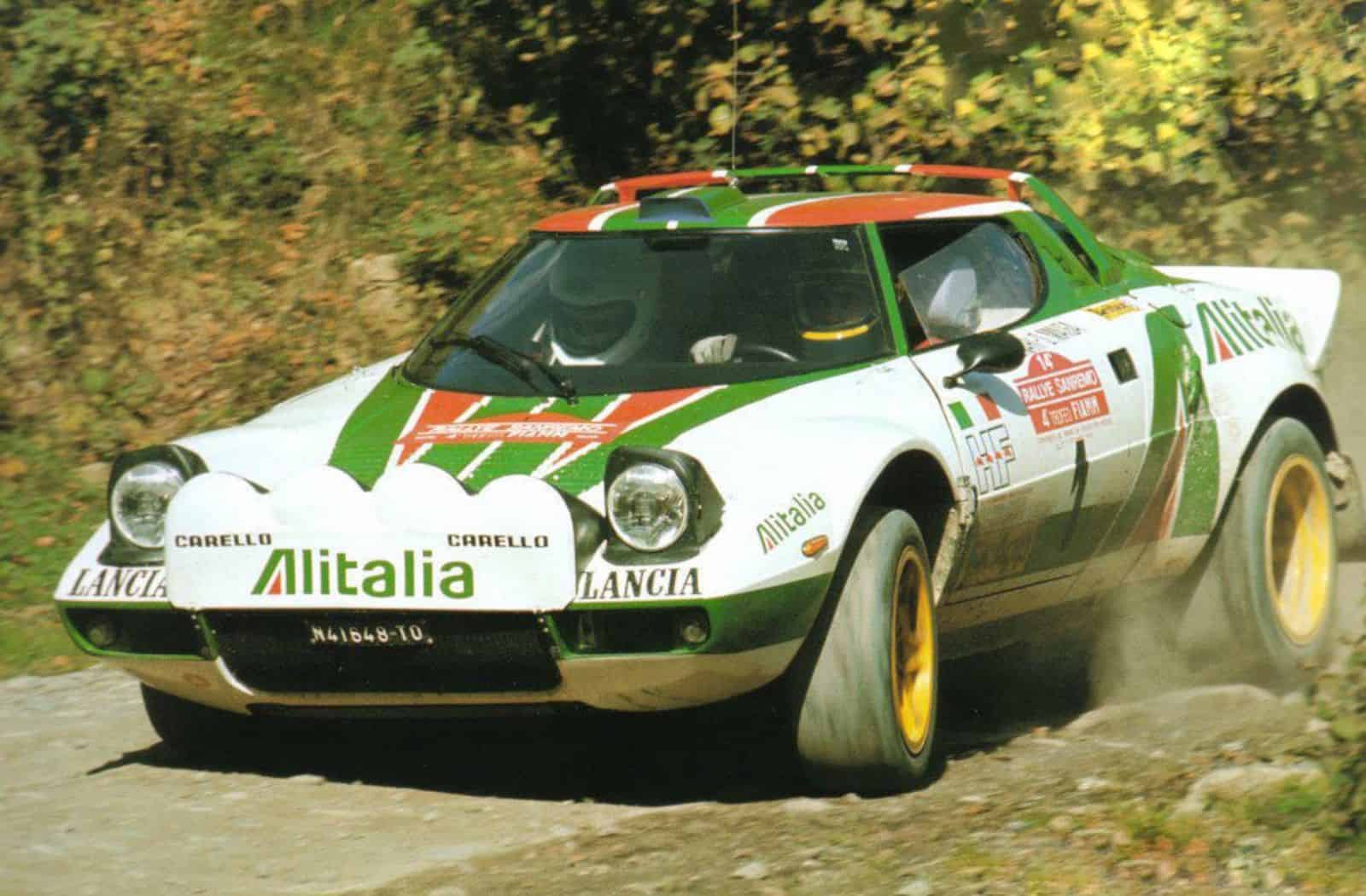
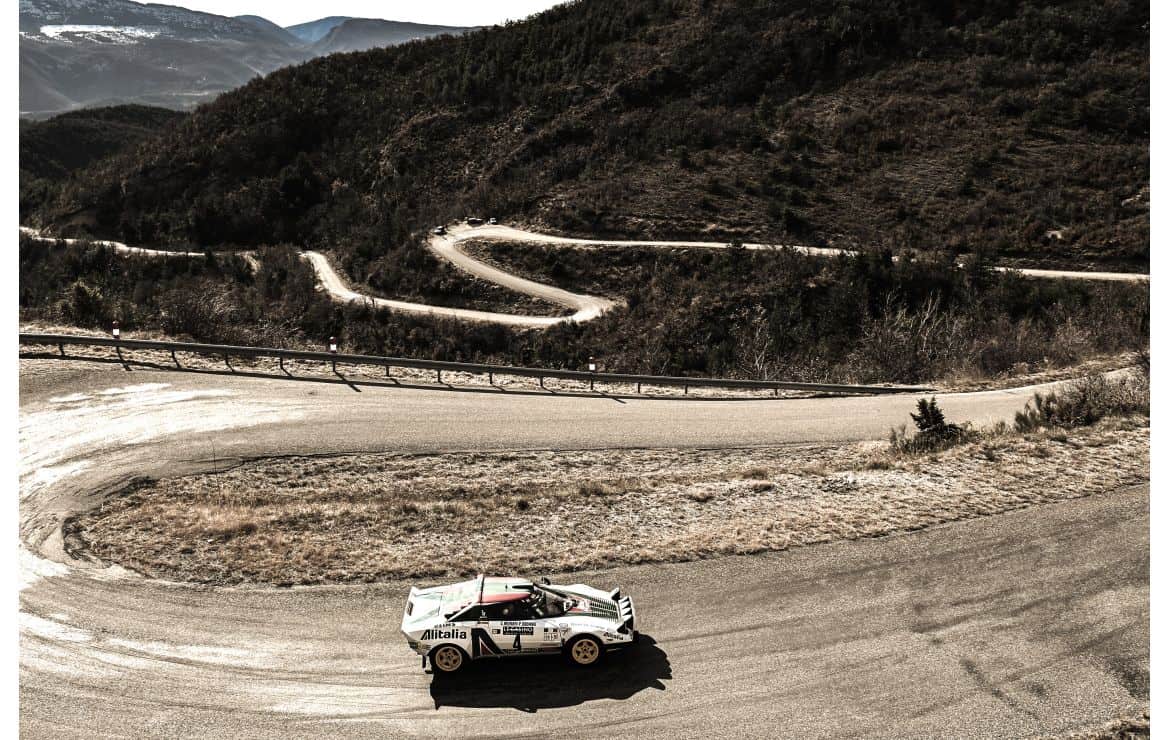
The Stratos was finally granted homologation in October 1974. It immediately did what it was designed to do, winning a hat-trick of World Rally Championships from ’74 (with two season-end wins, added to the Fulvia’s scores) through to ’76.
Instrumental in those was Sandro Munari, whose tiny frame and superhuman reflexes so defined the Stratos.
But the car destined to live on as a rally legend also lived uncomfortably long in the showrooms. Expensive, impractical, and notoriously nervous to drive, Lancia even gave several of them away to dealers as sales-incentive prizes.
The last of the new Stratos Stradales was sold in 1980.