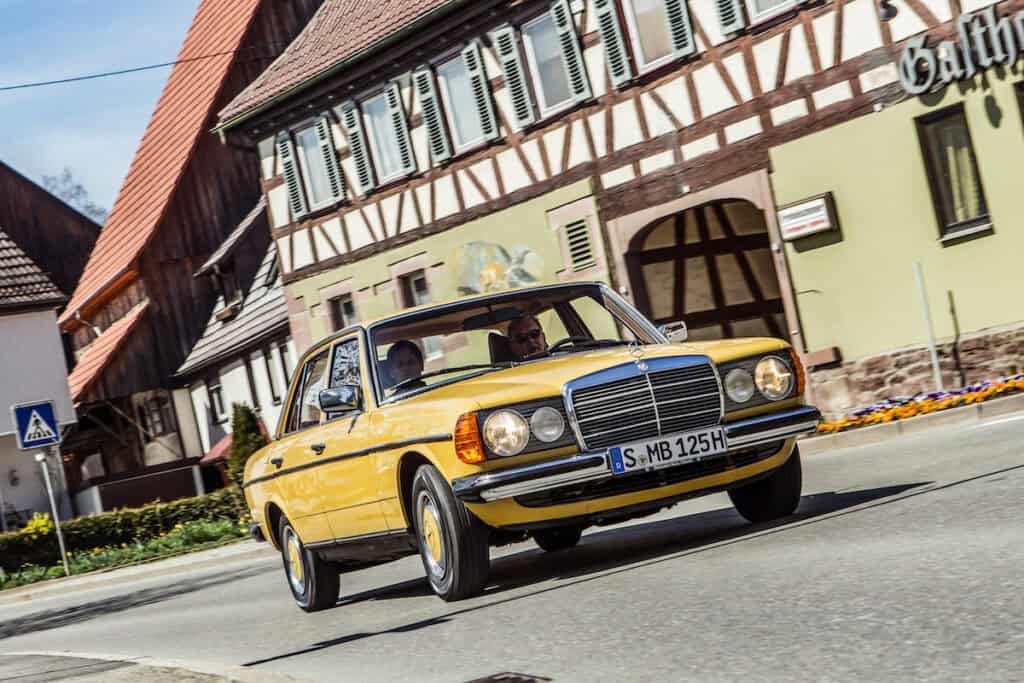
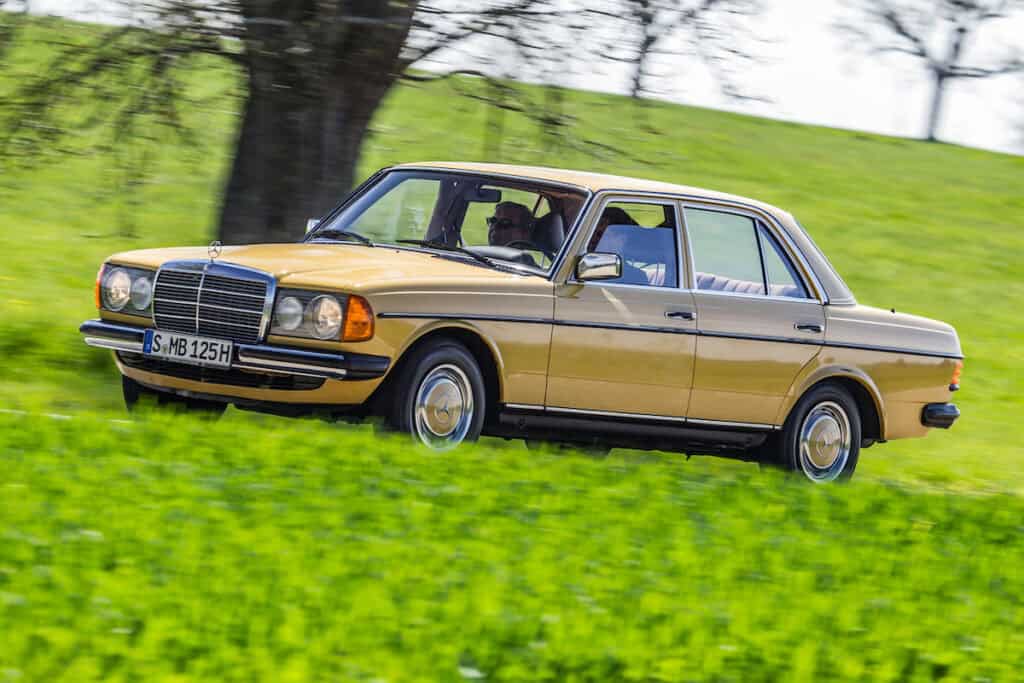
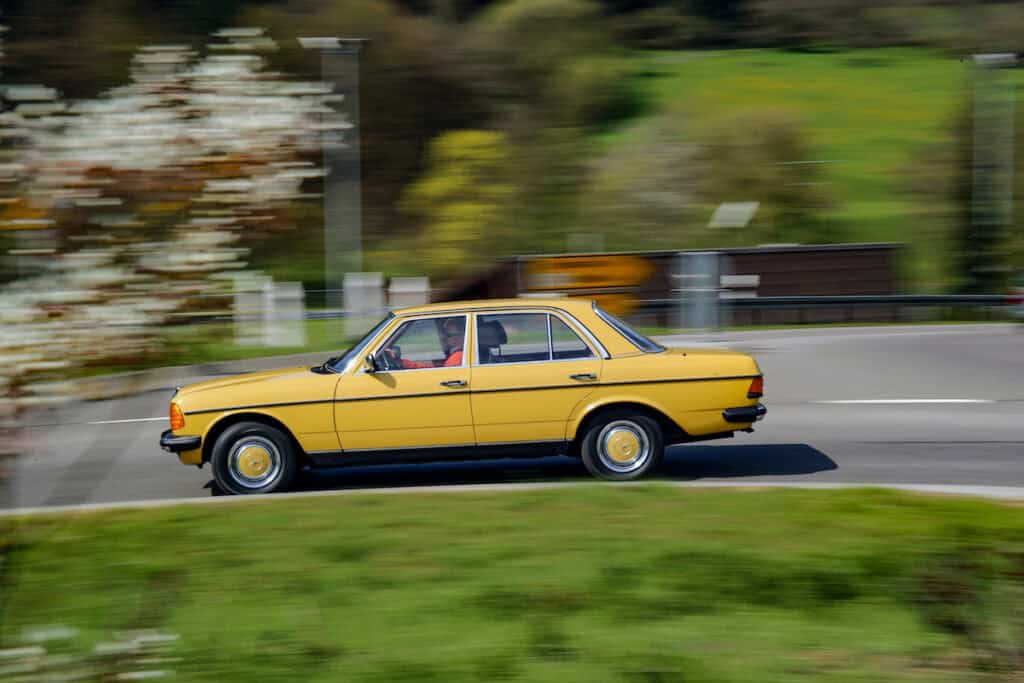
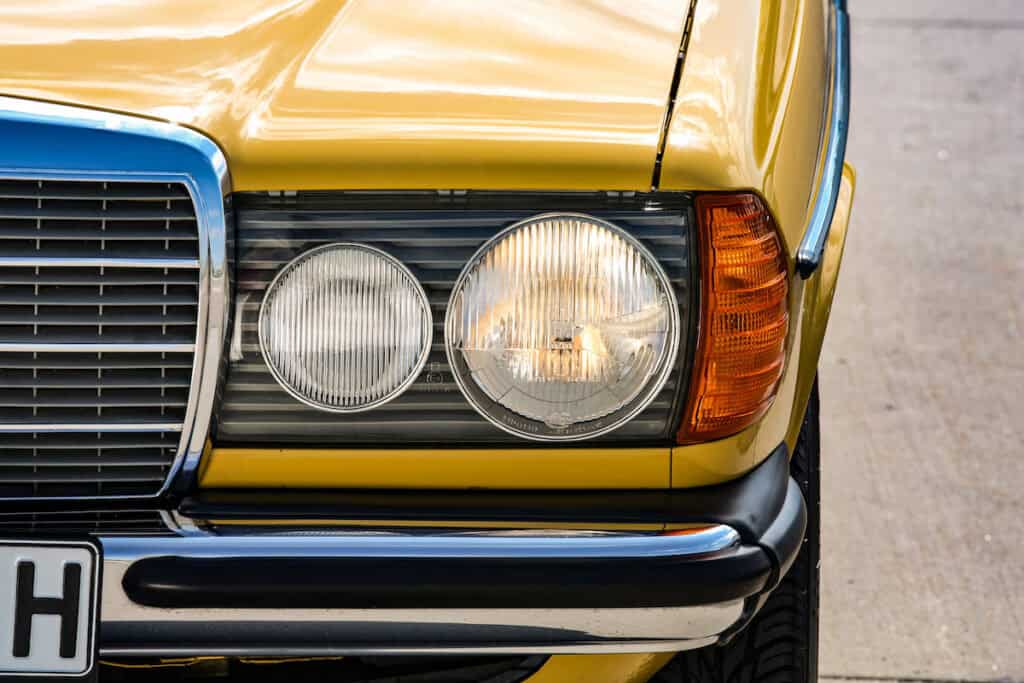
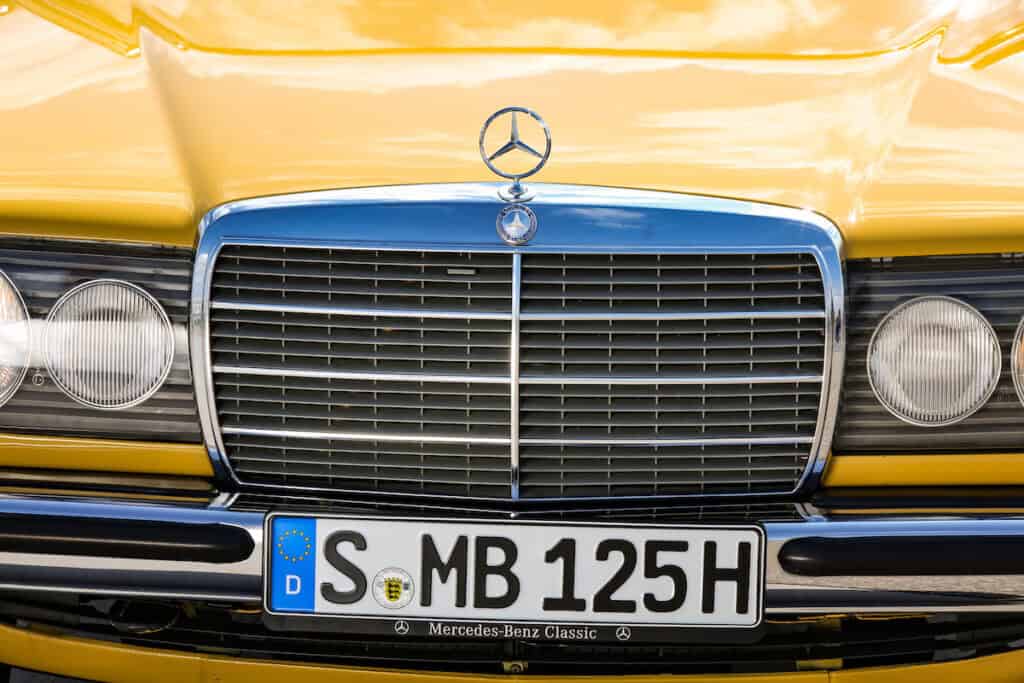
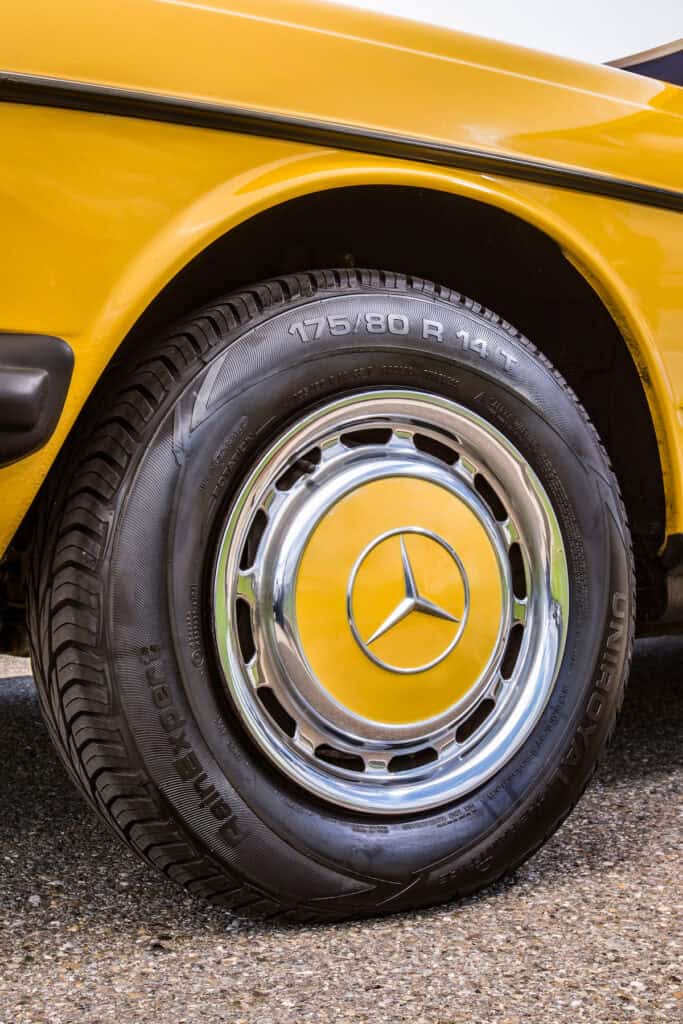
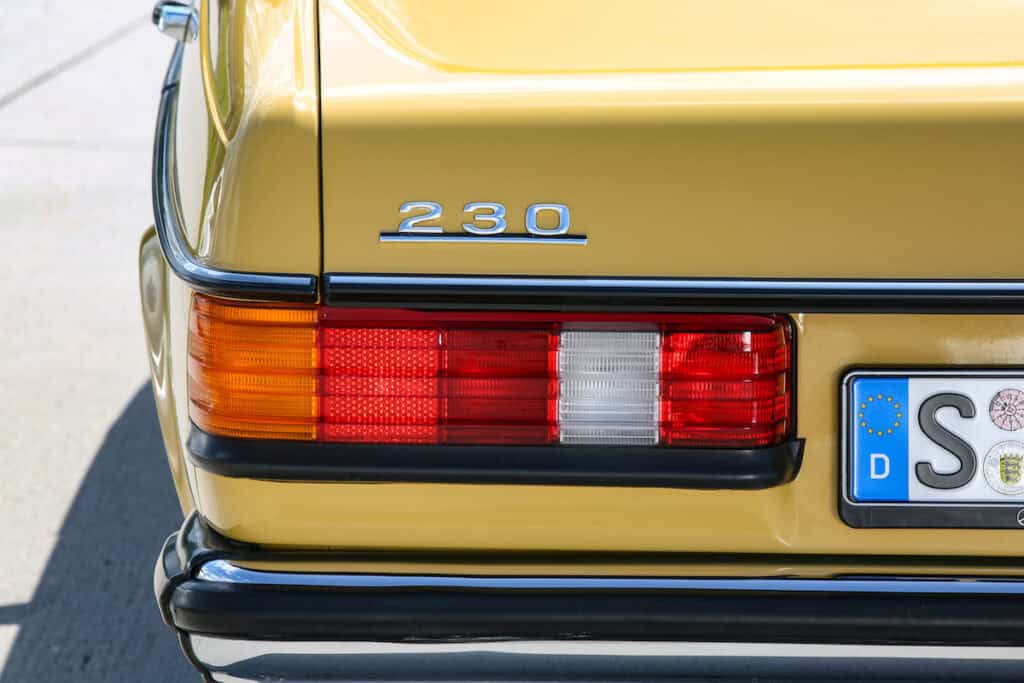
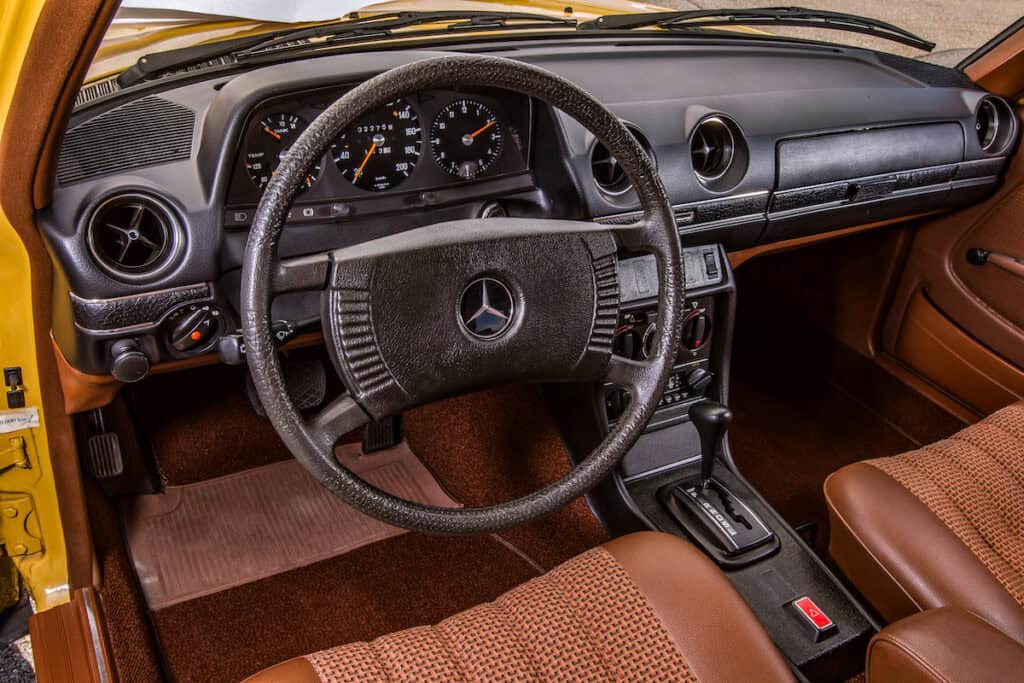
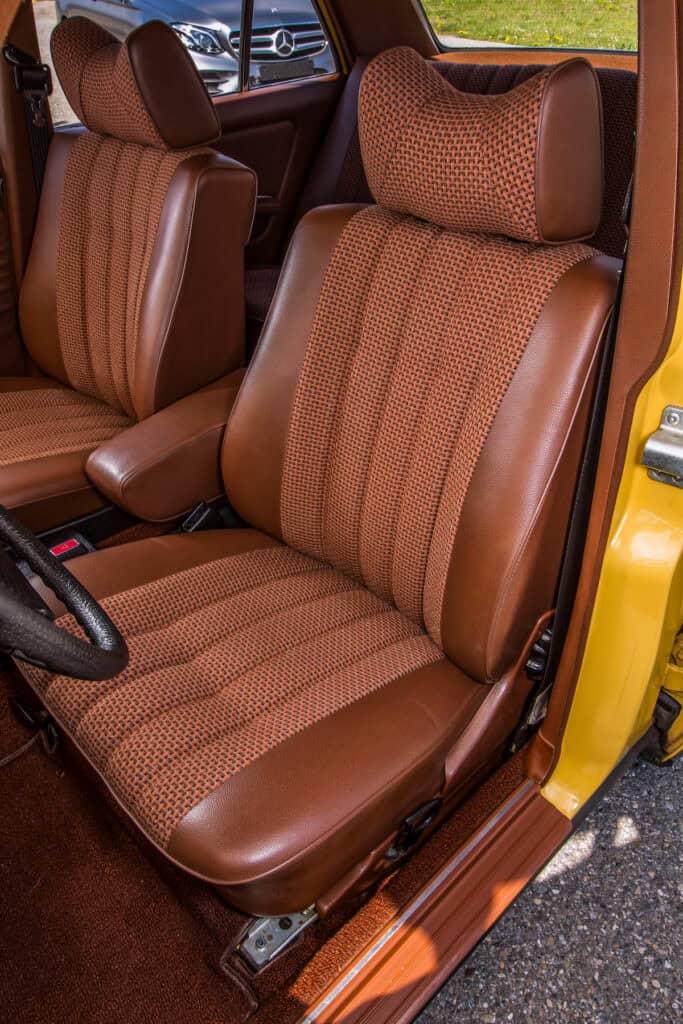
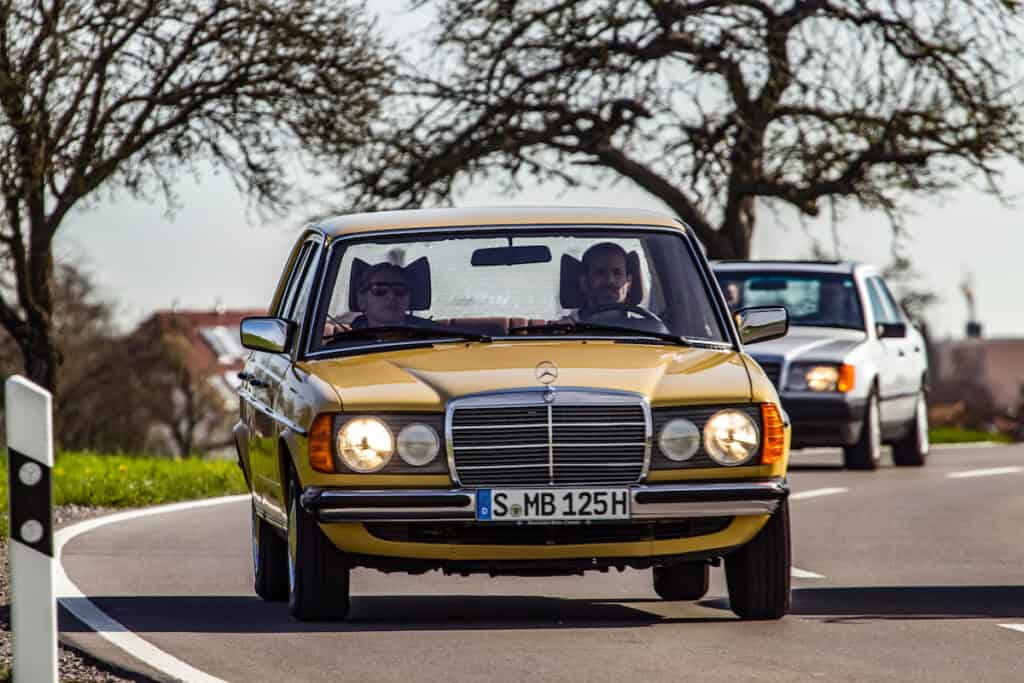
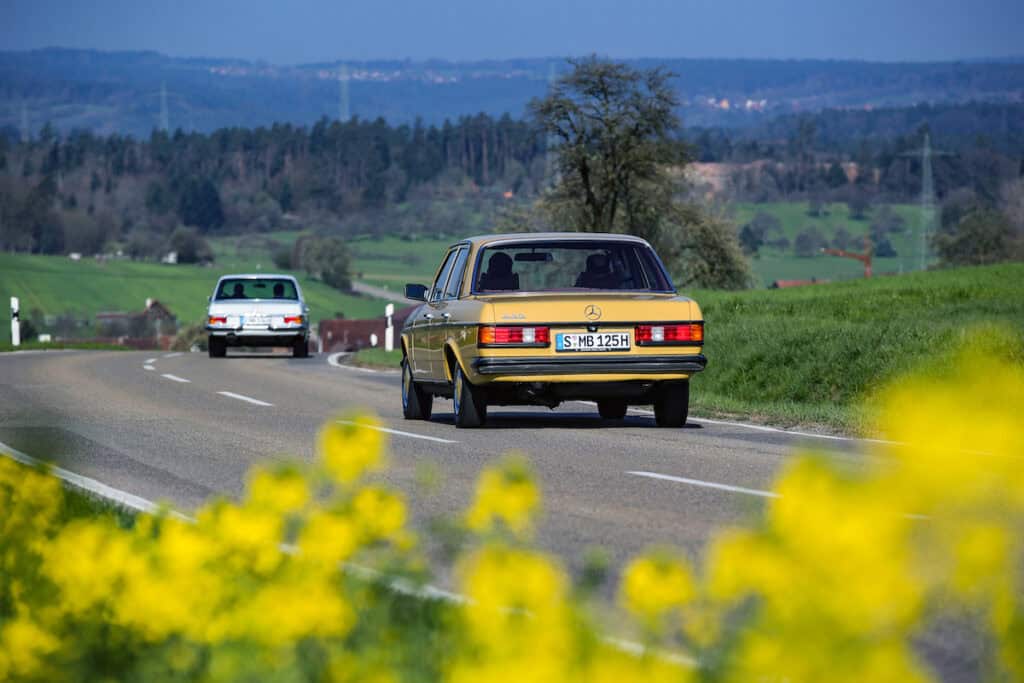
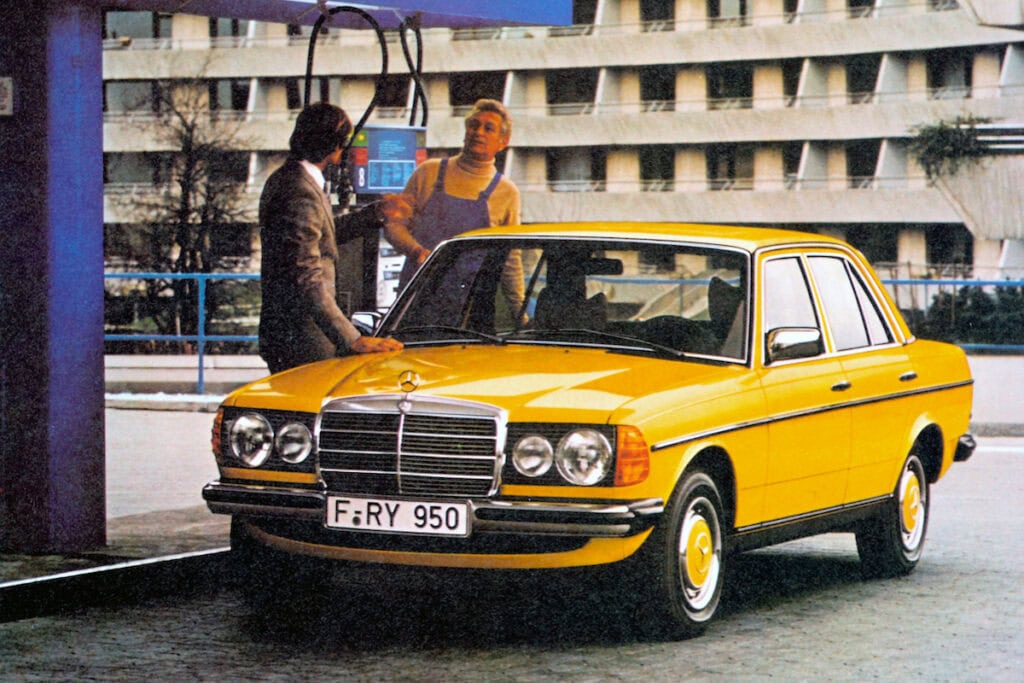
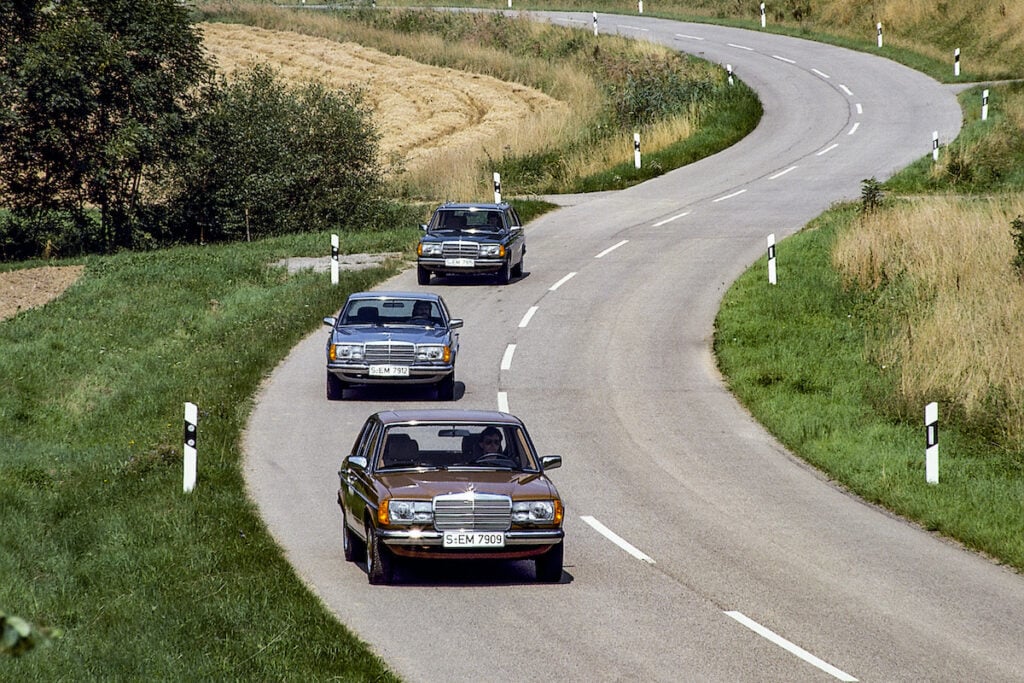
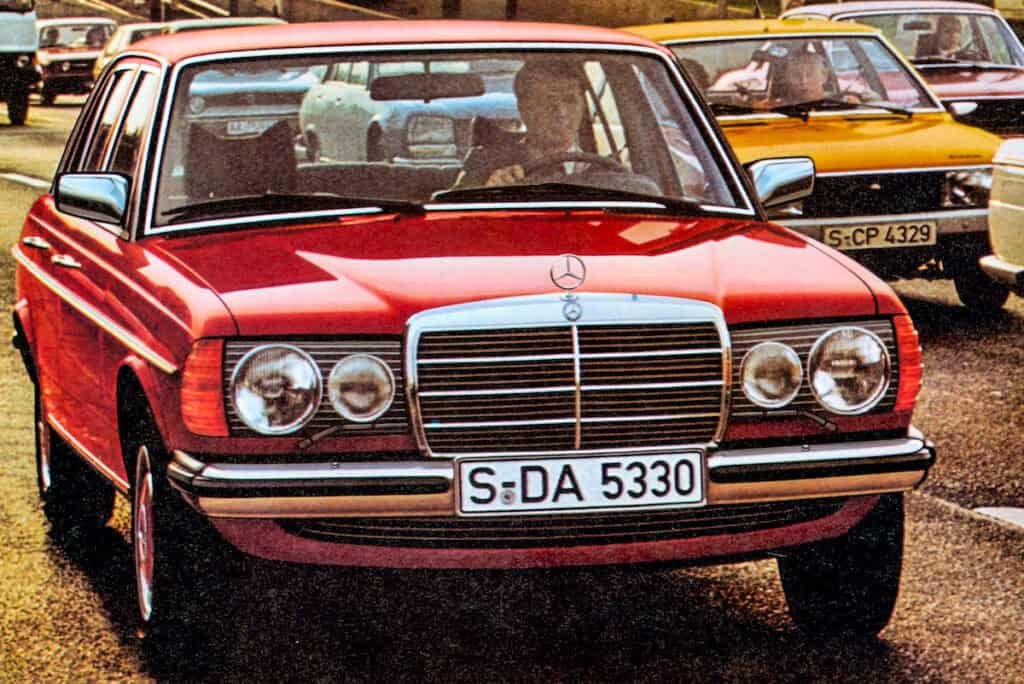
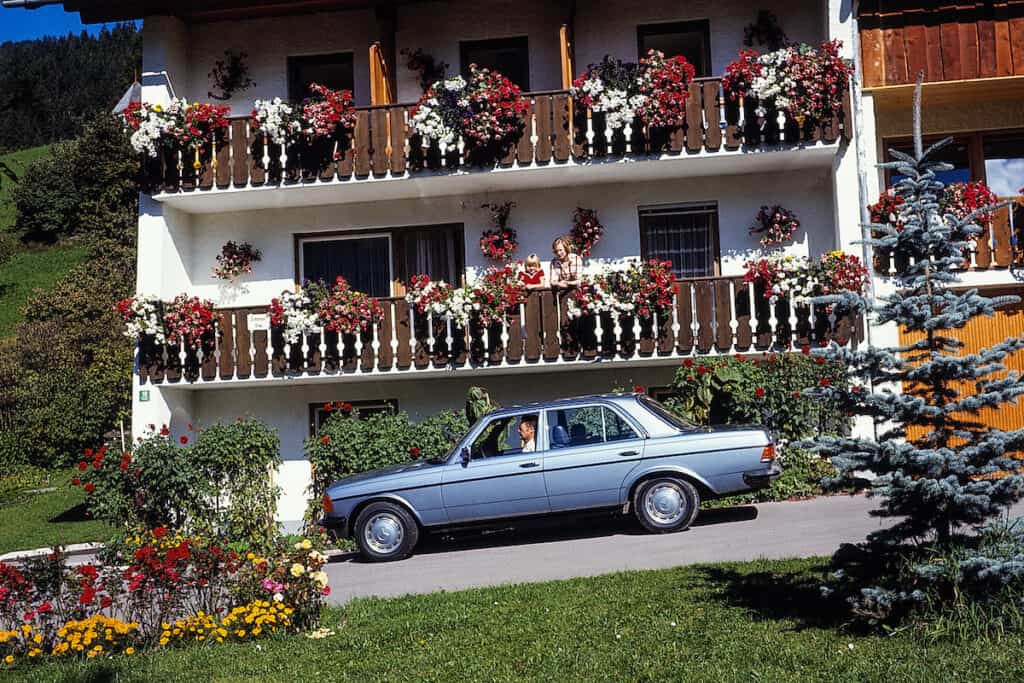

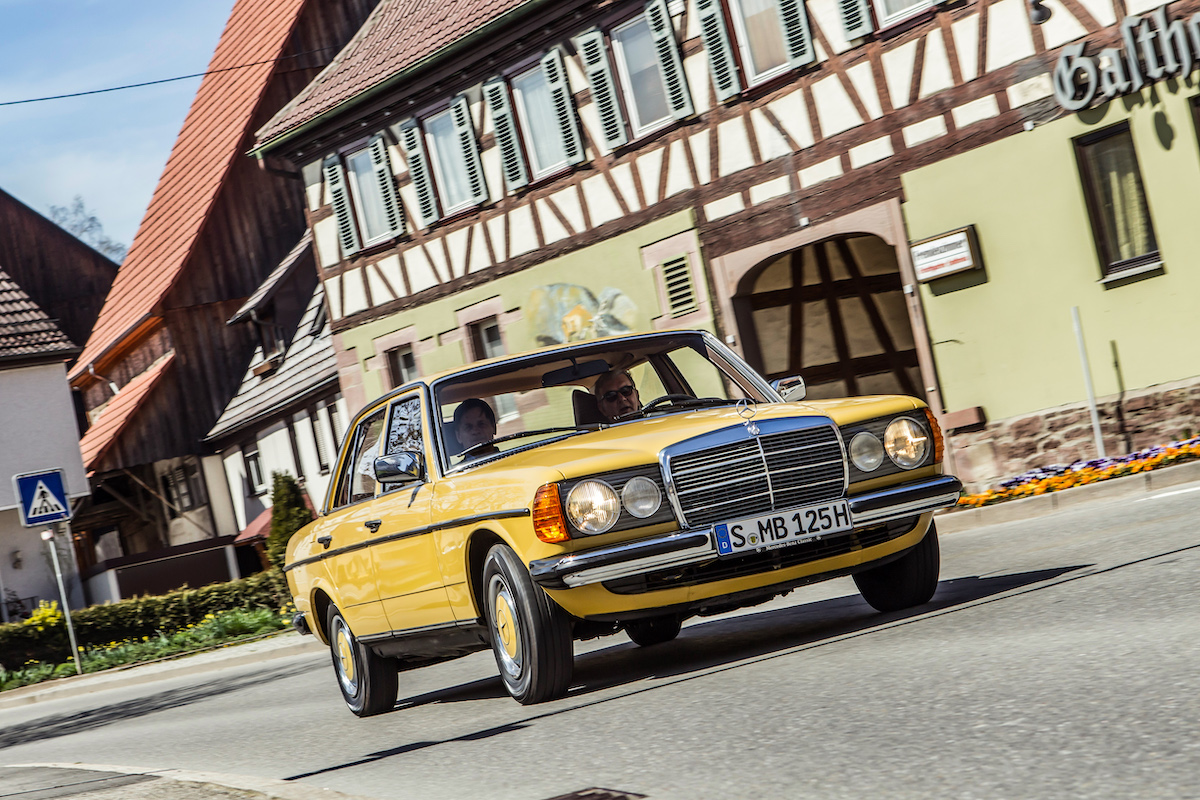
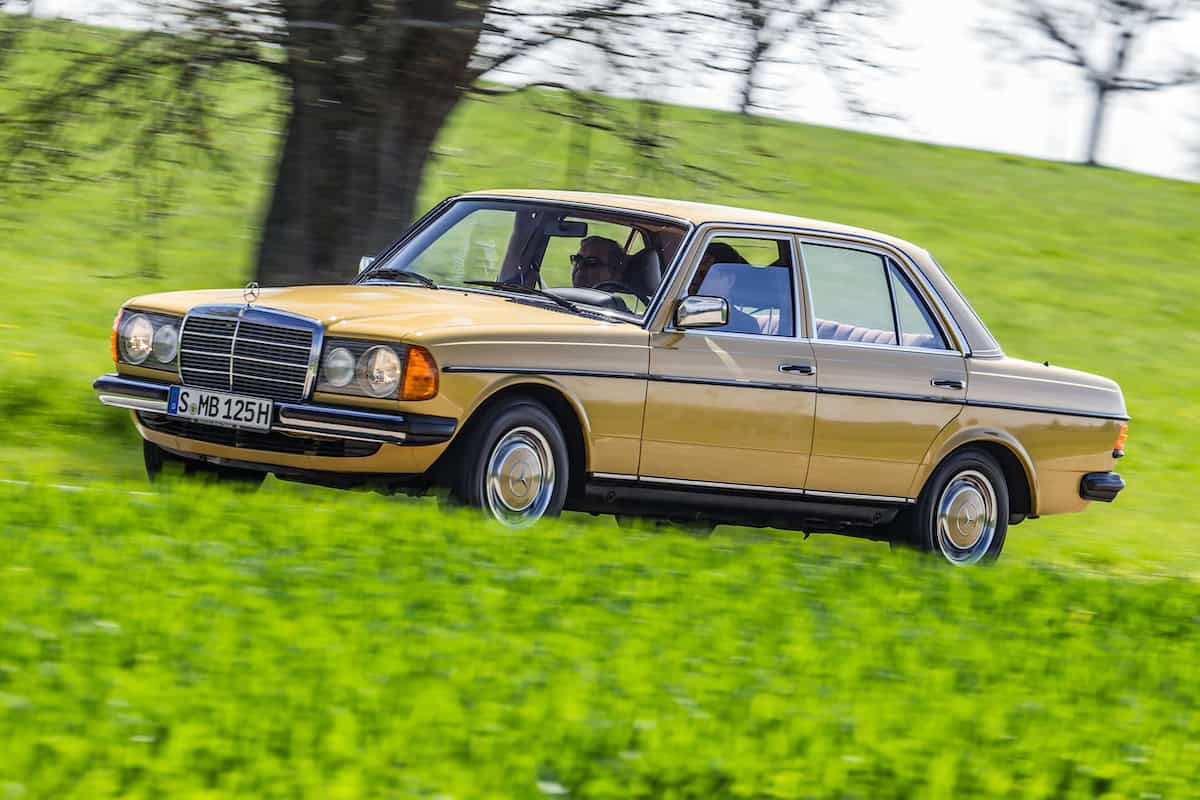
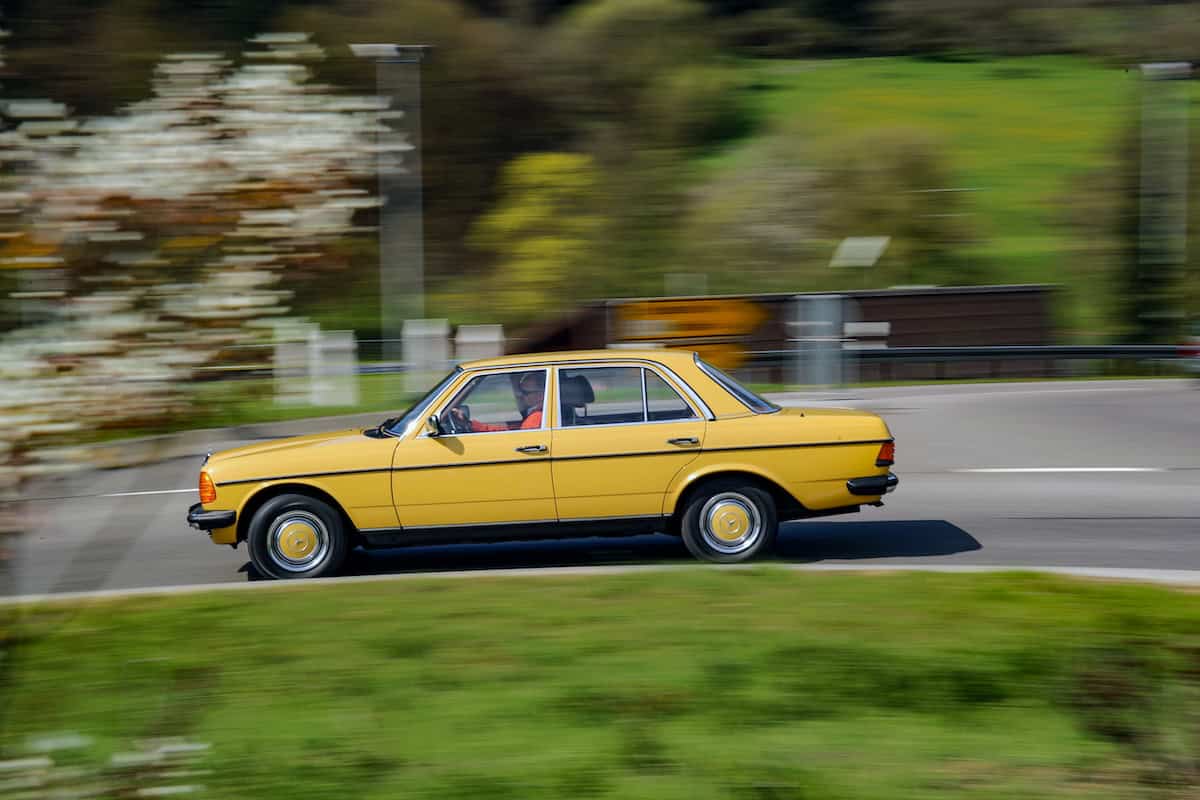
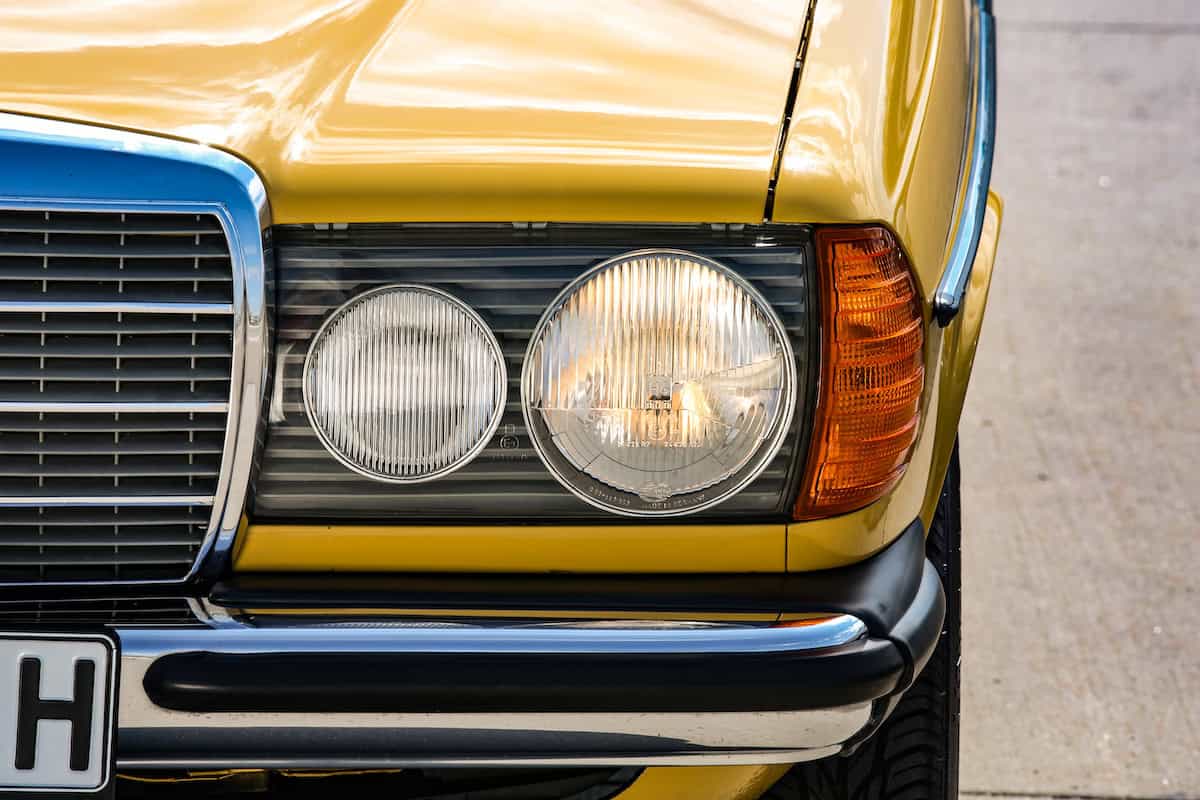
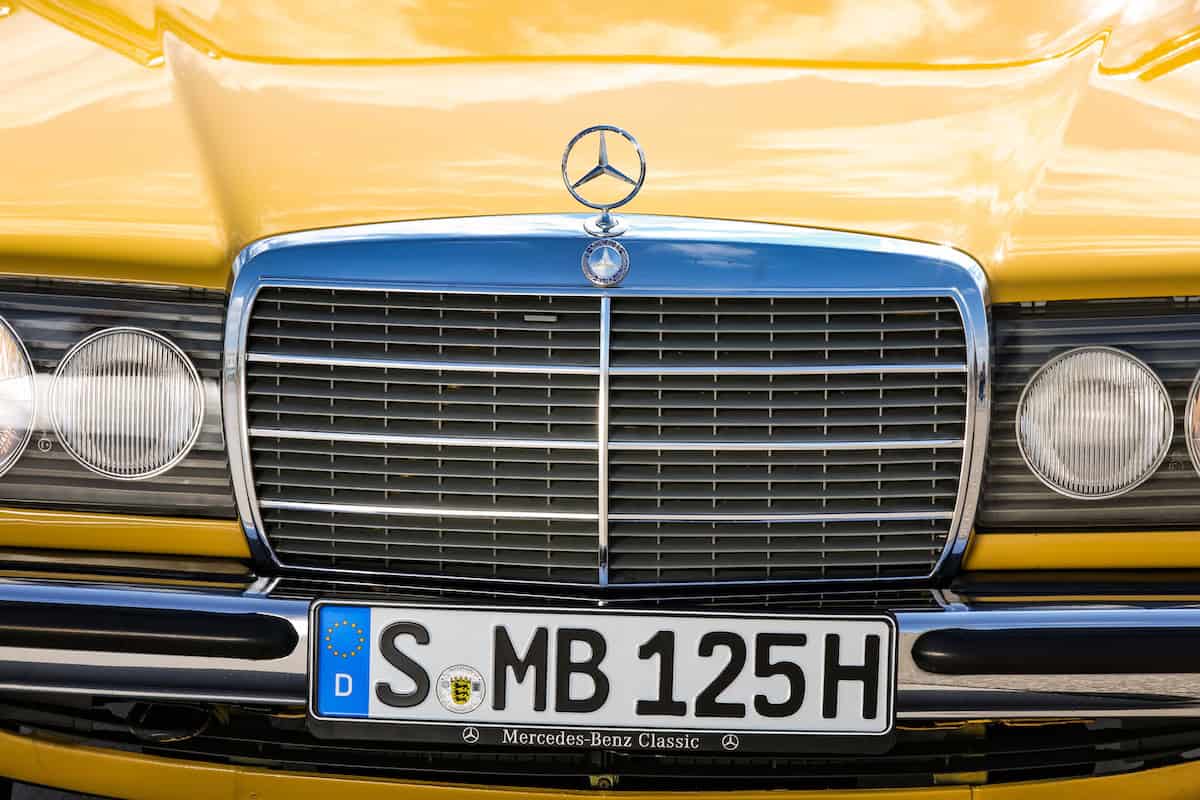
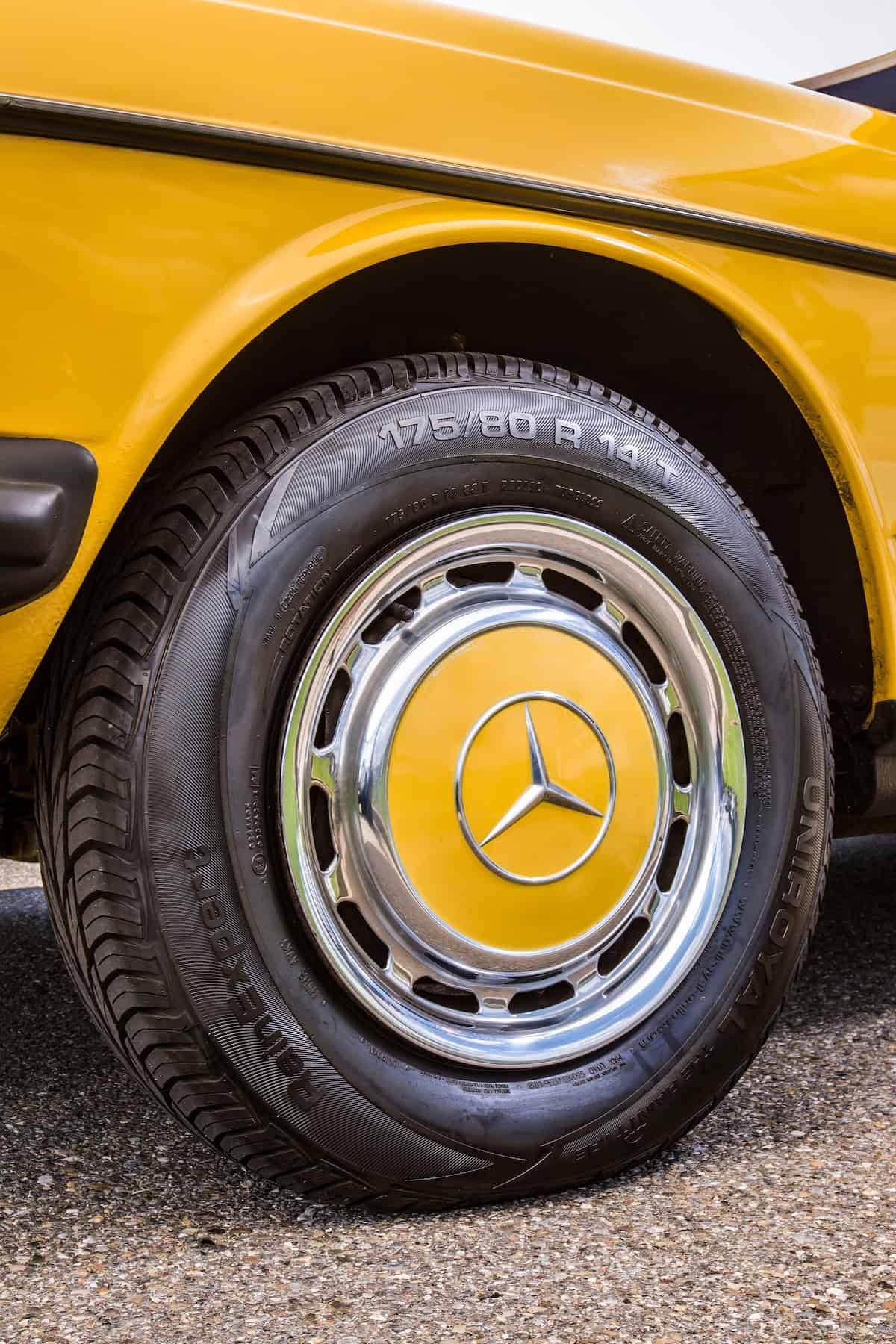
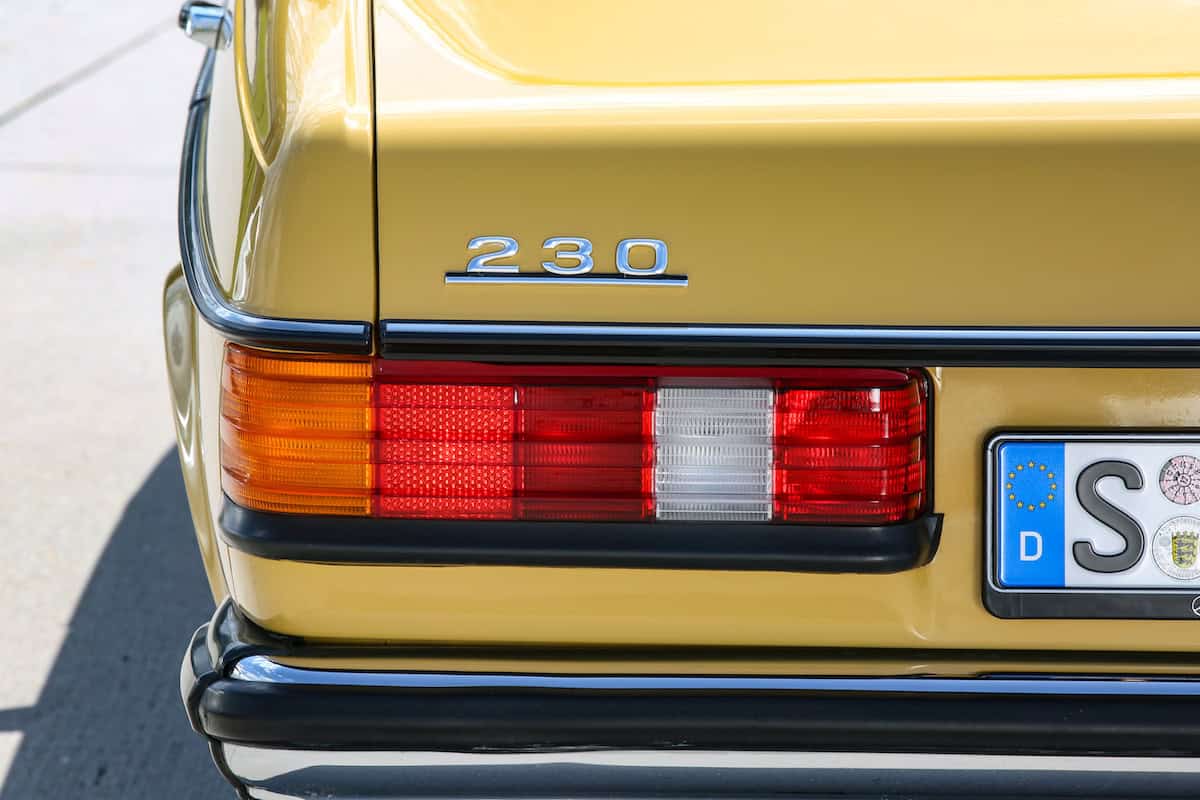
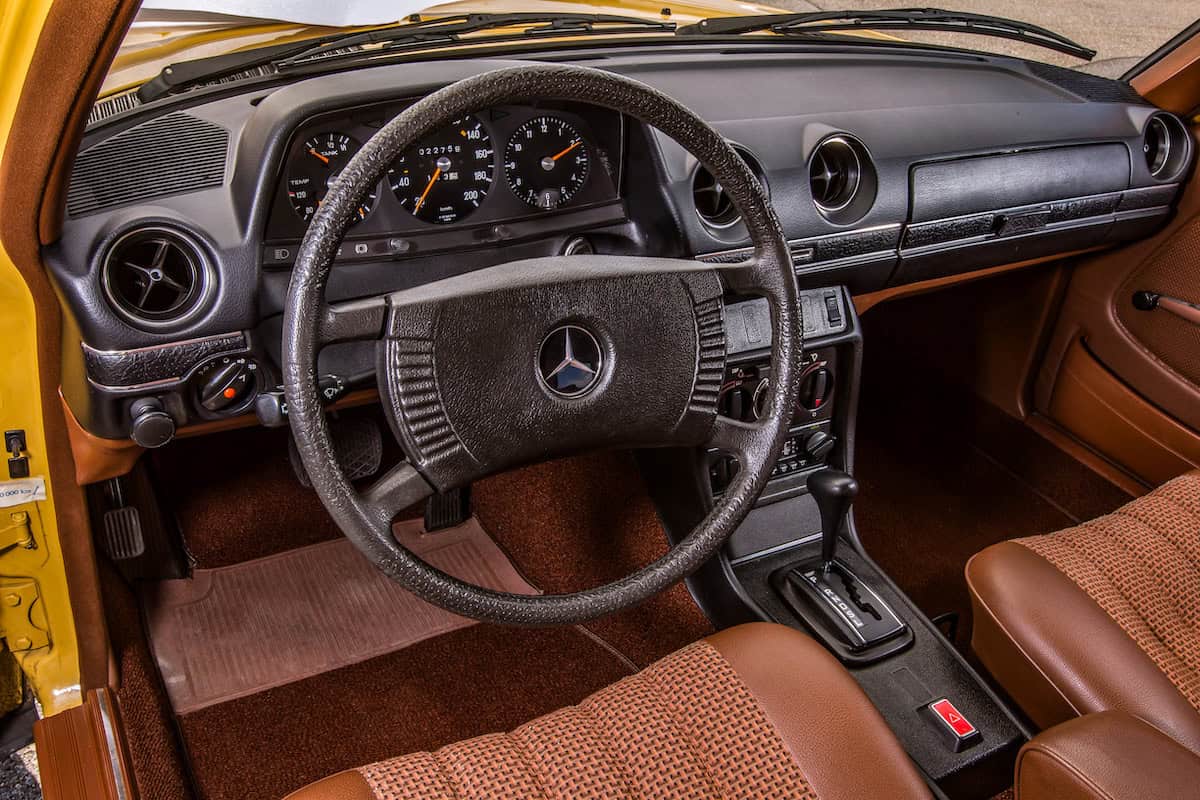
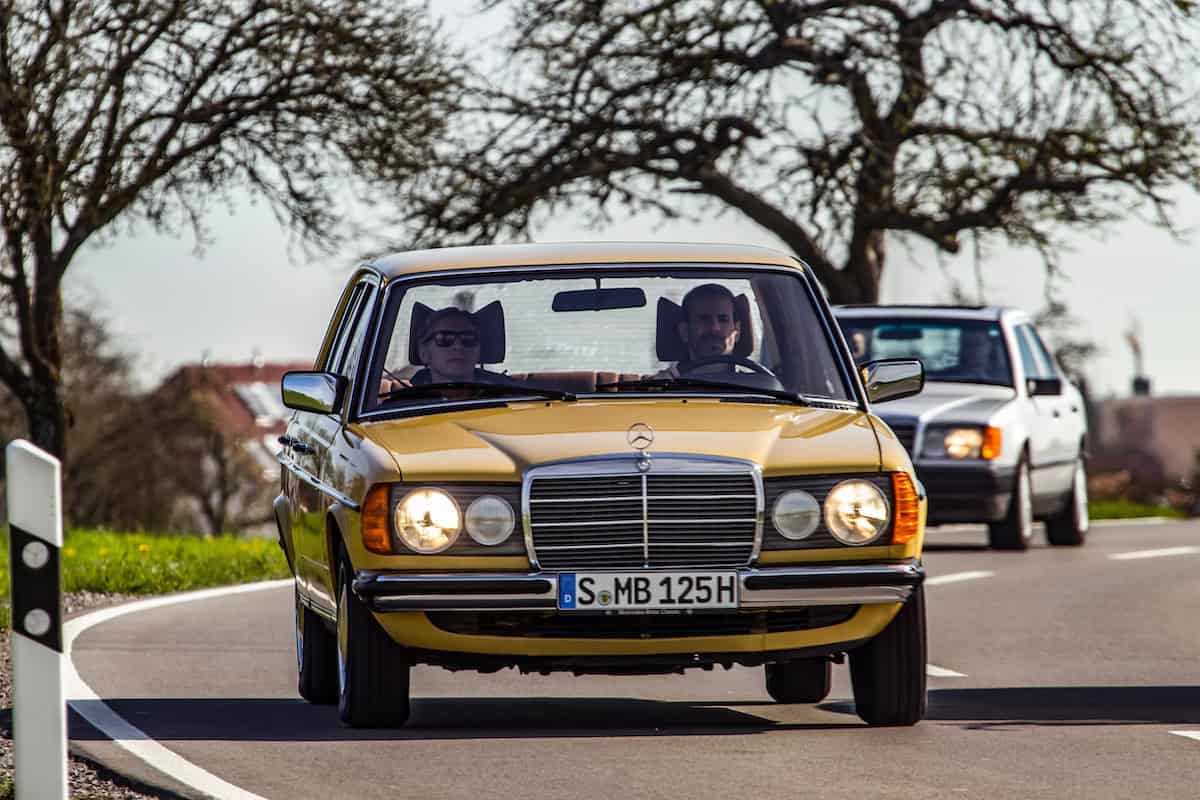
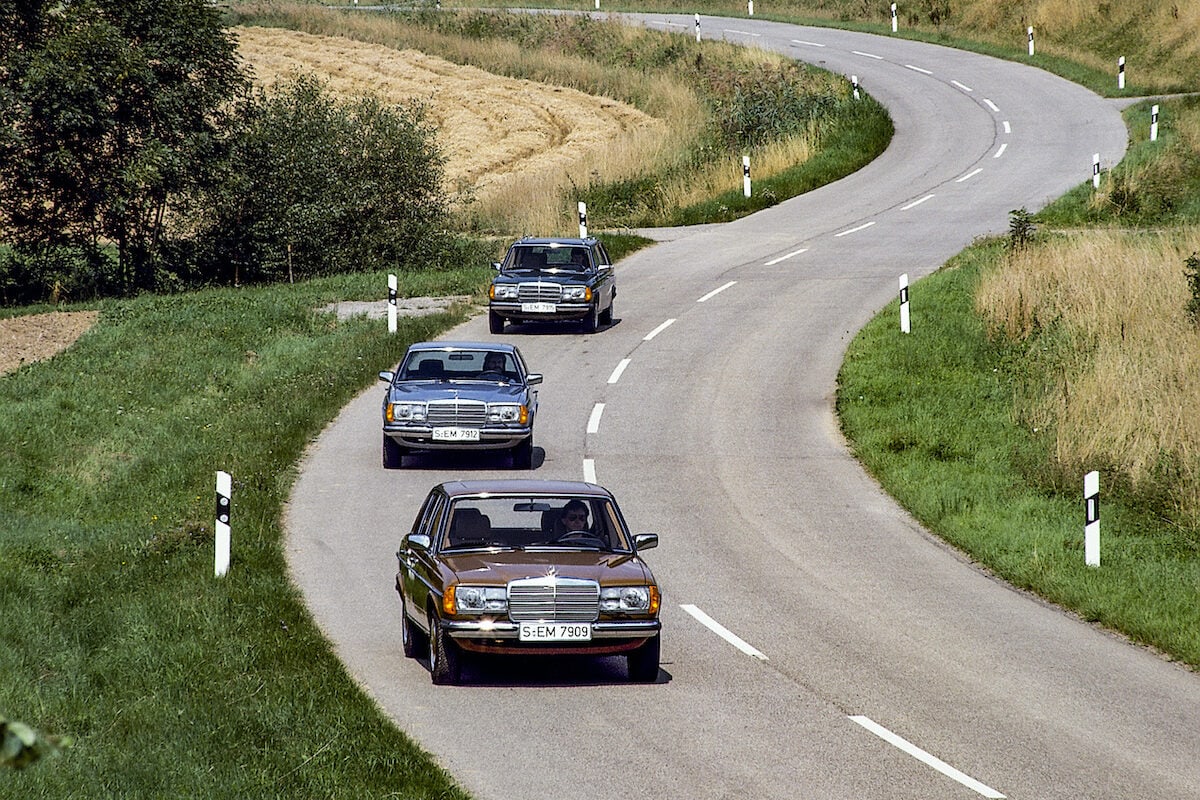
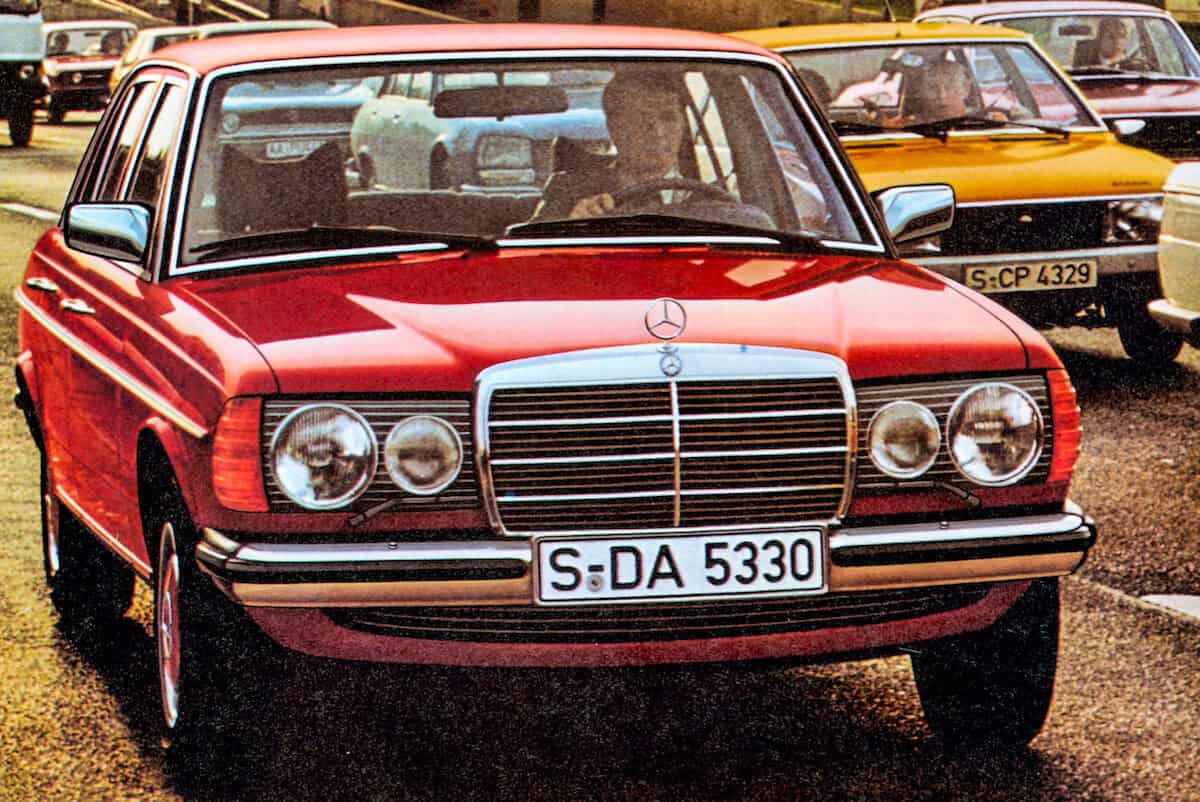
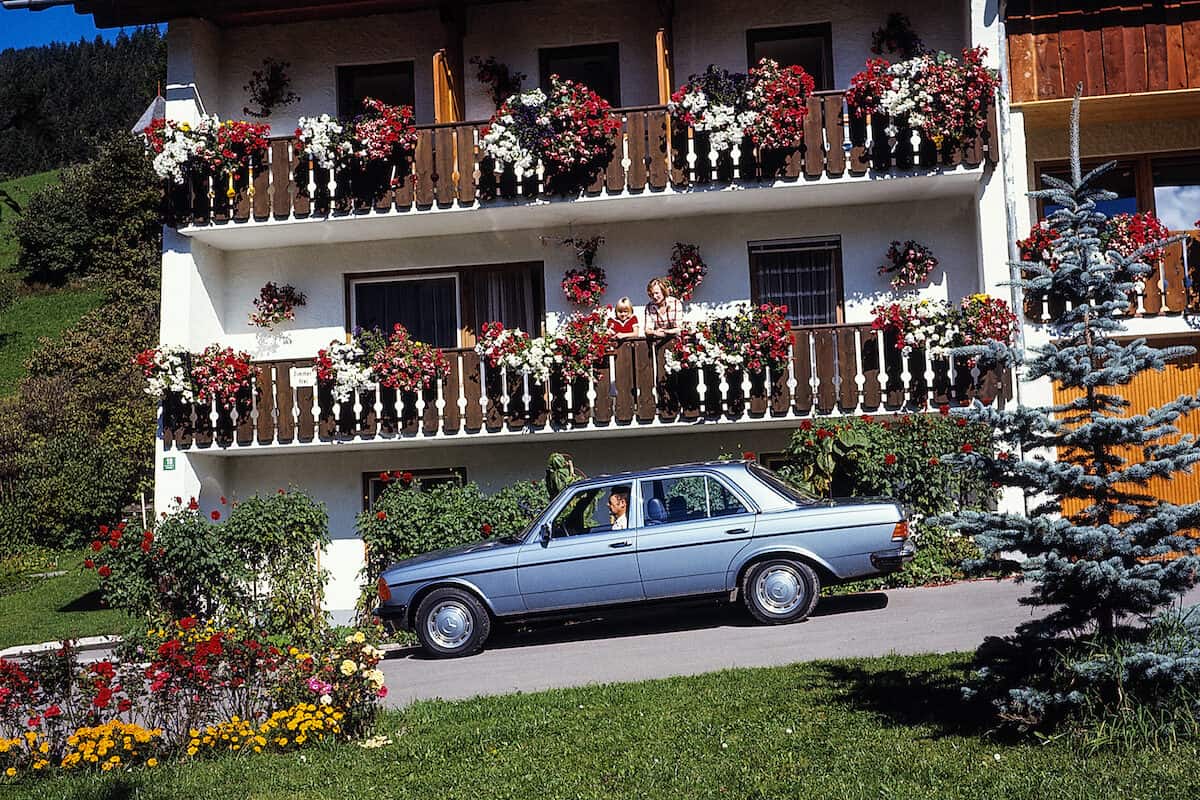
This year, 2026, marks the 50th anniversary of one of the most recognisable and widely distributed Mercedes-Benz models of all time, the durable W 123 series – a car that went on to become a symbol of German automotive culture globally.
The W 123 series had its press premiere in January 1976 in Bandol, in the south of France. The cars were designed to replace the W 114 and W 115 series, and such was the pent-up desire in Germany and elsewhere for the new mid-range Benz saloons that the entire first year’s production was sold out even before the official market launch.
Headlining the changes to the W 123 Series were its outstanding levels of active and passive safety, with its rigid safety cell and crumple zones all packaged in a clean, well-balanced design that is credited to legendary Benz designers Bruno Sacco and Friedrich Geiger.
As the predecessor to the modern-day E-Class, the W 123 Series embodied the Mercedes-Benz brand values of substance and solidity, and its timeless shape has come to be much-loved by collectors worldwide.
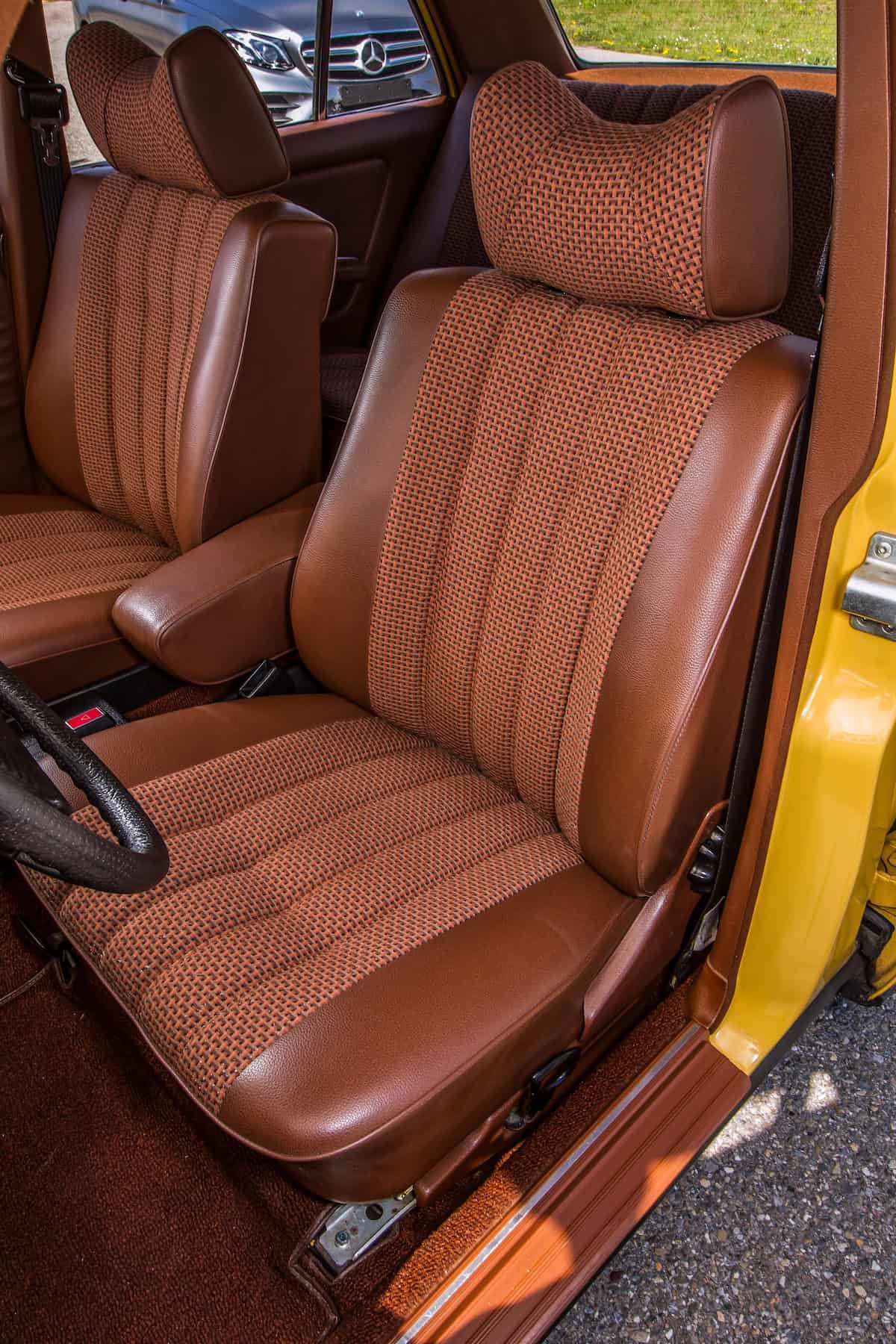
The design reflected many concept and style elements from the contemporary W 116 S-Class of that time, including high-quality finishes, excellent suspension tuning, and a generously proportioned interior.
On the safety front the W 123 introduced a newly developed safety steering column and seat-belt buckles mounted directly on the seat fittings. Though not available at launch, later versions introduced ABS anti-lock brakes in 1980, and a driver airbag from 1982.
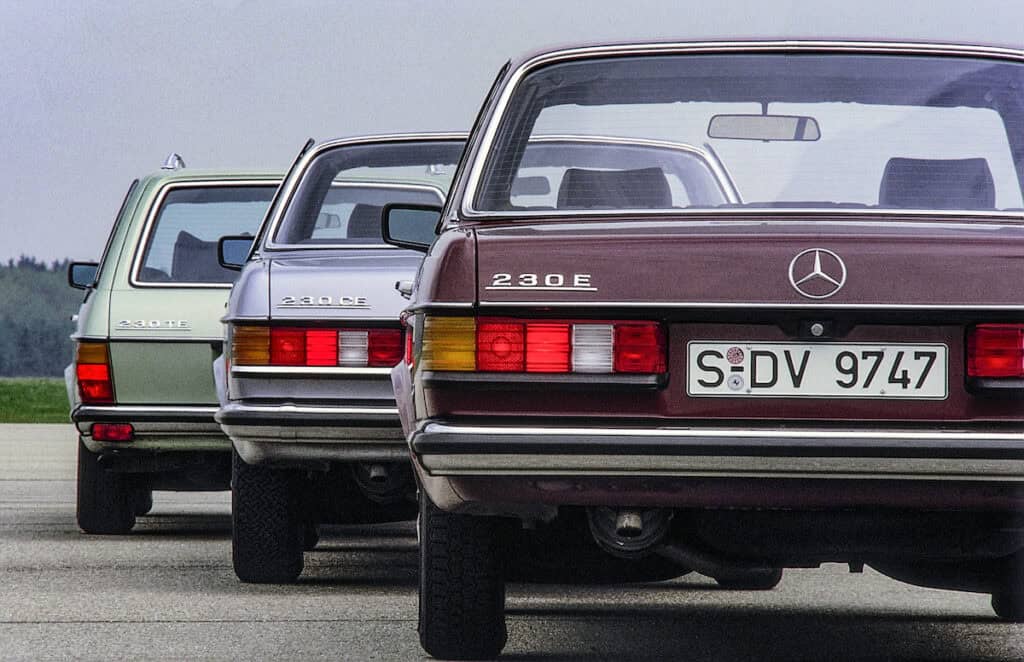
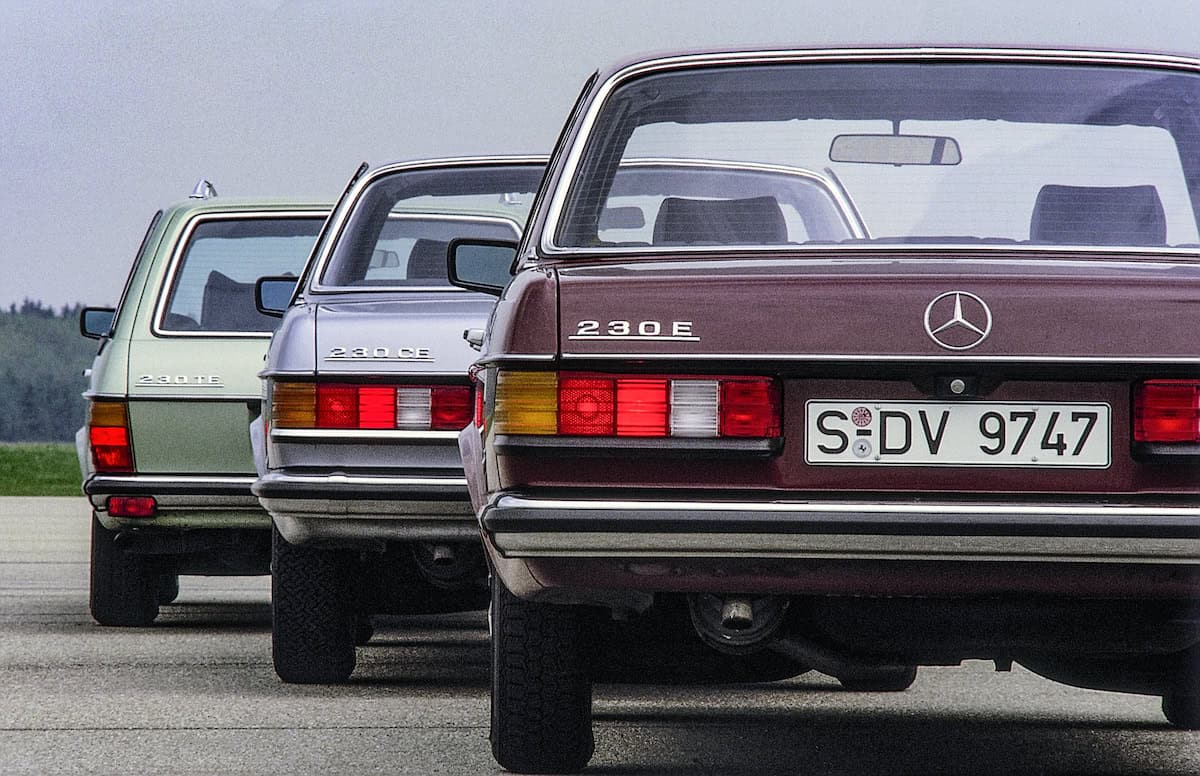
The handsome pillarless C 123 Coupé followed the launch of the W 123 sedan in the spring of 1977, and by September of that year came the first Mercedes-Benz T-Model or station wagon, with the launch of the S 123.
Additional body styles followed, including long-wheelbase saloons (V 123) and an extended-wheelbase chassis variant with partial bodywork (F 123), specifically designed for commercial conversion into specialized vehicles like ambulances and hearses.
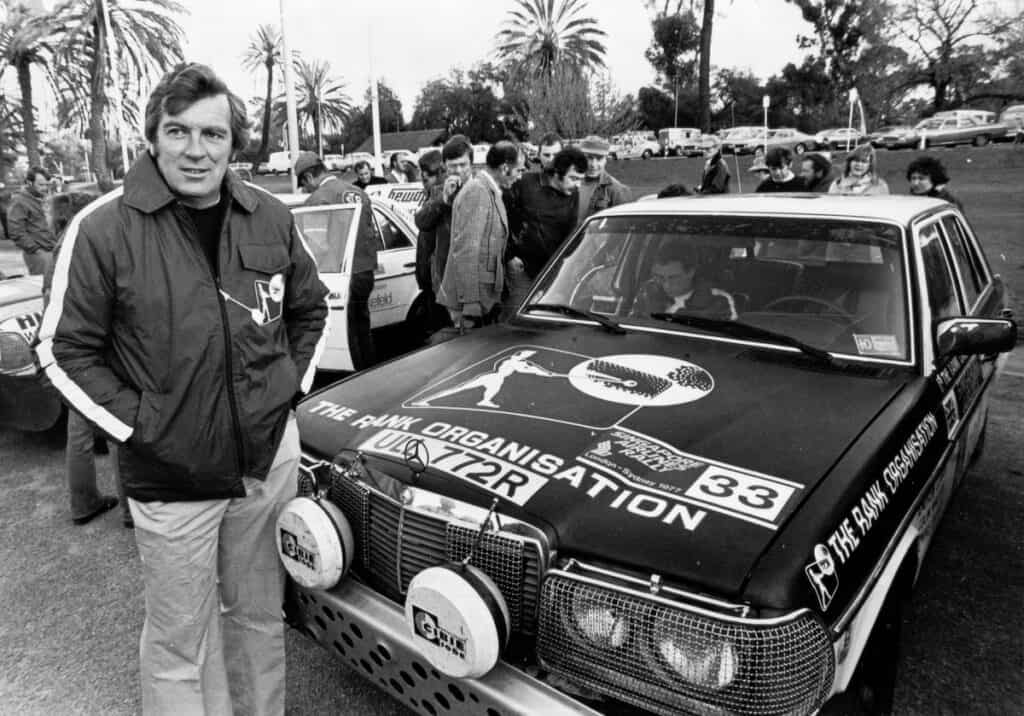
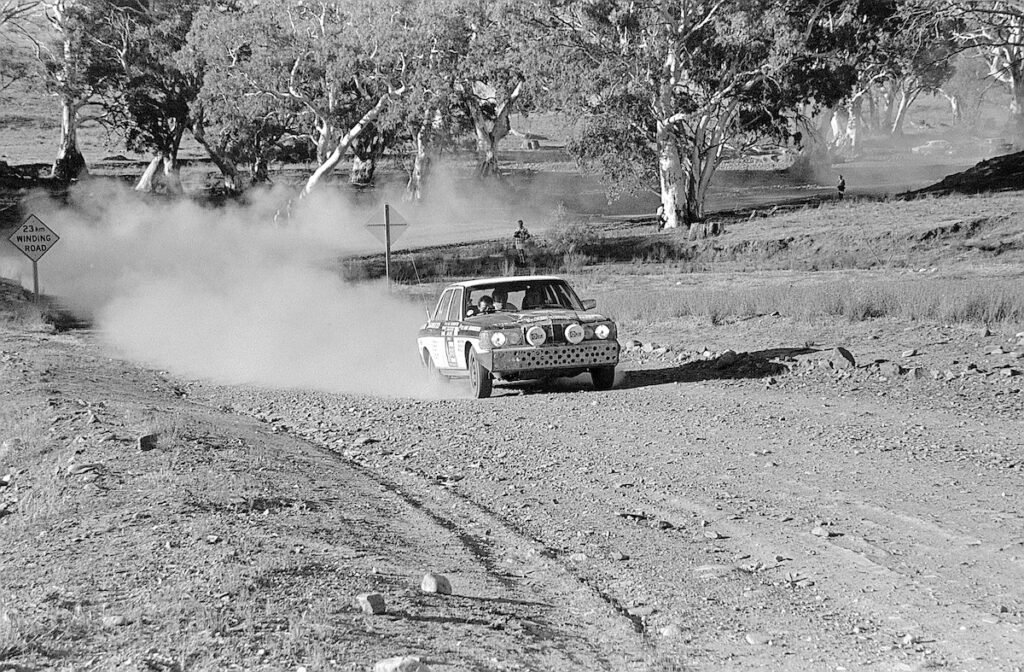
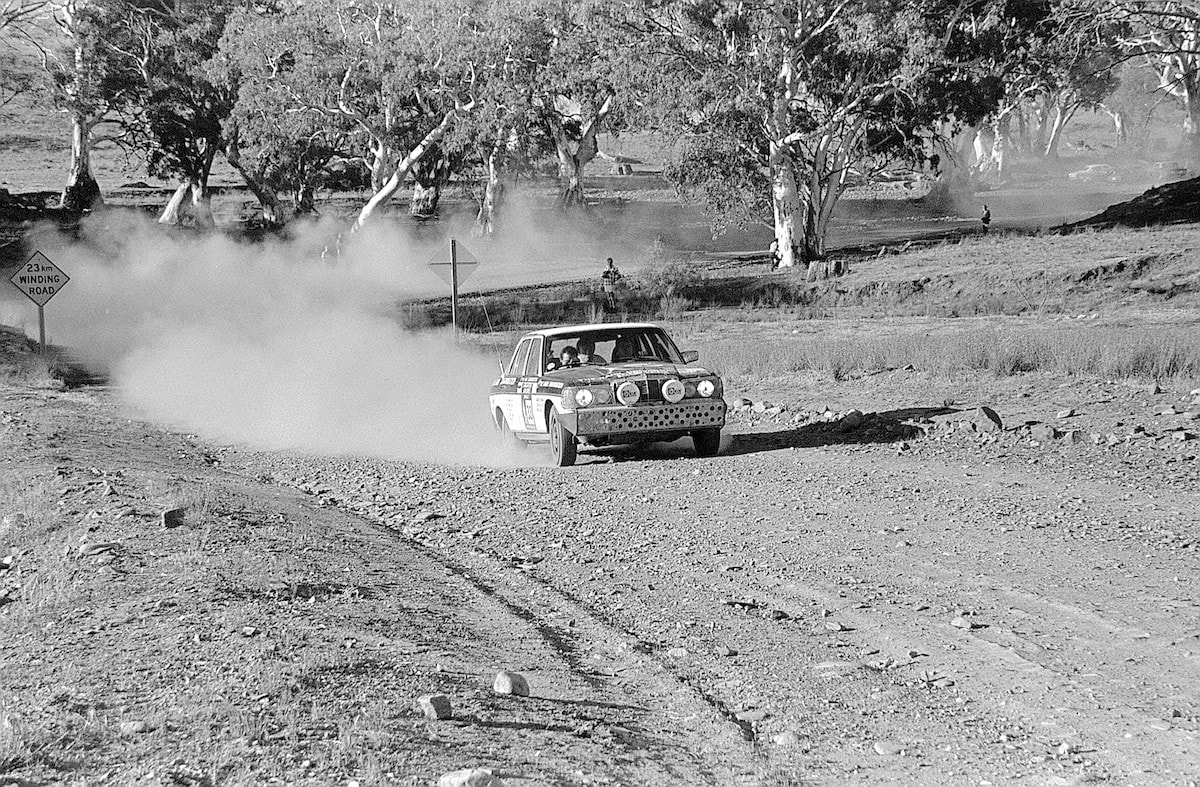
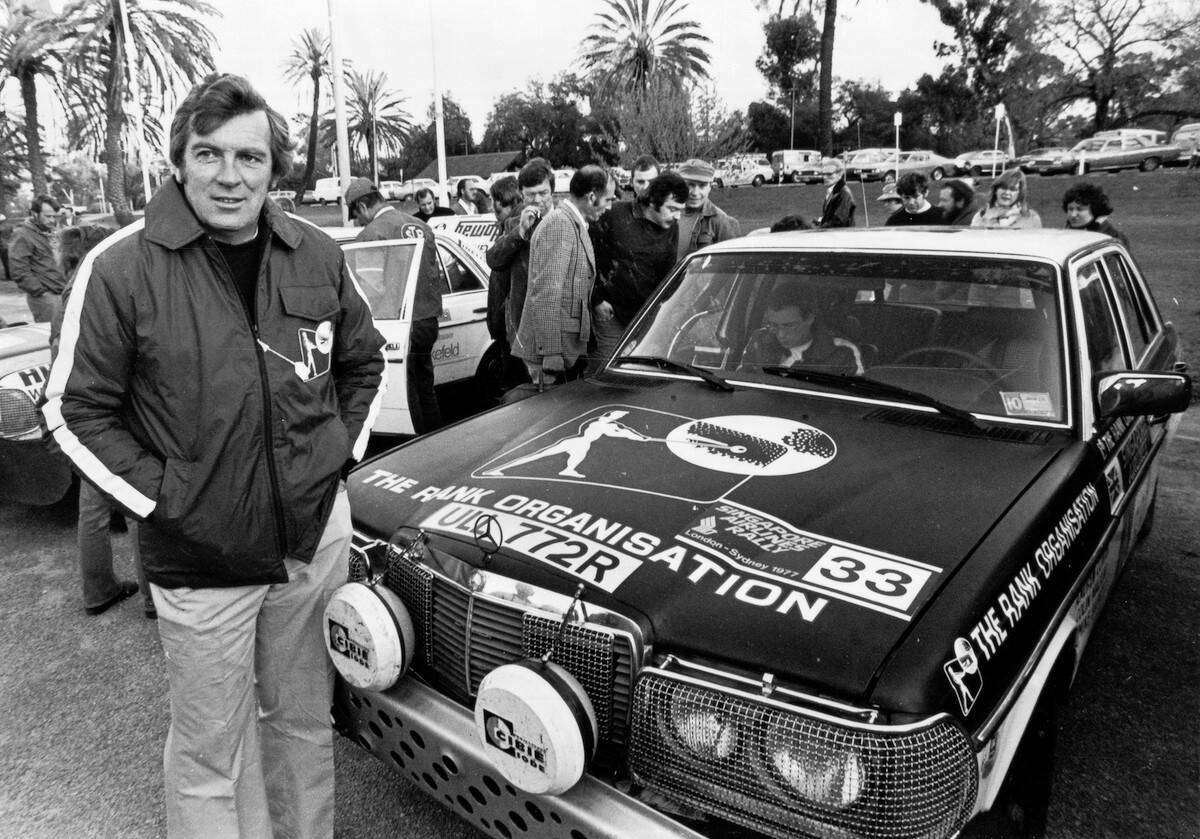
The W 123 Series also had its moments in the motorsport spotlight, most notably in the 1977 London–Sydney Marathon, a gruelling six-and-a-half-week gallop that covered 30,000km across Europe, Asia and Australia.
Of the 69 cars that started only 47 finished, with the Benzes claiming first and second spots, as well as two more spots in the top eight.
The race was a triumph for wining driver Andrew Cowan who secured his second London-Sydney title, but most importantly it impressively demonstrated the uncompromising durability and reliability of the model series.
By 1986 a total of almost 2.7 million W 123 Series had been produced, making it the most successful Mercedes-Benz model series up until to date.
Of those, the vast majority or 2,375,440 units were sedans, with the diesel-powered 240 D sedan being the most produced model with 448,986 vehicles, and the 280 C coupé the rarest with just 3704 vehicles produced.
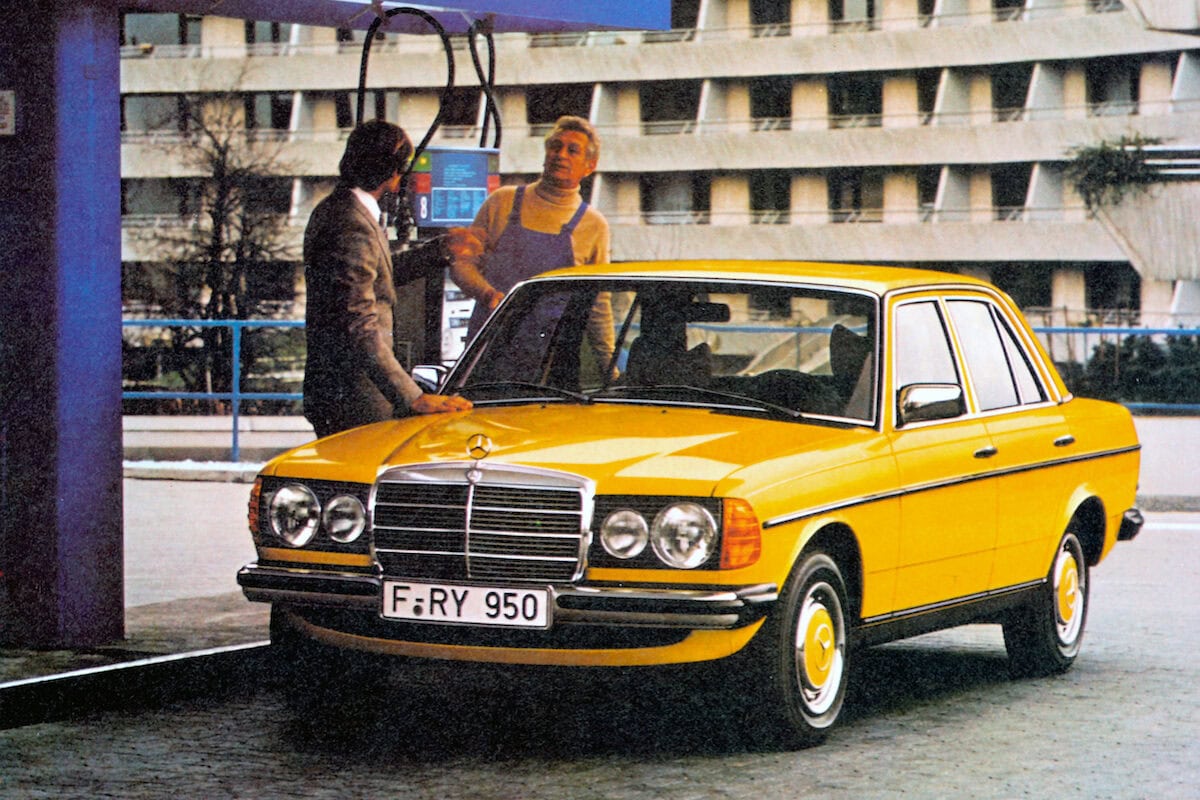
From the outset, the W 123 was intentionally designed for ease of maintenance and servicing, with the vehicles’ legendary durability and quality making it a favourite of taxi drivers and families throughout Africa and the Middle East.
The robust 200 D diesel was particularly popular with taxi drivers, while buyers wanting a blend of performance and efficiency could opt for the 300 D Turbodiesel, with even more performance on offer in the gasoline powered 280 E with its powerful, sporty straight-six engine.
No-one knows exactly how many W 123 series Benzes remain on the road today, but suffice to say there are plenty, even here in Australia where their distinctive silhouette remains a reasonably familiar sight.
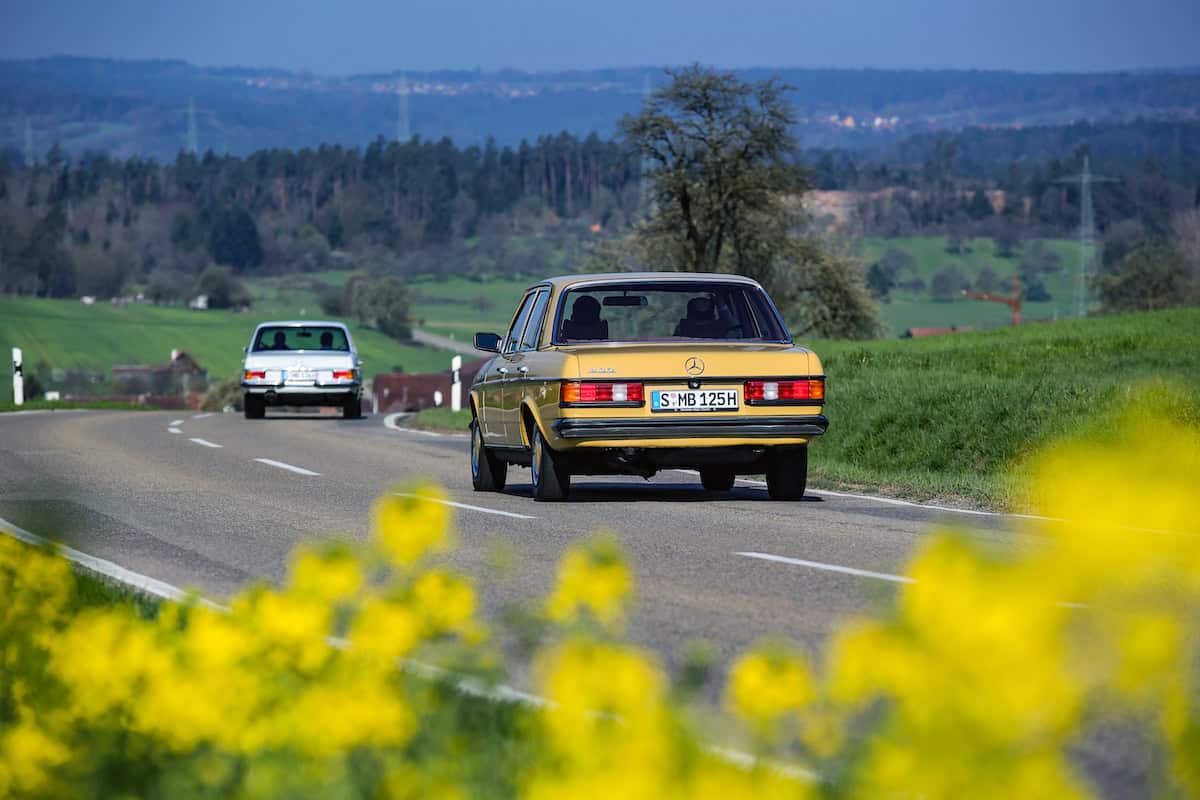
Aside from their legendary ‘over-engineering’ and robust build quality, part of the reason so many W 123 Series Benzes are still in circulation is the fact Mercedes-Benz Classic Genuine Parts continues to offer a comprehensive range of replacement parts.
The remarkable range of available parts extends from items like safety door lock knobs, to front brake callipers, to front wings suitable for all three body styles, and even the curved coupé windscreen. Owners can even order a spare key, manufactured specifically for their vehicle’s locking system upon presentation of the vehicle registration document at a Benz dealership.
Manufactured according to original factory specifications, many parts are available within 24 hours via Benz’s worldwide sales and distribution network, making any of the diverse W 123 Series an excellent choice for classic car fans wanting a refined, reliable and utterly distinctive daily driver.