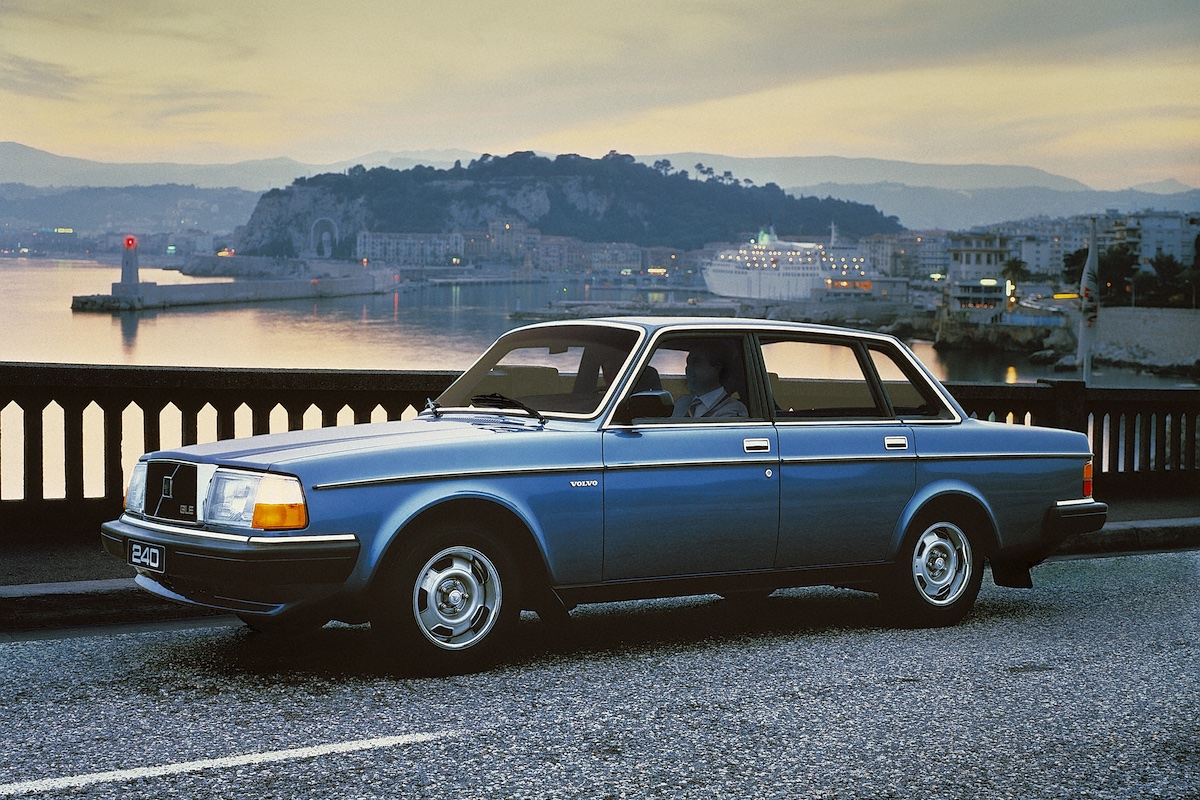
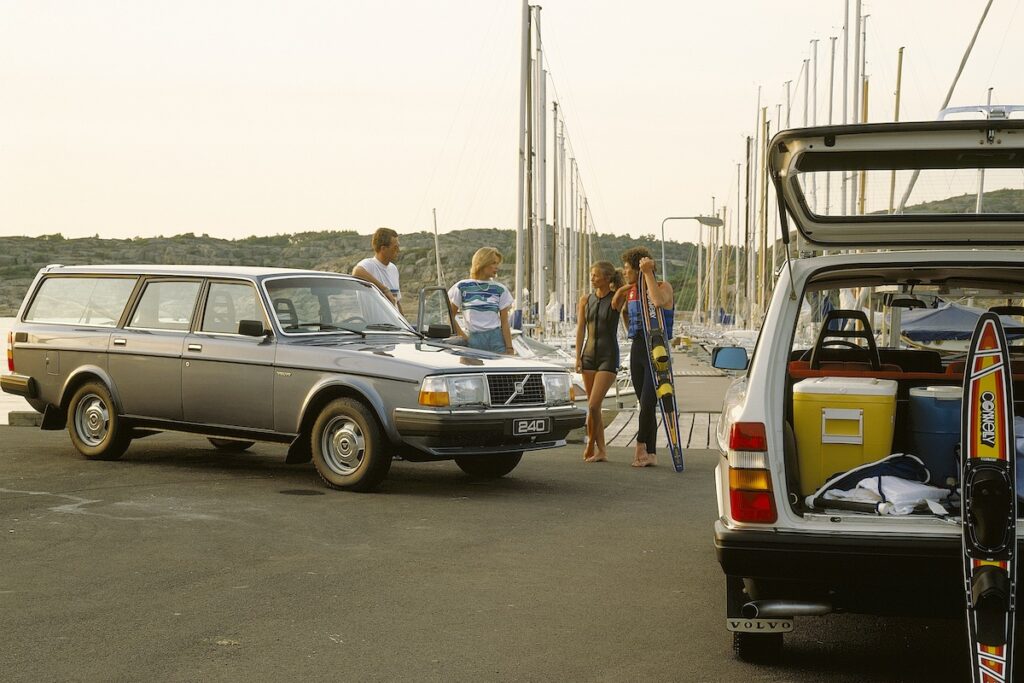
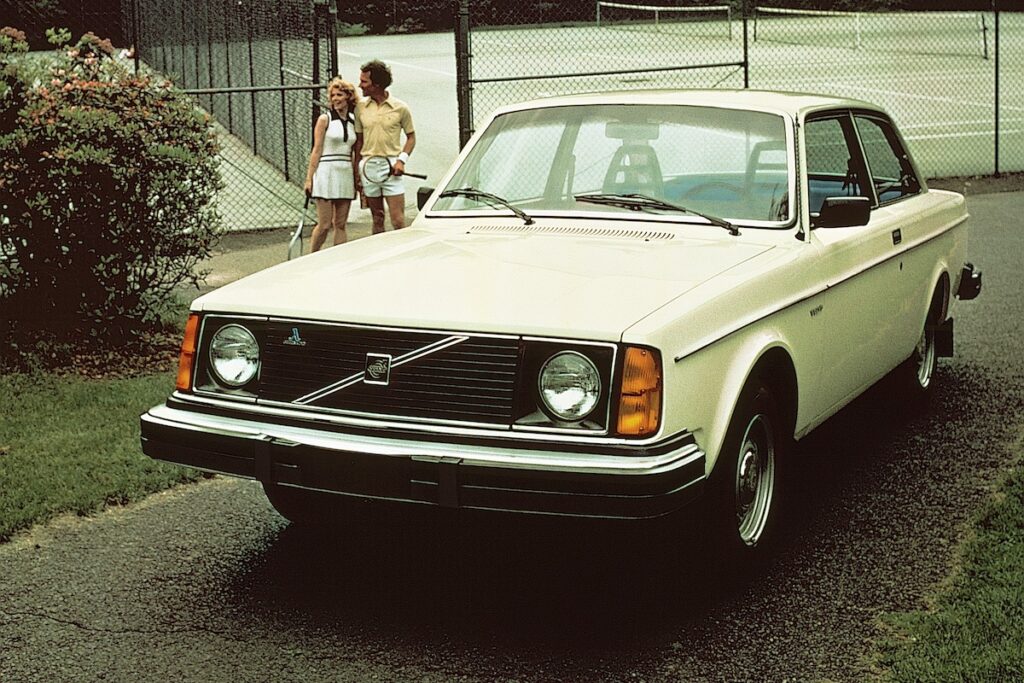

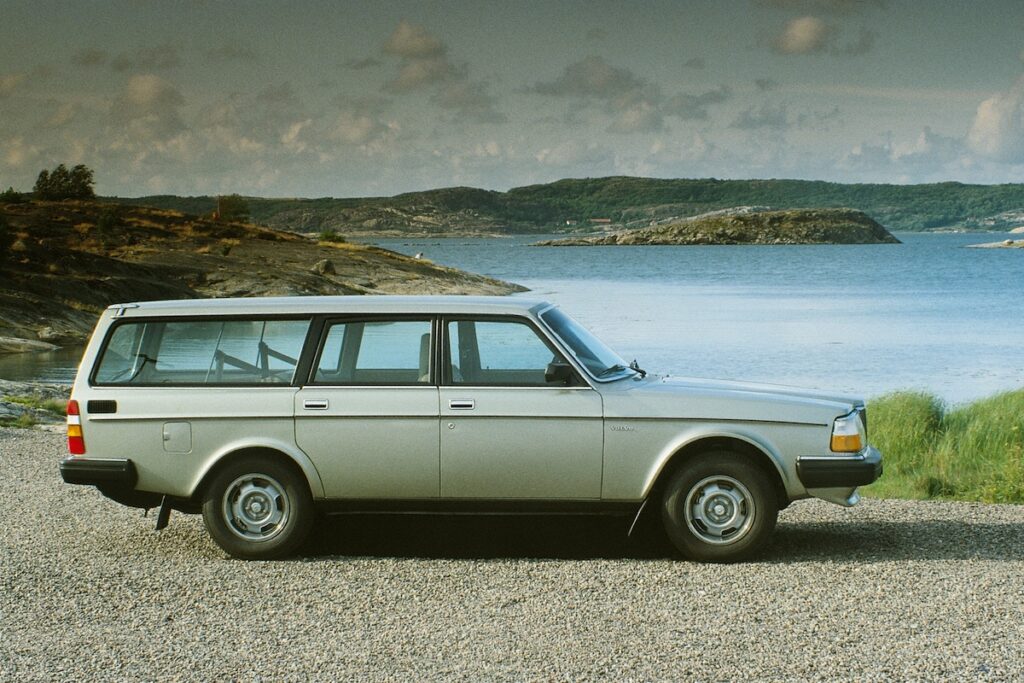
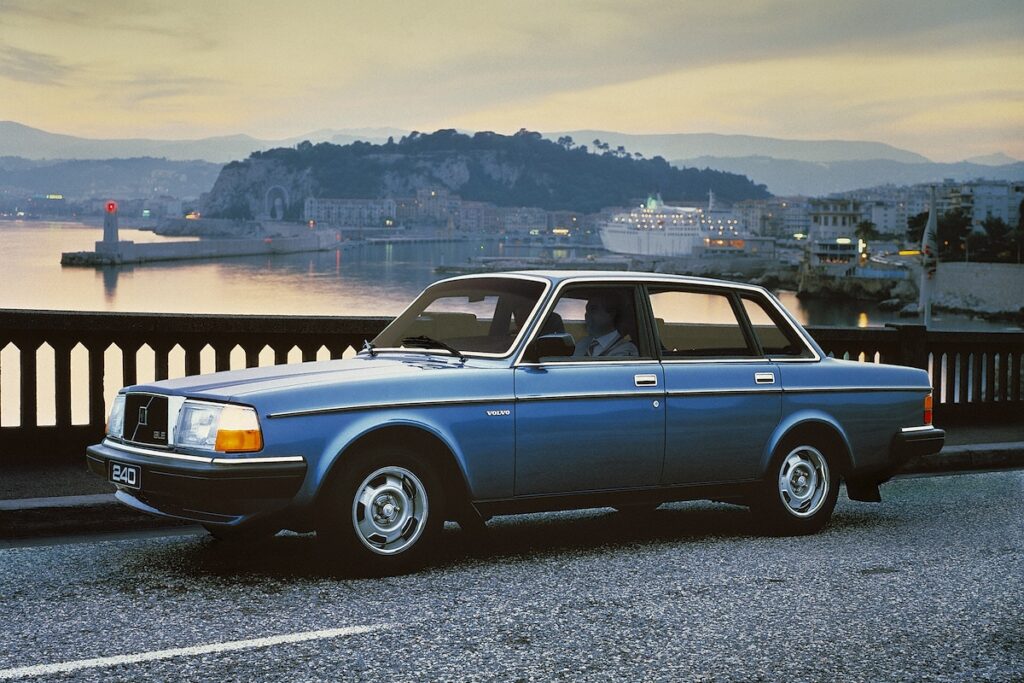


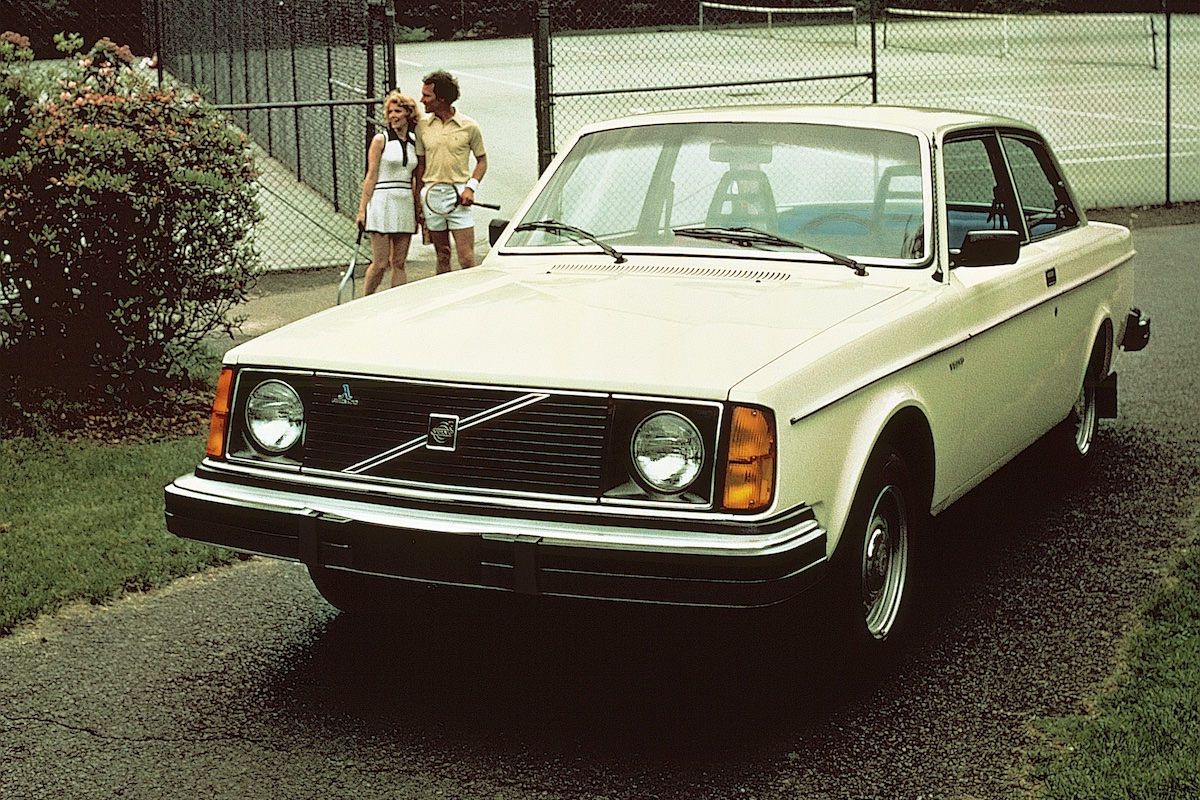
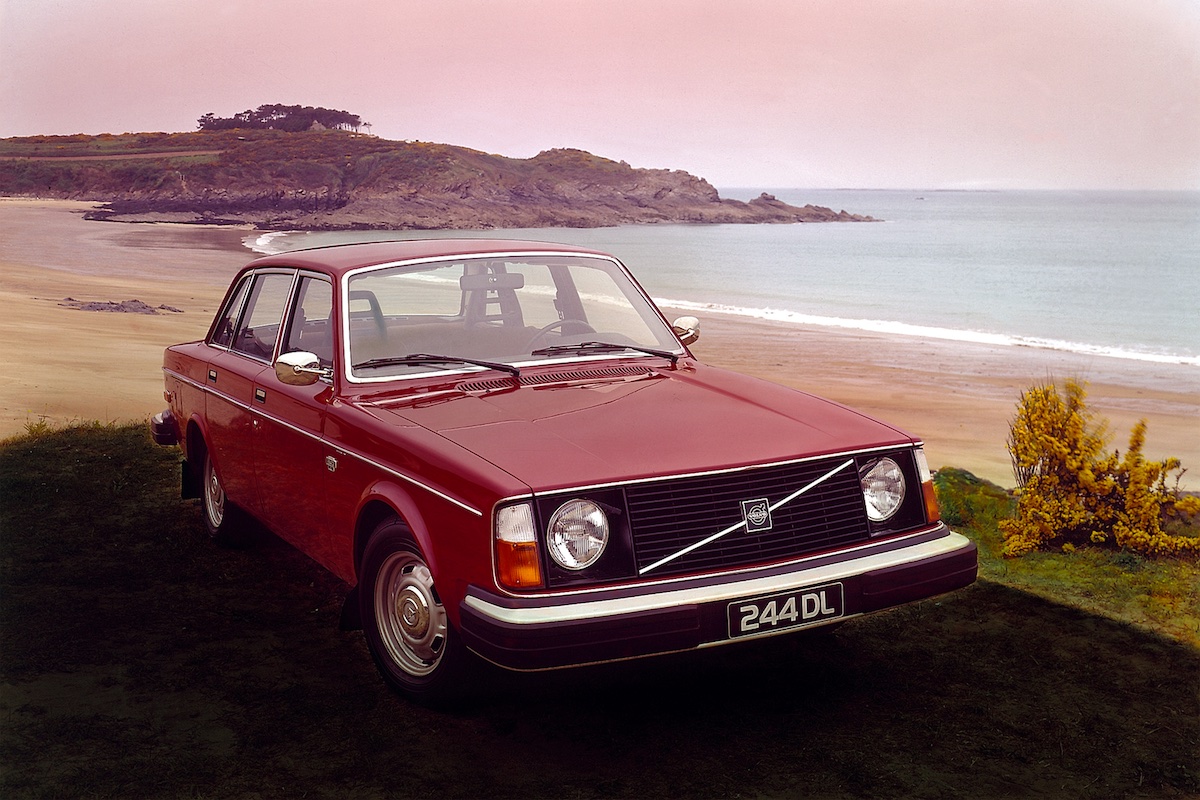
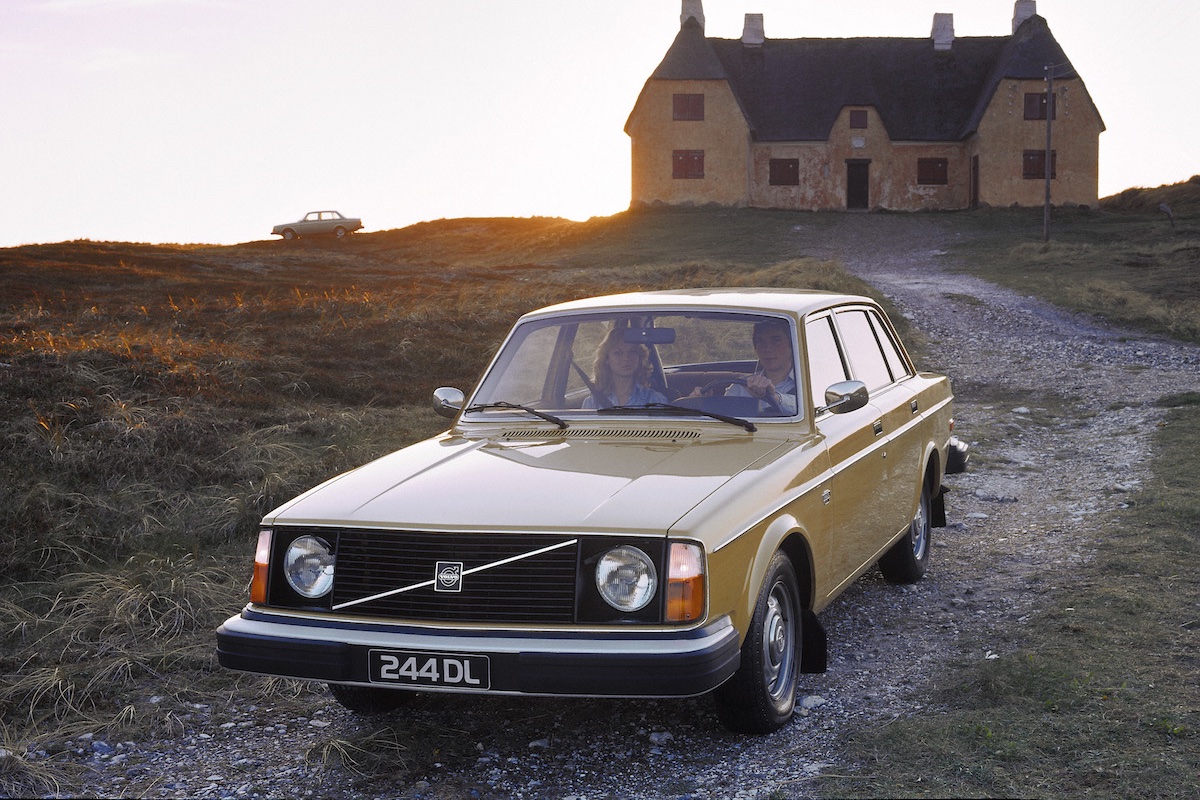

It’s just over 50 years since the slab-sided Volvo 200 Series first arrived in Australia, bringing with it a fascinating synthesis of progressive yet sensible design and radical safety technology that forever changed the world of cars. Let’s celebrate this unlikely automotive icon.
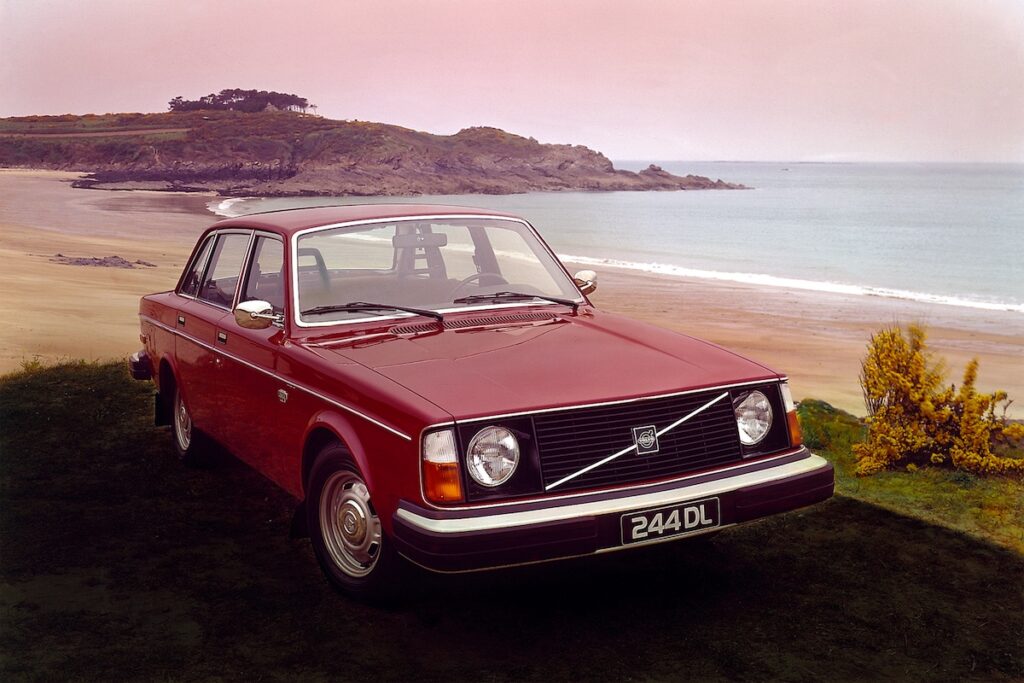
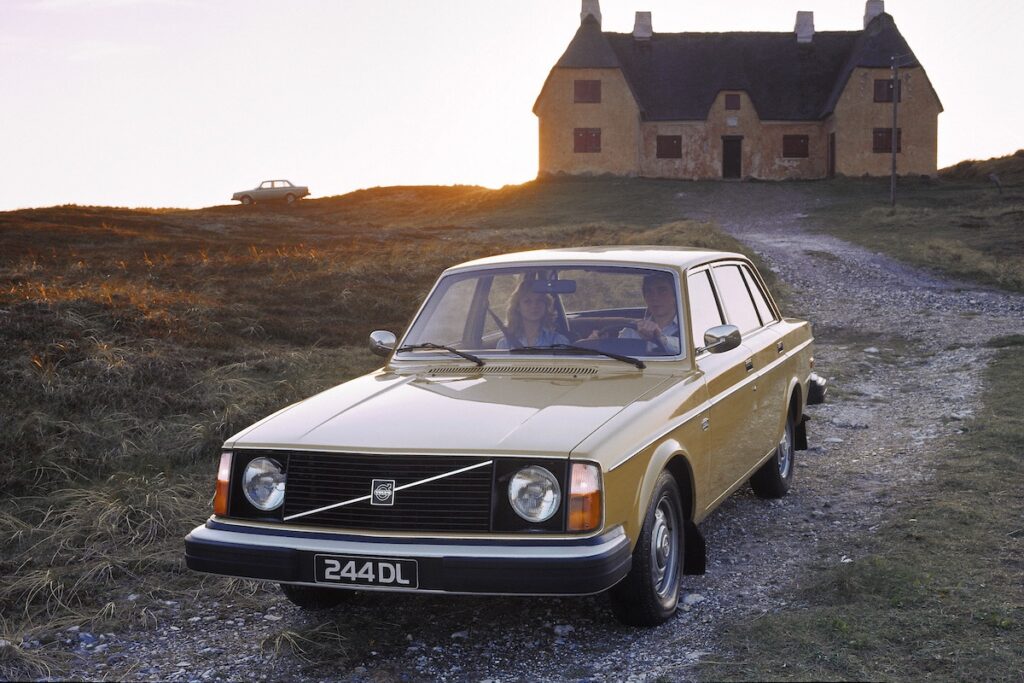
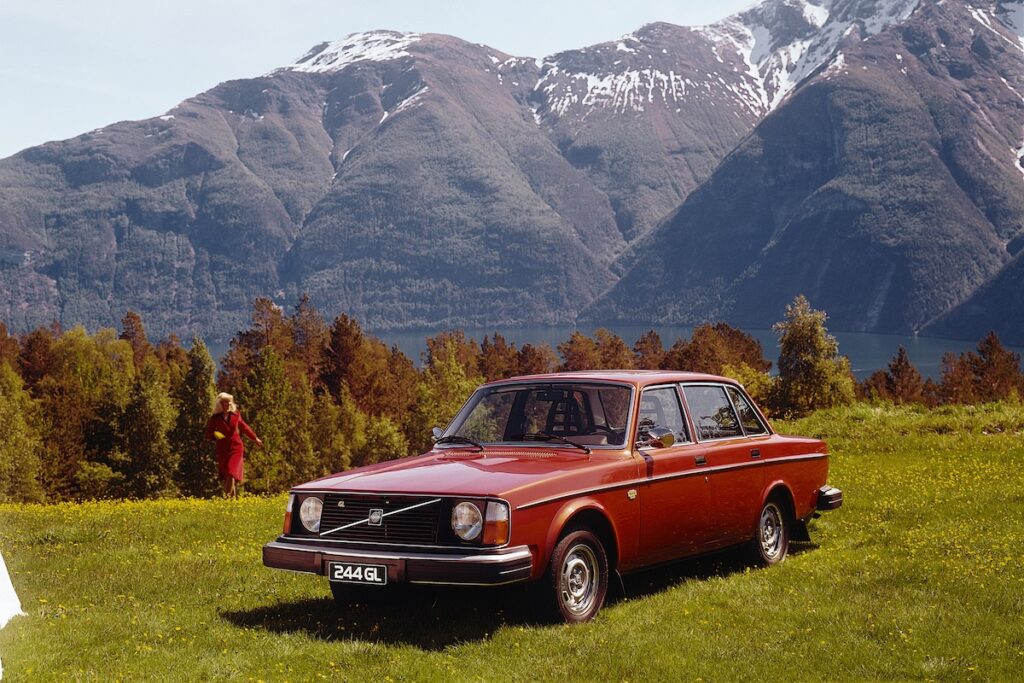
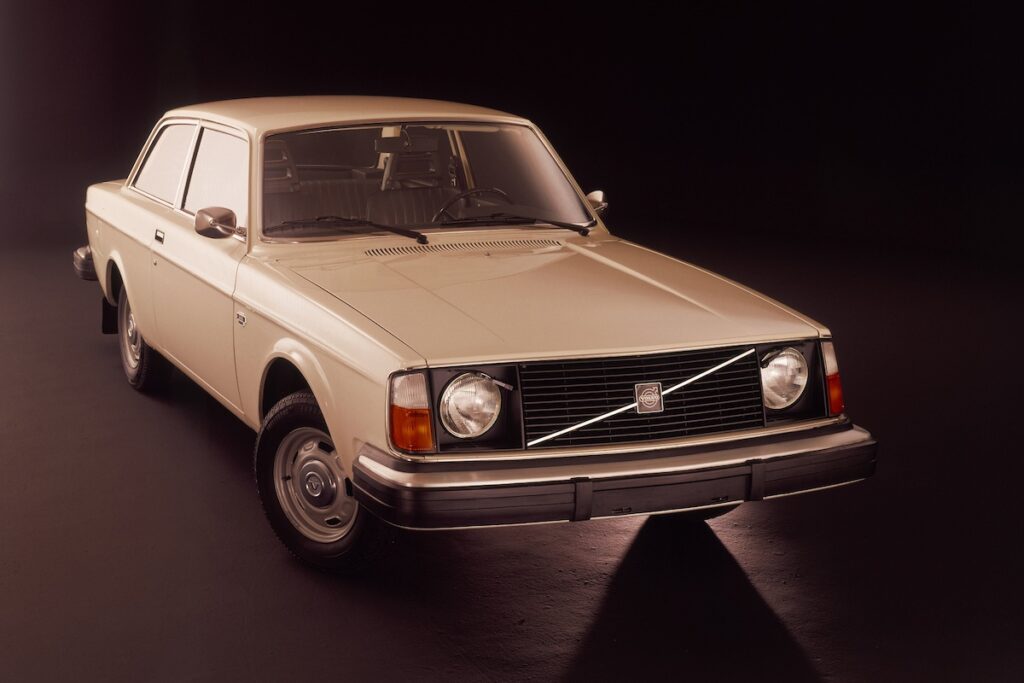
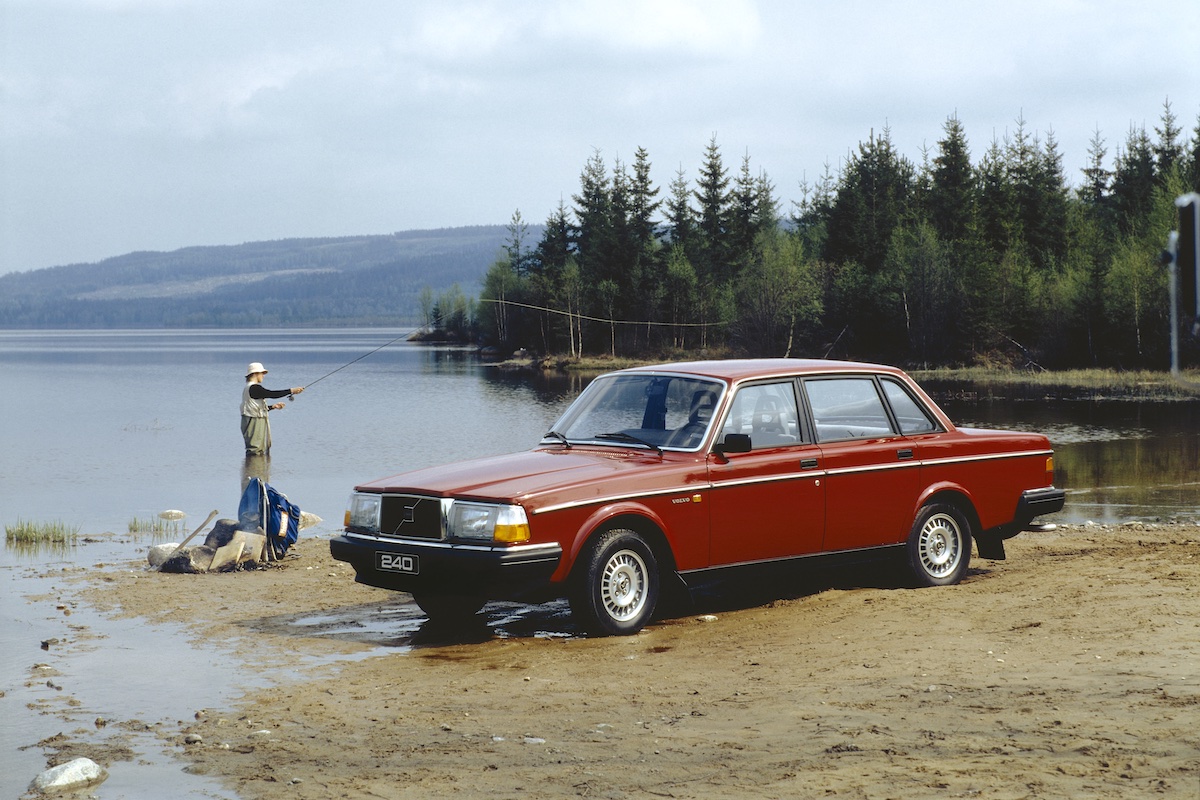
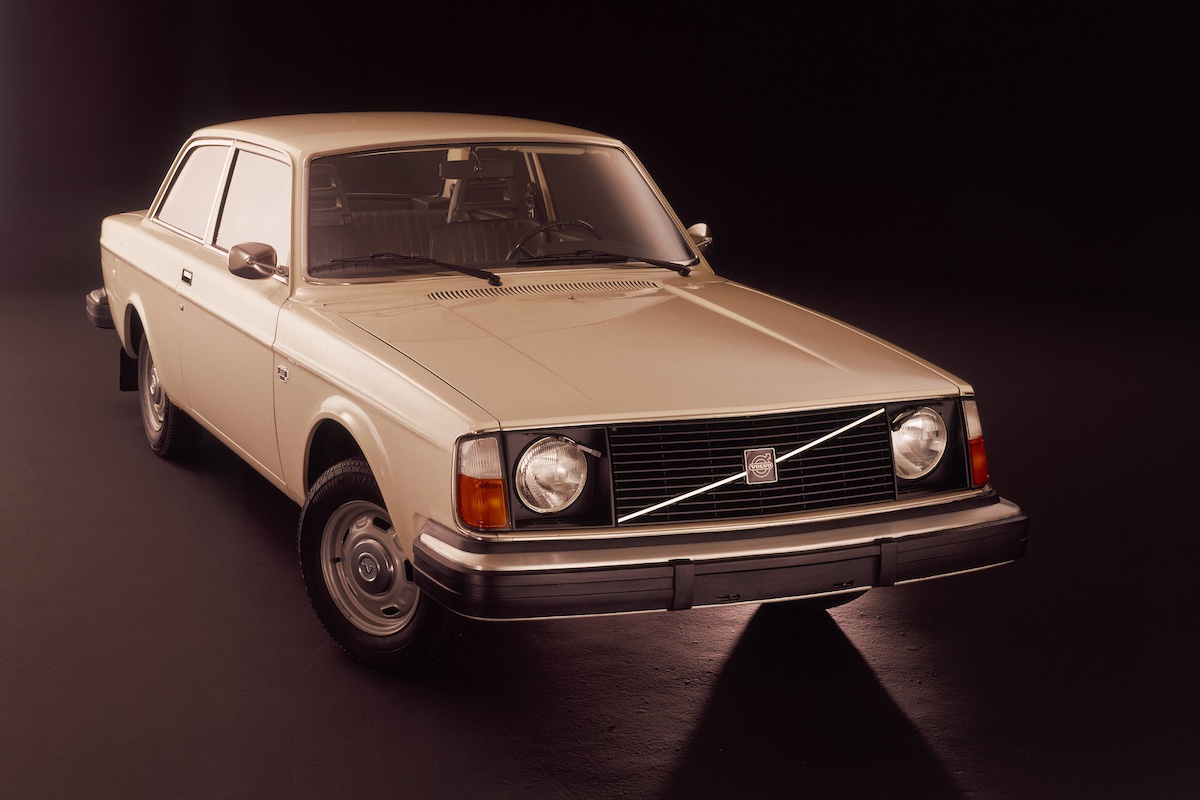
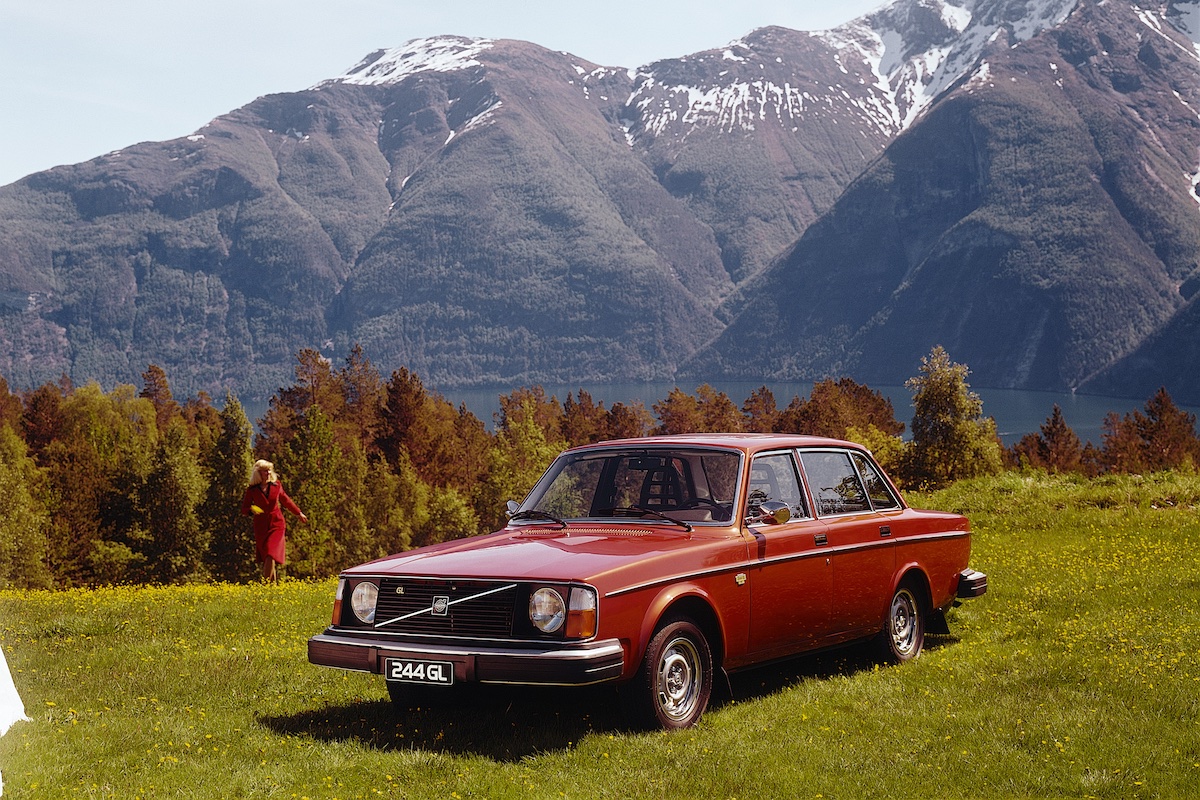
Launched in Europe in 1974, the Volvo 240 and 260 arrived Down Under a year later in 1975. It sported styling that was startling by contemporary standards, with a swept-back flat-black plastic grille rising above enormous brushed-alloy and rubber-padded bumpers.
The chunky safety-focused bumpers had been previewed by the radical Volvo Experimental Safety Car shown to the world in 1972. The 200 Series’ boxy, angular design, with its elongated bonnet and rear end, looked every bit a vehicle from the future in an Aussie streetscape of Holdens, Ford Falcons, Morris Minors and VW Beetles.
Volvo had built its first car, the four-cylinder powered ÖV4 open tourer in 1927, and launched the car that helped make it an international car company, the PV 444, a year before the end of WWII in 1944.
By 1955, the Gothenburg-based car maker had begun exporting the PV 444 to the USA, with its first cars landing in Long Beach, California.
It wasn’t until the mid-to-late 1960s that the brand began to gain some prominence in Australia with the 140 Series, and by 1972 local assembly of this model had begun at a site in Clayton, Victoria, which also assembled Volkswagens.
The 140 Series was more conventionally styled than the PV 444 with its post-war “beetle-back” rounded body, and soon gained a reputation among educated Aussie consumers for sturdy reliability and driving comfort.
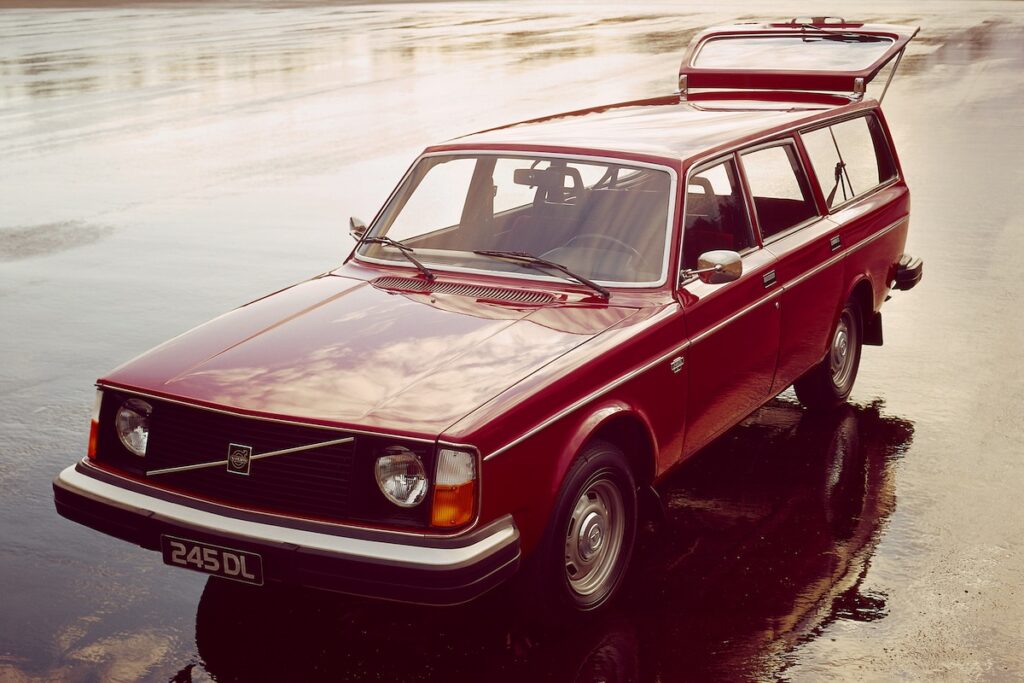
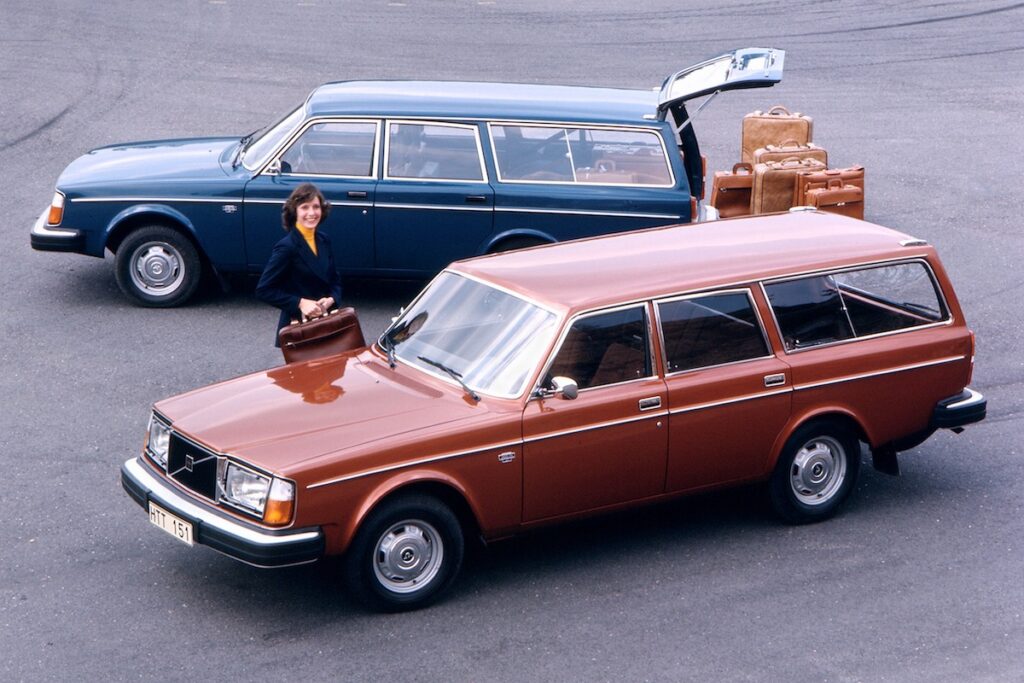
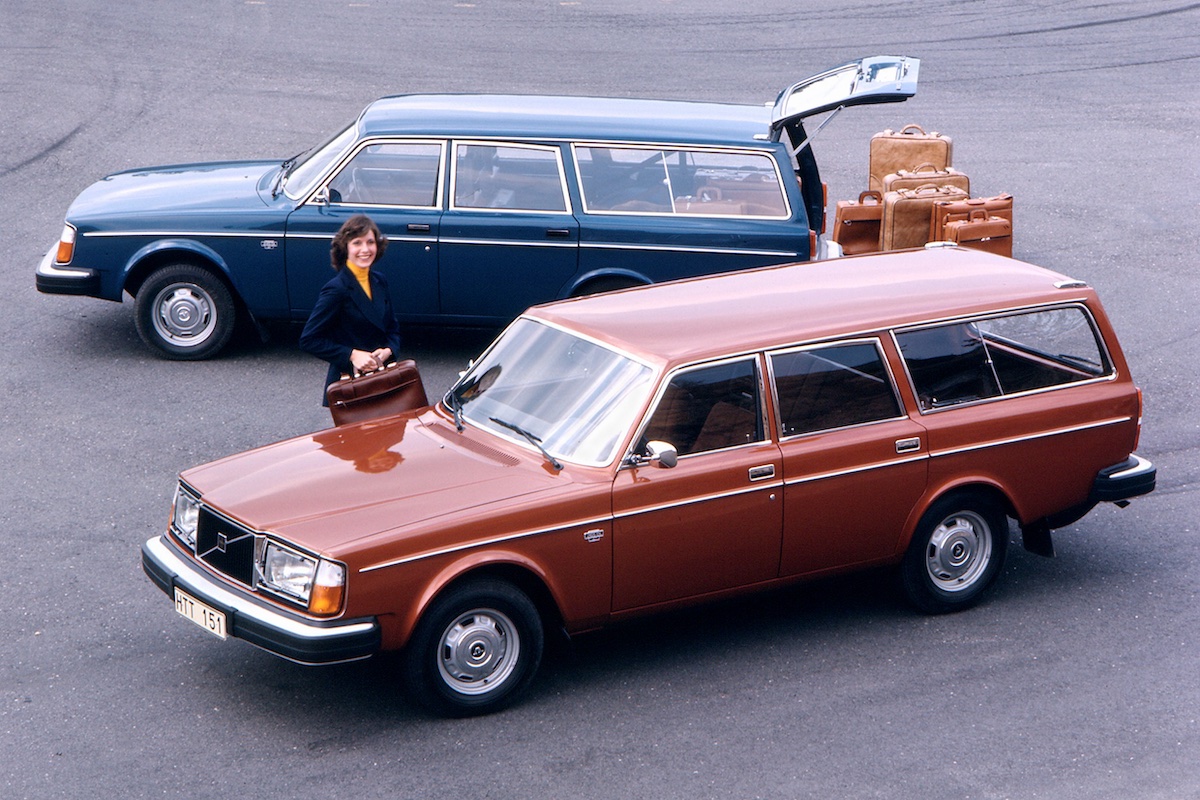
By the time of the 240 and 260’s arrival, Volvo had expanded local manufacturing of the 140 to include coupe and wagon body styles, capturing an impressive 23 percent of the premium vehicle segment.
As well as its new naming protocol, the 200 Series debuted the radical new styling inspired by the Volvo Experimental Safety Car, and by 1975 was being assembled locally on the same line that had previously assembled the 140.
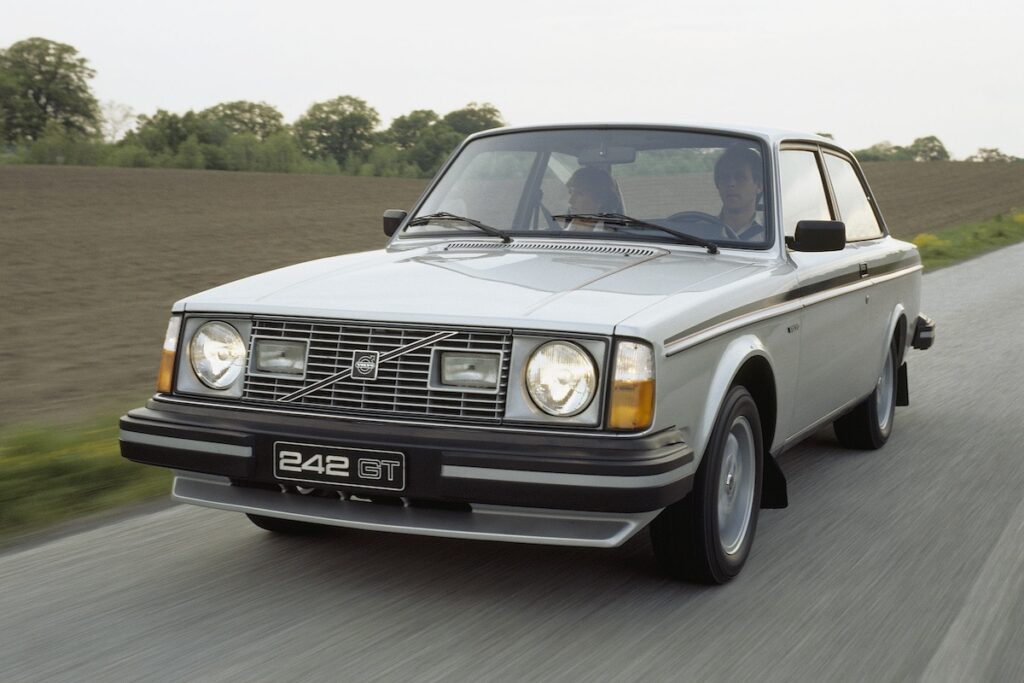
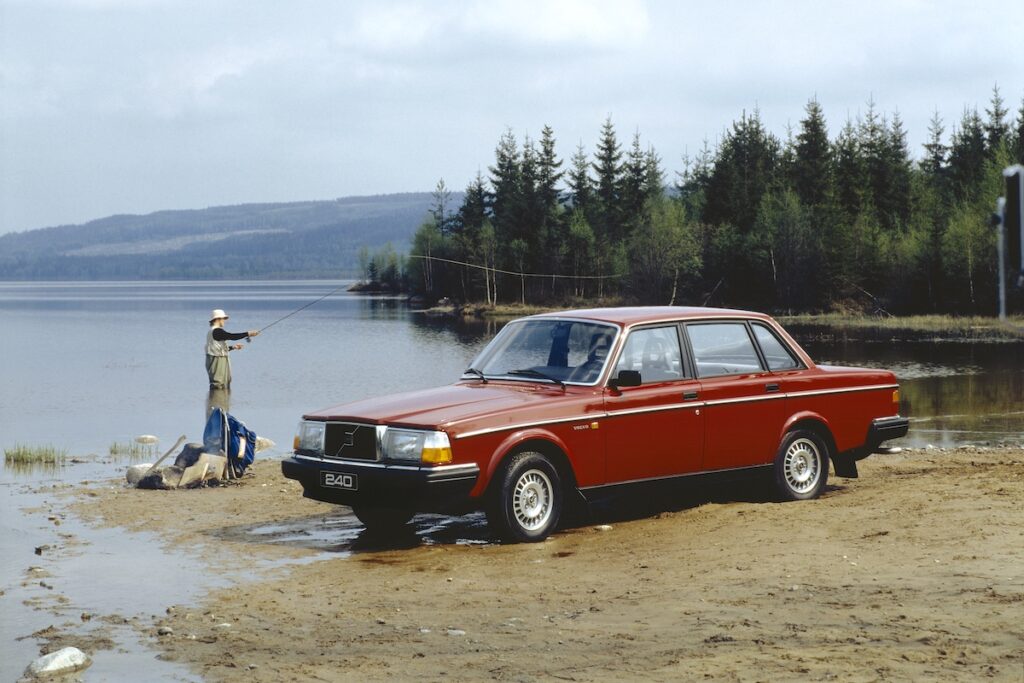
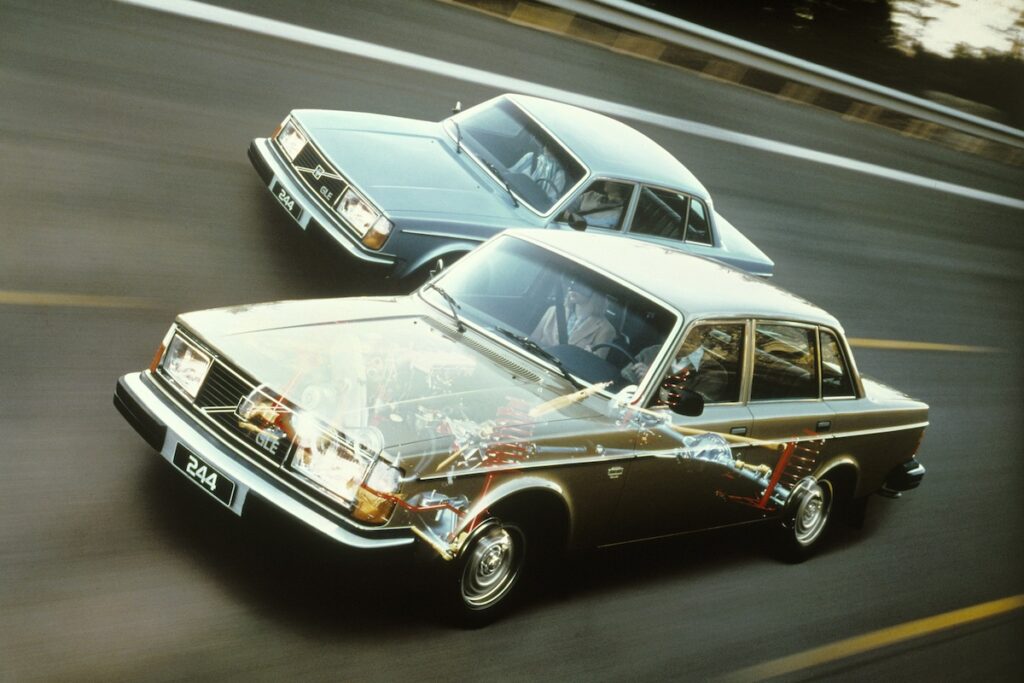
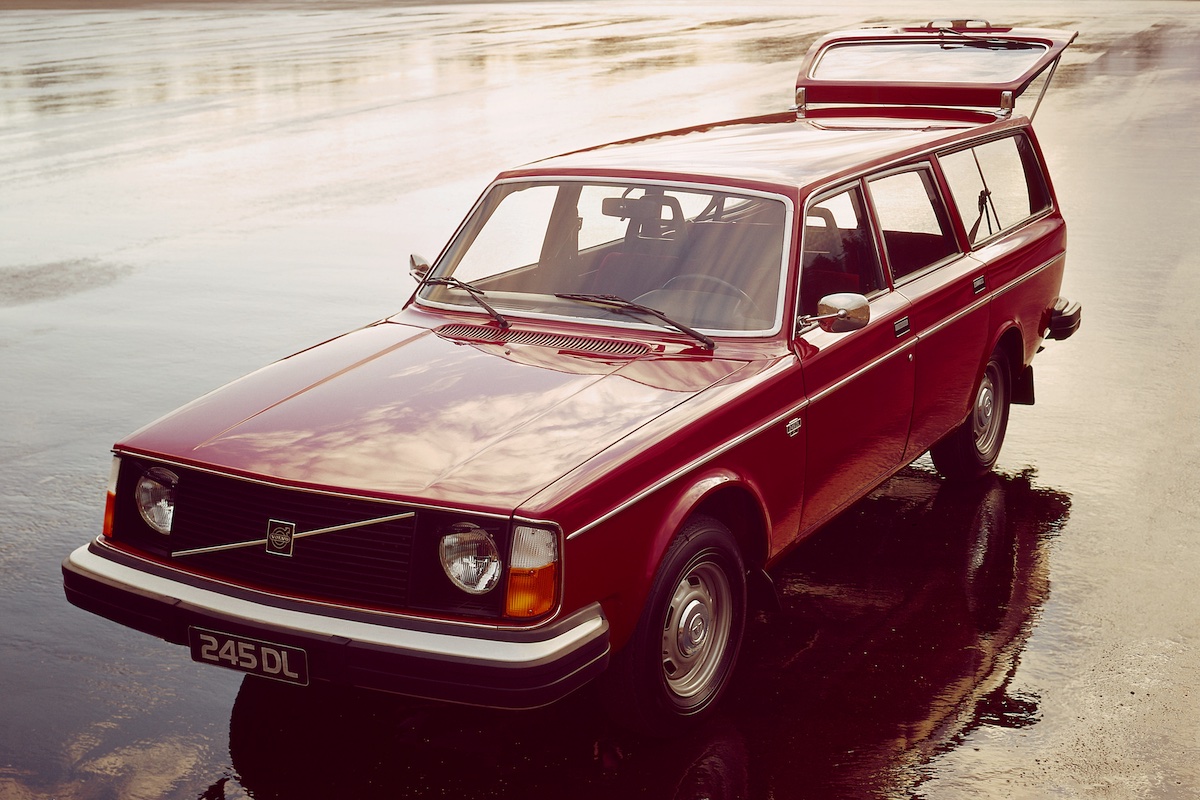
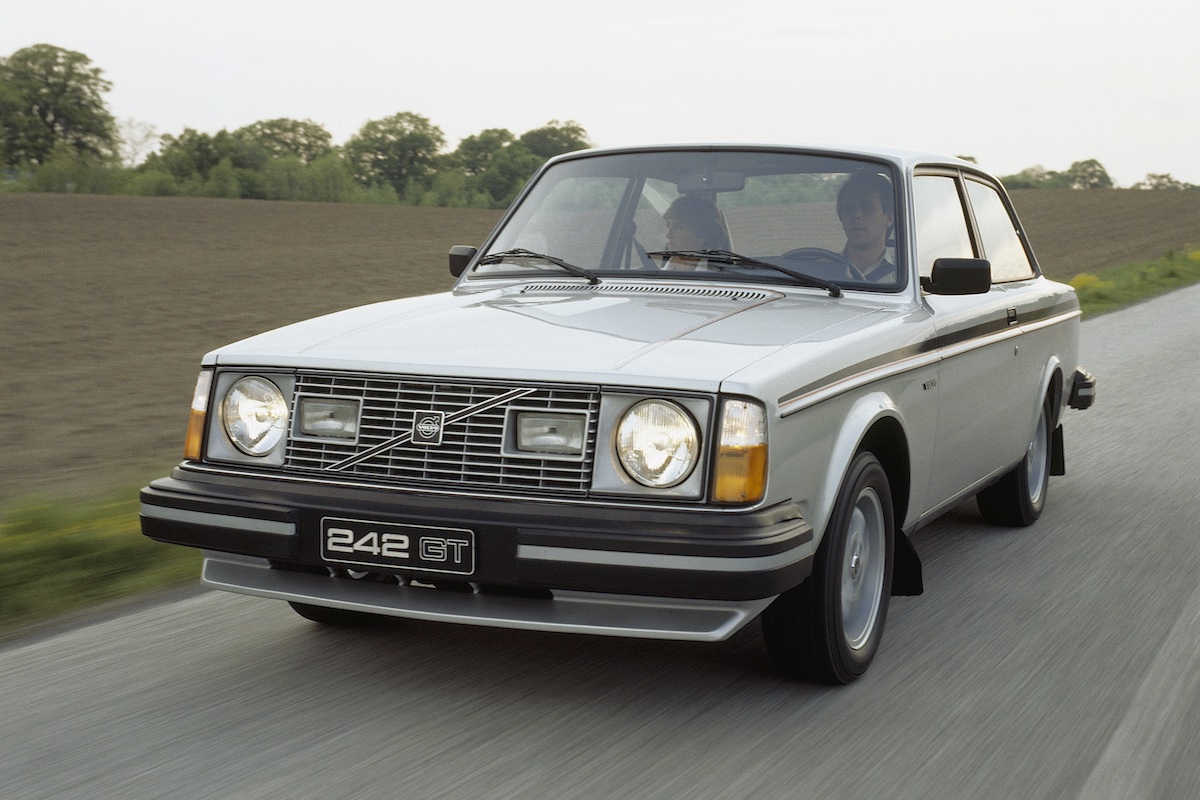
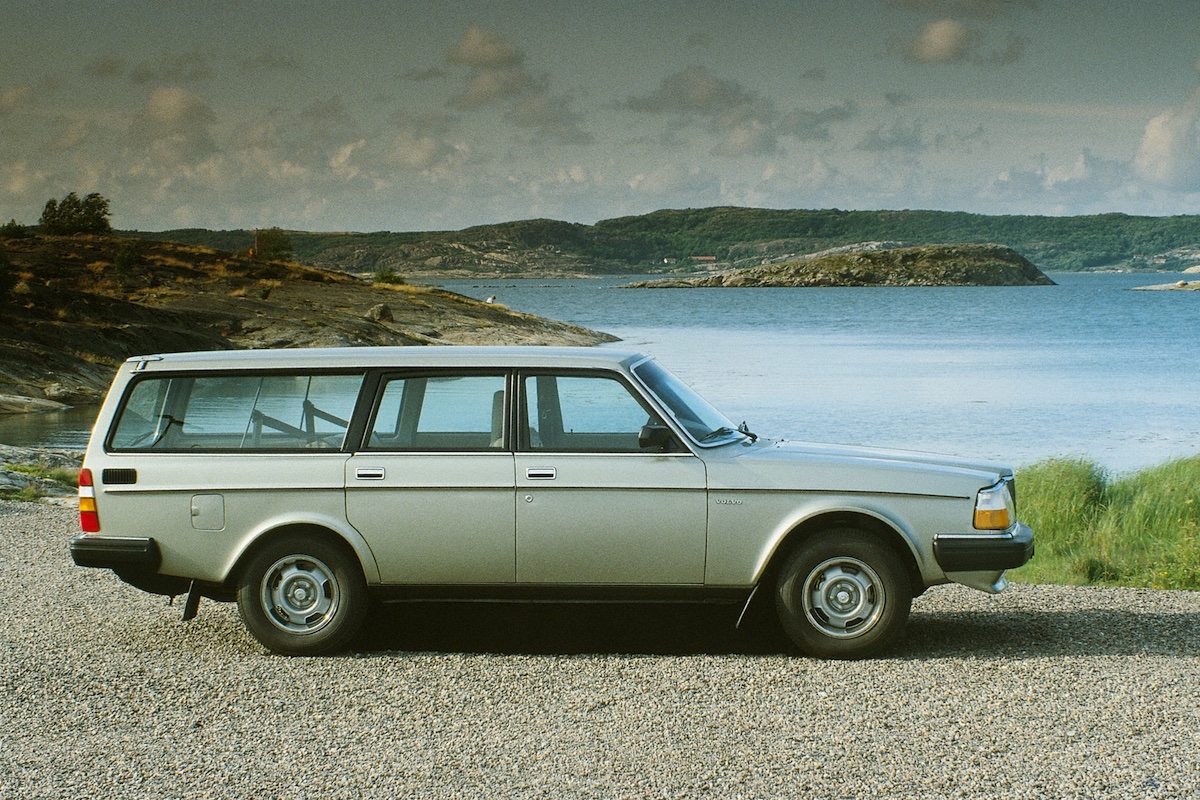
The range consisted of 10 models, spread across the 240 and 260 lines, with a range of two-door, four-door and wagon body styles along with both automatic and manual transmissions on offer. The simplest way to understand the naming convention that the second number (4 or 6) represents the number of cylinders, while the third number (2, 4 or 5) represents the number of doors. For example, a 244 four-pot sedan or a 265 six-cylinder wagon are just two of the many choices that were on the menu.
In terms of those engines themselves, 240 models were powered by a new 2.1-litre four-cylinder engine that initially developed 71kW in carburetted form, but this was later replaced by the same engine fitted with mechanical fuel injection to deliver a more robust 90kW. For buyers wanting more performance, the 260 variants saw power supplied by a 2.7-litre V6 from the ‘PRV’ (Peugeot-Renault-Volvo) engine family that mustered 104kW.
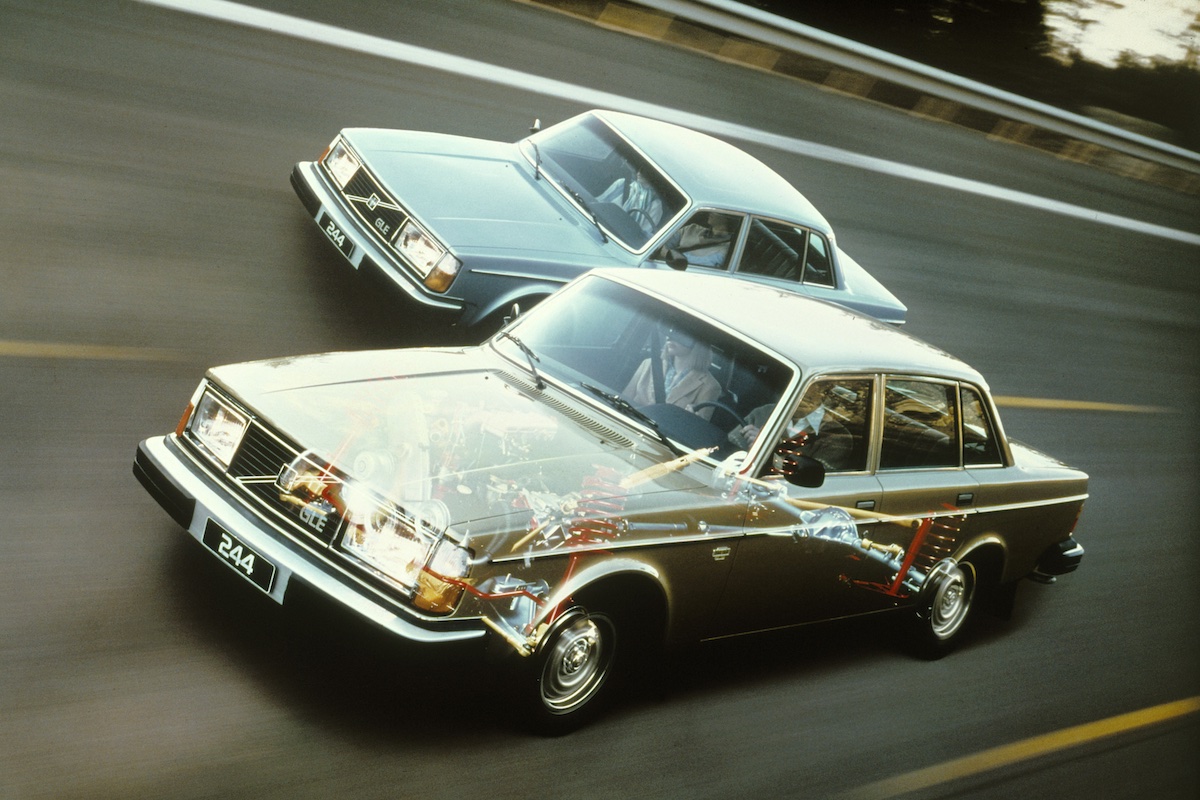
While their styling certainly made them stand out, it was the safety tech fitted to these new Volvo 200 Series cars that really changed the game. The list of safety features was extraordinary for 1975, especially when compared with contemporary offerings from Australia’s Big Three’ of Chrysler, Ford and Holden.
Among the 240’s extensive list of safety kit was ‘safety cage’ body construction with front and rear crash zones, intrusion bars in the doors, seat belts for all occupants, seat belt reminder light, laminated windscreen, padded dash and steering wheel, front seat headrests, and anti-submarining front seats. Add to this a well-isolated fuel tank, radial tyres, four-wheel disc brakes, and a triangulated split-circuit braking system, and it’s possible to see why this Volvo was so revolutionary.
Remember, this was at a time when basic safety features like rear seat belts, front disc brakes, radial tyres and seat headrests were still options on many cars, so having them all in one car was true innovation.
No less an authority than government of the United States agreed declaring the Volvo 200 Series a benchmark for automotive safety. It was a slap to the face of the US car industry which had been on notice ice about automotive safety since 1965 and the publication of Ralph Nader’s seminal Unsafe at Any Speed: The Designed-In Dangers of the American Automobile.
Nader’s US best-seller had revealed both the appalling lack of safety features fitted to the average American car, and the US auto industry’s blatant disregard for adding such features, despite Volvo having fitted three-point belts to its cars since 1959 and waiving its patent rights so everyone could benefit.
Understandably, Volvo’s advertising in Australia and elsewhere capitalised on the safety merits of the 240. Instead of idealised images of handsome businessman and their happy families, Volvo’s ads showed brutal real-life images of crashed vehicles and adopted the tagline ‘Dynamic Safety’.
It also helped that with their fuel-injected engines were reasonably clean and efficient, at a time when people were beginning to take notice of tailpipe emissions and the growing problem of urban smog.
As world car design caught up – and with an appearance tweak in the late ’70s that gave it a more prestigious look – the nerdy Volvo 200 Series mellowed to mainstream as it settled into the 1980s.
Today, these slab-sided Volvos rank alongside the VW Beetle, Land Rover Series cars and Rolls-Royce for instant recognition. Part of that is due to the model’s extraordinarily long production run, with the 200 Series in continuous production for a remarkable 19 years, from 1974 to 1993.
That’s an impressive feat, one matched by few other nameplates, and it’s even more impressive when you realise how much automotive technology changed during those nearly two decades.
The period from 1974 to 1993 saw cars move from manually-adjusted drum brakes to ABS; from monthly vehicle greasing to closed-loop electronic fuel injection; and from having no rear seatbelts to the widespread adoption of SRS airbag technology.
These days, 200 Series Volvos have a surprisingly loyal following around the planet. Their pioneering safety tech – including the ‘safety cage’ body with energy absorbing engine bay and boot sections – gave the 200 Series big appeal when new, and enduring strength later in life. Add high-quality design and construction, an extensive model range, plus terrific durability and longevity, and you have in many ways the ideal candidate for an affordable first-time classic.
But no story about the Volvo 240’s status in the glorious world of cars would be complete without a mention of its enduring contribution to pop culture: the evergreen slur which the brand later embraced in its ‘Bloody Volvo Driver’ marketing campaign of 2003.