
Rolls-Royce is marking the anniversaries of three of its groundbreaking ‘Experimental’ series vehicles, simply known as the ‘EX’ series, all of which have influenced the brand’s BMW-era road cars.
Marking 20 years since the unveiling of the 101EX, 15 years since the 102EX, and 10 years since the 103EX, each of these groundbreaking vehicles have played important roles in establishing Rolls-Royce’s contemporary design language, technology, engineering hallmarks, and commitment to Bespoke individualisation.
Unlike most concept cars, which are used to ask the market what it wants, EX motor cars are developed to answer specific needs and desires of the brand’s clients and its future. They also allow the brand’s engineers to test new technologies, production methods, and new material palettes as well.
While all three of these recent EX models hail from the Goodwood plant, first opened in 2003 after BMW’s acquisition of the brand, the EX lineage traces all the way back to 1919 when Henry Royce built the 1EX.
Later in 1929, when Royce found his new Phantom II too large and heavy for his own use, his team of designers produced a lightweight ‘26EX’ version on an adapted short chassis.
Proving ideal for high-speed, long-distance touring on Europe’s smooth, straight roads, it later entered production as the now rare and highly prized Phantom II Continental.
During the early-to-mid 1930s, Rolls-Royce built the 30EX and nine further experimental cars under the codename ‘Spectre’ as part of the V12 engine development programme that entered production in 1936 as Phantom III.
Drawing inspiration from those experimental Phantom III variants, the name Spectre was later revived for the marque’s first battery electric motor car, unveiled in 2022. The last pre-Goodwood EX car, 45EX, was built in 1957.
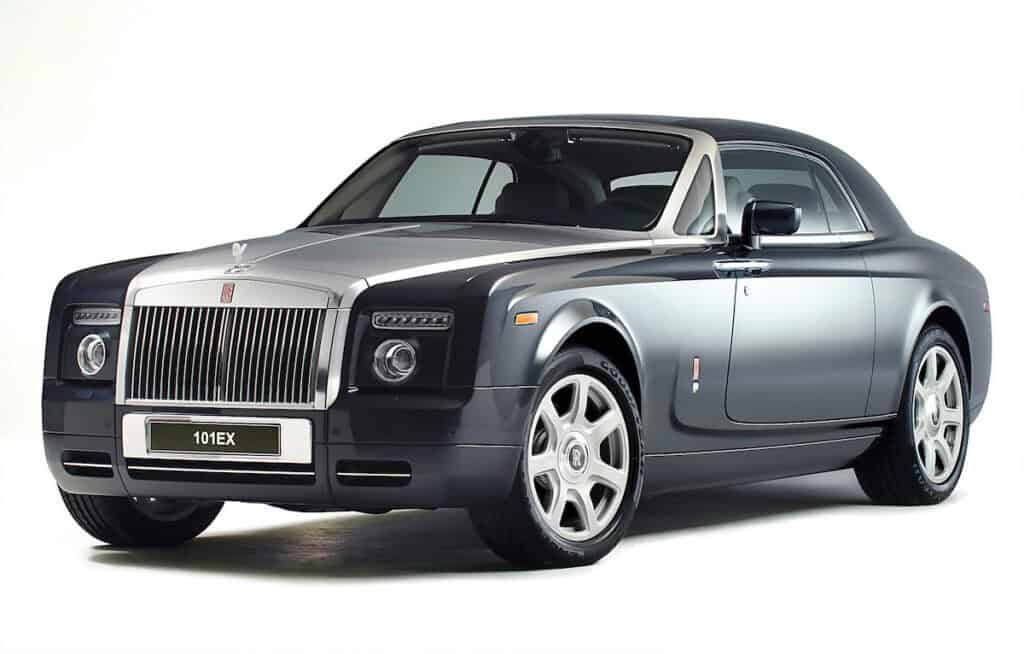
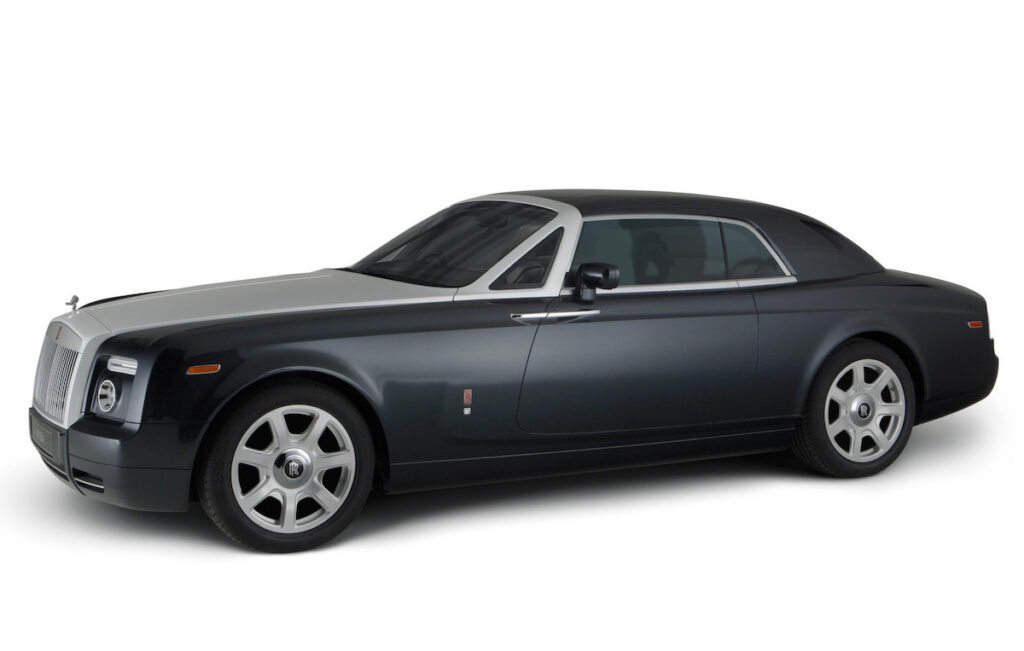
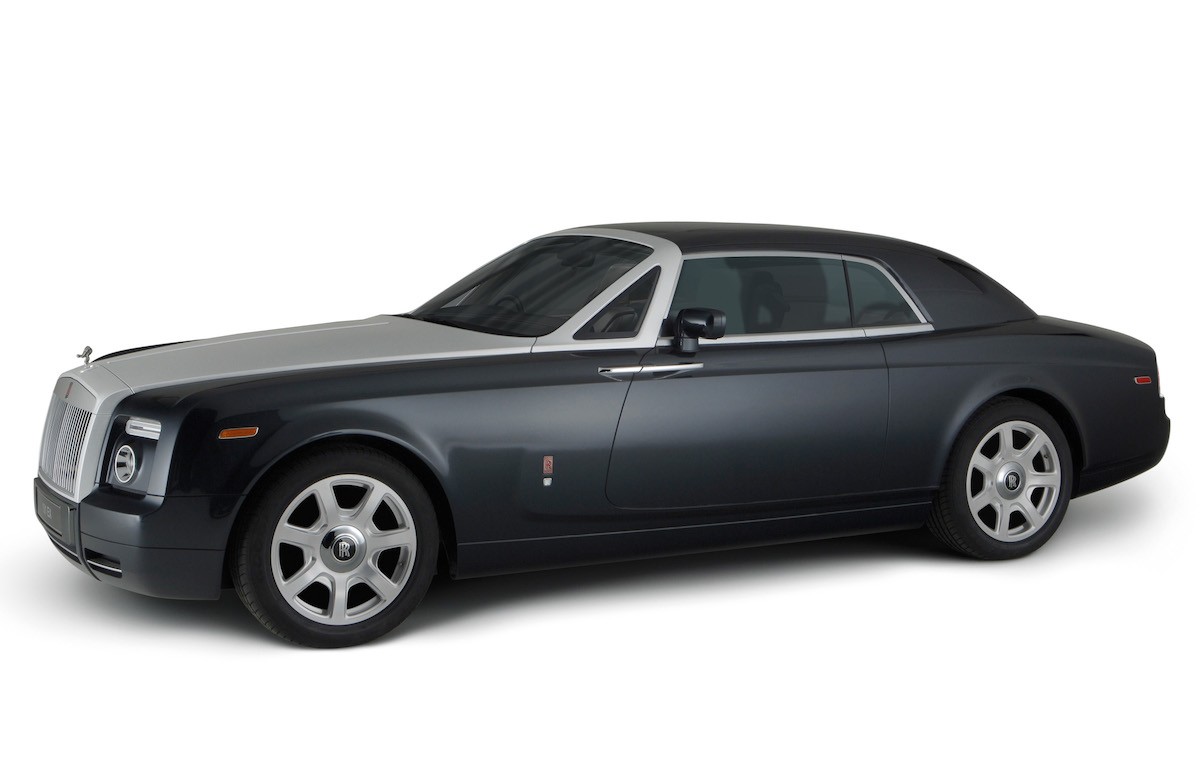
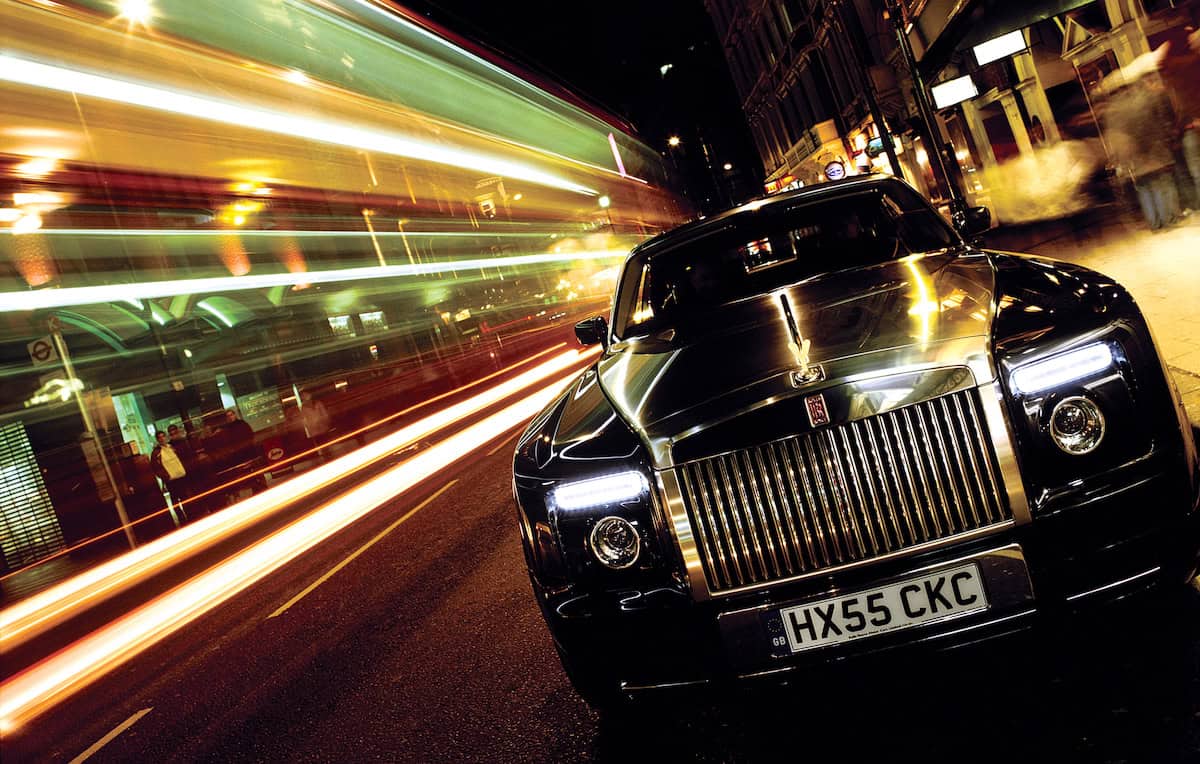
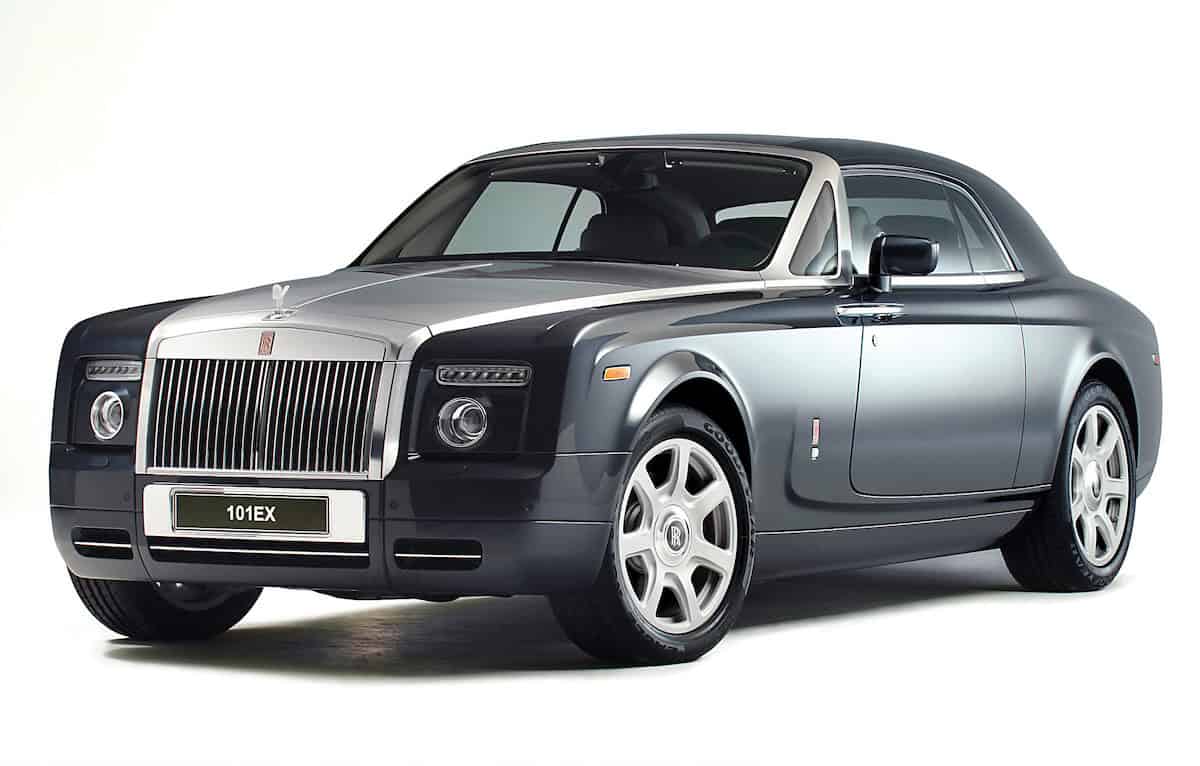
Thus, the line remained dormant until the V16-powered 100EX roadster of 2004, soon after followed by the first of the anniversary cars mentioned earlier – the 101EX, which made its debut 20 years ago at the 2006 Geneva Motor Show.
Based on the same aluminium spaceframe as Phantom VII but shortened by 240mm, this full four-seat coupé featured twin coach doors, carbon fibre composite bodywork, and a production-spec 6.75-litre V12 engine.
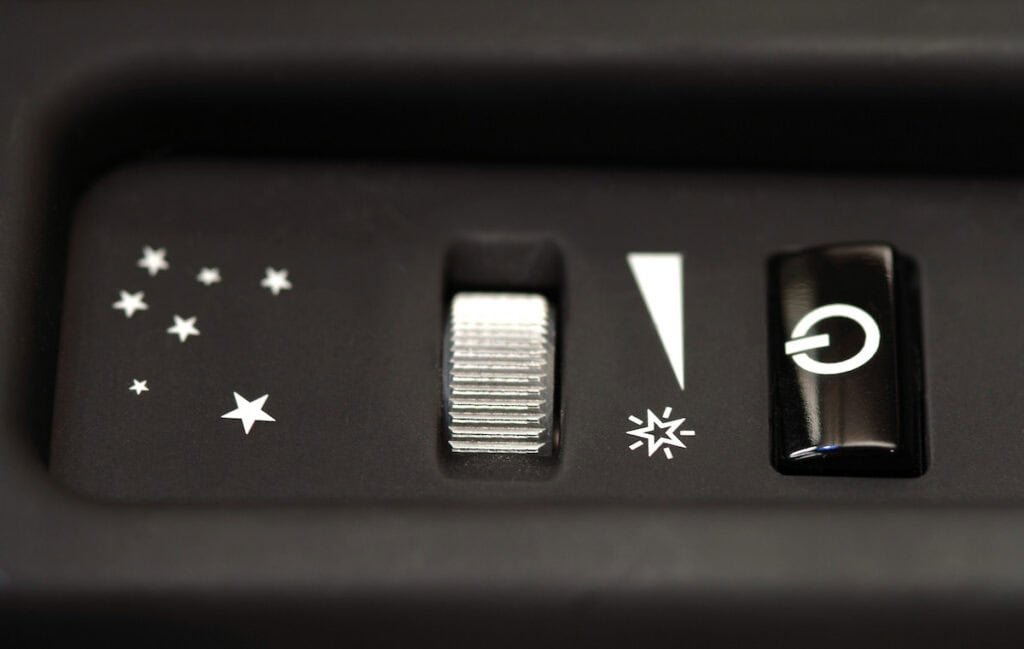
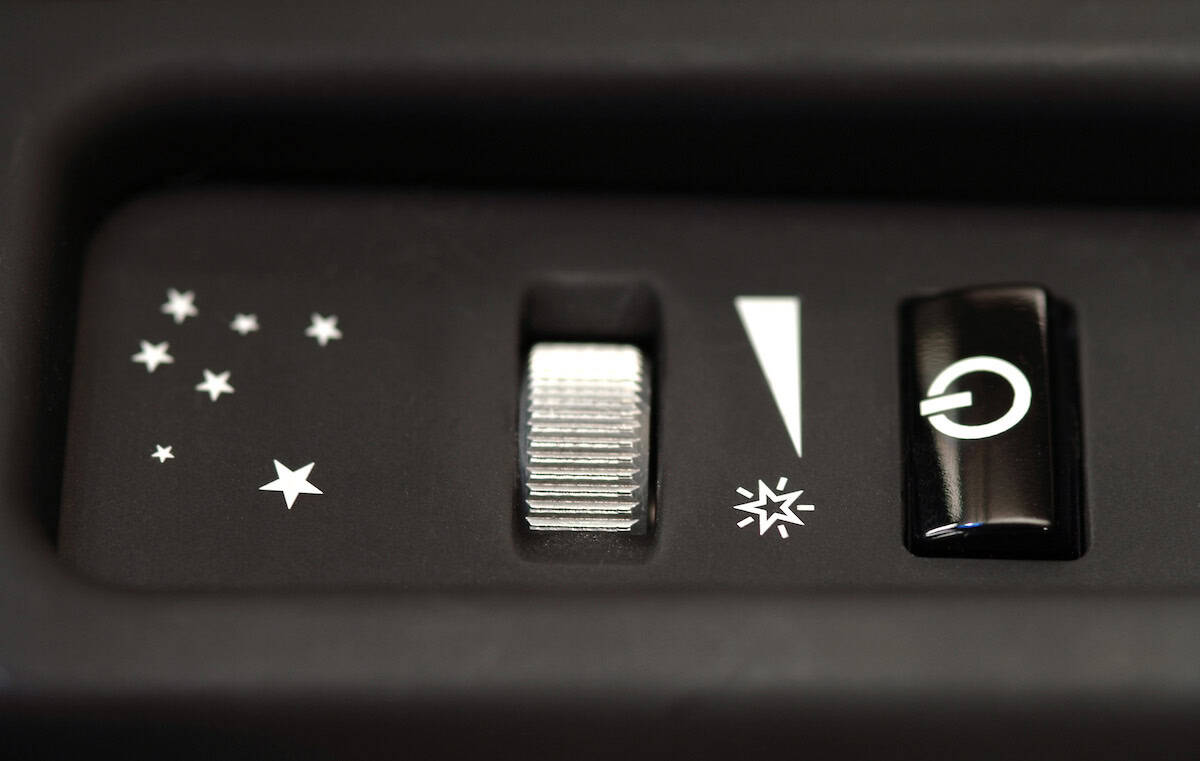
Designed to have a more performance and driver-focused character than its four-door sibling, it also sported a lower roofline and shallower glass area. On the inside, it featured the first ever ‘Starlight Headliner’, now a fundamental interior item for almost every Rolls-Royce car.
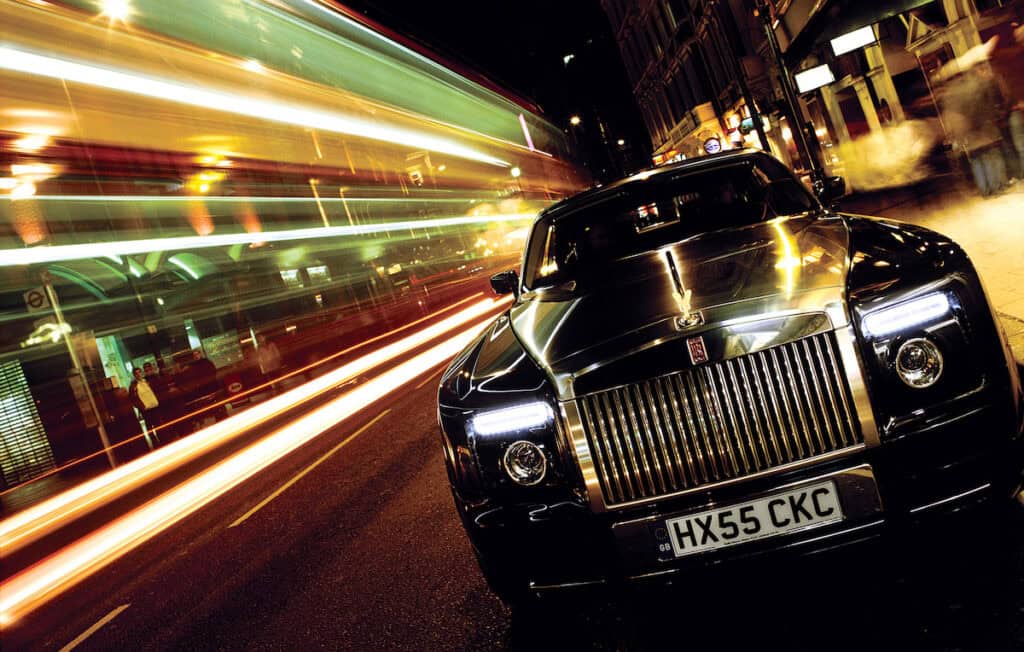
Both the 100EX and 101EX made their way into production over the following years, with the launch of 2007’s Phantom Drophead and 2008’s Phantom Coupé.
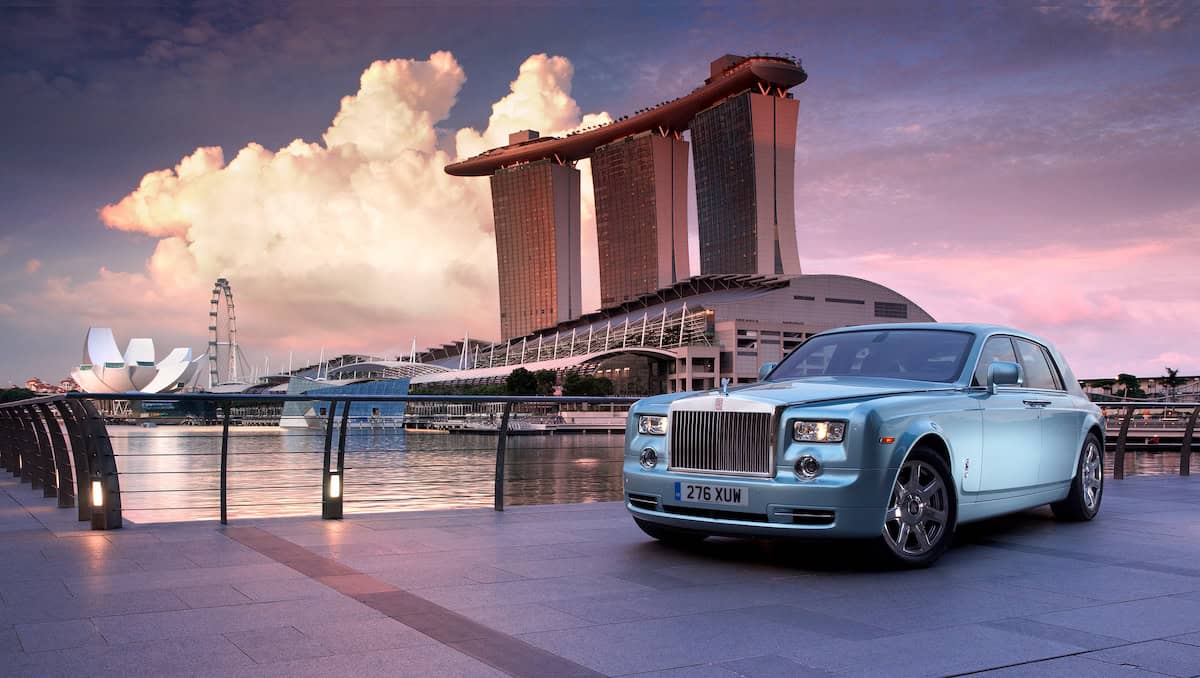
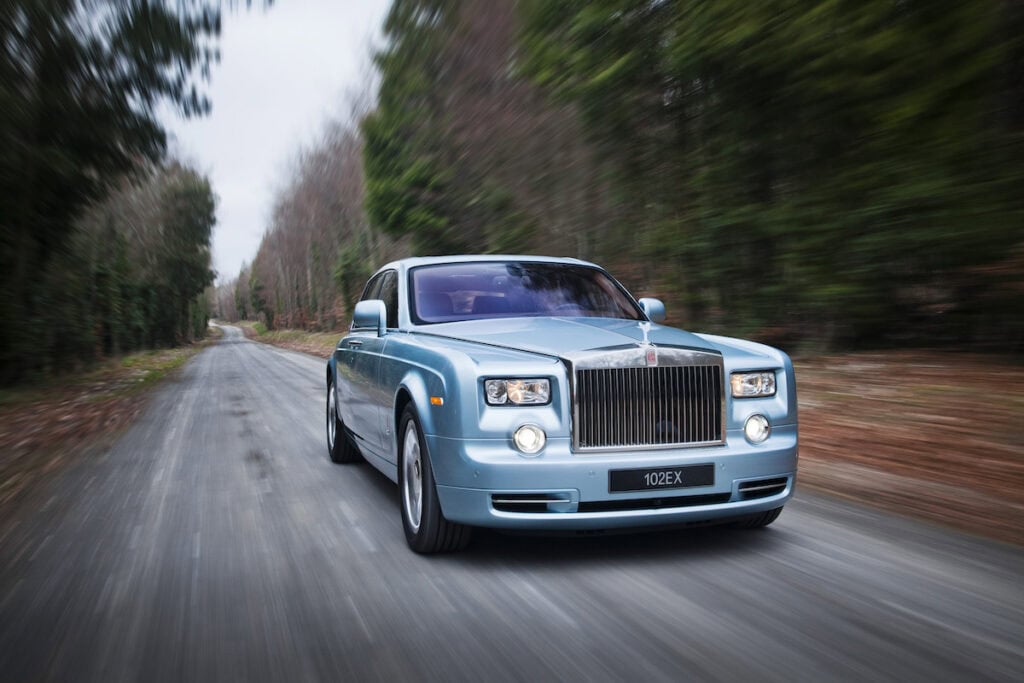
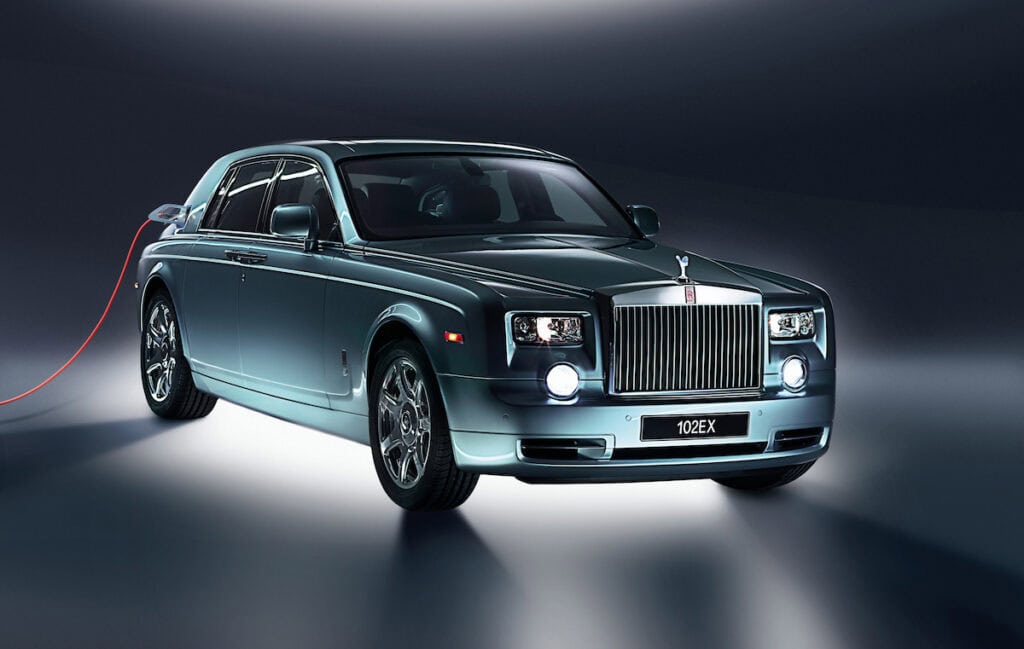
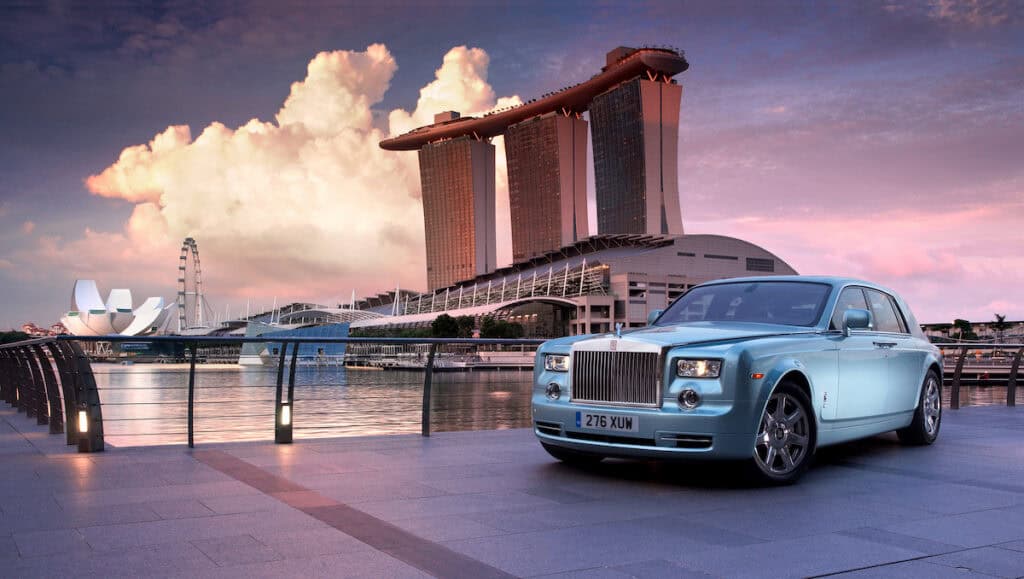
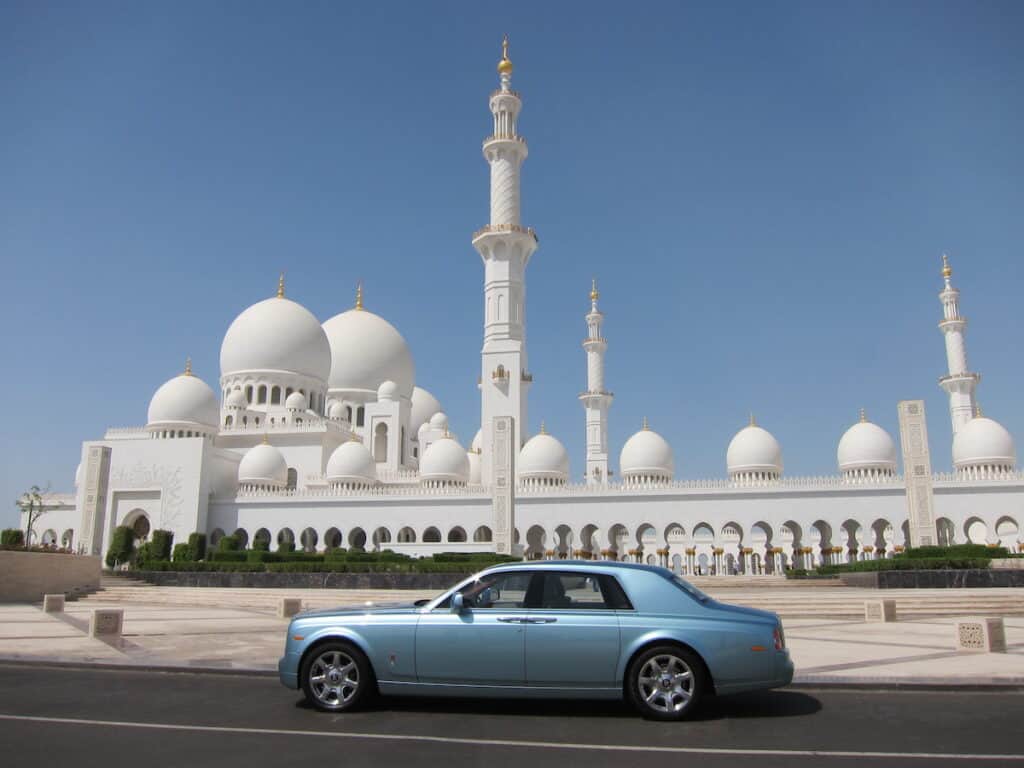
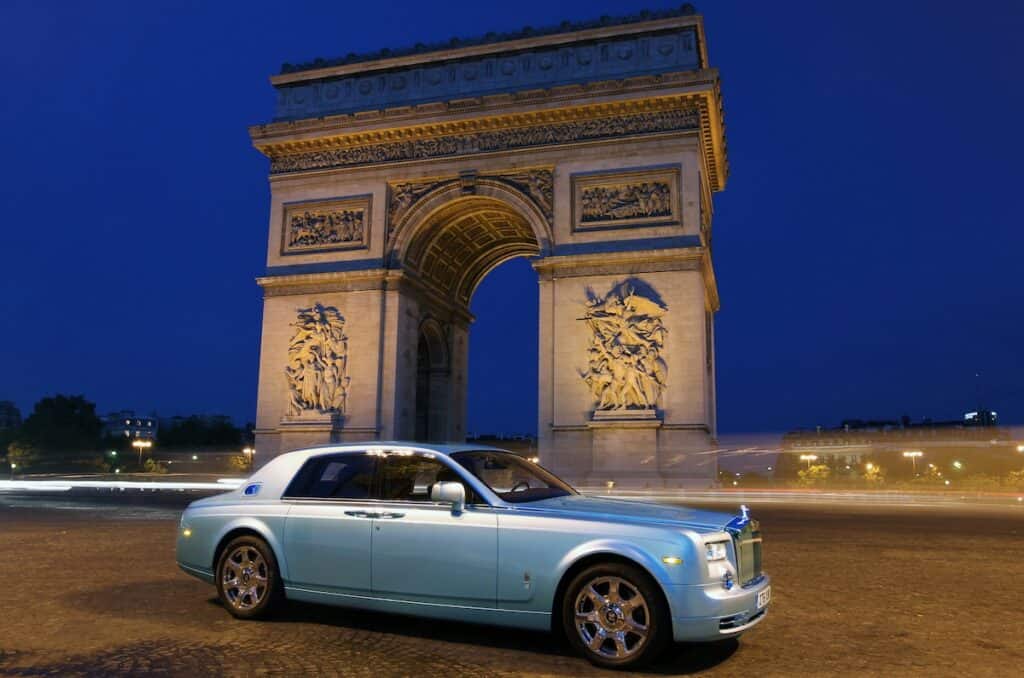
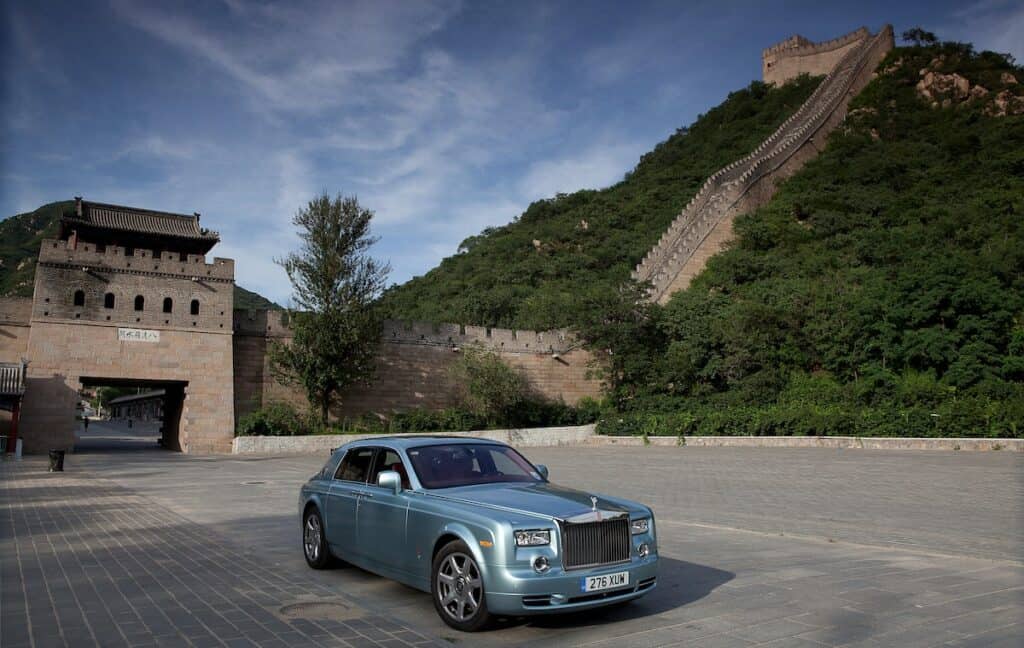
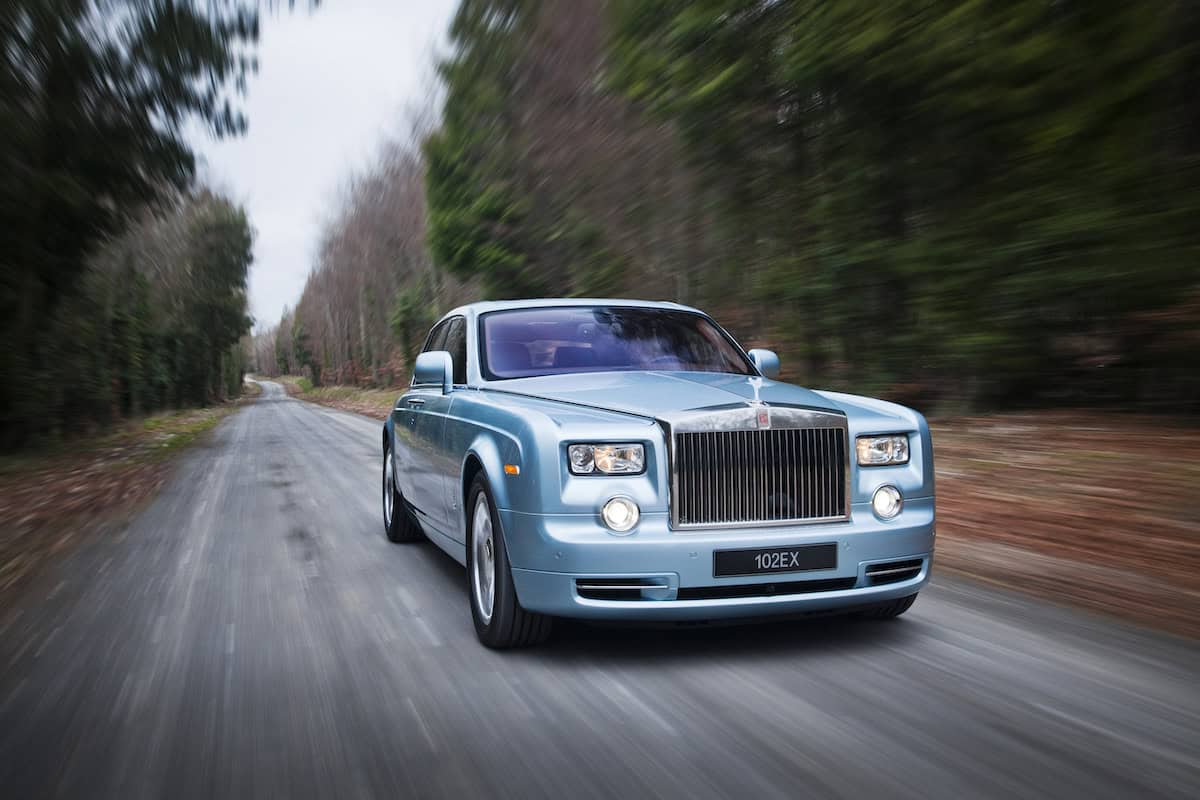
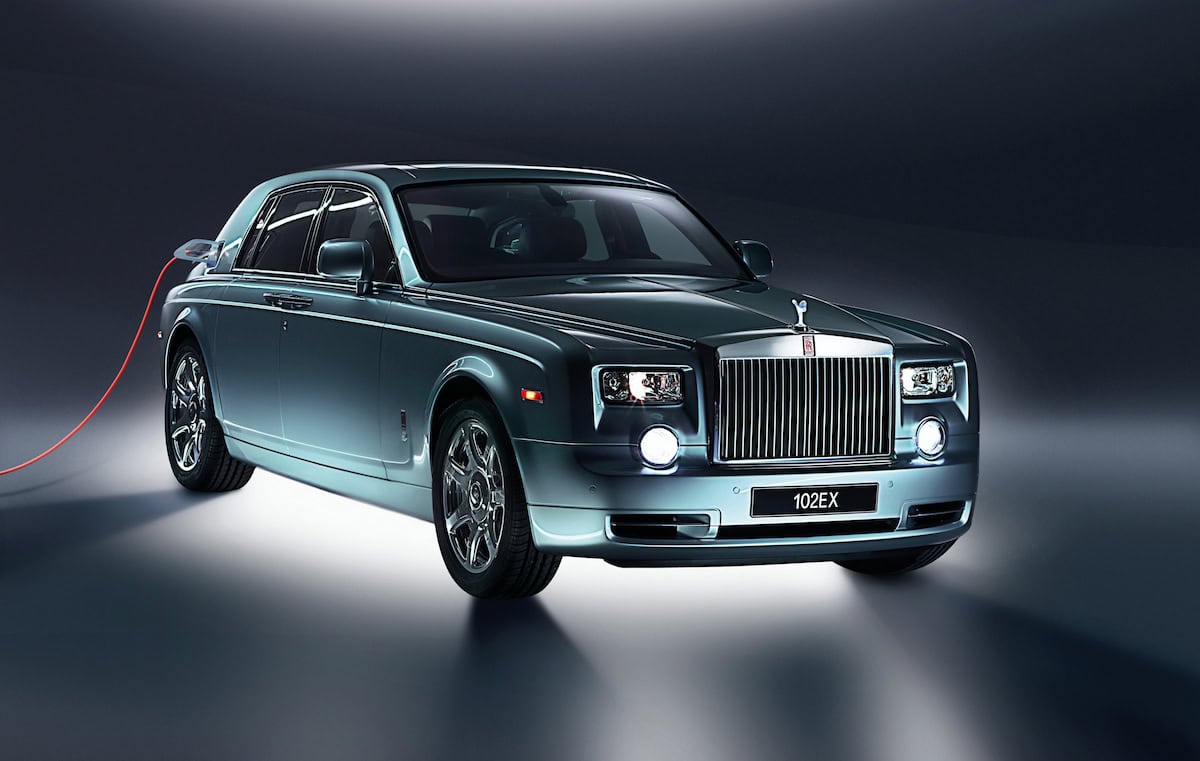
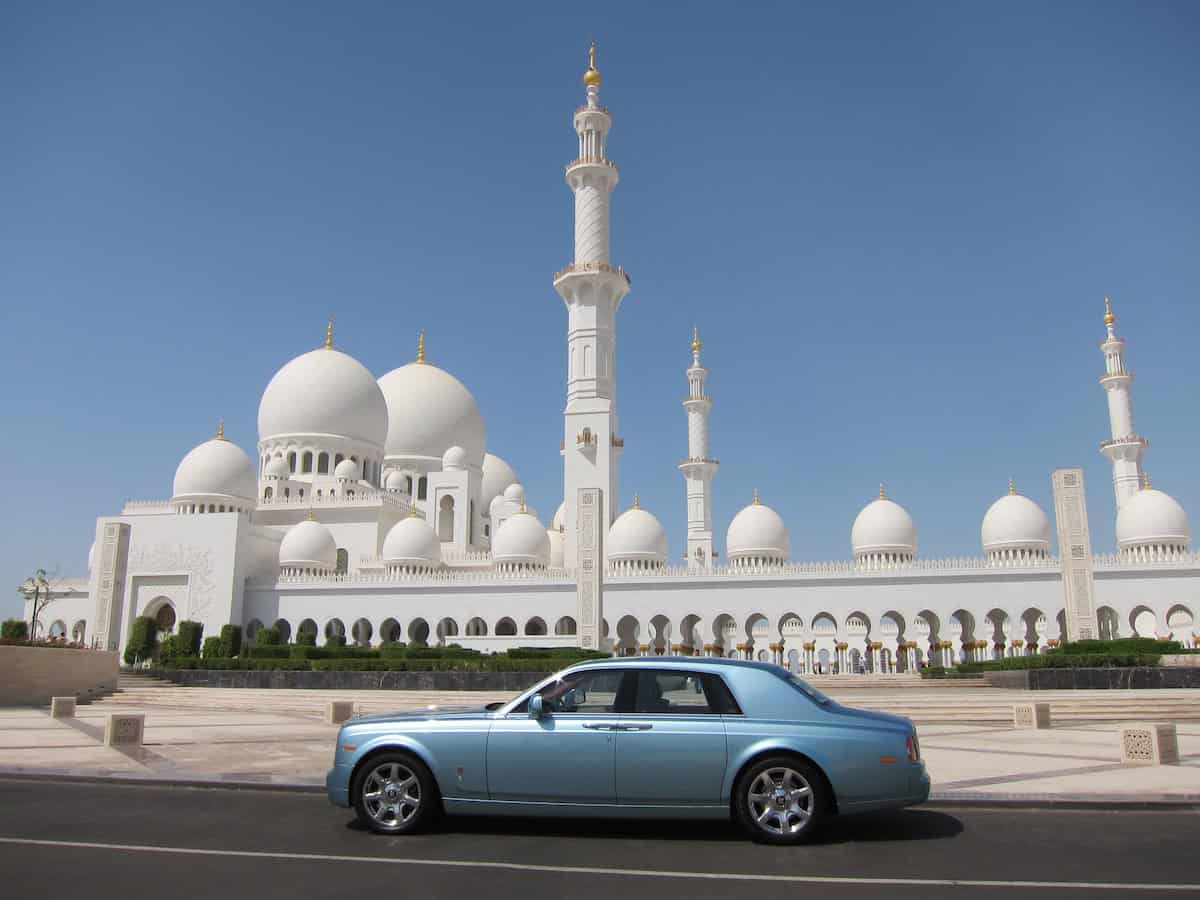
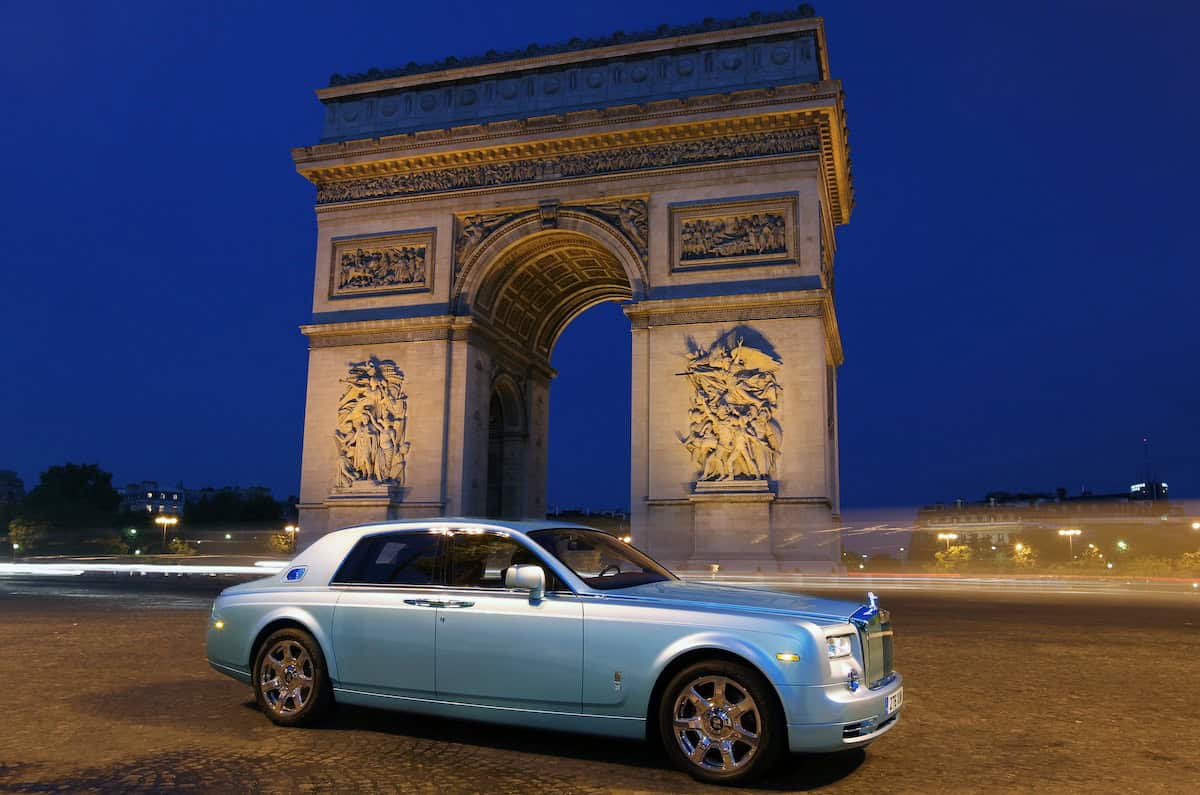
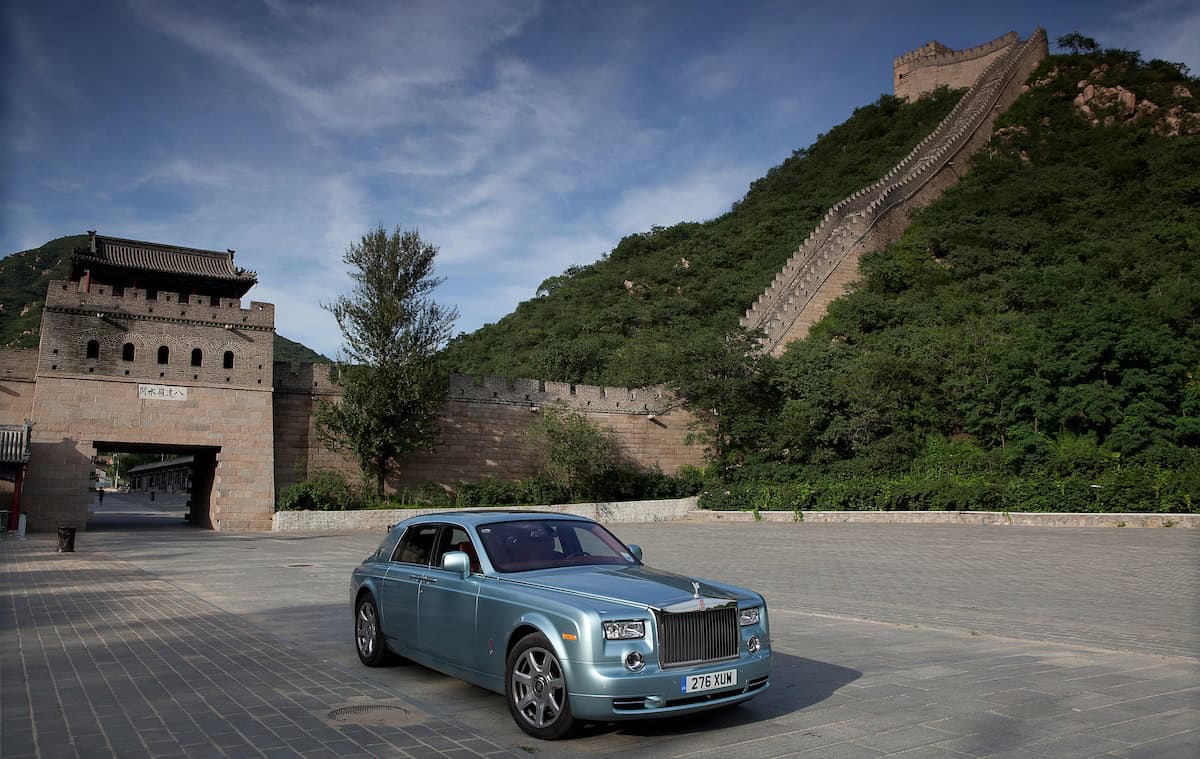
Five years after the 101EX was revealed, Rolls-Royce was ready to bring another groundbreaking concept to the 2011 Geneva Motor Show. Holding a unique place in the brand’s history, 102EX – also known as the Phantom Experimental Electric – was the brand’s first full battery electric vehicle.
Created purely as a one-off test bed for alternative drivetrain technologies, it was the first step taken towards the creation of the current Spectre that entered production in 2023.
Despite being released 15 years ago, 102EX featured what was then the largest capacity battery fitted to a motor car anywhere in the world, along with a world-first wireless induction charging system which is still a work-in-progress for mainstream EVs.
Rolls-Royce also discovered the engineering challenges of converting everything that runs directly off the petrol engine in a standard car – from power steering and ABS to heating and audio – to operate off an electric drive system instead.
After a year-long global tour spanning numerous client, media, and public events including a landmark appearance at the Consumer Electronics Show in Las Vegas, the knowledge from 102EX not only trickled down to the Spectre, but also to the following EX model.
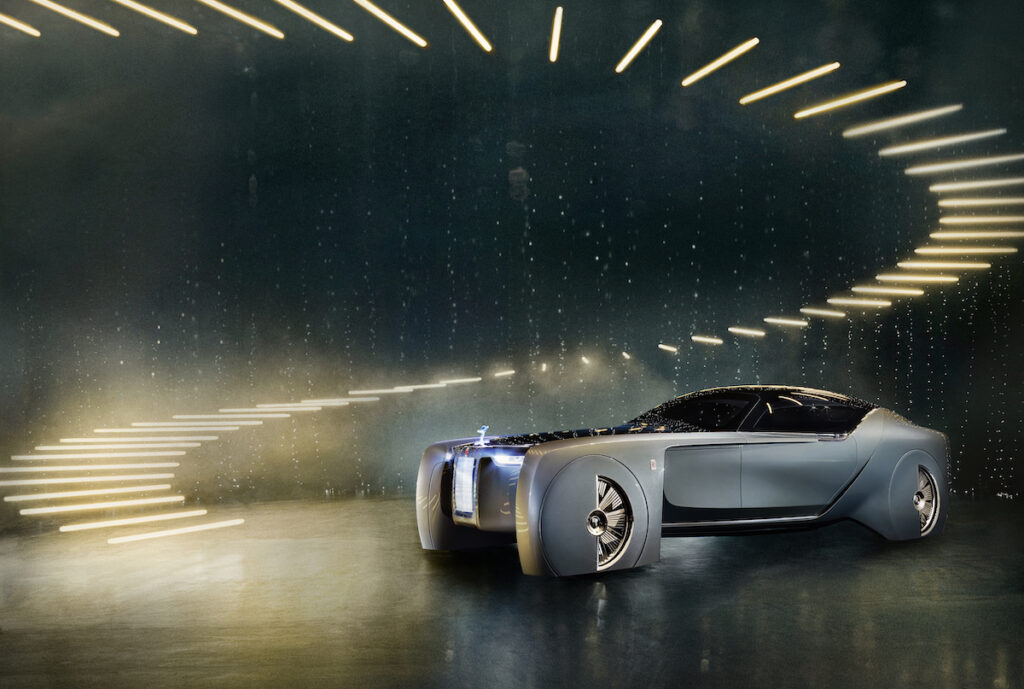
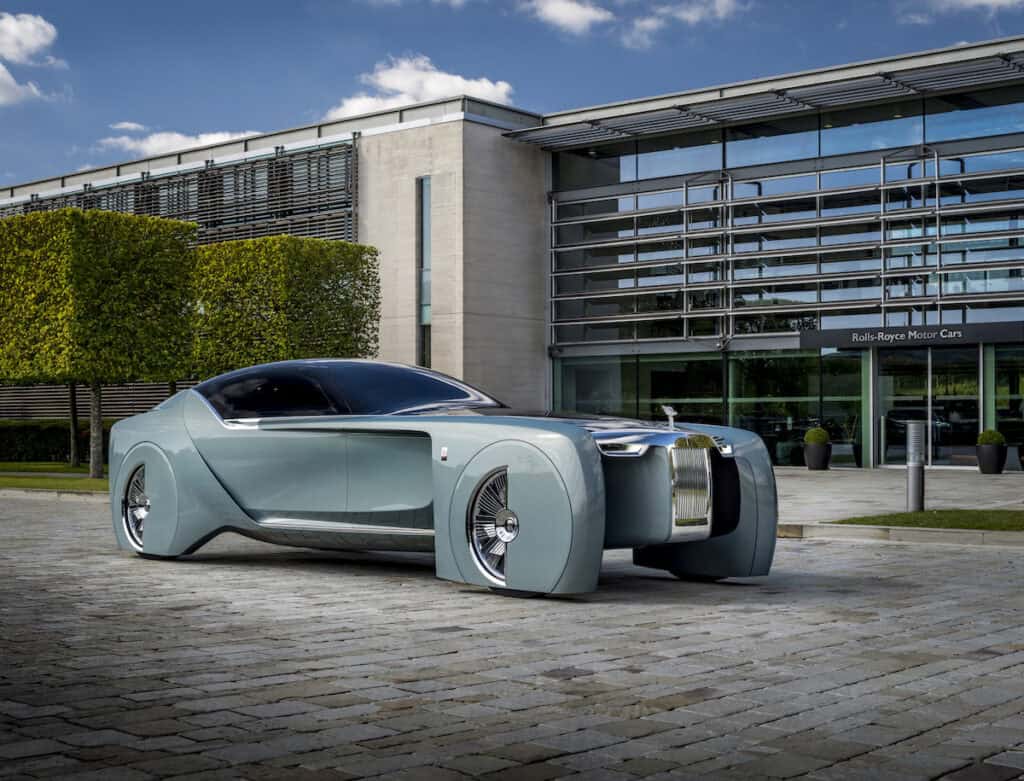
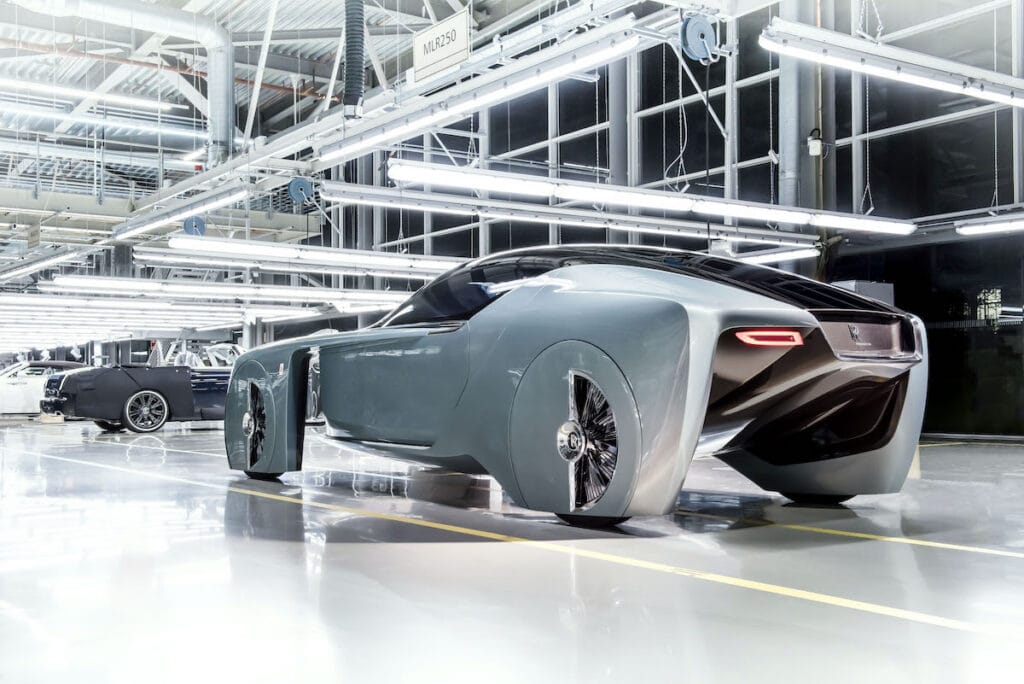
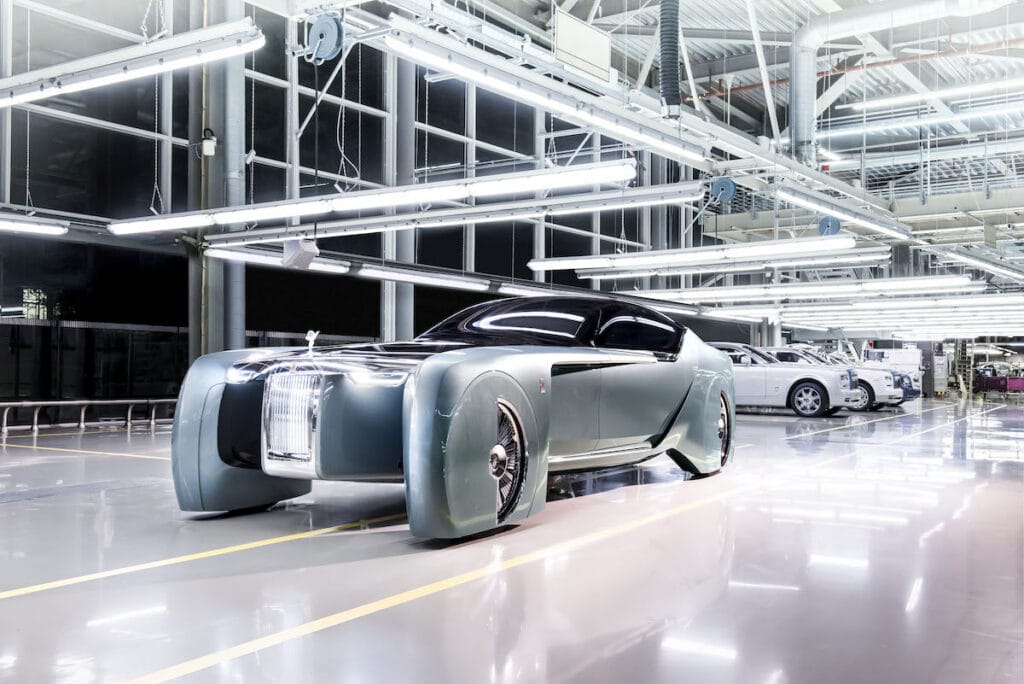
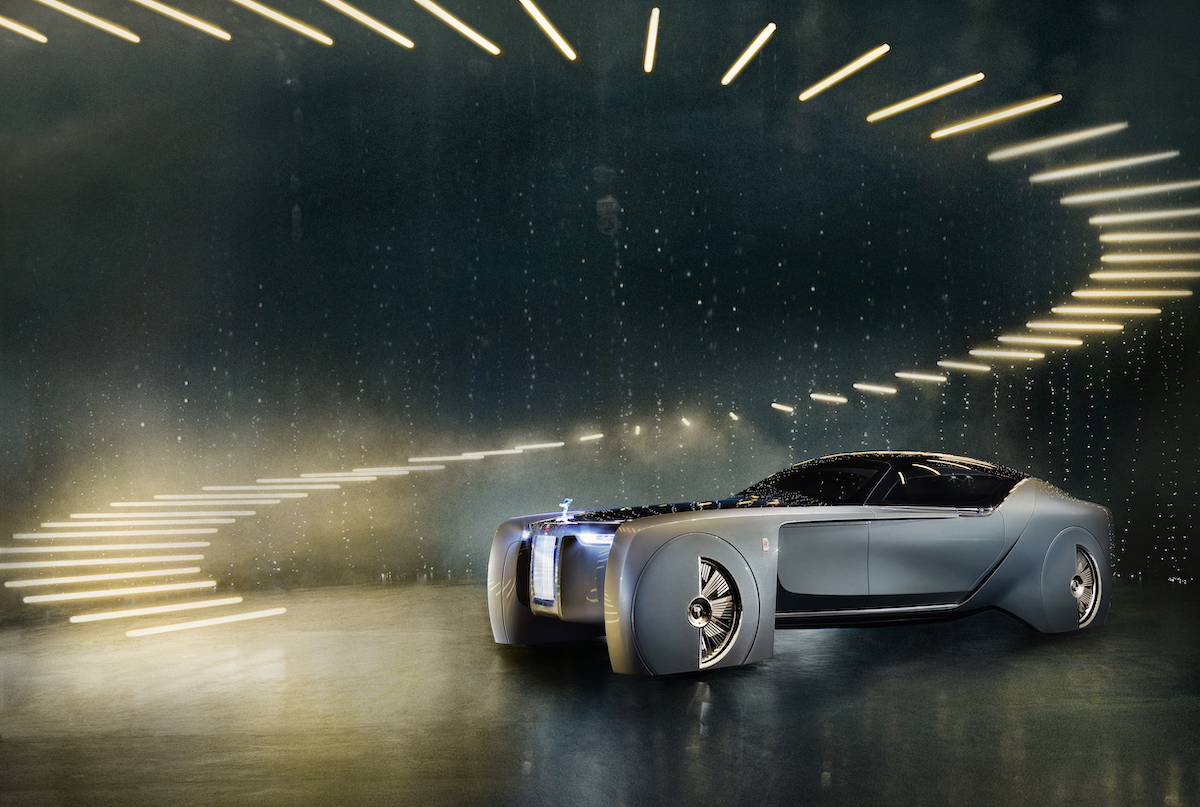
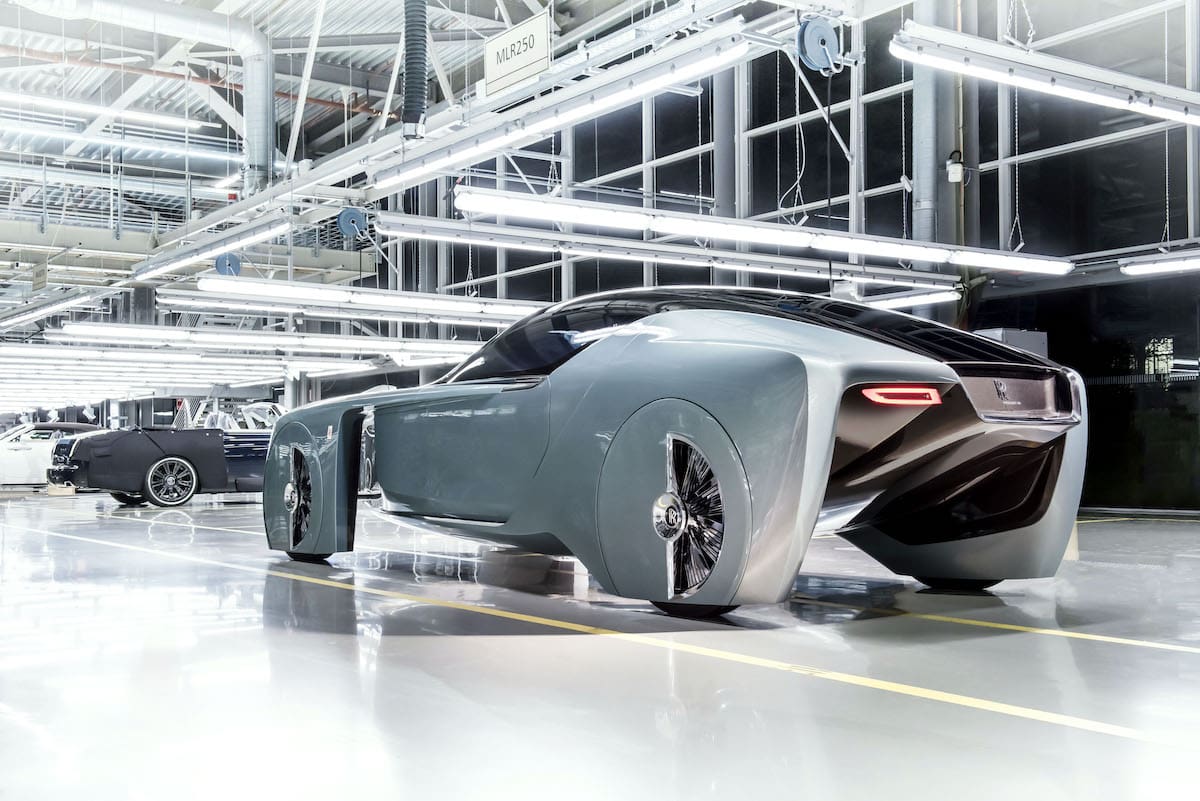
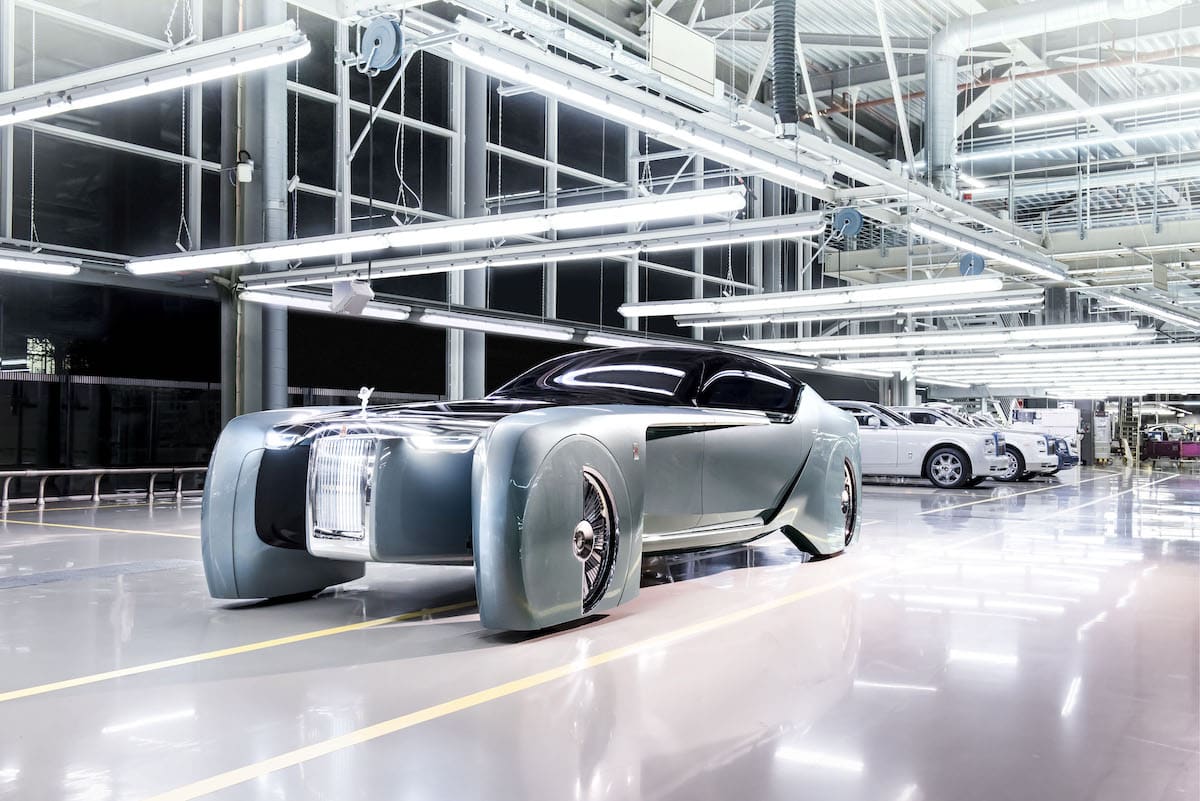
Another five years down the track, 10 years ago from now, Rolls-Royce commissioned a special ‘Vision’ motor car named 103EX which looked to define the future of luxury.
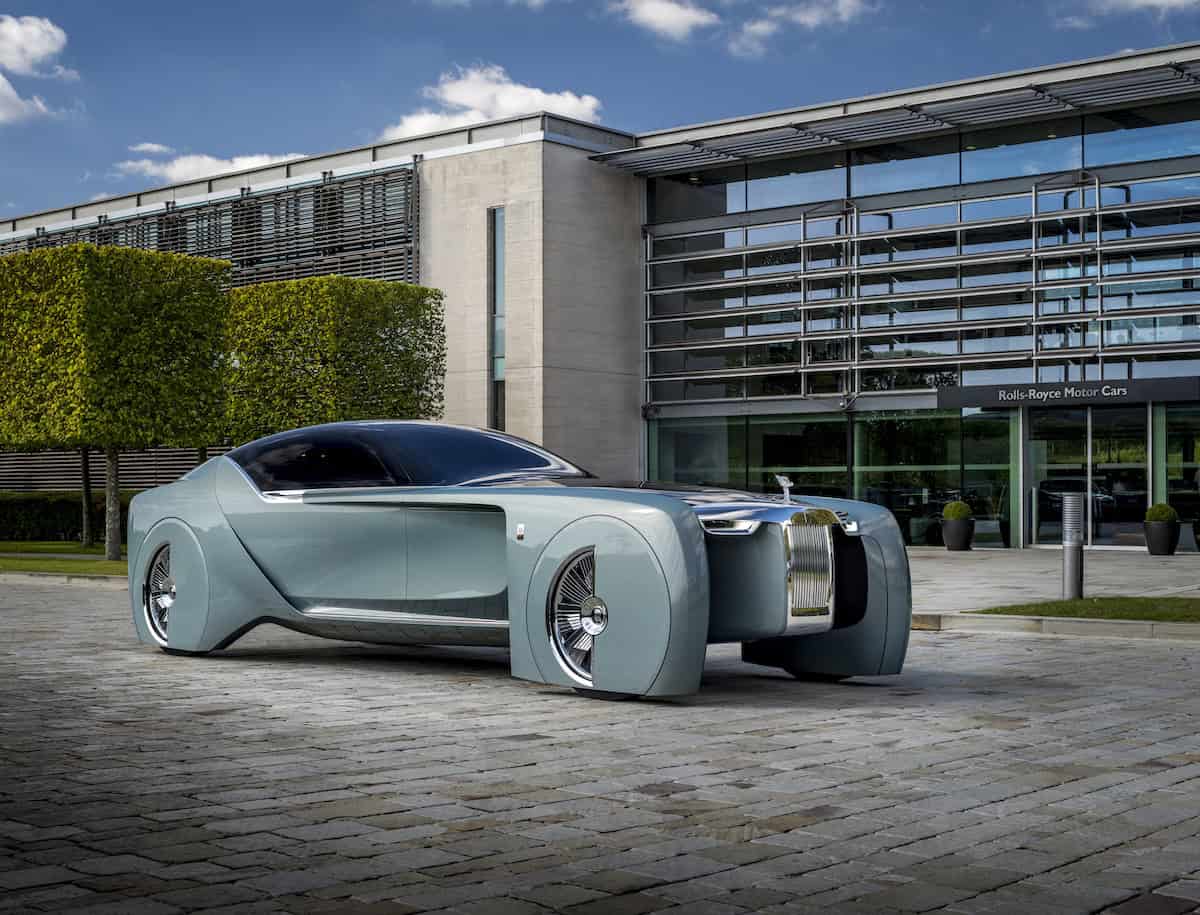
Hand-built using advanced materials and powered by a zero-emissions powertrain, it portrayed a future where Rolls-Royce would offer clients a completely personal, effortless, and autonomous experience.
The passenger cabin was known as ‘The Grand Sanctuary’, surrounding occupants with precious and contemporary materials chosen to create a feeling of lightness, simplicity, and effortless elegance. The seats made way for an opulent sofa, which used lighting trickery to appear as if it was floating within the cocoon of the cabin.
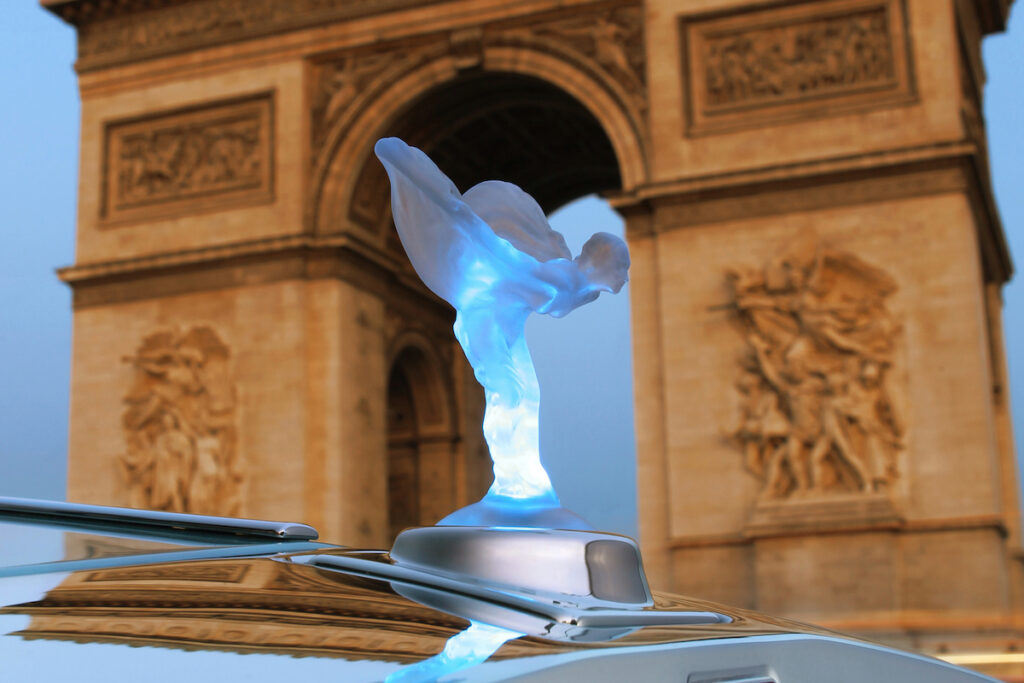
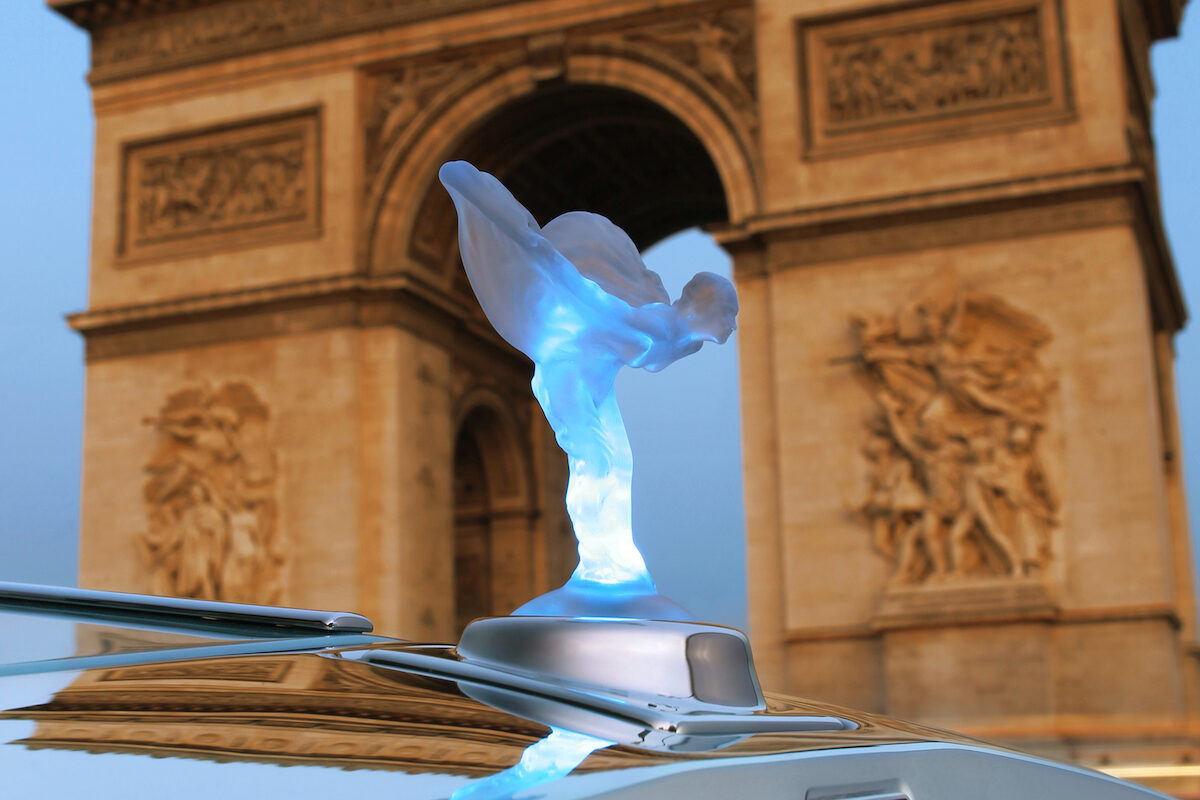
For the first time, the Spirit of Ecstasy was made in glass and illuminated from below. In addition to an all-electric powertrain, it included a digital assistant called ‘Elanor’, chosen in honour of Elanor Thornton, the woman believed to have been sculptor Charles Sykes’ muse for the famous mascot.
Although all three of these EX cars from the past 20 years are very different in conception and execution, all share the same distinguishing feature of the Rolls-Royce ‘Badge of Honour’, its double ‘R’ design emerging from earliest days of the brand. As with the earliest forms of the badge that trace back to 1905, these EX models feature it in red lettering, rather than the more common black print.
“Each of the three EX cars marking their anniversary this year has made an immense contribution to the development of Goodwood-era models such as the legendary Phantom Coupé, Spectre, and the coachbuilt Sweptail, as well as introducing the world to Bespoke through expressions like our signature Starlight Headliner,” explains Bernhard Dressler, Director of Engineering at Rolls-Royce Motor Cars.
“In their innovation, creativity, dynamism and engineering accomplishment, they perfectly translate the technical brilliance of Sir Henry Royce and the pioneering vision of Charles Rolls into the modern age.”