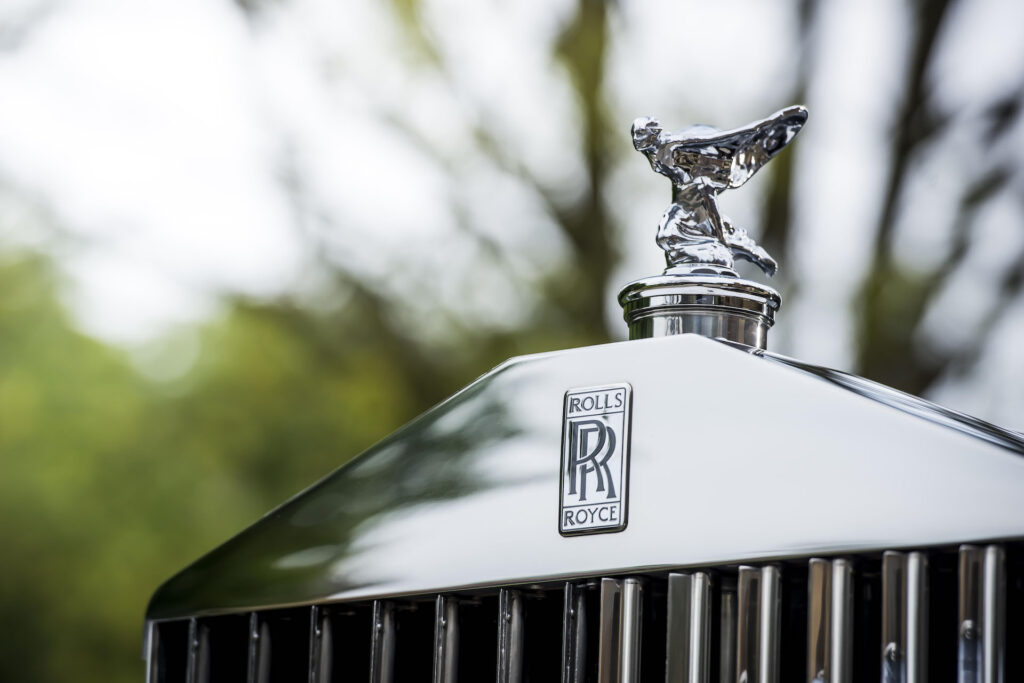
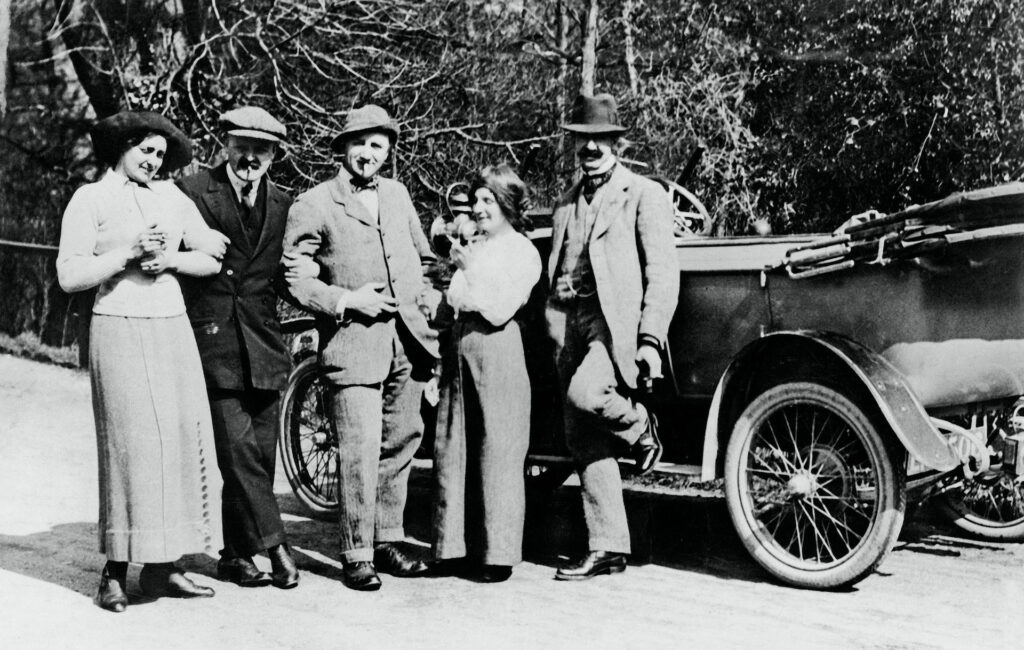
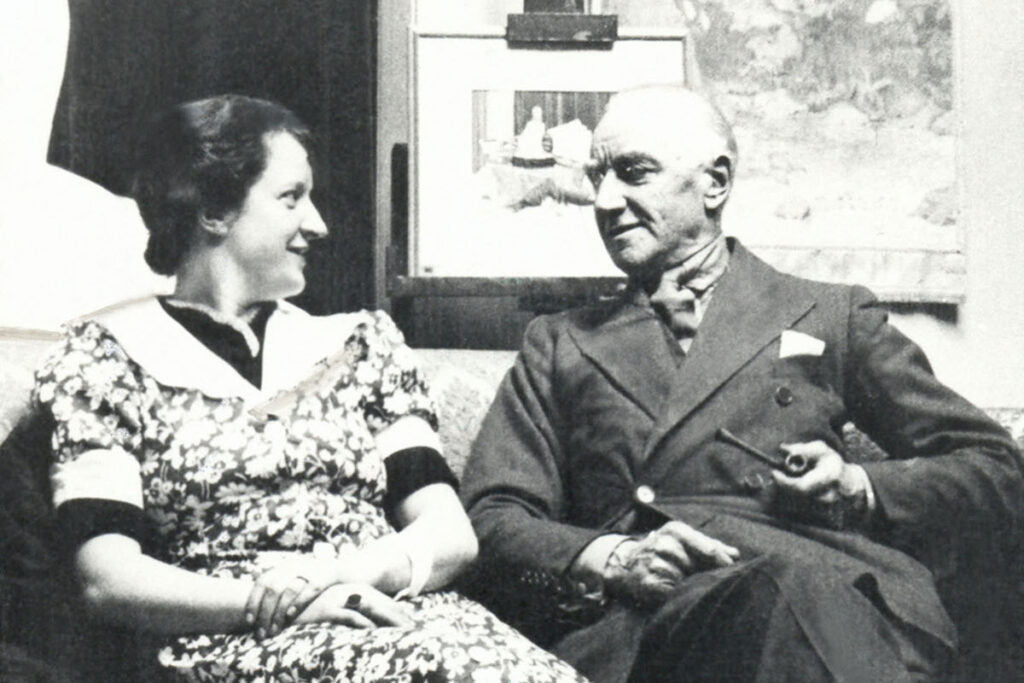
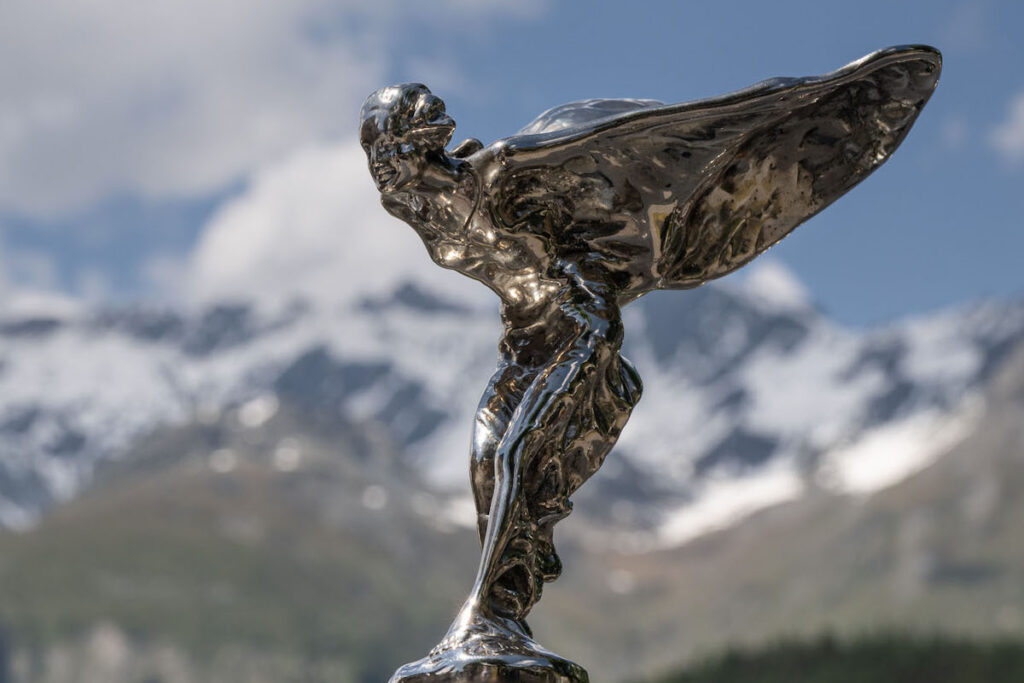
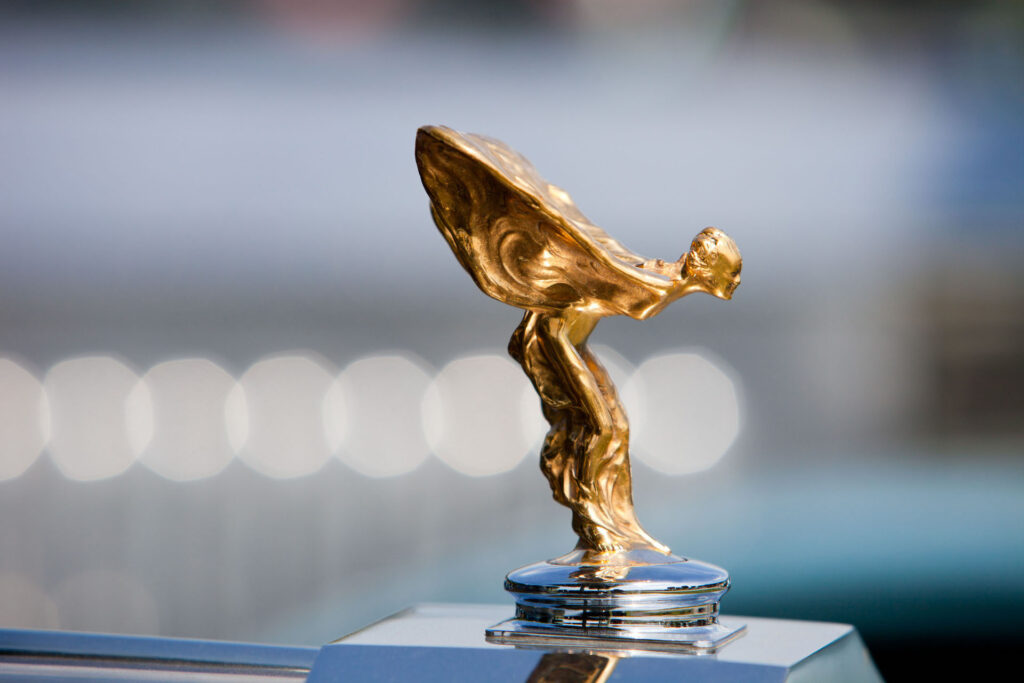

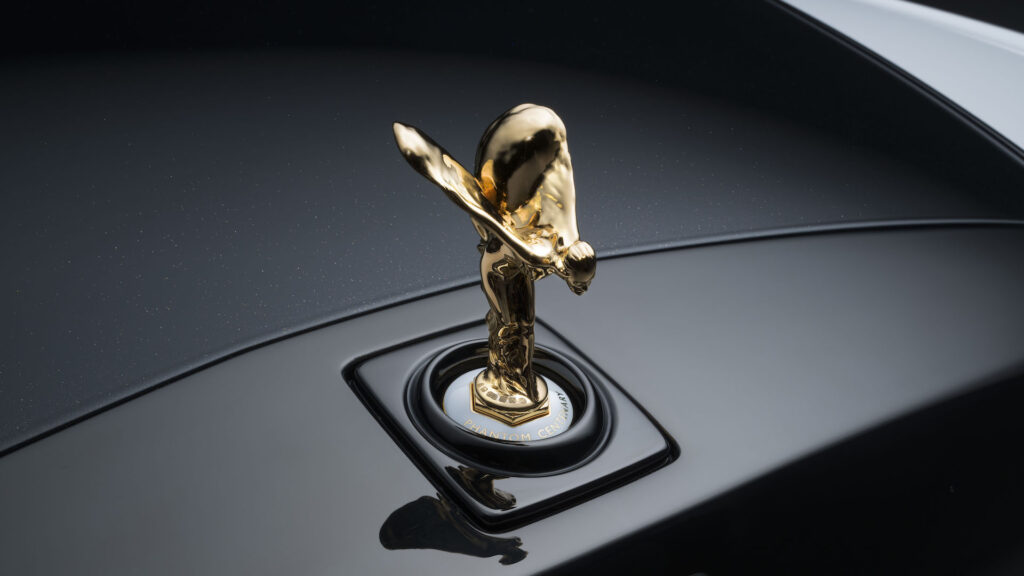

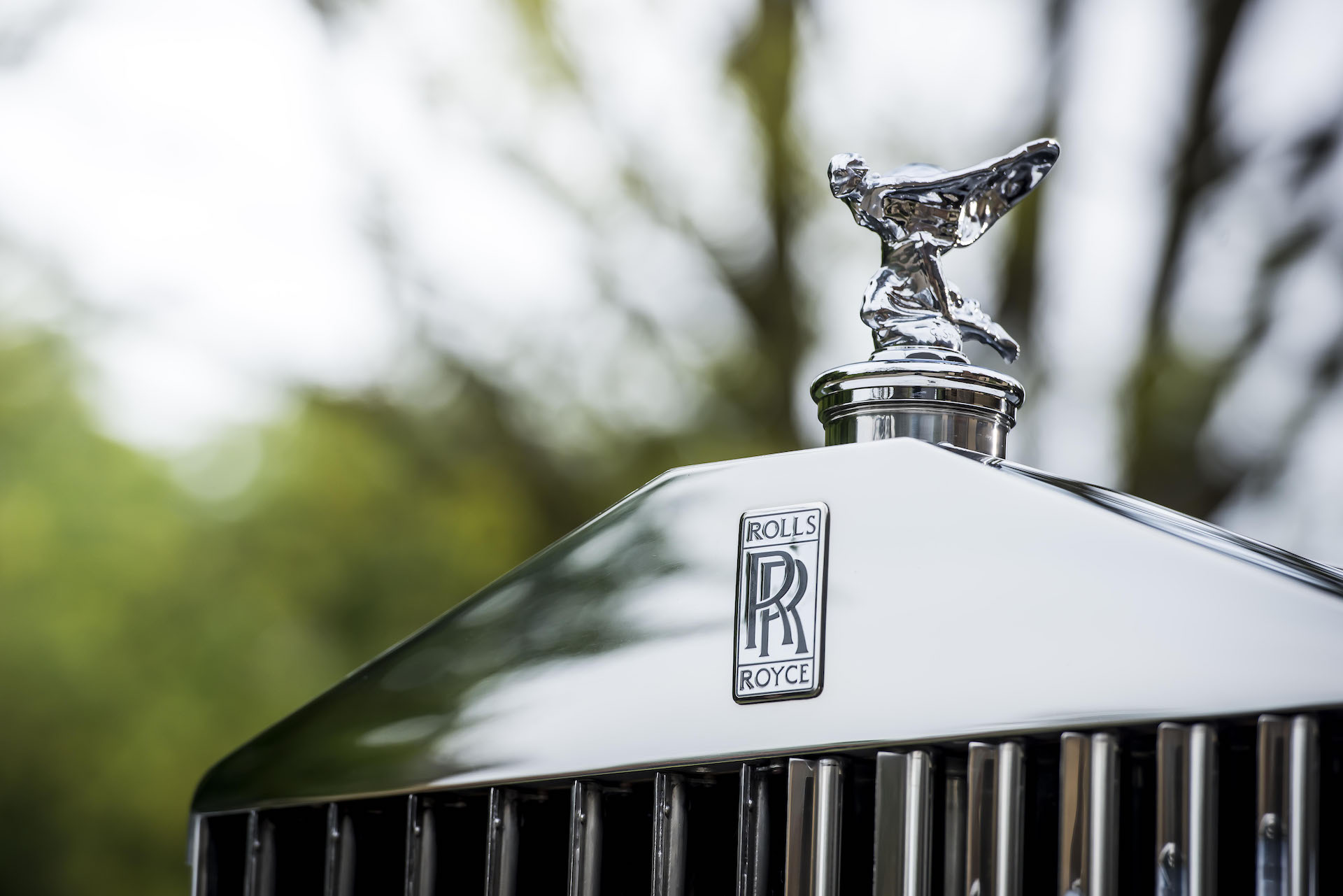
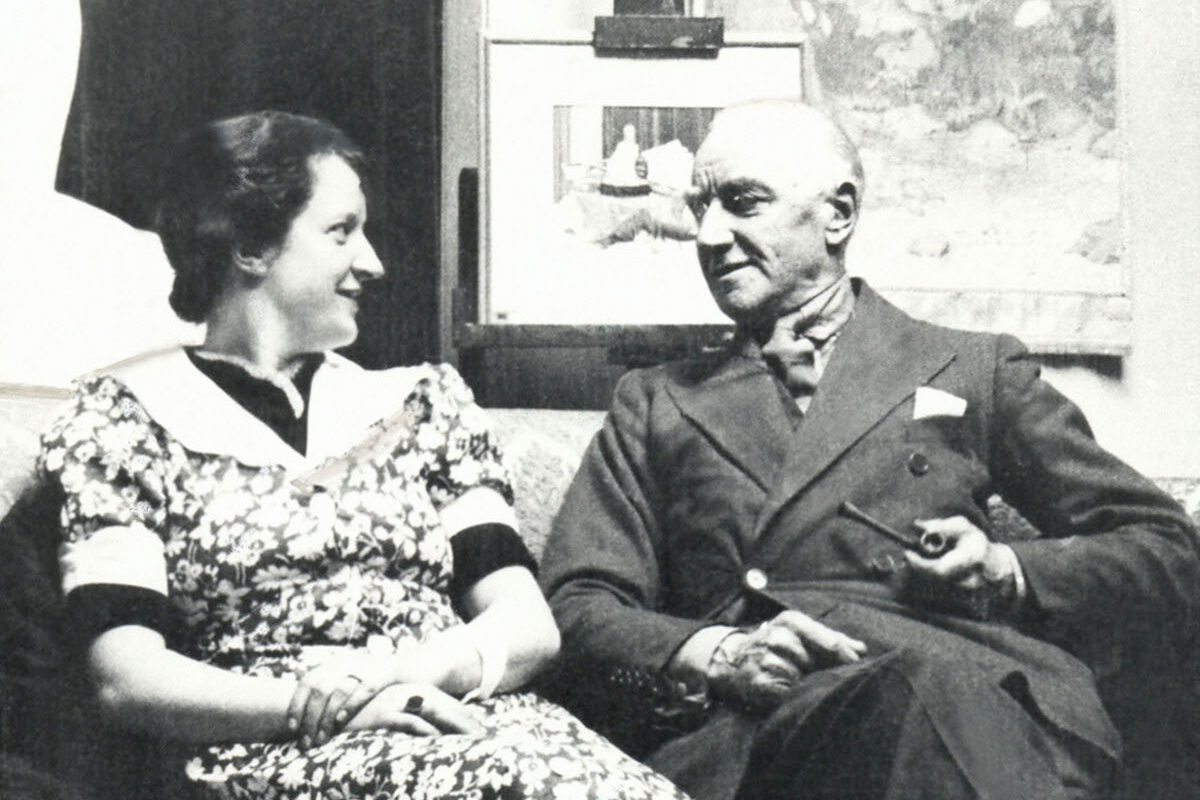
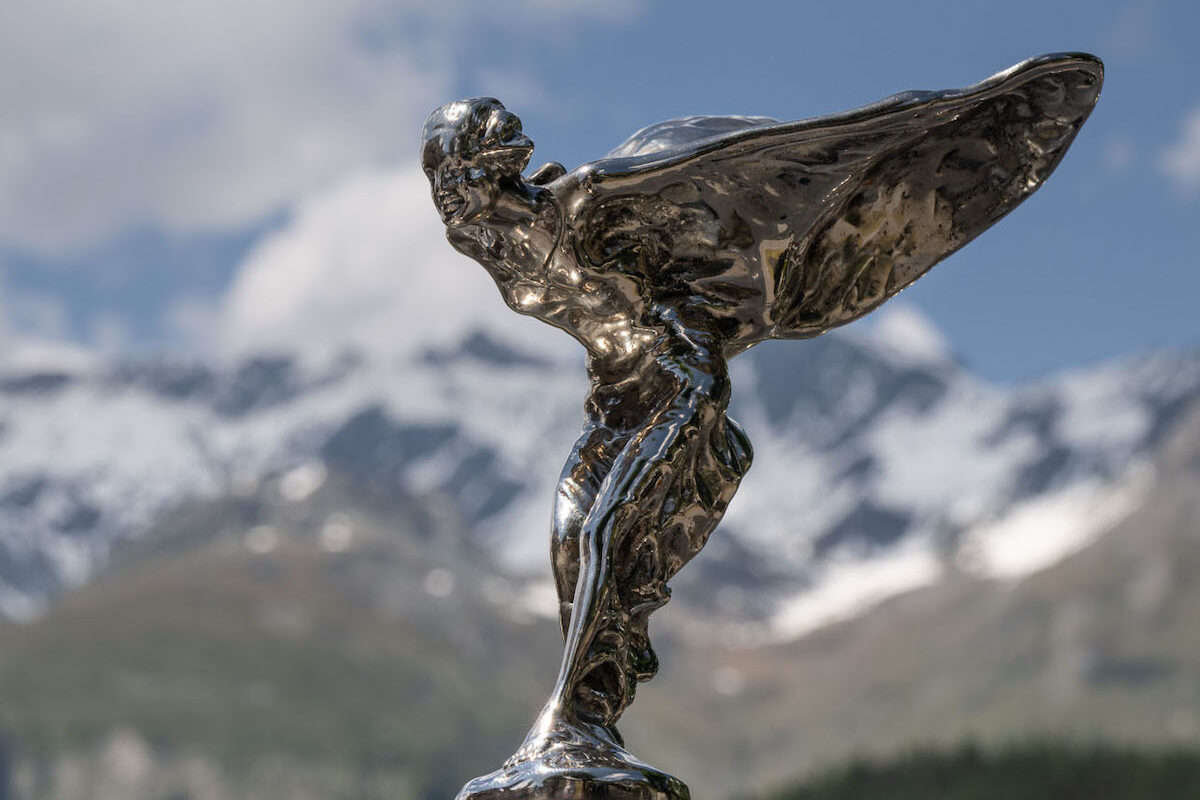
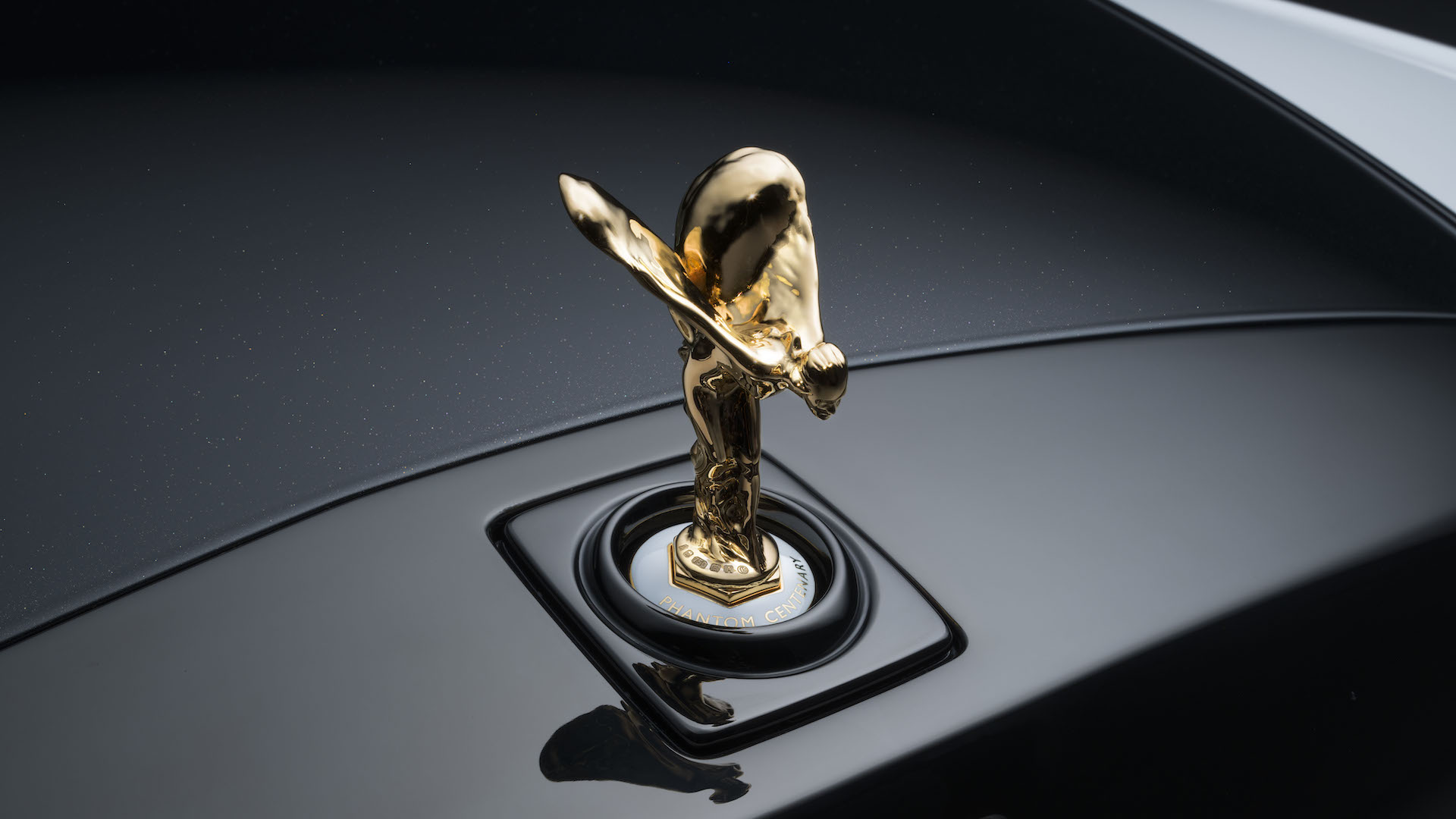
Rolls-Royce is today honouring 150 years since the birth of Charles Robinson Sykes, one of the most important figures in the marque’s history, who is best known for creating its famous Spirit of Ecstasy mascot.
Born 18 December 1875 in Brotton, a mining village in what is now the English county of North Yorkshire, Sykes was a gifted artist and sculptor who became a cornerstone figure for the brand as it established its identity in the early 1900s.
His original design for the Spirit of Ecstasy first graced the front of a Rolls-Royce in 1911, and today, his work is recognised as the moment artistry and emotional expression first became integral to the brand – something which shaped the creative spirit still evident in the marque’s vehicles of today.
Sykes was encouraged by his father and uncle, both talented amateur artists, as he began pursuing a professional career. Beginning his artistic training at Rutherford Art College in Newcastle, he then won a scholarship to the Royal College of Art in London in 1898.
After studying drawing, painting, and sculpture in the capital, he remained there after graduating and quickly established himself as a multi-talented artist.
His skill as a draughtsman is clear across the large collection of his drawings, paintings, and cartoons held at London’s world-renowned V&A Museum. Items held there include beautifully detailed designs for horse-racing trophies, vases and bowls, and atmospheric illustrations for magazine covers and advertisements produced under his pseudonym ‘Rilette’.
Sykes’ talent for sculpture was then formally recognised when his bronze work A Bacchante was exhibited to considerable acclaim at the London’s Royal Academy of Arts and the Paris Salon.
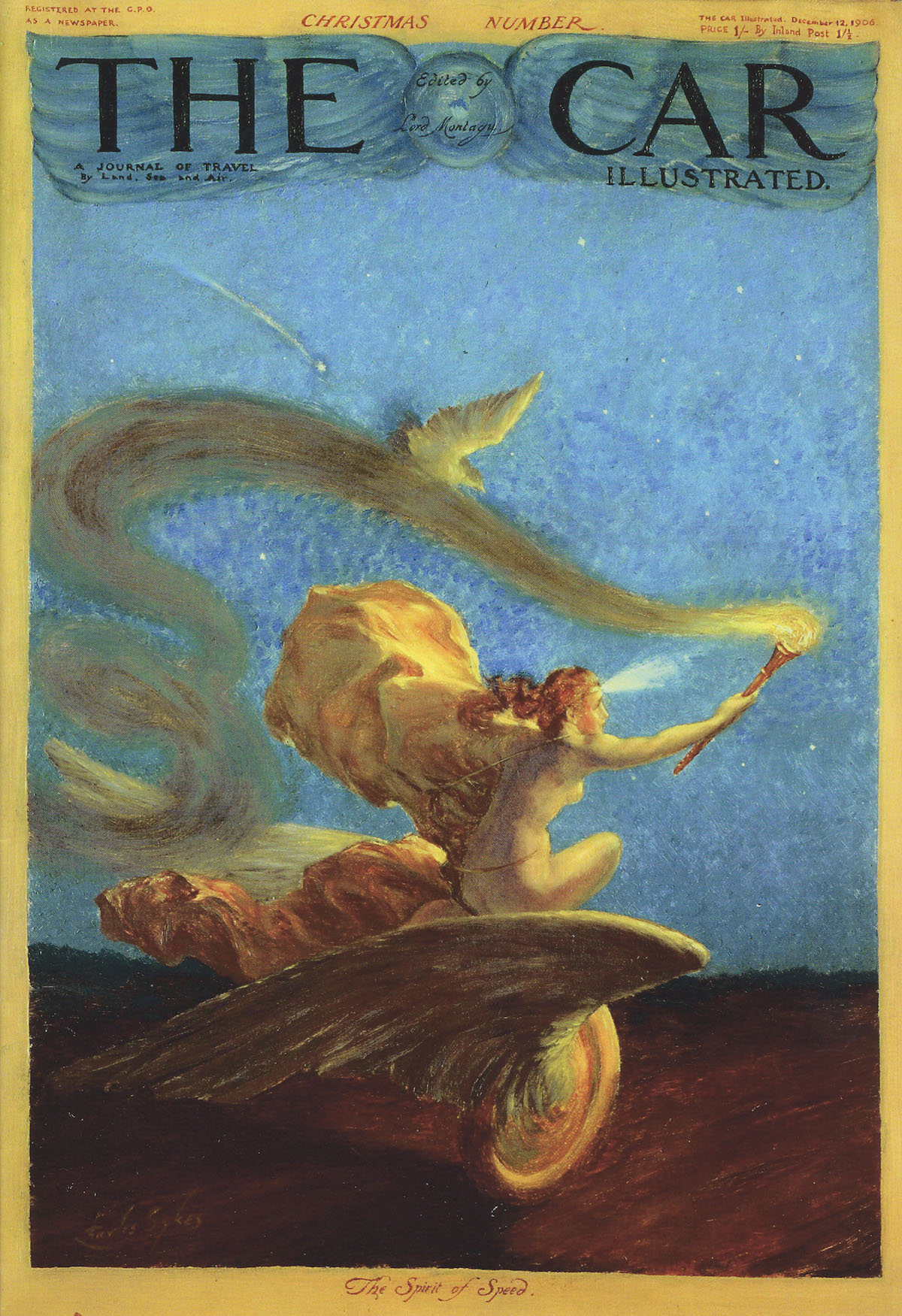
After being commissioned by a magazine publisher to produce some sketches in 1902, the client was unable to pay in cash. Instead, the client introduced Sykes to John Montagu – later 2nd Baron Montagu of Beaulieu – who at that time was trying to launch his own weekly magazine, The Car Illustrated.
With Sykes providing ‘Illustrated’ elements from cover artwork to fashion drawings, the magazine quickly flourished. His artwork soon caught the attention of Claude Johnson, known simply as ‘CJ’, the first commercial managing director of Rolls-Royce.
Johnson commissioned six original Sykes oil paintings for the company’s 1910-11 Catalogue, depicting Rolls-Royce motor cars arriving at venues and occasions befitting the marque’s aristocratic patrons. These works framed Rolls-Royces not just as engineering achievements, but as a source of elegance and experience.

The marque also bought the copyright to other works showing Rolls-Royces driving at dusk, arriving at the top of a steep hill and effortlessly overcoming a snowstorm – all things that were real concerns for drivers of the day.
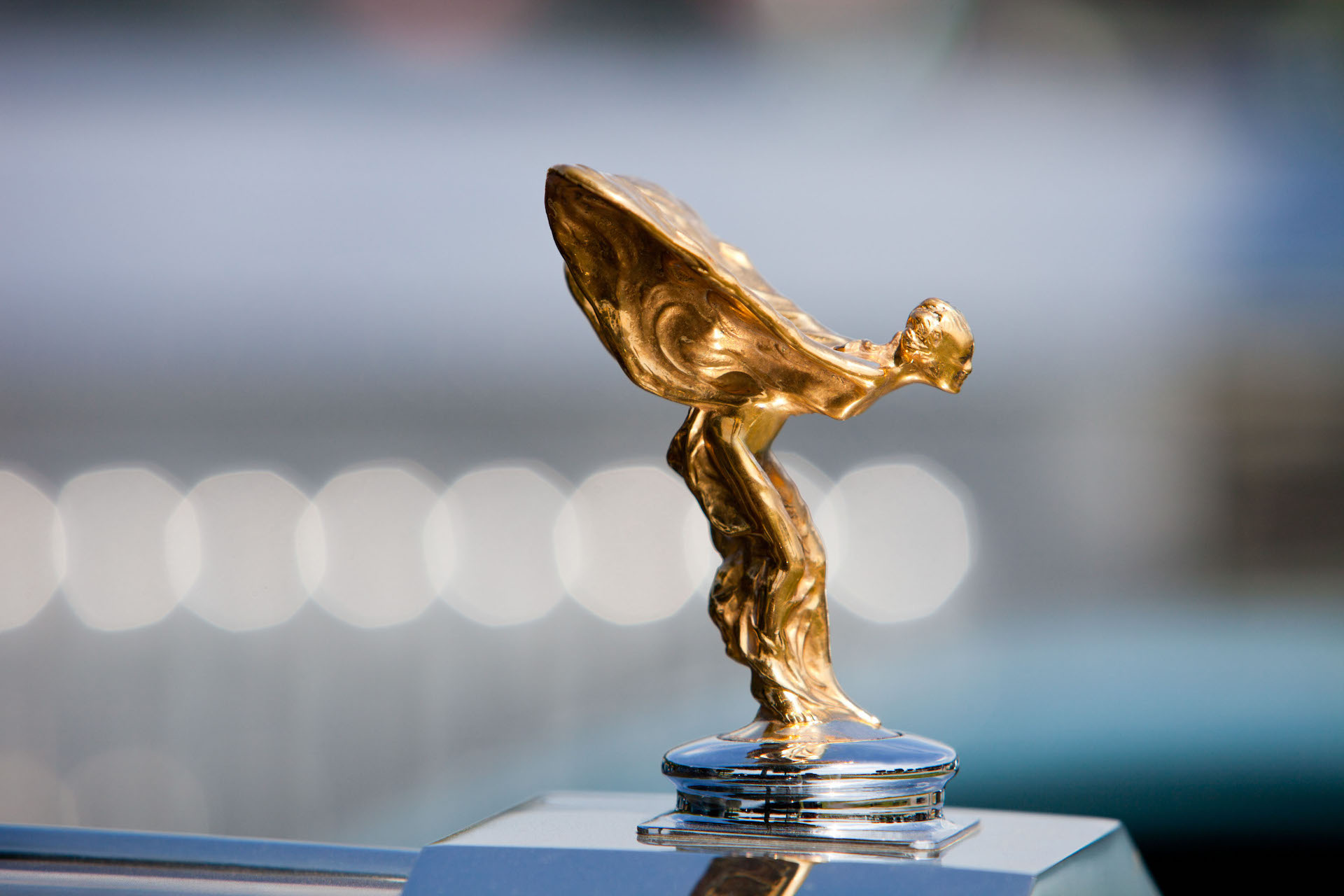
Shortly after this, Sykes took on what would be his most famous and enduring commission: an official Rolls-Royce mascot. The company described the winged figurine as “a graceful little goddess”, in which Sykes perfectly captured, “the spirit of ecstasy, who has selected road travel as her supreme delight and alighted on the prow of a Rolls-Royce car to revel in the freshness of the air, and the musical sound of her fluttering draperies”.
Through this now instantly recognisable work, Sykes introduced a new dimension to the marque – the idea that a motor car could possess not only technical excellence, but also grace, elegance and serenity. In creating the Spirit of Ecstasy, Sykes served a key role in establishing Rolls-Royce’s defining brand characteristics.
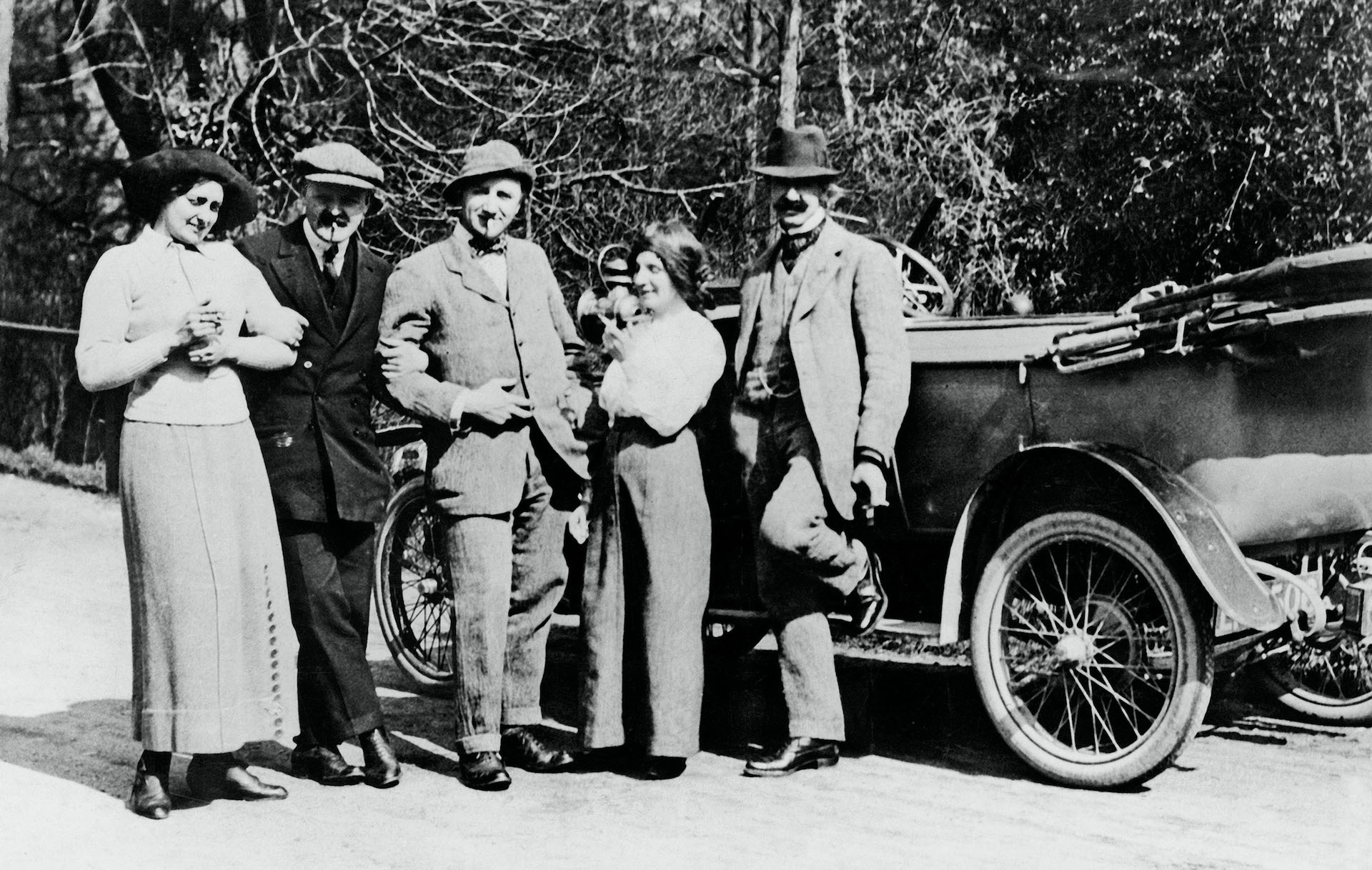
“Charles Rolls, with his competitive spirit and daredevil attitude to life, was the heart of Rolls-Royce, while Henry Royce, the meticulous and driven engineer, was its mind,” explains Andrew Ball, head of corporate relations for Rolls-Royce Motor Cars.
“But the figure with the strongest claim to be its first soul is Charles Robinson Sykes. Best known as the sculptor who created the Spirit of Ecstasy, Sykes was a multifaceted and prolific artist whose work is still held in high regard 150 years after his birth.
“He was the first of the marque’s foundational figures to bring artistry and creativity to Rolls-Royce, a legacy that endures today in our ever more ambitious and elaborate Bespoke and Coachbuild work.
“That his most famous piece represents only a fraction of a rich, varied body of work speaks to the breadth of his talent.”
Charles Sykes died on 6 June 1950, and while he’s best remembered for his contribution to Rolls-Royce, he enjoyed a long and successful artistic career, leaving a substantial catalogue of work that remains highly regarded years later.