

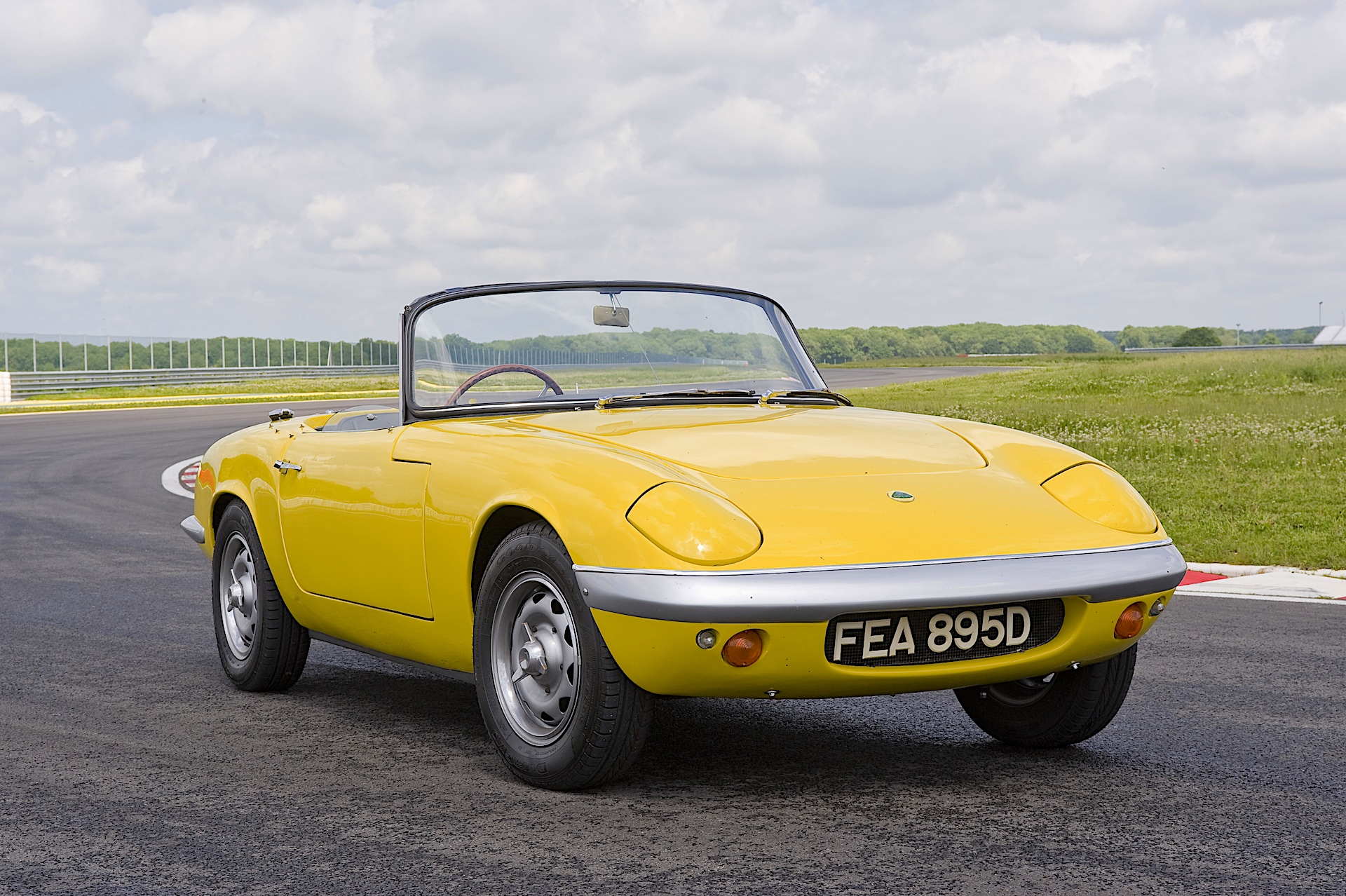

Lotus has closed its UK-based archive department and hit pause on its Certificate of Provenance program “with immediate effect” as Retro Rides can reveal after uncovering murmurings online.
The news of the Hethel-based department’s closure, which first broke online via the LotusElan.net forum, also sees the brand’s archivist Andy Graham – a beloved figure in the global Lotus community – made redundant.
“I have been in regular contact with Andy since he started working for Lotus in 2008, so for 17 years we have attempted to rebuild the factory records for all Elans built,” the original forum poster Tim Wilkes tells Retro Rides.
“I am aware that Andy has recovered much in the way of archival material from all around the factory, sometimes even saving it from being thrown out.
“Andy has been immensely helpful to me as an Elan historian, even discovering additional cars that were previously not known to our records via obscure pieces of ephemera collected by Andy.
“Goodness knows what Lotus will do now without someone [like Andy] who has the heritage of this great marque at heart.”
Lotus maintains ceasing of its certification process only temporary
Speaking with Retro Rides, a Lotus Cars spokesperson claims the ceasing of the certification service is only a temporary measure at this stage, with the intent of rebooting it in the coming year and finding revised ways of maintaining the brand’s history.
“Lotus has decided to temporarily withdraw the Certificate of Provenance service while we reassess the resources and training required,” Lotus’ spokesperson tells Retro Rides.
“Our heritage and the passionate, knowledgeable fans and customers who share it with us are essential to the company.
“The intent is to restart the certification process in 2026, joining our current offer of Hethel track and factory experiences, club events, commemorative special editions and vehicle displays at the British Motor Museum, and other events in celebration of our history.
“Lotus still holds significant vehicles, images and other archive material, while the separate Classic Team Lotus business looks after equivalent material for Lotus’ motorsport history.”
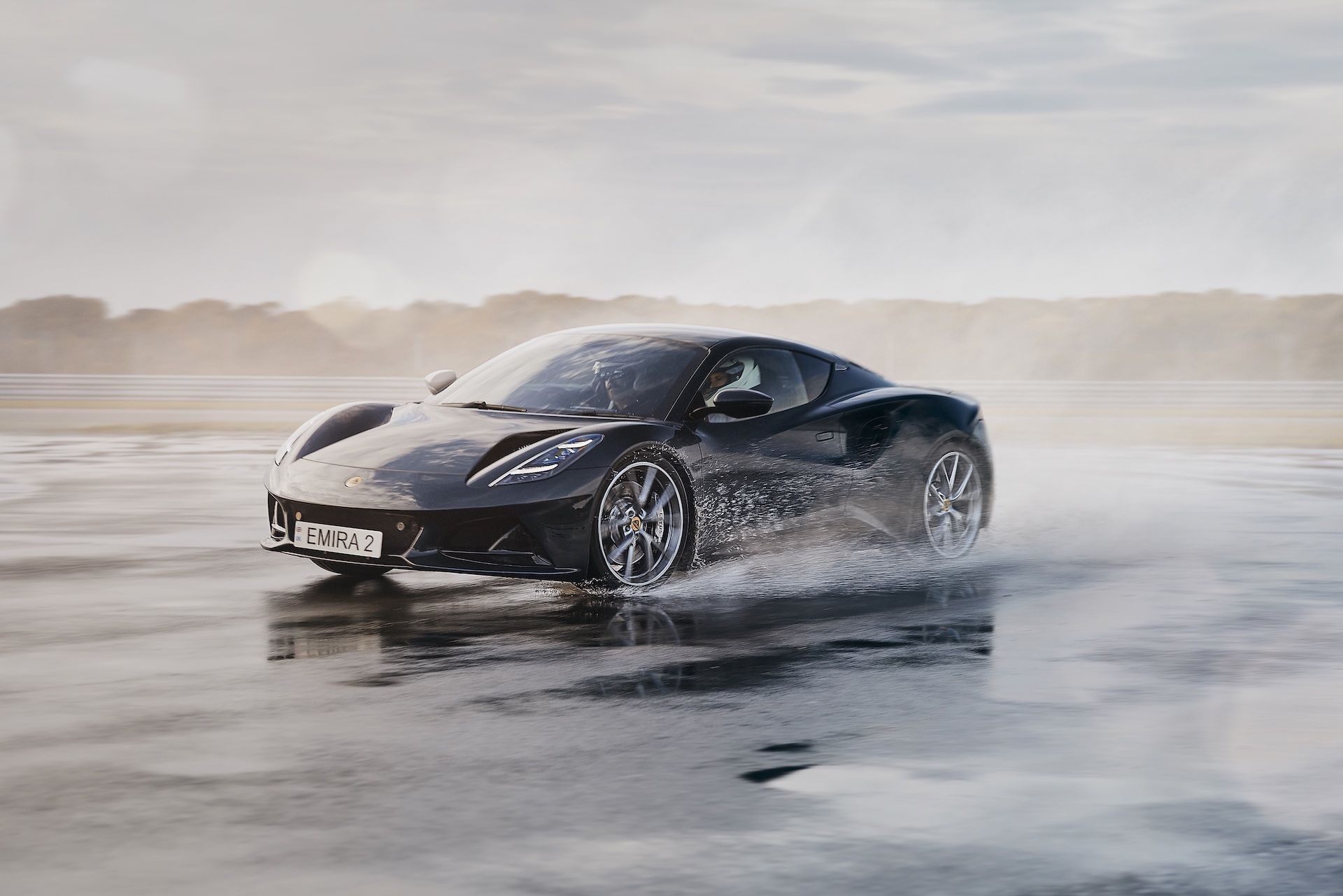
Enthusiasts lament decision to halt Lotus’ archive services
Until now, the management and issuing of the brand’s Certificate of Provenance service was handled directly by Andy, with those who used the service fondly recalling the detailed and personalised touch this brought to the authentication process.
“Andy did all the research by hand: scouring records, folders, build and inventory lists, and what limited electronic records he could to make sure you felt that your car was as special as it made you feel,” explains Taylor Armstrong, a Lotus owner from the US, in a post to the ‘Apex Automotor’ Facebook group.
On a trip to the UK years after first using the service, Taylor “asked if [he] could come by, shake his hand, and treat him to a coffee, nothing else,” as a token of appreciation.
“He replies ‘that’ll be lovely, here’s the address’. That day, I showed up to an industrial estate outside of Norwich and met Andy in a deserted lobby. I expected a short chat, a coffee, and to head on my way, but instead he invited me upstairs to show me all of the Lotus archives,” he recalls.
“He took the time to pull the build book that went down the factory line with my car […] and just generally, was a lovely man with an enthusiasm for the brand and an honest passion for the lovers of the brand.”
In conversation directly with us, Taylor notes: “Visiting the archives was something very few outside of Lotus have gotten the chance to experience, as the archives are not normally open to the public. This was an exception I’m still not quite sure why I got.”
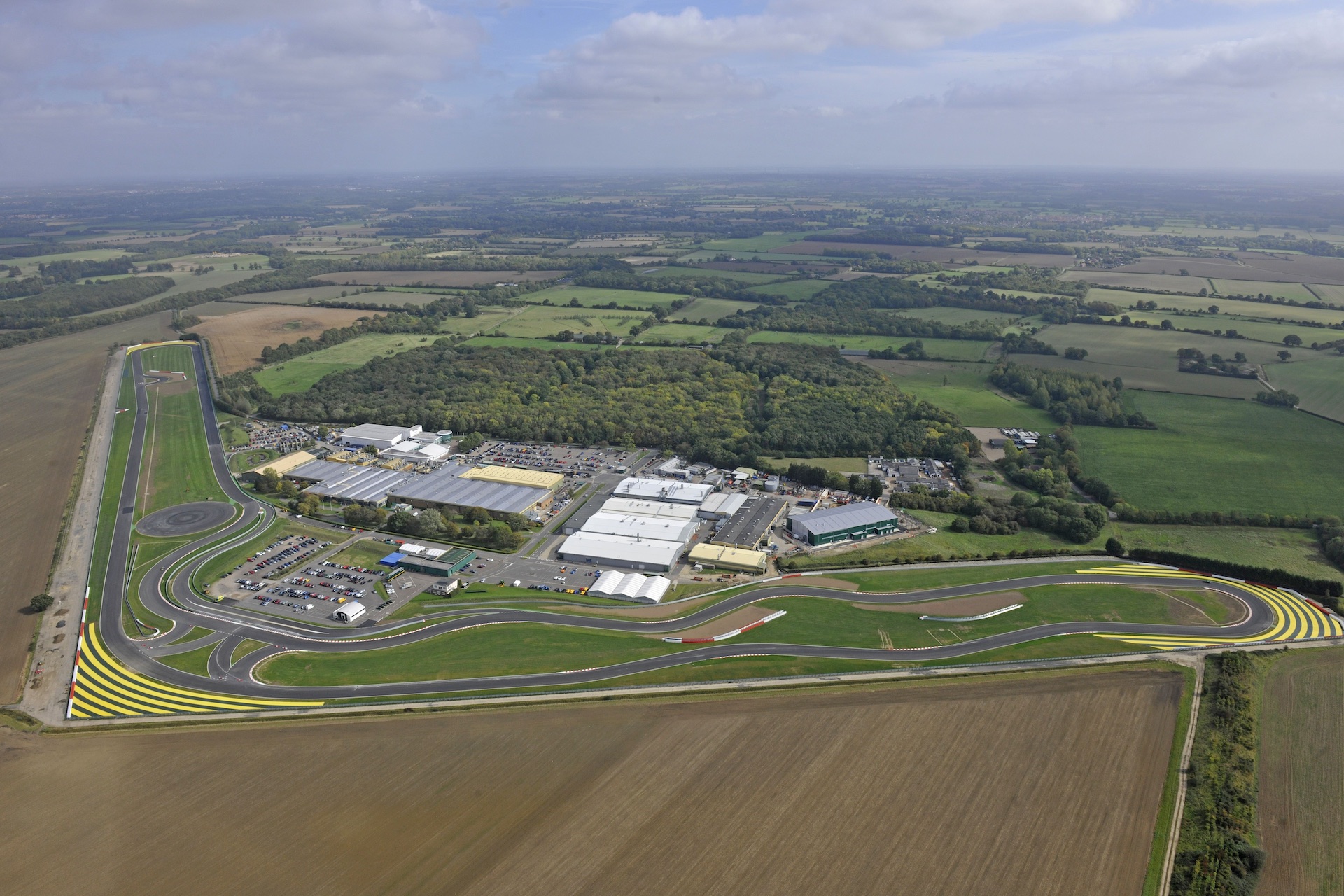
For Tim Wilkes, who maintains a website dedicated to documenting the history of the Lotus Elan Sprint, the decision to hit pause on Lotus’ archive services is something of great concern to the brand’s enthusiasts and historians.
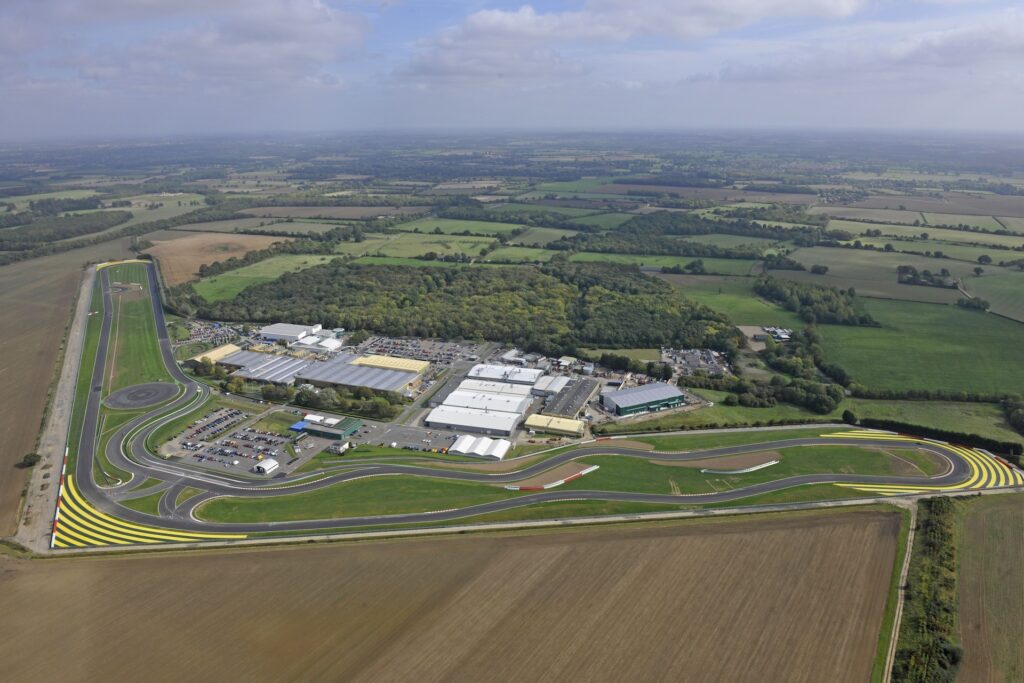
“We were so encouraged when Geely [which purchased a controlling stake in Lotus in 2017] revealed their plans for the rebuilding and new building work at Hethel a few years ago, since they included a dedicated Heritage Centre,” Tim tells us.
“I very much wanted it to be established as a charitable organisation, to protect all within it from any future owners of Lotus from selling off, as happened when Proton owned Lotus [from 1996 to 2017] and decided to sell off Chapman’s nascent car collection at the factory.
“Most [Lotus historians] feel that Clive Chapman at Classic Team Lotus would make a good guardian, but there may be commercial considerations on both sides, which we are unaware of.
“In the past I have investigated what it would take to establish an organisation similar to the Bugatti Trust, or the Frazer Nash Archives, or the magnificent Rolls-Royce Owners Club facility.
“It’s a tricky thing to establish as there is no clear commercial way to make it run profitably, needing both premises and at least one full-time archivist, plus many volunteers, to run efficiently.”
About Lotus Cars
Based in Hethel near Norwich, England, Lotus Cars is currently owned by Chinese automotive conglomerate Geely and Malaysian holding company Etika Automotive.
Geely holds a 51 percent controlling stake and produces Lotus’ Emeya and Eletre electric vehicles in Wuhan, China.
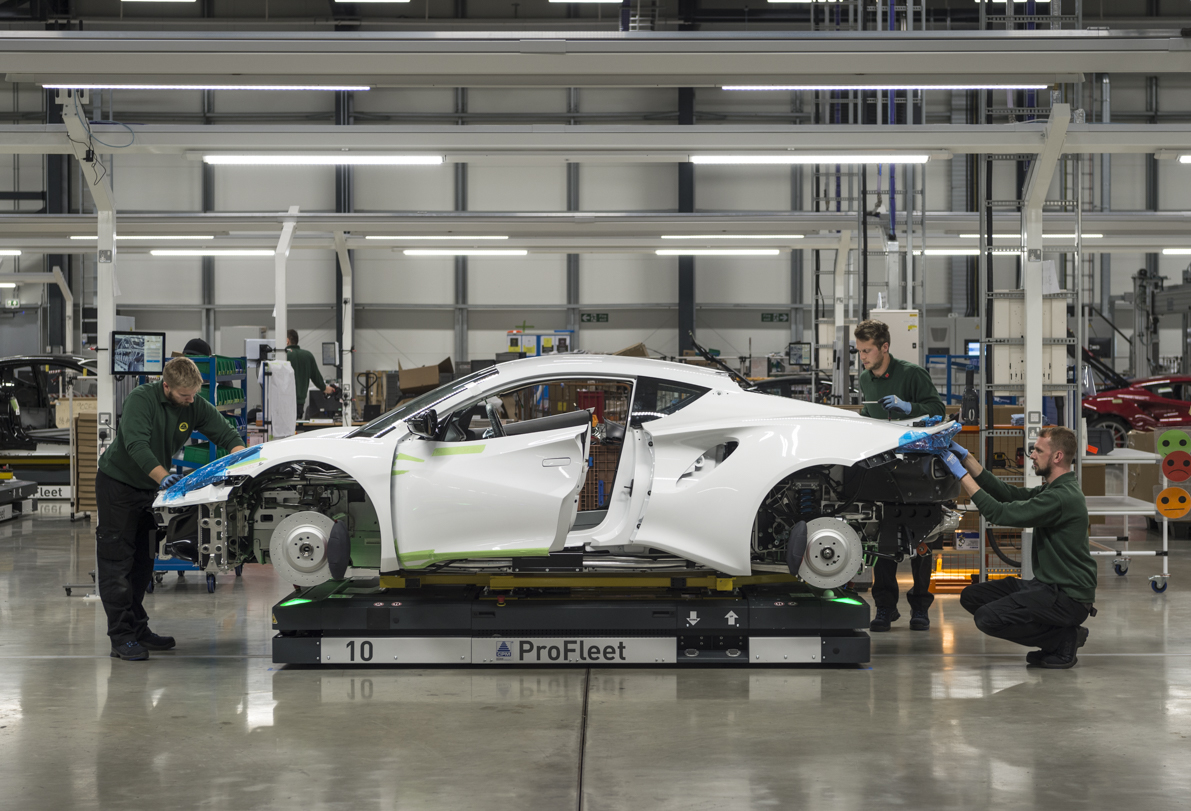
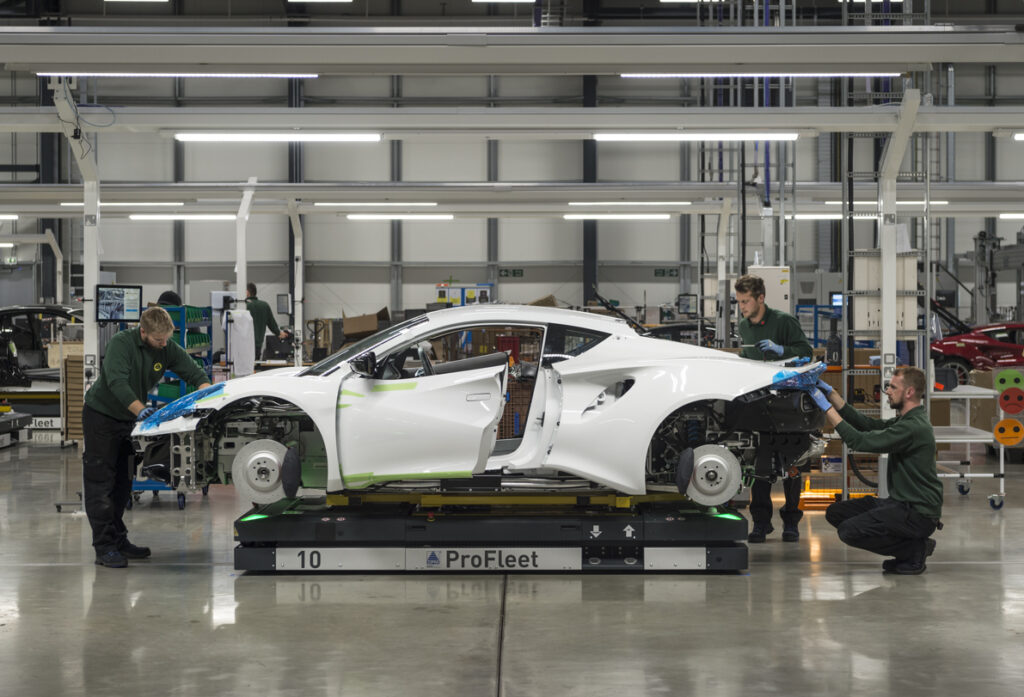
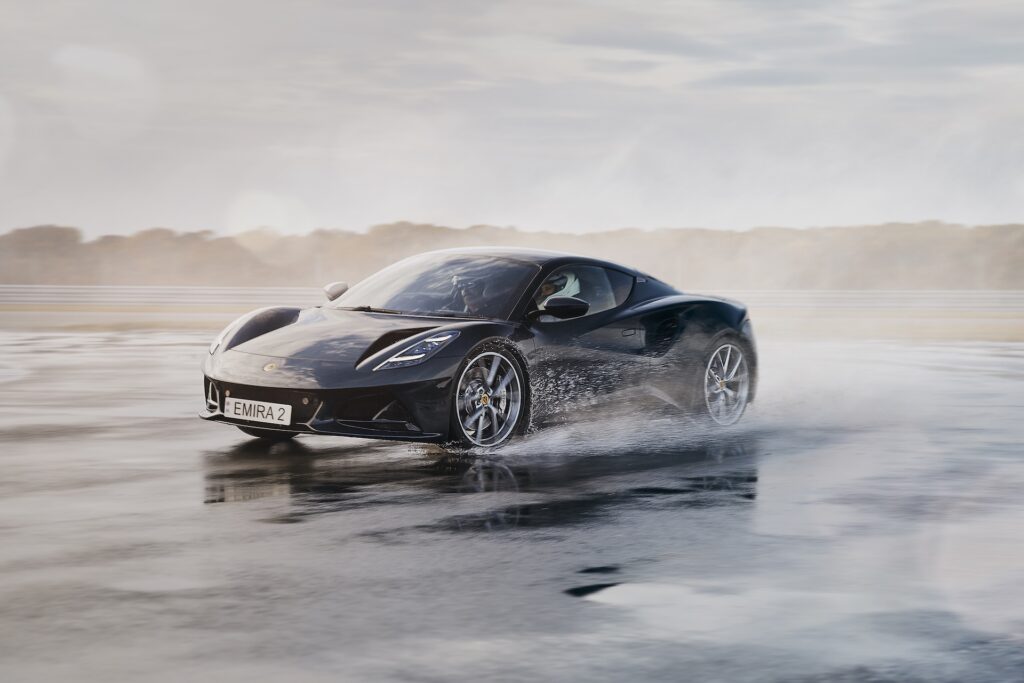
The petrol-powered Emira sports car continues to be built in Hethel, with plans for a plug-in hybrid version to be introduced in 2027 to suit Euro 7 emissions standards, replacing the Mercedes-AMG turbocharged four-cylinder or supercharged version of Toyota’s 3.5-litre V6 engine currently on offer.
Founded by legendary engineer Colin Chapman in 1952 and owned by him until his death in 1982. The brand endured a period of financial instability in the years following, undergoing several ownership changes including General Motors, Italian entrepreneur Romano Artioli, and Malaysian carmaker Proton before Geely secured its majority stake in the brand in 2017.
Lotus is far from Geely’s only investment, with it also holding primary stakes in Volvo Cars, Polestar, Smart, Farizon, and the company that produces London’s electric black cabs, along with owning 17 percent of Aston Martin shares.