



Jaguar told us it was coming, but some diehard followers of the Coventry Cat remained reluctant to believe that every new car made by Jaguar would be powered by electric motors from 2026 onwards.
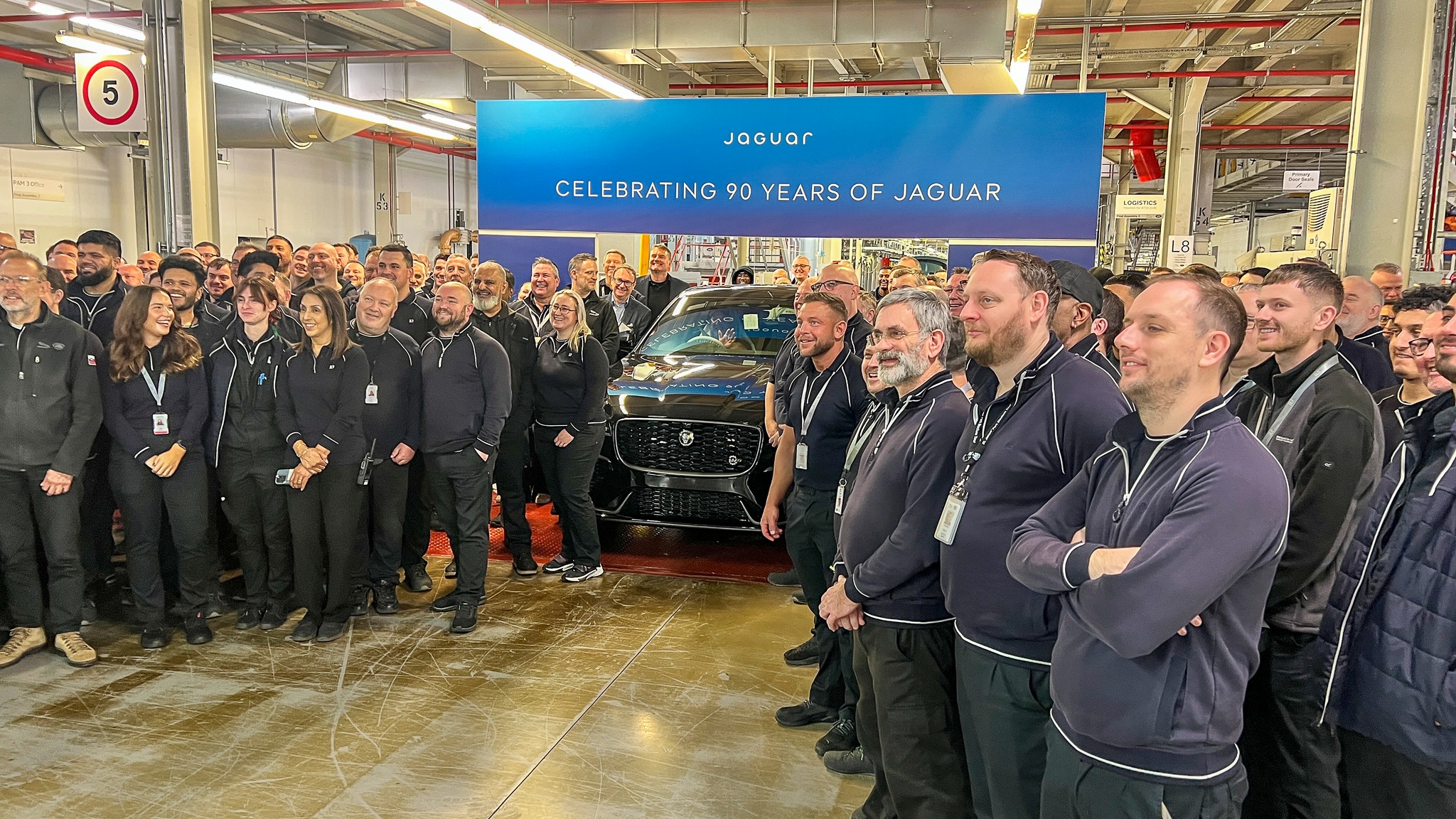
Then, on Friday December 19, it happened: the last Jaguar to be powered by an internal combustion engine (ICE) left the production line at the company’s Solihull factory.
That final car was one of the fastest and most technically advanced models to be built in the company’s 80-year history, an F-Pace SVR packing 405kW of power from its 5.0-litre supercharged V8.
Finished in black, the SVR was immediately handed over to the Jaguar Daimler Heritage Trust at Gaydon, England, where it joins a phalanx of Jaguar’s road-going models and racing cars.

The brand, which exemplified its moto of ‘Grace, Space, and Pace’ emerged from World War II with a new name and appetite for innovation.
Before rebranding as Jaguar, the business had been known as ‘SS’ in tribute to the Swallow Sidecars business established in 1922 by company chairman William Lyons. No business with those letters on its emblem was going to do well in post-War Britain.
War had not been entirely disruptive for he brand, however. While on ‘fire watch’ at Jaguar’s Coventry factory during times when the city was being continually bombed, several of Britain’s most talented engineers were designing an engine that would carry the business out of wartime privation and on to international superstardom.
The famous XK engine with its dual overhead camshafts was meant to be installed in a large sedan, but the car that would become the Mark VII was still years away in 1948. Lyons instead had the new engine installed in a sleek two seat body that he quite literally drew up on the wall of the workshop and had his sheet-metal team shape by hand in aircraft-grade aluminium.

That car became the XK120, which went on to set a new production car speed record of 212.5km/h in 1949.
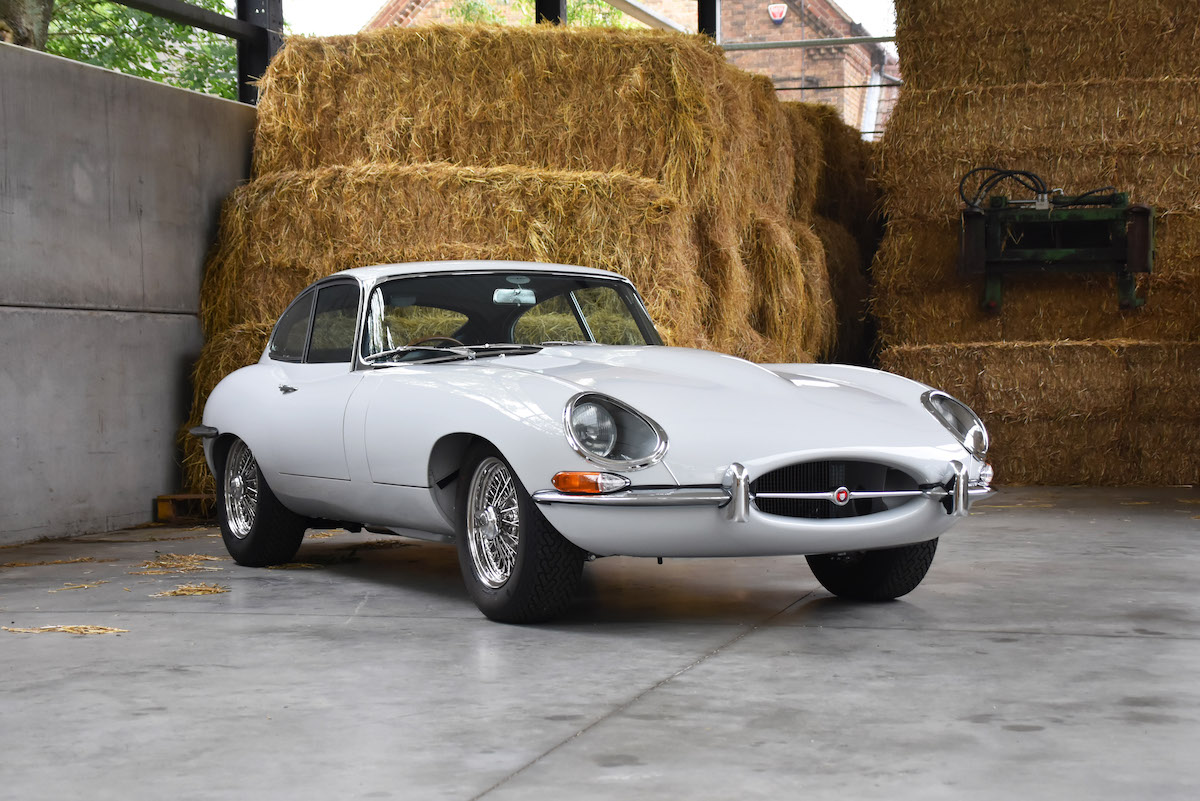
Jaguar’s XK engine, once in volume production, would go on to power some of the most significant cars to emerge from a British factory. This included the Le Mans-winning C-Type and D-Type sports cars, the sensuously styled E-Type, compact Mark II sedans and the technically advanced XJ6.
Jaguar dabbled in V12 engines as well, intending for them to power the E-Type and a new Le Mans contender. During the 1970s, Jaguar launched its V12 XJS which survived well into the 1990s and sold – with various engines – more than 115,000 units, making it the biggest selling Jaguar of all time.
Straight-six and V12 engines then gave way to a problematic V8 and great disappointment for devotees of the brand.

After years of trouble during the 1970s under the haphazard guidance of British Leyland, Jaguar reached the 1990s with some well-built and reliable products, only to be let down in 1997 by the V8 with its ineffective Nicasil cylinder wall coating.
That problem sorted, Jaguar embarked on another golden age which began with the introduction of its diverse XF range, along with the smaller XE. In creating the XF, Jaguar had followed the company’s 1950s-60s philosophy by offering different capacity engines in the same basic car.
For the first time, Jaguar also offered turbo-diesel engines, ranging in size from 2.0 to 3.0 litres, but with continued emphasis on performance via the 5.0-litre supercharged petrol V8.
The recent Jag lineup has also included the E-Pace and F-Pace SUVs, along with the stunning F-Type sports car.
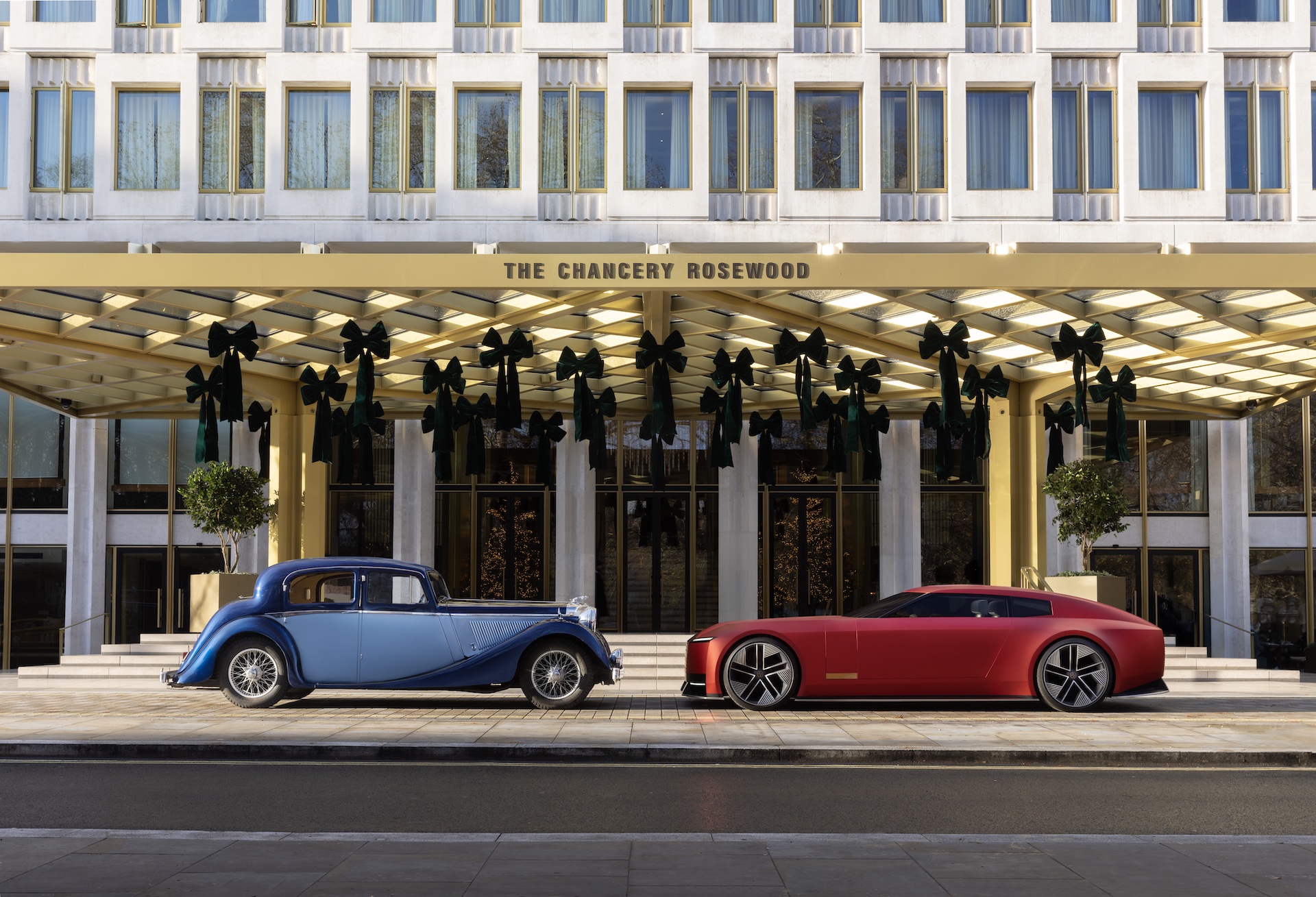
Where Jaguar heads from here is unclear. The business has for several years been selling its fully electric I-Pace coupe SUV, but now just dwindling dealer stocks of petrol-fuelled cars remain.
Jaguar states that for the coming 12 months it will focus on final trials before the late 2026 launch of a new electric car previewed by the controversial Type 00 concept. The first model based on the new ‘JEA’ platform will be a large four-door GT car claiming high performance in the realm of 745kW and range of more than 700km between charges.
For now, though, the legions of Jag owners from decades past – and maybe a few who still have an XJ6 – will smile as they recall parking between two sets of petrol pumps and refilling the twin 52-litre tanks in the same time as perplexed motorists around them were able to fill just one.