

Since the BMW 3 Series first launched back in 1975, it has become one of the brand’s most important models around the globe, with more than 18 million examples produced over the last 50 years.
When it comes to a global success of this magnitude, however, it takes a truly global operation. To enable this much-loved nameplate to reach such sales success, it took production in 18 different factories across 13 countries in four different contents.
It’s all part of BMW’s ‘iFACTORY’ manufacturing approach – which places emphasis on efficiency, flexibility, digitalisation, and resource-efficient production – that enables the brand’s manufacturing to have been deployed in so many corners of the planet. But of course, it all started out in the brand’s hometown, Munich.
BMW’s Munich production plant serves as an early technology pioneer

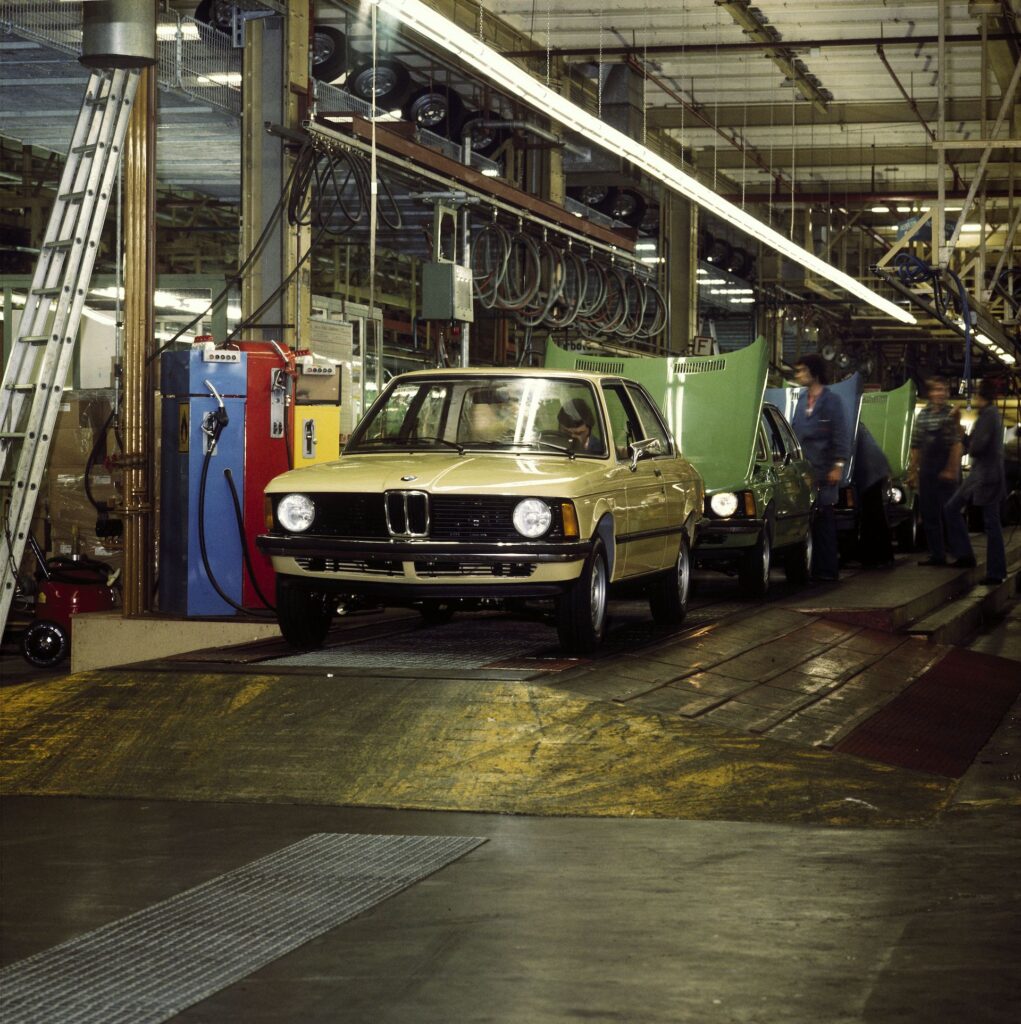
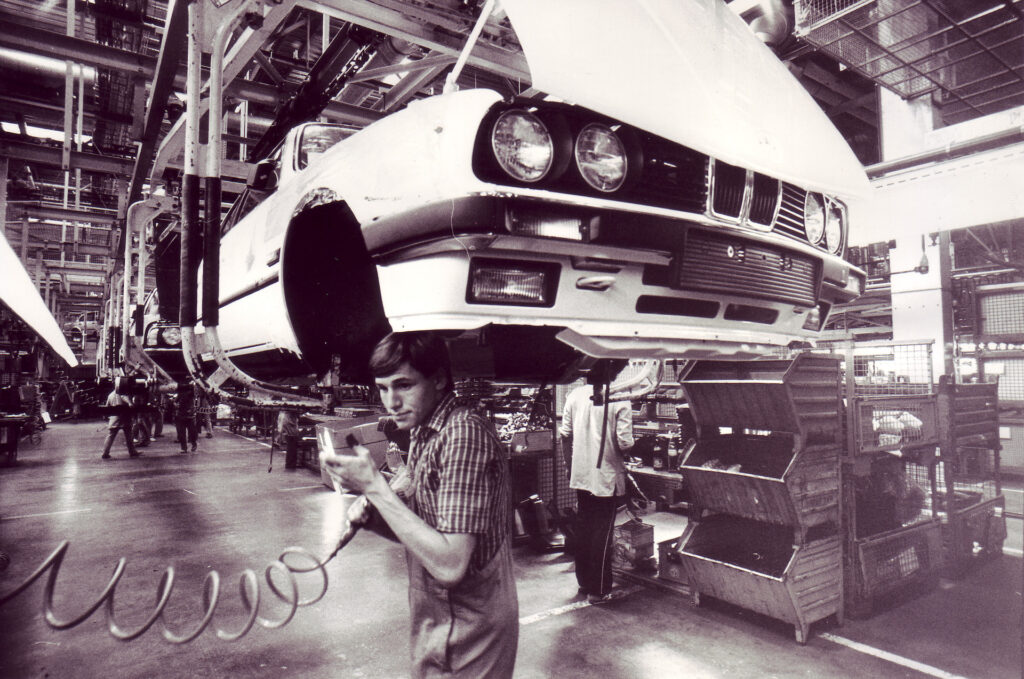
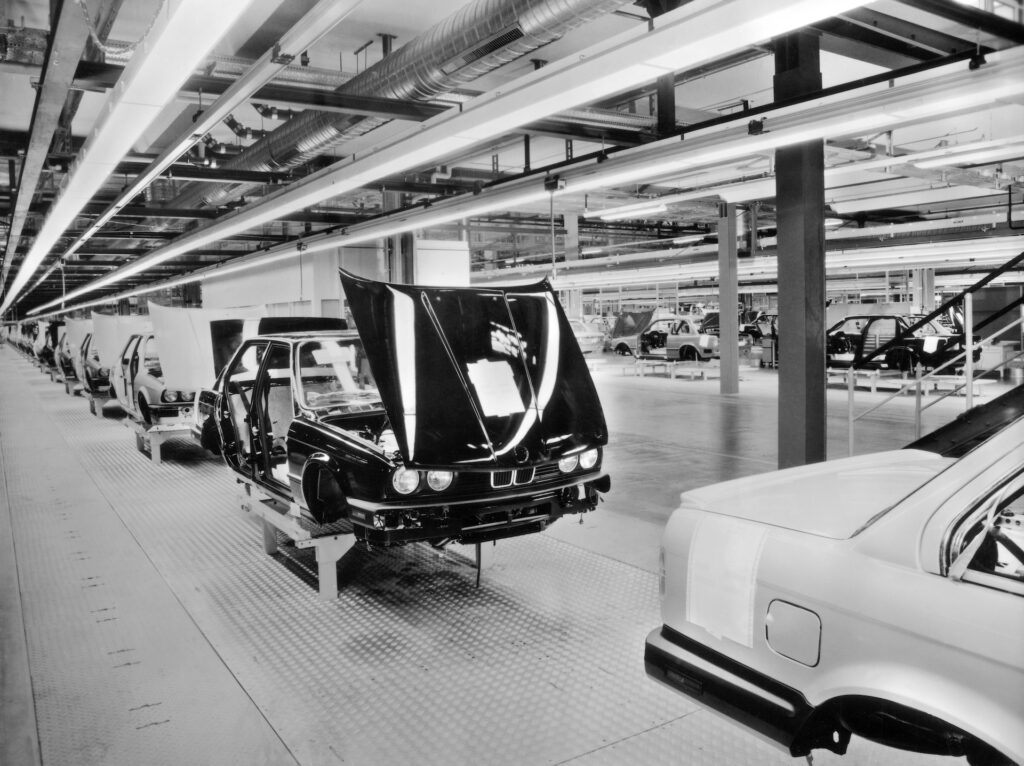
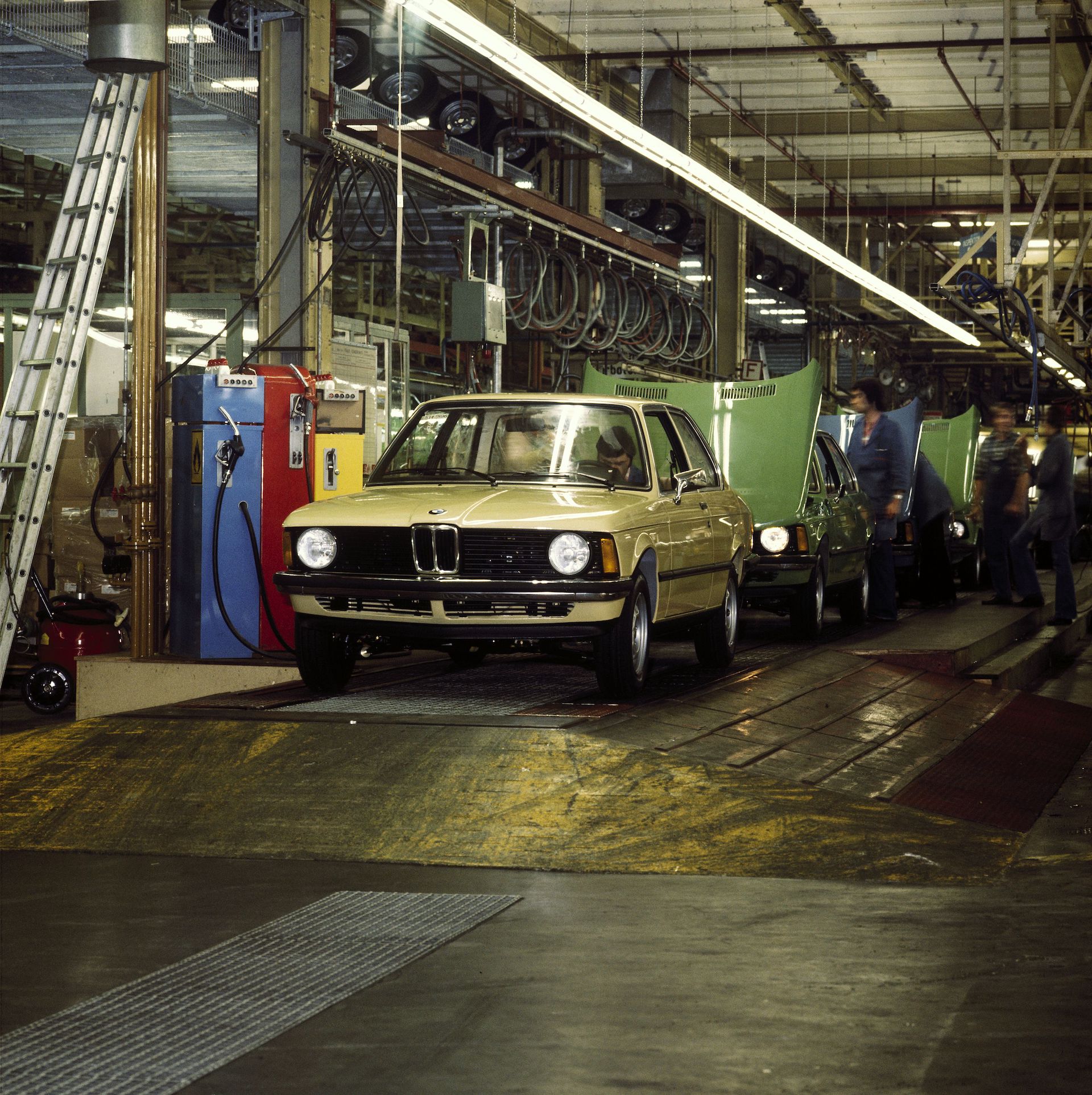
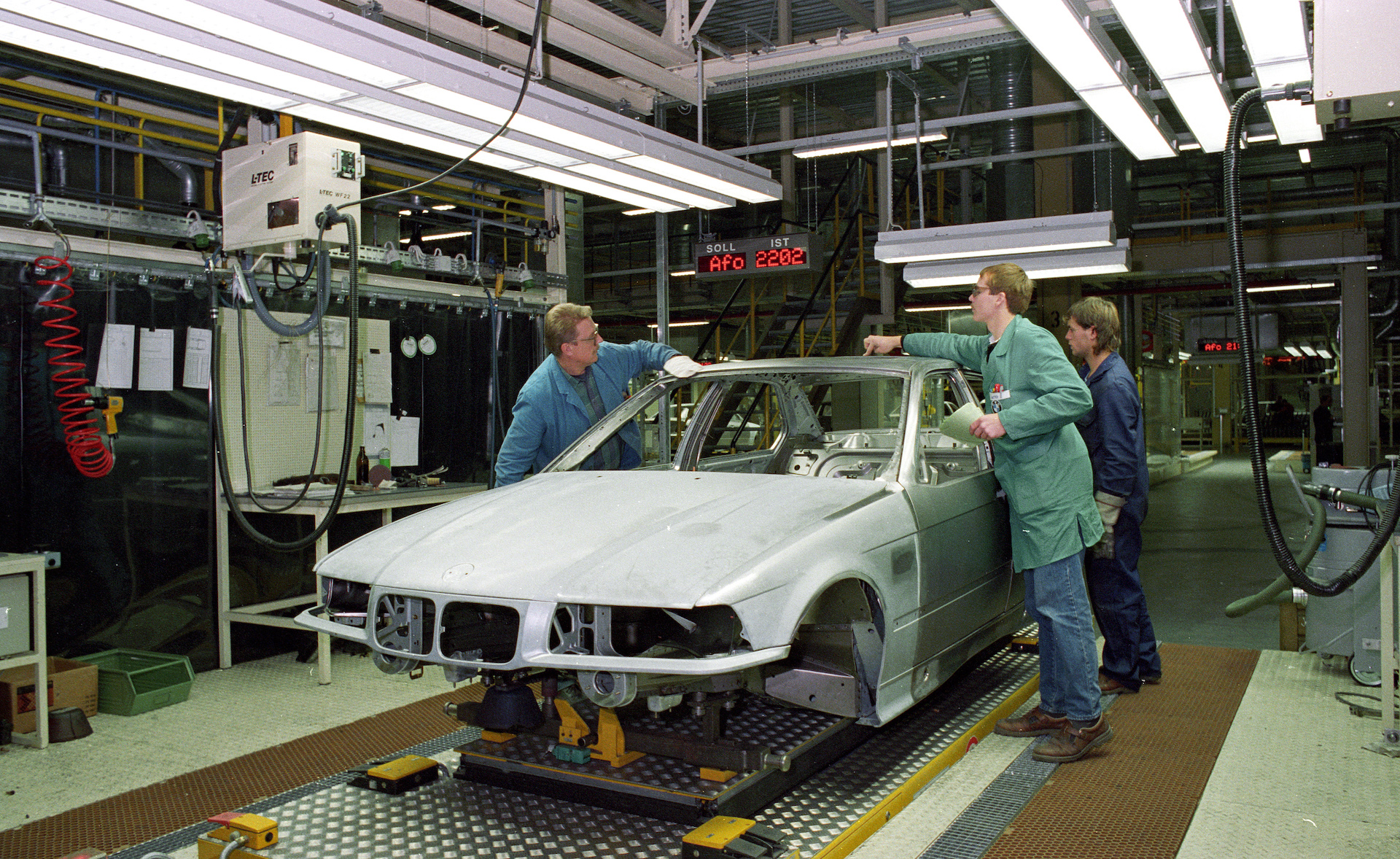
Positioned at the centre of 3 Series production since the beginning in ’75, BMW has been committed to using flexible, technology-led manufacturing processes at its Munich site, deploying the likes of overhead conveyor systems and freely programmable welding machines.
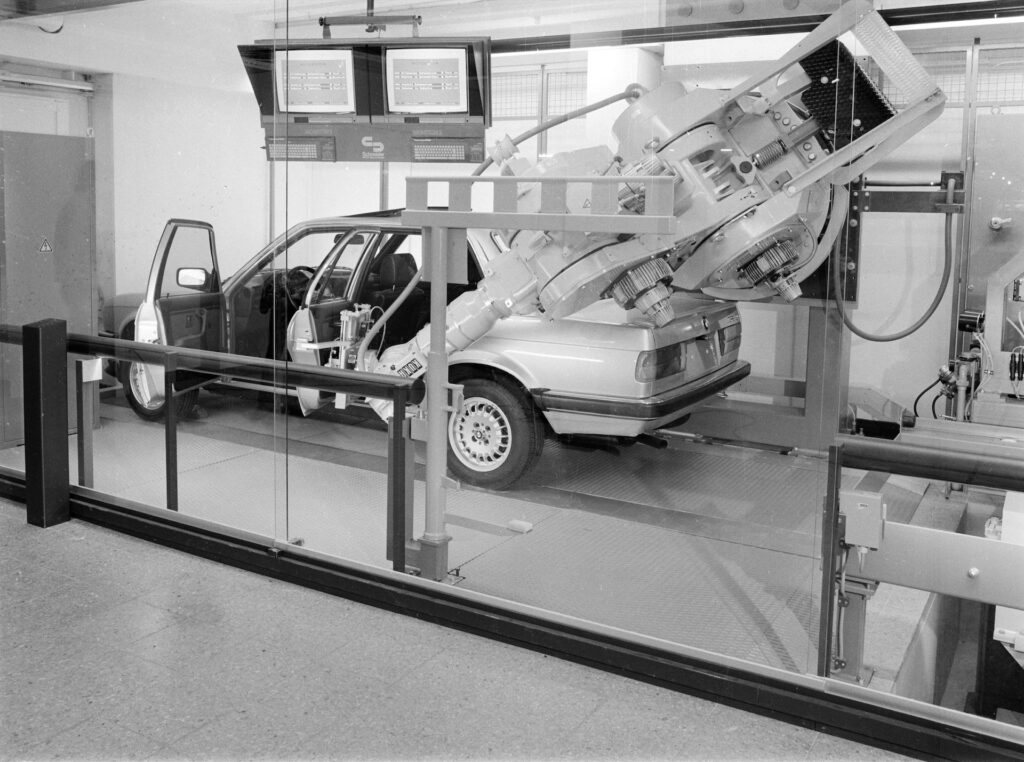
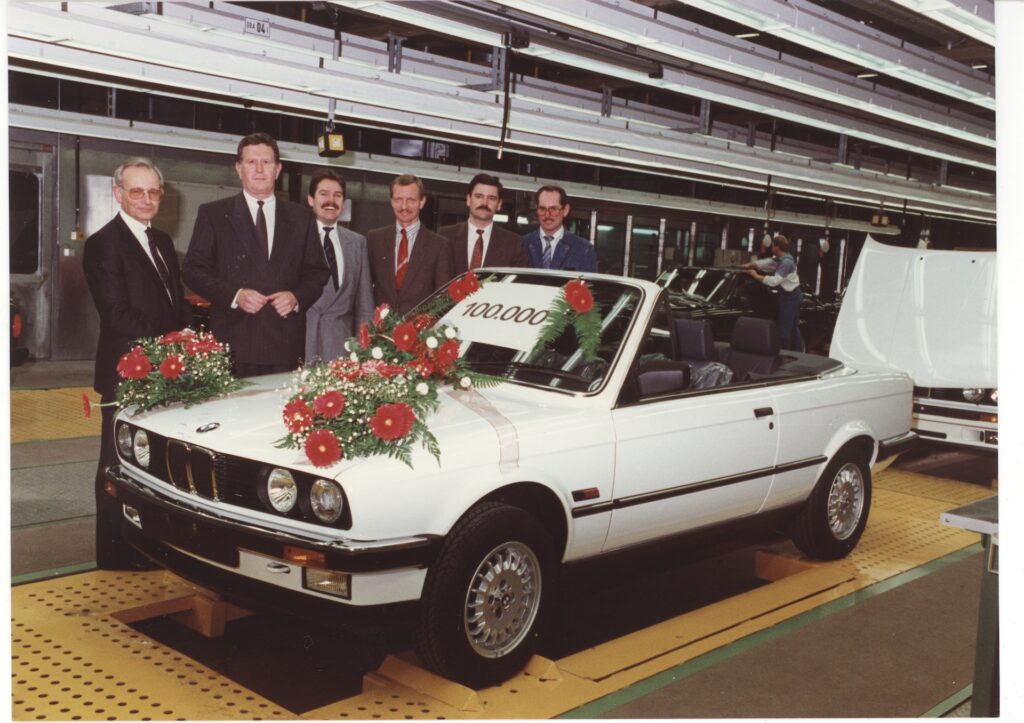
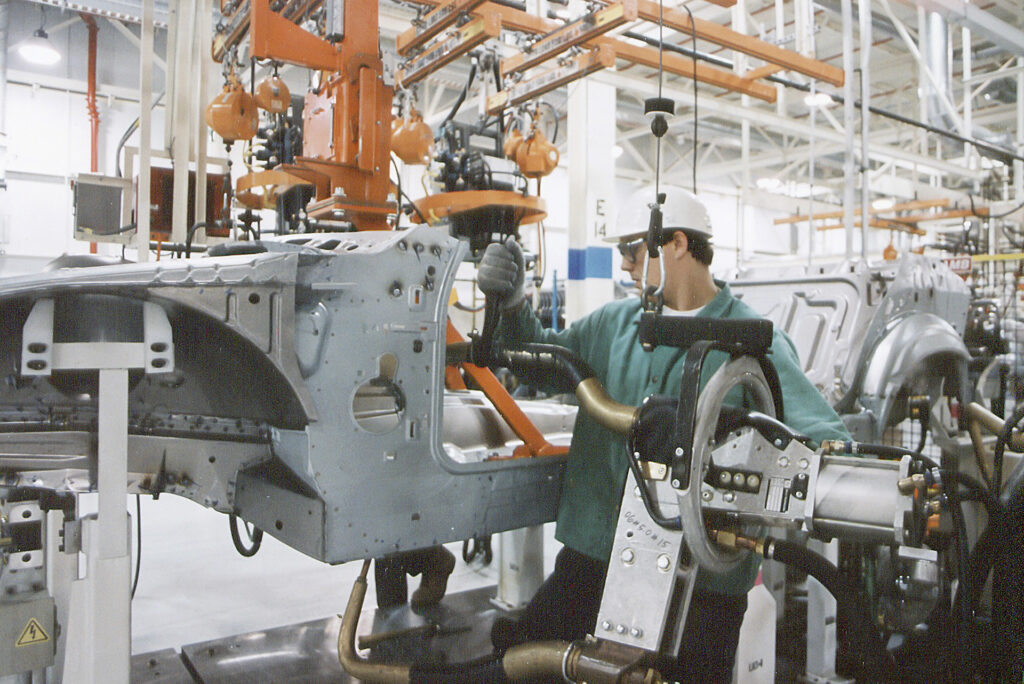
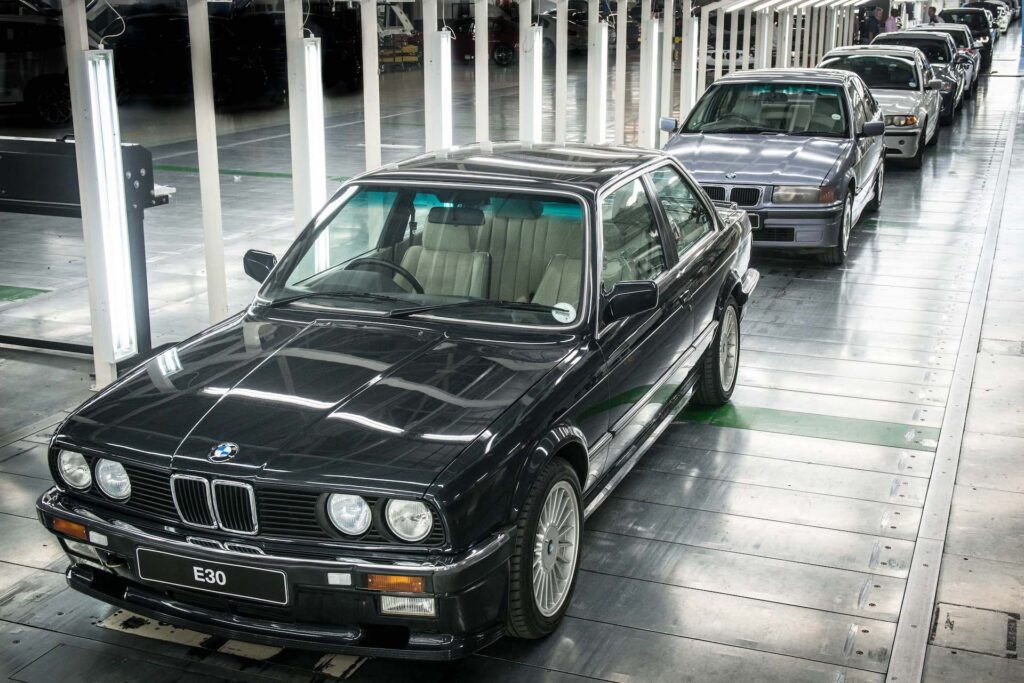
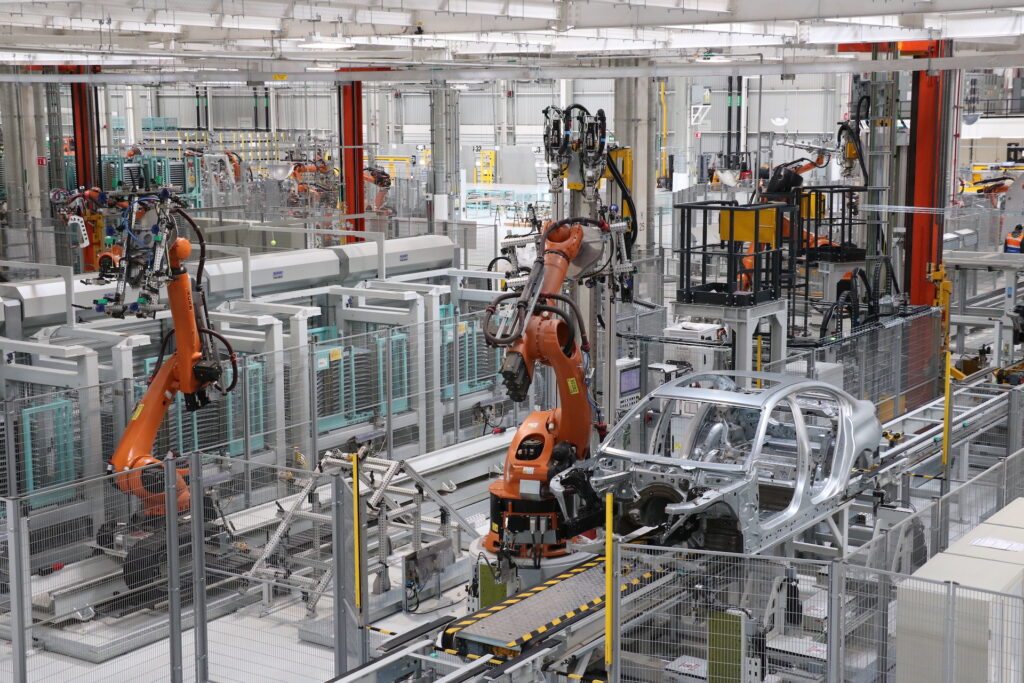
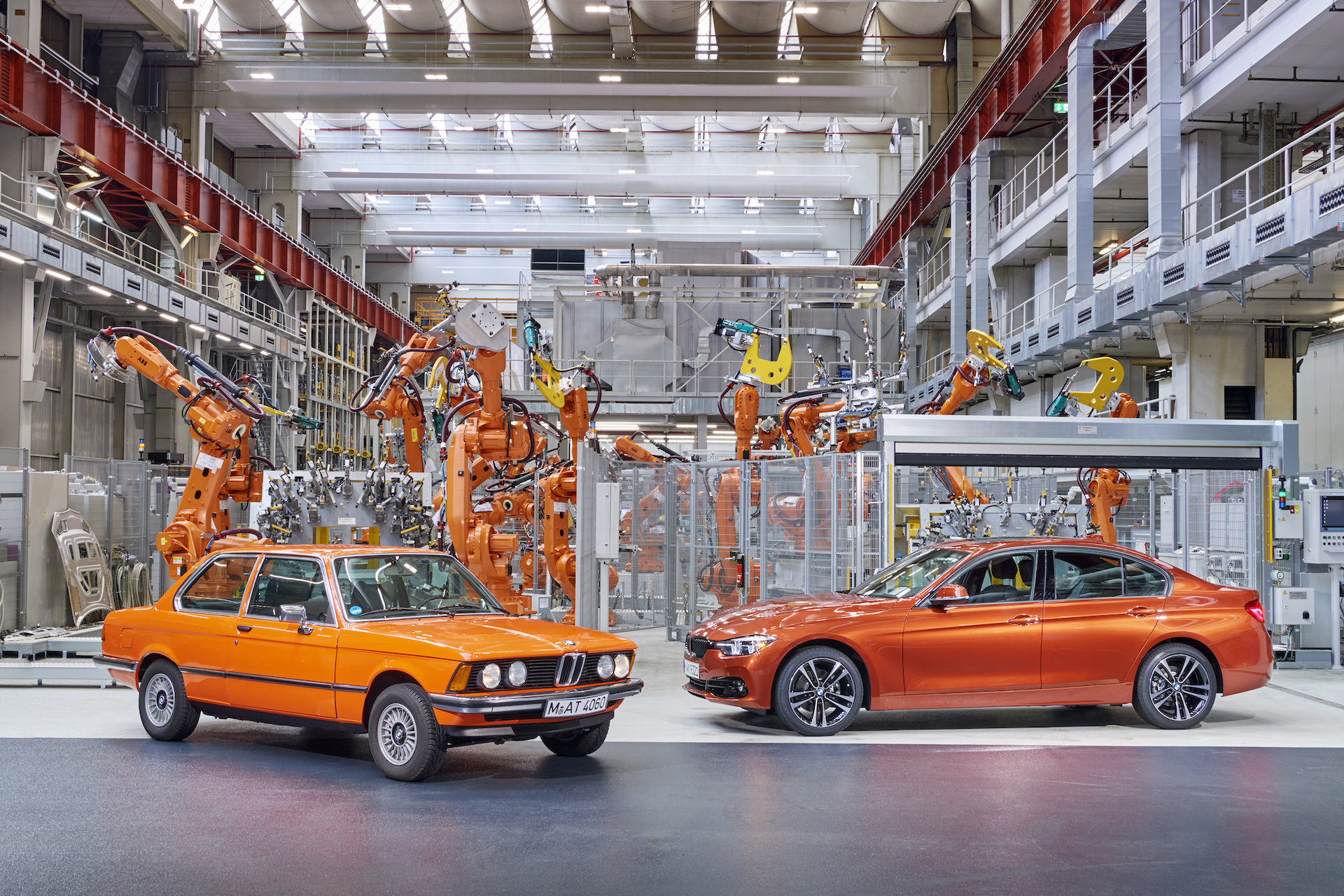
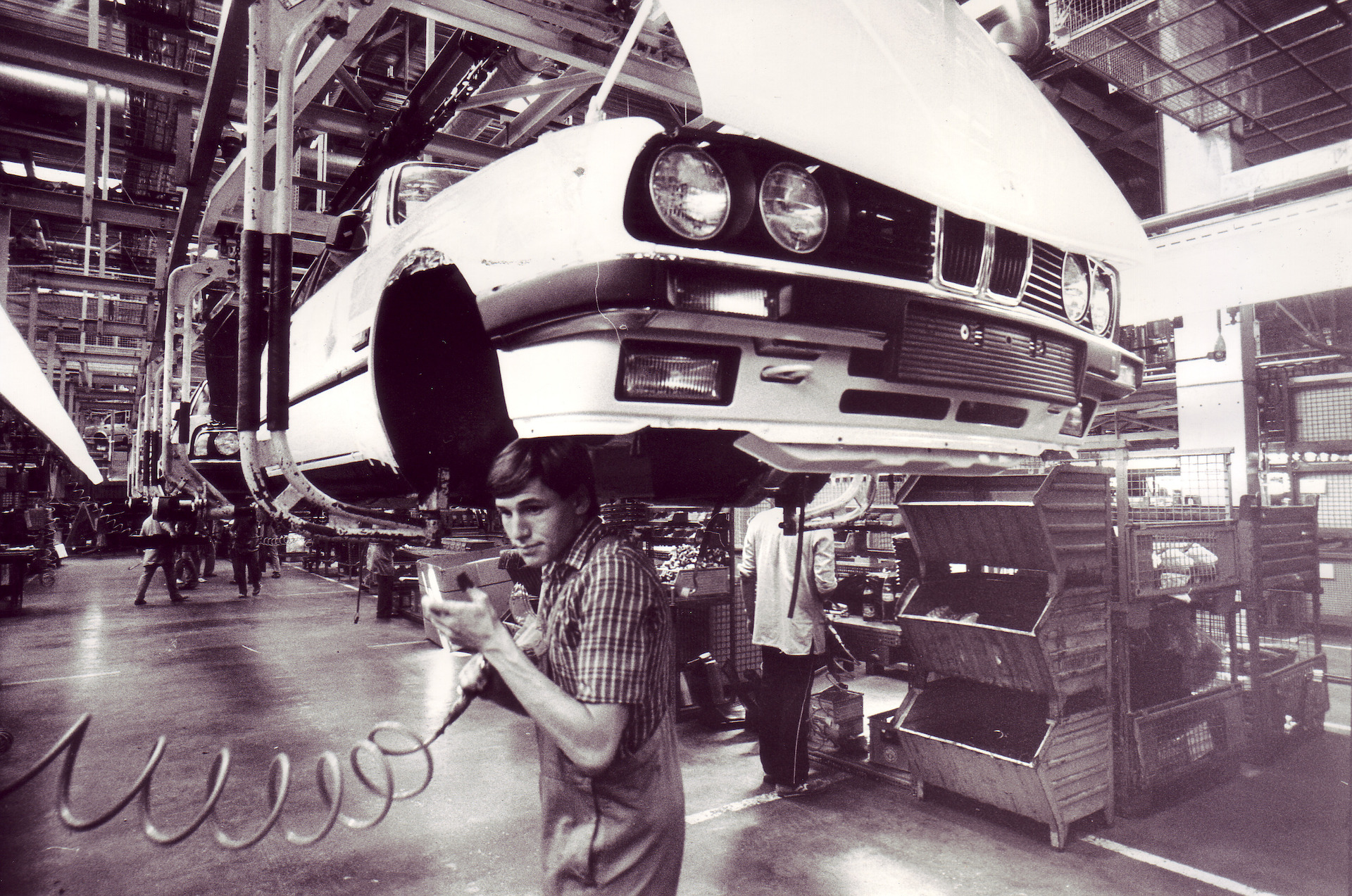
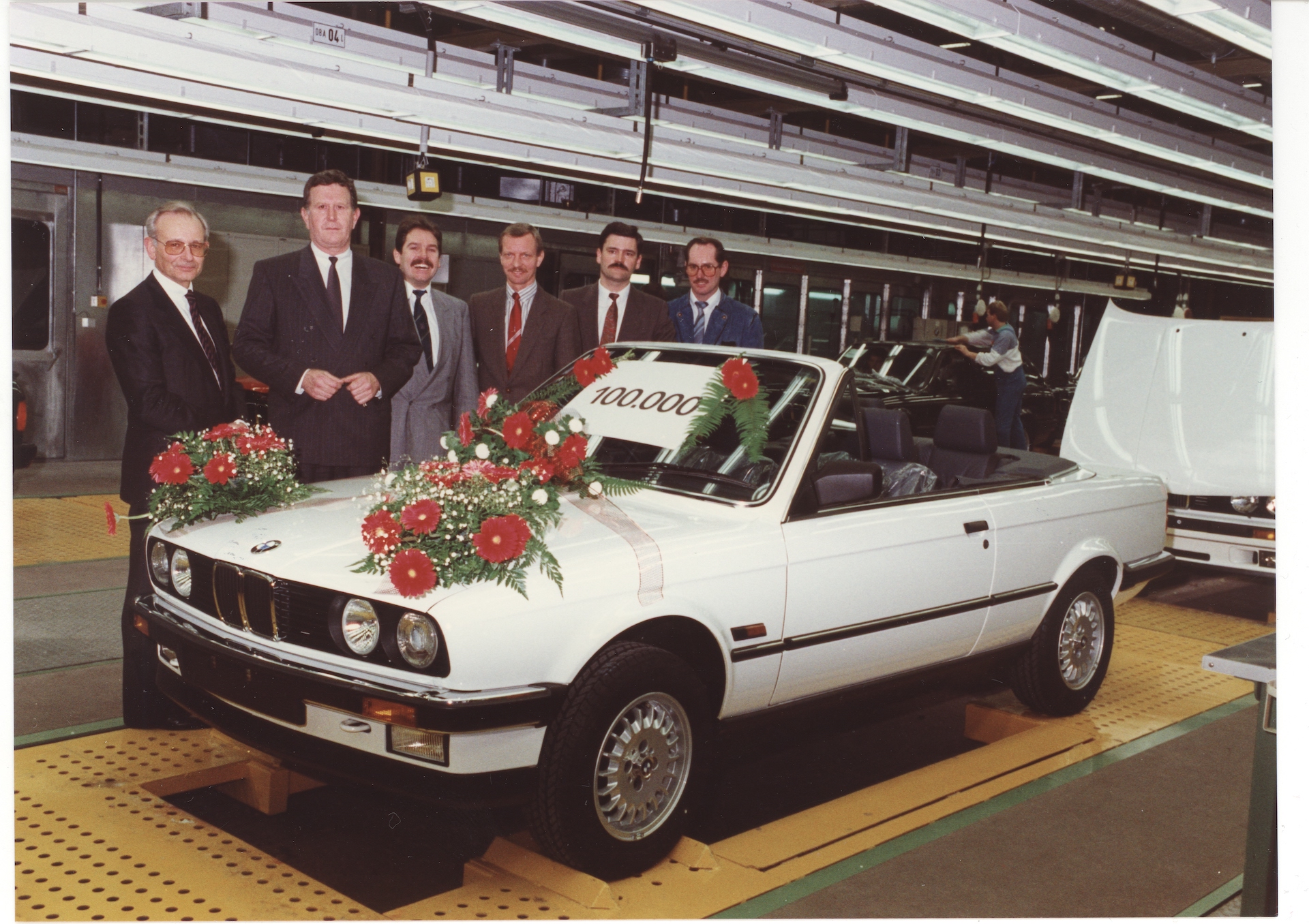
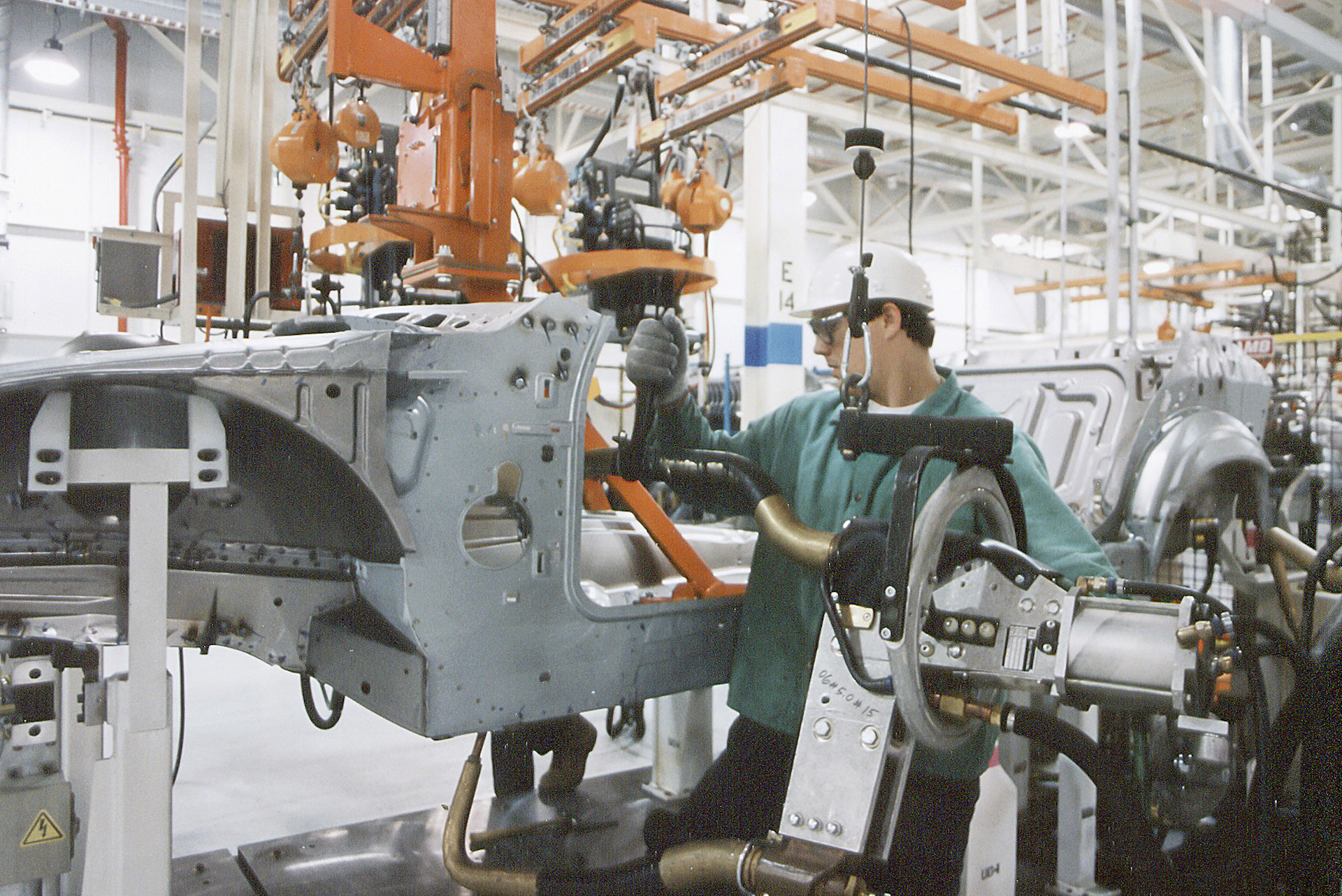
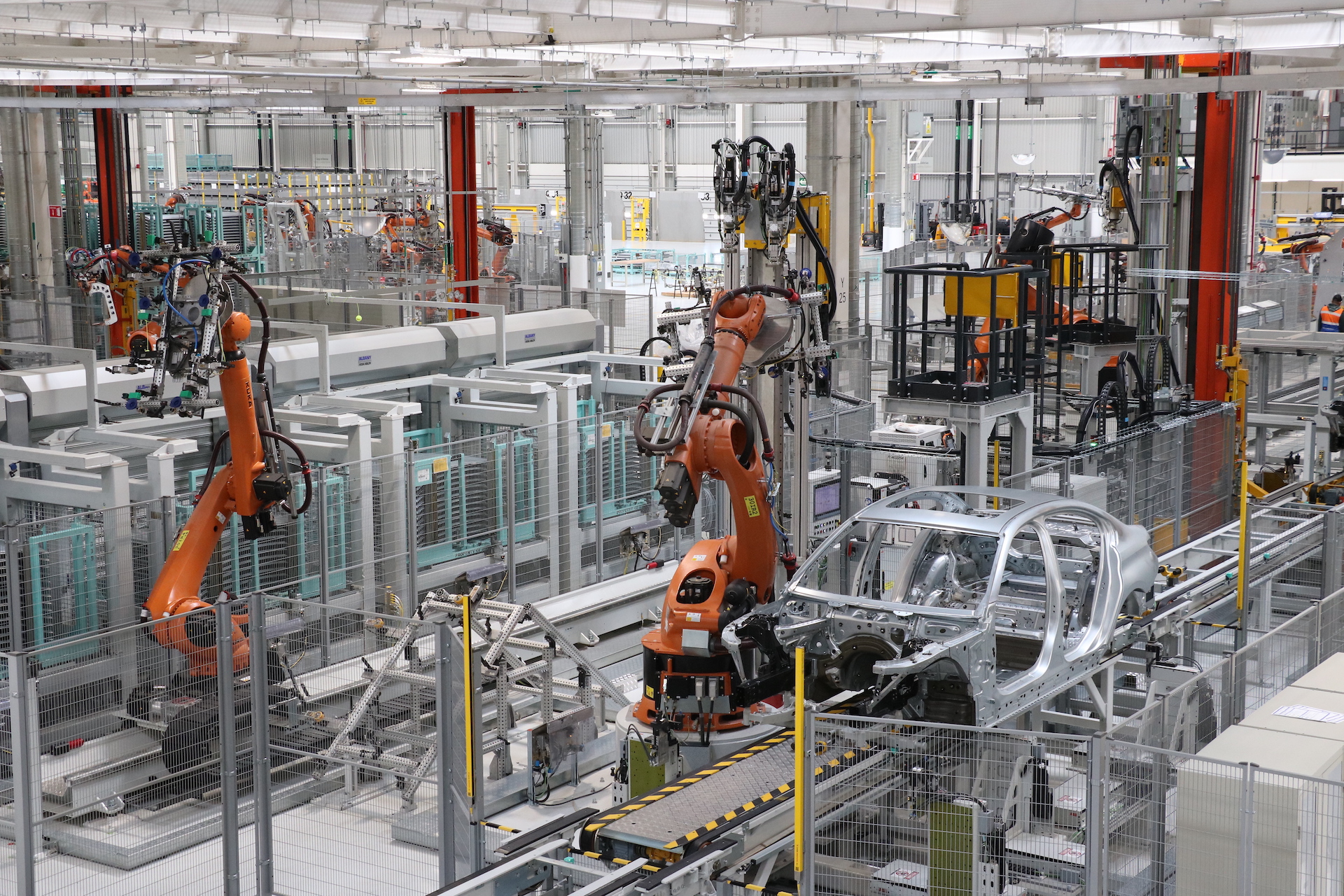
When the second-generation ‘E30’ 3 Series launched in 1982, a fully automated body shop was introduced at the factory. By using industrial robots, it was possible to achieve an automation rate of more than 90 percent for this technology. Combined with flexible shift systems for the plant’s human workers it greatly increased the factory’s capacity in turn.
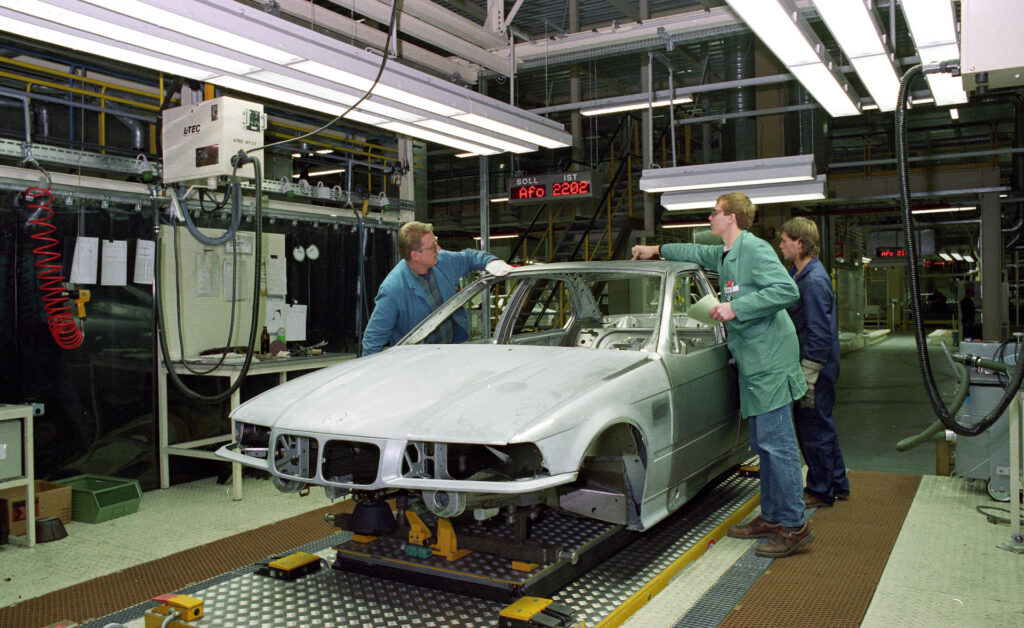
Beyond this point and through to today, the Munich factory has maintained cutting-edge technology, whether it was introducing computer-controlled engine production through to deploying AI-supported quality systems today.
German expansion leads to branching out overseas
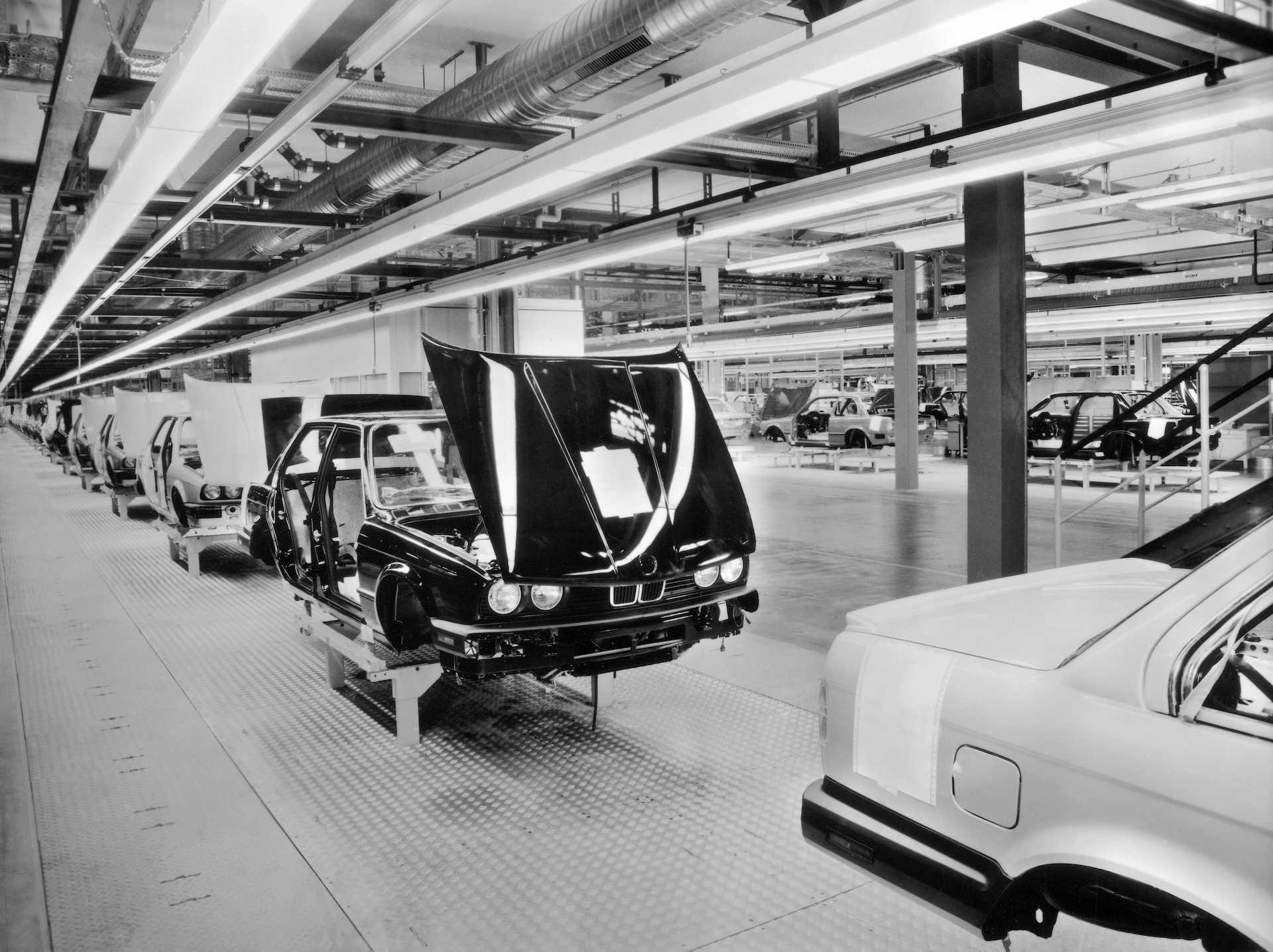
With the 3 Series being BMW’s most mainstream model, German production quickly expanded beyond Munich, first to Dingolfing in 1980 and then Regensburg in 1986.
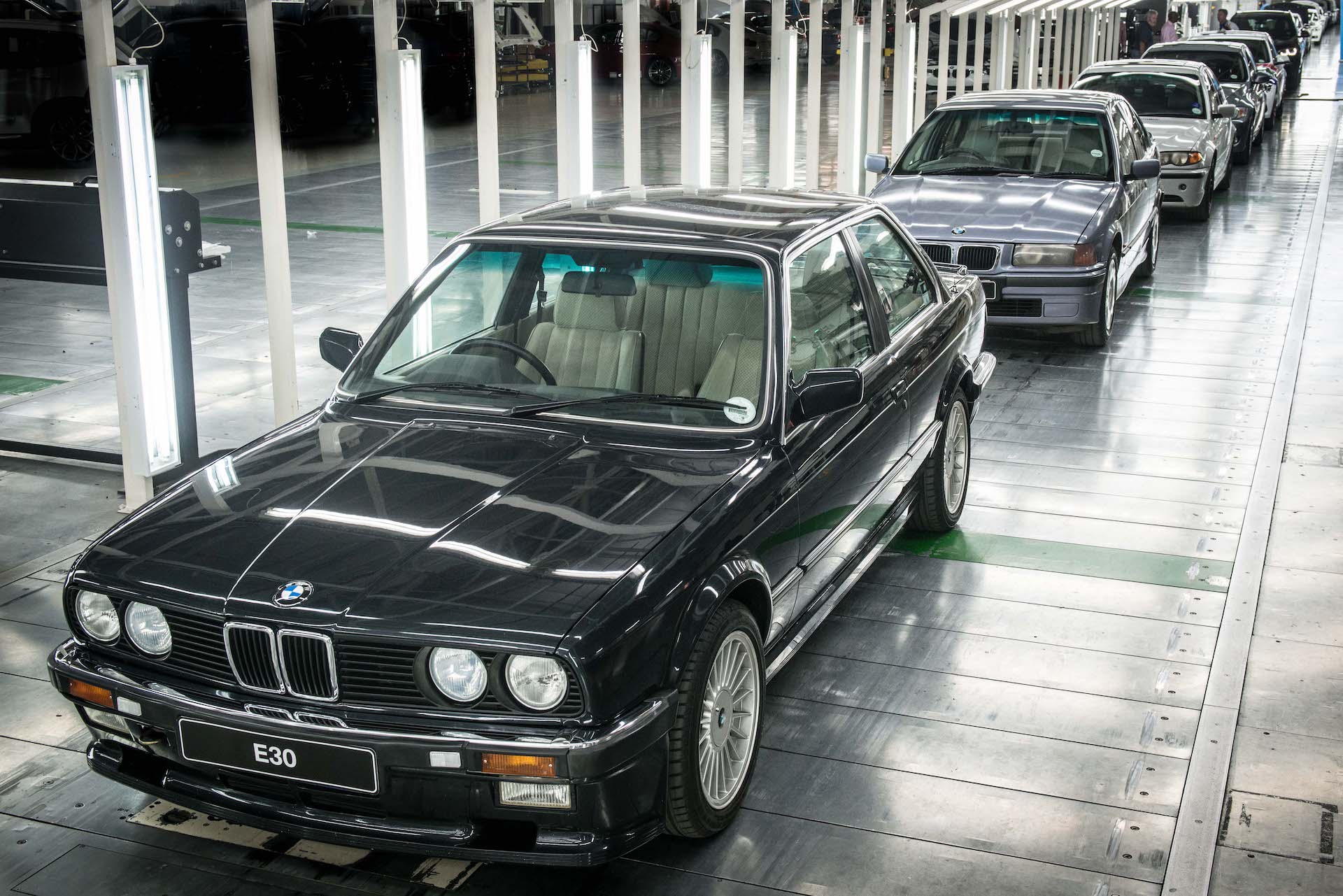
However, the 3er also pushed the company to internationalise its production operations, with its South African plant in Rosslyn opening in 1984. Historically, this factory was a major supplier for Australia, given both were right-hand drive markets.
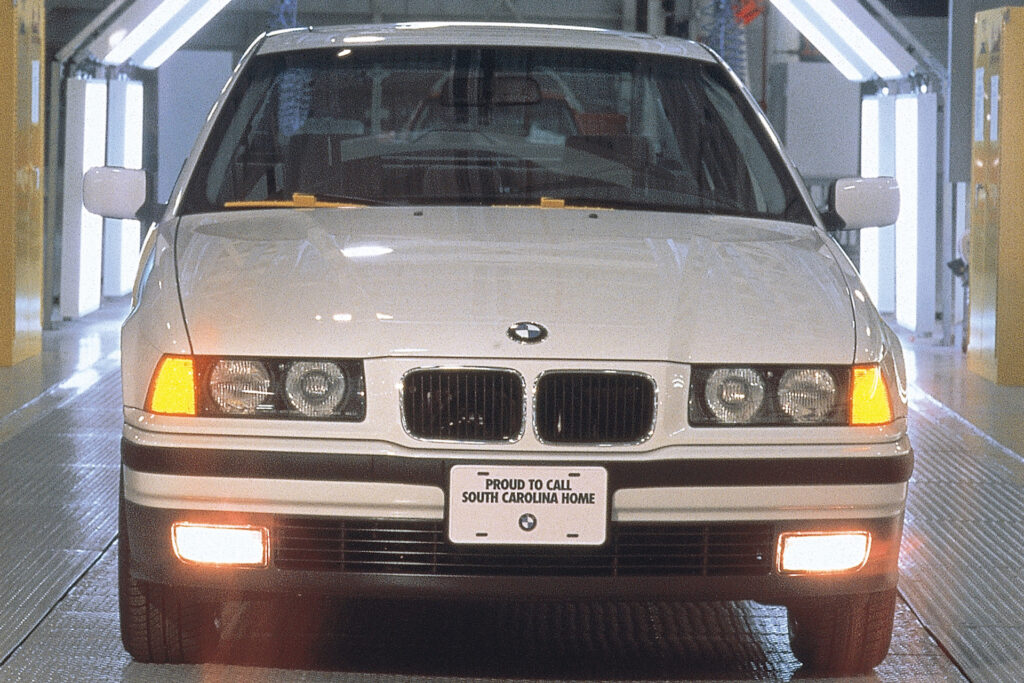
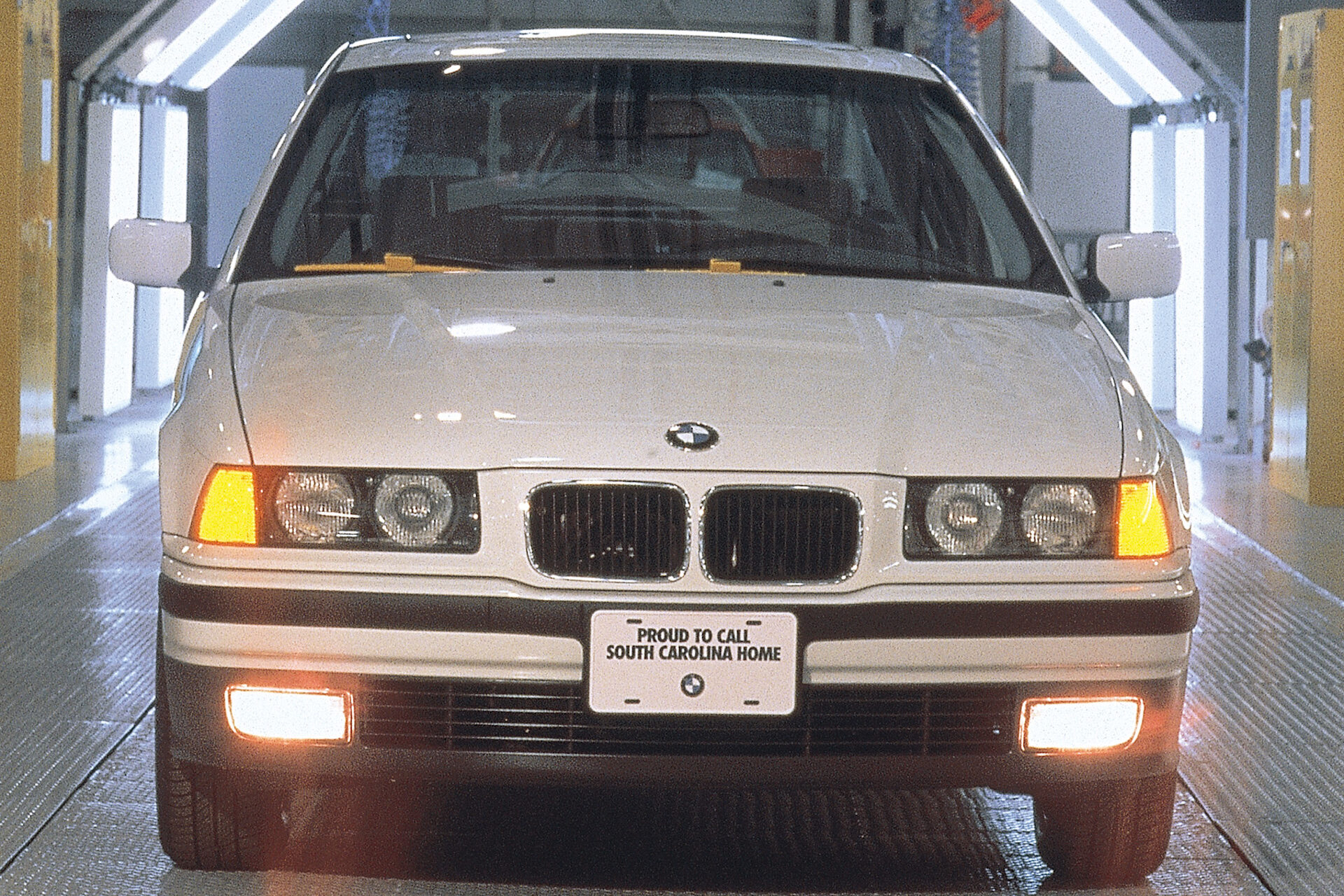
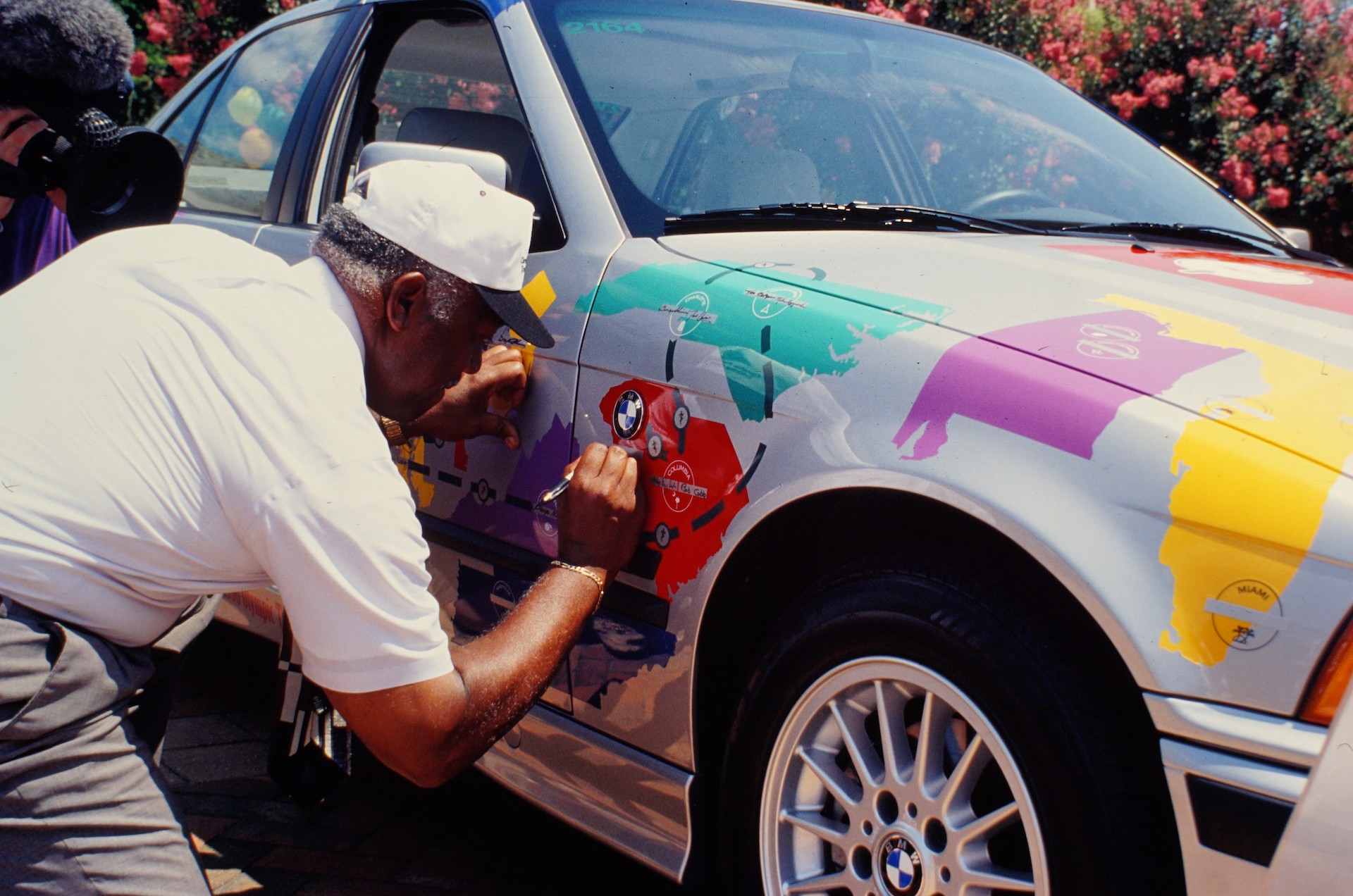
In 1994, the company also opened its United States plant in Spartanburg to enable an increased local supply to the booming market.
3 Series serves as an enabler for new plants
With the exception of BMW’s newest factory in Debrecen, Hungary, the 3 Series has served as the enabler for each of the brand’s new manufacturing hubs since Plant Regensburg’s opening in 1986.
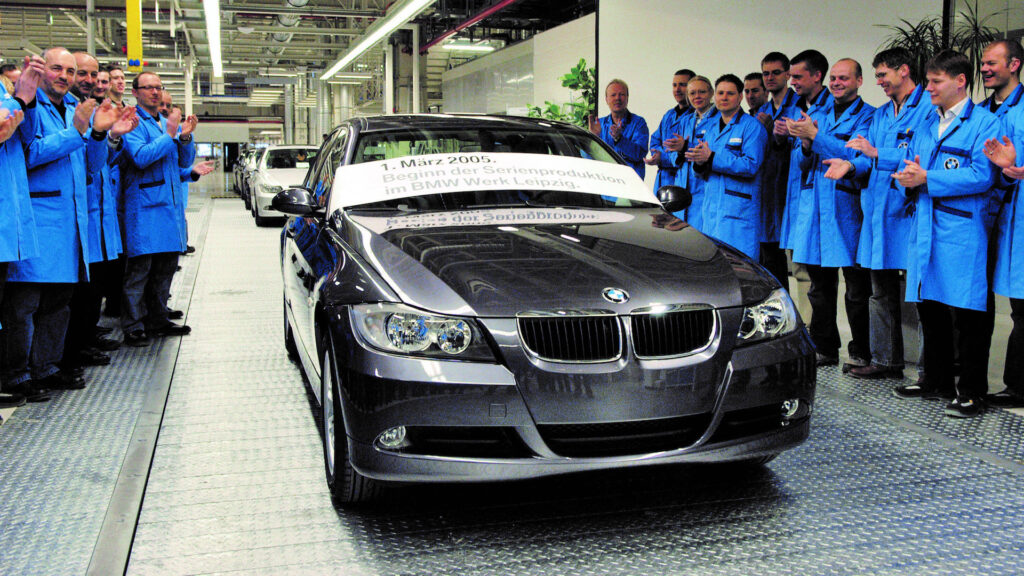
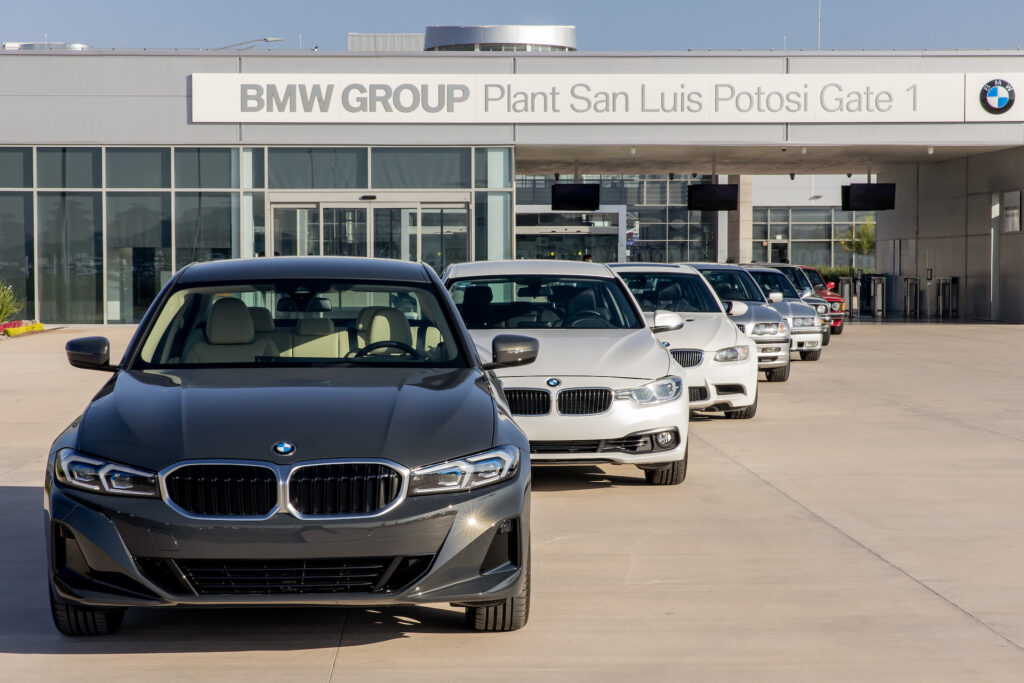
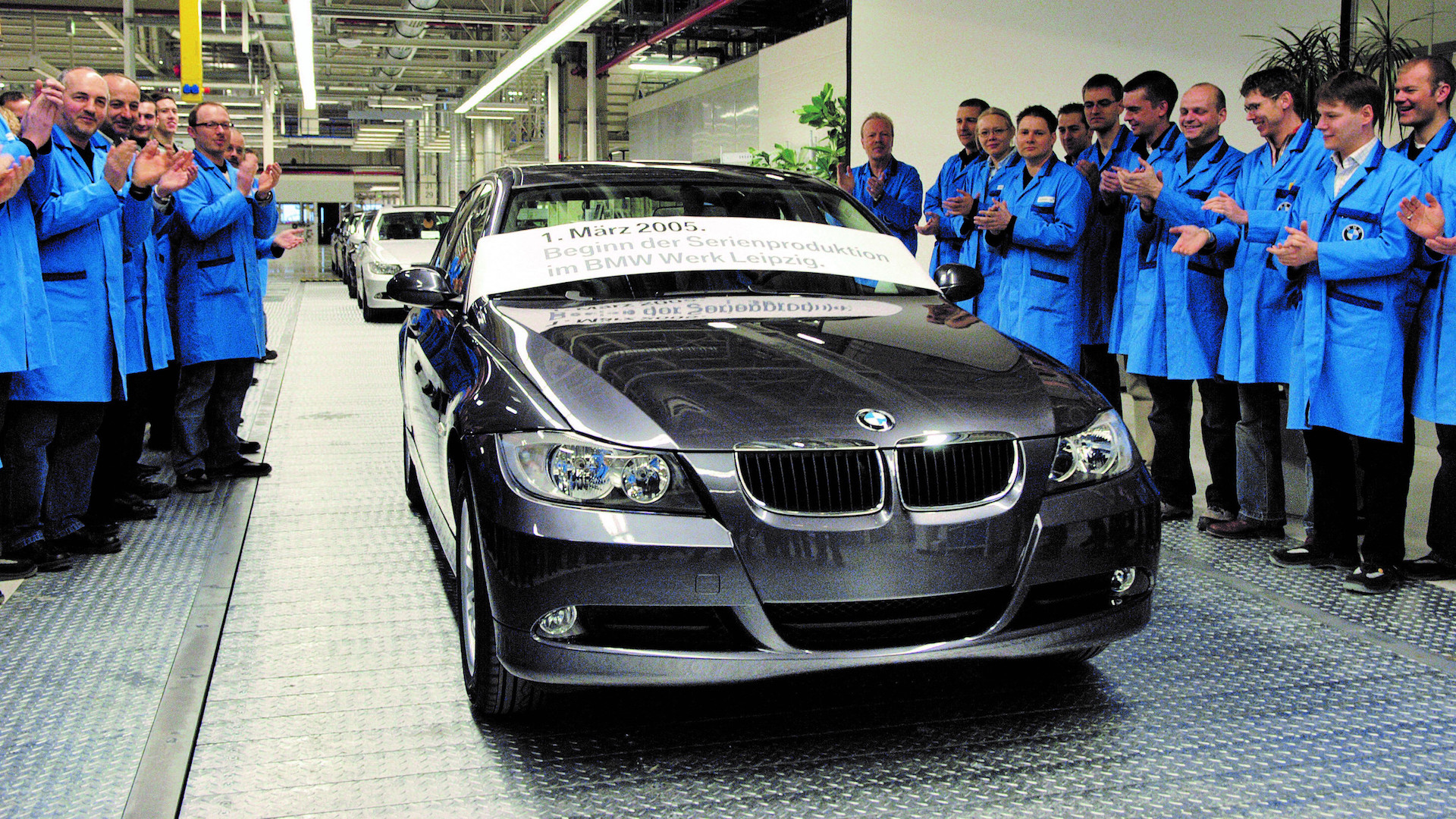
Plants in Spartanburg, Leipzig, and the Mexican city of San Luis Potosí – along with the BMW Brilliance Automotive joint venture in China – all initially ramped up with the BMW 3 Series.
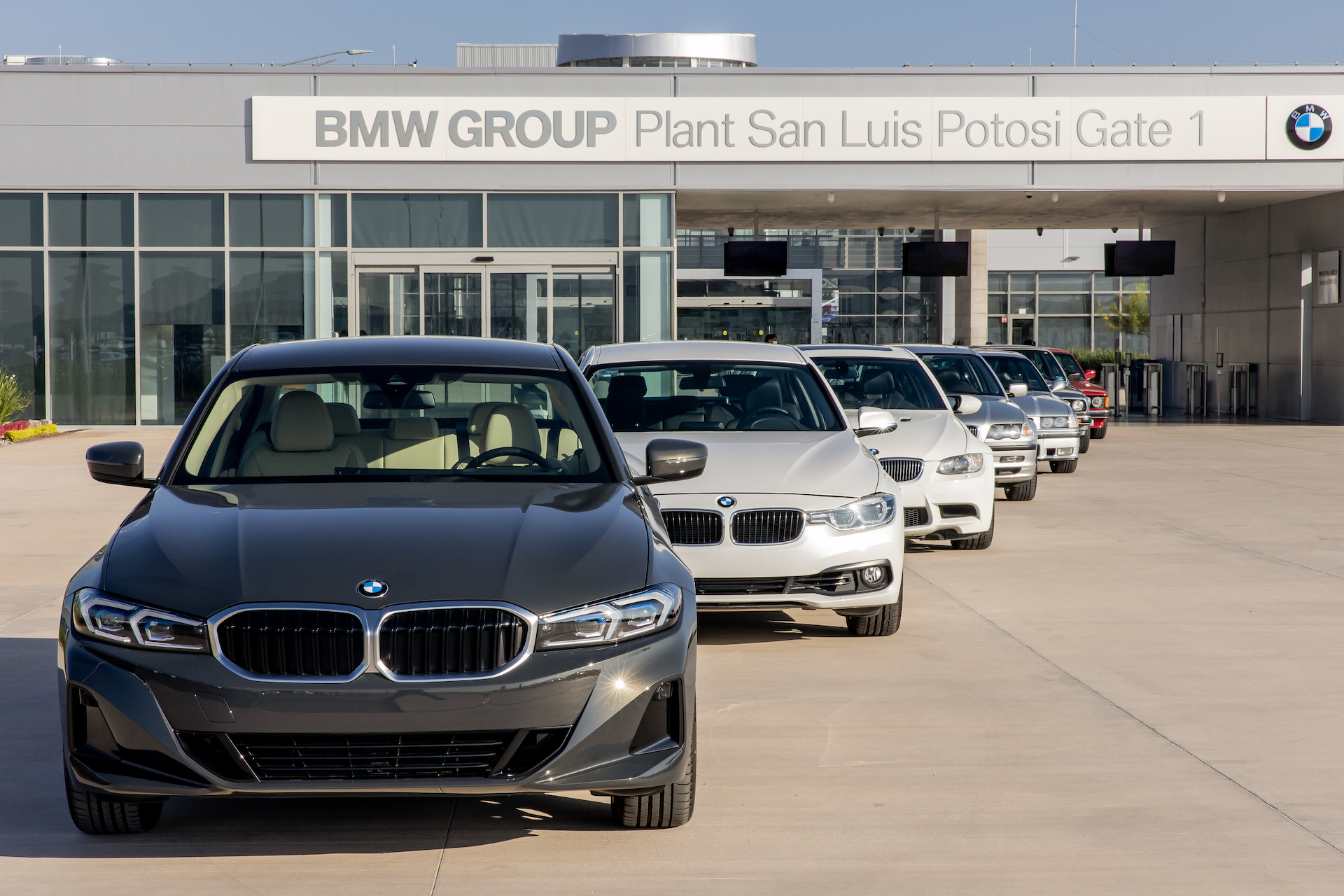
Across the decades, nearly all BMW Group production plants have seen various 3 Series variants – including sedans, drop-tops, ‘Touring’ wagons and M3 performance versions – produced with a high degree of flexibility. This includes vehicles with different drive technologies, too – petrol, diesel, plug-in hybrid, and battery electric variants have all rolled off the same assembly lines.
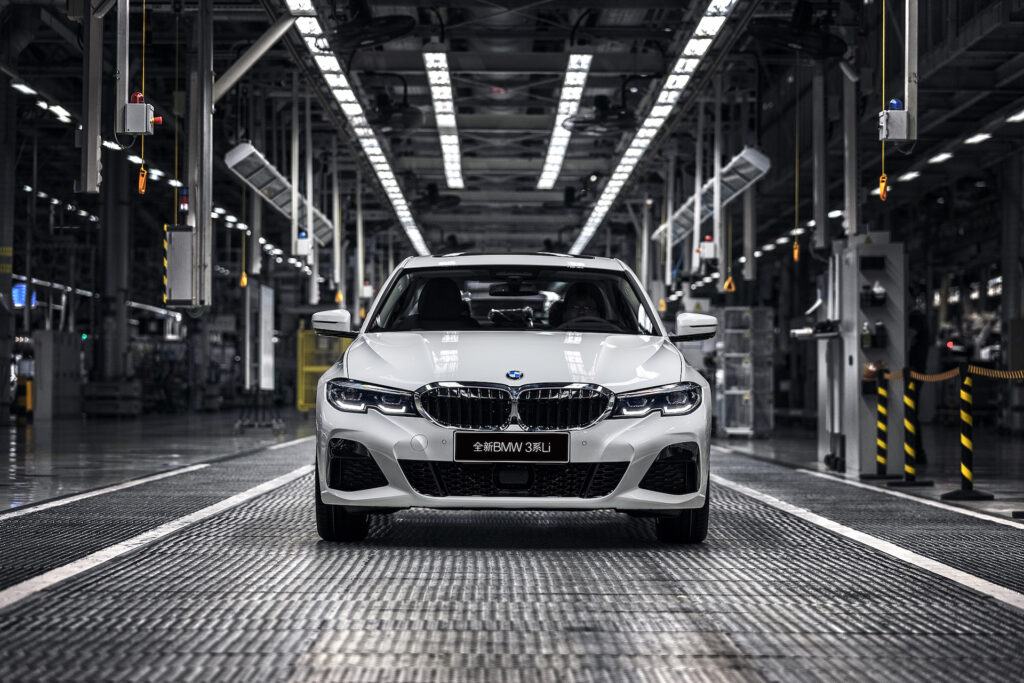
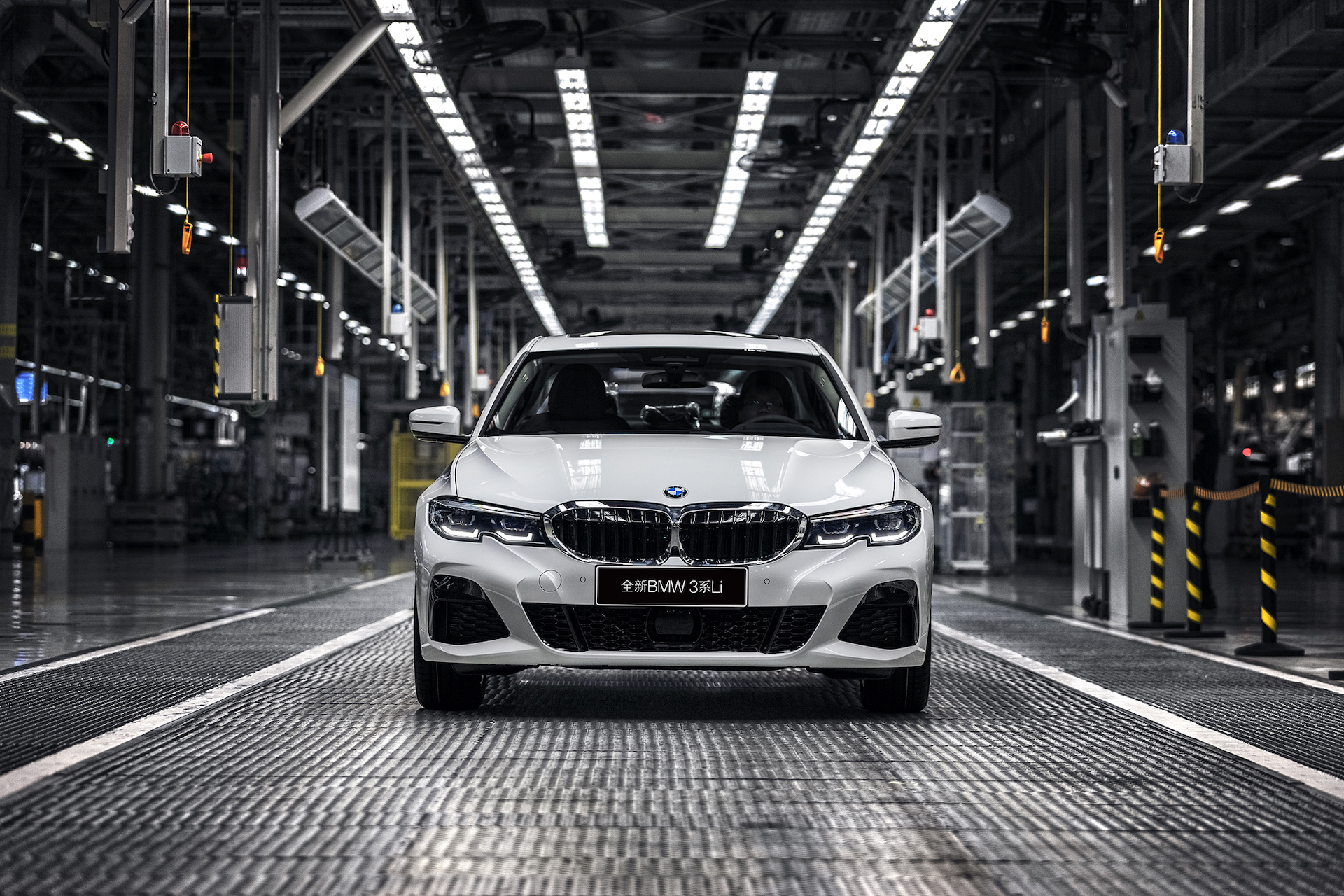
The current seventh-generation ‘G20’ 3 Series line is produced in Munich (Germany), Shenyang (China), San Luis Potosí (Mexico), and the company’s regional plants in Chennai (India), Rayong (Thailand), and Araquari (Brazil). Partner plants in even more countries are also equipped to produce it.
The eighth-generation ‘G50’ 3 Series is soon to enter production, with the ‘NA0’ i3 fully-electric model set to start rolling off the Munich line in H2 2026. Subsequent production is planned for China and Mexico, while a return to production in Dingolfing is also on the cards.
BMW 3 Series global production timeline:
| Model | Locations | Timeline |
| 1st generation 3 Series
Sedan (E21) |
Germany: Munich, Dingolfing | 1975-1983 |
| 2nd generation 3 Series
Sedan, Convertible, Touring (E30) → M3: Coupé and Convertible (E30) |
Germany: Munich, Dingolfing, Regensburg
South Africa: Rosslyn |
1982-1994 |
| 3rd generation 3 Series
Sedan, Coupé, Convertible, Touring, and Compact (E36) |
Germany: Munich, Dingolfing, Regensburg
United States: Spartanburg South Africa: Rosslyn |
1990-2000 |
| 4th generation 3 Series
Sedan, Coupé, Convertible, Touring, and Compact (E46) → M3: Coupé and Convertible (E46) |
Germany: Munich, Dingolfing, Regensburg
South Africa: Rosslyn |
1997-2006 |
| 5th generation 3 Series
Sedan (E90), Touring (E91), Coupé (E92), and Convertible (E93) → M3: Sedan (E90), Coupé (E92), and Convertible (E93) |
Germany: Munich, Regensburg, Leipzig
South Africa: Rosslyn China: Dadong |
2004-2013 |
| 6th generation 3 Series
Sedan (F30), Touring (F31), and Gran Turismo (F34) → M3: Sedan (F80) → 4 Series: From the 6th gen model, the Coupé (F32), Convertible (F33), and new Gran Coupé (F36) body styles formed the separate 4 Series range |
Germany: Munich, Dingolfing, Regensburg
South Africa: Rosslyn China: Tiexi |
2011-2021 |
| 7th generation 3 Series
Sedan (G20) and Touring (G21) → M3: Sedan (G80) and Touring (G80) → i3: EV Sedan (G28, China only) |
Germany: Munich
China: Tiexi Mexico: San Luis Potosí |
2018-present |
| 8th generation 3 Series (full range TBC)
Sedan (G50) and Touring (G51) → i3: EV Sedan (NA0) |
Germany: Munich
China: TBC Mexico: TBC |
From 2026 (H2) |