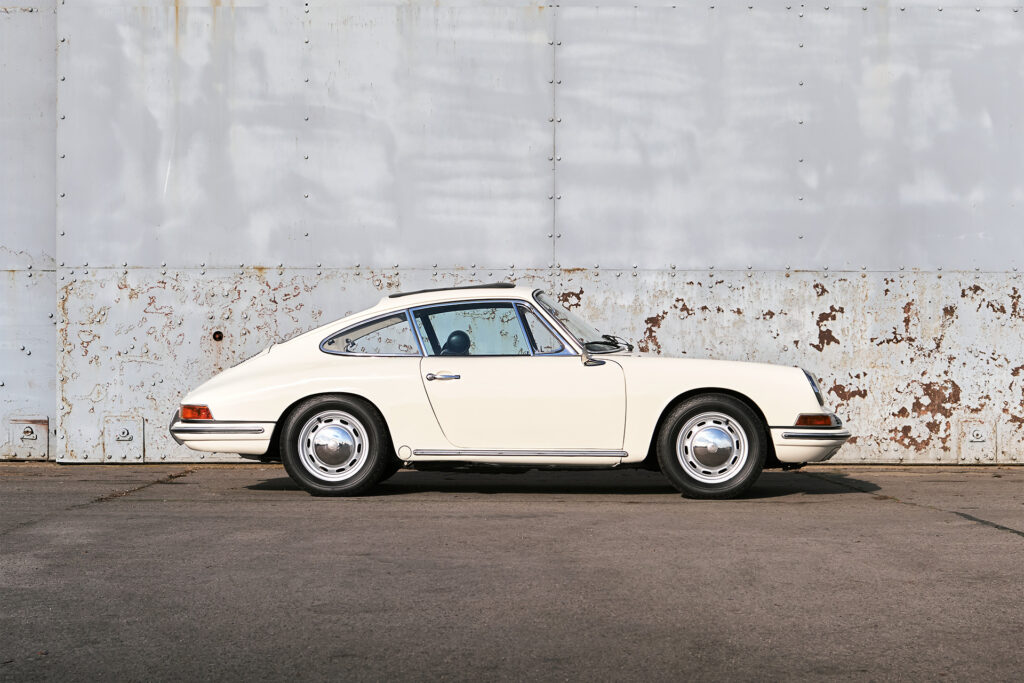
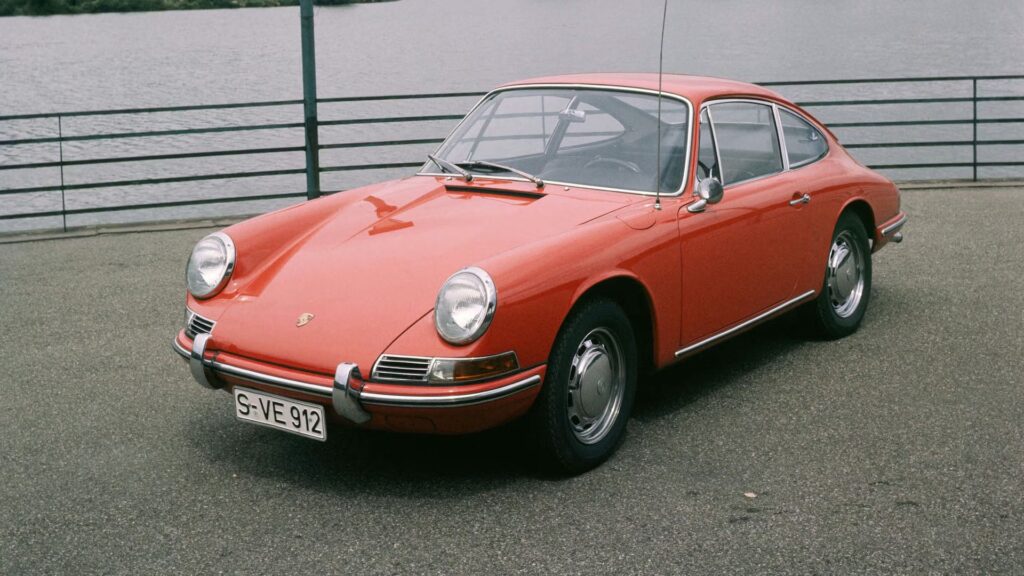

Reading between the lines of reviews written about the Porsche 912 when new, there seemed to be two possible reasons people might buy this new affordable, entry-level sports car over the established 911.
The first was cost. Six-cylinder versions of the original Porsche 901 (later renamed 911 after a dispute with Peugeot) were listed at launch in the USA at $6300 in 1964, which was a steep hike over the 356 version they replaced, which cost around US$1700 less.
The second reason related to self-preservation. Some people updating from four-cylinder powered 356s may have been concerned about their ability to manage the six-cylinder version, with its extra horsepower and extra weight behind the driver.
A four-cylinder version of the 901/911 hadn’t been part of Porsche’s original plan for the 901 series, but when demand for the 356 held up, prompting the extension of production, it must have seemed clear that many Porsche owners remained enamoured with the brand’s trademark flat-four engine.
US buyers in particular drove demand for a four-cylinder 911, leading Porsche to introduce the 1.6-litre, four-cylinder powered 912 in 1965.
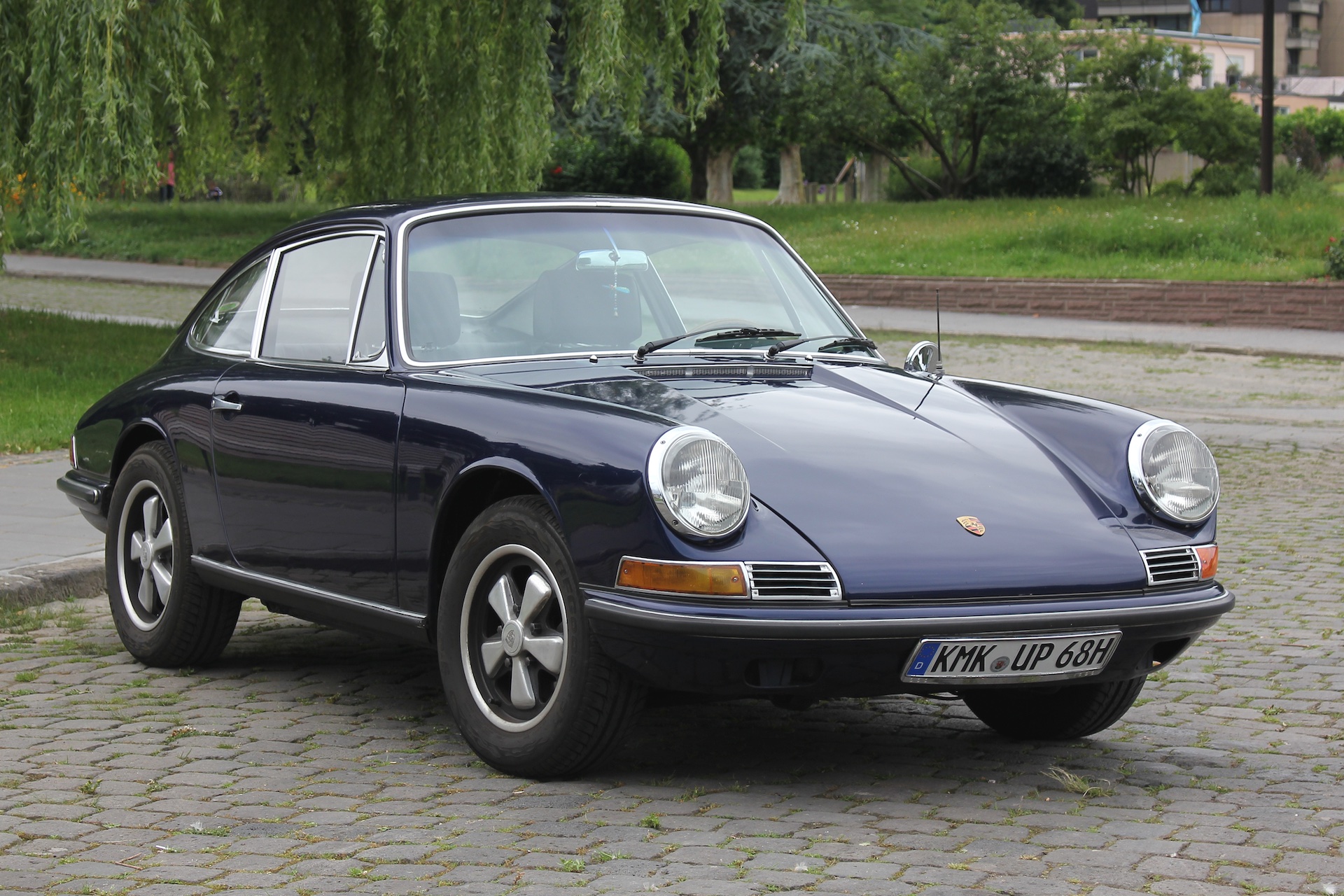
The engine was ostensibly the same as fitted to the superseded 356SC, but with a 3kW power reduction due to its redesigned exhaust and muffler. However, since the 912 weighed only 45kg more than a 356SC Coupe and offered superior aerodynamics, performance was similar.
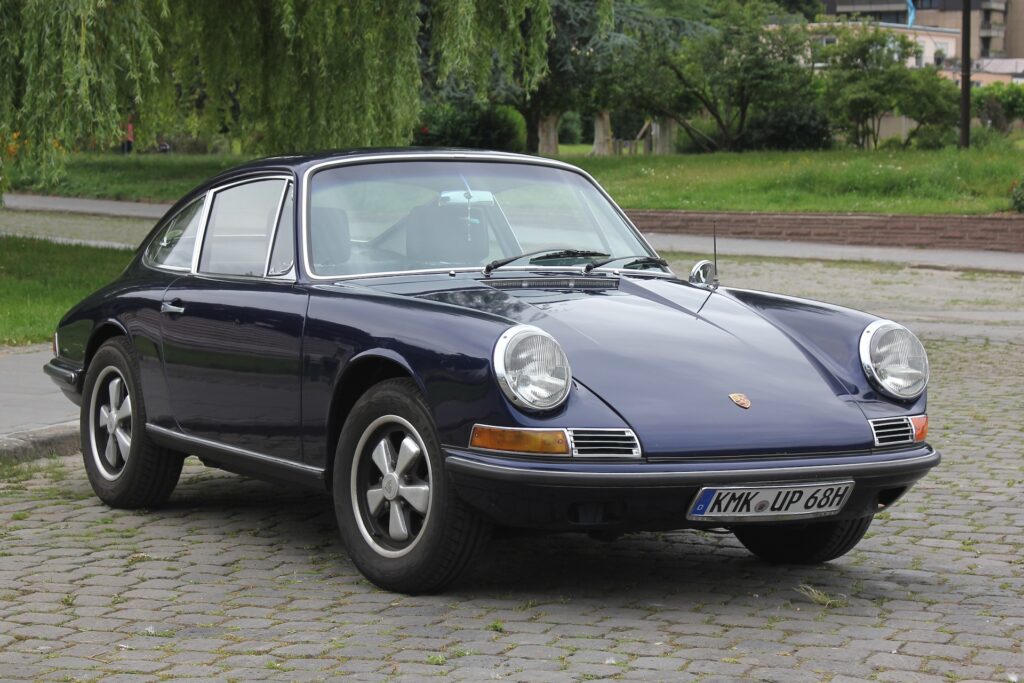
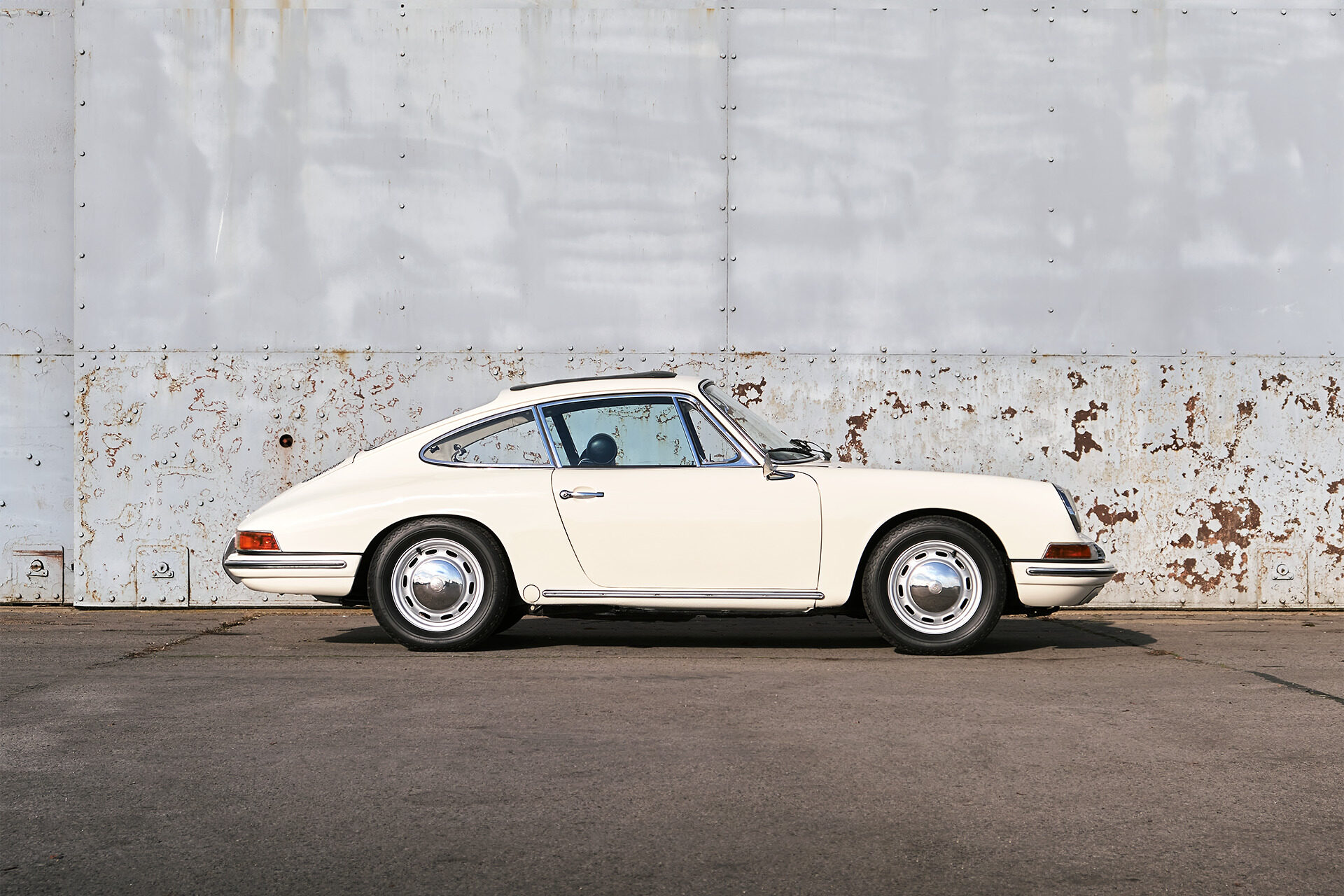
Early 912 examples used the all-steel 911 bodyshell and sat on the same 2211mm wheelbase. Later 912E cars sold during the 1970s came with an extra 50mm of wheelbase which moved the rear axle closer to the power unit. They also had some galvanised panels and offered better rust resistance, a quality lacking in the 1960s cars.
Although slashing weight wasn’t a primary target of the 912 redesign the smaller, lighter engine did provide some advantages in this regard. The 912 weighed 996kg versus 1080kg for a 911T, with 44/56 front-to-rear weight distribution versus 41/59 for the 911.
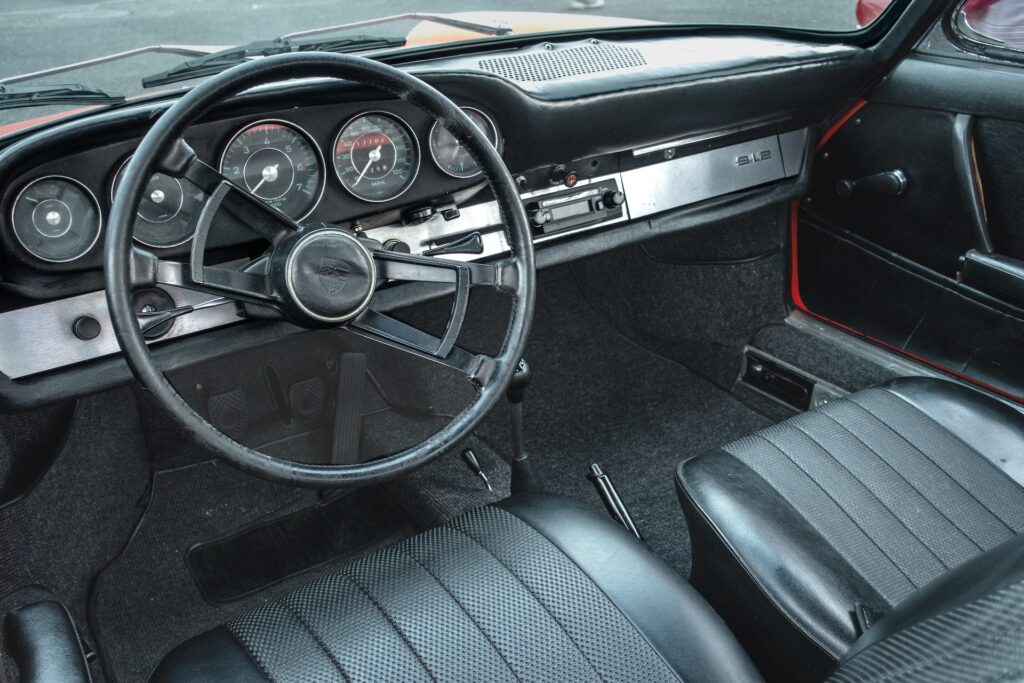
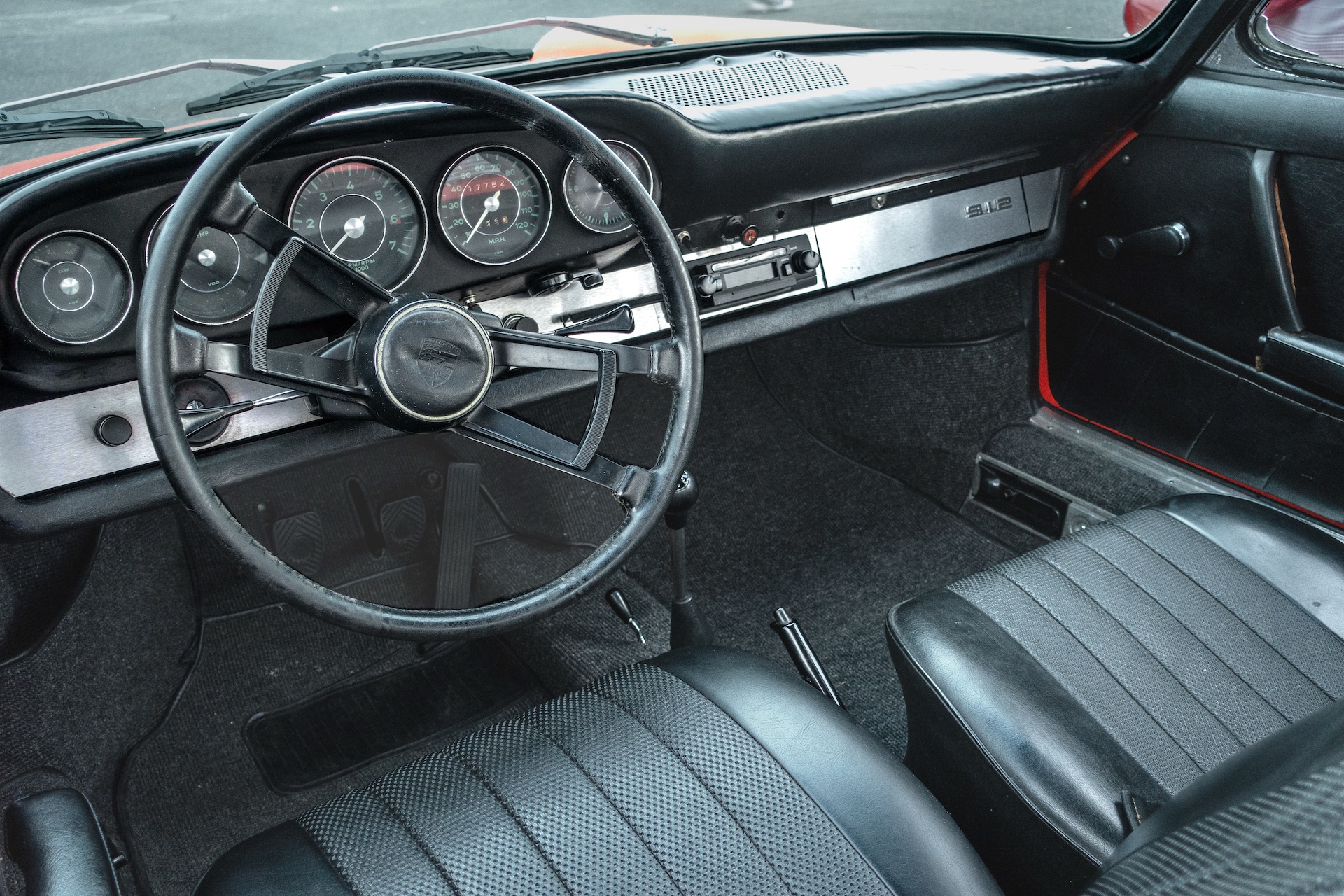
Changes to the 911 cabin meant a downgrade in trim quality and a different dash, painted to match the car’s exterior. It had three main gauges instead of the 911’s five and a four-speed gearbox with optional five-speed.
In other respects, the 912 was very close to the specification of its stablemate, with disc brakes front and rear, four-jet windscreen washers, a rear seat luggage platform and 12-volt electrics.
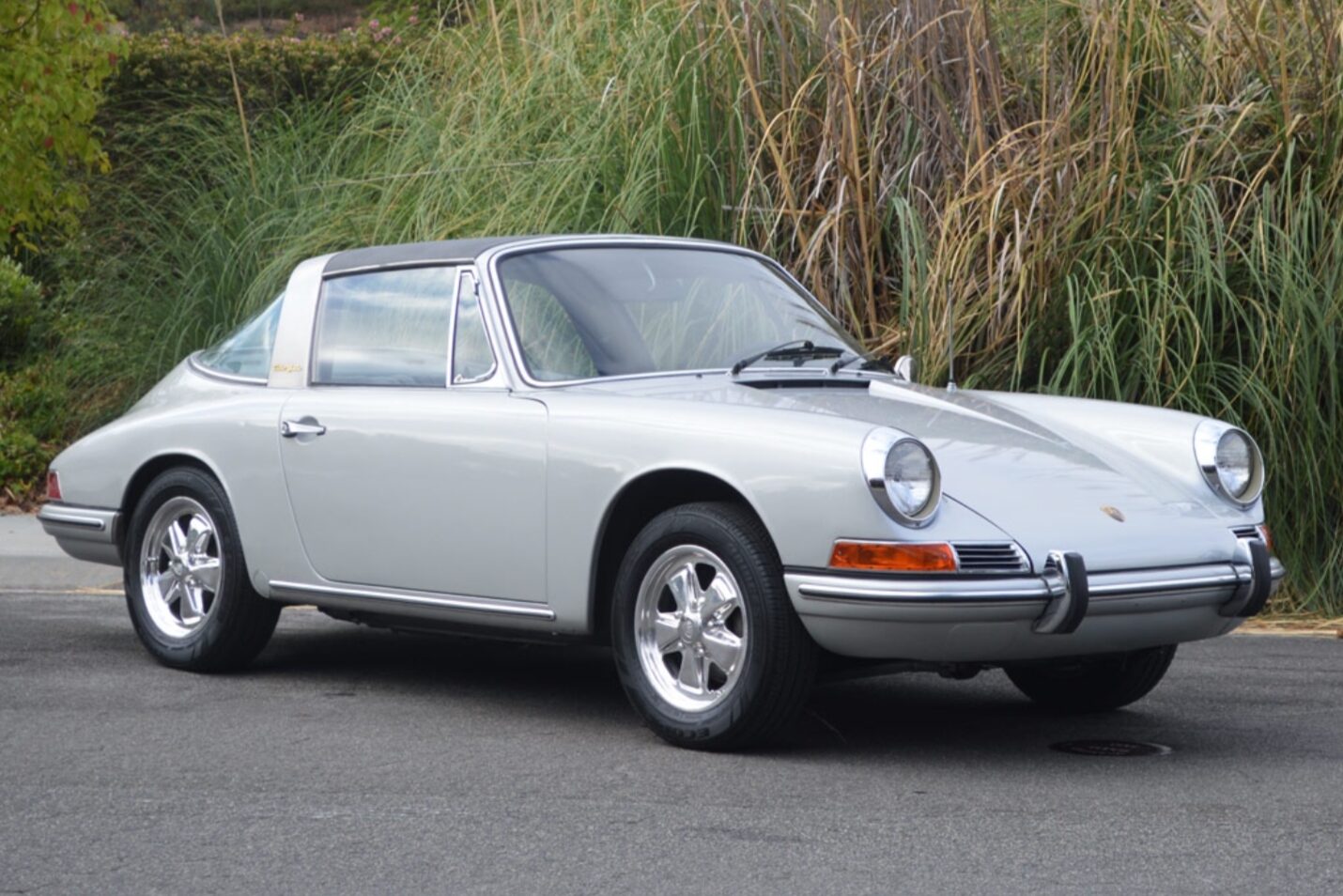
Fog lamps and leather upholstery were optional, as were Porsche’s distinctive Fuchs ‘cookie cutter’ alloy wheels from 1967. Also available was a gasoline-fired Webasto heater, which in 911/912 cars was mounted in the luggage compartment and would syphon fuel from the tank to feed its inbuilt furnace. (Editor’s note: What could possibly go wrong?)
These aren’t likely to have appeared in Australian-spec cars but reputedly did a phenomenal job of keeping occupants warm in sub-zero temperatures and may still be fitted to recent imports.
Although not initially seen as a fire risk, the fuel delivery lines for the heater deteriorated as the cars aged and they became just that. (Editor’s note: As we were saying!)
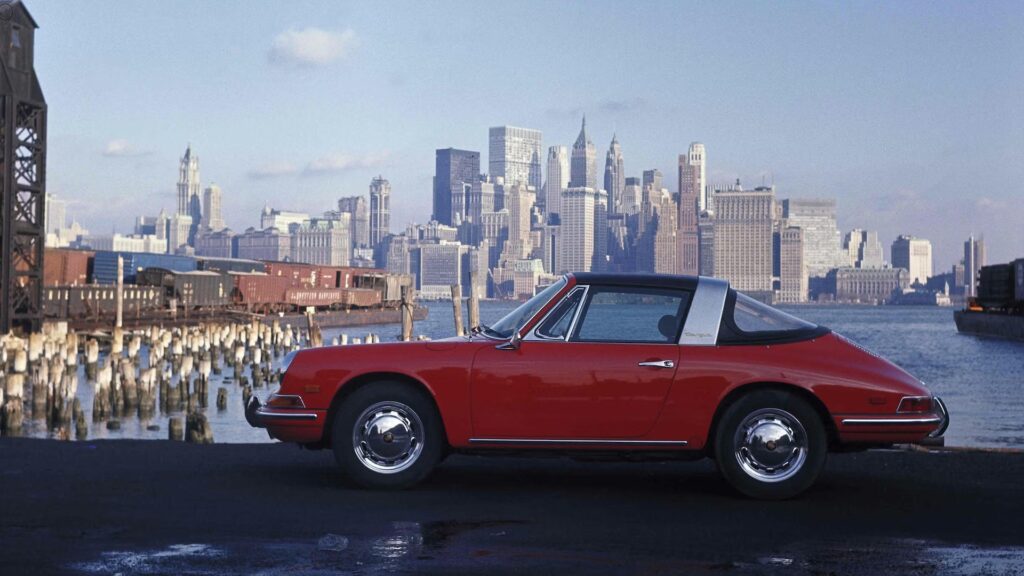
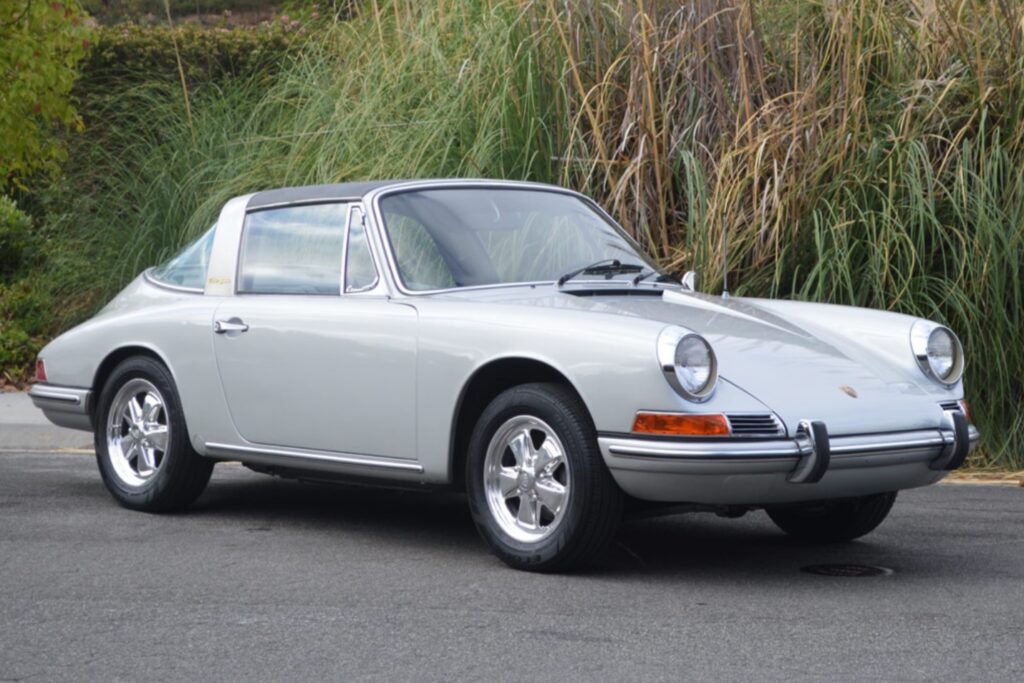
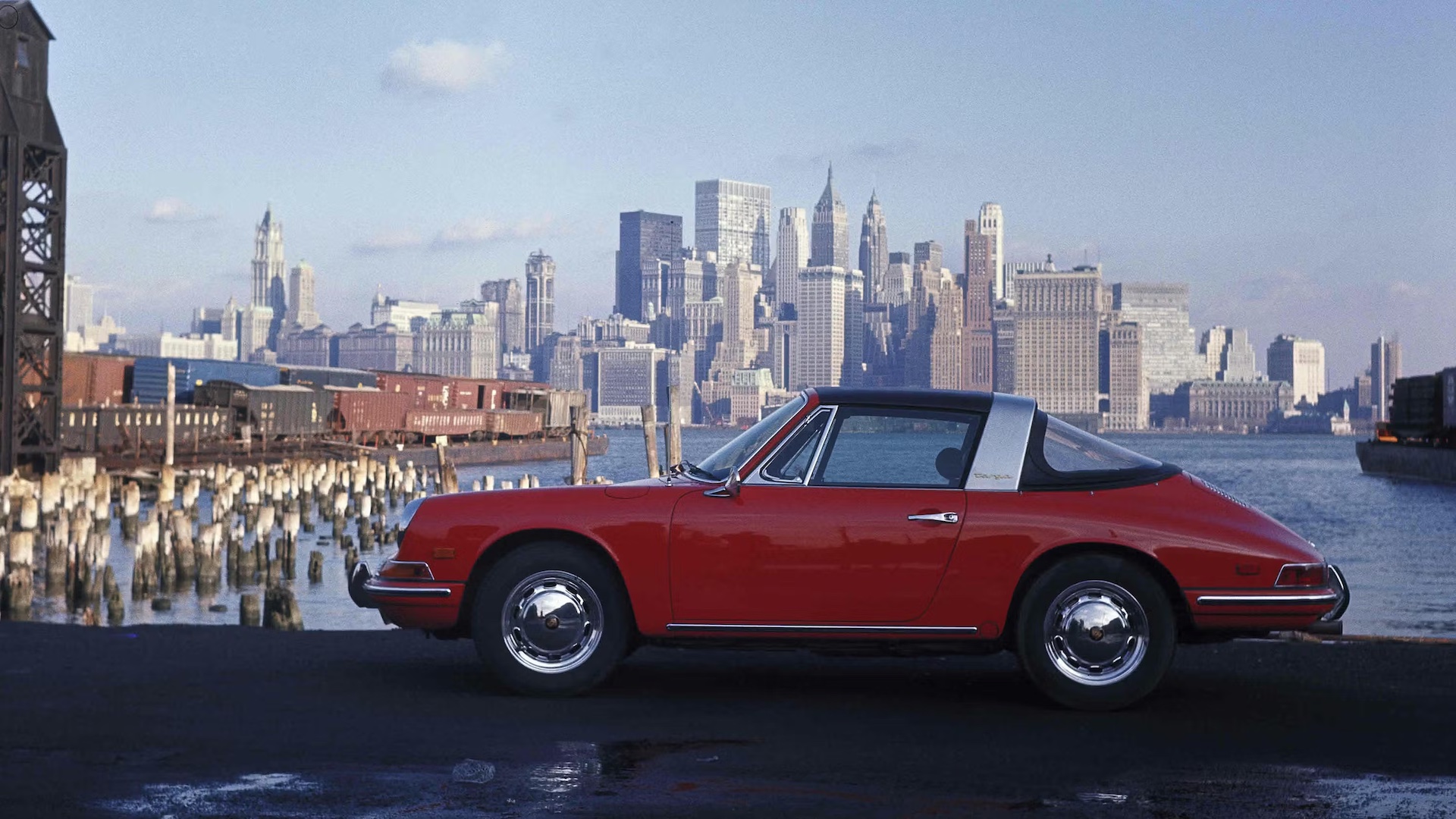
Targa bodies with lift-out roof panels were introduced to the 911/912 range in 1965 but fewer than 2000 of these were built with the four-cylinder engine. A year later, in 1966, the 912 adopted the 911’s five-dial dash layout, including a temperature gauge and clock, plus different badging and a matt black finish.
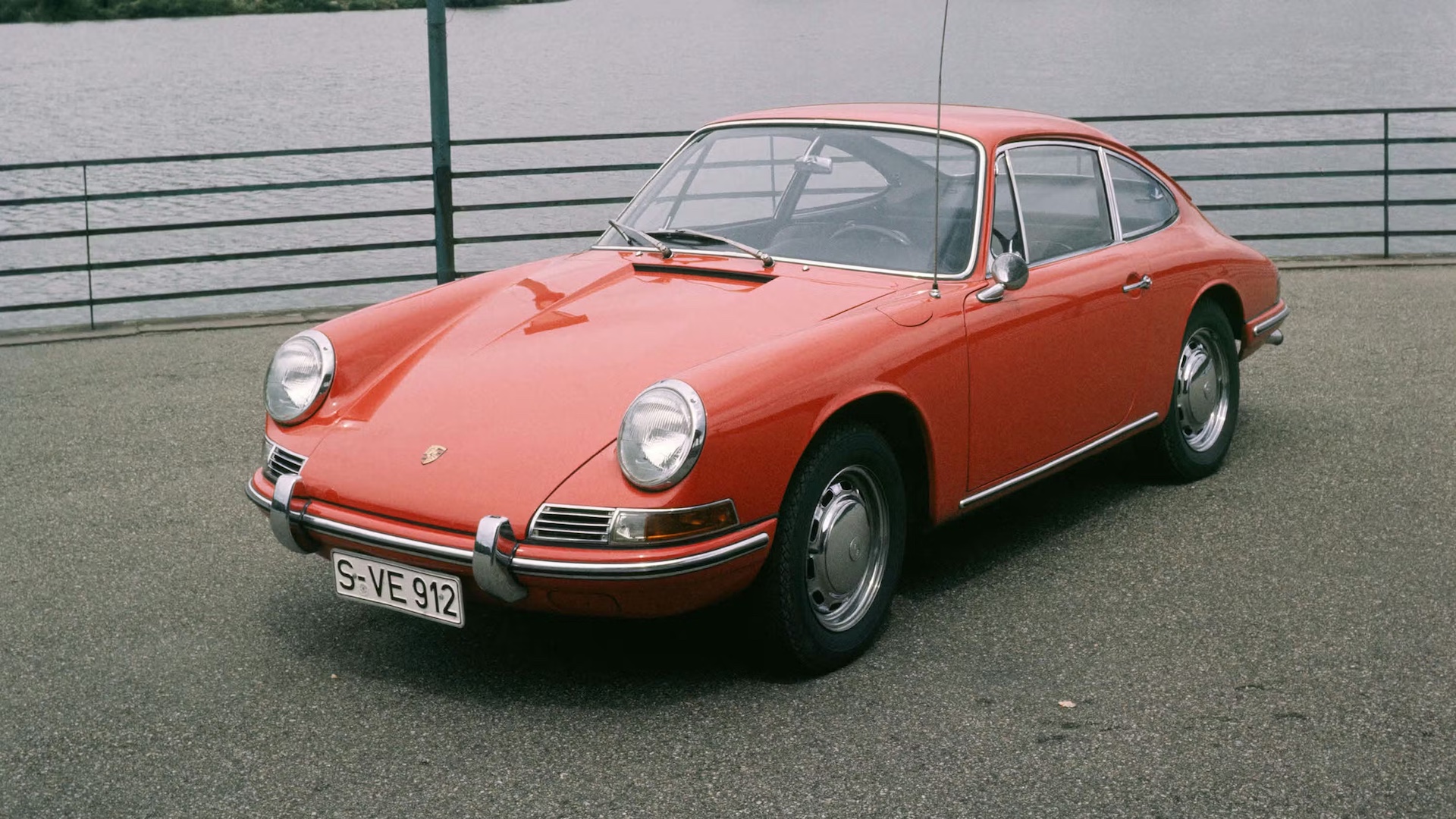
Other running changes came in response to new US Federal safety regulations introduced from 1967. They included redesigned headlights, recessed door handles and bigger mirrors. Most significant was the adoption of wider steel wheels – up from 4.5 to 5.0-inches – with 165HR/15 radials. Early cars sold in the USA came shod with 6.95×15 cross-ply tyres.
Tested by Road & Track magazine shortly after the model’s US launch in 1965, a five-speed 912 coupe reached 119mph (192km/h) and accelerated from 0-60mph (0-97km/h) in 11.6 seconds.
By comparison, a 911 fitted with the 2.0-litre flat-six and the same twin Solex carburettors as the 912 delivered just 8km/h in extra outright pace but shaved a meaningful 1.4 seconds from the 0-60mph sprint.
Australia saw its first 912s during October 1965, with early cars priced at $6850 against the 911’s $8990. No reliable data exists to confirm the numbers of four and six-cylinder Porsche cars sold here, but worldwide from 1965-69 around 32,000 912s were built versus 37,000 of the 911.
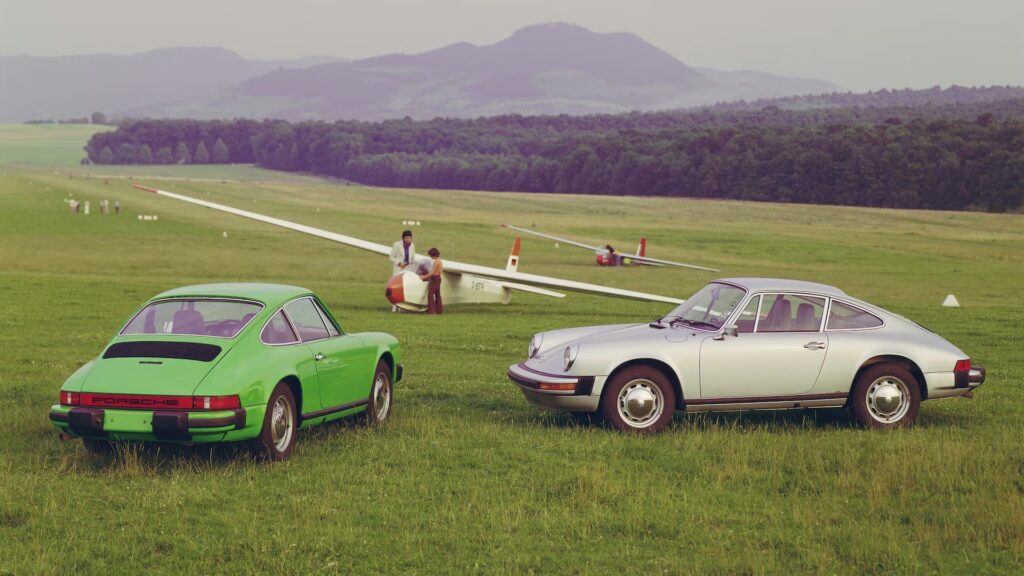
Porsche by 1969 was ready to launch its mid-engined 914 and that left no room in the range for the 912. That absence lasted until 1975 when a US-only 912E update was briefly offered. These cars shared the late-series 914’s emission-controlled engine with a miserable 59kW, and a mere 2200 American buyers were convinced that a 912E was worth owning.
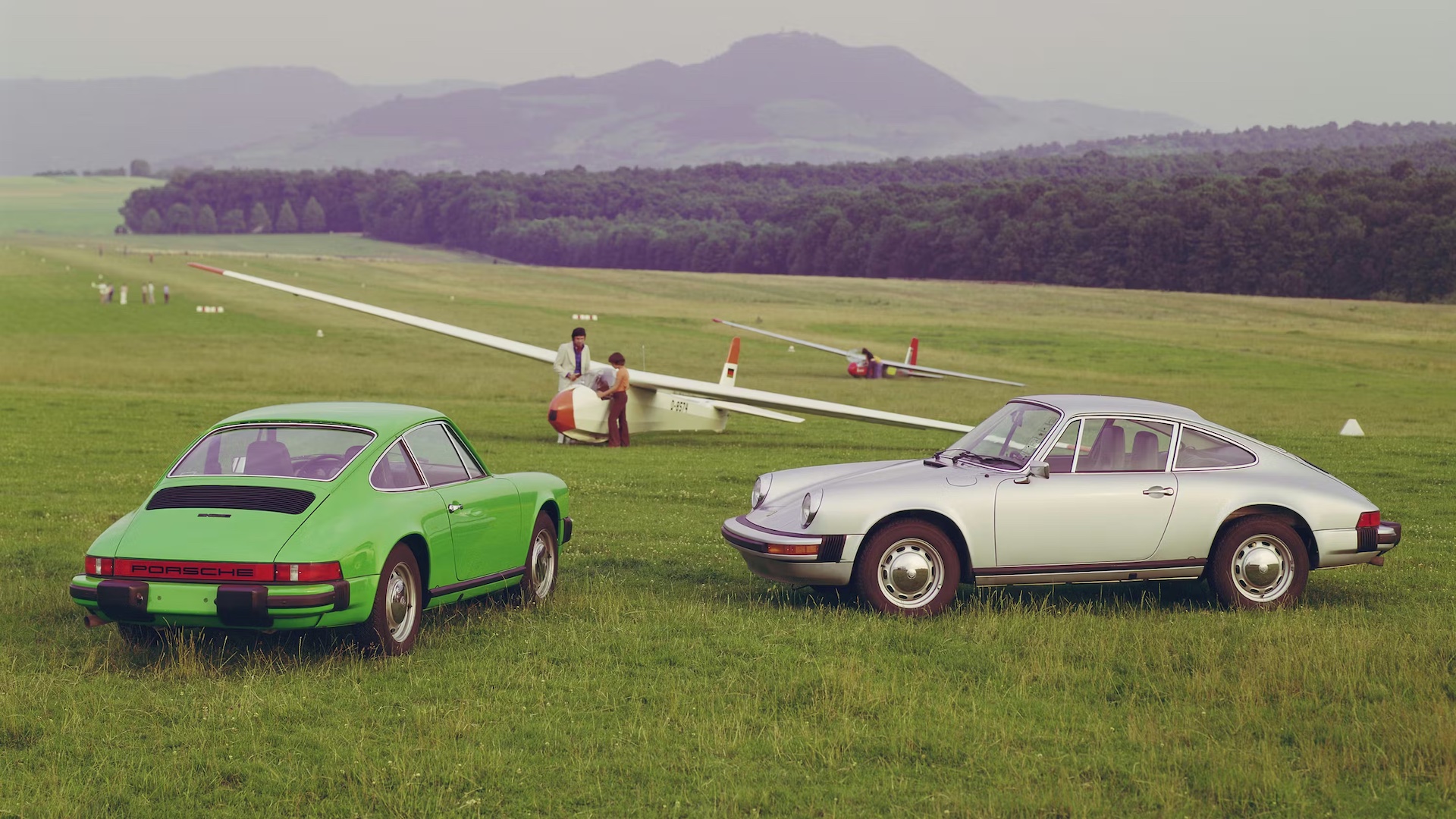
Porsche 912s that appear for sale locally will almost always be recent imports. Some were built in right-hand drive for sale to the UK and maybe South Africa, but more likely they will be sourced from the USA, perhaps locally converted but usually left-hand drive.
These cars rarely offer much in the way of ownership history, so investigation is important, especially checking the authenticity of major components. They may also display signs of recent bodywork, or maybe just a repaint to mask endemic rust.
Things to Watch Out for When Buying a Used Porsche 912 (1965-76)
- Cars from overseas can have sketchy history, so be cautious when buying an undocumented 912.
- Rust attacks sills, B-pillar, floors and under the battery box, so an on-hoist pre-purchase inspection is vital.
- Engine oil leaks are a common problem, best cured with the engine out of the car.
- Fuel delivery pipes and their rubber connections between the front-mounted tank and engine will likely leak.
- If the engine stutters or won’t rev cleanly to redline, look at the carburettors for worn internals or incorrect jetting.
Valuation Timeline: Valuation Timeline: Porsche 912 (1965-76)
-
1995$26,000
-
2005$29,000+11.54%
-
2010$35,000+20.69%
-
2015$45,000+28.57%
-
2020$100,000+122.22%
-
2025$115,000+15%912 Coupe