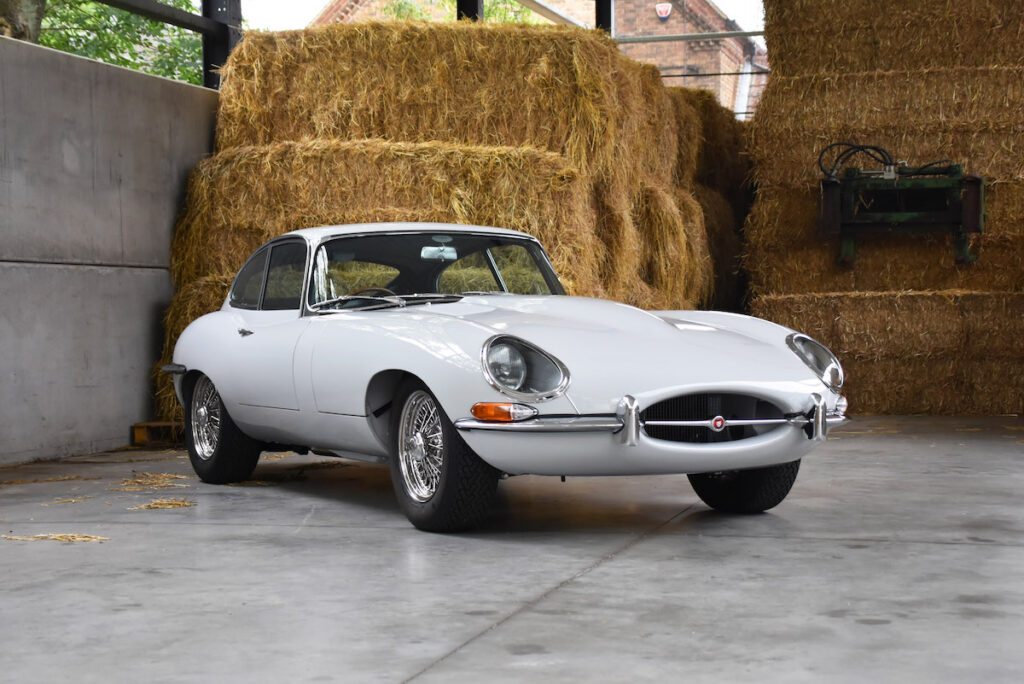
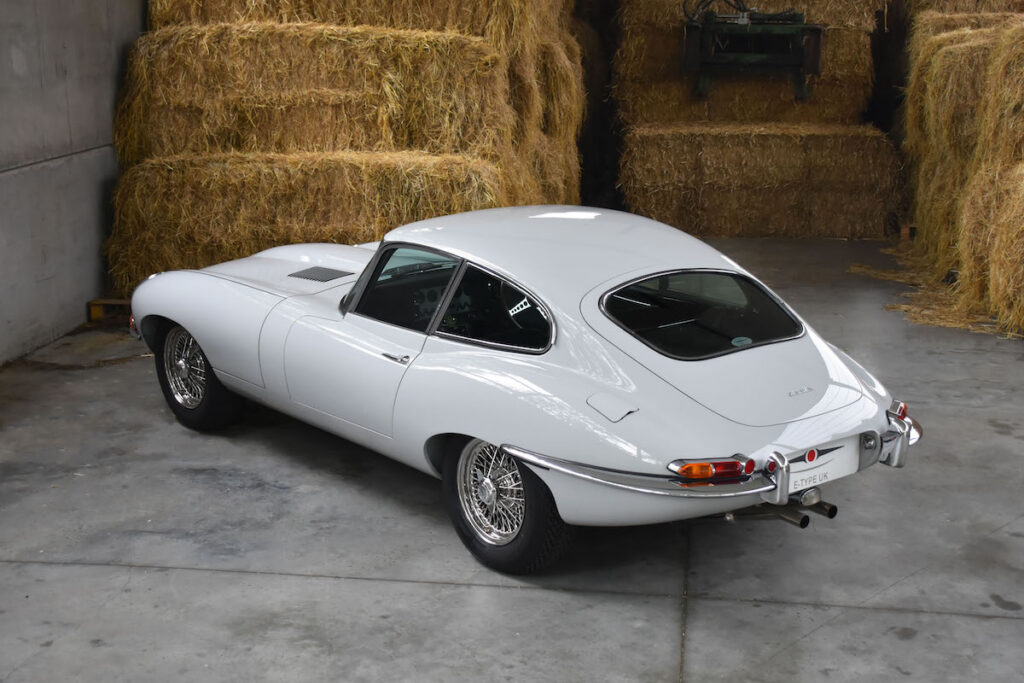
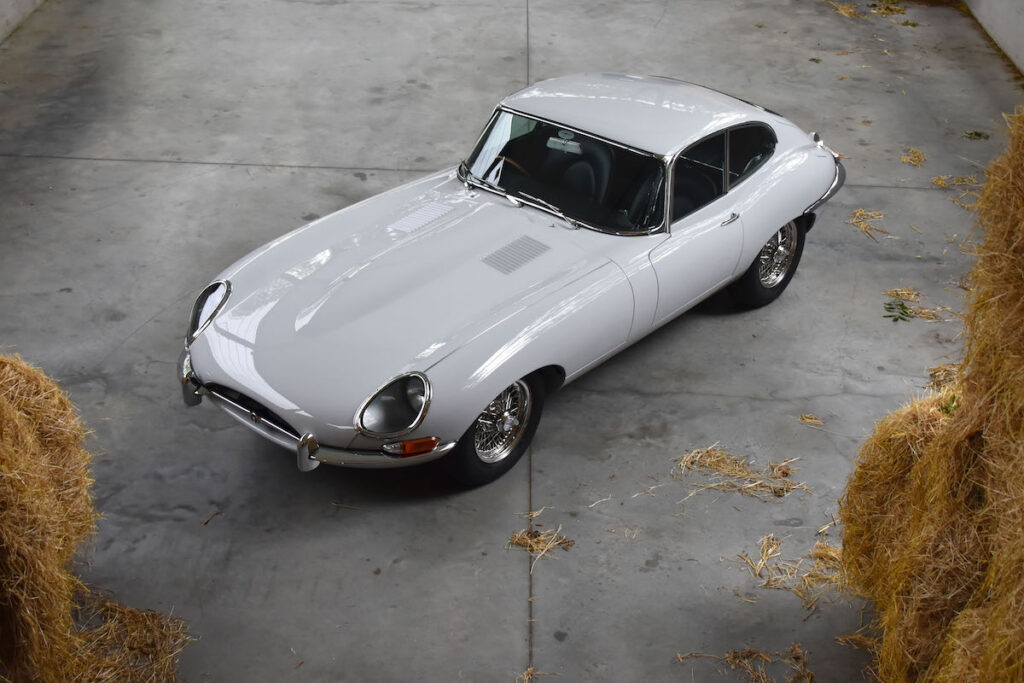
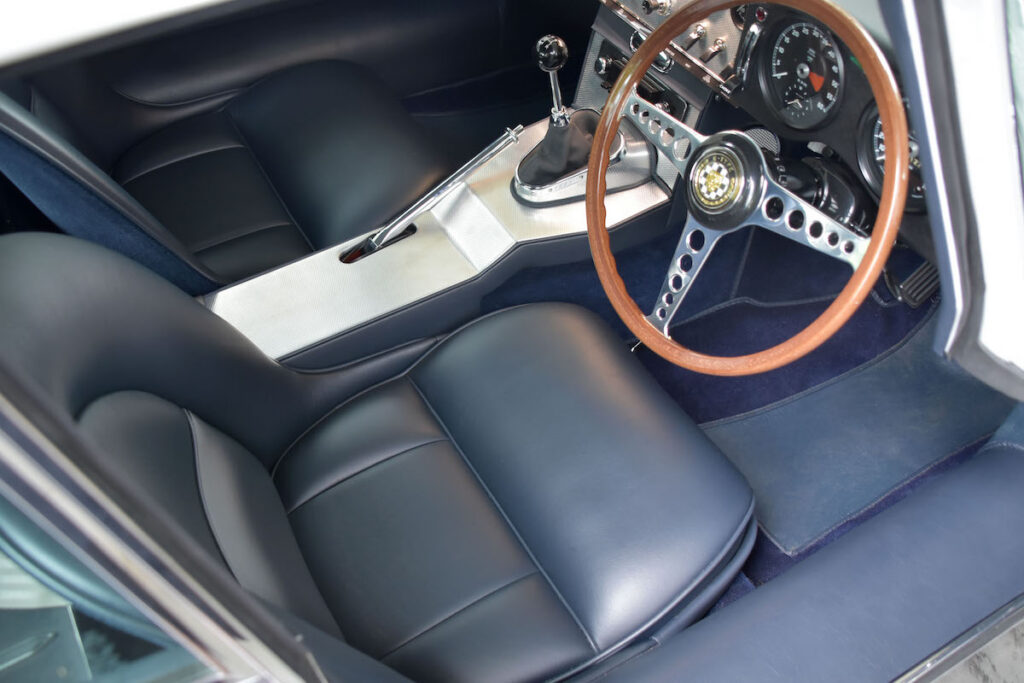
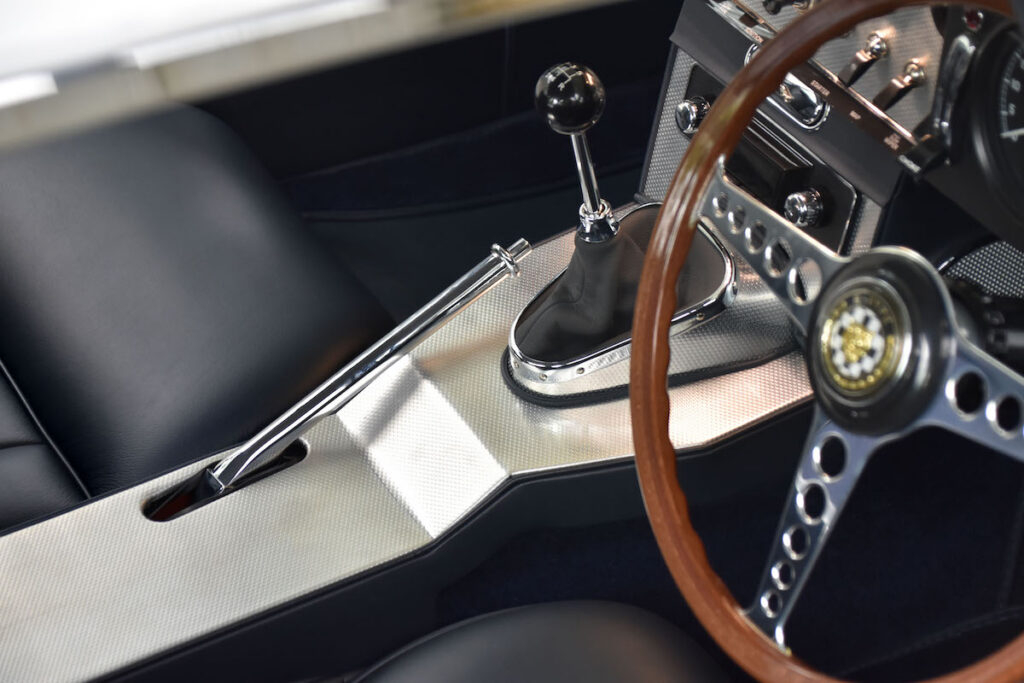
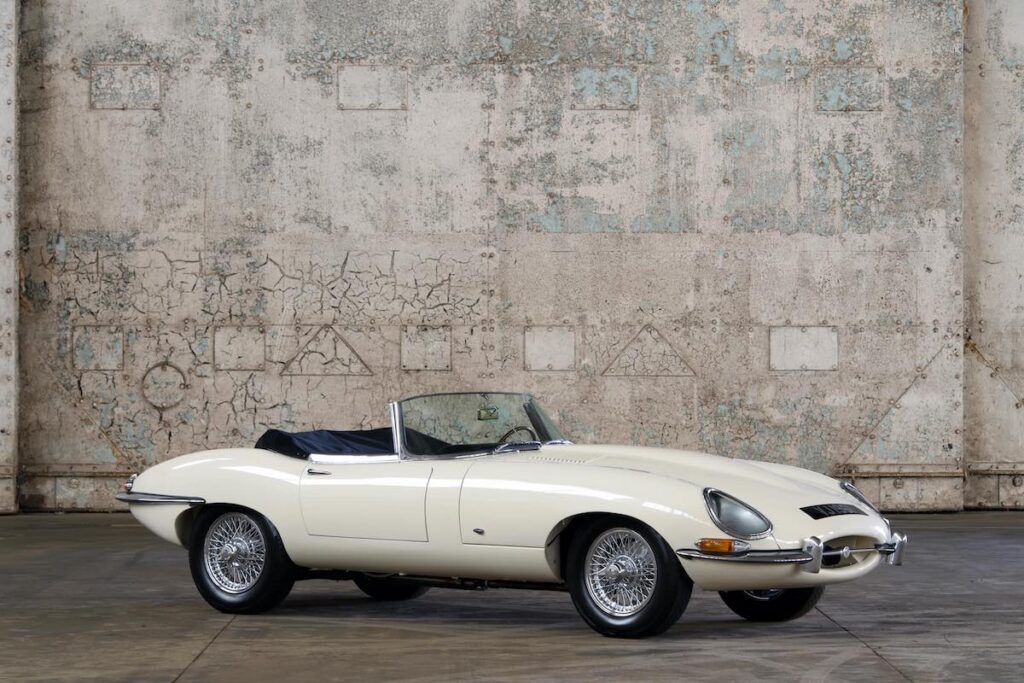
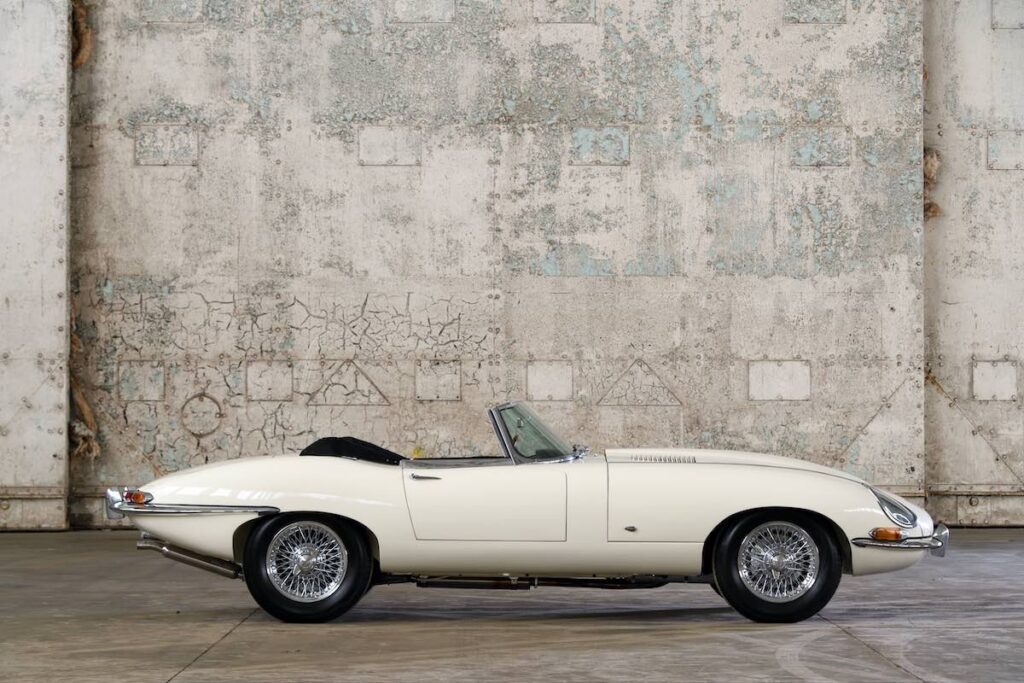
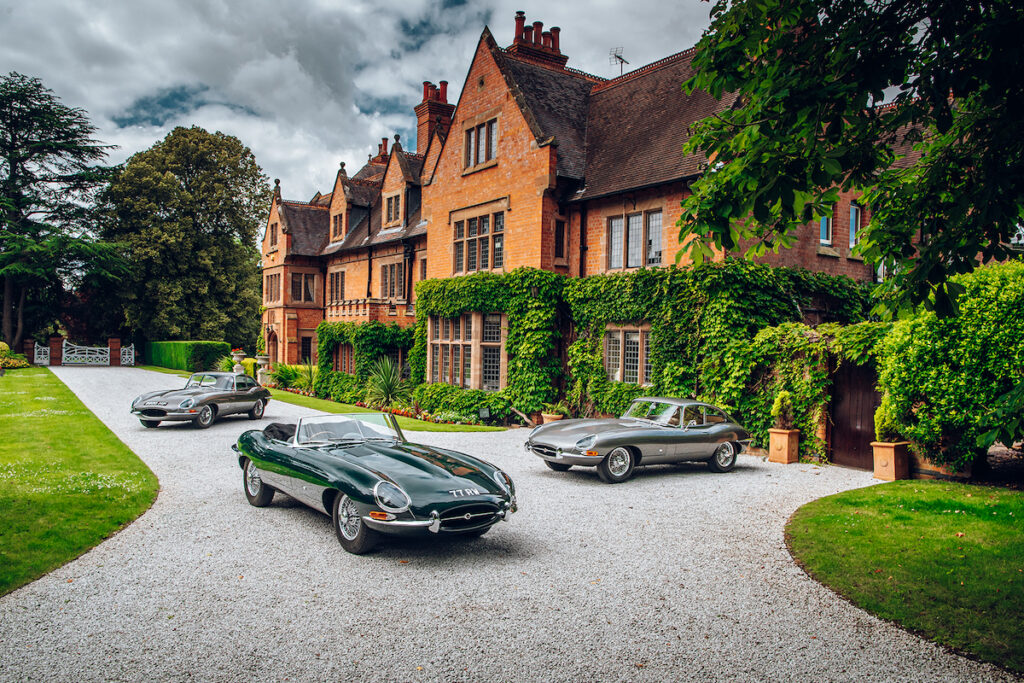
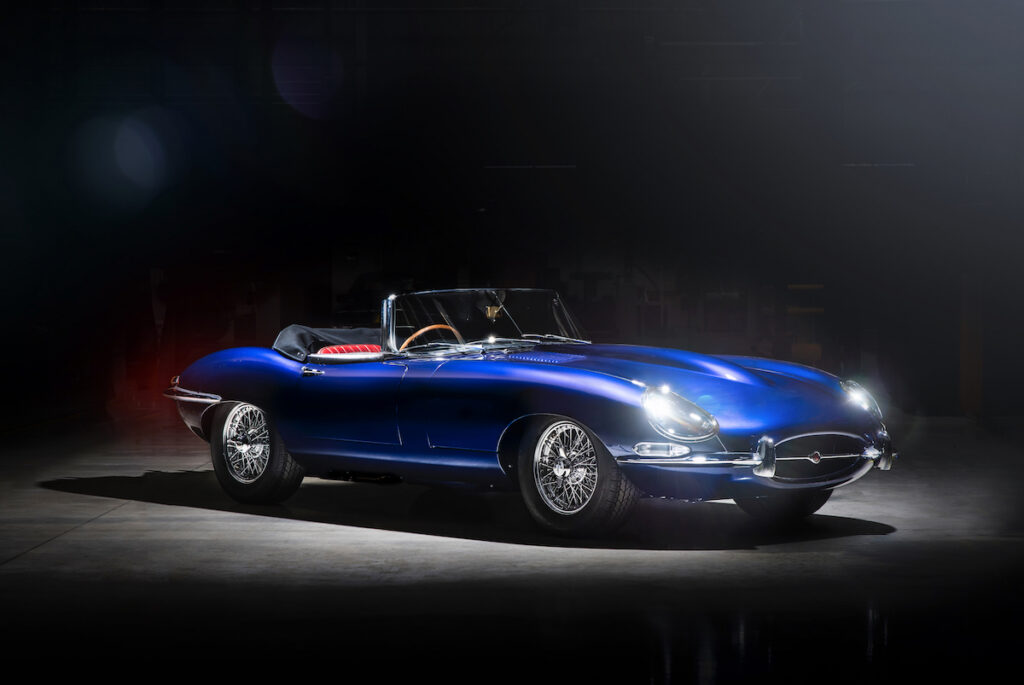
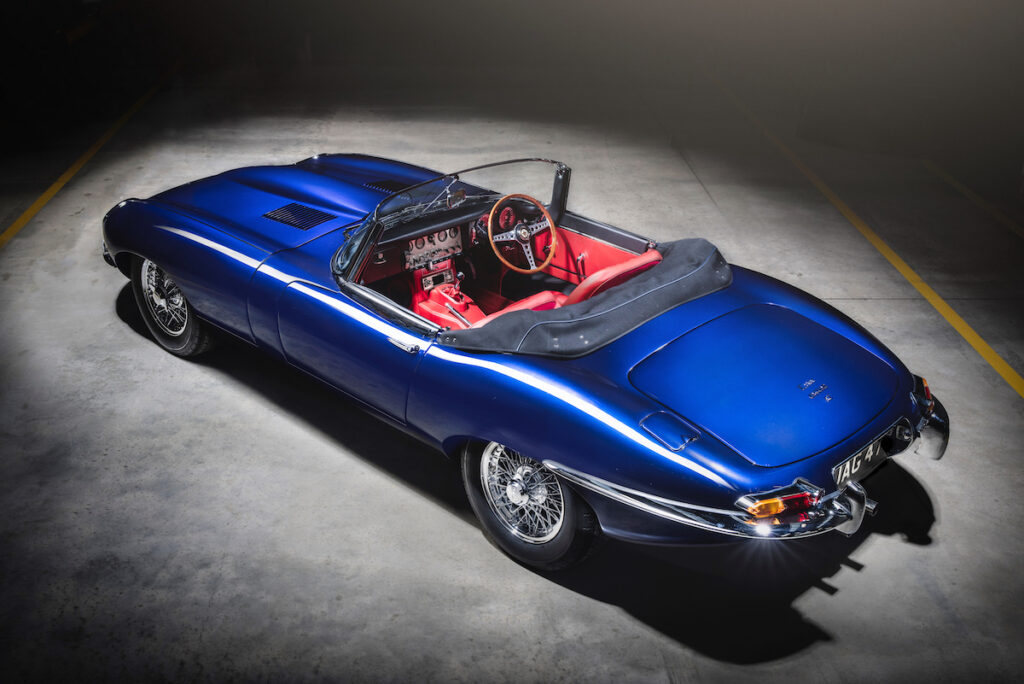



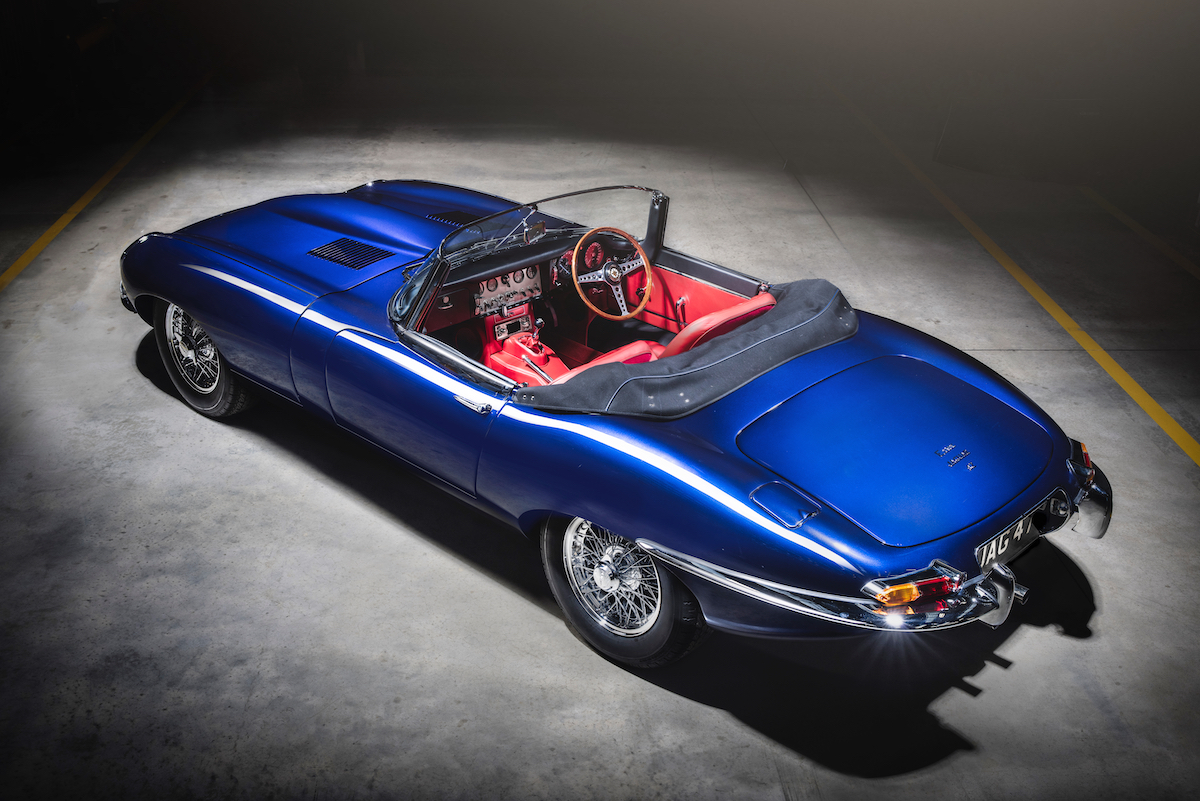
The Jaguar E-Type was once famously described by someone with a renowned eye for automotive design as ‘the most beautiful car in the world’, or words to that effect.
That person was Enzo Ferrari, no less, and while you’ll find heated discussion on Jaguar and Ferrari forums as to the exact wording of the quote, few will argue that 65 years after its inception the E-Type remains a strong contender for the accolade.
Automotive history buffs may also recall how, in March 1961, a prototype of Jaguar’s daring, new design was driven halfway across Europe to its Swiss media preview, arriving ticking and pinging as it cooled from the drive with just 20 minutes to spare.
Two weeks later at the New York Auto Show, coupe and open-top versions of the E-Type attracted 330,000 visitors to Jaguar’s rotating and floodlit stand, generating 2000 orders for a car that no one in the USA had yet driven.
From its earliest days, the E-Type didn’t just offer good looks and invigorating performance, it was affordable as well. In the USA, where around 80 percent of six-cylinder E-Types were sold, Series 1 coupes were half the price of an Aston Martin DB4 and only 20 percent more expensive than a 3.8-litre Jaguar Mark 2 saloon.
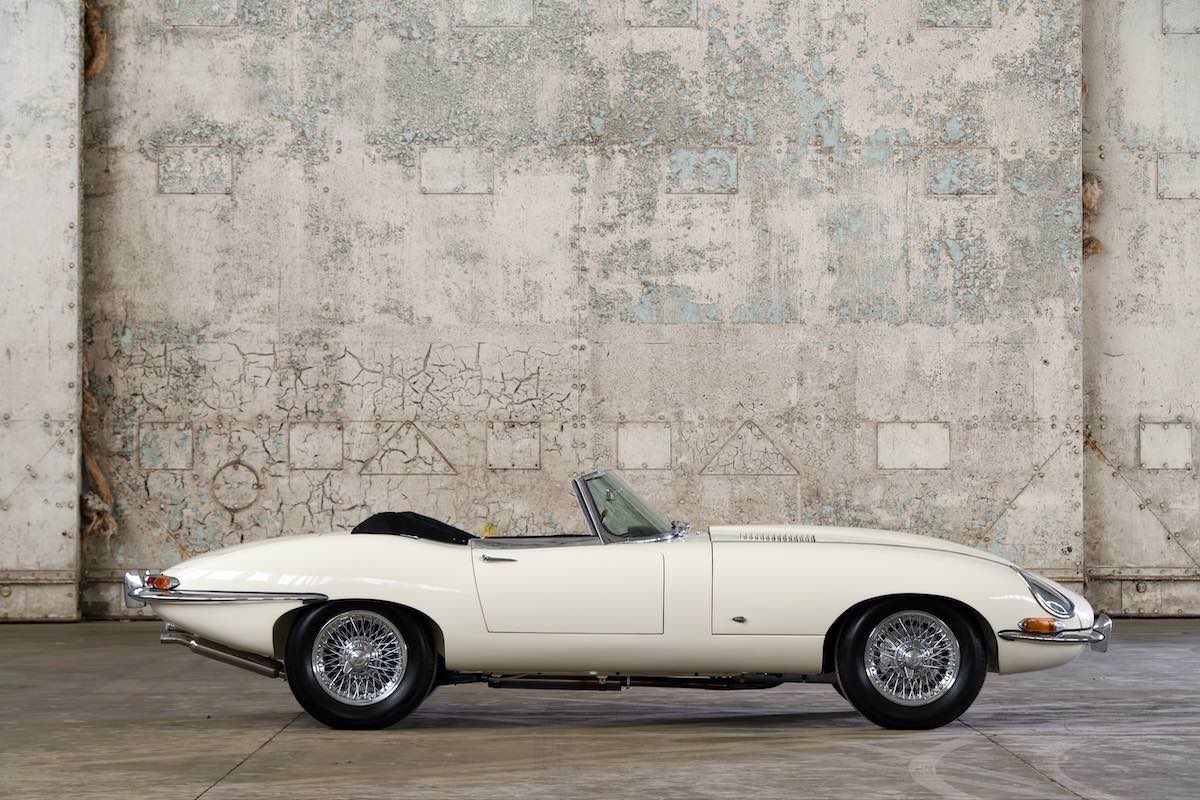
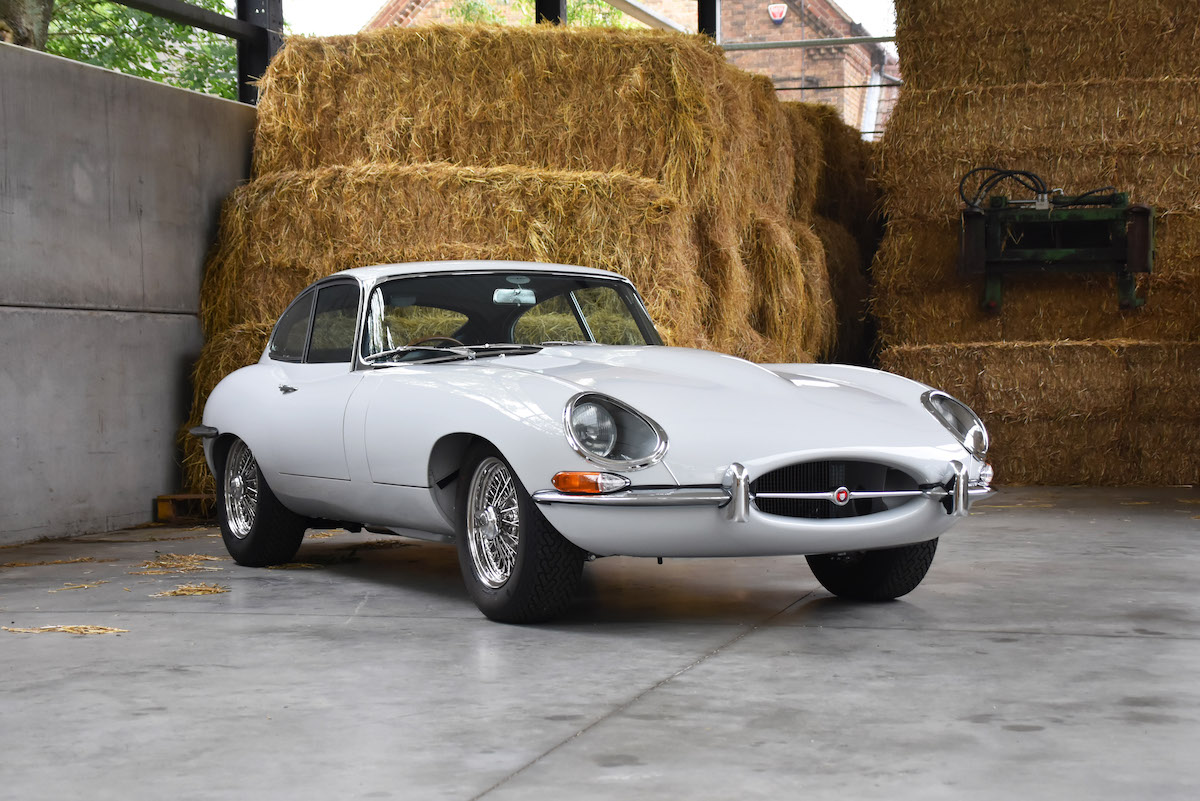
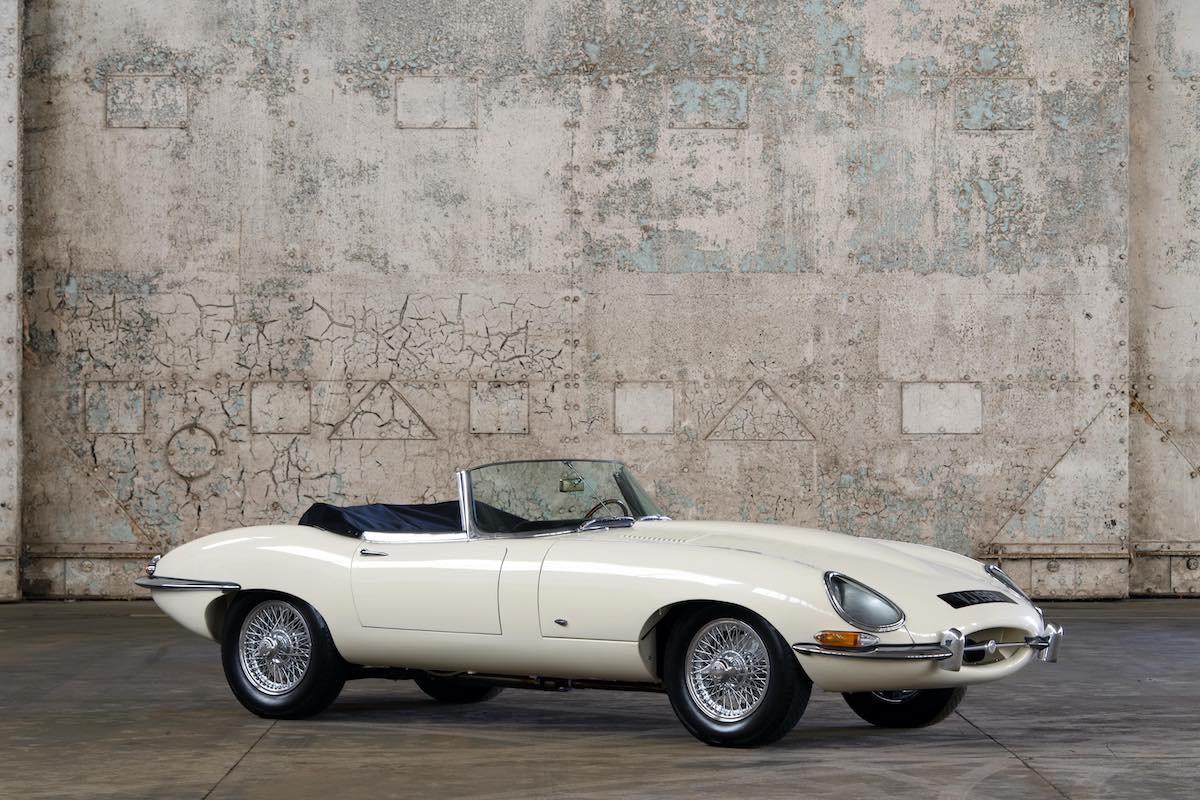
Early cars were offered as Open Top Sports roadsters (with an optional hardtop) or a Fixed Head Coupe with a side-hinged rear window accessing the luggage platform.
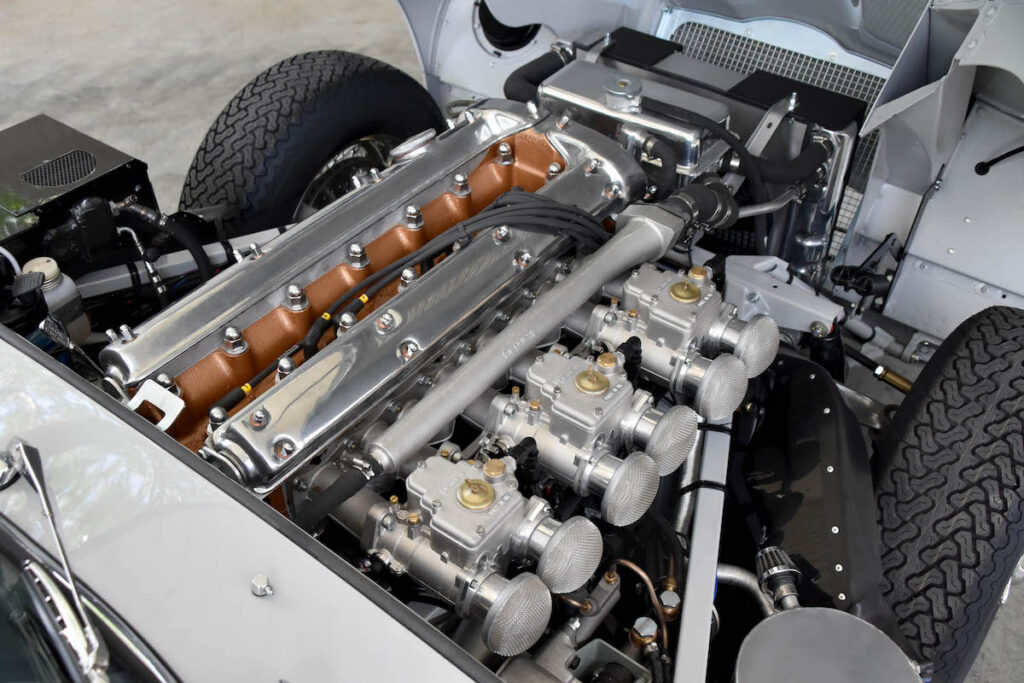
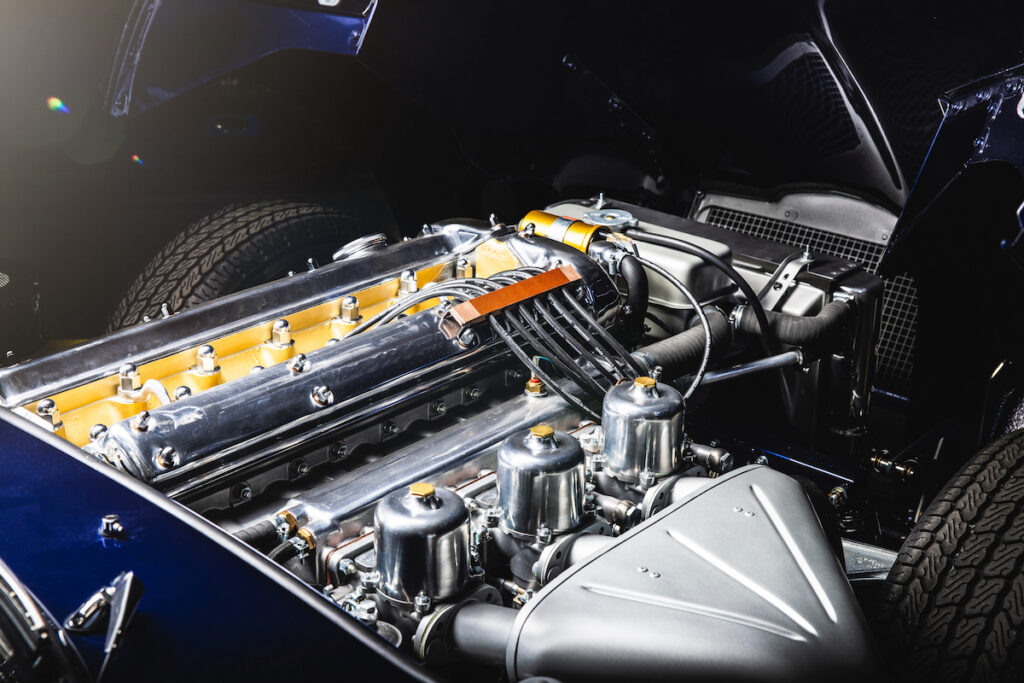
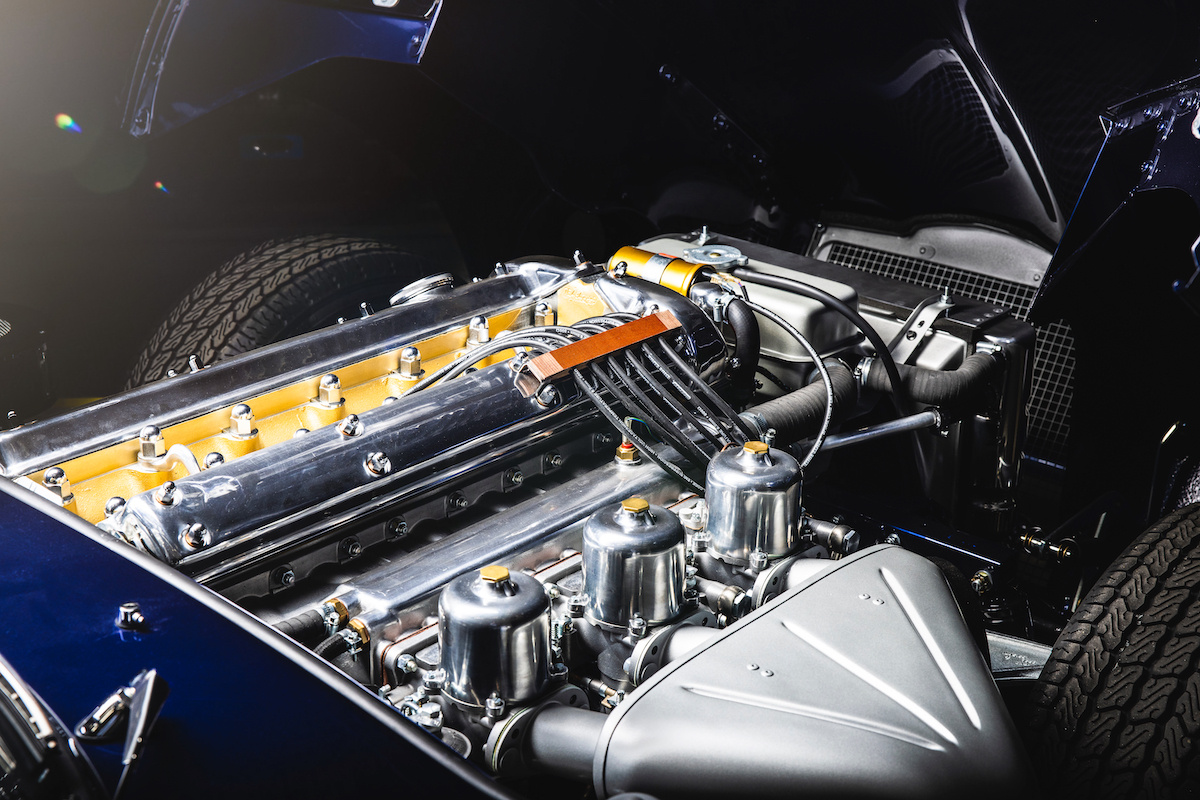
The engine was Jaguar’s recently released 3.8-litre inline six, with twin overhead camshafts beneath beautifully buffed alloy covers, flanked by a spicy array of triple SU carburettors. Basic versions of the 3.8 used in other Jaguars were rated at 164kW, but in triple carb guise for the E-Type they produced an extra 18kW.
The job of styling early Jaguars had been the province of company founder William (later Sir William) Lyons, but cars capable of 280km/h like the Le Mans D-Type needed input from a specialist, as did the road-going E-Type.
The svelte, slippery shape came from the pen of aerodynamicist Malcolm Sayers, with engineering input from Jaguar Technical Director Bill Heynes, and the design starting out as a Le Mans racing special.
With body panels made from aluminium and a 3.0-litre, fuel injected engine, the E2A prototype was entered for Le Mans in 1960 by the US-based Briggs Cunningham team.
It proved to be very fast but daunting to drive, demanding all the skill of lead driver Dan Gurney to qualify second fastest before Gurney demanded changes that improved the car’s stability. Three laps into the race proper a fuel-delivery pipe split, damaging a piston and eventually causing head-gasket failure after six hours of racing.
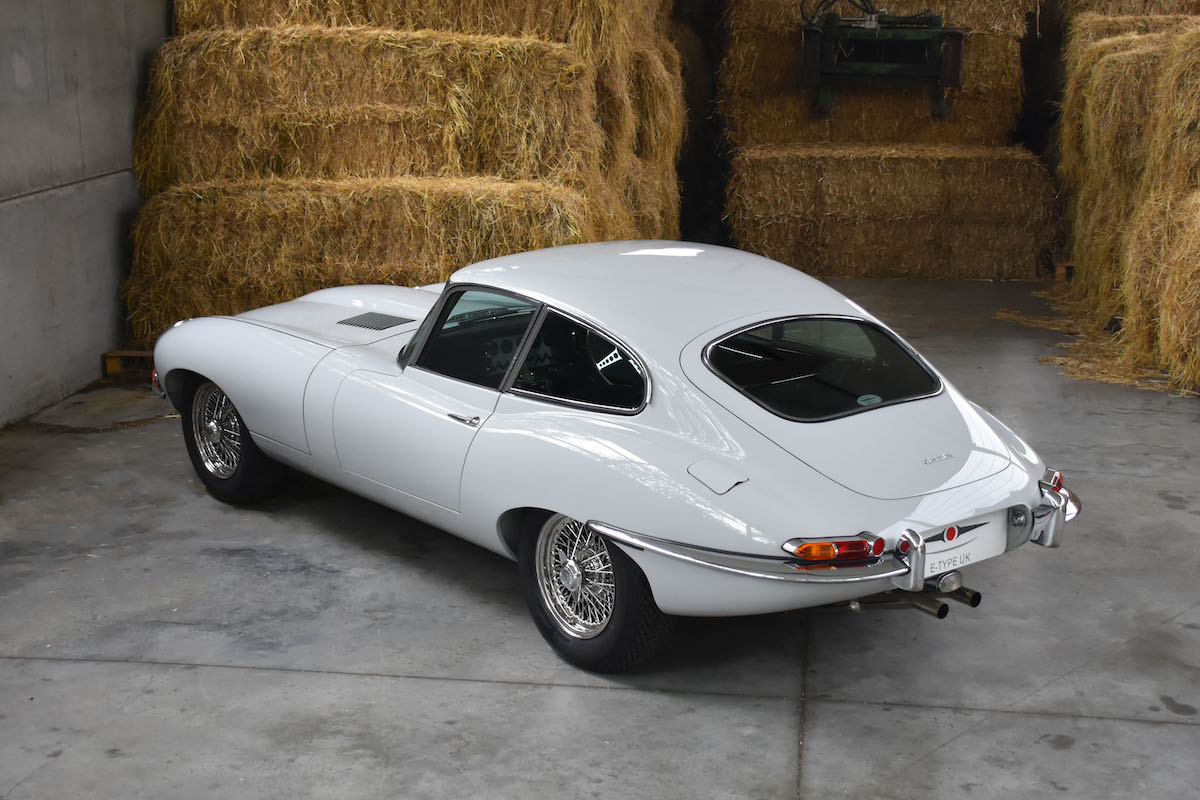
In production form, elements of the E2A shape remained, but little else. The alloy spaceframe and body panels were remodelled in steel and the all-alloy 3.0-litre engine was replaced by Jaguar’s iron block 3.8-litre.
The clever, front-hinged bonnet that made both sides of the crossflow Jaguar engine easily accessible was retained, while the heavy XK engine was mounted well back in the frame, allowing the E-Type coupe to achieve near-perfect 51/49 front-to-rear weight distribution.
Handling was helped by independent rear suspension that would later be used on Jaguar sedans, with the carmaker devising a clever method of isolating the body from IRS stress without adding massive amounts of weight.
The E-Type’s final drive and rear suspension were supported by a steel carrier frame which held the differential, driveshafts, inboard disc brakes and four coil-spring/damper units.
Connecting this ‘cage’ to the body were four rubber-insulated mounting points that allowed the entire unit to be removed in less than half an hour, according to Jaguar.
Wire spoke wheels with ‘knock on’ fasteners were fitted to virtually all the 3.8 and 4.2-litre E-Types imported to Australia, but drilled steel wheels were available via special order.
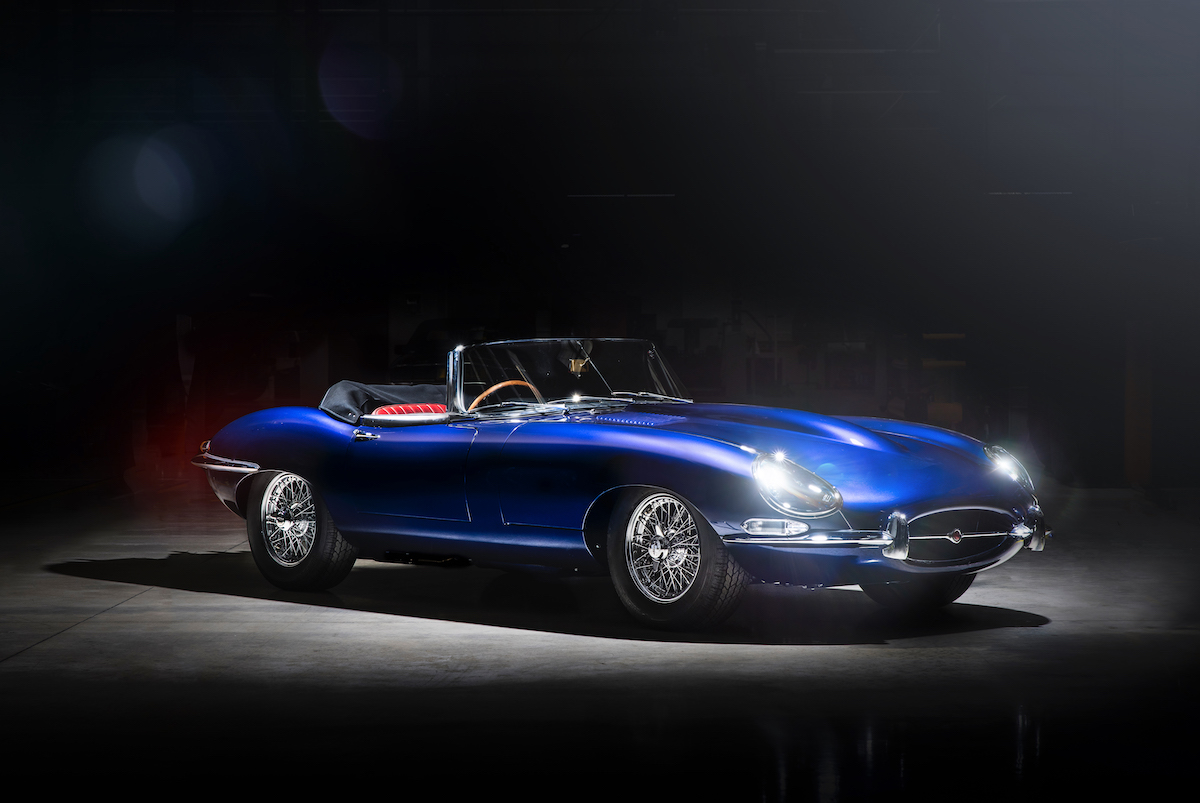
These slotted 6×15-inch aluminium disc wheels were often fitted to E-Types used in competition, including the white E-Type Lightweight with alloy body and engine block that took Victorian racer Bob Jane to victory in the 1963 Australian GT Championship.
Early E-Types had their problems, which Jaguar addressed via regular ‘running changes’. When occupants complained about restricted footroom in the cabins of early cars, Jaguar changed the floor pan design. Perversely, those original (pre-1962) ‘flat floor’ E-Types with external bonnet latches are today more desirable and valuable than later versions.
More obvious and likely to dissuade potential buyers was the nasty four-speed Moss manual gearbox that had been used by Jaguar since the 1930s and was incongruous in the otherwise advanced E-Type.
Lacking synchromesh on first gear and requiring double de-clutching into first gear, the robust but agricultural Moss unit was considered dated even at launch. Despite this, action to replace the Moss ‘box was slow and it wasn’t until late 1964 – when the E-Type engine was enlarged to 4.2-litres – that Jaguar adopted an all-synchromesh manual four-speed of its own design.
While still offering a range of enticing sedans Jaguar recognised demand among some E-Type buyers for a vehicle that could be passed off as a ‘family’ version. The engineering solution was to stretch the wheelbase 229mm and increase the windscreen height by 35mm to enhance leg and headroom, while installing a pair of ‘occasional’ rear seats.
Hence, in March 1966 Jaguar announced its E-Type 2+2, with the option for the first time of a three-speed automatic transmission.
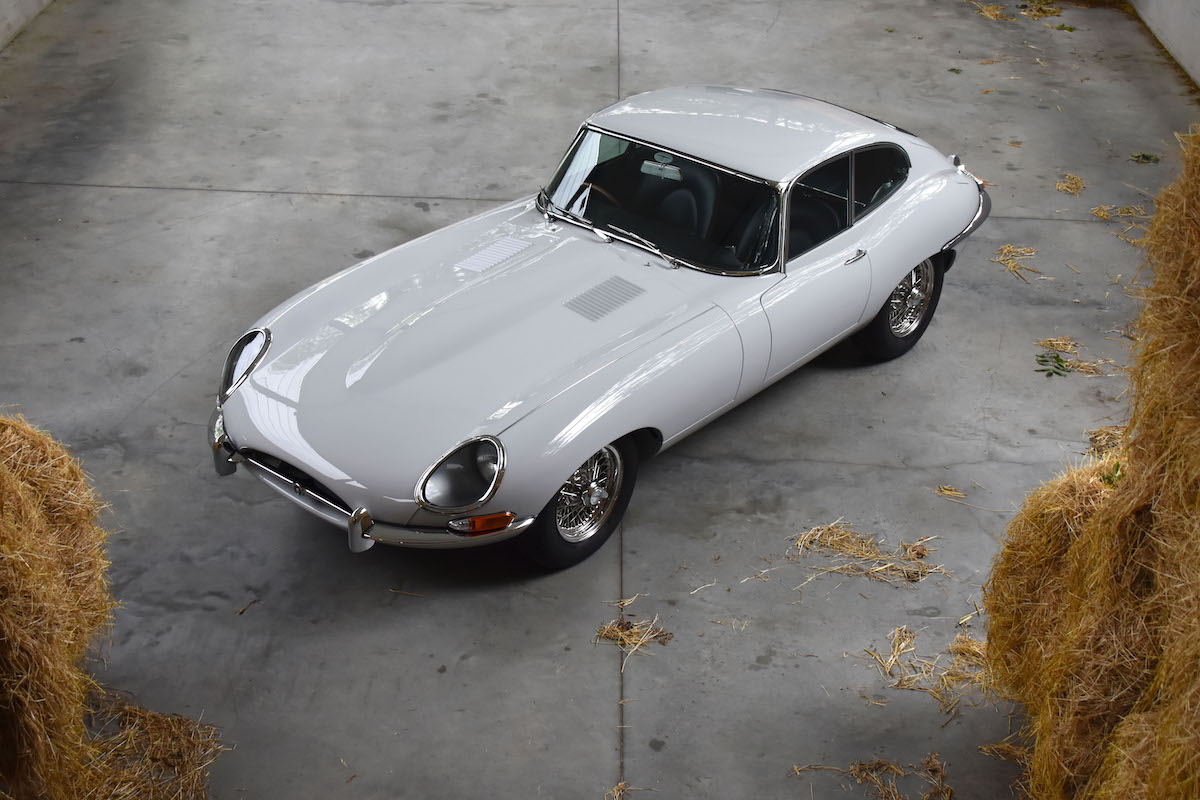
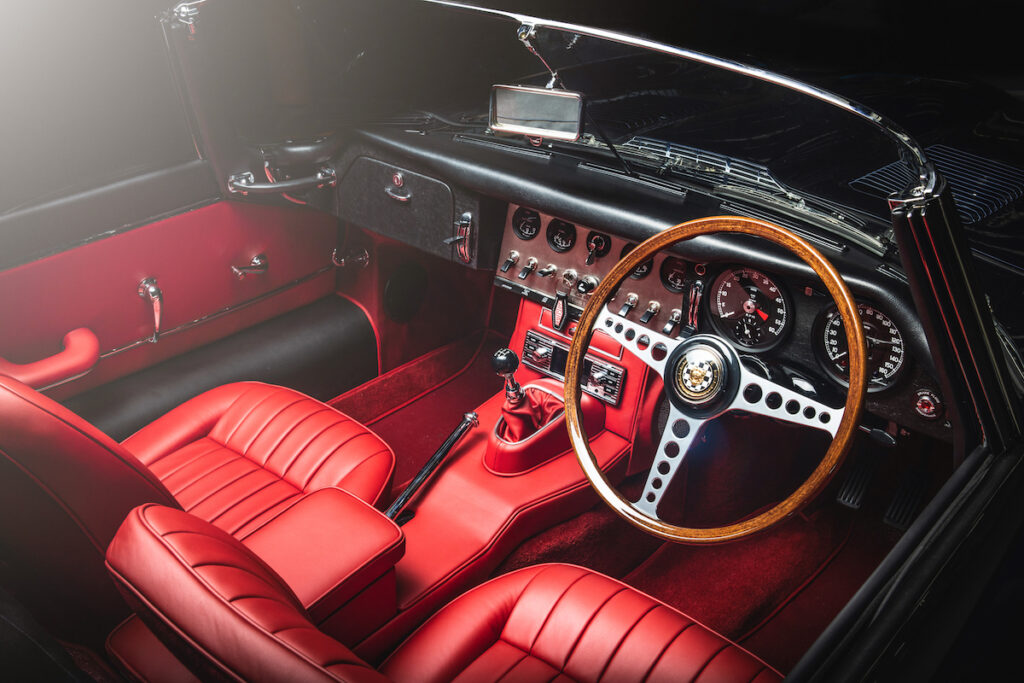
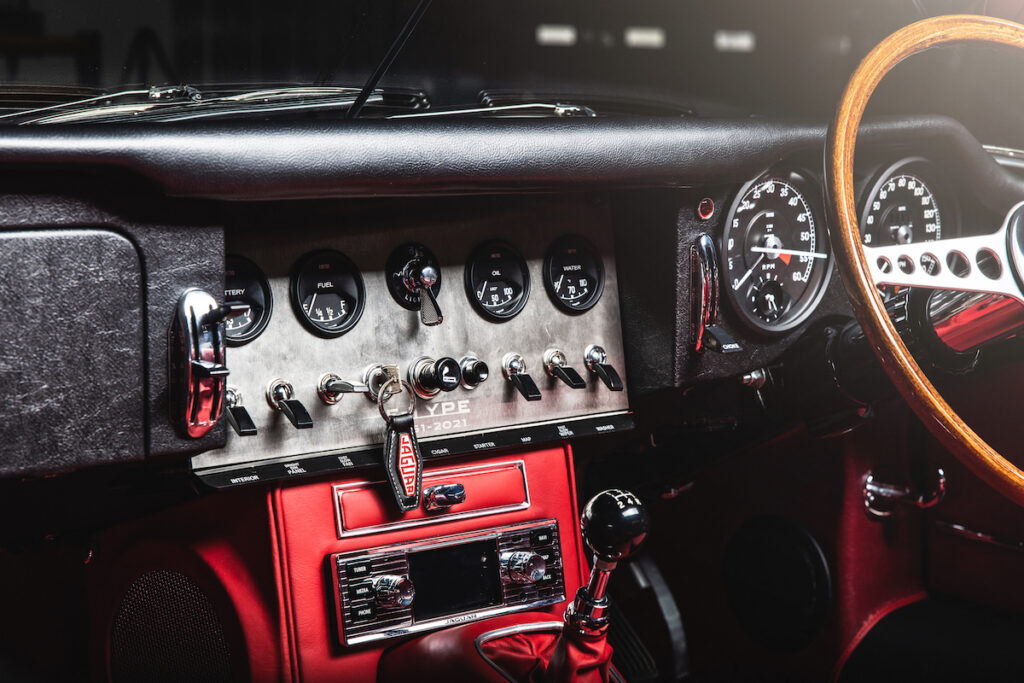
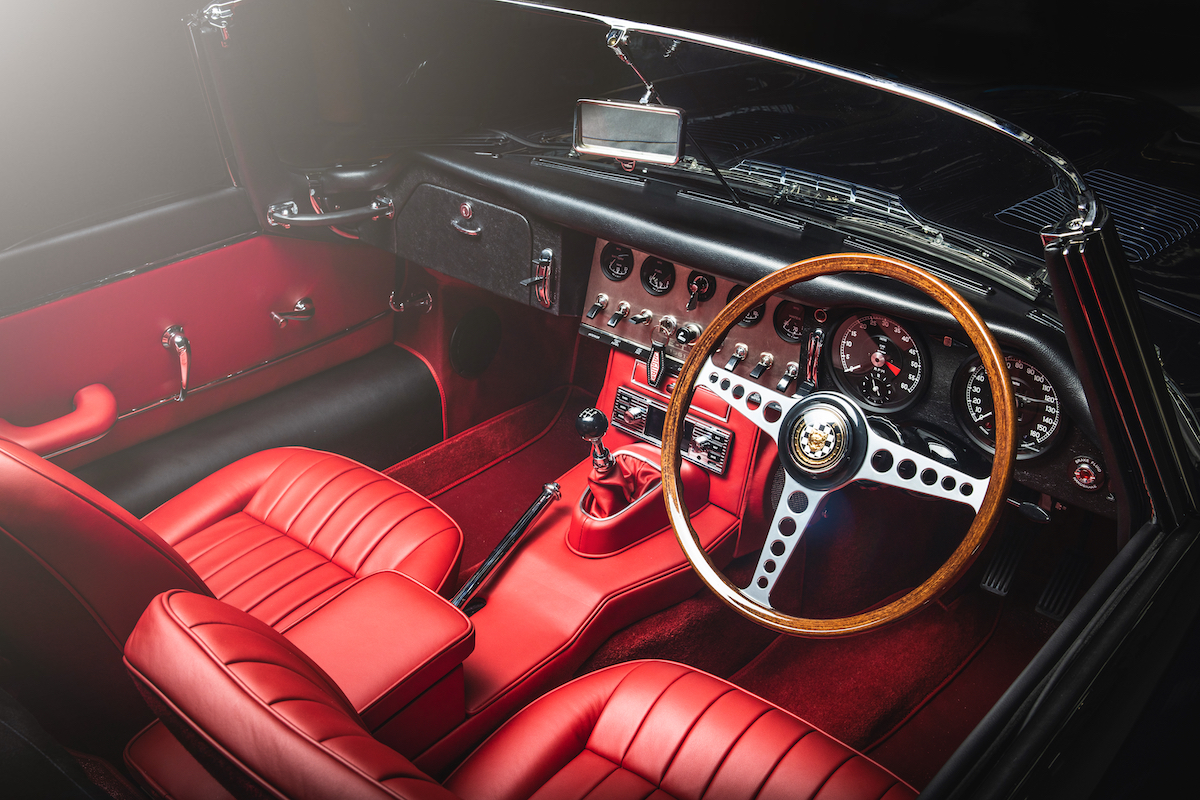
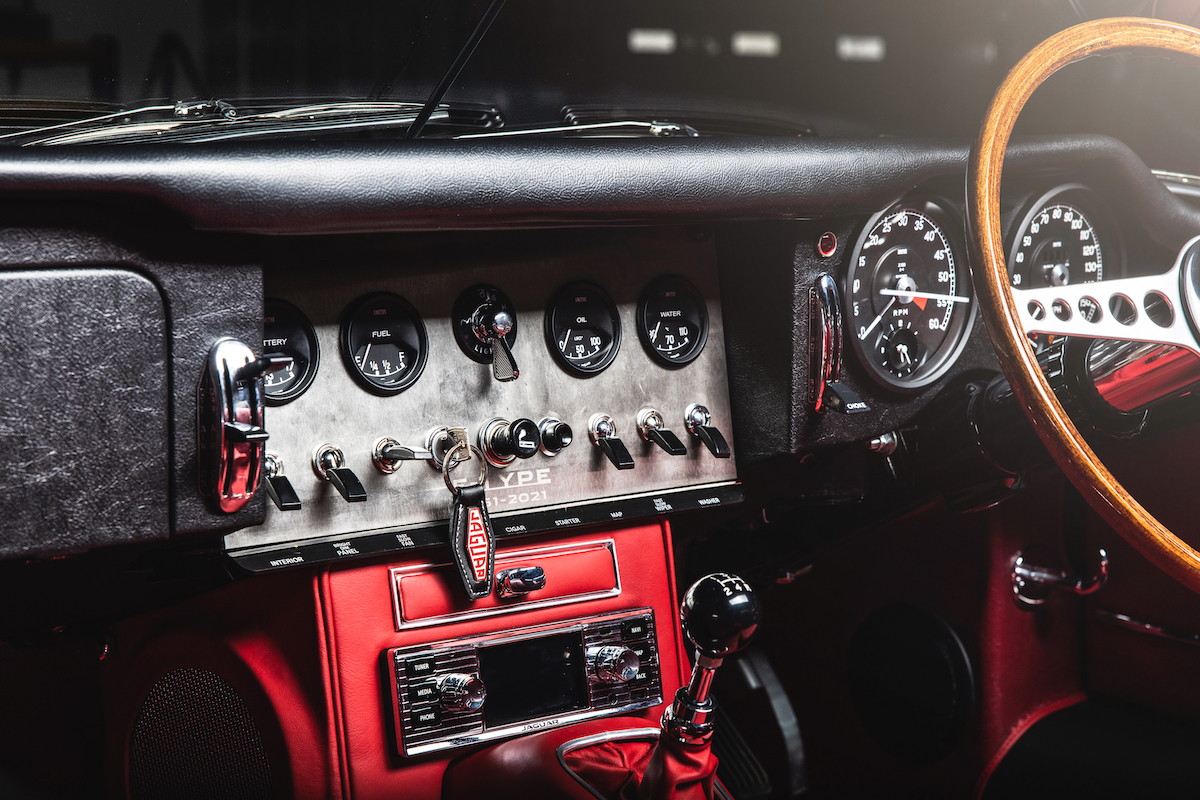
Around this time, US regulators began showing interest in automotive safety issues, with sports and high-performance cars easy targets. New rules from late 1968 required E-Types and similarly low-slung cars to have their bumper heights raised and indicator clusters enlarged, with the addition of side-mounted ‘repeater’ lights. Dash padding also became mandatory, as was elimination of in-cabin protrusions like Jaguar’s trademark toggle switches.
For Jaguar, the need to introduce a Series 2 version of the E-Type was of little concern and allowed further improvements to be made. A larger air-intake bisected by the full-width bumper fed air to a pair of electric cooling fans, helping address overheating complaints from certain export markets. The braking system was also upgraded and a wider 6.5-inch wire-spoke wheel with 205-section tyres became optional.
To meet emission requirements, Series 2 E-Types sold in the USA were stripped of their triple SU carburettors and instead ran dual Strombergs with a ‘crossover’ pipe that delivered fuel pre-heated by the exhaust manifold to ensure cleaner combustion. Thankfully, Australian cars retained the triple SU arrangement.
Today, buyers do need to consider the benefits and weaknesses of the various E-Type versions, and ideally drive a few different examples before making a choice. Loving or hating an E-Type can be very dependent on the version, as well as the way the car has been maintained, and how it has been modified.
Most common changes include upgraded shock absorbers, more compliant suspension bushings and tweaks to suspension settings. These adjustments can significantly reduce steering effort when cornering but also affect ride quality.
According to Jaguar historian Paul Skilleter, a high proportion of the six-cylinder E-Types produced from 1961-71 (47,080 from a total 57,228) were left-hand drive cars. Most were originally destined for North America but many now find themselves in other locations.
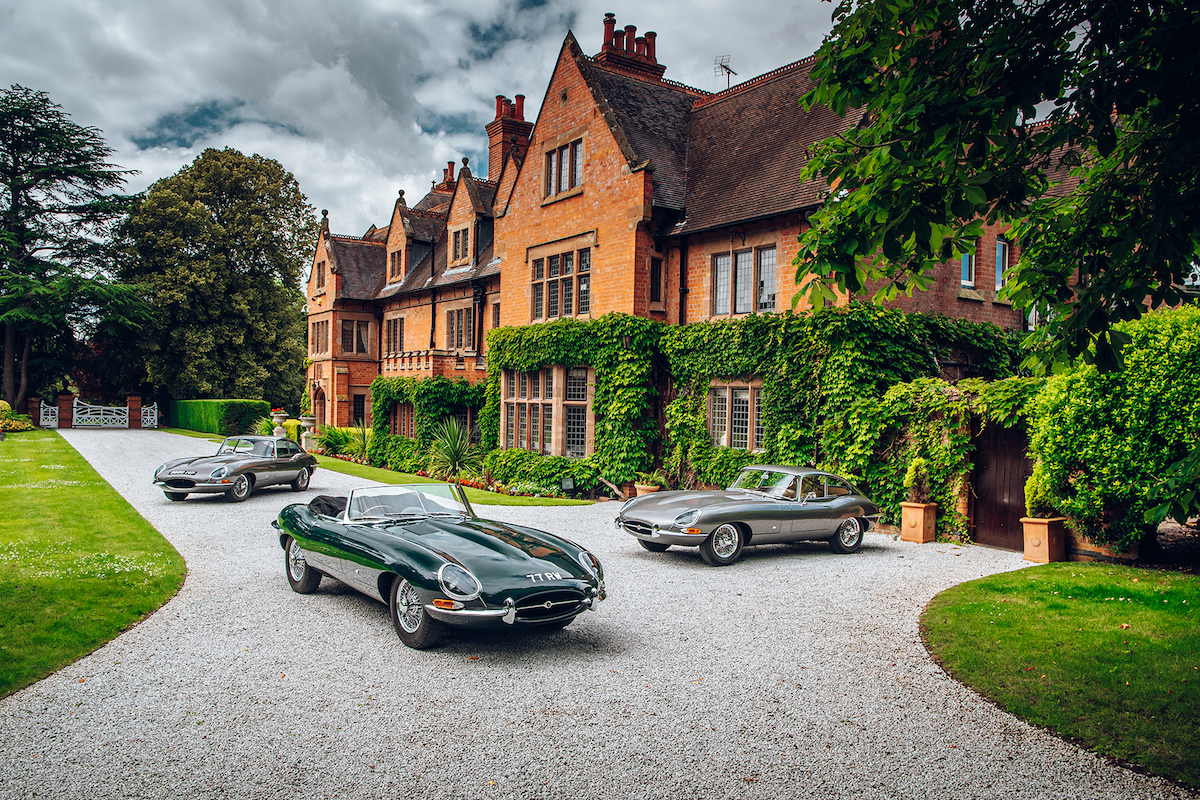
Australia was a popular place for RHD cars, with the Jaguar Drivers’ Club of Australia’s E-Type Register noting 506 official imports of new six-cylinder S1 and S2 cars. To this would be added an unknown number of personal imports plus the several hundred cars imported LHD from the USA during the 1980s-90s.
The result is a plentiful supply of cars in our market but also the need for buyers to be fully aware of a car’s provenance when deciding on a price.
Early Fixed Head cars in ‘concours’ condition can exceed $200,000, with Open Top Sports of similar quality closer to $300,000. Least costly of the original RHD cars will be 2+2 automatics at less than $100,000.
Where a car has been converted from LHD, undergone an engine swap and/or other significant mechanical alteration, deducting 30 percent from the value of a RHD car of equivalent quality is realistic.
E-Type values have experienced ‘boom and bust’ fluctuations since the late 1980s and at present they are nearing the bottom of a decline. Anyone acquiring an E-Type now will likely not have to wait long before demand surges again.
Things to Watch Out for When Buying a Used Jaguar E-Type 3.8/4.2 (1961-71)
- Lots of local E-Types have undergone RHD conversions.
- Repairs to the bonnet or poor alignment.
- E-Types need regular cooling system maintenance and a supplementary fan (unless standard) for summer use.
- Fluttering and slow throttle response from poorly-tuned carburettors.
- Excessive gear whine and difficult downshifts in ‘Moss box’ cars.
- Clunks or slip from wire-spoke wheels due to worn splined hubs and rims.
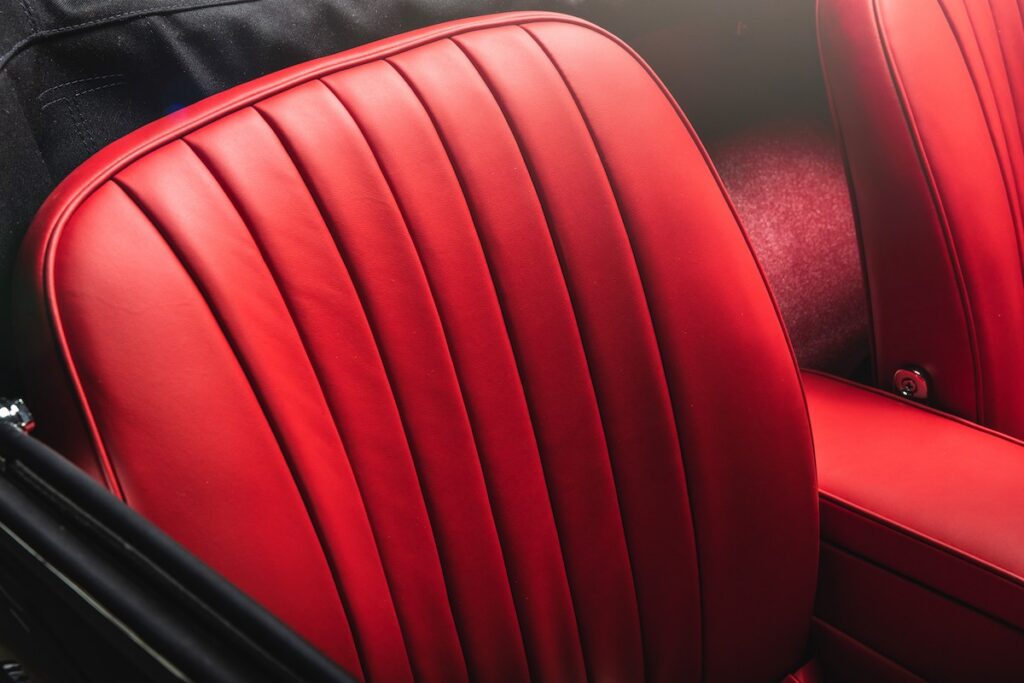
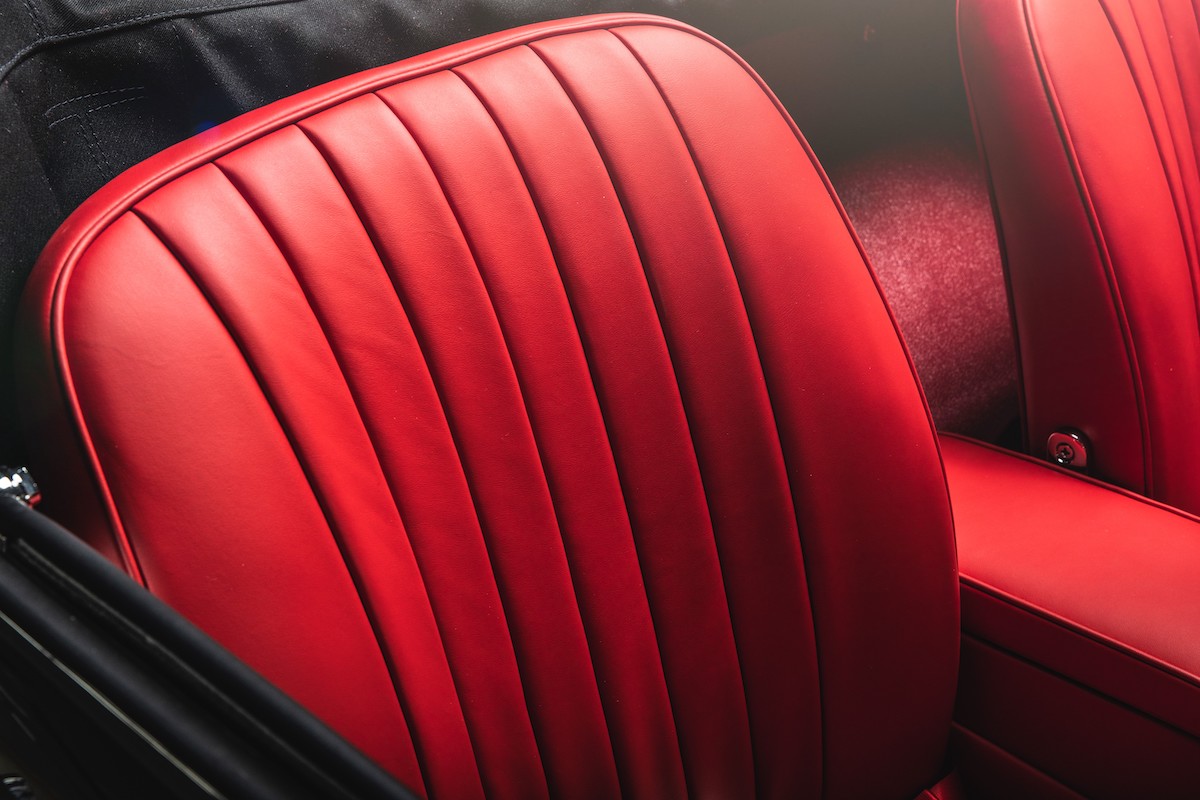
- Worn leather and collapsed seat padding.